India · Terrestrial
Gangotri National Park
National park of 237,680 hectares in India, established in 1989.
Overview
National park of 237,680 hectares in India, established in 1989.
Gangotri National Park is located in India (Asia). It is a predominantly terrestrial area. Established in 1989, it covers about 237,680 hectares.
In our collections
Frequently asked questions
Where is Gangotri National Park?
In India (Asia). Representative point: 31.0882° N, 79.1455° E.
How large is Gangotri National Park?
About 237,680 hectares (2,377 km²). It is the 3rd largest of the 84 national parks in India covered by Parkavela.
When was Gangotri National Park established?
In 1989.
What habitats and landscapes does Gangotri National Park include?
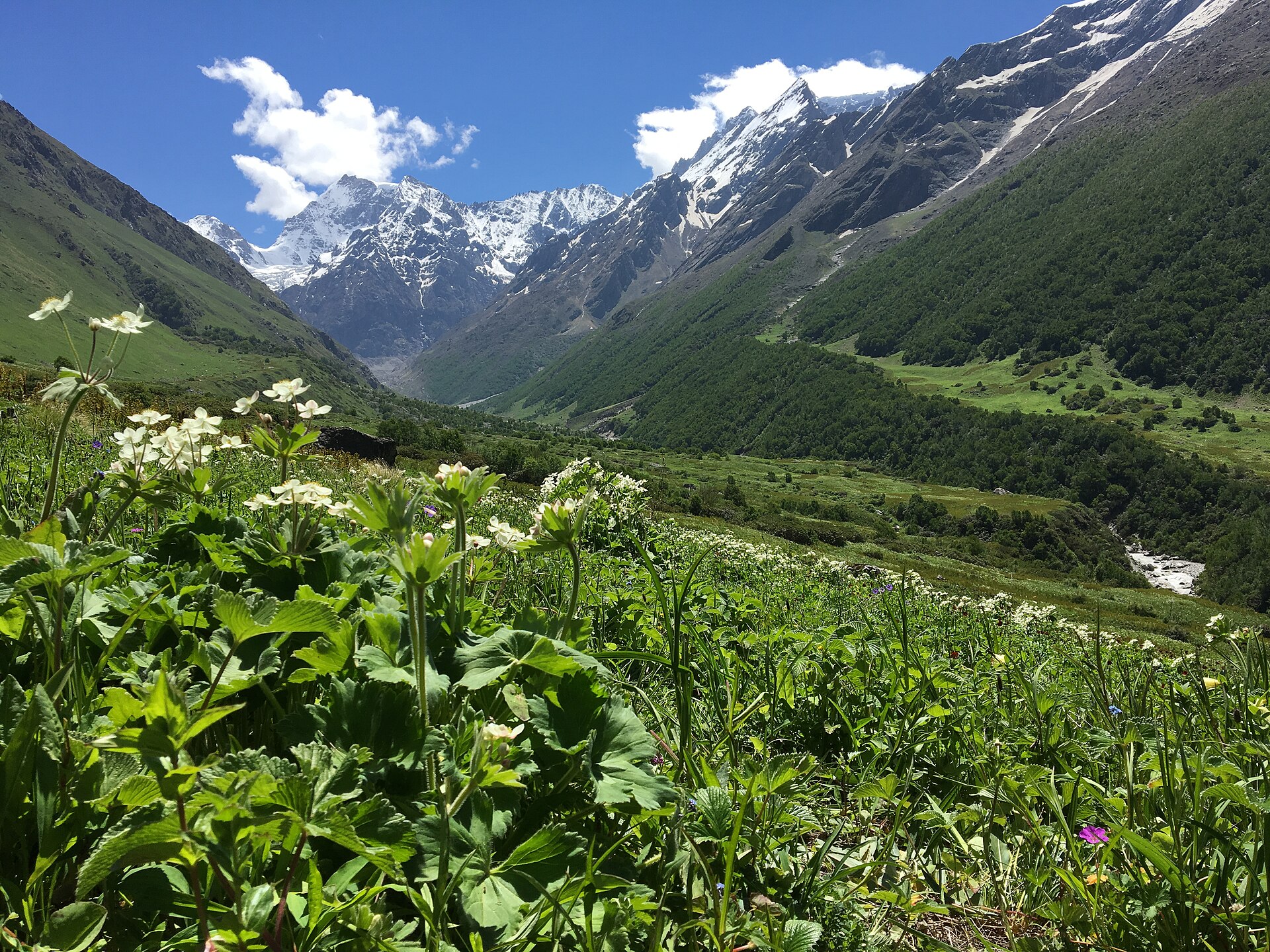
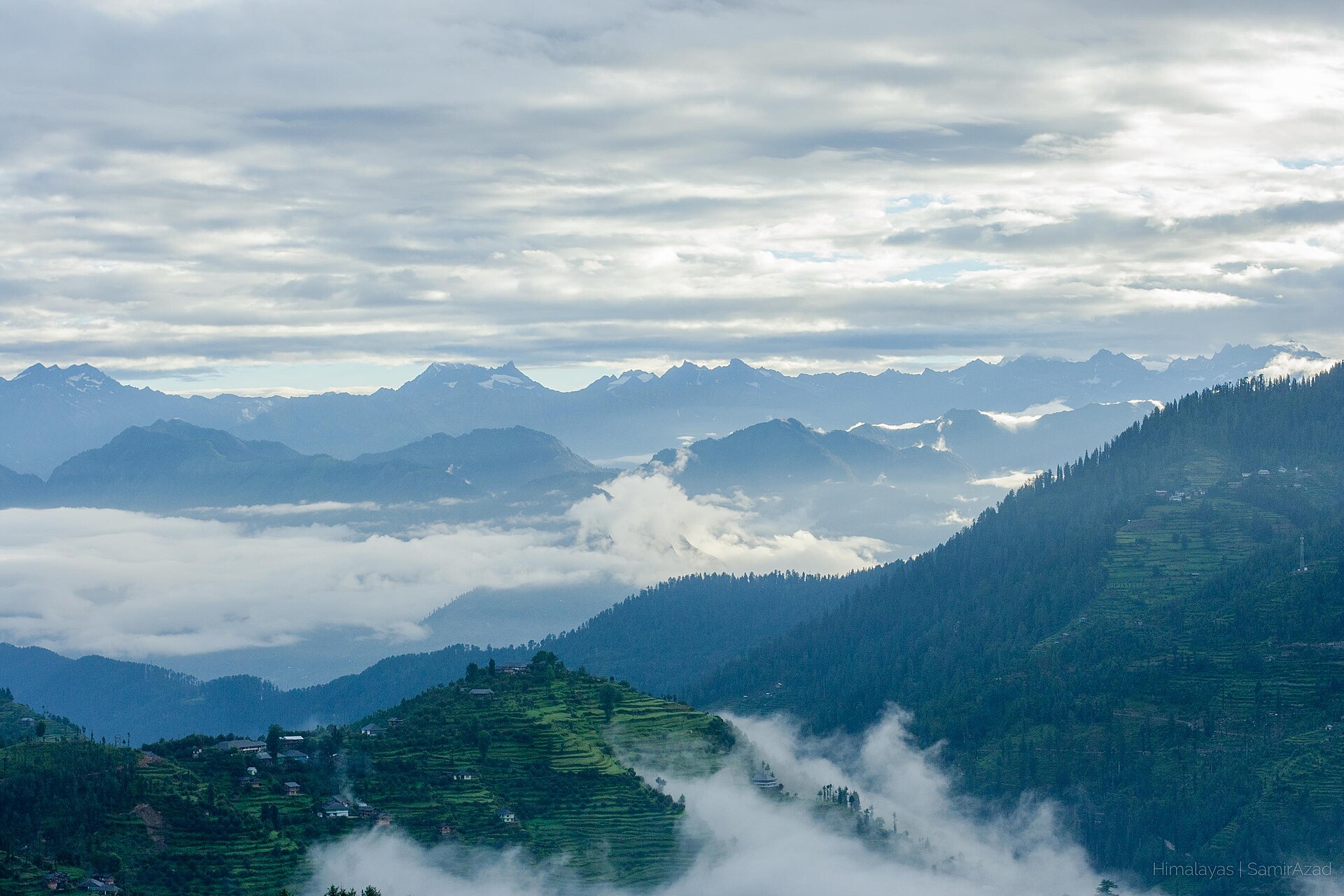
A terrestrial area, with mountains.
What is the highest point of Gangotri National Park?
Chaukhamba, at 7,138 m (Wikidata).
What are the main summits of Gangotri National Park?
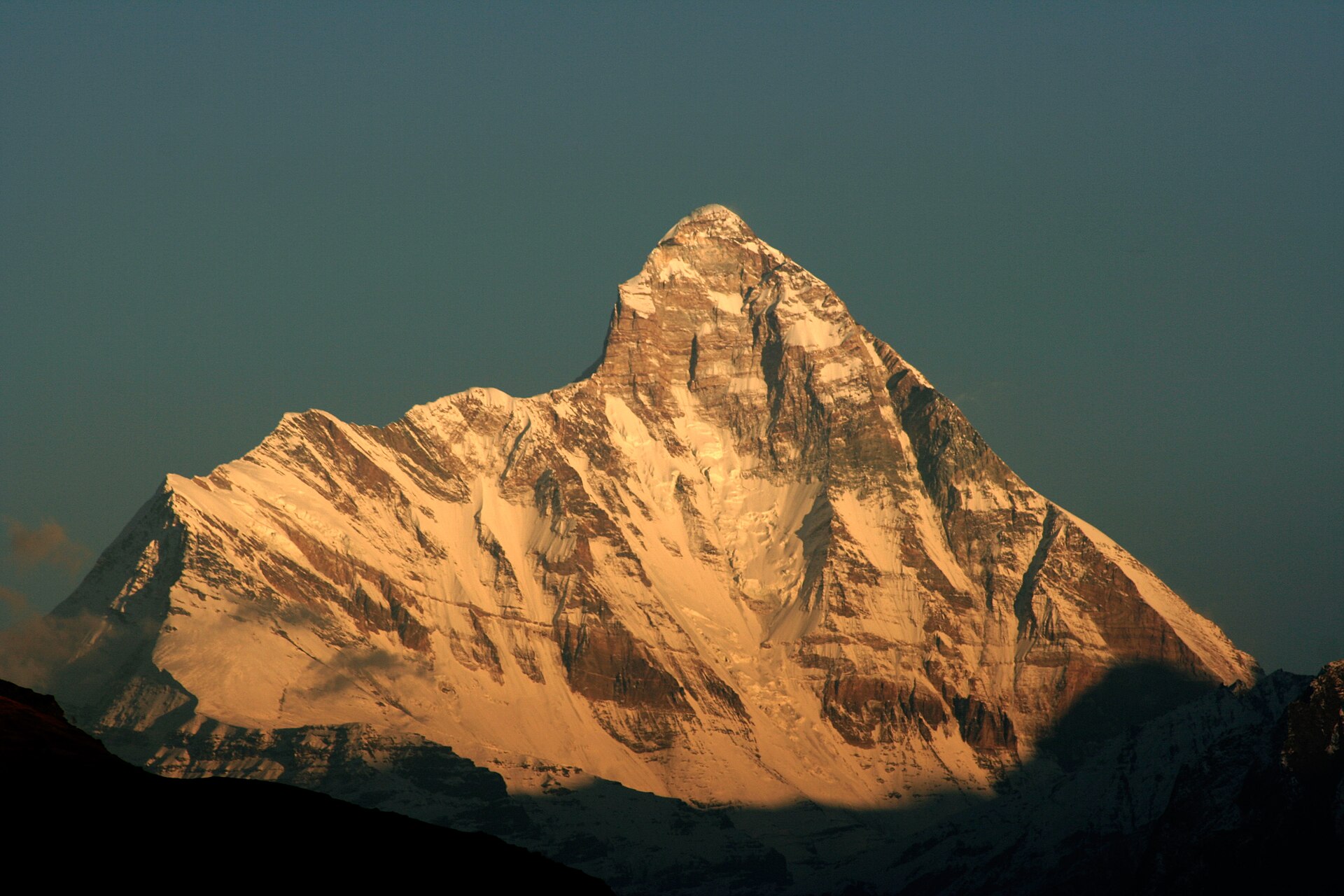
Chaukhamba (7,138 m), Satopanth (7,075 m), Kedarnath (6,940 m), Sri Kailash (6,932 m) and Thalay Sagar (6,904 m) (Wikidata).
When is the best time to visit Gangotri National Park?
Mildest period: July and August, with average temperatures of 7 to 8 °C.
Is there snow in Gangotri National Park?
Yes. According to NASA's MODIS satellites (2015–2025 average), snow covers most of the site from November to June, and until December on higher ground, with about 225 snow-covered days a year on average. Permanent snow remains on the summits even in midsummer.
What is there to see in Gangotri National Park?
3 glaciers, including Gangotri Glacier, Gomukh and Kedarnath Glacier (Wikidata).
What is the nearest large city to Gangotri National Park?
Nearest towns of over 50,000 people, as the crow flies: Dehradun (100 km). Nearest airport: Jolly Grant (DED), about 100 km away.
Which species can be seen in Gangotri National Park?
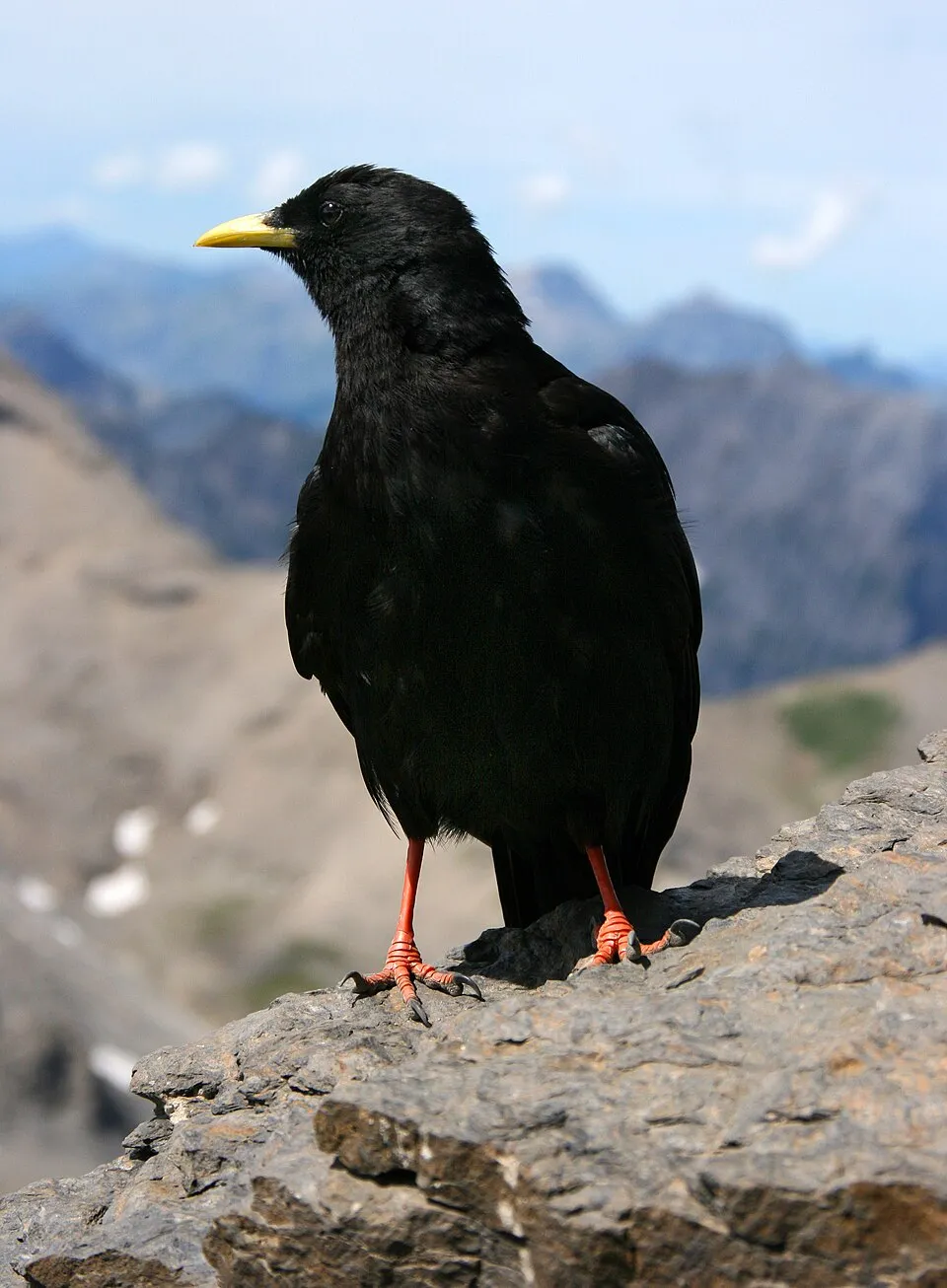
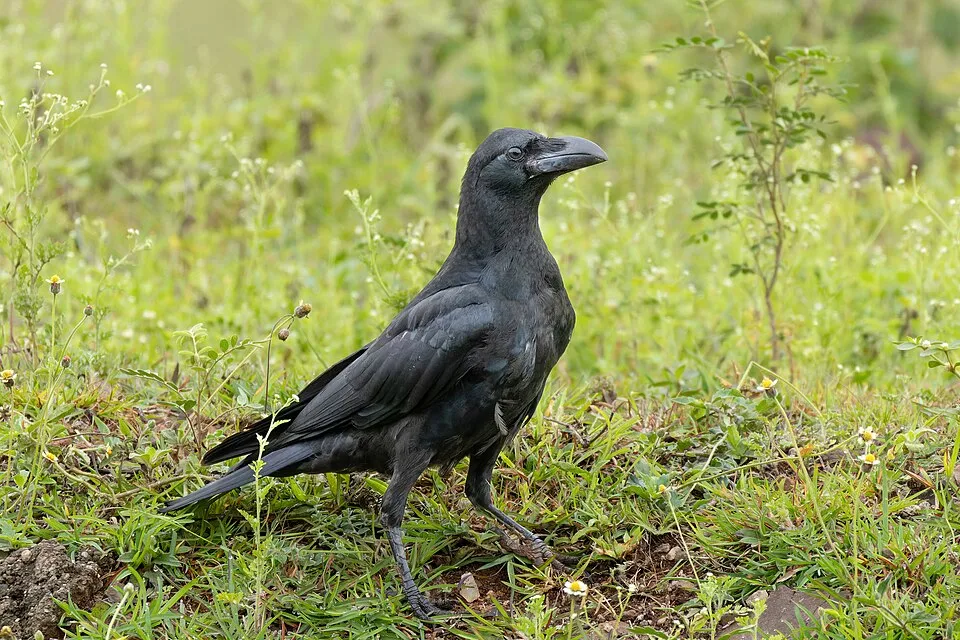
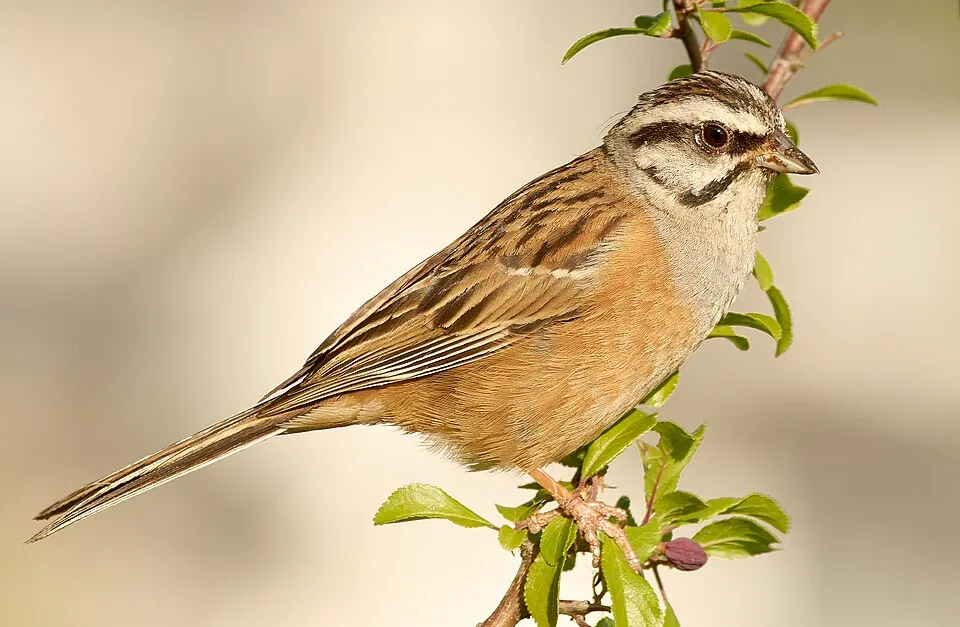
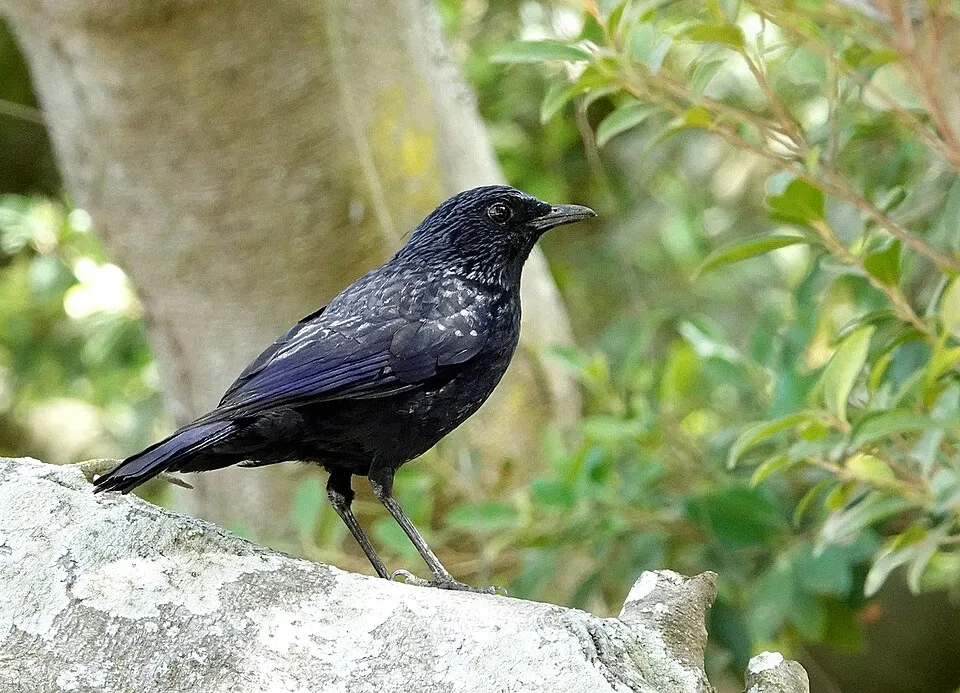
Among the species most often recorded on GBIF are Pyrrhocorax graculus (Alpine Chough), Corvus macrorhynchos (Large-billed Crow), Emberiza cia (Rock Bunting) and Myophonus caeruleus (Blue Whistling Thrush).
© OpenStreetMap
Download the boundary: GeoJSON · GPX Boundary © OpenStreetMap contributors (ODbL).
Geography
The representative point of the site lies at around 4,516 m above sea level. Over the 1996–2025 period, the mean annual temperature is about -4.7 °C and total precipitation reaches roughly 790 mm per year. The warmest month is usually July, the coolest January, and the wettest July.
Area
- Area of the boundary
- 237,680 ha
- Elevation
- 4,516 m
- Median elevation
- 5,194 m
- Mean slope
- 28°
- Snow cover
- ≈ 225 days a year
- Coordinates
- 31.0882, 79.1455
Terrain: Mapzen Terrain Tiles (SRTM, USGS)
Main summits
- Chaukhamba7,138 m
- Satopanth7,075 m
- Kedarnath6,940 m
- Sri Kailash6,932 m
- Thalay Sagar6,904 m
- Bhagirathi6,856 m
- Janhukut6,805 m
- Sri Kailas West6,803 m
- Pilapani Parvat6,796 m
- Mana Parbat I6,794 m
Data: Wikidata (CC0), pending OpenStreetMap data
Climate
● Mean temperature (°C) · ▮ Precipitation (mm)
Source: Copernicus ERA5-Land (C3S, doi:10.24381/cds.68d2bb30), monthly averages 1996–2025 interpolated to the representative point, temperatures adjusted for elevation.
Contains modified Copernicus Climate Change Service information 2026. Neither the European Commission nor ECMWF is responsible for any use that may be made of the Copernicus information or data it contains.
Snow cover measured by satellite
J
F
M
A
M
J
J
A
S
O
N
D
average share of the site under snow · snowiest parts · ≈ 225 days a year
Snow cover: MODIS/Terra MOD10CM v61 (Hall & Riggs, 2021, NASA NSIDC DAAC, doi:10.5067/MODIS/MOD10CM.061), imagery from NASA GIBS (ESDIS); 2015–2025 average, grid of about 5 km.
Natural habitats
According to the global MODIS land cover (NASA, 2024), the site is mainly made up of bare rock and scree (69%), grassland and meadows (20%) and glaciers and permanent snow (11%). Elevation ranges from about 4,000 m to 7,138 m (highest point: Chaukhamba). Median elevation is 5,194 m, and 100% of the site lies above 3,000 m (SRTM elevation model). The terrain is steep: 46% of slopes exceed 30° (mean slope 28°).
Biodiversity
Based on occurrences aggregated by GBIF, several species are regularly recorded within the site. Among the most frequent are Pyrrhocorax graculus (Alpine Chough), Corvus macrorhynchos (Large-billed Crow), Emberiza cia (Rock Bunting) and Myophonus caeruleus (Blue Whistling Thrush). The full list of documented taxa is shown below.
Species to look out for
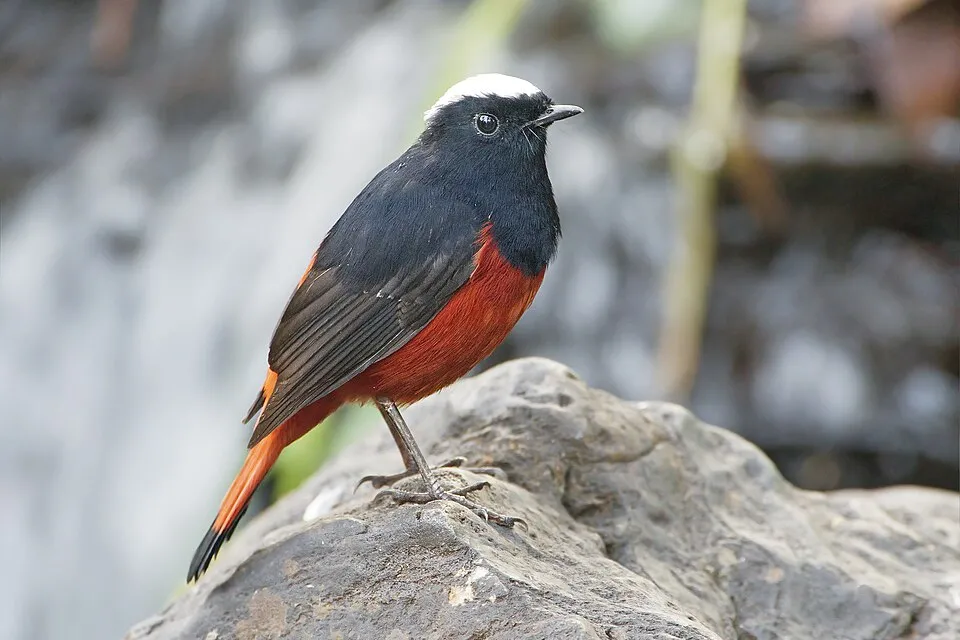
Bird
White-capped Redstart
Chaimarrornis leucocephalus33 records © JJ Harrison (https://www.jjharrison.com.au/) · CC BY-SA 3.0
Observed species
Occurrences documented via GBIF; they are neither an exhaustive inventory nor proof of current presence.
- Alpine Chough · Pyrrhocorax graculus · 98
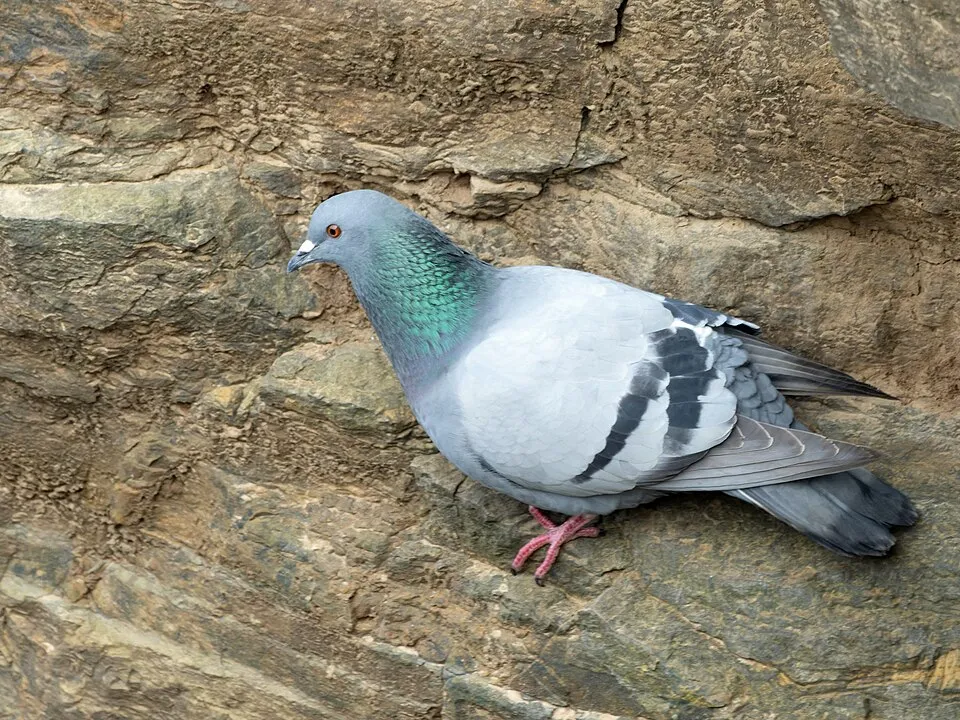
- Rock Dove · Columba livia · 50
- Large-billed Crow · Corvus macrorhynchos · 46
- Rock Bunting · Emberiza cia · 43
- Blue Whistling Thrush · Myophonus caeruleus · 38
- White-capped Redstart · Chaimarrornis leucocephalus · 33
- Rufous-naped Tit · Periparus rufonuchalis · 27
- Snow Pigeon · Columba leuconota · 27
- Coal tit · Periparus ater · 26
- White Wagtail · Motacilla alba · 25
- Black Redstart · Phoenicurus ochruros · 24
- Red-billed Chough · Pyrrhocorax pyrrhocorax · 23
+18 more species
- Tickell's Leaf Warbler · Phylloscopus affinis · 23
- Common Rosefinch · Carpodacus erythrinus · 23
- Oriental Turtle Dove · Streptopelia orientalis · 23
- Blue-capped Redstart · Phoenicurus coeruleocephala · 21
- House Sparrow · Passer domesticus · 20
- Streaked Laughingthrush · Trochalopteron lineatum · 18
- Western Crowned Warbler · Phylloscopus occipitalis · 17
- Lemon-rumped Warbler · Phylloscopus chloronotus · 17
- Green-backed Tit · Parus monticolus · 15
- Common Kestrel · Falco tinnunculus · 15
- Bar-tailed Treecreeper · Certhia himalayana · 14
- Pink-browed Rosefinch · Carpodacus rodochroa · 14
- Blue-fronted Redstart · Phoenicurus frontalis · 14
- Brown Dipper · Cinclus pallasii · 14
- Bearded vulture · Gypaetus barbatus · 13
- Himalayan Beautiful Rosefinch · Carpodacus pulcherrimus · 13
- Plain Mountain Finch · Leucosticte nemoricola · 12
- Yellow-breasted Greenfinch · Chloris spinoides · 12
Records: GBIF.org (CC-BY). Names: Wikidata (CC0), GBIF. Photos: Wikimedia Commons.
Conservation challenges
The primary purpose of the site is to preserve its natural habitats and the biodiversity they support. The species recorded (Biodiversity tab) reflect its ecological value. Its status as a national park sets the regulatory framework for its protection.
At night, the area gives off virtually no artificial light detectable from space (NASA VIIRS Black Marble composite, 2016).
Pressure indicators
Light at night
< 1%
of the area gives off artificial light visible from space
DarkLit
Sources: Global Forest Change (Hansen et al., University of Maryland, via Global Forest Watch, CC-BY 4.0); EFFIS, European Commission / Copernicus; NASA Black Marble 2016 (public domain); CORINE Land Cover 2018 (Copernicus) or MODIS.
Practical information
Cities and airport
- Dehradun
100 km as the crow flies - Airport: Jolly Grant (DED)
100 km as the crow flies
Data: Wikidata (CC0), pending OpenStreetMap data
Access and visiting
Nearest towns of over 50,000 people, as the crow flies: Dehradun (100 km). Nearest airport: Jolly Grant (DED), about 100 km away. About 32,000 people live within 20 km of the site boundary, 3,900 of them within 10 km; some 1,300 people are estimated to live inside (GHSL estimate, 2020). This population has grown by about 72% since 2000. To see: 3 glaciers, including Gangotri Glacier, Gomukh and Kedarnath Glacier. To plan a visit (access, opening periods, visitor rules), it is best to consult the official information from the managing body and the official website listed in this page's sources.
Source: Wikidata (CC0), November 2026.
When to visit
Mildest period: July and August, with average temperatures of 7 to 8 °C. Average temperatures drop below 0 °C from October to May: frost is common. Precipitation peaks in July and August (up to 120 mm per month). These averages apply to the site's representative point (4,516 m); higher up it is markedly cooler and snow lasts longer. According to NASA's MODIS satellites (2015–2025 average), snow covers most of the site from November to June, and until December on higher ground, with about 225 snow-covered days a year on average. Permanent snow remains on the summits even in midsummer. Day length ranges from about 10 h 08 min in December to 14 h 09 min in June. Wildlife records published on GBIF peak for birds (May). These peaks also reflect when observers are most active.
Source: Copernicus ERA5-Land (C3S), monthly averages 1996–2025 at the representative point, temperatures adjusted for elevation.
Contains modified Copernicus Climate Change Service information 2026. Neither the European Commission nor ECMWF is responsible for any use that may be made of the Copernicus information or data it contains.
Wildlife records calendar
JFMAMJJASOND
Birds
Monthly records published on GBIF (CC-BY), relative to the busiest month; also reflects observer activity.
Gallery
© Maneesh.pal · CC BY-SA 3.0
© Sirsendu Gayen · CC BY-SA 4.0
© Surajit Das · CC BY-SA 4.0
© Paritosh Rana · CC BY-SA 4.0
© Gauravkaintura1234 · CC BY-SA 4.0
© Urva222 · CC BY-SA 3.0
Sources and licences
- Wikidata: Q2281202
- OpenStreetMap: relation 2713675
- Wikipedia: en.wikipedia.org/wiki/Gangotri_National_Park
- WDPA: 28385
References
- cds.climate.copernicus.eu: climate · CC-BY-4.0
- registry.opendata.aws: elevation of the reference point, detailed relief · PD
- lpdaac.usgs.gov: land cover · PD
- doi.org: population around the site · CC-BY-4.0
- naturalearthdata.com: sea share · PD
- openstreetmap.org · ODbL-1.0
- en.eurovelo.com: EuroVelo cycle routes · ODbL-1.0
- cycling.waymarkedtrails.org: cycle routes · ODbL-1.0
- opentopodata.org: elevations · PD
- wikidata.org: establishment date, protected heritage, official name, nearby cities and airport, access and peaks, lake depths, places to see · CC0-1.0
- globalforestwatch.org: tree cover loss · CC-BY-4.0
- gbif.org: seasonality of sightings, invasive alien species, observed species · CC-BY-4.0
- earthobservatory.nasa.gov: night light · PD
- nsidc.org: snow cover · PD
- wikidata.org: Wikipedia article · CC-BY-SA-4.0
Data © OpenStreetMap contributors (ODbL), Wikidata (CC0) and the sources cited.