
Bird
Bearded vulture: where to see it
Gypaetus barbatus
This bird species is recorded in 90 protected areas of the atlas, including 80 whose official Natura 2000 form lists it. Within the atlas countries, it is mostly observed in France, Spain and Switzerland (7 countries in all). Most records (8 in 10) lie between 1,350 and 2,600 m above sea level. Records peak from March to October. It is subject to special conservation measures under the Birds Directive (Annex I). Its EU population is assessed as threatened (2013–2018 Birds Directive reporting).
Best time to see it: March–October
Records published on GBIF by month (CC0 and CC BY 4.0 licences only), in the atlas countries, all years combined; they also reflect observer activity.
Key facts
- Weight (female)
- 6.18 kg Wikidata, after Lislevand et al. 2007
- Weight (male)
- 4.91 kg Wikidata, after Lislevand et al. 2007
- Clutch size
- 1 egg Wikidata, after Jetz et al. 2008
- Incubation
- 54 days Wikidata, after Handbook of the Birds of the World
Status and protection
Birds Directive I
The species is listed in Annex I of the Birds Directive.
EU population assessed as threatened, increasing in the short term (2013–2018 Birds Directive reporting). EU breeding population: 220–250 pairs.
Distribution
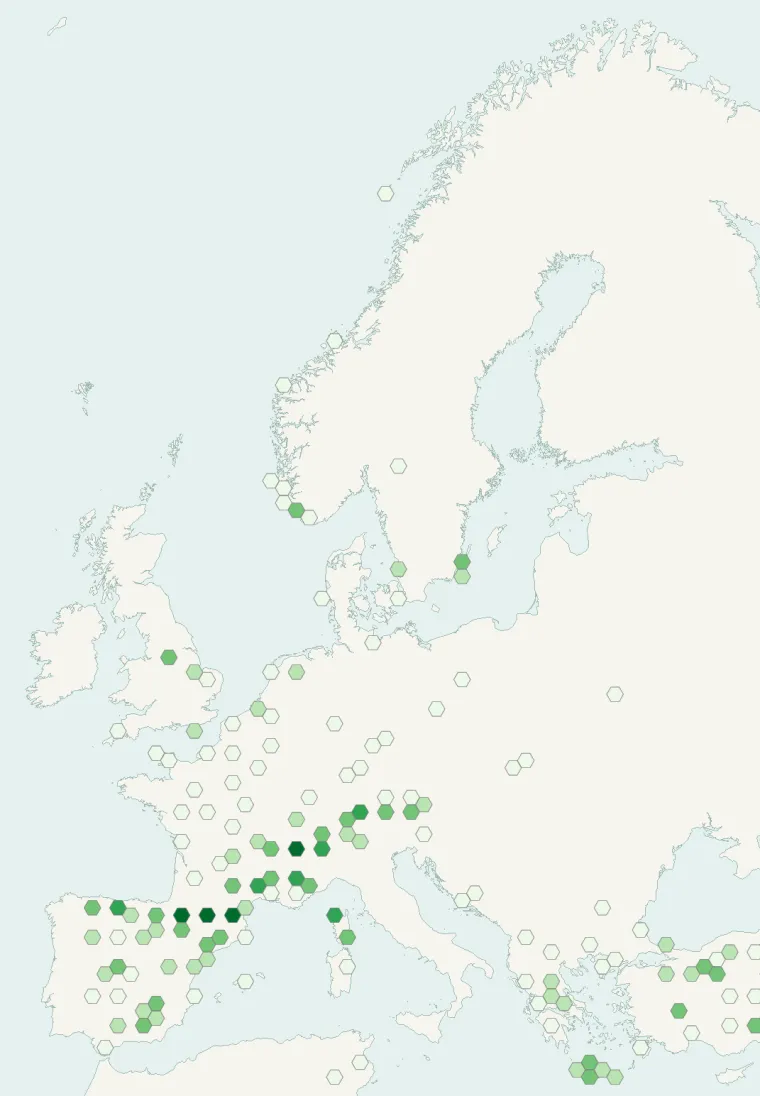
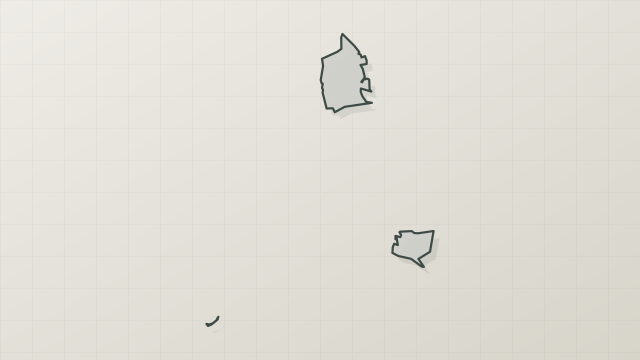
Records published on GBIF (CC0 and CC BY 4.0 licences): the darker the shade, the more records there are; they also reflect observation effort.
Atlas countries where it is recorded
From Wikipedia
The bearded vulture (Gypaetus barbatus), also known as the lammergeier and ossifrage, is a very large bird of prey in the monotypic genus Gypaetus. The bearded vulture is the only known vertebrate whose diet consists of 70–90% bone. Traditionally considered an Old World vulture, it actually forms a separate minor lineage of Accipitridae together with the Egyptian vulture (Neophron percnopterus), its closest living relative. It is not much more closely related to the Old World vultures proper than to, for example, hawks, and differs from the former by its feathered neck.
Source: Wikipedia, article “Bearded vulture” (version of October 19, 2026) · history and authors · licence CC BY-SA 4.0 · shortened excerpt
Protected areas where it is recorded

Natura 2000 · breeding 1,014 records
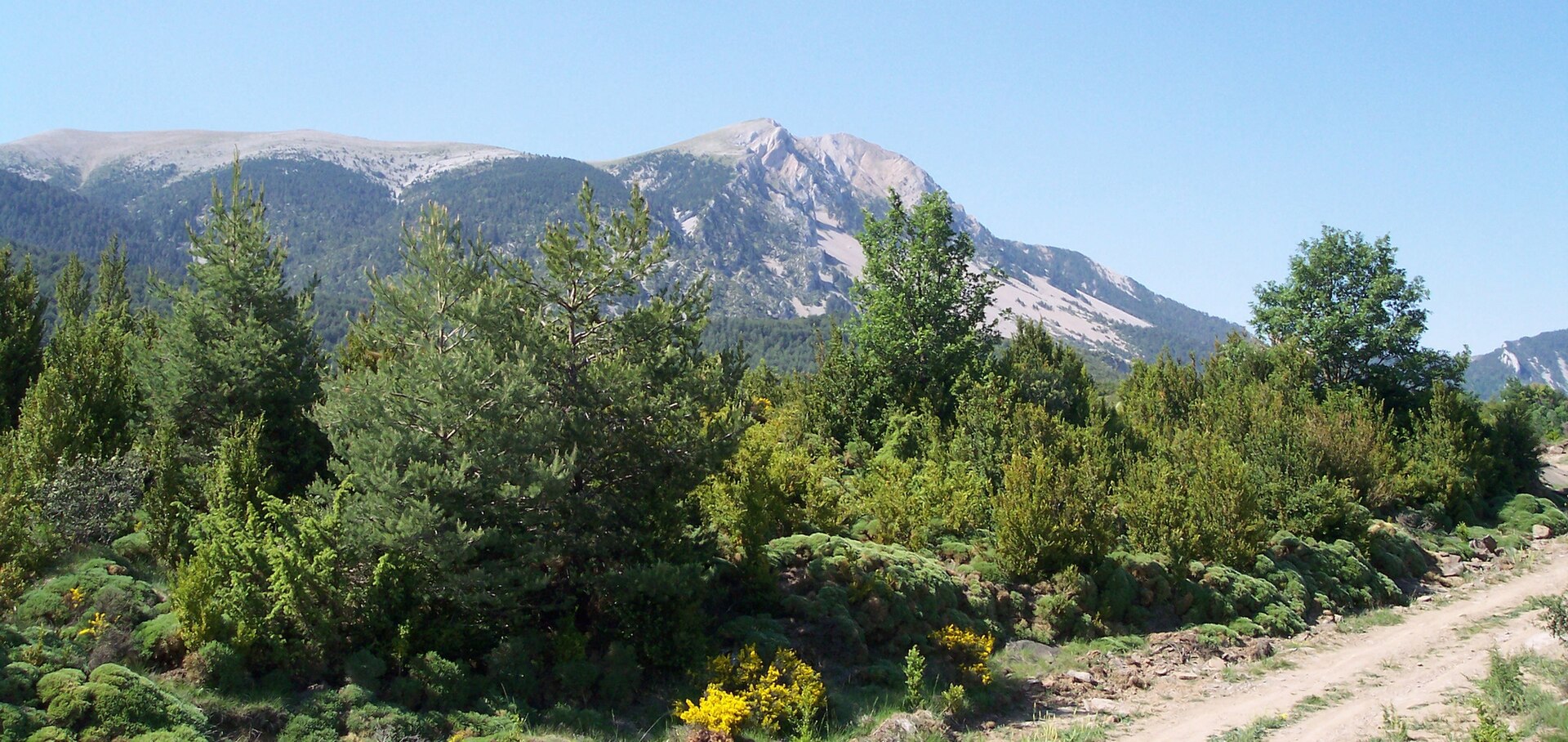
Natura 2000 · breeding 665 records
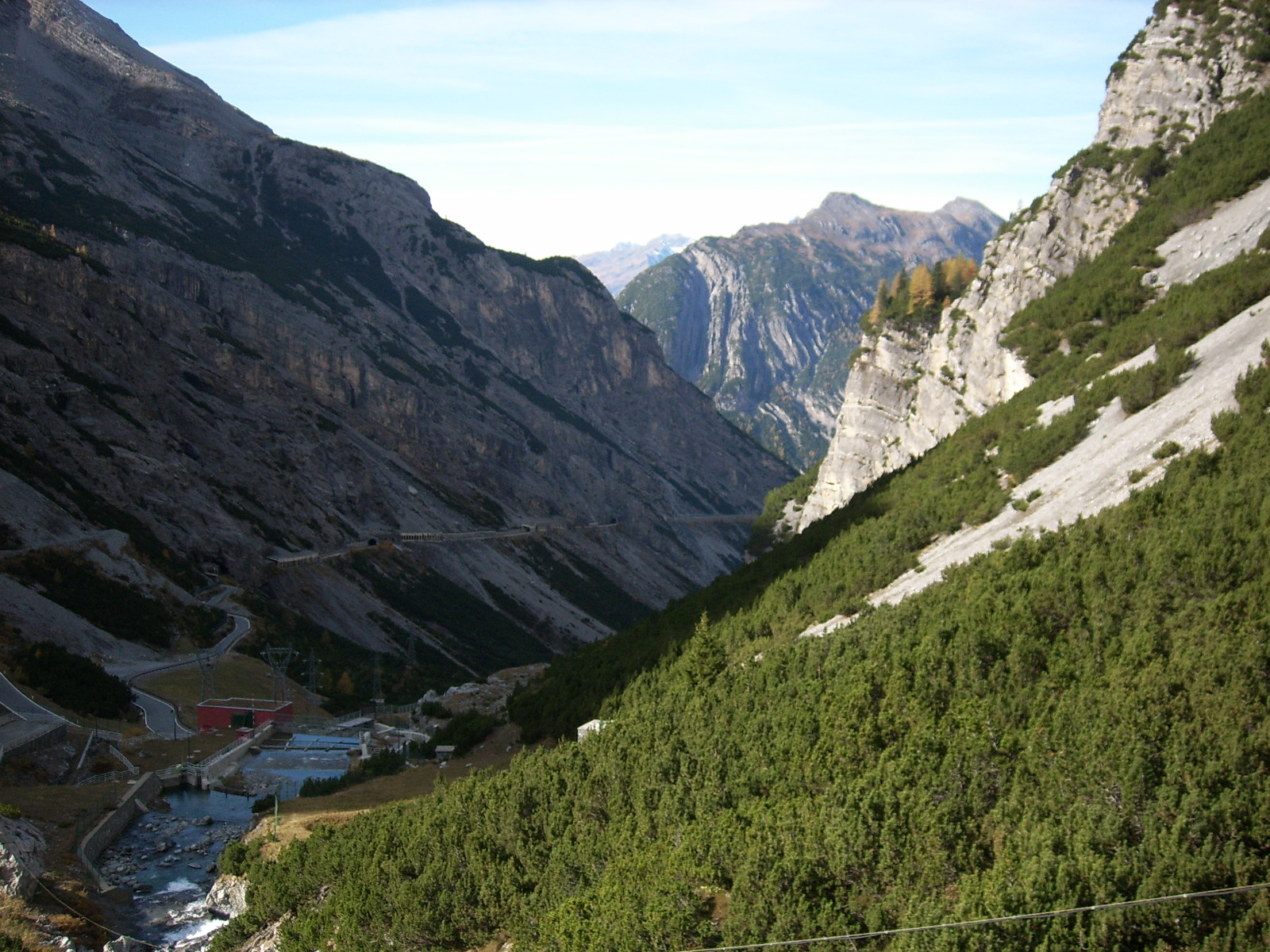
Natura 2000 · resident, passage 238 records

Natura 2000 · resident, breeding 149 records
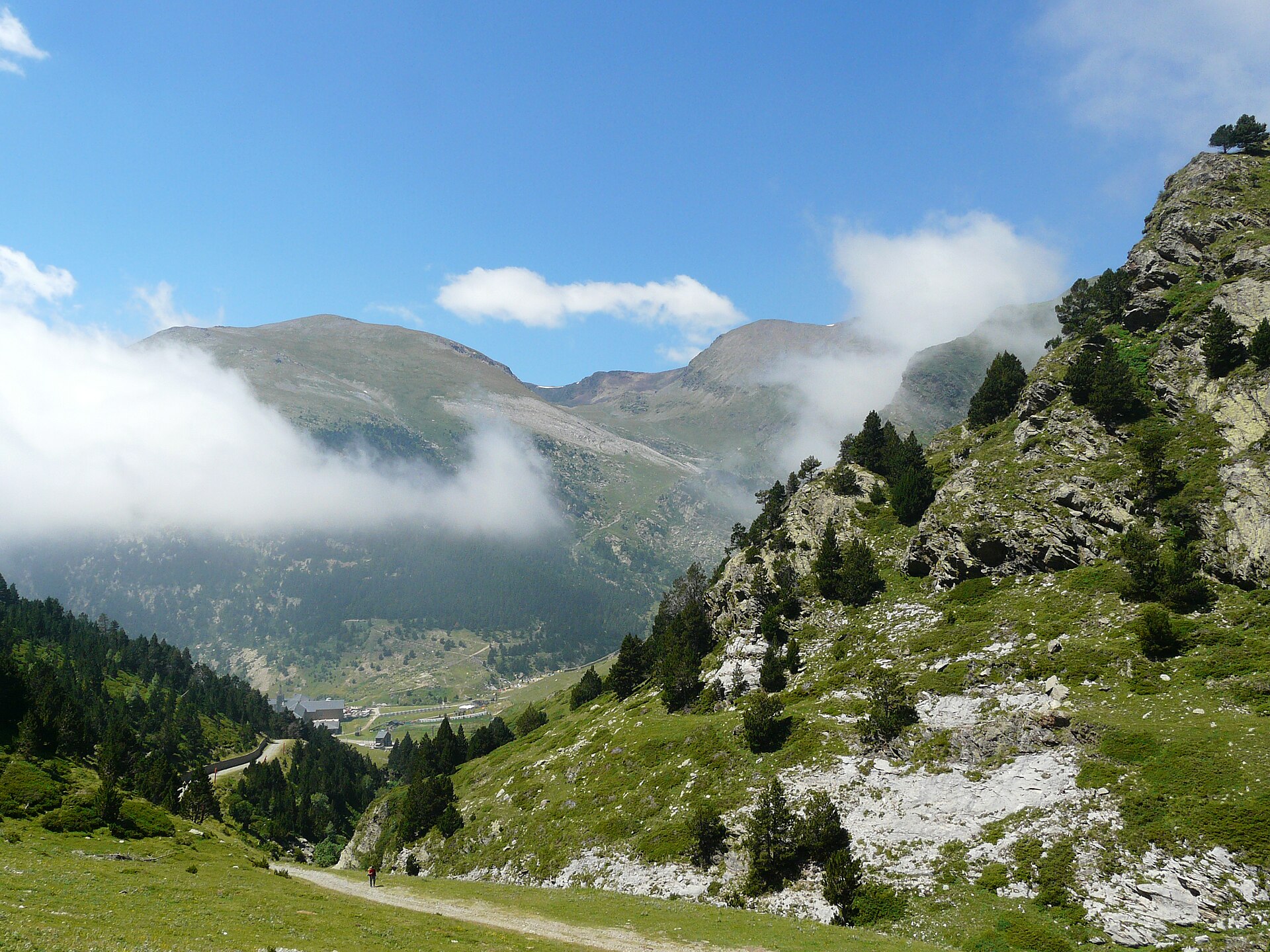
Natura 2000 · resident 124 records

Natura 2000 · resident 108 records
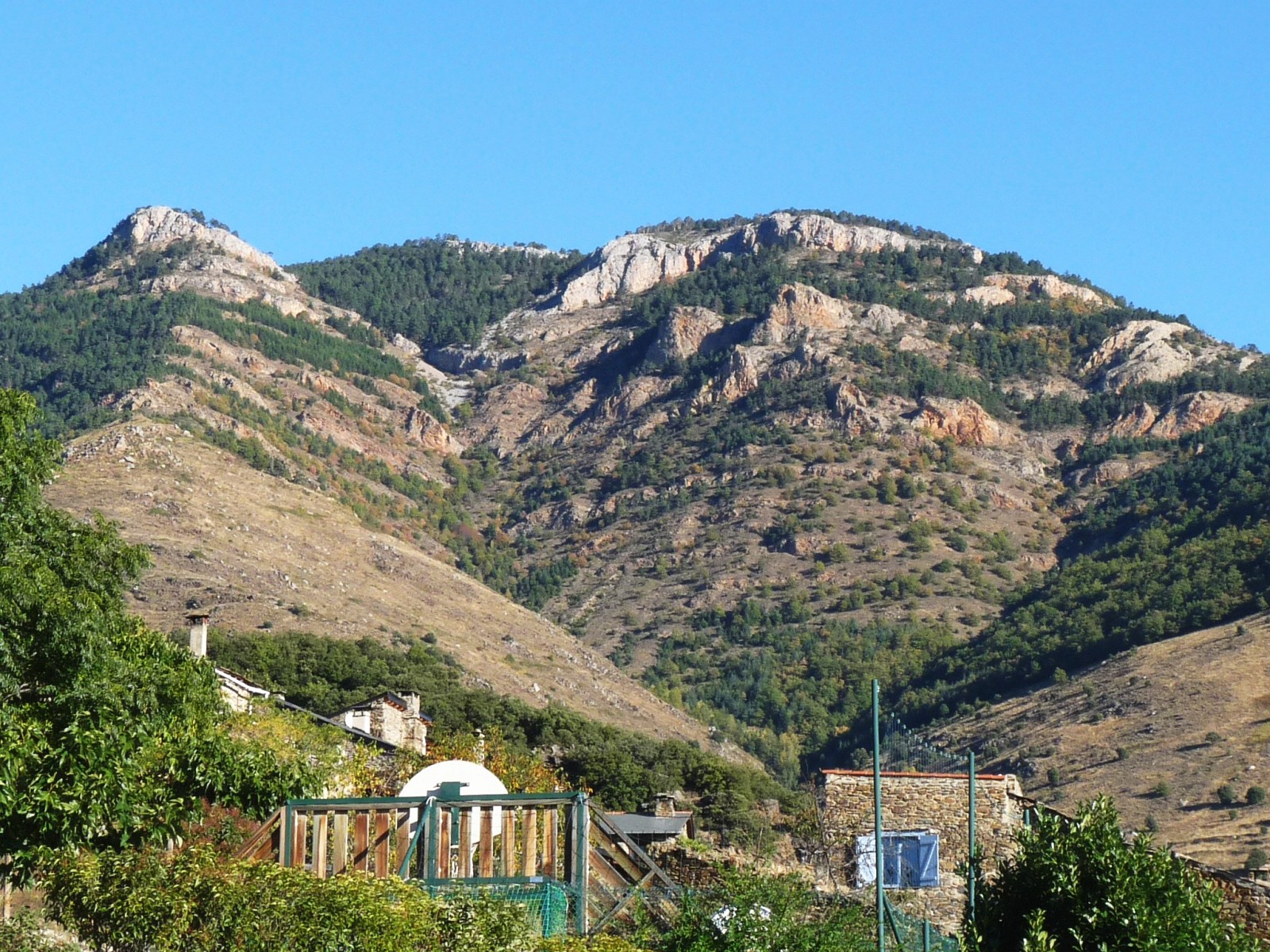
Natura 2000 · resident 81 records

Natura 2000 · breeding, resident 9 records
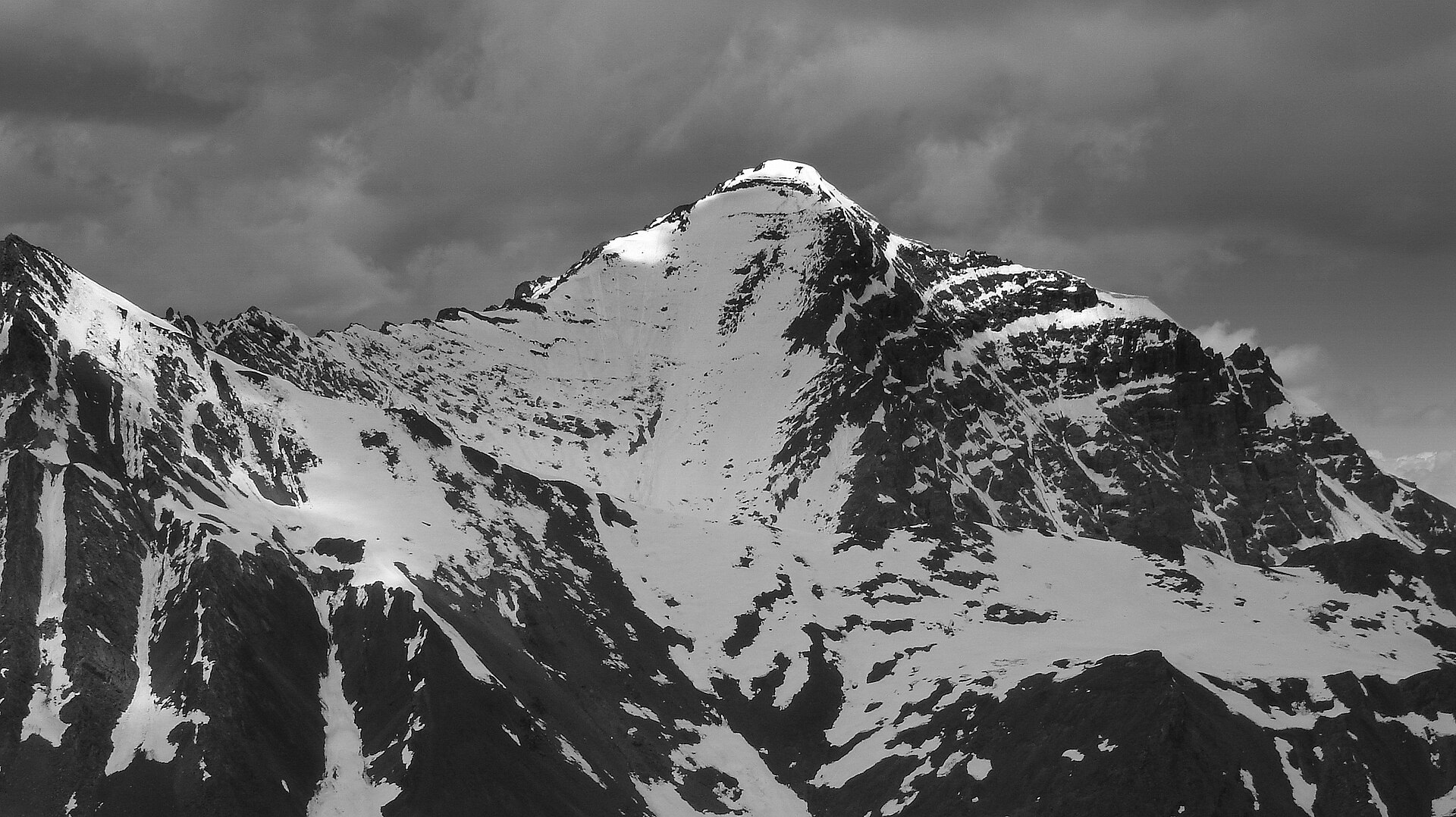
323 records

206 records
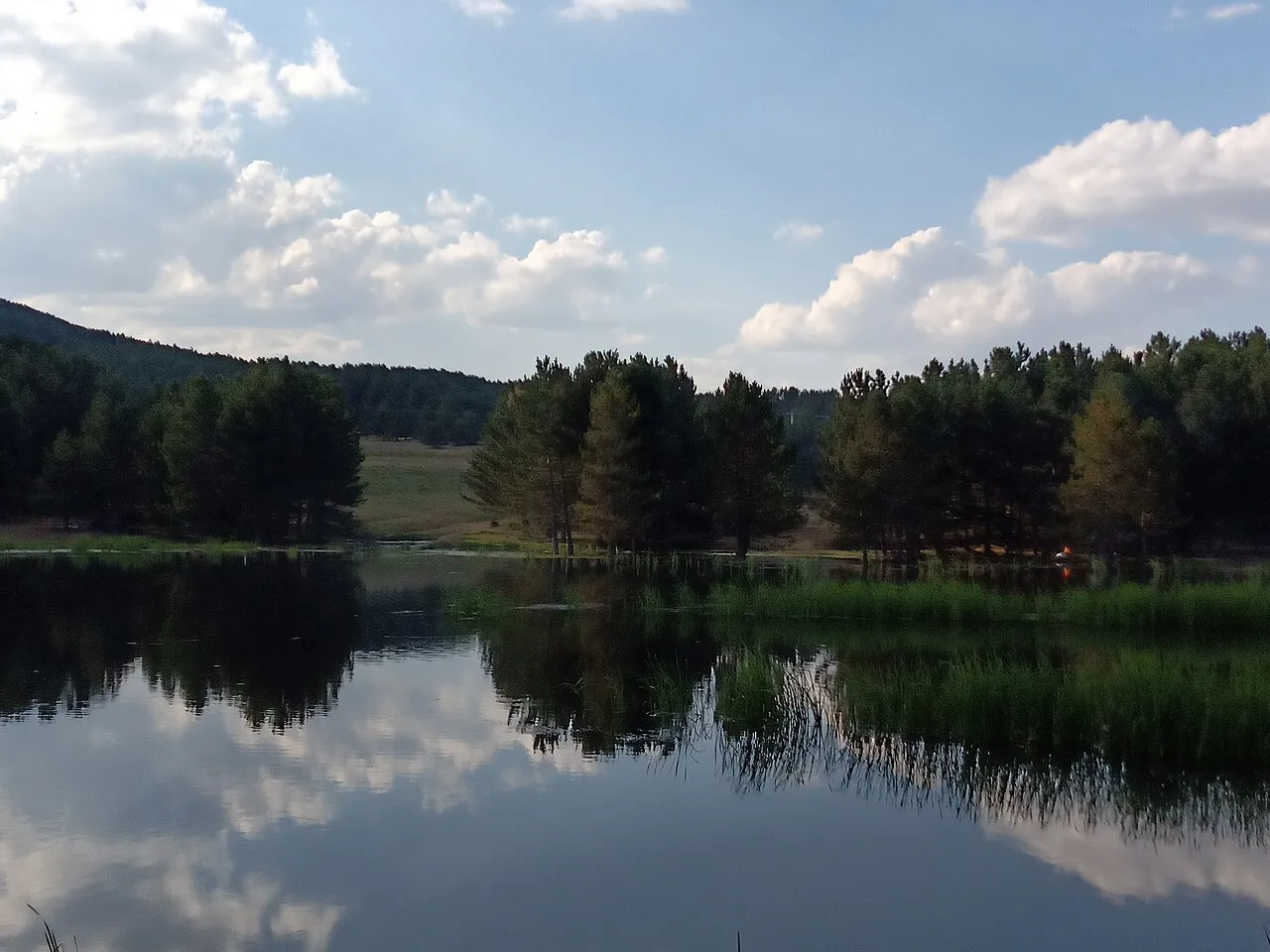
33 records
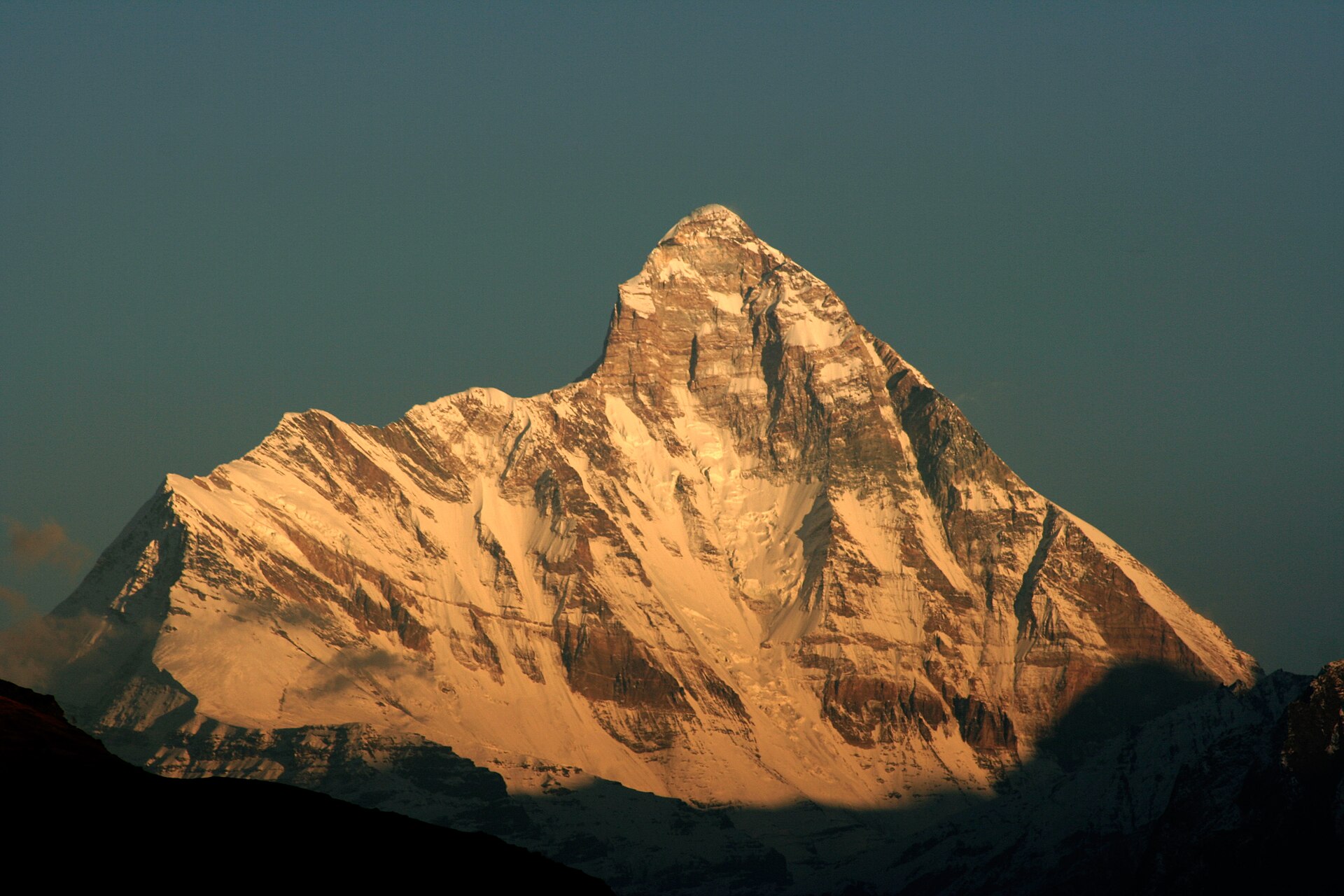
15 records

13 records

12 records

7 records

5 records
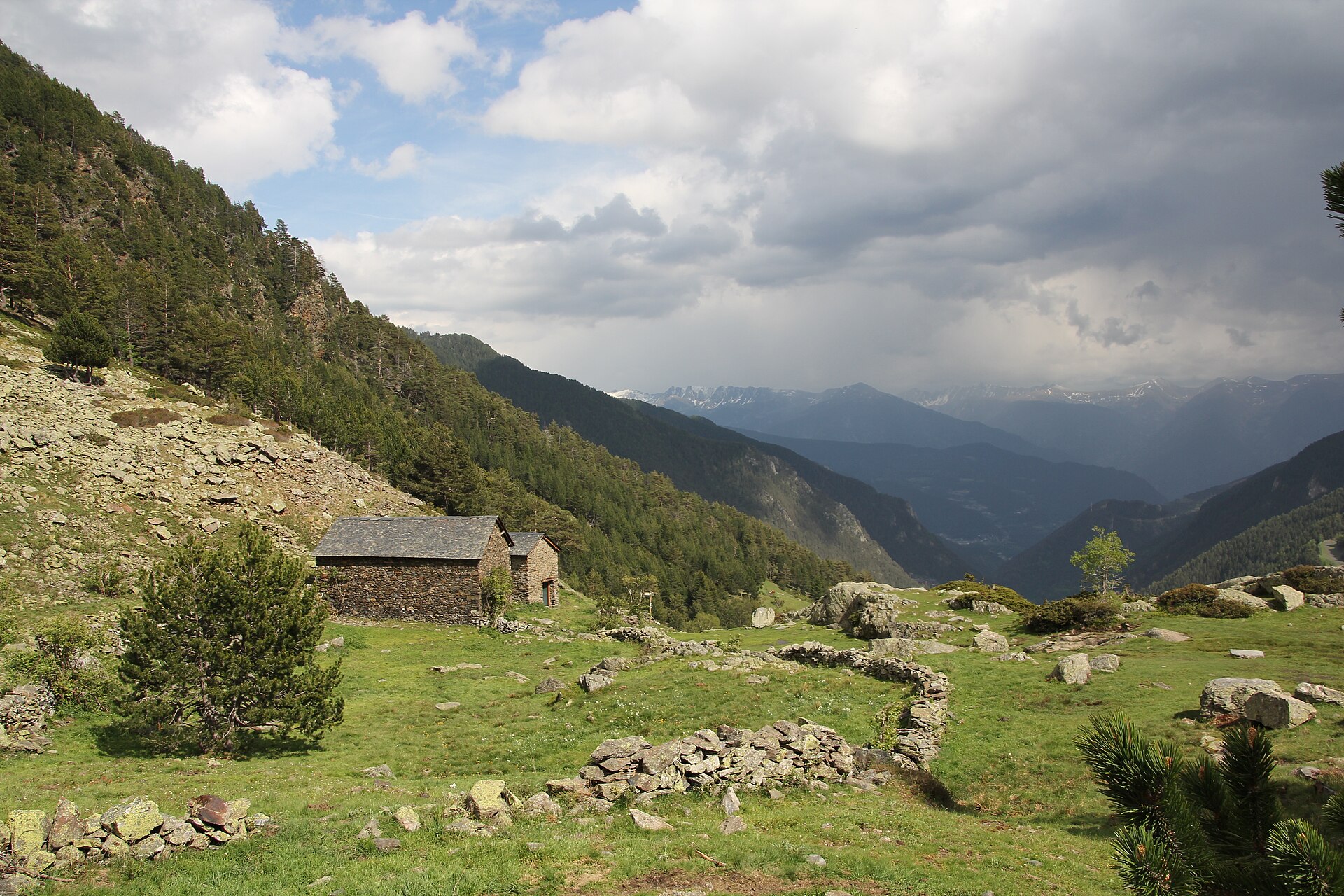
4 records
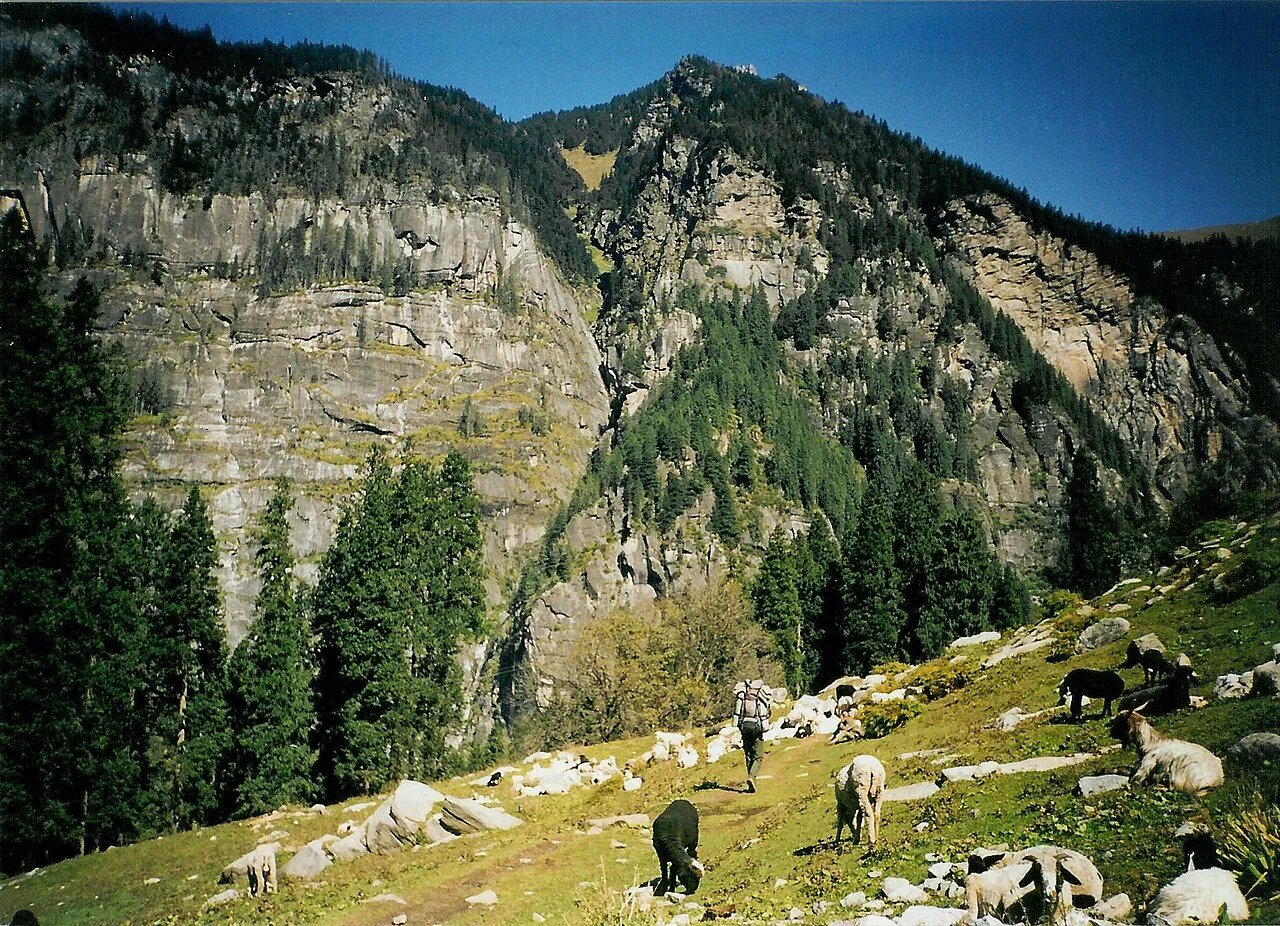
1 records
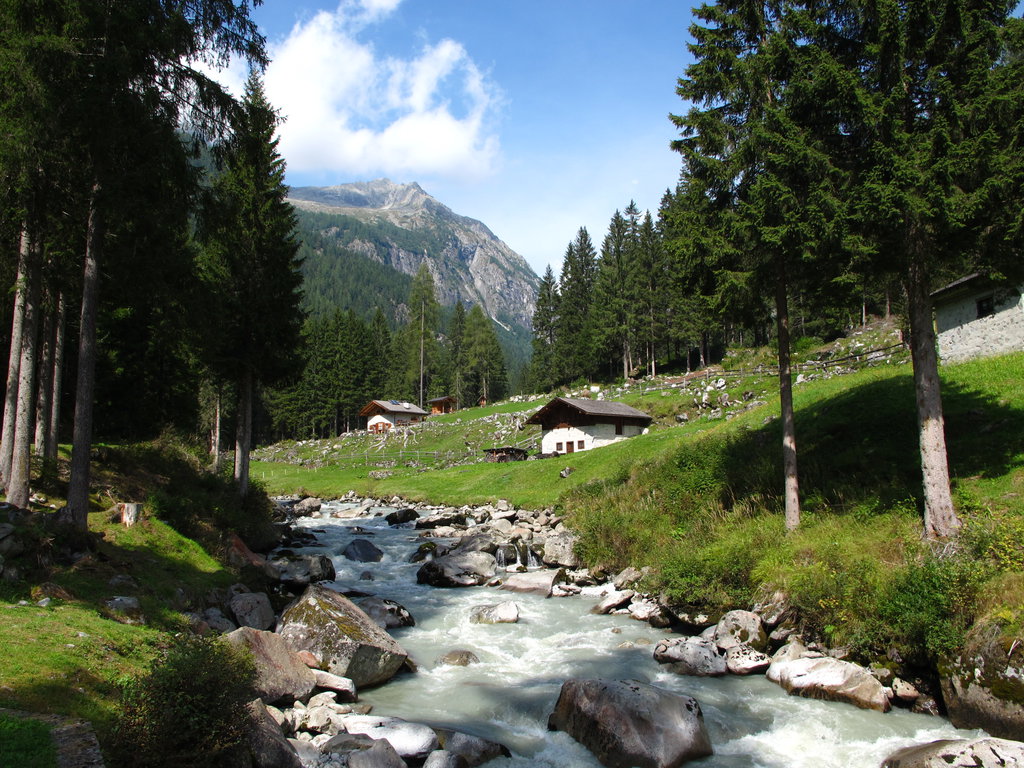
Natura 2000 · passage
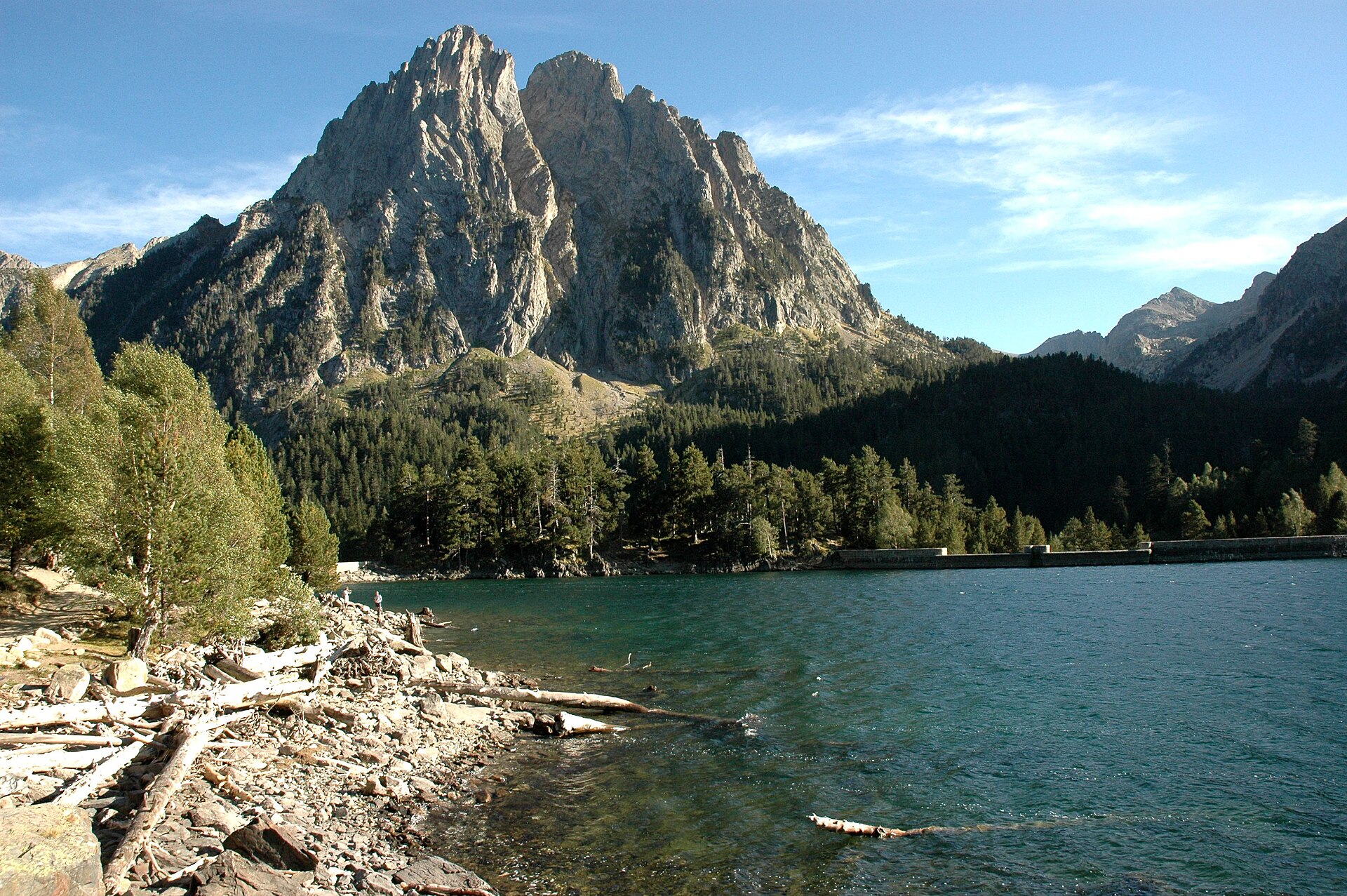
Natura 2000 · resident
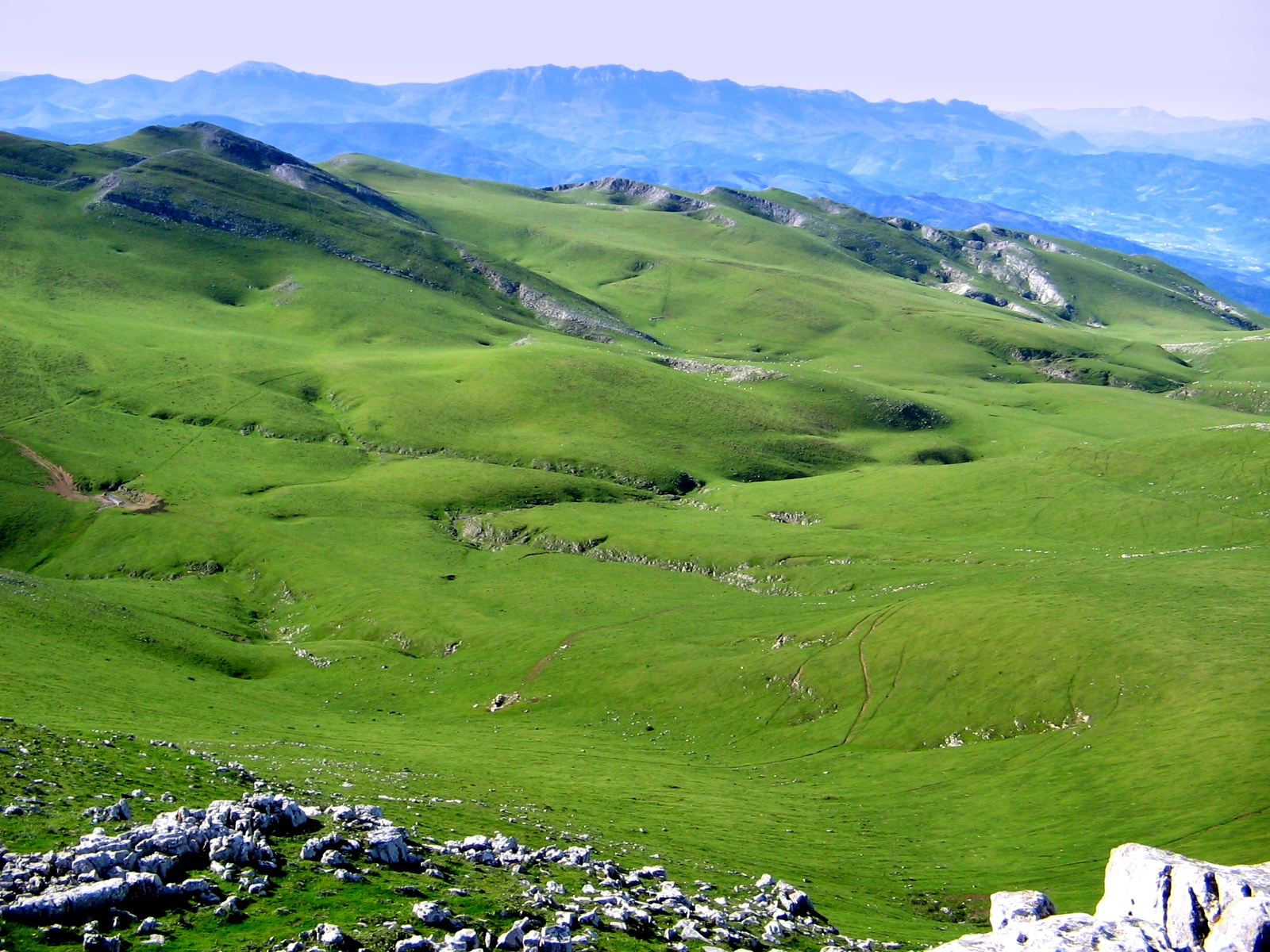
Natura 2000 · resident
Natura 2000 · resident
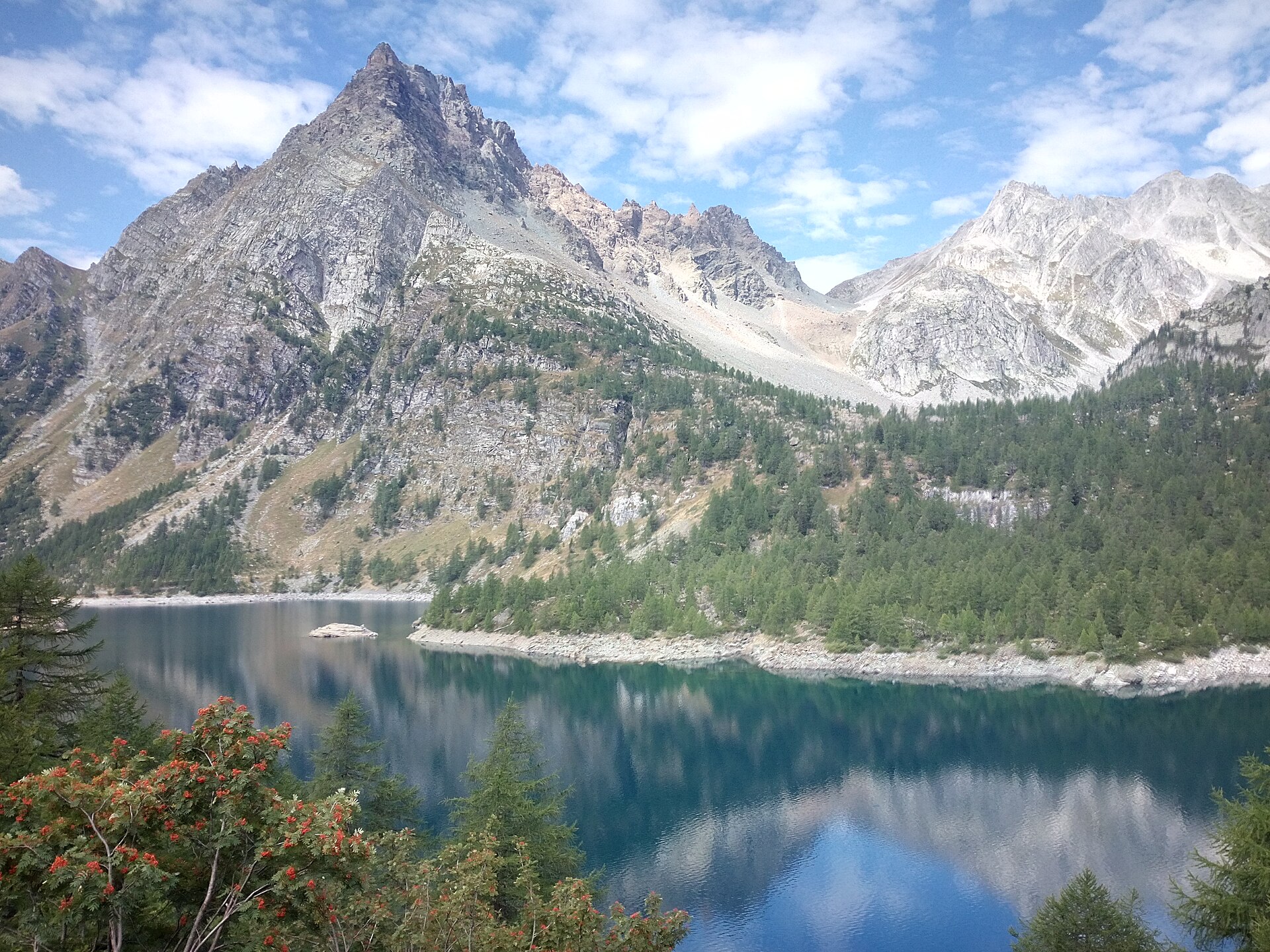
Natura 2000 · passage

Natura 2000 · resident
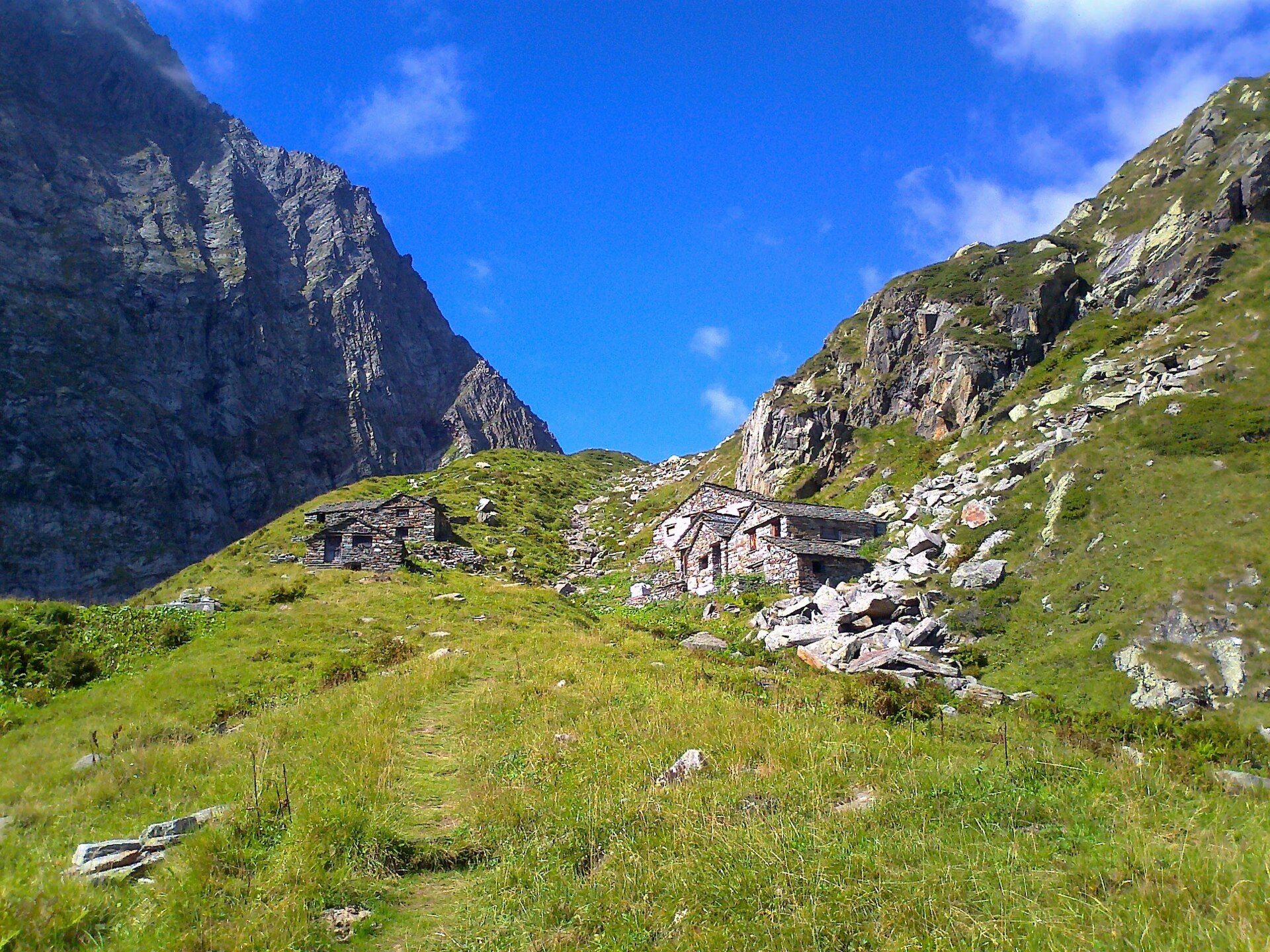
Natura 2000 · passage

Natura 2000 · passage
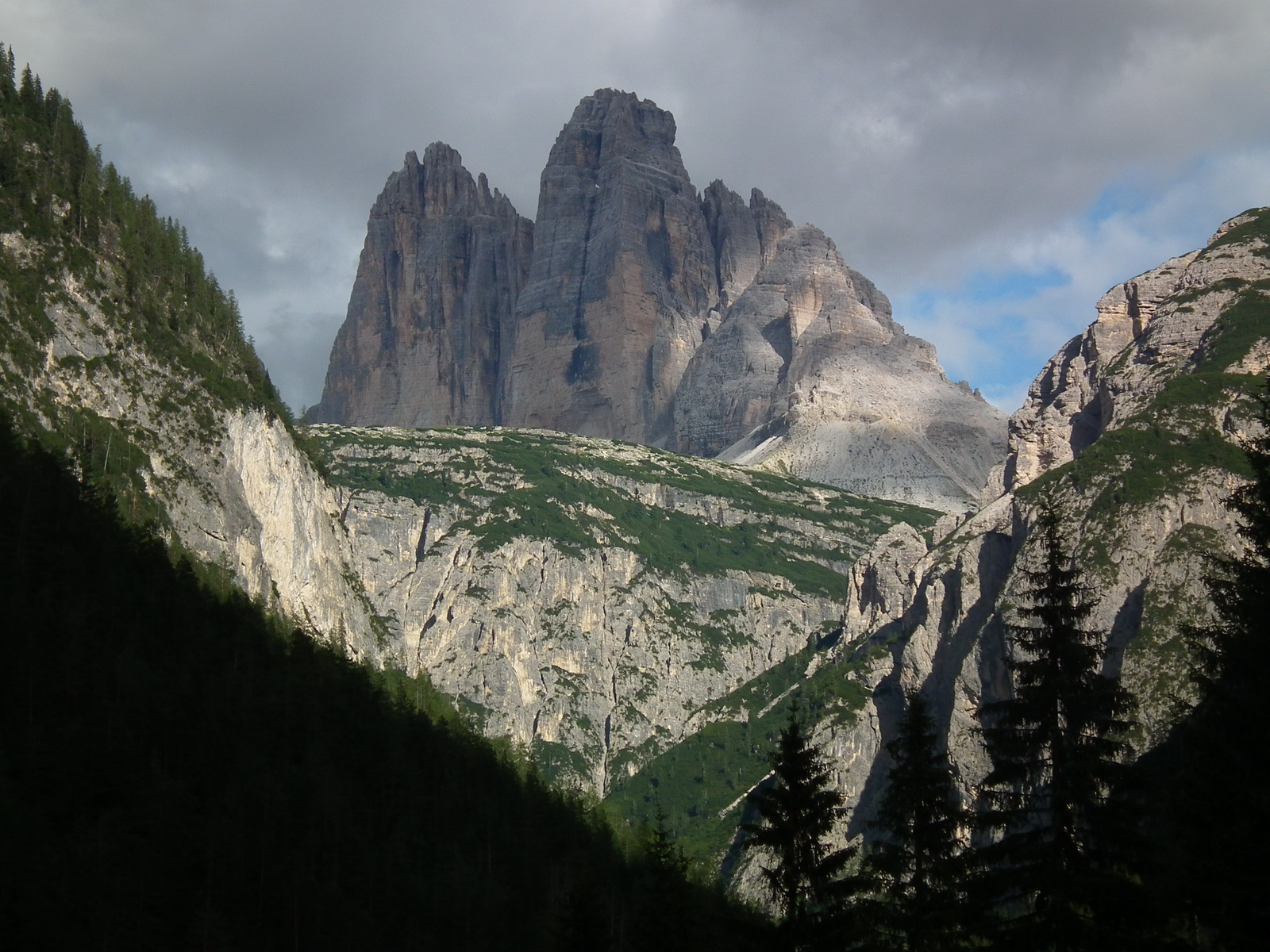
Natura 2000 · passage
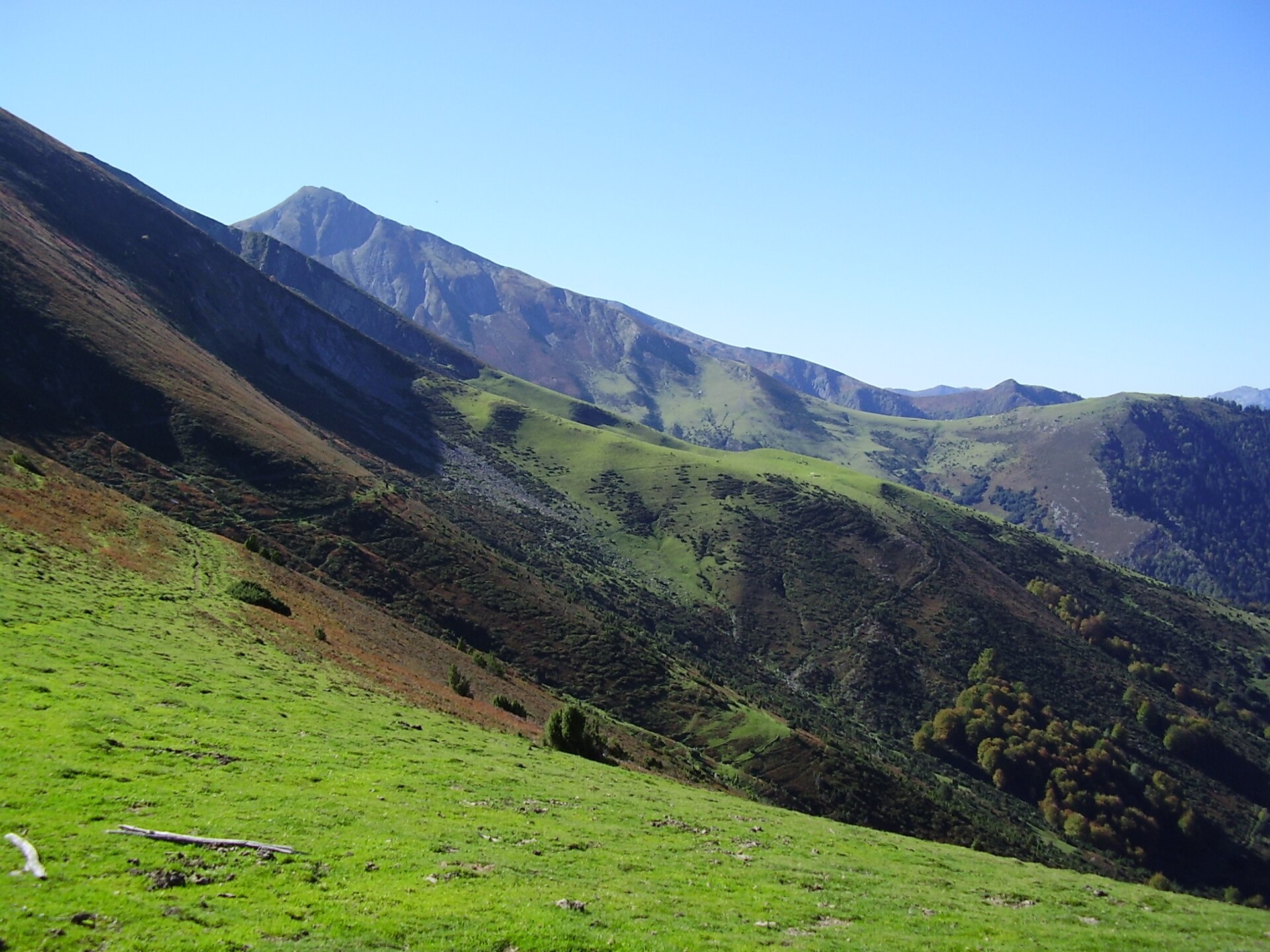
Natura 2000 · resident, passage
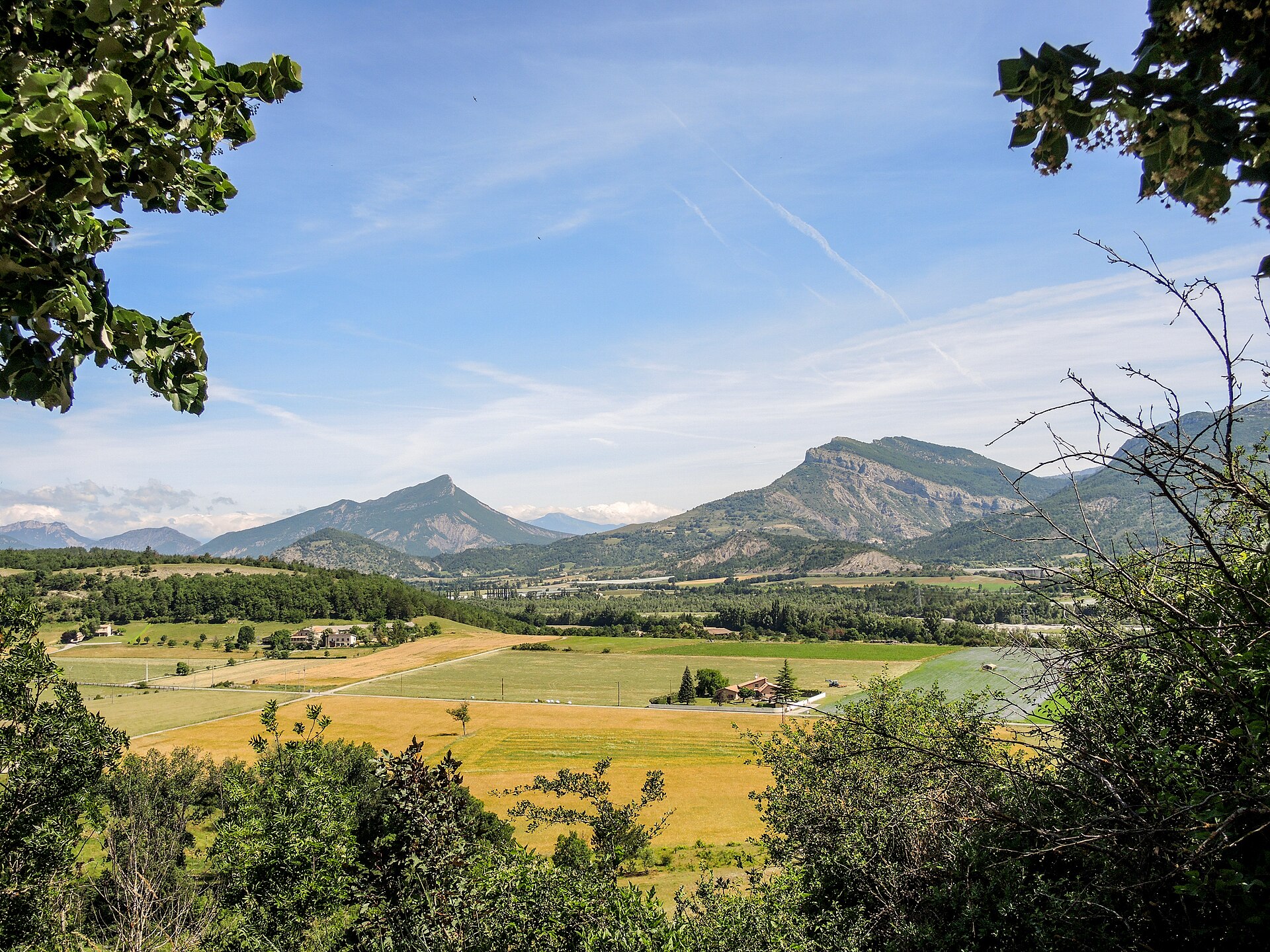
Natura 2000 · passage
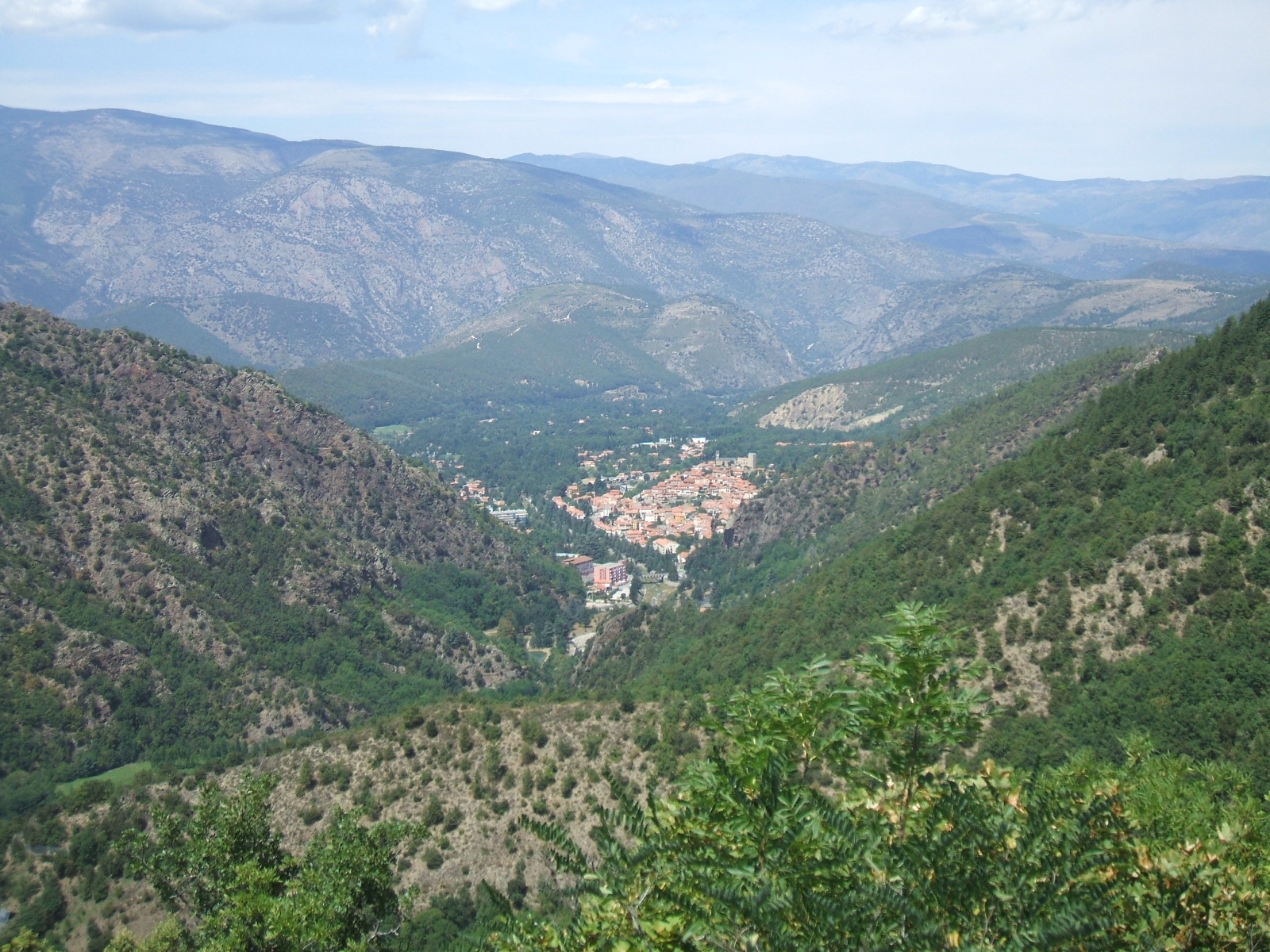
Natura 2000 · resident
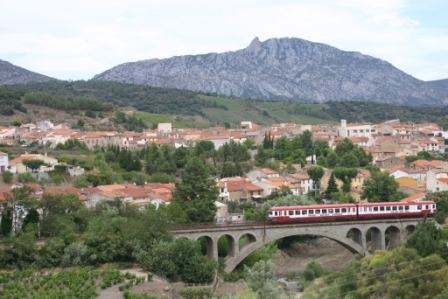
Natura 2000 · wintering, passage, resident
Natura 2000 · resident
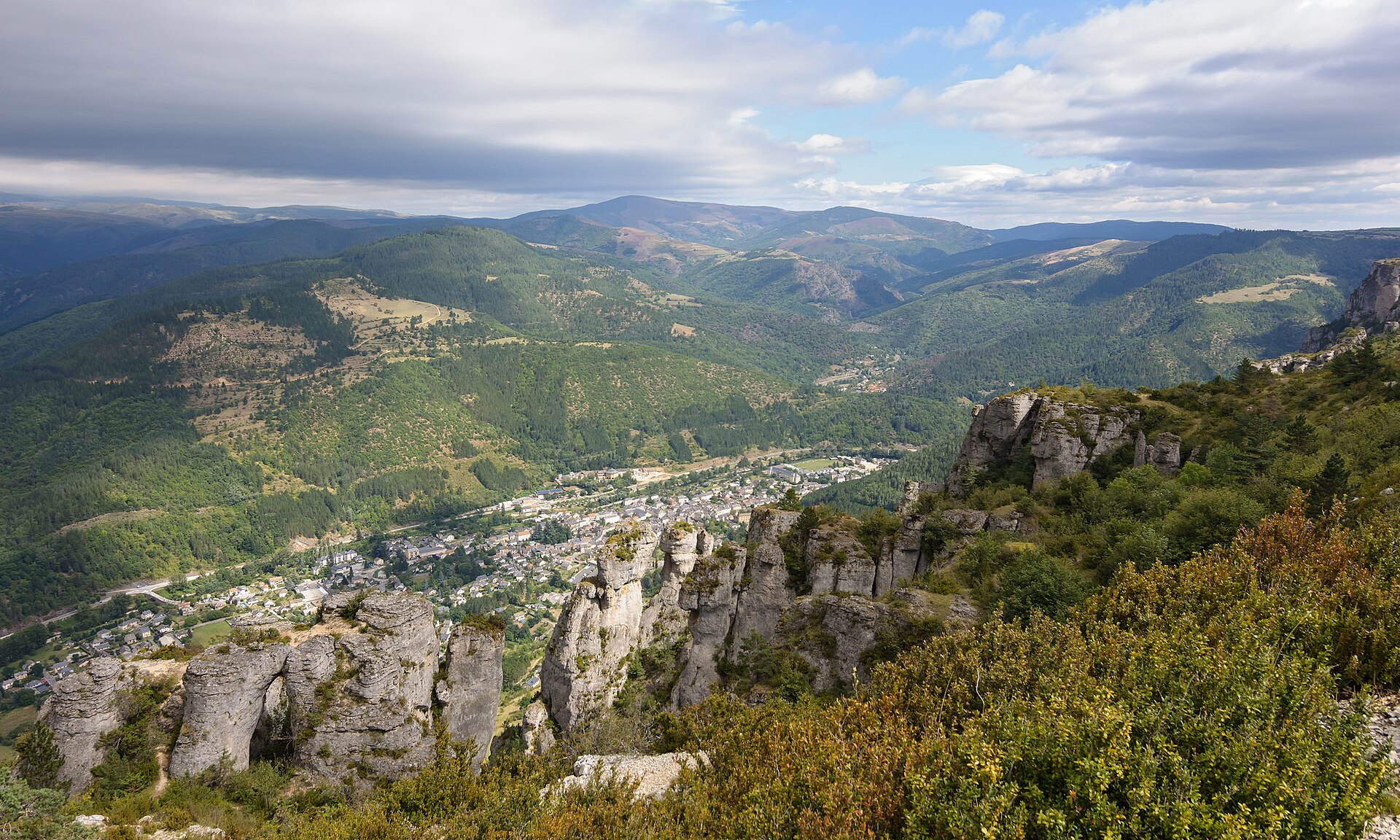
Natura 2000 · passage
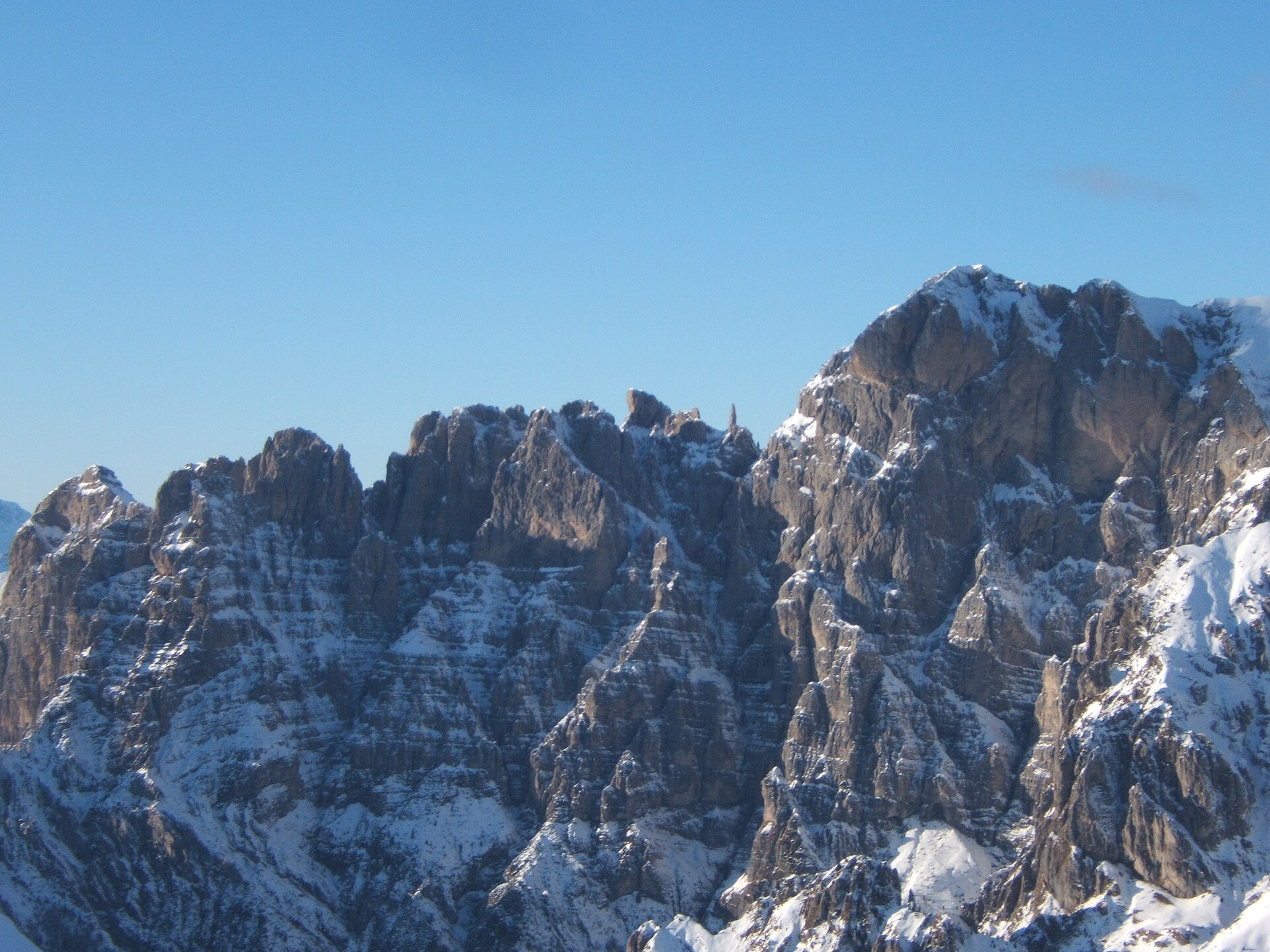
Natura 2000 · passage
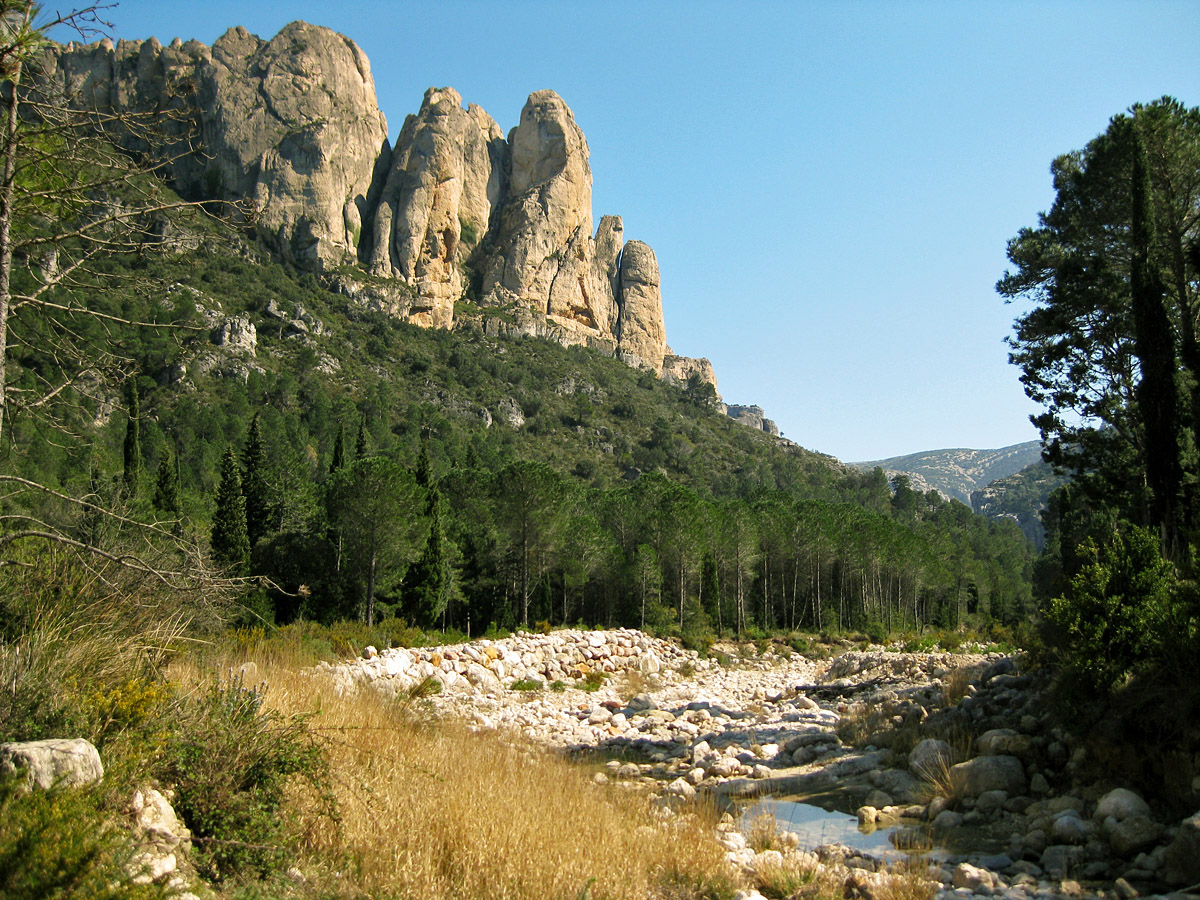
Natura 2000 · passage

Natura 2000 · resident, passage
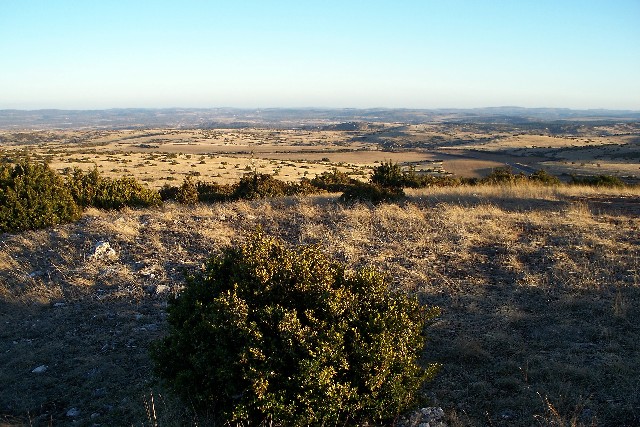
Natura 2000 · resident, passage

Natura 2000 · passage
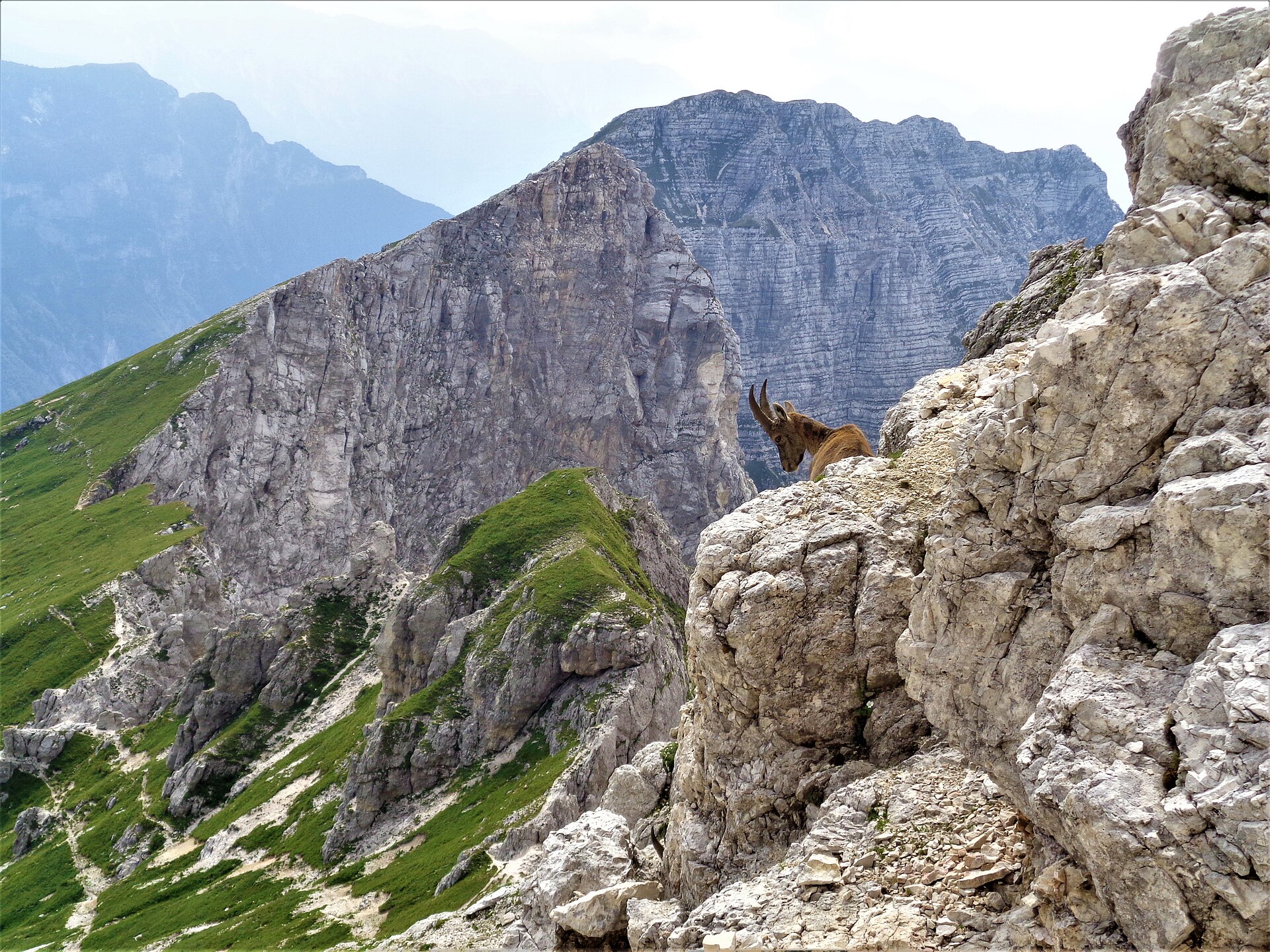
Natura 2000 · passage
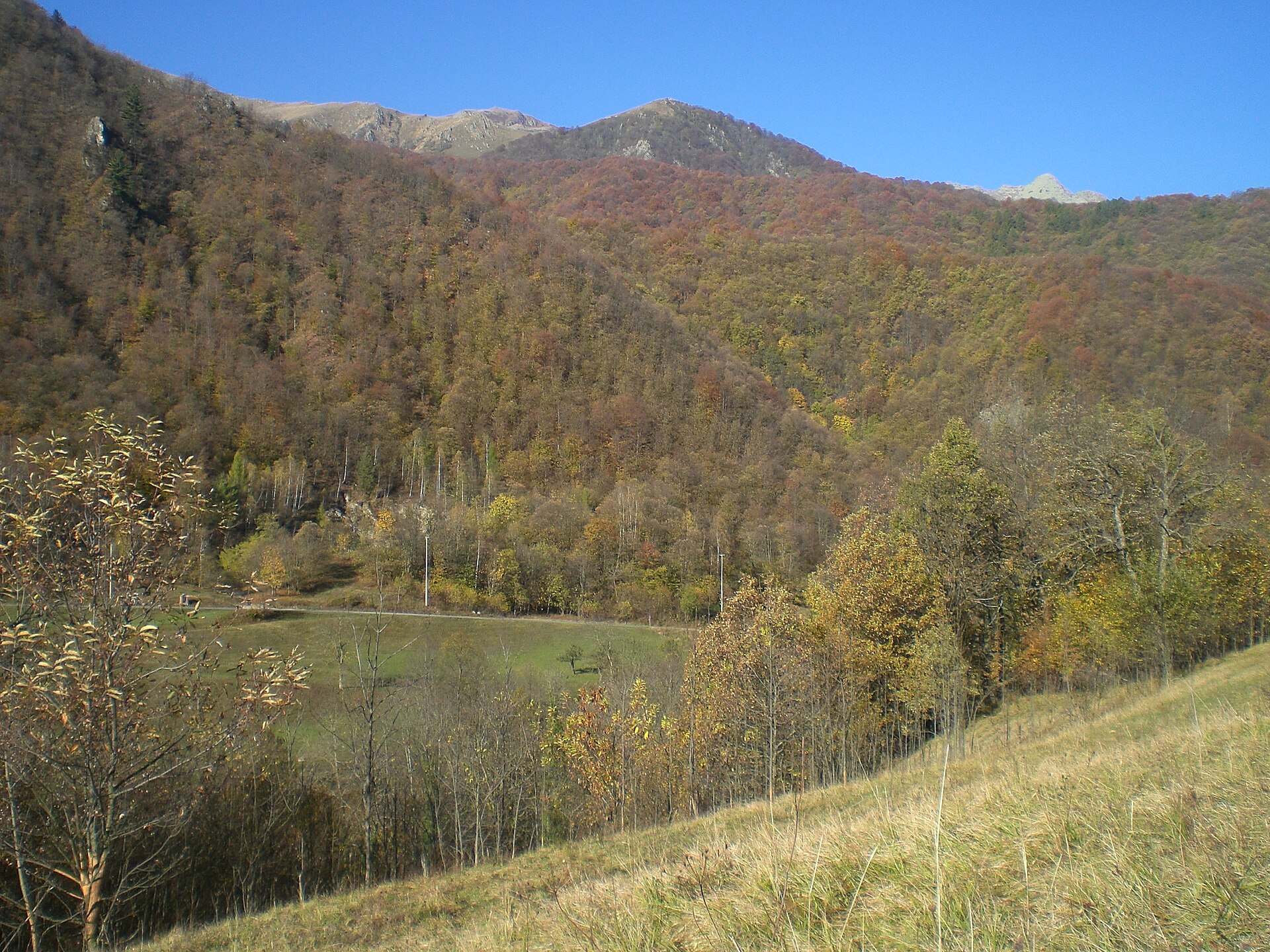
Natura 2000 · passage
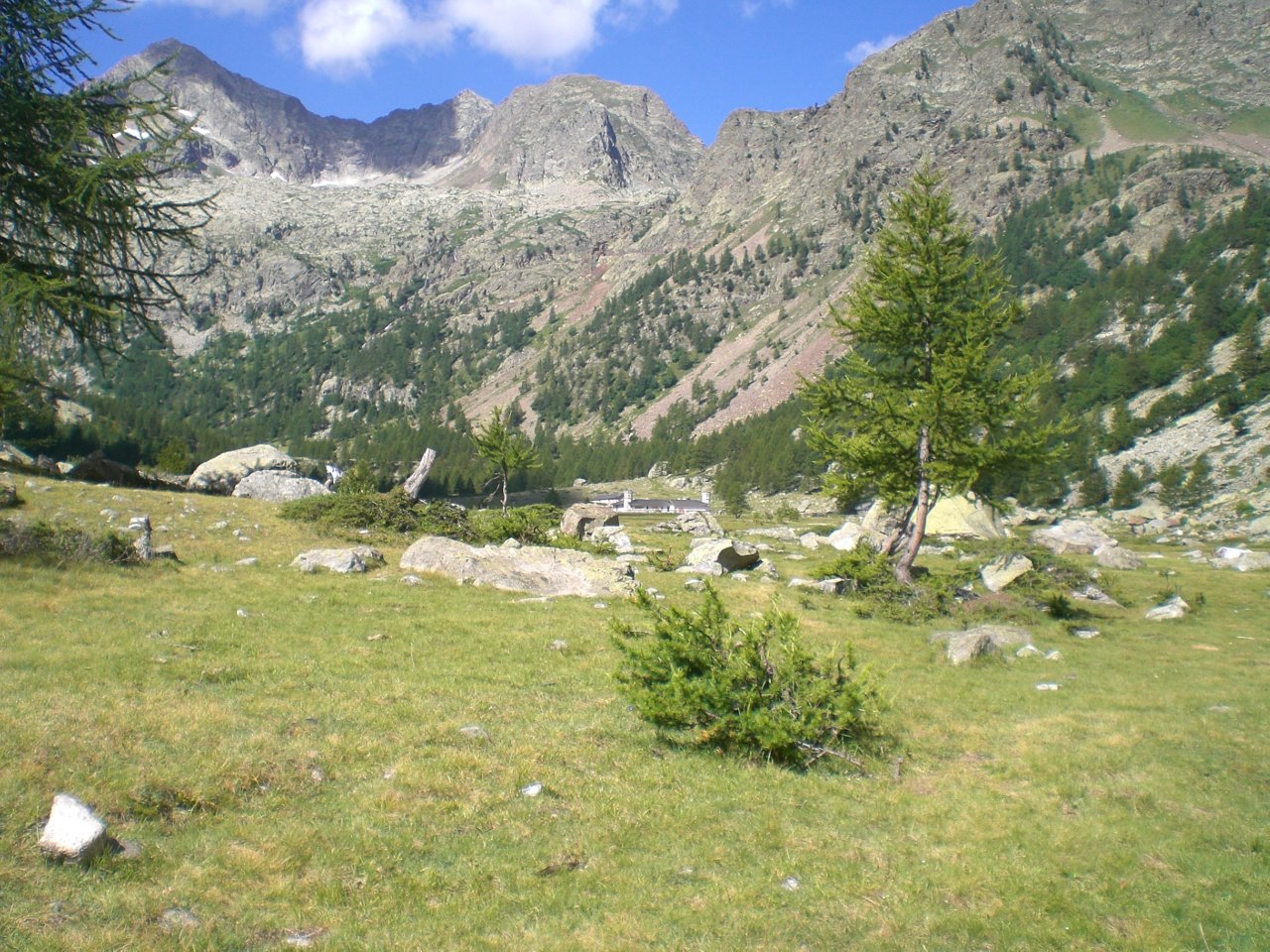
Natura 2000 · resident
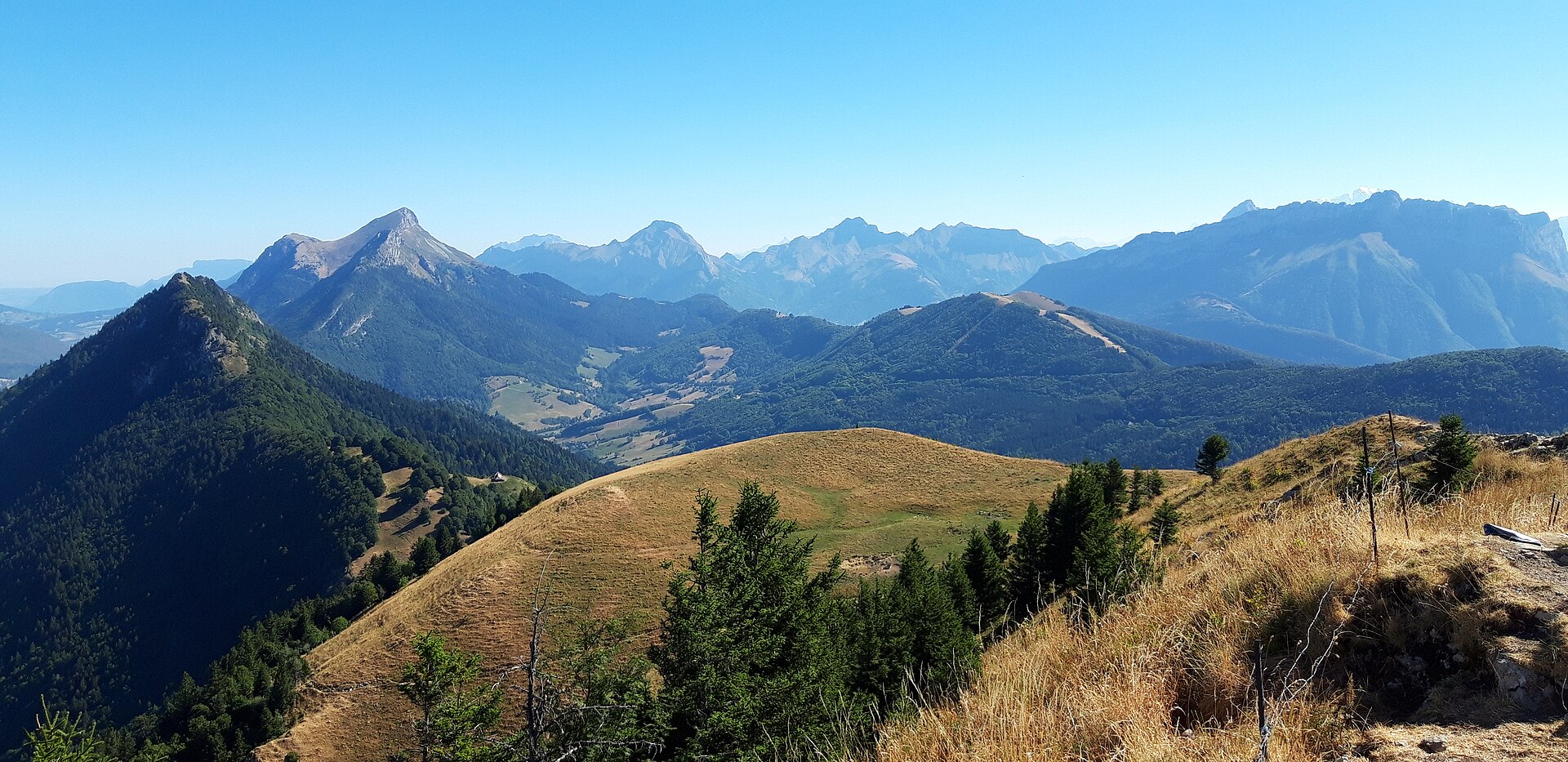
Natura 2000 · passage
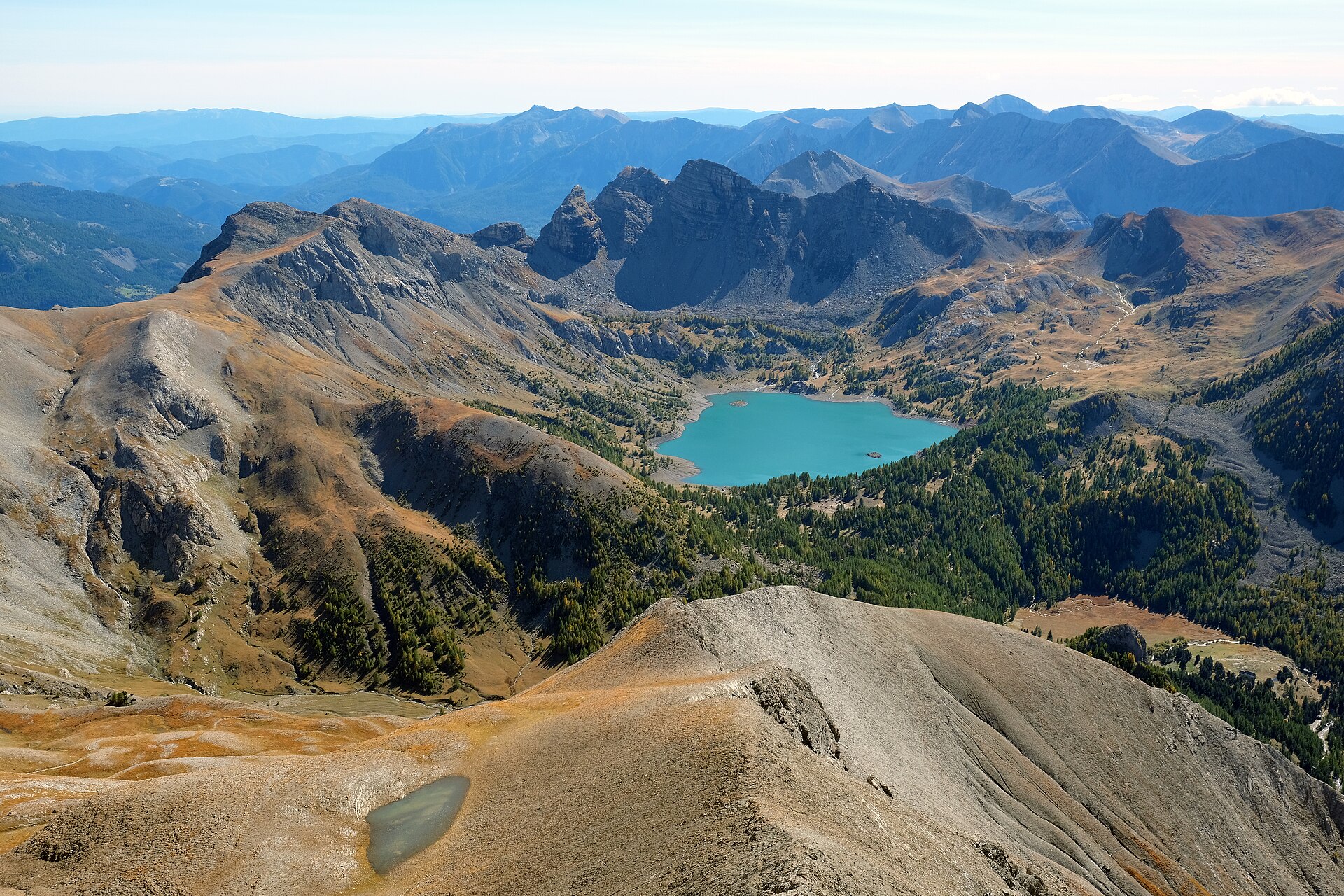
Natura 2000 · passage, resident
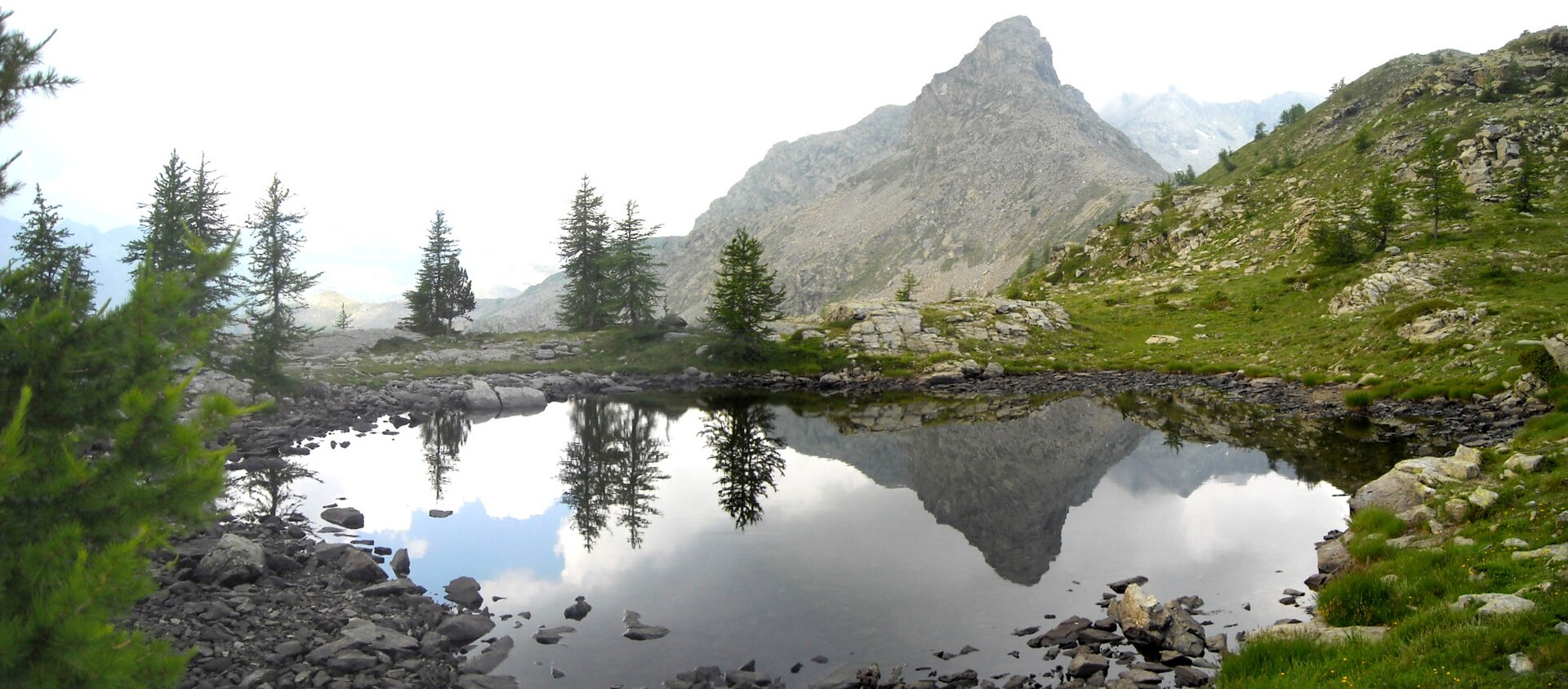
Natura 2000 · breeding
Natura 2000 · passage
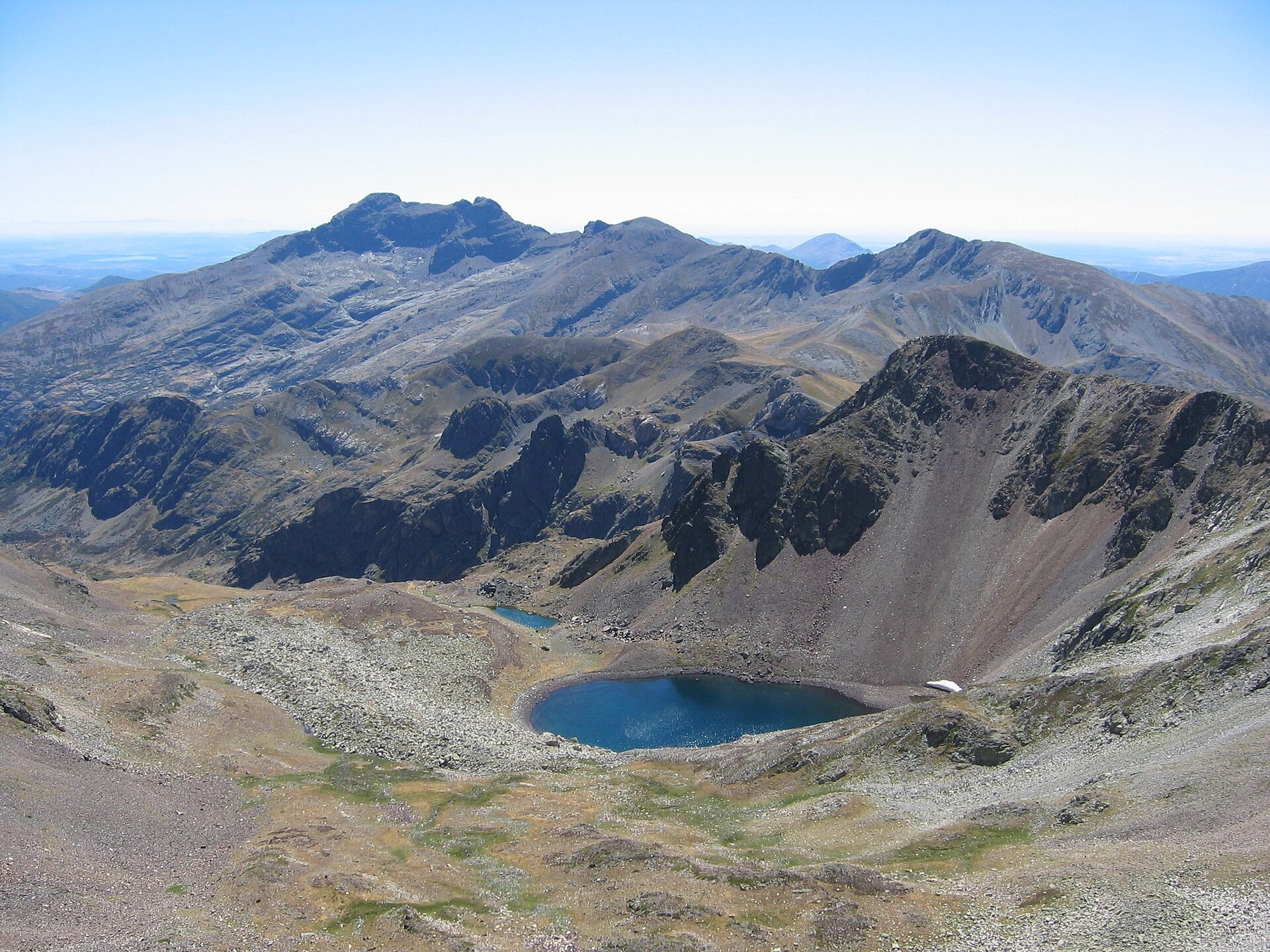
Natura 2000 · passage
Natura 2000 · passage

Natura 2000 · passage

Natura 2000 · wintering, passage

Natura 2000 · passage
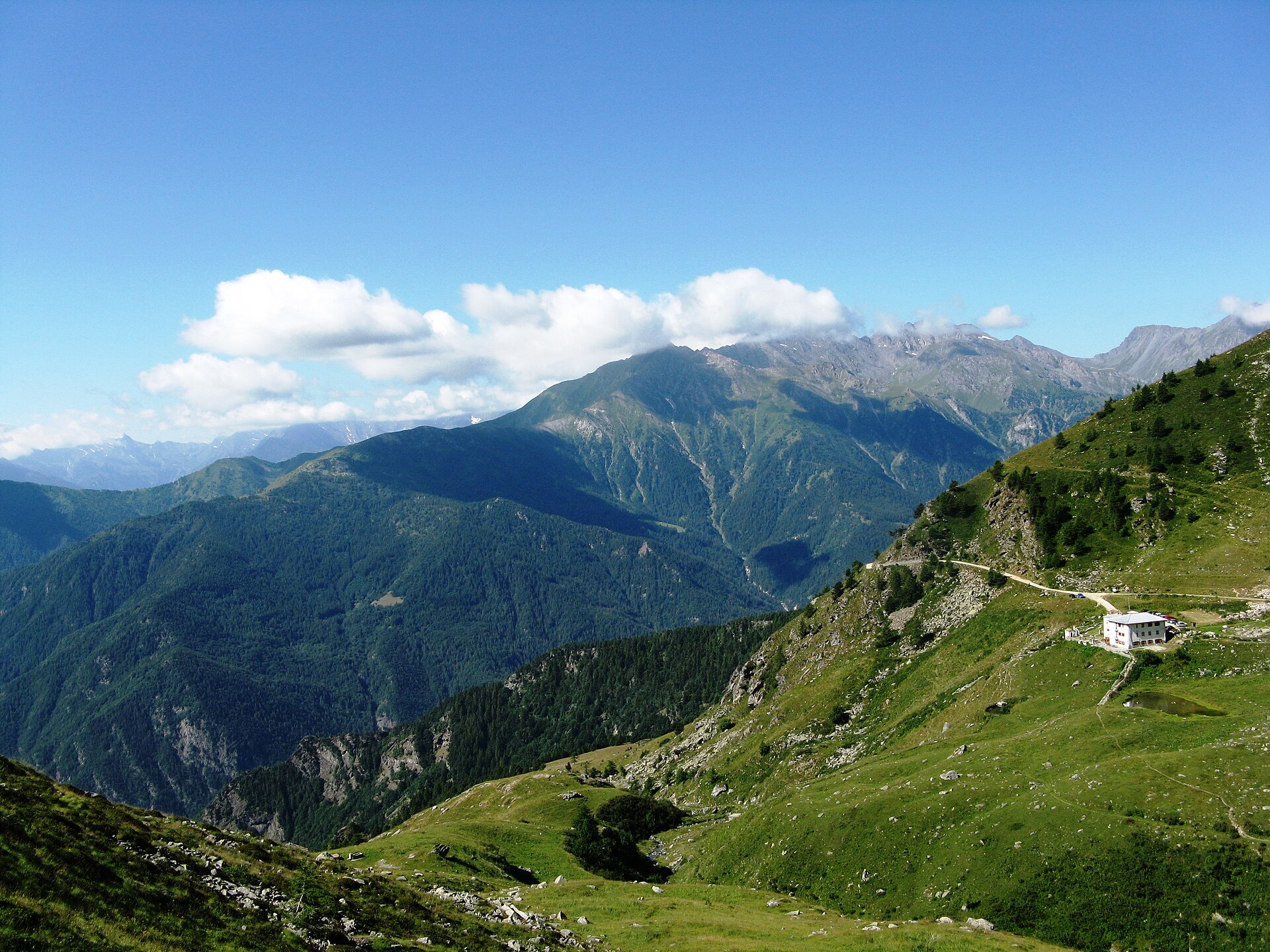
Natura 2000 · passage
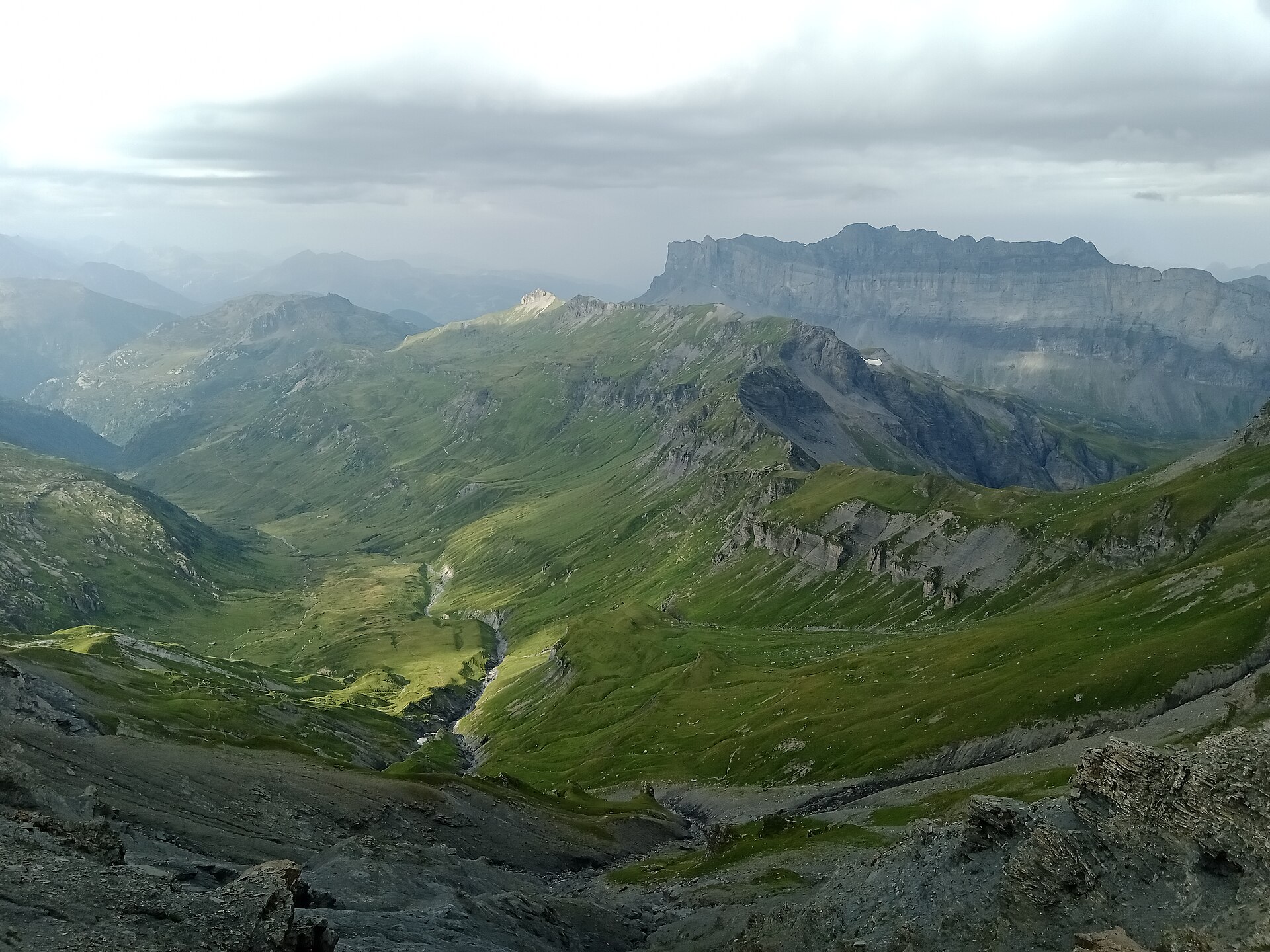
Natura 2000 · resident
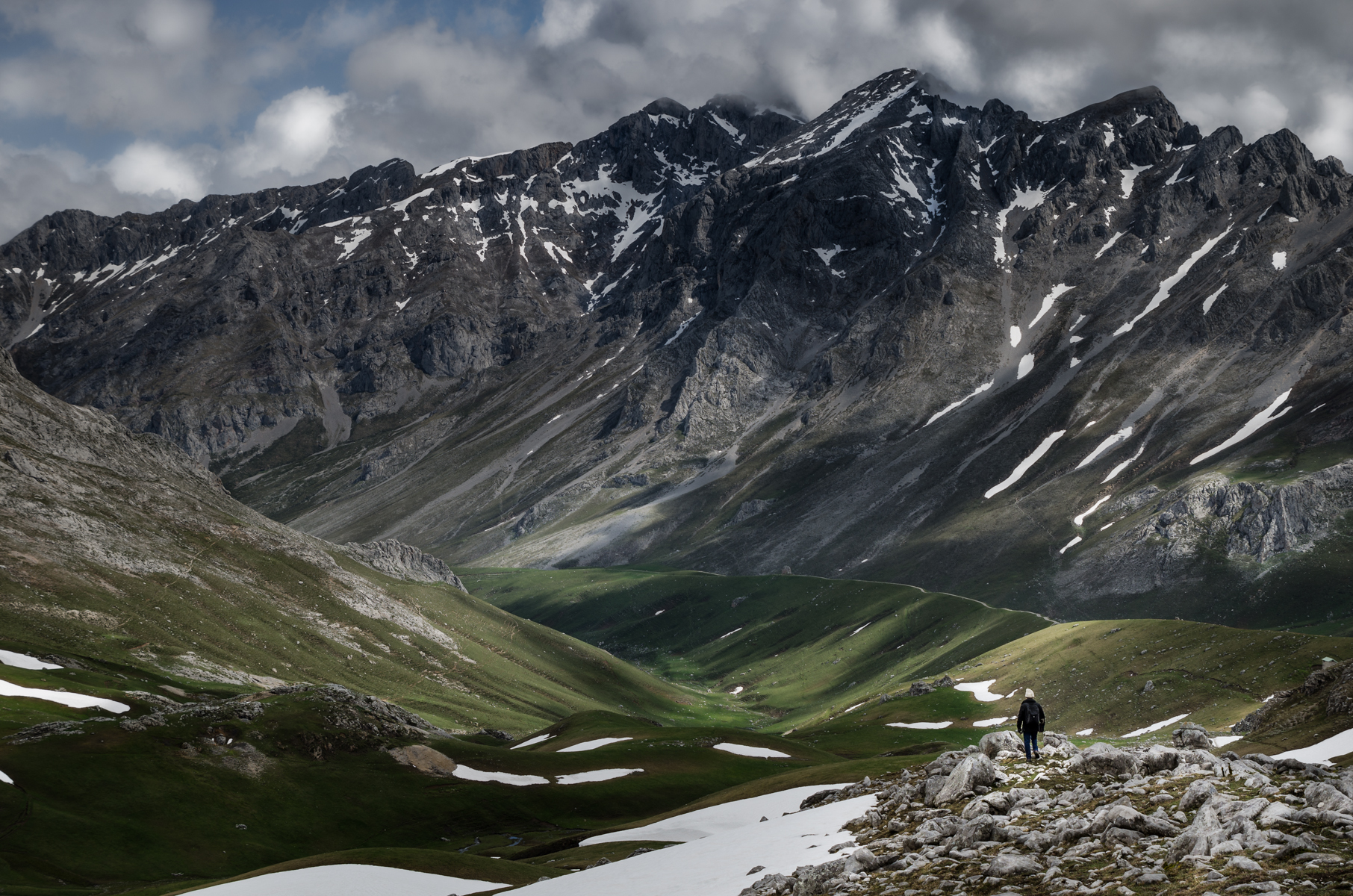
Natura 2000 · passage
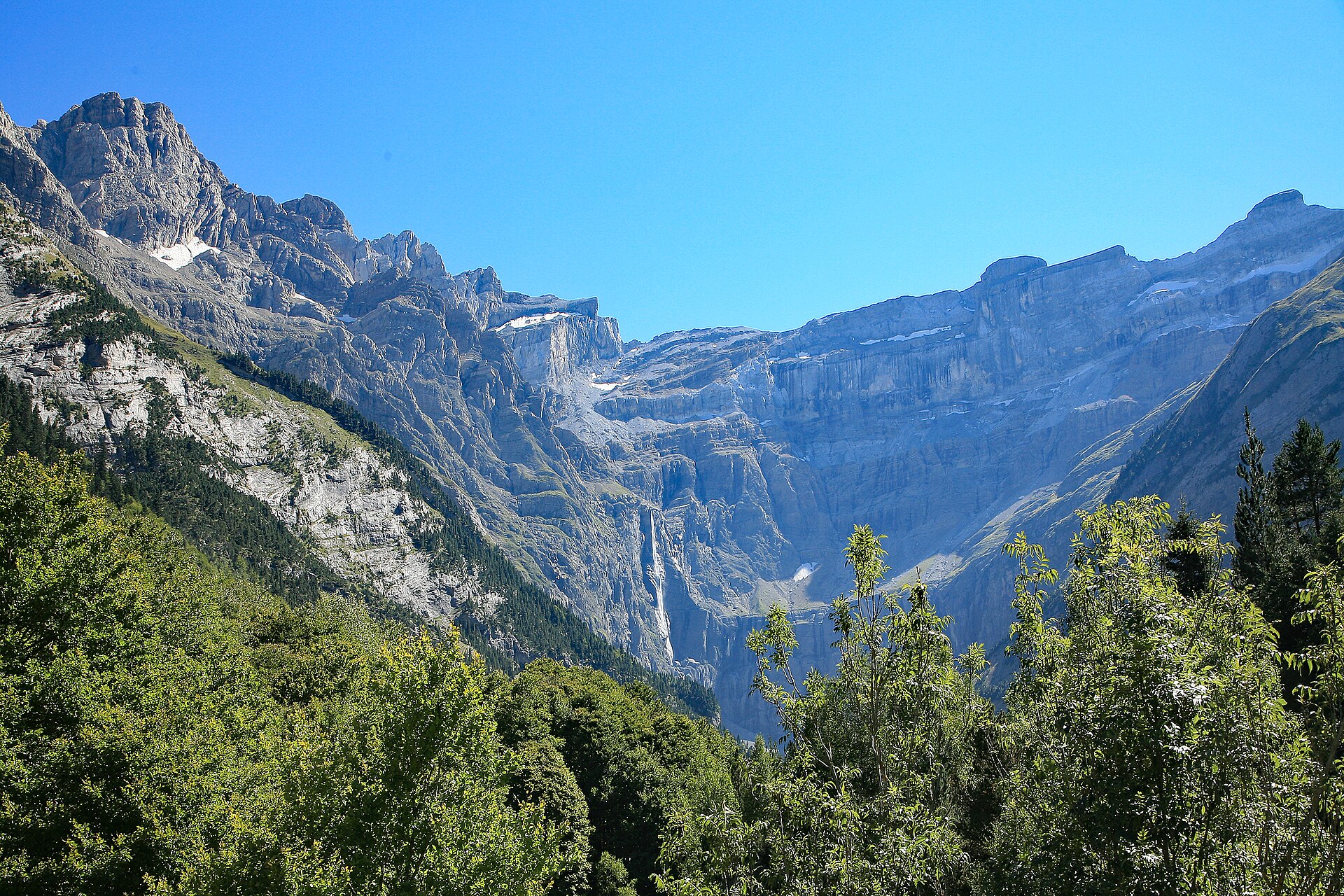
Natura 2000 · breeding, wintering, resident
Natura 2000 · passage, wintering, breeding
Natura 2000 · resident
Natura 2000 · resident
Natura 2000 · passage
Natura 2000 · passage
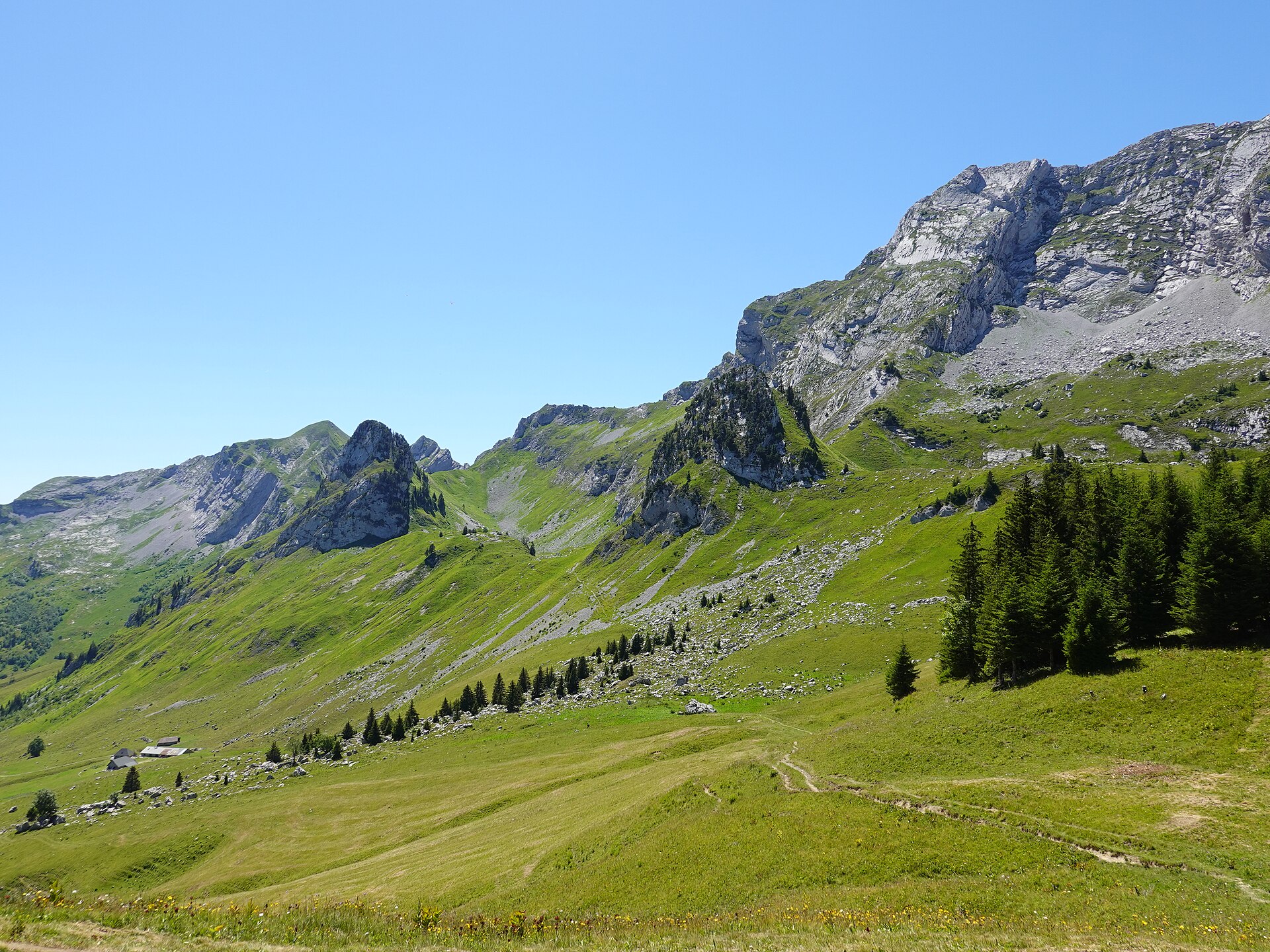
Natura 2000 · passage
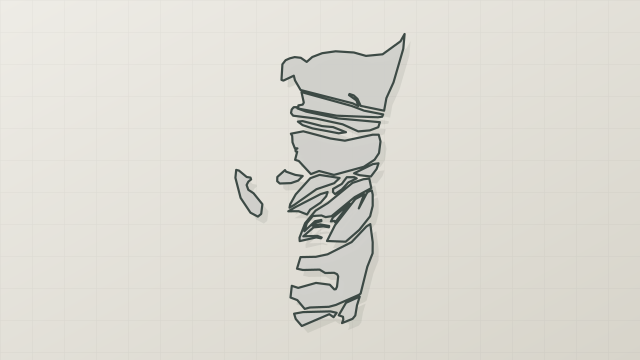
Natura 2000 · passage
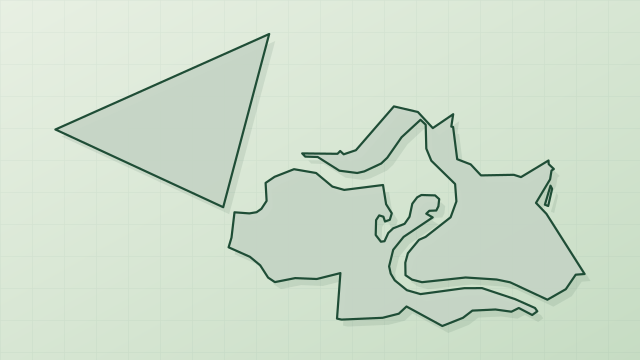
Natura 2000 · passage
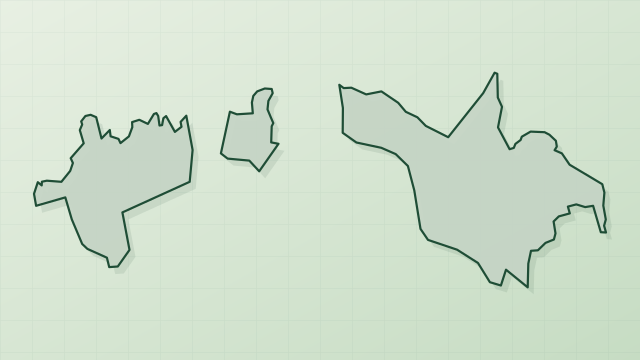
Natura 2000 · resident
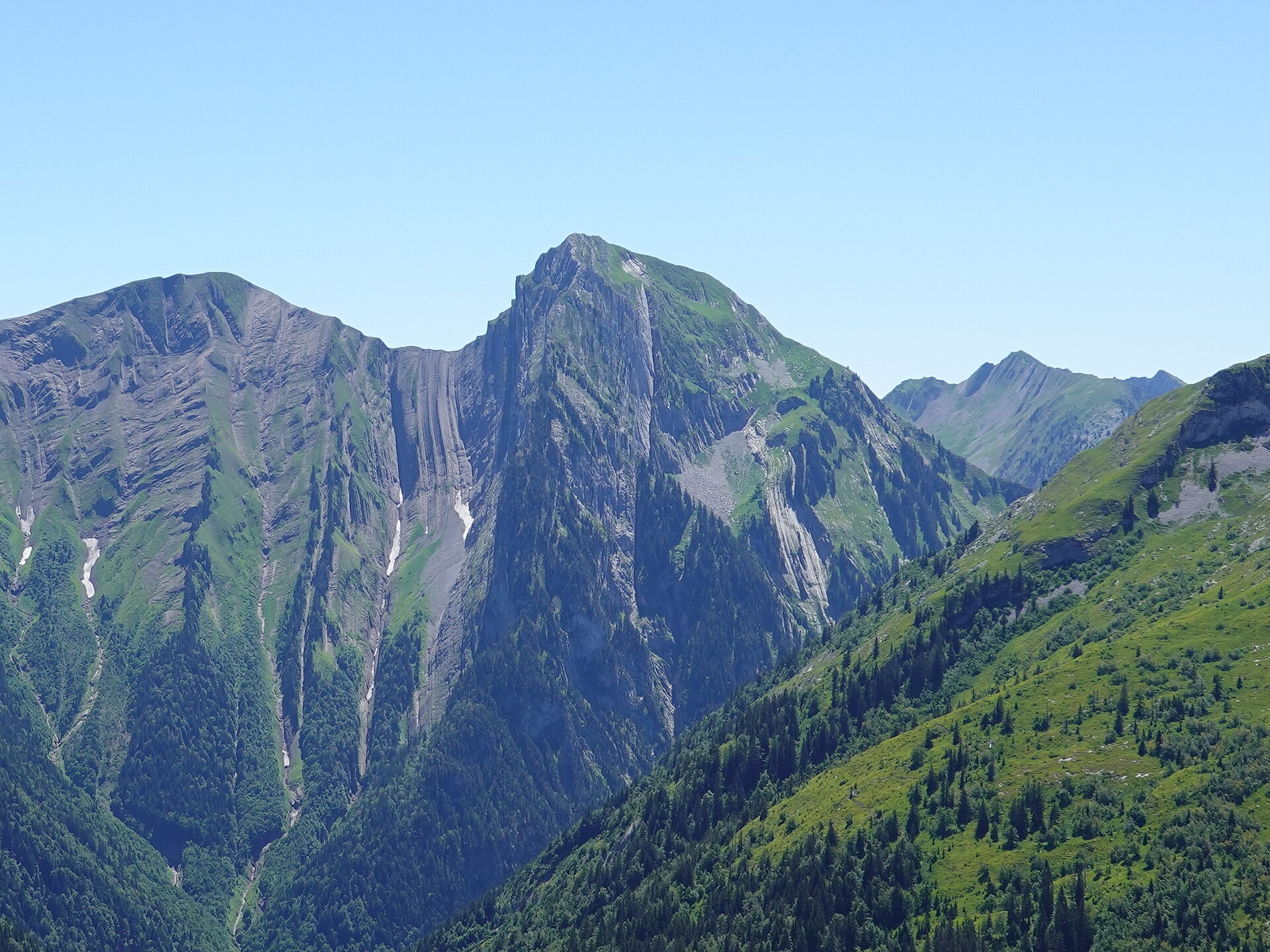
Natura 2000 · passage
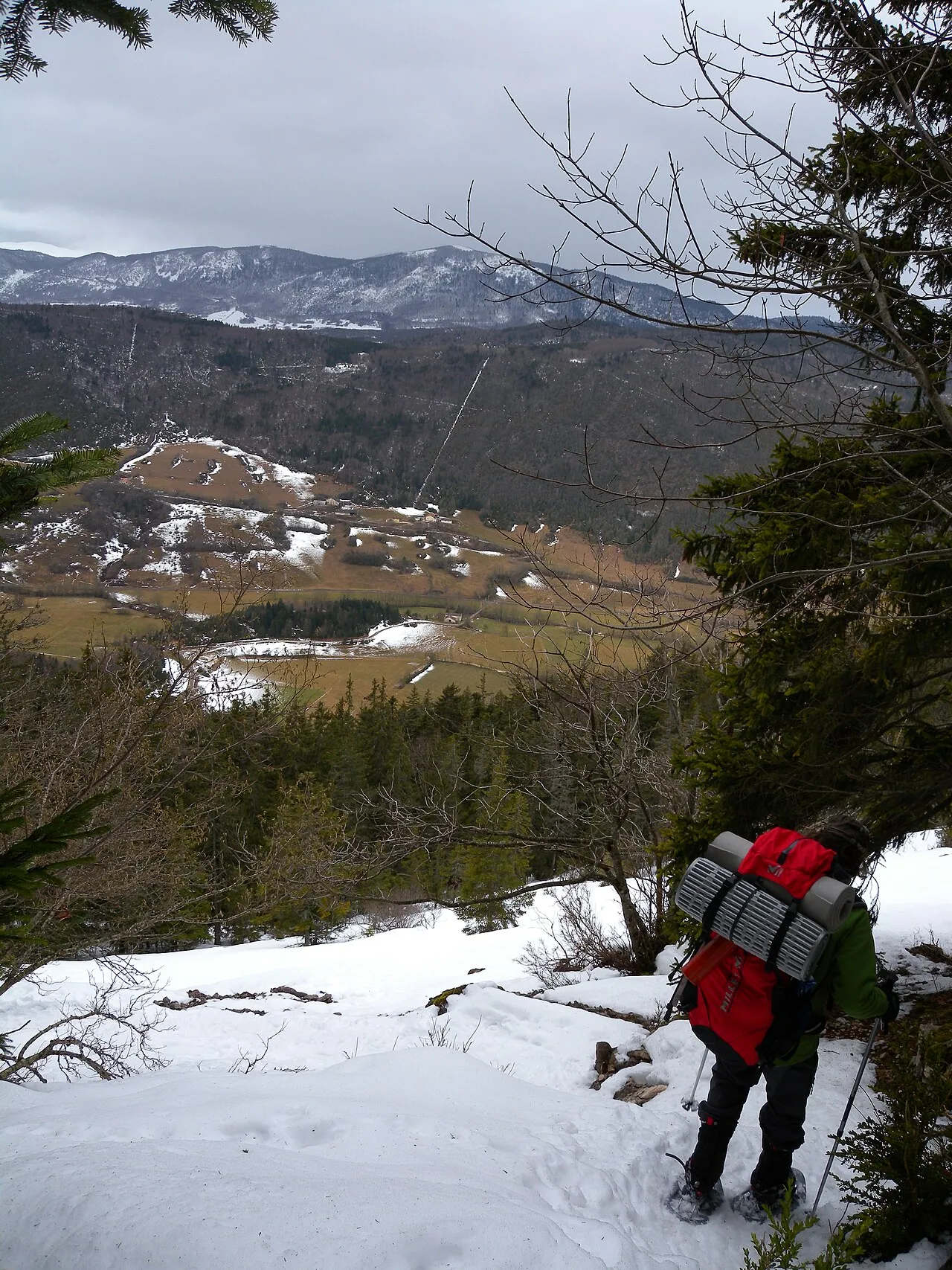
Natura 2000 · resident
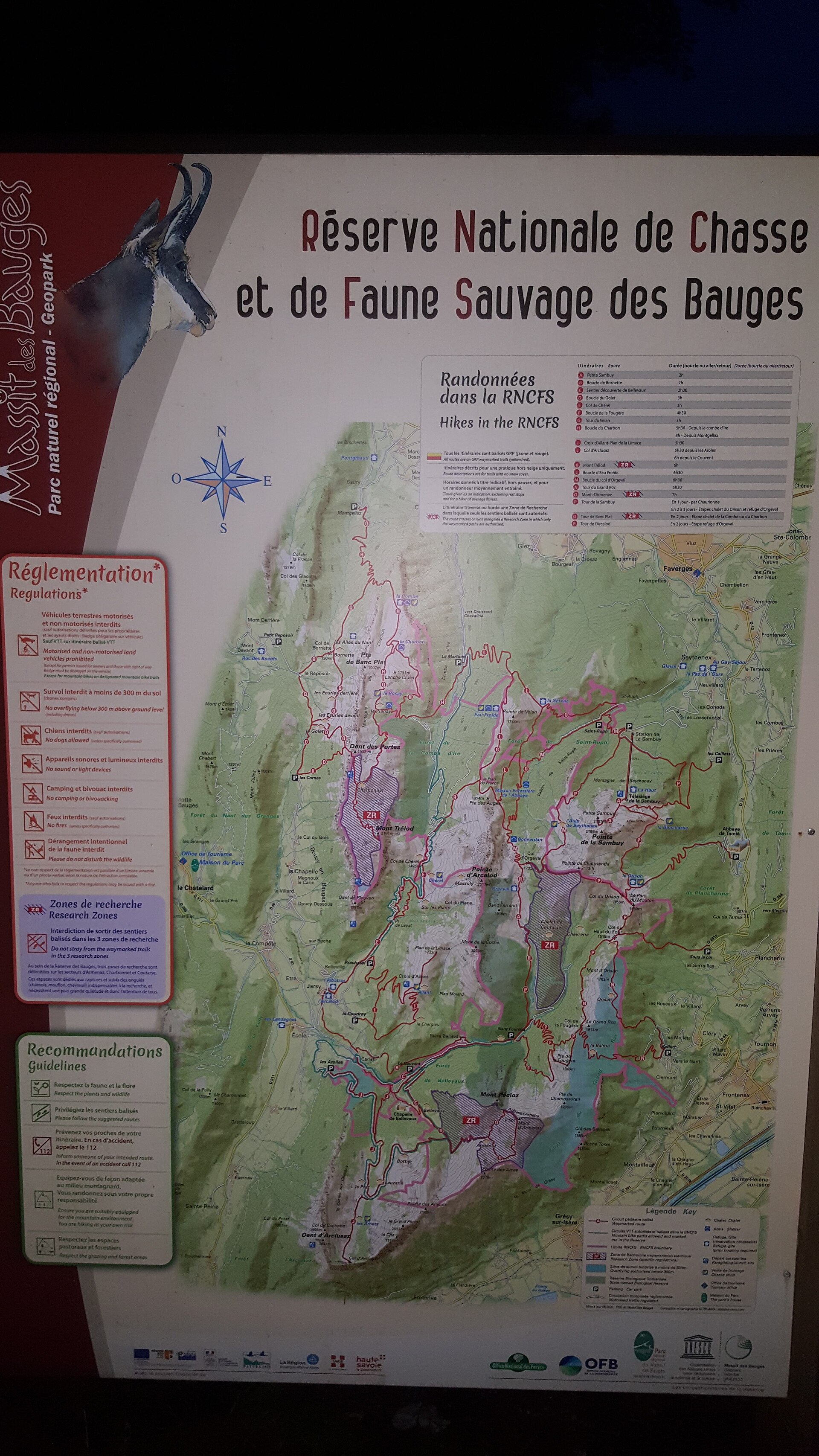
Natura 2000 · passage
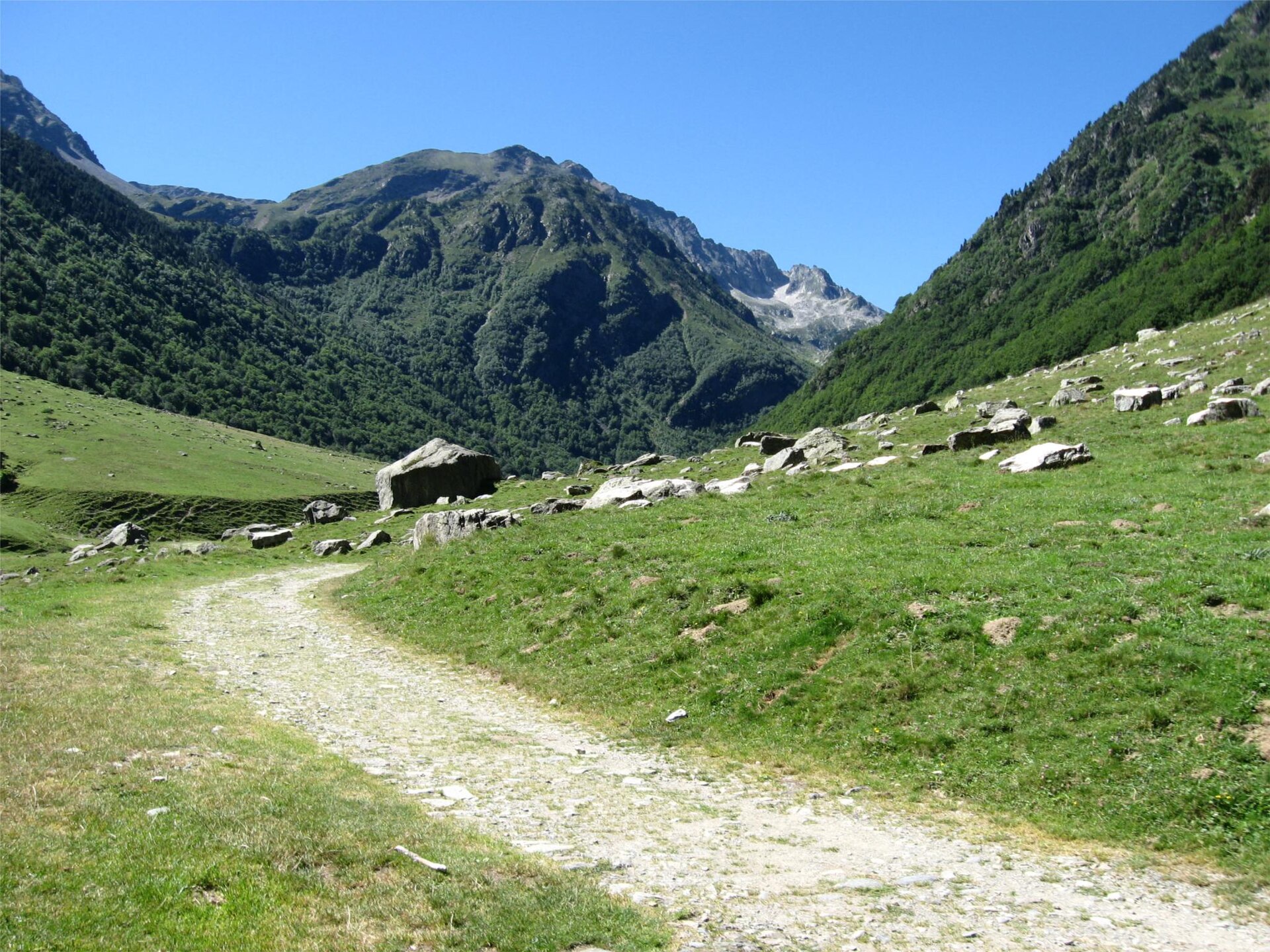
Natura 2000 · resident

Natura 2000 · passage
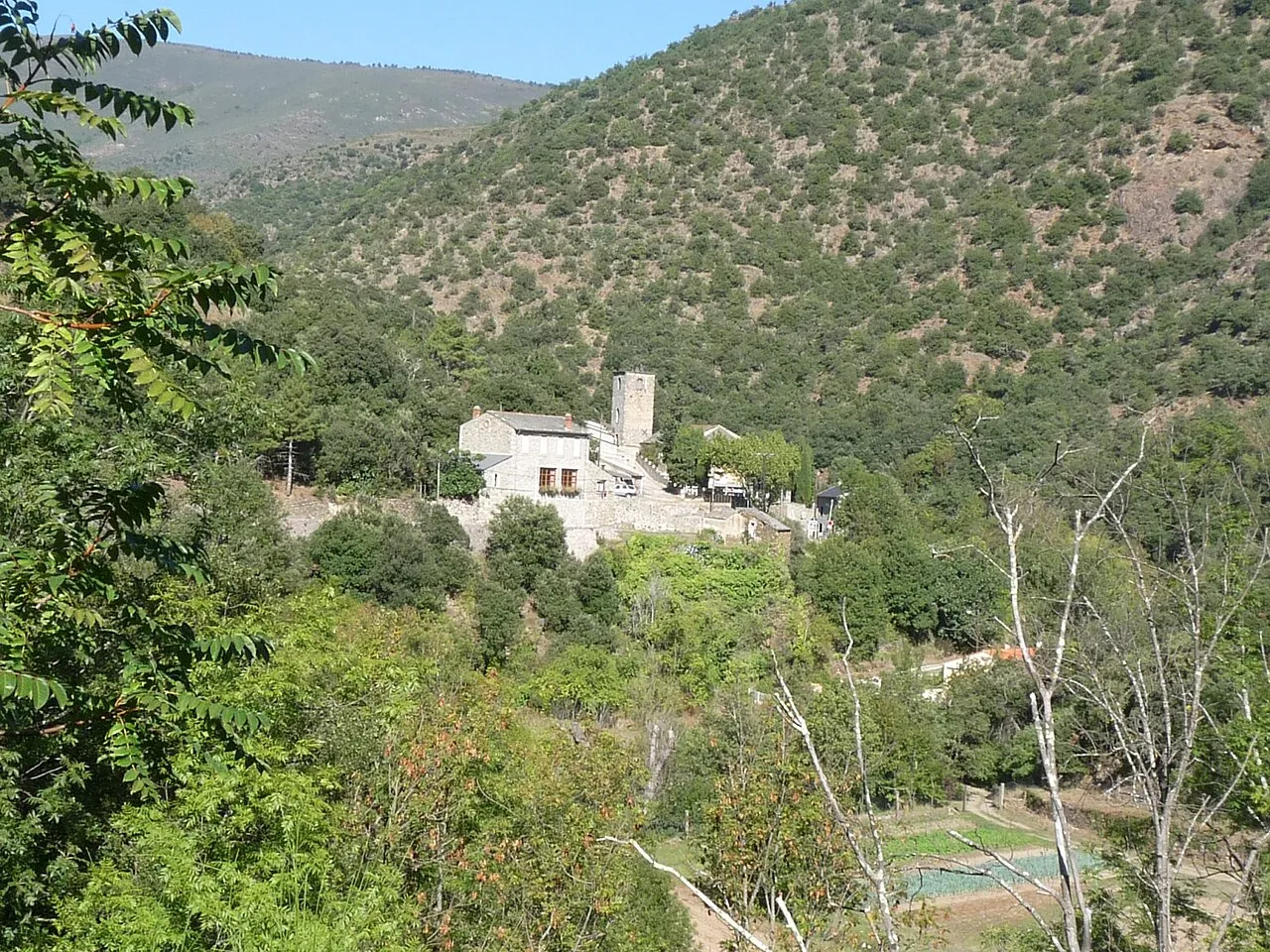
Natura 2000 · resident
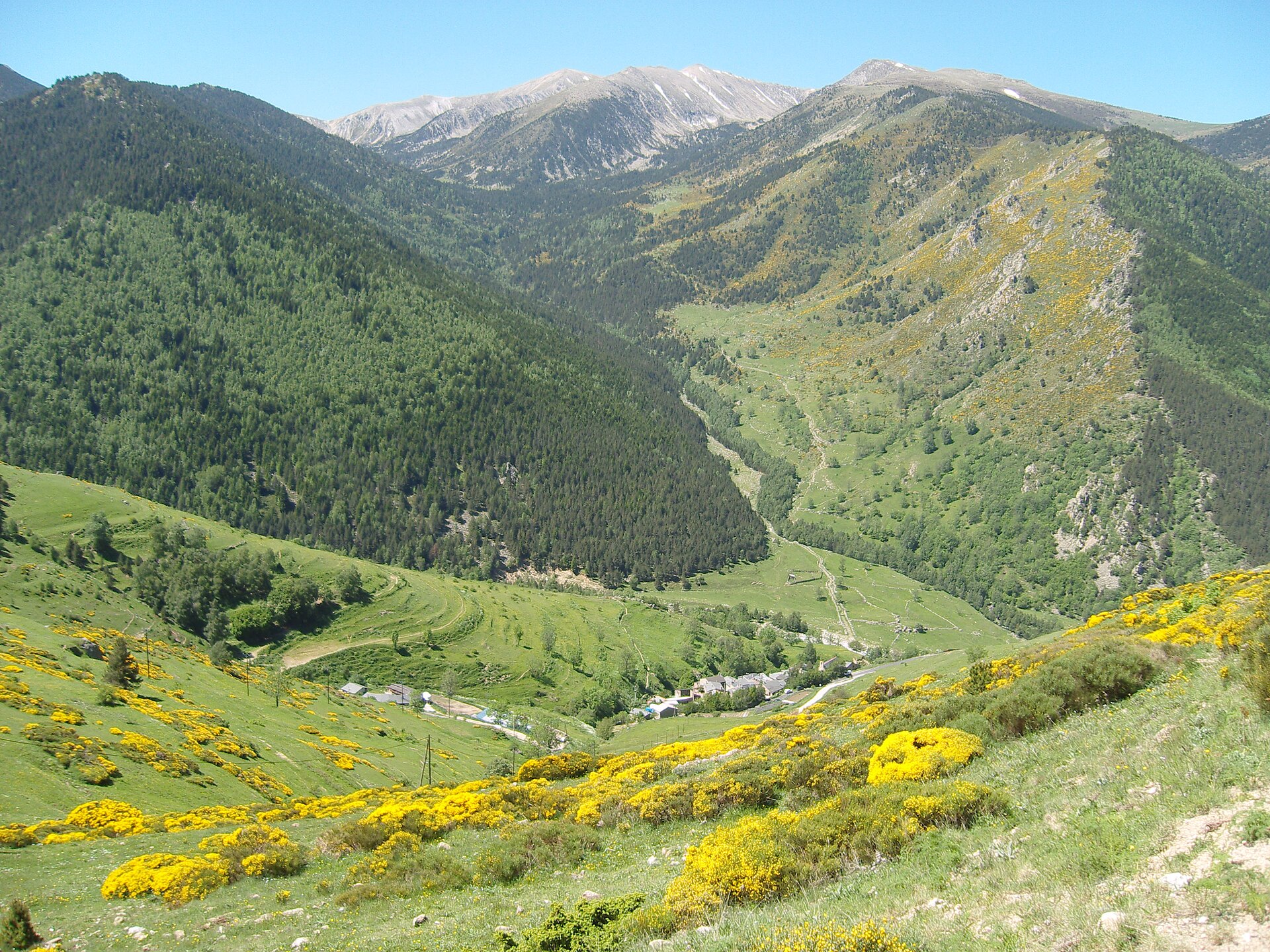
Natura 2000 · resident
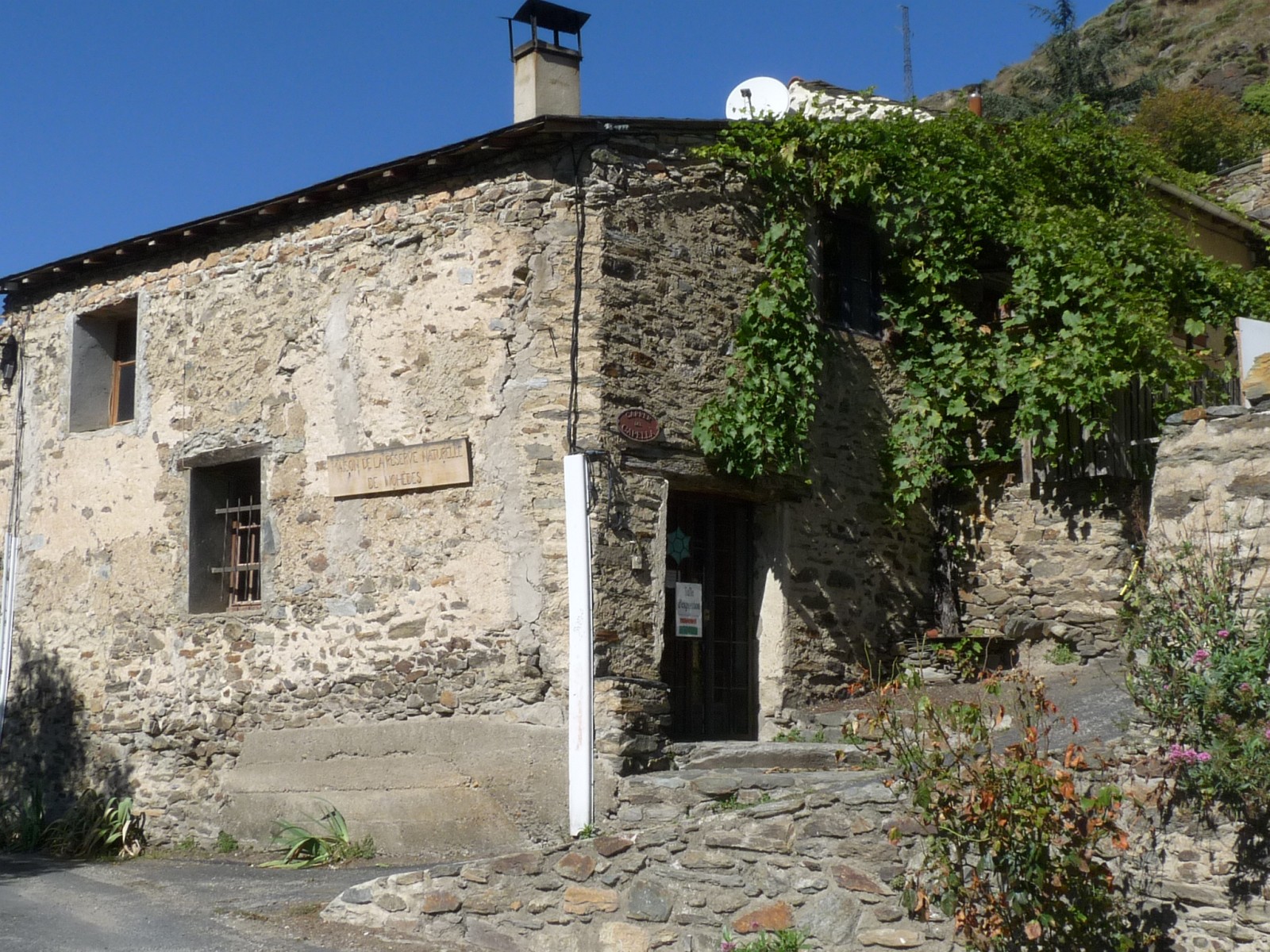
Natura 2000 · resident

Natura 2000 · resident
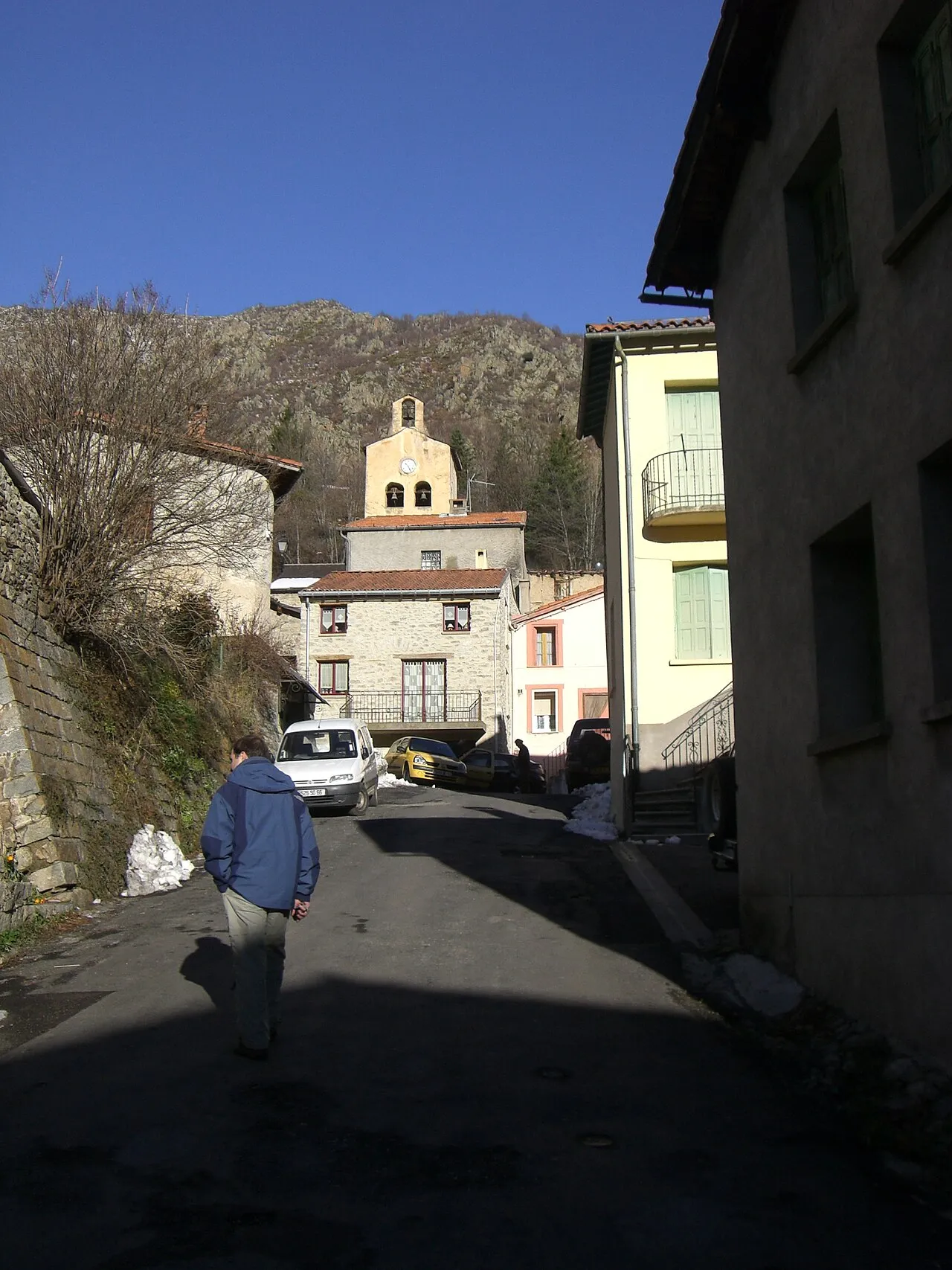
Natura 2000 · resident
Natura 2000 · resident
Natura 2000 · wintering, passage
Natura 2000 · passage
Natura 2000 · resident
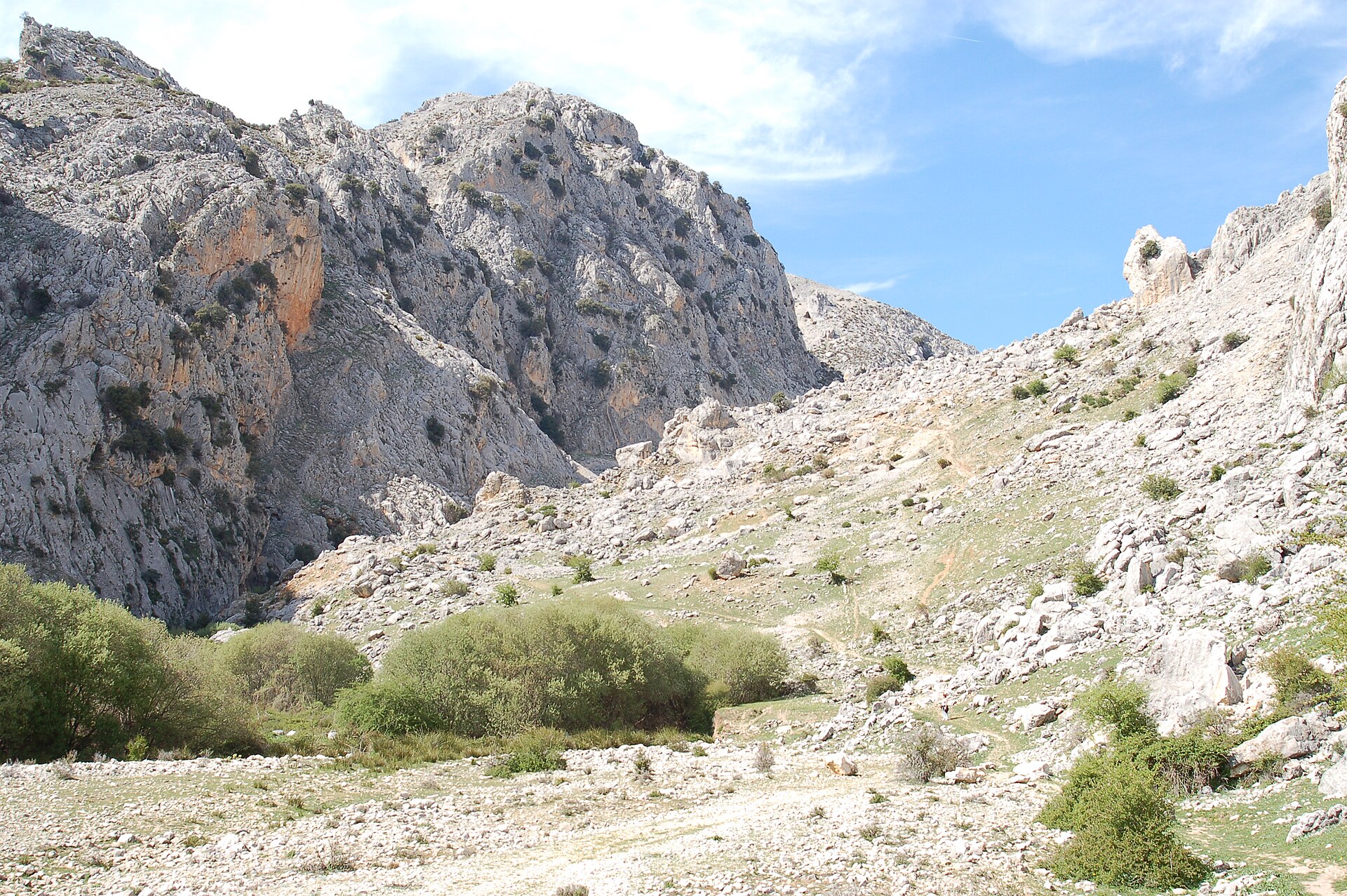
Natura 2000 · breeding
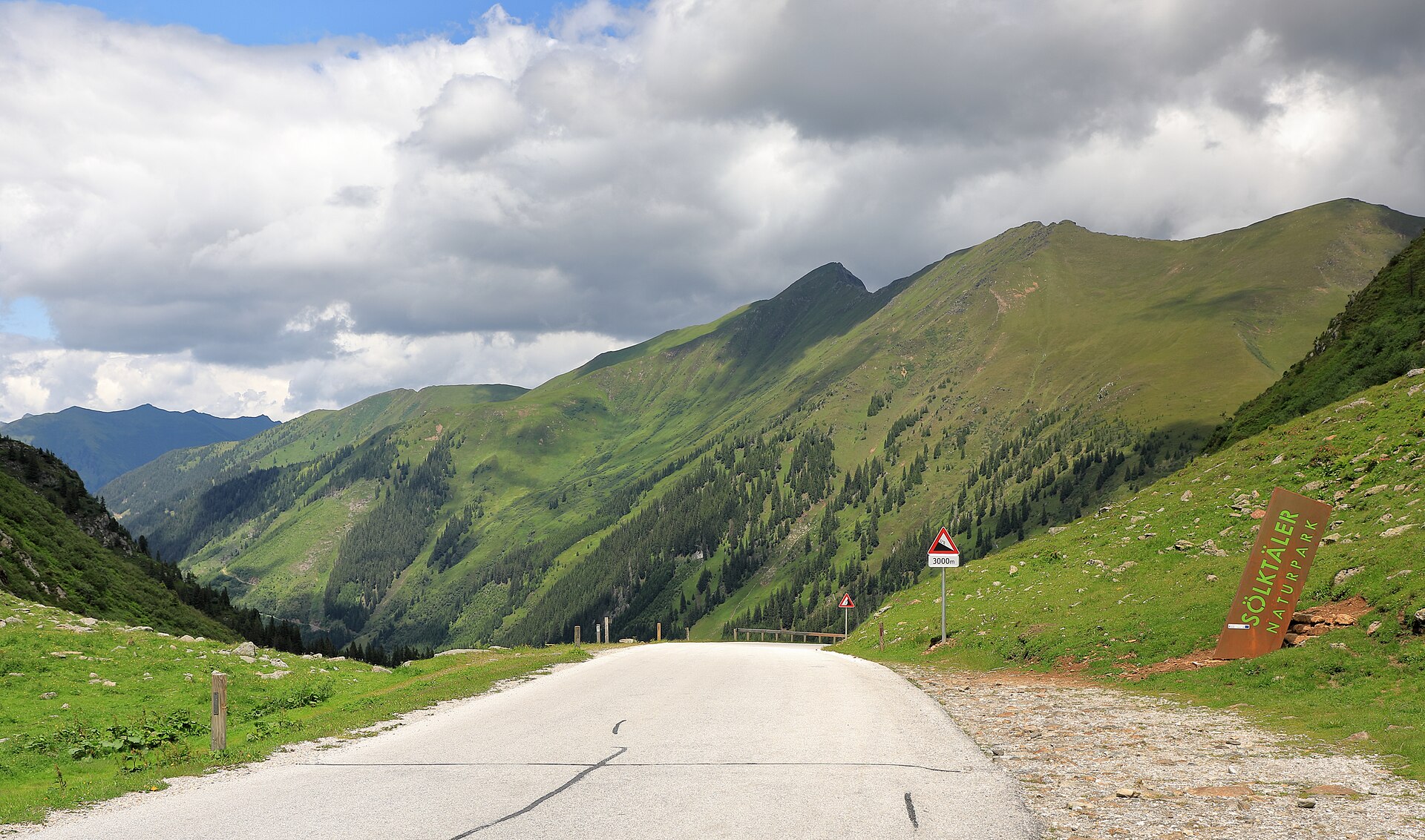
Natura 2000 · resident
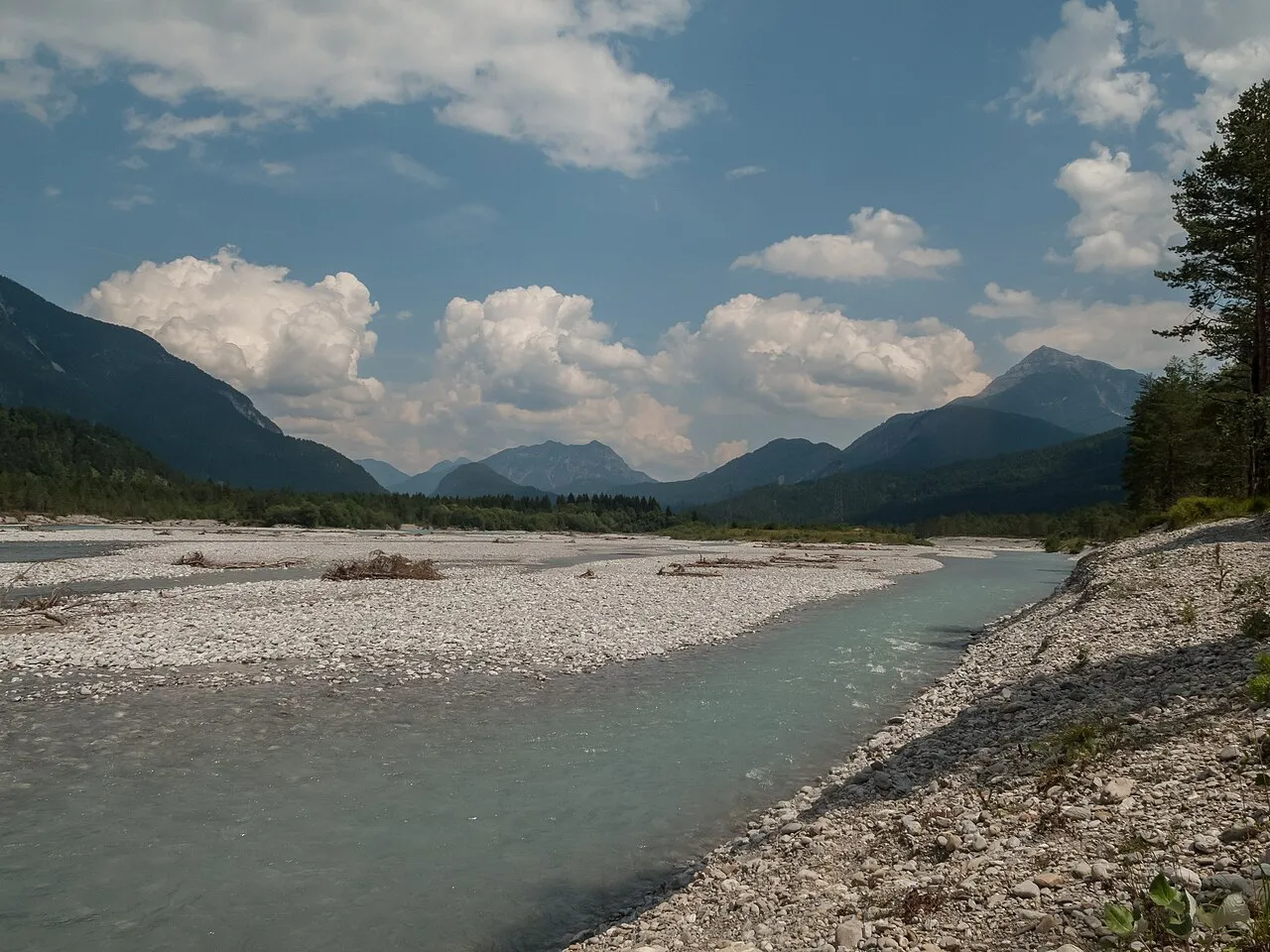
Natura 2000 · breeding

Natura 2000 · resident
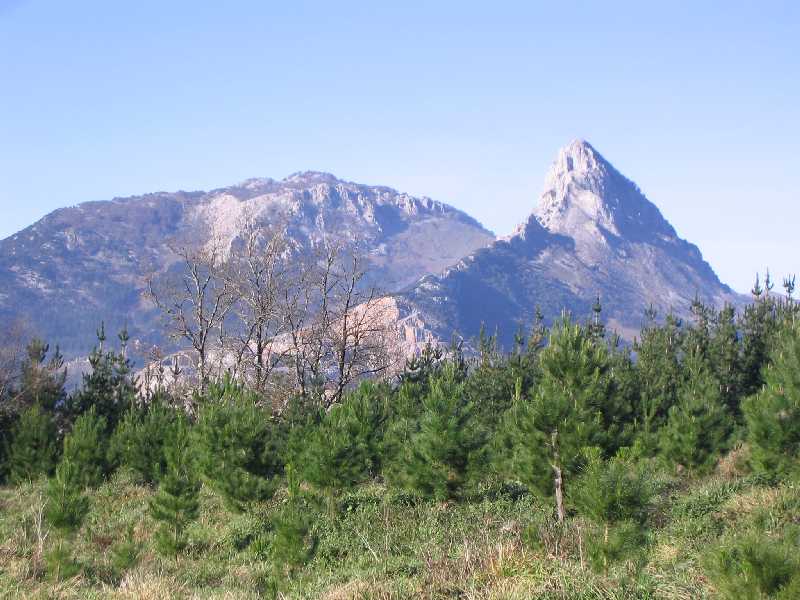
Natura 2000 · passage, resident
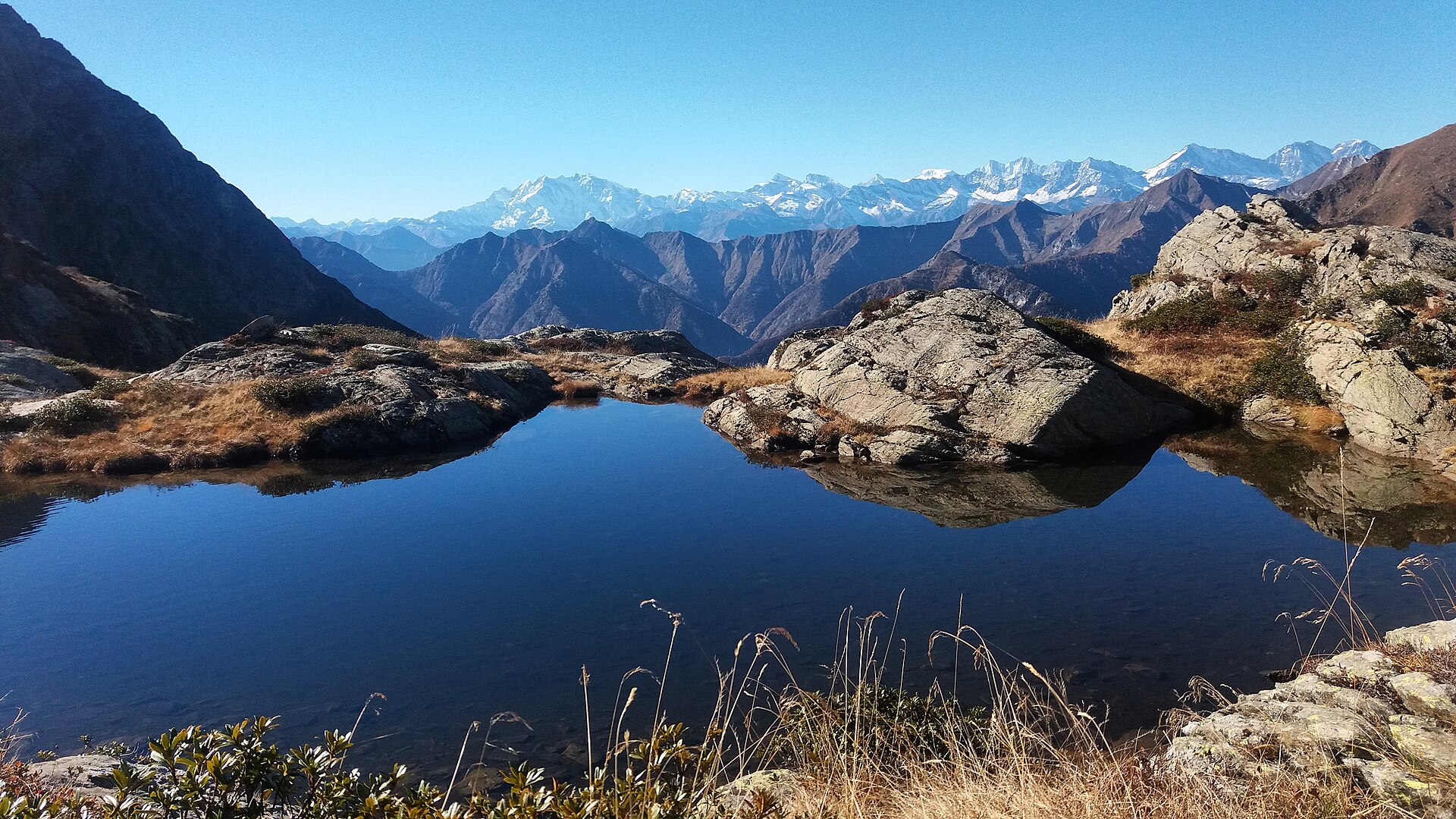
Natura 2000 · passage
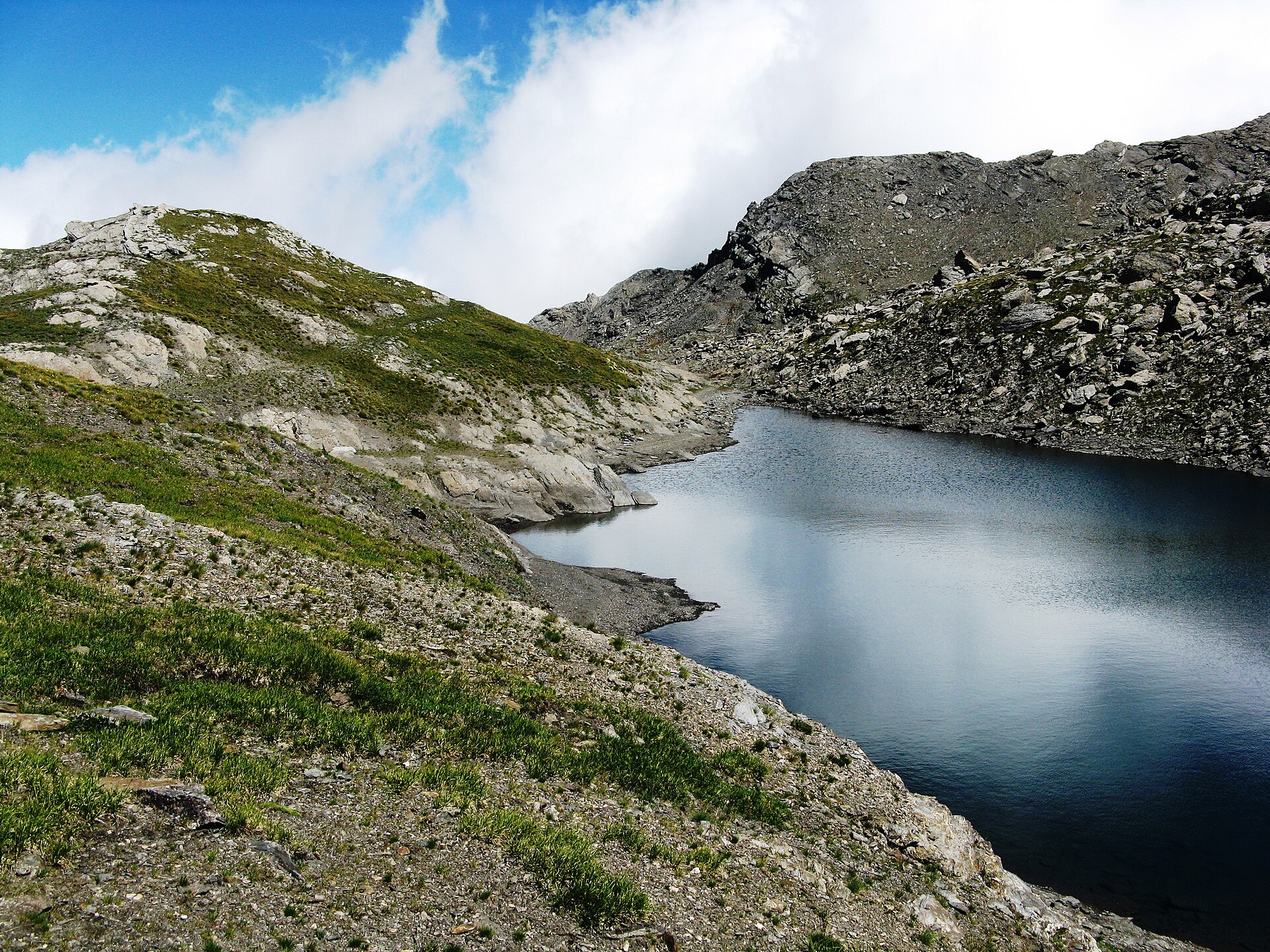
Natura 2000 · passage
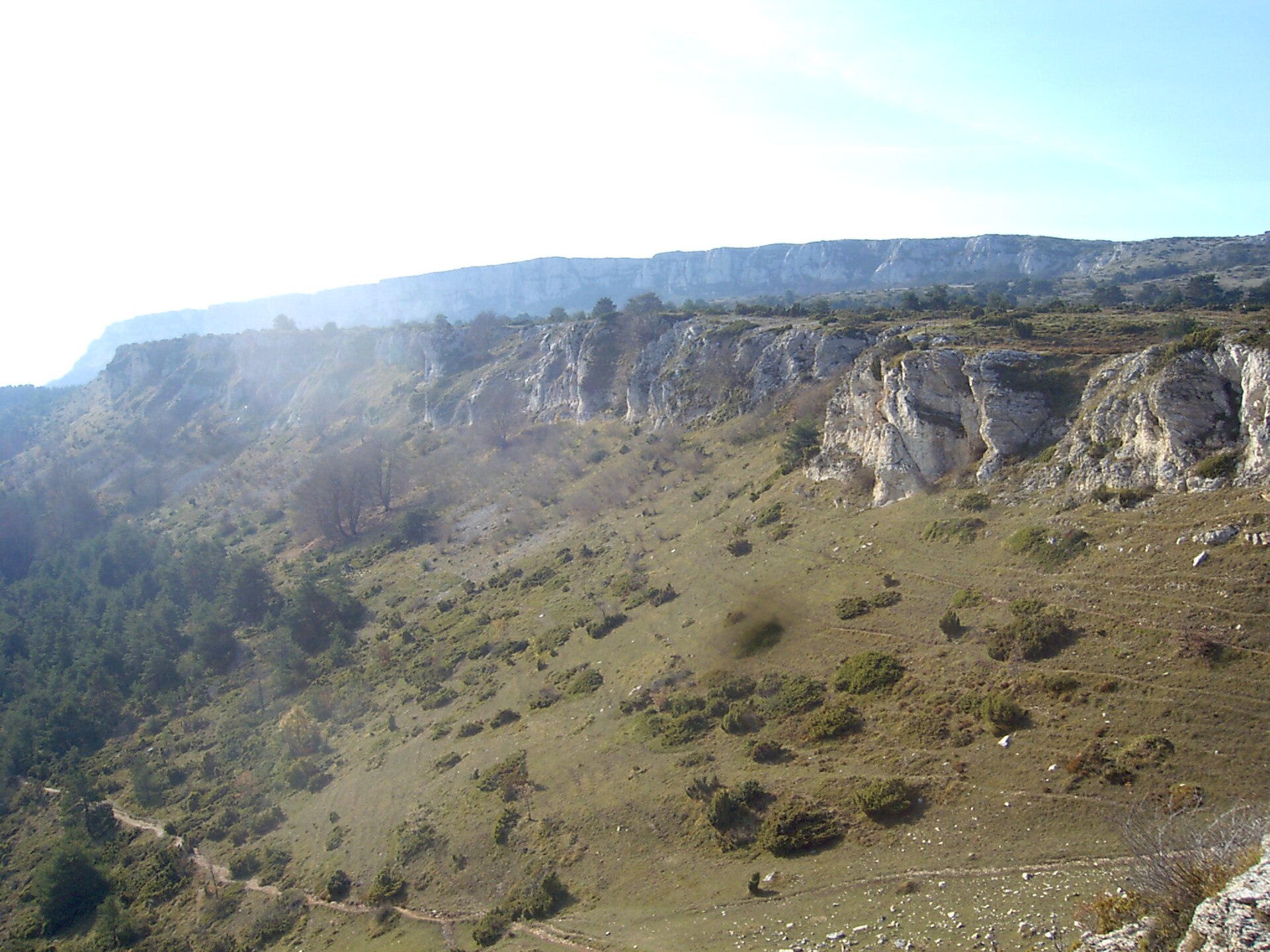
Natura 2000 · passage
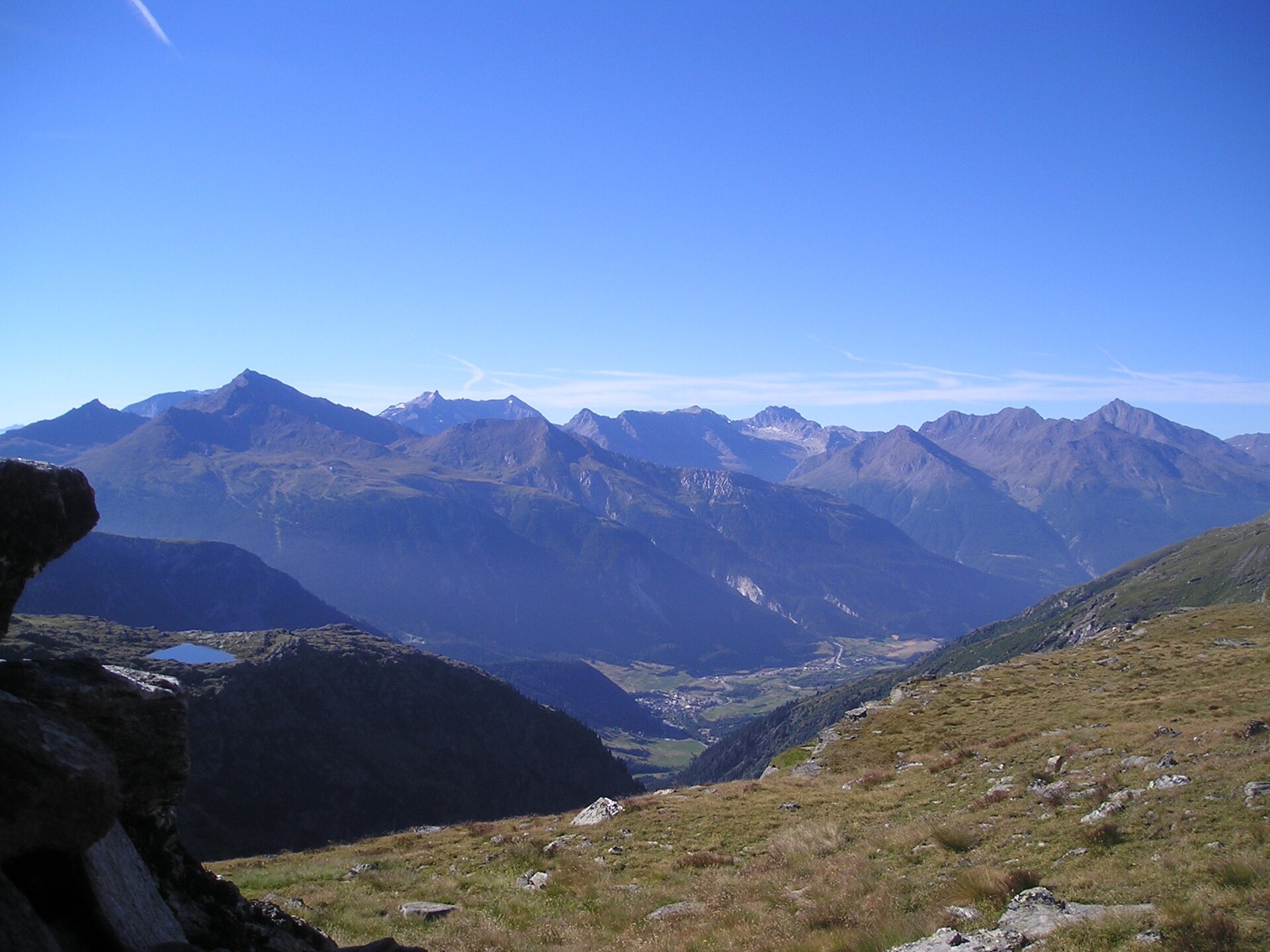
Natura 2000 · resident
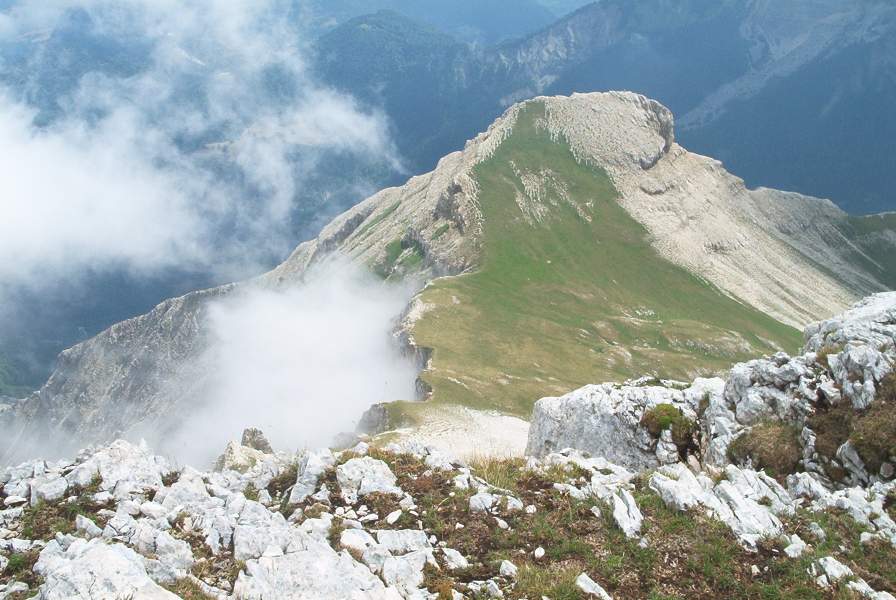
Natura 2000 · resident
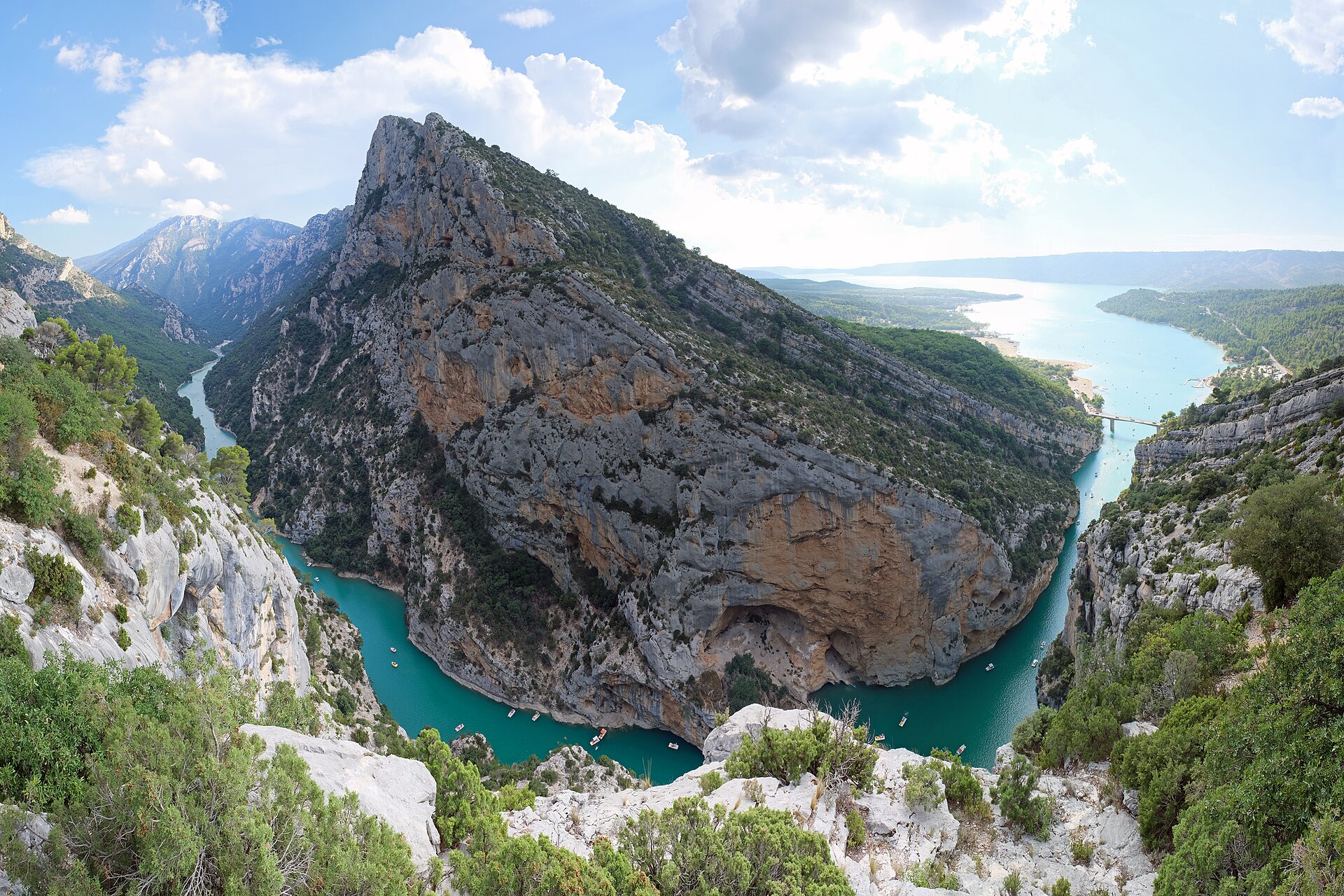
Natura 2000 · passage
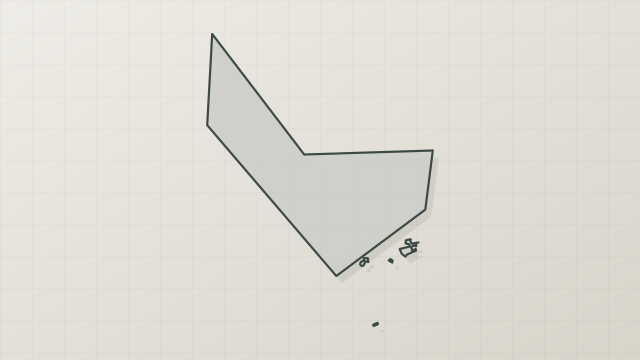
Natura 2000 · passage
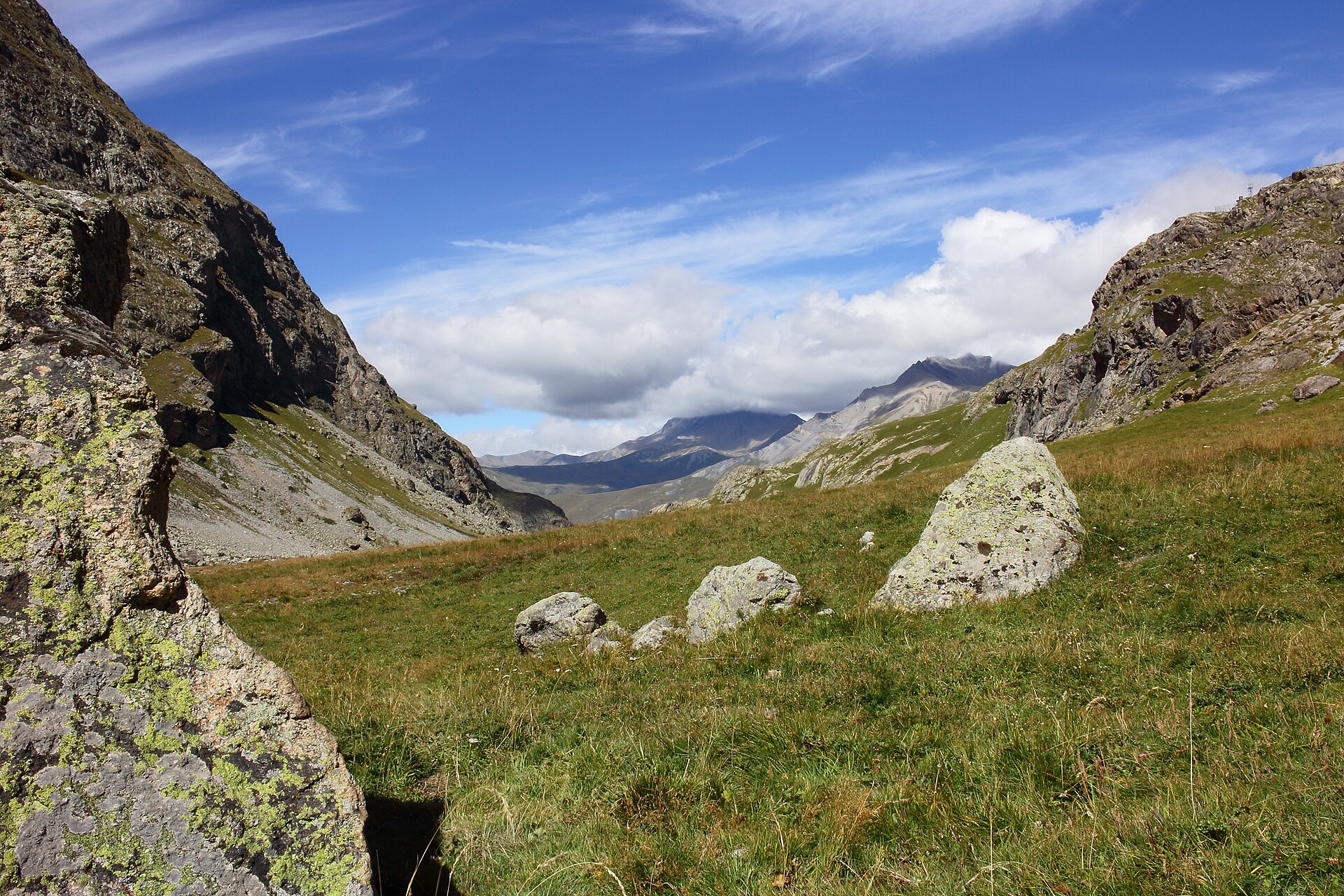
Natura 2000 · wintering, passage
Other species to discover
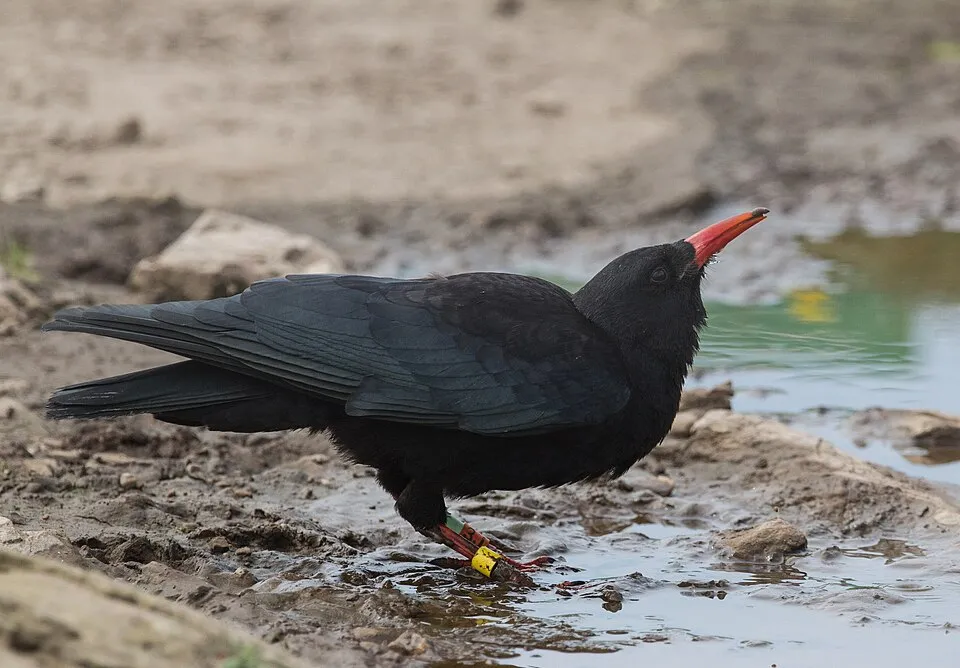 Red-billed Chough
Pyrrhocorax pyrrhocorax 72 places in common
 Griffon Vulture
Gyps fulvus 57 places in common
Rock Ptarmigan
Lagopus muta helvetica 33 places in common
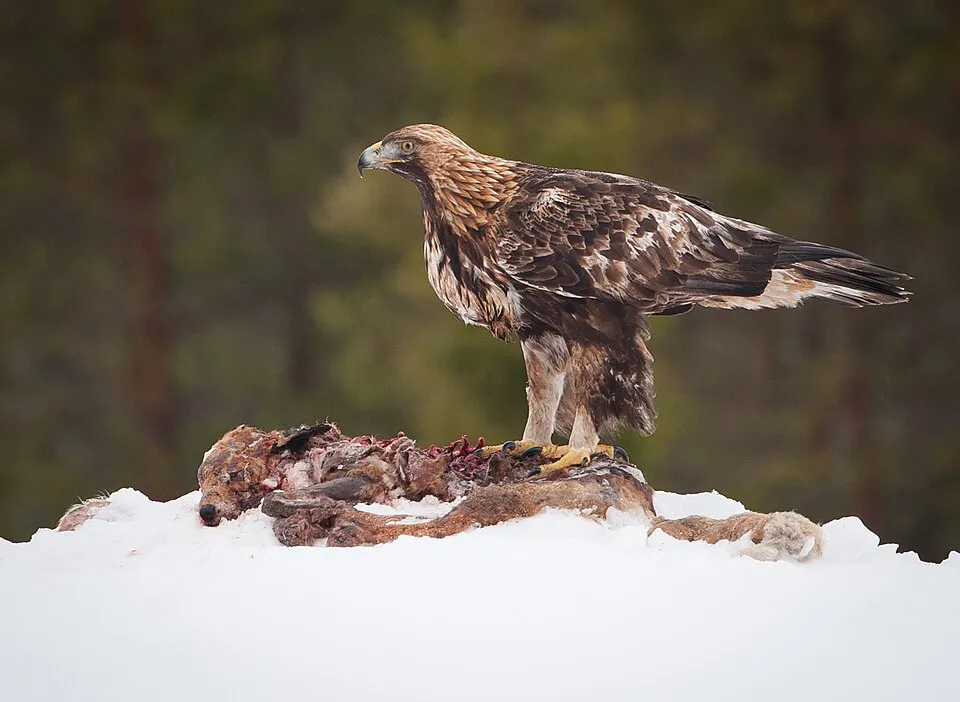 Golden Eagle
Aquila chrysaetos 82 places in common
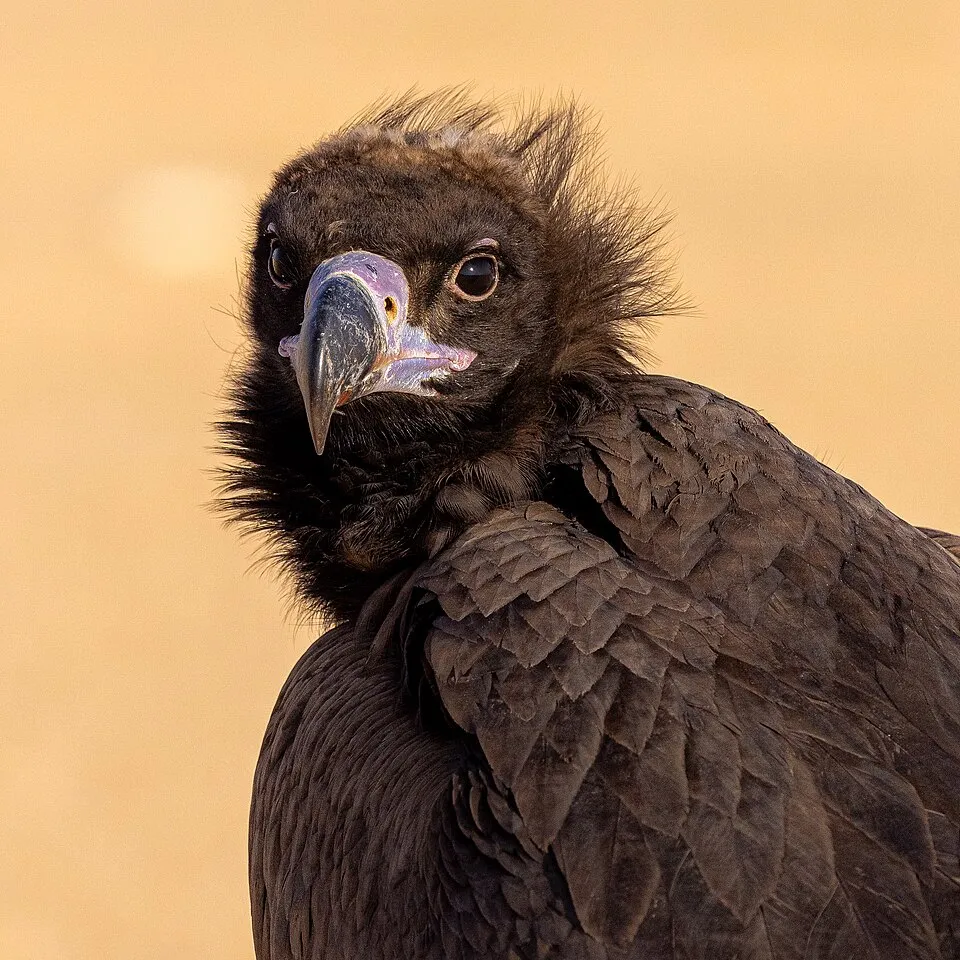 Cinereous Vulture
Aegypius monachus 31 places in common
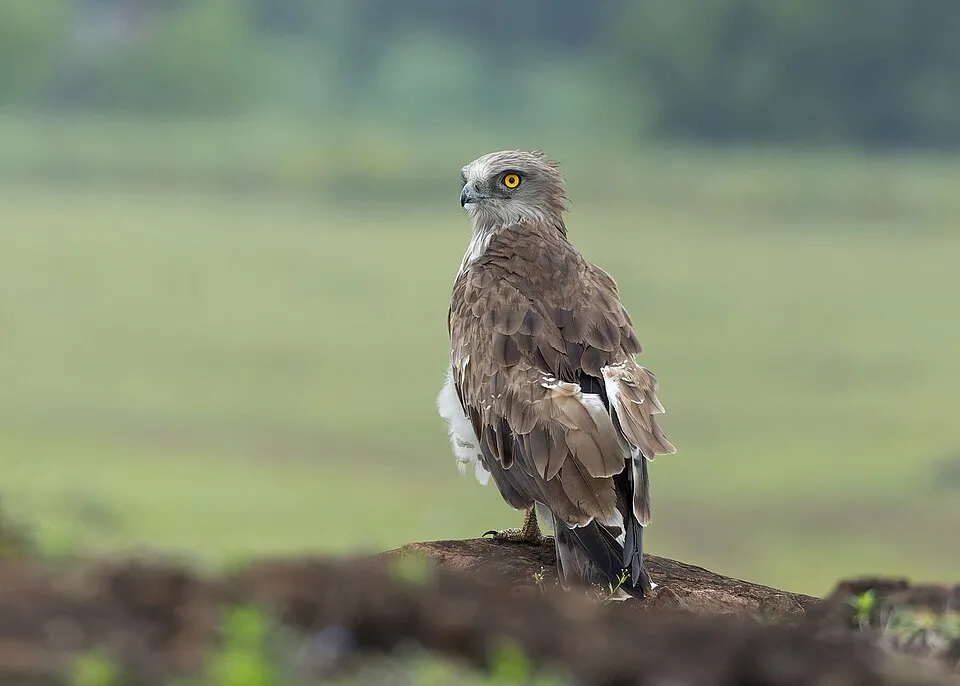 Short-toed Snake Eagle
Circaetus gallicus 70 places in common
Sources and credits
- Presence: most-recorded species of each place on GBIF and species of Community interest in the Natura 2000 forms (EEA, CC-BY 4.0); absence from the list does not mean the species is absent.
- Common names: Wikidata (CC0) and GBIF.
- Photos and sounds: Wikimedia Commons, author and licence given for each file.
- Classification: GBIF Backbone Taxonomy (GBIF Secretariat), CC BY 4.0, doi:10.15468/39omei.
- Countries, elevations, months and maps: GBIF.org, CC0 or CC BY 4.0 occurrences only, accessed October 22, 2026, GBIF.org.
- Base map: Natural Earth (public domain).
- Excerpt: Wikipedia, CC BY-SA 4.0 (full credit below the excerpt).
- Key facts: Wikidata (CC0), with the references cited under each value.
- Annexes: Directive 2009/147/EC (consolidated version), © European Union, EUR-Lex.
- EU bird populations: EEA / DG ENV, Article 12 Birds Directive reporting (2013–2018), CC BY 4.0.