
Bird
Rock Dove: where to see it
Columba livia
Invasive alien in some territories
Listed as invasive alien for: Costa Rica, Argentina, Mexico, Japan, Australia, Peru, Colombia, Ecuador, Bolivia (GRIIS).
This bird species is recorded in 165 protected areas of the atlas, including 6 whose official Natura 2000 form lists it. Within the atlas countries, it is mostly observed in the United Kingdom, Spain and Sweden (19 countries in all). Most records (8 in 10) lie between sea level and 320 m. Records are spread throughout the year. It has a wingspan of 67.8–70.2 cm. Its EU population is assessed as secure (2013–2018 Birds Directive reporting).
Best time to see it: all year round
Records published on GBIF by month (CC0 and CC BY 4.0 licences only), in the atlas countries, all years combined; they also reflect observer activity.
Key facts
- Wingspan
- 67.8–70.2 cm Wikidata, after Determination of body density for twelve bird species, 1993
- Weight (female)
- 267 g Wikidata, after Lislevand et al. 2007
- Weight (male)
- 294 g Wikidata, after Lislevand et al. 2007
Status and protection
Birds Directive II/A
The species is listed in Annex II/A of the Birds Directive.
EU population assessed as secure, stable in the short term (2013–2018 Birds Directive reporting). EU breeding population: 2,450,000–4,740,000 pairs.
Distribution
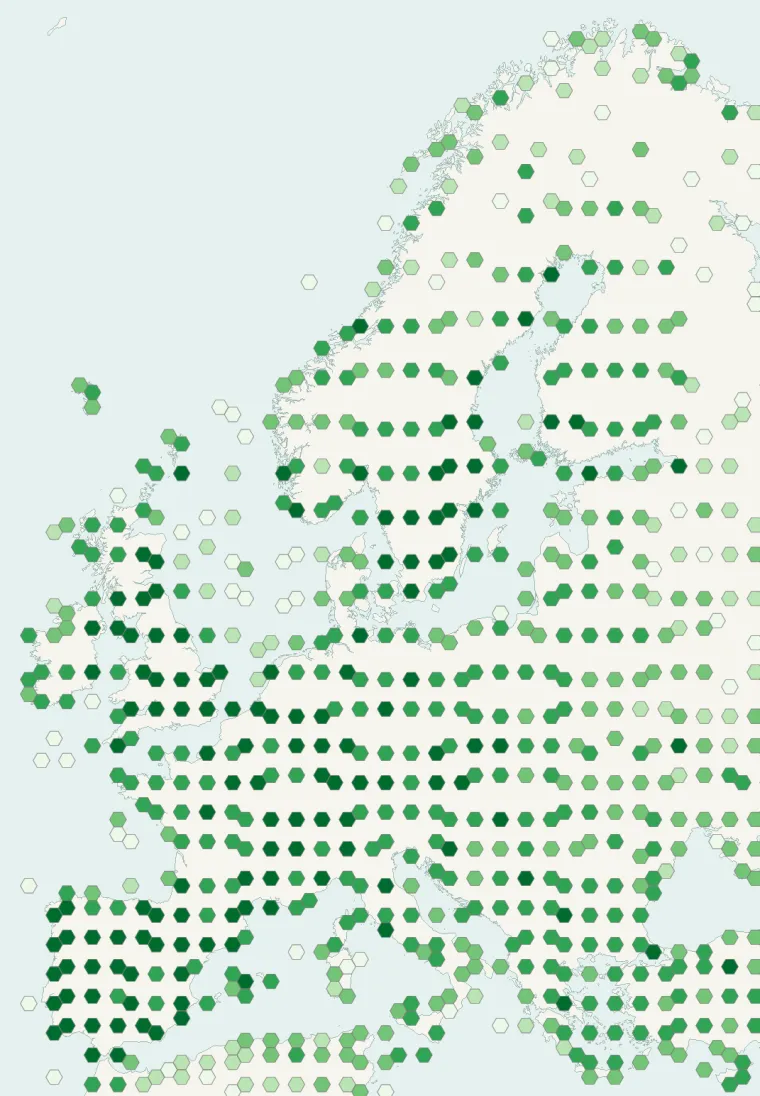
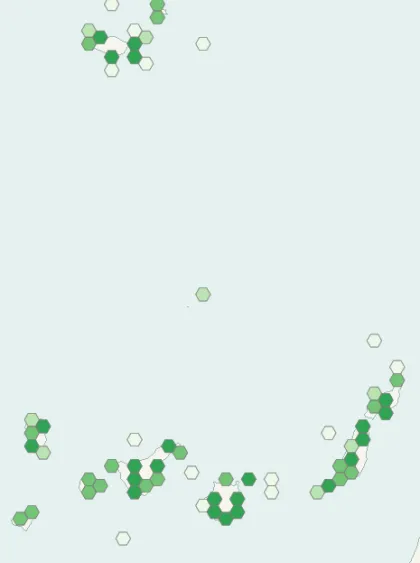
Records published on GBIF (CC0 and CC BY 4.0 licences): the darker the shade, the more records there are; they also reflect observation effort.
Atlas countries where it is recorded
From Wikipedia
The rock dove (Columba livia), also known as the common pigeon or rock pigeon (but see also Petrophassa), is a member of the bird family Columbidae (doves and pigeons). In common usage, it is often simply referred to as the "pigeon", although the rock dove is the wild form of the bird; the pigeons familiar to most people are the domesticated forms of the wild rock dove. Wild rock doves are uniformly pale grey with two black bars on each wing, with few differences being seen between males and females; i.e. they are not strongly sexually dimorphic.
Source: Wikipedia, article “Rock dove” (version of October 8, 2026) · history and authors · licence CC BY-SA 4.0 · shortened excerpt
Protected areas where it is recorded
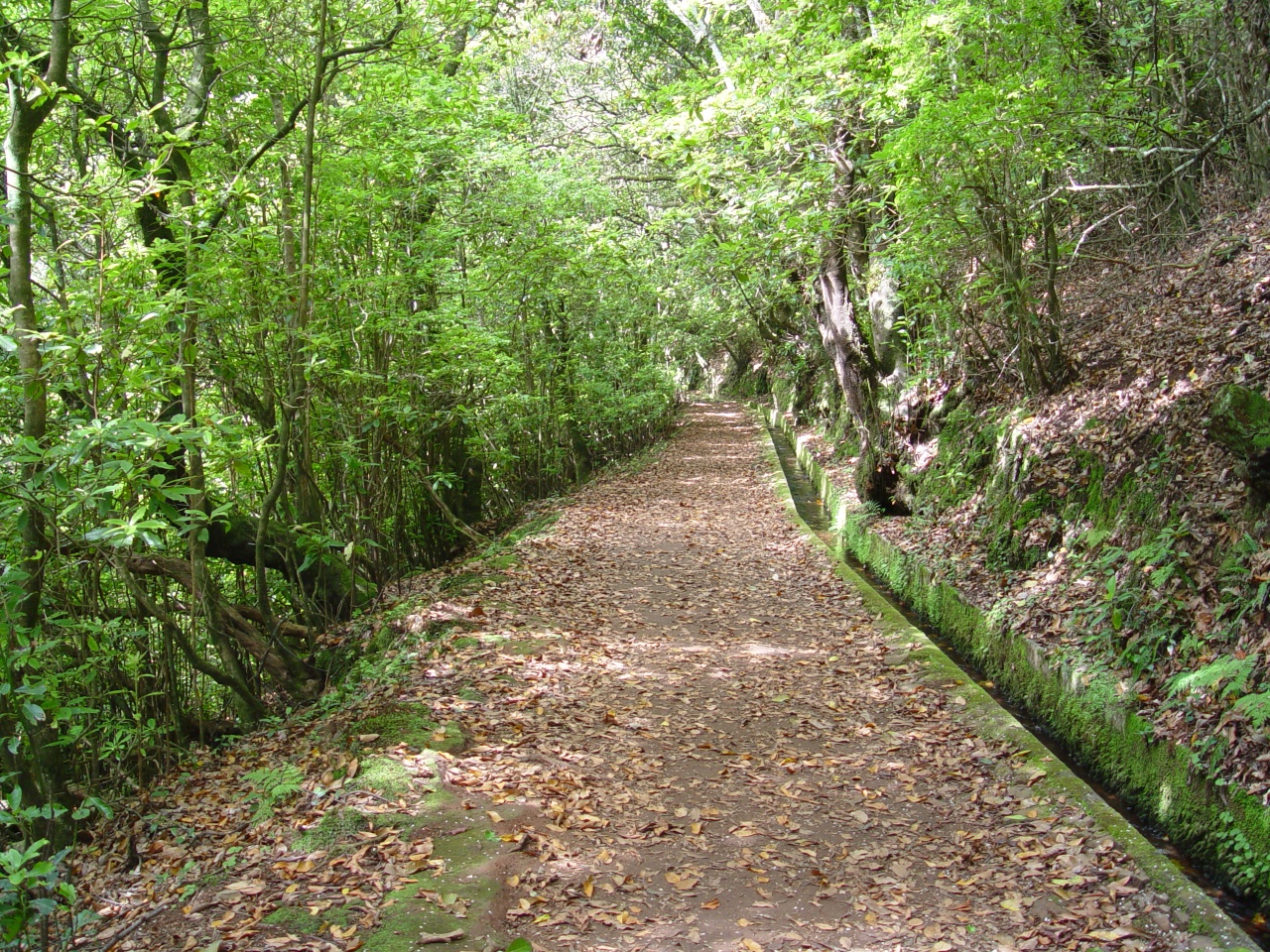
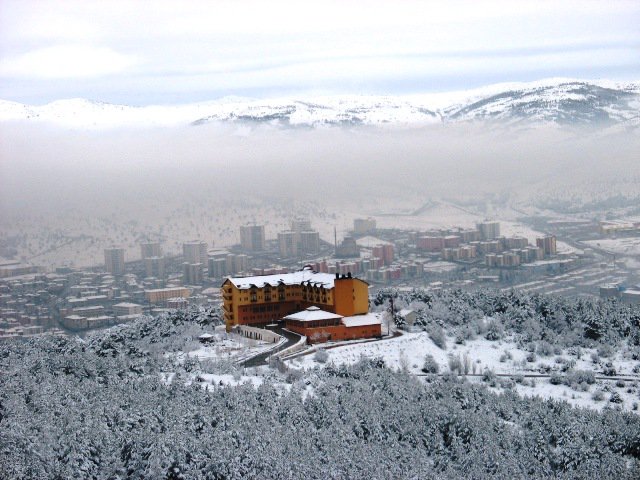
Natura 2000 · resident, breeding 886 records

8,026 records

3,191 records

2,334 records
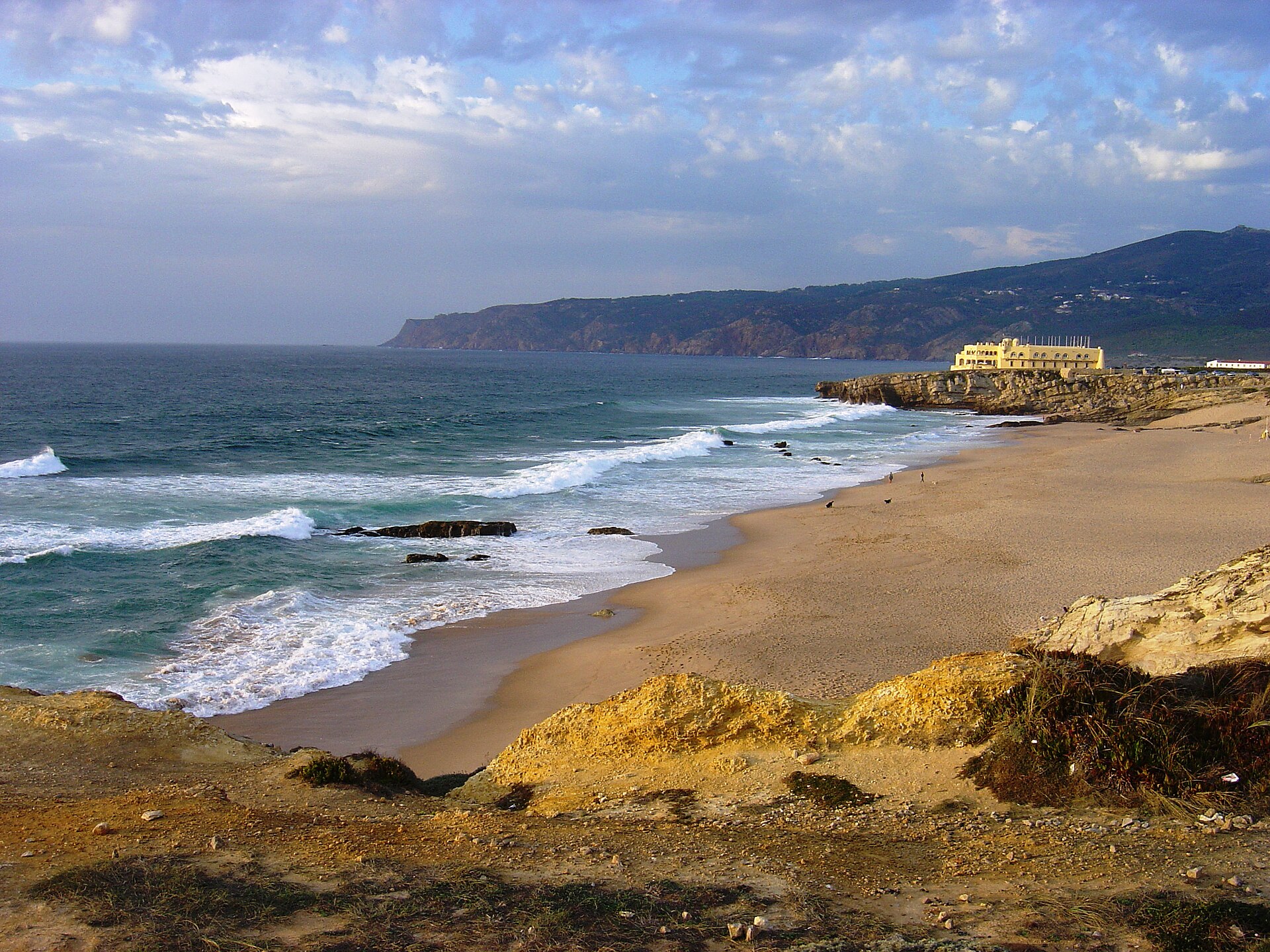
1,890 records
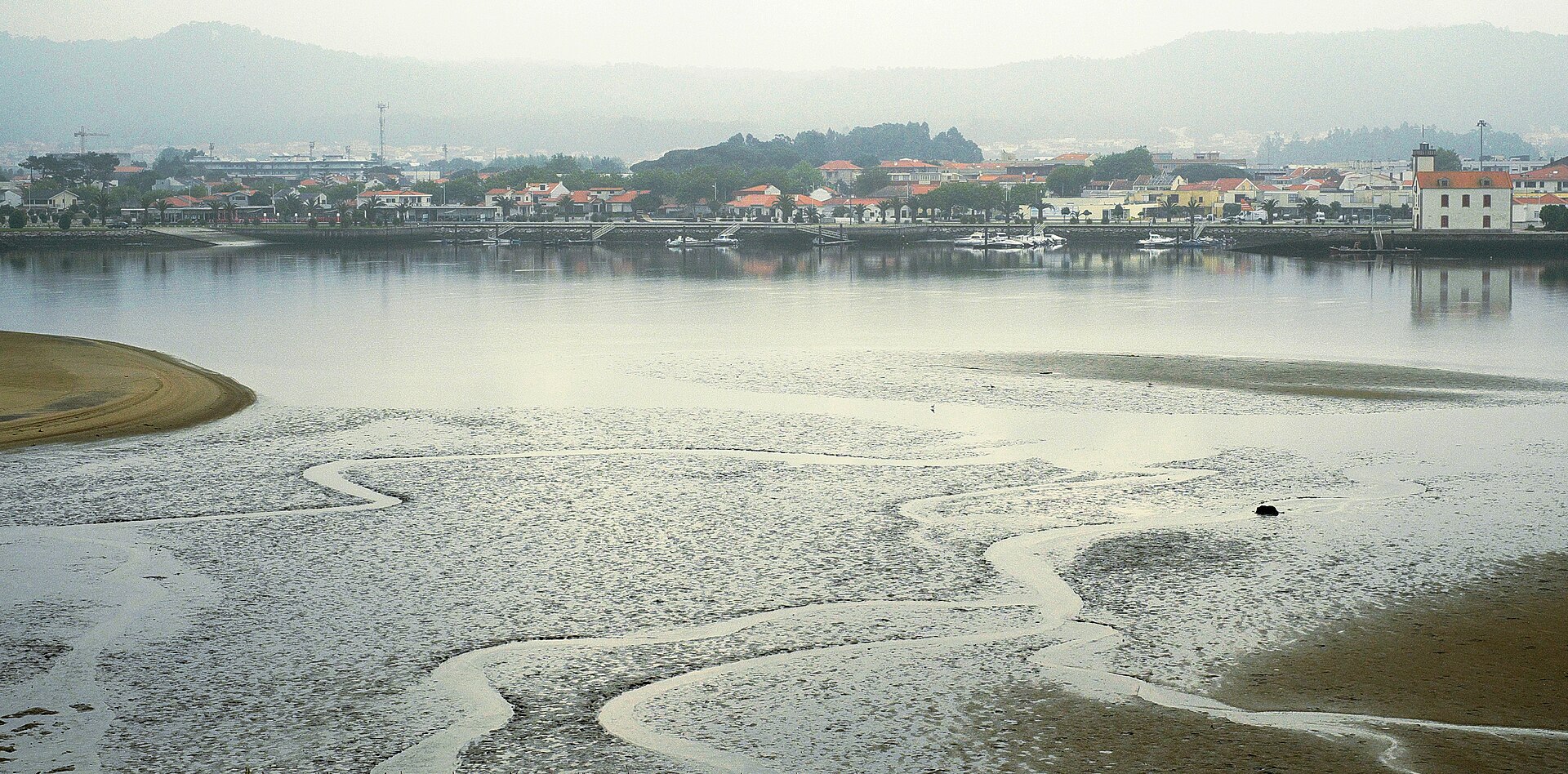
1,726 records
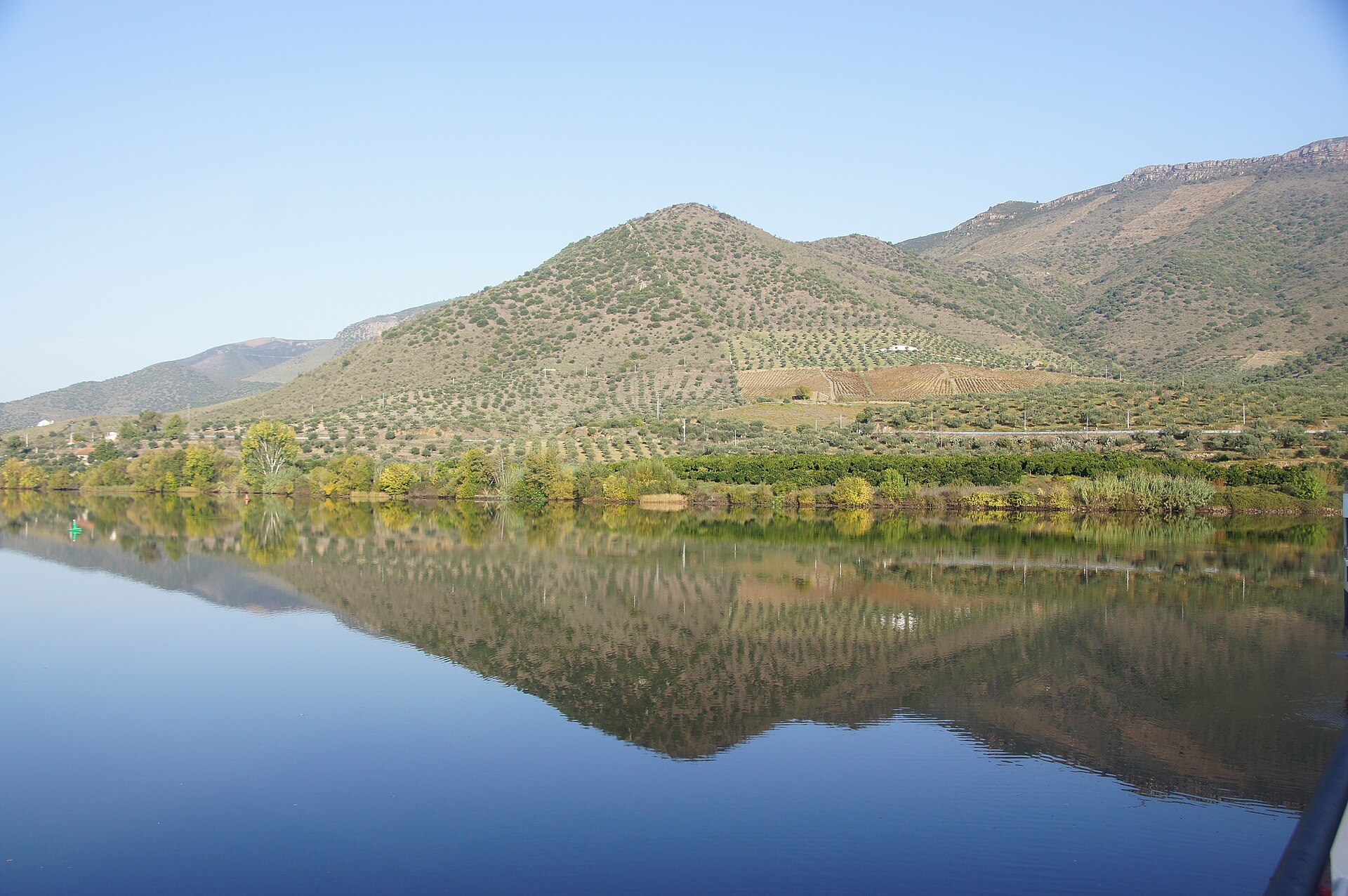
1,681 records
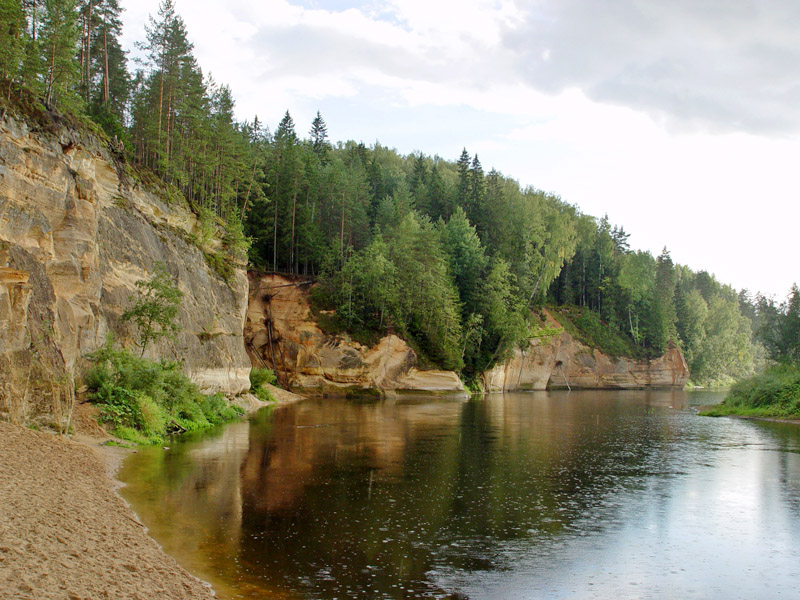
1,598 records

1,386 records

1,319 records

1,150 records

1,026 records

854 records
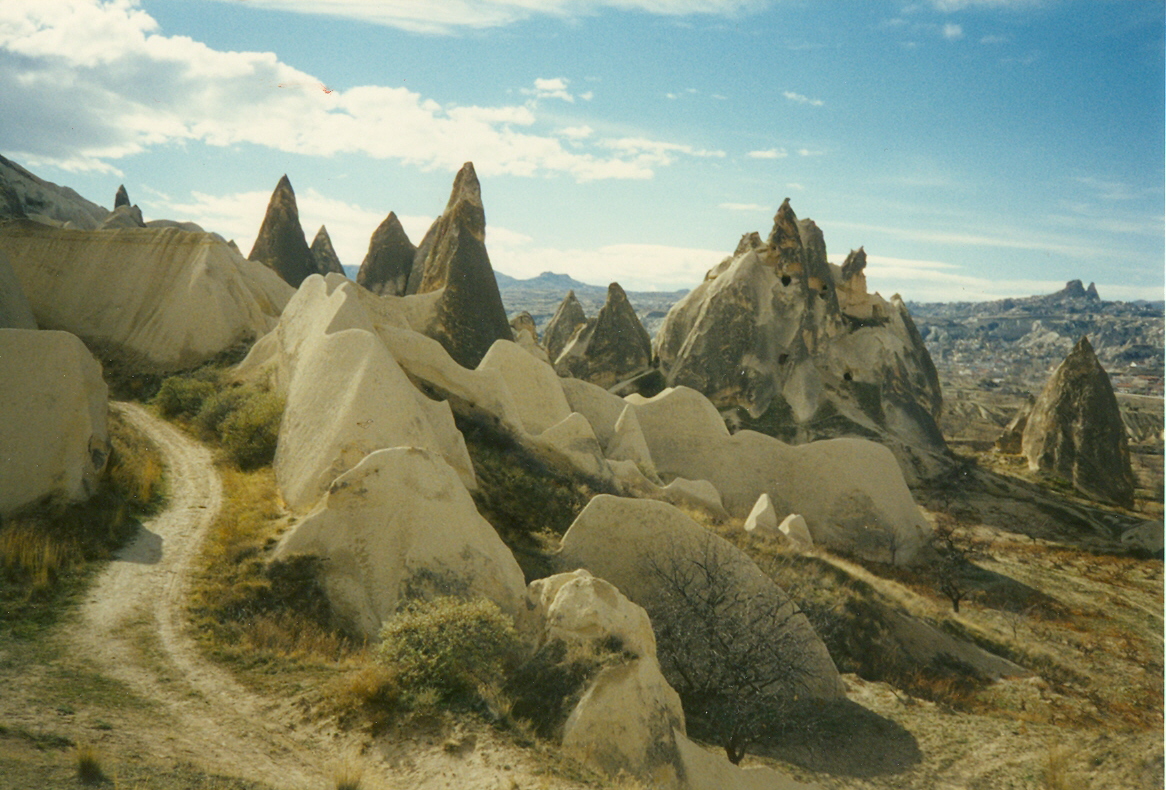
775 records
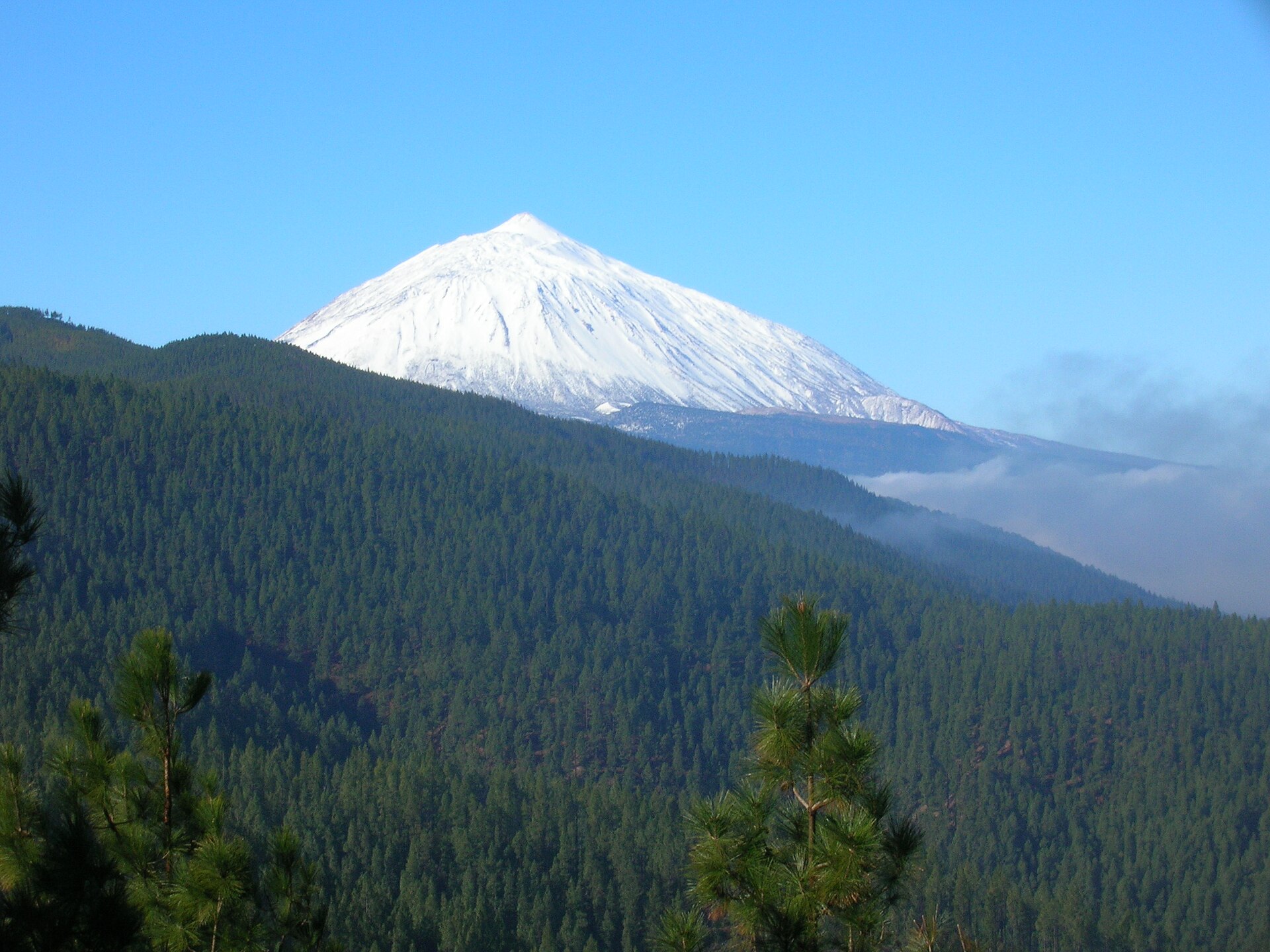
567 records

544 records

409 records

407 records
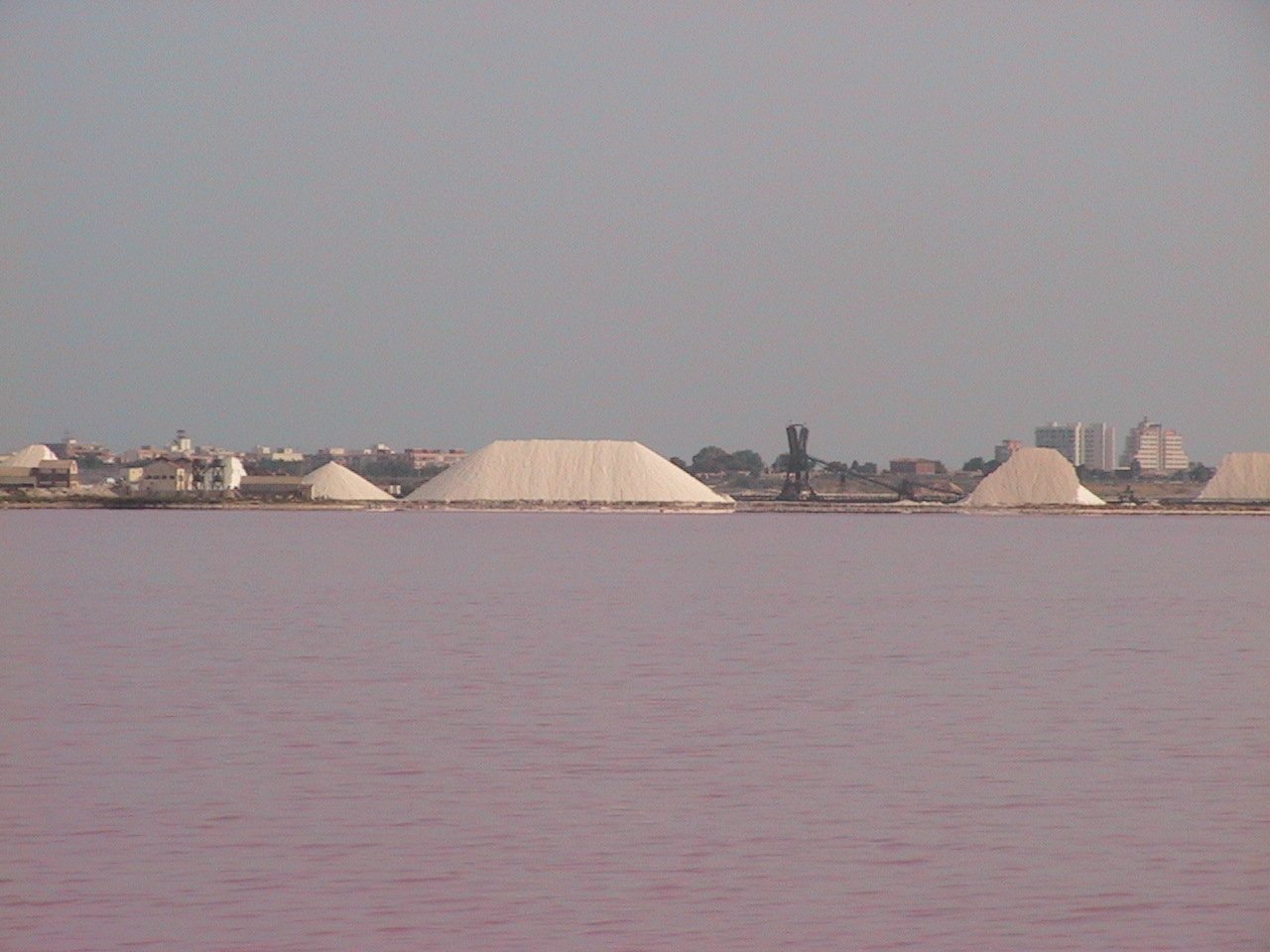
397 records

350 records
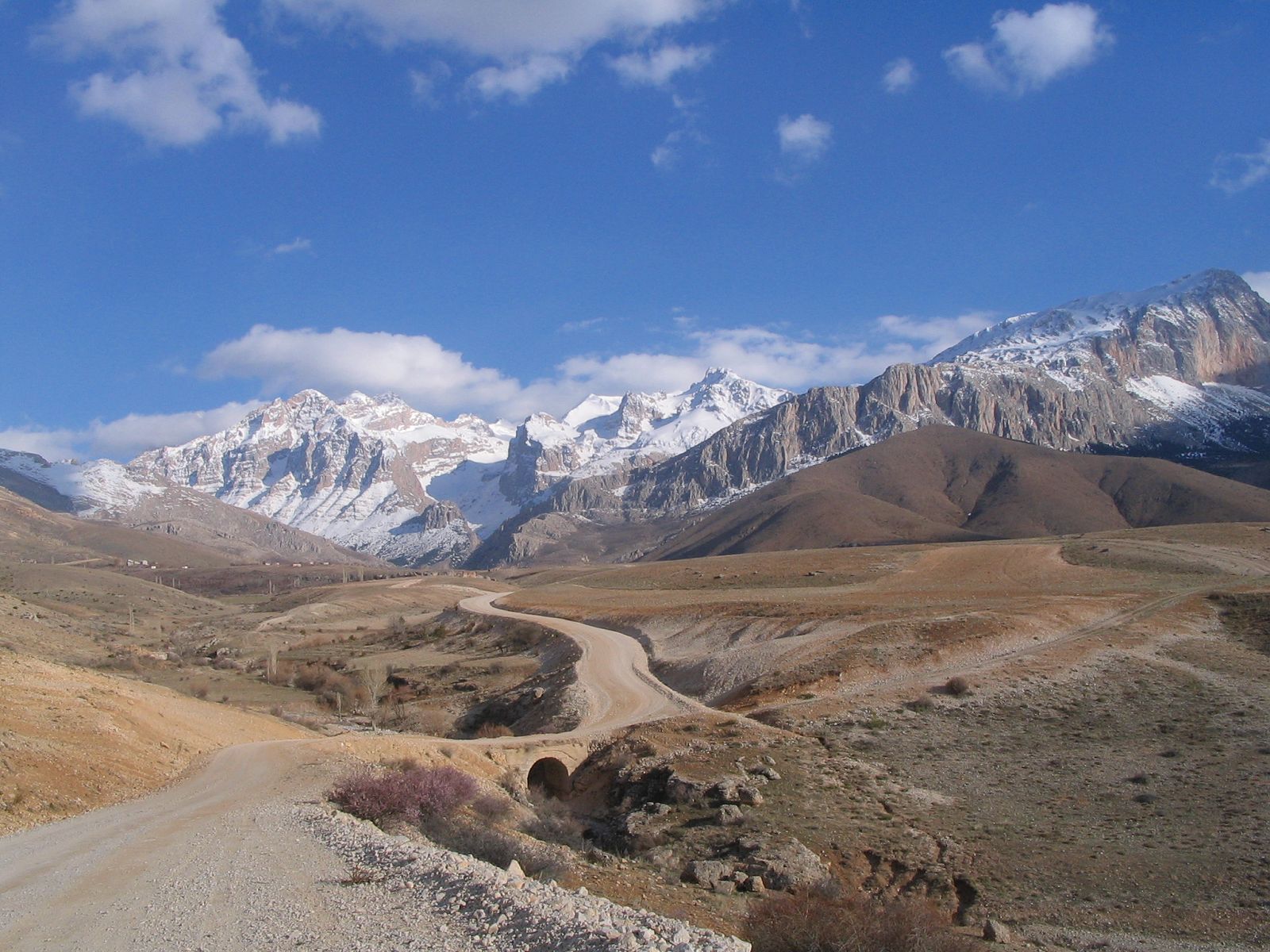
340 records
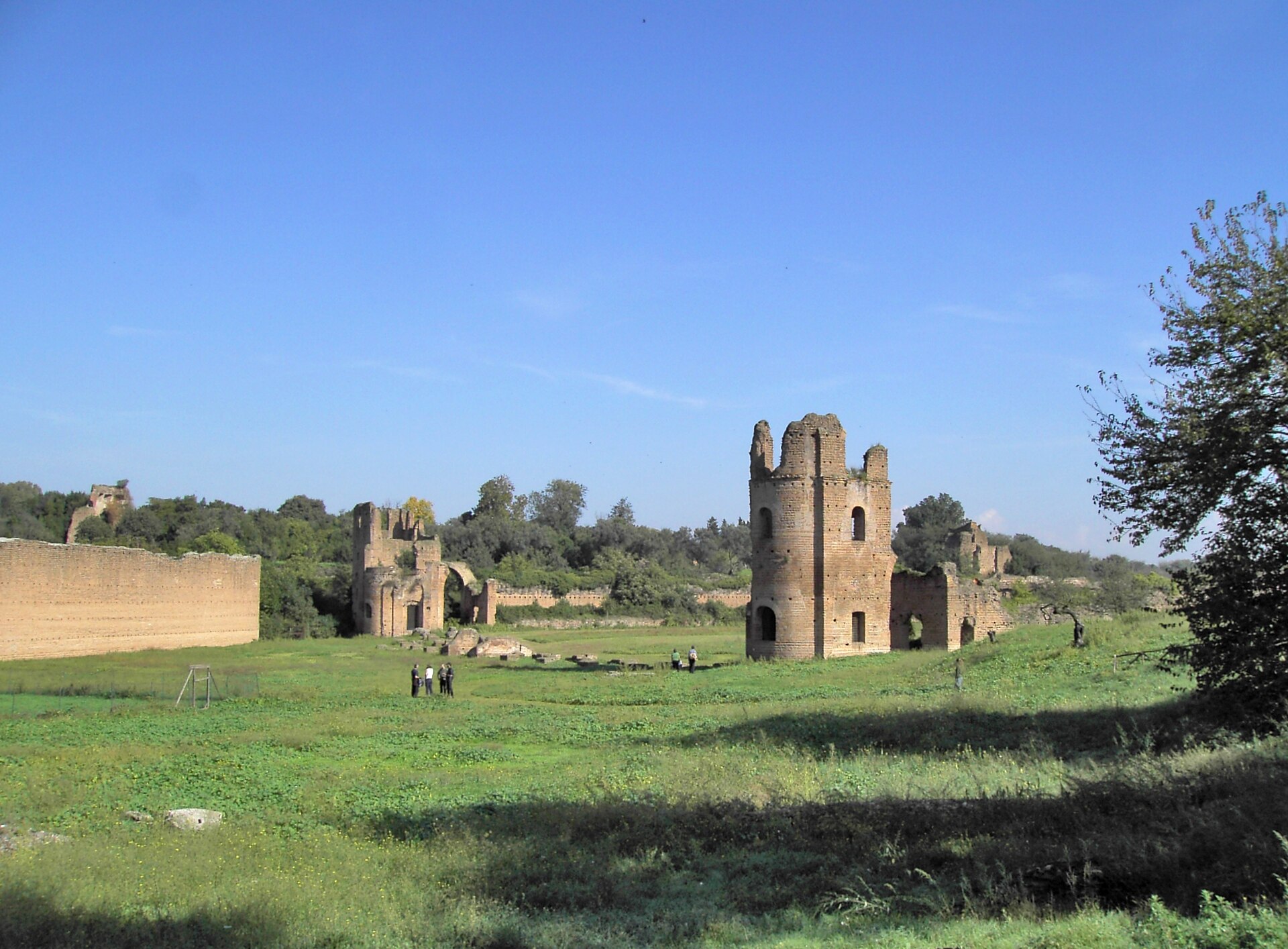
331 records

309 records
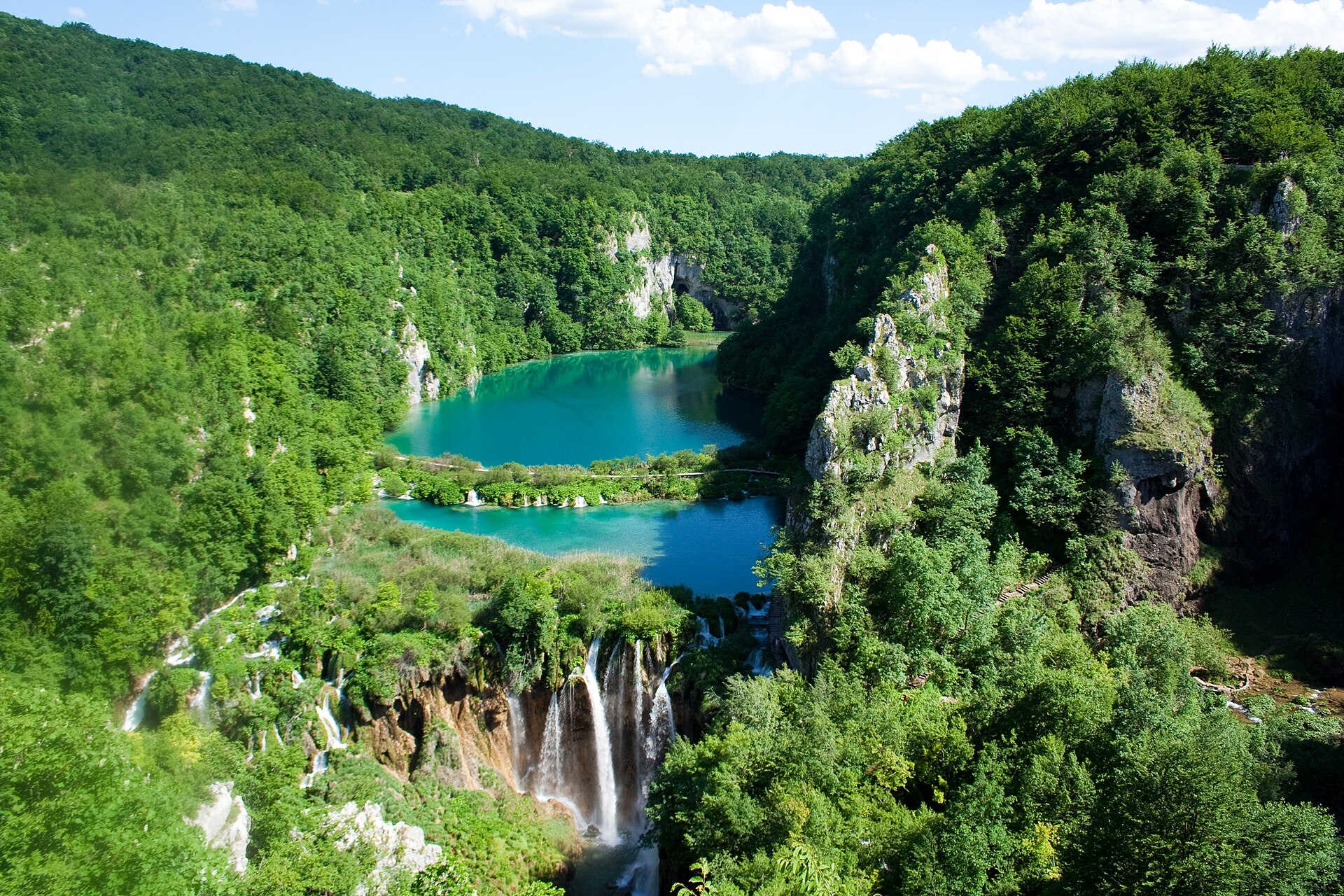
295 records
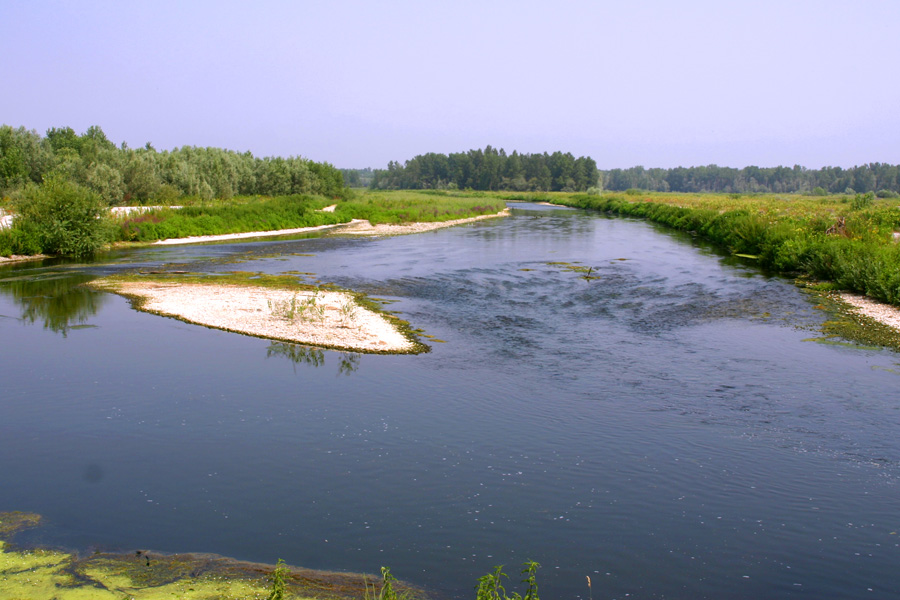
292 records

292 records
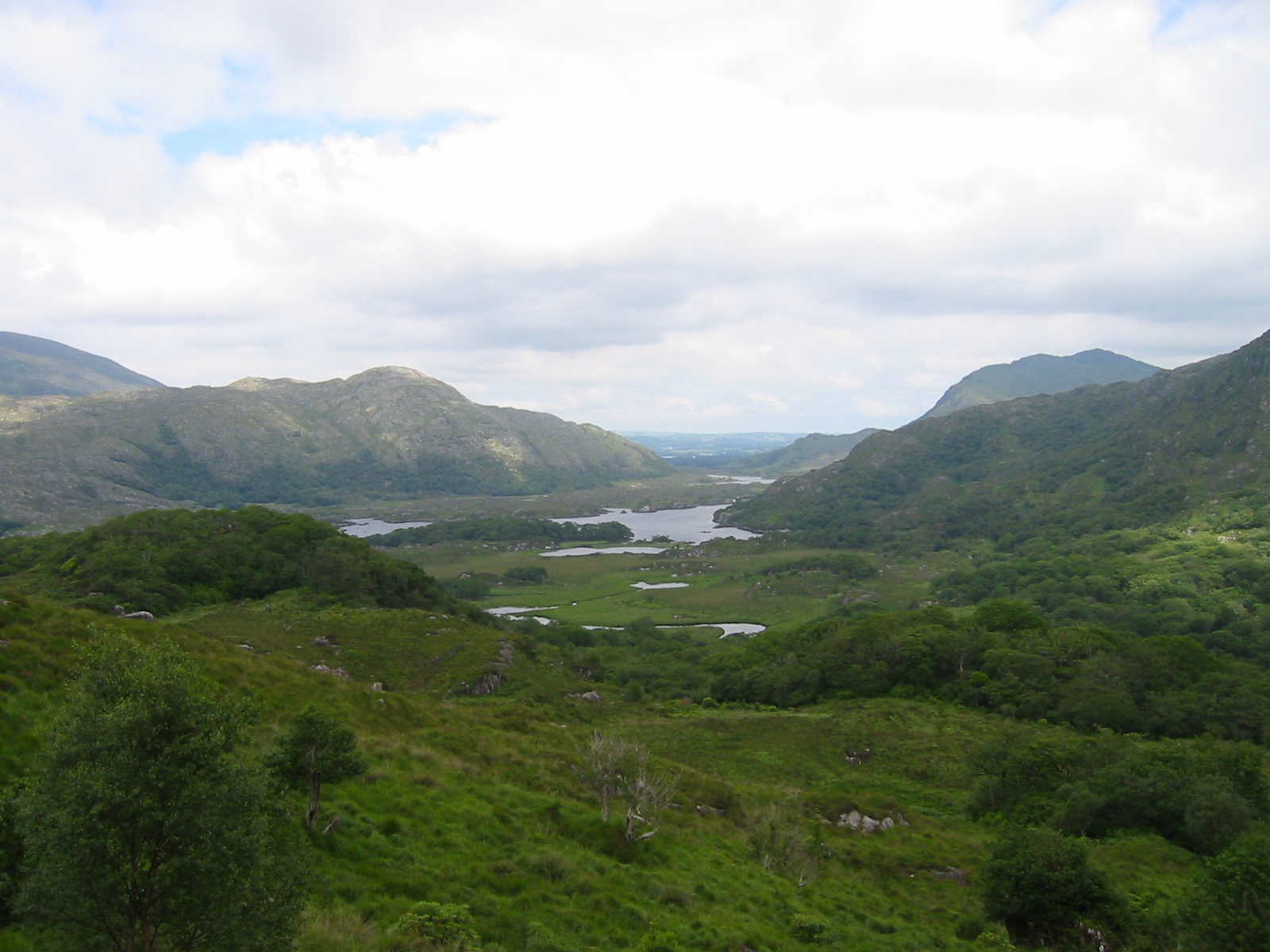
290 records

258 records
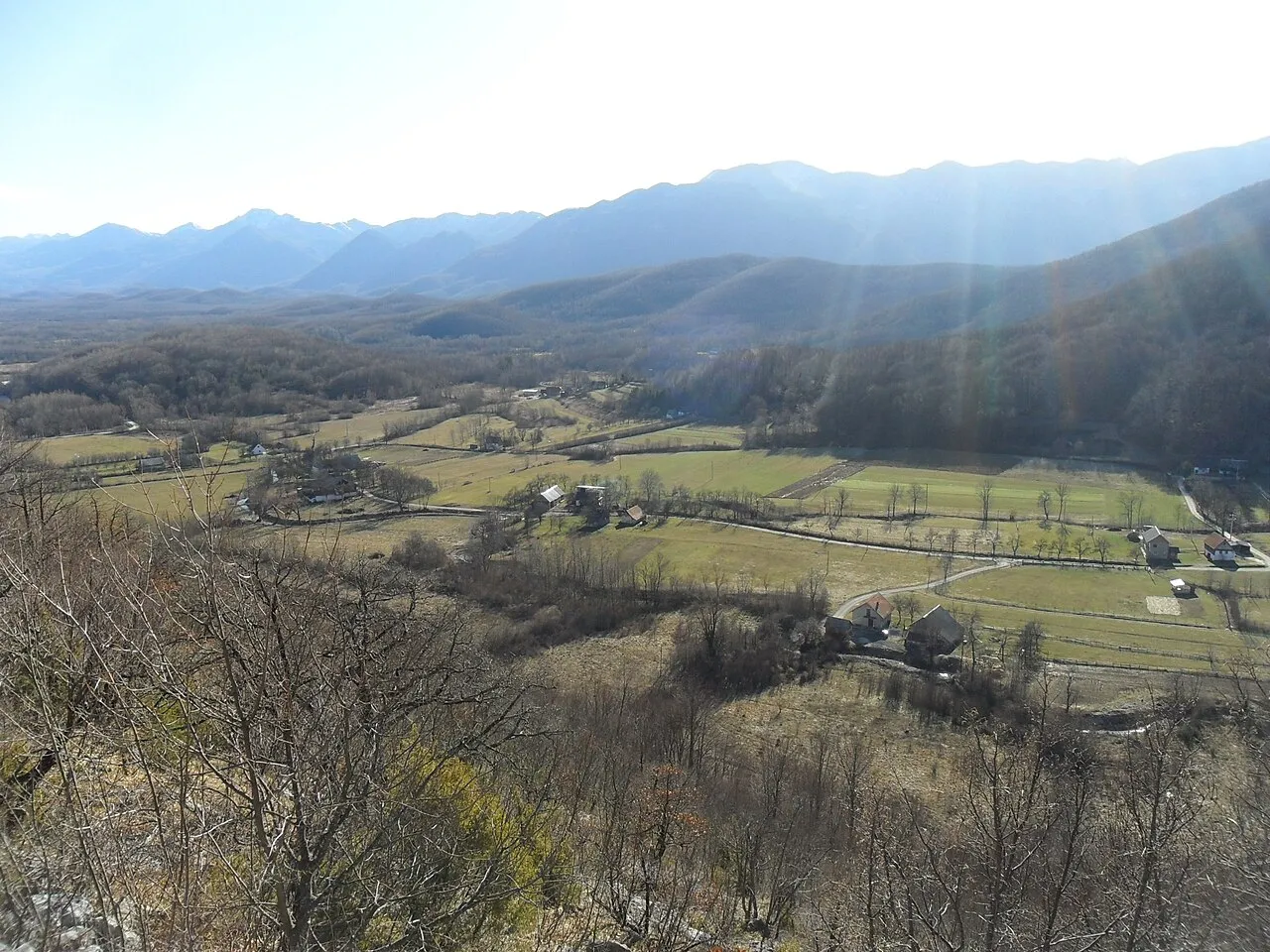
249 records

245 records
222 records

202 records
198 records

190 records

180 records
180 records

178 records
175 records

173 records

165 records
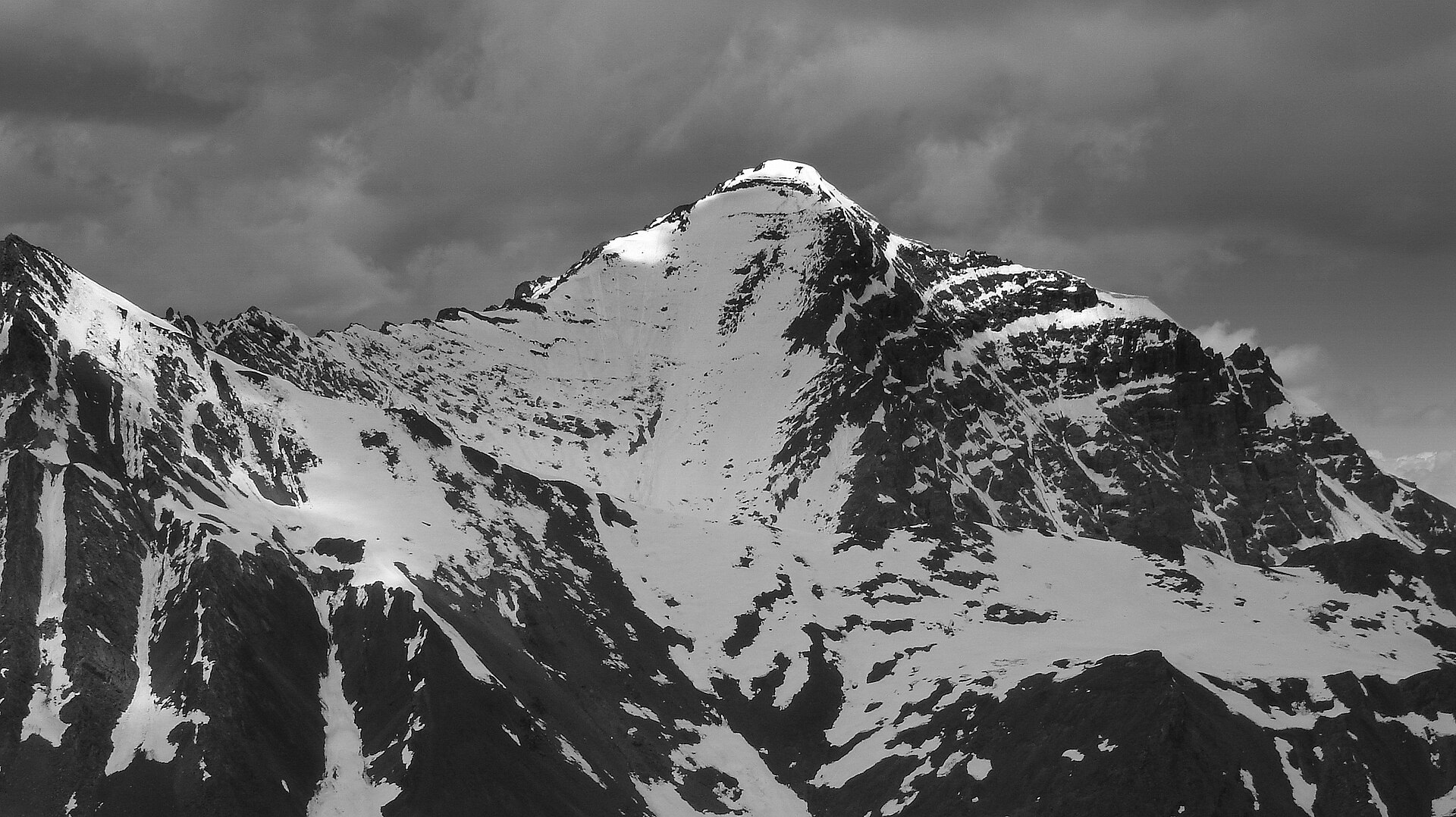
160 records

154 records

150 records
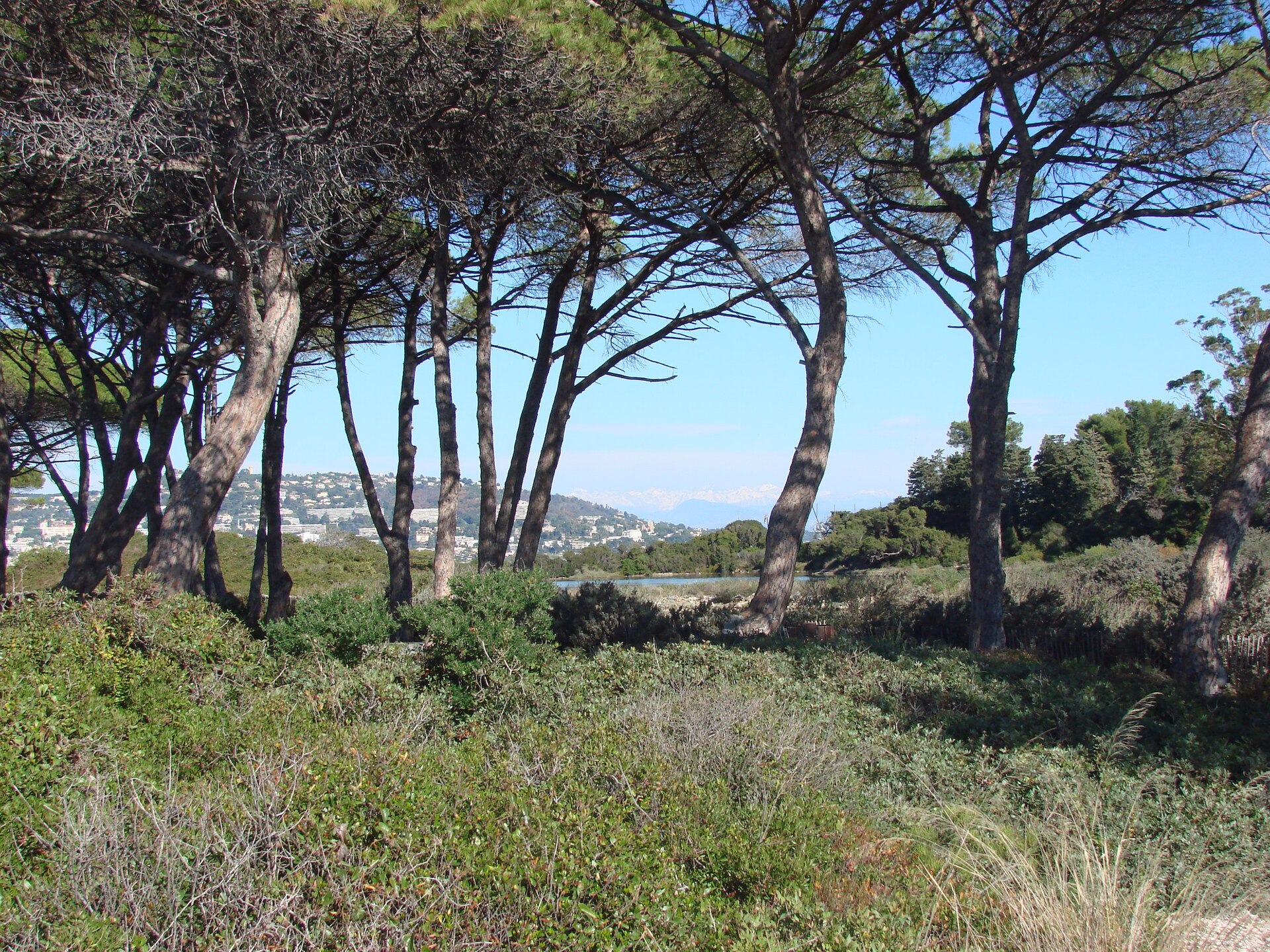
140 records

136 records

125 records

117 records

113 records
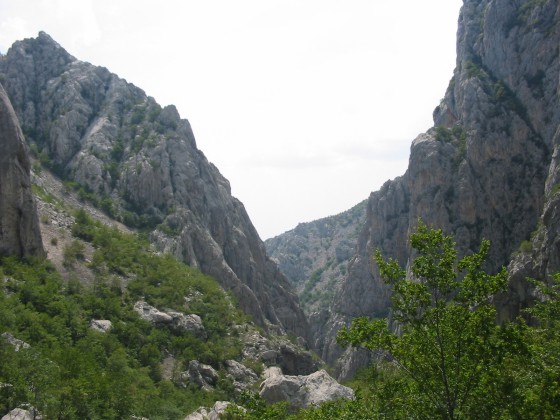
111 records
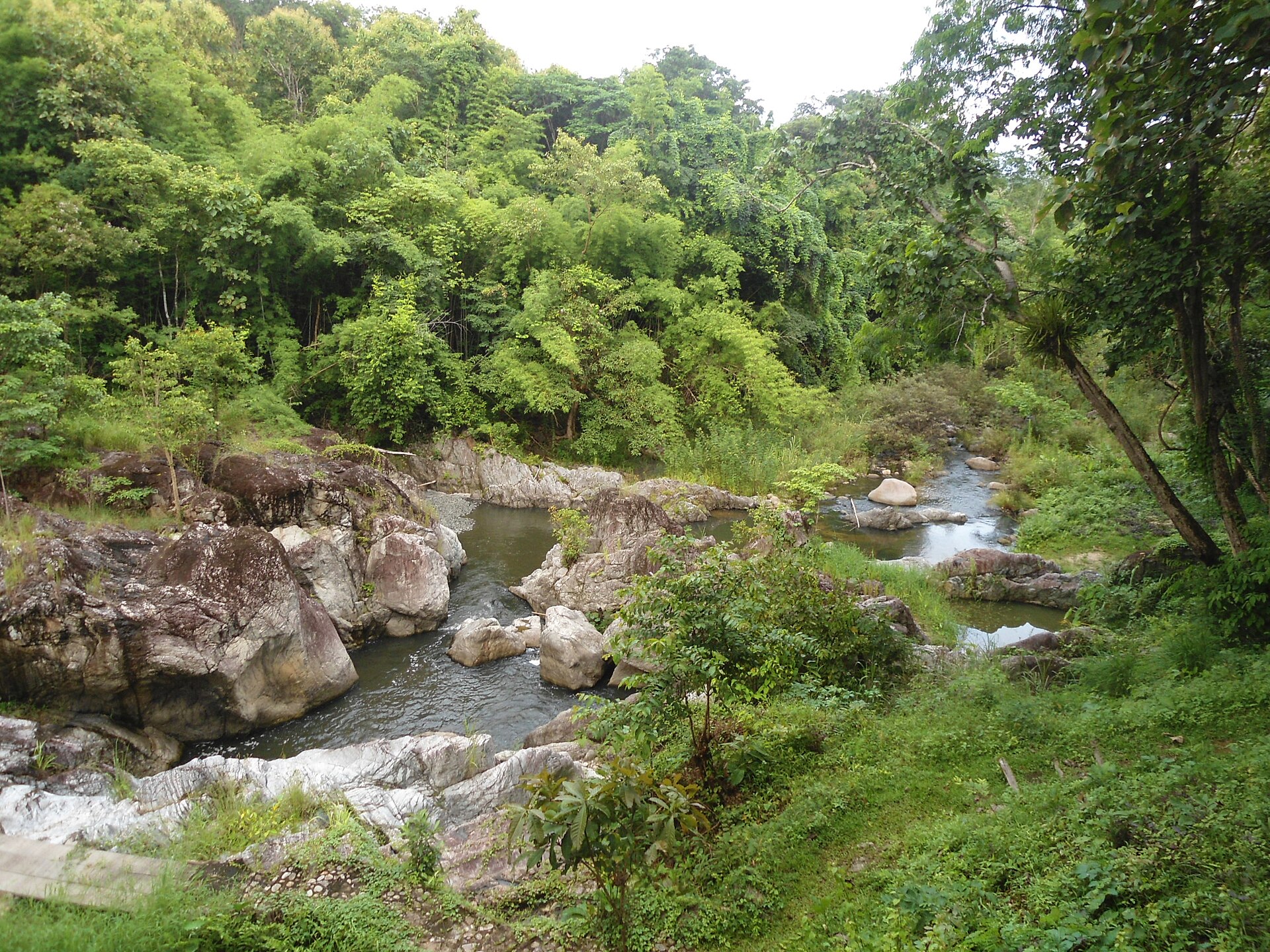
109 records
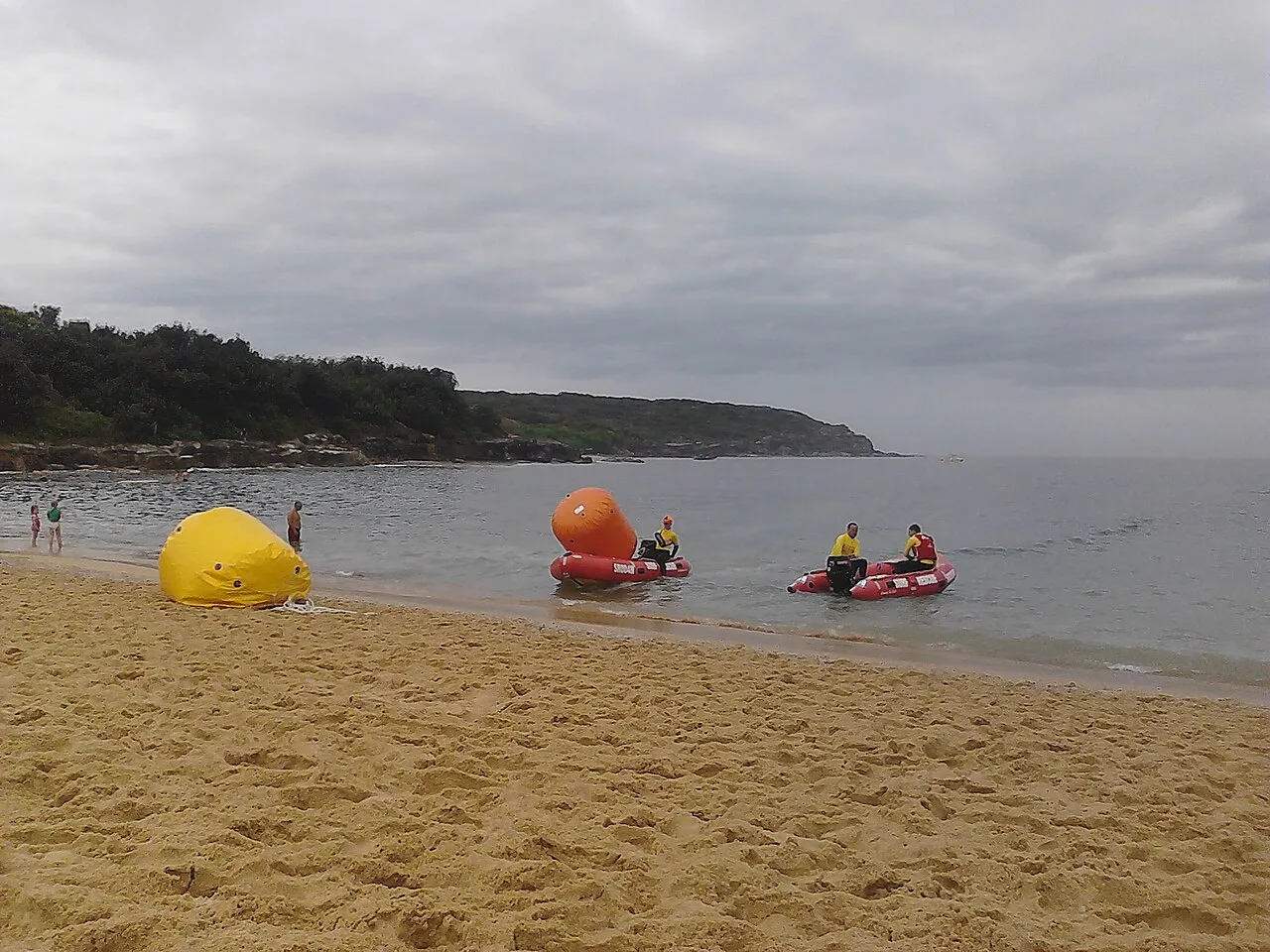
97 records
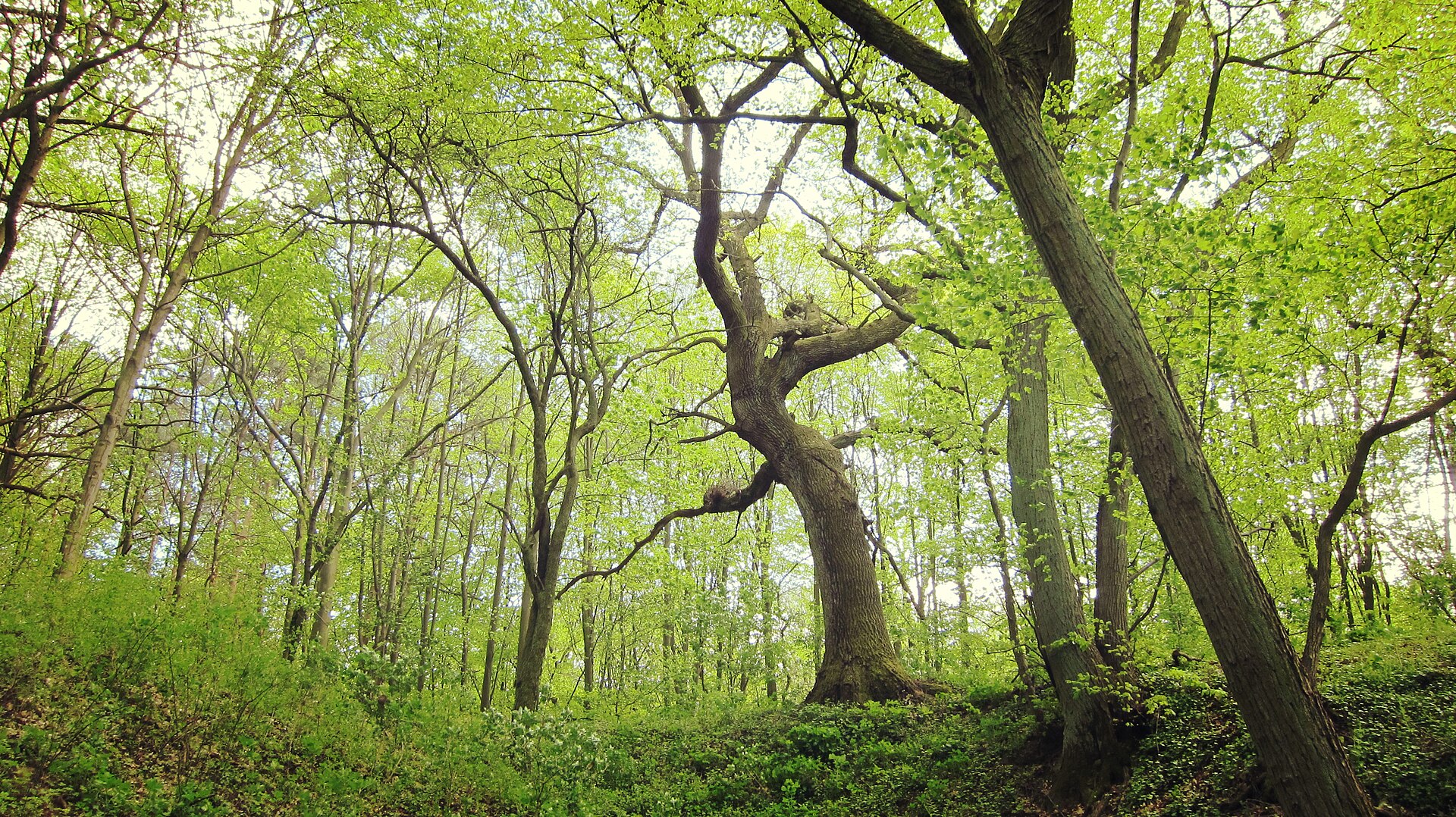
95 records
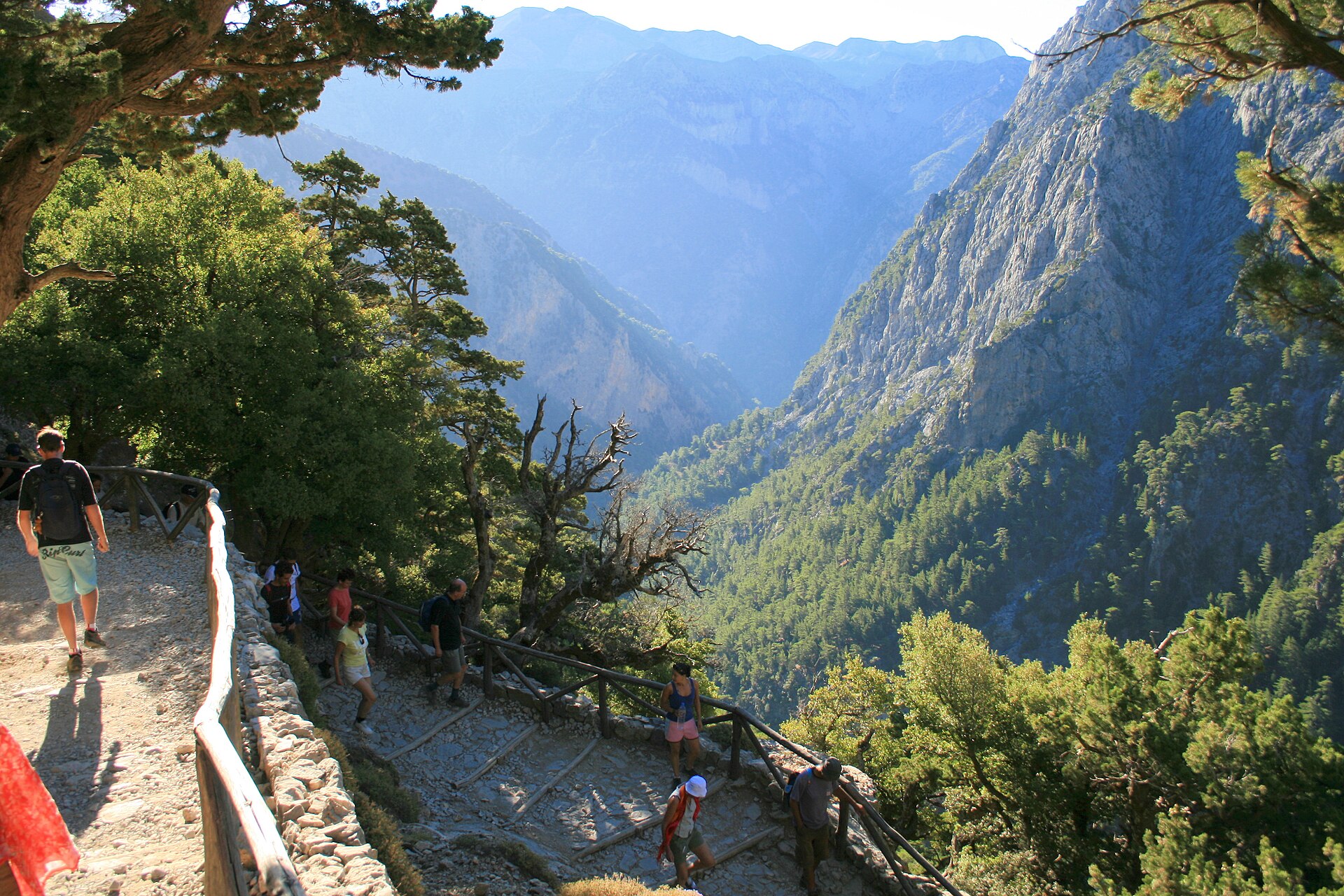
84 records
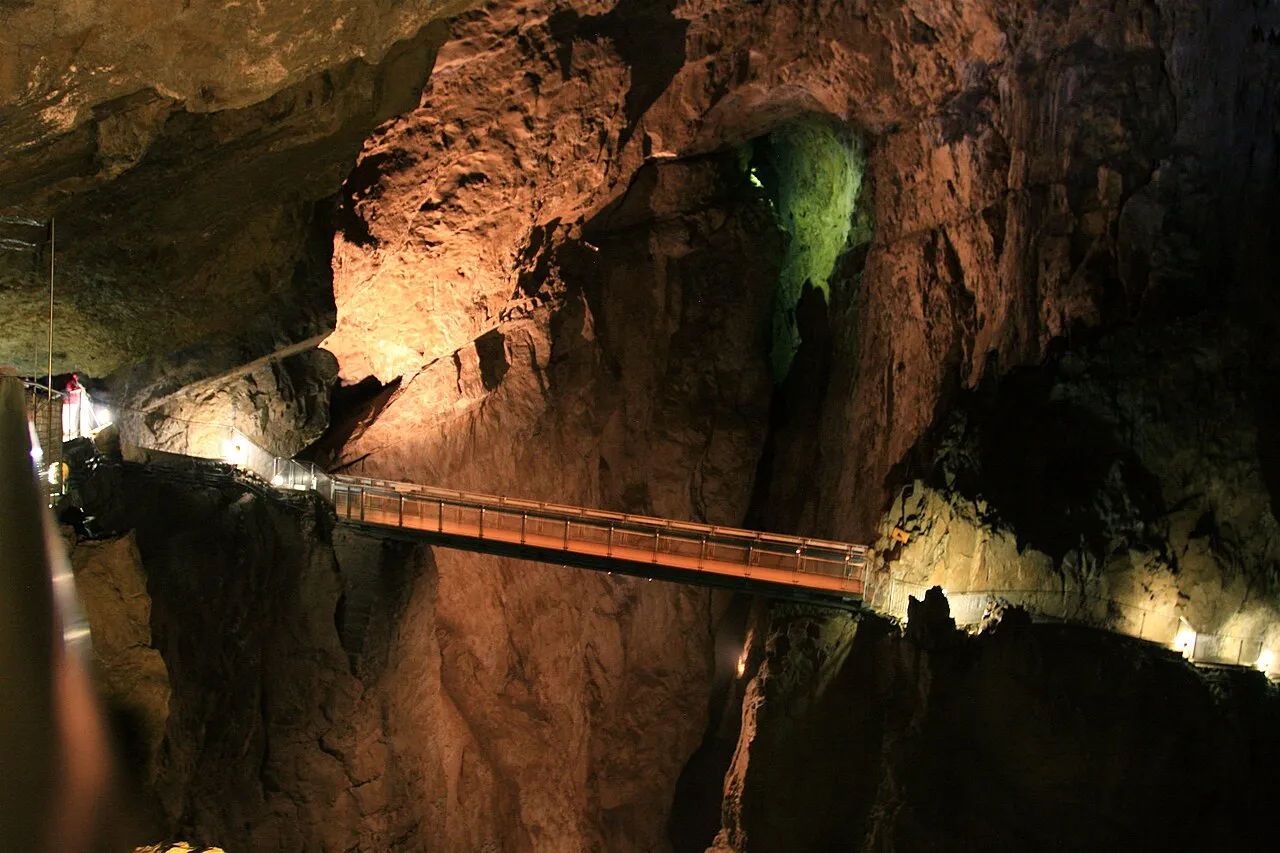
82 records

78 records
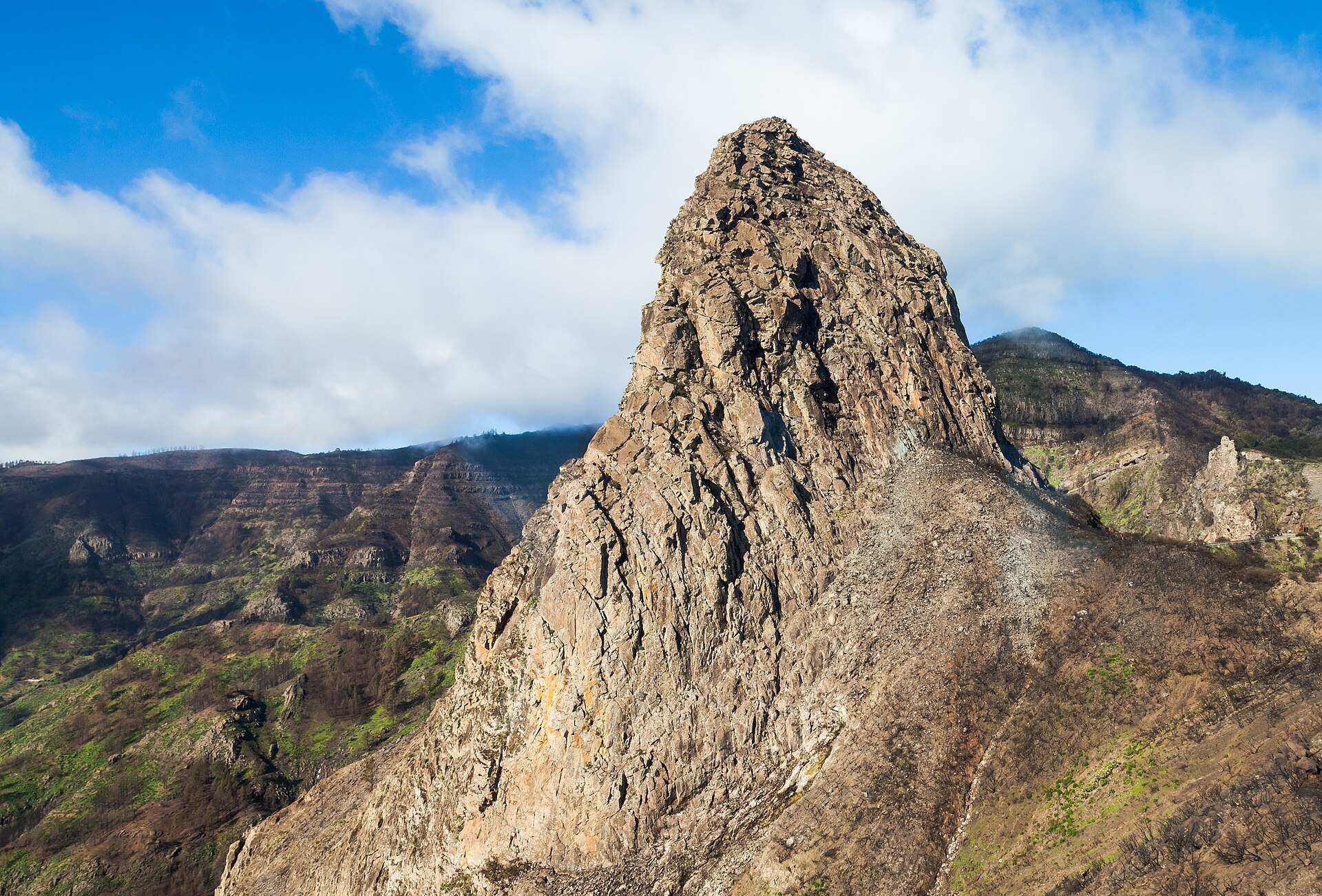
77 records
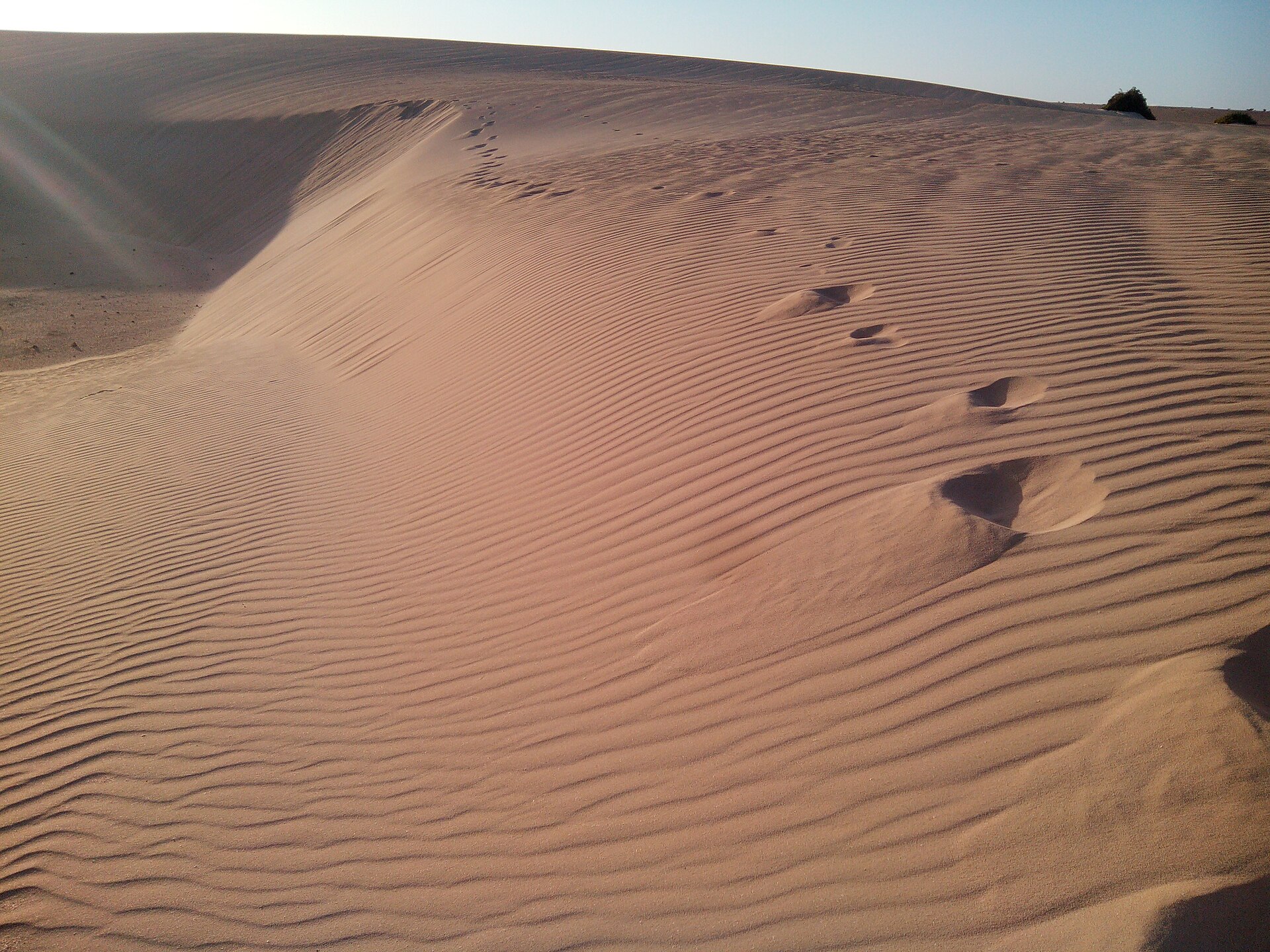
74 records

71 records

69 records
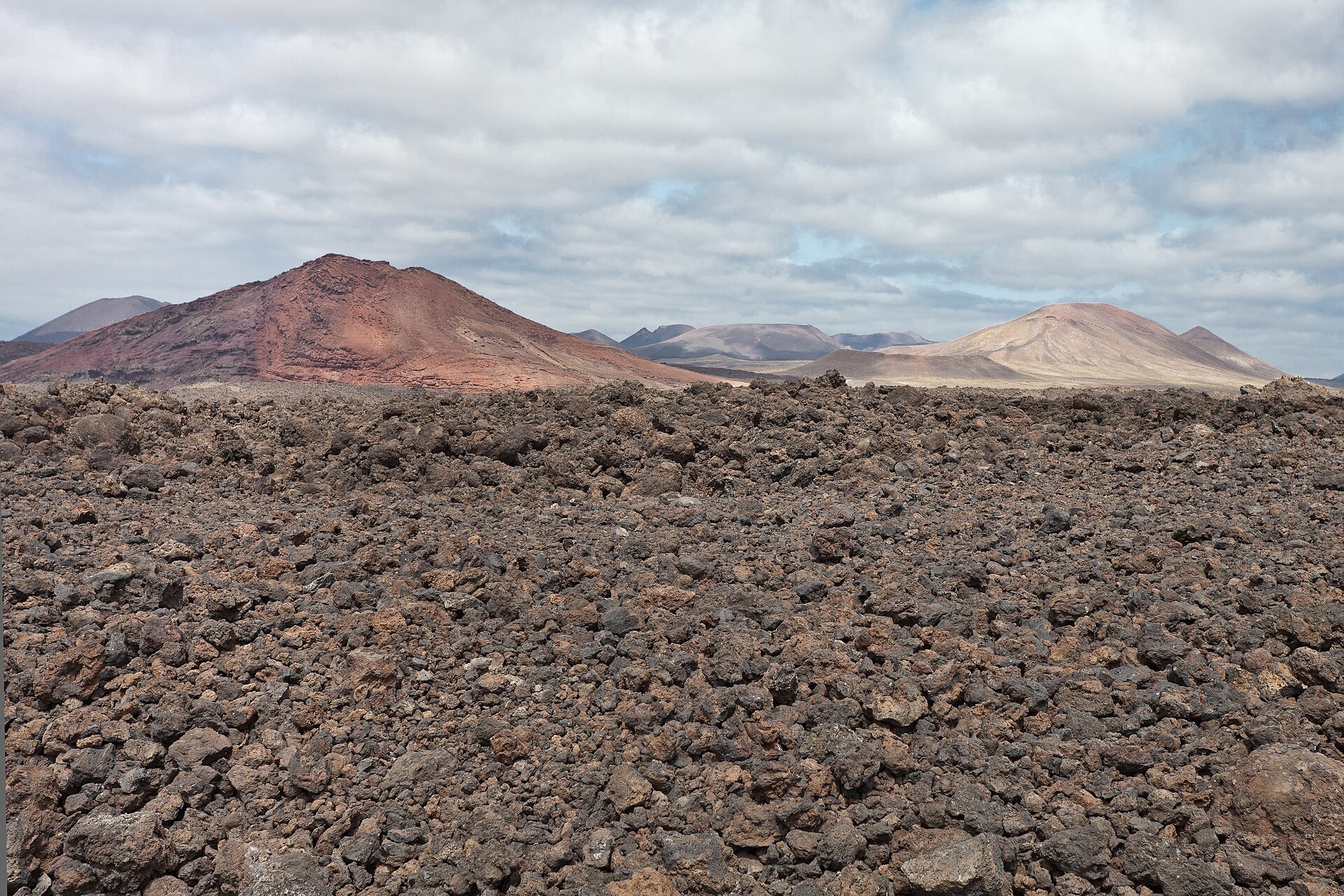
68 records

63 records

60 records

59 records

54 records

53 records

53 records

52 records
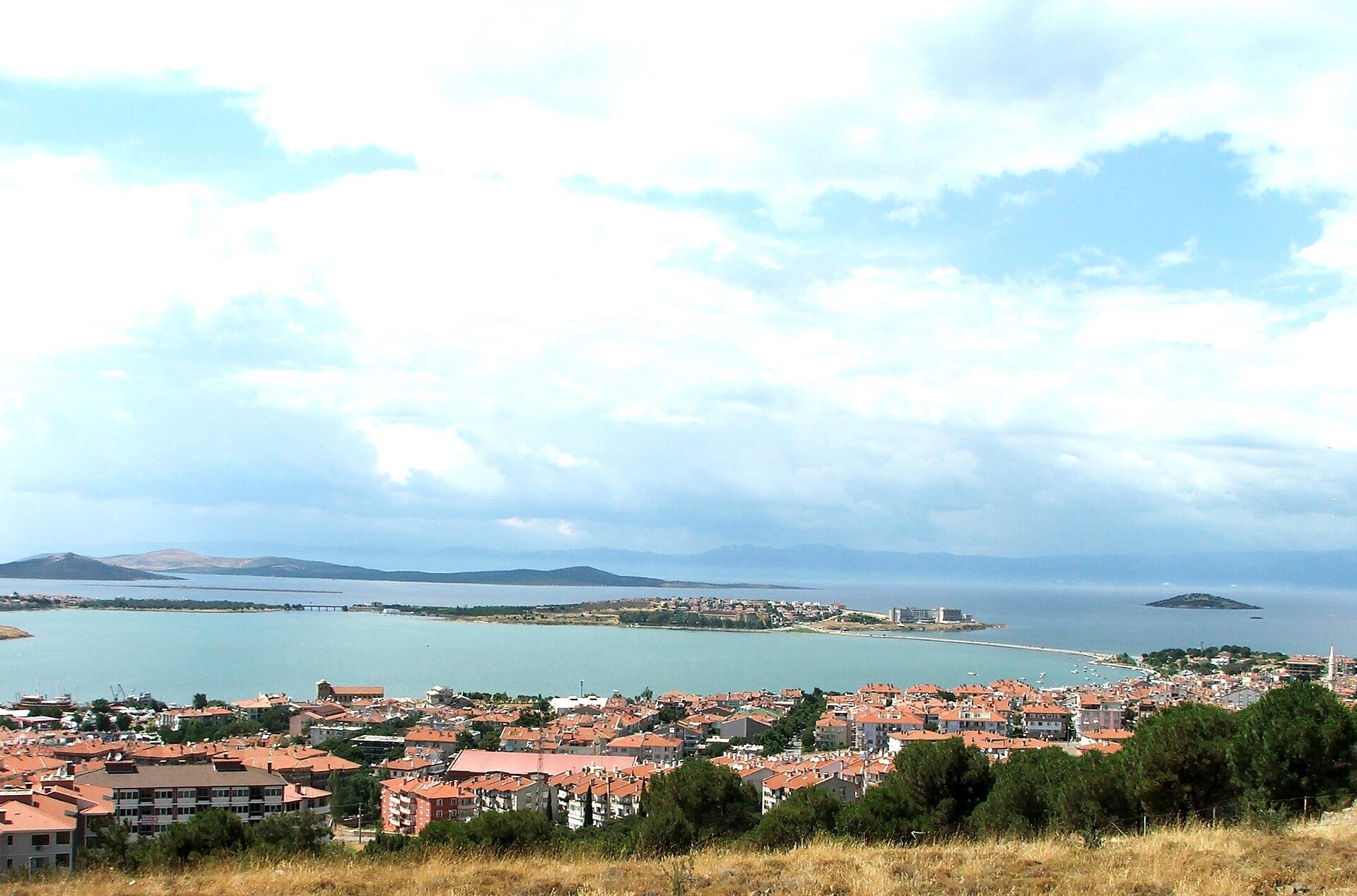
52 records

50 records
50 records

50 records

49 records
49 records
48 records
47 records
44 records

42 records

42 records
41 records
41 records
40 records
39 records

38 records
36 records
35 records

35 records

34 records
33 records
32 records

32 records

32 records
32 records
32 records
31 records

30 records
30 records
30 records

28 records
27 records

26 records
25 records

25 records

25 records

25 records

24 records
23 records

22 records

21 records

19 records
18 records

17 records

17 records
17 records
16 records

16 records

15 records
15 records
13 records

13 records

13 records

12 records
12 records

12 records

11 records
11 records
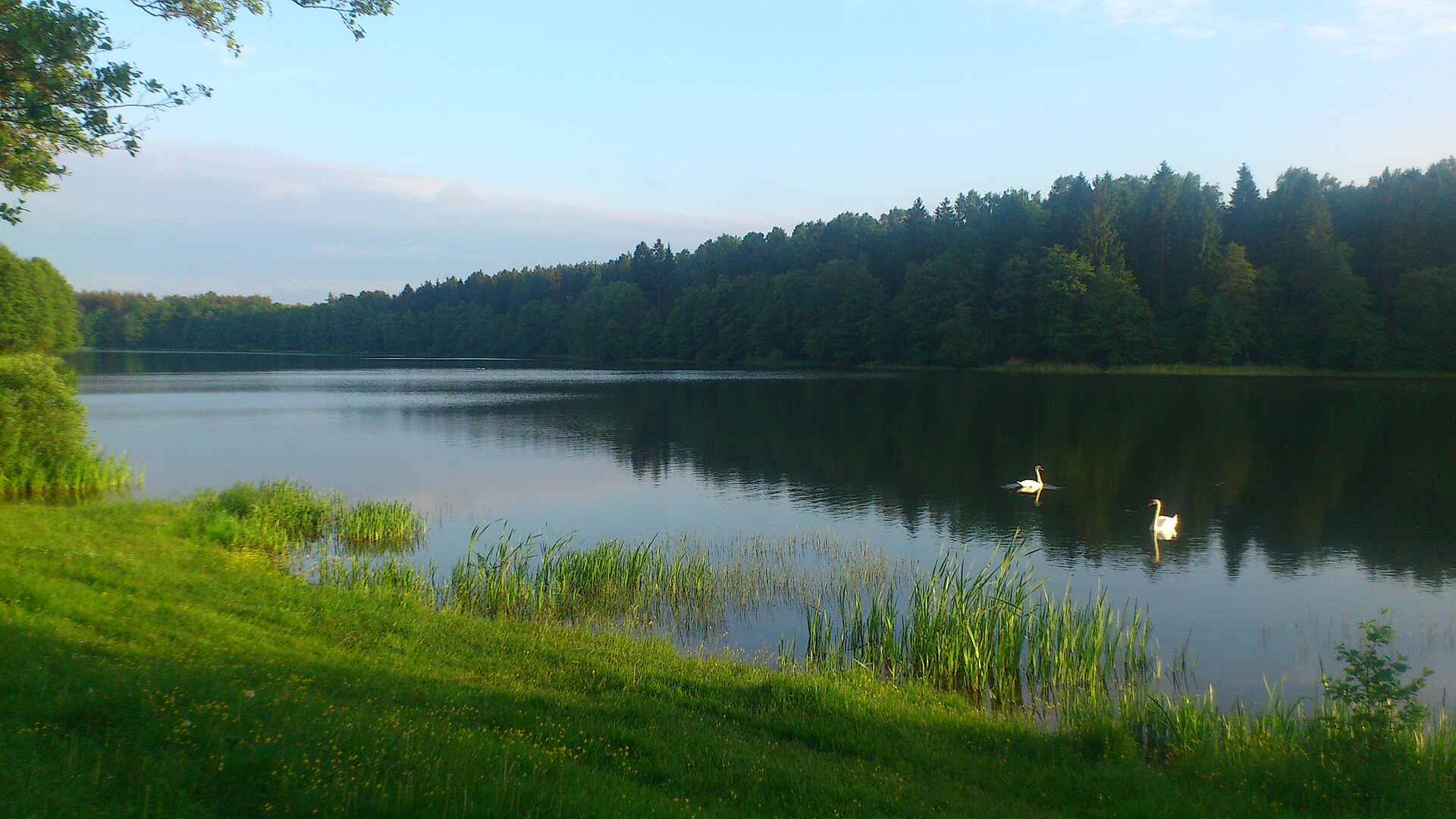
11 records

10 records
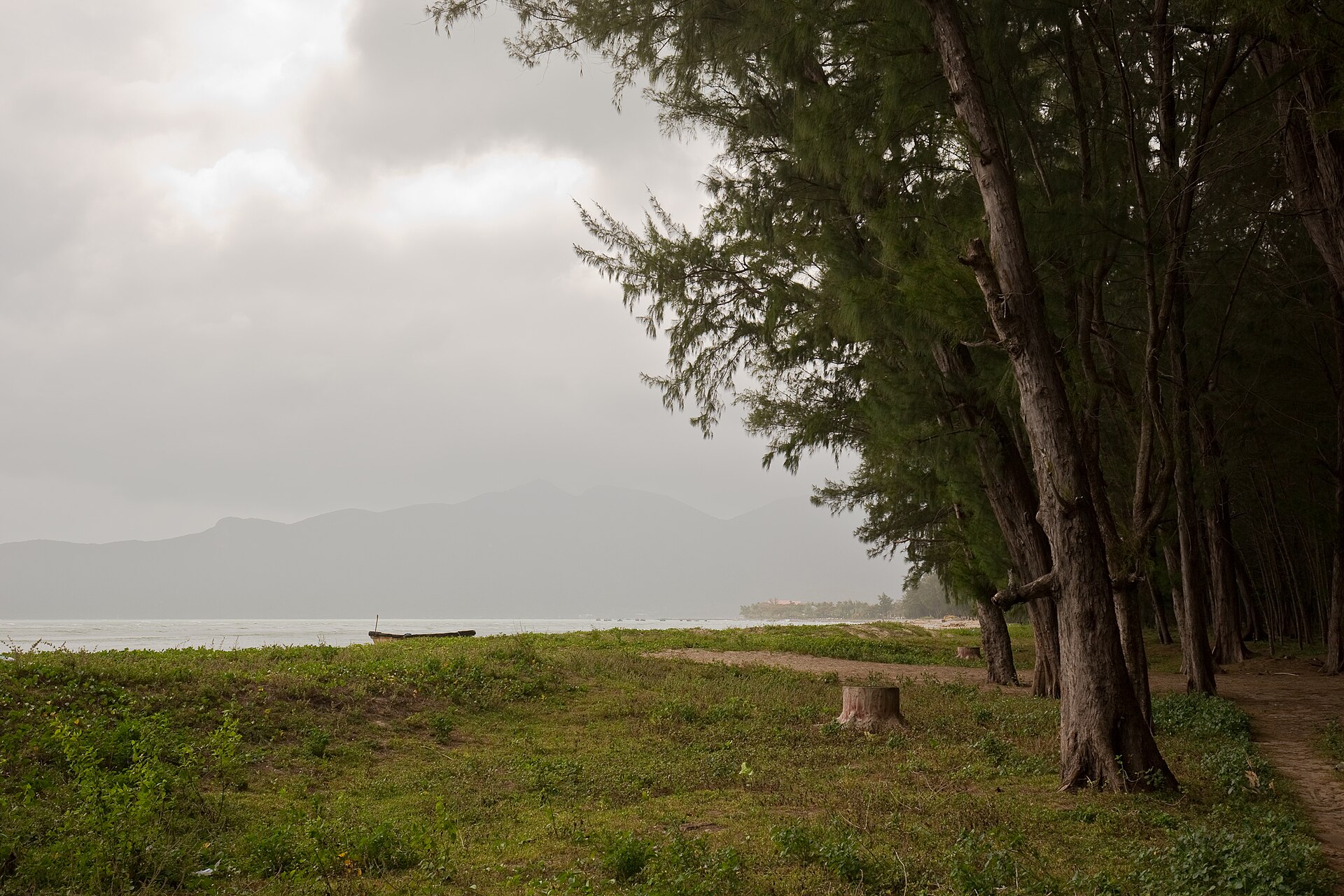
9 records
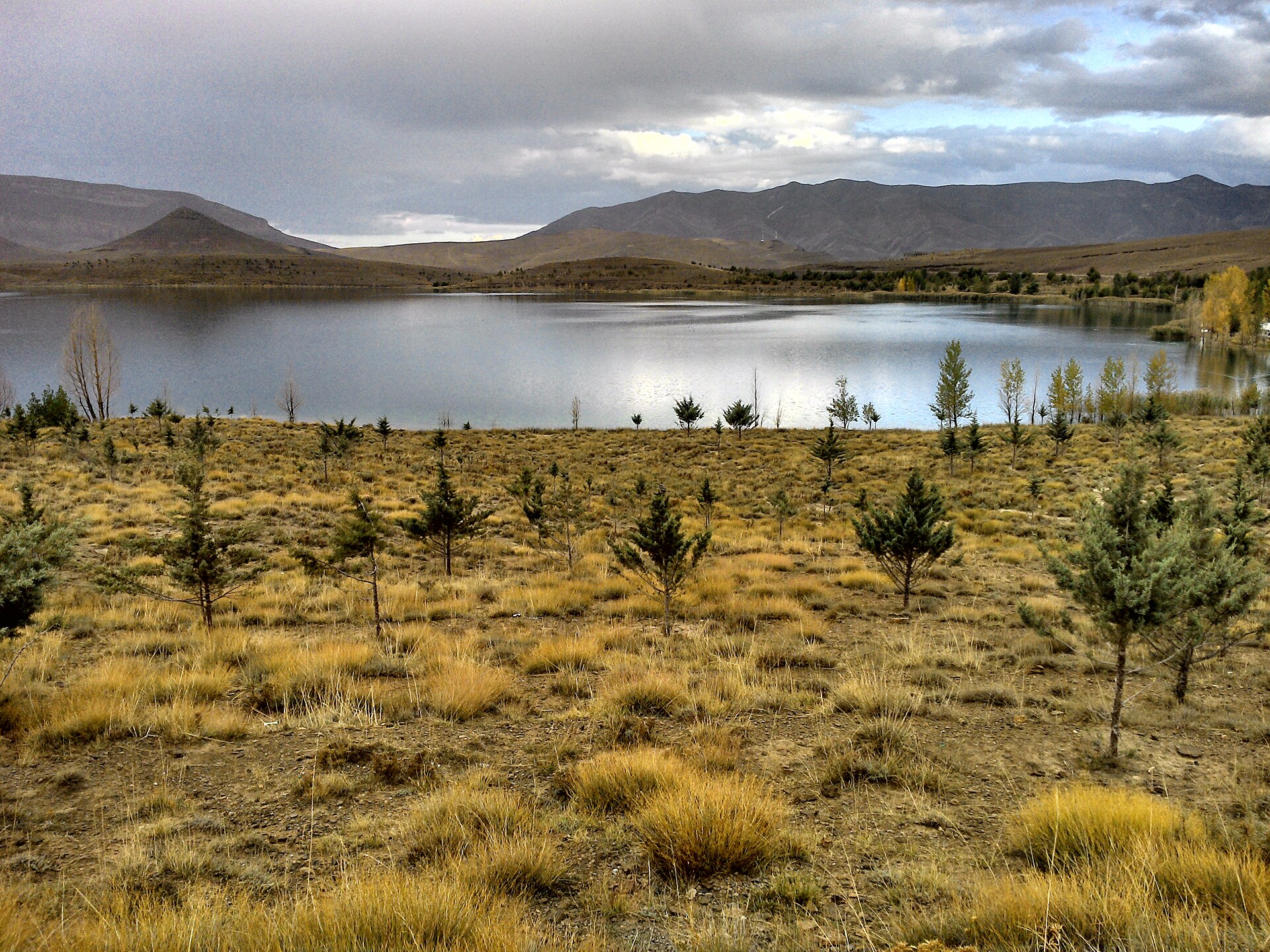
9 records

9 records

9 records
9 records
8 records
8 records
8 records

7 records

7 records
7 records

7 records
6 records
6 records

4 records
4 records
4 records

3 records
3 records
3 records

3 records

3 records

3 records

2 records

2 records

2 records
2 records
2 records
2 records
1 records

1 records
1 records
1 records

Natura 2000 · resident

Natura 2000 · resident
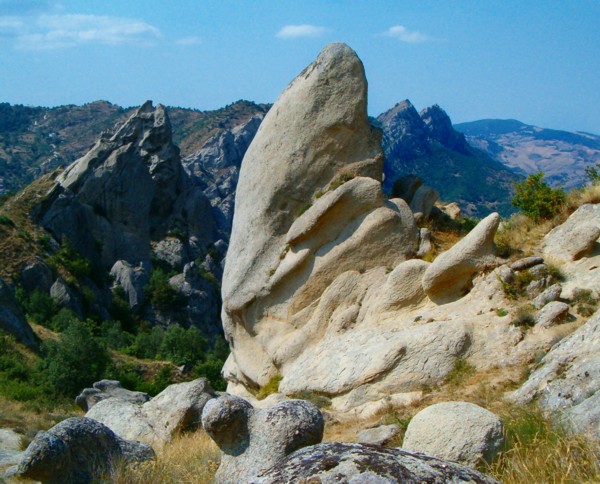
Natura 2000 · resident

Natura 2000 · resident, breeding, wintering
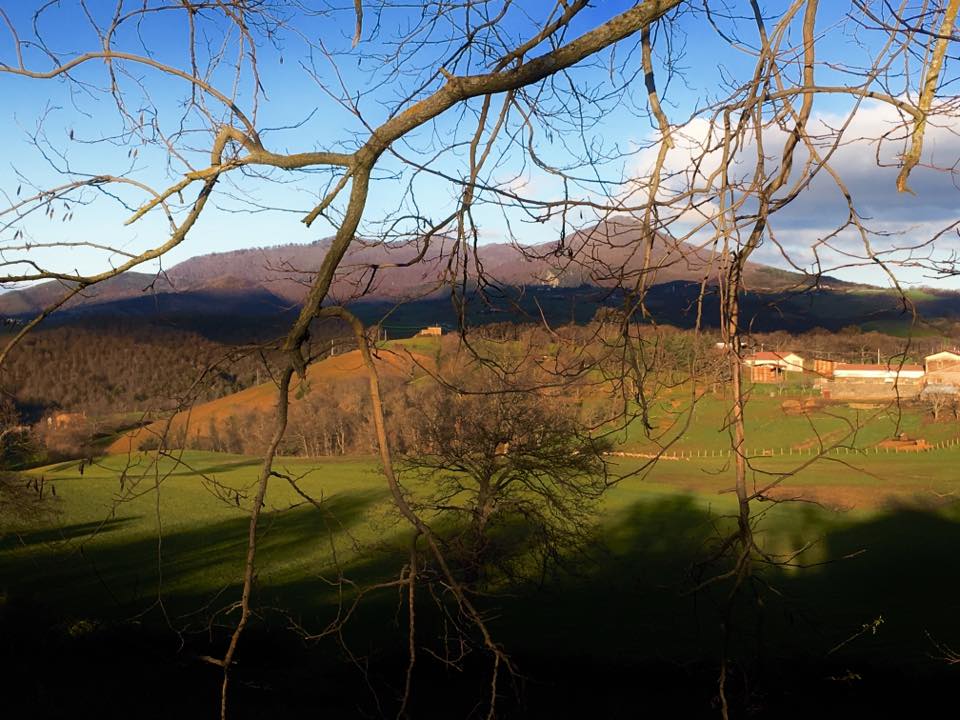
Natura 2000 · resident
Other species to discover
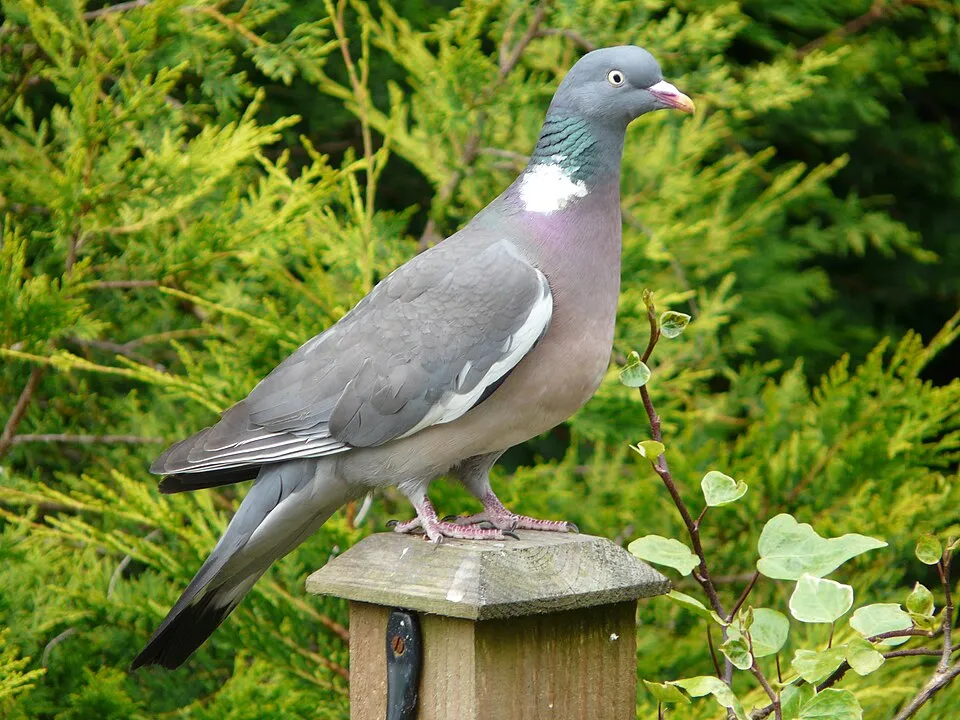
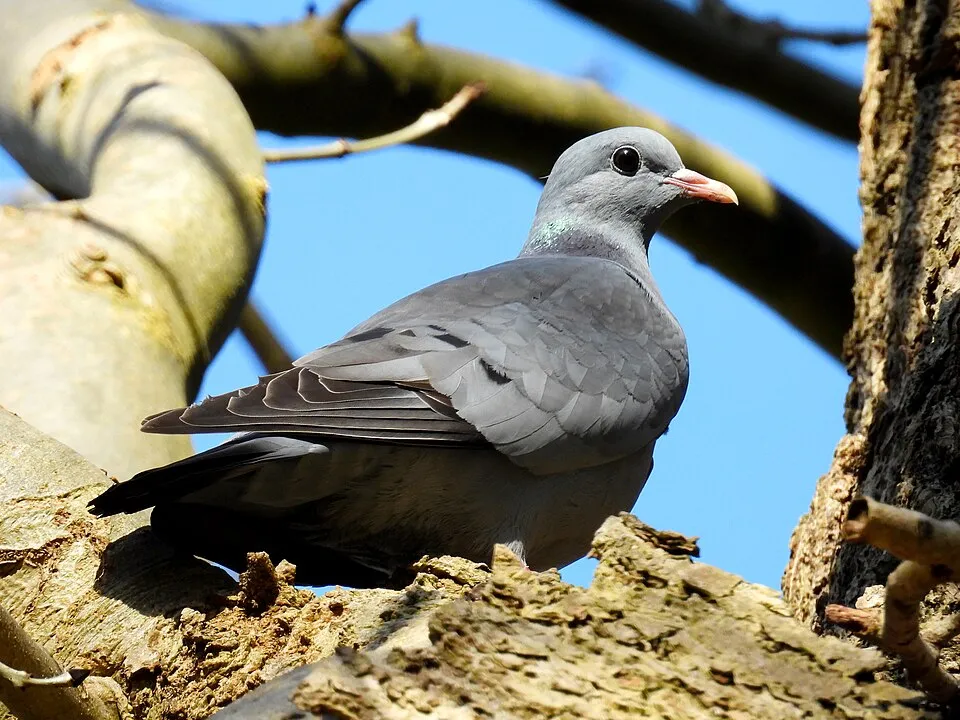
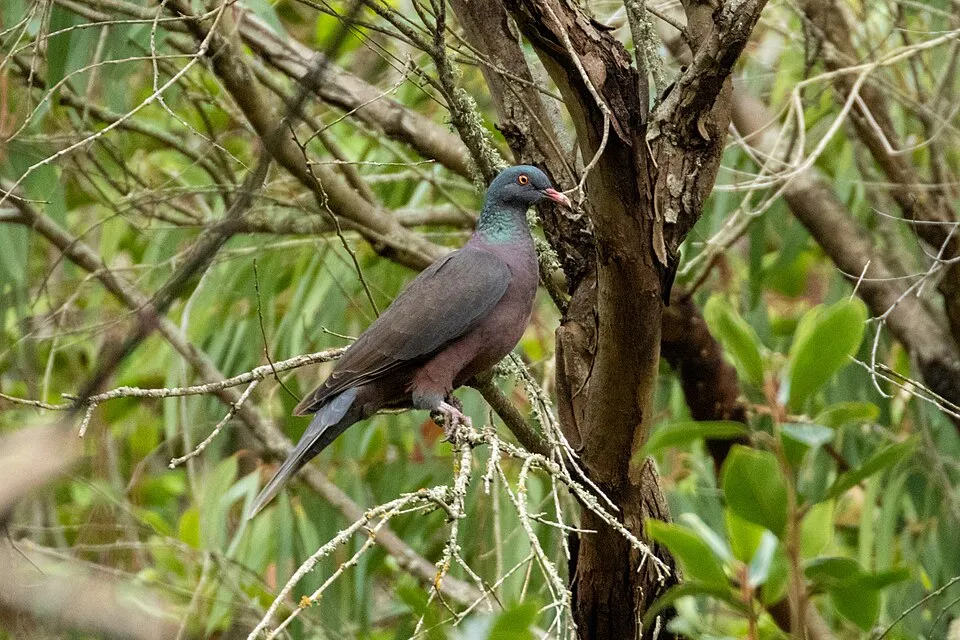

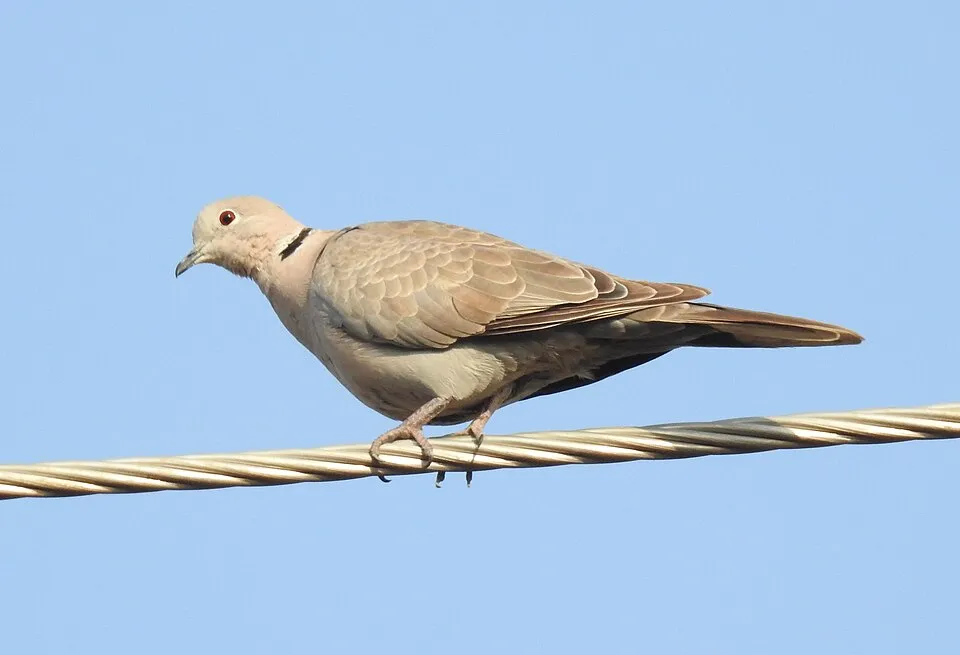
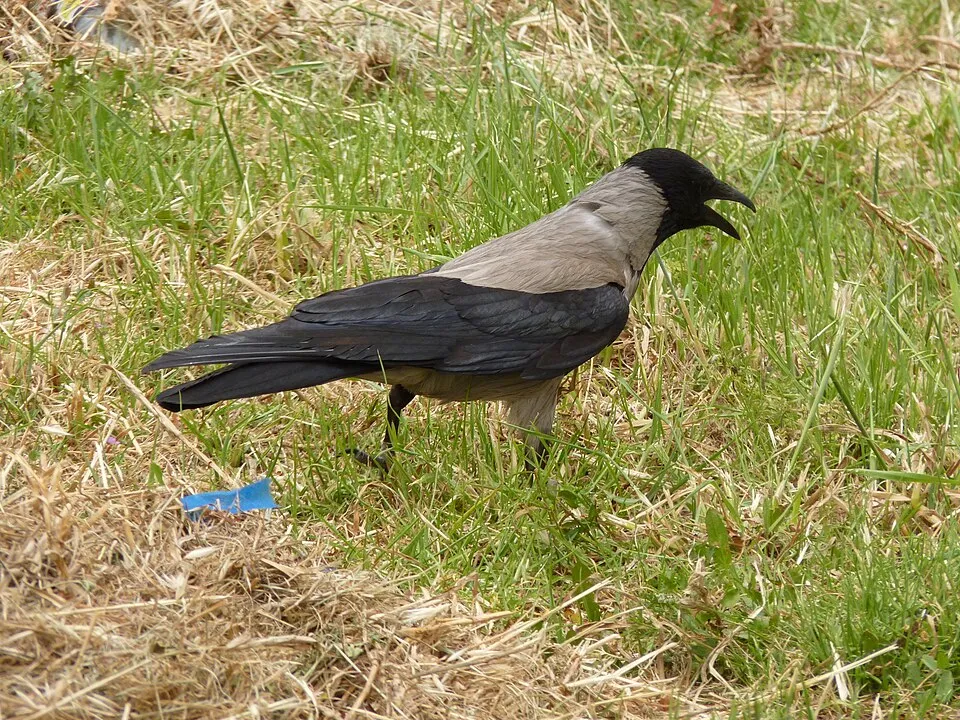
Sources and credits
- Presence: most-recorded species of each place on GBIF and species of Community interest in the Natura 2000 forms (EEA, CC-BY 4.0); absence from the list does not mean the species is absent.
- Common names: Wikidata (CC0) and GBIF.
- Photos and sounds: Wikimedia Commons, author and licence given for each file.
- Classification: GBIF Backbone Taxonomy (GBIF Secretariat), CC BY 4.0, doi:10.15468/39omei.
- Countries, elevations, months and maps: GBIF.org, CC0 or CC BY 4.0 occurrences only, accessed October 22, 2026, GBIF.org.
- Base map: Natural Earth (public domain).
- Excerpt: Wikipedia, CC BY-SA 4.0 (full credit below the excerpt).
- Key facts: Wikidata (CC0), with the references cited under each value.
- Annexes: Directive 2009/147/EC (consolidated version), © European Union, EUR-Lex.
- EU bird populations: EEA / DG ENV, Article 12 Birds Directive reporting (2013–2018), CC BY 4.0.
- Invasive alien species: Union list, Regulation (EU) No 1143/2014 (INBO, CC0); Global Register of Introduced and Invasive Species (ISSG, CC BY 4.0).