
Mammal
Fallow Deer: where to see it
Dama dama
Invasive alien in some territories
Listed as invasive alien for: Argentina, Australia, New Zealand (GRIIS).
This mammal species is recorded in 16 protected areas of the atlas. Within the atlas countries, it is mostly observed in Spain, the United Kingdom and Sweden (8 countries in all). Most records (8 in 10) lie between sea level and 1,350 m. Records are spread throughout the year.
Best time to see it: all year round
Records published on GBIF by month (CC0 and CC BY 4.0 licences only), in the atlas countries, all years combined; they also reflect observer activity.
Key facts
- Gestation
- 7.1–7.4 months Wikidata, after Grzimeks Enzyklopädie, 1988
- Maximum recorded lifespan
- 21 years Wikidata, after Longevity of Mammals in Captivity, 2005
Distribution
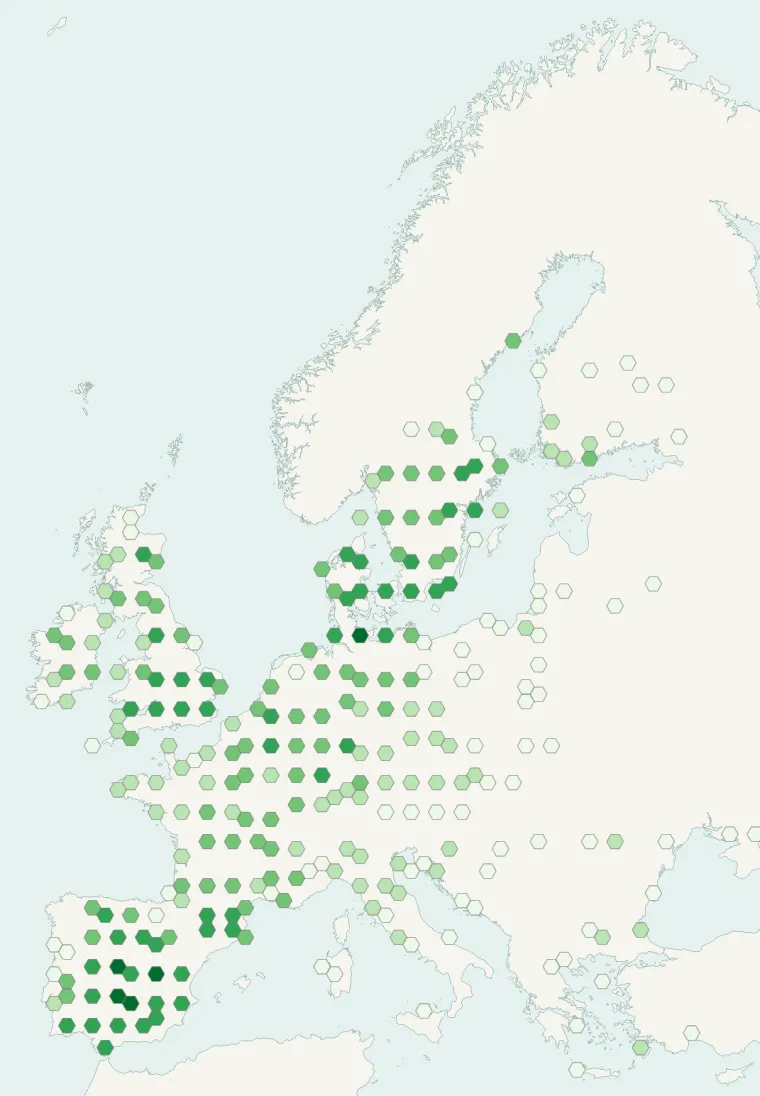
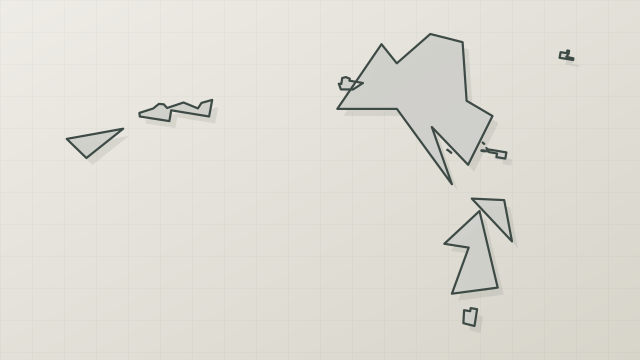
Records published on GBIF (CC0 and CC BY 4.0 licences): the darker the shade, the more records there are; they also reflect observation effort.
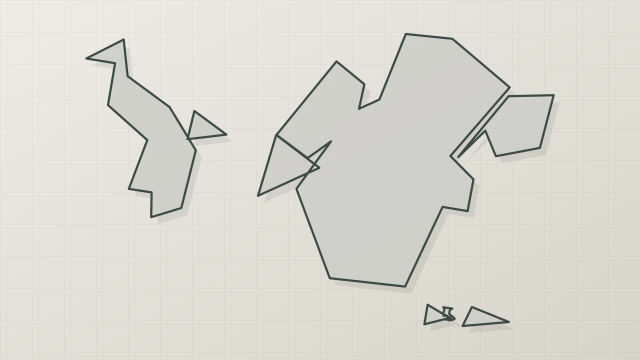
Atlas countries where it is recorded
Listen
-
0:25 · © Ndalyrose · CC BY-SA 4.0 · Wikimedia Commons · Original file
From Wikipedia
The European fallow deer (Dama dama), also known as the common fallow deer or simply fallow deer, is a species of deer native to Eurasia. It is one of two living species of fallow deer alongside the Persian fallow deer (Dama mesopotamica). It is historically native to Turkey and possibly the Italian Peninsula, Balkan Peninsula, and the island of Rhodes near Anatolia. During the Pleistocene it inhabited much of Europe, and has been reintroduced to its prehistoric distribution by humans. It has also been introduced to other regions in the world.
Source: Wikipedia, article “European fallow deer” (version of October 18, 2026) · history and authors · licence CC BY-SA 4.0
Protected areas where it is recorded
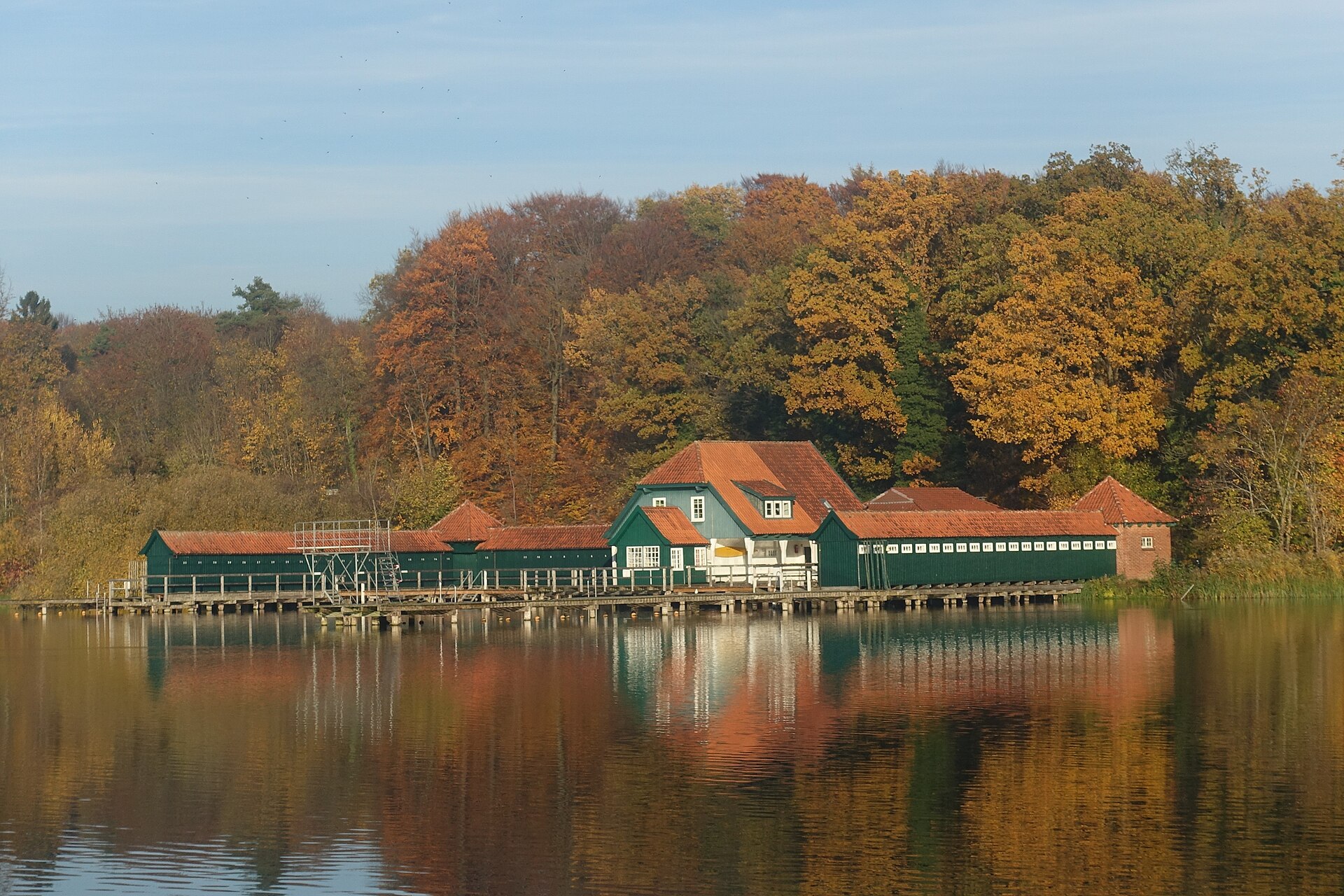
1,381 records
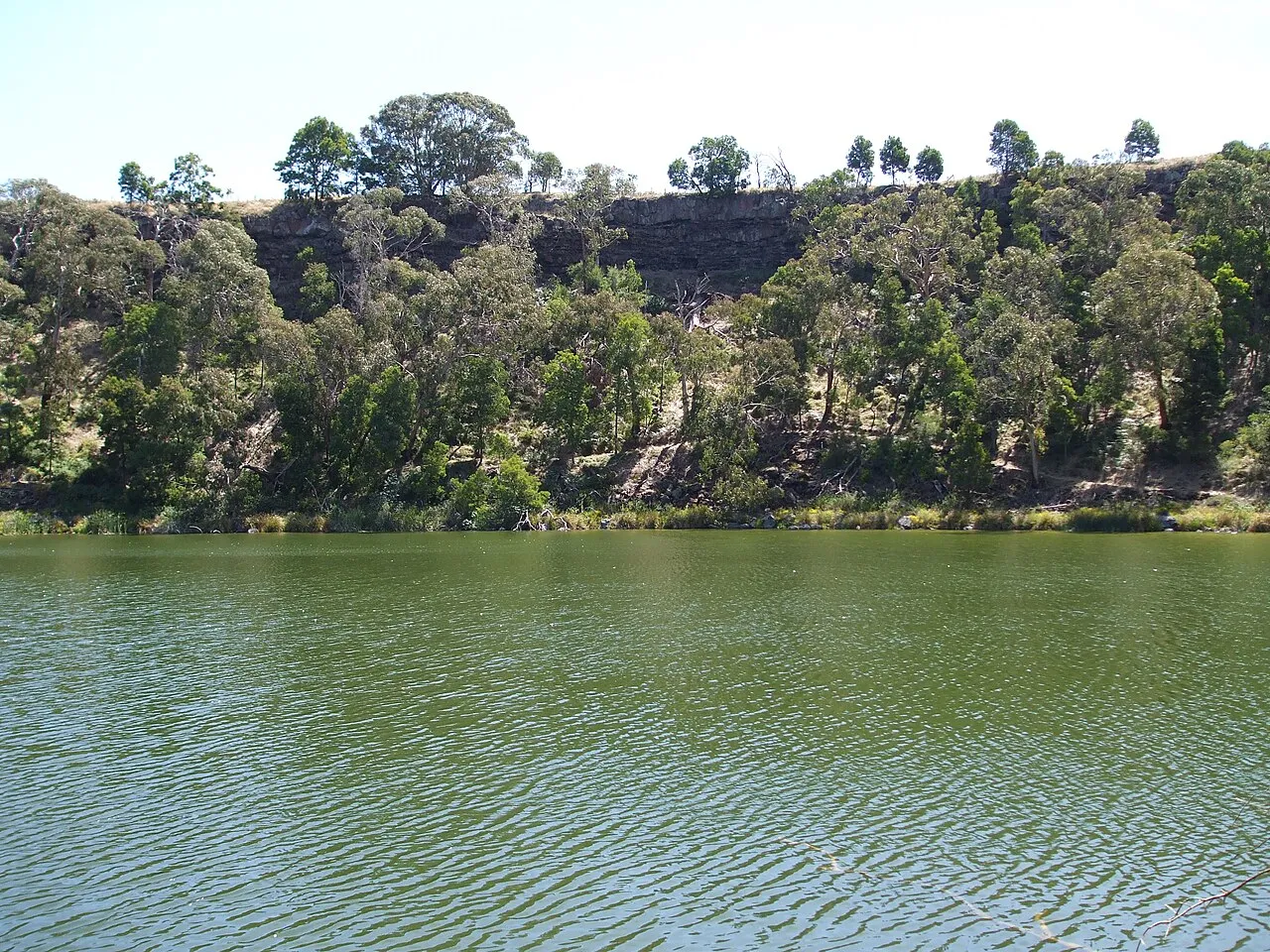
1,071 records
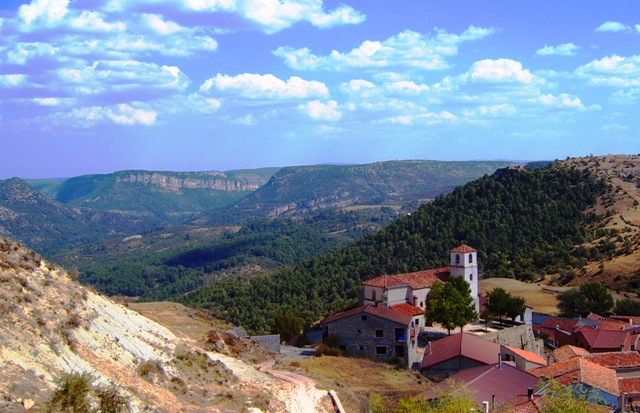
1,012 records
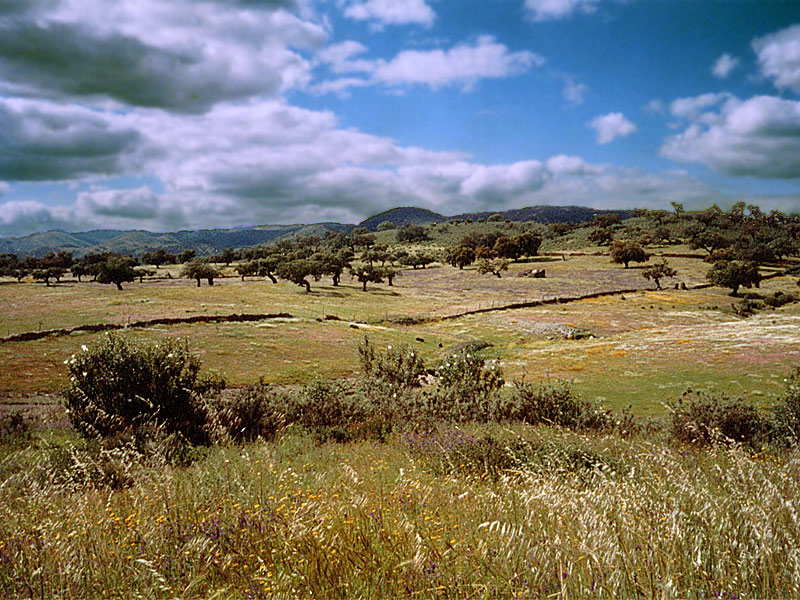
698 records
477 records

310 records

307 records
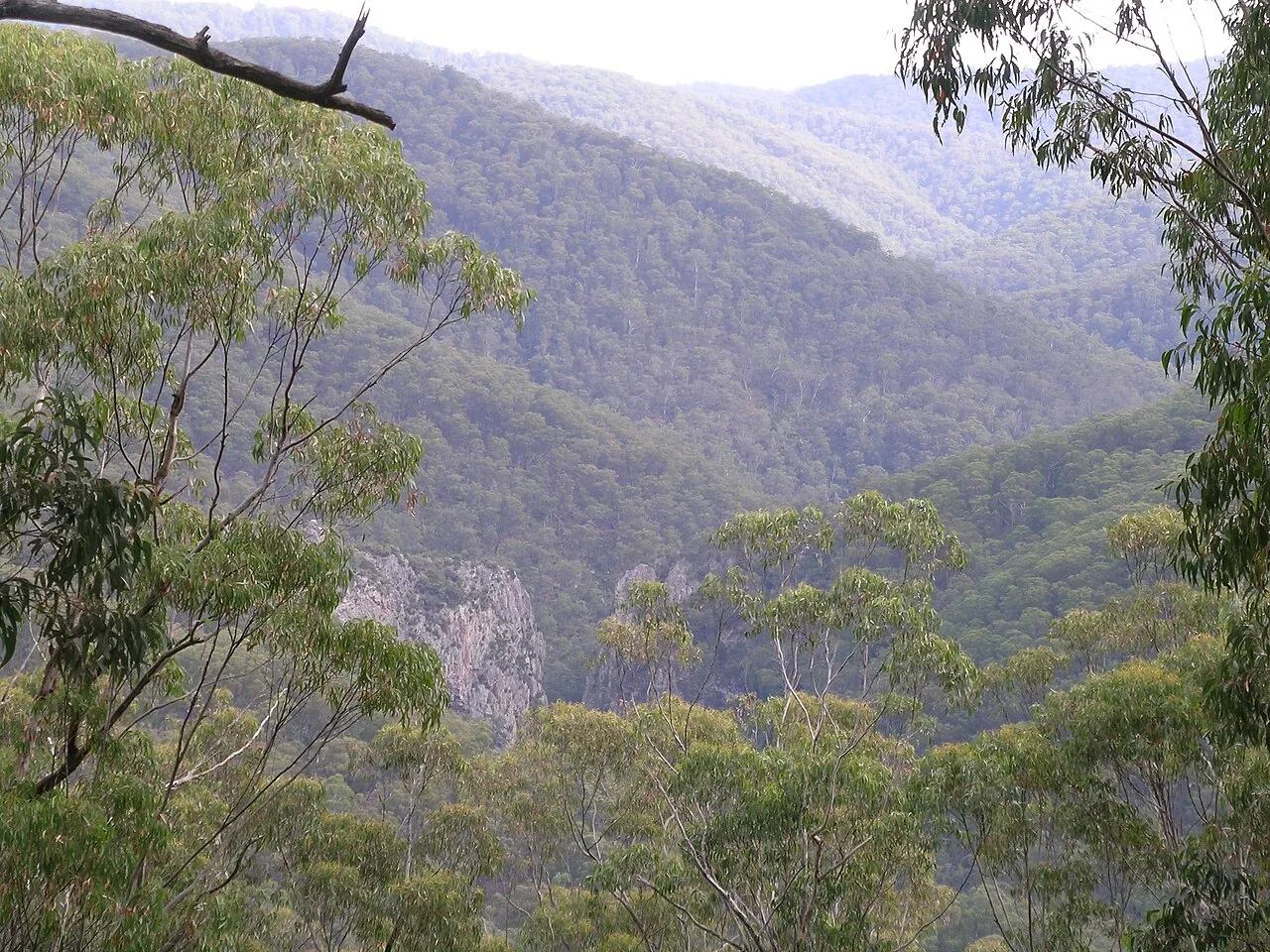
253 records
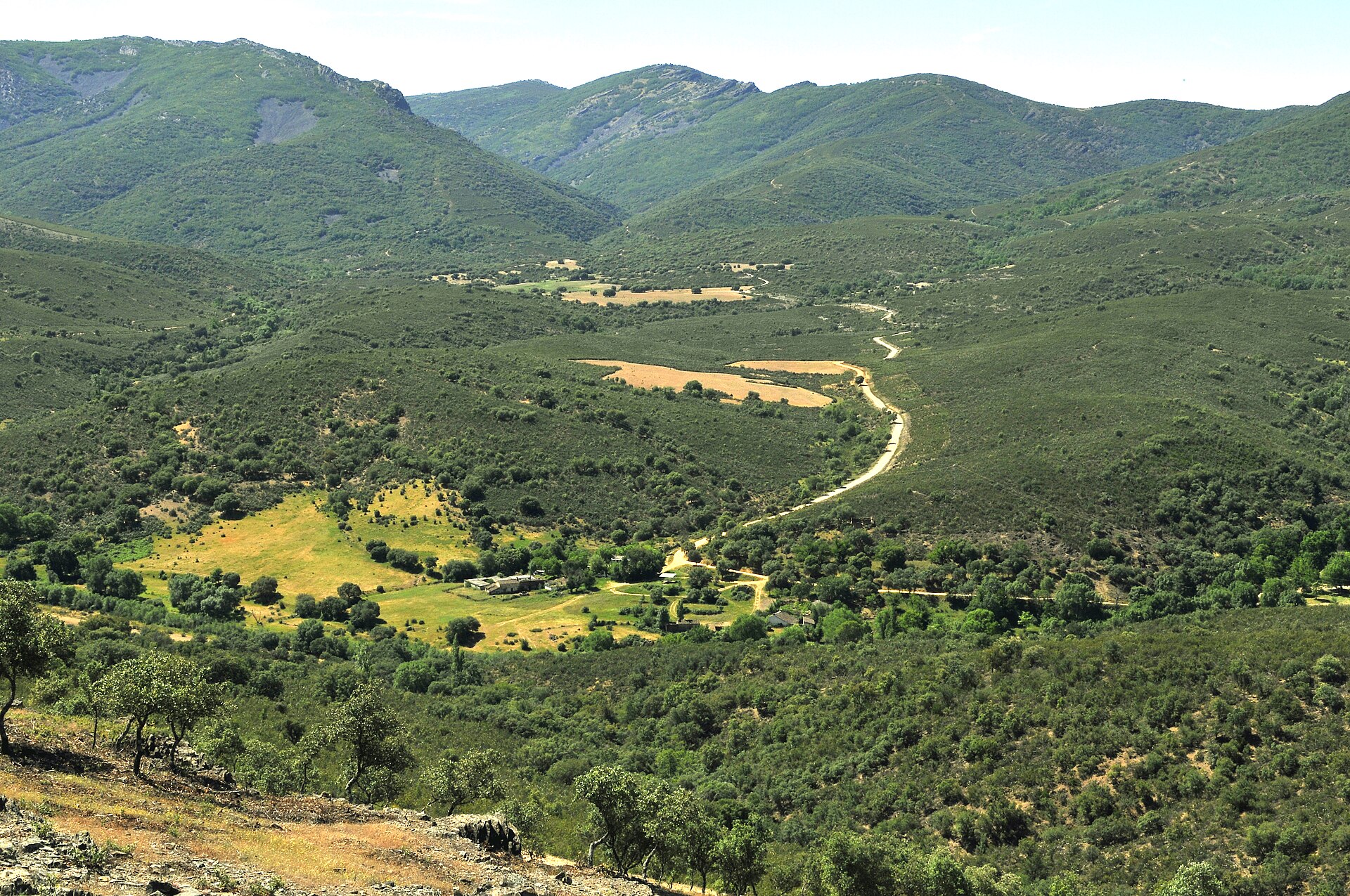
248 records
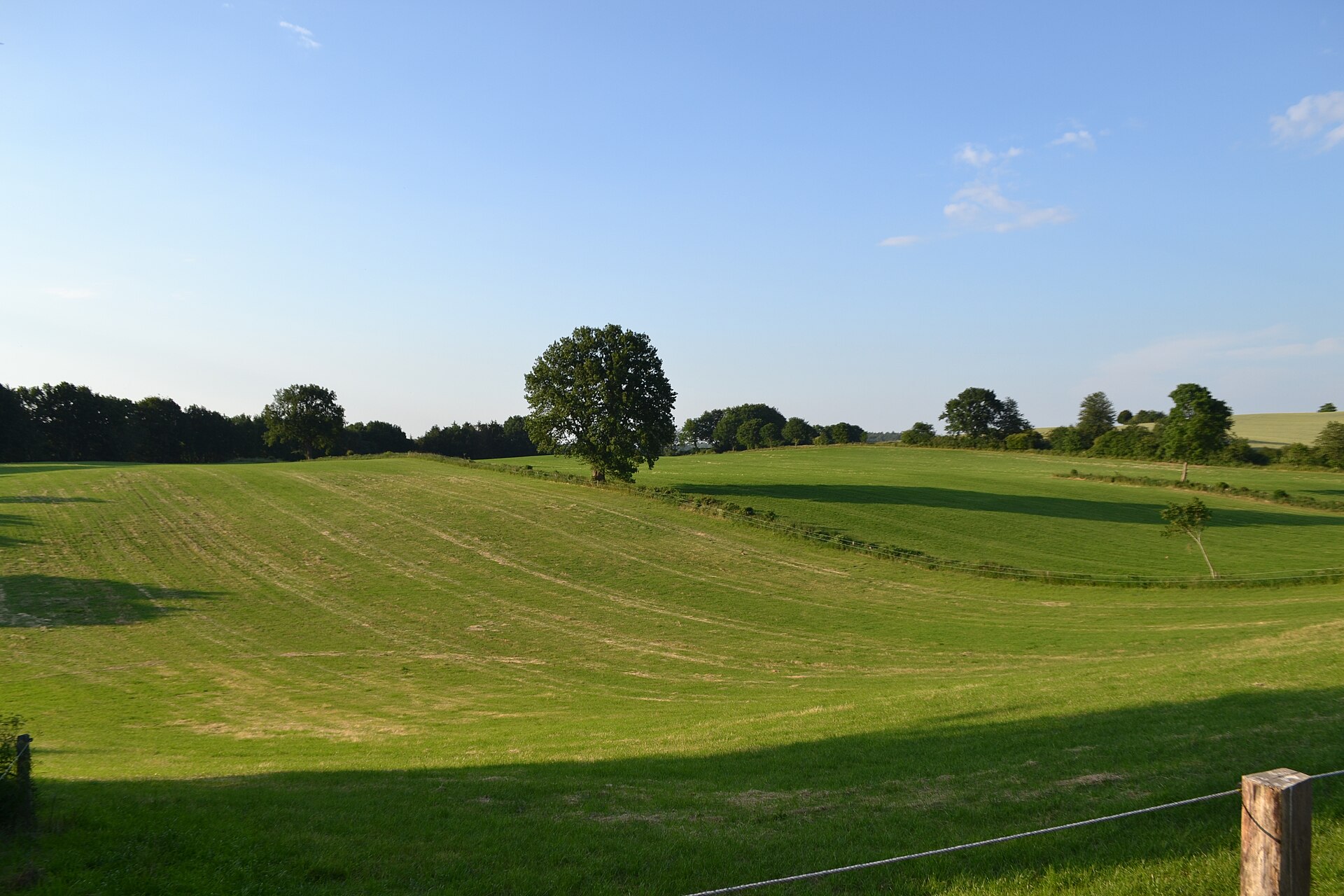
218 records
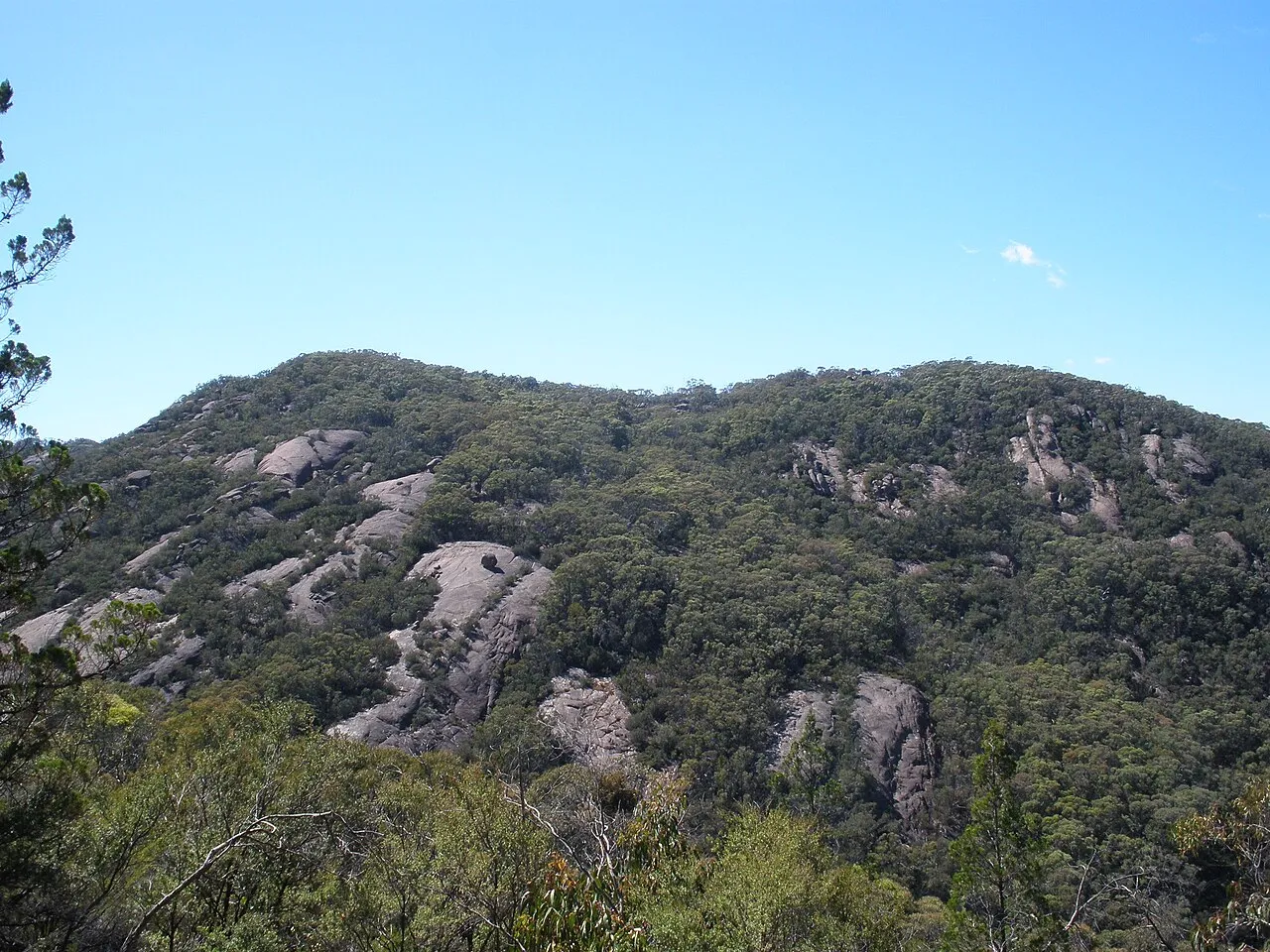
207 records
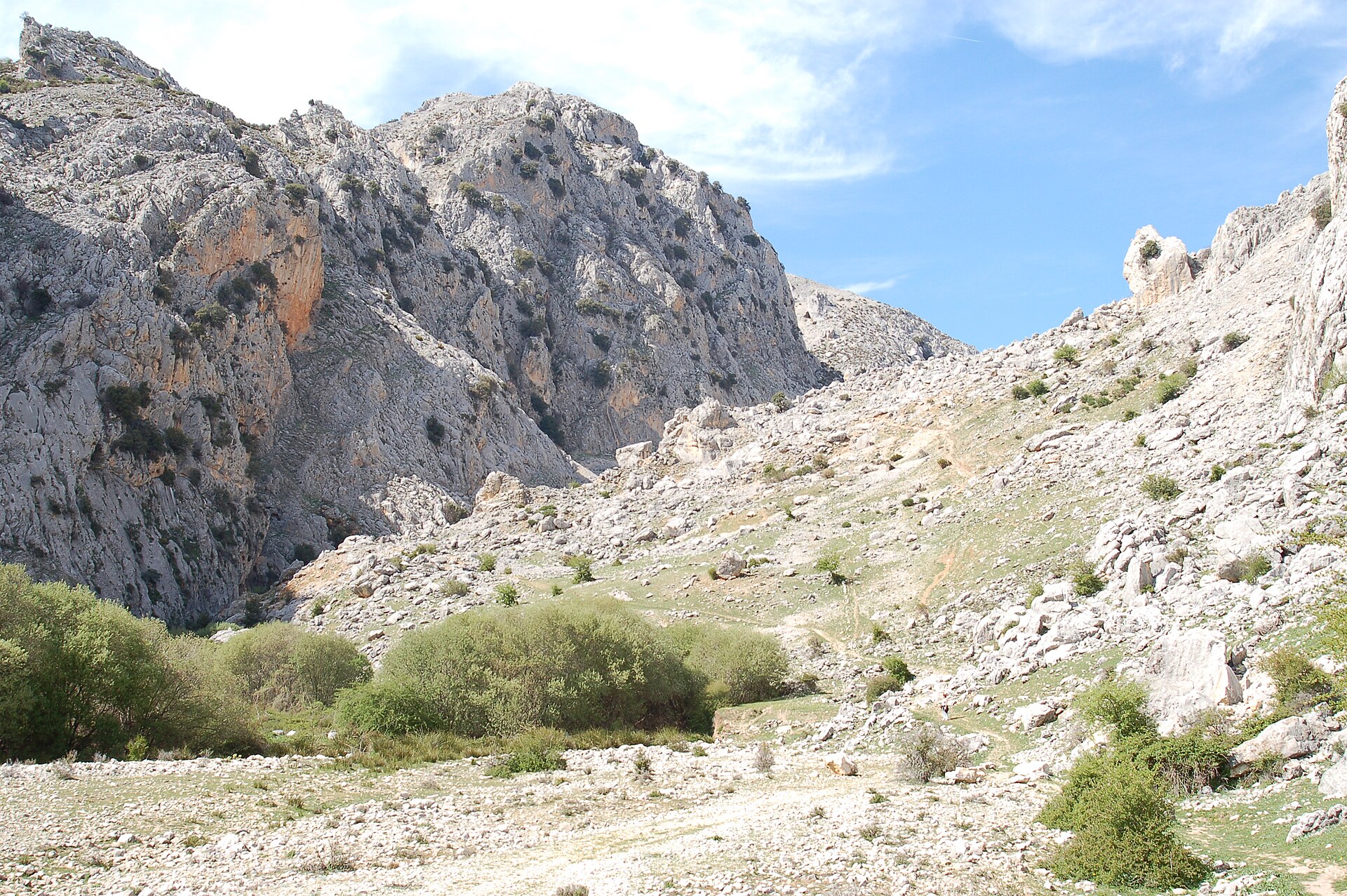
178 records
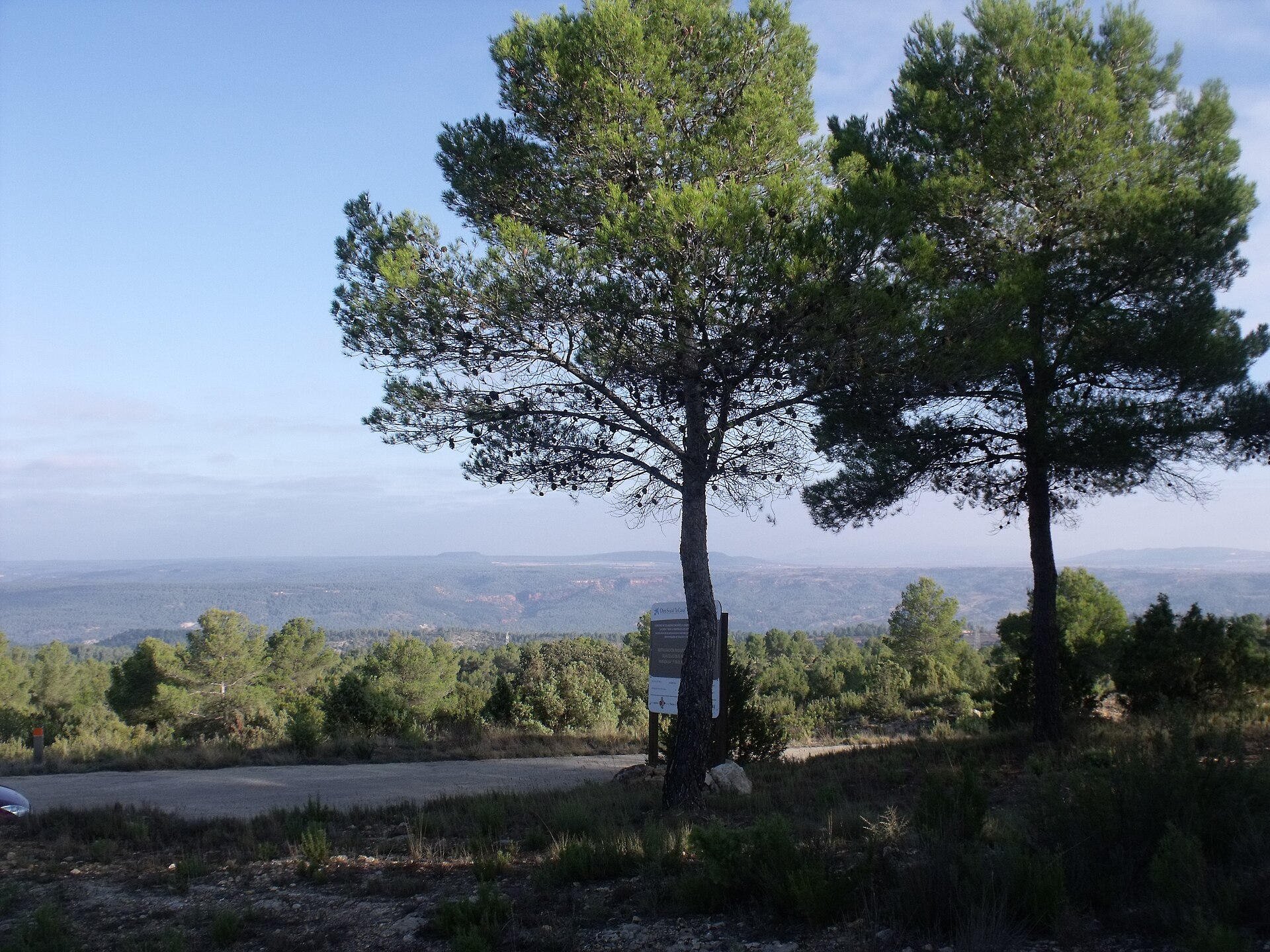
132 records
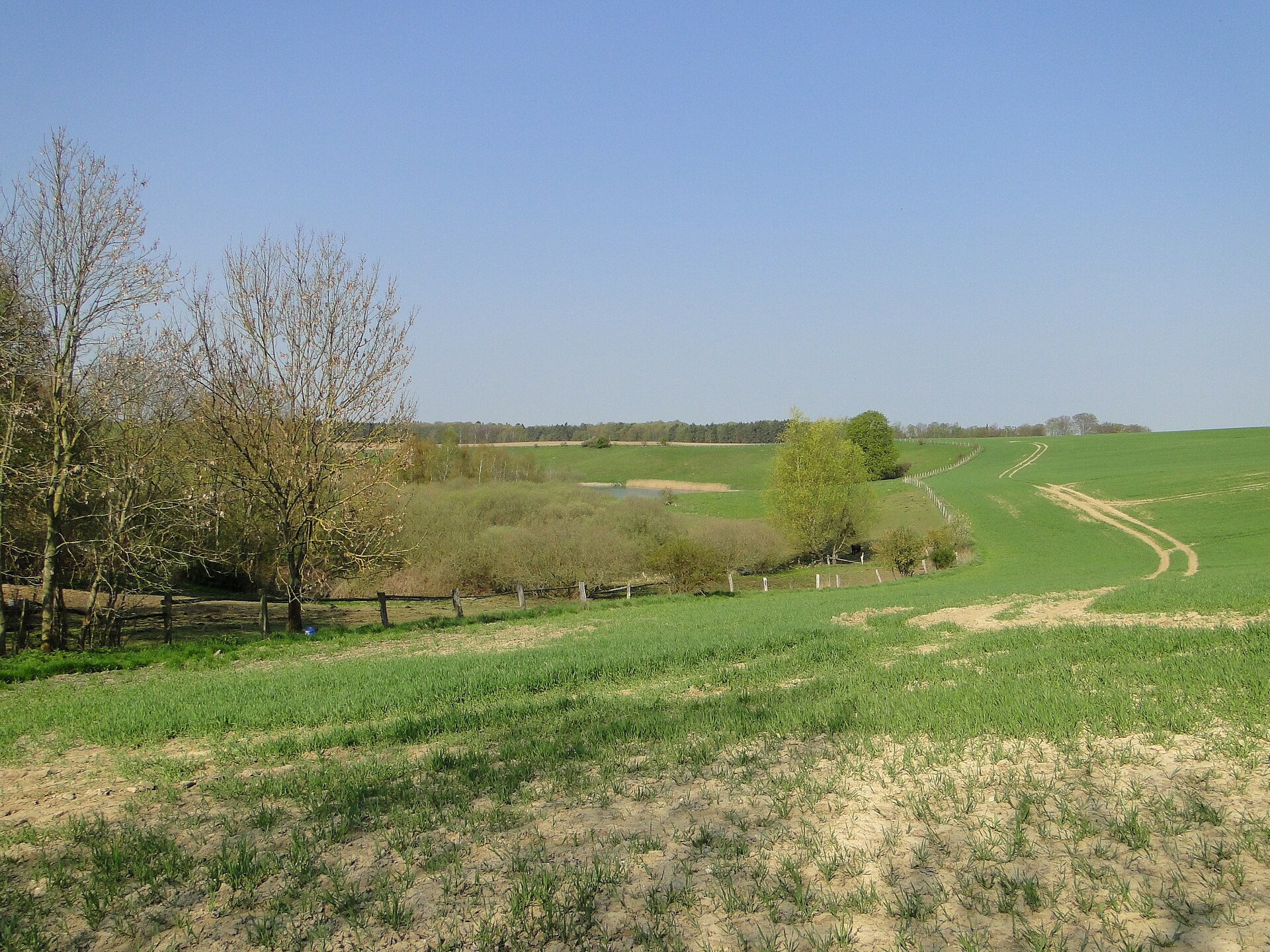
106 records
61 records

16 records
Other species to discover
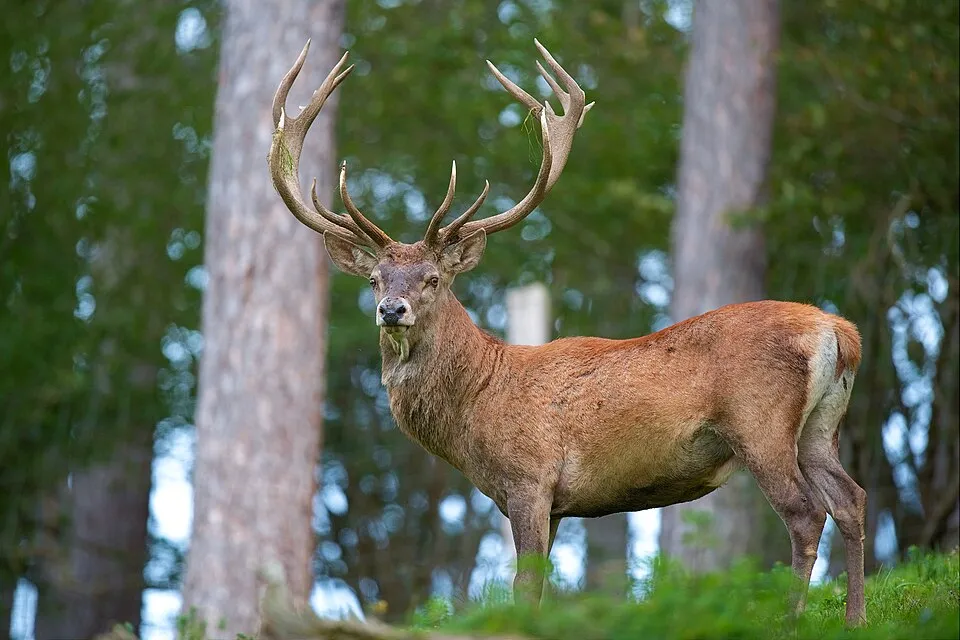
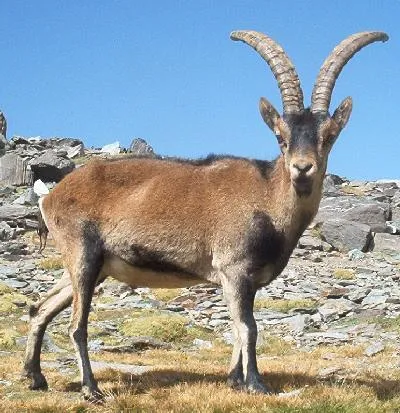
Sources and credits
- Presence: most-recorded species of each place on GBIF and species of Community interest in the Natura 2000 forms (EEA, CC-BY 4.0); absence from the list does not mean the species is absent.
- Common names: Wikidata (CC0) and GBIF.
- Photos and sounds: Wikimedia Commons, author and licence given for each file.
- Classification: GBIF Backbone Taxonomy (GBIF Secretariat), CC BY 4.0, doi:10.15468/39omei.
- Countries, elevations, months and maps: GBIF.org, CC0 or CC BY 4.0 occurrences only, accessed October 22, 2026, GBIF.org.
- Base map: Natural Earth (public domain).
- Excerpt: Wikipedia, CC BY-SA 4.0 (full credit below the excerpt).
- Key facts: Wikidata (CC0), with the references cited under each value.
- Invasive alien species: Union list, Regulation (EU) No 1143/2014 (INBO, CC0); Global Register of Introduced and Invasive Species (ISSG, CC BY 4.0).