
Mammal
Red fox: where to see it
Vulpes vulpes
Invasive alien in some territories
Listed as invasive alien for: Japan, Australia (GRIIS).
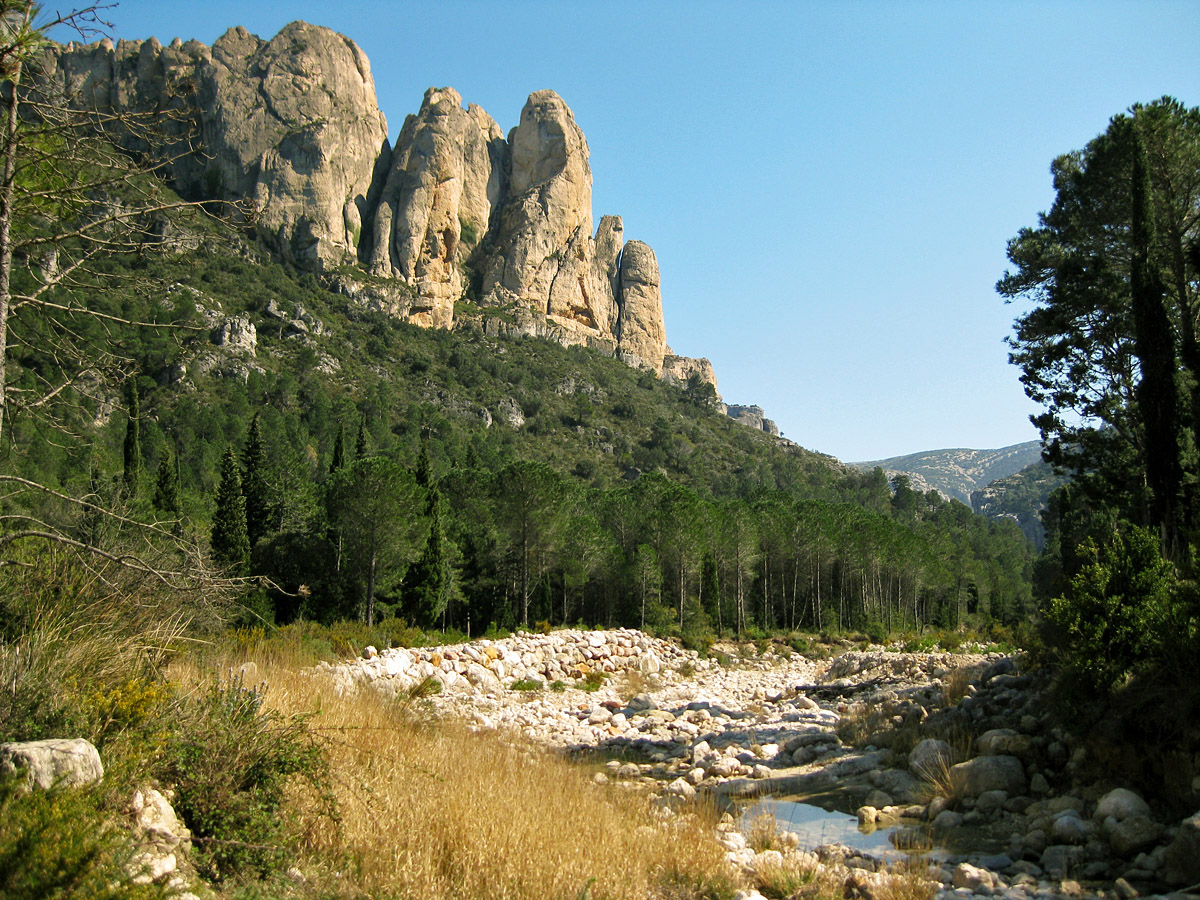
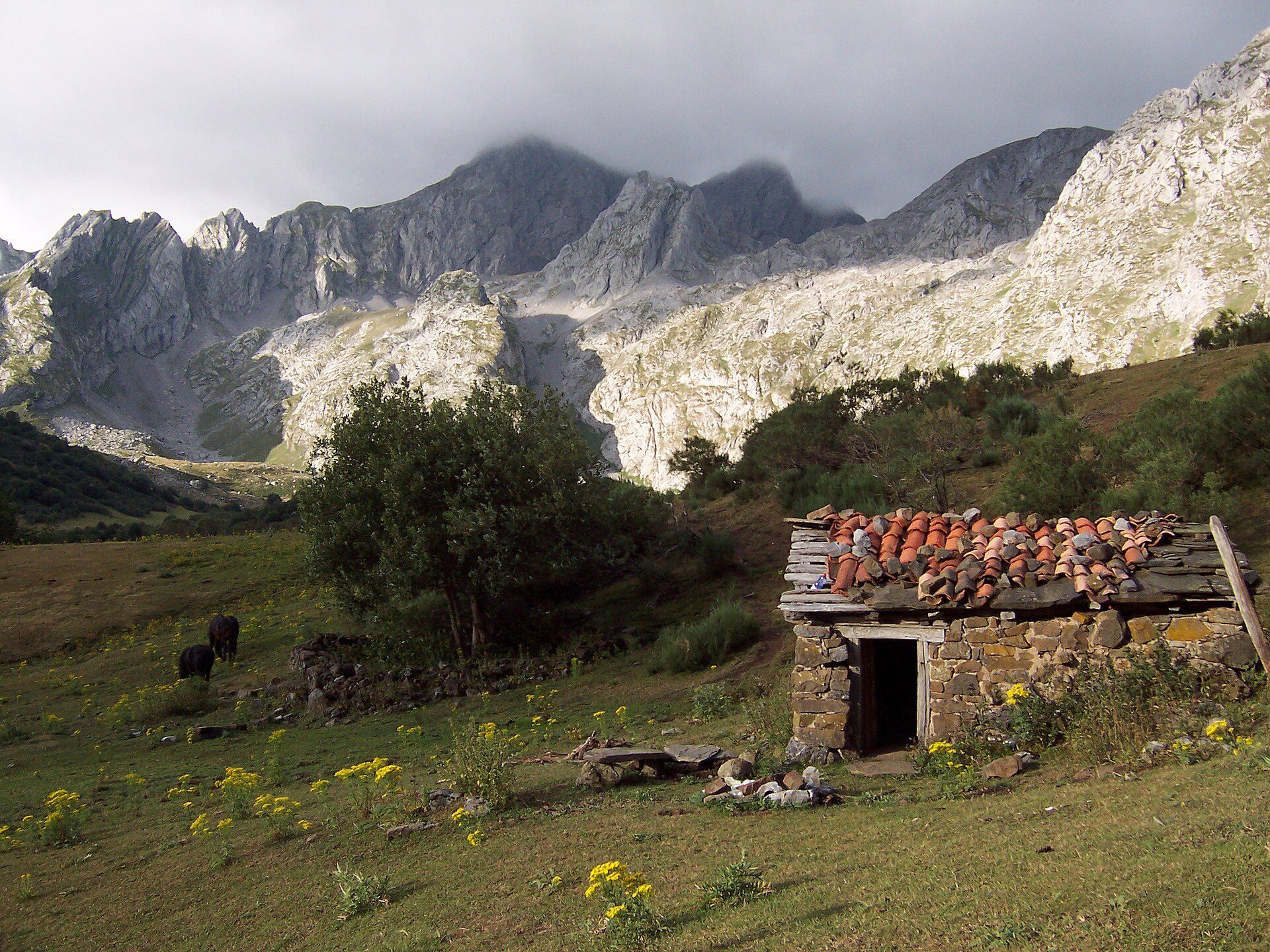
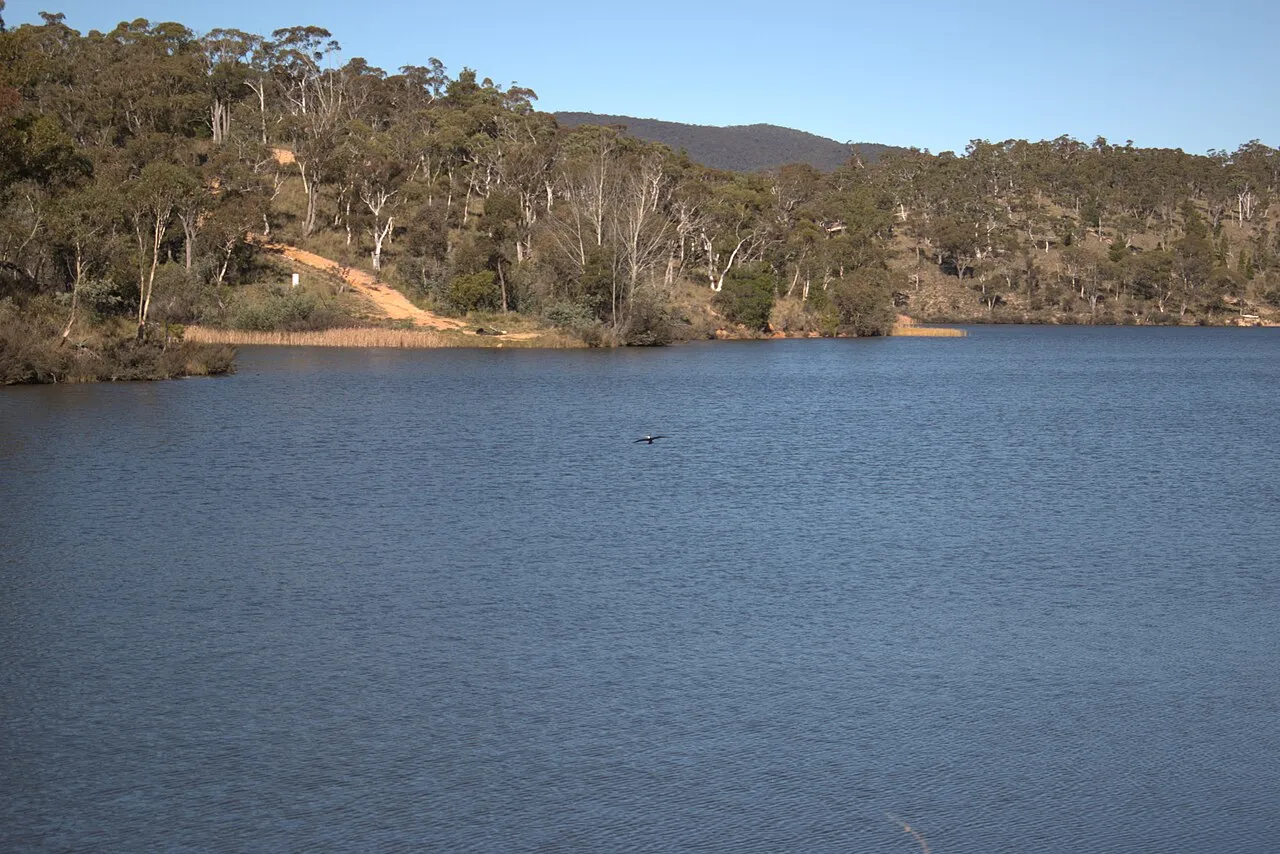
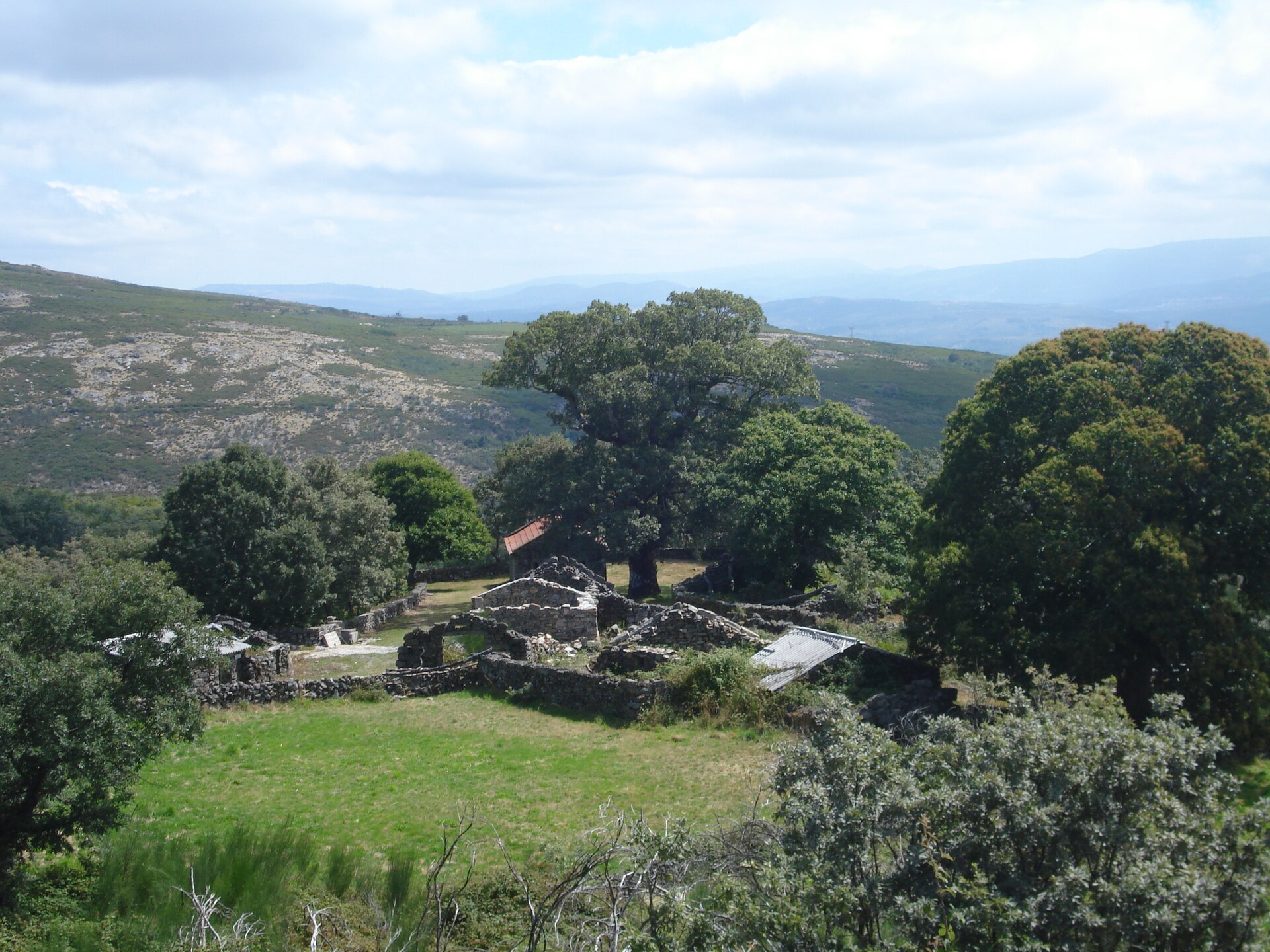
This mammal species is recorded in 93 protected areas of the atlas. Within the atlas countries, it is mostly observed in Switzerland, Spain and France (9 countries in all). Most records (8 in 10) lie between 290 and 1,350 m above sea level. Records are spread throughout the year.
Best time to see it: all year round
Records published on GBIF by month (CC0 and CC BY 4.0 licences only), in the atlas countries, all years combined; they also reflect observer activity.
Key facts
- Gestation
- 51–53 days Wikidata, after Grzimeks Enzyklopädie, 1988
- Maximum recorded lifespan
- 21 years Wikidata, after Longevity of Mammals in Captivity, 2005
Distribution
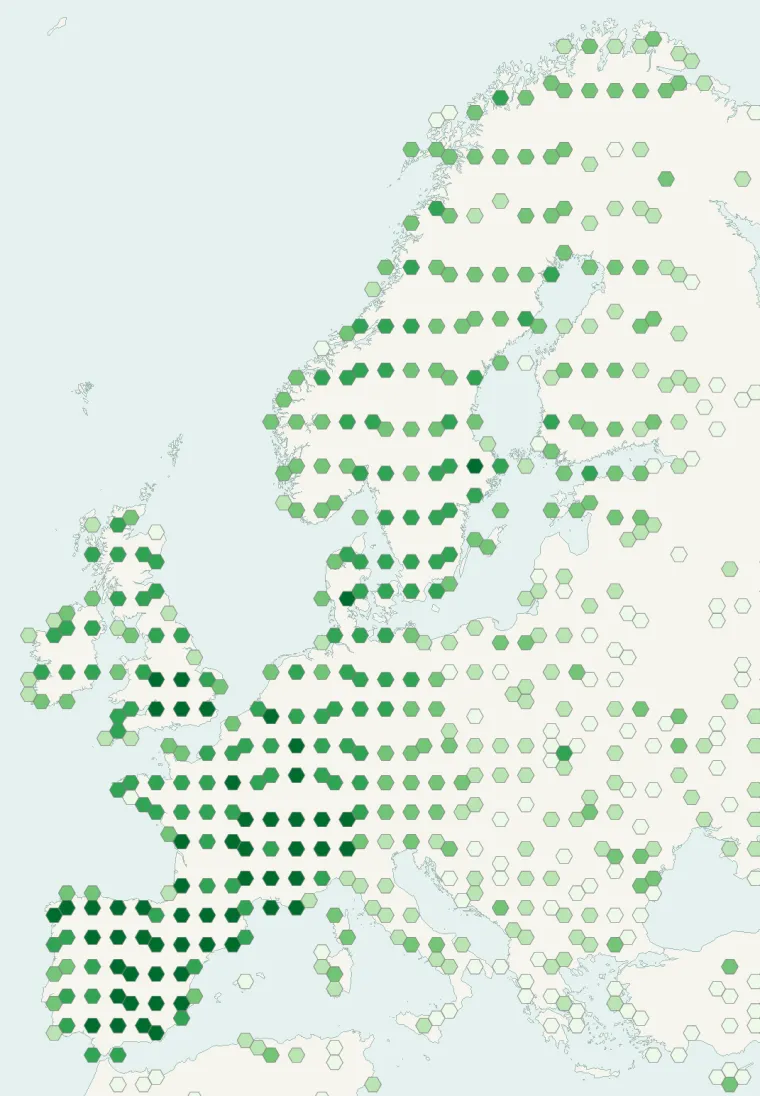
Records published on GBIF (CC0 and CC BY 4.0 licences): the darker the shade, the more records there are; they also reflect observation effort.
Atlas countries where it is recorded
Listen
-
0:43 · © Ndalyrose · CC BY-SA 4.0 · Wikimedia Commons · Original file
-
0:10 · © Jugrü · CC BY-SA 3.0 · Wikimedia Commons · Original file
-
0:05 · © Alexander Kurthy · CC BY-SA 4.0 · Wikimedia Commons · Original file
From Wikipedia
The red fox (Vulpes vulpes) is the largest of the true foxes, and the most widely distributed member of the order Carnivora. It is present across the entire Northern Hemisphere, including most of North America, Europe and Asia, as well as parts of North Africa. Its range has expanded alongside human settlement, with the species having been introduced to Australia, where it preys on native small and medium-sized rodents and marsupials. Because of its impact on native species, it is included on the list of the "world's 100 worst invasive species".
Source: Wikipedia, article “Red fox” (version of October 22, 2026) · history and authors · licence CC BY-SA 4.0 · shortened excerpt
Protected areas where it is recorded
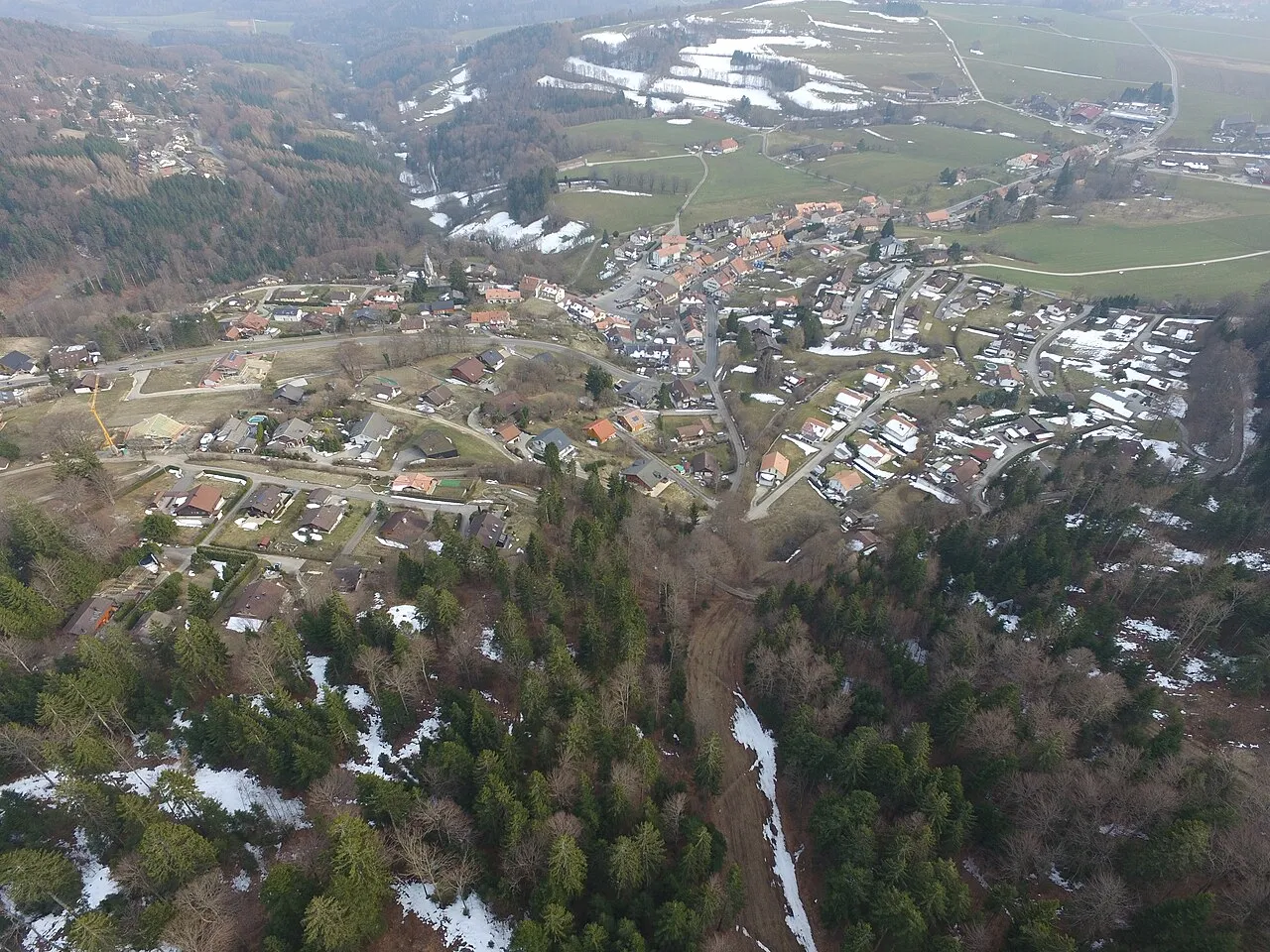
18,718 records
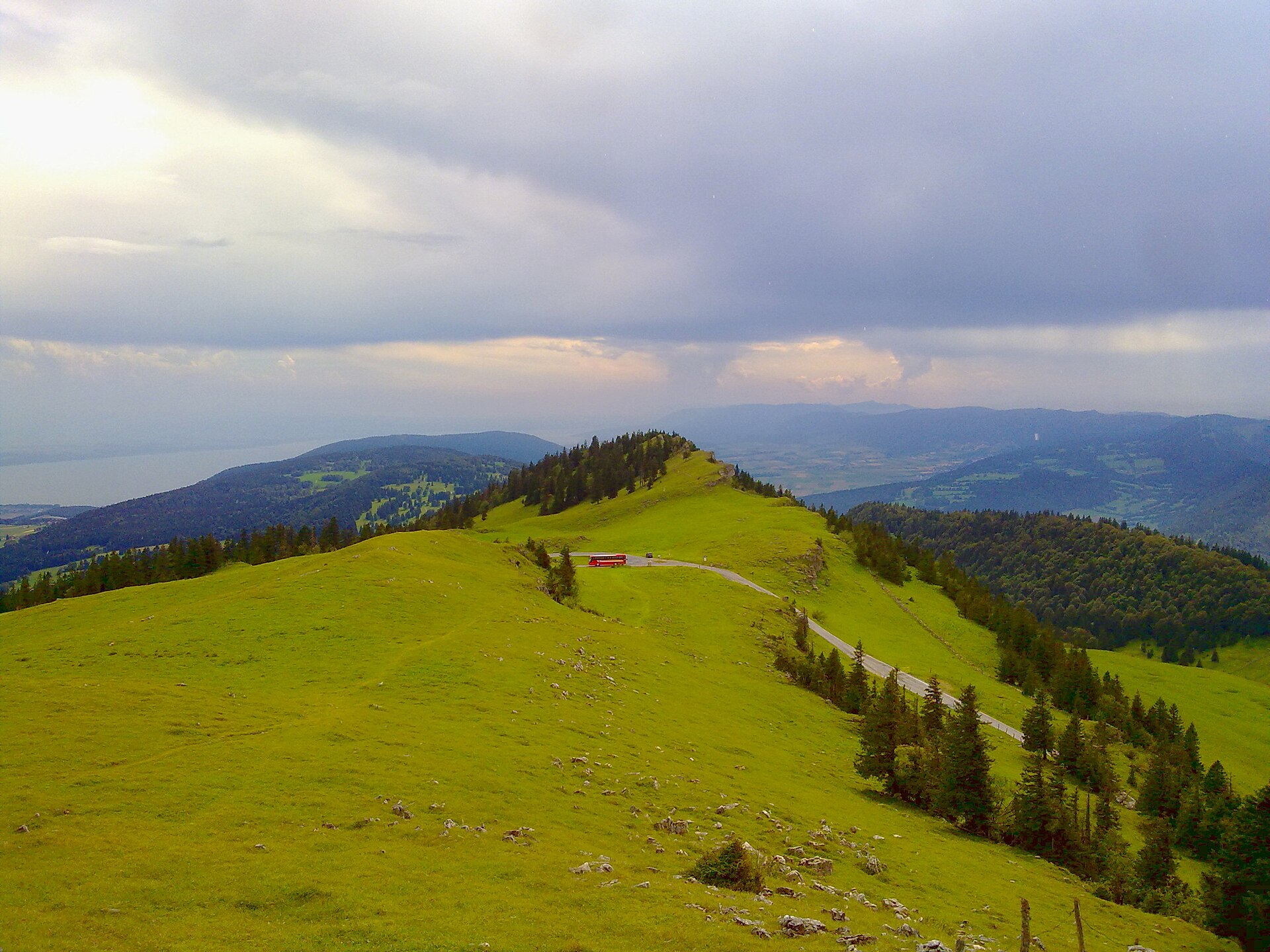
13,800 records
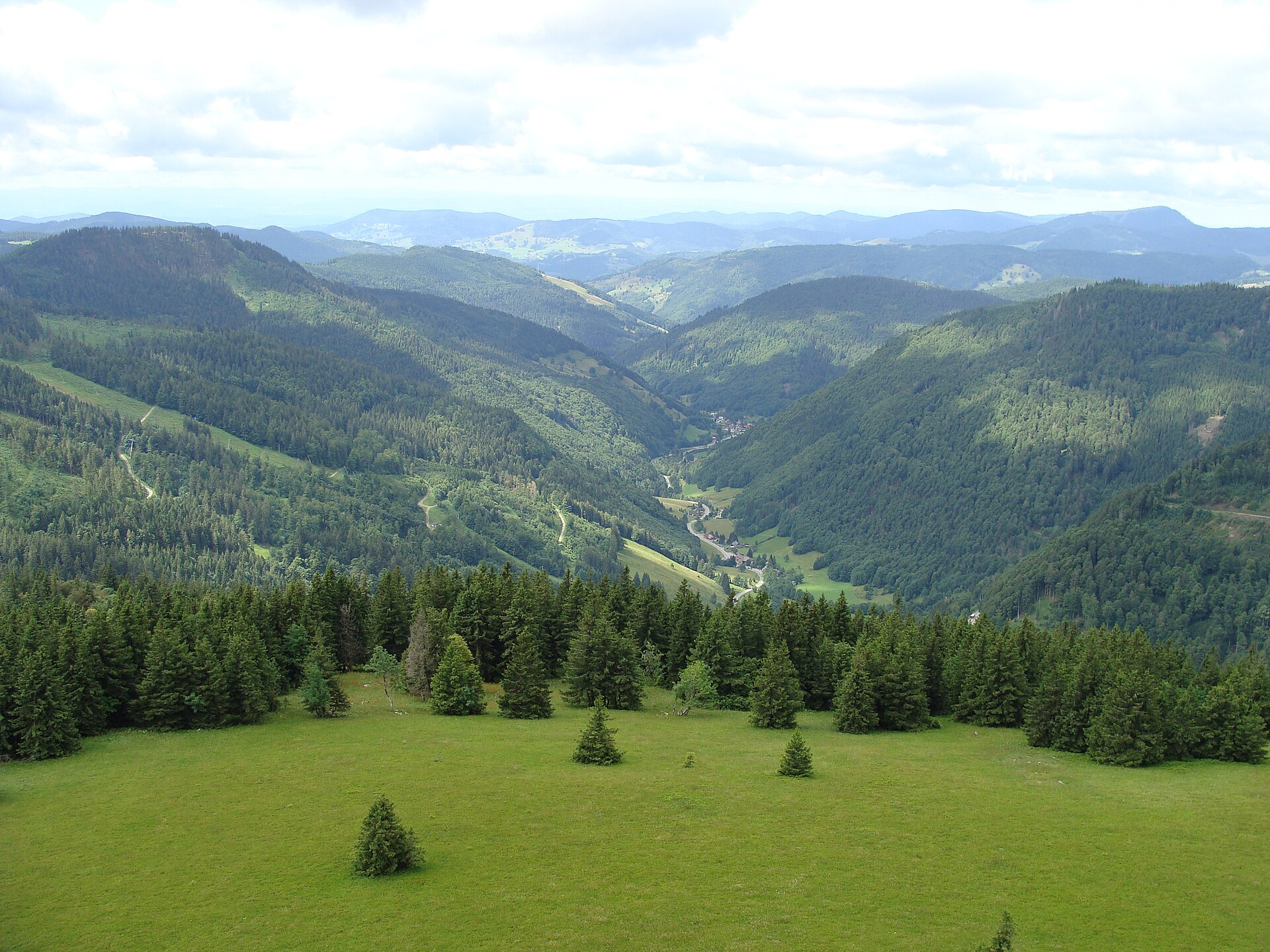
13,152 records
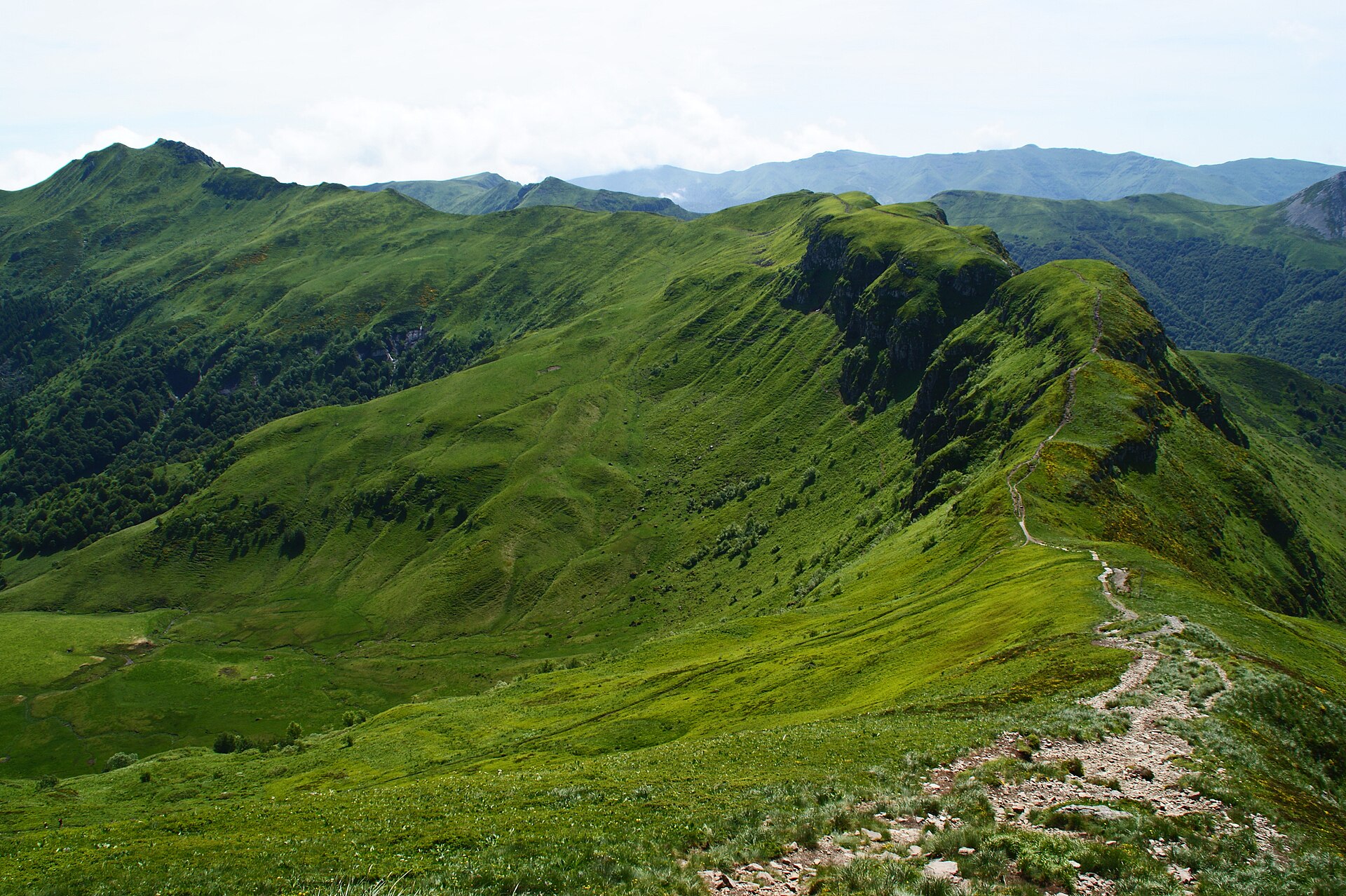
12,754 records

10,363 records
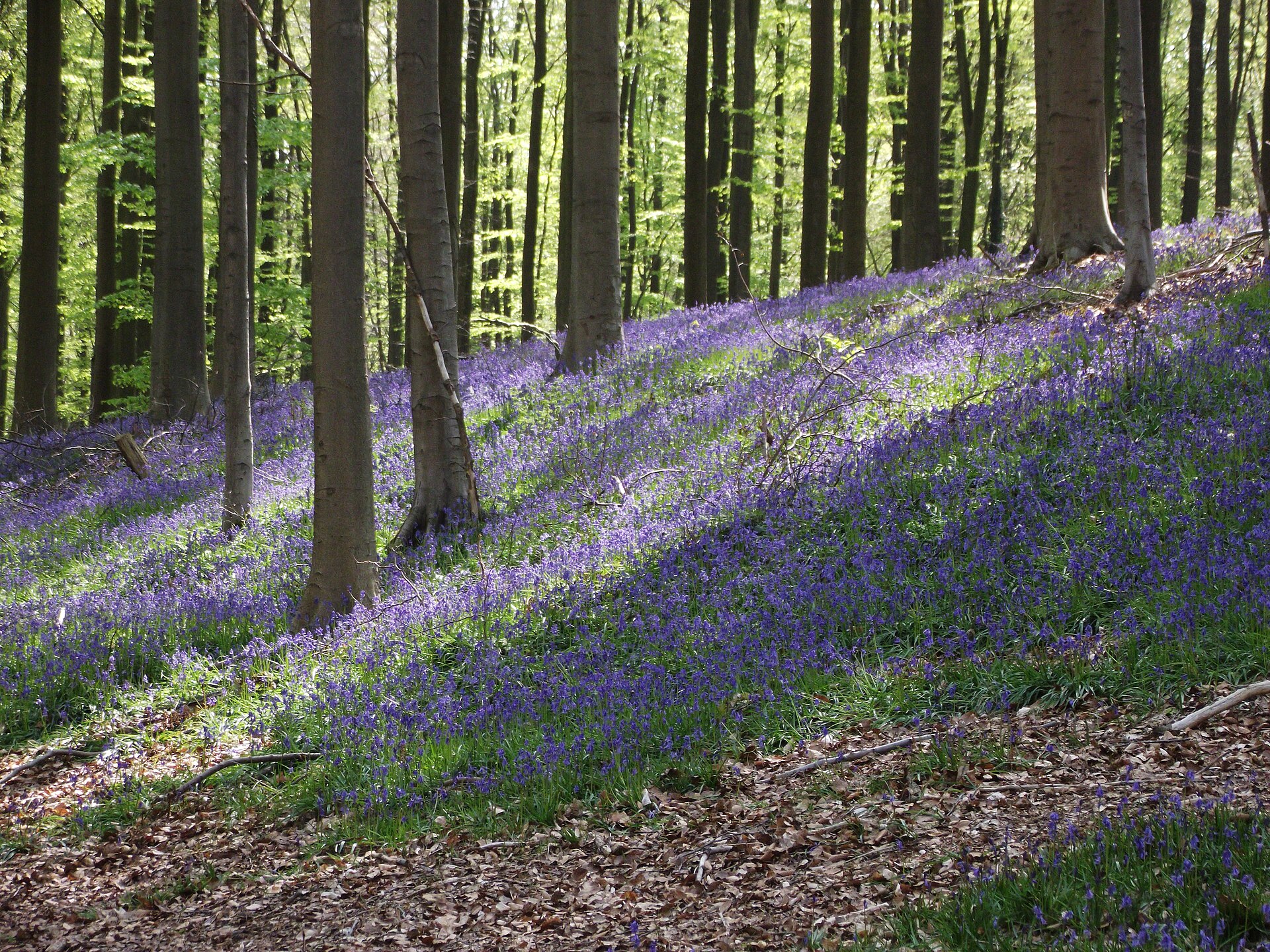
7,440 records
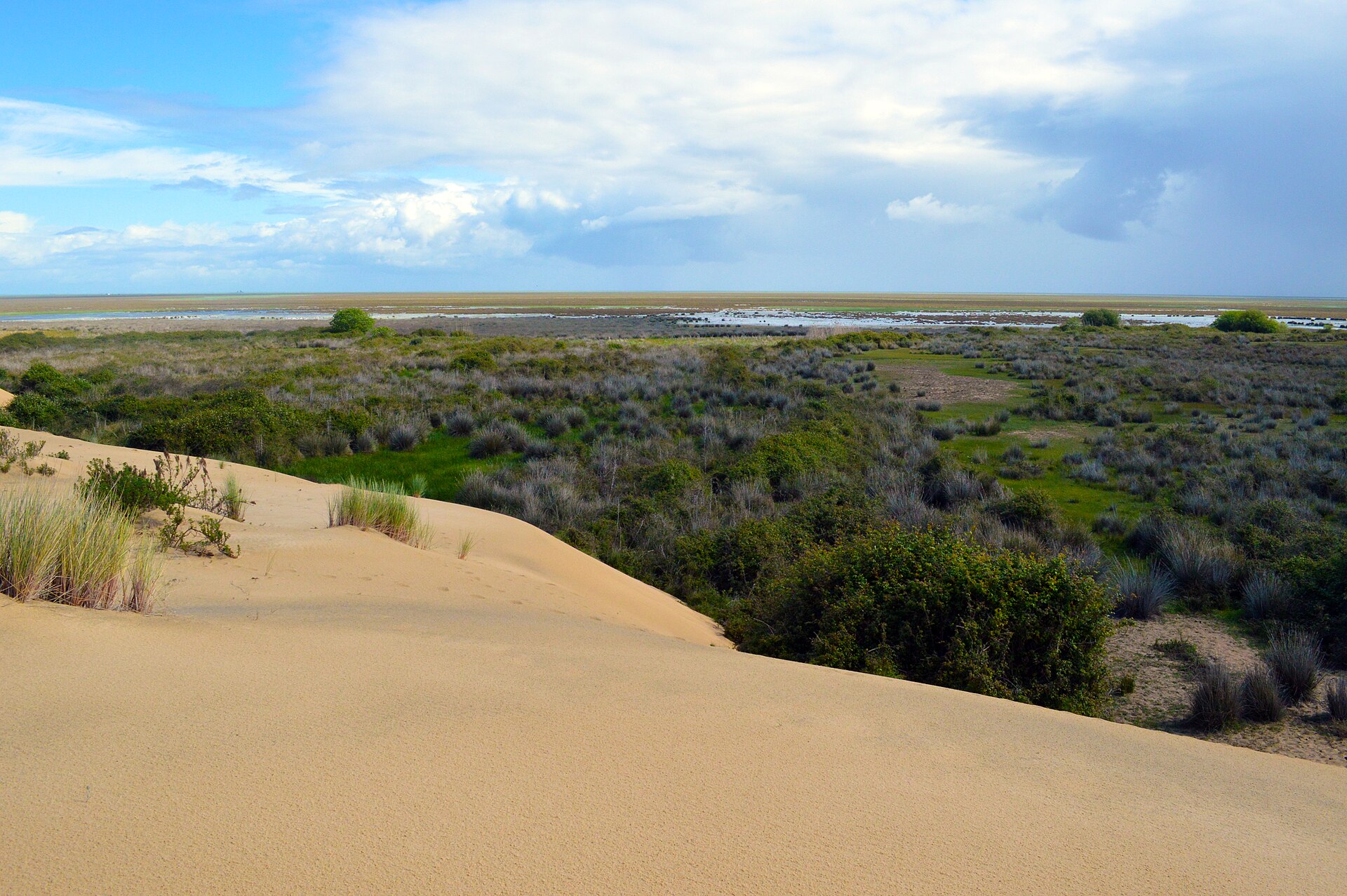
6,427 records
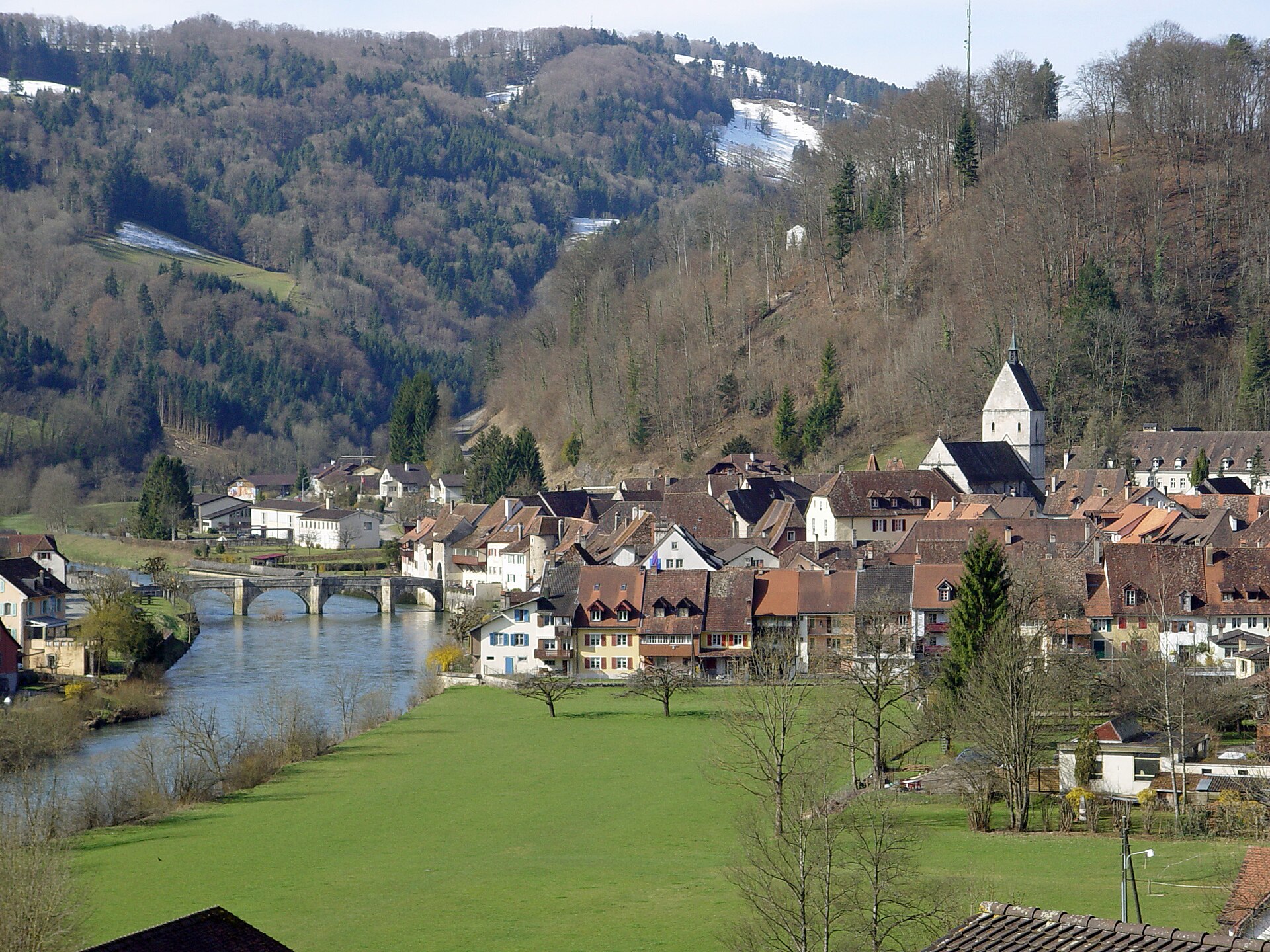
5,864 records

4,863 records
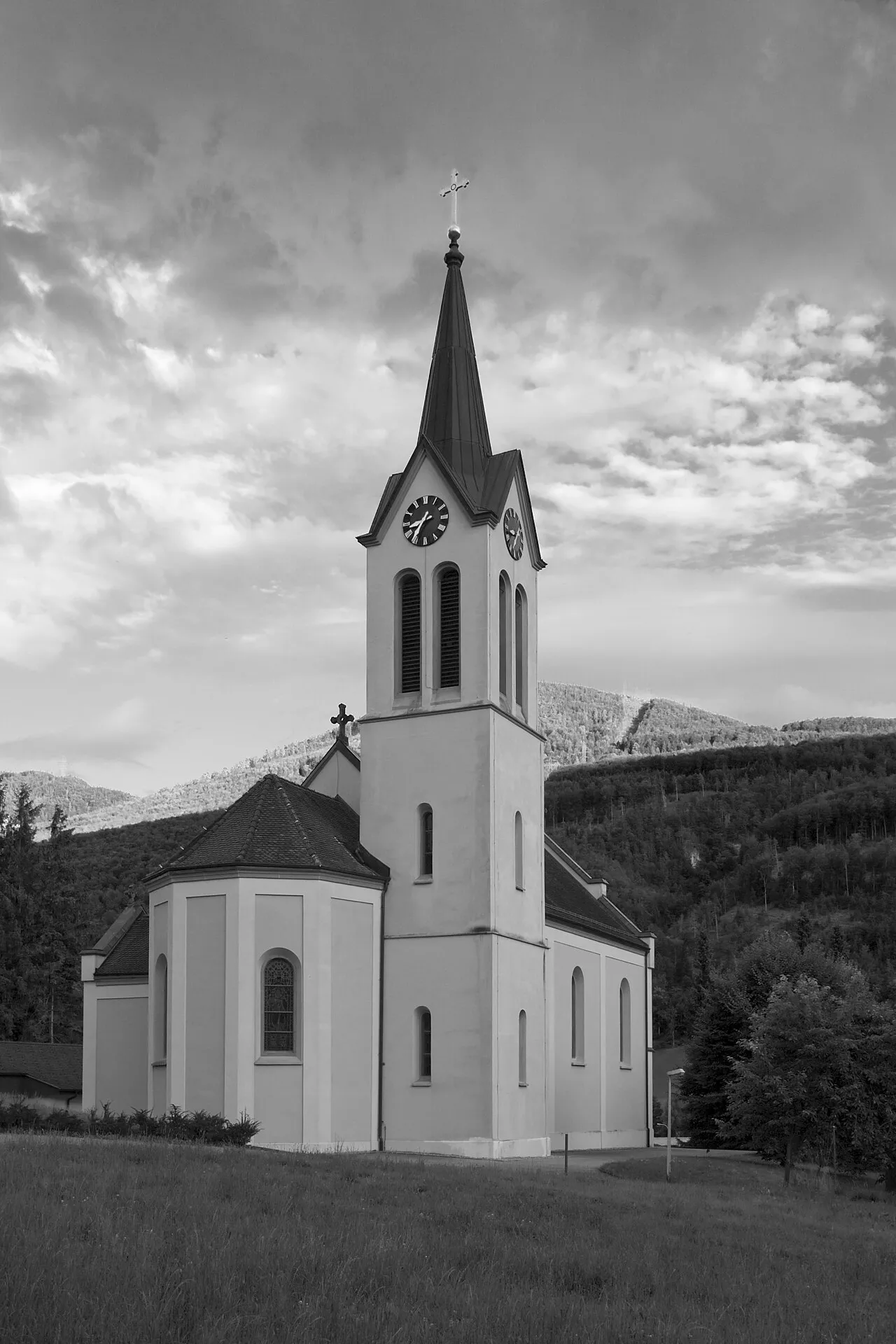
4,775 records
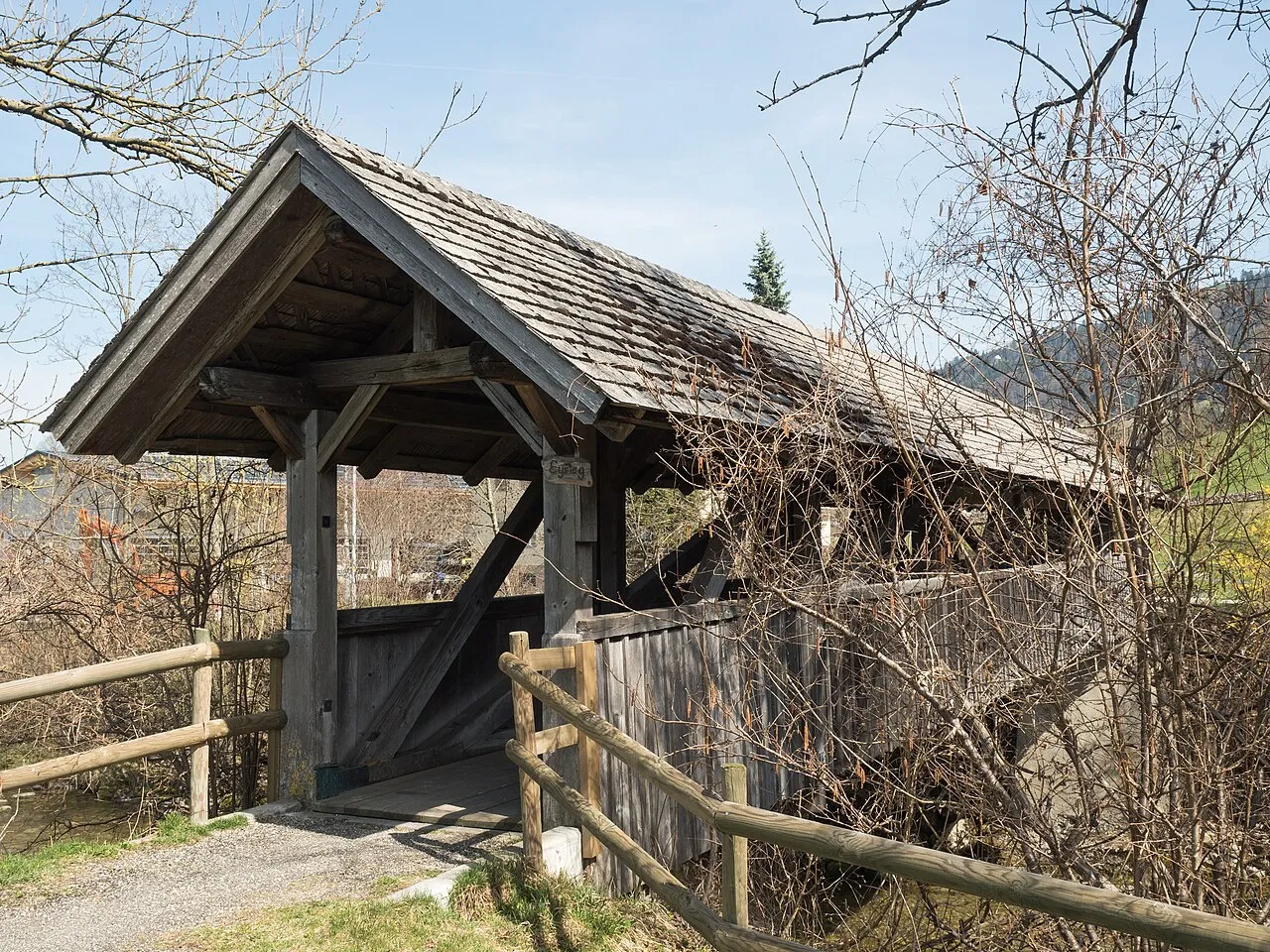
4,701 records
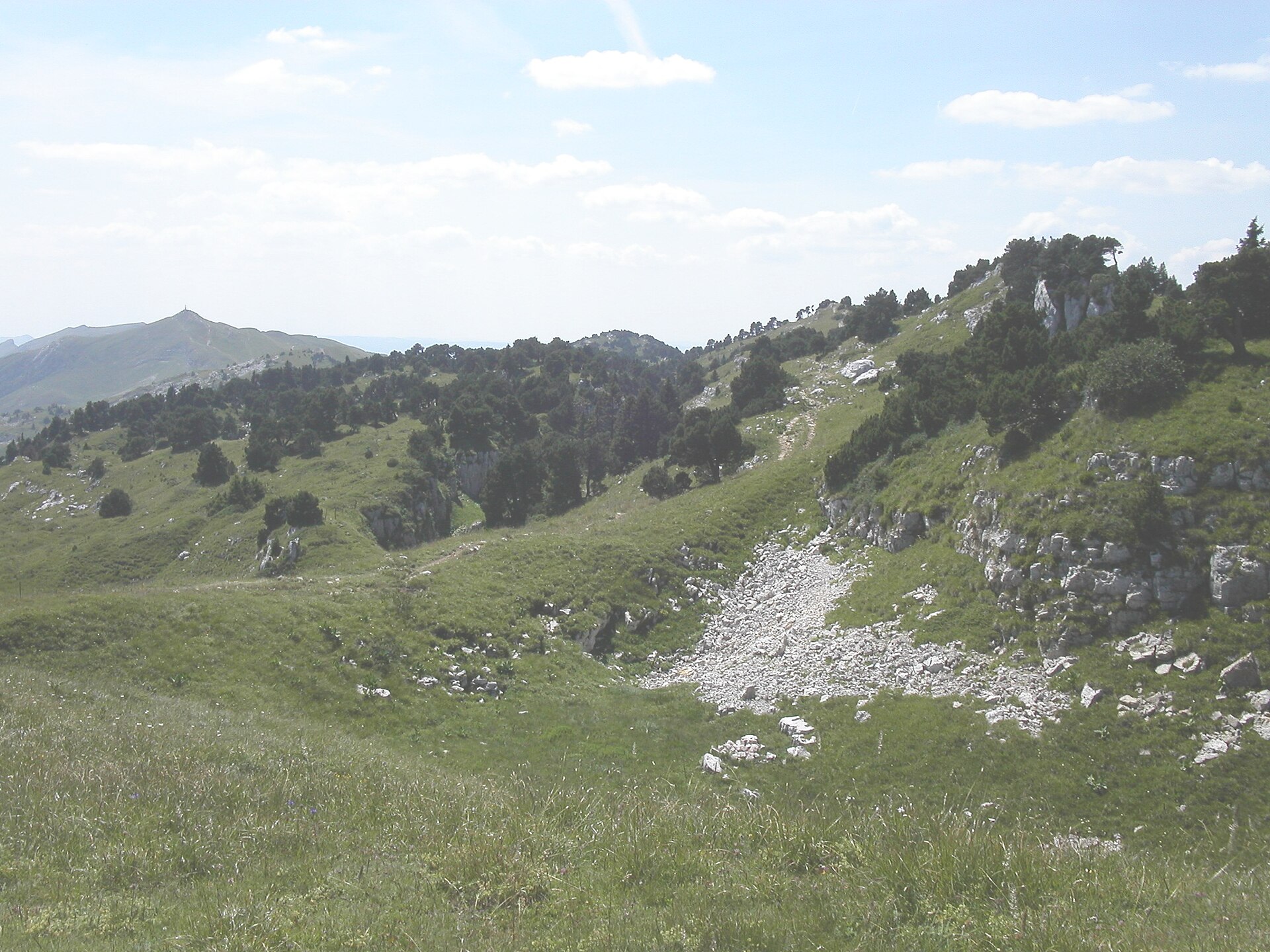
3,400 records
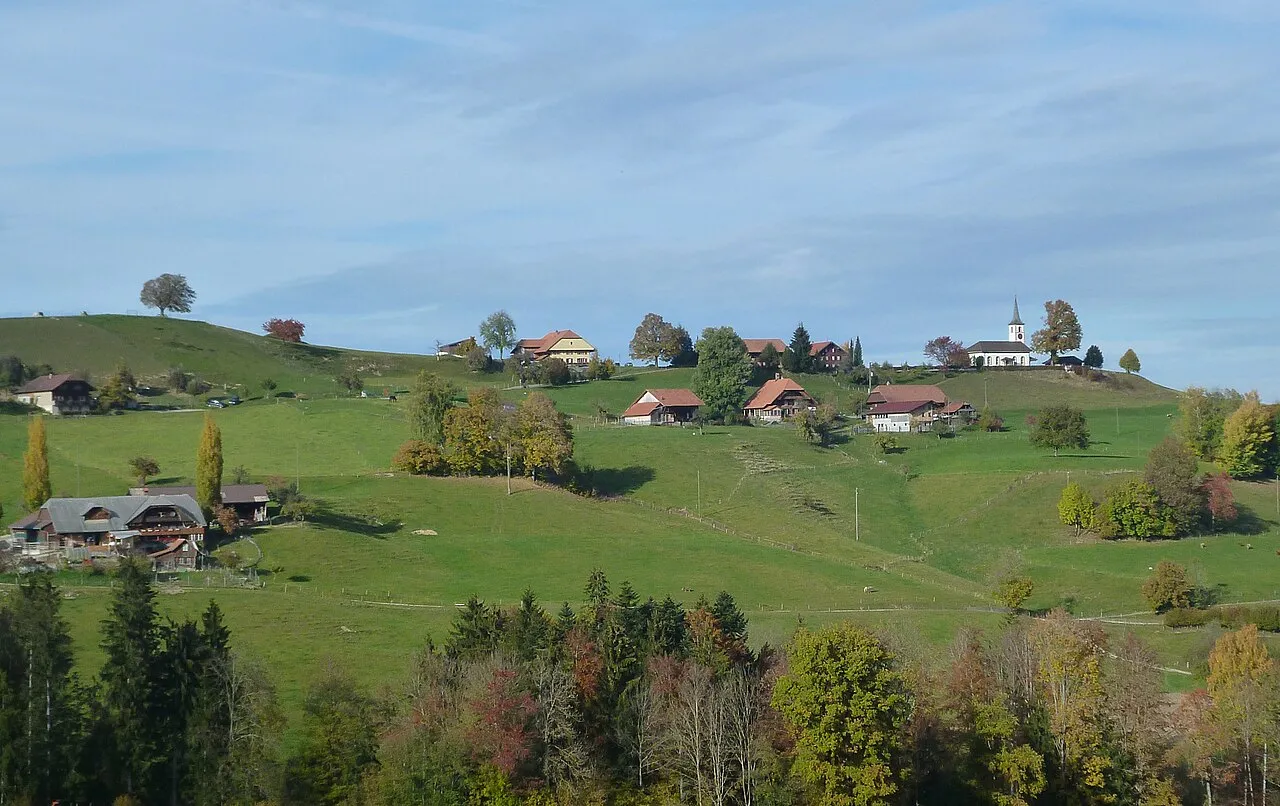
2,941 records
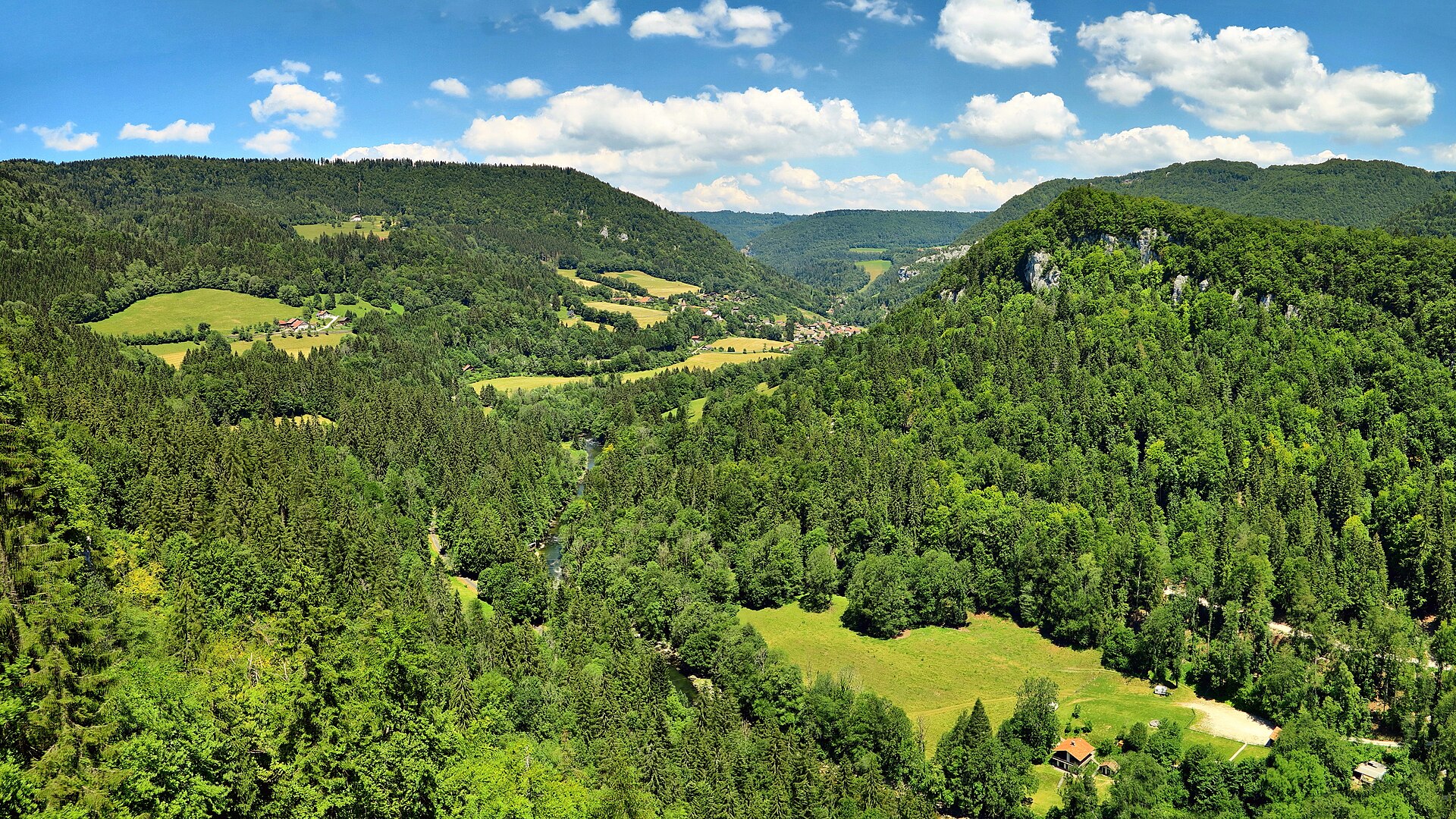
2,842 records
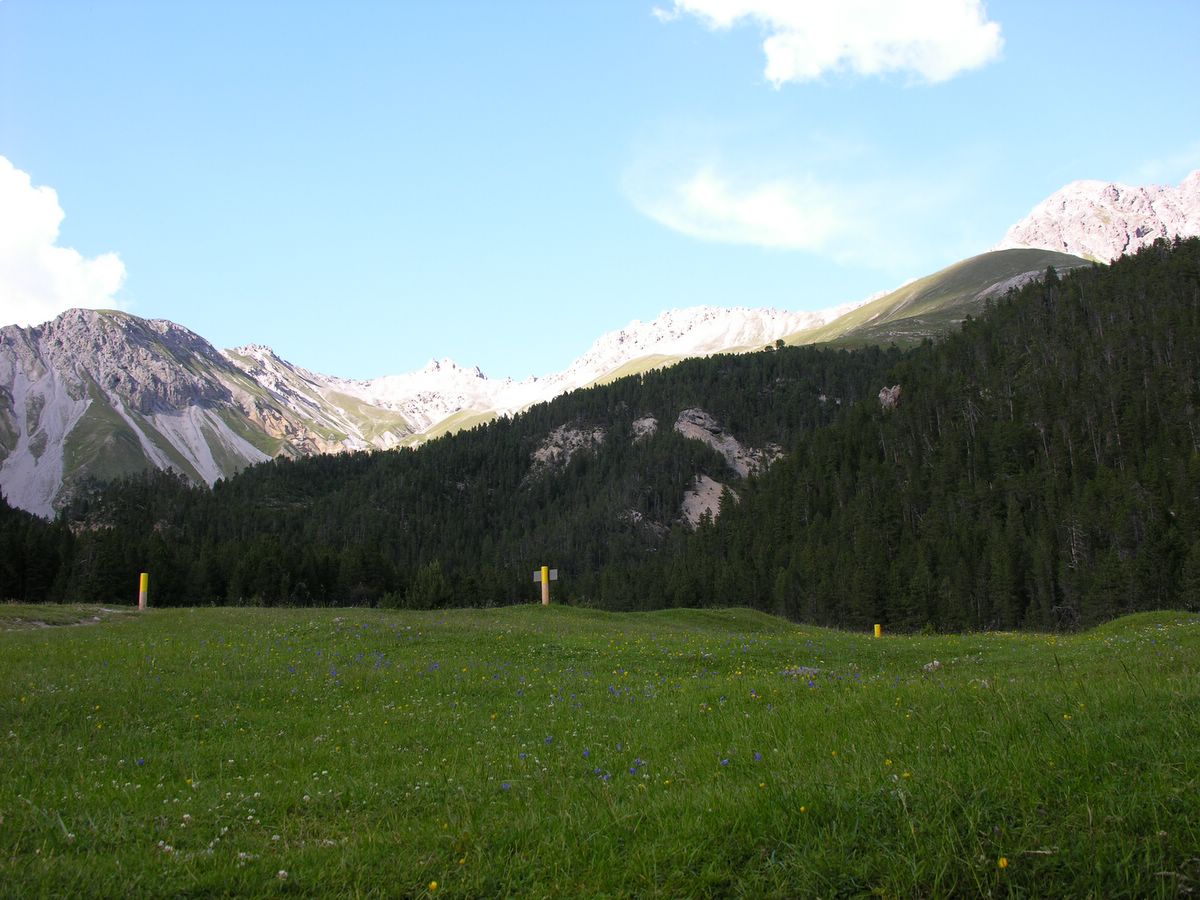
2,496 records
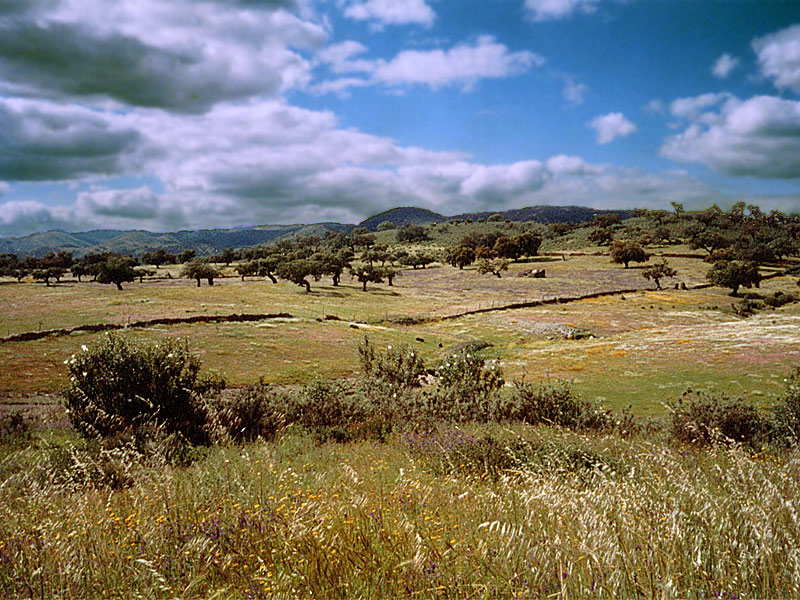
2,425 records
2,154 records

2,094 records
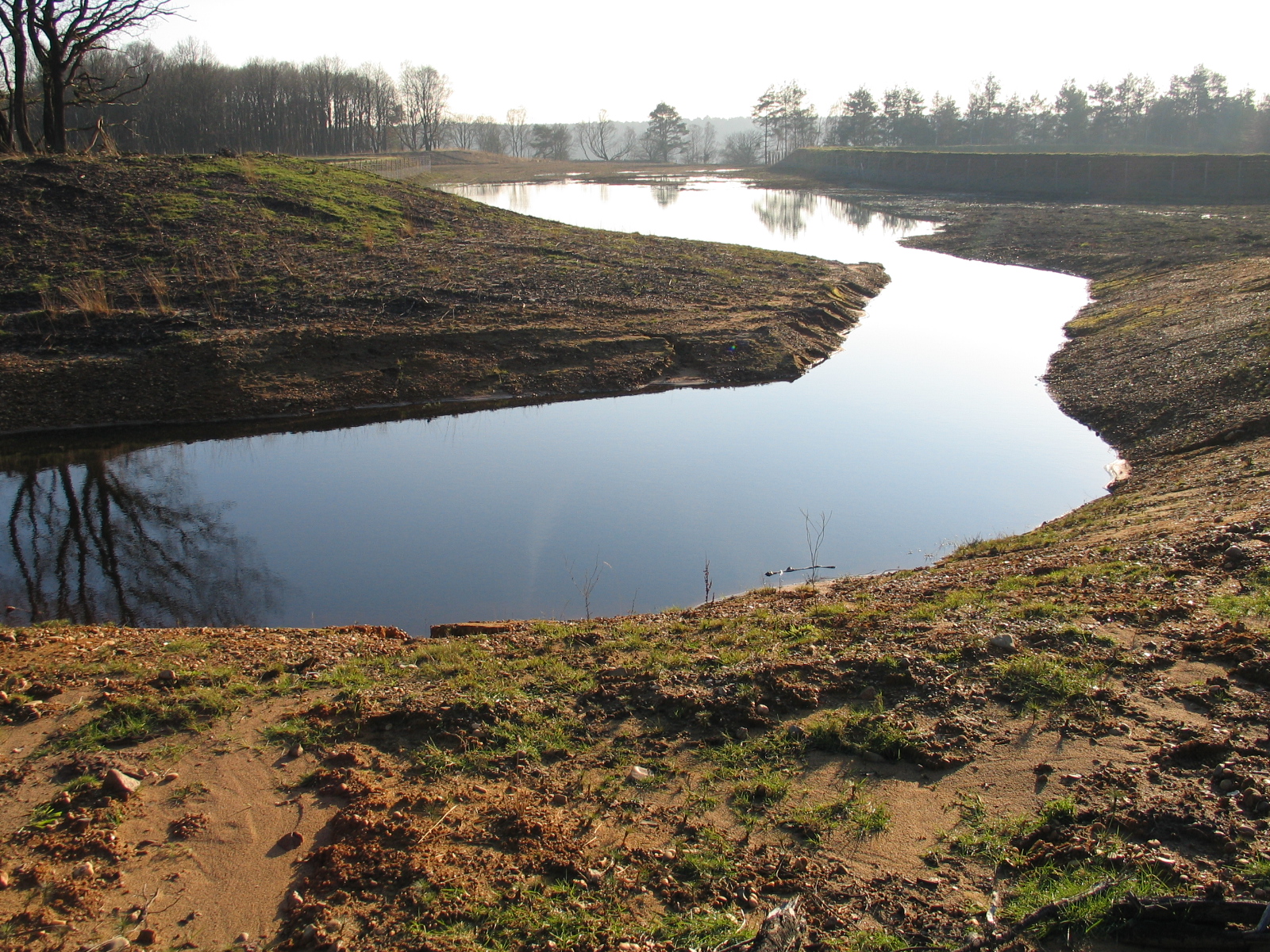
2,070 records

2,011 records
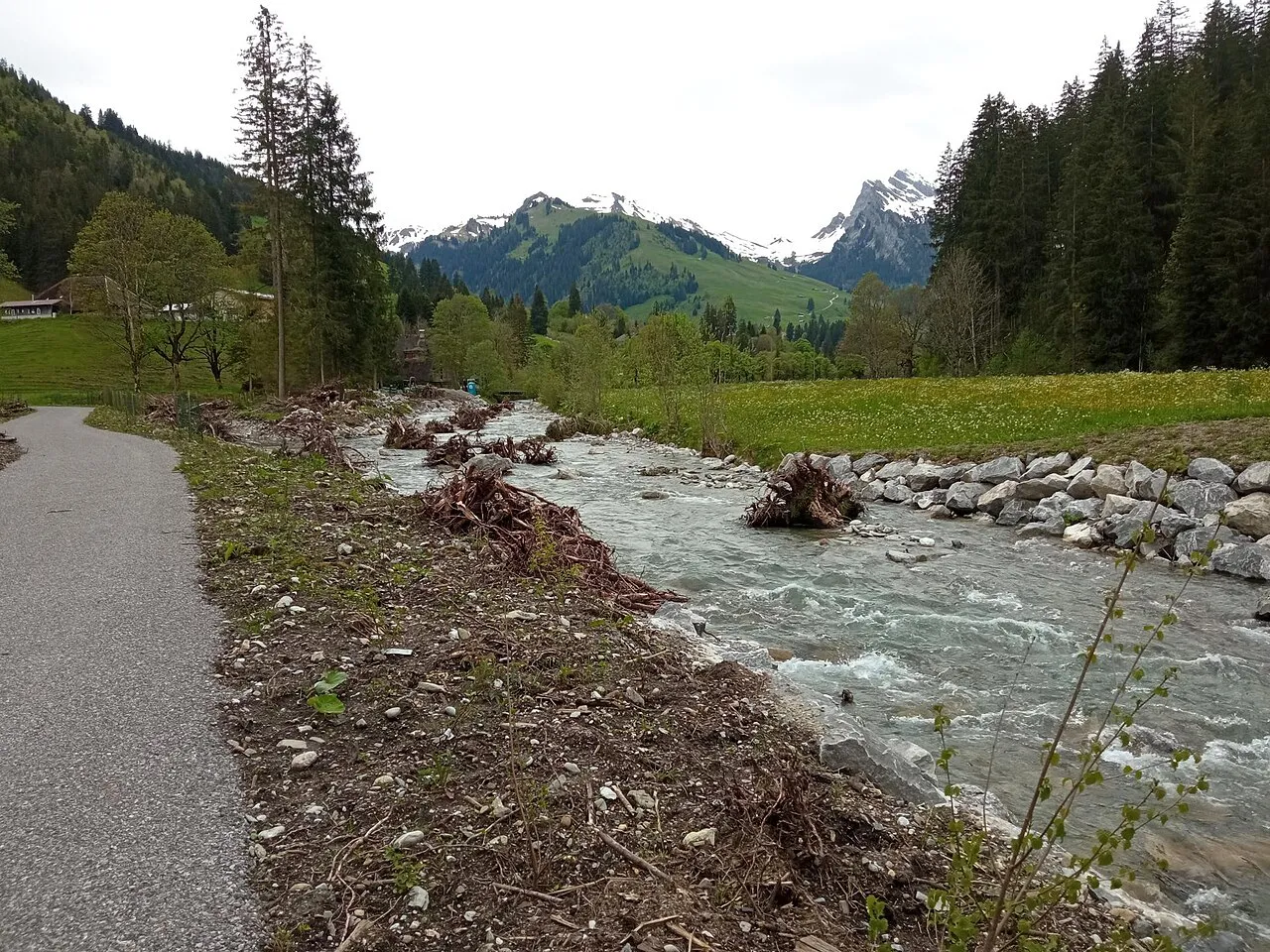
2,001 records
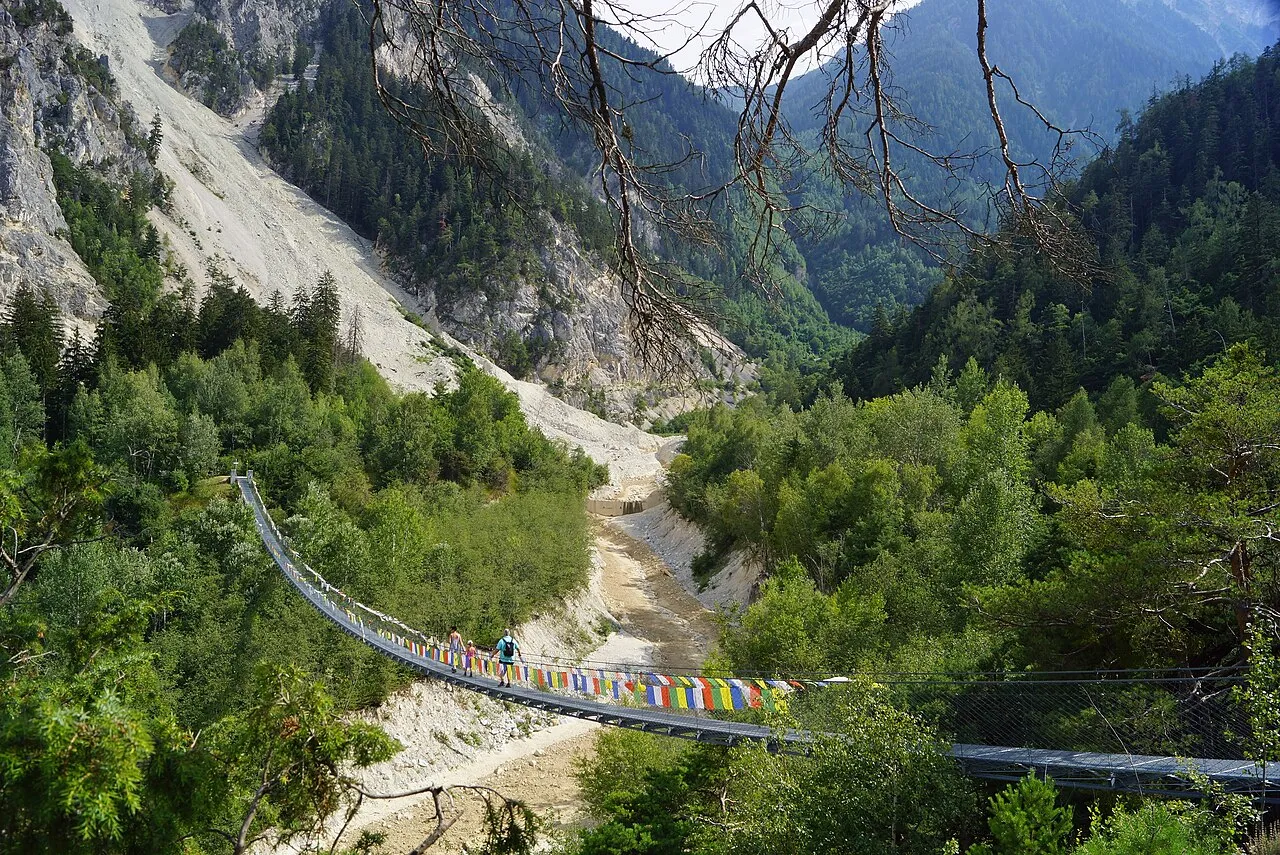
1,569 records
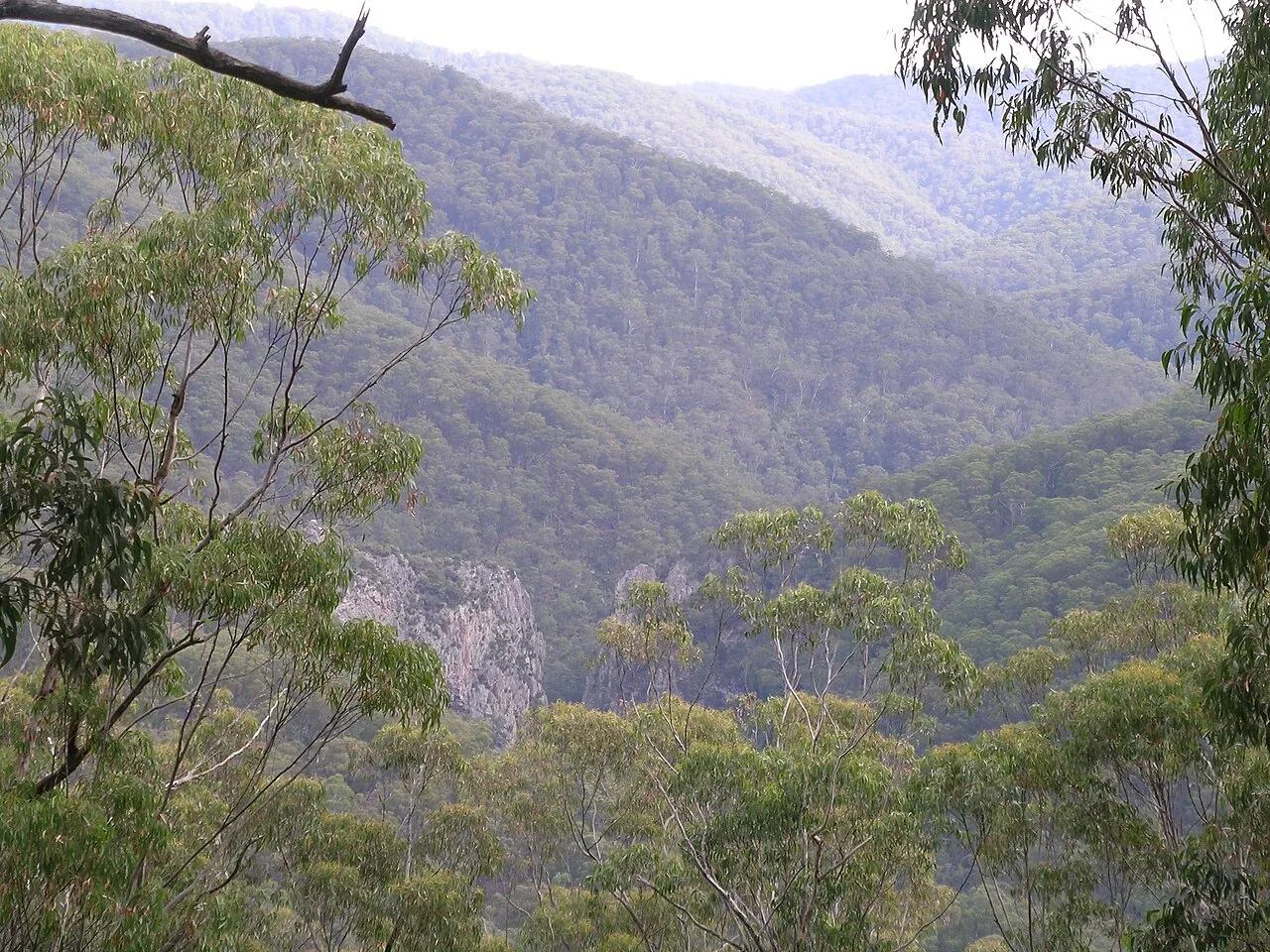
1,495 records
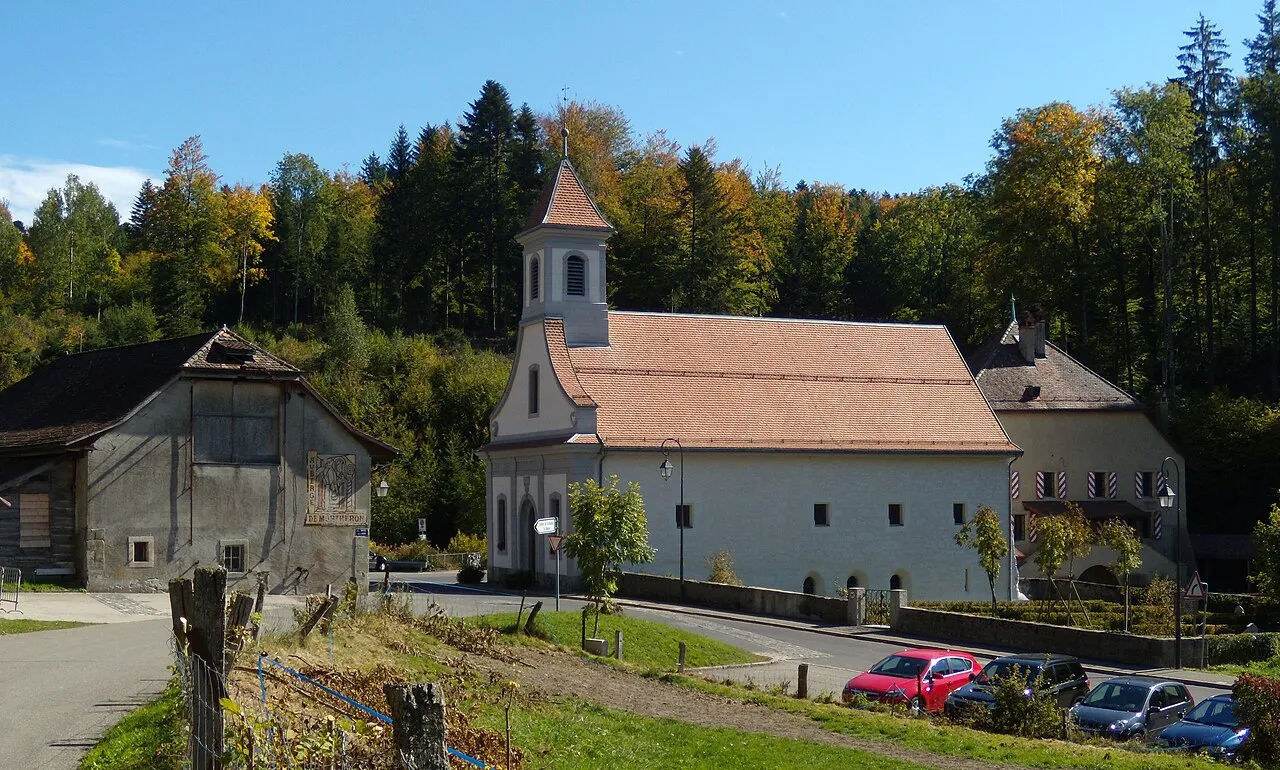
1,279 records
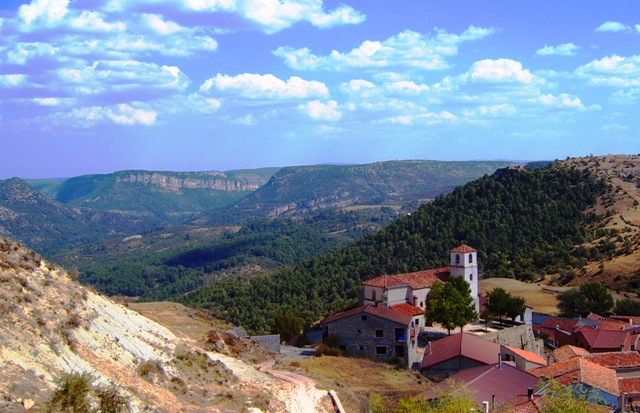
1,169 records
1,078 records
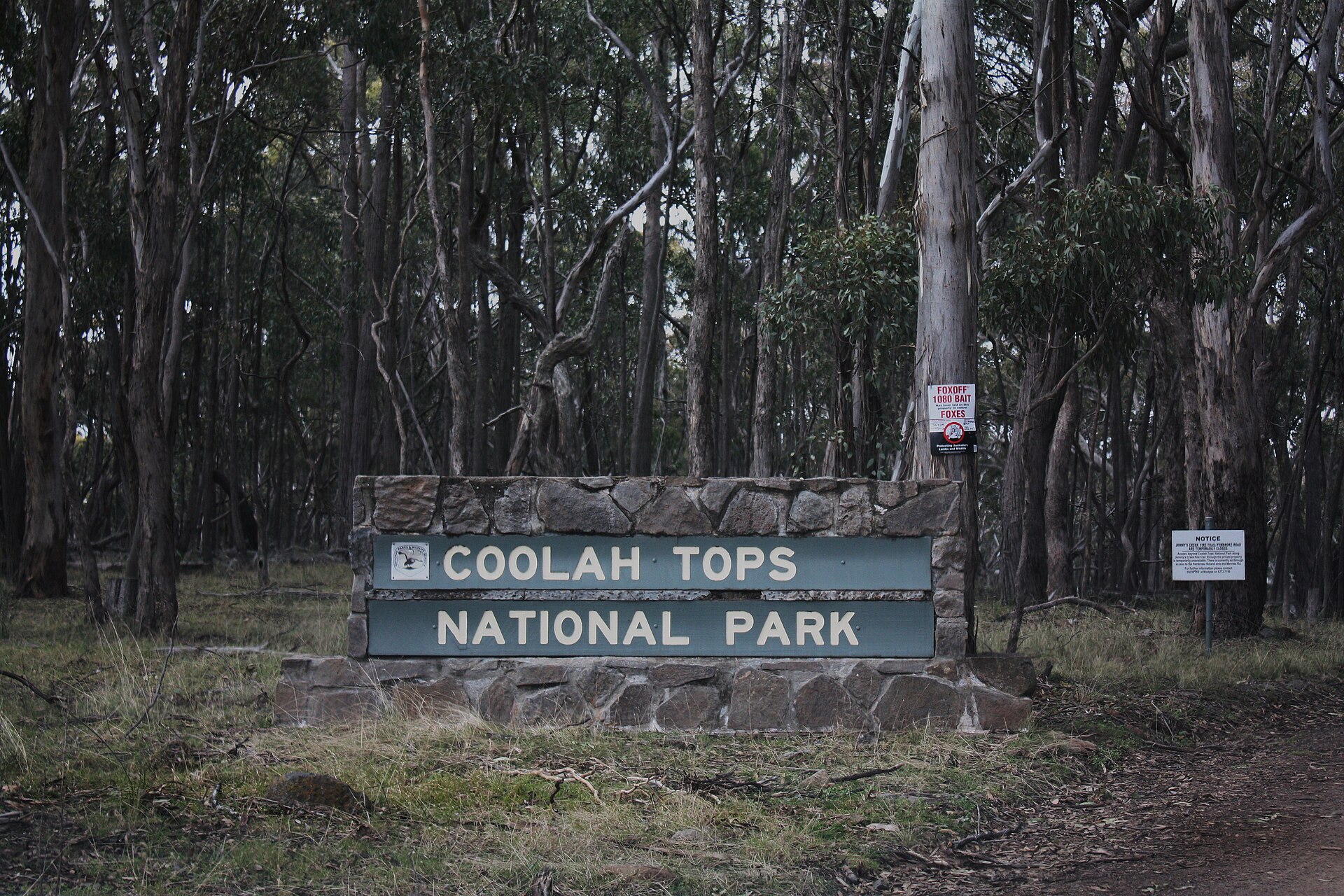
989 records
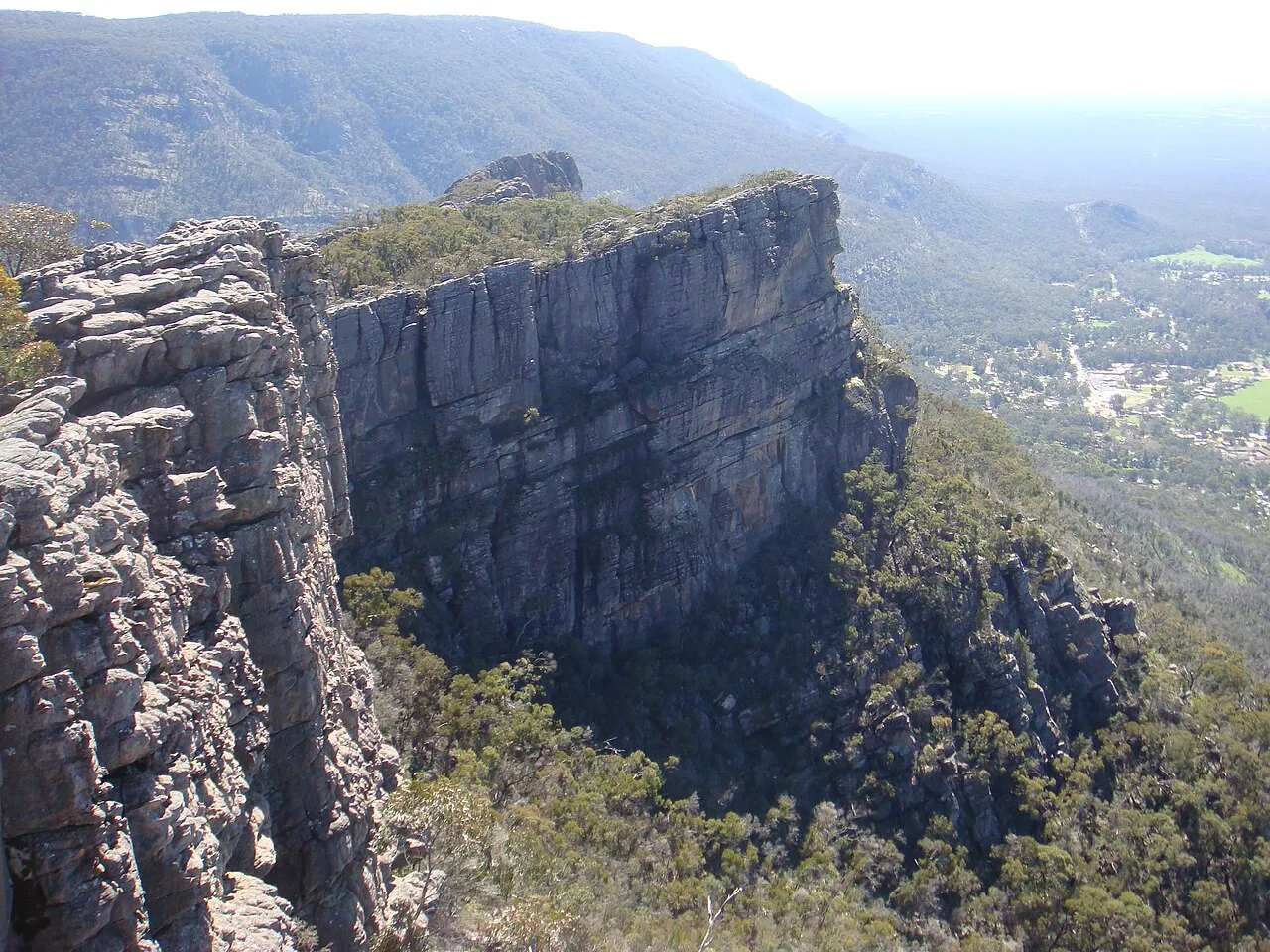
961 records
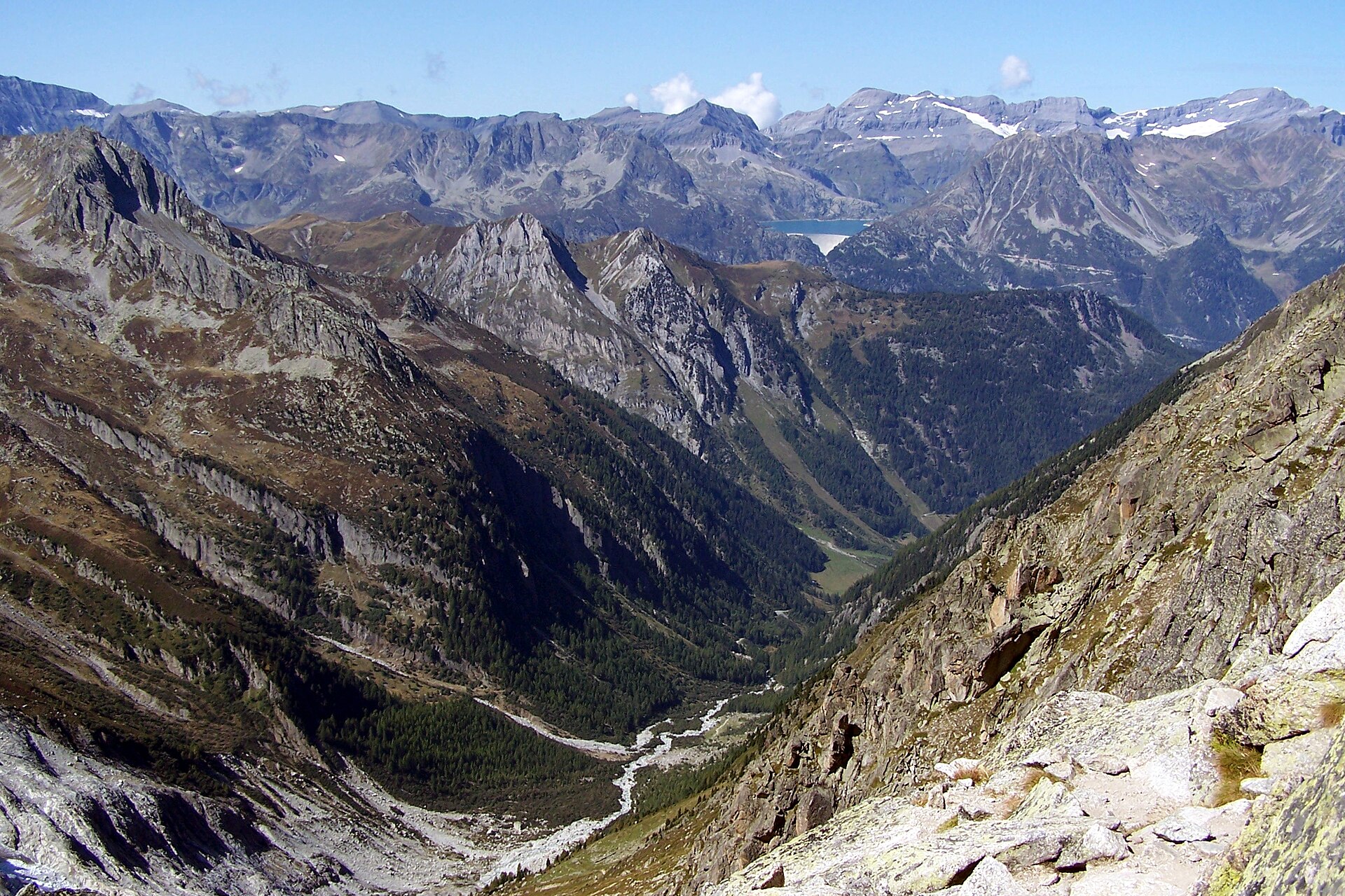
908 records
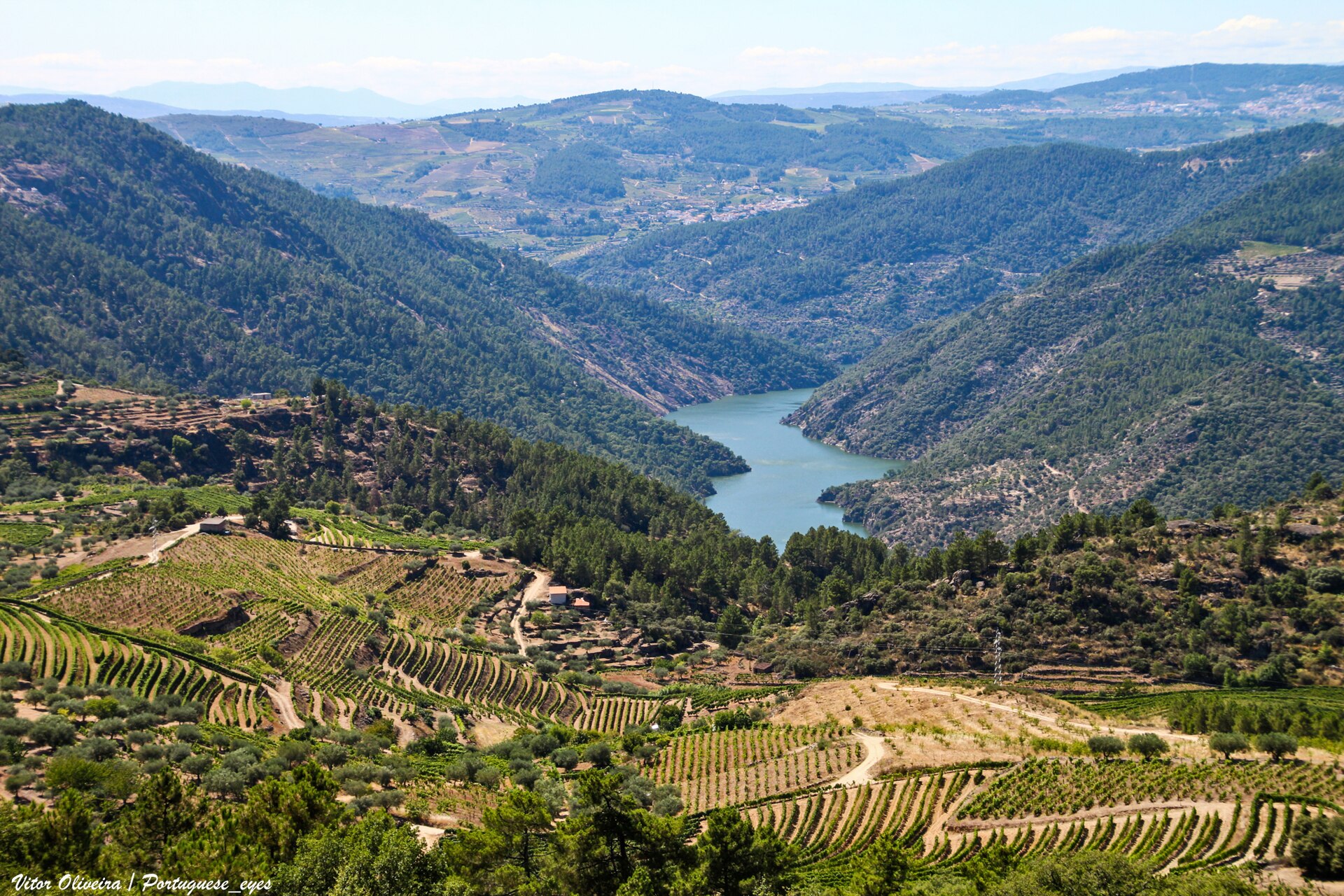
780 records
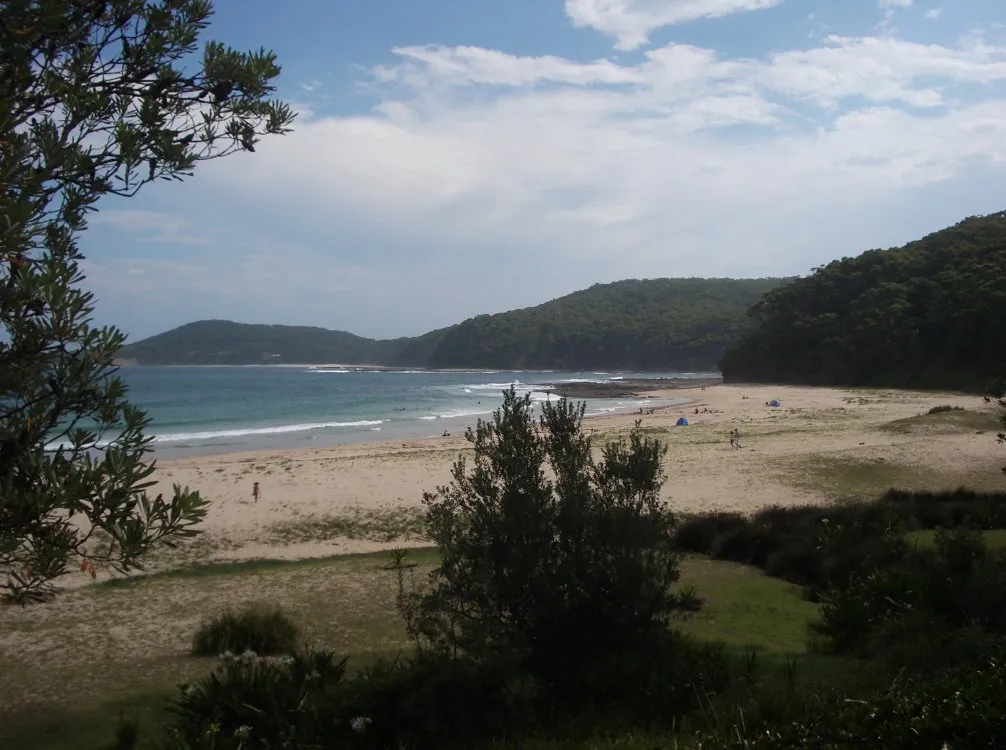
715 records
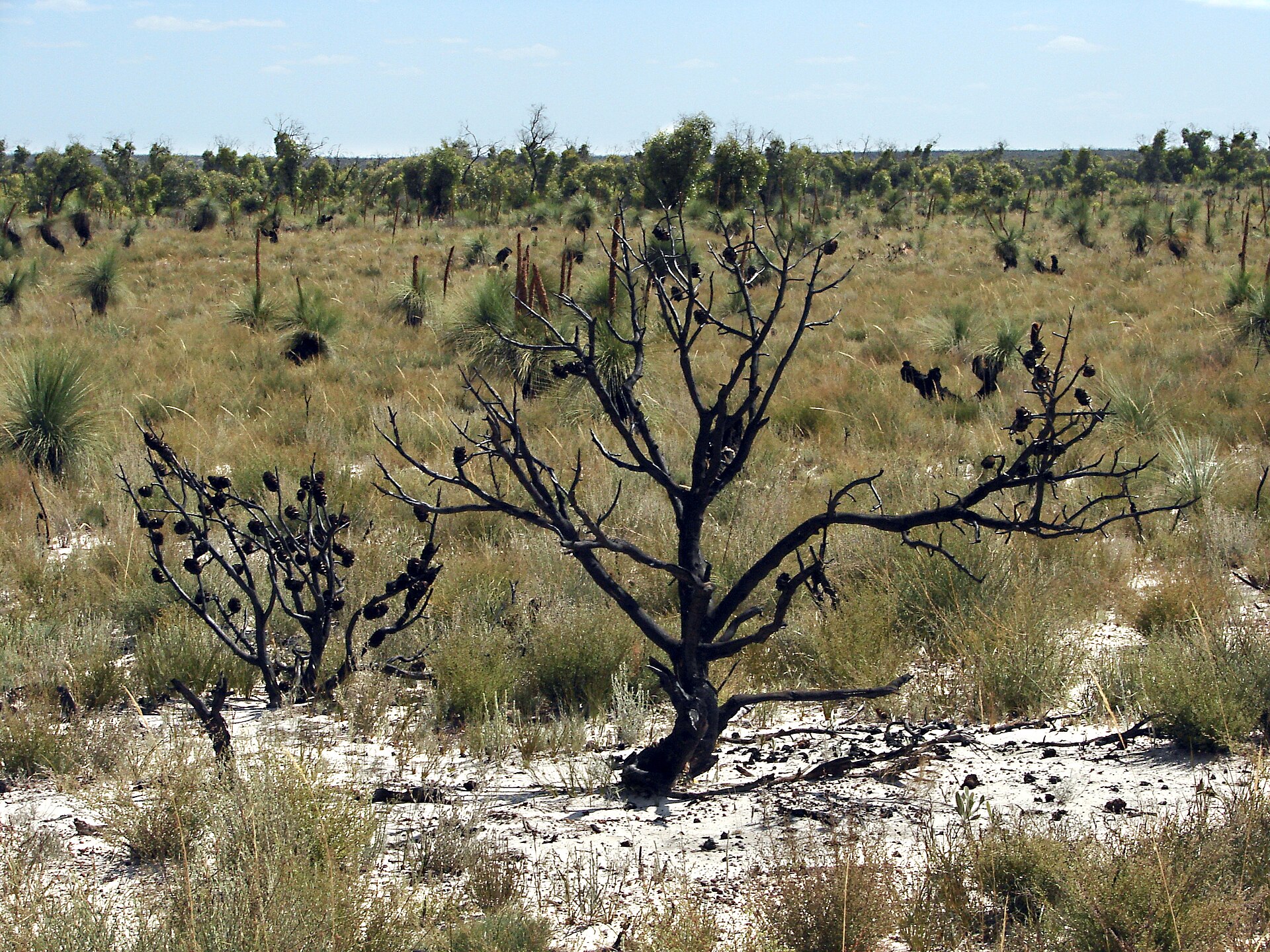
712 records

700 records
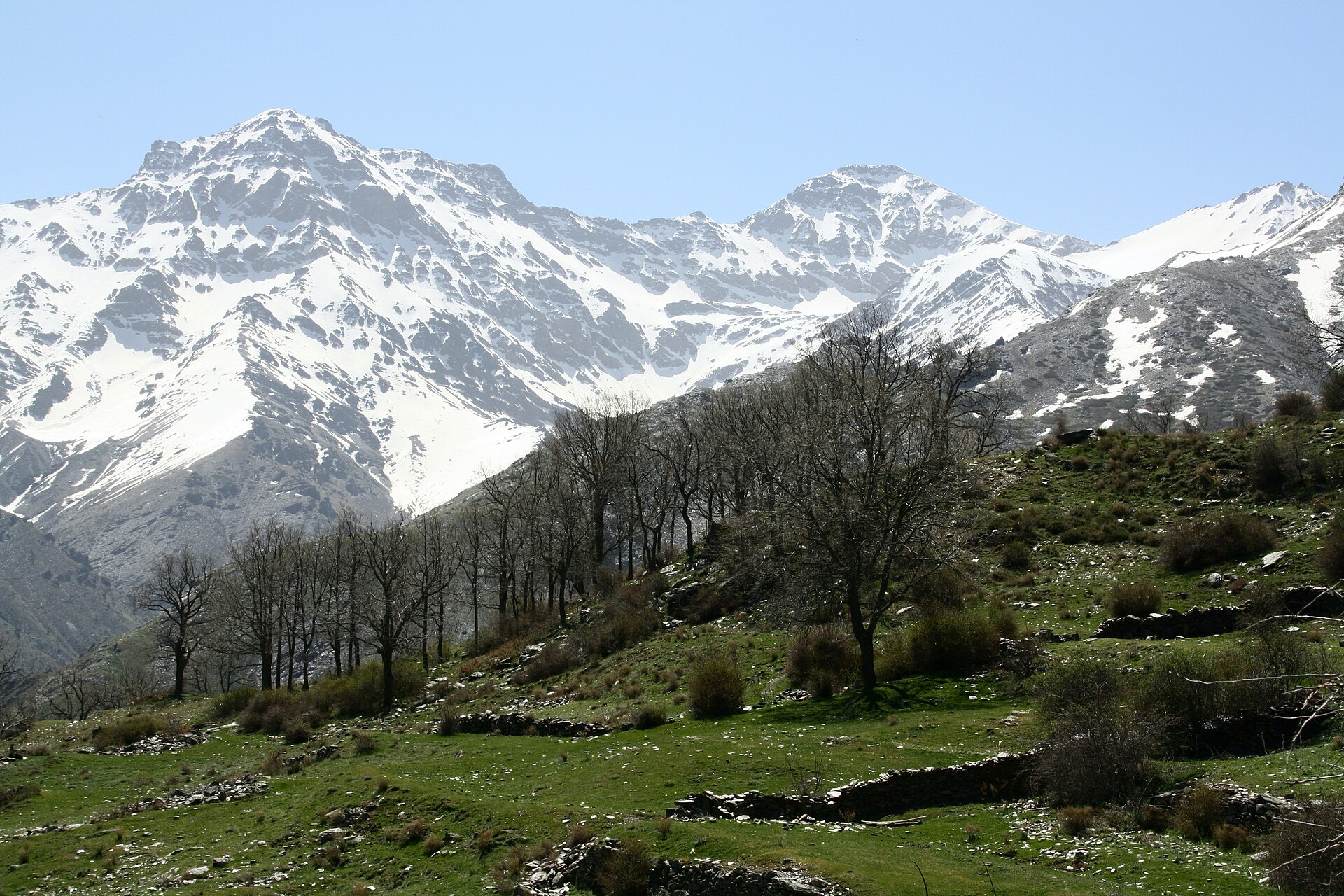
693 records
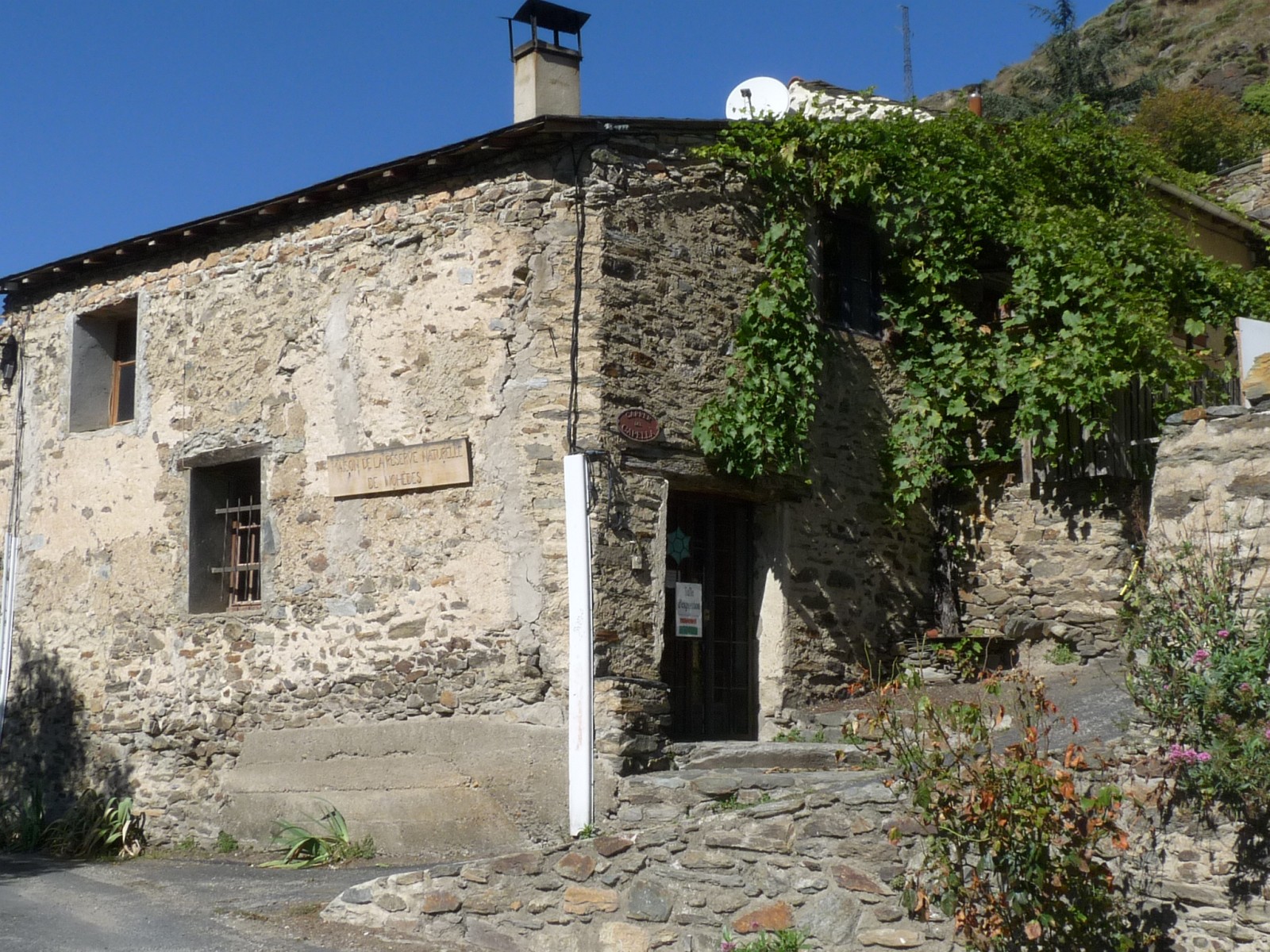
674 records
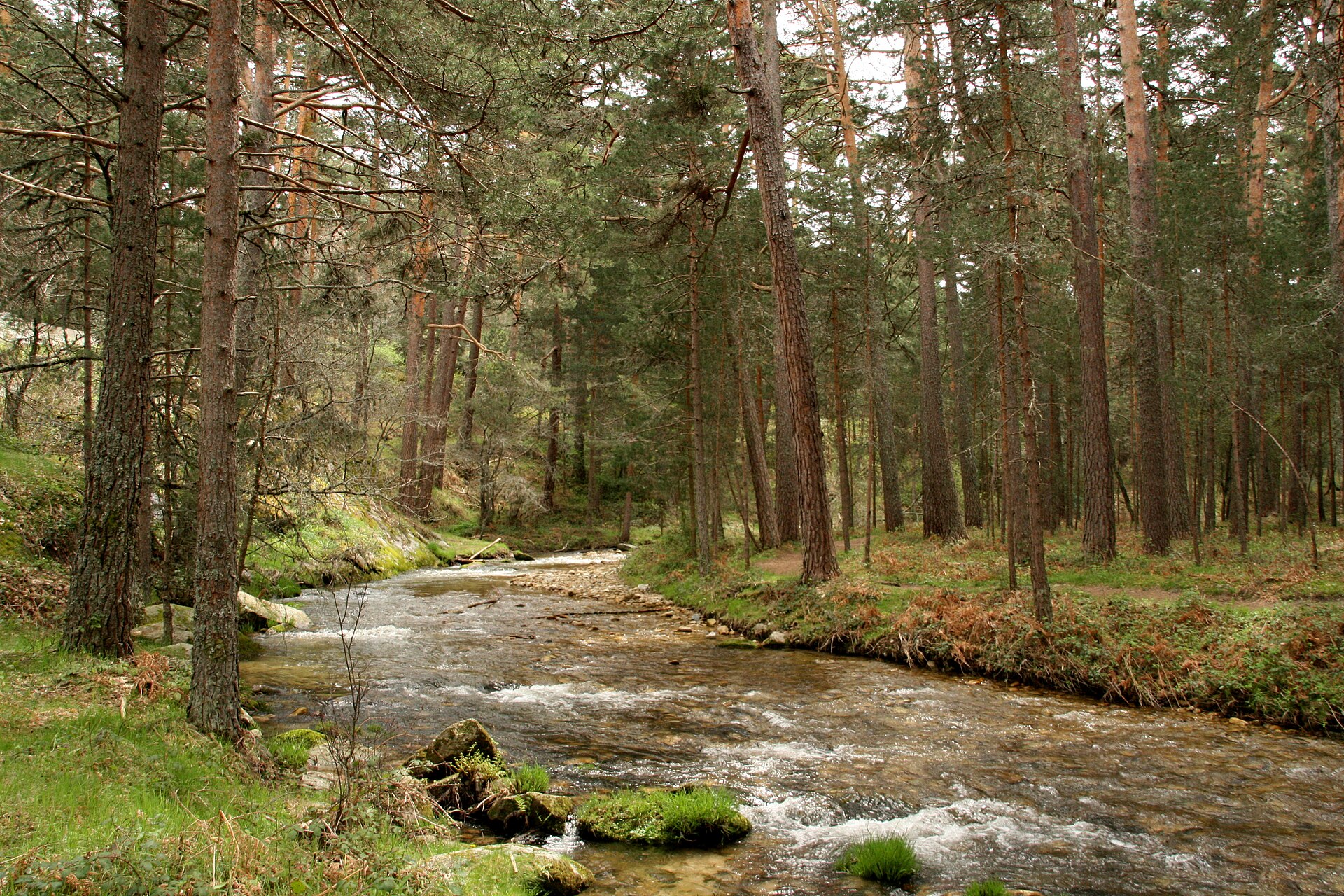
609 records
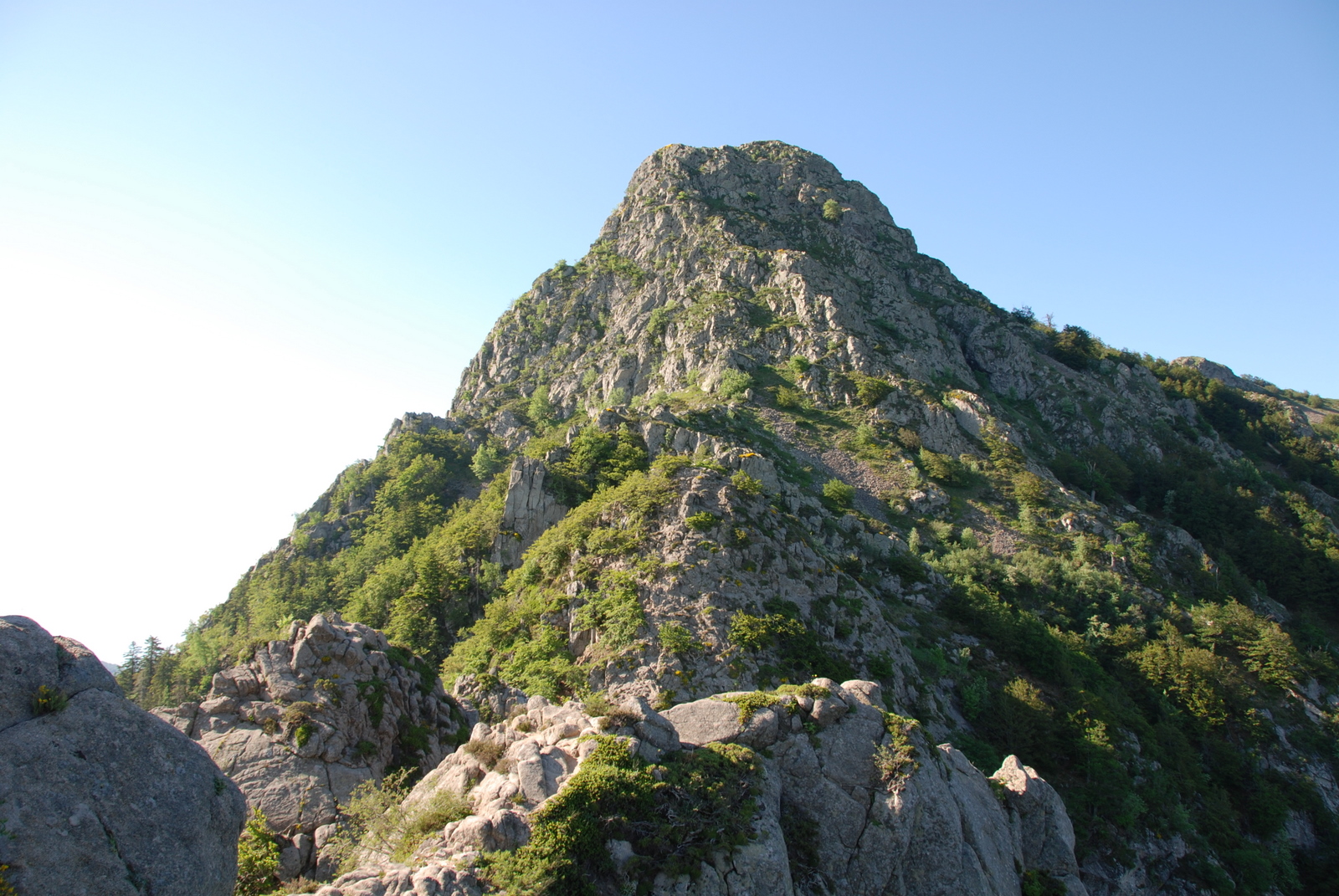
595 records
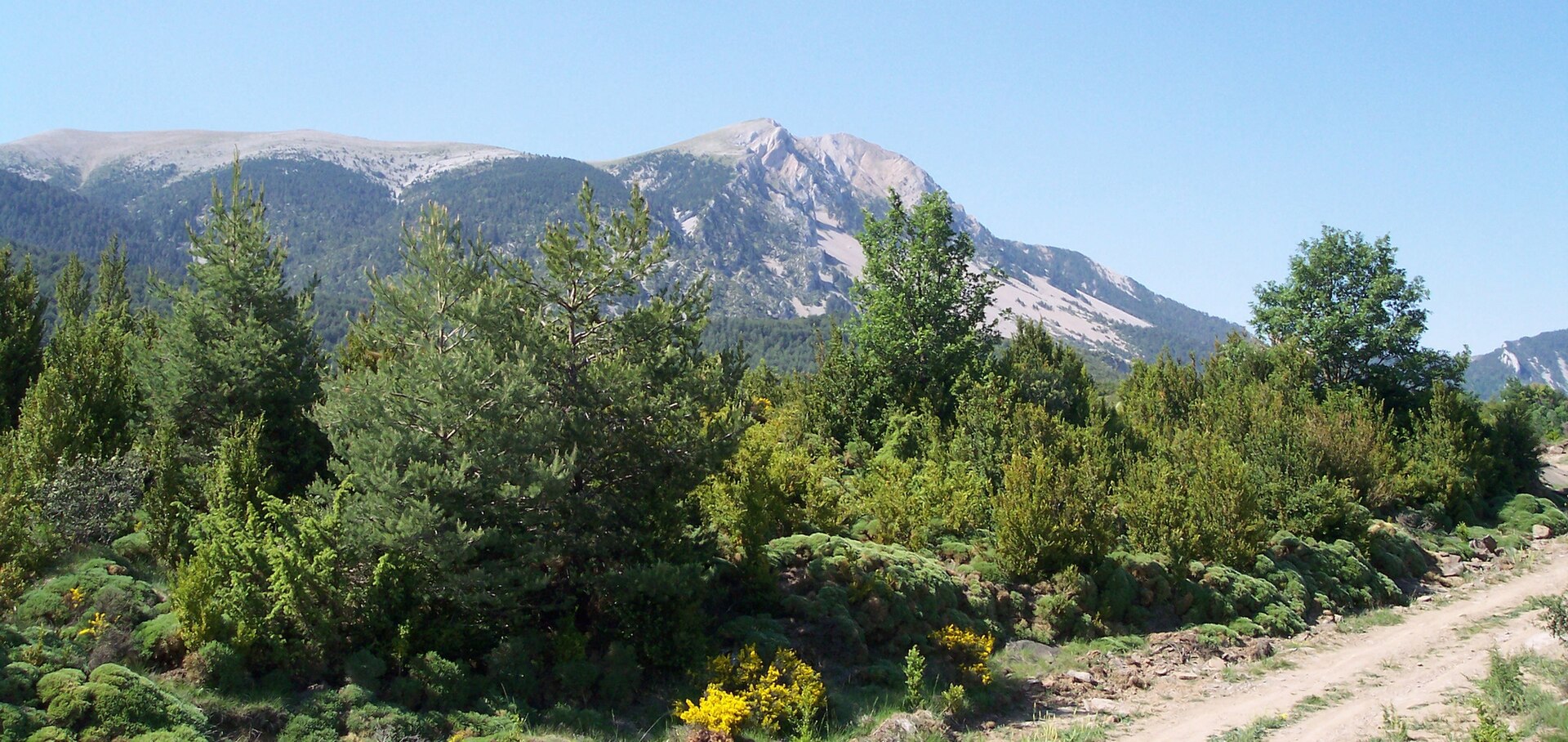
528 records
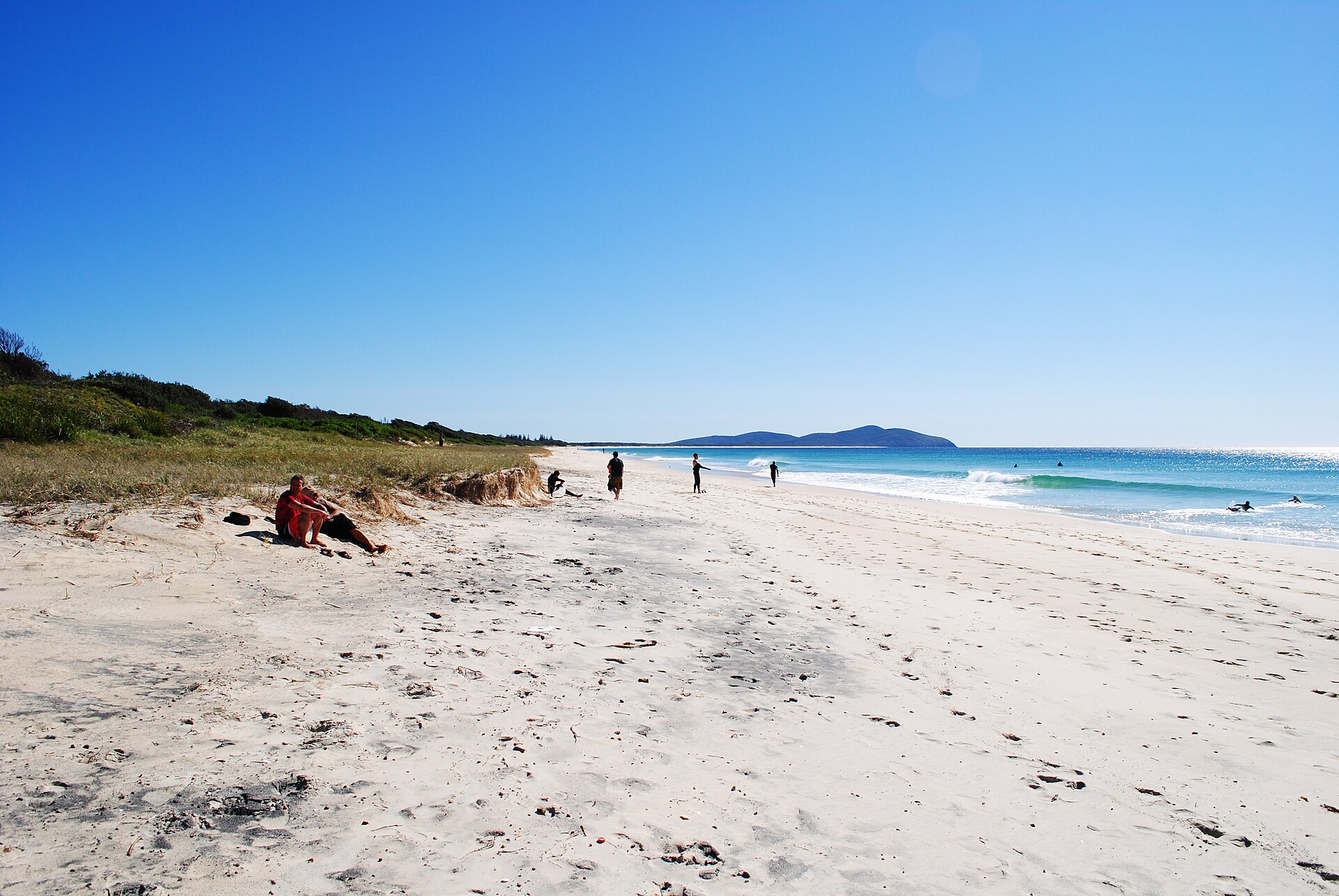
520 records
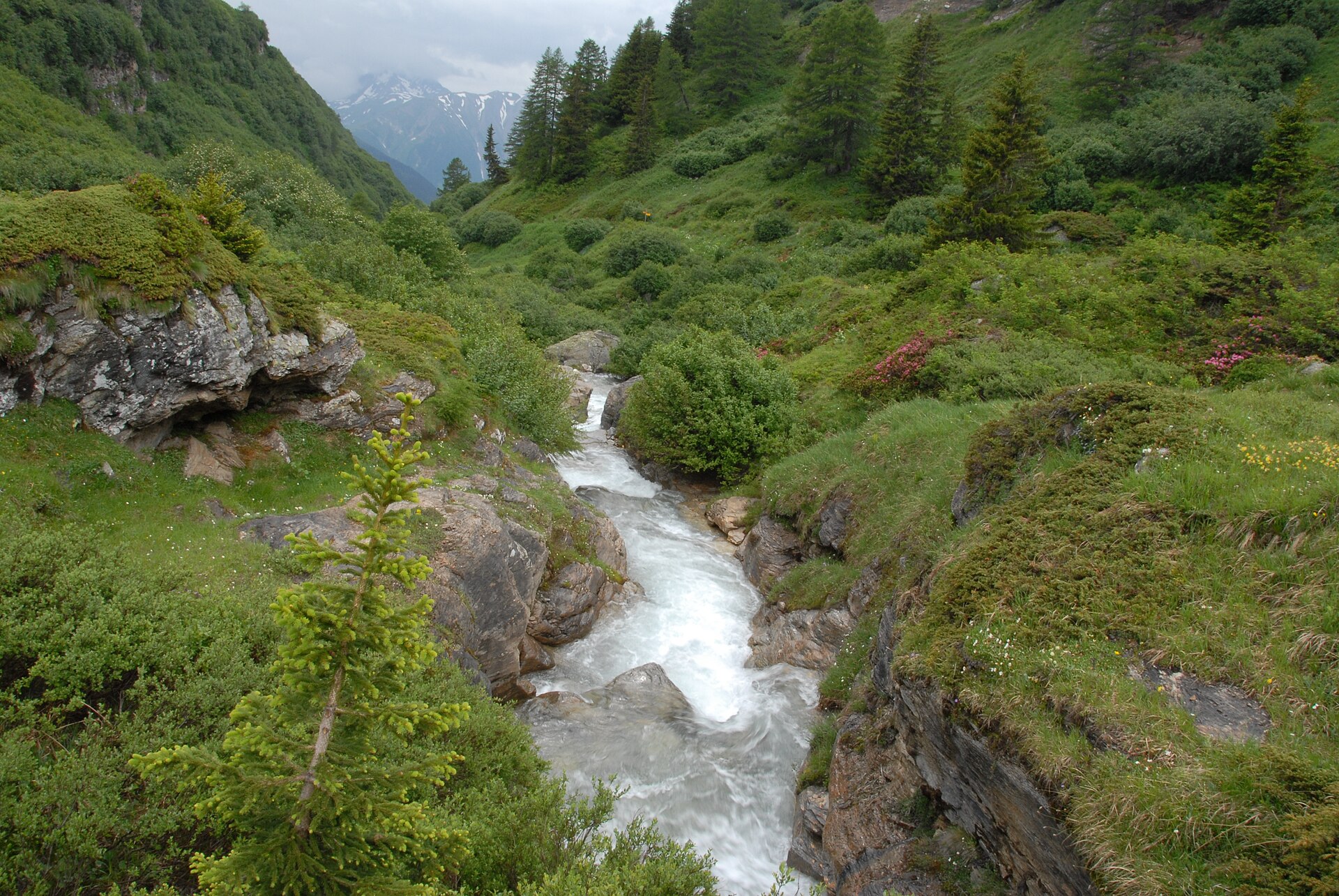
506 records
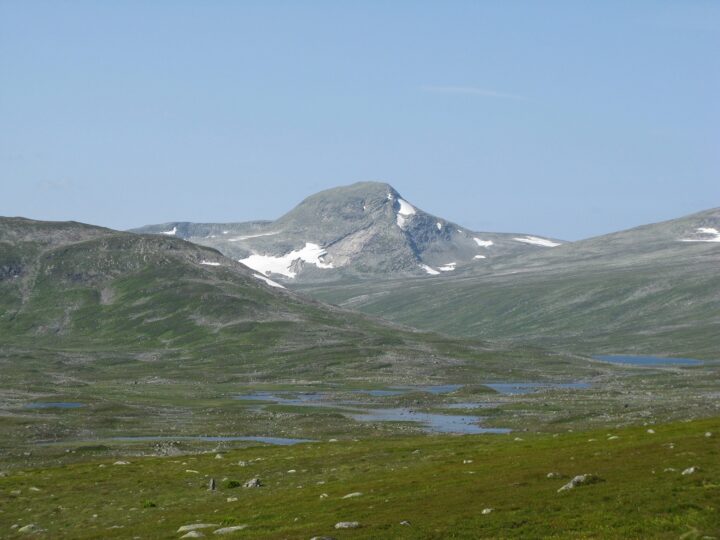
460 records
414 records

399 records
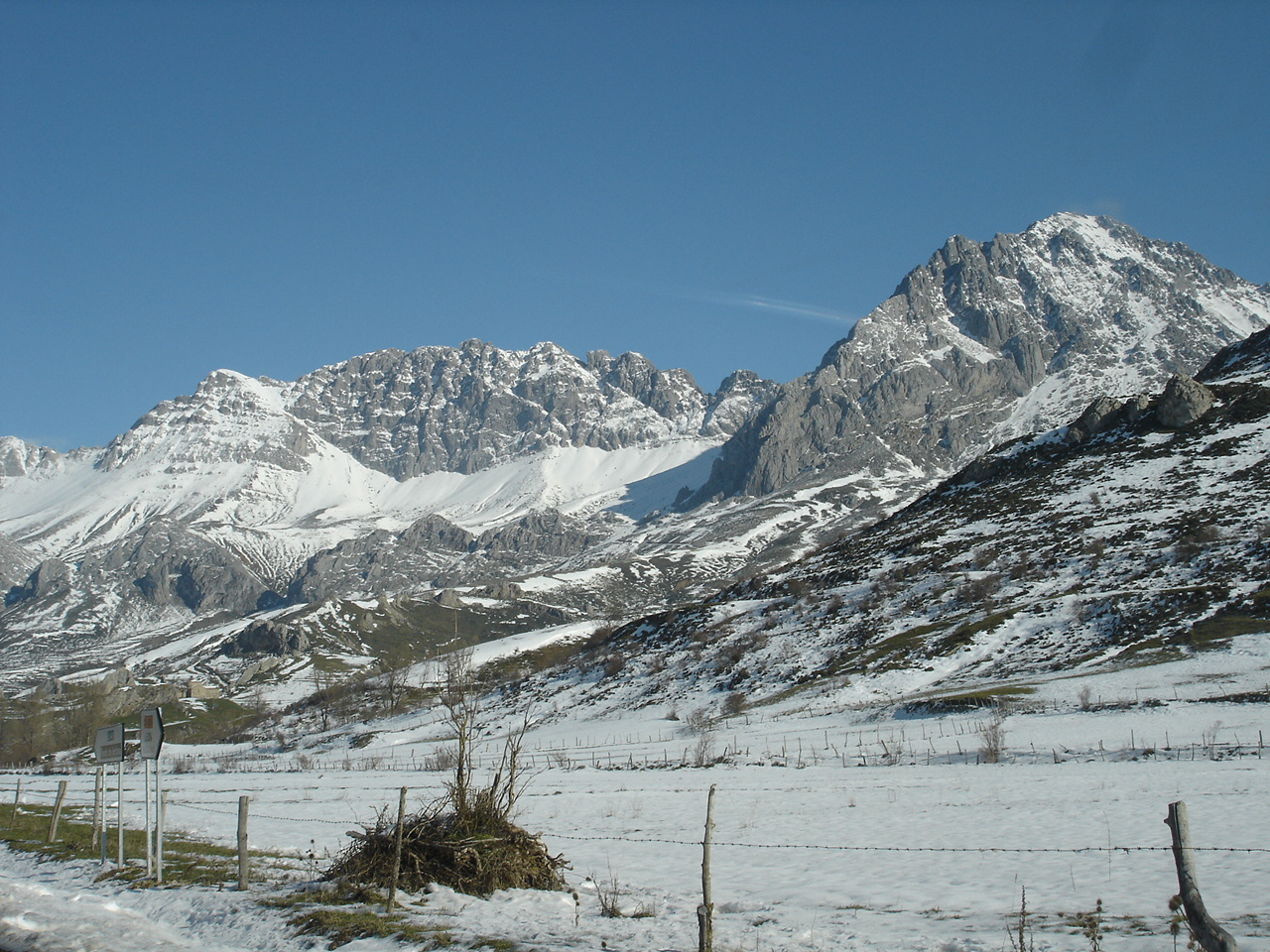
388 records
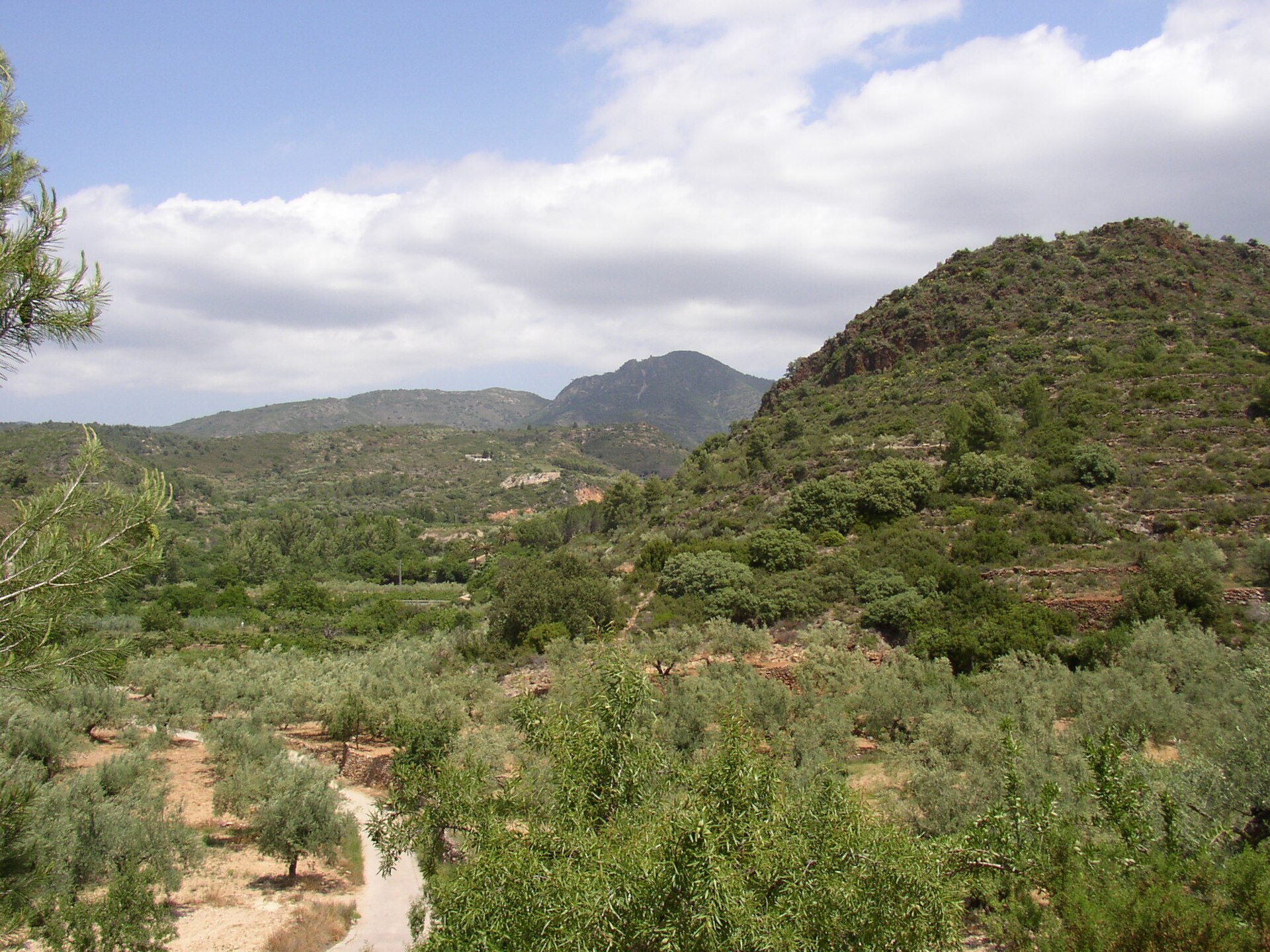
388 records
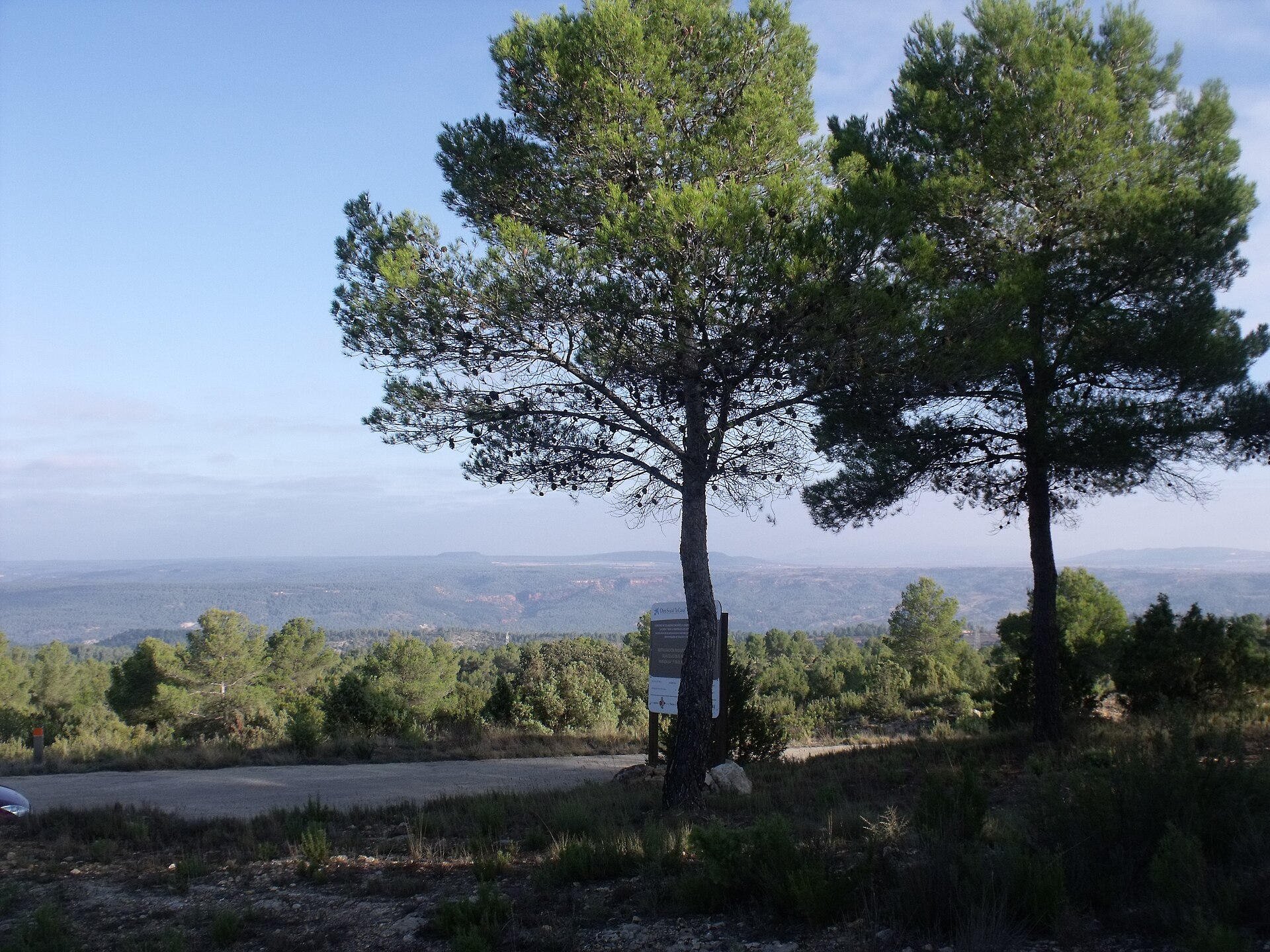
353 records
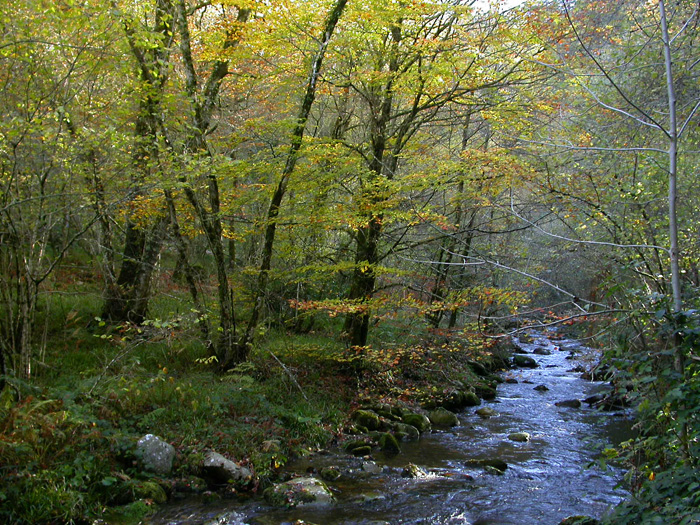
331 records
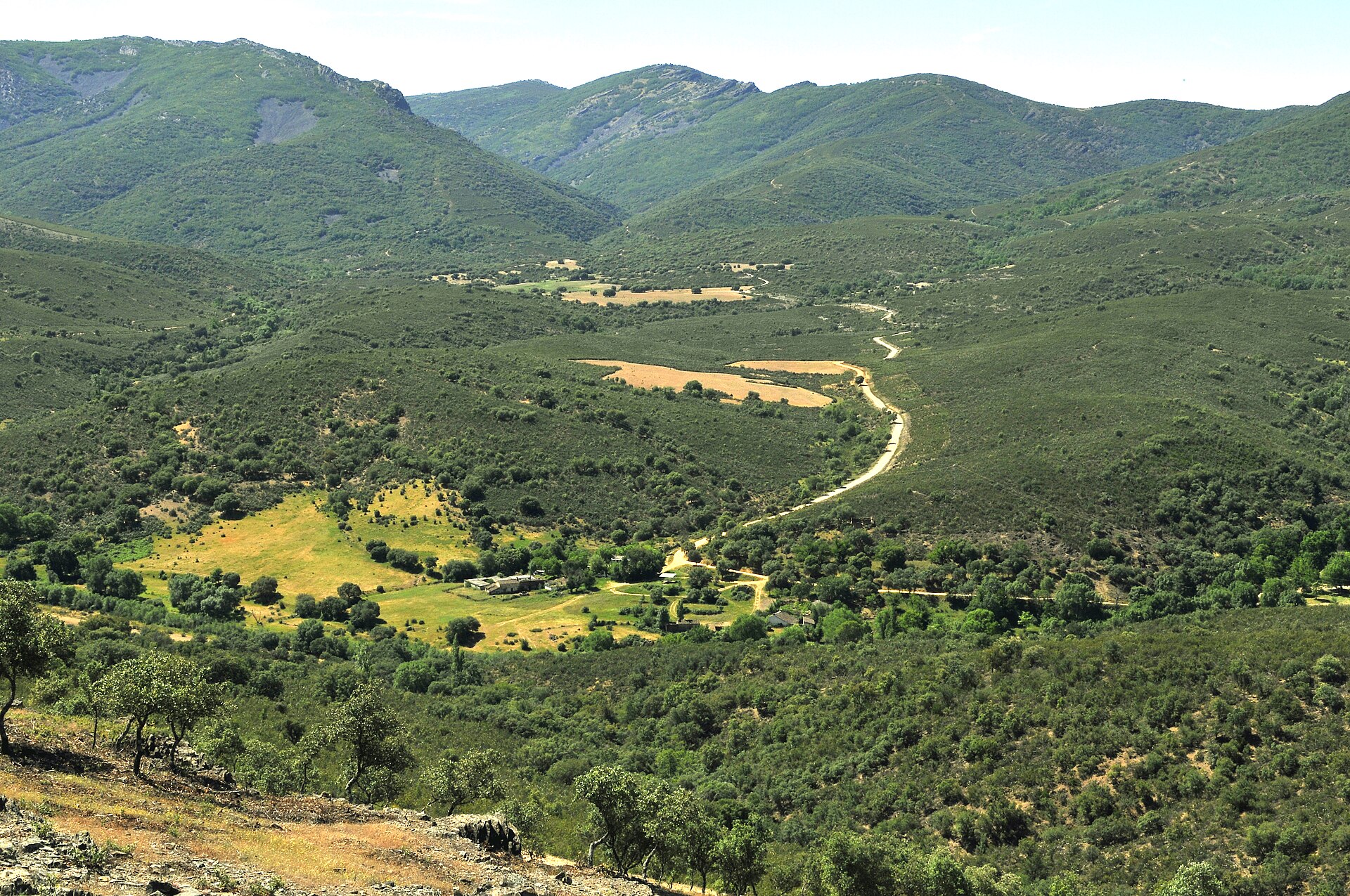
320 records
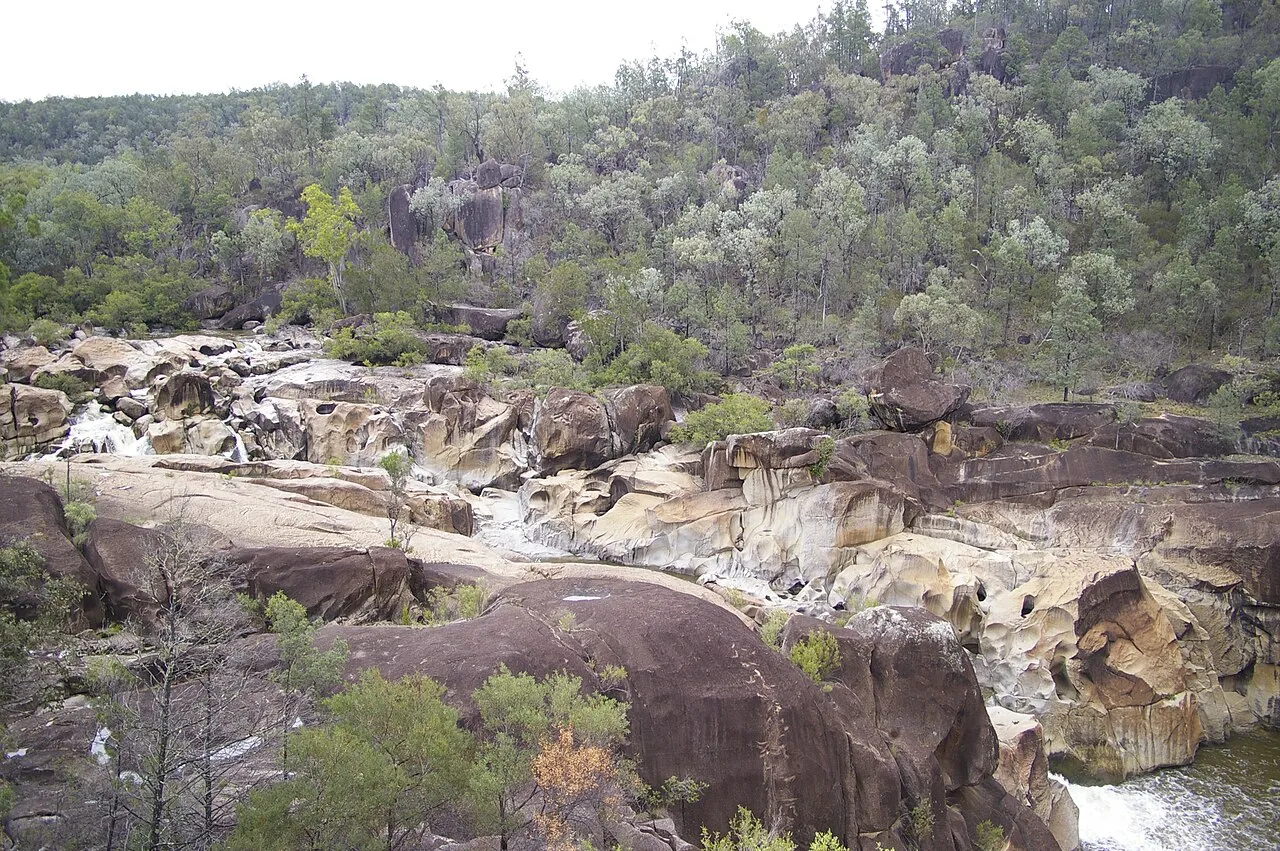
317 records
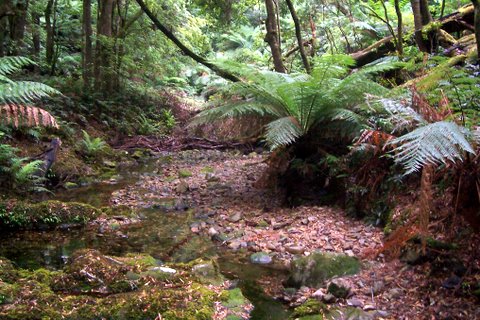
306 records
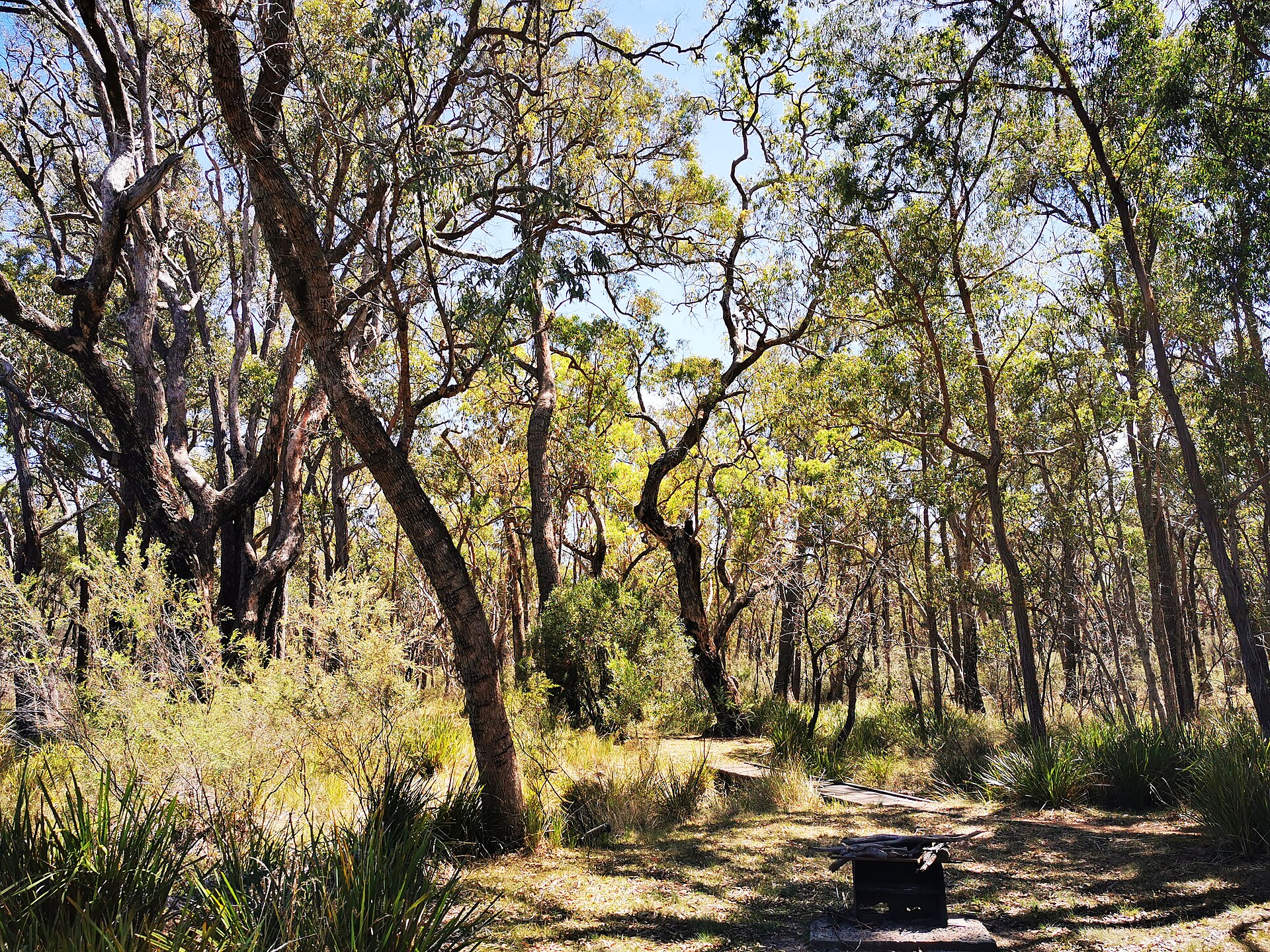
291 records

285 records
285 records
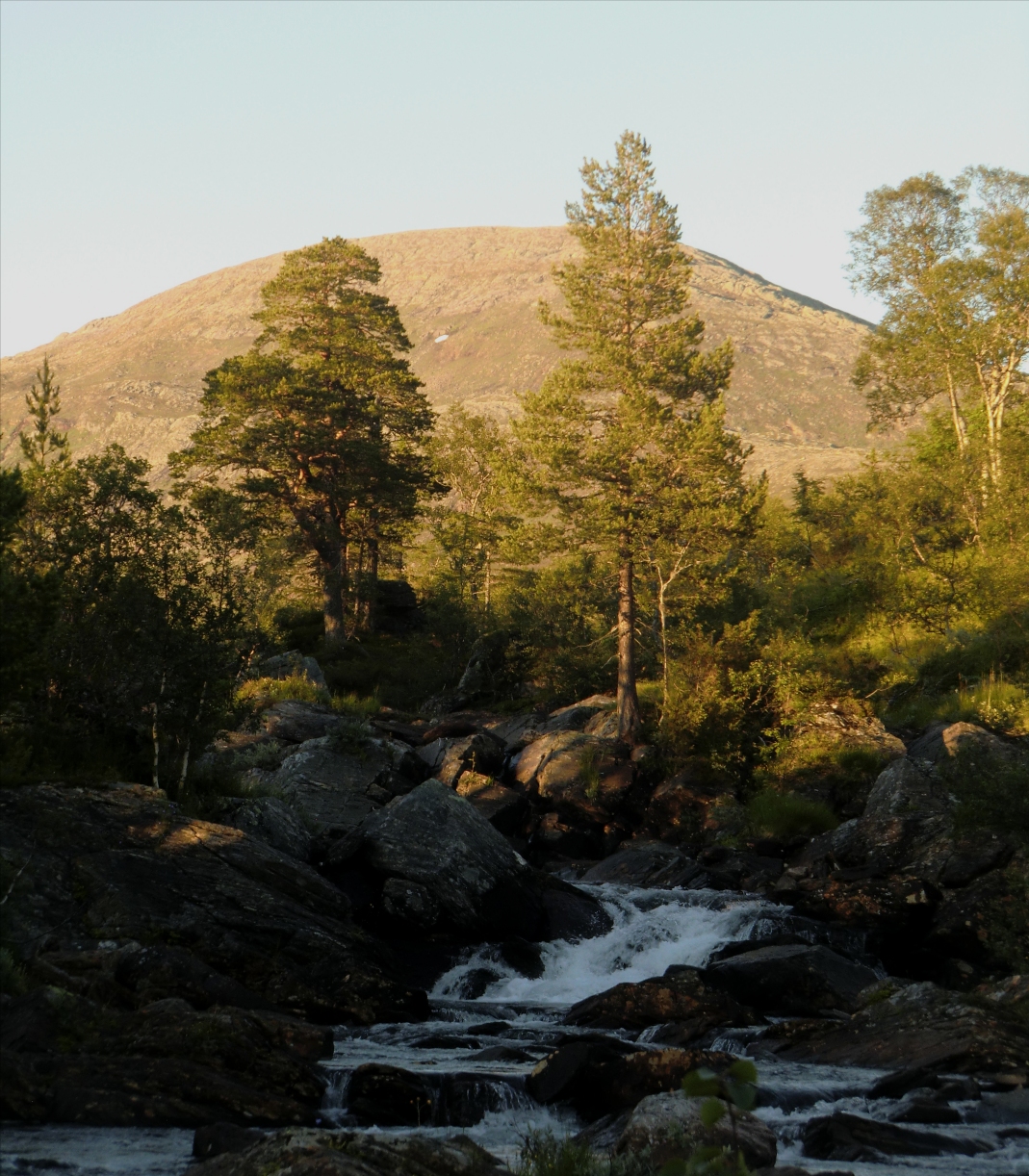
280 records
279 records

247 records
240 records

224 records
217 records
212 records

208 records
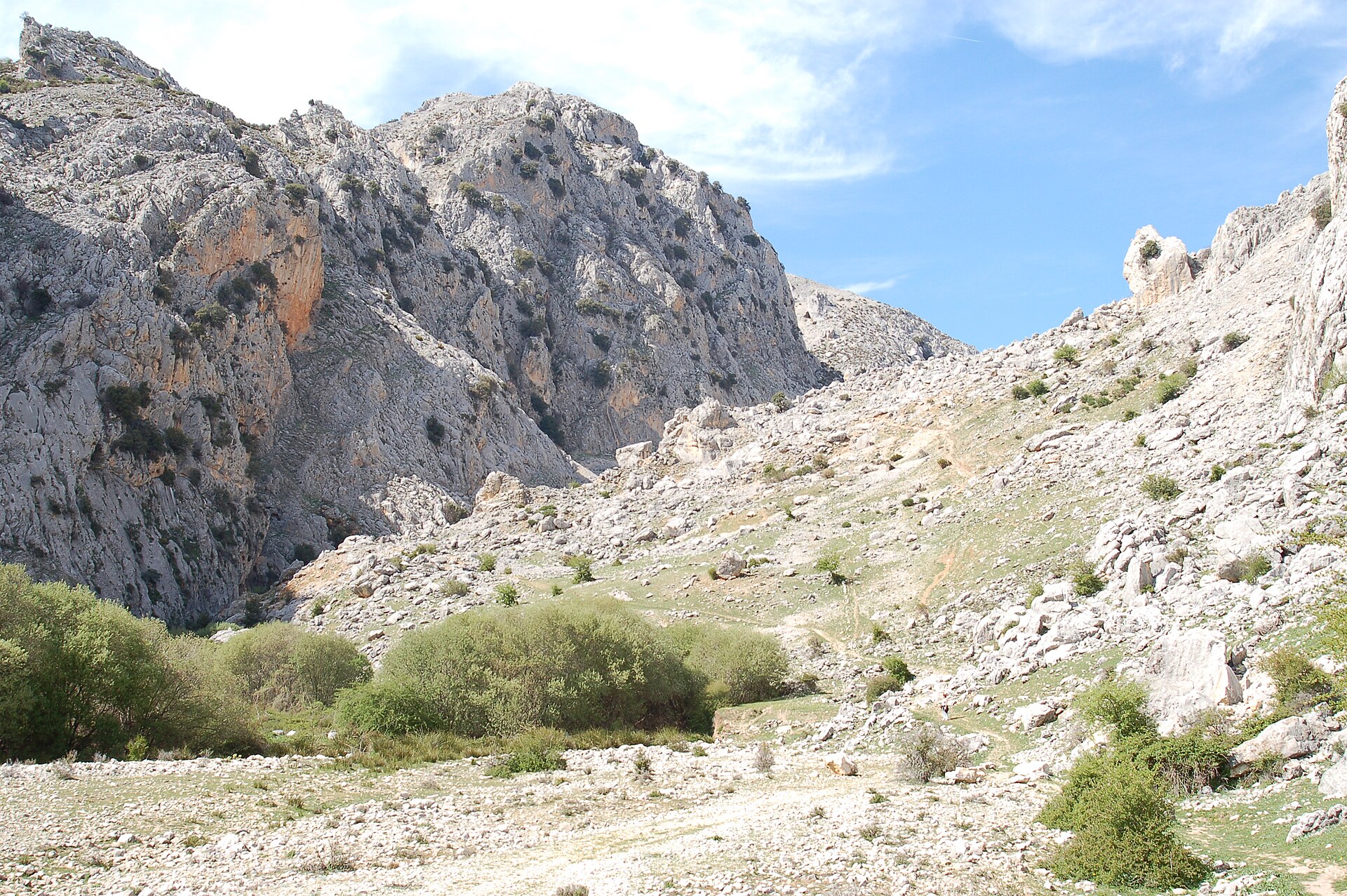
206 records

201 records

192 records
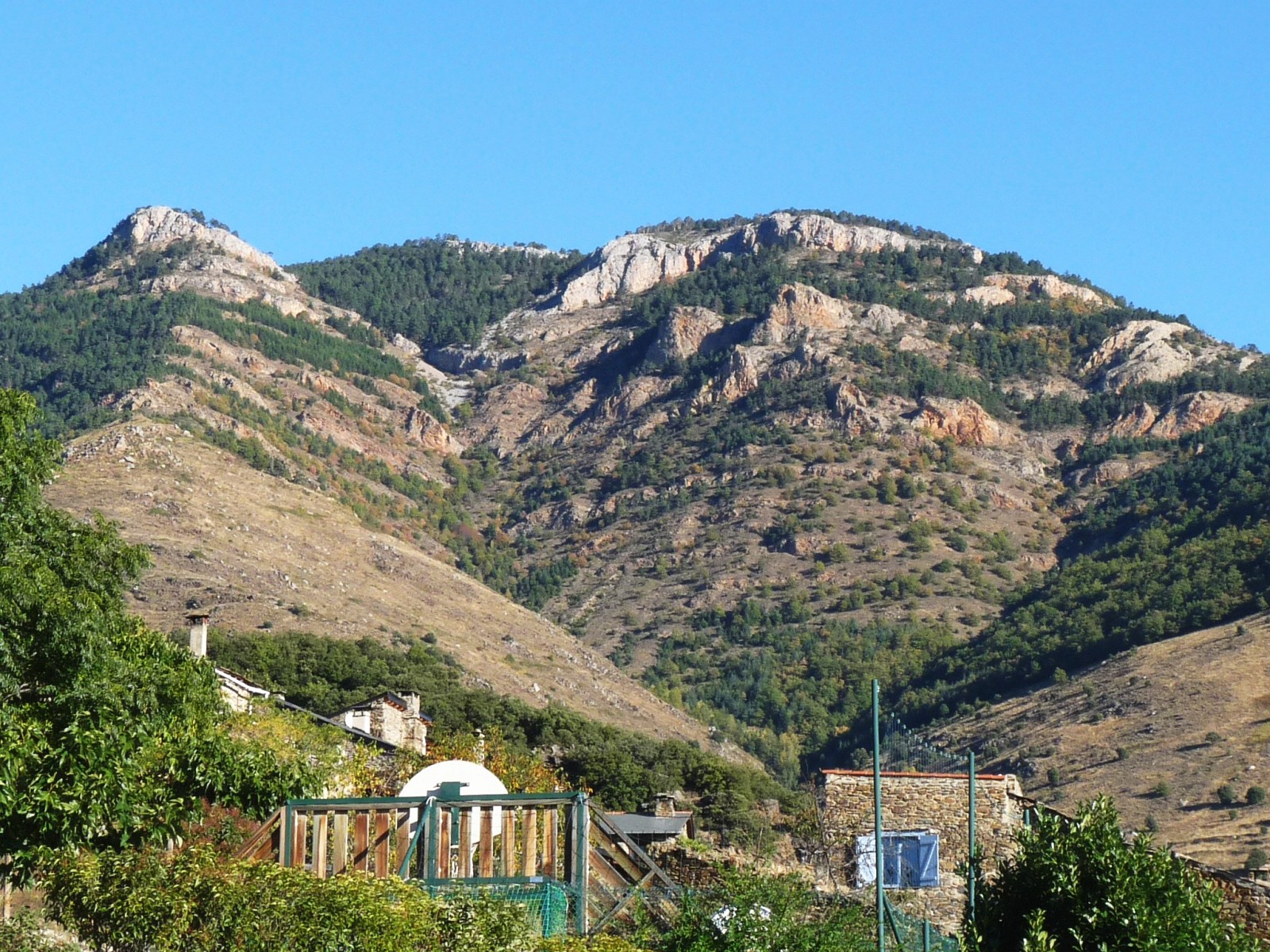
140 records
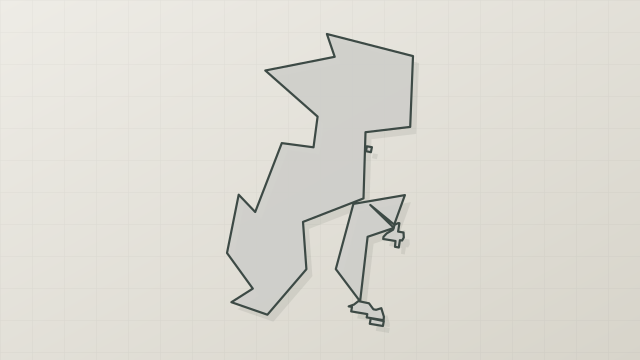
131 records
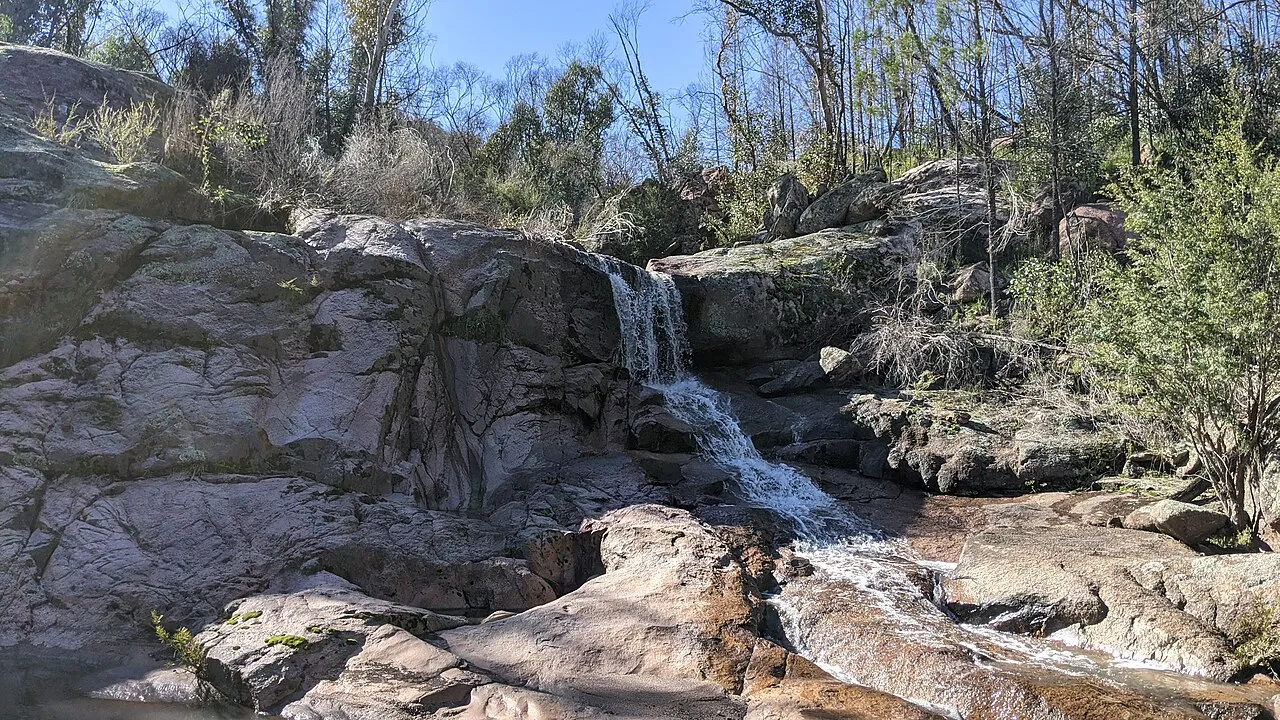
130 records

129 records
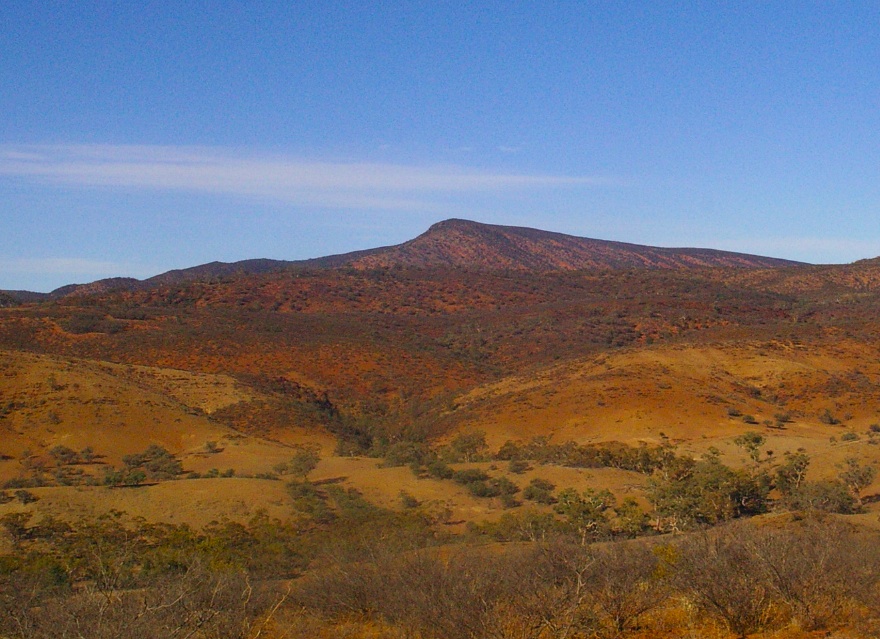
129 records
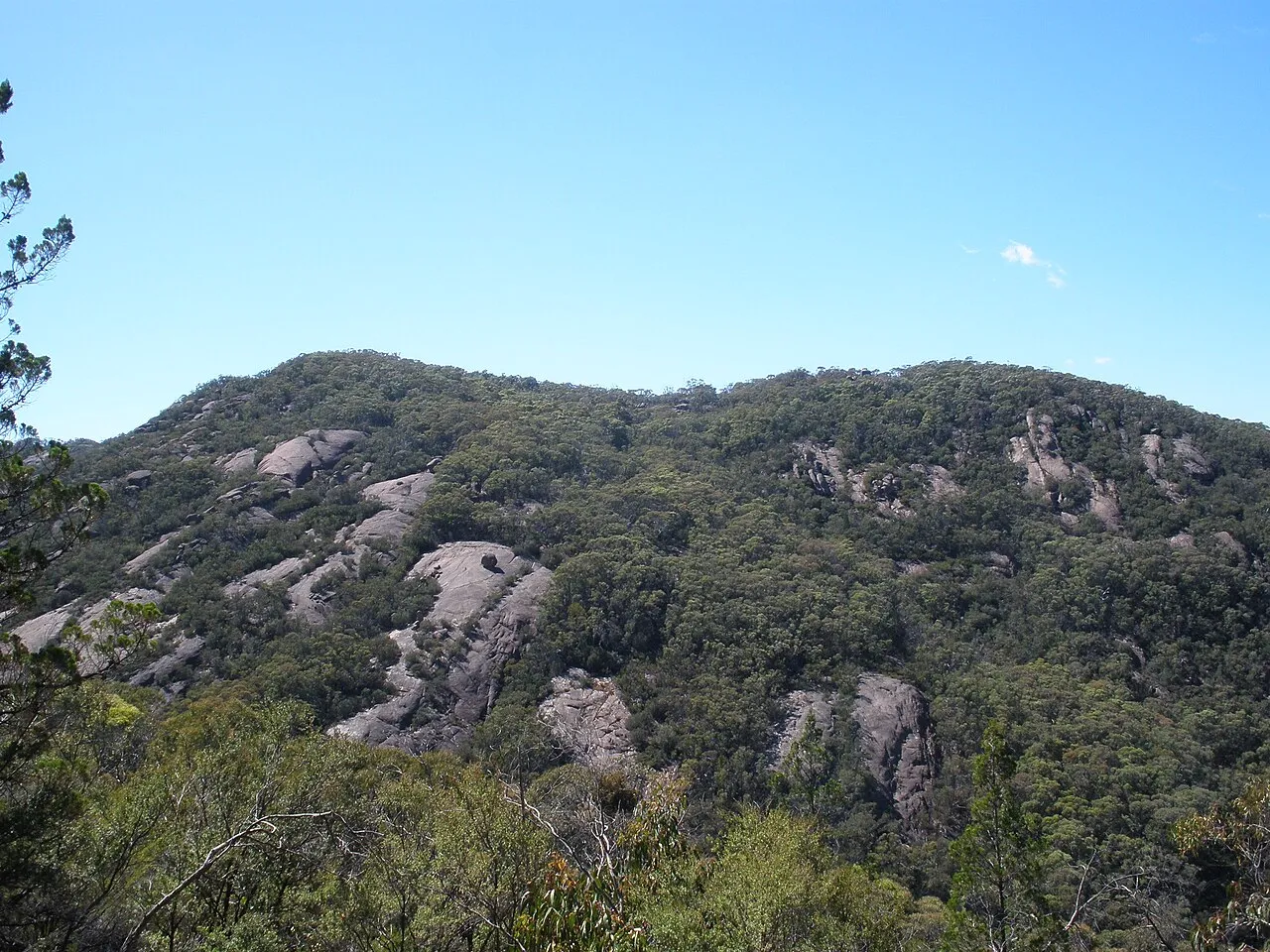
127 records
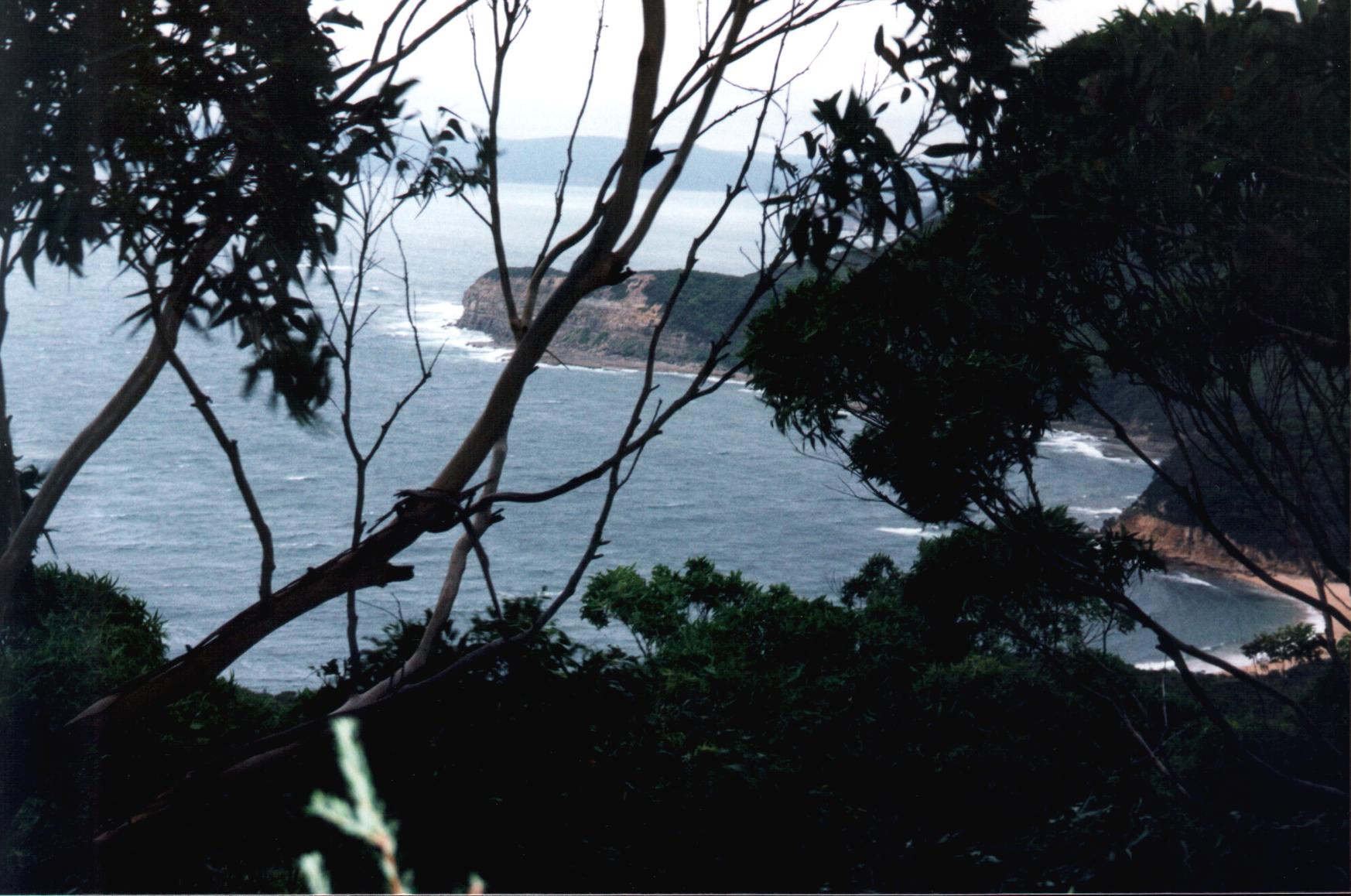
114 records
111 records
111 records

111 records

108 records
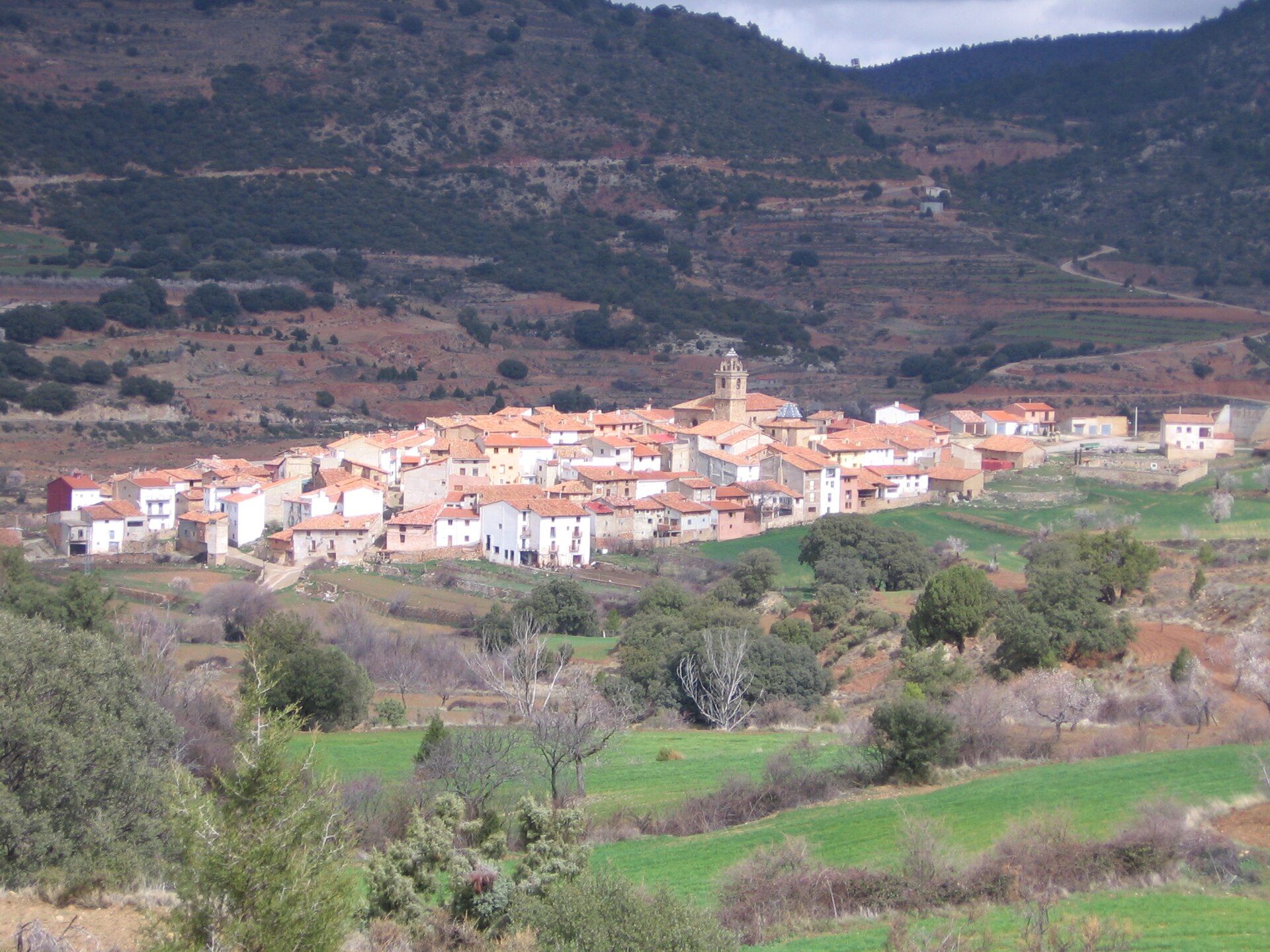
96 records
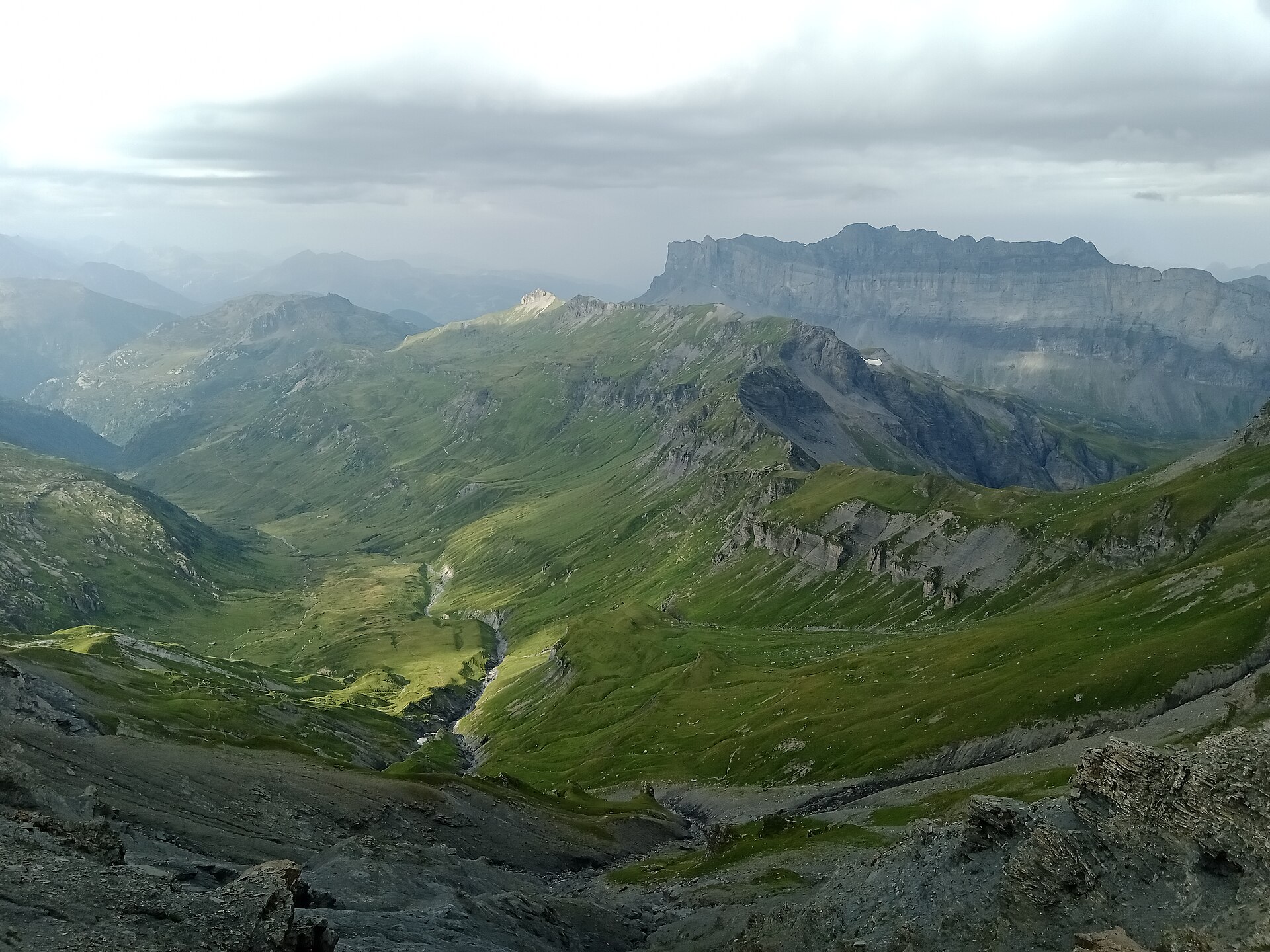
89 records

89 records
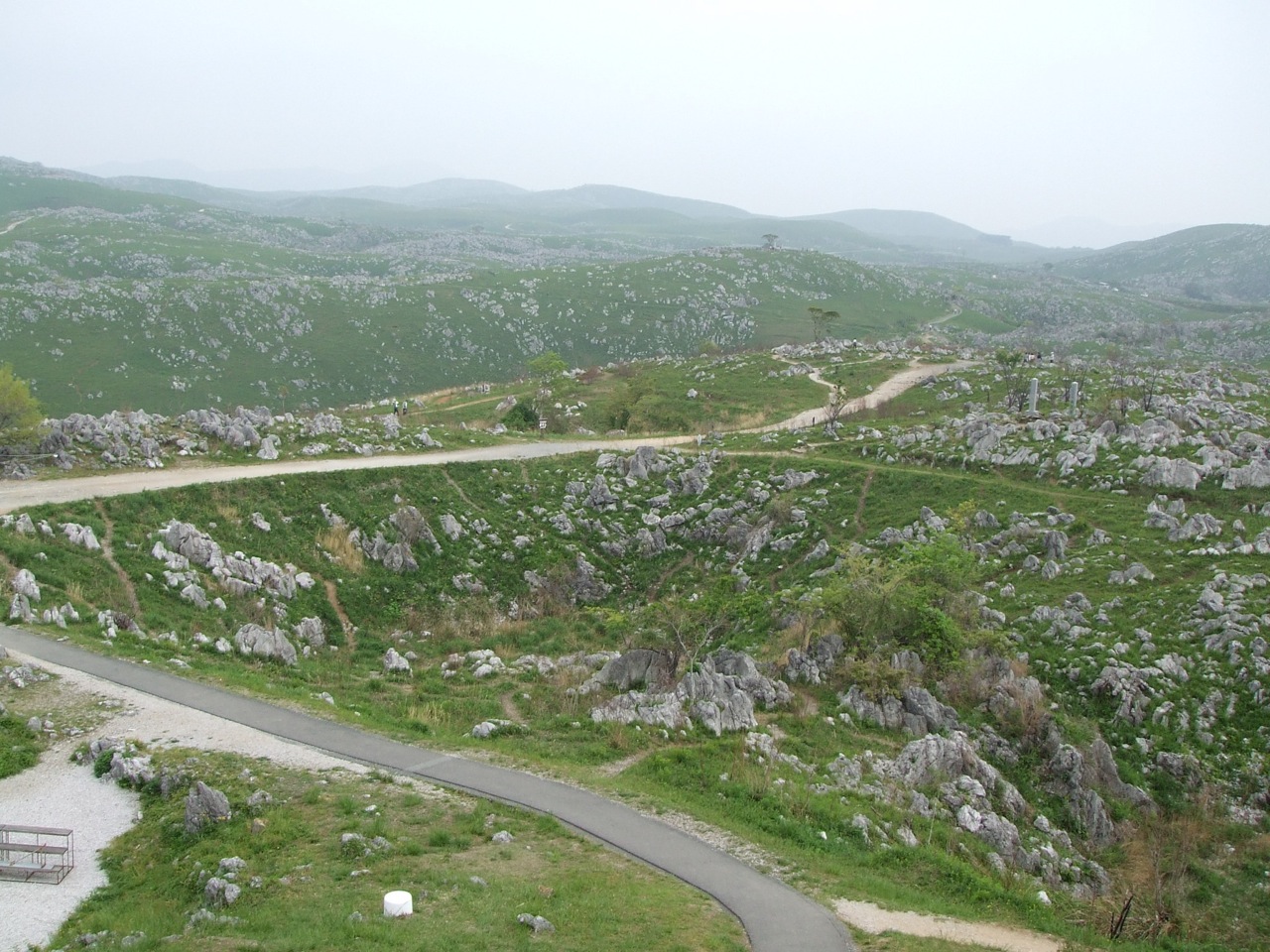
84 records

70 records
57 records
57 records

56 records
50 records
36 records
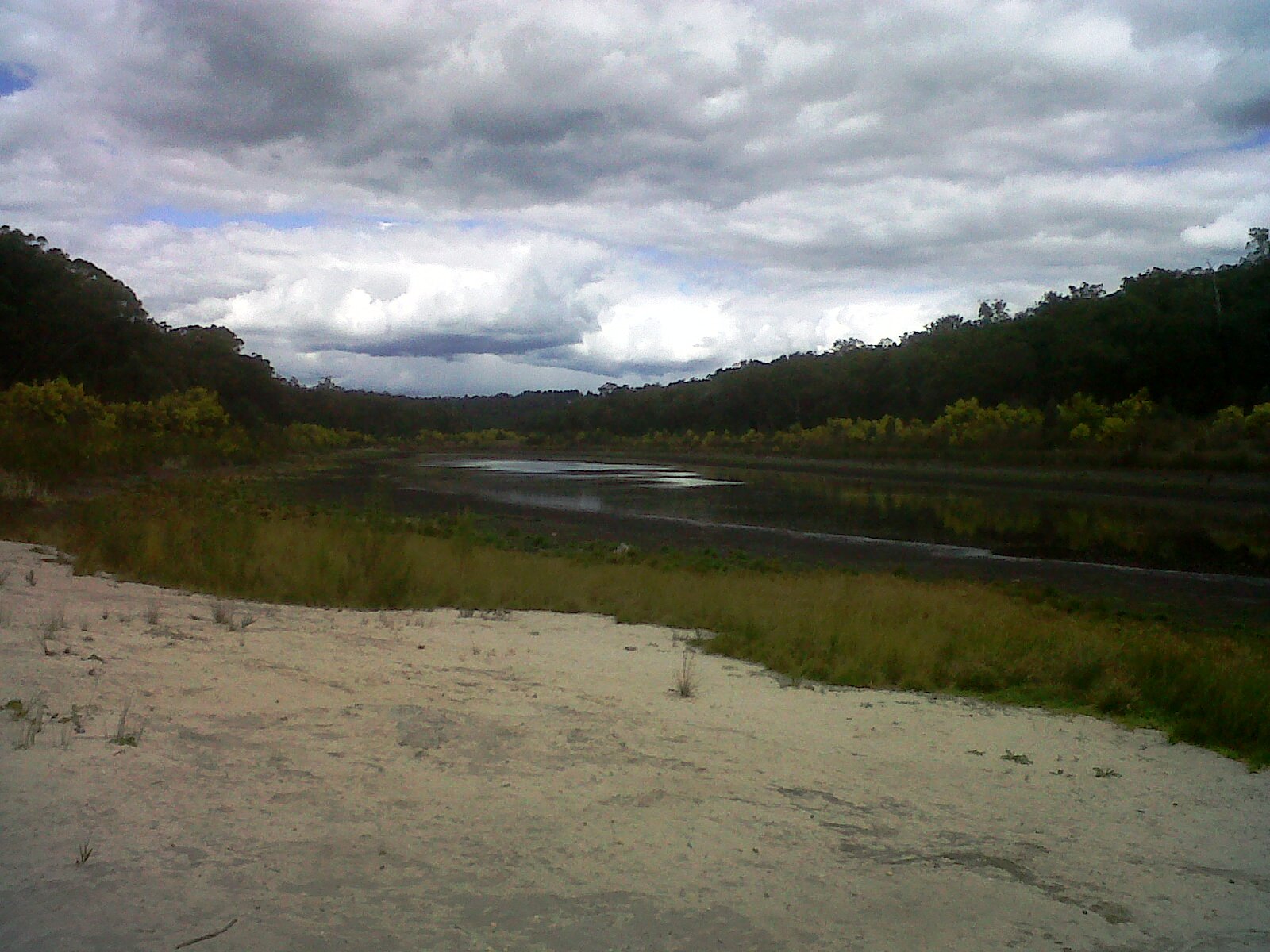
31 records
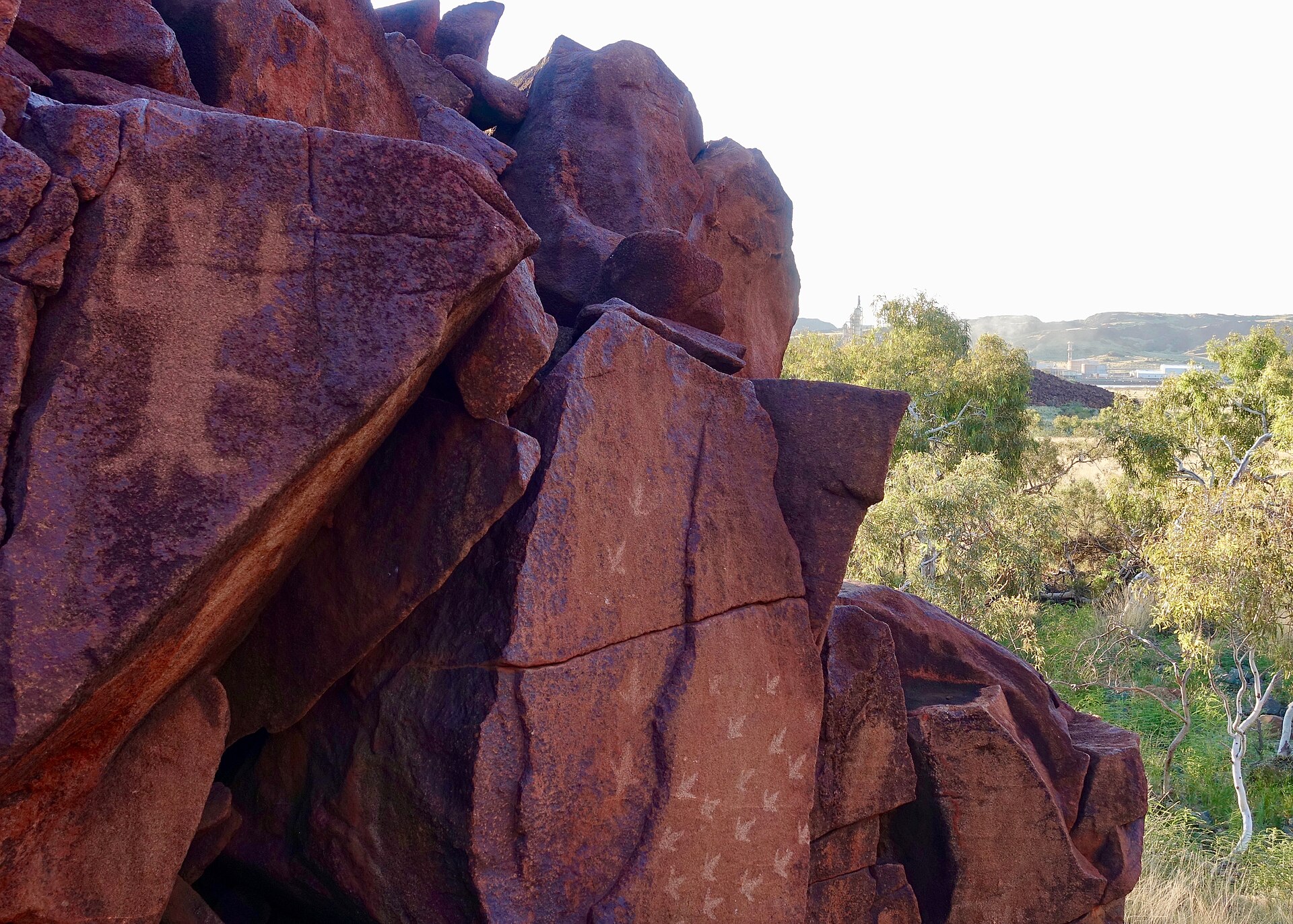
28 records
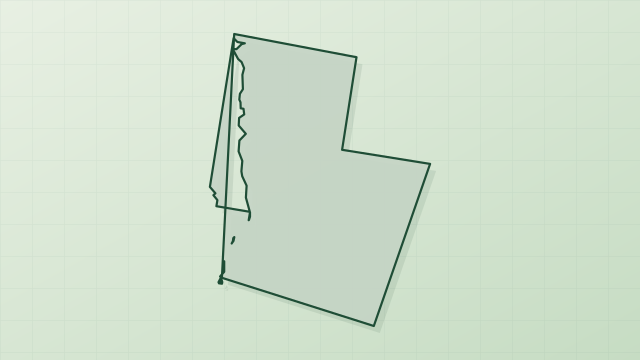
26 records
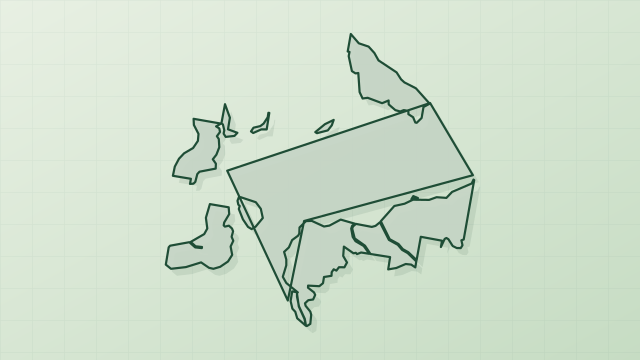
20 records
18 records
14 records
14 records
6 records
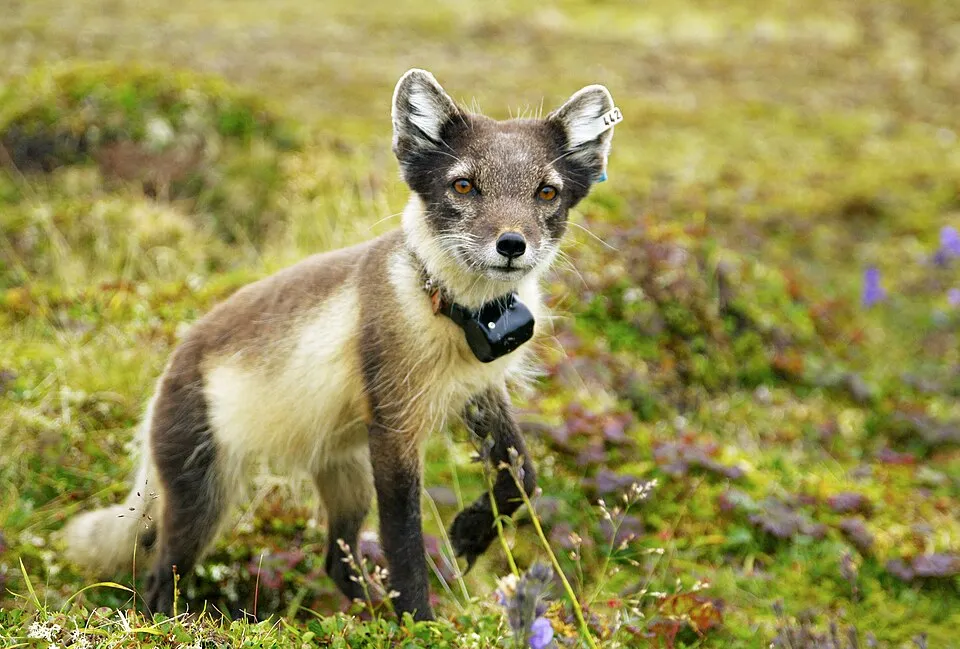
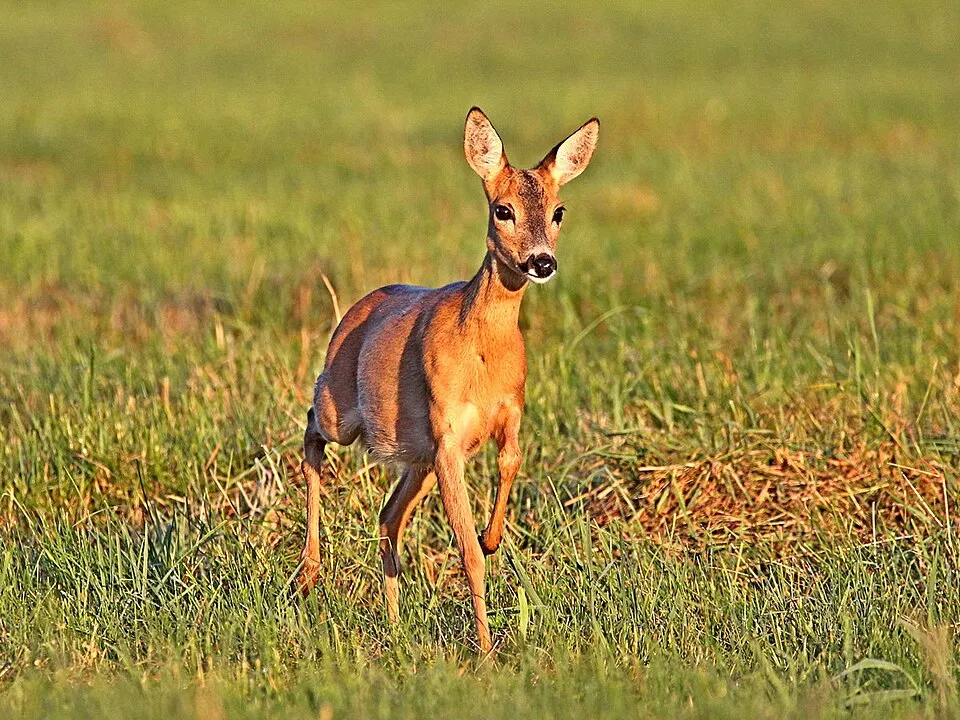
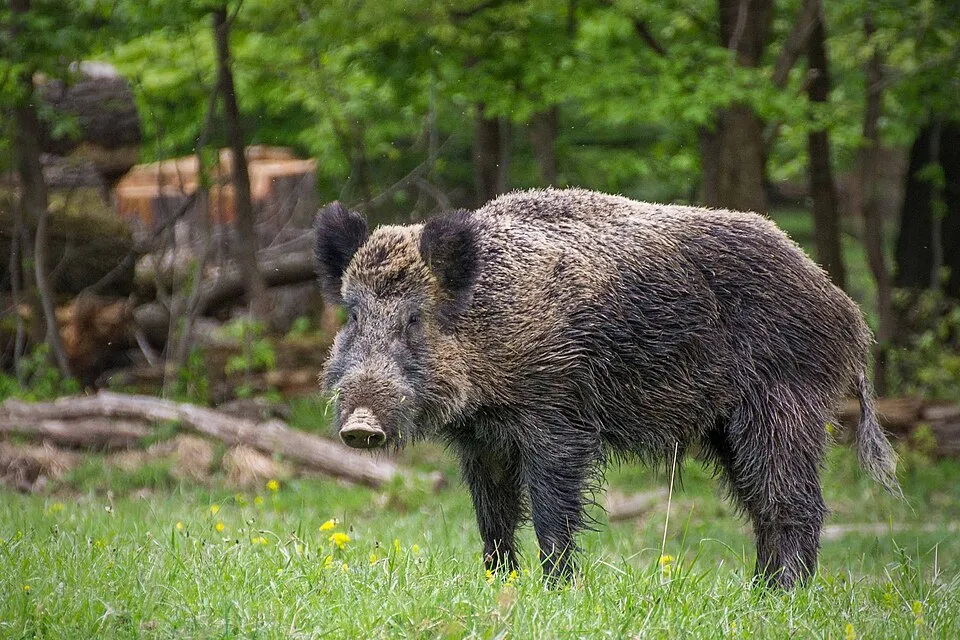
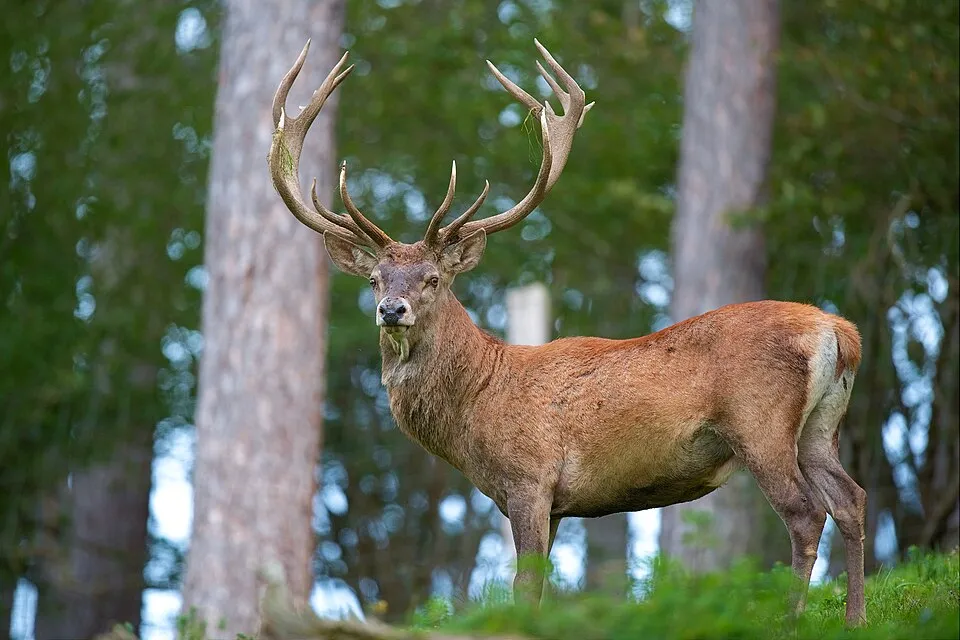
Other species to discover
Sources and credits
- Presence: most-recorded species of each place on GBIF and species of Community interest in the Natura 2000 forms (EEA, CC-BY 4.0); absence from the list does not mean the species is absent.
- Common names: Wikidata (CC0) and GBIF.
- Photos and sounds: Wikimedia Commons, author and licence given for each file.
- Classification: GBIF Backbone Taxonomy (GBIF Secretariat), CC BY 4.0, doi:10.15468/39omei.
- Countries, elevations, months and maps: GBIF.org, CC0 or CC BY 4.0 occurrences only, accessed October 22, 2026, GBIF.org.
- Base map: Natural Earth (public domain).
- Excerpt: Wikipedia, CC BY-SA 4.0 (full credit below the excerpt).
- Key facts: Wikidata (CC0), with the references cited under each value.
- Invasive alien species: Union list, Regulation (EU) No 1143/2014 (INBO, CC0); Global Register of Introduced and Invasive Species (ISSG, CC BY 4.0).