
Mammal
Wild boar: where to see it
Sus scrofa
Invasive alien in some territories
Listed as invasive alien for: France, Italy, Ireland, Sweden, Norway, Costa Rica, Chile, Argentina, Mexico, Brazil, Japan, Australia, New Zealand, Peru, Colombia, Ecuador, Uruguay (GRIIS).
This mammal species is recorded in 74 protected areas of the atlas. Within the atlas countries, it is mostly observed in Spain, France and Switzerland (7 countries in all). Most records (8 in 10) lie between sea level and 1,550 m. Records are spread throughout the year.
Best time to see it: all year round
Records published on GBIF by month (CC0 and CC BY 4.0 licences only), in the atlas countries, all years combined; they also reflect observer activity.
Key facts
- Gestation
- 3.7–4.3 months Wikidata, after Grzimeks Enzyklopädie, 1988
- Maximum recorded lifespan
- 27 years Wikidata, after Longevity of Mammals in Captivity, 2005
Distribution
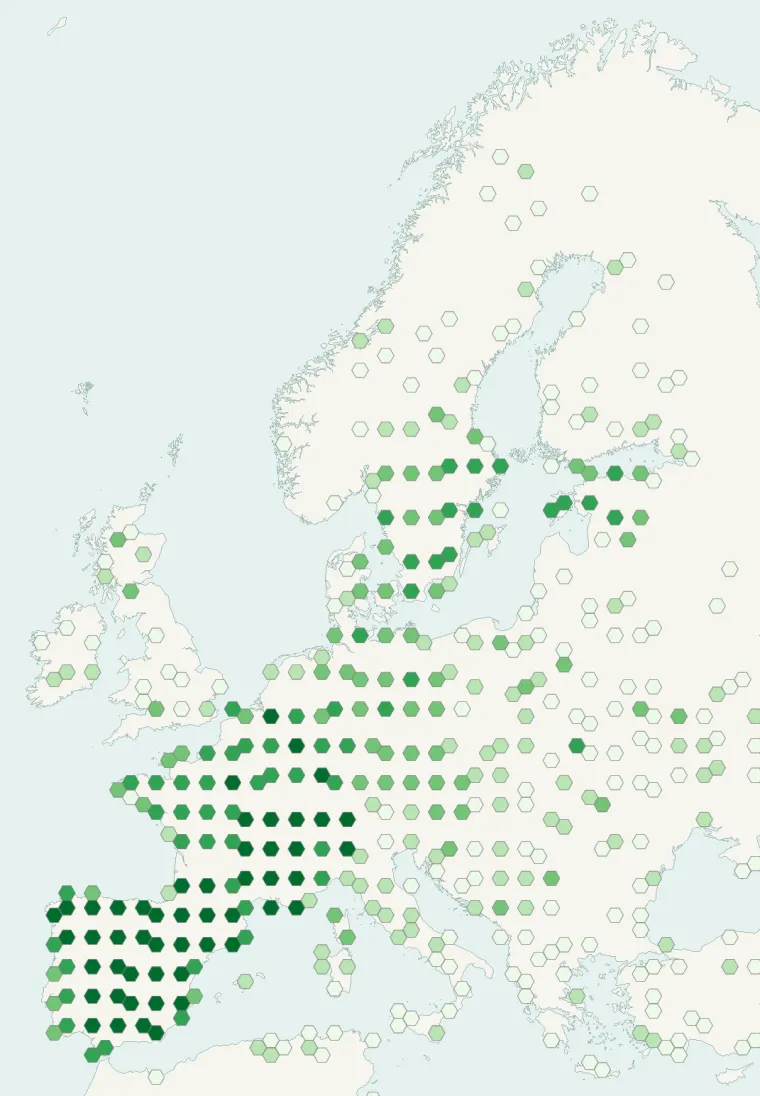
Records published on GBIF (CC0 and CC BY 4.0 licences): the darker the shade, the more records there are; they also reflect observation effort.
Atlas countries where it is recorded
Listen
-
0:21 · © GrWolf1129 · CC BY-SA 4.0 · Wikimedia Commons · Original file
From Wikipedia
The wild boar (Sus scrofa), also known as the wild swine, common wild pig, Eurasian wild pig, or simply wild pig, is a suid native to much of Eurasia and North Africa and has been introduced to the Americas and Oceania. The species is now one of the widest-ranging mammals in the world as well as the most widespread suiform. It has become an invasive species in part of its introduced range. Wild boars probably originated in Southeast Asia during the Early Pleistocene and outcompeted other suid species as they spread throughout the Old World.
Source: Wikipedia, article “Wild boar” (version of October 5, 2026) · history and authors · licence CC BY-SA 4.0 · shortened excerpt
Protected areas where it is recorded
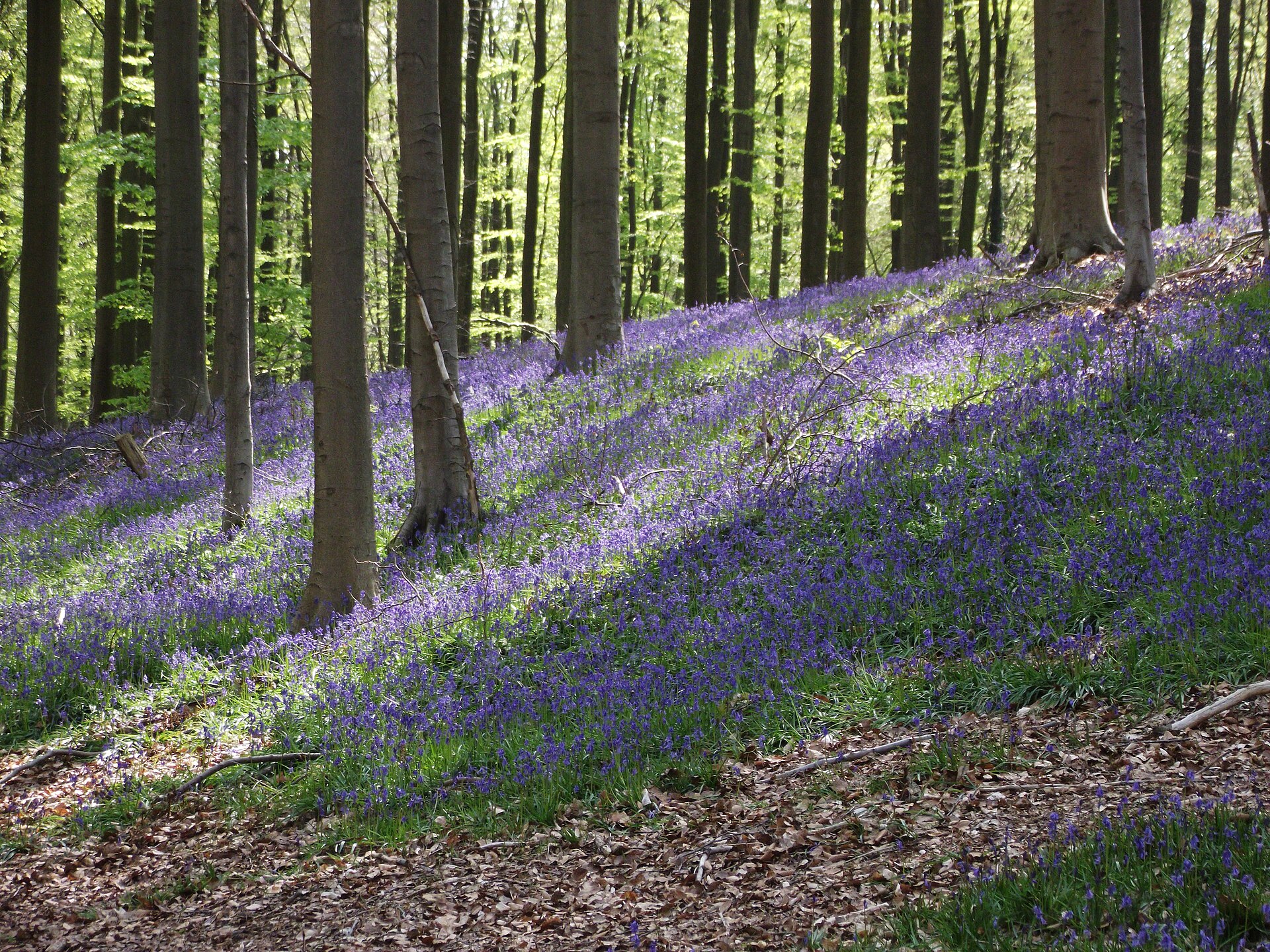
13,777 records
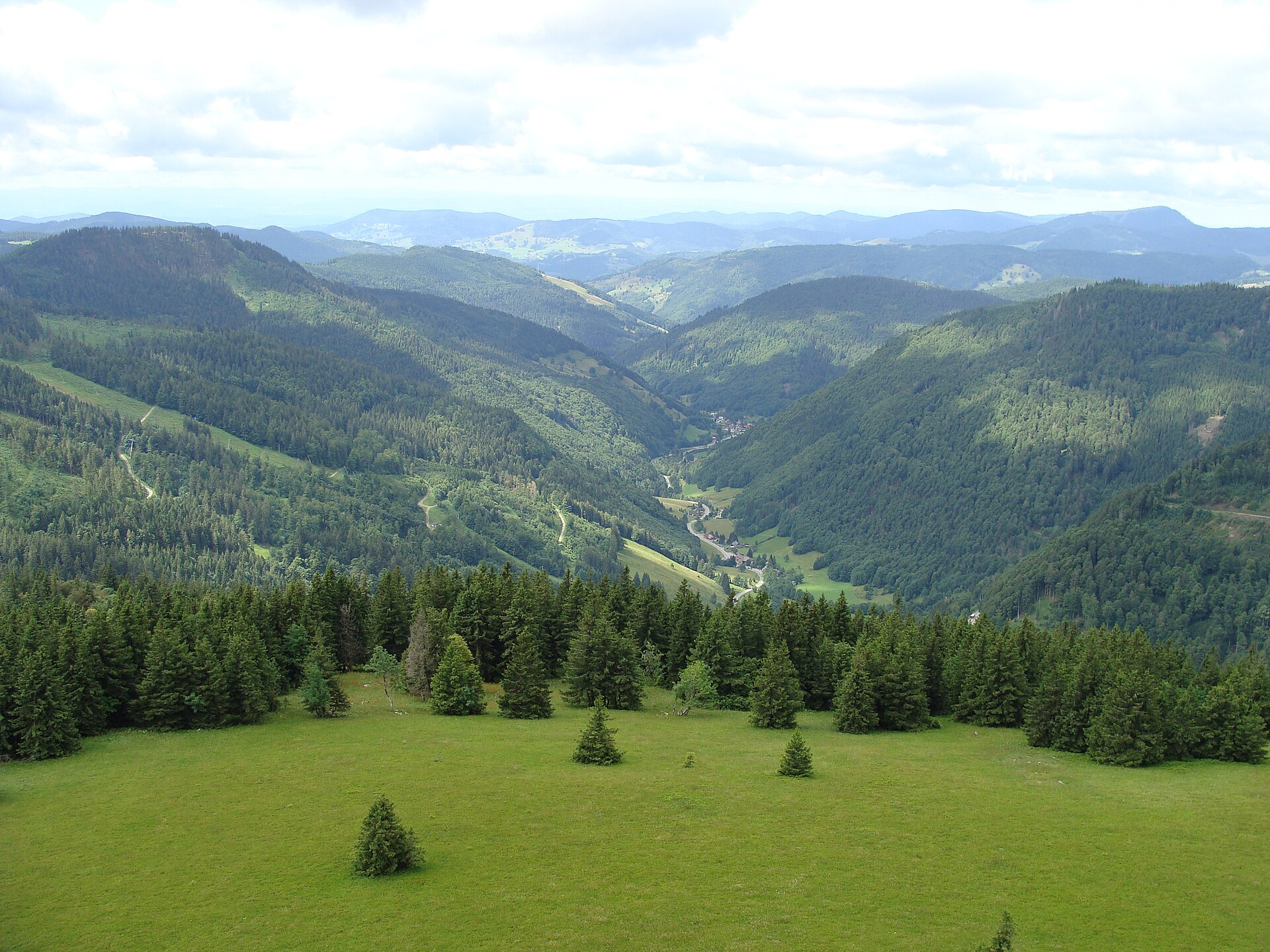
8,561 records
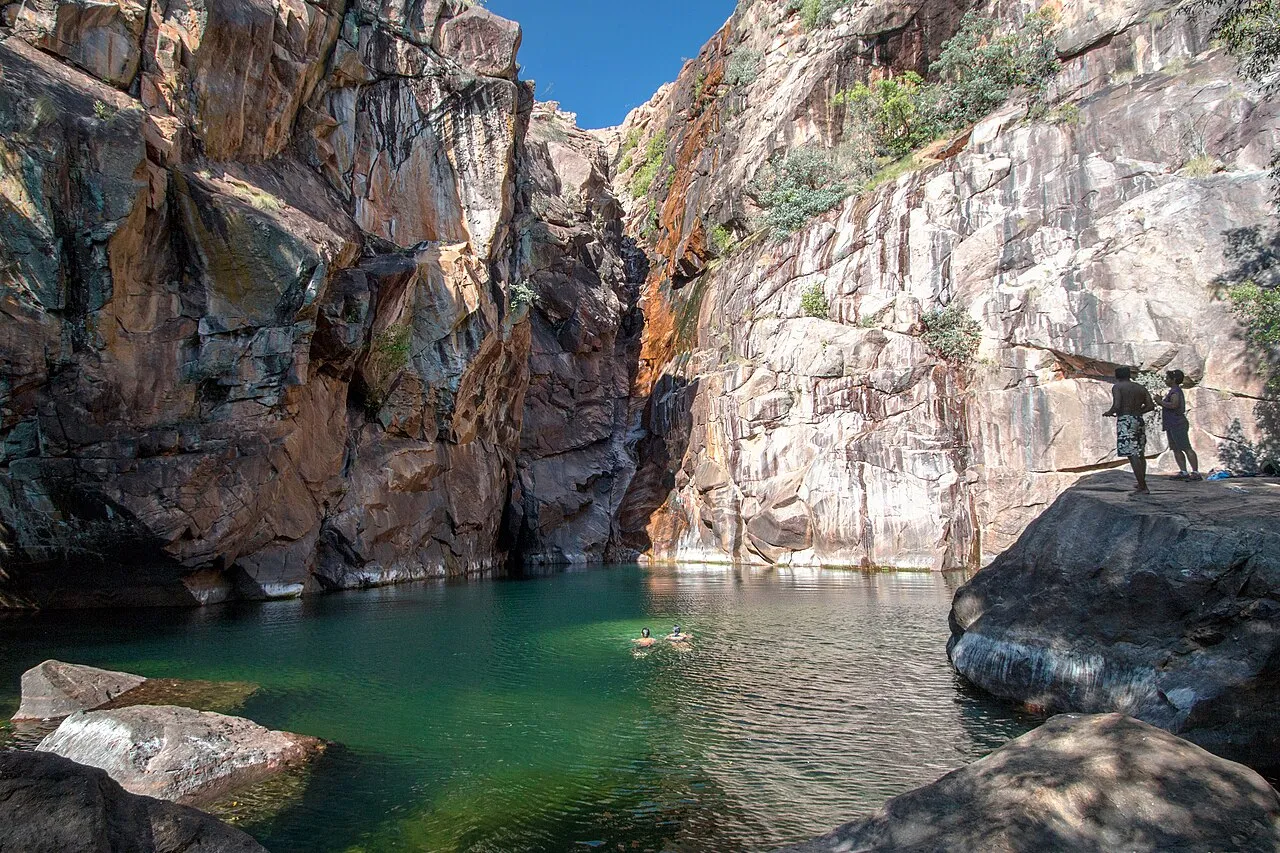
5,794 records
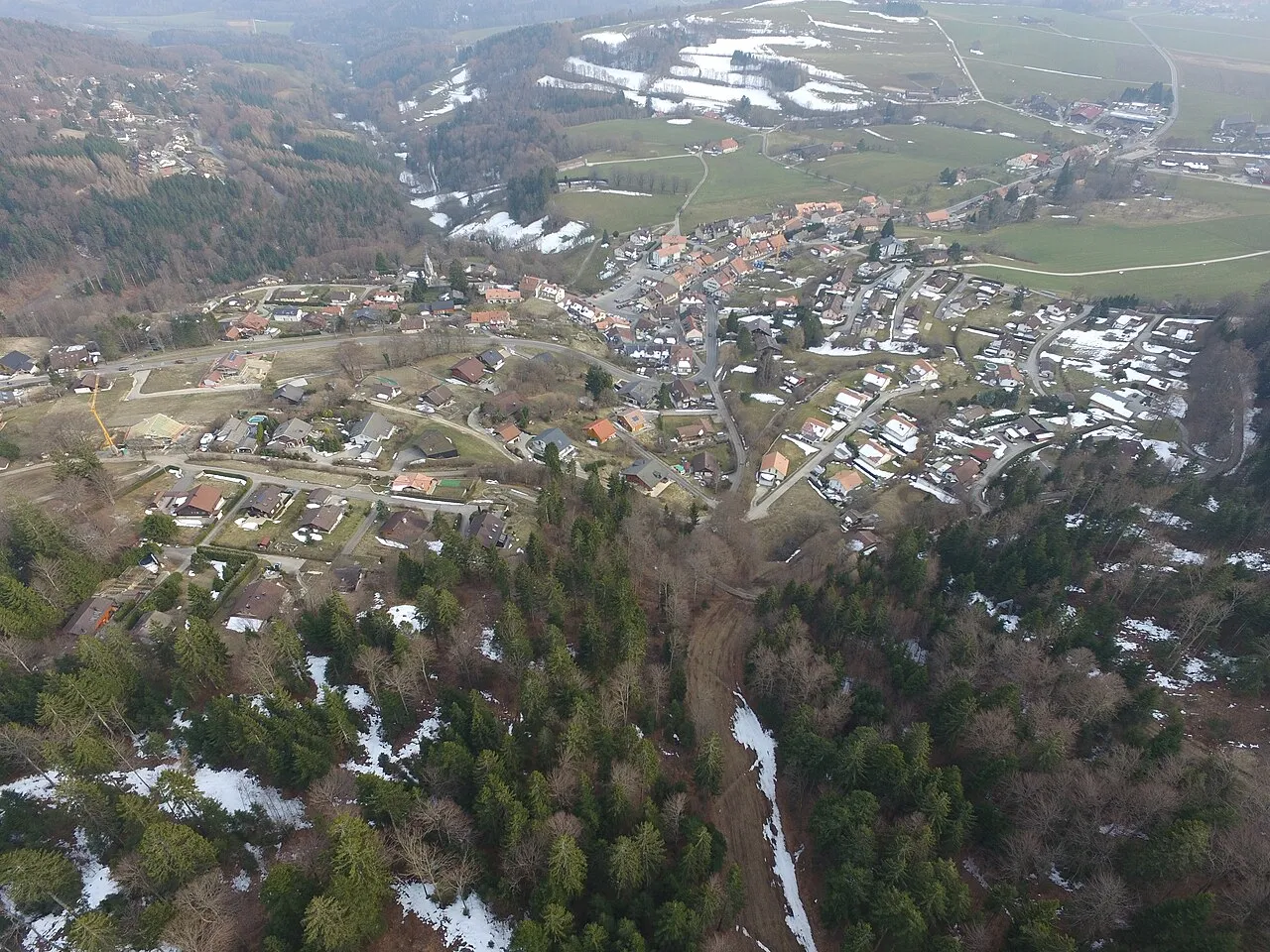
4,592 records
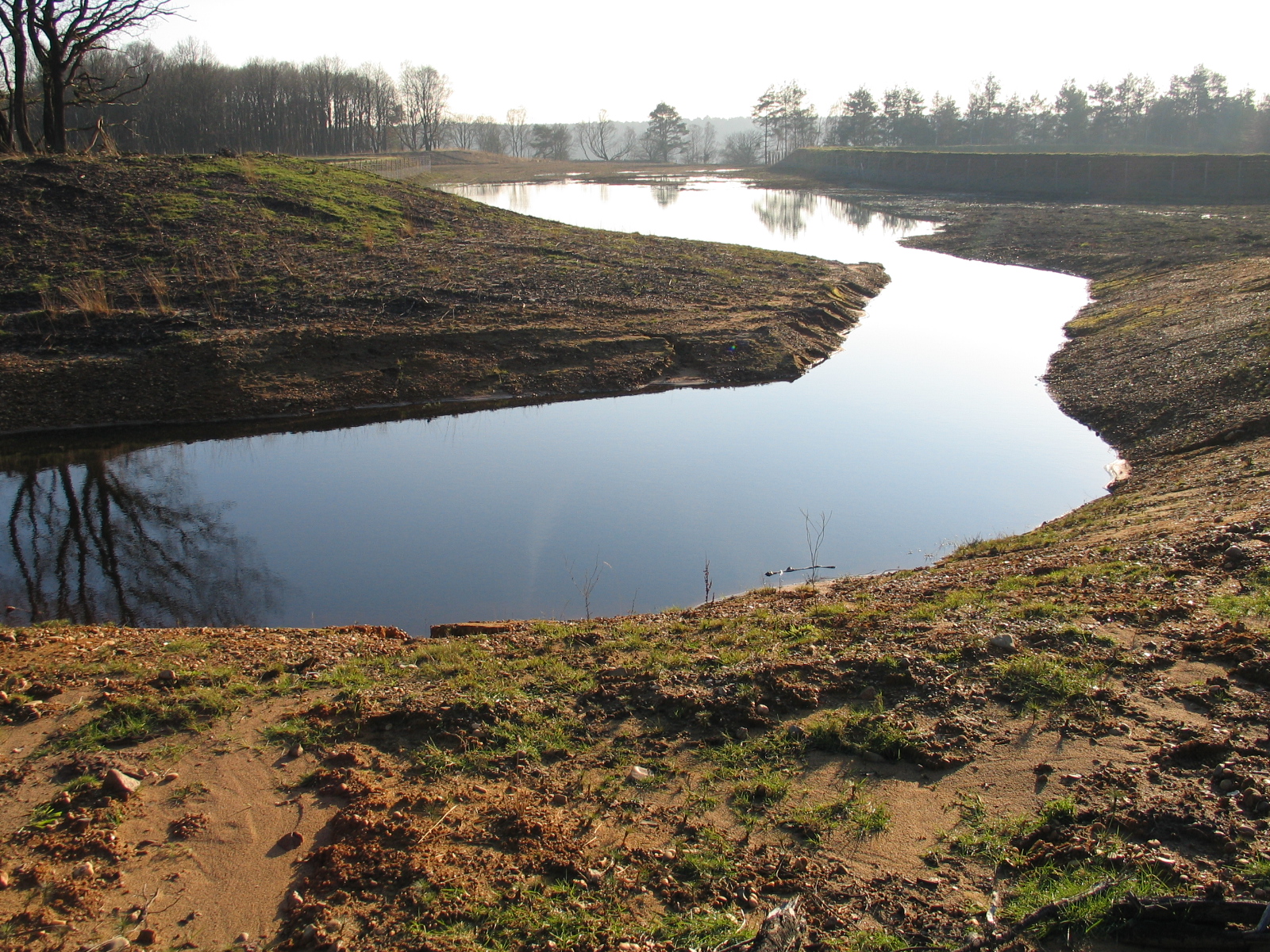
3,760 records
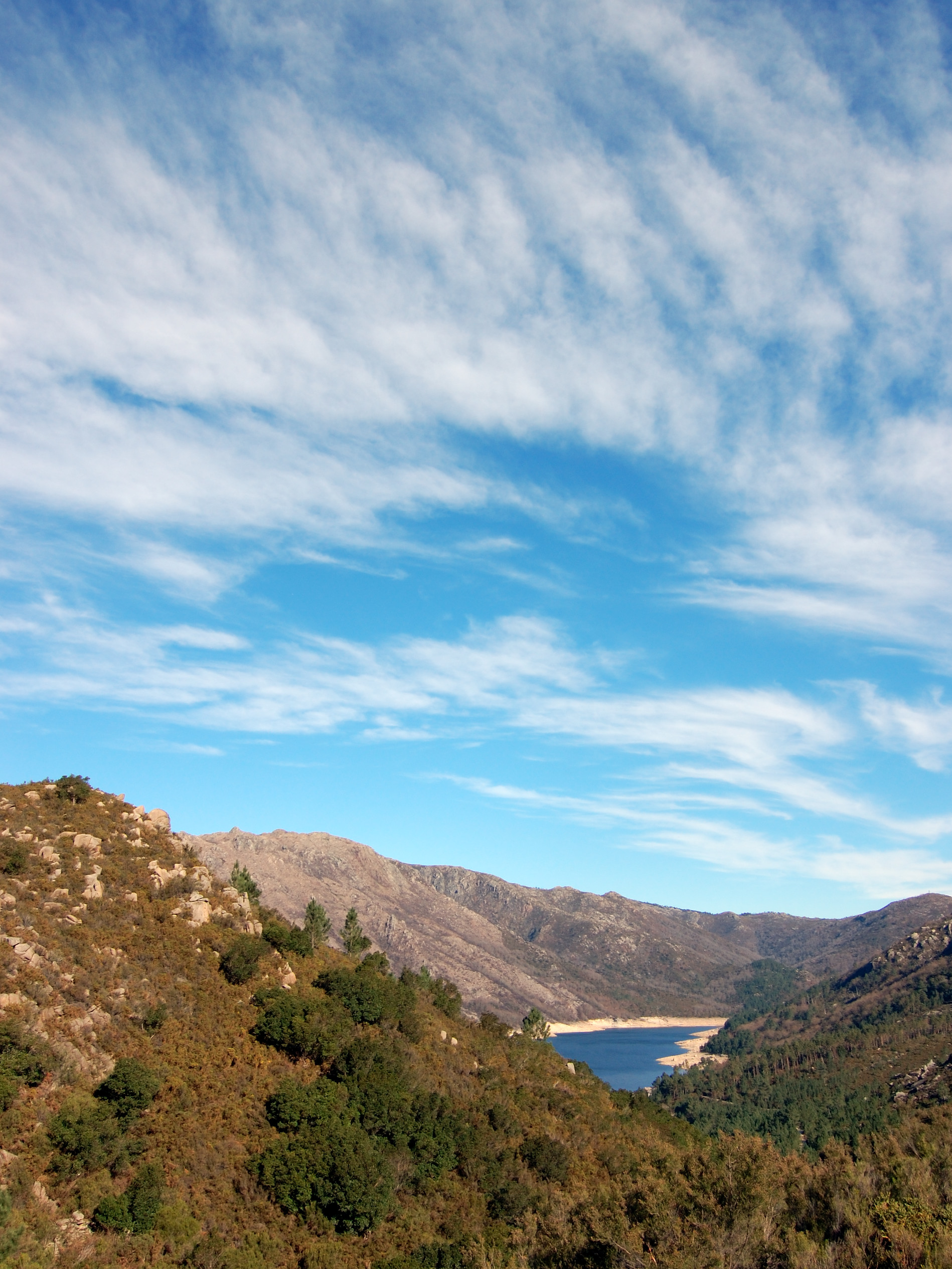
3,548 records
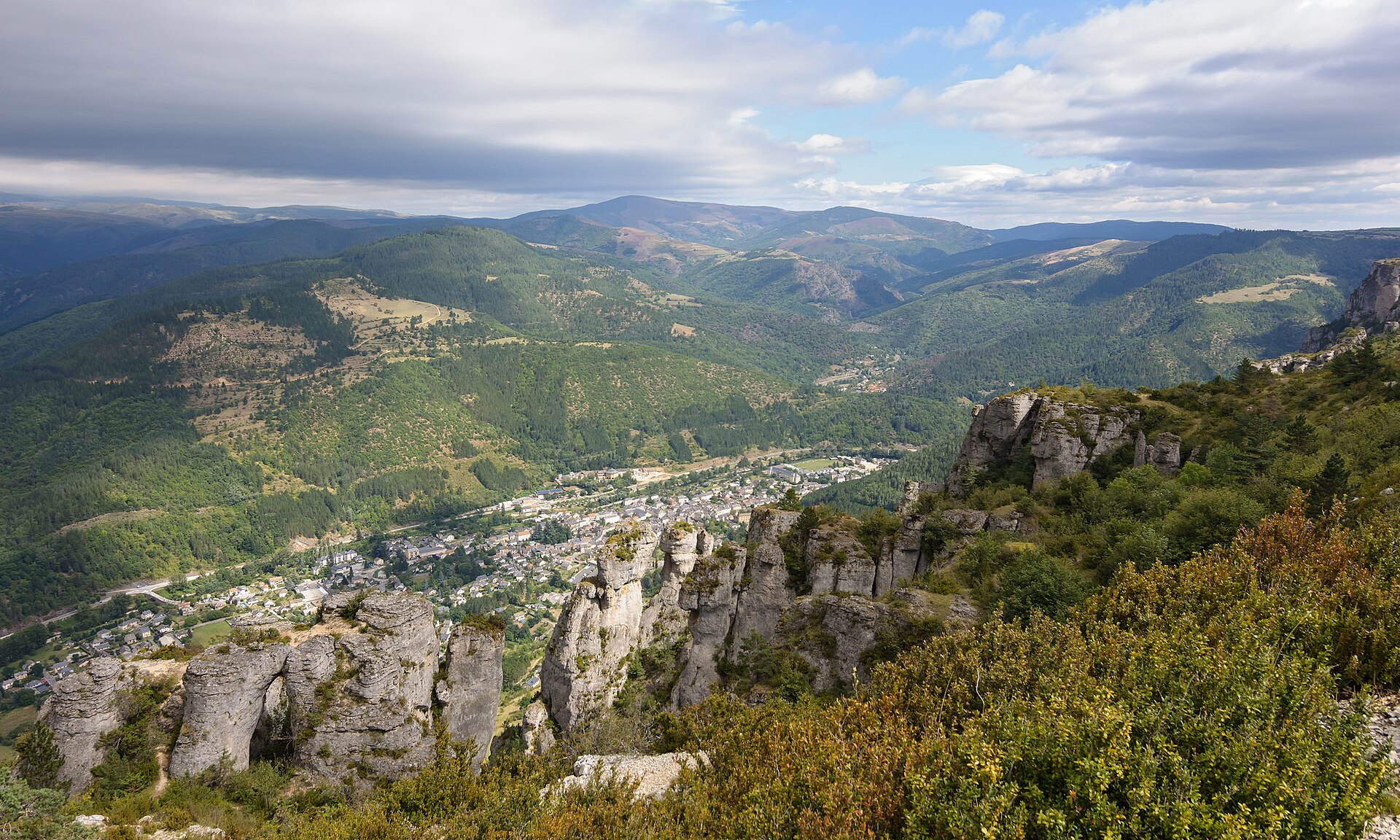
2,069 records
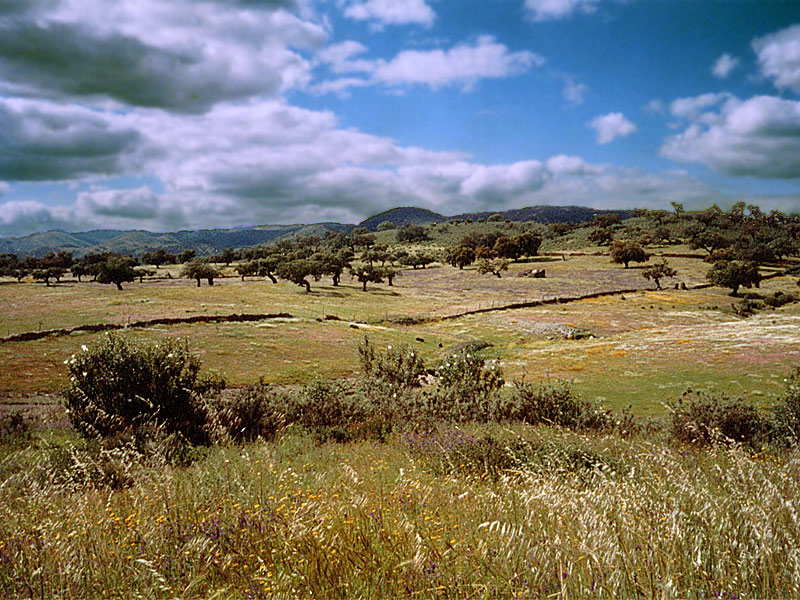
1,920 records

1,755 records
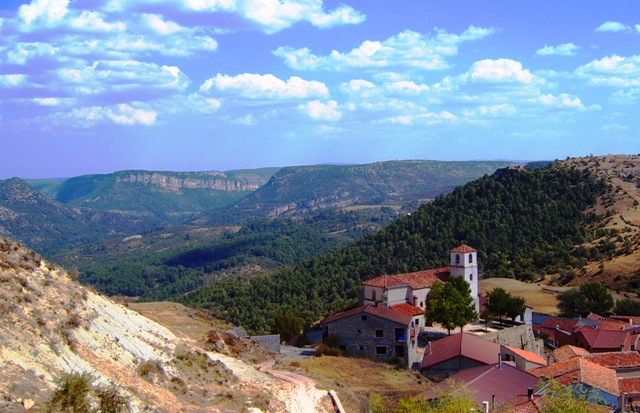
1,752 records
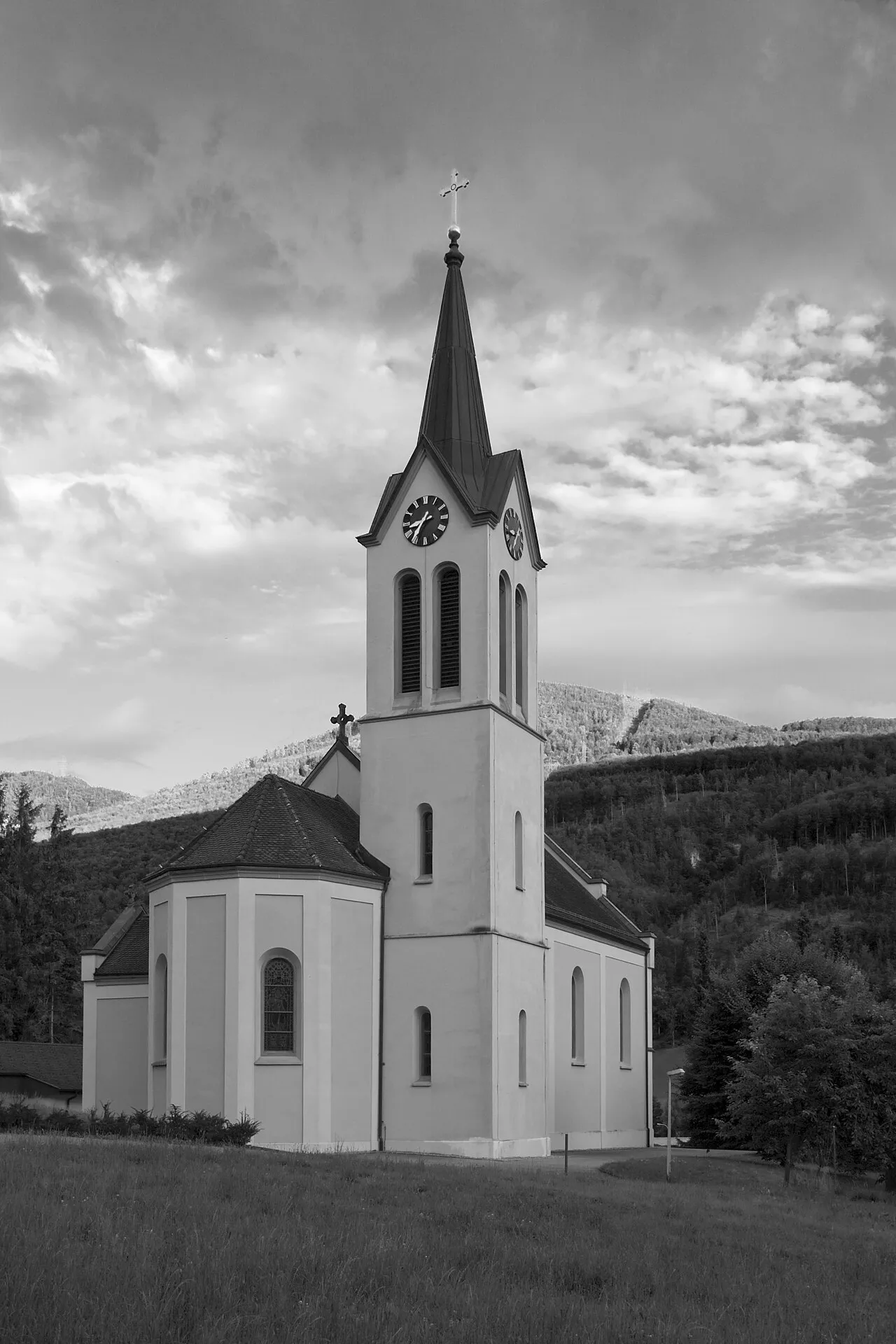
1,515 records

1,498 records
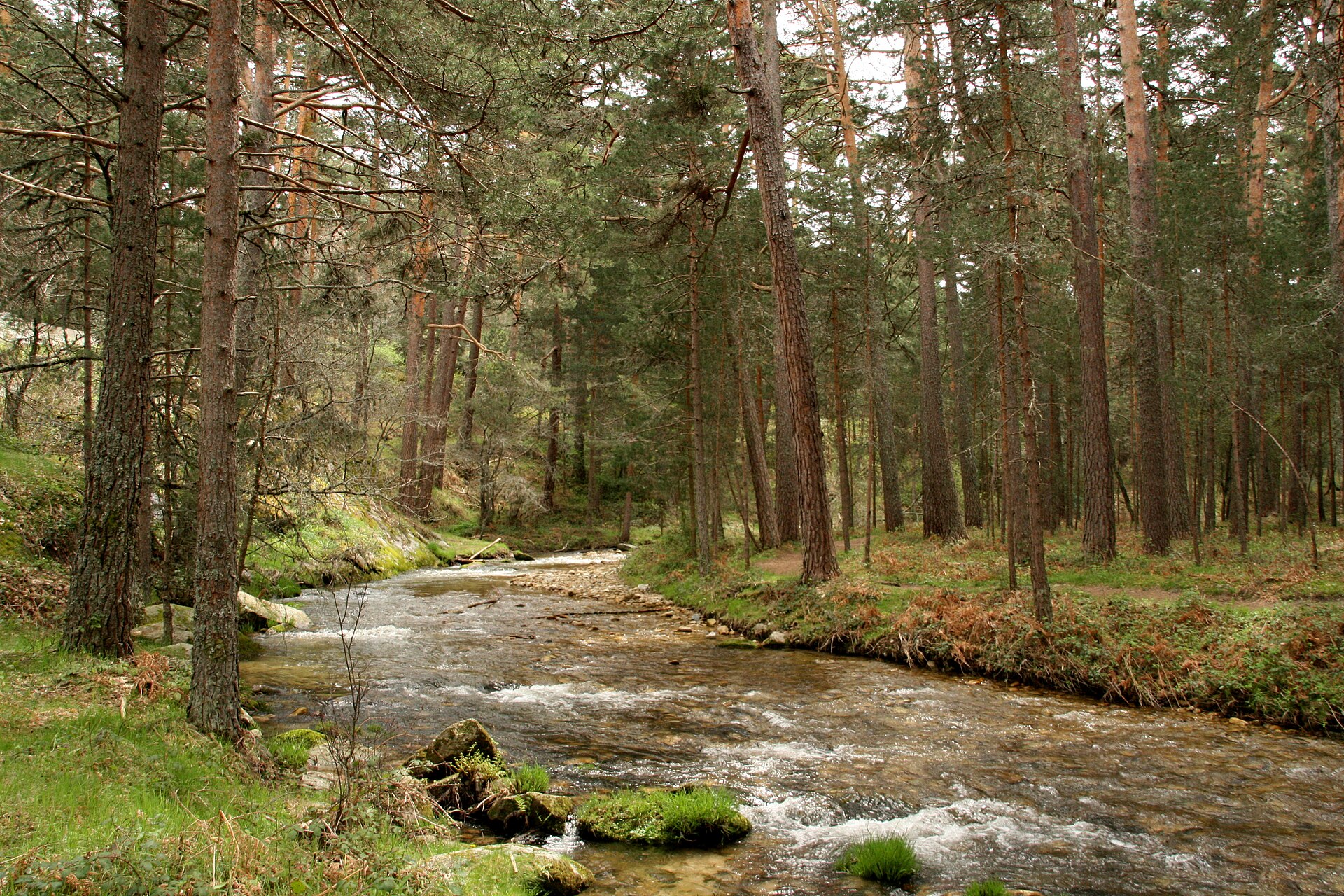
1,066 records
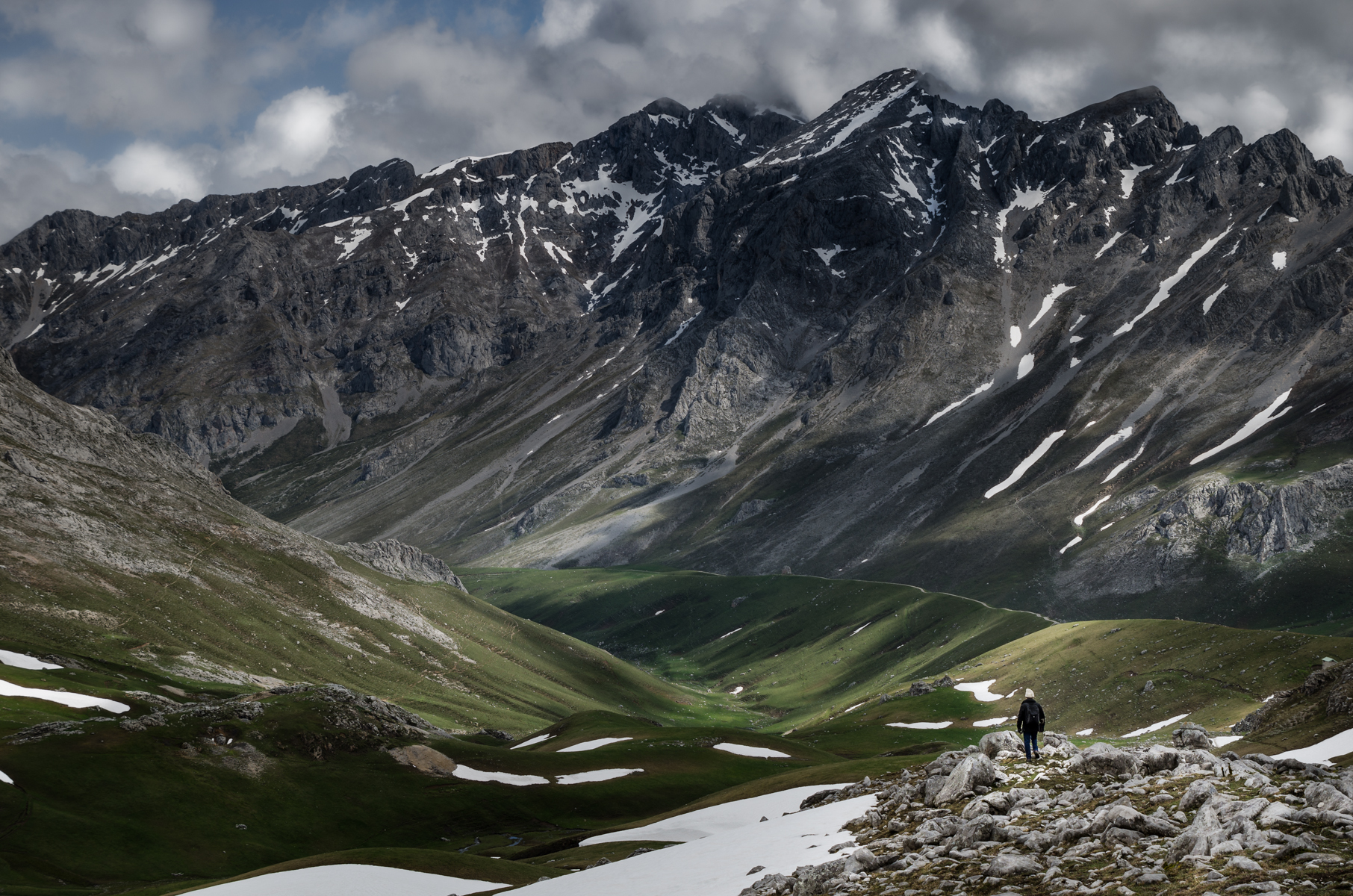
1,052 records
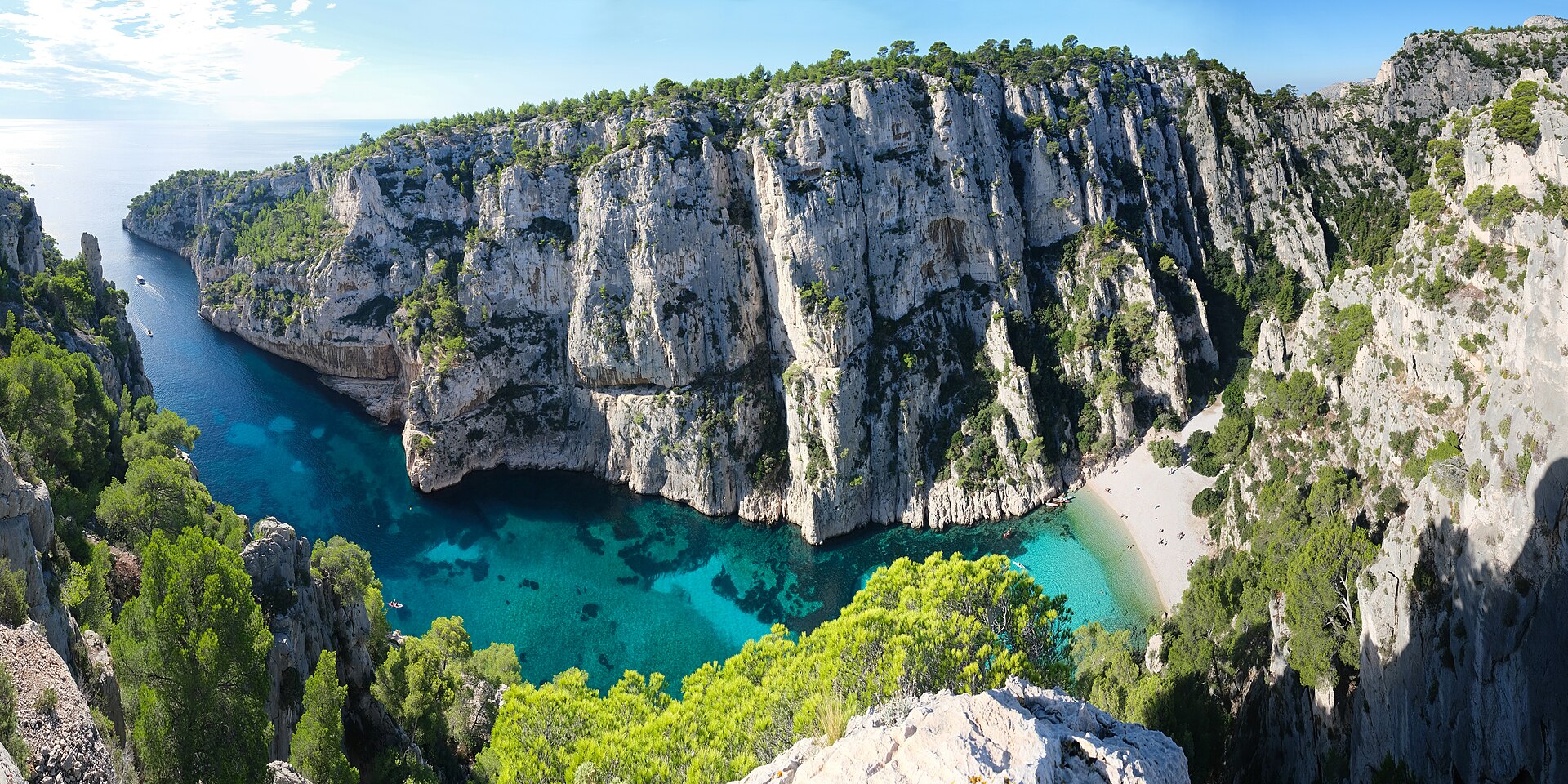
986 records

942 records
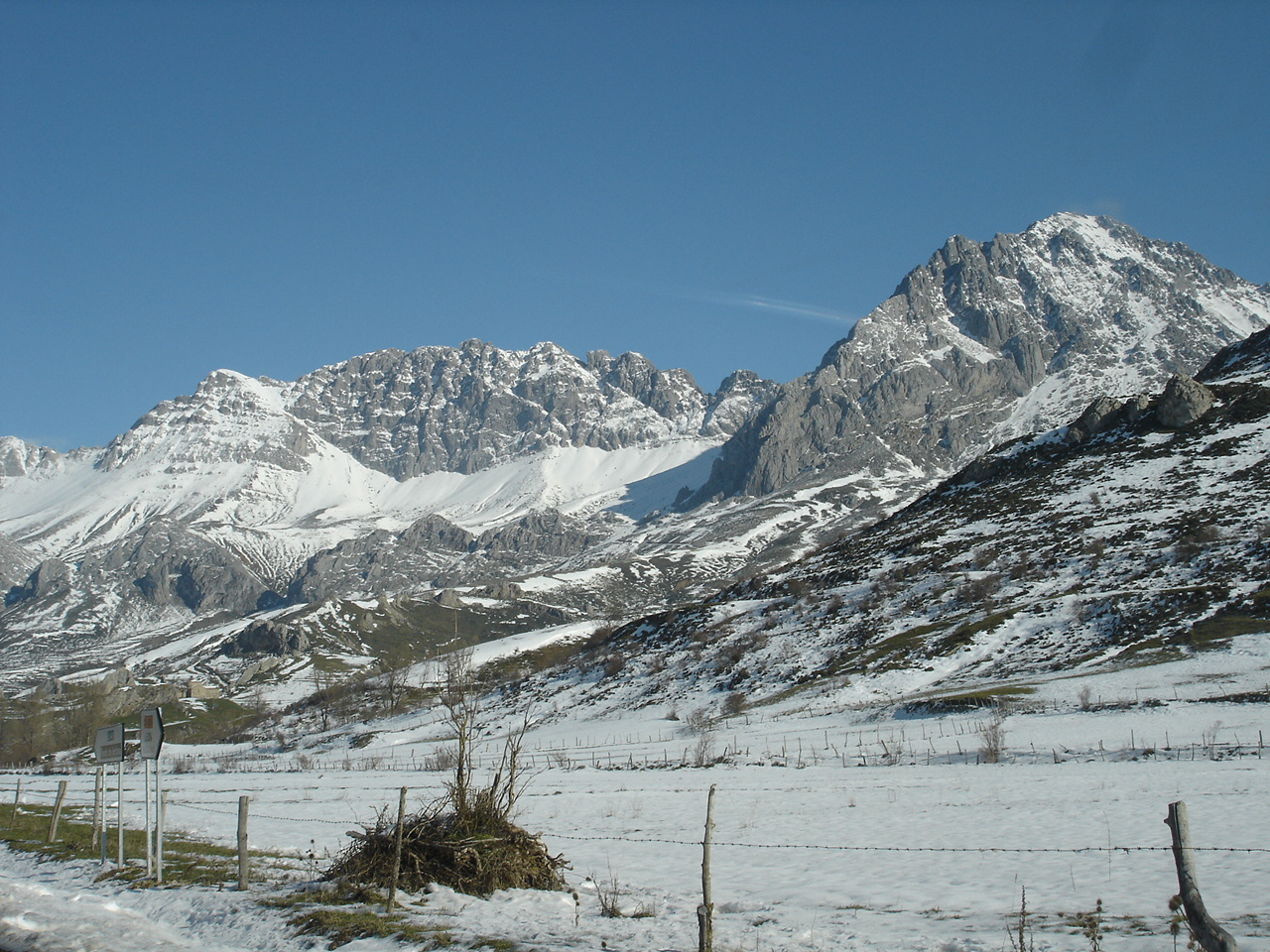
895 records
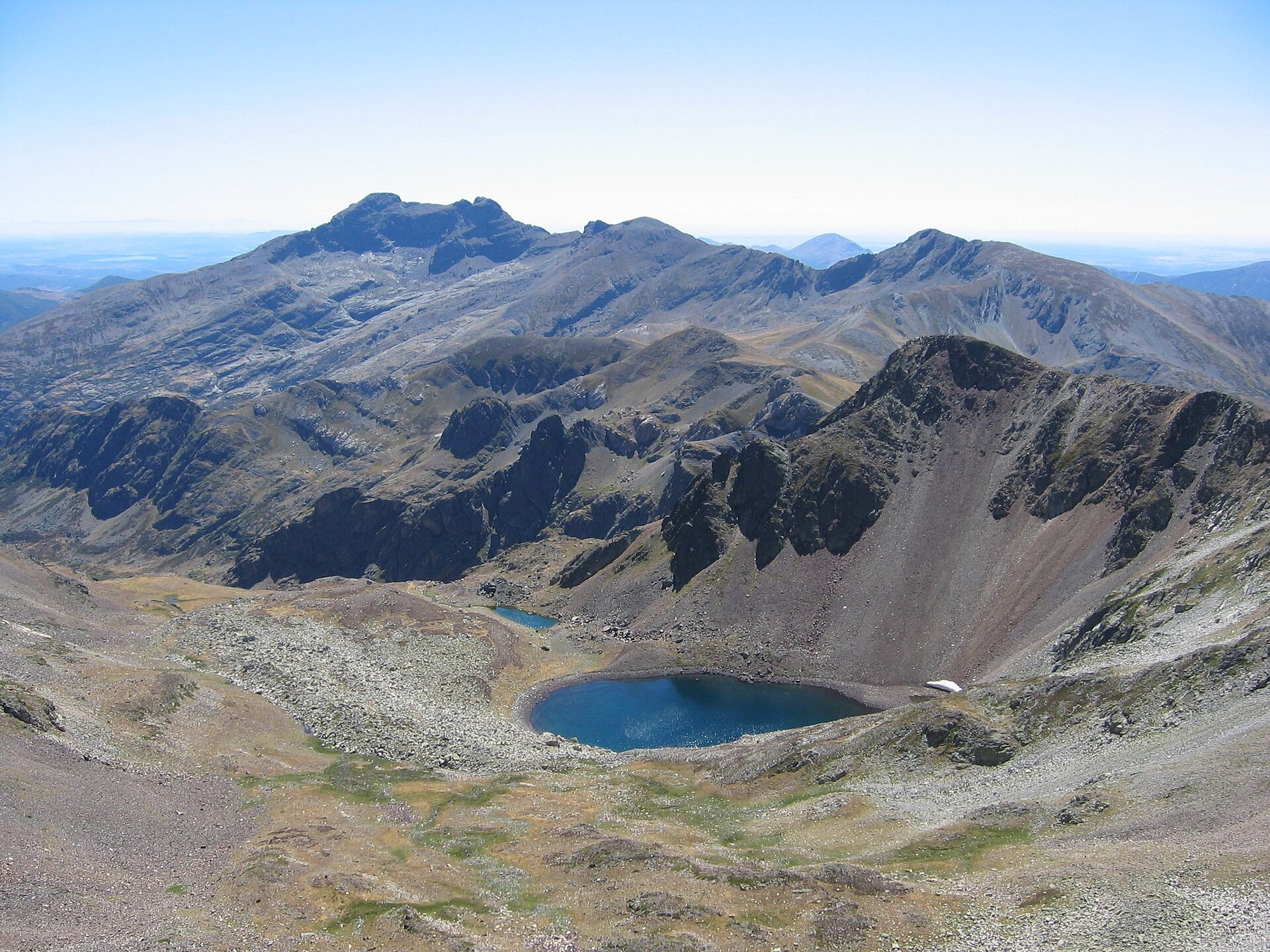
822 records
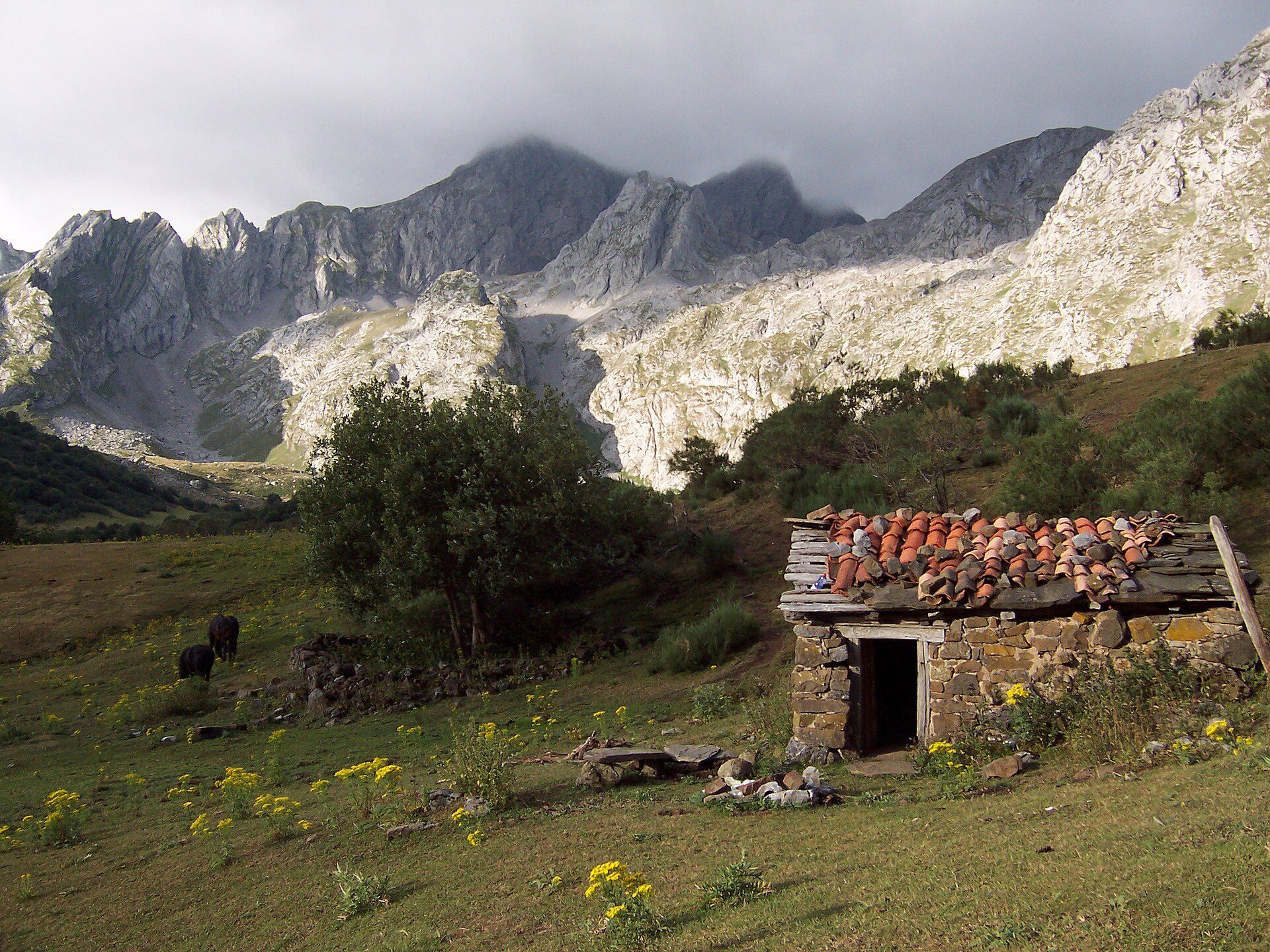
775 records

765 records
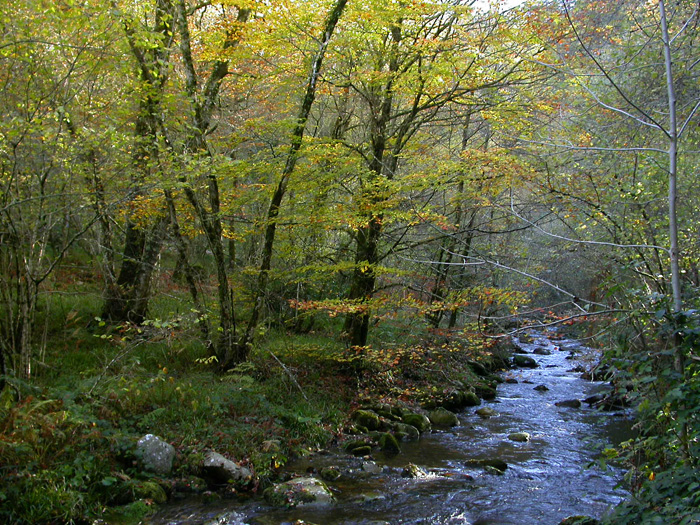
709 records
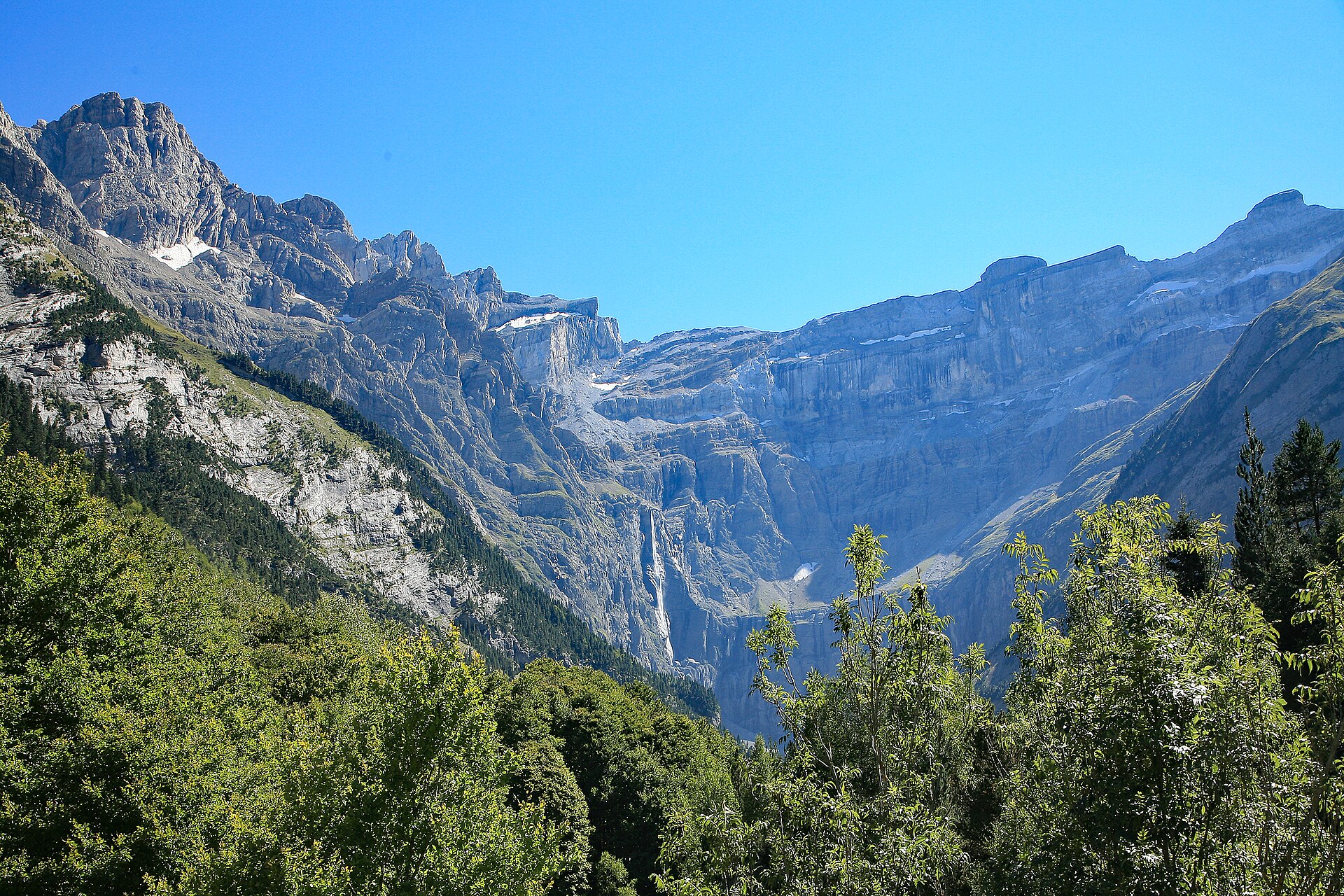
693 records
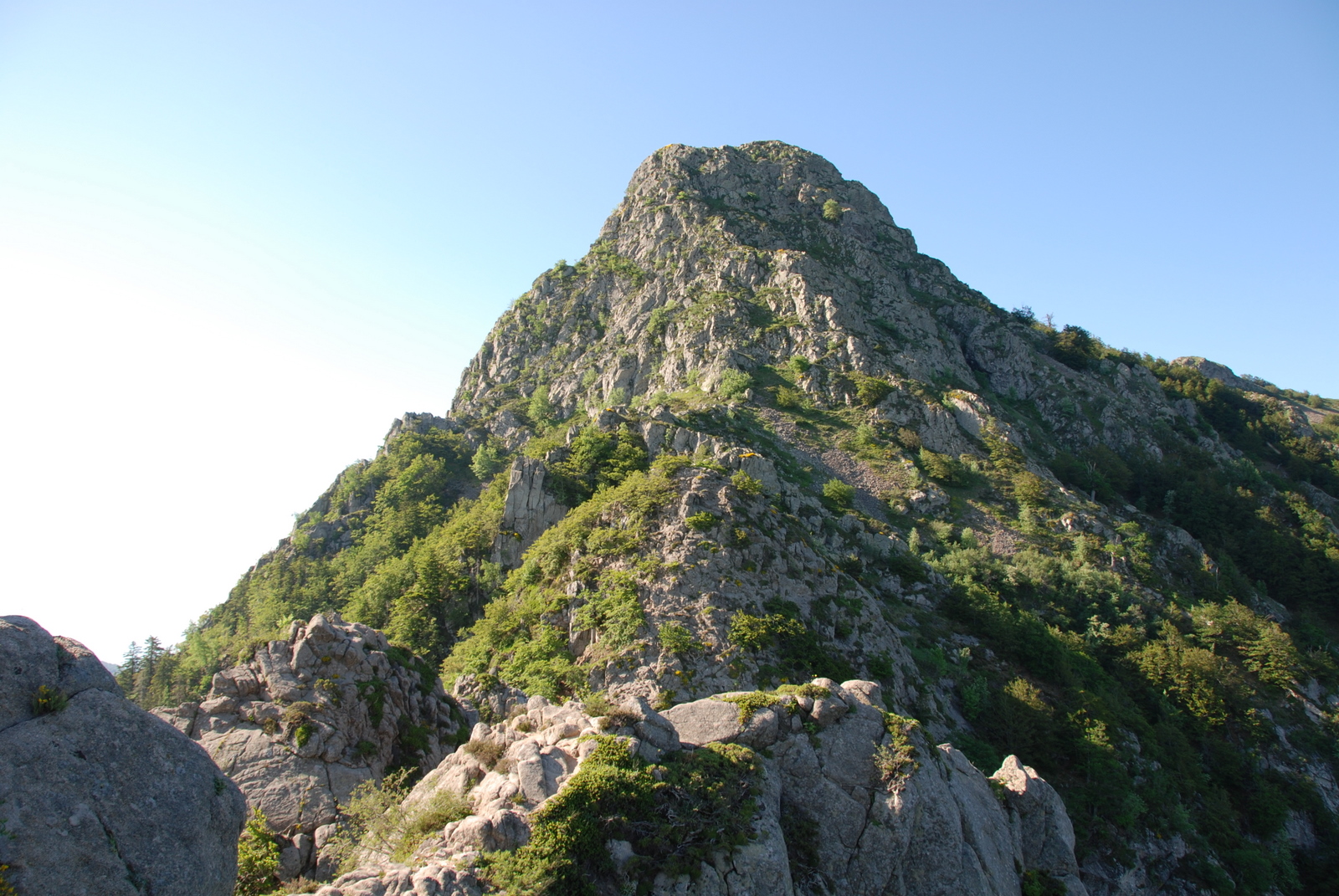
679 records
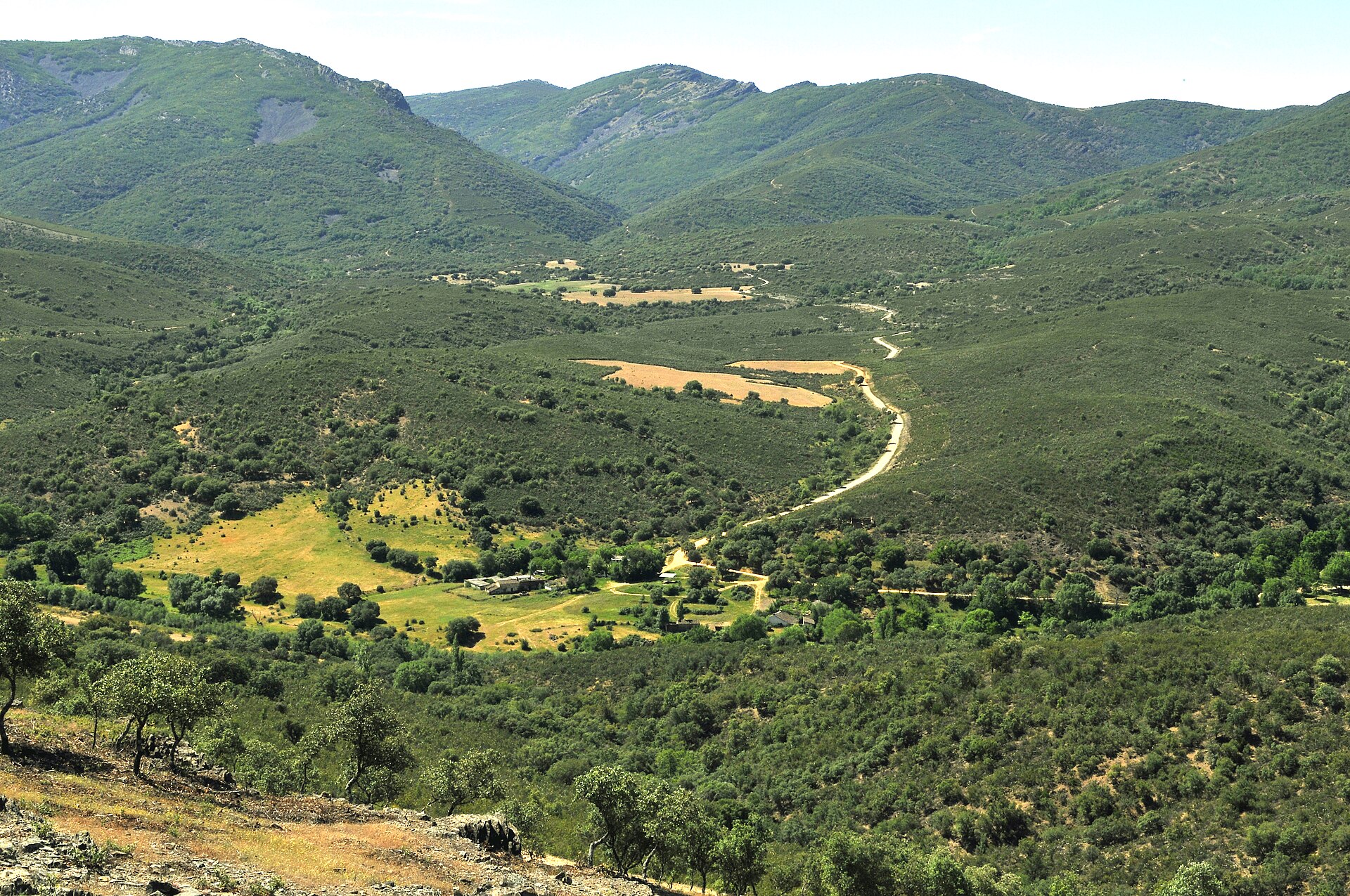
677 records

637 records
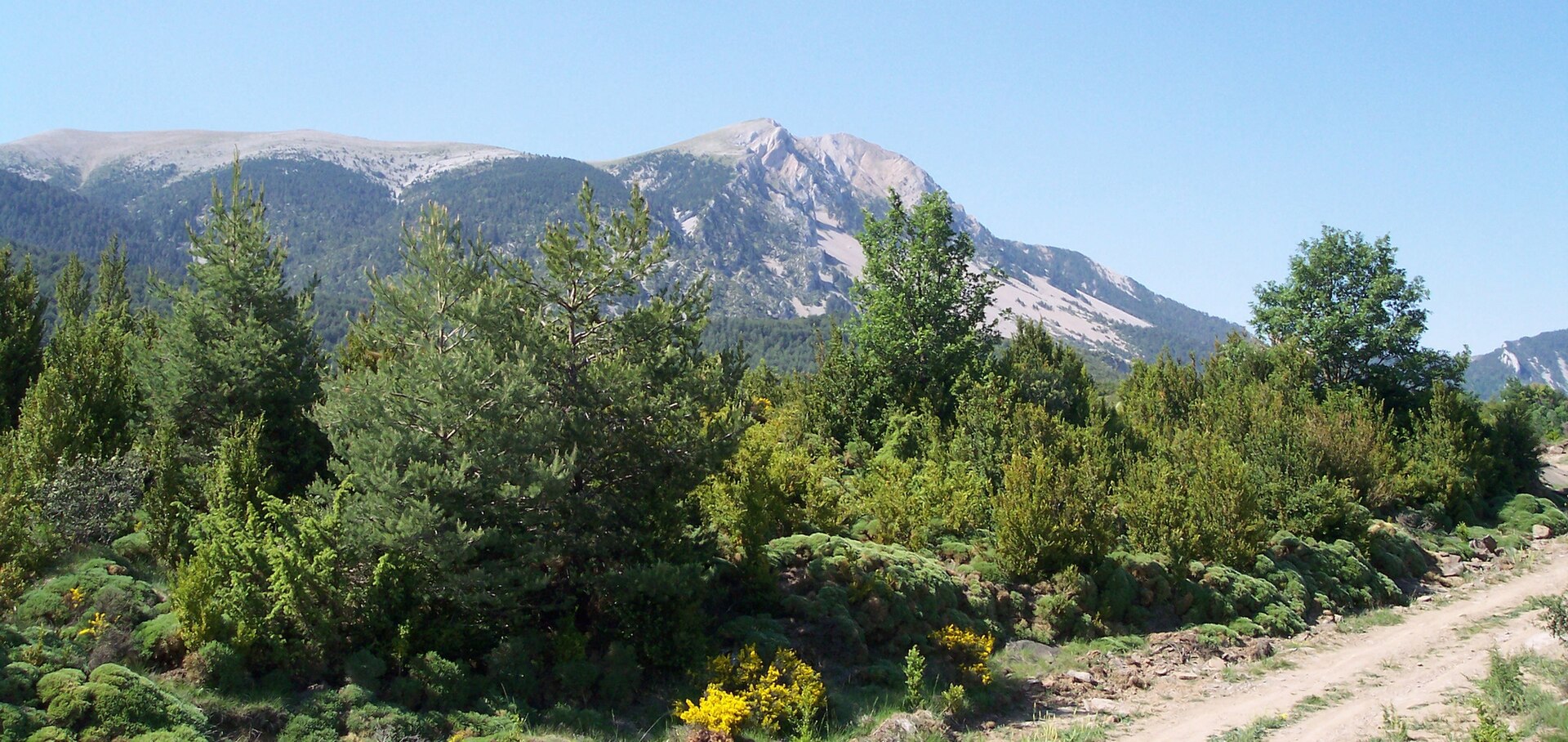
581 records

562 records
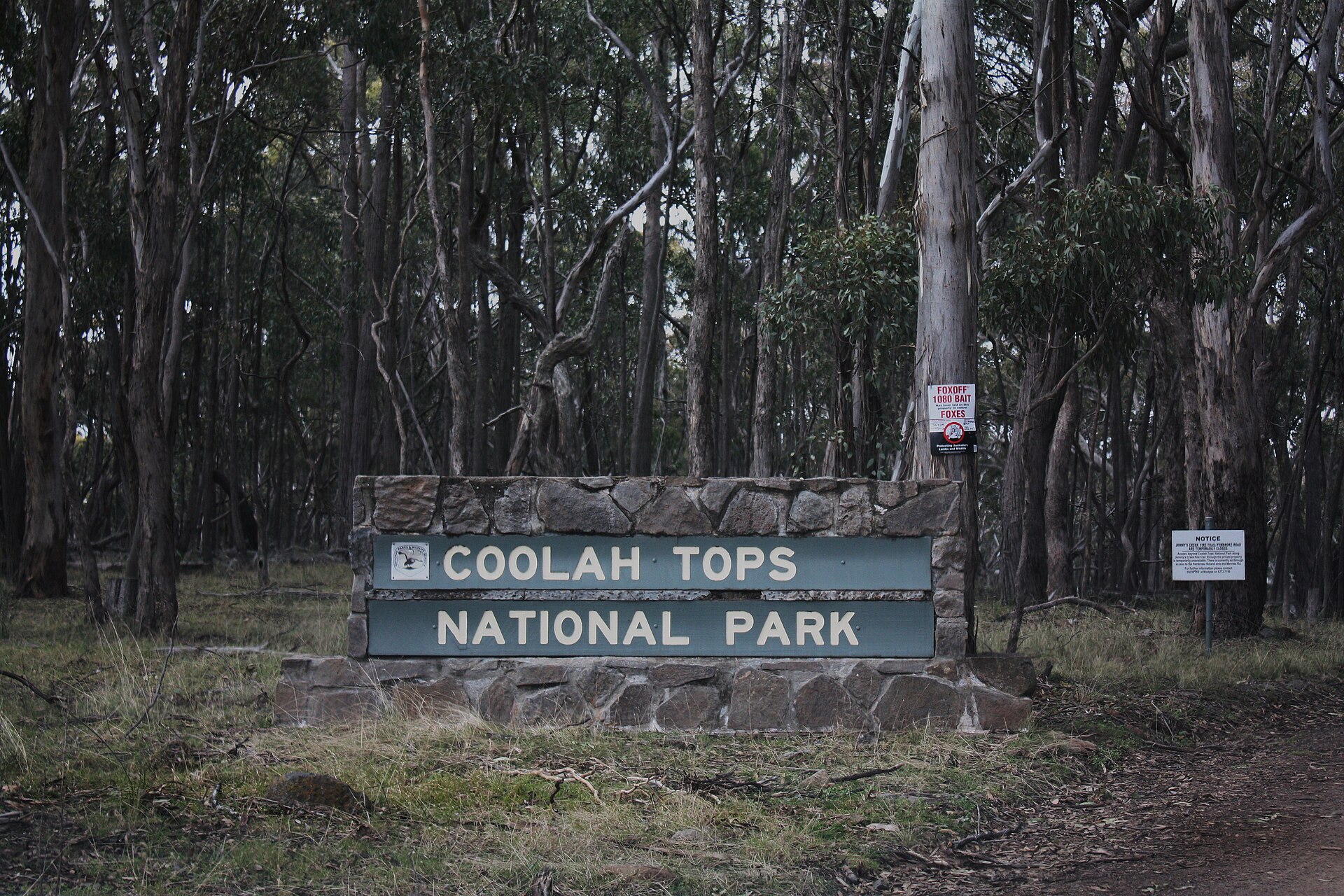
499 records

448 records
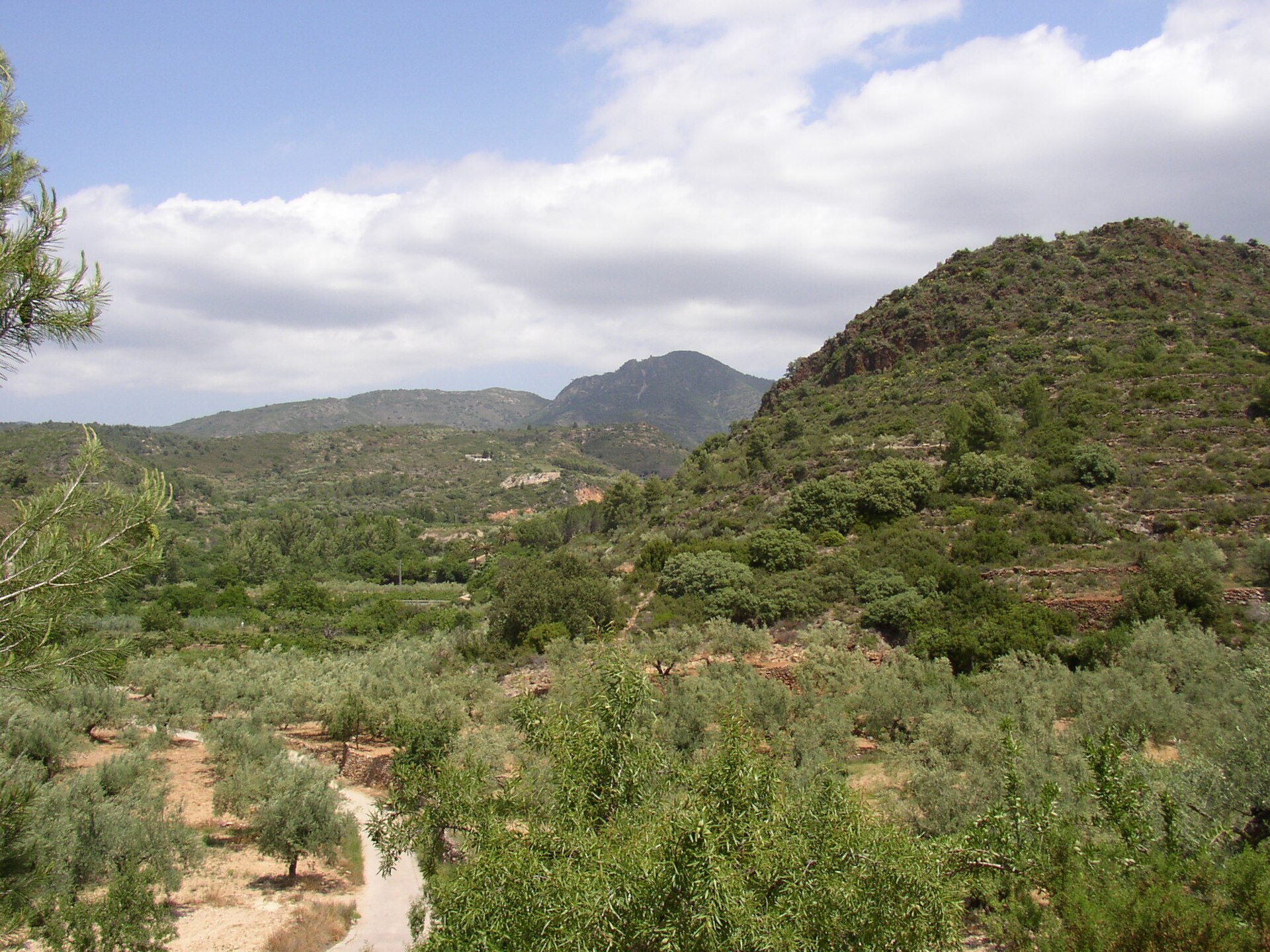
448 records
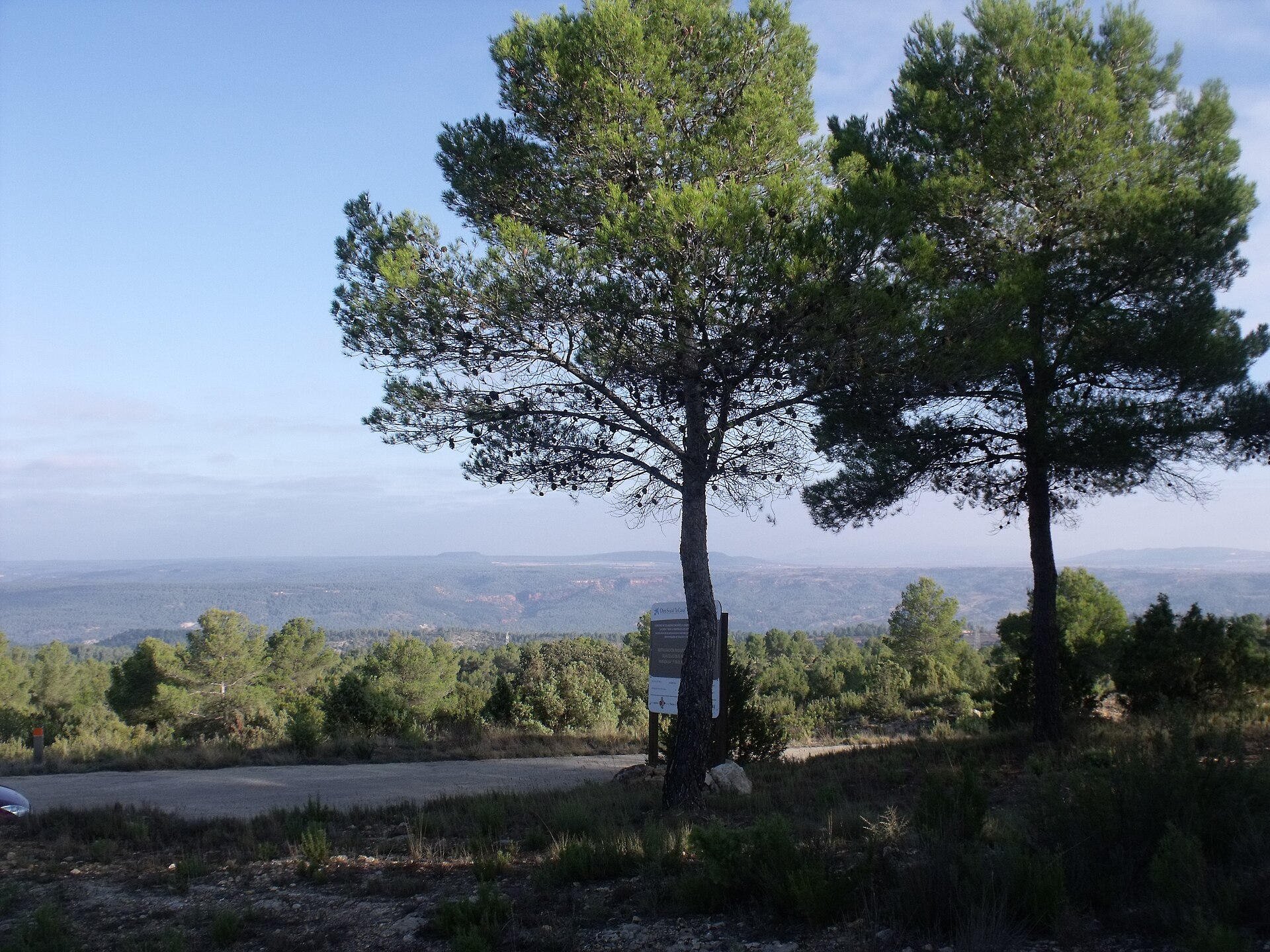
438 records

432 records

428 records
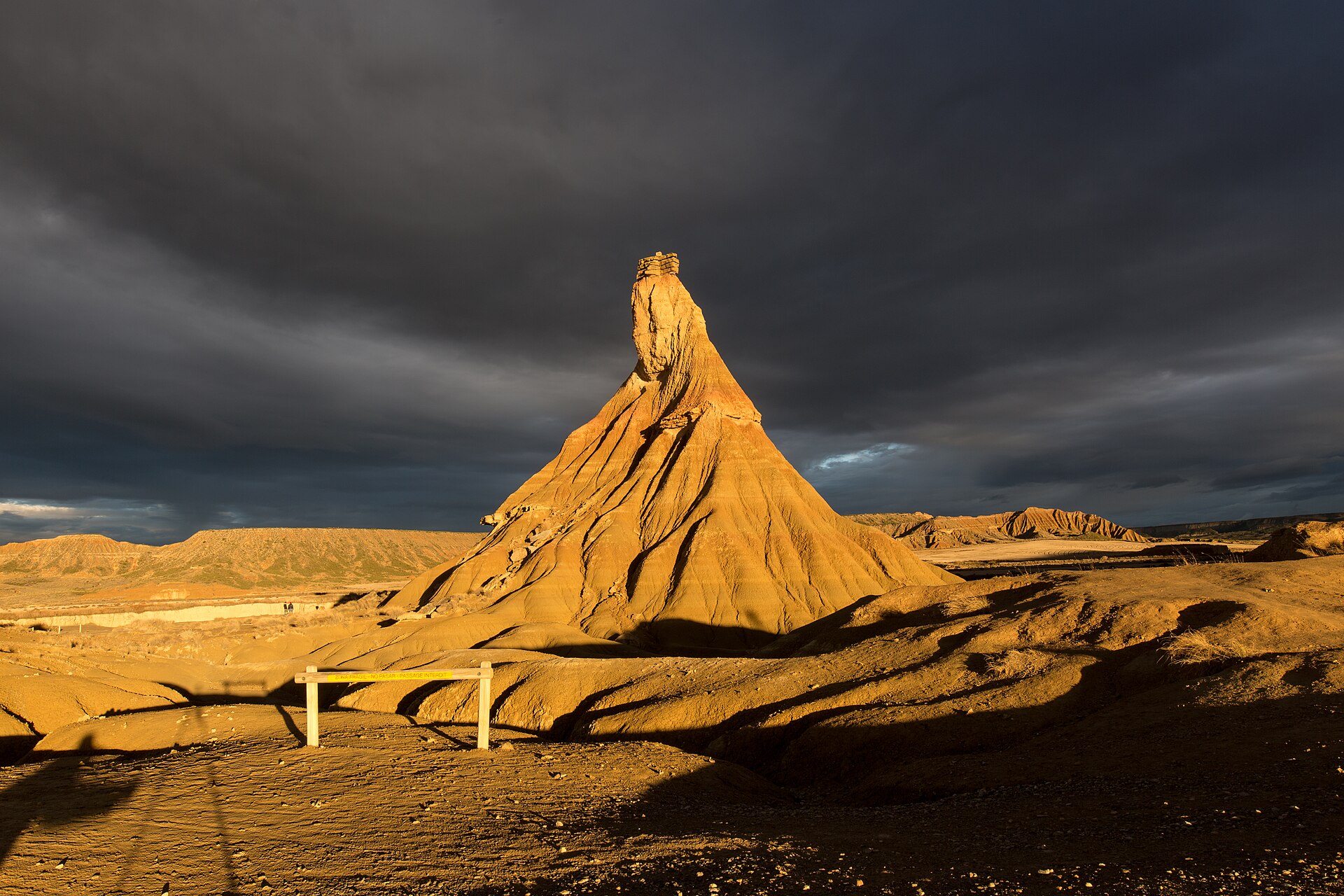
424 records

419 records

377 records
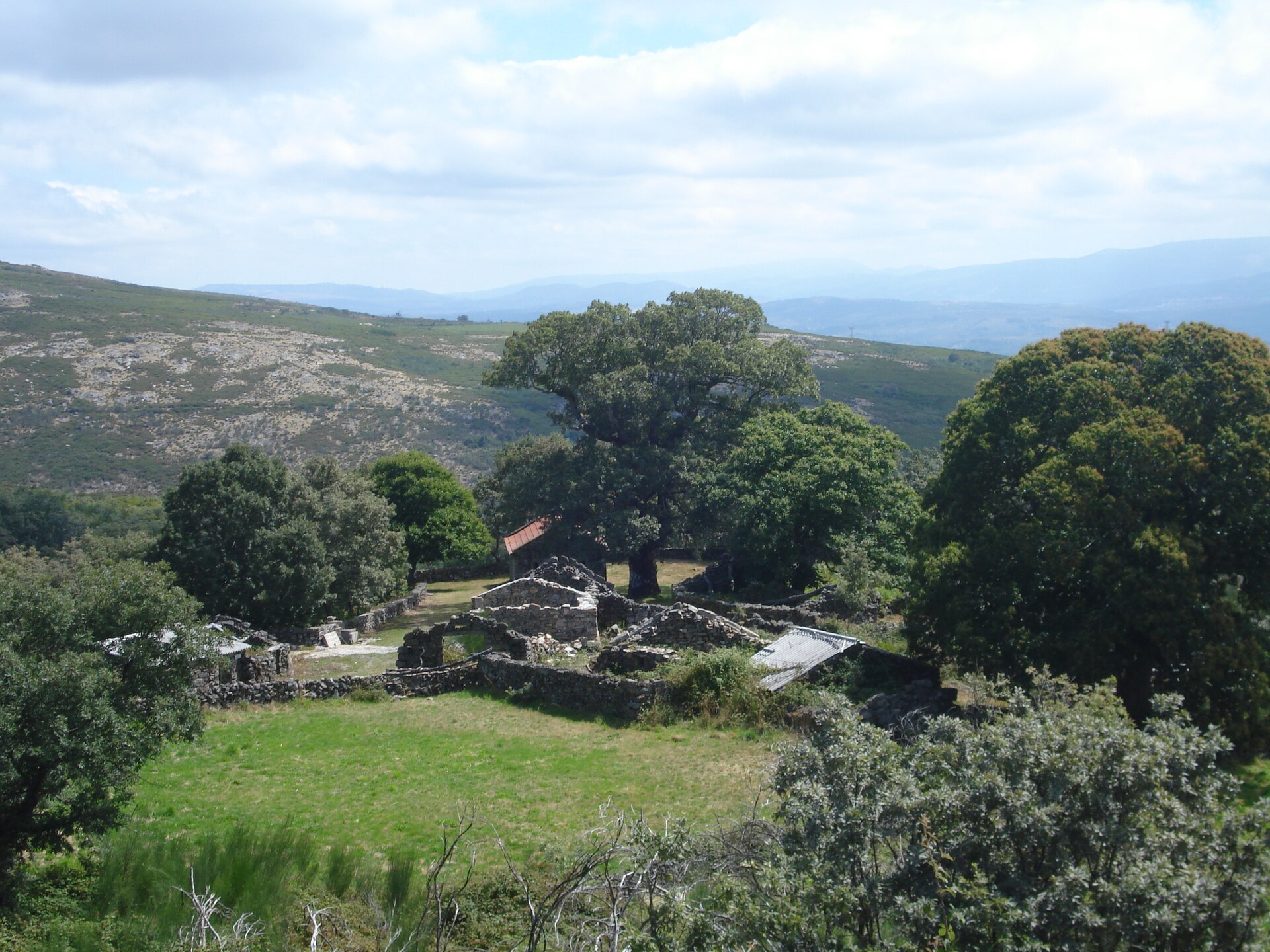
363 records
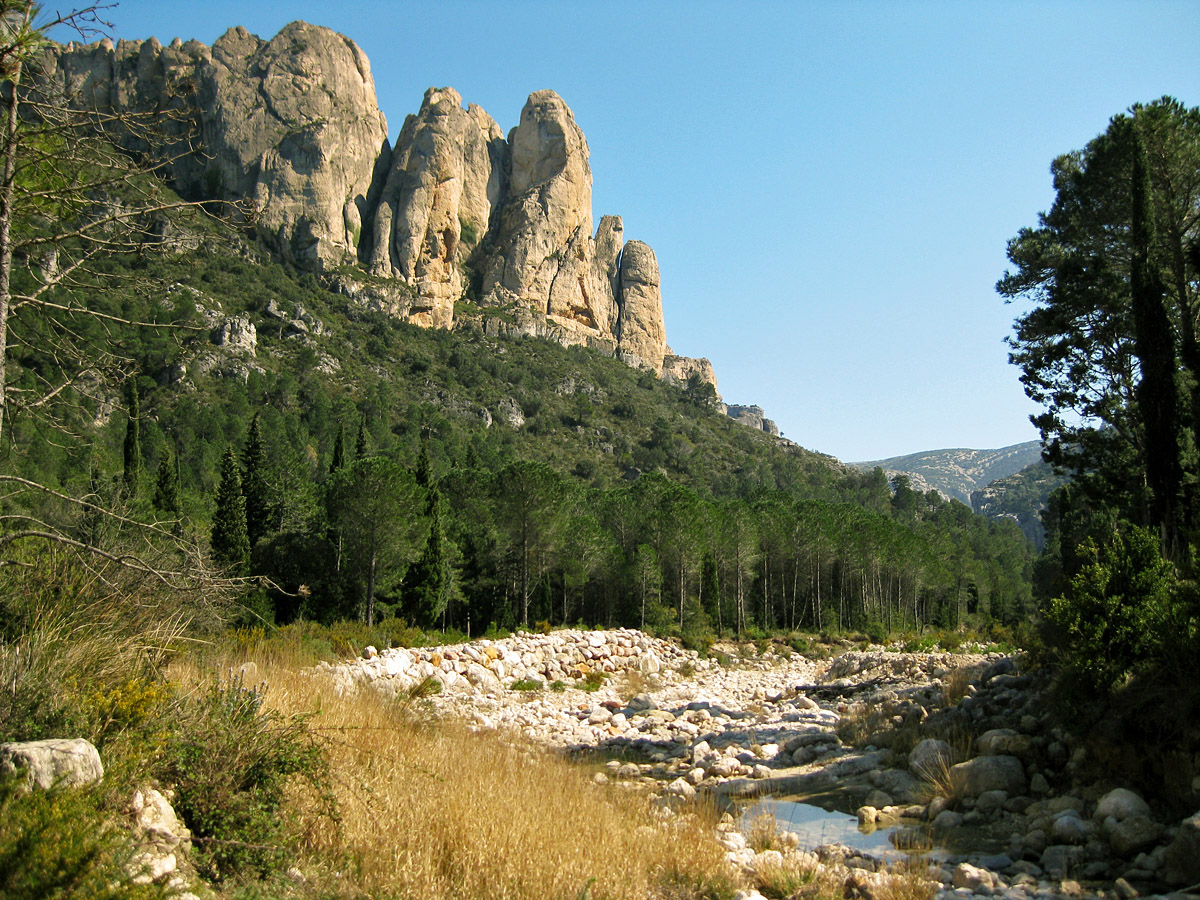
347 records
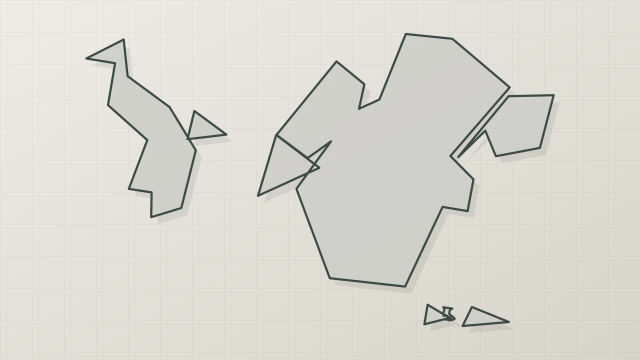
291 records
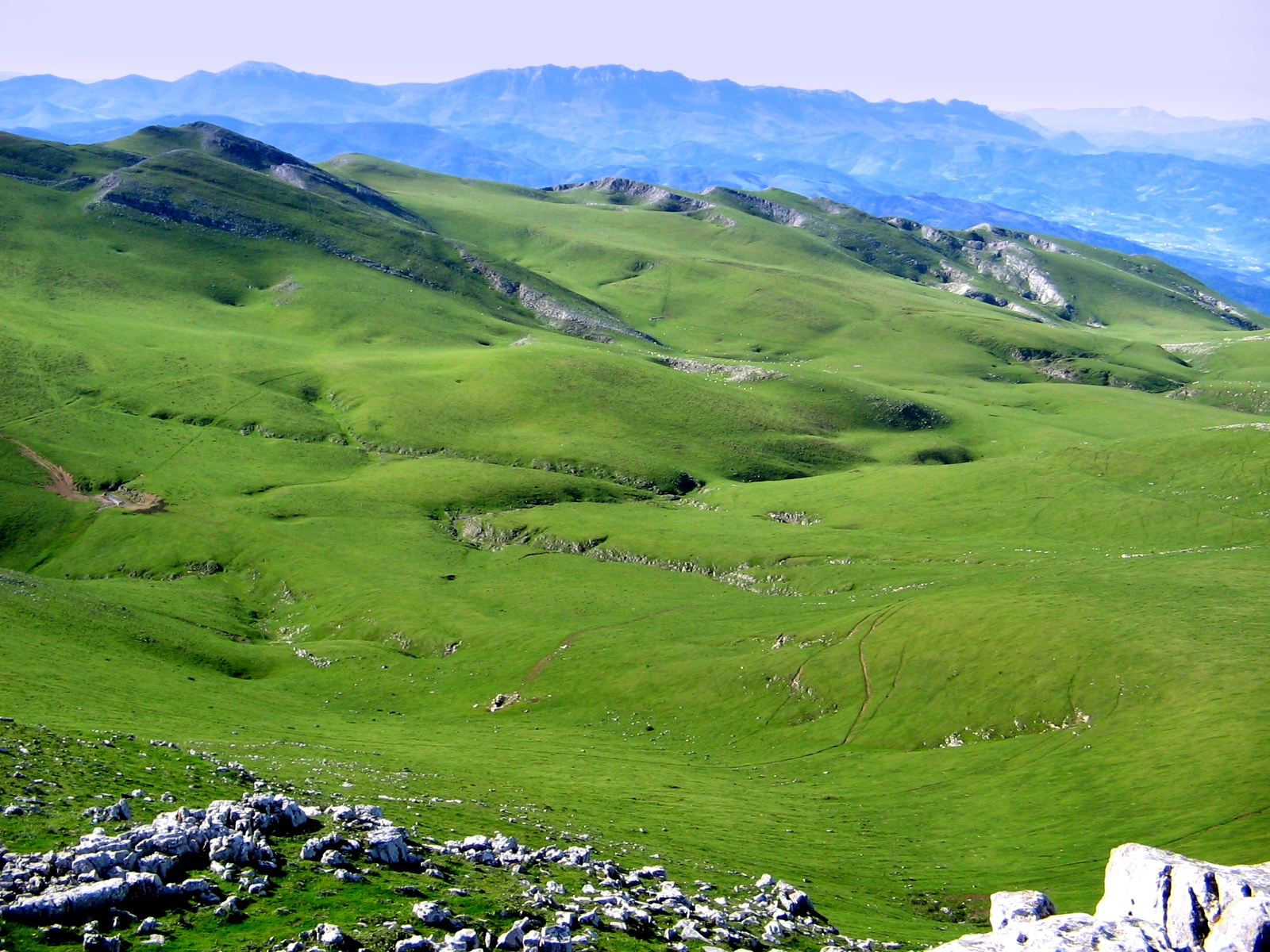
290 records
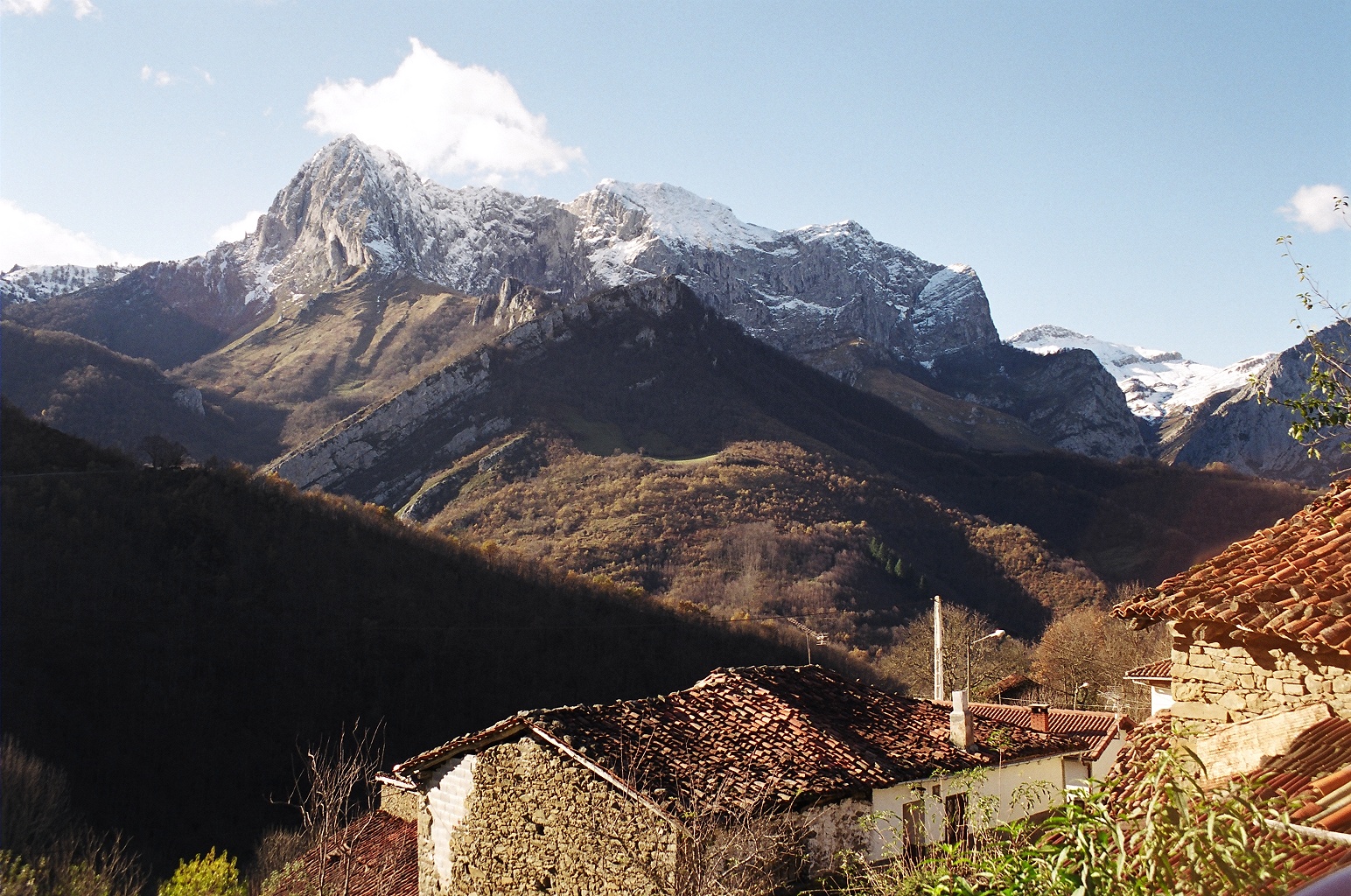
281 records
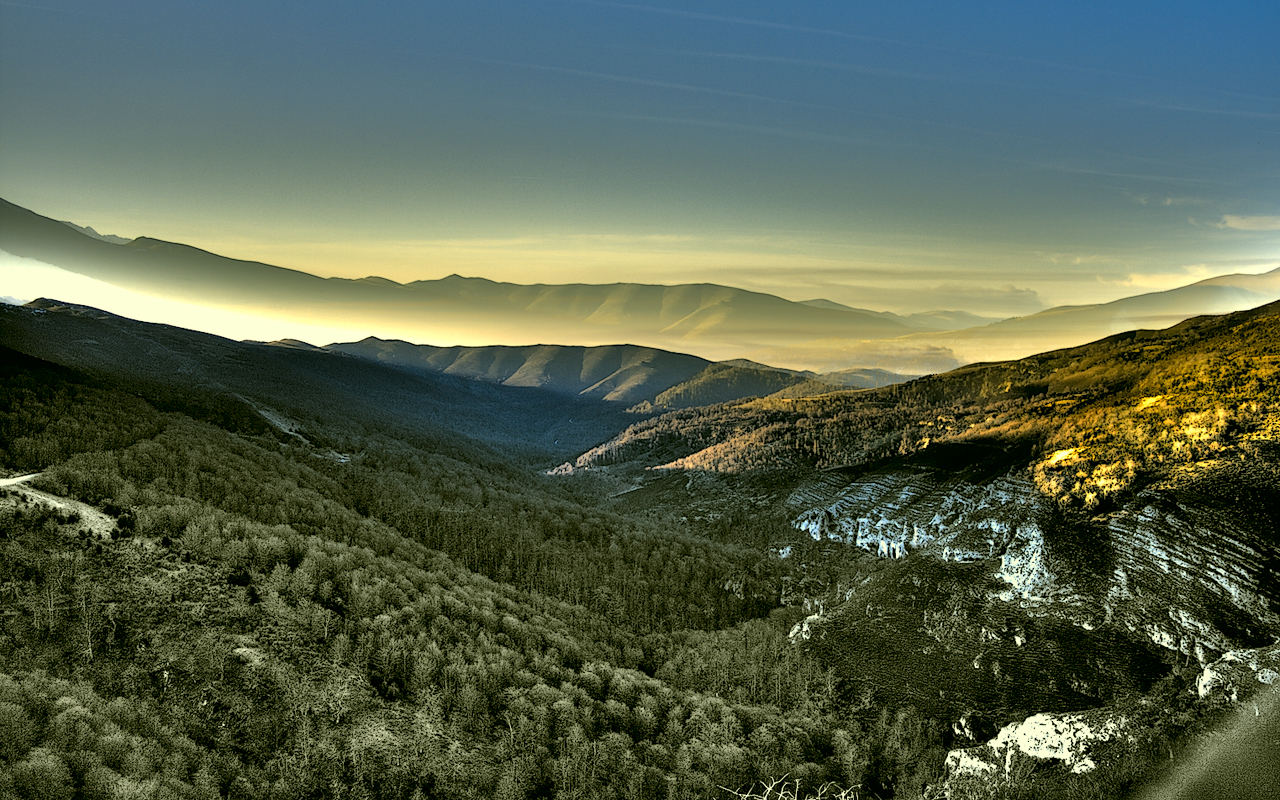
279 records
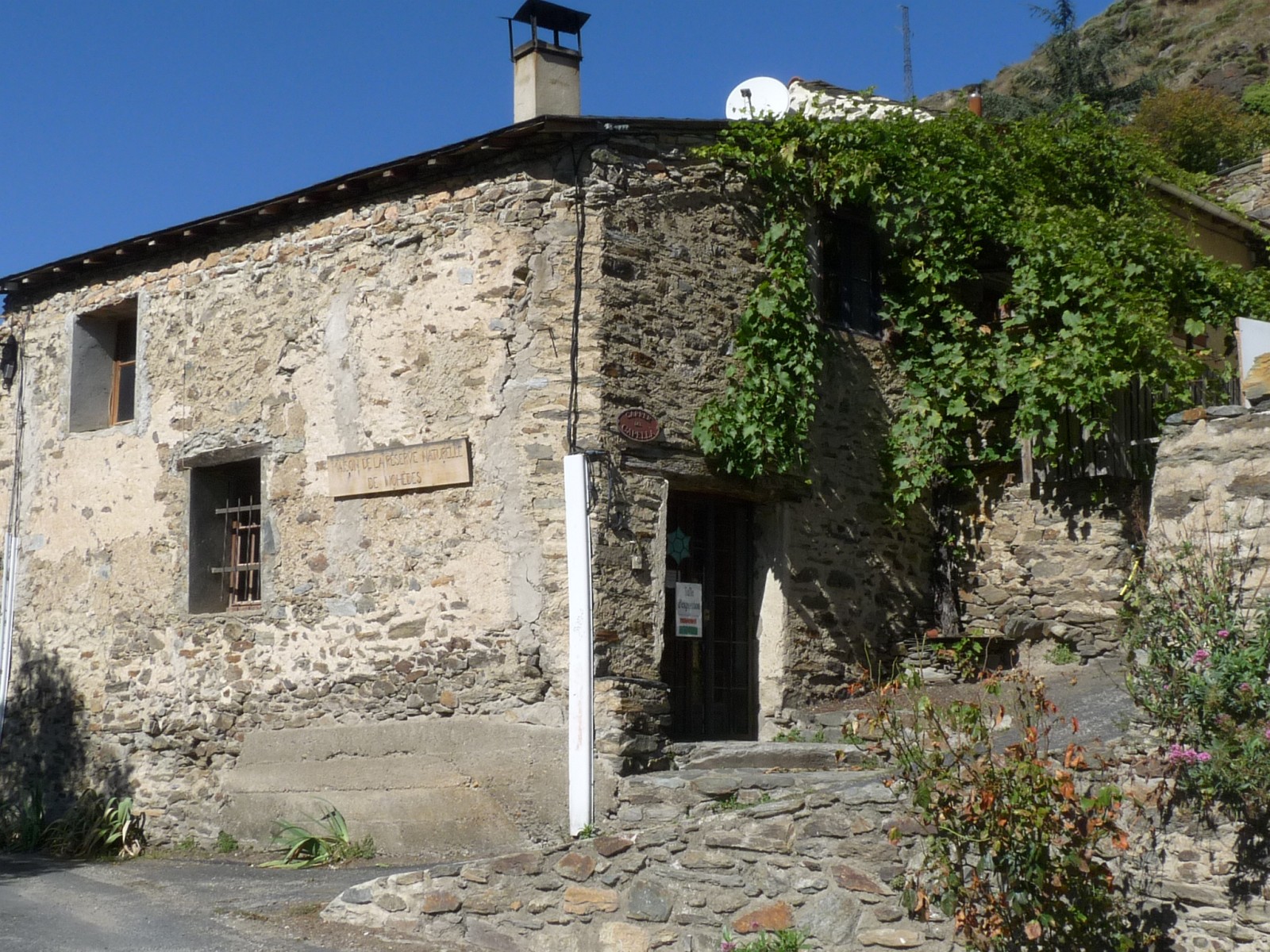
258 records

258 records

194 records
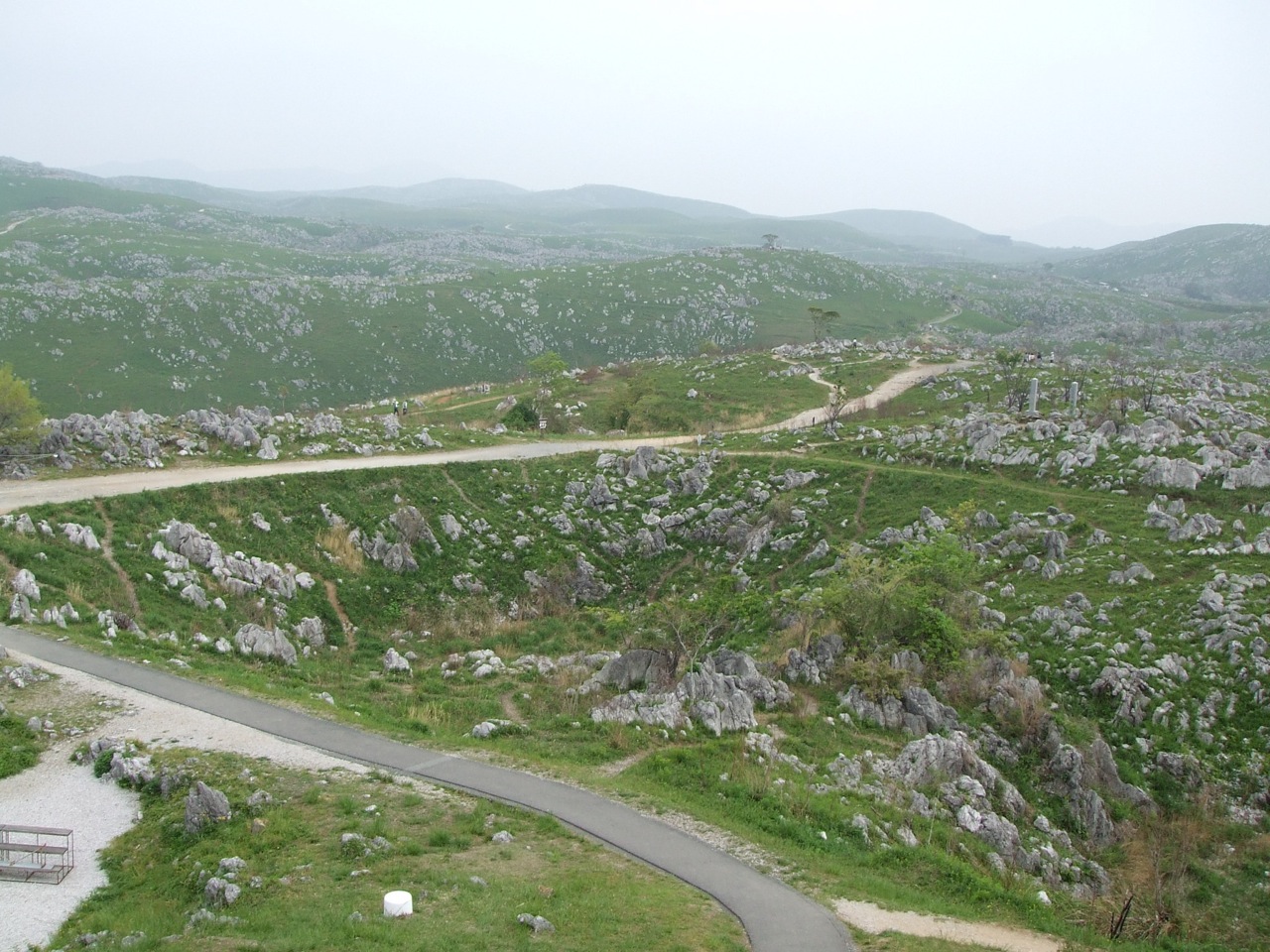
175 records

166 records
165 records
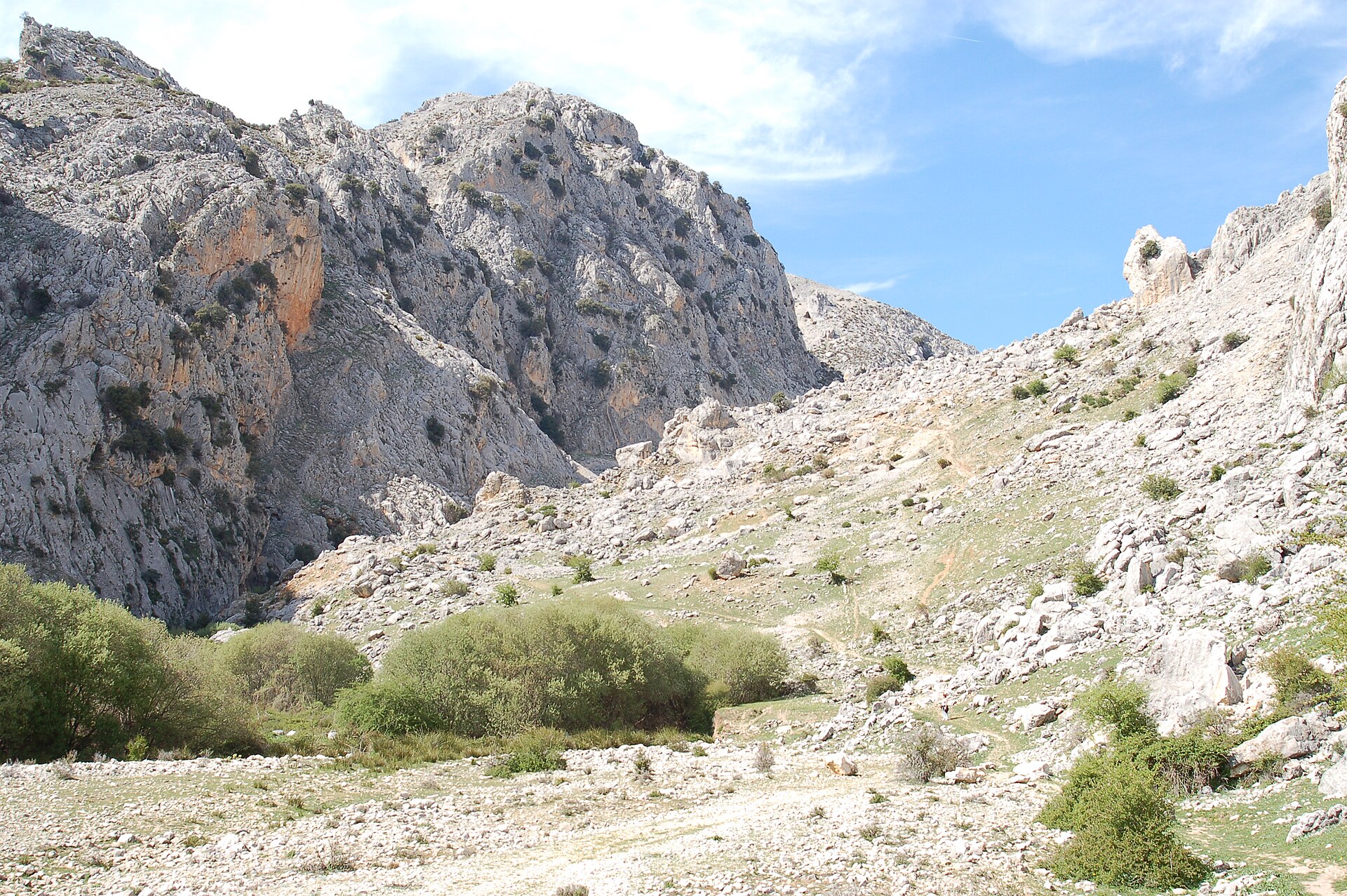
162 records
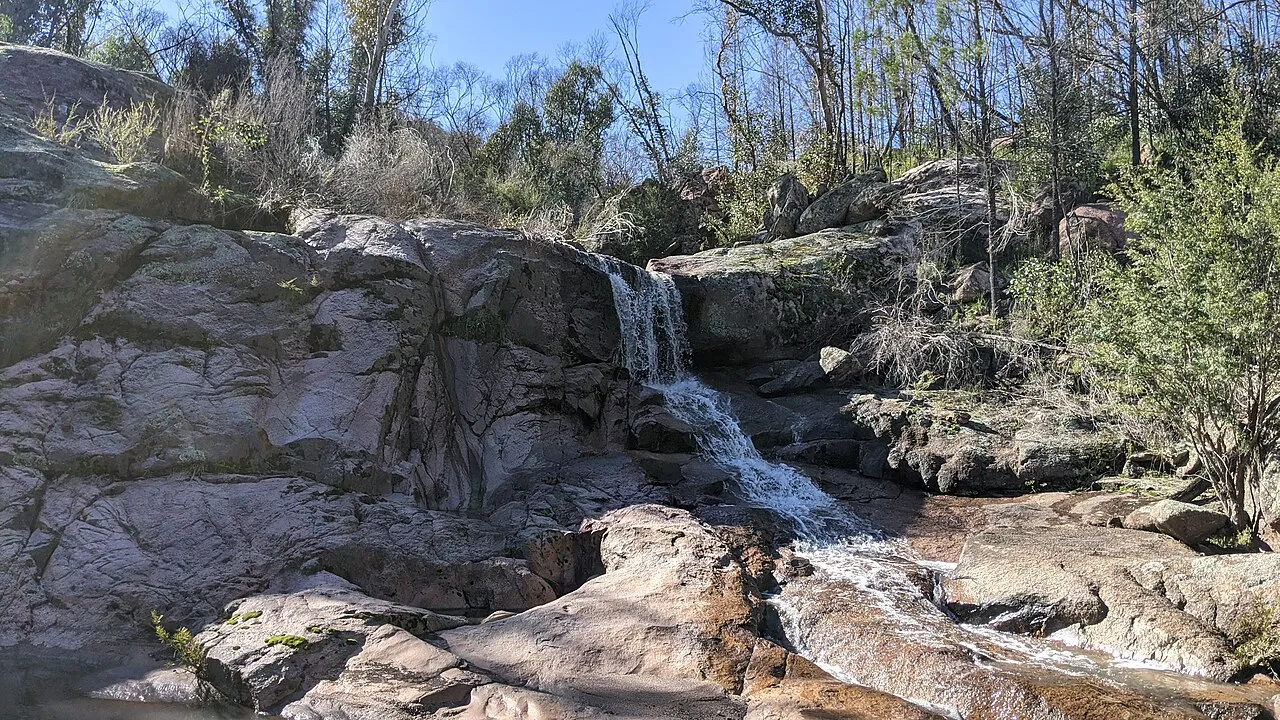
160 records
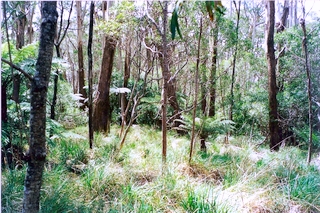
154 records
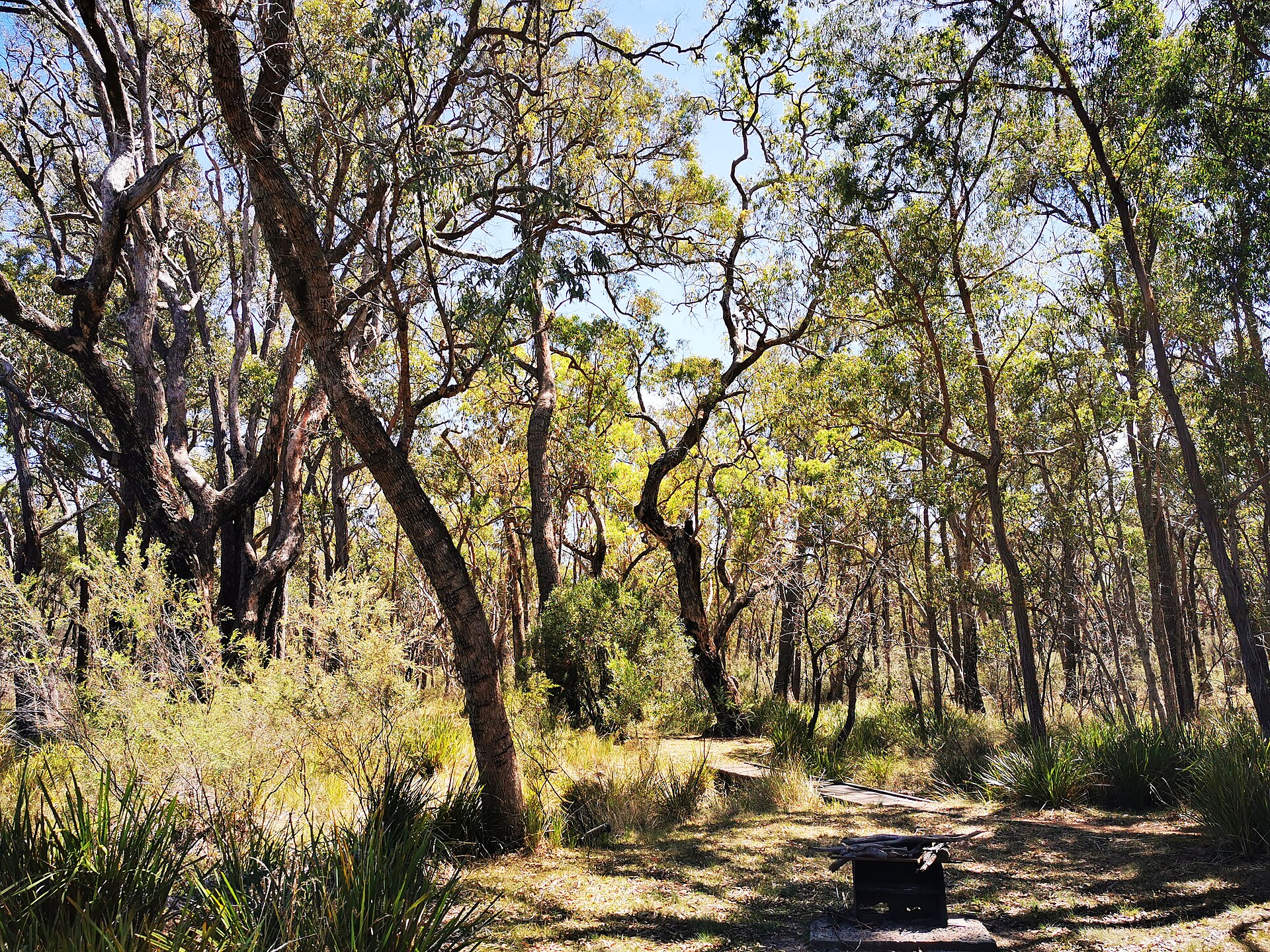
148 records
142 records

138 records

128 records

123 records
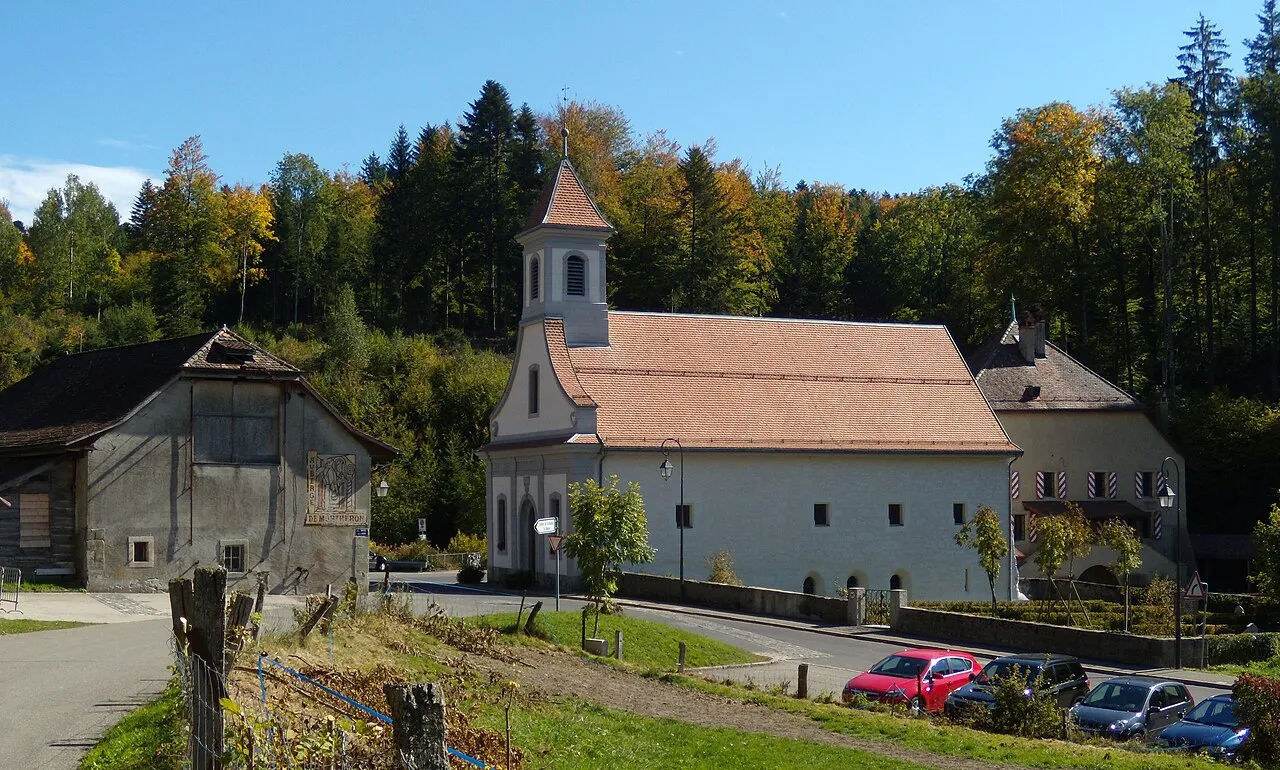
121 records
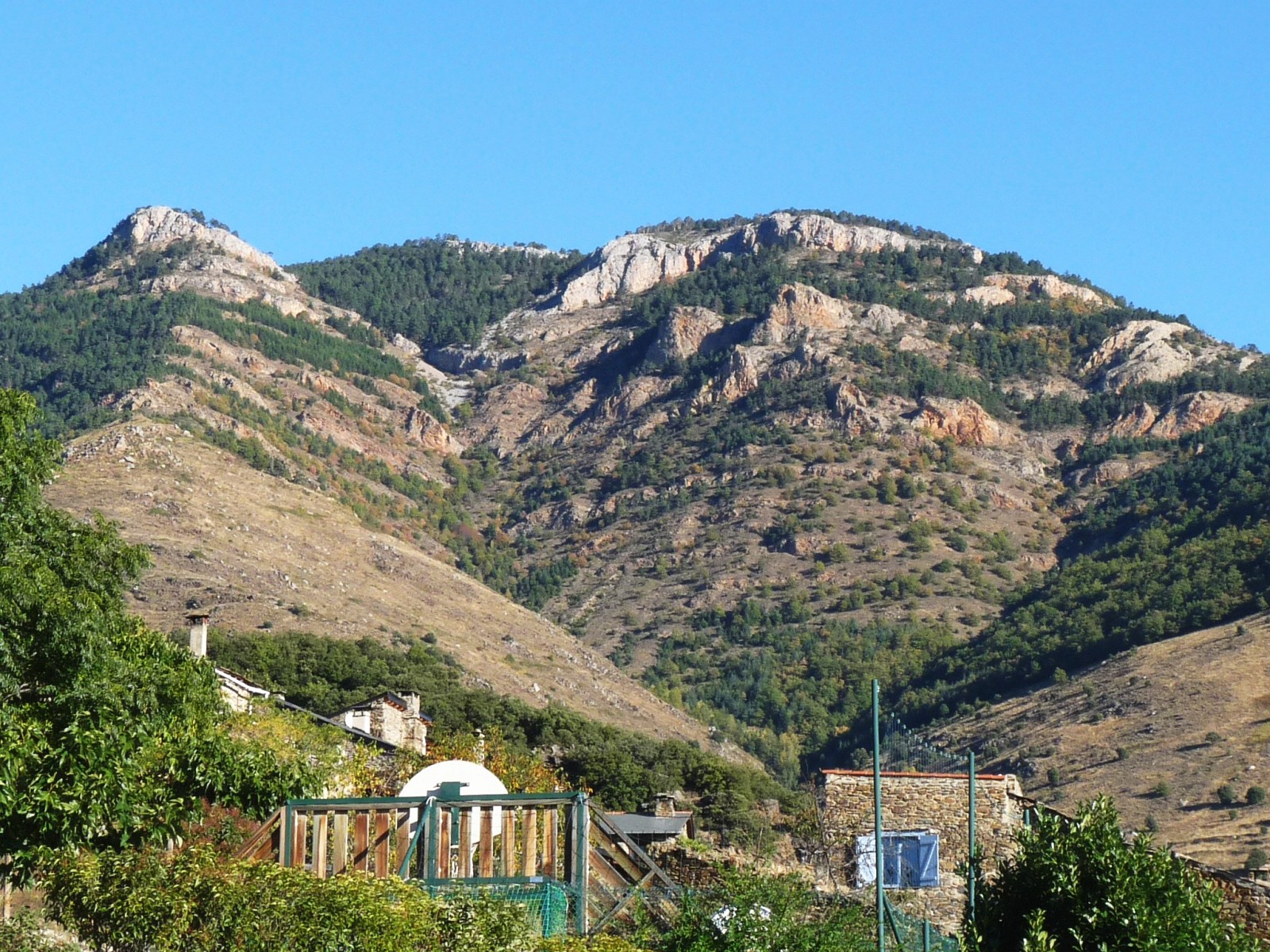
121 records
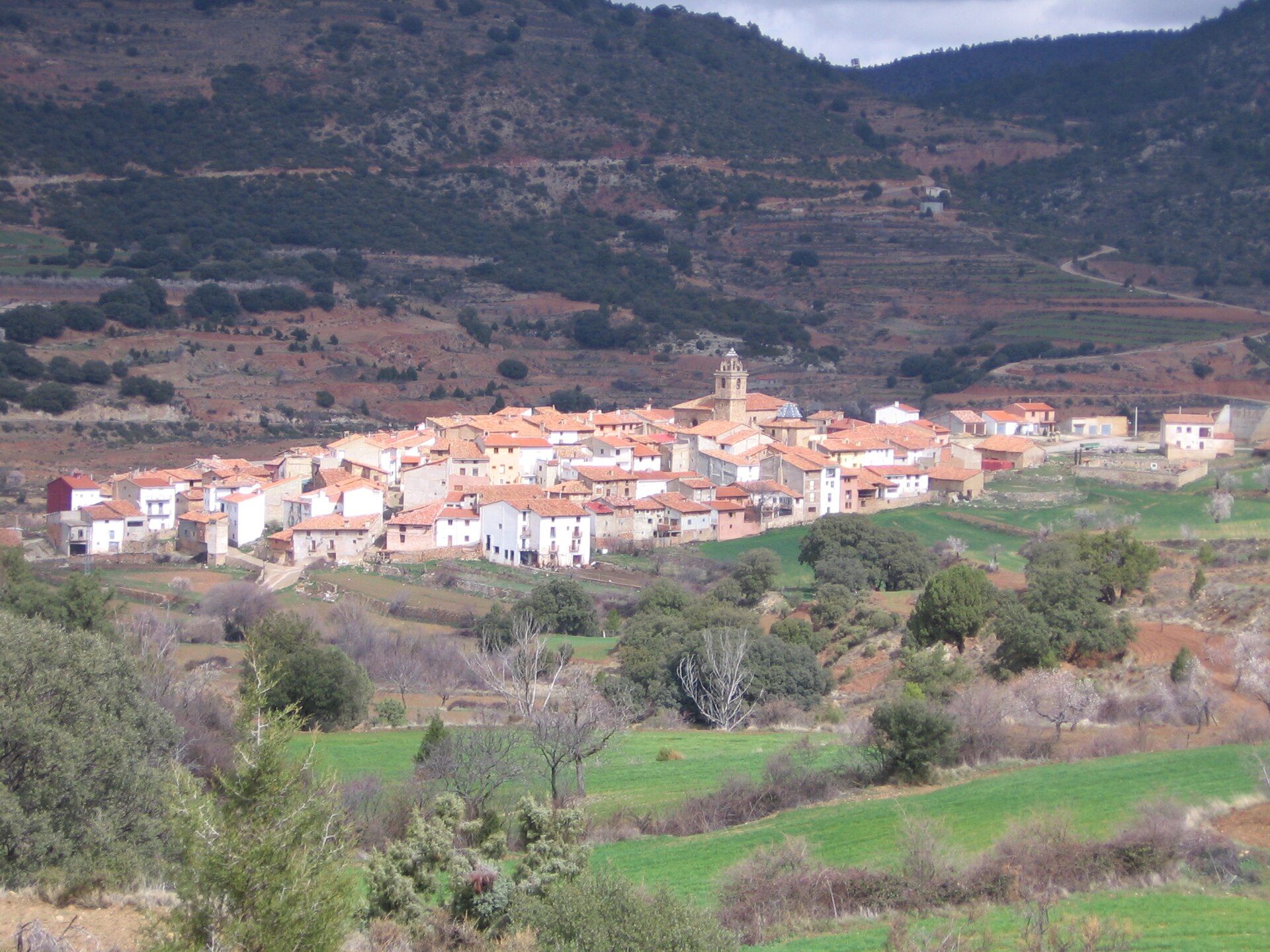
120 records
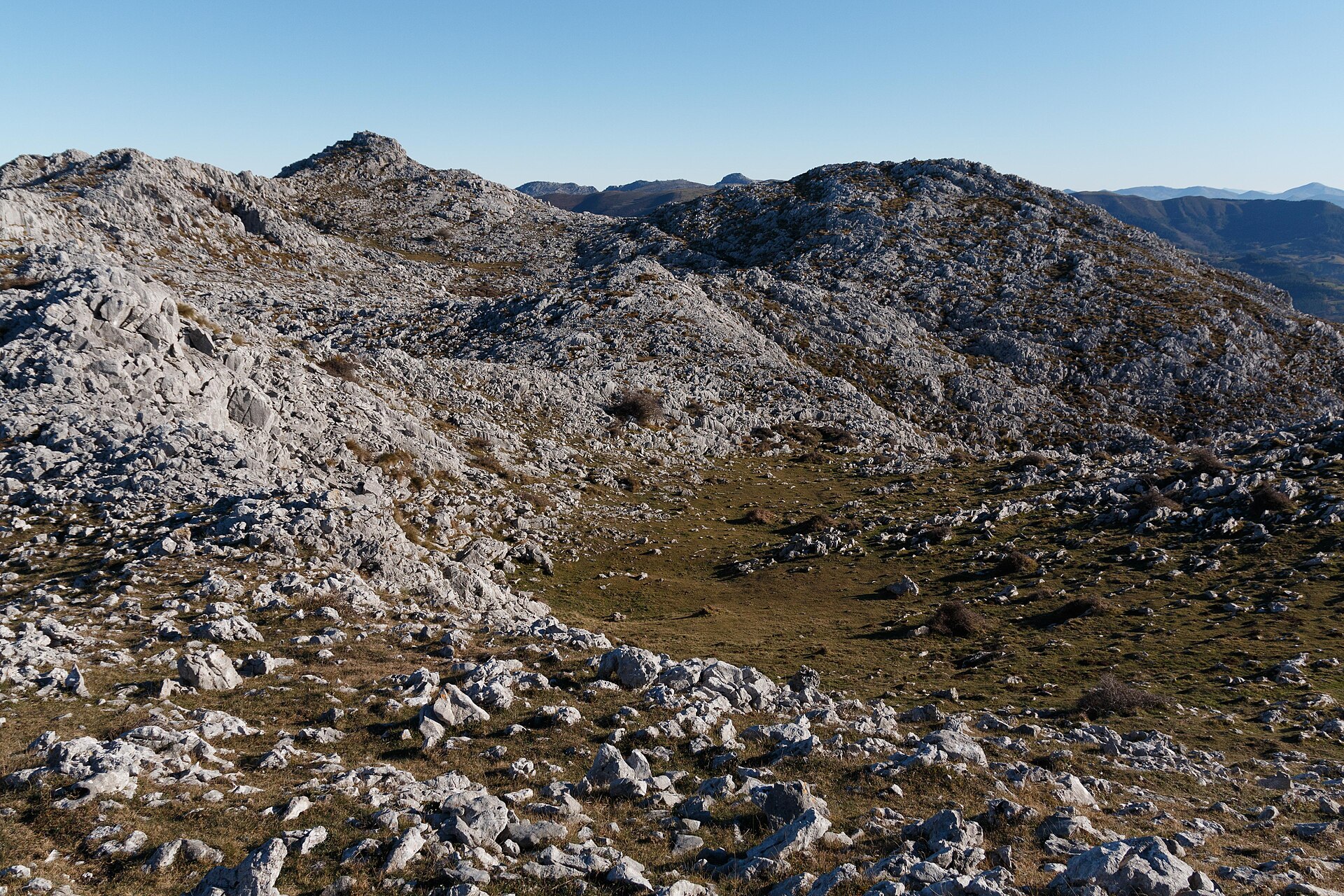
110 records
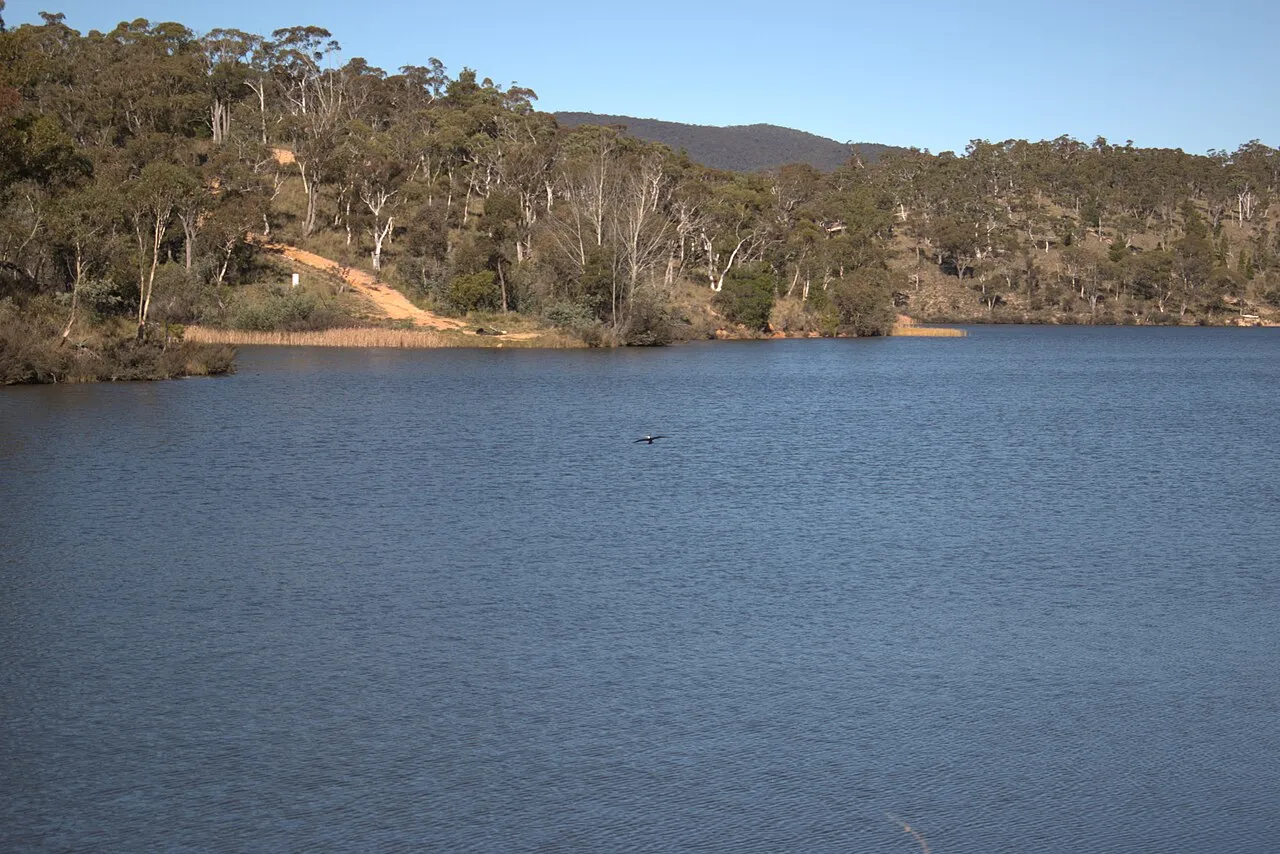
98 records
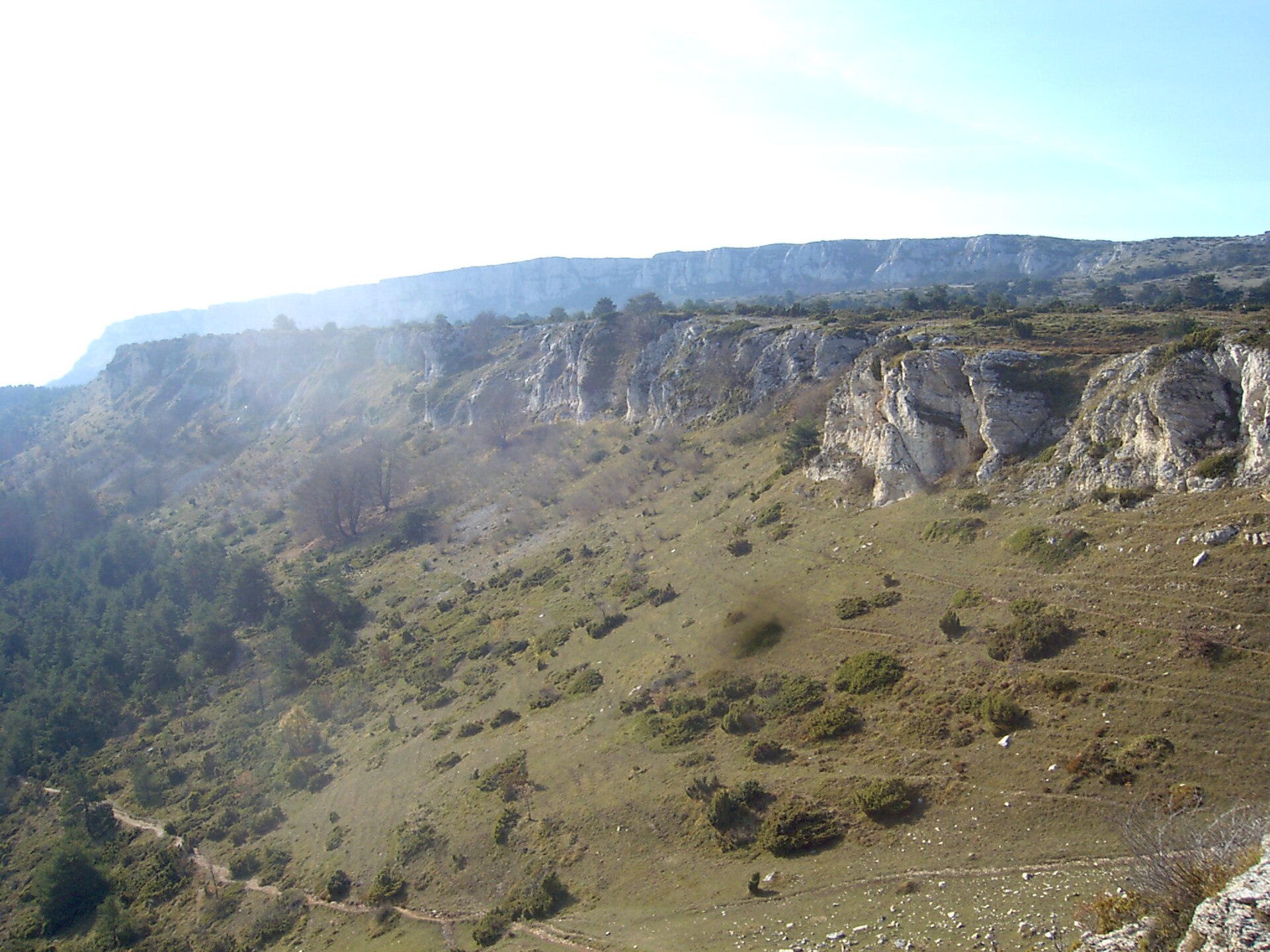
98 records

97 records

95 records

91 records

88 records

64 records
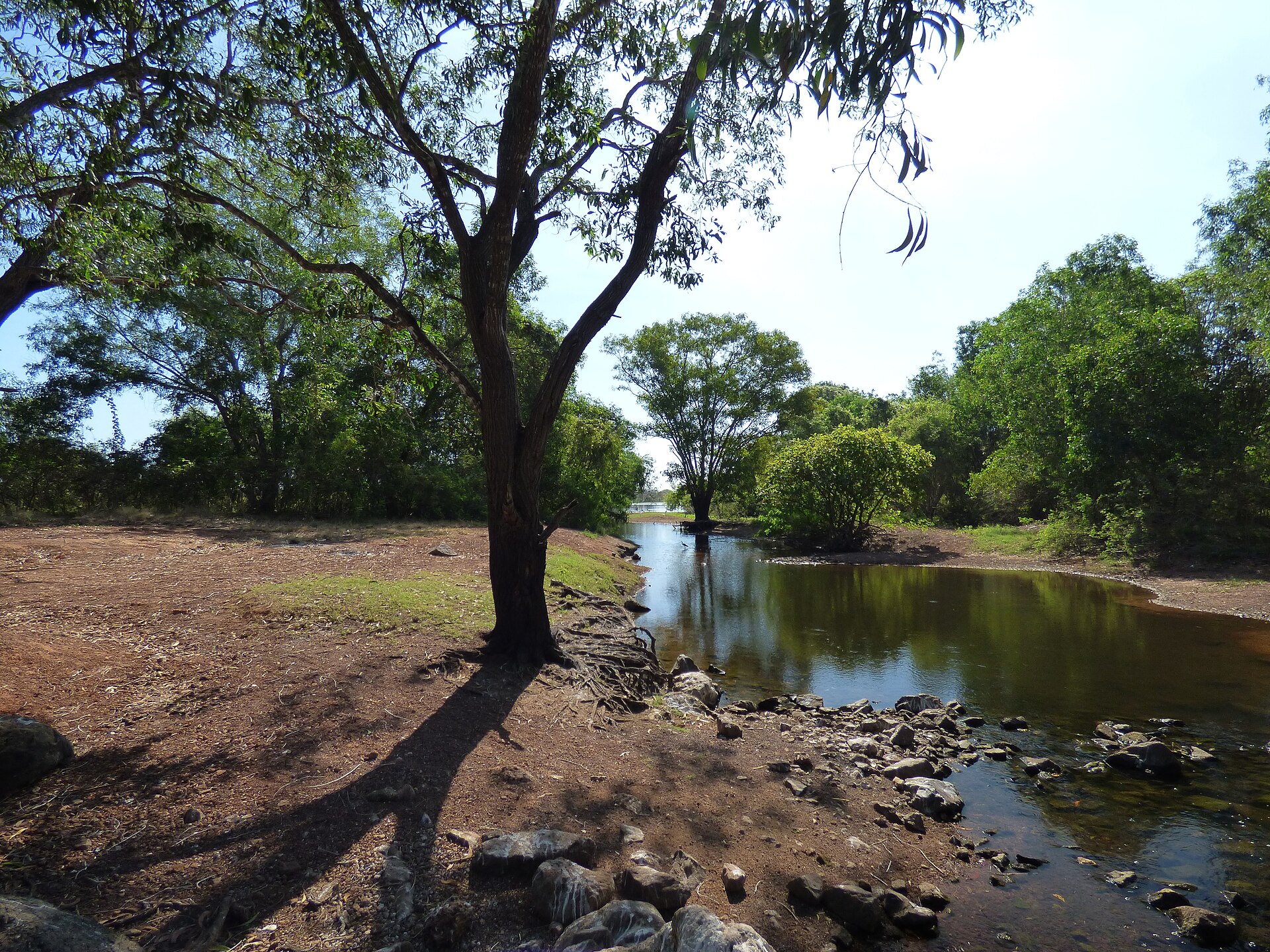
42 records

33 records

32 records
27 records

25 records
24 records

6 records
Other species to discover
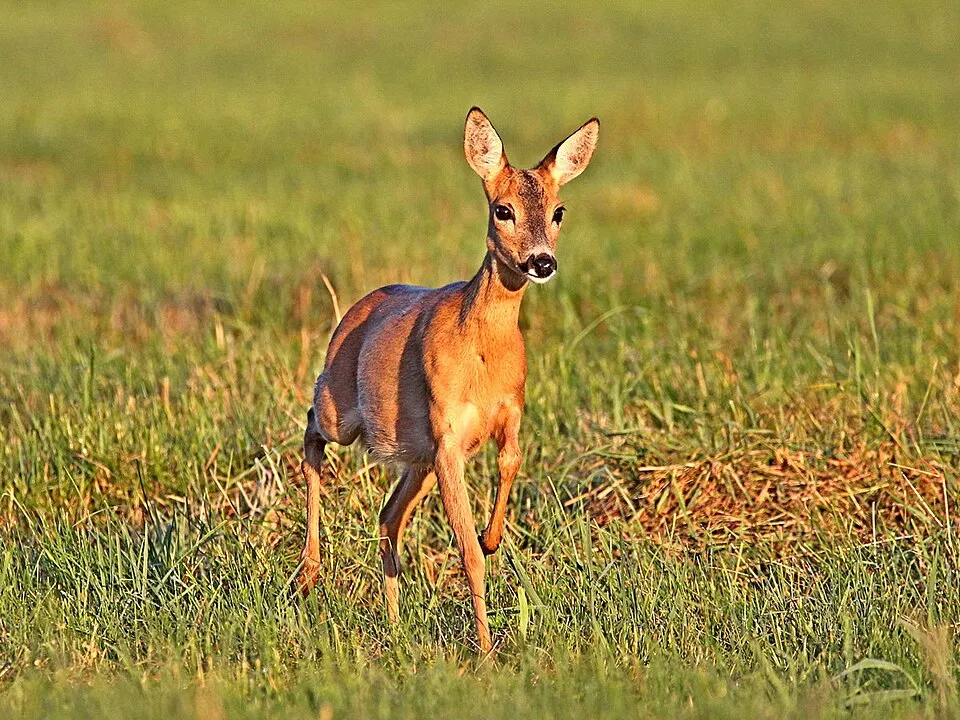 Roe deer
Capreolus capreolus 42 places in common
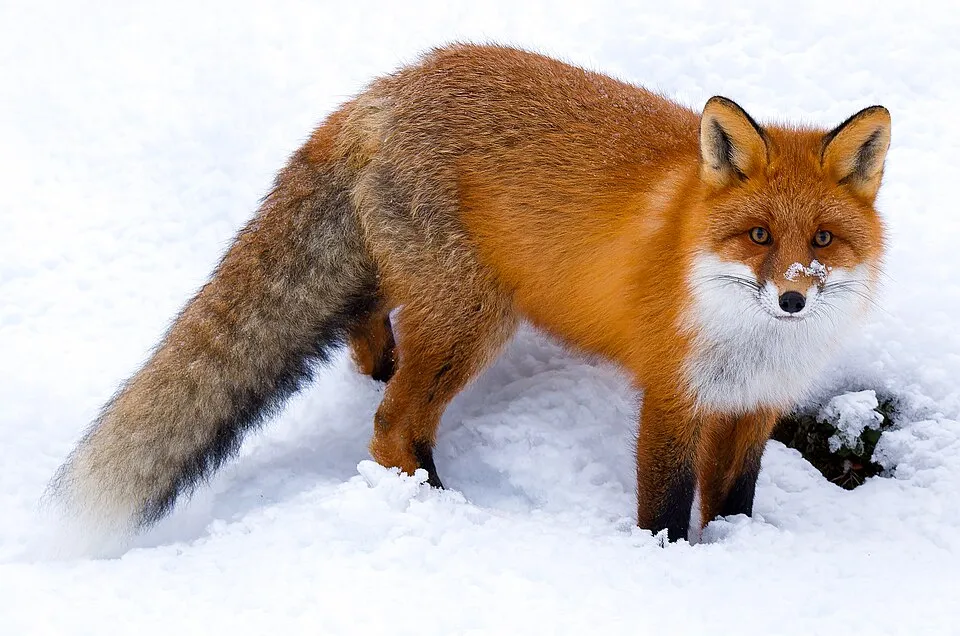 Red fox
Vulpes vulpes 40 places in common
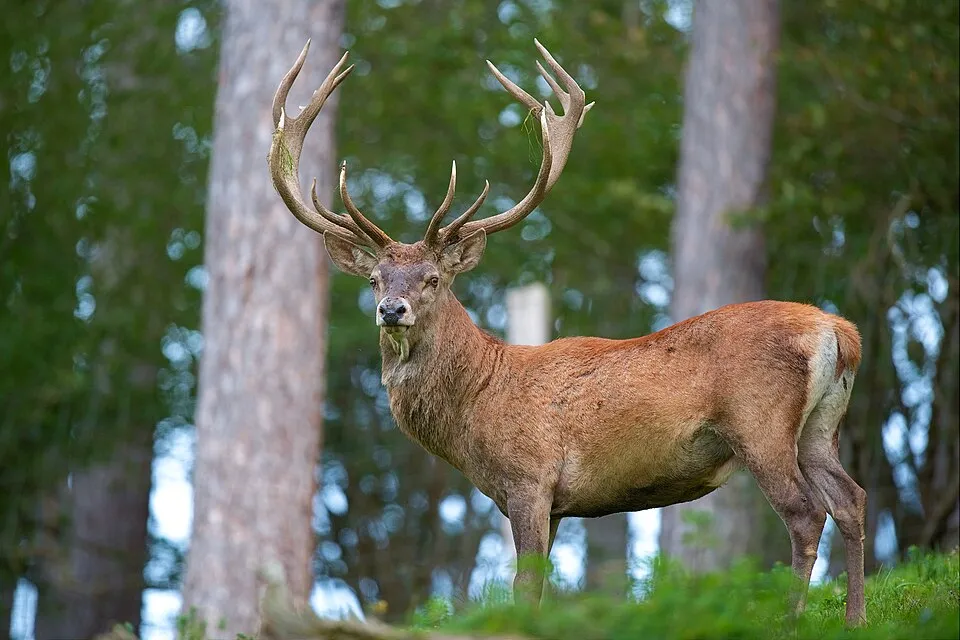 Red deer
Cervus elaphus 22 places in common
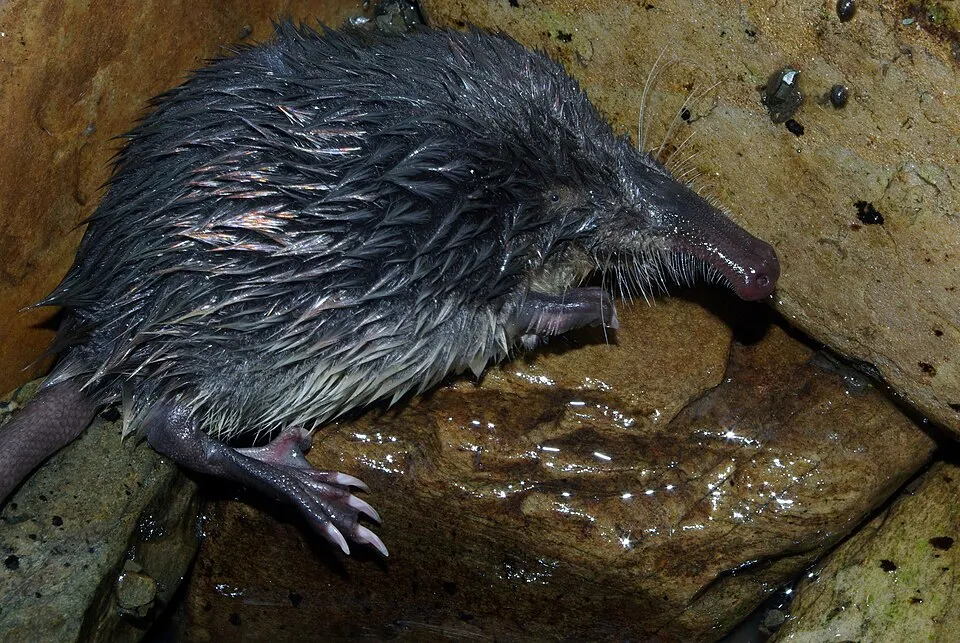 Pyrenean desman
Galemys pyrenaicus 21 places in common
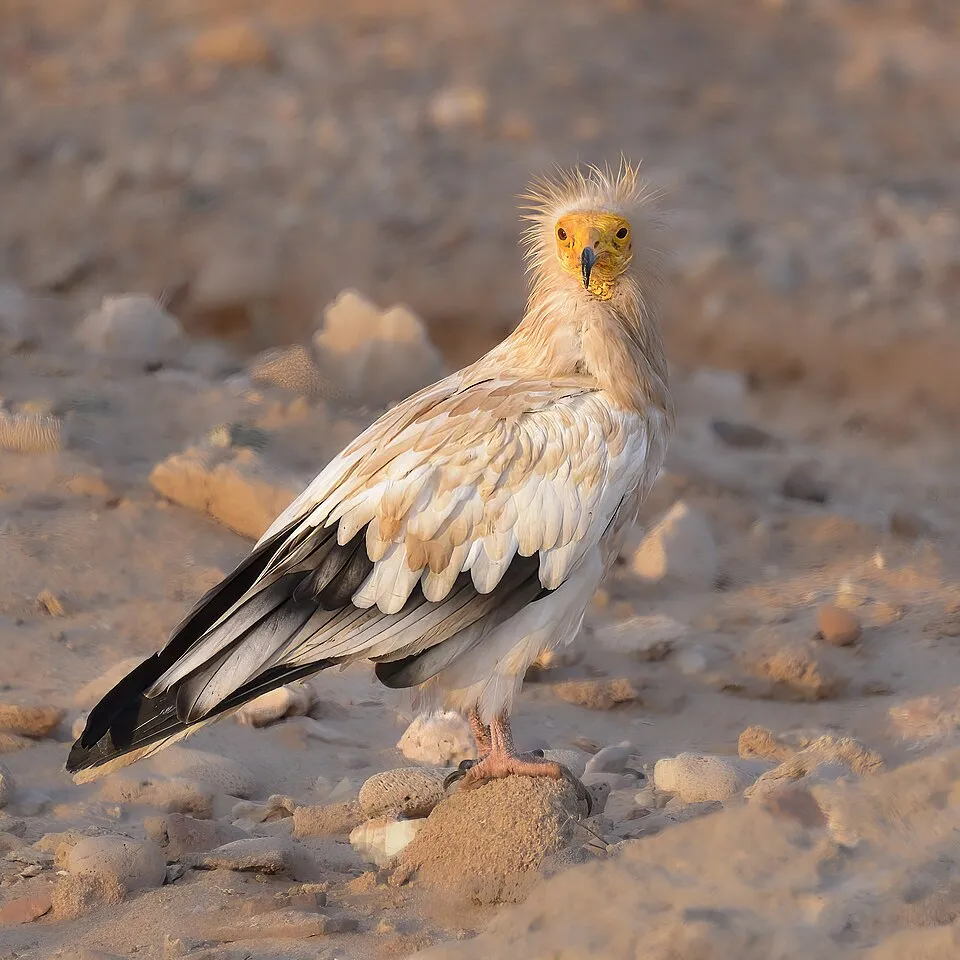 Egyptian Vulture
Neophron percnopterus 33 places in common
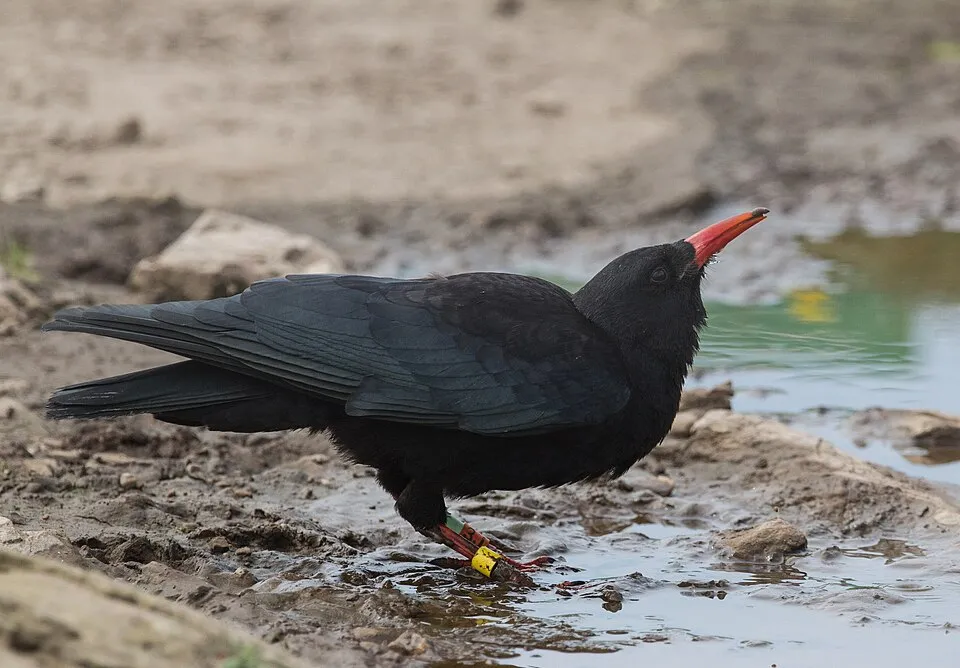 Red-billed Chough
Pyrrhocorax pyrrhocorax 41 places in common
Sources and credits
- Presence: most-recorded species of each place on GBIF and species of Community interest in the Natura 2000 forms (EEA, CC-BY 4.0); absence from the list does not mean the species is absent.
- Common names: Wikidata (CC0) and GBIF.
- Photos and sounds: Wikimedia Commons, author and licence given for each file.
- Classification: GBIF Backbone Taxonomy (GBIF Secretariat), CC BY 4.0, doi:10.15468/39omei.
- Countries, elevations, months and maps: GBIF.org, CC0 or CC BY 4.0 occurrences only, accessed October 22, 2026, GBIF.org.
- Base map: Natural Earth (public domain).
- Excerpt: Wikipedia, CC BY-SA 4.0 (full credit below the excerpt).
- Key facts: Wikidata (CC0), with the references cited under each value.
- Invasive alien species: Union list, Regulation (EU) No 1143/2014 (INBO, CC0); Global Register of Introduced and Invasive Species (ISSG, CC BY 4.0).