
Plant
Greater knapweed: where to see it
Centaurea scabiosa
This plant species is recorded in 5 protected areas of the atlas. Within the atlas countries, it is mostly observed in France, Germany and Switzerland (13 countries in all). Most records (8 in 10) lie between 270 and 1,550 m above sea level. Records peak from May to August. Perennial plant, native to Europe and temperate Asia, introduced to North America.
Best time to see it: May–August
Records published on GBIF by month (CC0 and CC BY 4.0 licences only), in the atlas countries, all years combined; they also reflect observer activity.
Distribution
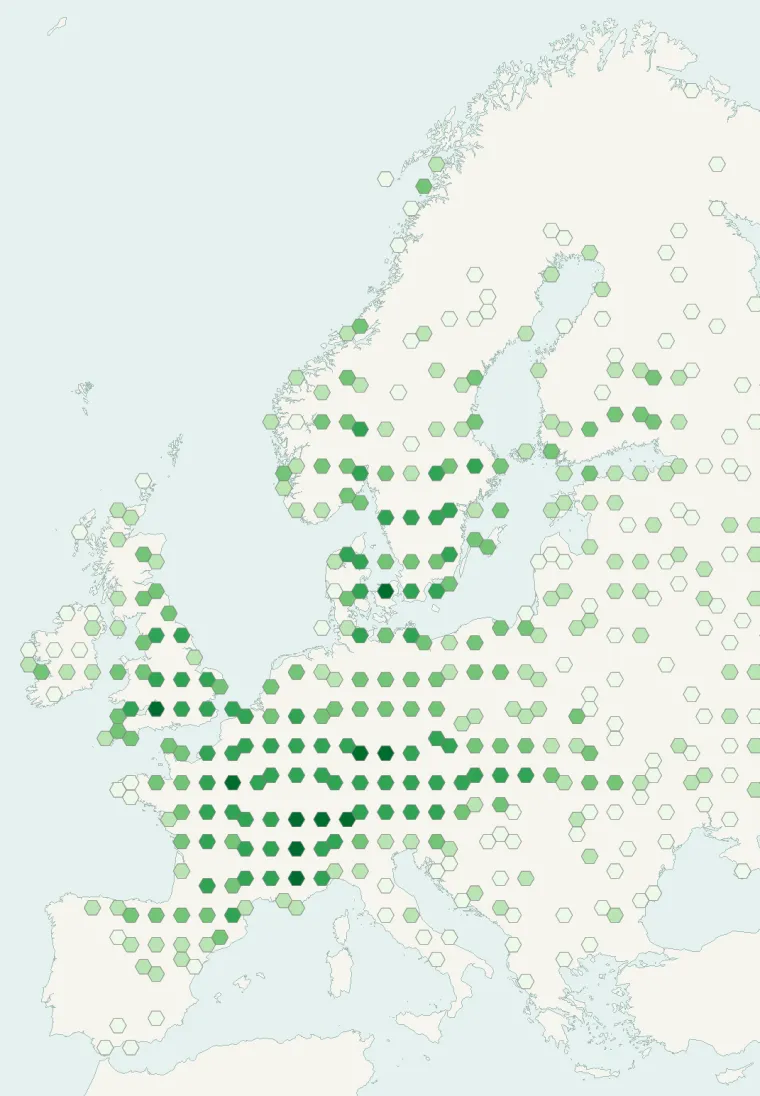
Records published on GBIF (CC0 and CC BY 4.0 licences): the darker the shade, the more records there are; they also reflect observation effort.
From Wikipedia
Centaurea scabiosa, or greater knapweed, is a perennial plant of the genus Centaurea. It is native to Europe and bears purple flower heads. Greater knapweed is found growing in dry grasslands, hedgerows and cliffs on lime-rich soil. Upright branched stems terminate in single thistle-like flowerheads, each having an outer ring of extended, purple-pink "ragged" bracts which form a crown around the central flowers. The plant has deeply dissected leaves which form a clump at the base. This species is very valuable to bees. It is also a magnet for many species of butterfly.
Source: Wikipedia, article “Centaurea scabiosa” (version of March 26, 2026) · history and authors · licence CC BY-SA 4.0 · shortened excerpt
Protected areas where it is recorded
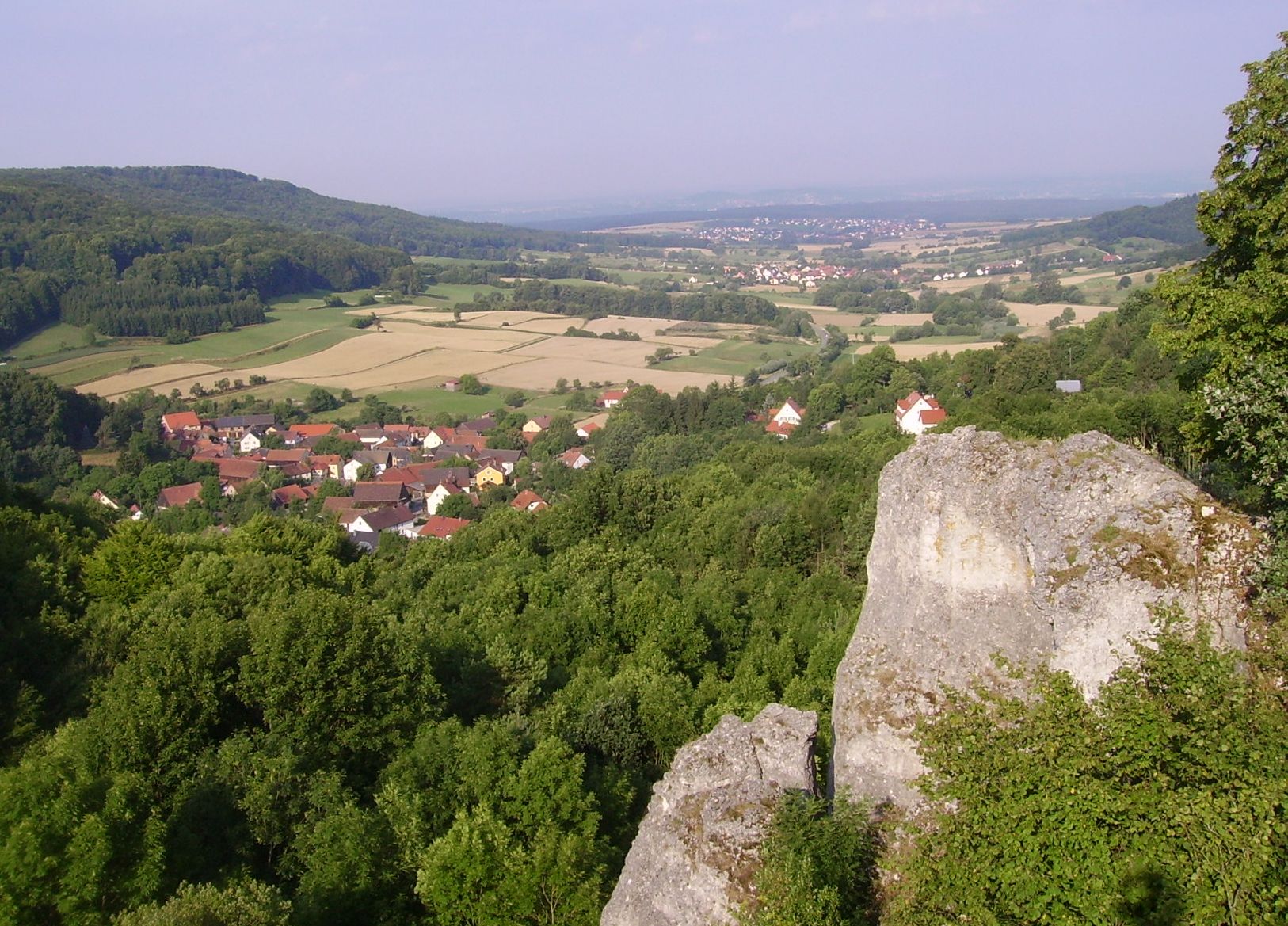
4,576 records
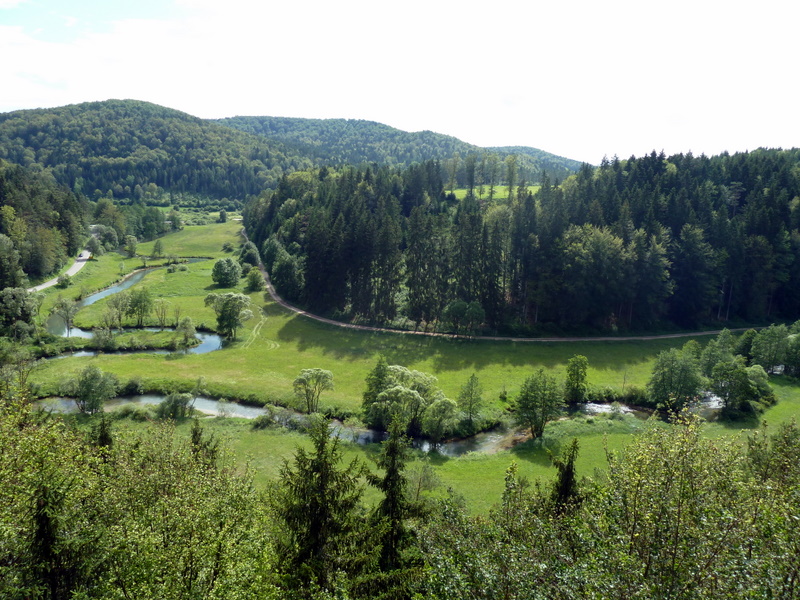
268 records
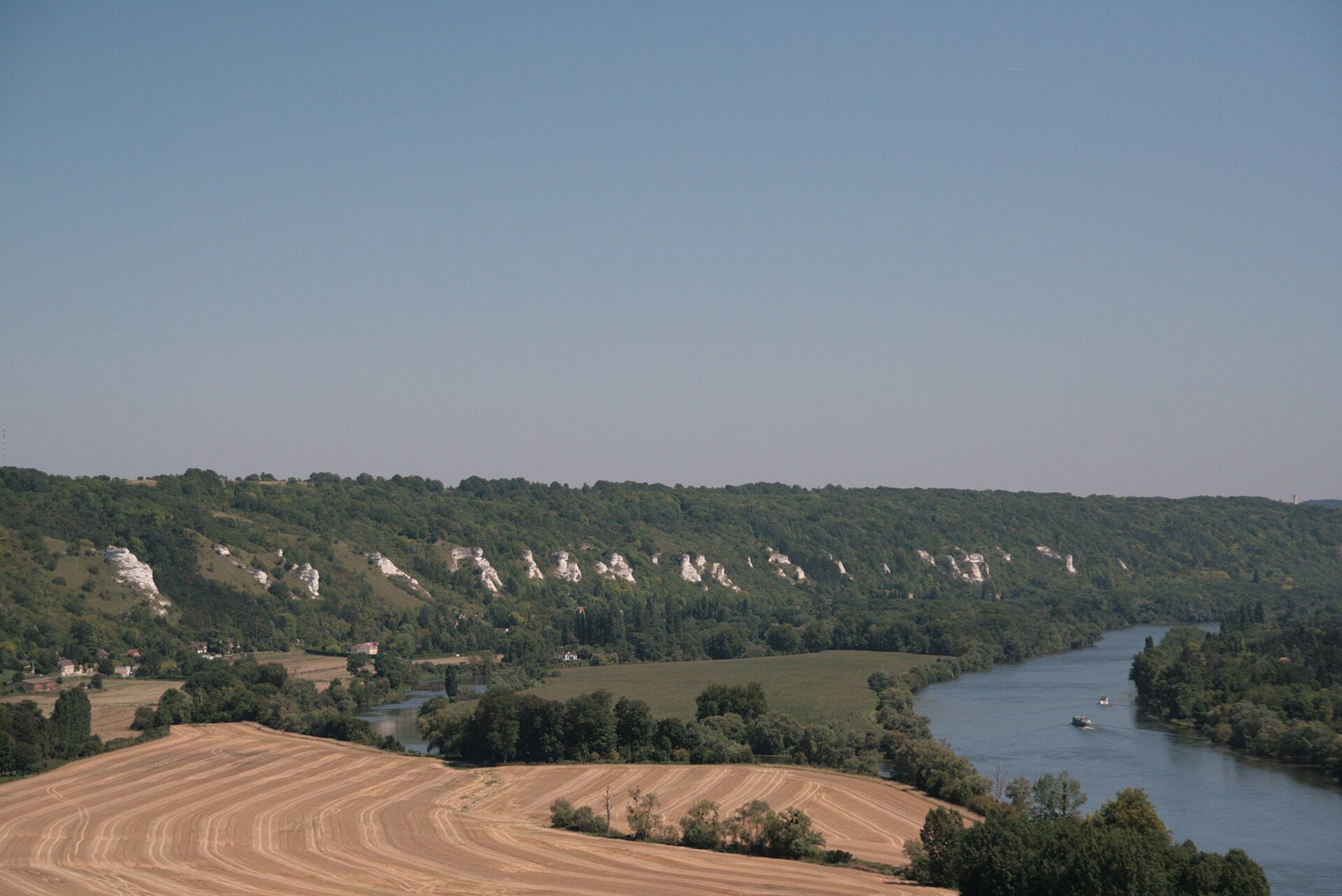
123 records
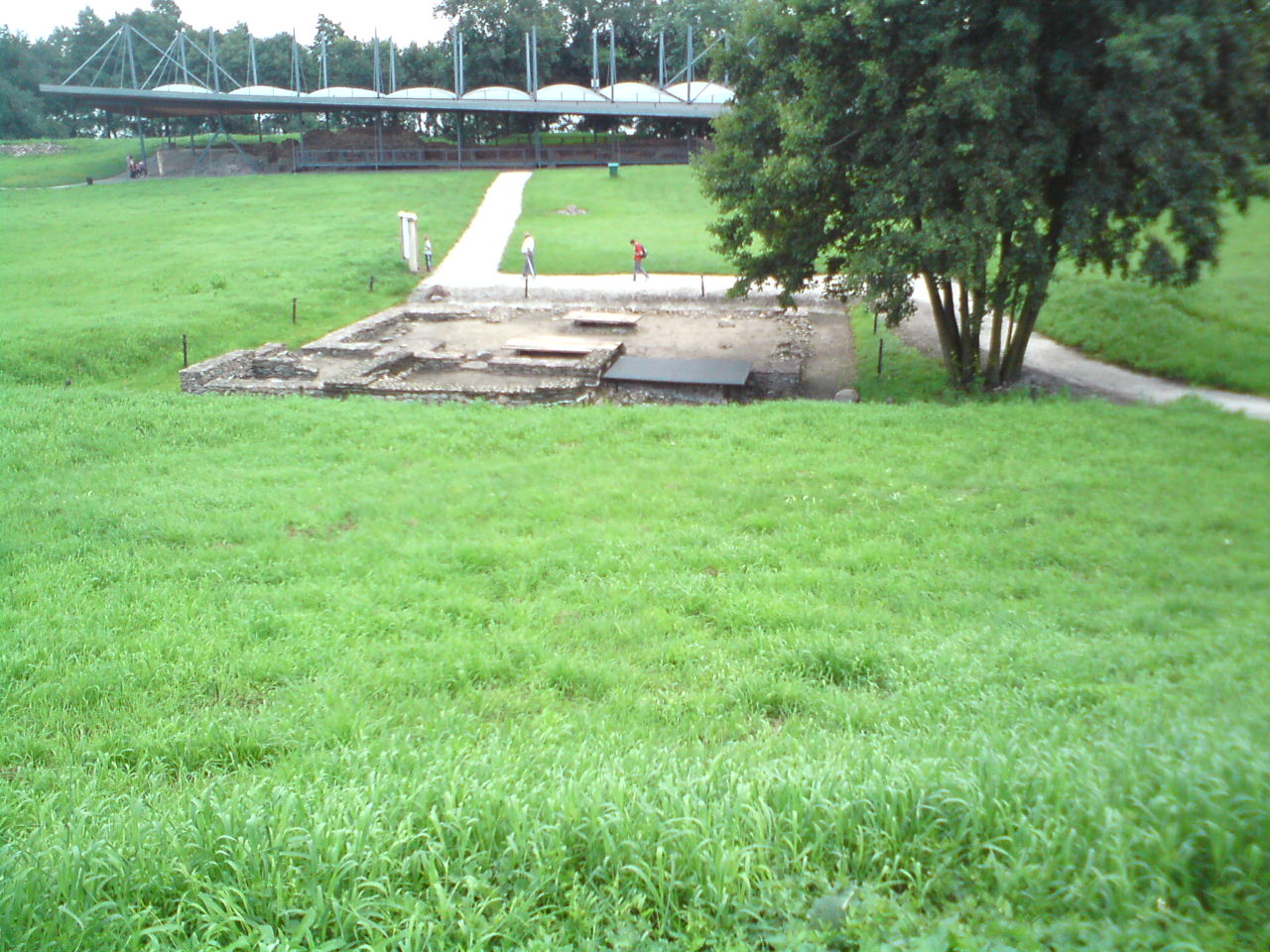
24 records
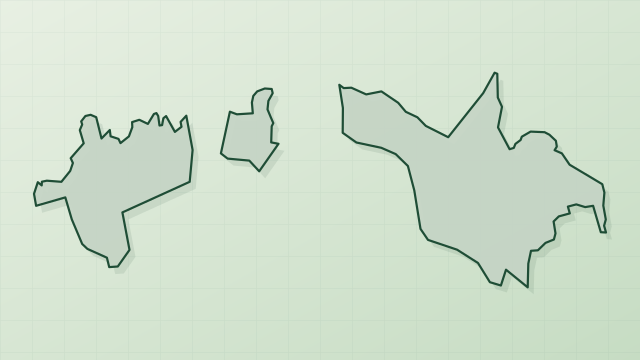
4 records
Other species to discover
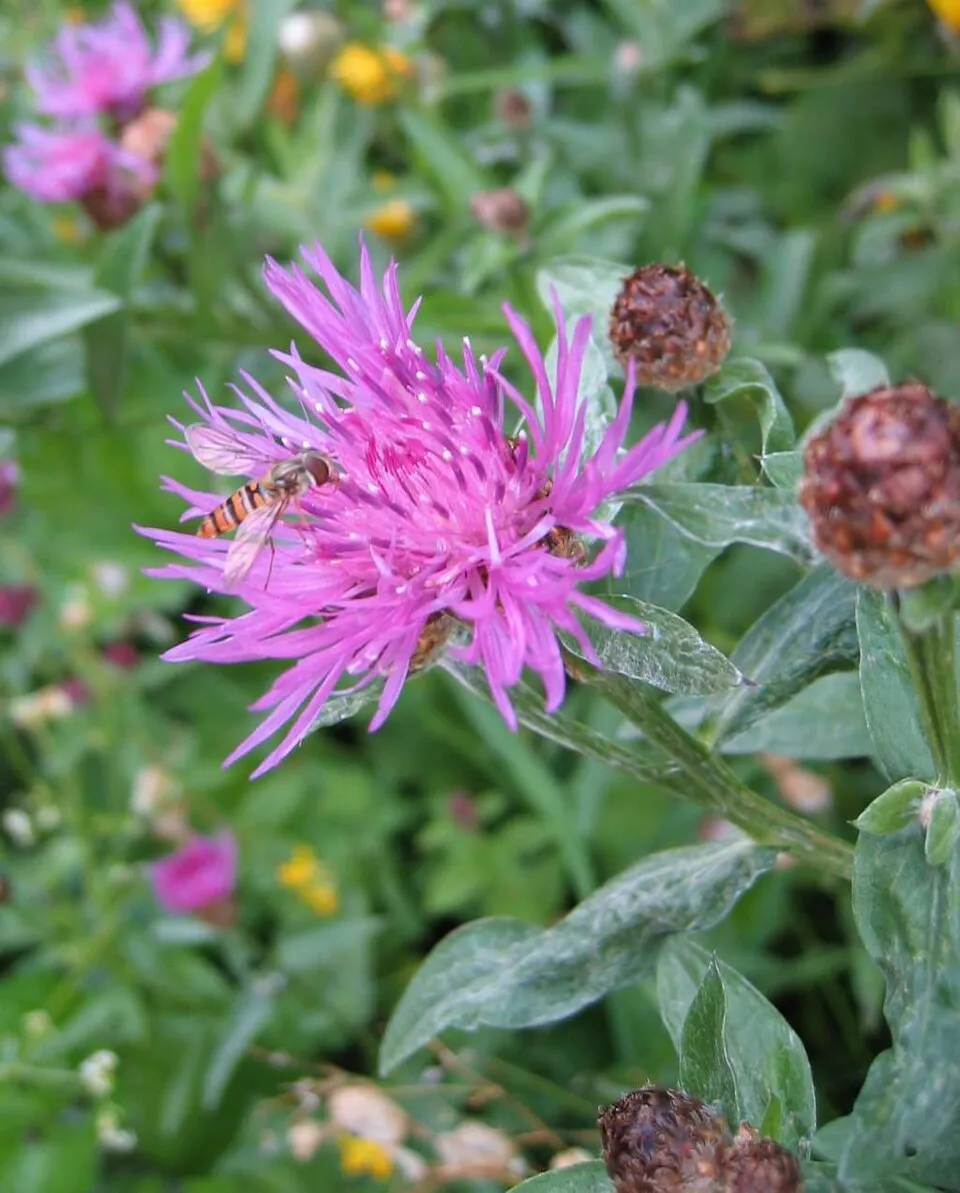 Brown knapweed
Centaurea jacea Same genus
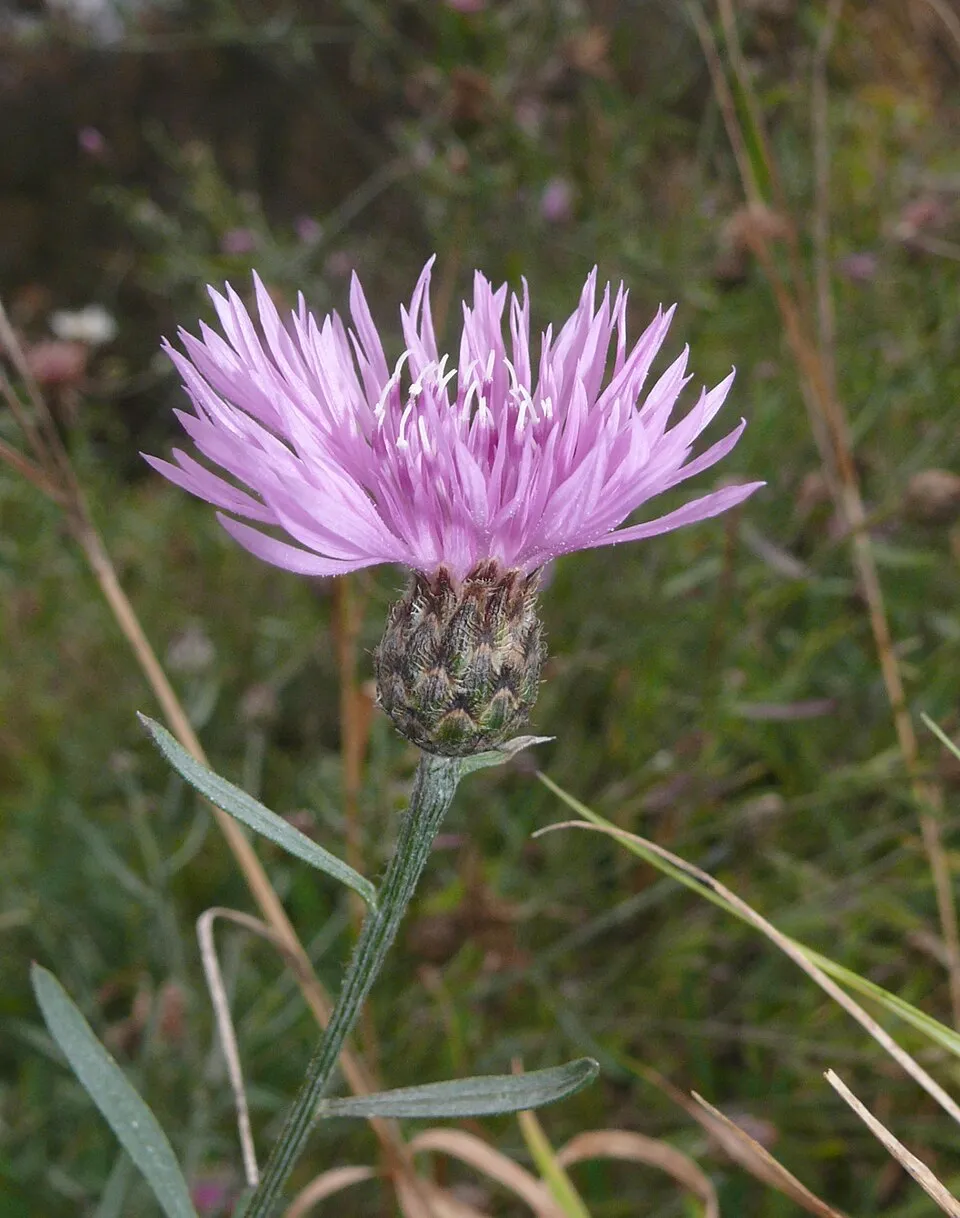 Spotted knapweed
Centaurea stoebe Same genus
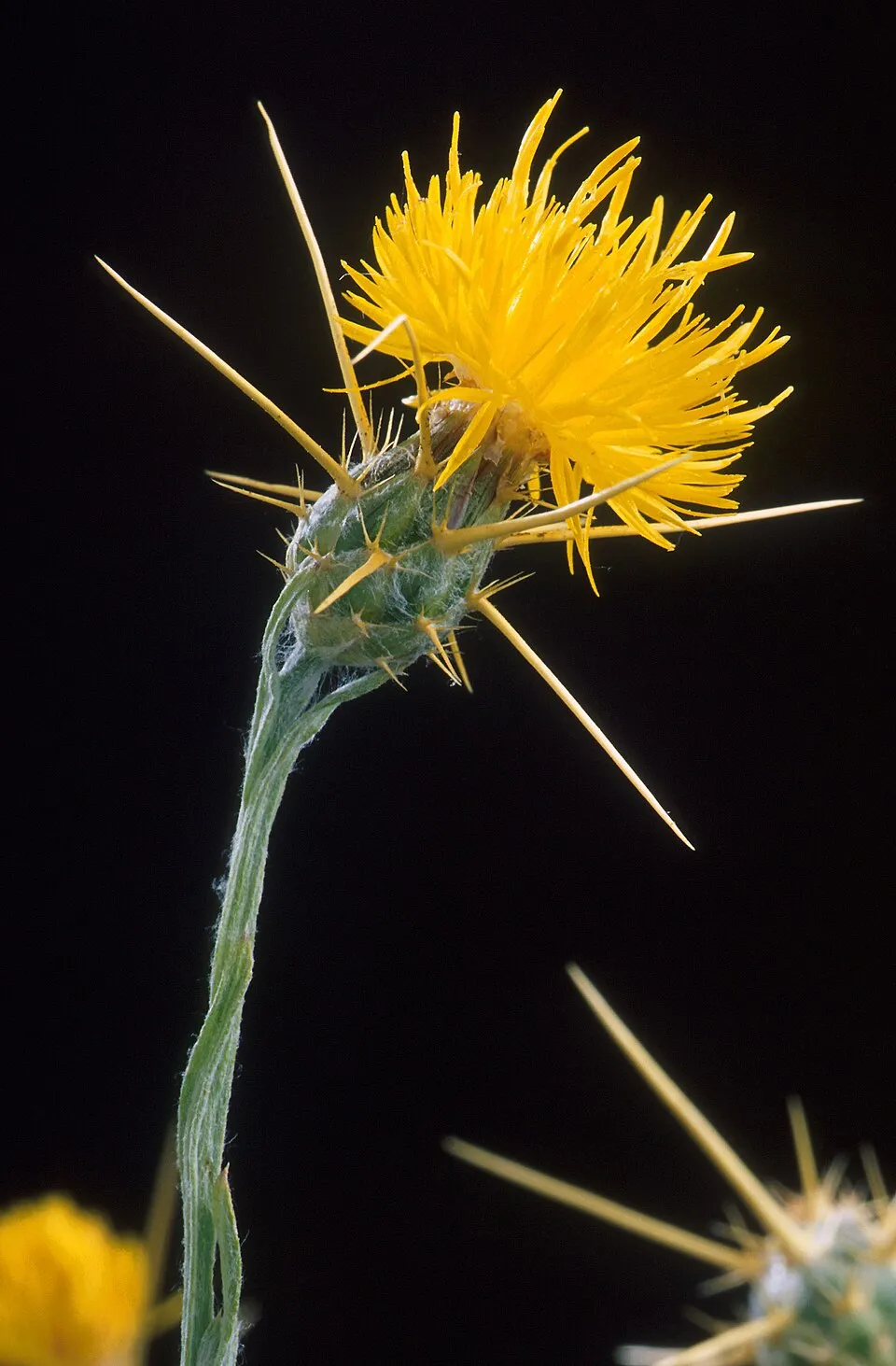 Yellow star-thistle
Centaurea solstitialis Same genus
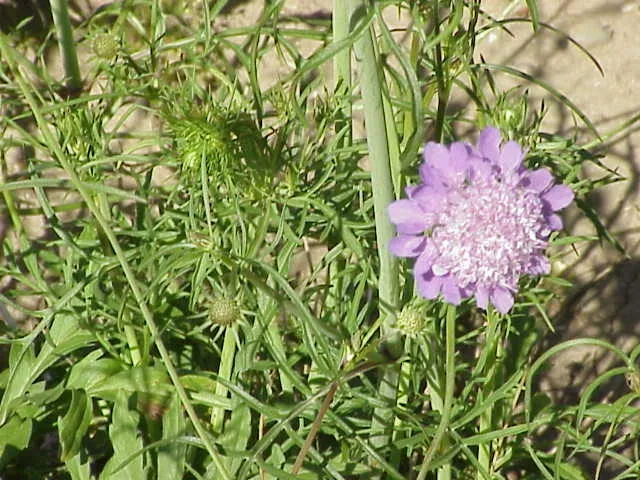 Small scabious
Scabiosa columbaria 2 places in common
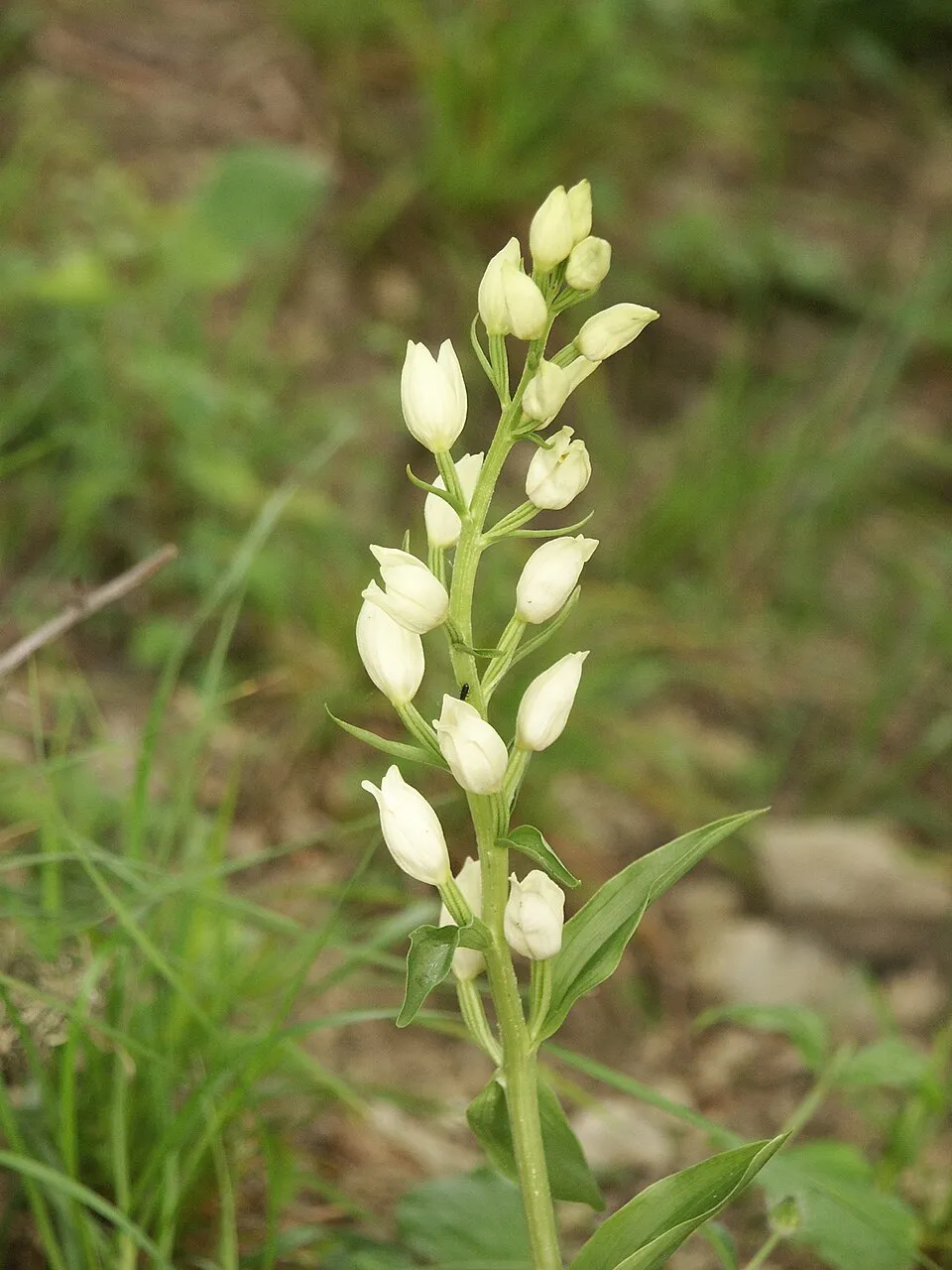 White helleborine
Cephalanthera damasonium 2 places in common
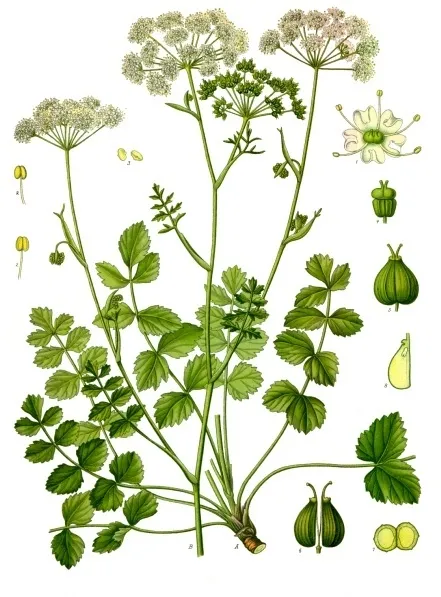 Burnet-saxifrage
Pimpinella saxifraga 2 places in common
Sources and credits
- Presence: most-recorded species of each place on GBIF and species of Community interest in the Natura 2000 forms (EEA, CC-BY 4.0); absence from the list does not mean the species is absent.
- Common names: Wikidata (CC0) and GBIF.
- Photos and sounds: Wikimedia Commons, author and licence given for each file.
- Classification: GBIF Backbone Taxonomy (GBIF Secretariat), CC BY 4.0, doi:10.15468/39omei.
- Countries, elevations, months and maps: GBIF.org, CC0 or CC BY 4.0 occurrences only, accessed October 23, 2026, GBIF.org.
- Base map: Natural Earth (public domain).
- Excerpt: Wikipedia, CC BY-SA 4.0 (full credit below the excerpt).
- Native range and life form: World Checklist of Vascular Plants, Royal Botanic Gardens, Kew, CC BY 4.0 (no endorsement by Kew).