
Coral and cnidarian
Mauve stinger: where to see it
Pelagia noctiluca
This cnidarian species is recorded in 11 protected areas of the atlas. Within the atlas countries, it is mostly observed in Italy, France and Spain (7 countries in all). Records peak from June to November.
Best time to see it: June–November
Records published on GBIF by month (CC0 and CC BY 4.0 licences only), in the atlas countries, all years combined; they also reflect observer activity.
Distribution
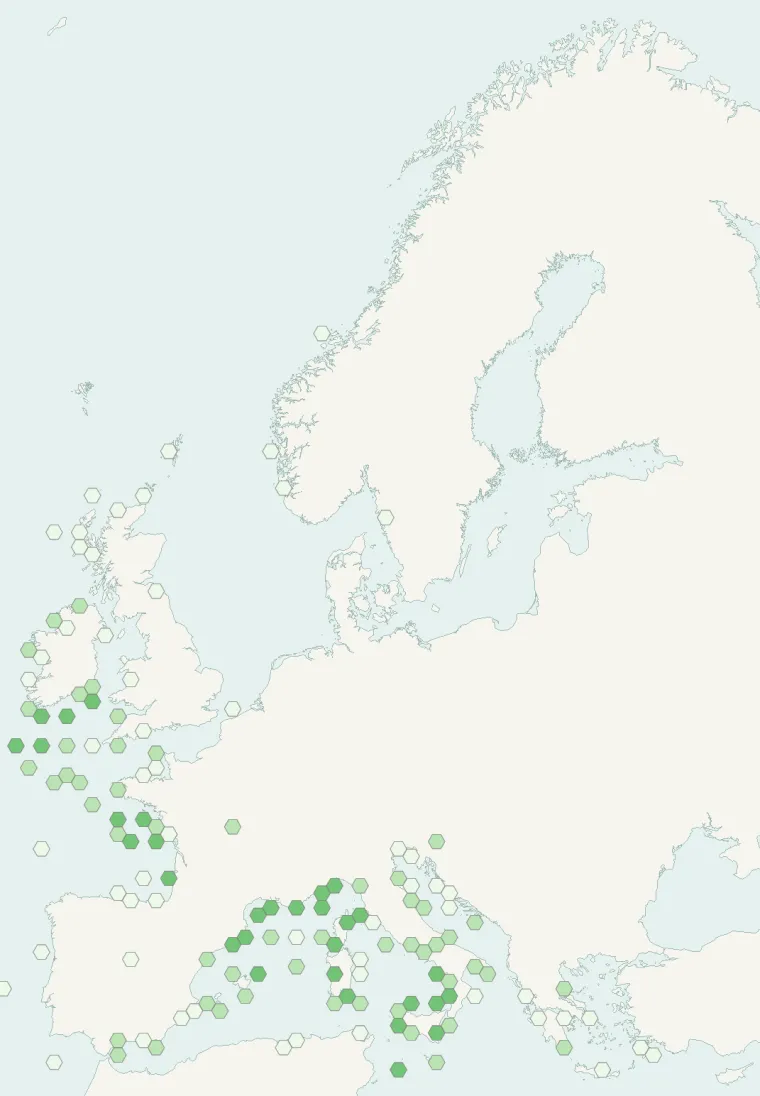
Records published on GBIF (CC0 and CC BY 4.0 licences): the darker the shade, the more records there are; they also reflect observation effort.
Atlas countries where it is recorded
From Wikipedia
Pelagia noctiluca is a jellyfish in the family Pelagiidae and the only currently recognized species in the genus Pelagia. It is typically known in English as the mauve stinger, but other common names are purple-striped jelly (causing potential confusion with Chrysaora colorata), purple stinger, purple people eater, purple jellyfish, luminous jellyfish and night-light jellyfish.
Source: Wikipedia, article “Pelagia noctiluca” (version of August 11, 2026) · history and authors · licence CC BY-SA 4.0 · shortened excerpt
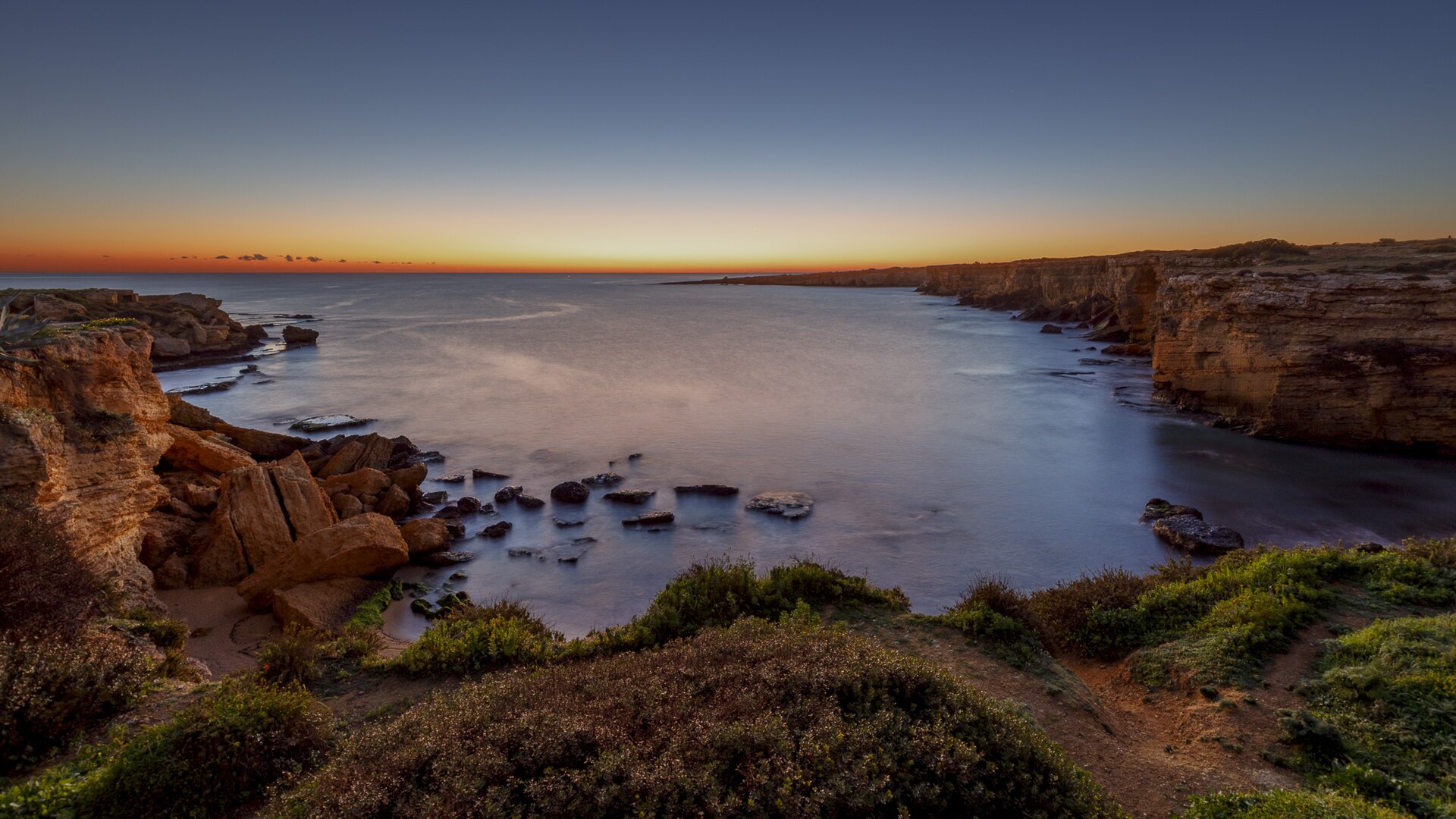
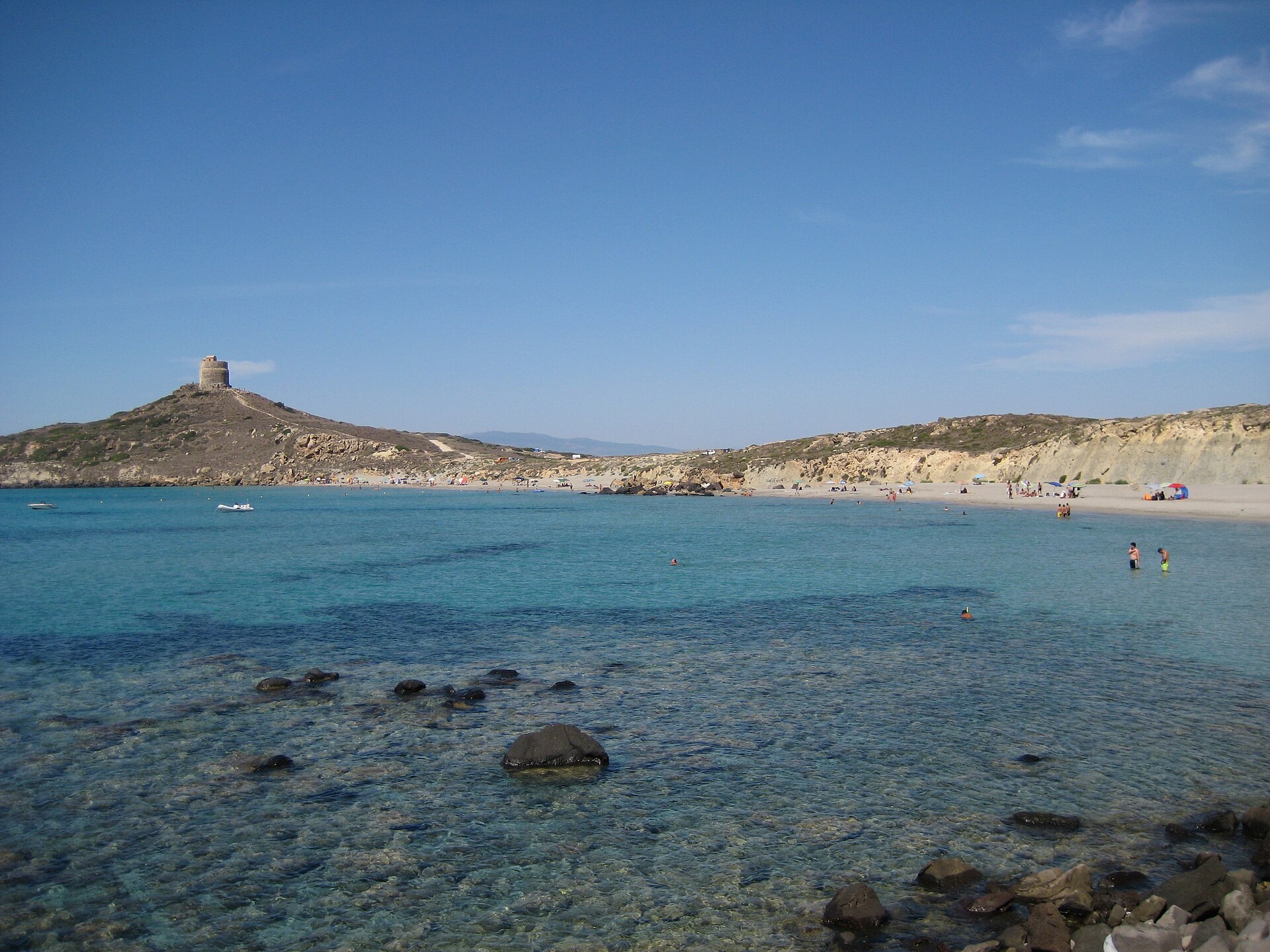
Protected areas where it is recorded
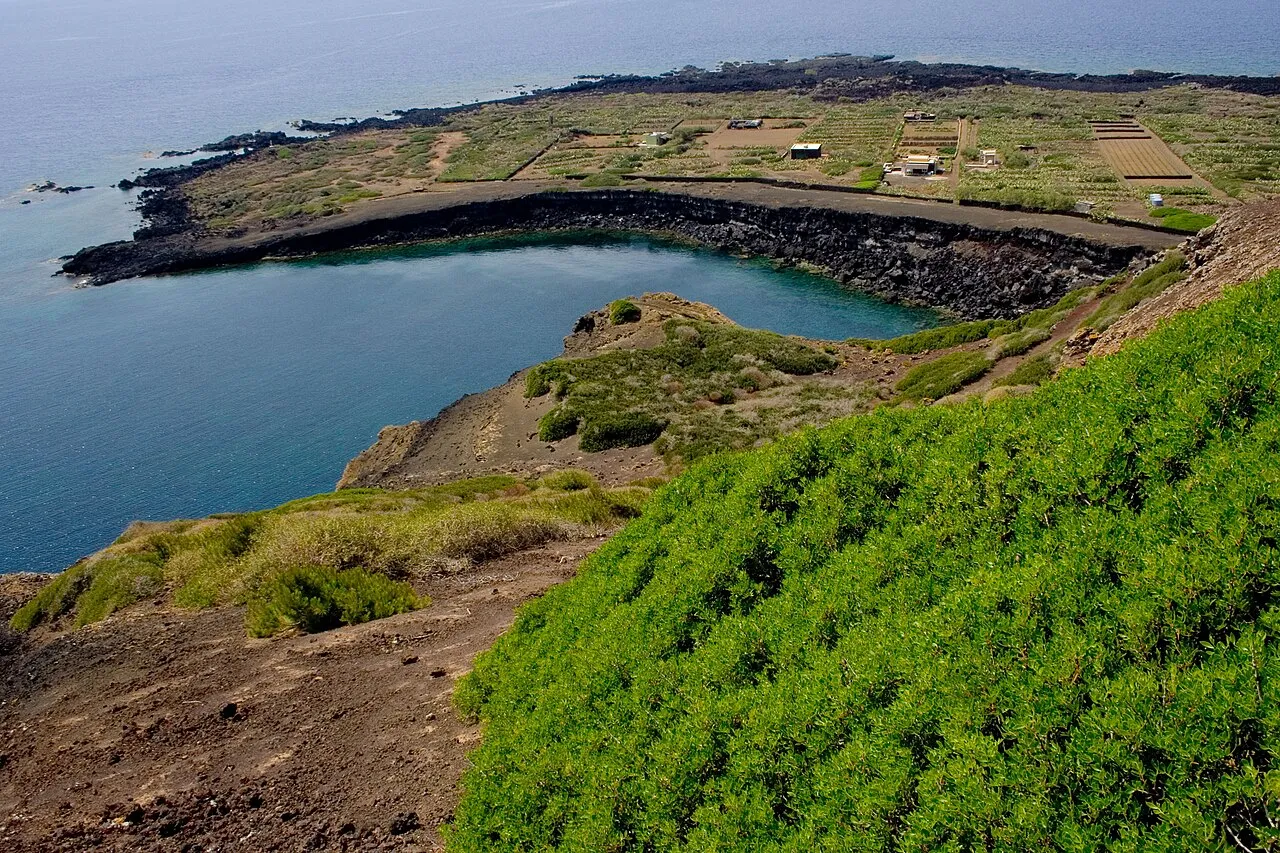
46 records
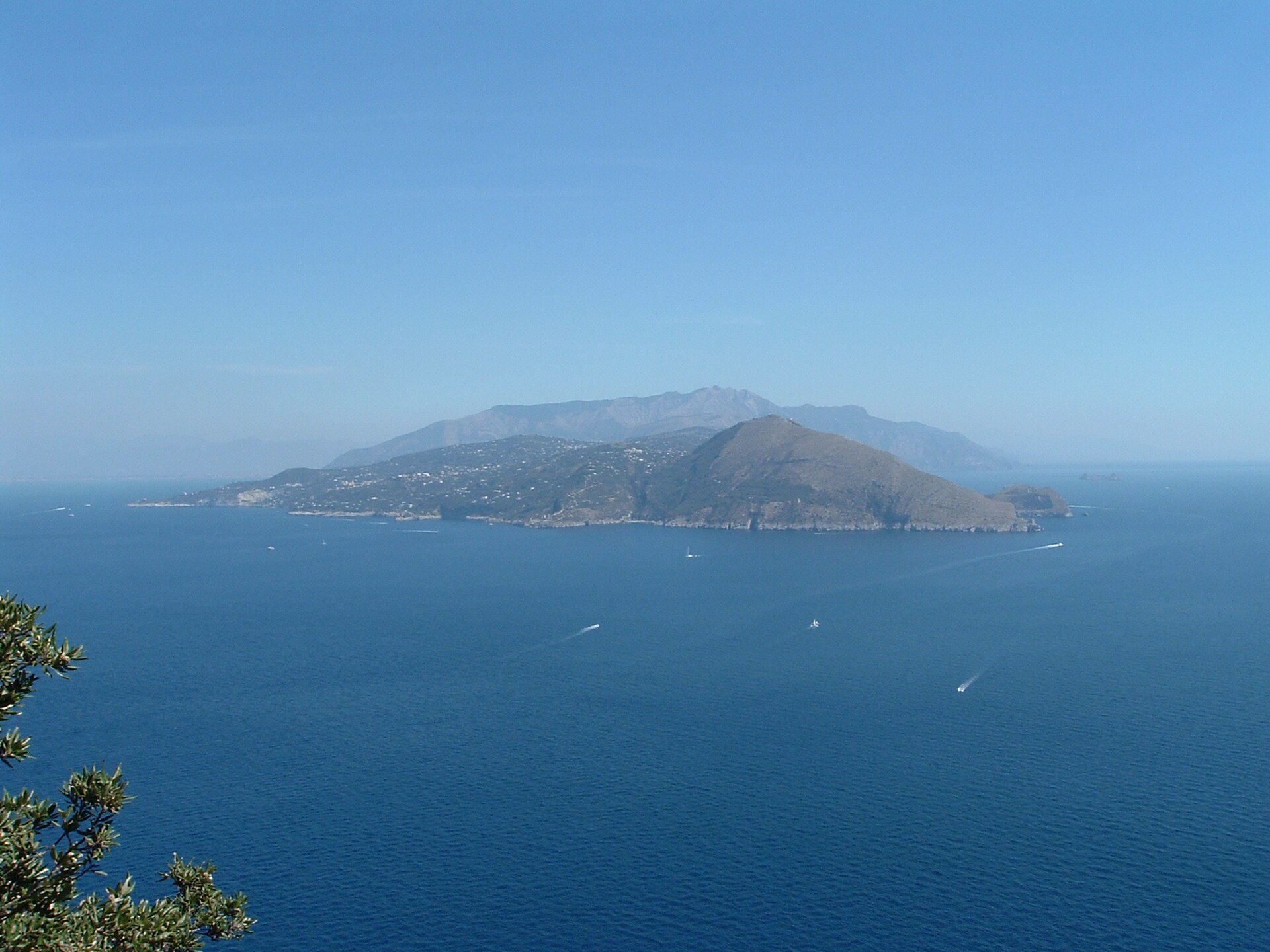
12 records
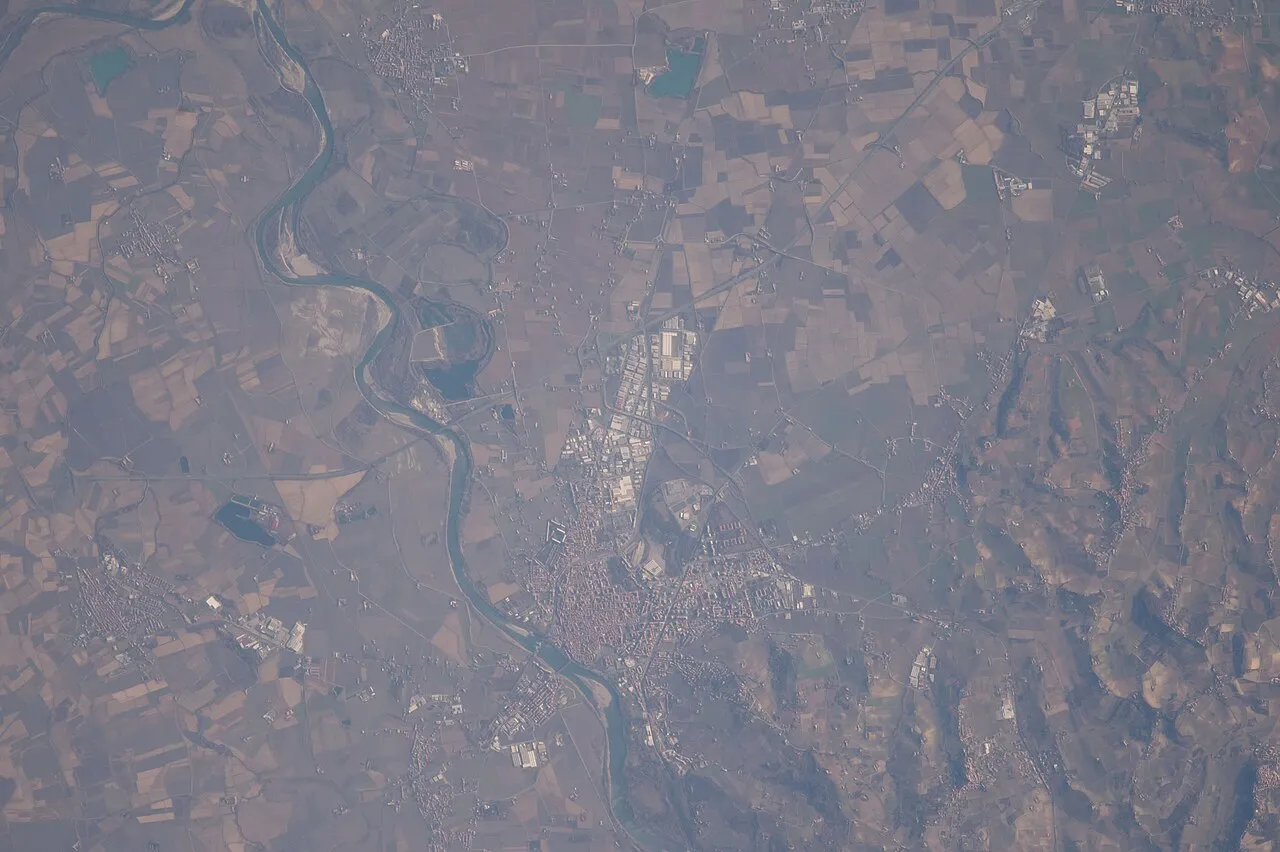
9 records
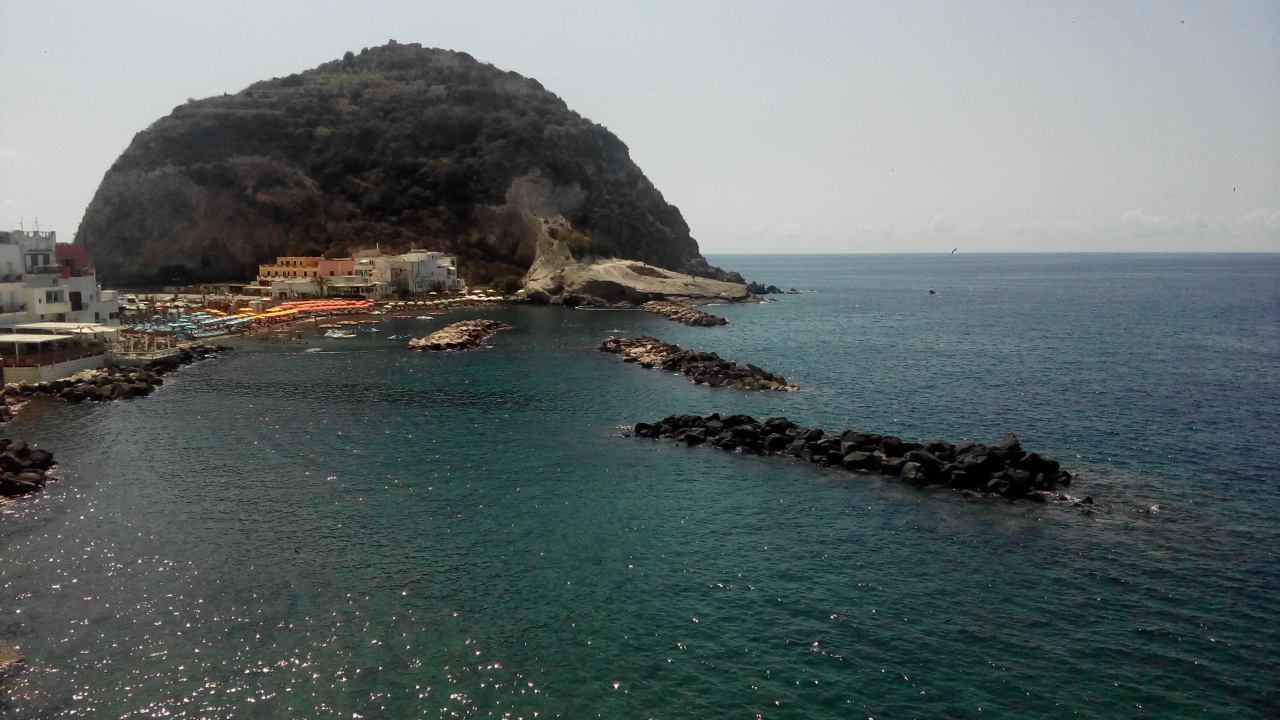
8 records
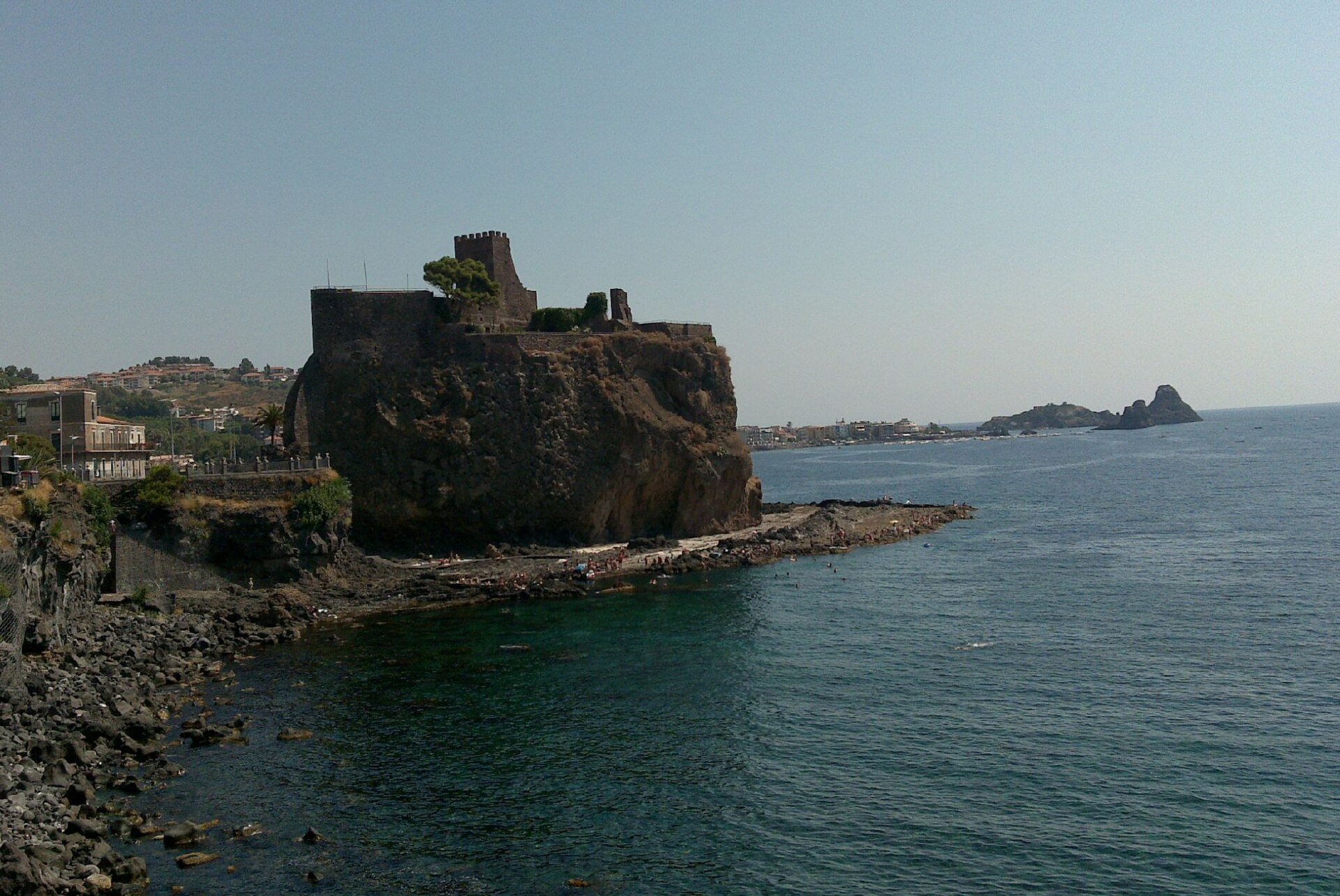
6 records
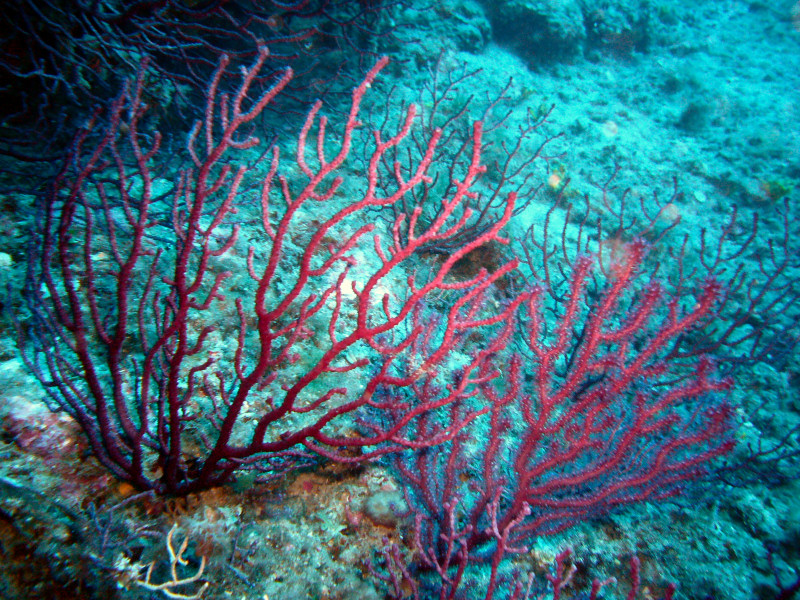
4 records
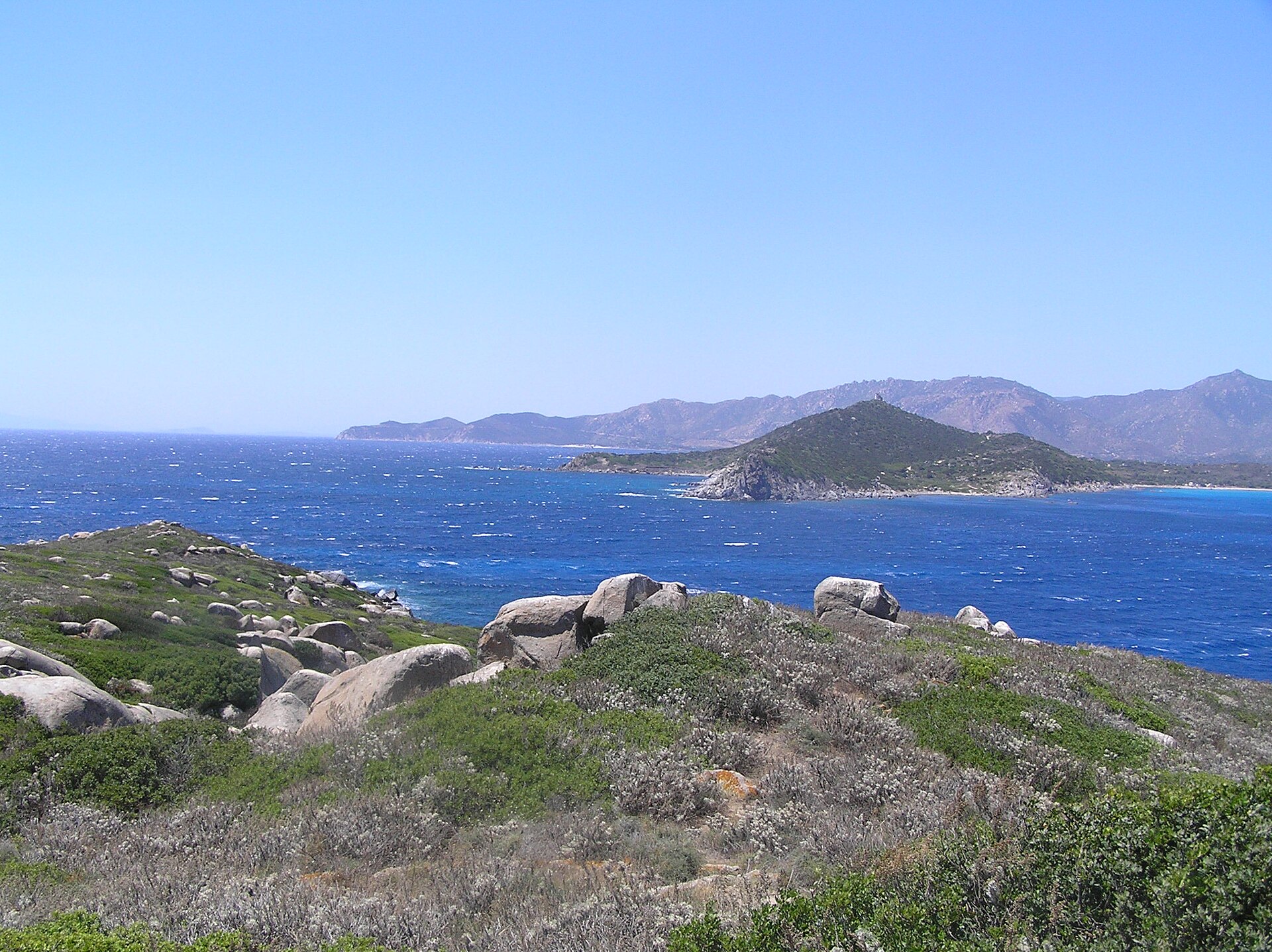
3 records

2 records

1 records
1 records
1 records
Other species to discover
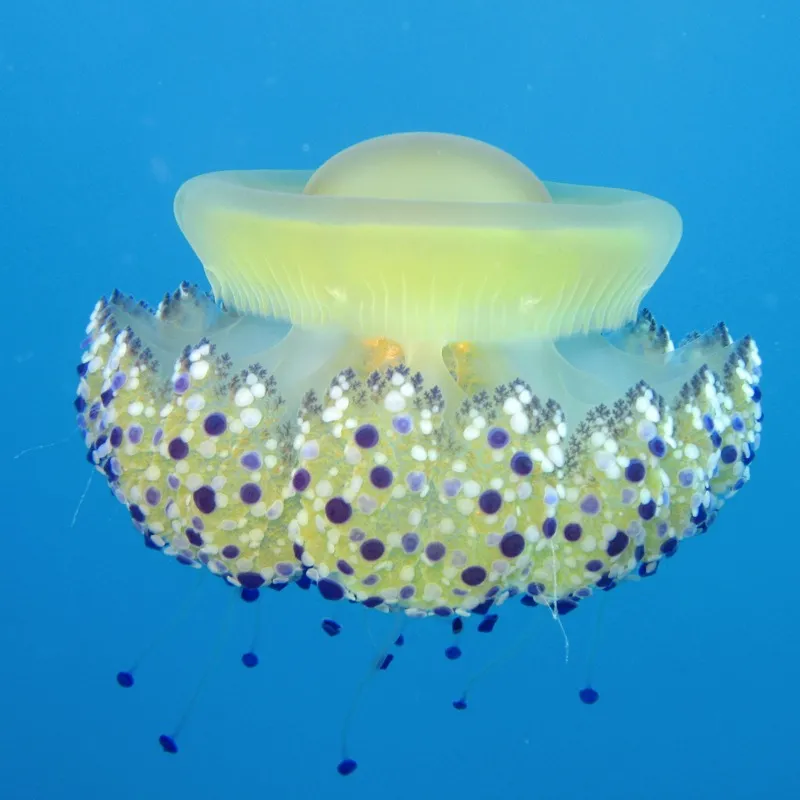 Mediterranean jelly
Cotylorhiza tuberculata 5 places in common
 Red coral
Corallium rubrum 8 places in common
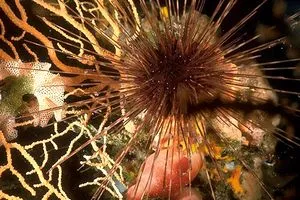 Centrostephanus longispinus
8 places in common
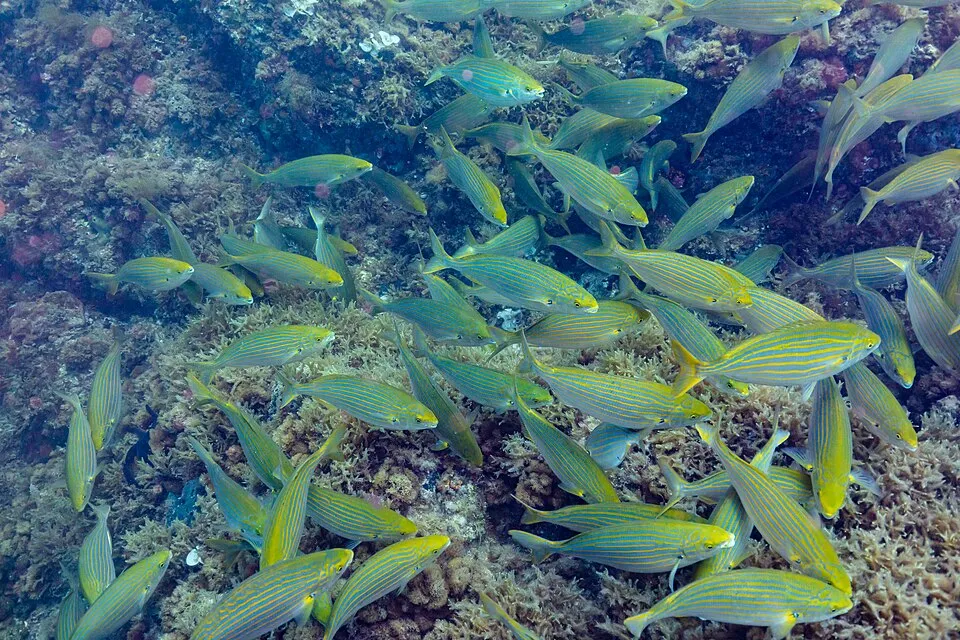 Salema porgy
Sarpa salpa 5 places in common
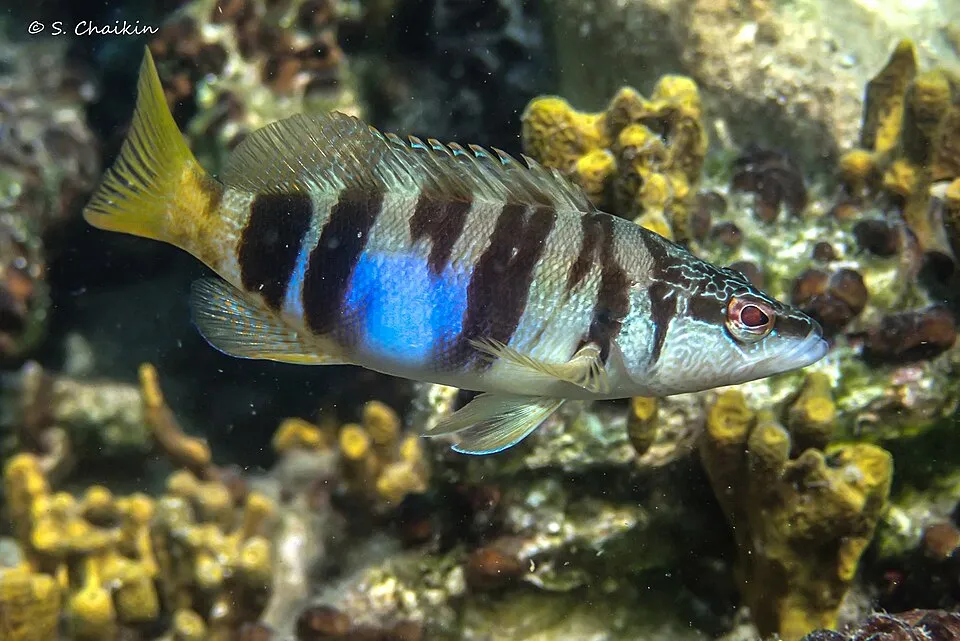 Painted comber
Serranus scriba 4 places in common
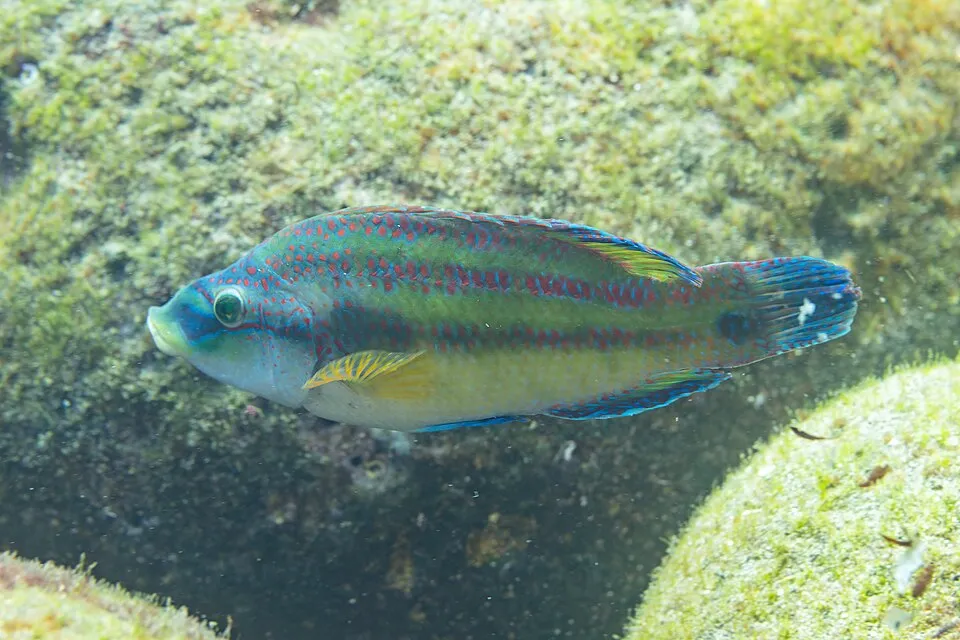 East Atlantic peacock wrasse
Symphodus tinca 3 places in common
Sources and credits
- Presence: most-recorded species of each place on GBIF and species of Community interest in the Natura 2000 forms (EEA, CC-BY 4.0); absence from the list does not mean the species is absent.
- Common names: Wikidata (CC0) and GBIF.
- Photos and sounds: Wikimedia Commons, author and licence given for each file.
- Classification: GBIF Backbone Taxonomy (GBIF Secretariat), CC BY 4.0, doi:10.15468/39omei.
- Countries, elevations, months and maps: GBIF.org, CC0 or CC BY 4.0 occurrences only, accessed October 22, 2026, GBIF.org.
- Base map: Natural Earth (public domain).
- Excerpt: Wikipedia, CC BY-SA 4.0 (full credit below the excerpt).