
Insect
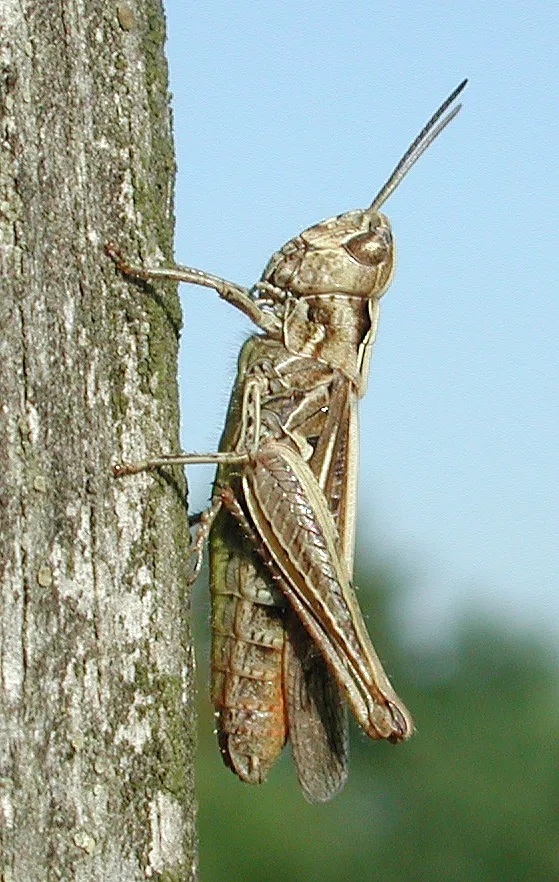
Meadow Grasshopper: where to see it
Pseudochorthippus parallelus
This insect species is recorded in 11 protected areas of the atlas. Within the atlas countries, it is mostly observed in Switzerland, France and the United Kingdom (8 countries in all). Most records (8 in 10) lie between 140 and 1,650 m above sea level. Records peak from July to September.
Best time to see it: July–September
Records published on GBIF by month (CC0 and CC BY 4.0 licences only), in the atlas countries, all years combined; they also reflect observer activity.
Distribution
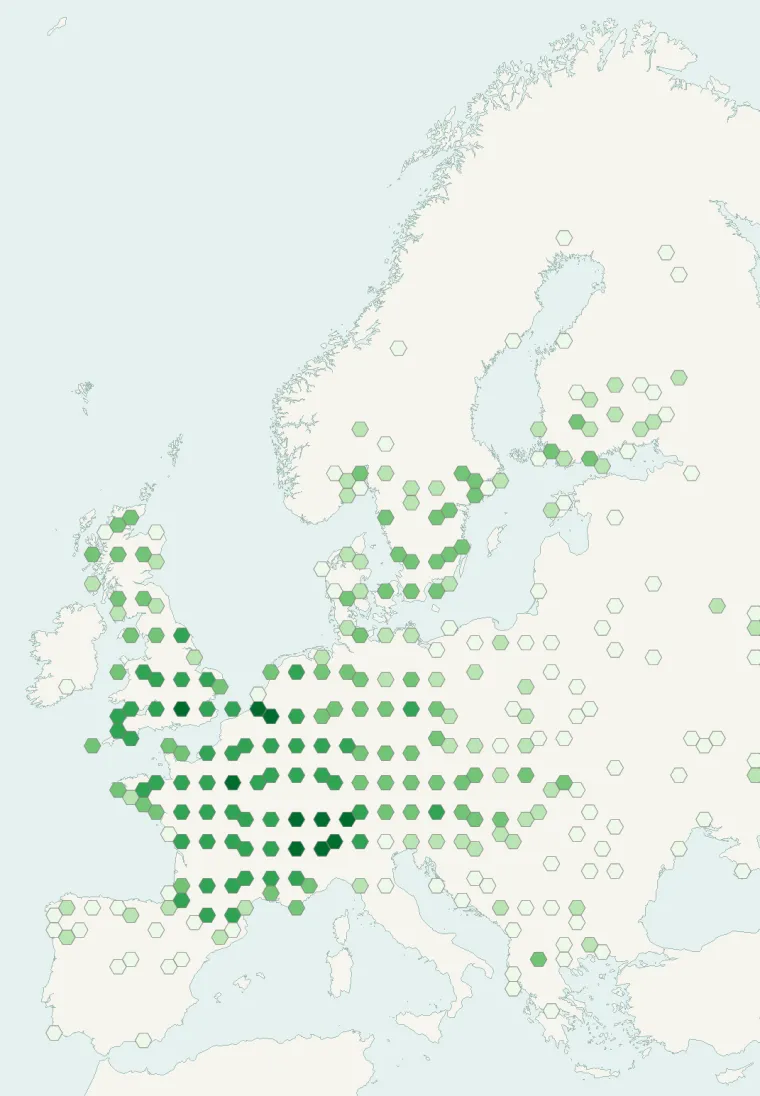
Records published on GBIF (CC0 and CC BY 4.0 licences): the darker the shade, the more records there are; they also reflect observation effort.
Atlas countries where it is recorded
From Wikipedia
Pseudochorthippus parallelus (often known by its synonym Chorthippus parallelus), the meadow grasshopper, is a common species of grasshopper in the tribe Gomphocerini. It is found in non-arid grasslands throughout the well vegetated areas of Europe and some adjoining areas of Asia. It is a well-studied organism in the discipline of evolutionary biology and was an early and important model system for the study of European phylogeography.
Source: Wikipedia, article “Pseudochorthippus parallelus” (version of January 26, 2026) · history and authors · licence CC BY-SA 4.0
Protected areas where it is recorded
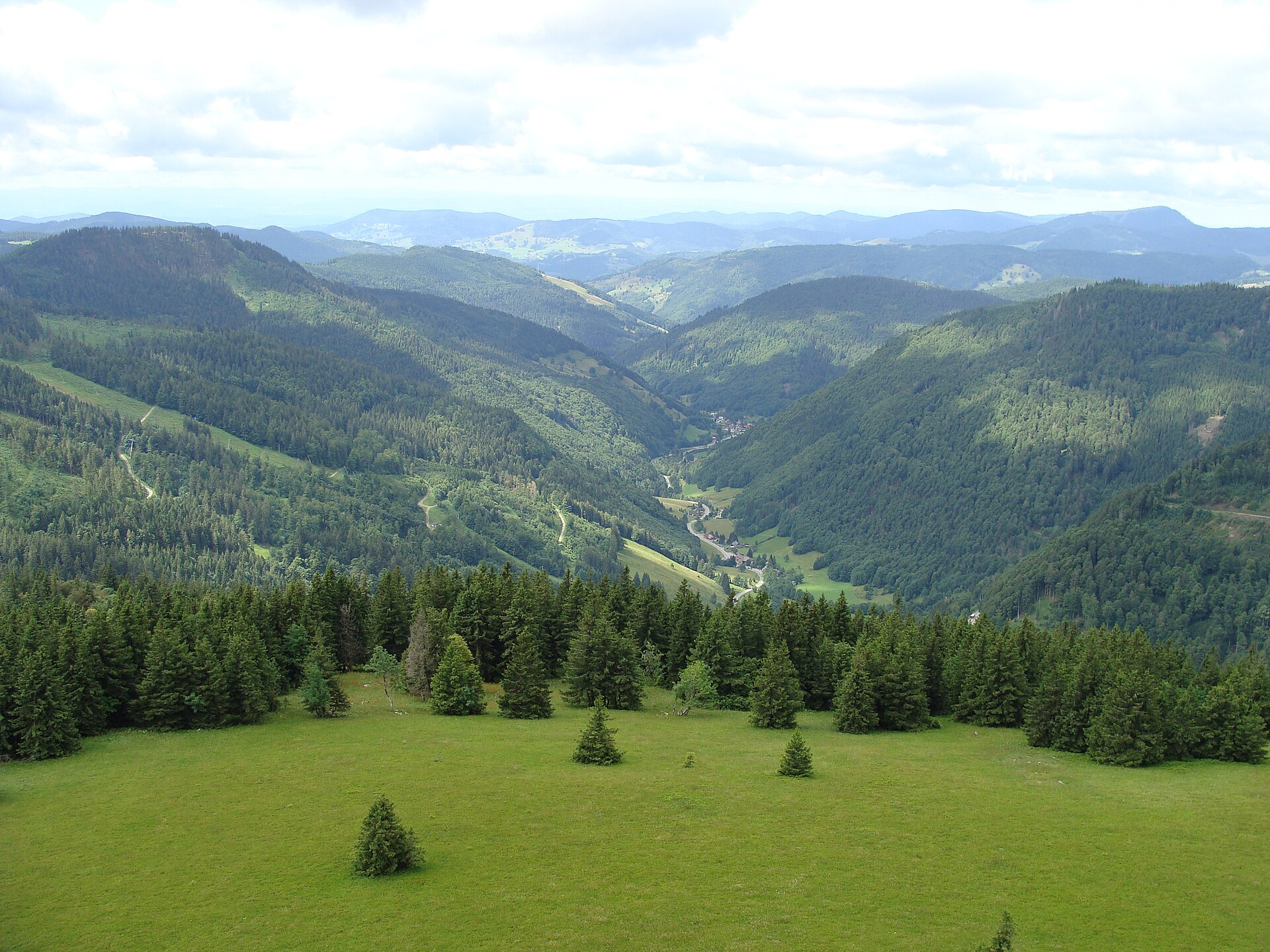
8,640 records
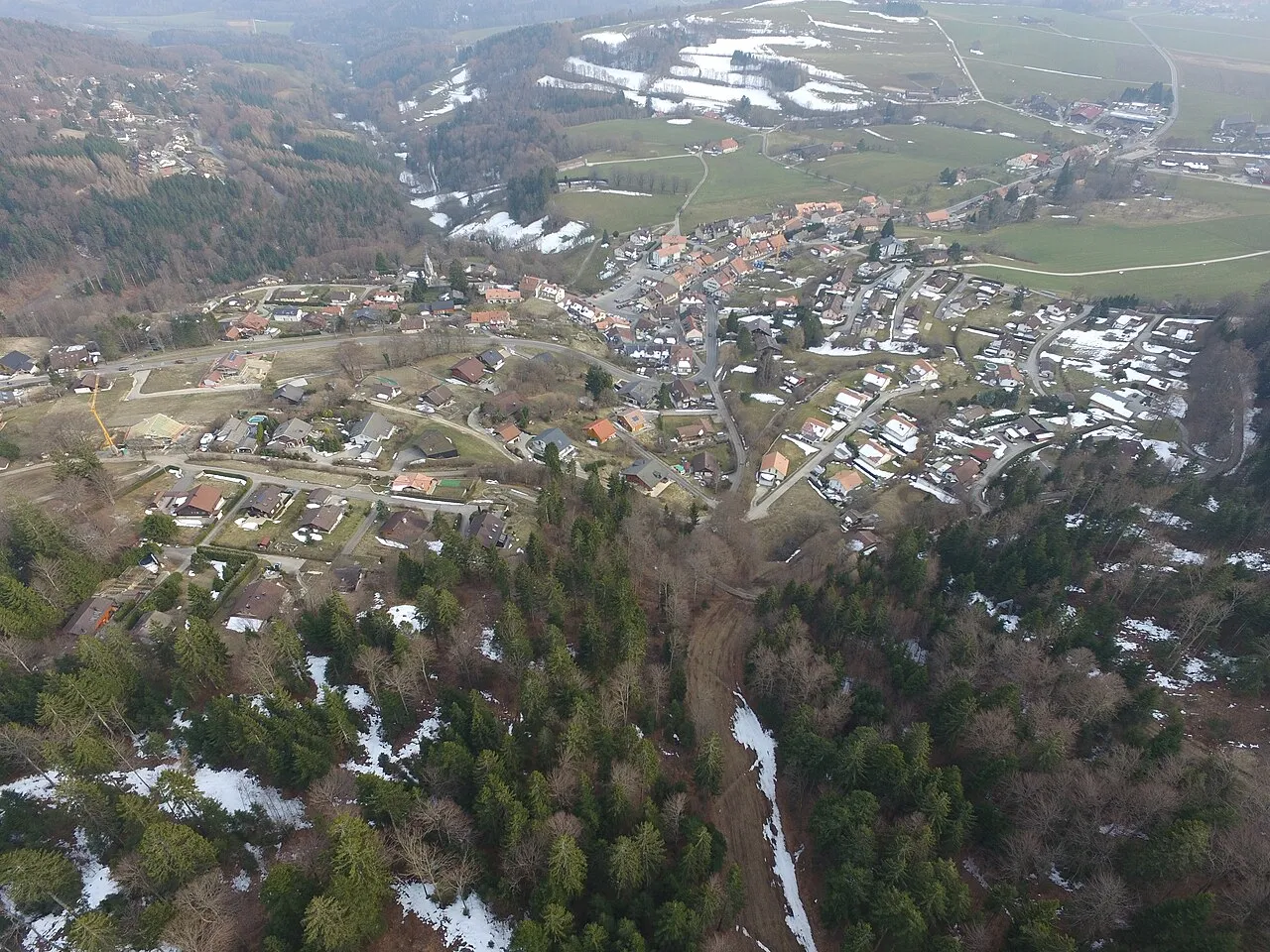
5,451 records
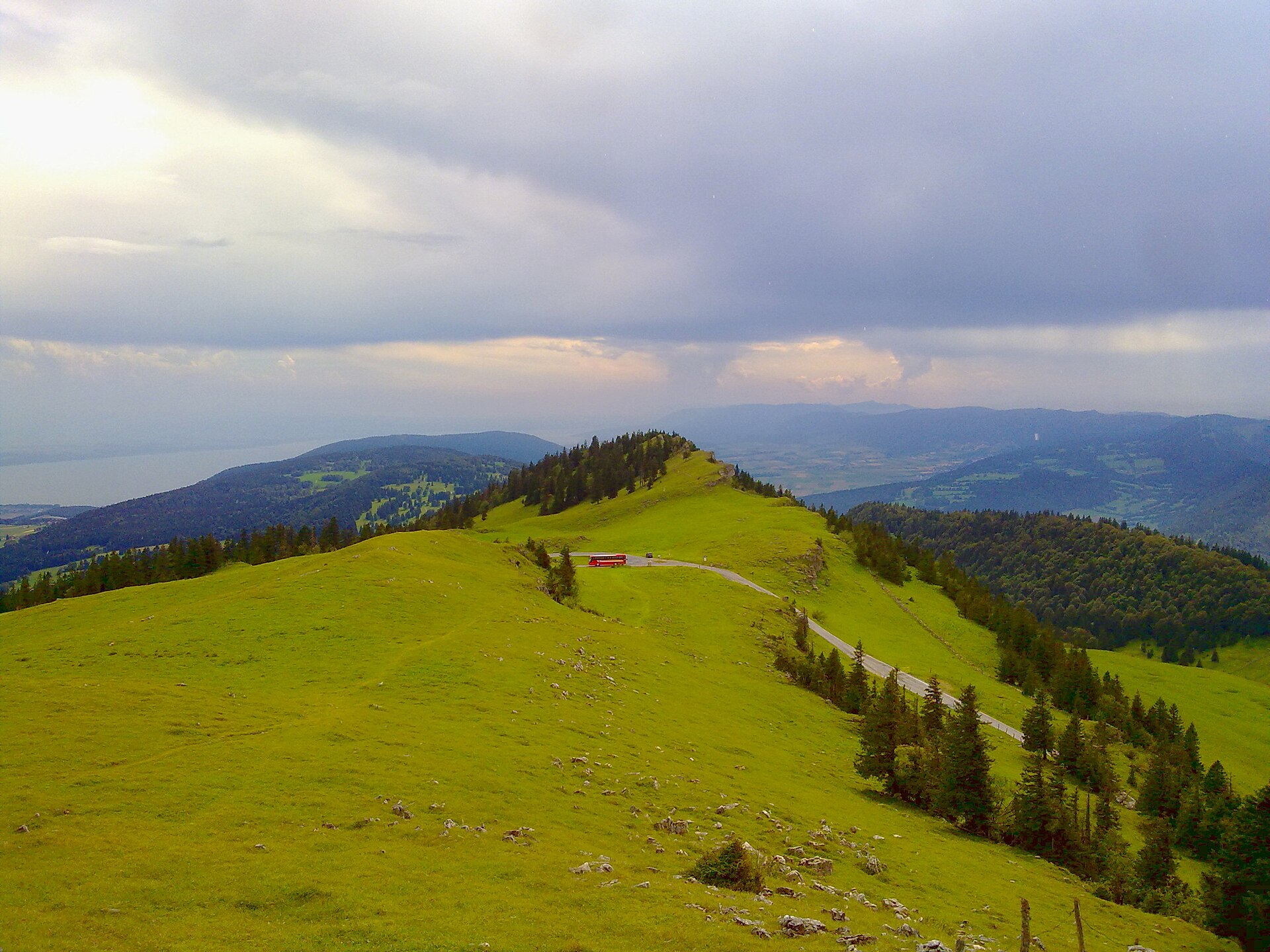
4,483 records
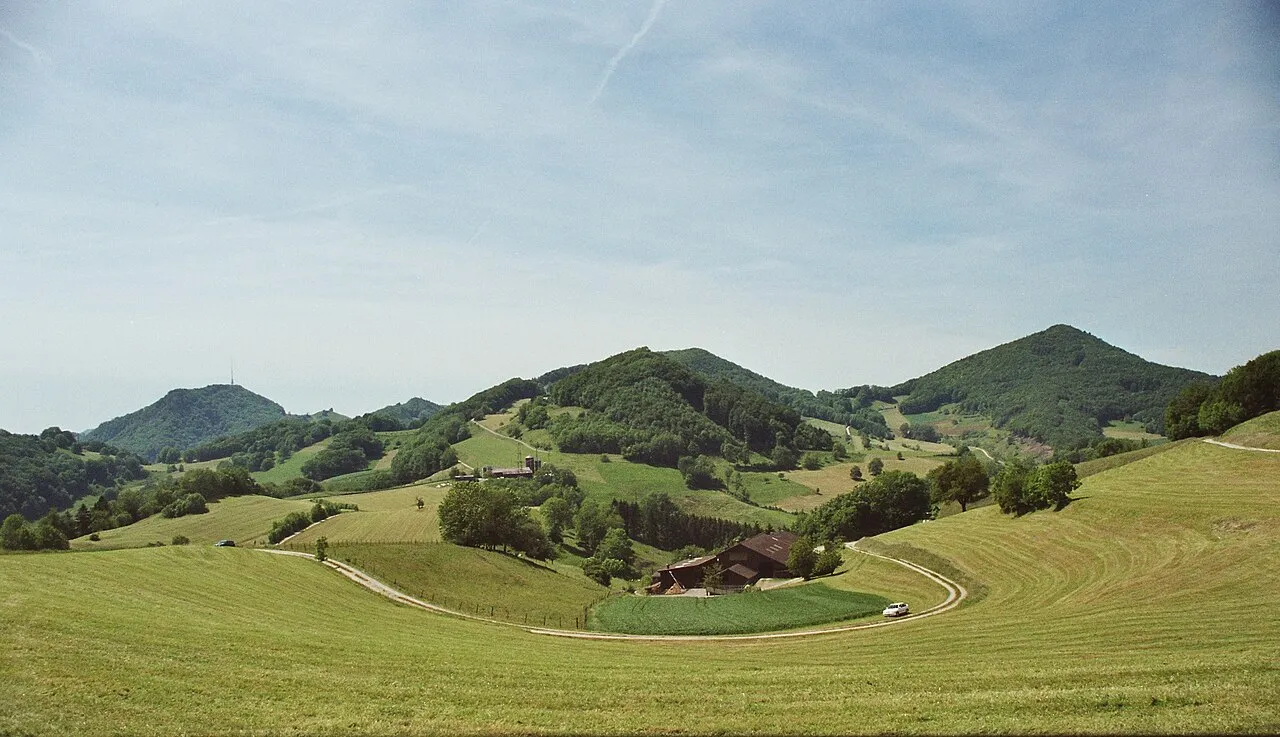
2,948 records
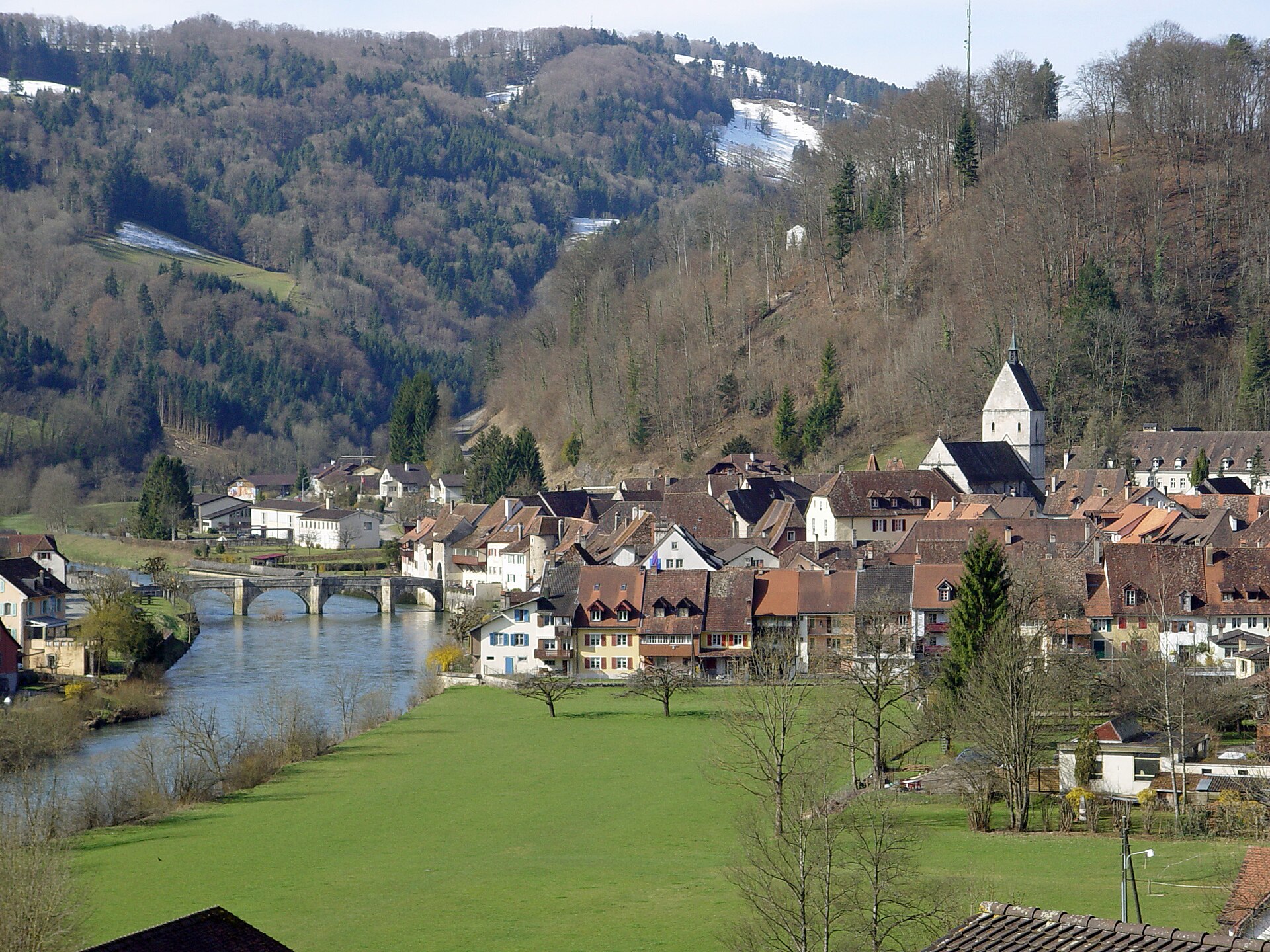
1,586 records
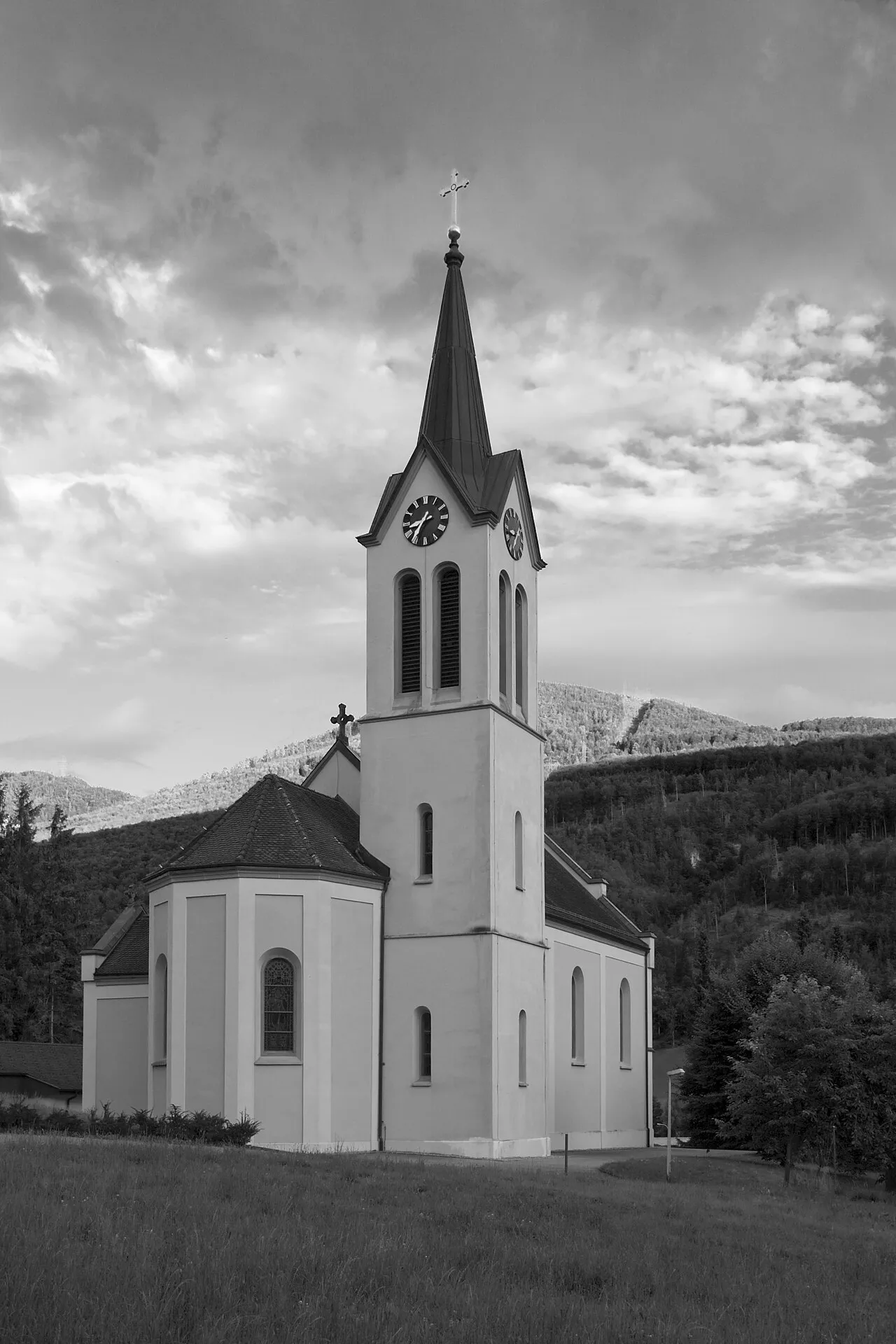
1,536 records
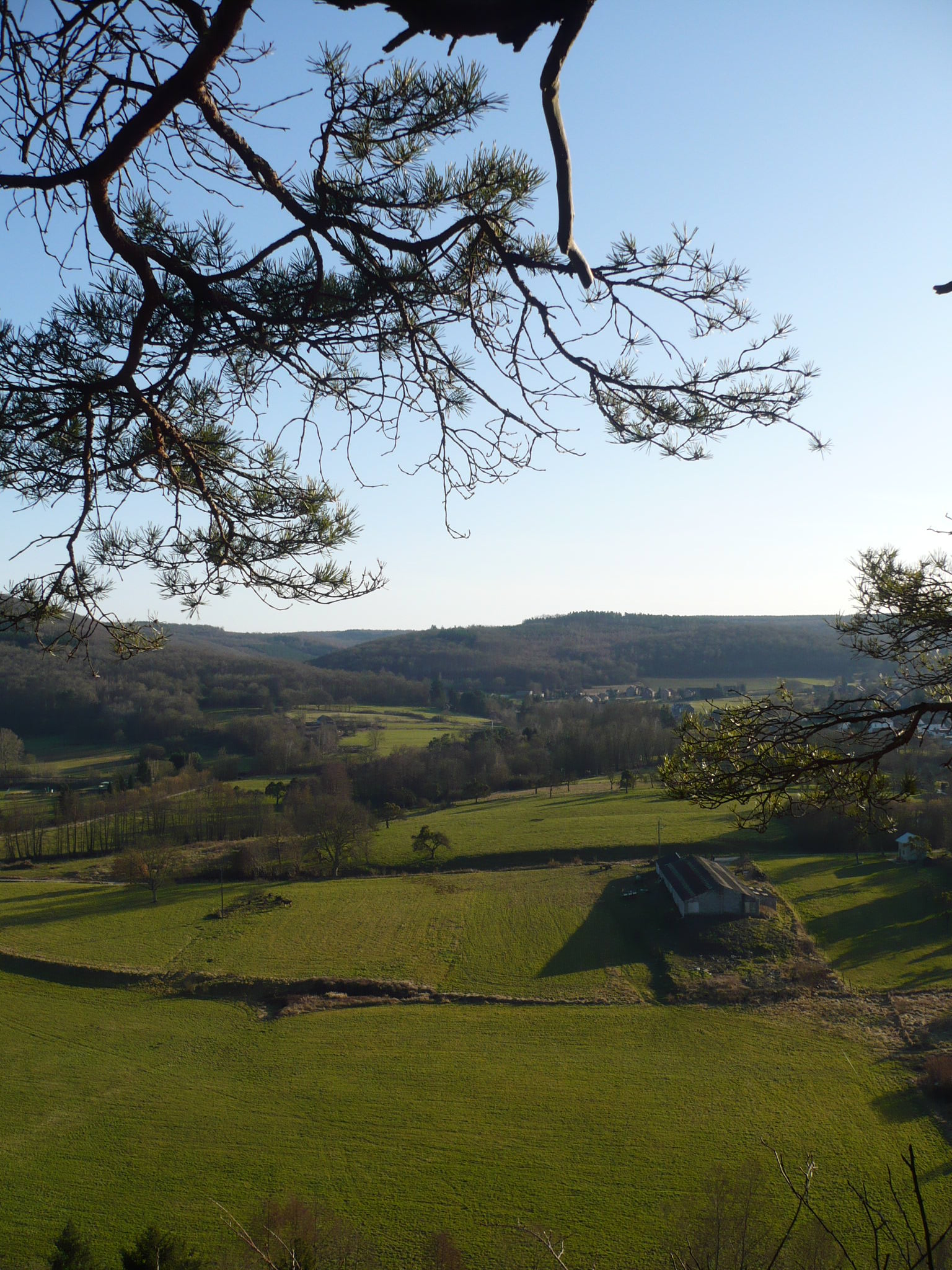
1,021 records

646 records
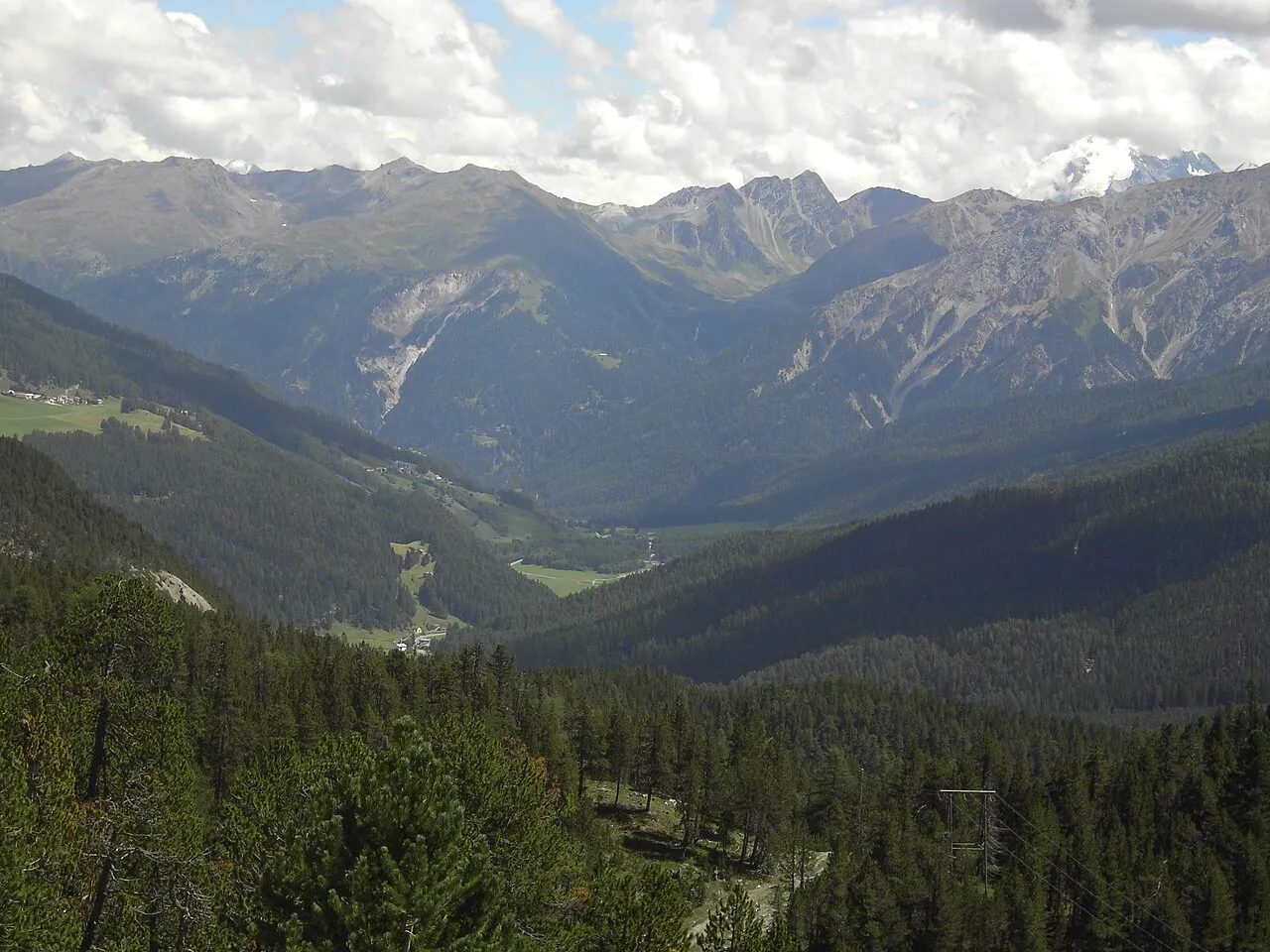
574 records
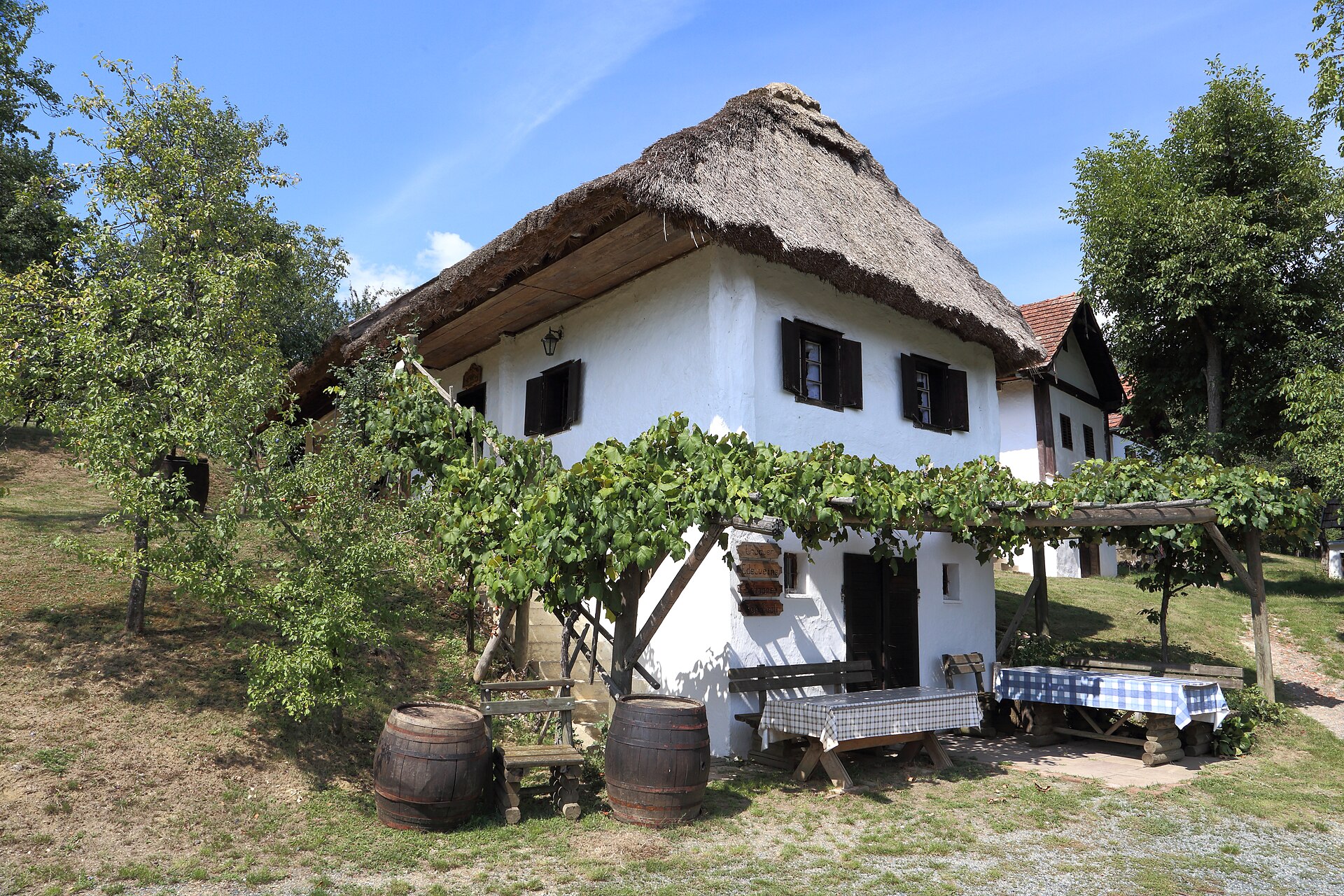
13 records
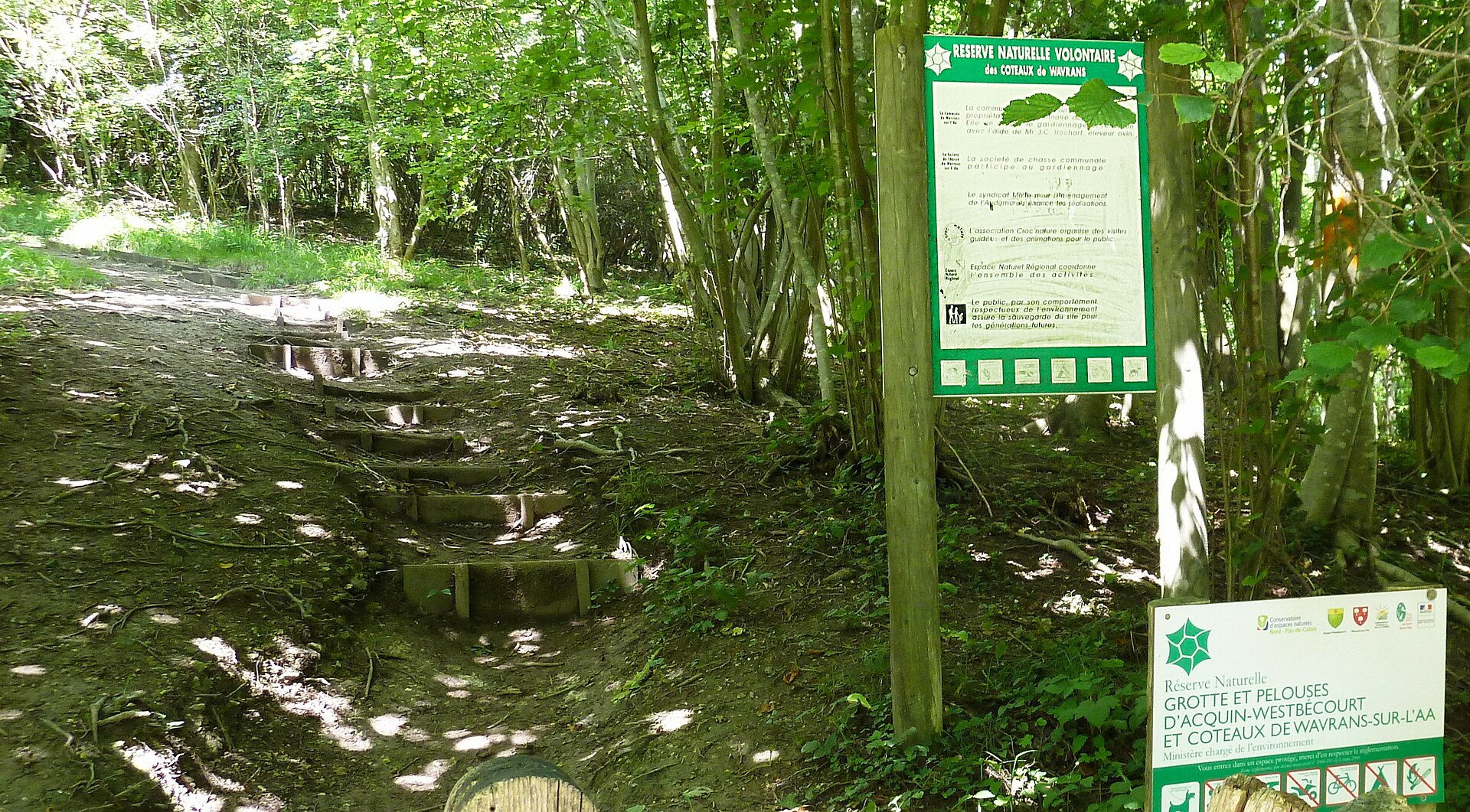
Other species to discover
 Bow-winged grasshopper
Chorthippus biguttulus 8 places in common
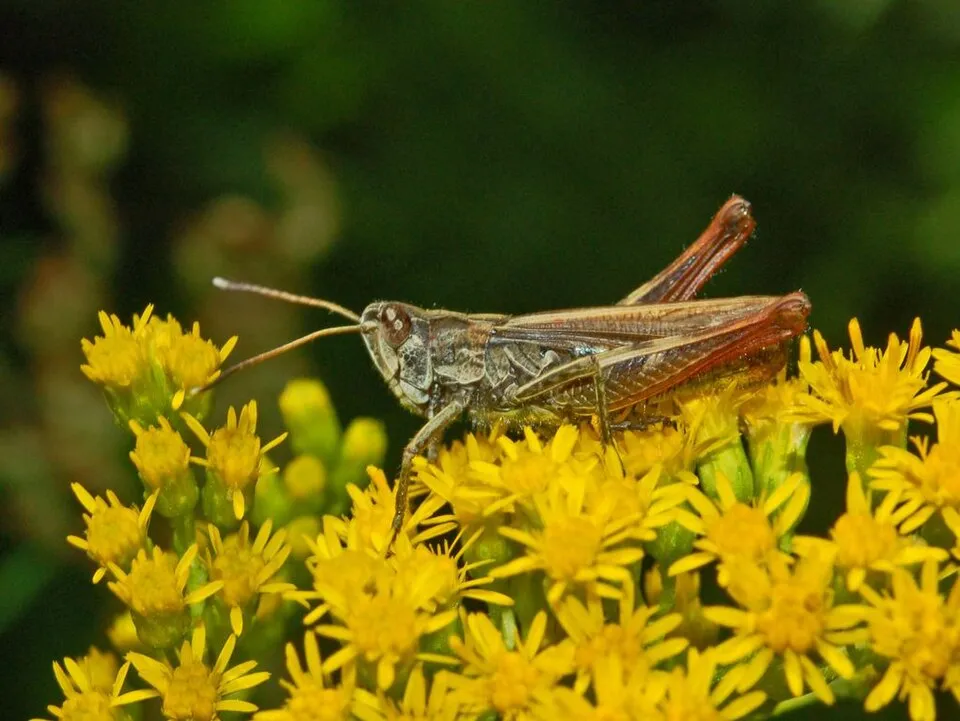 Rufous Grasshopper
Gomphocerippus rufus 4 places in common
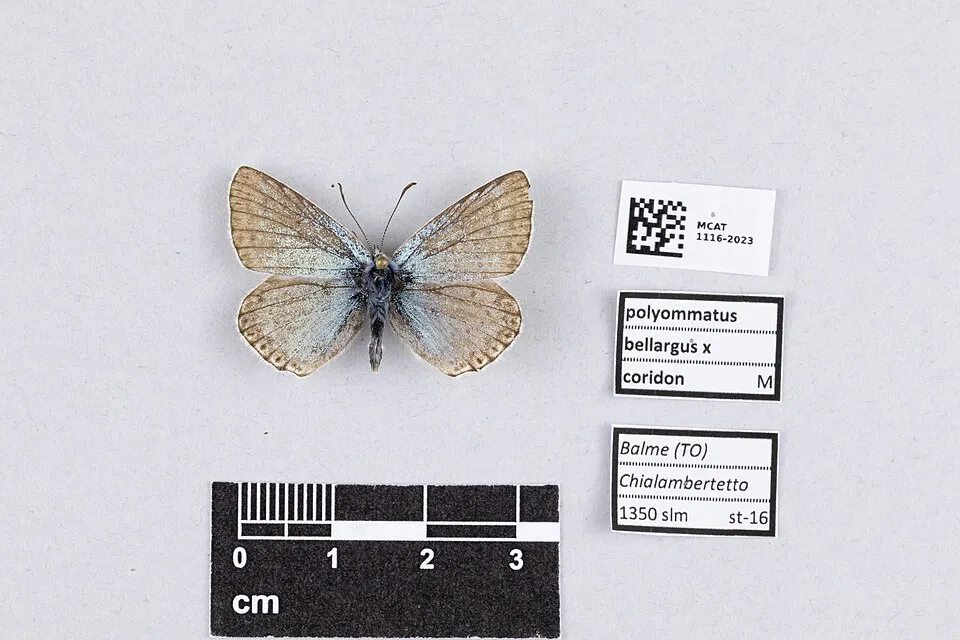 Adonis blue
Lysandra bellargus 5 places in common
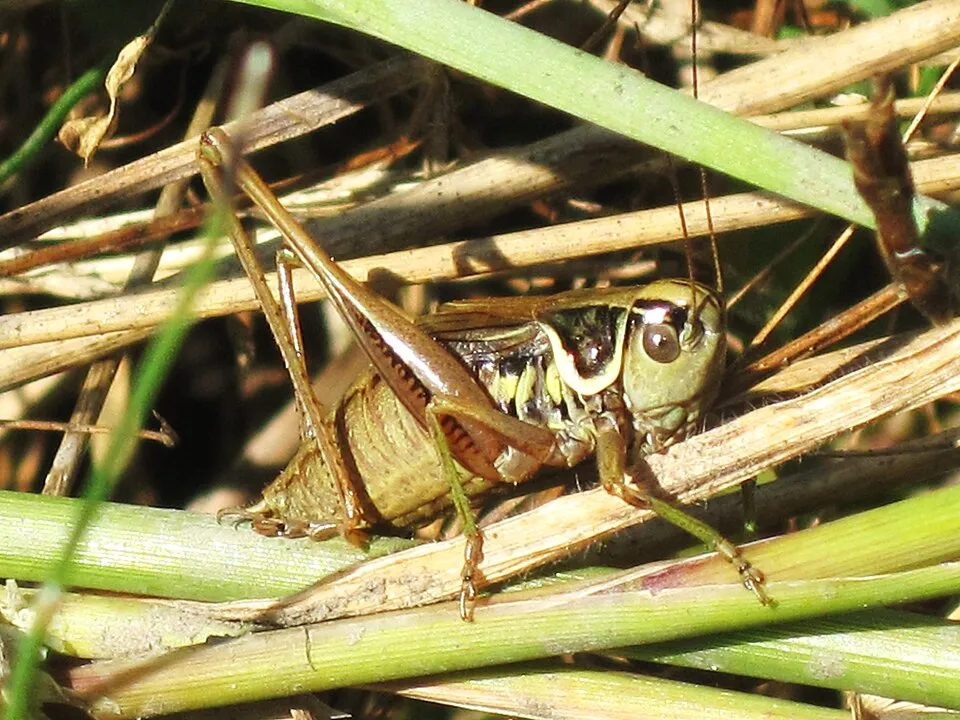 Roesel's Bush-Cricket
Roeseliana roeselii 3 places in common
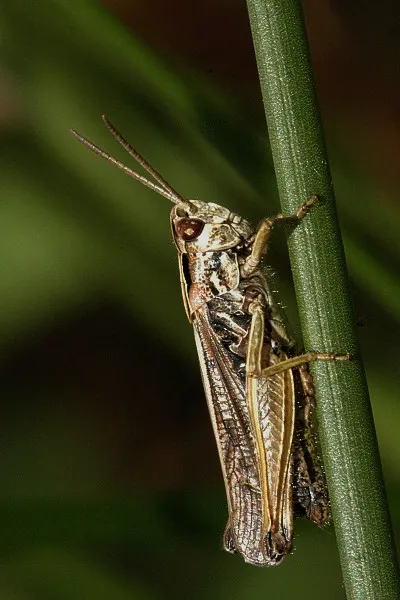 Common green grasshopper
Omocestus viridulus 3 places in common
 Marbled white
Melanargia galathea 7 places in common
Sources and credits
- Presence: most-recorded species of each place on GBIF and species of Community interest in the Natura 2000 forms (EEA, CC-BY 4.0); absence from the list does not mean the species is absent.
- Common names: Wikidata (CC0) and GBIF.
- Photos and sounds: Wikimedia Commons, author and licence given for each file.
- Classification: GBIF Backbone Taxonomy (GBIF Secretariat), CC BY 4.0, doi:10.15468/39omei.
- Countries, elevations, months and maps: GBIF.org, CC0 or CC BY 4.0 occurrences only, accessed October 22, 2026, GBIF.org.
- Base map: Natural Earth (public domain).
- Excerpt: Wikipedia, CC BY-SA 4.0 (full credit below the excerpt).