
Fish
Mediterranean rainbow wrasse: where to see it
Coris julis
This fish species is recorded in 7 protected areas of the atlas. Within the atlas countries, it is mostly observed in France, Spain and Portugal (6 countries in all). Records peak from May to September.
Best time to see it: May–September
Records published on GBIF by month (CC0 and CC BY 4.0 licences only), in the atlas countries, all years combined; they also reflect observer activity.
Distribution
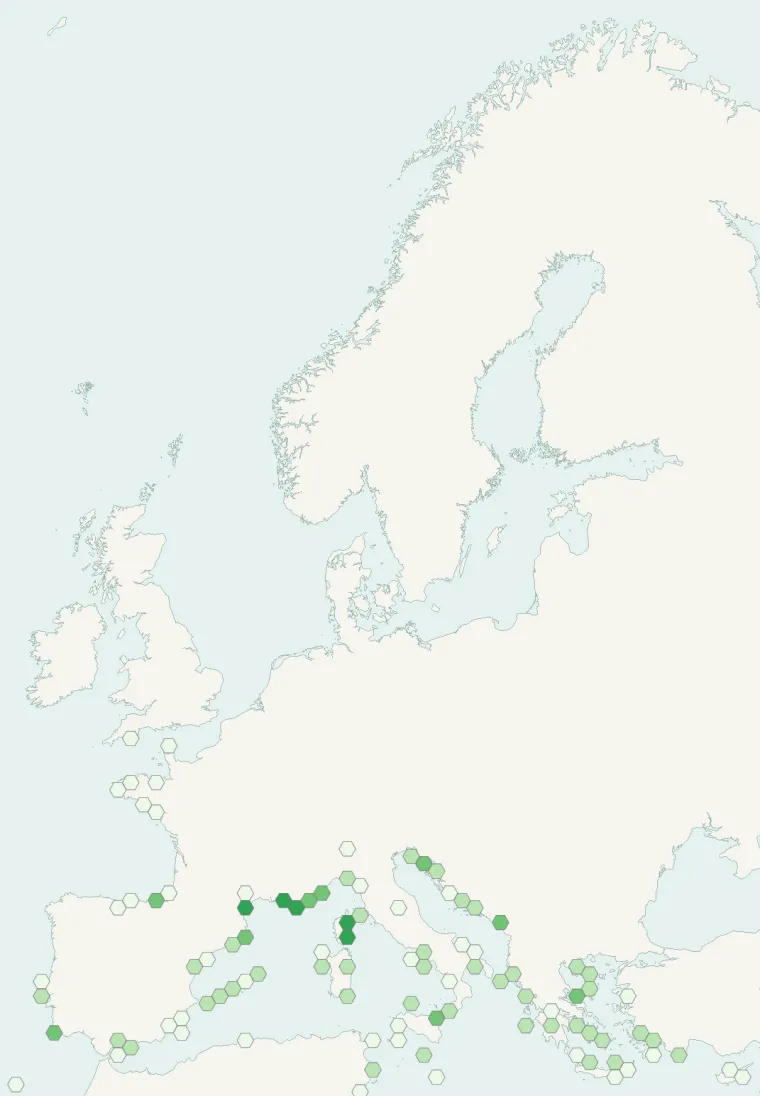
Records published on GBIF (CC0 and CC BY 4.0 licences): the darker the shade, the more records there are; they also reflect observation effort.
Atlas countries where it is recorded
From Wikipedia
Coris julis also known by its common name, the Mediterranean rainbow wrasse, is a Mediterranean and Eastern Atlantic fish. Phylogenetically they belong to the Labridae family, also known as the wrasses. Within their genus, Coris, there are a total of 28 species. As discussed more in the Life History section below, they can present with more than one coloration. This is because they are diandric protogynous hermaphrodites. These fish are born as what scientists term primary males and females and can transition from a female to a secondary male.
Source: Wikipedia, article “Mediterranean rainbow wrasse” (version of October 2, 2026) · history and authors · licence CC BY-SA 4.0 · shortened excerpt
Protected areas where it is recorded
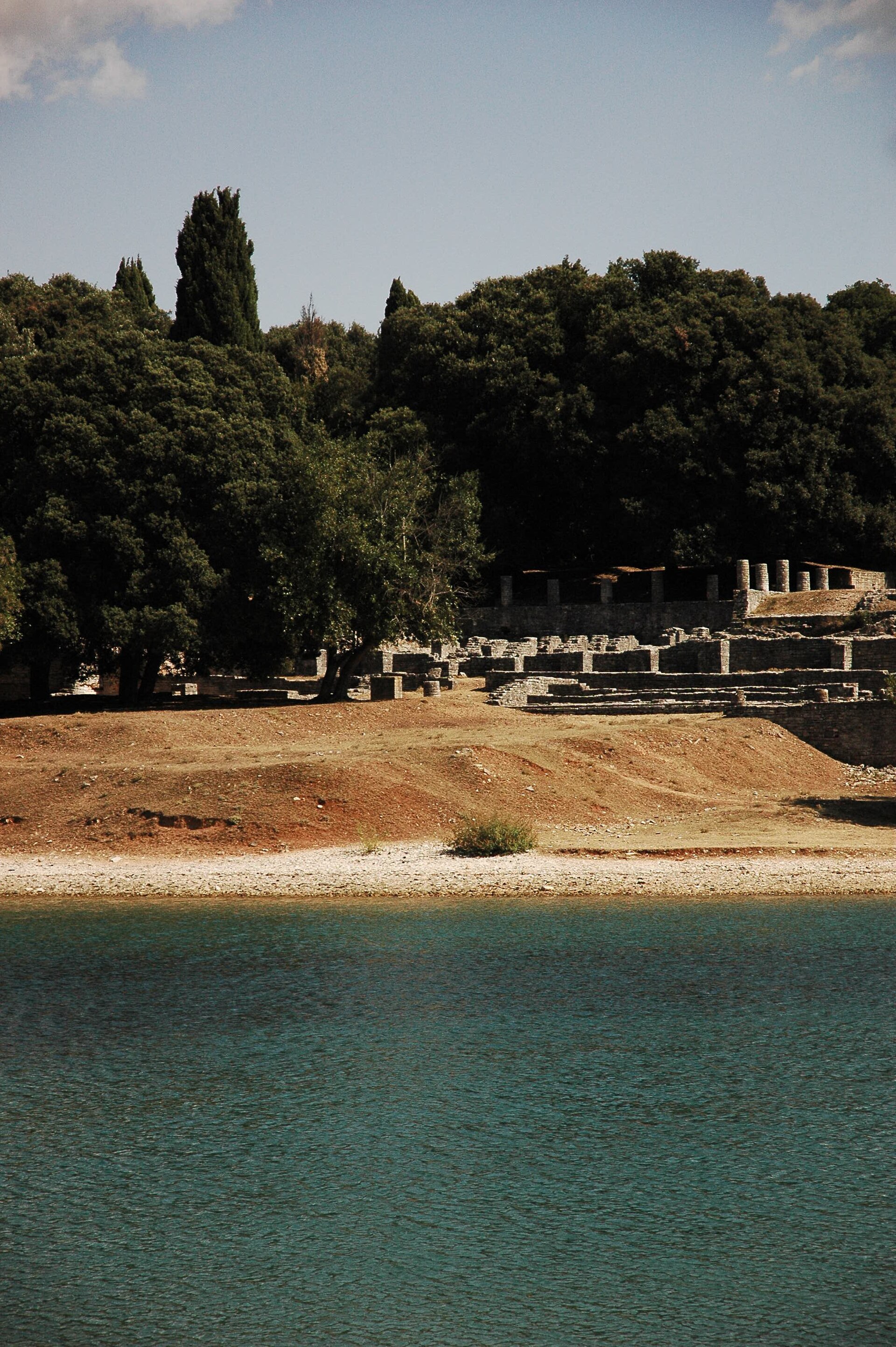
209 records
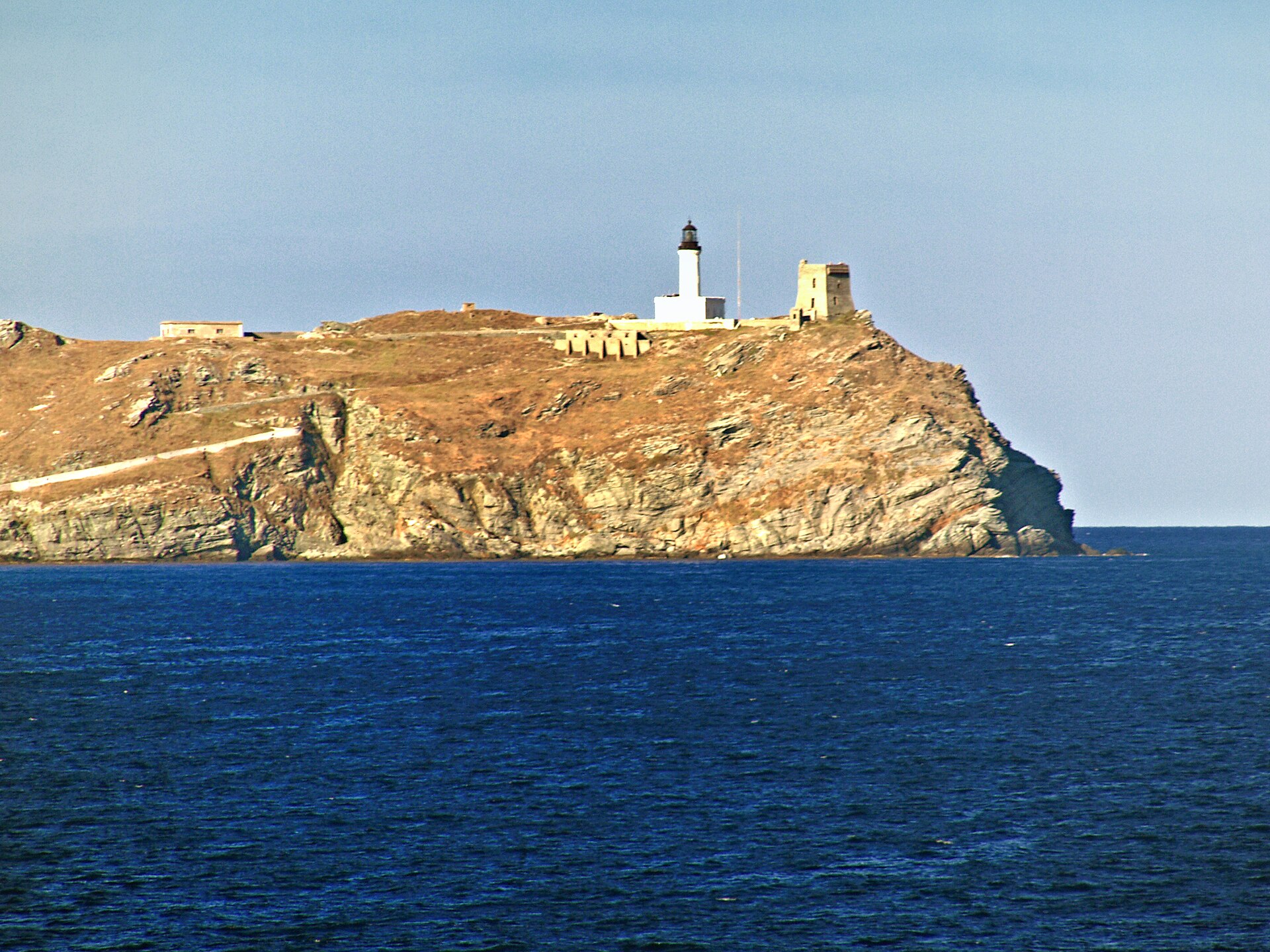
179 records

161 records
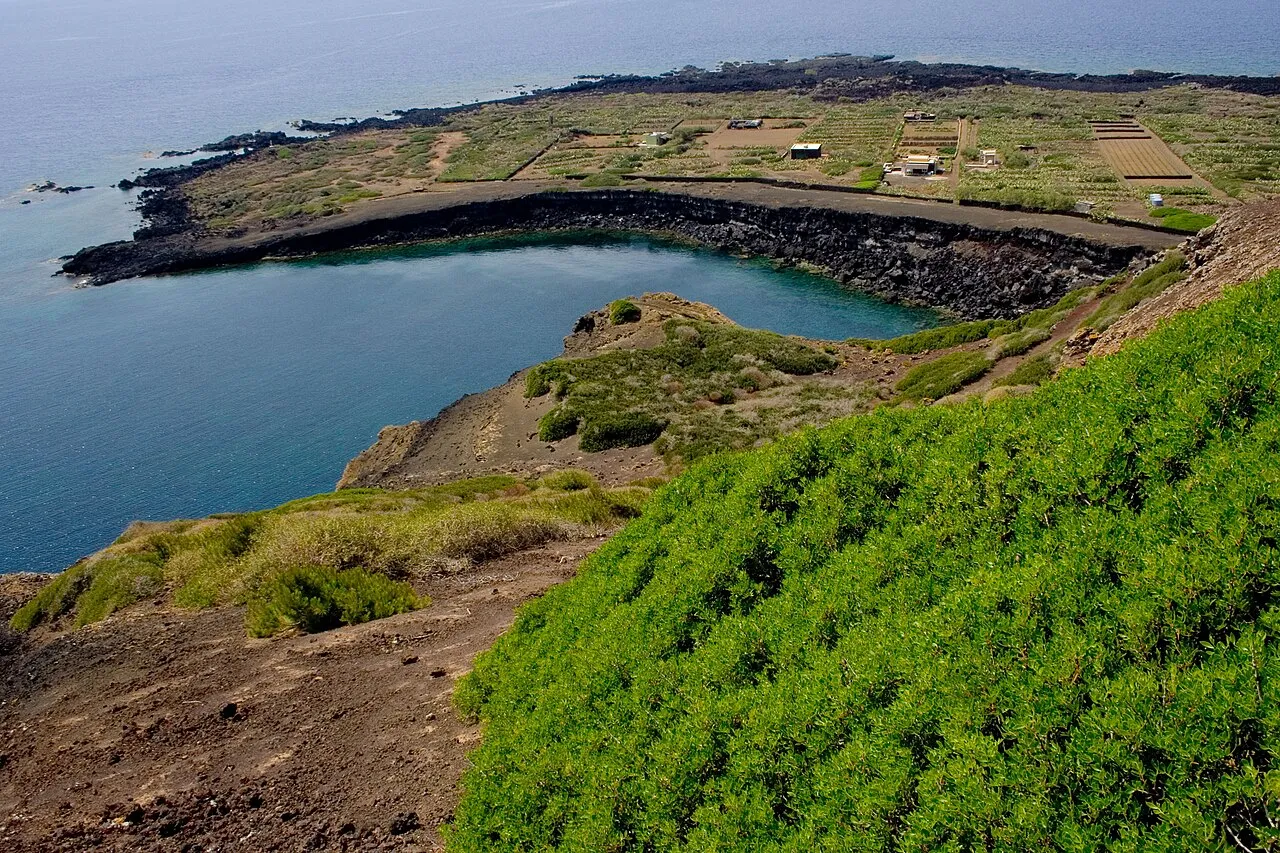
145 records
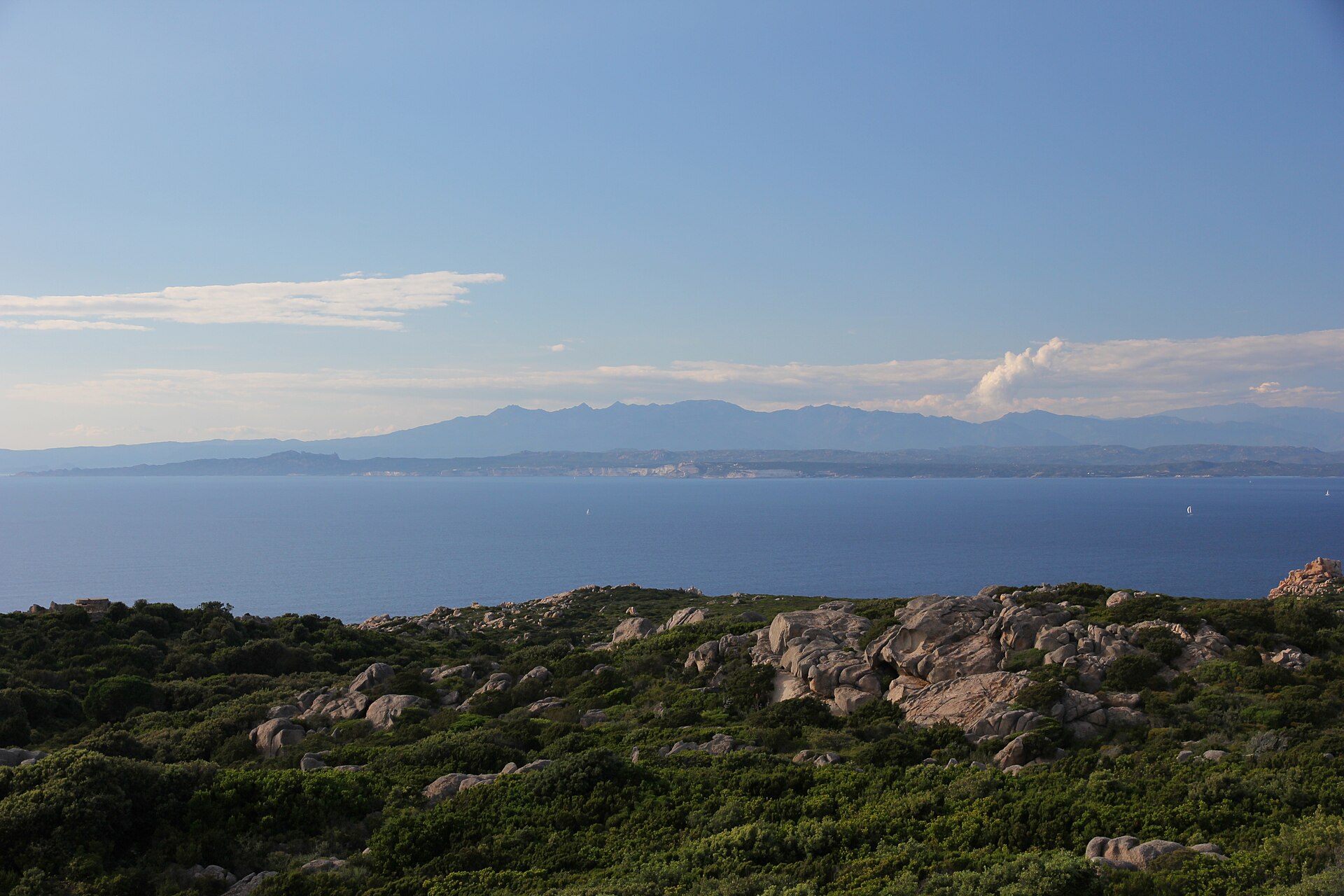
131 records
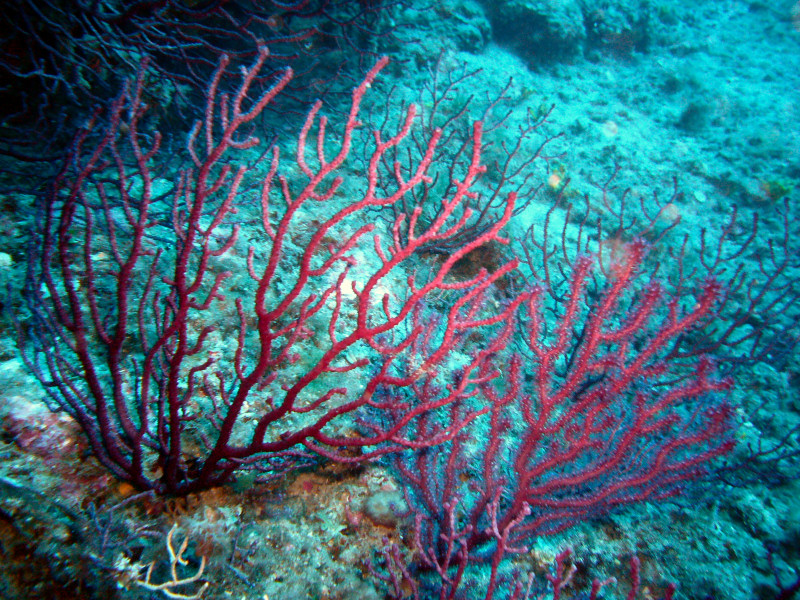
43 records
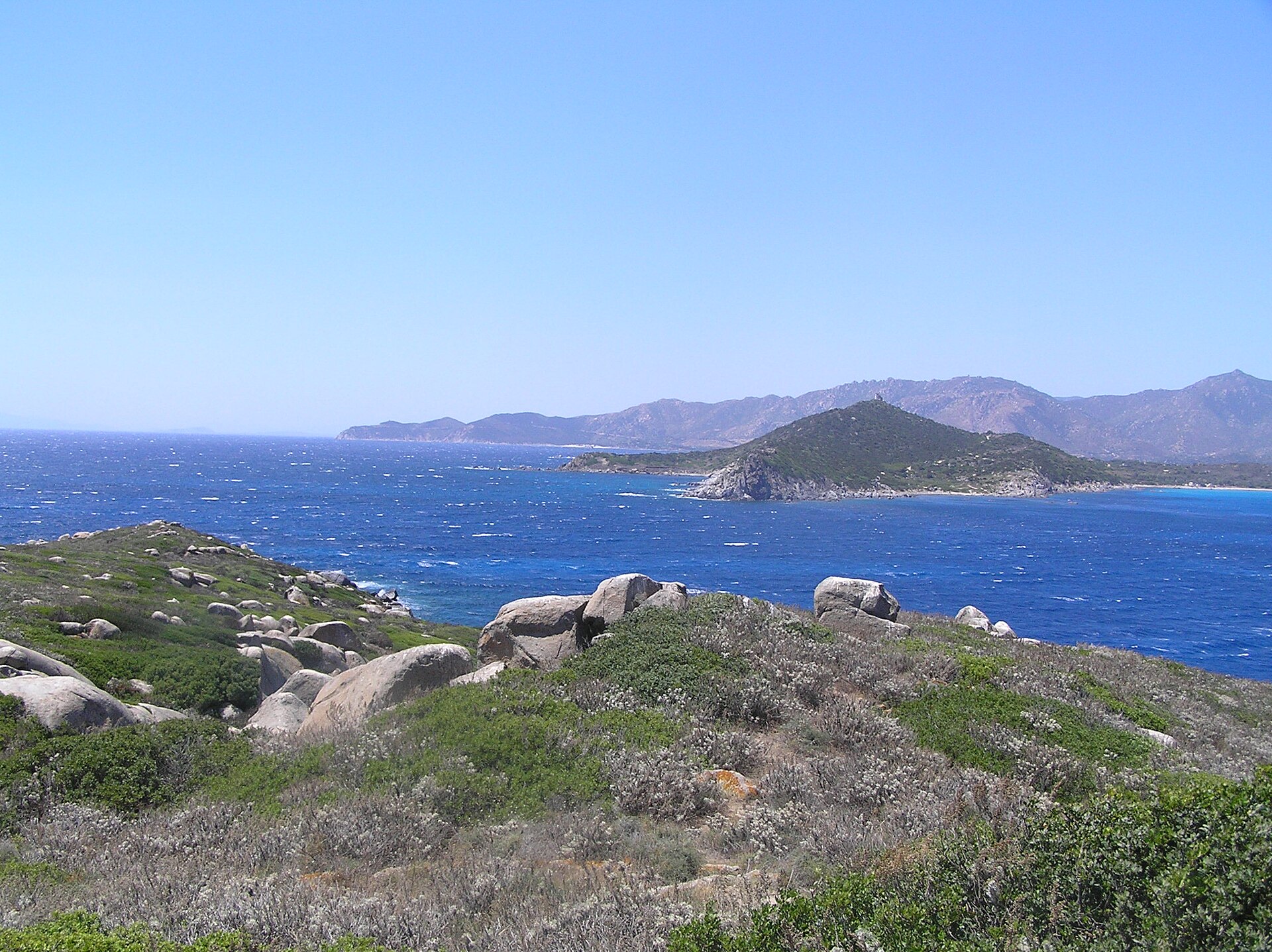
21 records
Other species to discover
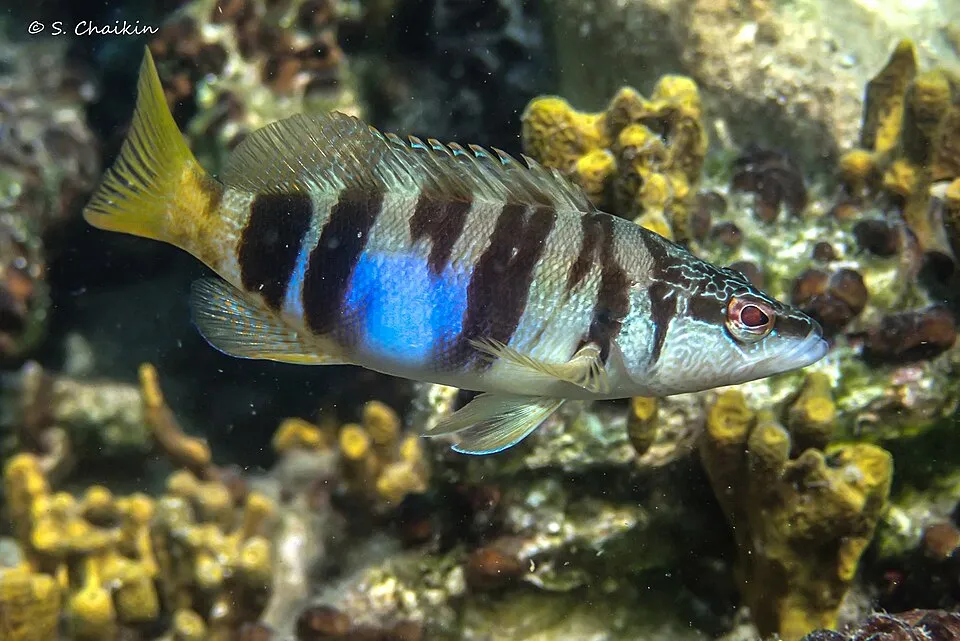 Painted comber
Serranus scriba 6 places in common
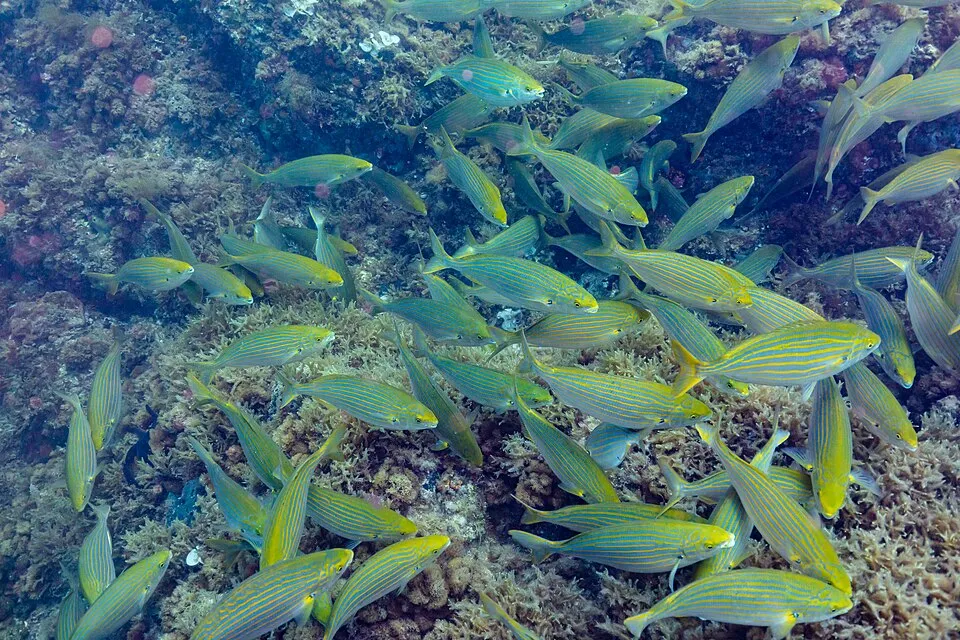 Salema porgy
Sarpa salpa 6 places in common
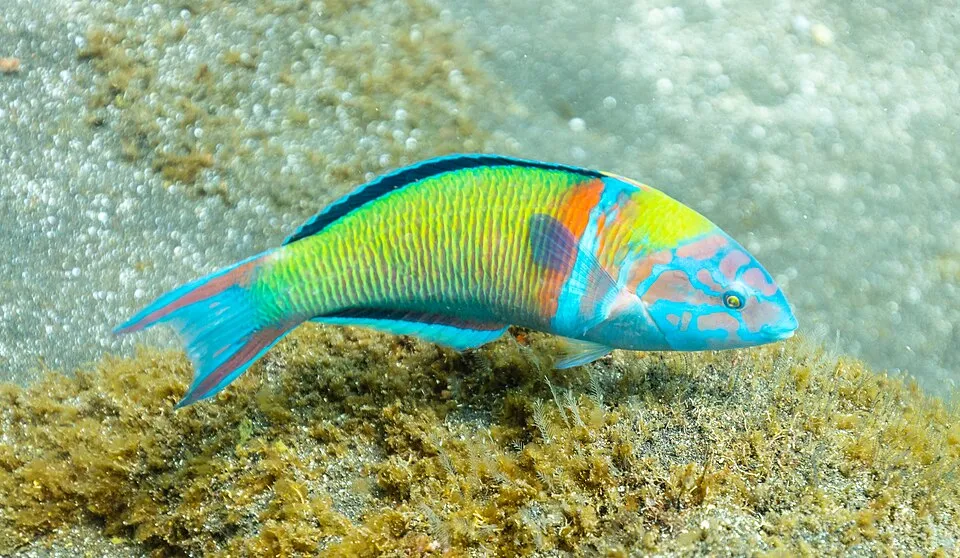 Ornate Wrasse
Thalassoma pavo 4 places in common
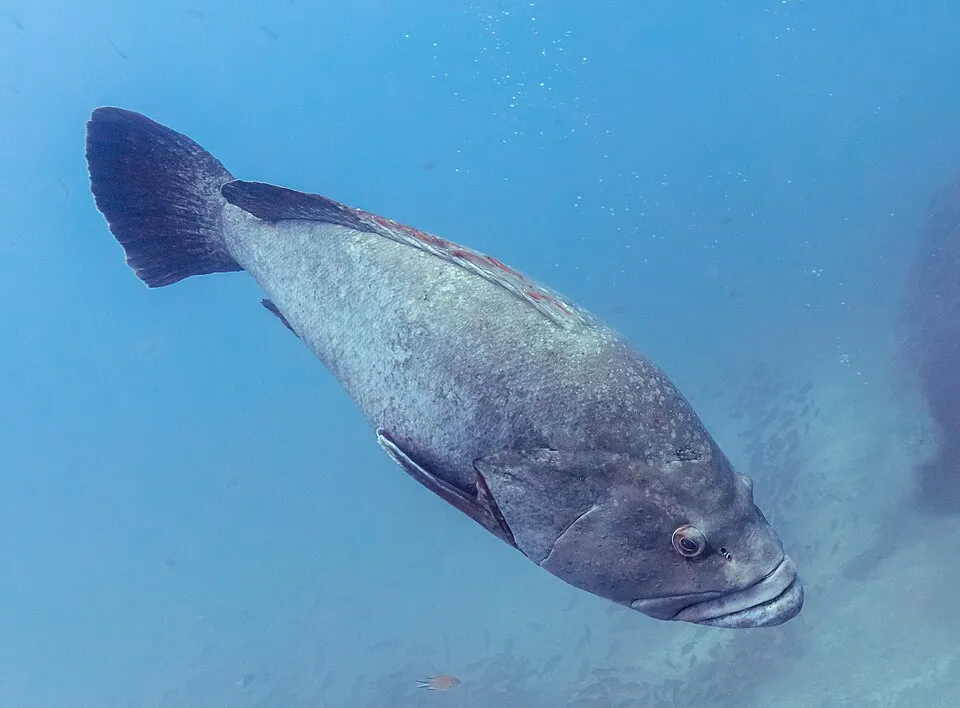 Dusky grouper
Epinephelus marginatus 3 places in common
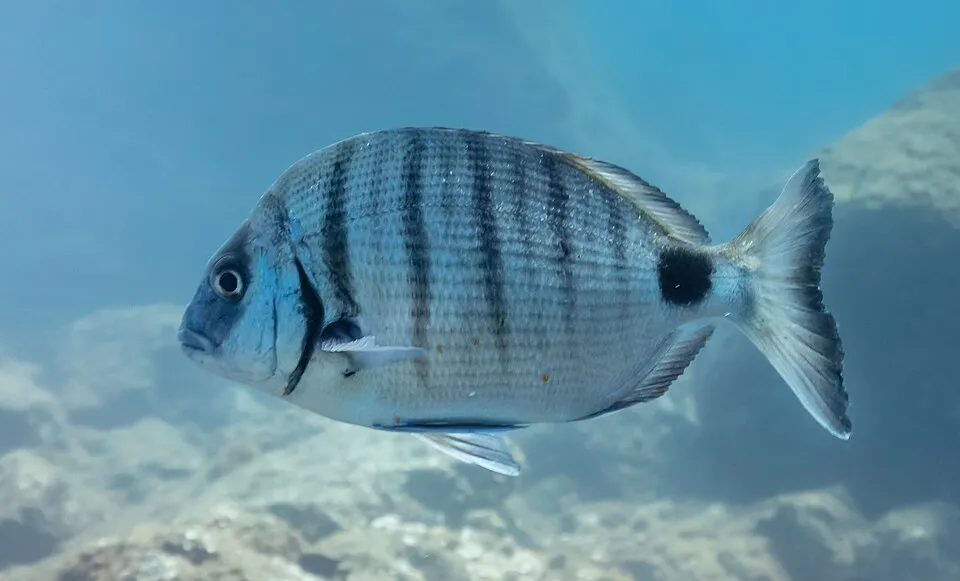 Sargo
Diplodus sargus 2 places in common
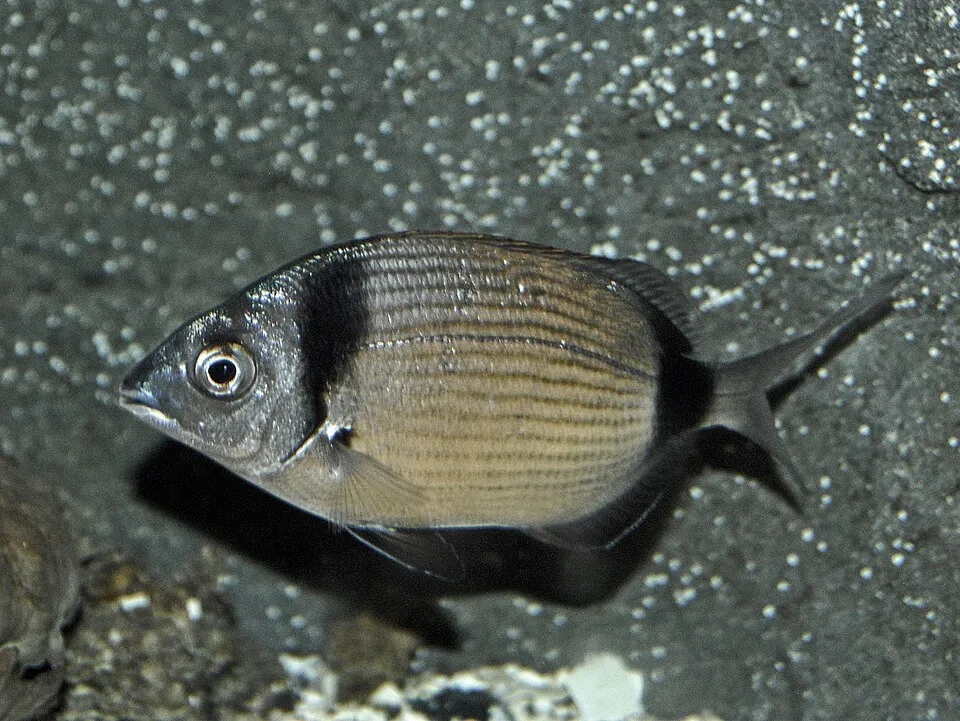 Common Two-banded Seabream
Diplodus vulgaris 2 places in common
Sources and credits
- Presence: most-recorded species of each place on GBIF and species of Community interest in the Natura 2000 forms (EEA, CC-BY 4.0); absence from the list does not mean the species is absent.
- Common names: Wikidata (CC0) and GBIF.
- Photos and sounds: Wikimedia Commons, author and licence given for each file.
- Classification: GBIF Backbone Taxonomy (GBIF Secretariat), CC BY 4.0, doi:10.15468/39omei.
- Countries, elevations, months and maps: GBIF.org, CC0 or CC BY 4.0 occurrences only, accessed October 23, 2026, GBIF.org.
- Base map: Natural Earth (public domain).
- Excerpt: Wikipedia, CC BY-SA 4.0 (full credit below the excerpt).