
Plant
Neptune Grass: where to see it
Posidonia oceanica
This plant species is recorded in 7 protected areas of the atlas. Within the atlas countries, it is mostly observed in France, Spain and Italy (4 countries in all). Most records (8 in 10) lie between sea level and 60 m. Records peak from April to June. Plant (aquatic plant), native to Europe, Africa and temperate Asia.
Best time to see it: April–June
Records published on GBIF by month (CC0 and CC BY 4.0 licences only), in the atlas countries, all years combined; they also reflect observer activity.
Distribution
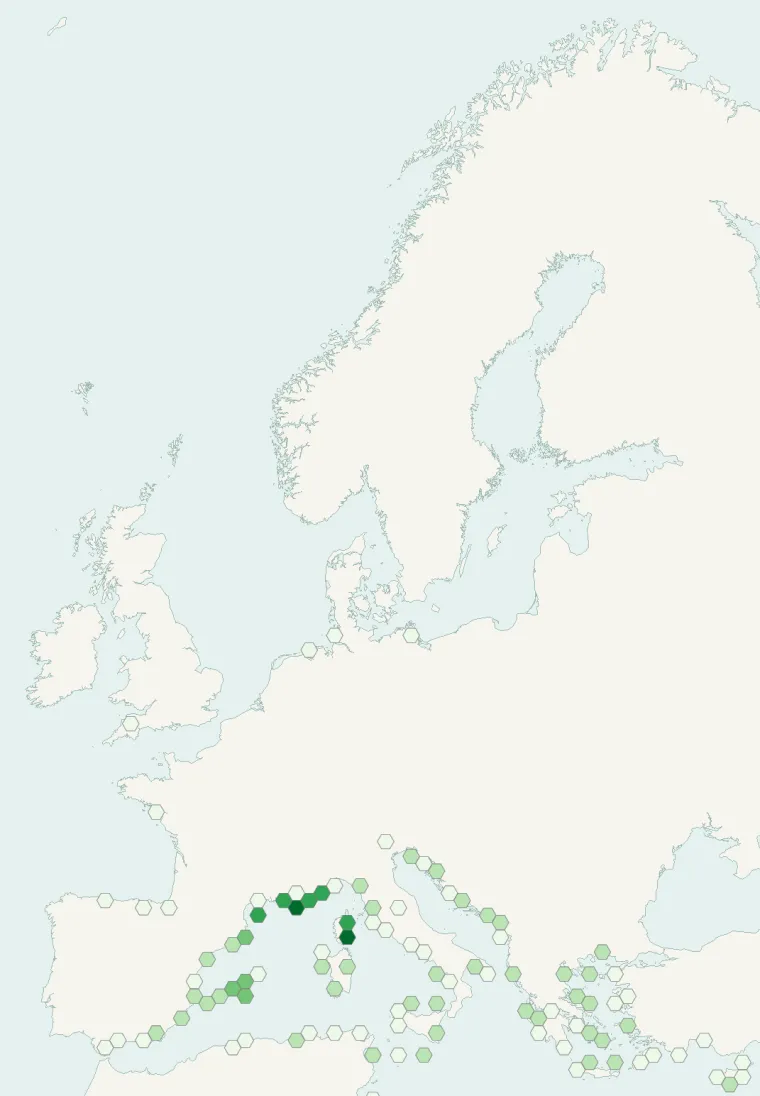
Records published on GBIF (CC0 and CC BY 4.0 licences): the darker the shade, the more records there are; they also reflect observation effort.
Atlas countries where it is recorded
From Wikipedia
Posidonia oceanica, commonly known as Neptune grass or Mediterranean tapeweed, is a seagrass species that is endemic to the Mediterranean Sea. The mapping of submerged seagrass meadows in the Mediterranean has recently benefited from advanced artificial intelligence techniques. It forms large underwater meadows that are an important part of the ecosystem. The fruit is free floating and known in Italy as "the olive of the sea" (l'oliva di mare). Balls of fibrous material from its foliage, known as egagropili or Neptune balls, wash up to nearby shorelines.
Source: Wikipedia, article “Posidonia oceanica” (version of August 1, 2026) · history and authors · licence CC BY-SA 4.0 · shortened excerpt
Protected areas where it is recorded
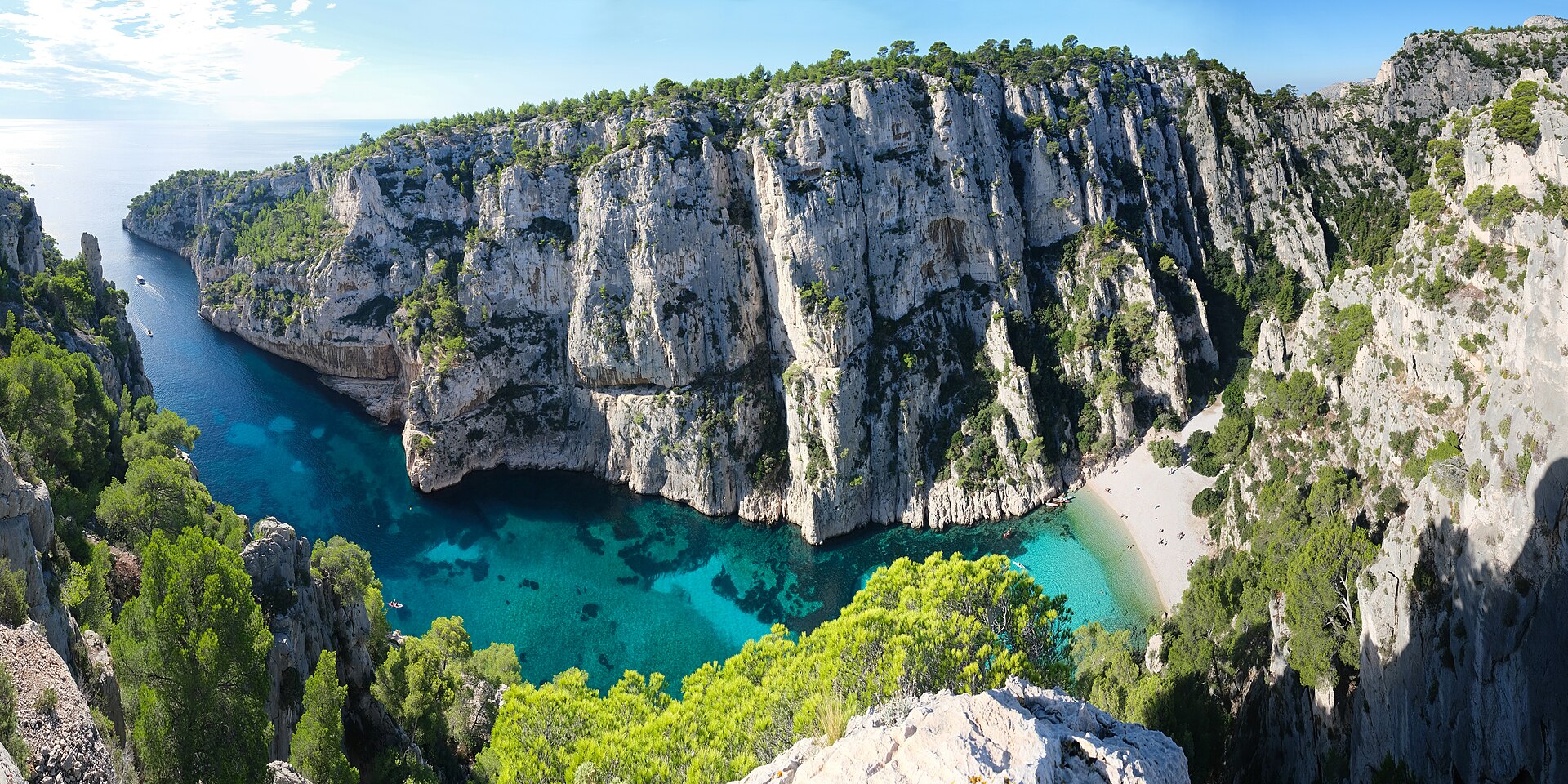
1,019 records
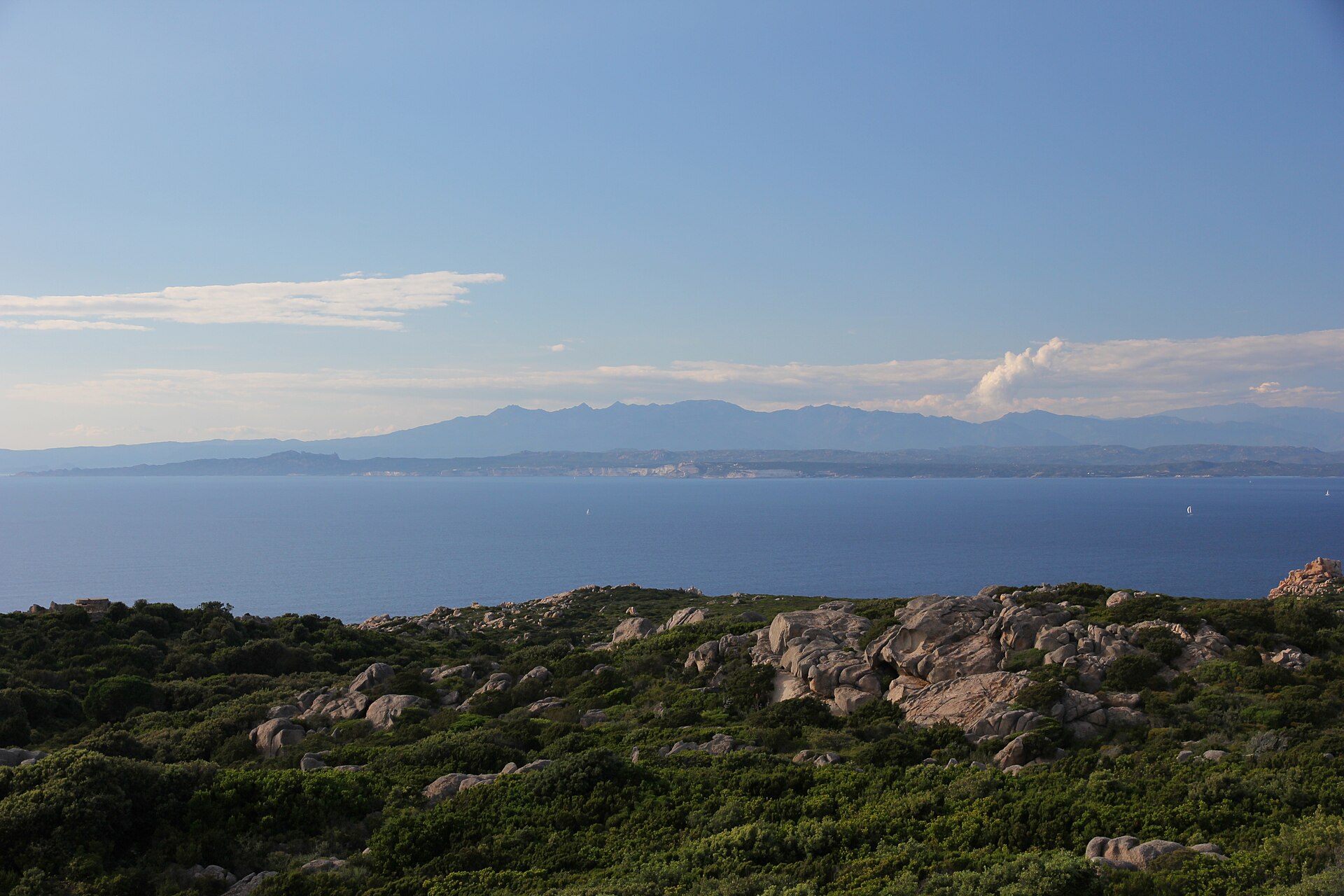
735 records
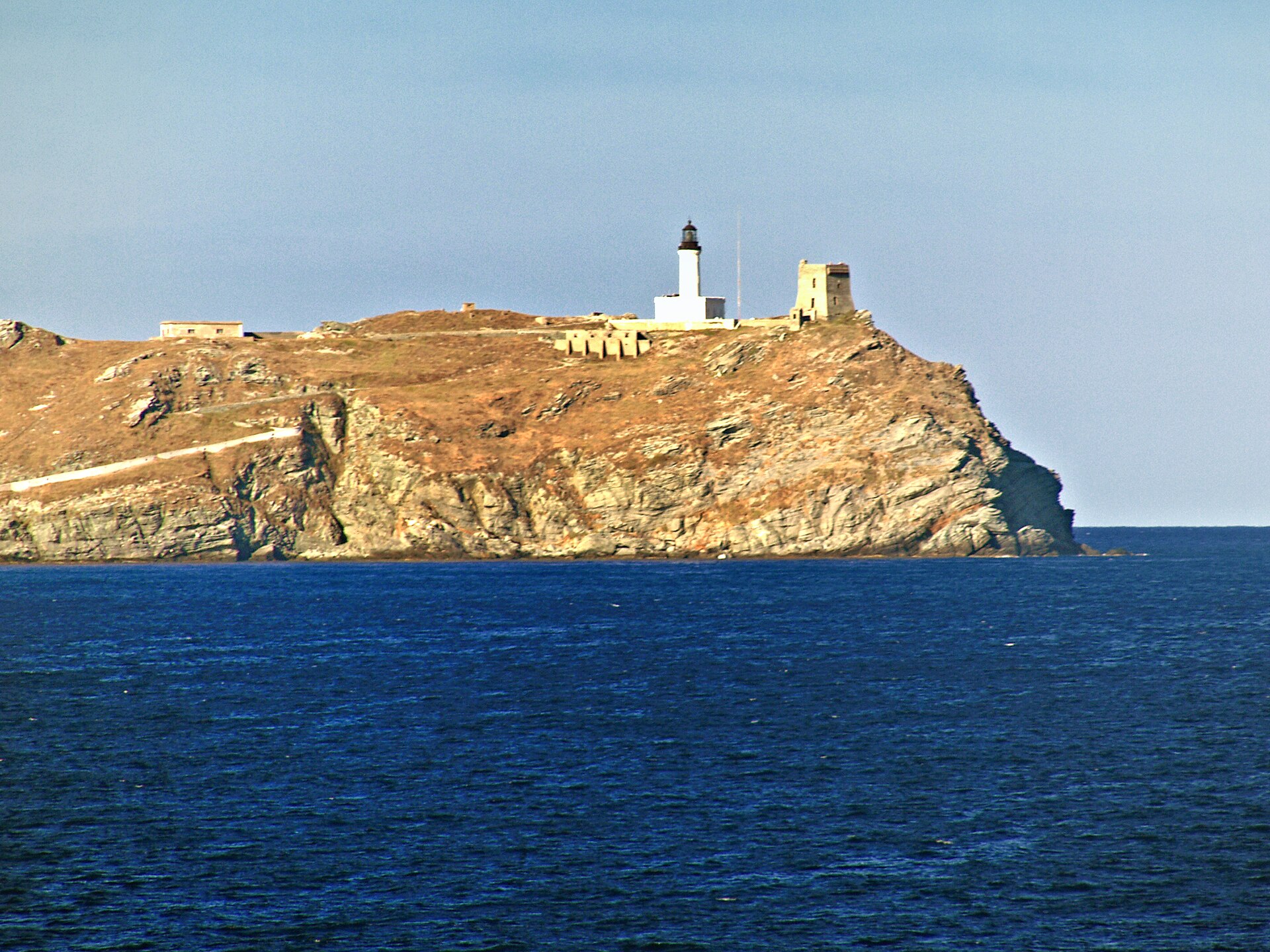
597 records

392 records
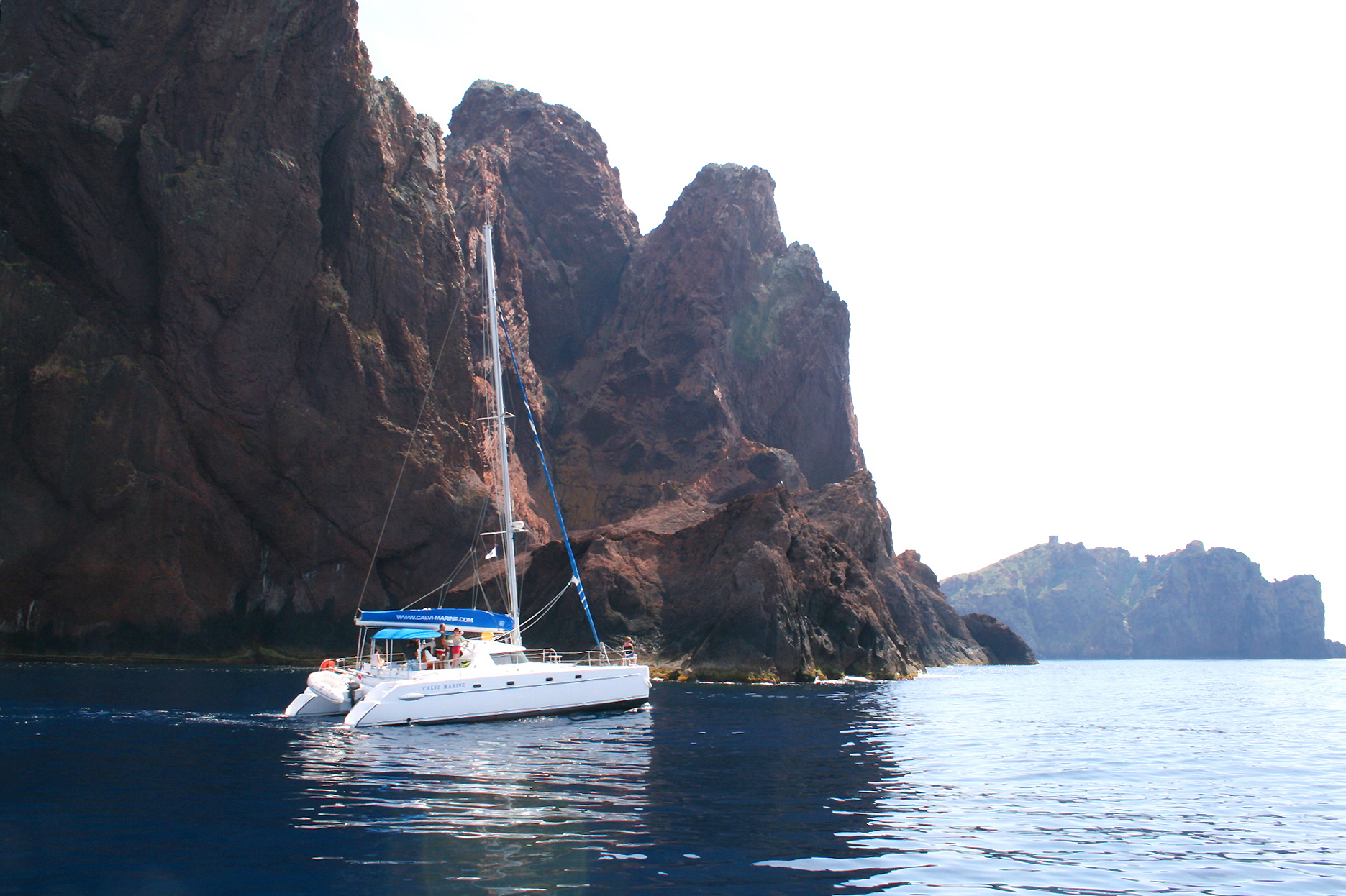
21 records

2 records

2 records
Other species to discover
 Silvery Spurge Flax
Thymelaea tartonraira 2 places in common
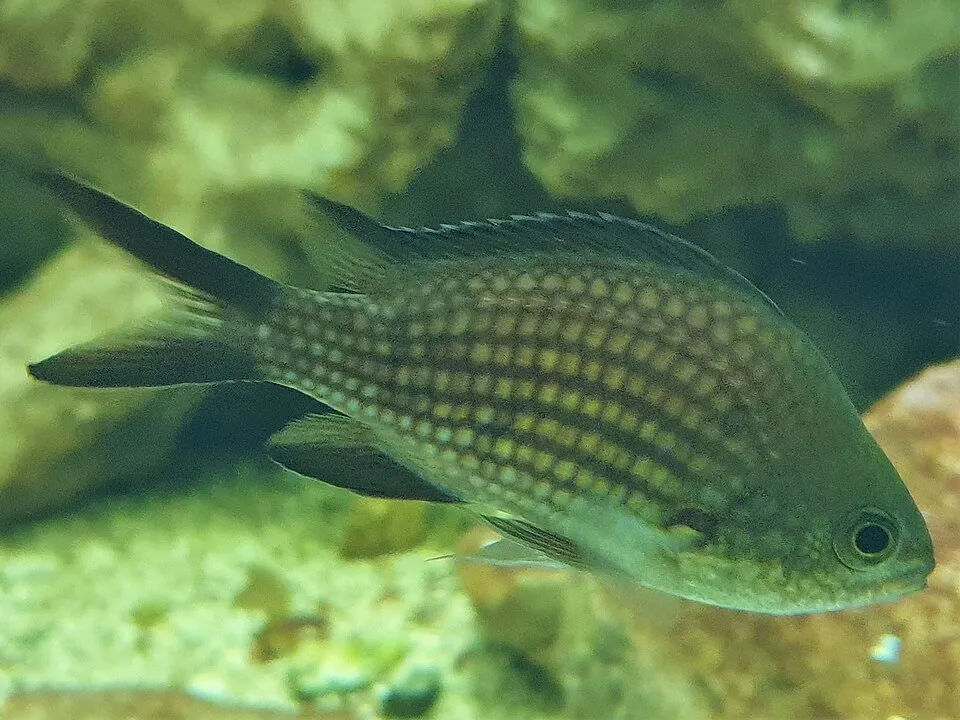 Damselfish
Chromis chromis 3 places in common
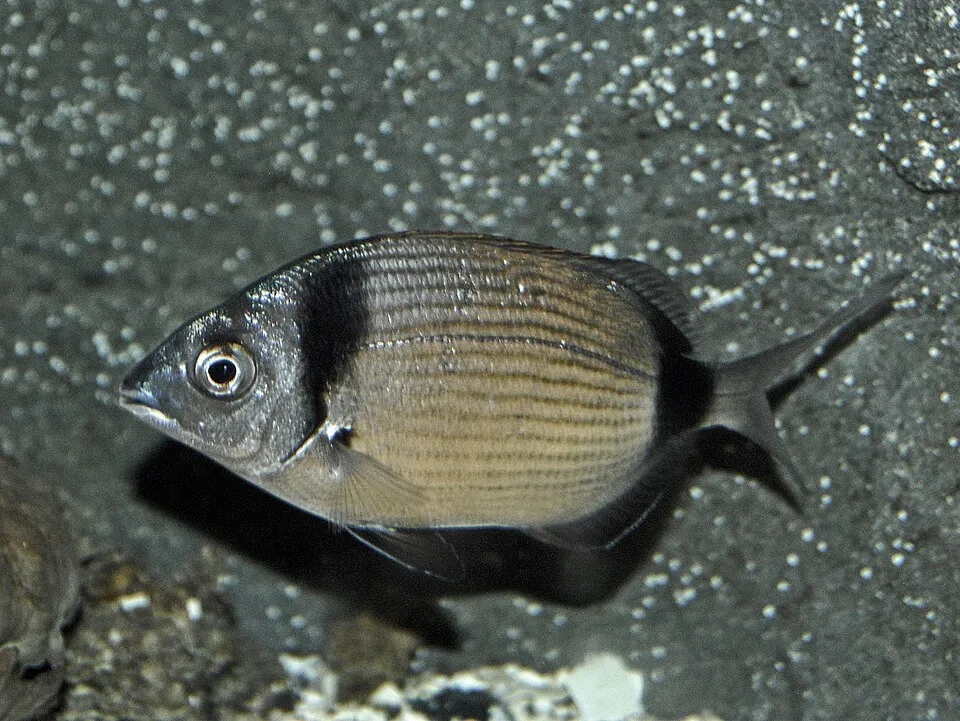 Common Two-banded Seabream
Diplodus vulgaris 3 places in common
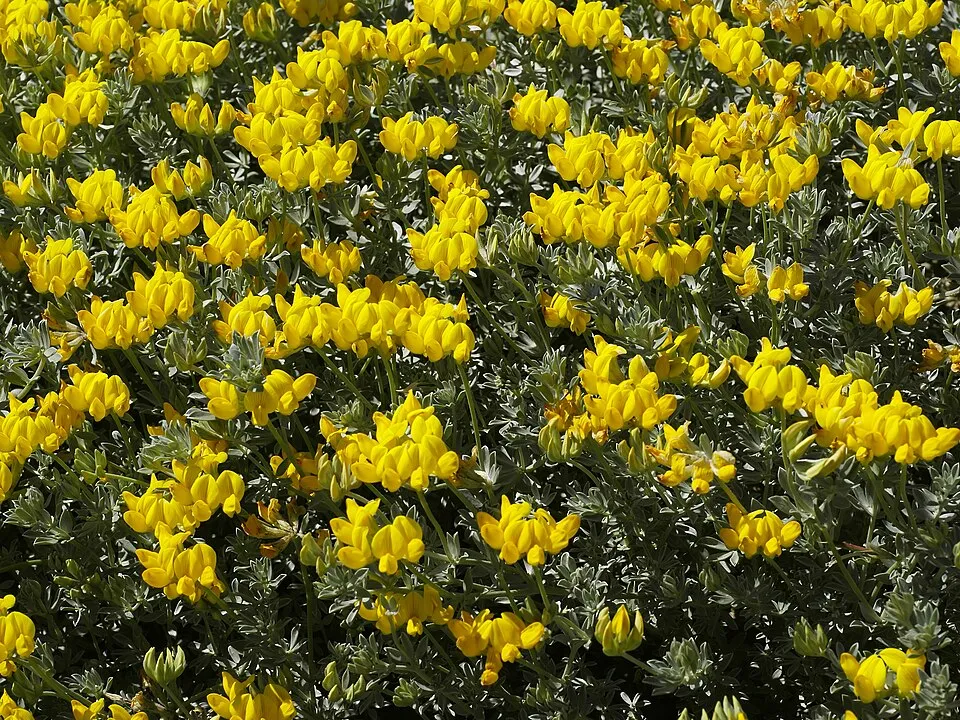 Lotus cytisoides
2 places in common
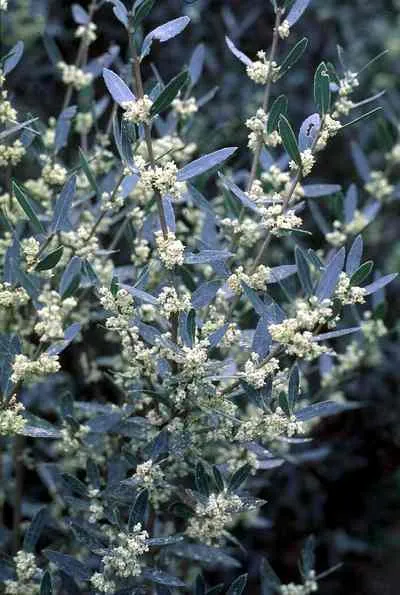 Narrow-leaved mock privet
Phillyrea angustifolia 2 places in common
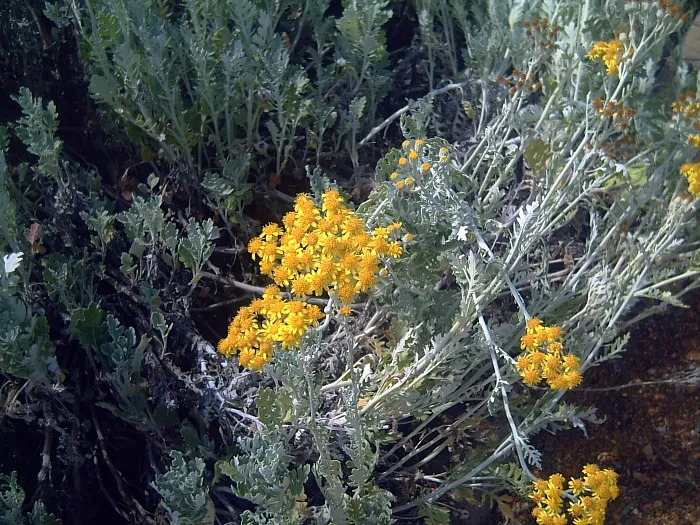 Silver Ragwort
Jacobaea maritima 2 places in common
Sources and credits
- Presence: most-recorded species of each place on GBIF and species of Community interest in the Natura 2000 forms (EEA, CC-BY 4.0); absence from the list does not mean the species is absent.
- Common names: Wikidata (CC0) and GBIF.
- Photos and sounds: Wikimedia Commons, author and licence given for each file.
- Classification: GBIF Backbone Taxonomy (GBIF Secretariat), CC BY 4.0, doi:10.15468/39omei.
- Countries, elevations, months and maps: GBIF.org, CC0 or CC BY 4.0 occurrences only, accessed October 22, 2026, GBIF.org.
- Base map: Natural Earth (public domain).
- Excerpt: Wikipedia, CC BY-SA 4.0 (full credit below the excerpt).
- Native range and life form: World Checklist of Vascular Plants, Royal Botanic Gardens, Kew, CC BY 4.0 (no endorsement by Kew).