
Bird
Northern Fulmar: where to see it
Fulmarus glacialis
This bird species is recorded in 6 protected areas of the atlas, including 4 whose official Natura 2000 form lists it. Within the atlas countries, it is mostly observed in the United Kingdom, Norway and Ireland (9 countries in all). Records peak from June to September. It has a wingspan of 107 cm. Its EU population is assessed as threatened (2013–2018 Birds Directive reporting).
Best time to see it: June–September
Records published on GBIF by month (CC0 and CC BY 4.0 licences only), in the atlas countries, all years combined; they also reflect observer activity.
Key facts
- Wingspan
- 107 cm Wikidata, after app.bto.org
Status and protection
EU population assessed as threatened, decreasing in the short term (2013–2018 Birds Directive reporting). EU breeding population: 228,000–715,000 pairs.
Distribution
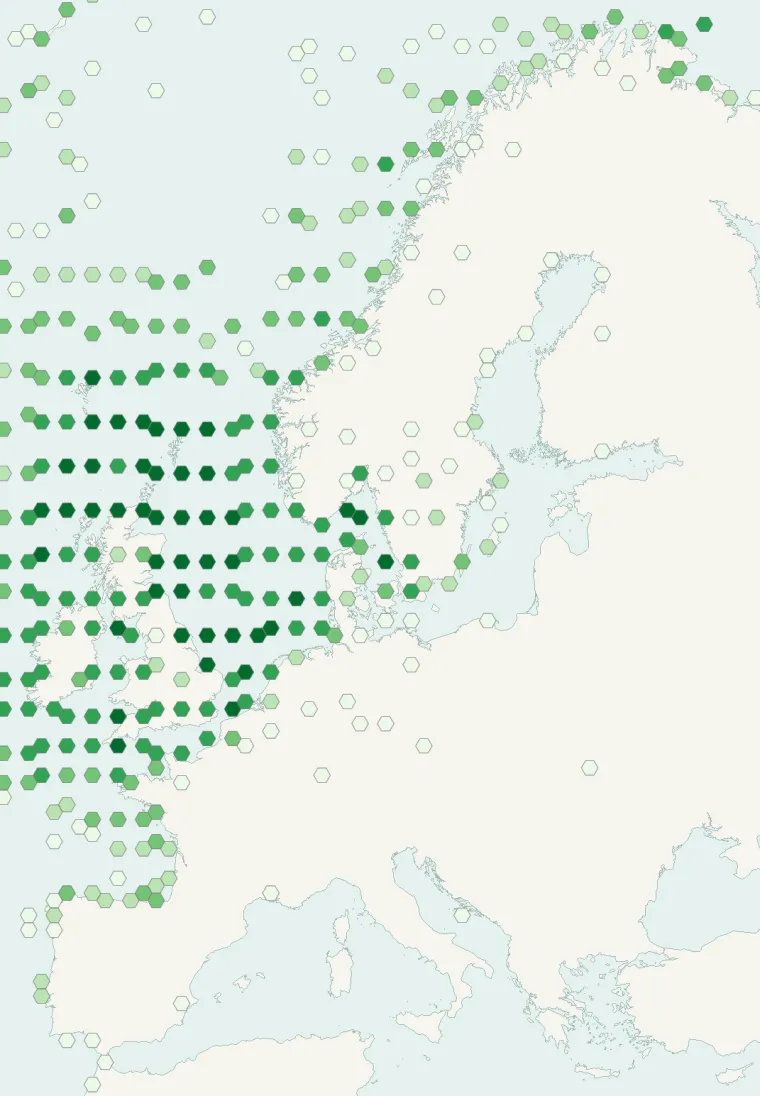
Records published on GBIF (CC0 and CC BY 4.0 licences): the darker the shade, the more records there are; they also reflect observation effort.
Atlas countries where it is recorded
Listen
-
0:48 · © Ndalyrose · CC BY-SA 4.0 · Wikimedia Commons · Original file
From Wikipedia
The northern fulmar, Arctic fulmar, or simply fulmar (Fulmarus glacialis) is an abundant seabird found primarily in subarctic regions of the North Atlantic and North Pacific oceans. There has been one confirmed sighting in the Southern Hemisphere, with a single bird seen south of New Zealand. Fulmars come in one of two colour morphs; a light one in temperate populations, with white head and body and grey wings and tail, and a dark one in arctic populations, which is uniformly grey; intermediate birds are common.
Source: Wikipedia, article “Northern fulmar” (version of August 12, 2026) · history and authors · licence CC BY-SA 4.0 · shortened excerpt
Protected areas where it is recorded
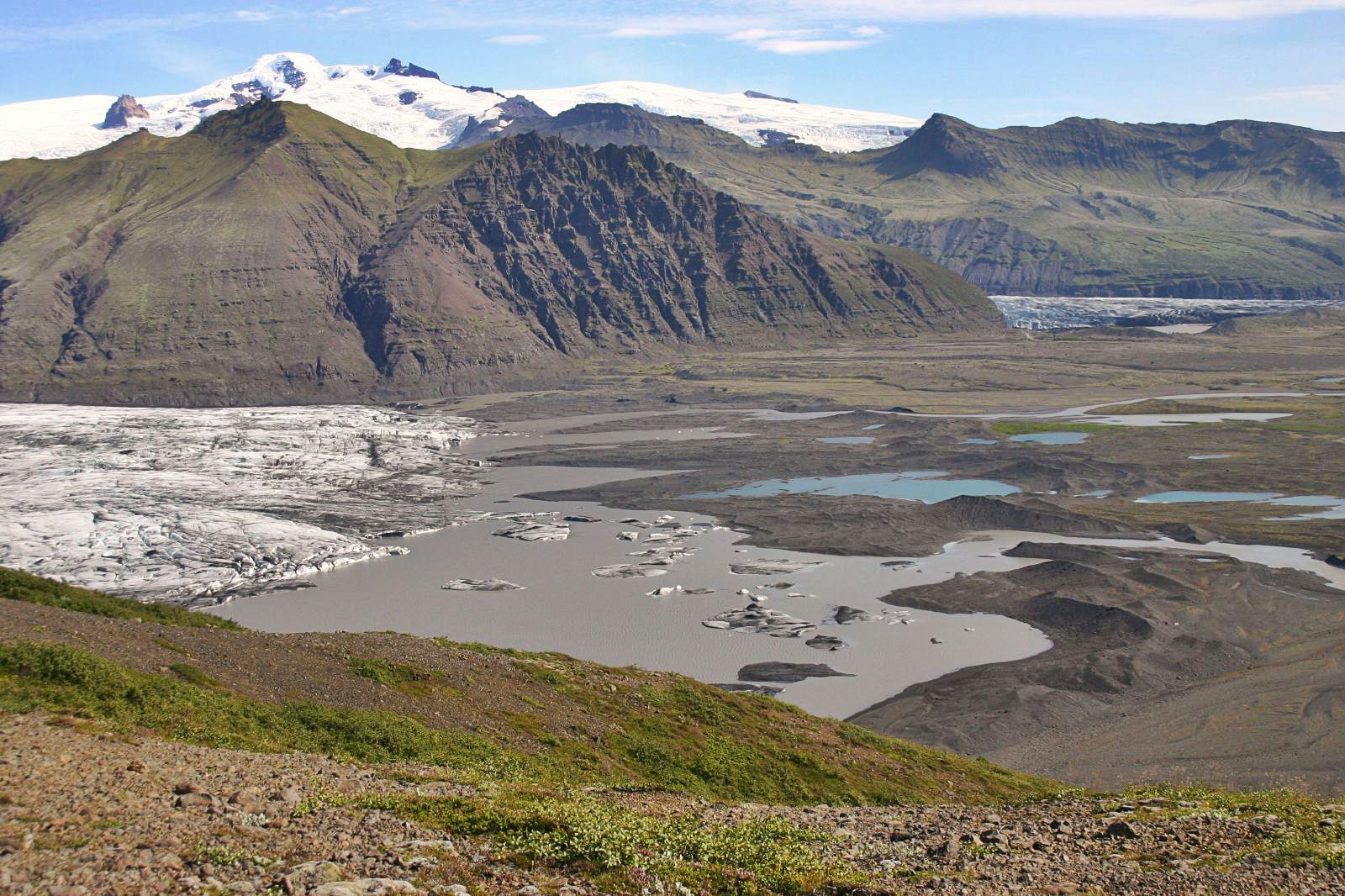
867 records
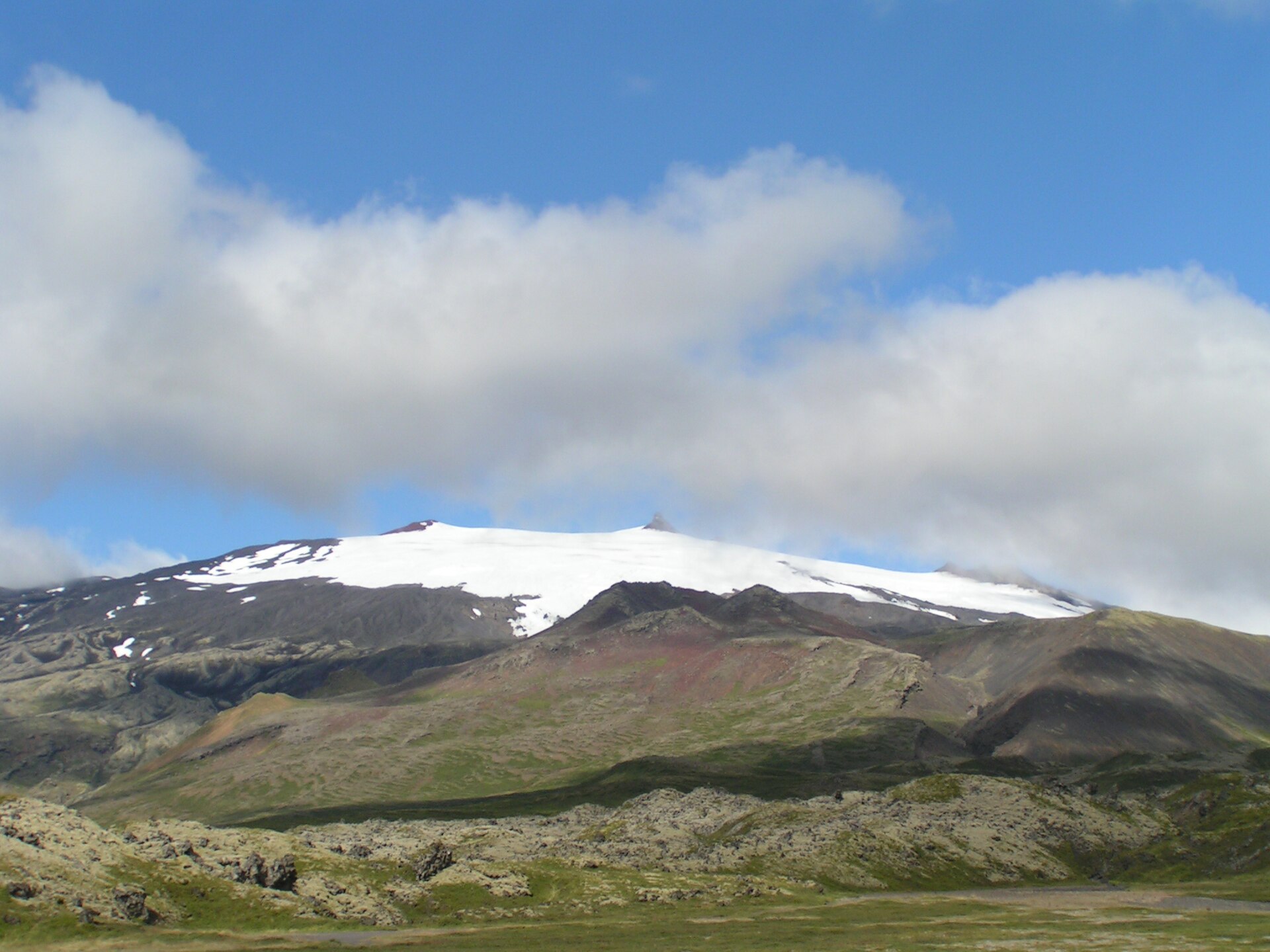
792 records
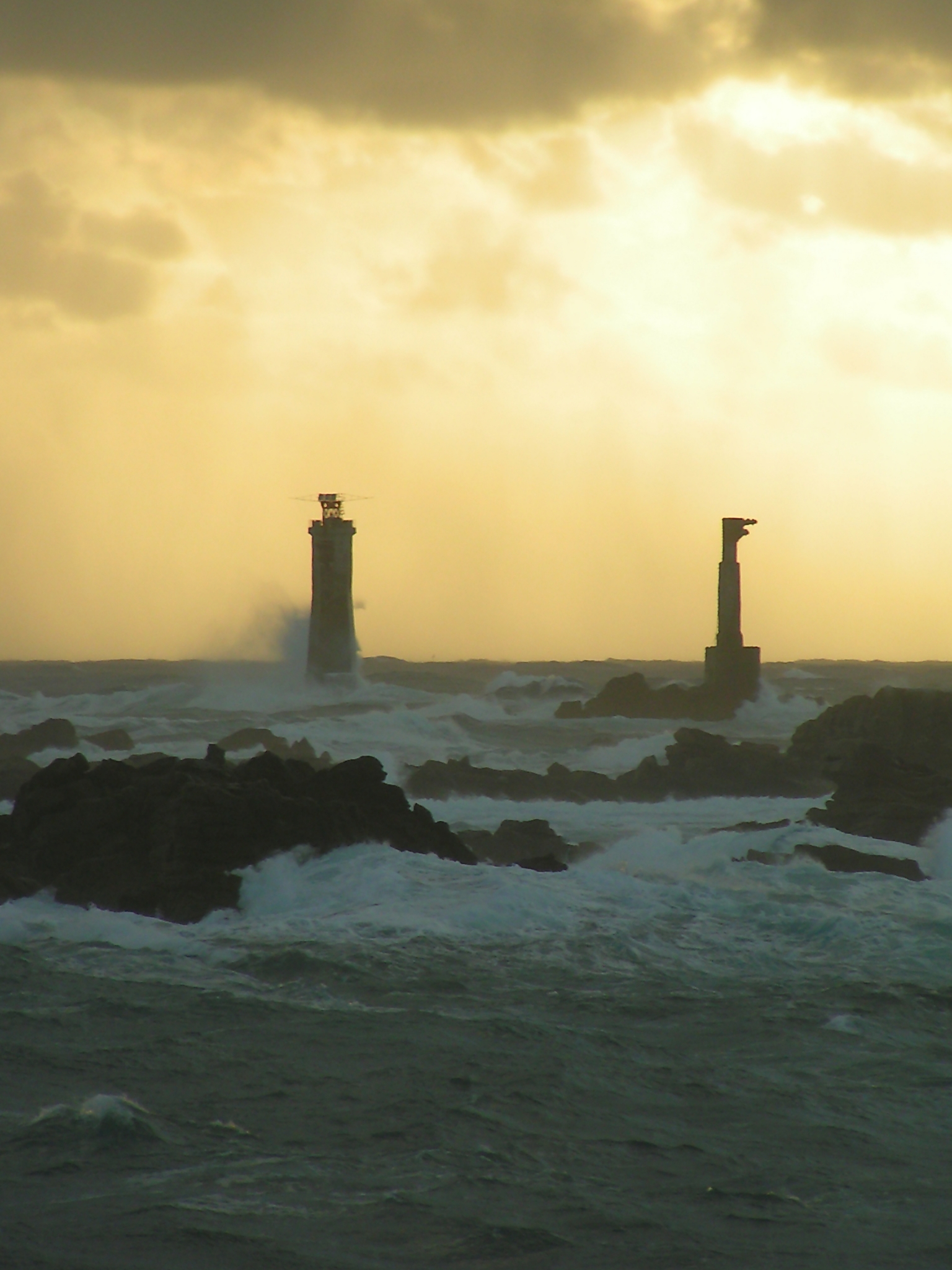
Natura 2000 · breeding, passage, resident

Natura 2000 · breeding, passage

Natura 2000 · passage, wintering

Natura 2000 · wintering
Other species to discover
 Atlantic Puffin
Fratercula arctica 4 places in common
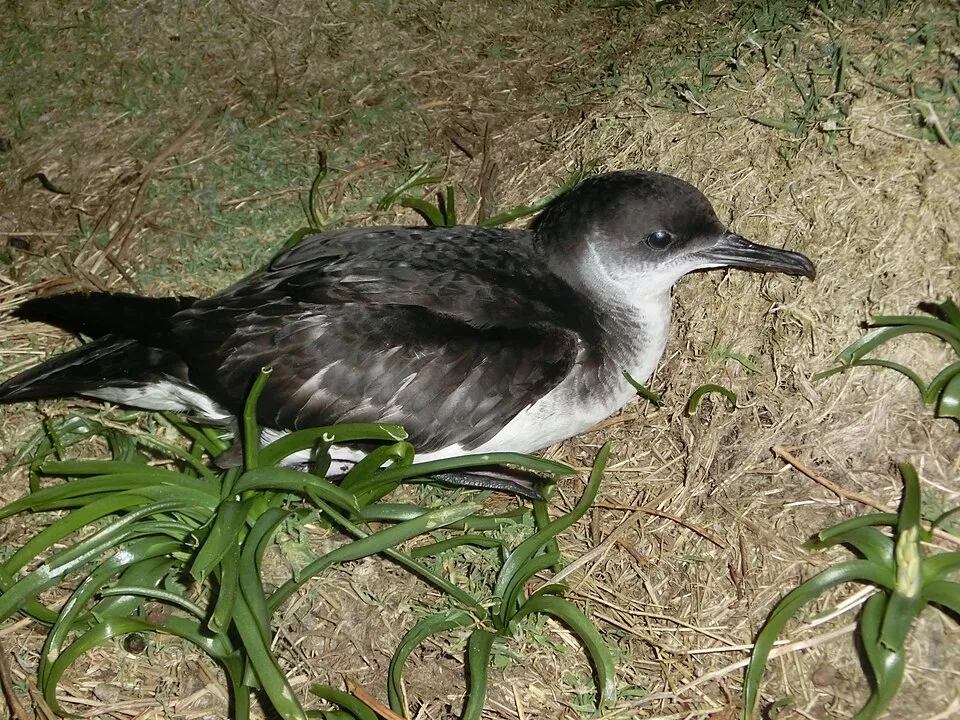 Manx Shearwater
Puffinus puffinus 3 places in common
 Black-legged Kittiwake
Rissa tridactyla 6 places in common
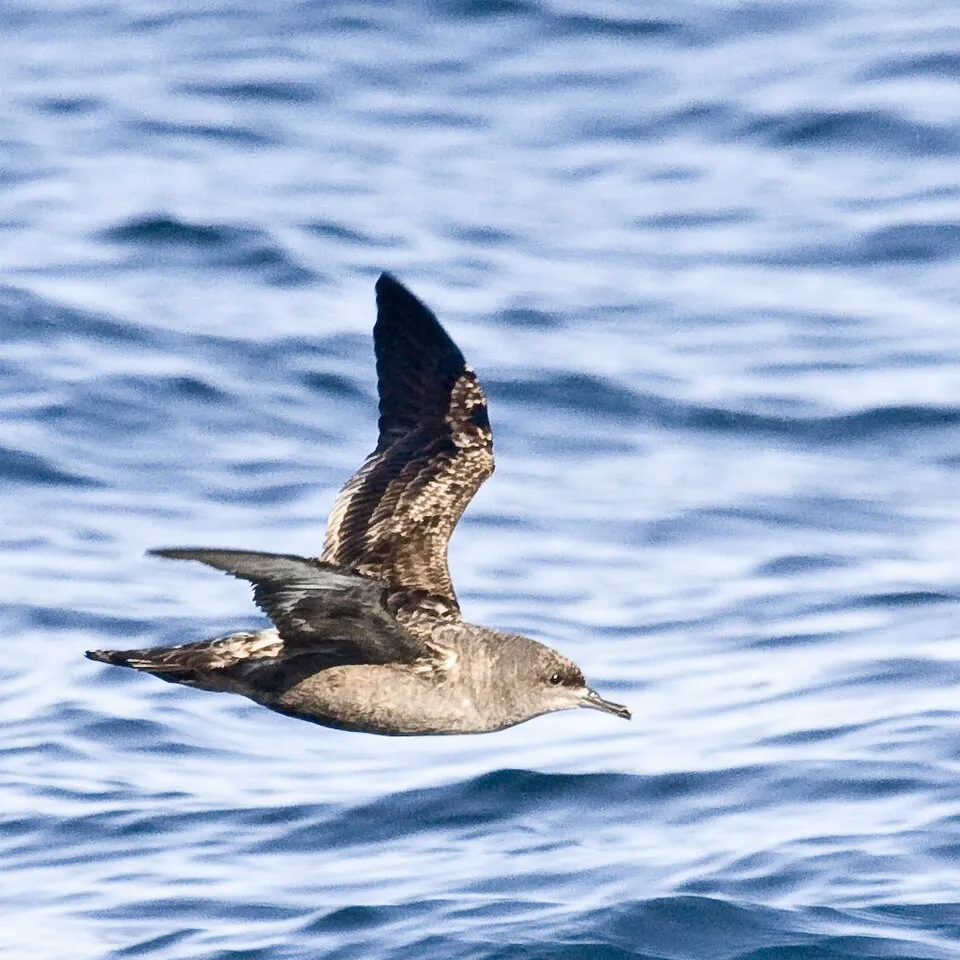 Sooty Shearwater
Ardenna grisea 2 places in common
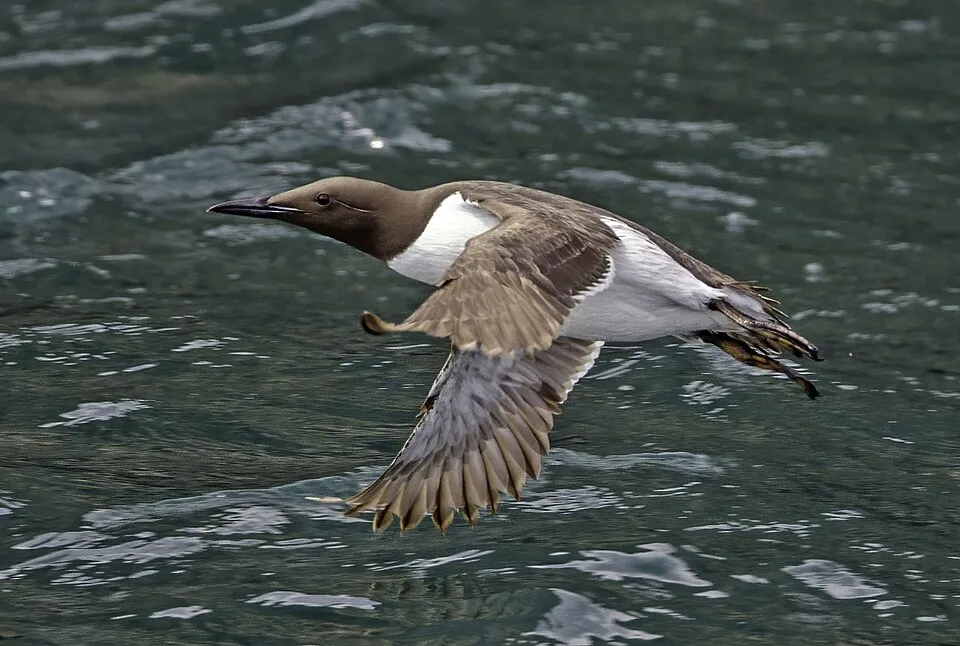 Common Murre
Uria aalge 5 places in common
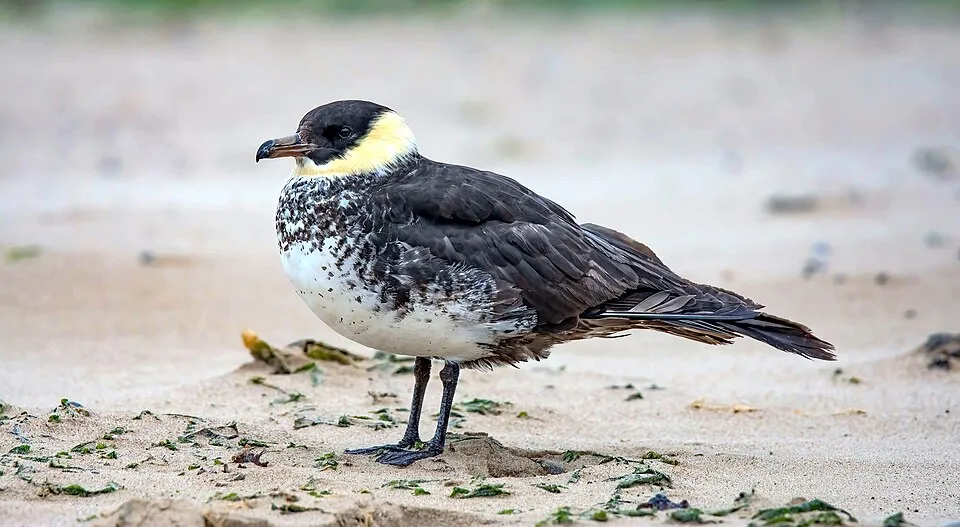 Pomarine Skua
Stercorarius pomarinus 3 places in common
Sources and credits
- Presence: most-recorded species of each place on GBIF and species of Community interest in the Natura 2000 forms (EEA, CC-BY 4.0); absence from the list does not mean the species is absent.
- Common names: Wikidata (CC0) and GBIF.
- Photos and sounds: Wikimedia Commons, author and licence given for each file.
- Classification: GBIF Backbone Taxonomy (GBIF Secretariat), CC BY 4.0, doi:10.15468/39omei.
- Countries, elevations, months and maps: GBIF.org, CC0 or CC BY 4.0 occurrences only, accessed October 22, 2026, GBIF.org.
- Base map: Natural Earth (public domain).
- Excerpt: Wikipedia, CC BY-SA 4.0 (full credit below the excerpt).
- Key facts: Wikidata (CC0), with the references cited under each value.
- EU bird populations: EEA / DG ENV, Article 12 Birds Directive reporting (2013–2018), CC BY 4.0.