
Bird
Common Murre: where to see it
Uria aalge
This bird species is recorded in 24 protected areas of the atlas, including 19 whose official Natura 2000 form lists it. Within the atlas countries, it is mostly observed in the United Kingdom, Sweden and Norway (10 countries in all). Most records (8 in 10) lie between sea level and 50 m. Records peak from June to August. It has a wingspan of 70.7 cm. It is subject to special conservation measures under the Birds Directive (Annex I, some populations). Its EU population is assessed as secure (2013–2018 Birds Directive reporting).
Best time to see it: June–August
Records published on GBIF by month (CC0 and CC BY 4.0 licences only), in the atlas countries, all years combined; they also reflect observer activity.
Key facts
- Wingspan
- 70.7 cm Wikidata, after CE et al. 2000
Status and protection
Birds Directive I (some populations)
The species is listed in Annex I of the Birds Directive (for some populations or subspecies).
EU population assessed as secure, increasing in the short term (2013–2018 Birds Directive reporting). EU breeding population: 1,650,000–1,670,000 individuals.
Distribution
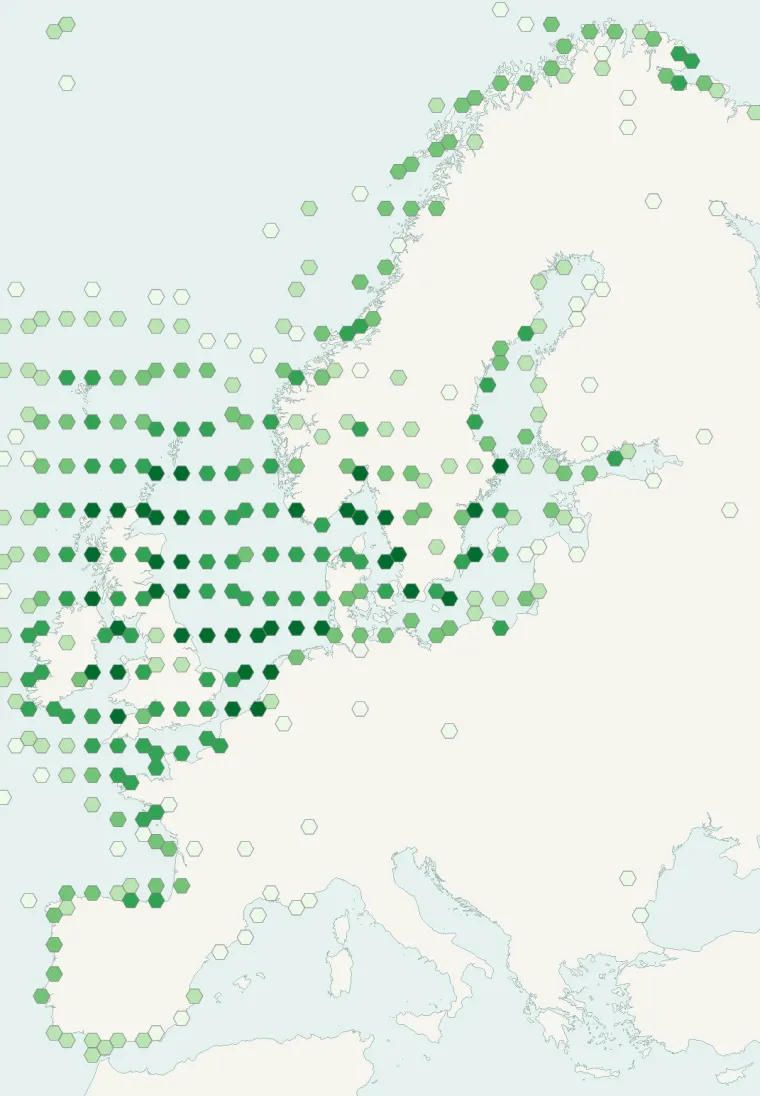
Records published on GBIF (CC0 and CC BY 4.0 licences): the darker the shade, the more records there are; they also reflect observation effort.
Atlas countries where it is recorded
Listen
-
1:25 · © Ndalyrose · CC BY-SA 4.0 · Wikimedia Commons · Original file
From Wikipedia
The common murre or common guillemot (Uria aalge) is a large auk, one of several species called murre or guillemot. It has a circumpolar distribution, occurring in low-Arctic and boreal waters in the North Atlantic and North Pacific. It spends most of its time at sea, only coming to land to breed on rocky cliff shores or islands. Common murres are fast in direct flight but are not very agile. They are highly mobile underwater using their wings to 'fly' through the water column, where they typically dive to depths of 30–60 m (100–195 ft). Depths of up to 180 m (590 ft) have been recorded.
Source: Wikipedia, article “Common murre” (version of September 27, 2026) · history and authors · licence CC BY-SA 4.0 · shortened excerpt
Protected areas where it is recorded
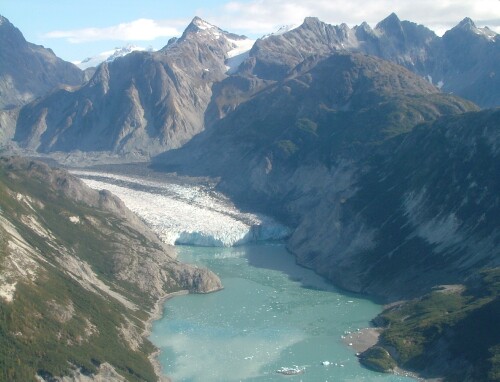
1,285 records
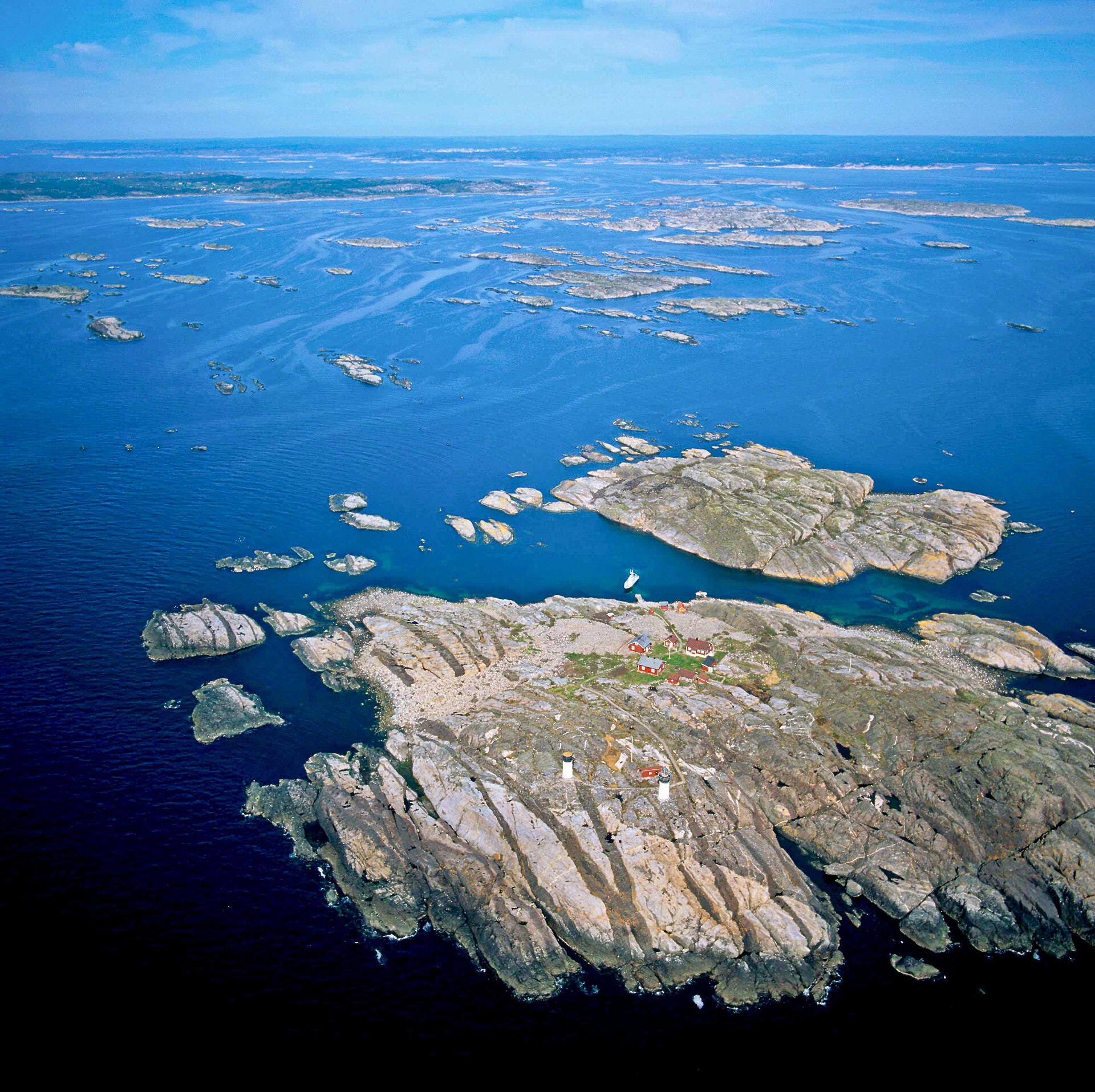
1,152 records
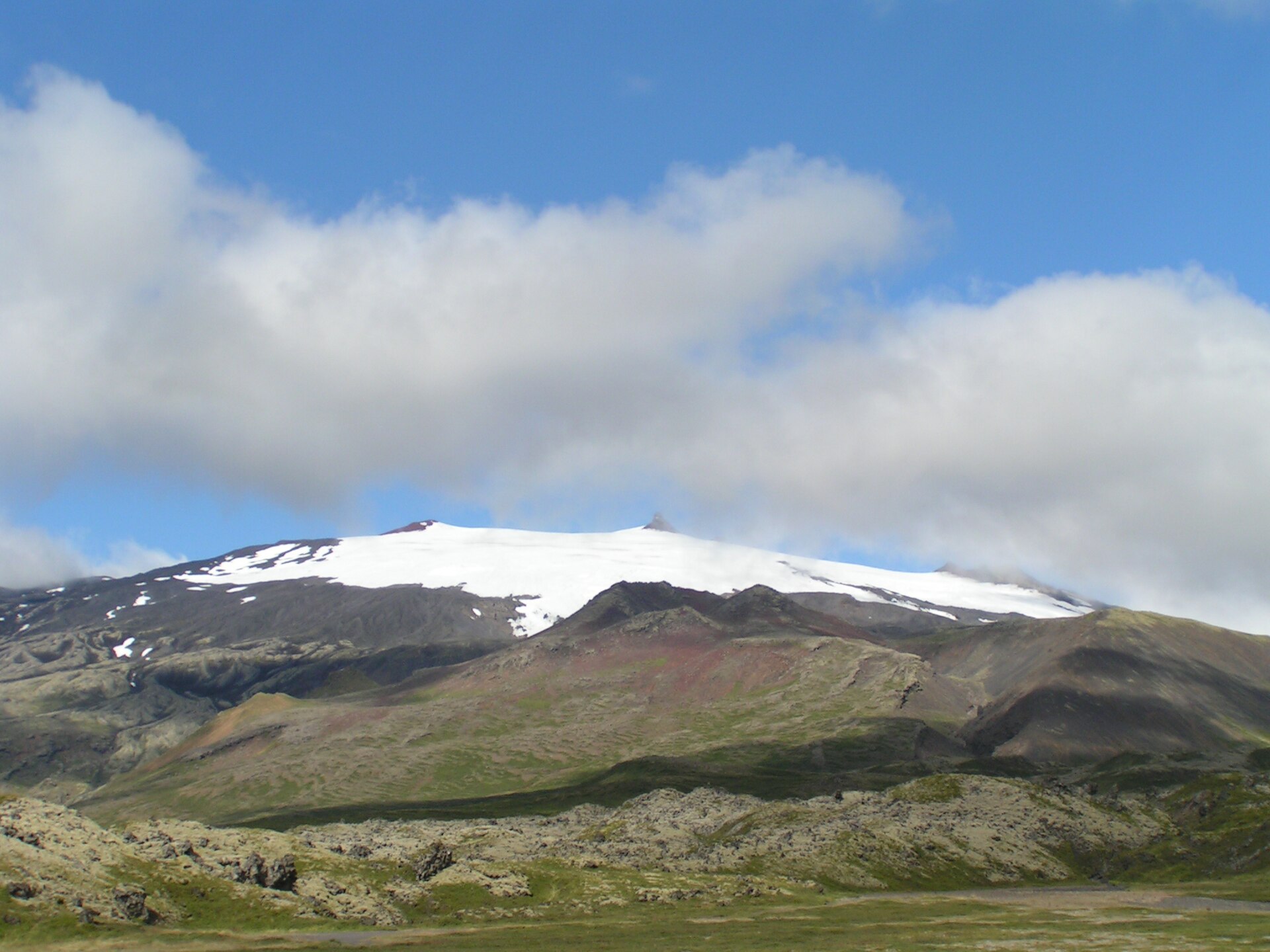
787 records

346 records

50 records
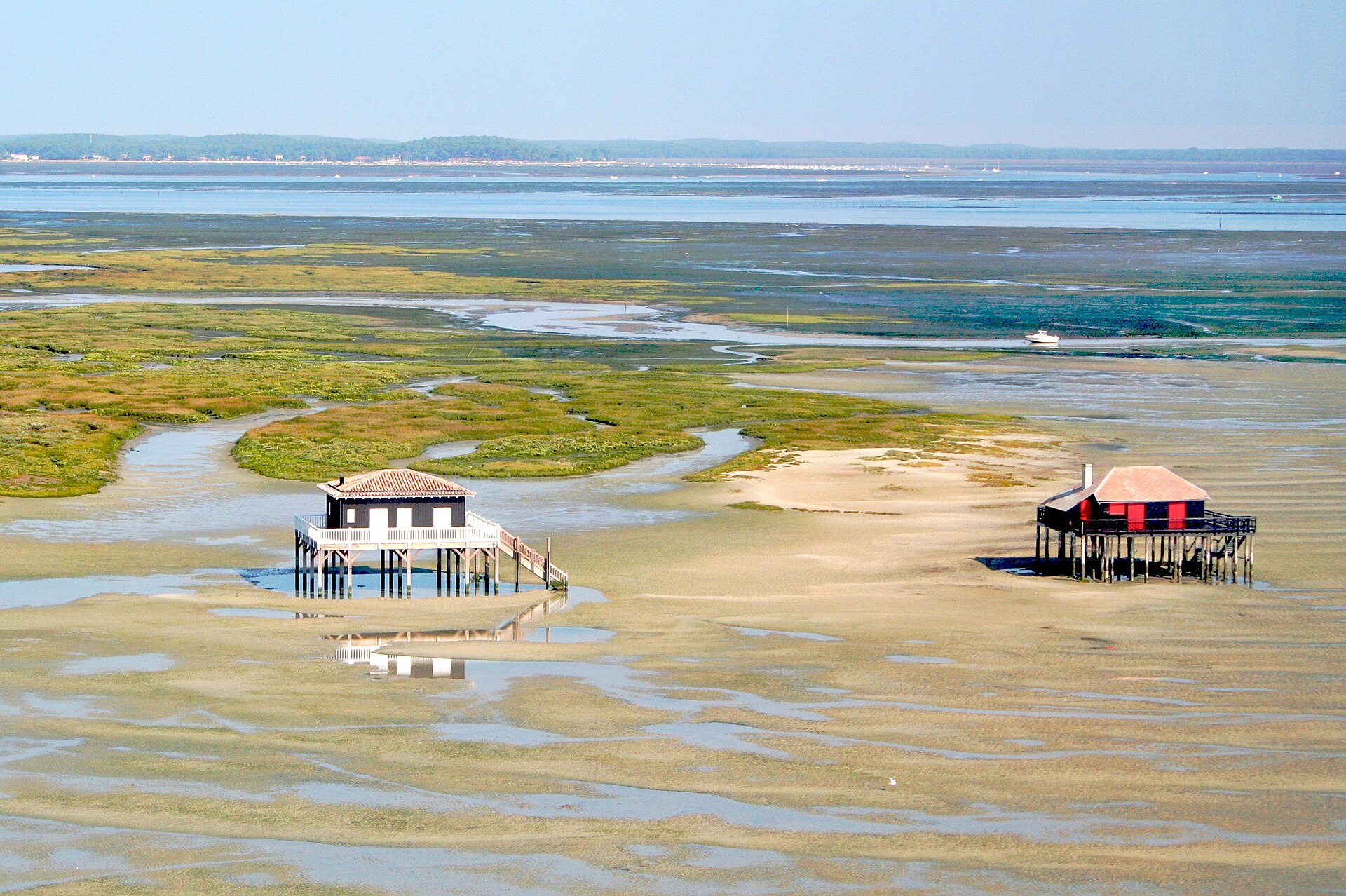
Natura 2000 · wintering, passage
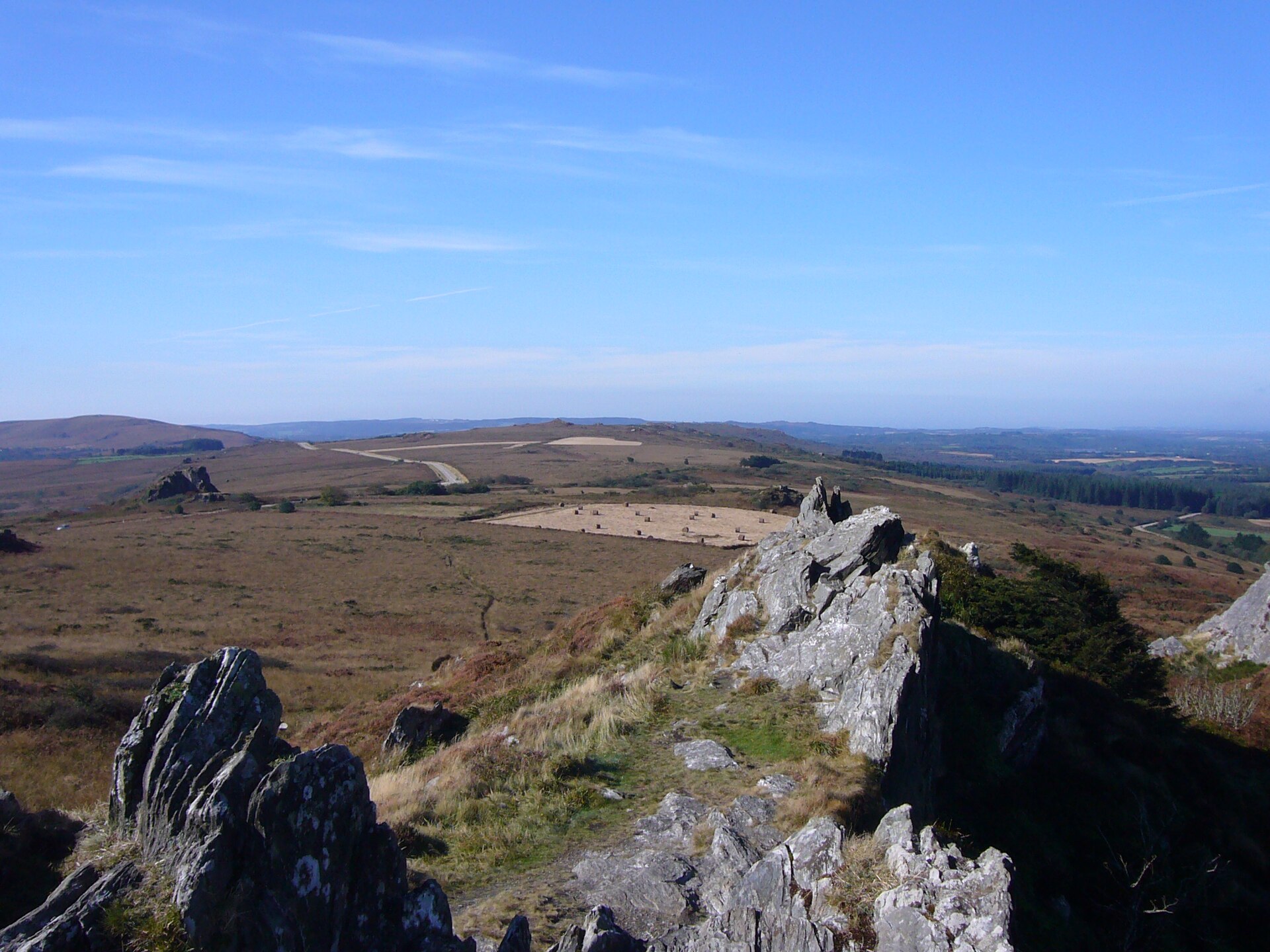
Natura 2000 · wintering

Natura 2000 · wintering
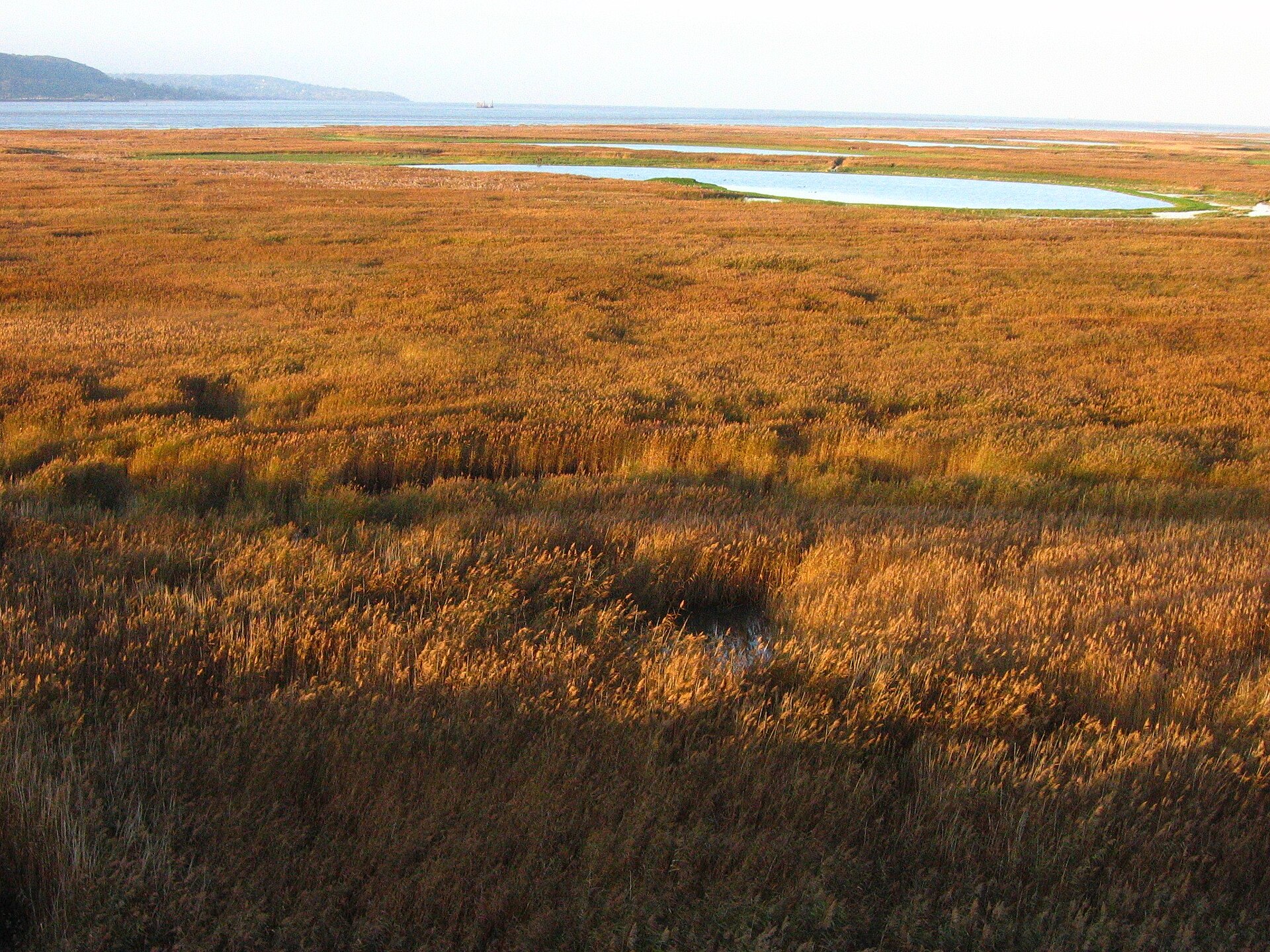
Natura 2000 · wintering
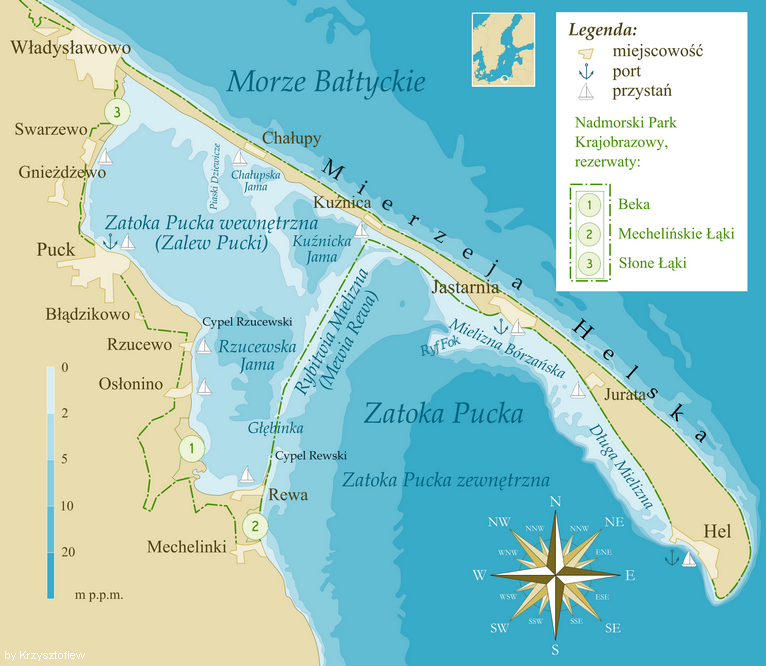
Natura 2000 · passage, wintering
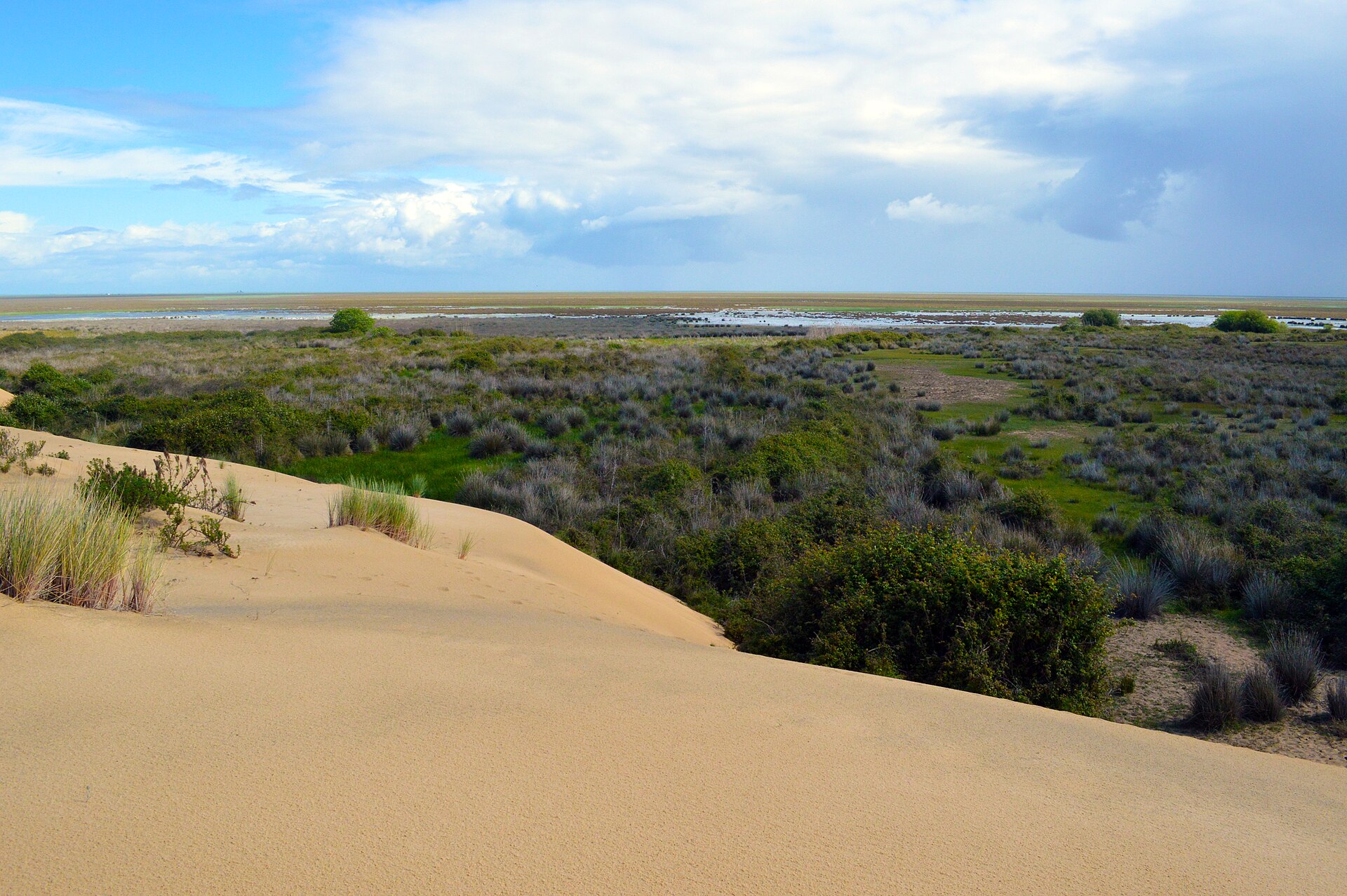
Natura 2000 · passage
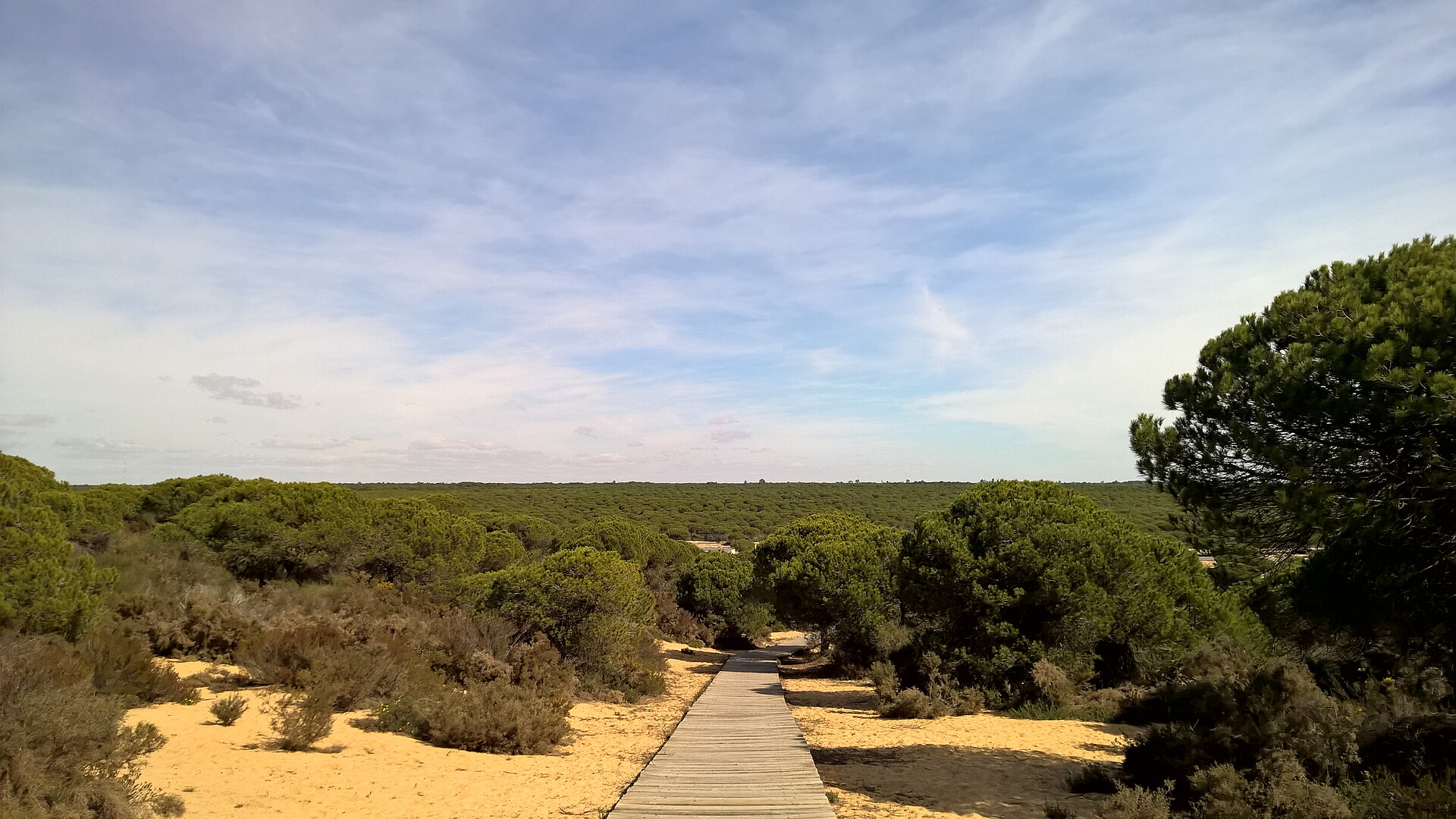
Natura 2000 · passage

Natura 2000 · breeding
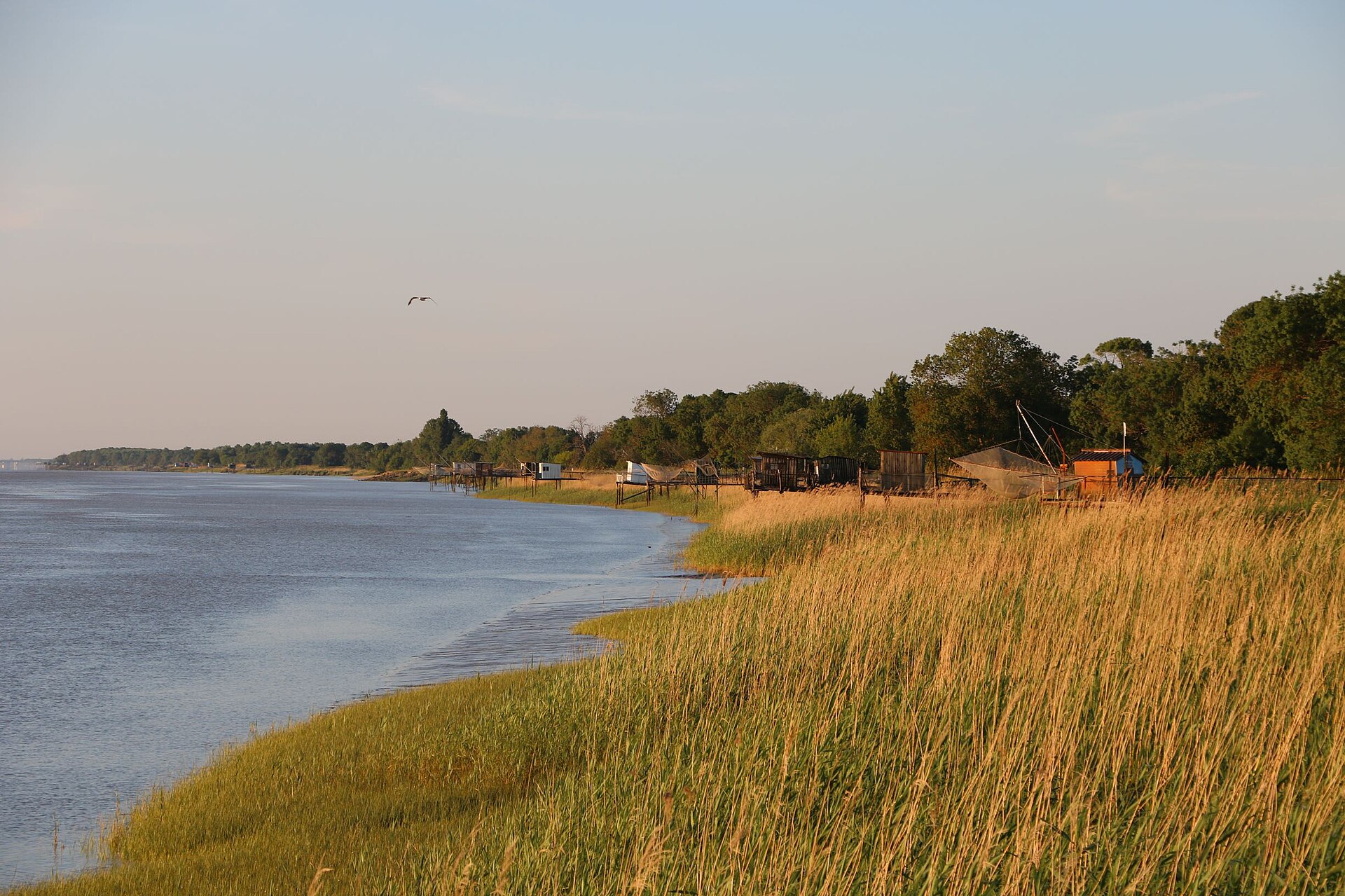
Natura 2000 · wintering, passage
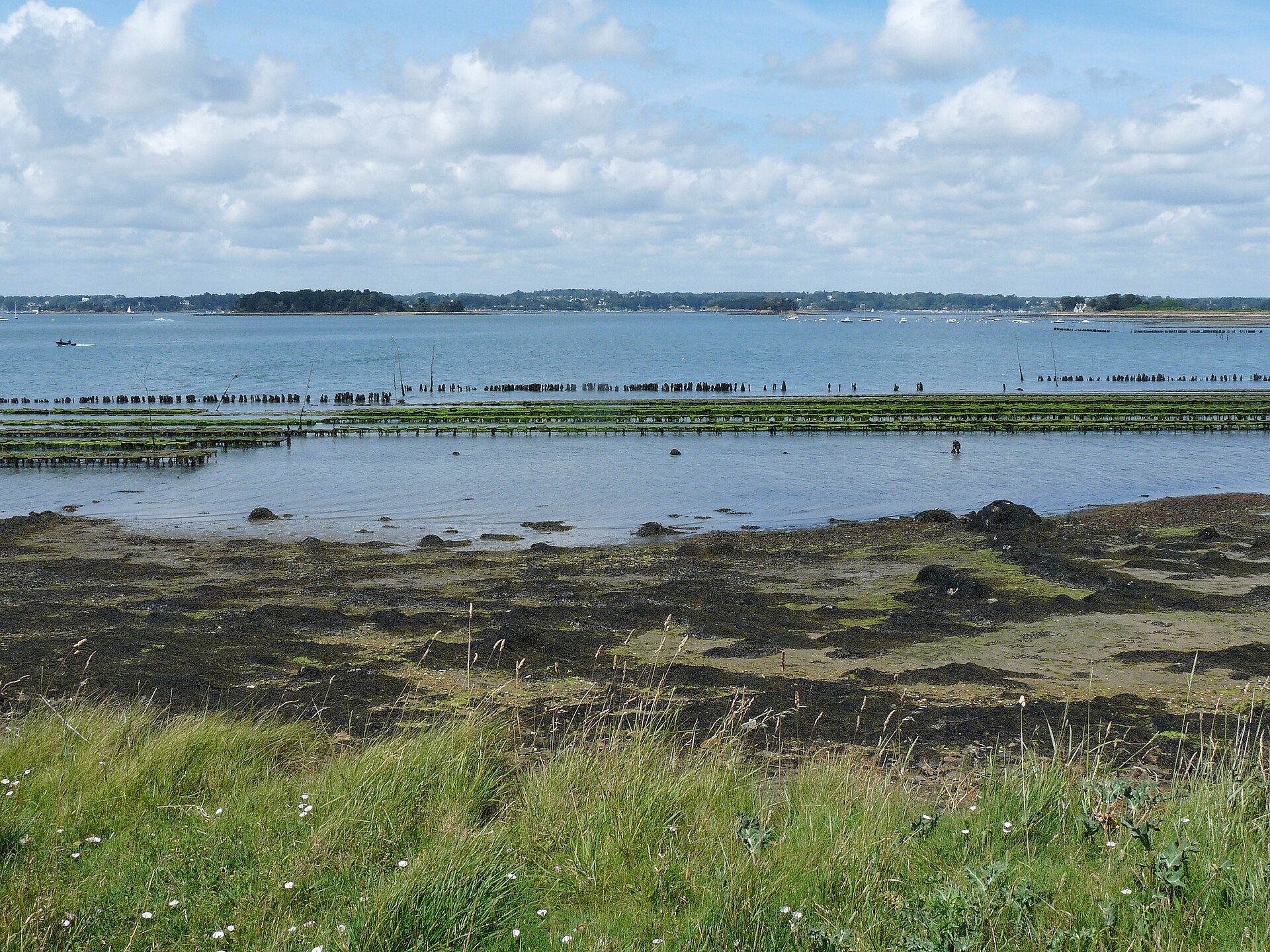
Natura 2000 · wintering, passage

Natura 2000 · passage, wintering, breeding, resident

Natura 2000 · passage, wintering
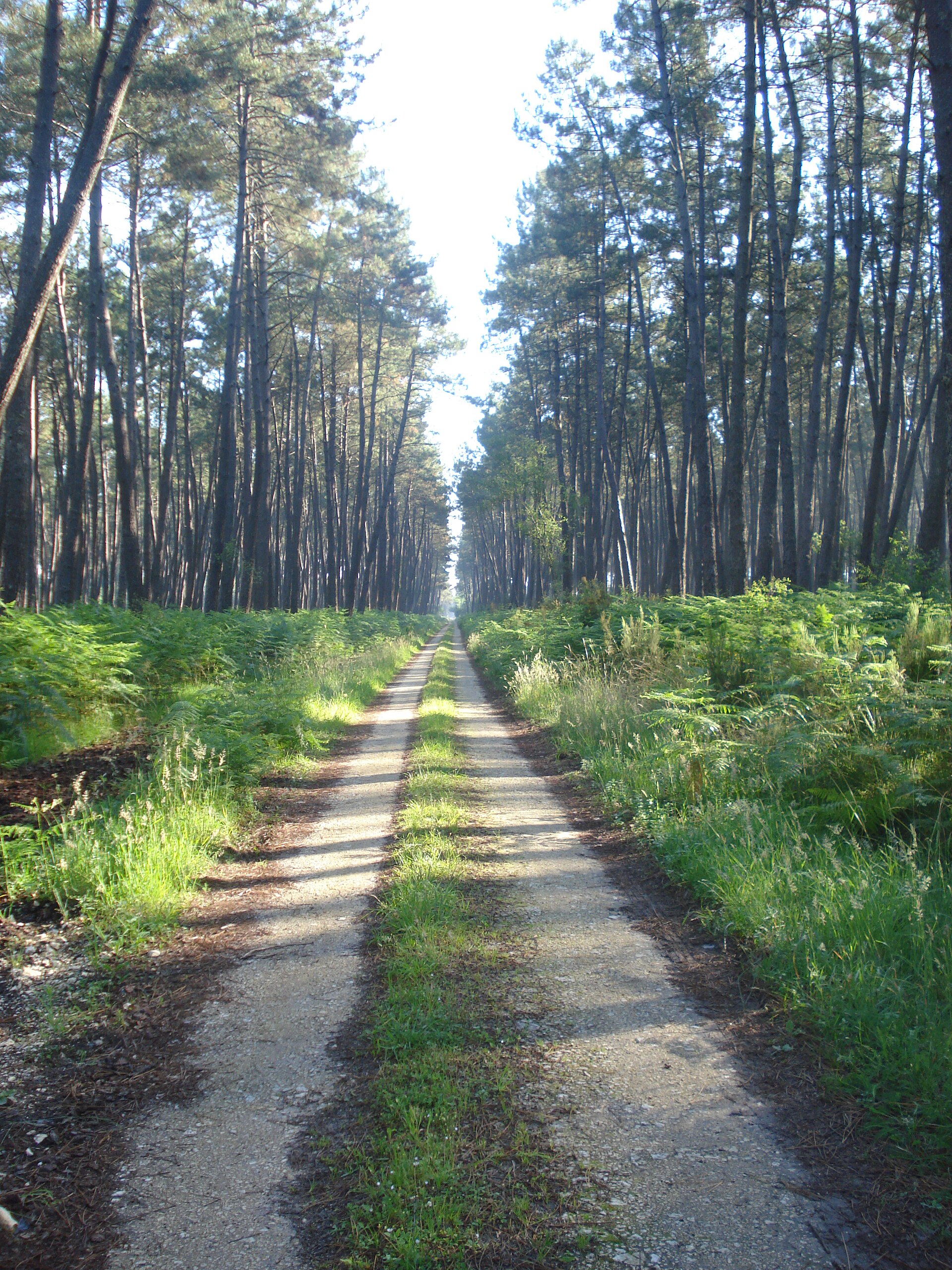
Natura 2000 · wintering, passage

Natura 2000 · passage

Natura 2000 · passage, wintering
Natura 2000 · wintering
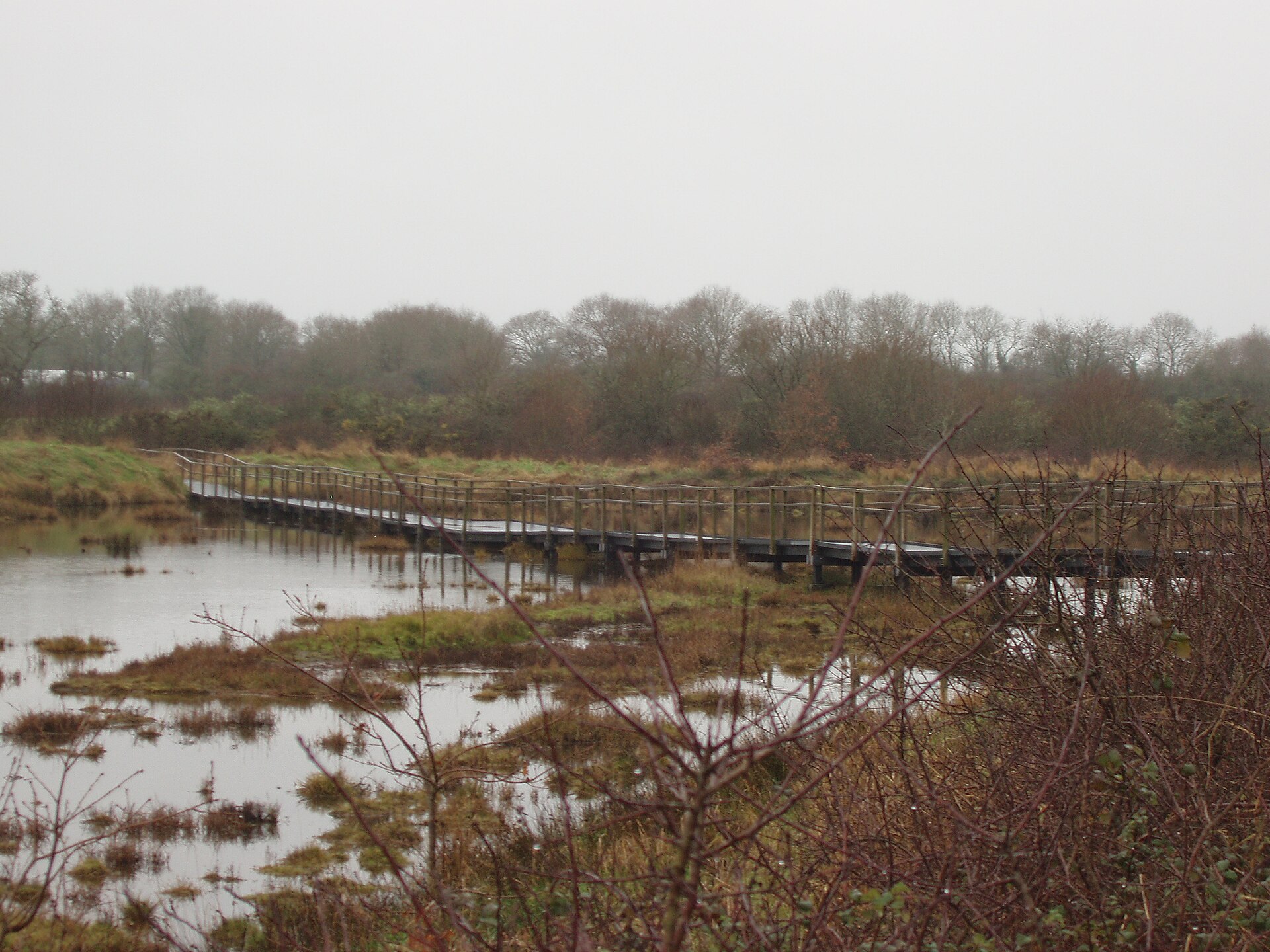
Natura 2000 · passage

Natura 2000 · passage, wintering

Natura 2000 · wintering
Other species to discover
 Southern Atlantic Common Murre
Uria aalge albionis Same genus
 Black-legged Kittiwake
Rissa tridactyla 16 places in common
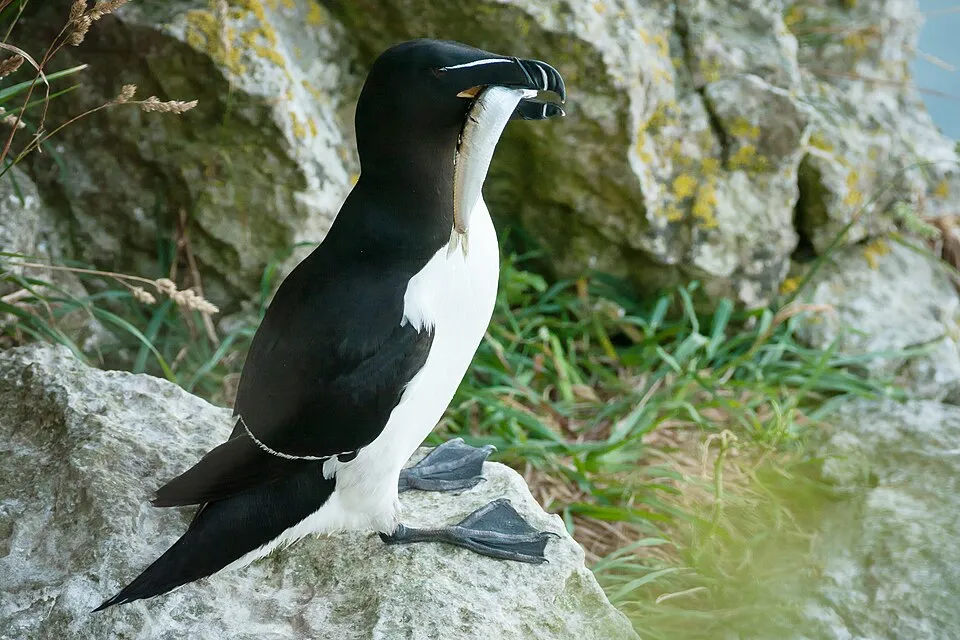 Razorbill
Alca torda 20 places in common
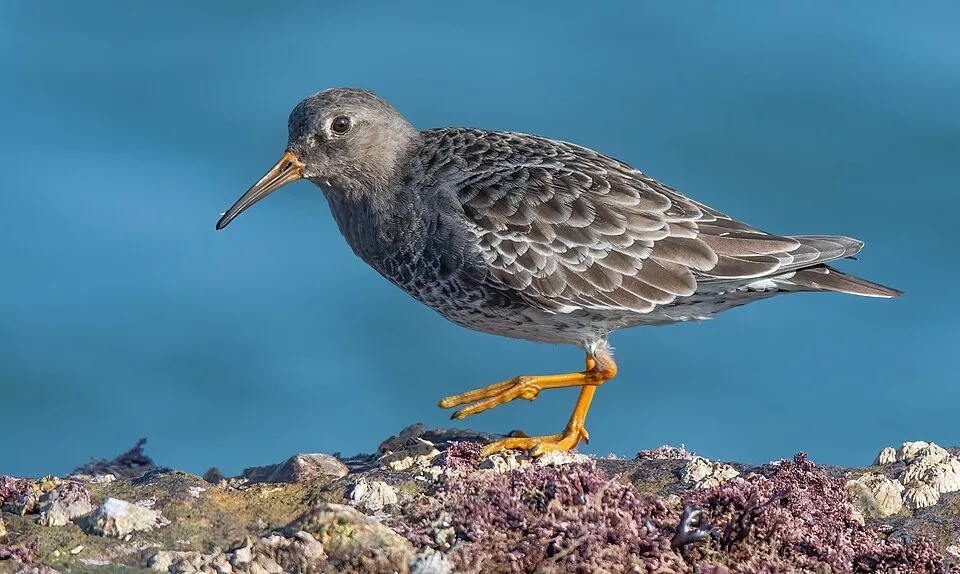 Purple Sandpiper
Calidris maritima 11 places in common
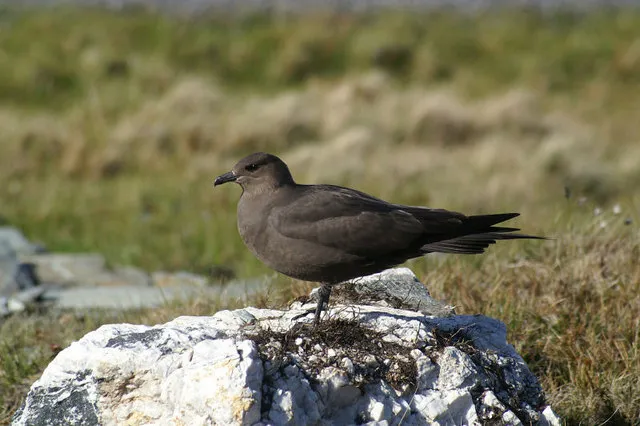 Parasitic Jaeger
Stercorarius parasiticus 12 places in common
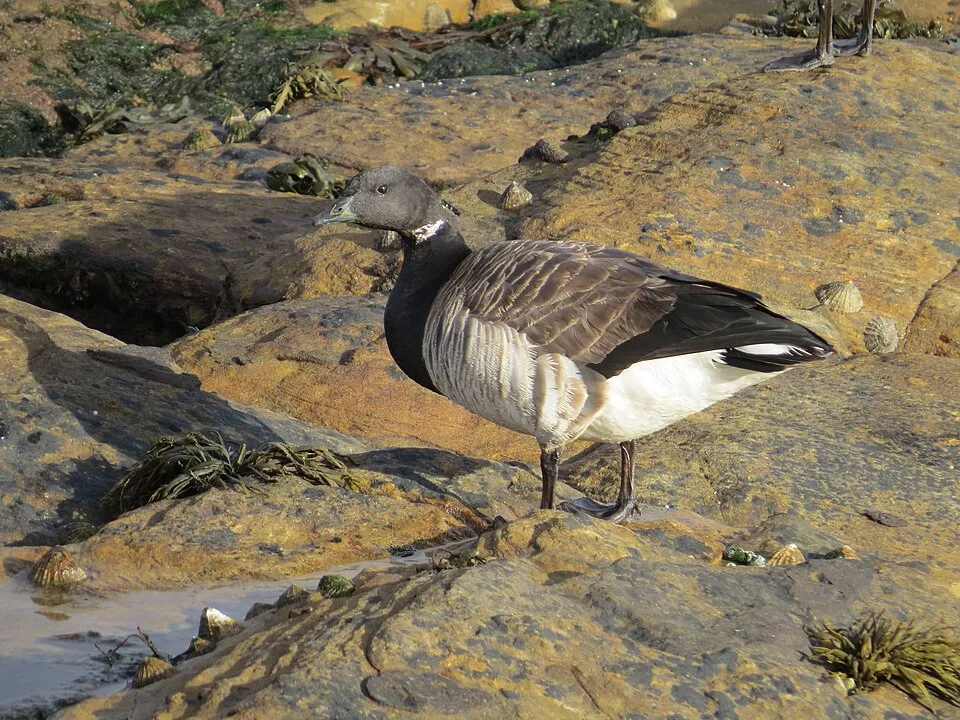 Brant Goose
Branta bernicla 12 places in common
Sources and credits
- Presence: most-recorded species of each place on GBIF and species of Community interest in the Natura 2000 forms (EEA, CC-BY 4.0); absence from the list does not mean the species is absent.
- Common names: Wikidata (CC0) and GBIF.
- Photos and sounds: Wikimedia Commons, author and licence given for each file.
- Classification: GBIF Backbone Taxonomy (GBIF Secretariat), CC BY 4.0, doi:10.15468/39omei.
- Countries, elevations, months and maps: GBIF.org, CC0 or CC BY 4.0 occurrences only, accessed October 22, 2026, GBIF.org.
- Base map: Natural Earth (public domain).
- Excerpt: Wikipedia, CC BY-SA 4.0 (full credit below the excerpt).
- Key facts: Wikidata (CC0), with the references cited under each value.
- Annexes: Directive 2009/147/EC (consolidated version), © European Union, EUR-Lex.
- EU bird populations: EEA / DG ENV, Article 12 Birds Directive reporting (2013–2018), CC BY 4.0.