
Bird
Razorbill: where to see it
Alca torda
This bird species is recorded in 42 protected areas of the atlas, including 39 whose official Natura 2000 form lists it. Within the atlas countries, it is mostly observed in Sweden, the United Kingdom and Norway (11 countries in all). Records are spread throughout the year. It has a wingspan of 66.1 cm. Its EU population is assessed as secure (2013–2018 Birds Directive reporting).
Best time to see it: all year round
Records published on GBIF by month (CC0 and CC BY 4.0 licences only), in the atlas countries, all years combined; they also reflect observer activity.
Key facts
- Wingspan
- 66.1 cm Wikidata, after CE et al. 2000
Status and protection
EU population assessed as secure, increasing in the short term (2013–2018 Birds Directive reporting). EU breeding population: 262,000–515,000 individuals.
Distribution
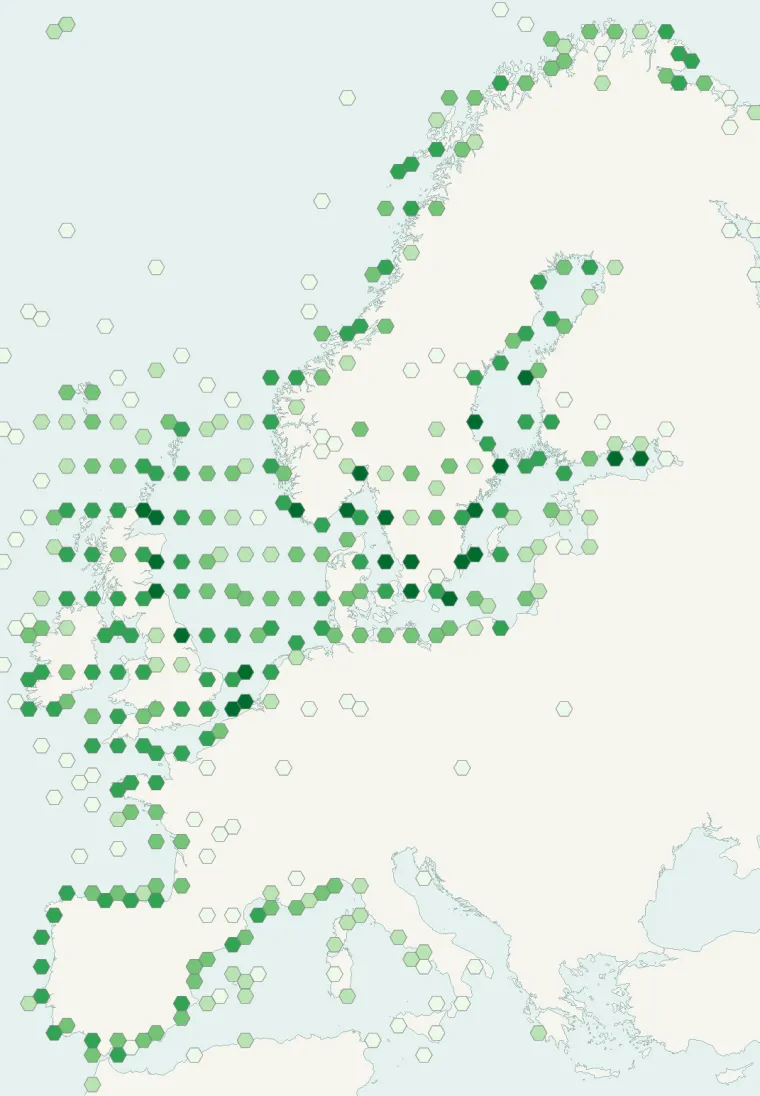
Records published on GBIF (CC0 and CC BY 4.0 licences): the darker the shade, the more records there are; they also reflect observation effort.
Atlas countries where it is recorded
Listen
-
2:03 · © Ndalyrose · CC BY-SA 4.0 · Wikimedia Commons · Original file
From Wikipedia
The razorbill (Alca torda) is a North Atlantic colonial seabird and the only extant member of the genus Alca of the family Alcidae, the auks. It is the closest living relative of the extinct great auk (Pinguinus impennis). Historically, it has also been known as "auk", "razor-billed auk" and "lesser auk". Razorbills are primarily black with a white underside. The male and female are identical in plumage; however, males are generally larger than females. This agile bird, which is capable of both flight and diving, has a predominantly aquatic lifestyle and only comes to land in order to breed.
Source: Wikipedia, article “Razorbill” (version of July 6, 2026) · history and authors · licence CC BY-SA 4.0 · shortened excerpt
Protected areas where it is recorded

Natura 2000 · breeding 10,590 records

878 records
673 records
31 records
Natura 2000 · wintering
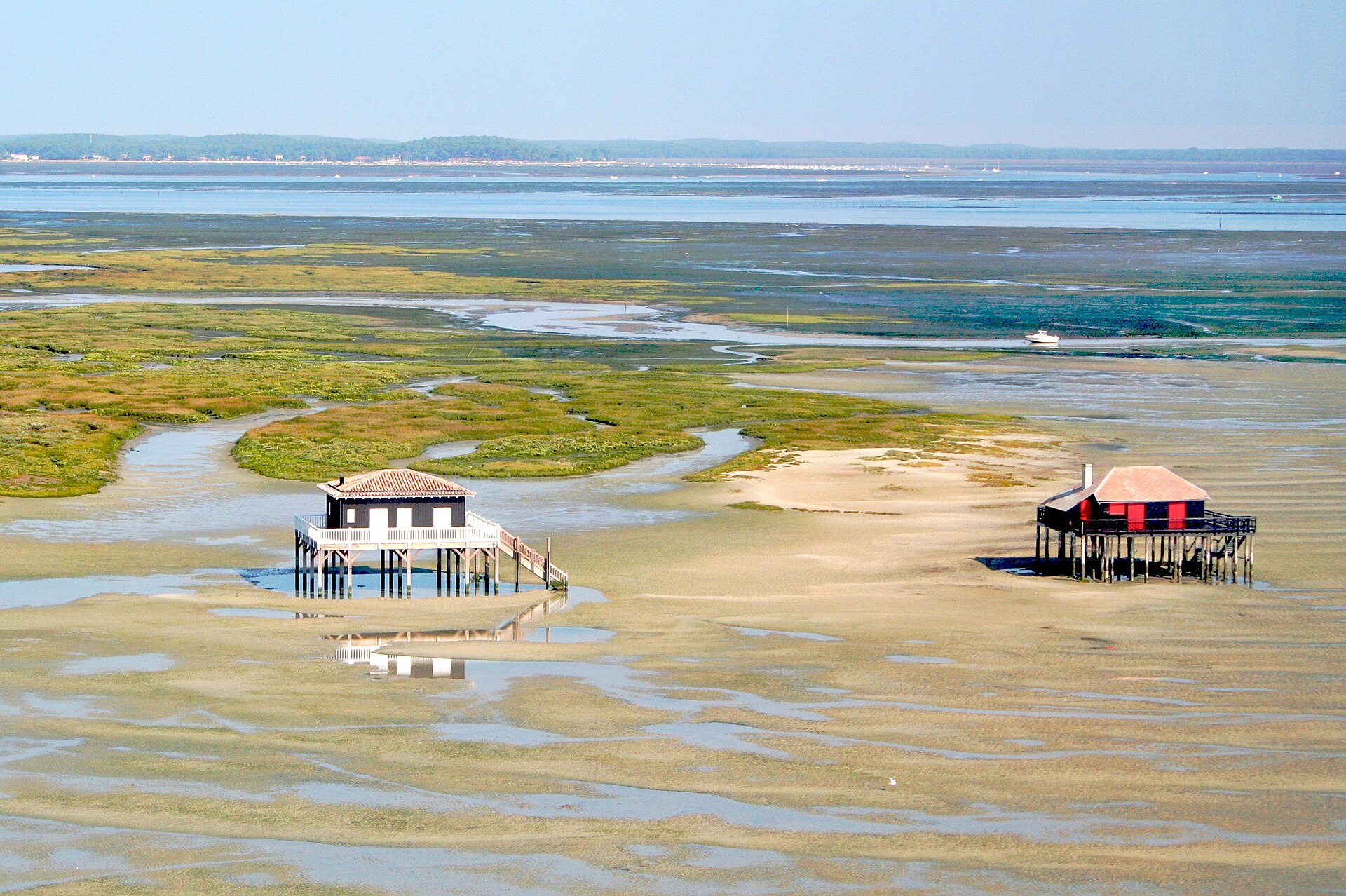
Natura 2000 · wintering, passage

Natura 2000 · breeding

Natura 2000 · wintering
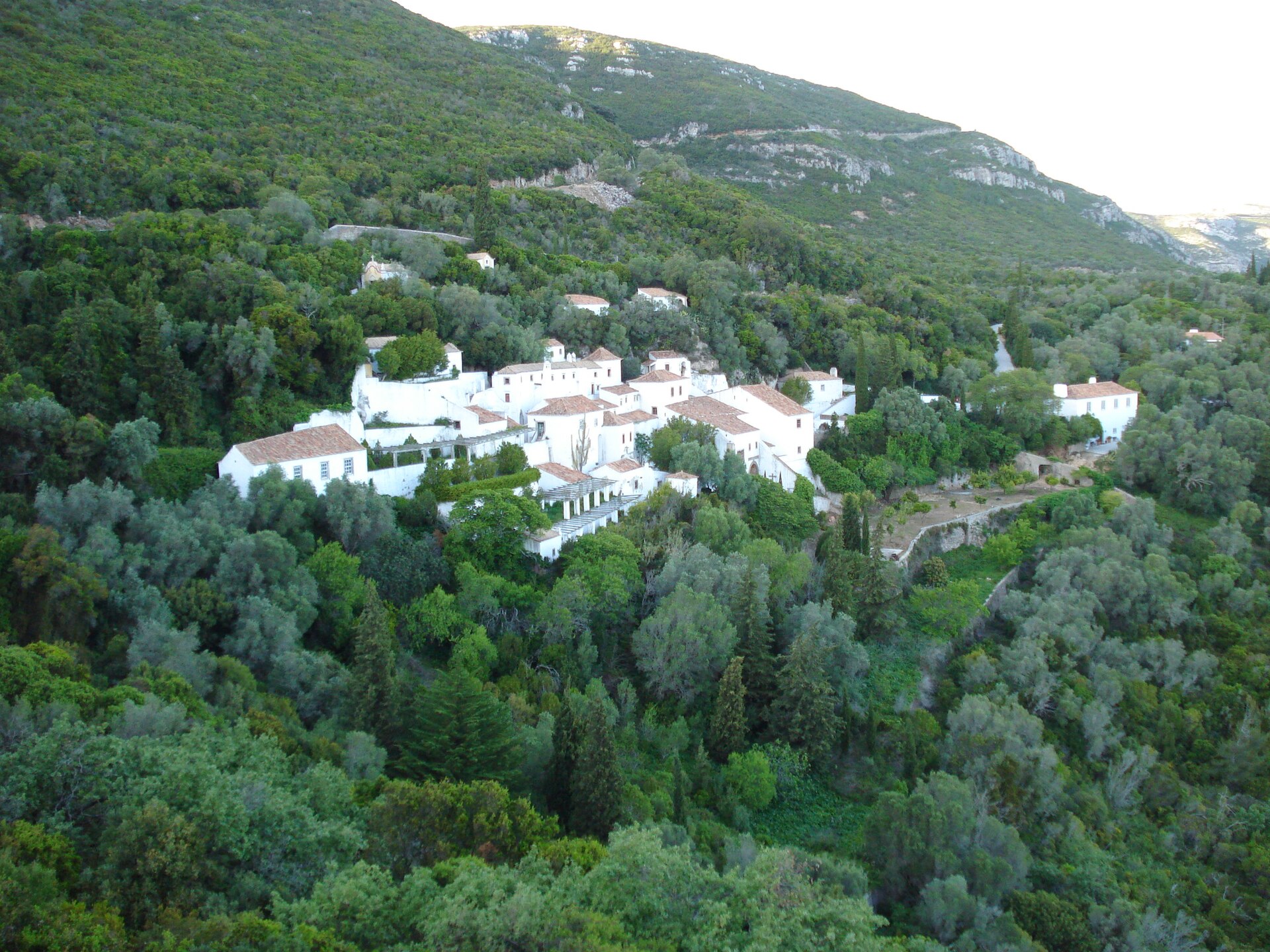
Natura 2000 · wintering

Natura 2000 · passage

Natura 2000 · passage

Natura 2000 · breeding, passage
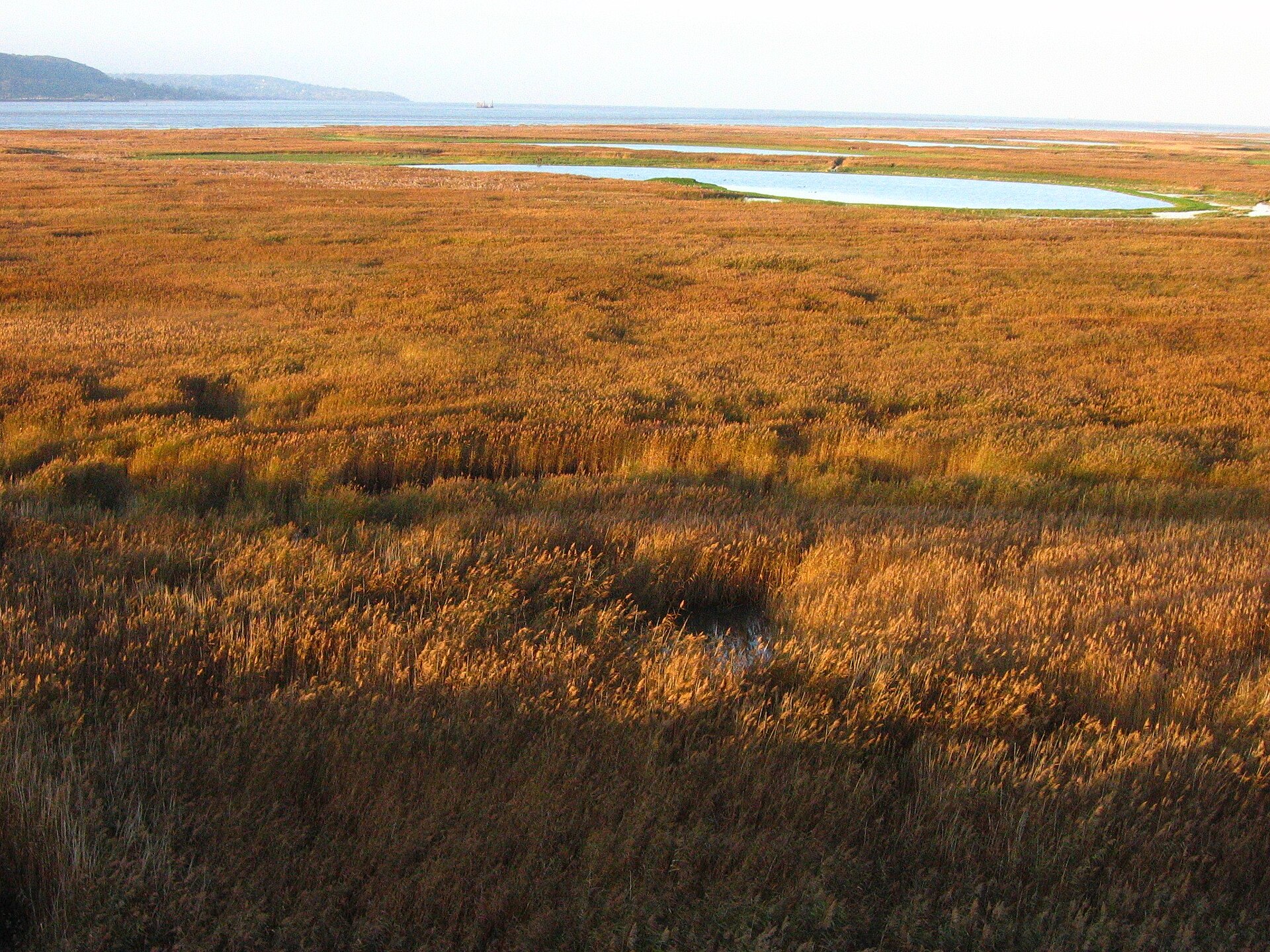
Natura 2000 · wintering
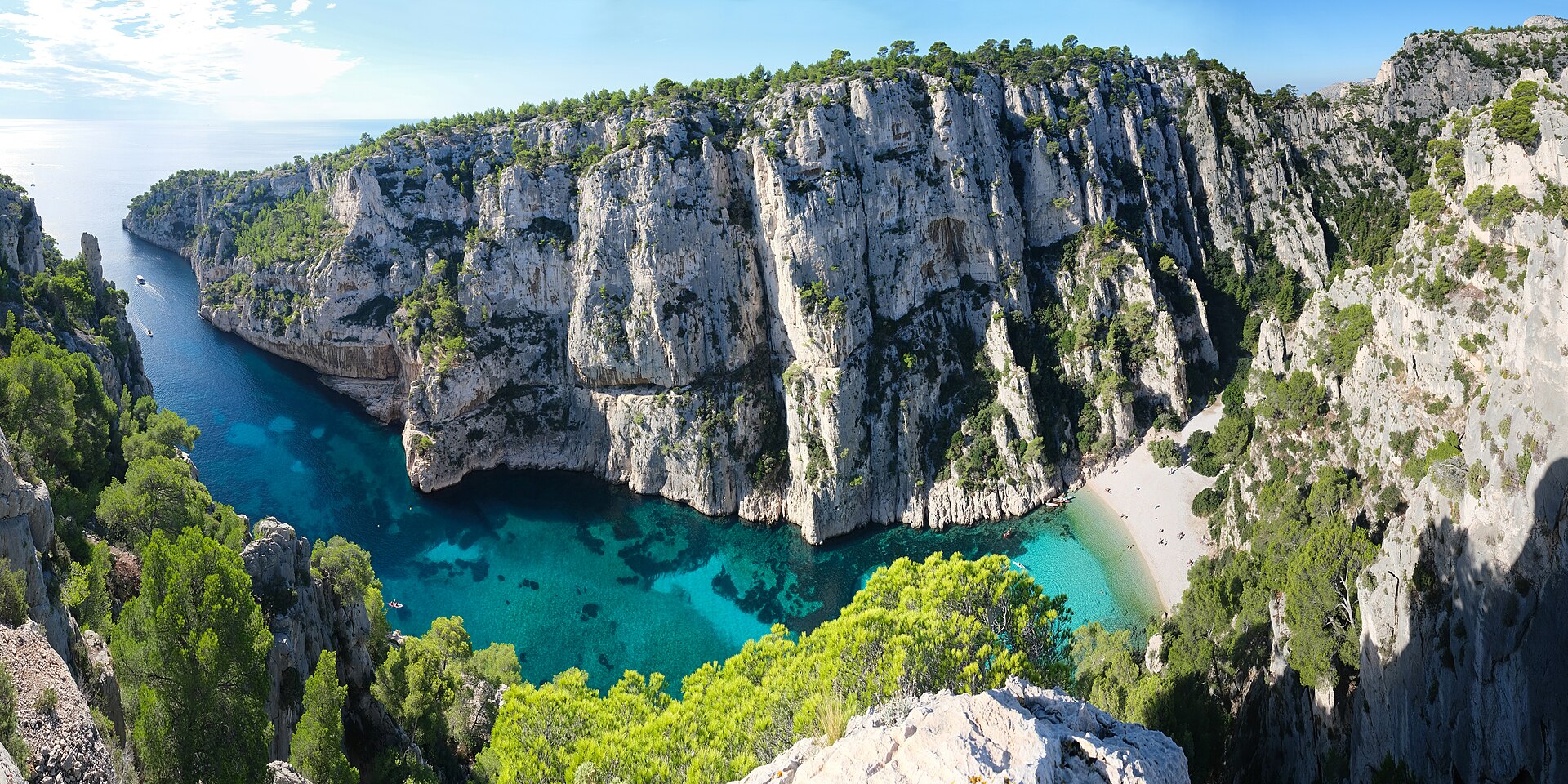
Natura 2000 · wintering, passage
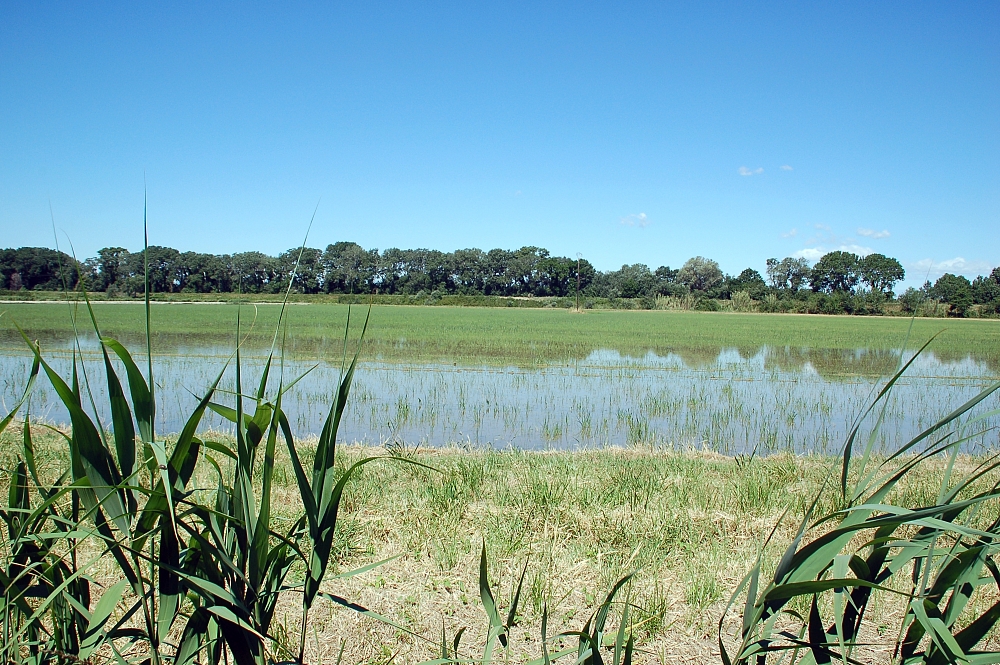
Natura 2000 · passage
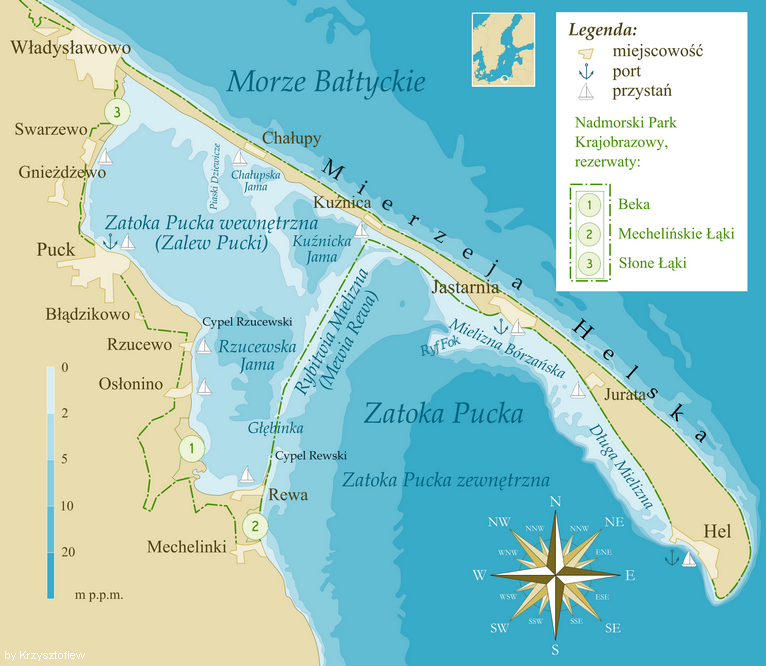
Natura 2000 · wintering, passage

Natura 2000 · wintering
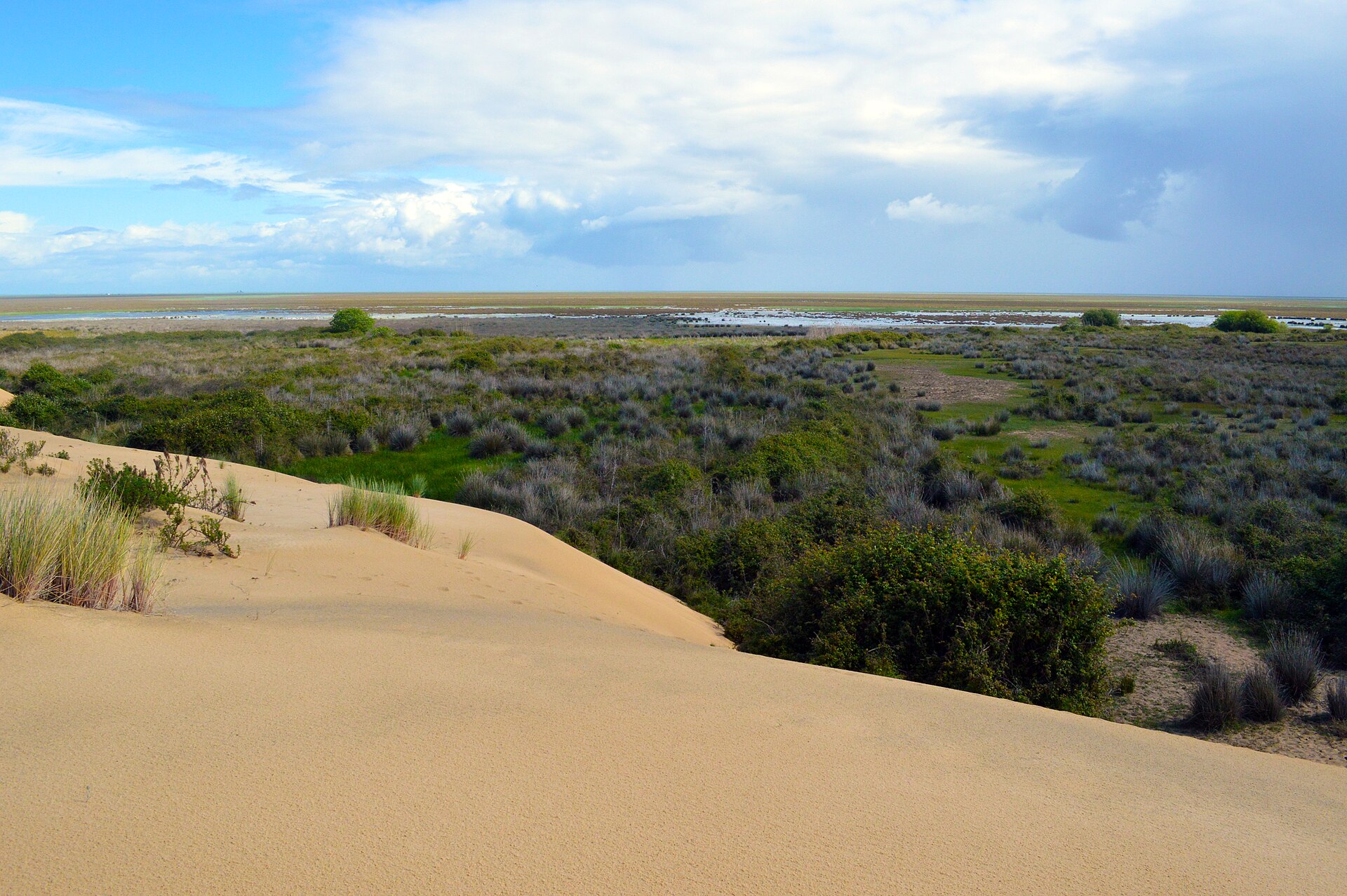
Natura 2000 · passage
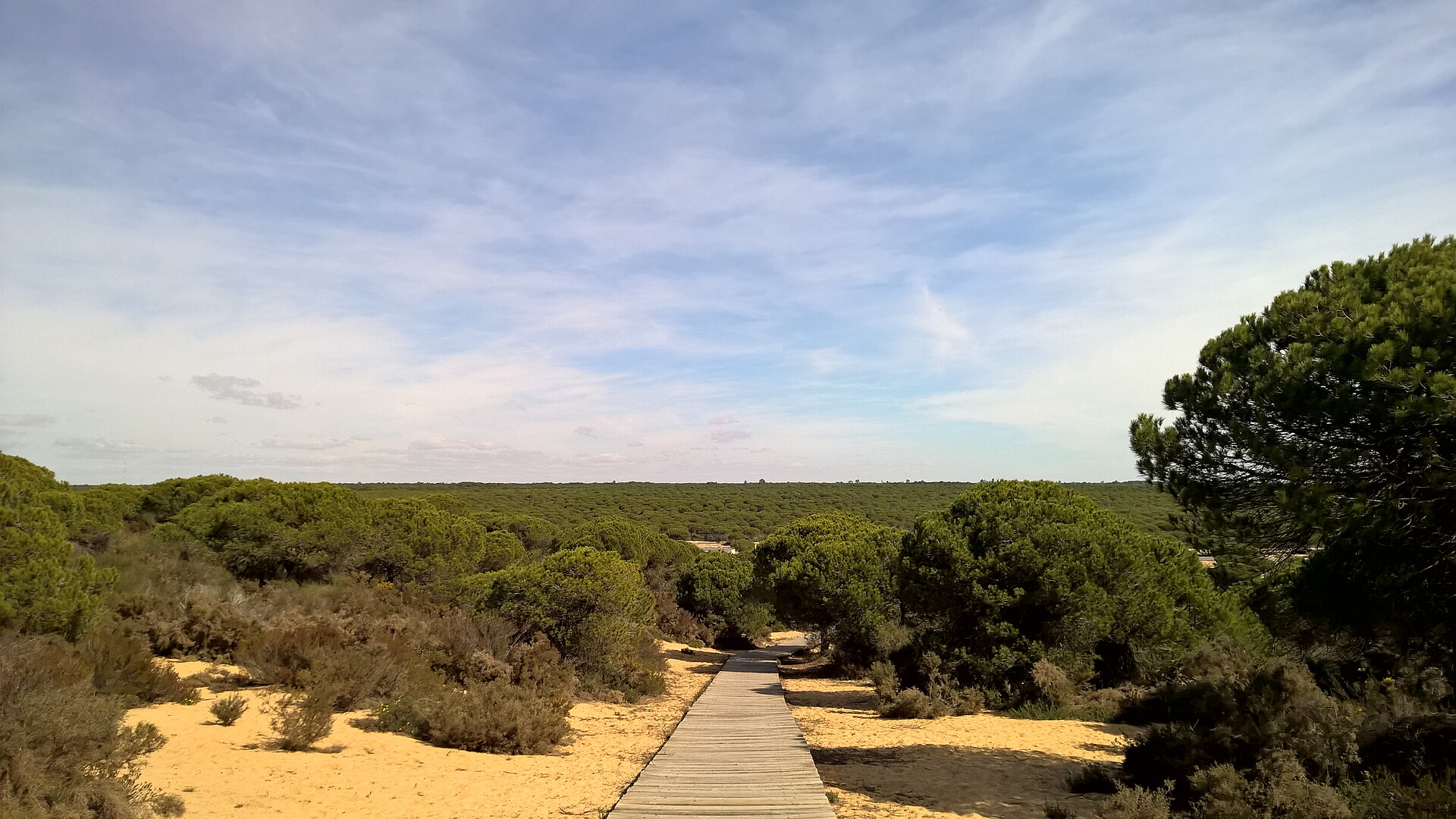
Natura 2000 · passage
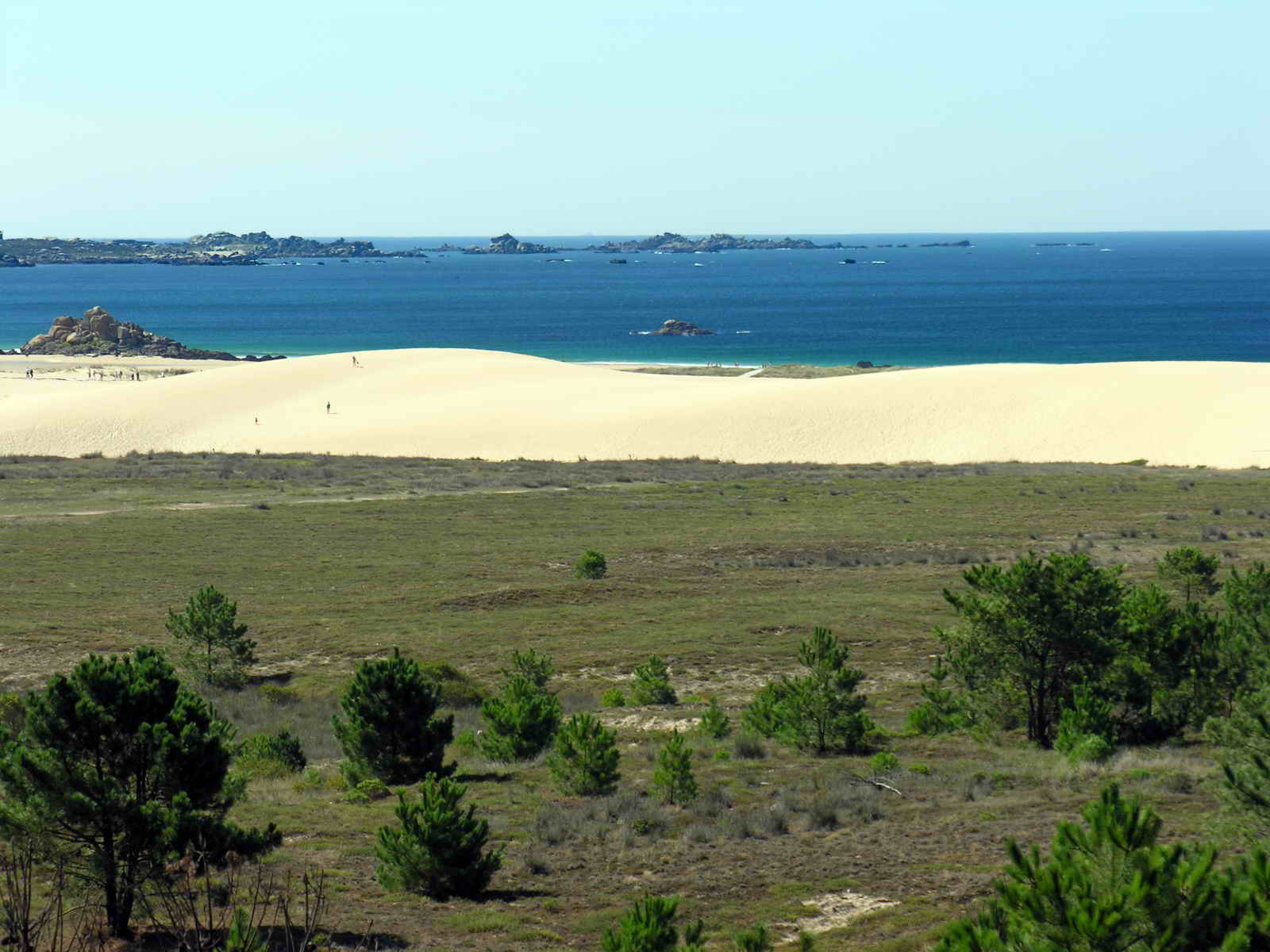
Natura 2000 · passage
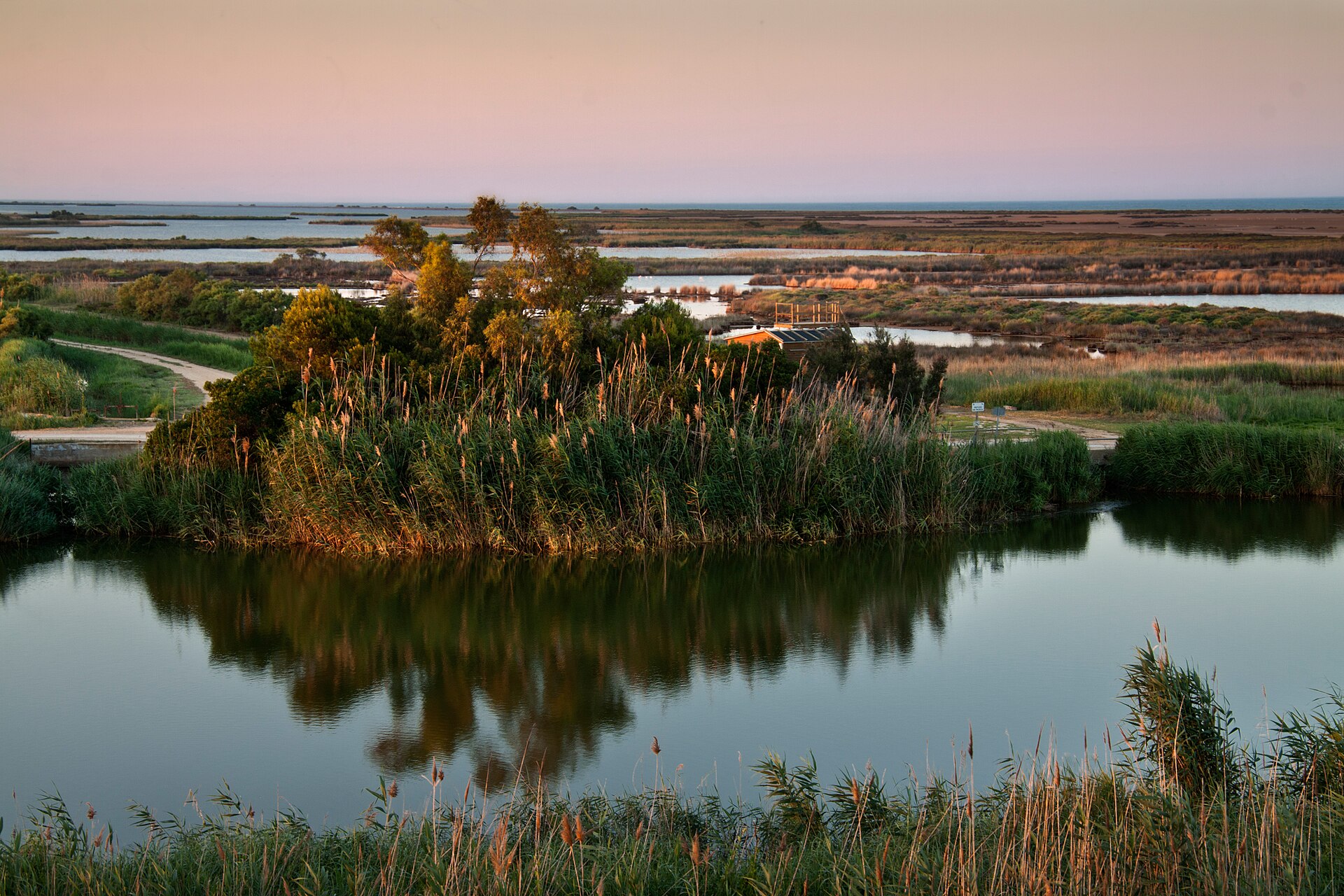
Natura 2000 · wintering

Natura 2000 · breeding
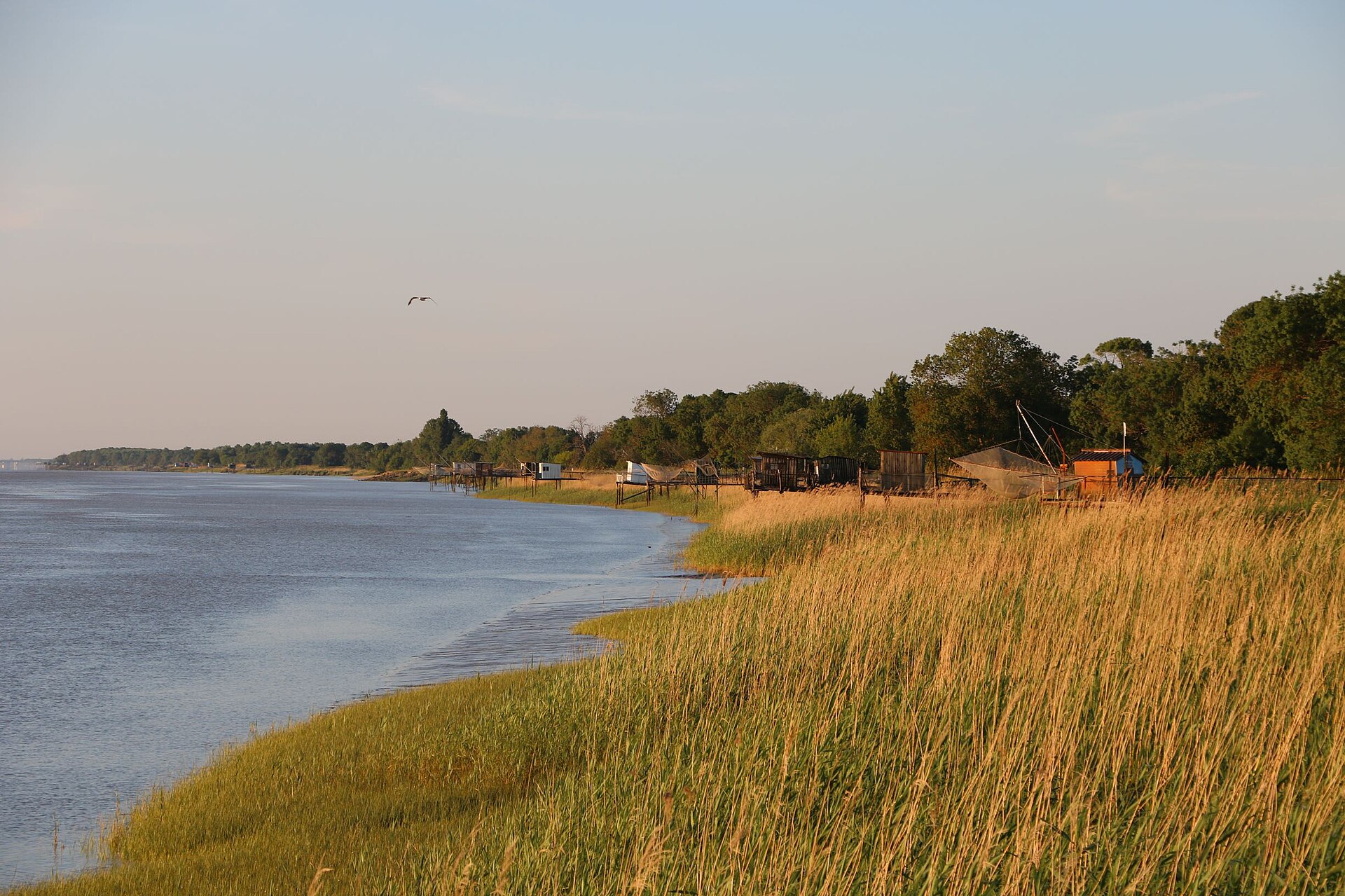
Natura 2000 · passage, wintering
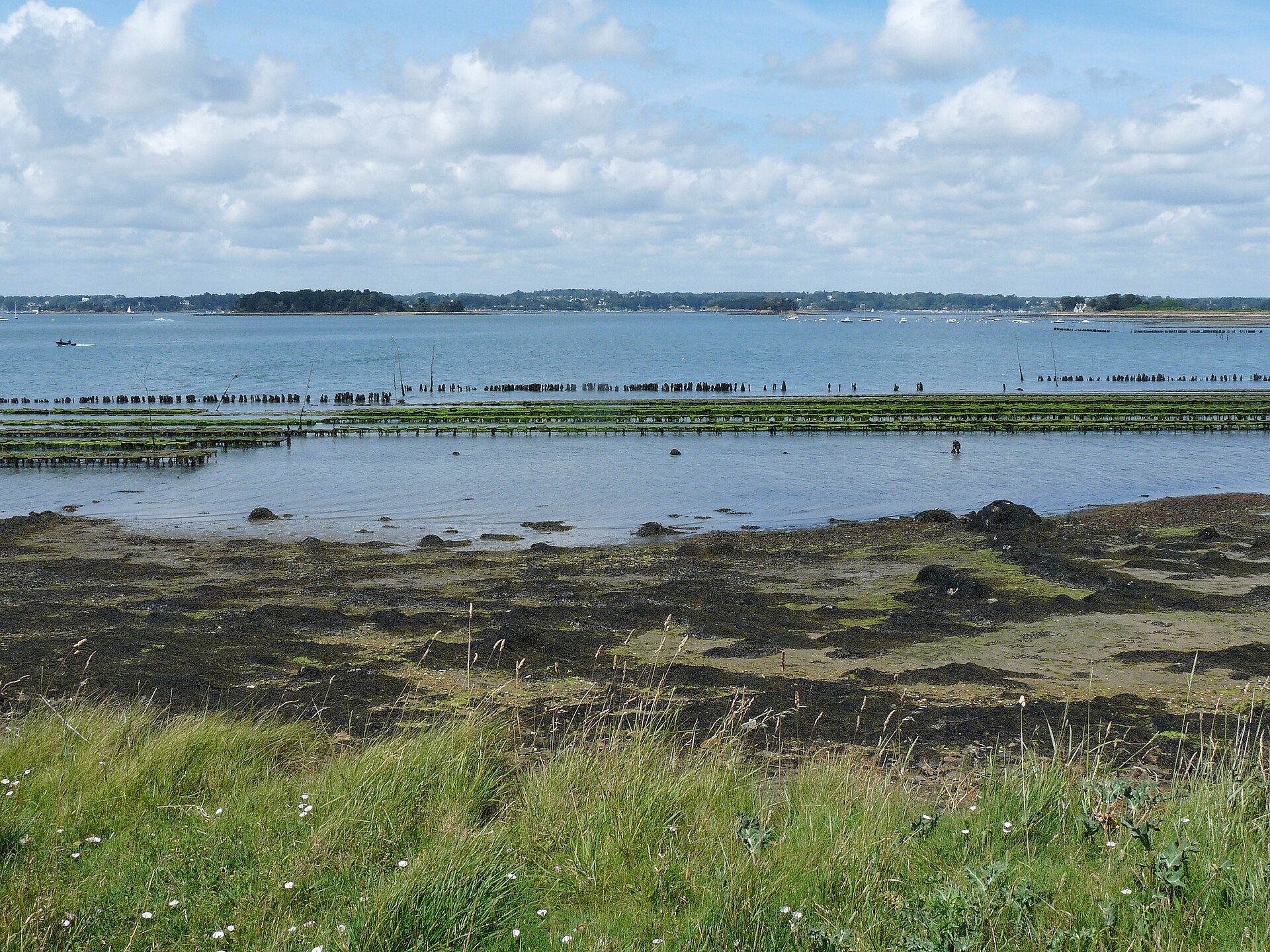
Natura 2000 · wintering, passage

Natura 2000 · wintering

Natura 2000 · passage, wintering

Natura 2000 · passage, wintering

Natura 2000 · wintering
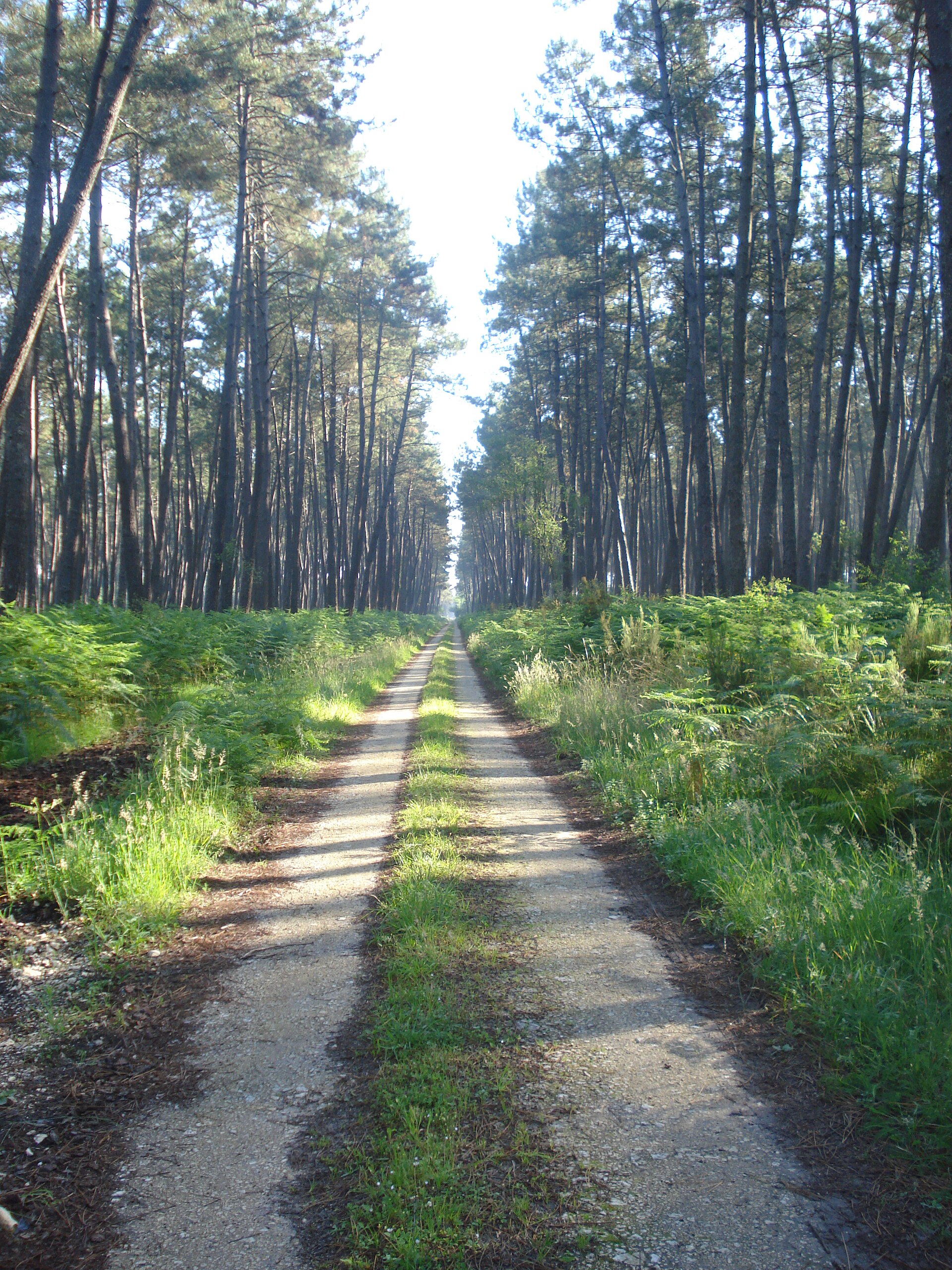
Natura 2000 · wintering, passage

Natura 2000 · passage
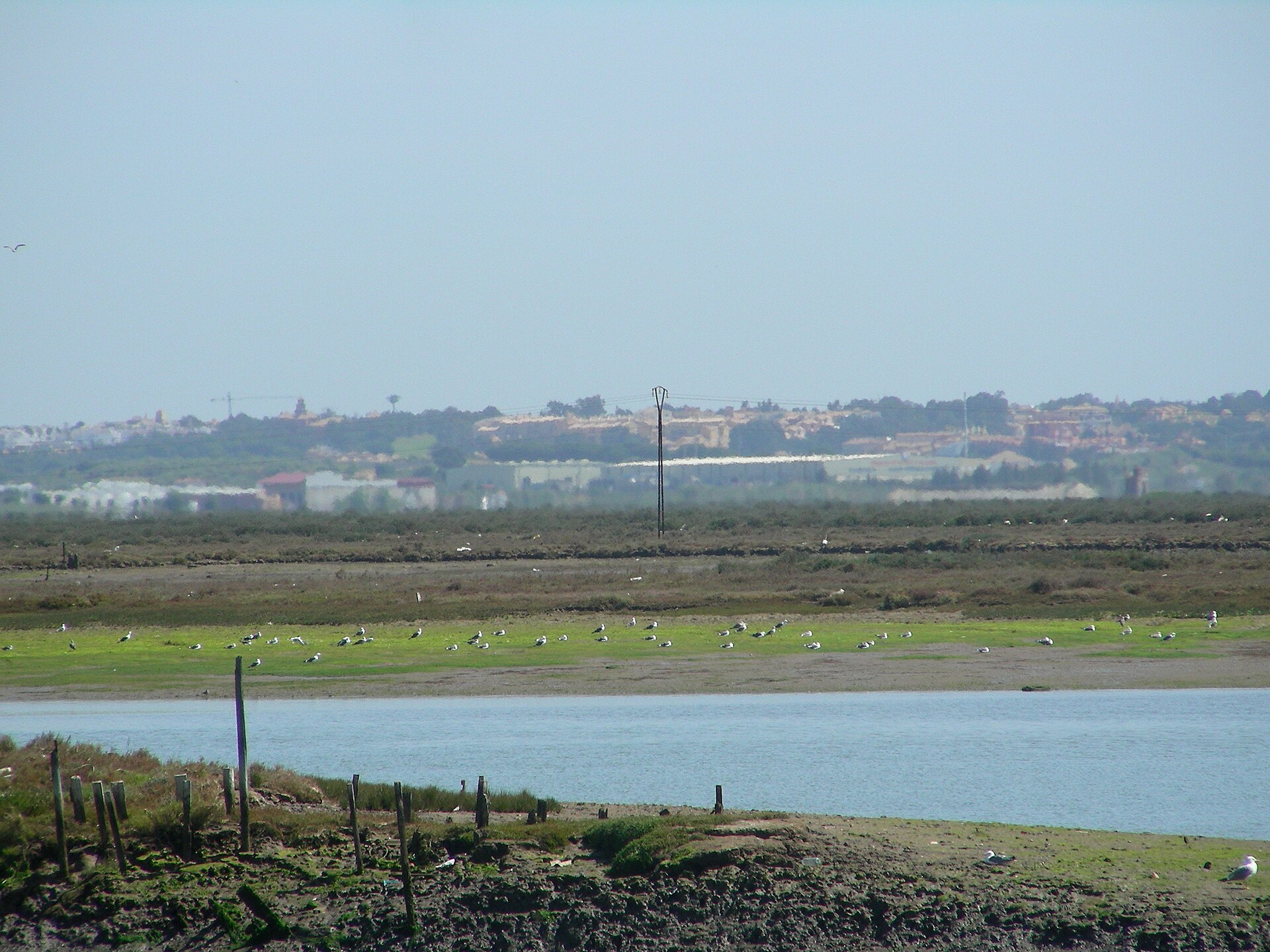
Natura 2000 · wintering

Natura 2000 · passage, wintering
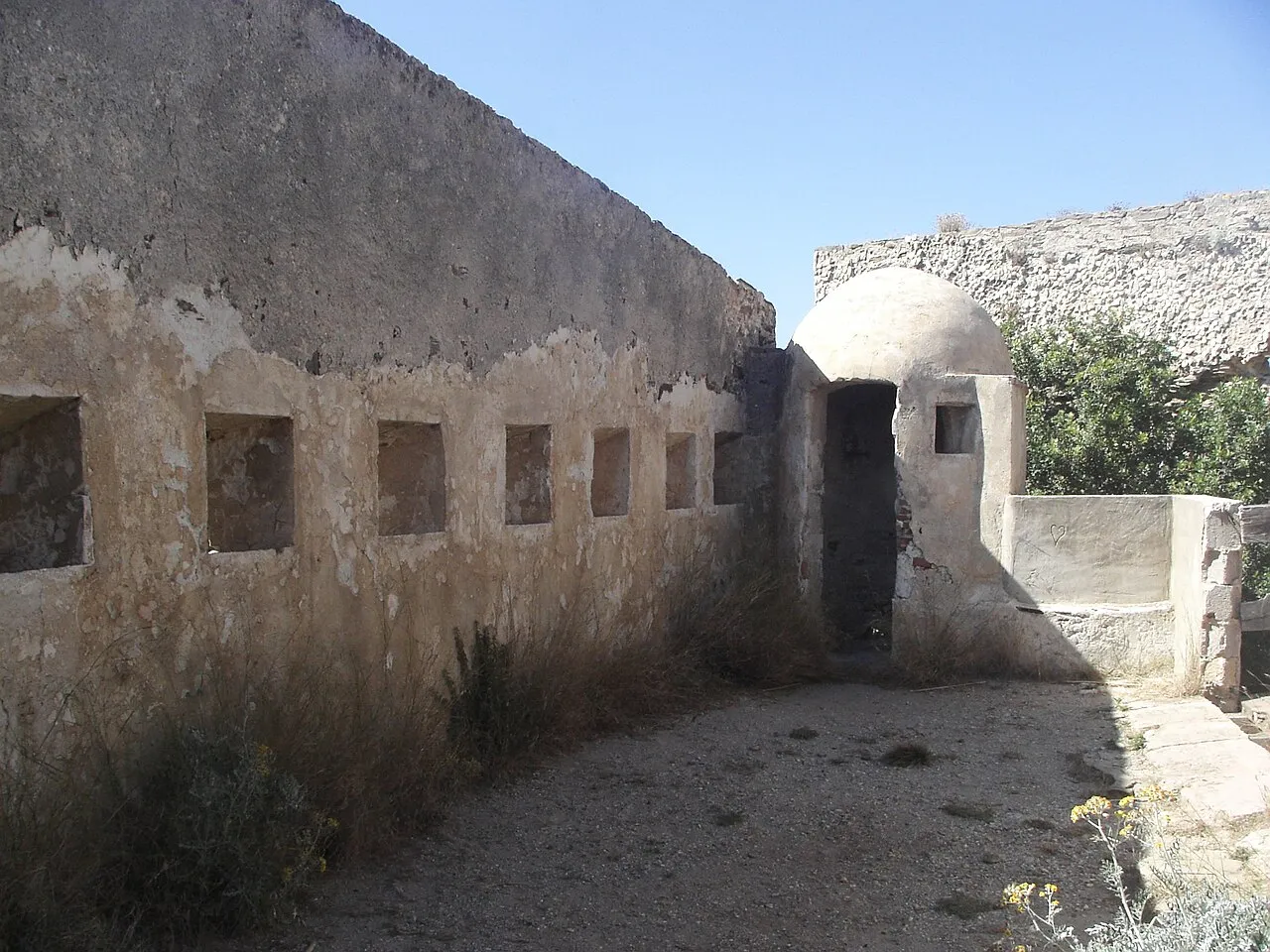
Natura 2000 · wintering

Natura 2000 · wintering
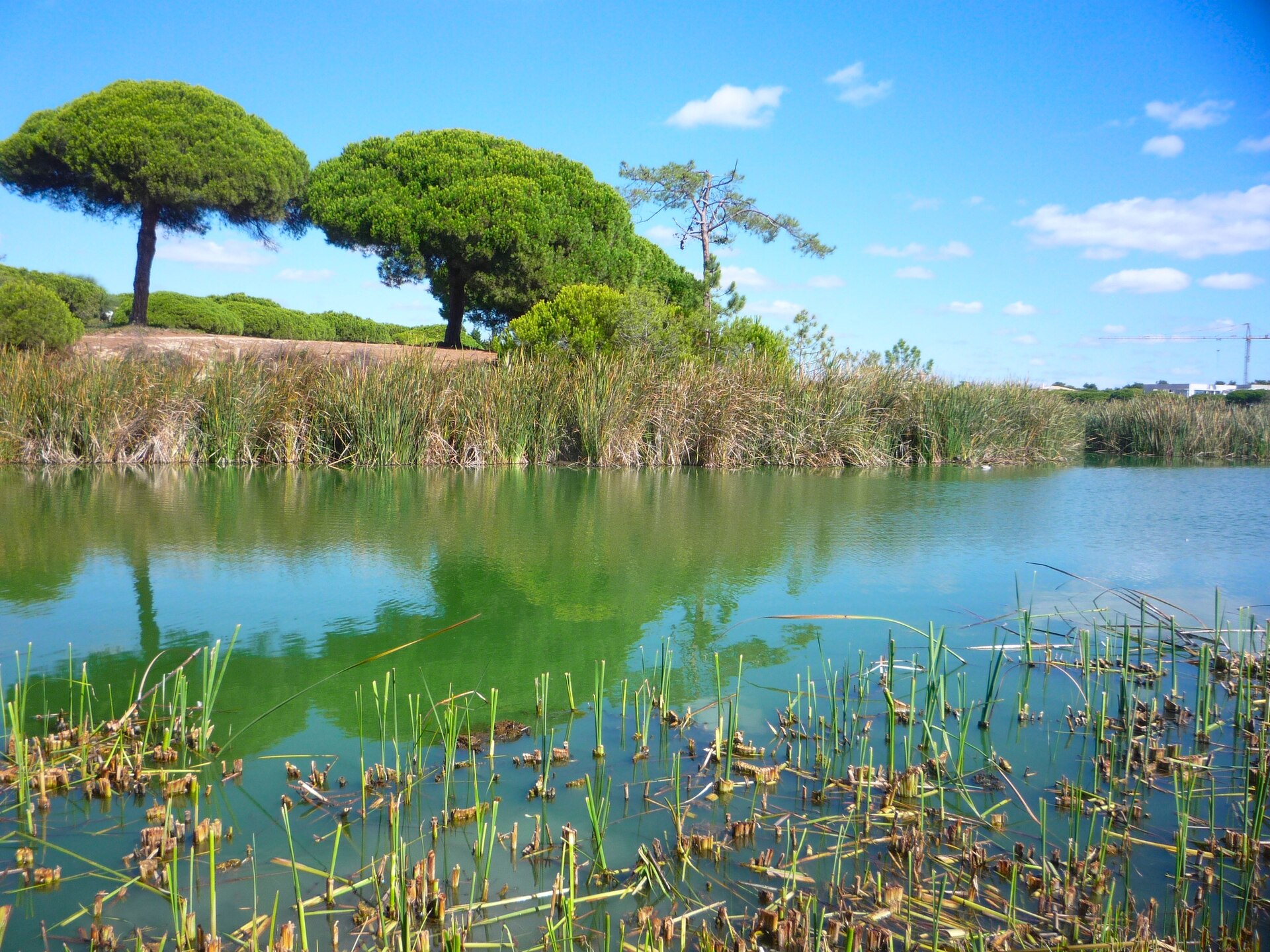
Natura 2000 · wintering
Natura 2000 · wintering
Natura 2000 · passage

Natura 2000 · wintering

Natura 2000 · wintering
Natura 2000 · wintering, passage

Natura 2000 · wintering

Natura 2000 · passage
Other species to discover
 Balearic shearwater
Puffinus mauretanicus 21 places in common
 Black-legged Kittiwake
Rissa tridactyla 21 places in common
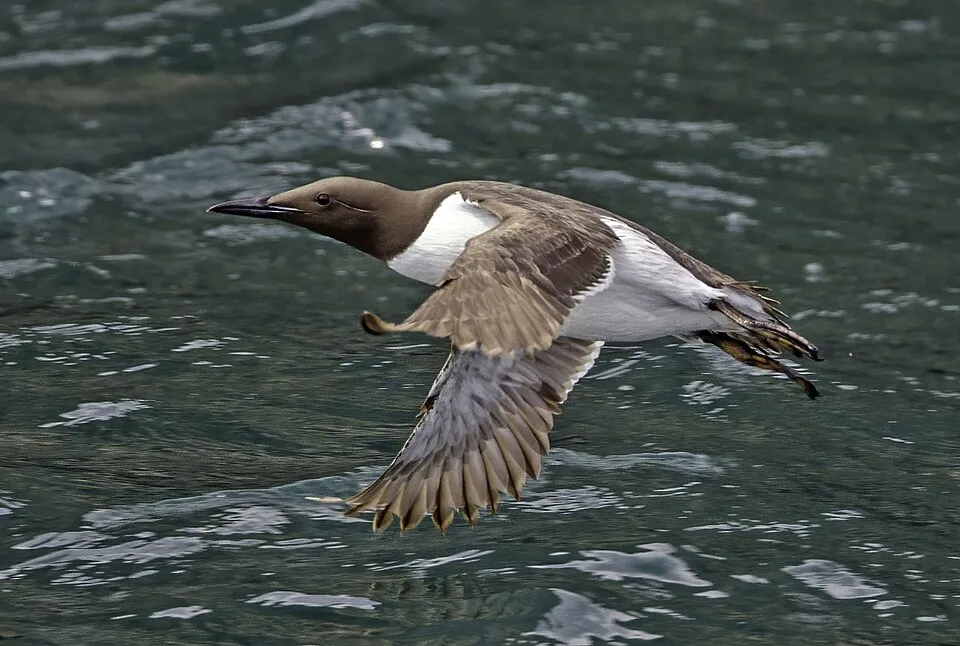 Common Murre
Uria aalge 20 places in common
 European Storm Petrel
Hydrobates pelagicus 21 places in common
 Common Scoter
Melanitta nigra 25 places in common
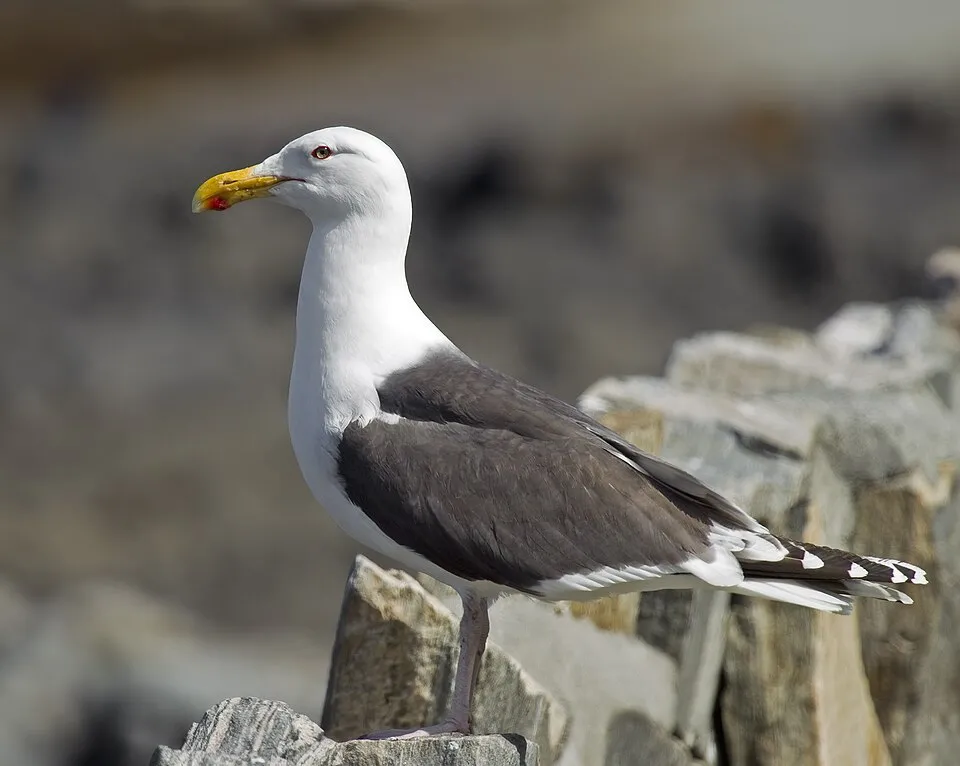 Great Black-backed Gull
Larus marinus 28 places in common
Sources and credits
- Presence: most-recorded species of each place on GBIF and species of Community interest in the Natura 2000 forms (EEA, CC-BY 4.0); absence from the list does not mean the species is absent.
- Common names: Wikidata (CC0) and GBIF.
- Photos and sounds: Wikimedia Commons, author and licence given for each file.
- Classification: GBIF Backbone Taxonomy (GBIF Secretariat), CC BY 4.0, doi:10.15468/39omei.
- Countries, elevations, months and maps: GBIF.org, CC0 or CC BY 4.0 occurrences only, accessed October 22, 2026, GBIF.org.
- Base map: Natural Earth (public domain).
- Excerpt: Wikipedia, CC BY-SA 4.0 (full credit below the excerpt).
- Key facts: Wikidata (CC0), with the references cited under each value.
- EU bird populations: EEA / DG ENV, Article 12 Birds Directive reporting (2013–2018), CC BY 4.0.