
Bird
Great Black-backed Gull: where to see it
Larus marinus
This bird species is recorded in 69 protected areas of the atlas, including 31 whose official Natura 2000 form lists it. Within the atlas countries, it is mostly observed in Sweden, Norway and the United Kingdom (11 countries in all). Most records (8 in 10) lie between sea level and 160 m. Records are spread throughout the year. It has a wingspan of 167 cm. Its EU population is assessed as near threatened (2013–2018 Birds Directive reporting).
Best time to see it: all year round
Records published on GBIF by month (CC0 and CC BY 4.0 licences only), in the atlas countries, all years combined; they also reflect observer activity.
Key facts
- Wingspan
- 167 cm Wikidata, after Ericson et al. 2007
Status and protection
Birds Directive II/B
The species is listed in Annex II/B of the Birds Directive.
EU population assessed as near threatened, decreasing in the short term (2013–2018 Birds Directive reporting). EU breeding population: 28,100–45,000 pairs.
Distribution
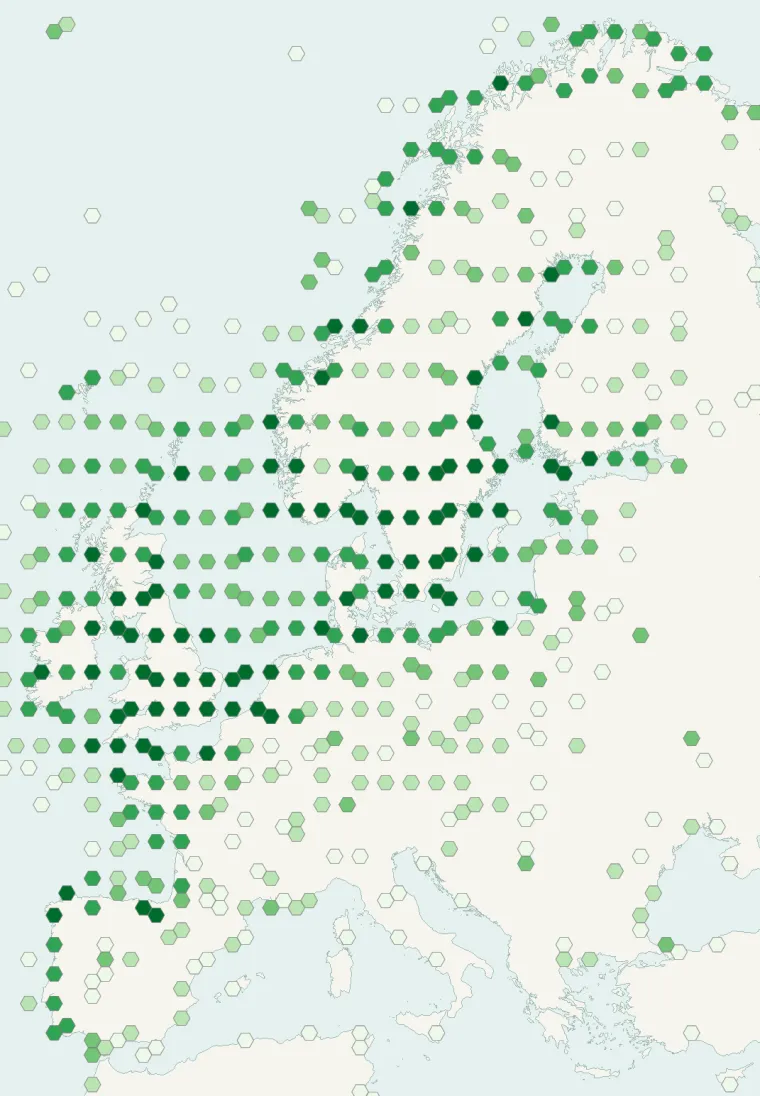
Records published on GBIF (CC0 and CC BY 4.0 licences): the darker the shade, the more records there are; they also reflect observation effort.
Atlas countries where it is recorded
Listen
-
0:04 · © Tony Phillips · CC BY-SA 3.0 · Wikimedia Commons · Original file
-
1:13 · © Doug Hynes · CC BY-SA 4.0 · Wikimedia Commons · Original file
From Wikipedia
The great black-backed gull (Larus marinus) is the largest member of the gull and tern family Laridae. It is a very aggressive hunter, pirate and scavenger which breeds on the North Atlantic coasts and islands of northern Europe and northeastern North America. Southern populations are generally sedentary, while those breeding in the far north (northern Norway, northwest Russia) migrate farther south in winter. A few also move inland to large lakes and reservoirs. The adult has a white head, neck and underparts, dark blackish-grey wings and back, pink legs and the bill yellow with a red spot.
Source: Wikipedia, article “Great black-backed gull” (version of October 17, 2026) · history and authors · licence CC BY-SA 4.0
Protected areas where it is recorded

Natura 2000 · passage, wintering 5,833 records
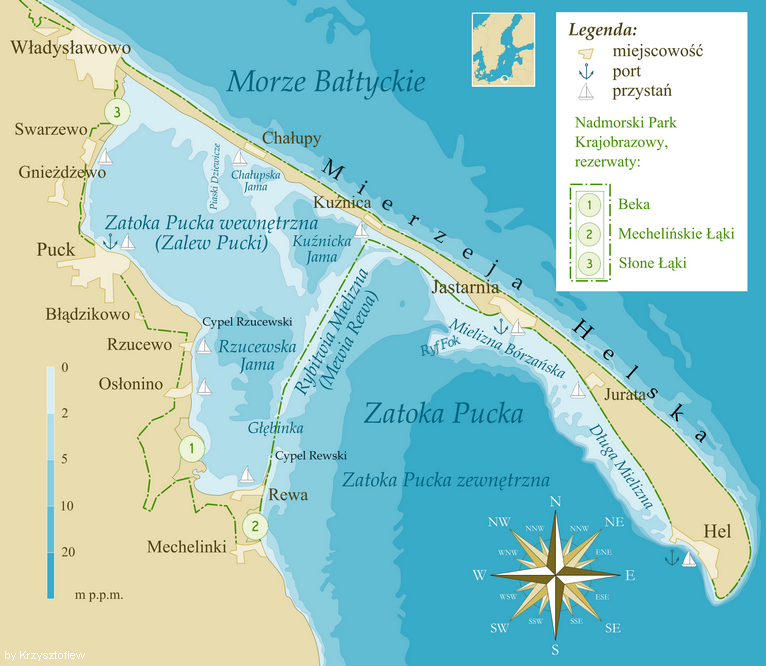
Natura 2000 · passage, wintering 2,979 records

Natura 2000 · breeding, wintering, passage, resident 2,922 records
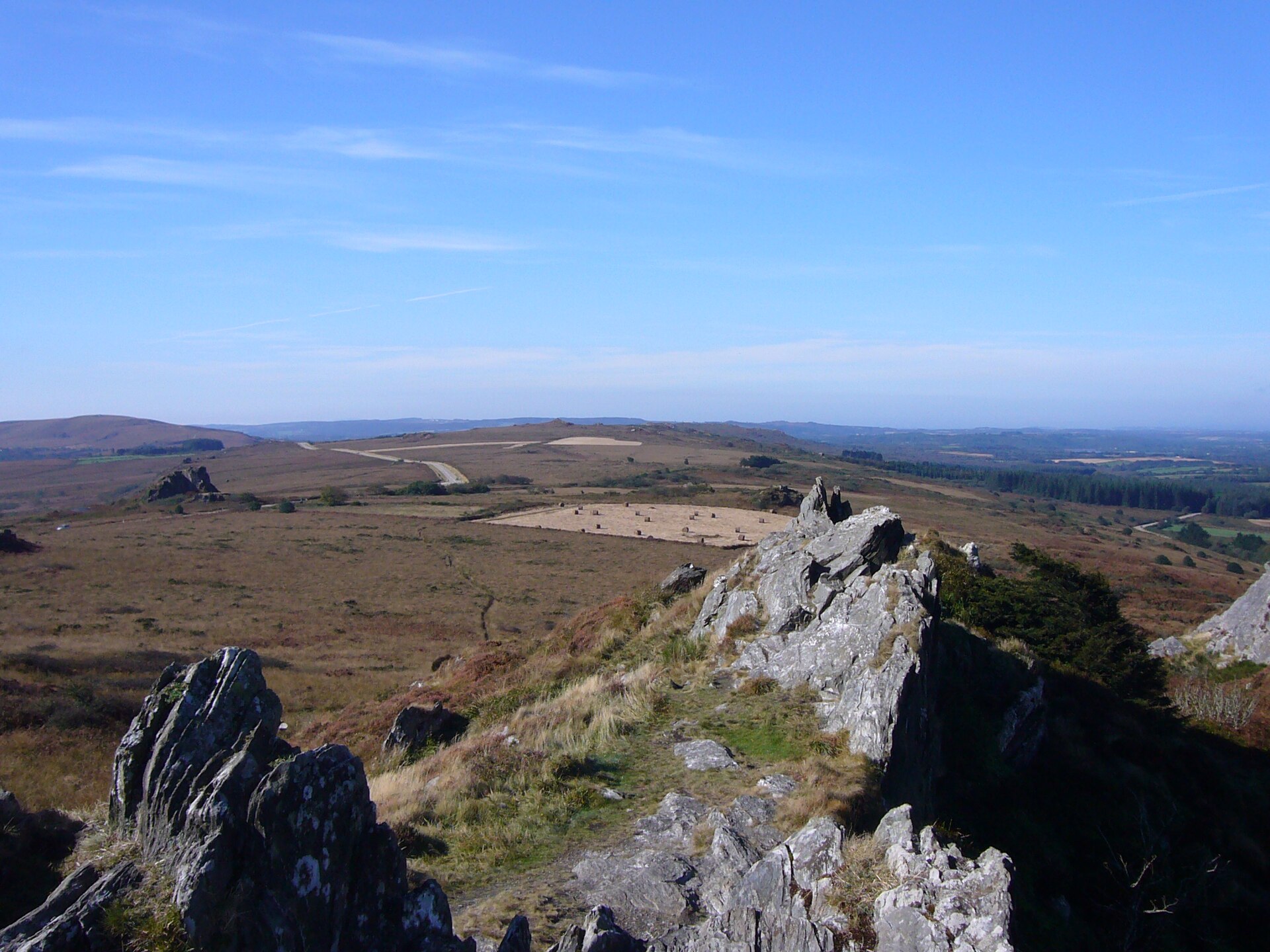
Natura 2000 · wintering 2,241 records
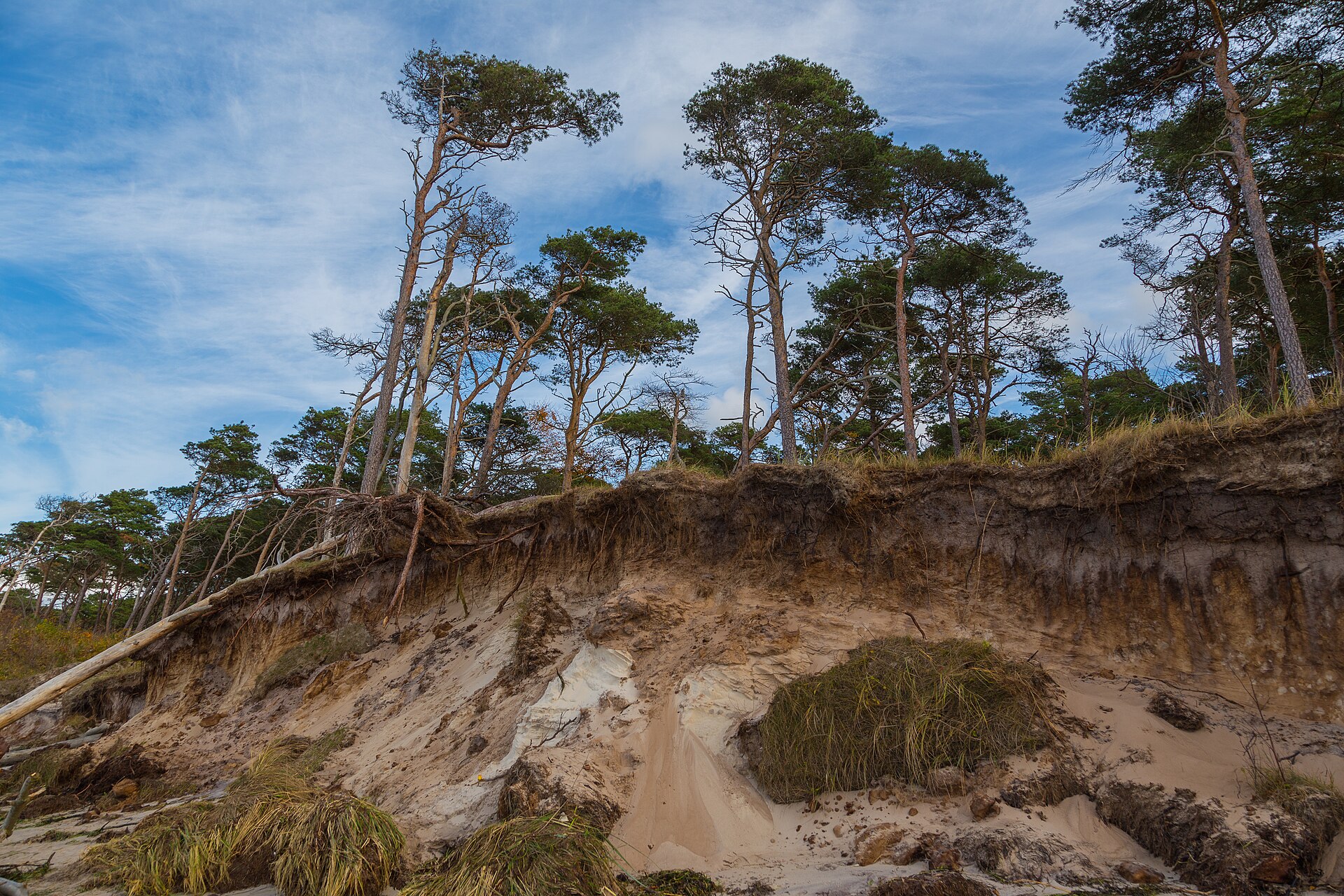
Natura 2000 · breeding 851 records
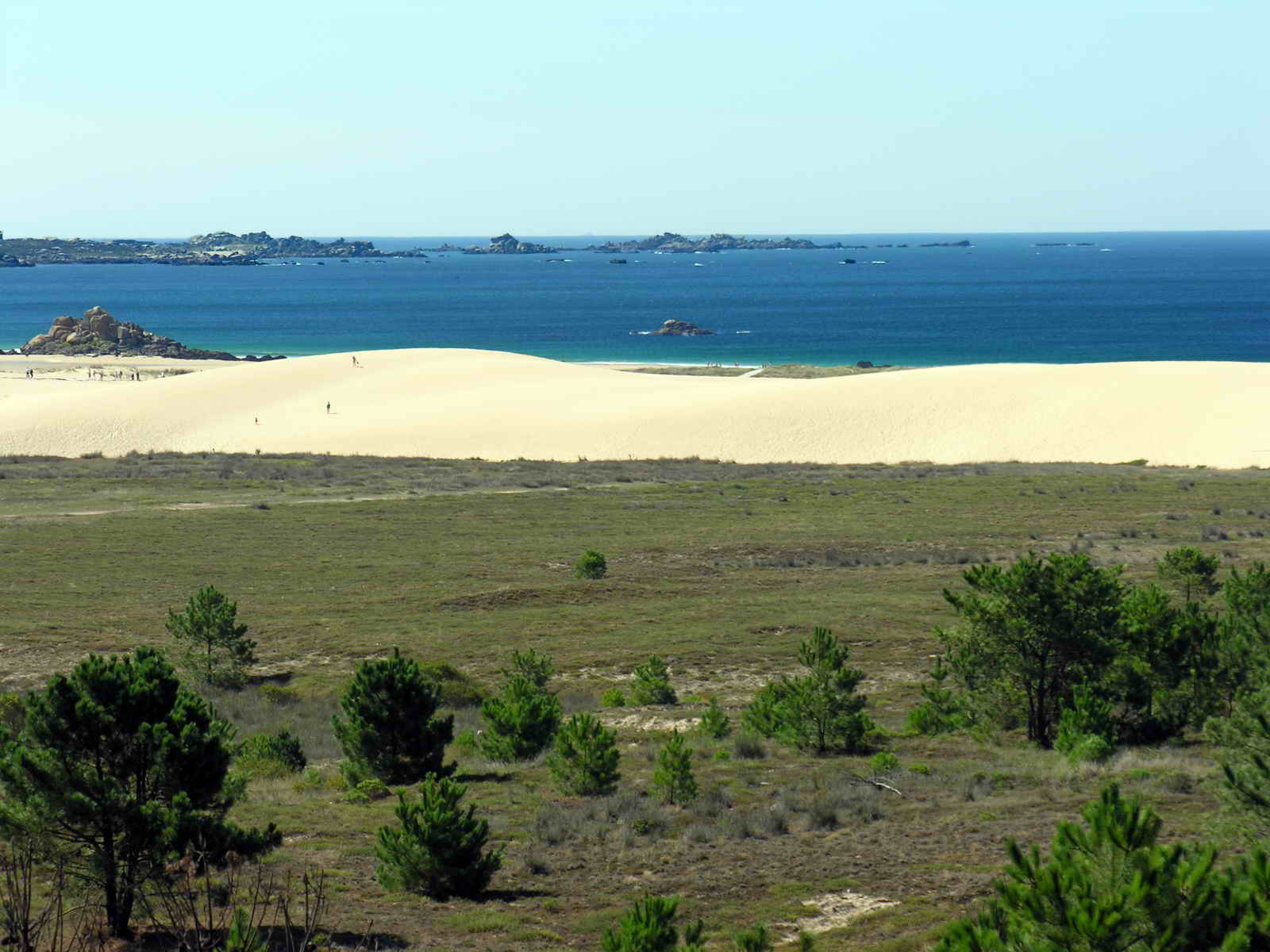
Natura 2000 · breeding 252 records

Natura 2000 · breeding 143 records
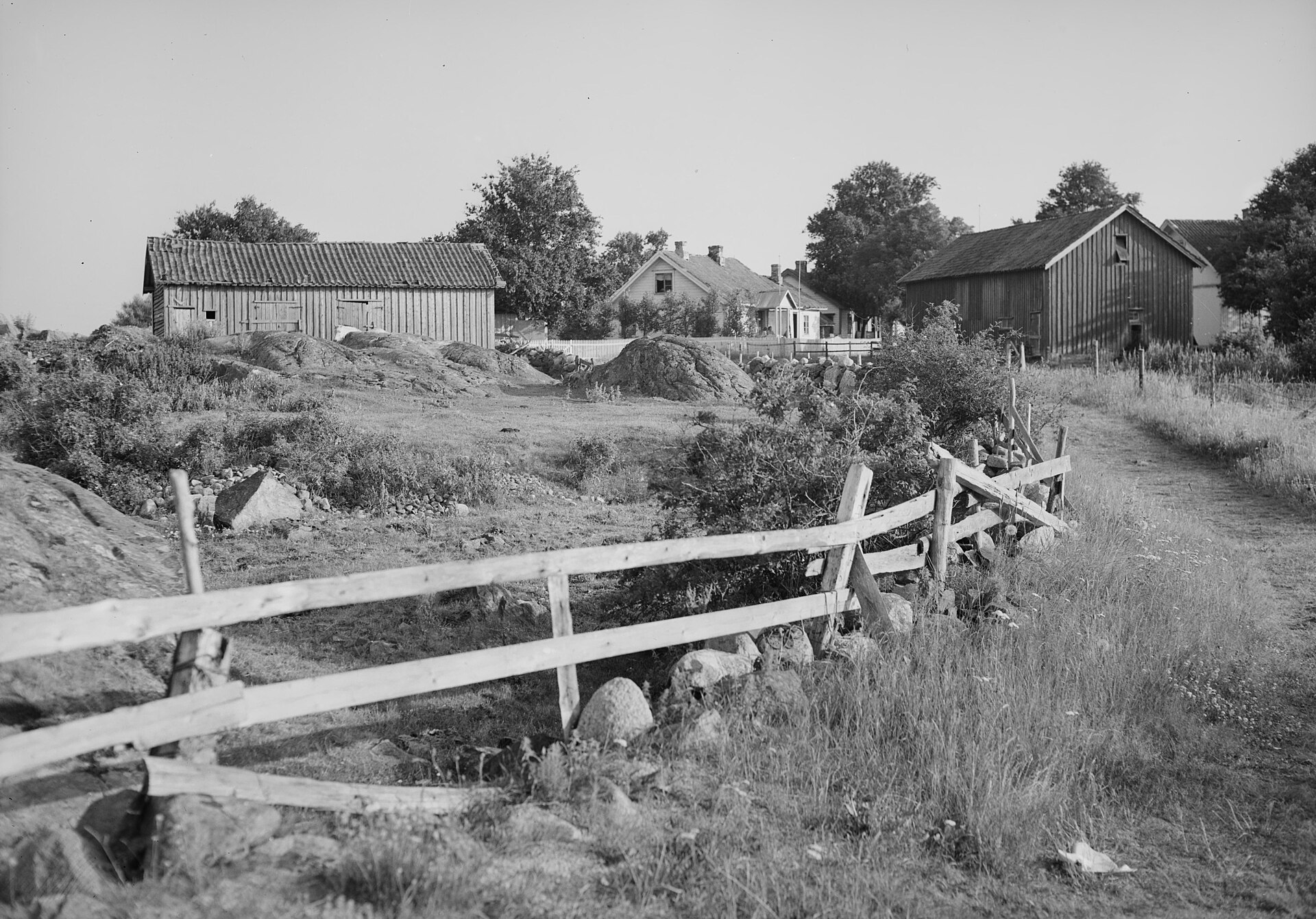
17,689 records

14,499 records
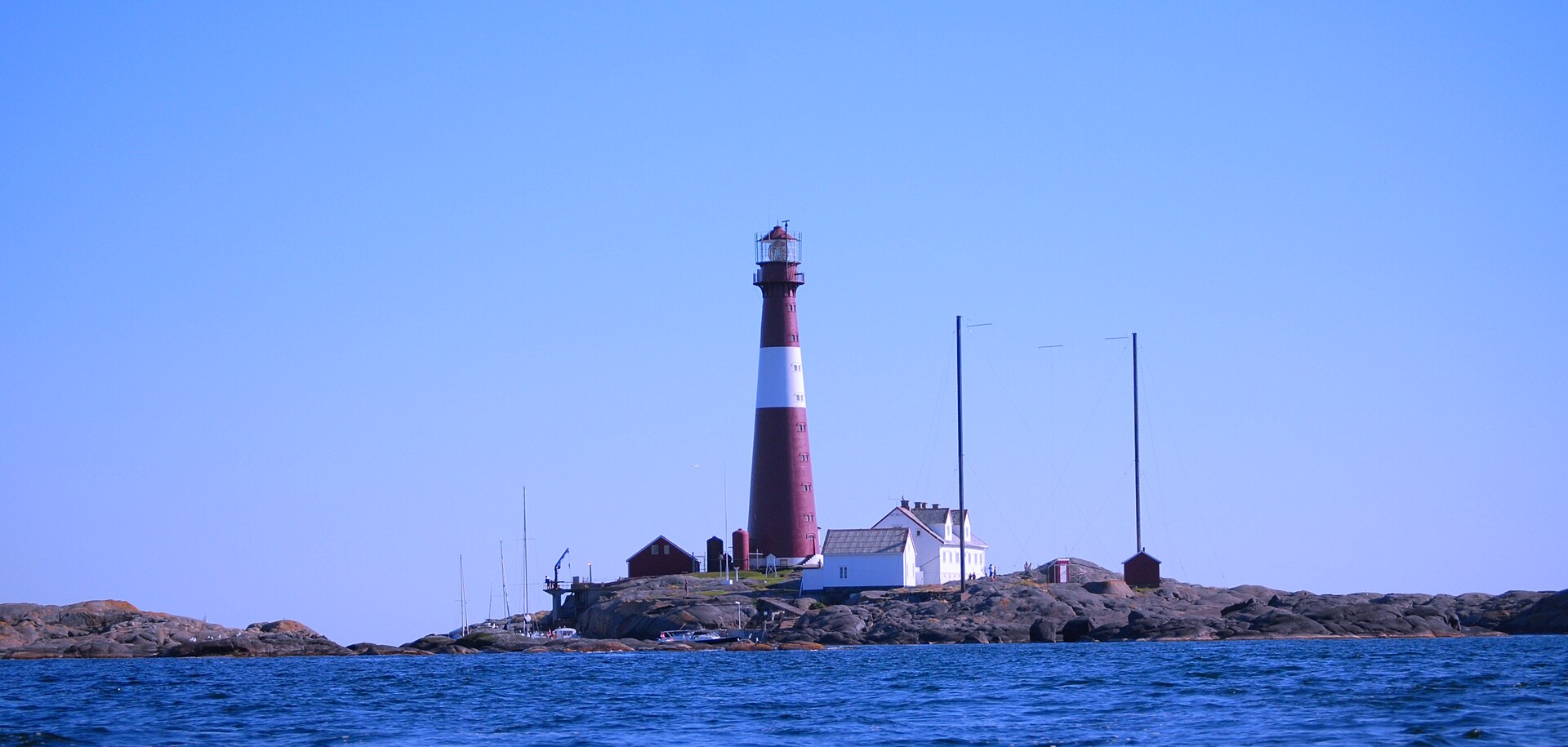
8,602 records

6,772 records

6,634 records
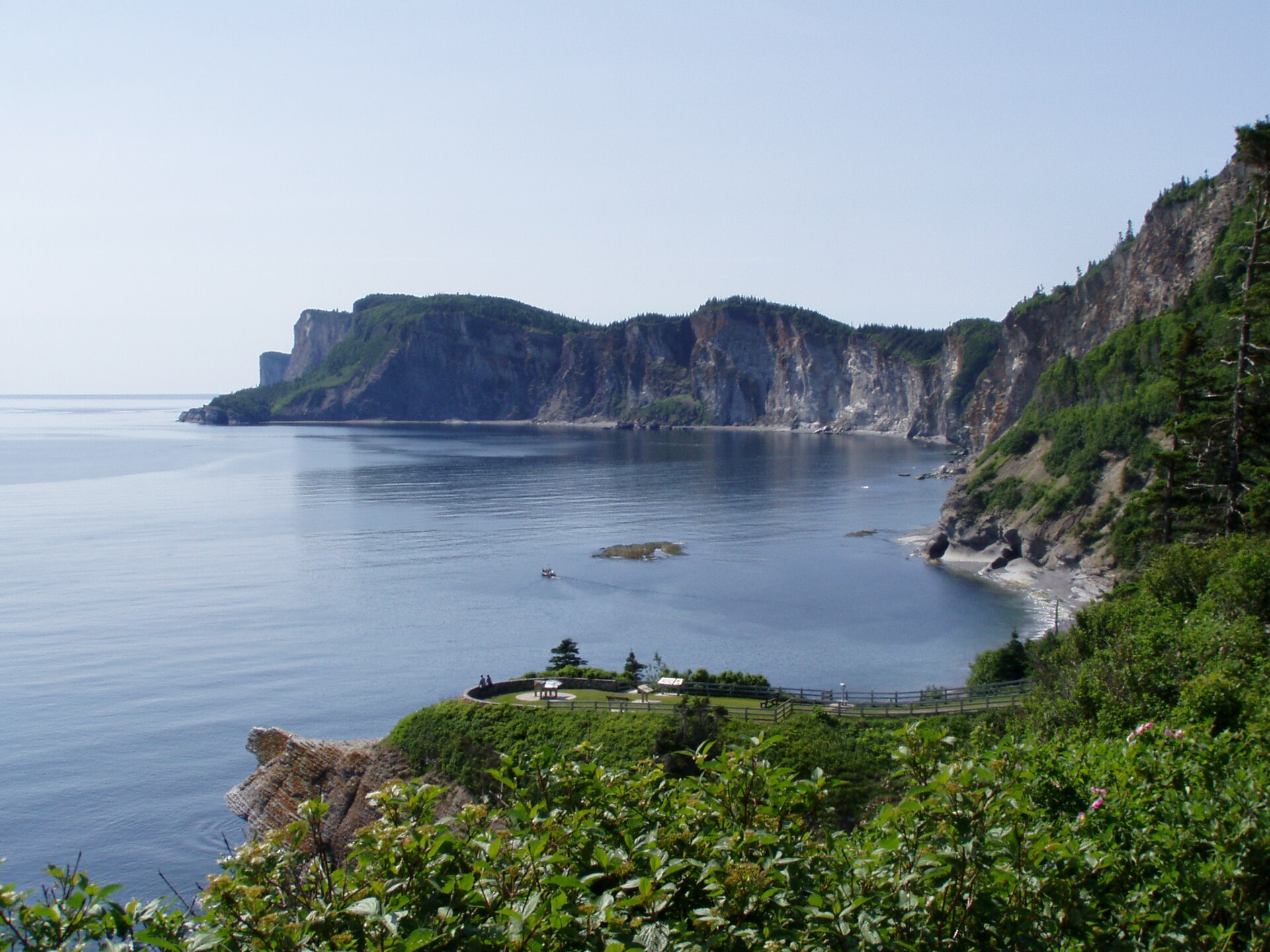
4,447 records
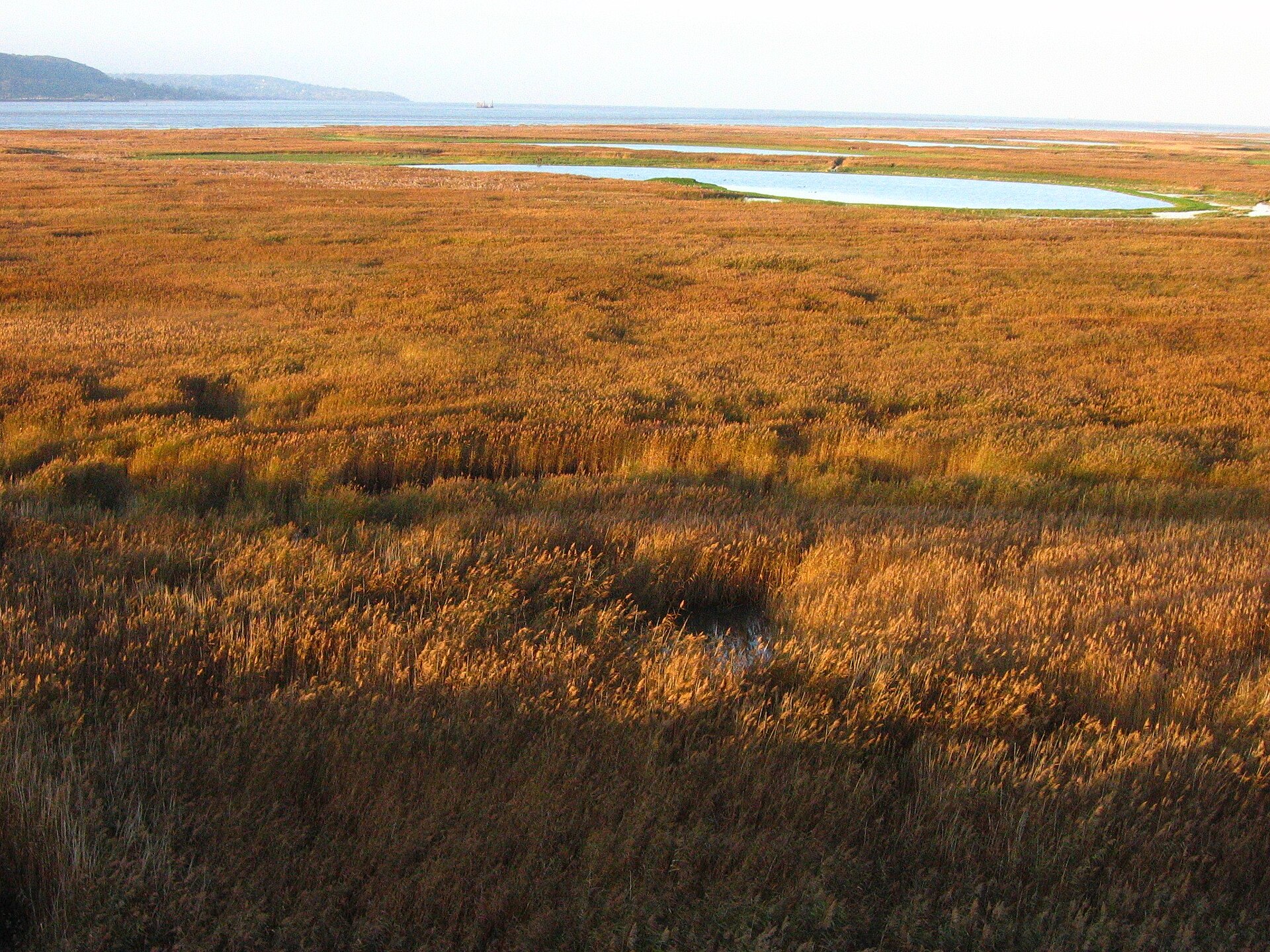
3,678 records

3,173 records
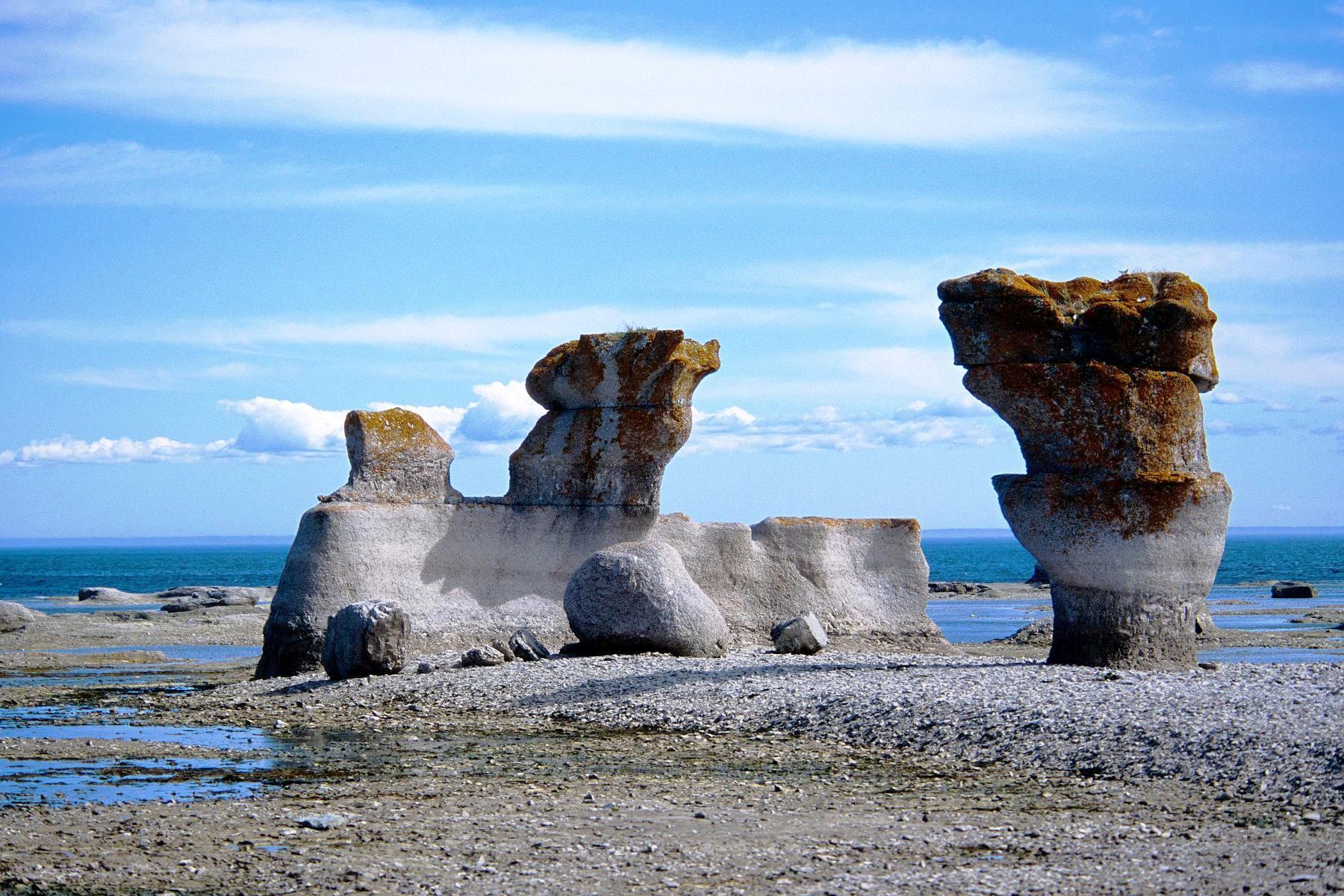
2,589 records

2,544 records

1,941 records
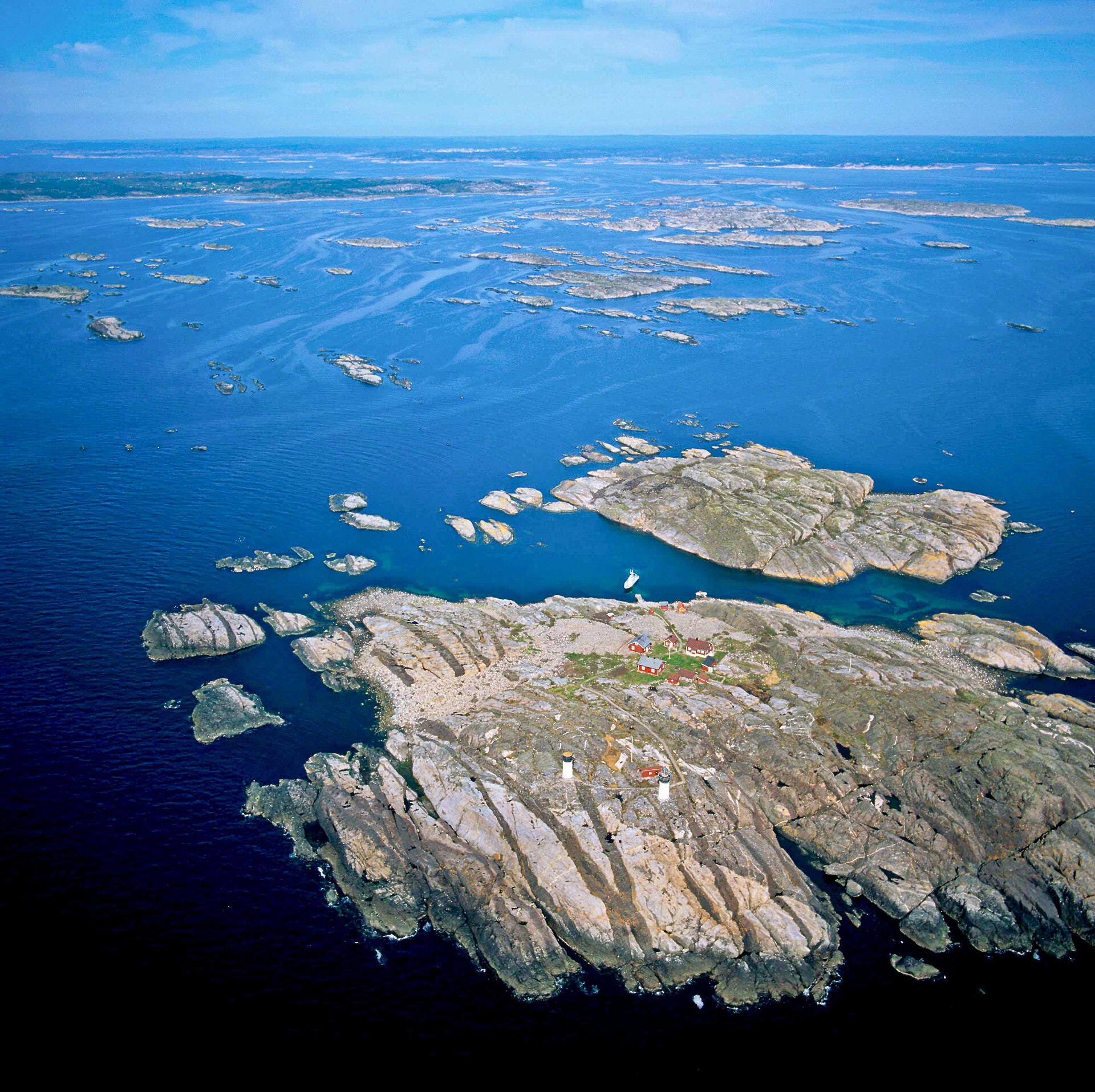
1,710 records
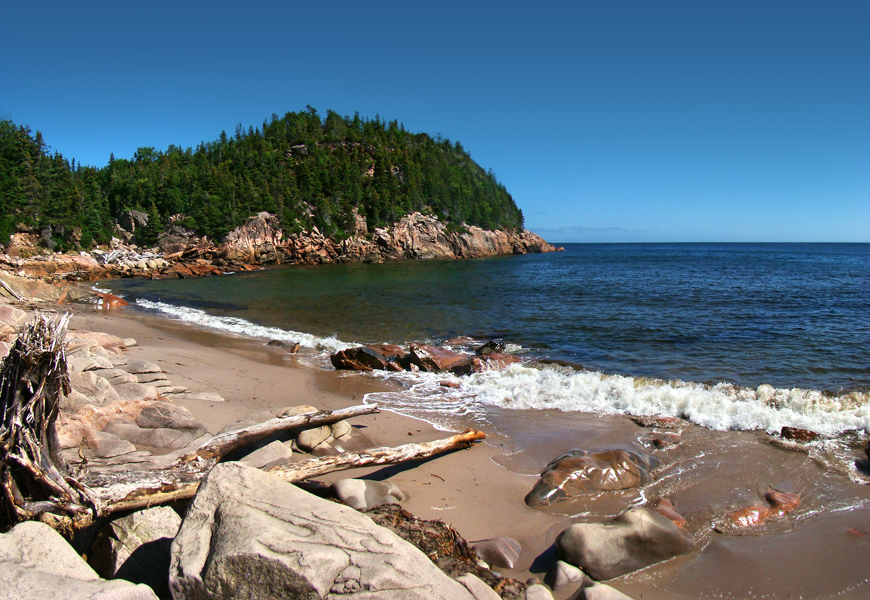
1,636 records
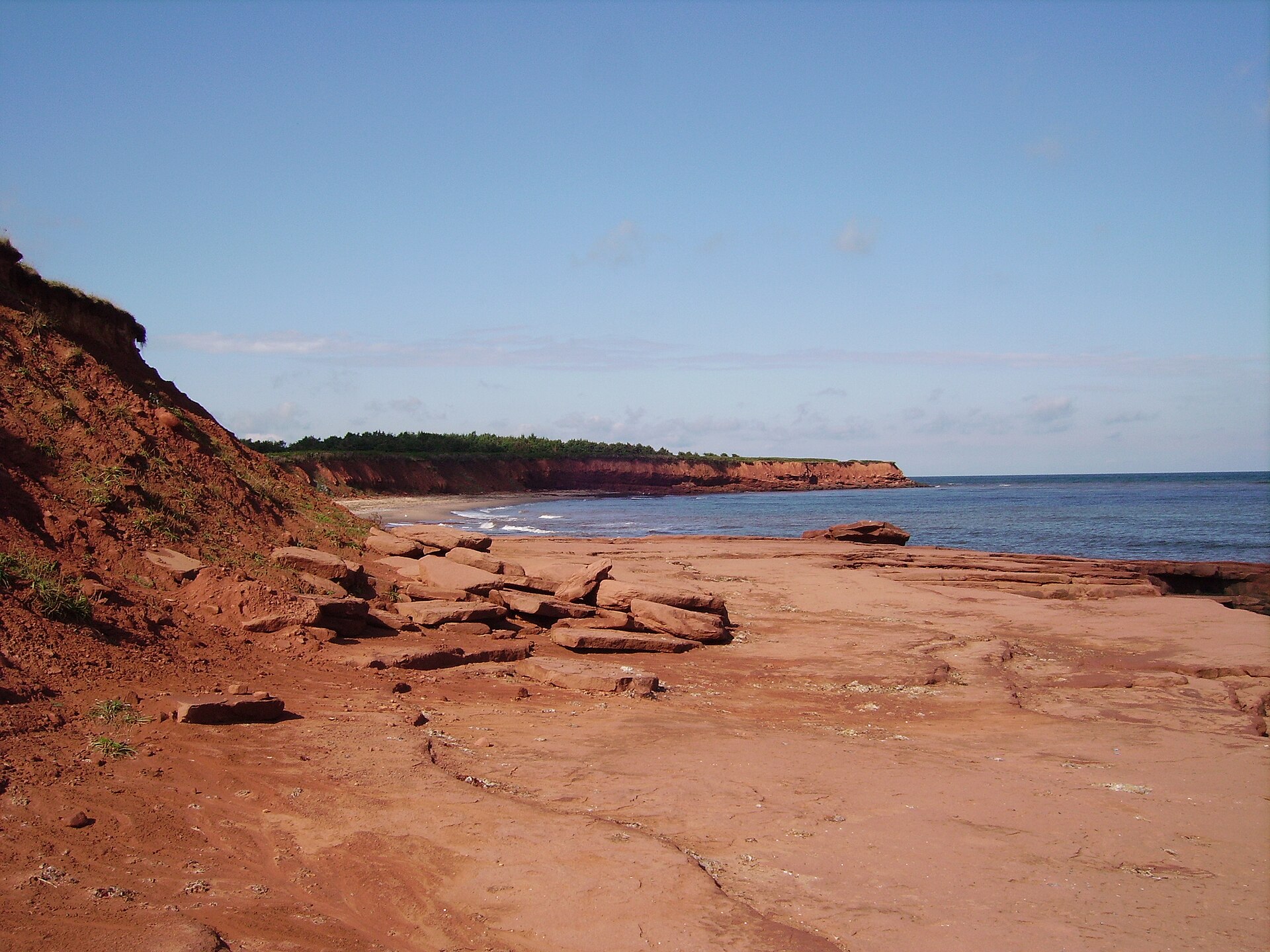
1,454 records

1,172 records

846 records
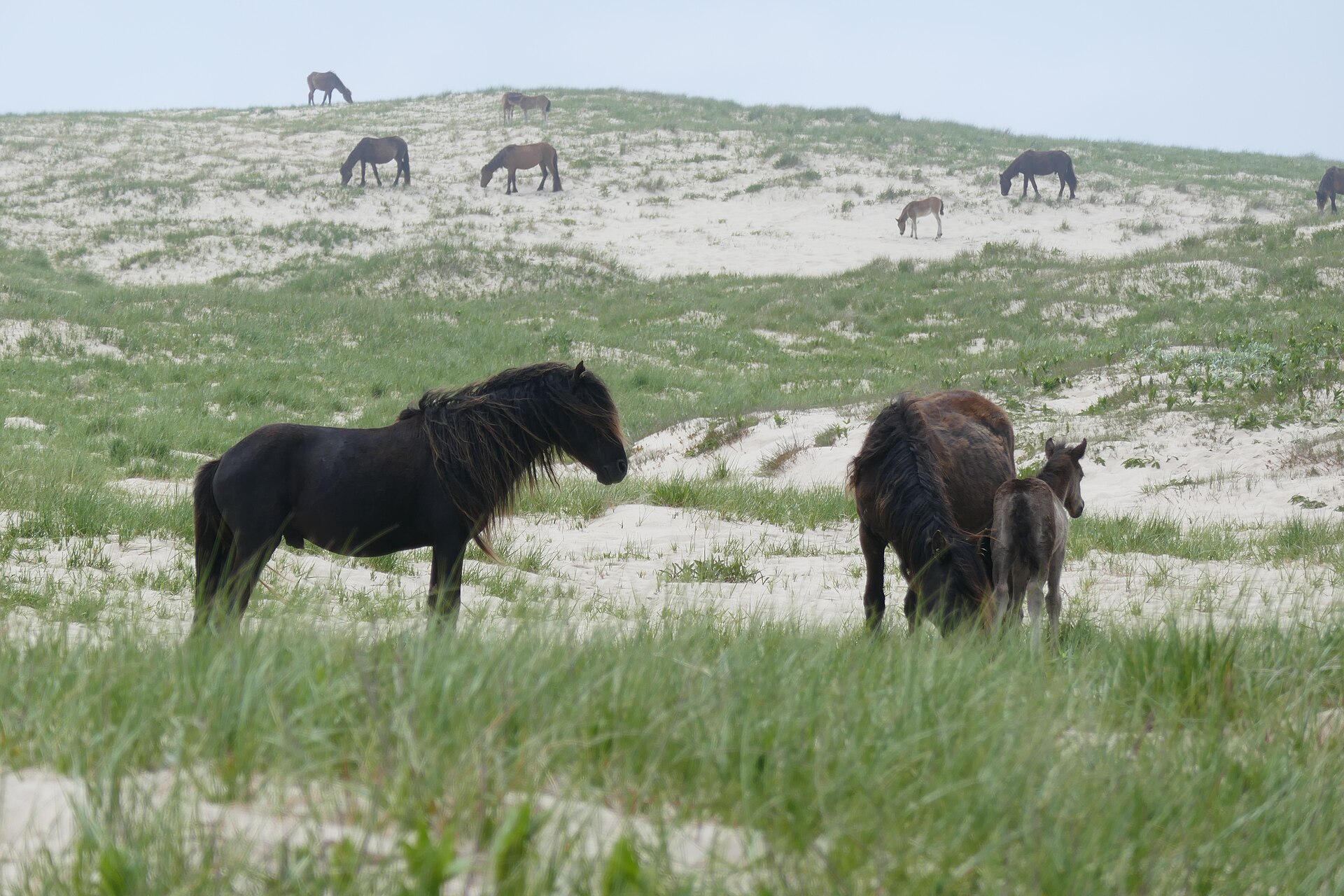
812 records
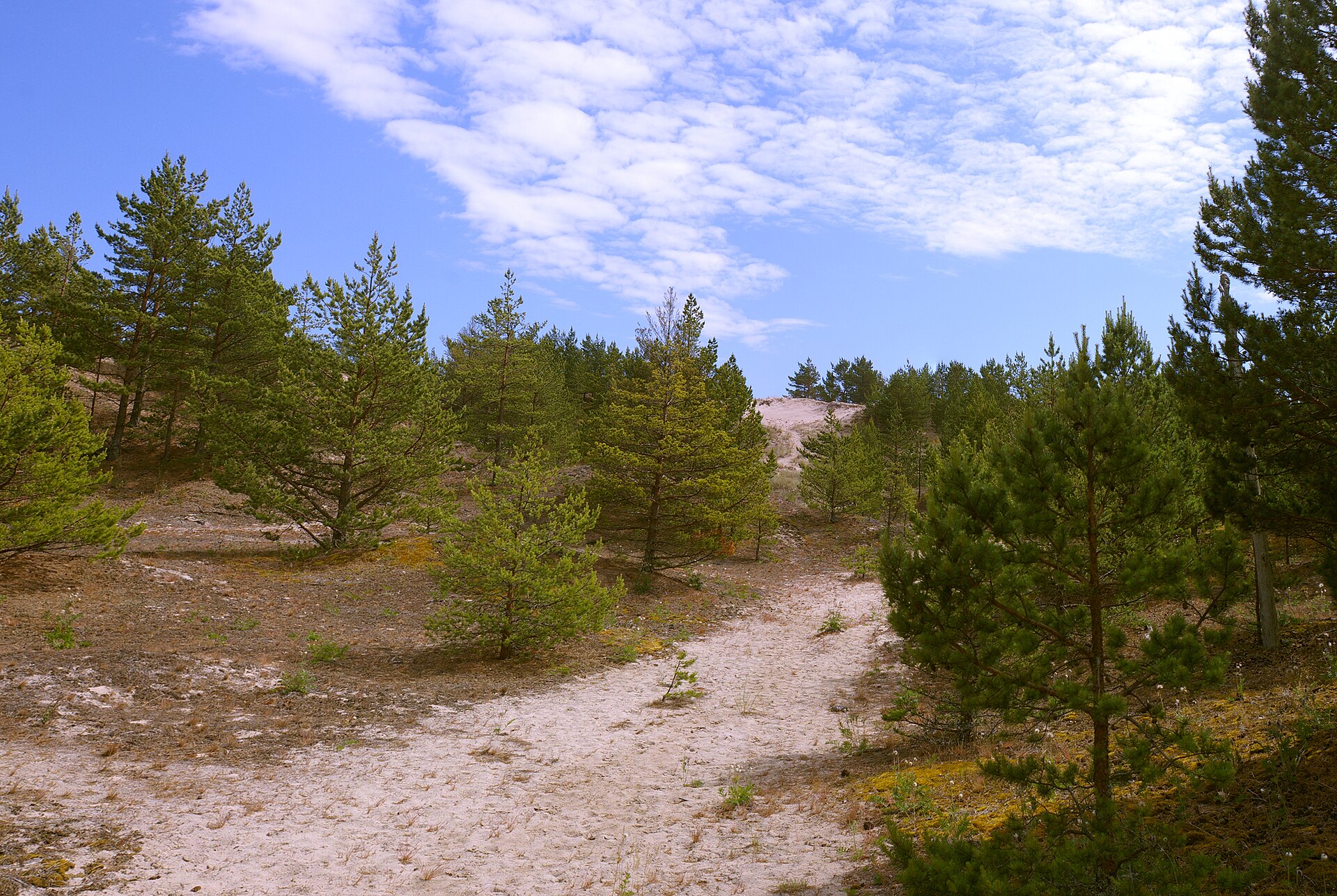
780 records
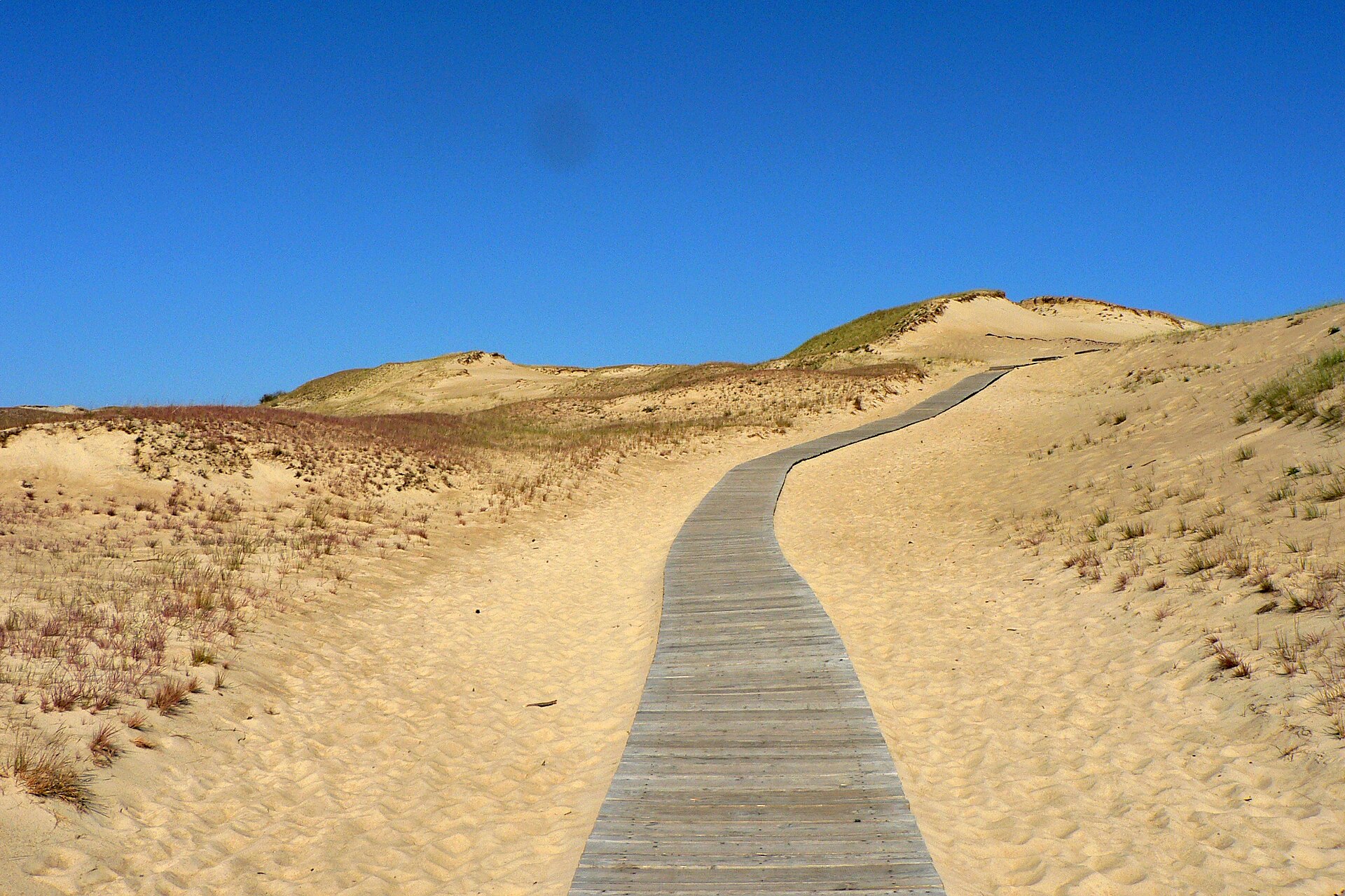
756 records
657 records
573 records
472 records
415 records
316 records
174 records

169 records

118 records
90 records

89 records

81 records
78 records
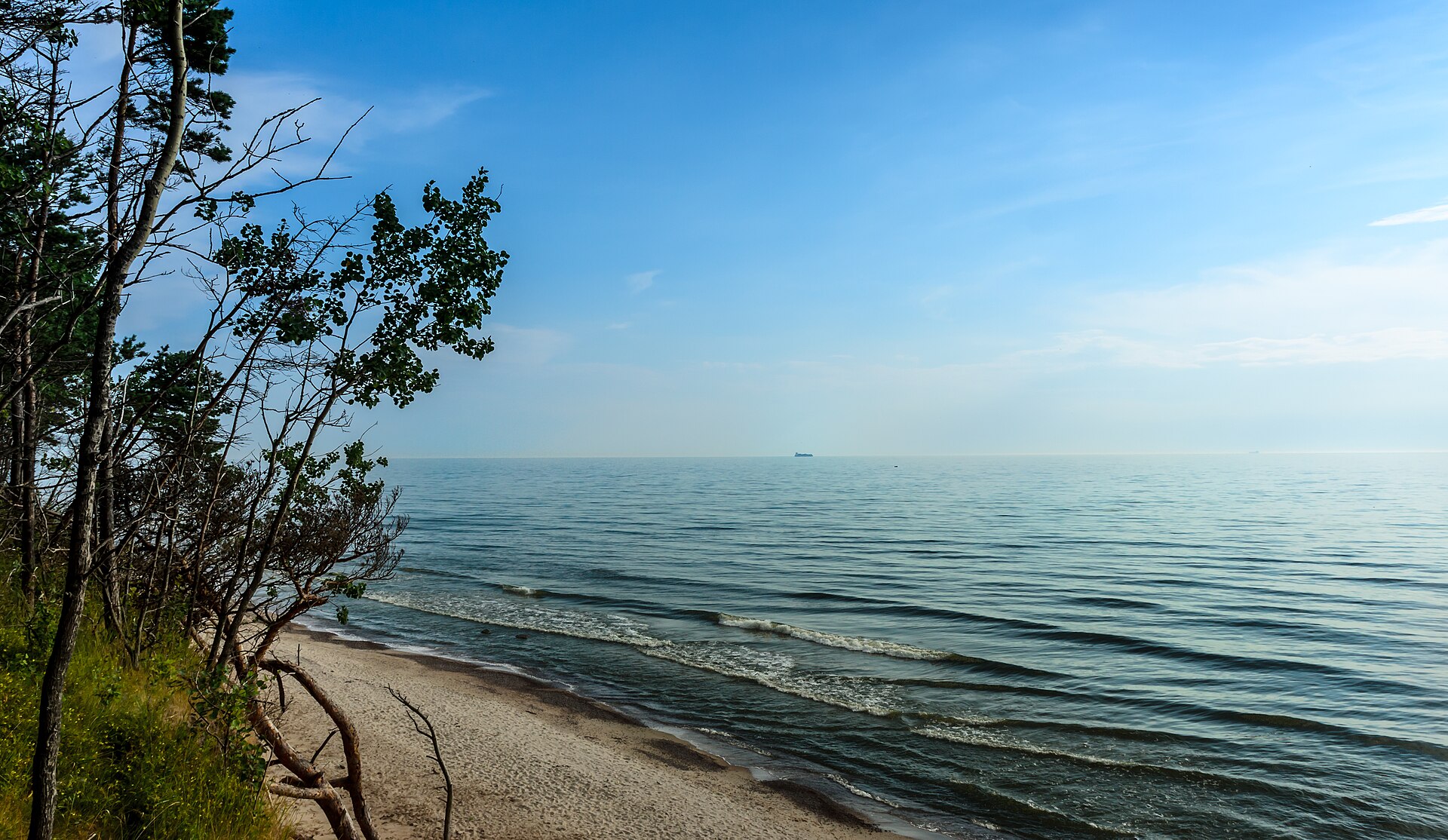
42 records
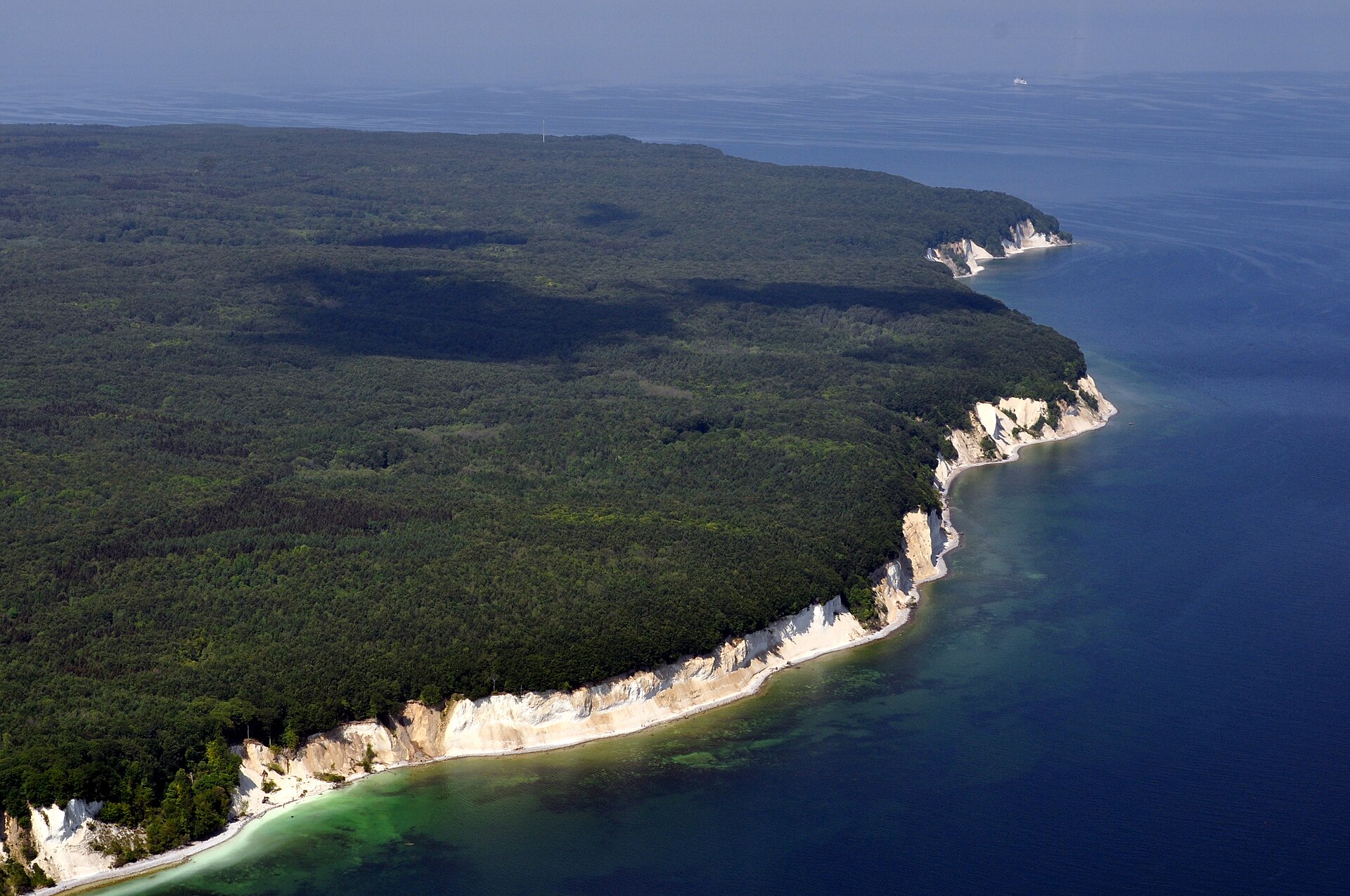
37 records
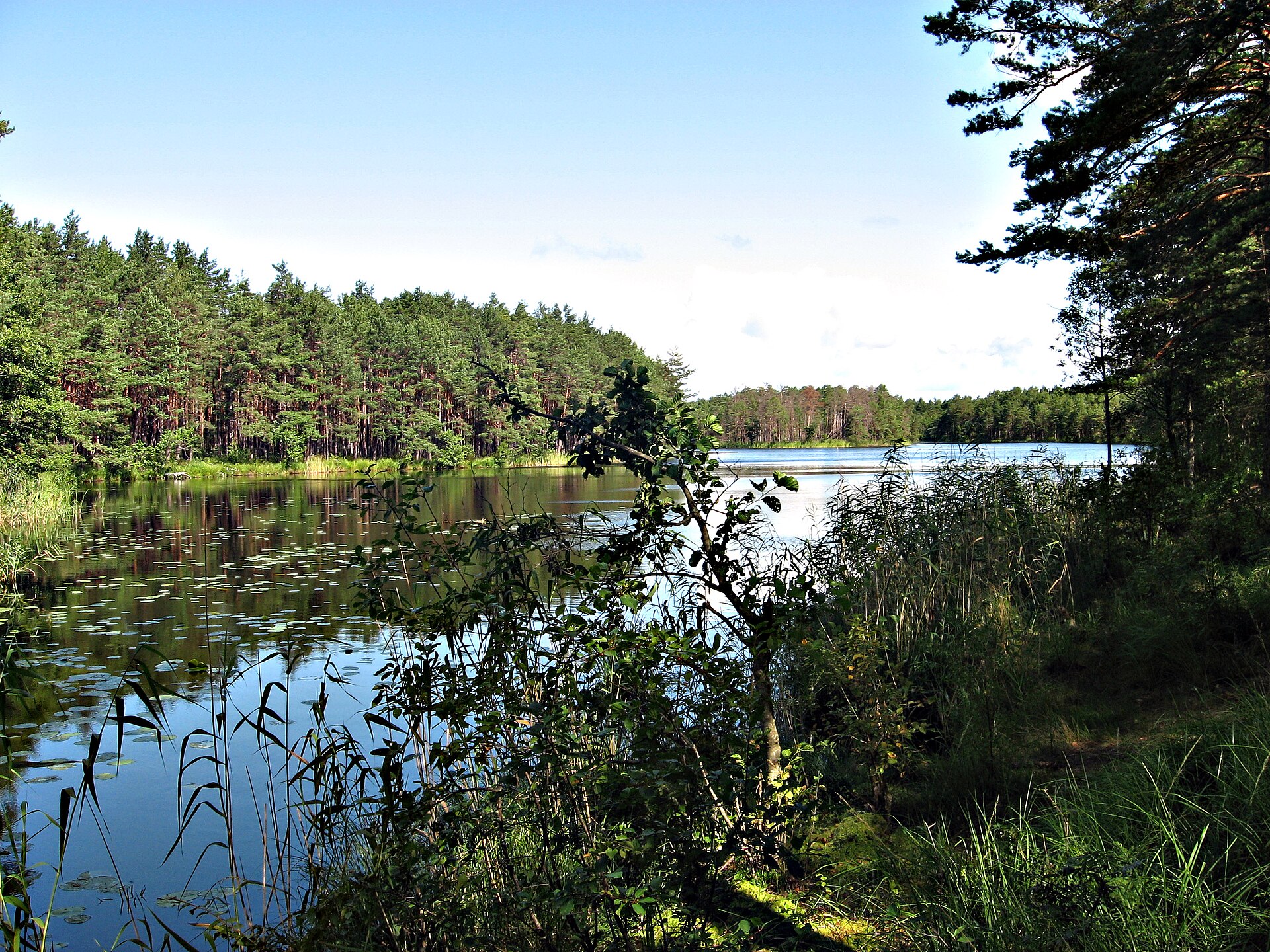
27 records
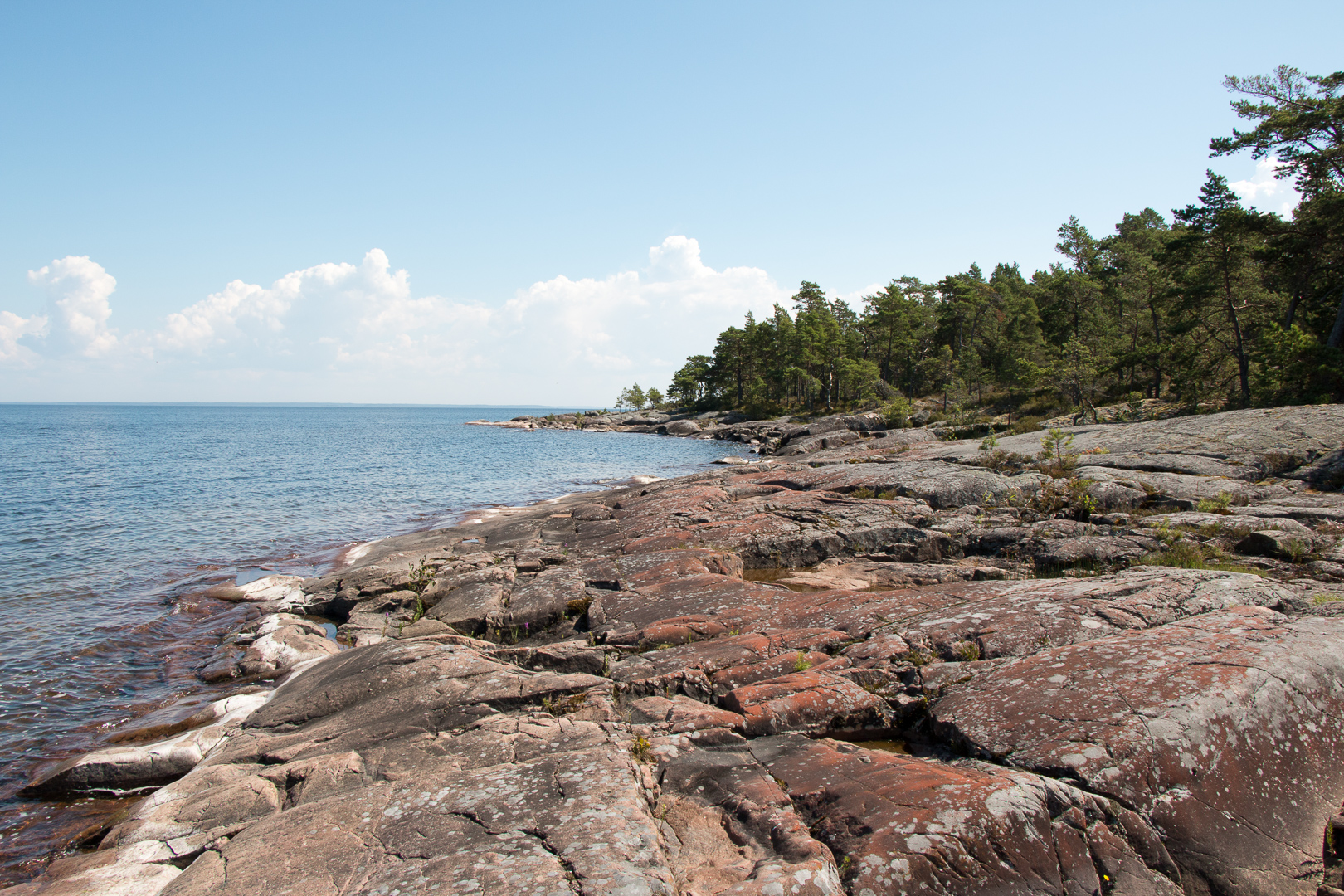
19 records
15 records

11 records

6 records
Natura 2000 · breeding, passage, wintering

Natura 2000 · passage
Natura 2000 · wintering, breeding
Natura 2000 · passage
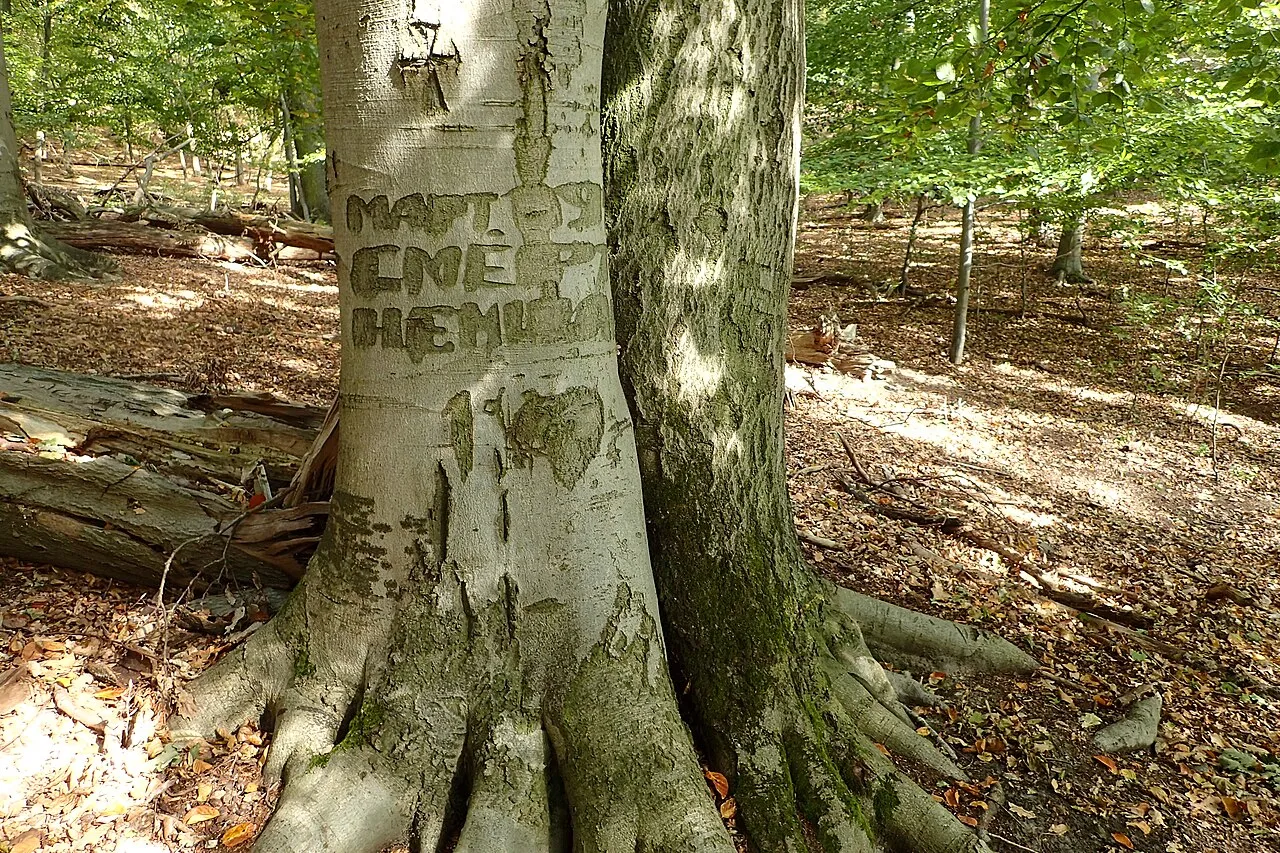
Natura 2000 · wintering

Natura 2000 · wintering, passage
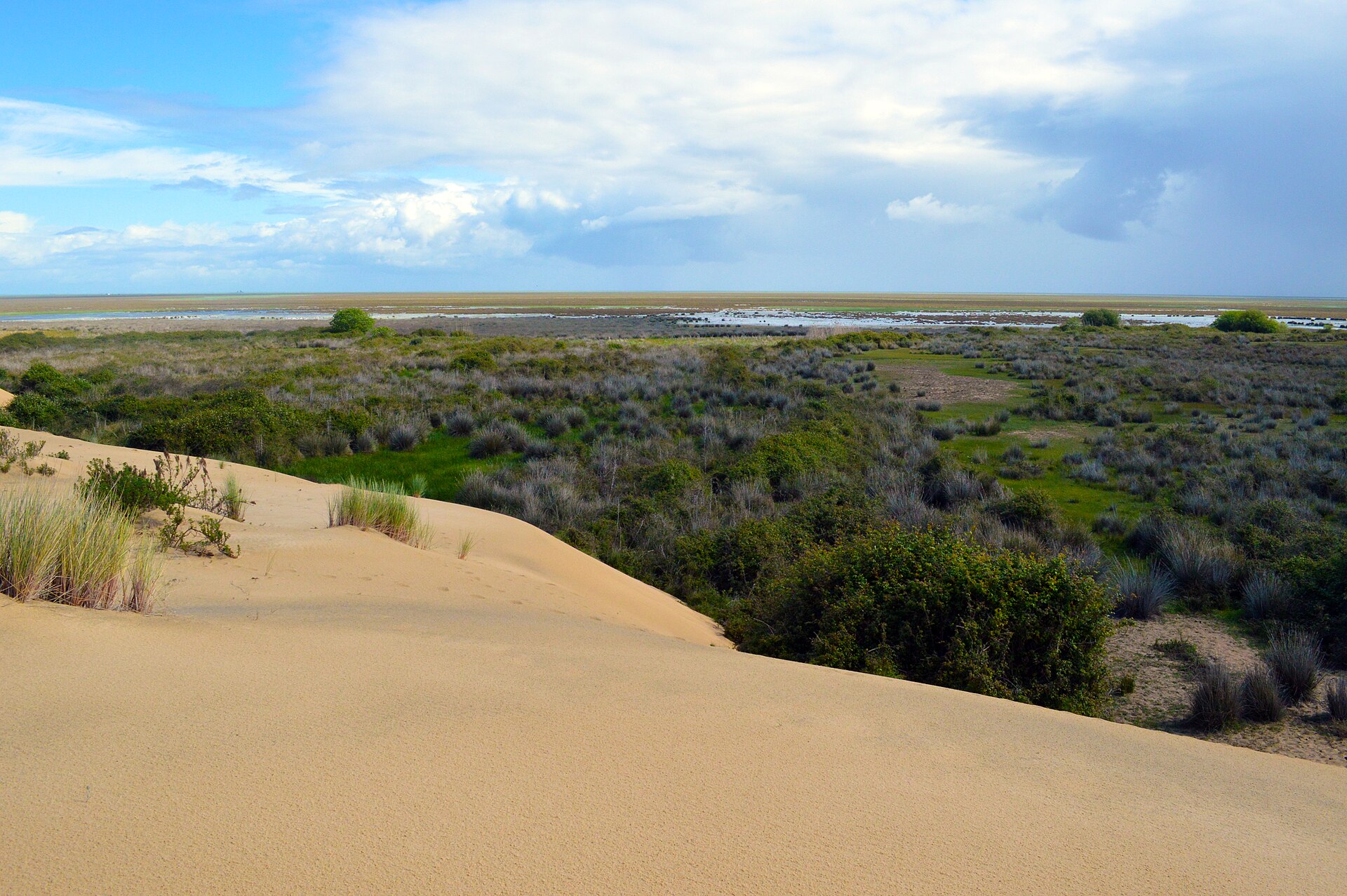
Natura 2000 · passage, wintering
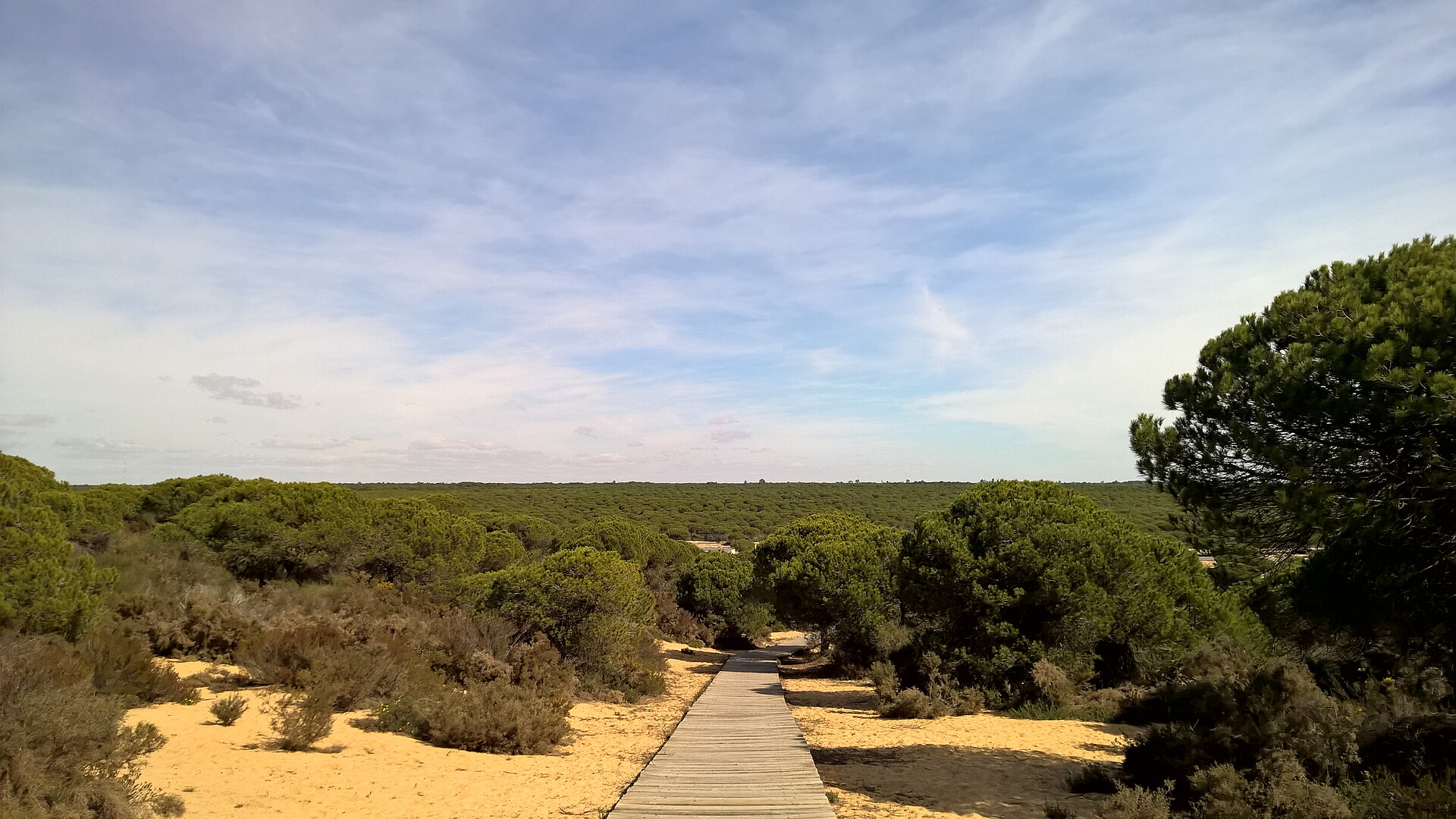
Natura 2000 · passage, wintering
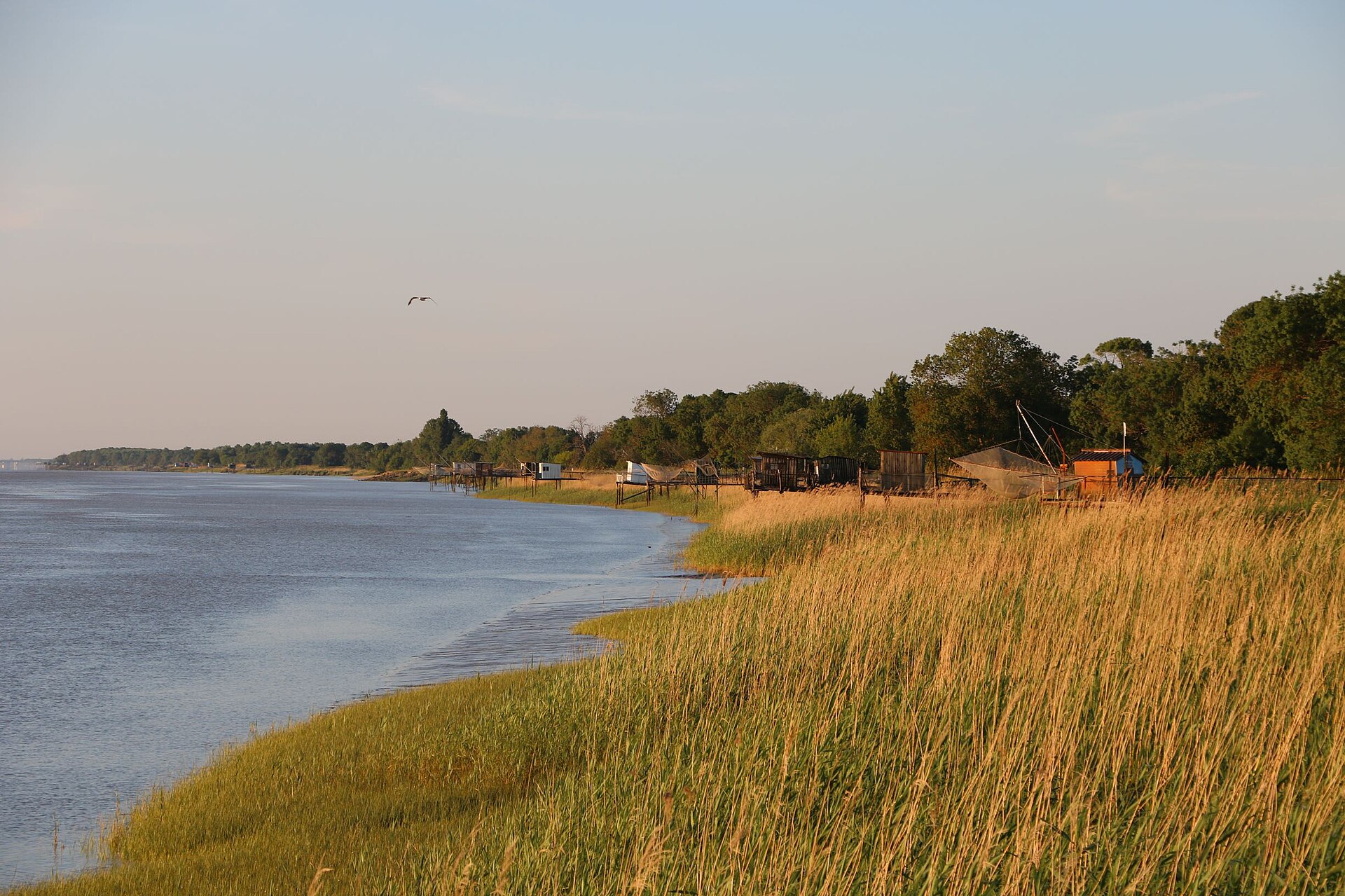
Natura 2000 · wintering, breeding, passage
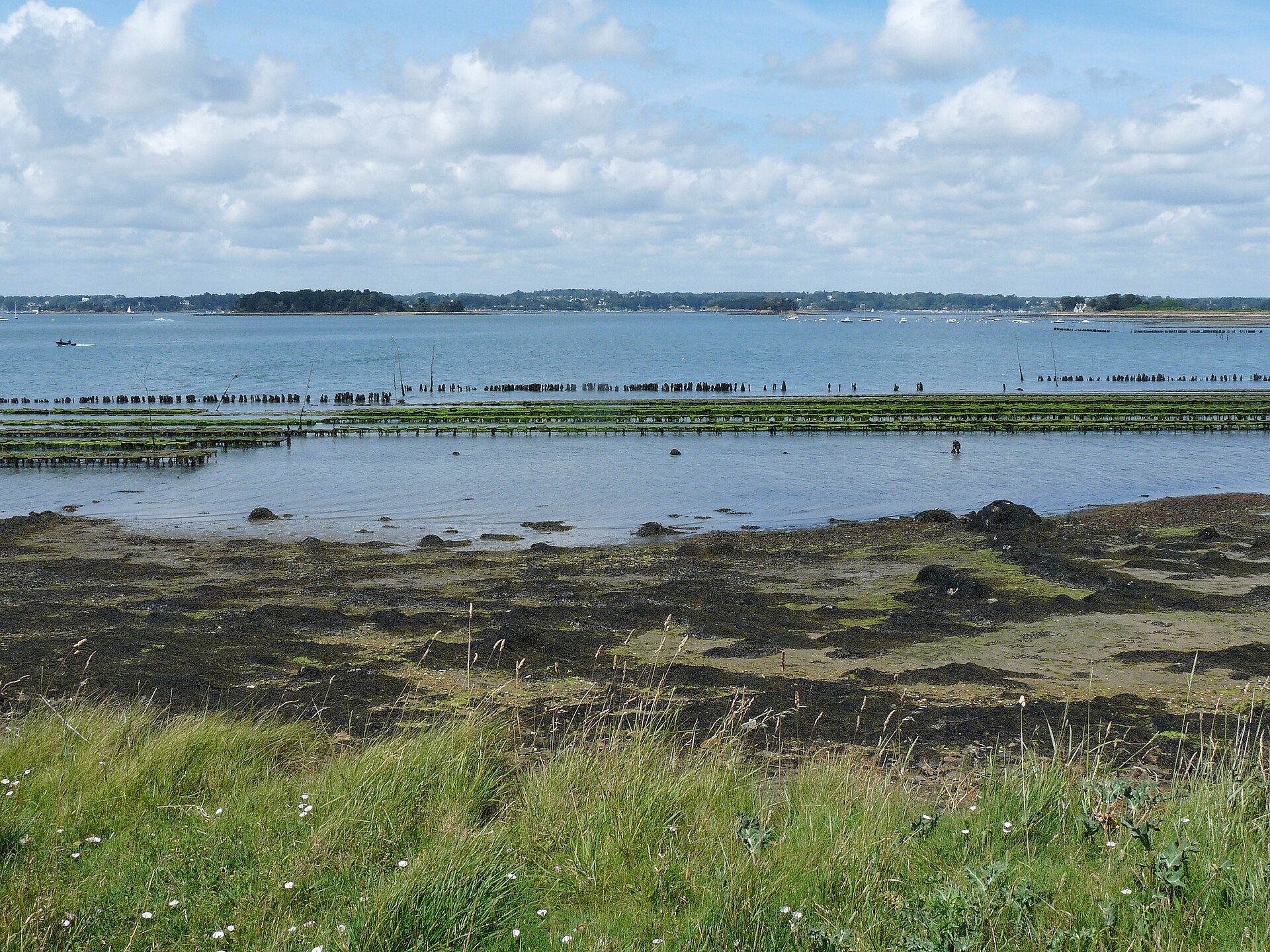
Natura 2000 · wintering, breeding, passage

Natura 2000 · passage

Natura 2000 · breeding, wintering, passage
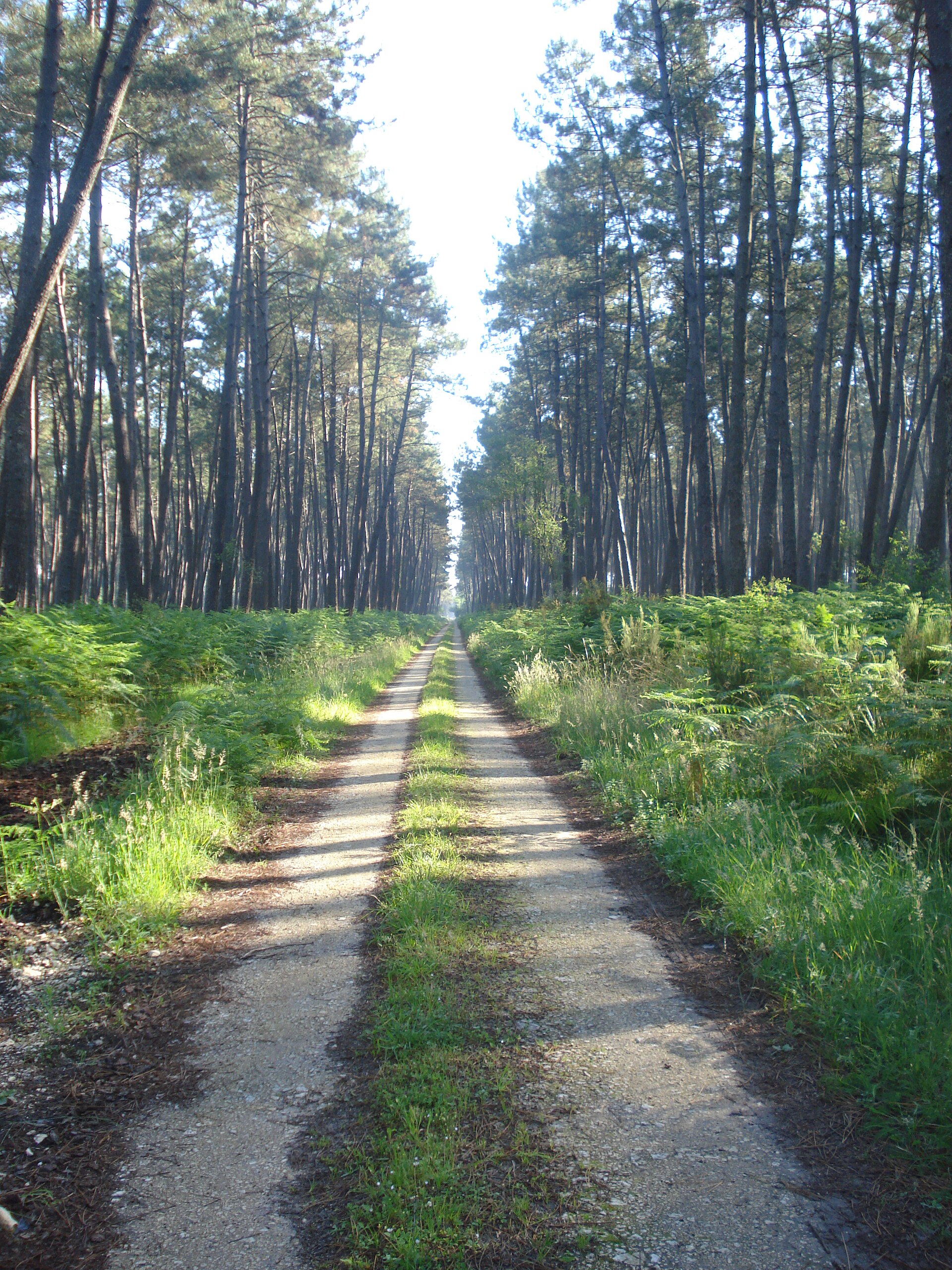
Natura 2000 · breeding, passage, wintering
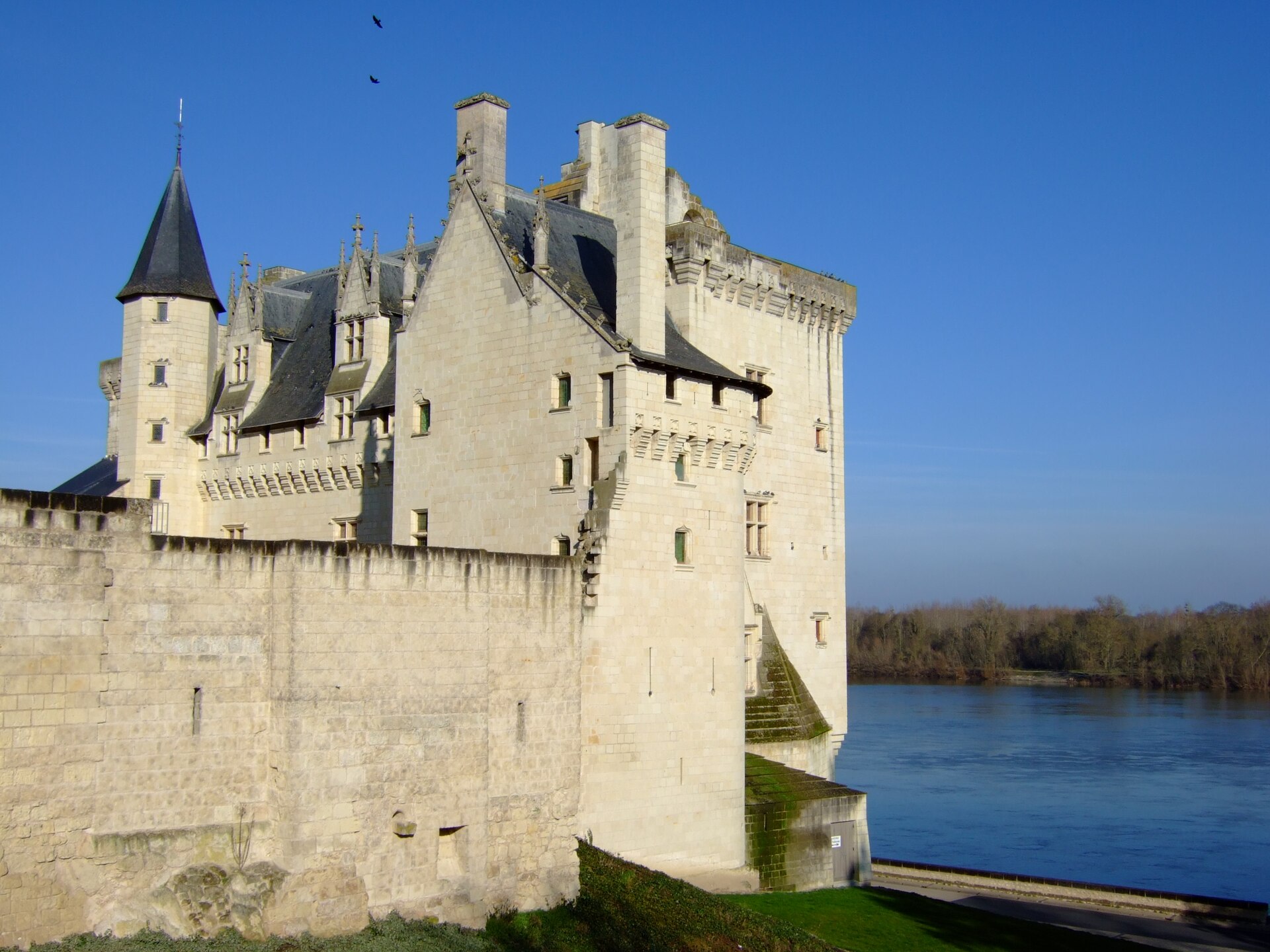
Natura 2000 · breeding, wintering
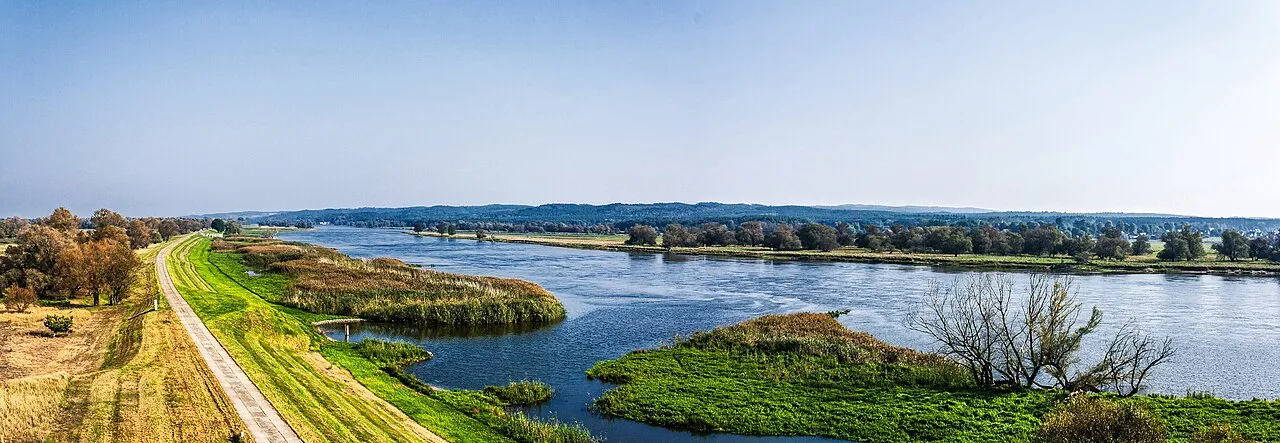
Natura 2000 · passage
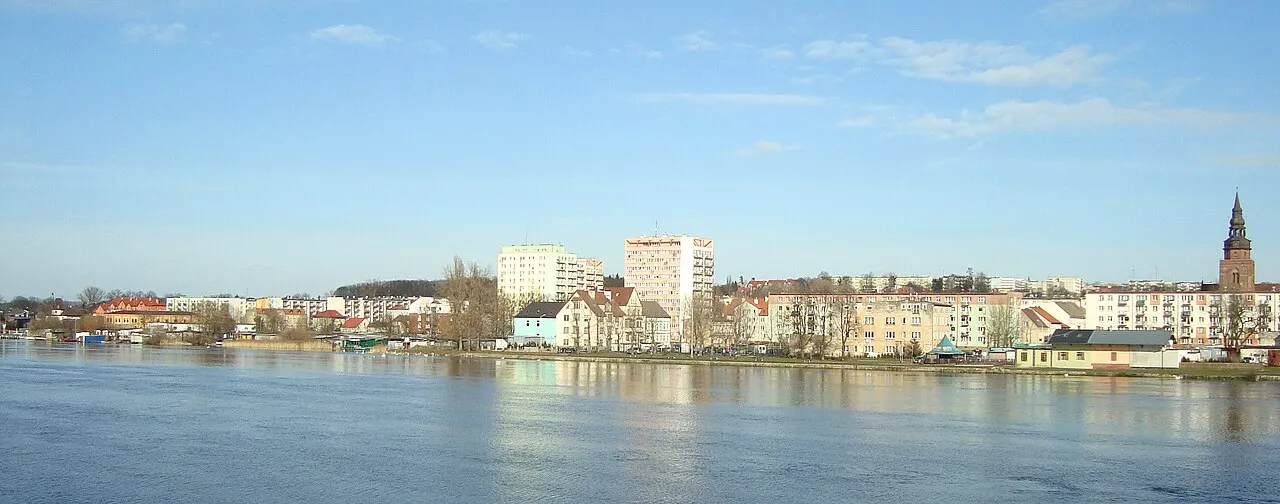
Natura 2000 · wintering

Natura 2000 · passage, breeding
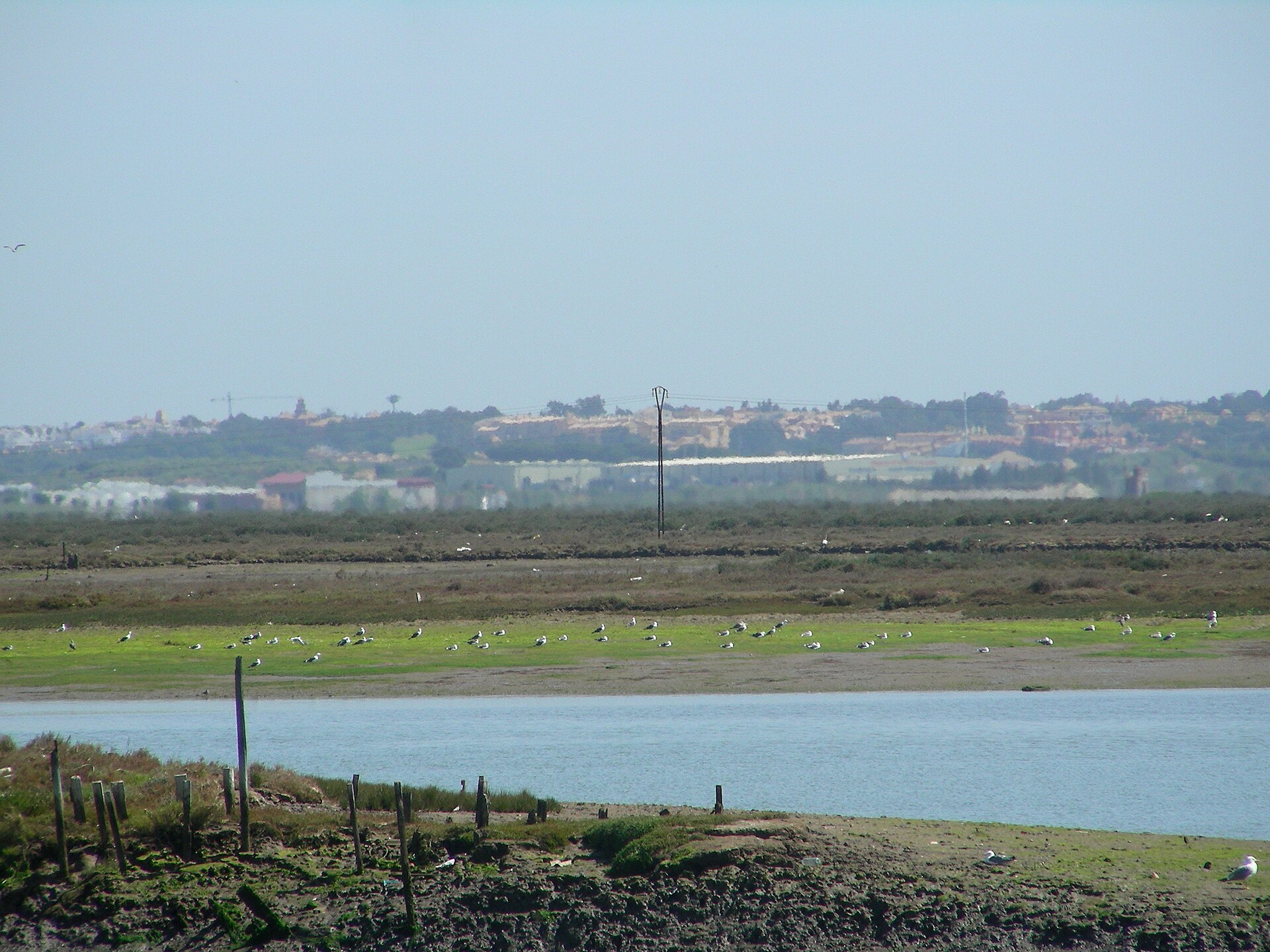
Natura 2000 · wintering
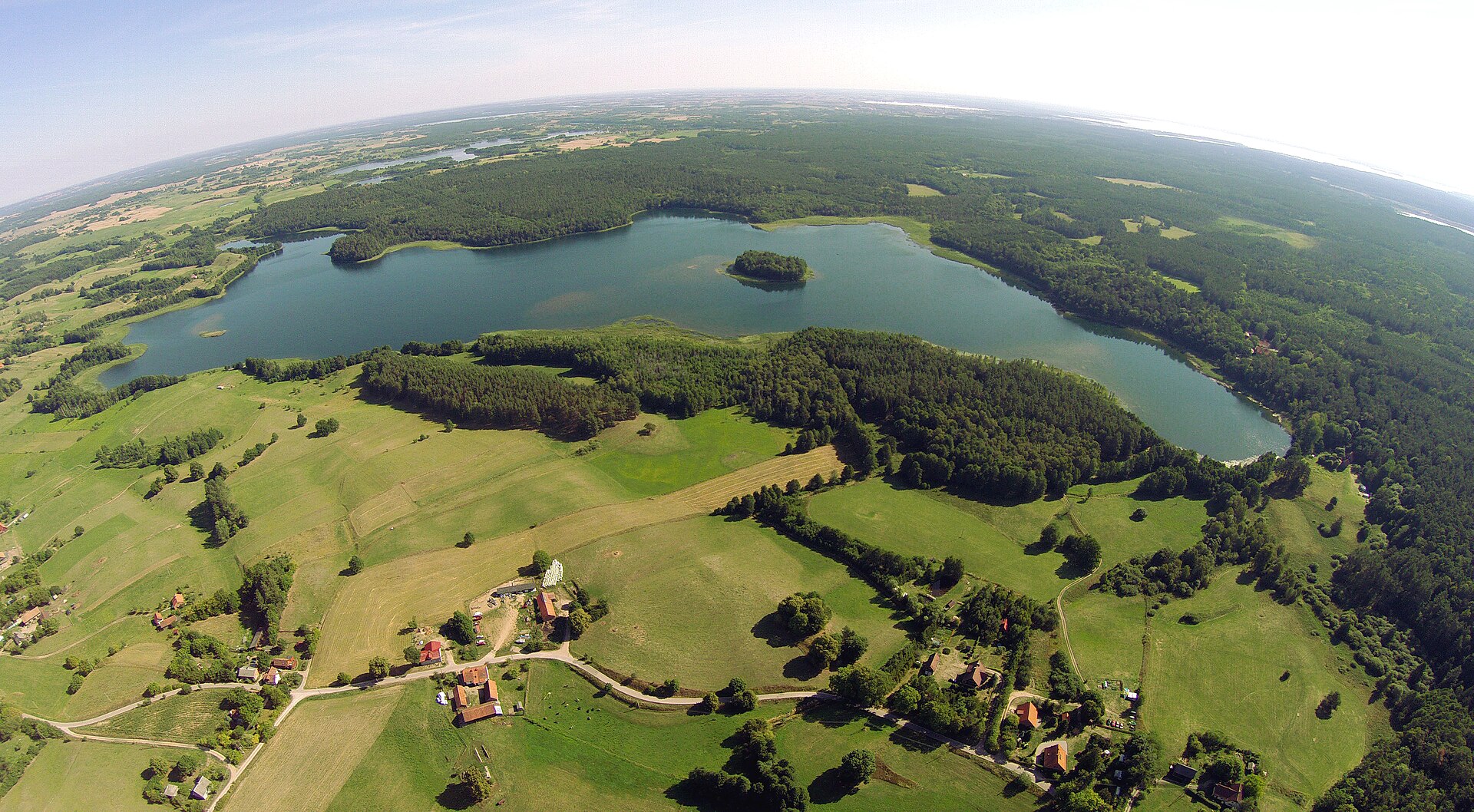
Natura 2000 · passage
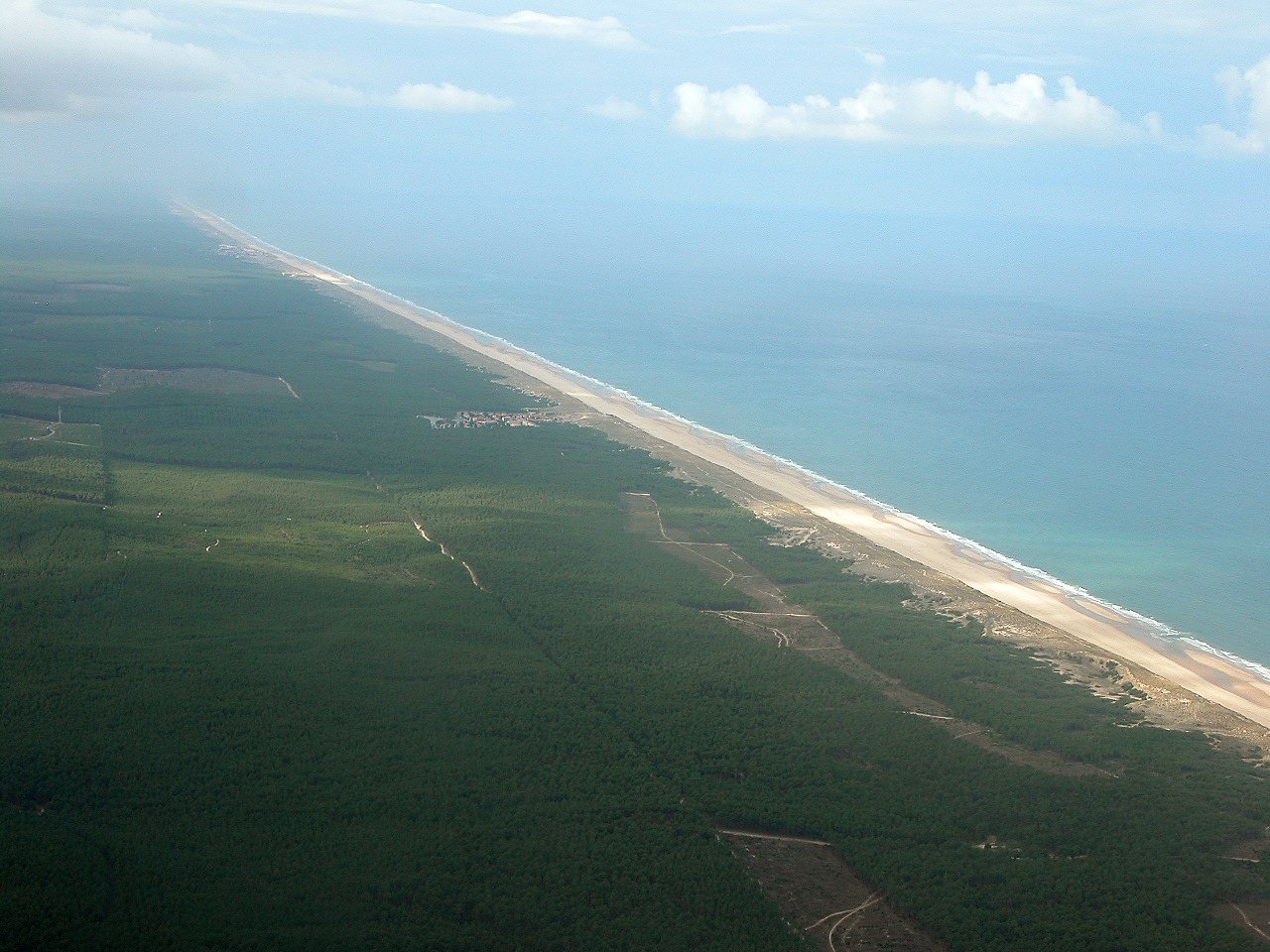
Natura 2000 · wintering
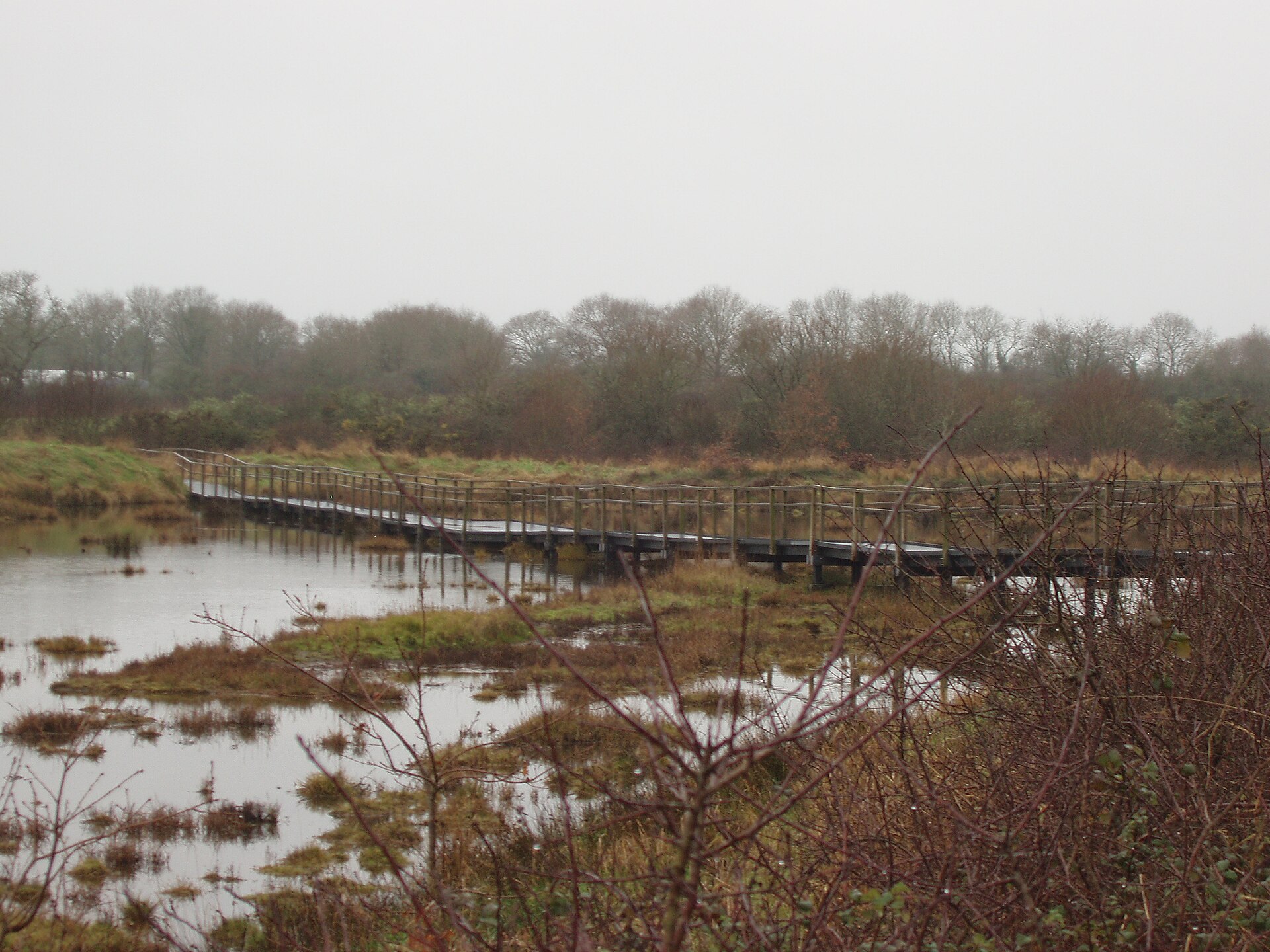
Natura 2000 · wintering, breeding, passage

Natura 2000 · passage, wintering, breeding
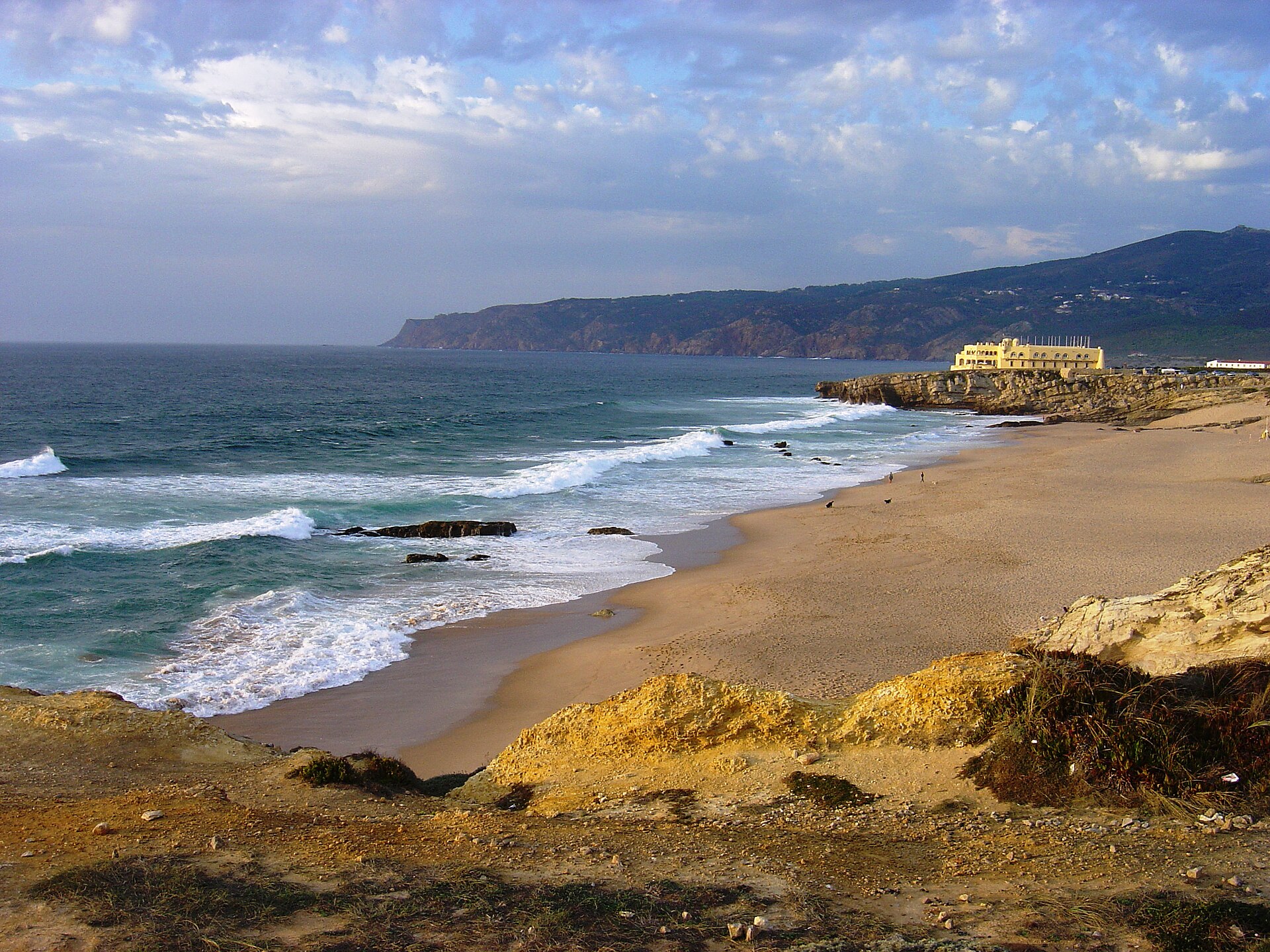
Natura 2000 · wintering
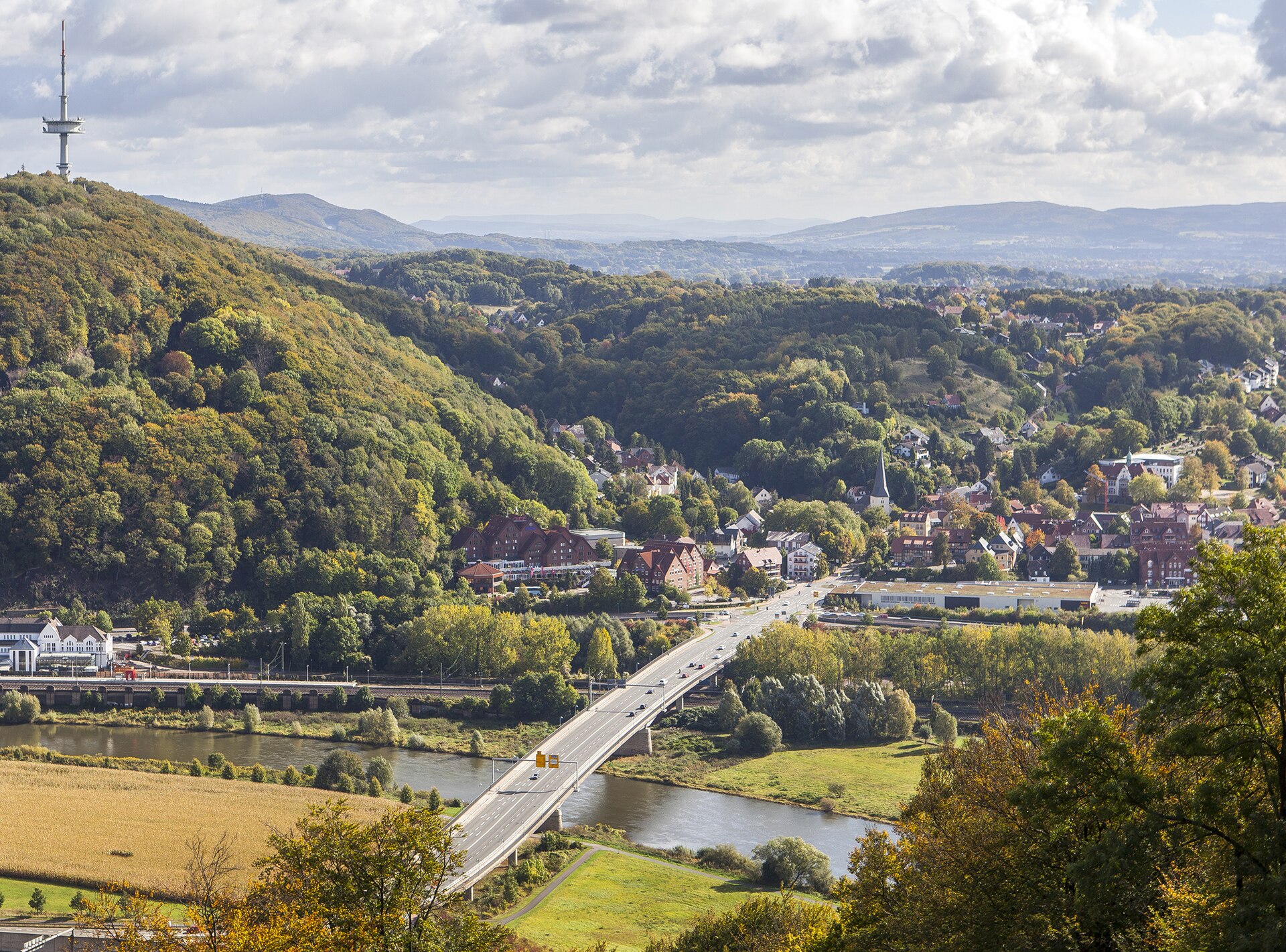
Natura 2000 · passage
Other species to discover

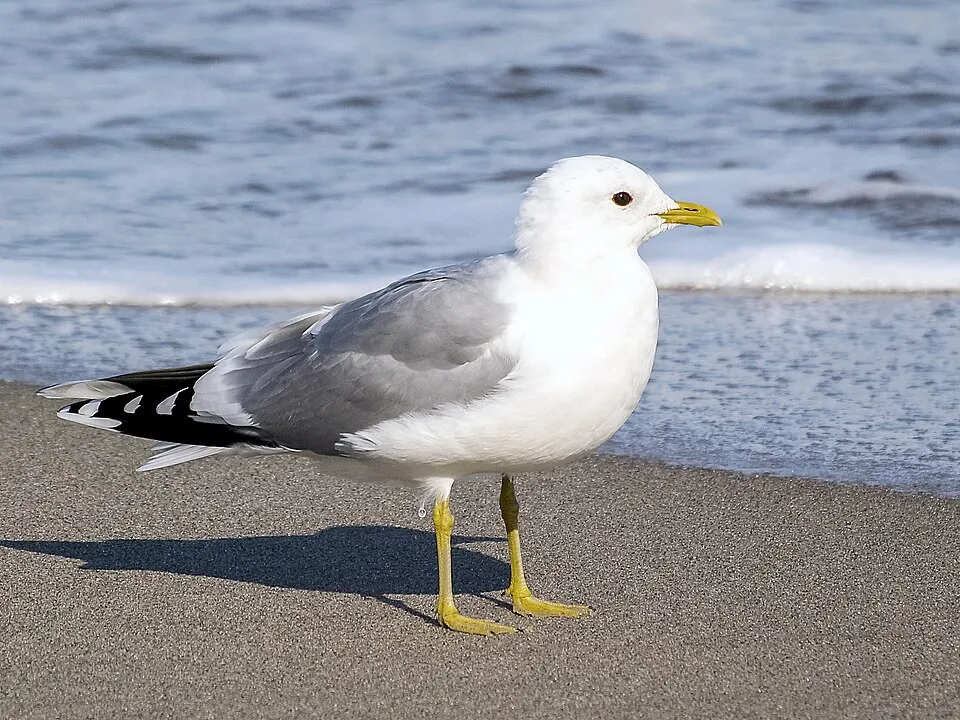


Sources and credits
- Presence: most-recorded species of each place on GBIF and species of Community interest in the Natura 2000 forms (EEA, CC-BY 4.0); absence from the list does not mean the species is absent.
- Common names: Wikidata (CC0) and GBIF.
- Photos and sounds: Wikimedia Commons, author and licence given for each file.
- Classification: GBIF Backbone Taxonomy (GBIF Secretariat), CC BY 4.0, doi:10.15468/39omei.
- Countries, elevations, months and maps: GBIF.org, CC0 or CC BY 4.0 occurrences only, accessed October 22, 2026, GBIF.org.
- Base map: Natural Earth (public domain).
- Excerpt: Wikipedia, CC BY-SA 4.0 (full credit below the excerpt).
- Key facts: Wikidata (CC0), with the references cited under each value.
- Annexes: Directive 2009/147/EC (consolidated version), © European Union, EUR-Lex.
- EU bird populations: EEA / DG ENV, Article 12 Birds Directive reporting (2013–2018), CC BY 4.0.