
Bird
Common Eider: where to see it
Somateria mollissima
This bird species is recorded in 63 protected areas of the atlas, including 42 whose official Natura 2000 form lists it. Within the atlas countries, it is mostly observed in Norway, Sweden and the United Kingdom (7 countries in all). Most records (8 in 10) lie between sea level and 340 m. Records peak from January to June. It has a wingspan of 98 cm. Its EU population is assessed as threatened (2013–2018 Birds Directive reporting).
Best time to see it: January–June
Records published on GBIF by month (CC0 and CC BY 4.0 licences only), in the atlas countries, all years combined; they also reflect observer activity.
Key facts
- Wingspan
- 98 cm Wikidata, after Ericson et al. 2007
- Weight (female)
- 1.92 kg Wikidata, after Lislevand et al. 2007
- Weight (male)
- 2.22 kg Wikidata, after Lislevand et al. 2007
Status and protection
Birds Directive II/B · III/B
The species is listed in Annexes II/B and III/B of the Birds Directive.
EU population assessed as threatened, decreasing in the short term (2013–2018 Birds Directive reporting). EU breeding population: 176,000–296,000 pairs.
Distribution
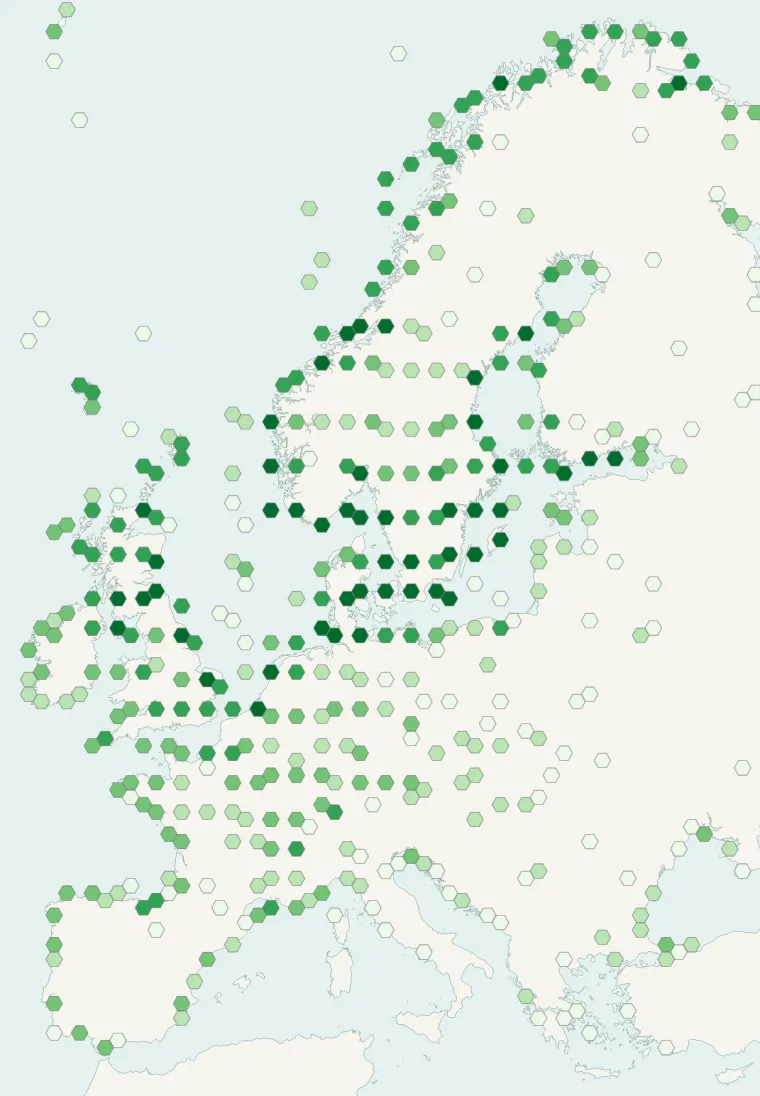
Records published on GBIF (CC0 and CC BY 4.0 licences): the darker the shade, the more records there are; they also reflect observation effort.
Atlas countries where it is recorded
Listen
-
1:05 · © Ndalyrose · CC BY-SA 4.0 · Wikimedia Commons · Original file
From Wikipedia
The common eider (Somateria mollissima), also called St. Cuthbert's duck or Cuddy's duck, is a large (50–71 cm (20–28 in) in body length) sea-duck that is distributed over the northern coasts of Europe, North America and eastern Siberia. It breeds in Arctic and some northern temperate regions, but winters somewhat farther south in temperate zones, when it can form large flocks on coastal waters. It can fly at speeds up to 113 km/h (70 mph). The eider's nest is built close to the sea and is lined with eiderdown, plucked from the female's breast.
Source: Wikipedia, article “Common eider” (version of October 14, 2026) · history and authors · licence CC BY-SA 4.0 · shortened excerpt
Protected areas where it is recorded

Natura 2000 · passage 9,409 records

Natura 2000 · passage, wintering, breeding 4,682 records

Natura 2000 · passage, breeding 3,136 records

Natura 2000 · breeding 1,138 records

18,546 records
18,436 records
9,877 records

7,852 records

4,864 records
3,623 records
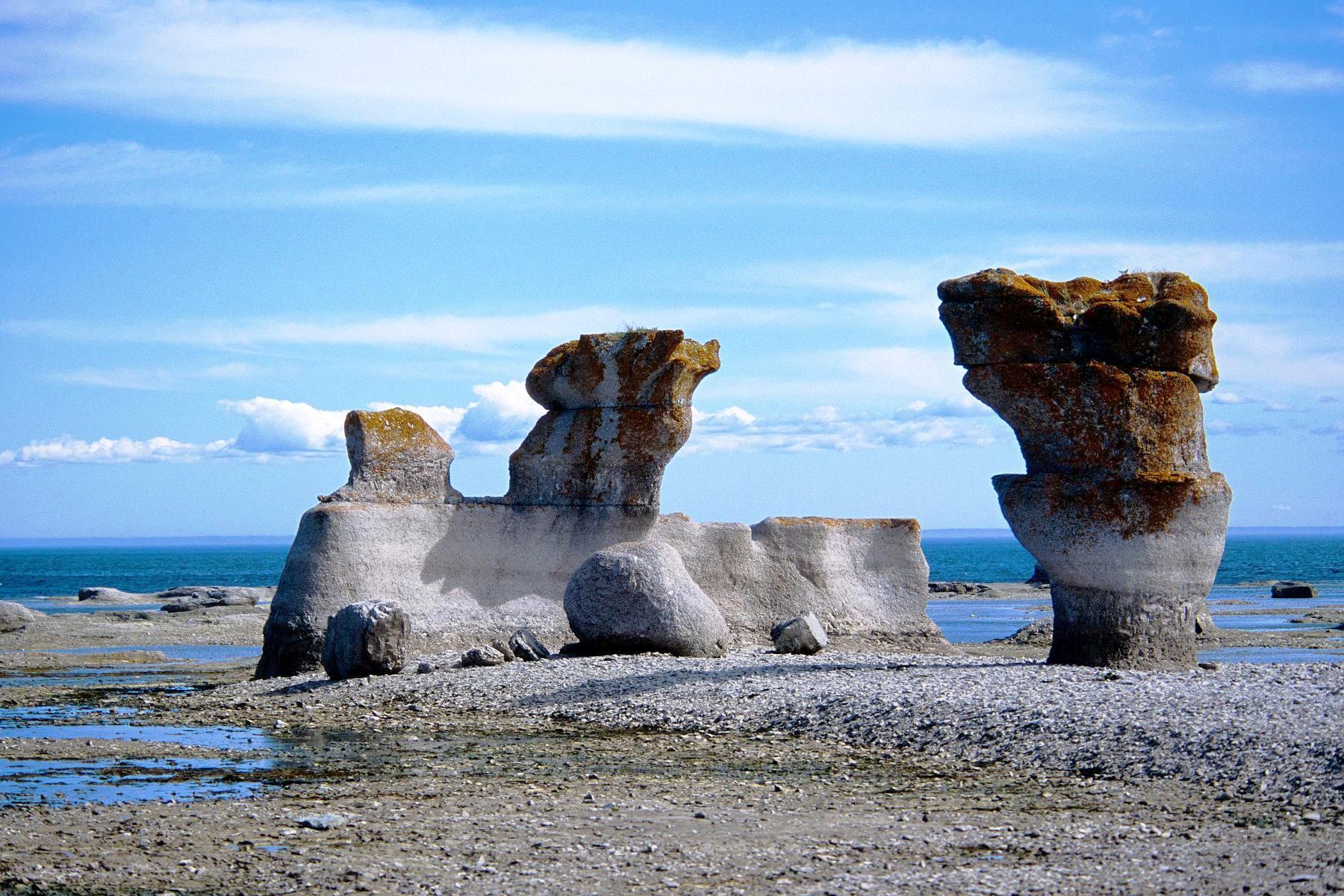
2,687 records
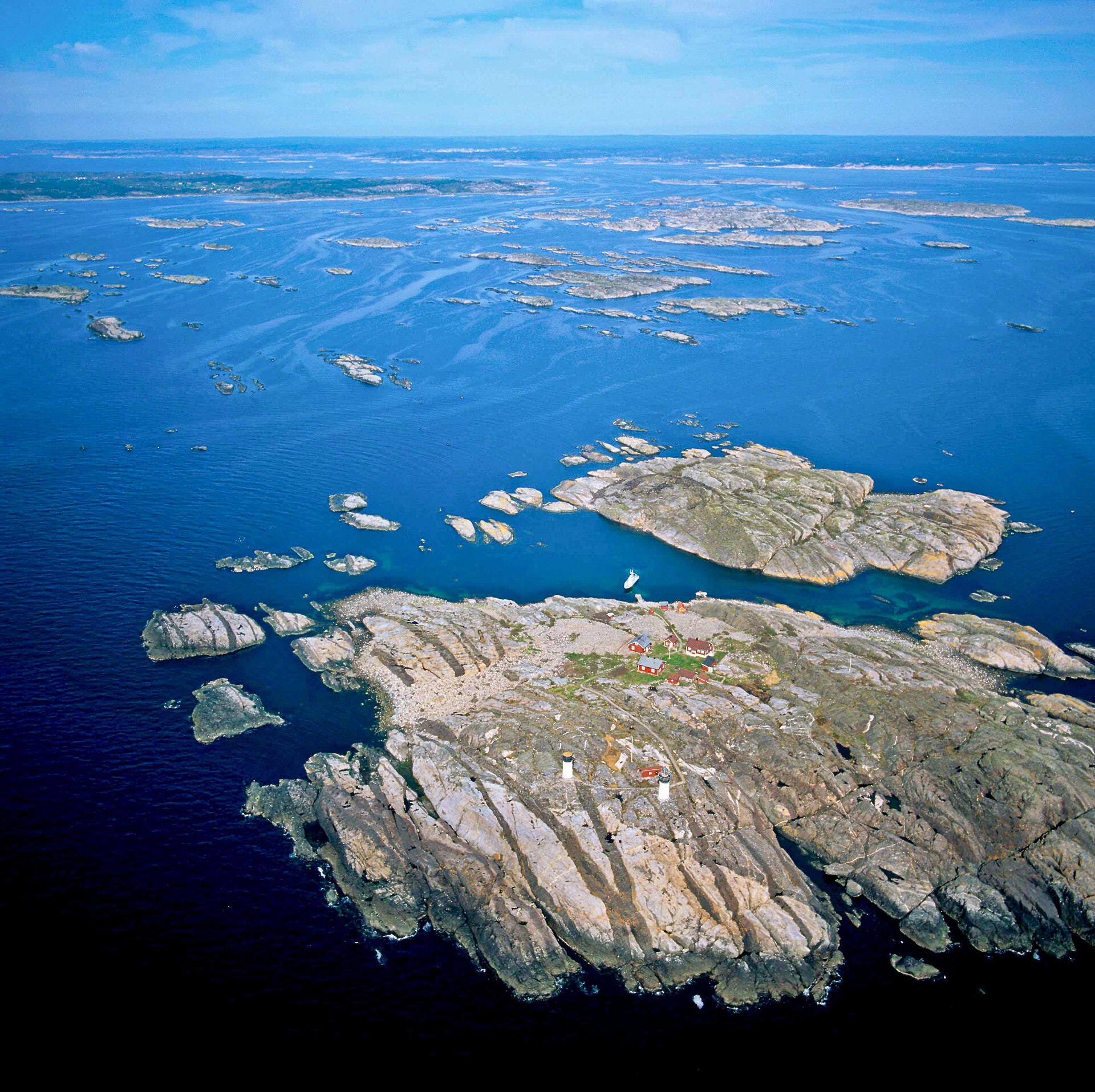
2,662 records
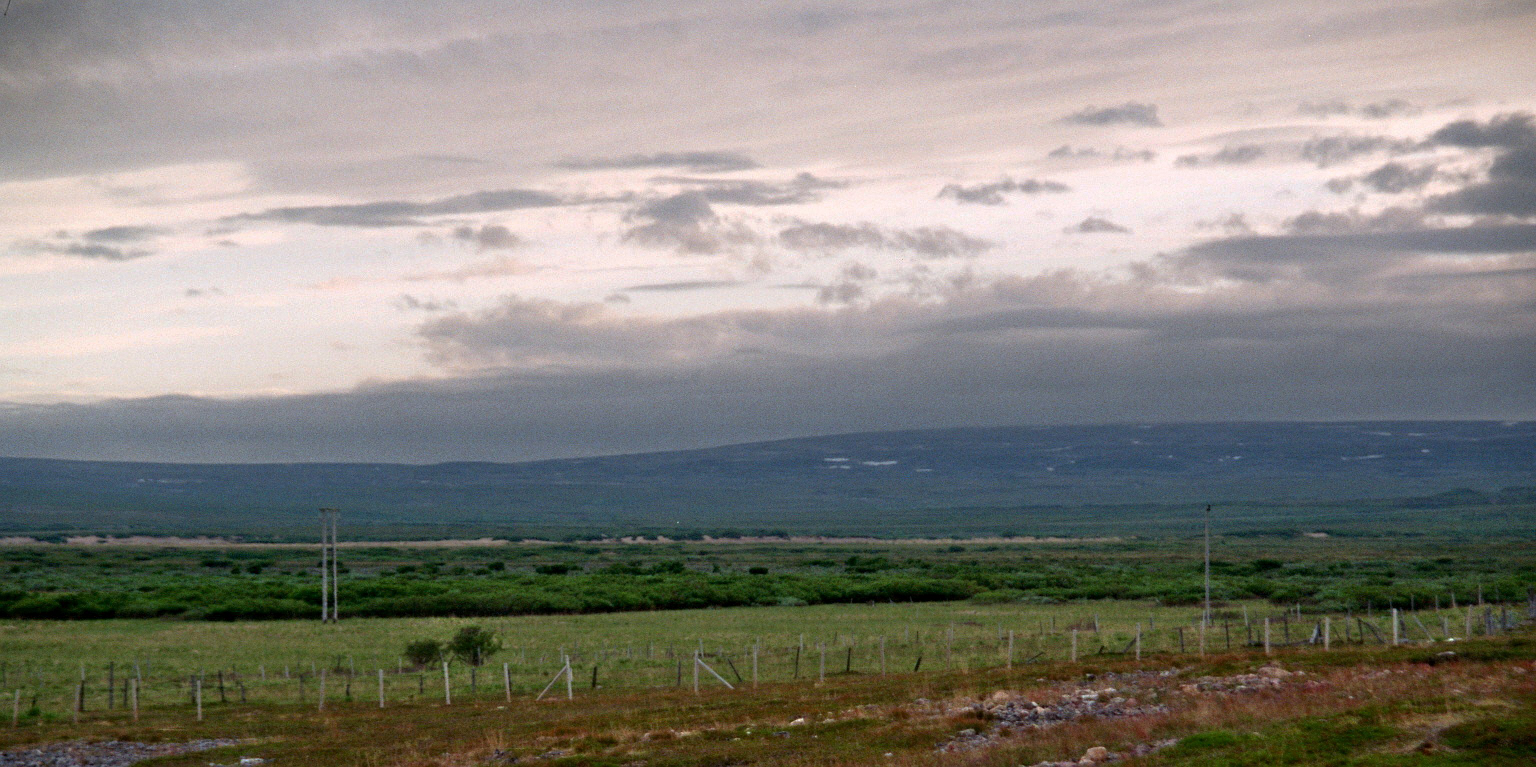
1,967 records
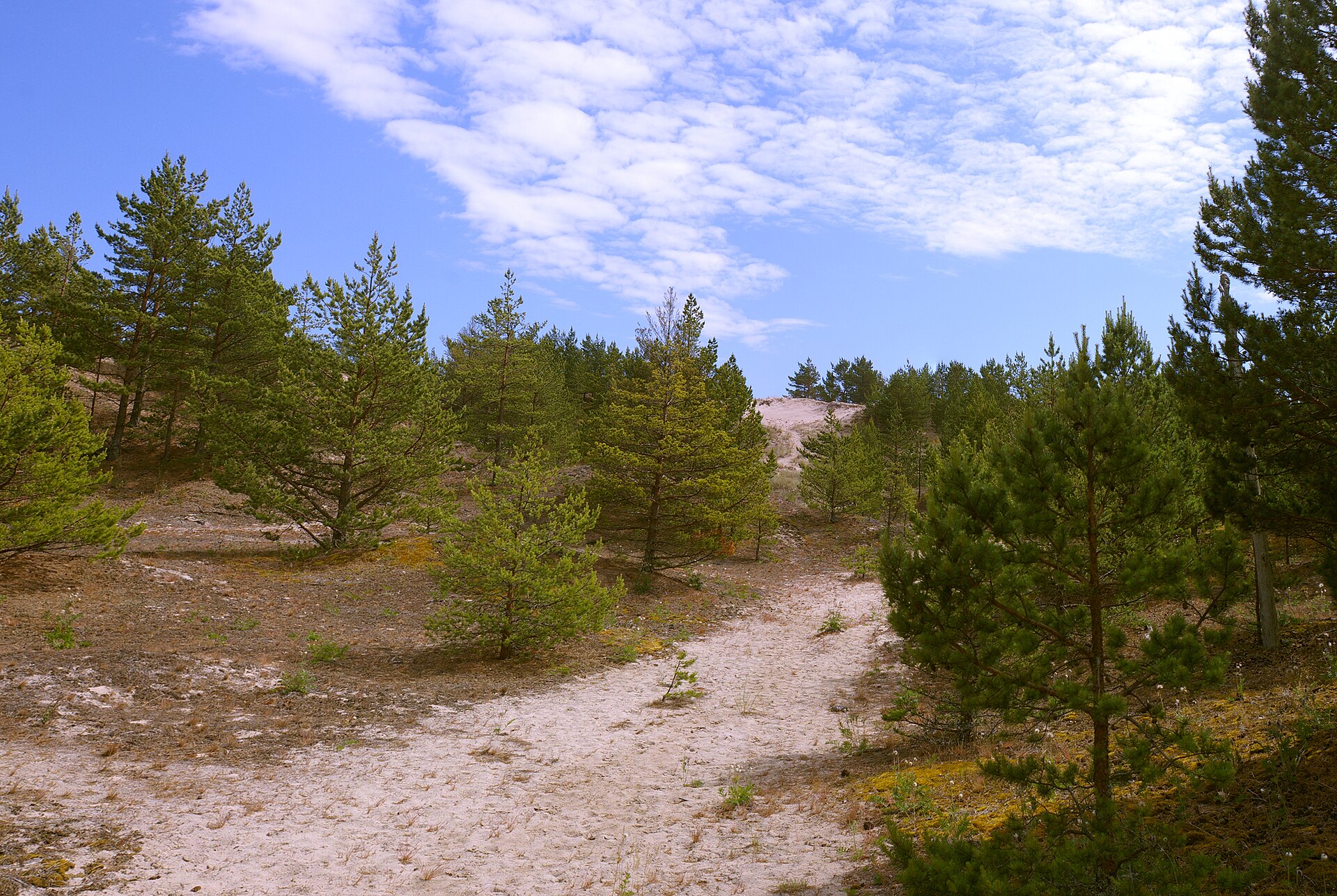
1,227 records
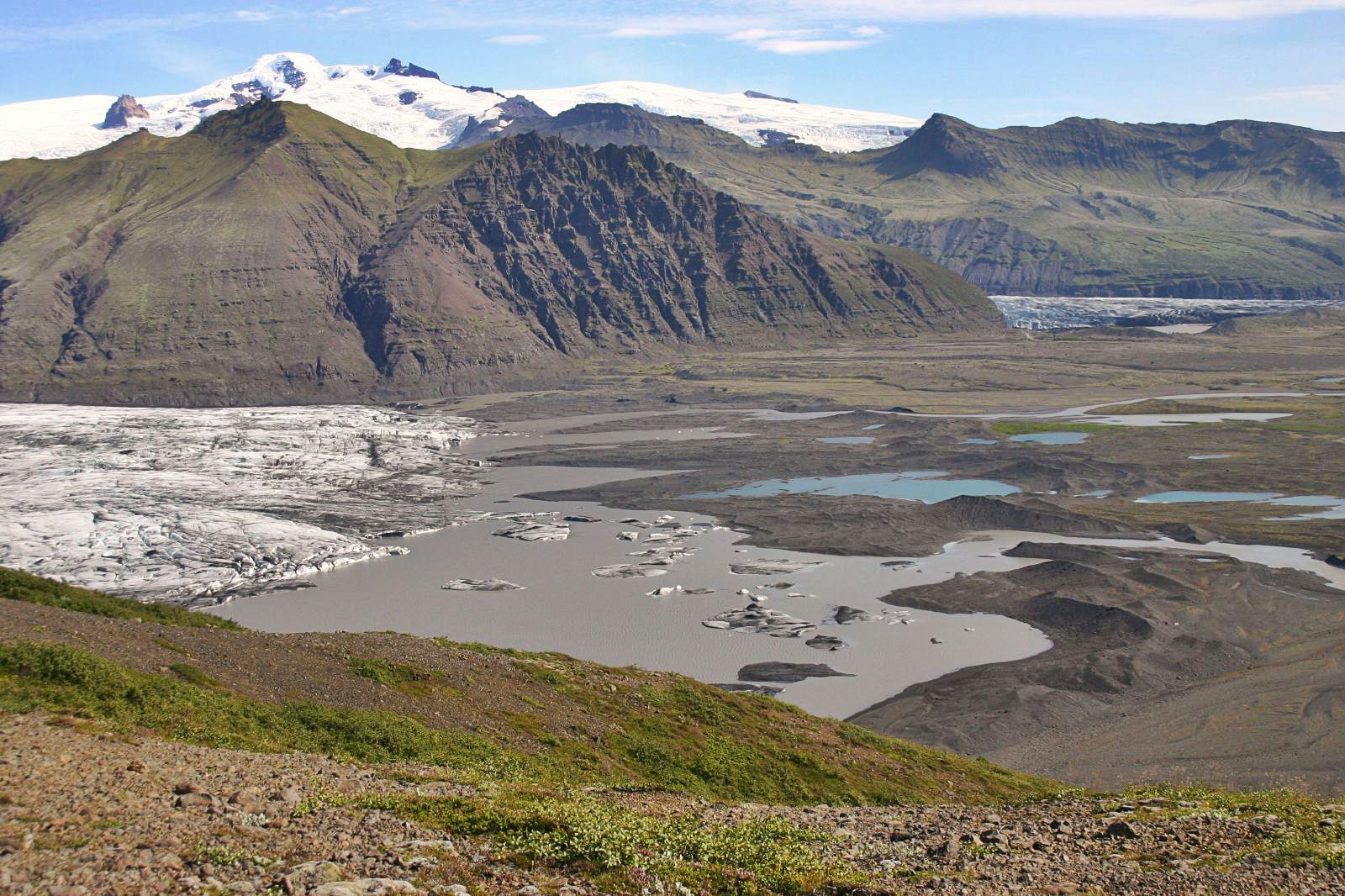
1,171 records
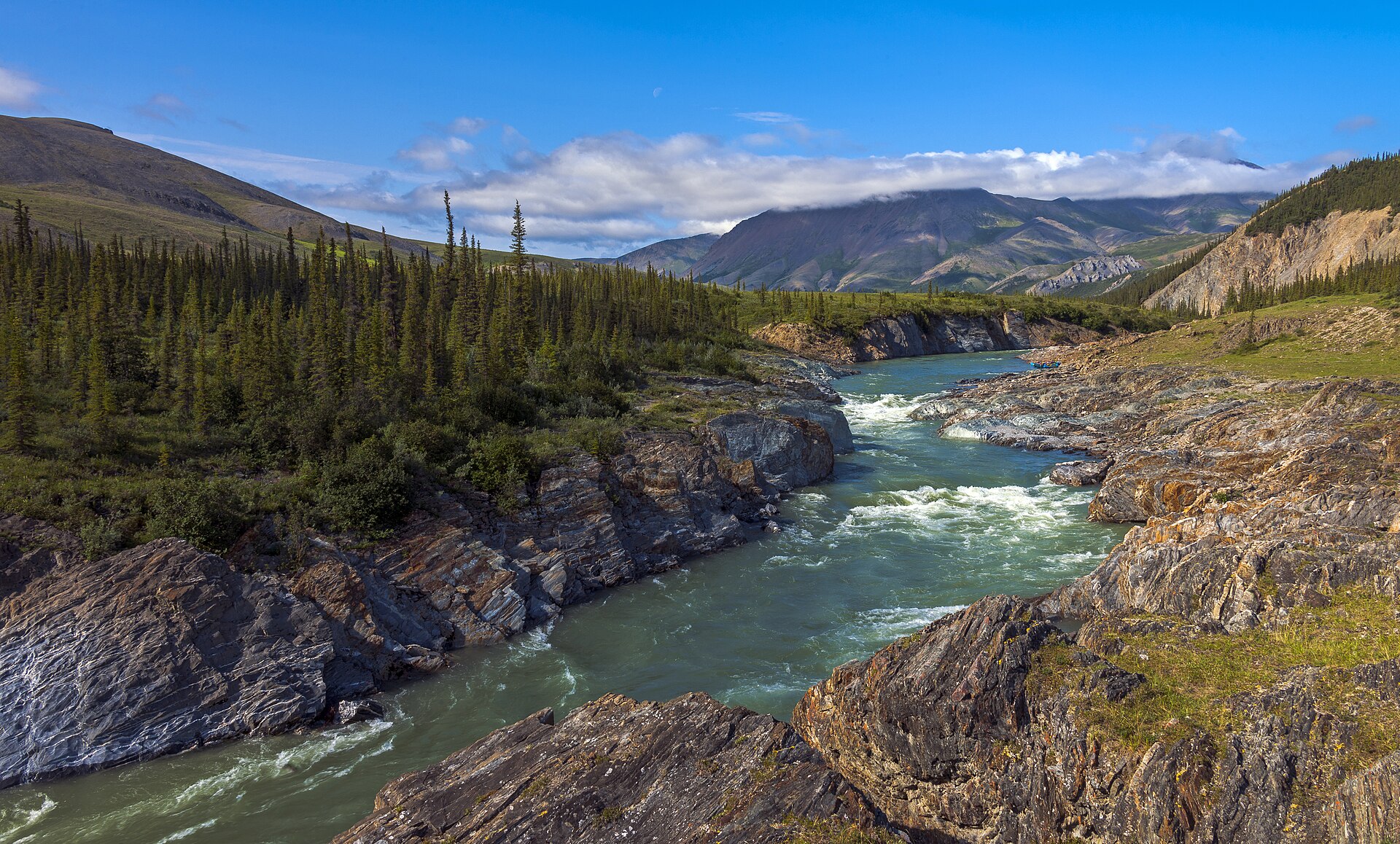
725 records
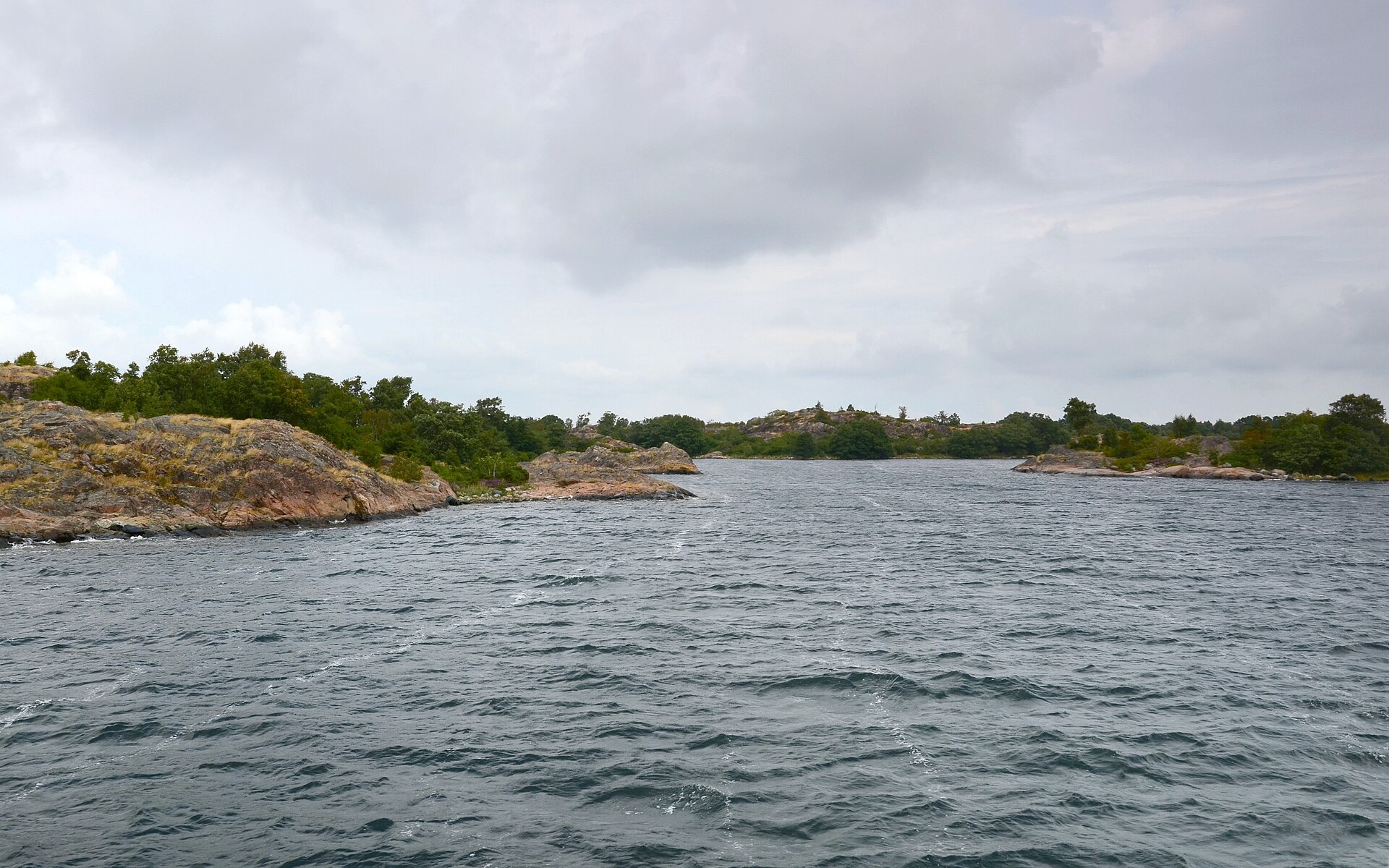
503 records
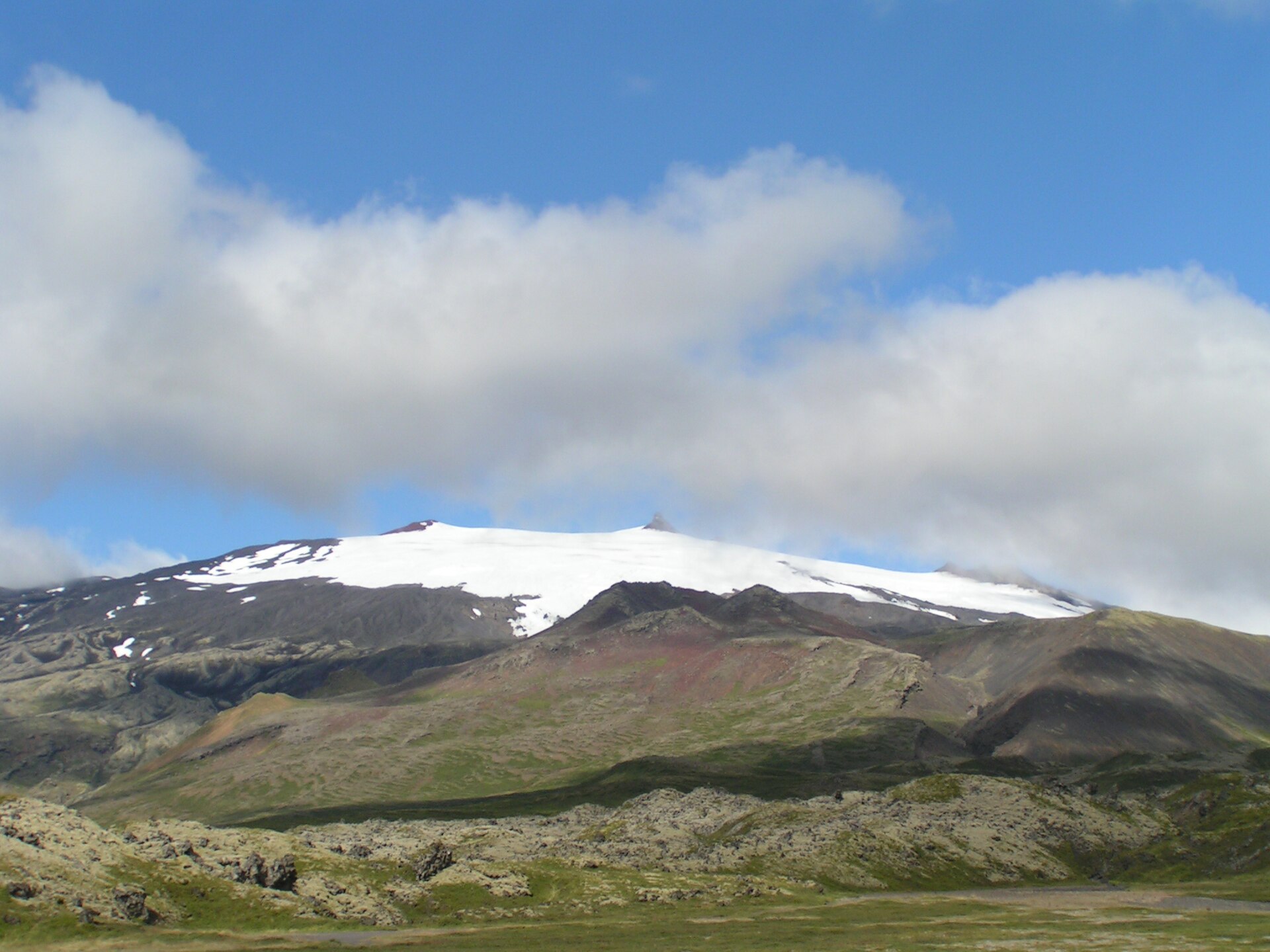
438 records
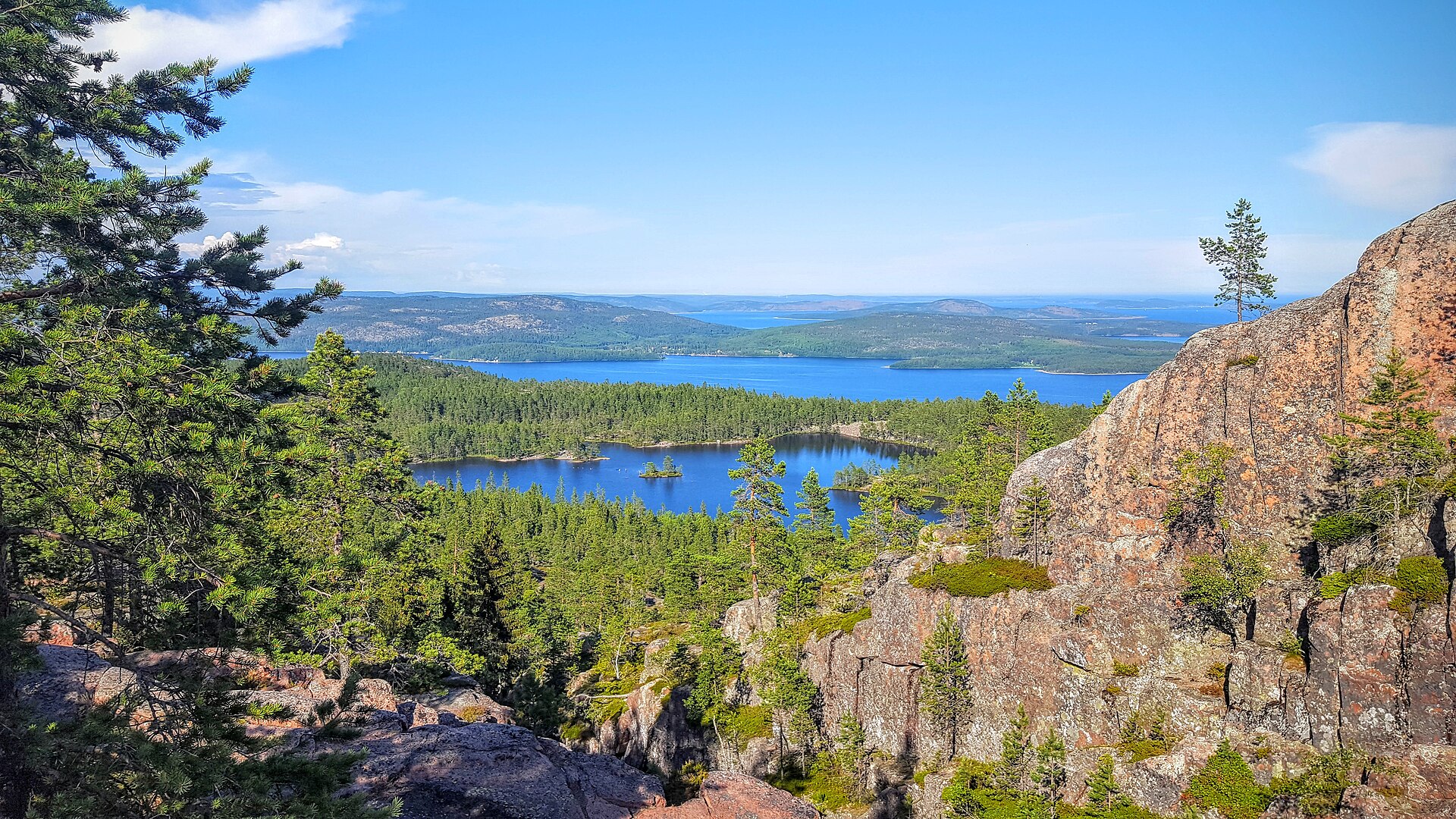
160 records

111 records

109 records
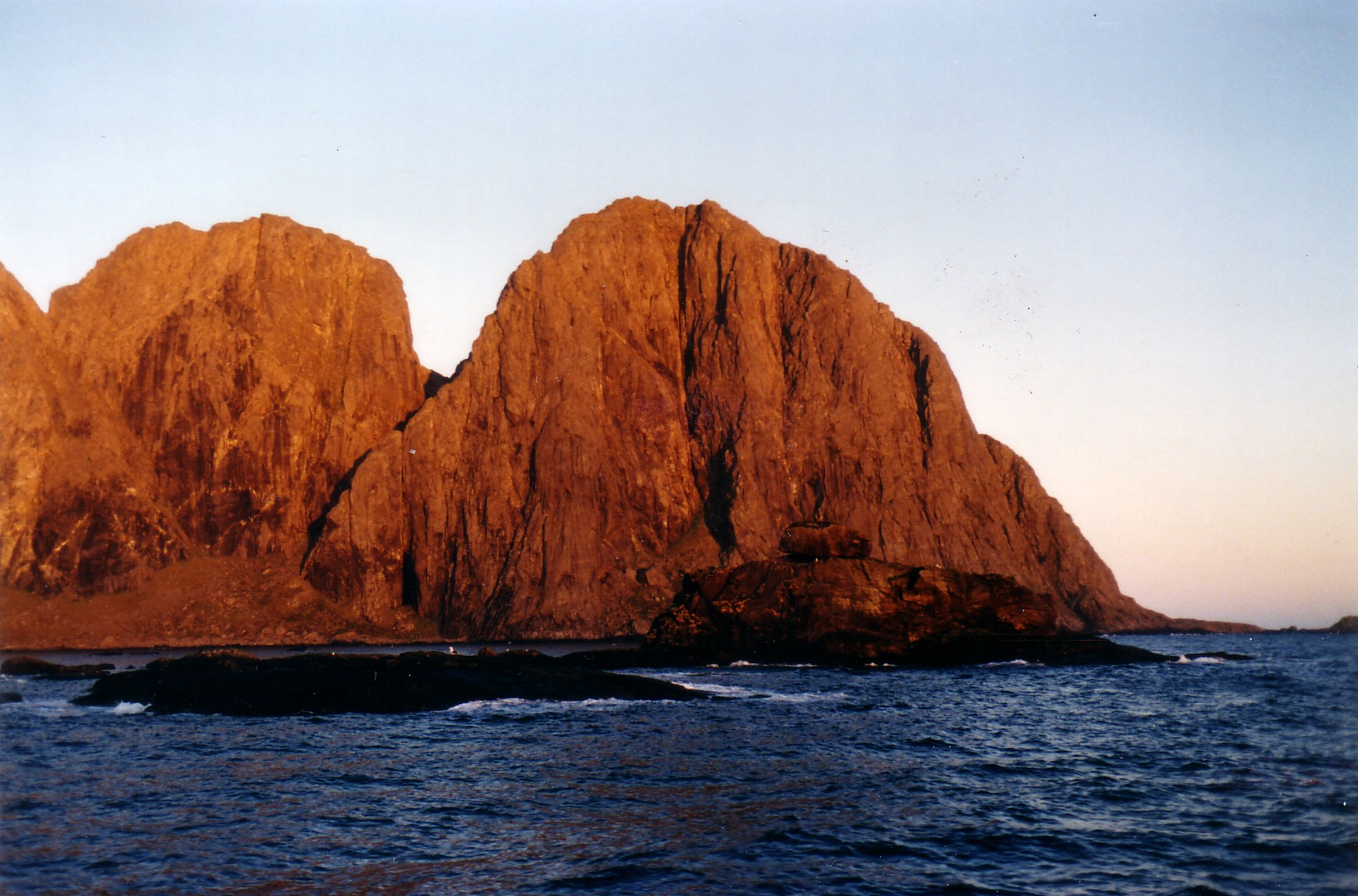
54 records
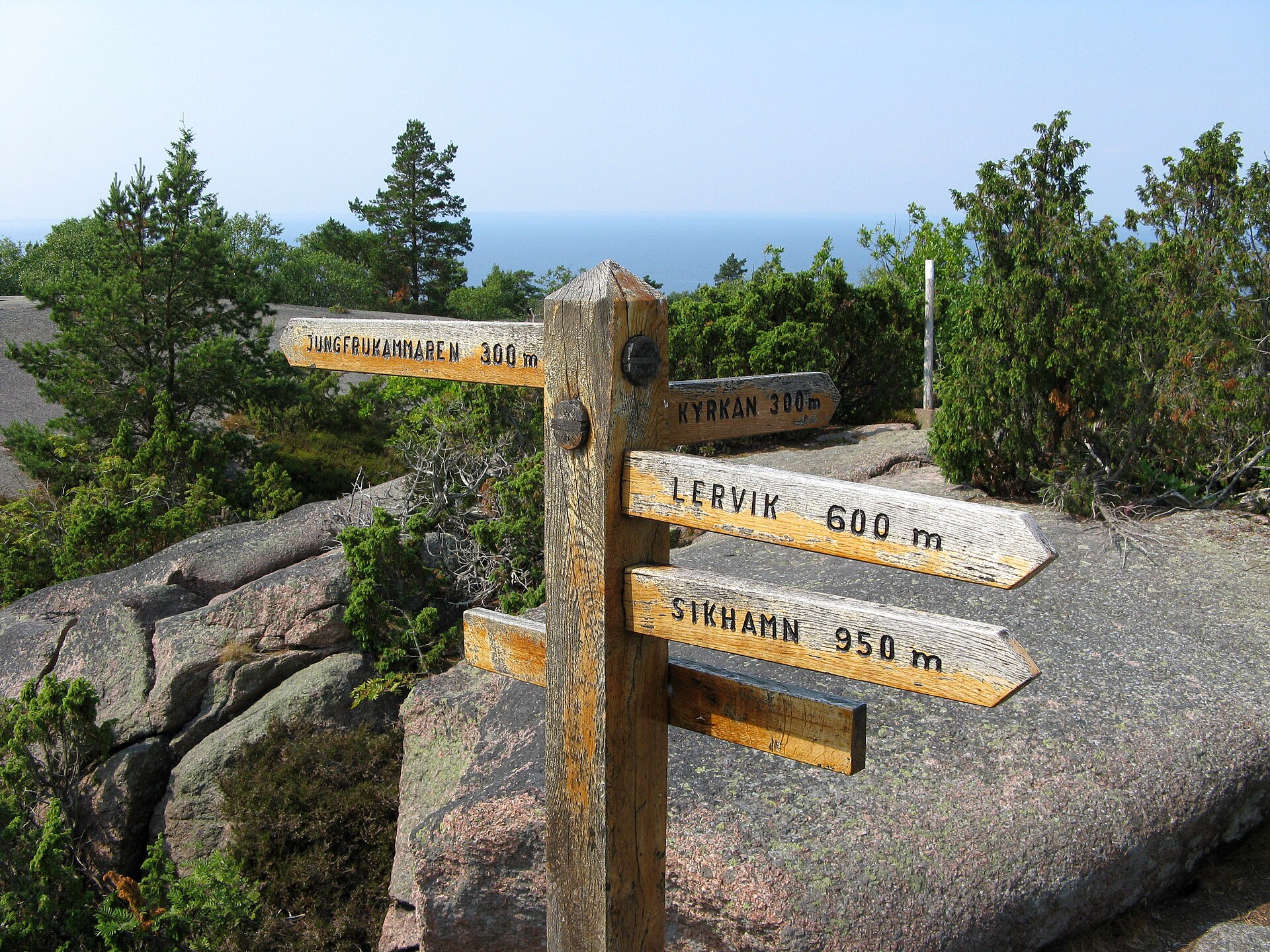
38 records
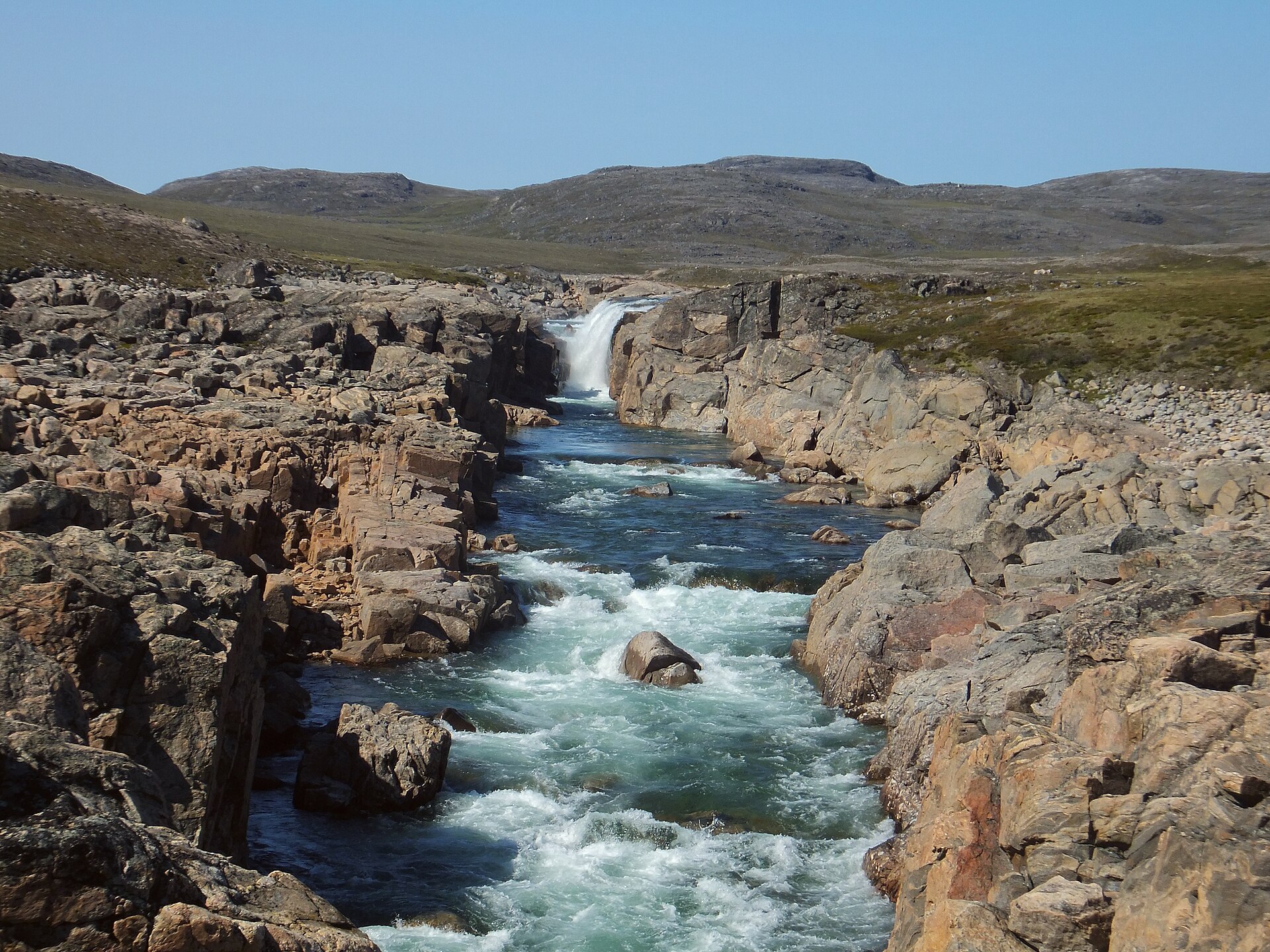
27 records

11 records
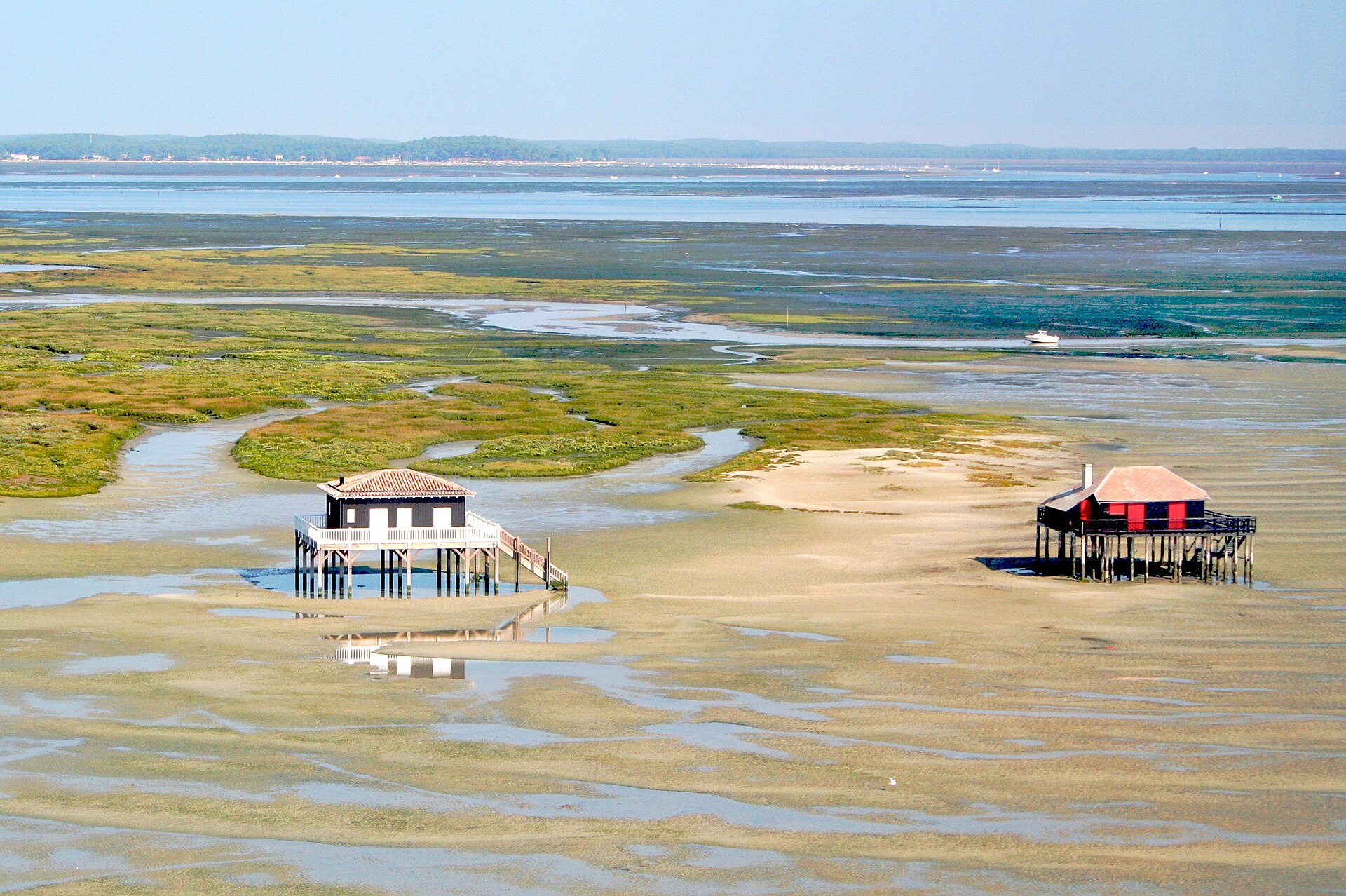
Natura 2000 · wintering, breeding

Natura 2000 · passage, breeding
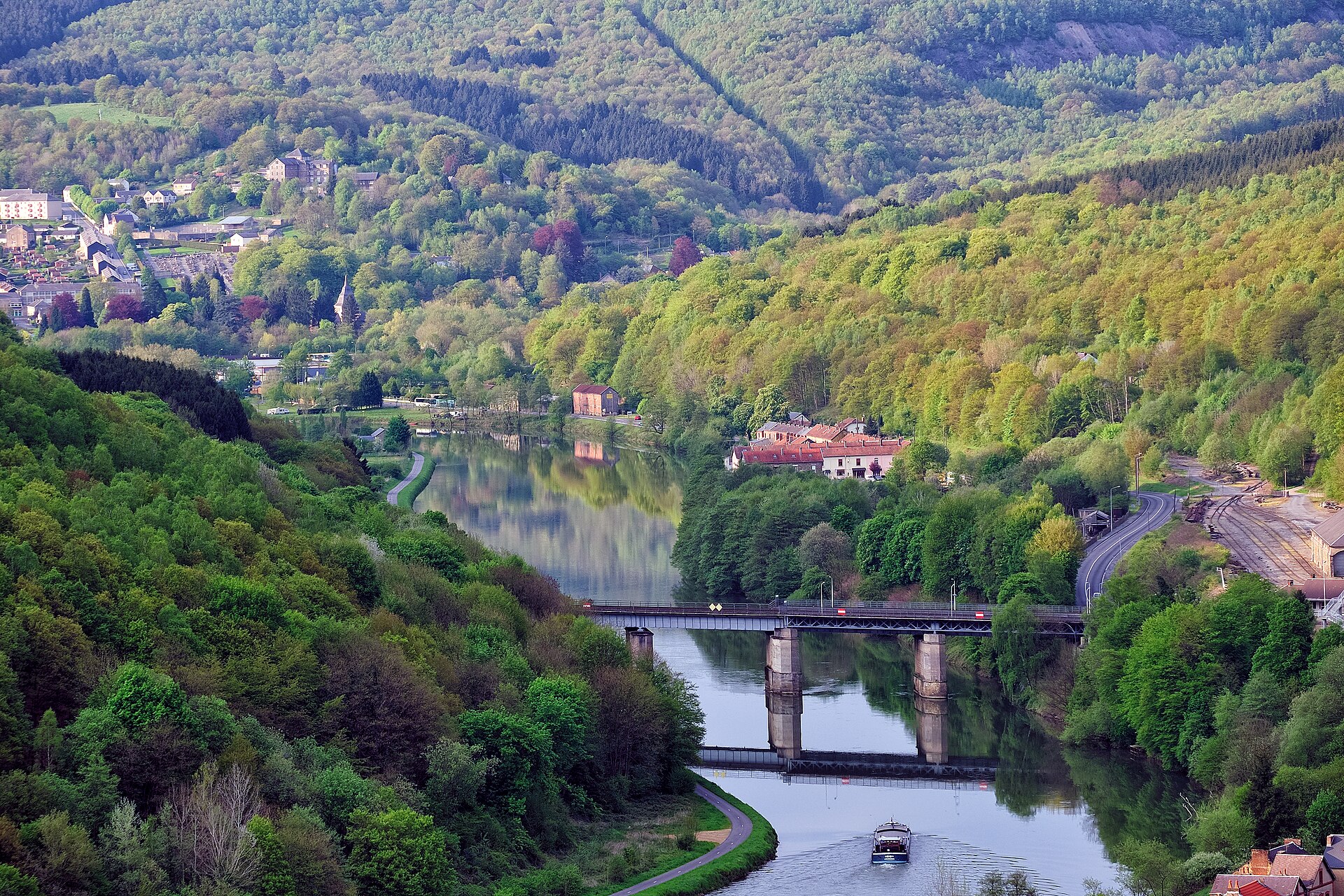
Natura 2000 · passage
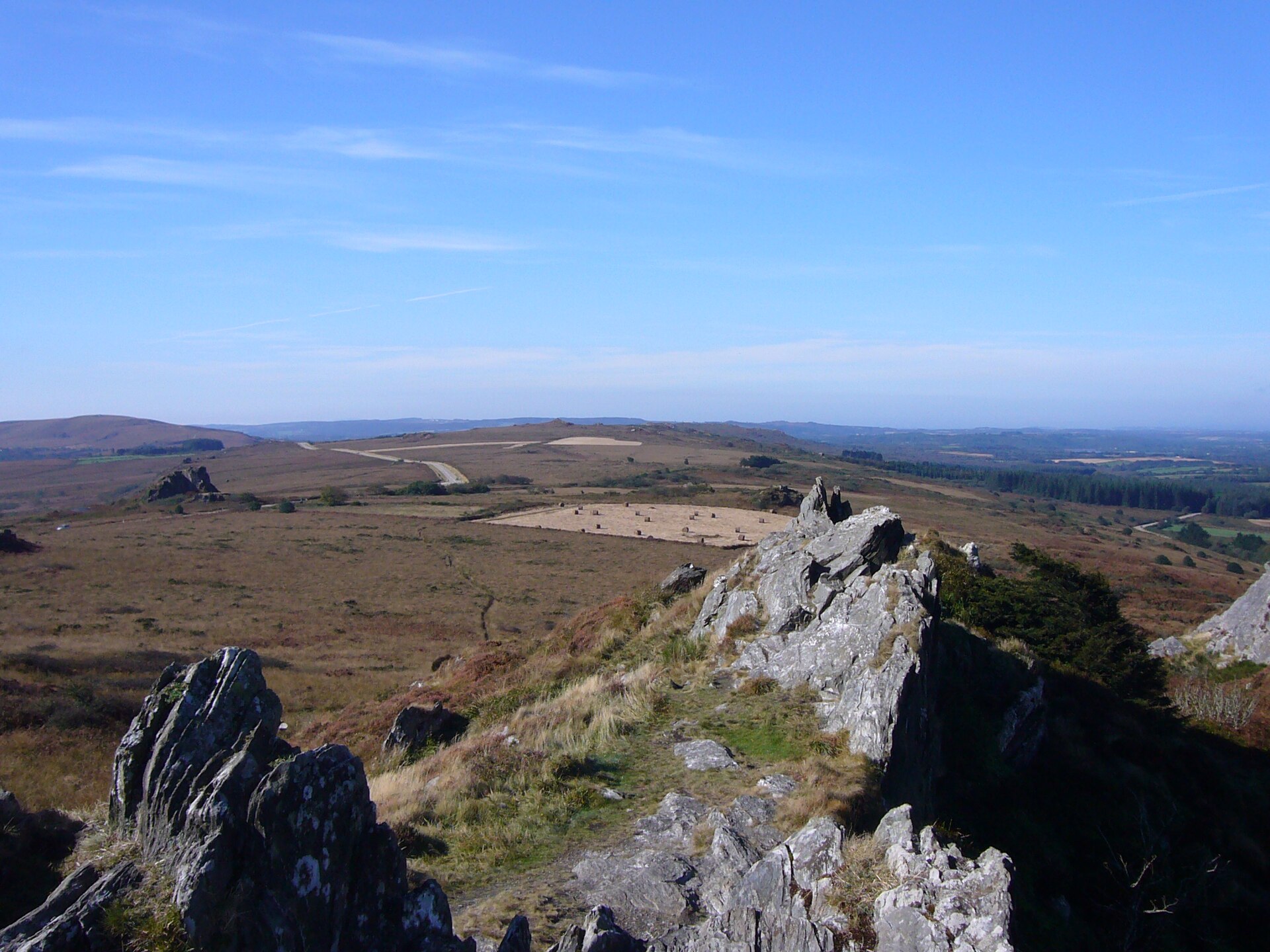
Natura 2000 · wintering
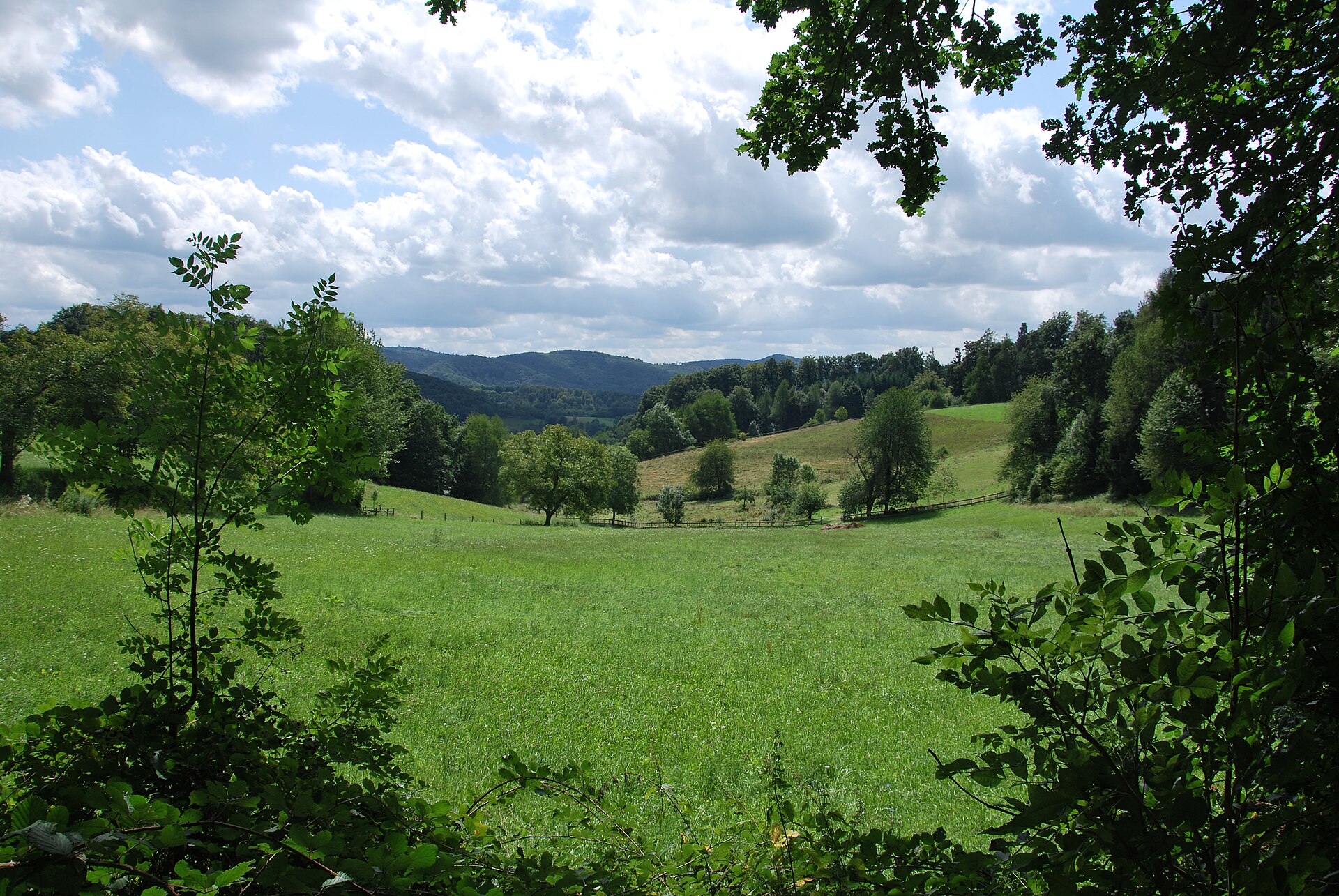
Natura 2000 · wintering

Natura 2000 · breeding
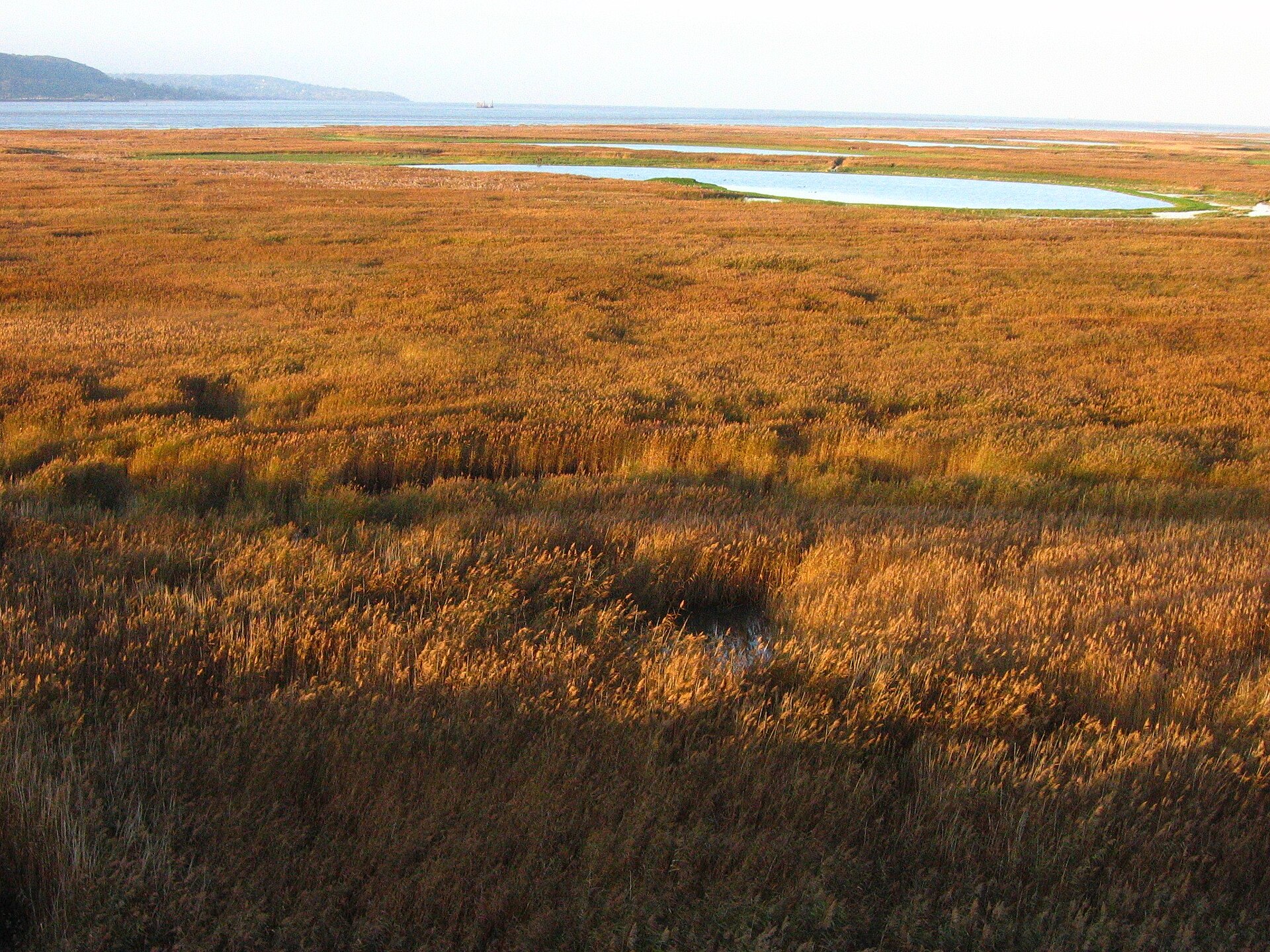
Natura 2000 · wintering
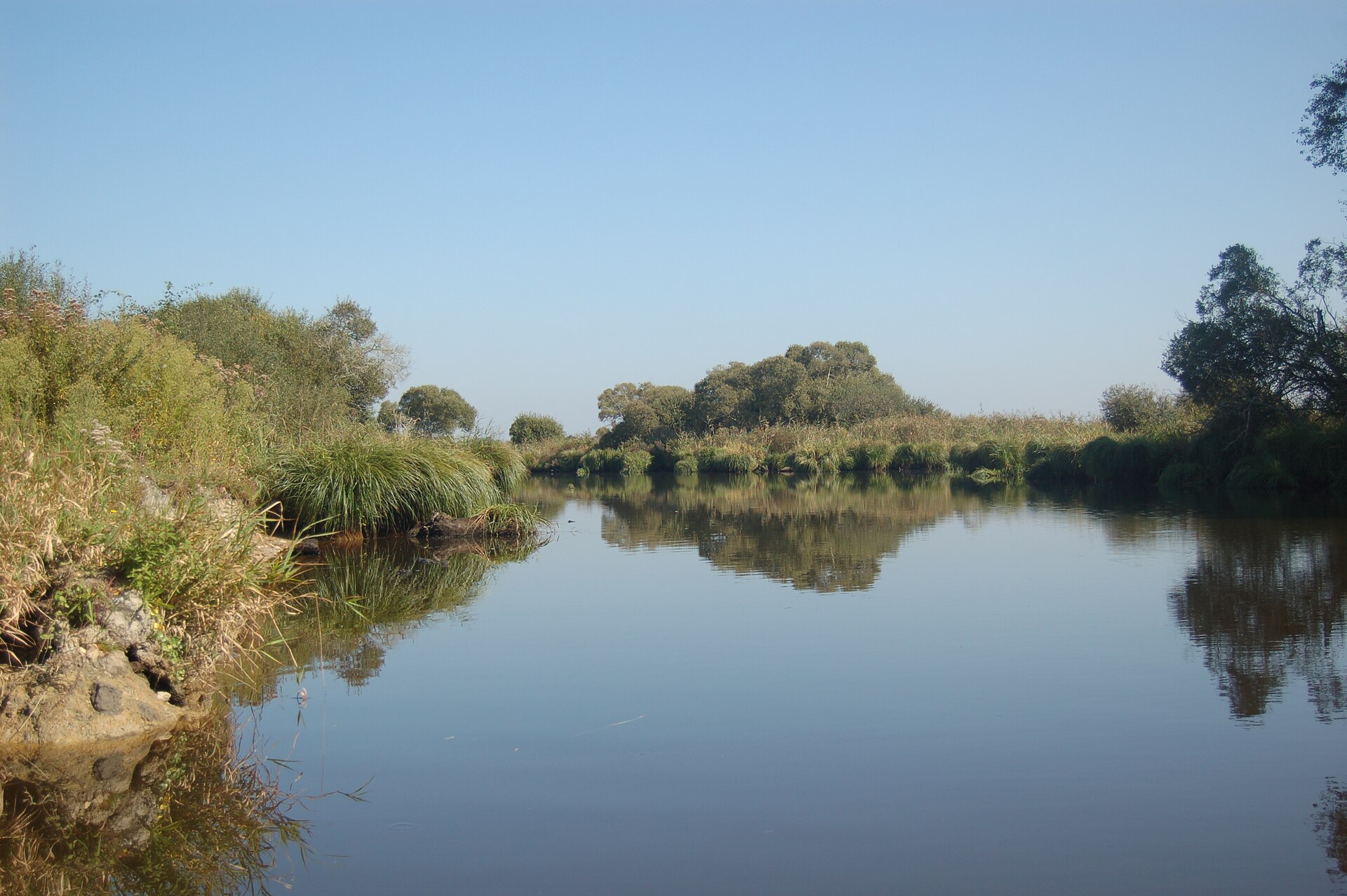
Natura 2000 · wintering, breeding
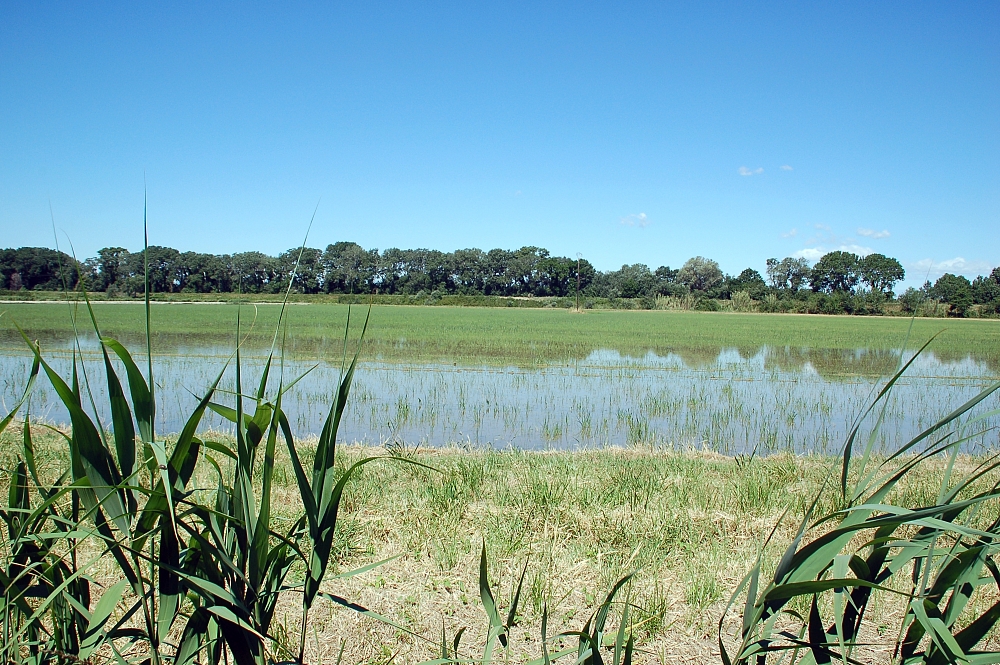
Natura 2000 · wintering, passage
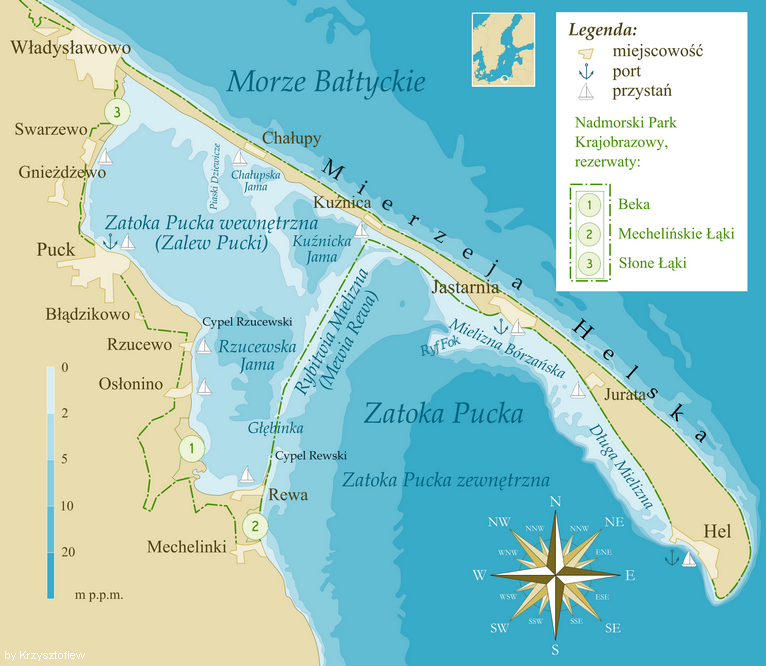
Natura 2000 · breeding
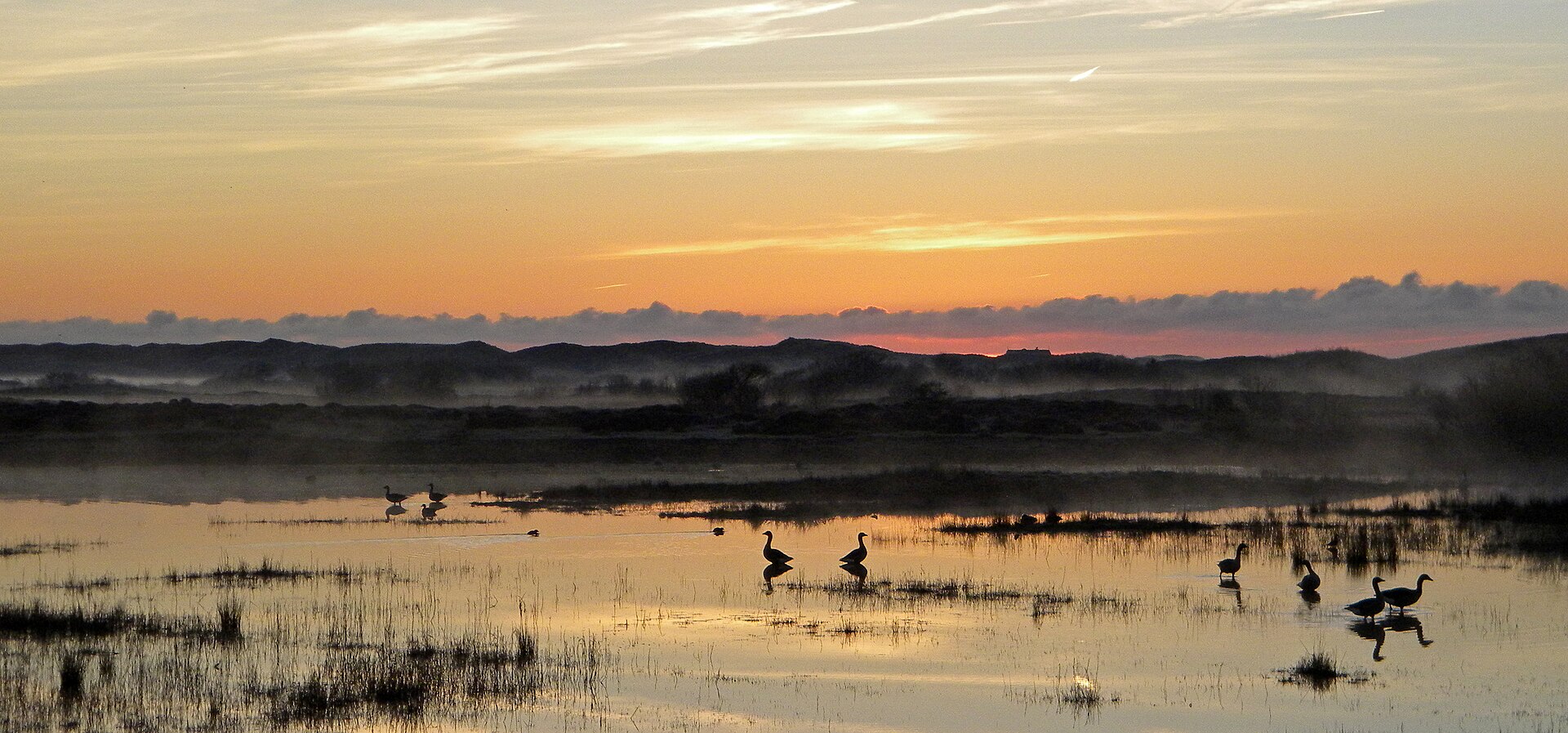
Natura 2000 · resident

Natura 2000 · breeding

Natura 2000 · wintering, passage
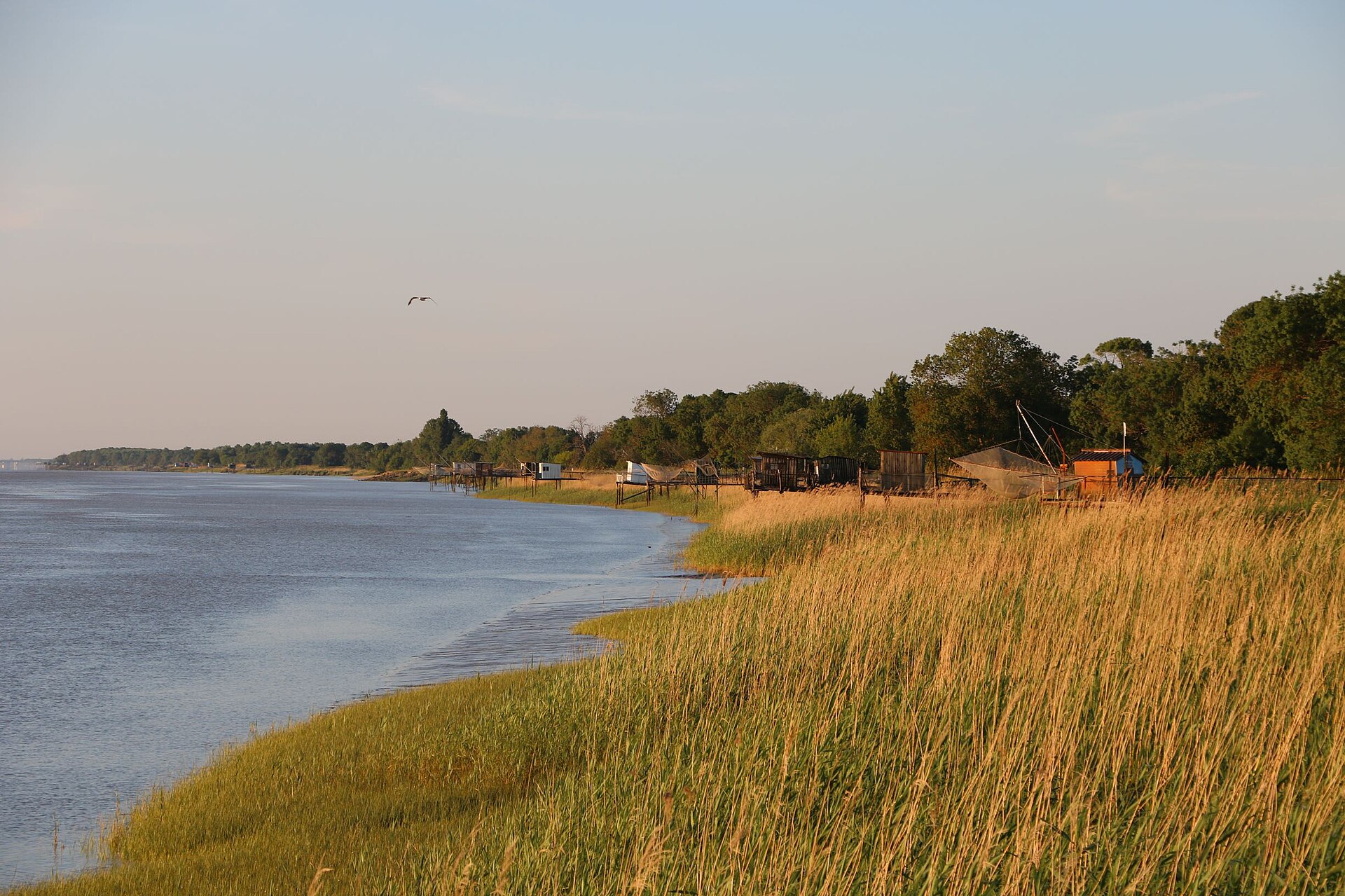
Natura 2000 · wintering, passage
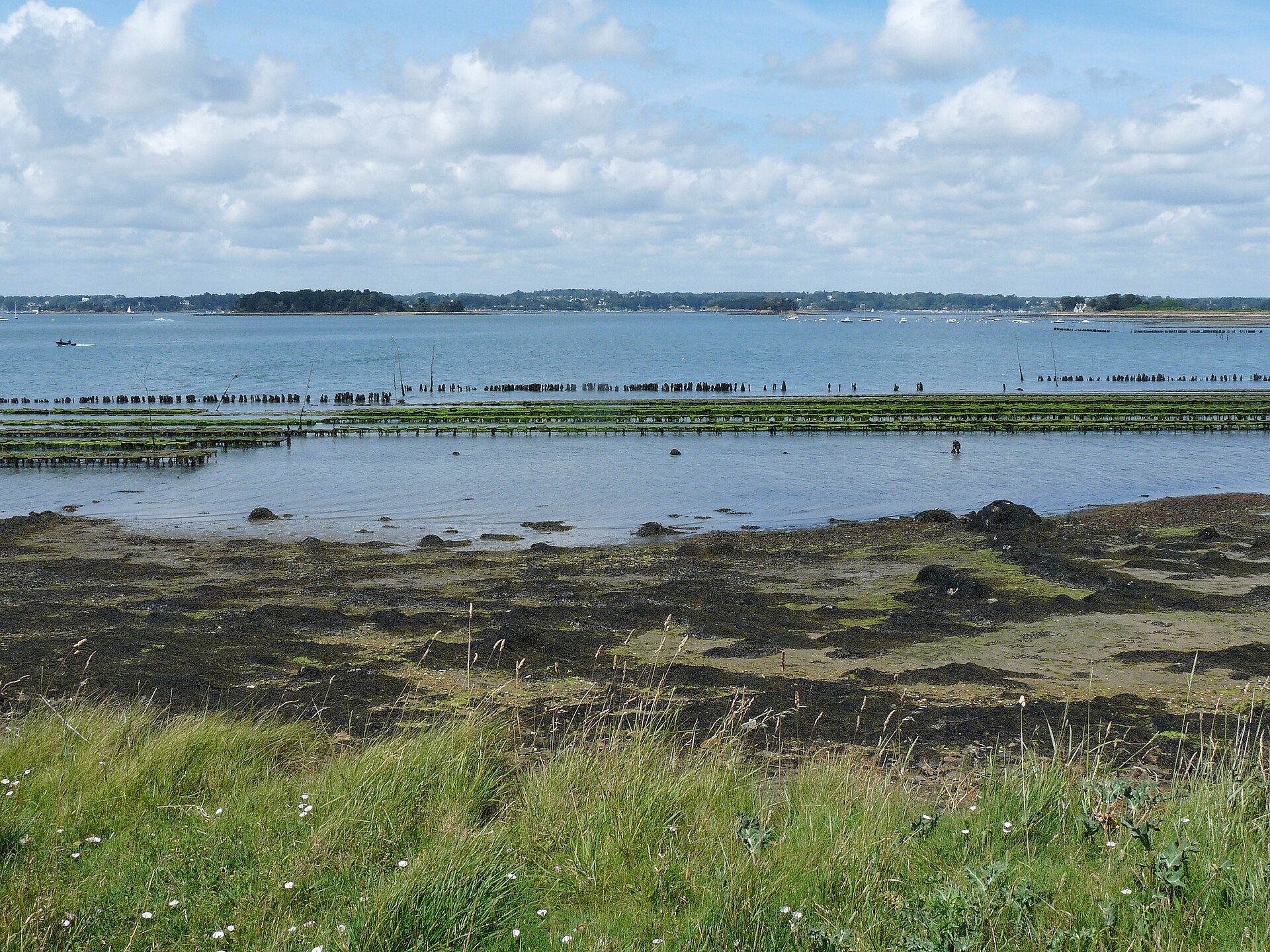
Natura 2000 · breeding, wintering
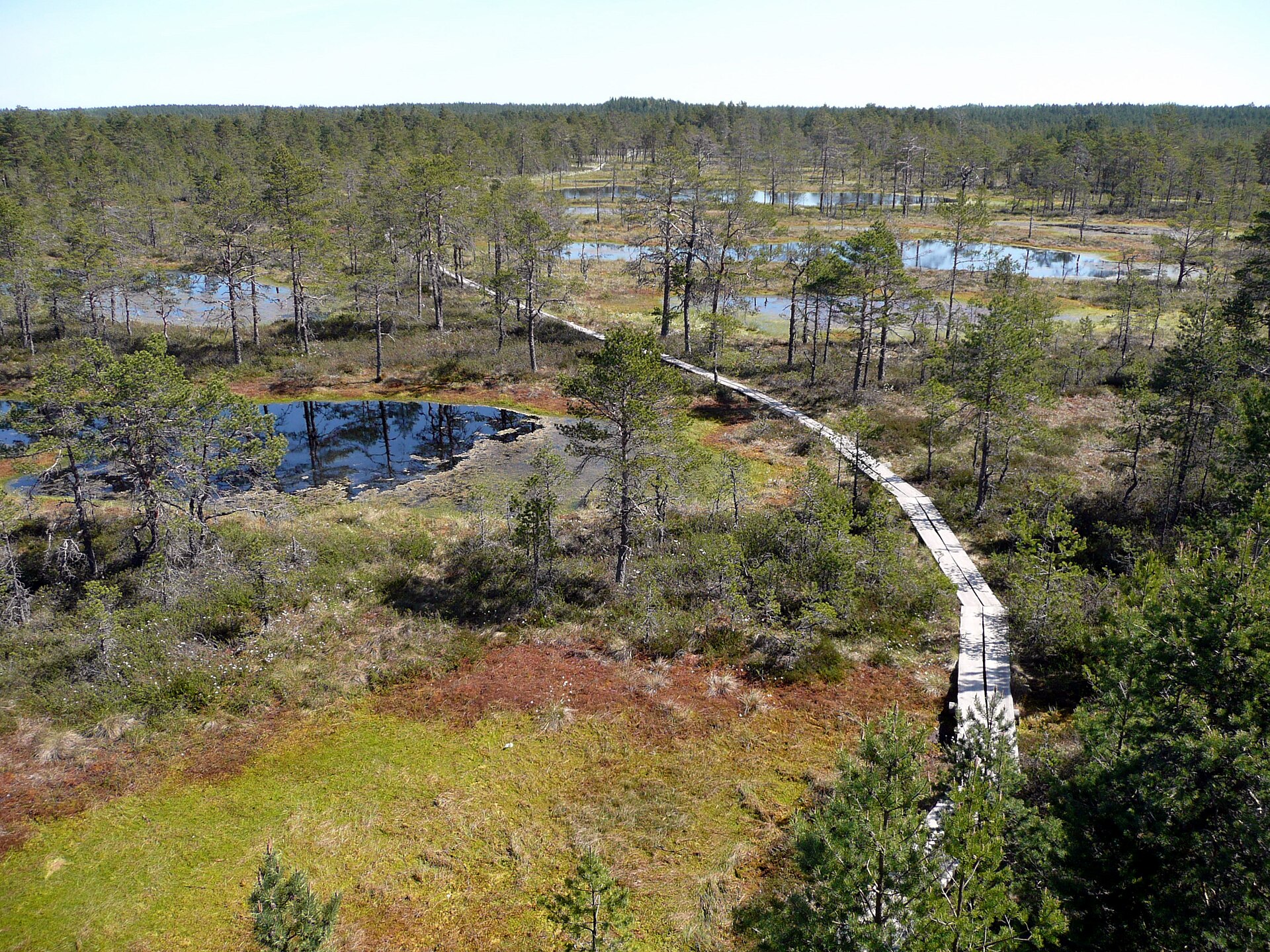
Natura 2000 · breeding
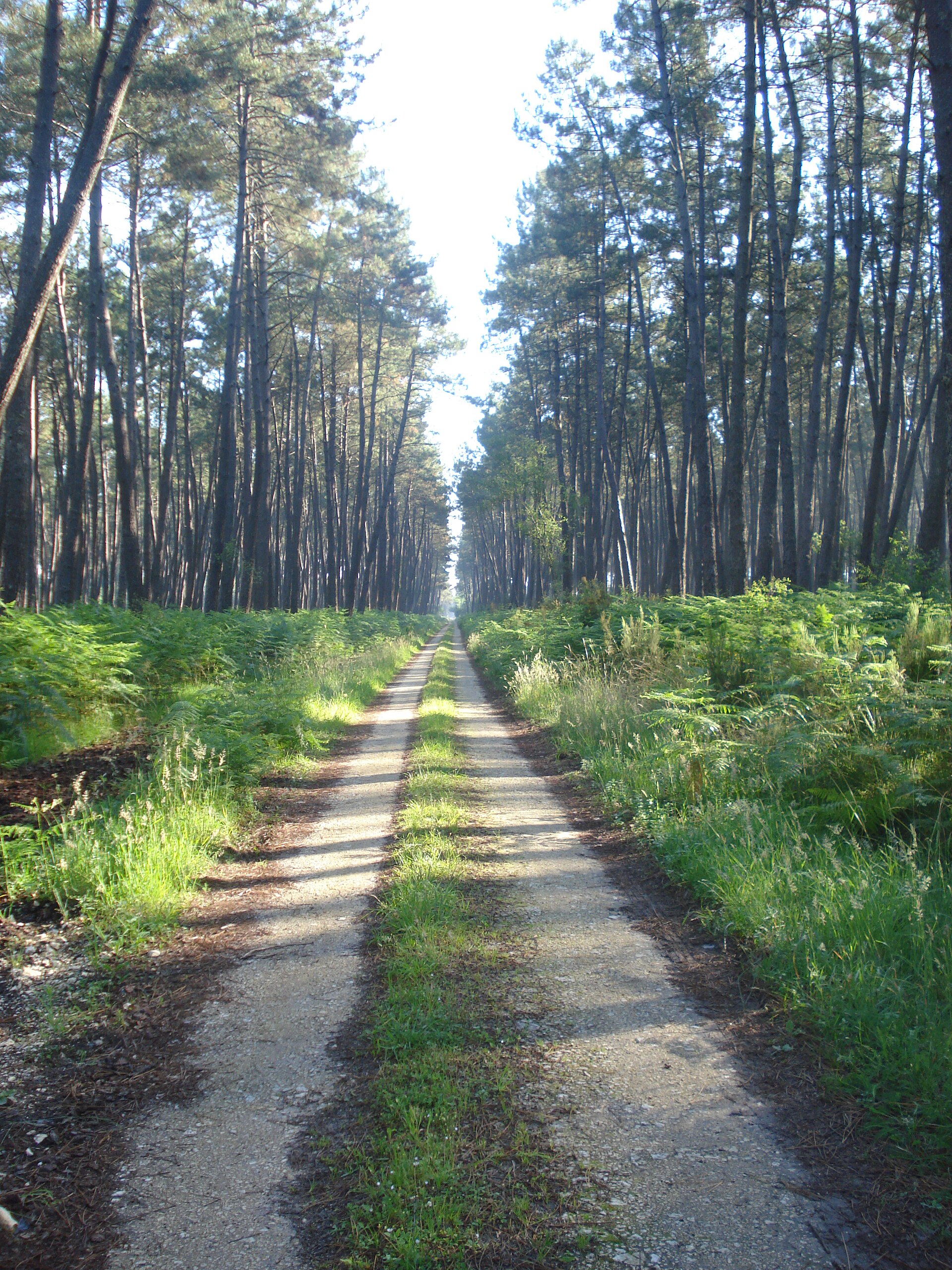
Natura 2000 · wintering, breeding
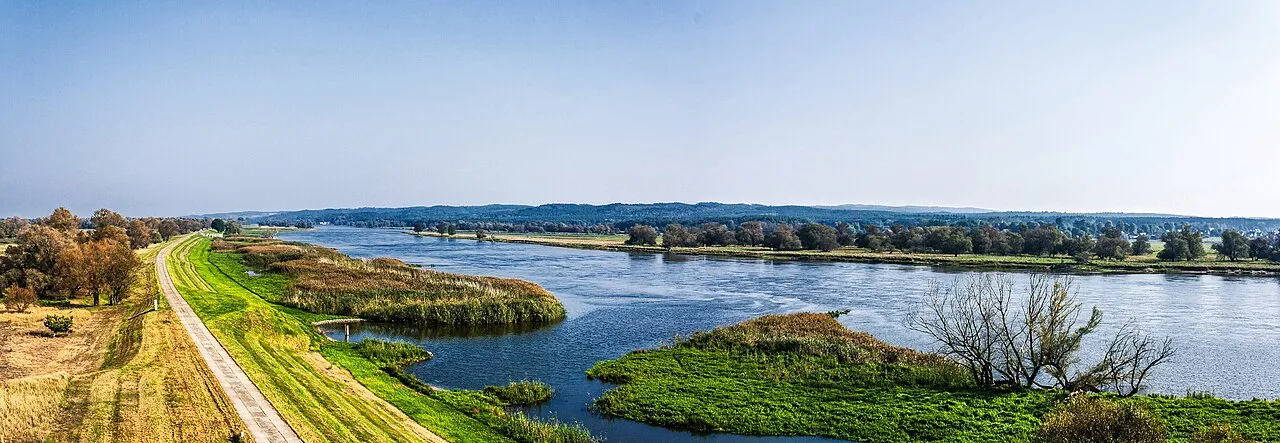
Natura 2000 · passage

Natura 2000 · wintering
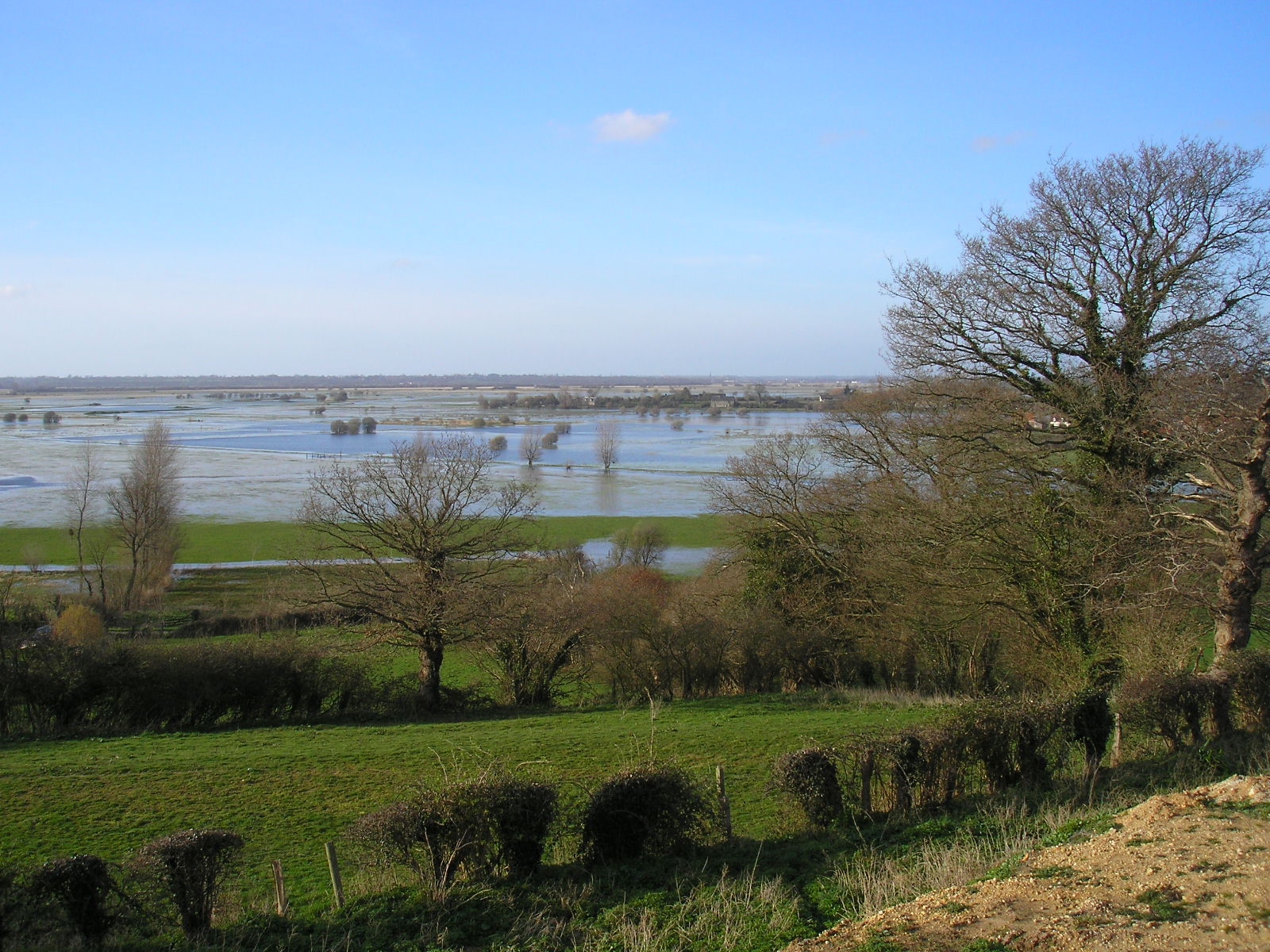
Natura 2000 · passage
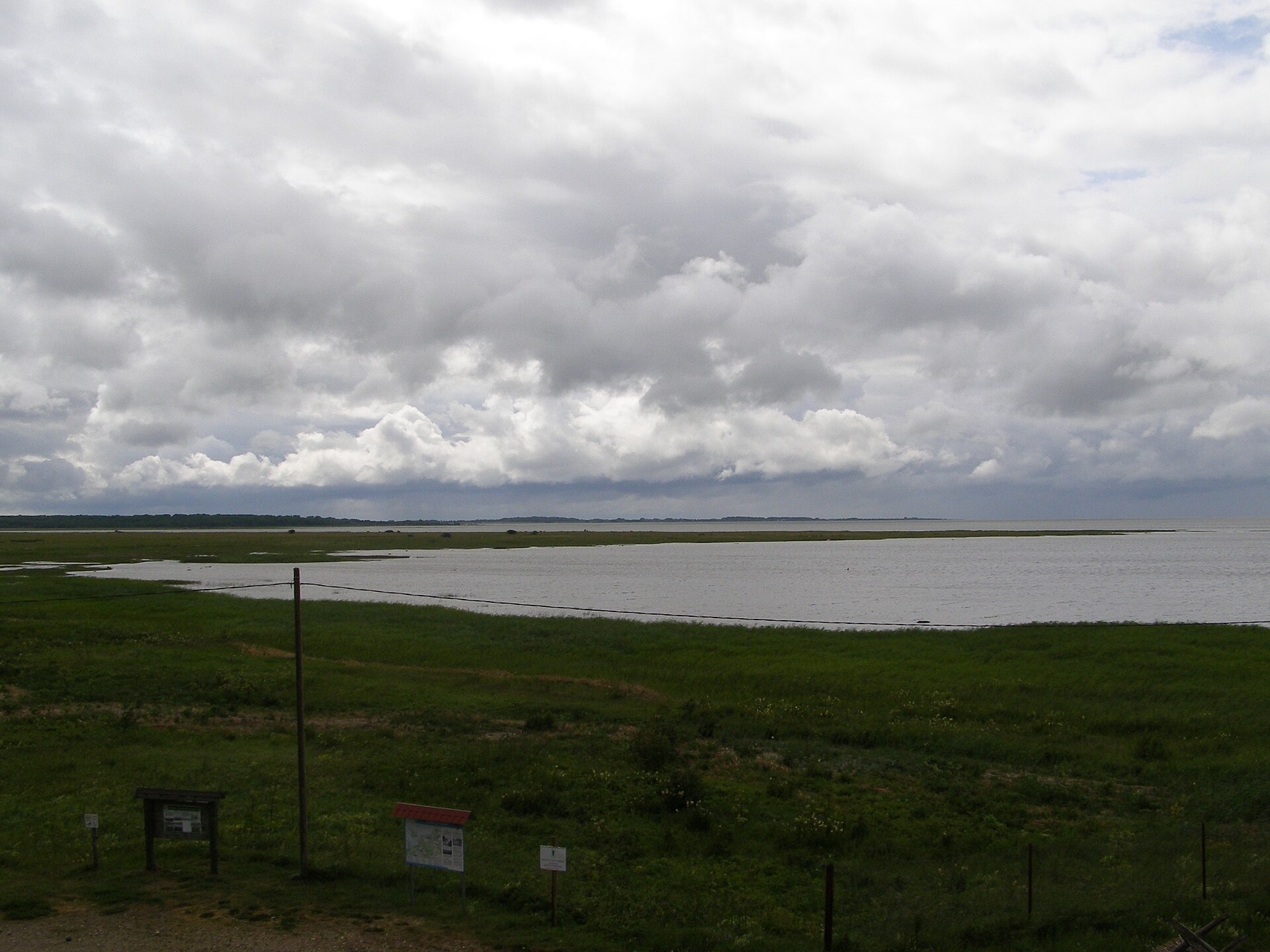
Natura 2000 · breeding
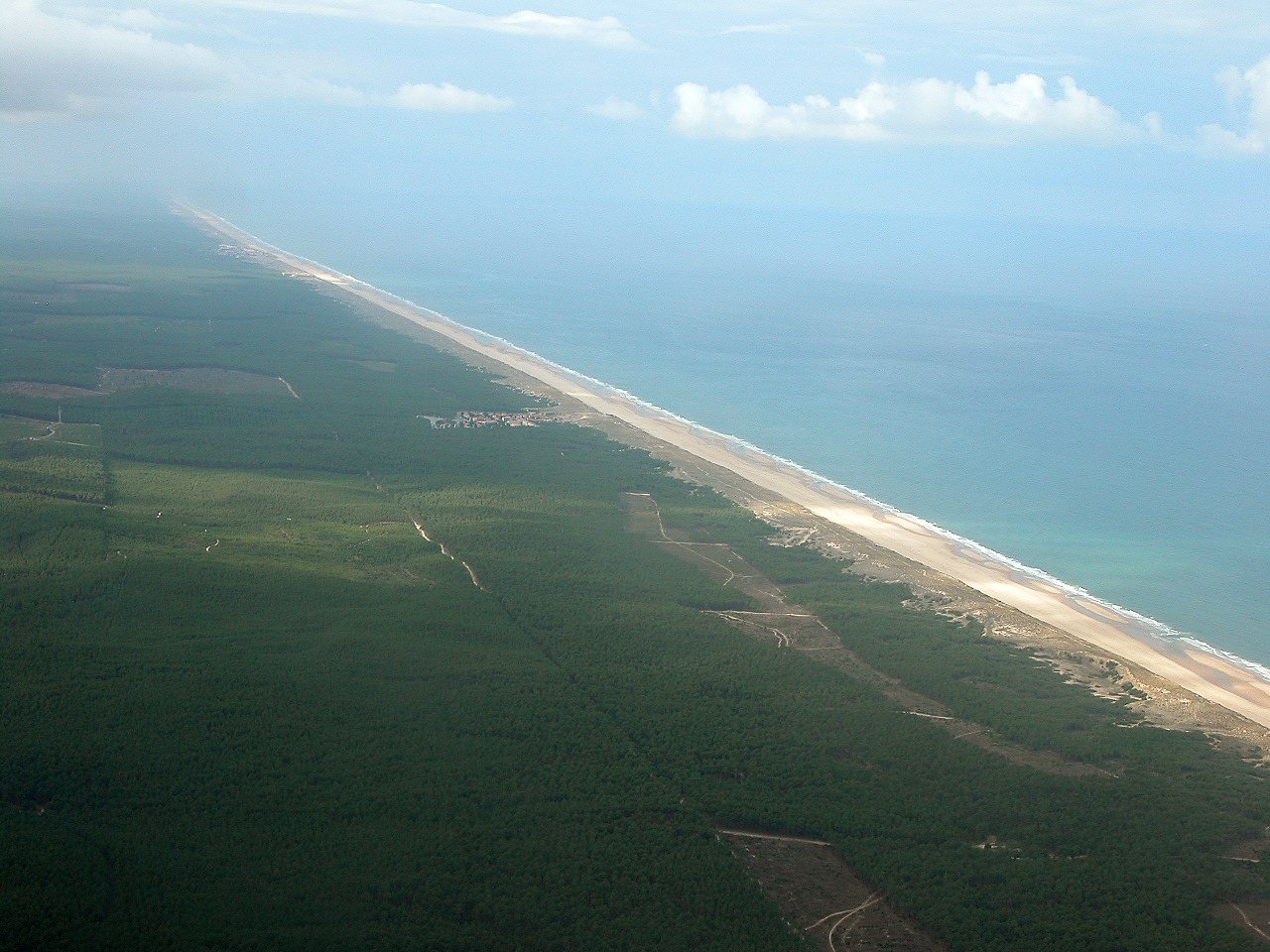
Natura 2000 · wintering
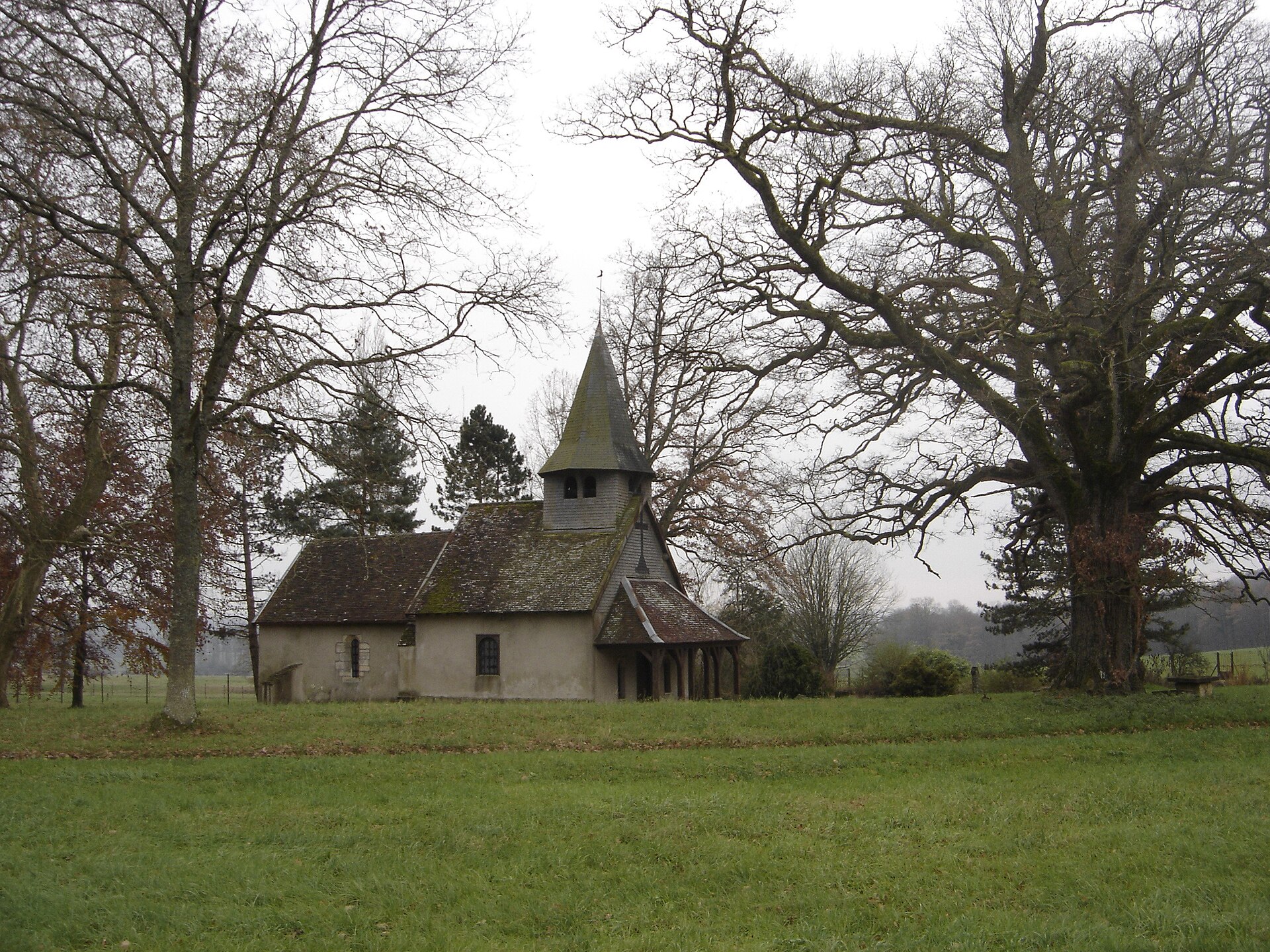
Natura 2000 · passage, wintering

Natura 2000 · passage, wintering
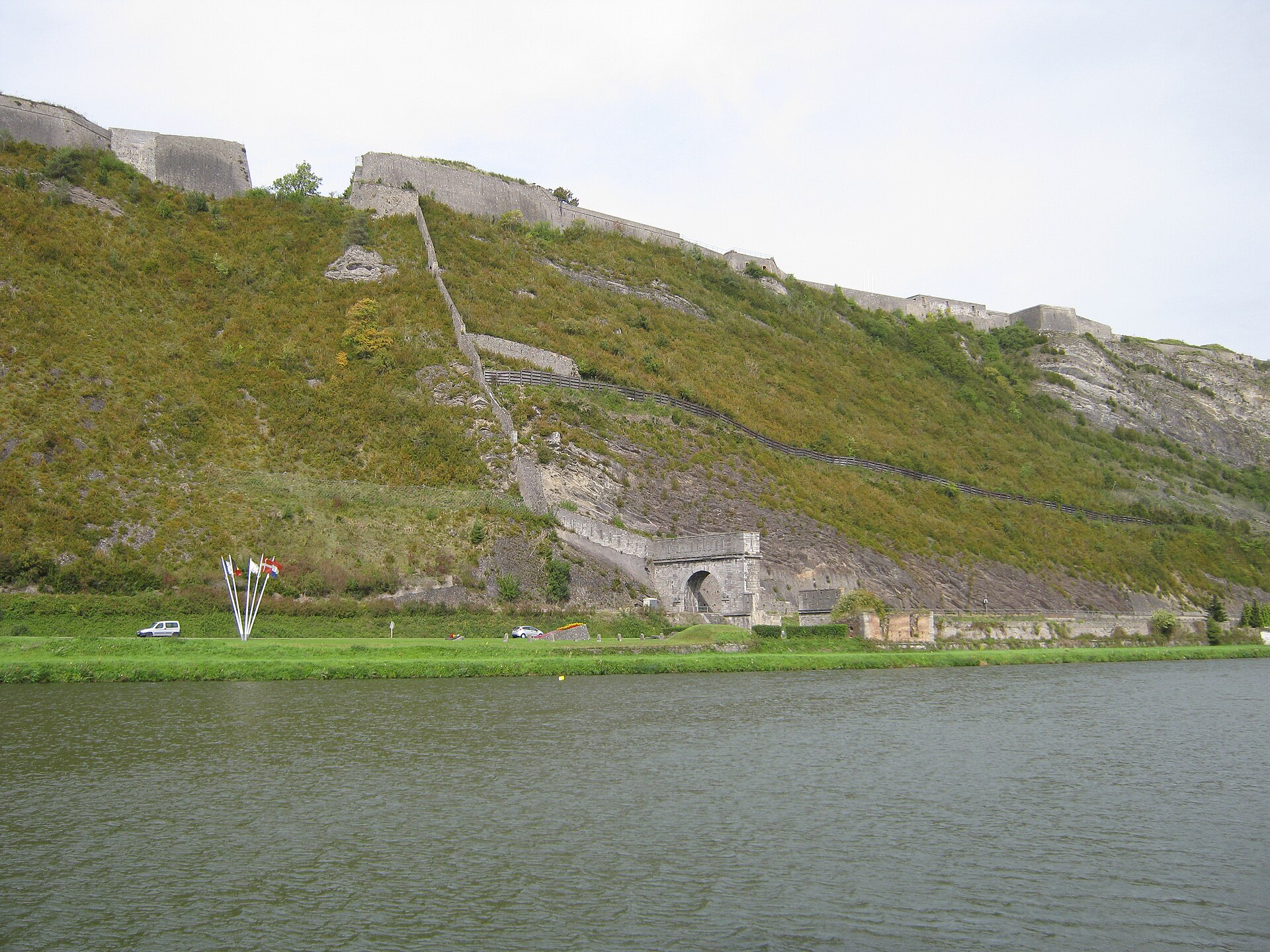
Natura 2000 · passage

Natura 2000 · breeding
Natura 2000 · passage

Natura 2000 · wintering
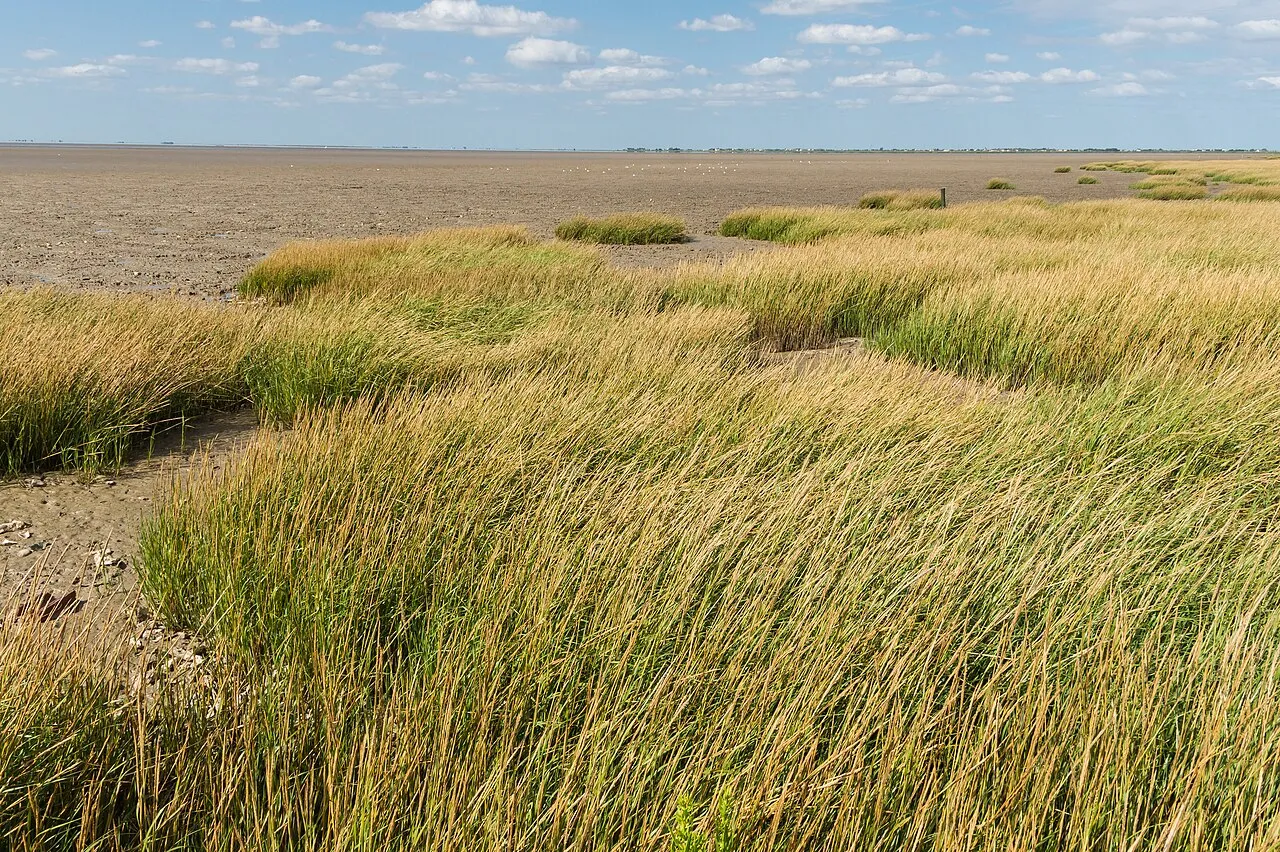
Natura 2000 · wintering
Natura 2000 · wintering

Natura 2000 · wintering
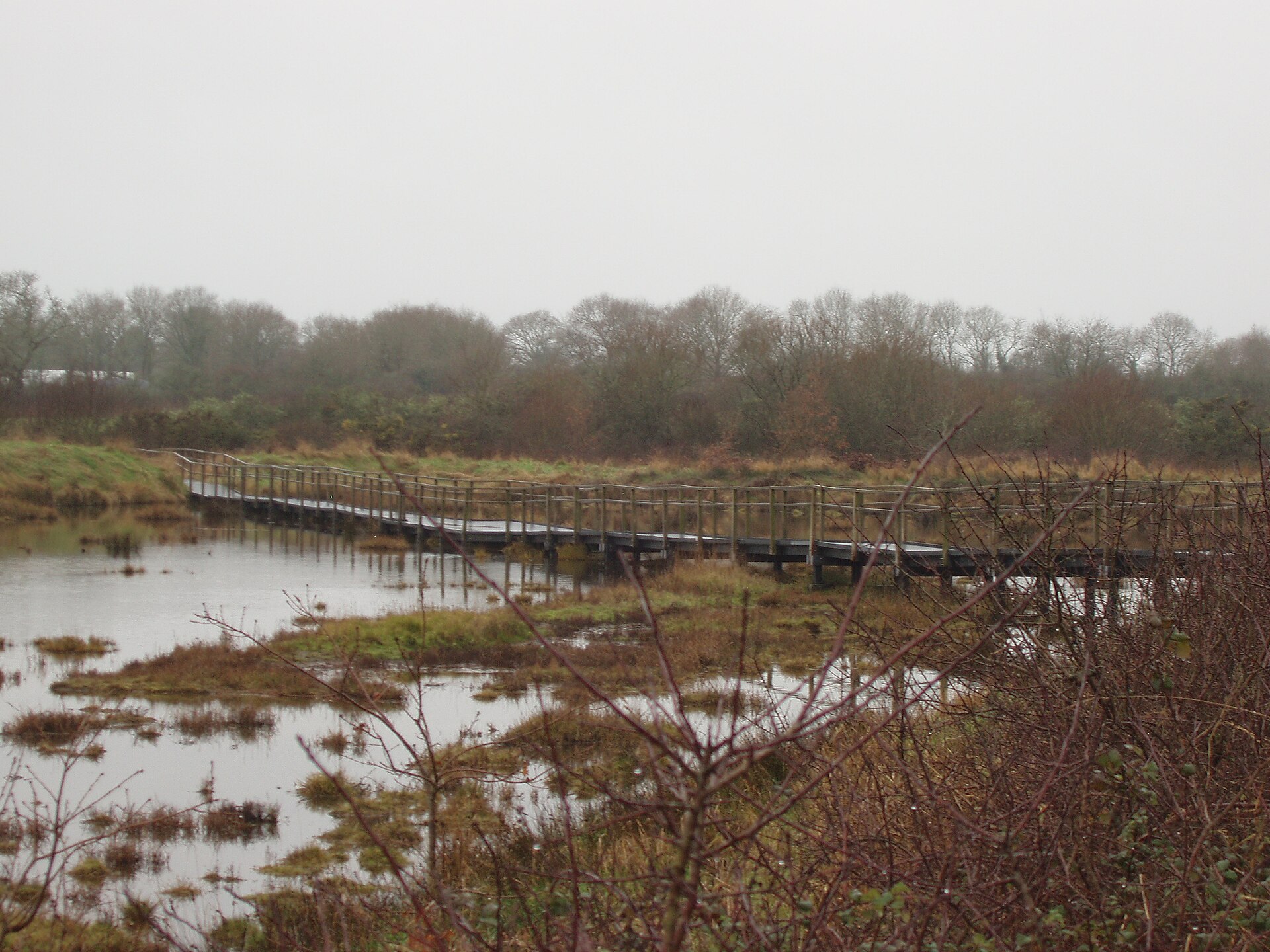
Natura 2000 · wintering, breeding
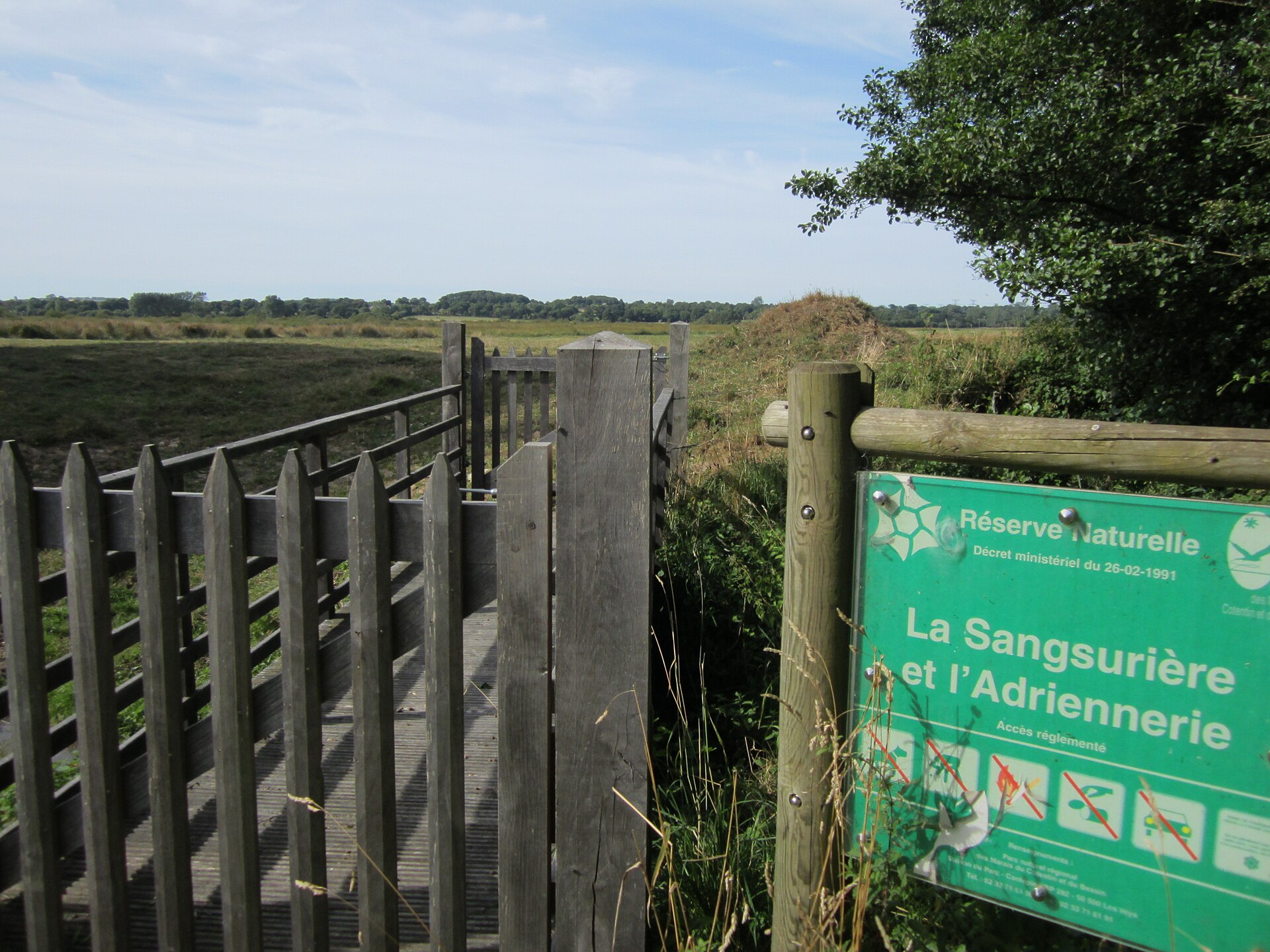
Natura 2000 · passage
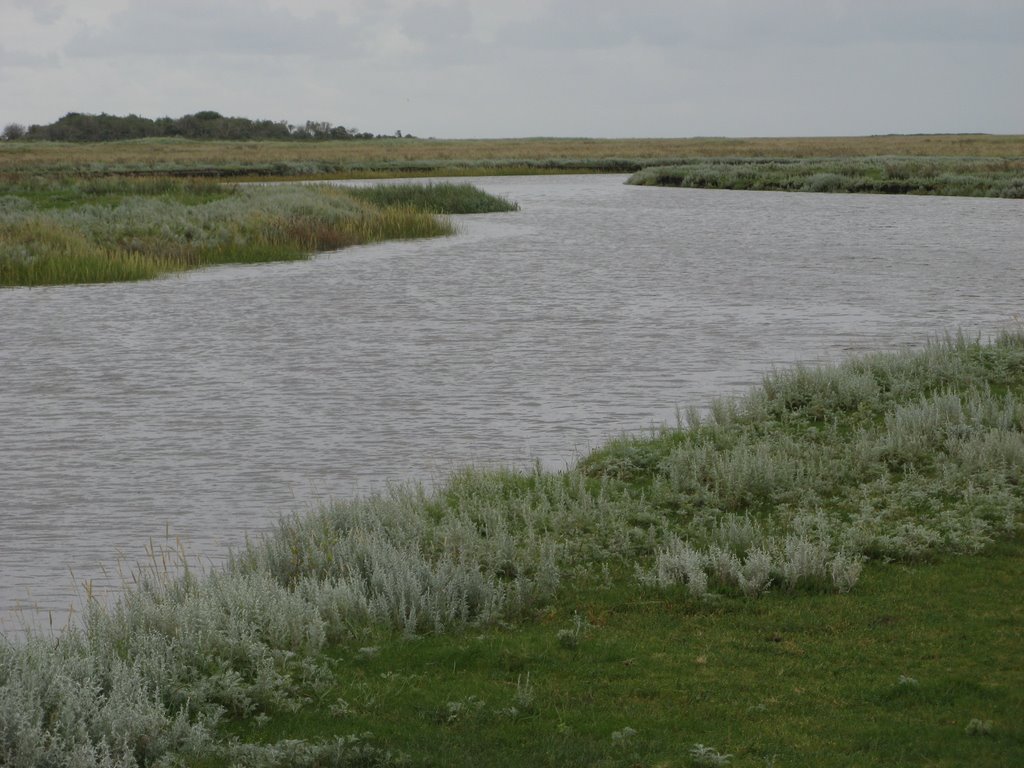
Natura 2000 · resident, wintering
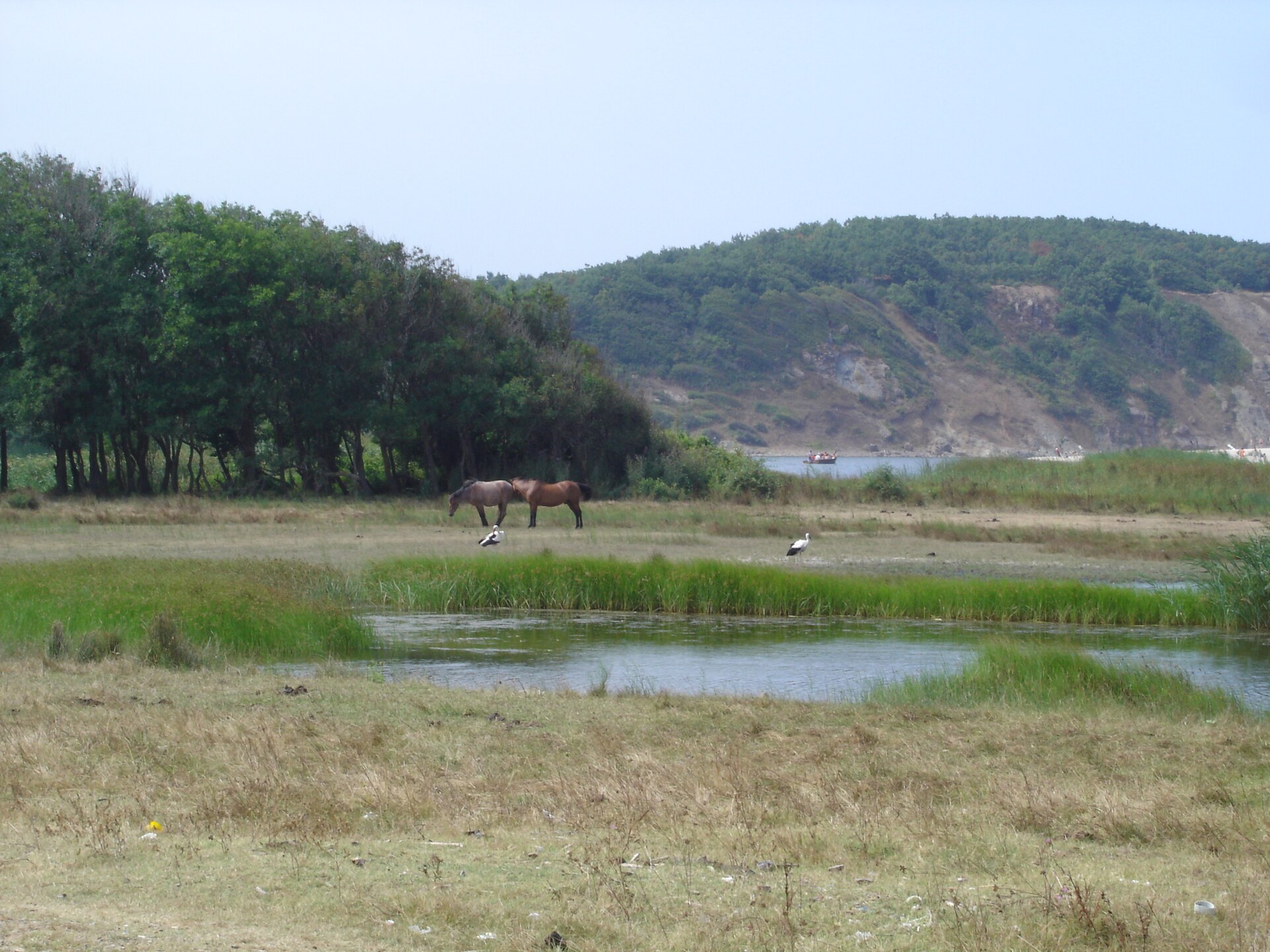
Natura 2000 · passage, wintering
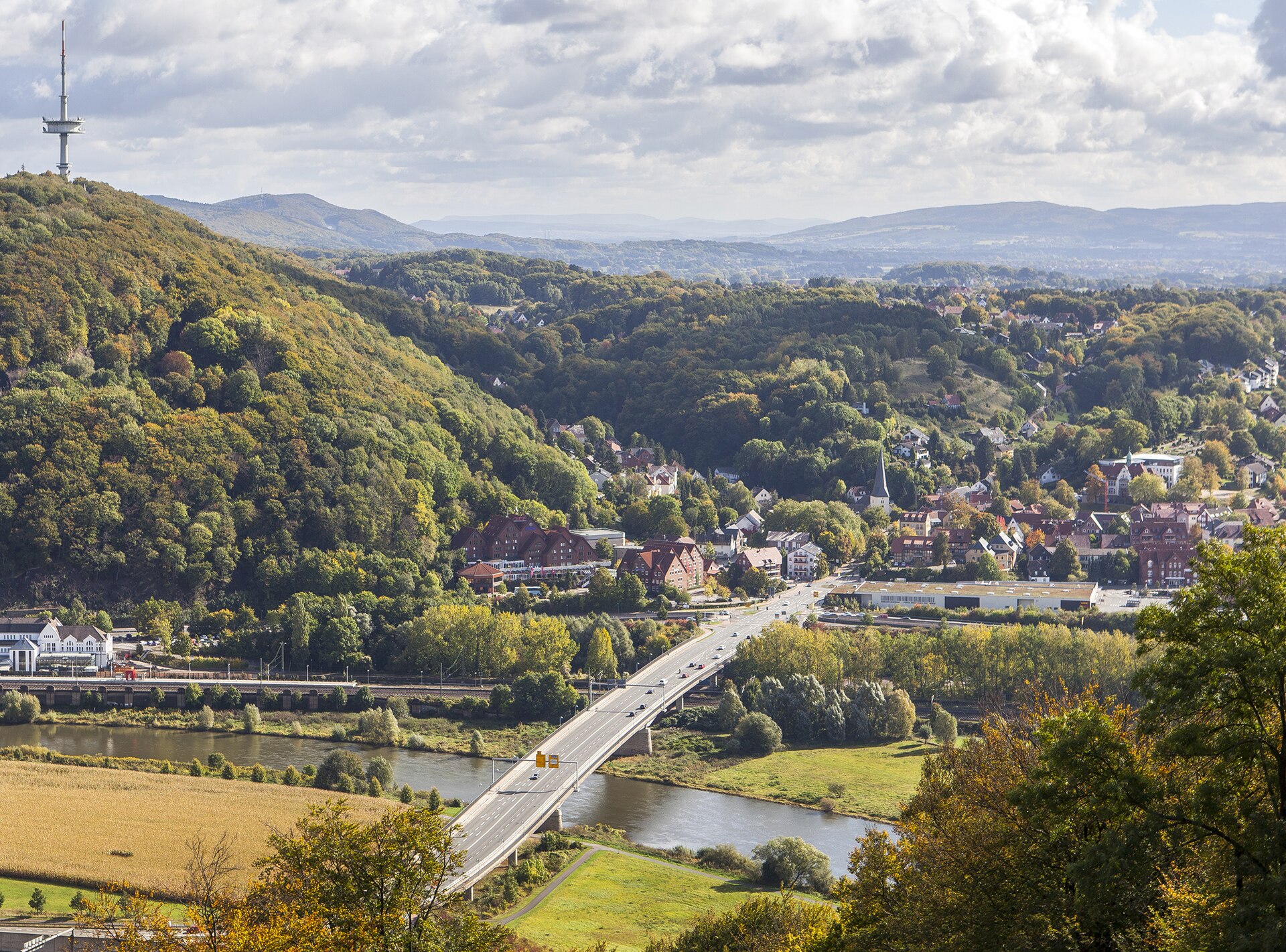
Natura 2000 · passage
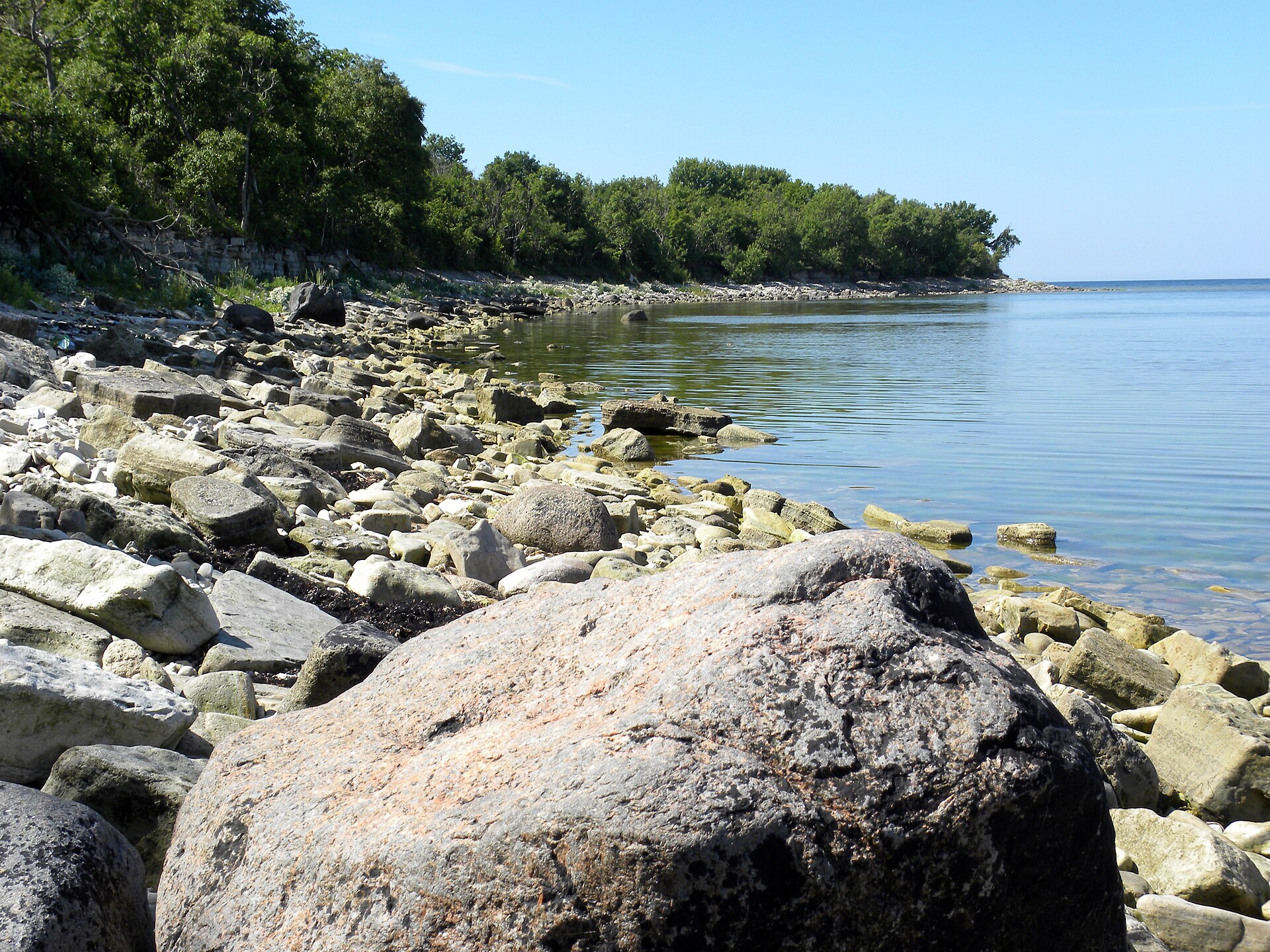
Natura 2000 · breeding
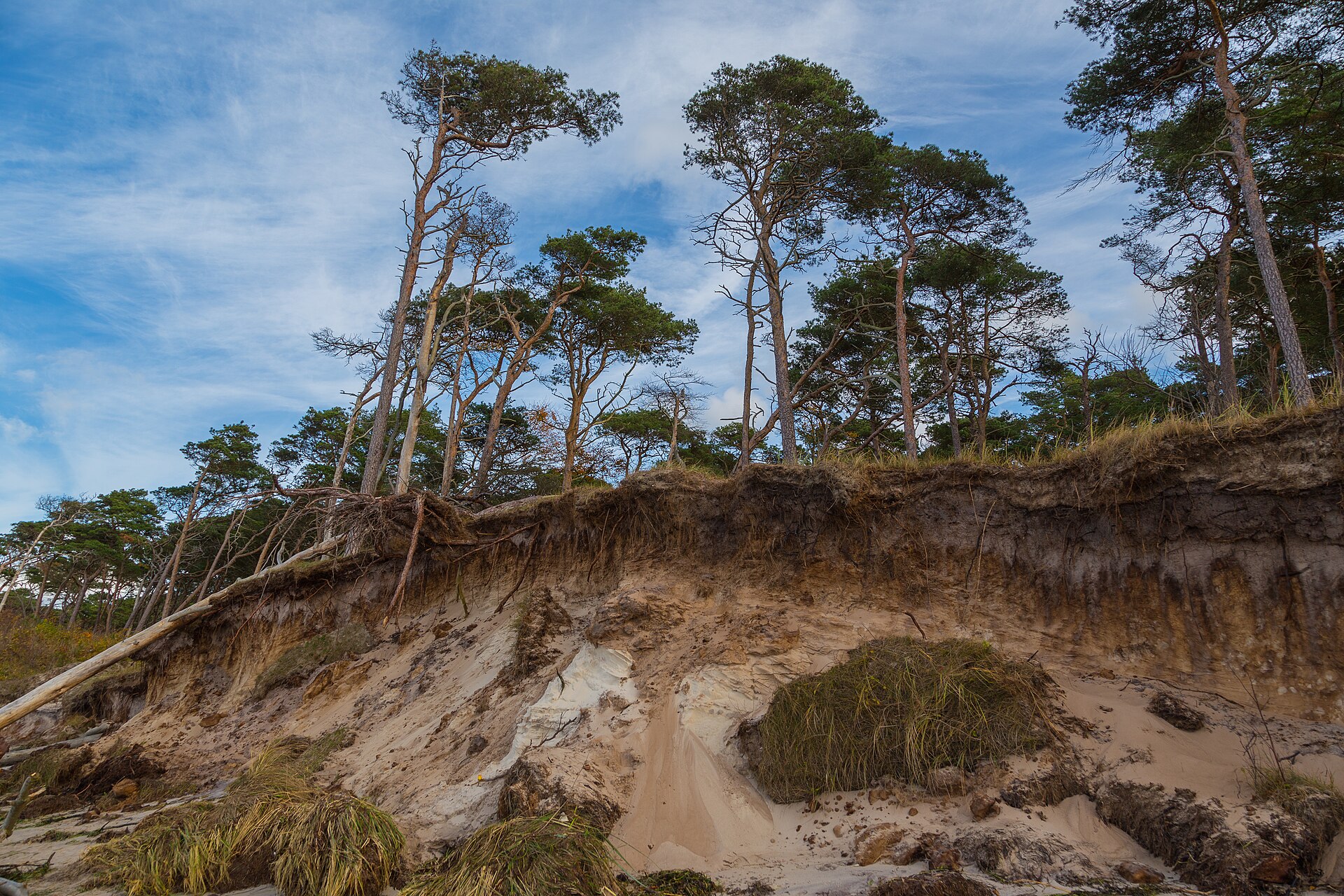
Natura 2000 · wintering
Other species to discover
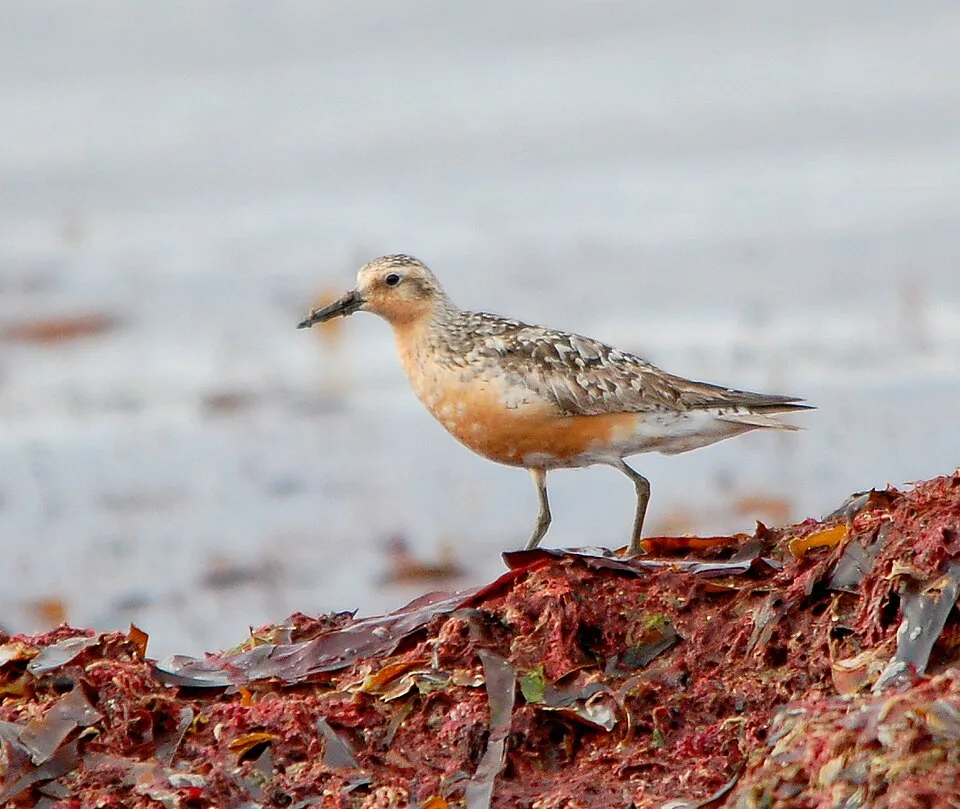 Red Knot
Calidris canutus 33 places in common
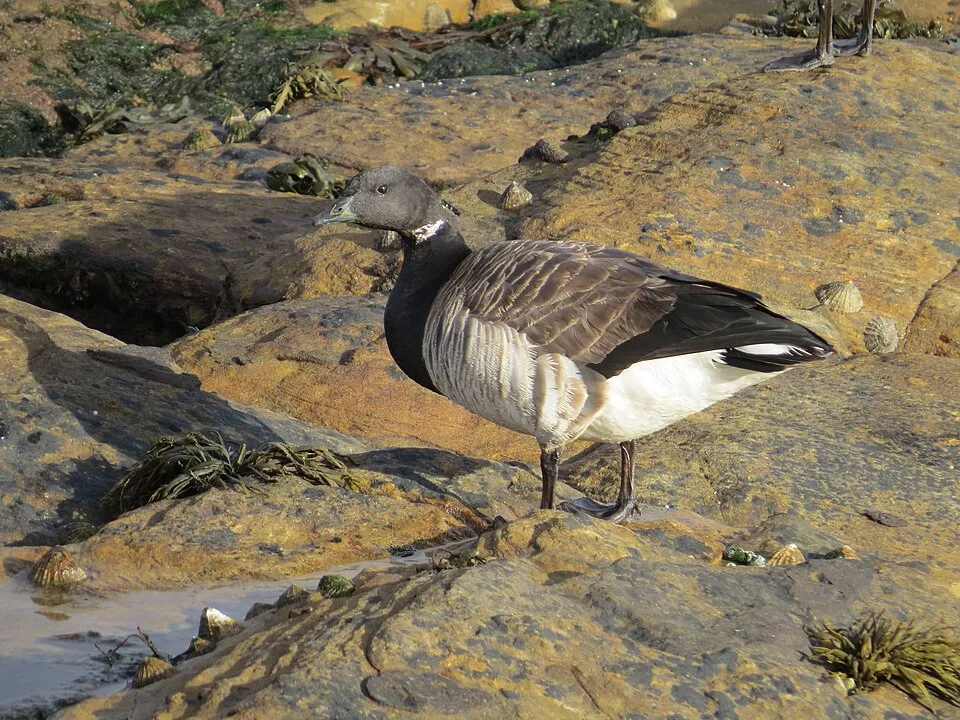 Brant Goose
Branta bernicla 25 places in common
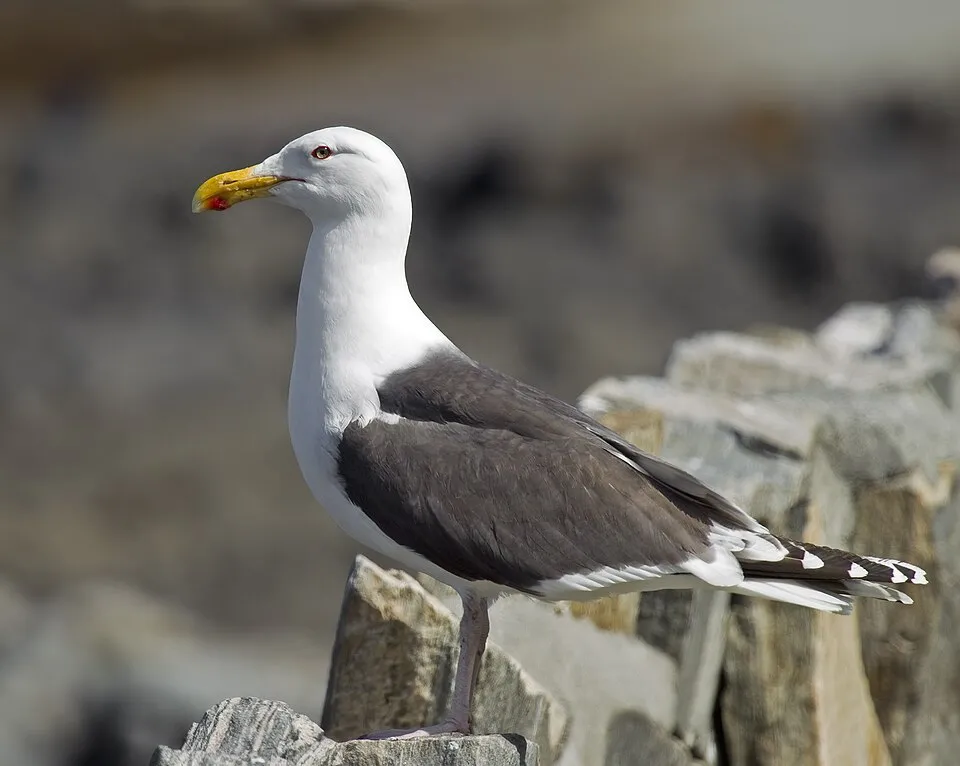 Great Black-backed Gull
Larus marinus 35 places in common
 European Herring Gull
Larus argentatus 46 places in common
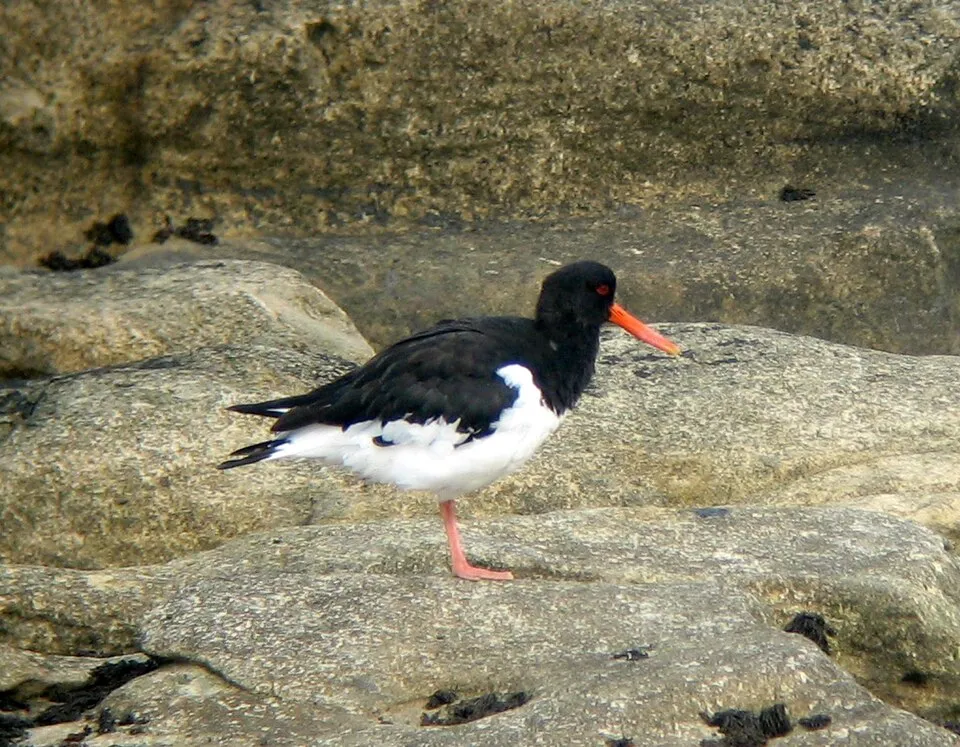 Eurasian Oystercatcher
Haematopus ostralegus 37 places in common
 Red-breasted Merganser
Mergus serrator 38 places in common
Sources and credits
- Presence: most-recorded species of each place on GBIF and species of Community interest in the Natura 2000 forms (EEA, CC-BY 4.0); absence from the list does not mean the species is absent.
- Common names: Wikidata (CC0) and GBIF.
- Photos and sounds: Wikimedia Commons, author and licence given for each file.
- Classification: GBIF Backbone Taxonomy (GBIF Secretariat), CC BY 4.0, doi:10.15468/39omei.
- Countries, elevations, months and maps: GBIF.org, CC0 or CC BY 4.0 occurrences only, accessed October 22, 2026, GBIF.org.
- Base map: Natural Earth (public domain).
- Excerpt: Wikipedia, CC BY-SA 4.0 (full credit below the excerpt).
- Key facts: Wikidata (CC0), with the references cited under each value.
- Annexes: Directive 2009/147/EC (consolidated version), © European Union, EUR-Lex.
- EU bird populations: EEA / DG ENV, Article 12 Birds Directive reporting (2013–2018), CC BY 4.0.