
Bird
Lesser Black-backed Gull: where to see it
Larus fuscus
This bird species is recorded in 121 protected areas of the atlas, including 80 whose official Natura 2000 form lists it. Within the atlas countries, it is mostly observed in the Netherlands, the United Kingdom and France (9 countries in all). Most records (8 in 10) lie between sea level and 240 m. Records peak from April to October. It has a wingspan of 134 cm. Its EU population is assessed as secure (2013–2018 Birds Directive reporting).
Best time to see it: April–October
Records published on GBIF by month (CC0 and CC BY 4.0 licences only), in the atlas countries, all years combined; they also reflect observer activity.
Key facts
- Wingspan
- 134 cm Wikidata, after Ericson et al. 2007
- Weight (female)
- 755 g Wikidata, after Lislevand et al. 2007
- Weight (male)
- 880 g Wikidata, after Lislevand et al. 2007
- Clutch size
- 2.4 eggs on average Wikidata, after Jetz et al. 2008
- Incubation
- 25 days Wikidata, after British Trust for Ornithology
Status and protection
Birds Directive II/B
The species is listed in Annex II/B of the Birds Directive.
EU population assessed as secure, decreasing in the short term (2013–2018 Birds Directive reporting). EU breeding population: 308,000–338,000 pairs.
Distribution
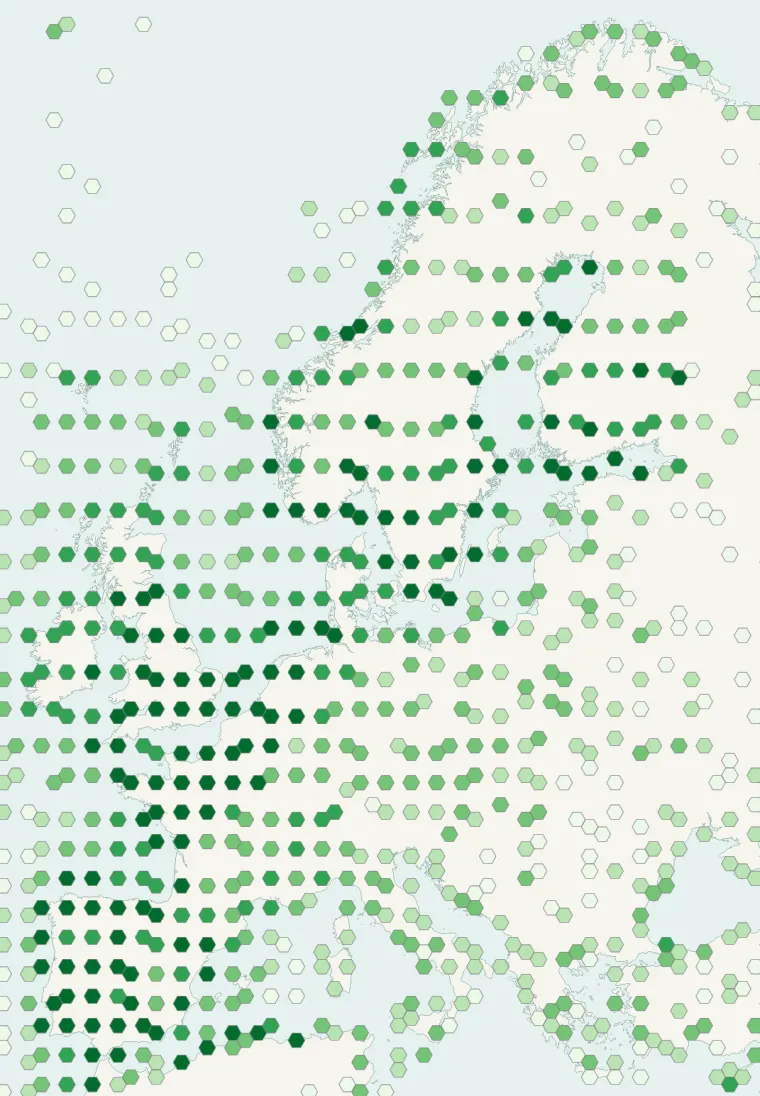
Records published on GBIF (CC0 and CC BY 4.0 licences): the darker the shade, the more records there are; they also reflect observation effort.
Atlas countries where it is recorded
Listen
-
0:34 · © Tanguy Loïs · CC BY-SA 4.0 · Wikimedia Commons · Original file
From Wikipedia
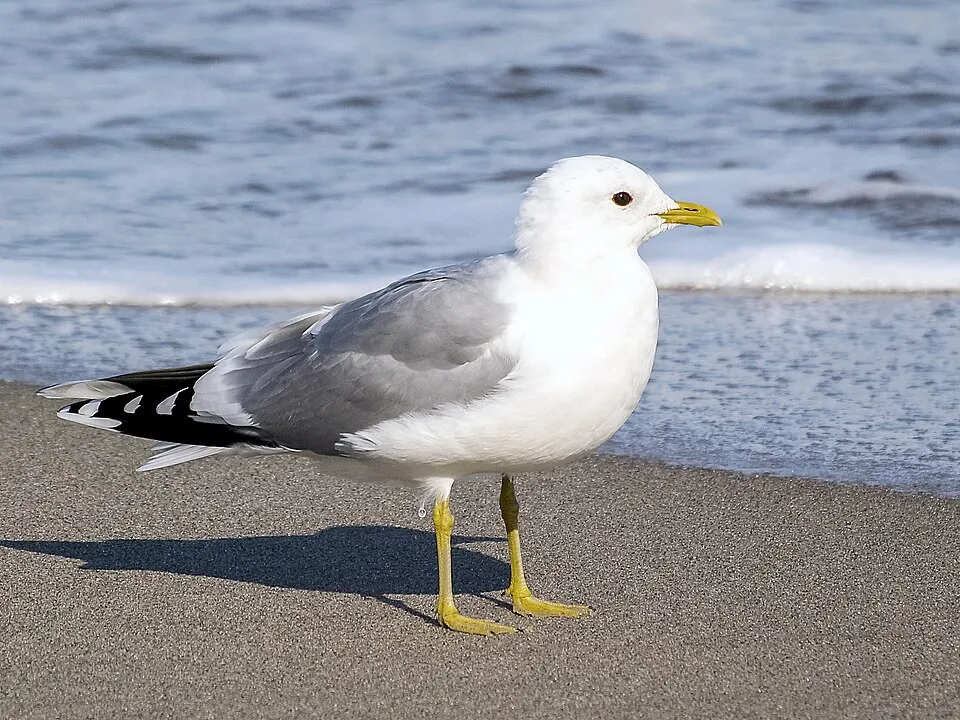
The lesser black-backed gull (Larus fuscus) is a large gull that breeds on the Atlantic and Arctic coasts of Europe. It is migratory, wintering from the British Isles south to West Africa. However, it has increased dramatically in North America, especially along the east coast. Formerly just a winter visitor to North America, it now occurs in large numbers some winters and birds are recorded year-round. However, there is serious concern about decline in many parts of its range.
Source: Wikipedia, article “Lesser black-backed gull” (version of June 29, 2026) · history and authors · licence CC BY-SA 4.0 · shortened excerpt
Protected areas where it is recorded
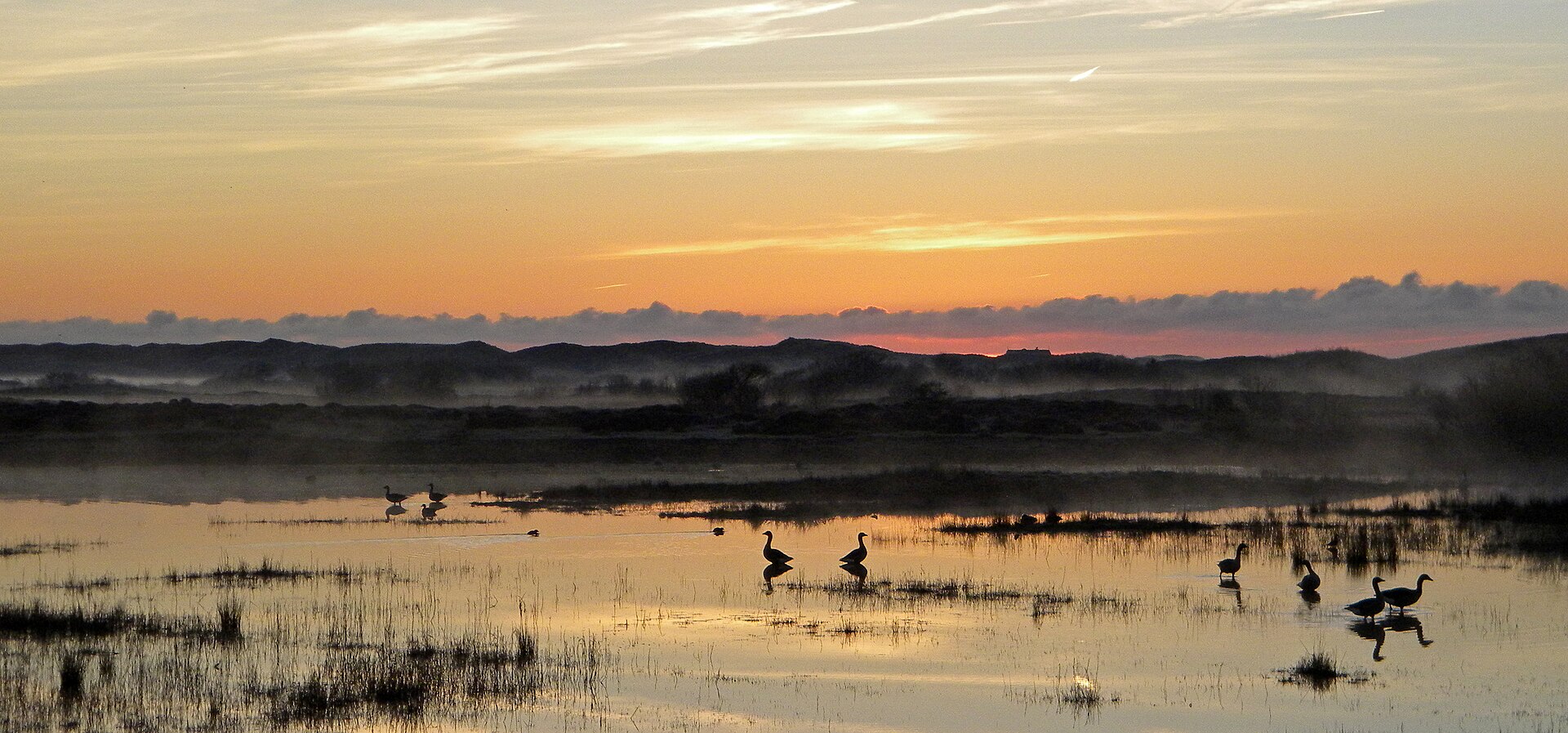
Natura 2000 · breeding 135,324 records
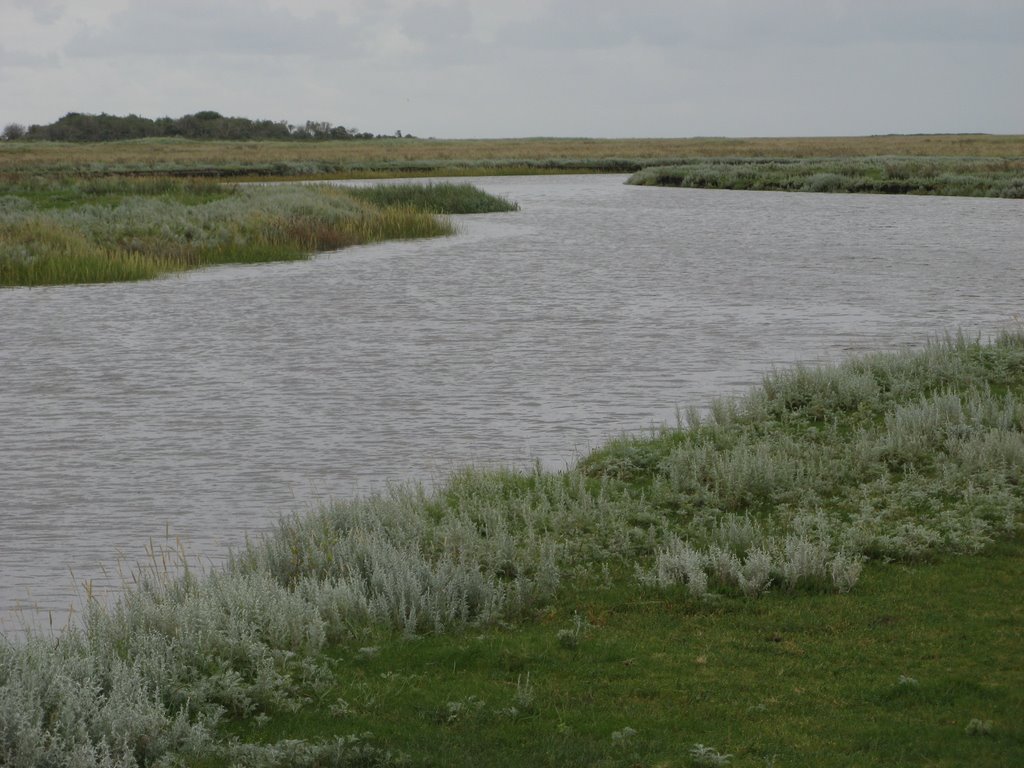
Natura 2000 · breeding 51,990 records
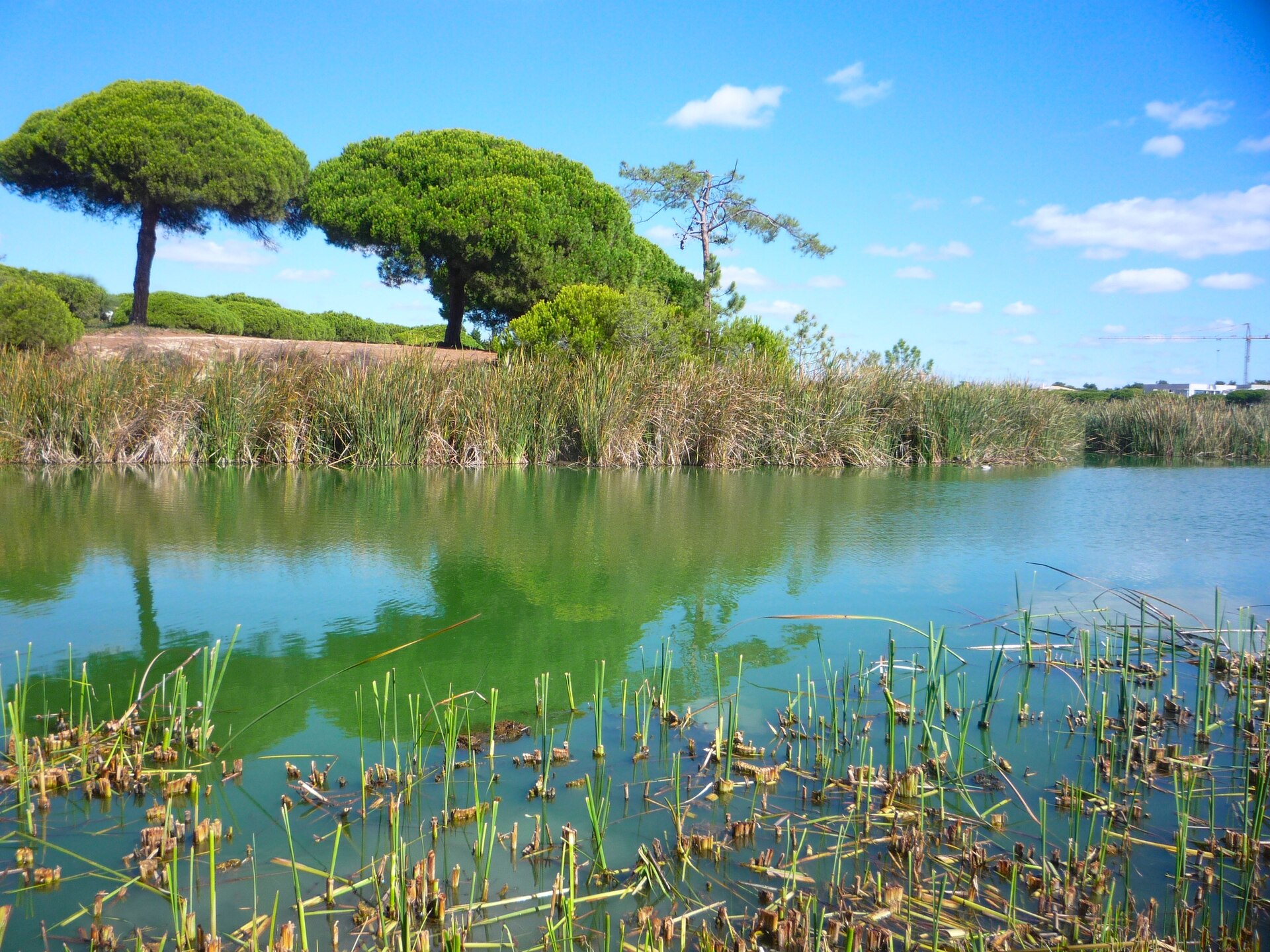
Natura 2000 · resident, wintering 21,399 records
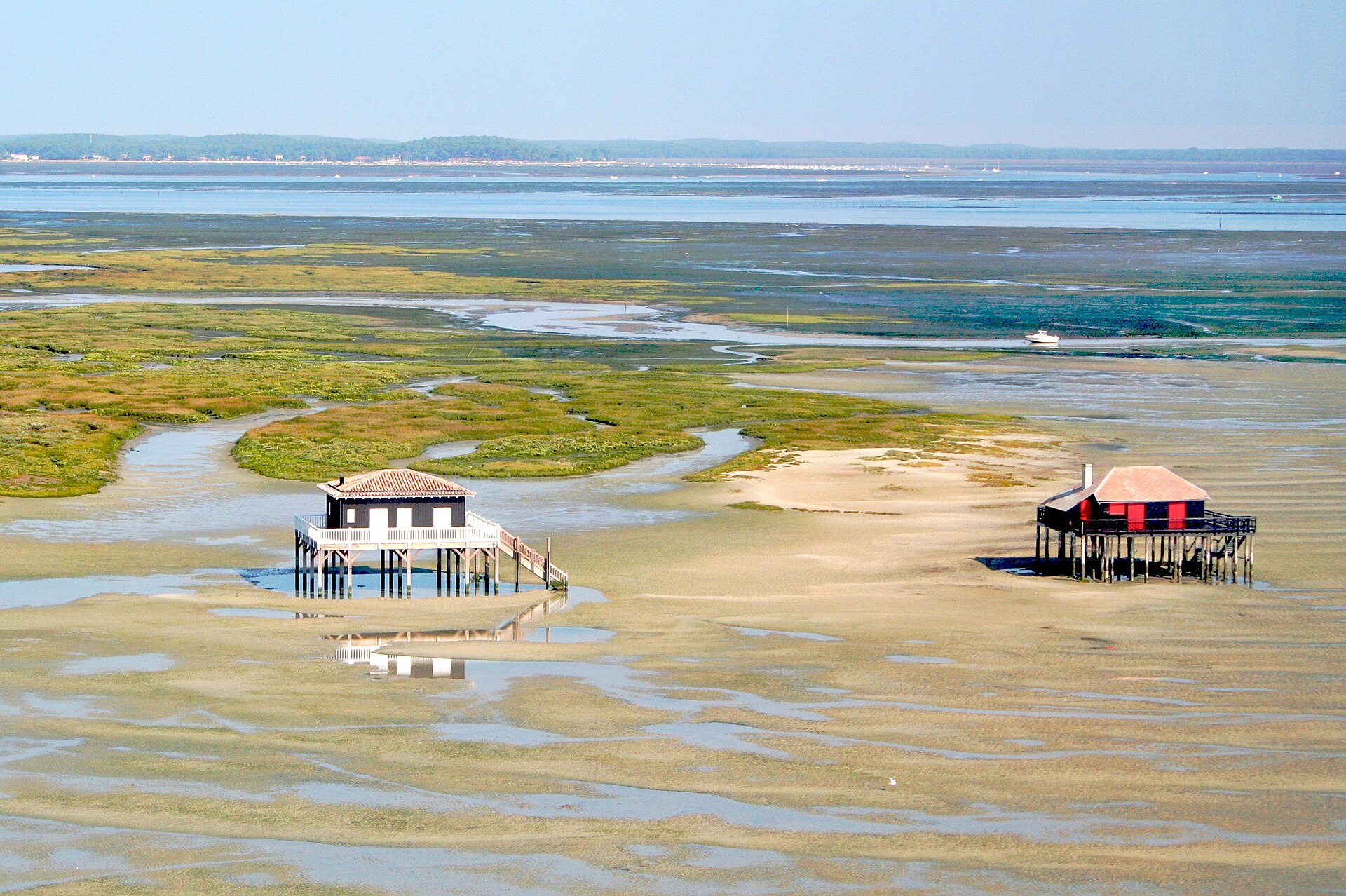
Natura 2000 · wintering, breeding, passage 19,339 records
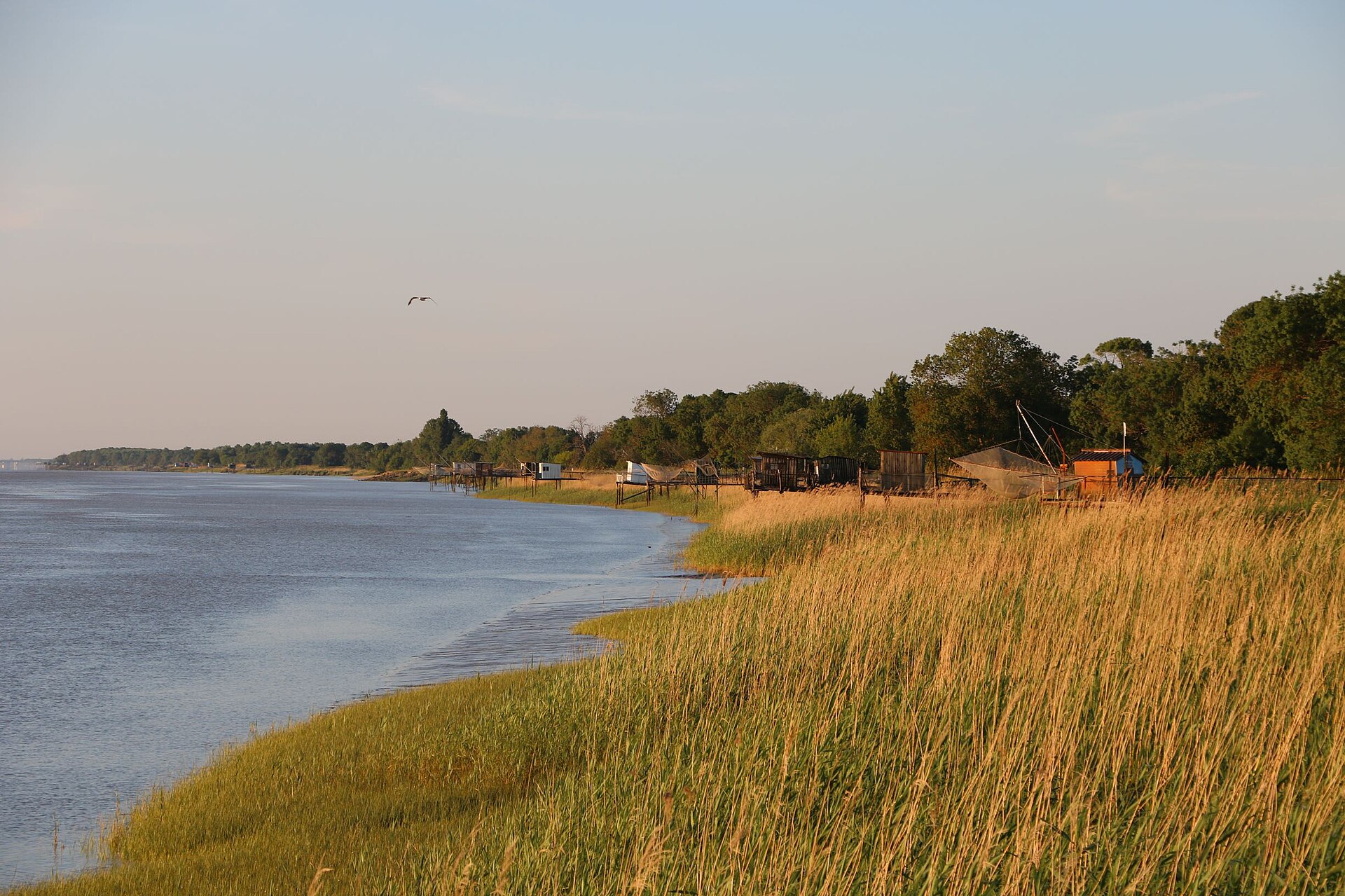
Natura 2000 · wintering, breeding, passage, resident 18,869 records
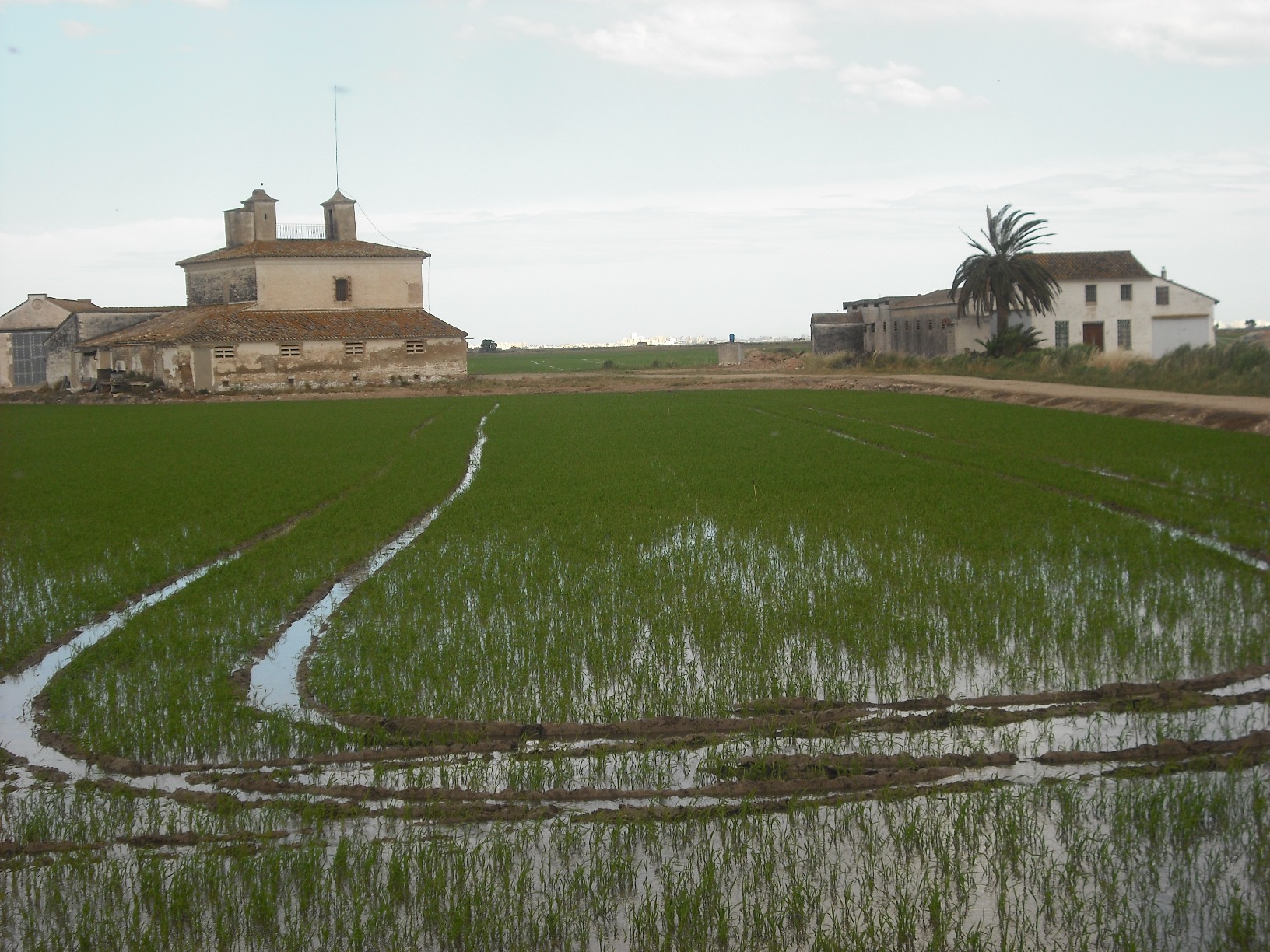
Natura 2000 · wintering 16,978 records

Natura 2000 · passage, breeding 14,785 records
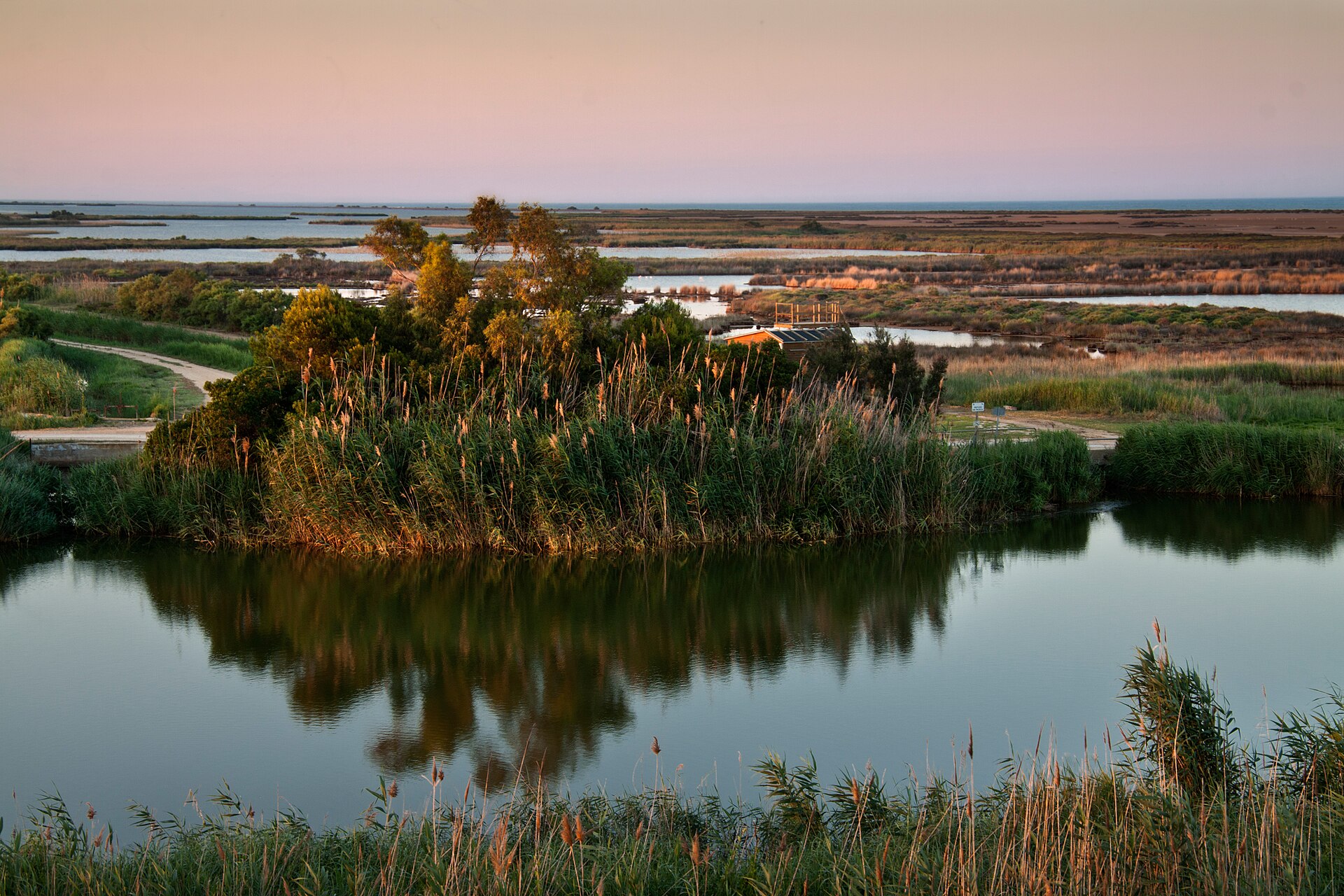
Natura 2000 · breeding, wintering 10,370 records

Natura 2000 · wintering, passage 9,630 records
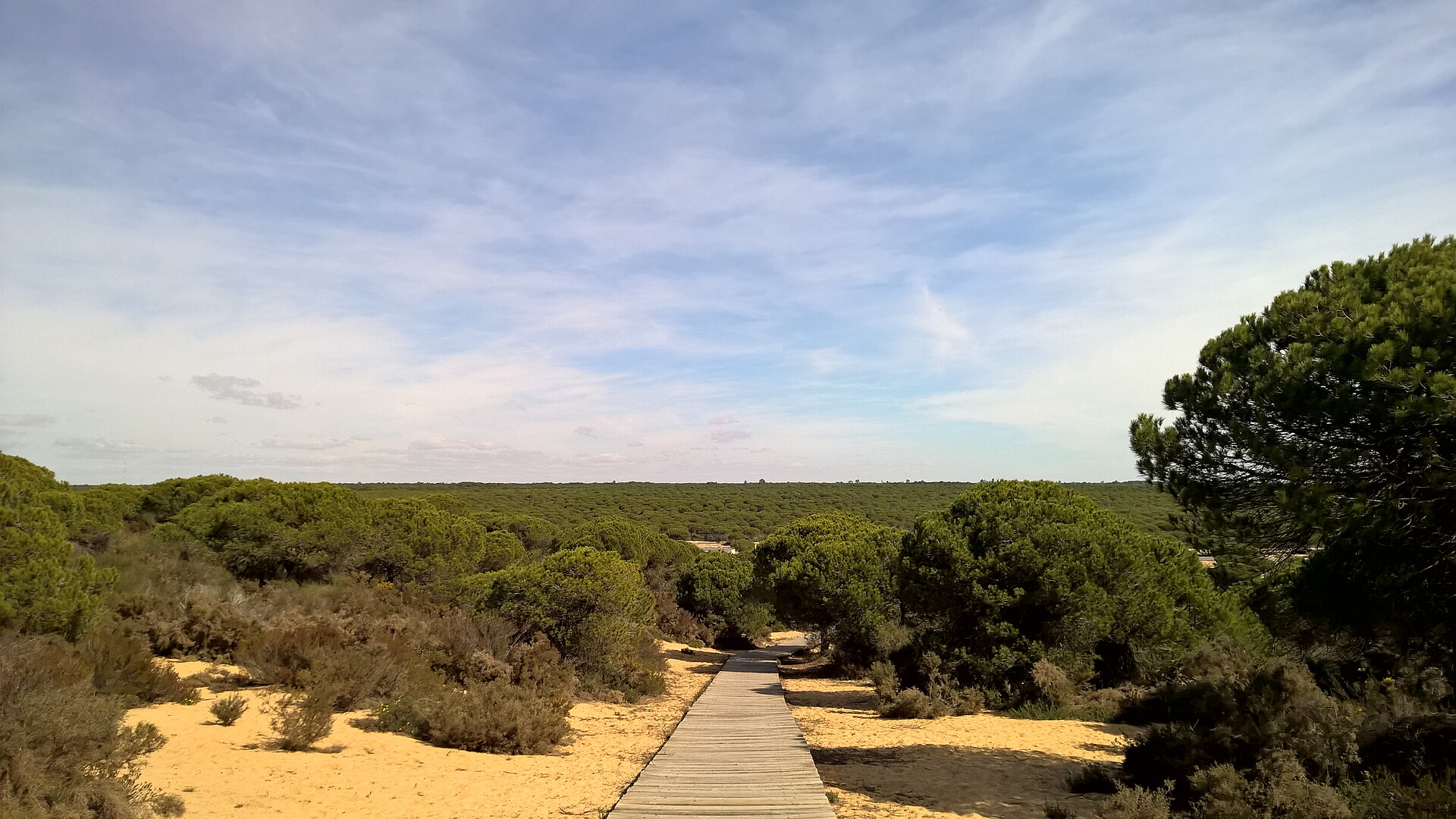
Natura 2000 · wintering 9,470 records

Natura 2000 · wintering 8,324 records

Natura 2000 · breeding, passage 6,581 records

Natura 2000 · breeding, wintering 5,862 records
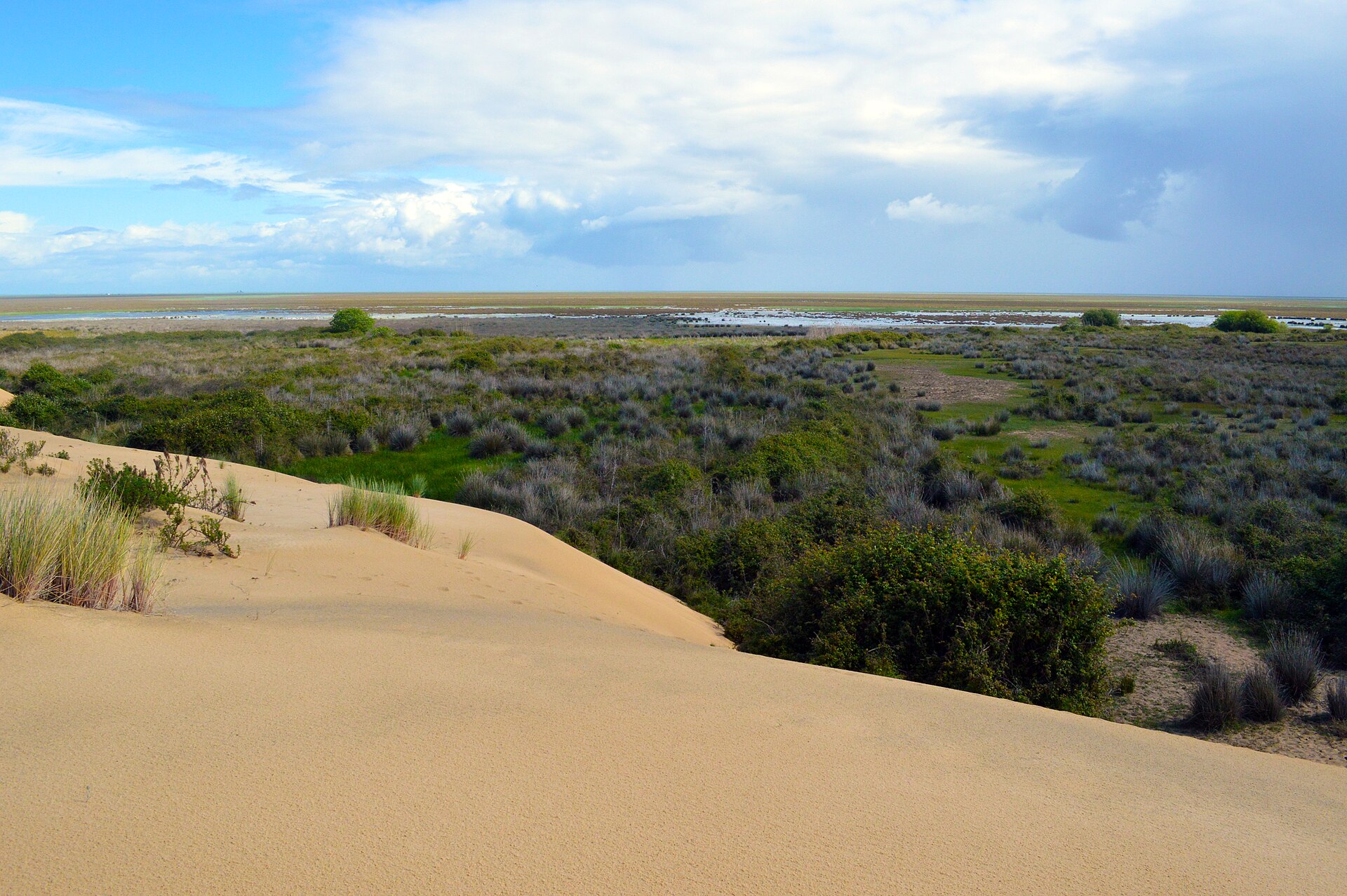
Natura 2000 · wintering 3,850 records
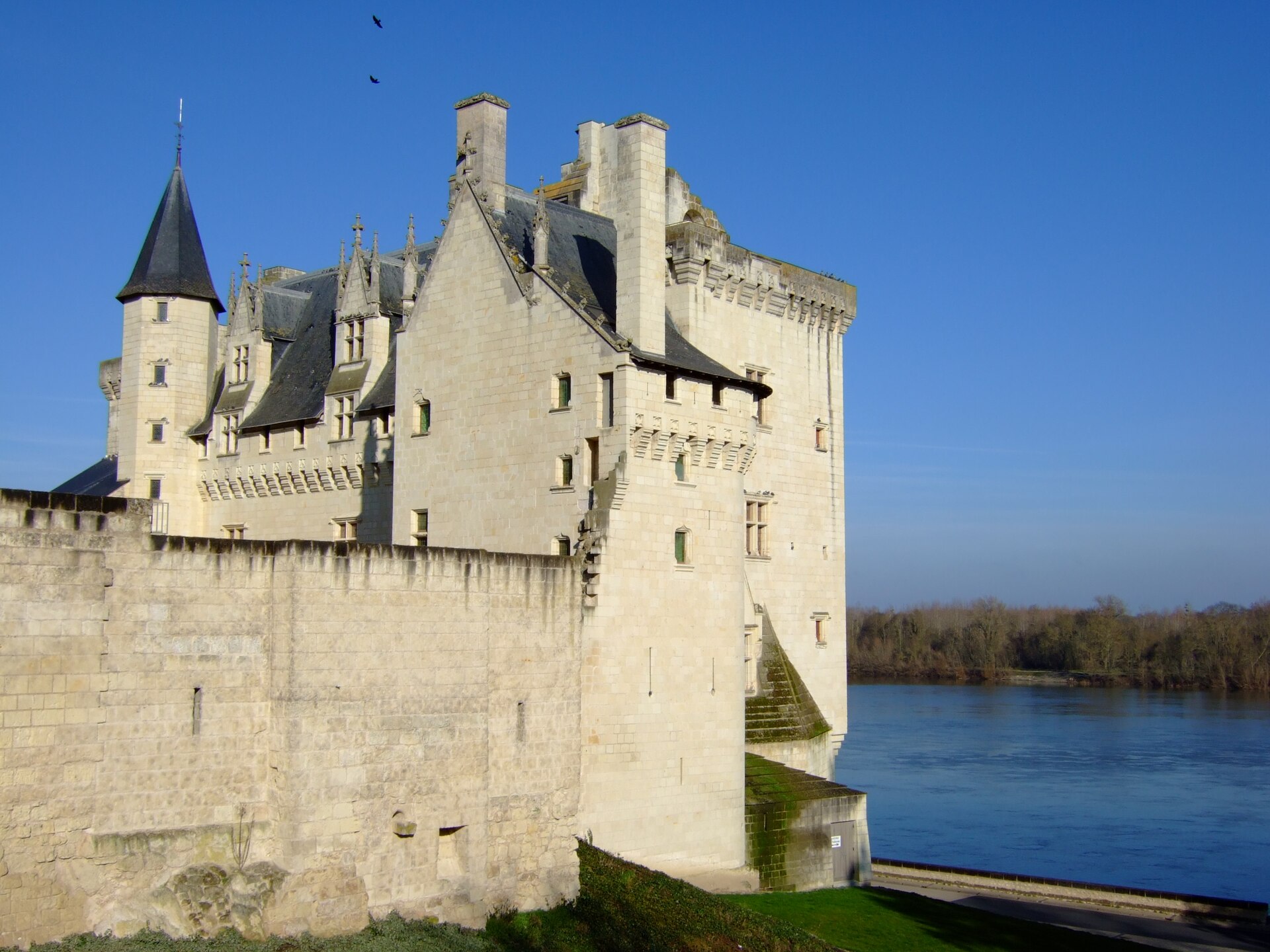
Natura 2000 · passage, wintering 3,124 records
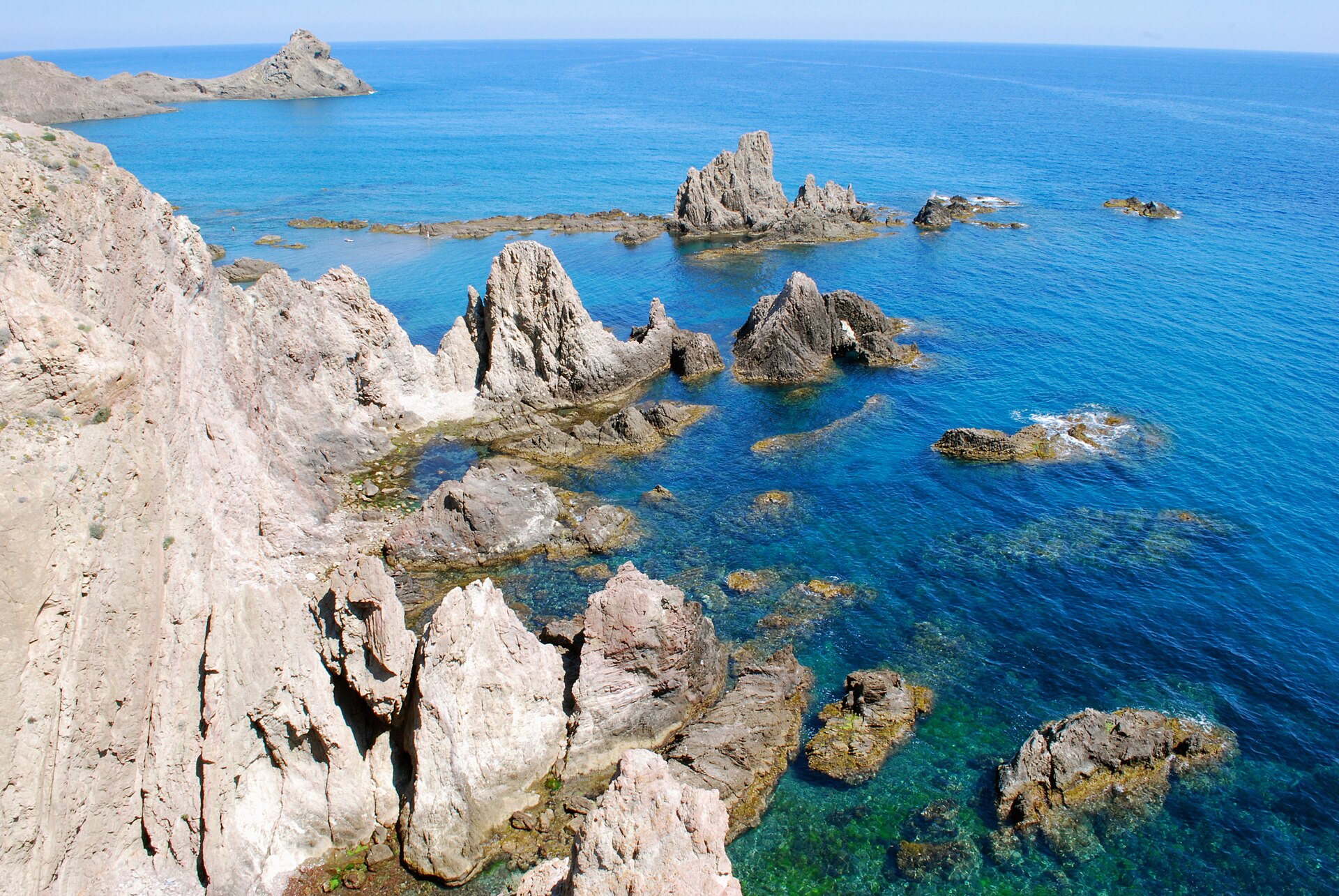
Natura 2000 · wintering 2,460 records
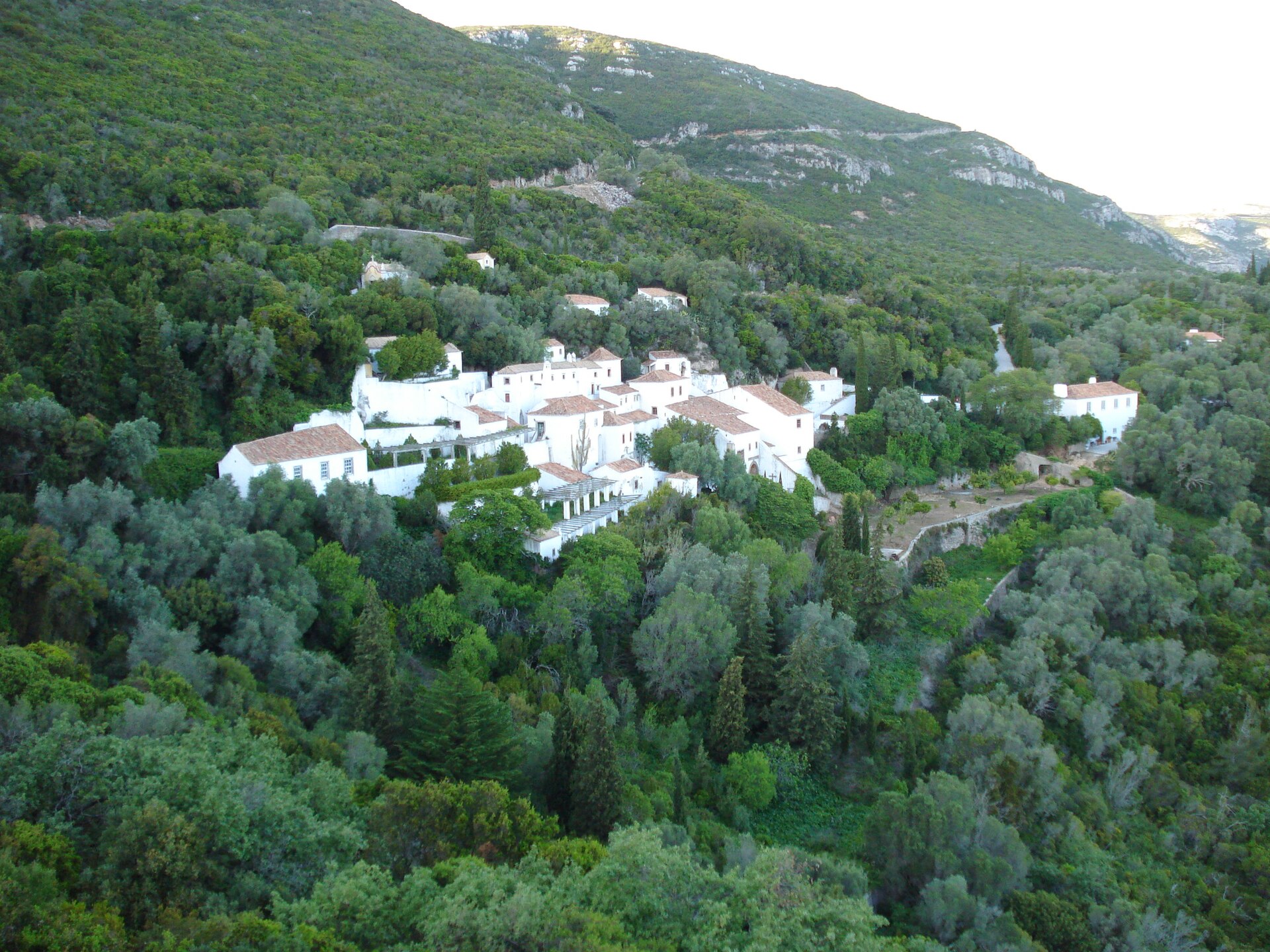
Natura 2000 · wintering 2,396 records
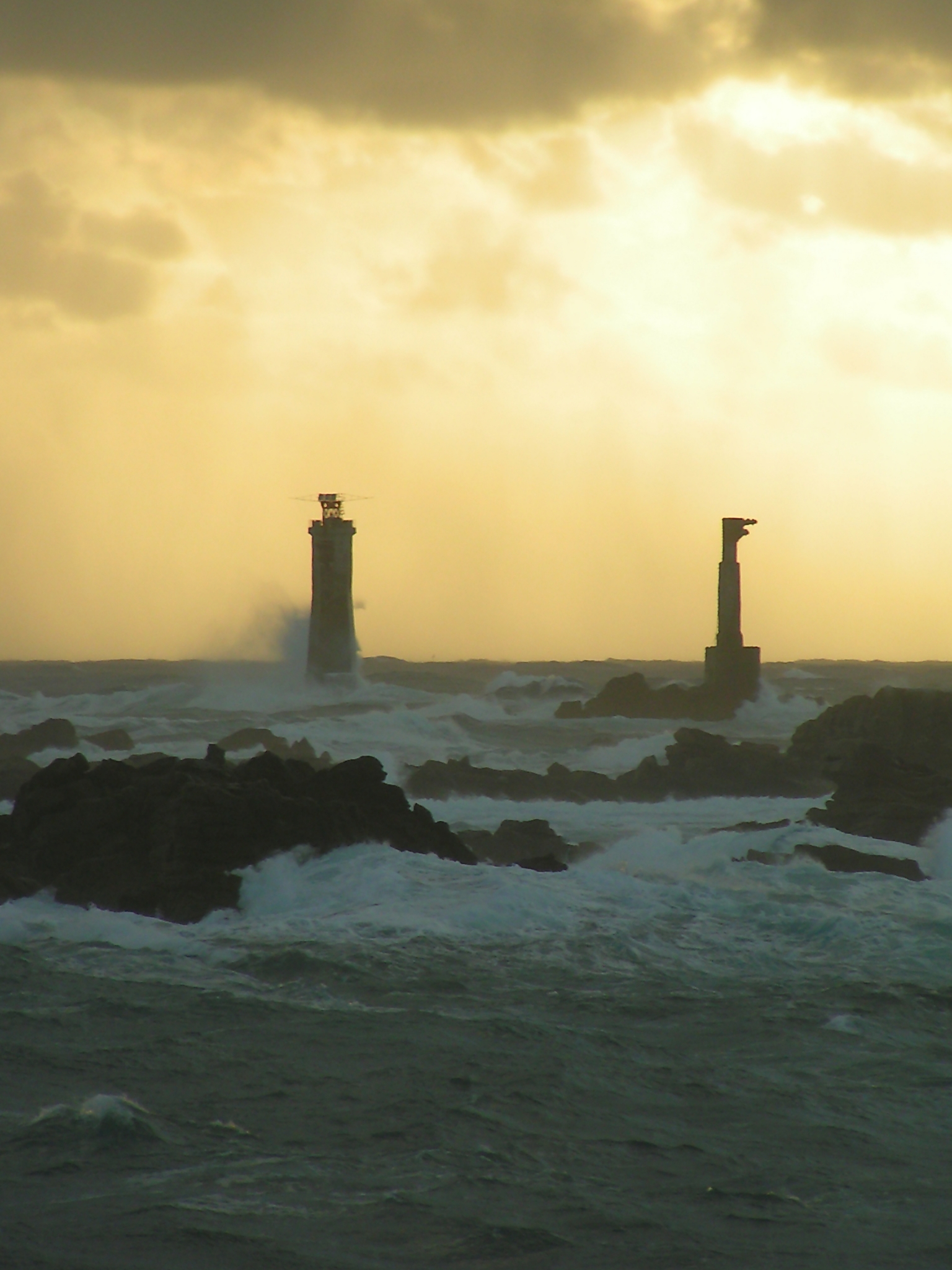
Natura 2000 · wintering, passage, breeding, resident 2,114 records
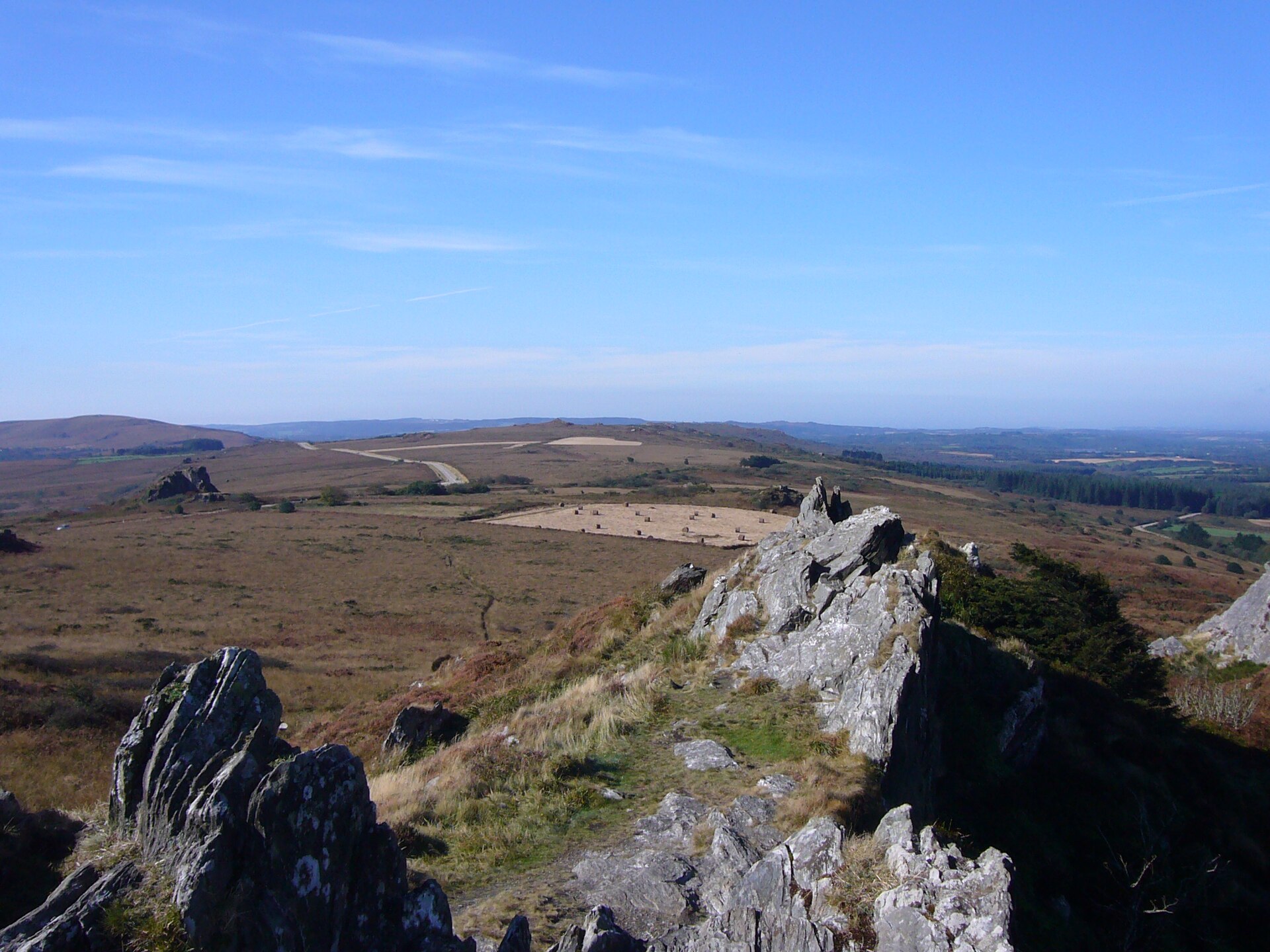
Natura 2000 · wintering 2,044 records
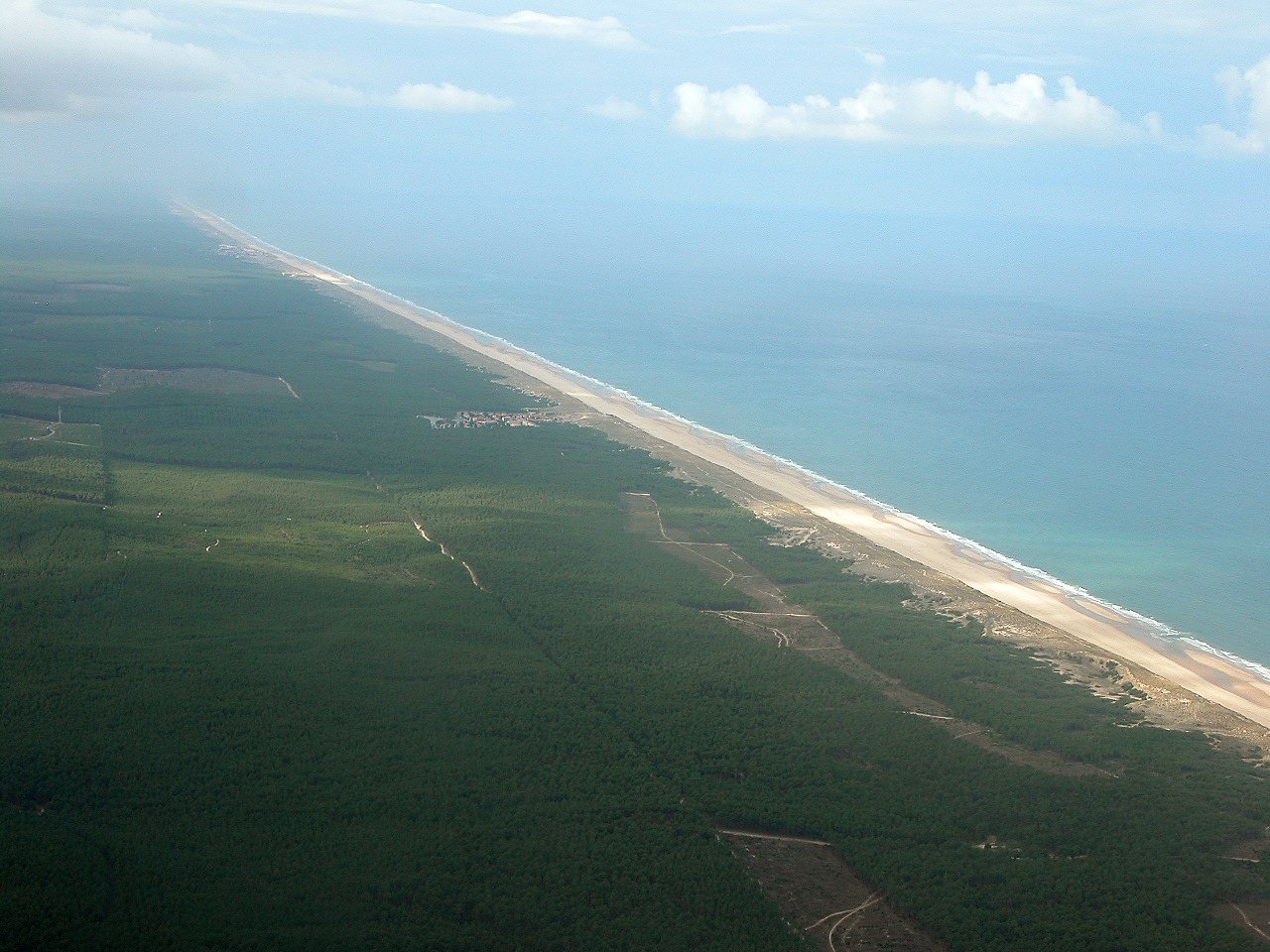
Natura 2000 · resident, wintering 1,997 records
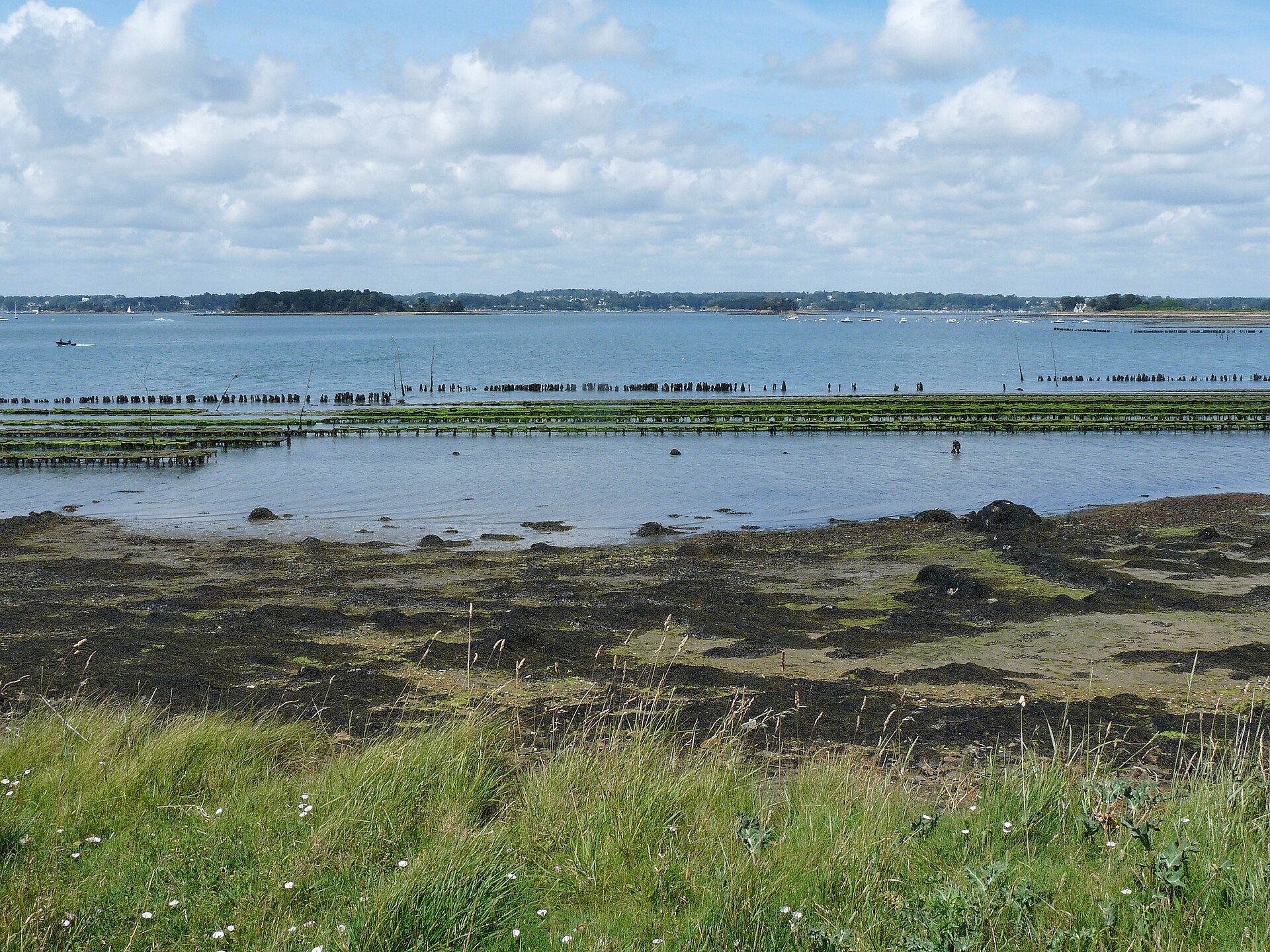
Natura 2000 · wintering, passage, breeding 1,093 records

Natura 2000 · resident, breeding 862 records
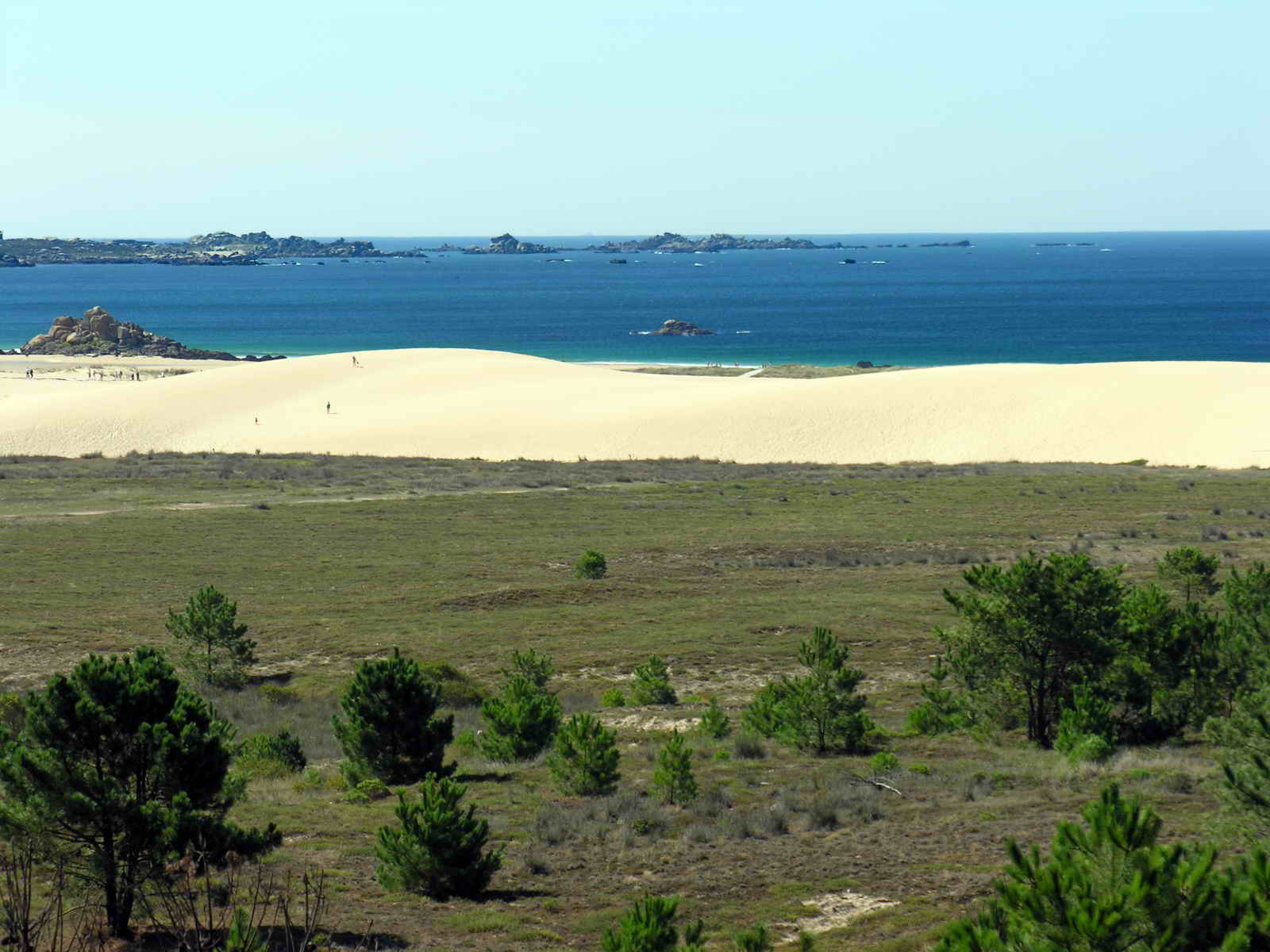
Natura 2000 · passage, breeding 564 records

Natura 2000 · resident, passage, breeding 364 records
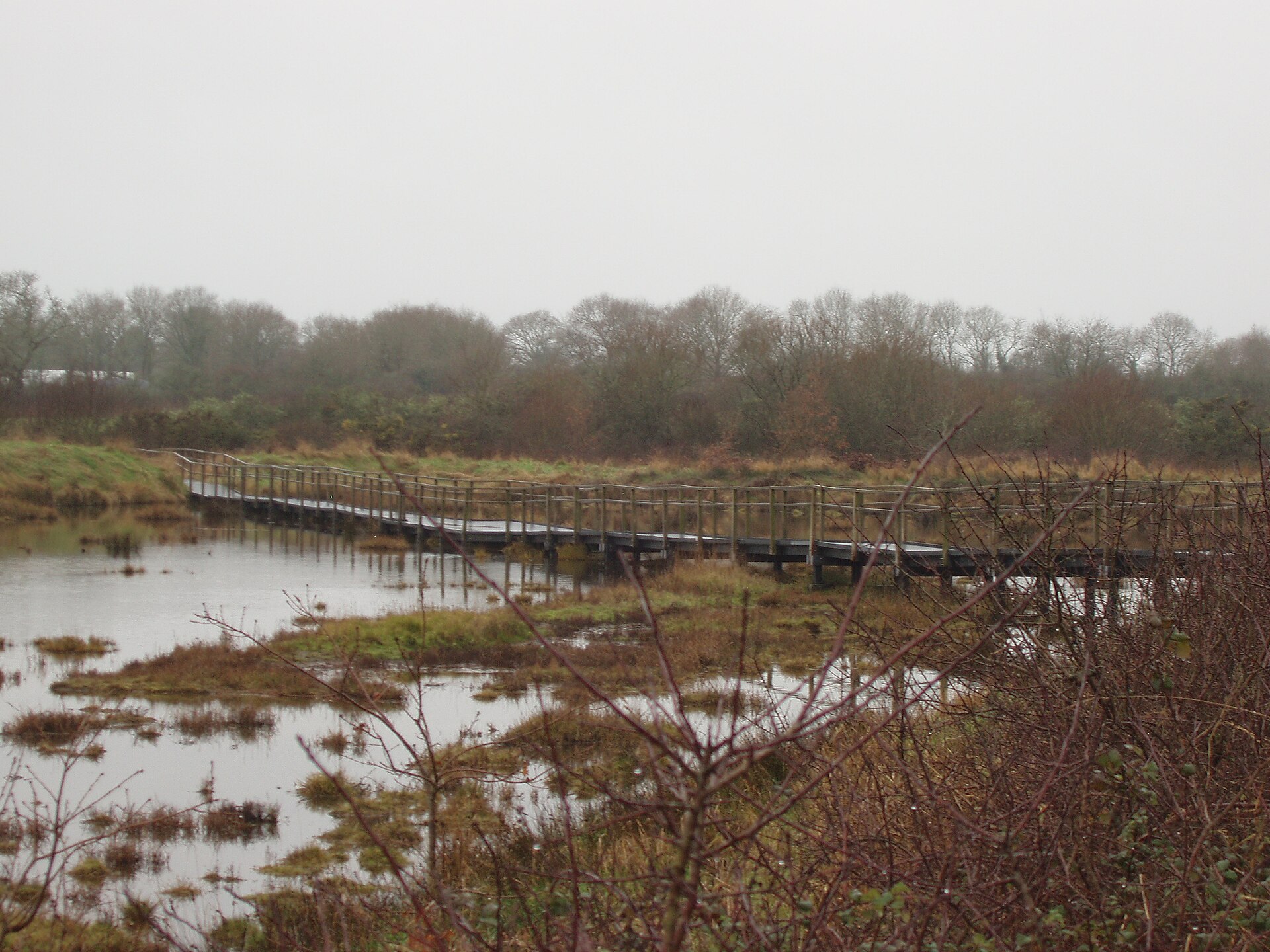
Natura 2000 · passage, breeding, wintering 158 records
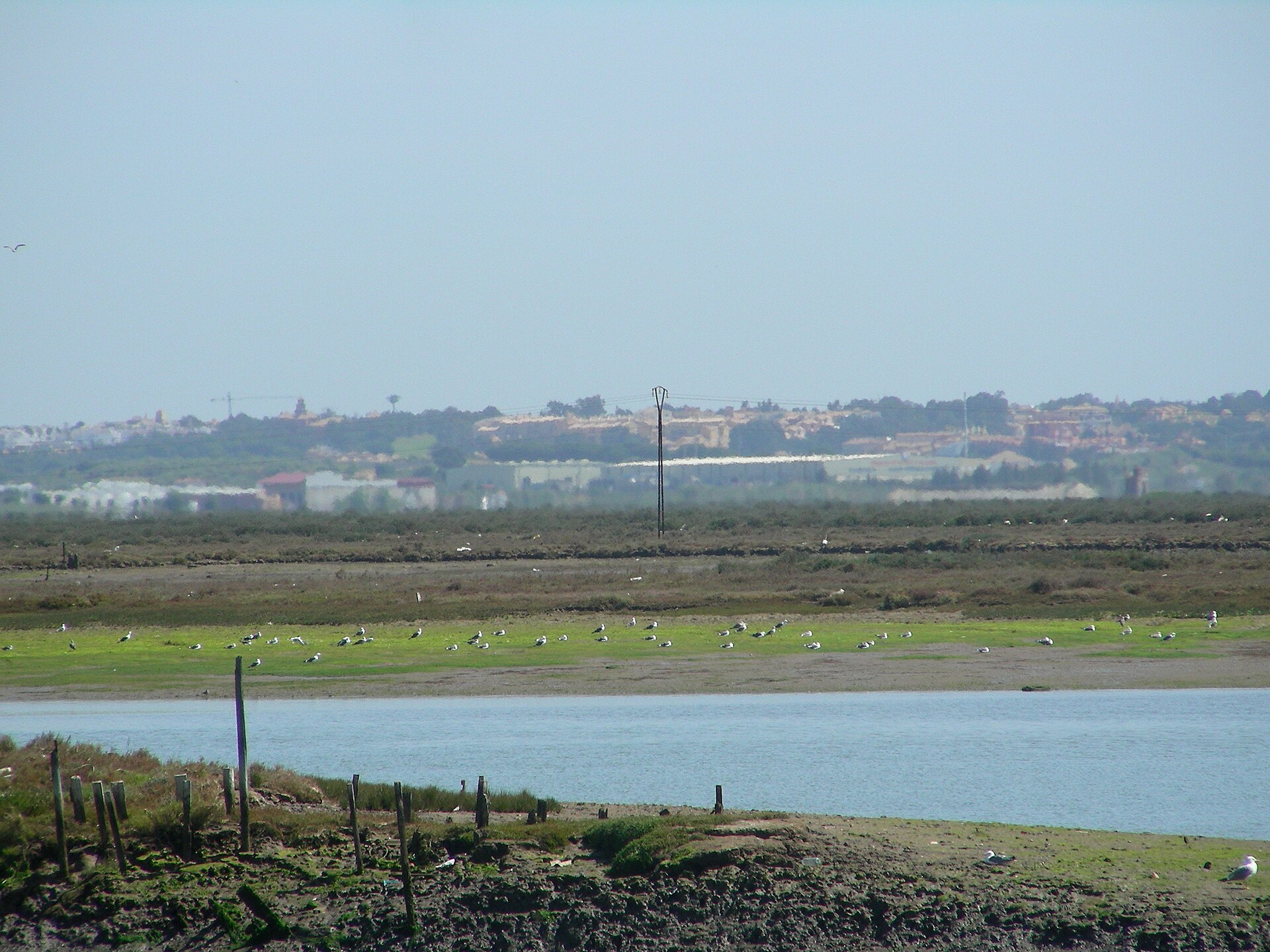
Natura 2000 · wintering 36 records

162,238 records
26,150 records
22,612 records

21,215 records
11,794 records

8,643 records

7,609 records
6,022 records
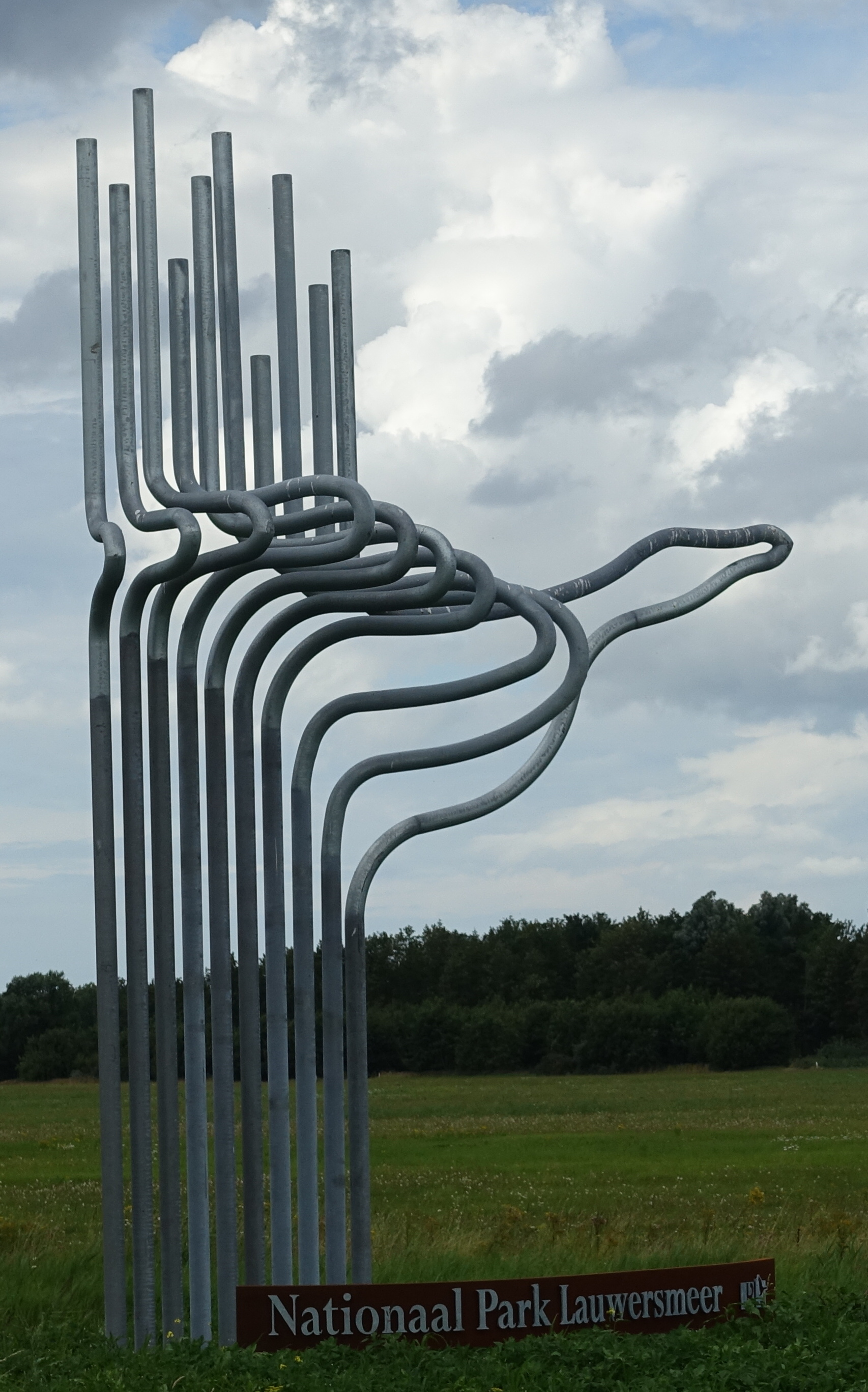
5,115 records

4,584 records
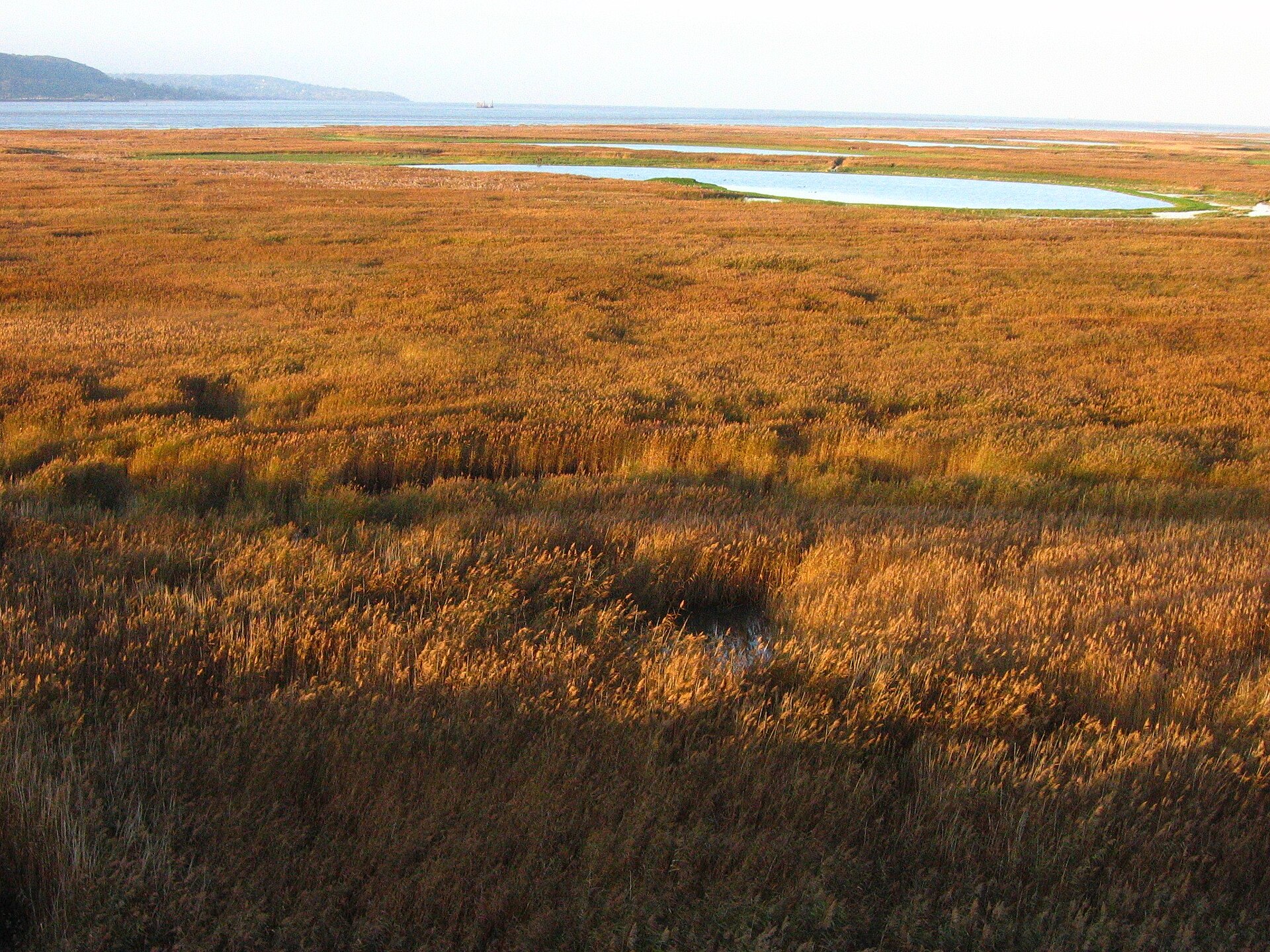
4,521 records
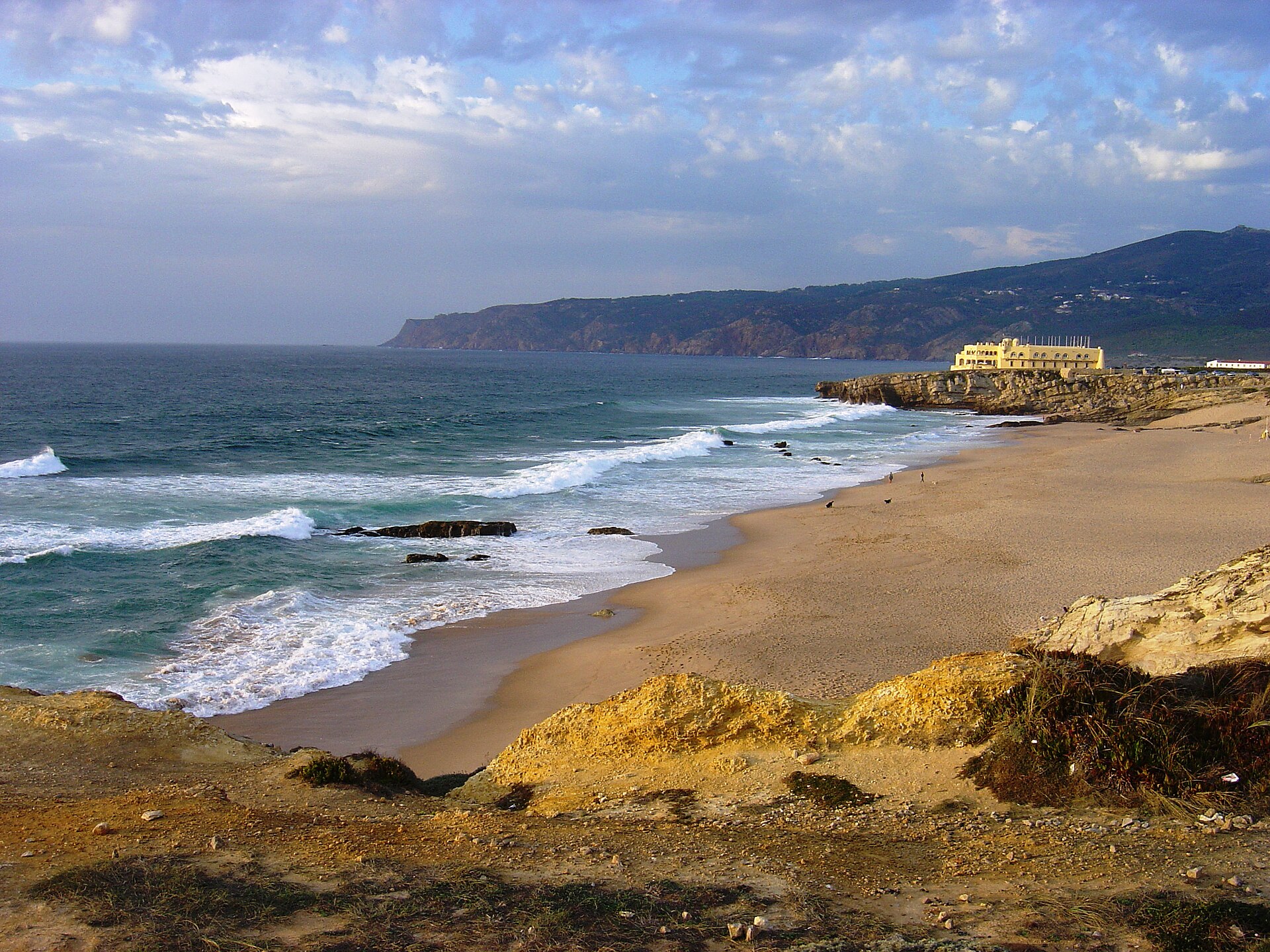
3,694 records

3,502 records
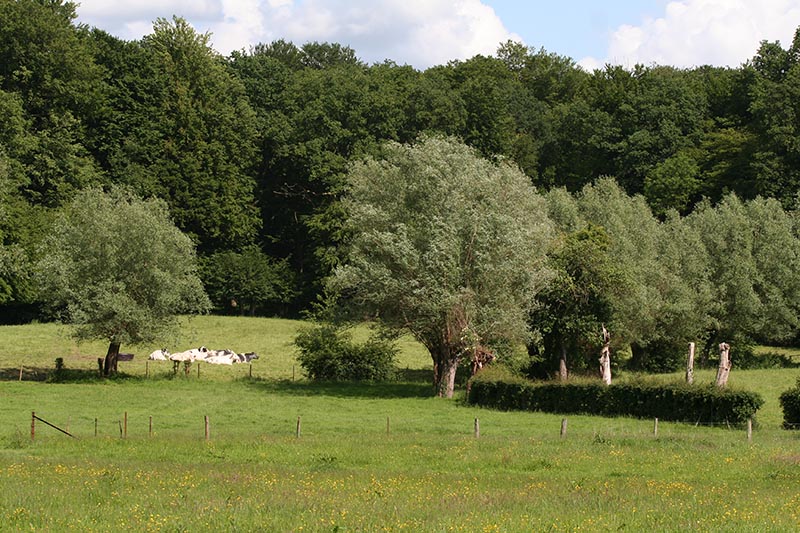
3,500 records
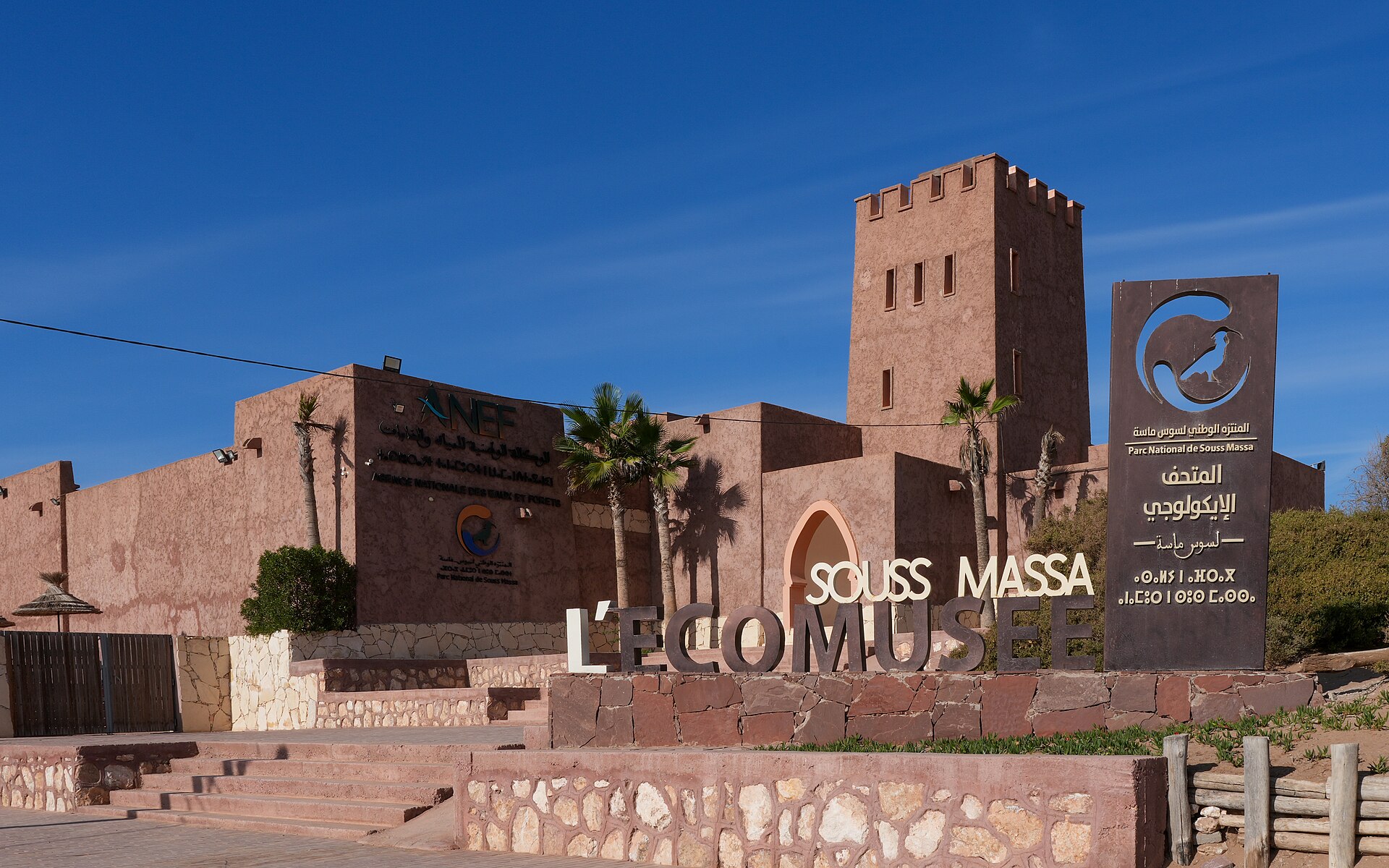
2,677 records
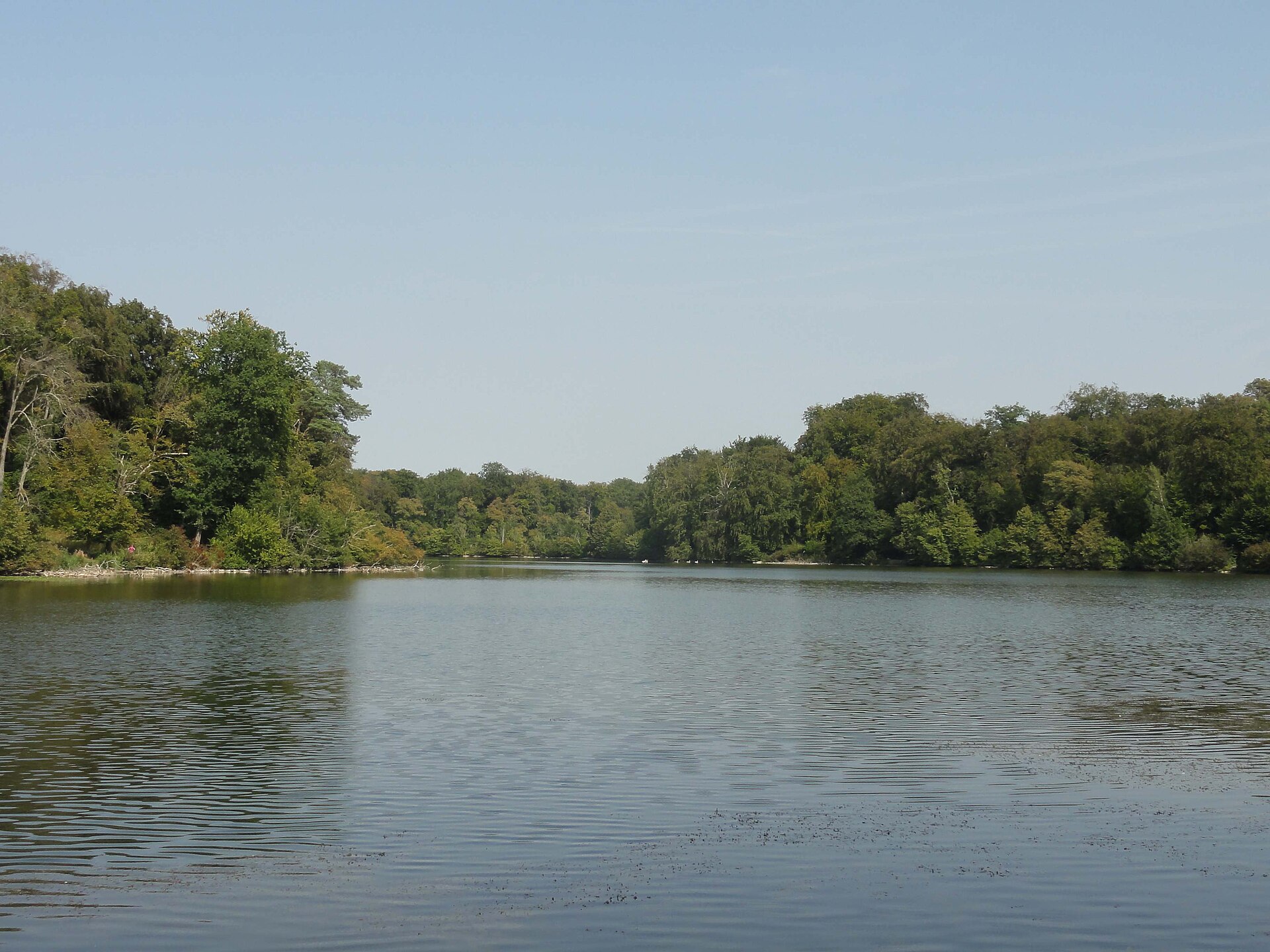
2,616 records
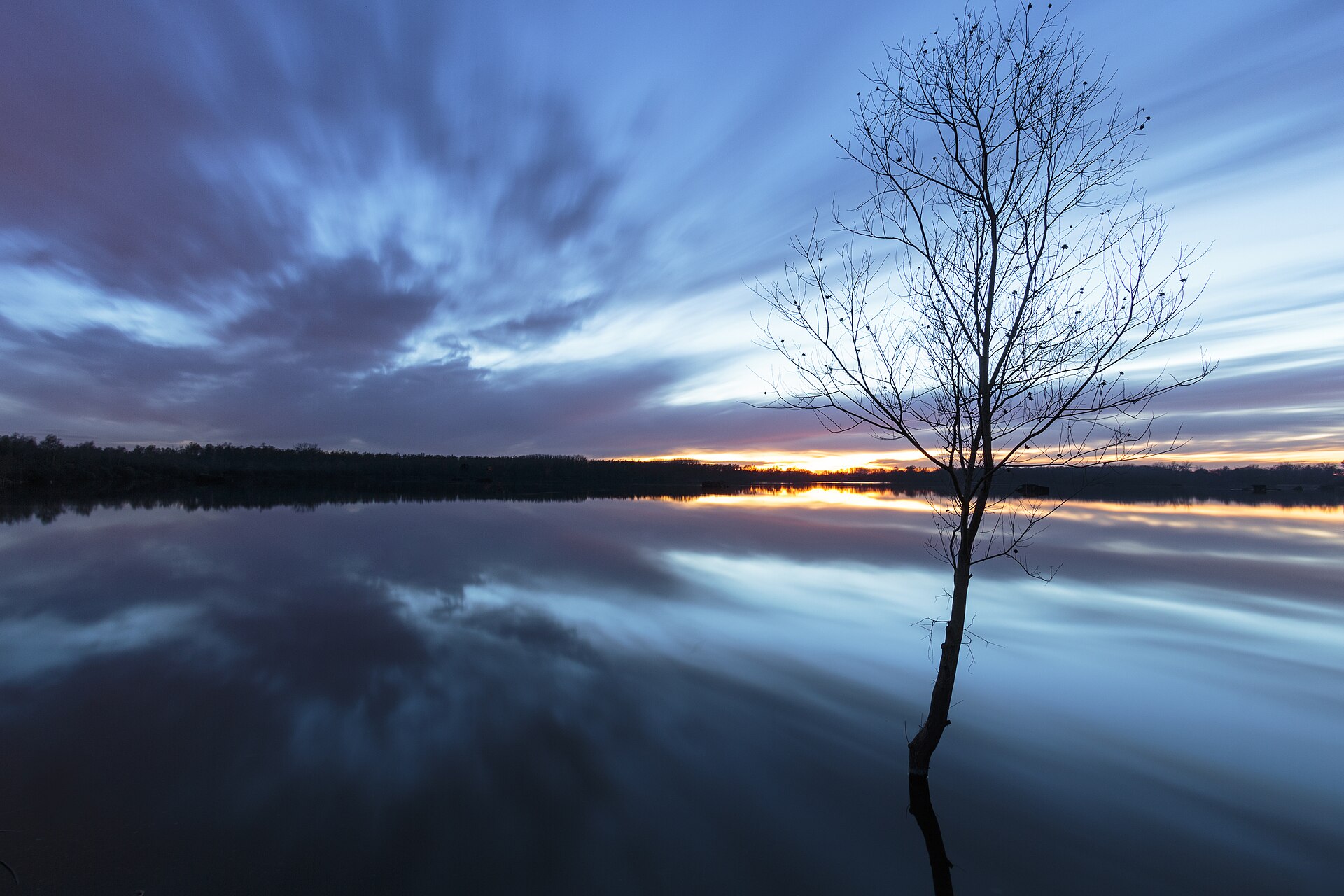
2,490 records
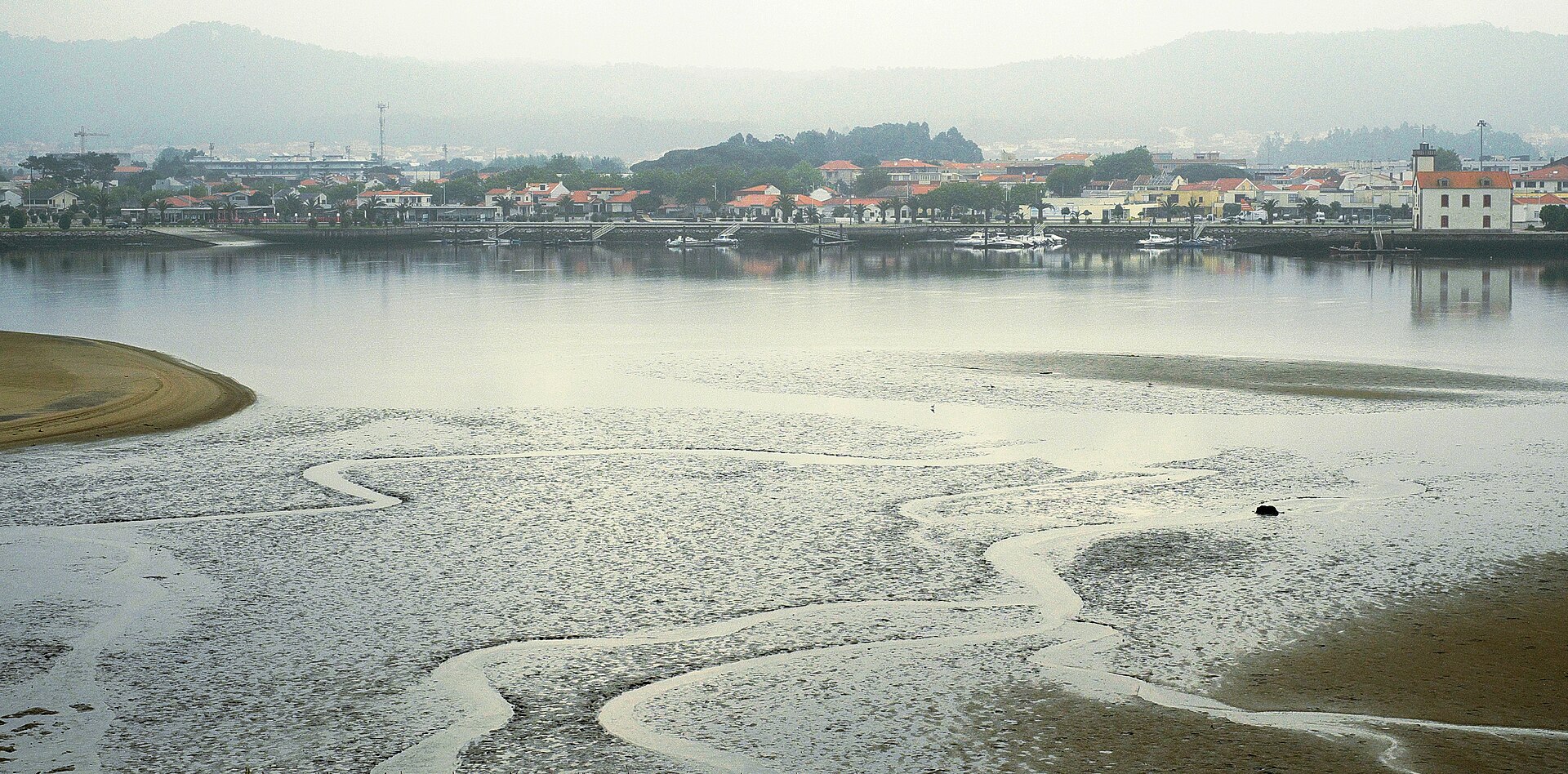
2,374 records
2,322 records

1,914 records
1,672 records
1,053 records

799 records
777 records

606 records

574 records

556 records
385 records
274 records

191 records

190 records
143 records
104 records
87 records

78 records

39 records

36 records
10 records
8 records
7 records
4 records
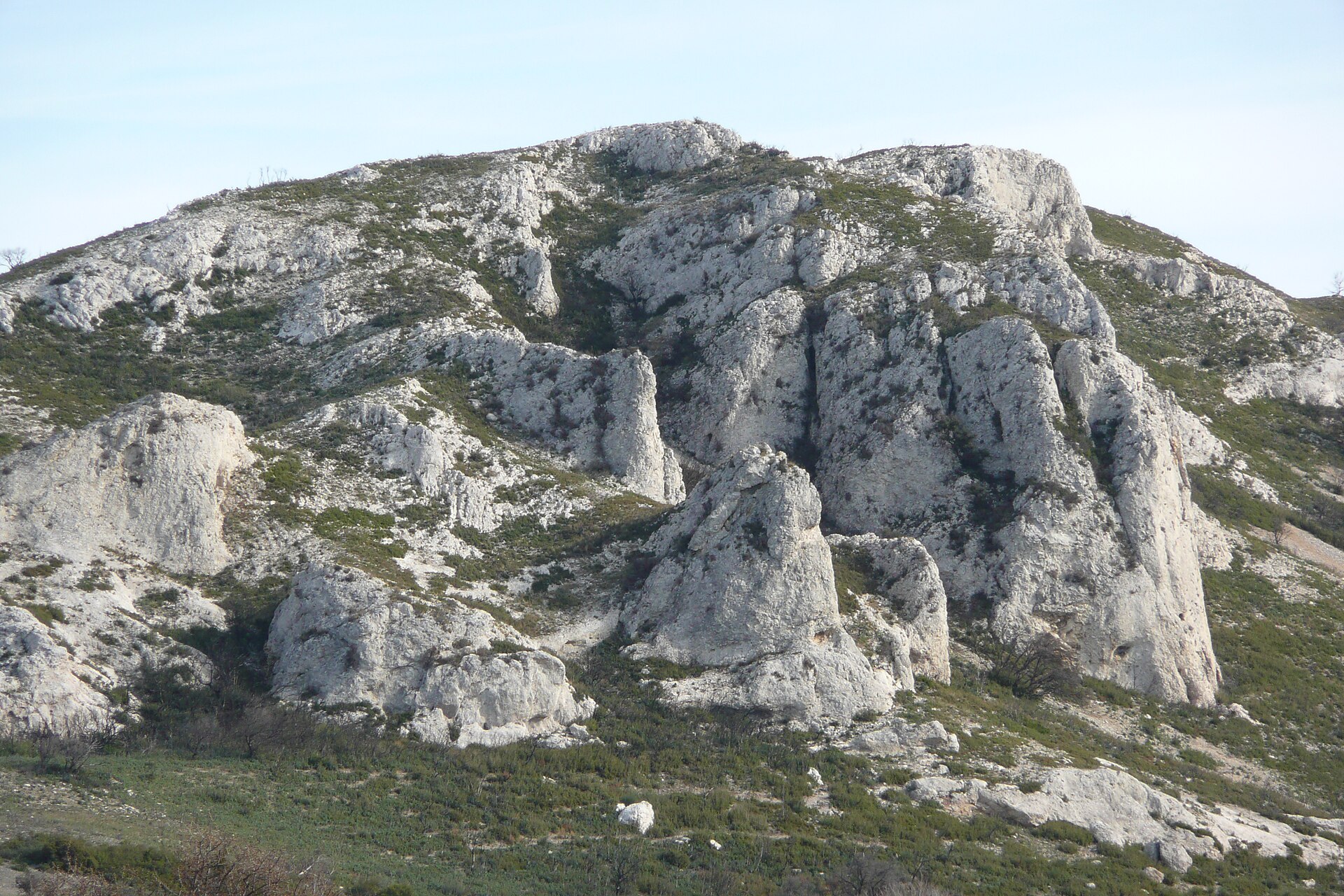
Natura 2000 · wintering
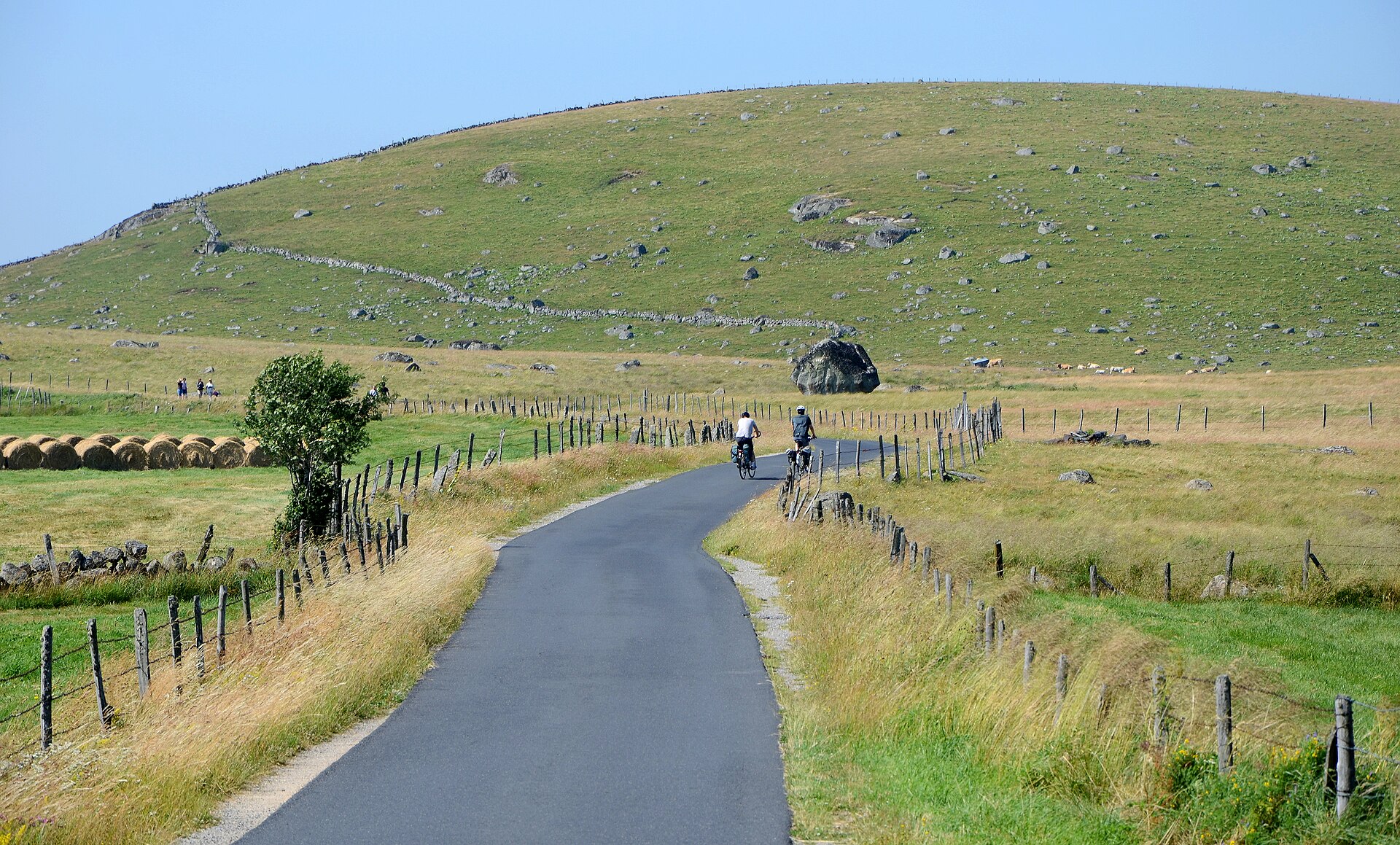
Natura 2000 · passage
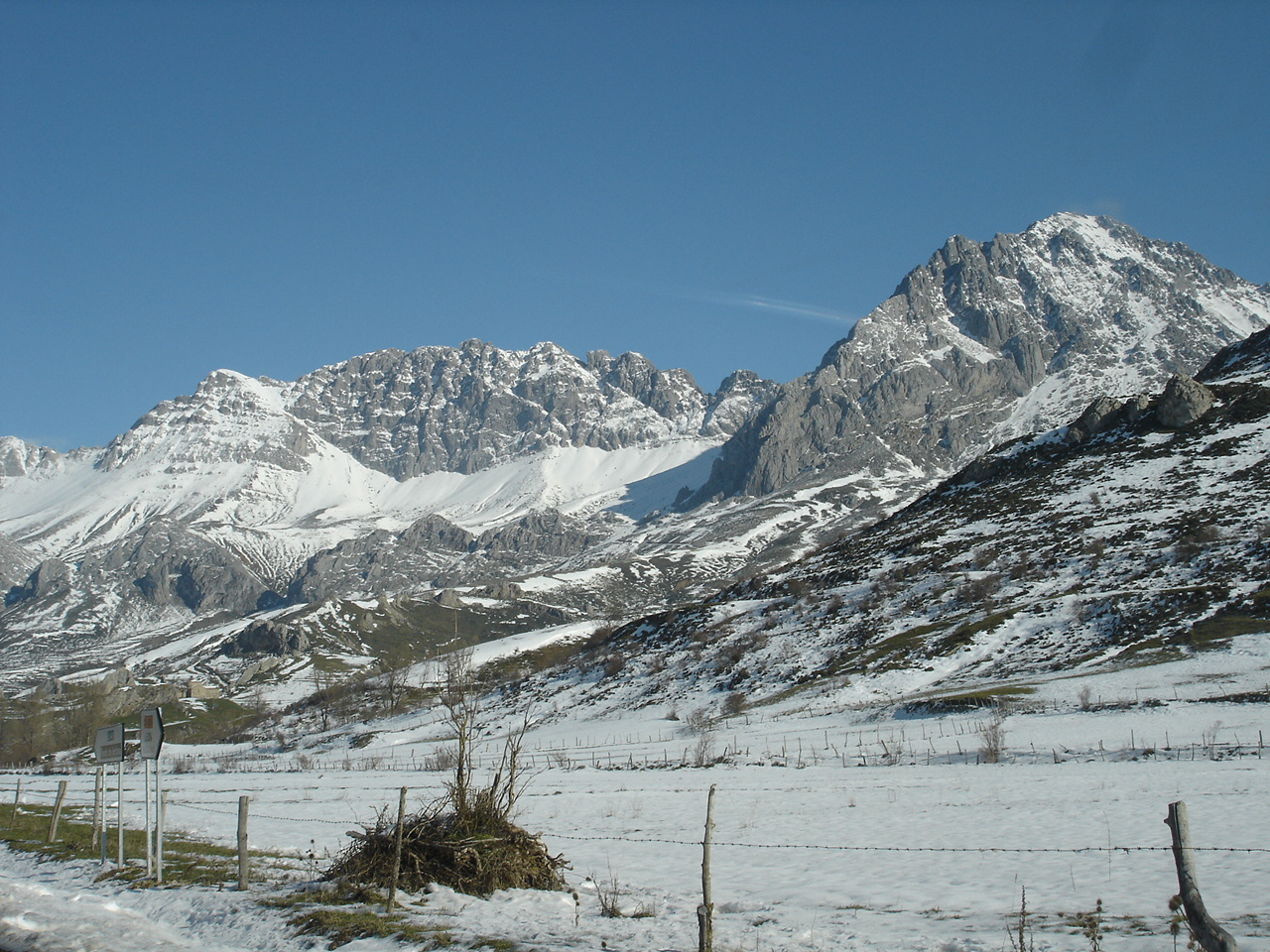
Natura 2000 · passage
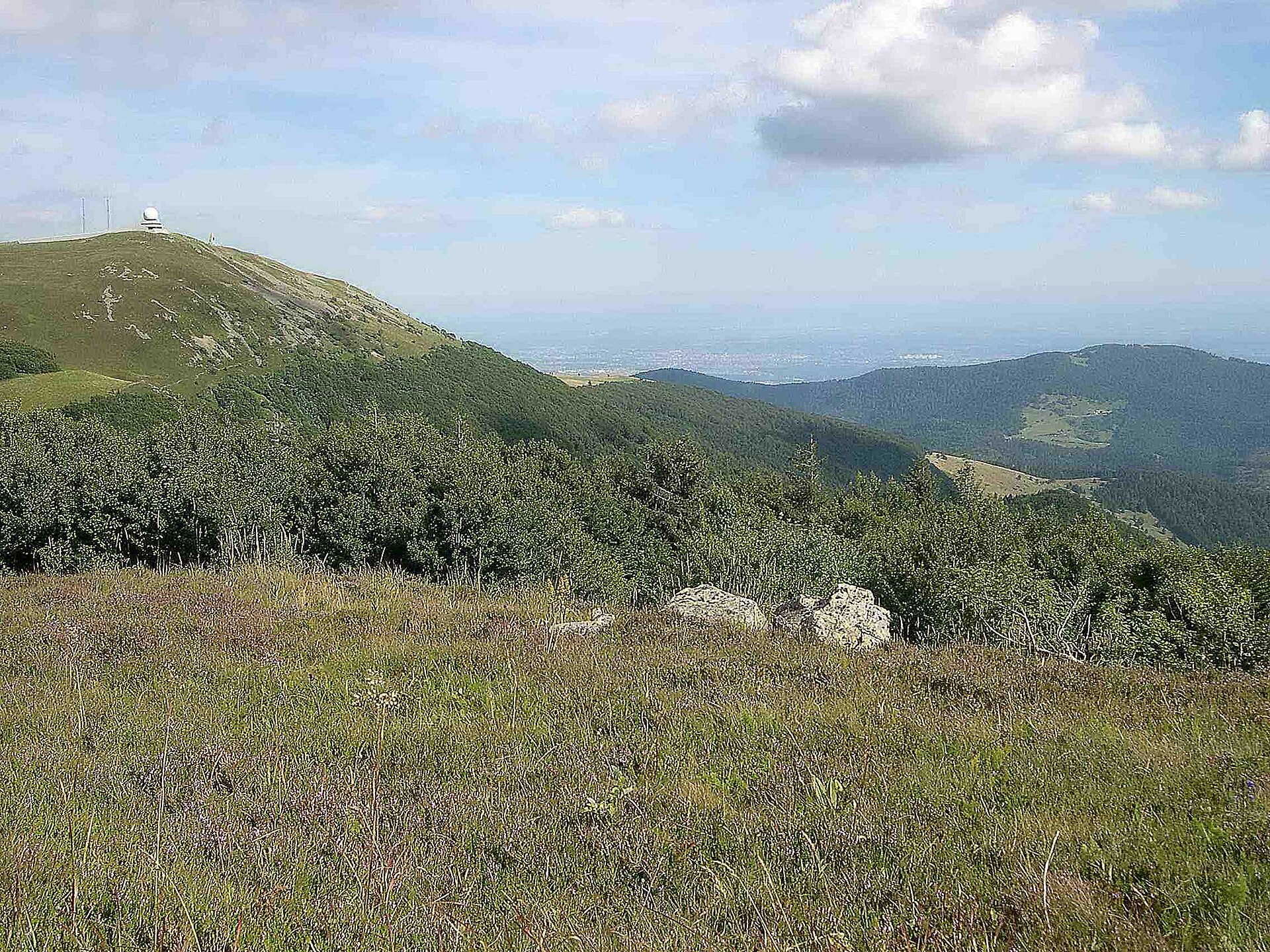
Natura 2000 · passage
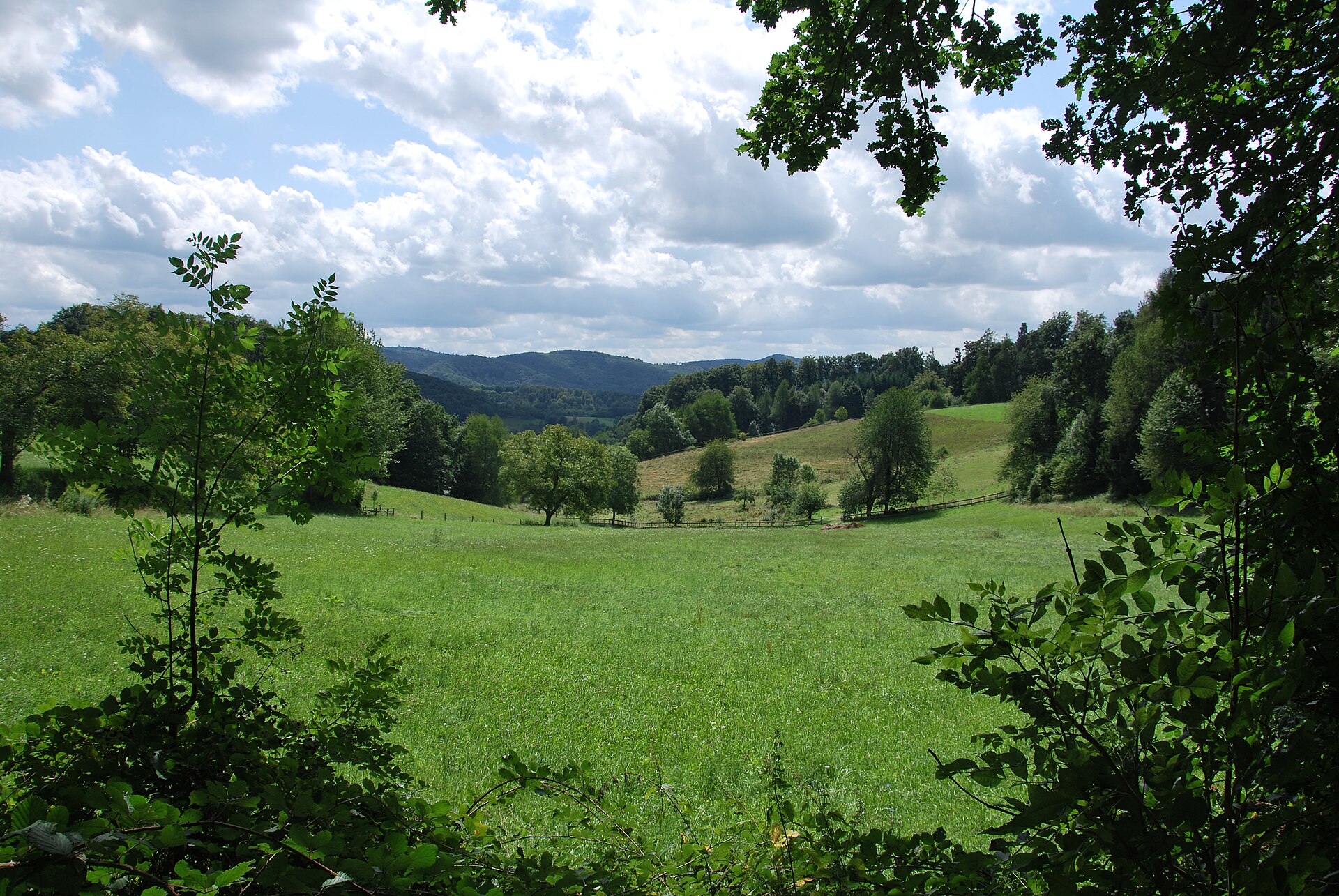
Natura 2000 · passage
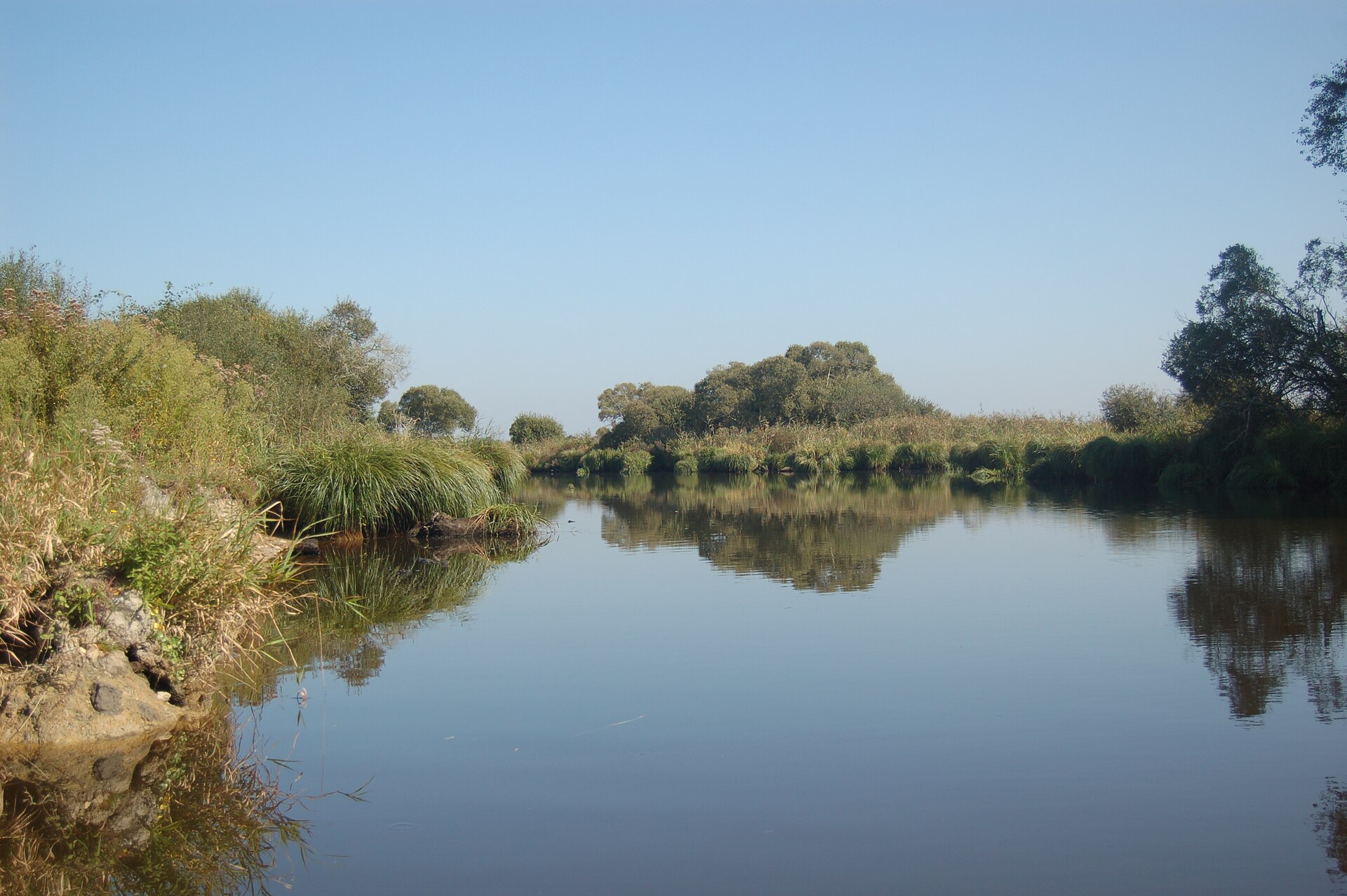
Natura 2000 · wintering, breeding

Natura 2000 · wintering
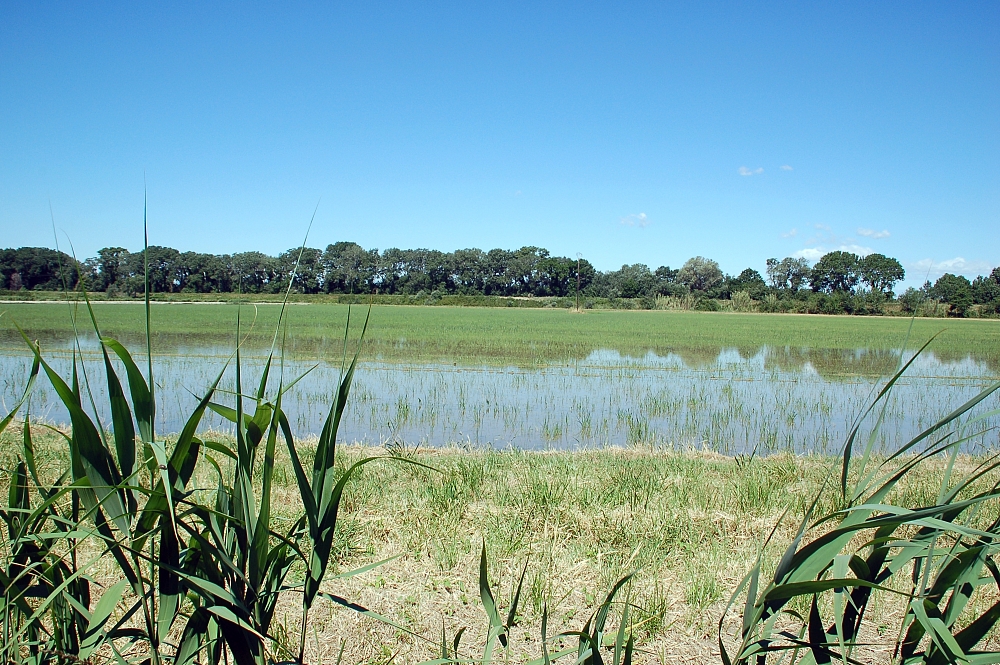
Natura 2000 · wintering, passage

Natura 2000 · passage
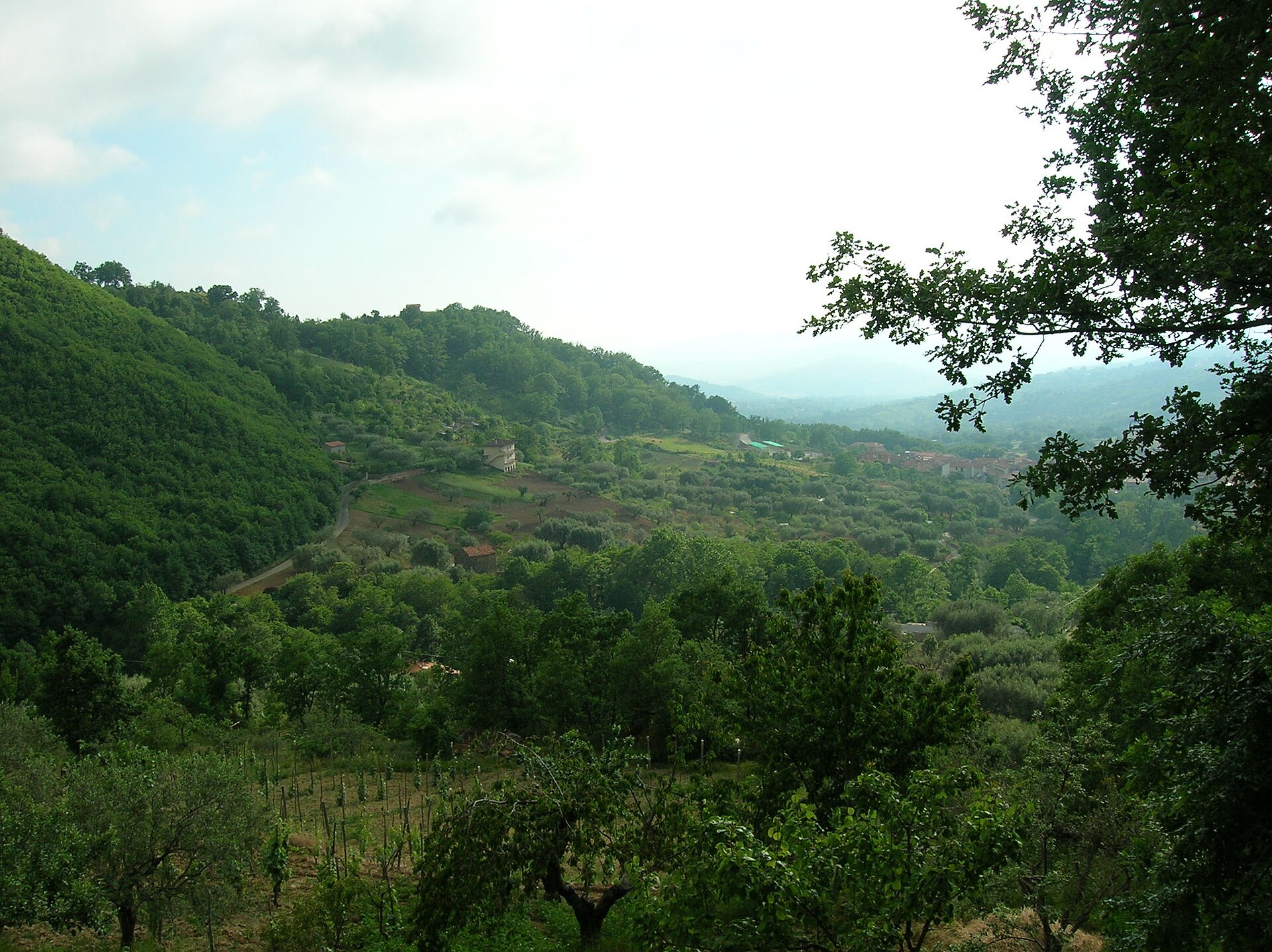
Natura 2000 · passage, wintering
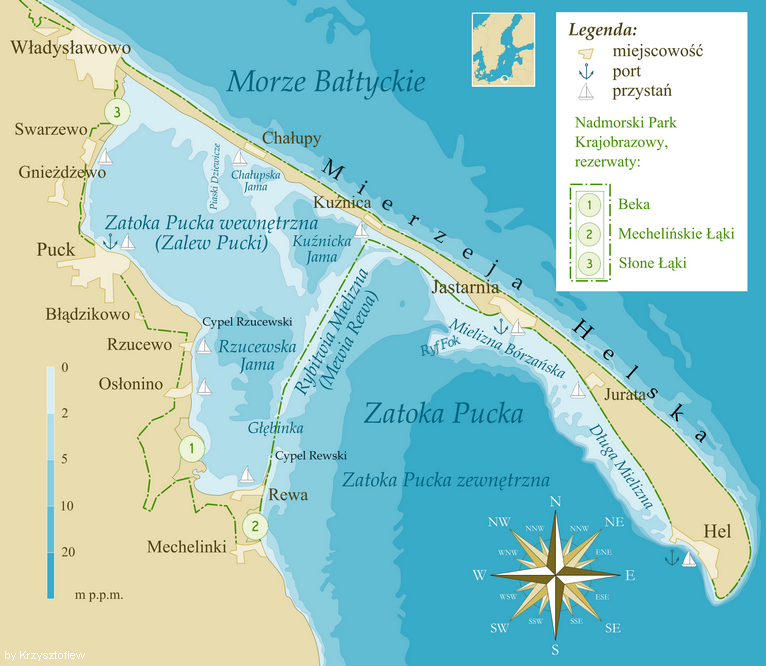
Natura 2000 · passage, wintering

Natura 2000 · wintering
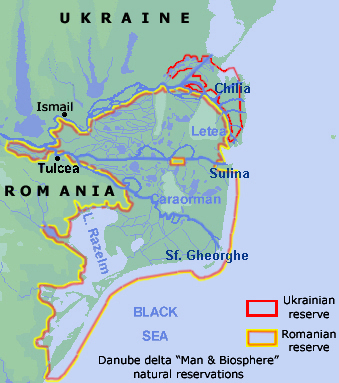
Natura 2000 · passage

Natura 2000 · passage, wintering
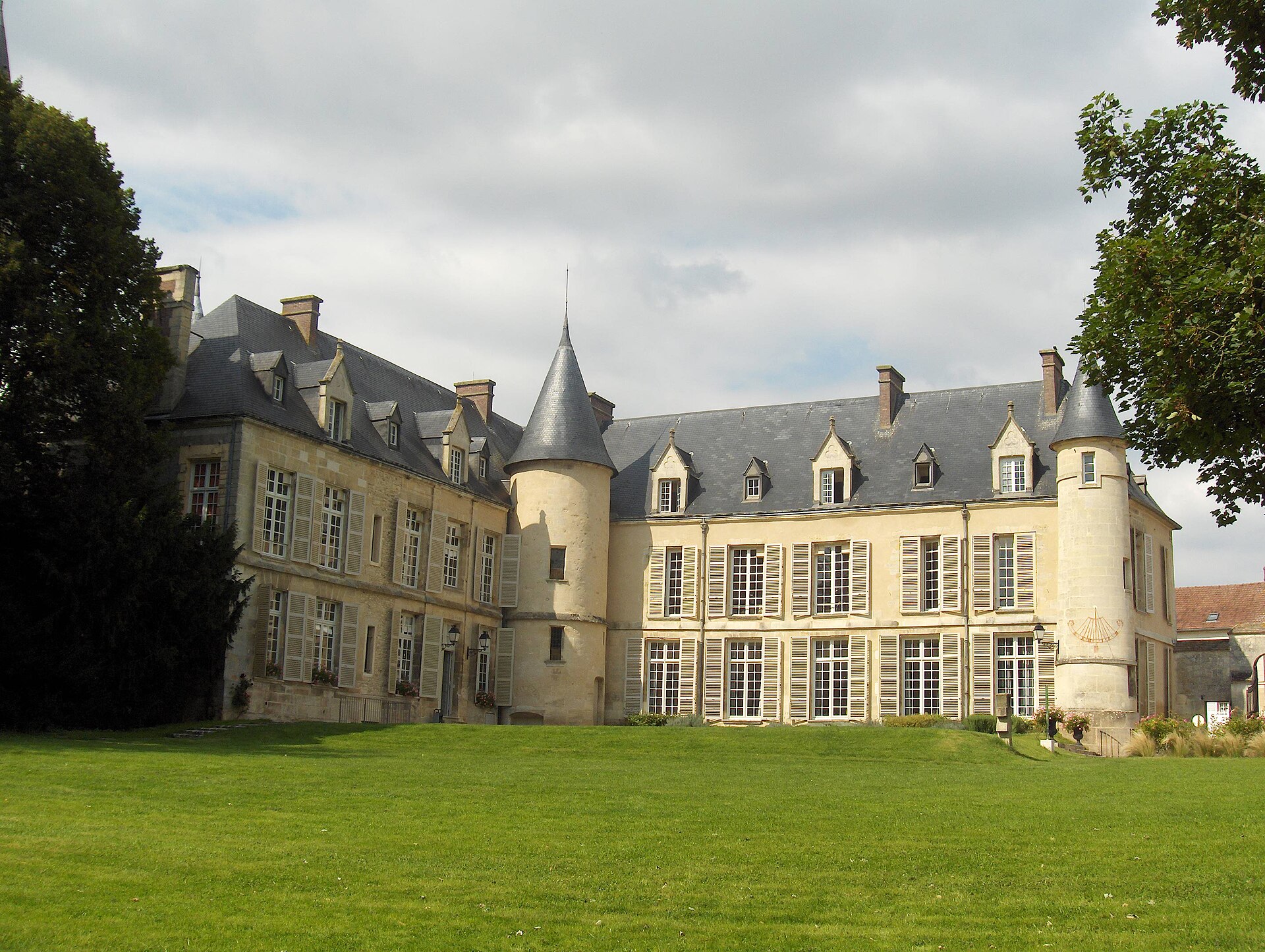
Natura 2000 · wintering, passage
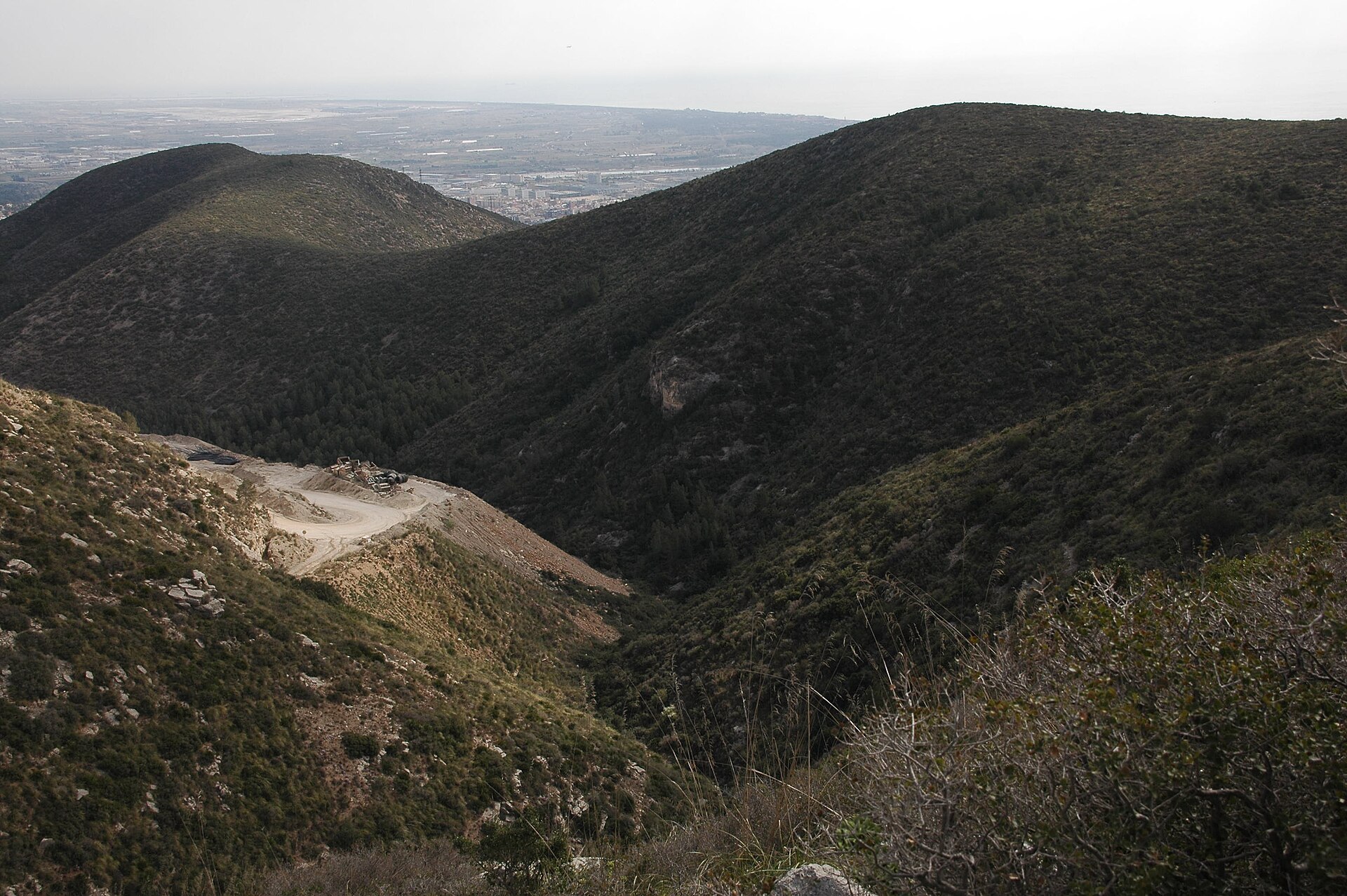
Natura 2000 · wintering
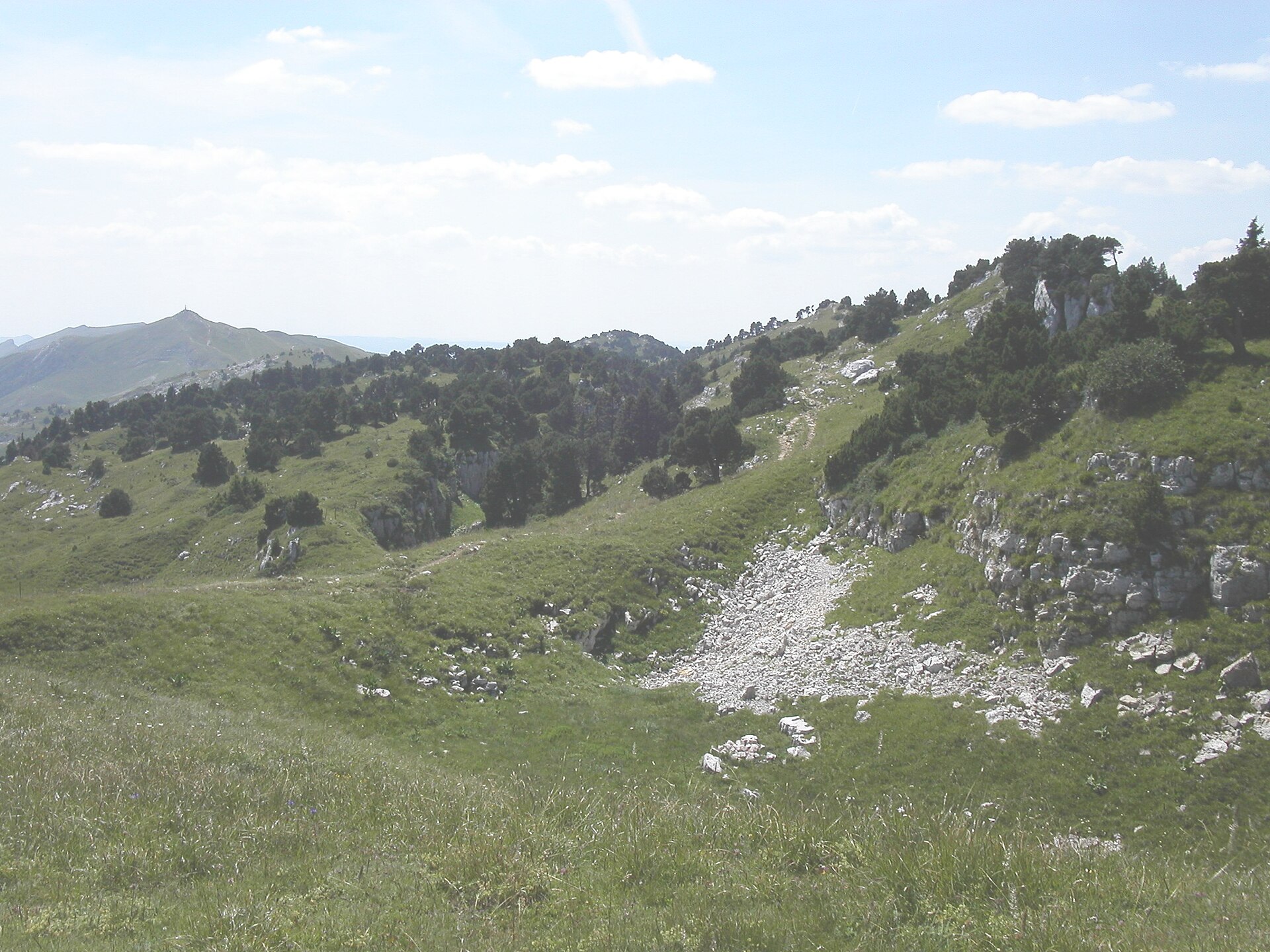
Natura 2000 · passage
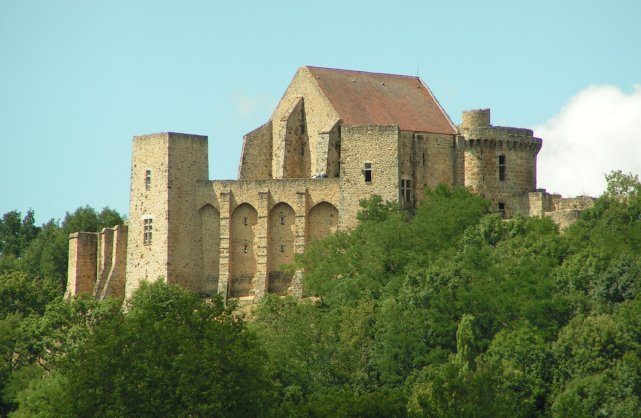
Natura 2000 · wintering

Natura 2000 · wintering, passage, breeding
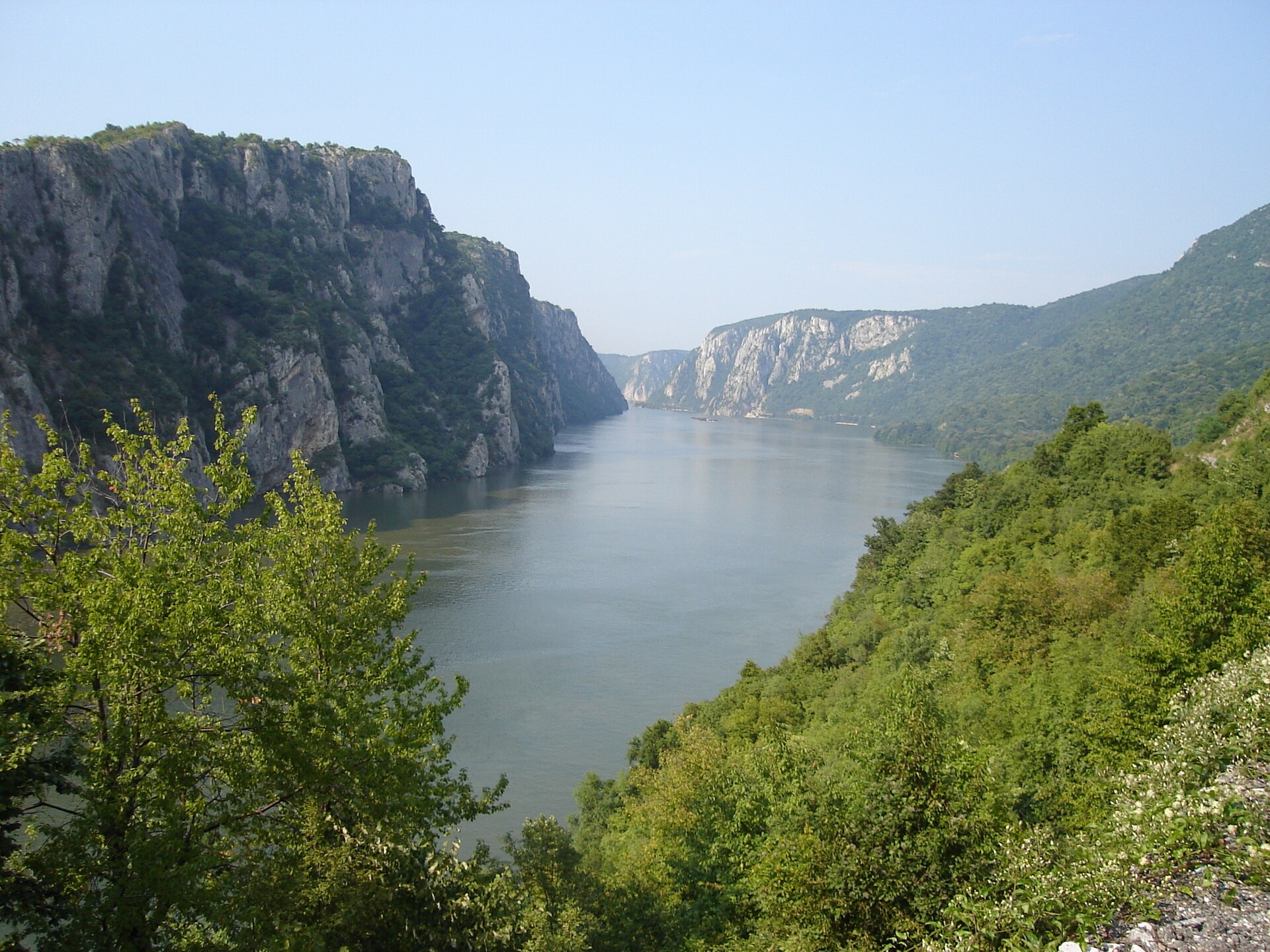
Natura 2000 · passage
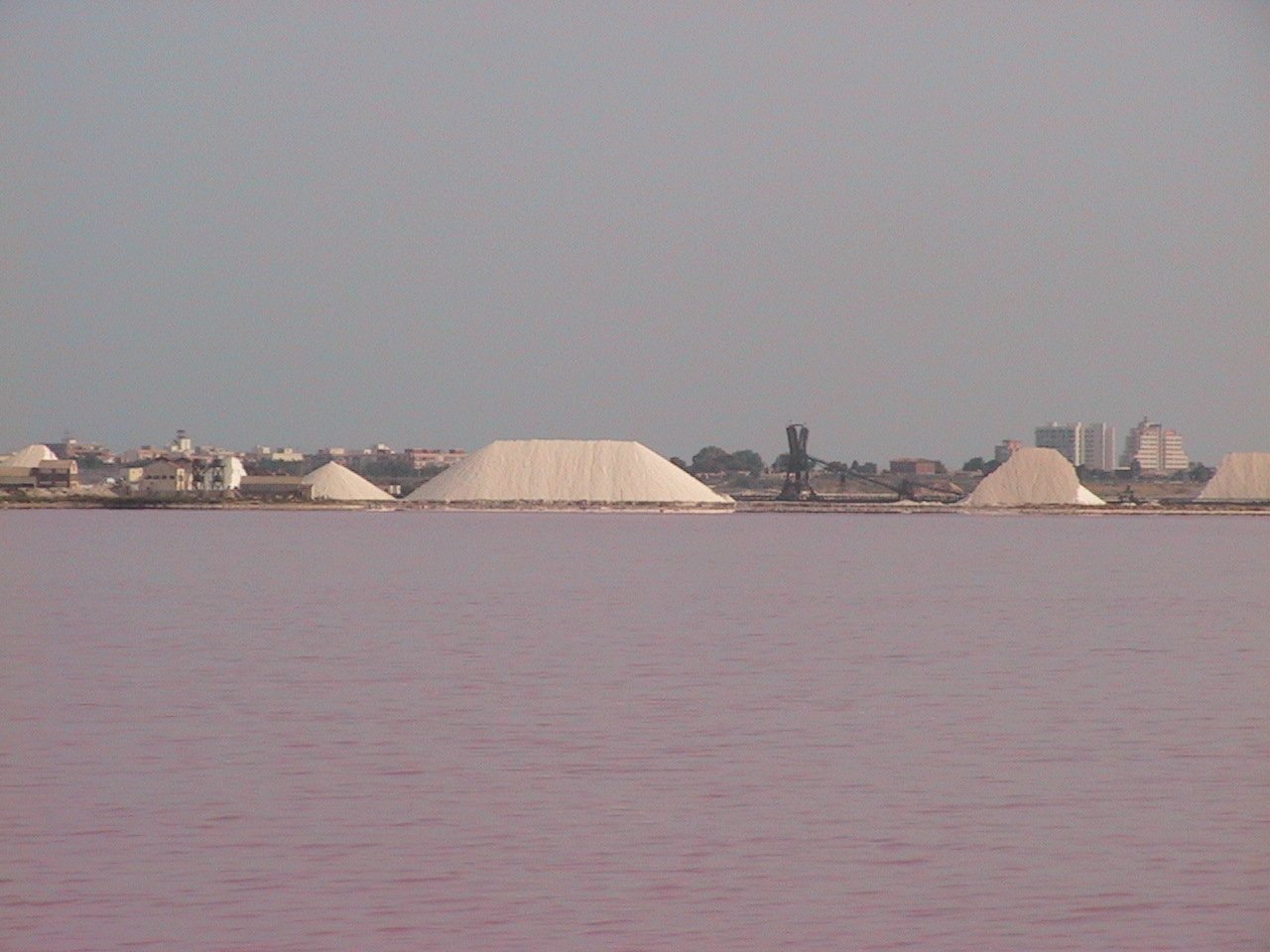
Natura 2000 · wintering
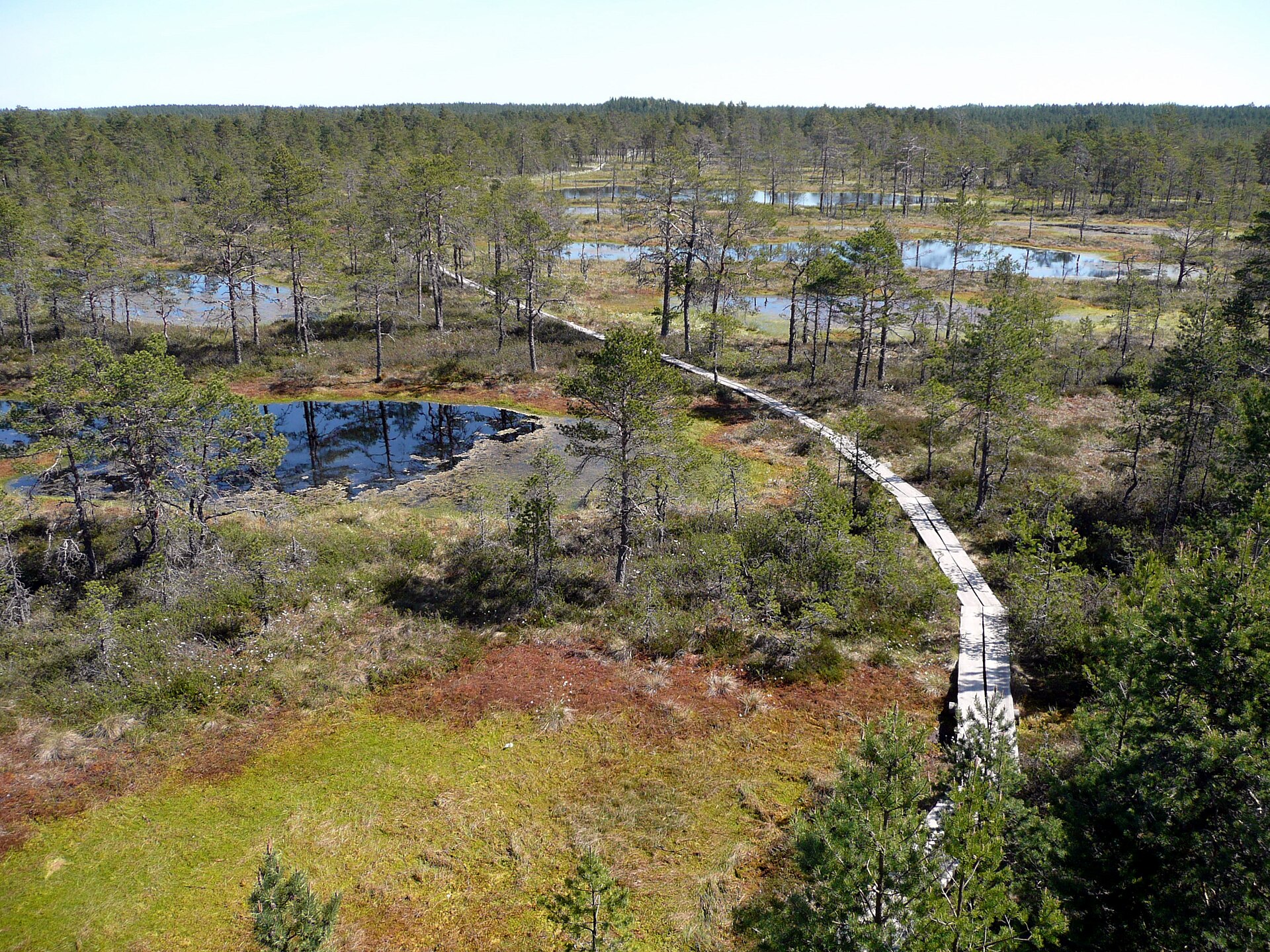
Natura 2000 · breeding
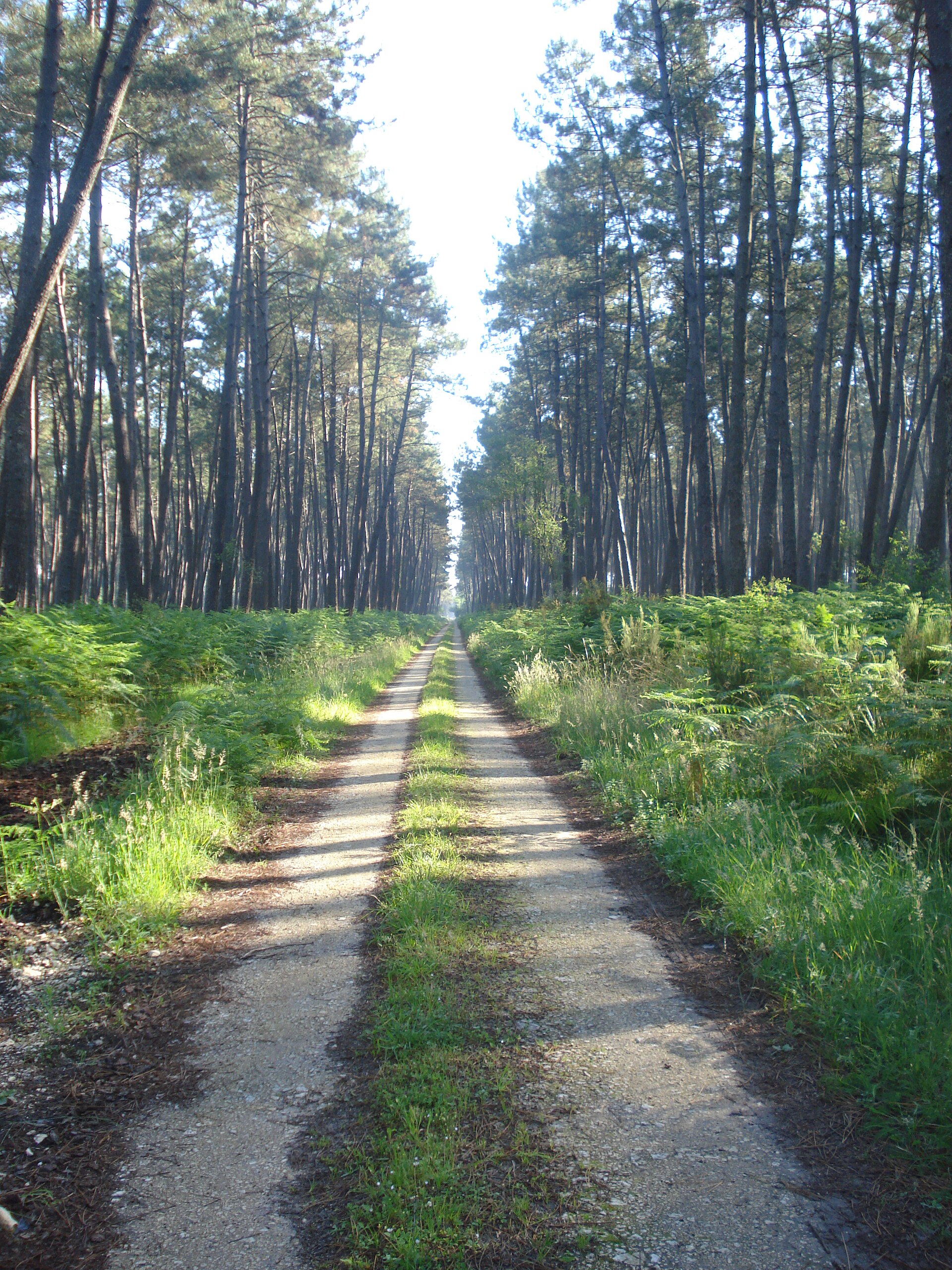
Natura 2000 · wintering, breeding, passage
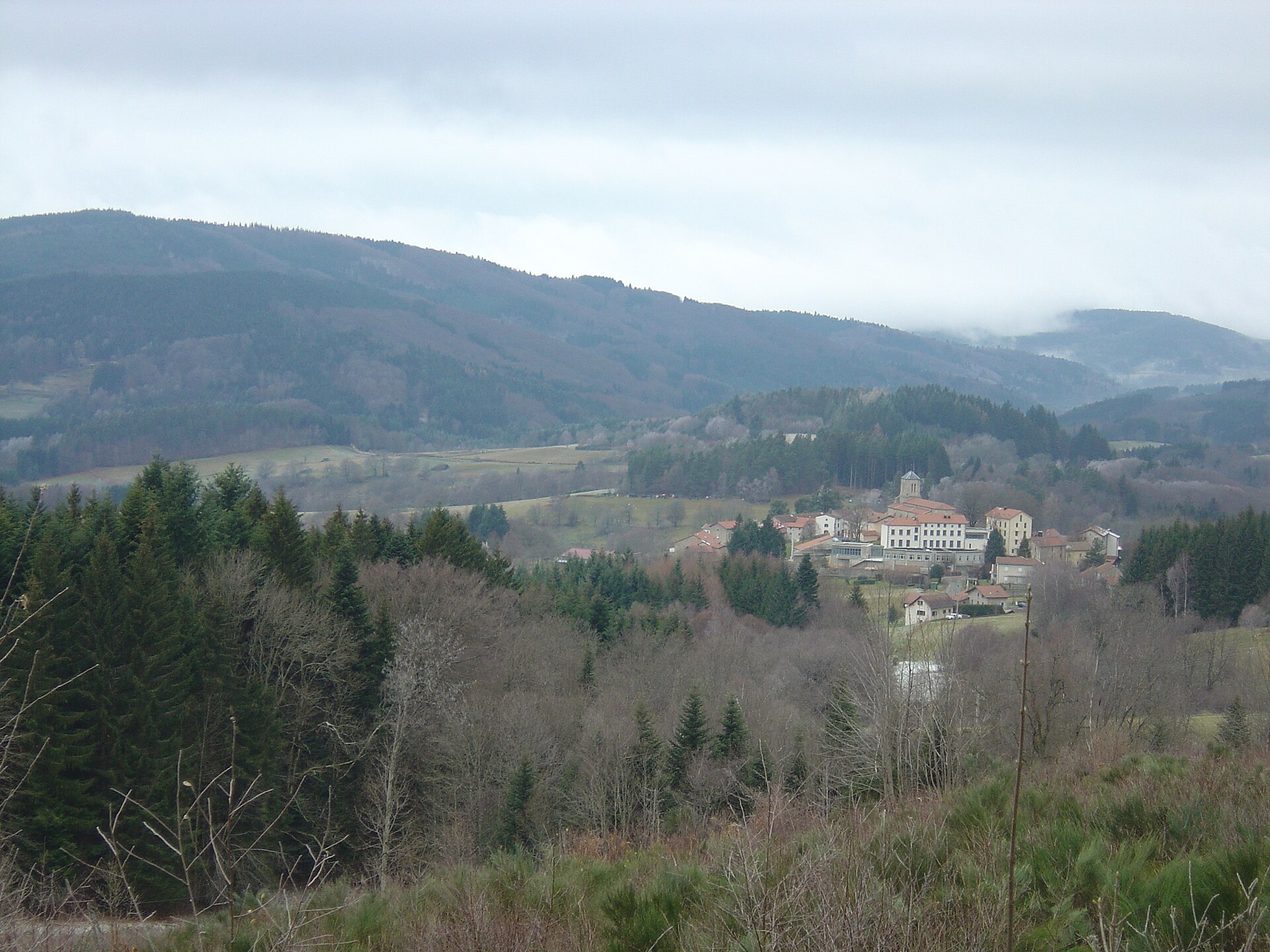
Natura 2000 · passage
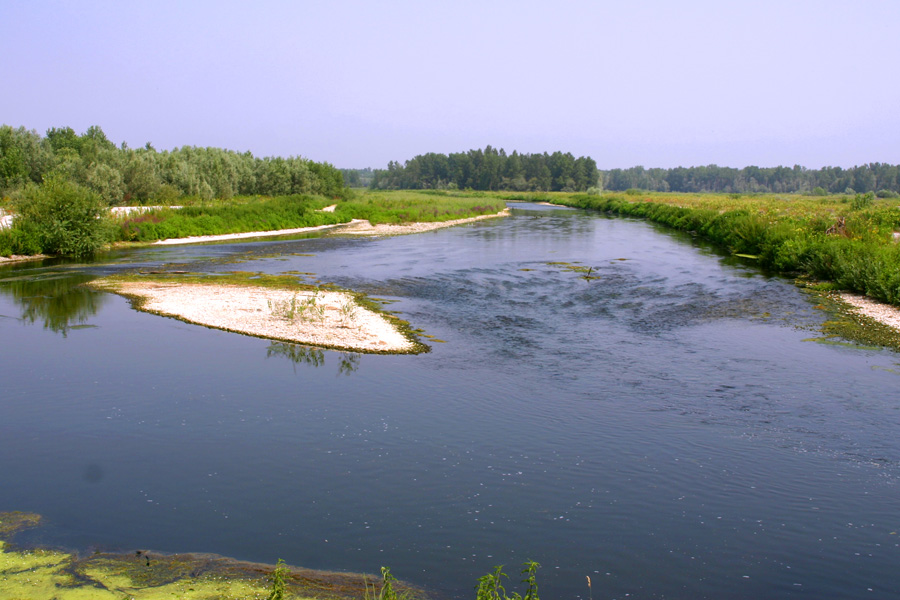
Natura 2000 · wintering
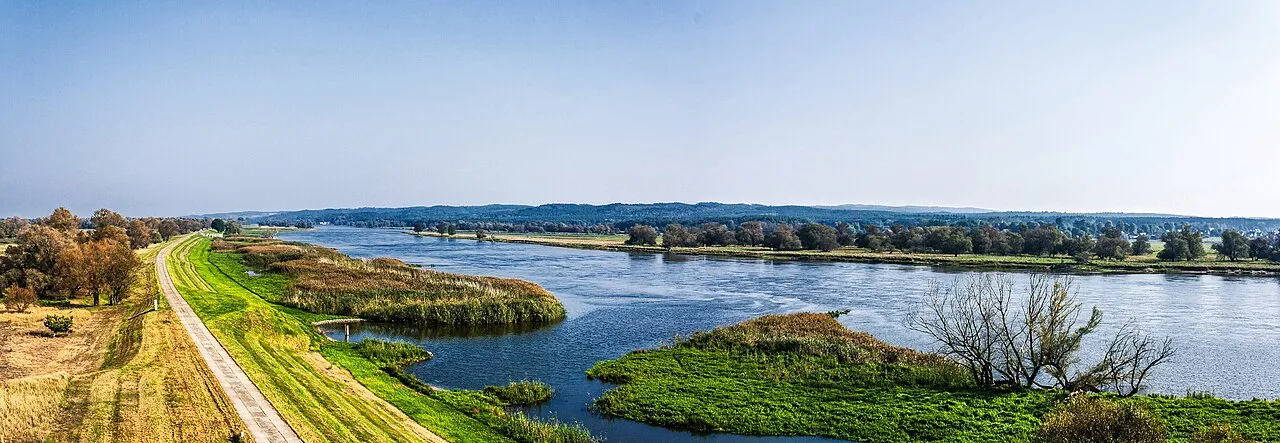
Natura 2000 · passage
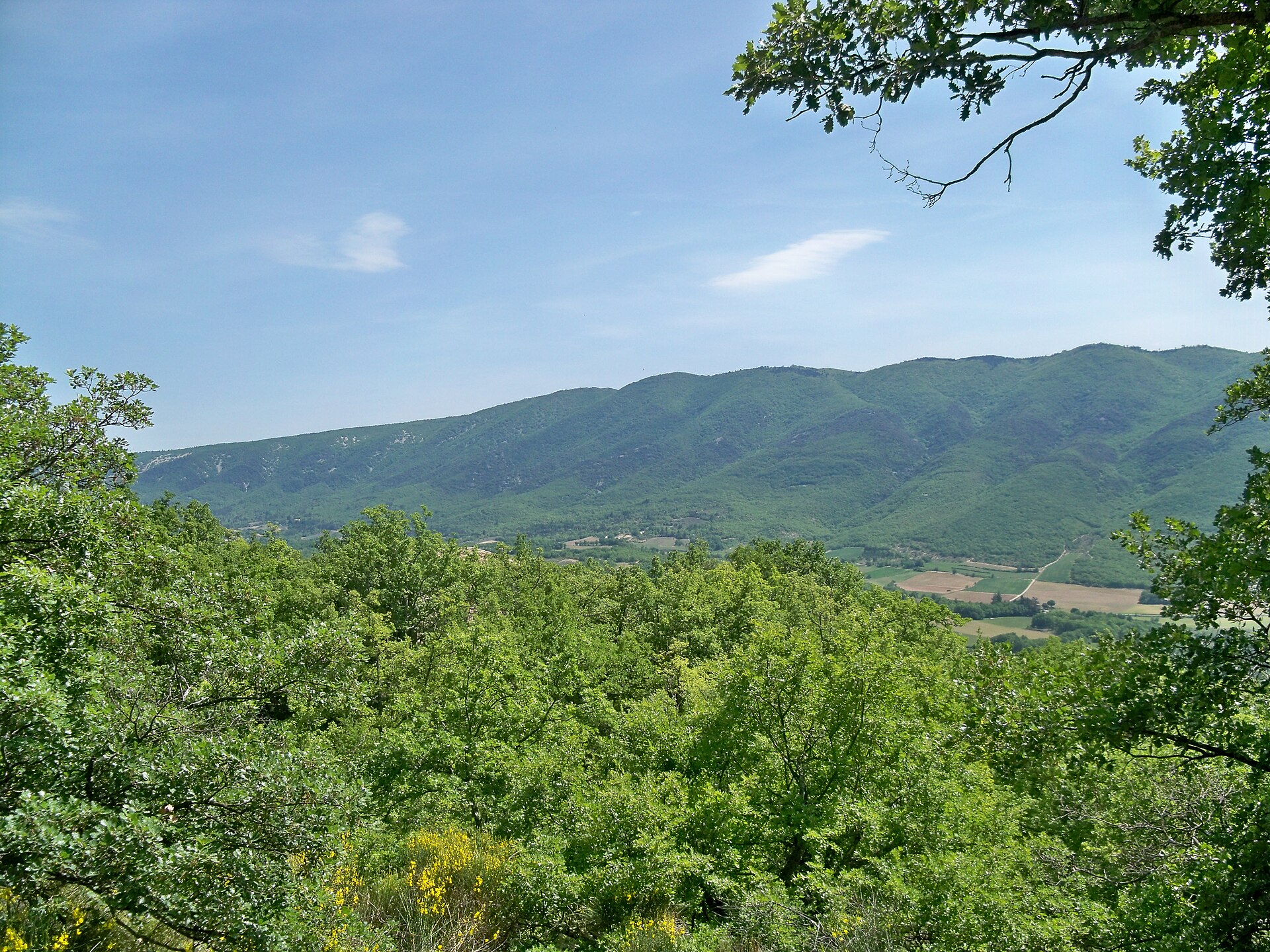
Natura 2000 · wintering
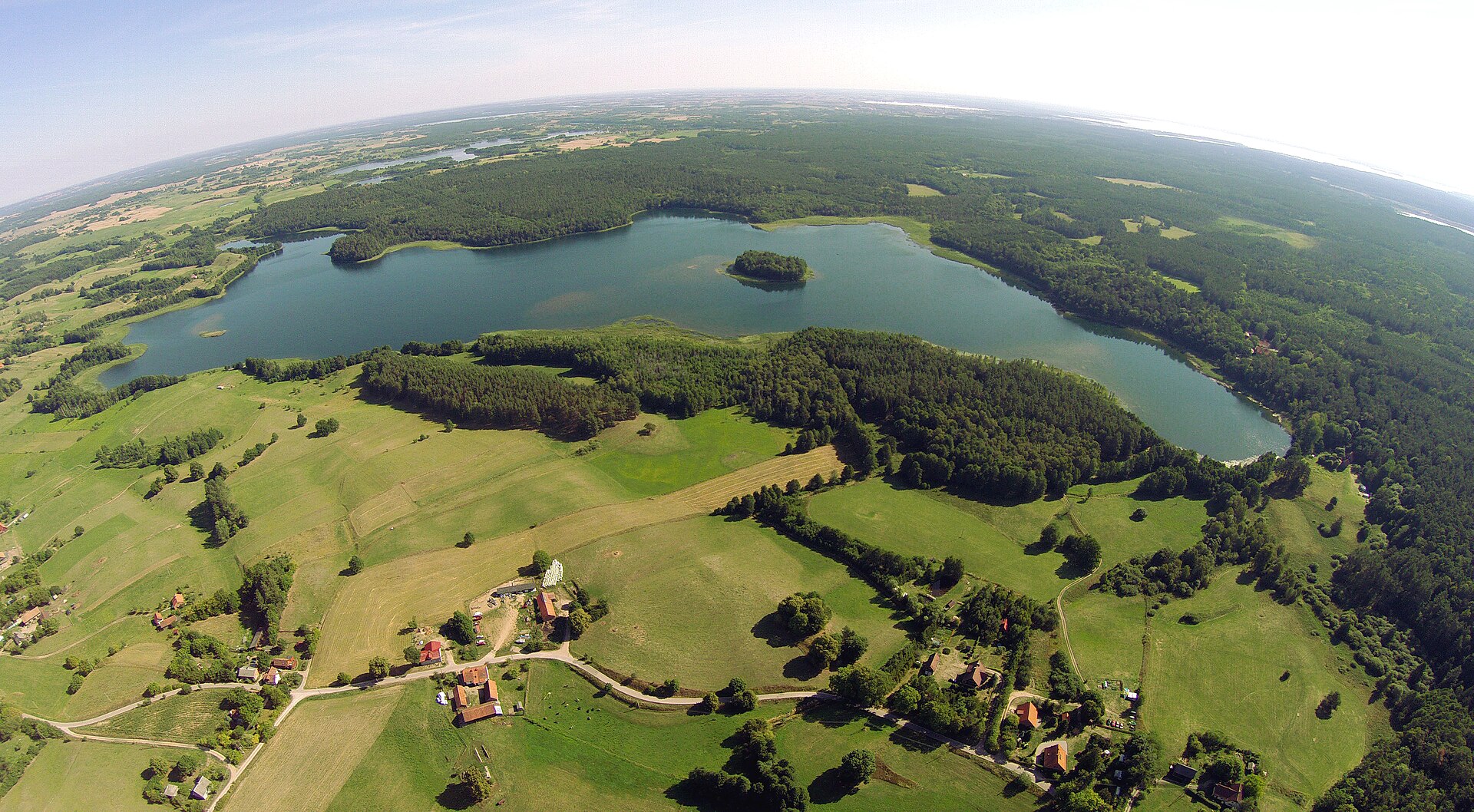
Natura 2000 · passage
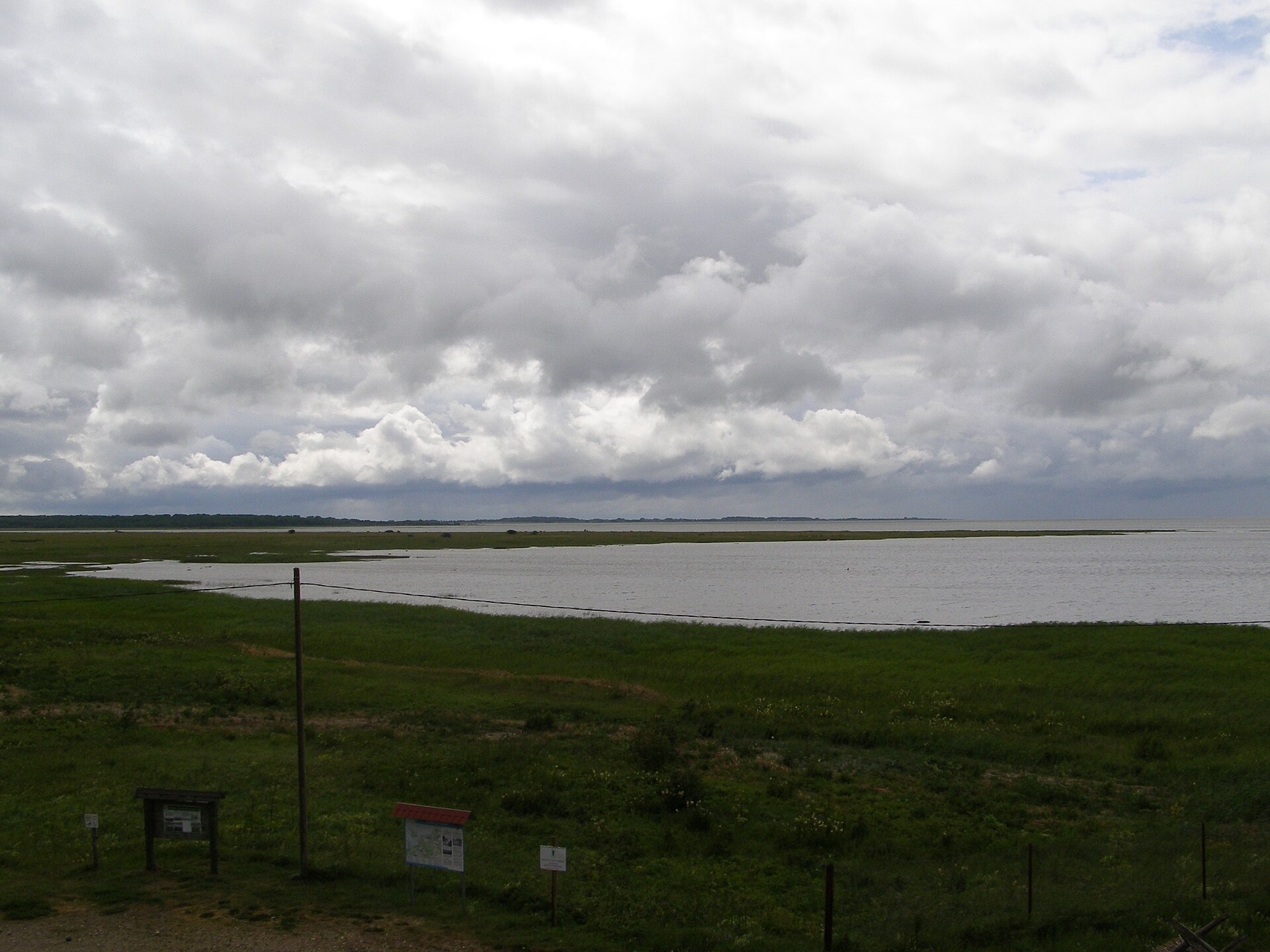
Natura 2000 · breeding
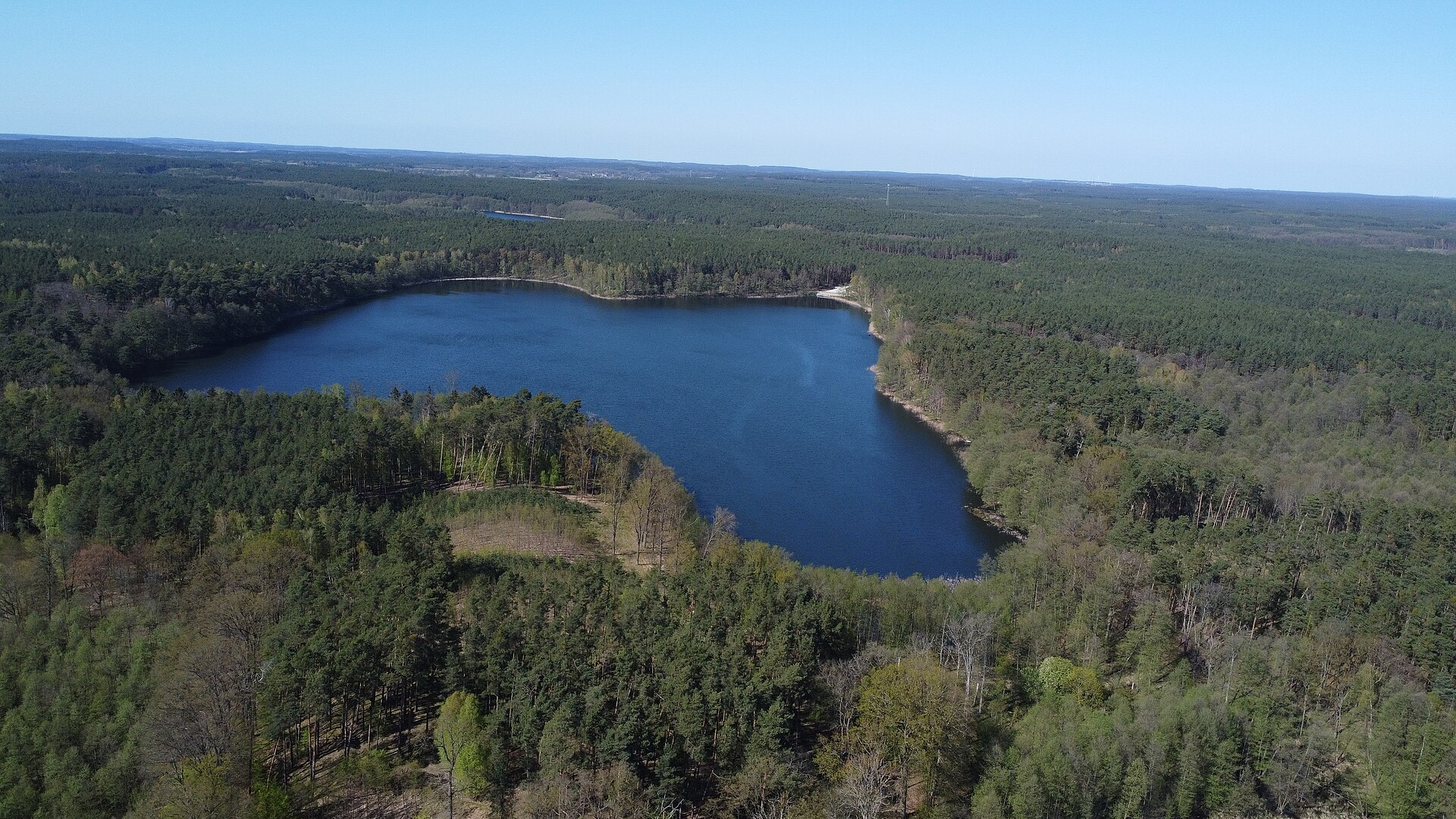
Natura 2000 · passage
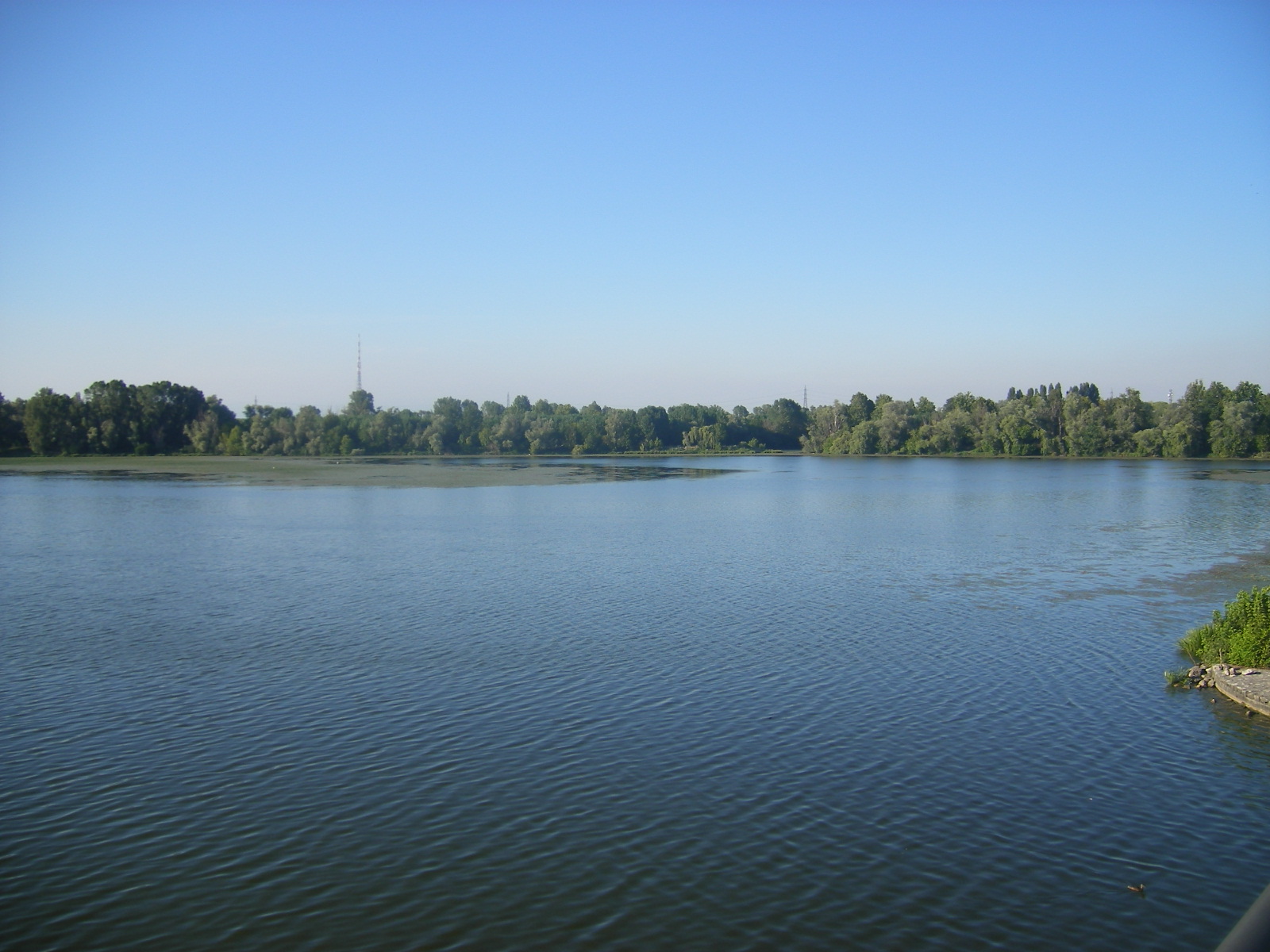
Natura 2000 · wintering

Natura 2000 · wintering, passage
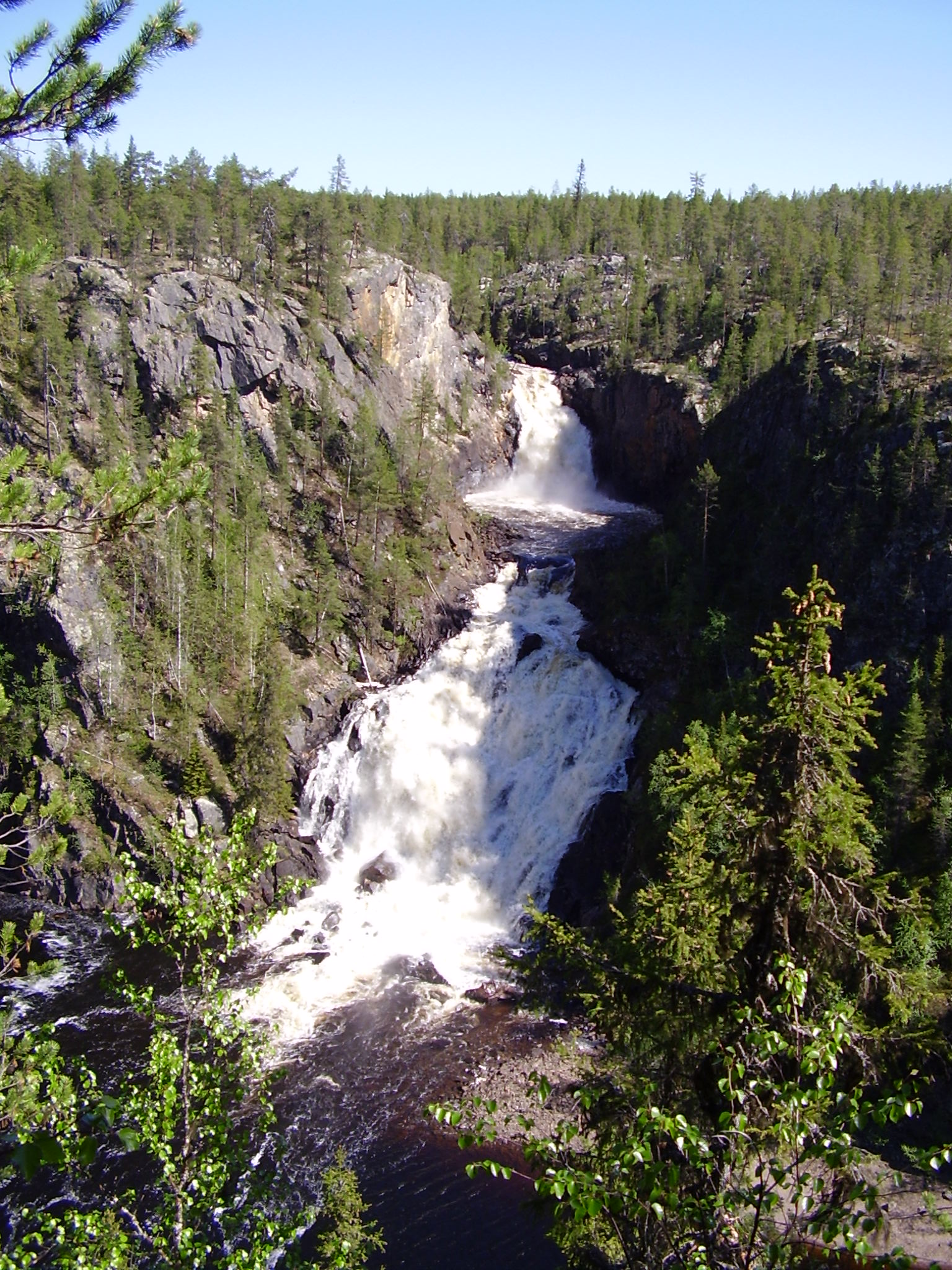
Natura 2000 · passage
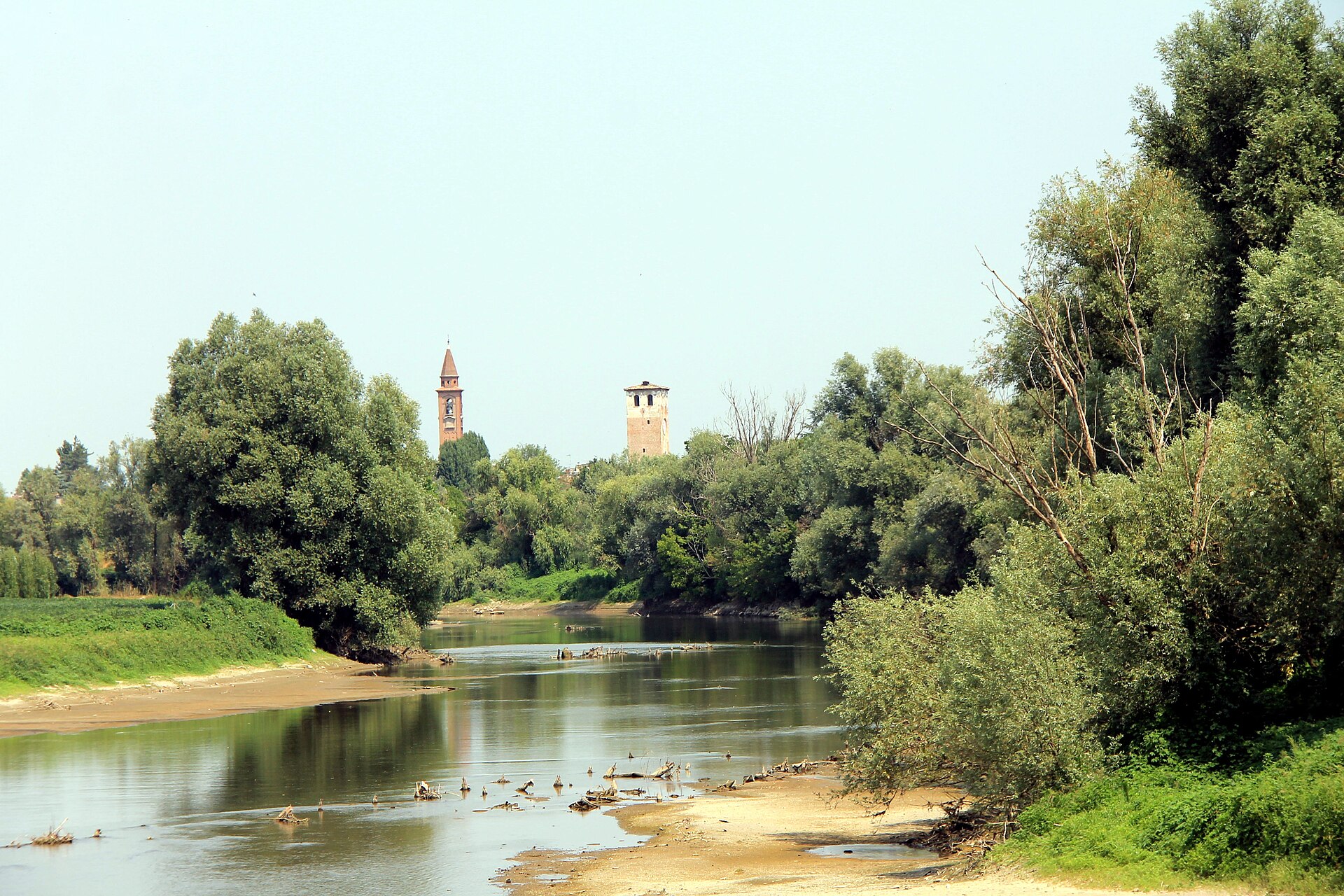
Natura 2000 · passage
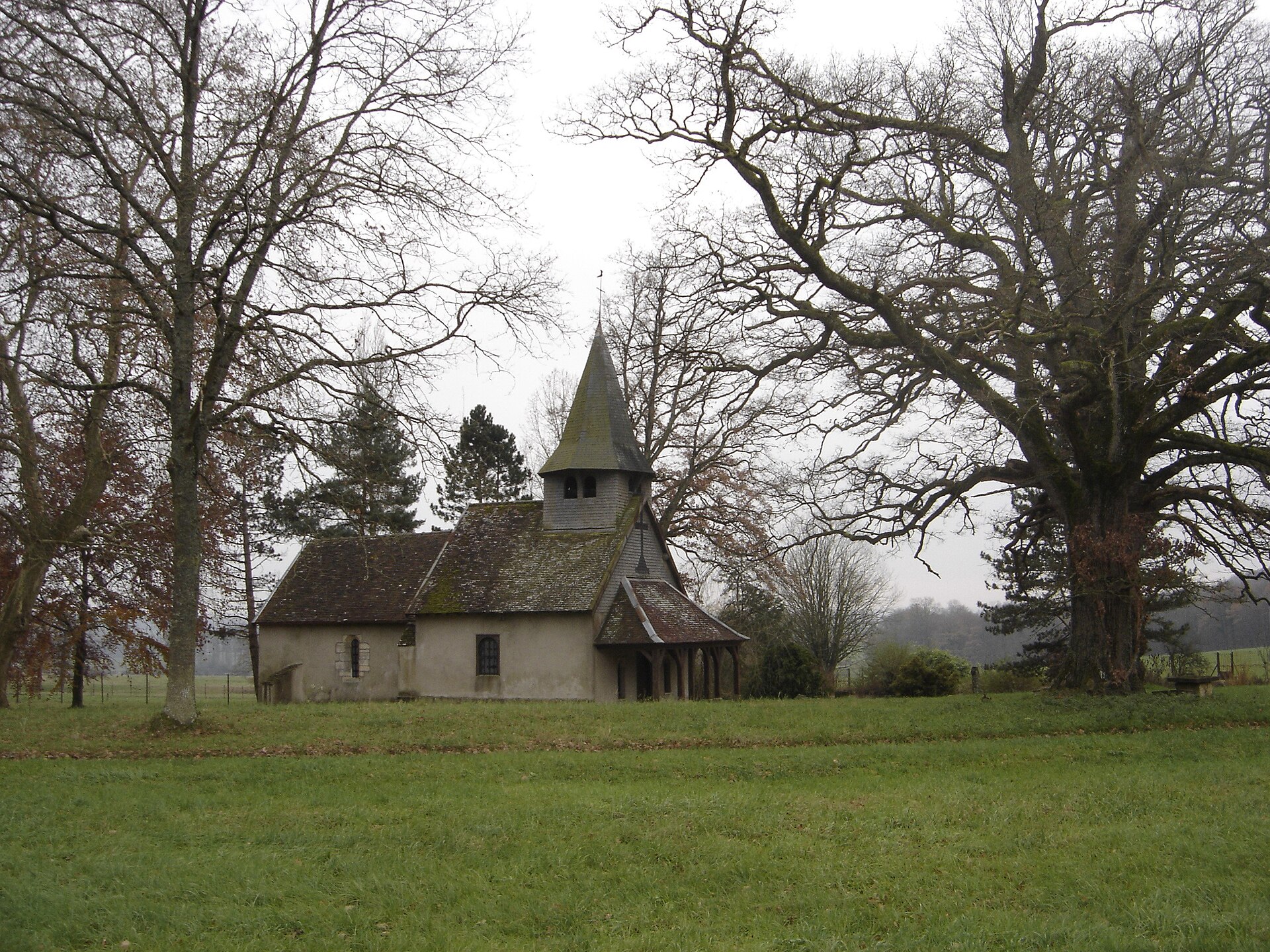
Natura 2000 · wintering, passage
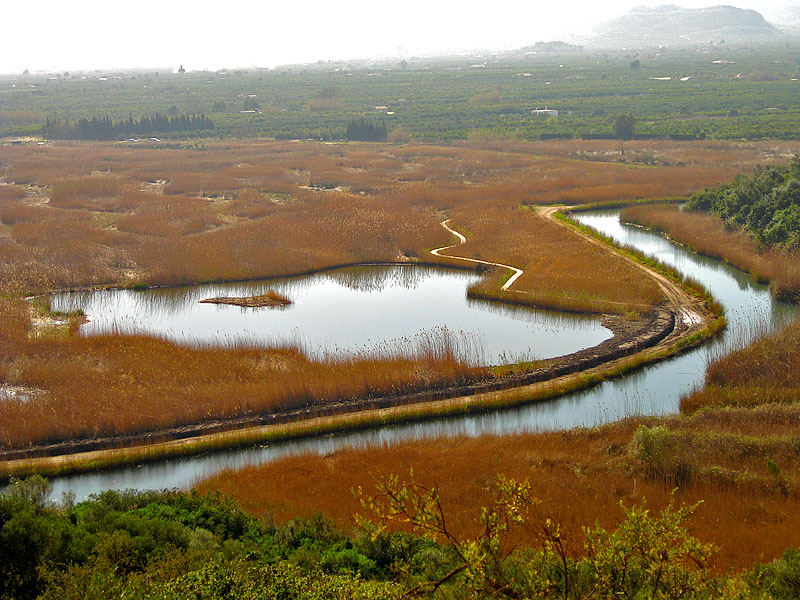
Natura 2000 · wintering
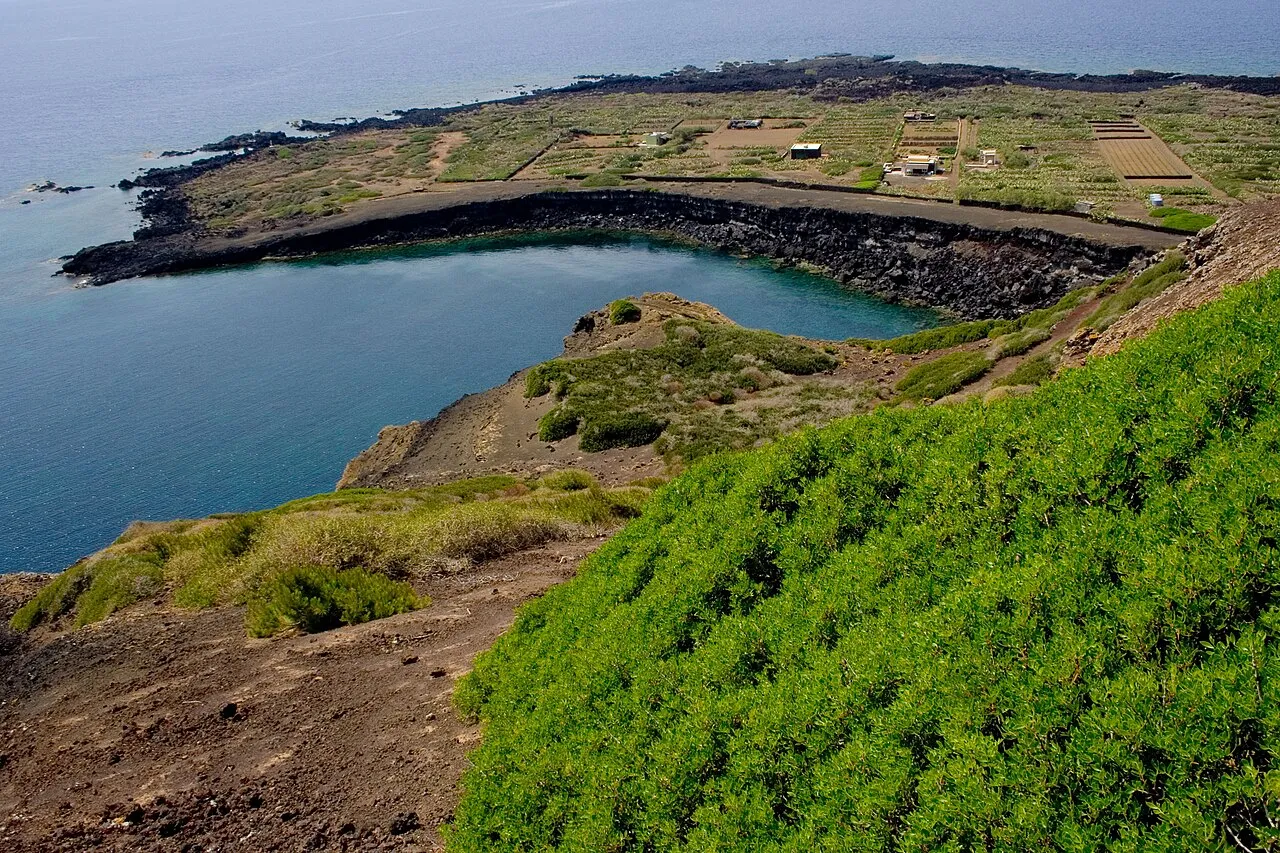
Natura 2000 · passage

Natura 2000 · passage
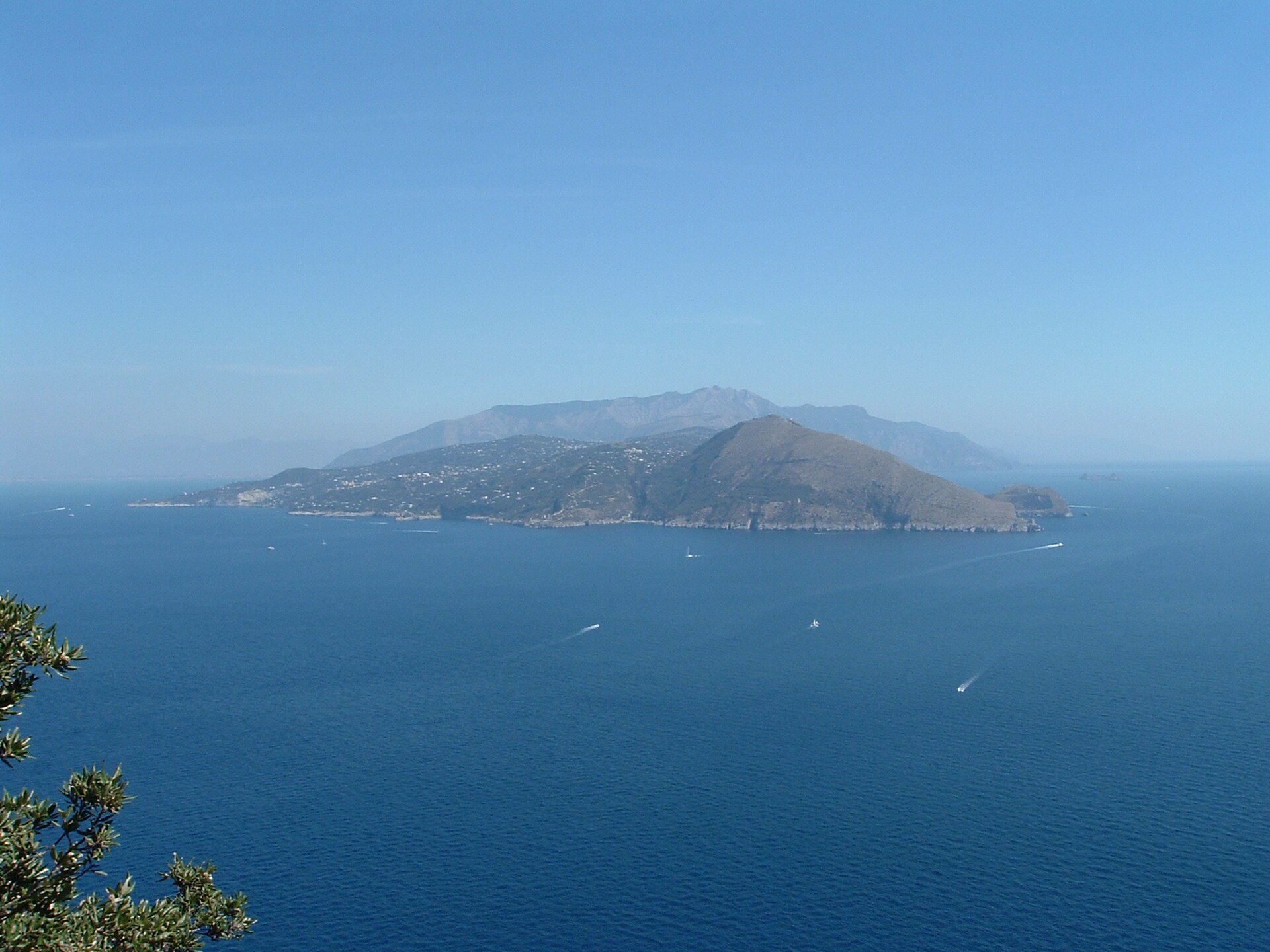
Natura 2000 · wintering
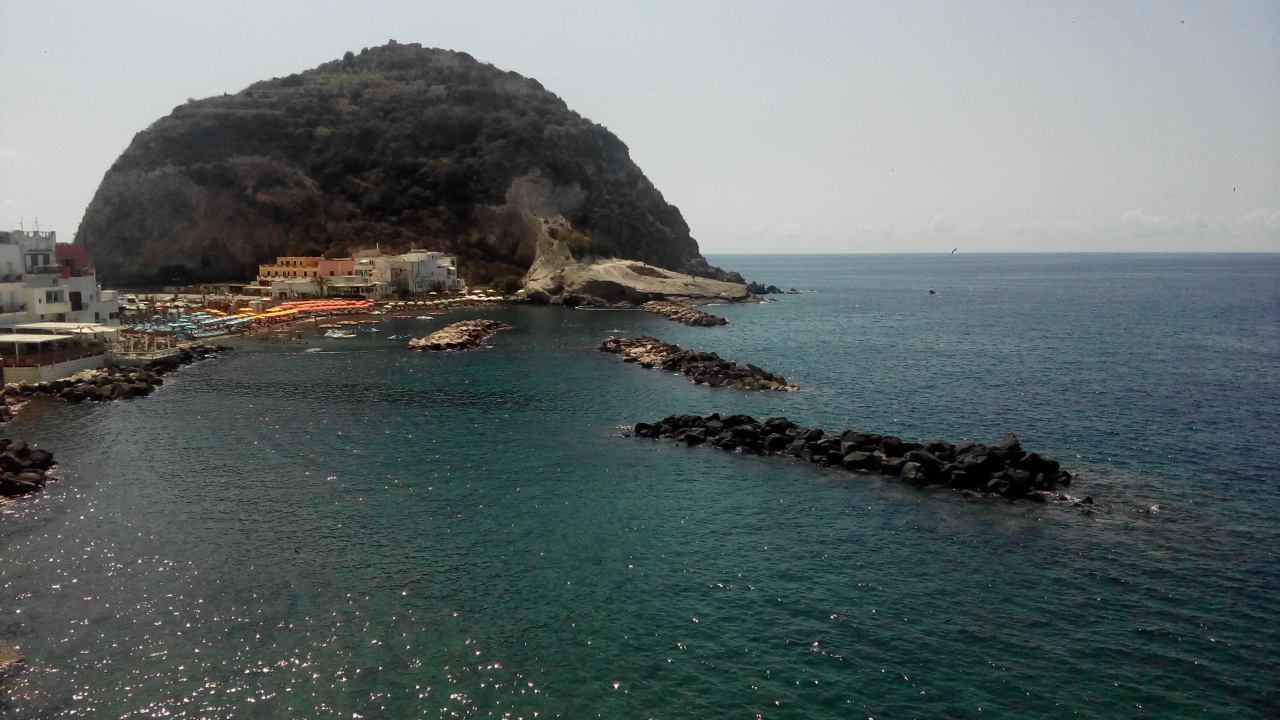
Natura 2000 · wintering
Natura 2000 · wintering
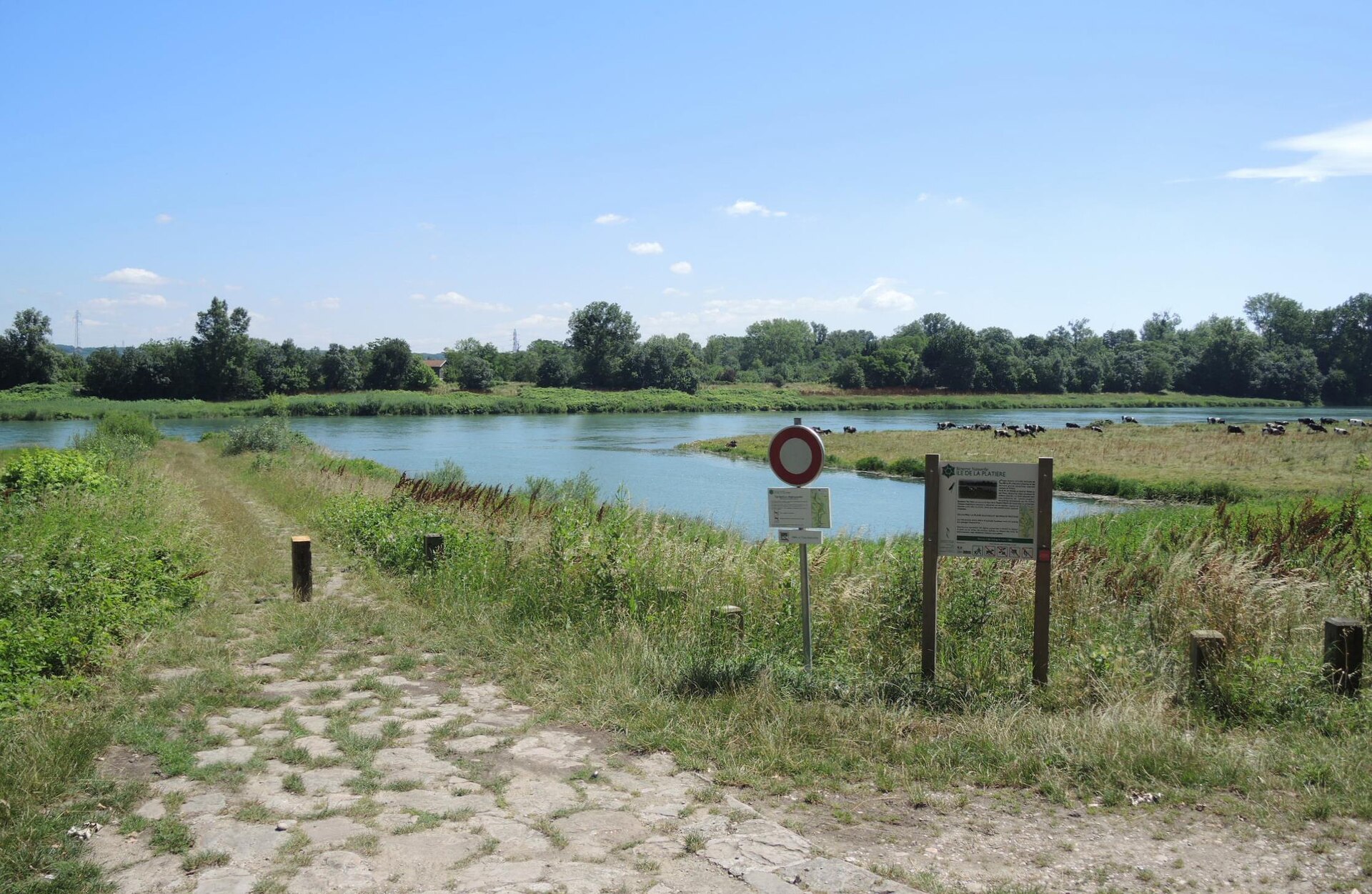
Natura 2000 · passage

Natura 2000 · wintering

Natura 2000 · passage

Natura 2000 · wintering
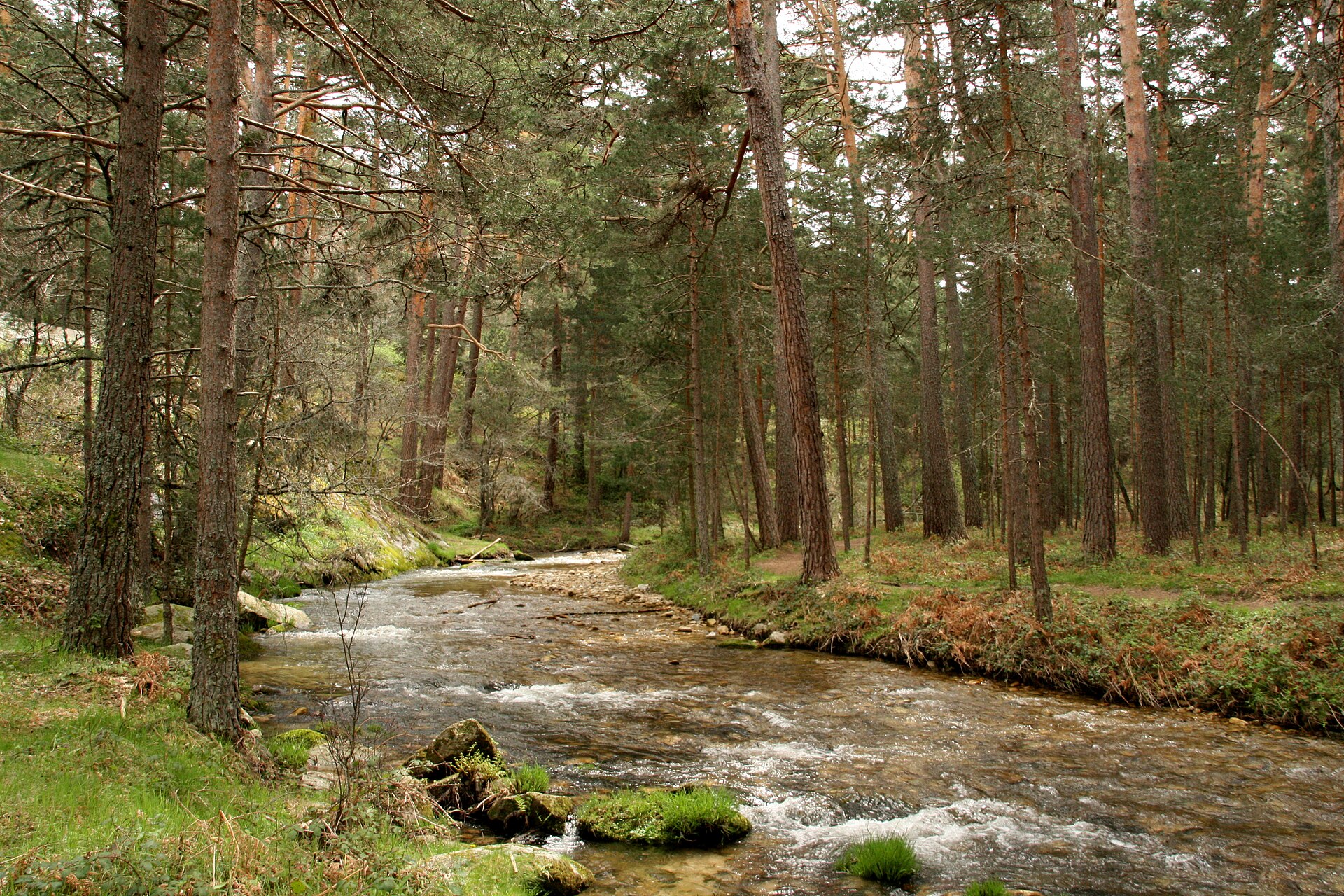
Natura 2000 · passage
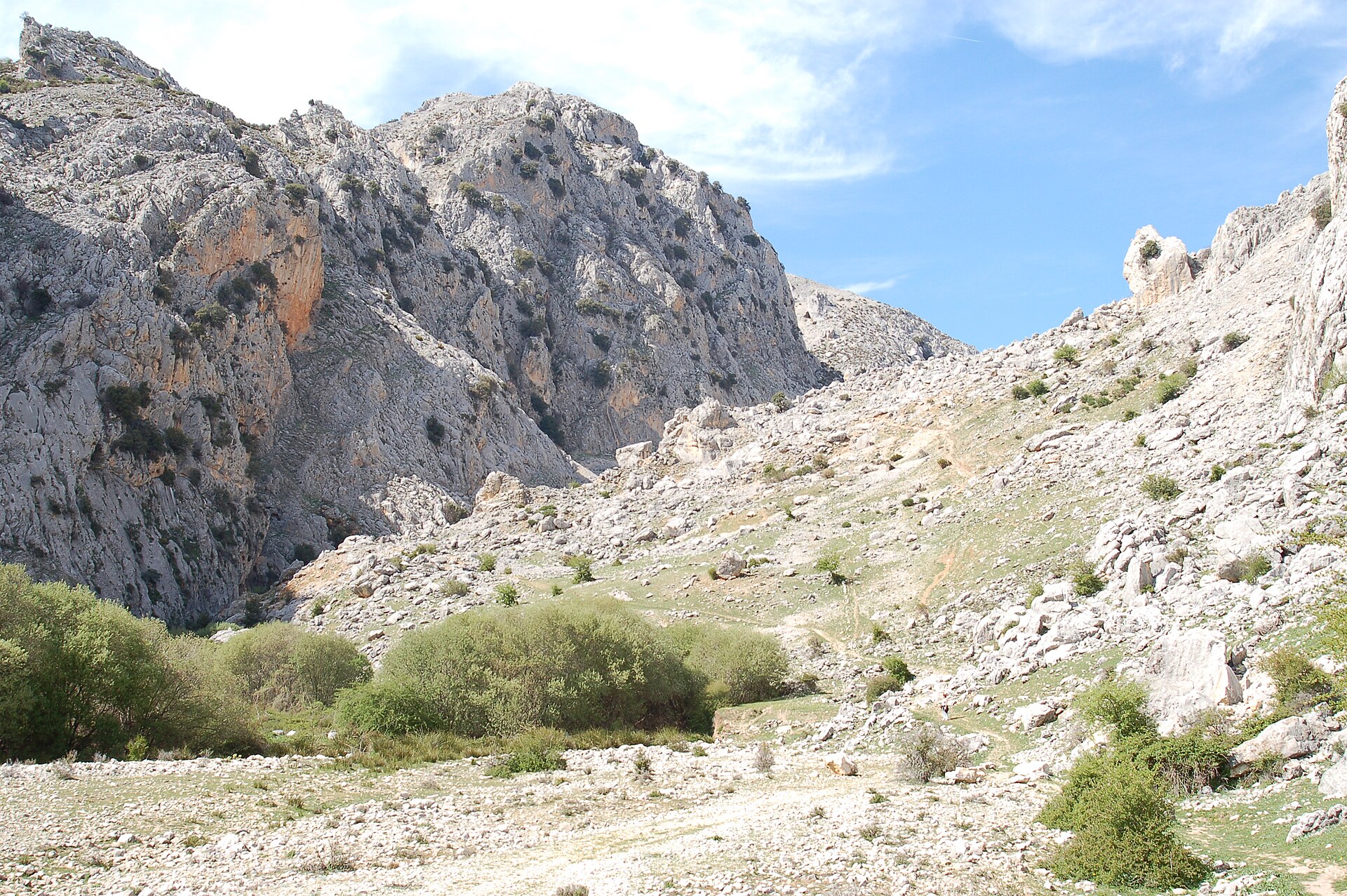
Natura 2000 · wintering
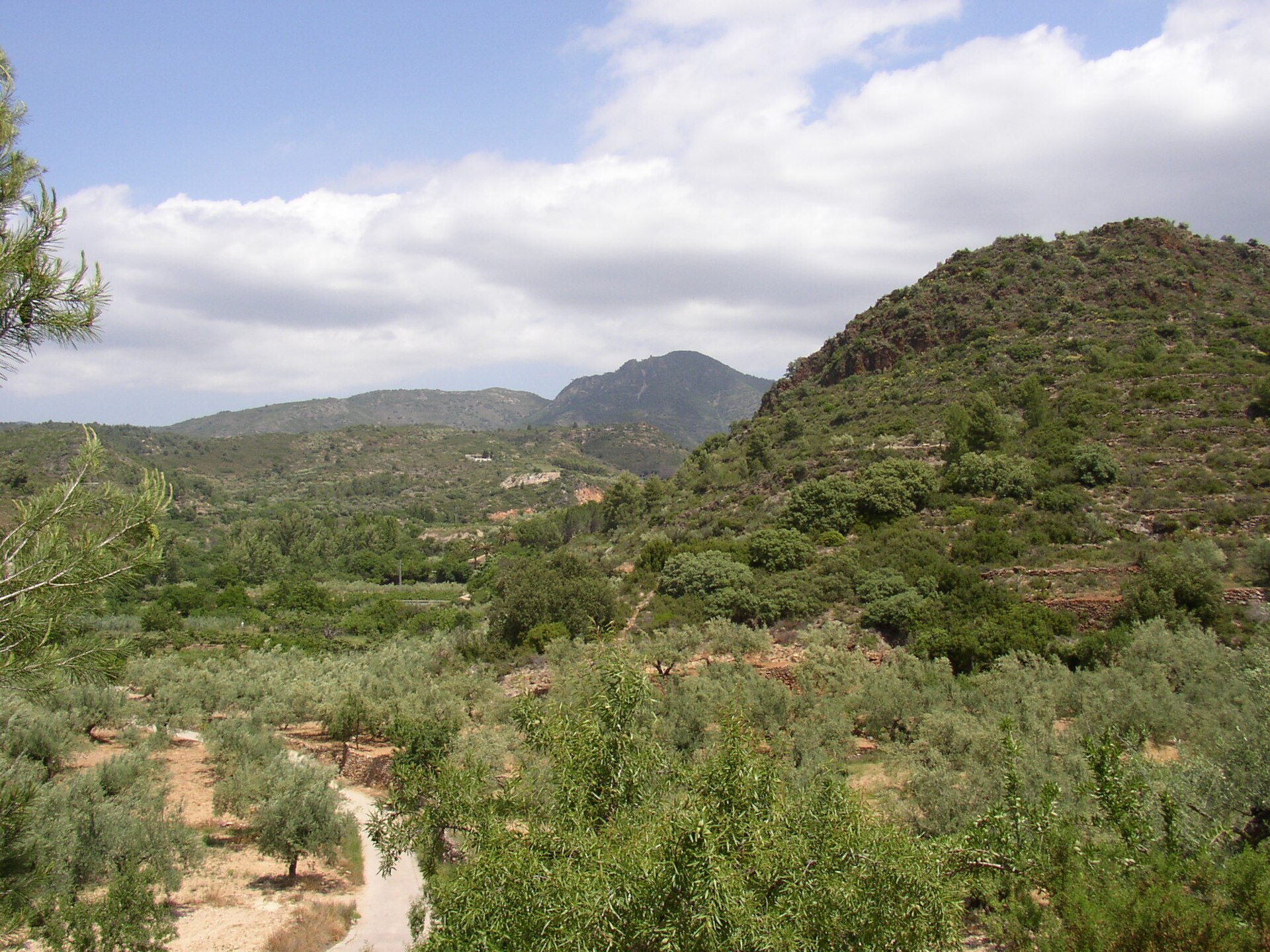
Natura 2000 · wintering
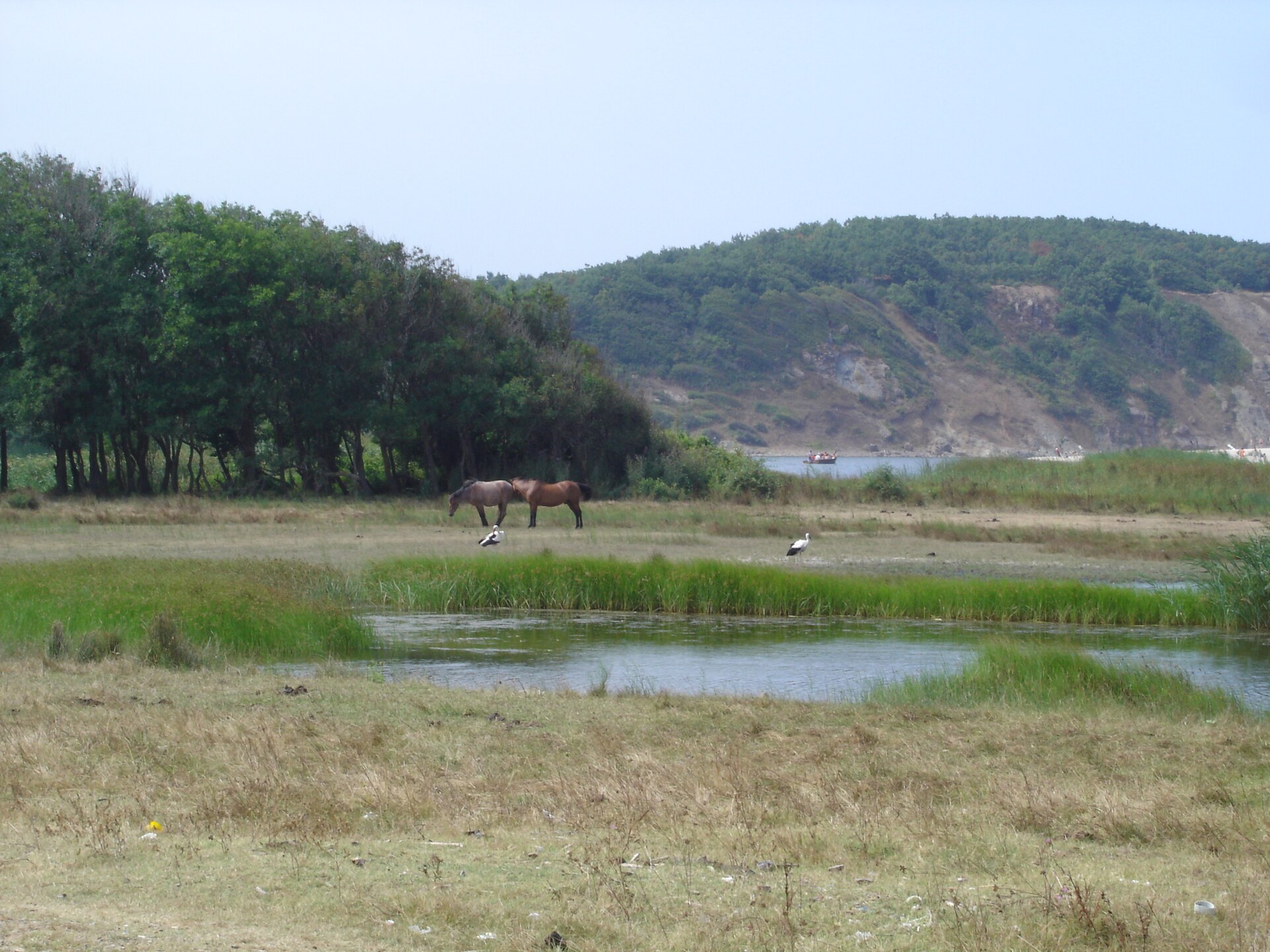
Natura 2000 · passage
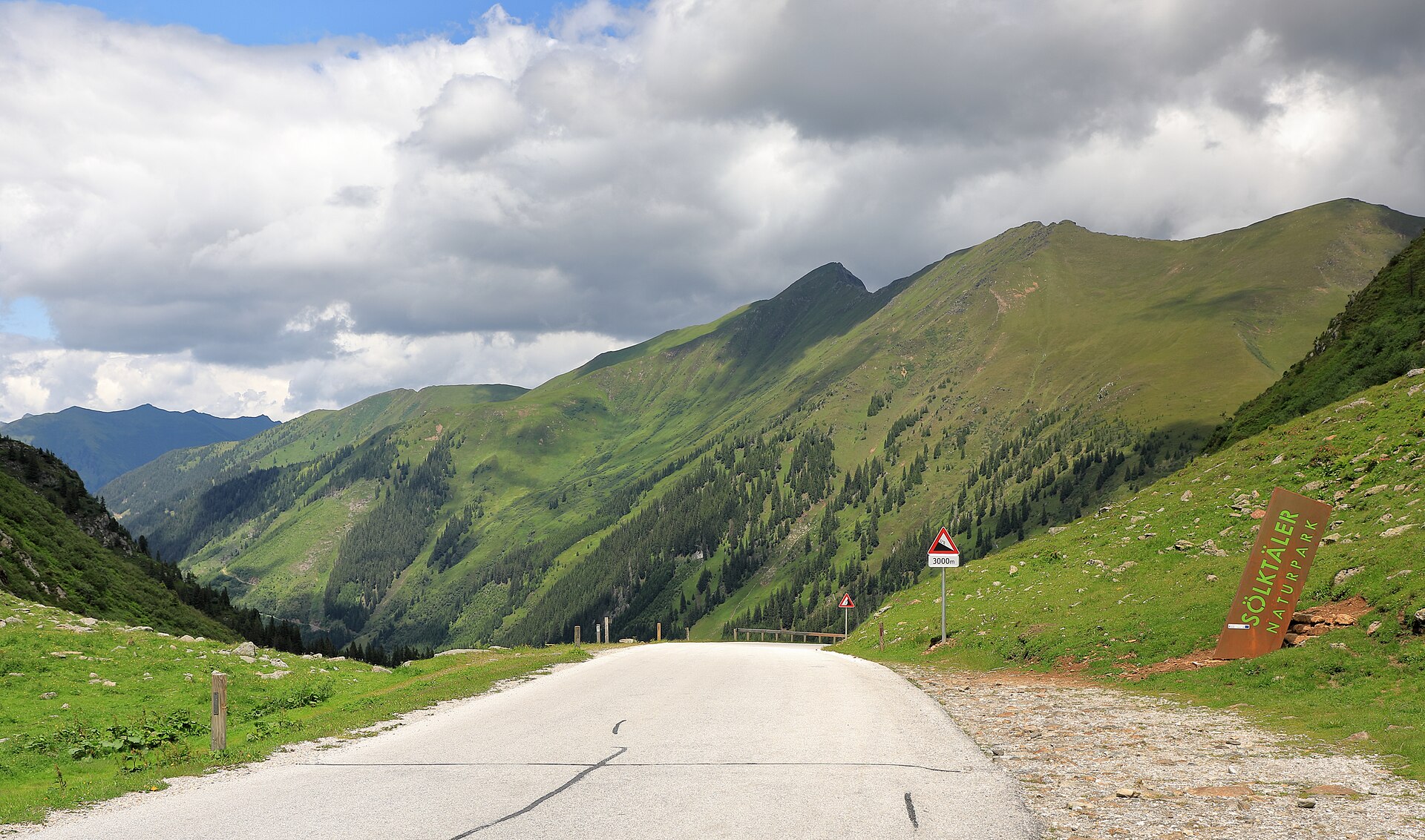
Natura 2000 · passage
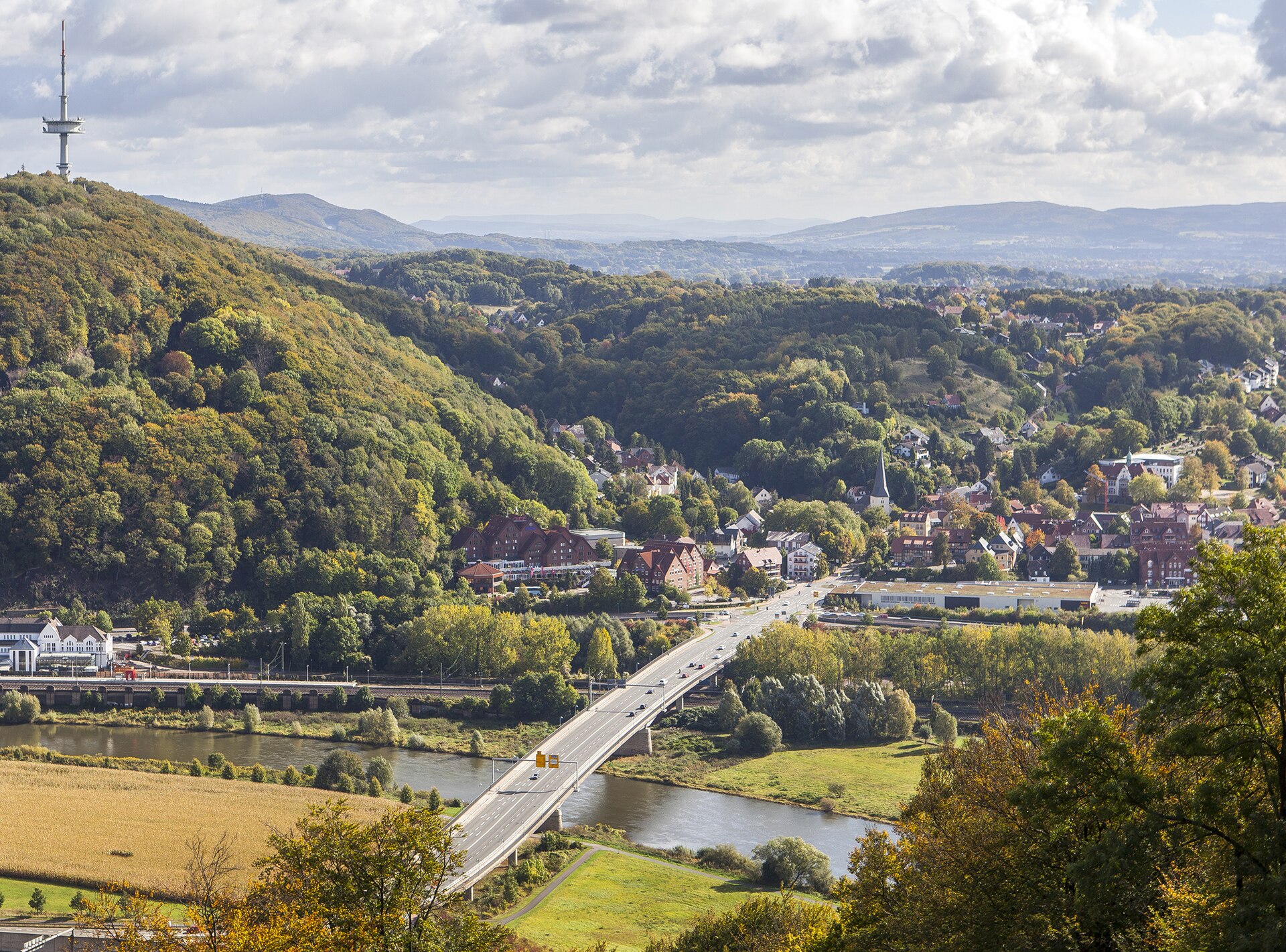
Natura 2000 · passage
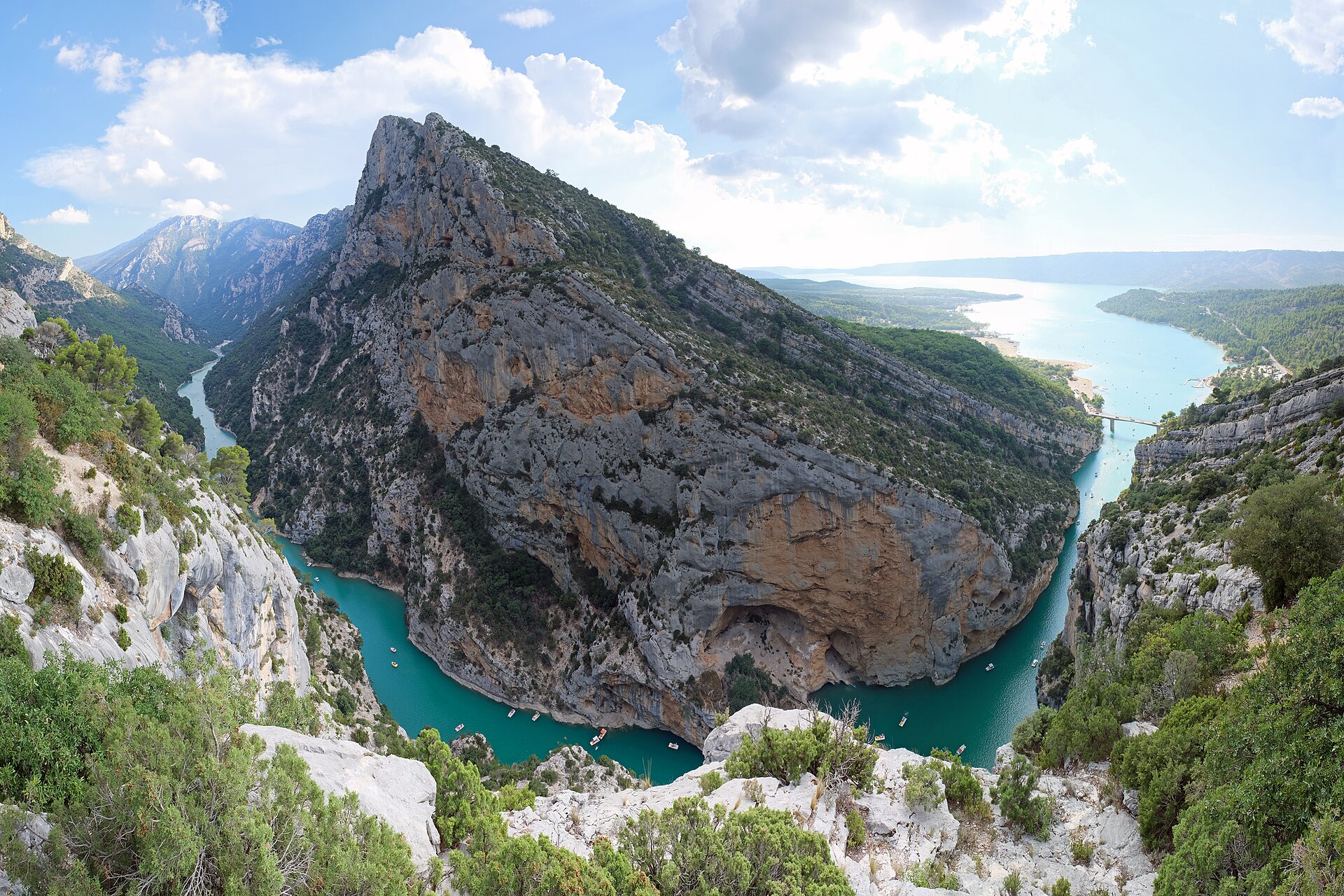
Natura 2000 · wintering
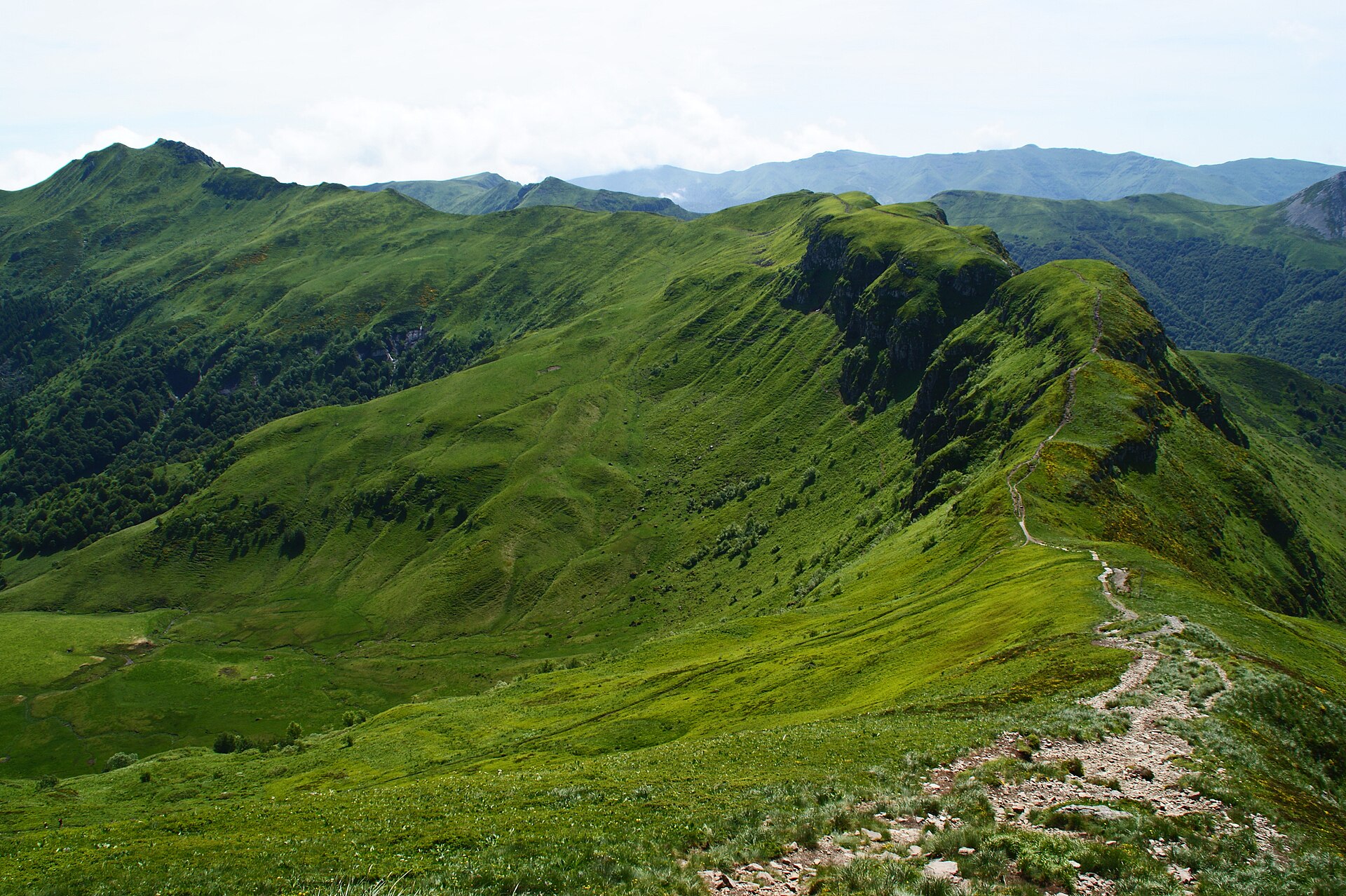
Natura 2000 · passage

Natura 2000
Other species to discover


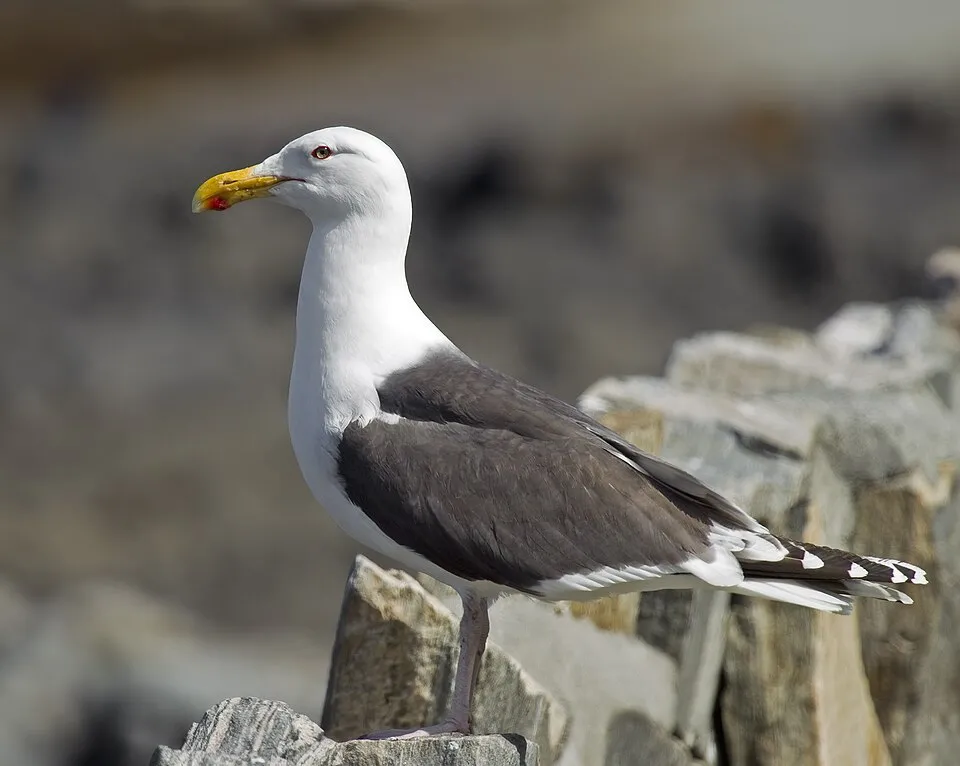
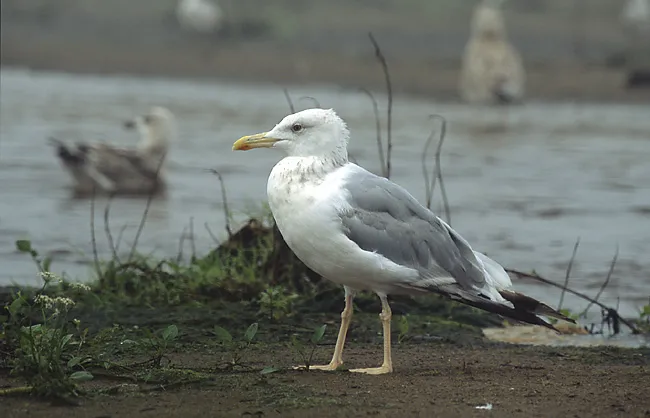
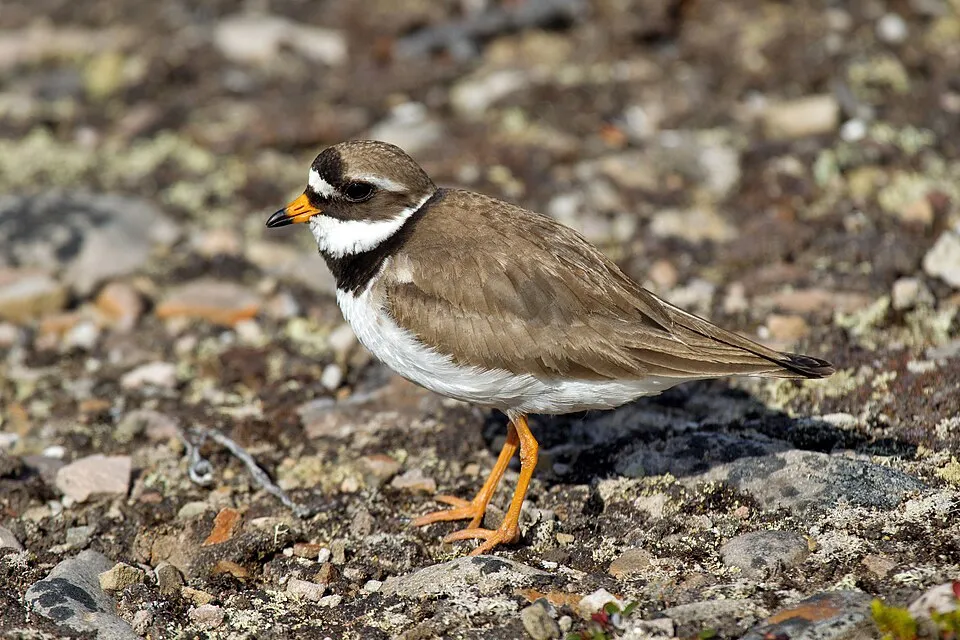
Sources and credits
- Presence: most-recorded species of each place on GBIF and species of Community interest in the Natura 2000 forms (EEA, CC-BY 4.0); absence from the list does not mean the species is absent.
- Common names: Wikidata (CC0) and GBIF.
- Photos and sounds: Wikimedia Commons, author and licence given for each file.
- Classification: GBIF Backbone Taxonomy (GBIF Secretariat), CC BY 4.0, doi:10.15468/39omei.
- Countries, elevations, months and maps: GBIF.org, CC0 or CC BY 4.0 occurrences only, accessed October 22, 2026, GBIF.org.
- Base map: Natural Earth (public domain).
- Excerpt: Wikipedia, CC BY-SA 4.0 (full credit below the excerpt).
- Key facts: Wikidata (CC0), with the references cited under each value.
- Annexes: Directive 2009/147/EC (consolidated version), © European Union, EUR-Lex.
- EU bird populations: EEA / DG ENV, Article 12 Birds Directive reporting (2013–2018), CC BY 4.0.