
Plant
Rushleaf jonquil: where to see it
Narcissus assoanus
This plant species is recorded in 5 protected areas of the atlas, including 4 whose official Natura 2000 form lists it. Within the atlas countries, it is observed in France and Spain. Most records (8 in 10) lie between 140 and 750 m above sea level. Records peak from March to May. Plant (bulbous geophyte), native to Europe, introduced to temperate Asia and North America. It is a species of Community interest under the Habitats Directive (Annex V). In the EU its conservation status is assessed as favourable (2013–2018 reporting).
Best time to see it: March–May
Records published on GBIF by month (CC0 and CC BY 4.0 licences only), in the atlas countries, all years combined; they also reflect observer activity.
Status and protection
Habitats Directive V
The species is listed in Annex V of the Habitats Directive.
In the EU its conservation status is assessed as favourable in the Atlantic region (2013–2018 reporting).
Distribution
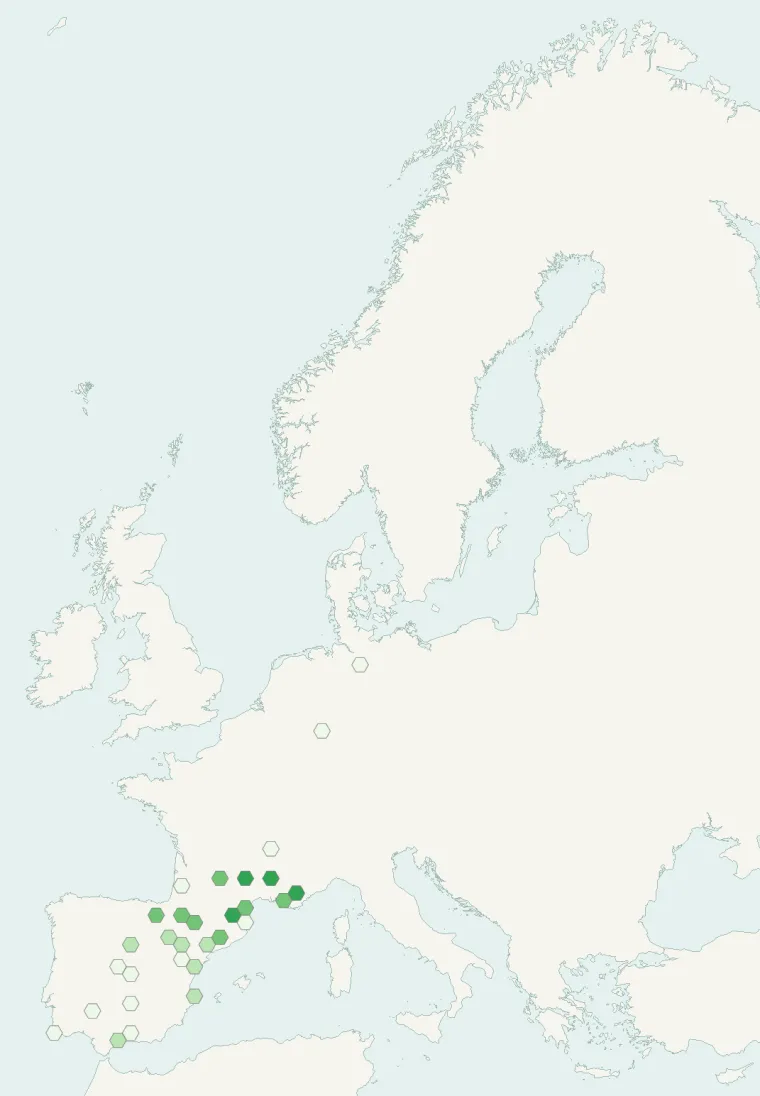
Records published on GBIF (CC0 and CC BY 4.0 licences): the darker the shade, the more records there are; they also reflect observation effort.
Atlas countries where it is recorded
From Wikipedia
Narcissus assoanus, the rush-leaf jonquil, is a perennial bulbous plant native to Spain and France; it is now naturalized in Turkey. It grows to 15 cm (6 in) in height and has yellow flowers with a slightly lemony fragrance. Subspecies include N. assoanus subsp. assoanus and N. assoanus subsp. praelongus.
Source: Wikipedia, article “Narcissus assoanus” (version of July 29, 2025) · history and authors · licence CC BY-SA 4.0
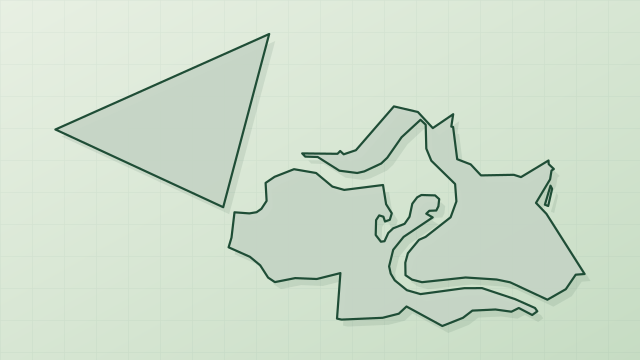
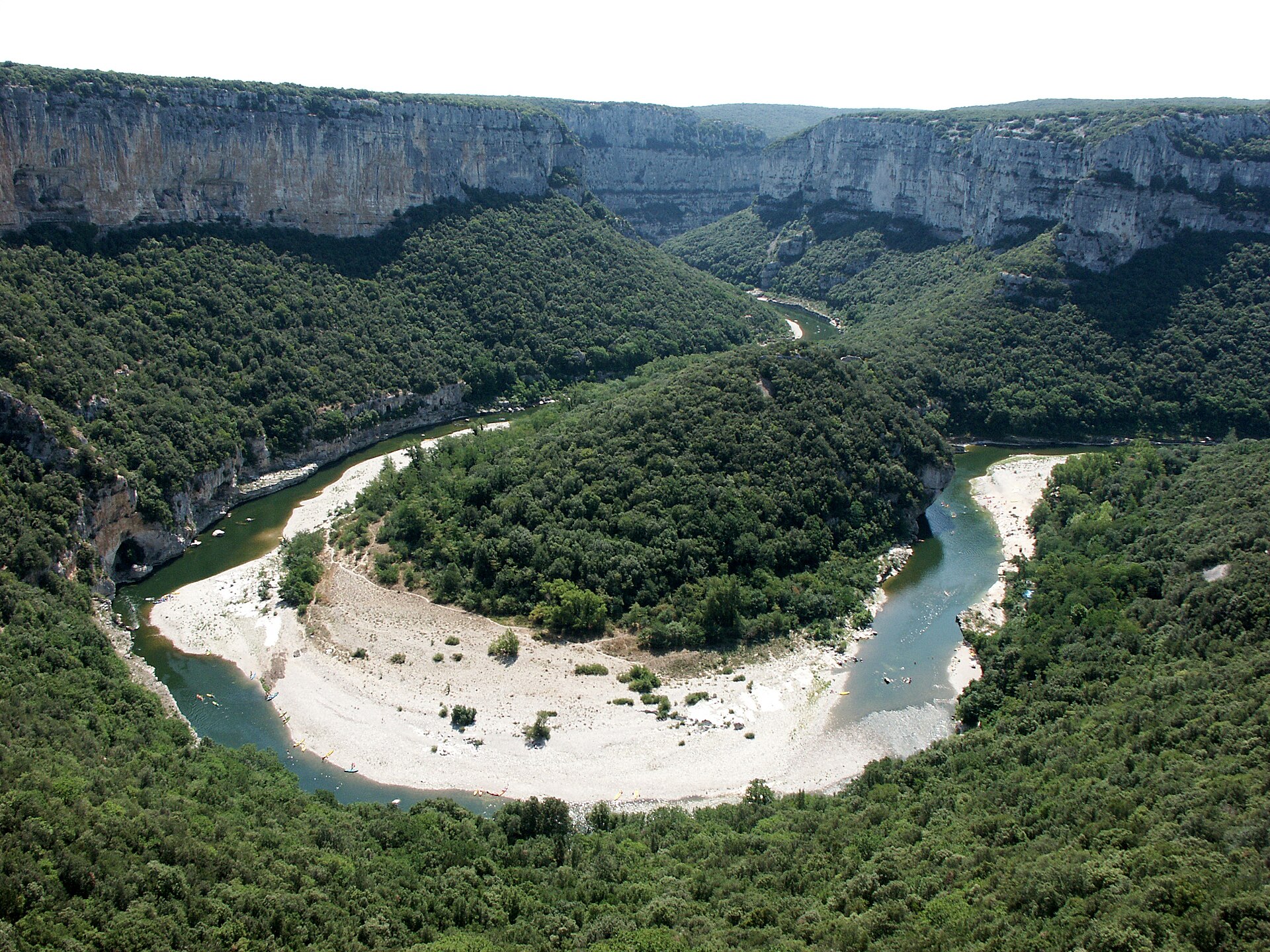
Protected areas where it is recorded
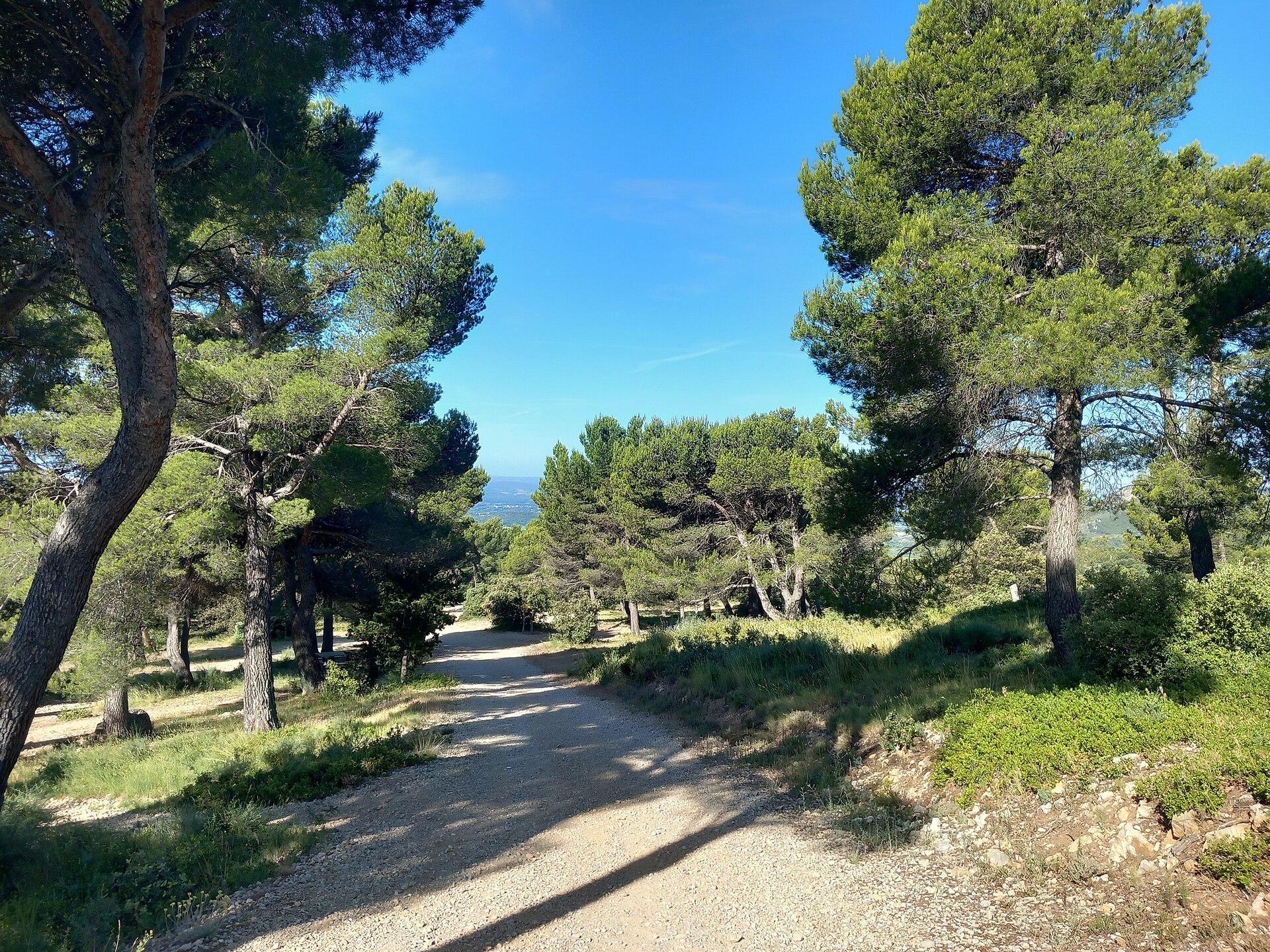
10 records
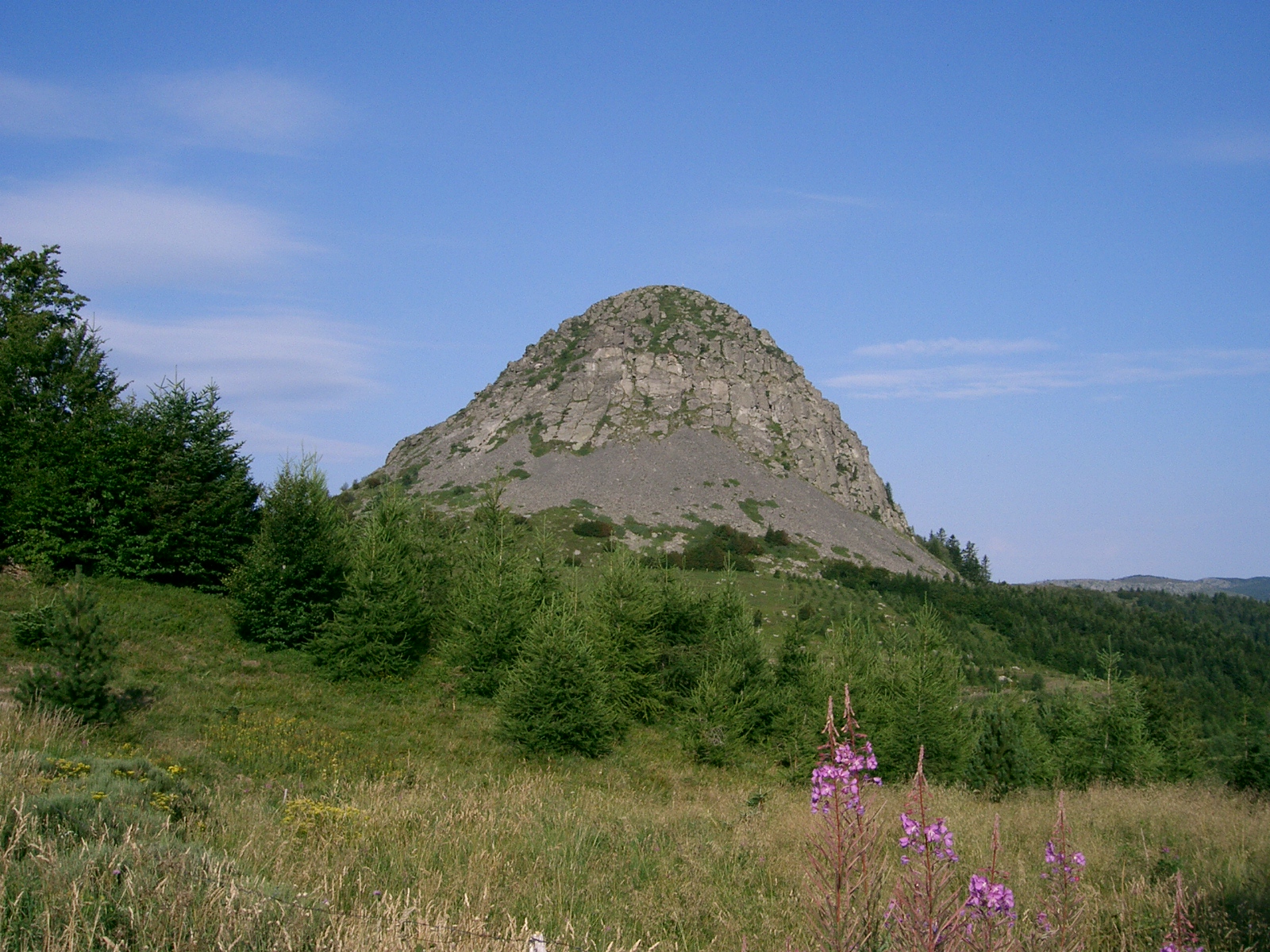
Natura 2000
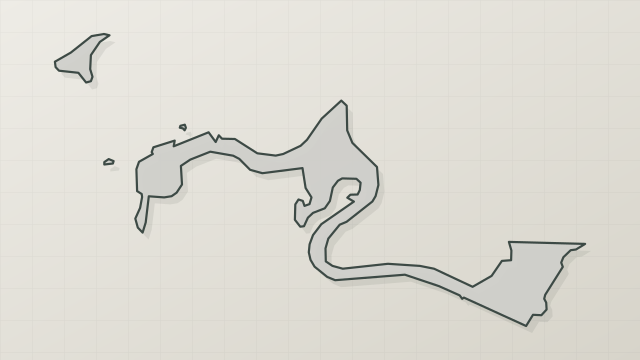
Natura 2000
Natura 2000
Natura 2000
Other species to discover
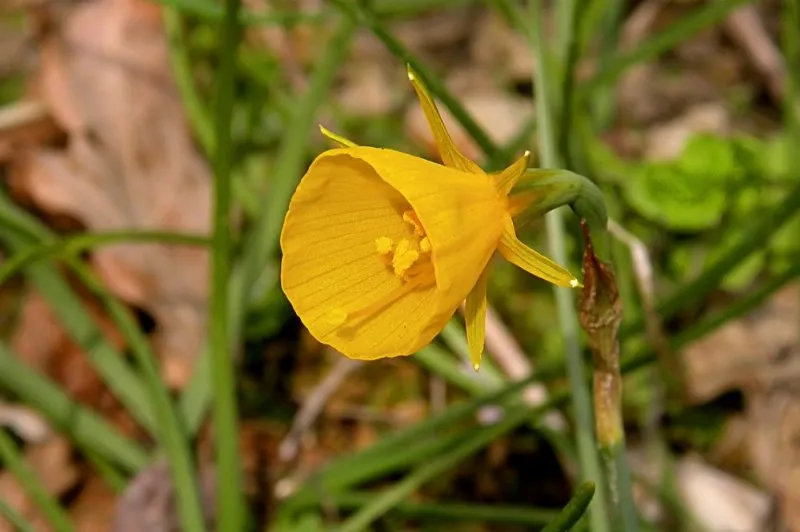 Petticoat daffodil
Narcissus bulbocodium Same genus
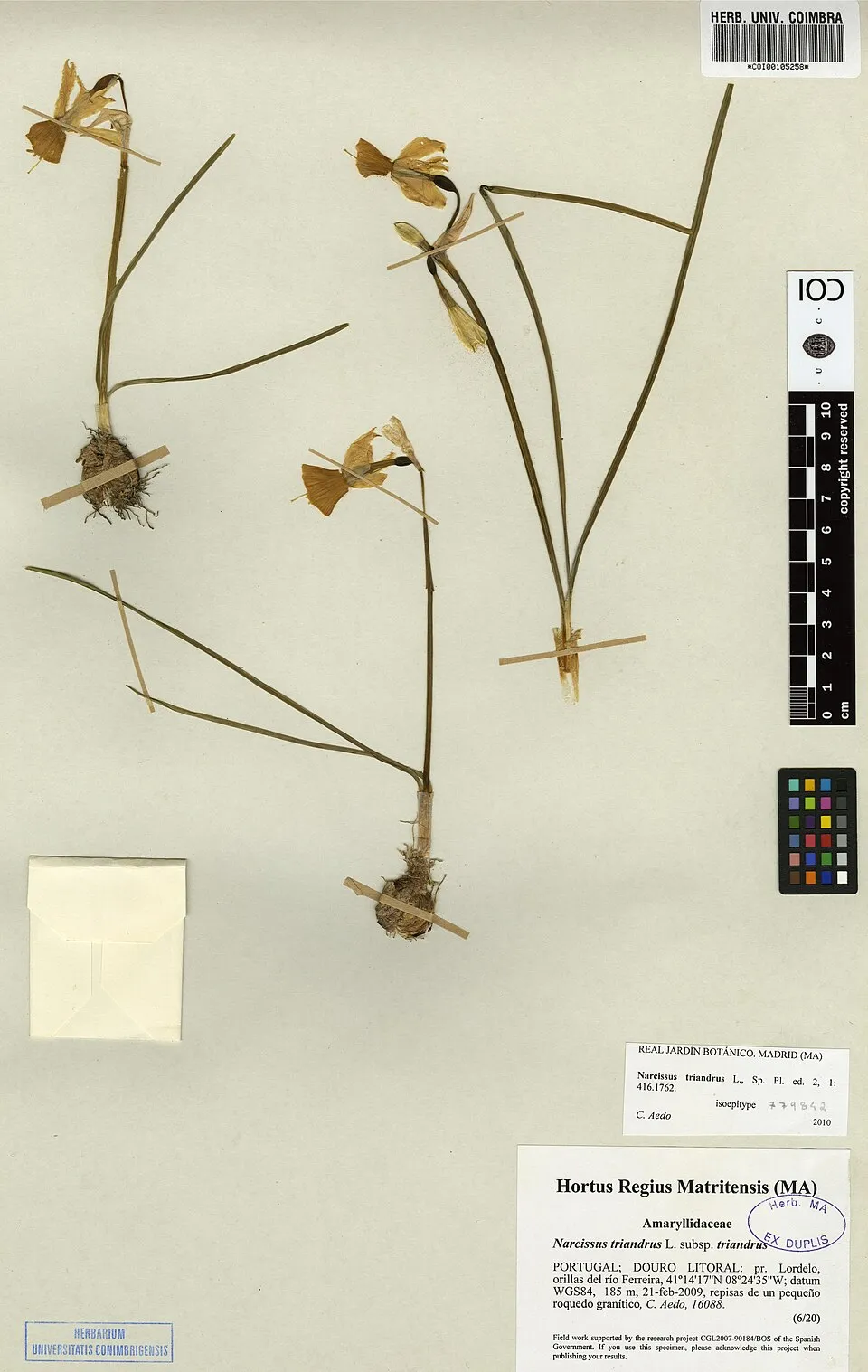 Angel's-tears
Narcissus triandrus Same genus
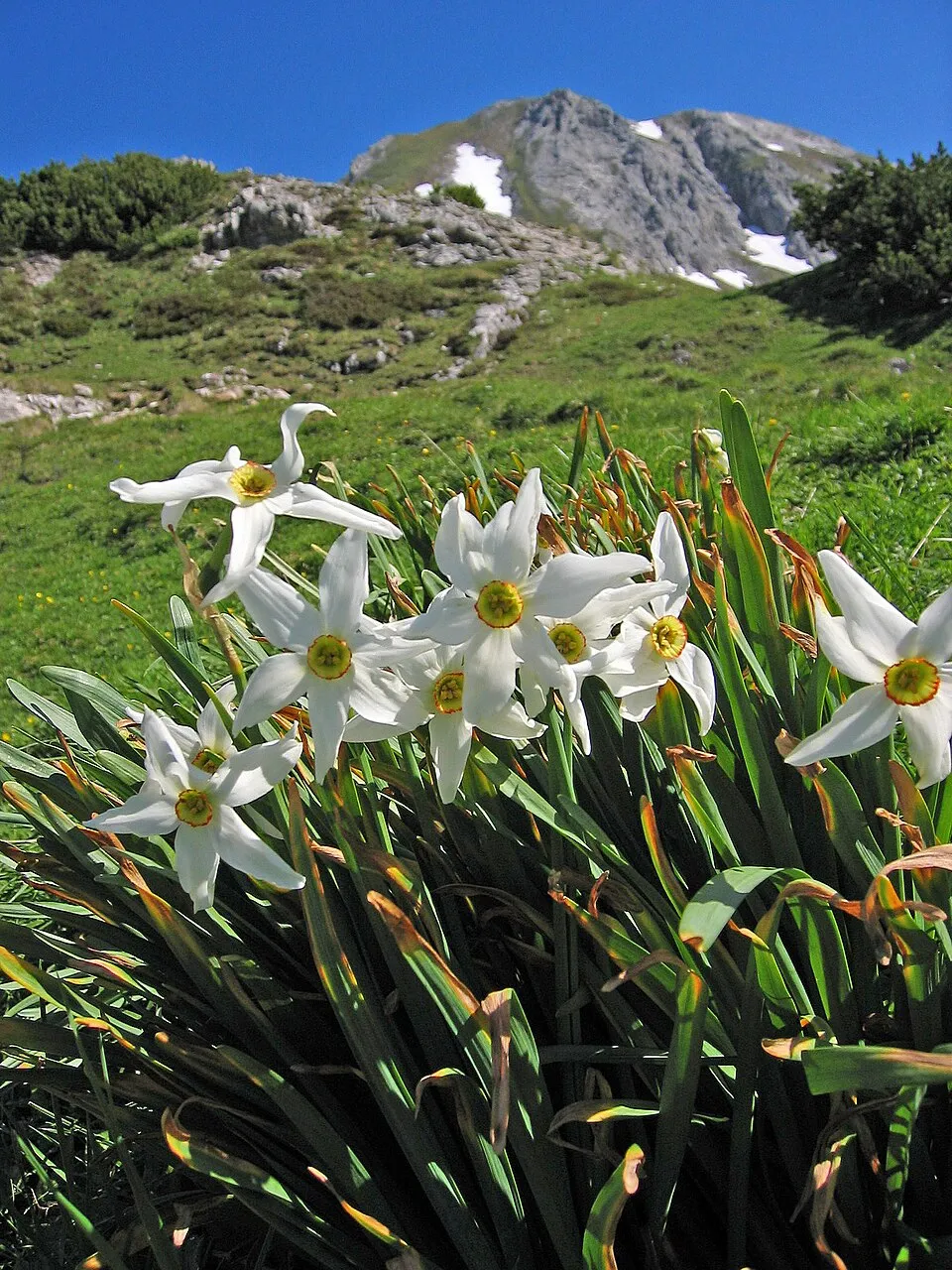 Pheasant's-eye Daffodil
Narcissus poeticus Same genus
Kuhl's Pipistrelle
Pipistrellus kuhli 3 places in common
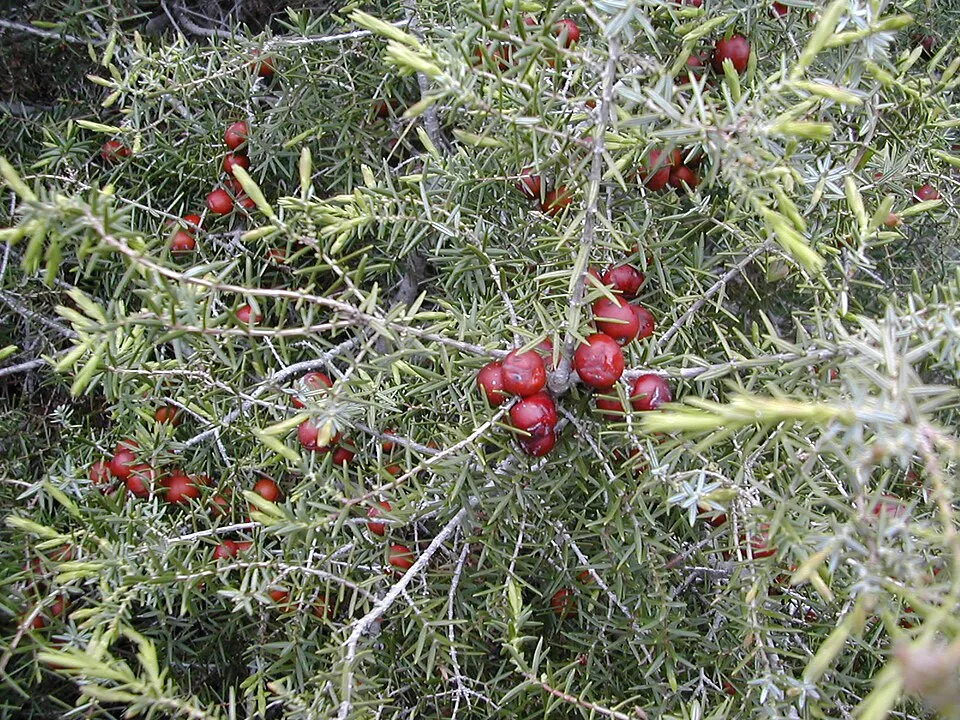 Cade juniper
Juniperus oxycedrus 3 places in common
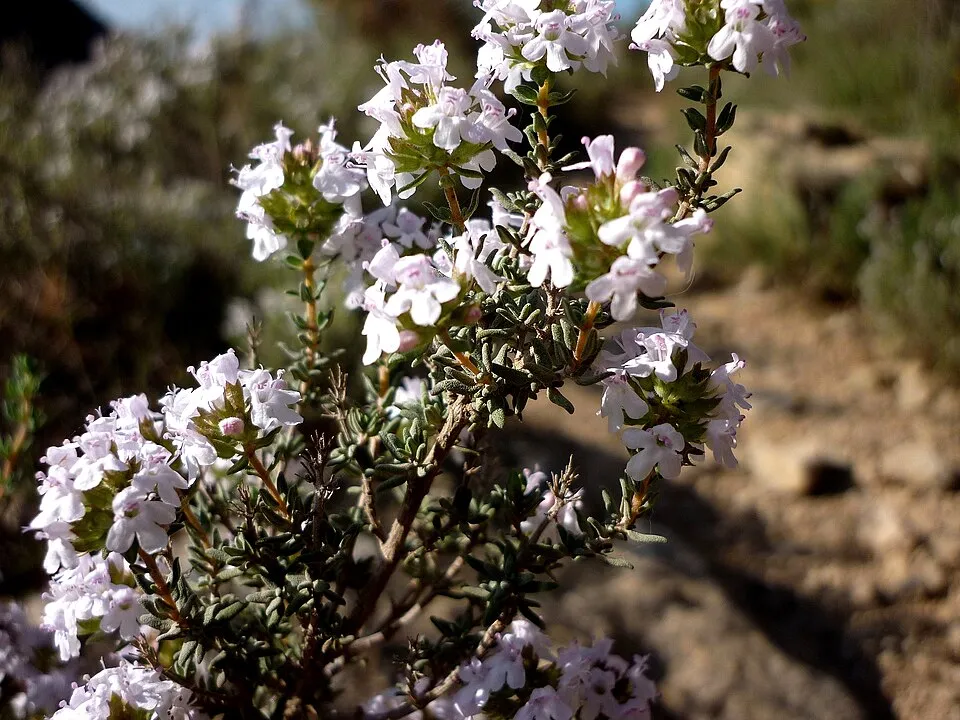 Garden thyme
Thymus vulgaris 3 places in common
Sources and credits
- Presence: most-recorded species of each place on GBIF and species of Community interest in the Natura 2000 forms (EEA, CC-BY 4.0); absence from the list does not mean the species is absent.
- Common names: Wikidata (CC0) and GBIF.
- Photos and sounds: Wikimedia Commons, author and licence given for each file.
- Classification: GBIF Backbone Taxonomy (GBIF Secretariat), CC BY 4.0, doi:10.15468/39omei.
- Countries, elevations, months and maps: GBIF.org, CC0 or CC BY 4.0 occurrences only, accessed October 22, 2026, GBIF.org.
- Base map: Natural Earth (public domain).
- Excerpt: Wikipedia, CC BY-SA 4.0 (full credit below the excerpt).
- Annexes: Directive 92/43/EEC (consolidated version), © European Union, EUR-Lex.
- Conservation status: EEA / DG ENV, Article 17 Habitats Directive reporting (2013–2018), CC BY 4.0.
- Native range and life form: World Checklist of Vascular Plants, Royal Botanic Gardens, Kew, CC BY 4.0 (no endorsement by Kew).