
Reptile
Slow worm: where to see it
Anguis fragilis
This reptile species is recorded in 9 protected areas of the atlas, including one whose official Natura 2000 form lists it. Within the atlas countries, it is mostly observed in France, the United Kingdom and Sweden (10 countries in all). Most records (8 in 10) lie between sea level and 800 m. Records peak from April to July.
Best time to see it: April–July
Records published on GBIF by month (CC0 and CC BY 4.0 licences only), in the atlas countries, all years combined; they also reflect observer activity.
Distribution
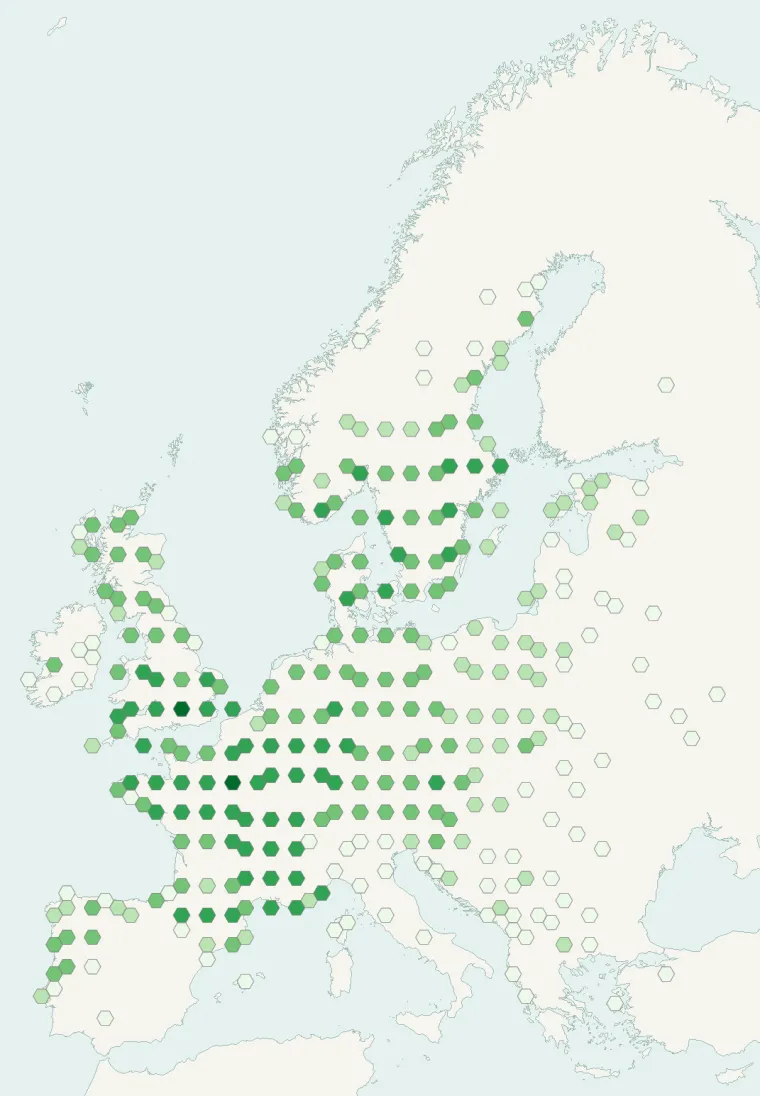
Records published on GBIF (CC0 and CC BY 4.0 licences): the darker the shade, the more records there are; they also reflect observation effort.
Atlas countries where it is recorded
From Wikipedia
The common slow worm (Anguis fragilis) is a non-venomous species of legless lizard native to Europe. It is also called a deaf adder, blindworm, or regionally, a long-cripple, steelworm, and hazelworm. Despite its name, the common slow worm is neither a worm nor a snake. Common slow worms are semifossorial (burrowing) lizards that spend much of their time hiding underneath objects. The skin of slow worms is smooth, with scales that do not overlap.
Source: Wikipedia, article “Common slow worm” (version of October 5, 2026) · history and authors · licence CC BY-SA 4.0
Protected areas where it is recorded
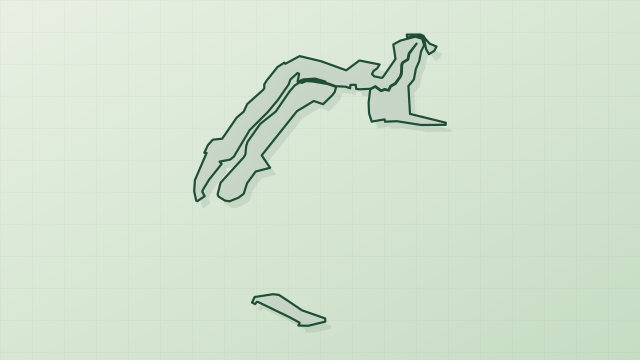
61 records
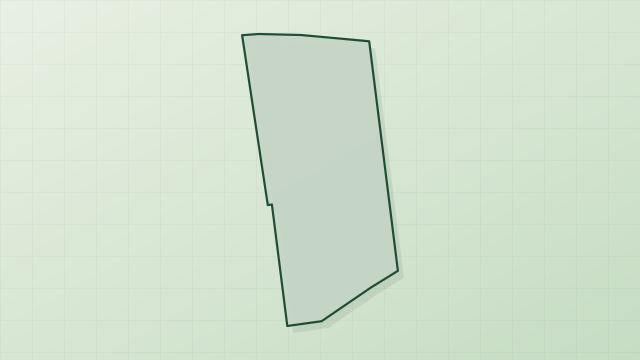
24 records
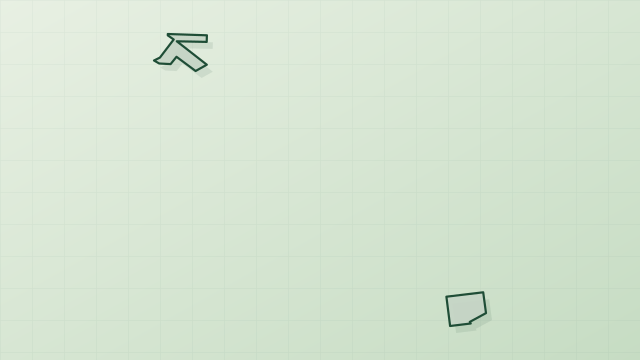
13 records
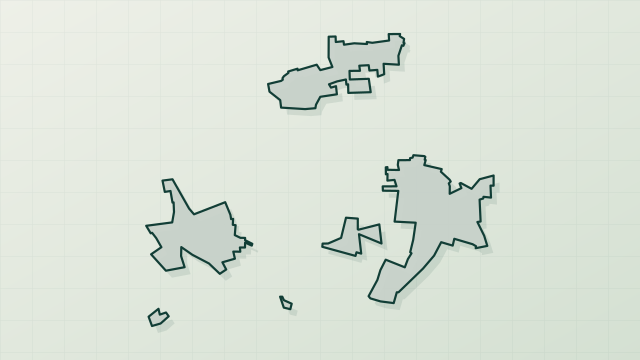
9 records
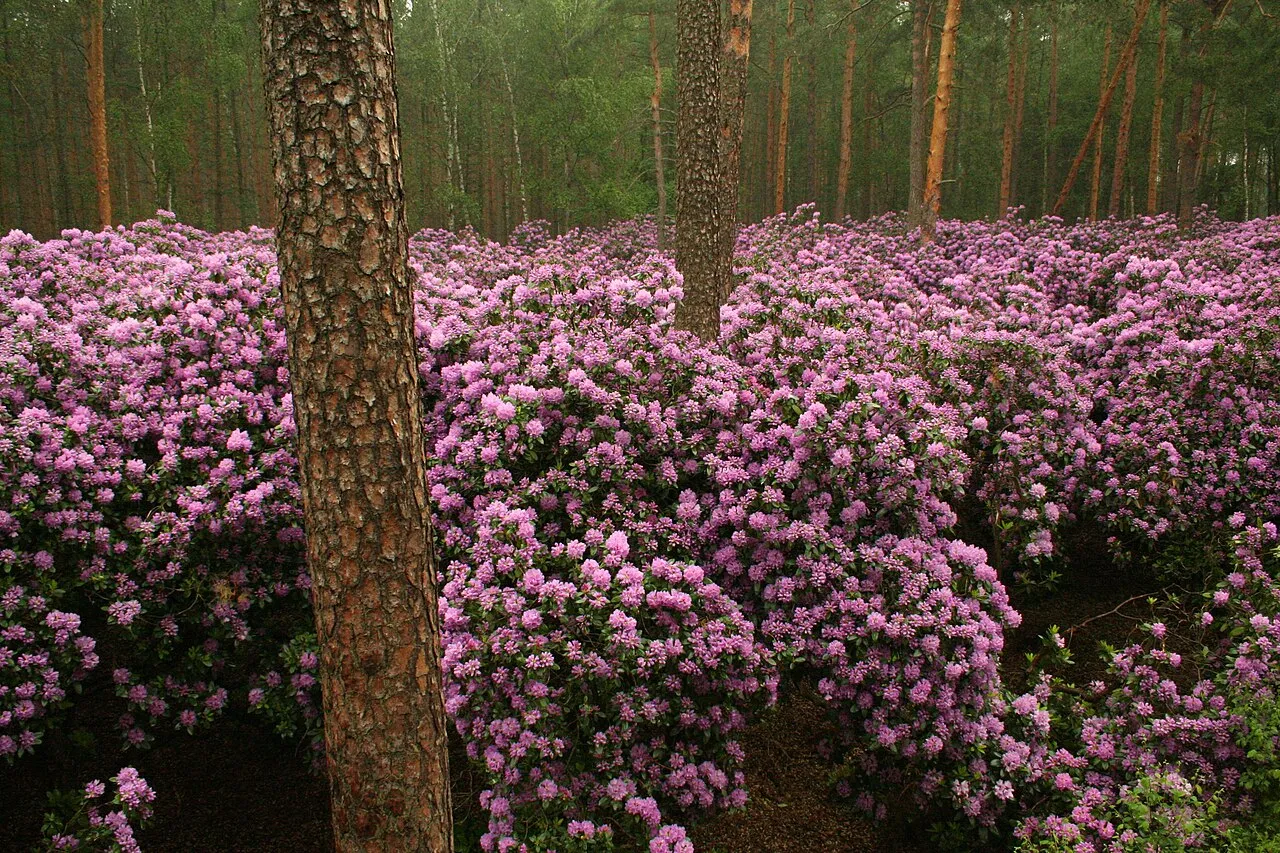
9 records
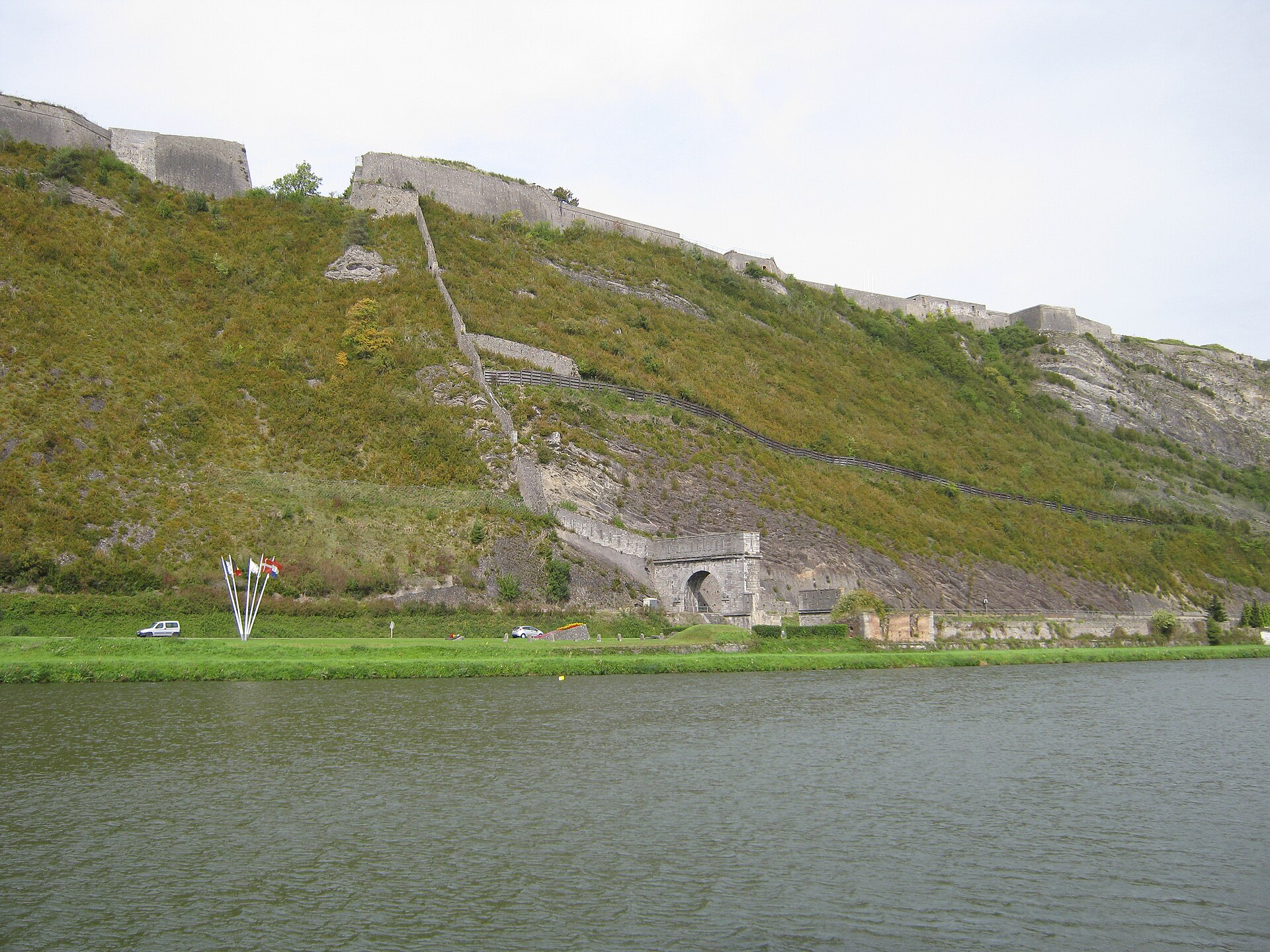
4 records

2 records
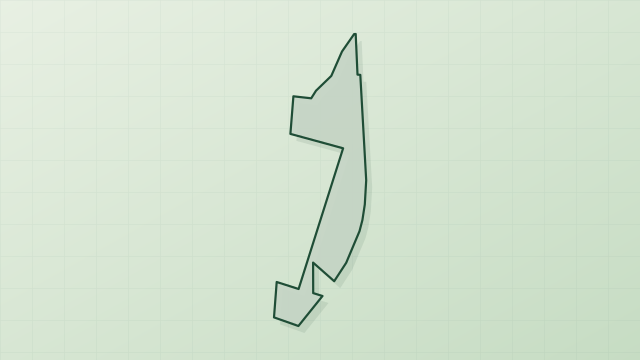
1 records
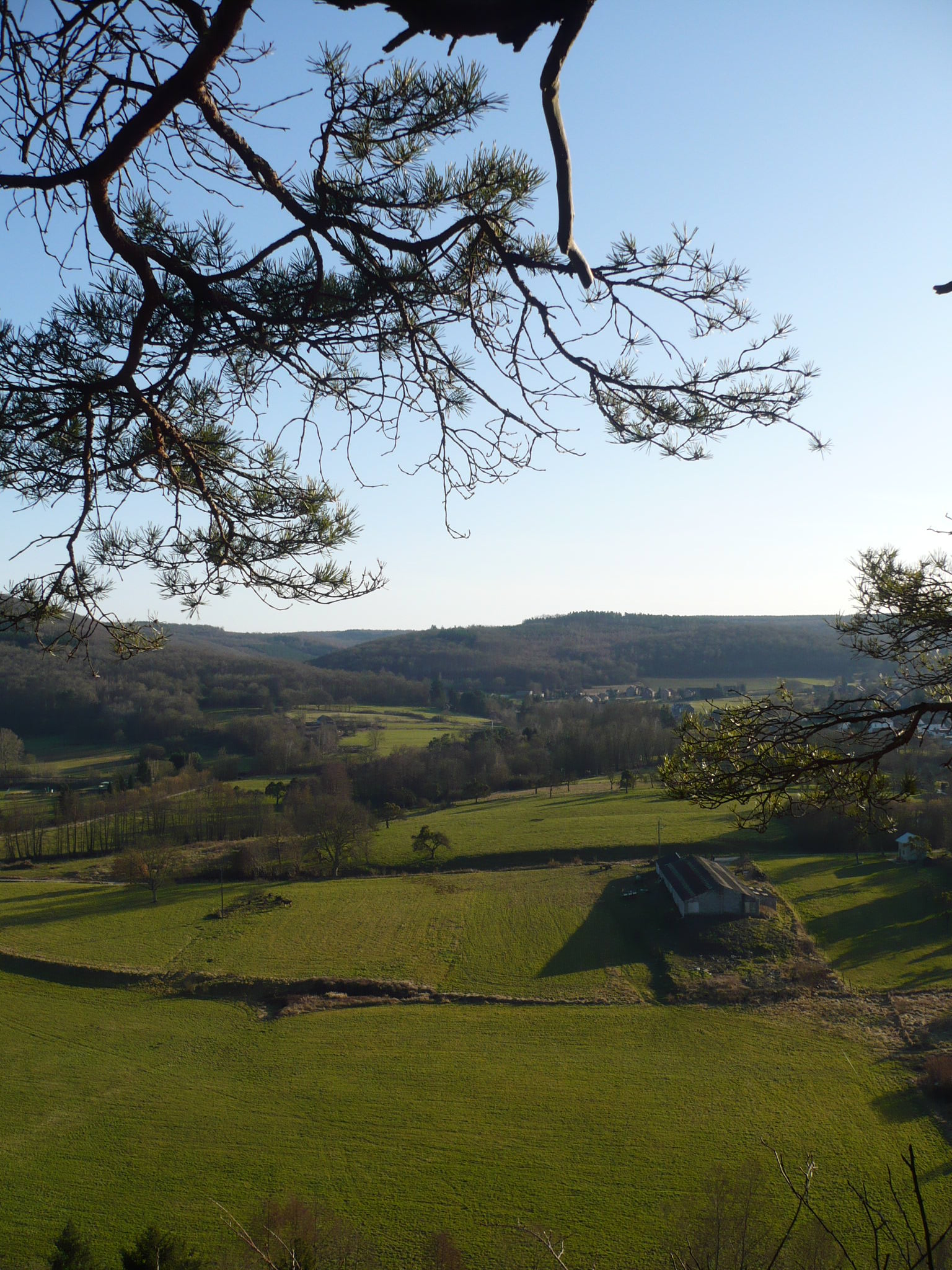
Natura 2000
Other species to discover
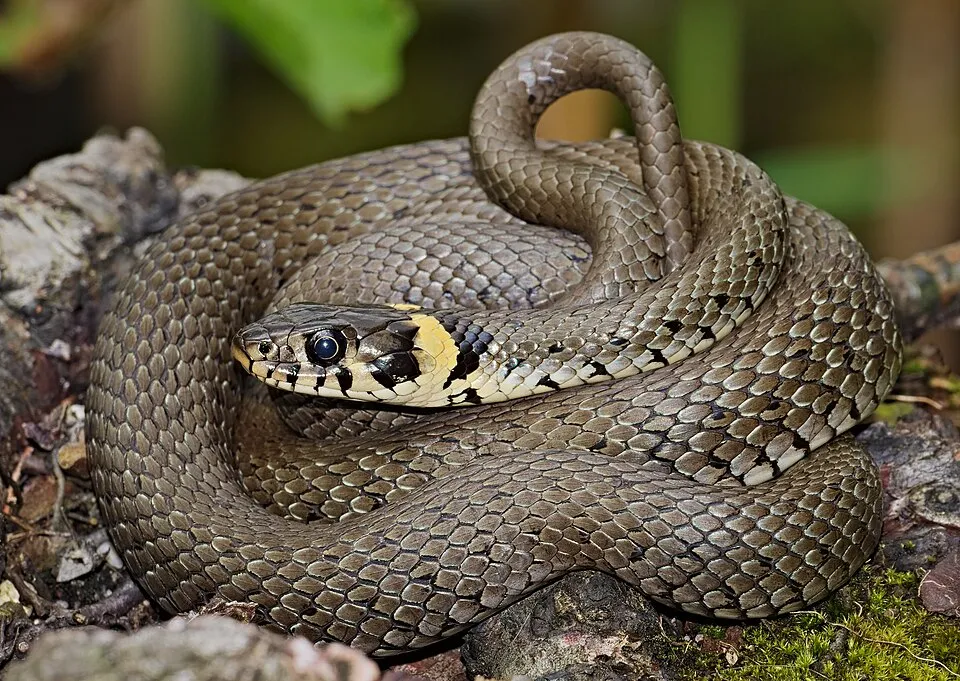 Grass Snake
Natrix natrix 2 places in common
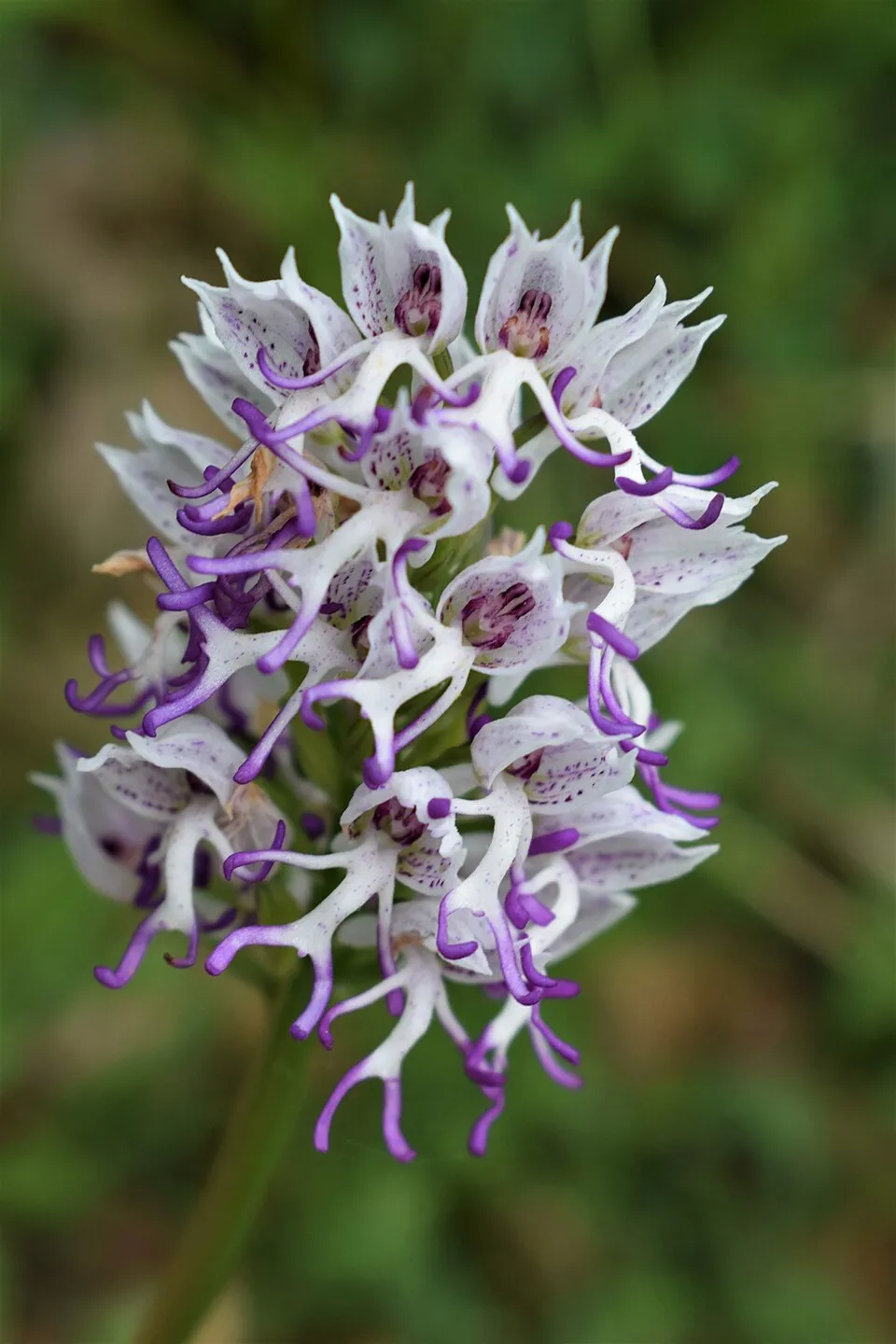 Monkey orchid
Orchis simia 2 places in common
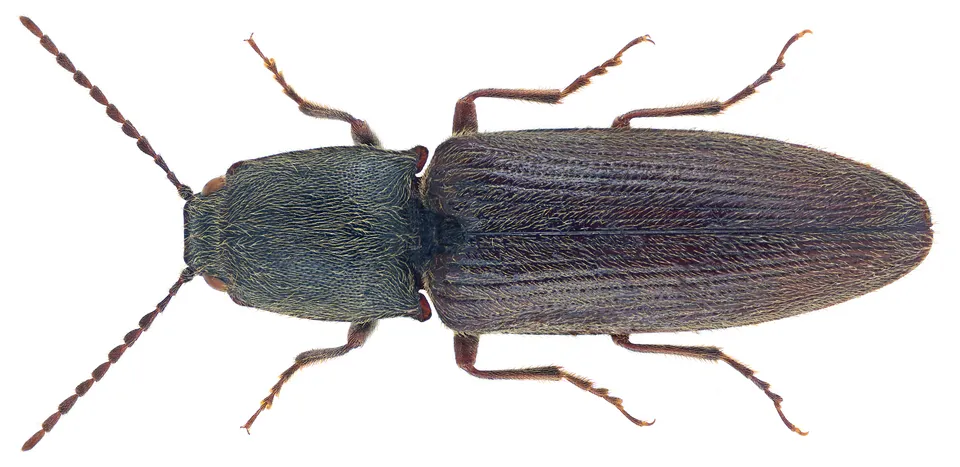 Red-brown Click Beetle
Athous haemorrhoidalis 2 places in common
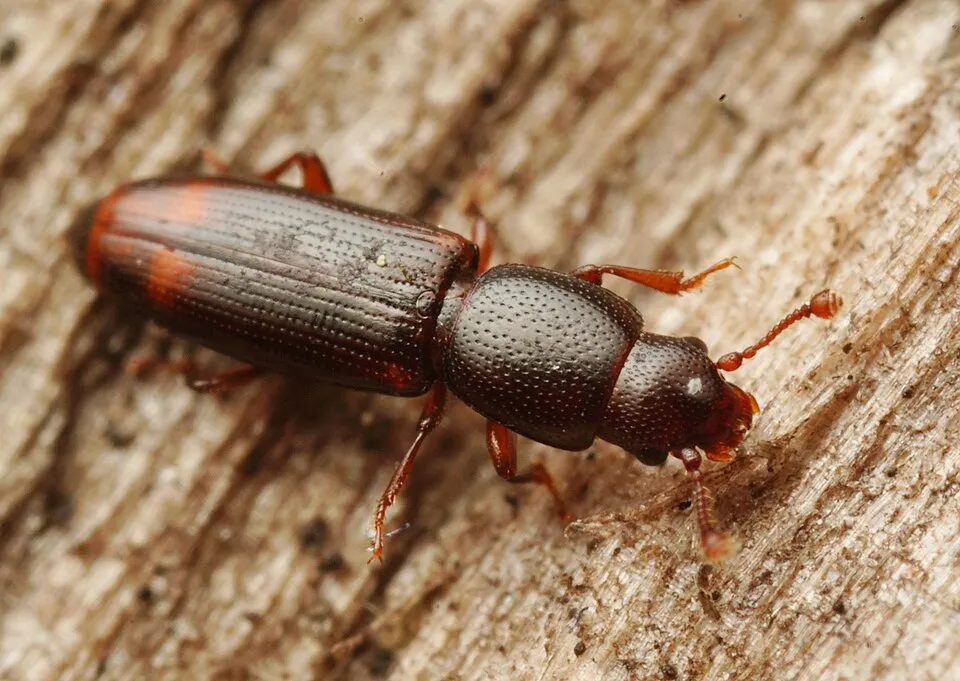 Root-eating beetle
Rhizophagus bipustulatus 2 places in common
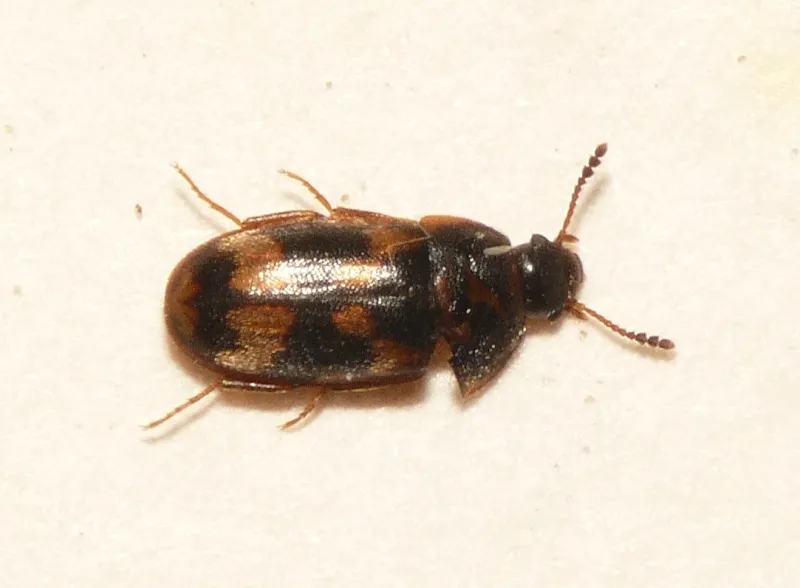 Litargus connexus
2 places in common
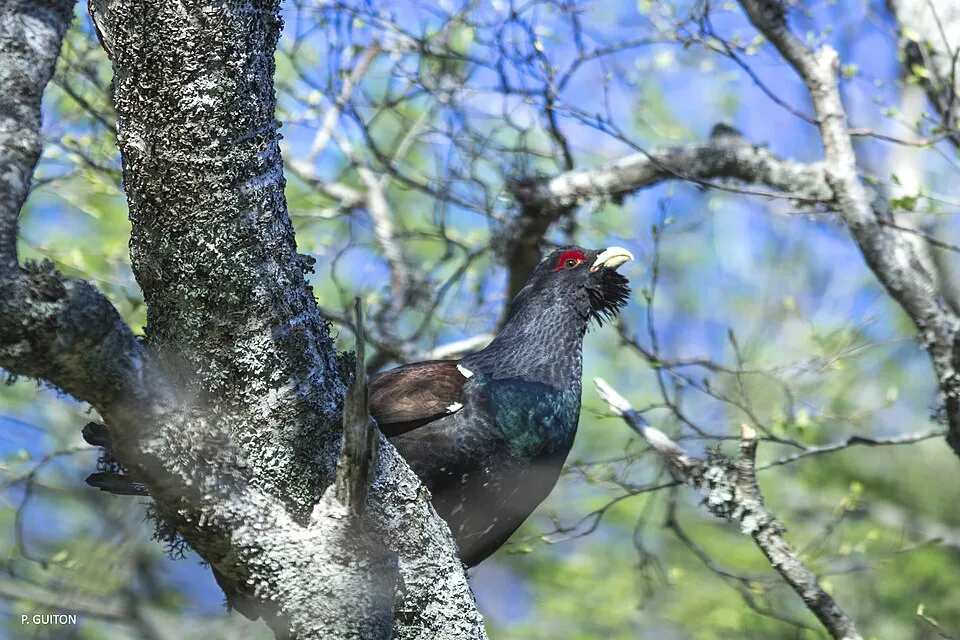 Tetrao urogallus aquitanicus
2 places in common
Sources and credits
- Presence: most-recorded species of each place on GBIF and species of Community interest in the Natura 2000 forms (EEA, CC-BY 4.0); absence from the list does not mean the species is absent.
- Common names: Wikidata (CC0) and GBIF.
- Photos and sounds: Wikimedia Commons, author and licence given for each file.
- Classification: GBIF Backbone Taxonomy (GBIF Secretariat), CC BY 4.0, doi:10.15468/39omei.
- Countries, elevations, months and maps: GBIF.org, CC0 or CC BY 4.0 occurrences only, accessed October 23, 2026, GBIF.org.
- Base map: Natural Earth (public domain).
- Excerpt: Wikipedia, CC BY-SA 4.0 (full credit below the excerpt).