
Mammal
Sperm whale: where to see it
Physeter macrocephalus
This mammal species is recorded in 7 protected areas of the atlas, and is listed on the official Natura 2000 form of each of them. Within the atlas countries, it is mostly observed in Portugal, France and Spain (6 countries in all). Records peak from April to August. It is a species of Community interest under the Habitats Directive (Annex IV).
Best time to see it: April–August
Records published on GBIF by month (CC0 and CC BY 4.0 licences only), in the atlas countries, all years combined; they also reflect observer activity.
Key facts
- Gestation
- 14–16 months Wikidata, after Grzimeks Enzyklopädie, 1988
Status and protection
Habitats Directive IV
The species is listed in Annex IV of the Habitats Directive.
Distribution
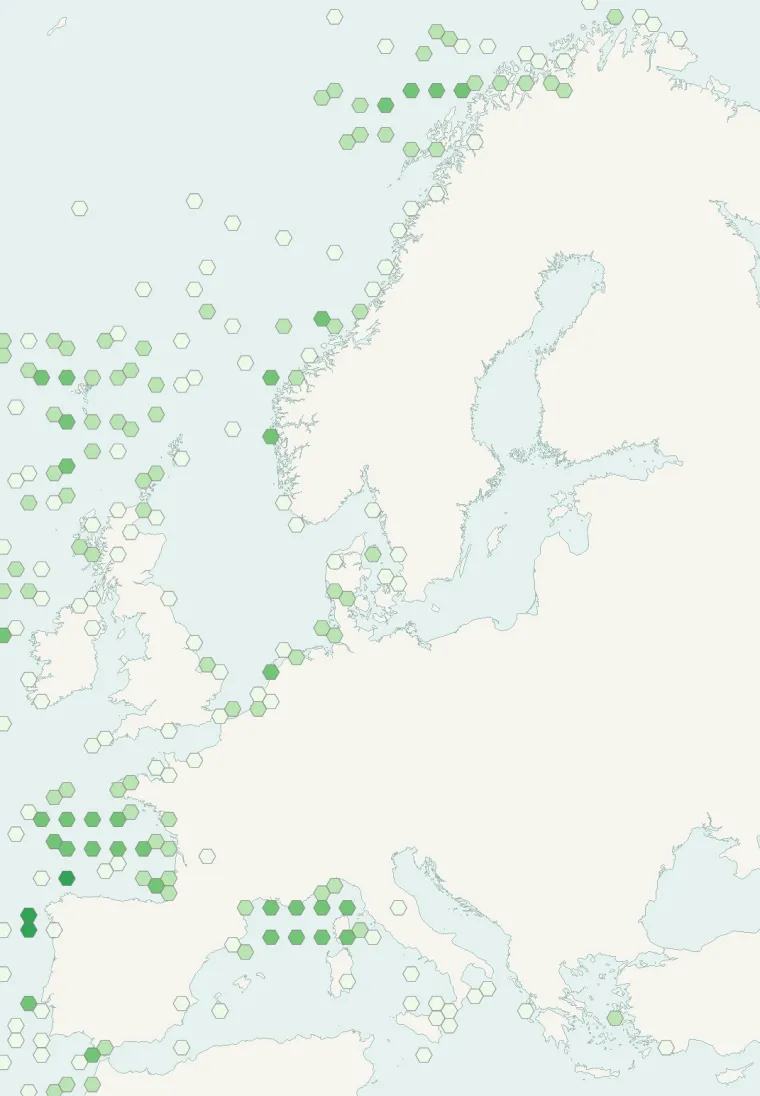
Records published on GBIF (CC0 and CC BY 4.0 licences): the darker the shade, the more records there are; they also reflect observation effort.
Atlas countries where it is recorded
Listen
-
1:11 · © National Oceanic and Atmospheric Administration · Public domain · Wikimedia Commons · Original file
-
0:33 · © Jim Nollman · CC BY-SA 3.0 · Wikimedia Commons · Original file
-
0:36 · © NOAA · Public domain · Wikimedia Commons · Original file
From Wikipedia
The sperm whale or cachalot (Physeter macrocephalus) is the largest of the toothed whales and the largest toothed predator. It is the only living member of the genus Physeter and one of three extant species in the sperm whale superfamily Physeteroidea, along with the pygmy sperm whale and dwarf sperm whale of the genus Kogia. The sperm whale is a pelagic mammal with a worldwide range, and will migrate seasonally for feeding and breeding. Females and young males live together in groups, while mature males (bulls) live solitary lives outside of the mating season.
Source: Wikipedia, article “Sperm whale” (version of October 10, 2026) · history and authors · licence CC BY-SA 4.0 · shortened excerpt
Protected areas where it is recorded
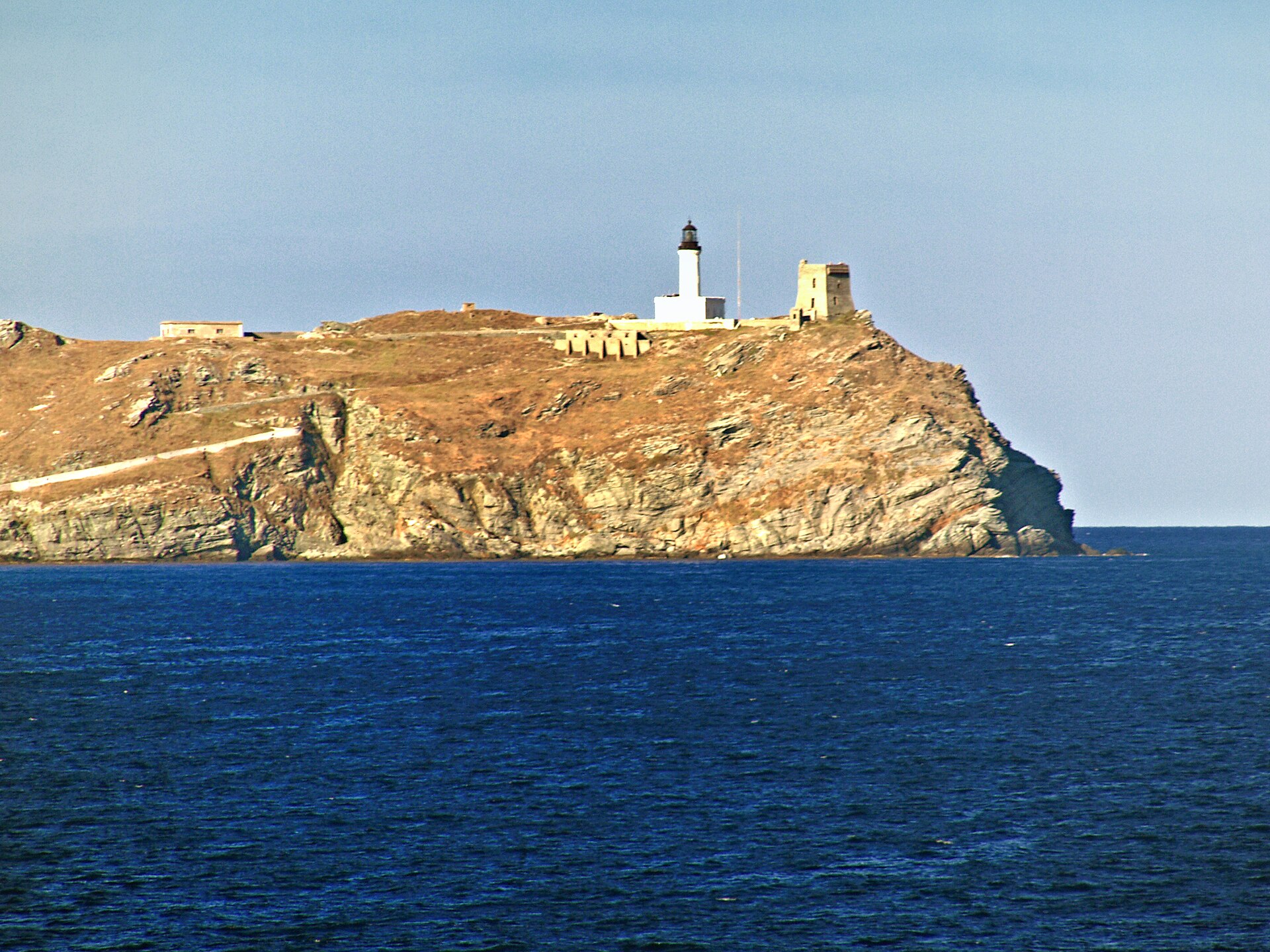
Natura 2000 151 records

Natura 2000

Natura 2000

Natura 2000
Natura 2000

Natura 2000

Natura 2000
Other species to discover
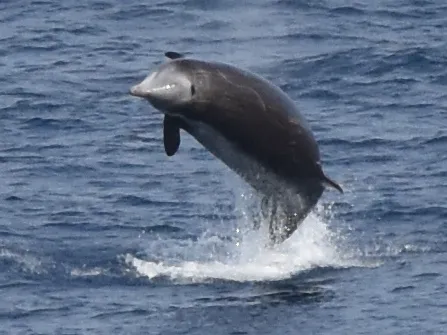 Cuvier's Beaked Whale
Ziphius cavirostris 4 places in common
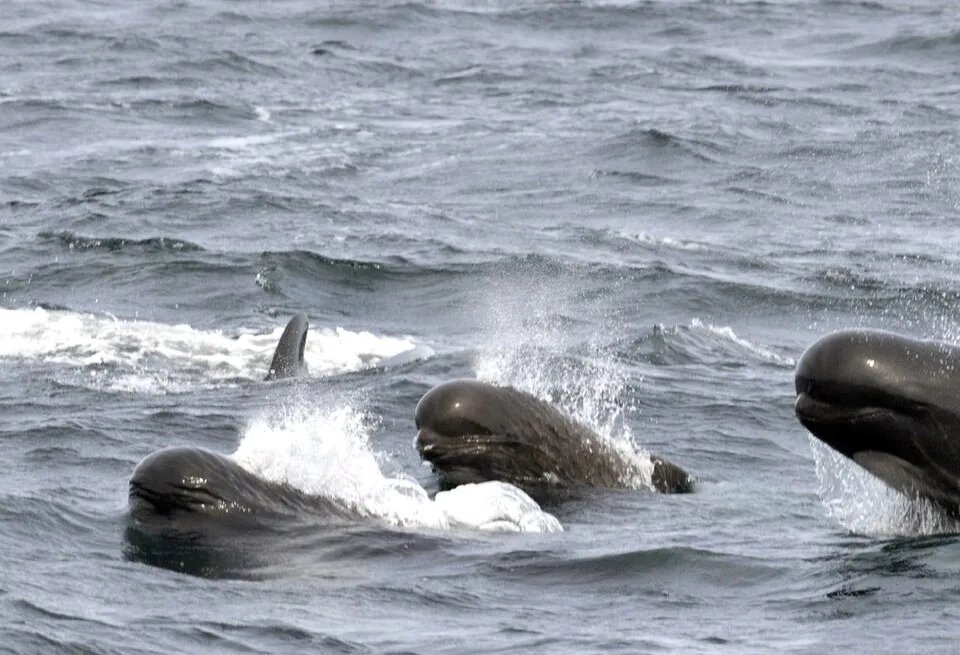 Long-finned pilot whale
Globicephala melas 4 places in common
 Risso's Dolphin
Grampus griseus 6 places in common
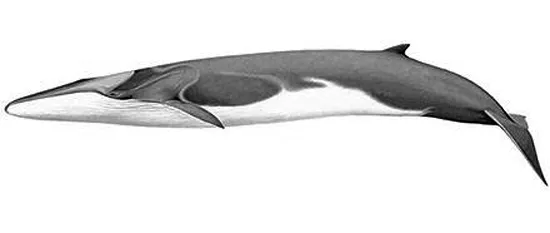 Fin whale
Balaenoptera physalus 4 places in common
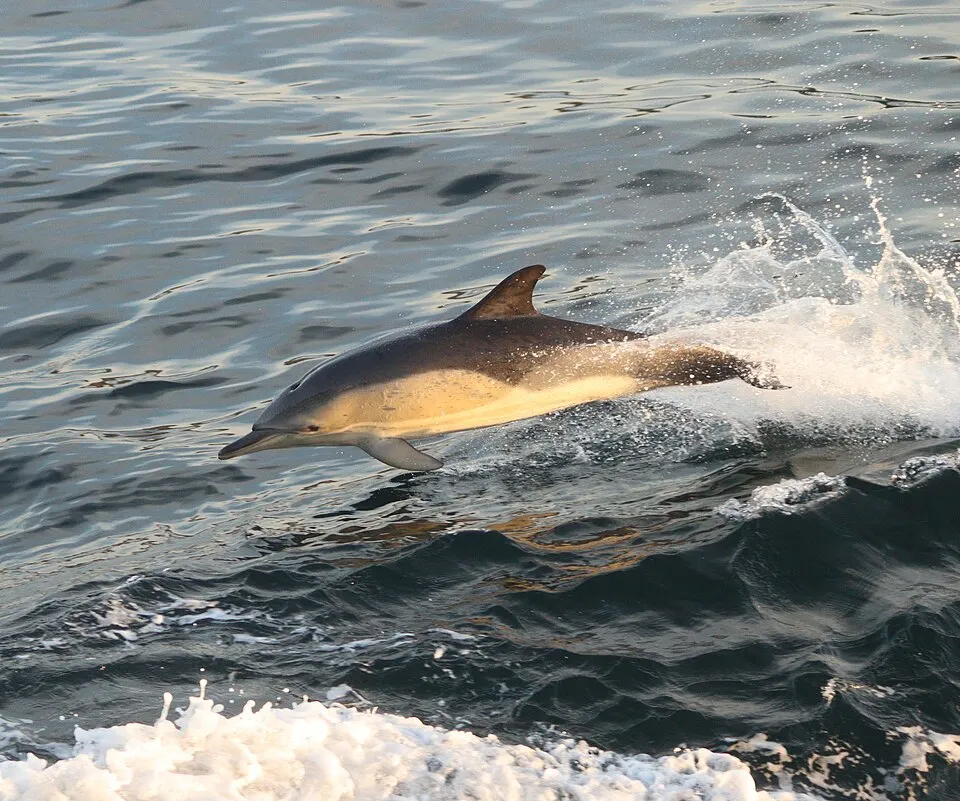 Short-beaked Common Dolphin
Delphinus delphis 6 places in common
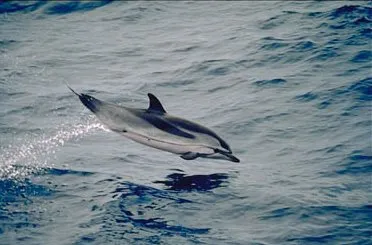 Striped dolphin
Stenella coeruleoalba 5 places in common
Sources and credits
- Presence: most-recorded species of each place on GBIF and species of Community interest in the Natura 2000 forms (EEA, CC-BY 4.0); absence from the list does not mean the species is absent.
- Common names: Wikidata (CC0) and GBIF.
- Photos and sounds: Wikimedia Commons, author and licence given for each file.
- Classification: GBIF Backbone Taxonomy (GBIF Secretariat), CC BY 4.0, doi:10.15468/39omei.
- Countries, elevations, months and maps: GBIF.org, CC0 or CC BY 4.0 occurrences only, accessed October 22, 2026, GBIF.org.
- Base map: Natural Earth (public domain).
- Excerpt: Wikipedia, CC BY-SA 4.0 (full credit below the excerpt).
- Key facts: Wikidata (CC0), with the references cited under each value.
- Annexes: Directive 92/43/EEC (consolidated version), © European Union, EUR-Lex.