

Bird
Yellow-browed Warbler: where to see it
Phylloscopus inornatus
This bird species is recorded in 85 protected areas of the atlas. Within the atlas countries, it is mostly observed in Sweden, the United Kingdom and Norway (11 countries in all). Records peak from September to October.
Best time to see it: September–October
Records published on GBIF by month (CC0 and CC BY 4.0 licences only), in the atlas countries, all years combined; they also reflect observer activity.
Key facts
- Clutch size
- 5.3 eggs on average Wikidata, after Jetz et al. 2008
- Incubation
- 12 days Wikidata, after Handbook of the Birds of the World
Distribution
Atlas countries where it is recorded
Listen
-
0:06 · © Luis Ramos · CC BY-SA 3.0 · Wikimedia Commons · Original file
From Wikipedia
The yellow-browed warbler (Phylloscopus inornatus) is a leaf warbler (family Phylloscopidae) which breeds in the east Palearctic. This warbler is strongly migratory and winters mainly in tropical South Asia and South-east Asia, but also in small numbers in western Europe. Like the rest of Phylloscopidae, it was formerly included in the Old World warbler assemblage. It was formerly considered to comprise three subspecies, but P. i. humei and P. i. mandellii are now split as a separate species, Hume's leaf warbler P. humei, leaving P. inornatus monotypic.
Source: Wikipedia, article “Yellow-browed warbler” (version of May 18, 2026) · history and authors · licence CC BY-SA 4.0 · shortened excerpt
Protected areas where it is recorded

3,502 records
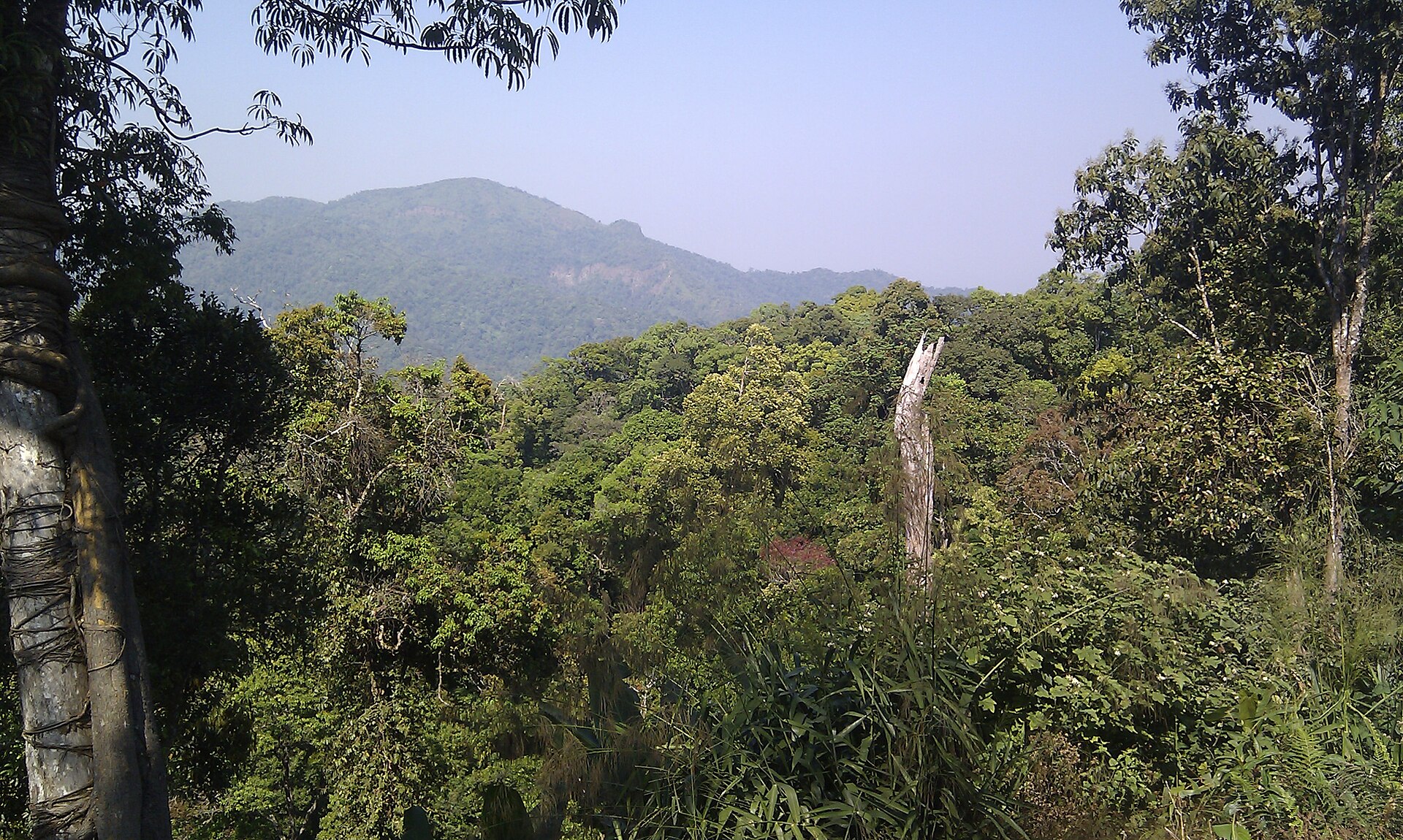
2,381 records
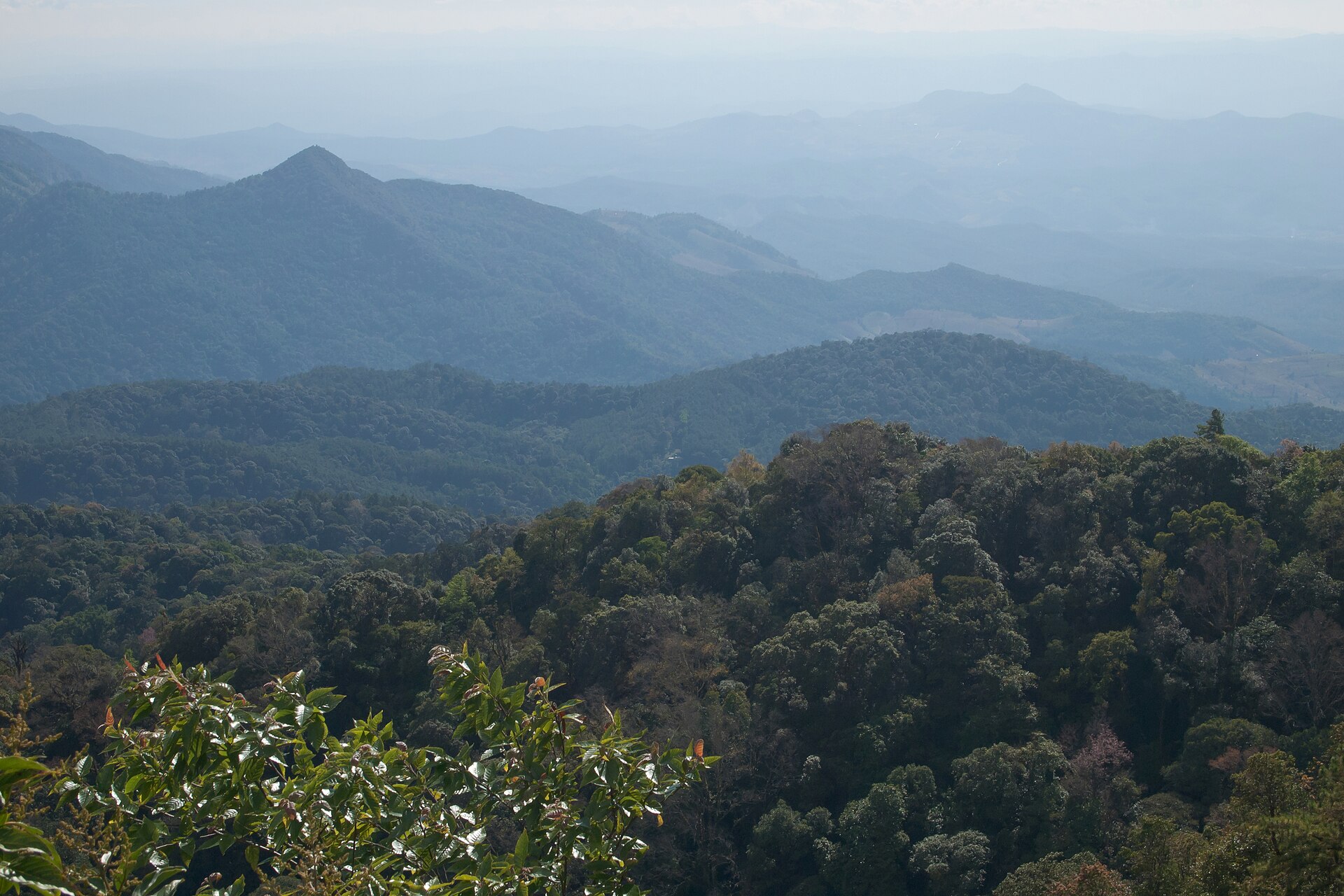
2,084 records

1,814 records

1,502 records
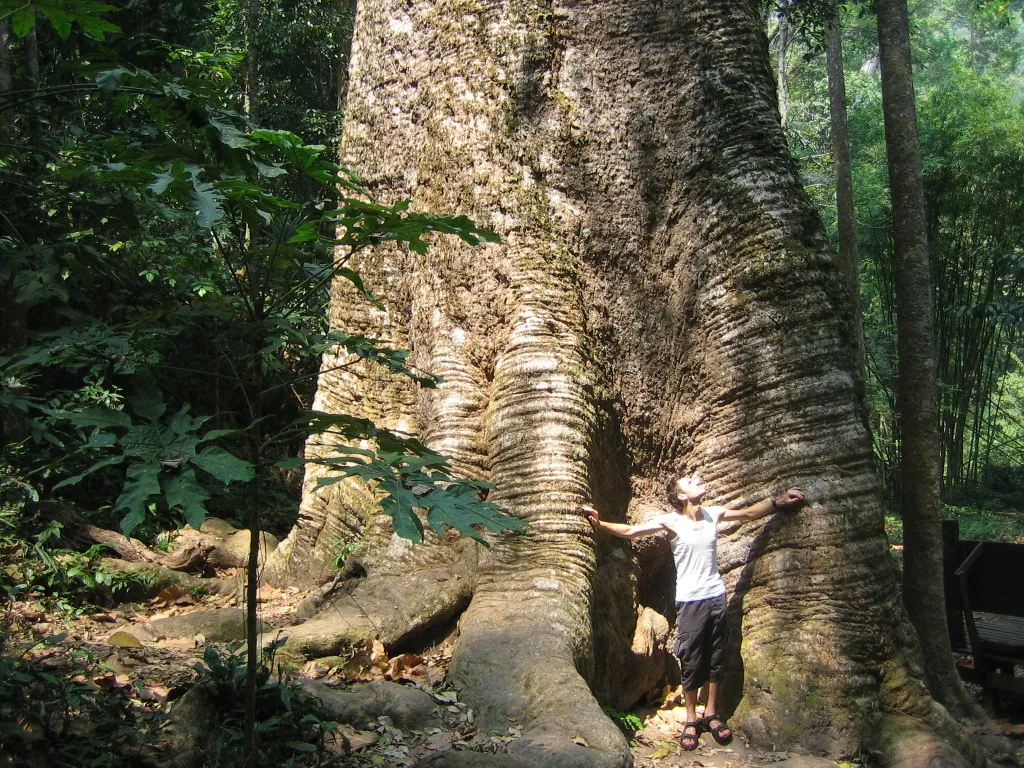
612 records

461 records

446 records
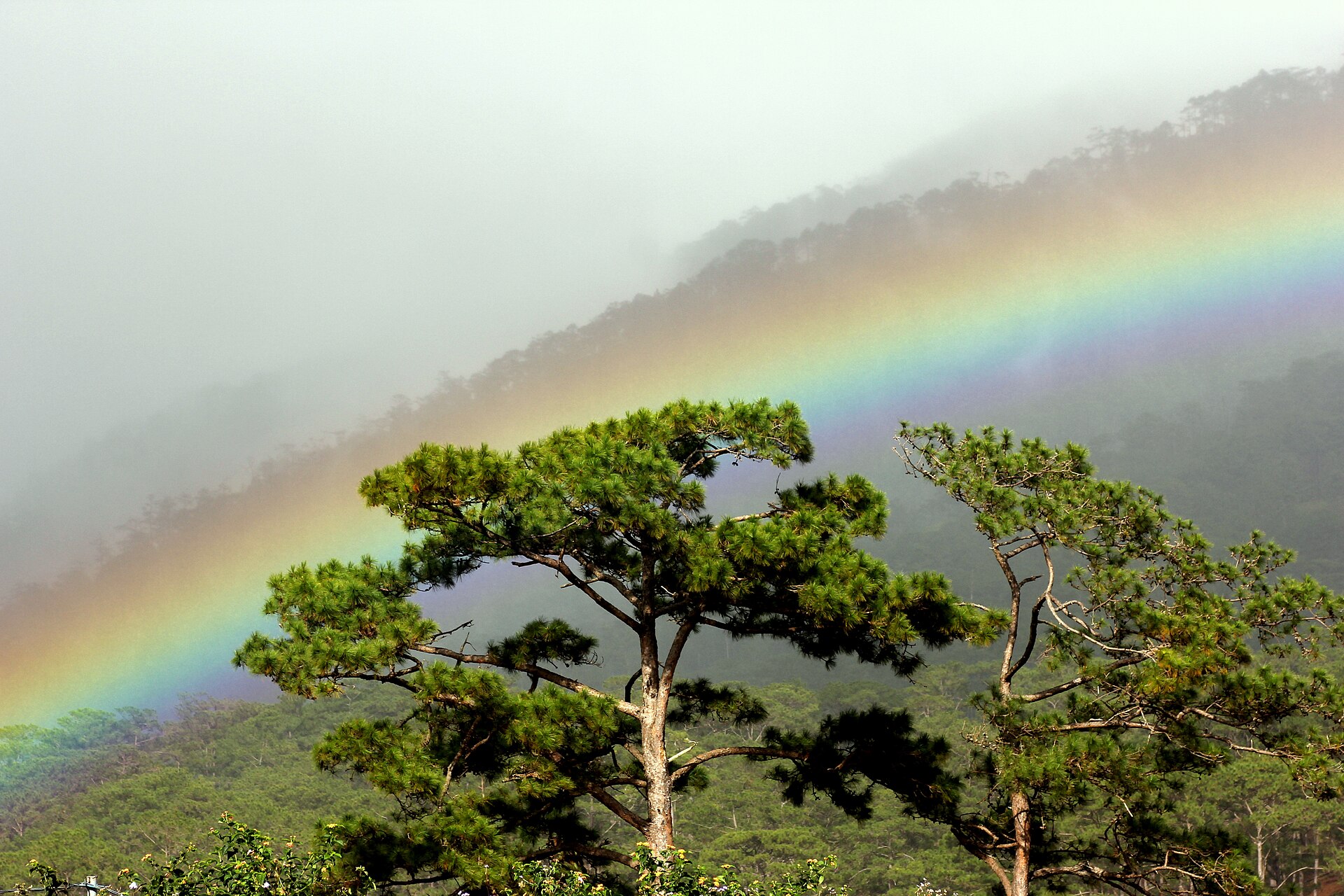
423 records

192 records

167 records

153 records

149 records

136 records
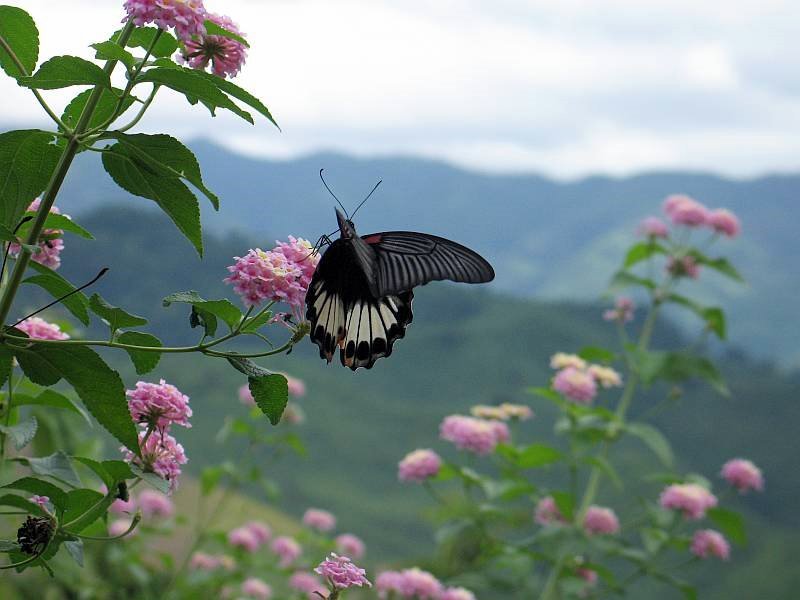
126 records
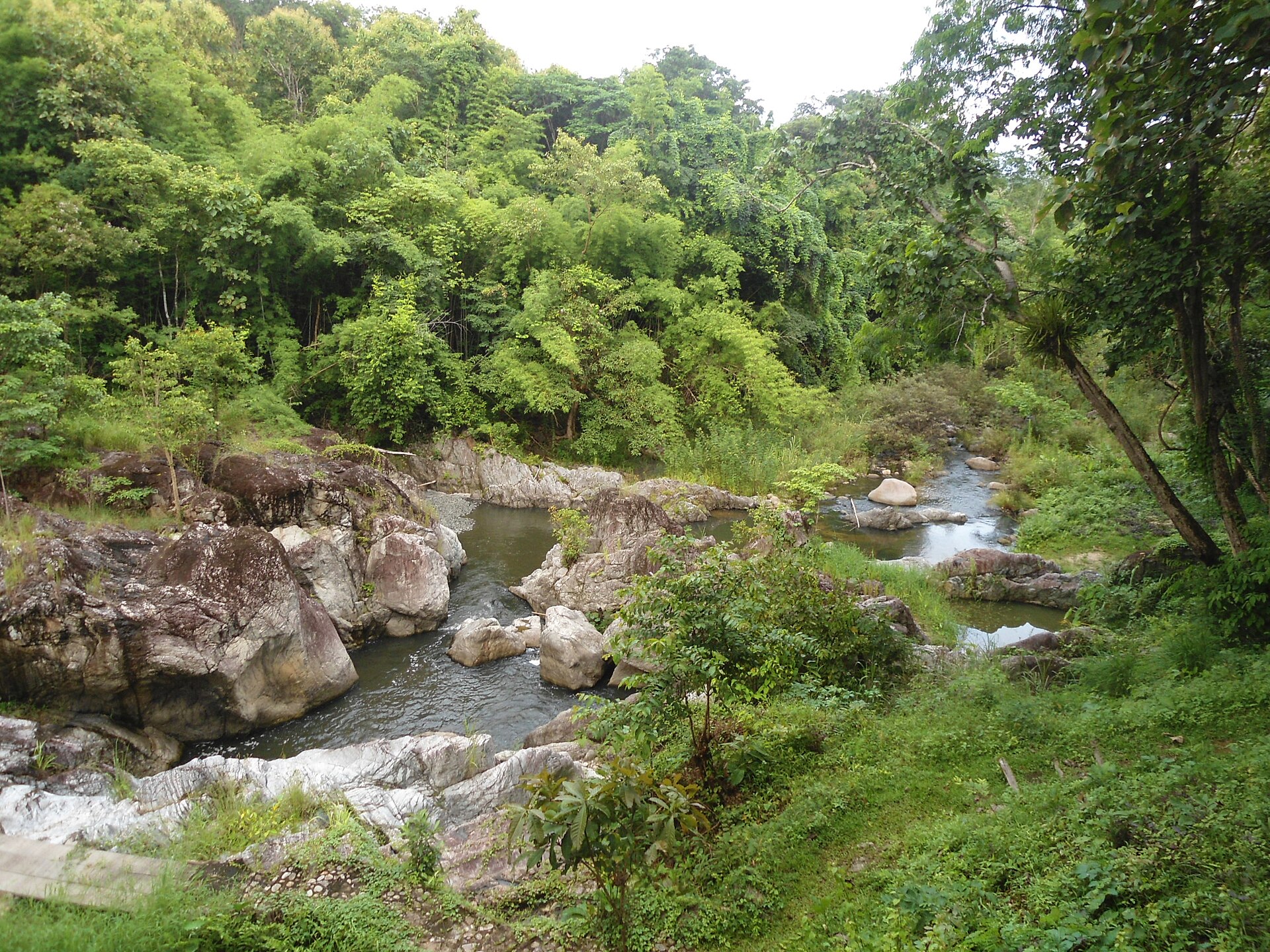
123 records

118 records

104 records
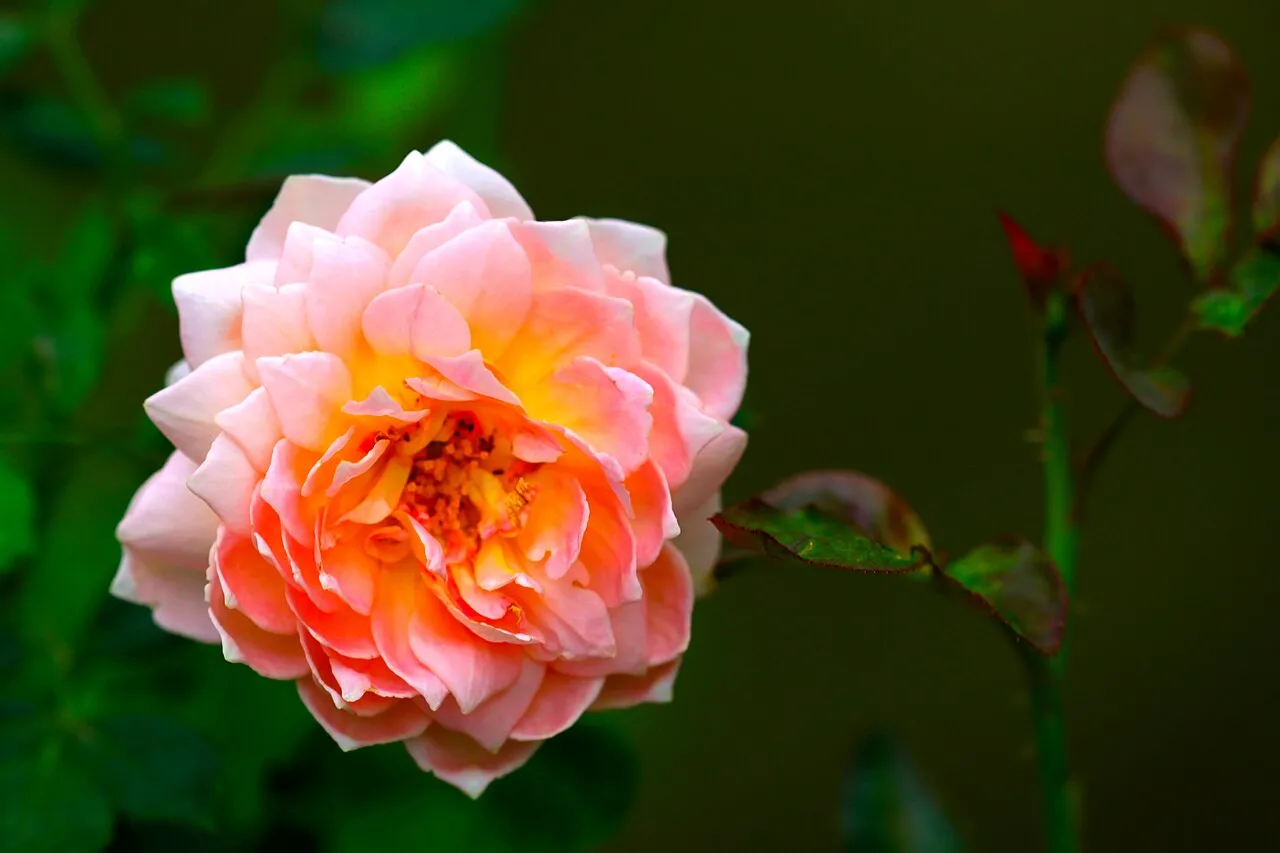
91 records

90 records
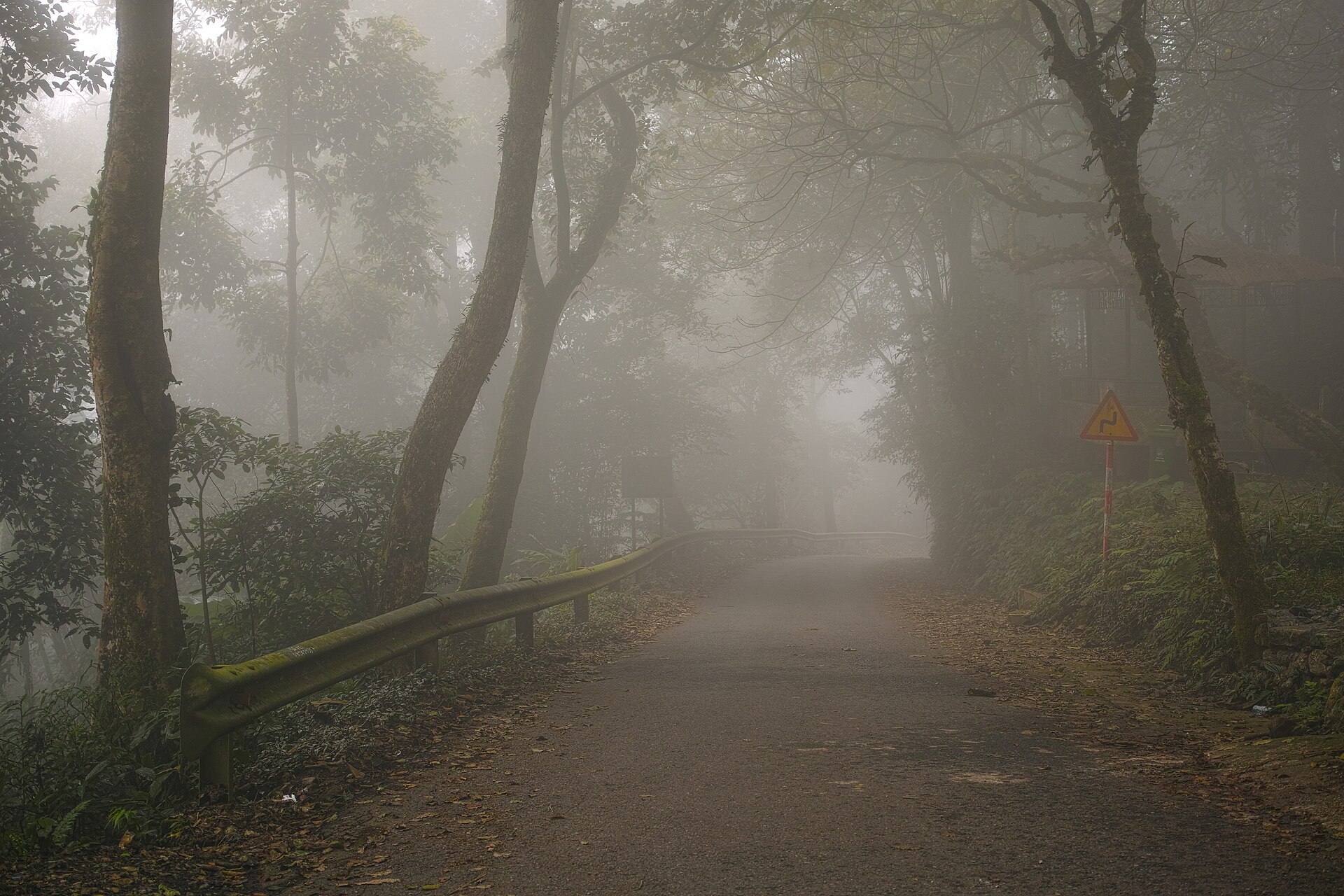
85 records

79 records

64 records

60 records

51 records

48 records
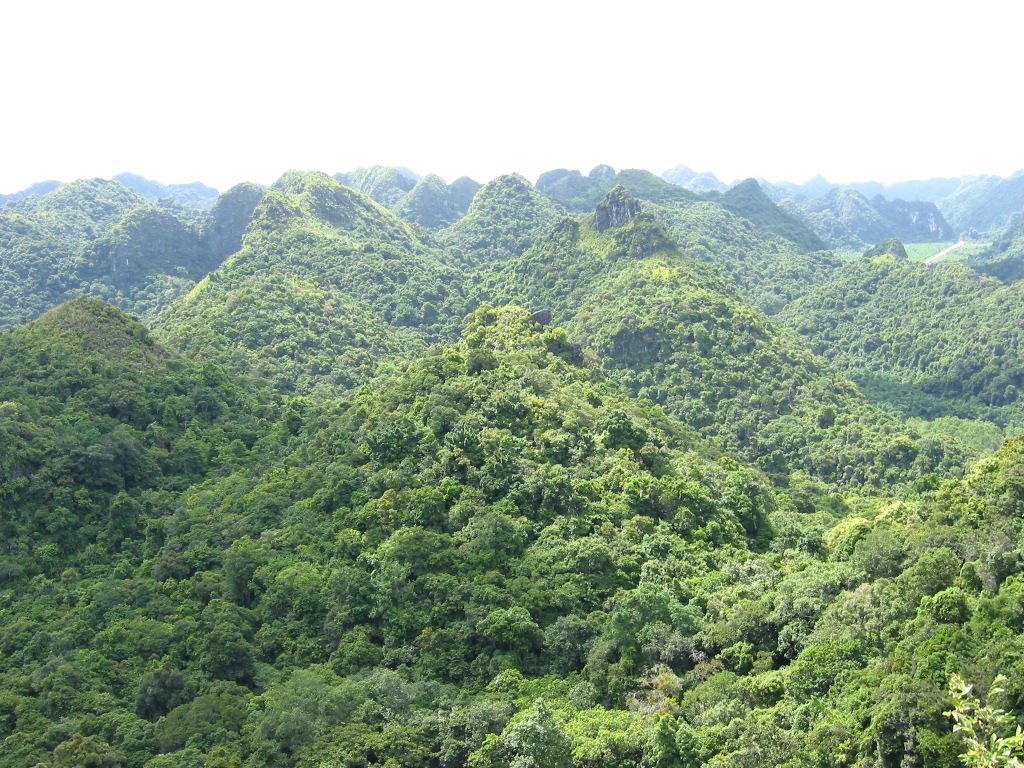
46 records

46 records

42 records

38 records

38 records

34 records

33 records

32 records

30 records

29 records

27 records

22 records
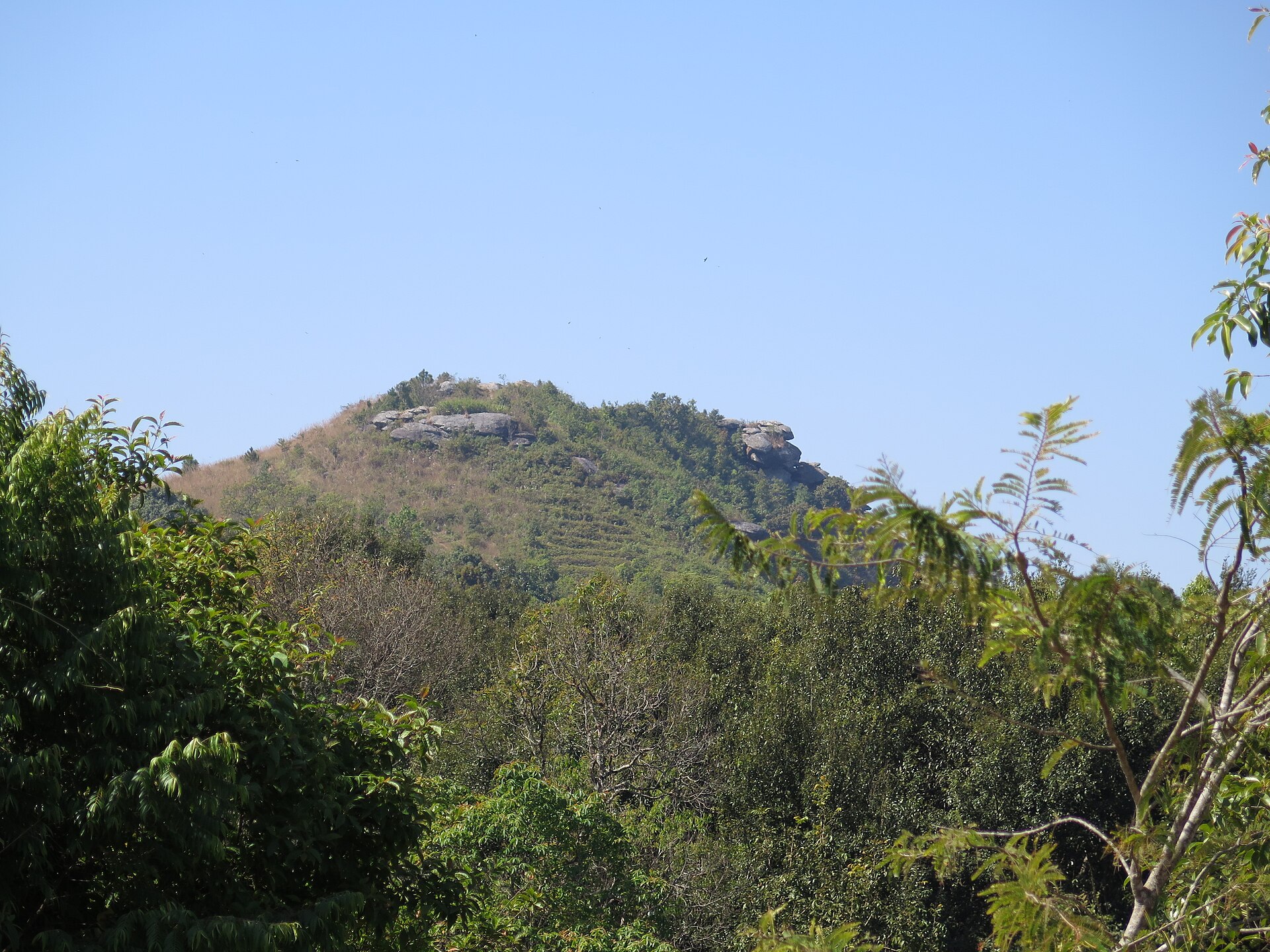
22 records

21 records
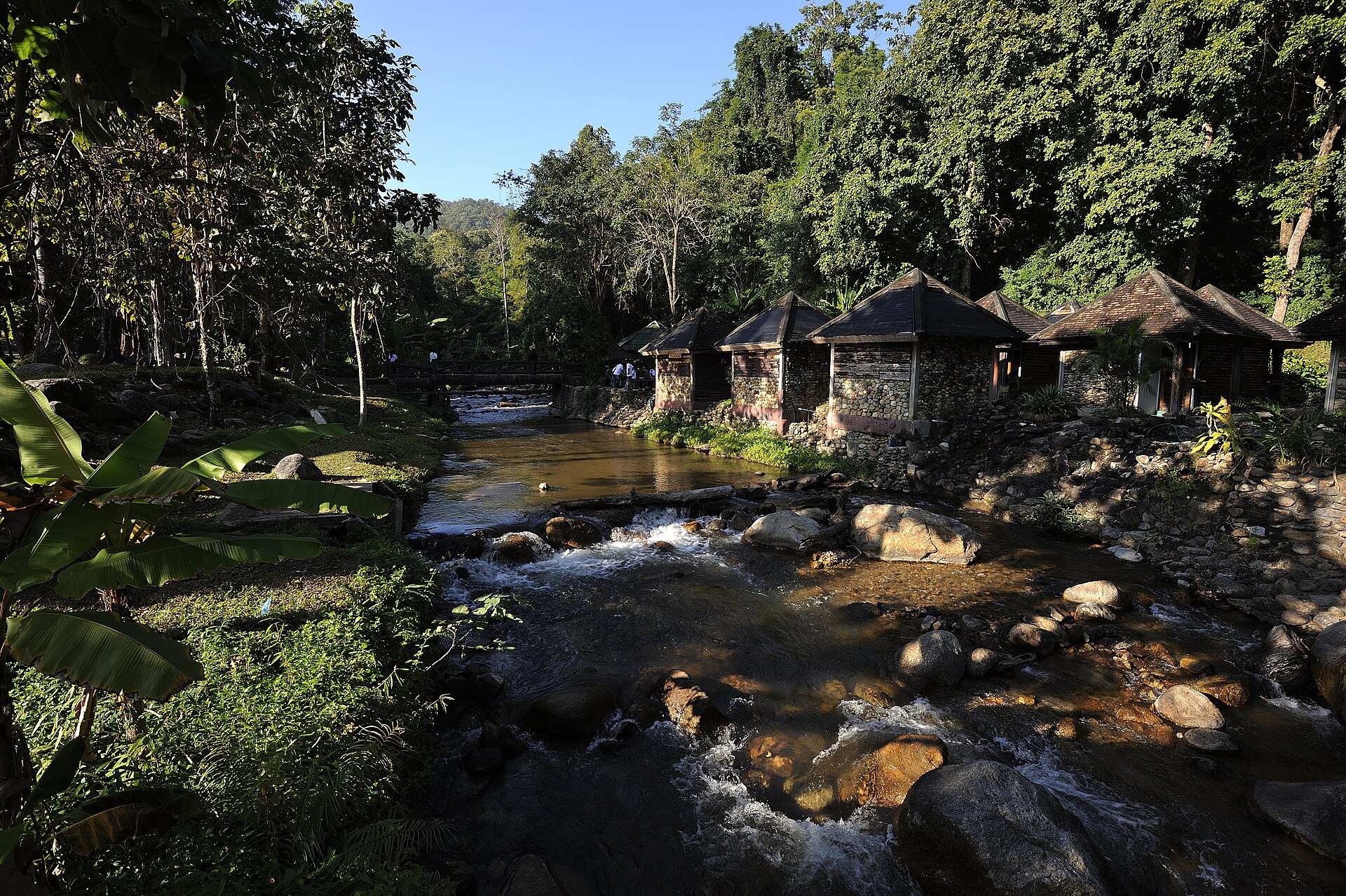
20 records
20 records
18 records

18 records

18 records

16 records

16 records
15 records
15 records

15 records

14 records
14 records
14 records

13 records

13 records
12 records

12 records
11 records

10 records

10 records

9 records
8 records

8 records

8 records

7 records

6 records

6 records

6 records
6 records

5 records

5 records
5 records

5 records

4 records
4 records

3 records

3 records
3 records

3 records

3 records

2 records
2 records

2 records
2 records

2 records
Other species to discover
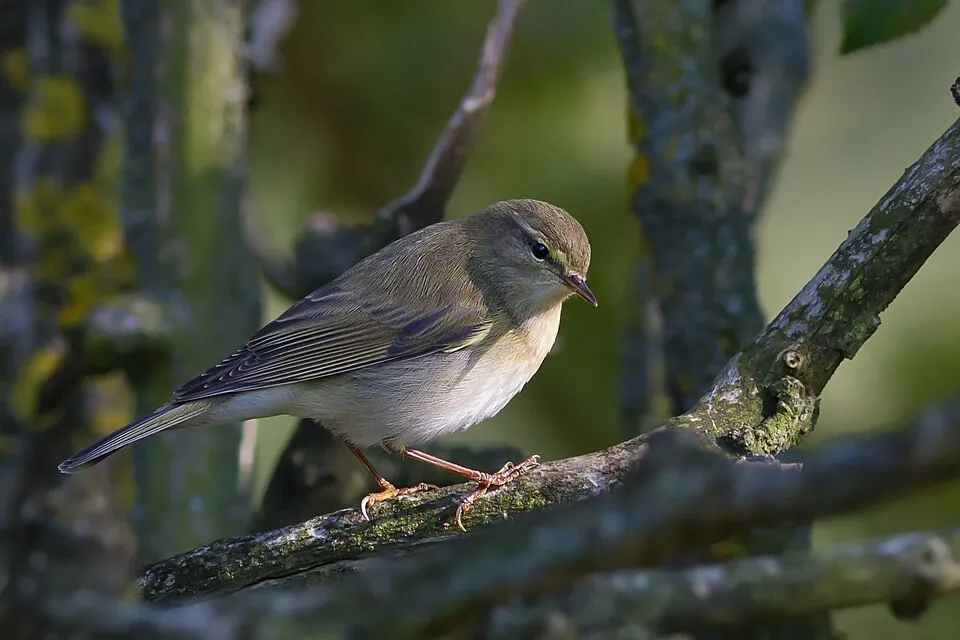
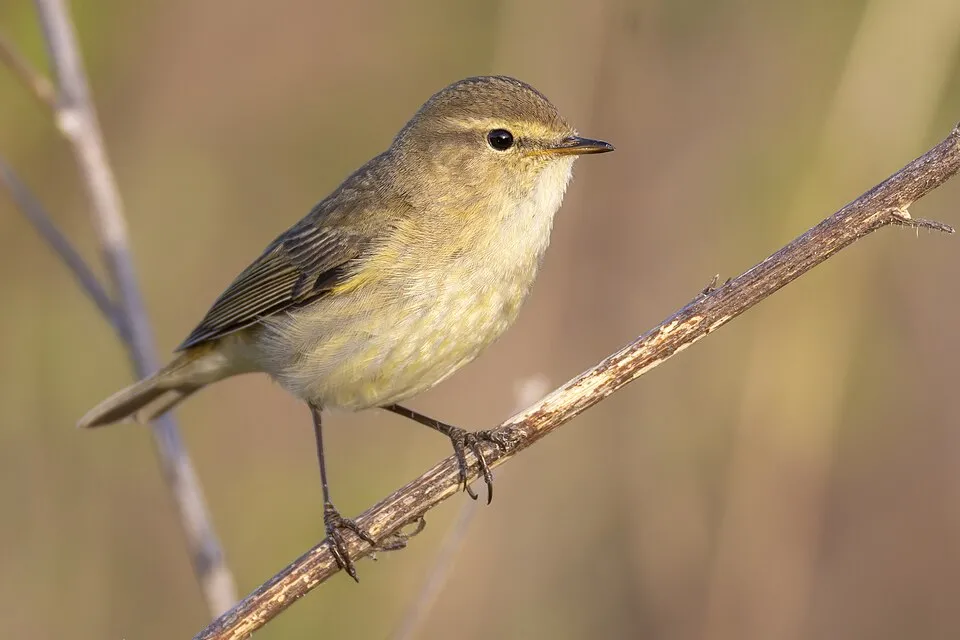 Common Chiffchaff
Phylloscopus collybita Same genus
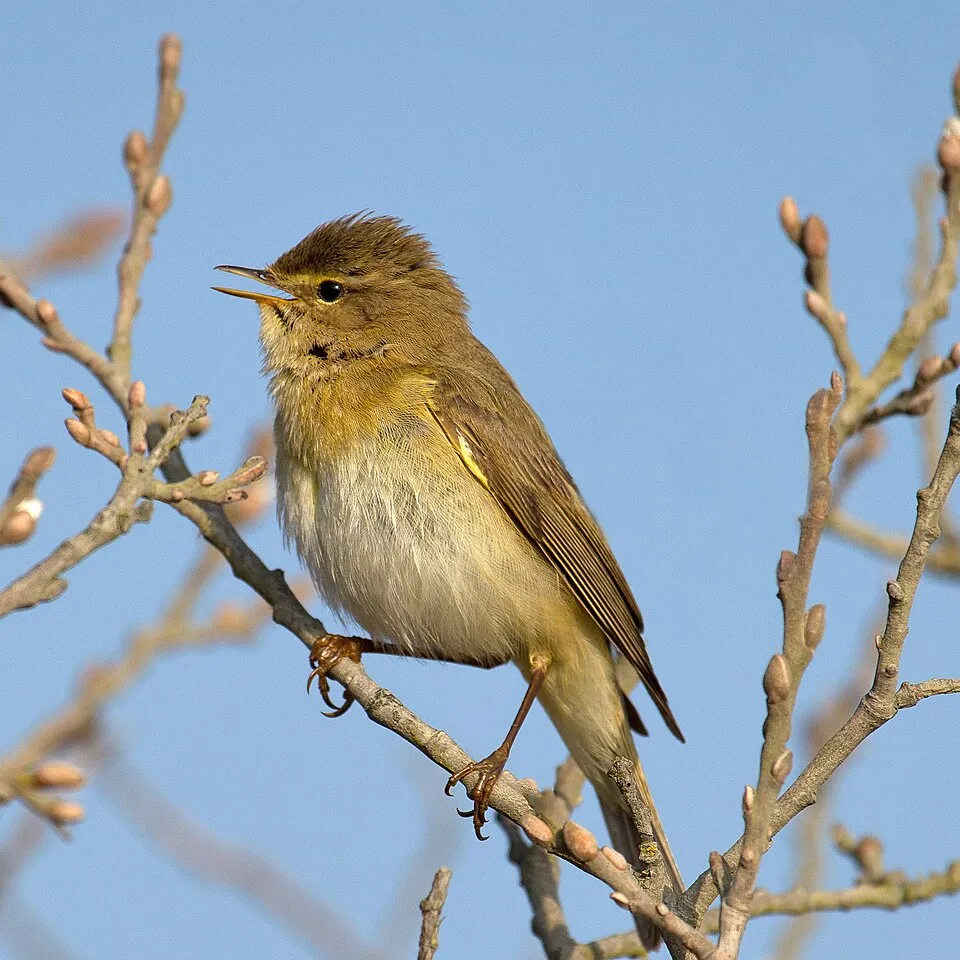 Willow Warbler
Phylloscopus trochilus Same genus
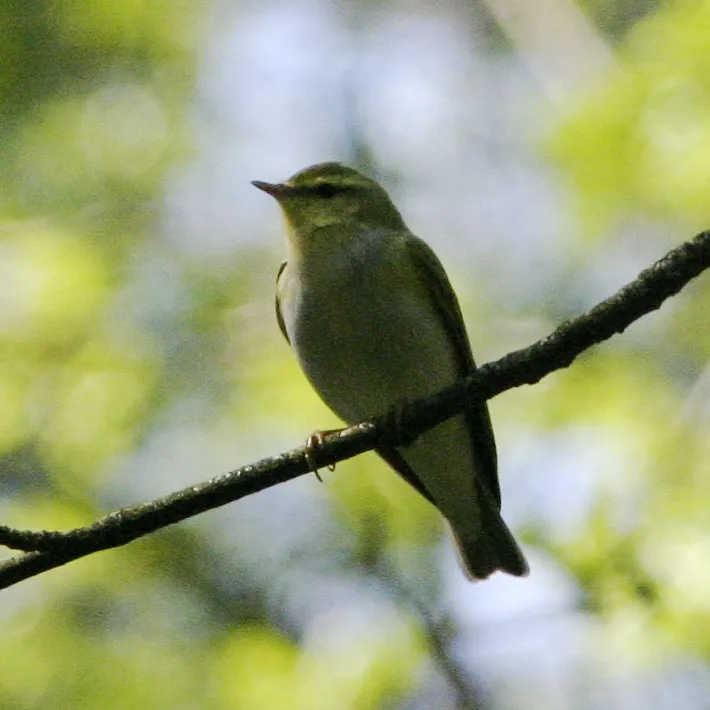 Wood Warbler
Phylloscopus sibilatrix Same genus
 Western Bonelli's Warbler
Phylloscopus bonelli Same genus
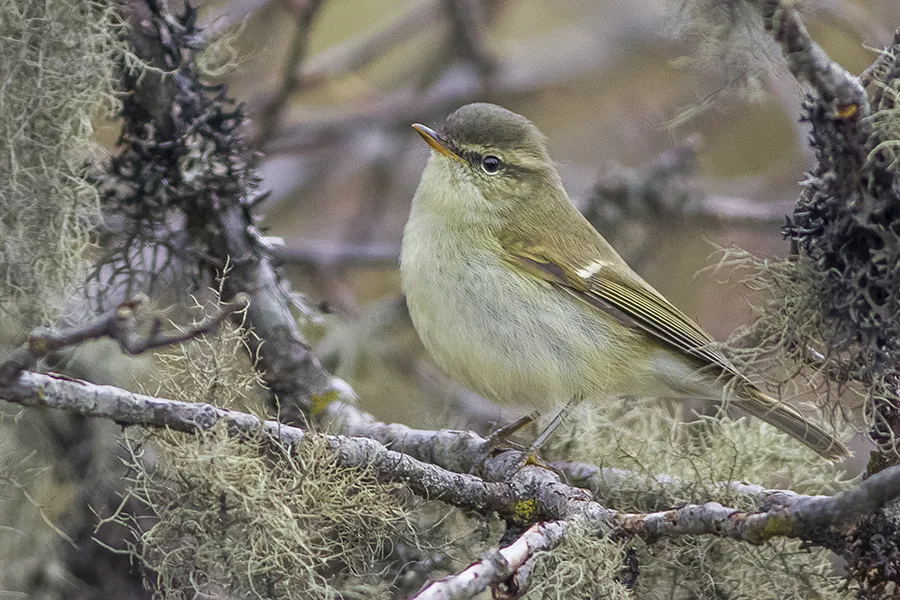 Greenish Warbler
Phylloscopus trochiloides Same genus
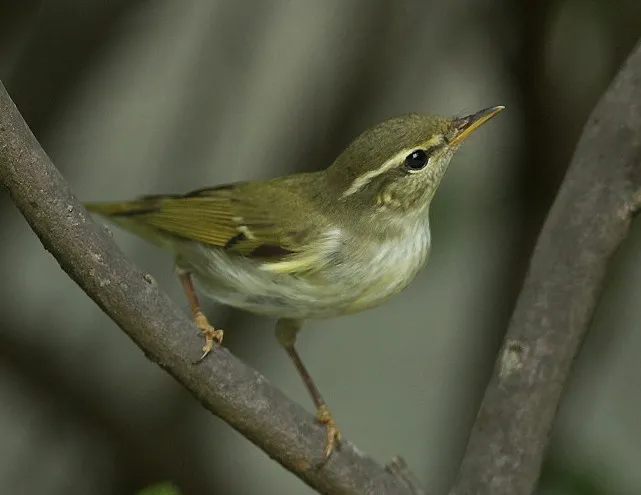 Arctic Warbler
Phylloscopus borealis Same genus
Sources and credits
- Presence: most-recorded species of each place on GBIF and species of Community interest in the Natura 2000 forms (EEA, CC-BY 4.0); absence from the list does not mean the species is absent.
- Common names: Wikidata (CC0) and GBIF.
- Photos and sounds: Wikimedia Commons, author and licence given for each file.
- Classification: GBIF Backbone Taxonomy (GBIF Secretariat), CC BY 4.0, doi:10.15468/39omei.
- Countries, elevations, months and maps: GBIF.org, CC0 or CC BY 4.0 occurrences only, accessed October 23, 2026, GBIF.org.
- Excerpt: Wikipedia, CC BY-SA 4.0 (full credit below the excerpt).
- Key facts: Wikidata (CC0), with the references cited under each value.