
Bird
Willow Warbler: where to see it
Phylloscopus trochilus
This bird species is recorded in 156 protected areas of the atlas, including 50 whose official Natura 2000 form lists it. Within the atlas countries, it is mostly observed in Sweden, Norway and the United Kingdom (11 countries in all). Most records (8 in 10) lie between sea level and 750 m. Records peak from April to August. It has a wingspan of 19 cm. Its EU population is assessed as depleted (2013–2018 Birds Directive reporting).
Best time to see it: April–August
Records published on GBIF by month (CC0 and CC BY 4.0 licences only), in the atlas countries, all years combined; they also reflect observer activity.
Key facts
- Wingspan
- 19 cm Wikidata, after app.bto.org
- Clutch size
- 5.7 eggs on average Wikidata, after Jetz et al. 2008
- Incubation
- 13 days Wikidata, after British Trust for Ornithology
Status and protection
EU population assessed as depleted, stable in the short term (2013–2018 Birds Directive reporting). EU breeding population: 24,600,000–41,500,000 pairs.
Distribution
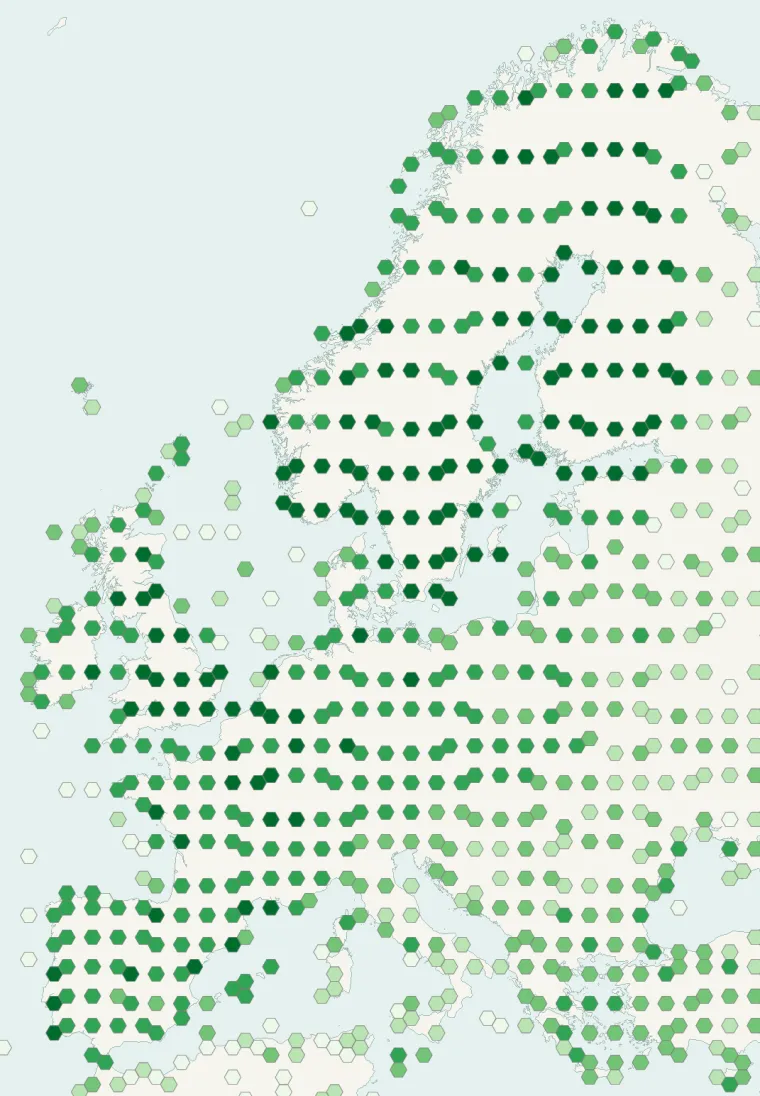
Records published on GBIF (CC0 and CC BY 4.0 licences): the darker the shade, the more records there are; they also reflect observation effort.
Listen
-
0:09 · © L. Shyamal · CC BY 3.0 · Wikimedia Commons · Original file
-
0:22 · © Vladimir Yu. Arkhipov, Arkhivov · CC BY-SA 3.0 · Wikimedia Commons · Original file
-
1:09 · © Ndalyrose · CC BY-SA 4.0 · Wikimedia Commons · Original file
From Wikipedia
The willow warbler (Phylloscopus trochilus) is a very common and widespread leaf warbler which breeds throughout northern and temperate Europe and the Palearctic, from Ireland east to the Anadyr River basin in eastern Siberia. It is strongly migratory, with almost all of the population wintering in sub-Saharan Africa. It is a bird of open woodlands with trees and ground cover for nesting, including most importantly birch, alder, and willow habitats. The nest is usually built in close contact with the ground, often in low vegetation.
Source: Wikipedia, article “Willow warbler” (version of June 25, 2026) · history and authors · licence CC BY-SA 4.0 · shortened excerpt
Protected areas where it is recorded

Natura 2000 · breeding 34,363 records

Natura 2000 · passage 44 records

12,837 records

6,452 records
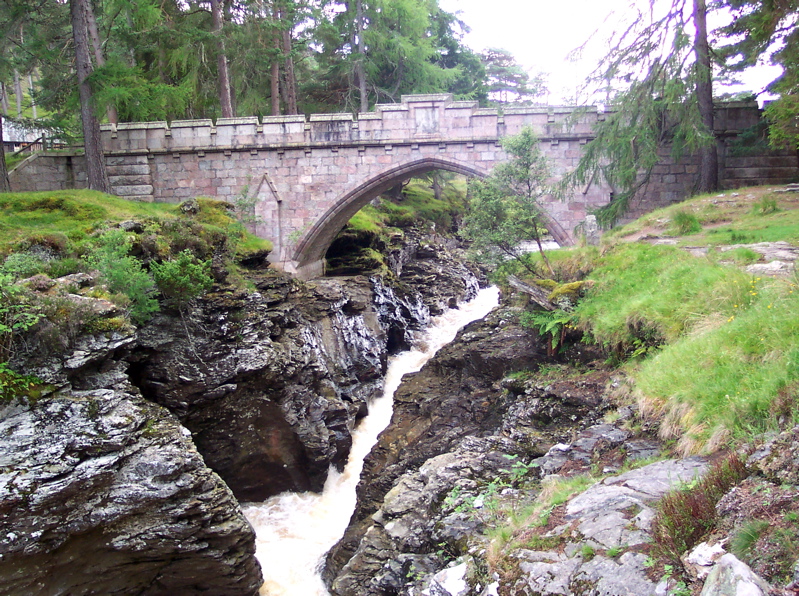
5,215 records
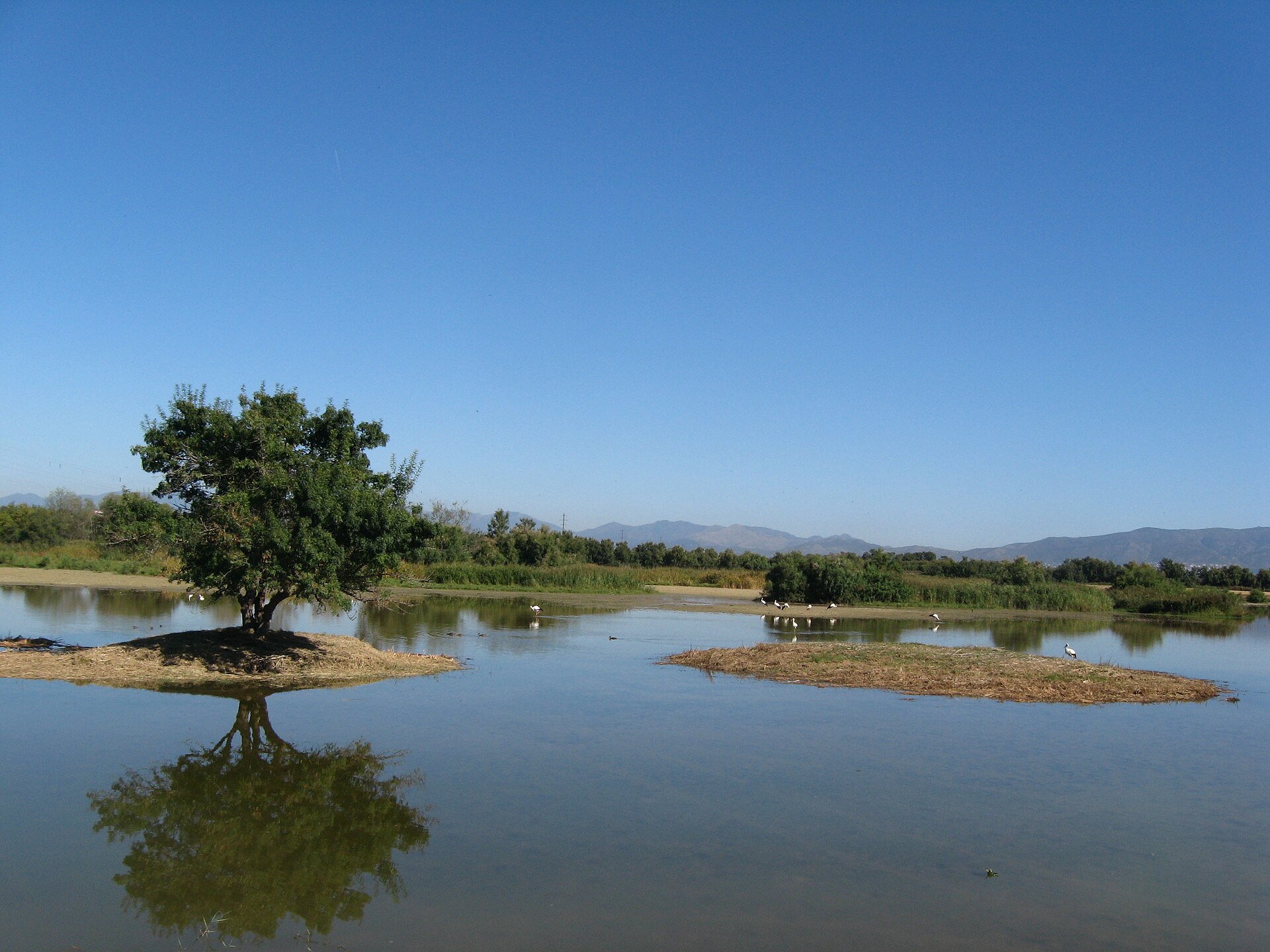
4,187 records
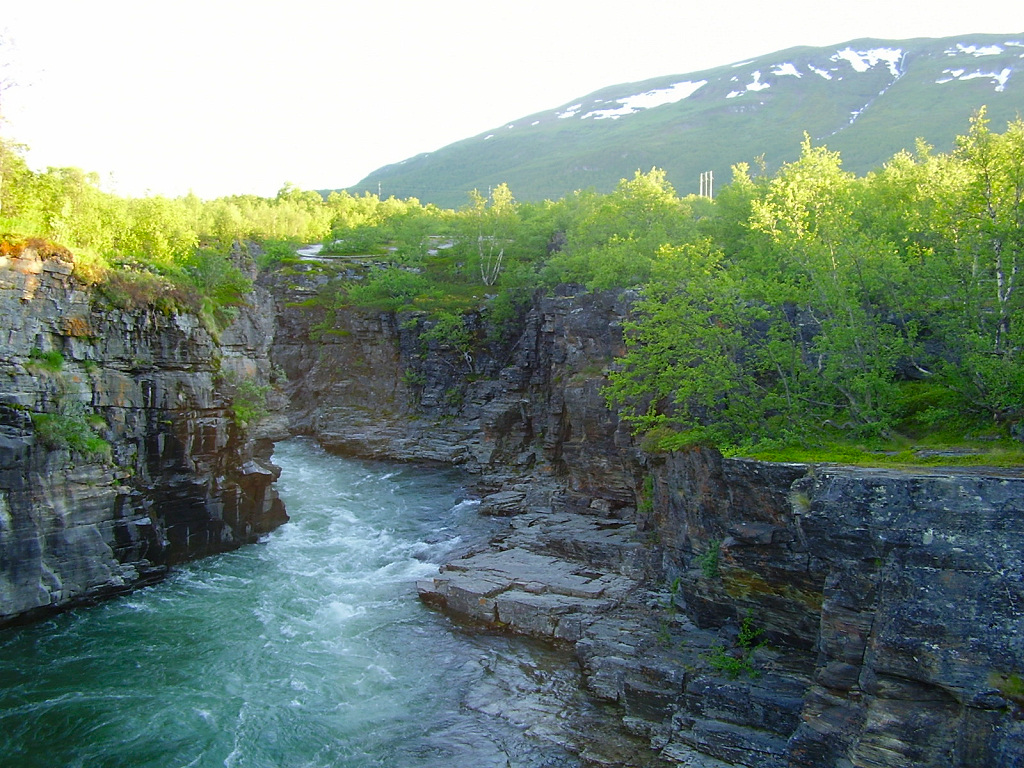
3,317 records

2,381 records
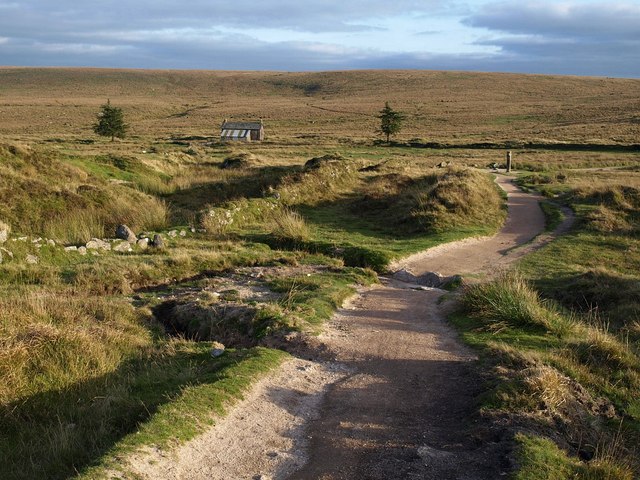
2,368 records
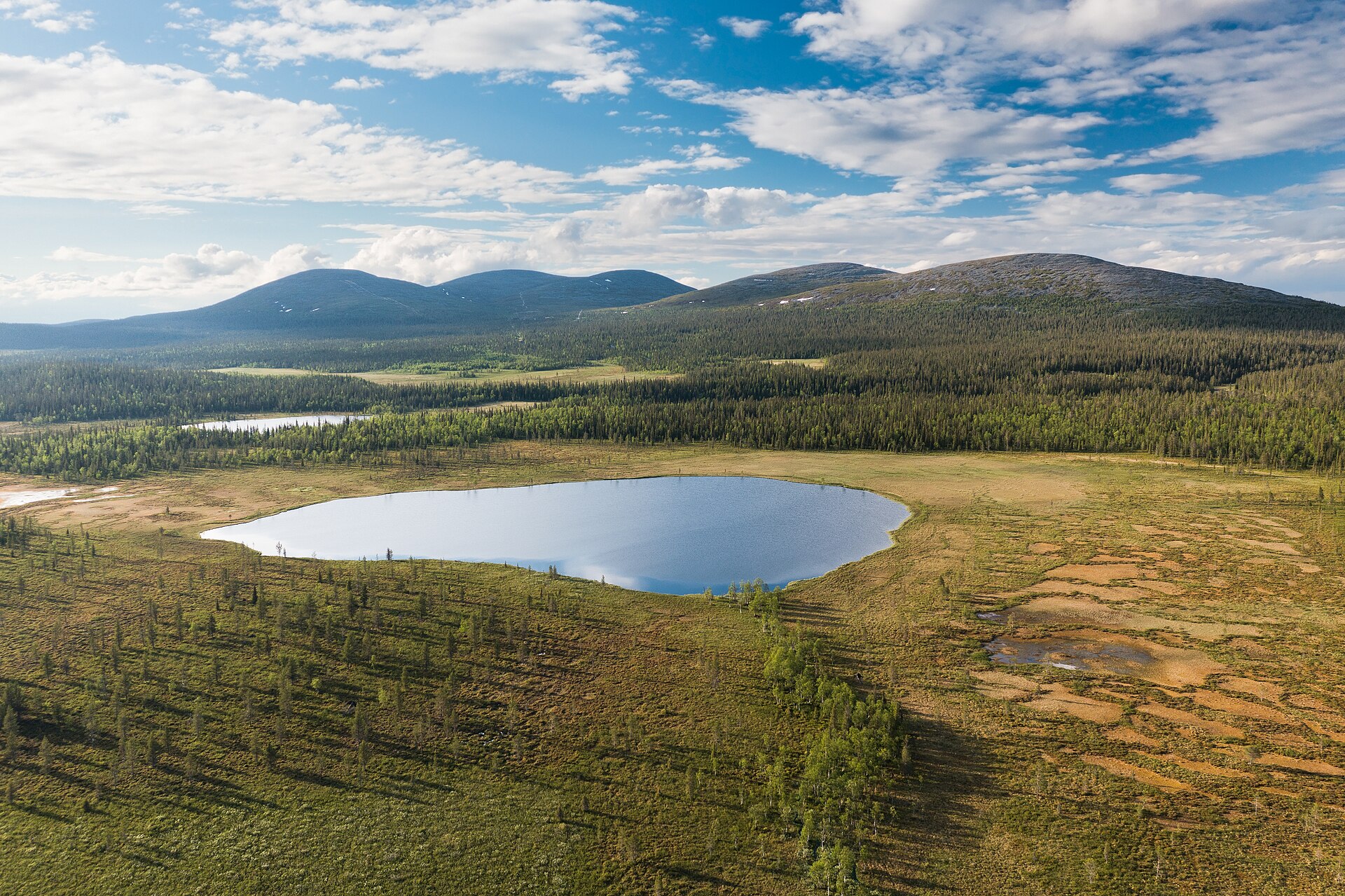
1,917 records

1,587 records
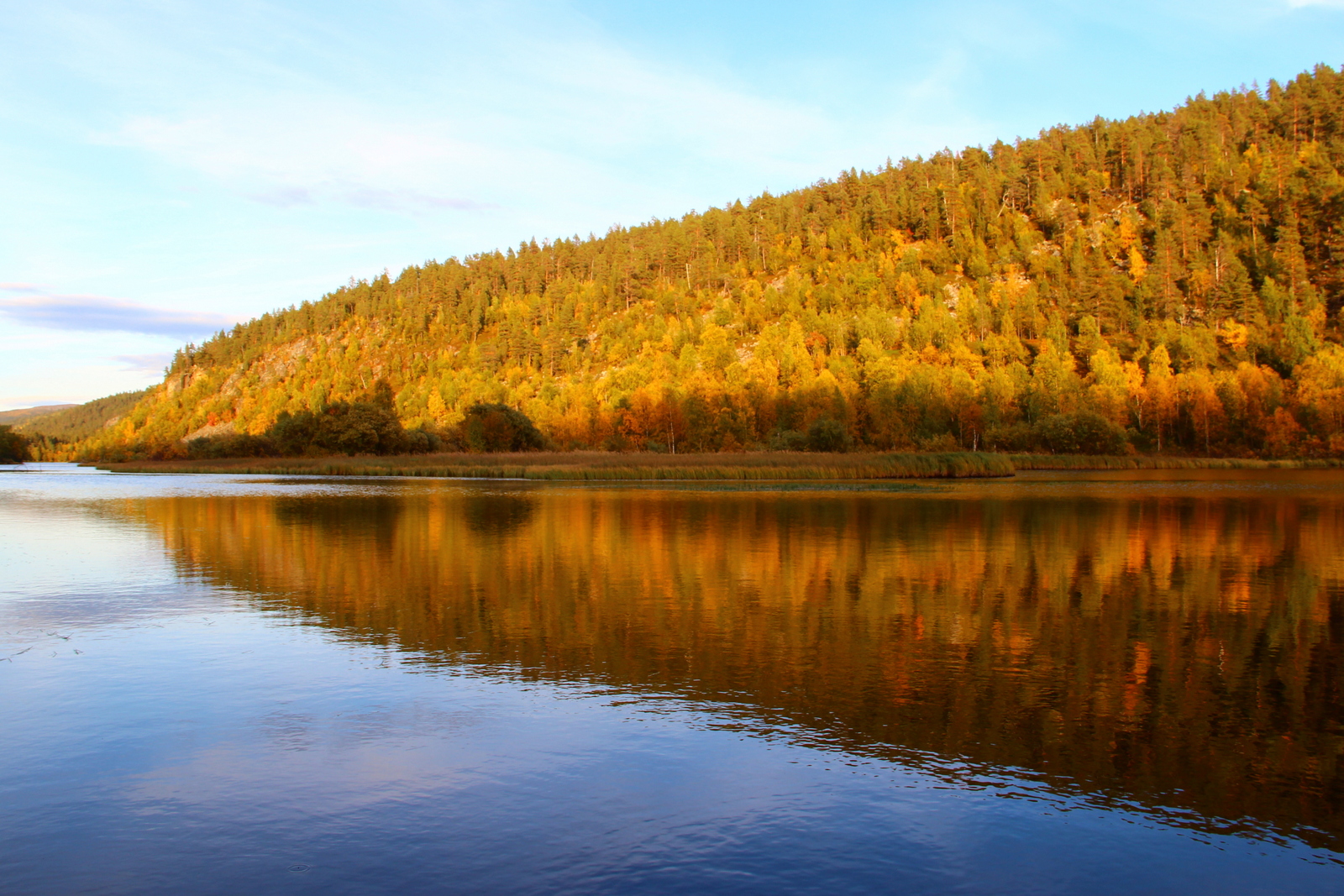
1,373 records

1,240 records
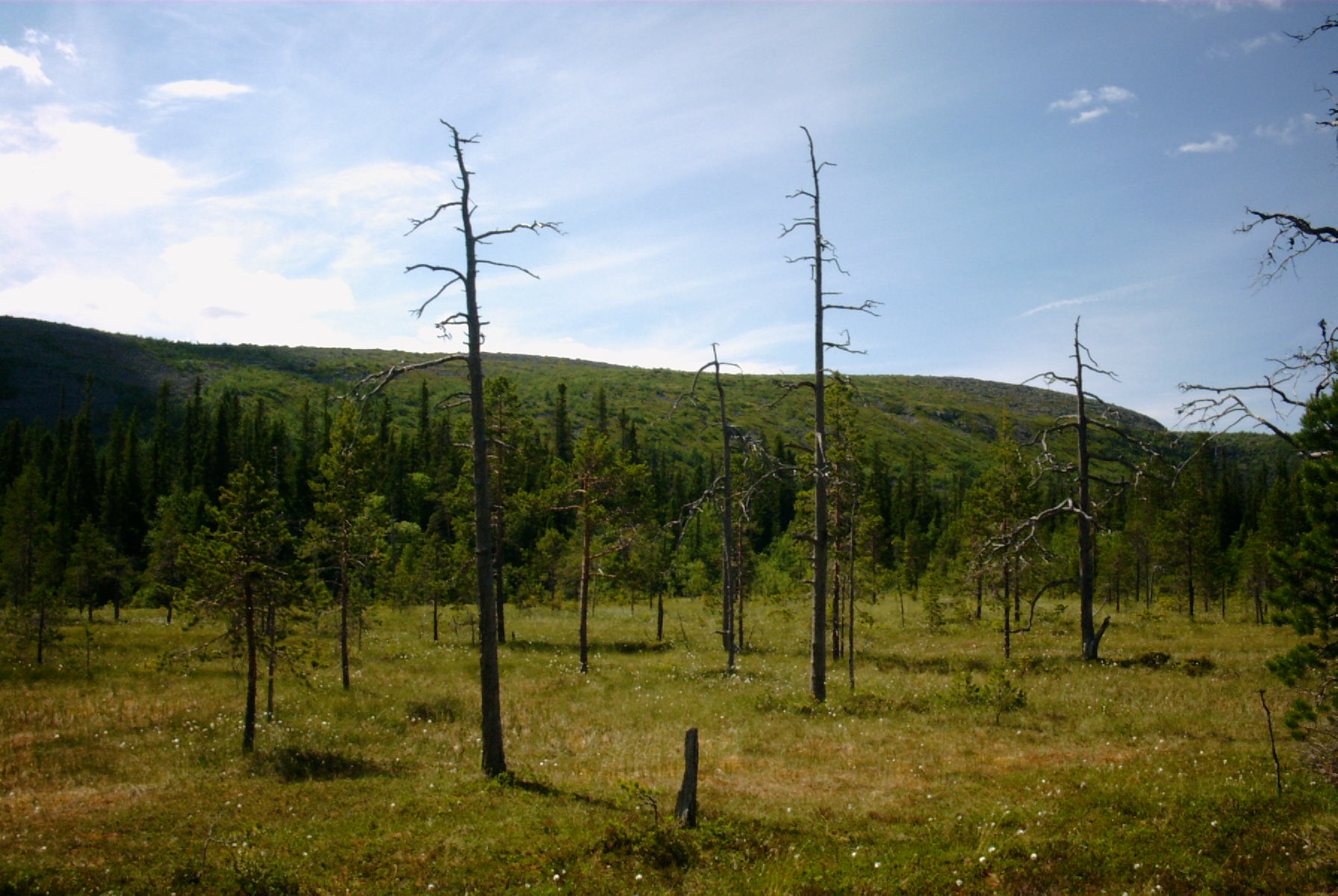
1,214 records

1,124 records
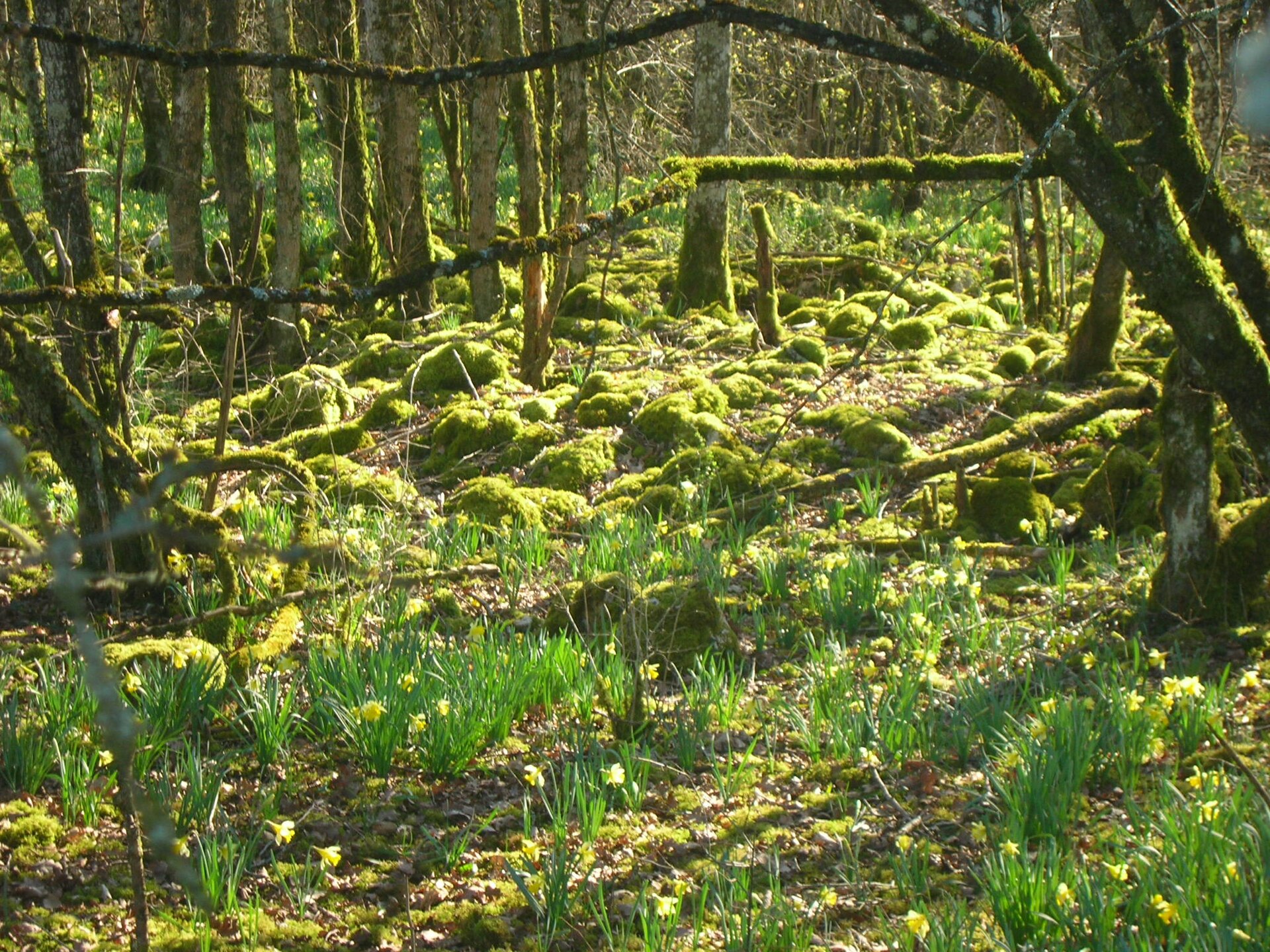
1,098 records

1,034 records
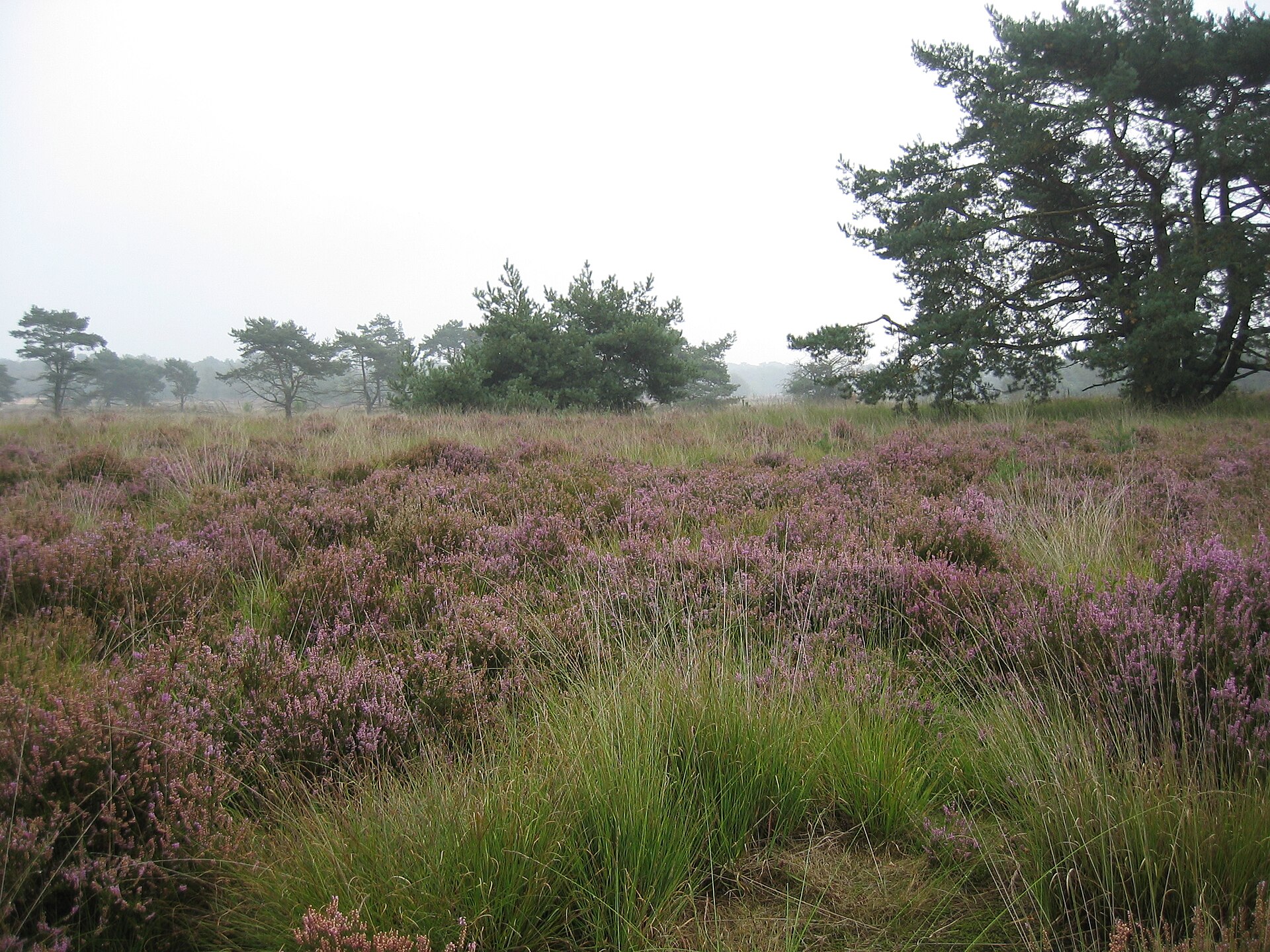
1,031 records
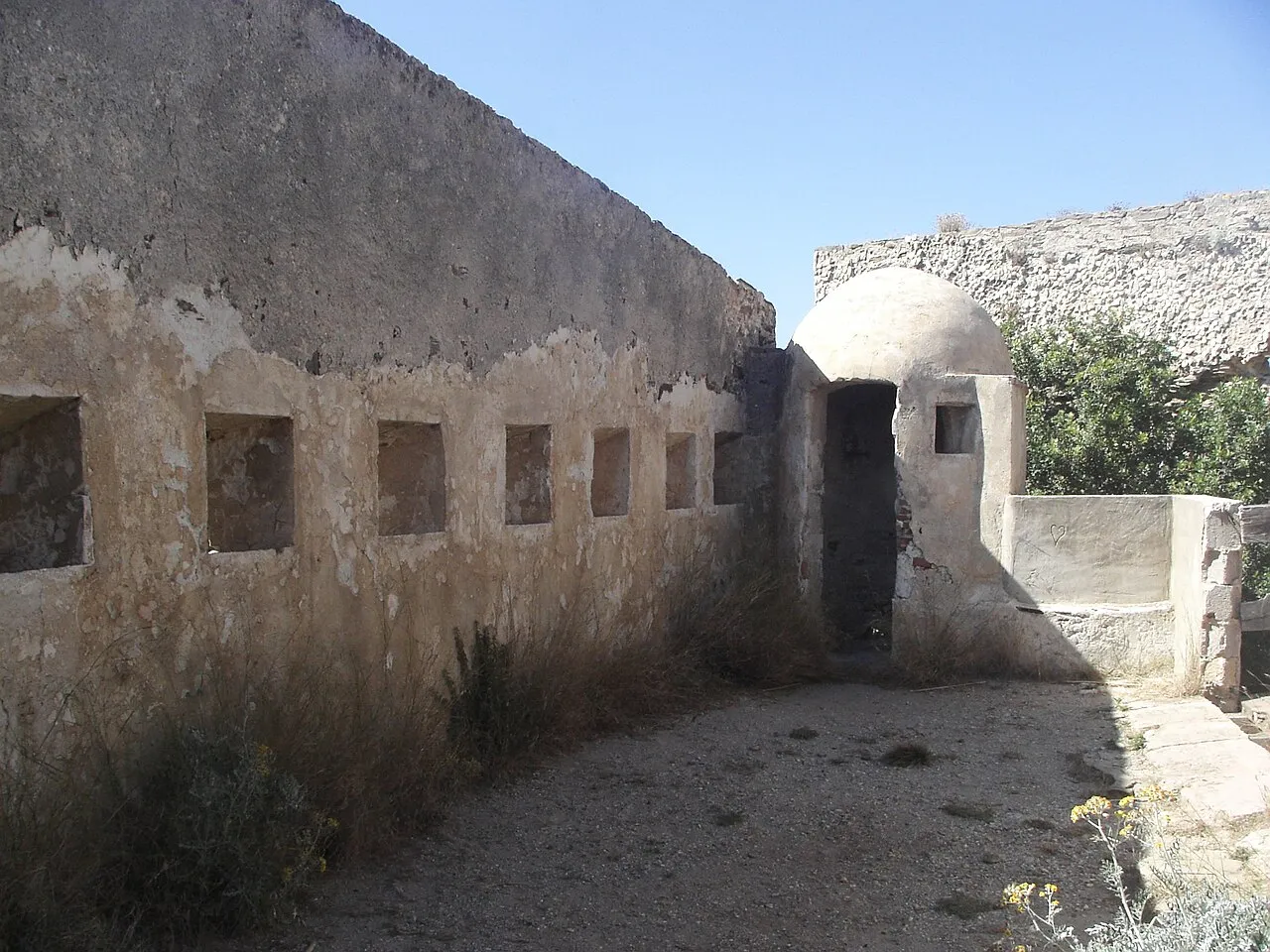
989 records
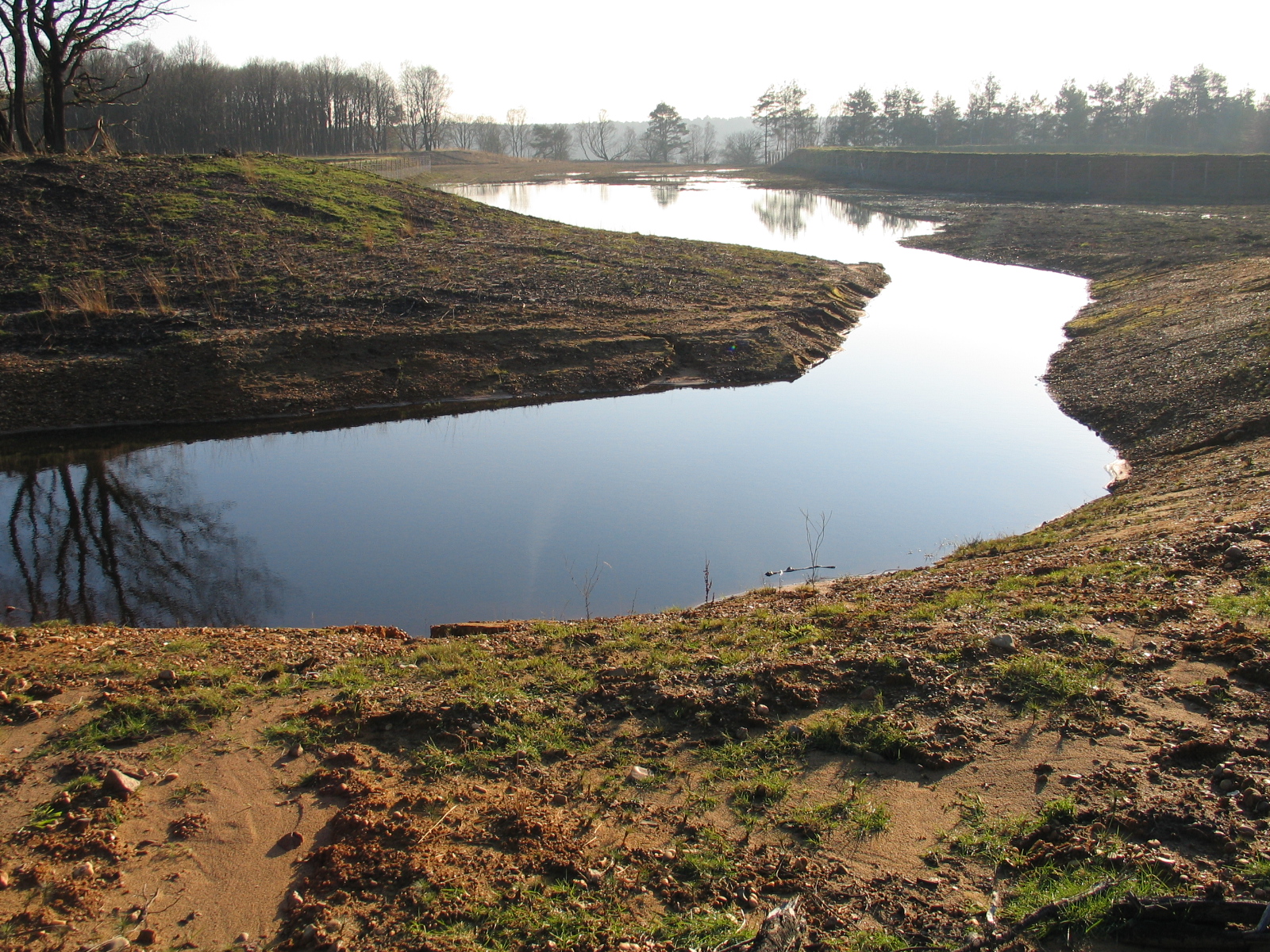
887 records
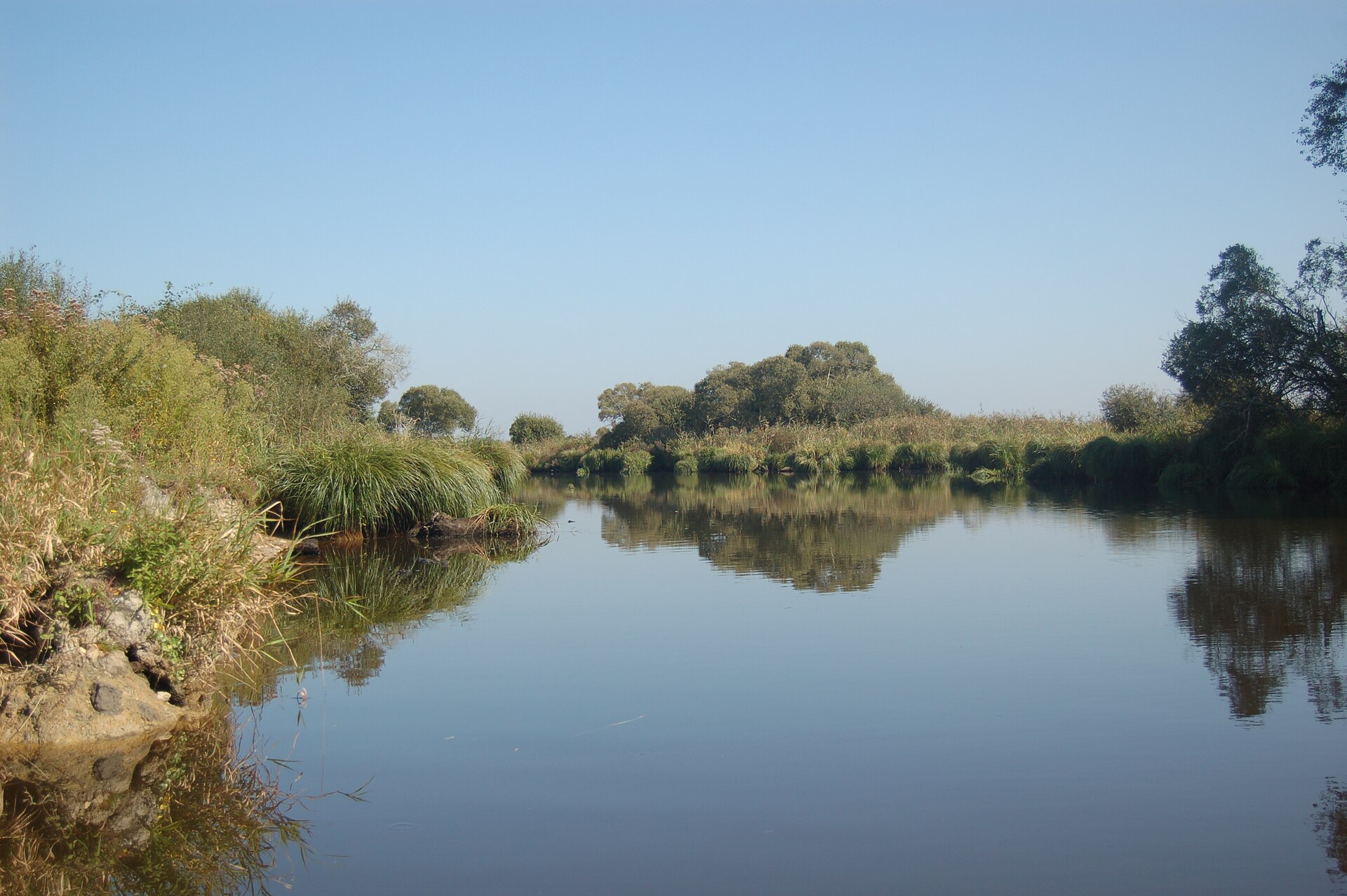
835 records
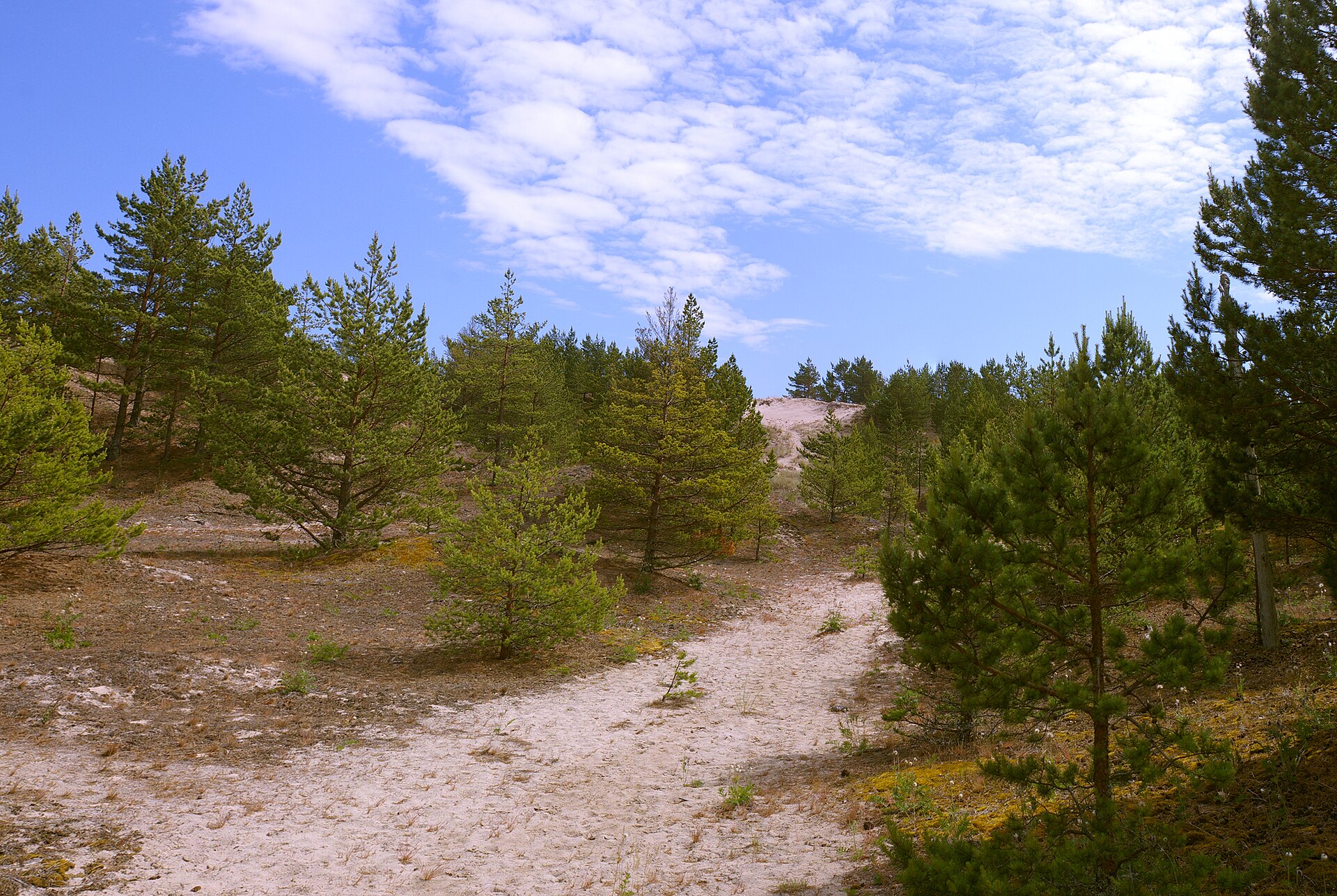
831 records
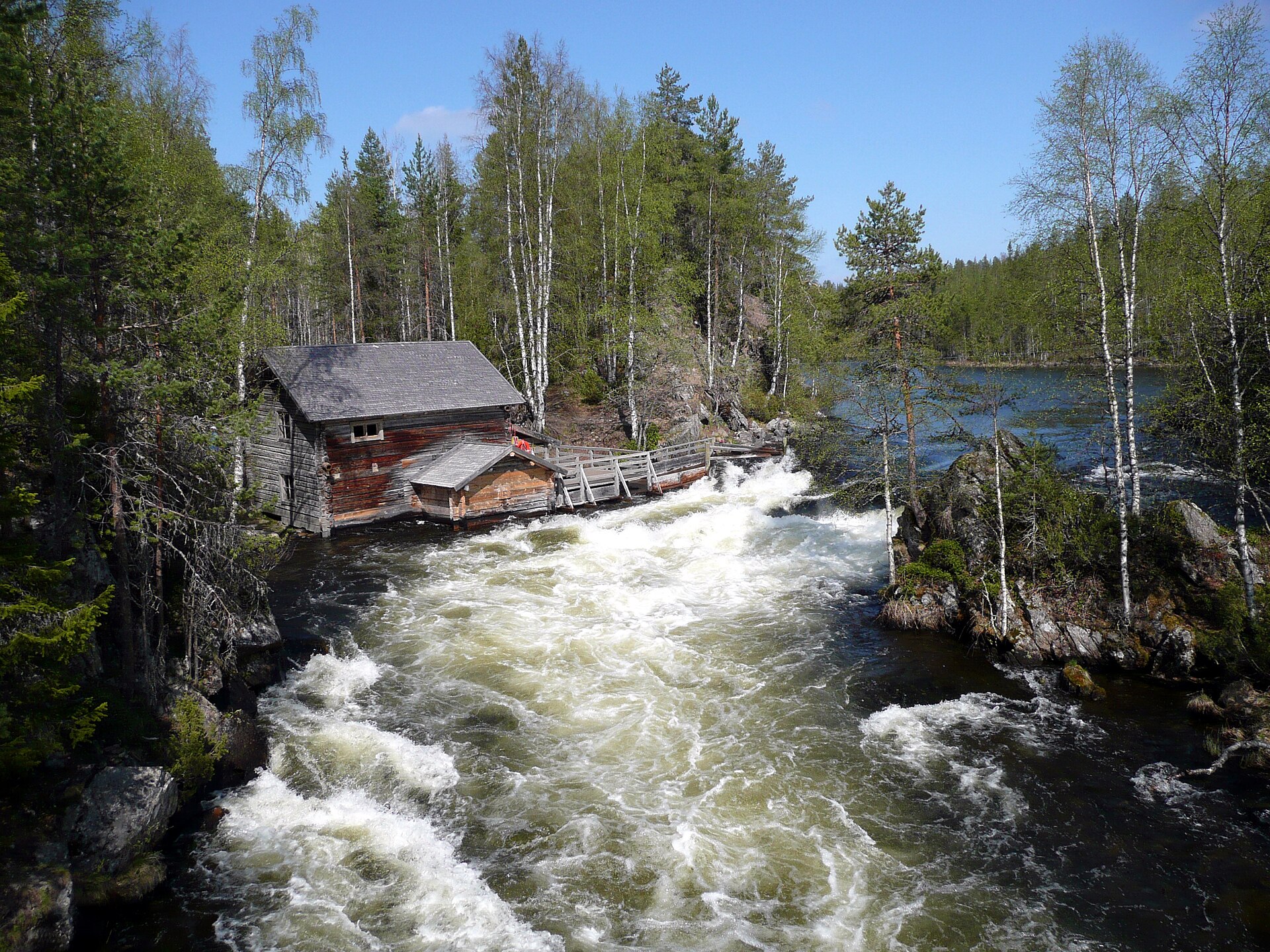
662 records

642 records

526 records
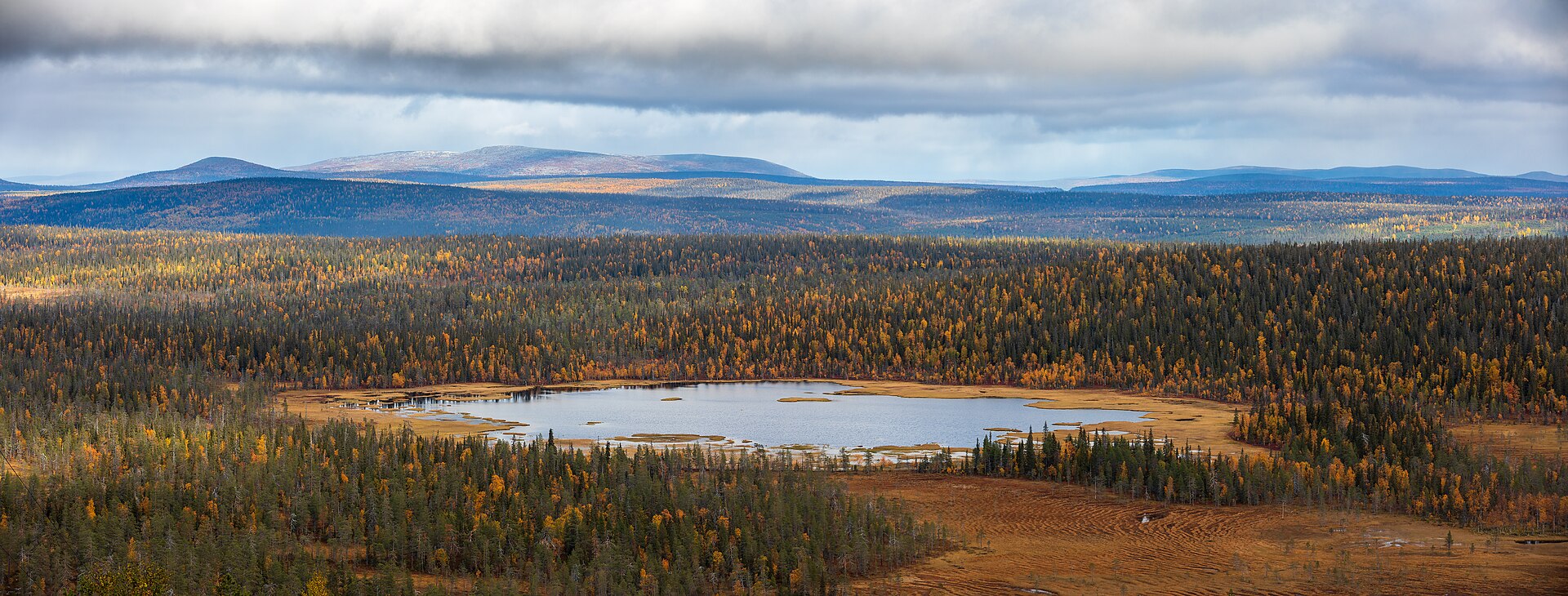
506 records

405 records
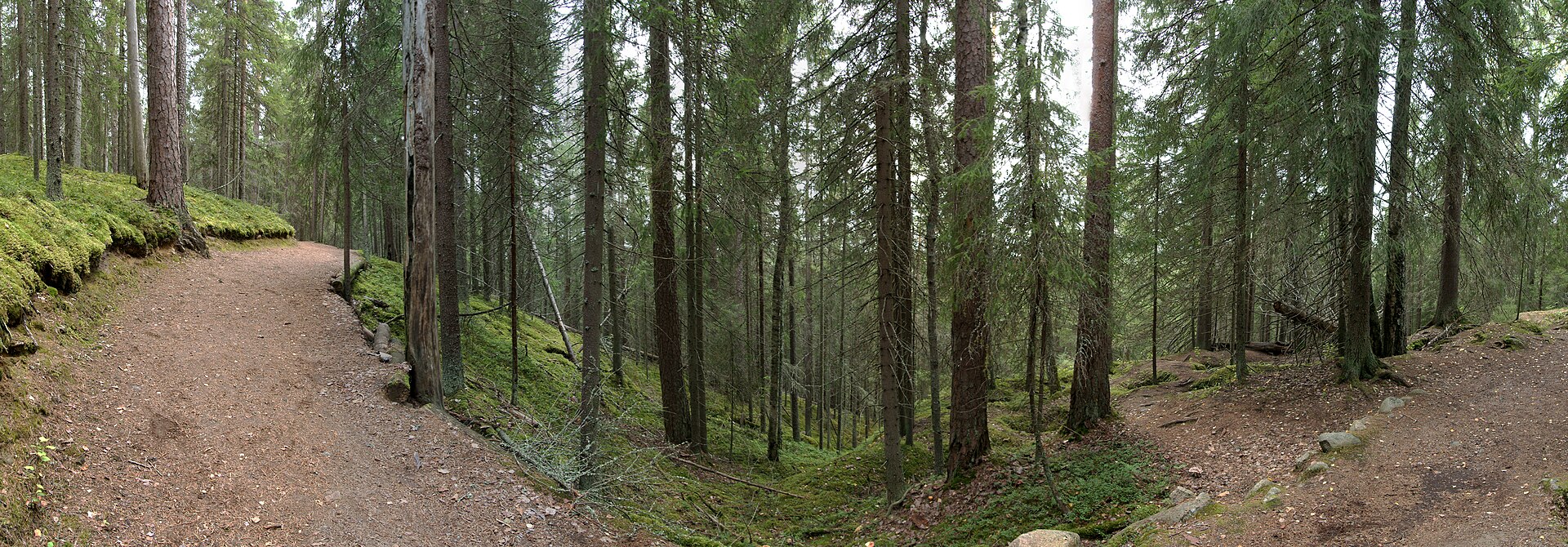
384 records
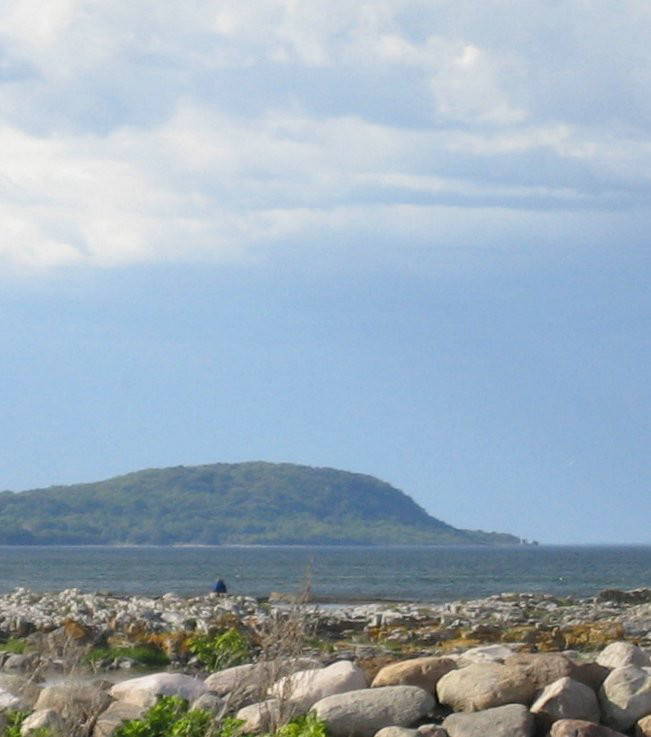
366 records
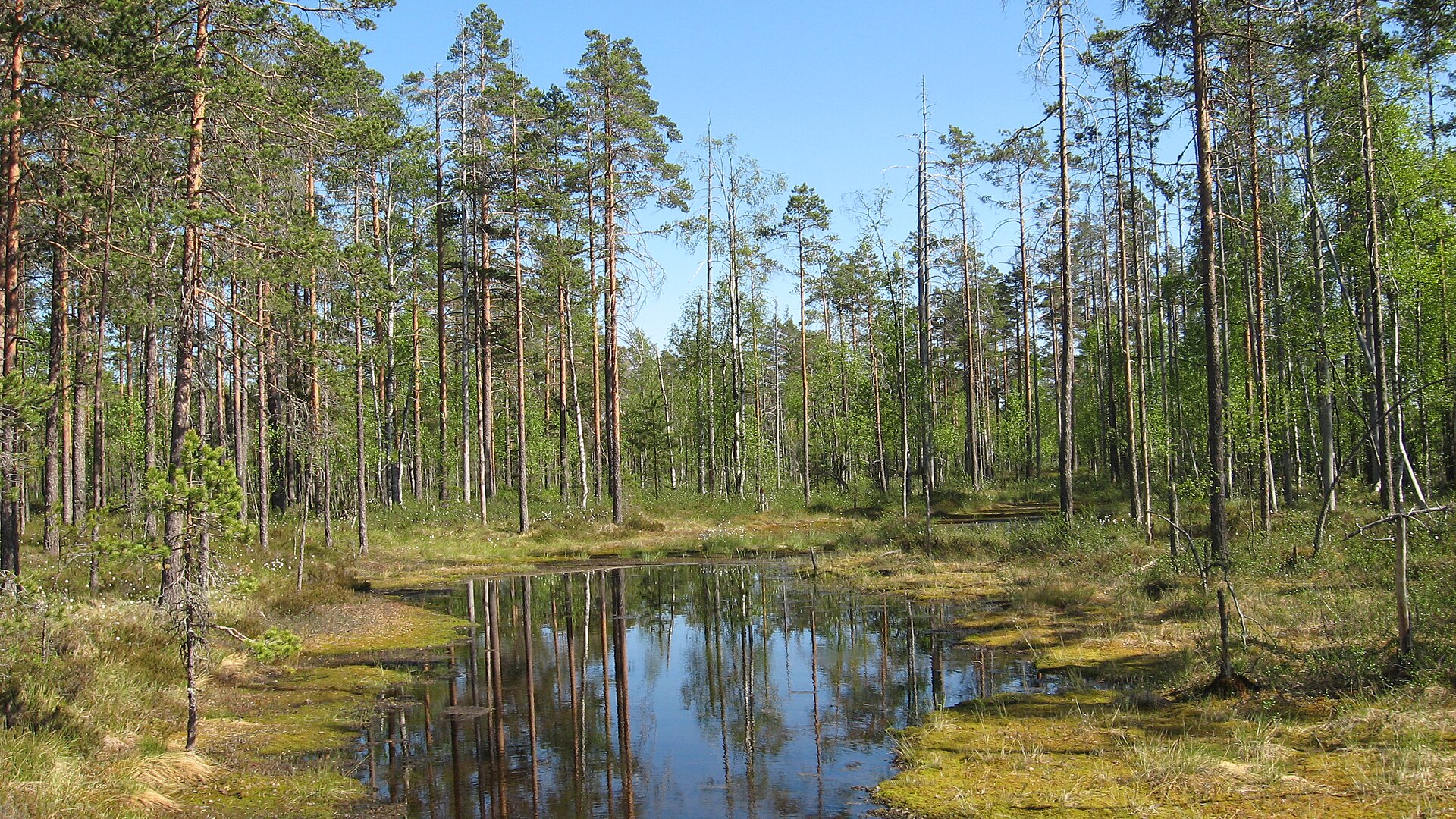
348 records
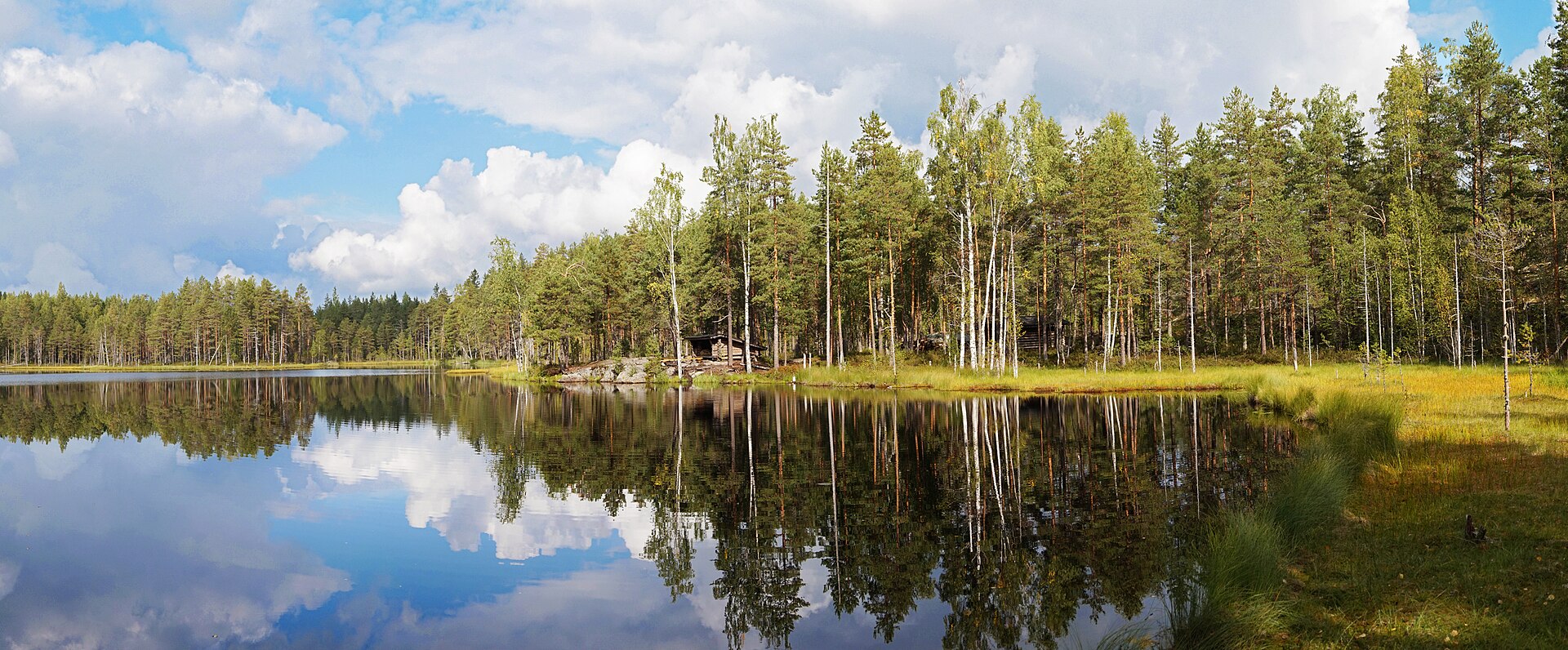
347 records

347 records

340 records

333 records
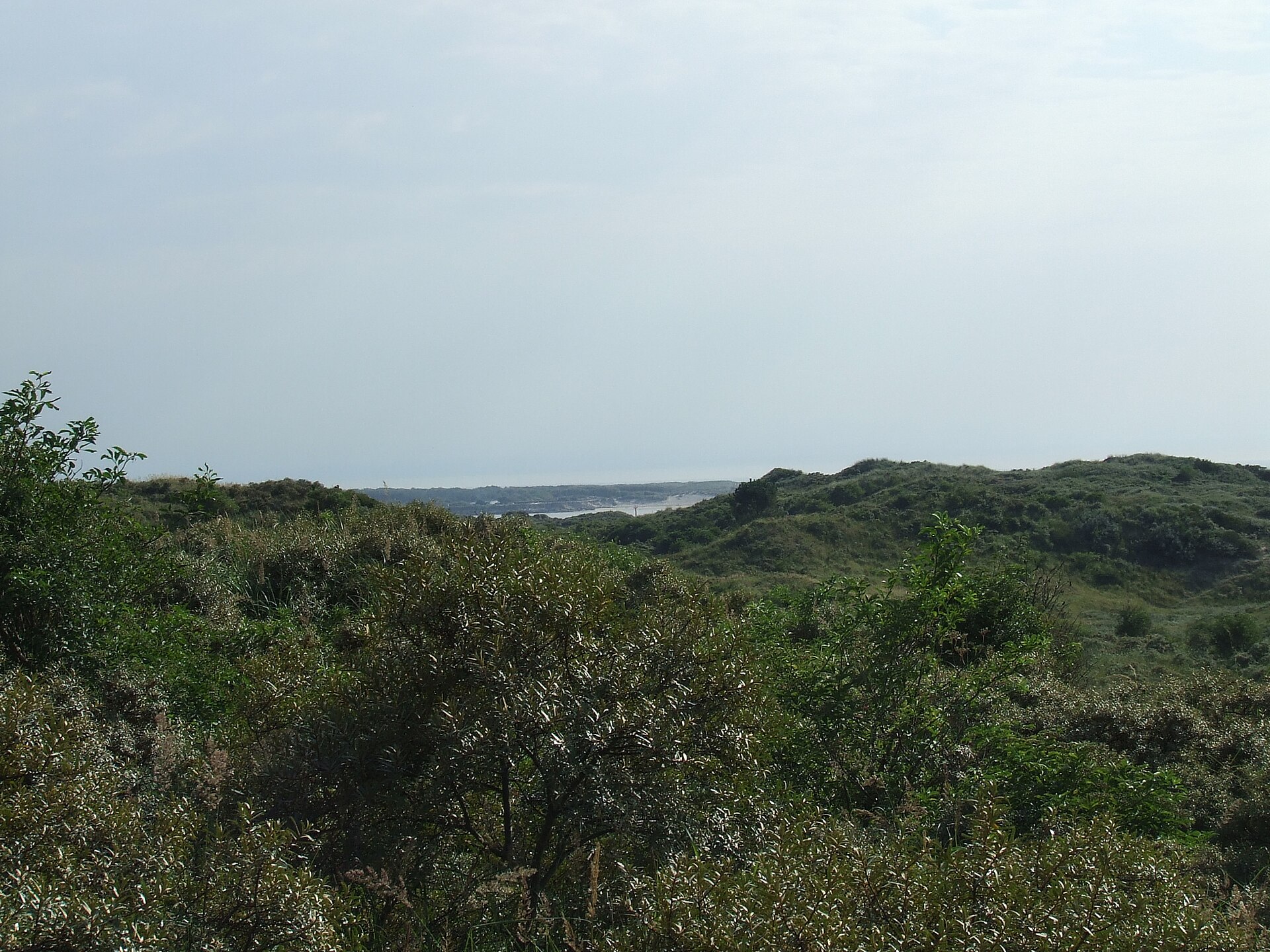
322 records

310 records
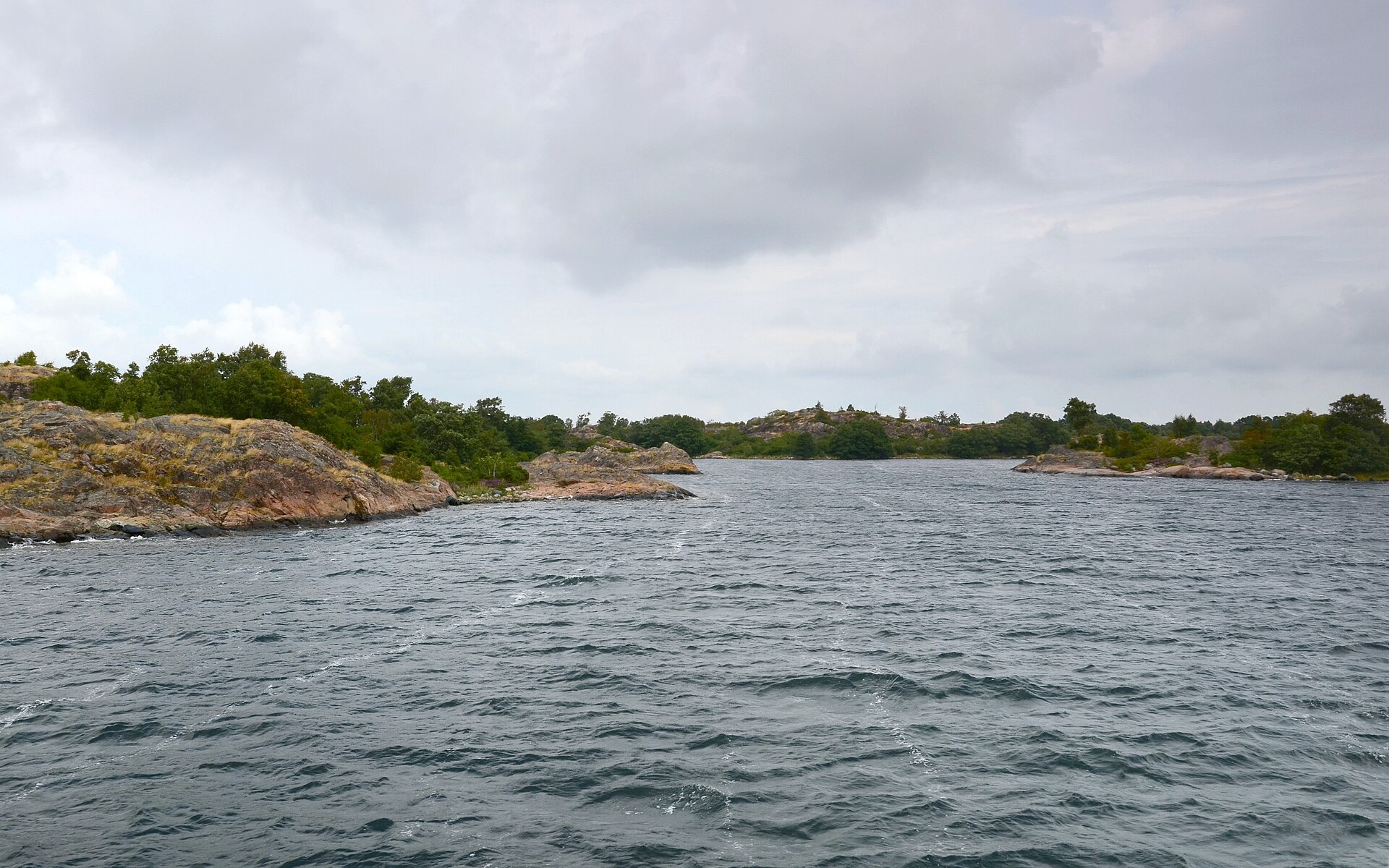
305 records

300 records
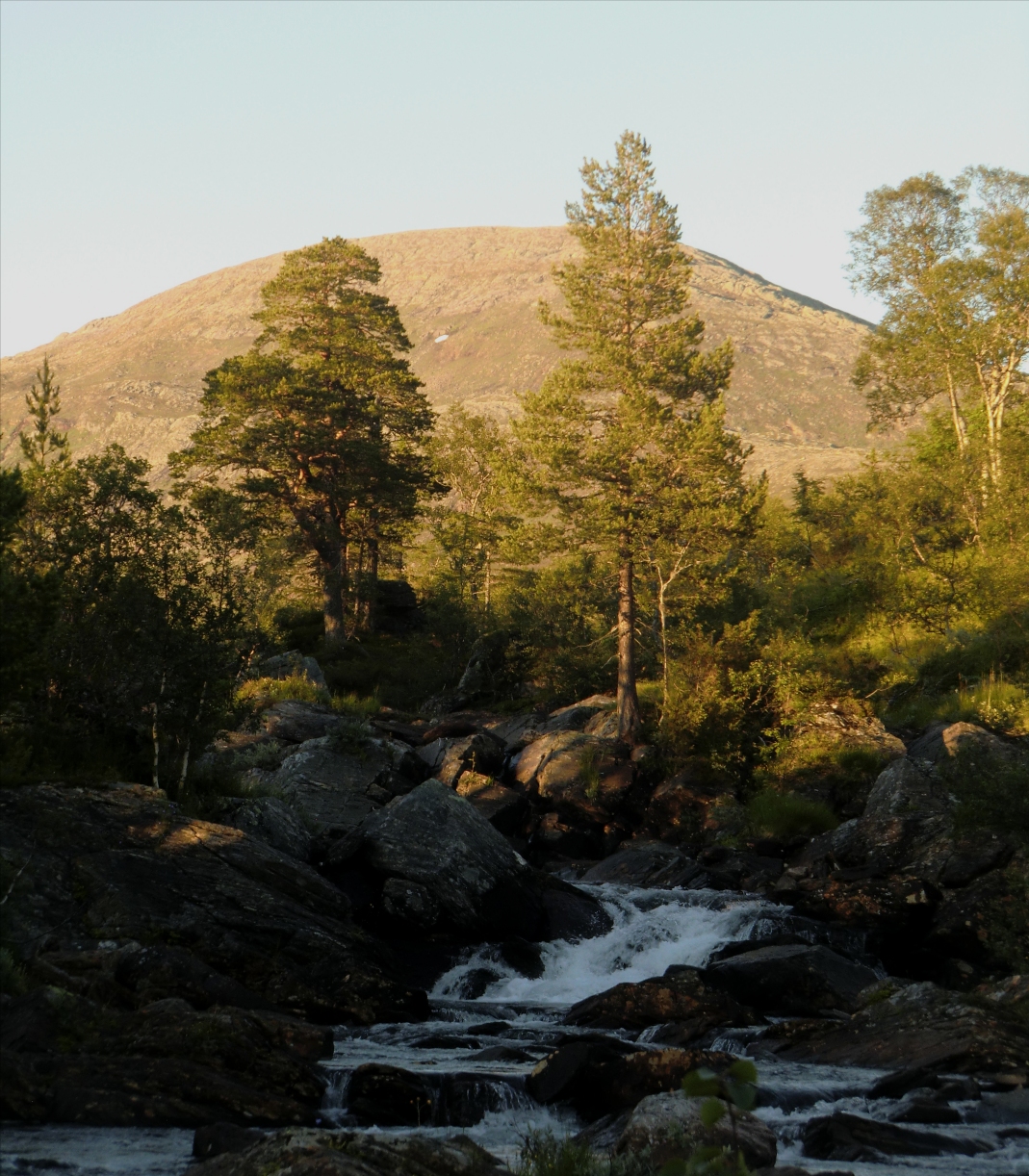
259 records

254 records
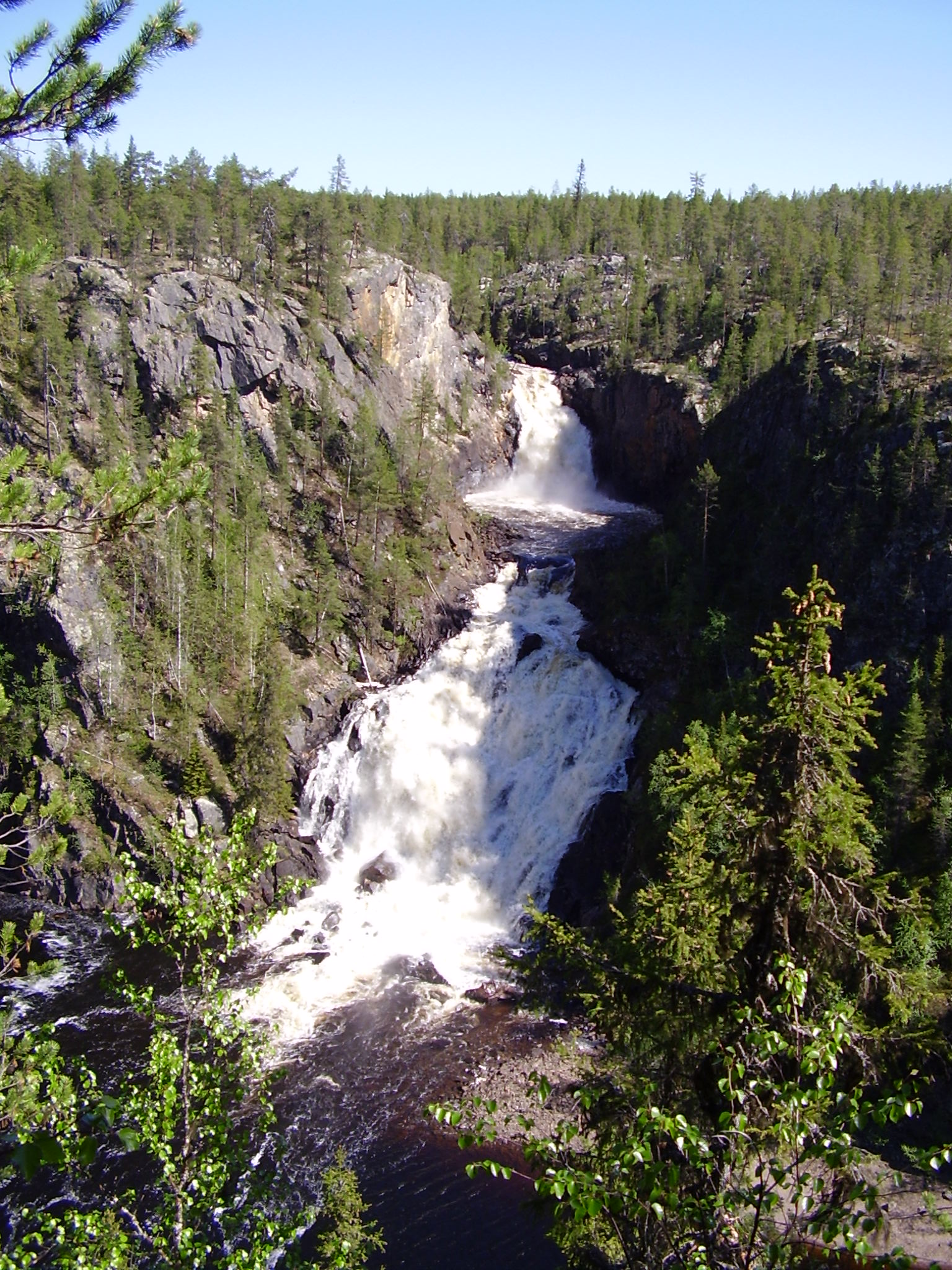
253 records
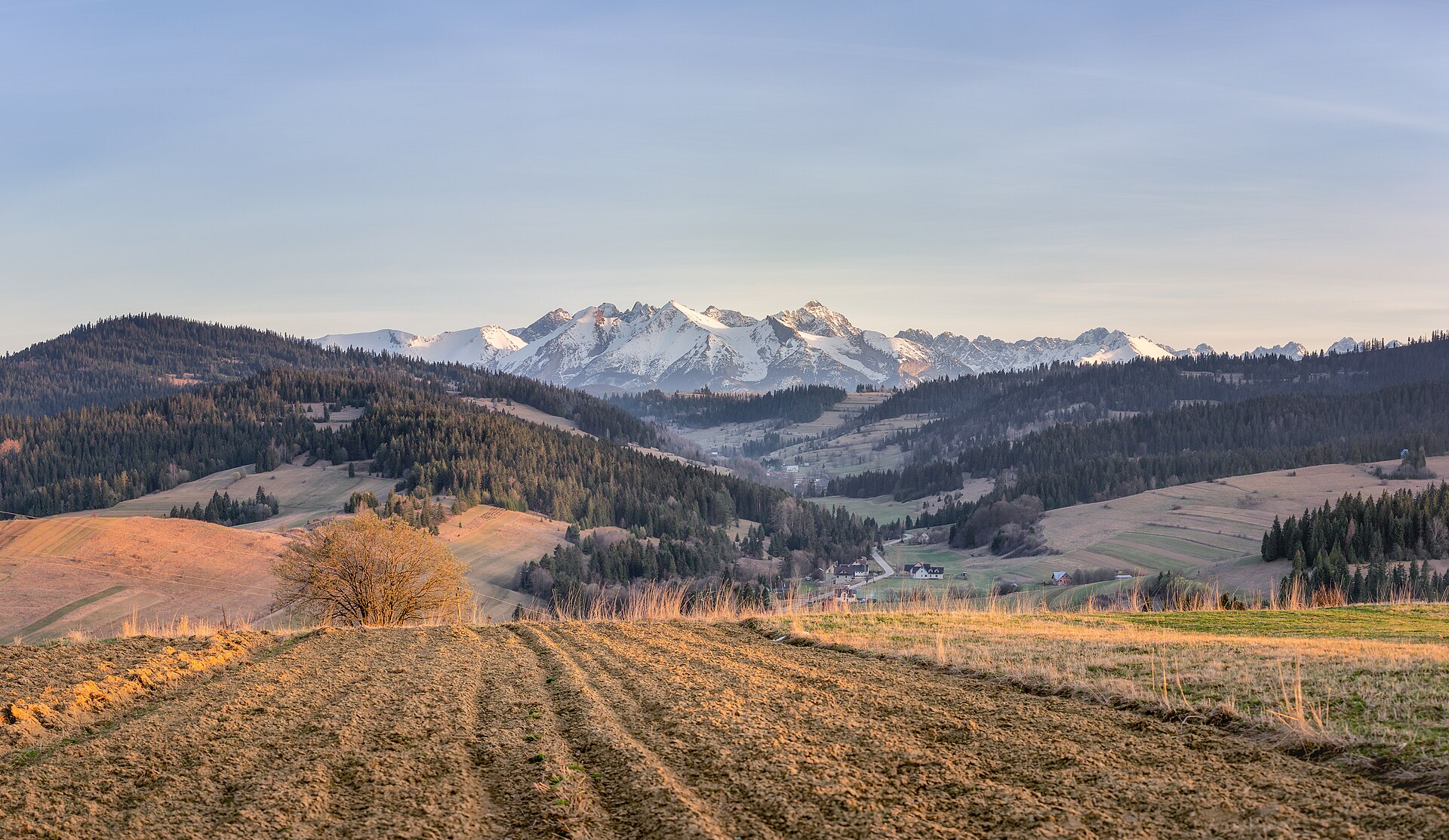
252 records
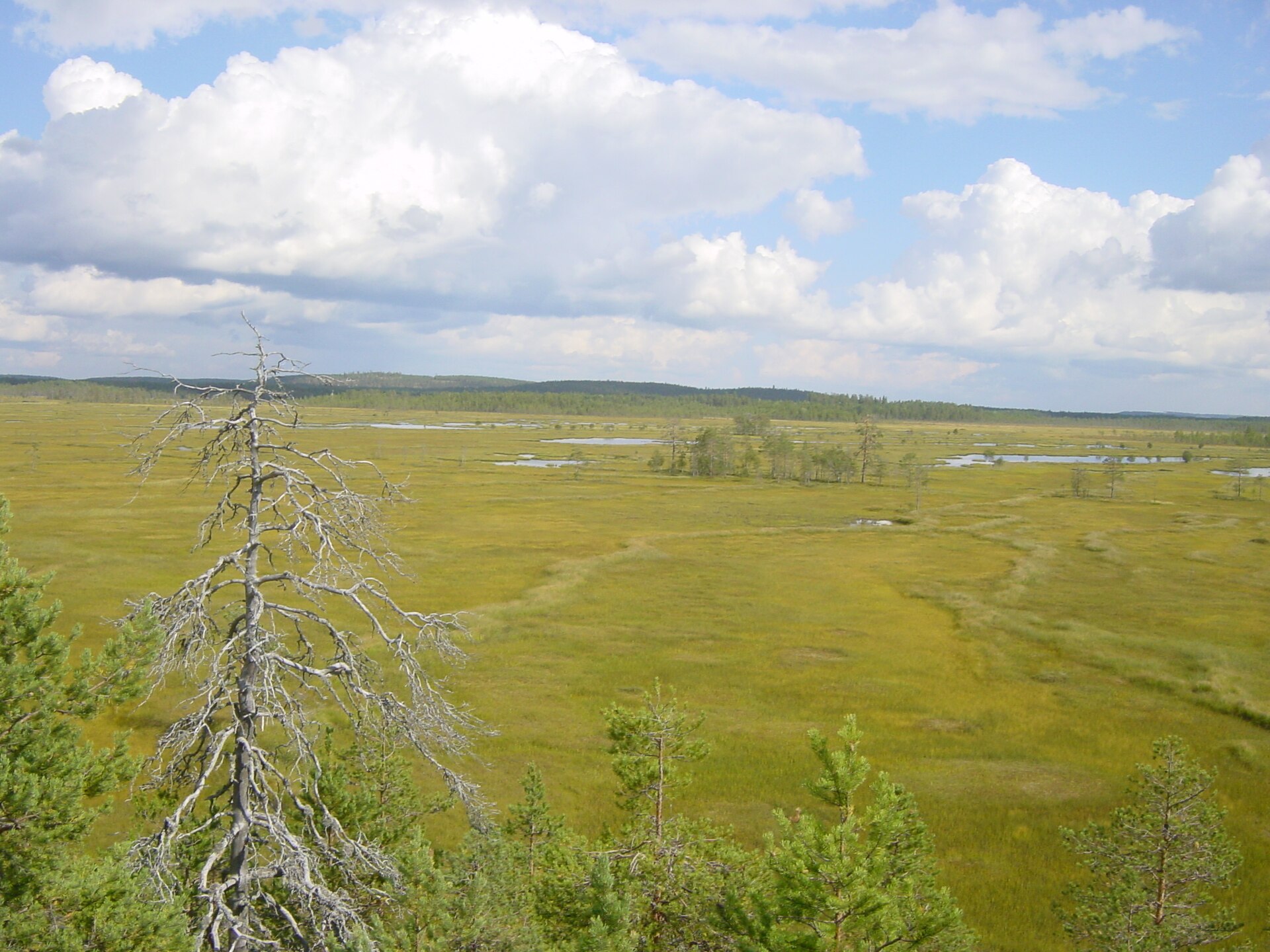
241 records
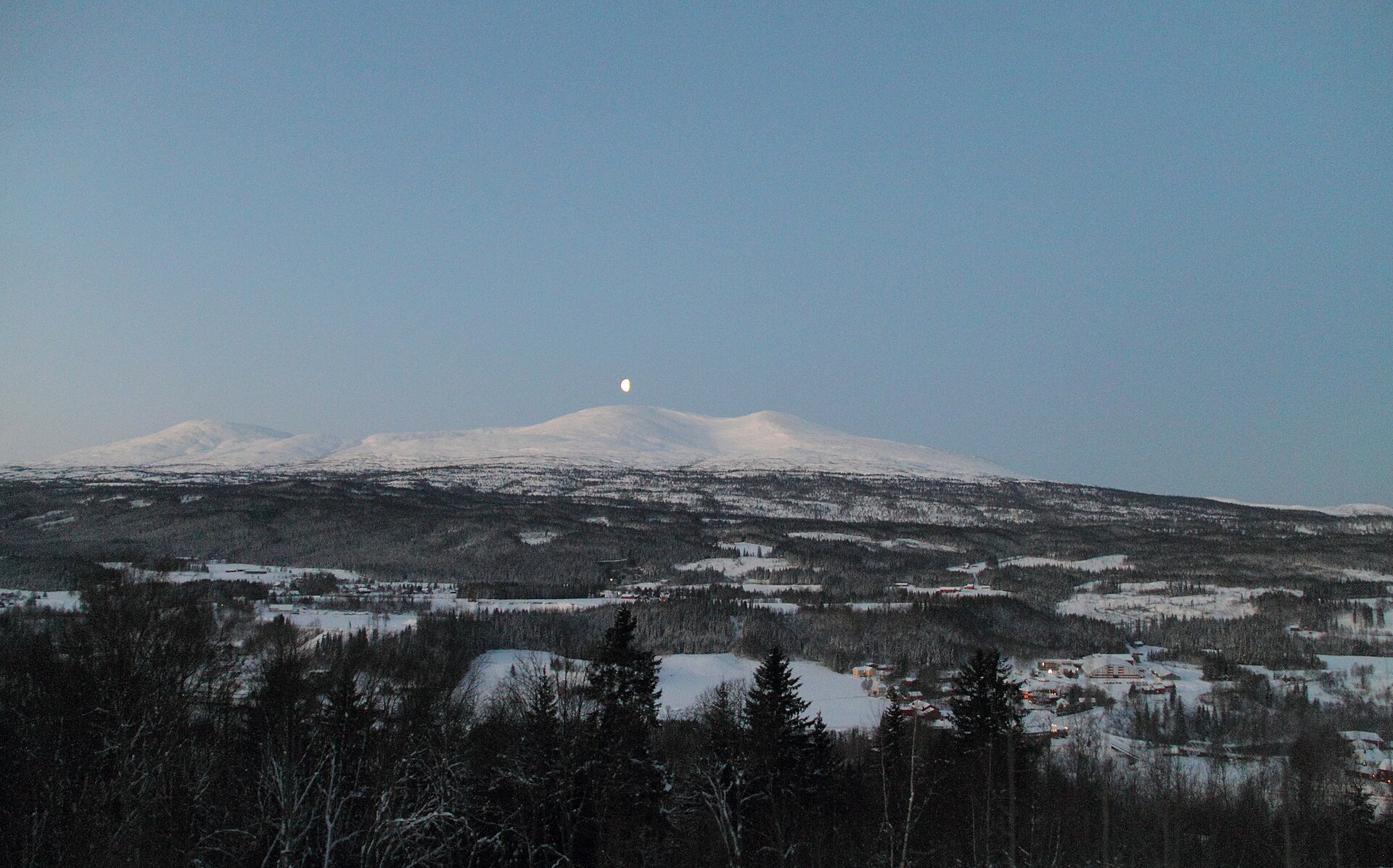
234 records
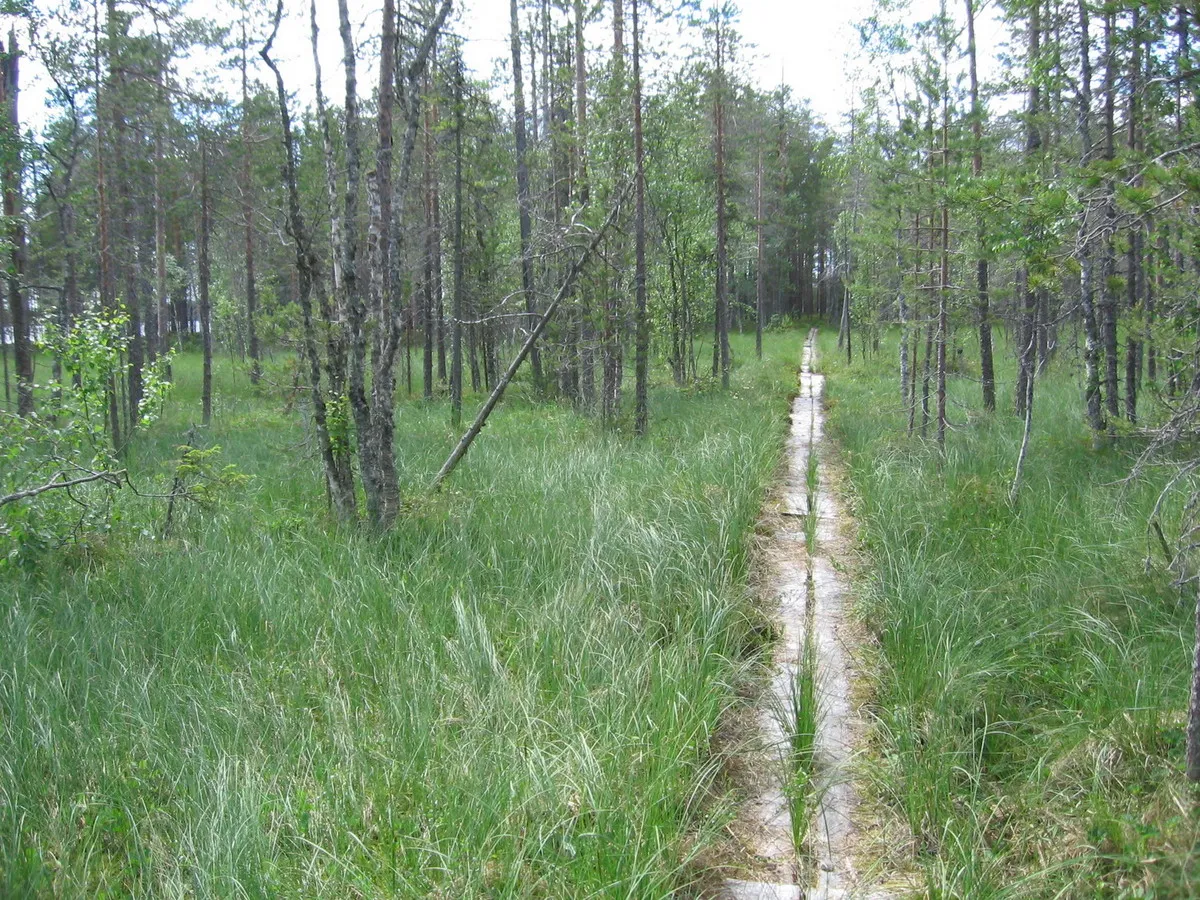
216 records
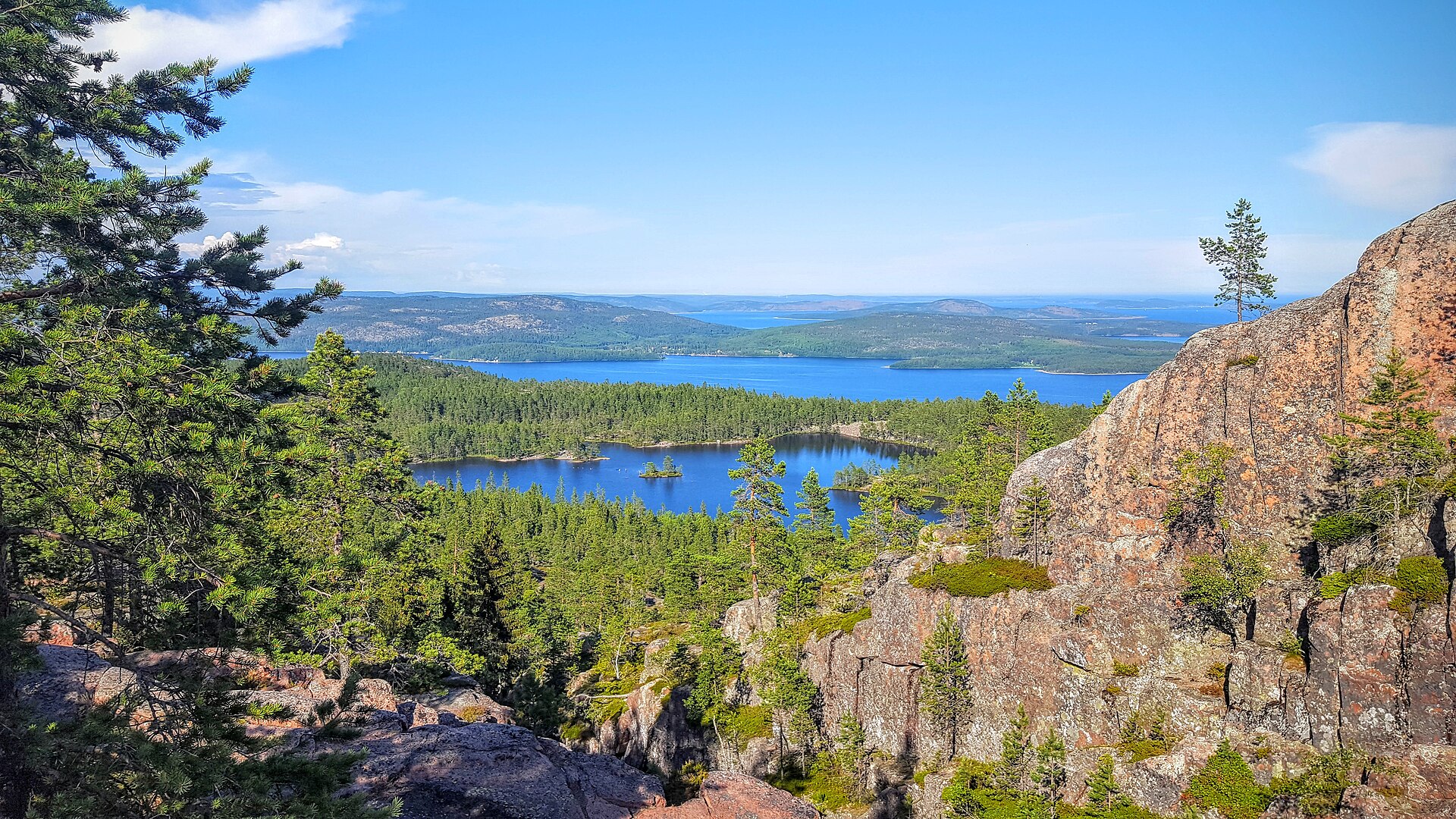
191 records
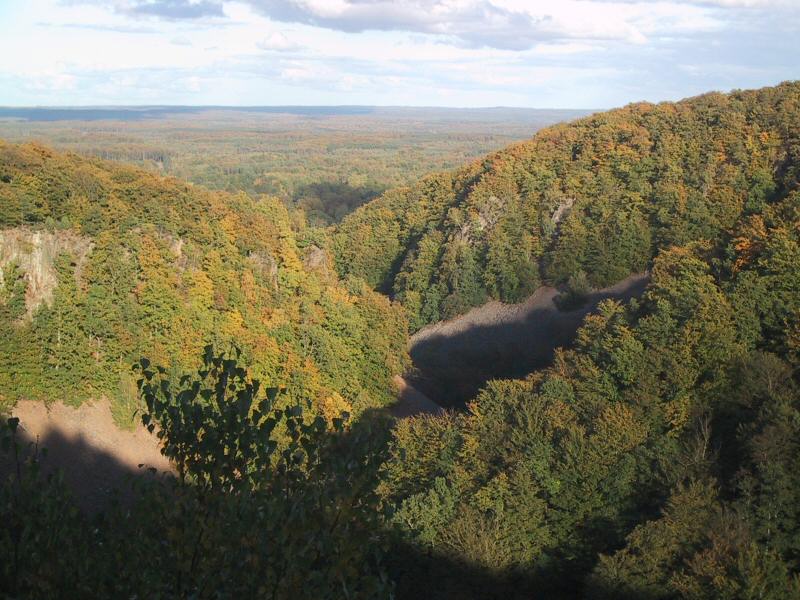
174 records

165 records

134 records
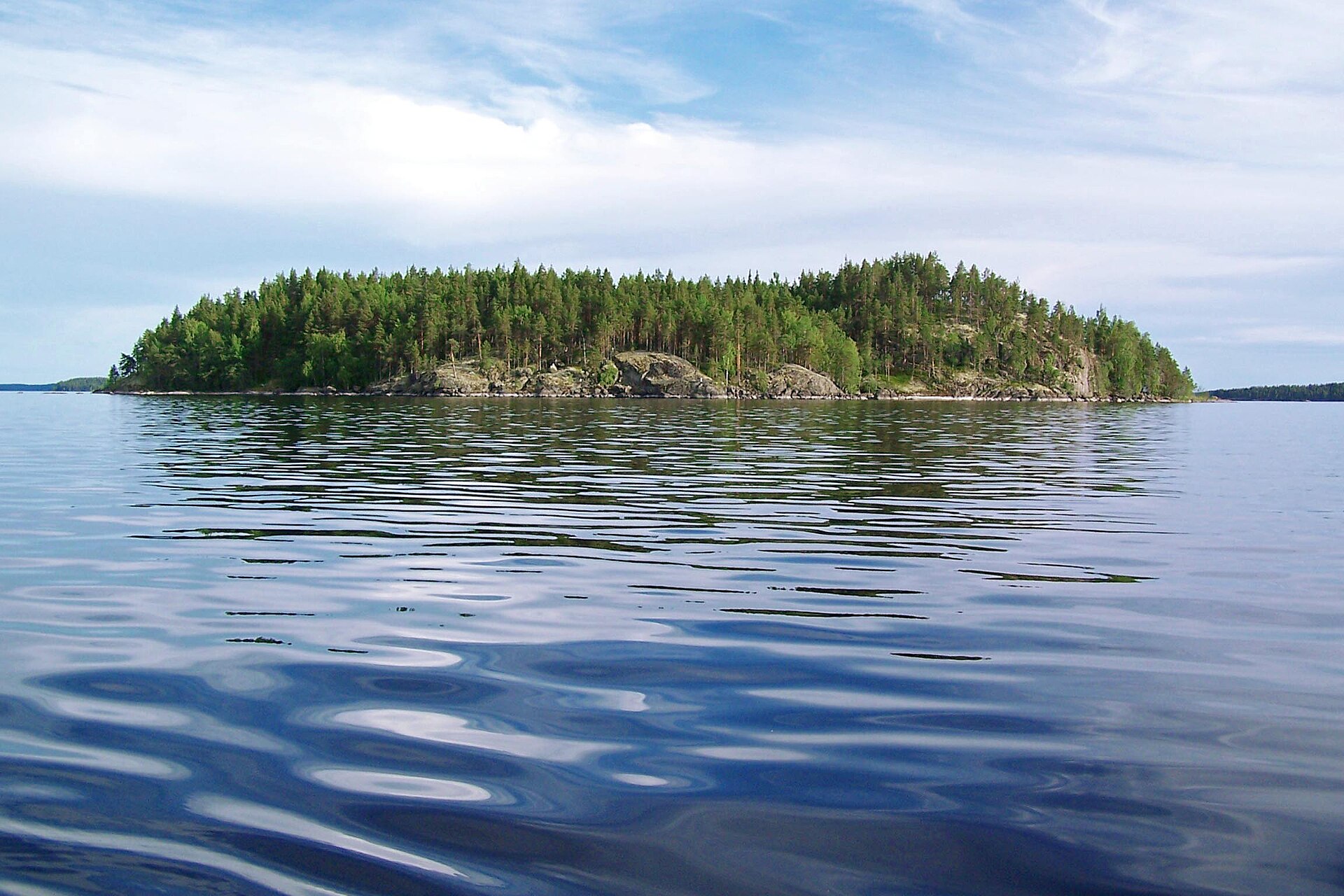
131 records

129 records
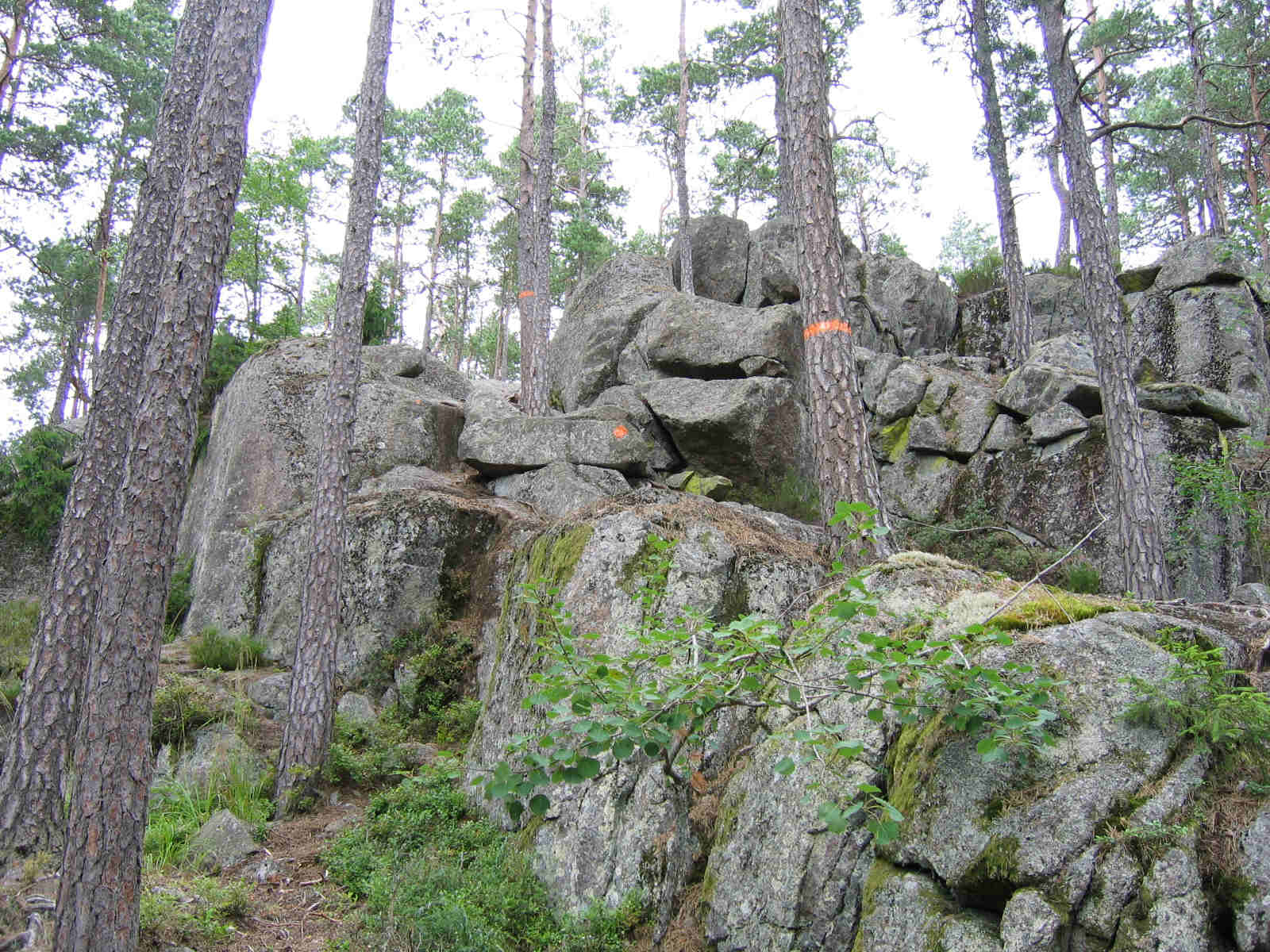
125 records

116 records
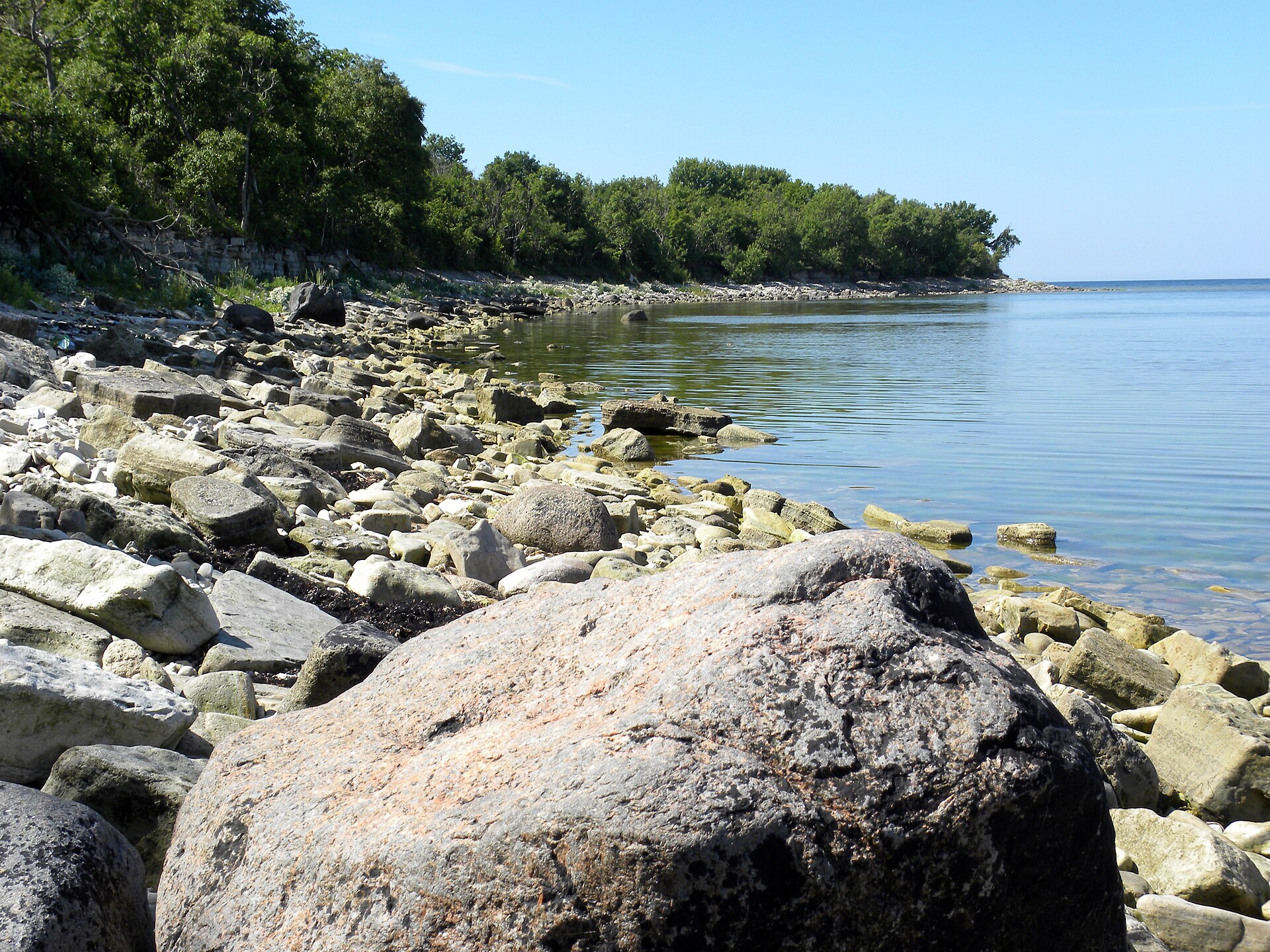
115 records

111 records
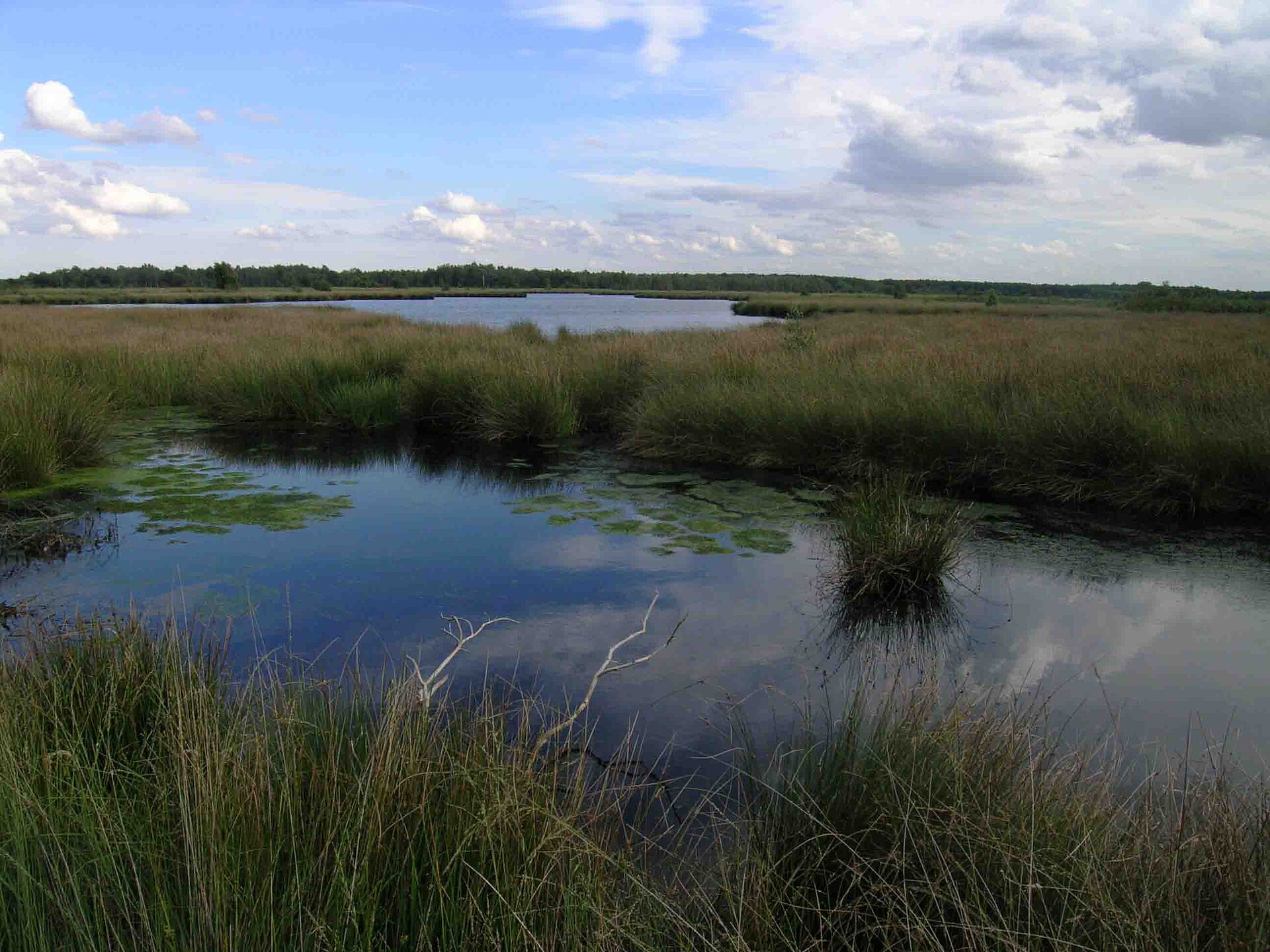
102 records
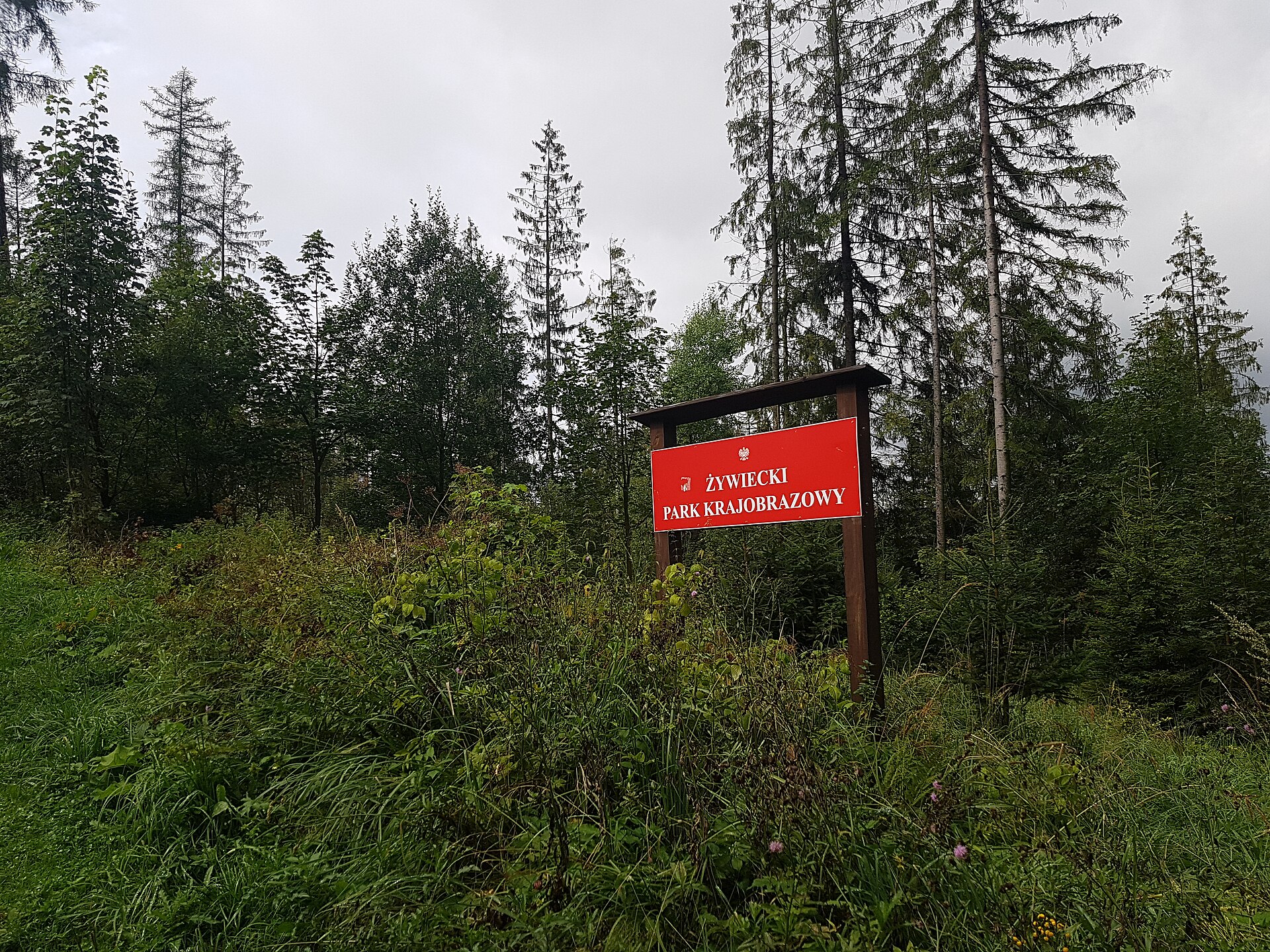
100 records
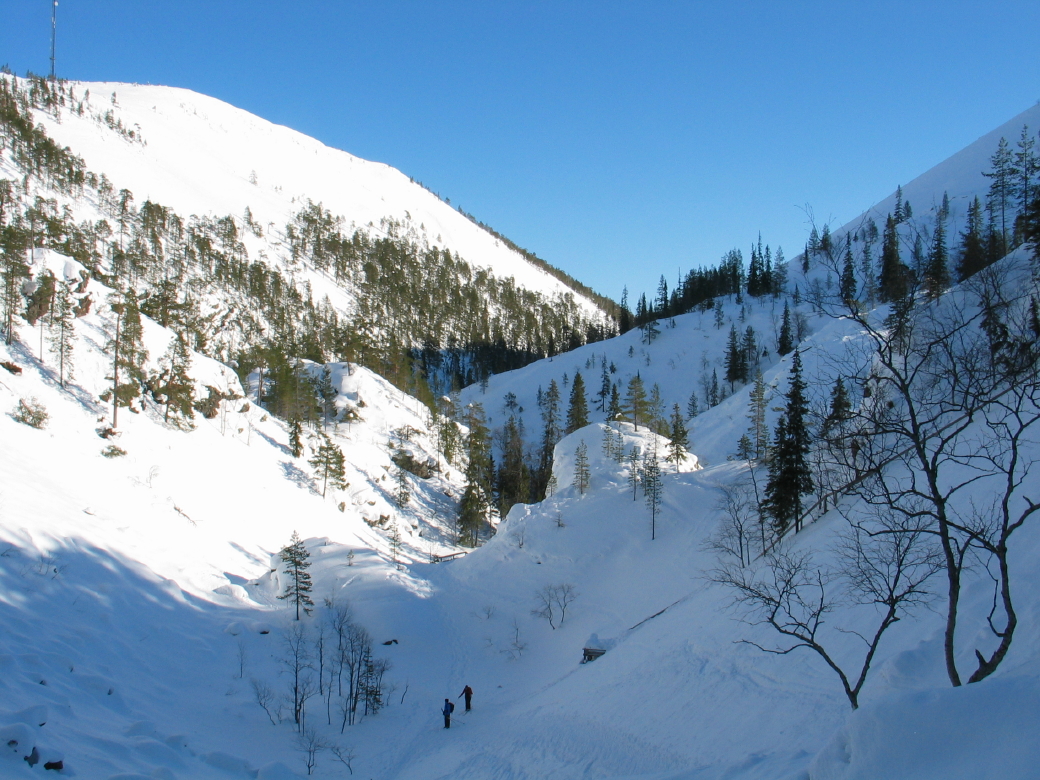
97 records

94 records
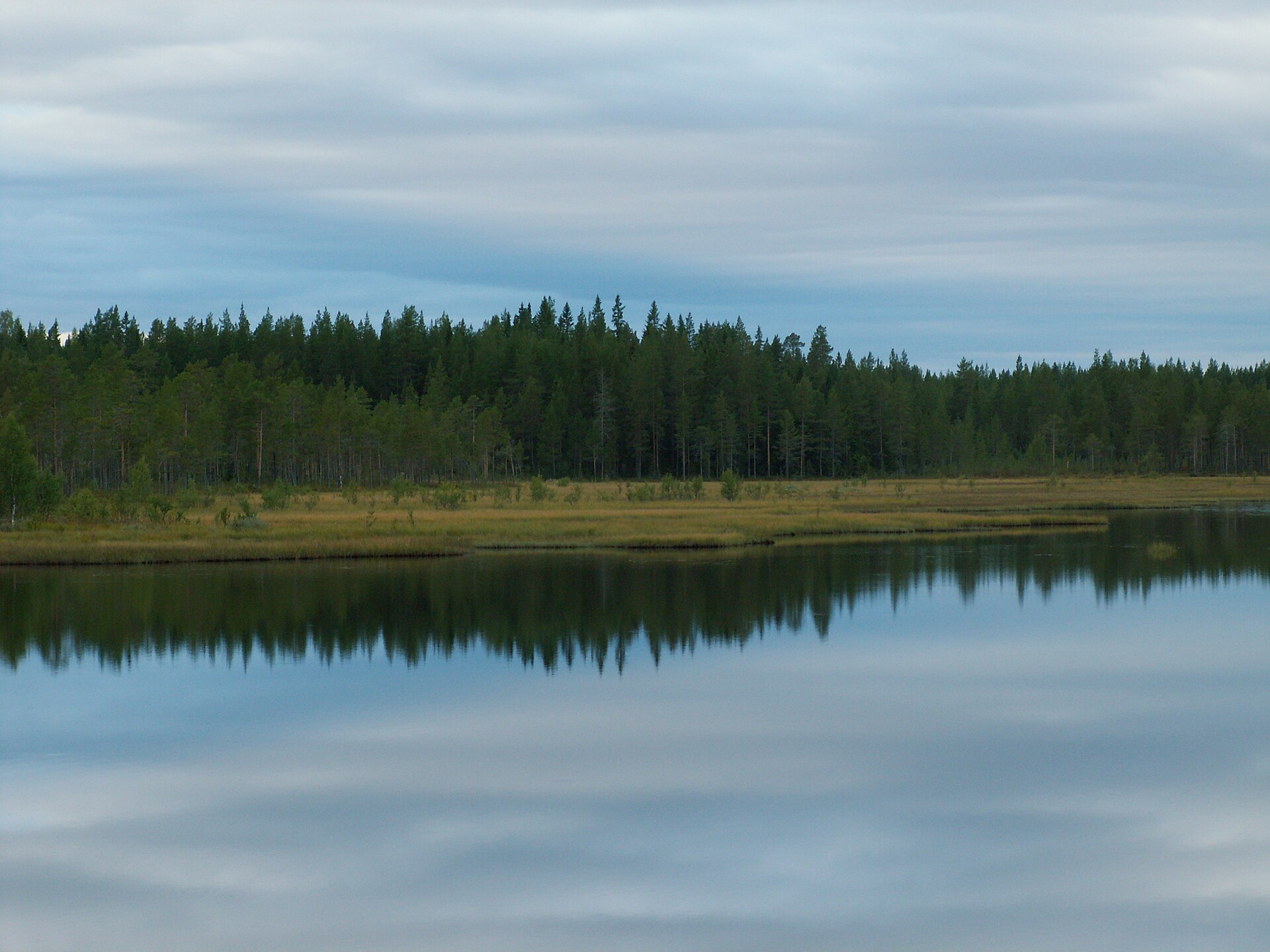
86 records
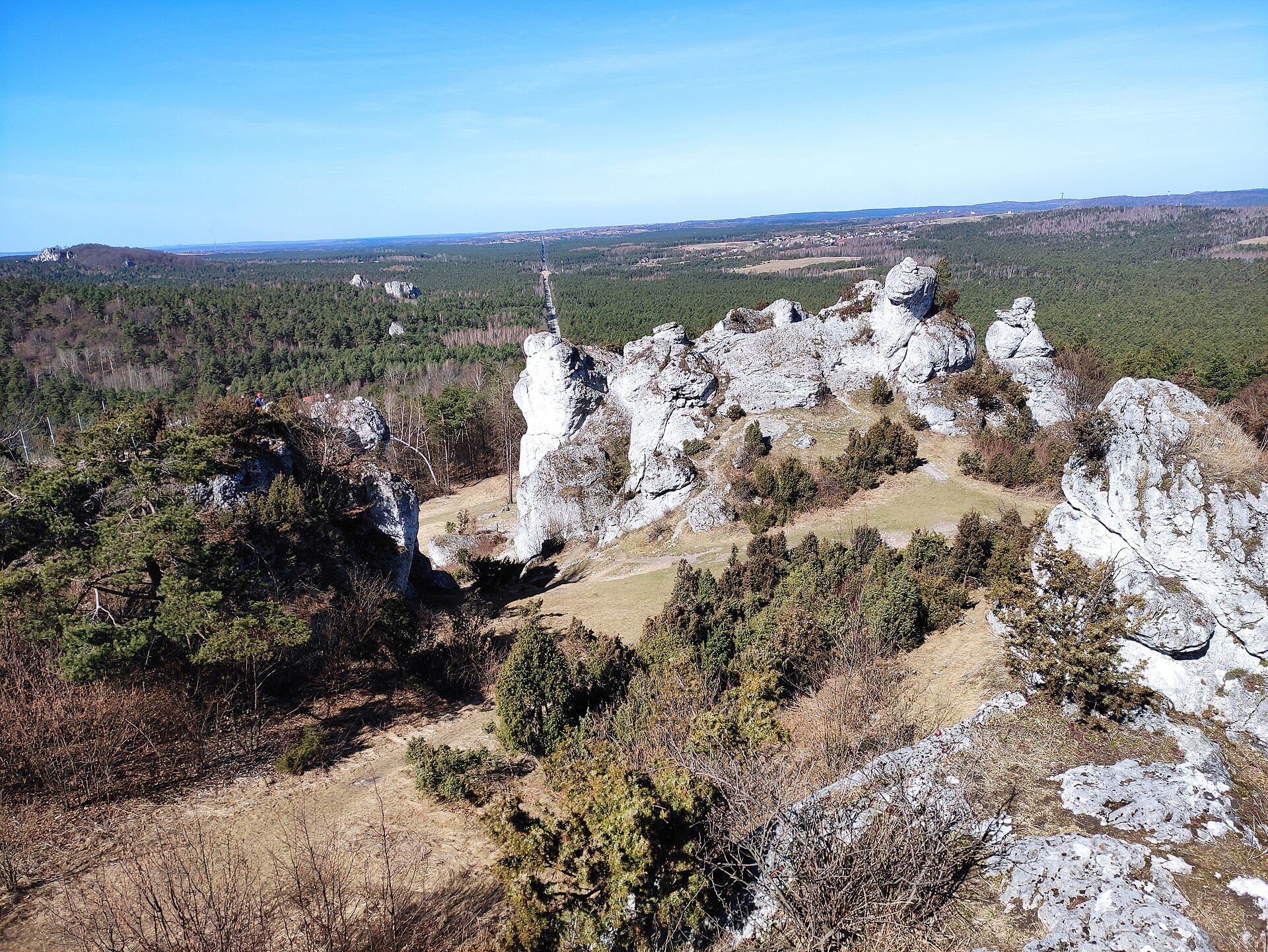
80 records
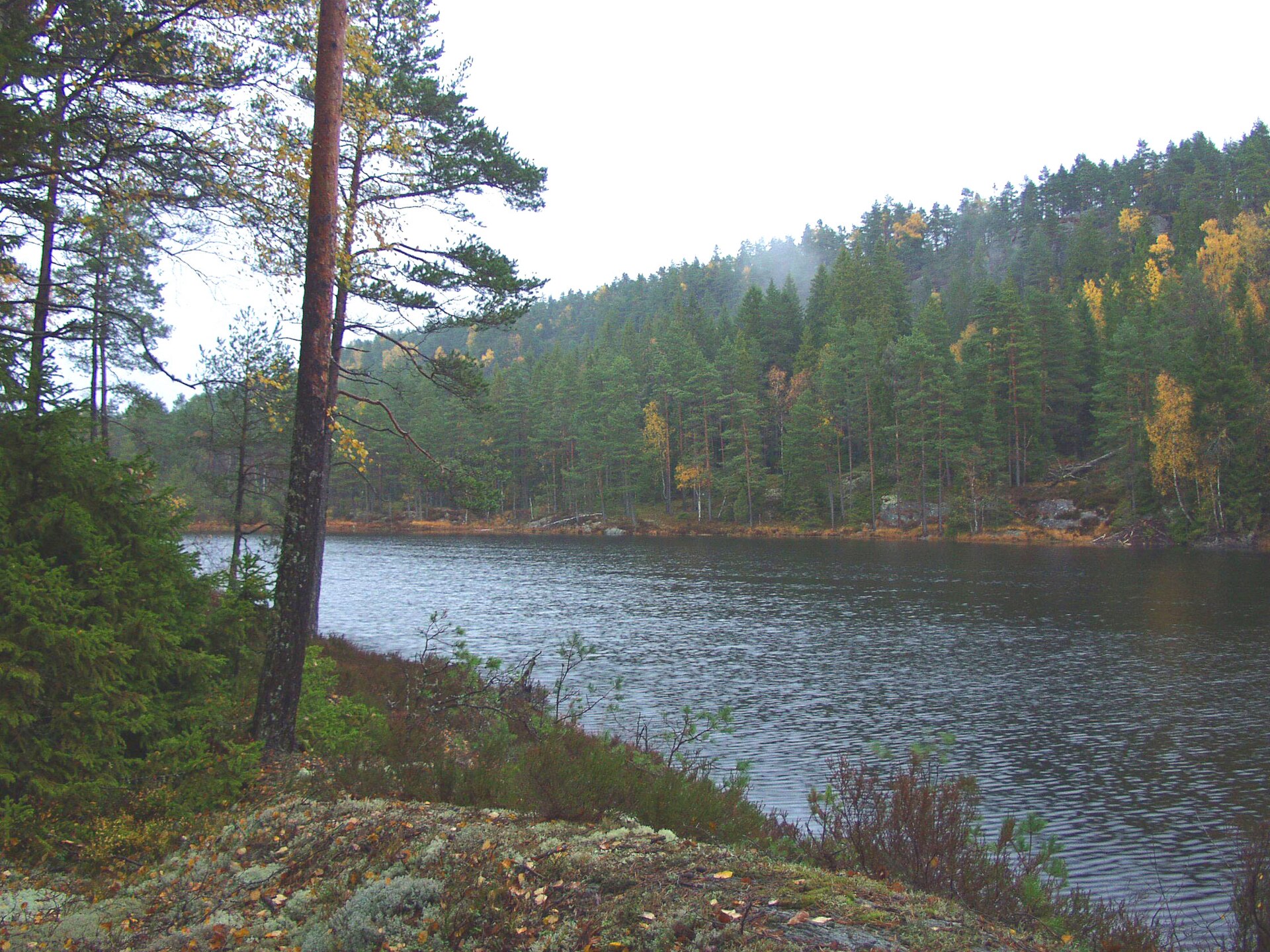
79 records
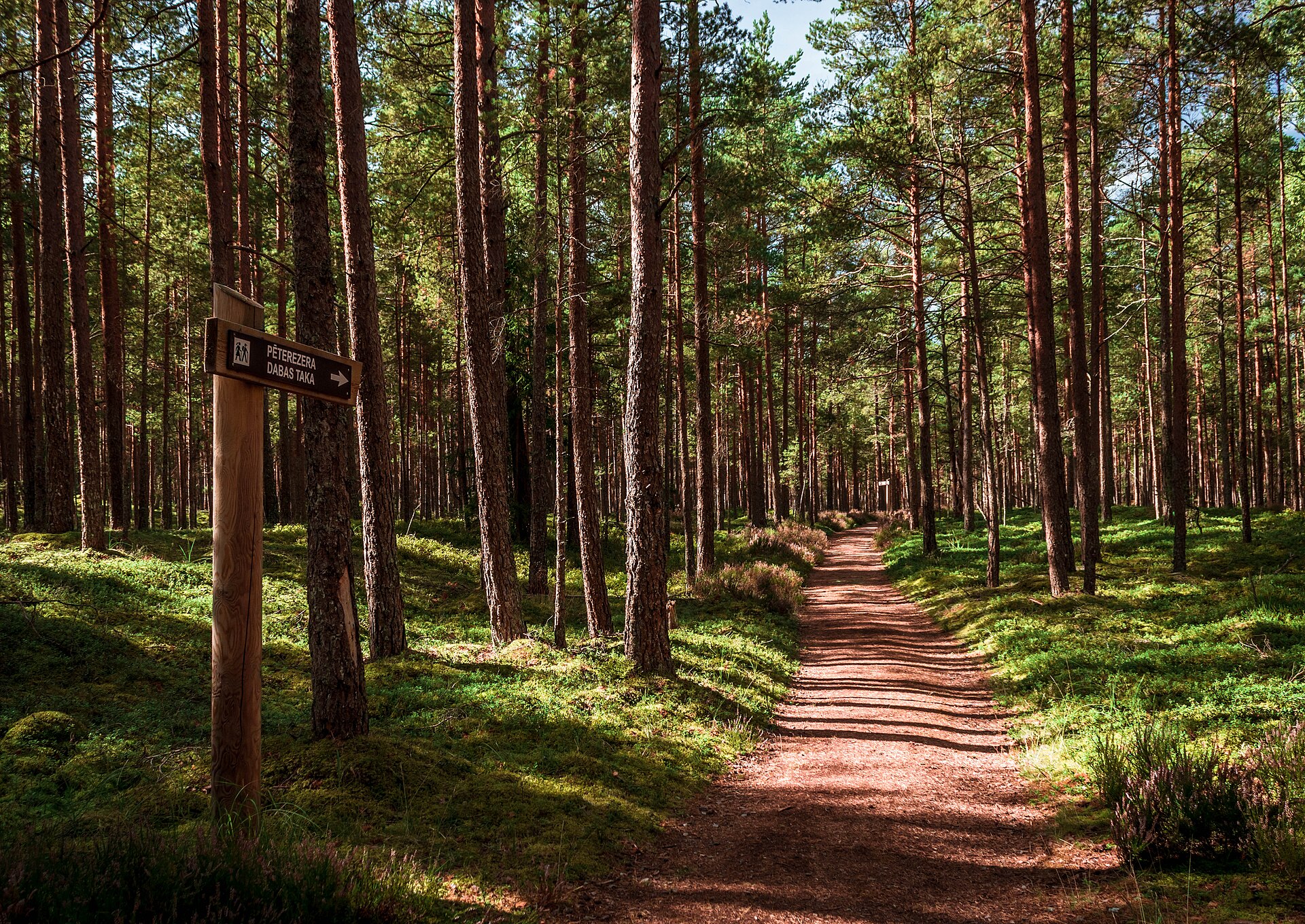
74 records

73 records

72 records

72 records
72 records

70 records
68 records

66 records

66 records
66 records
63 records
59 records
59 records
58 records
49 records
47 records
41 records
41 records
38 records

36 records

34 records
31 records
30 records

28 records

28 records

28 records
27 records
24 records
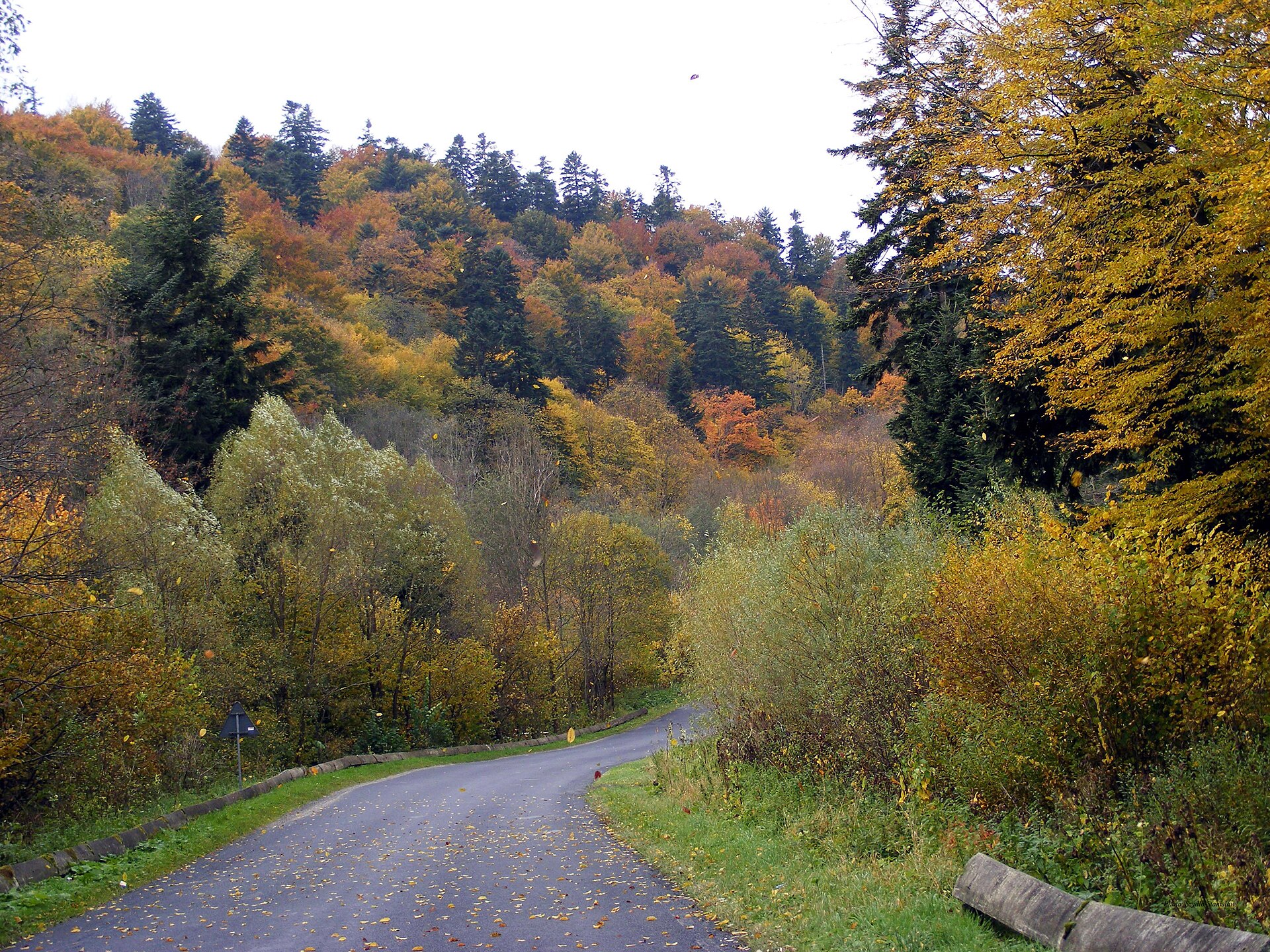
20 records
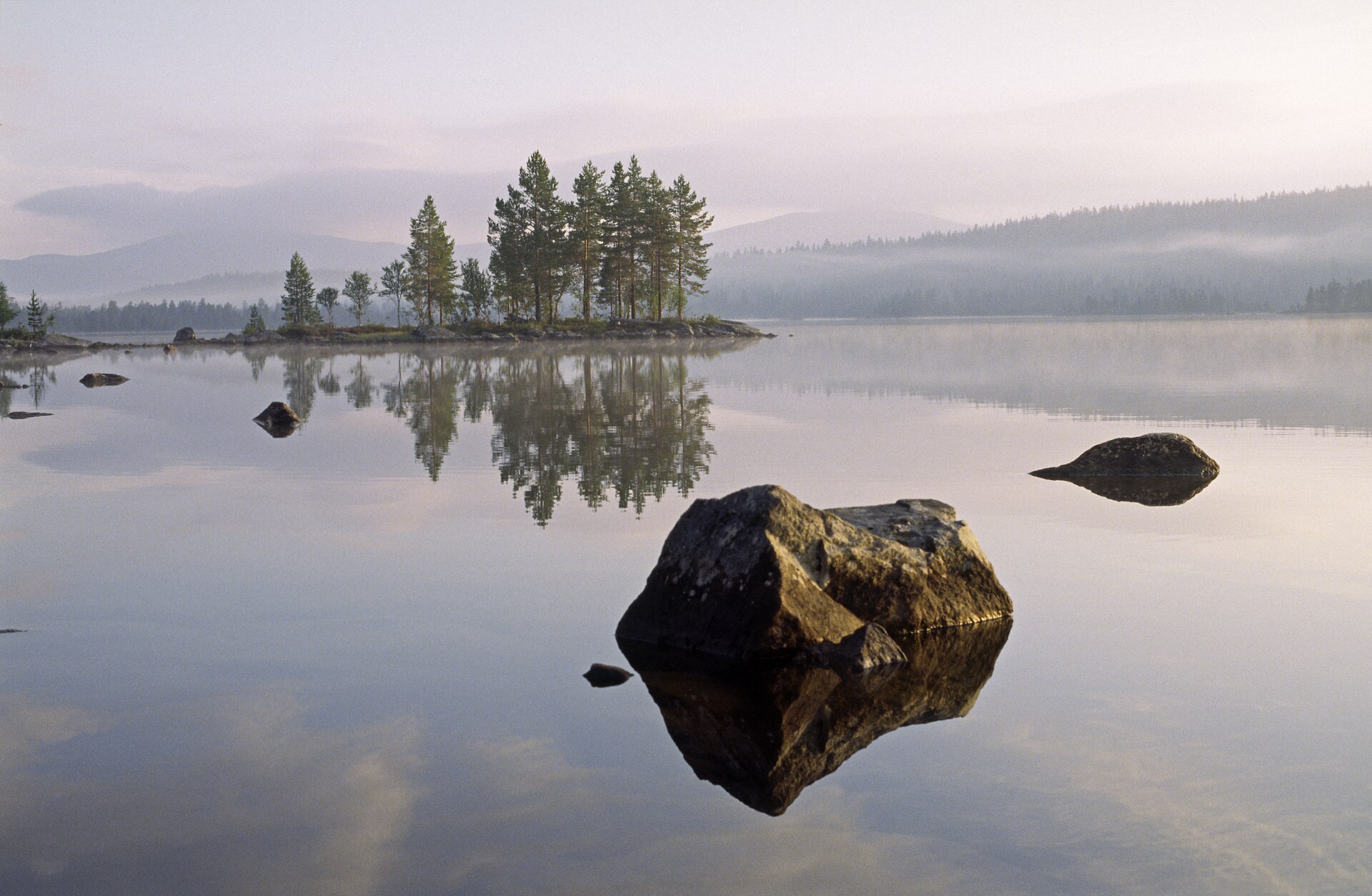
17 records
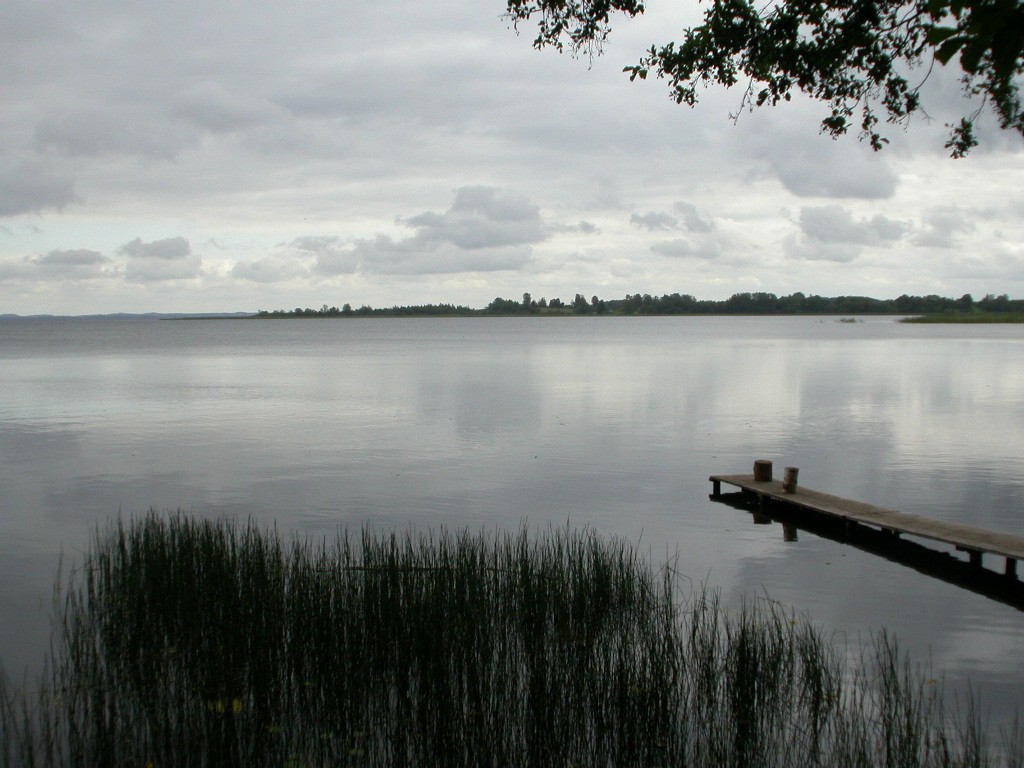
17 records
16 records

16 records

16 records
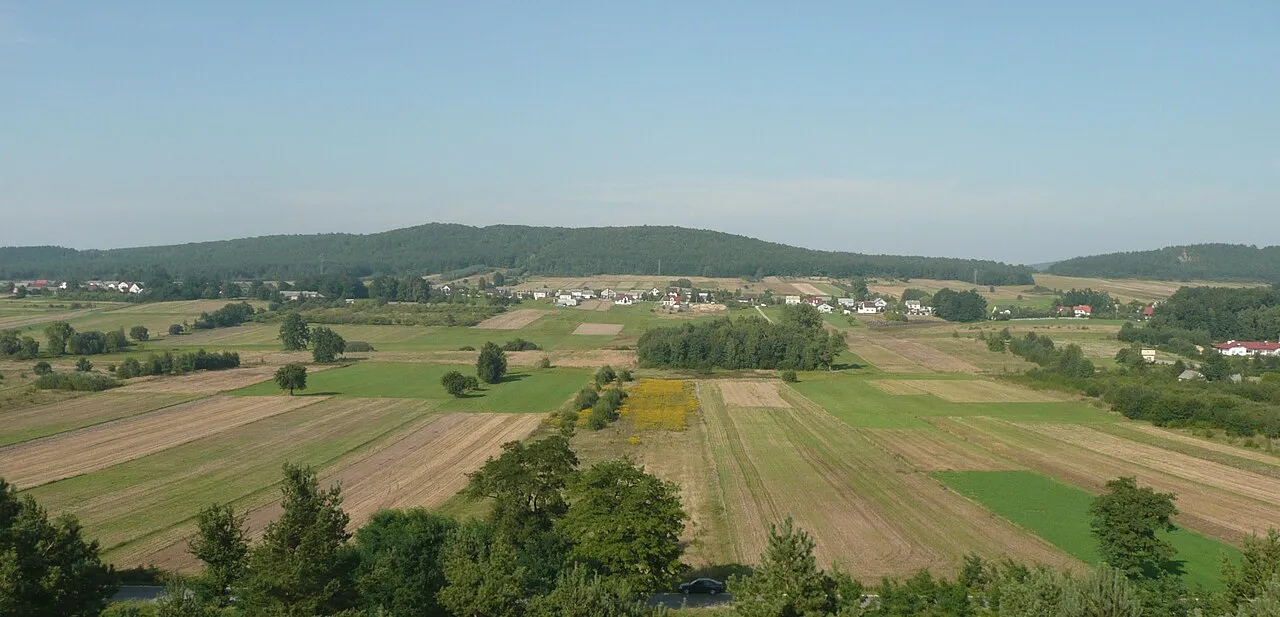
13 records
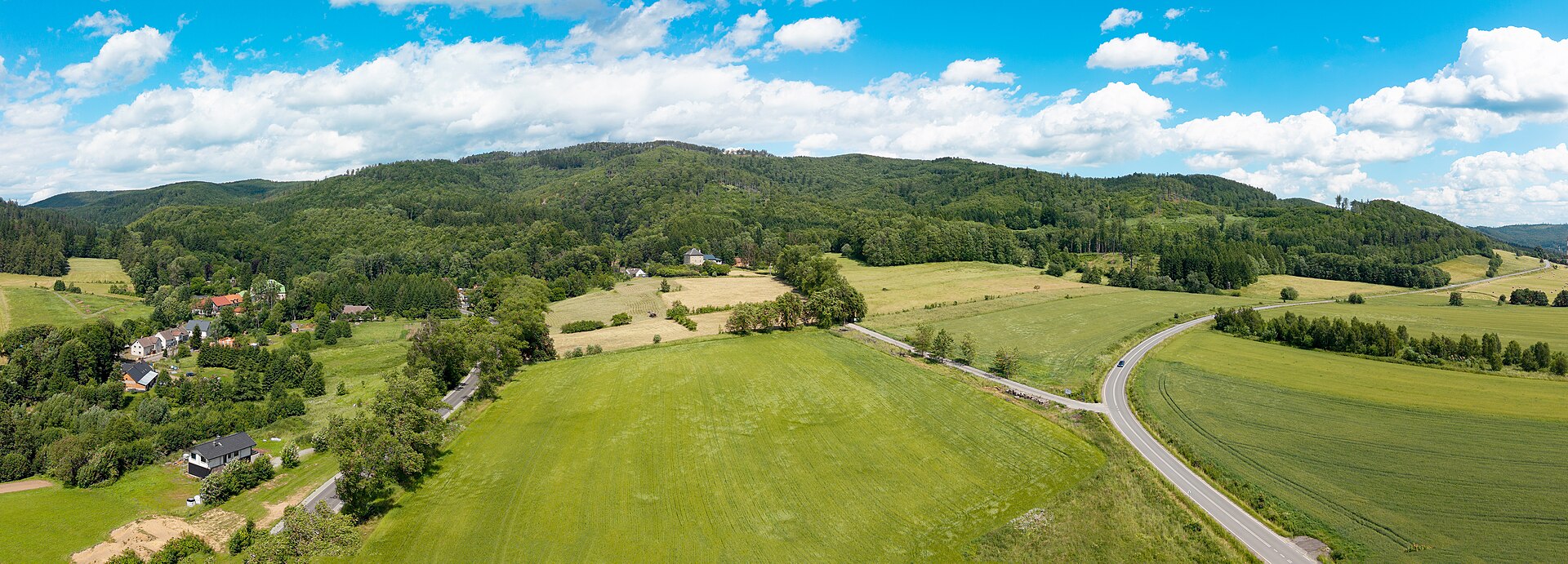
13 records

12 records

9 records
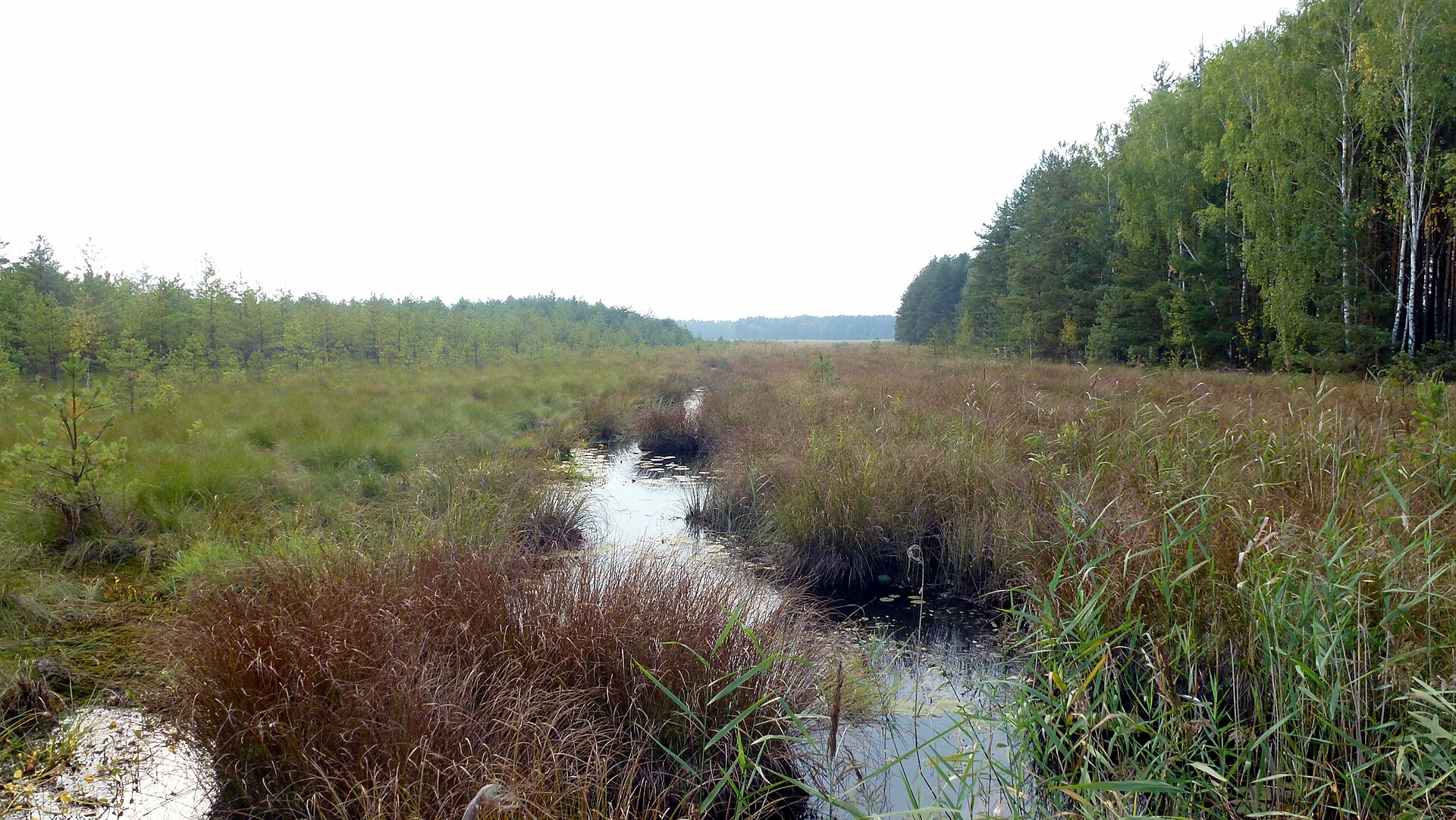
8 records
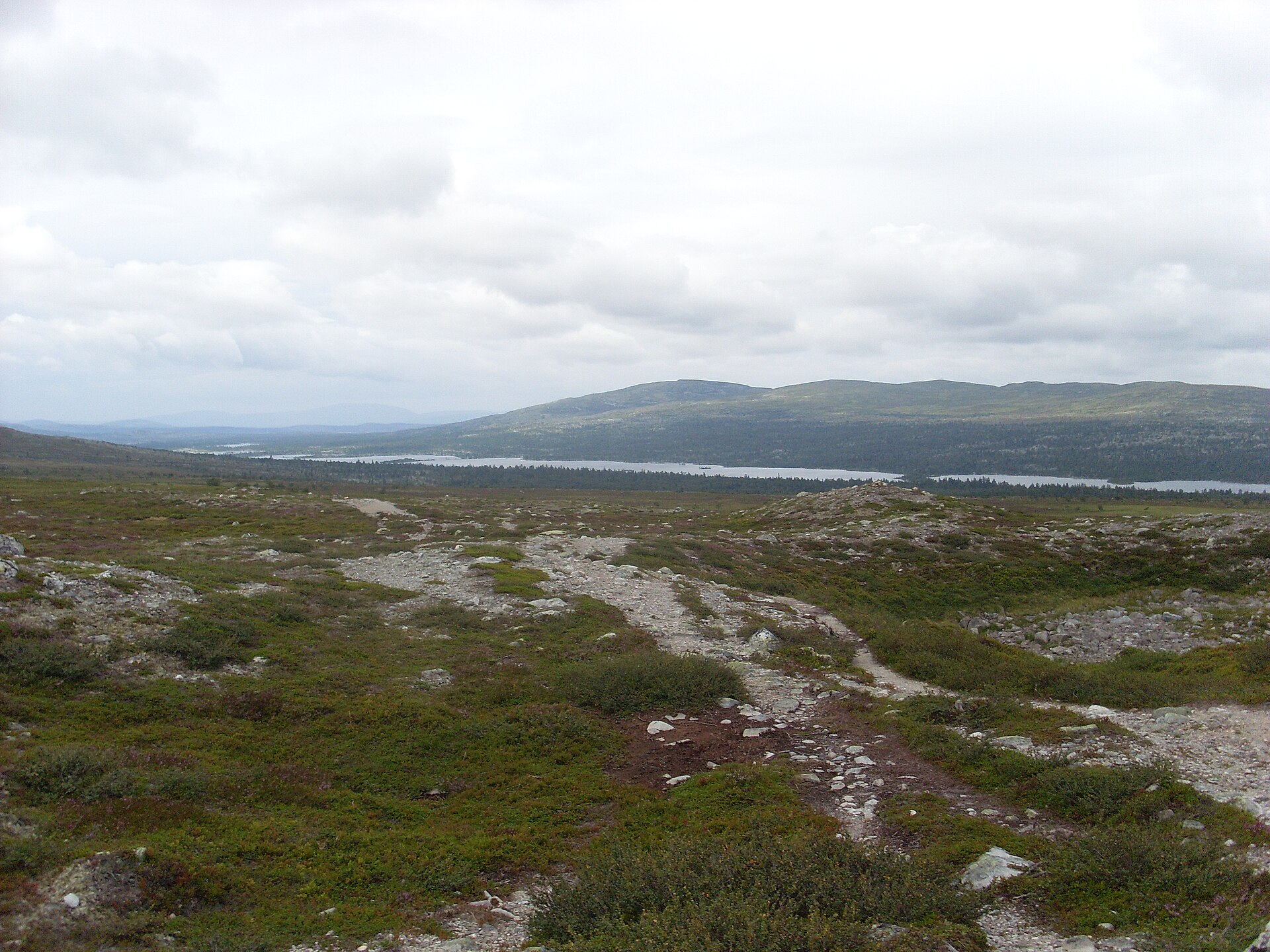
8 records
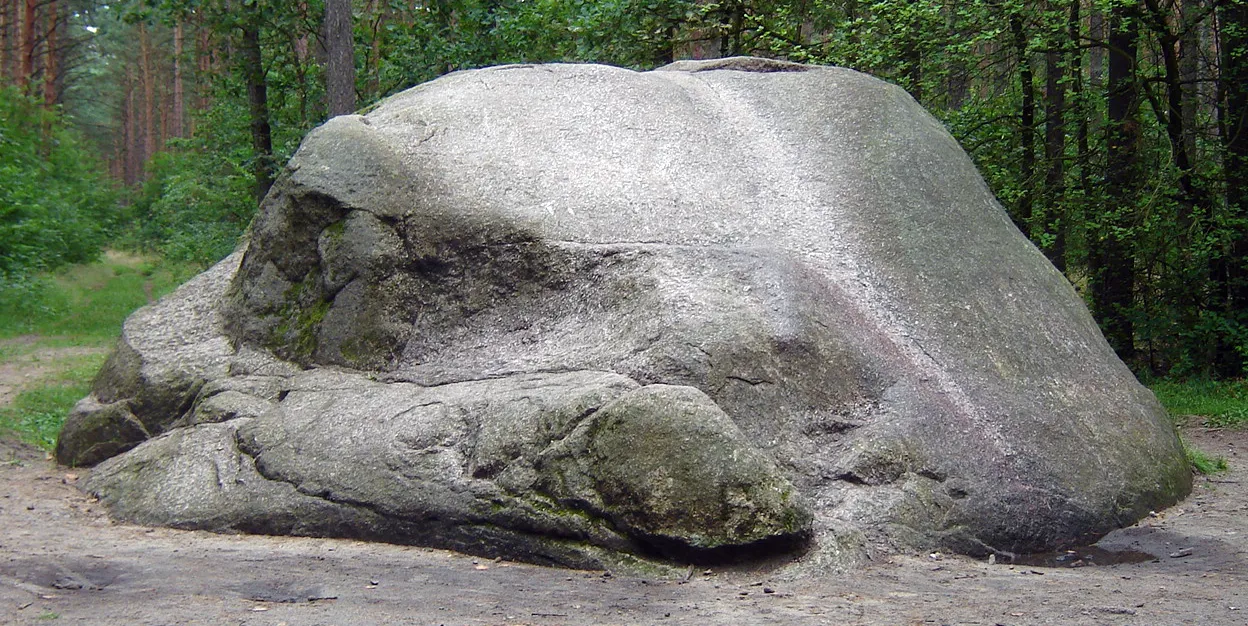
8 records

6 records
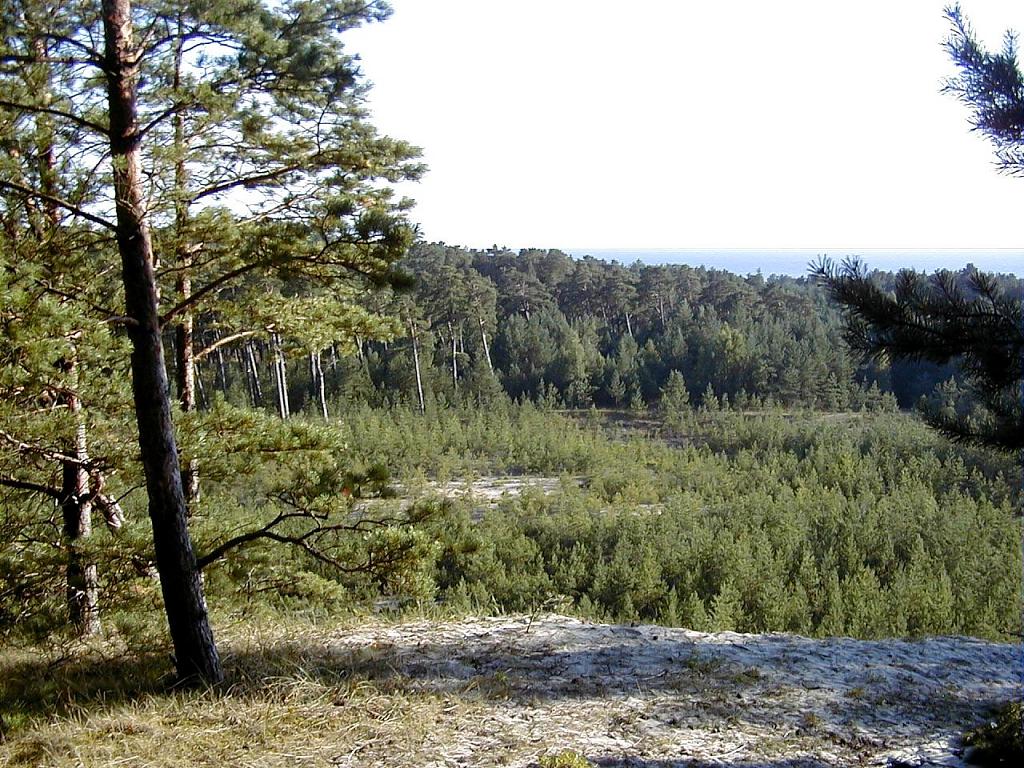
4 records
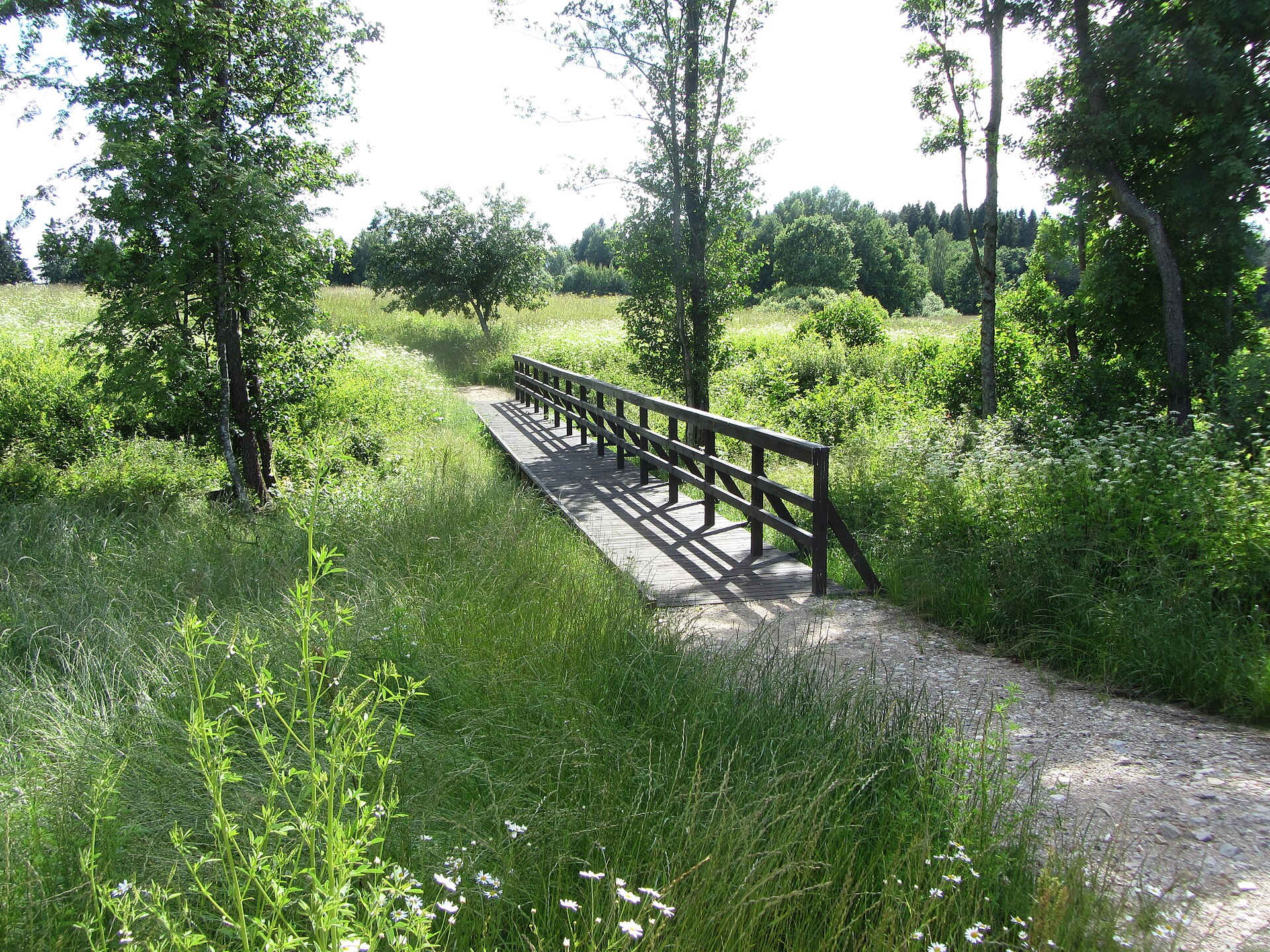
3 records

2 records
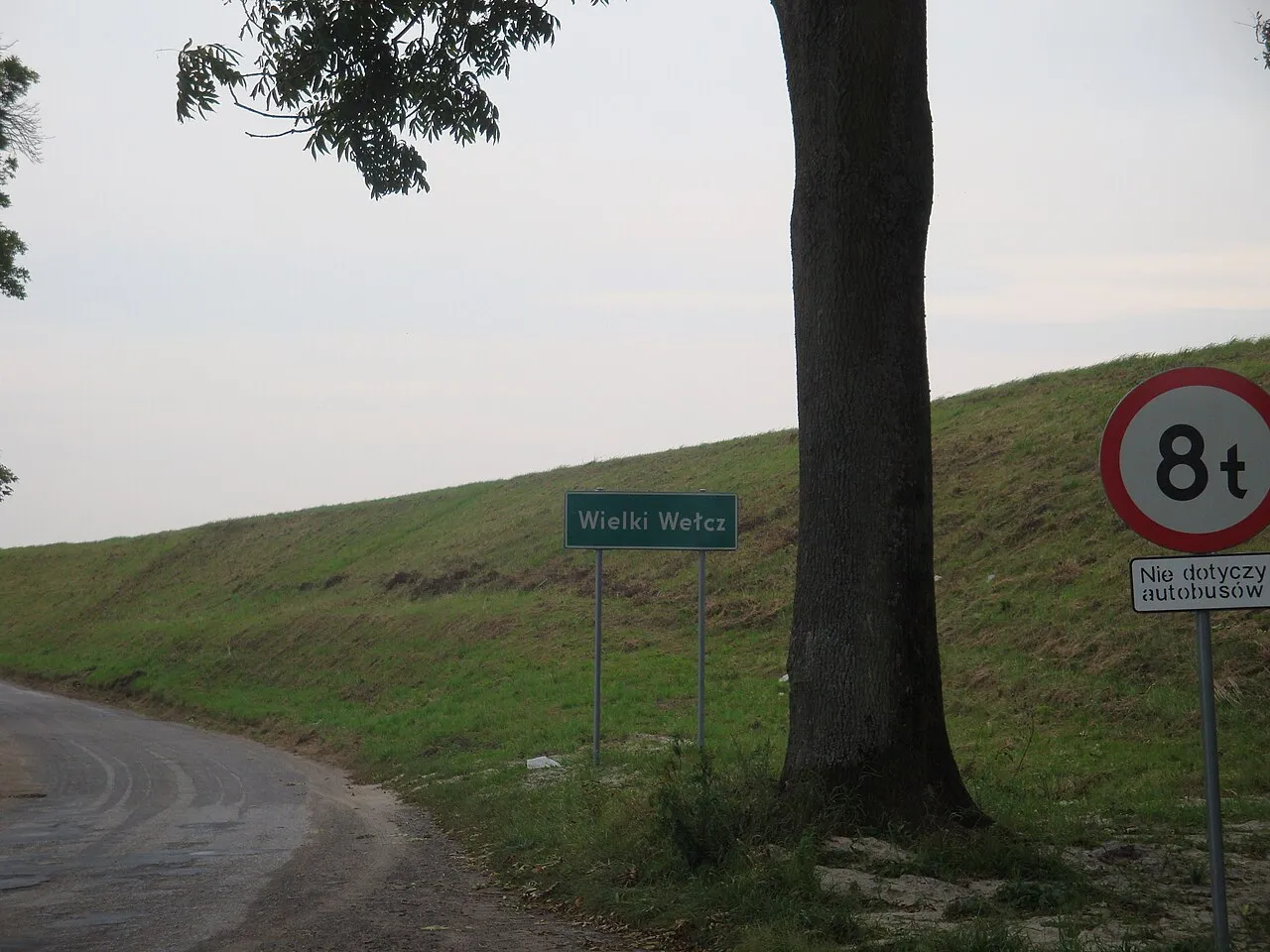
1 records
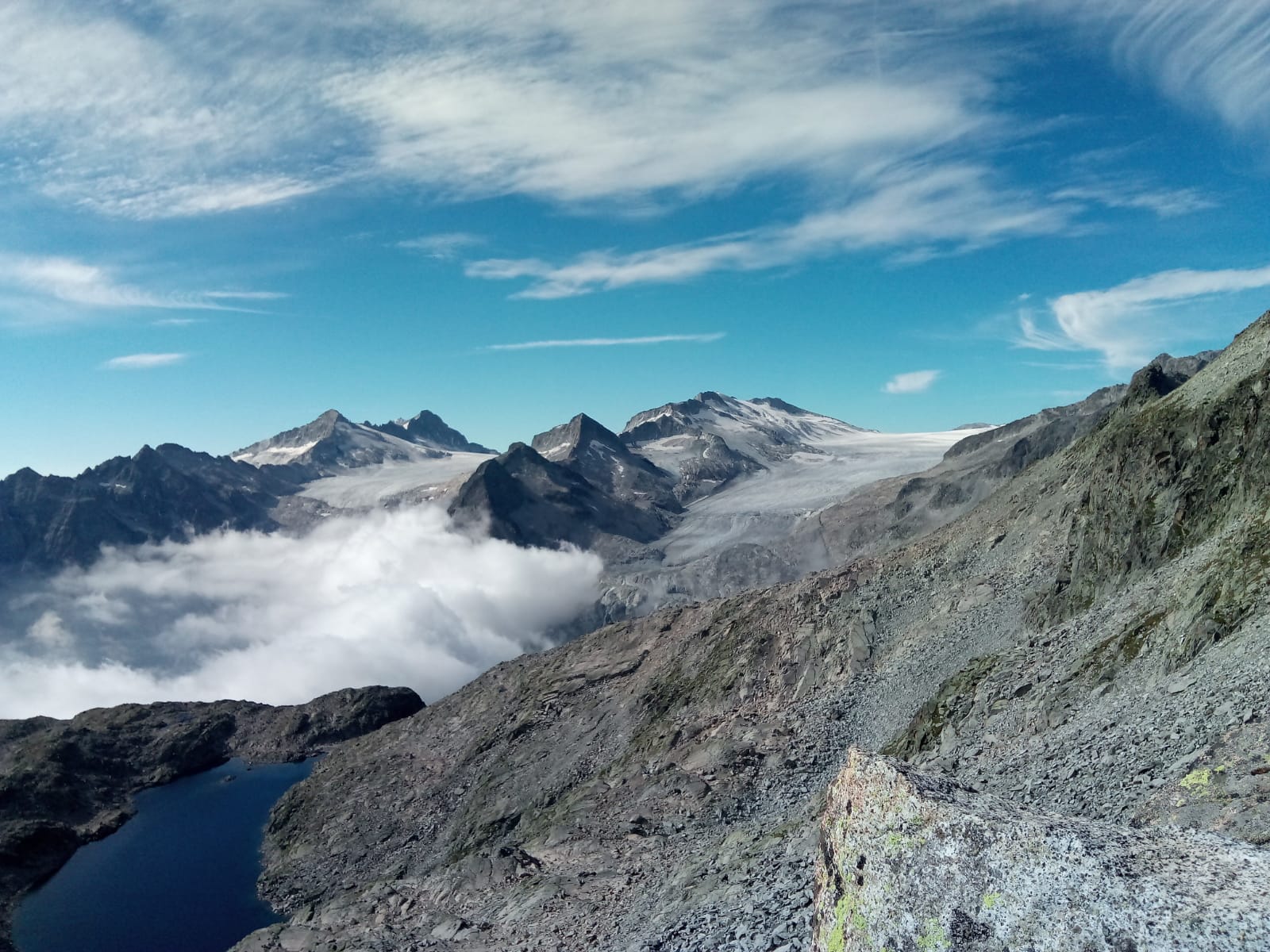
Natura 2000 · passage
Natura 2000 · passage
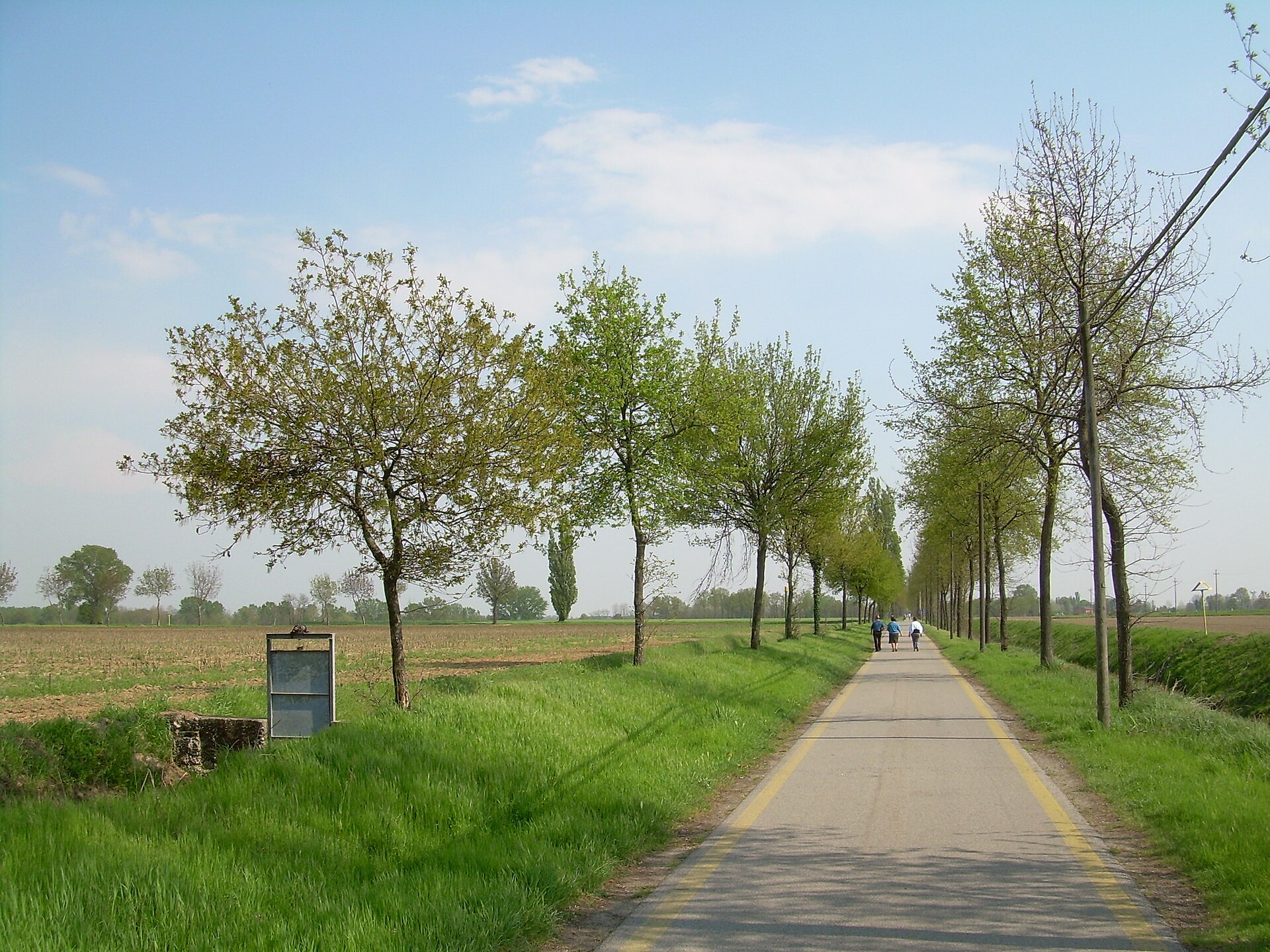
Natura 2000 · passage

Natura 2000 · passage
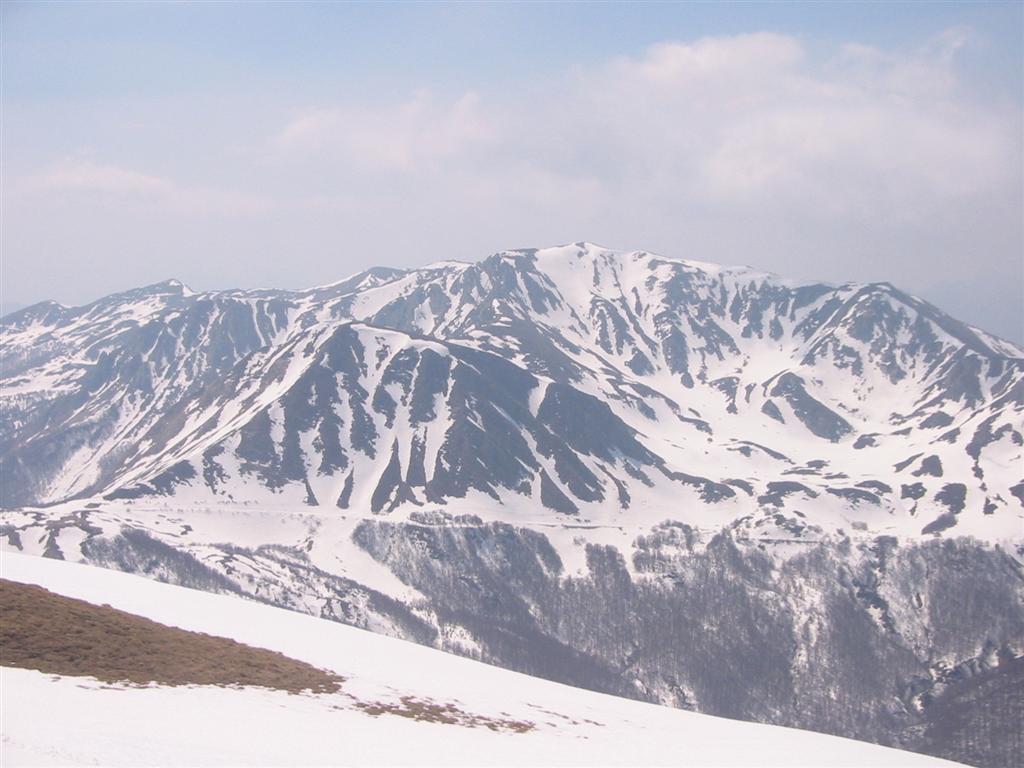
Natura 2000 · passage

Natura 2000 · passage
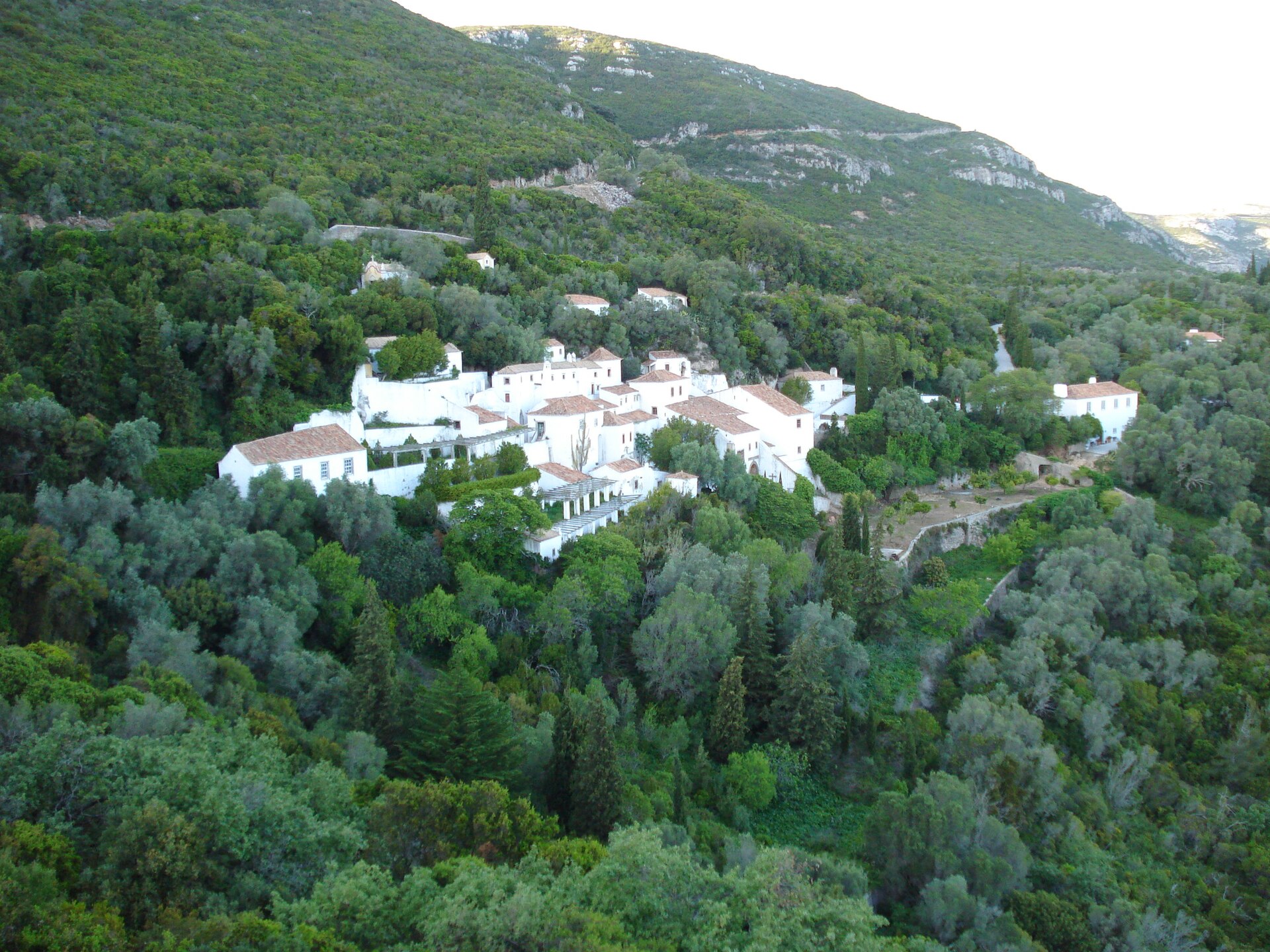
Natura 2000 · passage
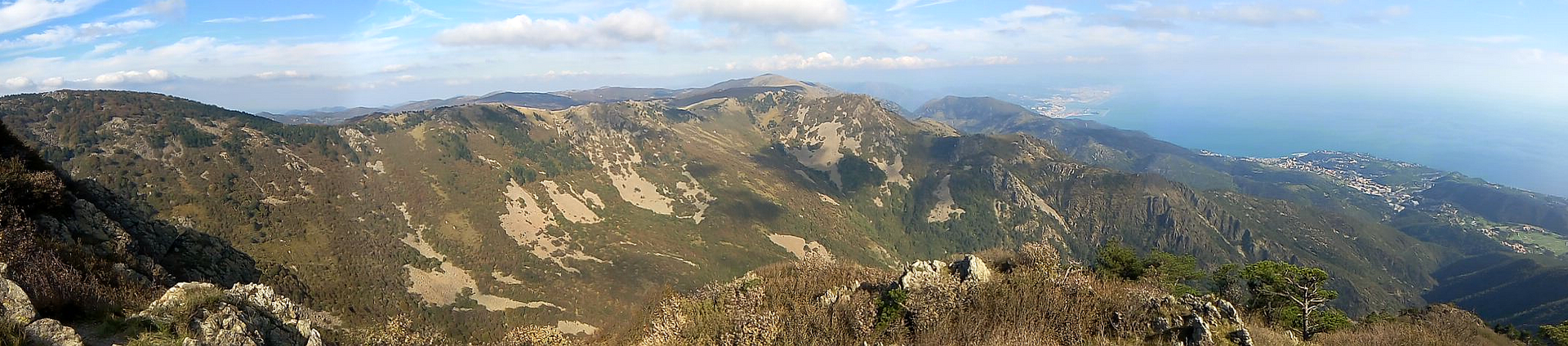
Natura 2000 · passage
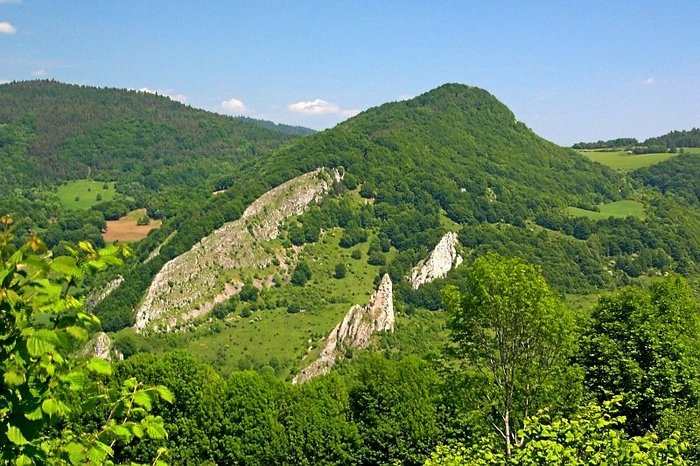
Natura 2000
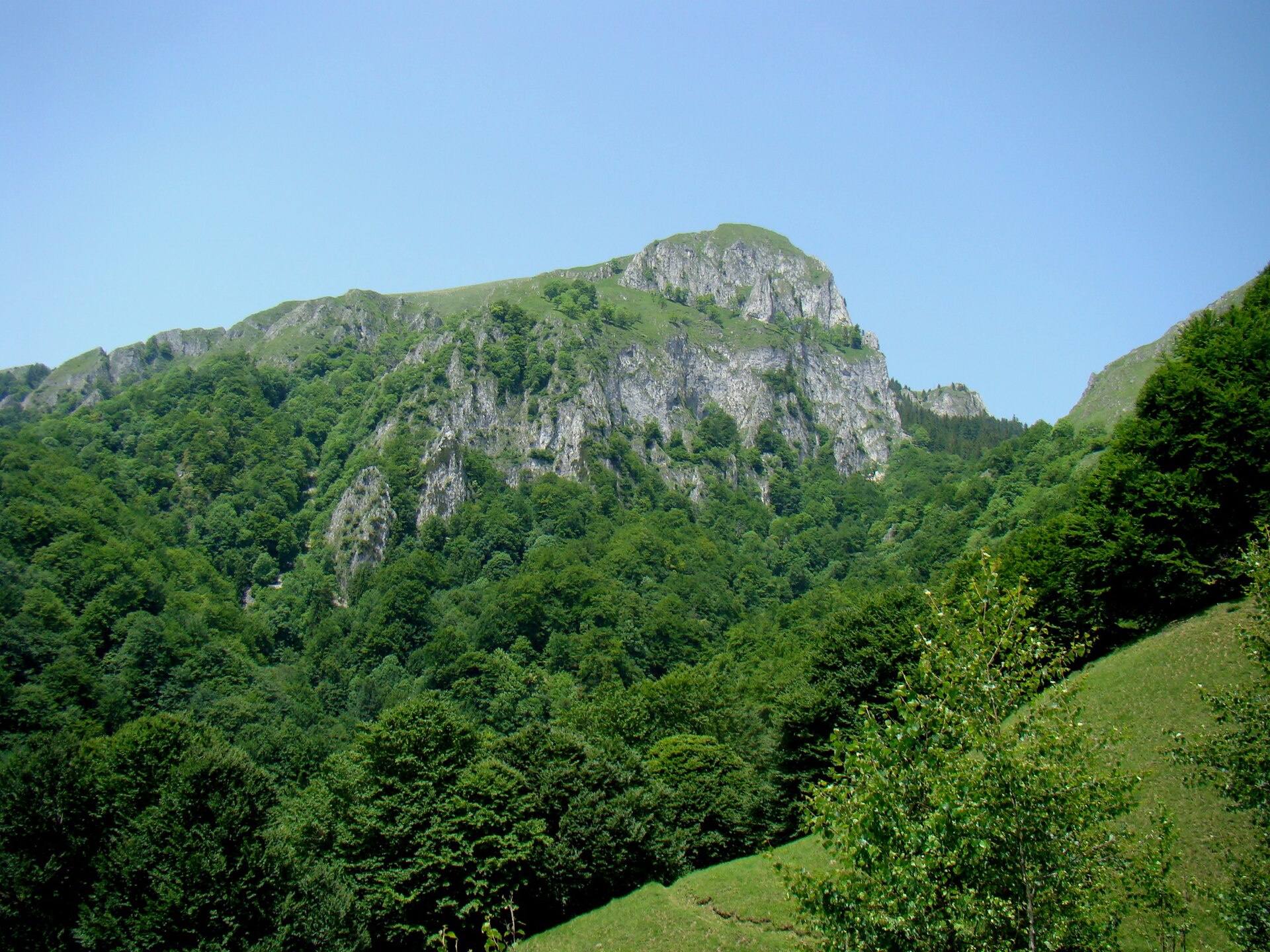
Natura 2000 · passage
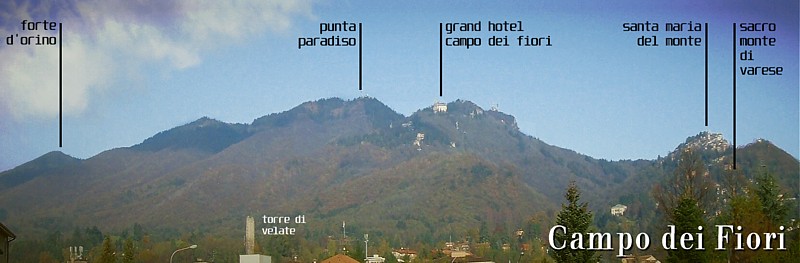
Natura 2000 · passage
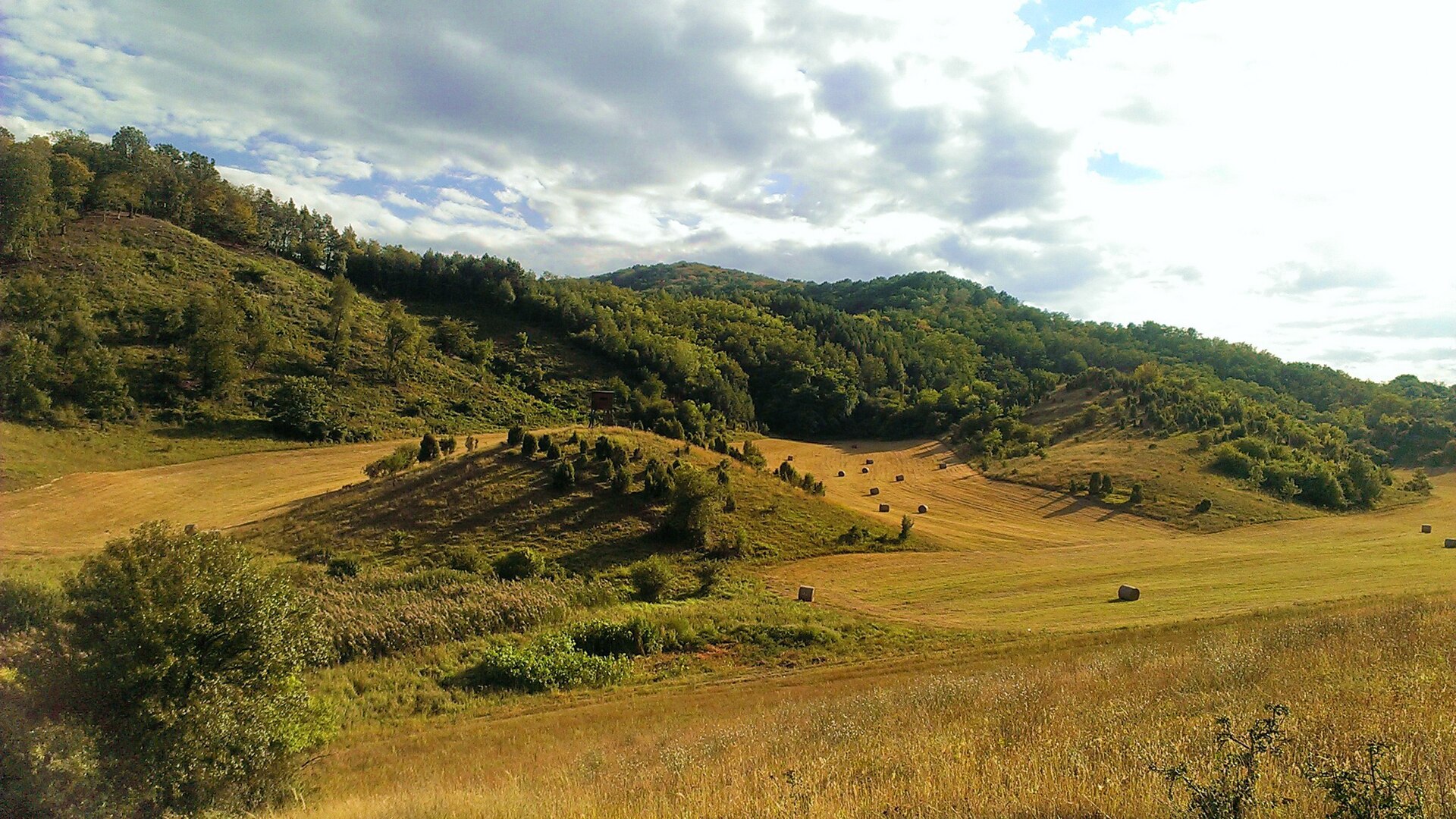
Natura 2000
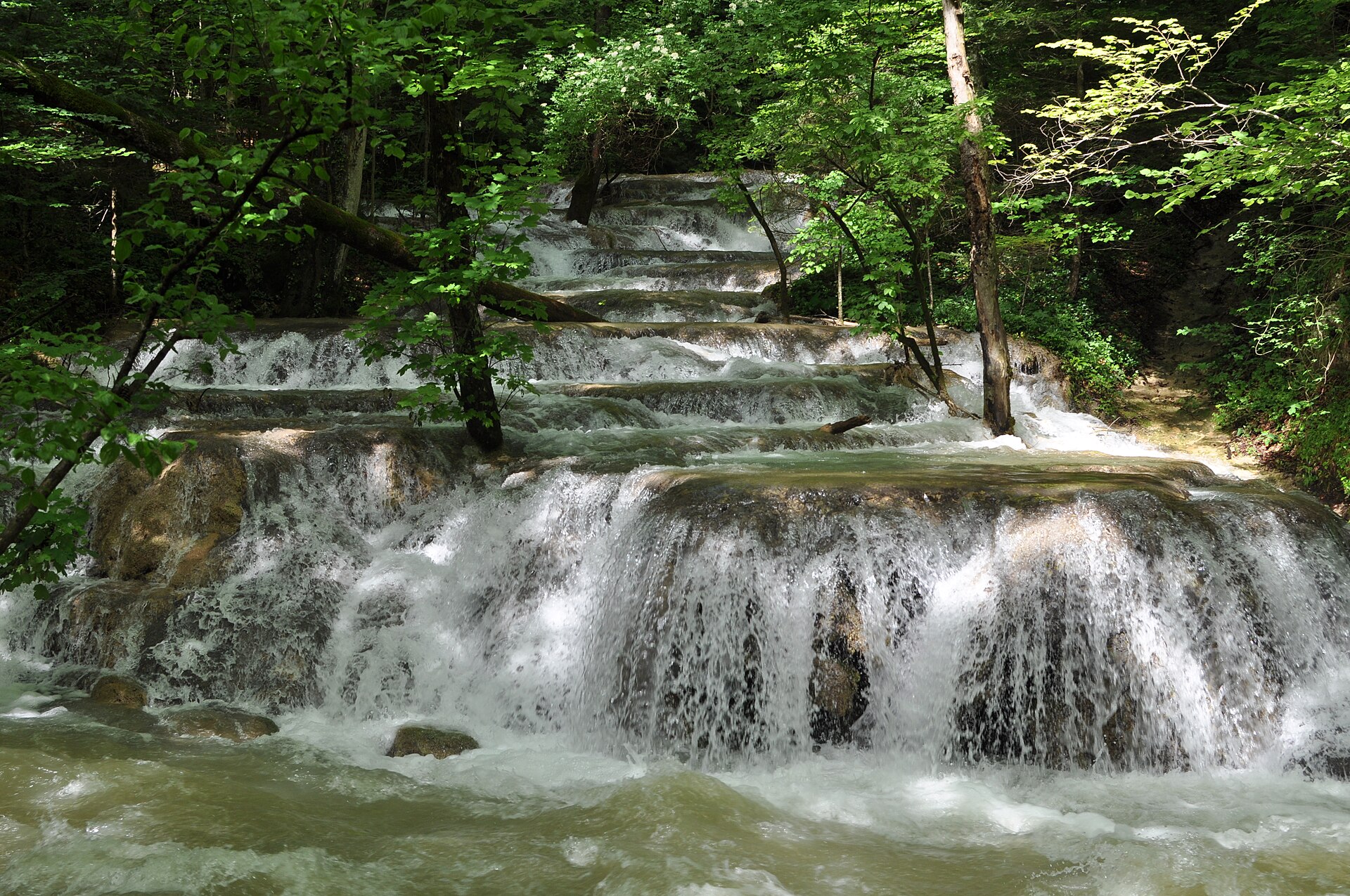
Natura 2000 · breeding
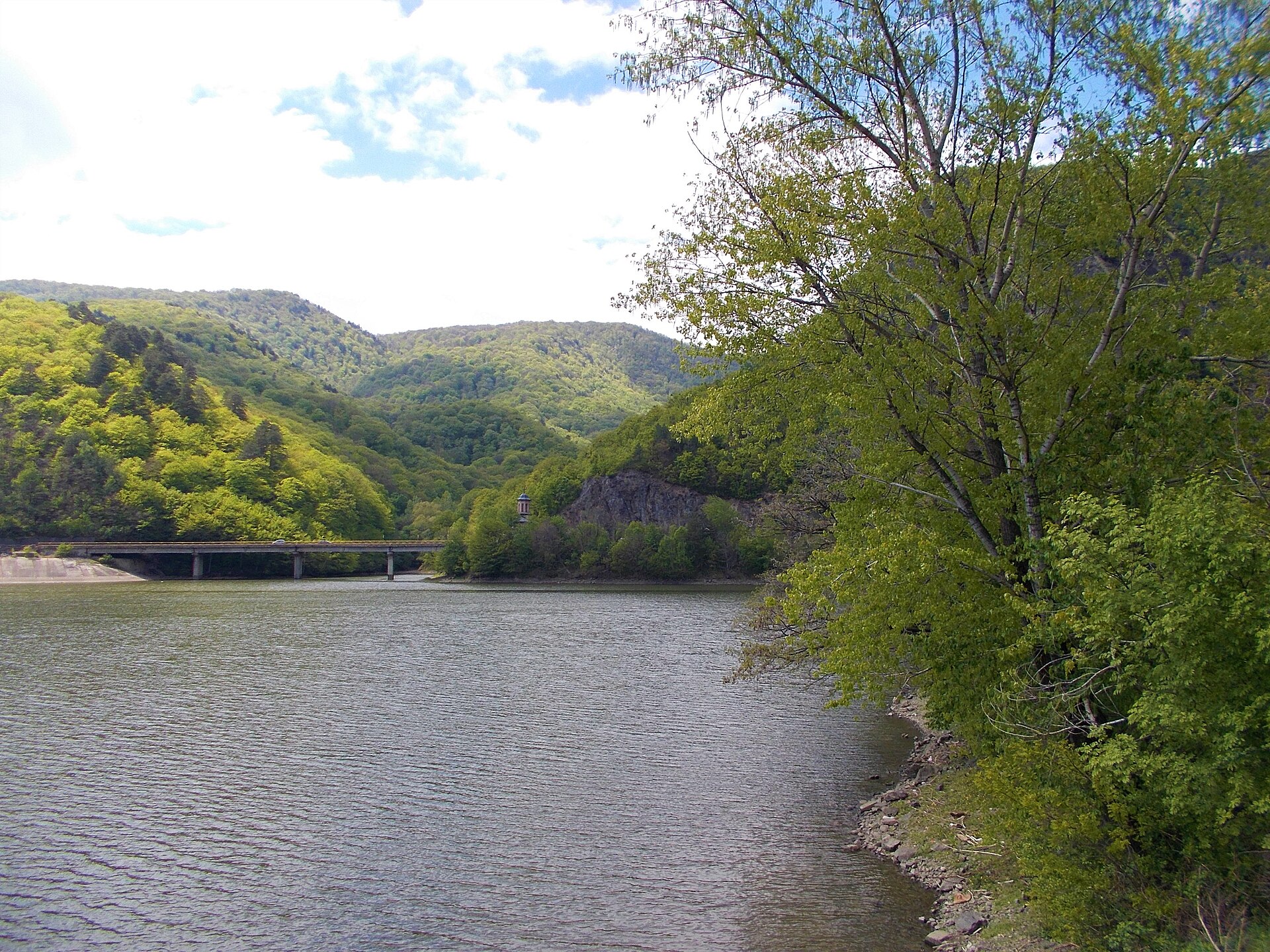
Natura 2000 · passage
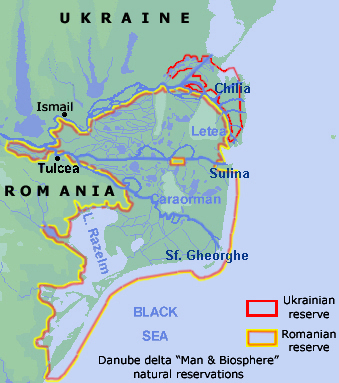
Natura 2000 · passage
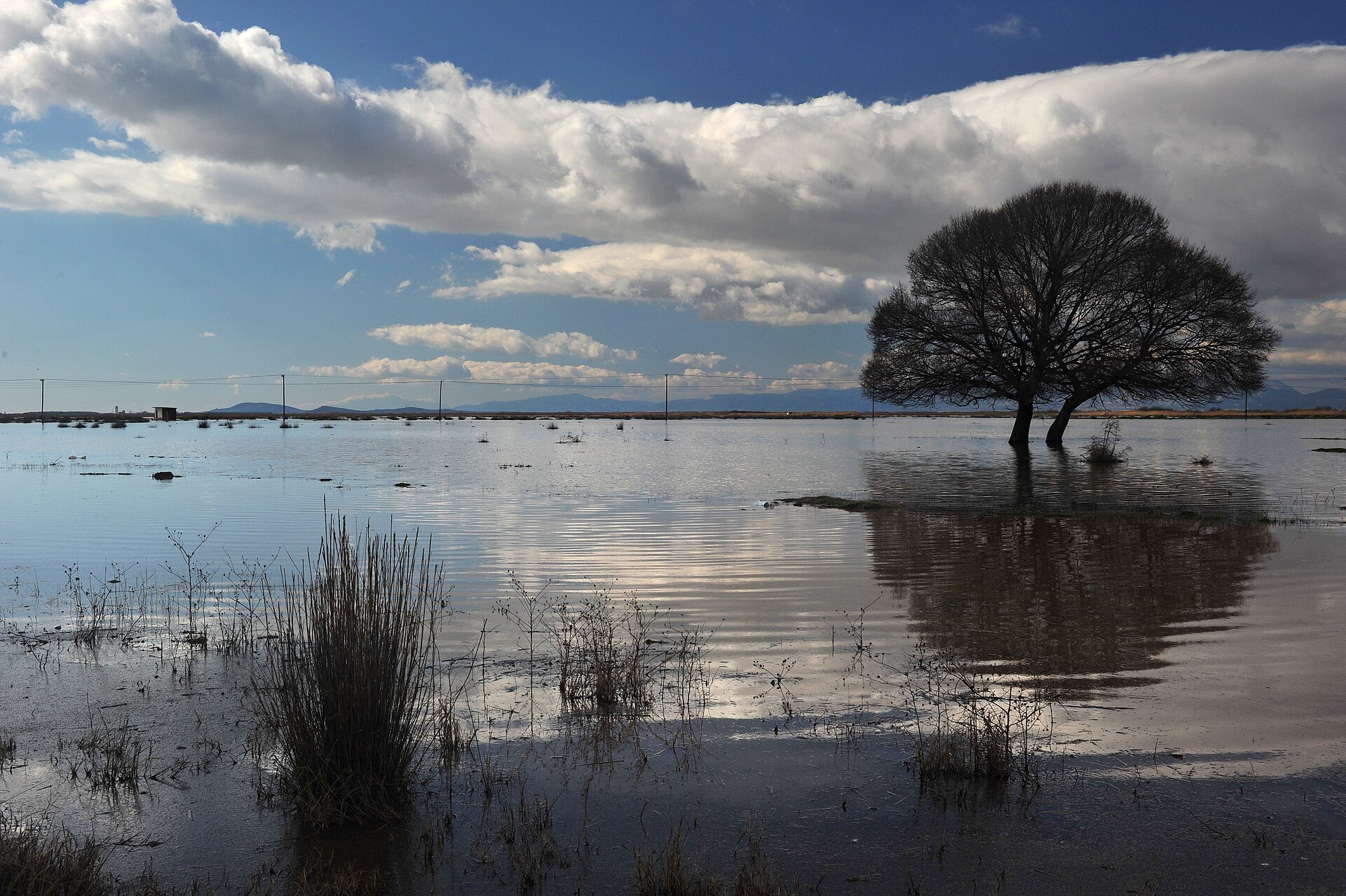
Natura 2000 · wintering, passage

Natura 2000 · passage
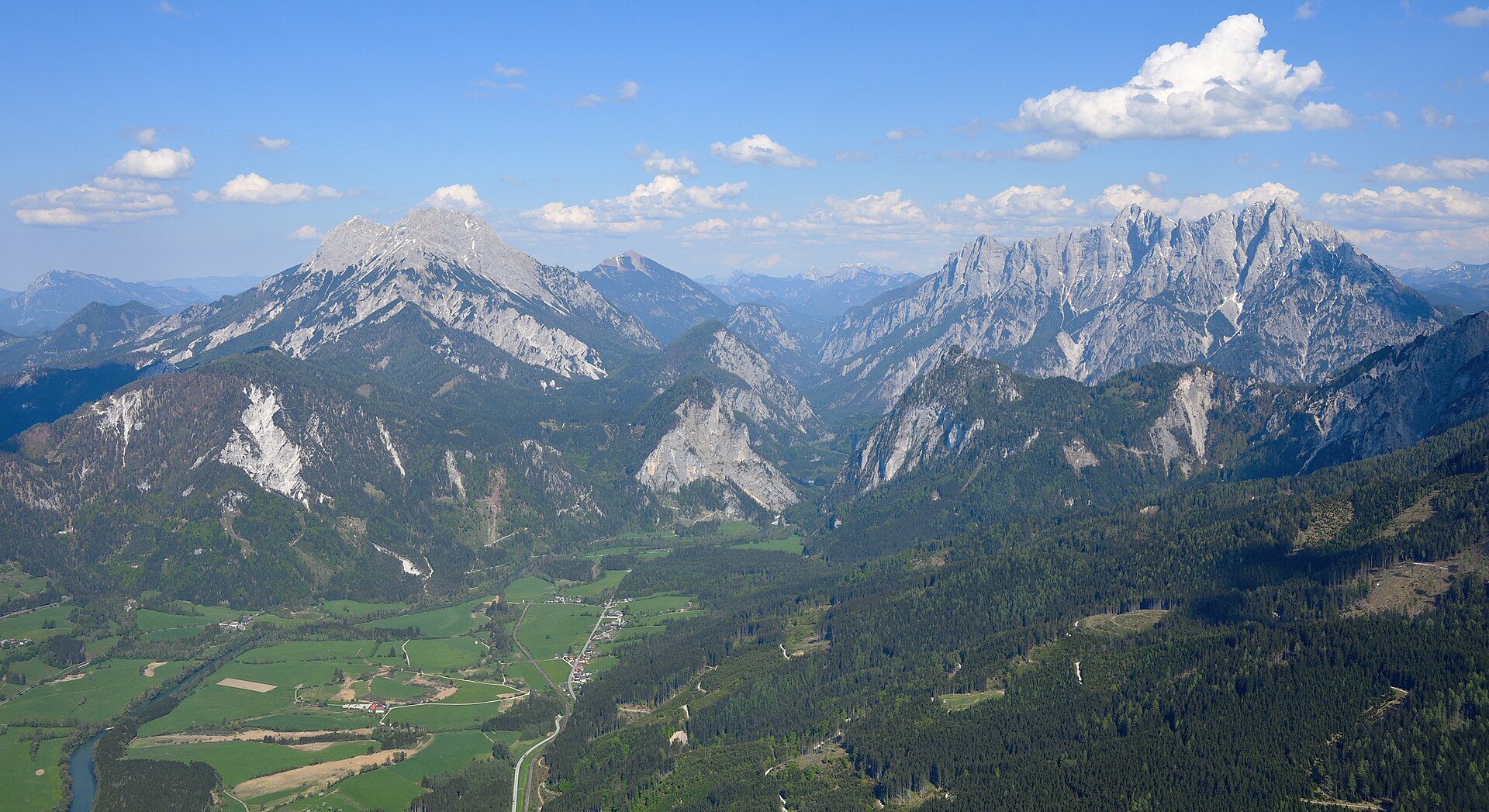
Natura 2000 · passage, breeding

Natura 2000 · breeding

Natura 2000 · breeding
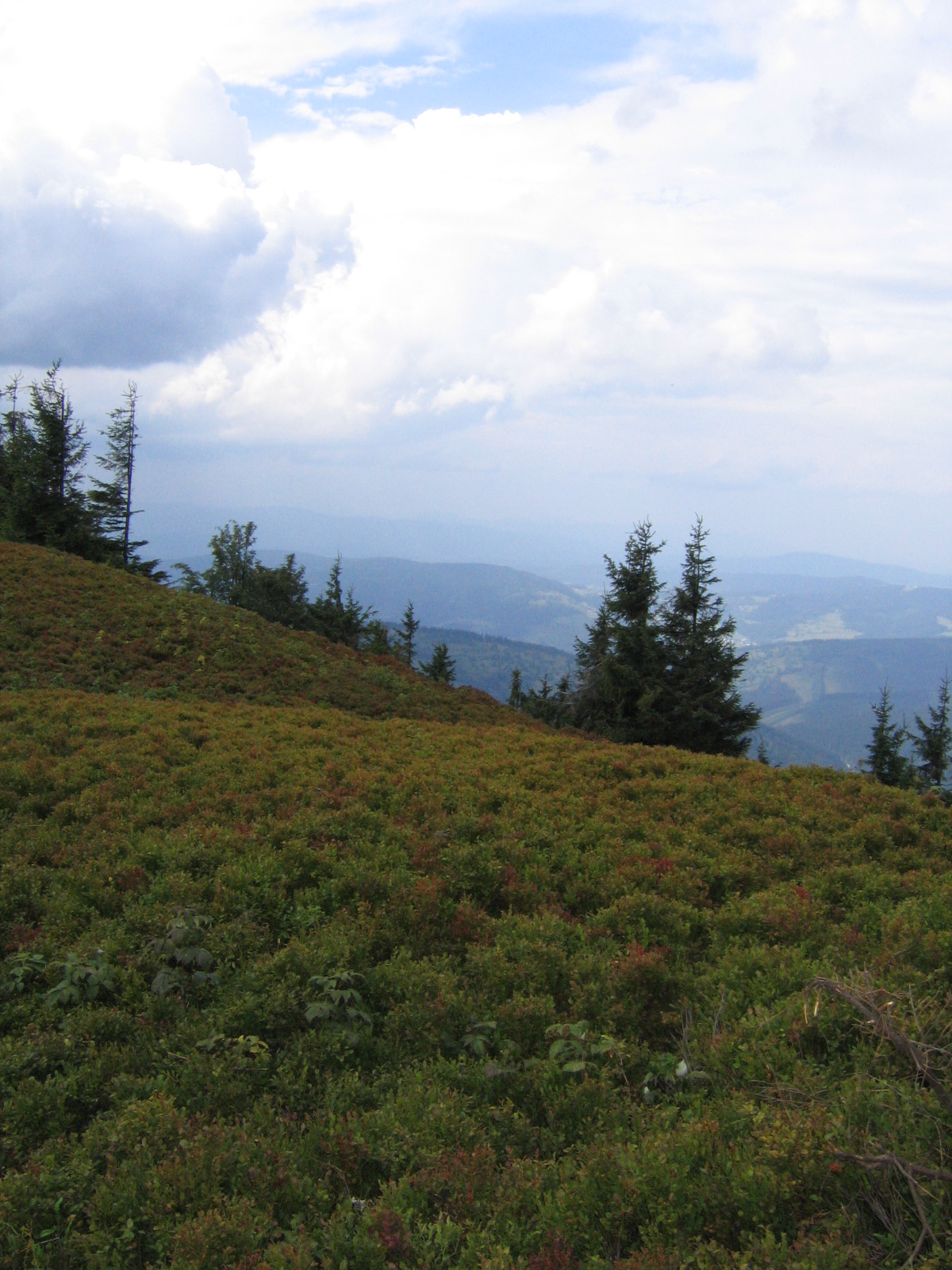
Natura 2000
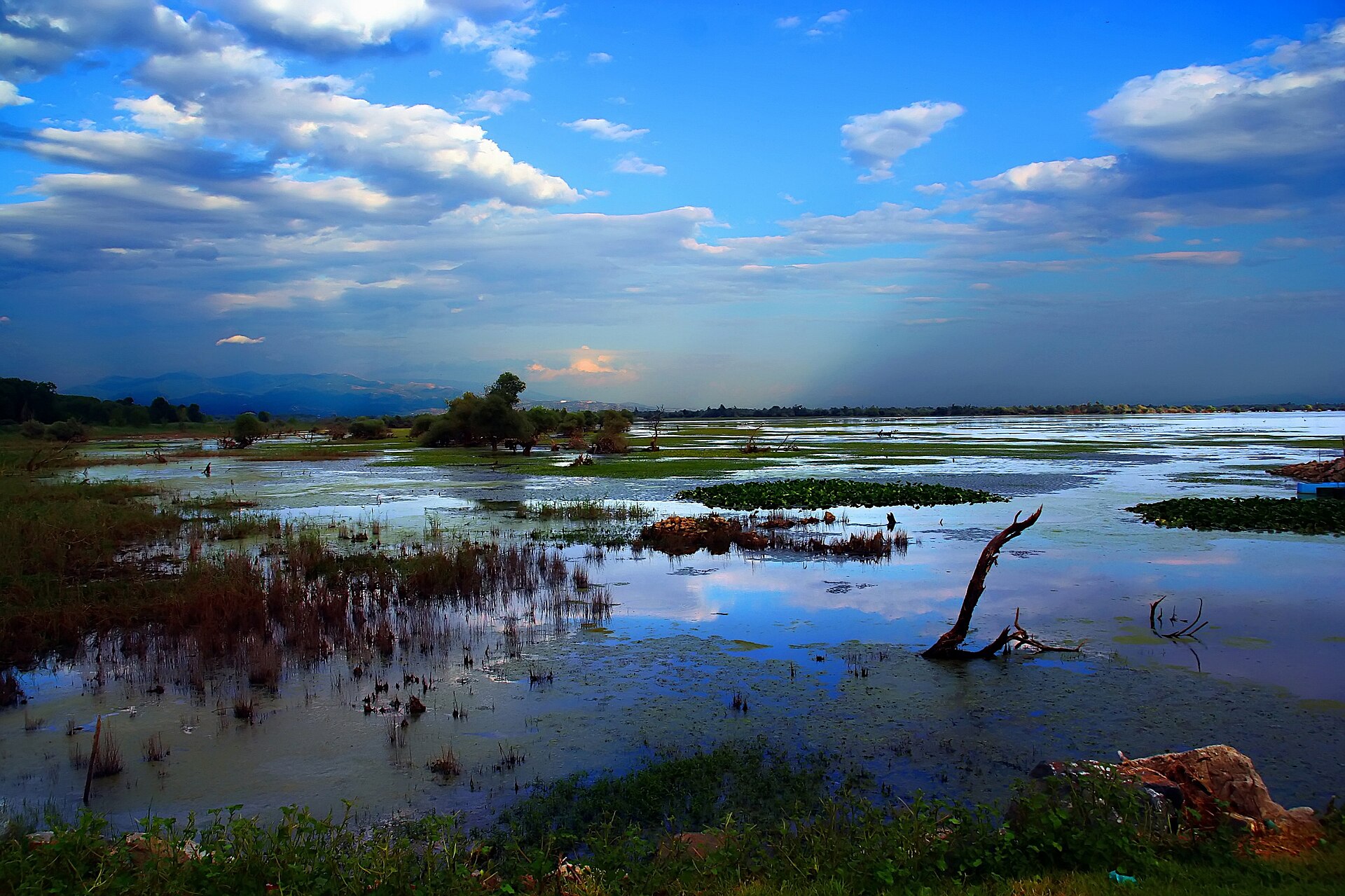
Natura 2000 · passage
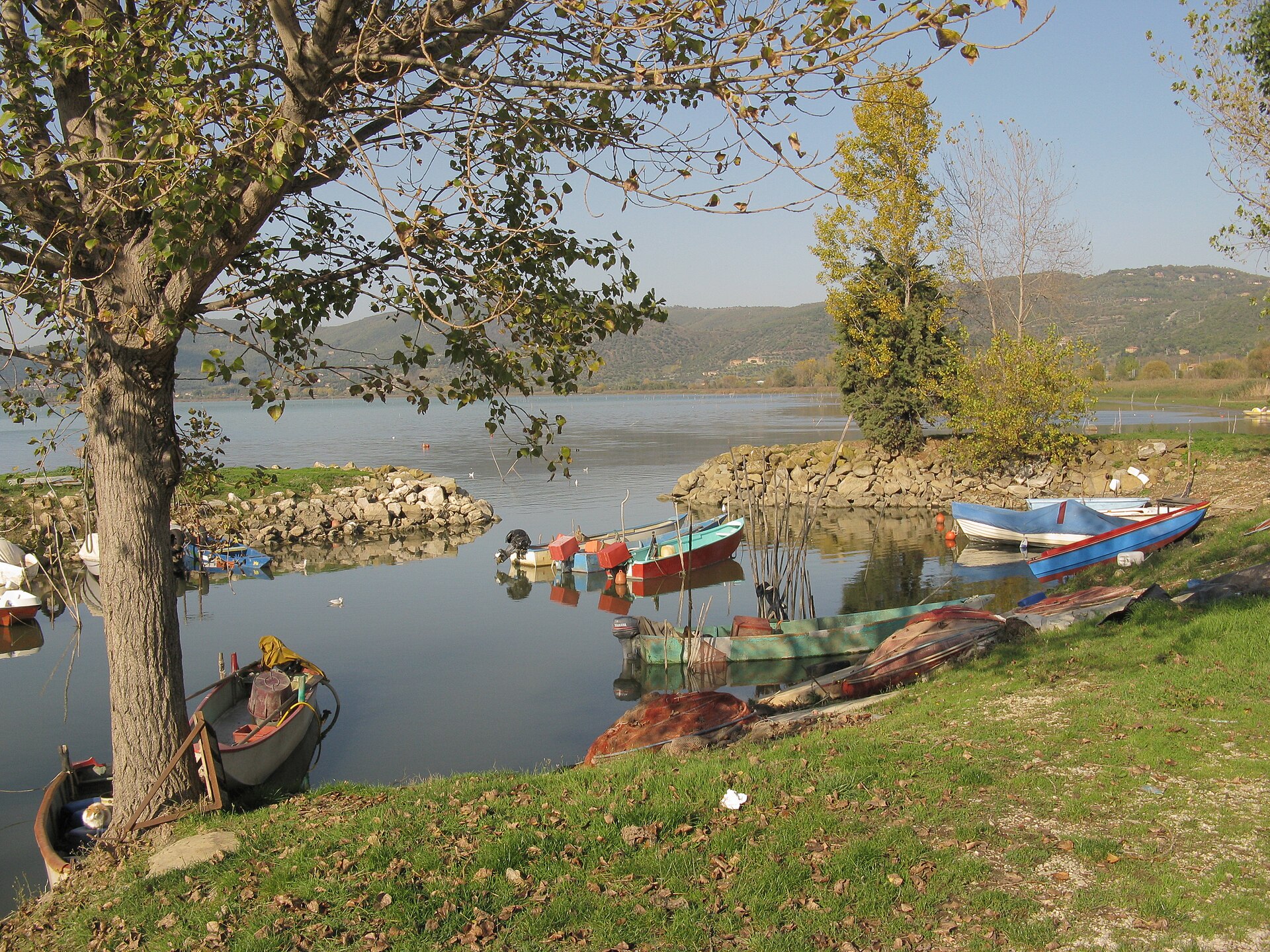
Natura 2000

Natura 2000
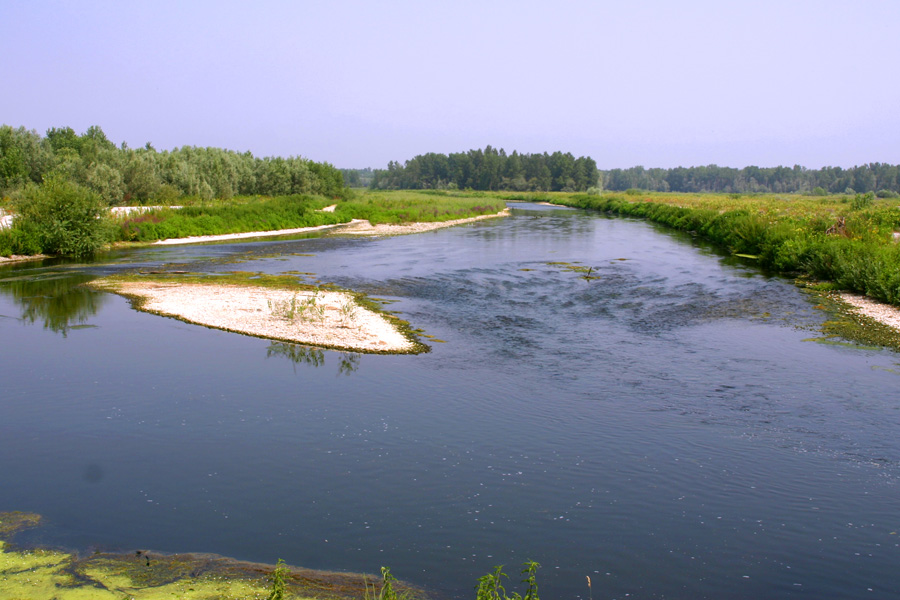
Natura 2000 · passage

Natura 2000 · passage
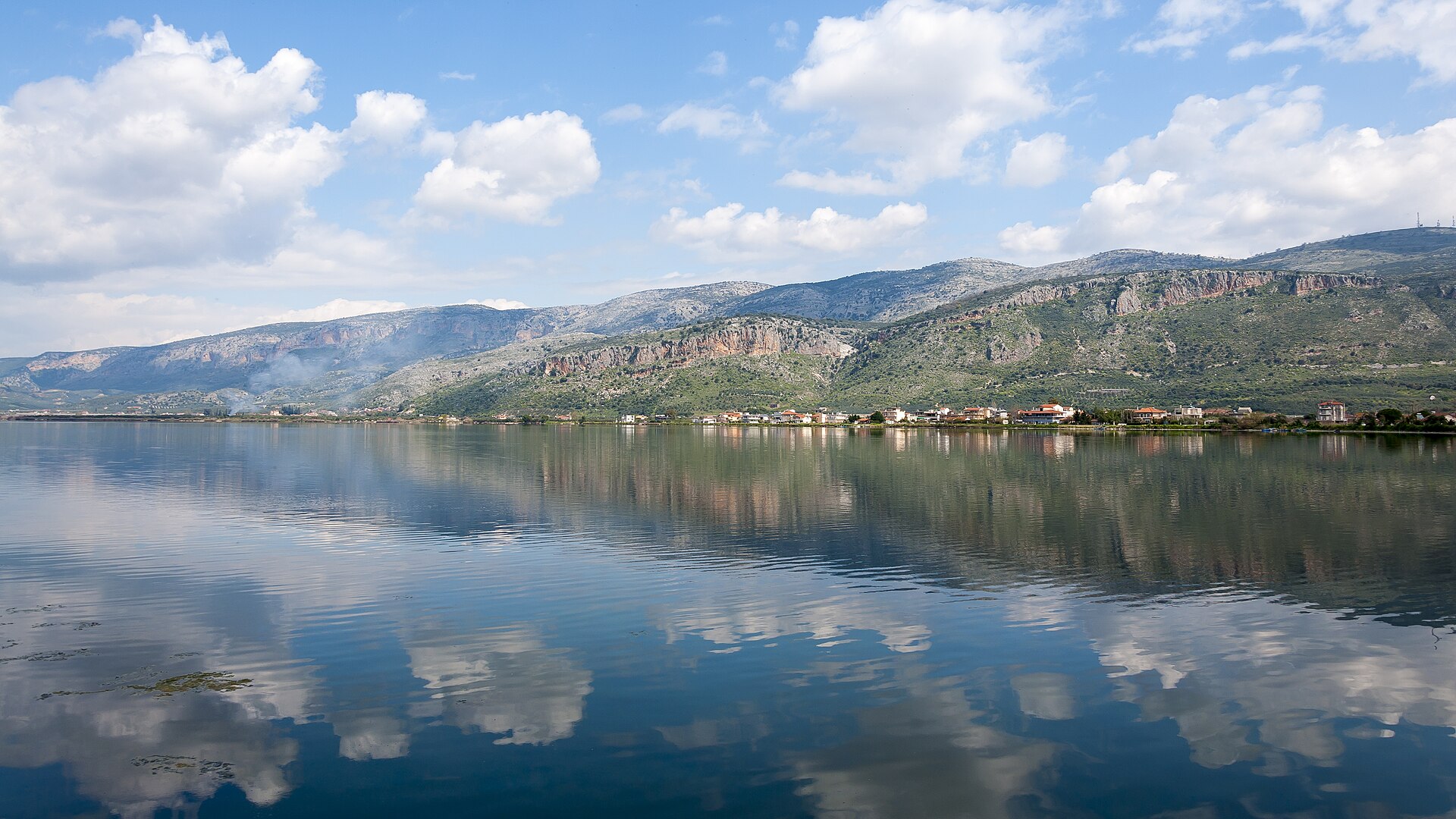
Natura 2000 · passage
Natura 2000 · passage

Natura 2000 · passage

Natura 2000
Natura 2000 · passage
Natura 2000 · passage
Natura 2000 · passage
Natura 2000 · passage
Natura 2000 · passage
Natura 2000 · passage
Natura 2000 · passage
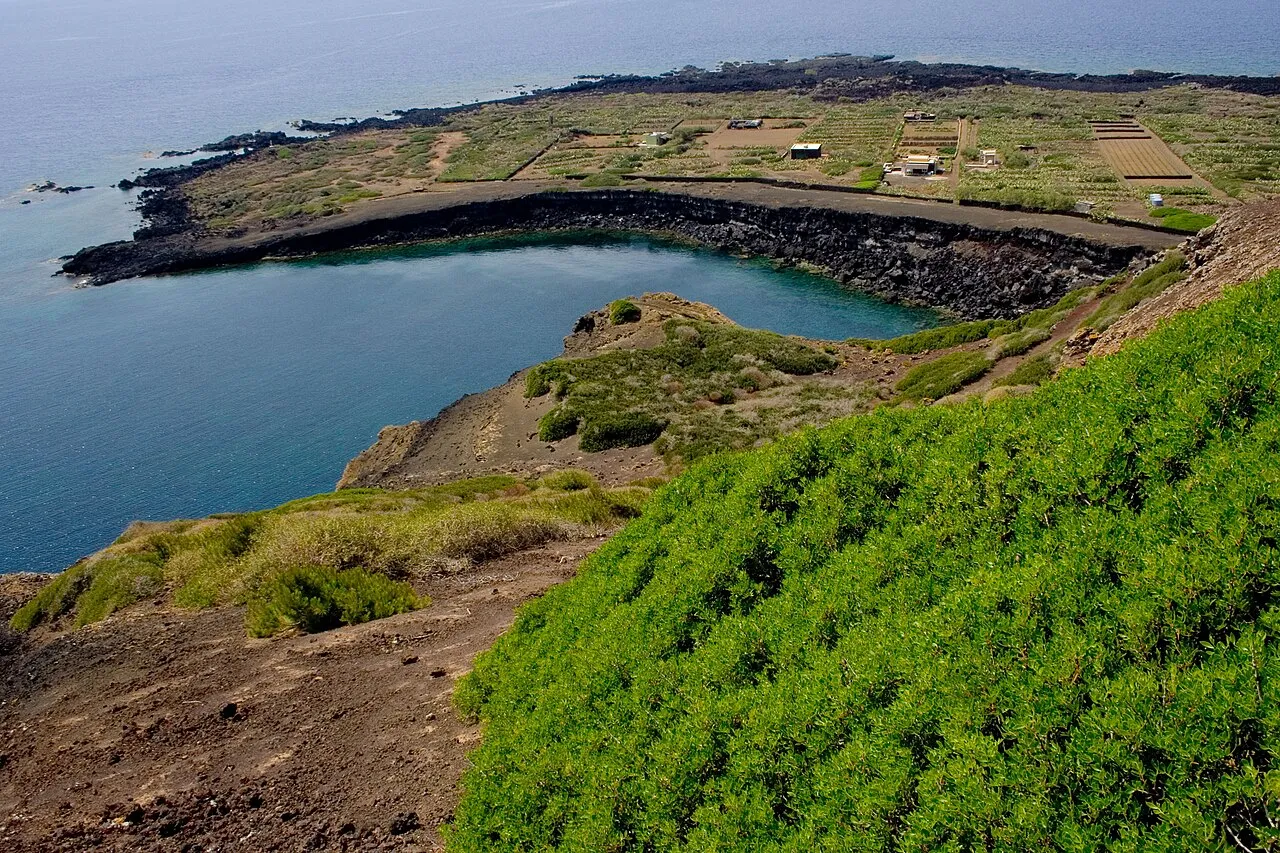
Natura 2000 · passage
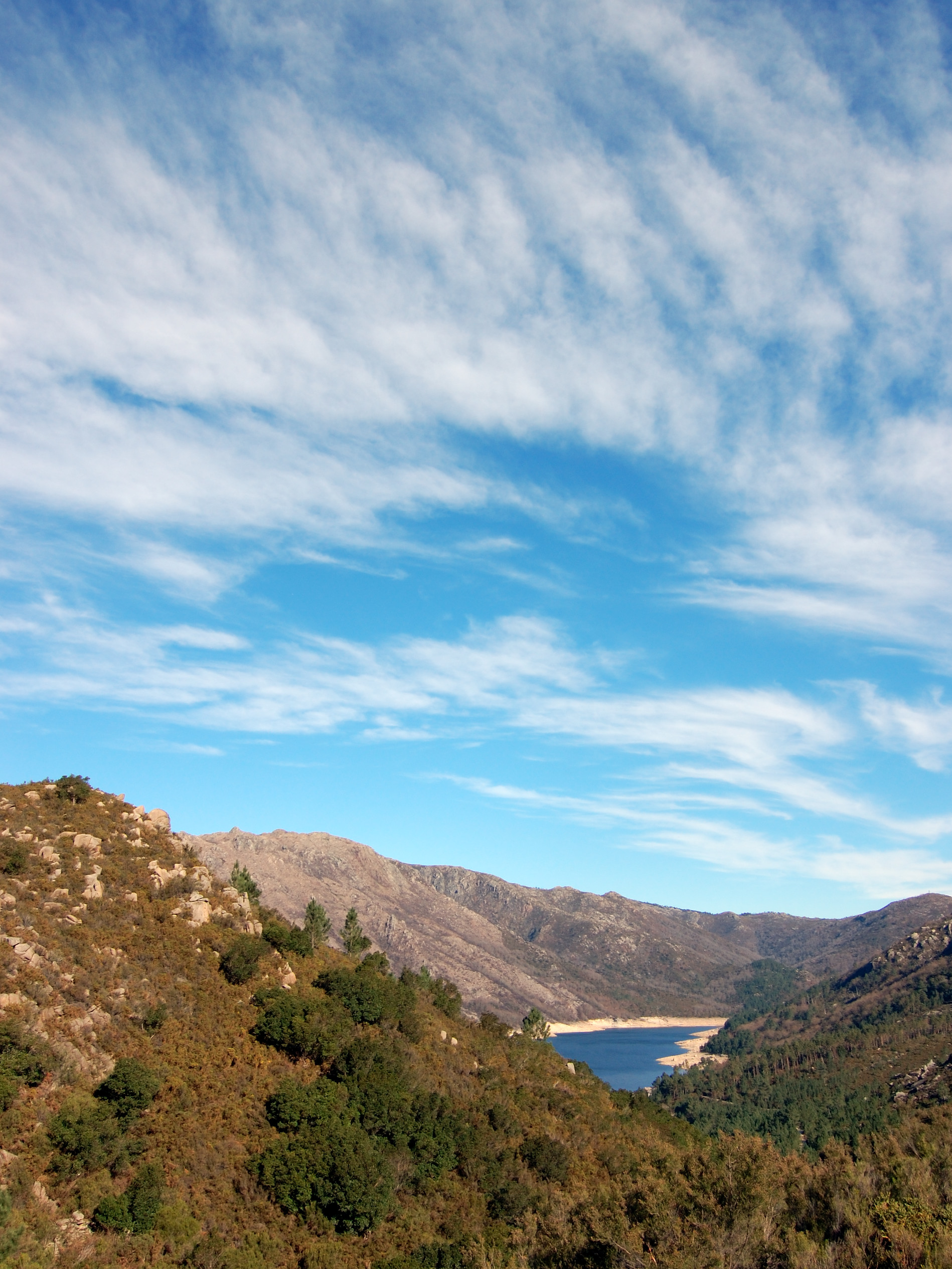
Natura 2000 · passage
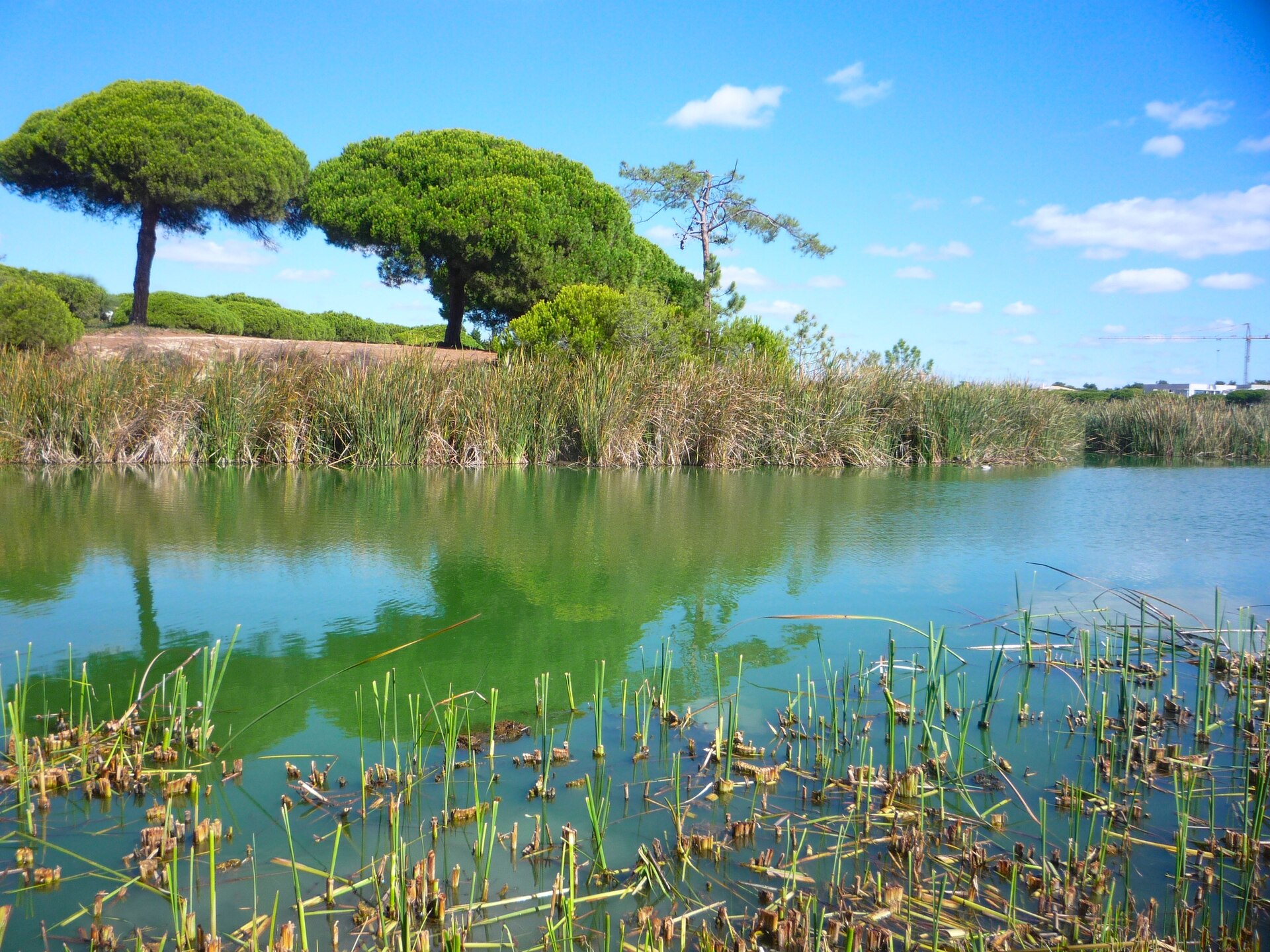
Natura 2000 · passage
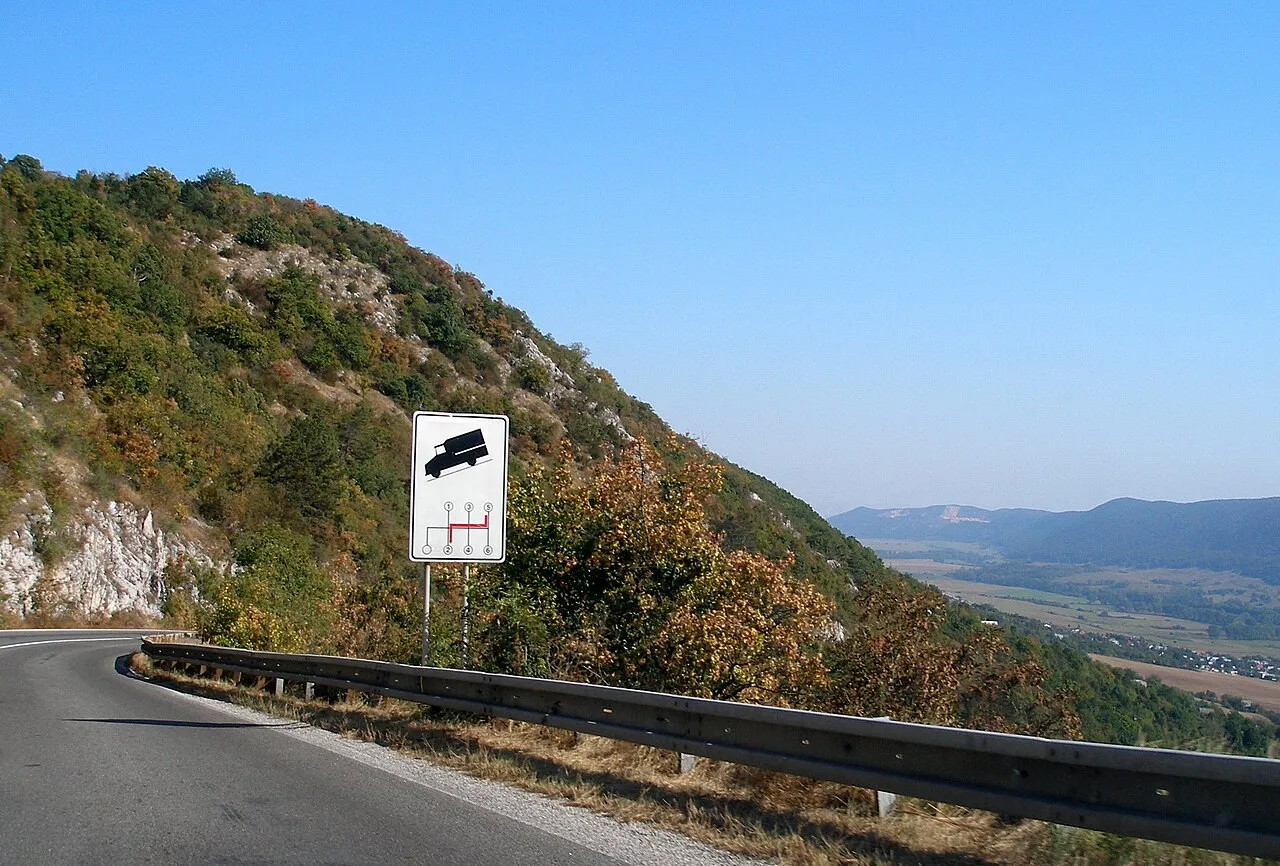
Natura 2000

Natura 2000 · passage
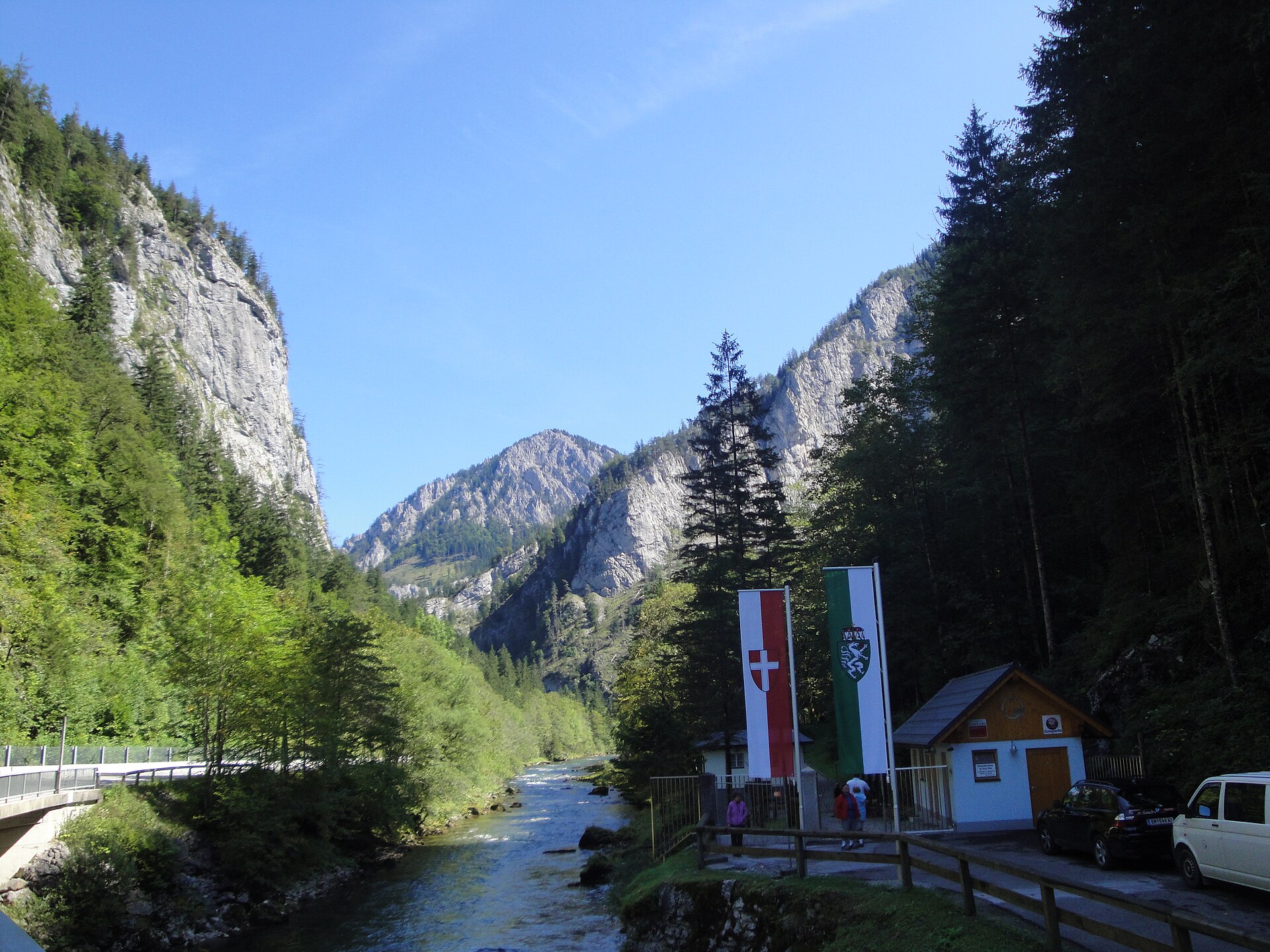
Natura 2000 · passage, breeding
Natura 2000 · passage
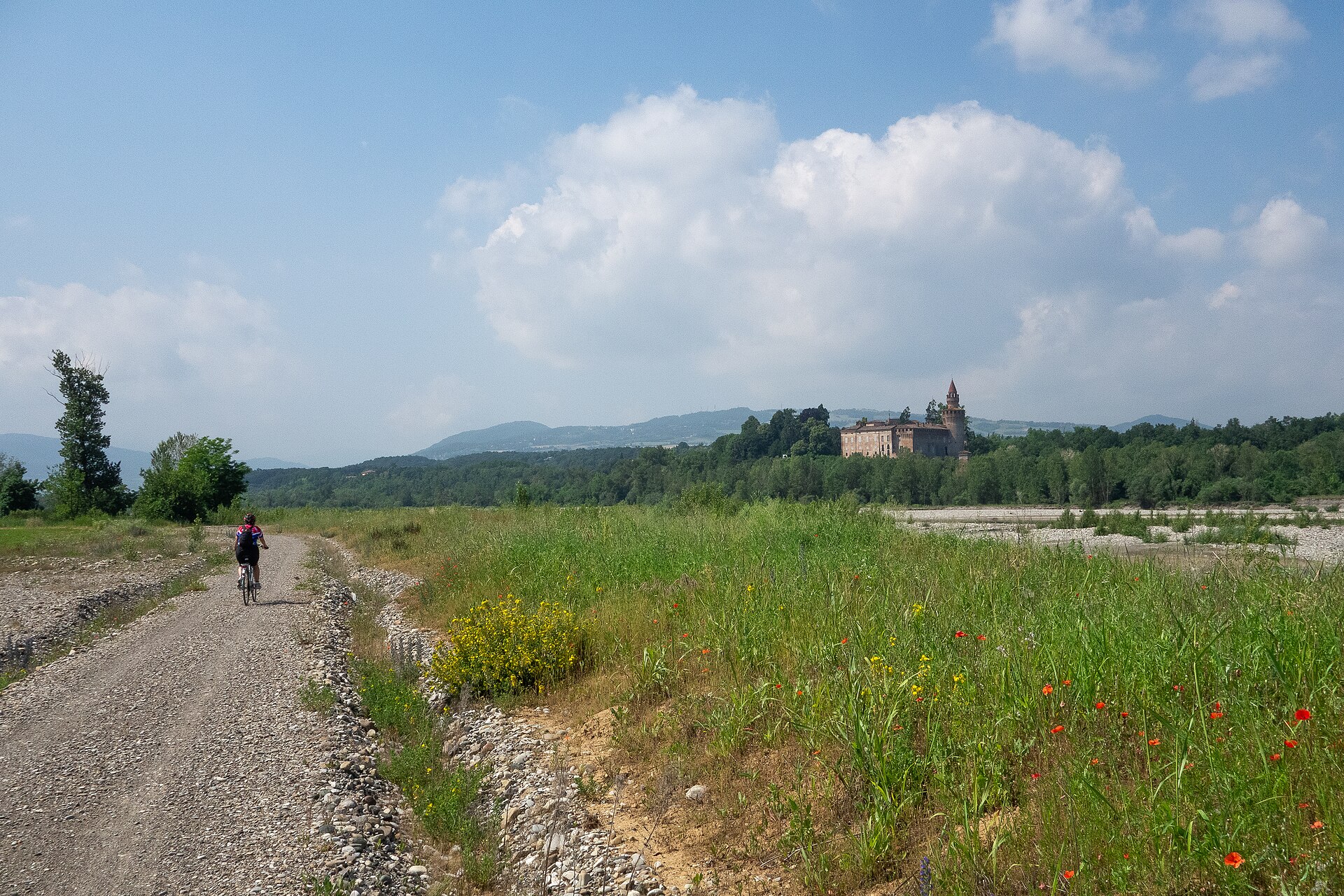
Natura 2000 · passage
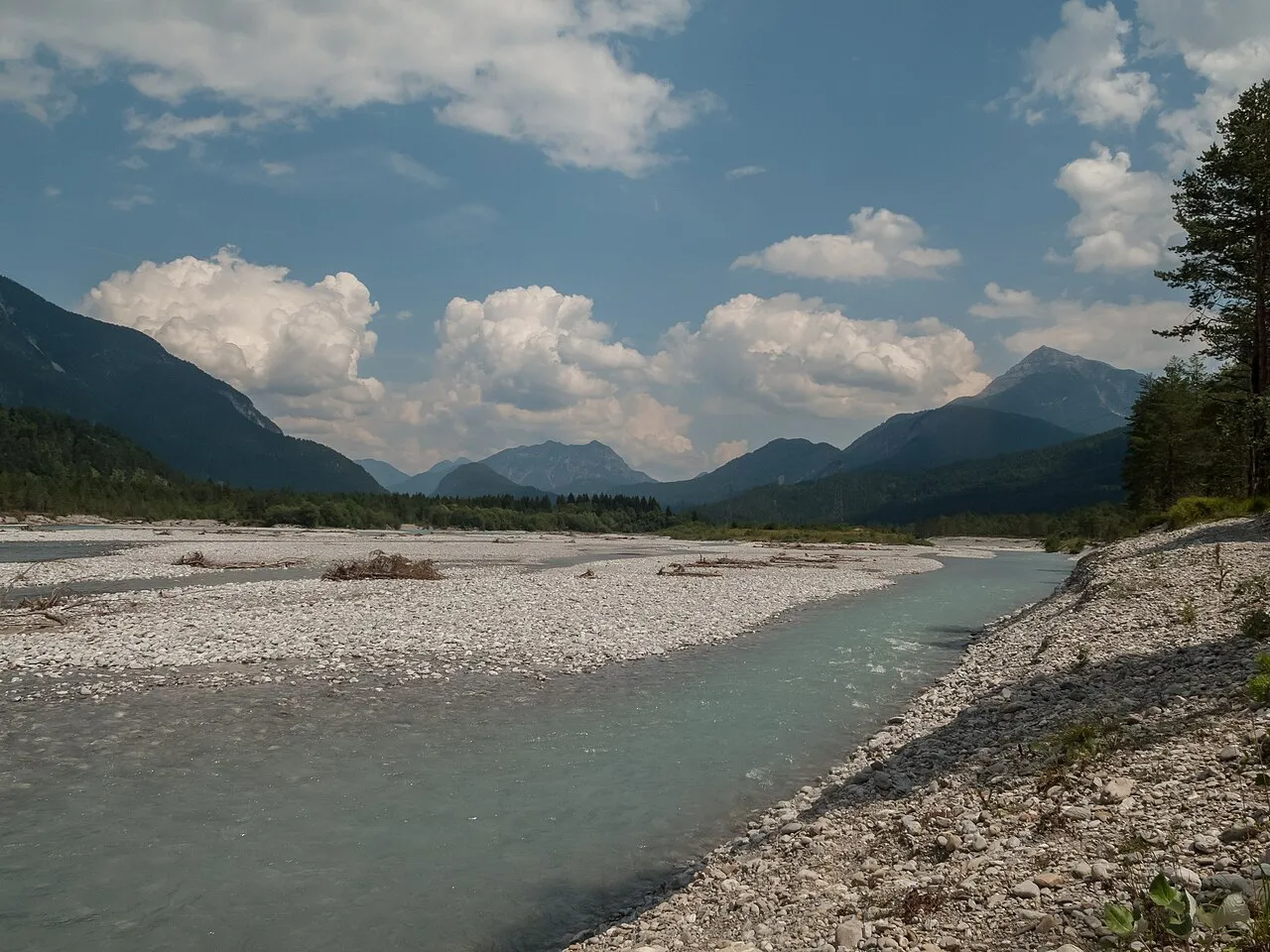
Natura 2000
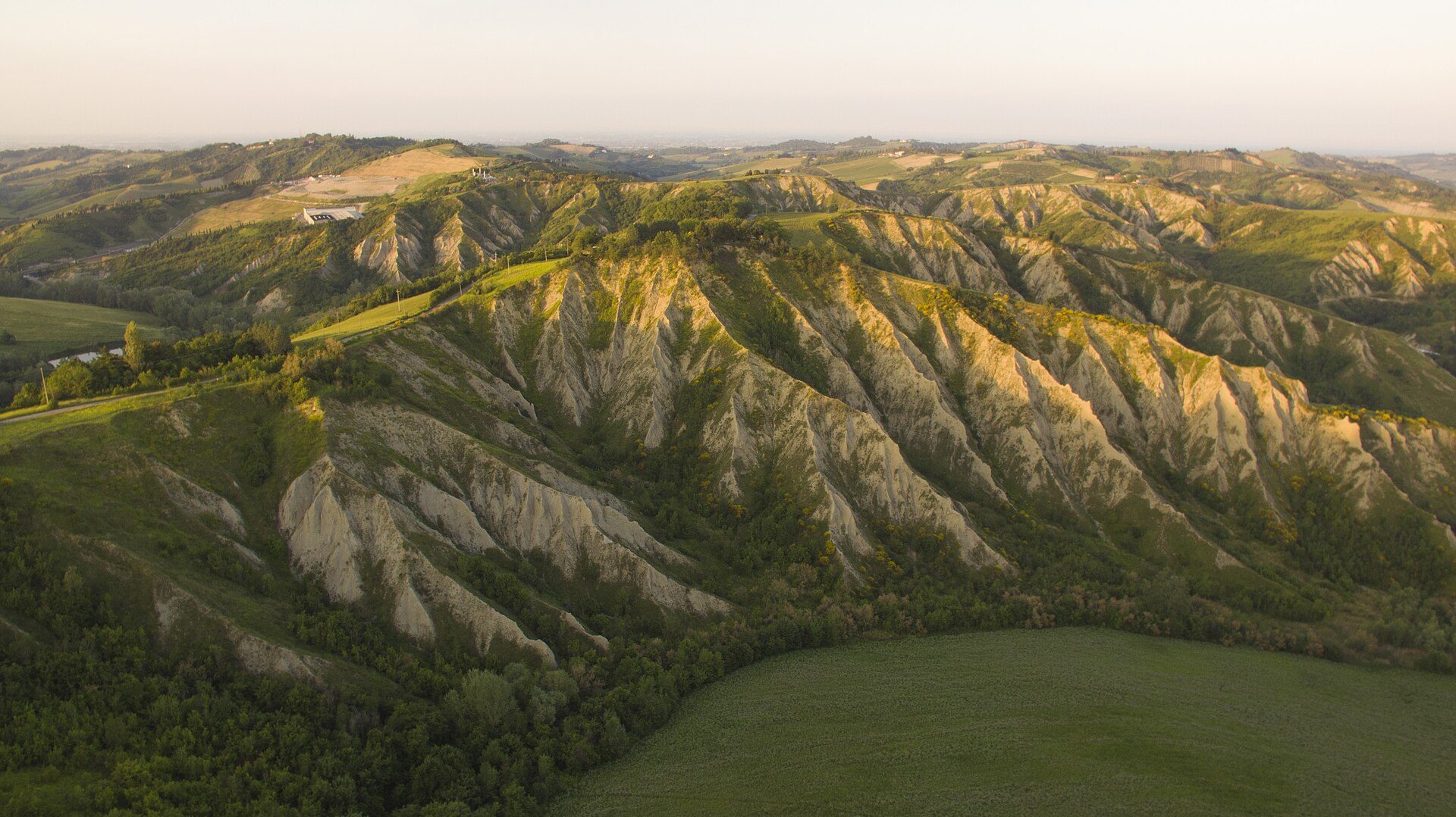
Natura 2000 · passage

Natura 2000 · breeding
Other species to discover
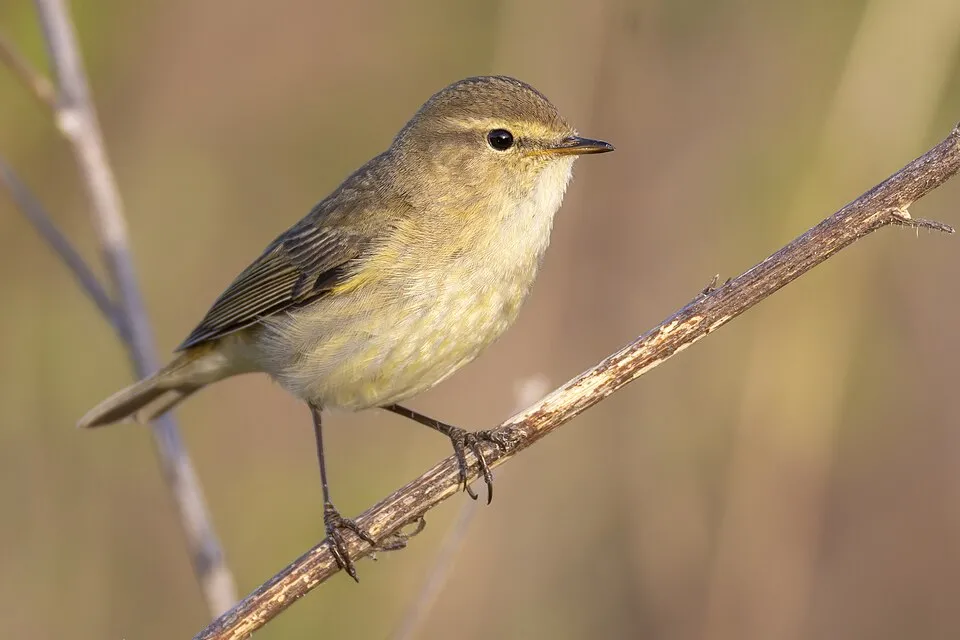 Common Chiffchaff
Phylloscopus collybita Same genus
 Yellow-browed Warbler
Phylloscopus inornatus Same genus
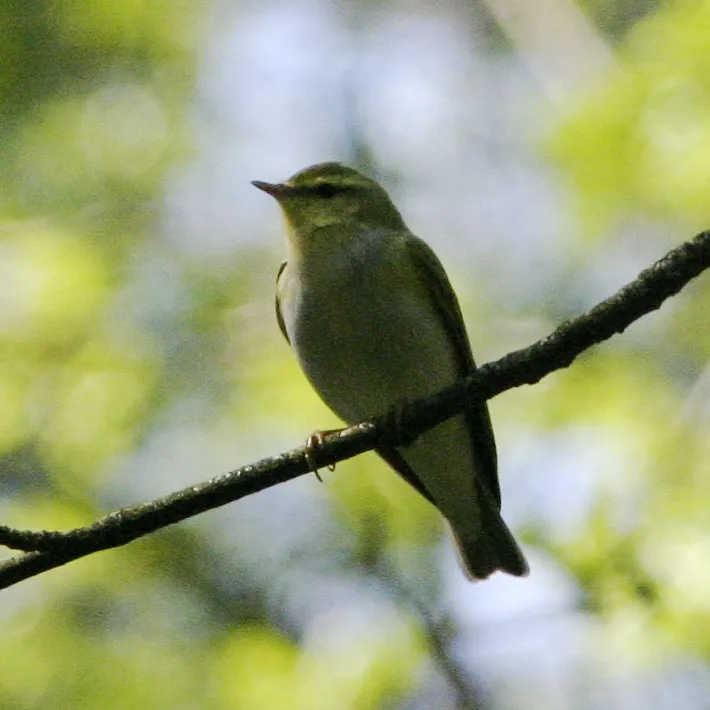 Wood Warbler
Phylloscopus sibilatrix Same genus
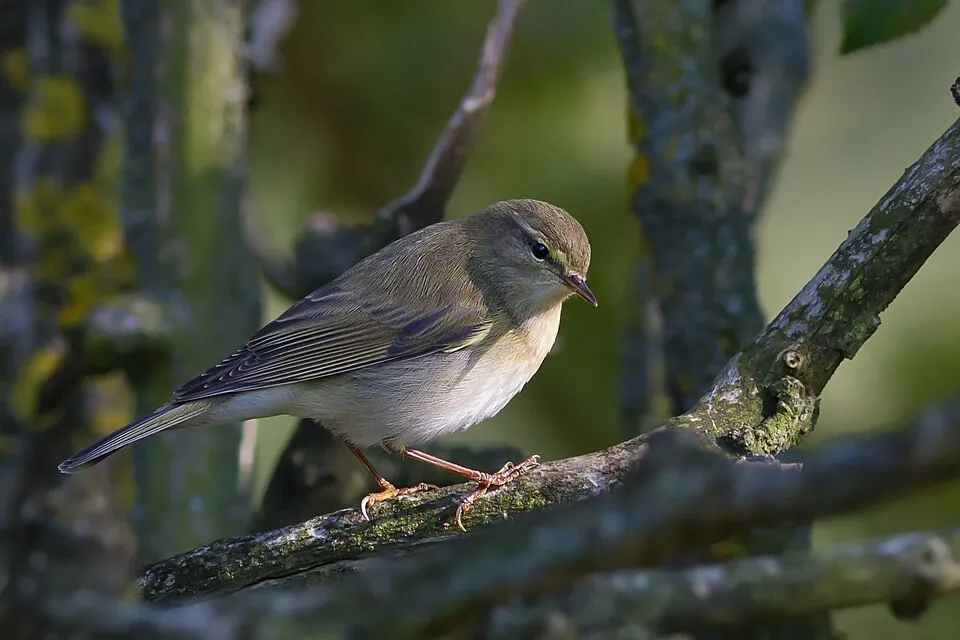 Western Bonelli's Warbler
Phylloscopus bonelli Same genus
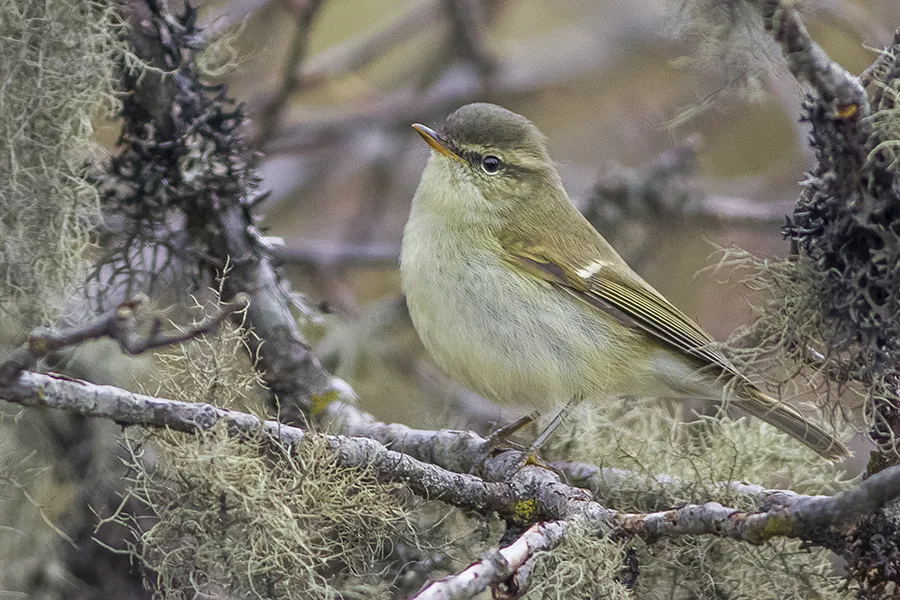 Greenish Warbler
Phylloscopus trochiloides Same genus
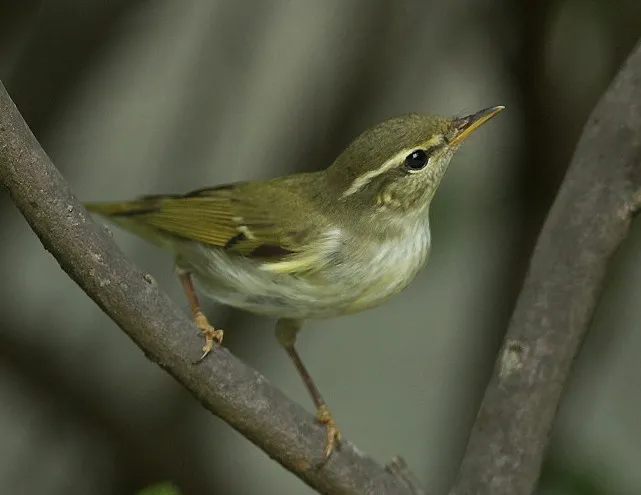 Arctic Warbler
Phylloscopus borealis Same genus
Sources and credits
- Presence: most-recorded species of each place on GBIF and species of Community interest in the Natura 2000 forms (EEA, CC-BY 4.0); absence from the list does not mean the species is absent.
- Common names: Wikidata (CC0) and GBIF.
- Photos and sounds: Wikimedia Commons, author and licence given for each file.
- Classification: GBIF Backbone Taxonomy (GBIF Secretariat), CC BY 4.0, doi:10.15468/39omei.
- Countries, elevations, months and maps: GBIF.org, CC0 or CC BY 4.0 occurrences only, accessed October 22, 2026, GBIF.org.
- Base map: Natural Earth (public domain).
- Excerpt: Wikipedia, CC BY-SA 4.0 (full credit below the excerpt).
- Key facts: Wikidata (CC0), with the references cited under each value.
- EU bird populations: EEA / DG ENV, Article 12 Birds Directive reporting (2013–2018), CC BY 4.0.