
Oiseau
Râle d'eau : où l’observer ?
Rallus aquaticus
Cette espèce d'oiseau est signalée dans 163 espaces protégés de l'atlas, dont 156 où elle figure au formulaire officiel Natura 2000. Dans les pays de l'atlas, elle est surtout observée en Suède, en France et au Royaume-Uni (16 pays au total). Les observations se répartissent sur toute l'année. Son envergure est de 42 cm.
Meilleure période d'observation : toute l'année
Observations publiées sur le GBIF par mois (licences CC0 et CC BY 4.0 seulement), dans les pays de l'atlas, toutes années confondues ; elles reflètent aussi l'activité des observateurs.
Caractéristiques
- Envergure
- 42 cm Wikidata, d’après app.bto.org
- Masse (femelle)
- 98 g Wikidata, d’après Handbook of the Birds of Europe, the Middle East and North Africa
- Masse (mâle)
- 125 g Wikidata, d’après Handbook of the Birds of Europe, the Middle East and North Africa
- Ponte
- 8,1 œufs en moyenne Wikidata, d’après Jetz et al. 2008
- Incubation
- 20 jours Wikidata, d’après British Trust for Ornithology
Statut et protection
Directive Oiseaux II/B
Espèce inscrite à l'annexe II/B de la directive Oiseaux.
Répartition
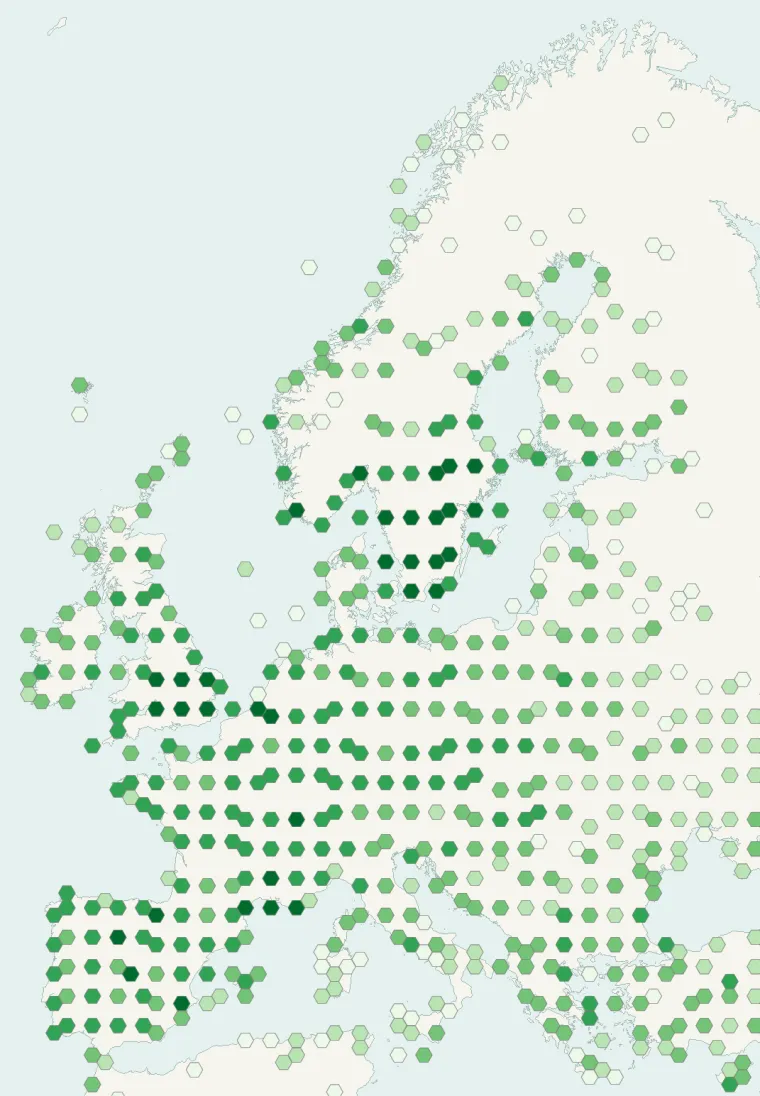
Observations publiées sur le GBIF (licences CC0 et CC BY 4.0) : plus la teinte est foncée, plus elles sont nombreuses ; elles reflètent aussi l'effort d'observation.
Pays de l'atlas où elle est observée
Écouter
-
1:18 · © Franz Lindinger · CC BY-SA 4.0 · Wikimedia Commons · Fichier d'origine
-
0:09 · © Joost van Bruggen · CC BY-SA 4.0 · Wikimedia Commons · Fichier d'origine
-
0:20 · © Joost van Bruggen · CC BY-SA 4.0 · Wikimedia Commons · Fichier d'origine
Extrait de Wikipédia
Le Râle d'eau (Rallus aquaticus) est une espèce d'oiseaux de la famille des Rallidae. L'adulte mesure de 23 à 28 cm de long et a, comme les autres râles, un corps aplati latéralement lui permettant de se frayer plus facilement un chemin dans les roselières, son habitat préférentiel. Ses parties supérieures sont brunes et ses parties inférieures gris-bleu. Il a des rayures noires sur les flancs, de longs orteils, une courte queue et un long bec rougeâtre. Les jeunes sont similaires aux adultes, mais la partie gris-bleu du plumage de l'adulte est chamoisée chez les jeunes.
Source : Wikipédia, article « Râle d'eau » (version du 16 octobre 2026) · historique et auteurs · licence CC BY-SA 4.0 · extrait raccourci
Espaces protégés où l’observer
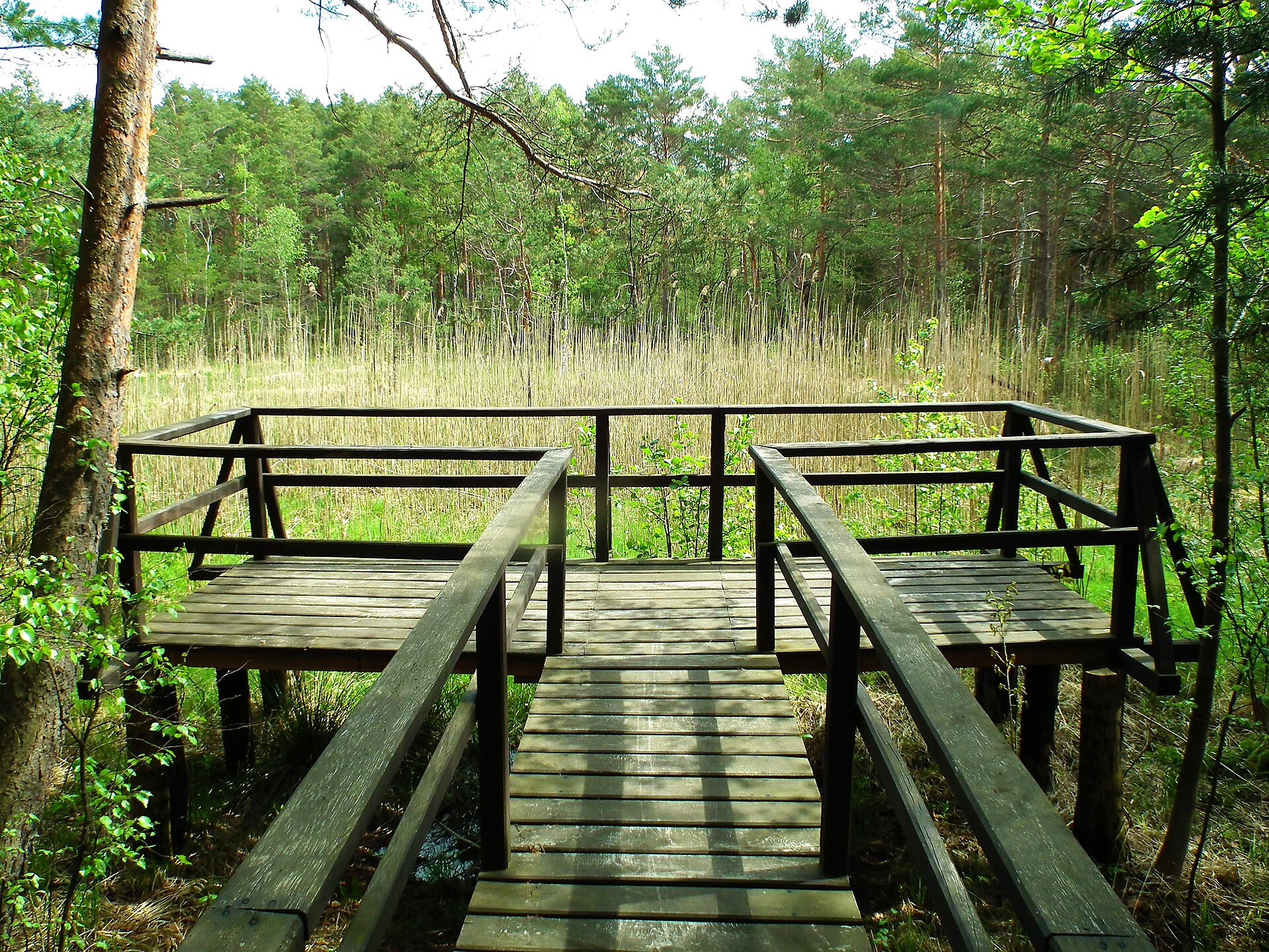
Natura 2000 · reproduction 111 observations
699 observations
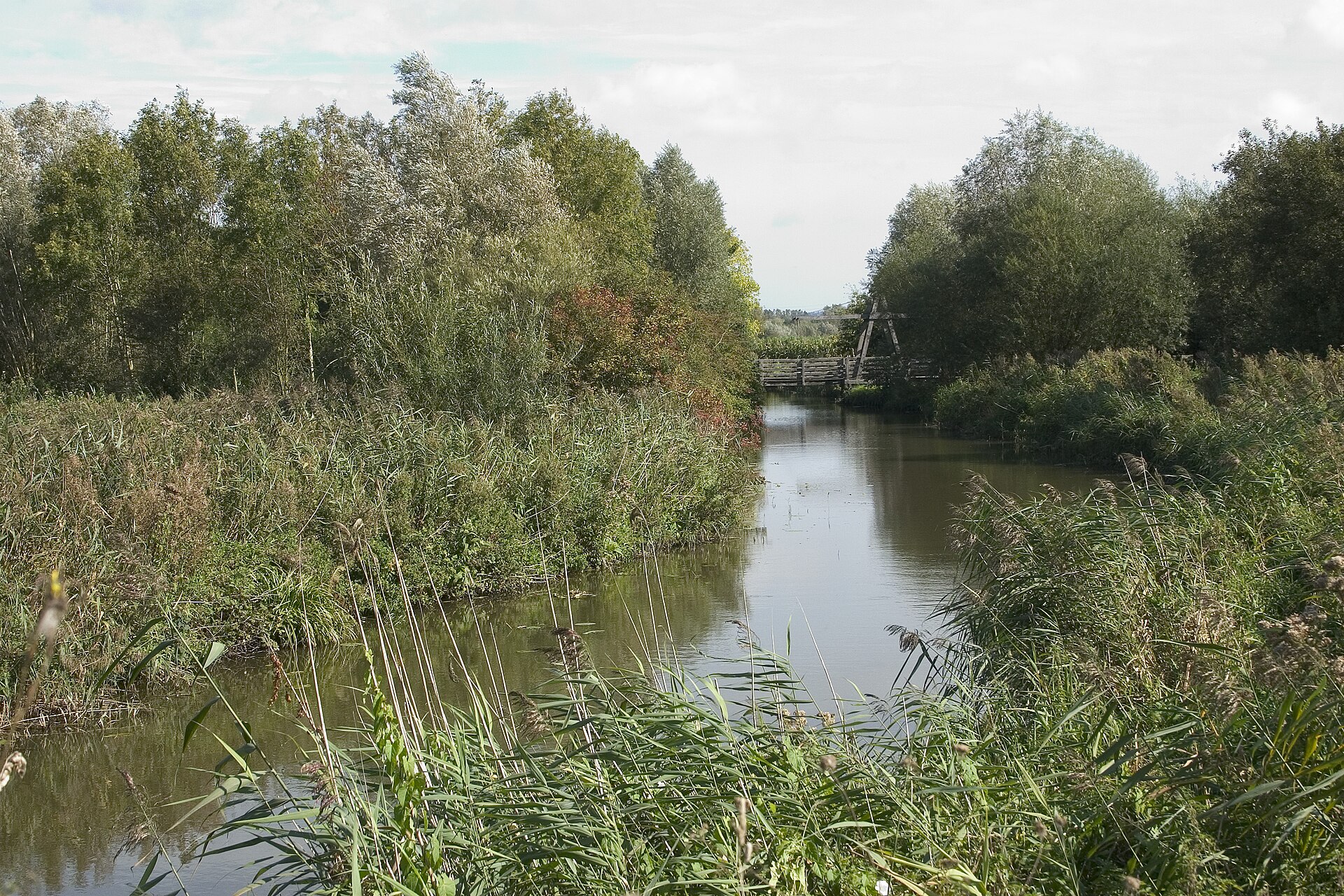
590 observations

246 observations
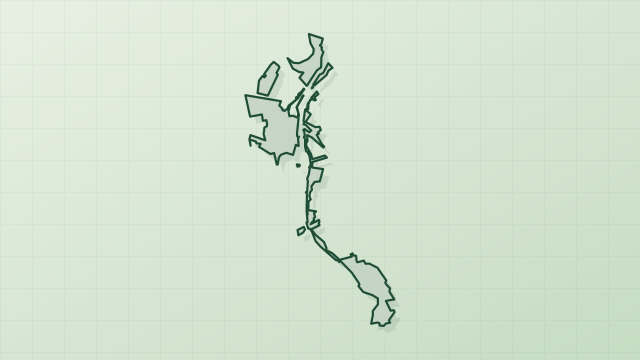
59 observations
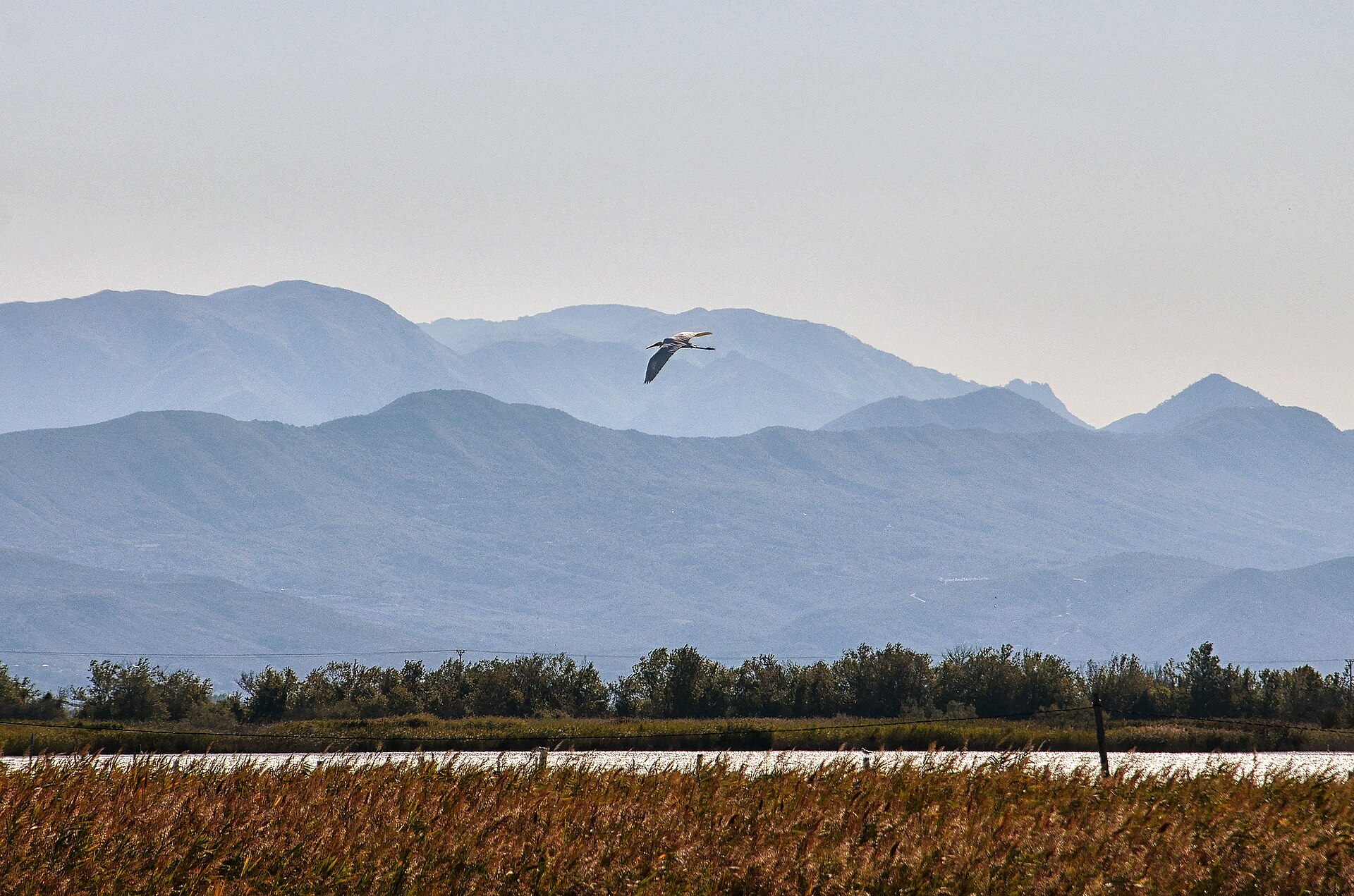
26 observations
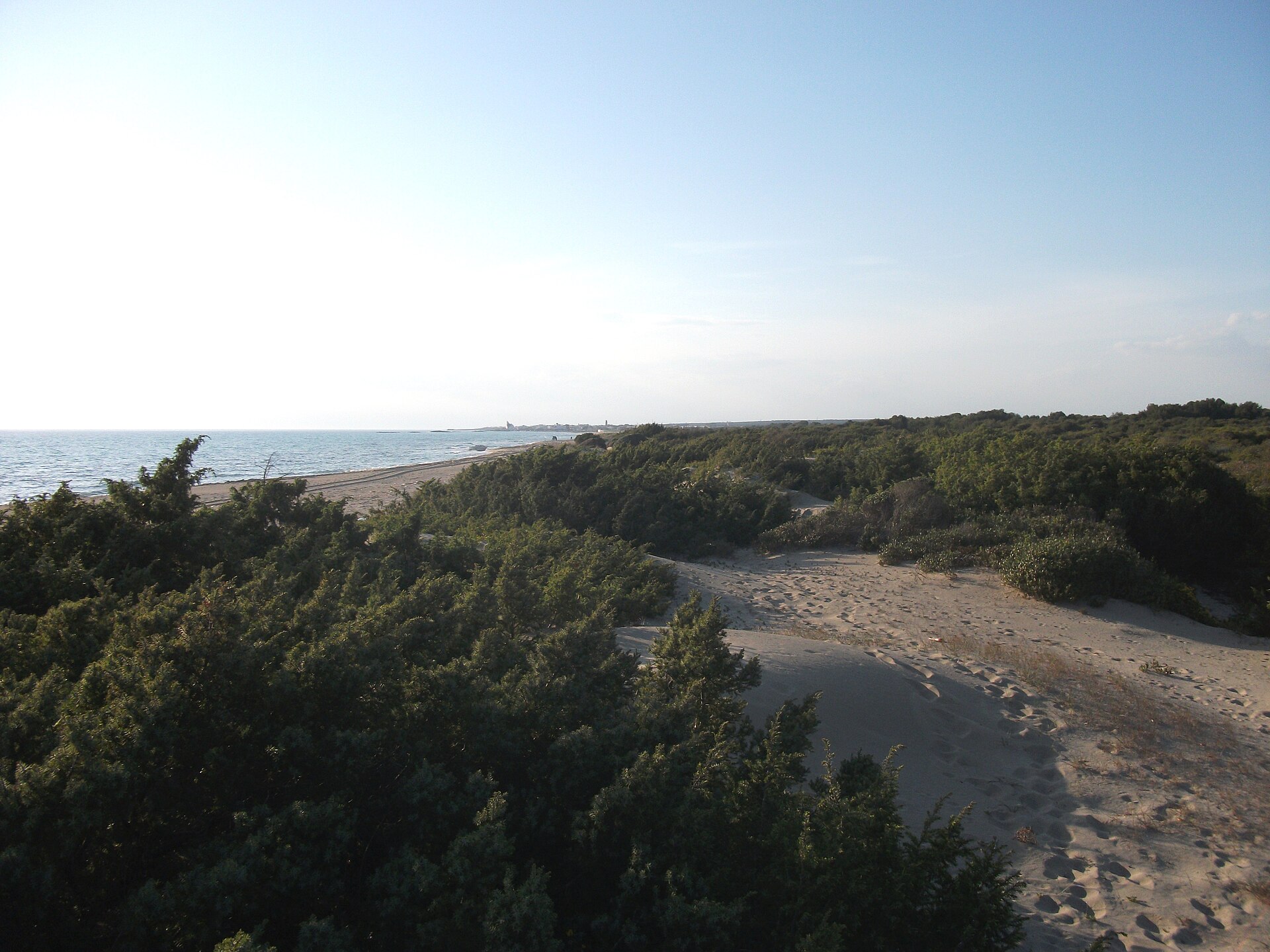
7 observations
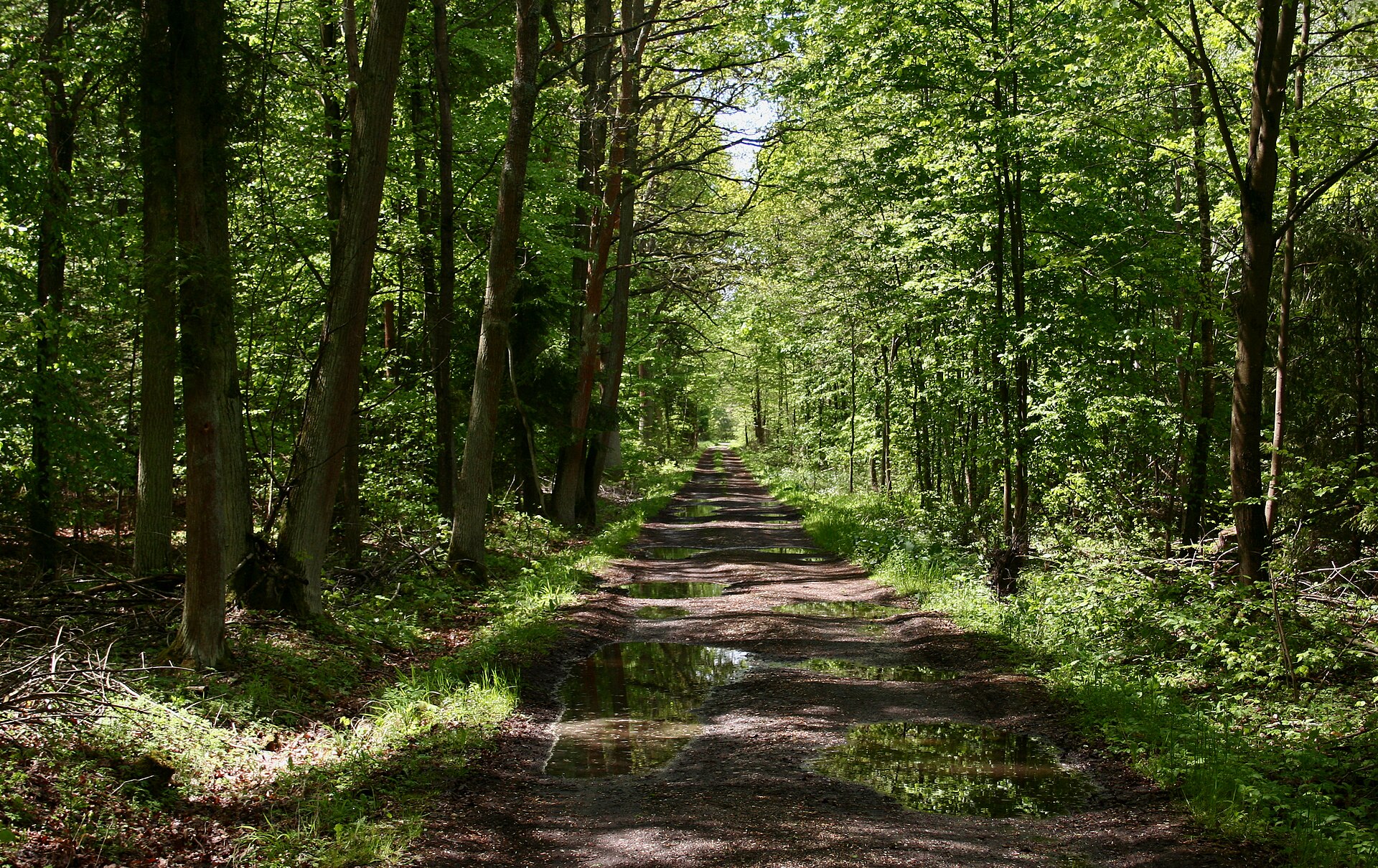
2 observations
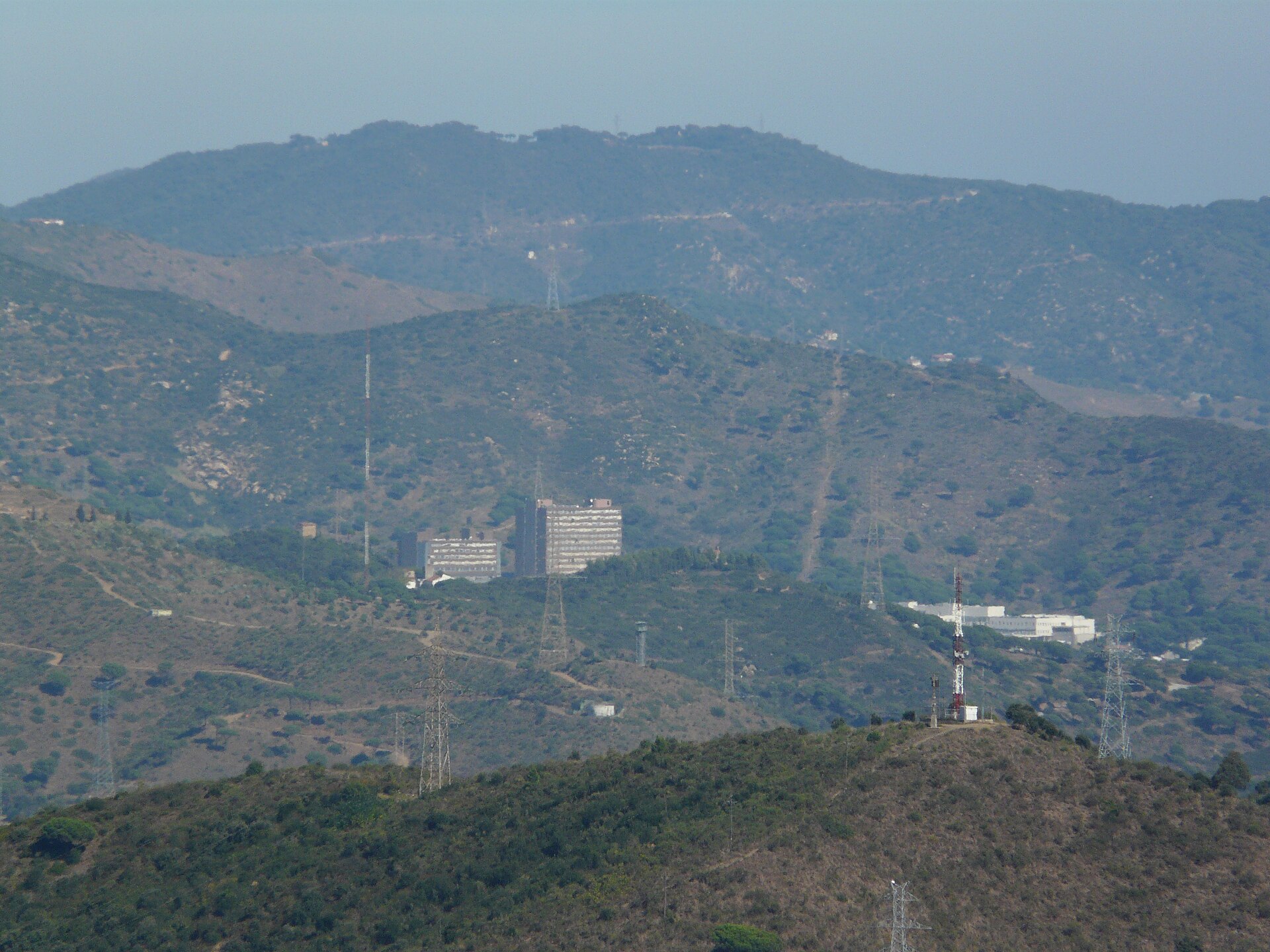
Natura 2000 · reproduction
Natura 2000 · hivernage, de passage, reproduction, sédentaire
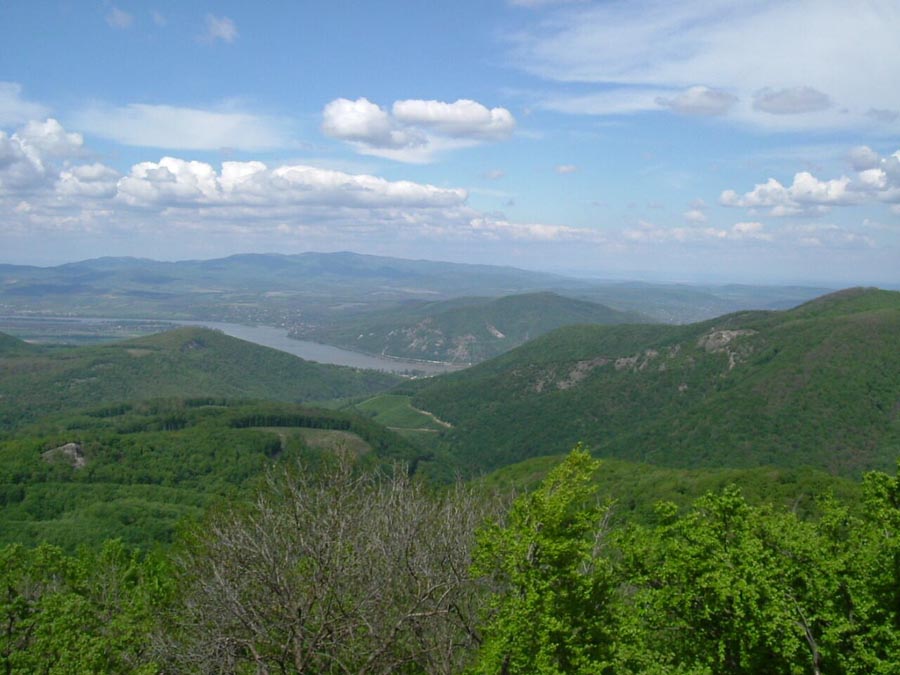
Natura 2000 · reproduction

Natura 2000 · reproduction
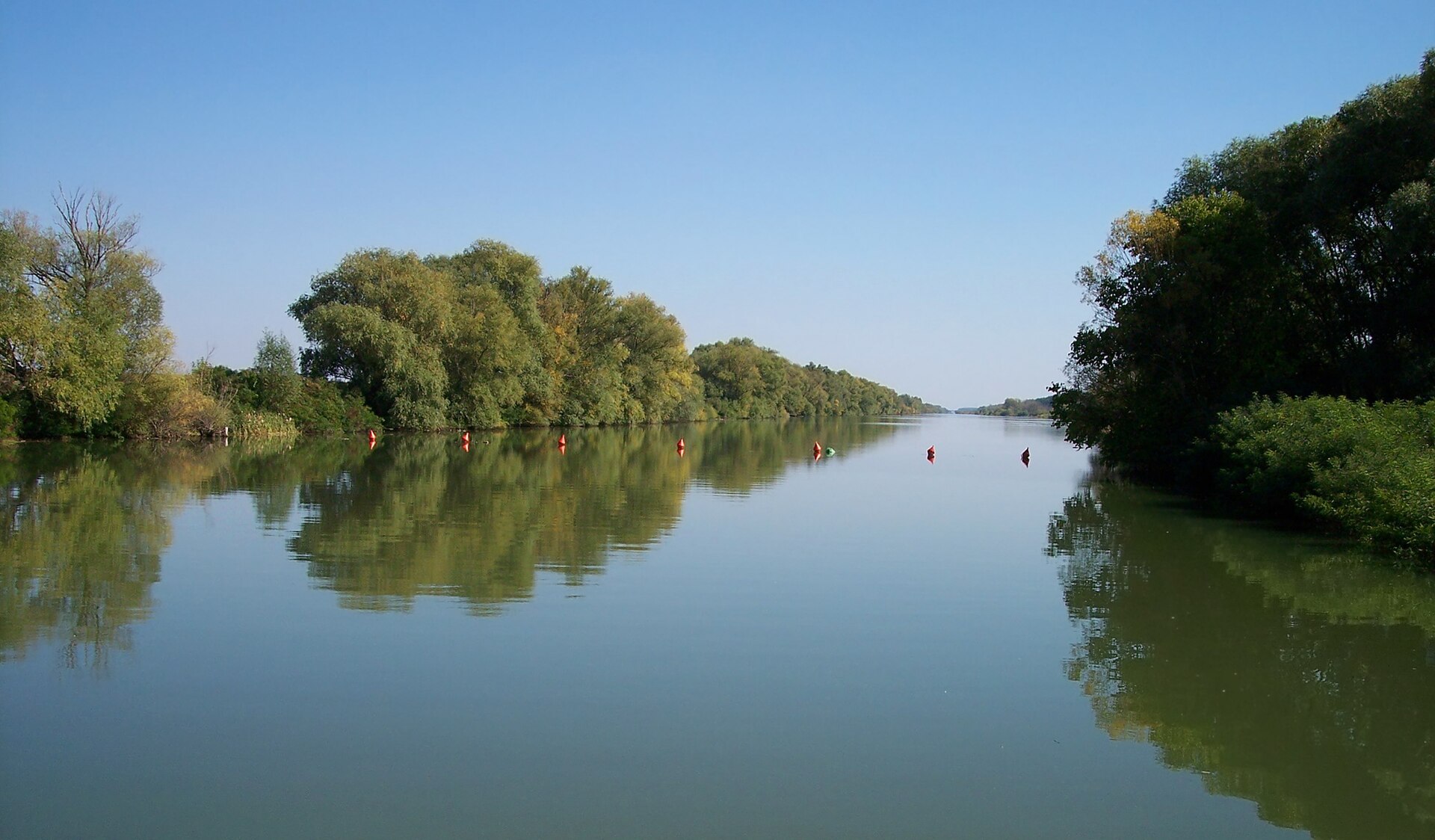
Natura 2000 · reproduction
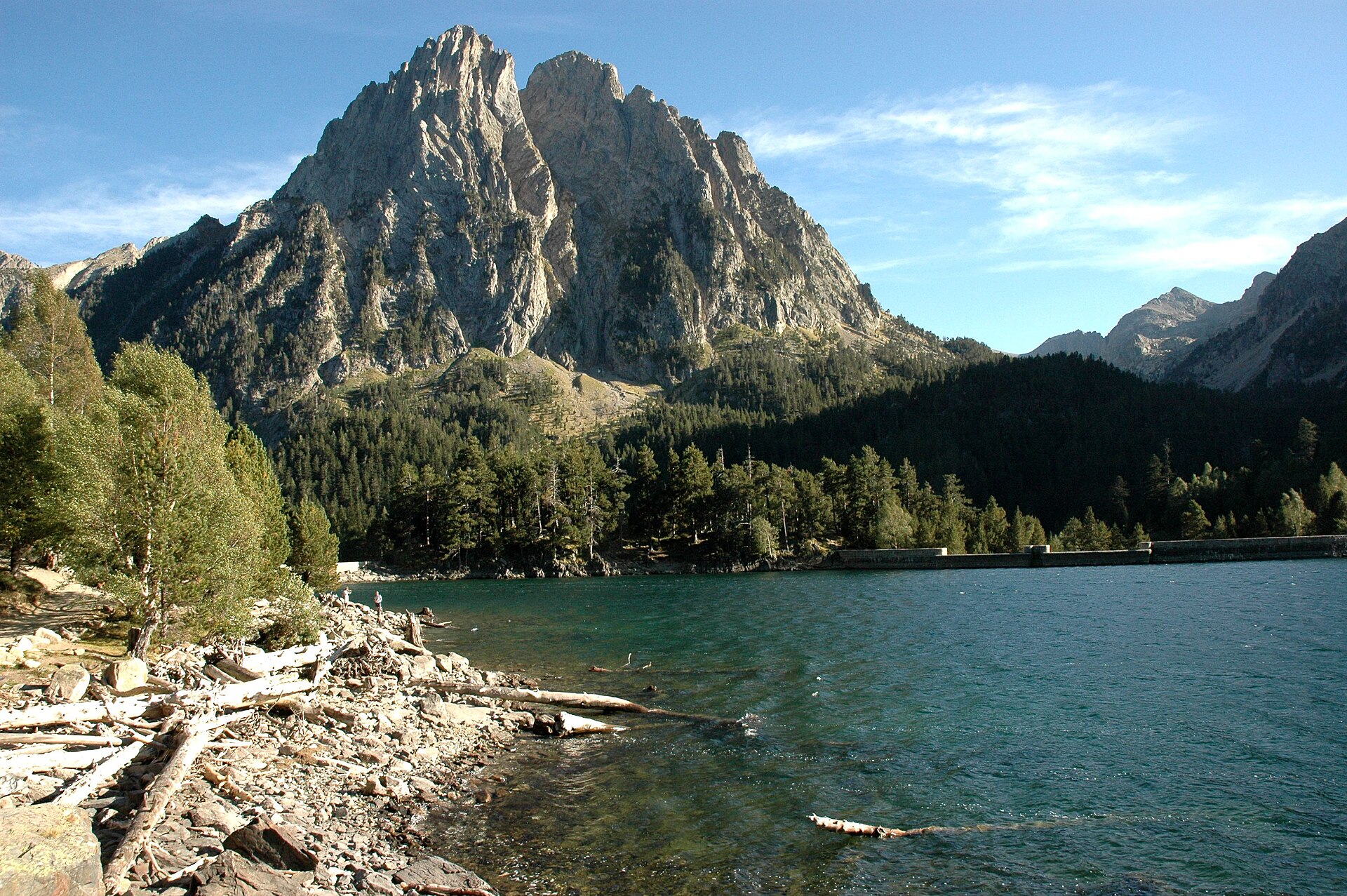
Natura 2000 · reproduction
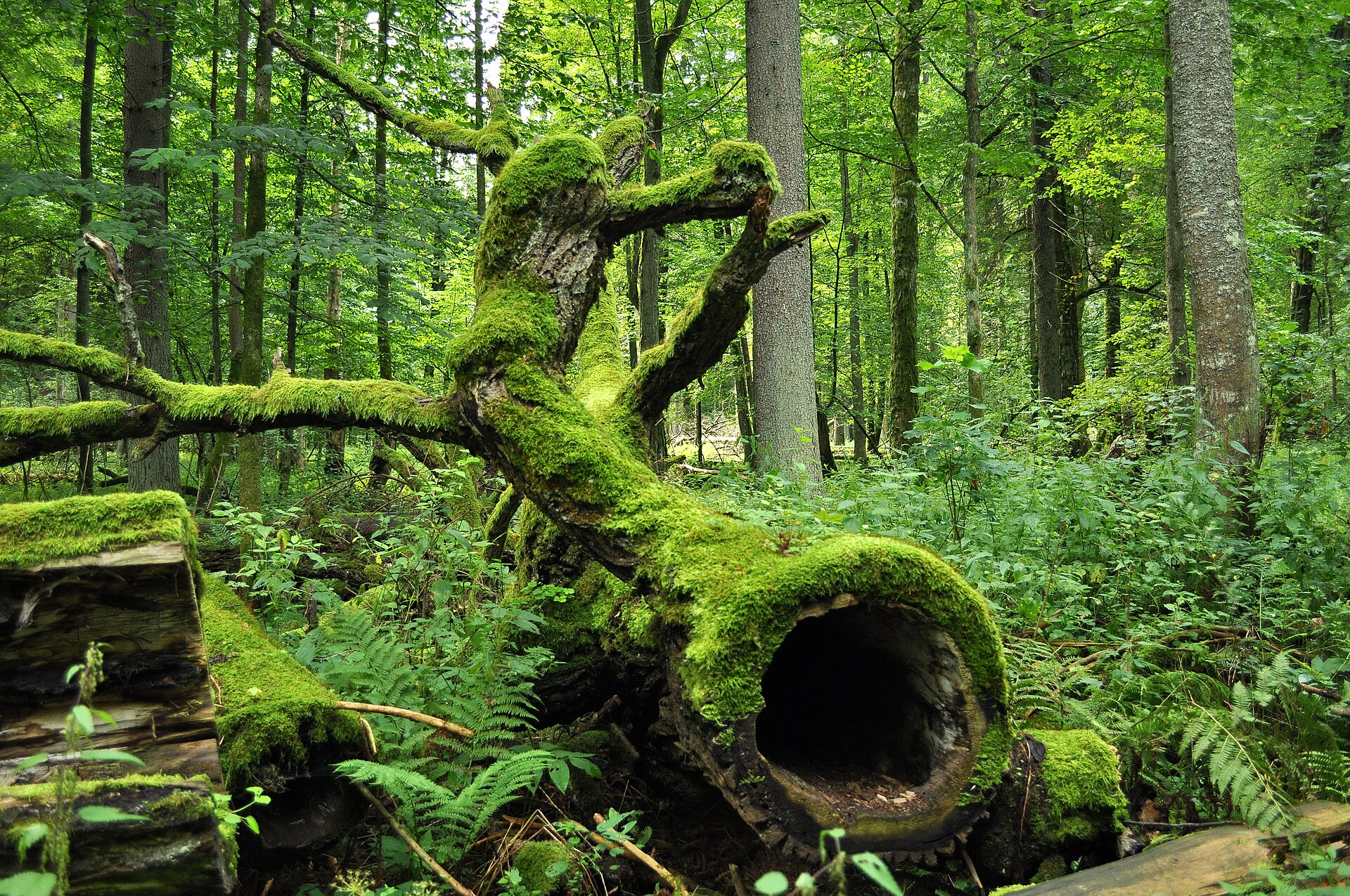
Natura 2000 · reproduction
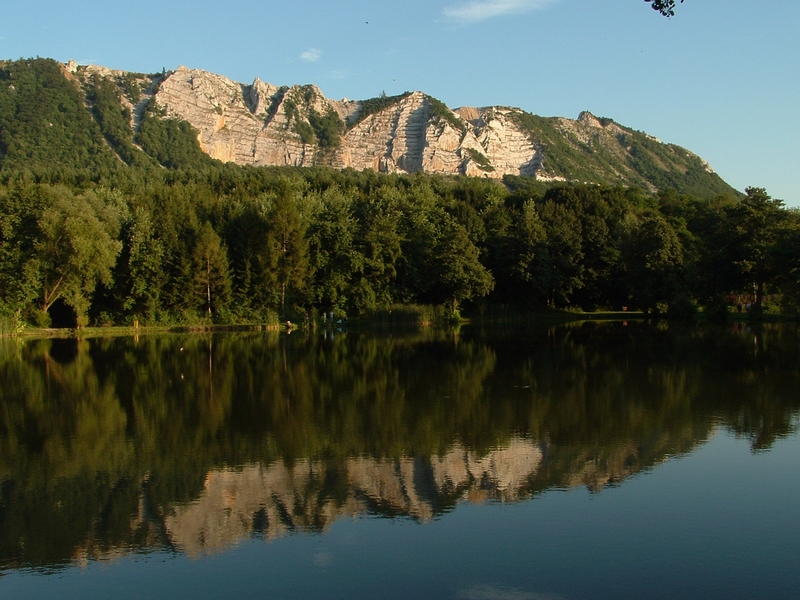
Natura 2000 · reproduction
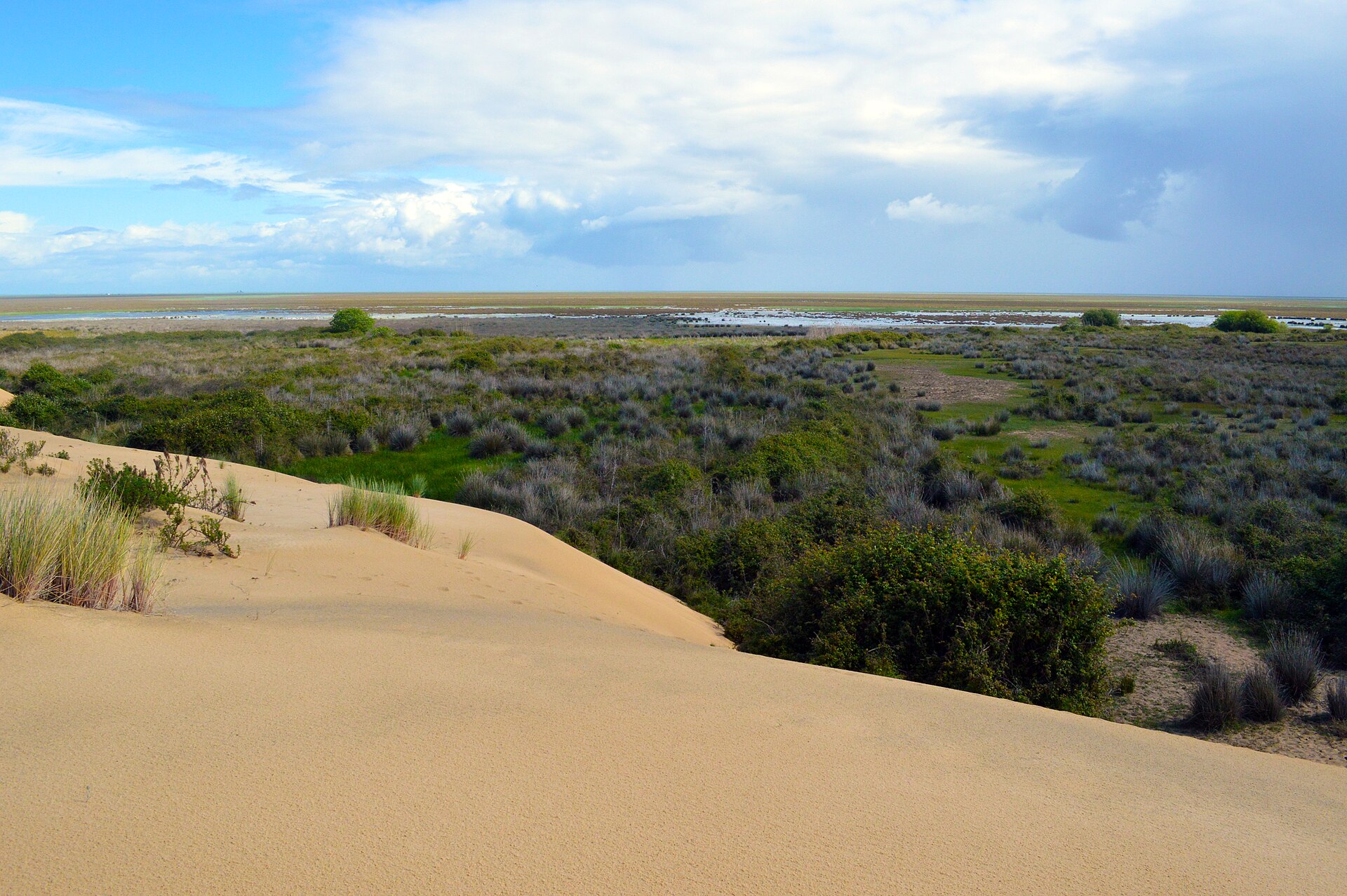
Natura 2000 · sédentaire, hivernage
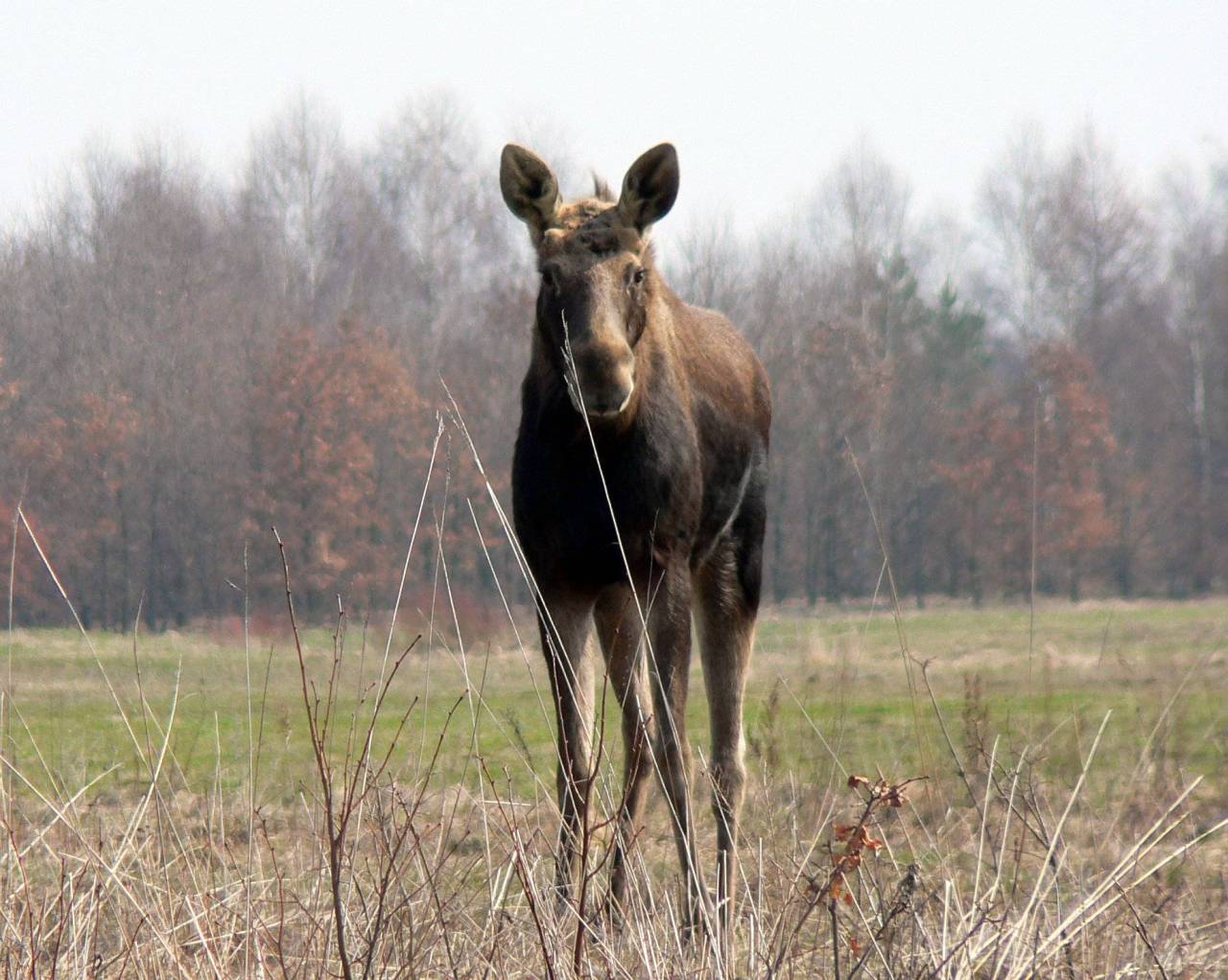
Natura 2000 · reproduction
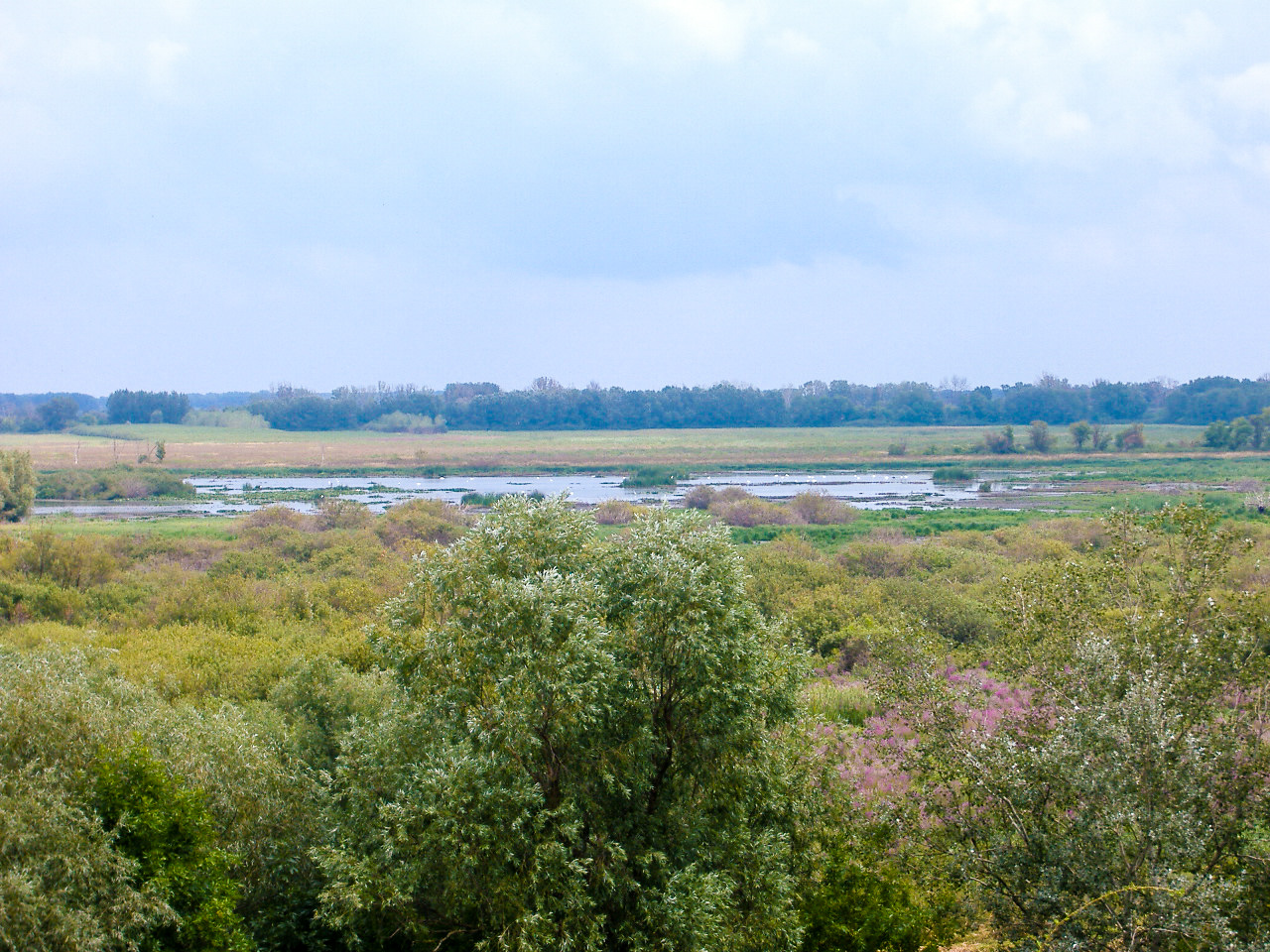
Natura 2000 · reproduction, de passage, sédentaire, hivernage

Natura 2000 · hivernage, de passage

Natura 2000 · reproduction
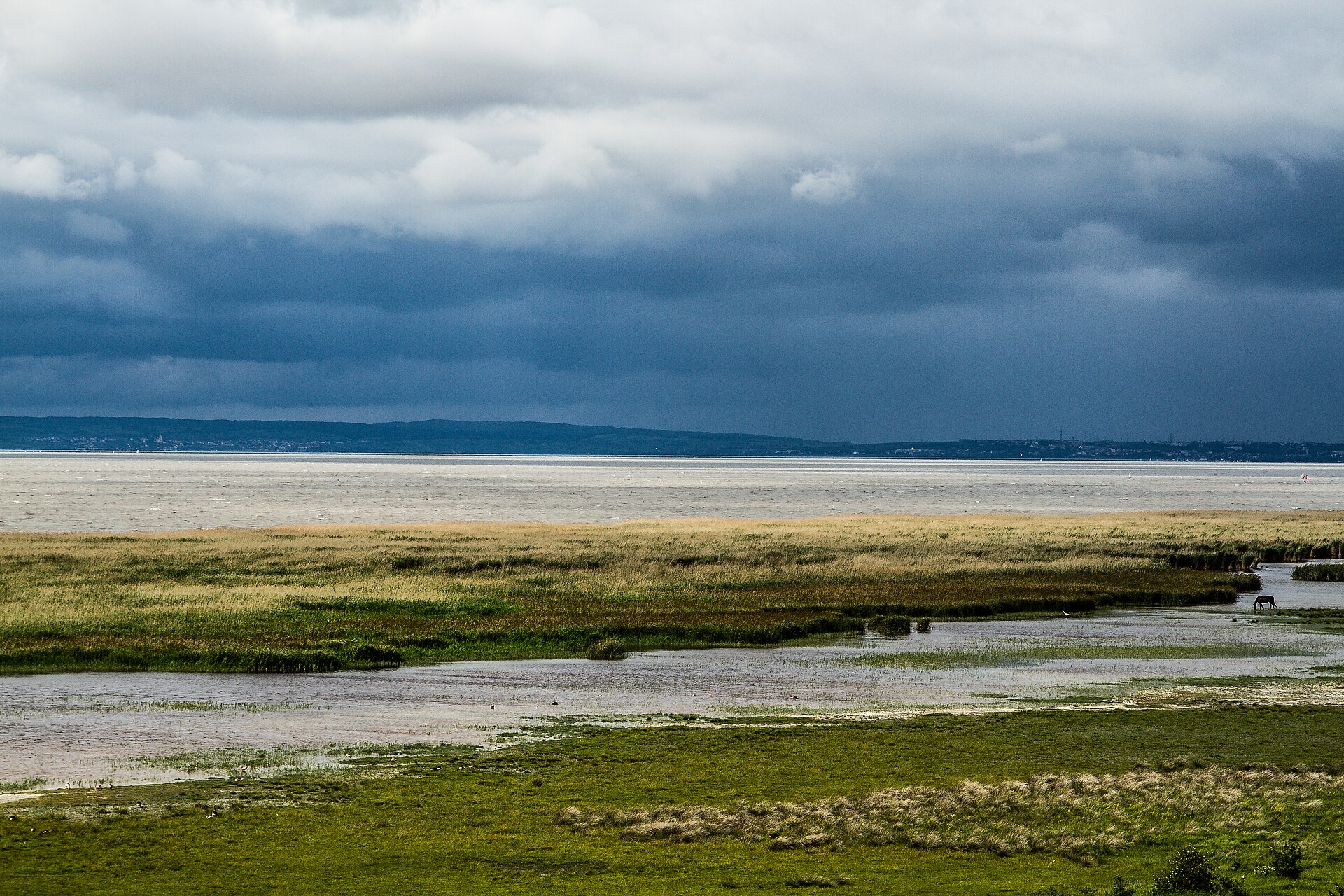
Natura 2000 · reproduction
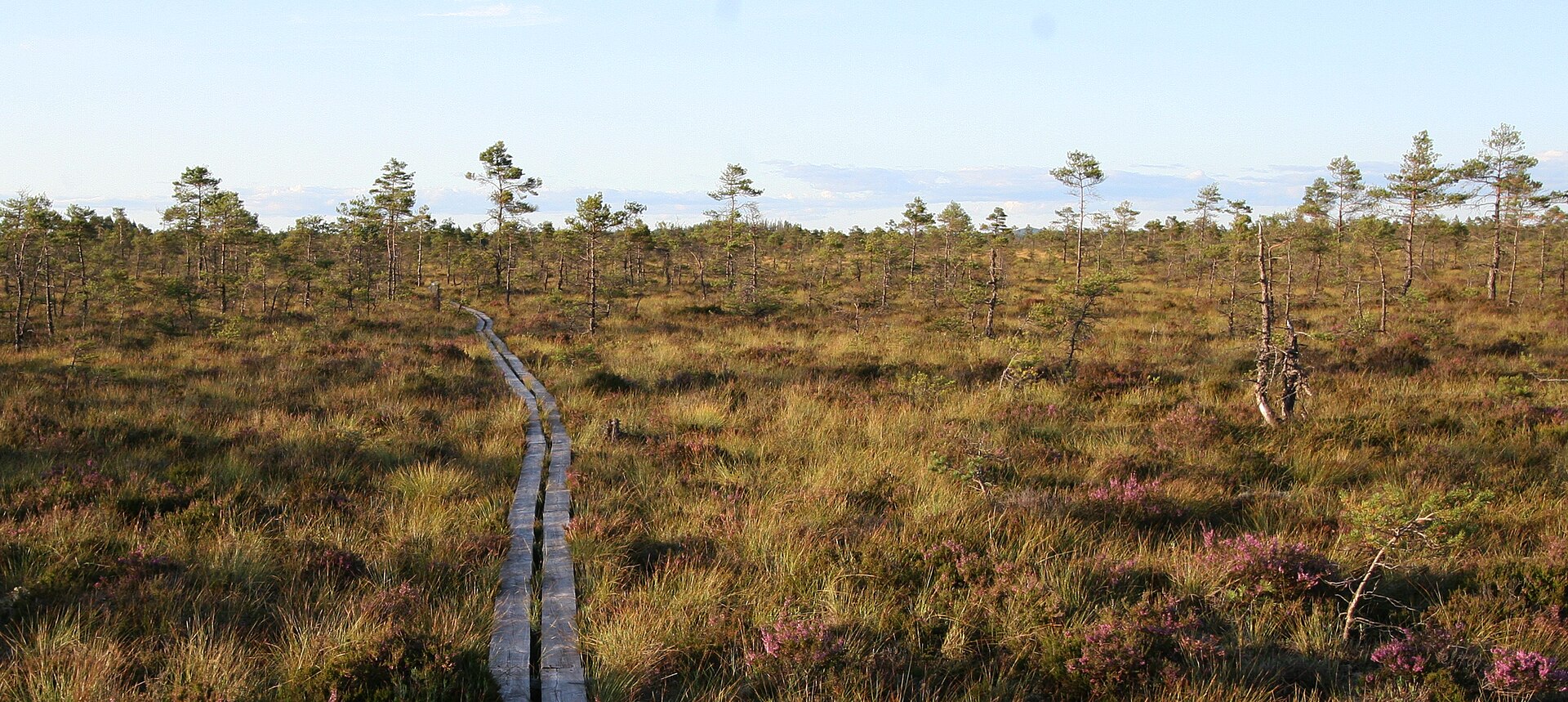
Natura 2000 · reproduction

Natura 2000 · hivernage, de passage, reproduction
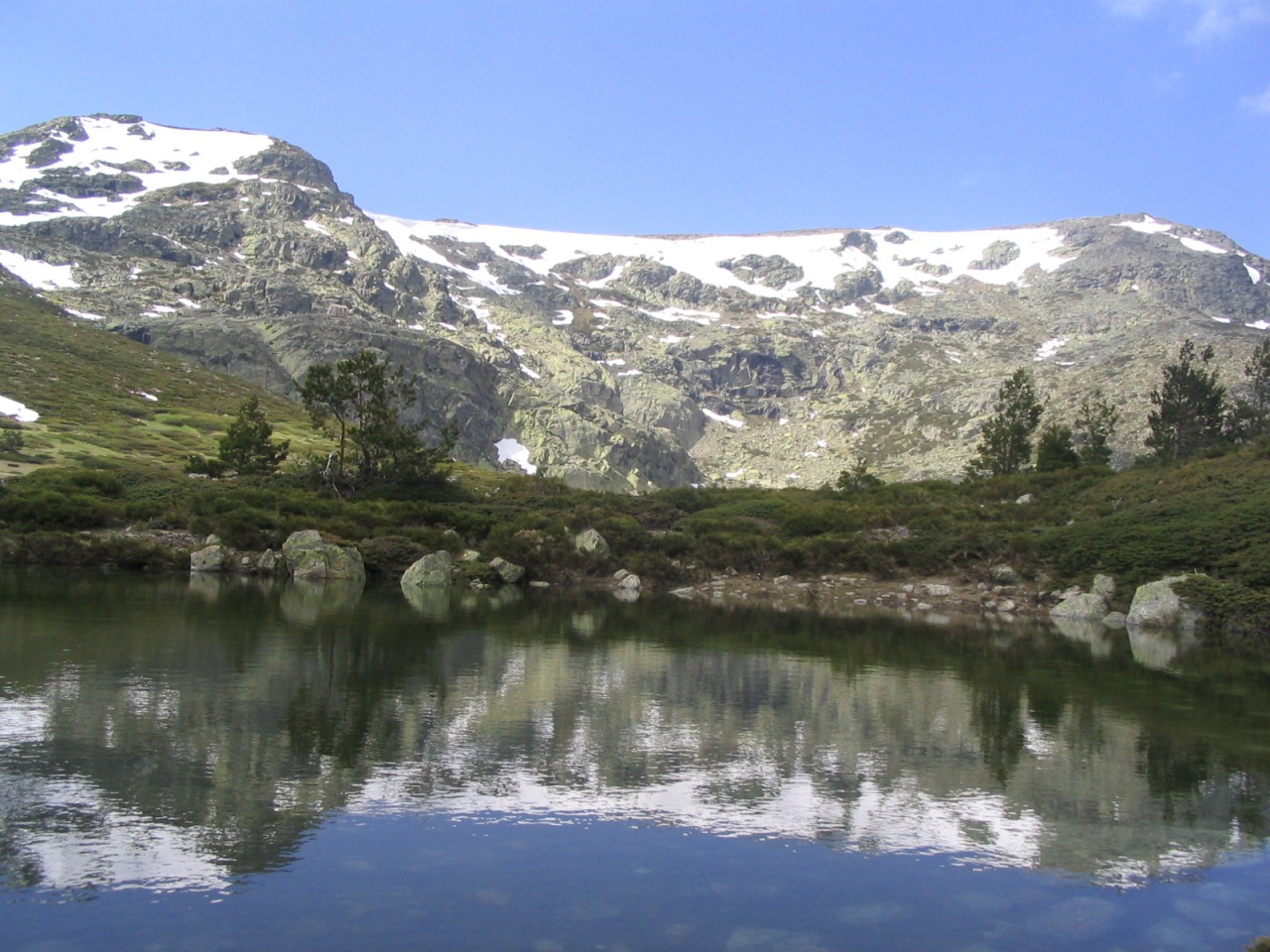
Natura 2000 · sédentaire

Natura 2000 · reproduction
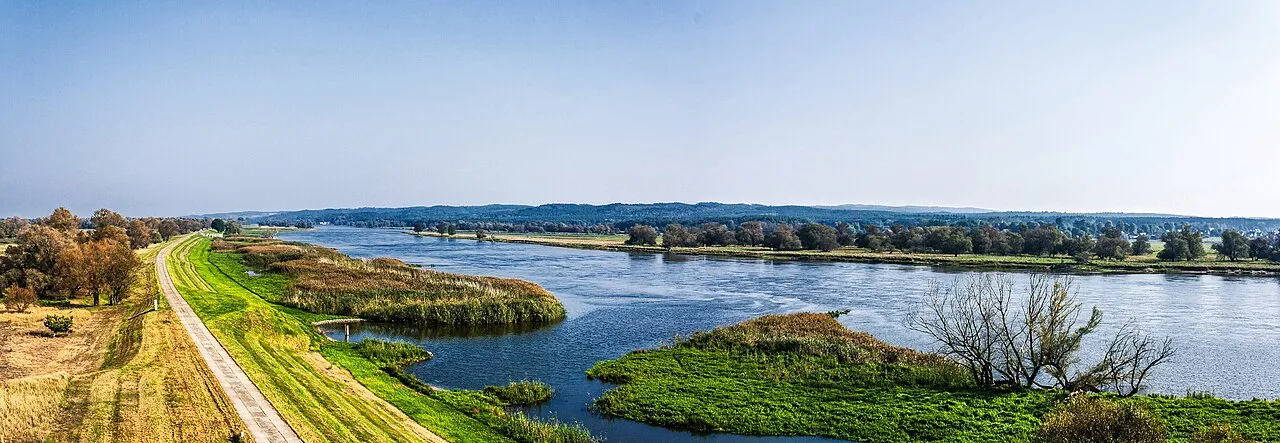
Natura 2000 · reproduction
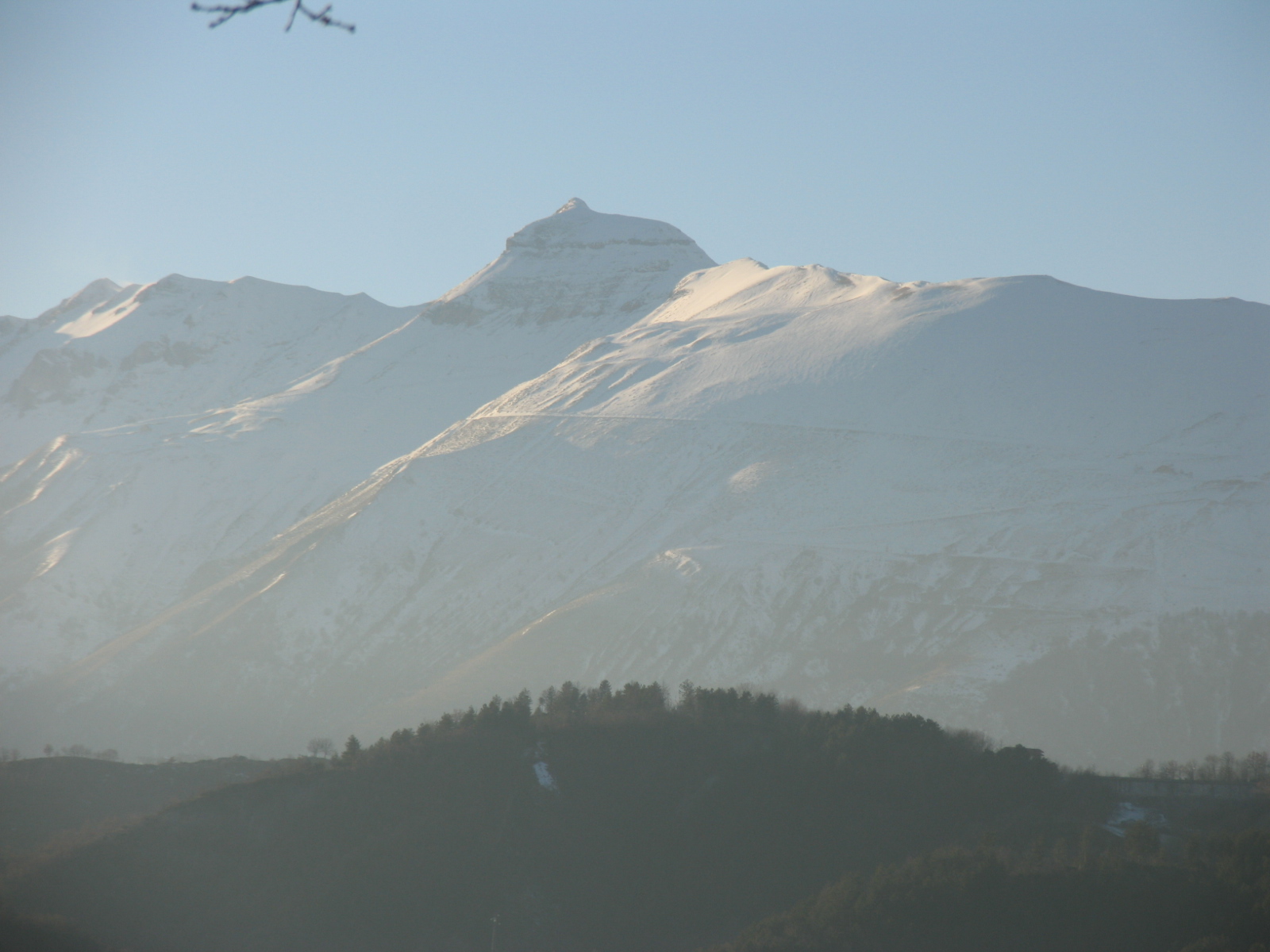
Natura 2000 · reproduction

Natura 2000 · reproduction, hivernage, de passage

Natura 2000 · reproduction, hivernage, sédentaire
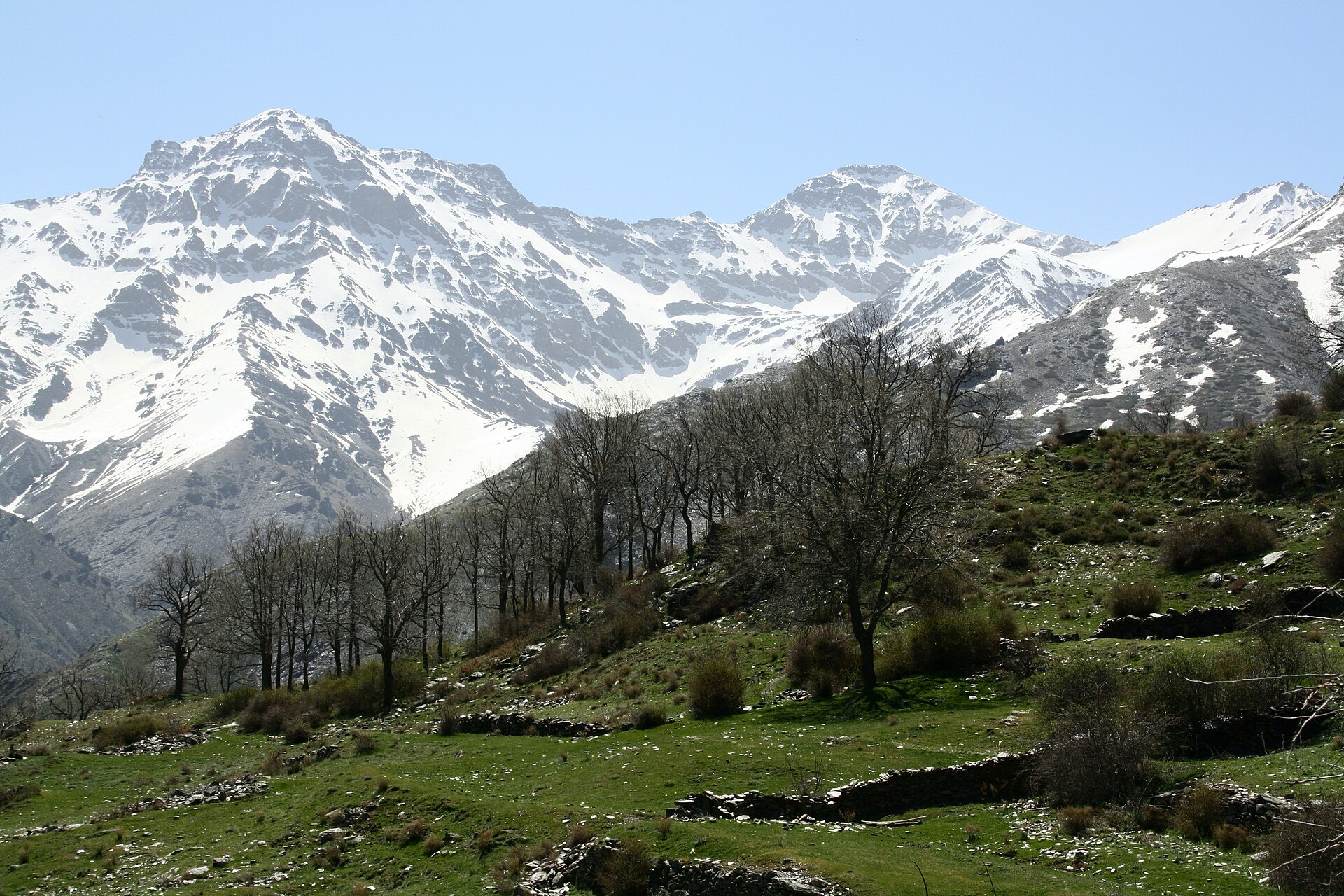
Natura 2000 · hivernage
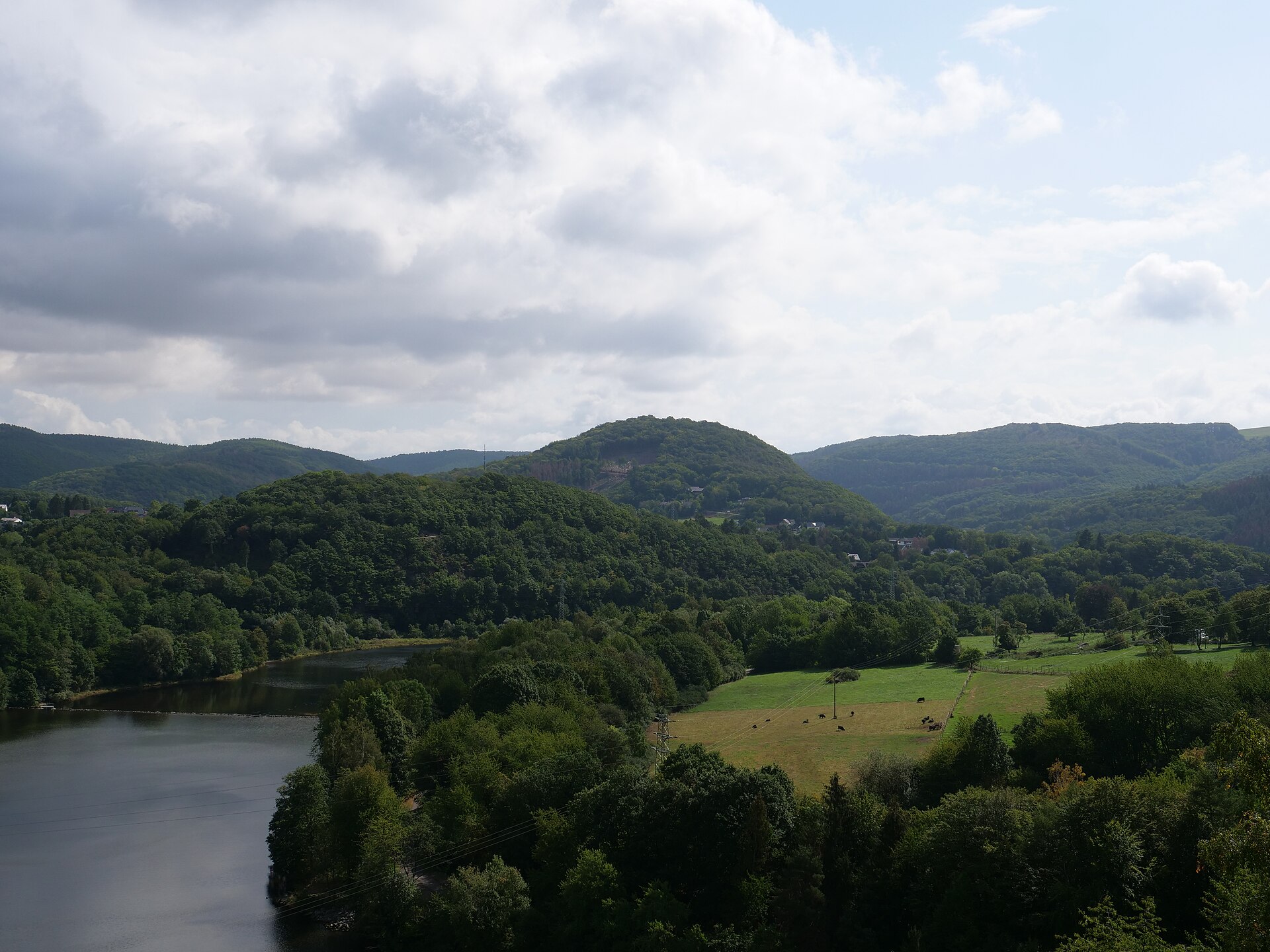
Natura 2000 · reproduction

Natura 2000 · sédentaire

Natura 2000 · reproduction

Natura 2000 · de passage, sédentaire
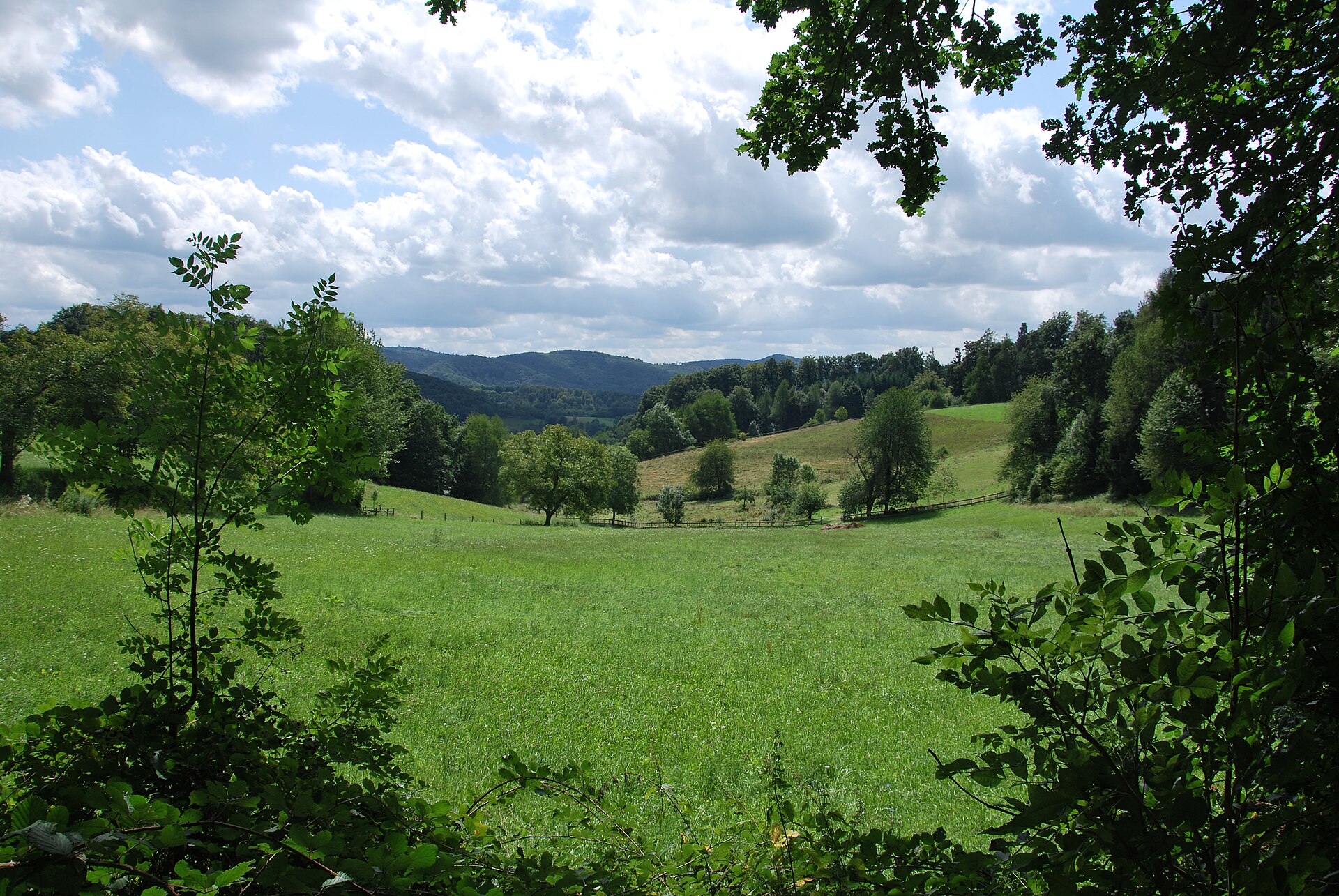
Natura 2000 · reproduction
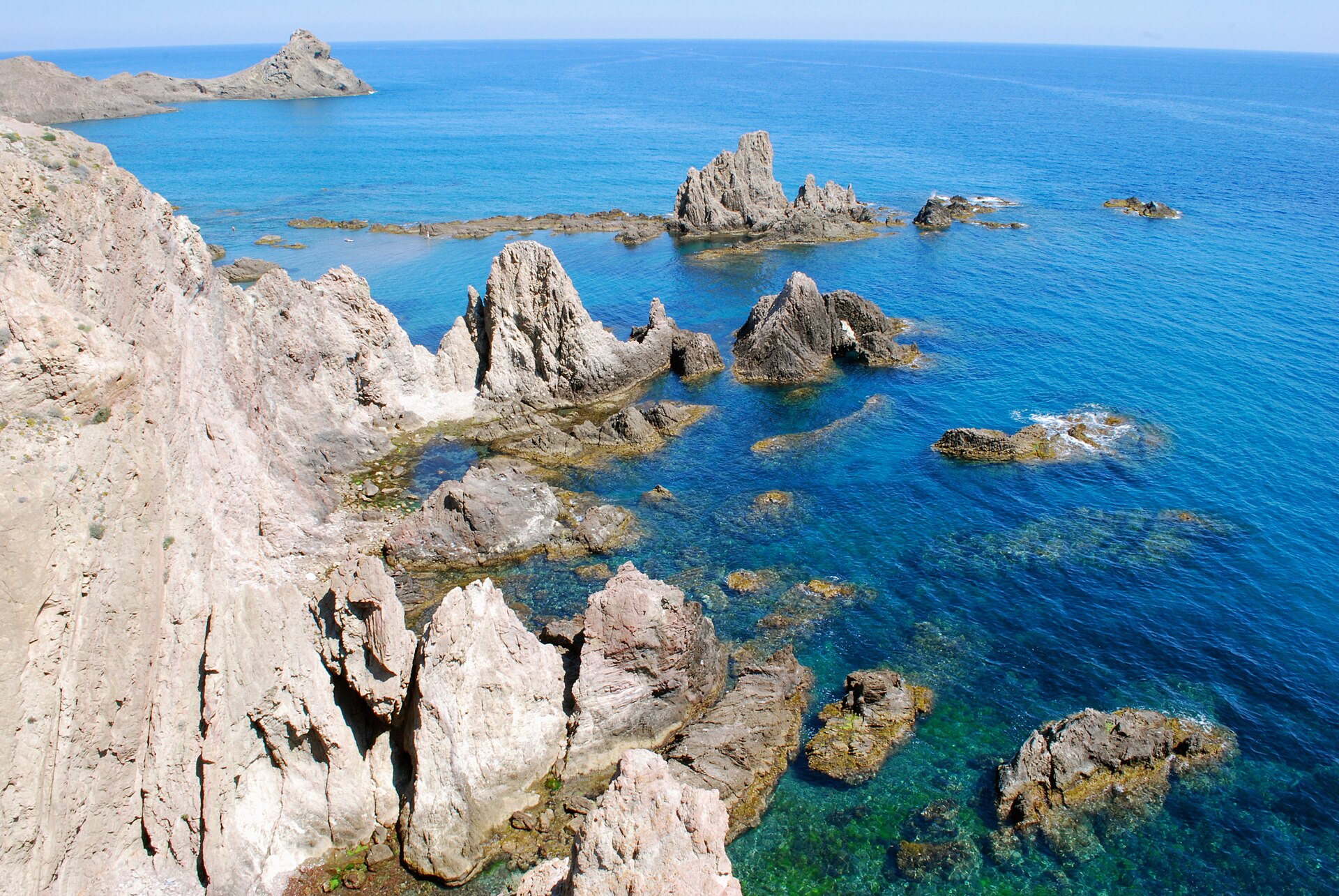
Natura 2000 · hivernage

Natura 2000 · reproduction
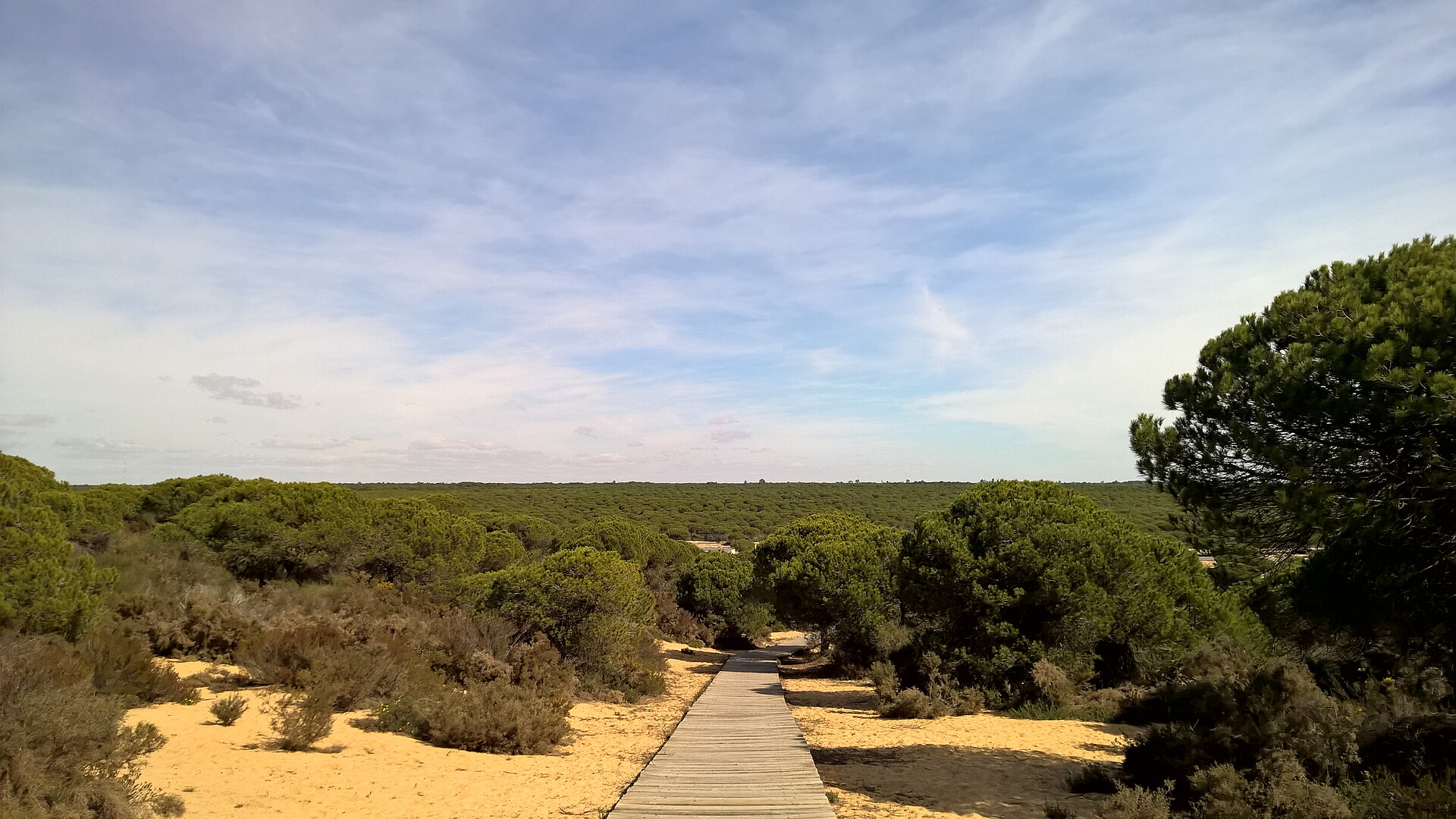
Natura 2000 · sédentaire, hivernage
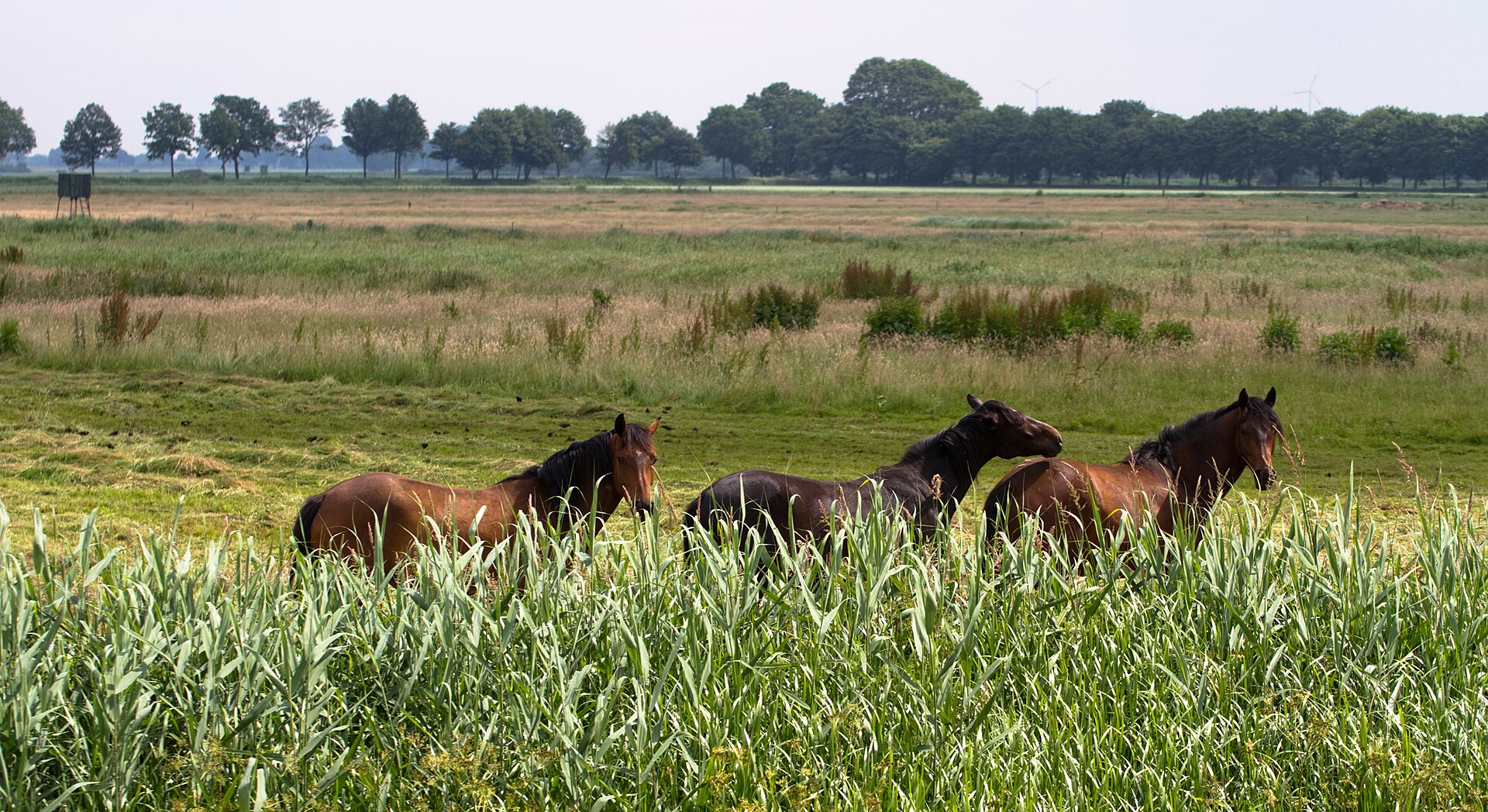
Natura 2000 · reproduction
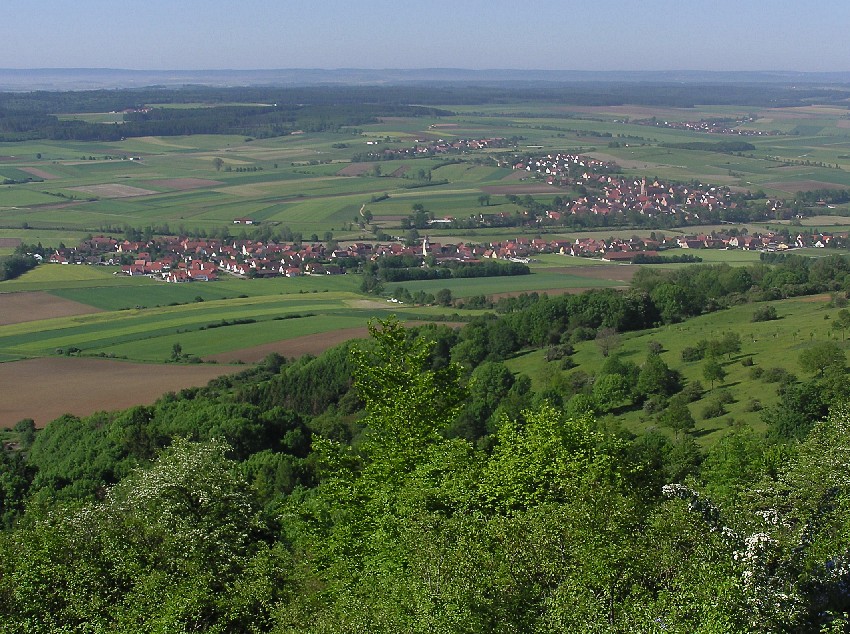
Natura 2000 · reproduction
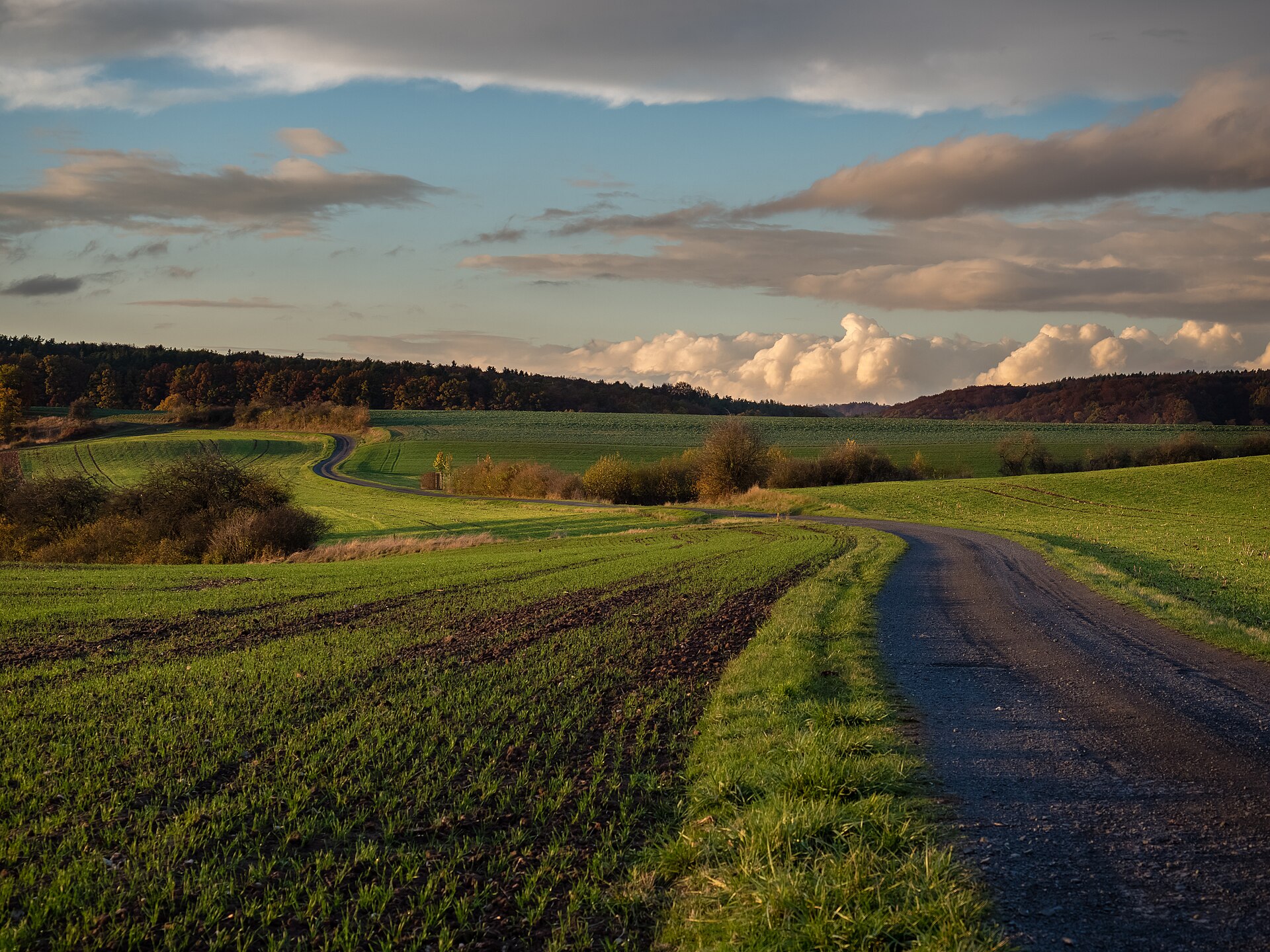
Natura 2000 · reproduction
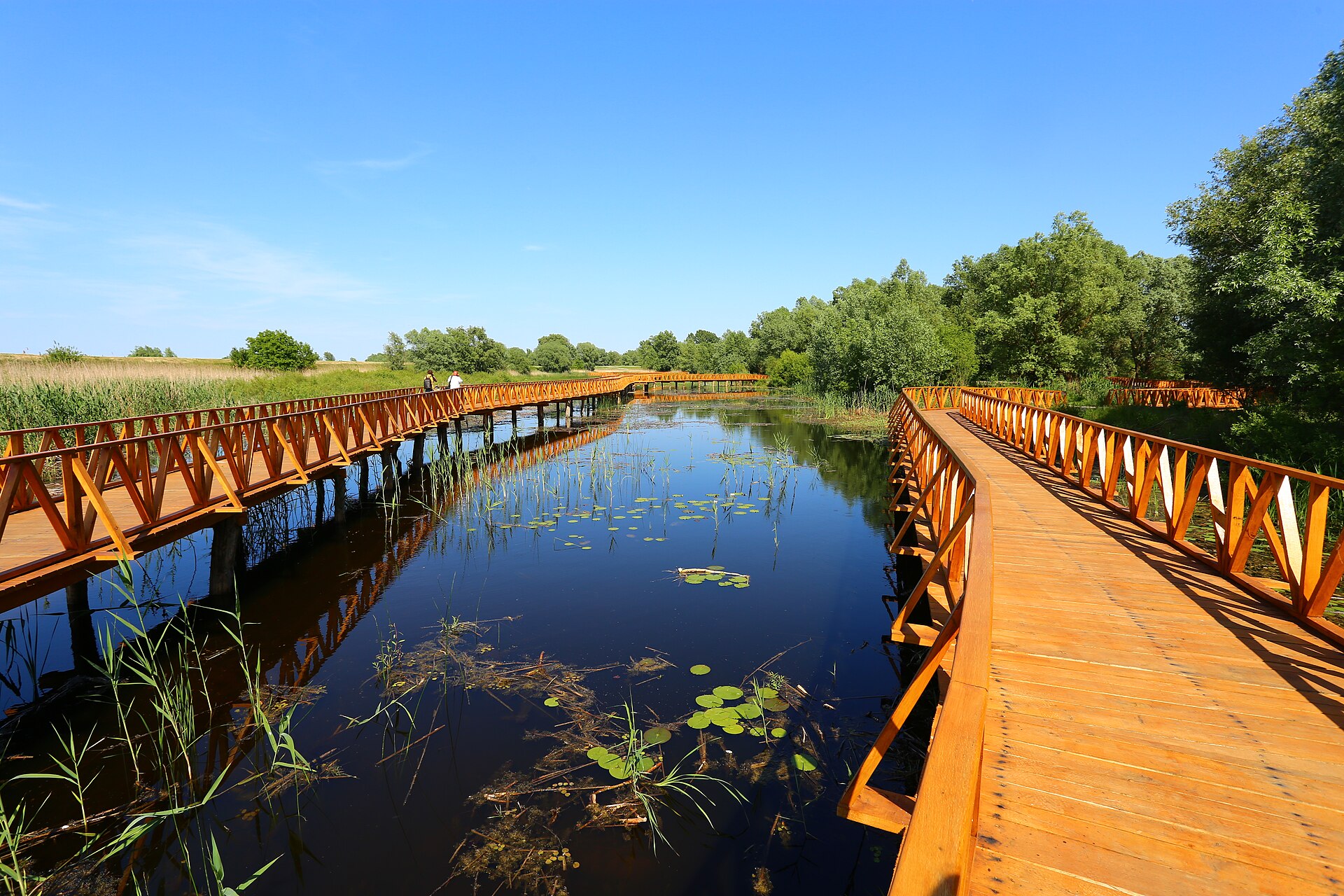
Natura 2000 · hivernage, de passage
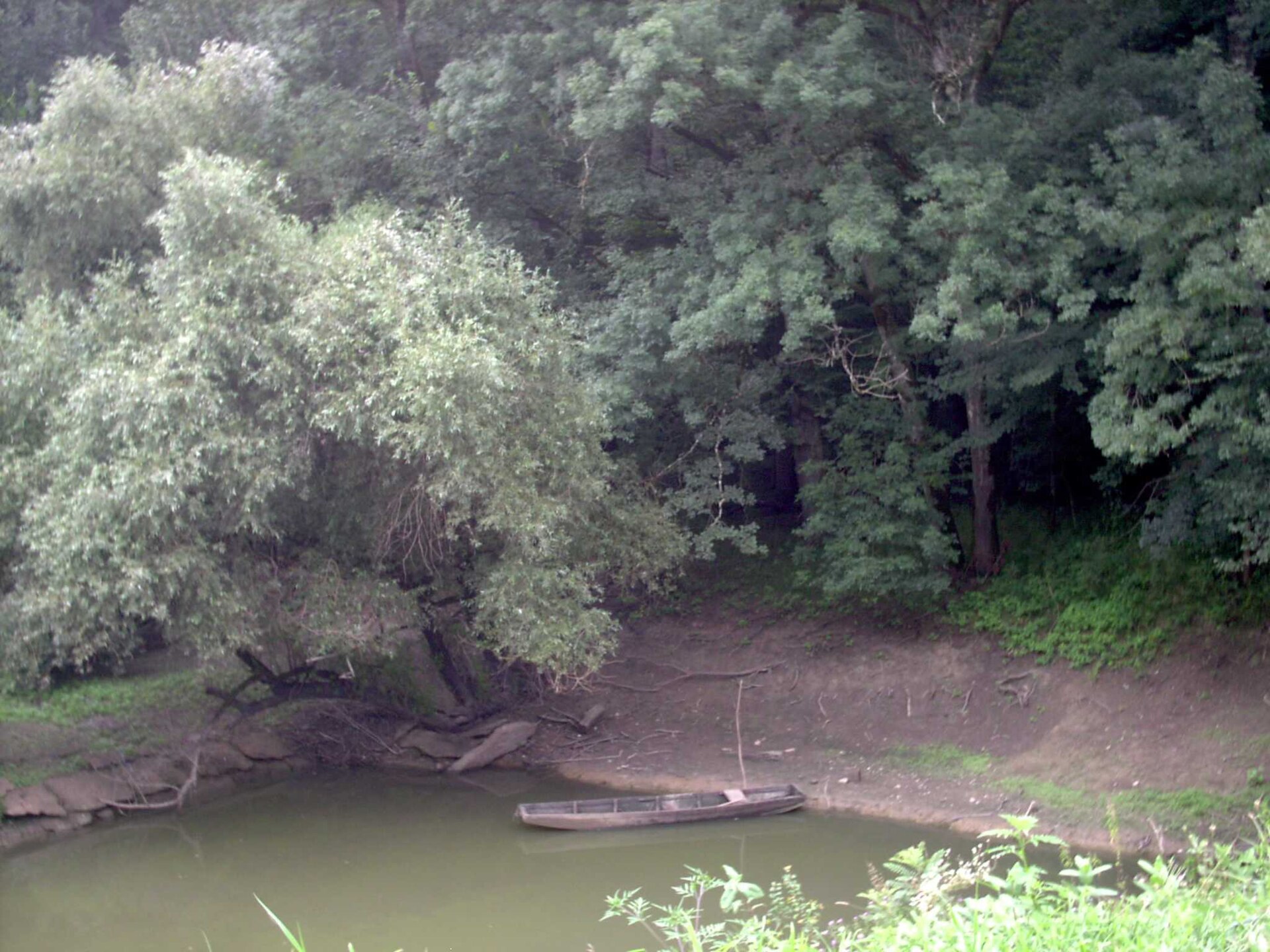
Natura 2000 · hivernage, de passage
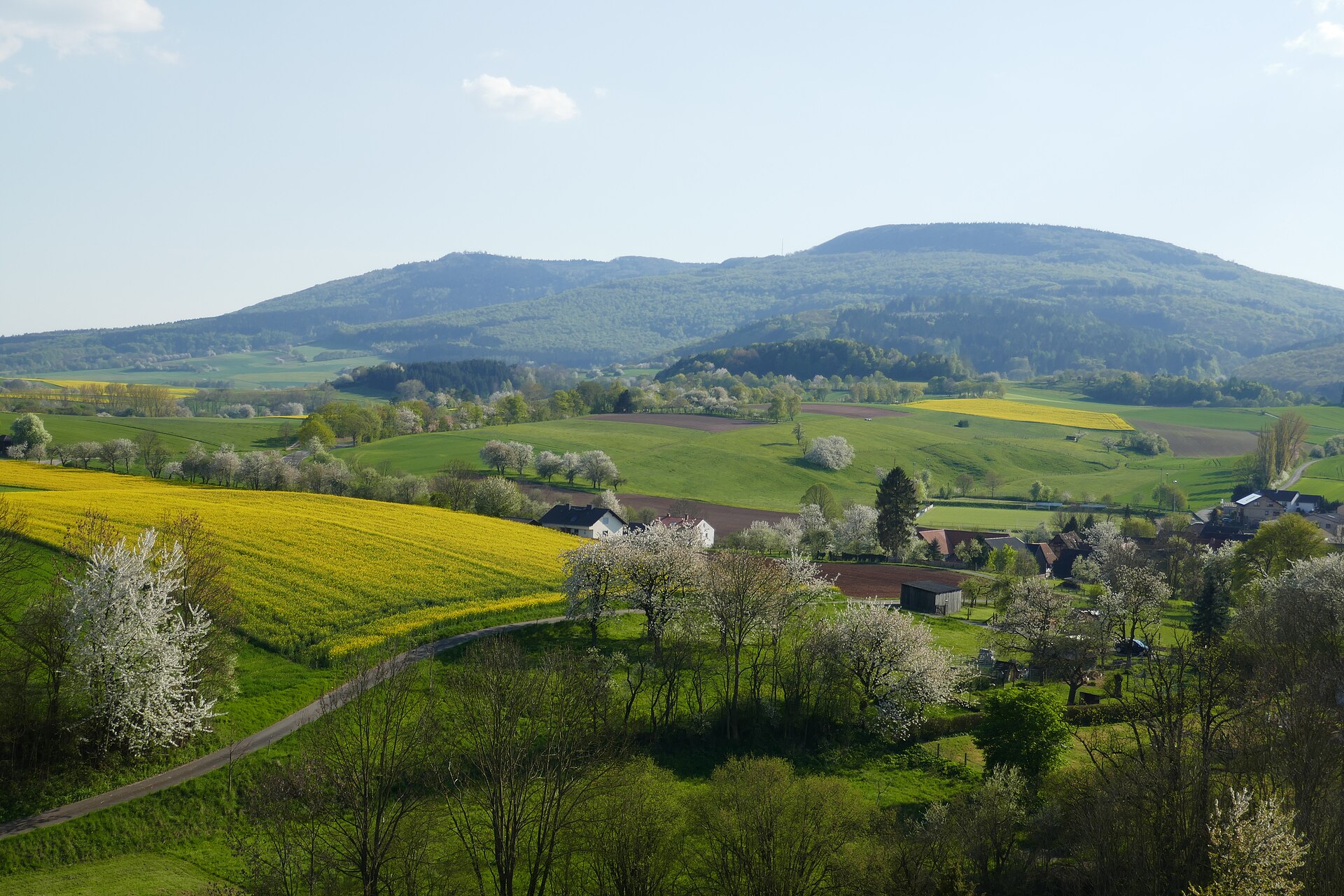
Natura 2000 · reproduction, sédentaire

Natura 2000 · sédentaire
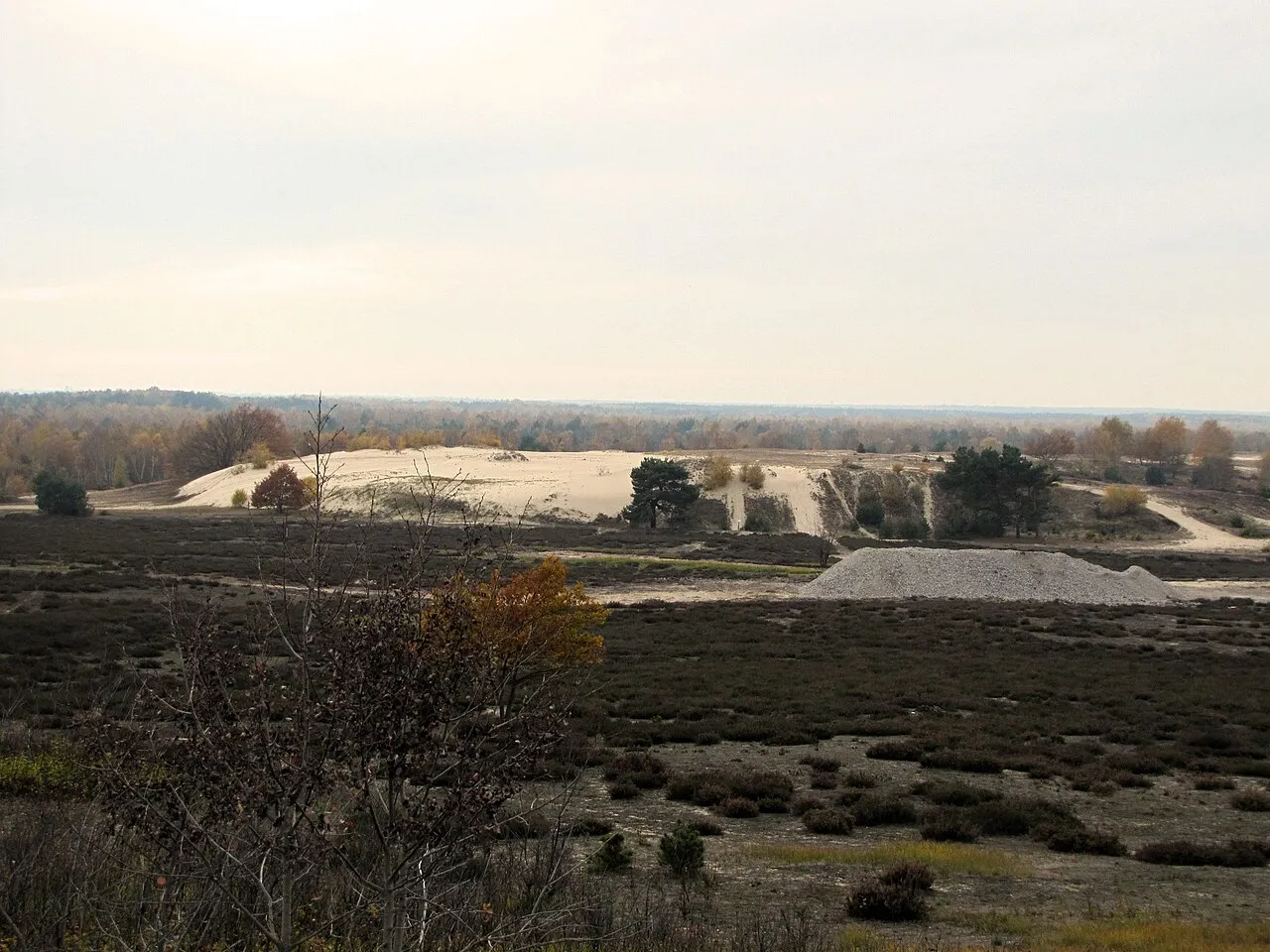
Natura 2000 · reproduction
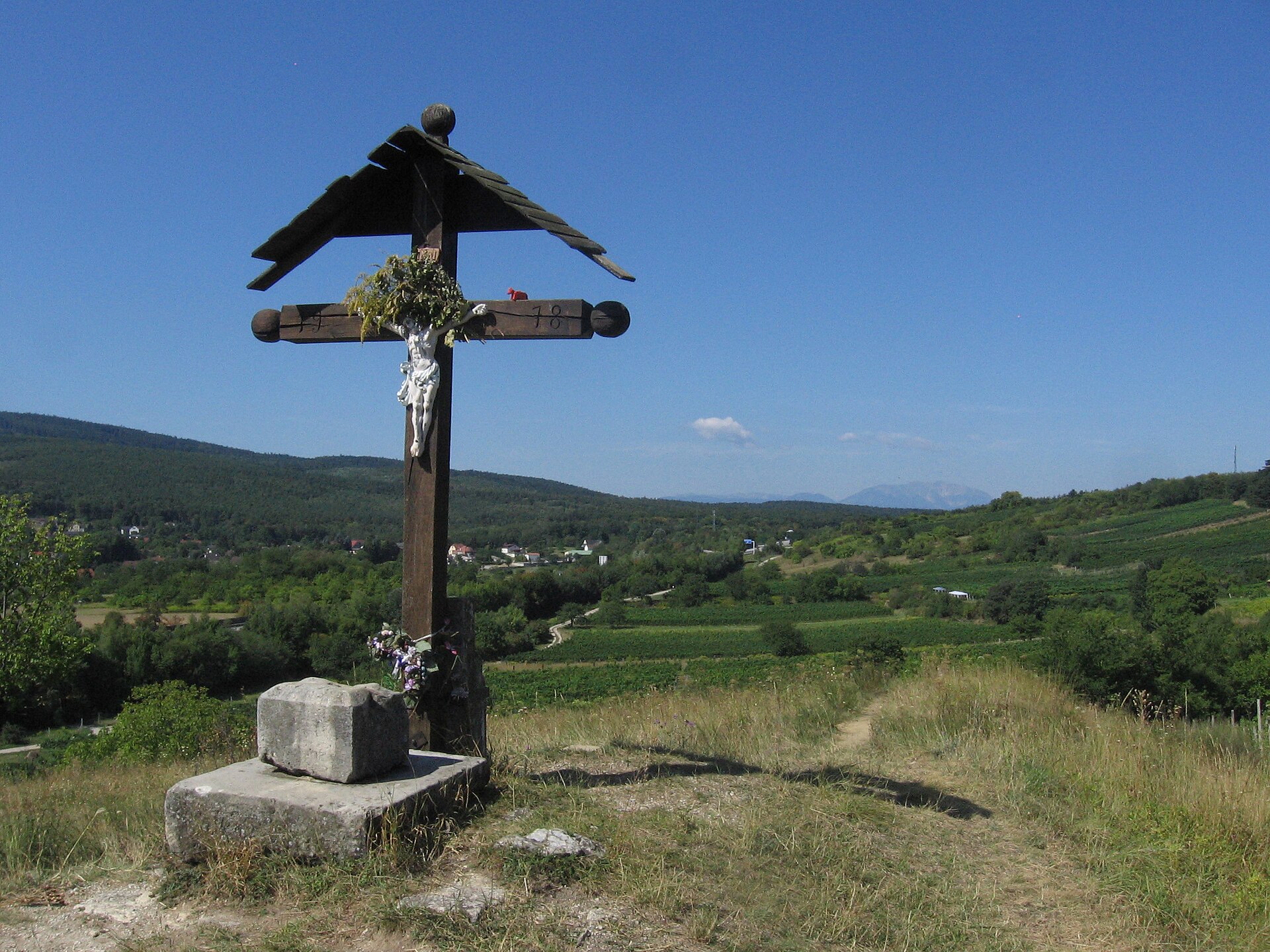
Natura 2000 · de passage, reproduction
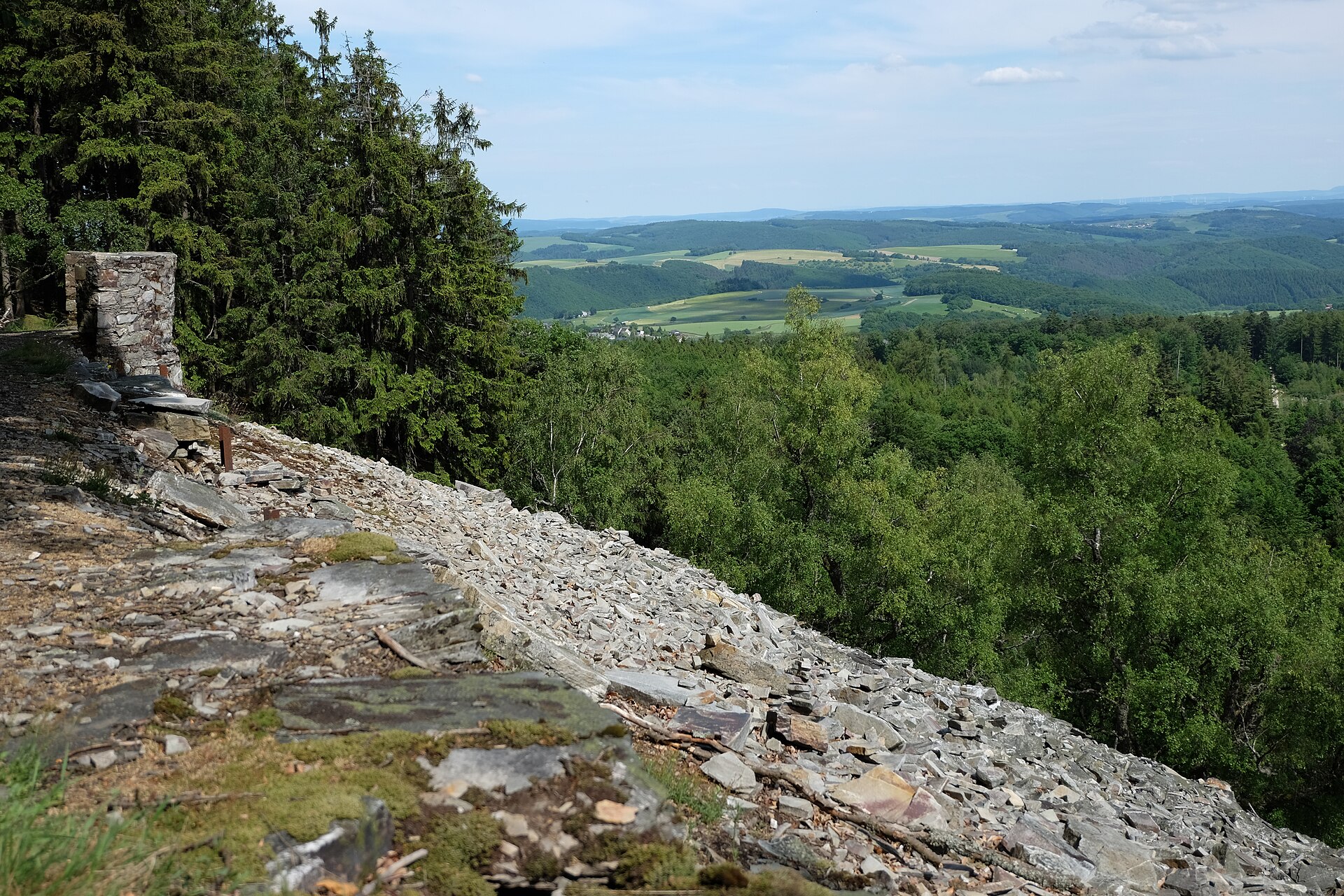
Natura 2000 · reproduction

Natura 2000 · sédentaire
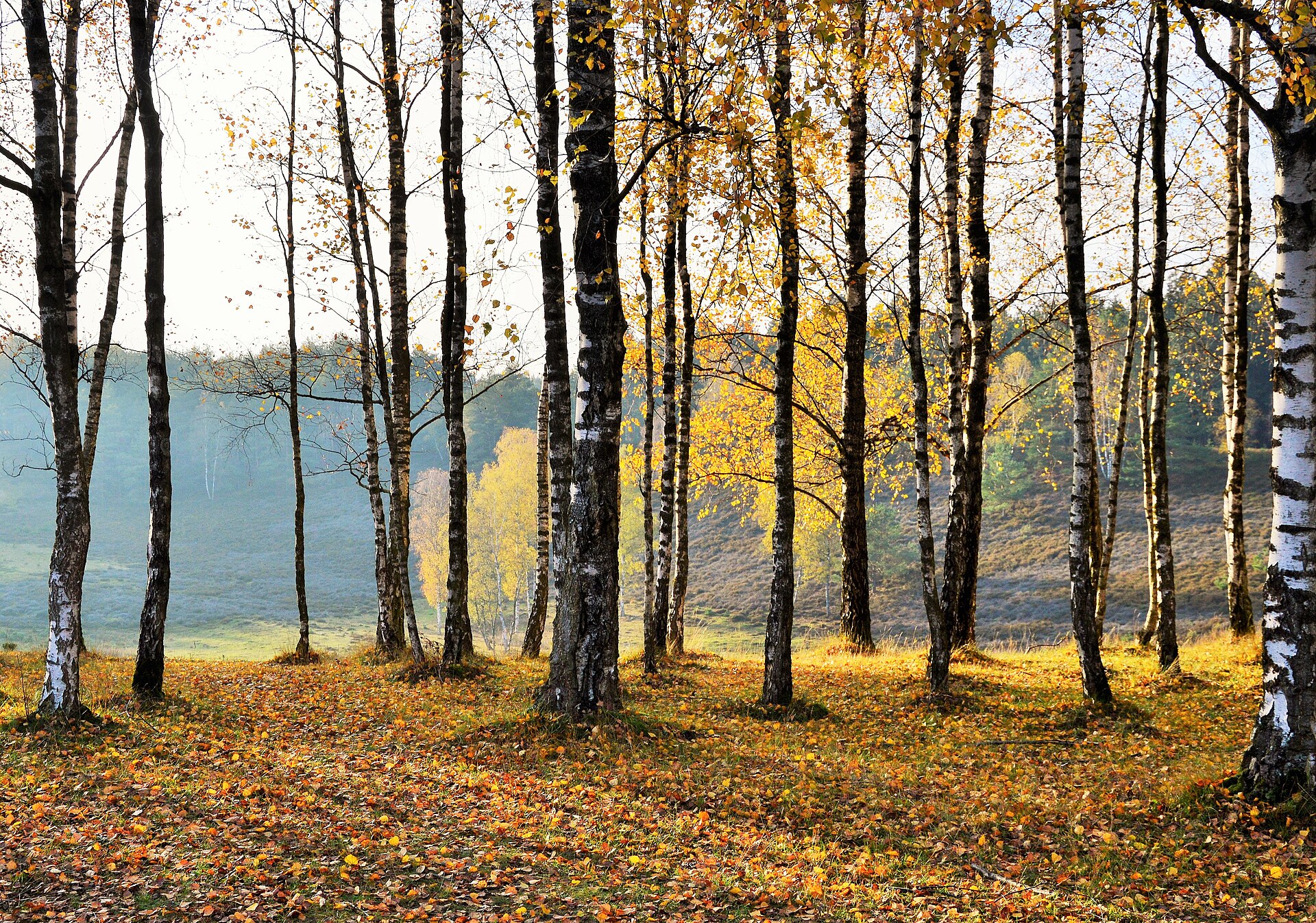
Natura 2000 · reproduction
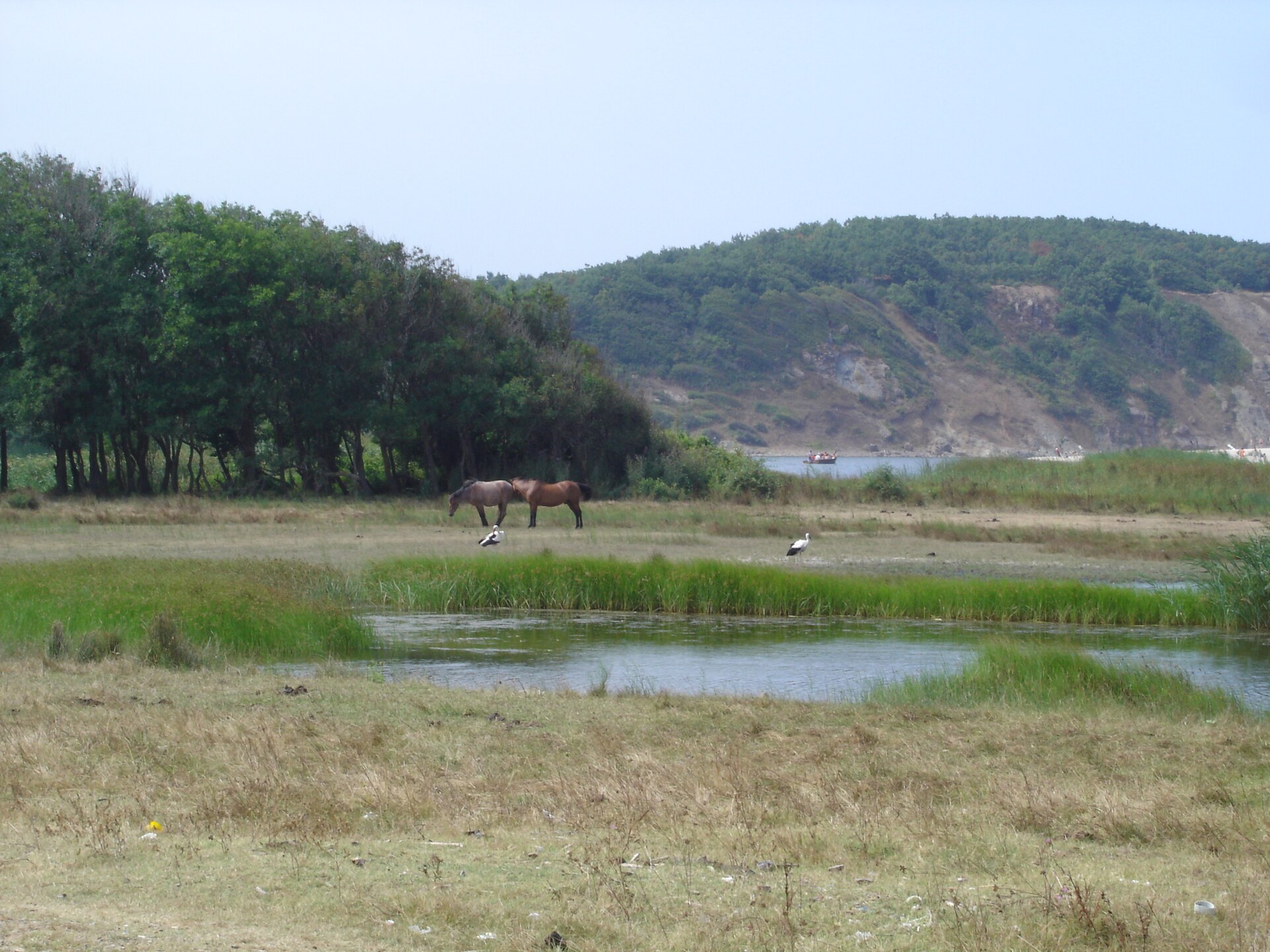
Natura 2000 · de passage, hivernage, sédentaire
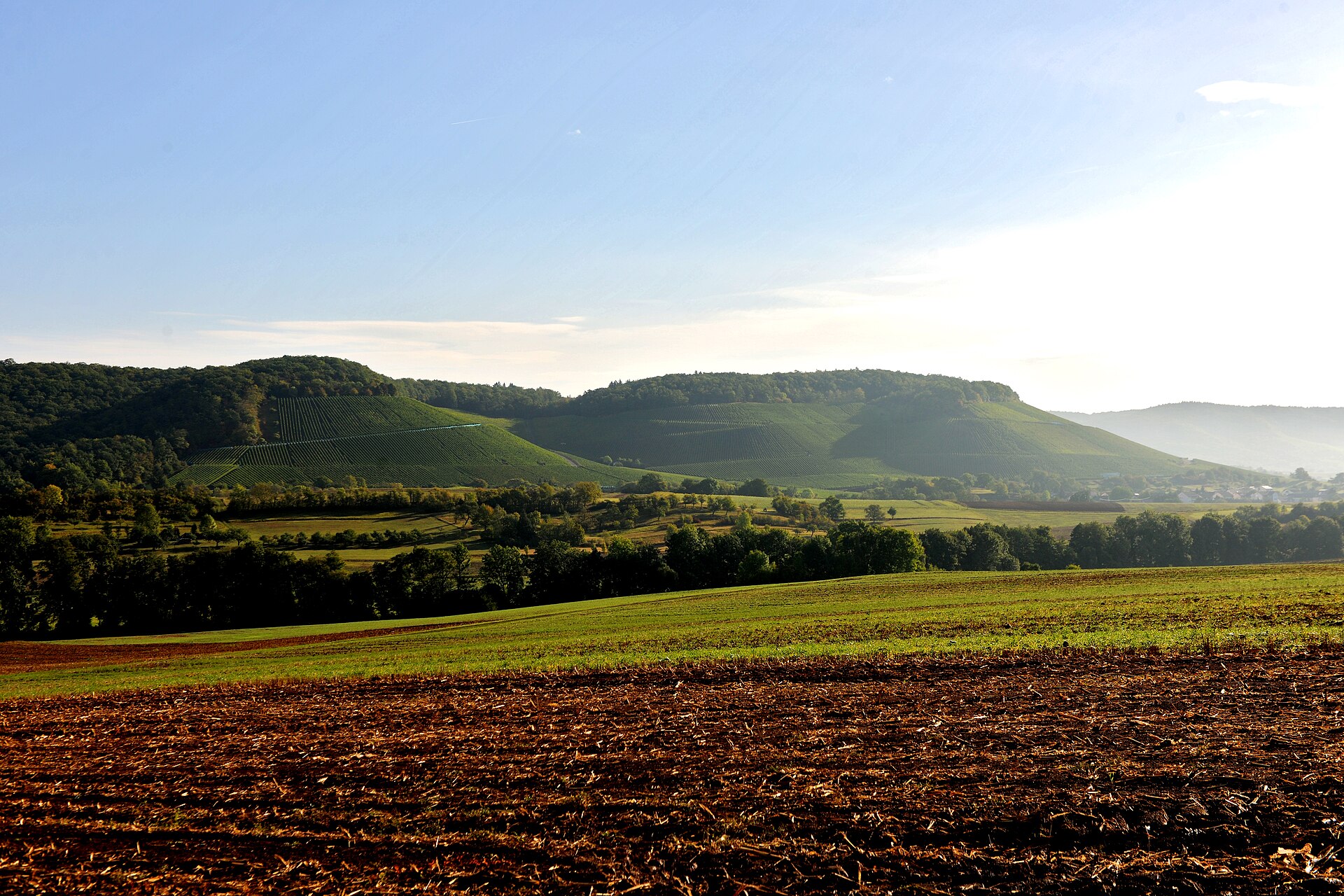
Natura 2000 · reproduction
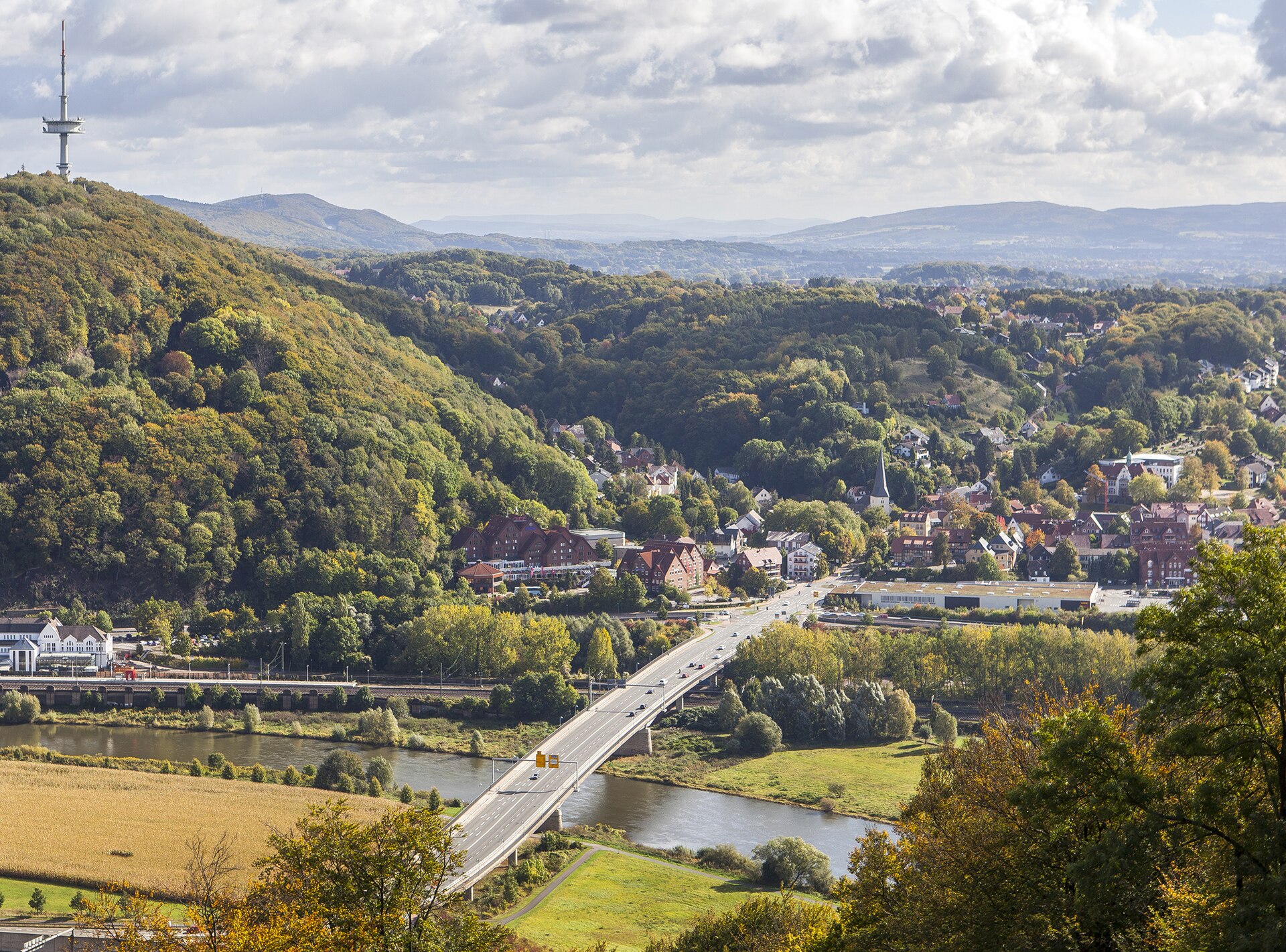
Natura 2000 · reproduction

Natura 2000 · reproduction
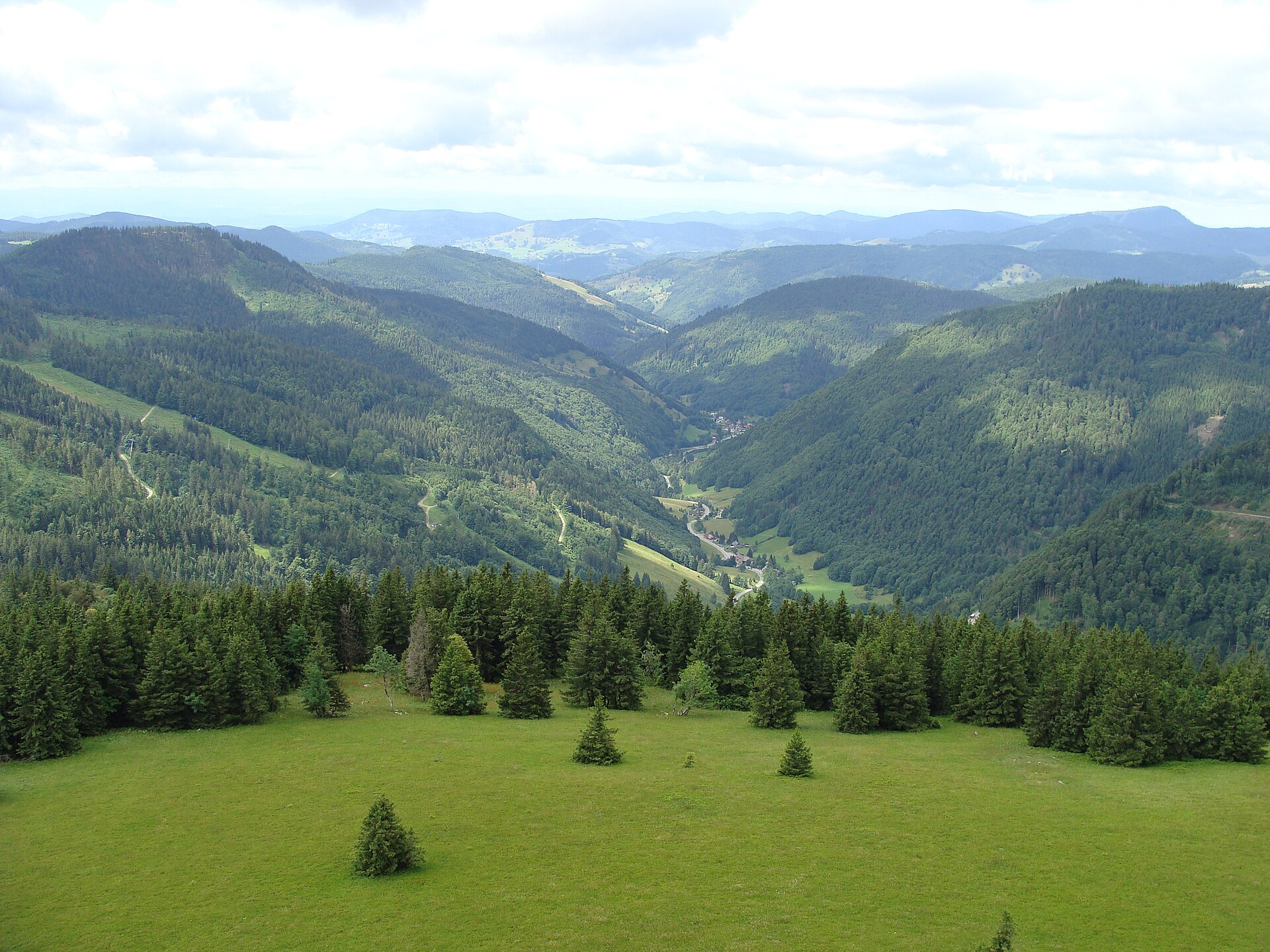
Natura 2000 · reproduction

Natura 2000 · reproduction
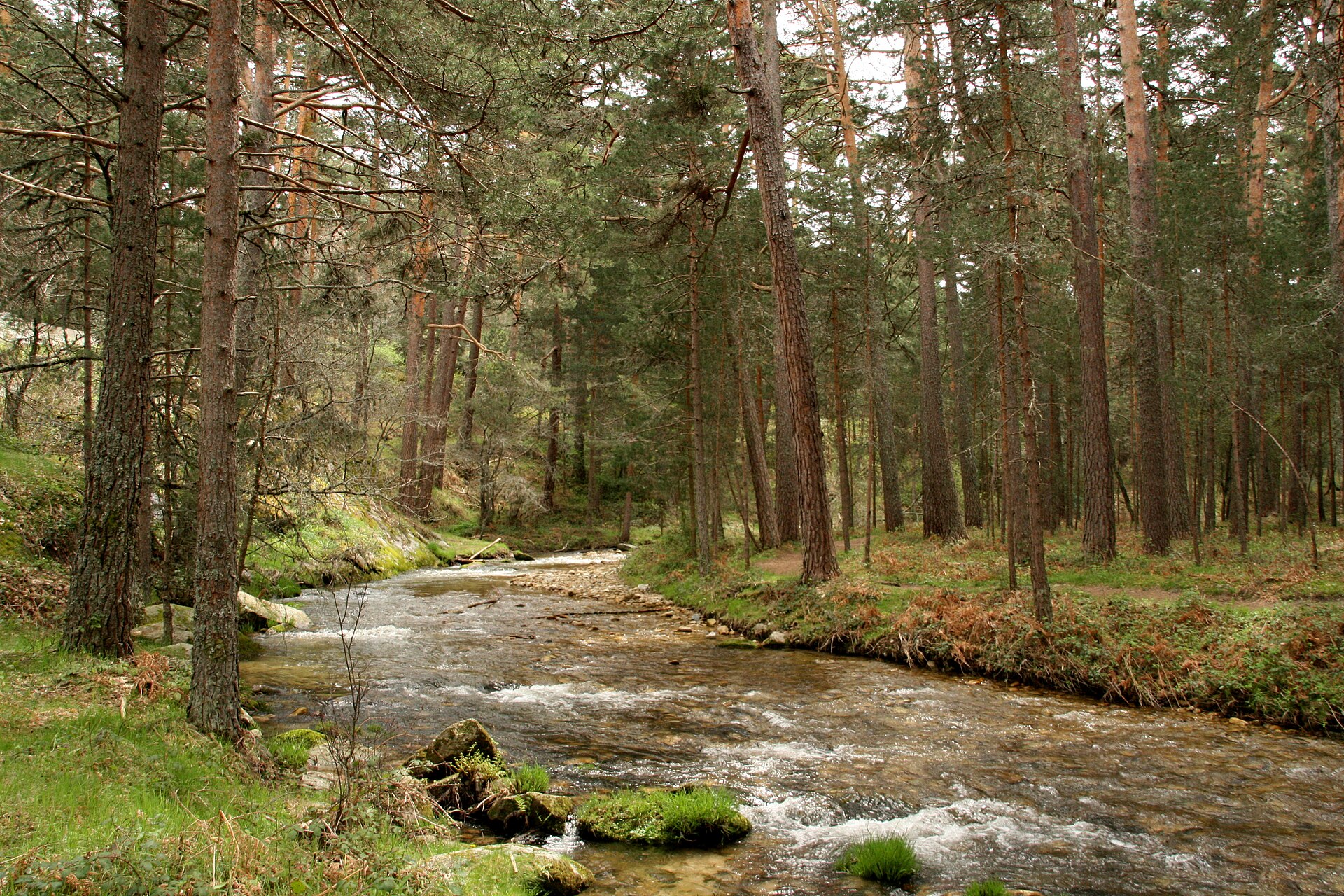
Natura 2000 · sédentaire
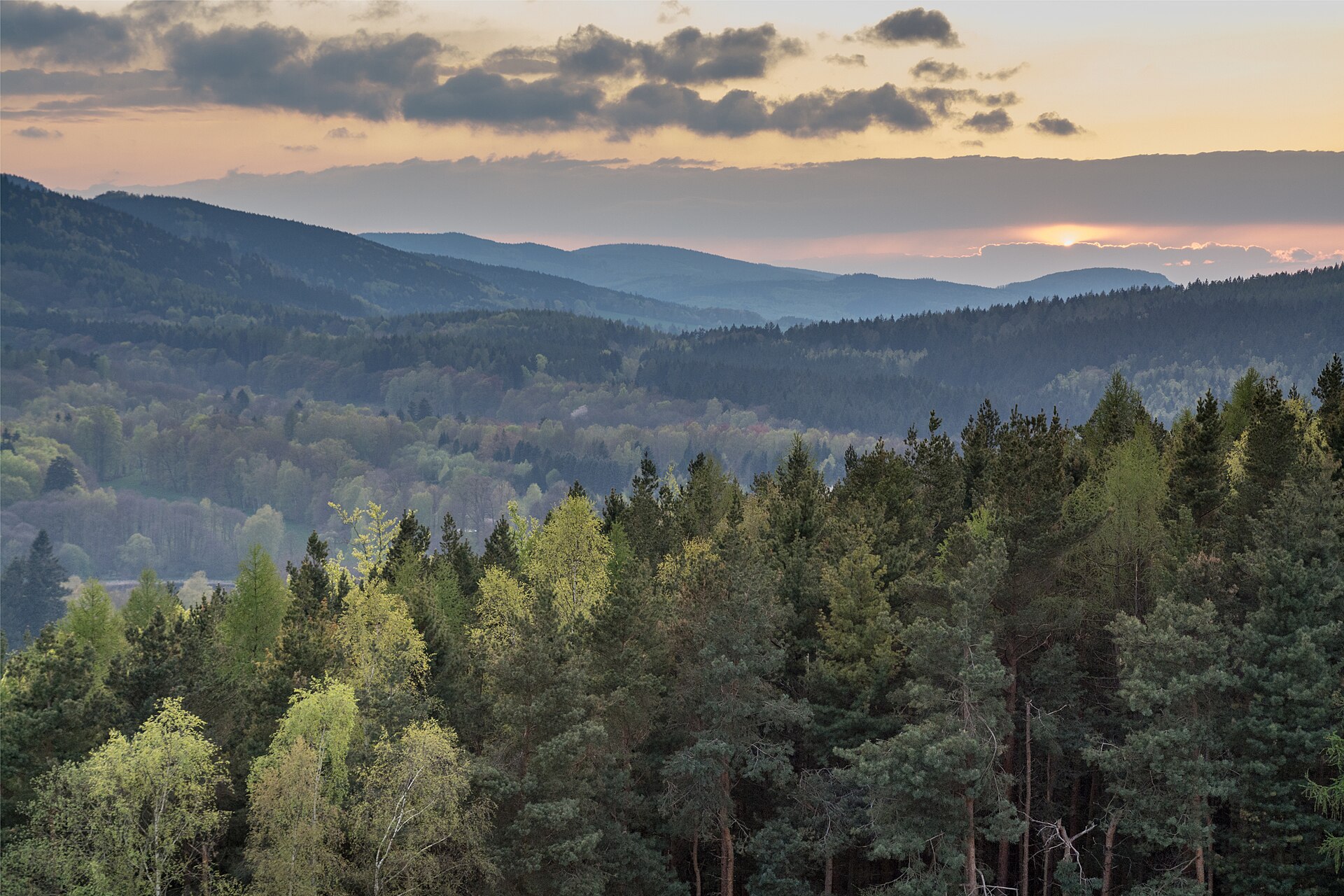
Natura 2000 · sédentaire, reproduction
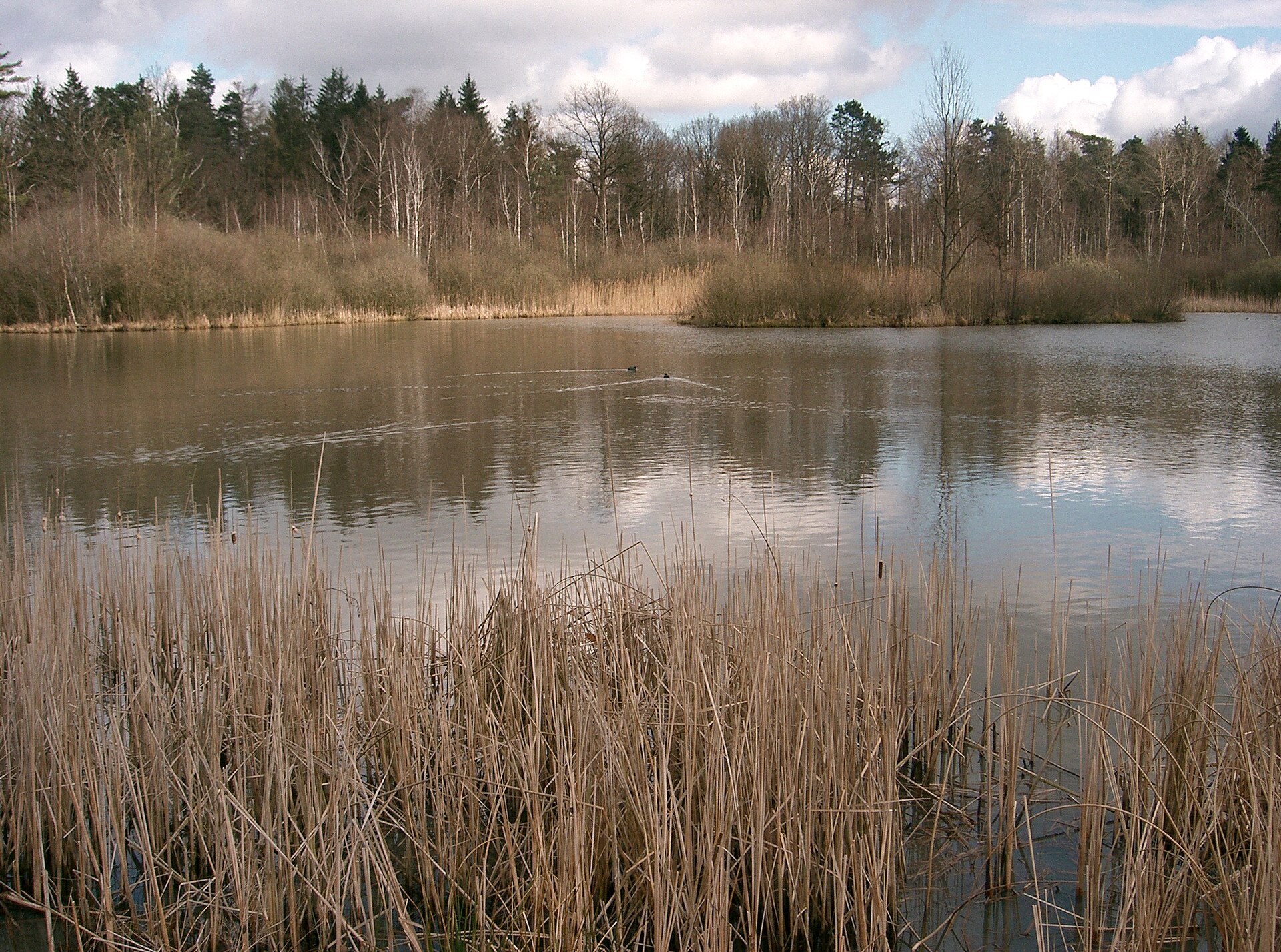
Natura 2000 · reproduction
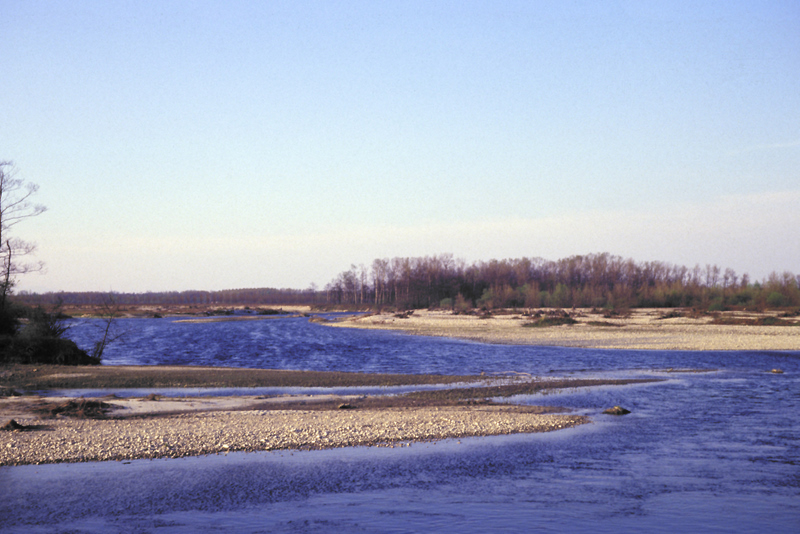
Natura 2000 · sédentaire
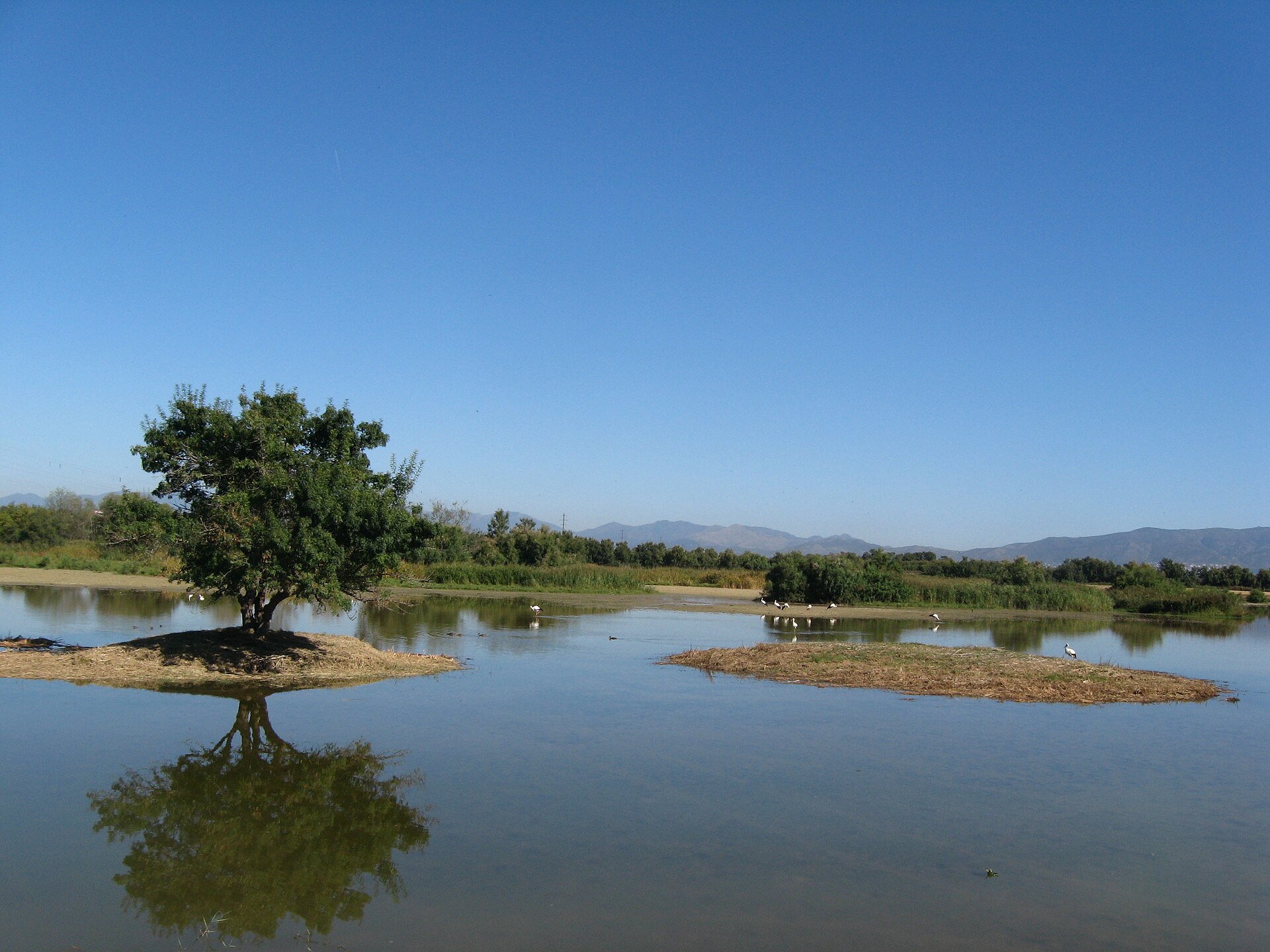
Natura 2000 · hivernage, reproduction
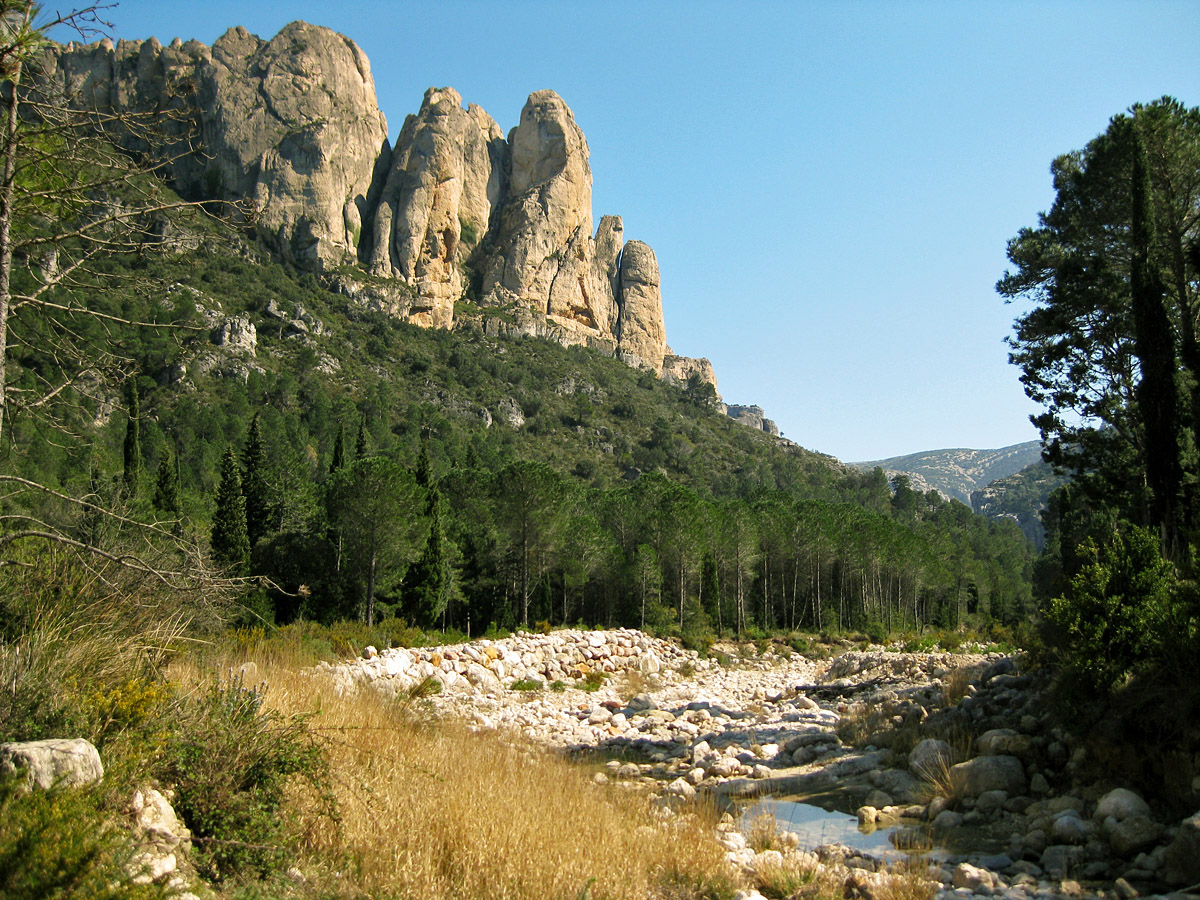
Natura 2000 · reproduction
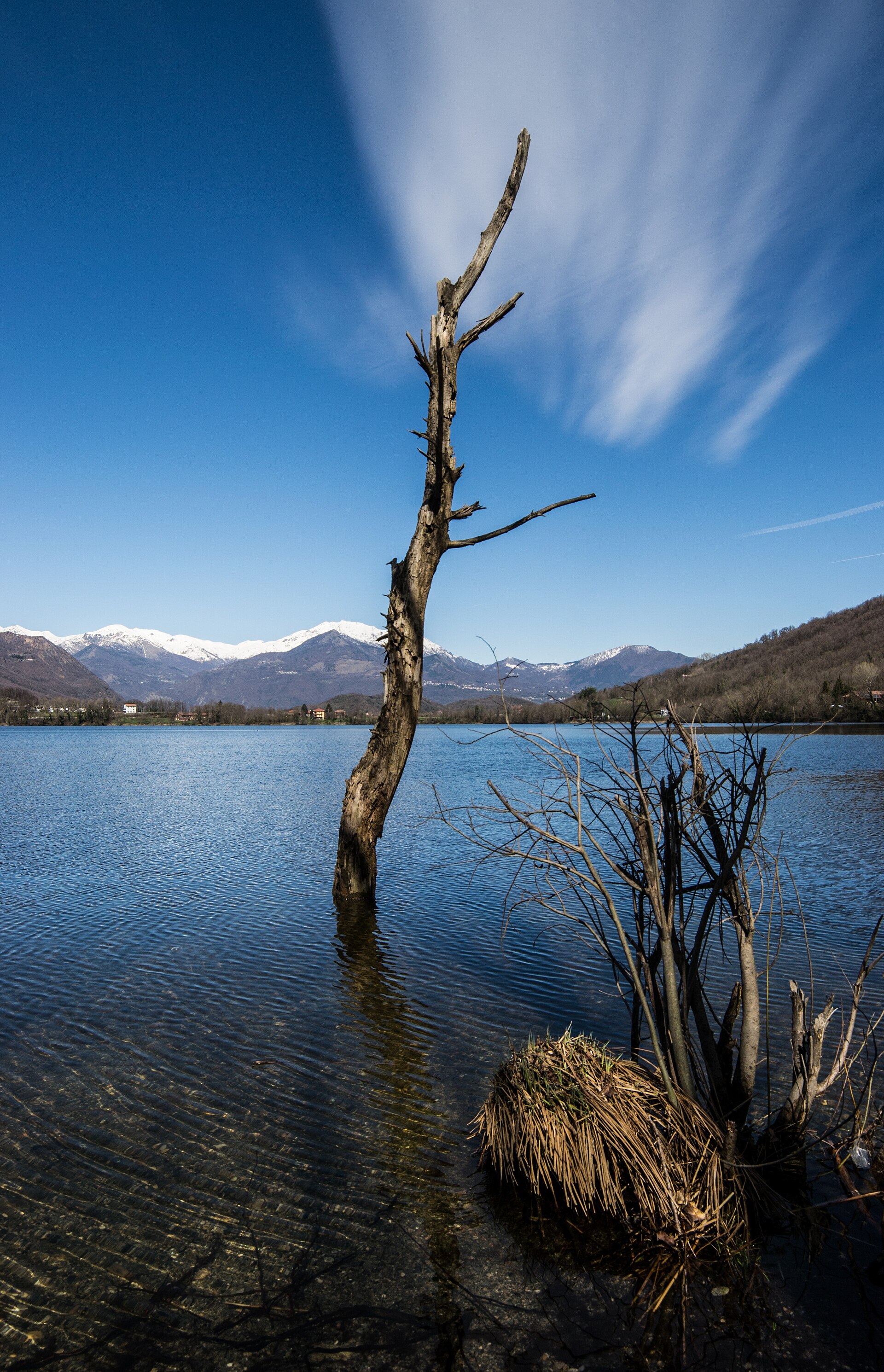
Natura 2000 · reproduction, sédentaire

Natura 2000 · sédentaire
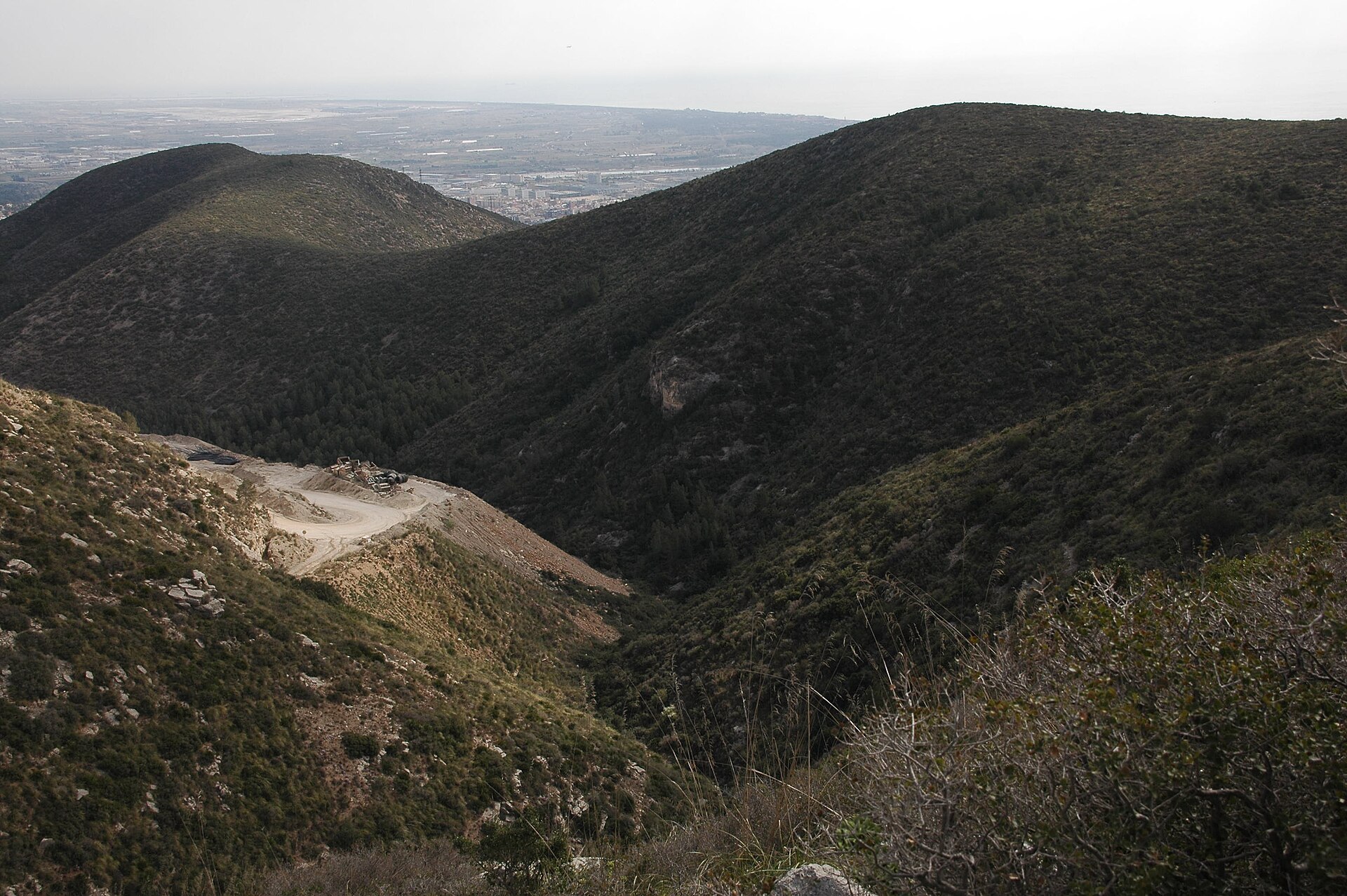
Natura 2000 · hivernage
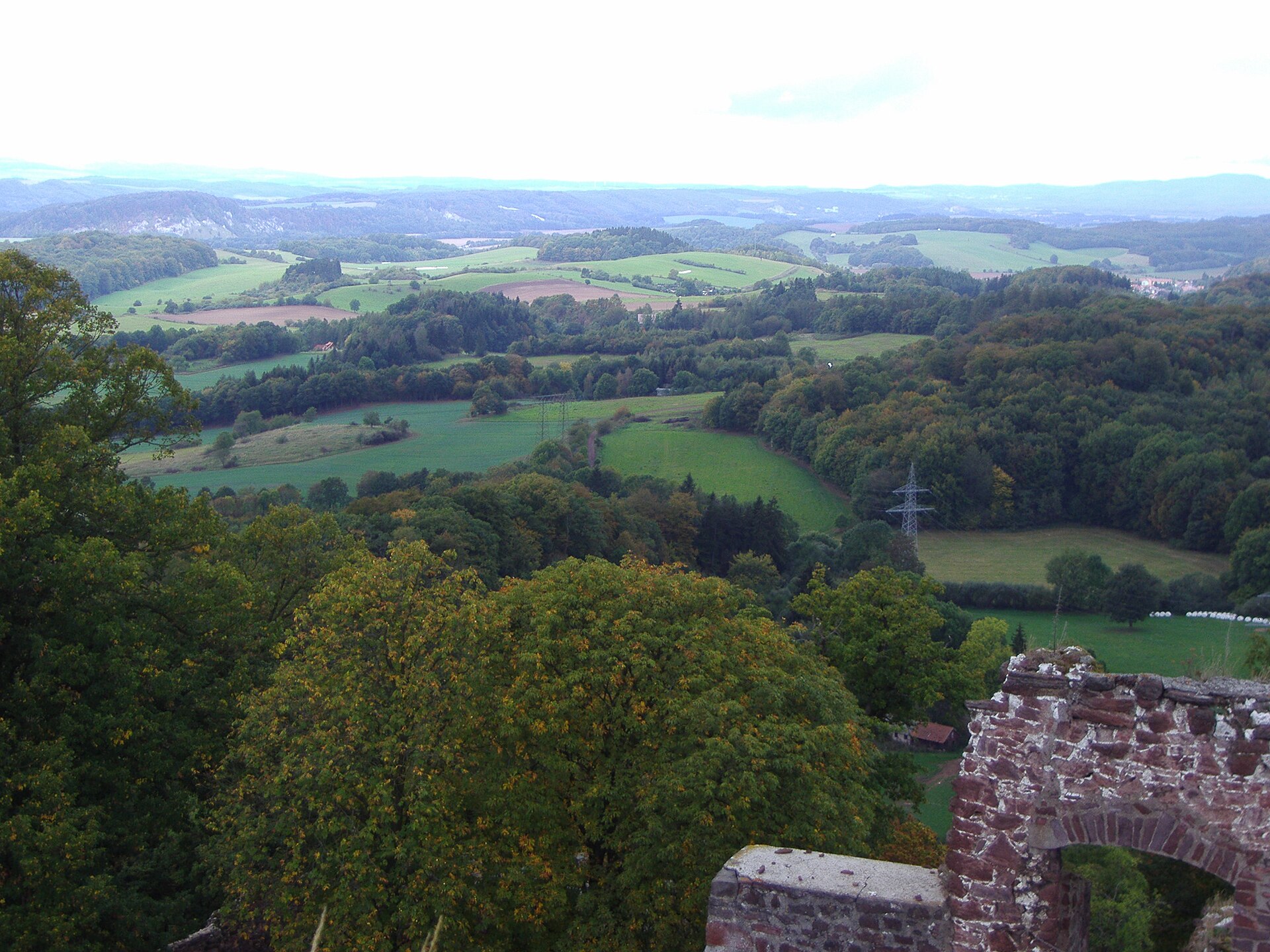
Natura 2000 · de passage
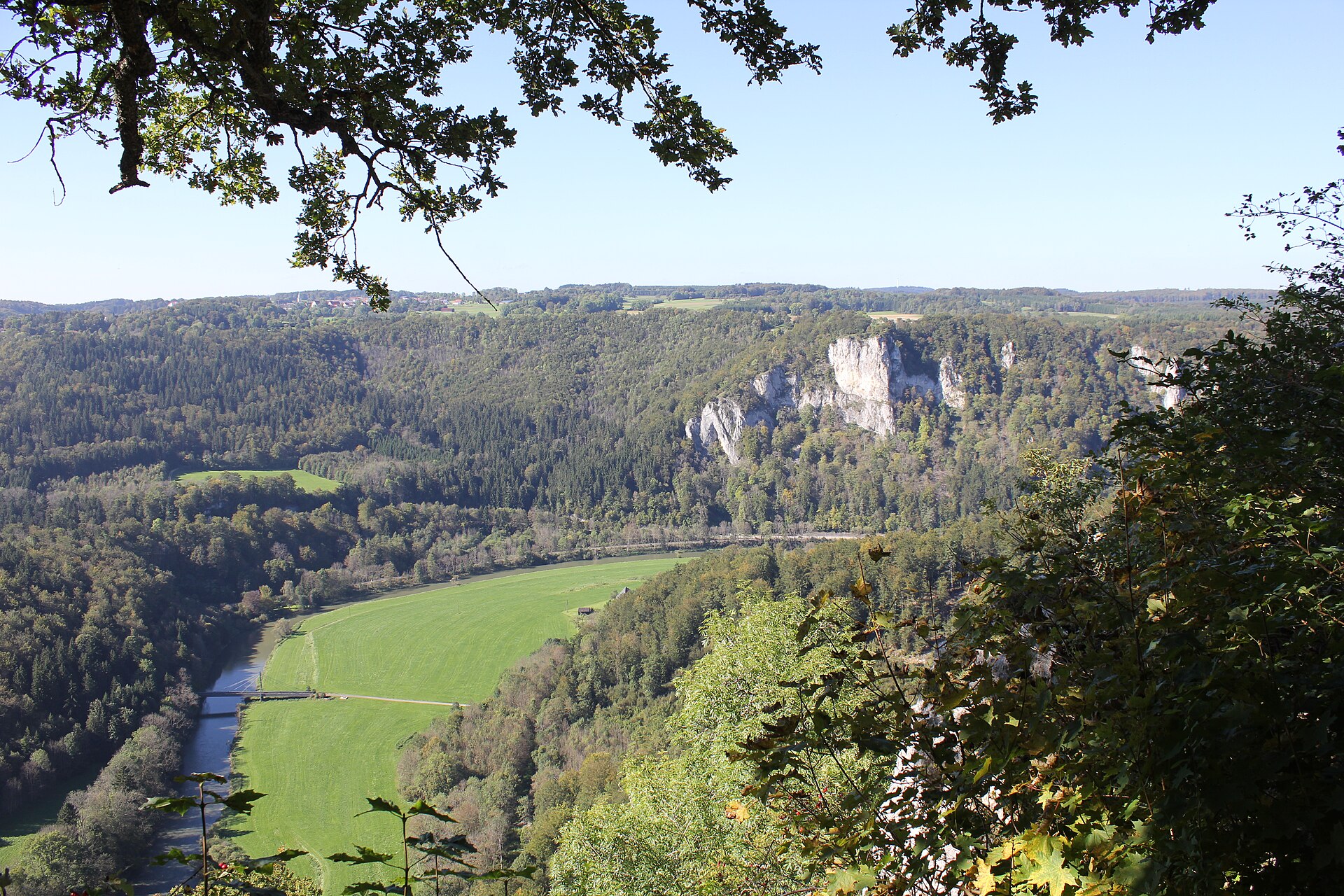
Natura 2000 · reproduction
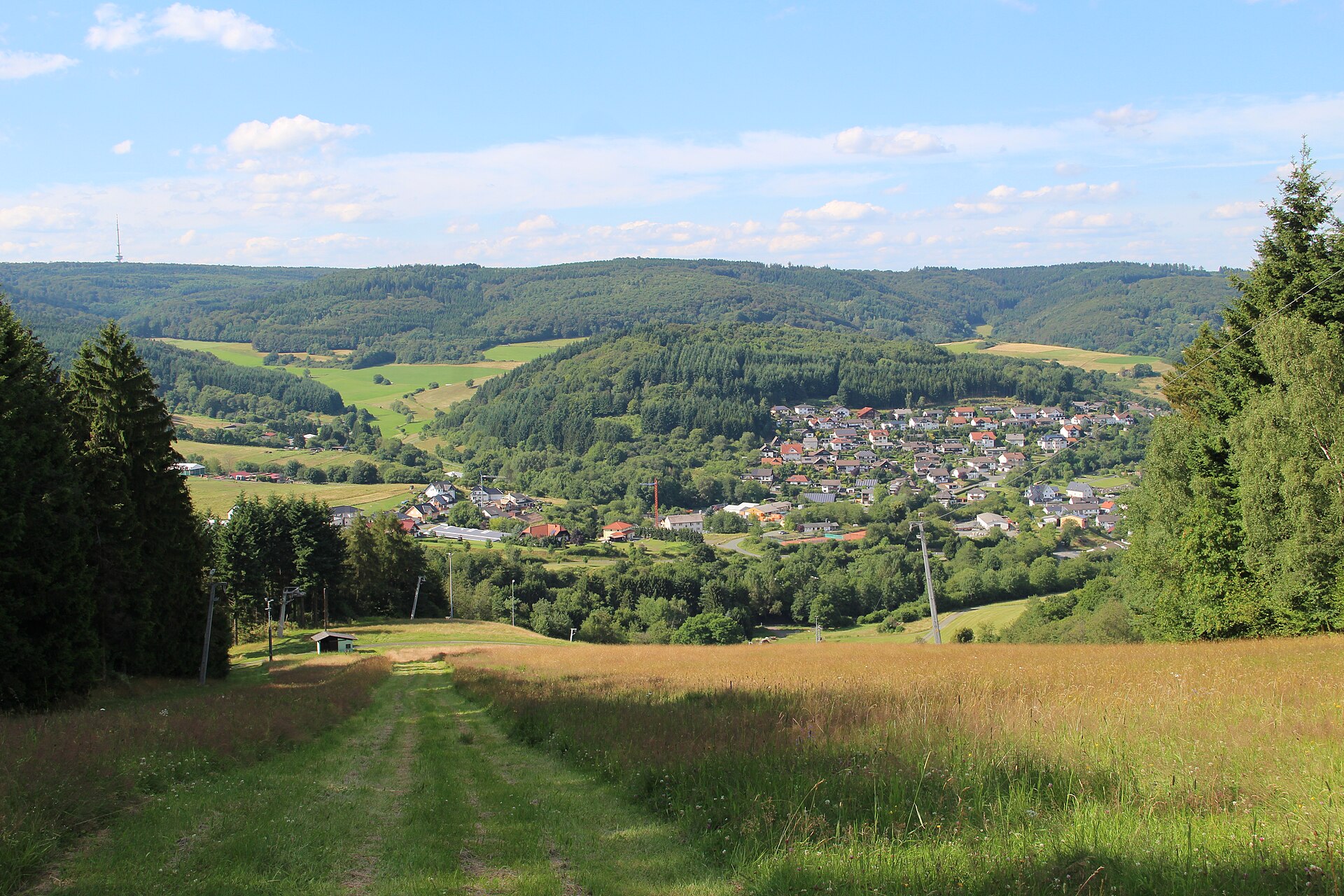
Natura 2000 · de passage, reproduction
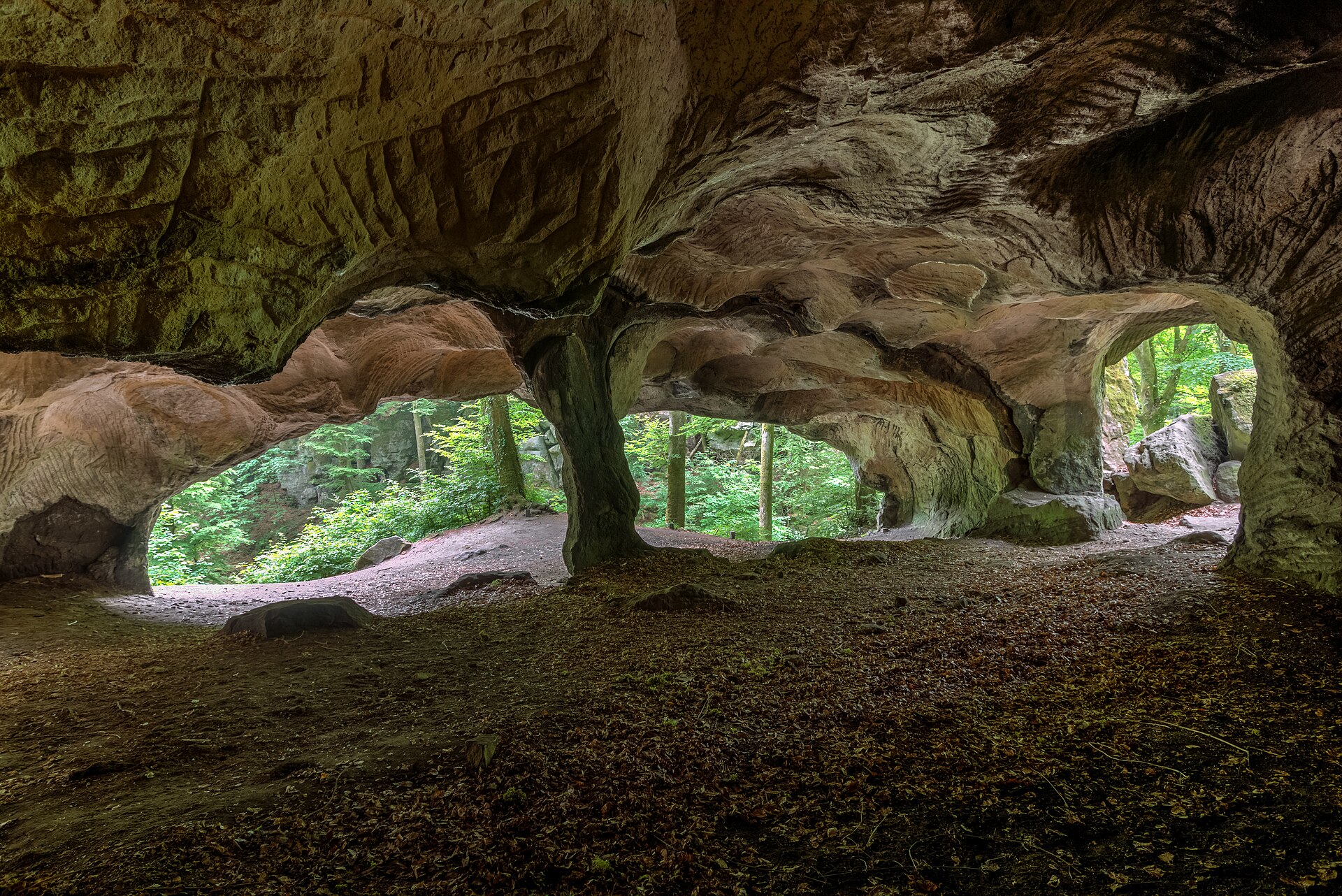
Natura 2000 · sédentaire, reproduction
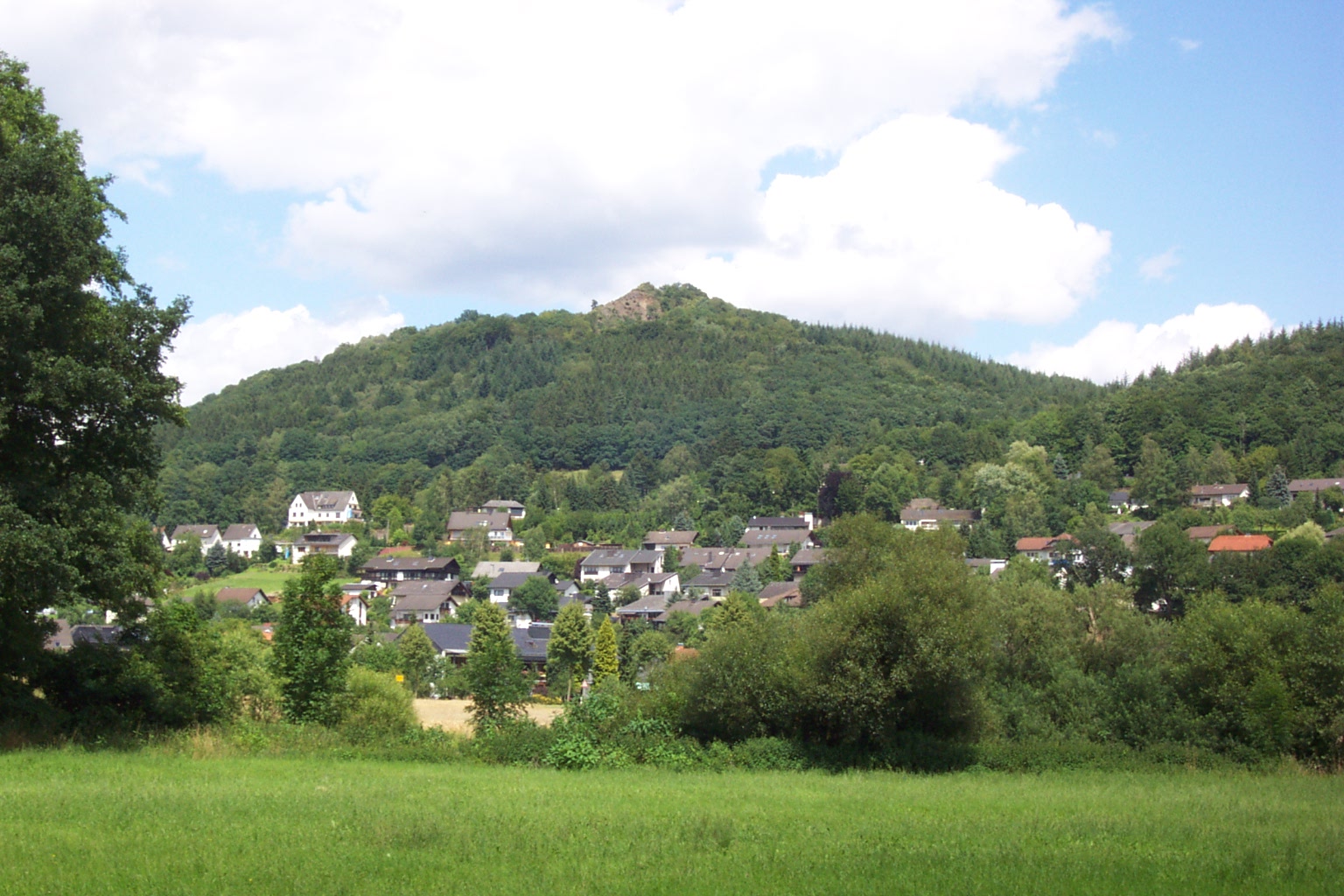
Natura 2000 · reproduction

Natura 2000 · sédentaire
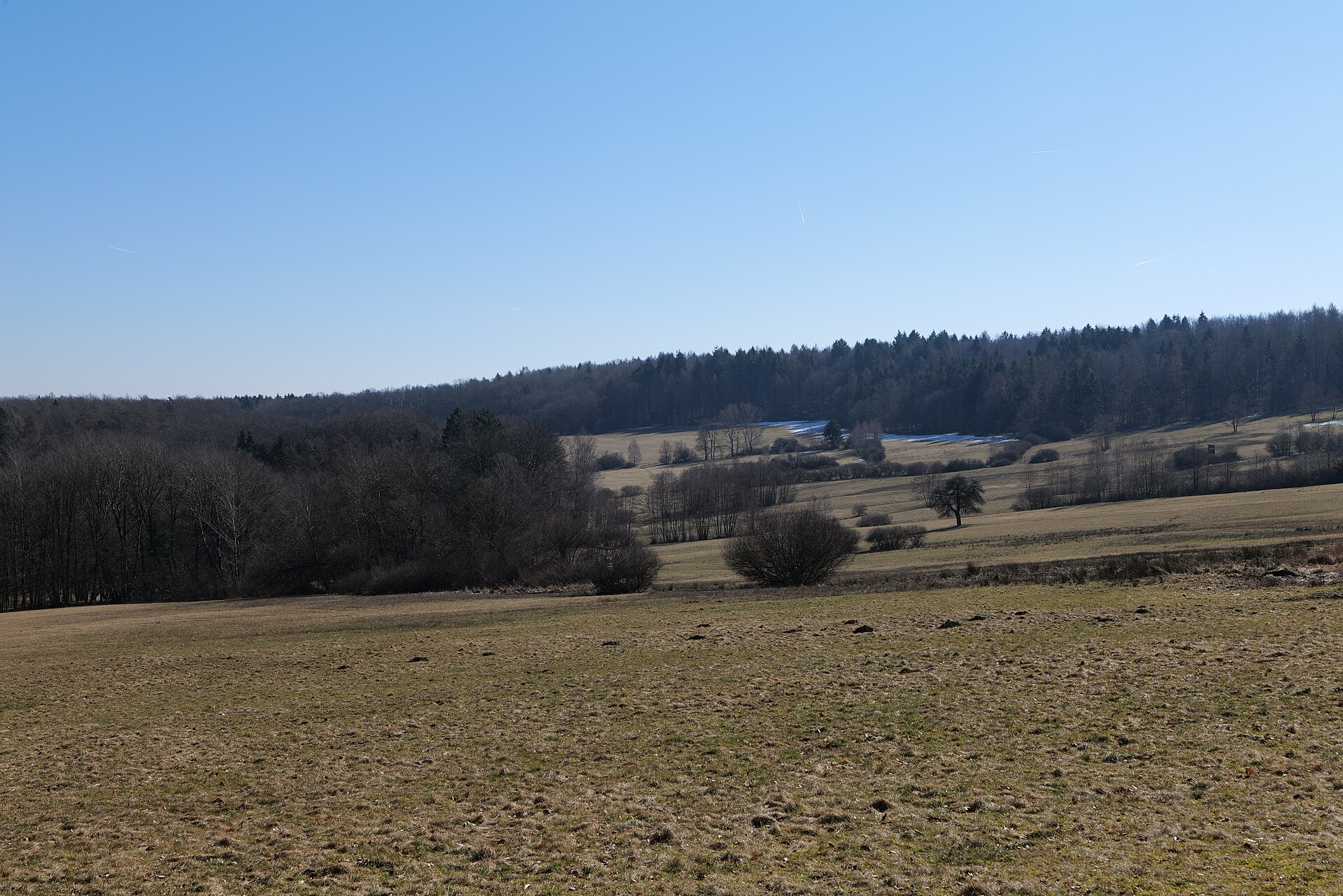
Natura 2000 · sédentaire
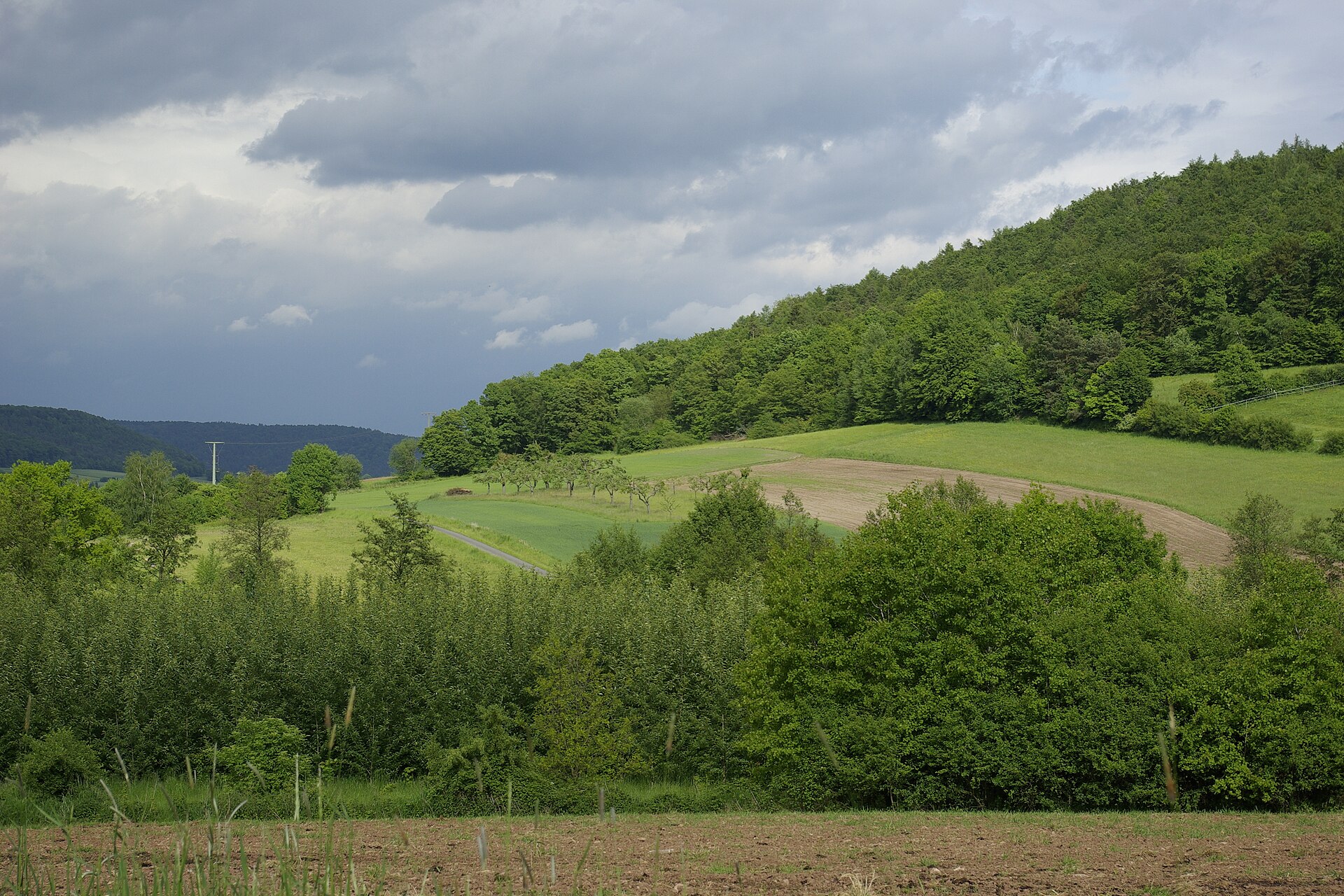
Natura 2000 · reproduction
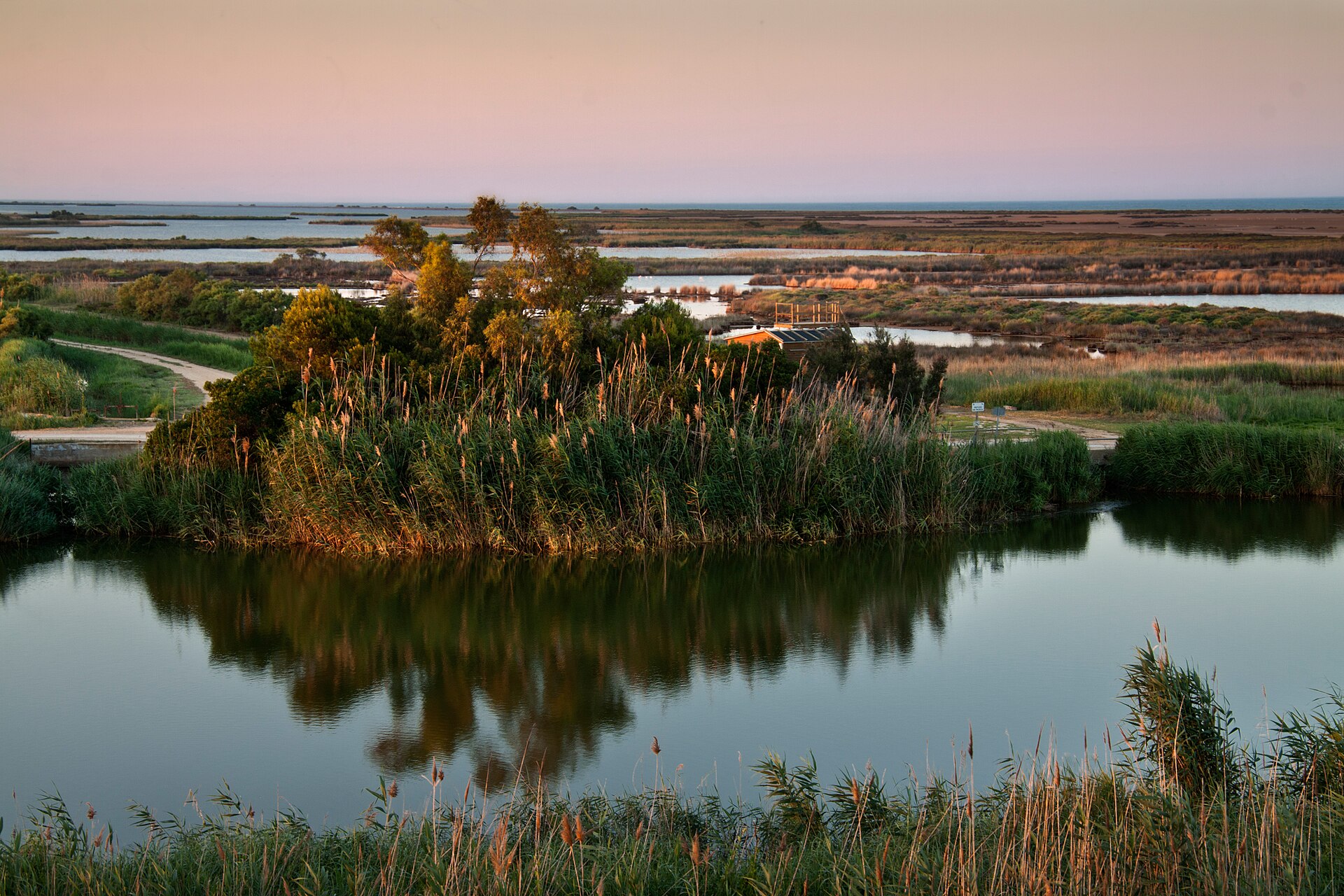
Natura 2000 · reproduction
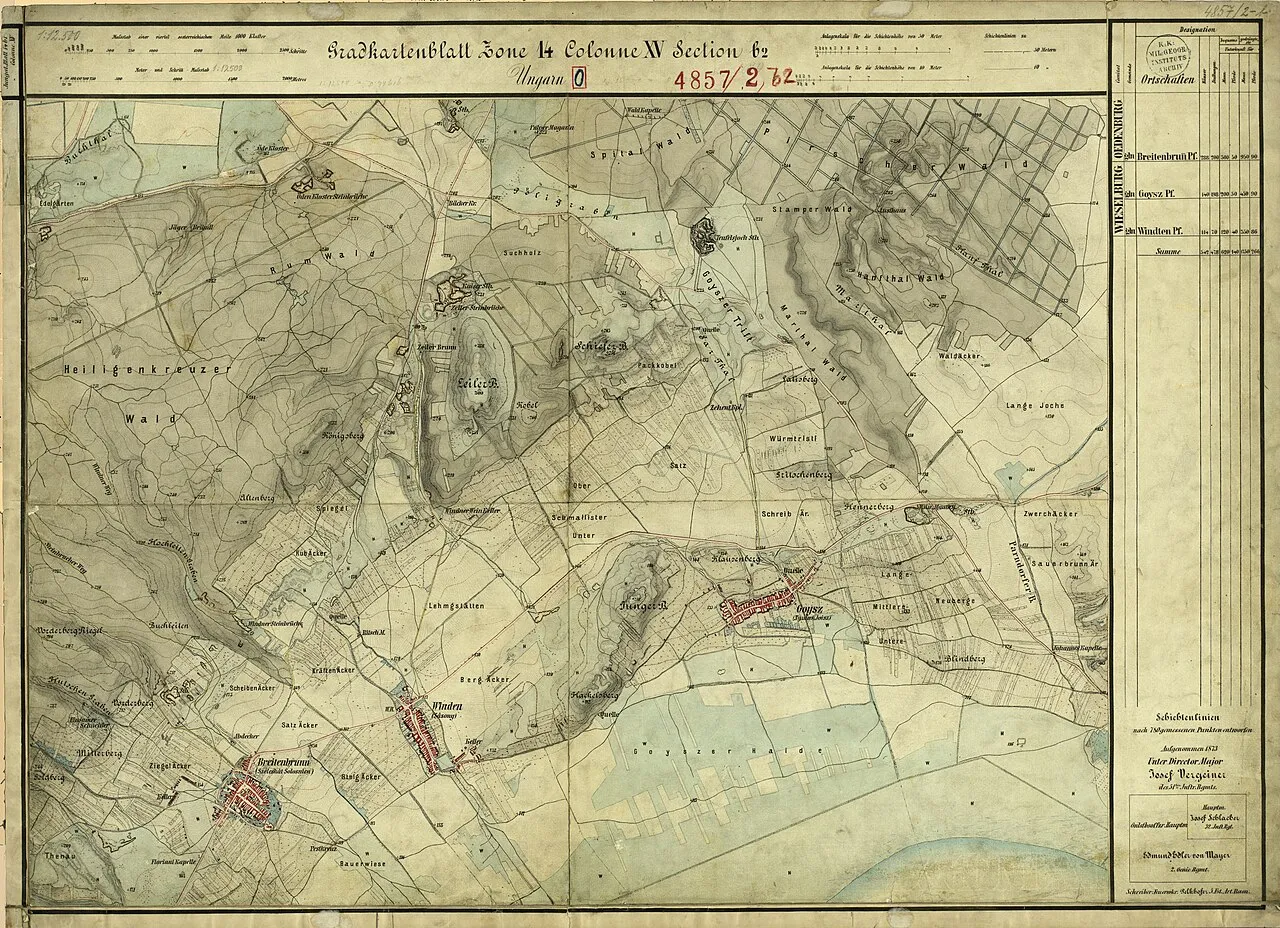
Natura 2000 · reproduction
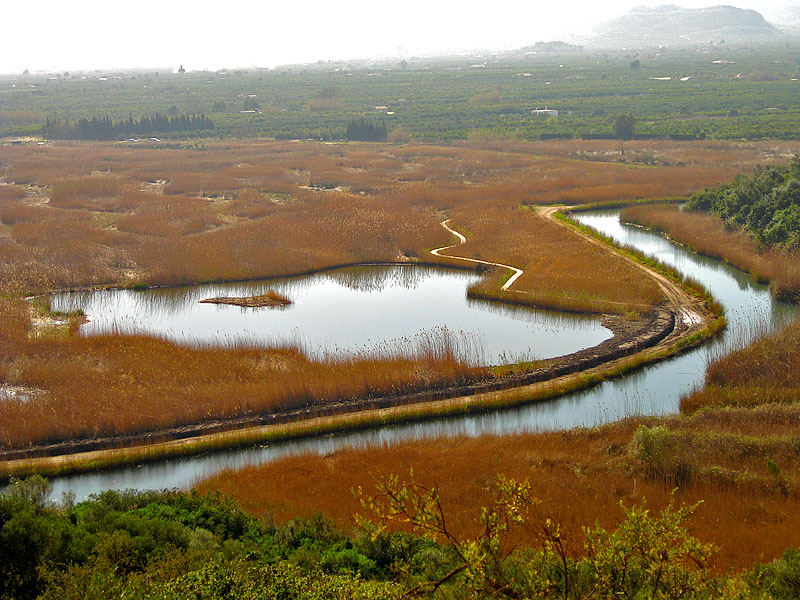
Natura 2000 · sédentaire
Natura 2000 · sédentaire, reproduction, de passage, hivernage
Natura 2000 · reproduction
Natura 2000 · reproduction, hivernage
Natura 2000 · reproduction, hivernage, sédentaire, de passage
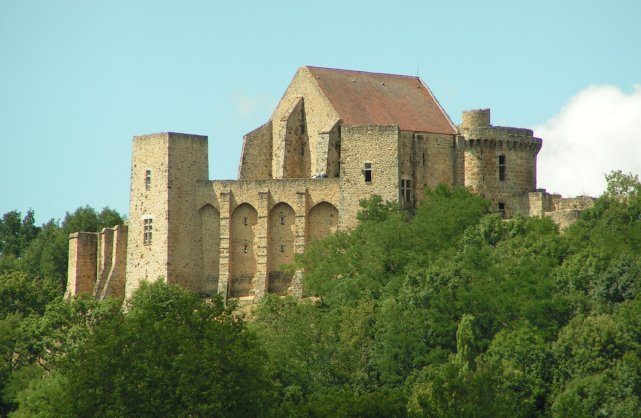
Natura 2000 · reproduction
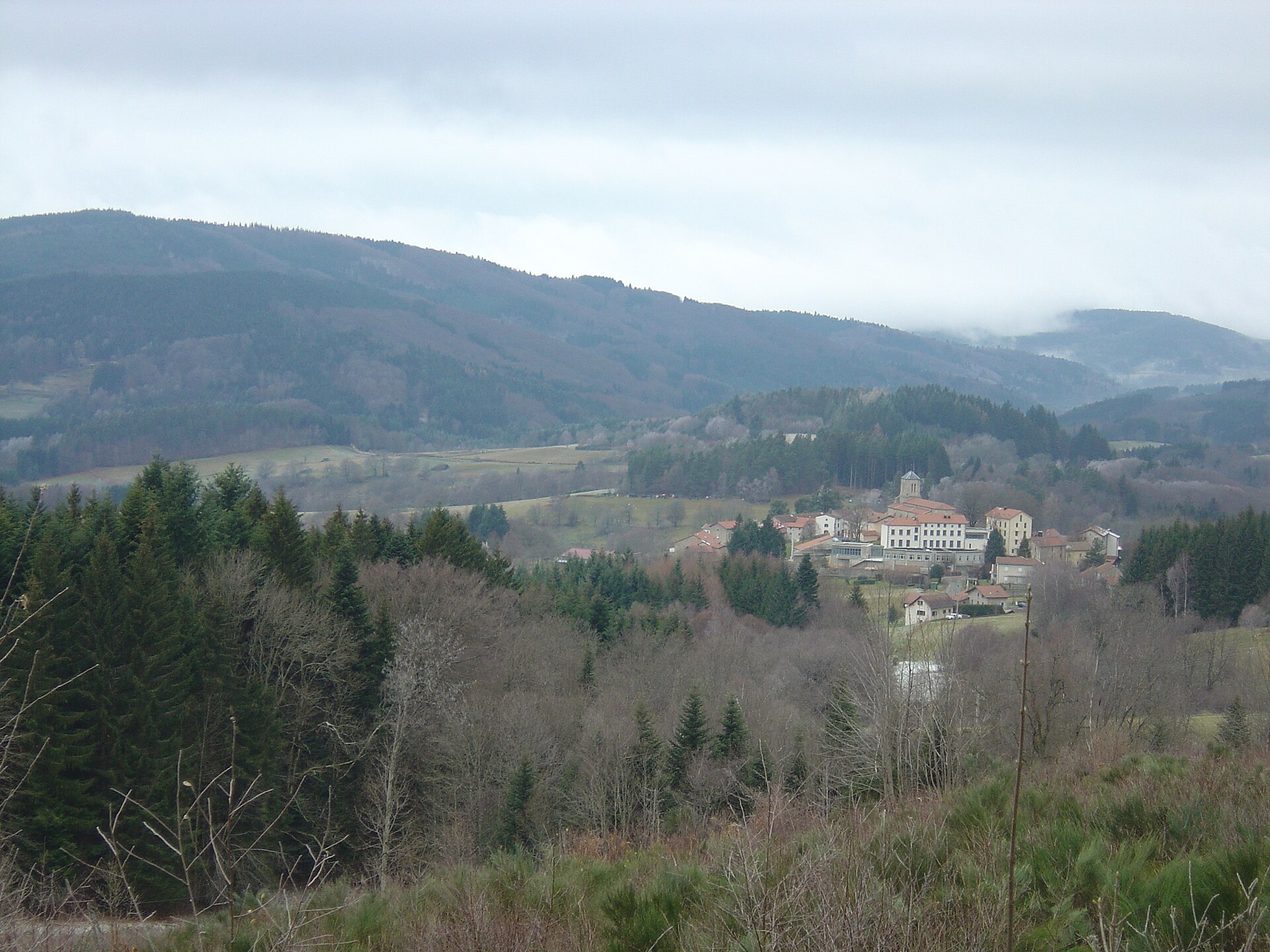
Natura 2000 · hivernage, de passage, reproduction
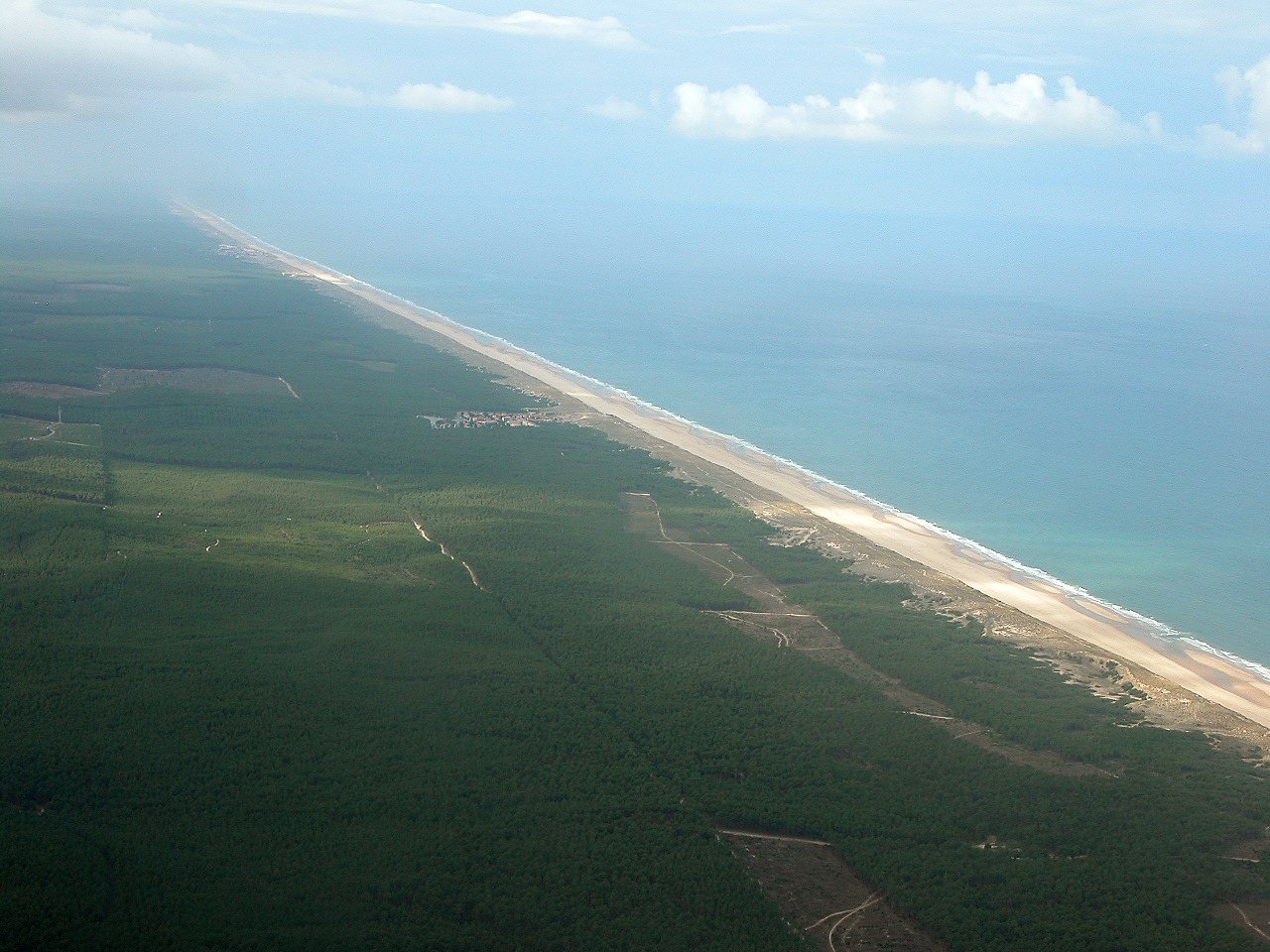
Natura 2000 · reproduction, hivernage
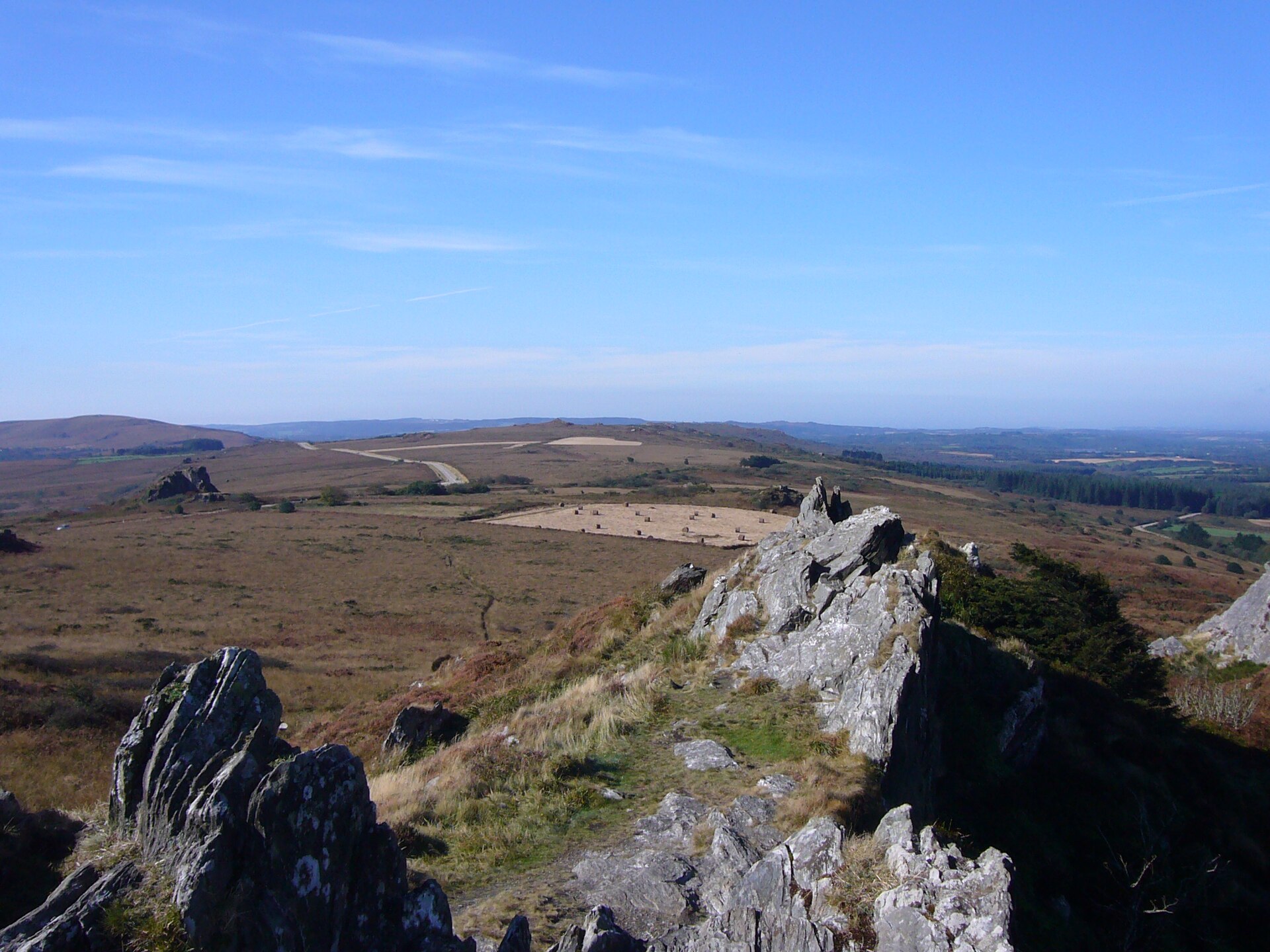
Natura 2000 · hivernage
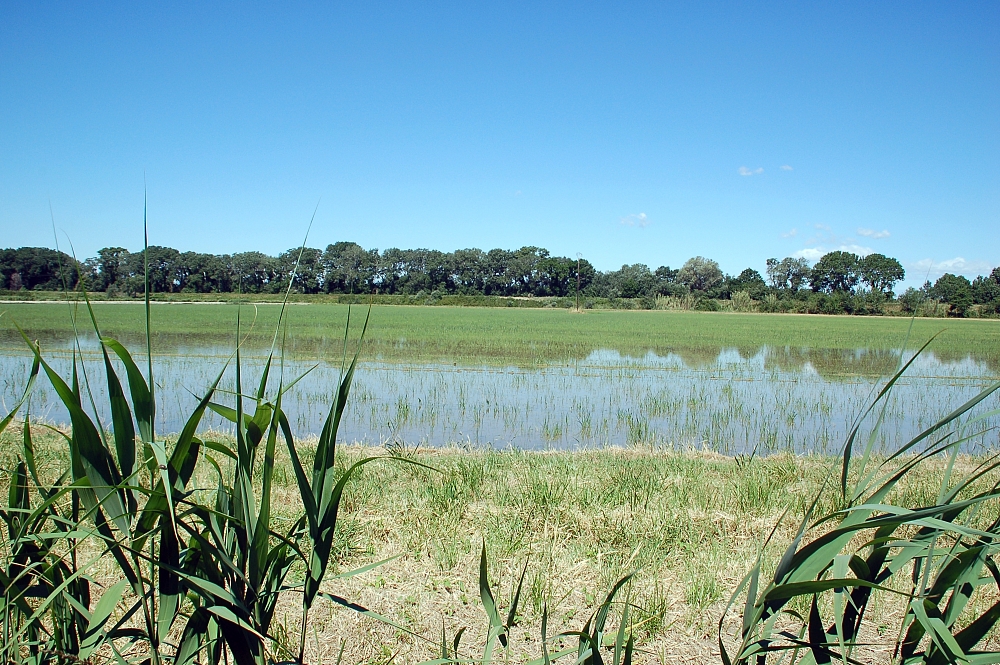
Natura 2000 · de passage, hivernage, sédentaire, reproduction
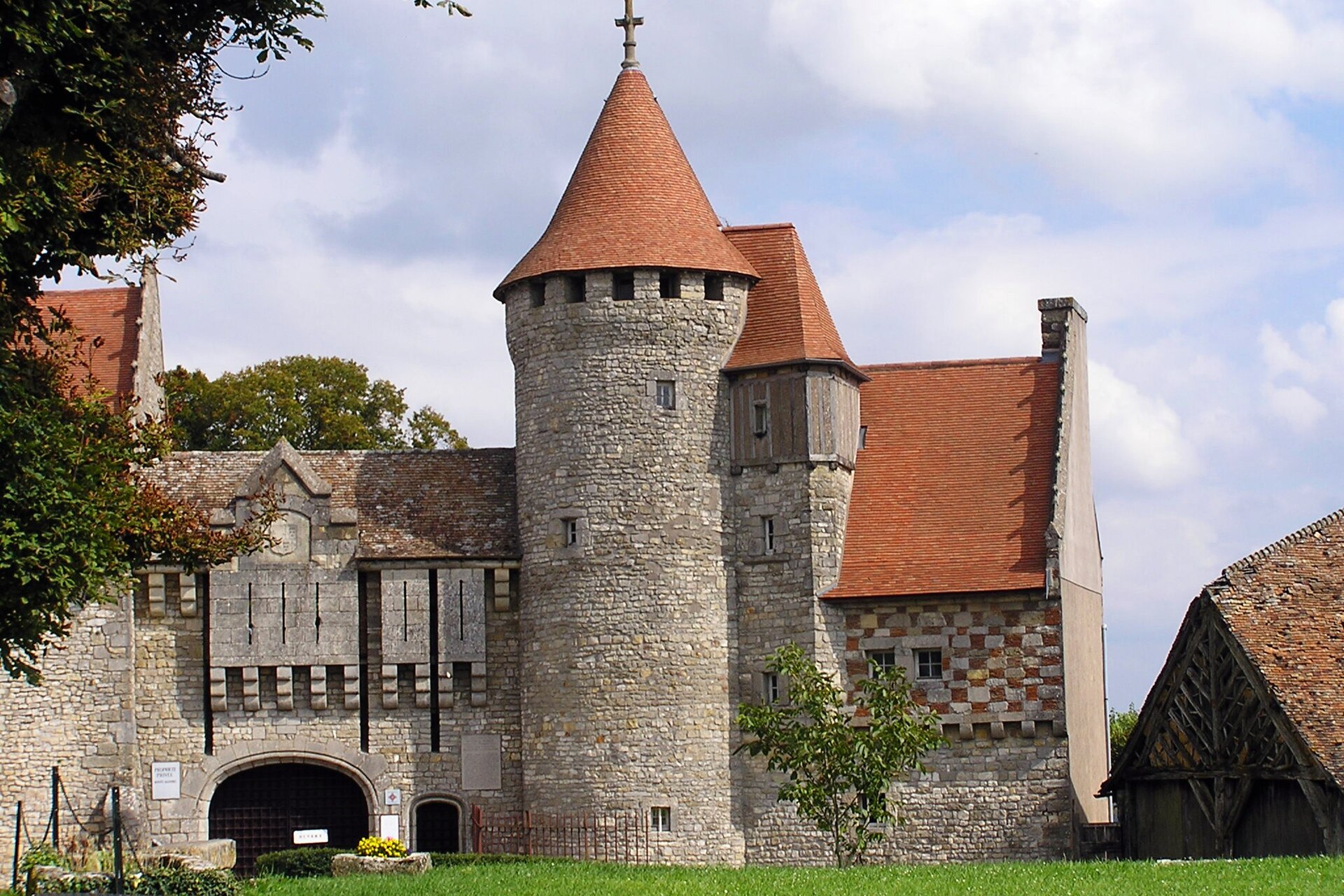
Natura 2000 · reproduction, de passage, sédentaire
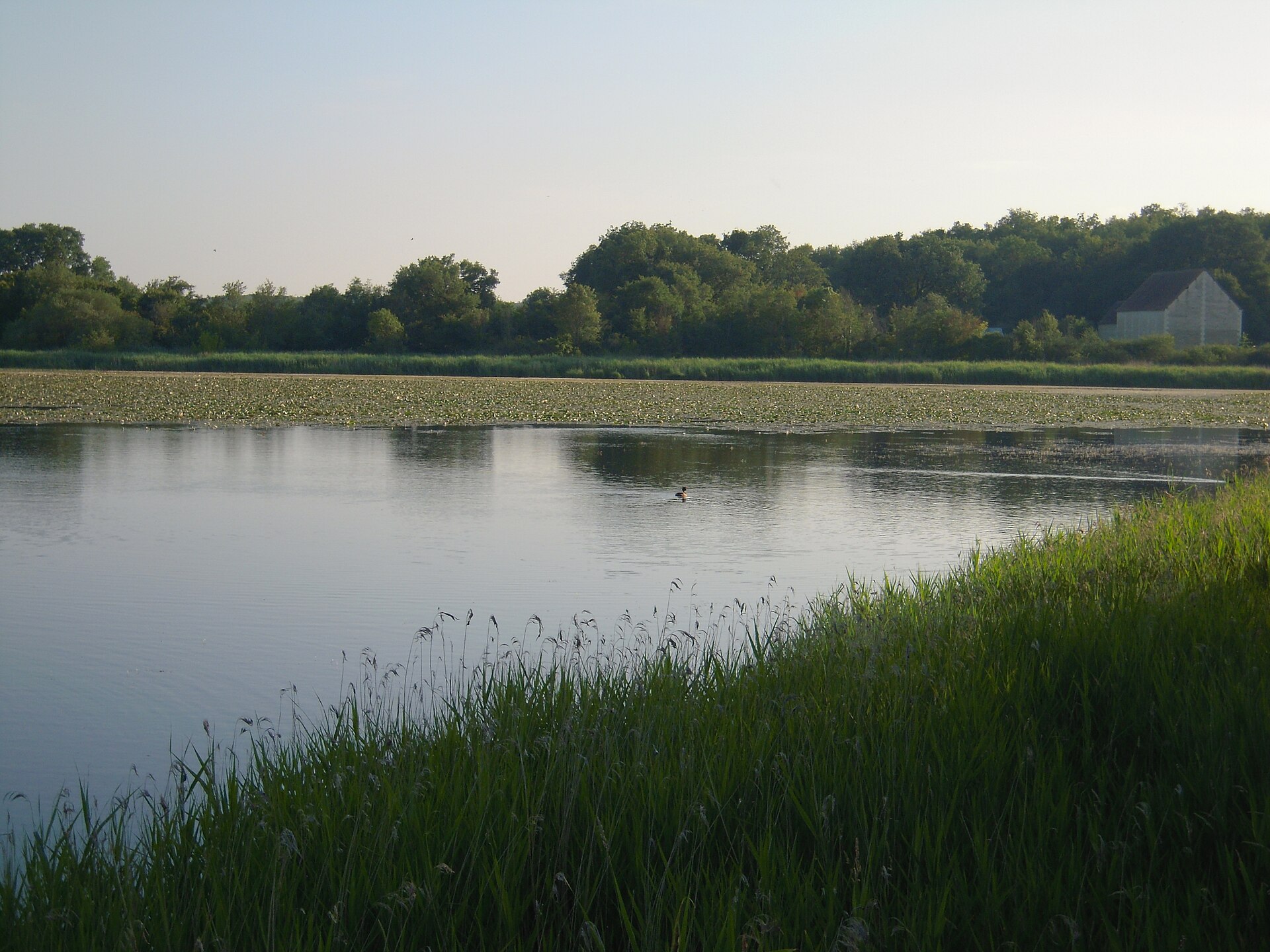
Natura 2000 · reproduction
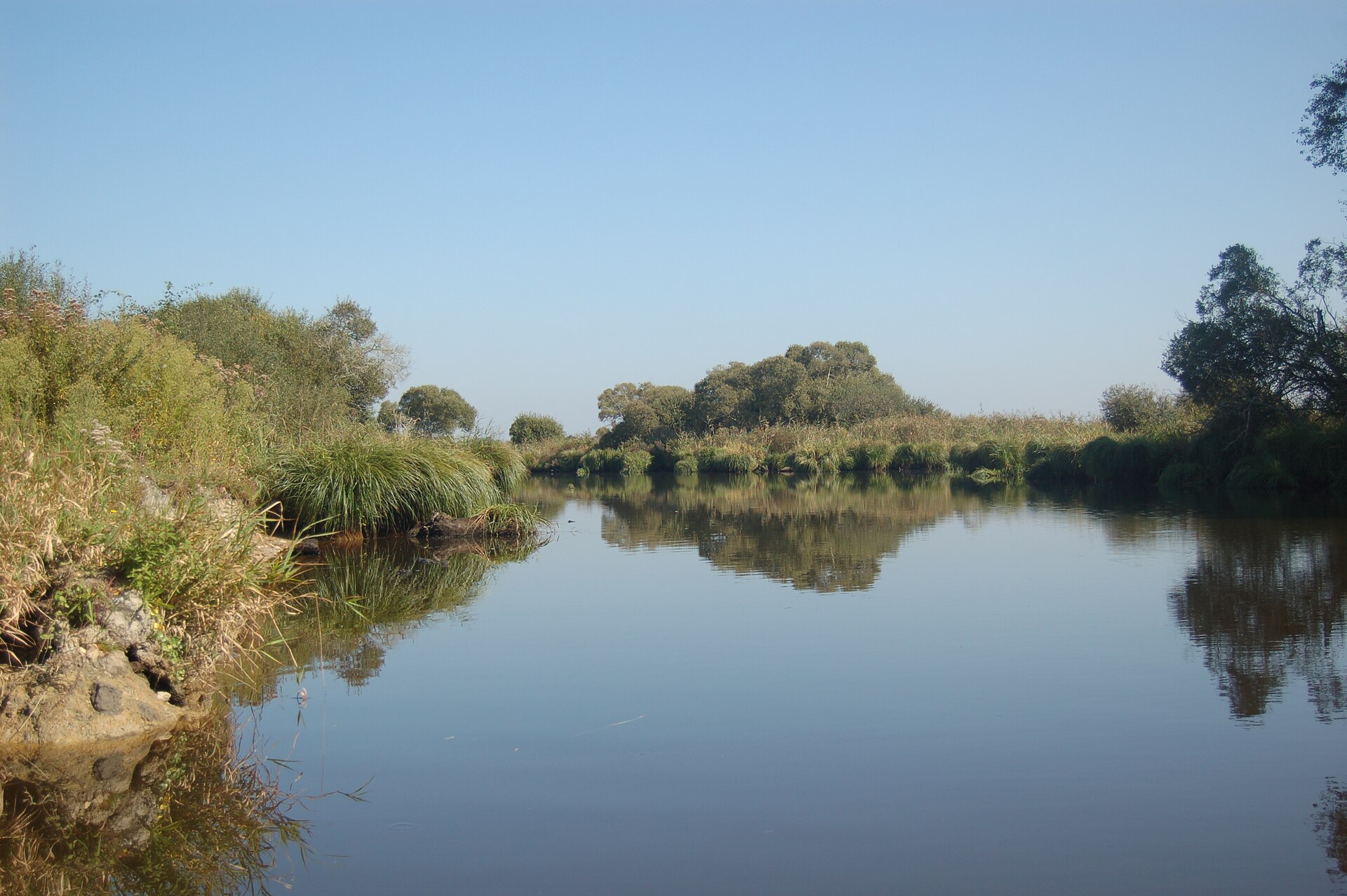
Natura 2000 · hivernage
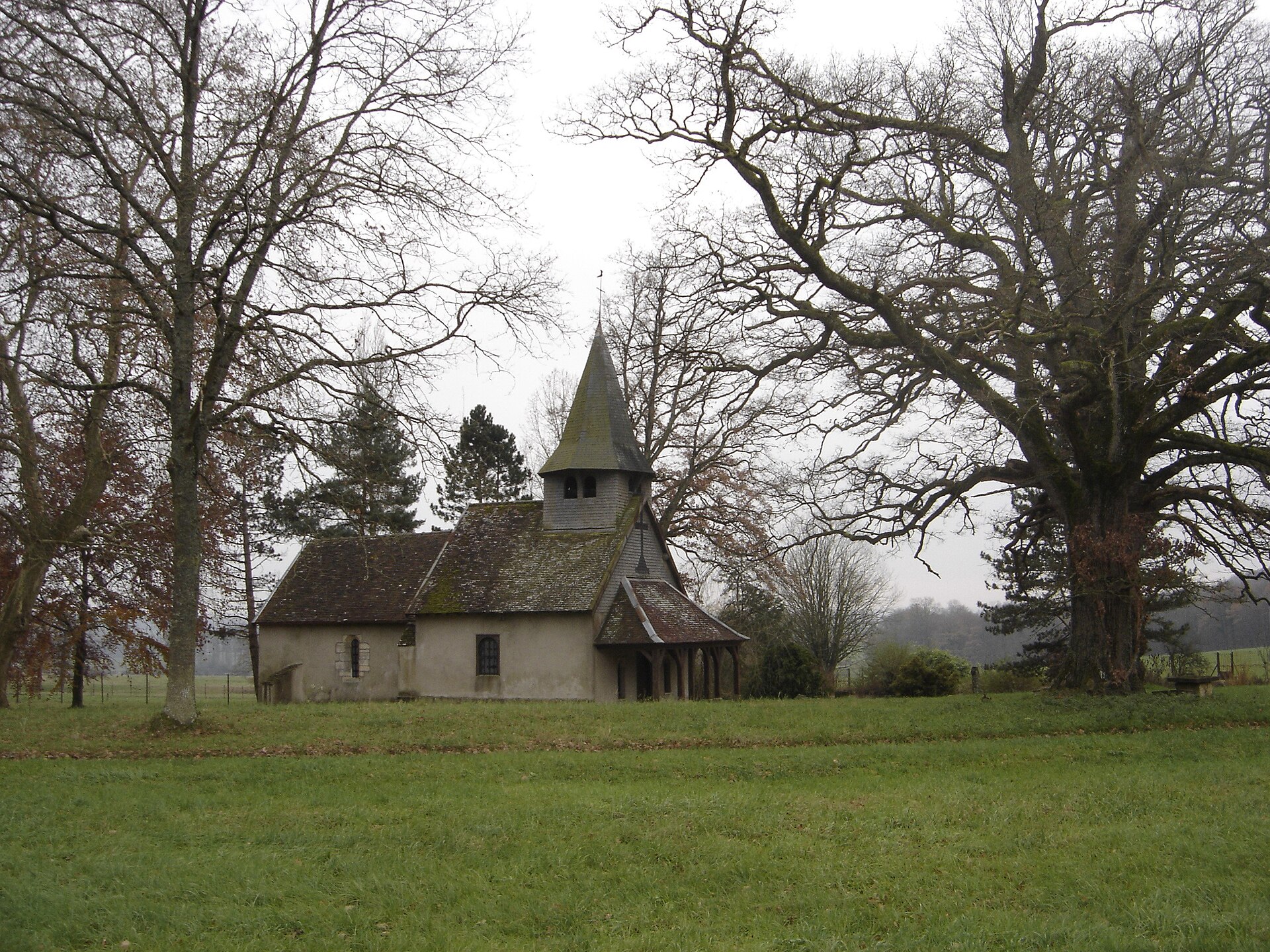
Natura 2000 · de passage, reproduction, hivernage

Natura 2000 · reproduction
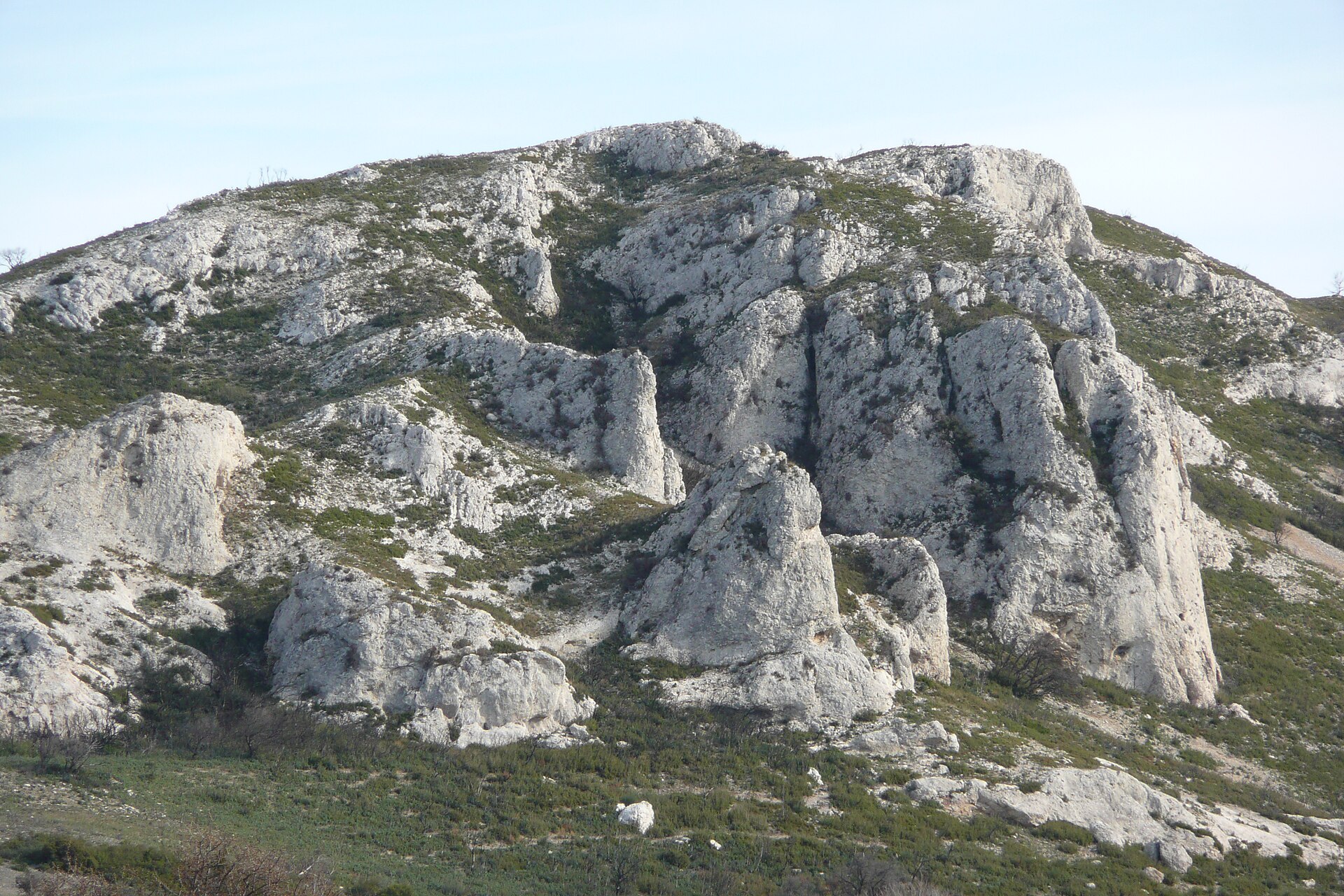
Natura 2000 · reproduction, hivernage
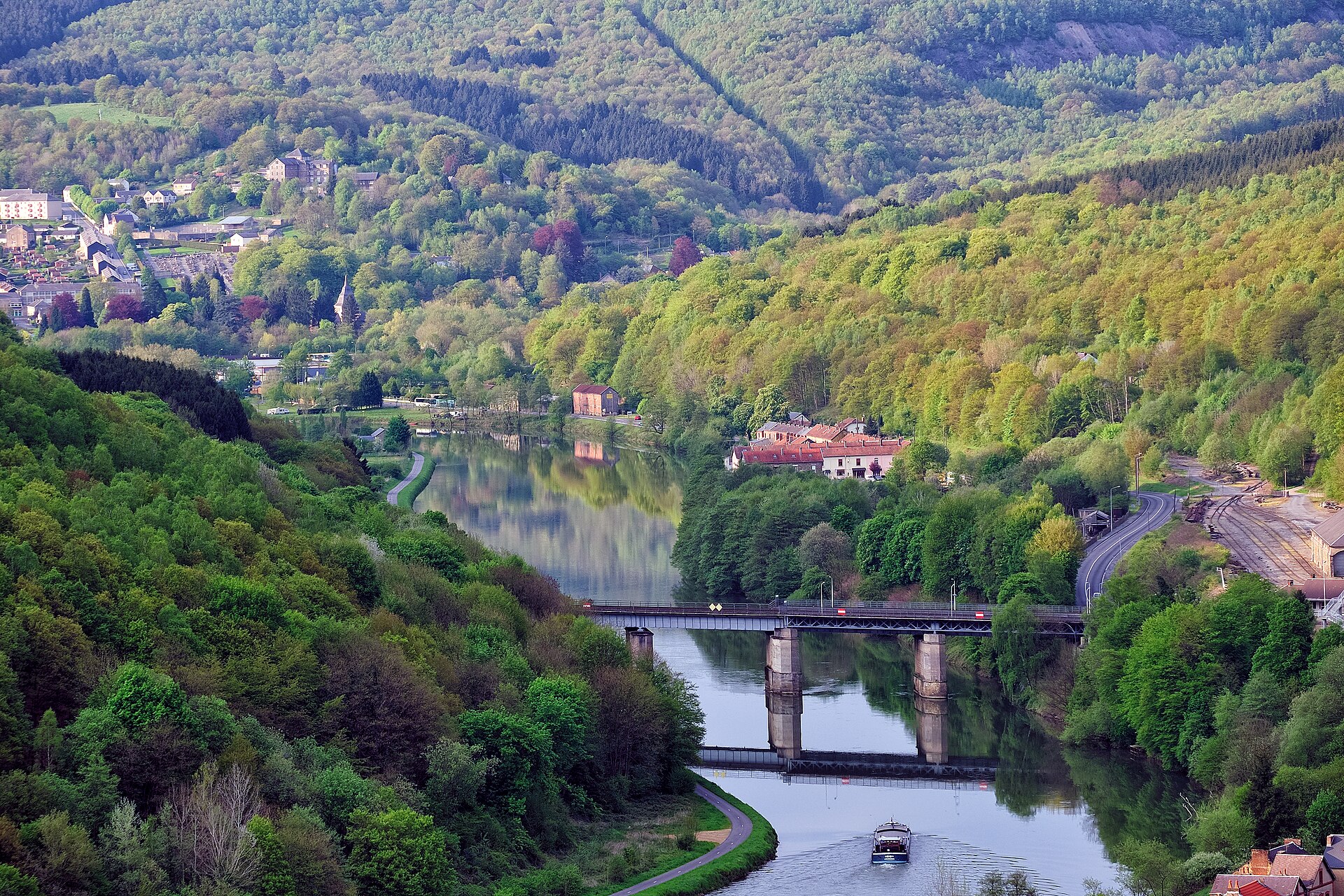
Natura 2000 · reproduction
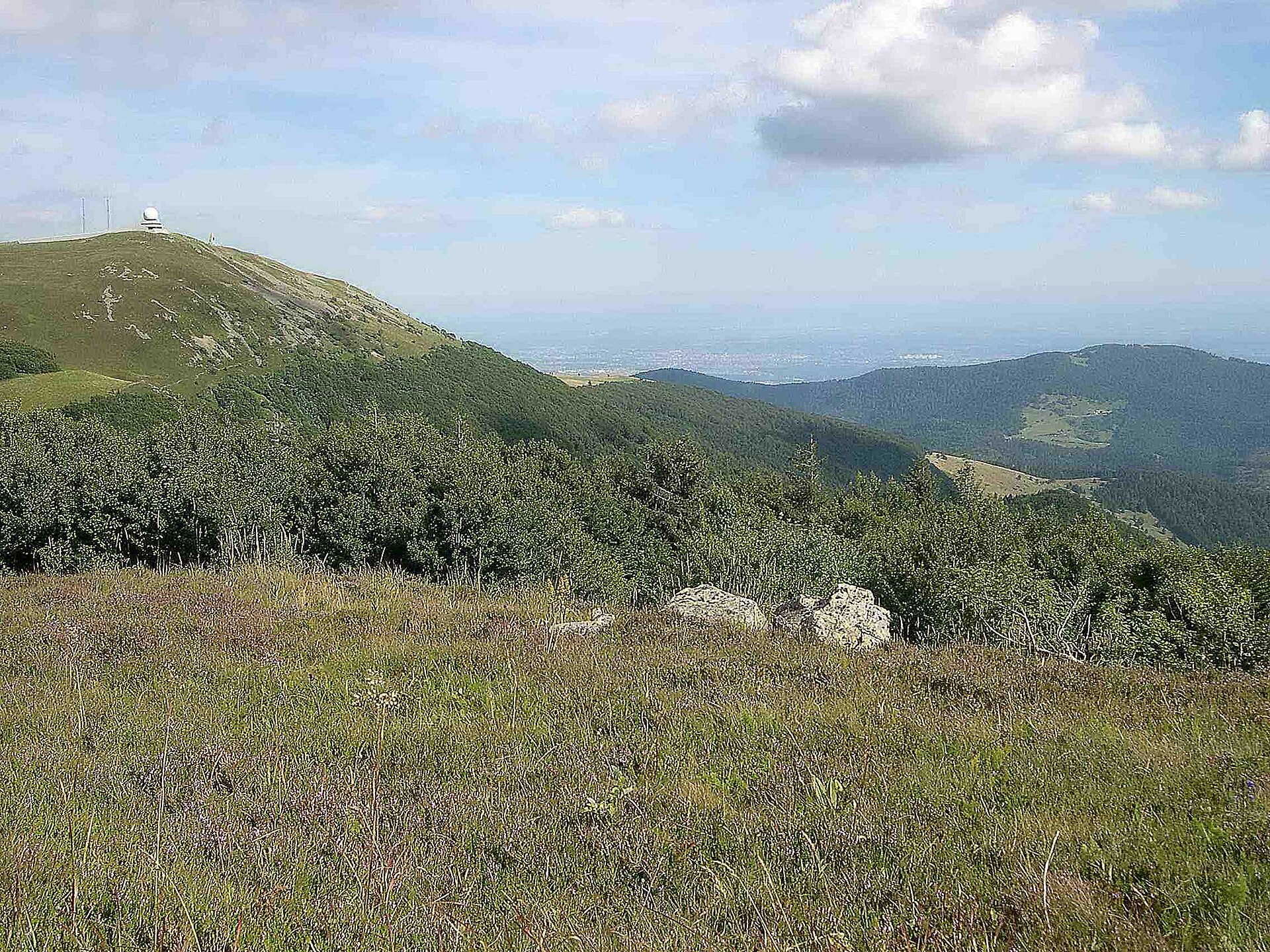
Natura 2000 · reproduction
Natura 2000 · reproduction, hivernage, sédentaire, de passage
Natura 2000 · de passage, reproduction
Natura 2000 · reproduction
Natura 2000 · hivernage
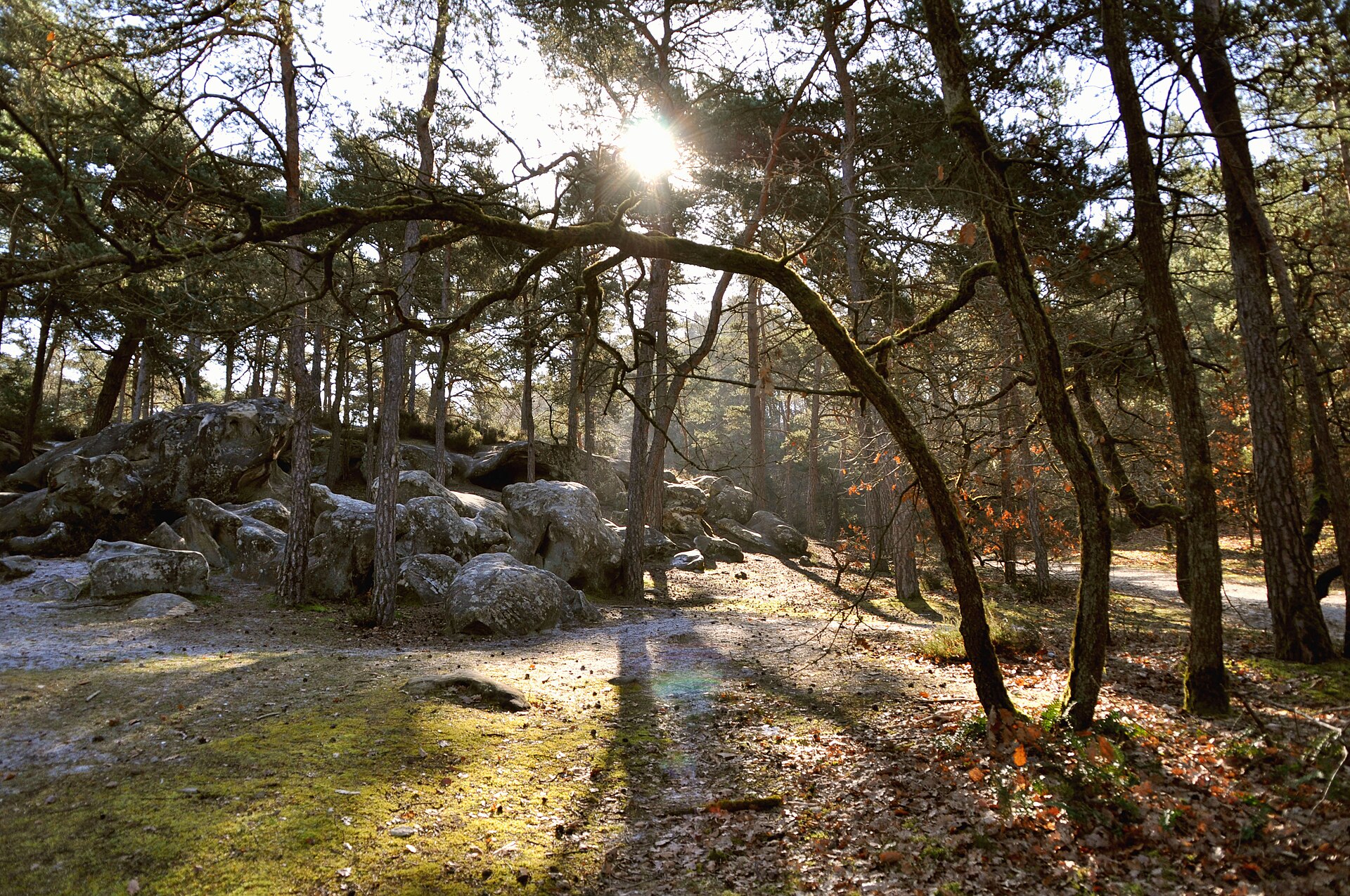
Natura 2000 · reproduction
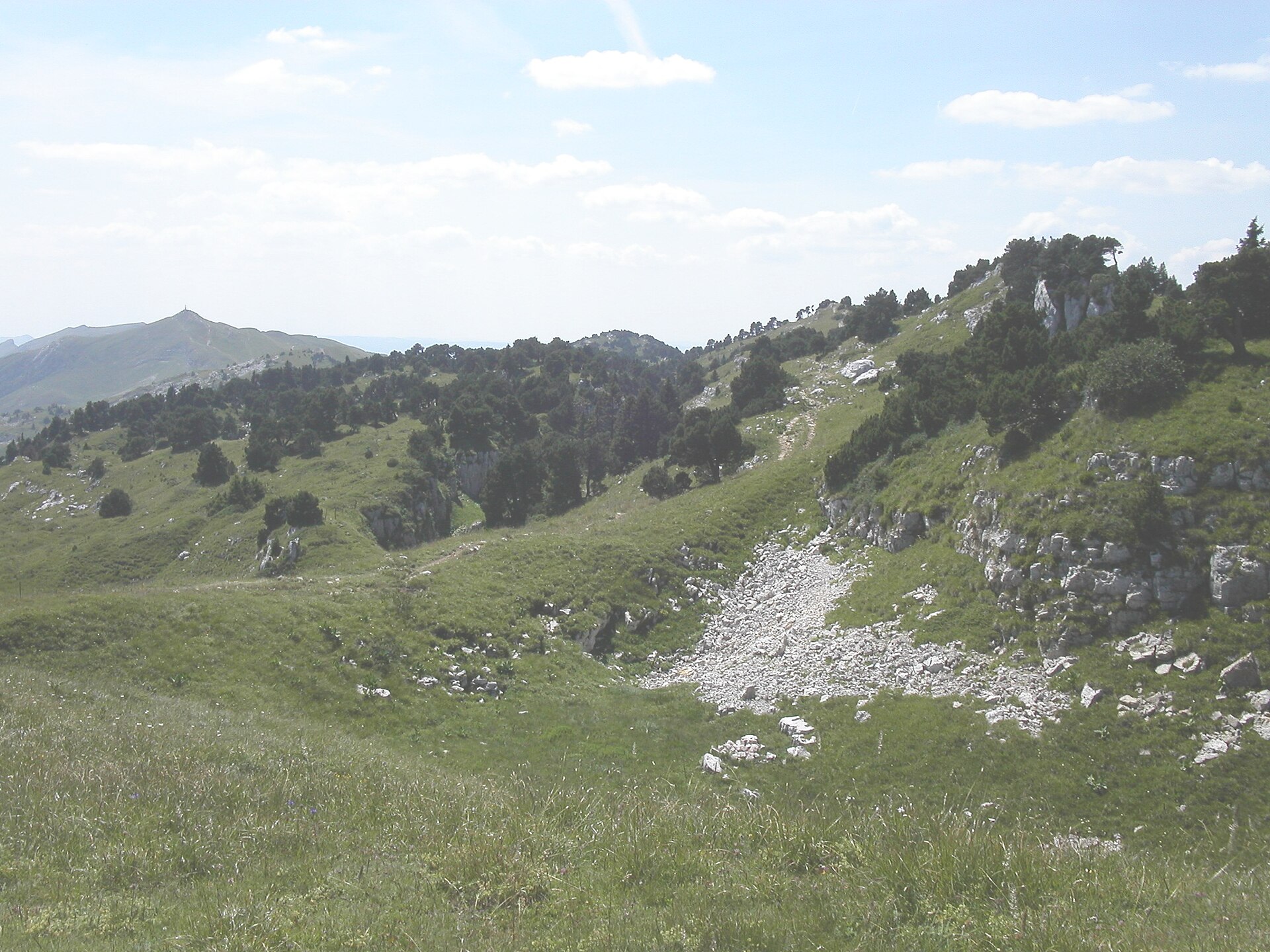
Natura 2000 · reproduction
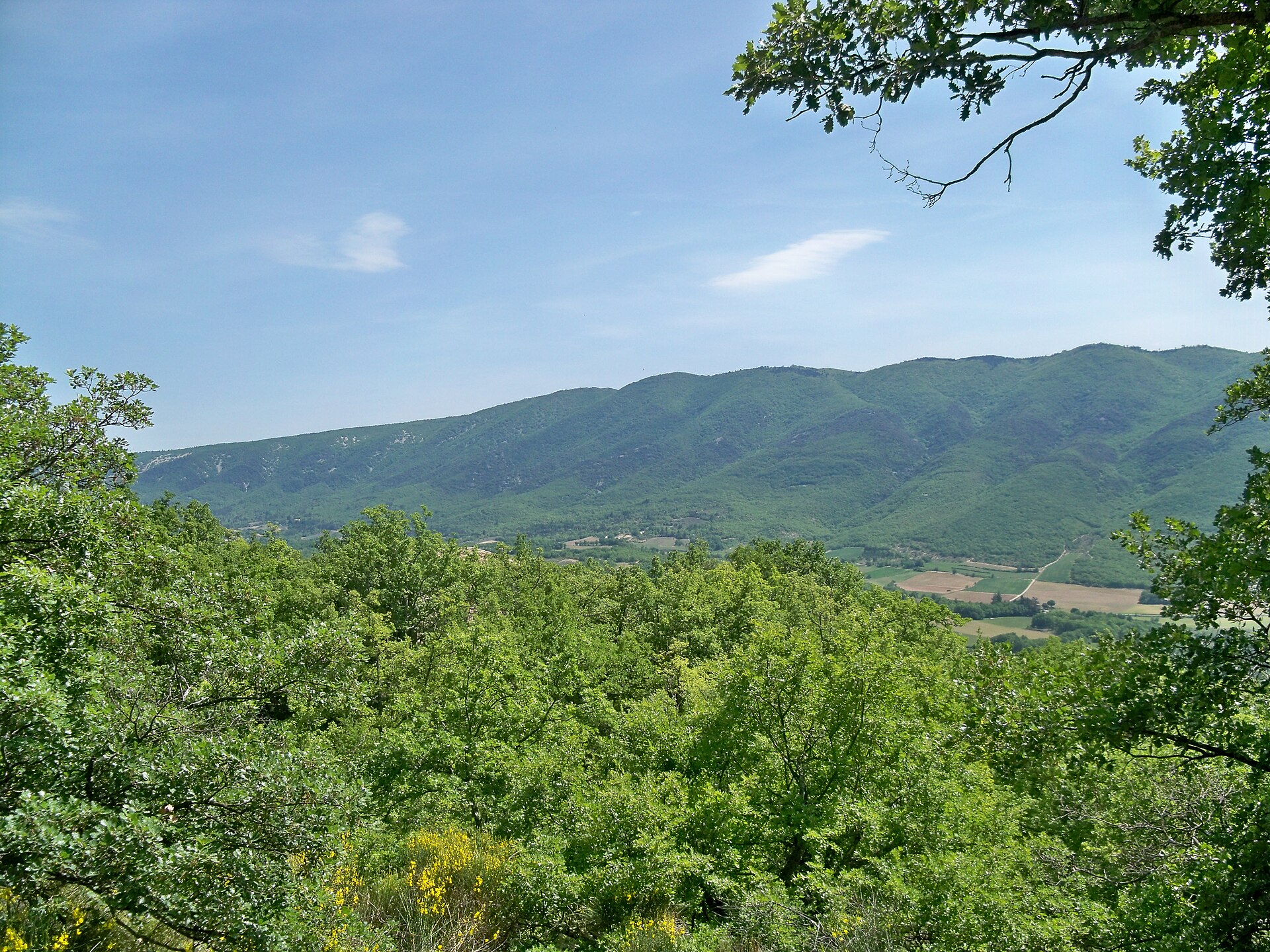
Natura 2000 · de passage, reproduction, hivernage

Natura 2000 · hivernage, reproduction
Natura 2000 · reproduction
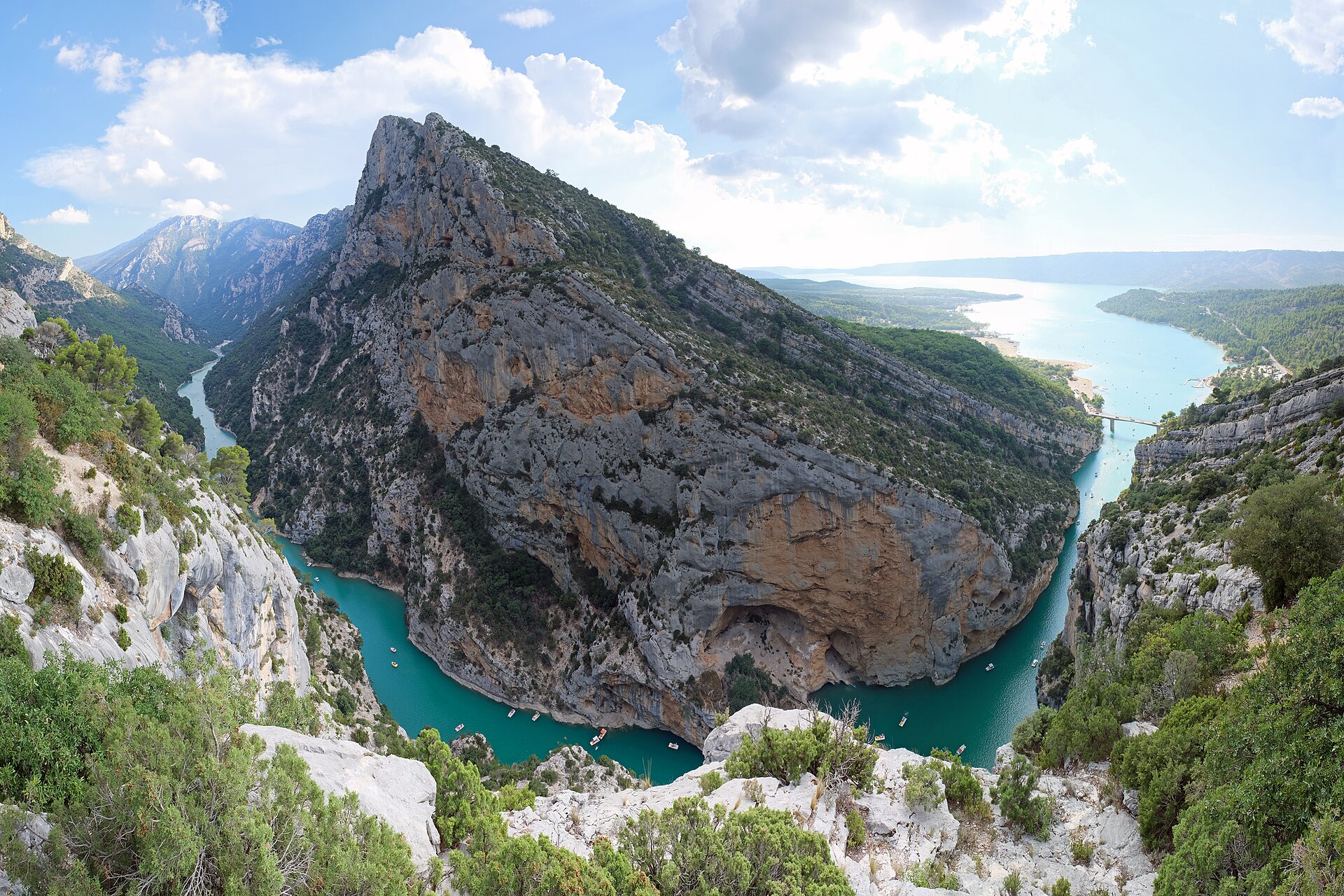
Natura 2000 · de passage, reproduction, hivernage, sédentaire

Natura 2000 · reproduction
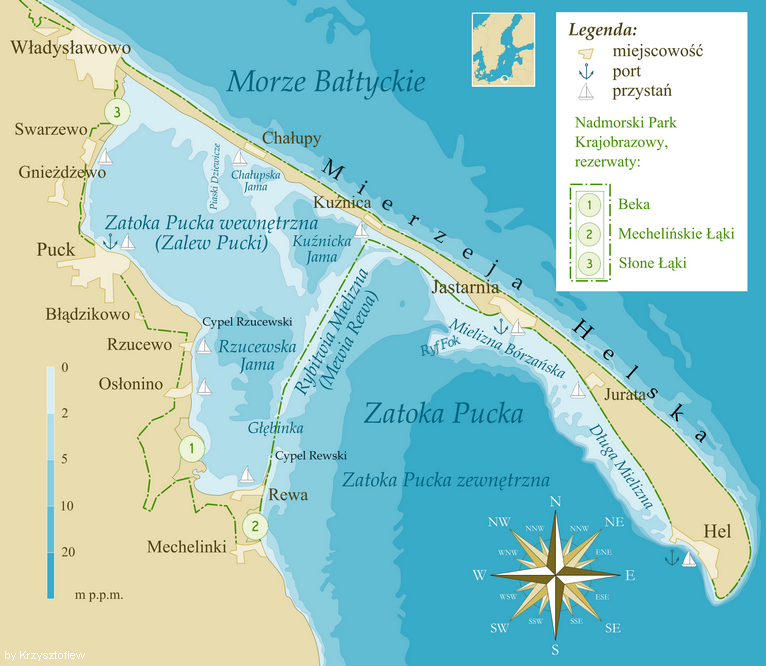
Natura 2000 · reproduction

Natura 2000 · reproduction
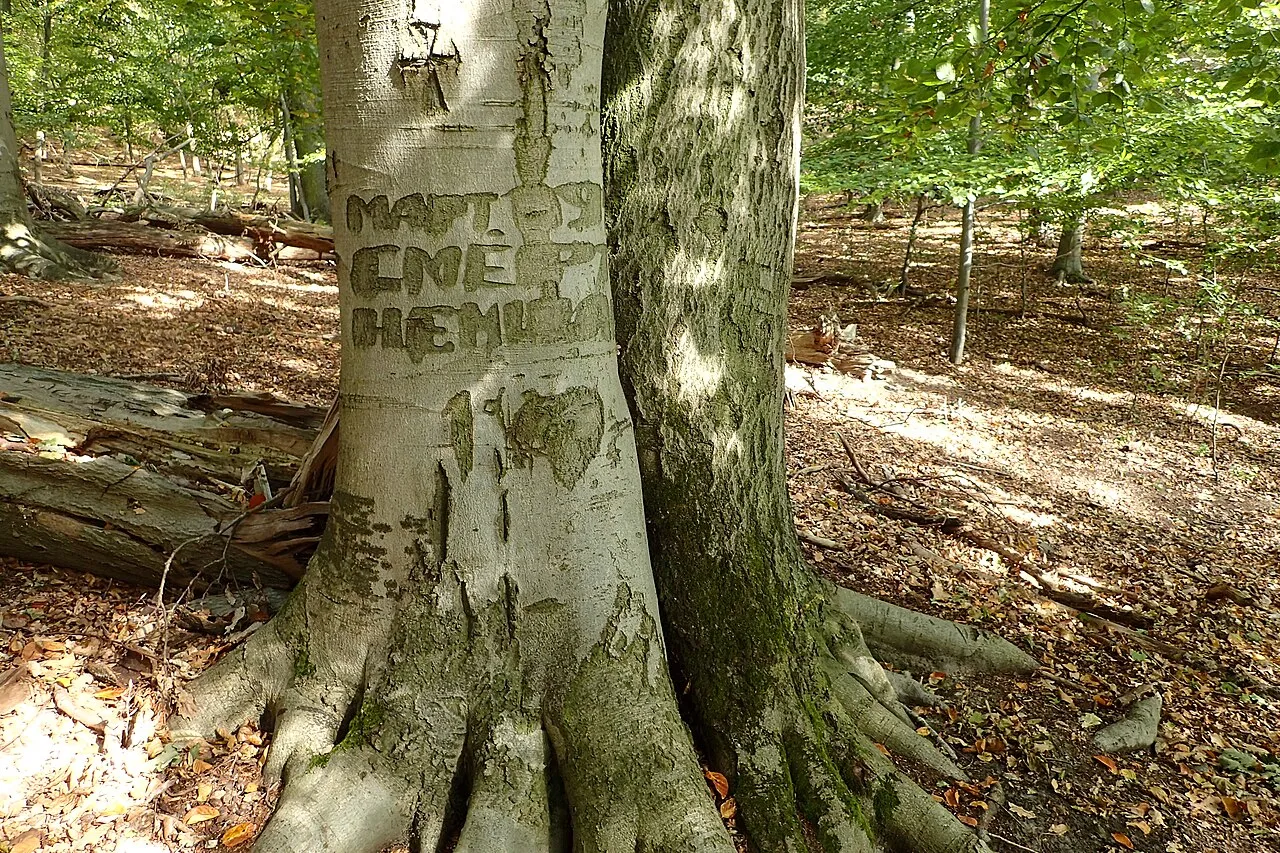
Natura 2000 · reproduction
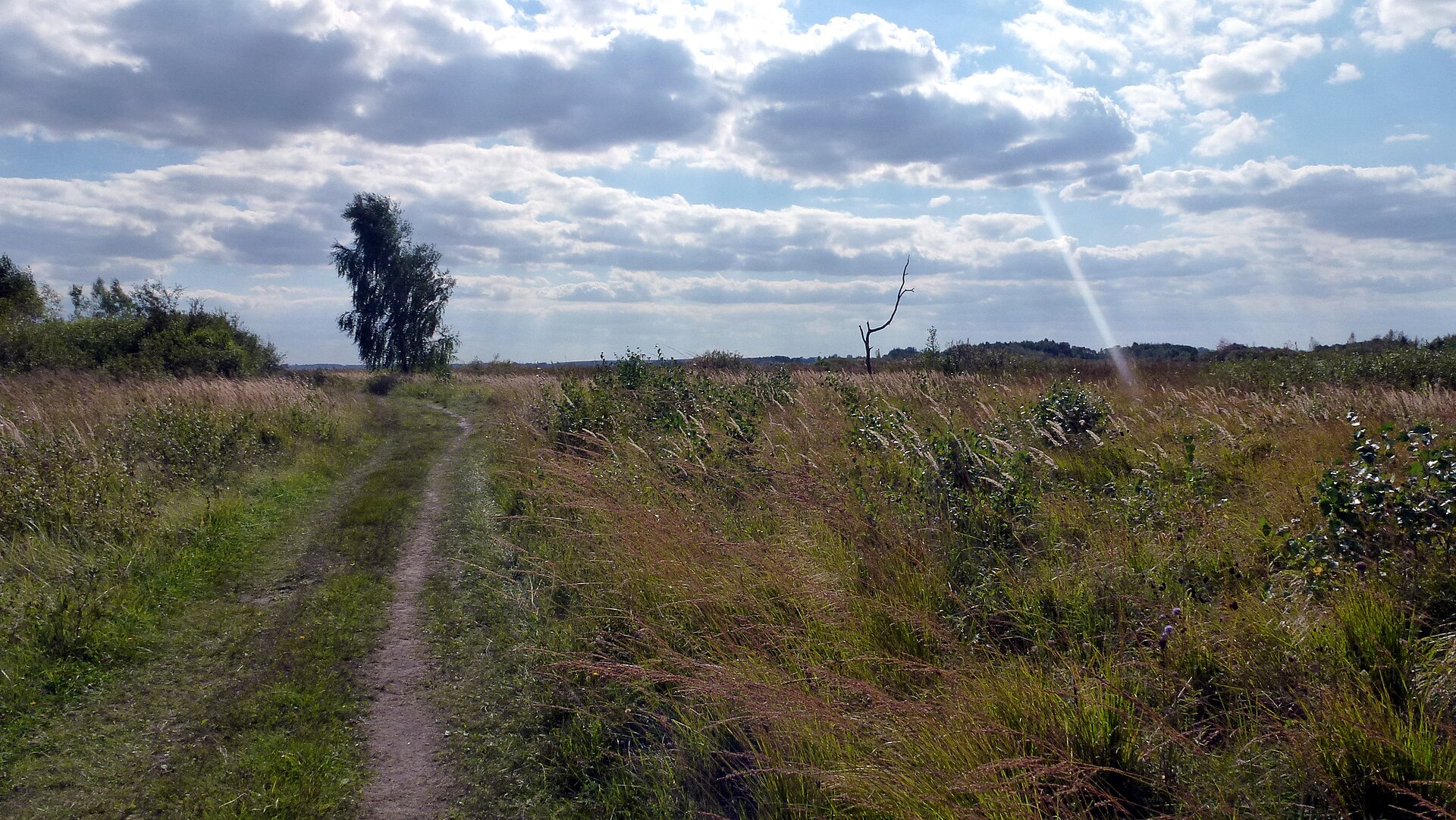
Natura 2000 · reproduction

Natura 2000 · reproduction
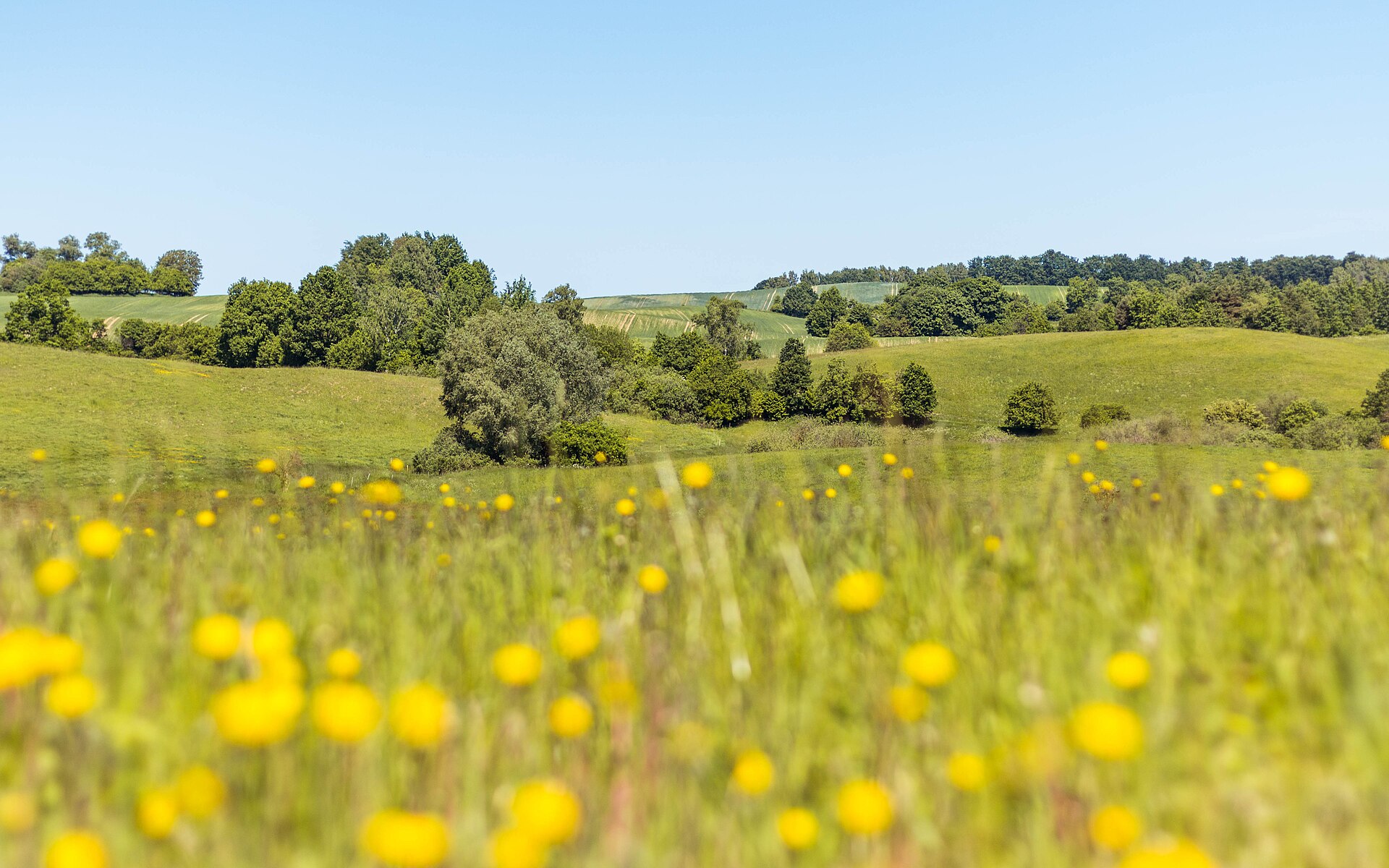
Natura 2000 · reproduction
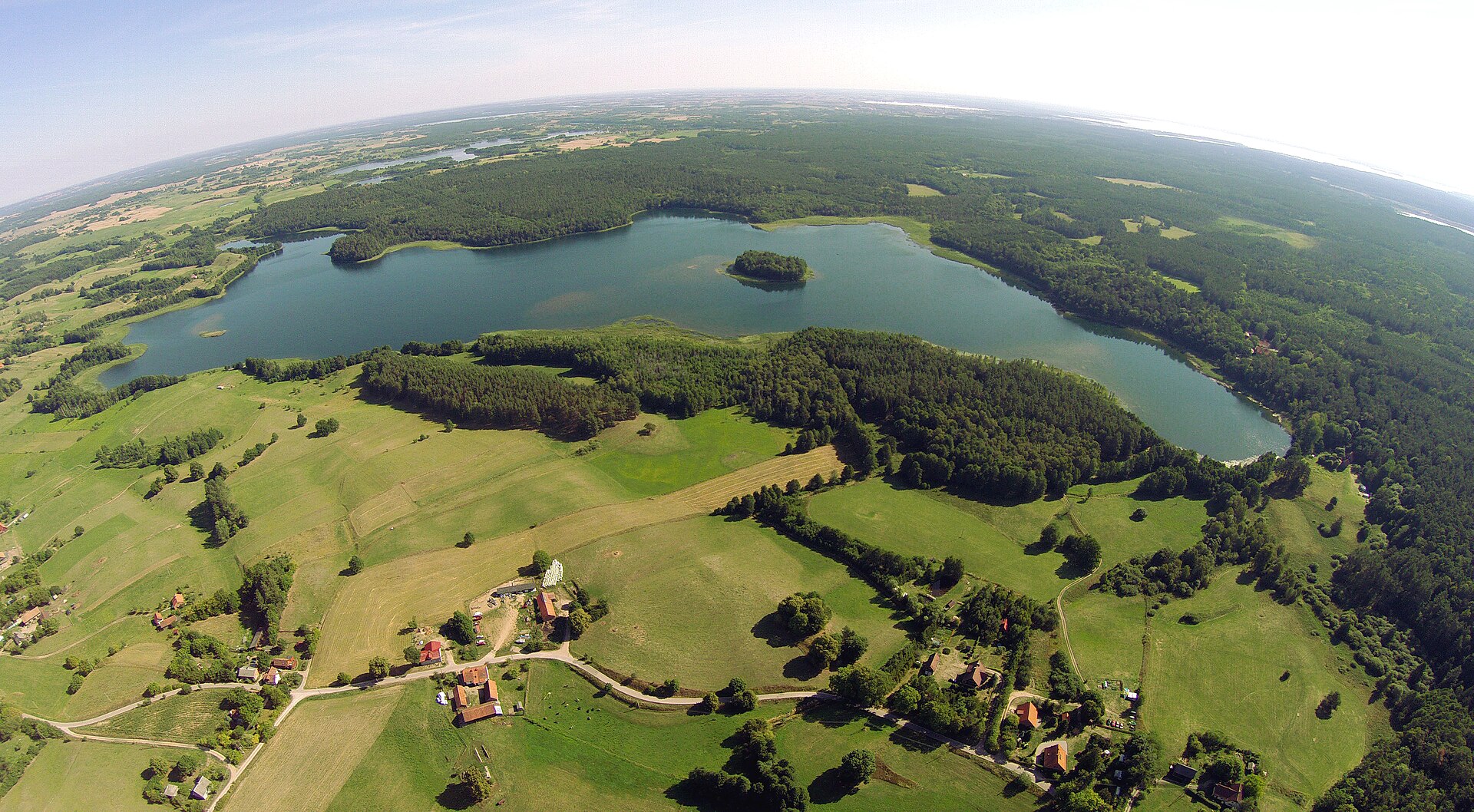
Natura 2000 · reproduction
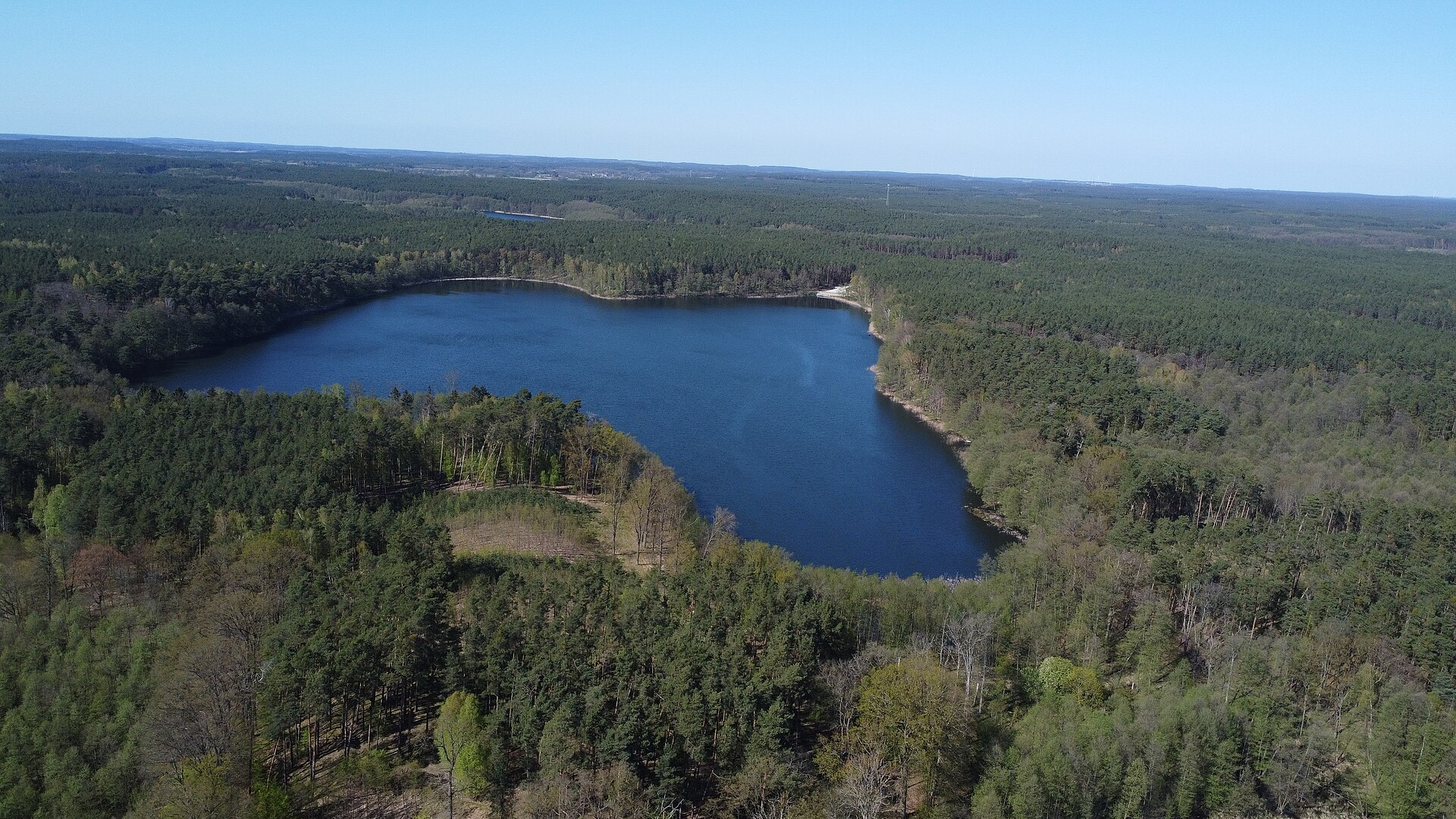
Natura 2000 · reproduction
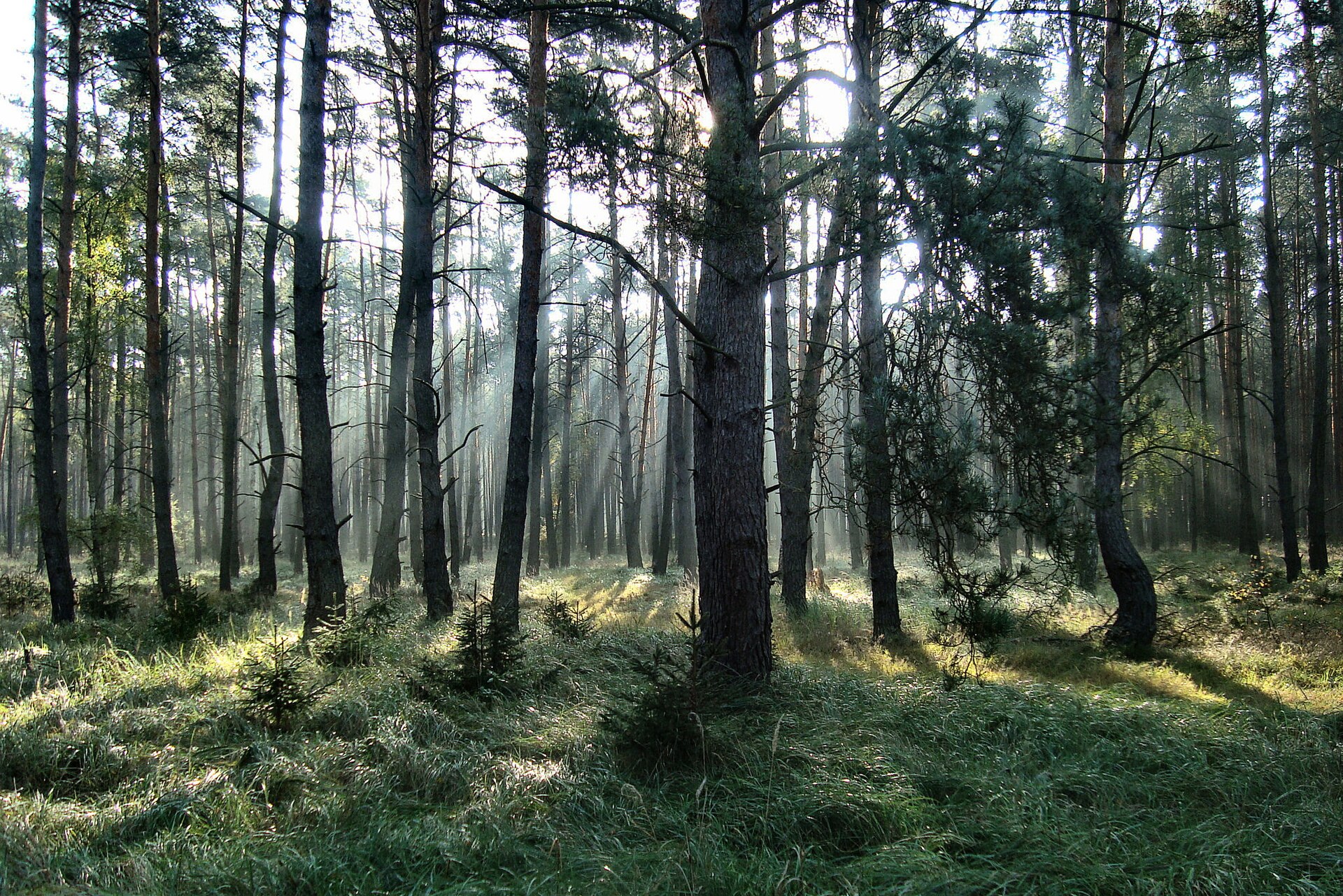
Natura 2000 · reproduction

Natura 2000 · reproduction

Natura 2000 · reproduction
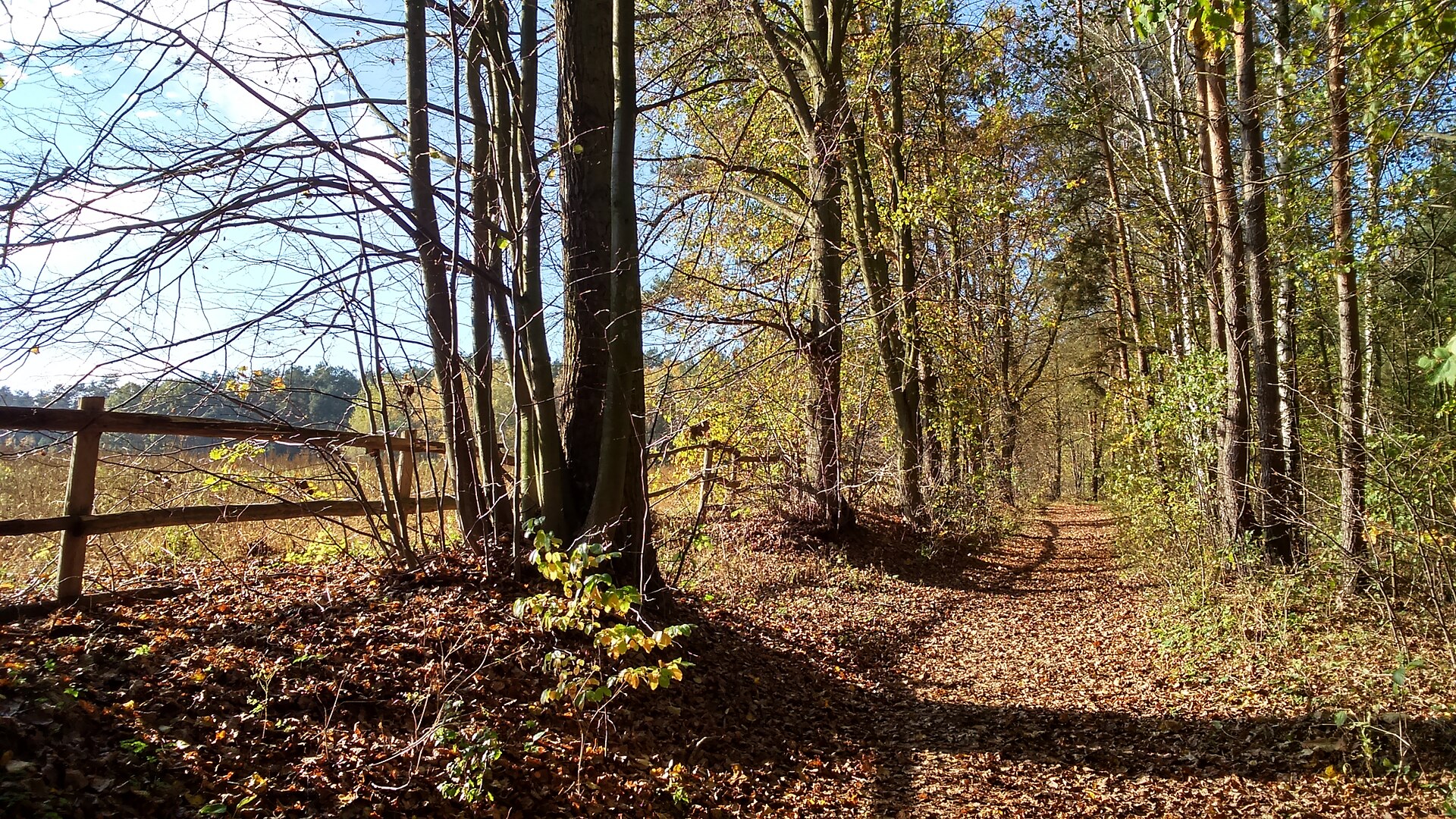
Natura 2000 · reproduction
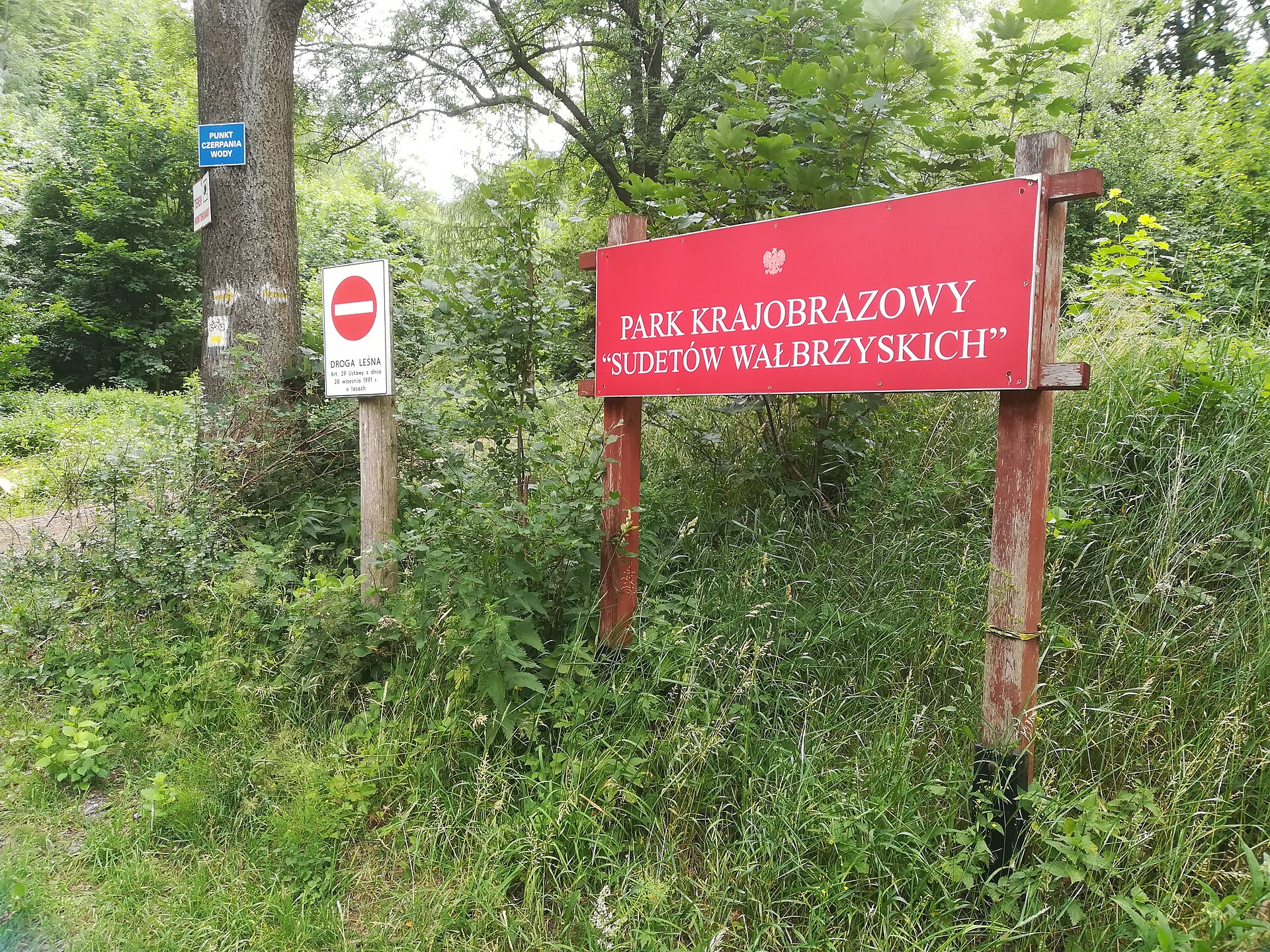
Natura 2000 · reproduction
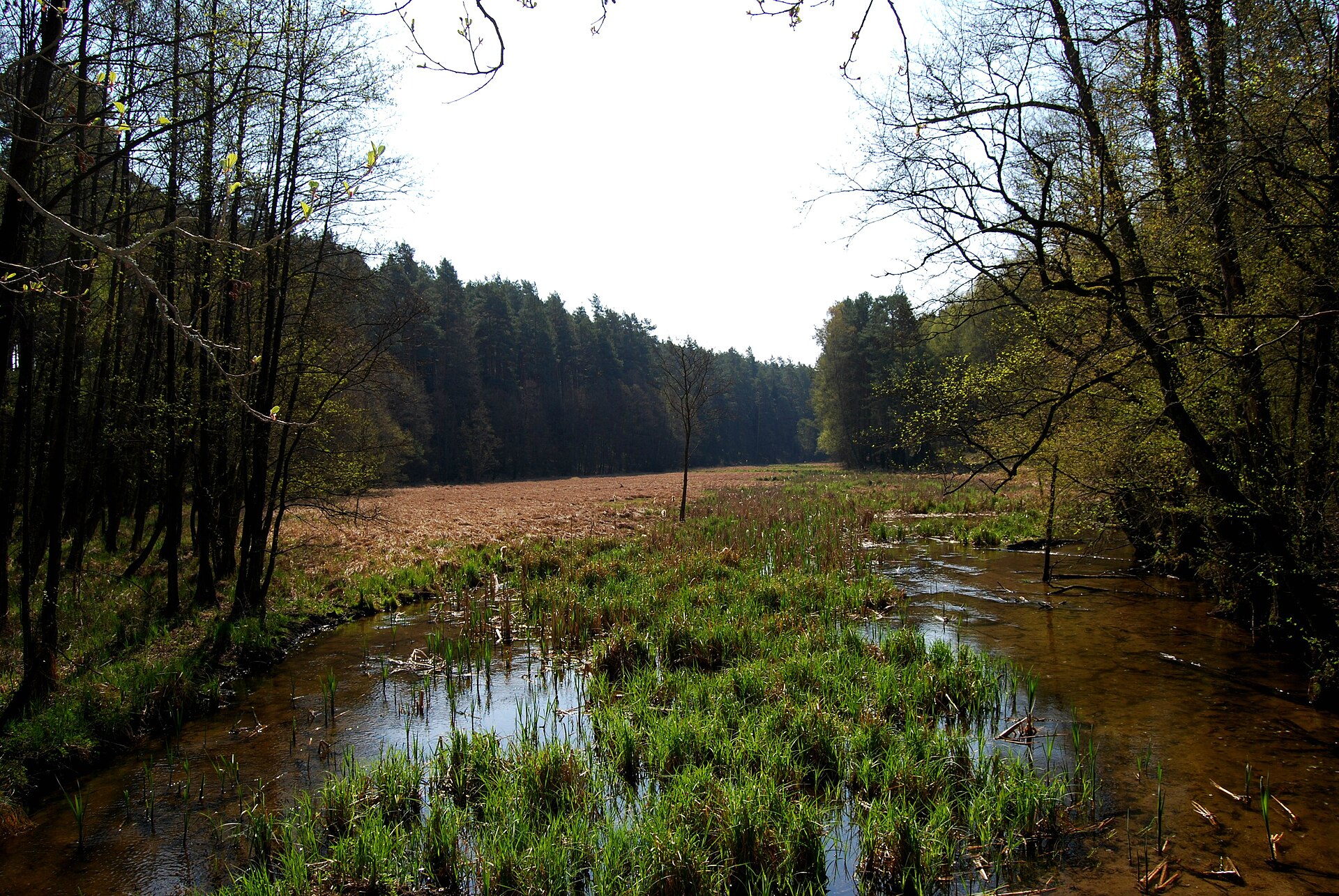
Natura 2000 · reproduction
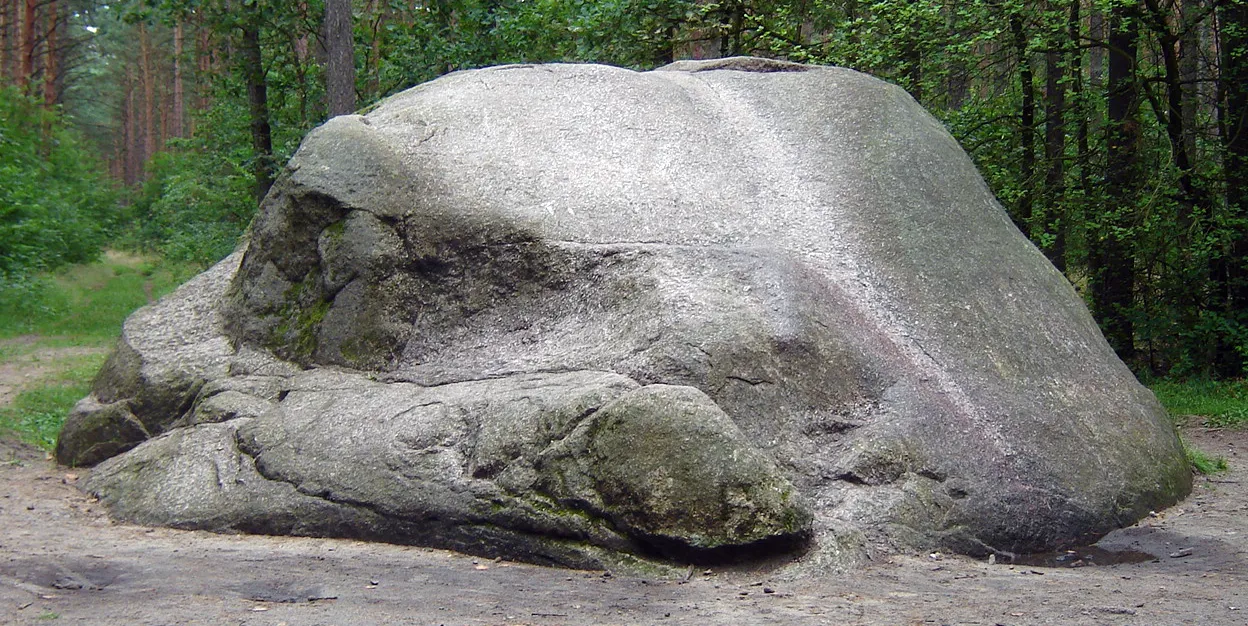
Natura 2000 · reproduction
Natura 2000 · reproduction
Natura 2000 · reproduction

Natura 2000 · reproduction
Natura 2000 · reproduction
Natura 2000 · reproduction
Natura 2000 · reproduction
Natura 2000 · reproduction

Natura 2000 · reproduction
Natura 2000 · hivernage, de passage
Natura 2000 · sédentaire
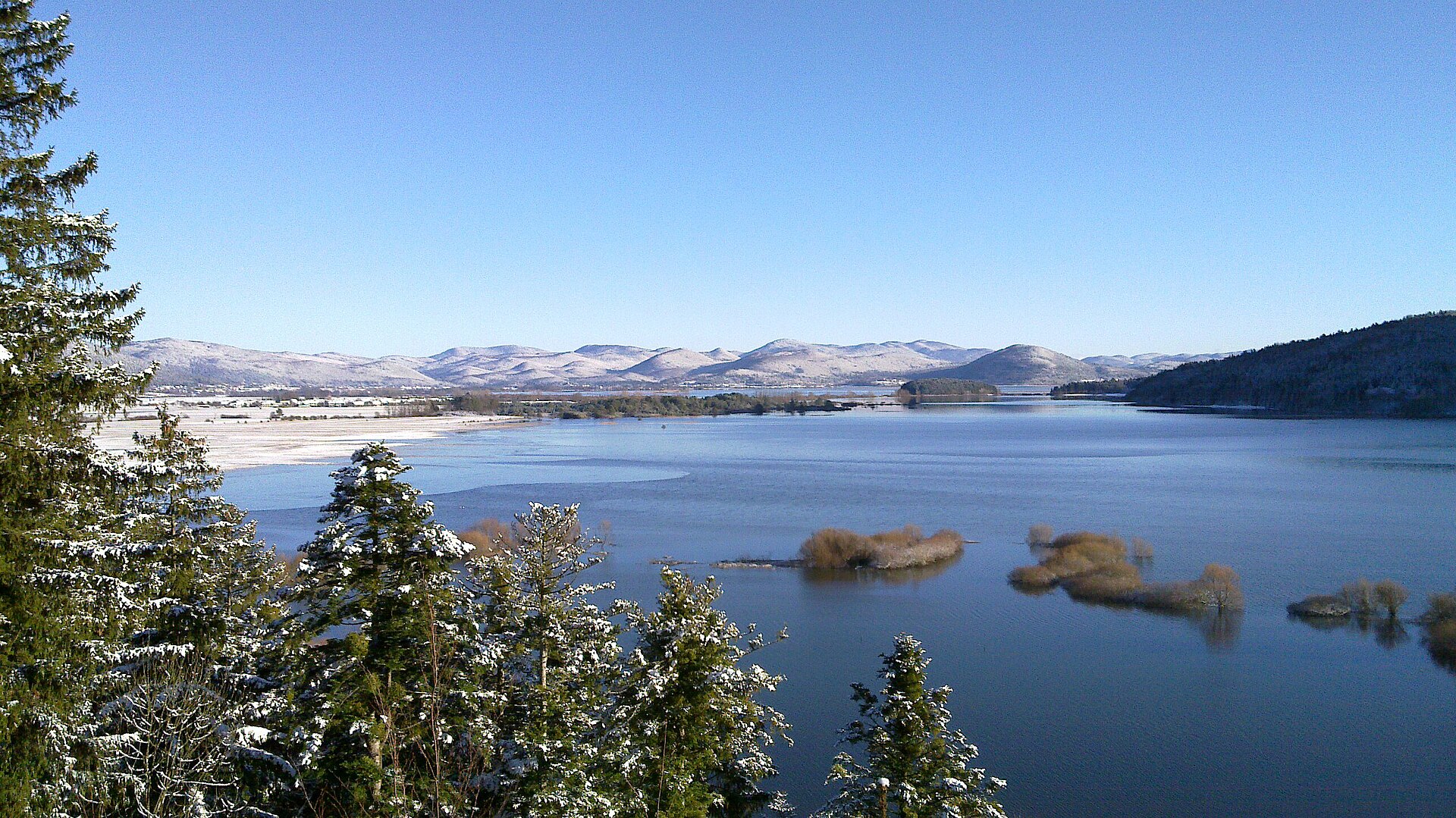
Natura 2000 · reproduction
Natura 2000 · reproduction
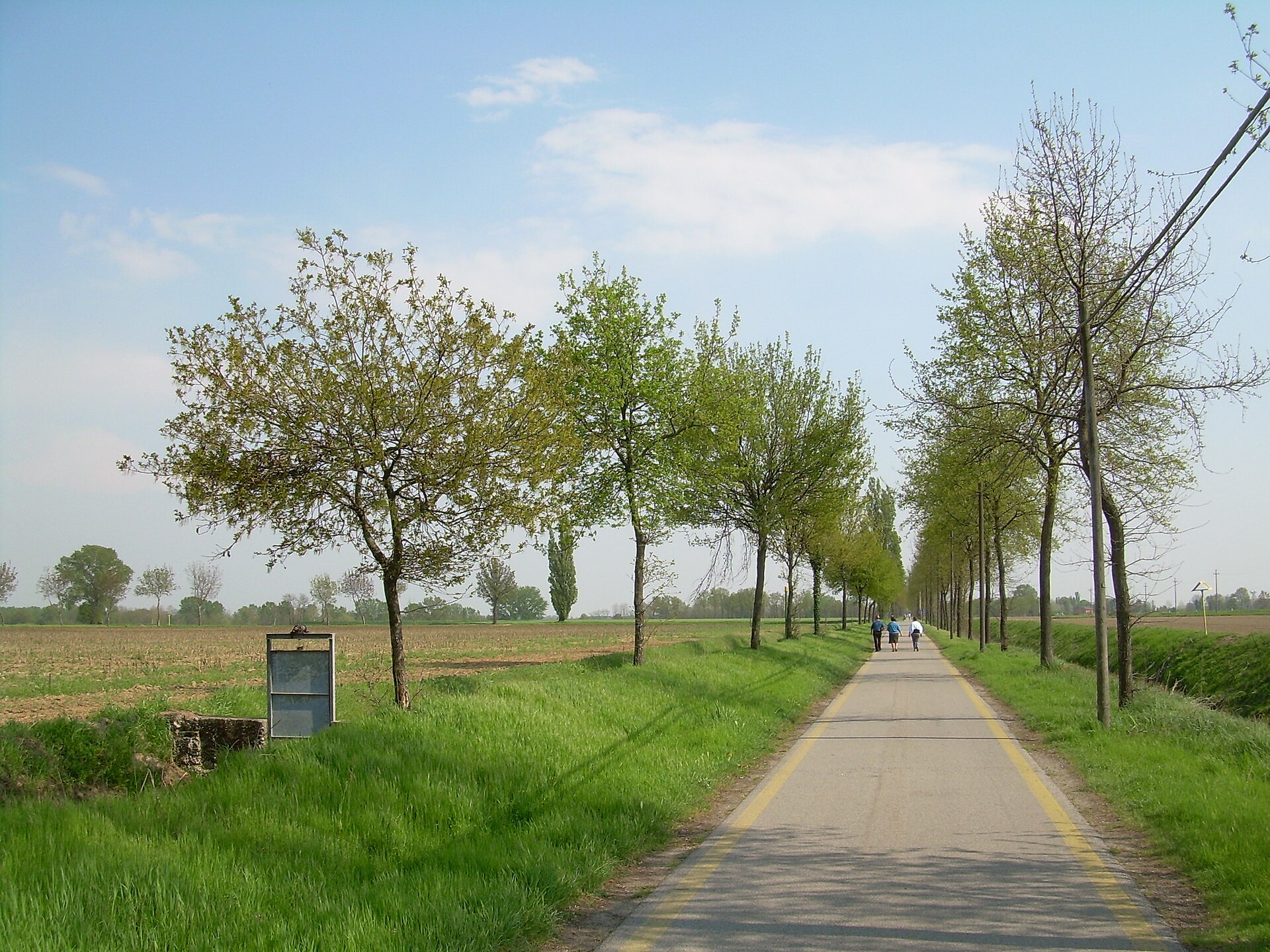
Natura 2000 · hivernage, reproduction, de passage
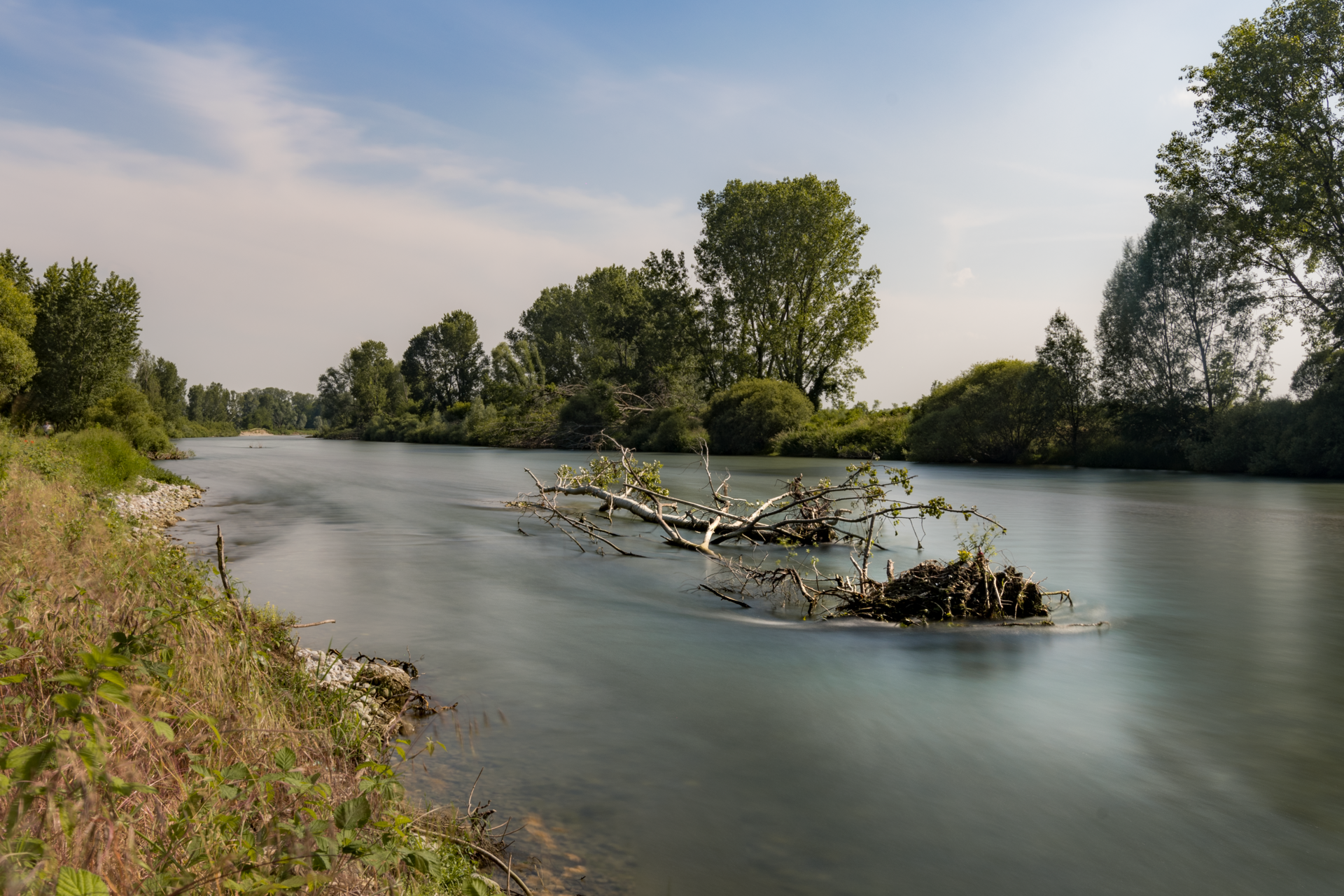
Natura 2000 · hivernage, de passage, reproduction
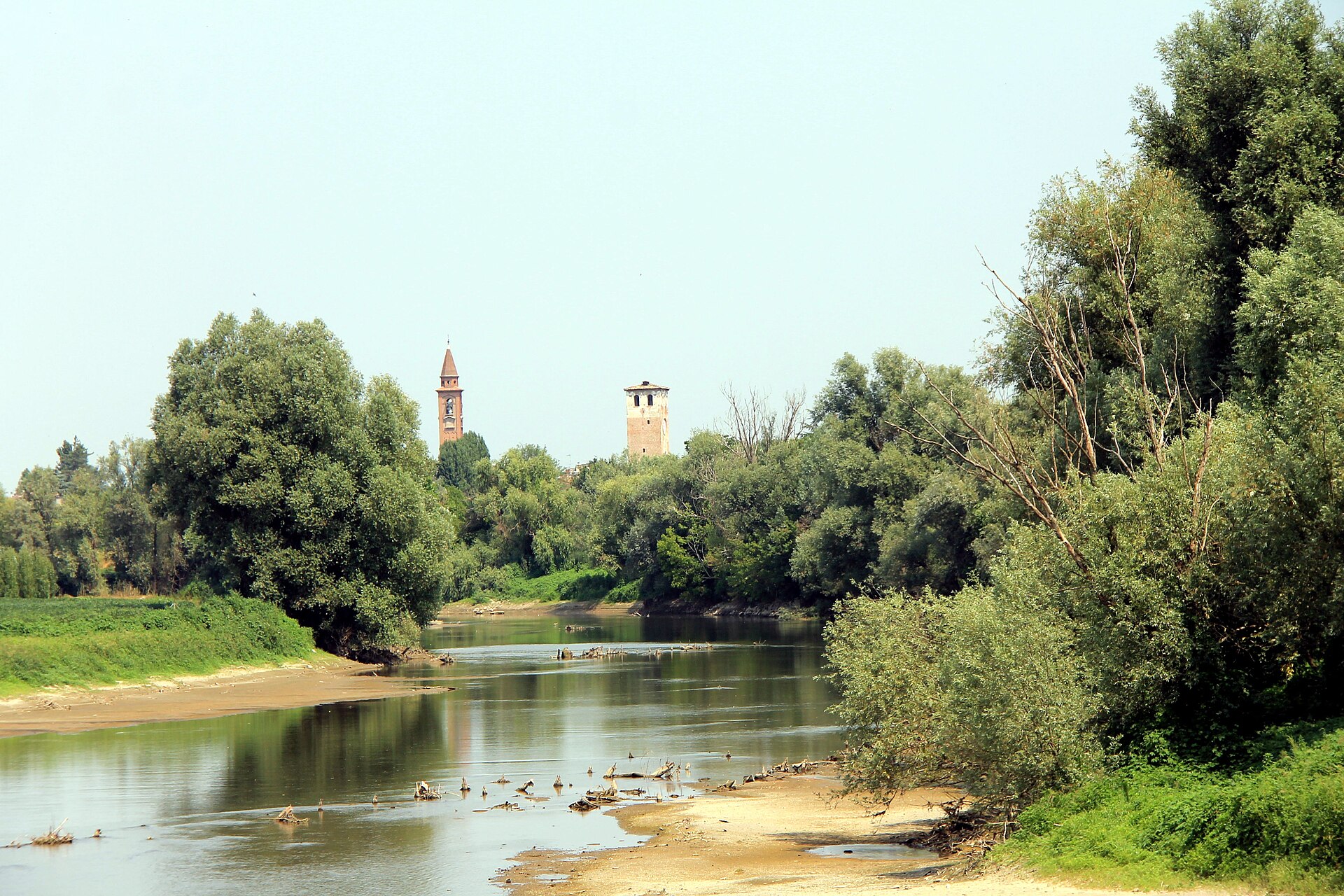
Natura 2000 · hivernage, sédentaire, reproduction, de passage

Natura 2000 · sédentaire
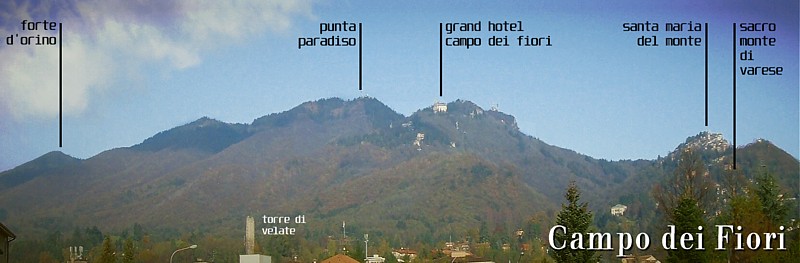
Natura 2000 · reproduction
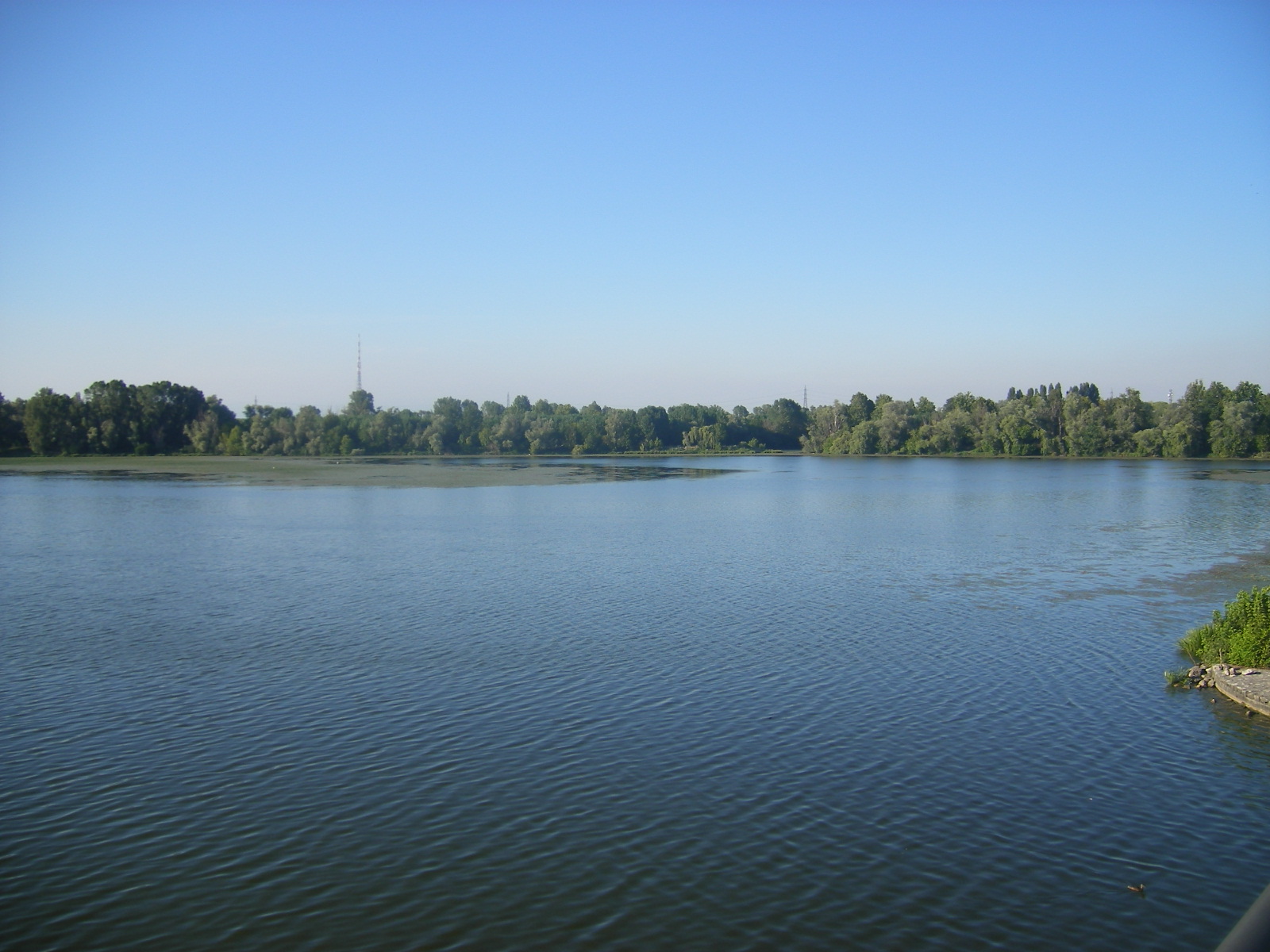
Natura 2000 · hivernage, reproduction, de passage, sédentaire

Natura 2000 · sédentaire, hivernage, reproduction, de passage
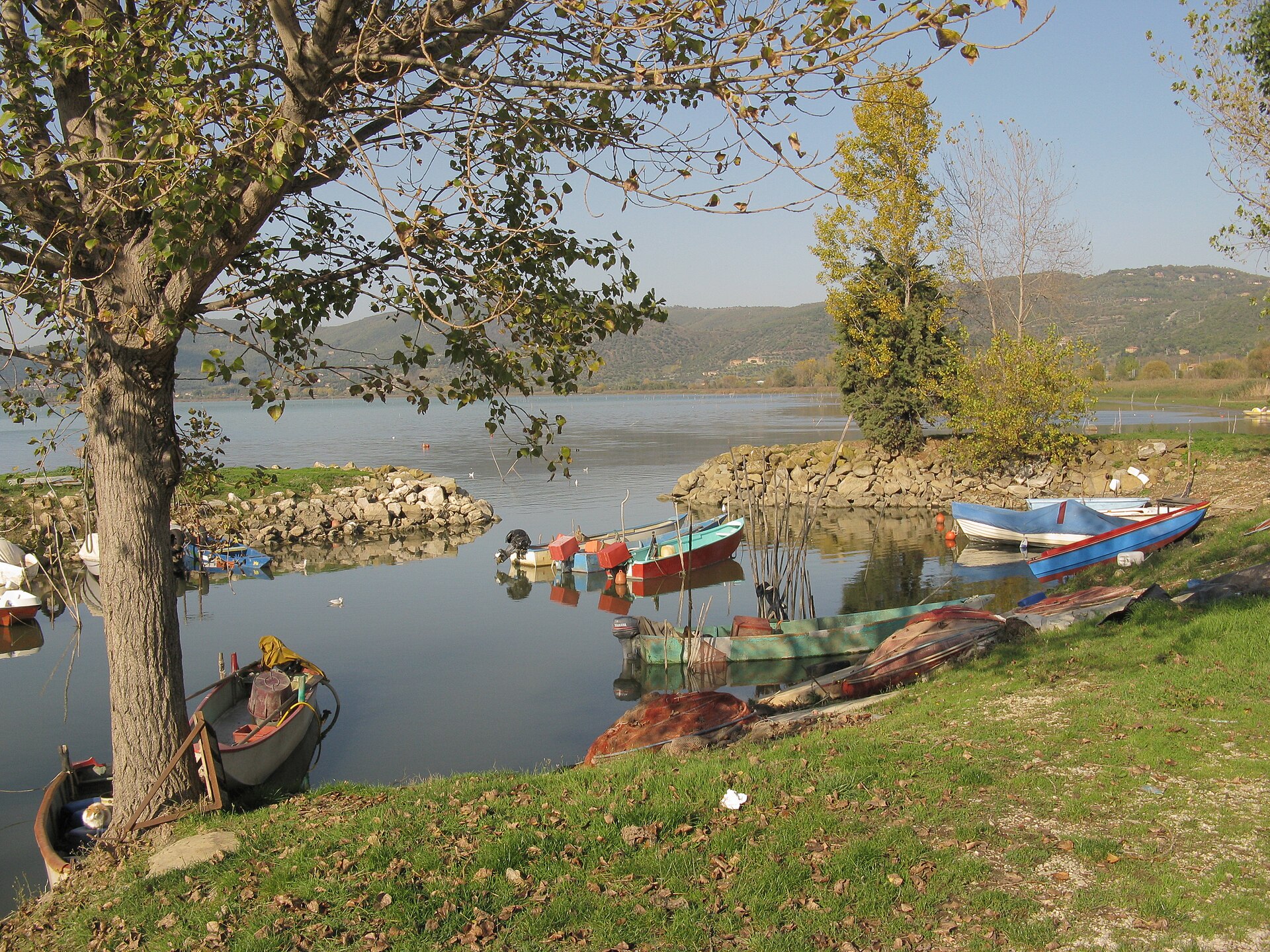
Natura 2000 · hivernage, de passage, reproduction
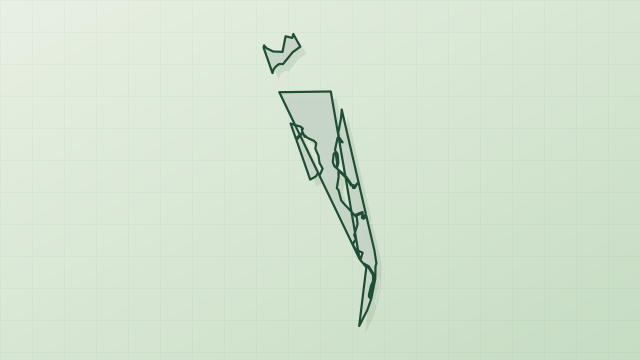
Natura 2000 · sédentaire, reproduction
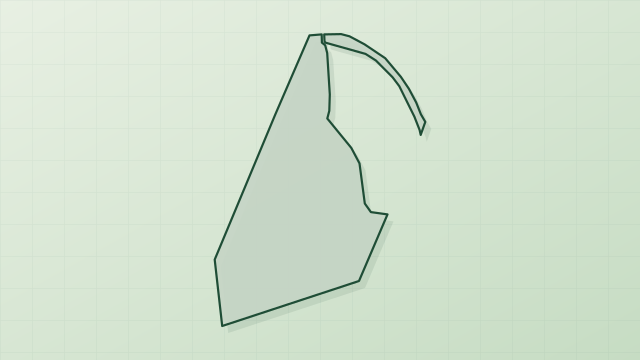
Natura 2000 · sédentaire

Natura 2000 · sédentaire
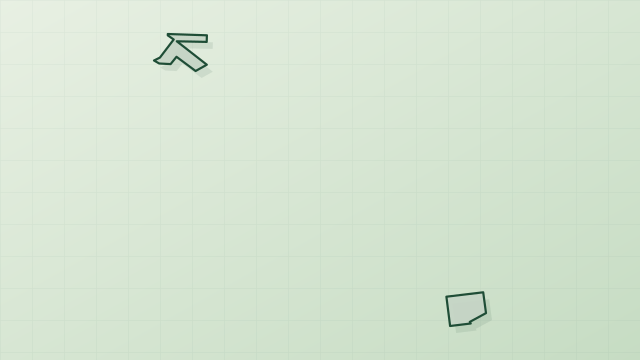
Natura 2000 · reproduction
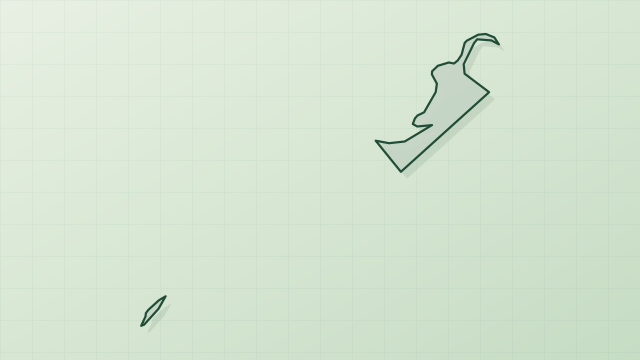
Natura 2000 · sédentaire
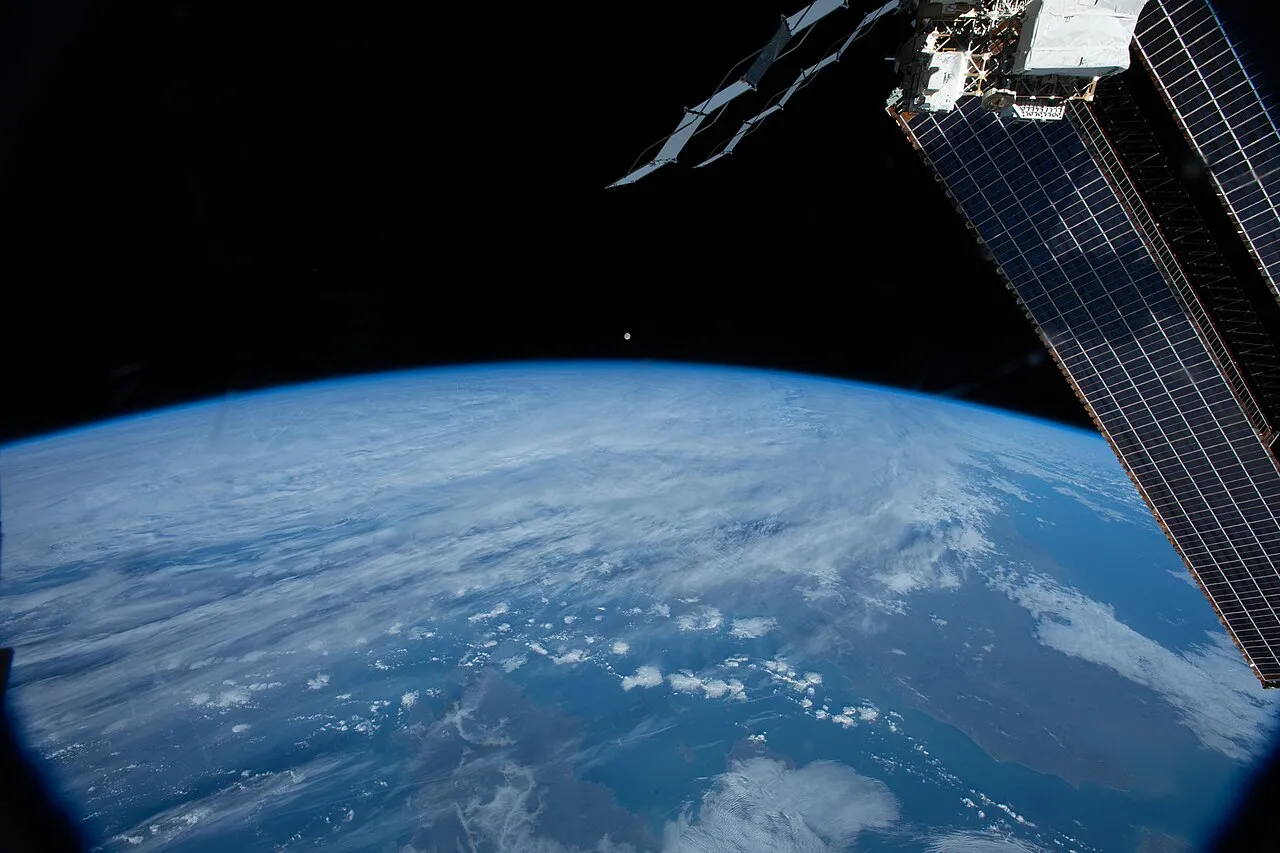
Natura 2000 · hivernage, reproduction
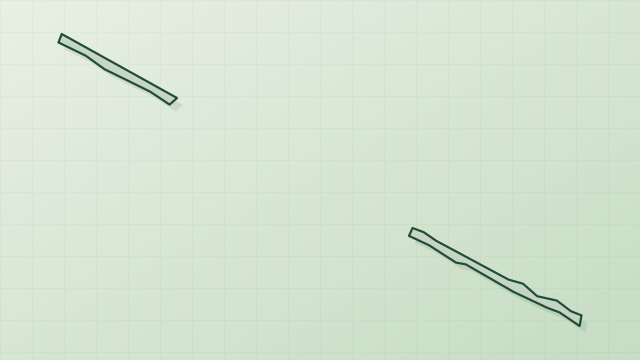
Natura 2000 · reproduction
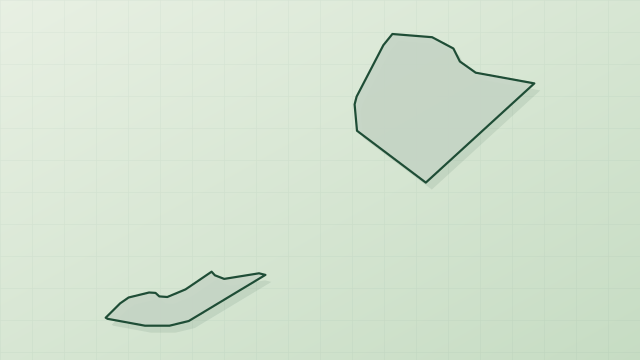
Natura 2000 · sédentaire
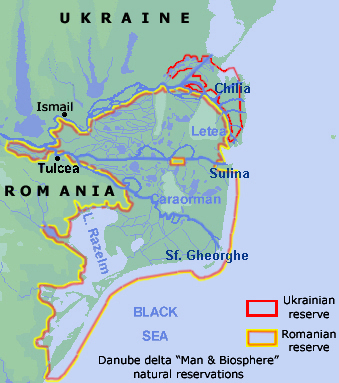
Natura 2000 · sédentaire
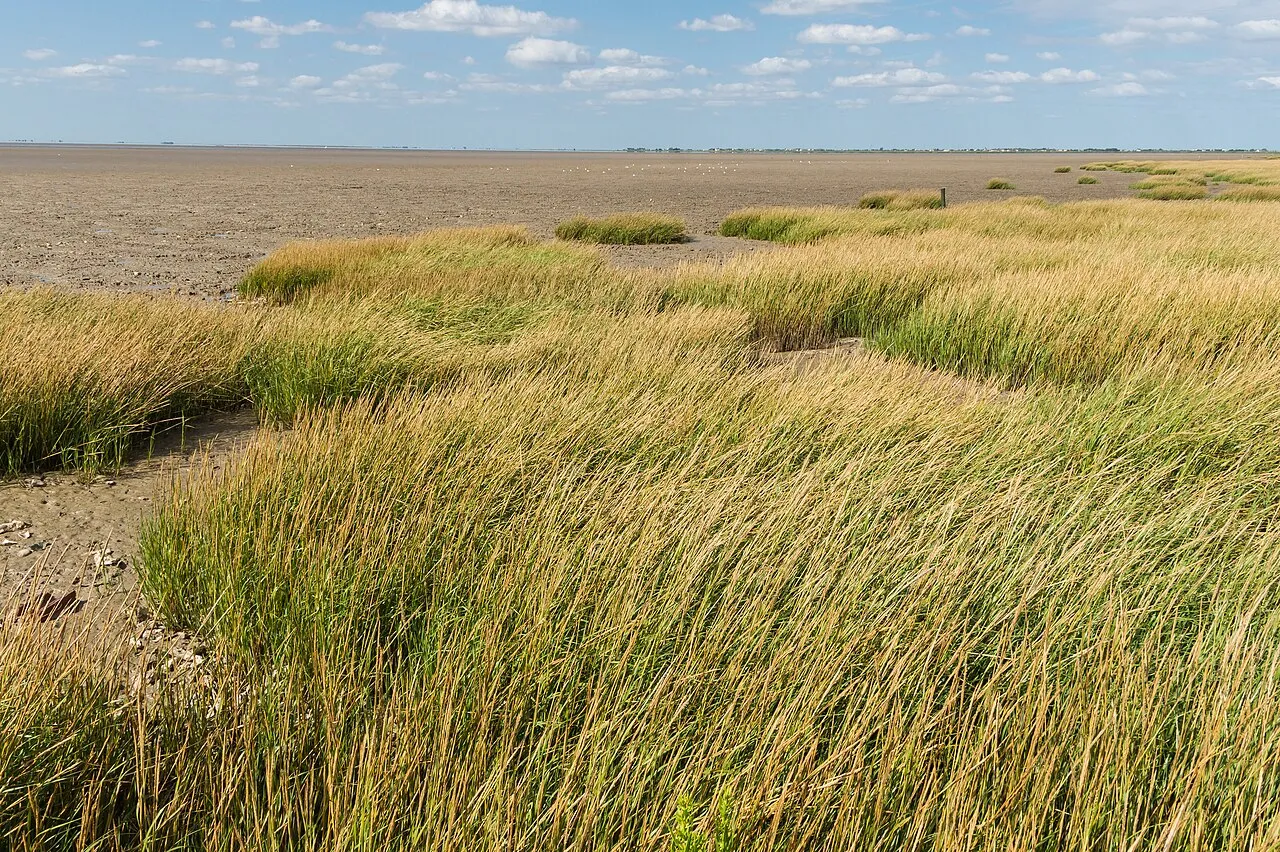
Natura 2000 · hivernage, reproduction
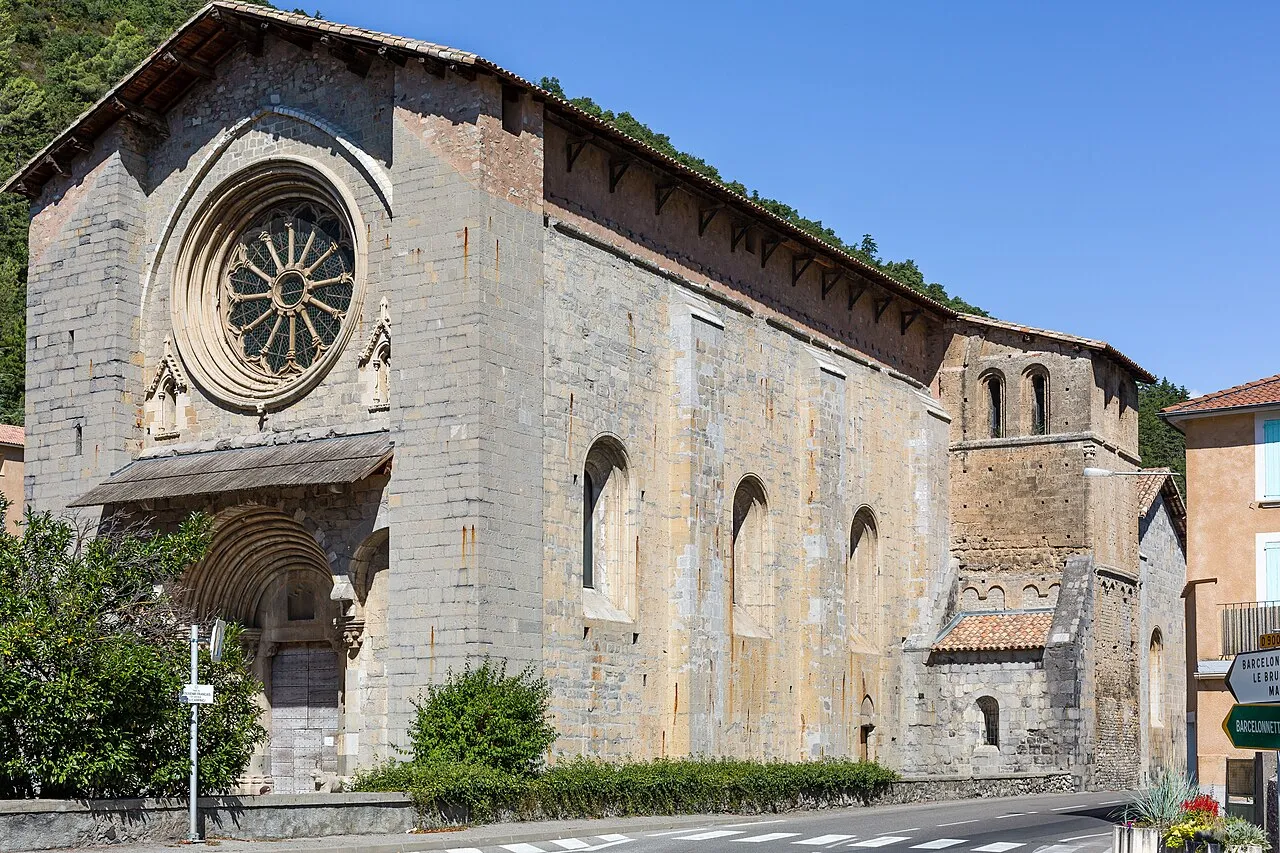
Natura 2000 · de passage, sédentaire

Natura 2000 · reproduction
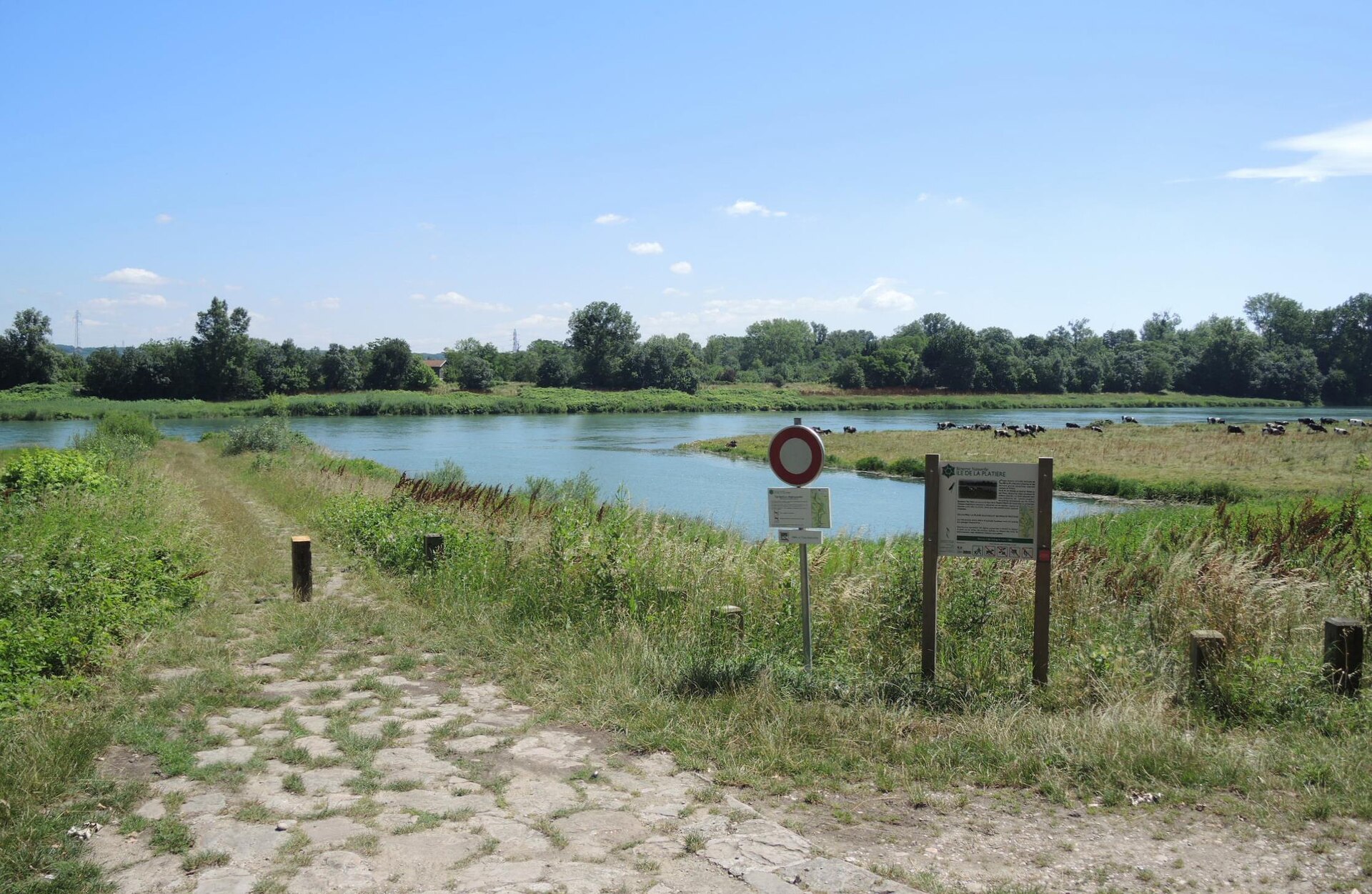
Natura 2000 · de passage
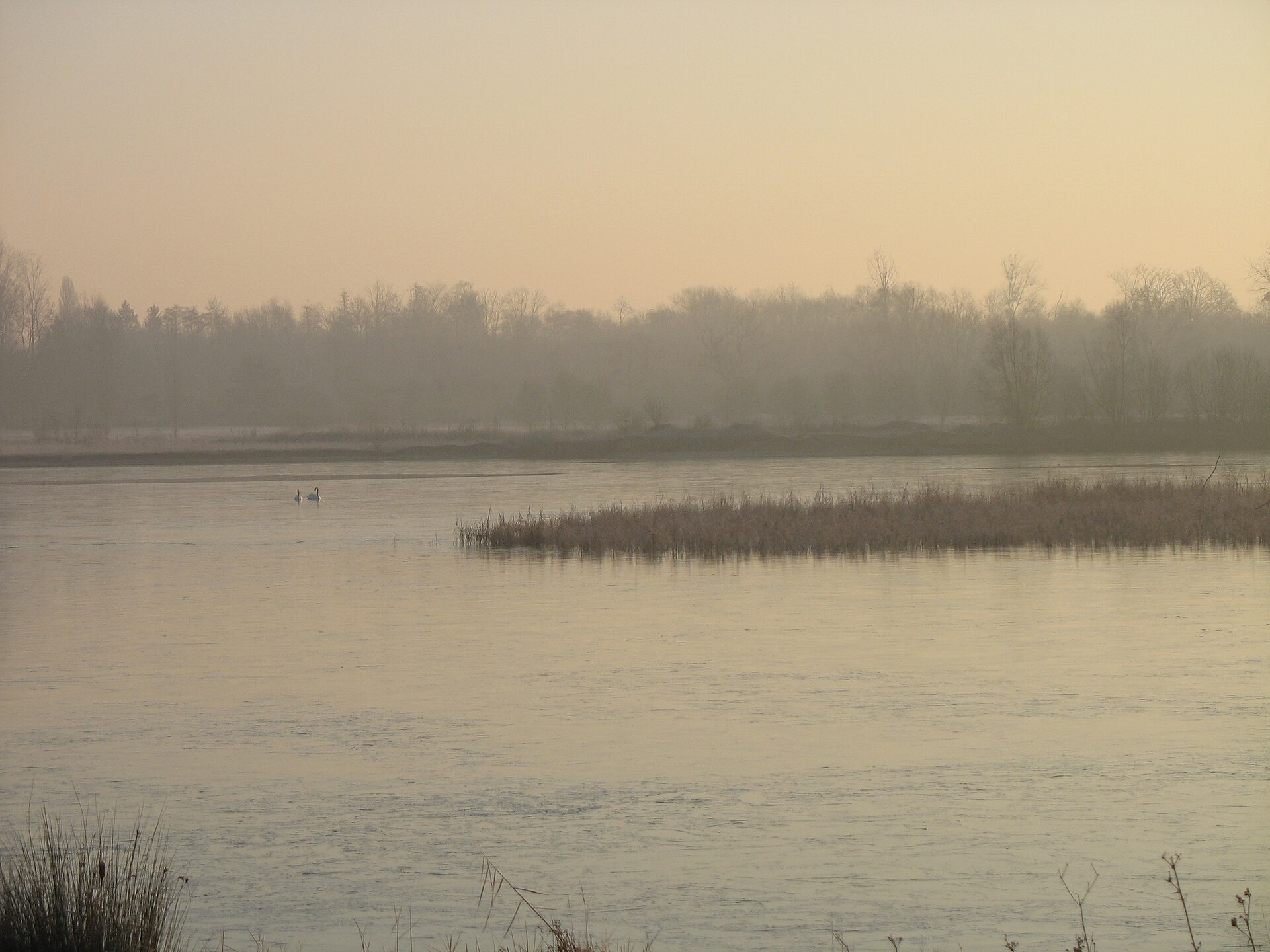
Natura 2000 · sédentaire, reproduction, hivernage

Natura 2000 · hivernage, reproduction
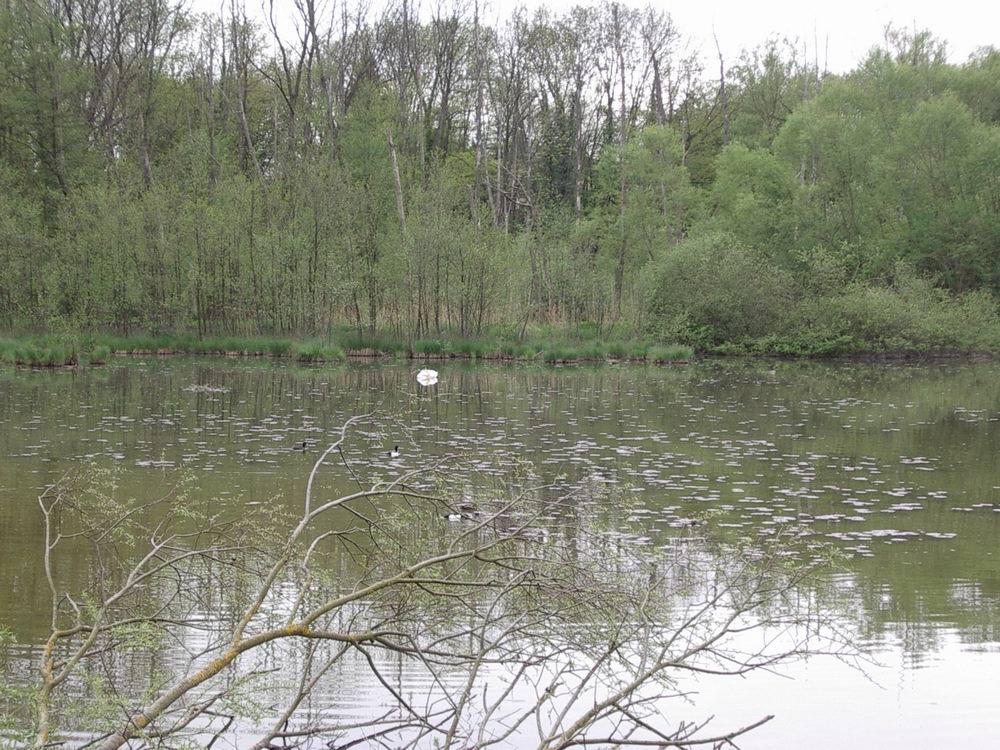
Natura 2000 · sédentaire
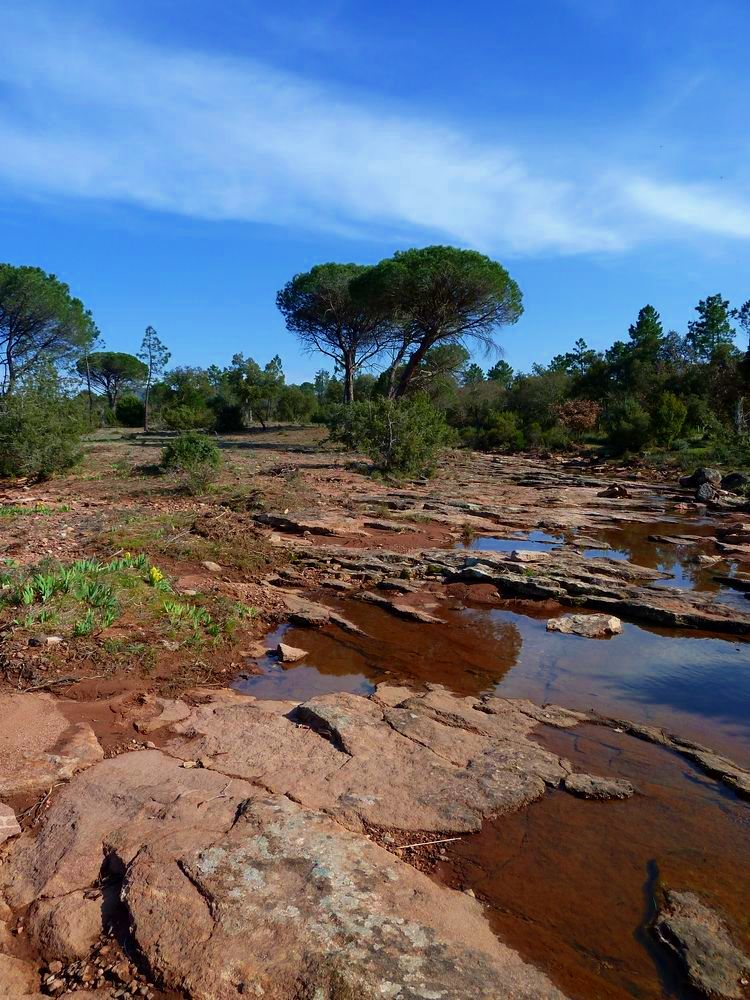
Natura 2000 · sédentaire
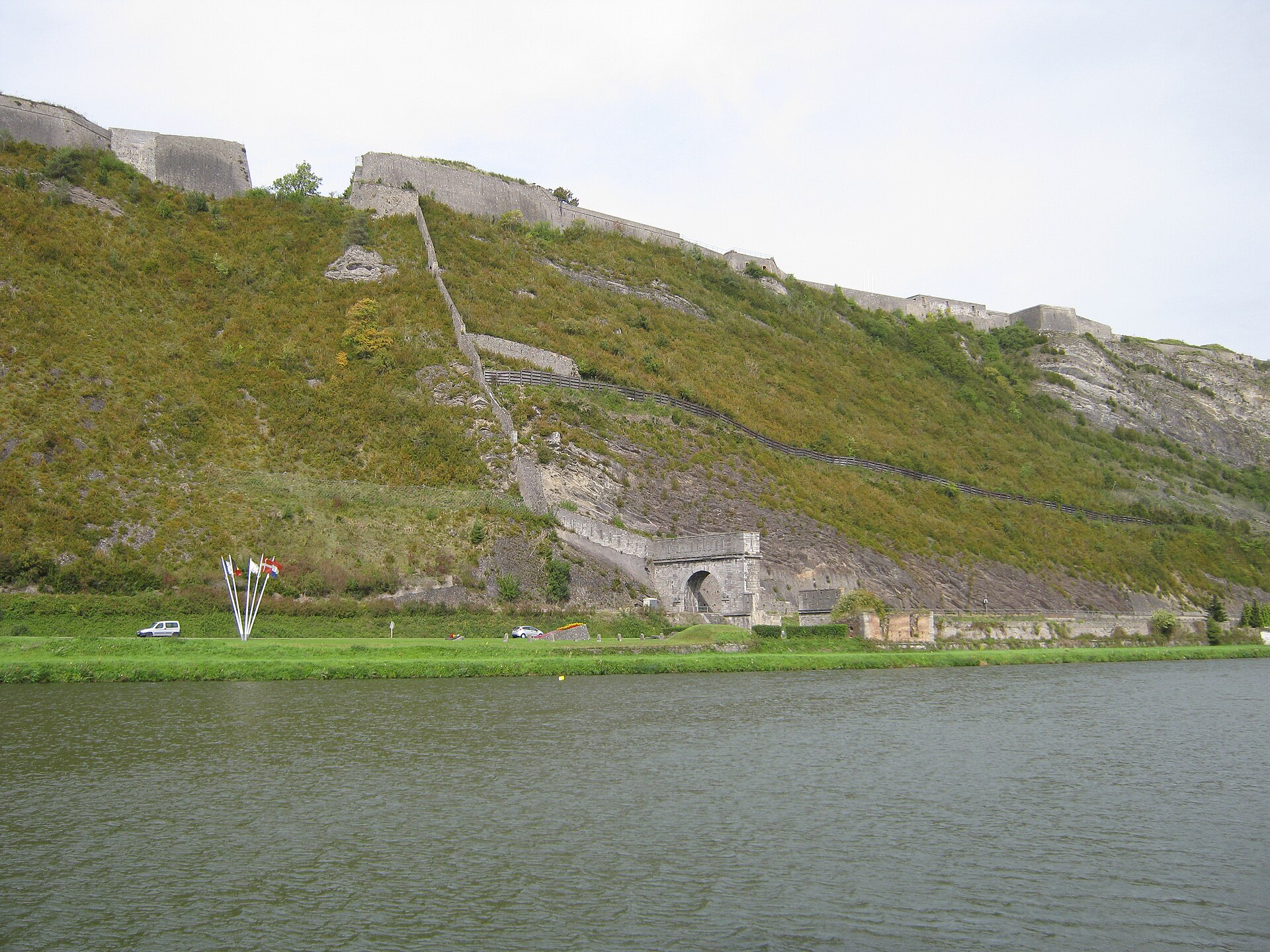
Natura 2000 · reproduction

Natura 2000 · reproduction, hivernage
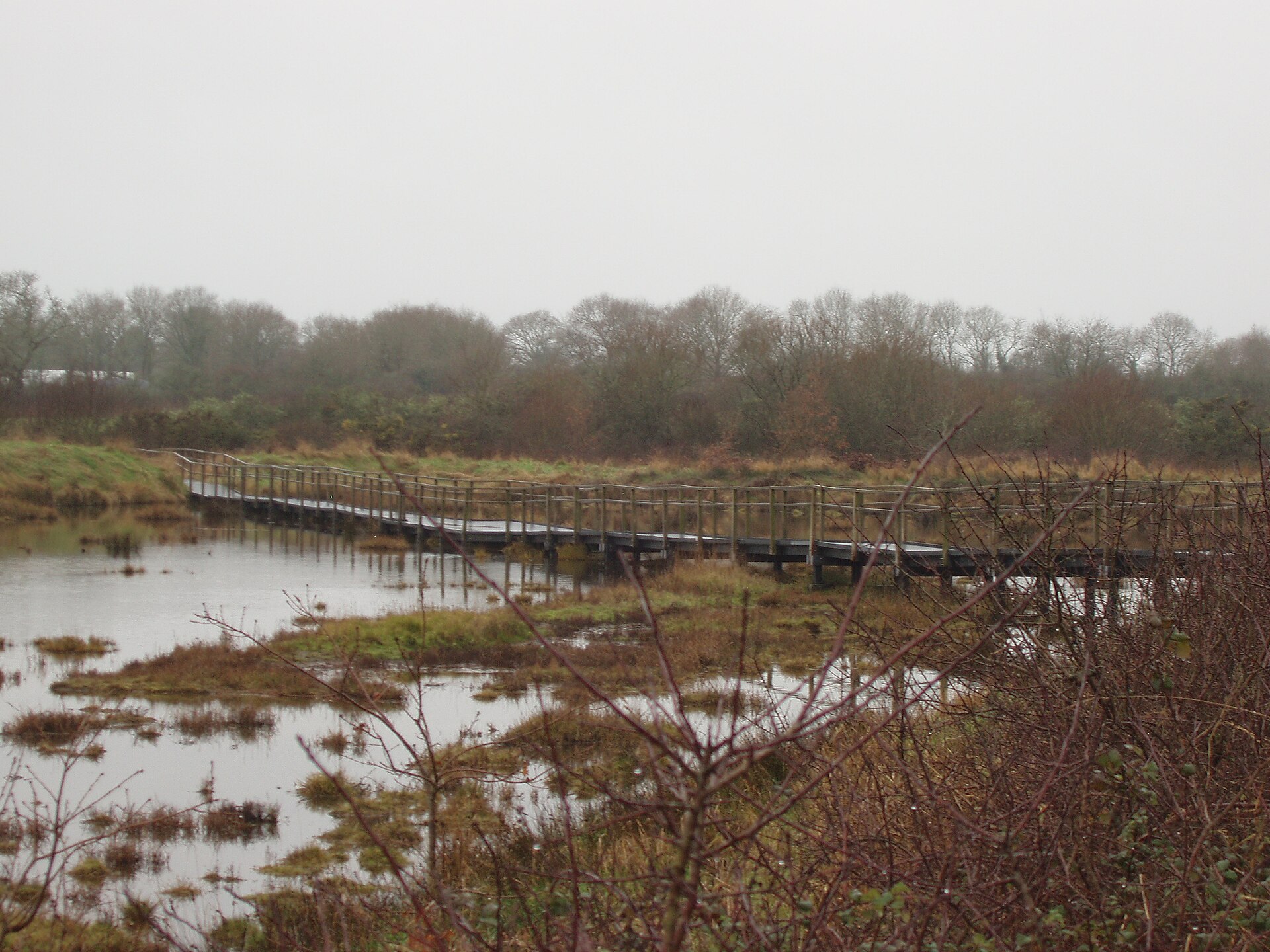
Natura 2000 · hivernage
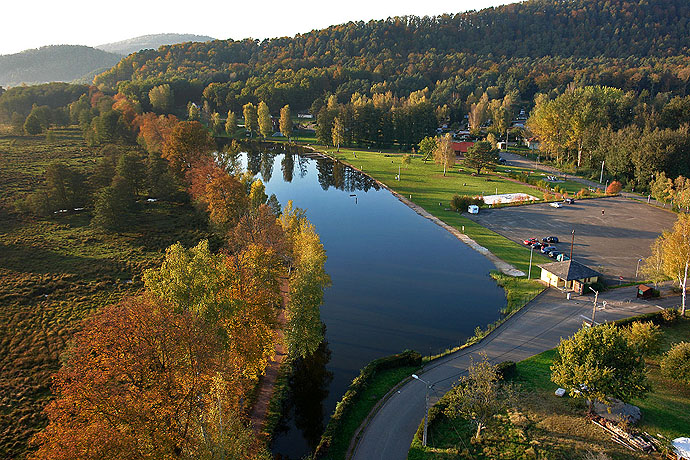
Natura 2000 · reproduction
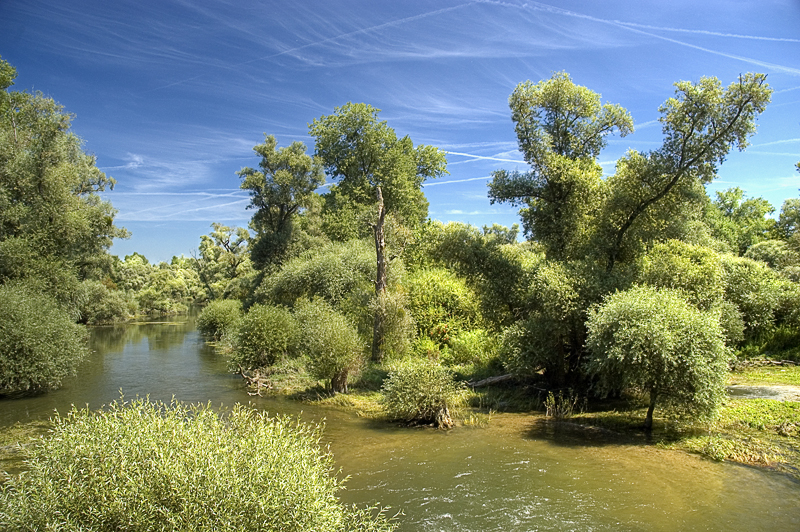
Natura 2000 · sédentaire

Natura 2000 · hivernage, reproduction, de passage
Autres espèces à découvrir
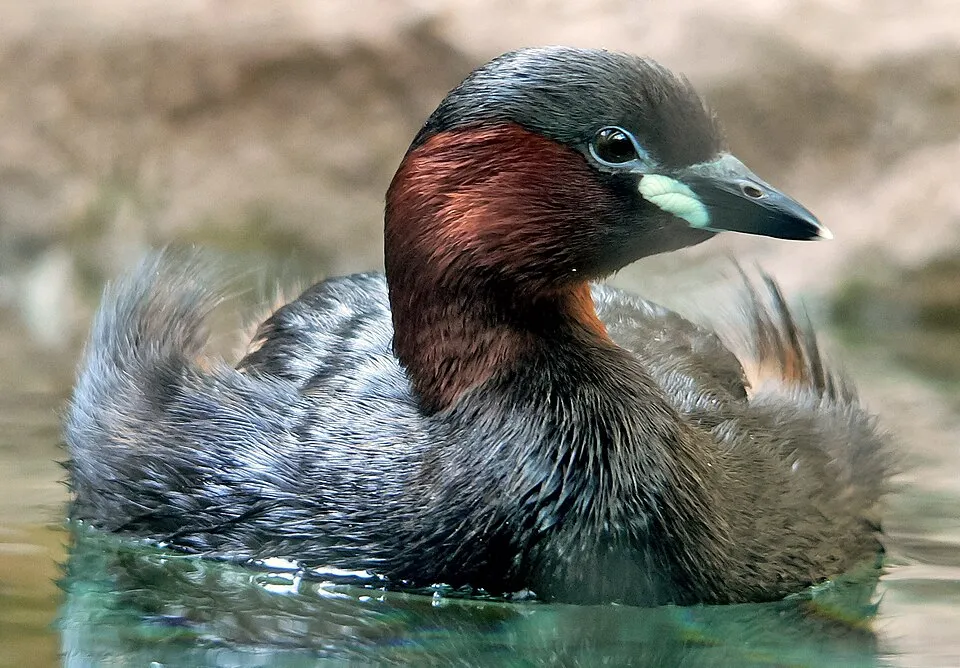 Grèbe castagneux
Tachybaptus ruficollis 128 lieux en commun
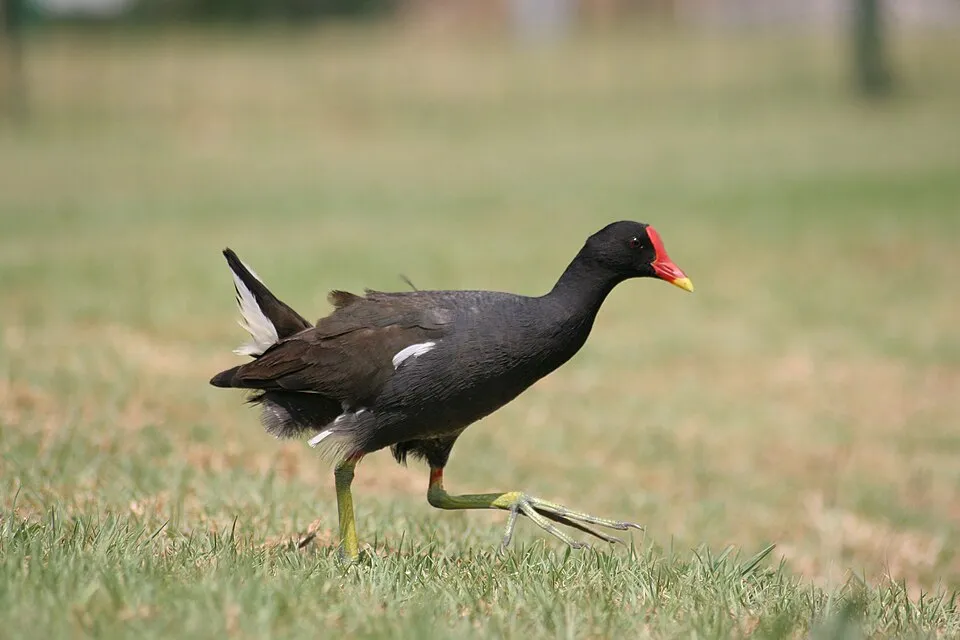 Gallinule poule-d'eau
Gallinula chloropus 111 lieux en commun
 Bécassine des marais
Gallinago gallinago 125 lieux en commun
 Chevalier cul-blanc
Tringa ochropus 100 lieux en commun
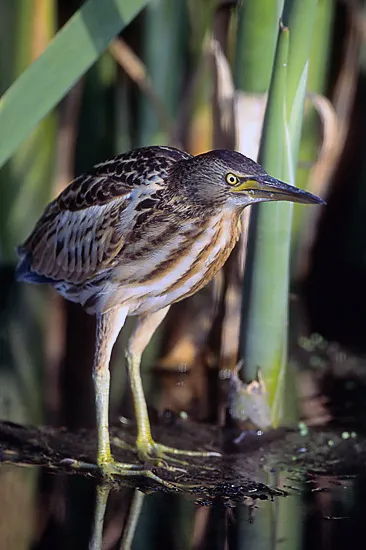 Blongios nain
Ixobrychus minutus 106 lieux en commun
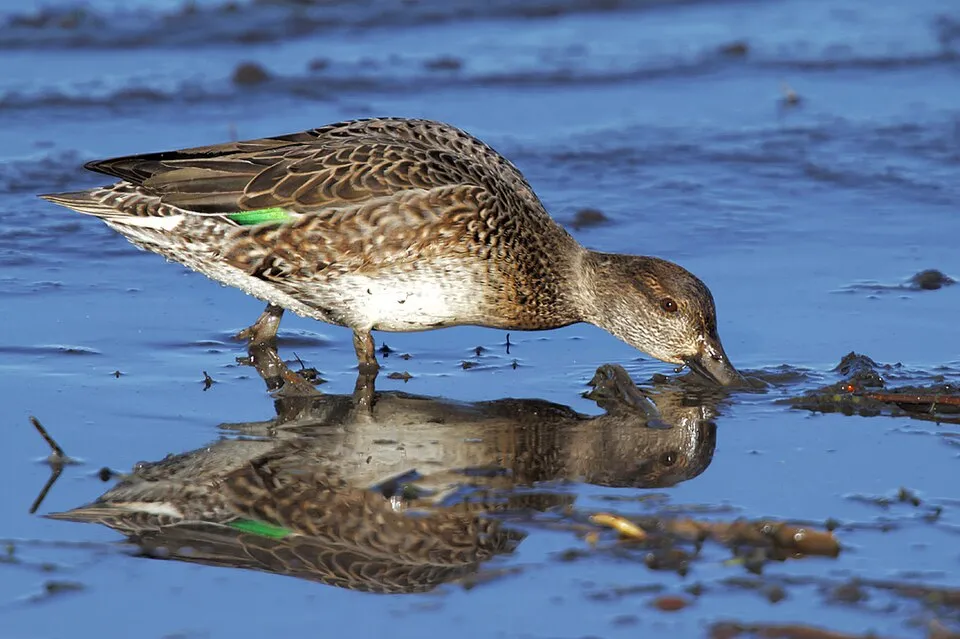 Sarcelle d'hiver
Anas crecca 128 lieux en commun
Sources et crédits
- Présence : espèces les plus signalées de chaque lieu sur le GBIF et espèces d'intérêt communautaire des formulaires Natura 2000 (AEE, CC-BY 4.0) ; une absence de la liste ne signifie pas que l'espèce est absente.
- Noms communs : Wikidata (CC0) et GBIF.
- Photos et sons : Wikimedia Commons, auteur et licence indiqués pour chaque fichier.
- Classification : GBIF Backbone Taxonomy (GBIF Secretariat), CC BY 4.0, doi:10.15468/39omei.
- Pays, altitudes, mois et cartes : GBIF.org, occurrences sous licence CC0 ou CC BY 4.0 seulement, consultées le 22 octobre 2026, GBIF.org.
- Fond des cartes : Natural Earth (domaine public).
- Extrait : Wikipédia, CC BY-SA 4.0 (crédit détaillé sous l'extrait).
- Caractéristiques : Wikidata (CC0), avec les références citées sous chaque valeur.
- Annexes : directive 2009/147/CE (version consolidée), © Union européenne, EUR-Lex.