
Amphibian
Alpine newt: where to see it
Ichthyosaura alpestris
This amphibian species is recorded in 12 protected areas of the atlas, including 2 whose official Natura 2000 form lists it. Within the atlas countries, it is mostly observed in Switzerland, France and Germany (5 countries in all). Most records (8 in 10) lie between 350 and 1,400 m above sea level. Records peak from March to May.
Best time to see it: March–May
Records published on GBIF by month (CC0 and CC BY 4.0 licences only), in the atlas countries, all years combined; they also reflect observer activity.
Distribution
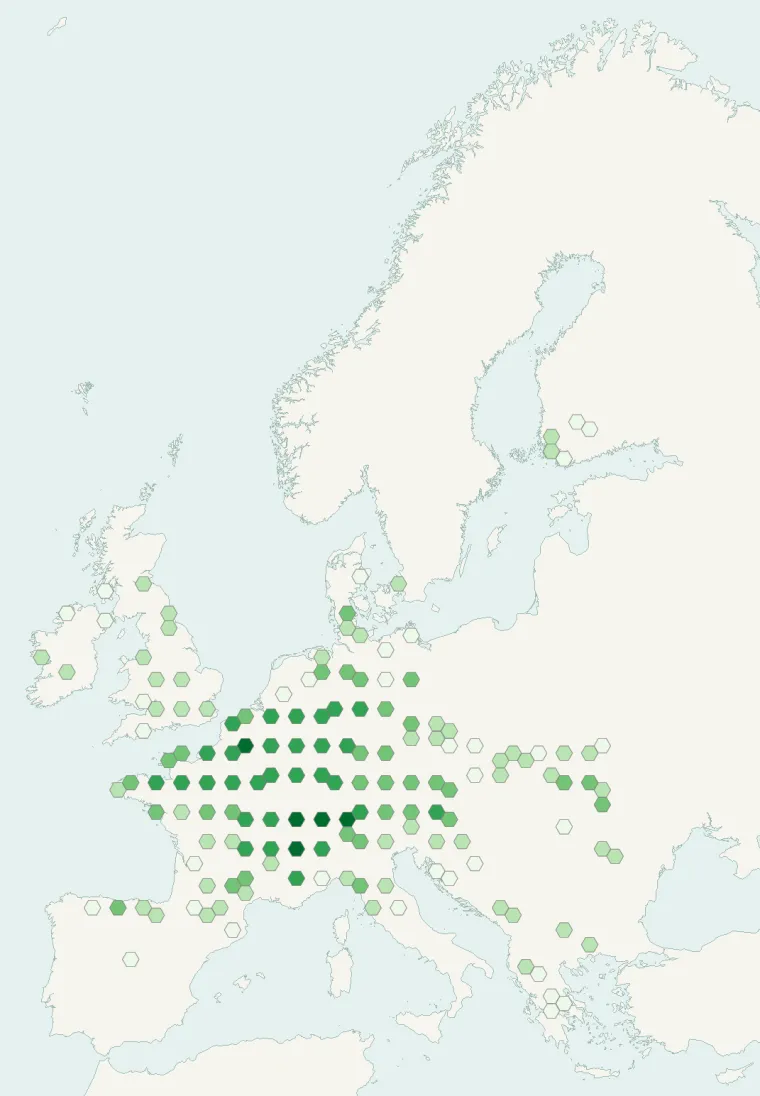
Records published on GBIF (CC0 and CC BY 4.0 licences): the darker the shade, the more records there are; they also reflect observation effort.
Atlas countries where it is recorded
From Wikipedia
The alpine newt (Mesotriton alpestris) is a species of newt native to continental Europe and introduced to Great Britain and New Zealand. Adults measure 7–12 cm (2.8–4.7 in) and are usually dark grey to blue on the back and sides, with an orange belly and throat. Males are more conspicuously coloured than the drab females, especially during breeding season. The alpine newt occurs at high altitude as well as in the lowlands. Living mainly in forested land habitats for most of the year, the adults migrate to puddles, ponds, lakes or similar water bodies for breeding.
Source: Wikipedia, article “Alpine newt” (version of October 5, 2026) · history and authors · licence CC BY-SA 4.0 · shortened excerpt
Protected areas where it is recorded
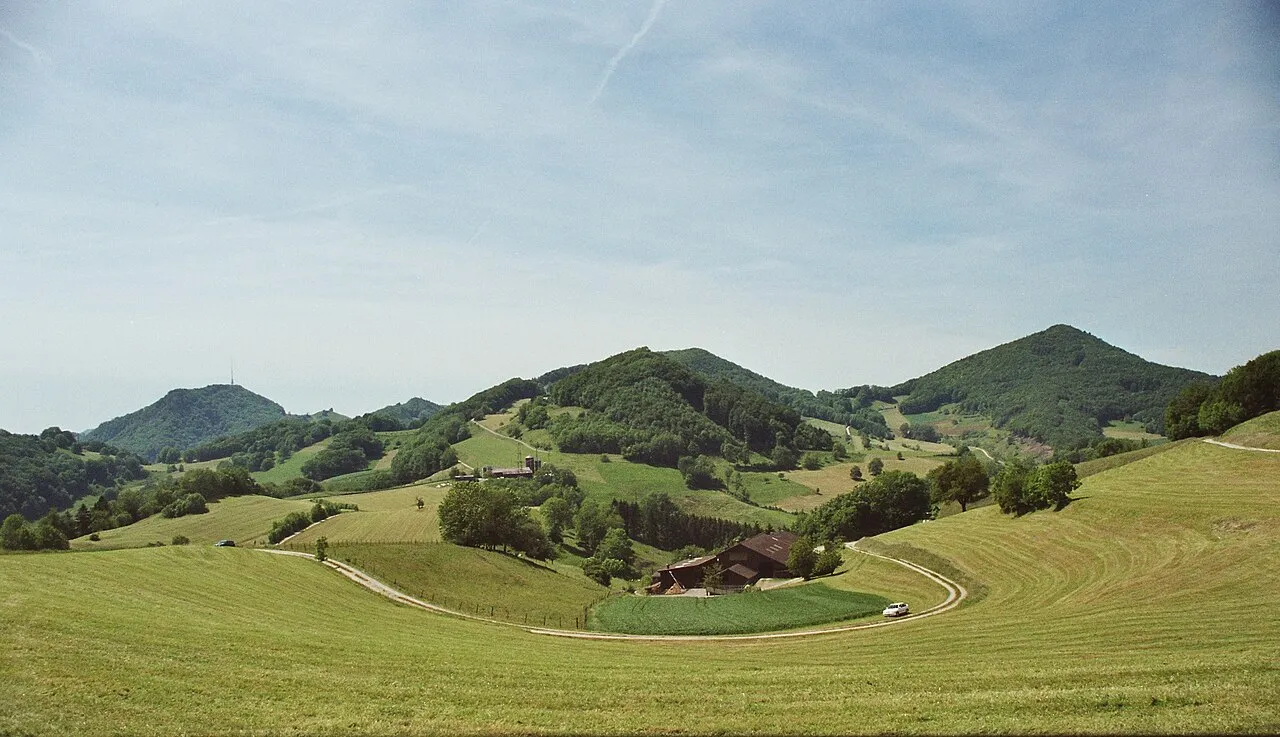
4,257 records
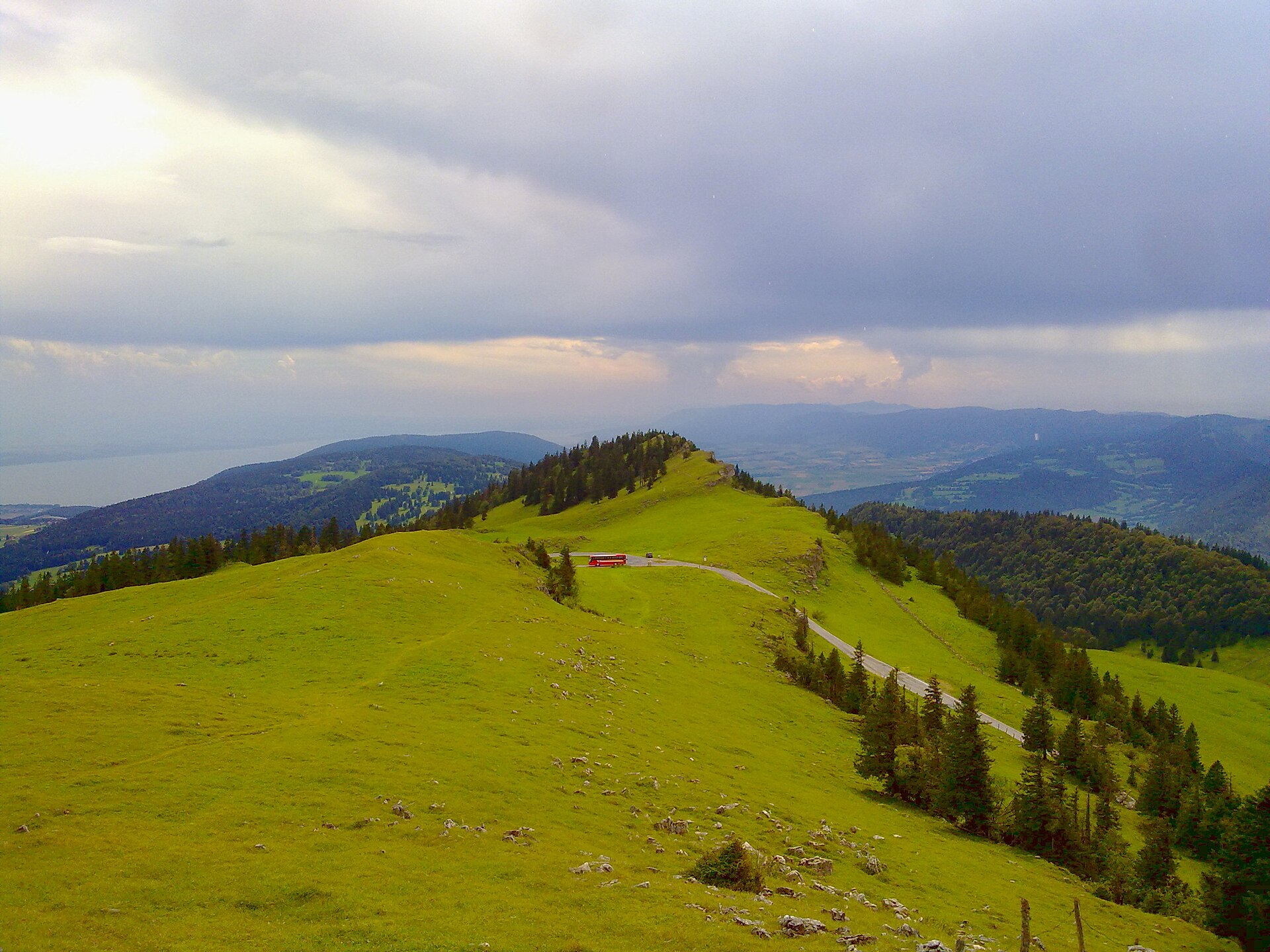
2,837 records
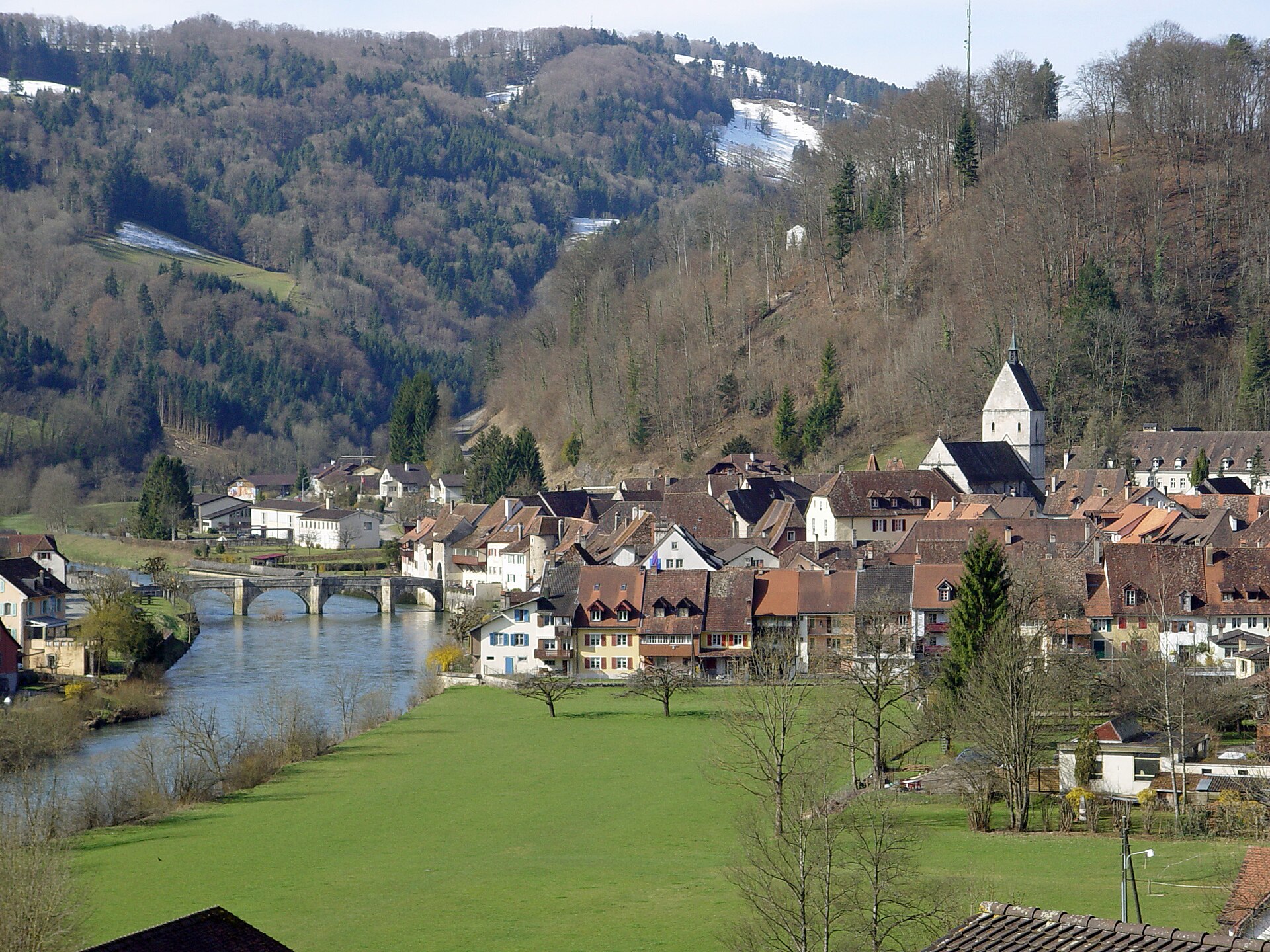
1,573 records
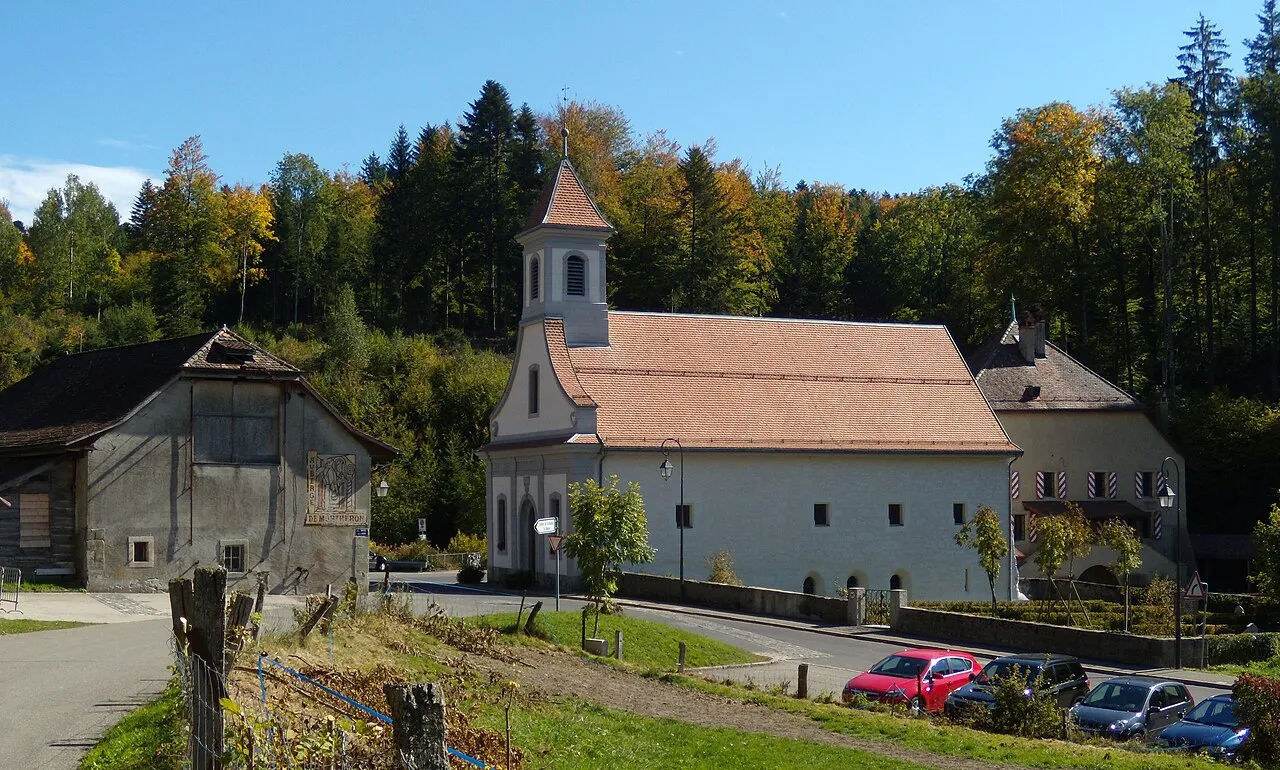
1,146 records
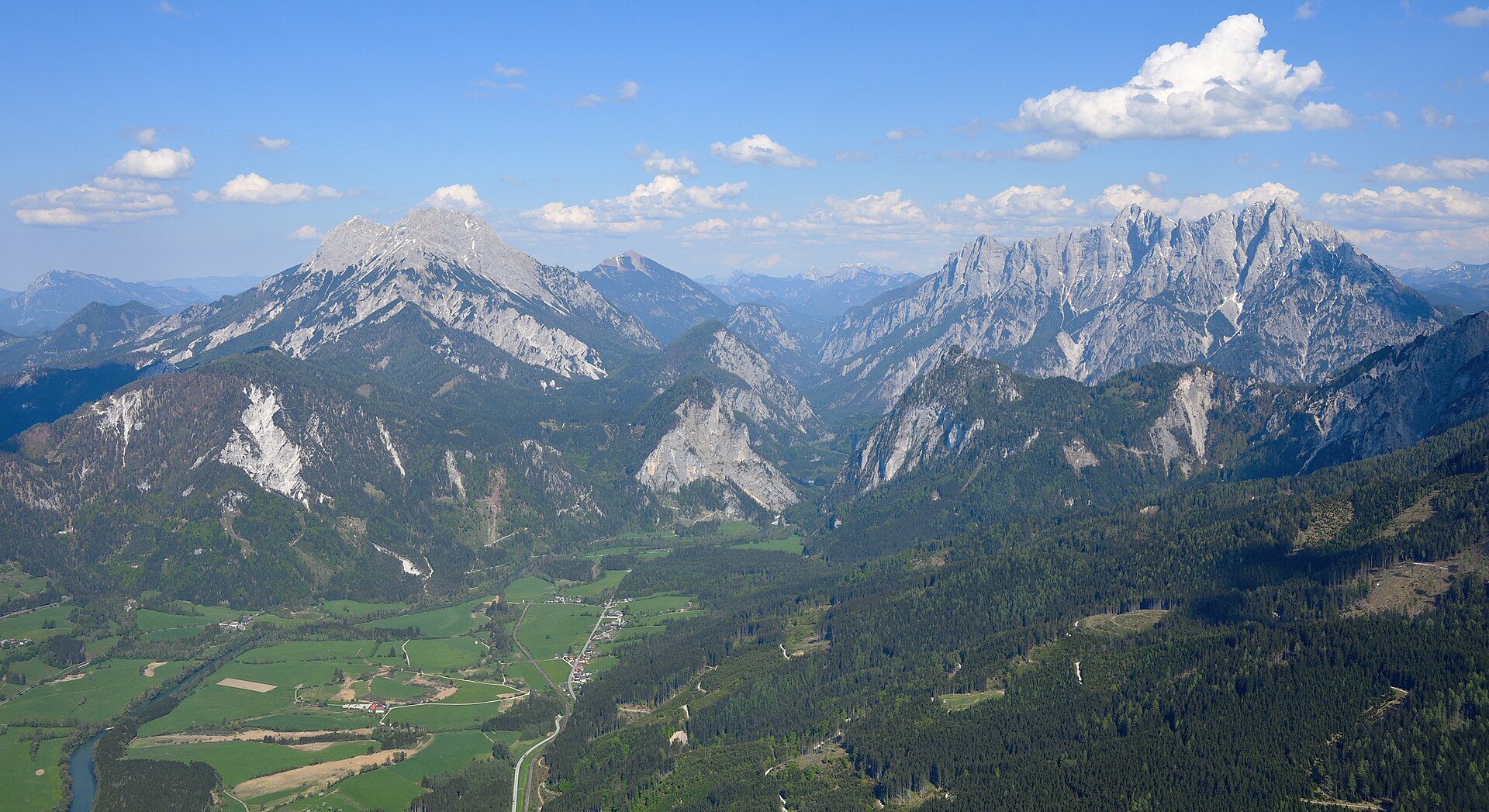
96 records
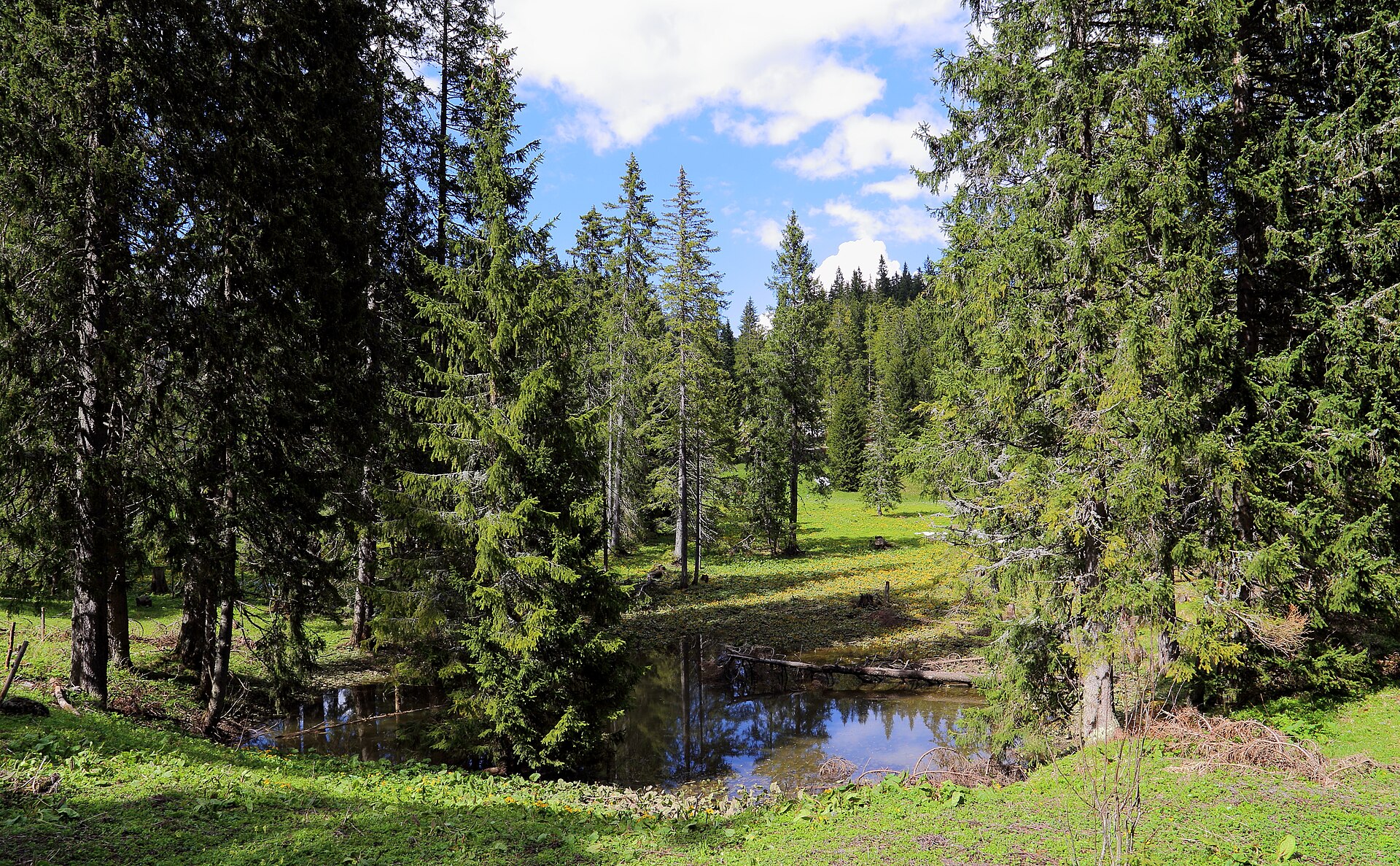
29 records

9 records
2 records
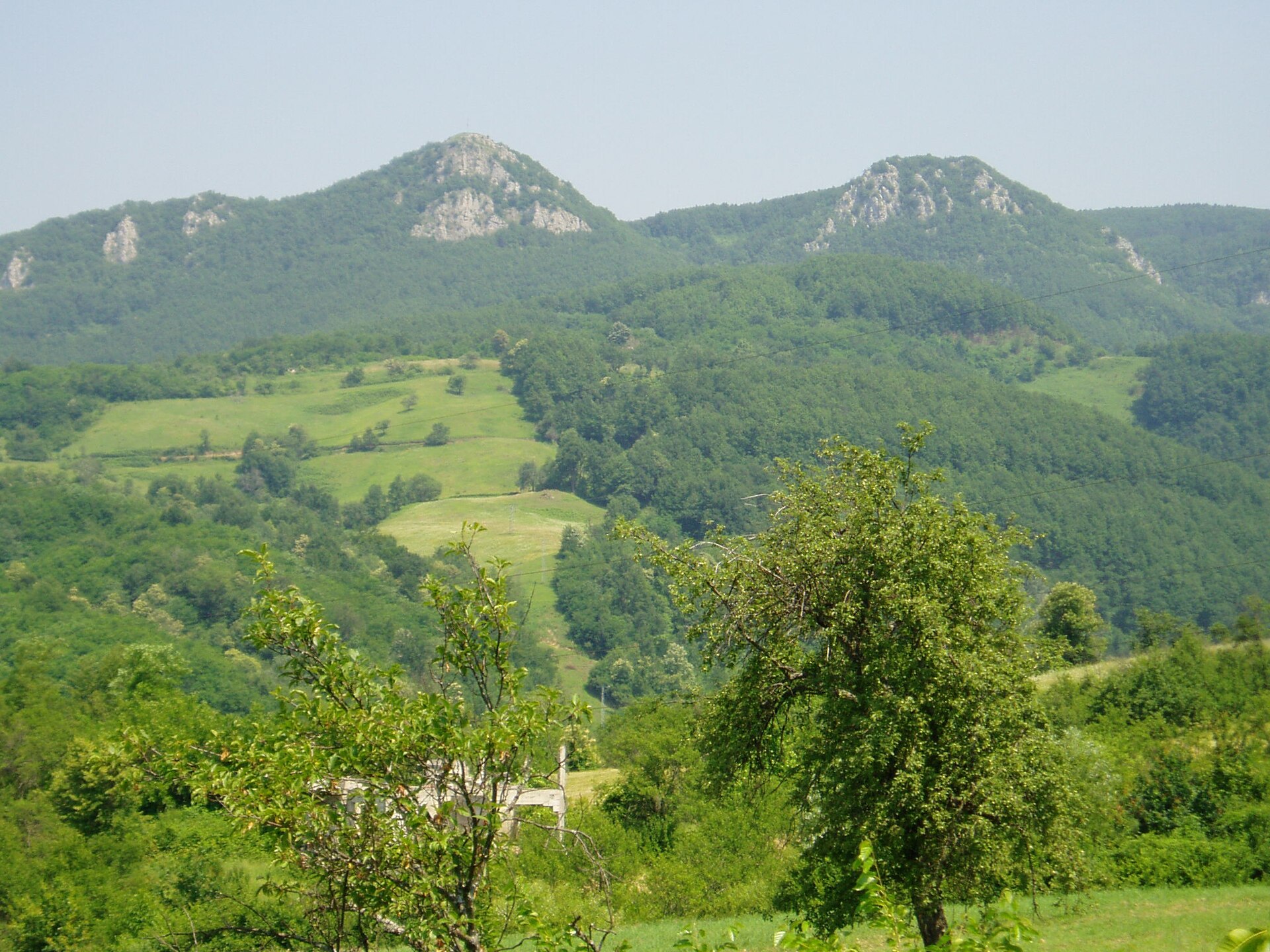
1 records
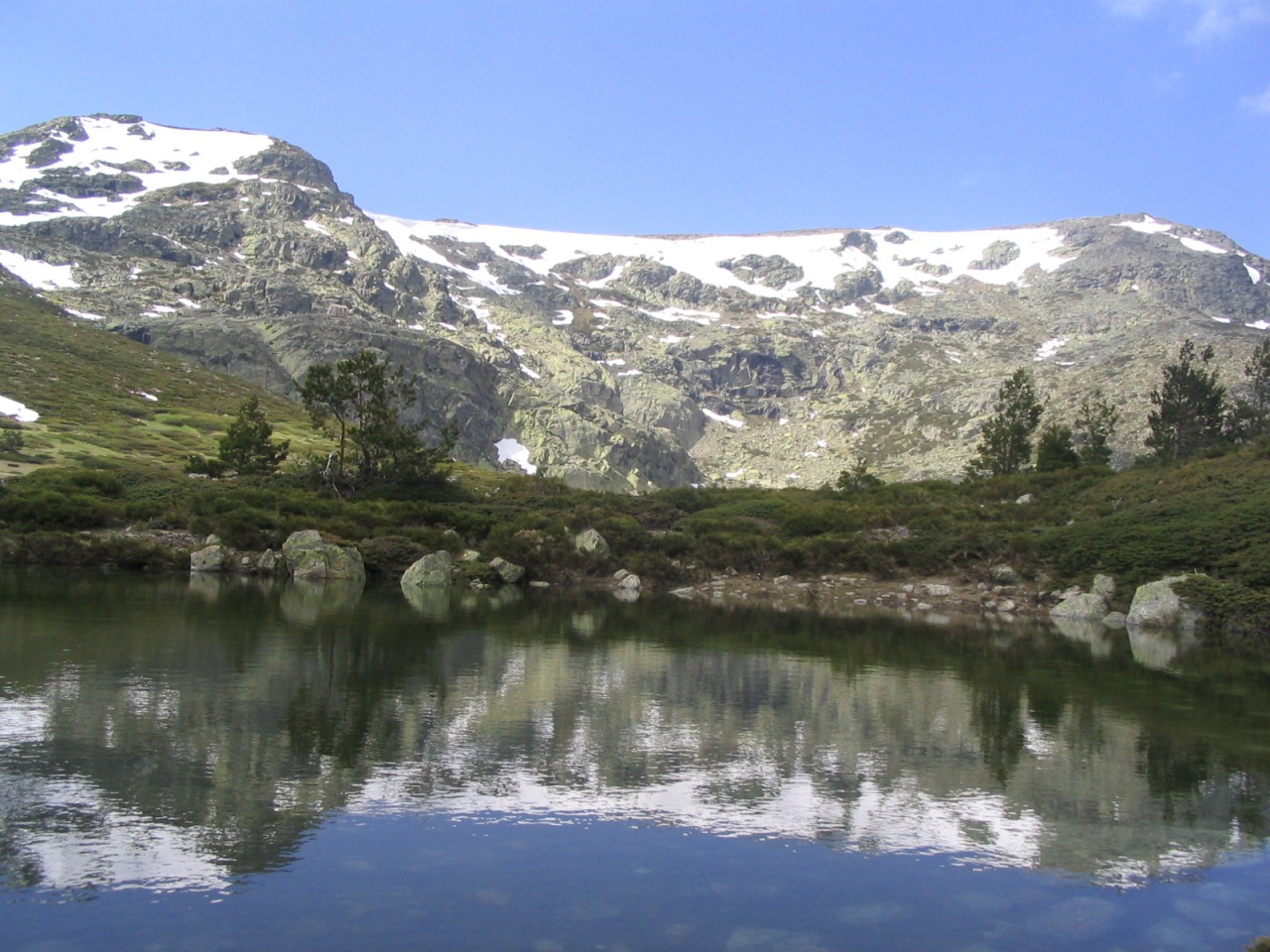
1 records
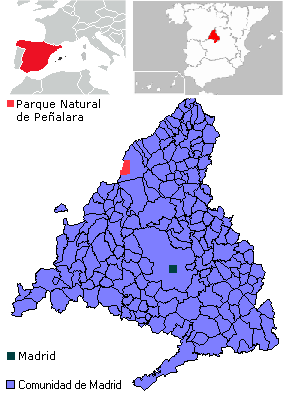
Natura 2000
Natura 2000
Other species to discover
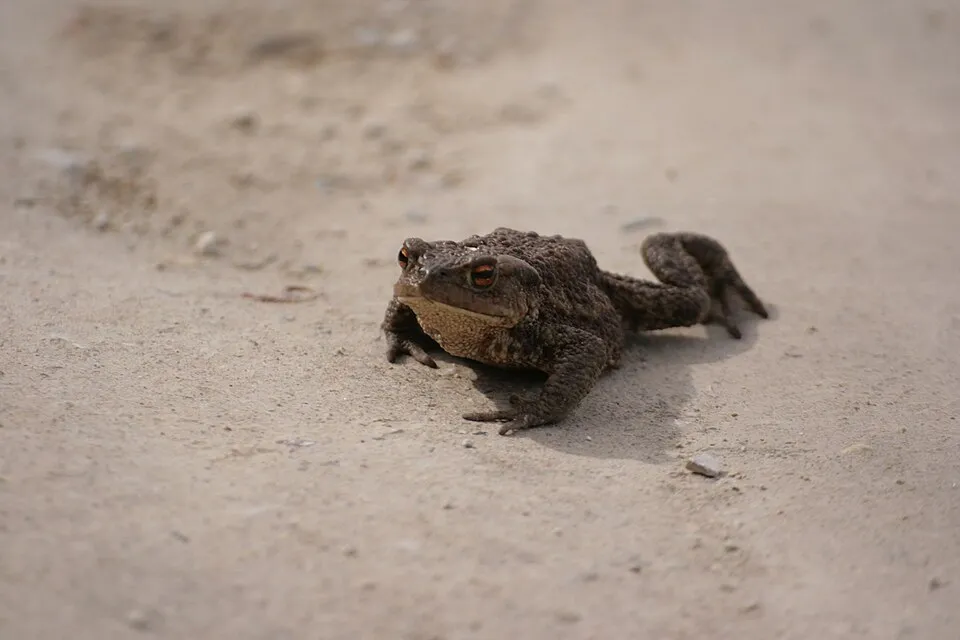 Common toad
Bufo bufo 5 places in common
 Palmate Newt
Lissotriton helveticus 3 places in common
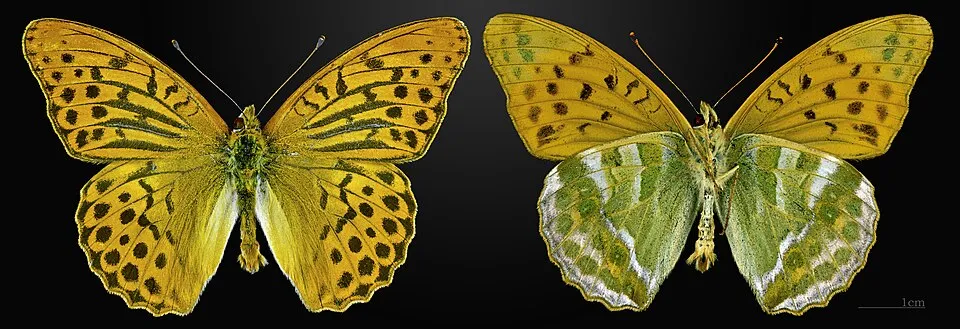 Silver-washed fritillary
Argynnis paphia 4 places in common
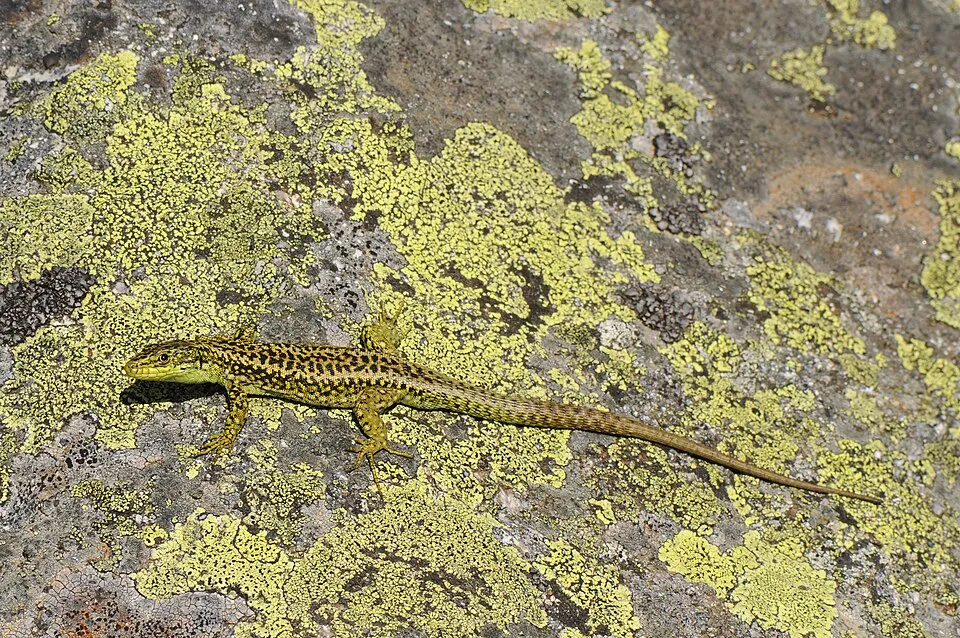 Iberolacerta cireni
Iberolacerta cyreni 2 places in common
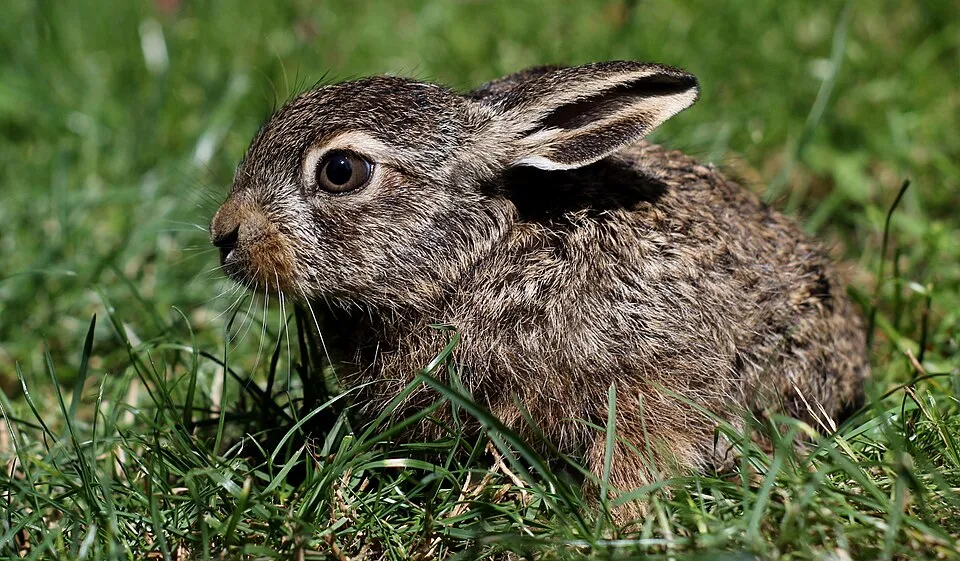 Brown Hare
Lepus europaeus 4 places in common
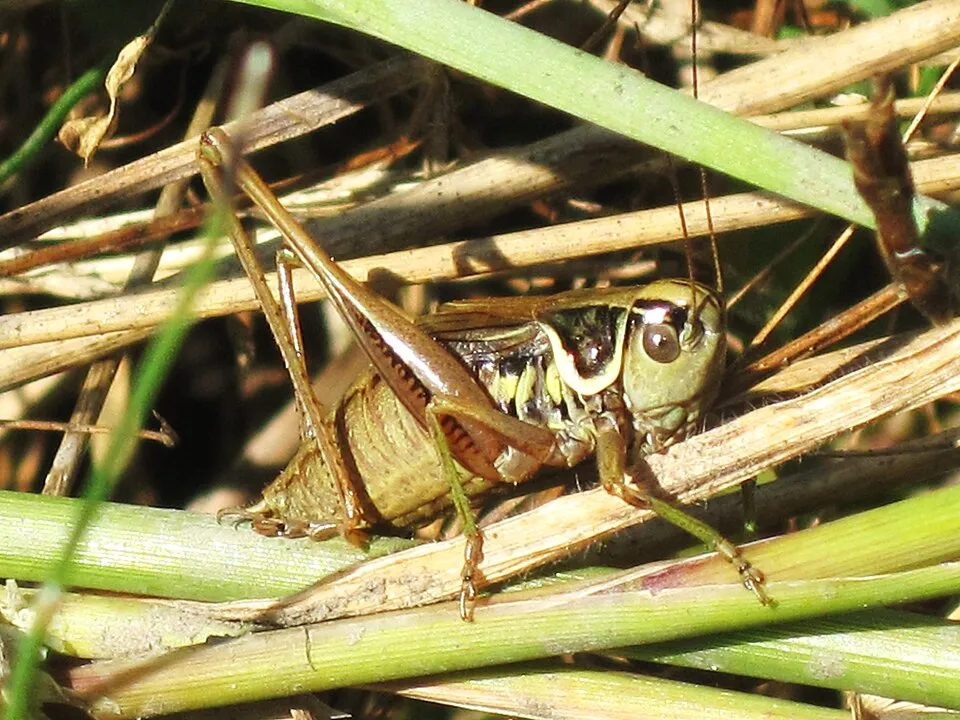 Roesel's Bush-Cricket
Roeseliana roeselii 2 places in common
Sources and credits
- Presence: most-recorded species of each place on GBIF and species of Community interest in the Natura 2000 forms (EEA, CC-BY 4.0); absence from the list does not mean the species is absent.
- Common names: Wikidata (CC0) and GBIF.
- Photos and sounds: Wikimedia Commons, author and licence given for each file.
- Classification: GBIF Backbone Taxonomy (GBIF Secretariat), CC BY 4.0, doi:10.15468/39omei.
- Countries, elevations, months and maps: GBIF.org, CC0 or CC BY 4.0 occurrences only, accessed October 22, 2026, GBIF.org.
- Base map: Natural Earth (public domain).
- Excerpt: Wikipedia, CC BY-SA 4.0 (full credit below the excerpt).