
Amphibian
Common toad: where to see it
Bufo bufo
This amphibian species is recorded in 13 protected areas of the atlas, including 2 whose official Natura 2000 form lists it. Within the atlas countries, it is mostly observed in Switzerland, France and the United Kingdom (10 countries in all). Most records (8 in 10) lie between 60 and 950 m above sea level. Records peak from March to May.
Best time to see it: March–May
Records published on GBIF by month (CC0 and CC BY 4.0 licences only), in the atlas countries, all years combined; they also reflect observer activity.
Distribution
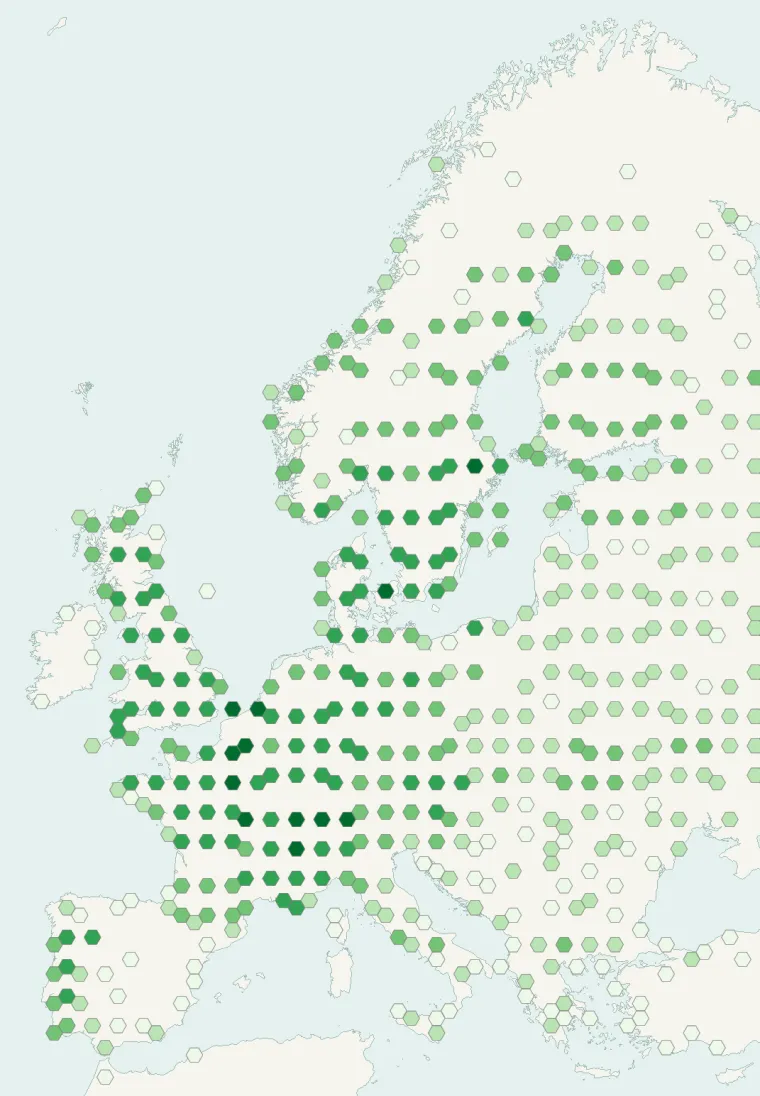
Records published on GBIF (CC0 and CC BY 4.0 licences): the darker the shade, the more records there are; they also reflect observation effort.
Atlas countries where it is recorded
Listen
-
0:54 · © Beeld en Geluid Collecties · CC BY 4.0 · Wikimedia Commons · Original file
-
0:18 · © Mike Krüger · CC BY-SA 3.0 · Wikimedia Commons · Original file
-
0:36 · © Jonn Leffmann · CC BY 3.0 · Wikimedia Commons · Original file
From Wikipedia
The common toad, also known as European toad or simply the toad in Anglophone parts of Europe (Bufo bufo, from Latin bufo "toad"), is a toad found throughout most of Europe (excluding Iceland, Ireland, parts of Scandinavia, and some Mediterranean islands), western North Asia and a small part of Northwest Africa. It belongs to a group of closely related species descended from a common ancestral line of toads and forming a species complex. The toad is an inconspicuous animal, usually lying hidden during the day. It becomes active at dusk, hunting the invertebrates on which it feeds at night.
Source: Wikipedia, article “Common toad” (version of September 25, 2026) · history and authors · licence CC BY-SA 4.0 · shortened excerpt
Protected areas where it is recorded
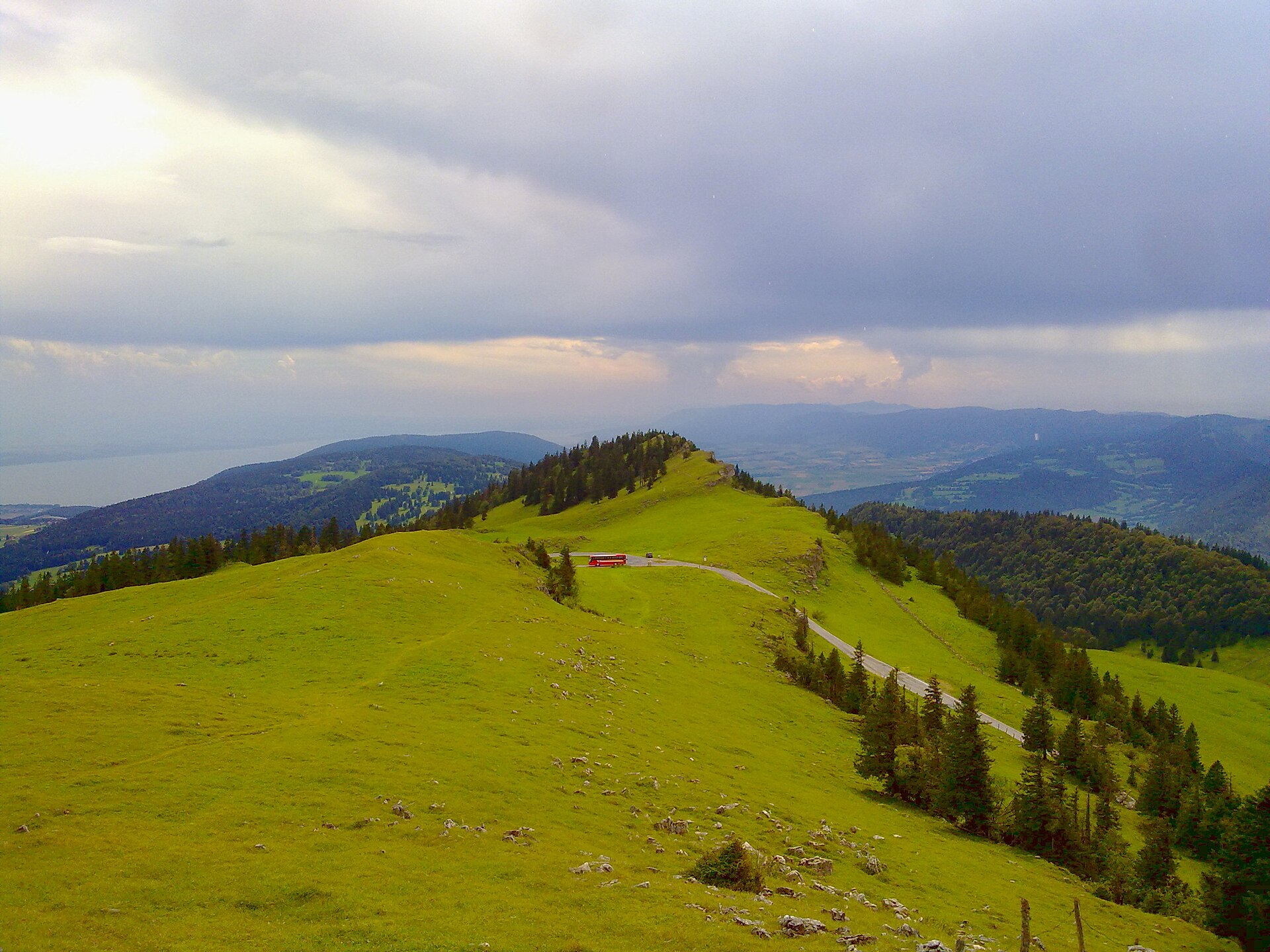
3,681 records
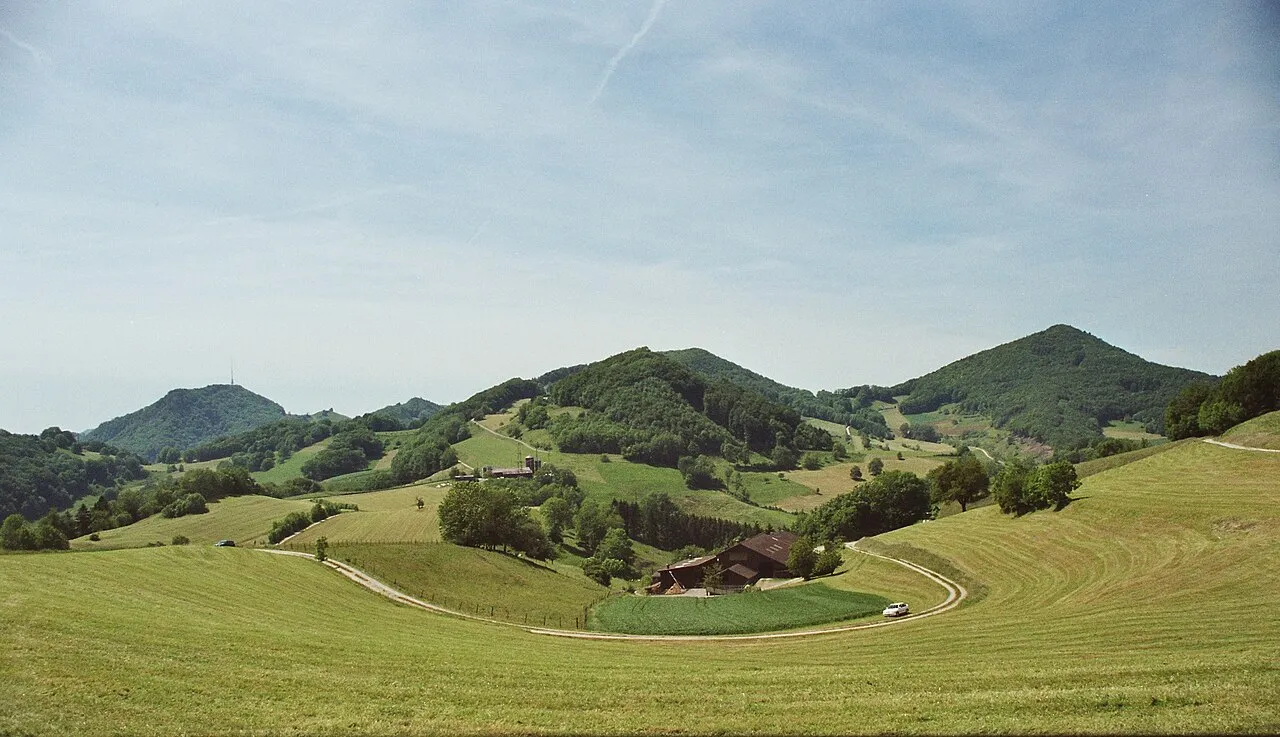
3,322 records
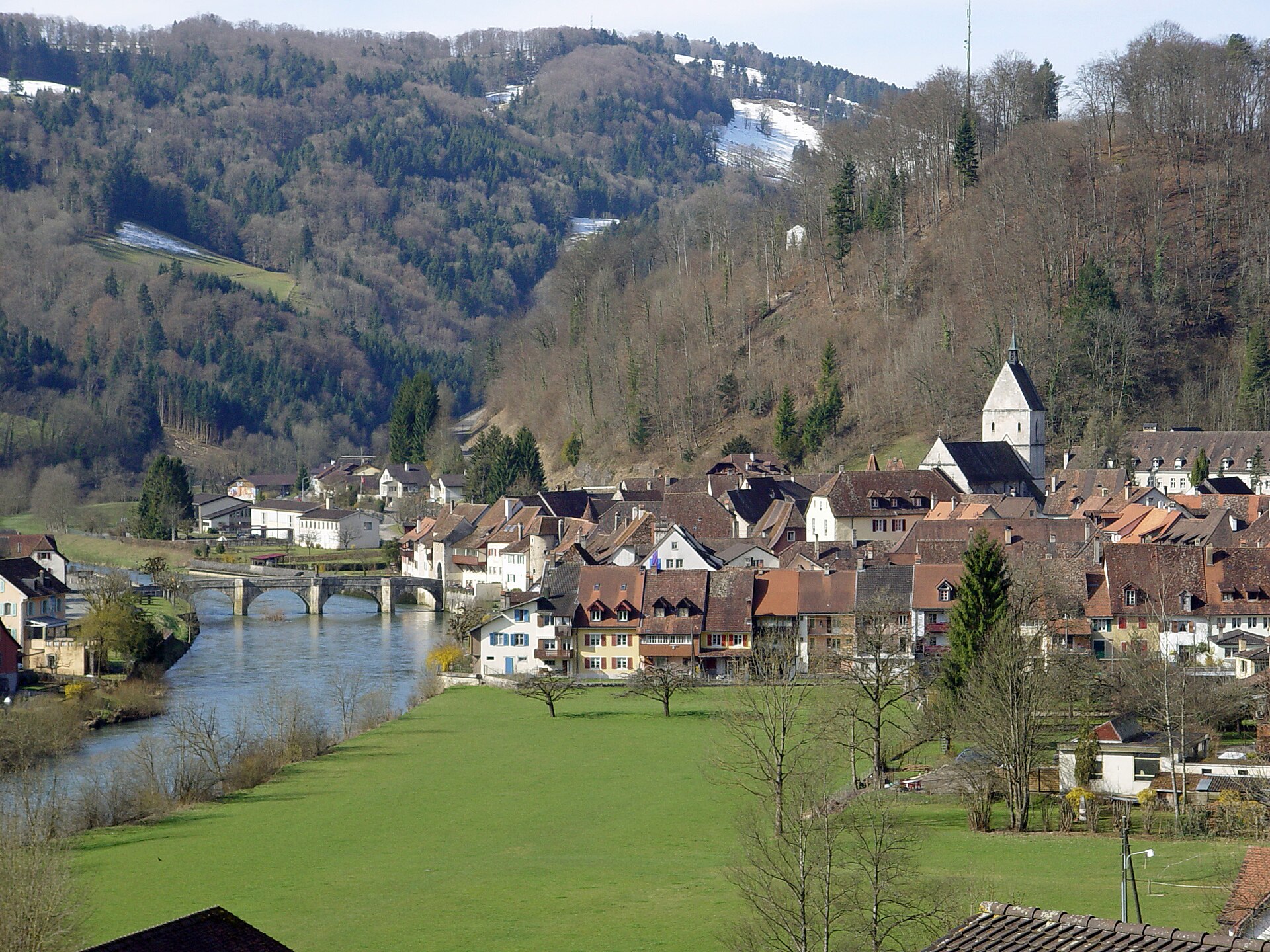
1,758 records
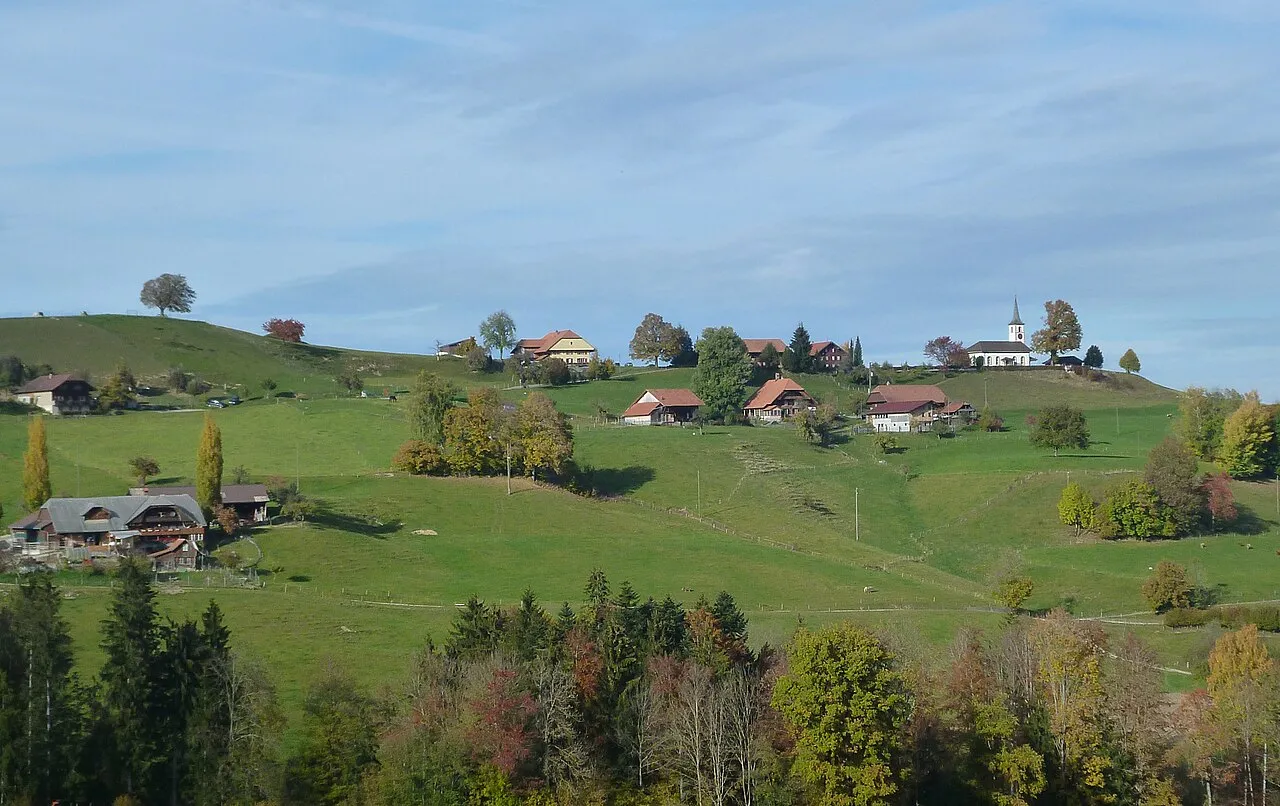
1,538 records
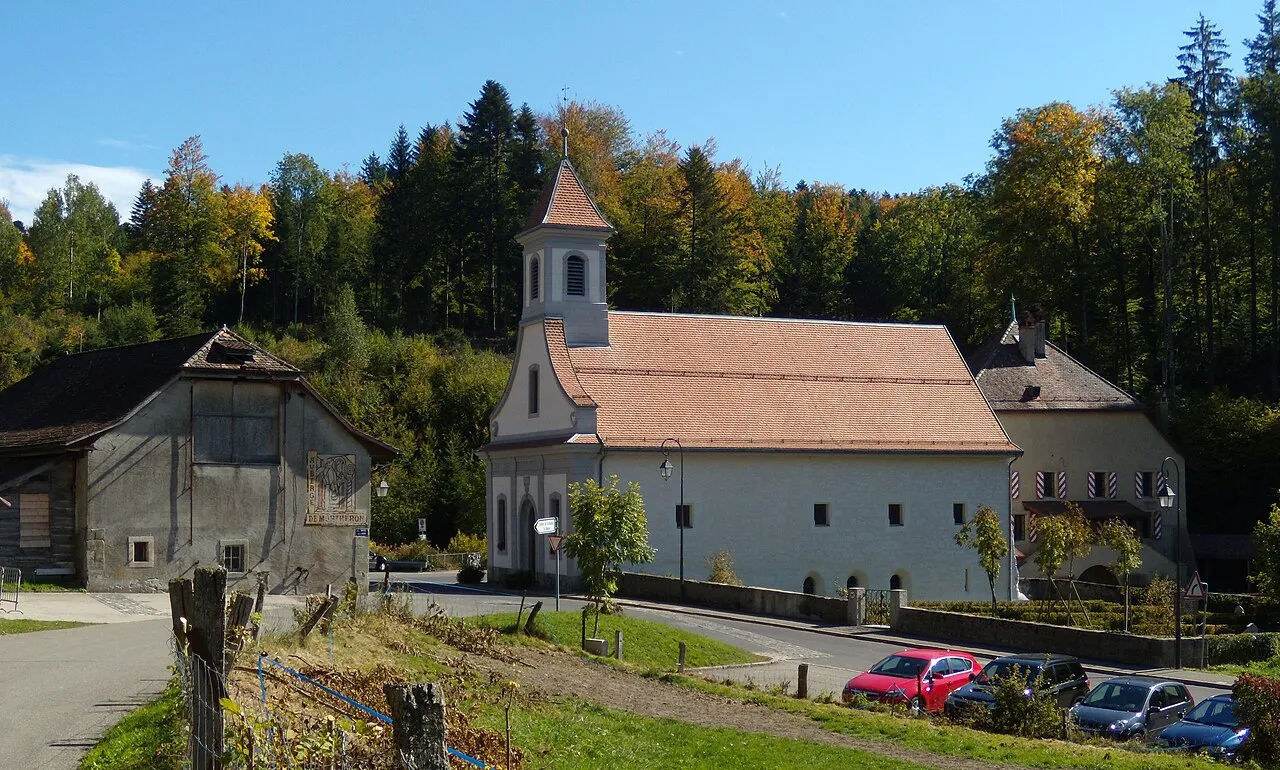
1,437 records
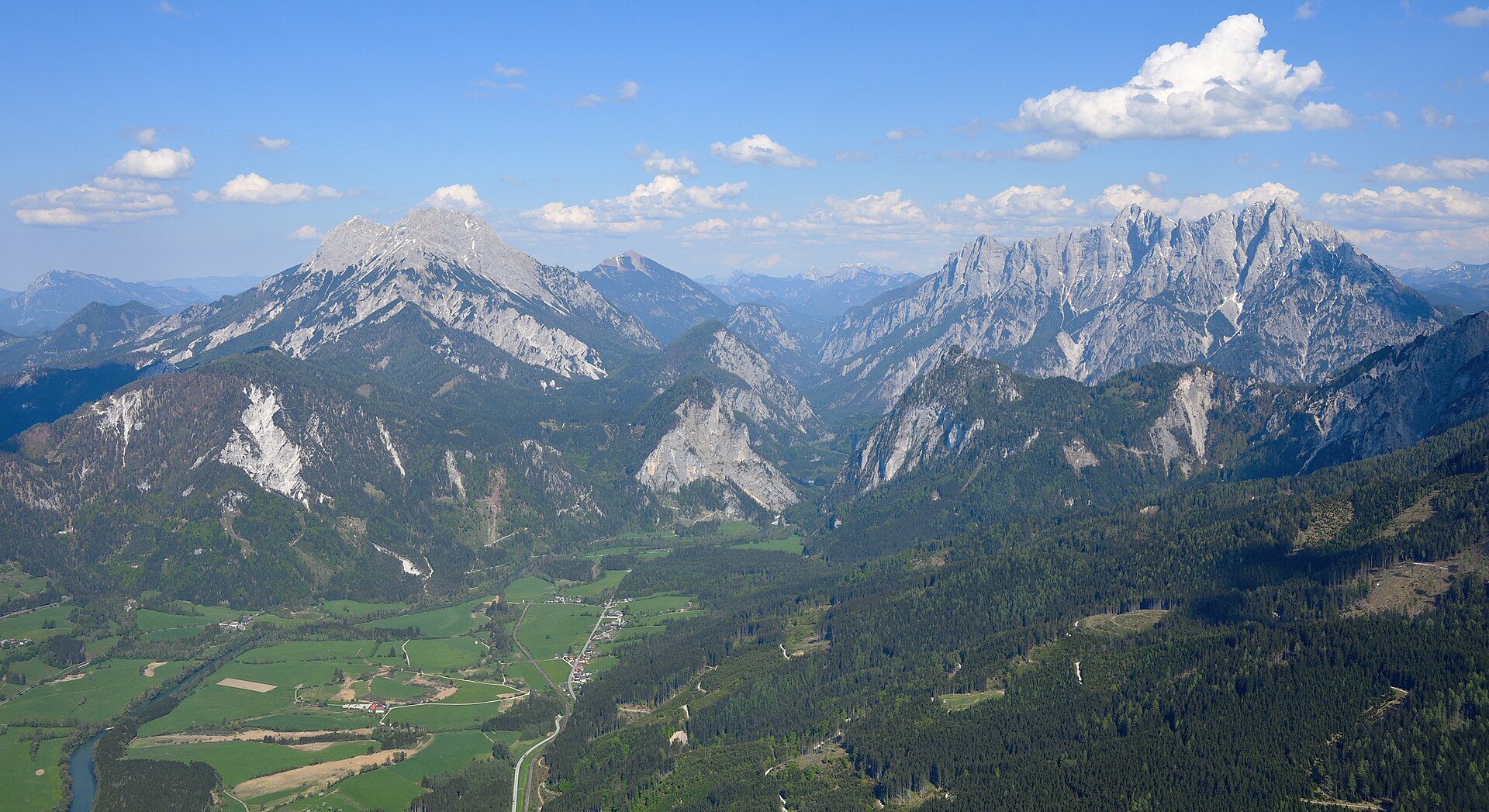
127 records
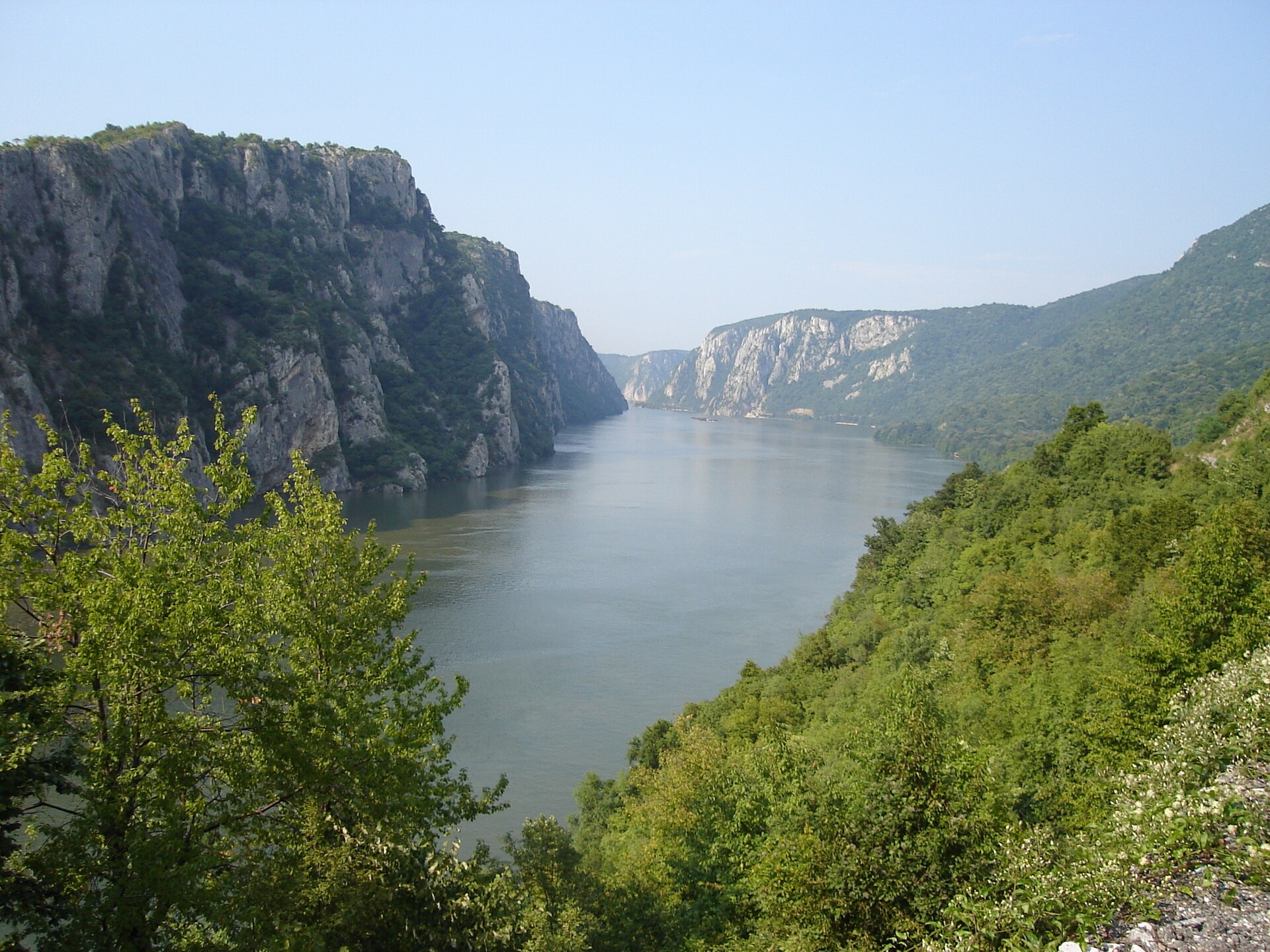
32 records
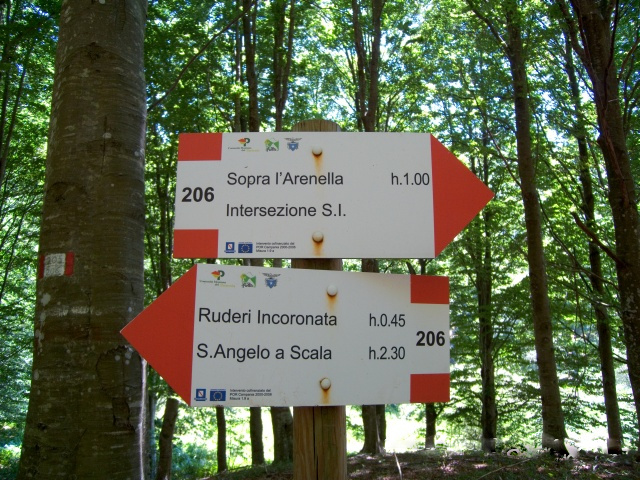
13 records

10 records
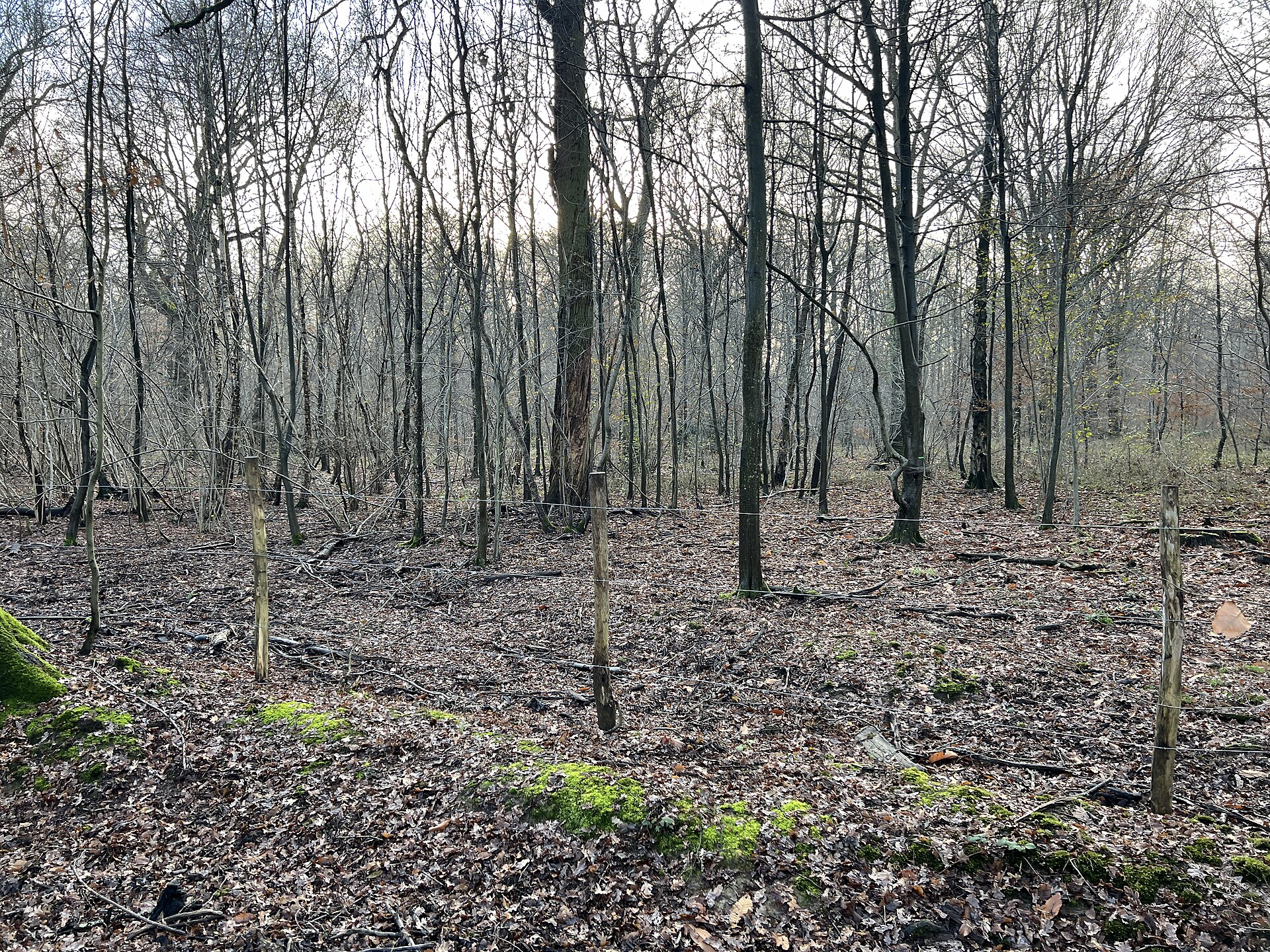
6 records
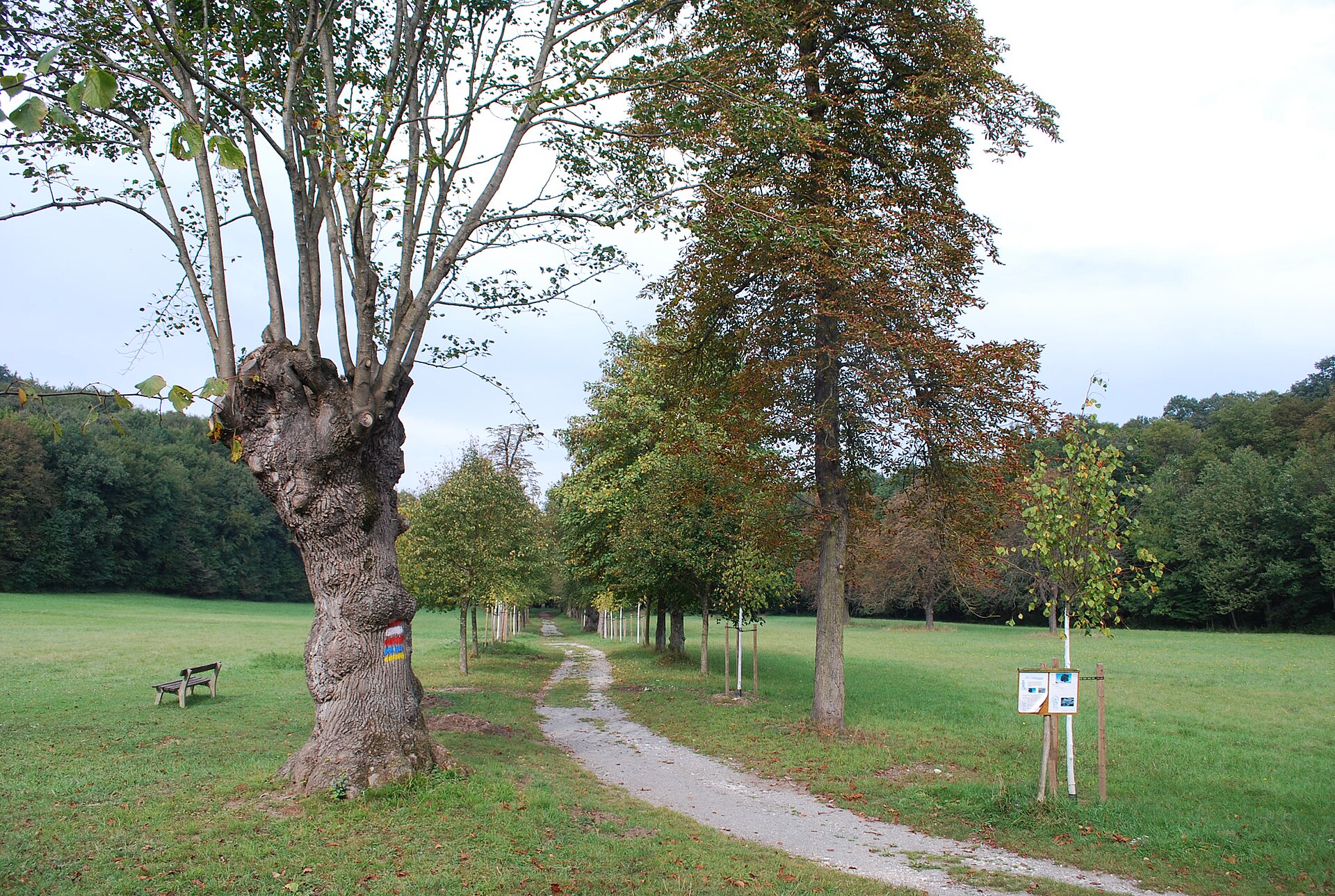
3 records
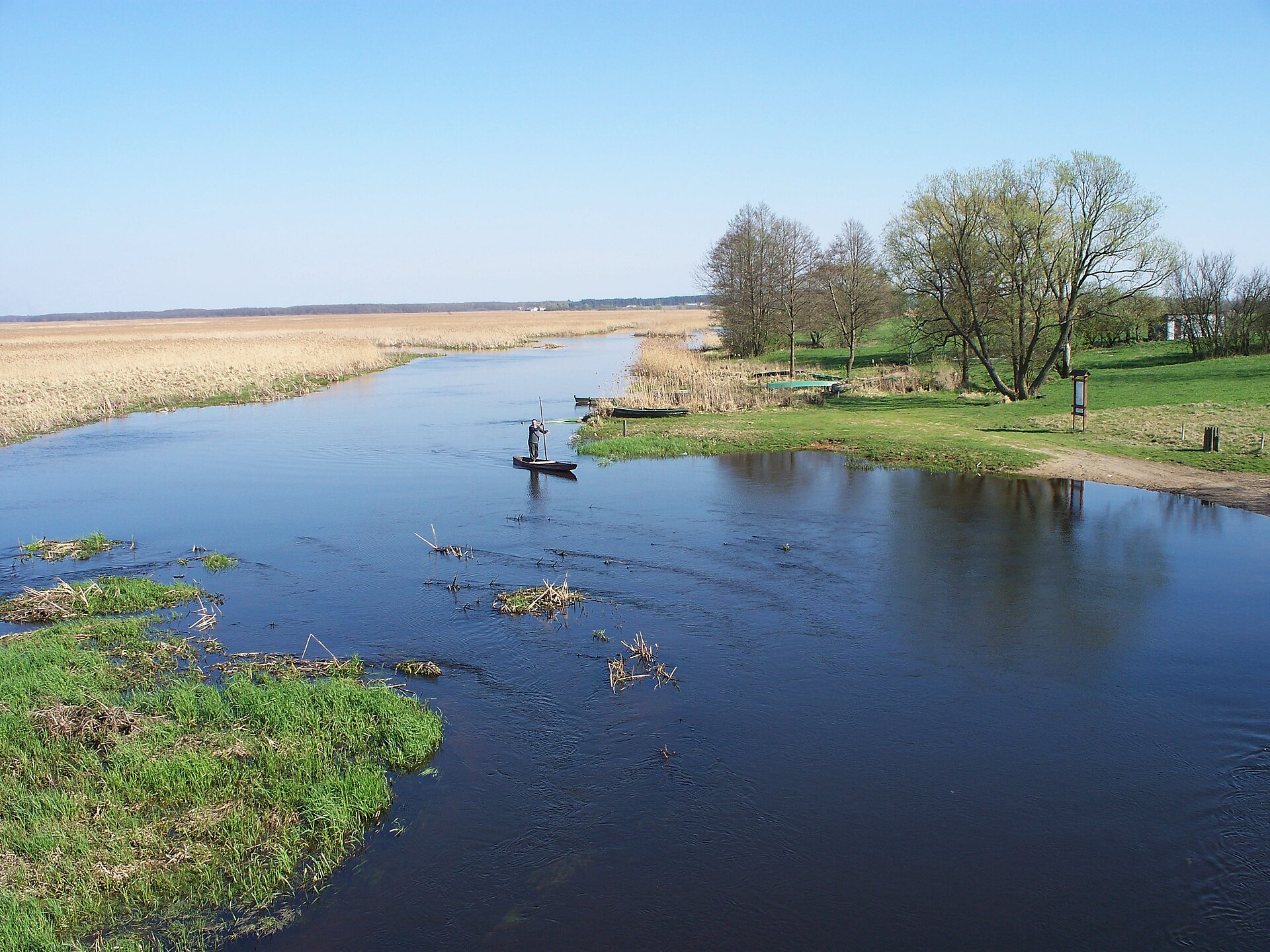
Natura 2000
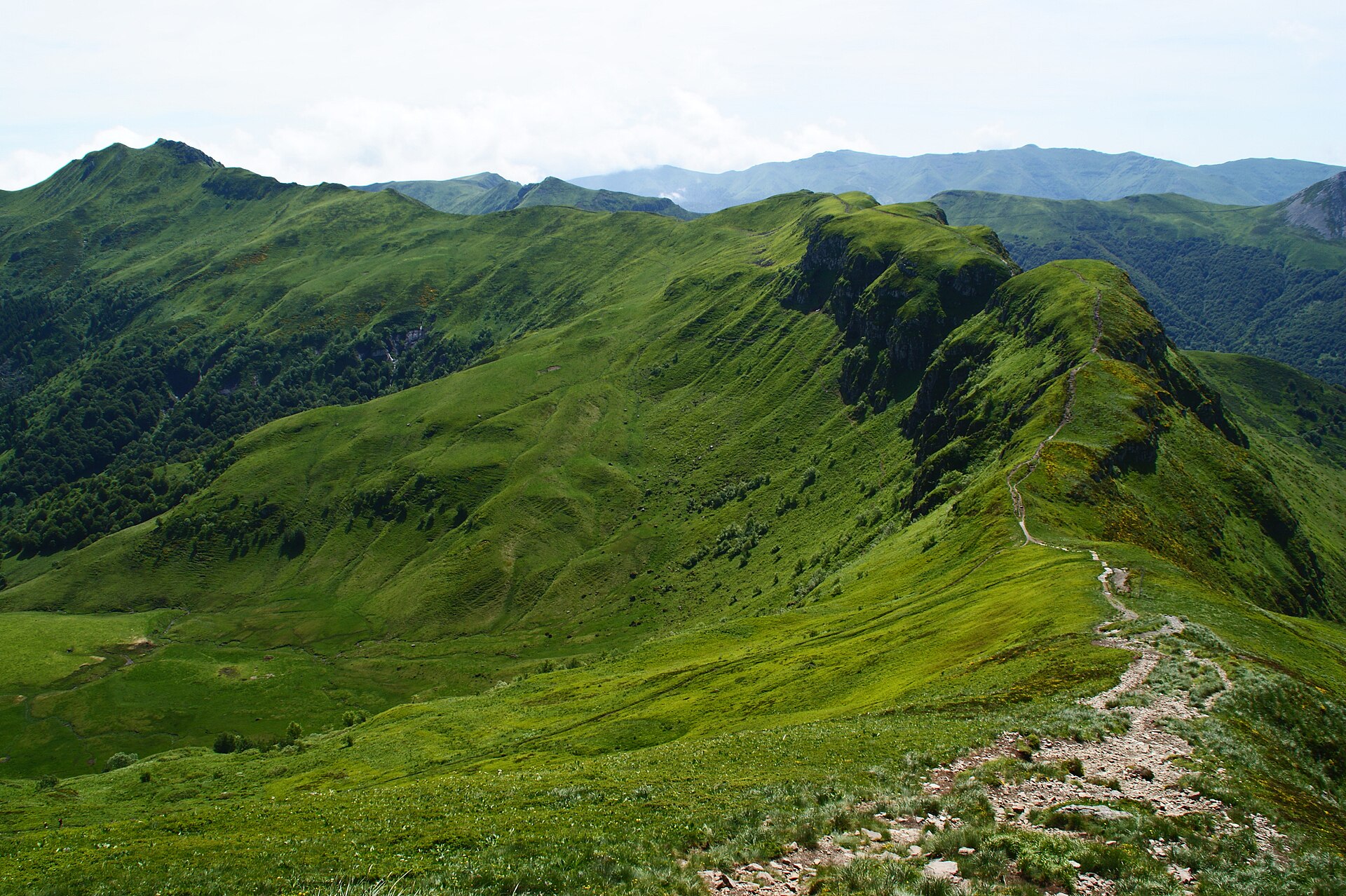
Natura 2000
Other species to discover
 Western Common Toad
Bufo spinosus Same genus
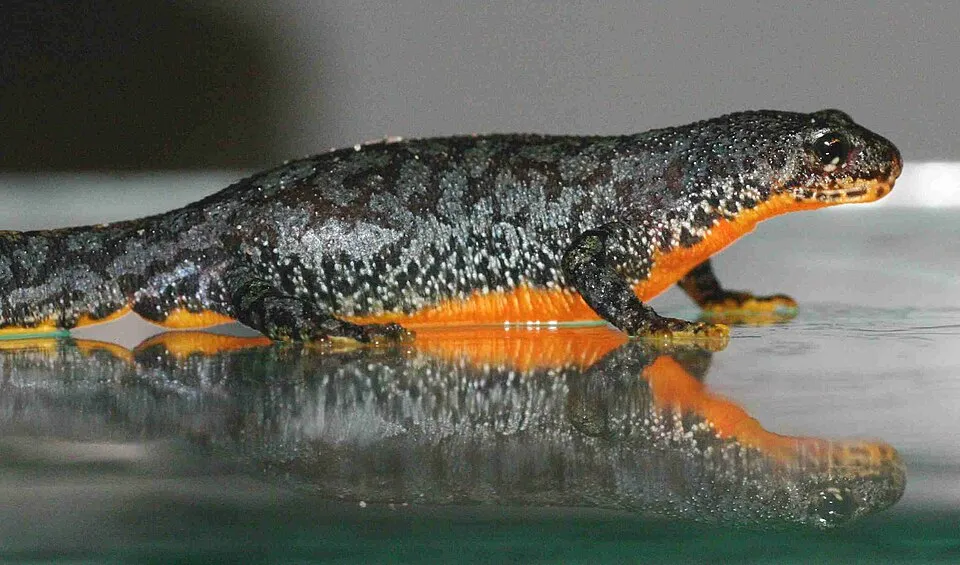 Alpine newt
Ichthyosaura alpestris 5 places in common
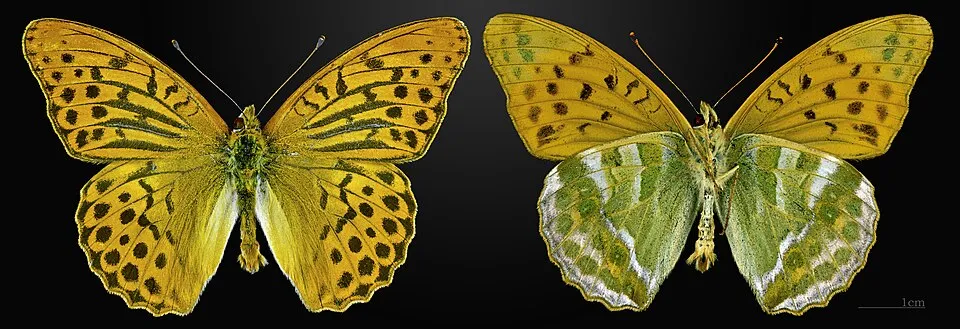 Silver-washed fritillary
Argynnis paphia 4 places in common
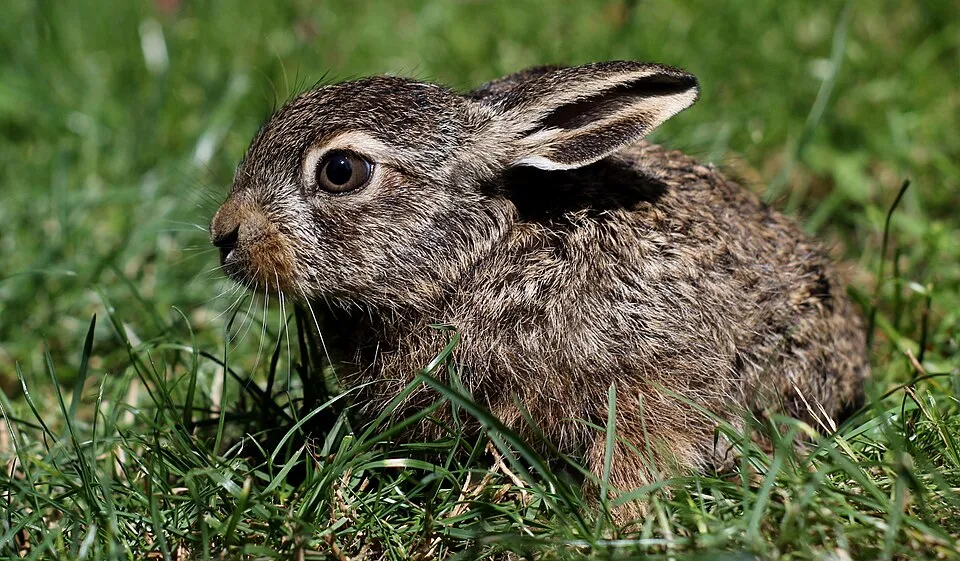 Brown Hare
Lepus europaeus 4 places in common
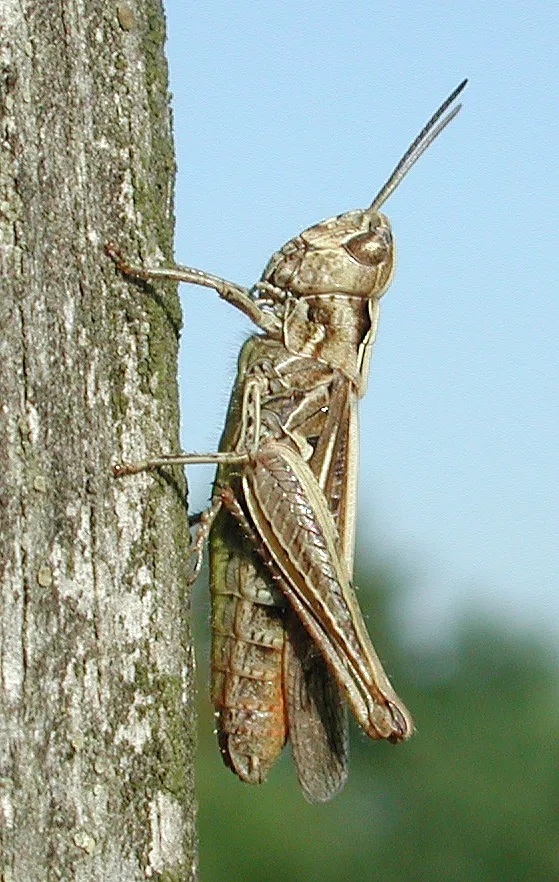 Bow-winged grasshopper
Chorthippus biguttulus 3 places in common
 Meadow Grasshopper
Pseudochorthippus parallelus 3 places in common
Sources and credits
- Presence: most-recorded species of each place on GBIF and species of Community interest in the Natura 2000 forms (EEA, CC-BY 4.0); absence from the list does not mean the species is absent.
- Common names: Wikidata (CC0) and GBIF.
- Photos and sounds: Wikimedia Commons, author and licence given for each file.
- Classification: GBIF Backbone Taxonomy (GBIF Secretariat), CC BY 4.0, doi:10.15468/39omei.
- Countries, elevations, months and maps: GBIF.org, CC0 or CC BY 4.0 occurrences only, accessed October 22, 2026, GBIF.org.
- Base map: Natural Earth (public domain).
- Excerpt: Wikipedia, CC BY-SA 4.0 (full credit below the excerpt).