
Mammal
Black Rat: where to see it
Rattus rattus
Invasive alien in some territories
Listed as invasive alien for: Costa Rica, Chile, Argentina, Mexico, Brazil, Japan, Australia, New Zealand, Colombia, Ecuador, Bolivia, Uruguay, Namibia, Madagascar (GRIIS).
This mammal species is recorded in 19 protected areas of the atlas. Within the atlas countries, it is mostly observed in Portugal, France and Spain (5 countries in all). Most records (8 in 10) lie between sea level and 550 m. Records peak from April to June.
Best time to see it: April–June
Records published on GBIF by month (CC0 and CC BY 4.0 licences only), in the atlas countries, all years combined; they also reflect observer activity.
Key facts
- Maximum recorded lifespan
- 4 years Wikidata, after Longevity of Mammals in Captivity, 2005
Distribution
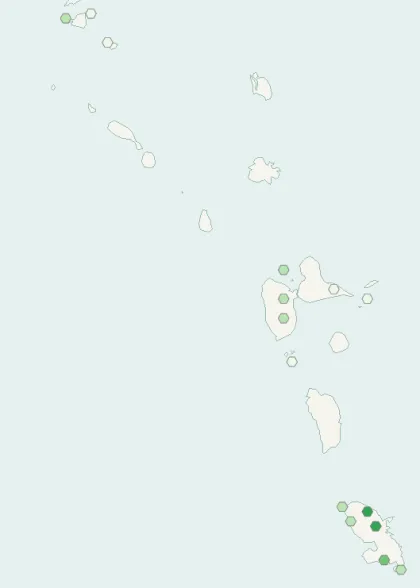
Records published on GBIF (CC0 and CC BY 4.0 licences): the darker the shade, the more records there are; they also reflect observation effort.
Atlas countries where it is recorded
From Wikipedia
The black rat (Rattus rattus), also known as the roof rat, ship rat, or house rat, is a common long-tailed rodent of the stereotypical rat genus Rattus, in the subfamily Murinae. It is a generalist omnivore that can live on a wide variety of foods. It associates extensively with humans, and most populations are synanthropic. It likely originated in the Indian subcontinent, but is now found worldwide. The black rat is black to light brown in colour with a lighter underside. It is a prominent pest to farmers because it feeds on a wide range of agricultural crops.
Source: Wikipedia, article “Black rat” (version of October 18, 2026) · history and authors · licence CC BY-SA 4.0 · shortened excerpt
Protected areas where it is recorded
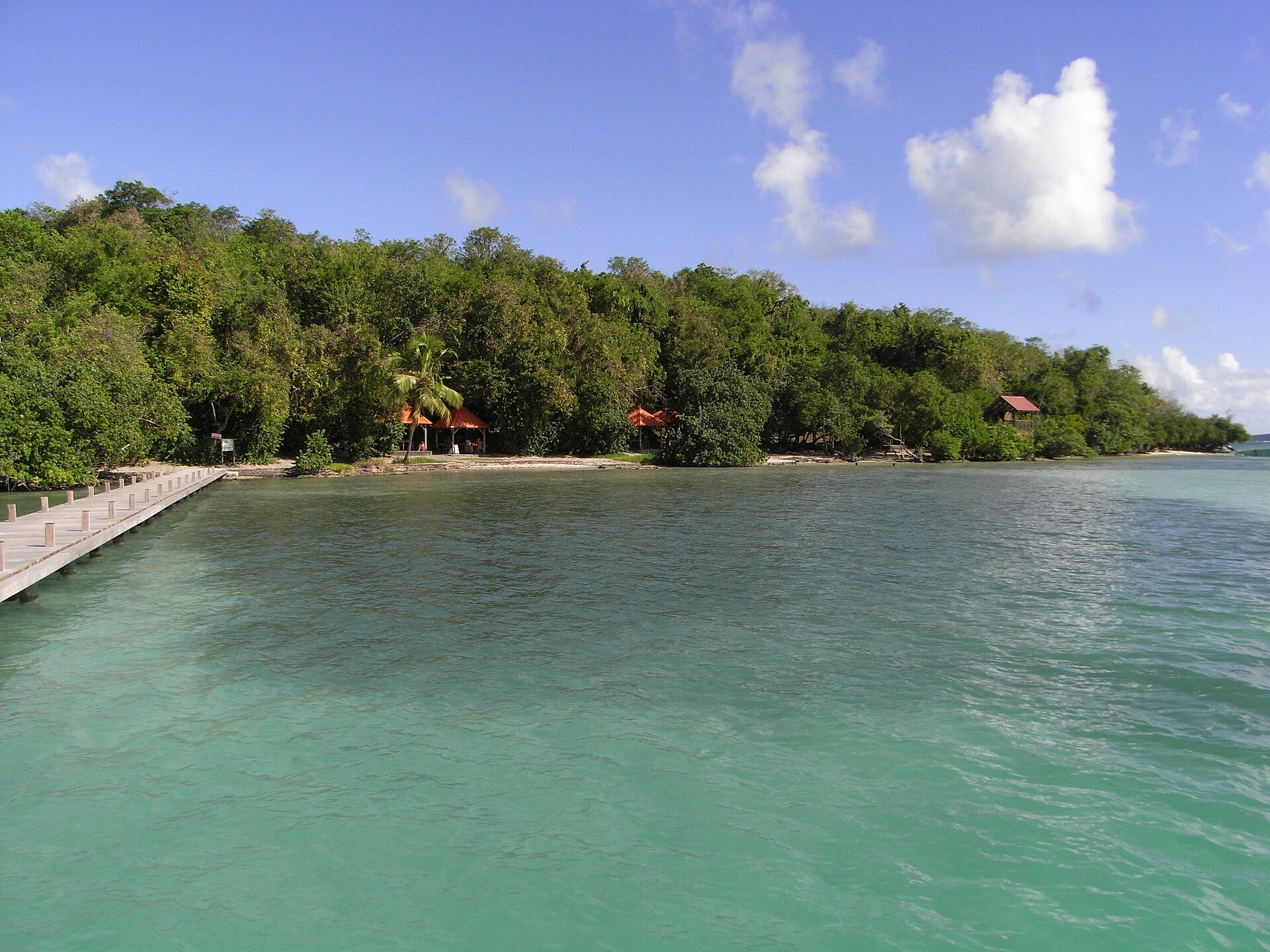
4,021 records

3,929 records
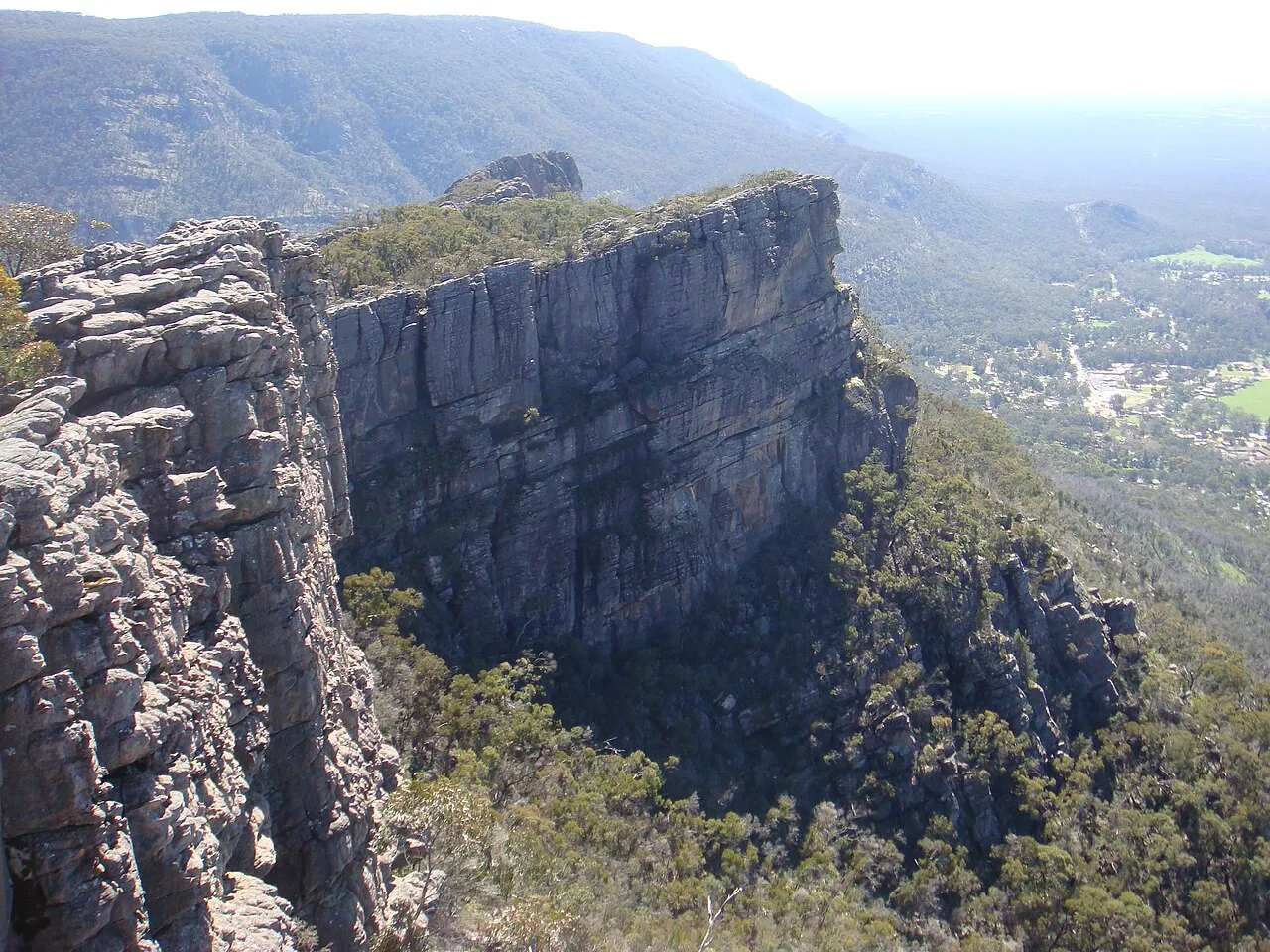
1,151 records

1,037 records
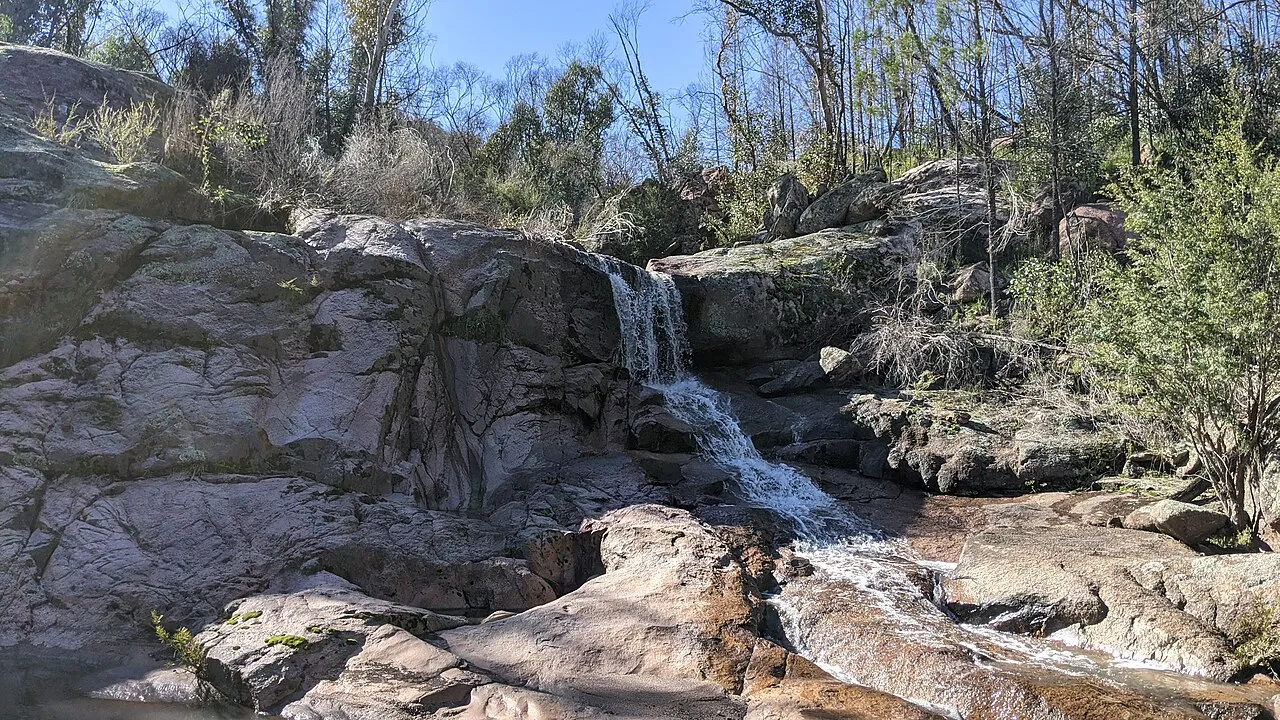
915 records
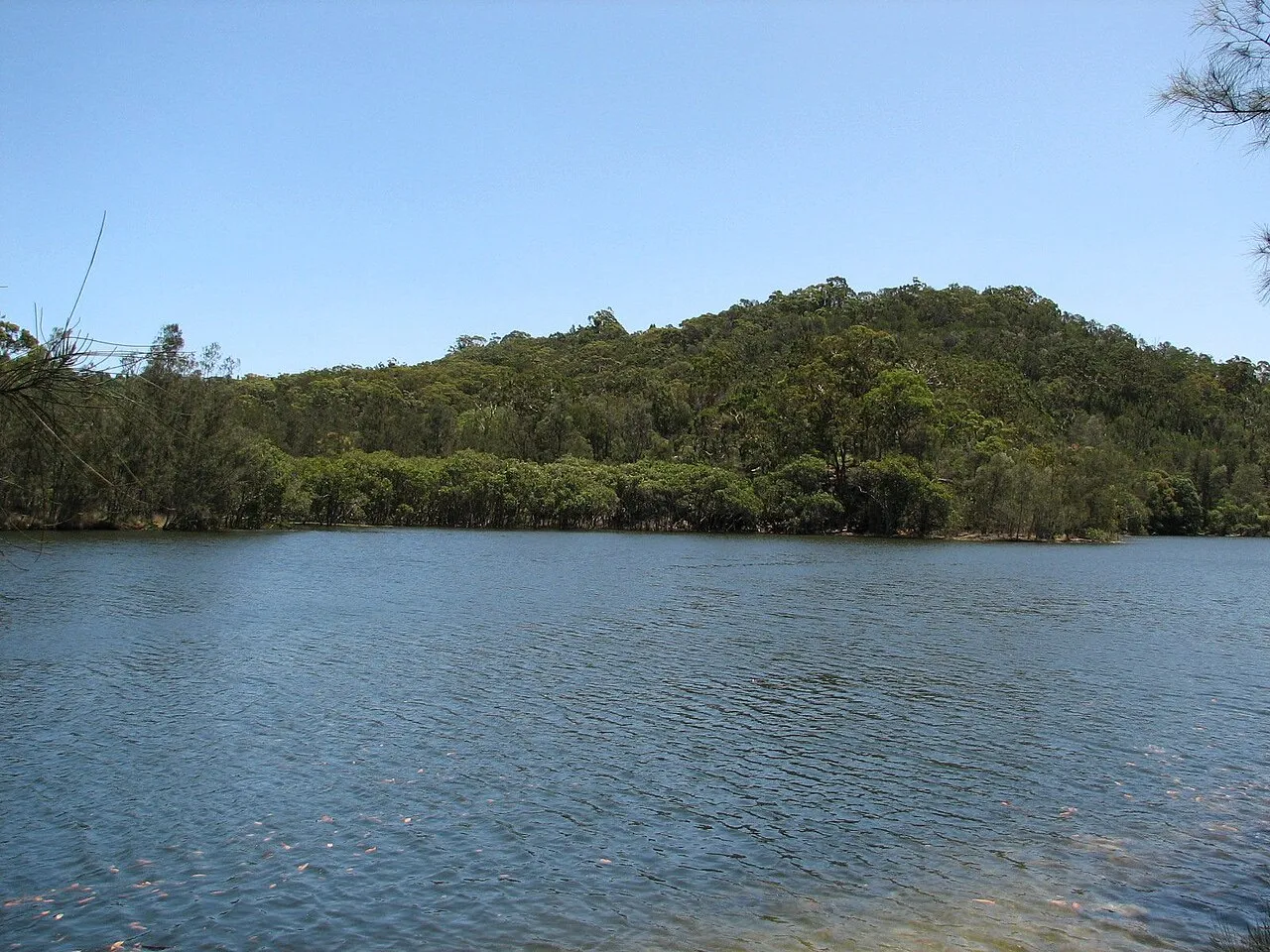
395 records
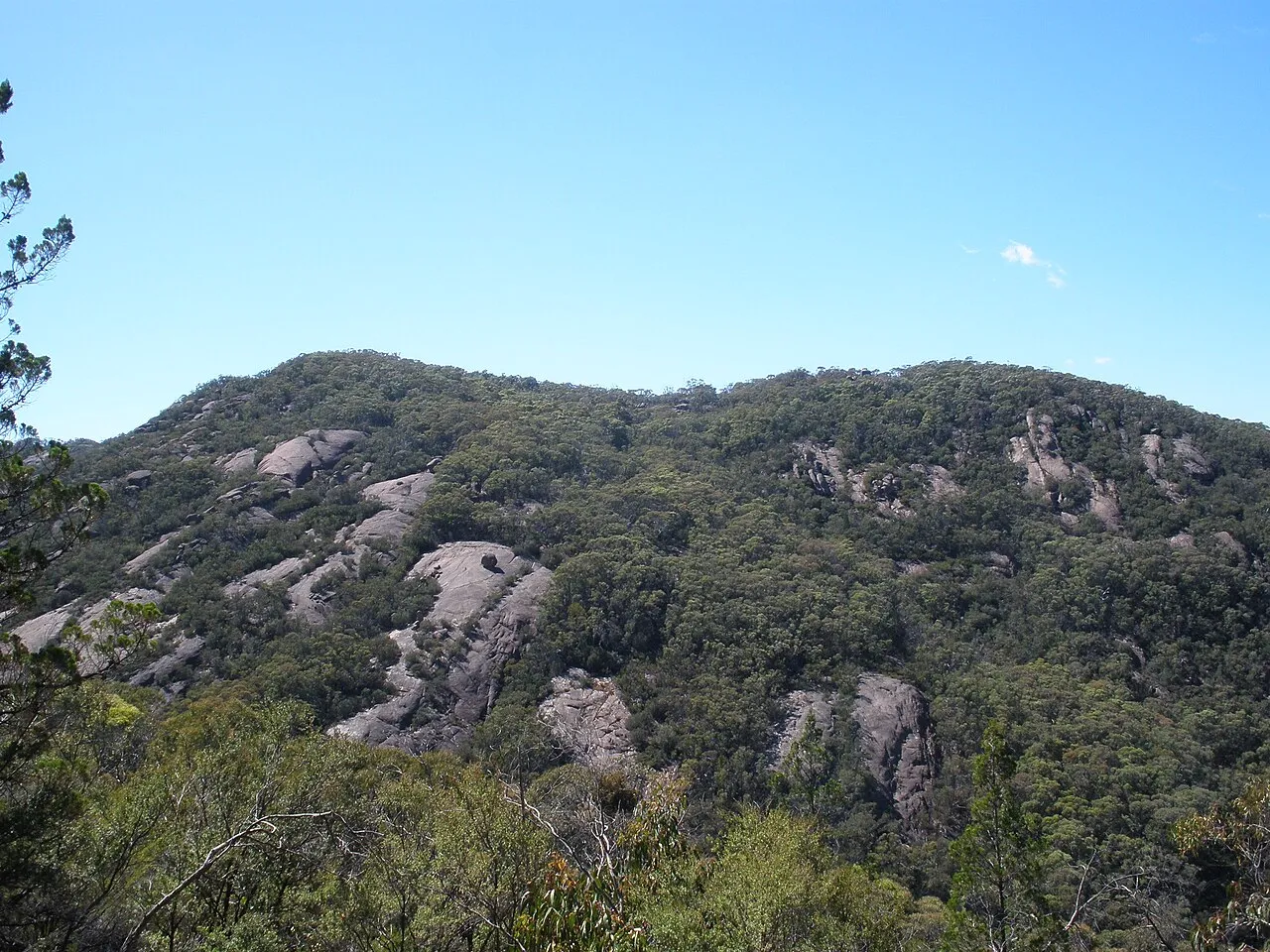
351 records
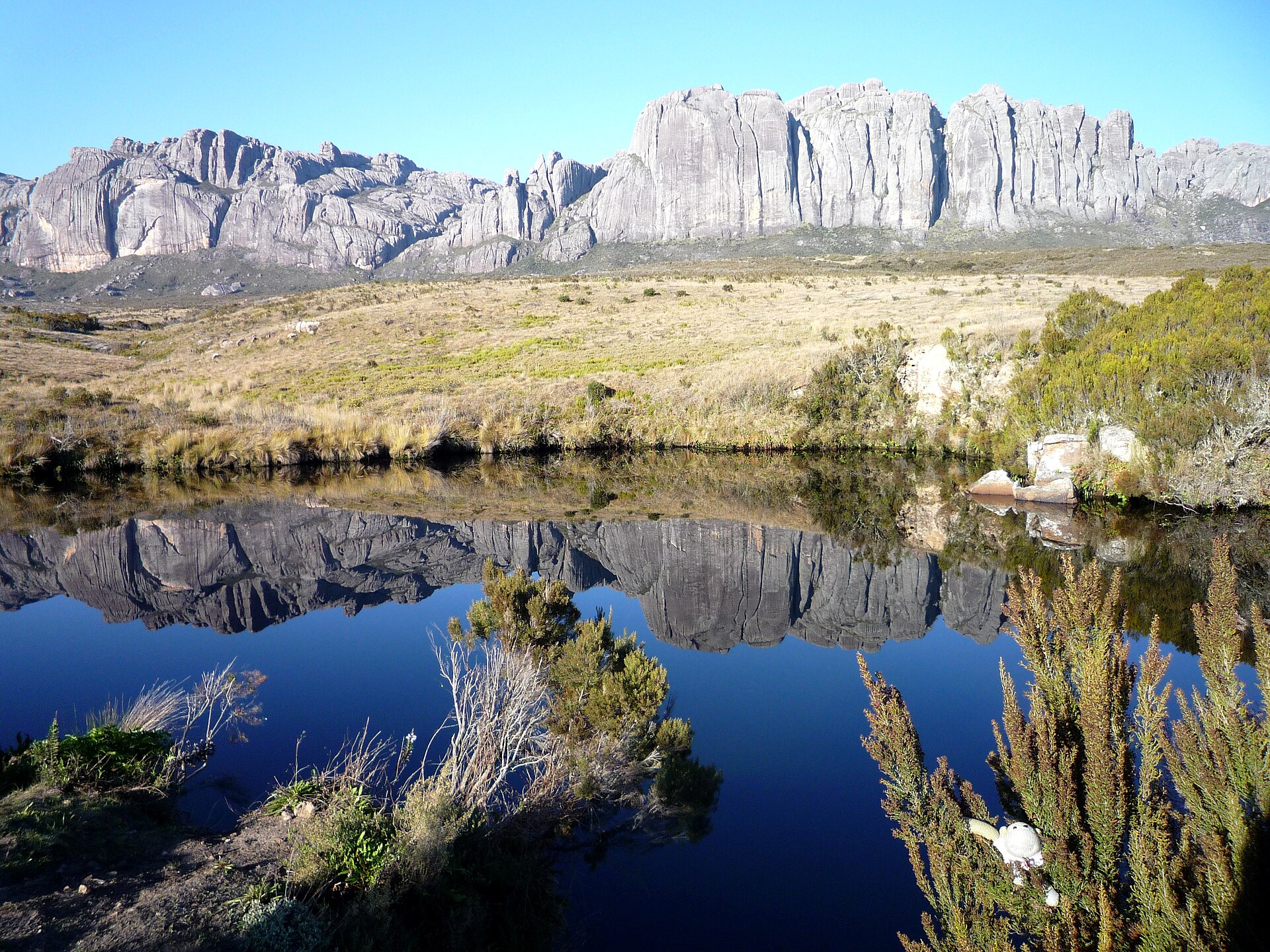
150 records
80 records
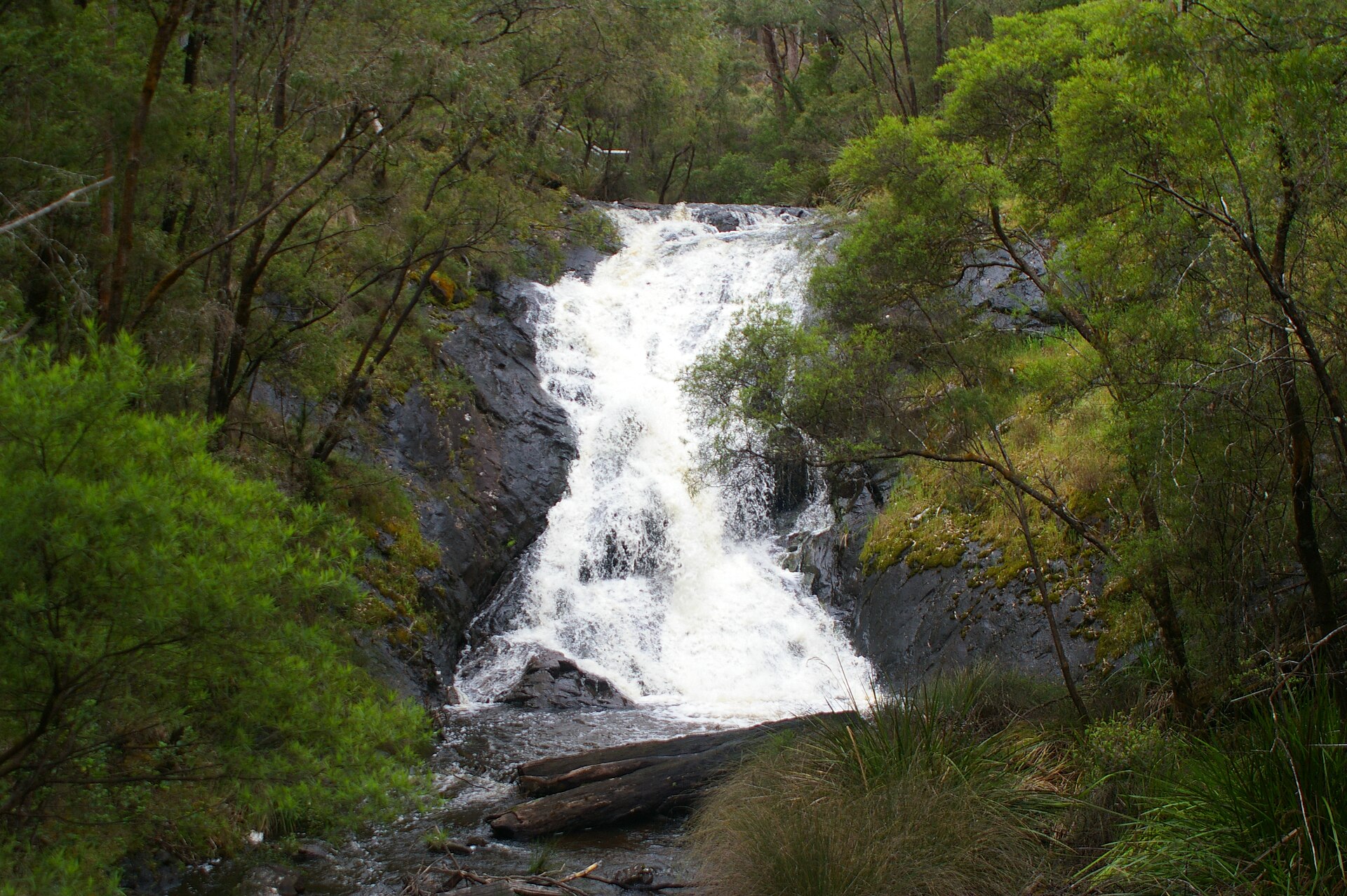
73 records
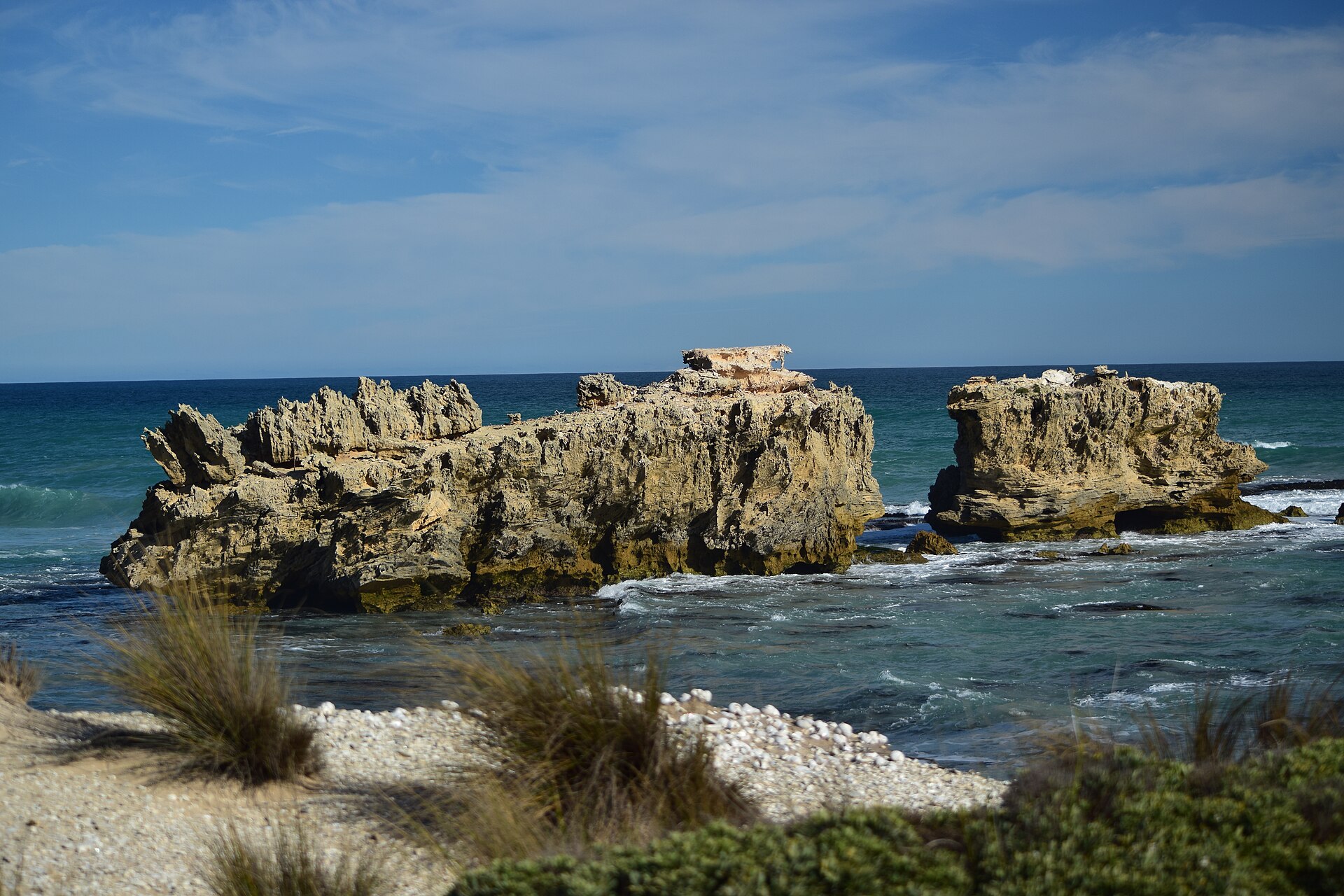
47 records

38 records
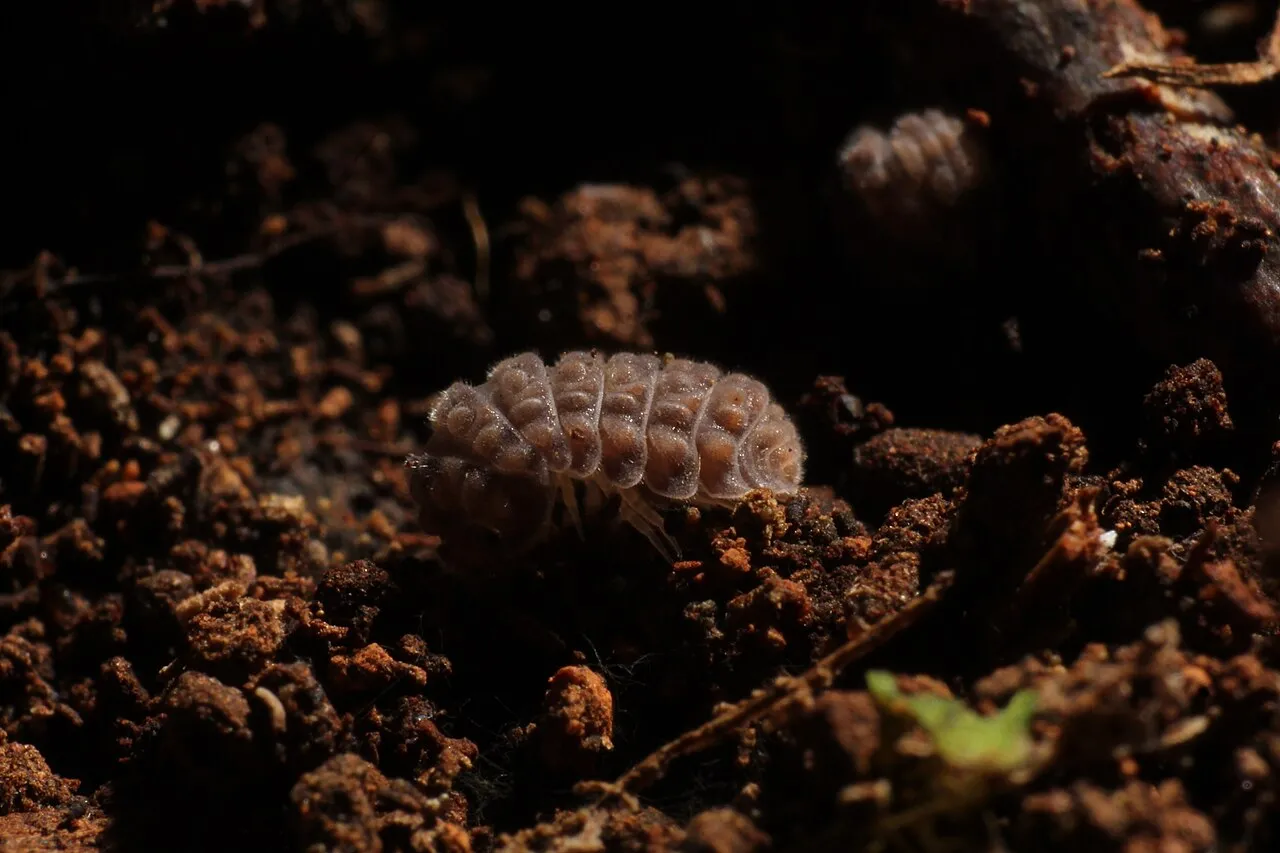
26 records
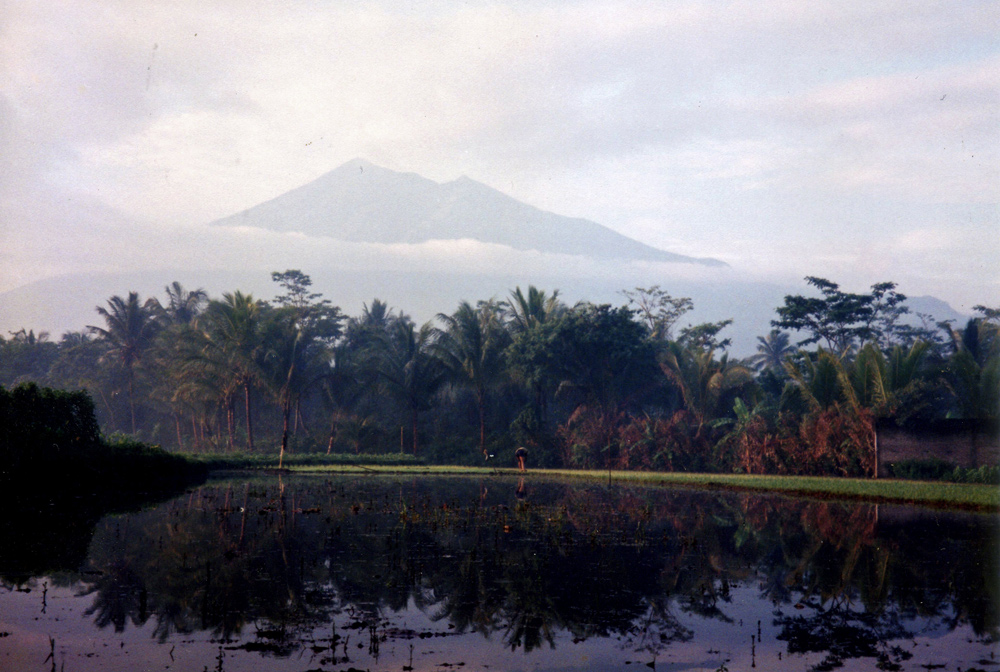
20 records
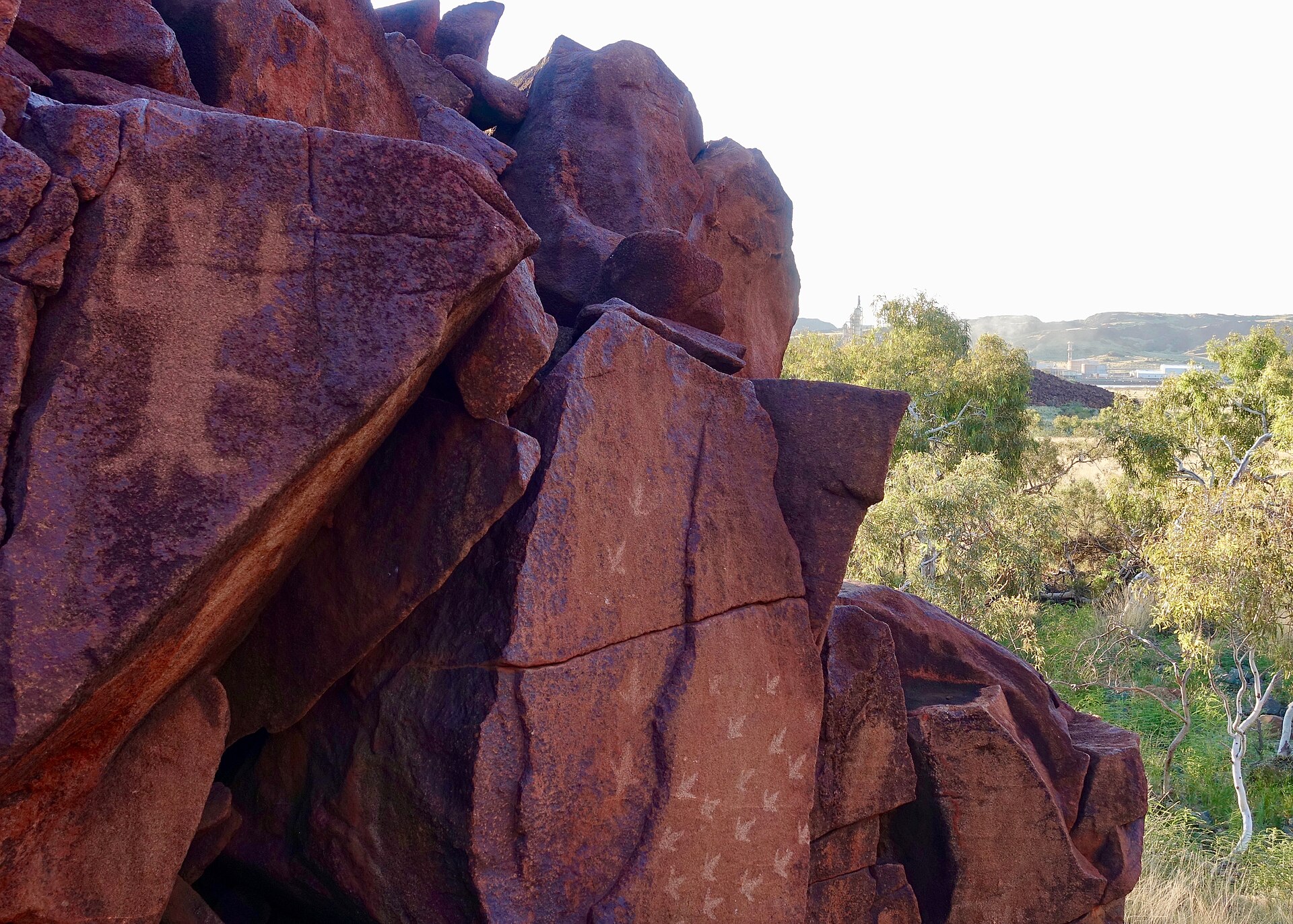
12 records
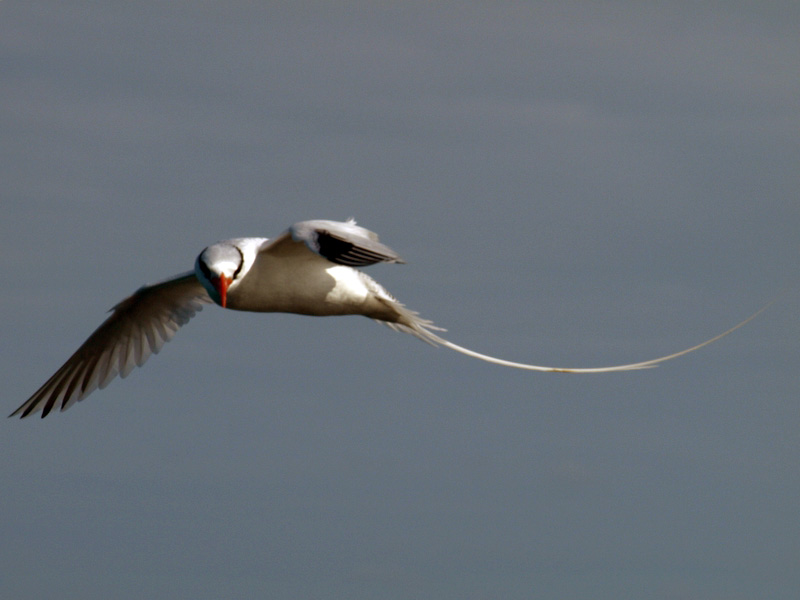
10 records

8 records
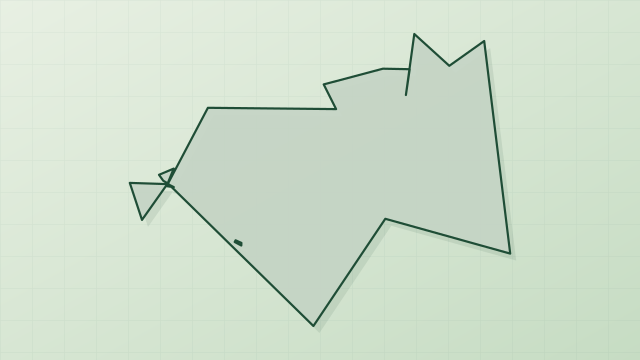
6 records

3 records
Other species to discover
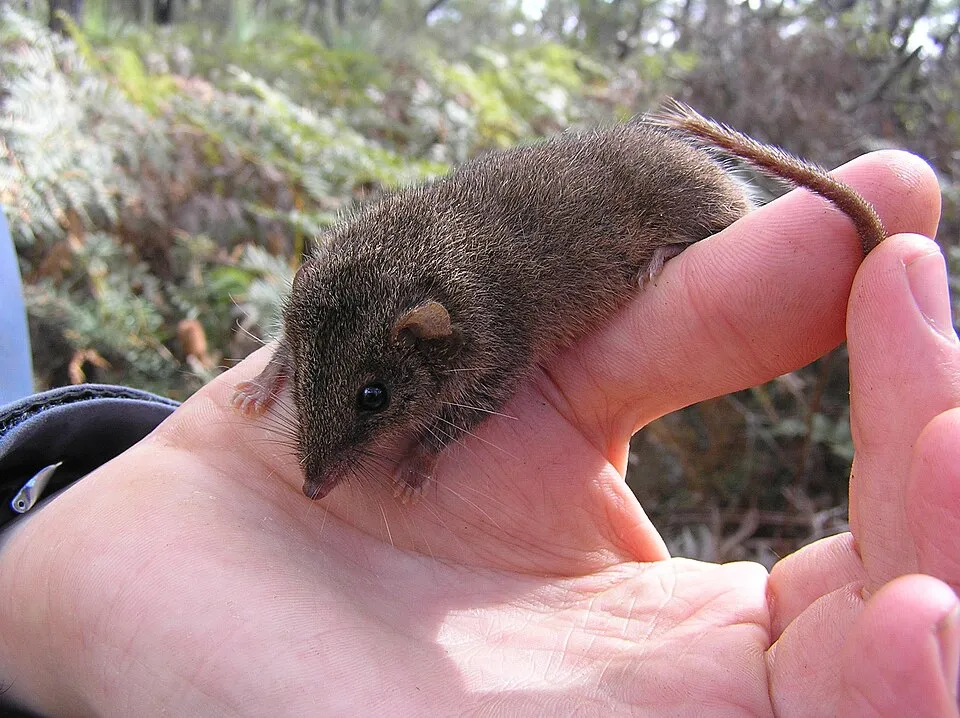 Agile antechinus
Antechinus agilis 3 places in common
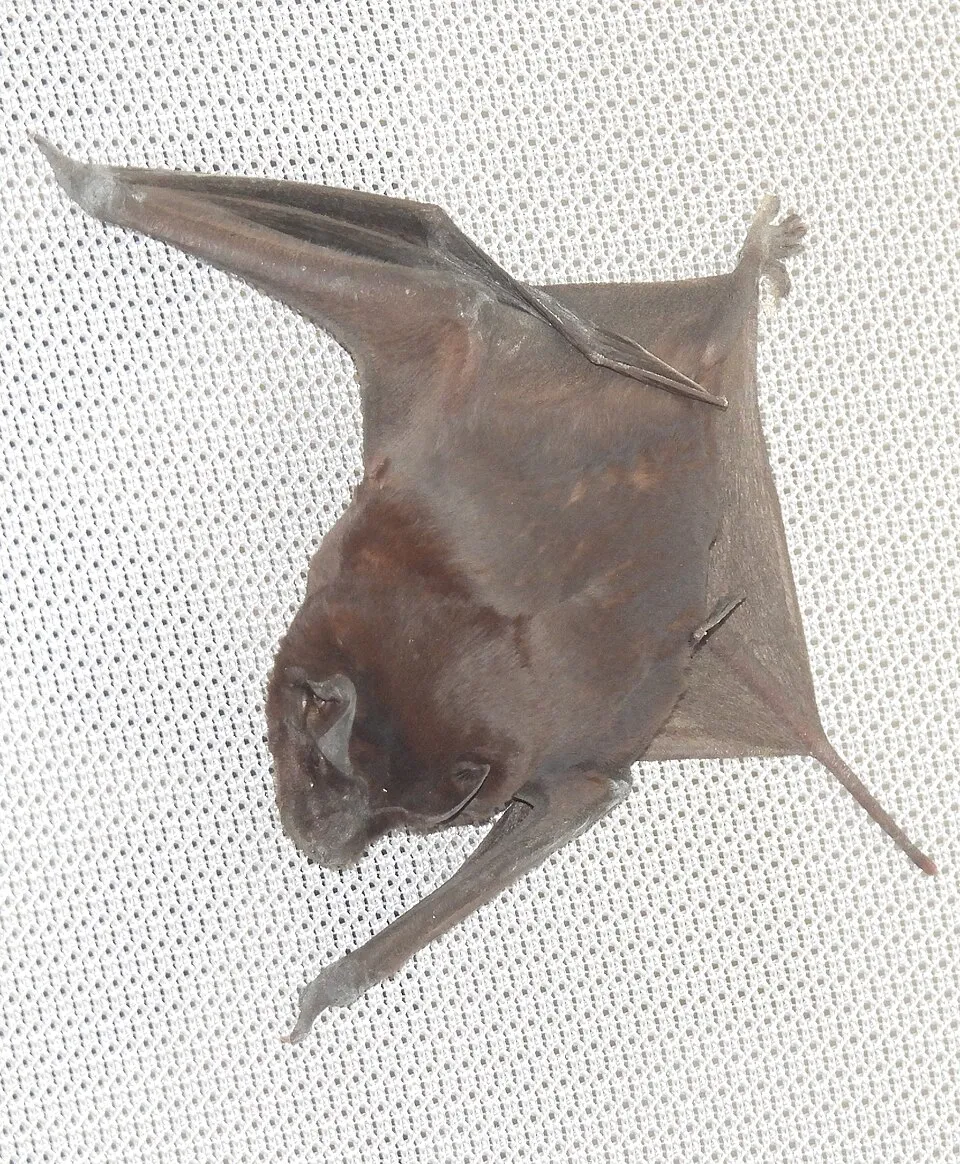 Velvety Free-tailed Bat
Molossus molossus 2 places in common
 Davy's naked-backed bat
Pteronotus davyi 2 places in common
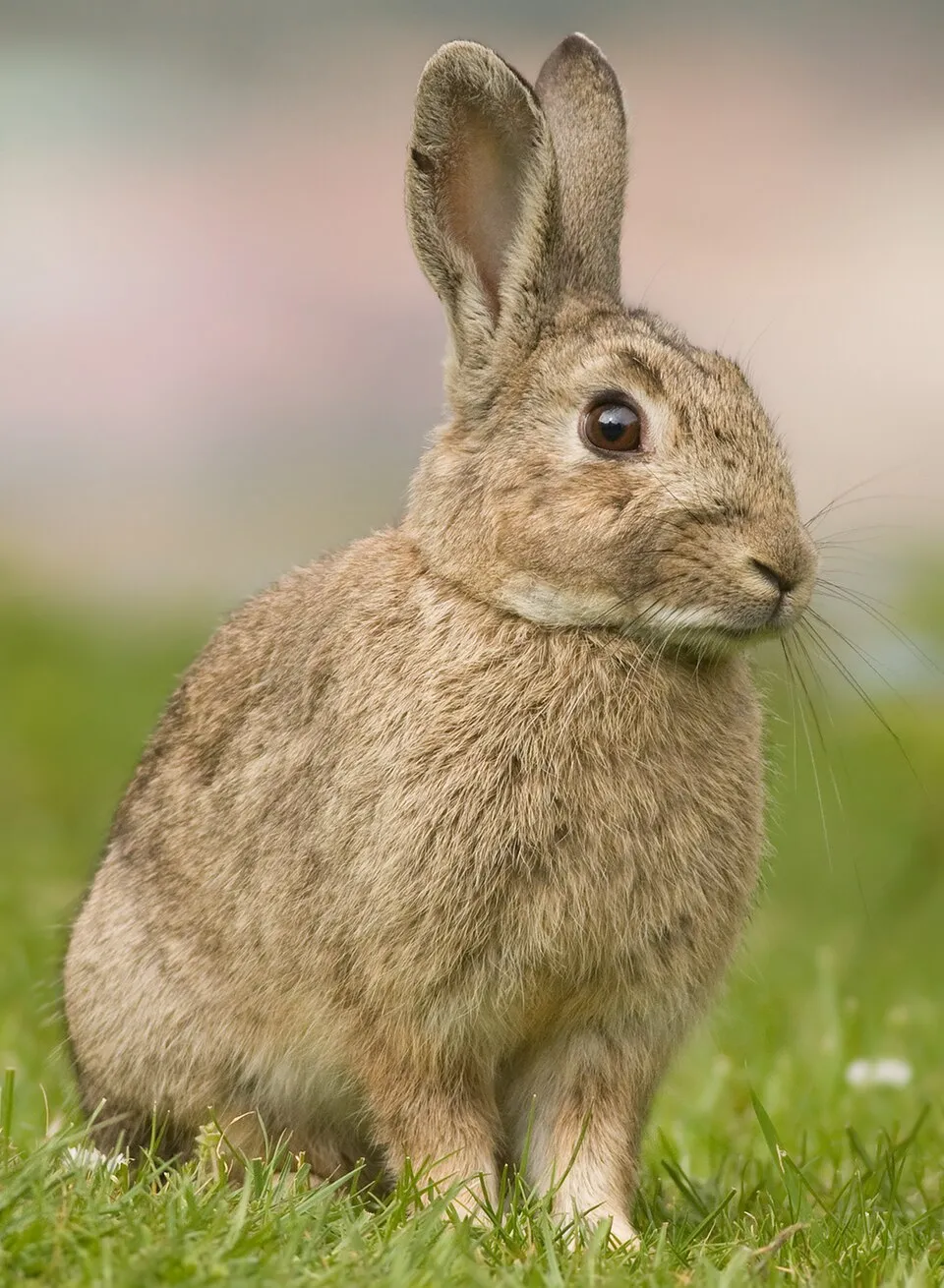 Poponejo
Oryctolagus cuniculus 3 places in common
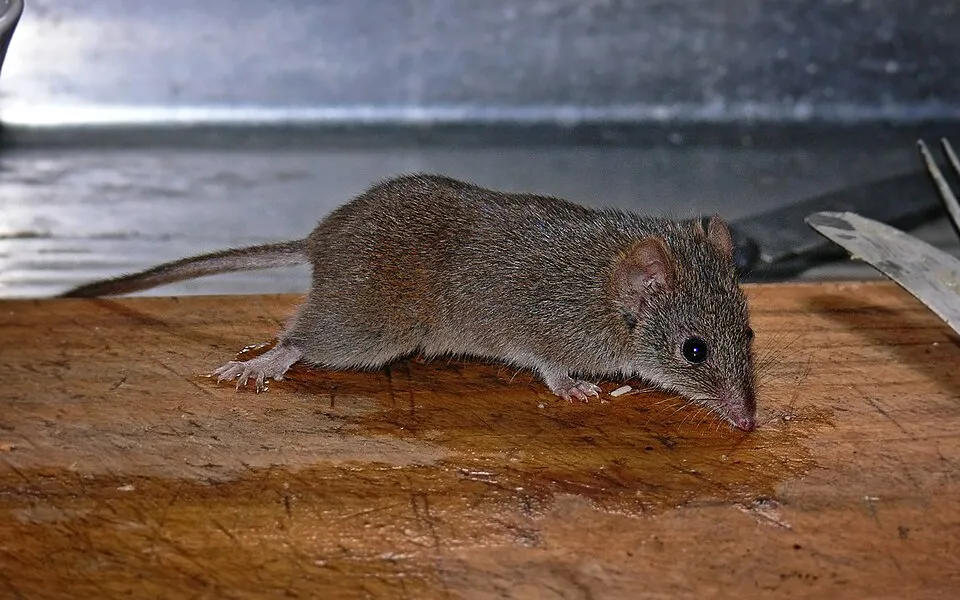 Yellow-footed antechinus
Antechinus flavipes 3 places in common
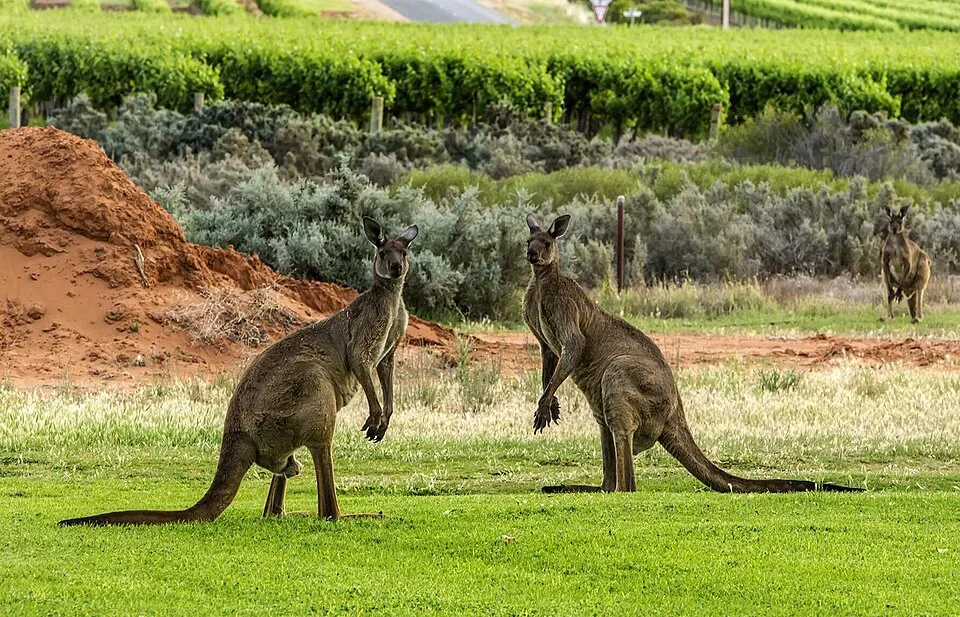 Western grey kangaroo
Macropus fuliginosus 3 places in common
Sources and credits
- Presence: most-recorded species of each place on GBIF and species of Community interest in the Natura 2000 forms (EEA, CC-BY 4.0); absence from the list does not mean the species is absent.
- Common names: Wikidata (CC0) and GBIF.
- Photos and sounds: Wikimedia Commons, author and licence given for each file.
- Classification: GBIF Backbone Taxonomy (GBIF Secretariat), CC BY 4.0, doi:10.15468/39omei.
- Countries, elevations, months and maps: GBIF.org, CC0 or CC BY 4.0 occurrences only, accessed October 22, 2026, GBIF.org.
- Base map: Natural Earth (public domain).
- Excerpt: Wikipedia, CC BY-SA 4.0 (full credit below the excerpt).
- Key facts: Wikidata (CC0), with the references cited under each value.
- Invasive alien species: Union list, Regulation (EU) No 1143/2014 (INBO, CC0); Global Register of Introduced and Invasive Species (ISSG, CC BY 4.0).