
Arachnid
Castor Bean Tick: where to see it
Ixodes ricinus
This arachnid species is recorded in 9 protected areas of the atlas. Within the atlas countries, it is mostly observed in the United Kingdom, Germany and Sweden (16 countries in all). Most records (8 in 10) lie between sea level and 600 m. Records peak from April to July.
Best time to see it: April–July
Records published on GBIF by month (CC0 and CC BY 4.0 licences only), in the atlas countries, all years combined; they also reflect observer activity.
Distribution
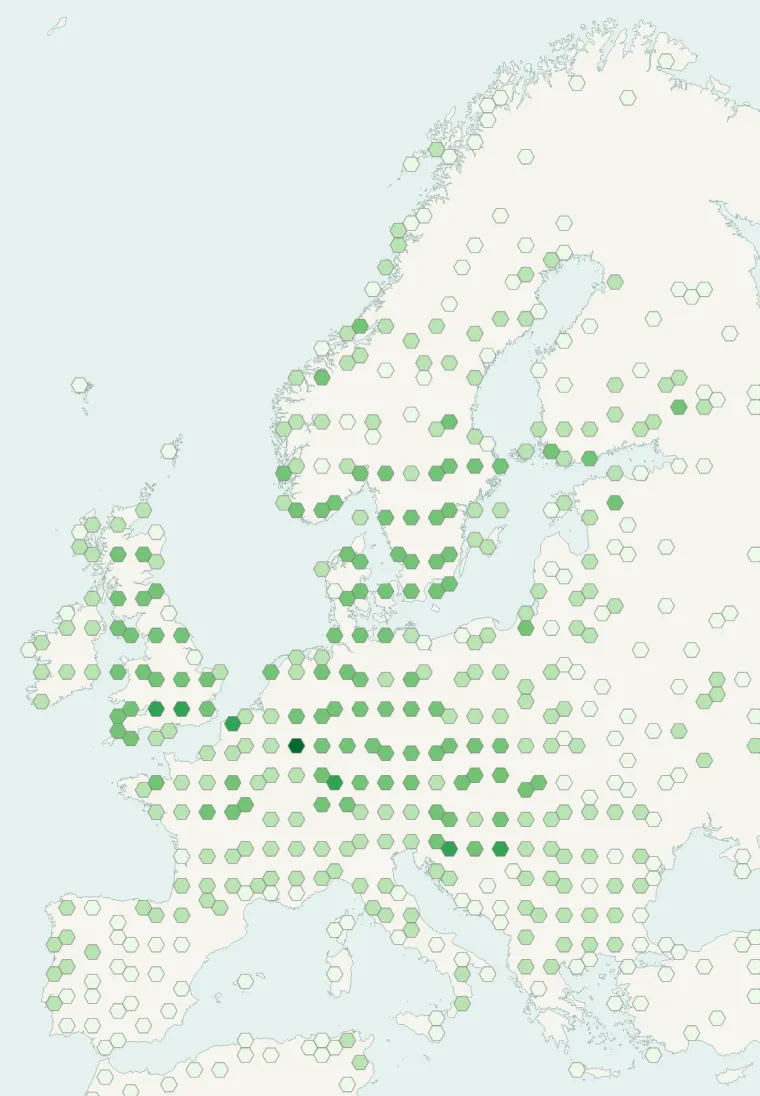
Records published on GBIF (CC0 and CC BY 4.0 licences): the darker the shade, the more records there are; they also reflect observation effort.
From Wikipedia
Ixodes ricinus, commonly known as the castor bean tick, the sheep ked, sheep tick, is a chiefly European species of hard-bodied tick. It may reach a length of 11 mm (0.43 in) when engorged with a blood meal, and can transmit both bacterial and viral pathogens such as the causative agents of Lyme disease and tick-borne encephalitis.
Source: Wikipedia, article “Ixodes ricinus” (version of October 6, 2026) · history and authors · licence CC BY-SA 4.0
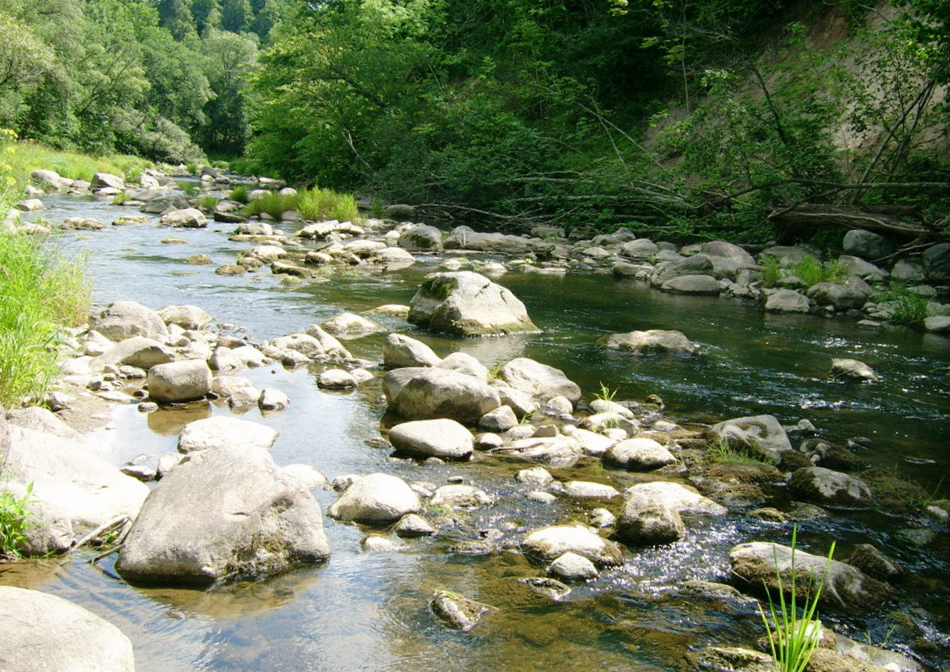
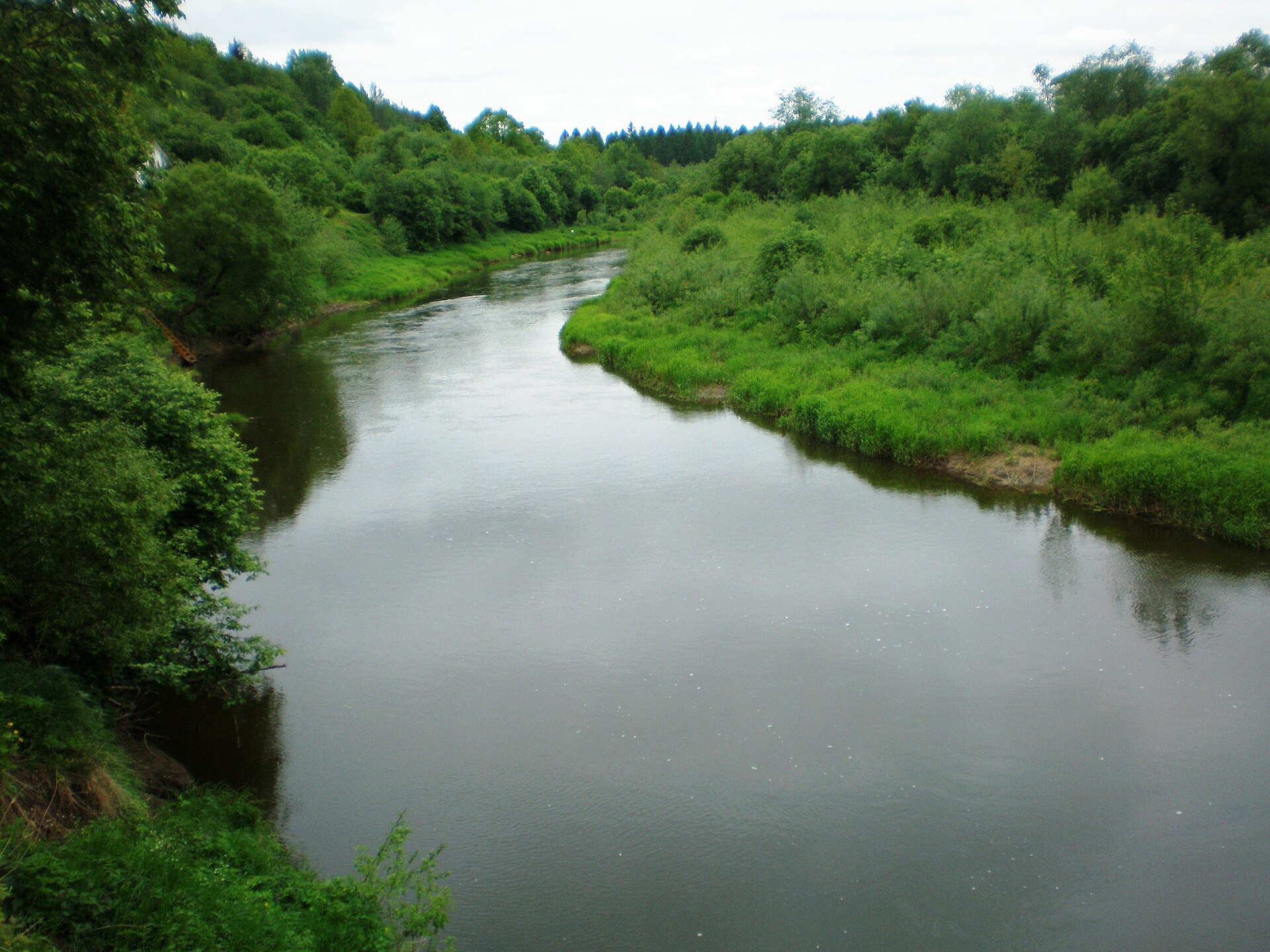
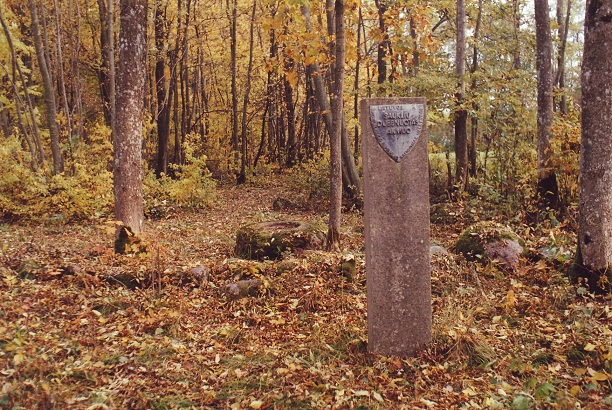
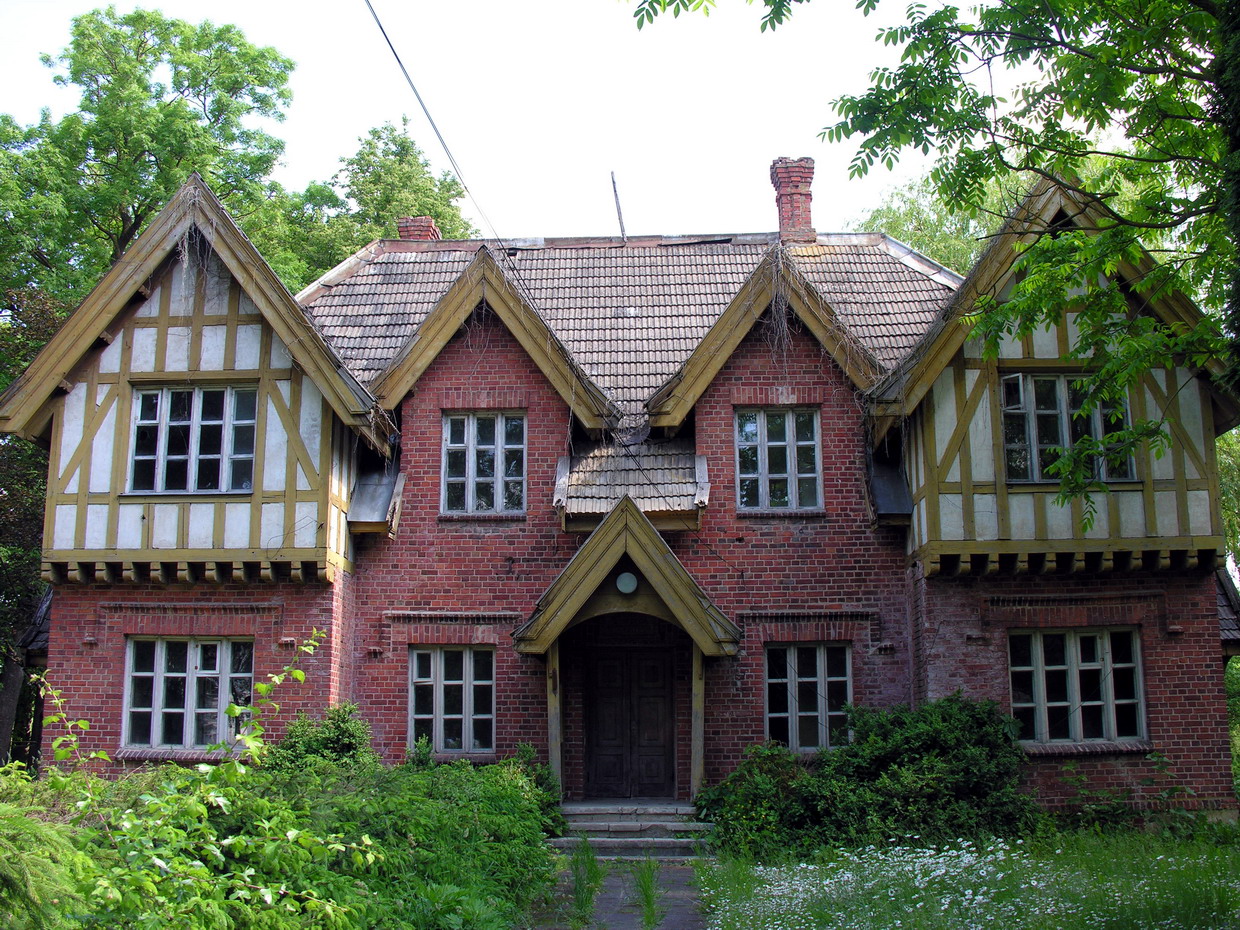
Protected areas where it is recorded
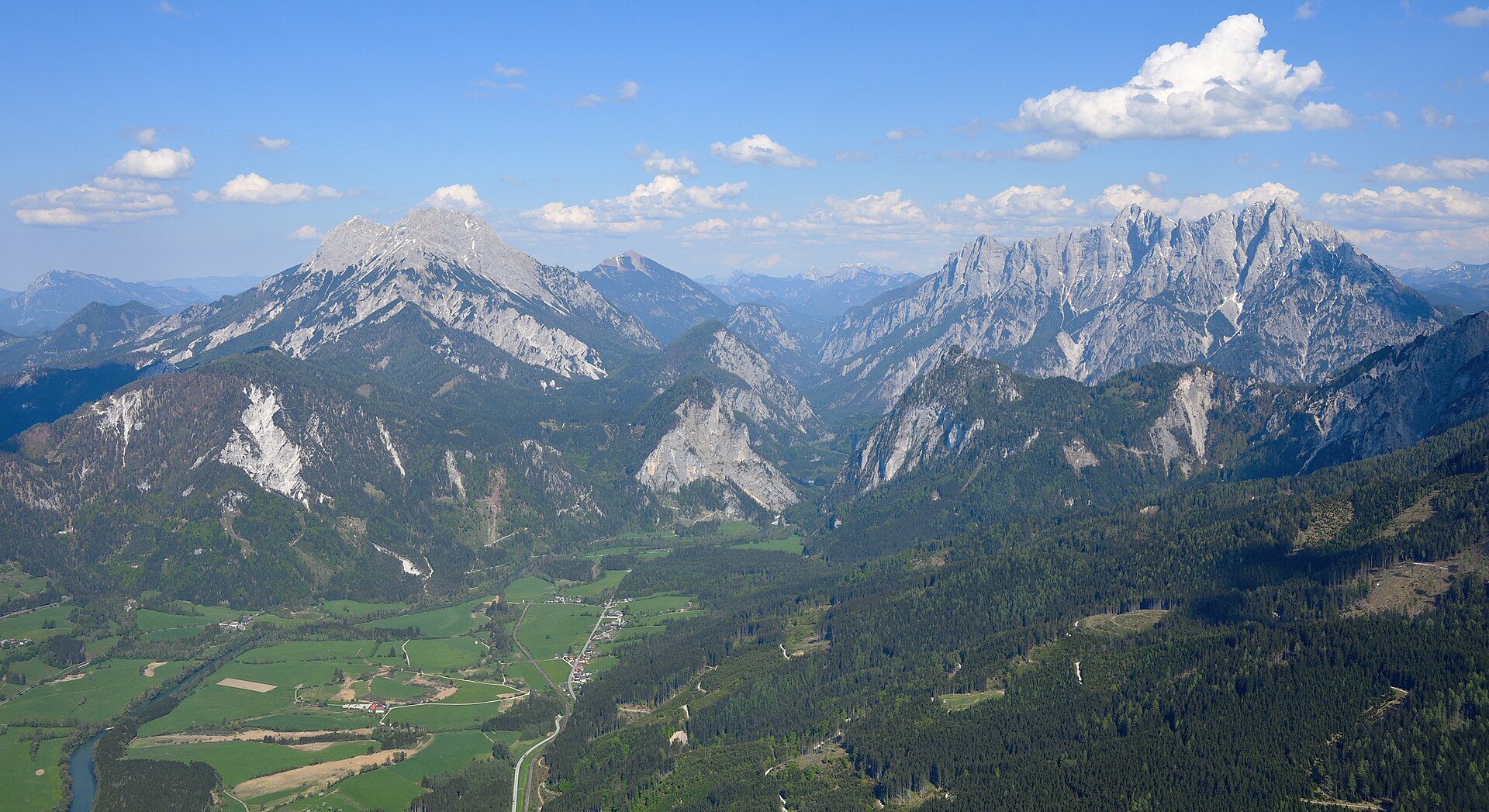
100 records

99 records
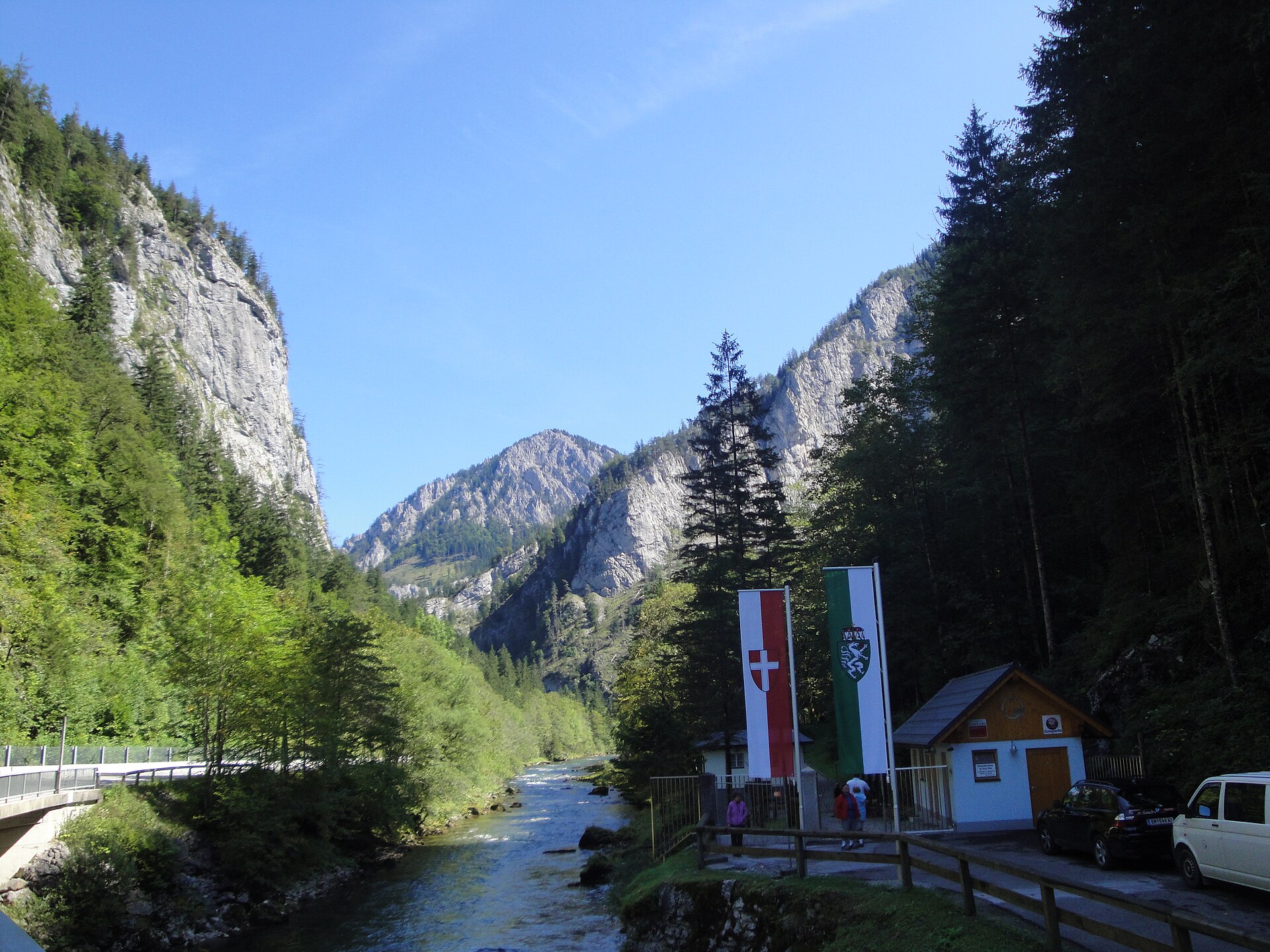
51 records

5 records
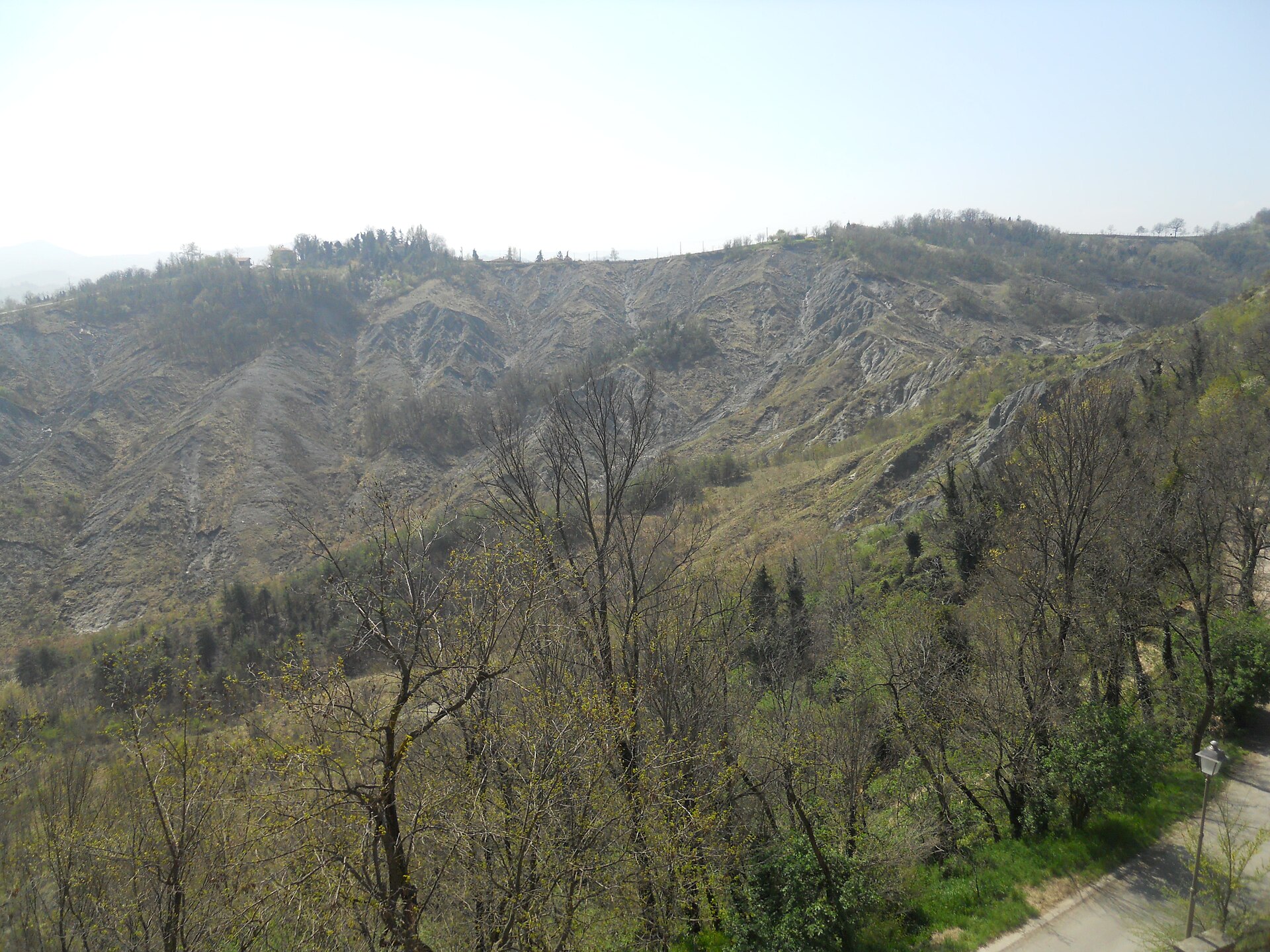
4 records
3 records
2 records
2 records
2 records
Other species to discover
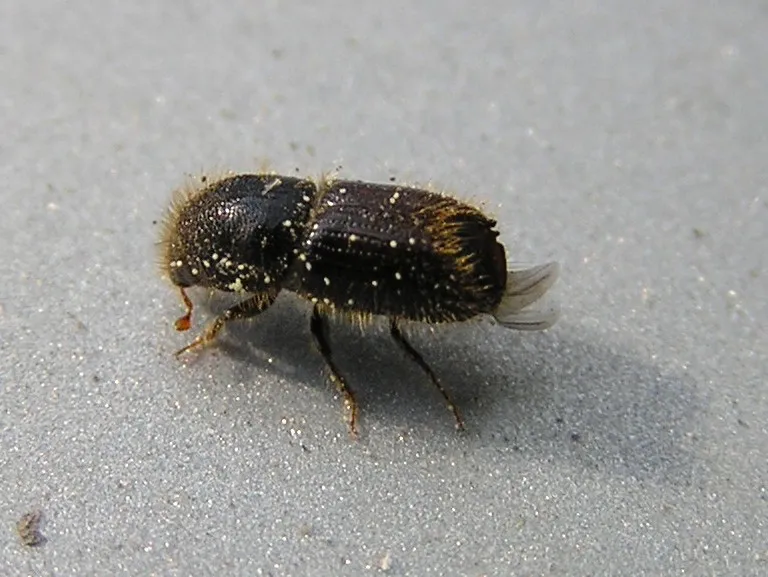 European spruce bark beetle
Ips typographus 2 places in common
 European bitterling
Rhodeus sericeus 2 places in common
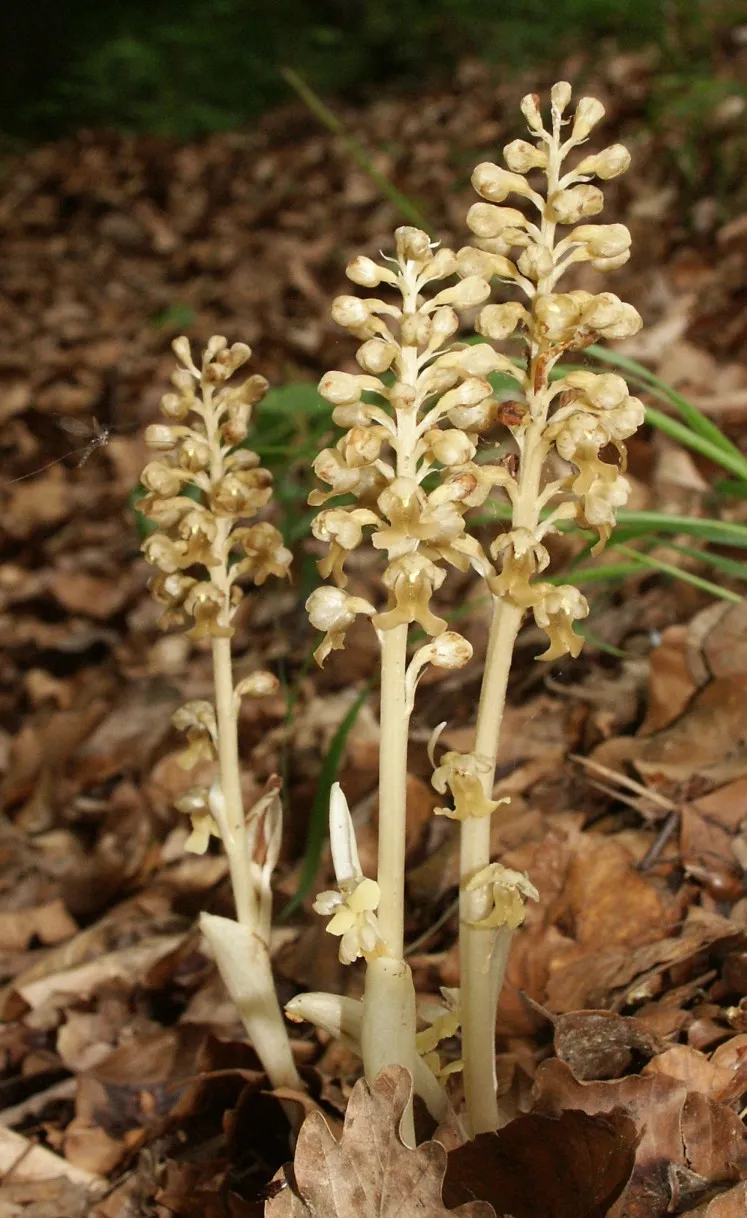 Bird's-nest orchid
Neottia nidus-avis 2 places in common
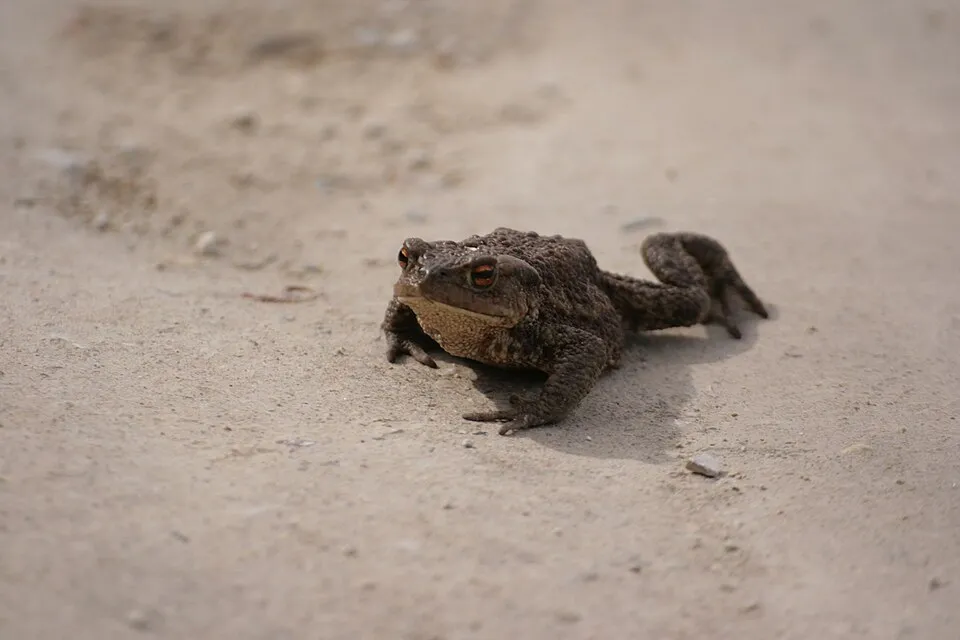 Common toad
Bufo bufo 2 places in common
 Greater Celandine
Chelidonium majus 2 places in common
 Scarce heath
Coenonympha hero 2 places in common
Sources and credits
- Presence: most-recorded species of each place on GBIF and species of Community interest in the Natura 2000 forms (EEA, CC-BY 4.0); absence from the list does not mean the species is absent.
- Common names: Wikidata (CC0) and GBIF.
- Photos and sounds: Wikimedia Commons, author and licence given for each file.
- Classification: GBIF Backbone Taxonomy (GBIF Secretariat), CC BY 4.0, doi:10.15468/39omei.
- Countries, elevations, months and maps: GBIF.org, CC0 or CC BY 4.0 occurrences only, accessed October 23, 2026, GBIF.org.
- Base map: Natural Earth (public domain).
- Excerpt: Wikipedia, CC BY-SA 4.0 (full credit below the excerpt).