
Insect
Chalk-hill Blue: where to see it
Lysandra coridon
This insect species is recorded in 13 protected areas of the atlas. Within the atlas countries, it is mostly observed in the United Kingdom, Switzerland and France (5 countries in all). Most records (8 in 10) lie between 280 and 1,900 m above sea level. Records peak from July to August.
Best time to see it: July–August
Records published on GBIF by month (CC0 and CC BY 4.0 licences only), in the atlas countries, all years combined; they also reflect observer activity.
Distribution
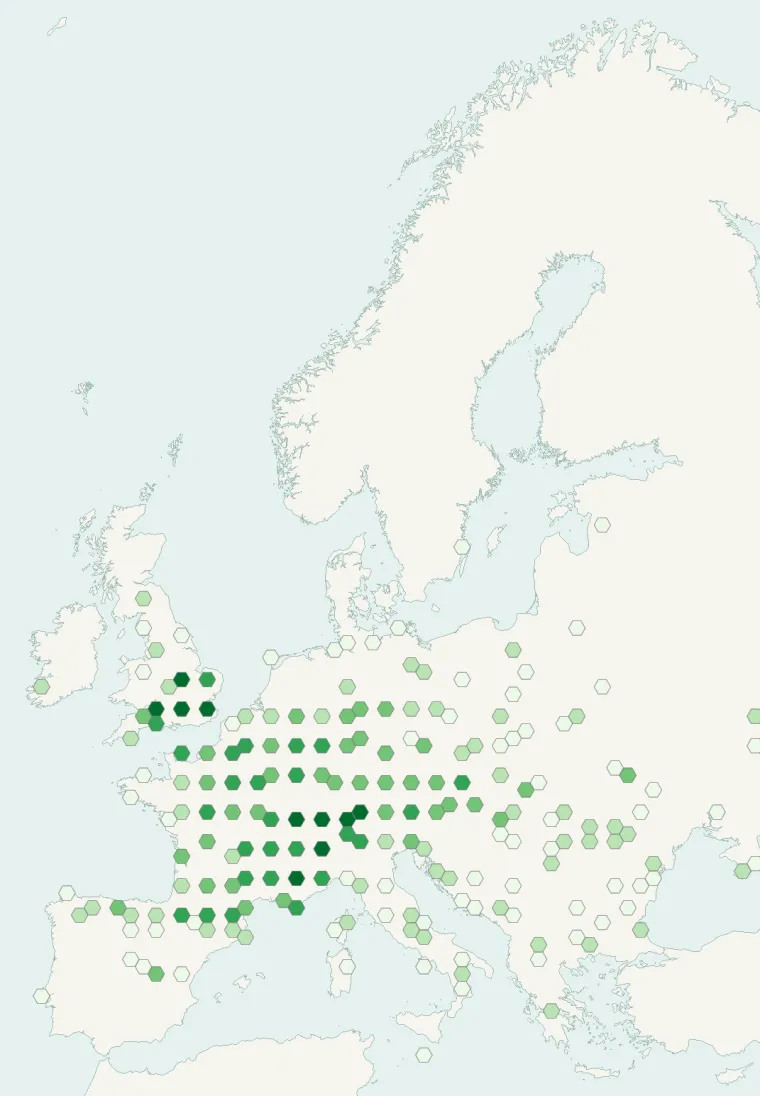
Records published on GBIF (CC0 and CC BY 4.0 licences): the darker the shade, the more records there are; they also reflect observation effort.
Atlas countries where it is recorded
From Wikipedia
The chalkhill blue (Lysandra coridon) is a butterfly in the family Lycaenidae. It is a small butterfly that can be found throughout the Palearctic realm, where it occurs primarily in grasslands rich in chalk. Males have a pale blue colour, while females are brown. Both have chequered fringes around their wings.
Source: Wikipedia, article “Chalkhill blue” (version of August 14, 2025) · history and authors · licence CC BY-SA 4.0
Protected areas where it is recorded
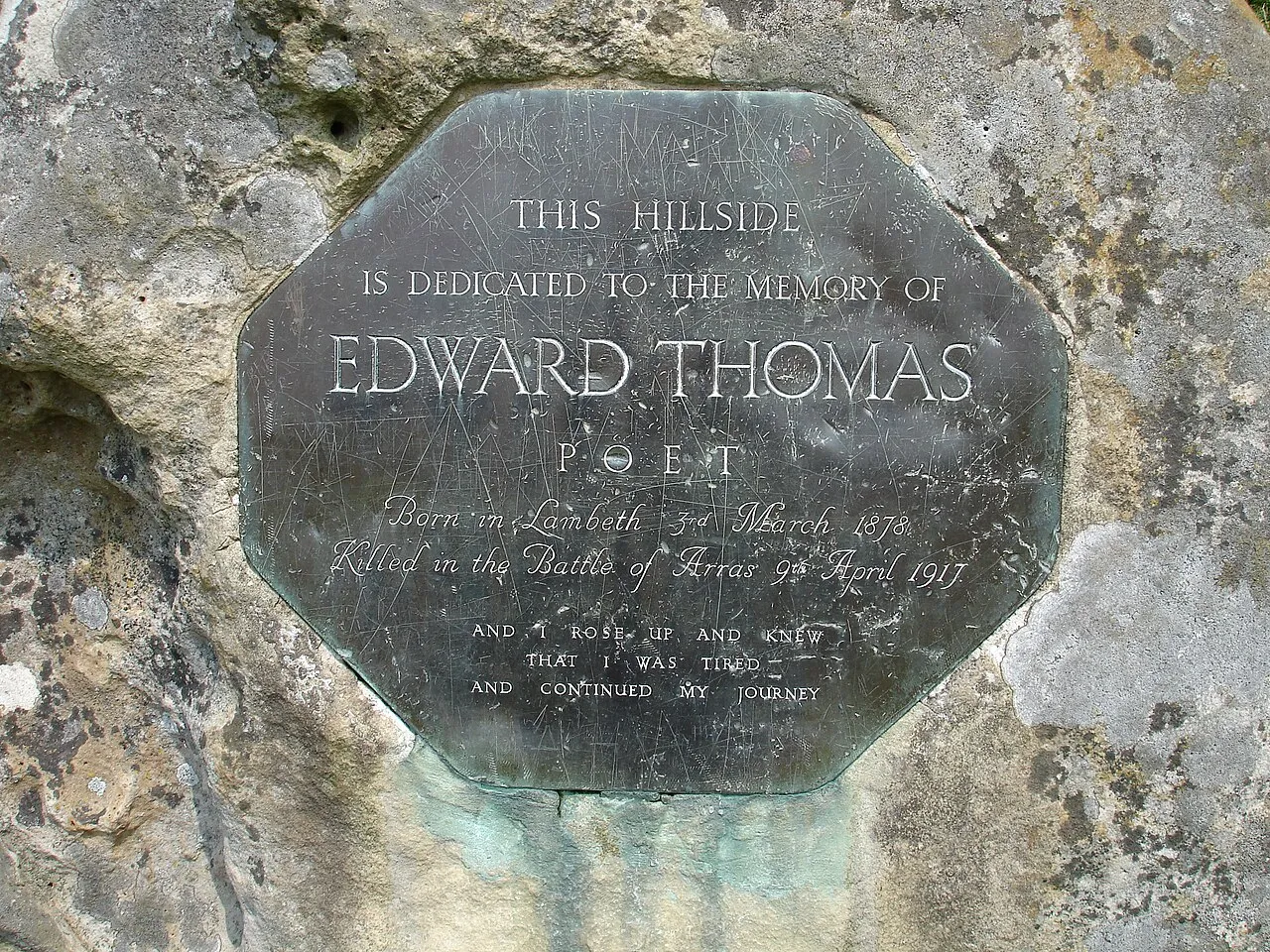
19,243 records
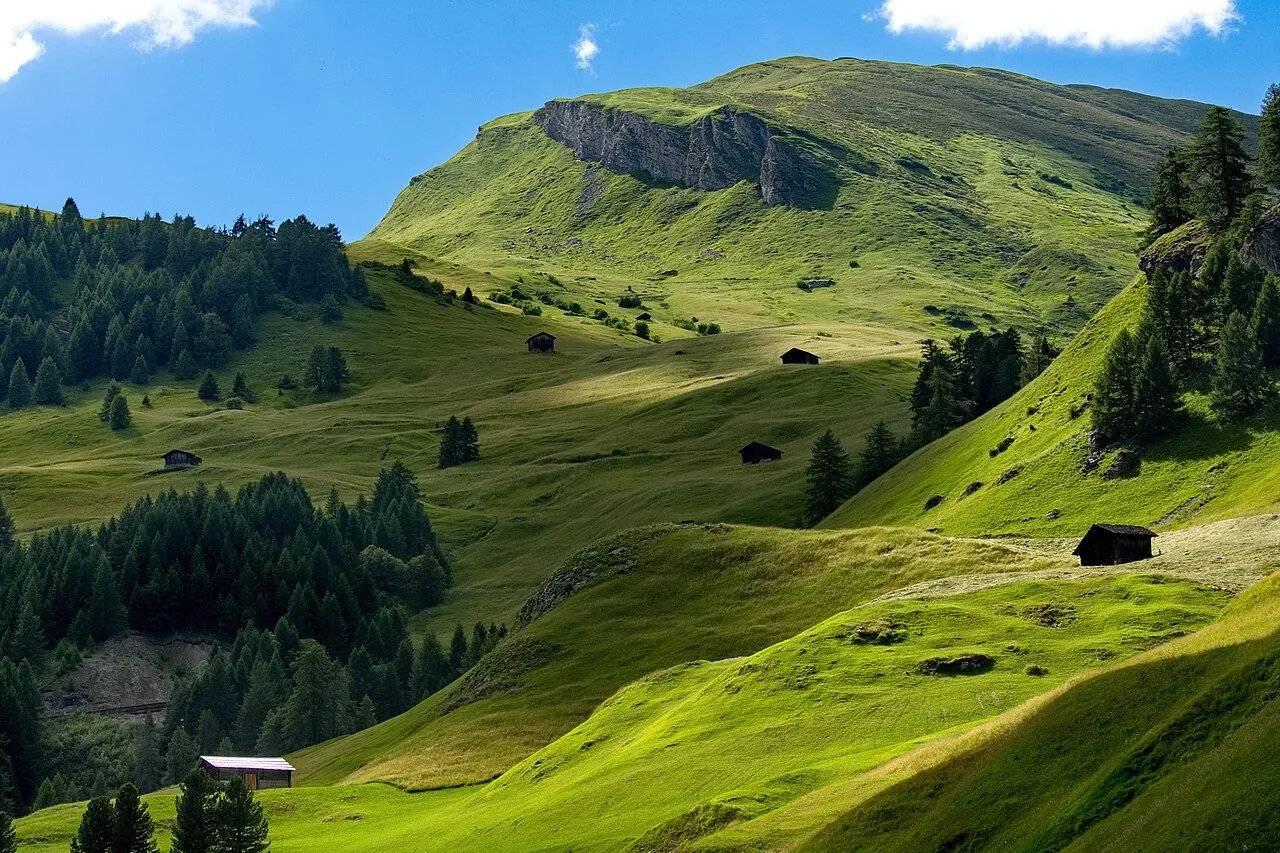
5,219 records
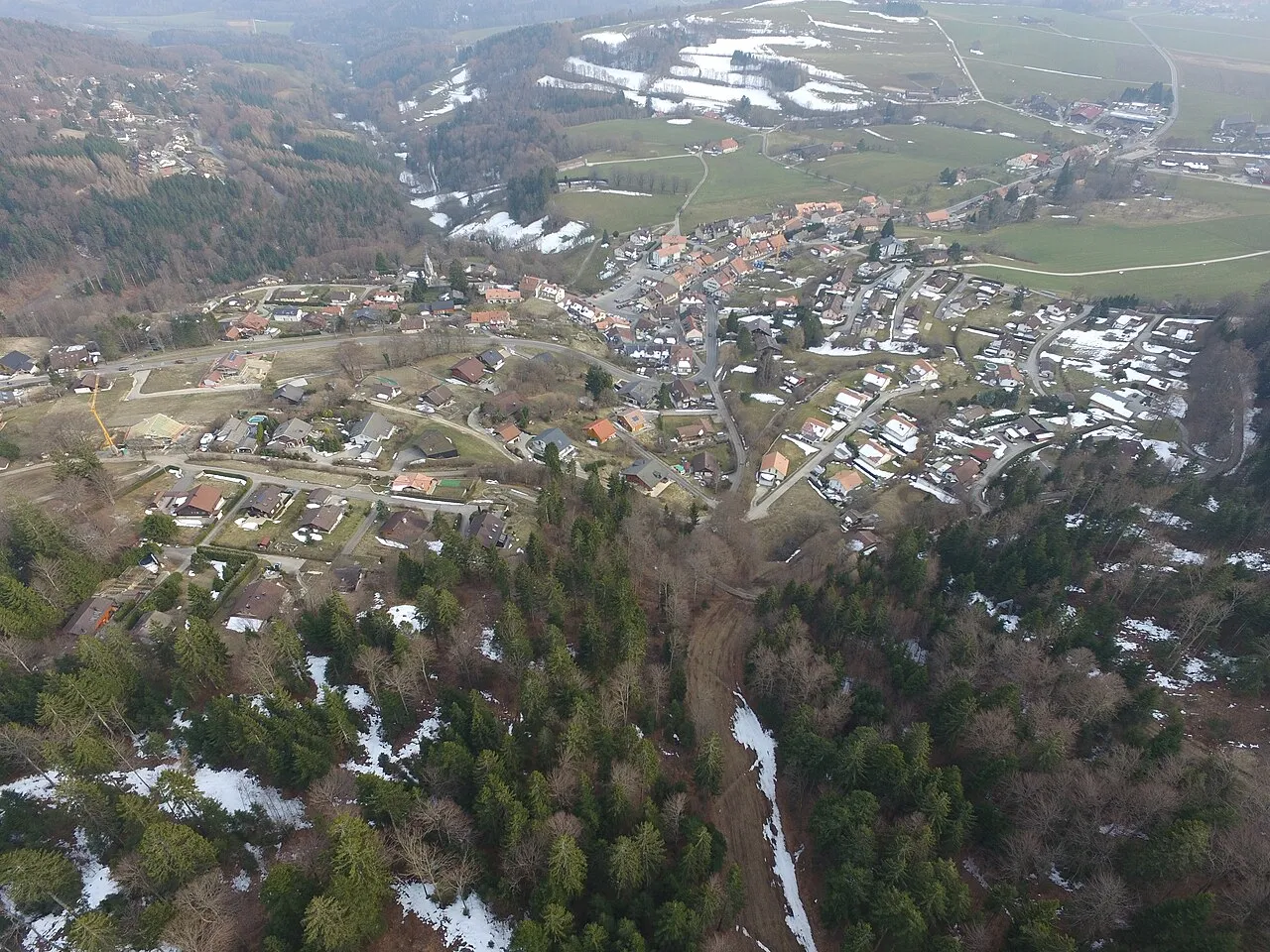
3,759 records
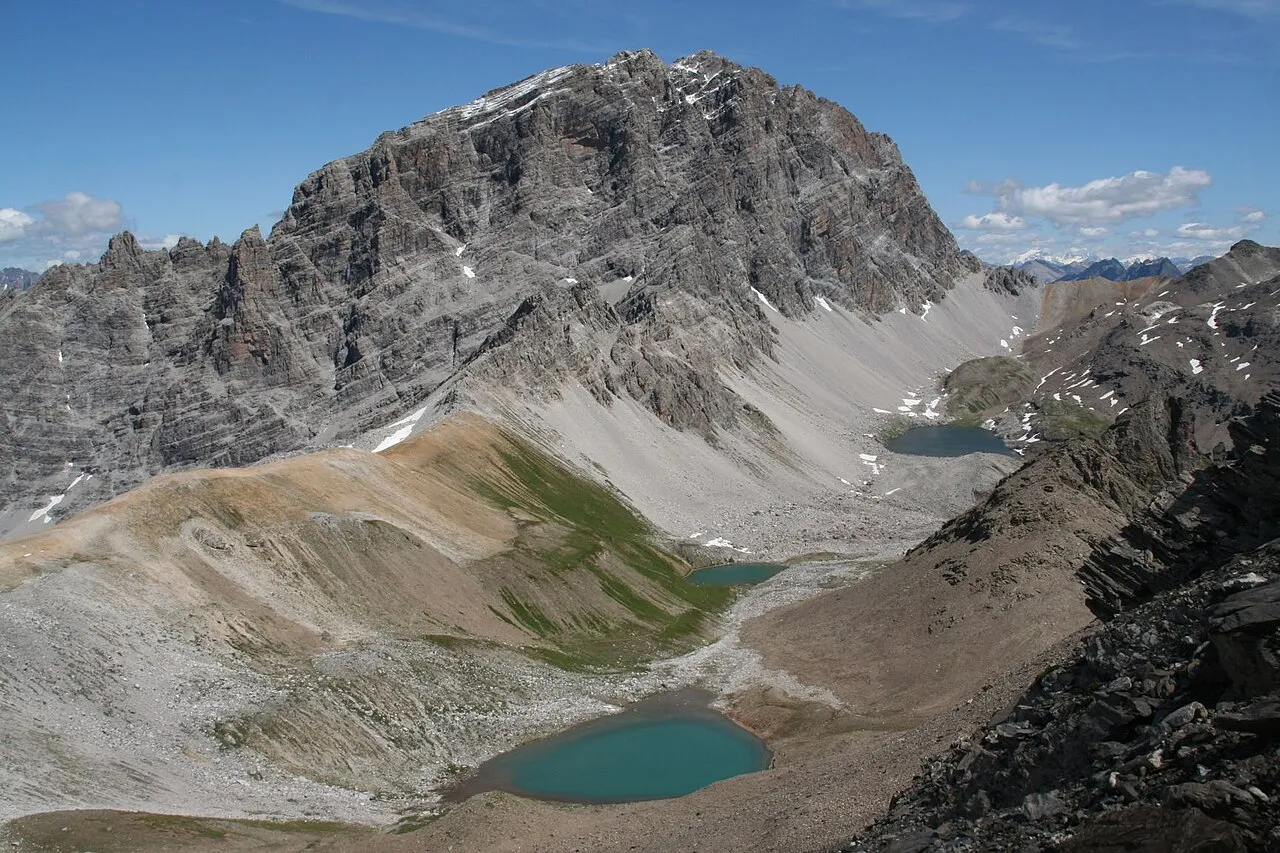
3,180 records

2,358 records
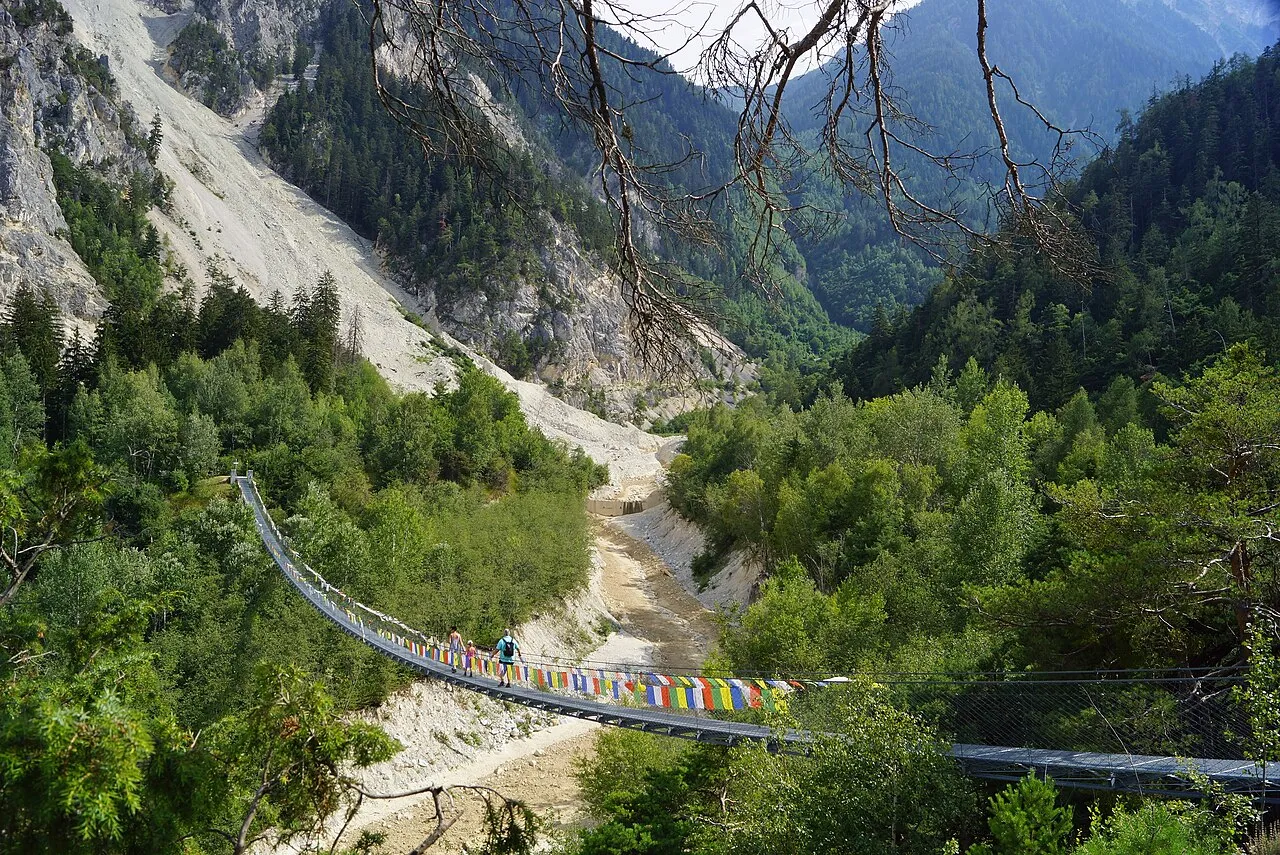
2,050 records
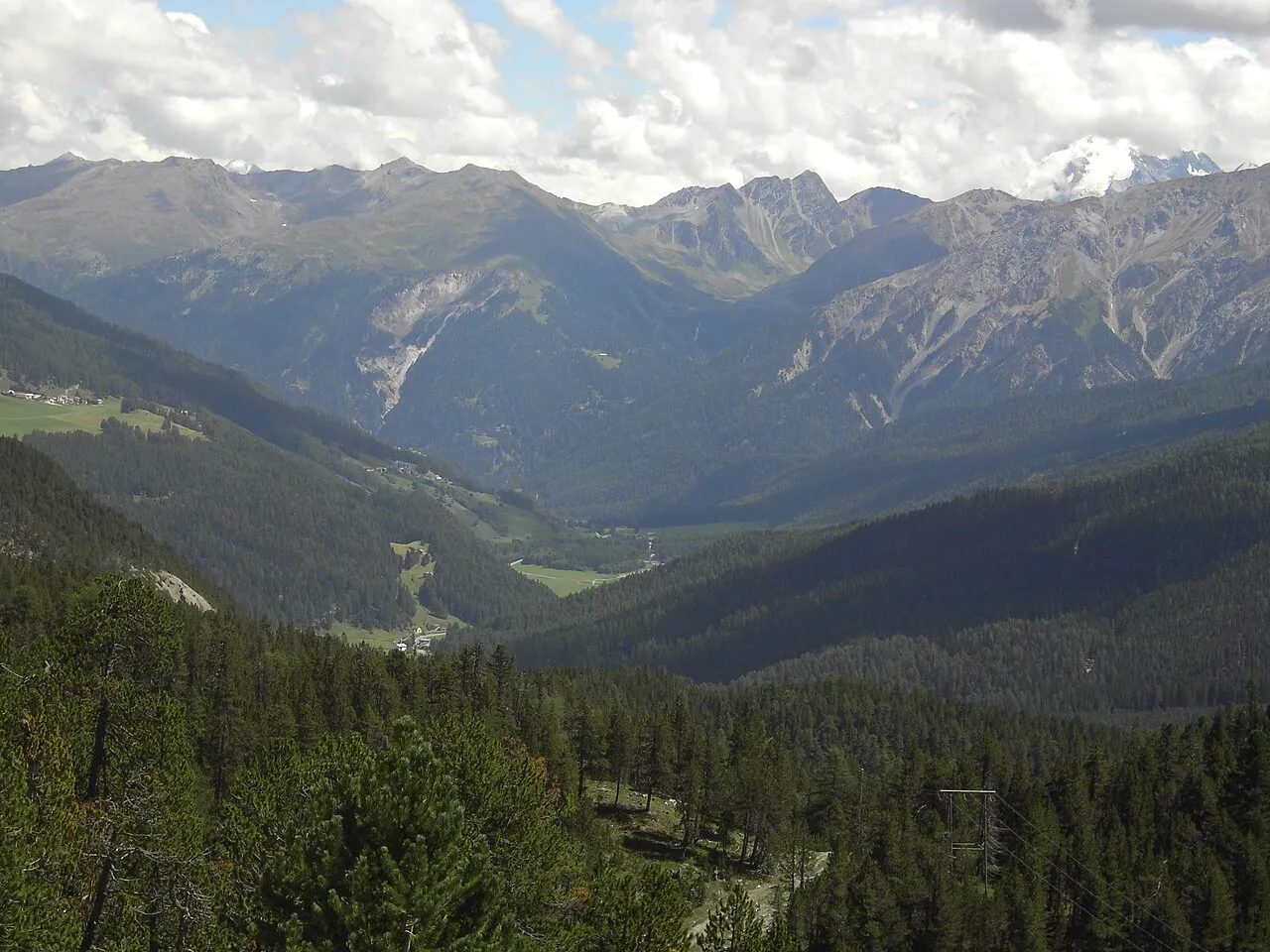
860 records
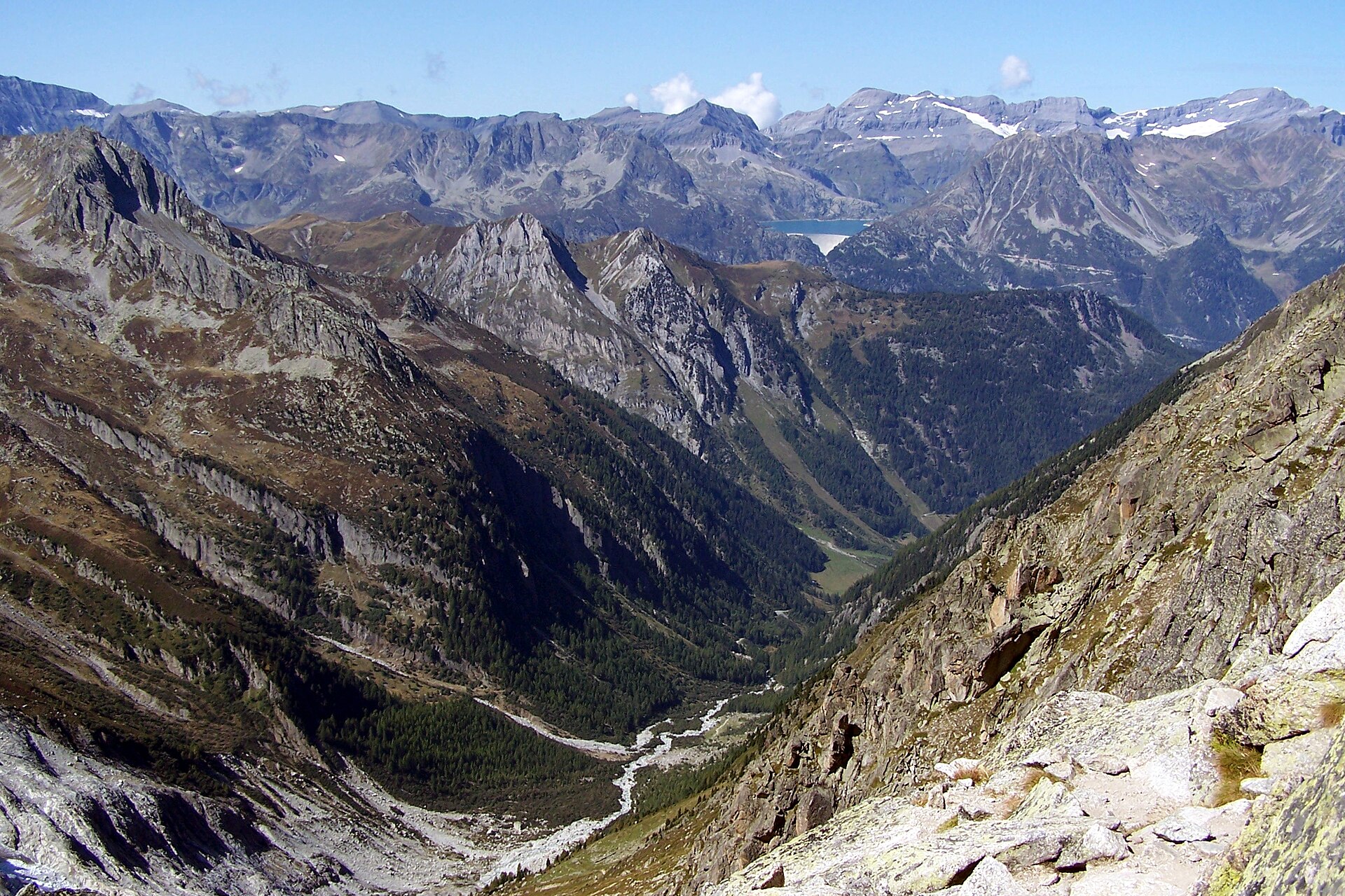
561 records
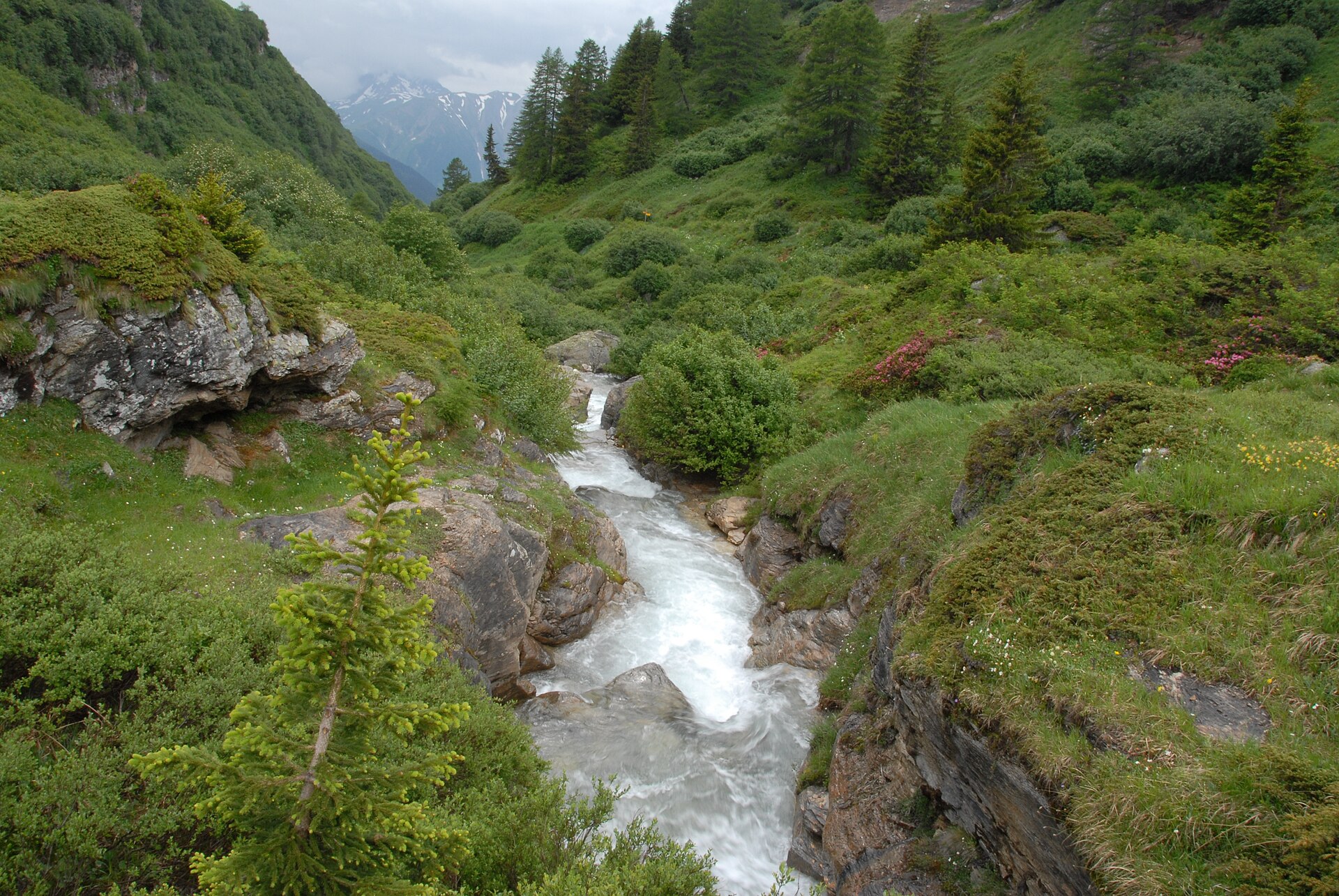
542 records
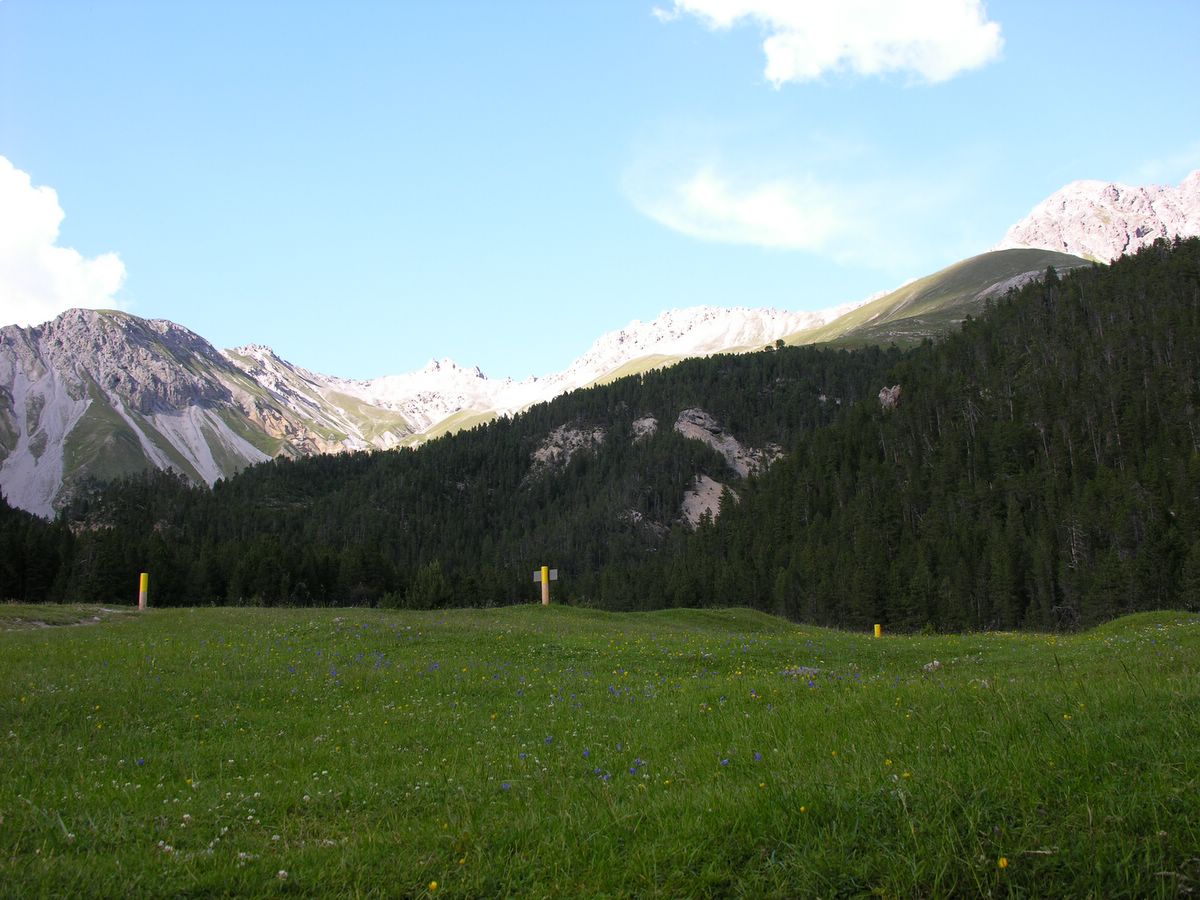
541 records
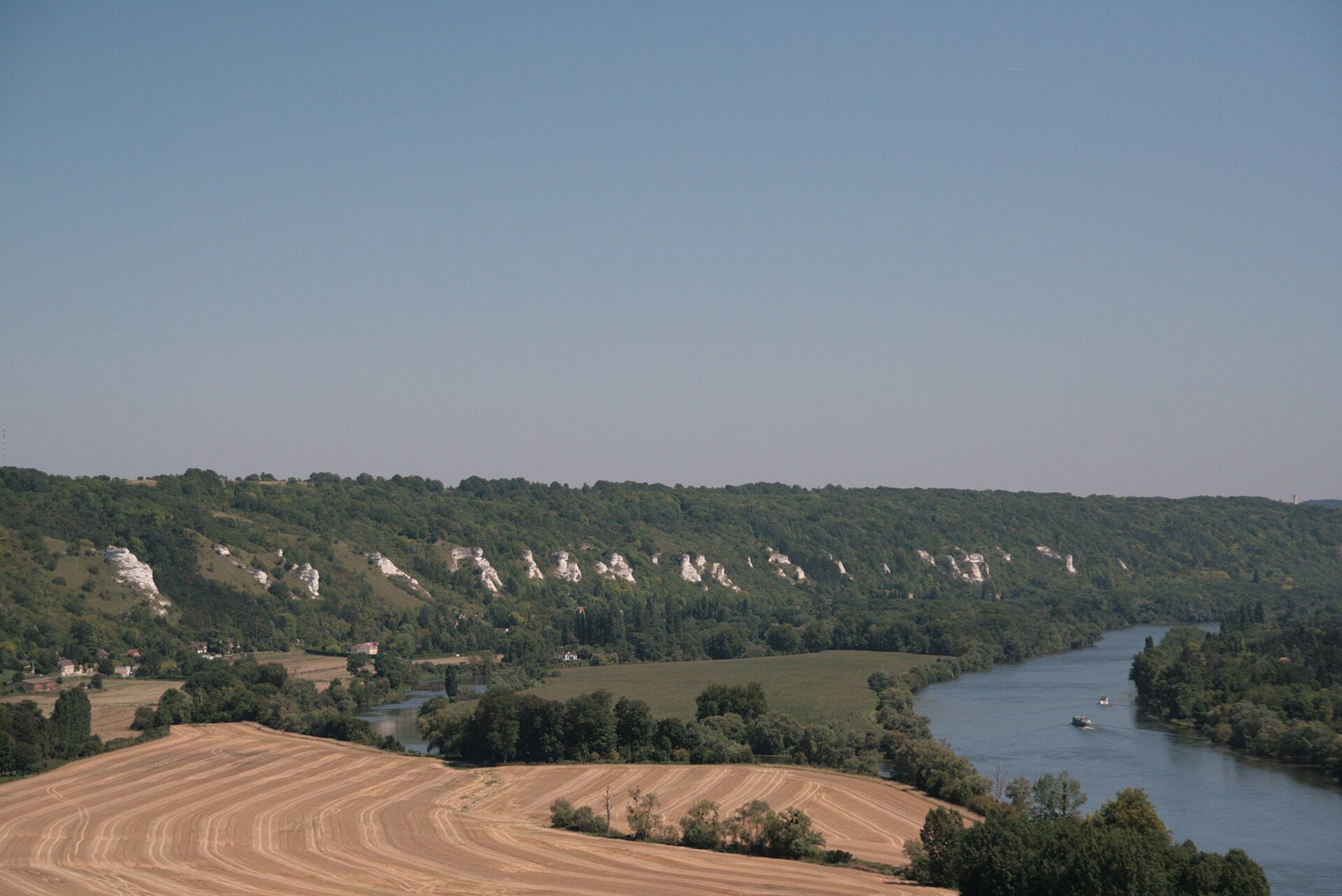
201 records
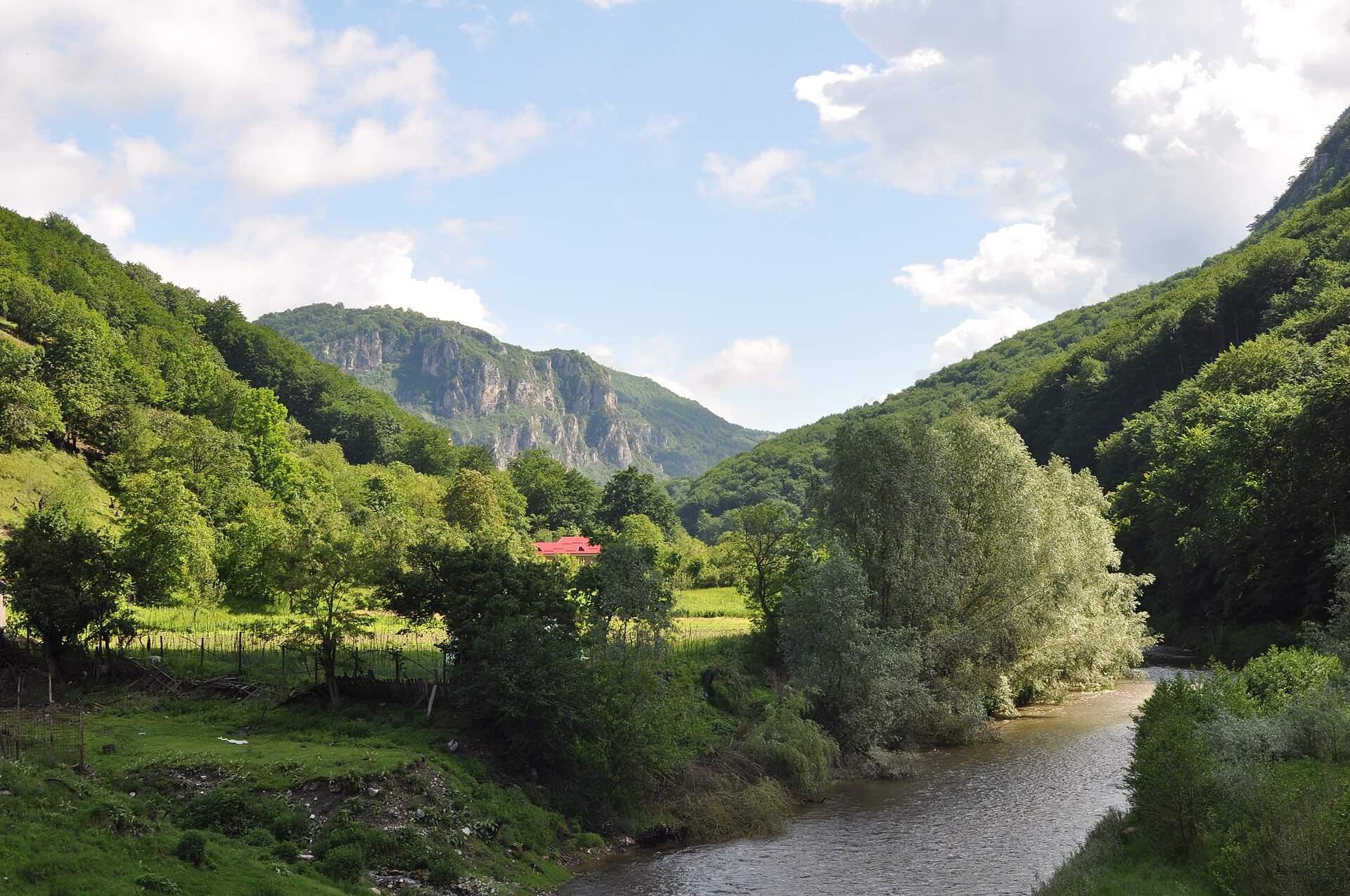
36 records
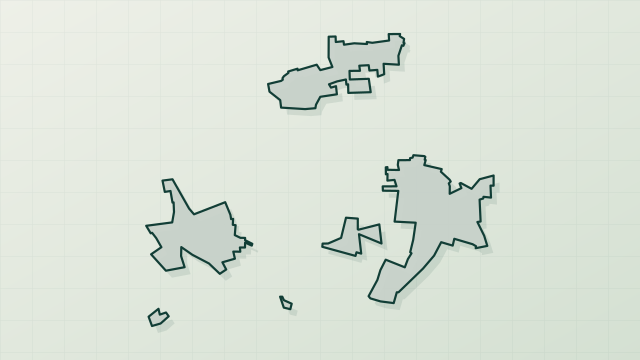
13 records
Other species to discover
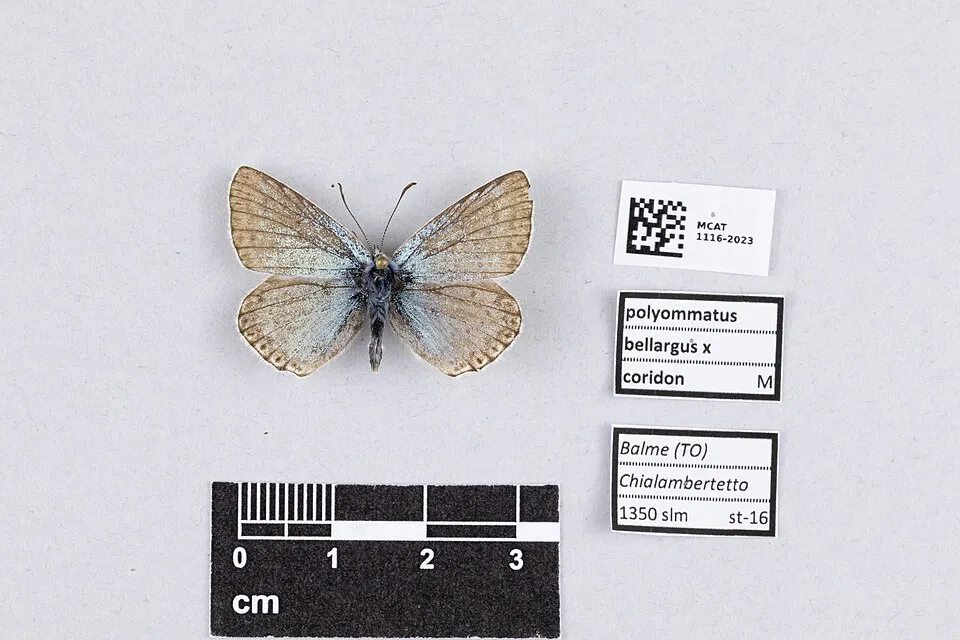 Adonis blue
Lysandra bellargus Same genus
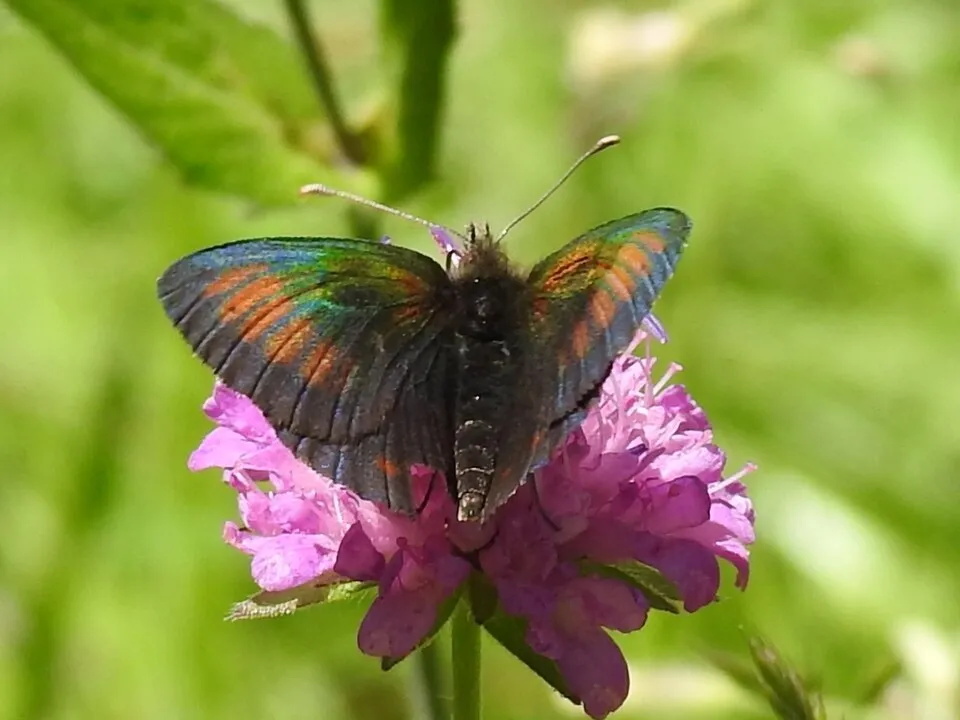 Swiss Brassy Ringlet
Erebia tyndarus 7 places in common
 Marbled white
Melanargia galathea 11 places in common
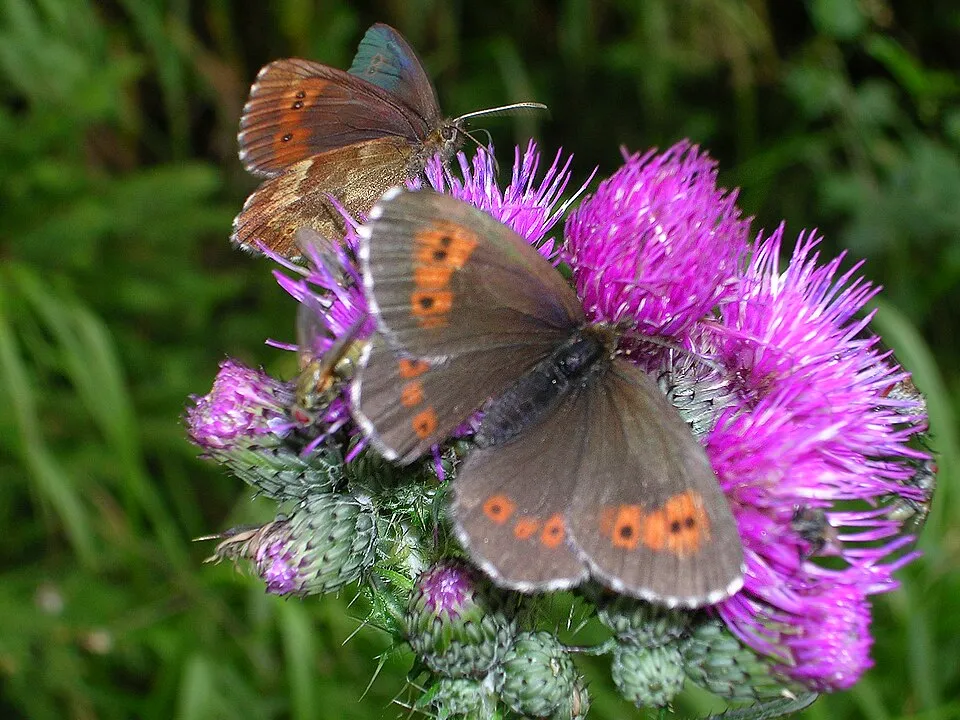 Large Ringlet
Erebia euryale 5 places in common
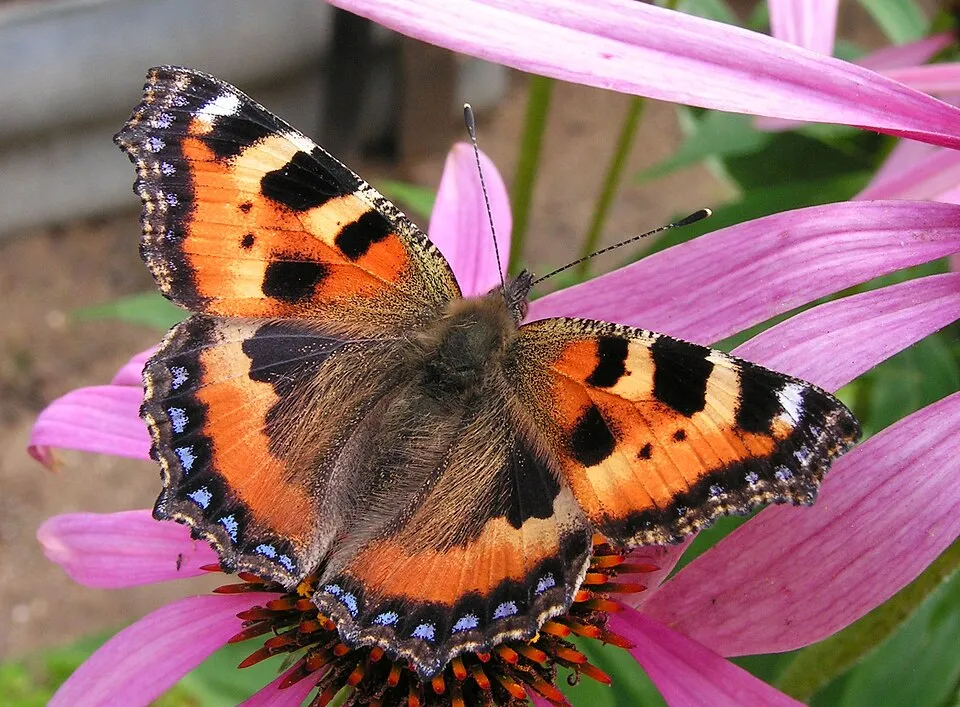 Small tortoiseshell
Aglais urticae 10 places in common
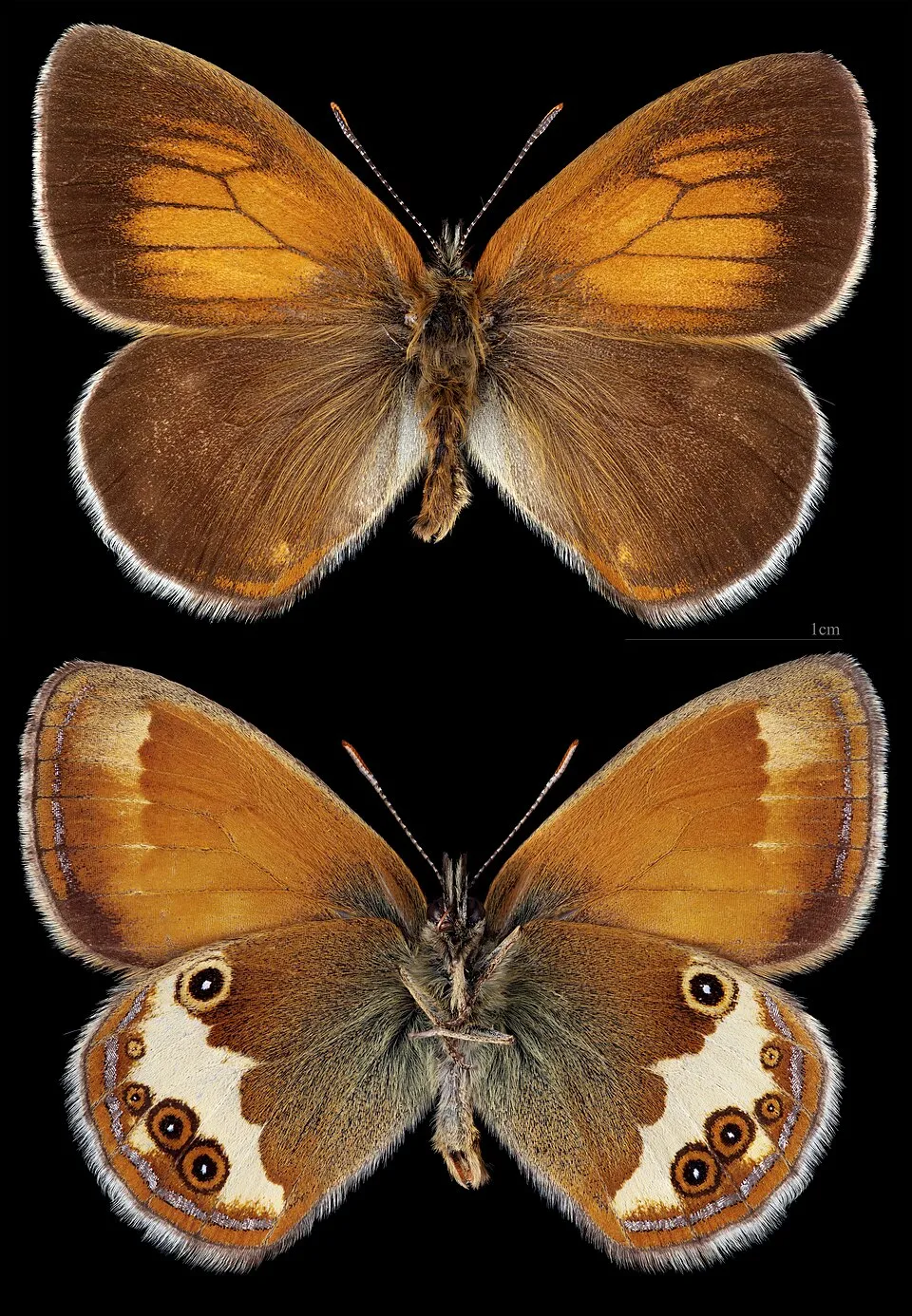 Pearly heath
Coenonympha arcania 5 places in common
Sources and credits
- Presence: most-recorded species of each place on GBIF and species of Community interest in the Natura 2000 forms (EEA, CC-BY 4.0); absence from the list does not mean the species is absent.
- Common names: Wikidata (CC0) and GBIF.
- Photos and sounds: Wikimedia Commons, author and licence given for each file.
- Classification: GBIF Backbone Taxonomy (GBIF Secretariat), CC BY 4.0, doi:10.15468/39omei.
- Countries, elevations, months and maps: GBIF.org, CC0 or CC BY 4.0 occurrences only, accessed October 22, 2026, GBIF.org.
- Base map: Natural Earth (public domain).
- Excerpt: Wikipedia, CC BY-SA 4.0 (full credit below the excerpt).