
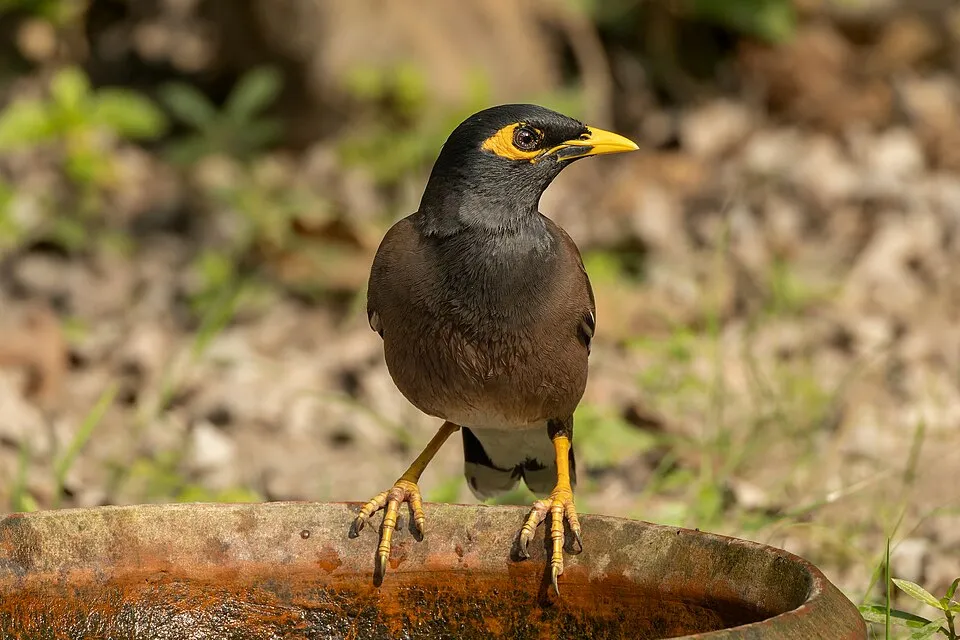
Bird
Common myna: invasive alien species
Acridotheres tristis
Invasive alien species Of Union concern
This species is on the list of invasive alien species of Union concern (Regulation (EU) No 1143/2014). The protected areas below are those where it has been recorded: they are listed to track its presence, not as places to go and see it.
This bird species is recorded in 106 protected areas of the atlas. Within the atlas countries, it is observed in France and Spain. Most records (8 in 10) lie between sea level and 700 m. Records peak from October to November. It has a wingspan of 37.8 cm.
Most often recorded: October–November
Records published on GBIF by month (CC0 and CC BY 4.0 licences only), in the atlas countries, all years combined; they also reflect observer activity.
Key facts
- Wingspan
- 37.8 cm Wikidata, after Pande et al. 2013
- Clutch size
- 2 eggs Wikidata, after Jetz et al. 2008
- Incubation
- 15 days Wikidata, after Handbook of the Birds of the World
Distribution
Atlas countries where it is recorded
Listen
-
0:20 · © Vinay bhat · CC BY-SA 4.0 · Wikimedia Commons · Original file
-
0:25 · © L. Shyamal · CC BY-SA 2.5 · Wikimedia Commons · Original file
-
1:09 · © James Ray · CC BY-SA 4.0 · Wikimedia Commons · Original file
From Wikipedia
The common myna or Indian myna (Acridotheres tristis), sometimes spelled mynah, is a bird in the family Sturnidae, native to Asia. An omnivorous open woodland bird with a strong territorial instinct, the common myna has adapted extremely well to urban environments. In particular, the species poses a serious threat to the ecosystems of Australia, where it was named "The Most Important Pest/Problem" in 2008.
Source: Wikipedia, article “Common myna” (version of October 17, 2026) · history and authors · licence CC BY-SA 4.0 · shortened excerpt
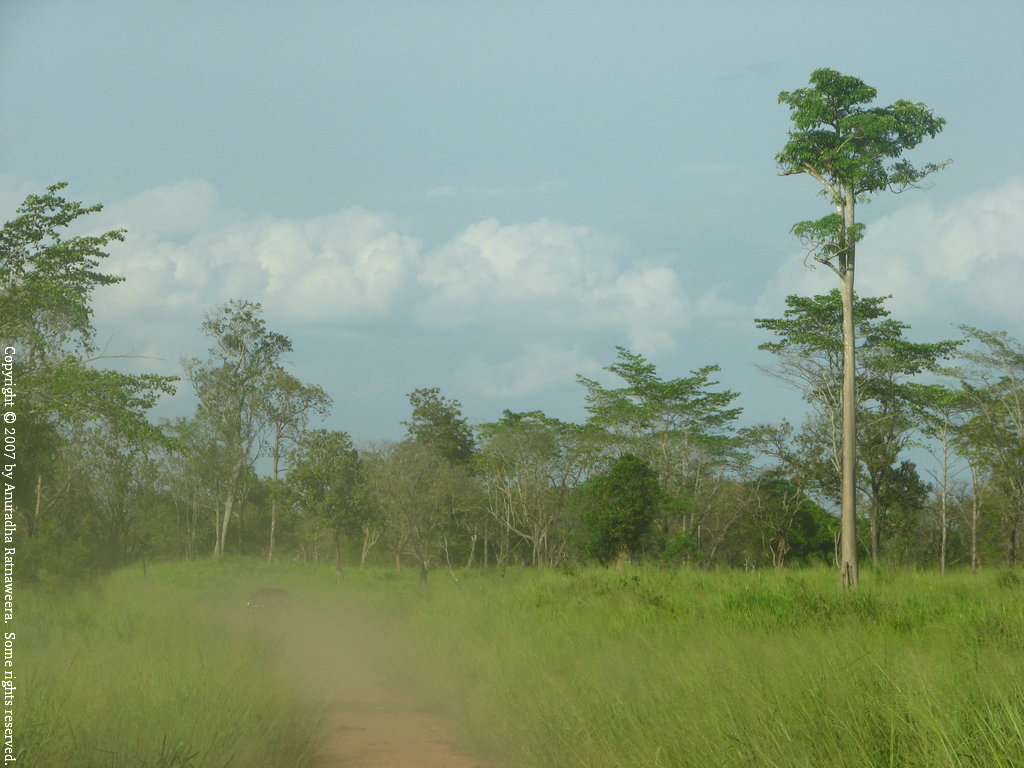
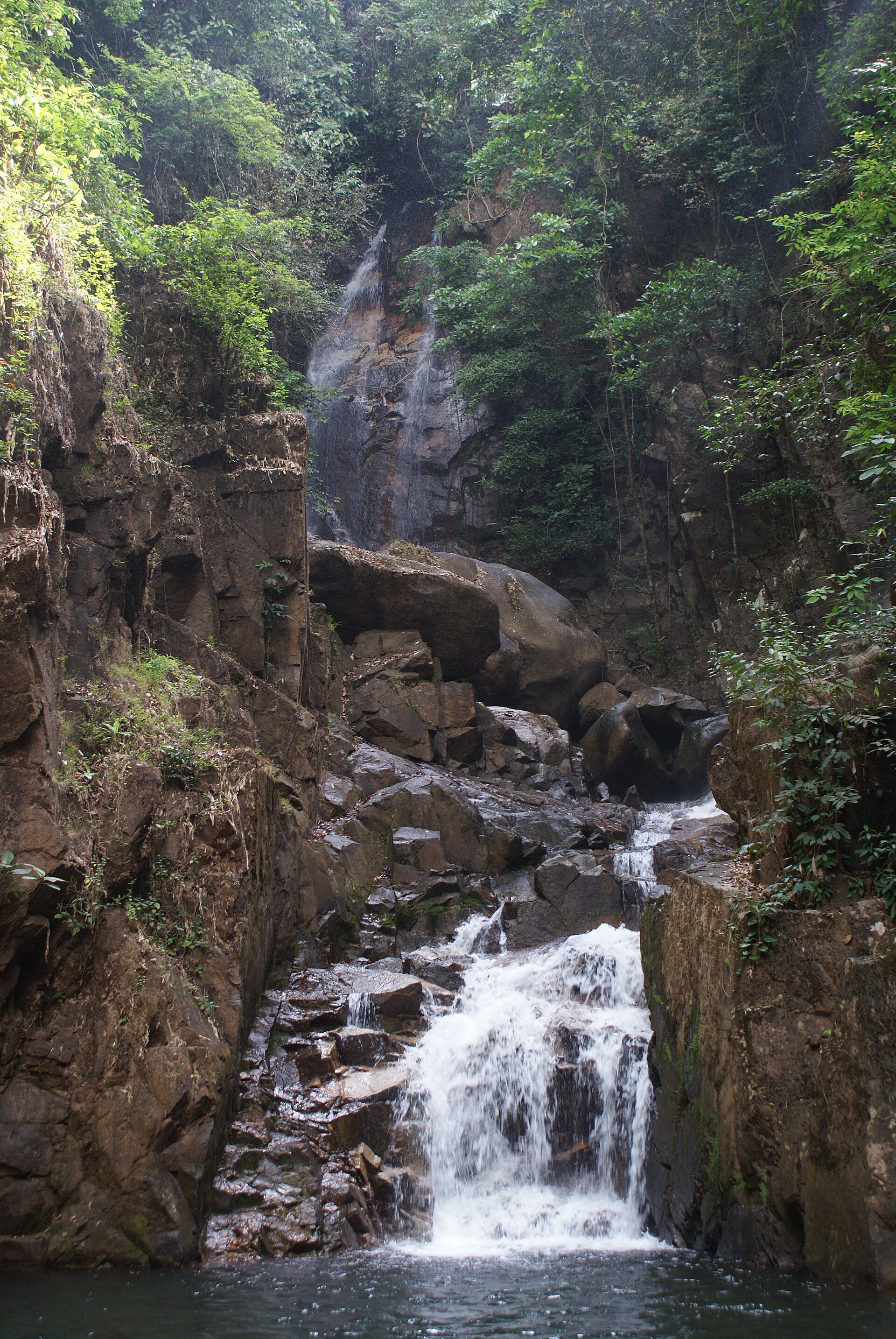
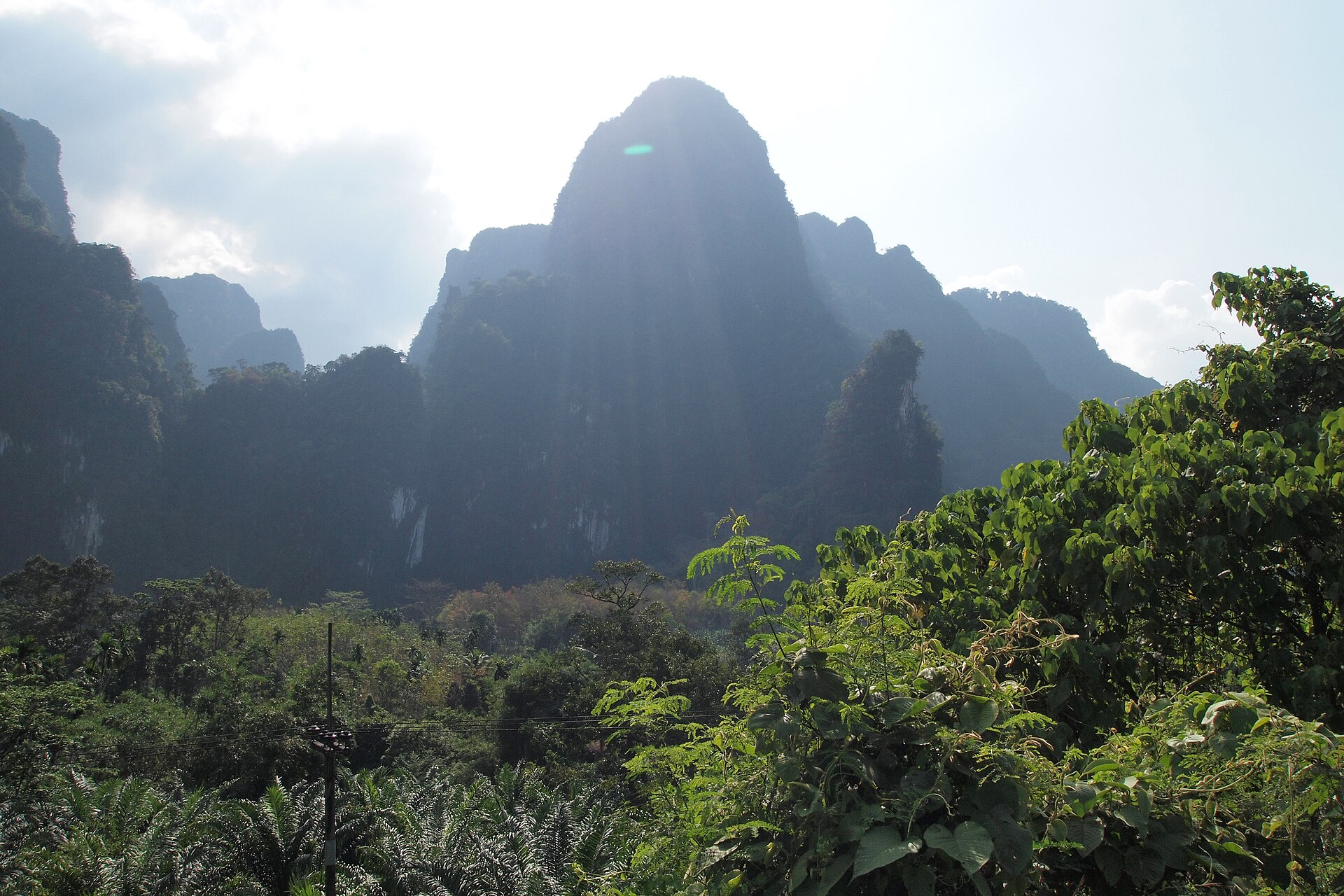
Protected areas where it has been recorded
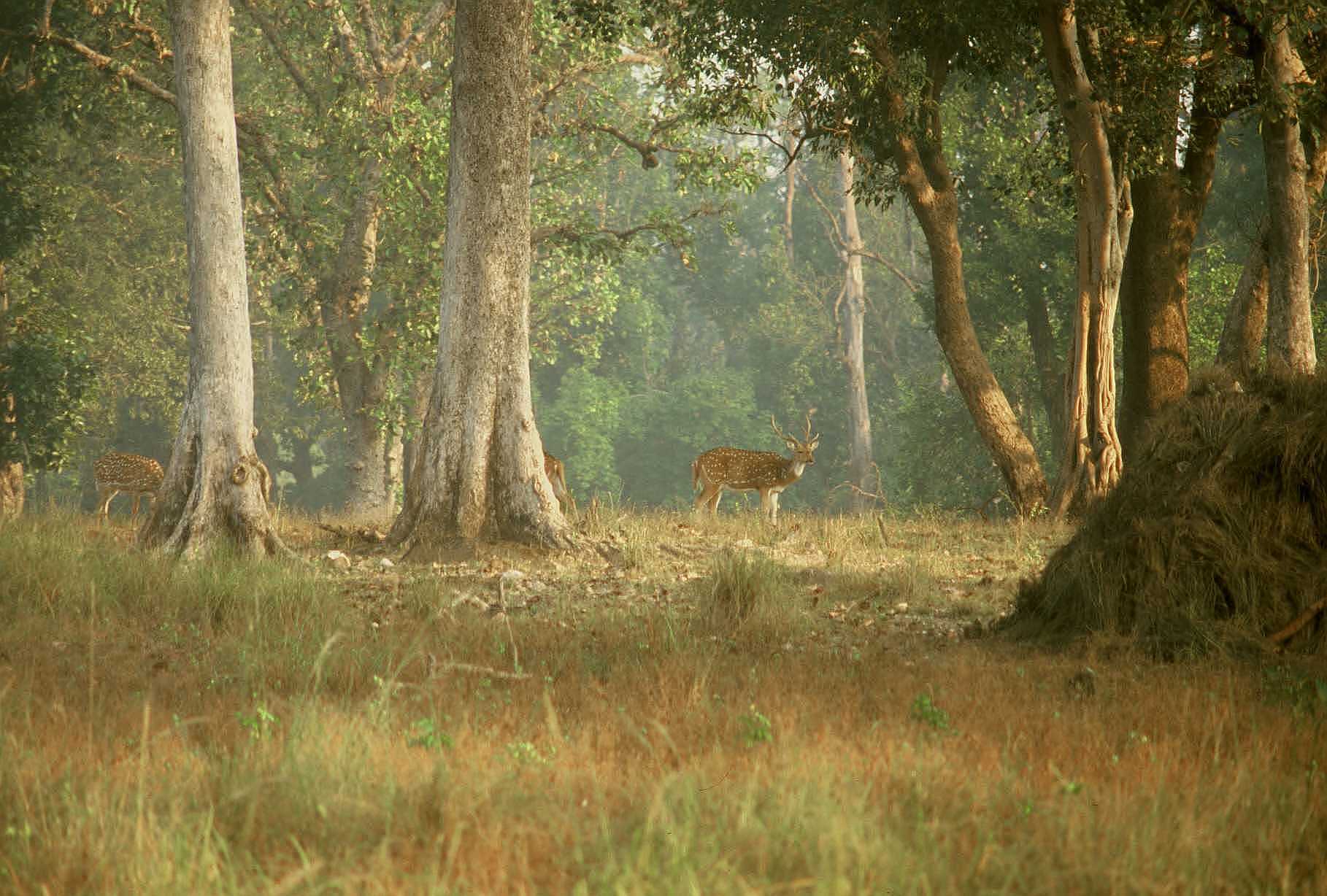
12,078 records

2,555 records

1,610 records

1,559 records
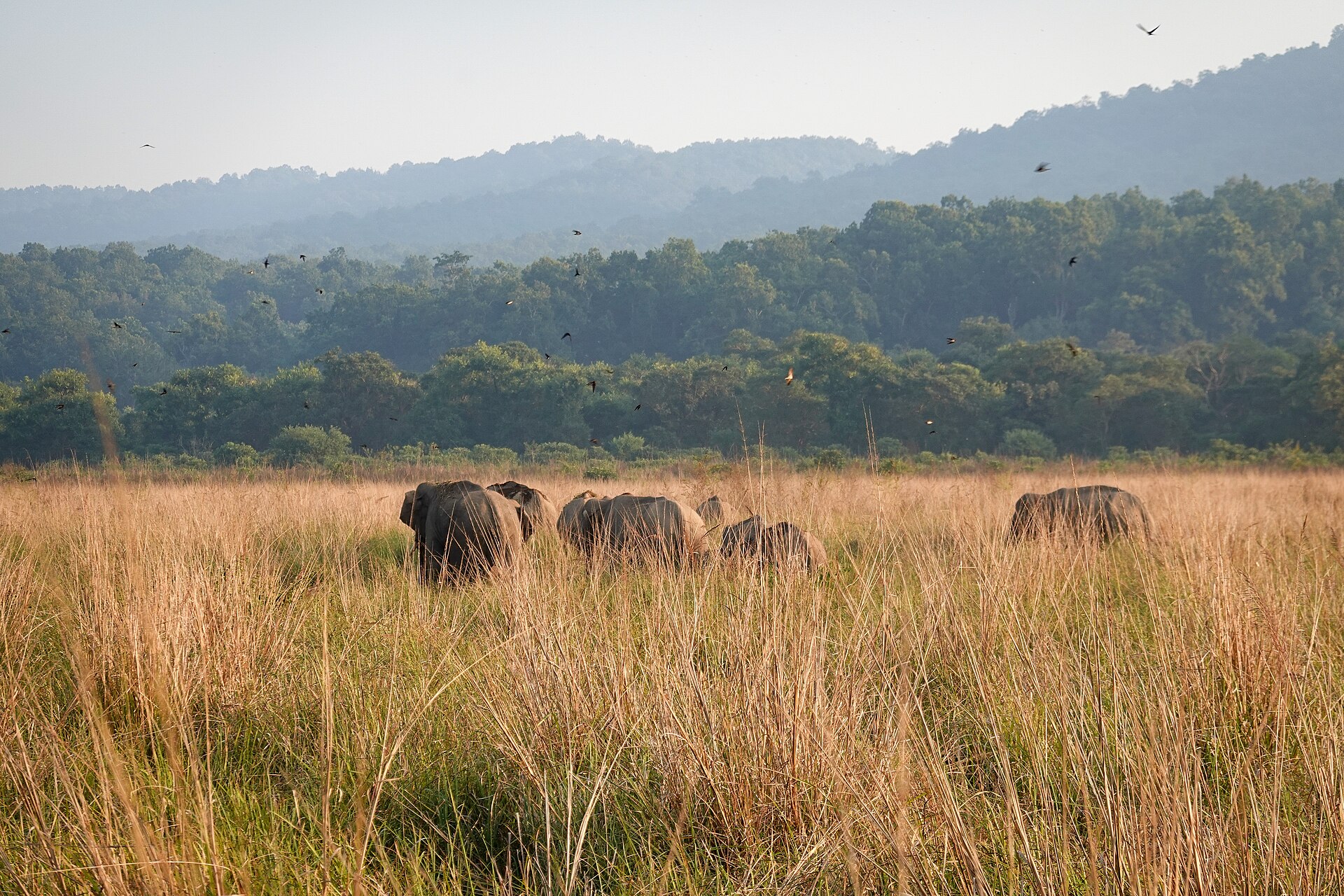
1,488 records

1,365 records
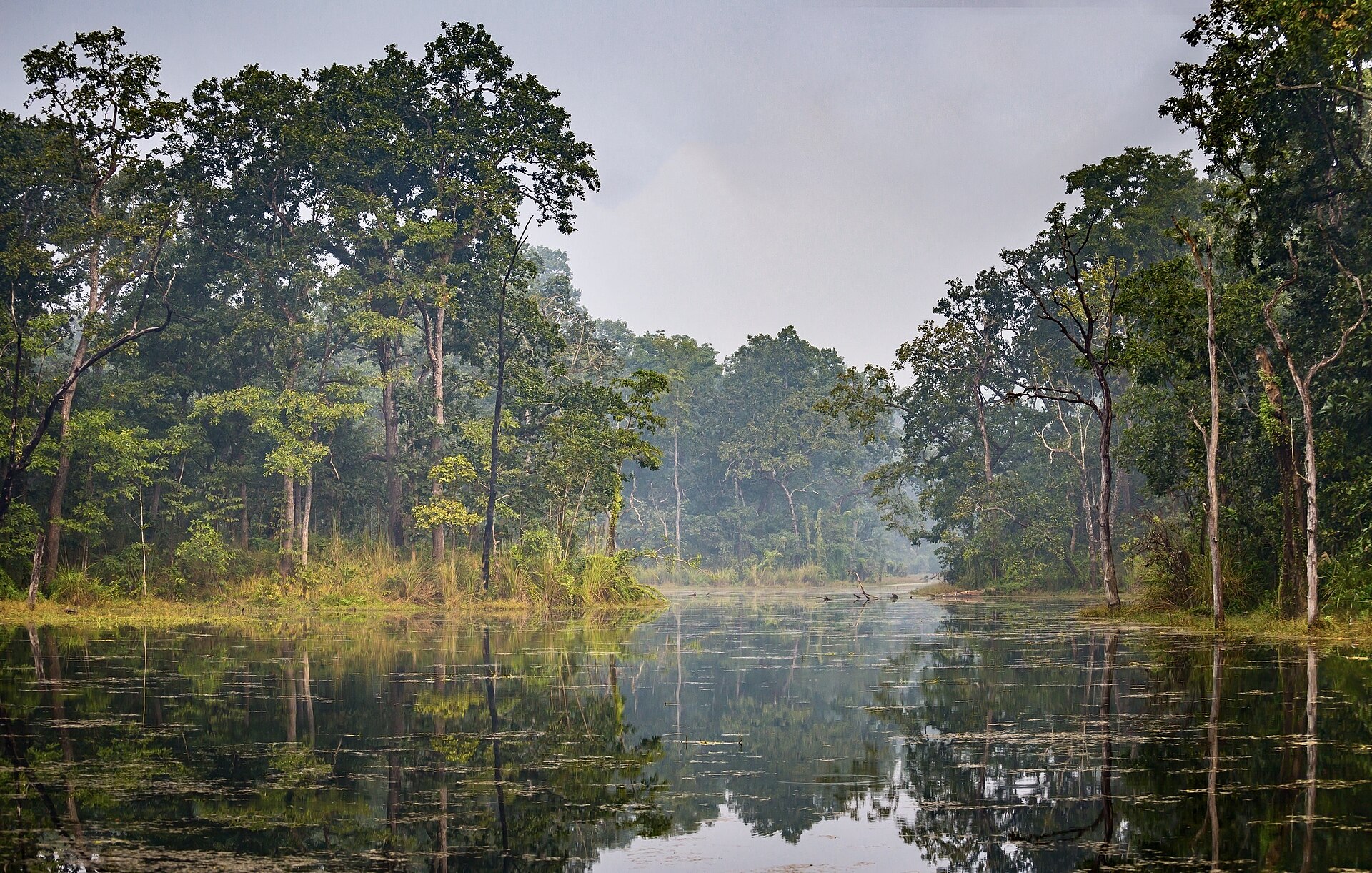
1,351 records

1,305 records

1,148 records
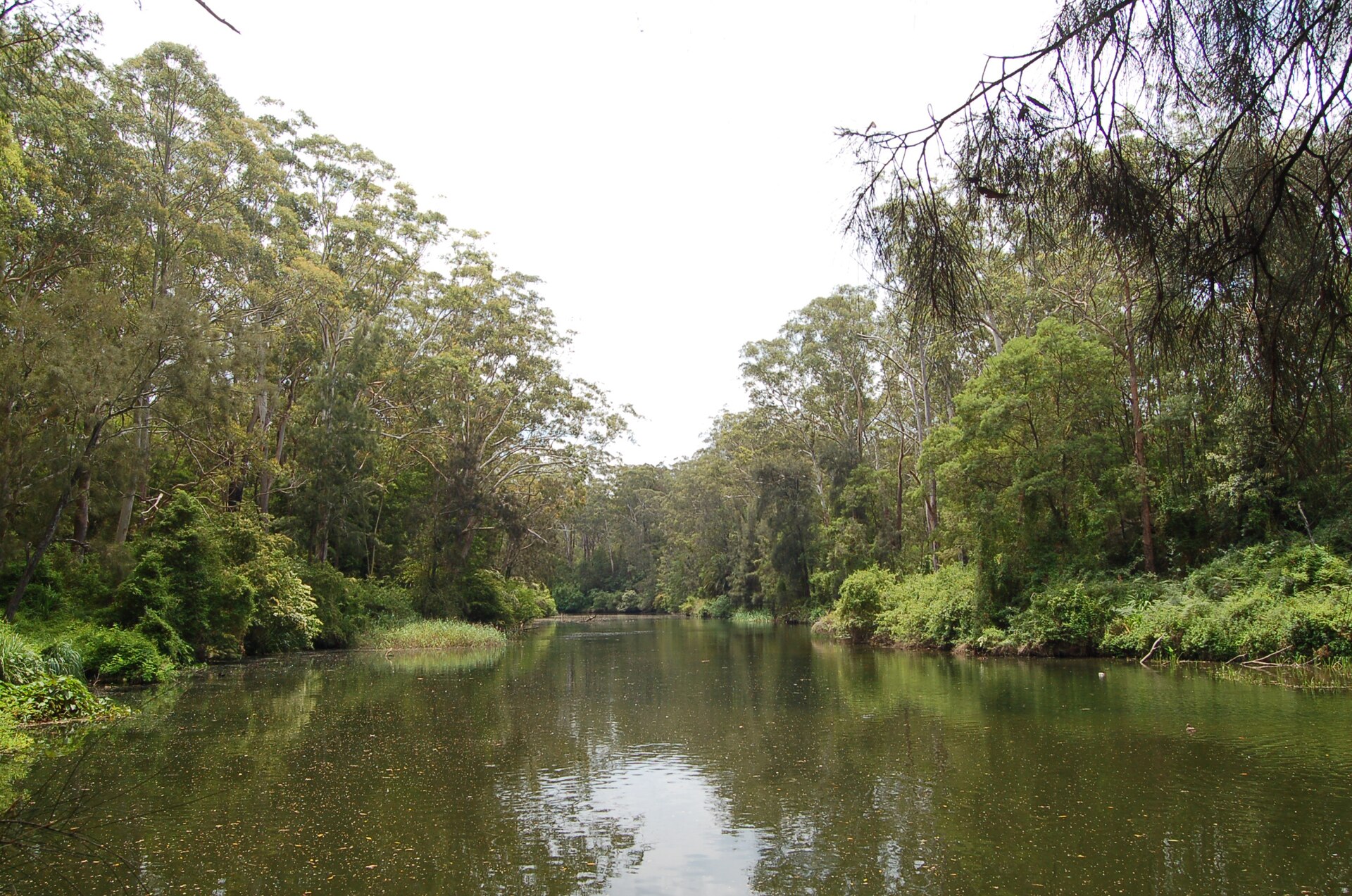
958 records

955 records
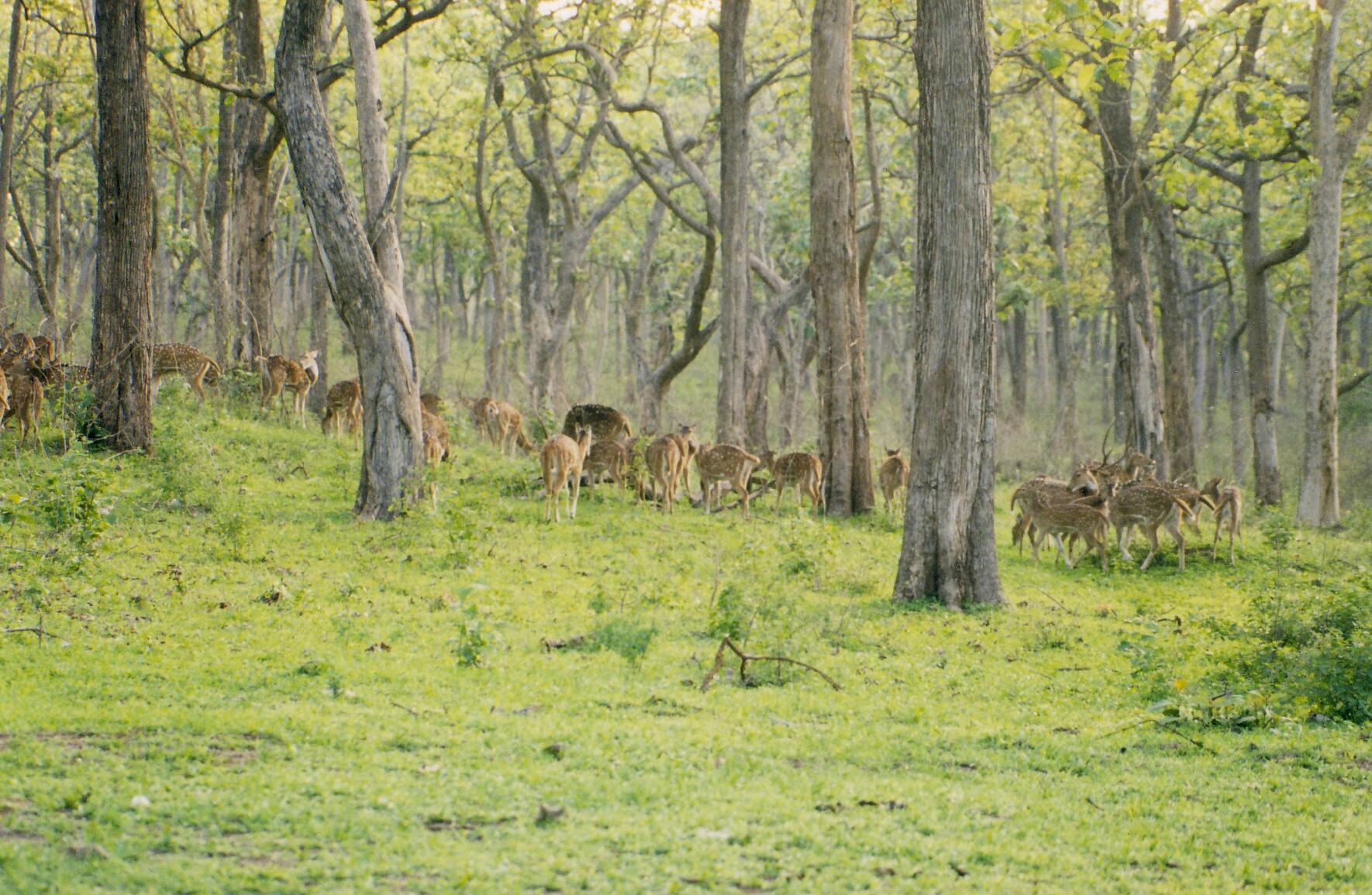
828 records
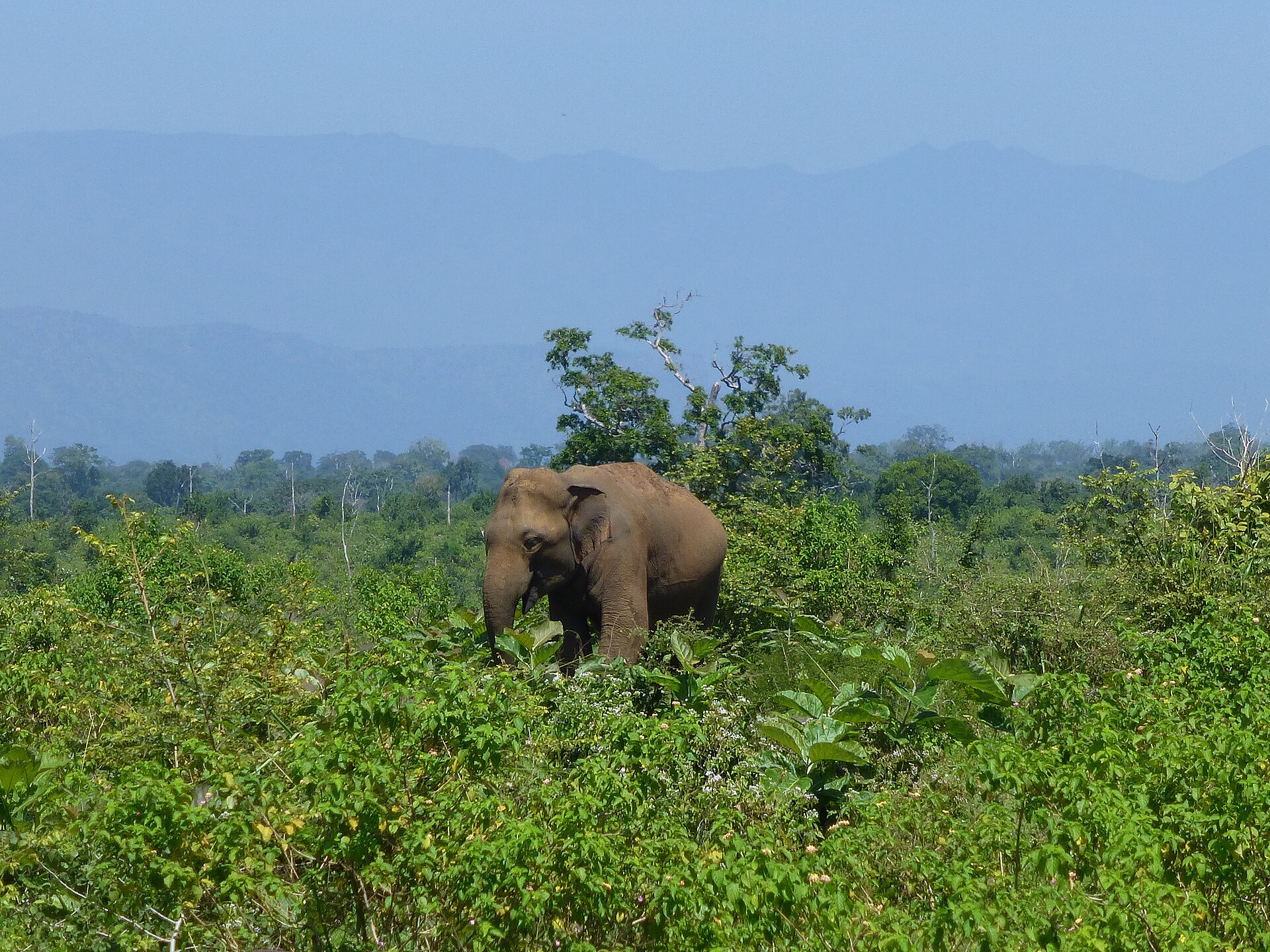
758 records

706 records

618 records
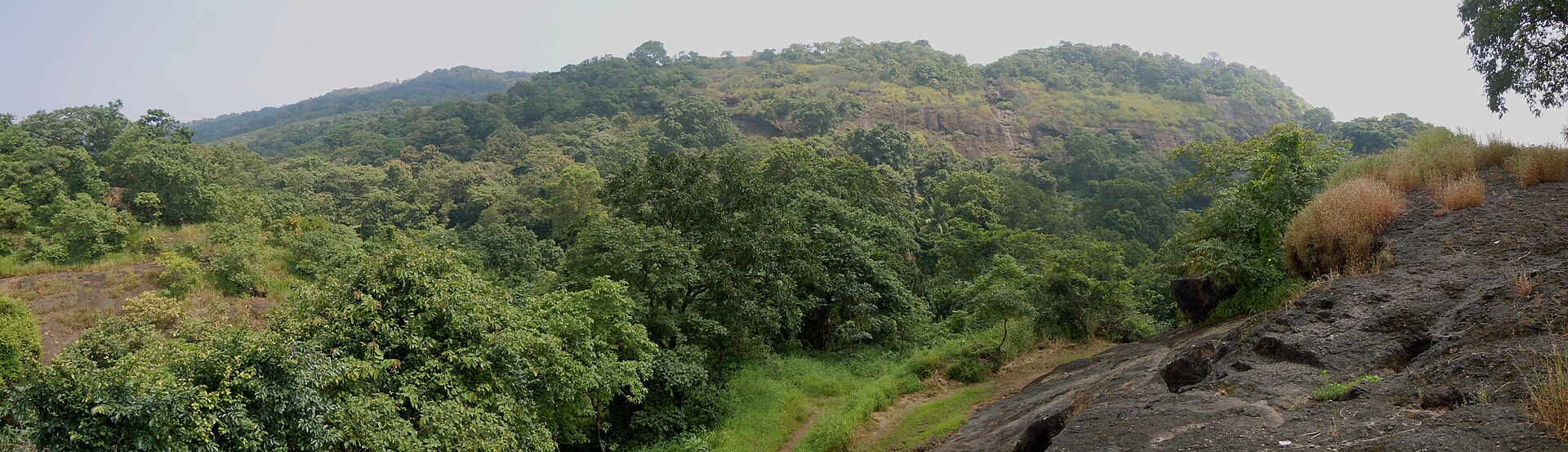
614 records

600 records
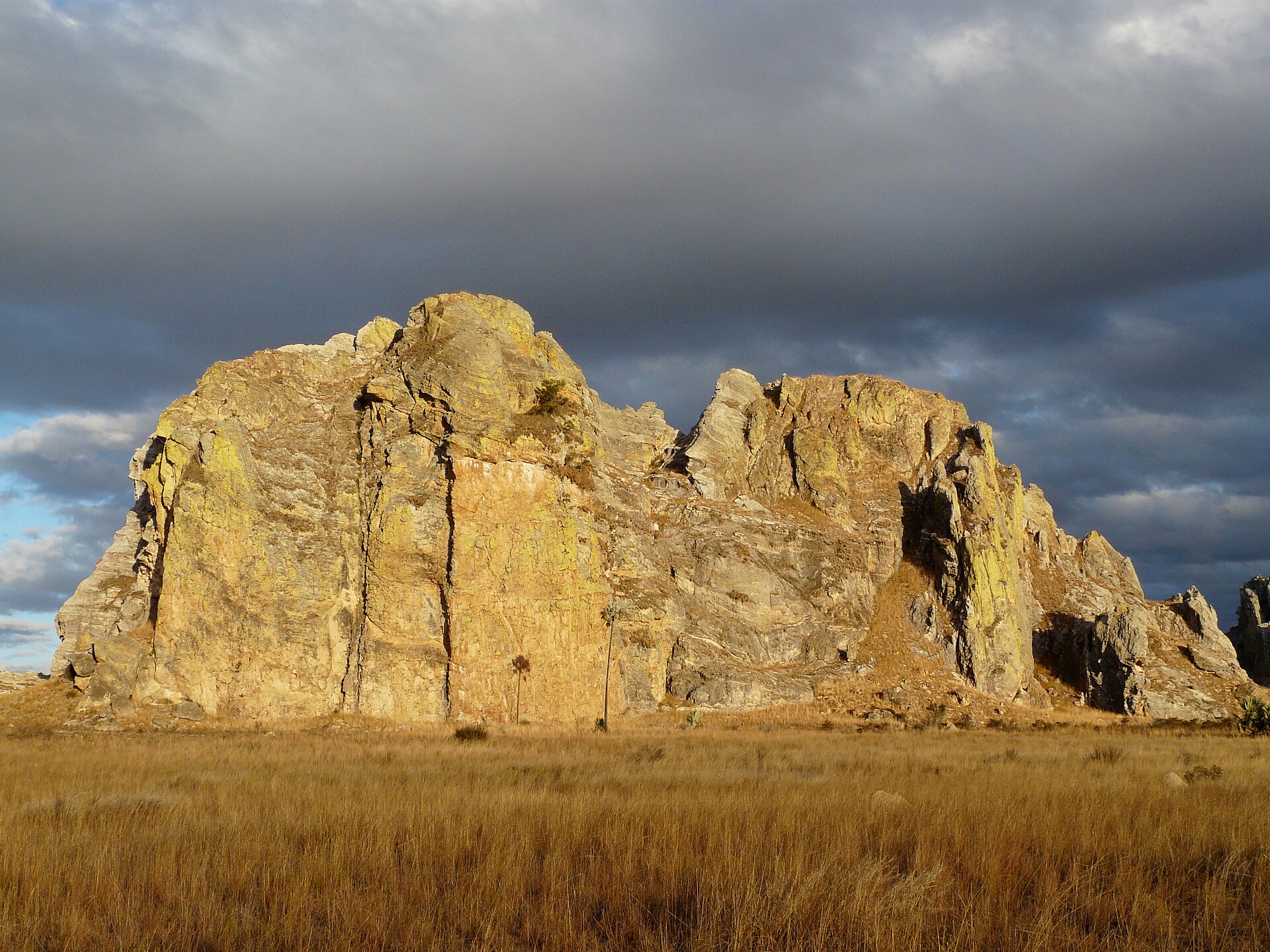
579 records

537 records

518 records

505 records

497 records
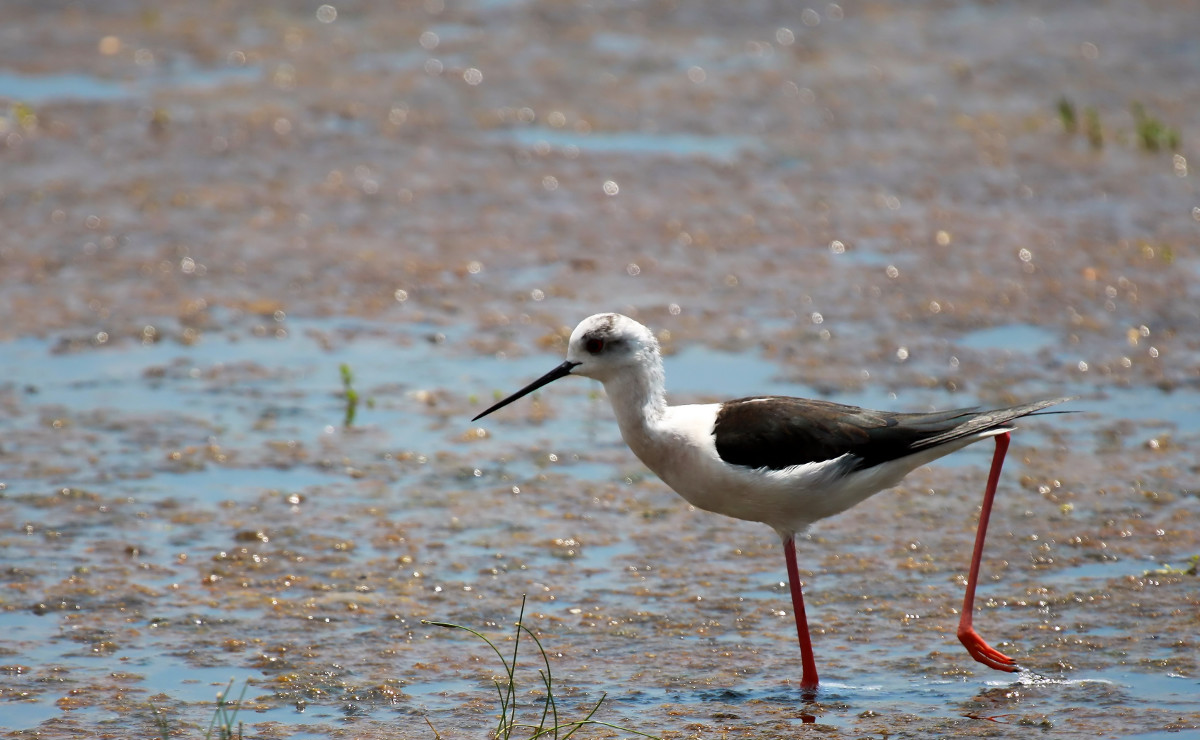
481 records
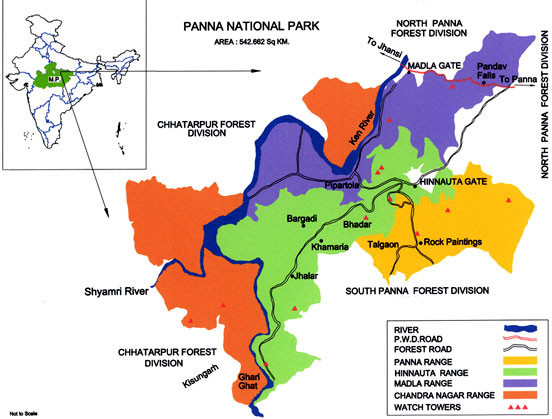
458 records

445 records

430 records

411 records
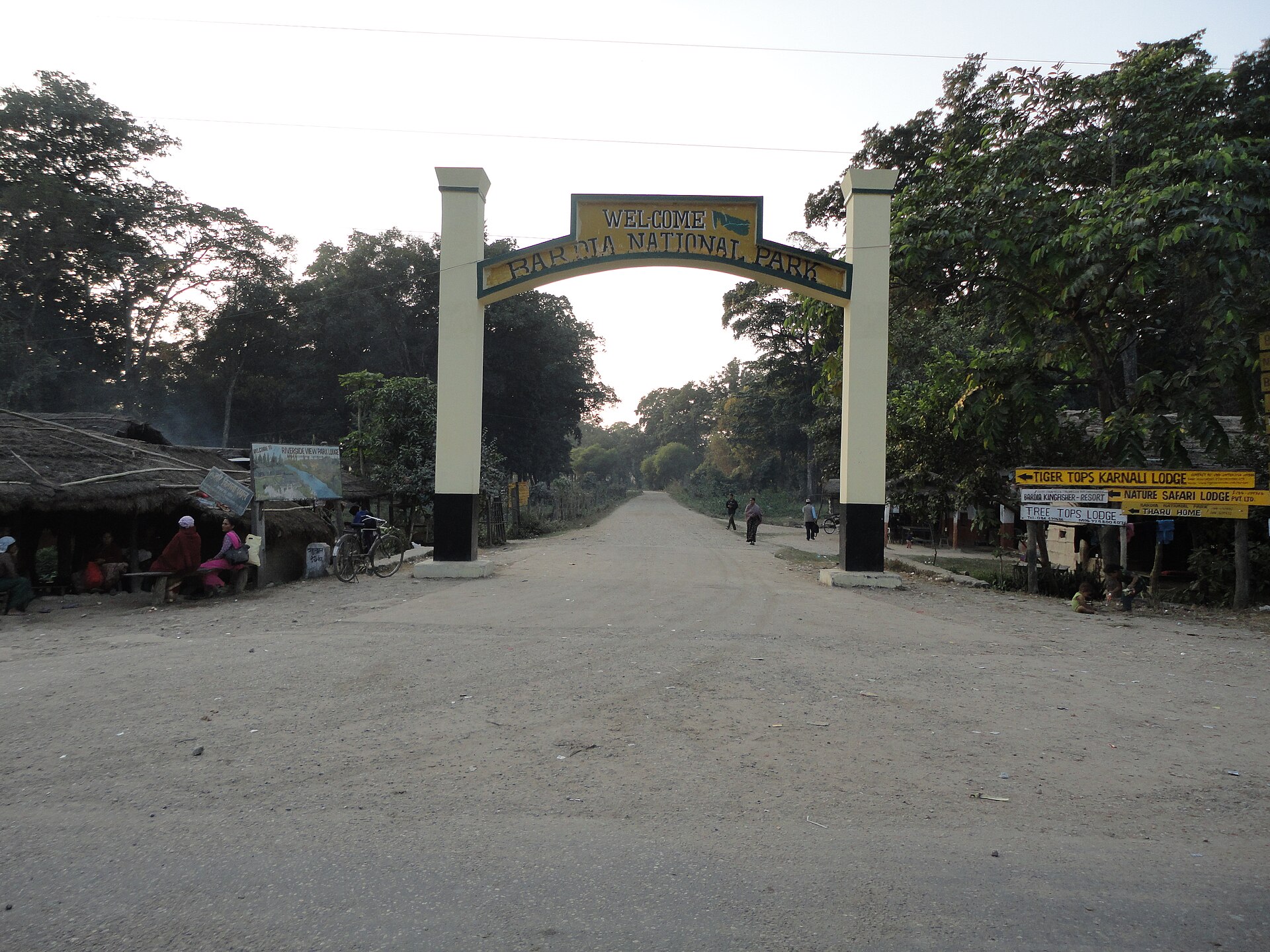
306 records

305 records

292 records

280 records

220 records

199 records
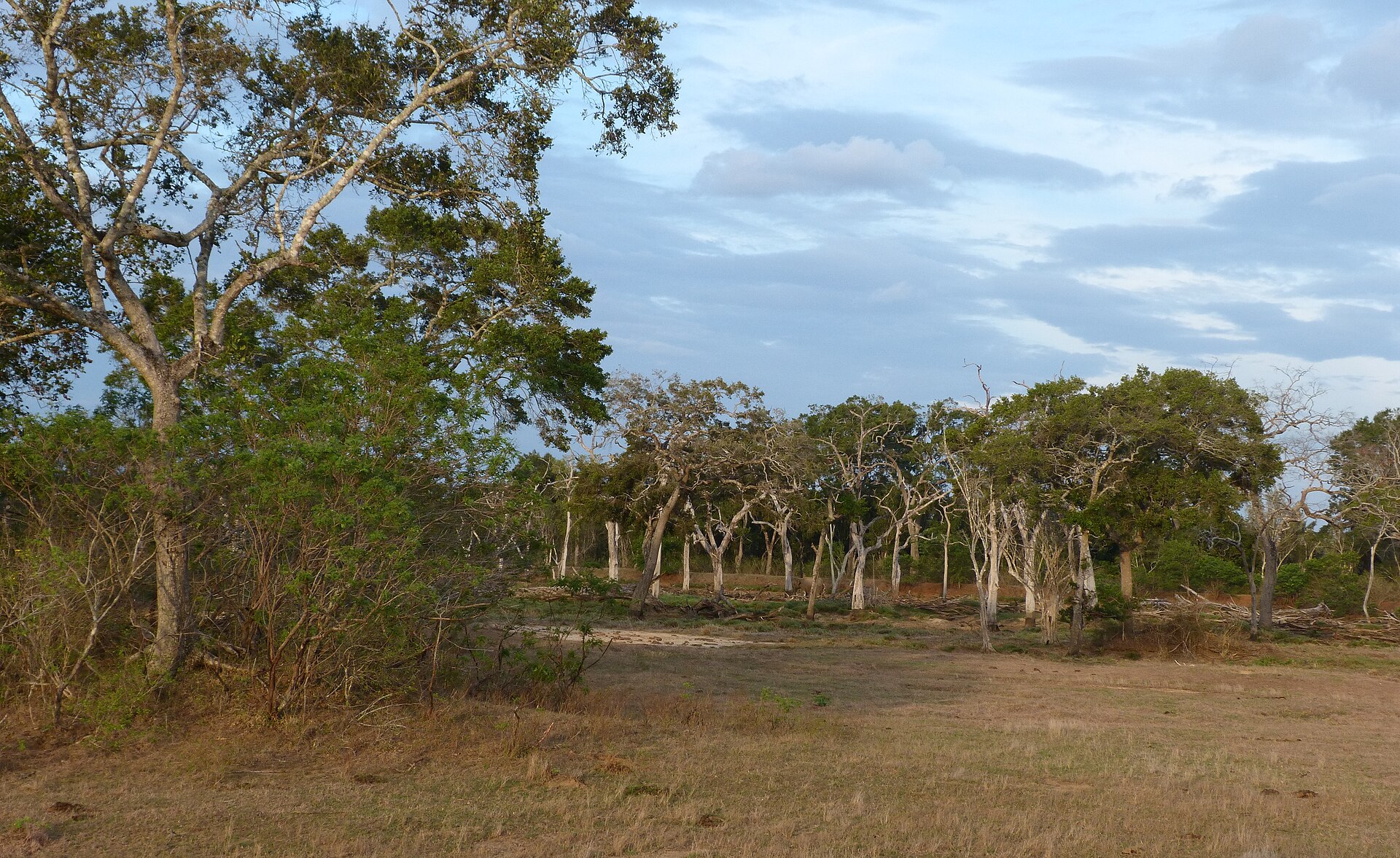
168 records
167 records

165 records

151 records

149 records

131 records

115 records

109 records

105 records
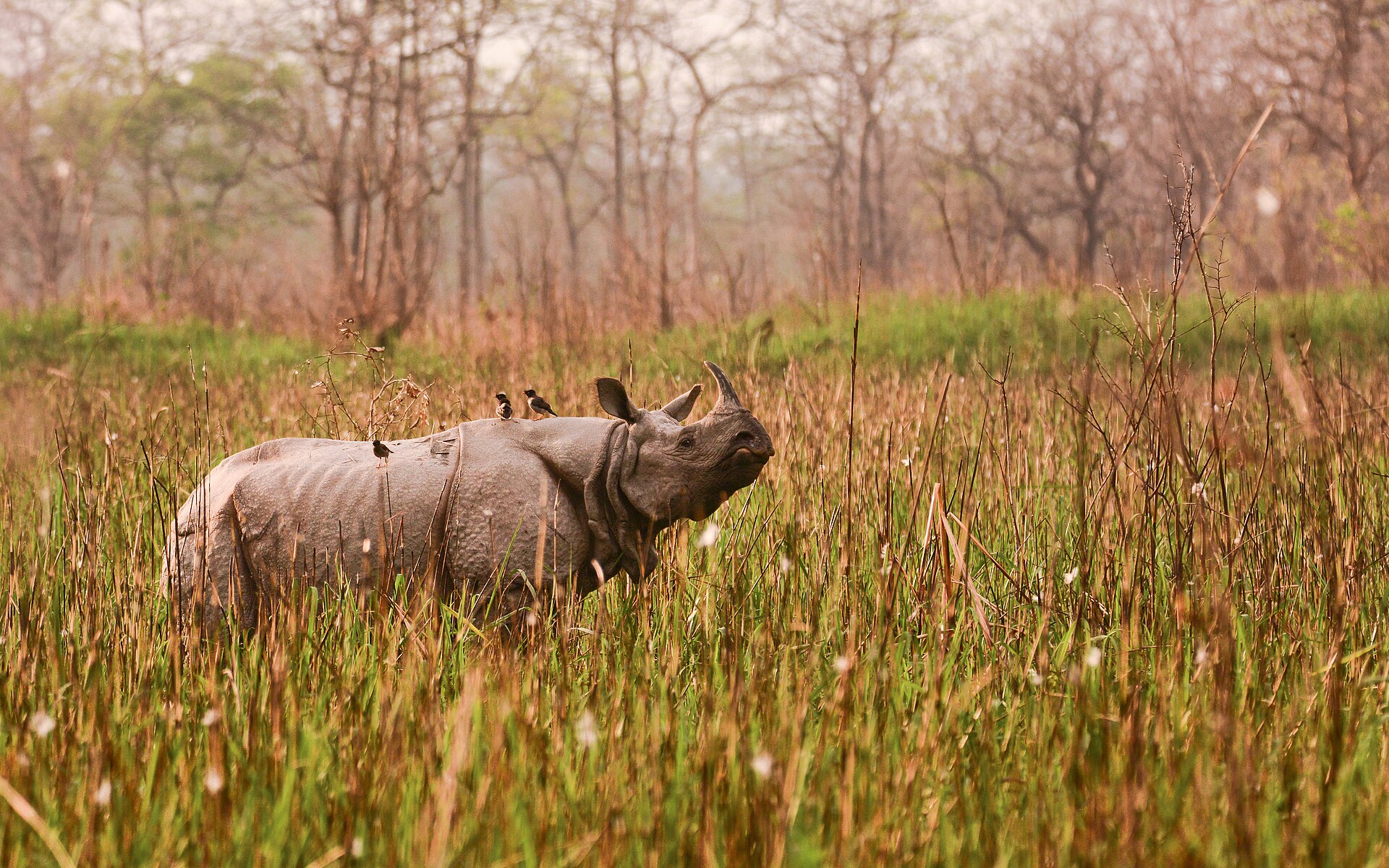
105 records

97 records

86 records

78 records

75 records

69 records

68 records
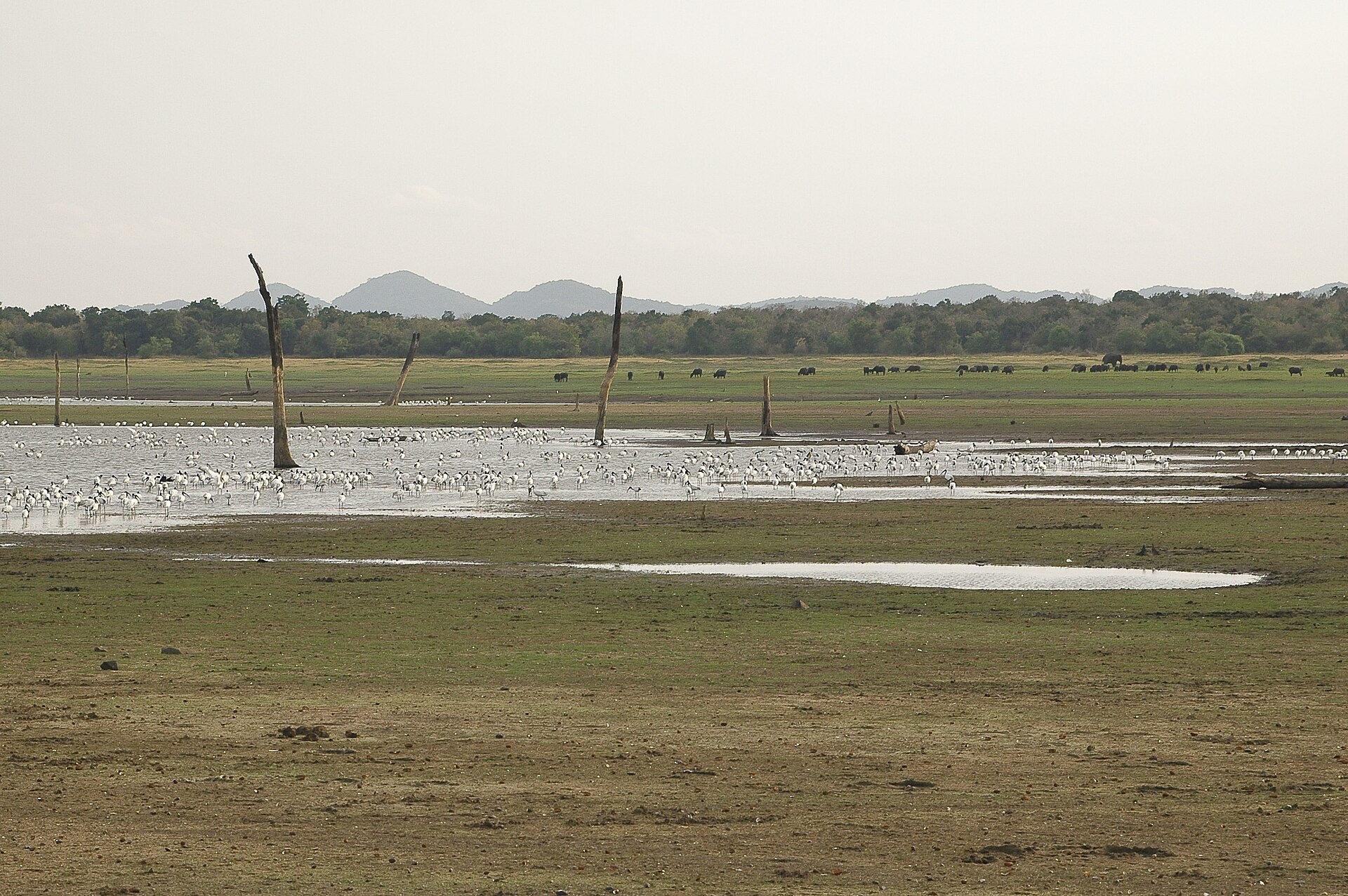
66 records

64 records

63 records
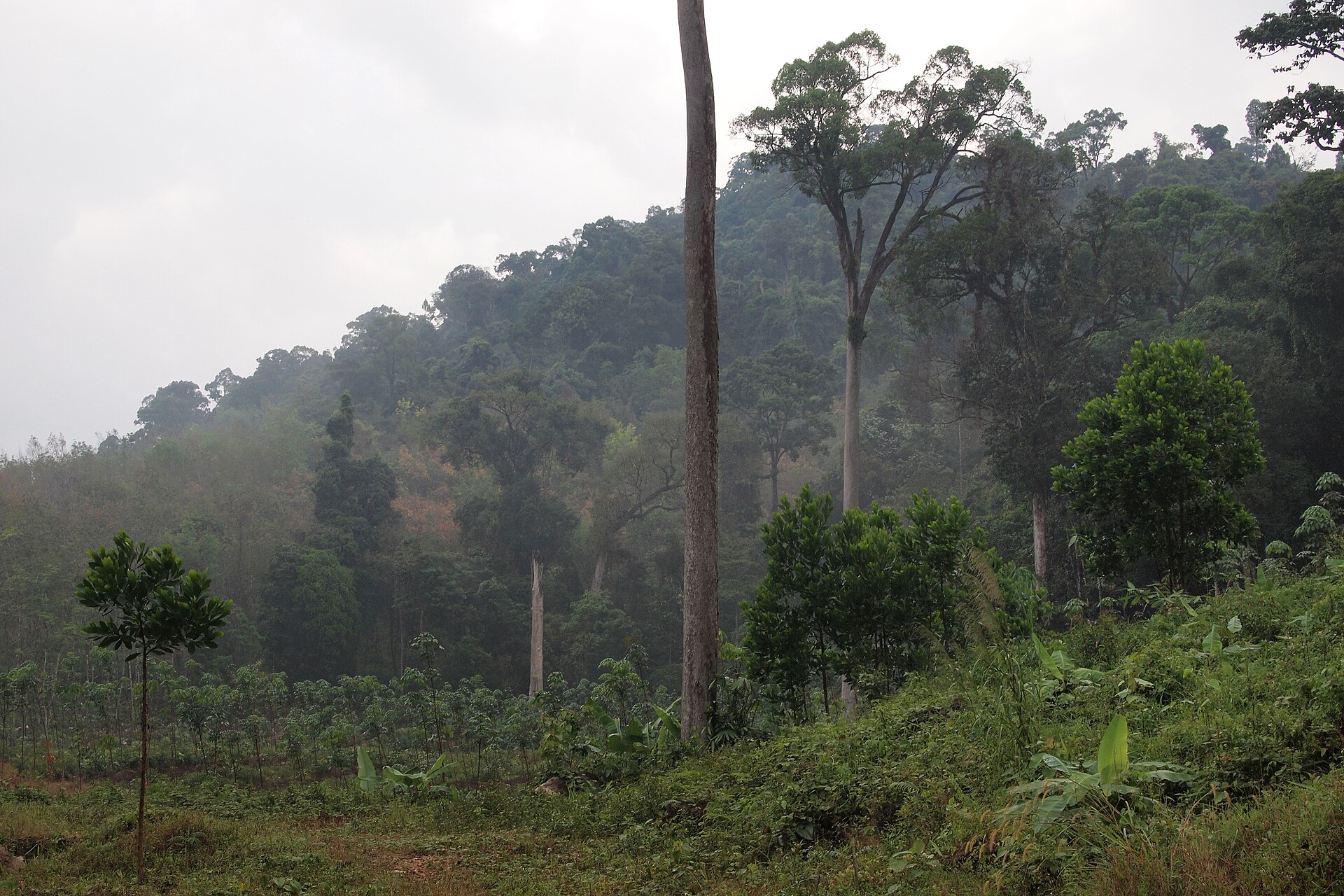
58 records

40 records

39 records

38 records
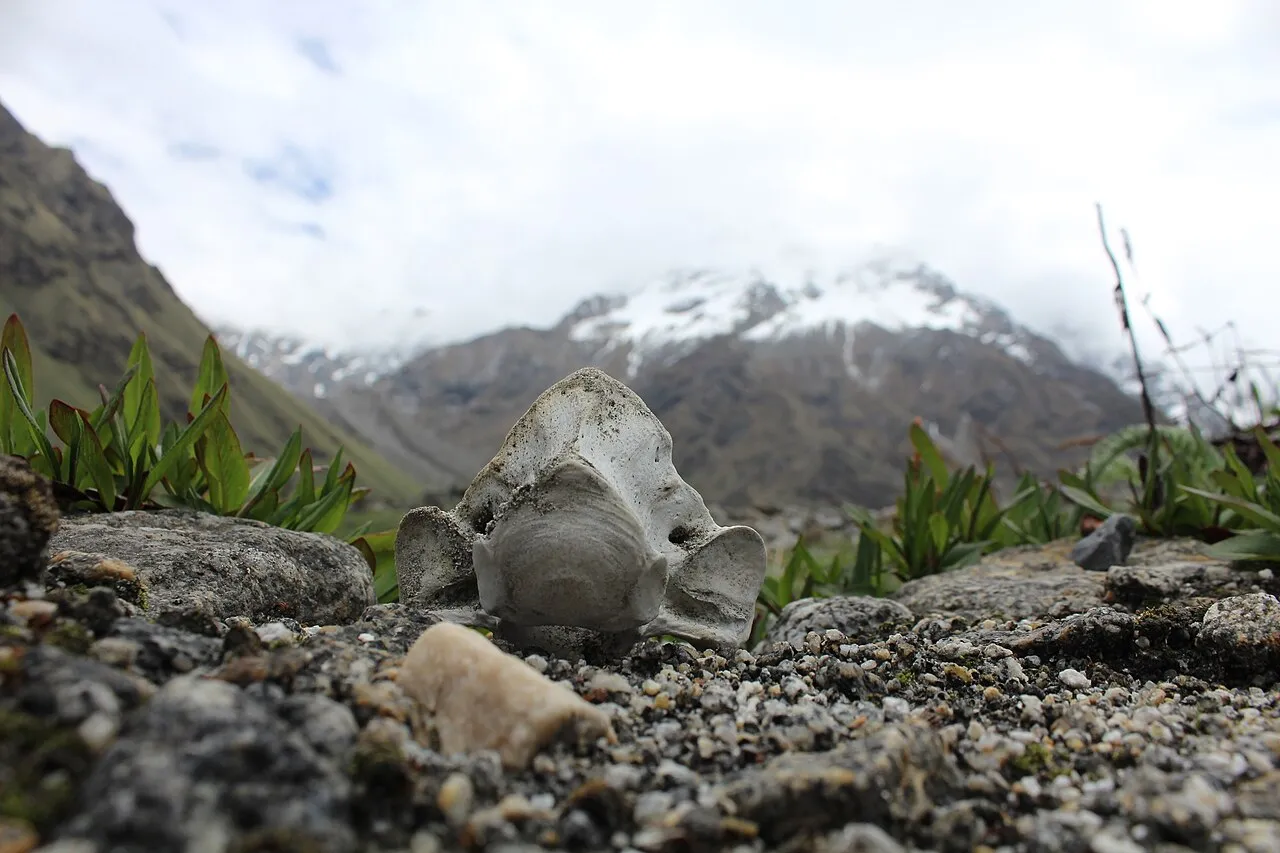
36 records
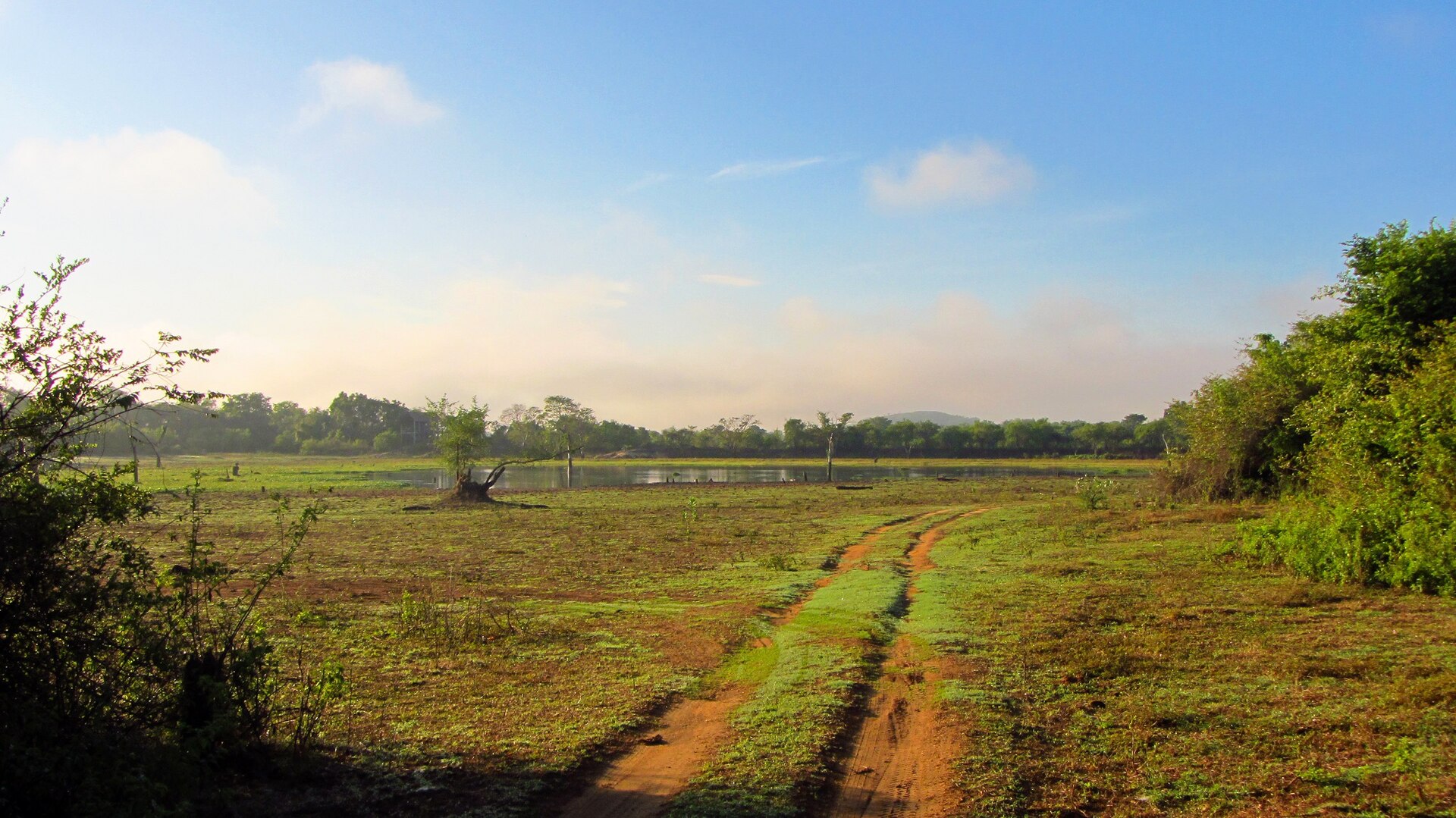
36 records

35 records

34 records

34 records
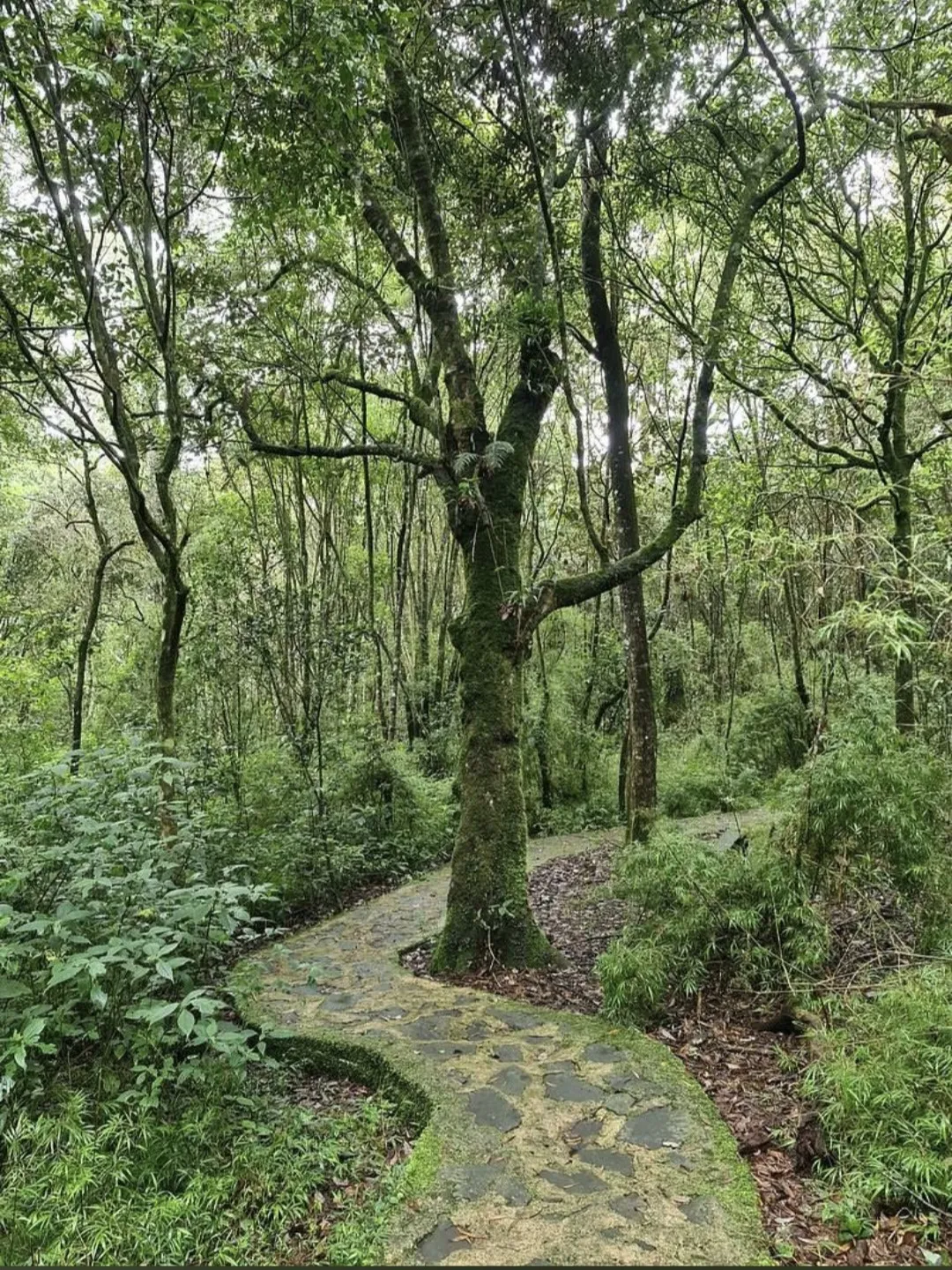
30 records
29 records

28 records

26 records
26 records

26 records

26 records
25 records
24 records

23 records
23 records

21 records

21 records

18 records
17 records
16 records

16 records

16 records
15 records

14 records

12 records
11 records
11 records
10 records

9 records
8 records
8 records

8 records

7 records
7 records

7 records
6 records
5 records
5 records

5 records

5 records

5 records

4 records

4 records
3 records
3 records
2 records
1 records

1 records
1 records
Other species to discover
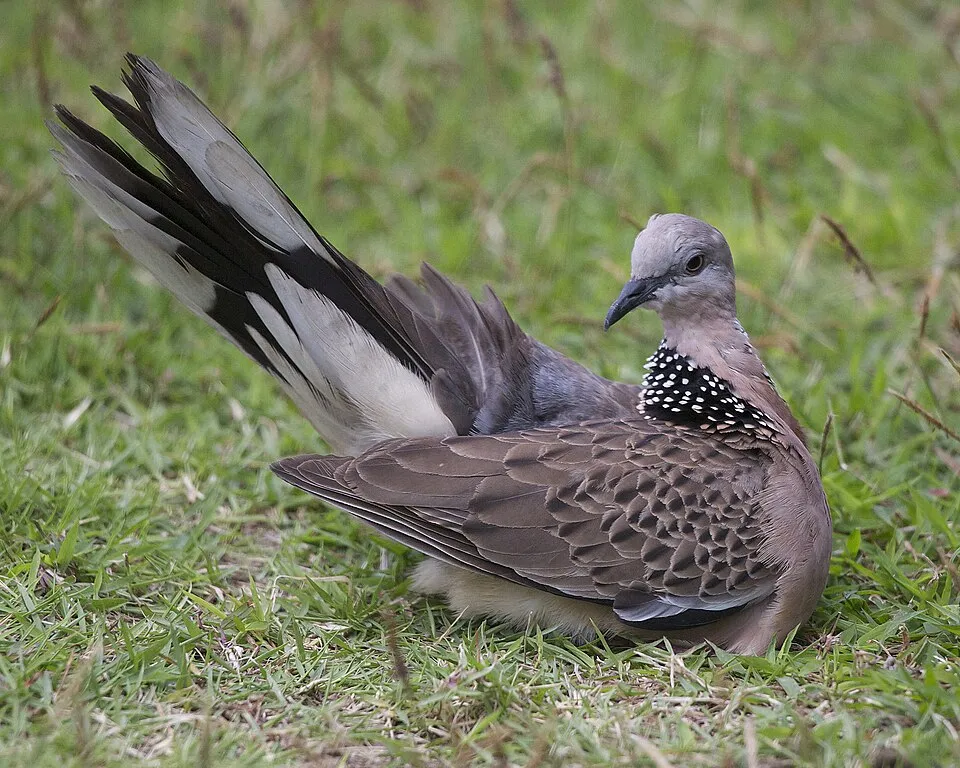 Spotted Dove
Spilopelia chinensis 83 places in common
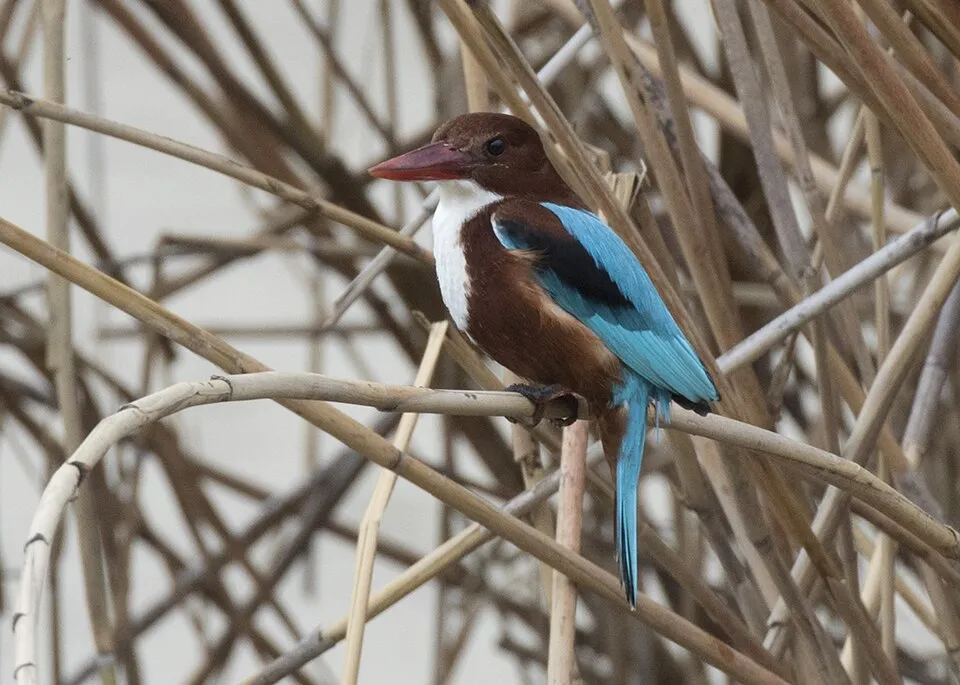 White-throated Kingfisher
Halcyon smyrnensis 55 places in common
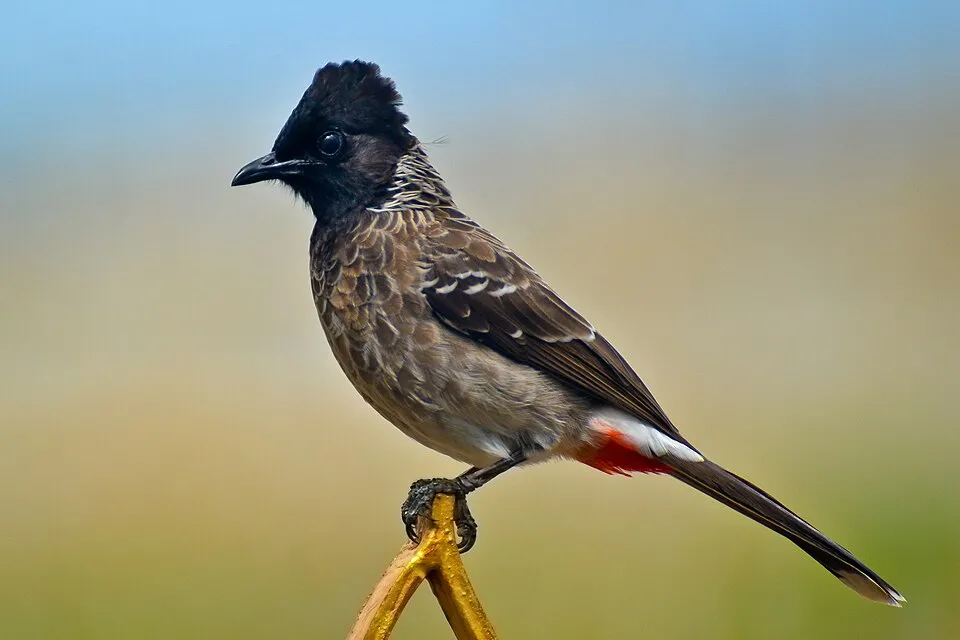 Red-vented Bulbul
Pycnonotus cafer 44 places in common
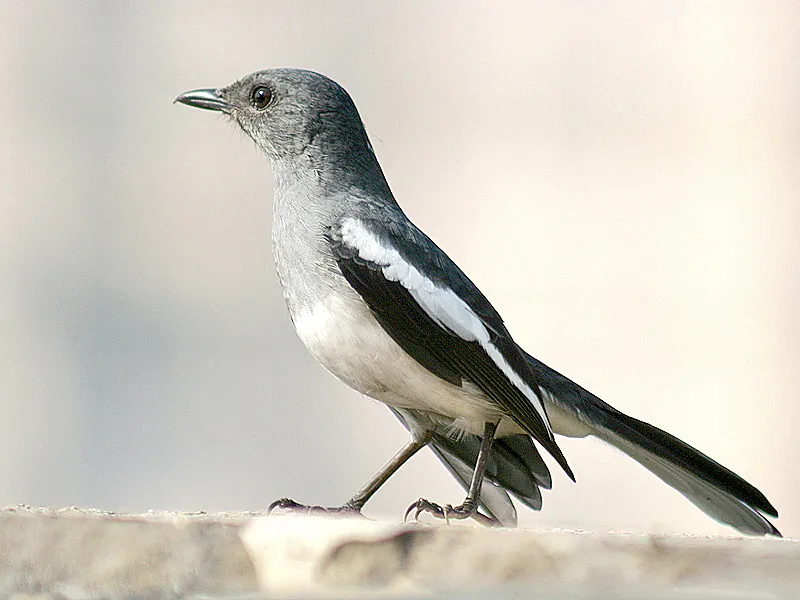 Oriental Magpie-robin
Copsychus saularis 51 places in common
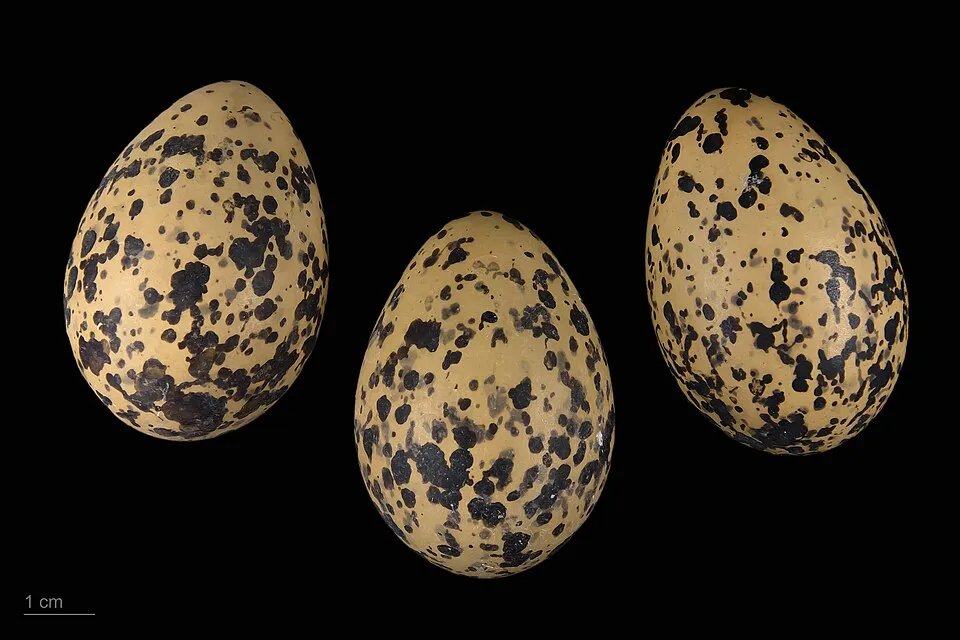 Red-wattled Lapwing
Vanellus indicus 39 places in common
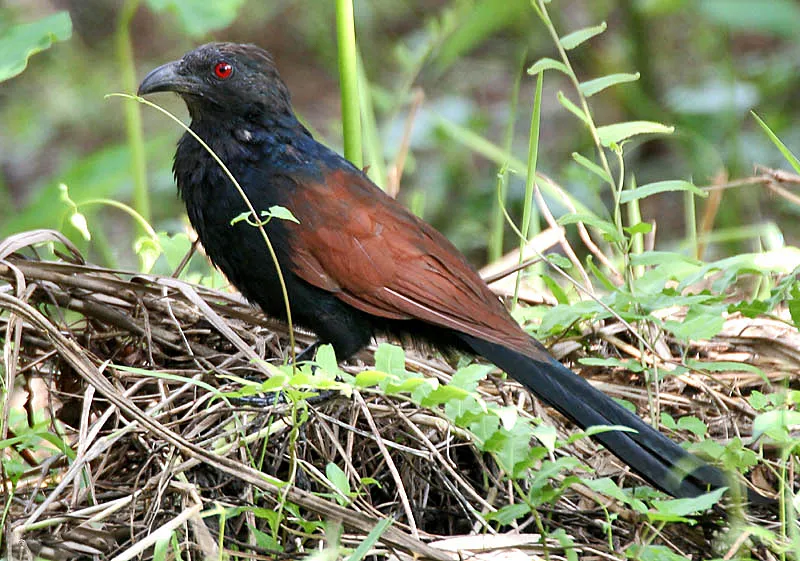 Greater Coucal
Centropus sinensis 46 places in common
Sources and credits
- Presence: most-recorded species of each place on GBIF and species of Community interest in the Natura 2000 forms (EEA, CC-BY 4.0); absence from the list does not mean the species is absent.
- Common names: Wikidata (CC0) and GBIF.
- Photos and sounds: Wikimedia Commons, author and licence given for each file.
- Classification: GBIF Backbone Taxonomy (GBIF Secretariat), CC BY 4.0, doi:10.15468/39omei.
- Countries, elevations, months and maps: GBIF.org, CC0 or CC BY 4.0 occurrences only, accessed October 22, 2026, GBIF.org.
- Excerpt: Wikipedia, CC BY-SA 4.0 (full credit below the excerpt).
- Key facts: Wikidata (CC0), with the references cited under each value.
- Invasive alien species: Union list, Regulation (EU) No 1143/2014 (INBO, CC0); Global Register of Introduced and Invasive Species (ISSG, CC BY 4.0).