
Insect
Grayling: where to see it
Hipparchia semele
This insect species is recorded in 4 protected areas of the atlas. Within the atlas countries, it is mostly observed in the United Kingdom, France and Sweden (12 countries in all). Most records (8 in 10) lie between 250 and 1,700 m above sea level. Records peak from July to August.
Best time to see it: July–August
Records published on GBIF by month (CC0 and CC BY 4.0 licences only), in the atlas countries, all years combined; they also reflect observer activity.
Distribution
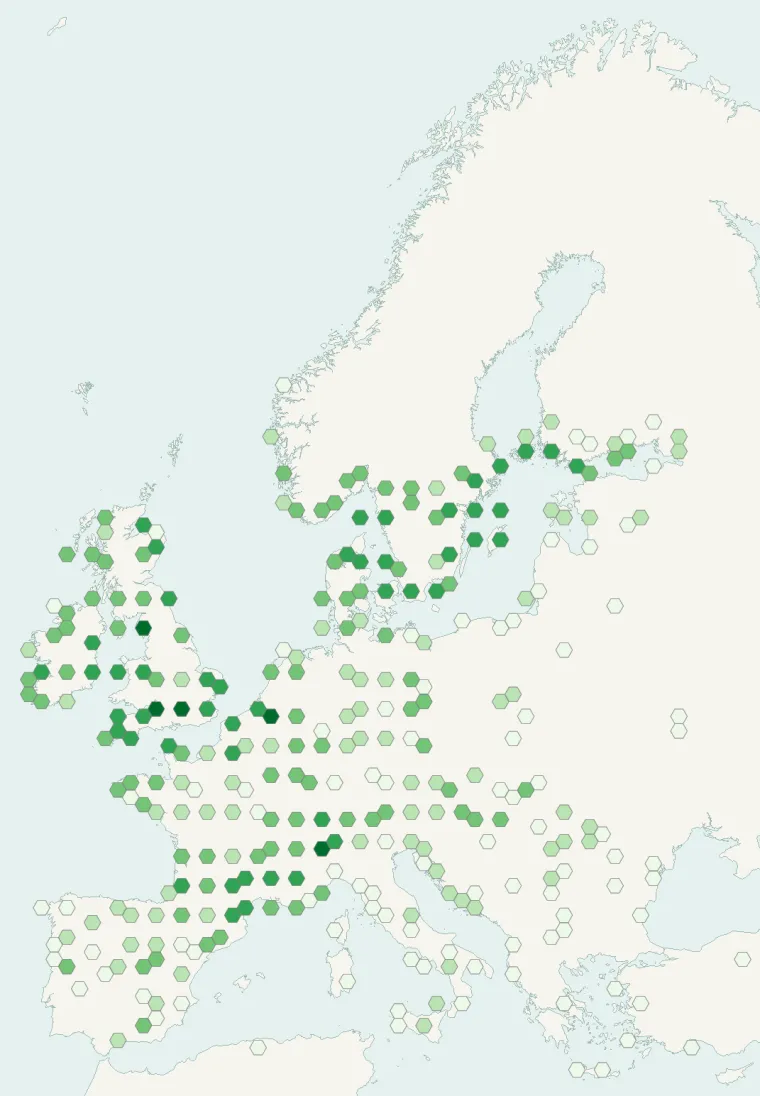
Records published on GBIF (CC0 and CC BY 4.0 licences): the darker the shade, the more records there are; they also reflect observation effort.
Atlas countries where it is recorded
From Wikipedia
The grayling or rock grayling (Hipparchia semele) is a species in the brush-footed butterfly family Nymphalidae. Although found all over Europe, the grayling mostly inhabits coastal areas, with inland populations declining significantly in recent years. The grayling lives in dry and warm habitats with easy access to the sun, which helps them with body temperature regulation. A grayling goes through four stages in its life cycle. The eggs hatch around August, and larvae grow in four instars from August to the following June.
Source: Wikipedia, article “Grayling (butterfly)” (version of March 25, 2026) · history and authors · licence CC BY-SA 4.0 · shortened excerpt
Protected areas where it is recorded
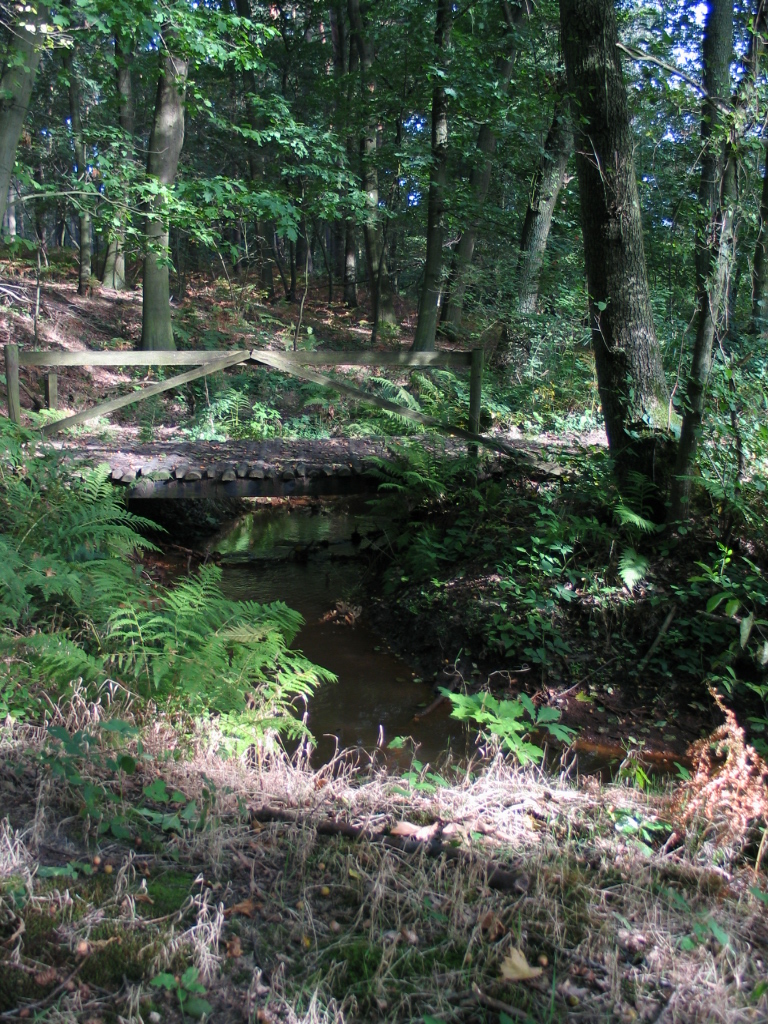
1,000 records
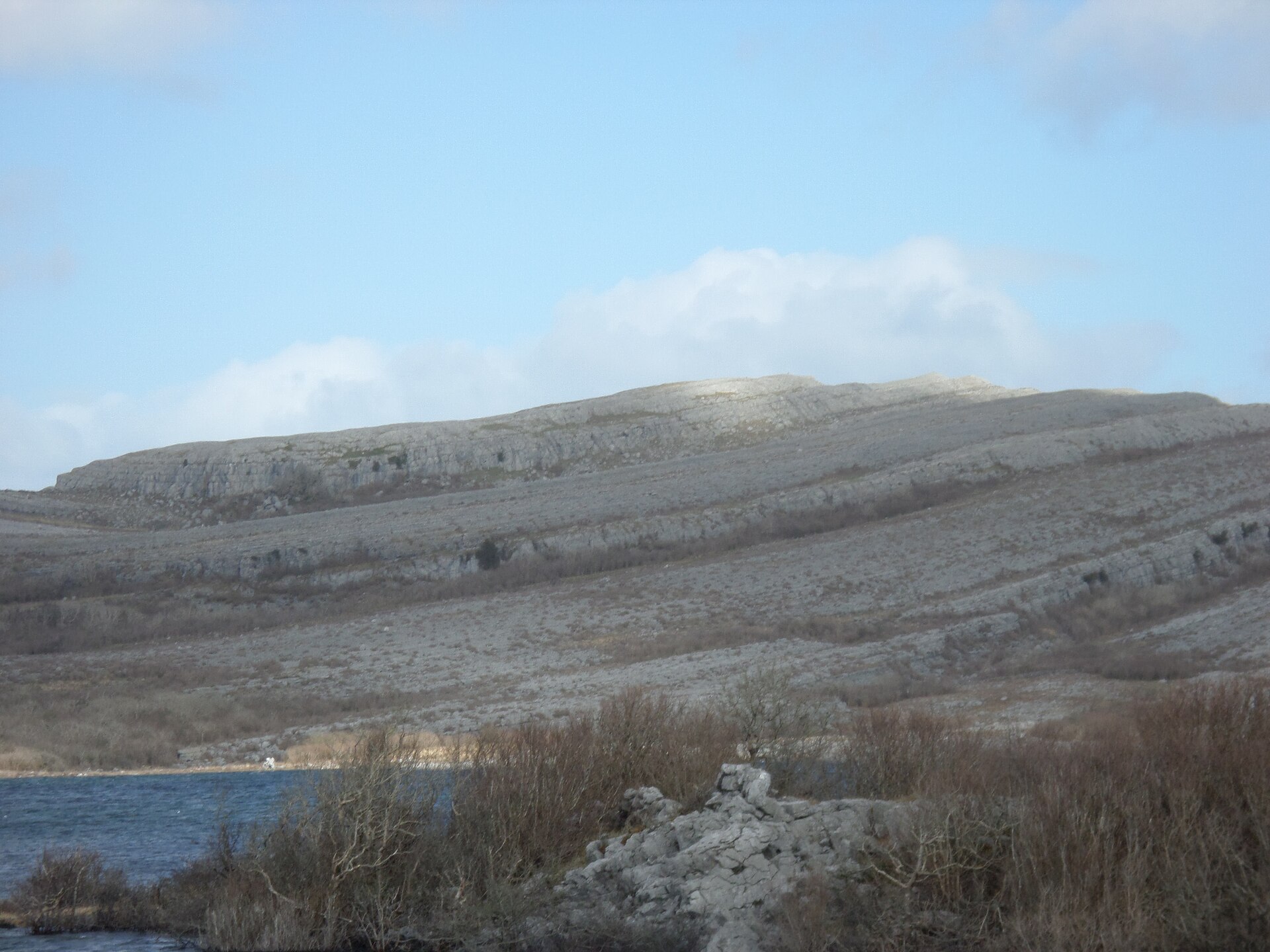
310 records

210 records
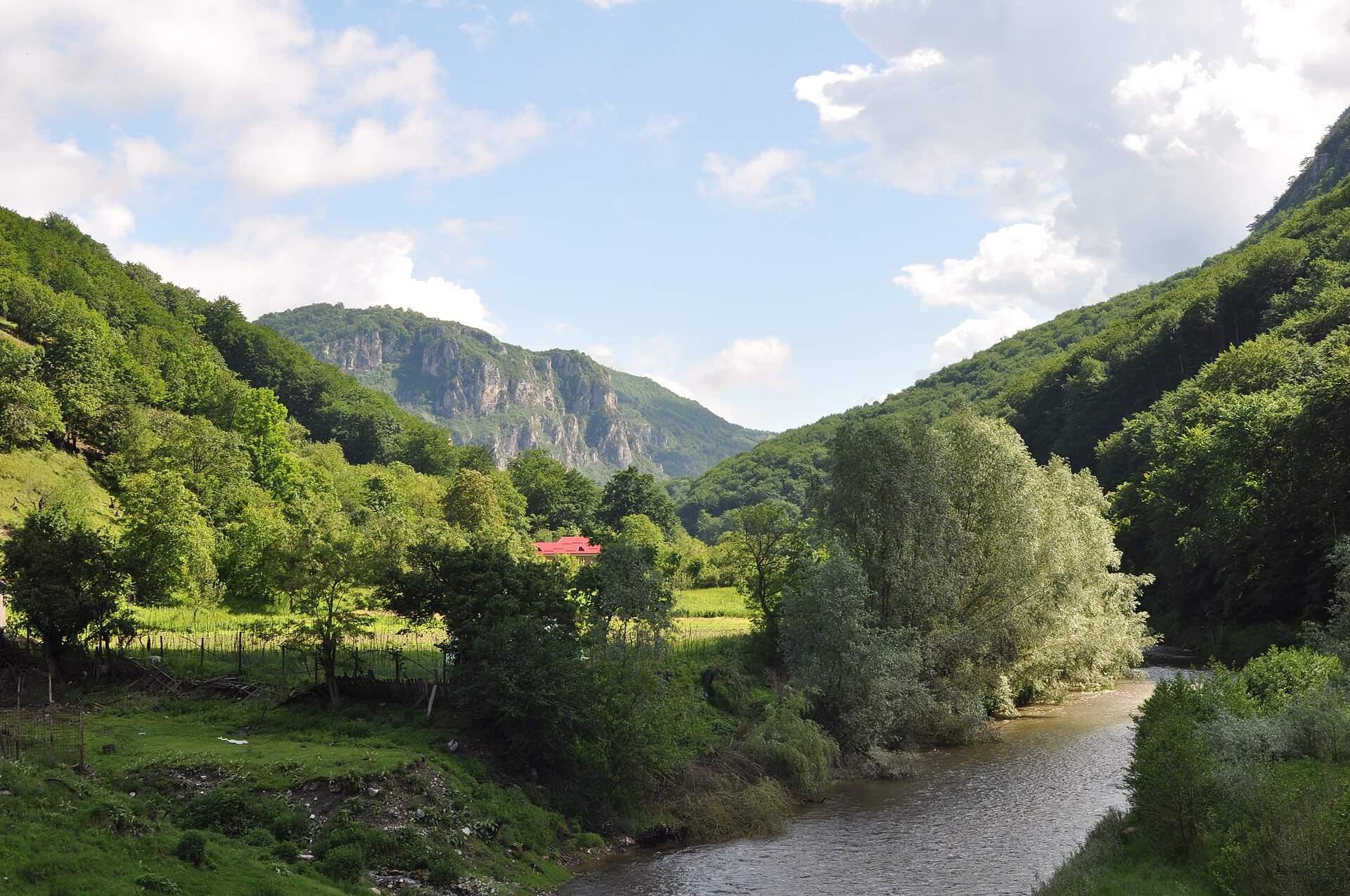
25 records
Other species to discover
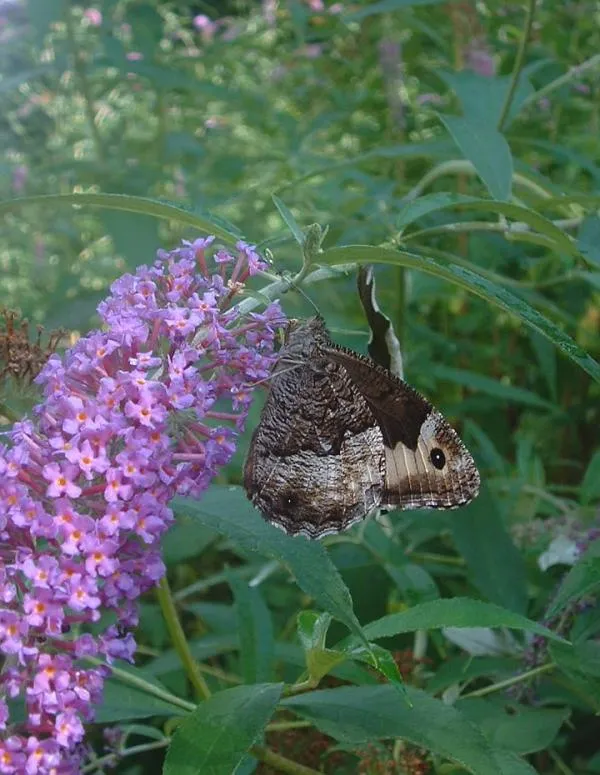 Woodland grayling
Hipparchia fagi Same genus
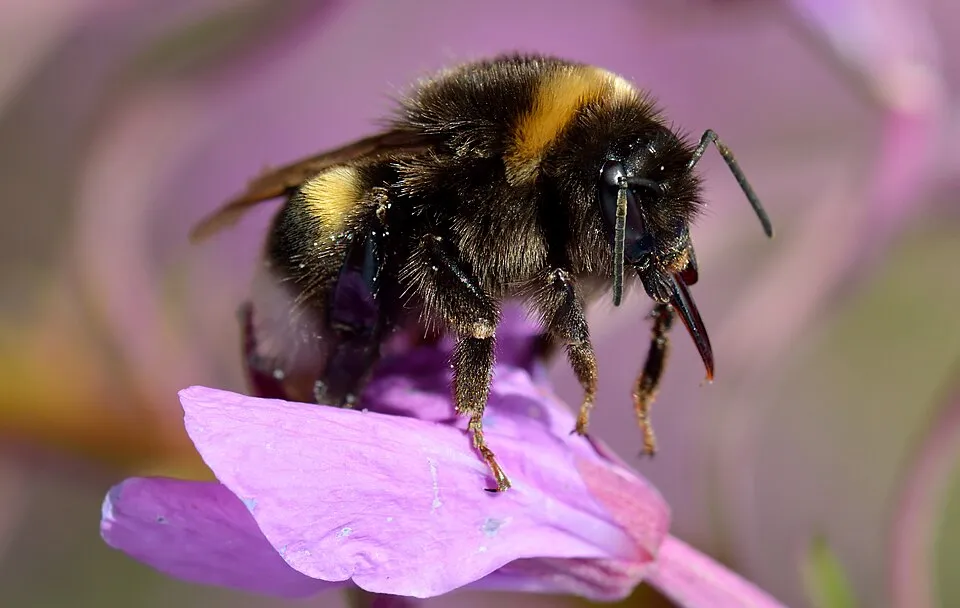 White-tailed bumblebee
Bombus lucorum 2 places in common
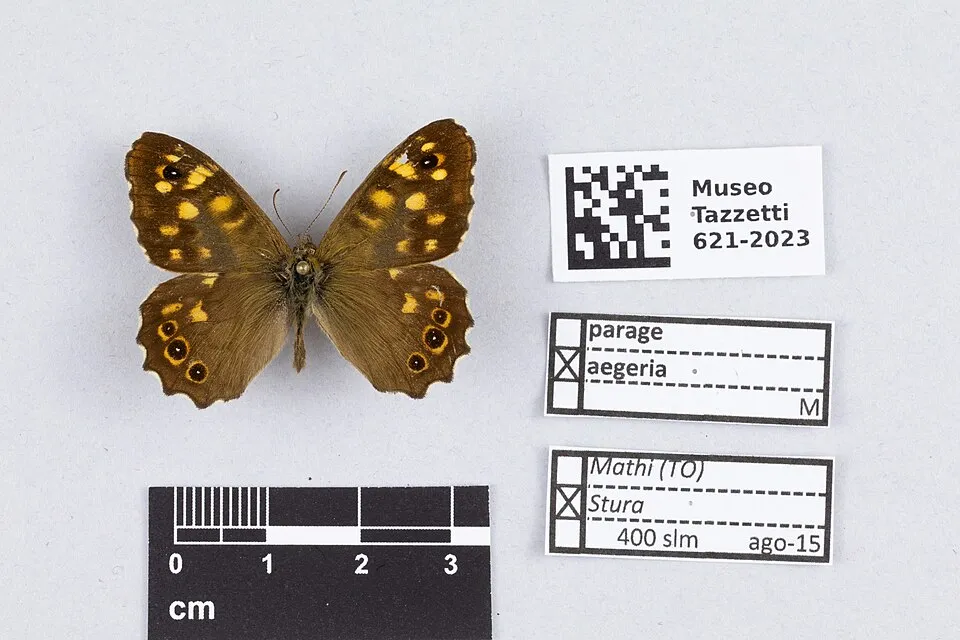 Speckled Wood
Pararge aegeria 2 places in common
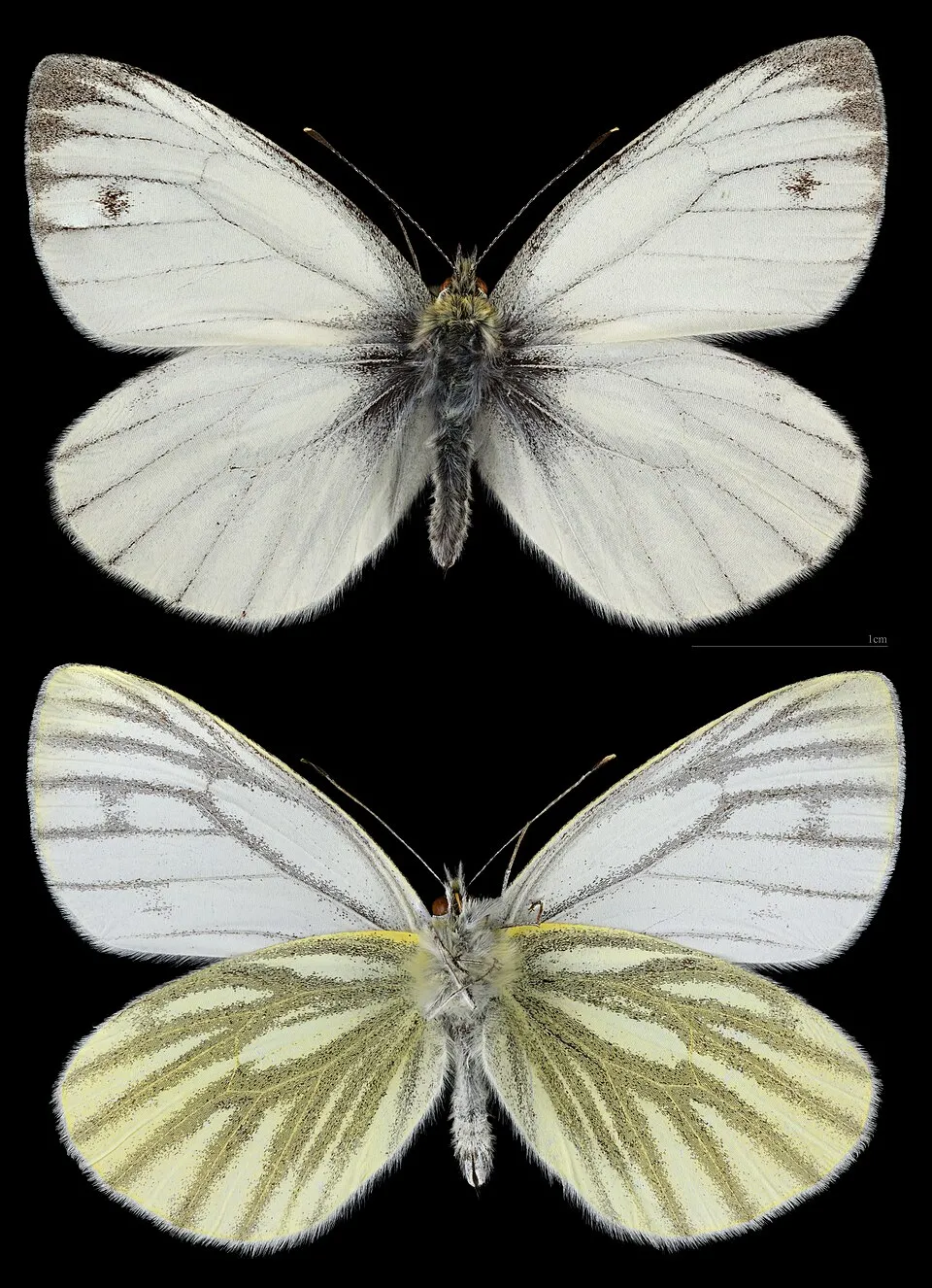 Green-veined white
Pieris napi 2 places in common
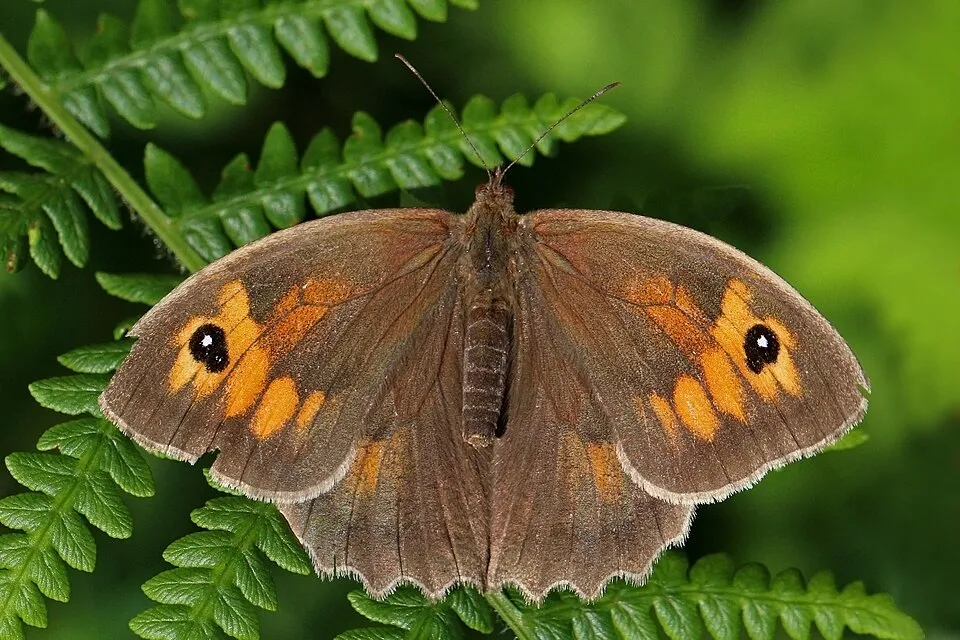 Meadow brown
Maniola jurtina 2 places in common
 European Stonechat
Saxicola rubicola 3 places in common
Sources and credits
- Presence: most-recorded species of each place on GBIF and species of Community interest in the Natura 2000 forms (EEA, CC-BY 4.0); absence from the list does not mean the species is absent.
- Common names: Wikidata (CC0) and GBIF.
- Photos and sounds: Wikimedia Commons, author and licence given for each file.
- Classification: GBIF Backbone Taxonomy (GBIF Secretariat), CC BY 4.0, doi:10.15468/39omei.
- Countries, elevations, months and maps: GBIF.org, CC0 or CC BY 4.0 occurrences only, accessed October 22, 2026, GBIF.org.
- Base map: Natural Earth (public domain).
- Excerpt: Wikipedia, CC BY-SA 4.0 (full credit below the excerpt).