
Bird
European Stonechat: where to see it
Saxicola rubicola
This bird species is recorded in 68 protected areas of the atlas. Within the atlas countries, it is mostly observed in Spain, France and the United Kingdom (14 countries in all). Most records (8 in 10) lie between sea level and 850 m. Records peak from March to June.
Best time to see it: March–June
Records published on GBIF by month (CC0 and CC BY 4.0 licences only), in the atlas countries, all years combined; they also reflect observer activity.
Key facts
- Clutch size
- 5 eggs Wikidata, after British Trust for Ornithology
- Incubation
- 15 days Wikidata, after British Trust for Ornithology
Distribution
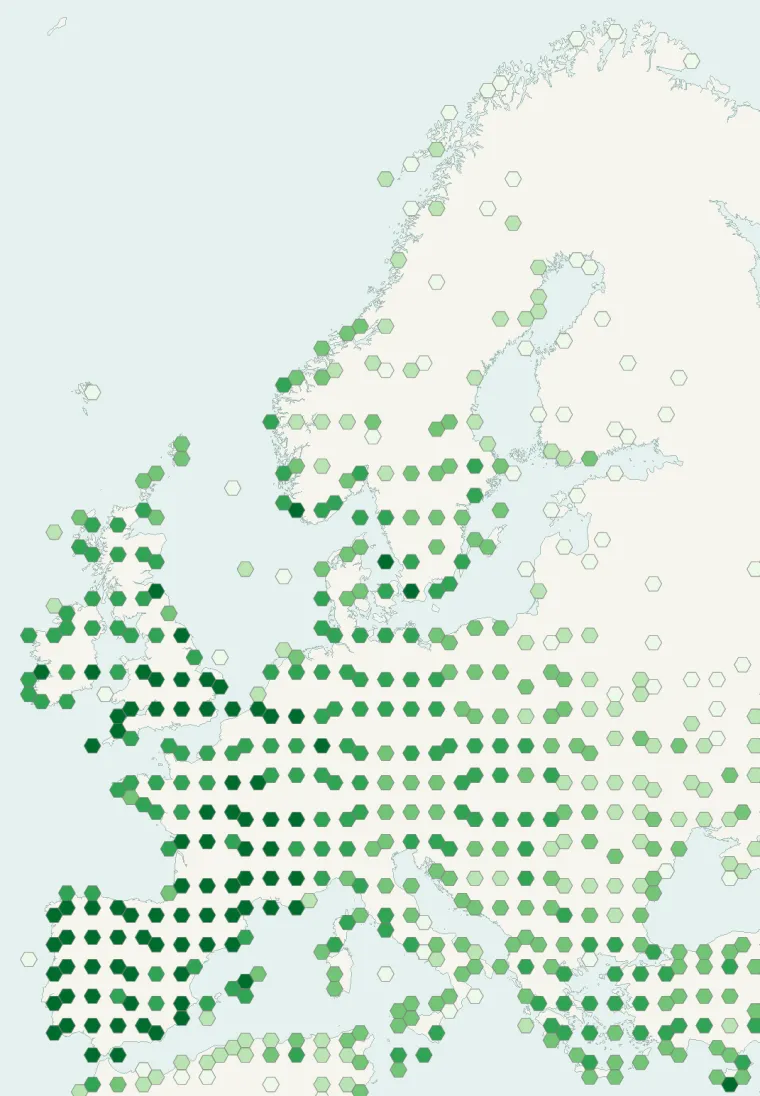
Records published on GBIF (CC0 and CC BY 4.0 licences): the darker the shade, the more records there are; they also reflect observation effort.
Listen
-
0:58 · © Joost van Bruggen · CC BY-SA 4.0 · Wikimedia Commons · Original file
-
0:42 · © Alexander Kurthy · CC BY-SA 4.0 · Wikimedia Commons · Original file
-
0:07 · © Marie-Lan Taÿ Pamart · CC BY-SA 4.0 · Wikimedia Commons · Original file
From Wikipedia
The European stonechat (Saxicola rubicola) is a small passerine bird that was formerly classed as a subspecies of the common stonechat. Long considered a member of the thrush family, Turdidae, genetic evidence has placed it and its relatives in the Old World flycatcher family, Muscicapidae. It is found across Europe, as far east as Ukraine and the South Caucasus, and in parts of North Africa.
Source: Wikipedia, article “European stonechat” (version of August 2, 2026) · history and authors · licence CC BY-SA 4.0
Protected areas where it is recorded

15,679 records

6,834 records
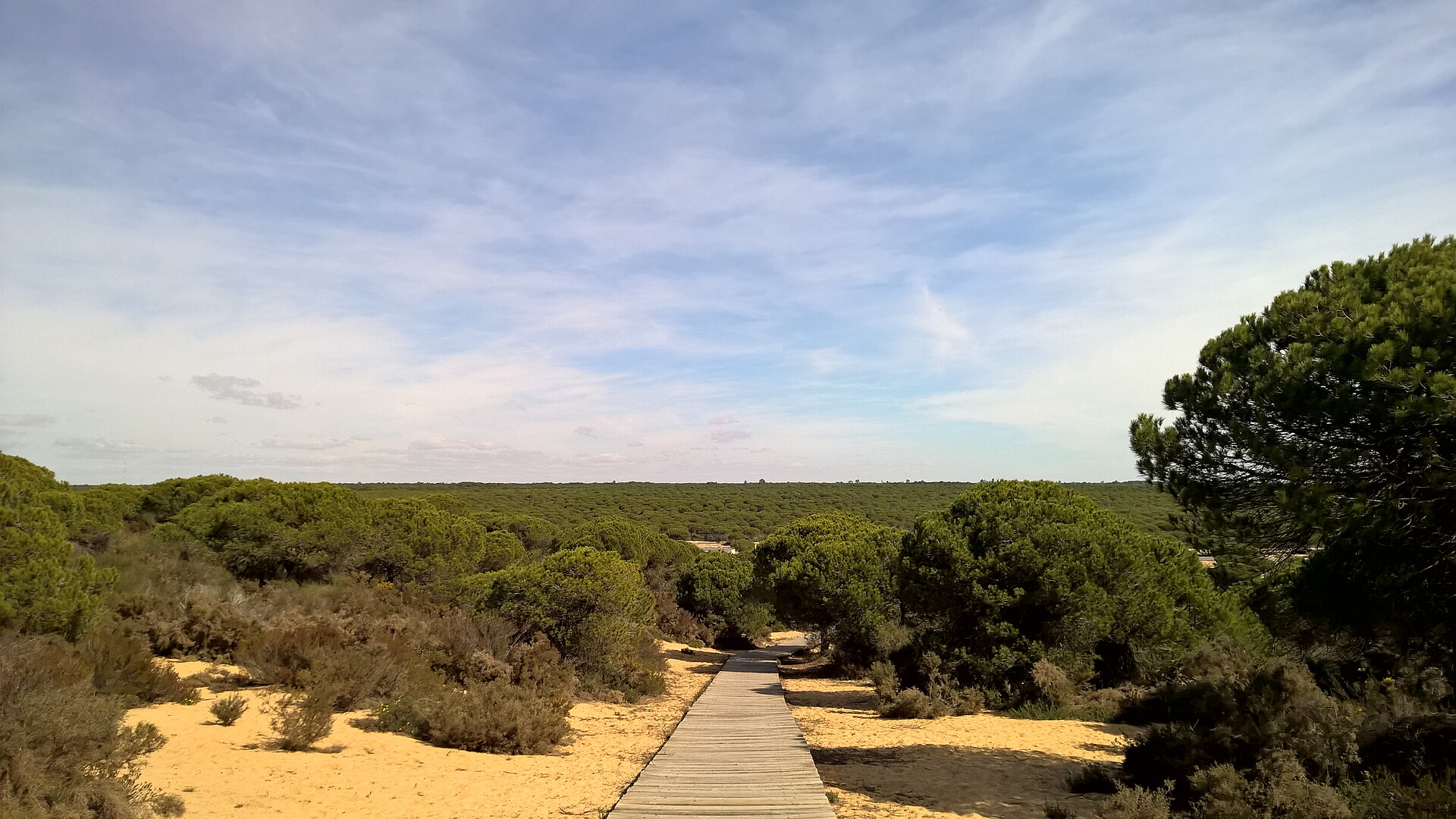
3,637 records

3,570 records
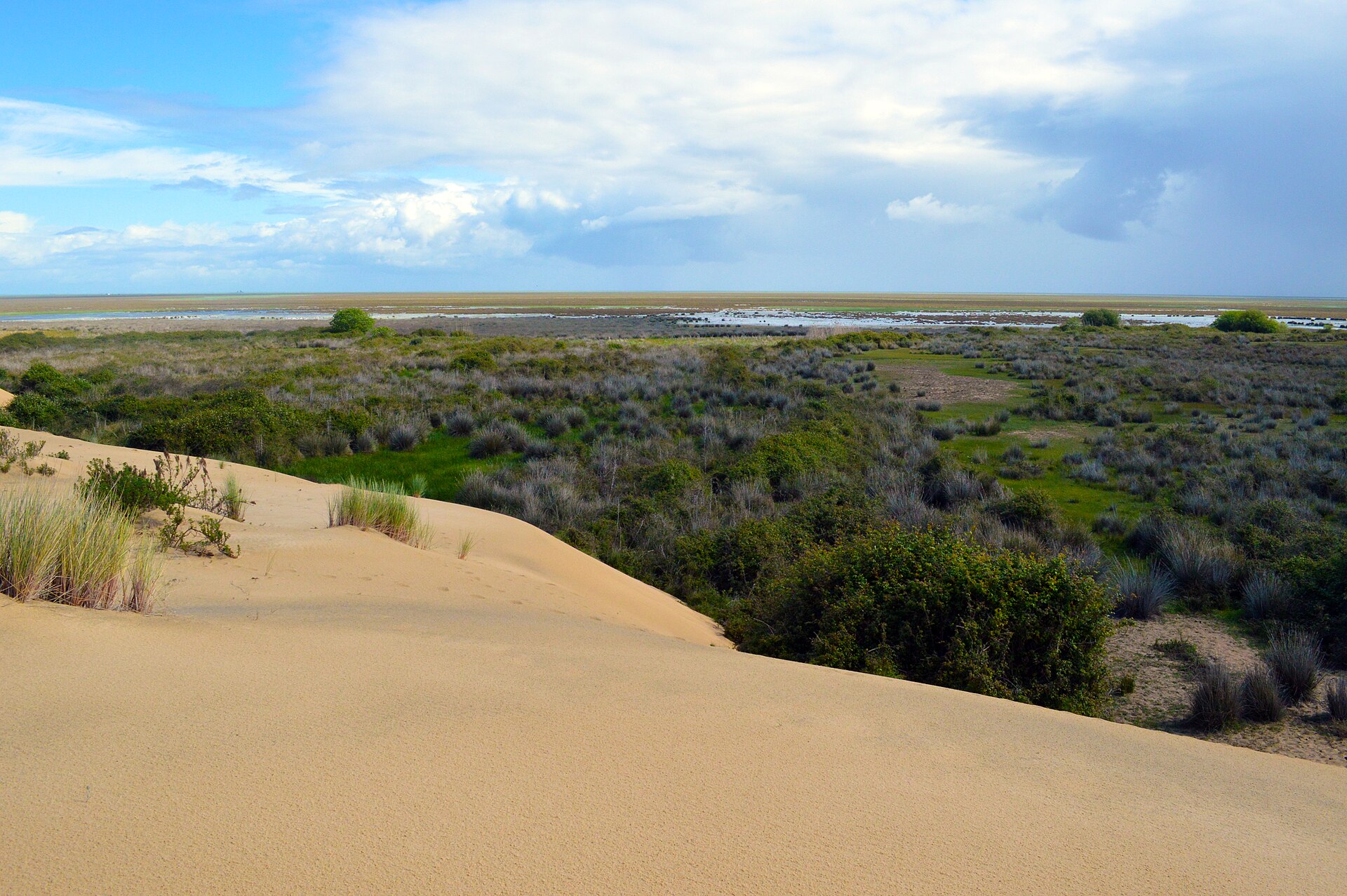
3,300 records
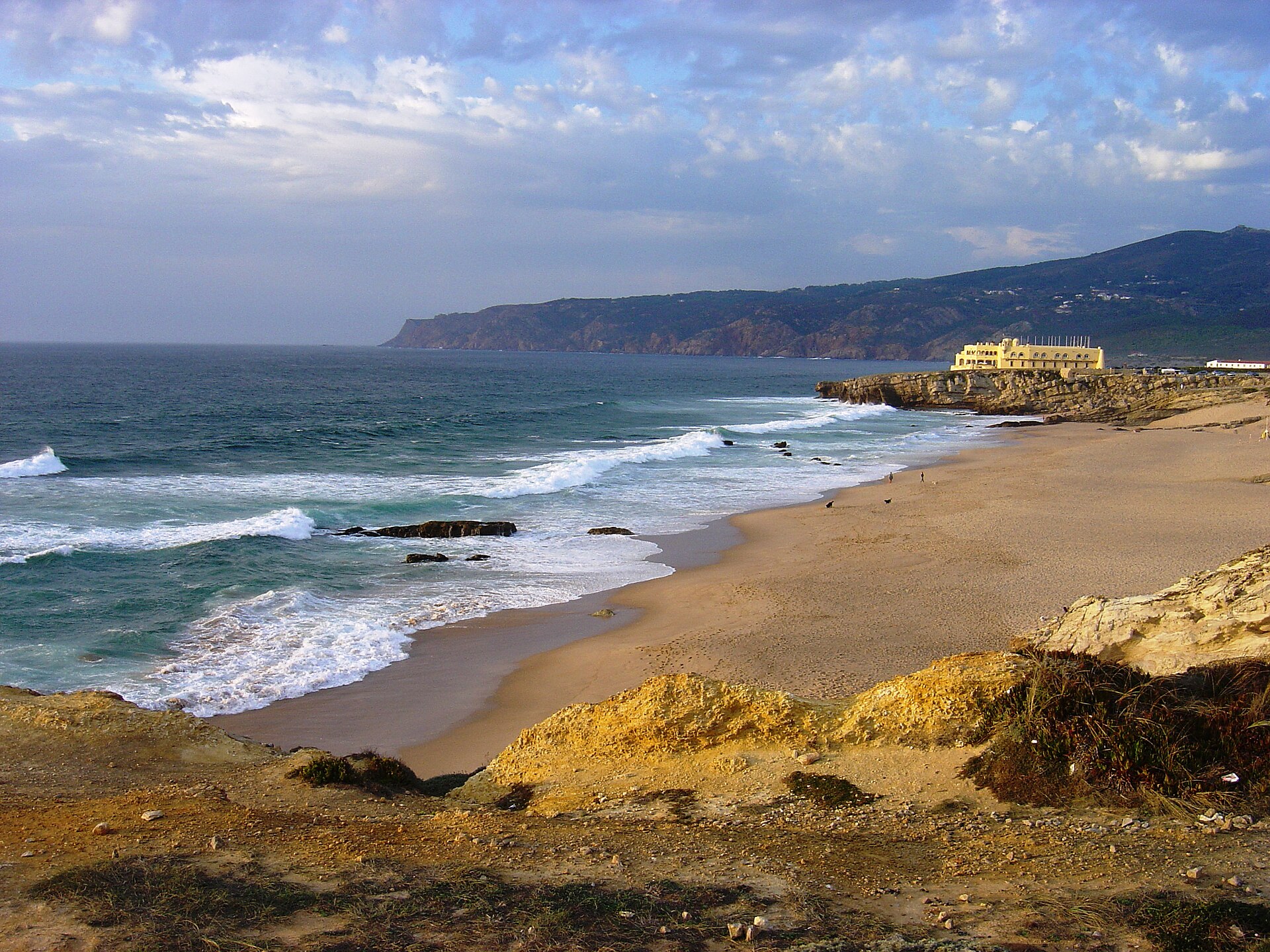
2,798 records
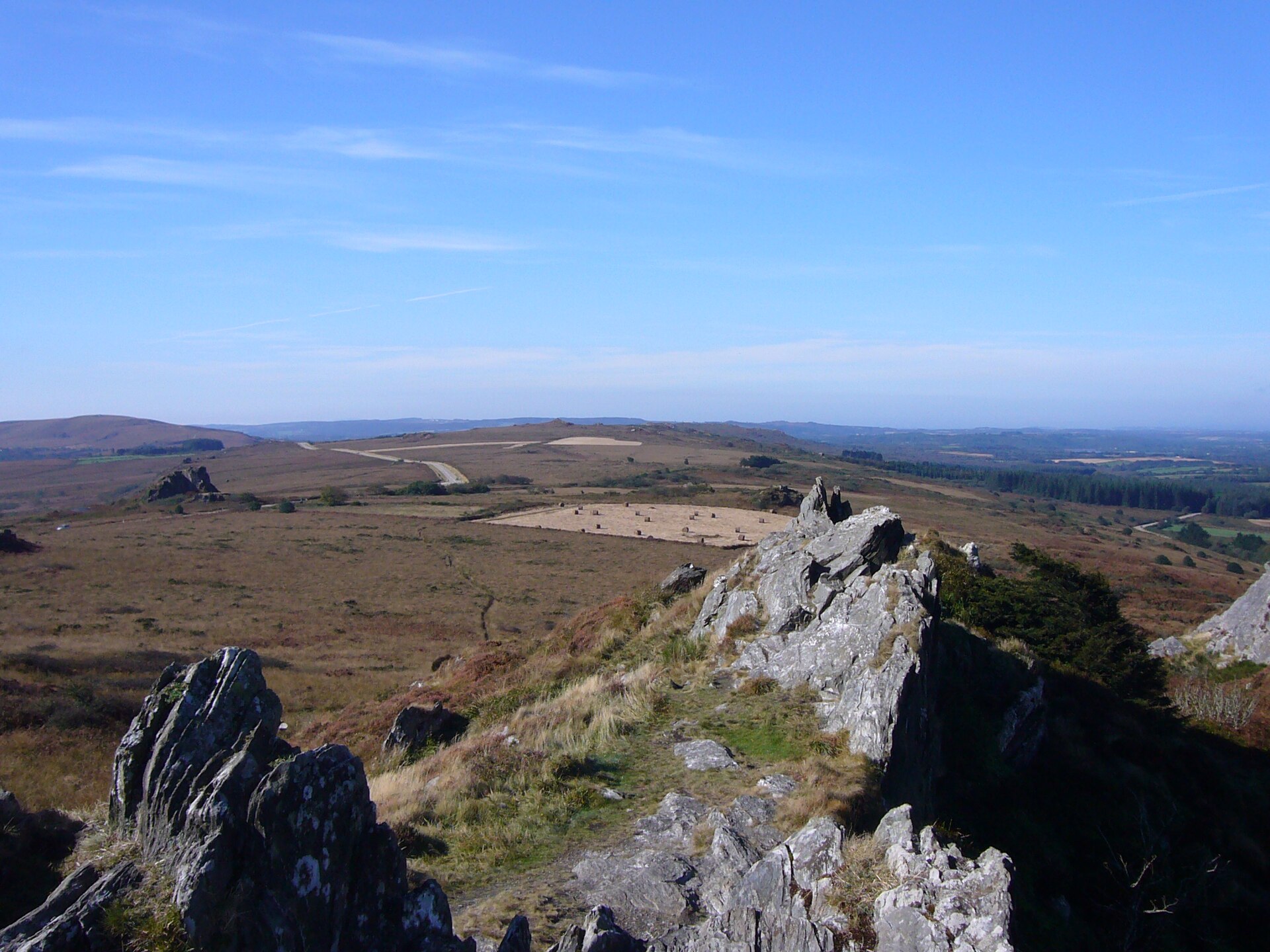
2,174 records

2,077 records
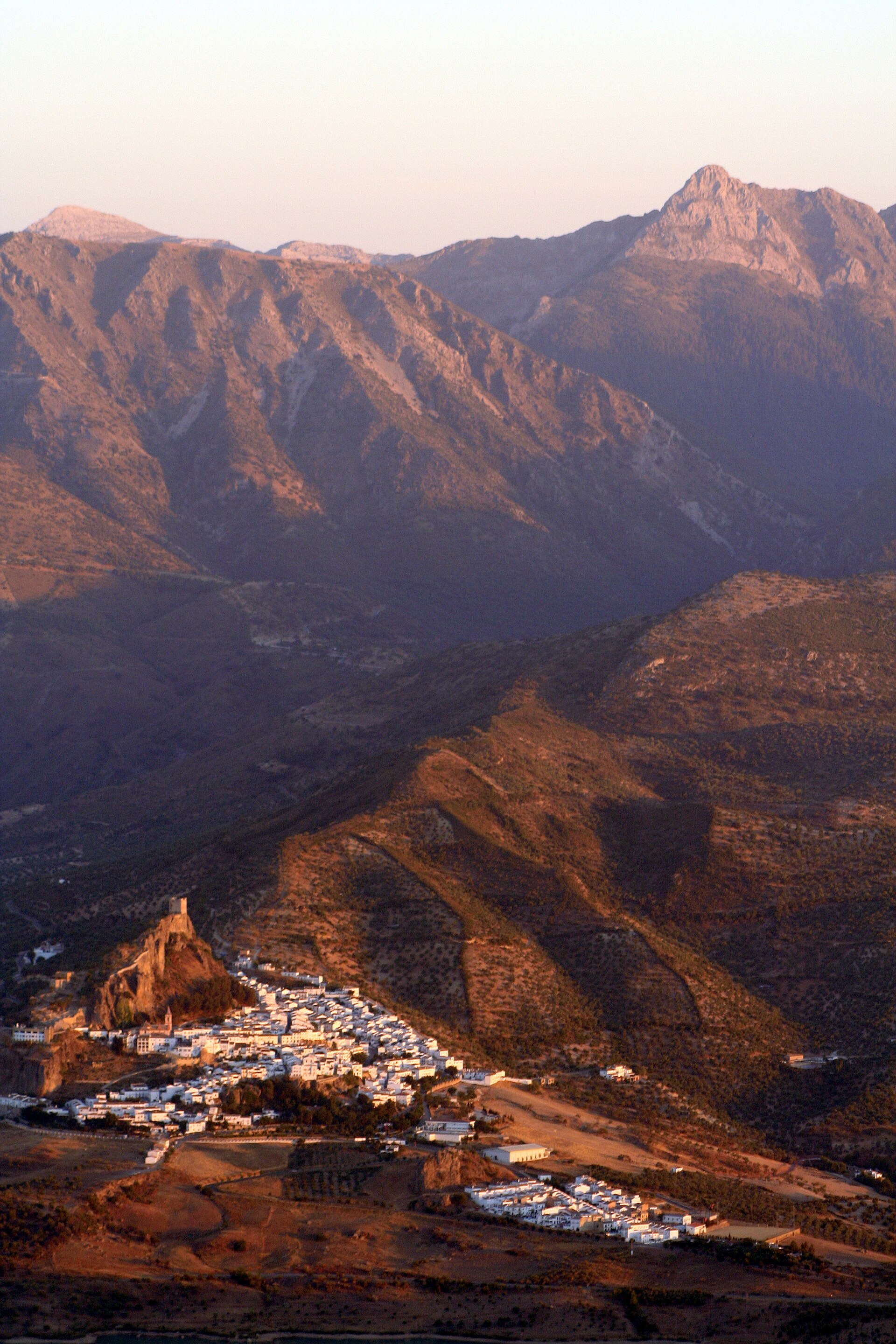
2,063 records

2,031 records
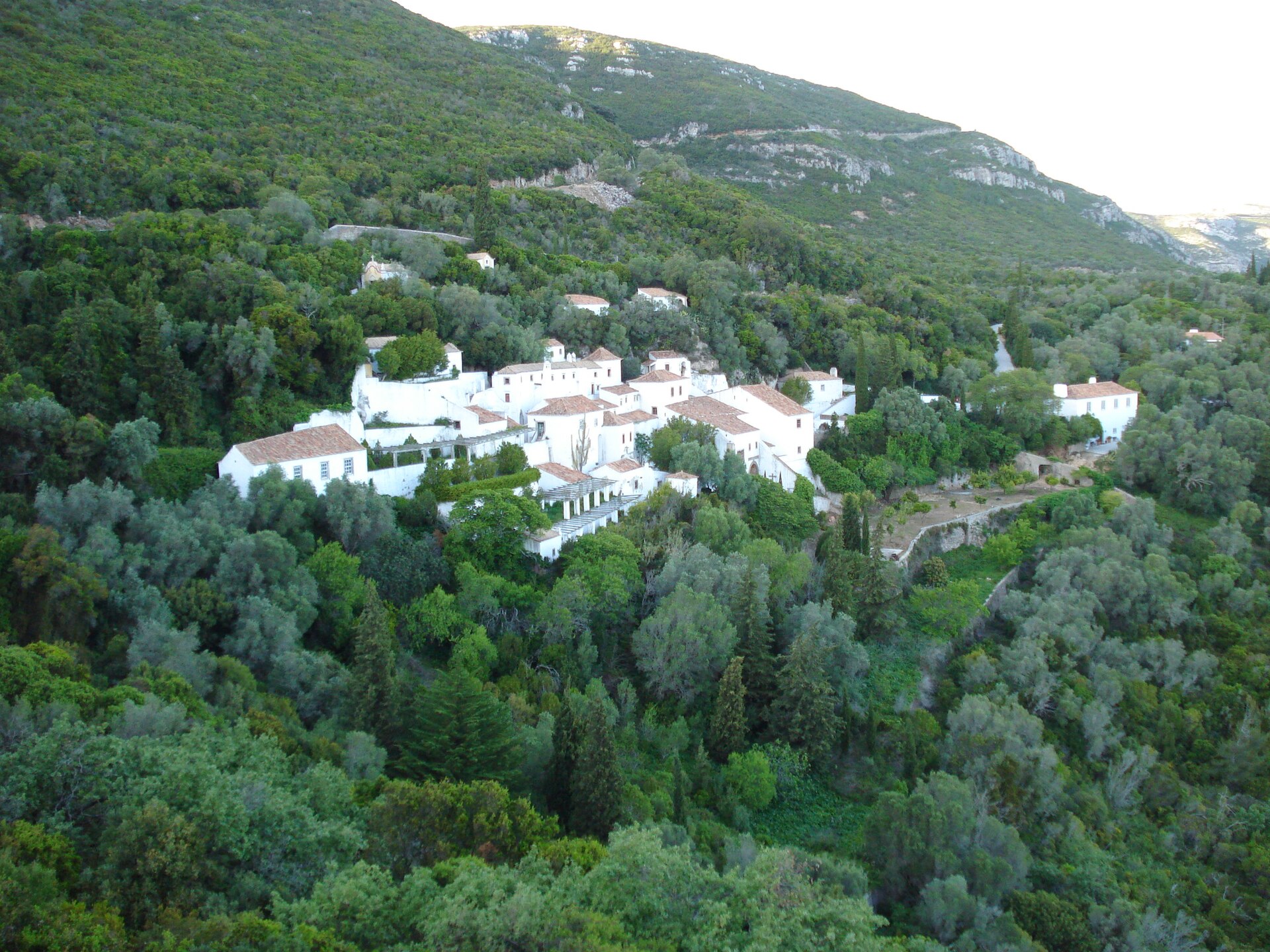
1,928 records
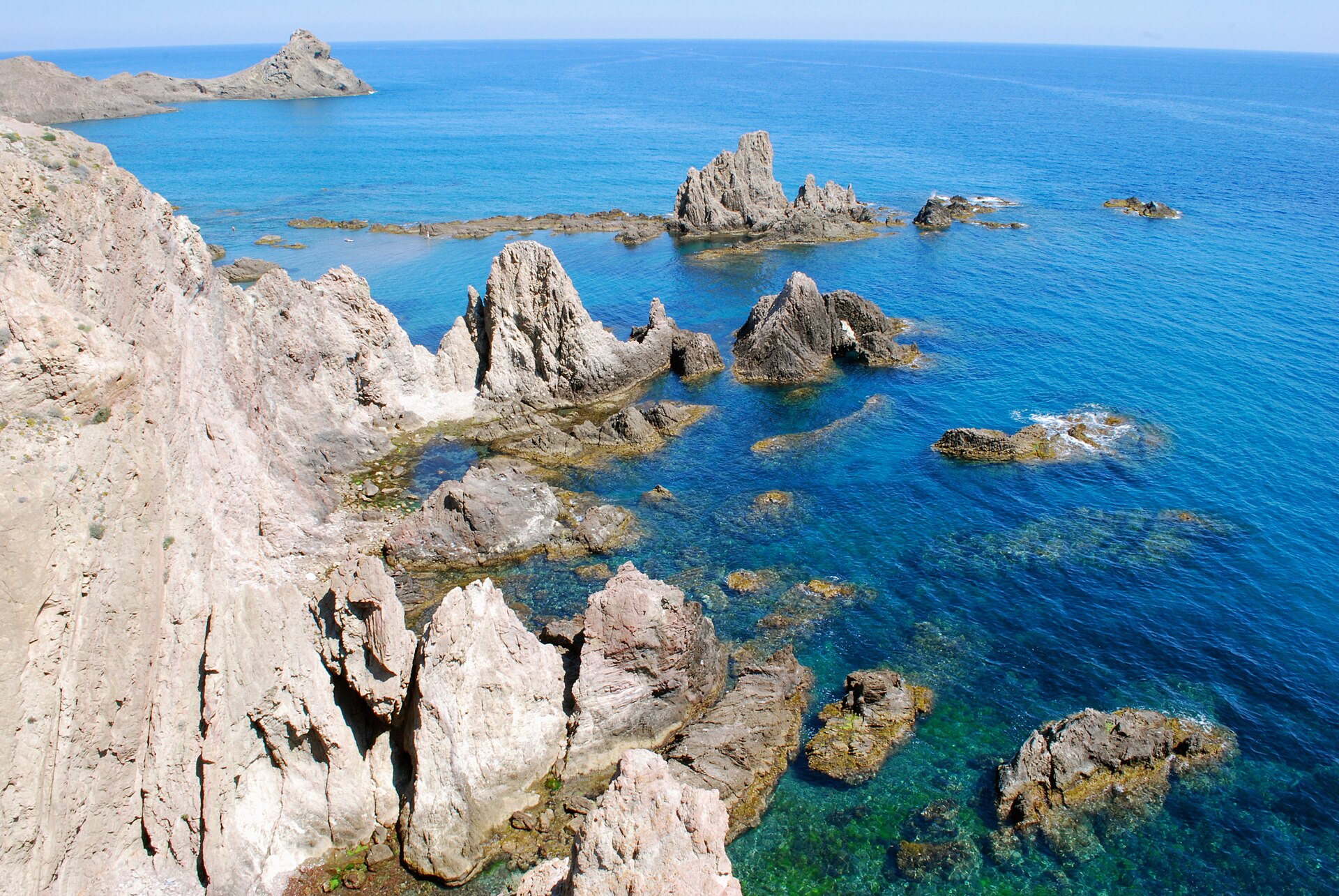
1,914 records
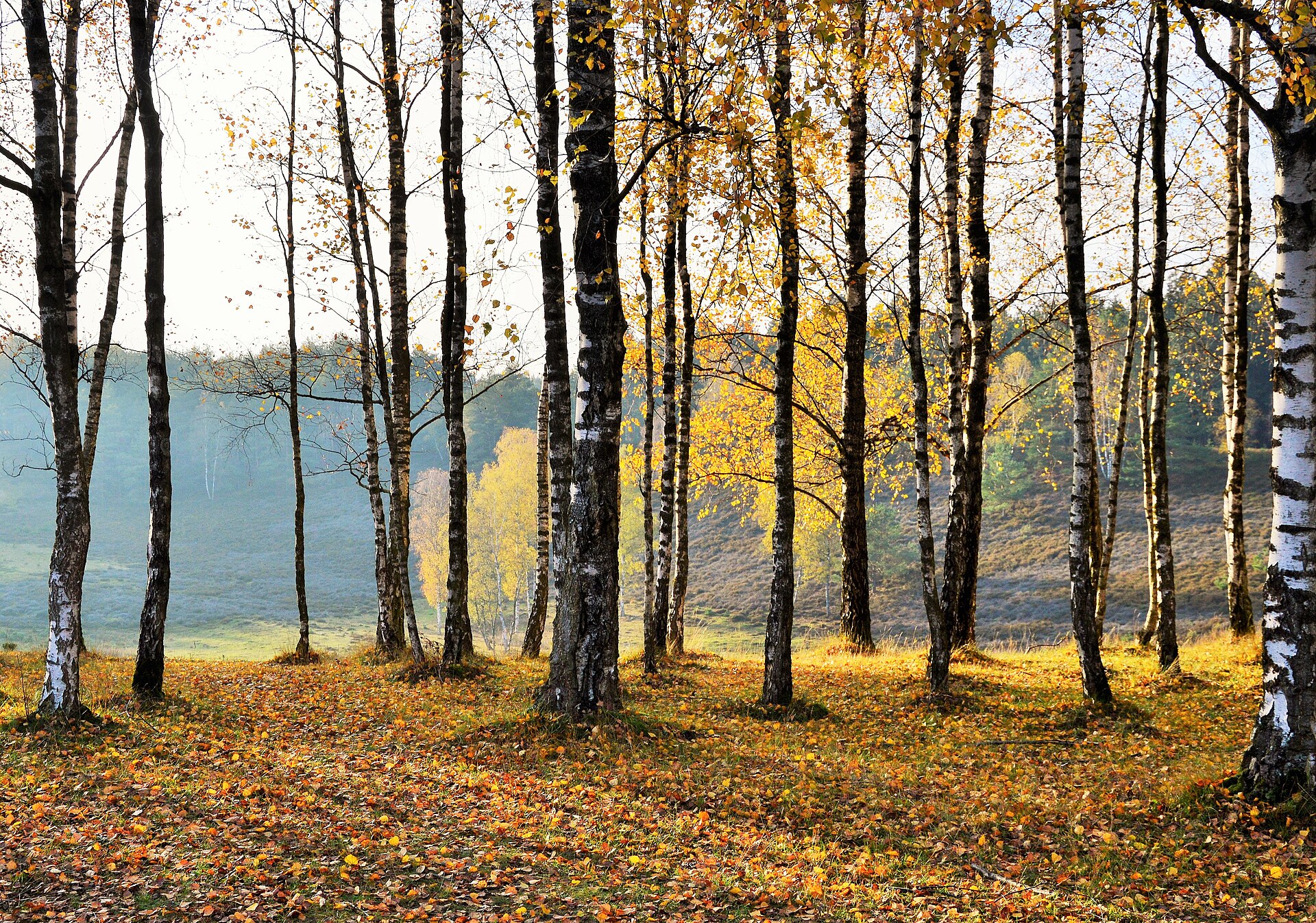
1,860 records

1,824 records
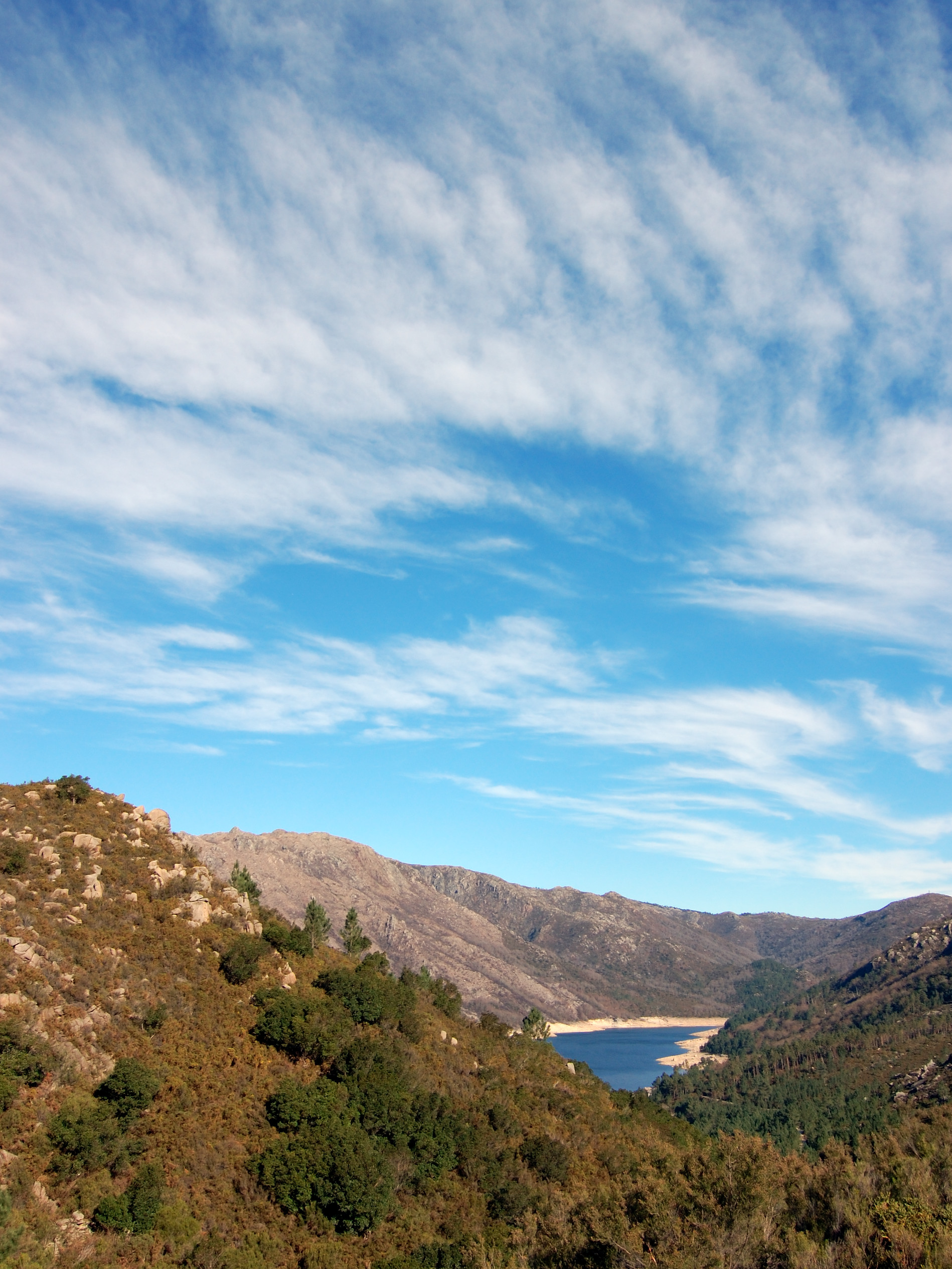
1,730 records
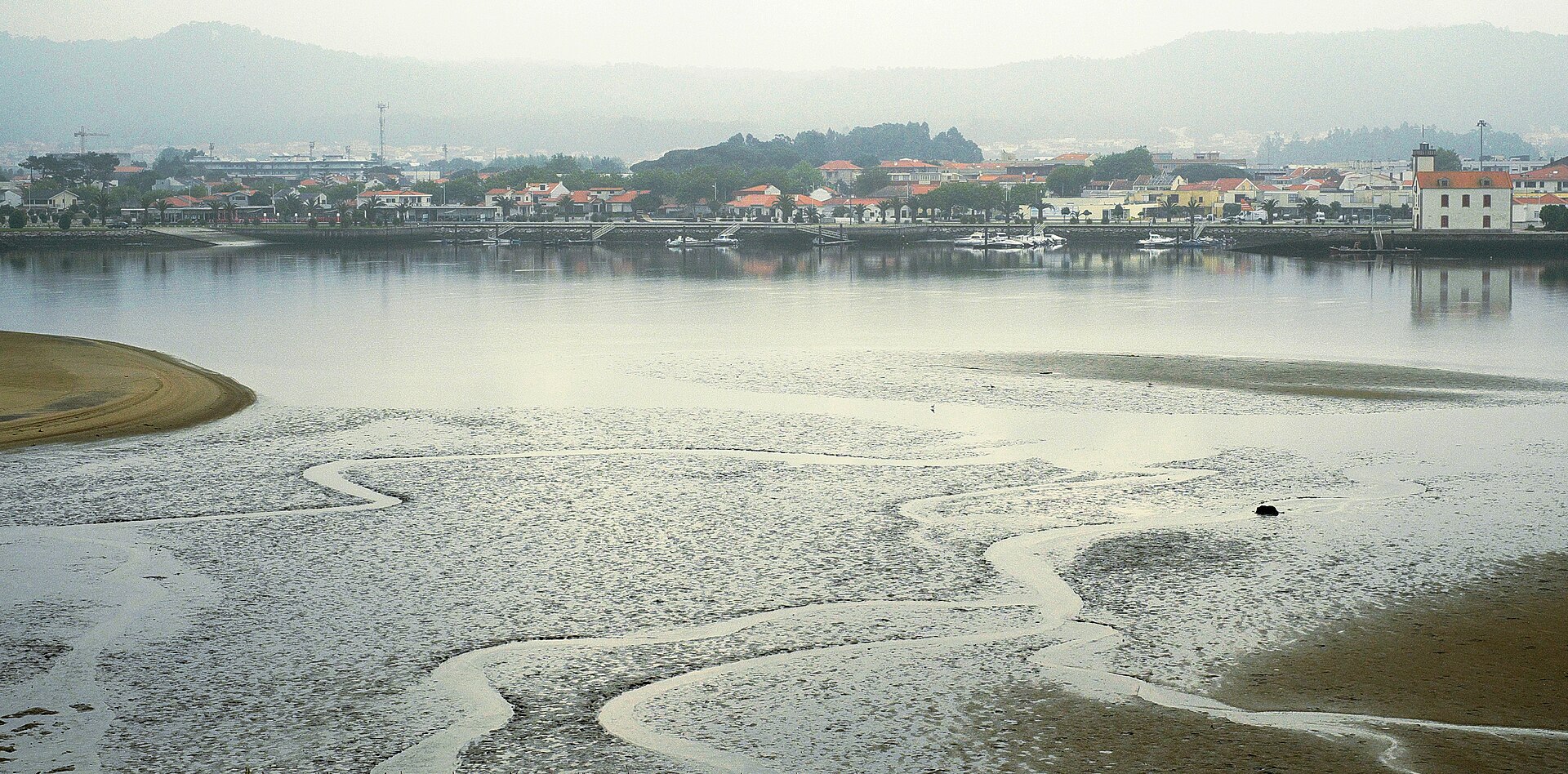
1,532 records
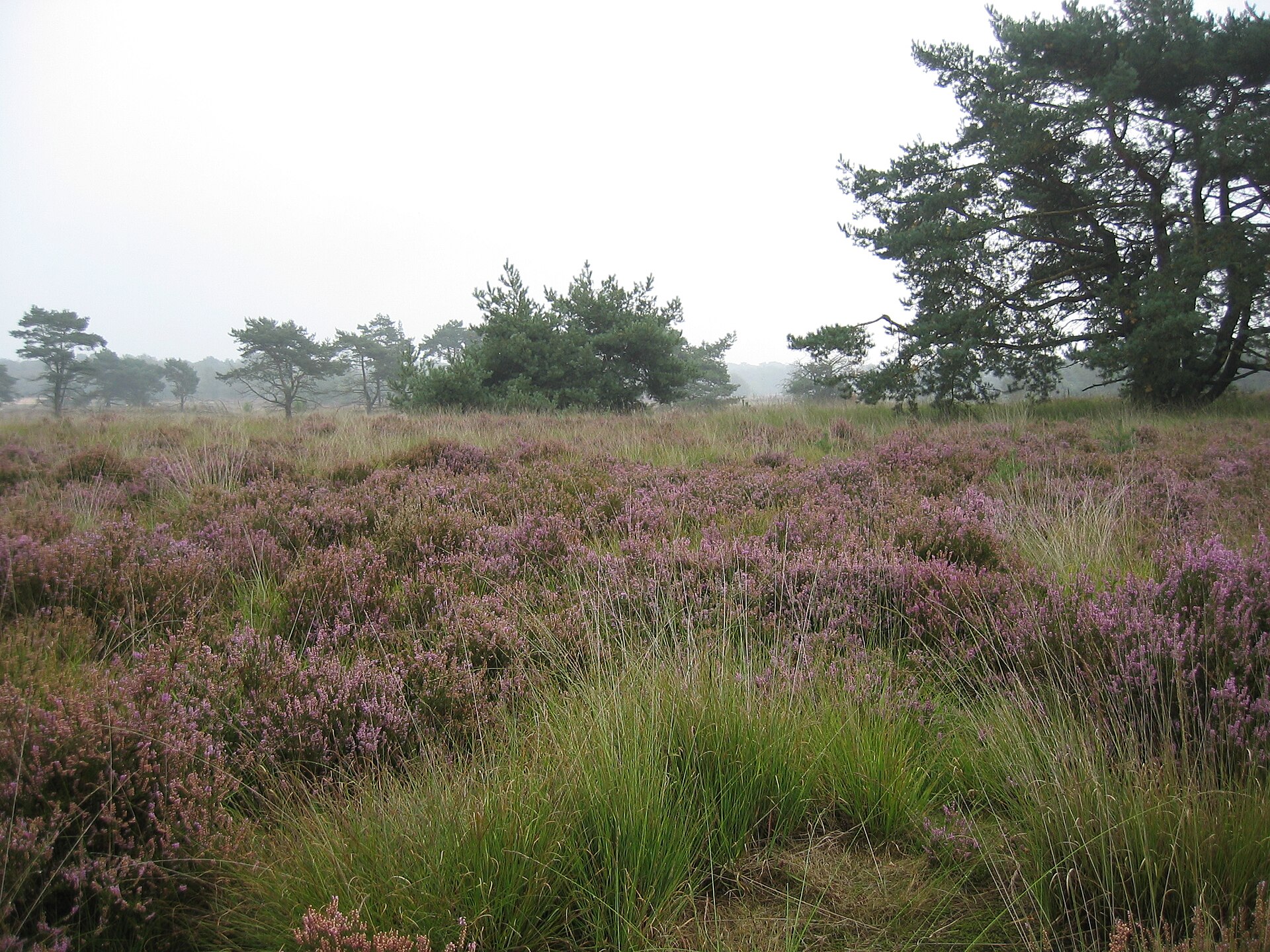
1,508 records
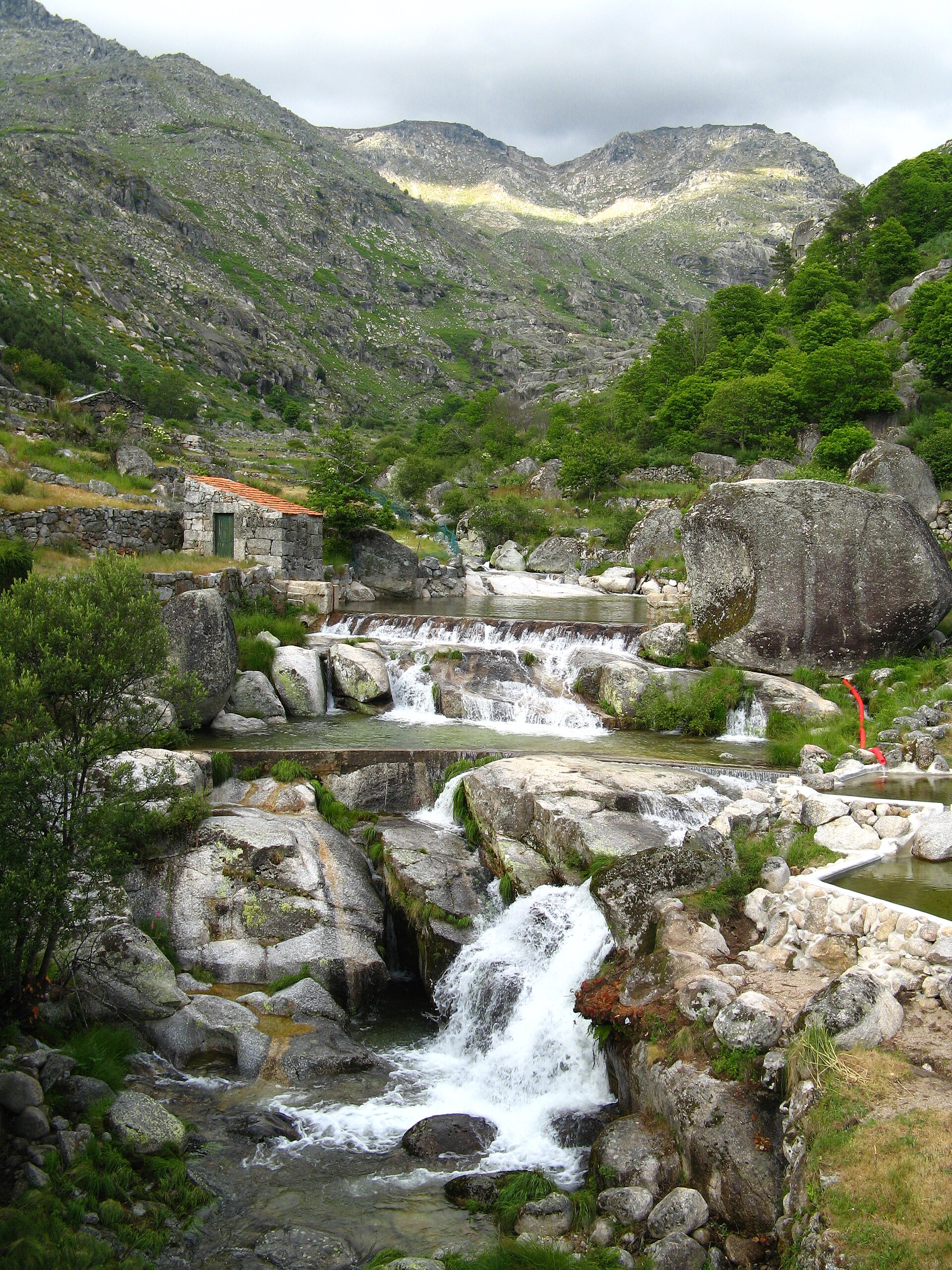
1,211 records
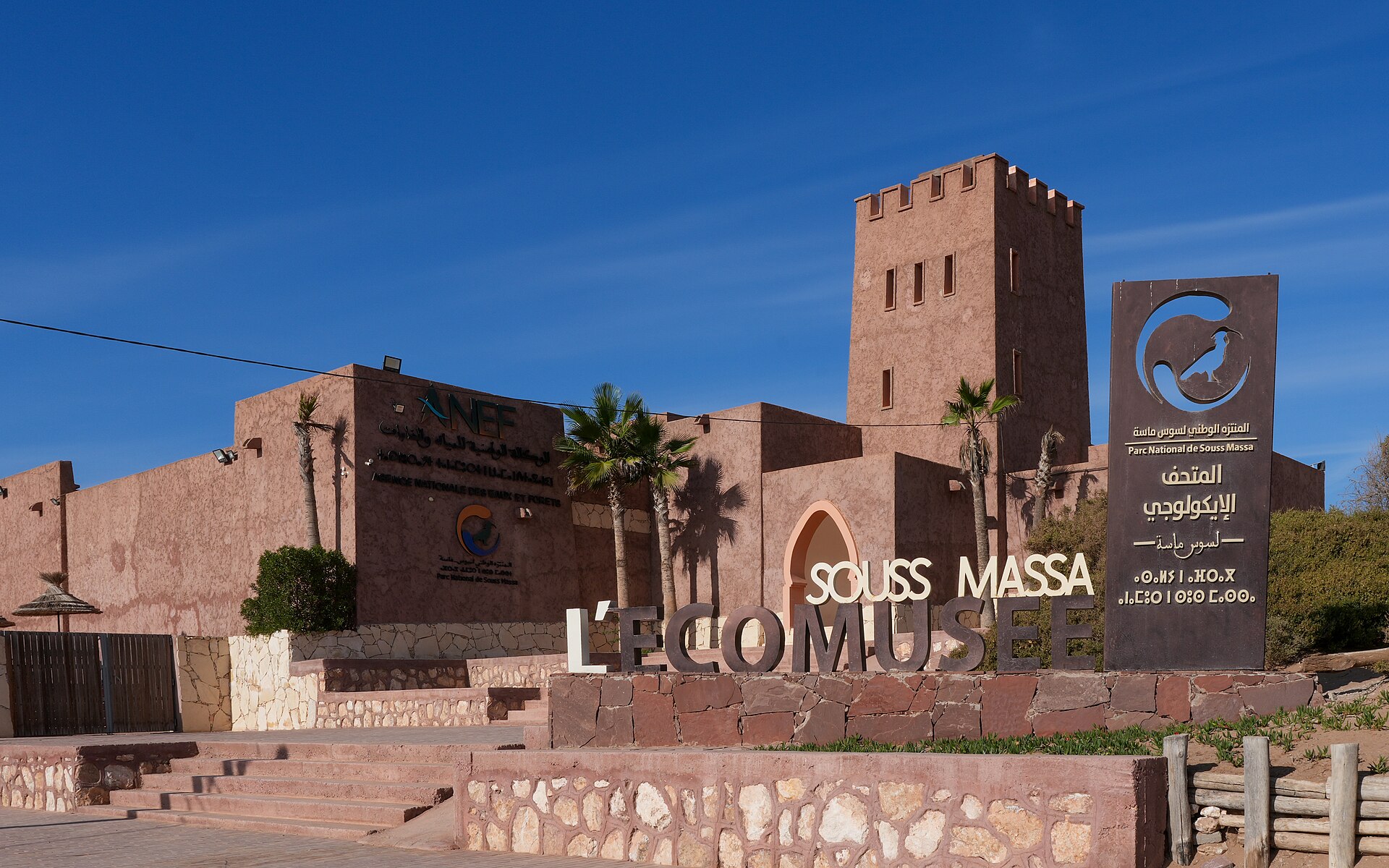
1,076 records
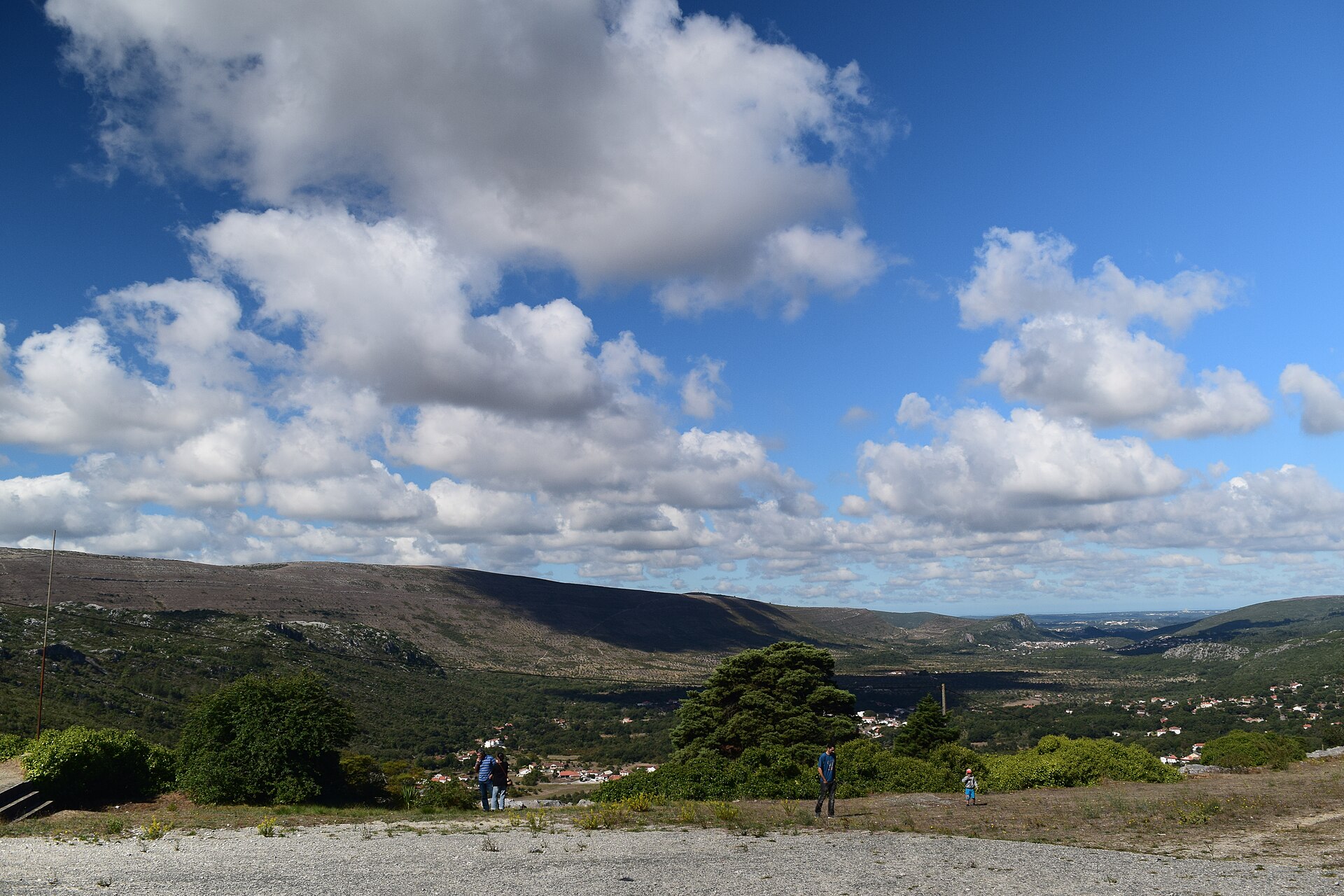
989 records
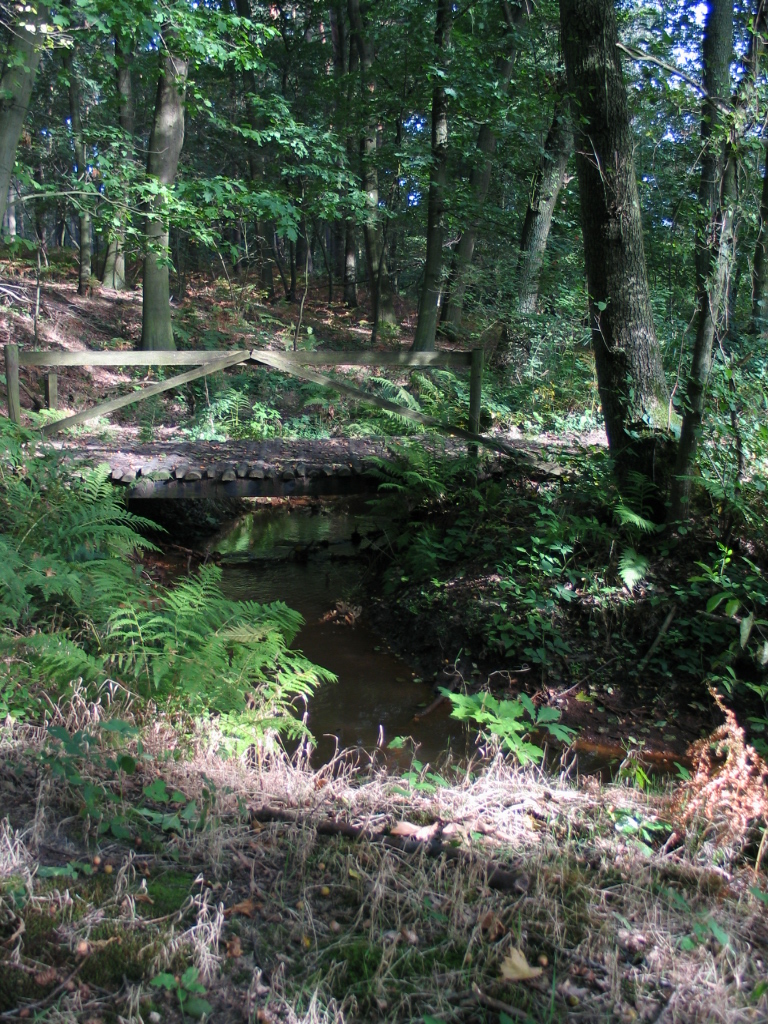
949 records

838 records
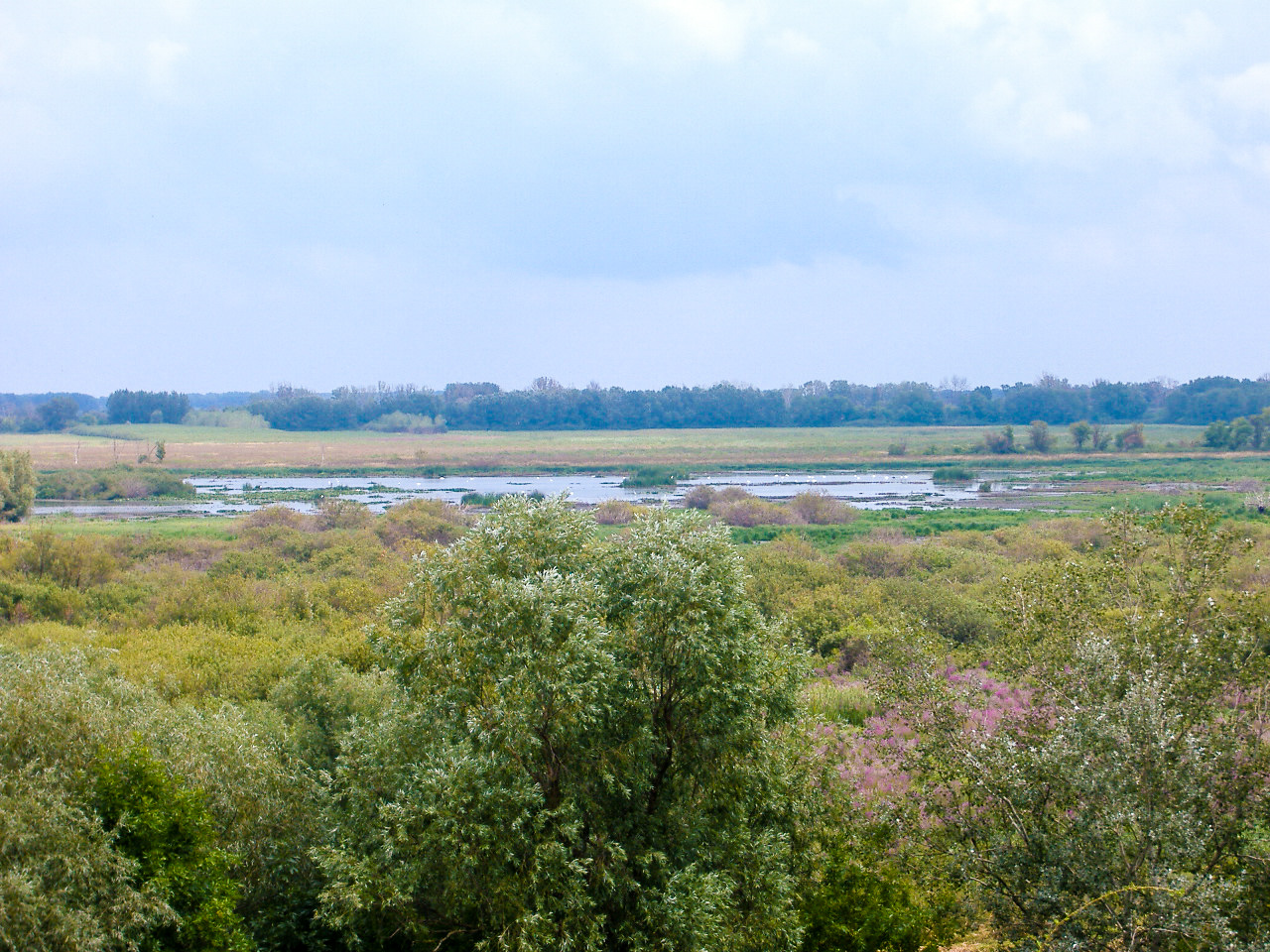
836 records
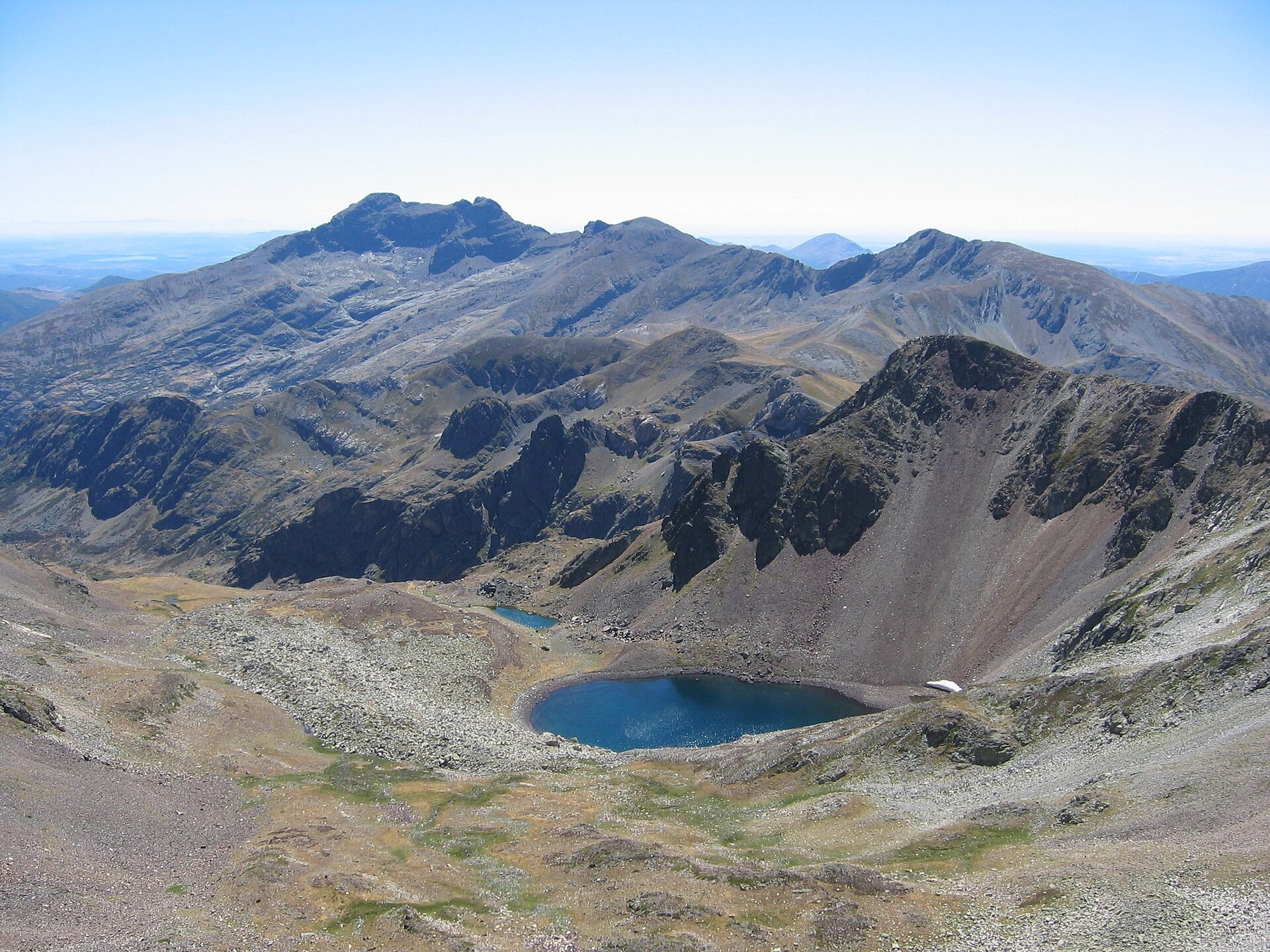
755 records
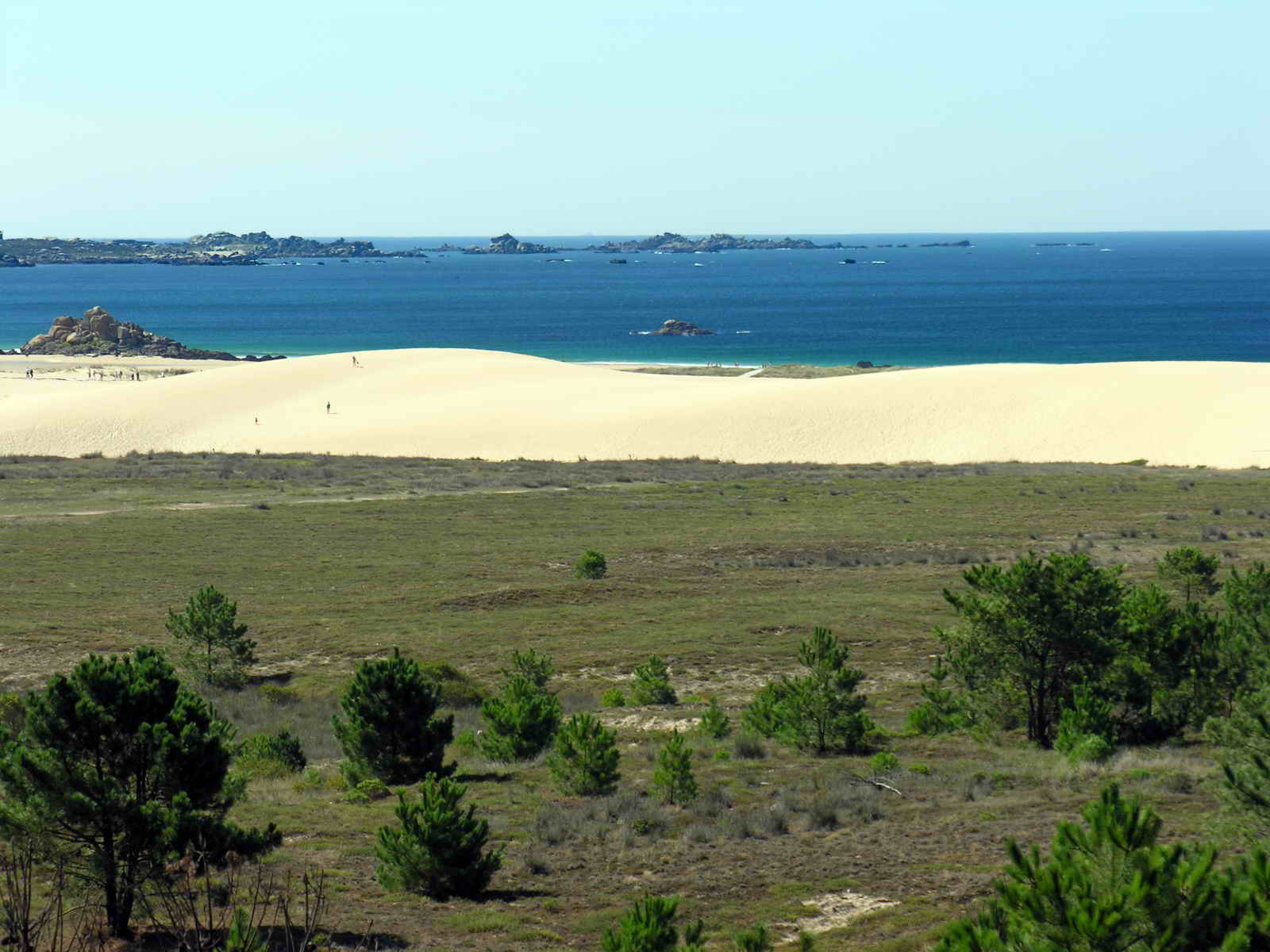
736 records

727 records
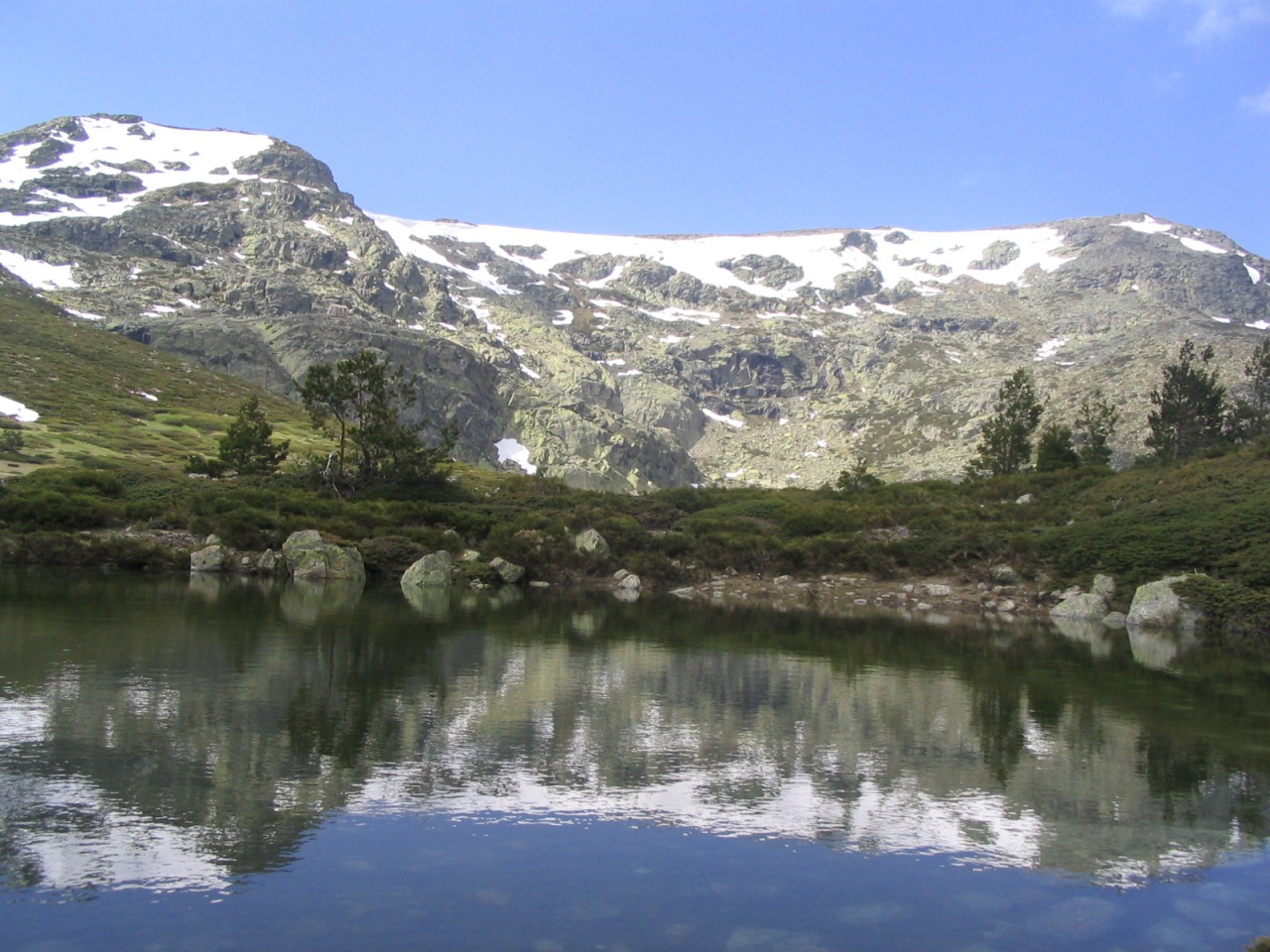
685 records
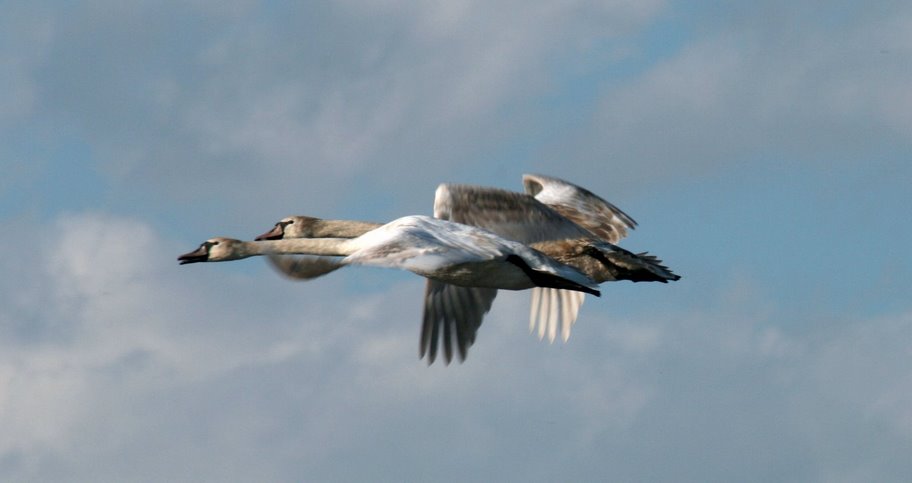
656 records

524 records

516 records

501 records
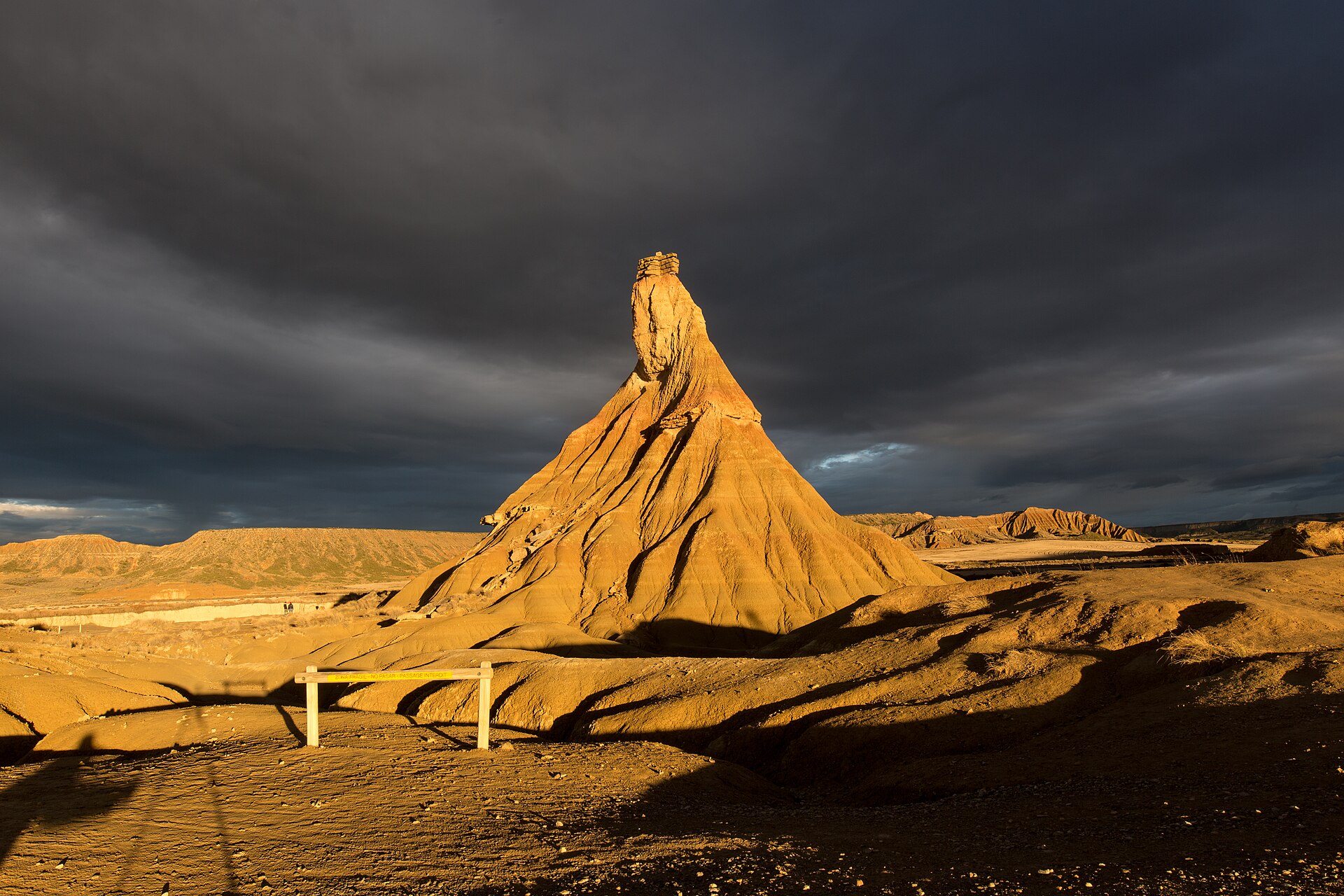
471 records
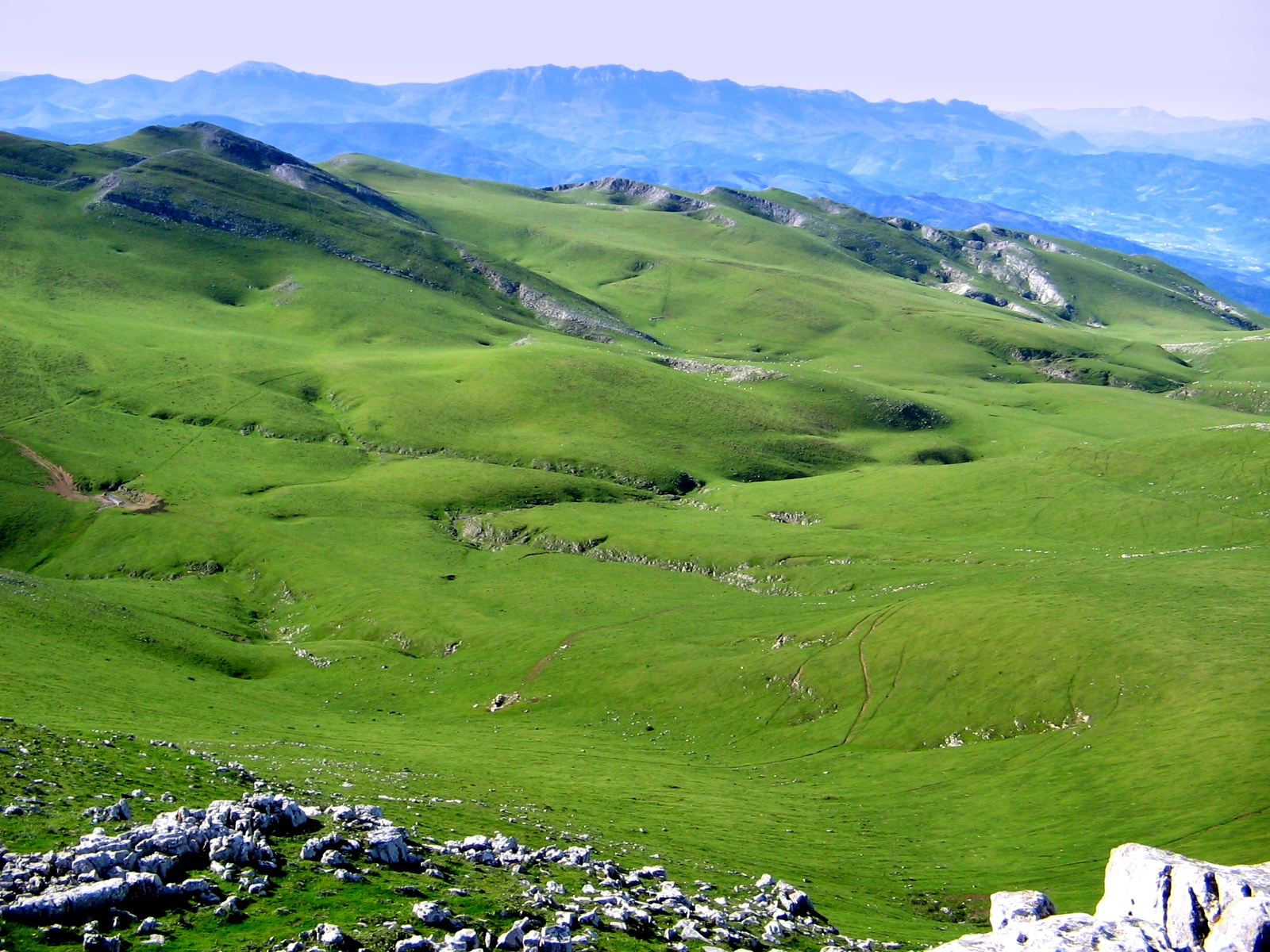
459 records
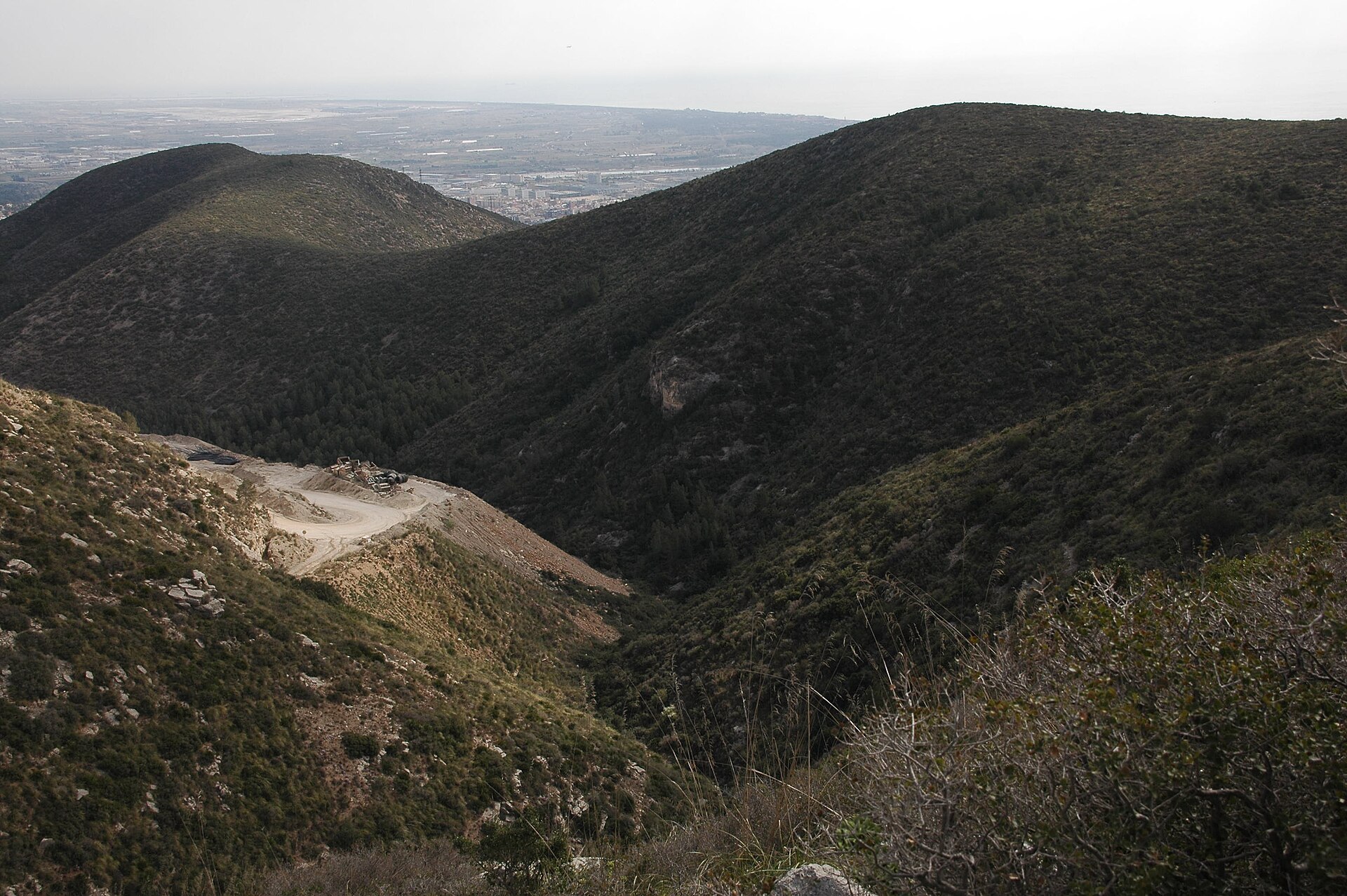
437 records
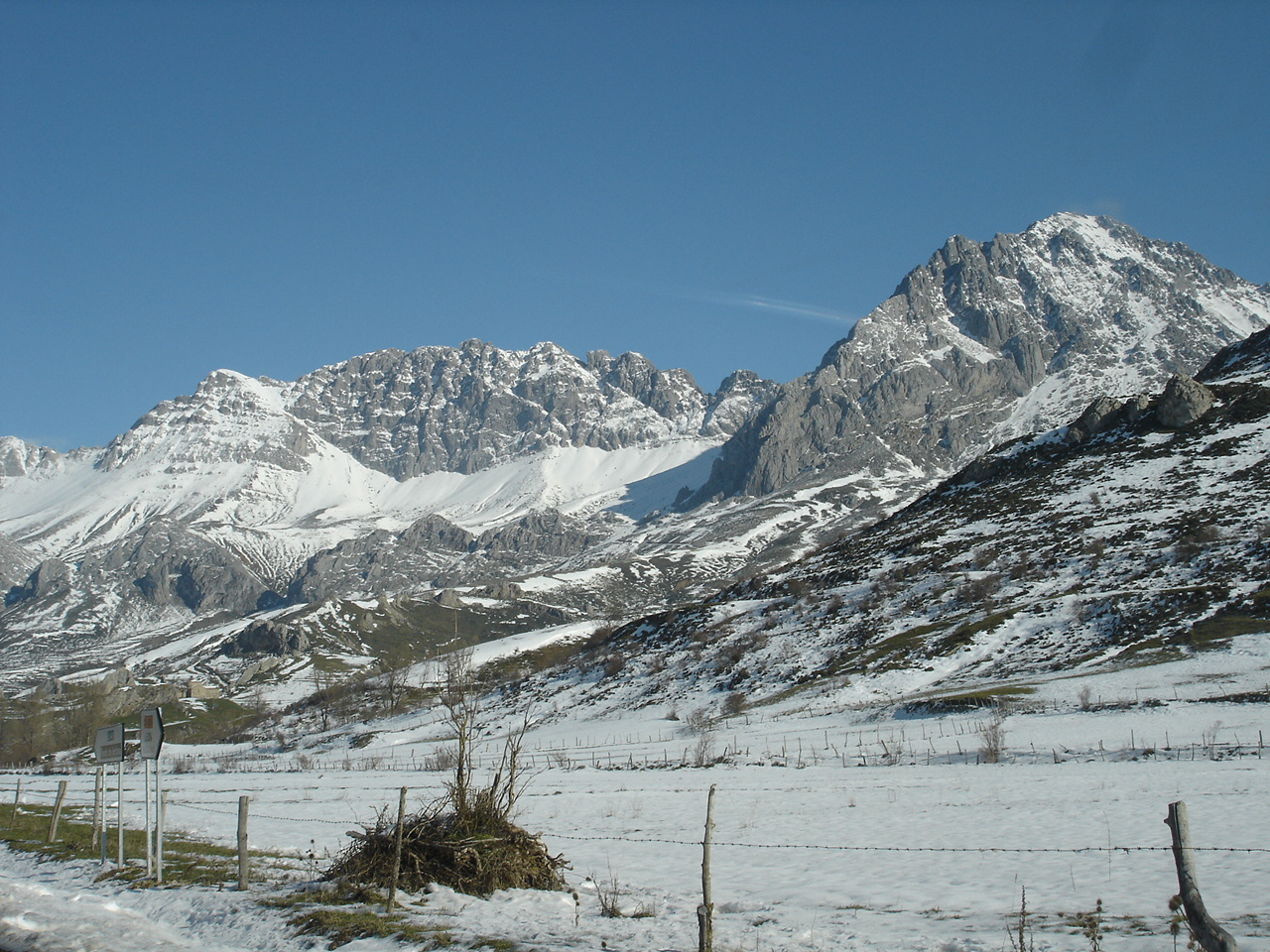
421 records
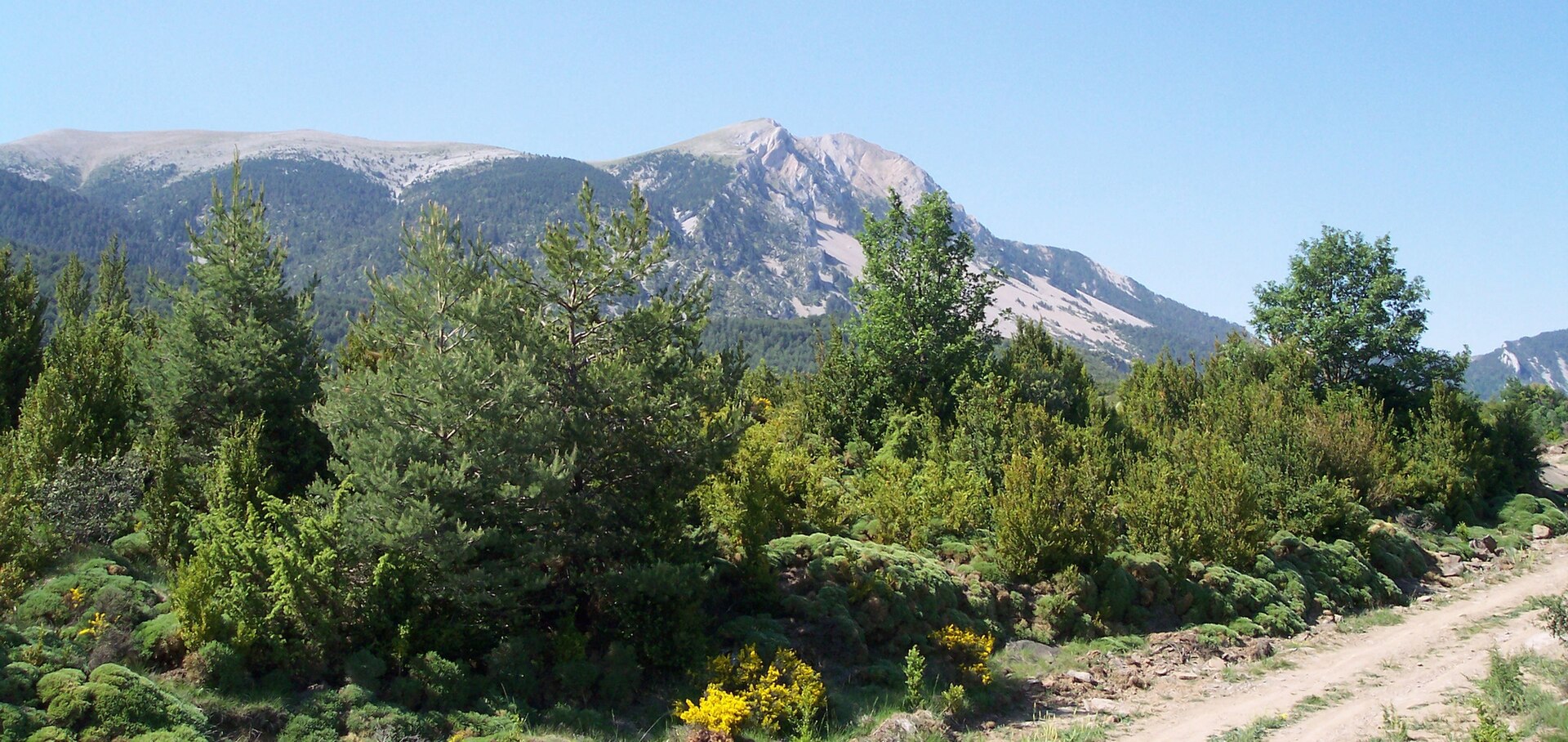
368 records
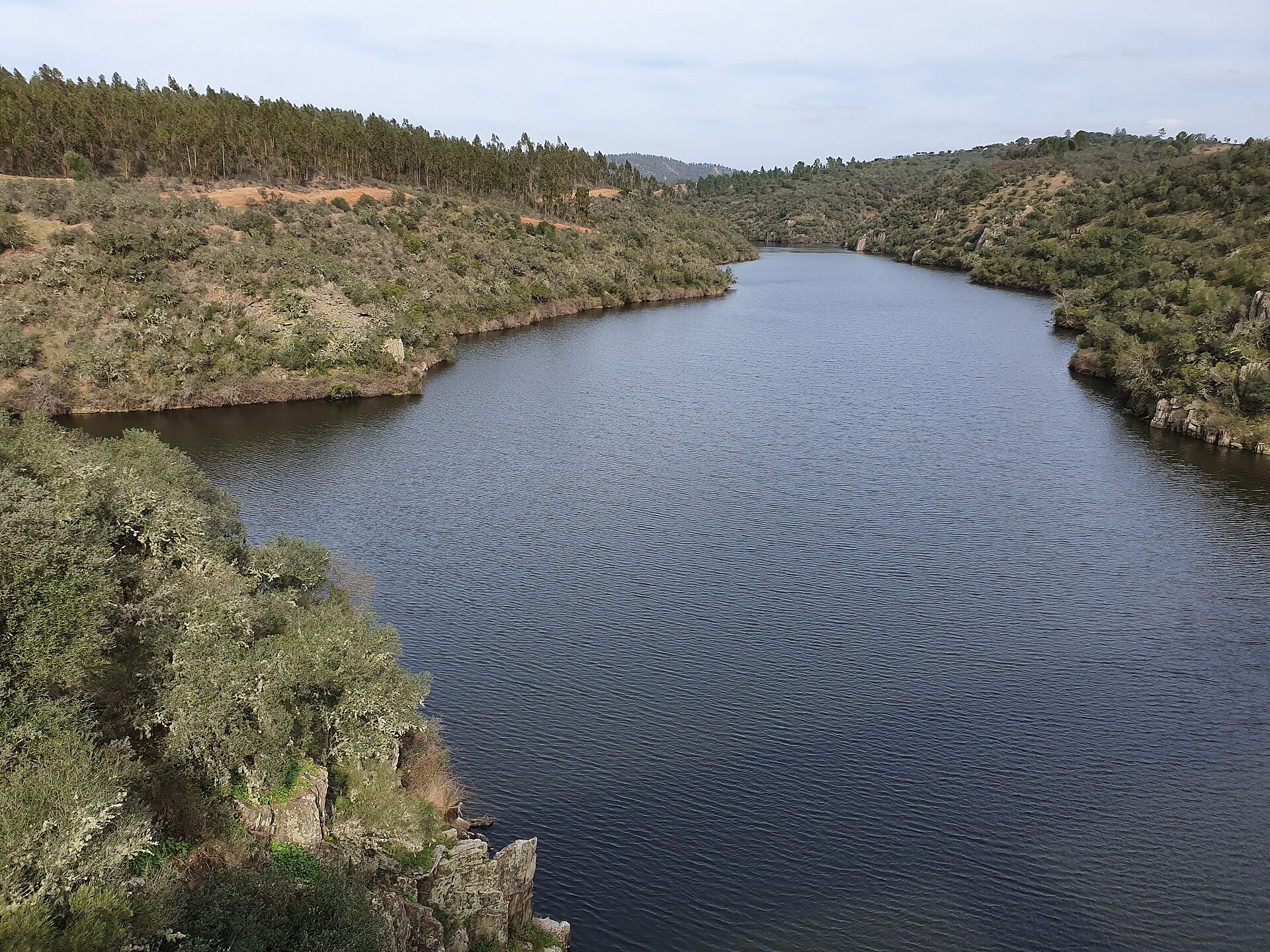
338 records

329 records

292 records
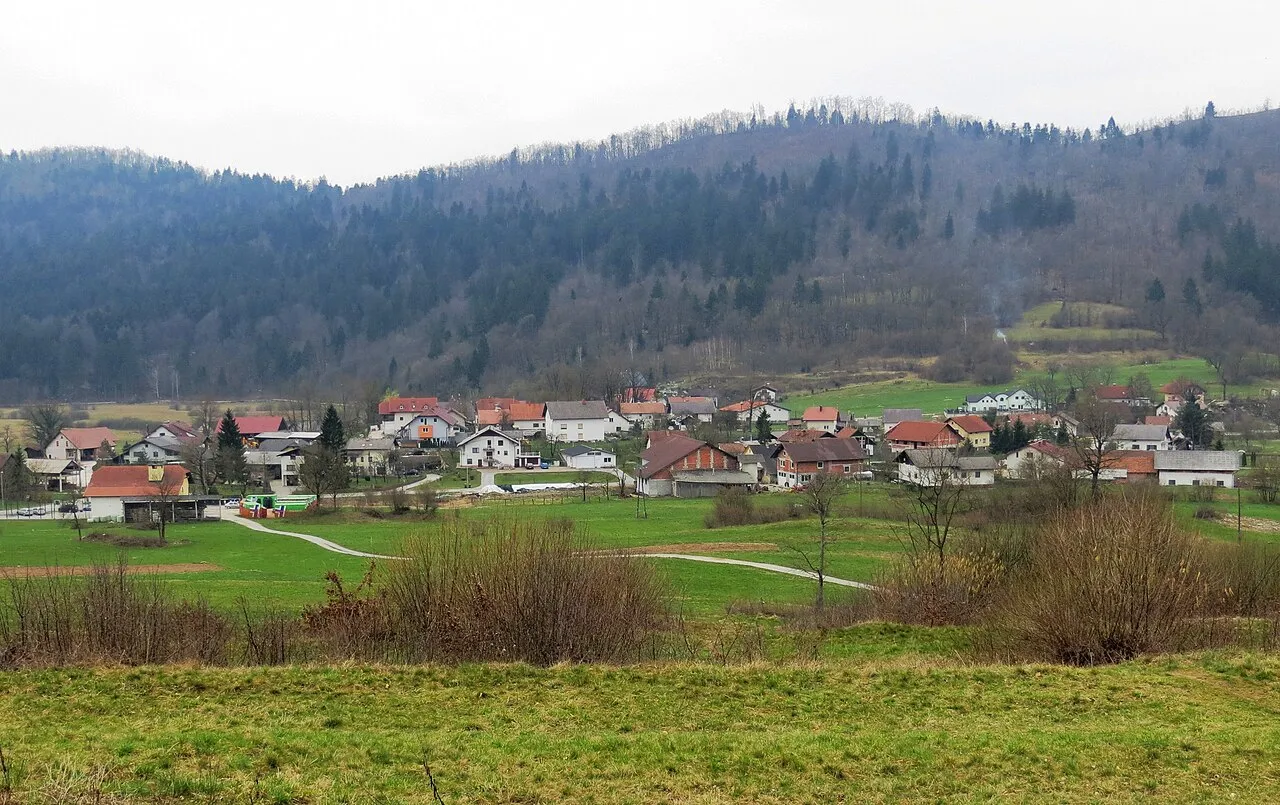
276 records

192 records
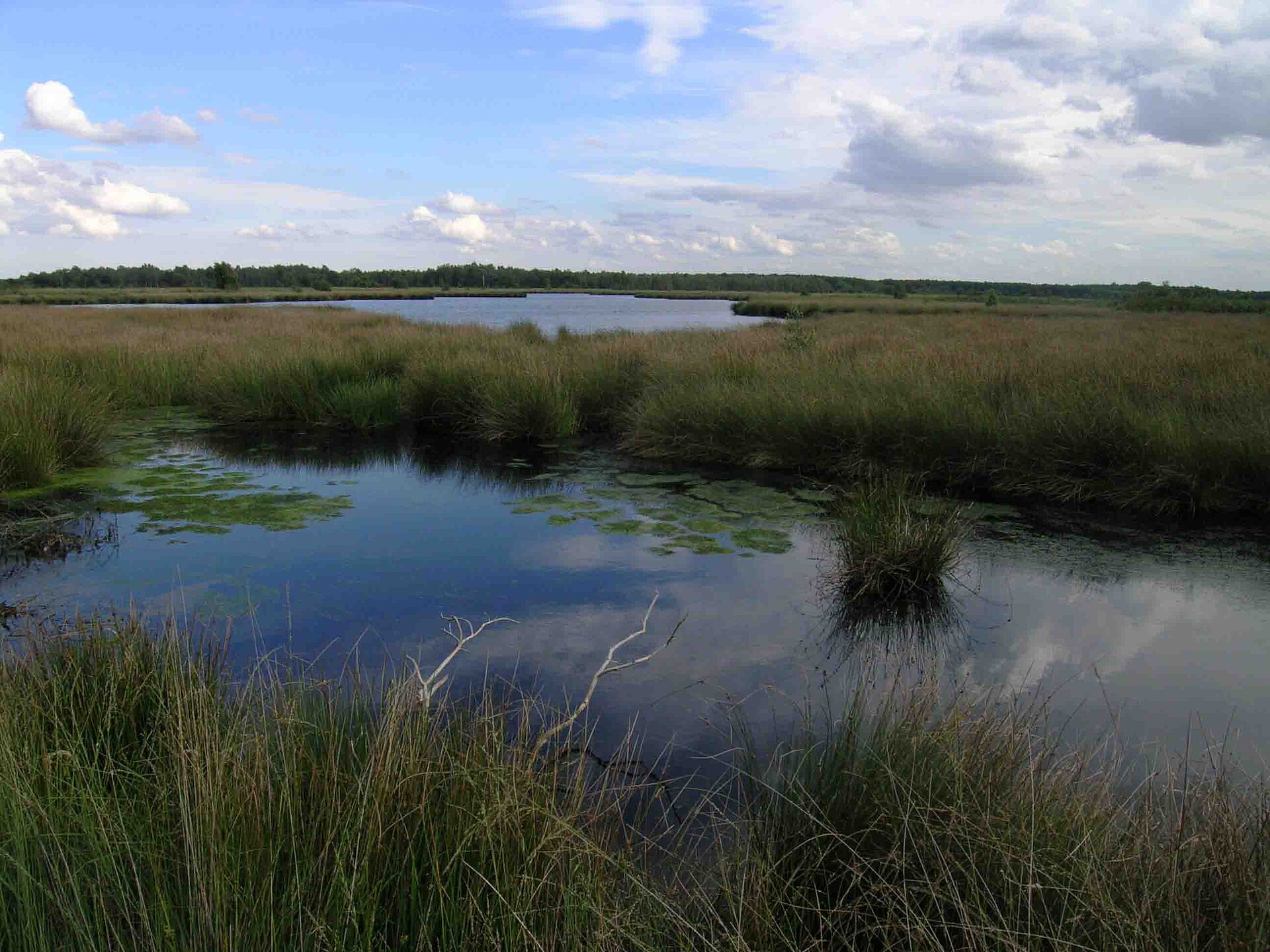
190 records

156 records
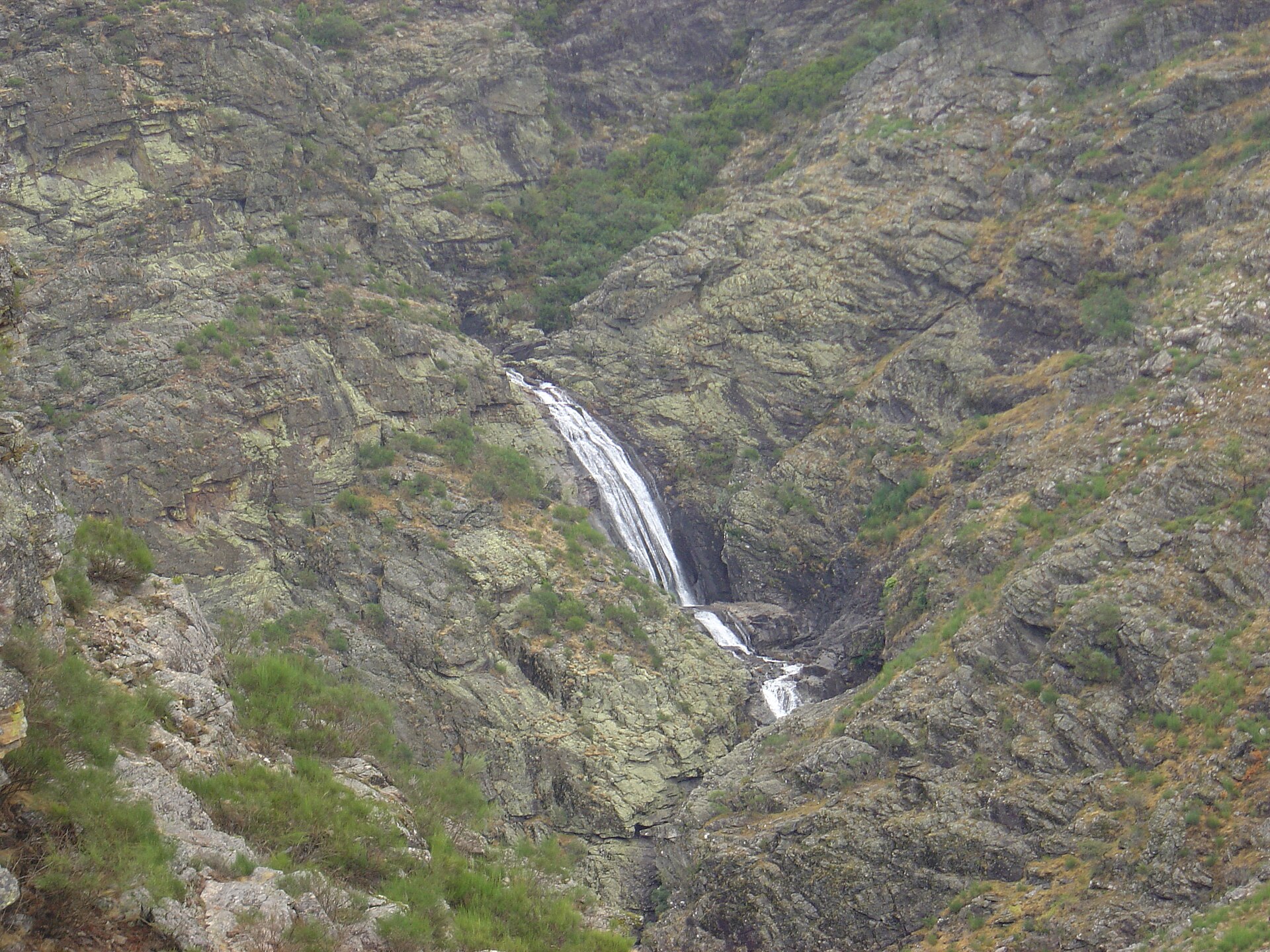
150 records
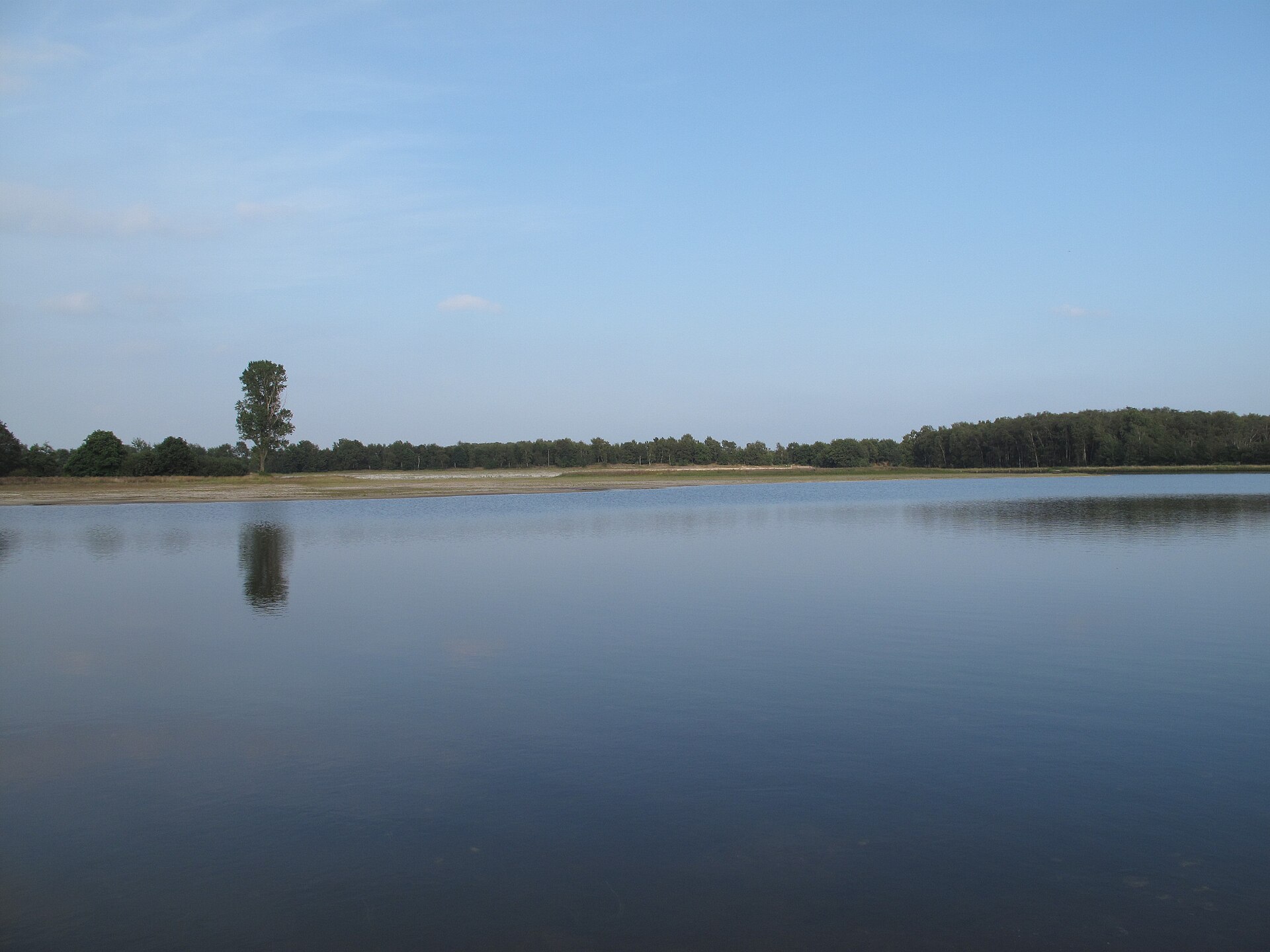
130 records
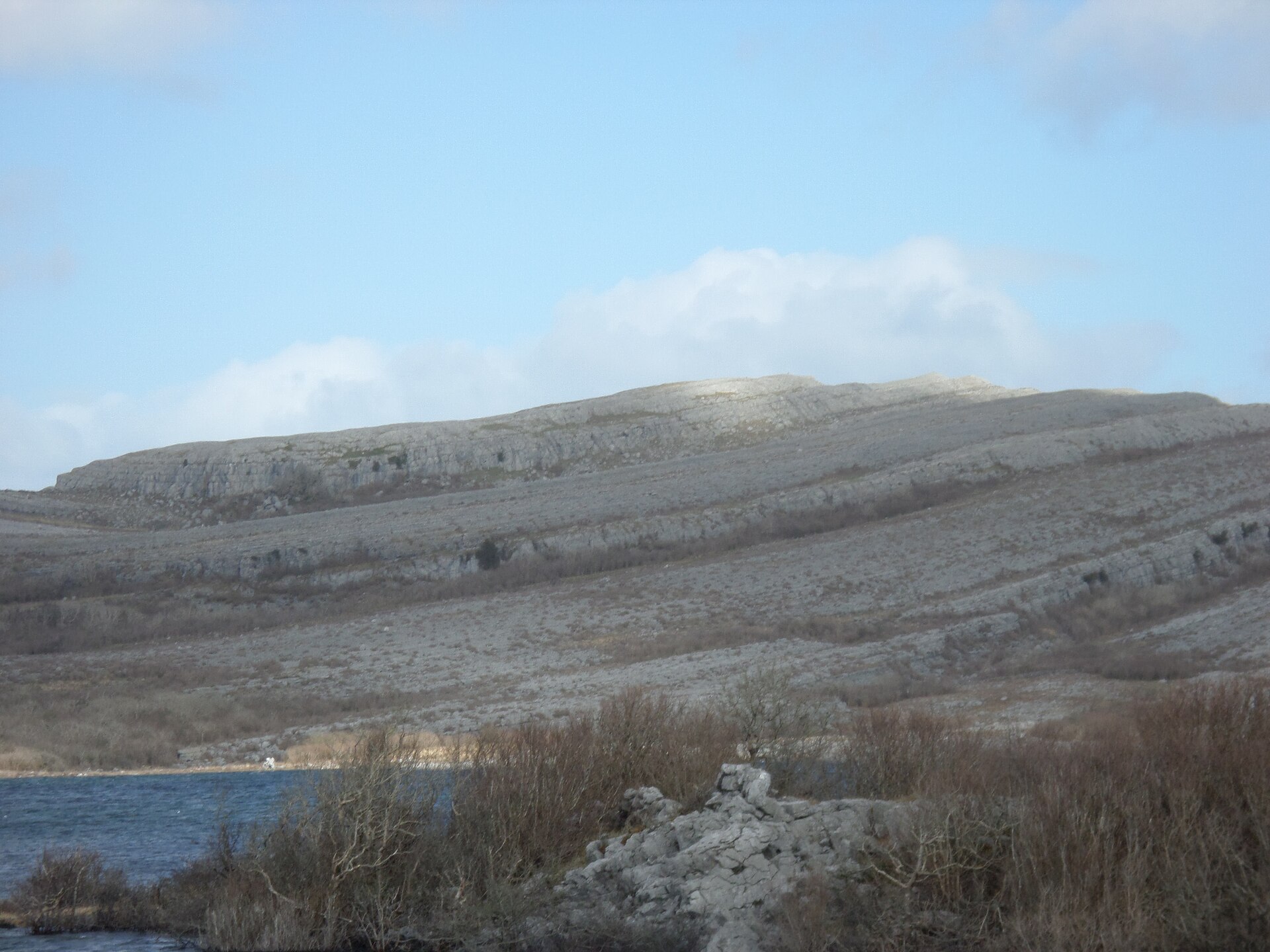
118 records
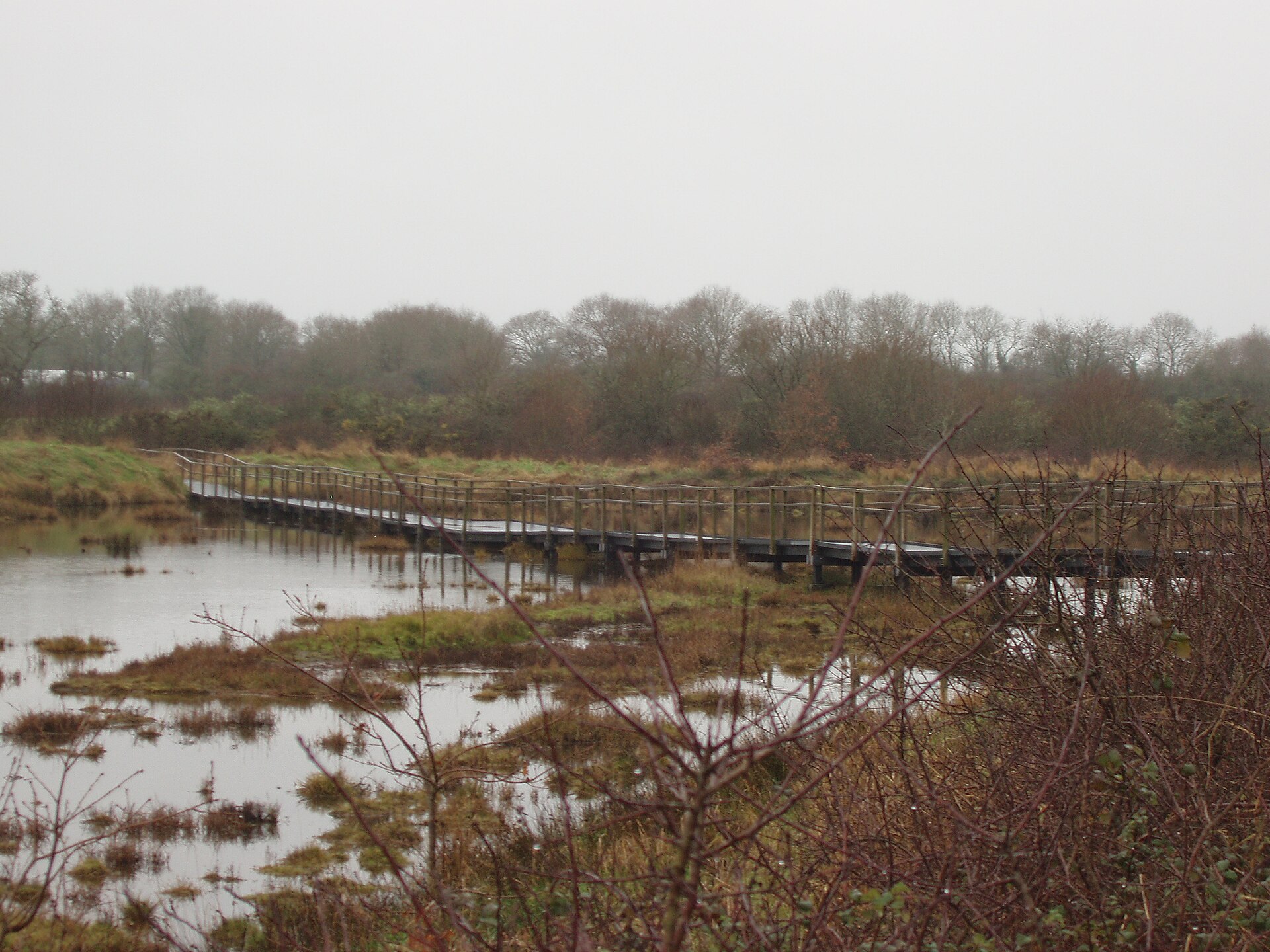
118 records
110 records

102 records
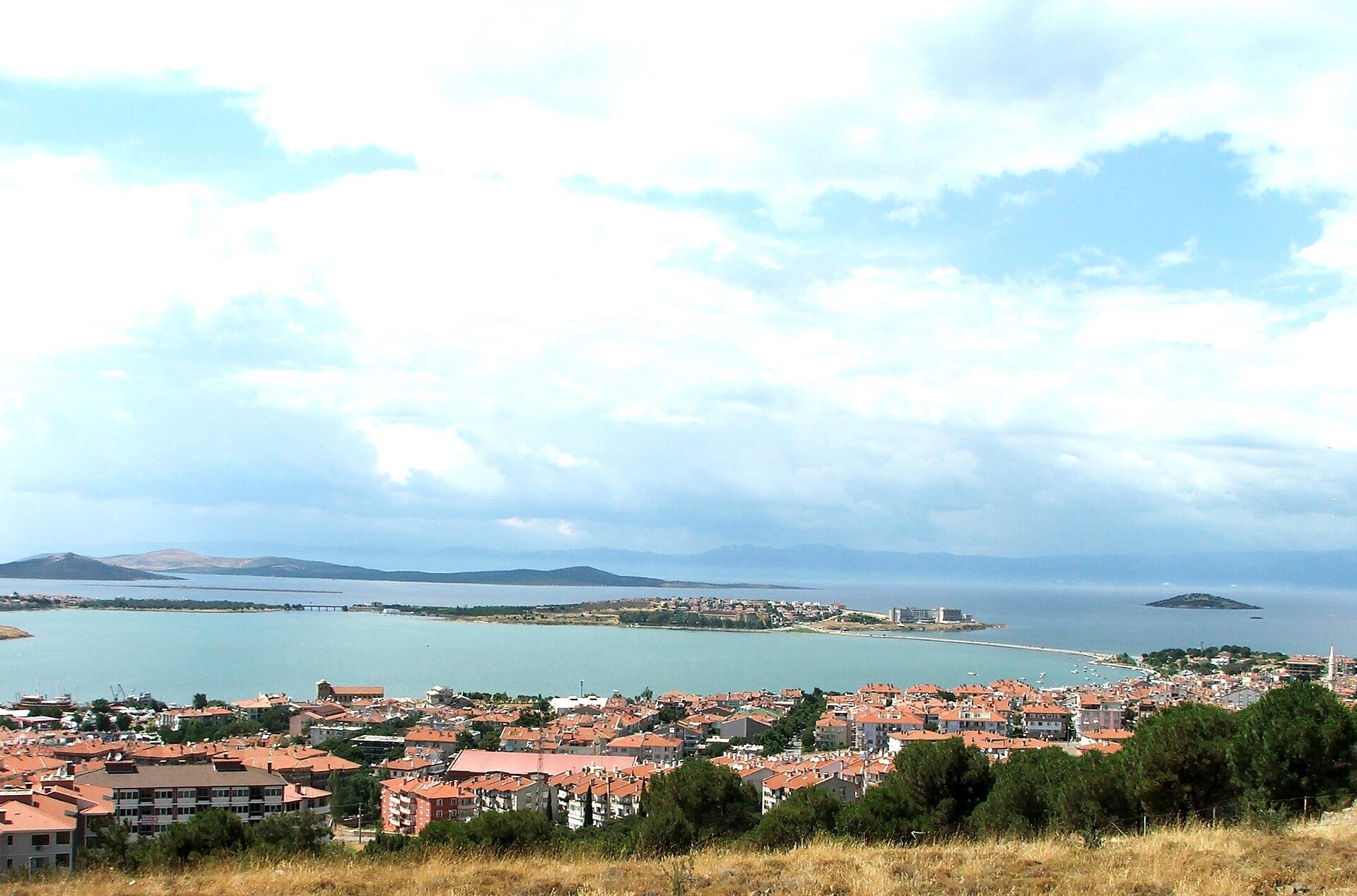
97 records
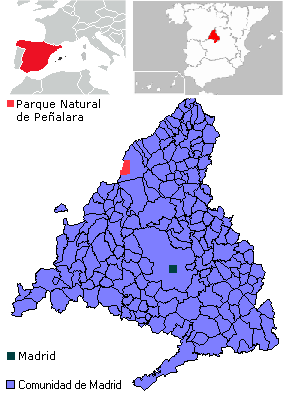
96 records
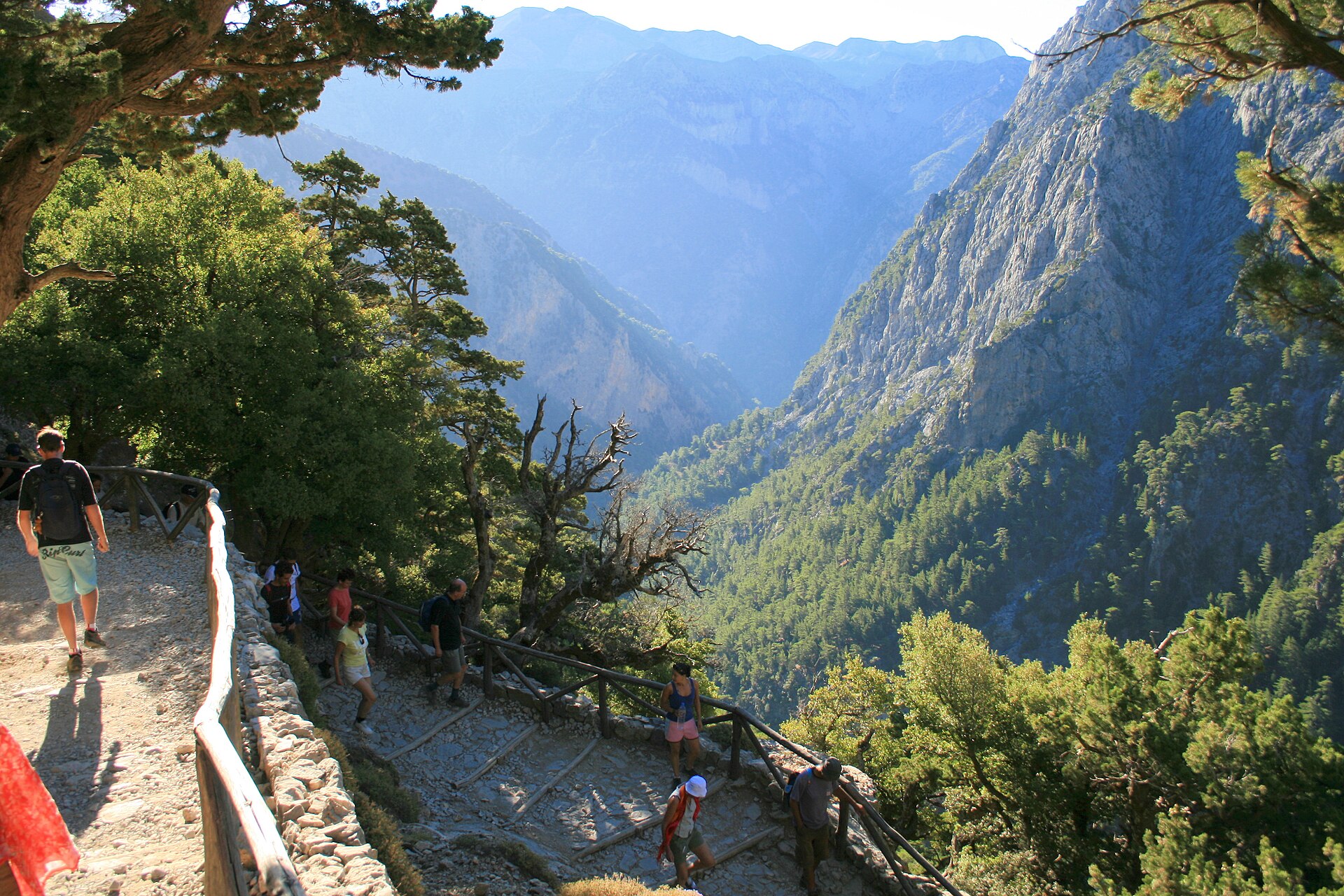
89 records

69 records

58 records
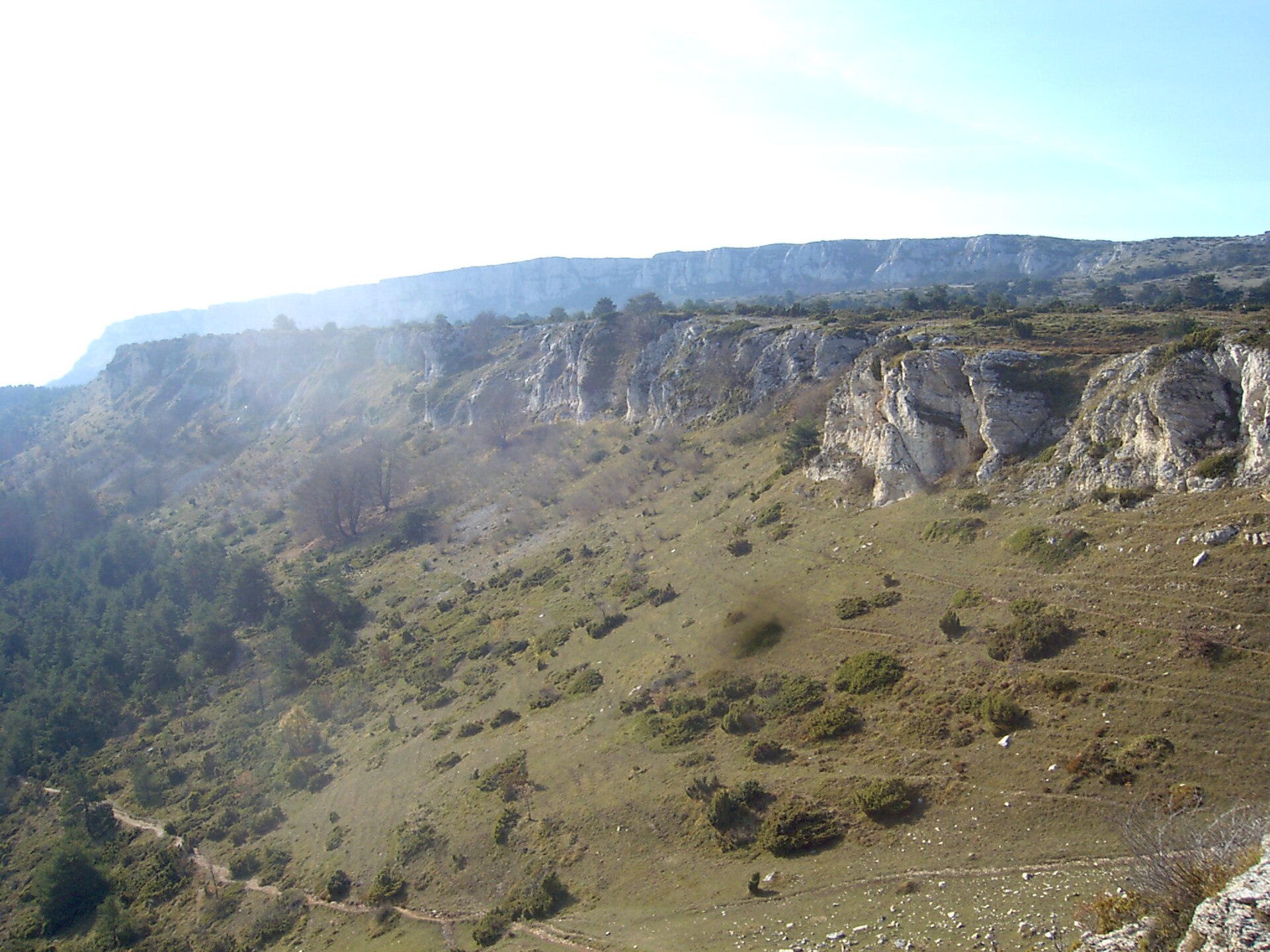
53 records
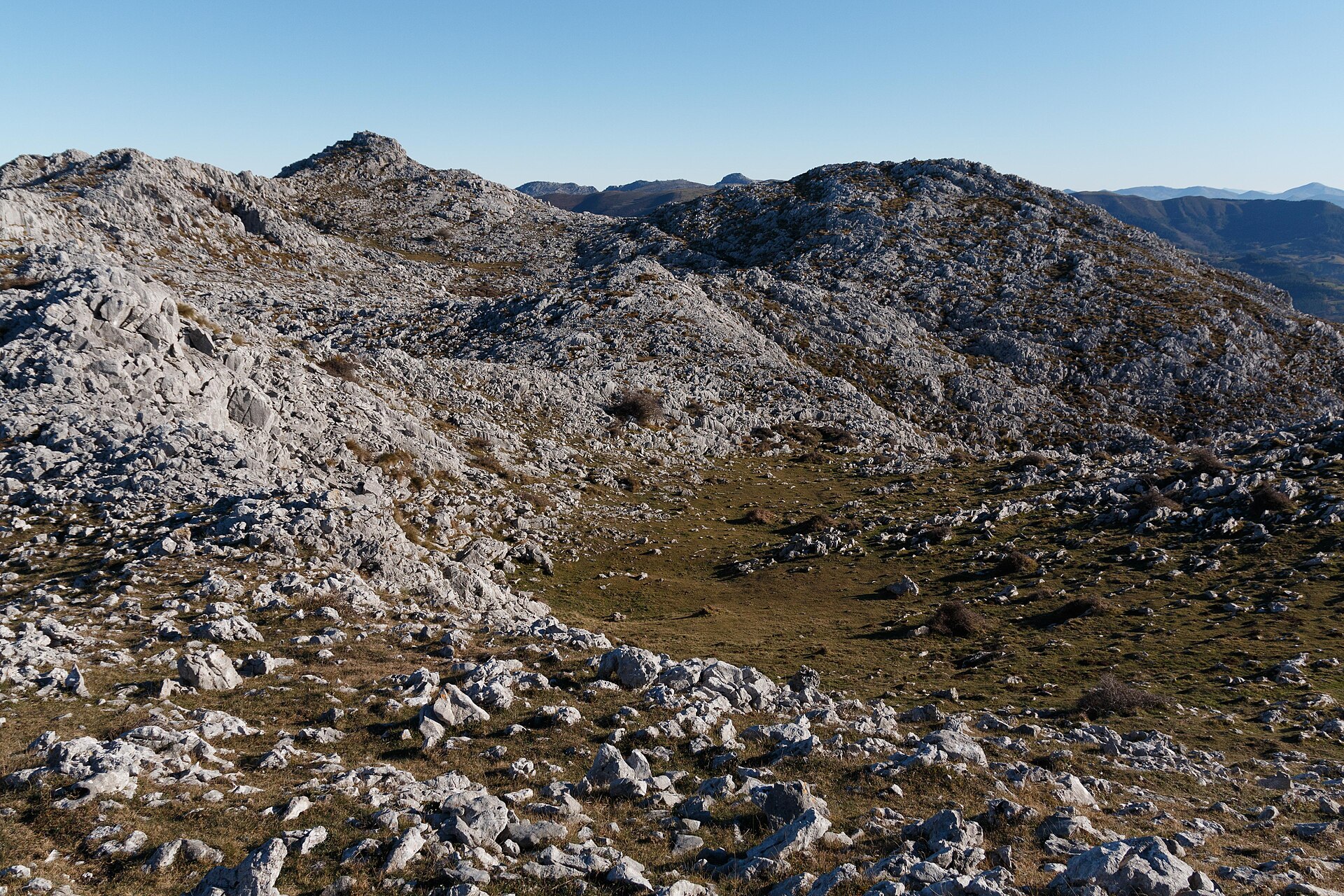
50 records
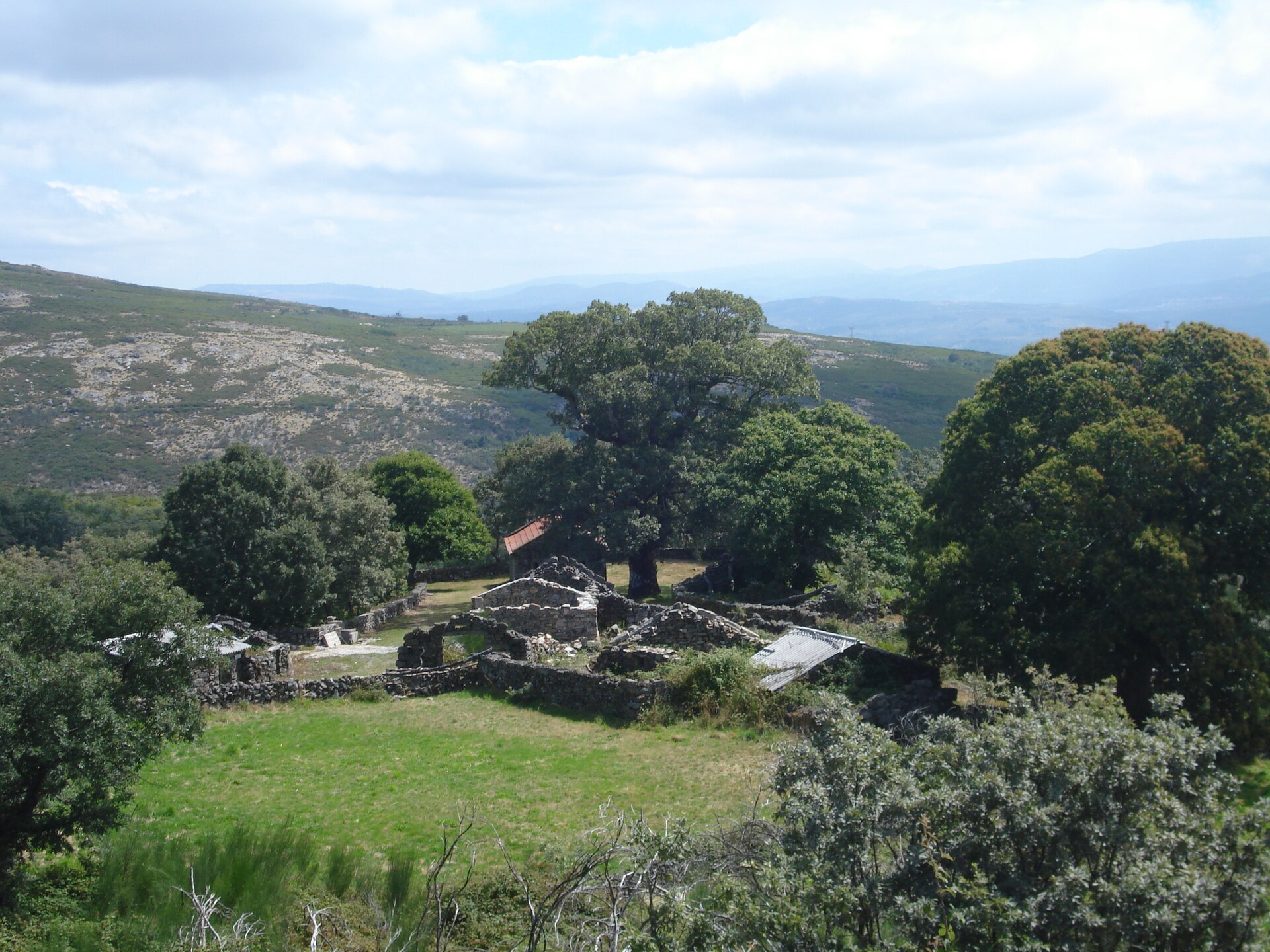
46 records
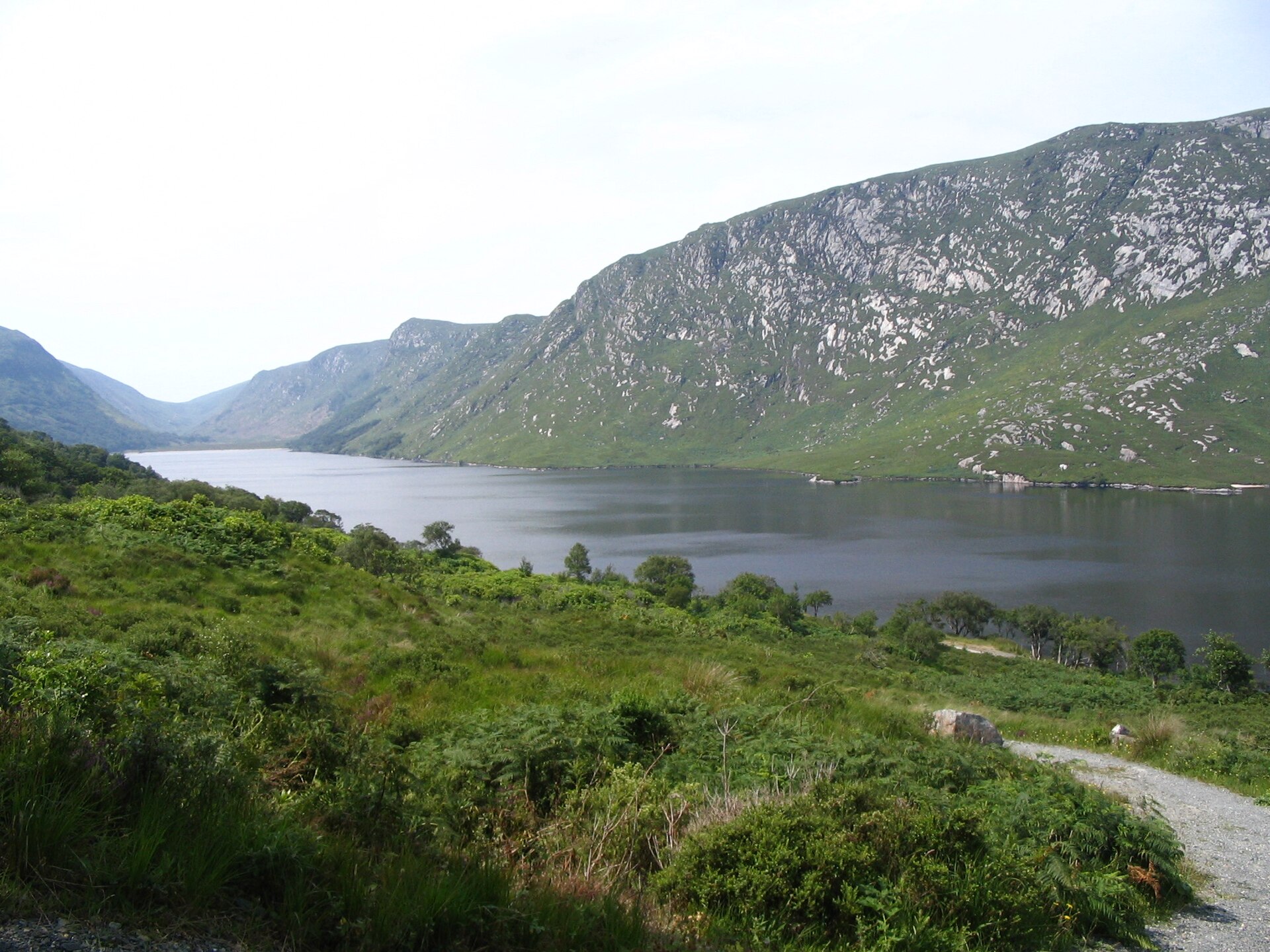
41 records
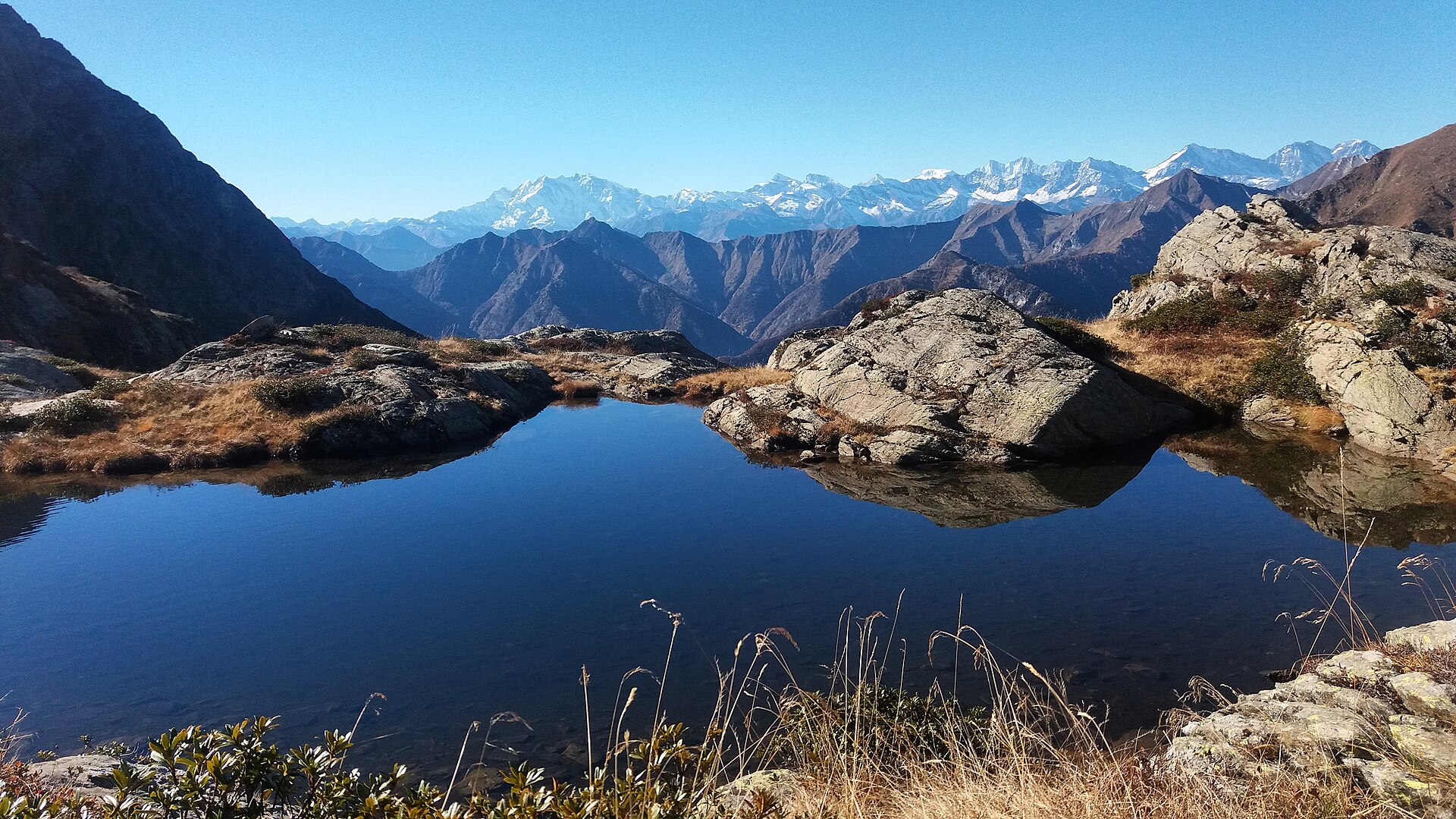
38 records

32 records
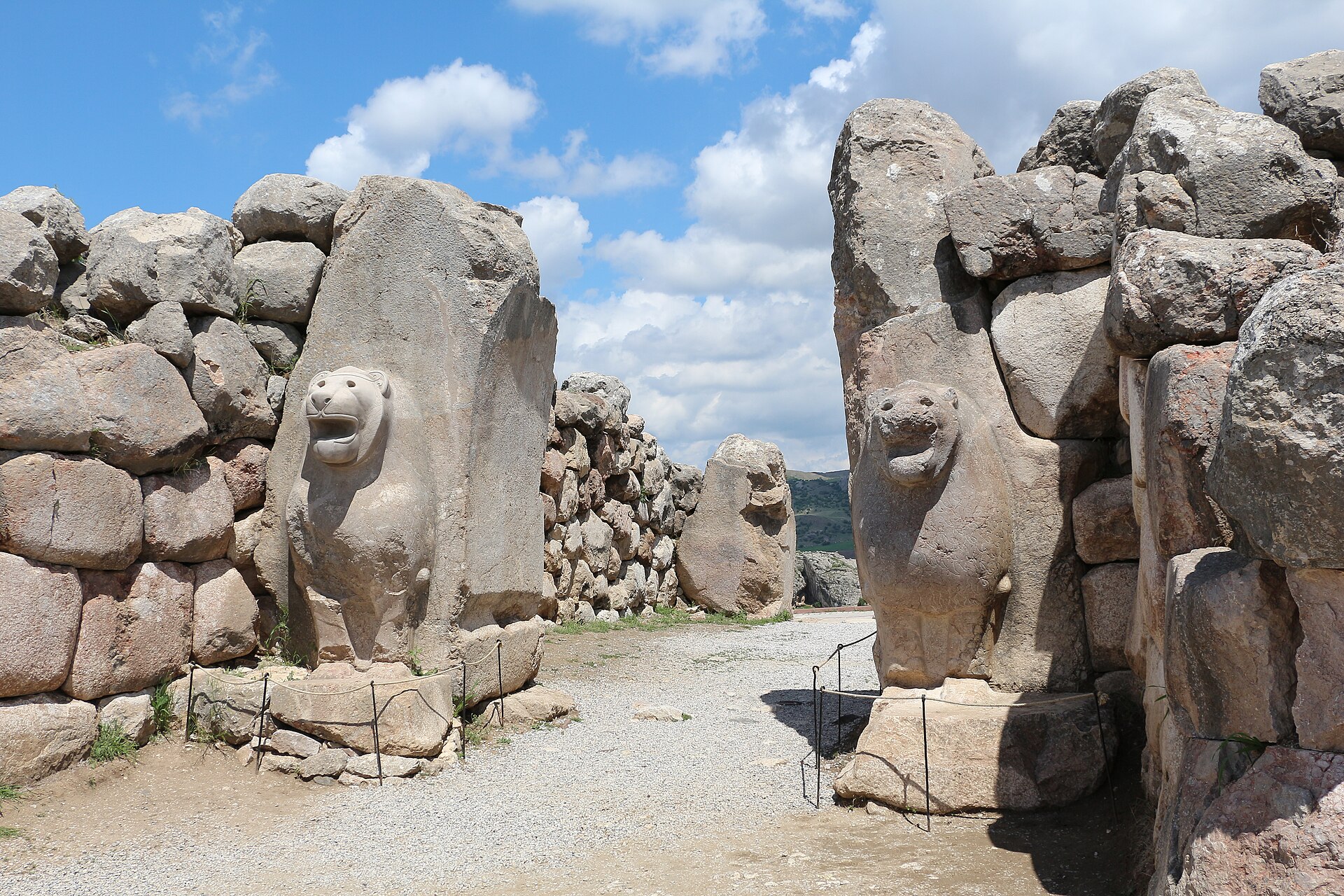
18 records
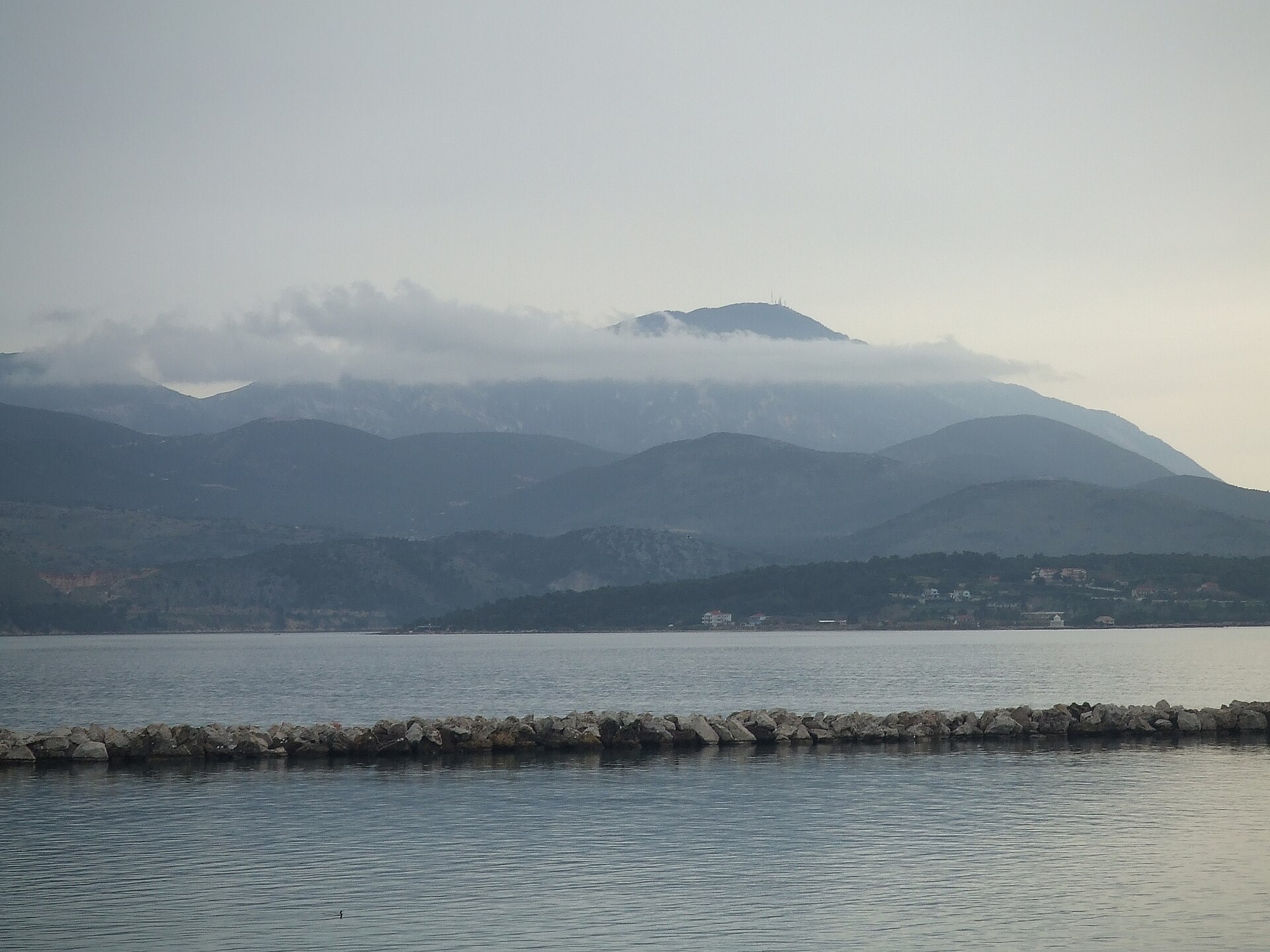
15 records
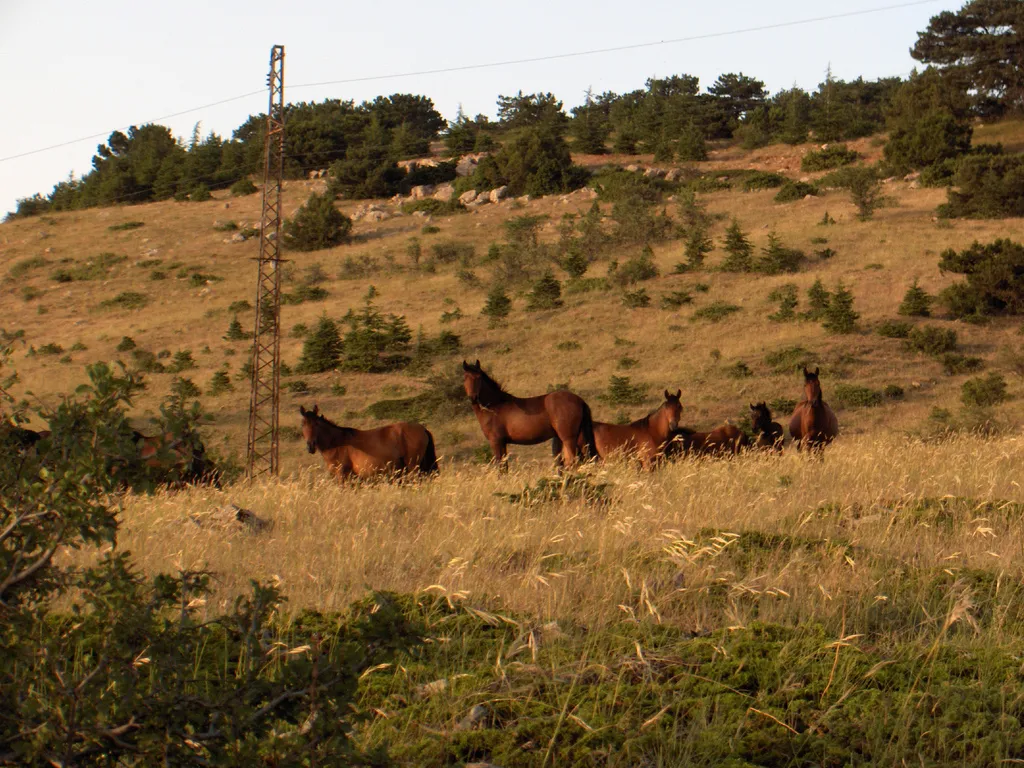
10 records
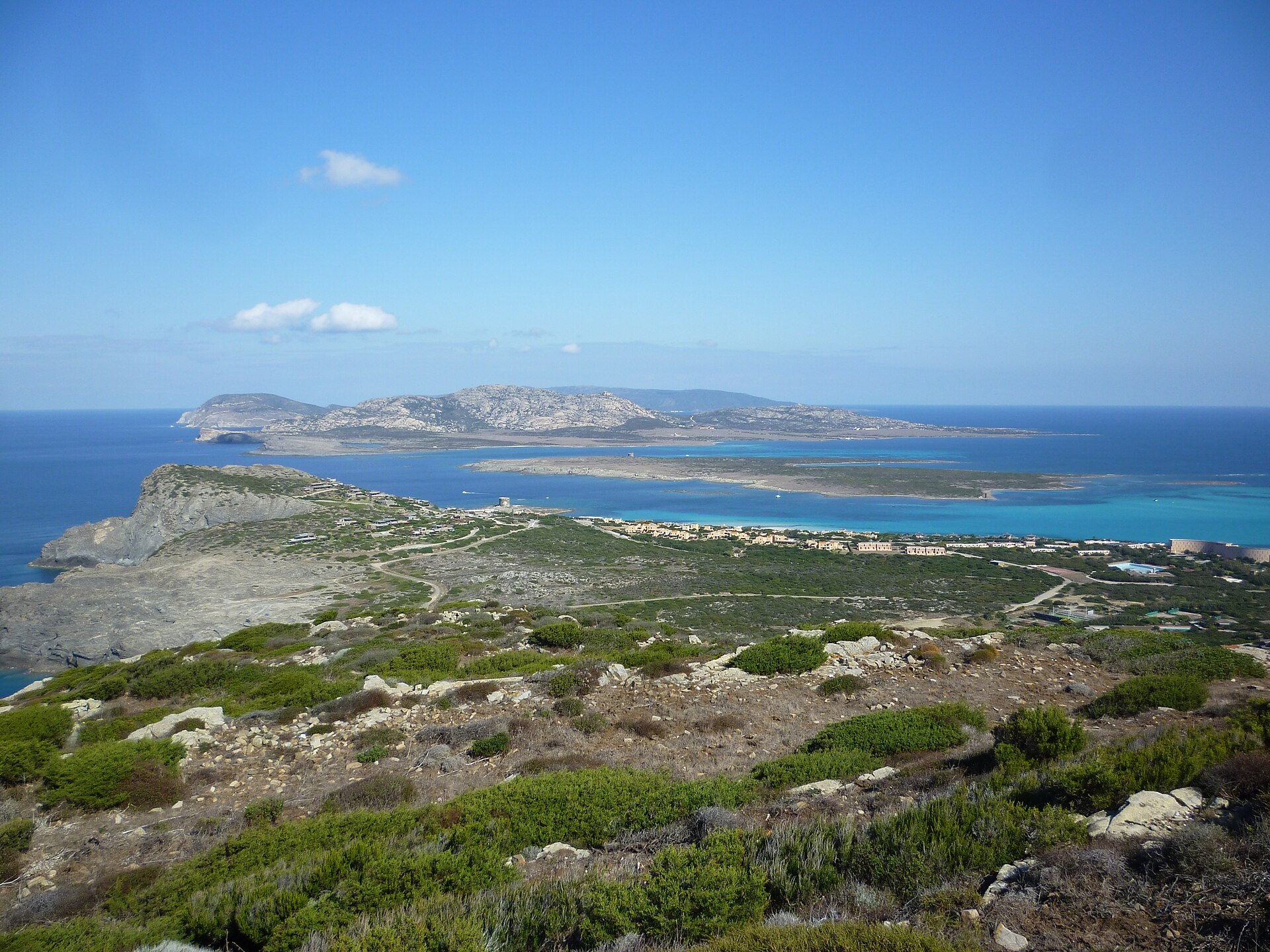
9 records
7 records

3 records
2 records

1 records
Other species to discover
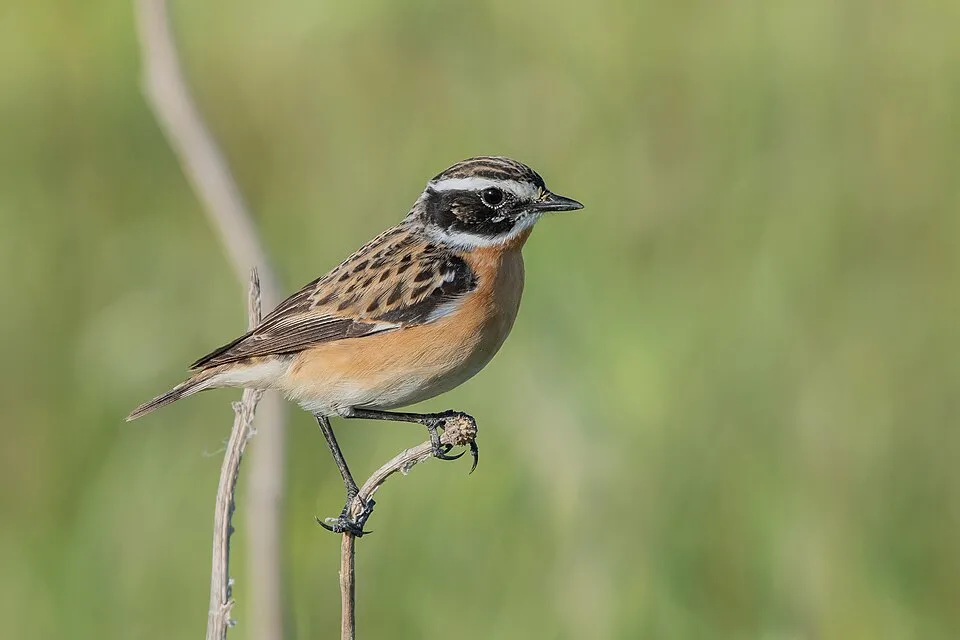 Whinchat
Saxicola rubetra Same genus
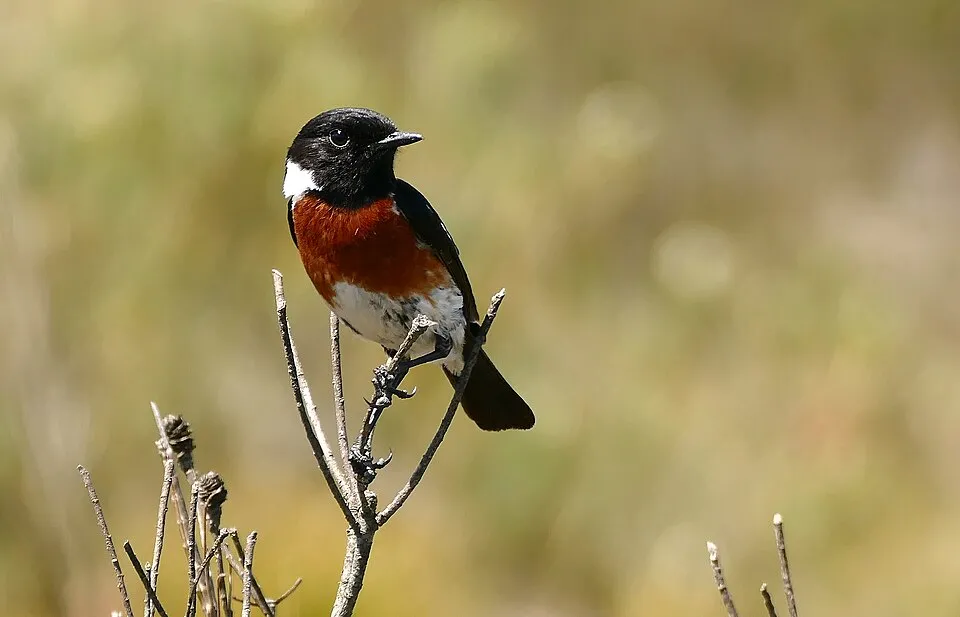 European stonechat
Saxicola torquatus Same genus
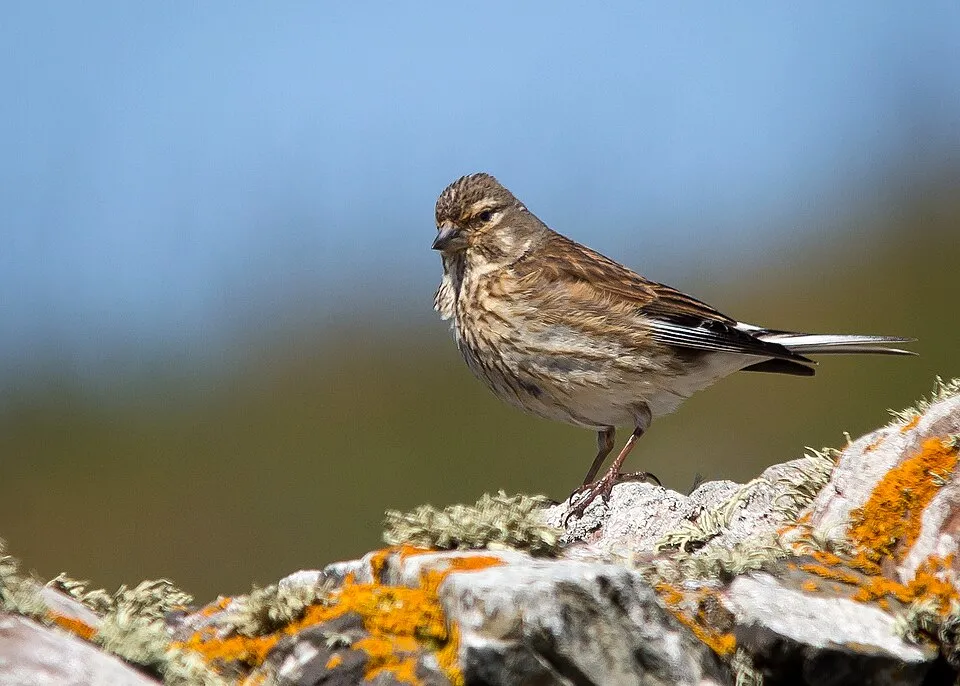 Common Linnet
Linaria cannabina 29 places in common
 Sardinian Warbler
Curruca melanocephala 24 places in common
 Western Black-eared Wheatear
Oenanthe hispanica 21 places in common
 Iberian painted frog
Discoglossus galganoi 25 places in common
Sources and credits
- Presence: most-recorded species of each place on GBIF and species of Community interest in the Natura 2000 forms (EEA, CC-BY 4.0); absence from the list does not mean the species is absent.
- Common names: Wikidata (CC0) and GBIF.
- Photos and sounds: Wikimedia Commons, author and licence given for each file.
- Classification: GBIF Backbone Taxonomy (GBIF Secretariat), CC BY 4.0, doi:10.15468/39omei.
- Countries, elevations, months and maps: GBIF.org, CC0 or CC BY 4.0 occurrences only, accessed October 22, 2026, GBIF.org.
- Base map: Natural Earth (public domain).
- Excerpt: Wikipedia, CC BY-SA 4.0 (full credit below the excerpt).
- Key facts: Wikidata (CC0), with the references cited under each value.