
Bird
Sardinian Warbler: where to see it
Curruca melanocephala
This bird species is recorded in 79 protected areas of the atlas. Within the atlas countries, it is mostly observed in Spain, Portugal and France (5 countries in all). Records are spread throughout the year.
Best time to see it: all year round
Records published on GBIF by month (CC0 and CC BY 4.0 licences only), in the atlas countries, all years combined; they also reflect observer activity.
Key facts
- Clutch size
- 4.5 eggs on average Wikidata, after Jetz et al. 2008
- Incubation
- 13 days Wikidata, after Handbook of the Birds of the World
Distribution
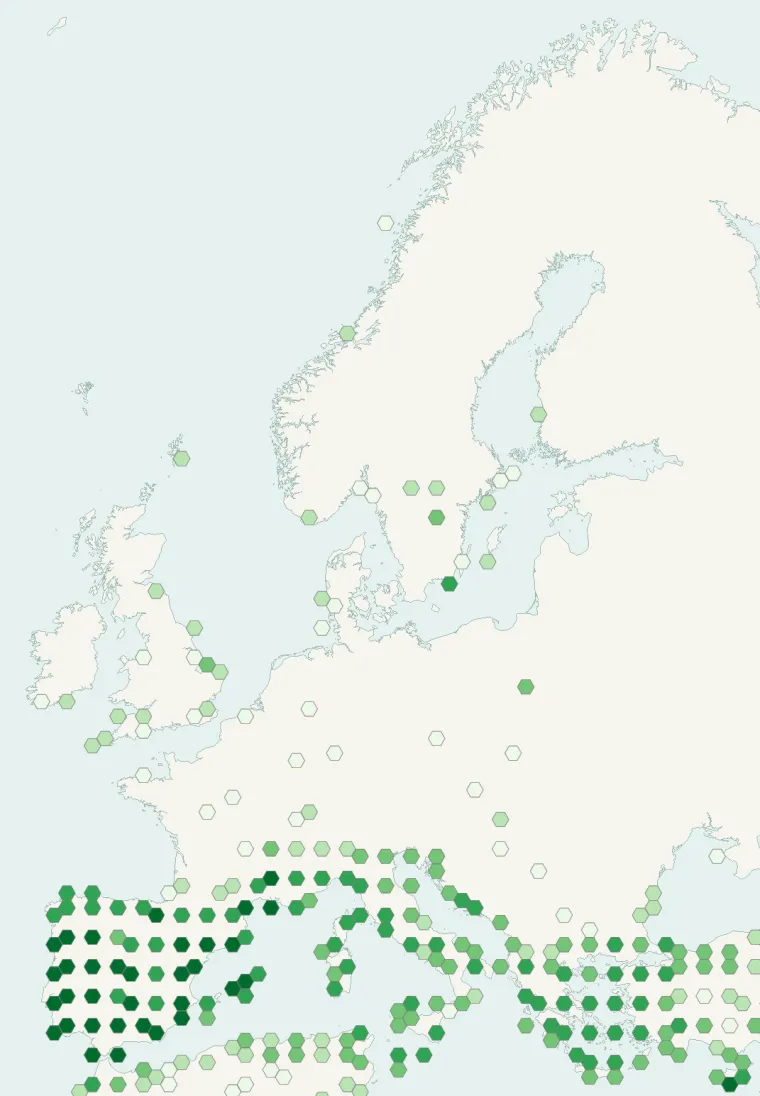
Records published on GBIF (CC0 and CC BY 4.0 licences): the darker the shade, the more records there are; they also reflect observation effort.
Atlas countries where it is recorded
Listen
-
0:15 · © Ryan Hodnett · CC BY-SA 4.0 · Wikimedia Commons · Original file
From Wikipedia
The Sardinian warbler (Curruca melanocephala) is a common and widespread Sylviidae warbler from the Mediterranean region. Like most Curruca species, it has distinct male and female plumages. The adult male has a grey back, whitish underparts, black head, white throat and red eyes. Plumages are somewhat variable even in the same locality, with the intensity of a reddish hue on upper- and/or underside that varies from absent to (in some subspecies) pronounced. The female is mainly brown above and buff below, with a grey head.
Source: Wikipedia, article “Sardinian warbler” (version of May 7, 2026) · history and authors · licence CC BY-SA 4.0 · shortened excerpt
Protected areas where it is recorded

14,553 records
12,378 records

7,237 records

5,102 records
3,843 records
3,638 records
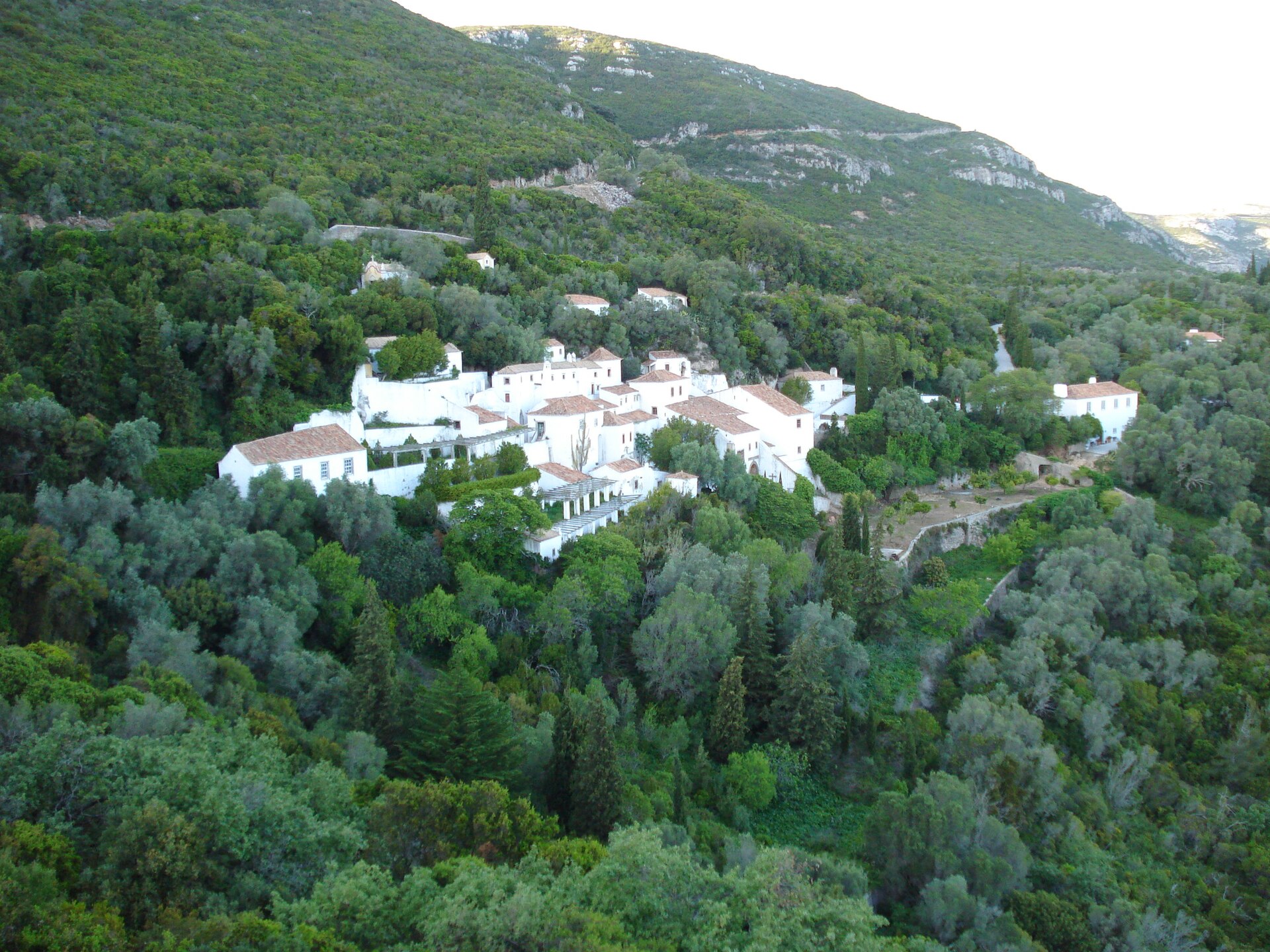
2,902 records

2,602 records
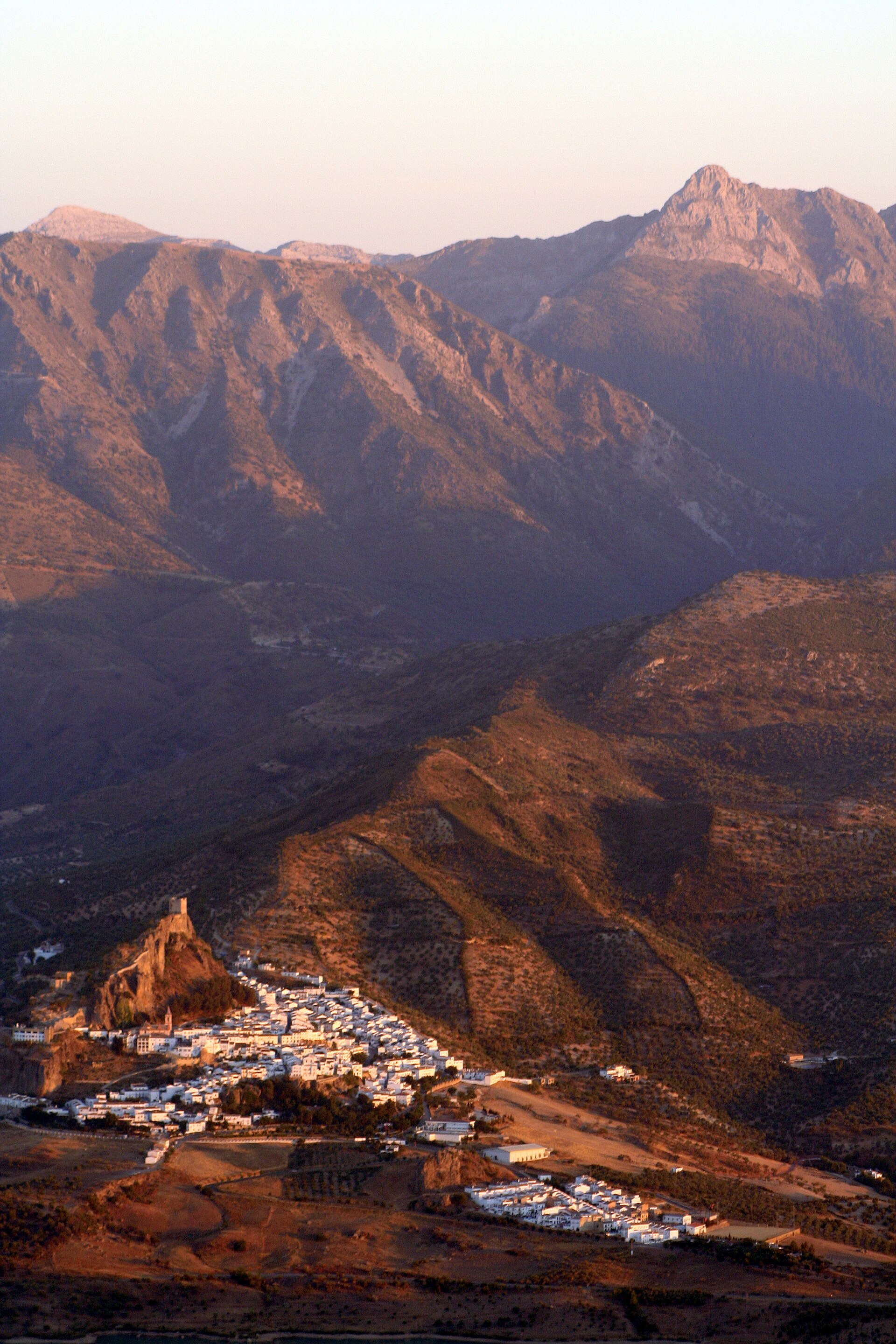
2,424 records
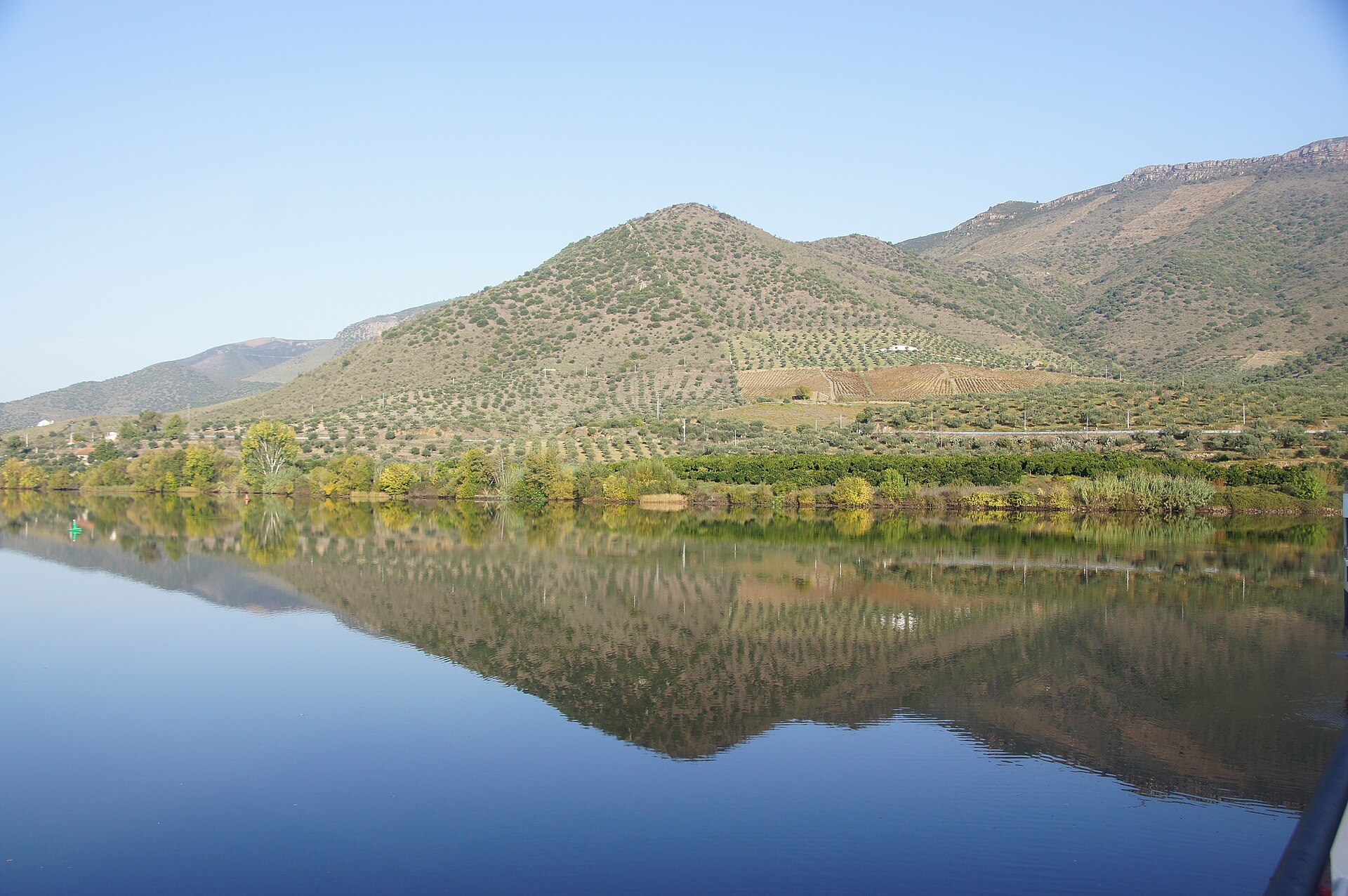
2,420 records
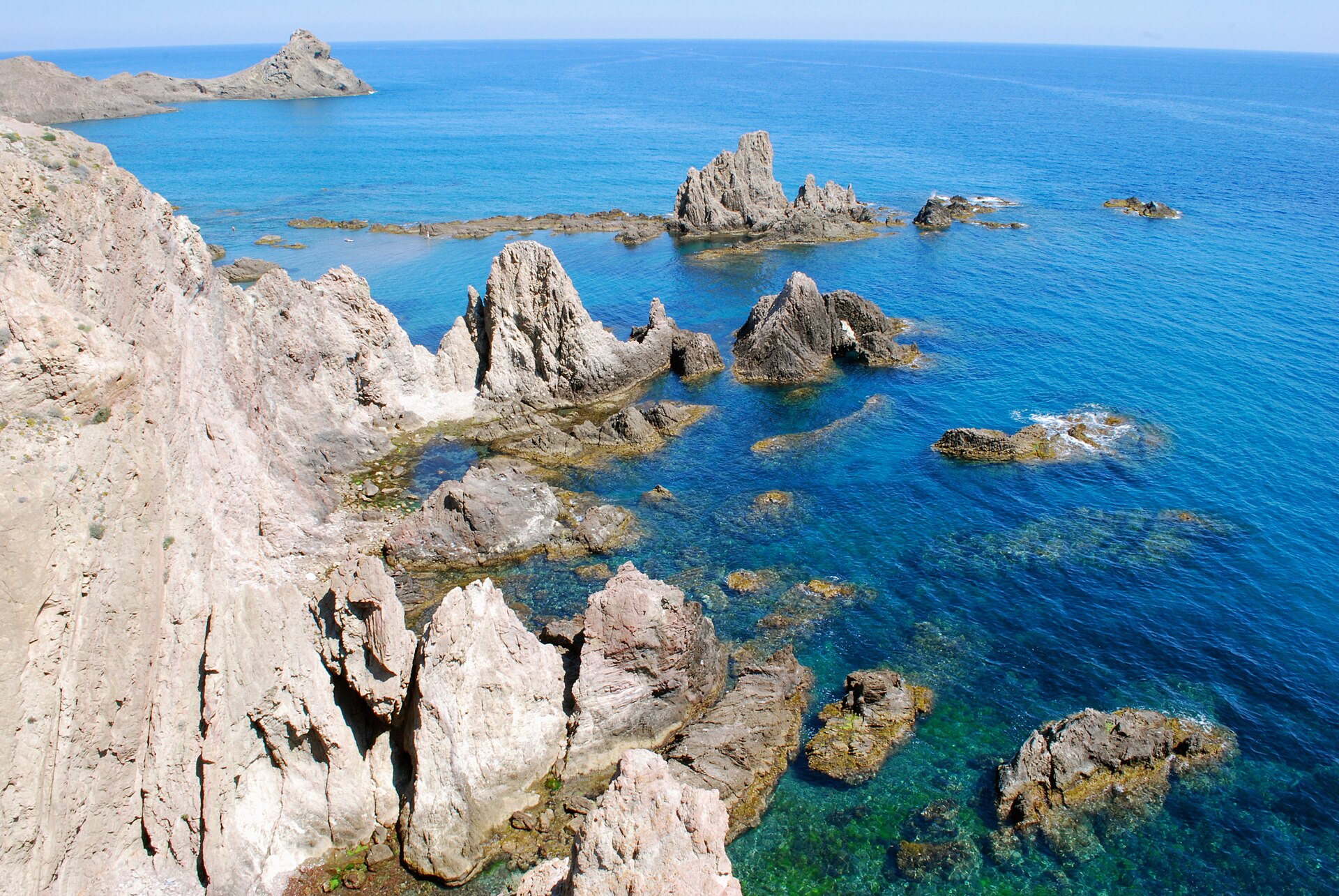
2,189 records

2,122 records

1,730 records

1,444 records
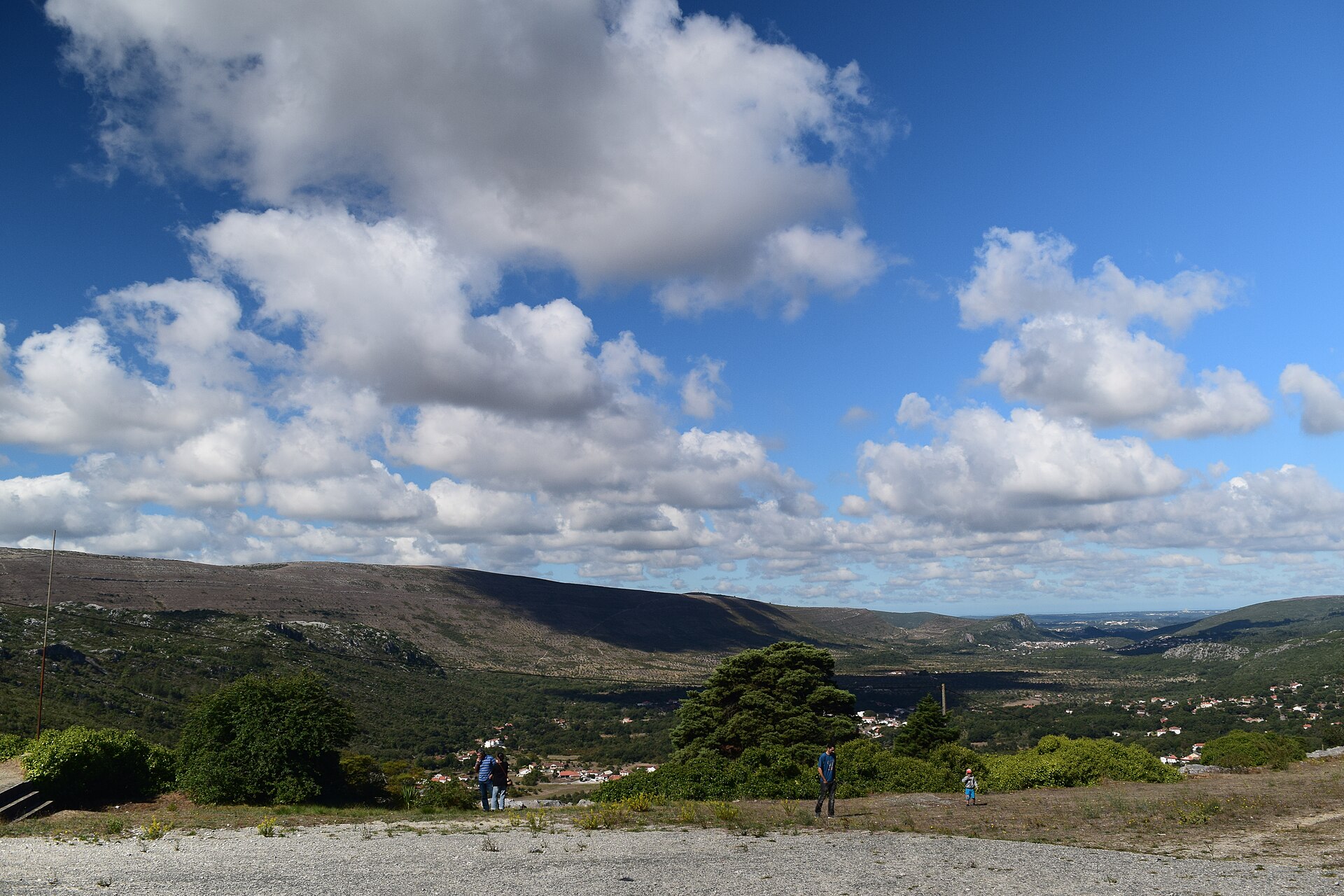
1,053 records
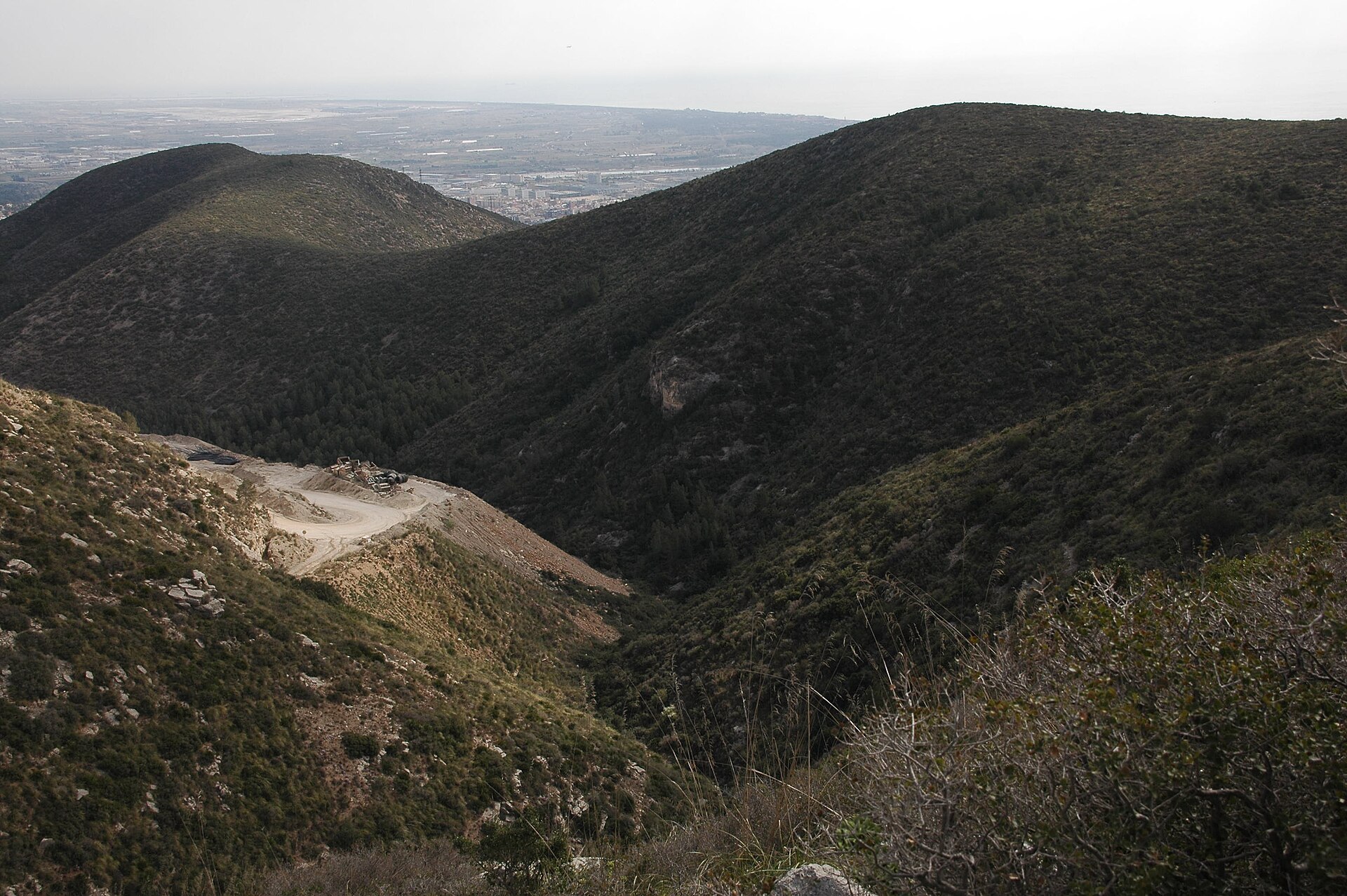
1,042 records
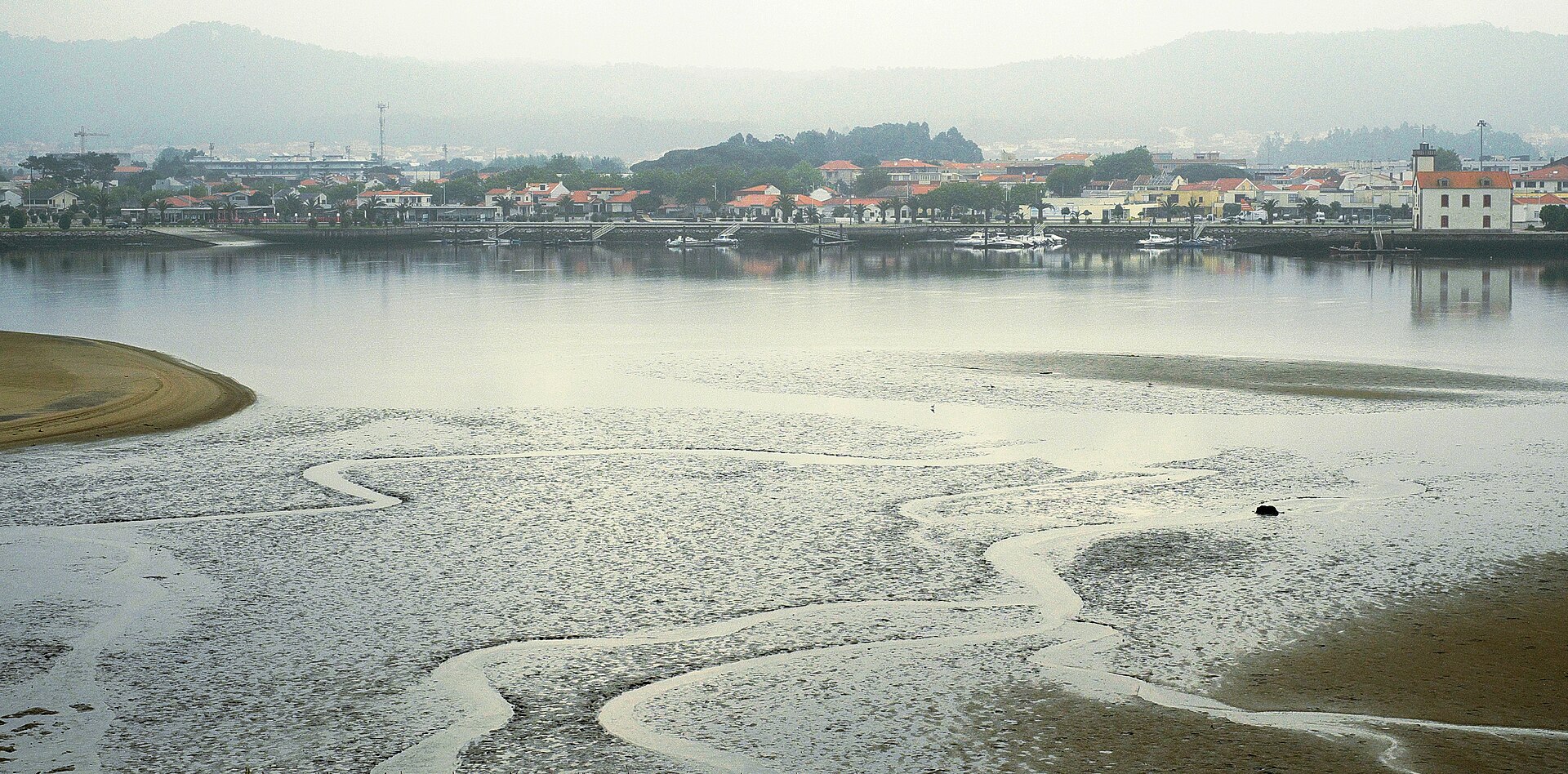
988 records
898 records

729 records

717 records
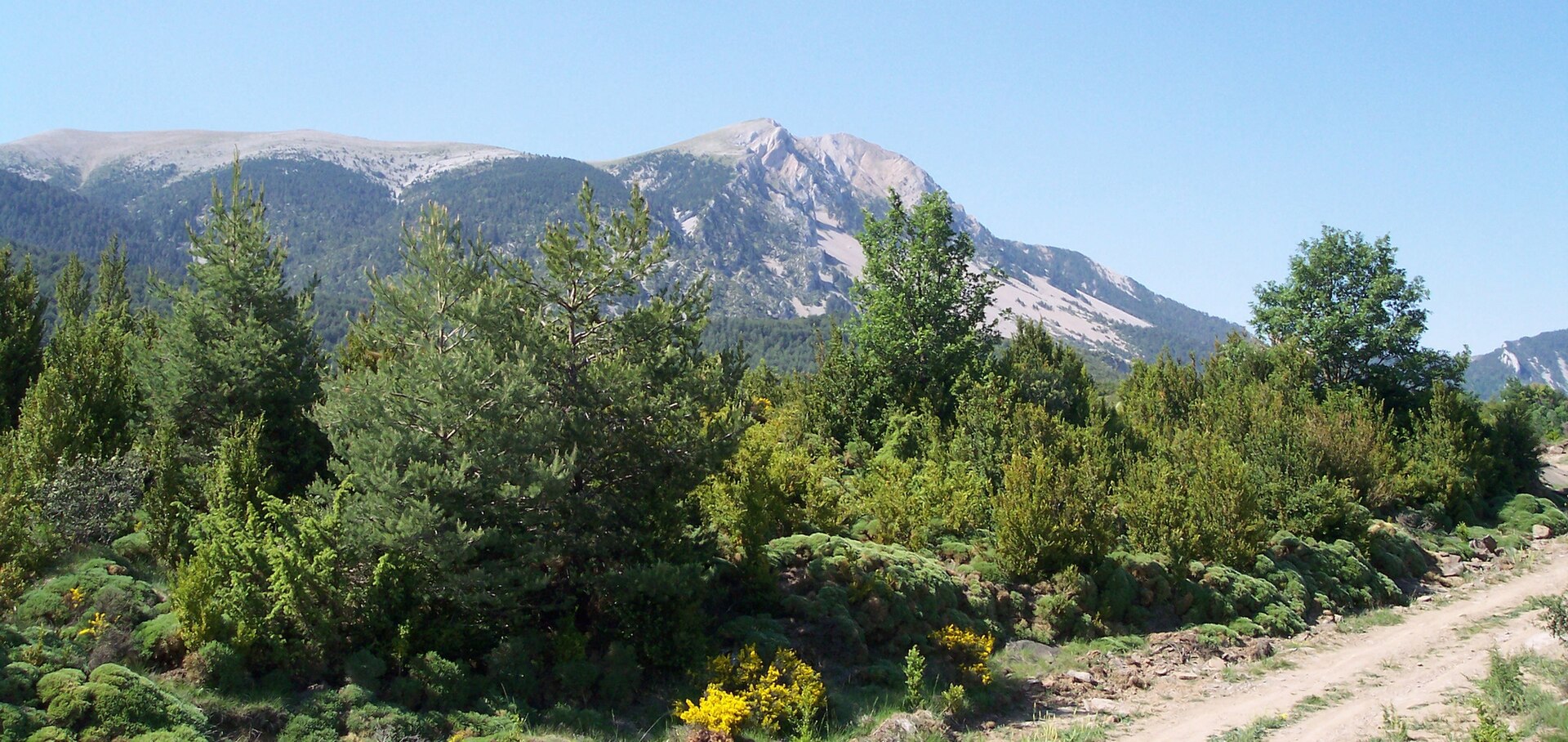
633 records

598 records

595 records
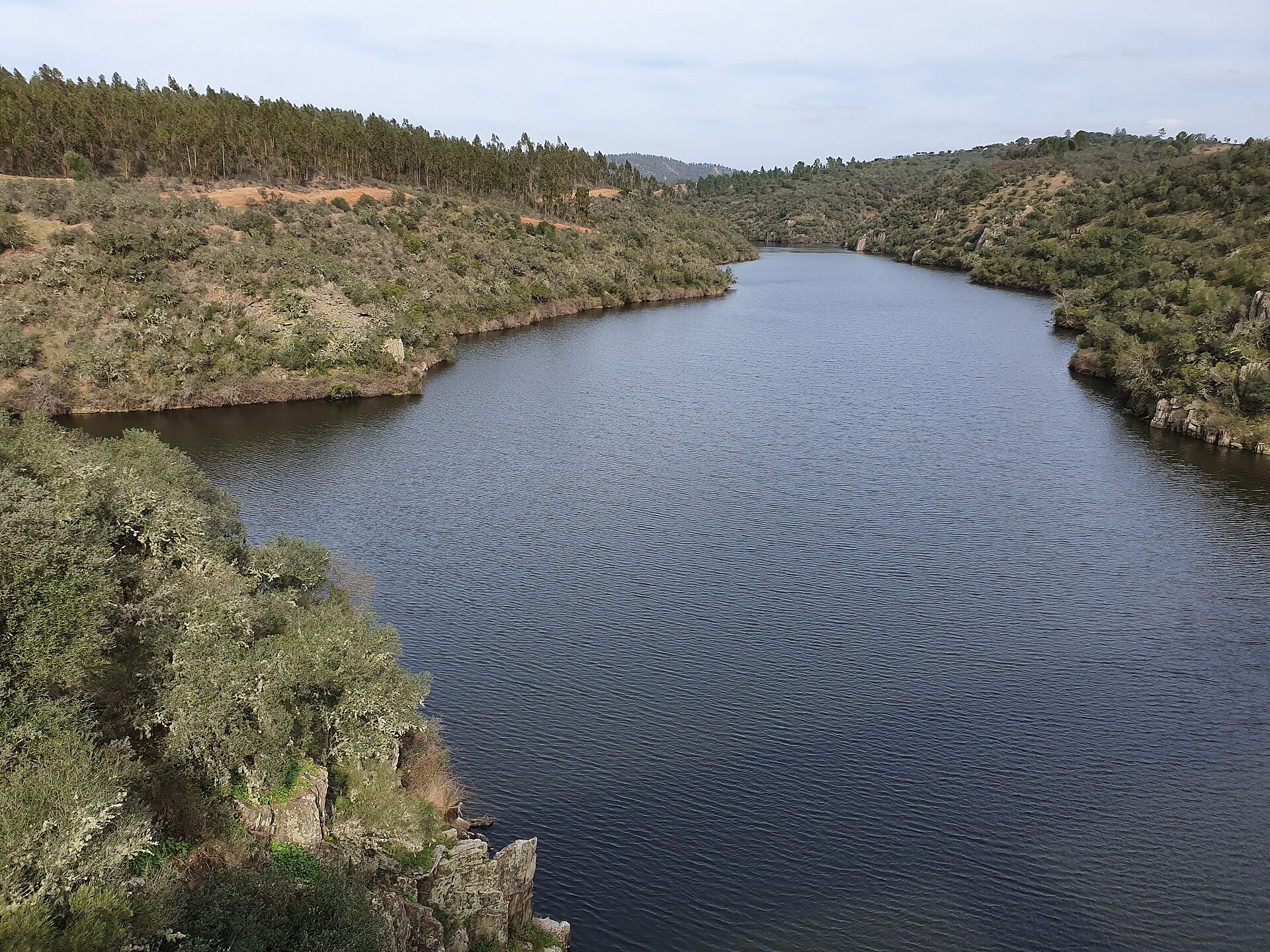
570 records

527 records
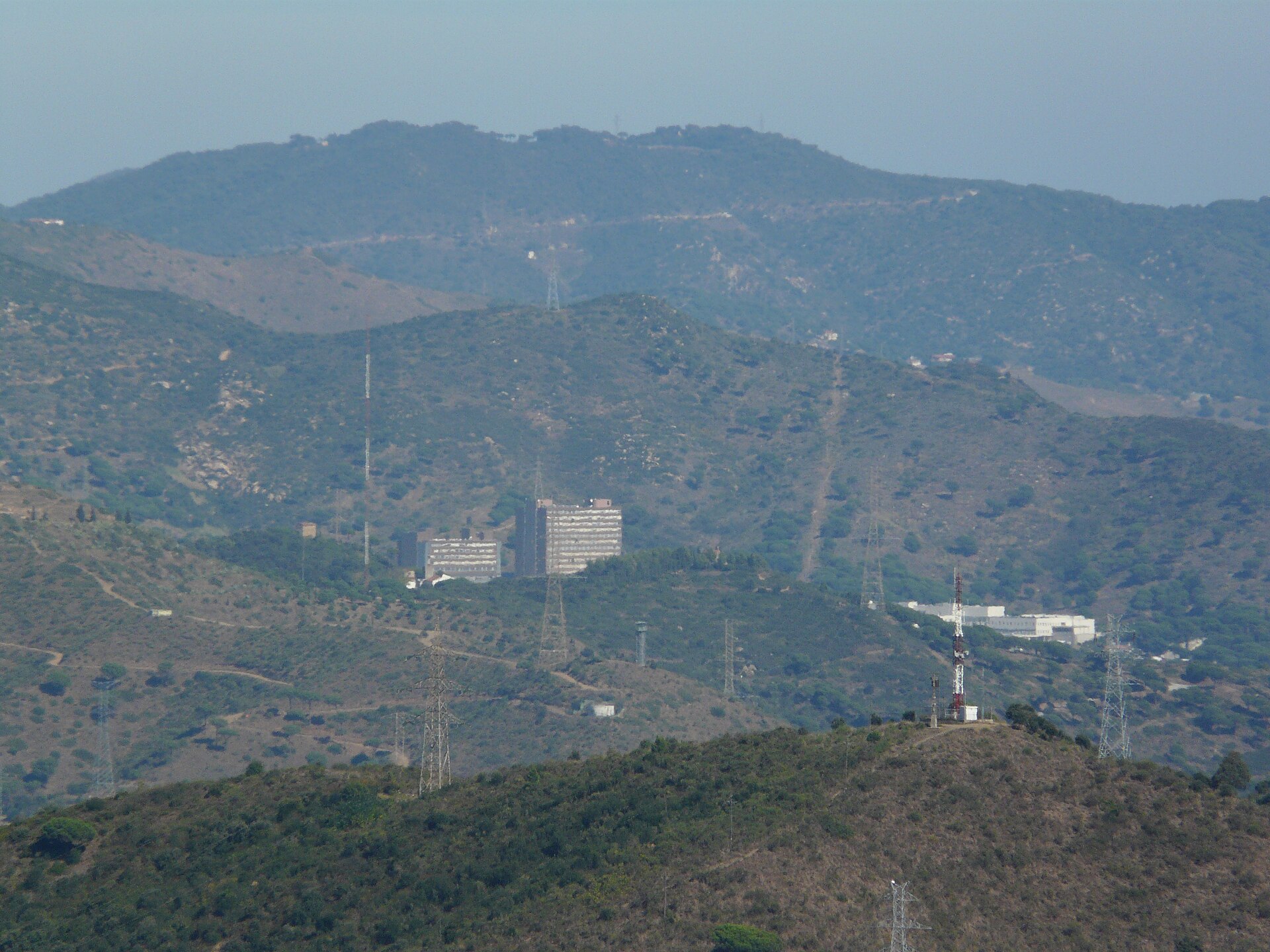
455 records

377 records

267 records

254 records

226 records

225 records
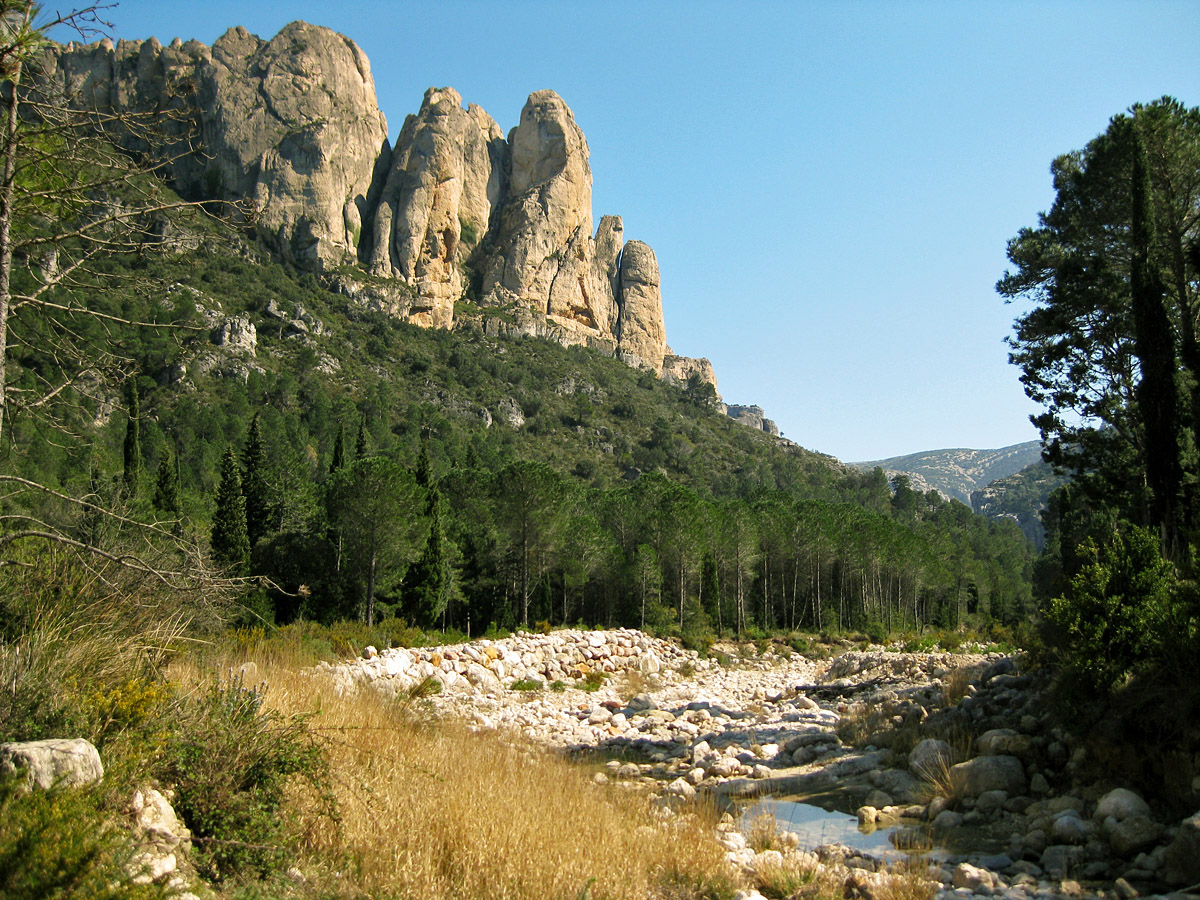
218 records
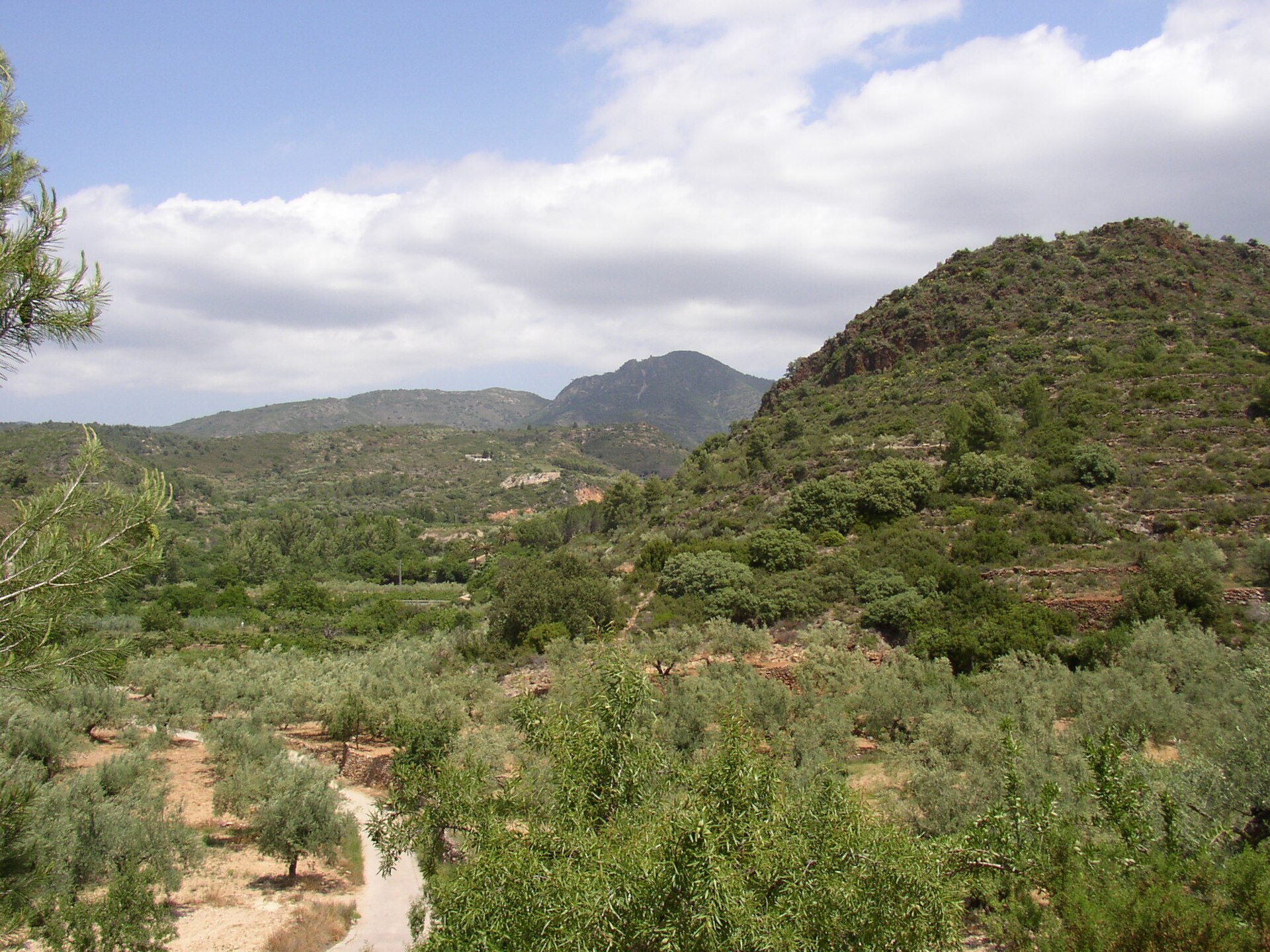
213 records
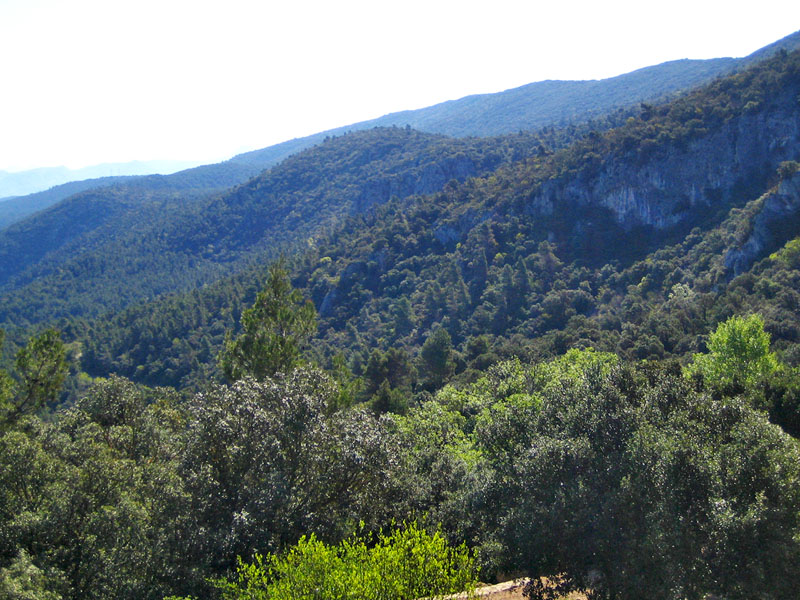
207 records
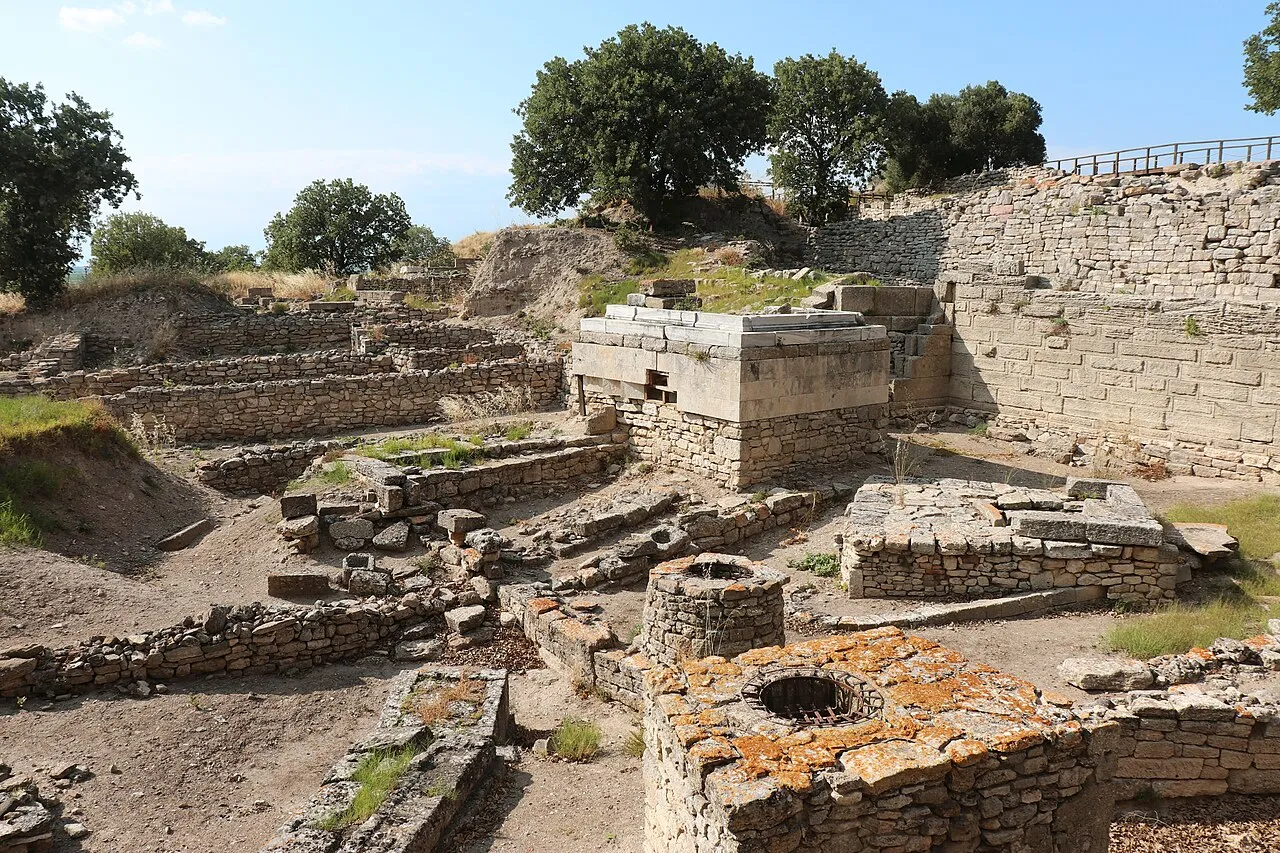
183 records
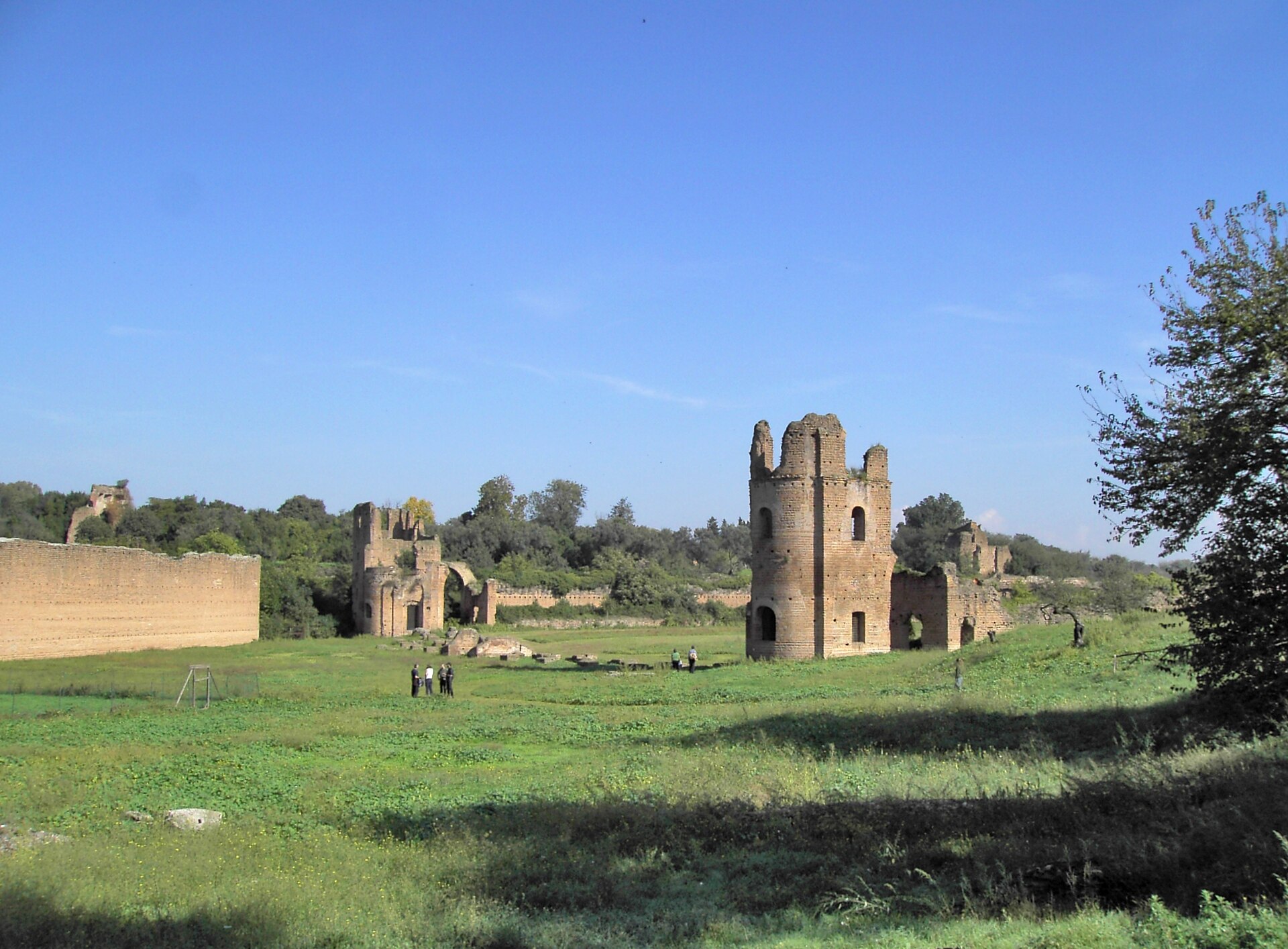
174 records

164 records
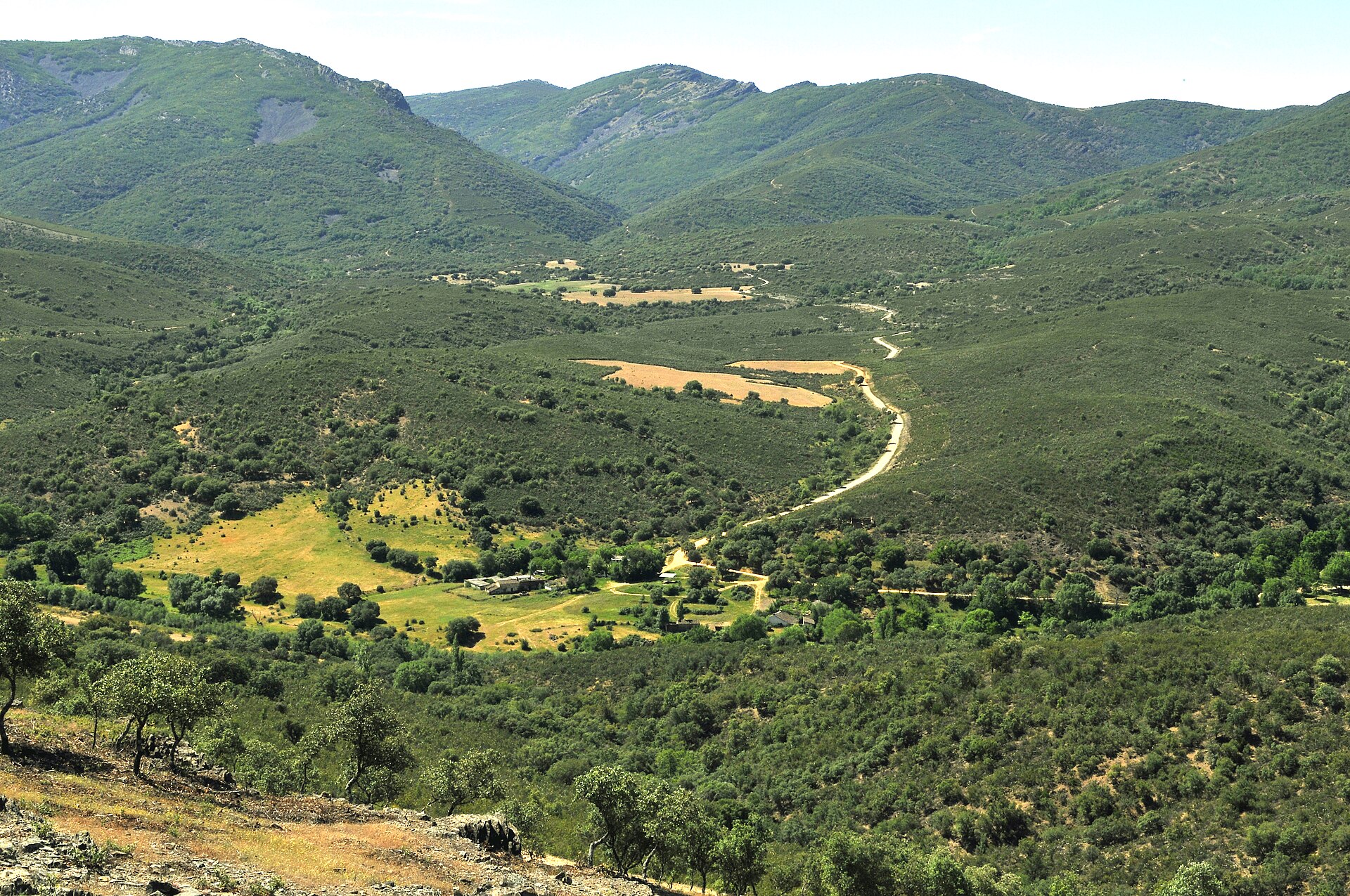
158 records

144 records

142 records

140 records

129 records
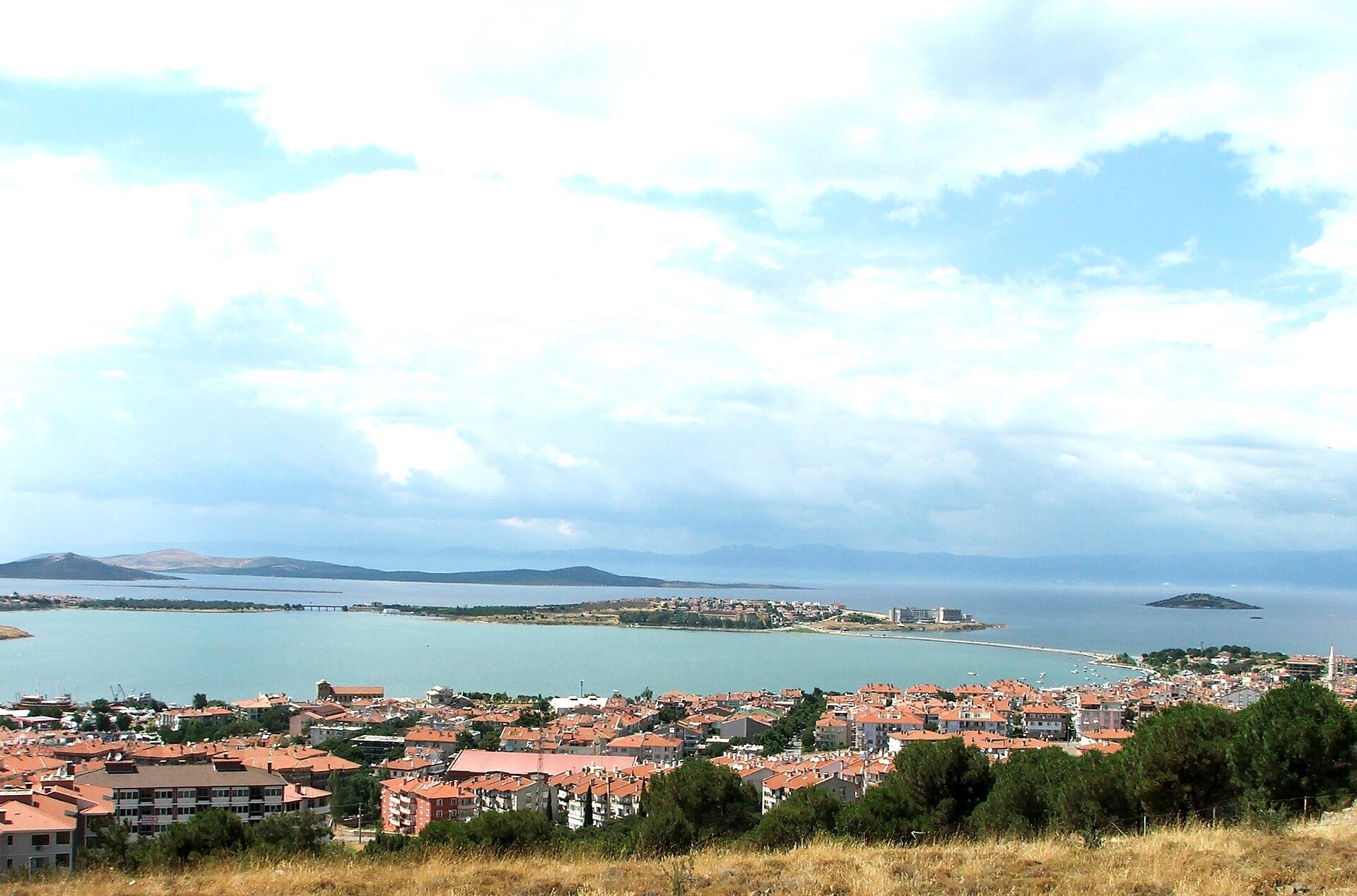
122 records

121 records

121 records
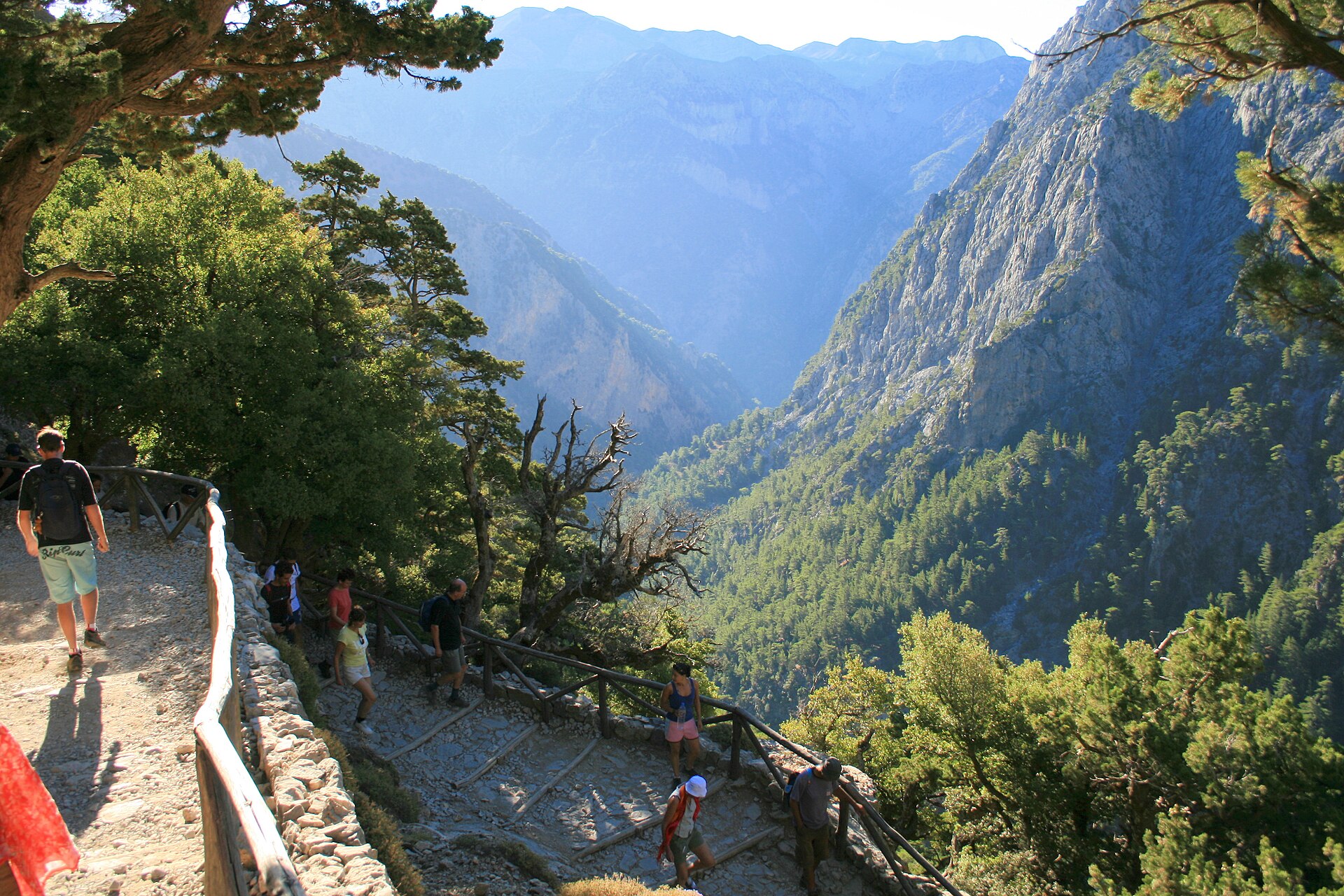
99 records
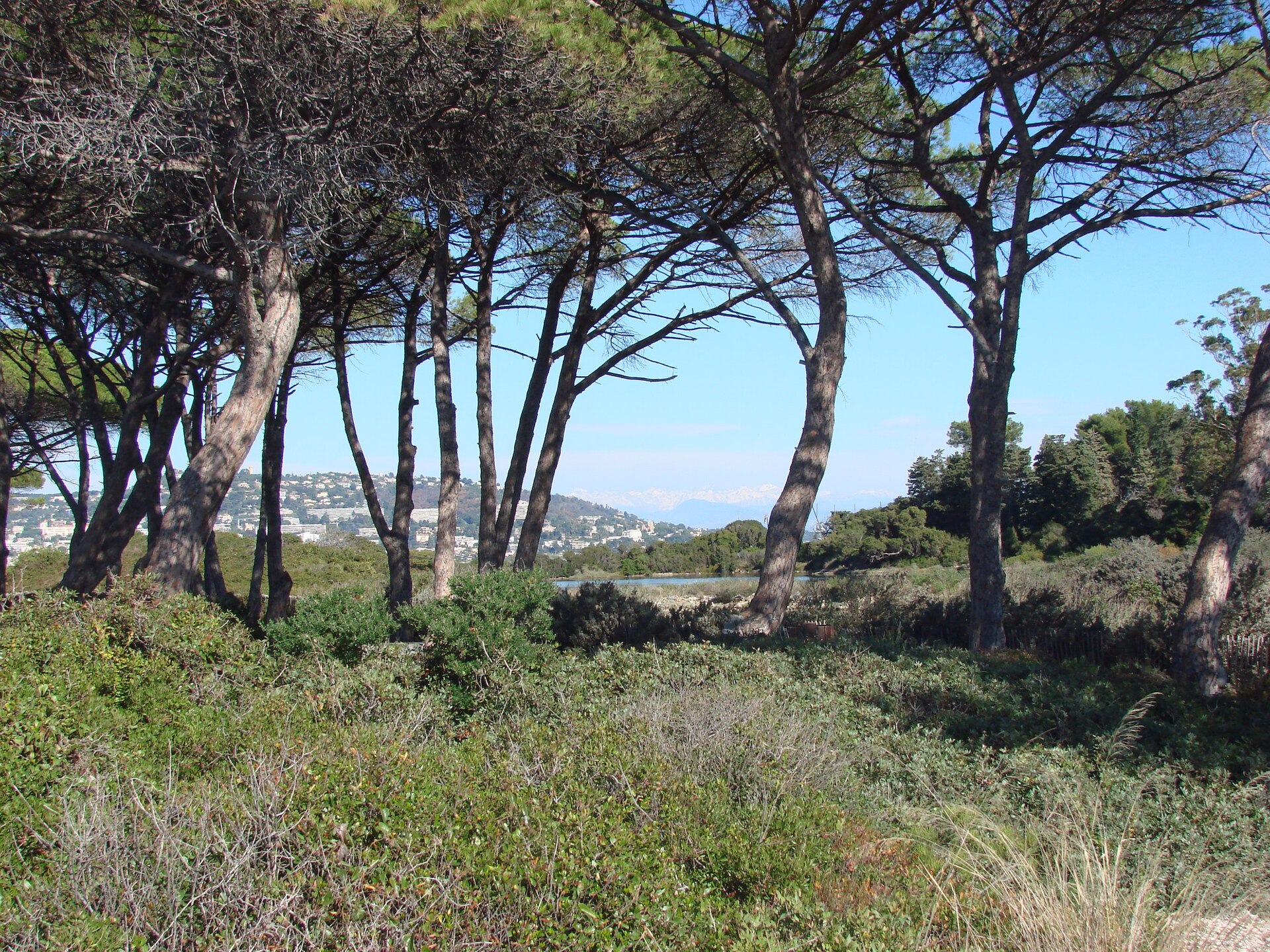
97 records

89 records

88 records

78 records

69 records
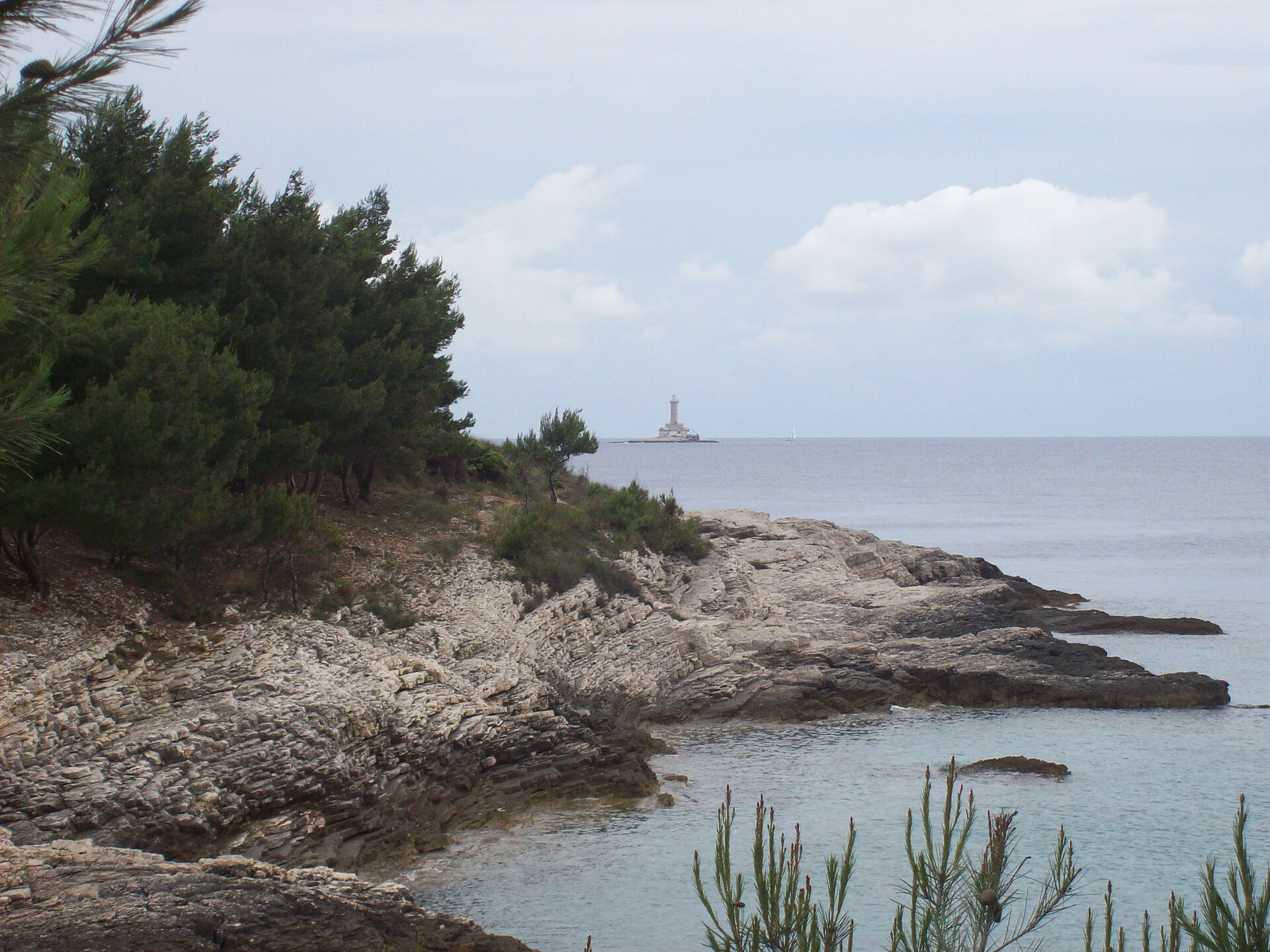
64 records

60 records

53 records

52 records
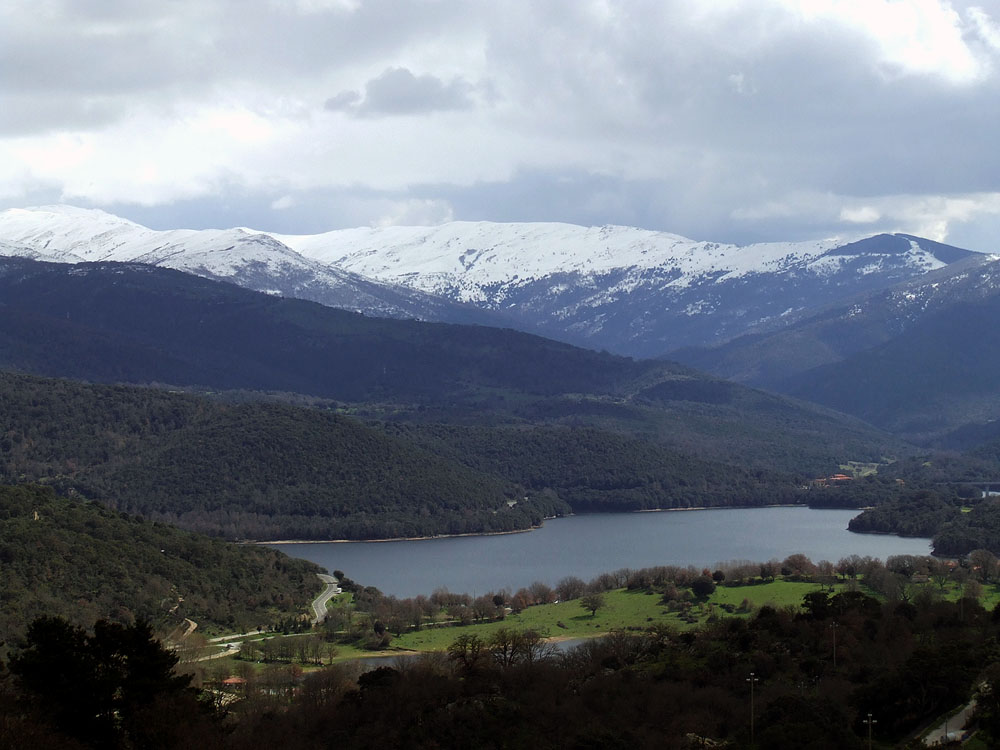
47 records

47 records
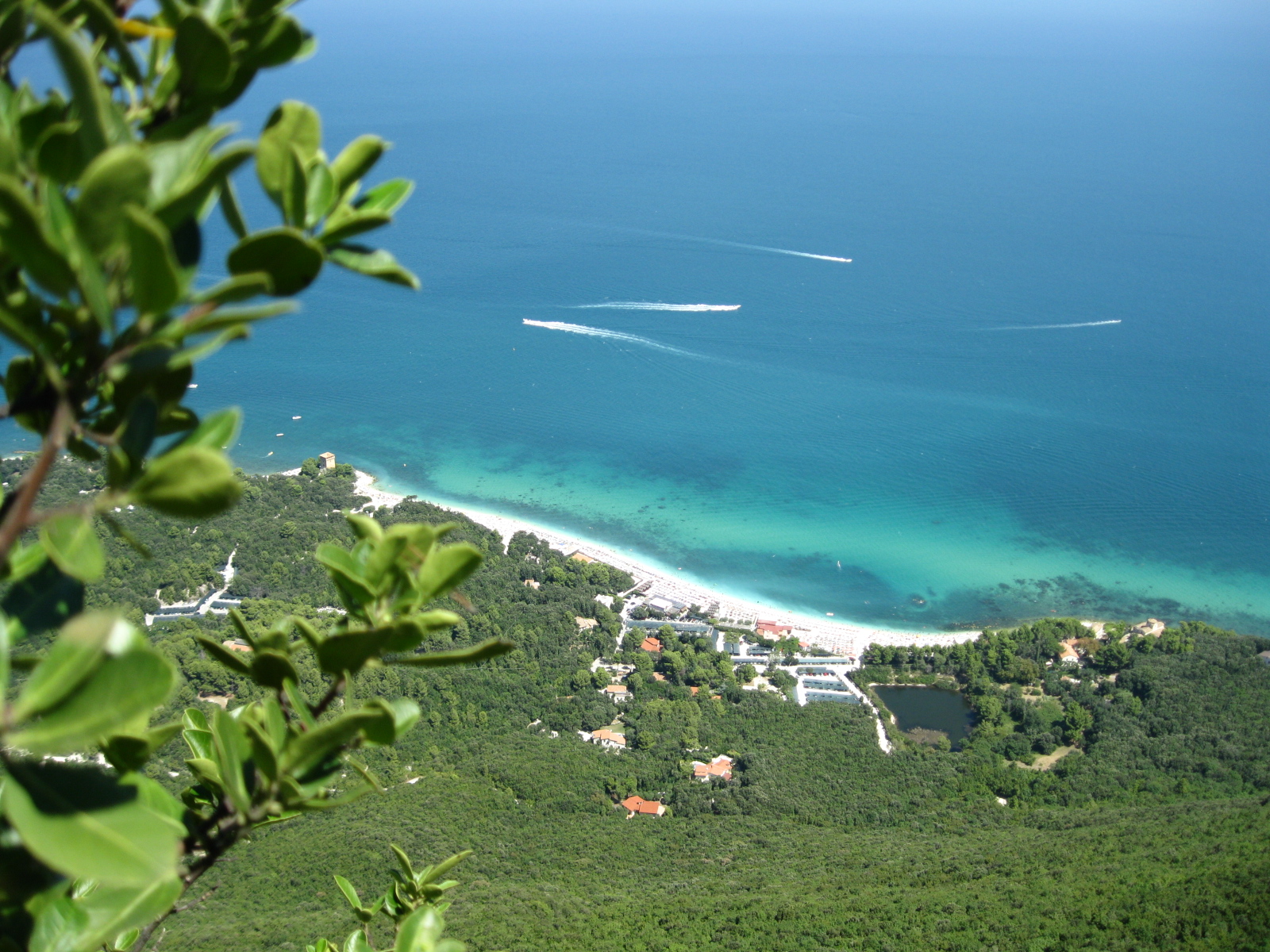
38 records
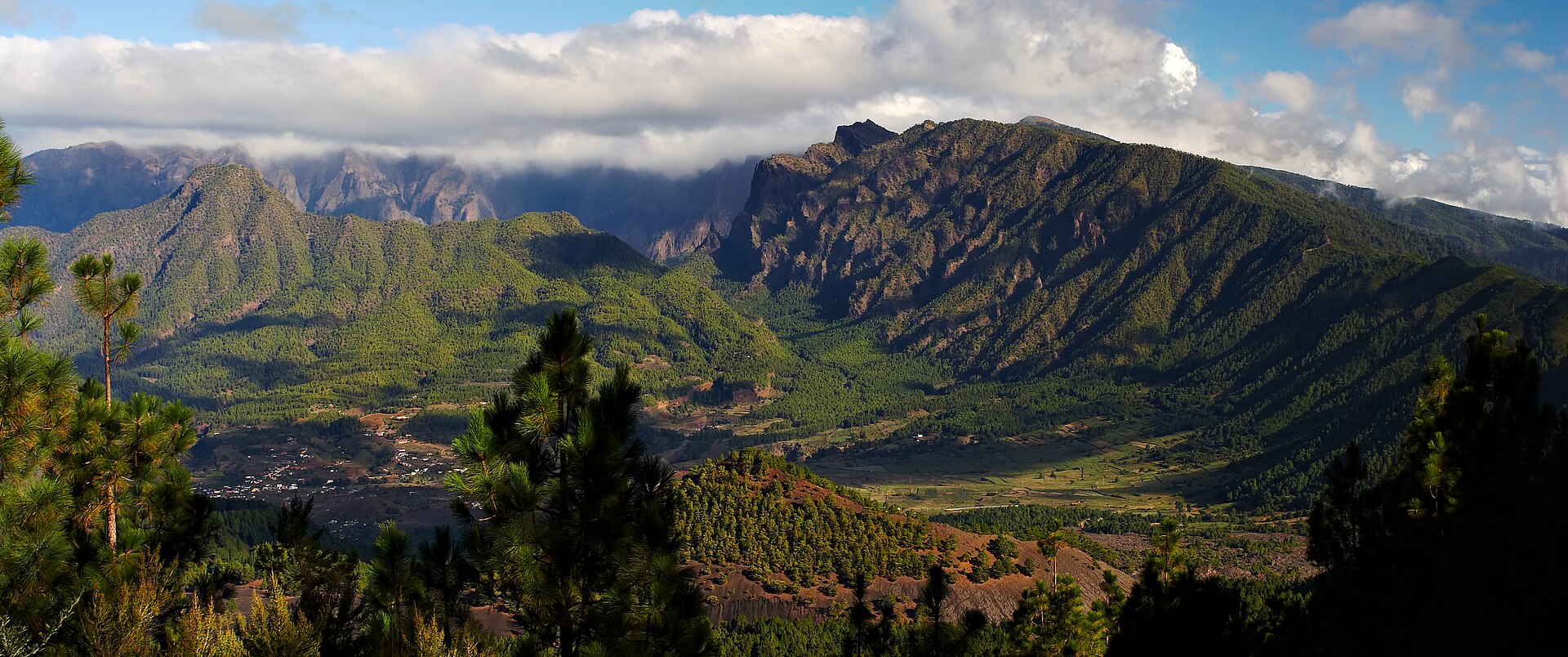
37 records
36 records
34 records

31 records

30 records

26 records

25 records
16 records

15 records
14 records

13 records
13 records
12 records
12 records
11 records
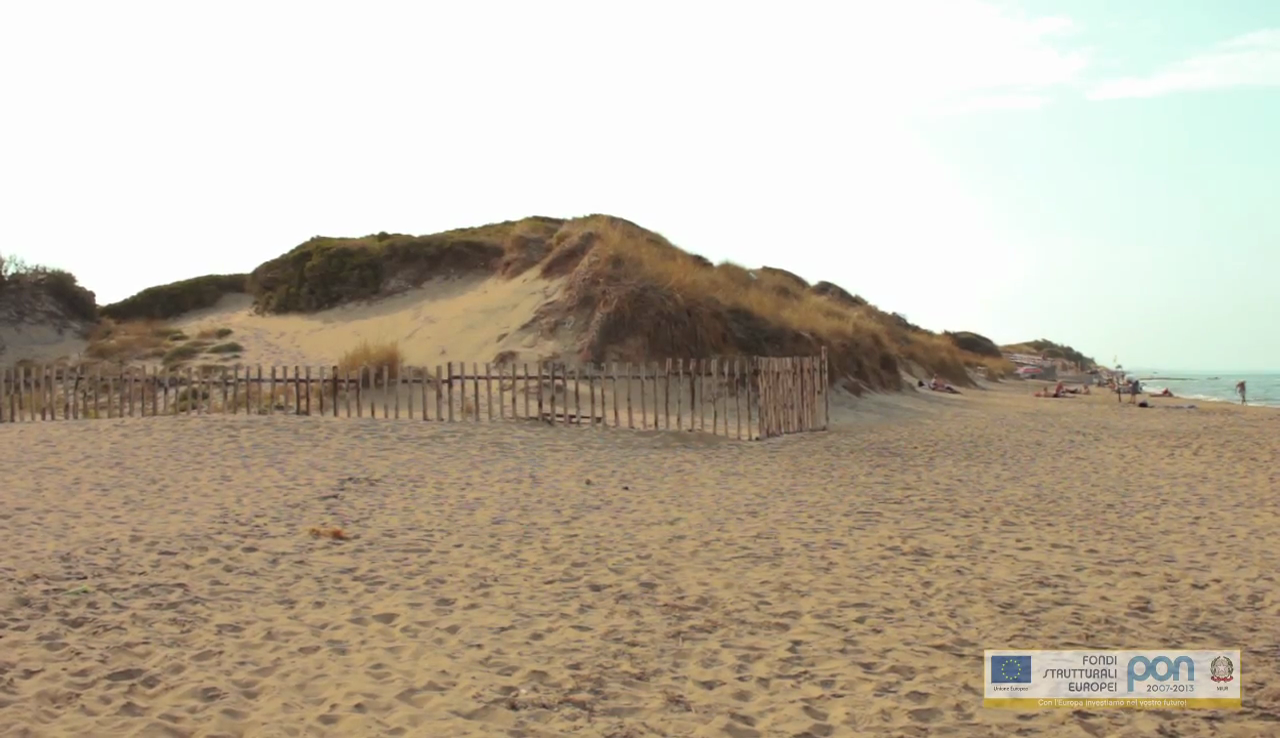
10 records
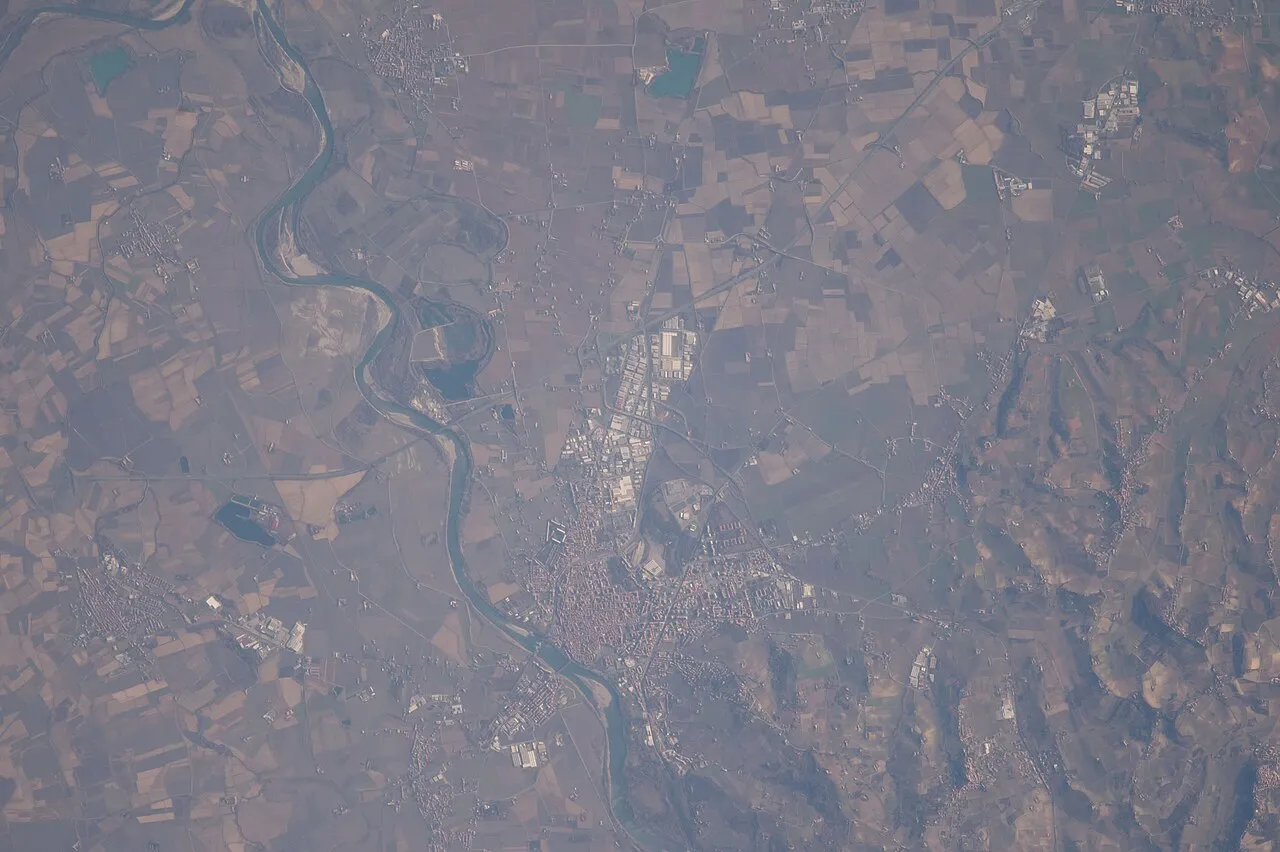
9 records
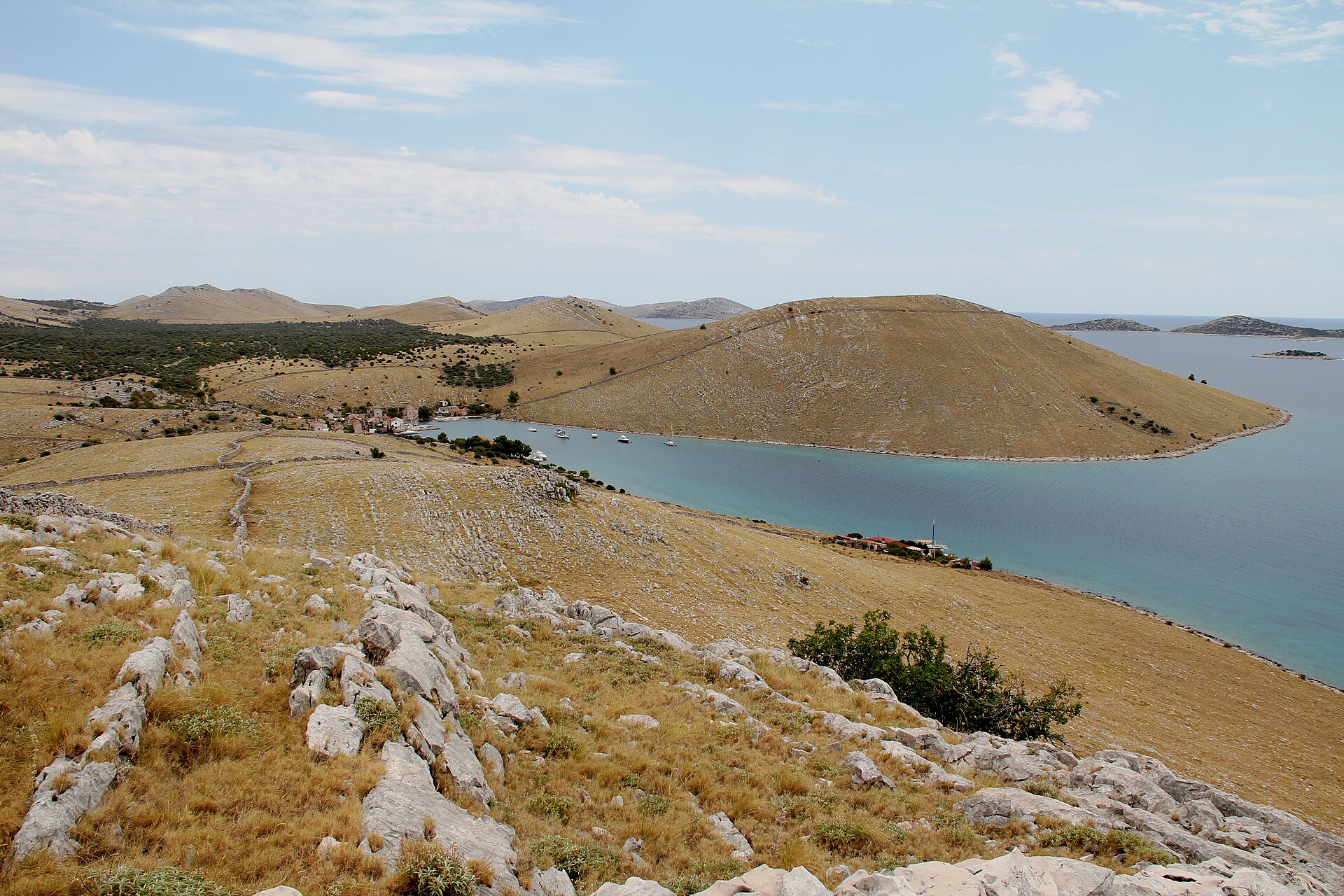
8 records

8 records

6 records
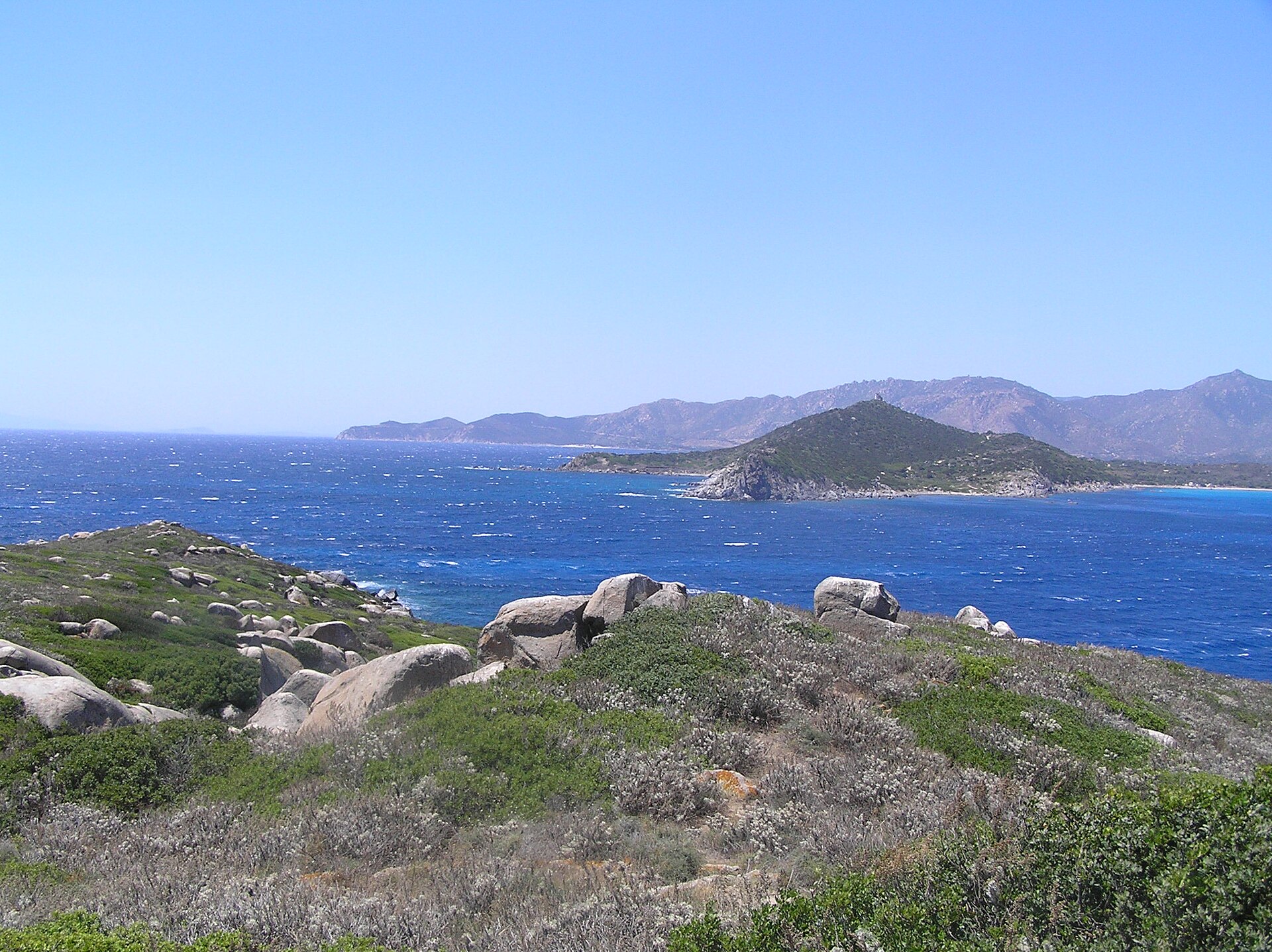
3 records
Other species to discover
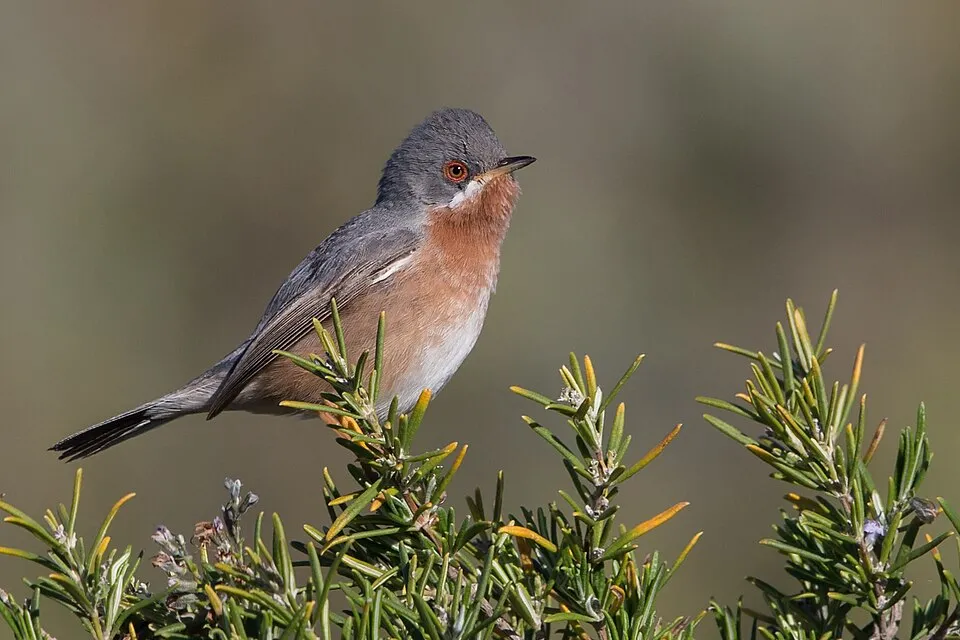 Western Subalpine Warbler
Curruca iberiae Same genus
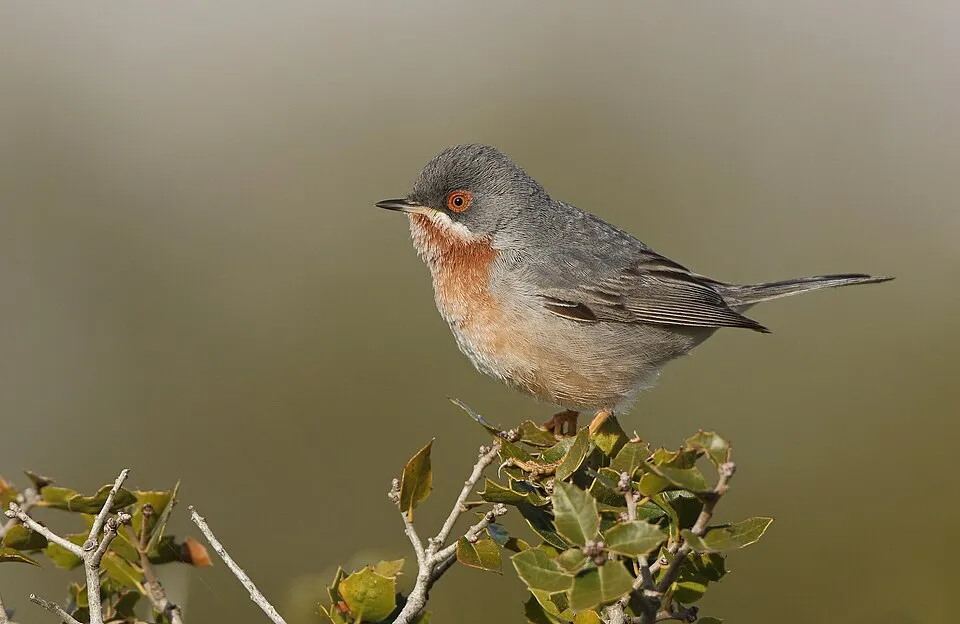 Eastern Subalpine Warbler
Curruca cantillans Same genus
 Western Black-eared Wheatear
Oenanthe hispanica 30 places in common
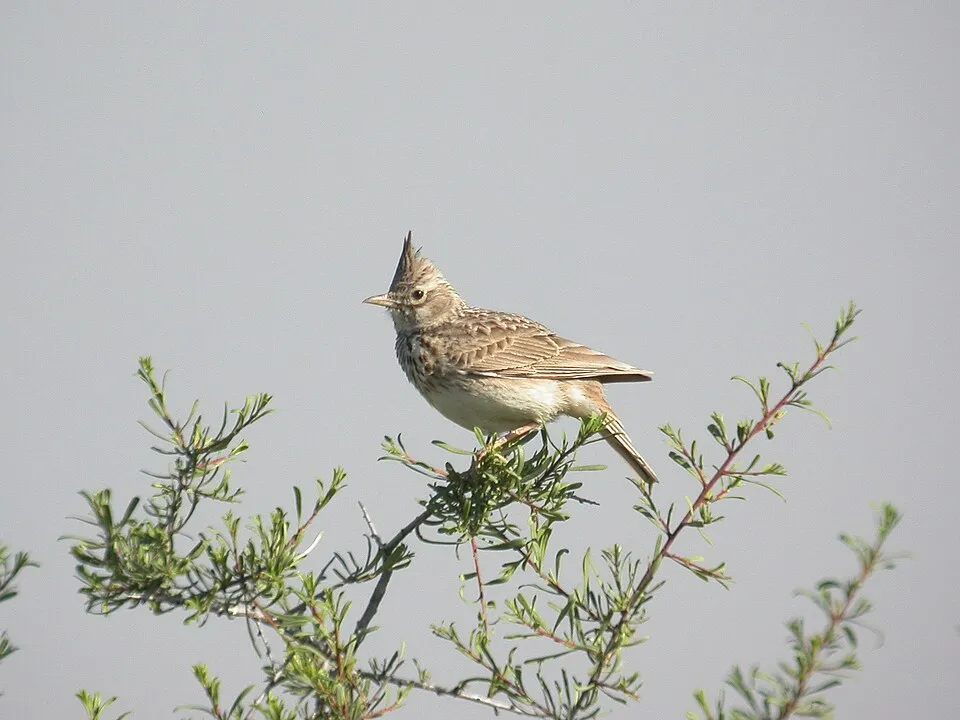 Thekla's Lark
Galerida theklae 26 places in common
 Yellow-legged Gull
Larus michahellis 51 places in common
 Greater Short-toed Lark
Calandrella brachydactyla 36 places in common
Sources and credits
- Presence: most-recorded species of each place on GBIF and species of Community interest in the Natura 2000 forms (EEA, CC-BY 4.0); absence from the list does not mean the species is absent.
- Common names: Wikidata (CC0) and GBIF.
- Photos and sounds: Wikimedia Commons, author and licence given for each file.
- Classification: GBIF Backbone Taxonomy (GBIF Secretariat), CC BY 4.0, doi:10.15468/39omei.
- Countries, elevations, months and maps: GBIF.org, CC0 or CC BY 4.0 occurrences only, accessed October 22, 2026, GBIF.org.
- Base map: Natural Earth (public domain).
- Excerpt: Wikipedia, CC BY-SA 4.0 (full credit below the excerpt).
- Key facts: Wikidata (CC0), with the references cited under each value.