
Amphibian
Iberian painted frog: where to see it
Discoglossus galganoi
This amphibian species is recorded in 52 protected areas of the atlas, and is listed on the official Natura 2000 form of each of them. Within the atlas countries, it is observed in Portugal and Spain. Records peak from March to May. It is a species of Community interest under the Habitats Directive (Annexes II and IV). In the EU its conservation status is assessed as favourable (2013–2018 reporting).
Best time to see it: March–May
Records published on GBIF by month (CC0 and CC BY 4.0 licences only), in the atlas countries, all years combined; they also reflect observer activity.
Status and protection
Habitats Directive II · IV
The species is listed in Annexes II and IV of the Habitats Directive.
In the EU its conservation status is assessed as favourable in the Atlantic region (2013–2018 reporting).
Distribution
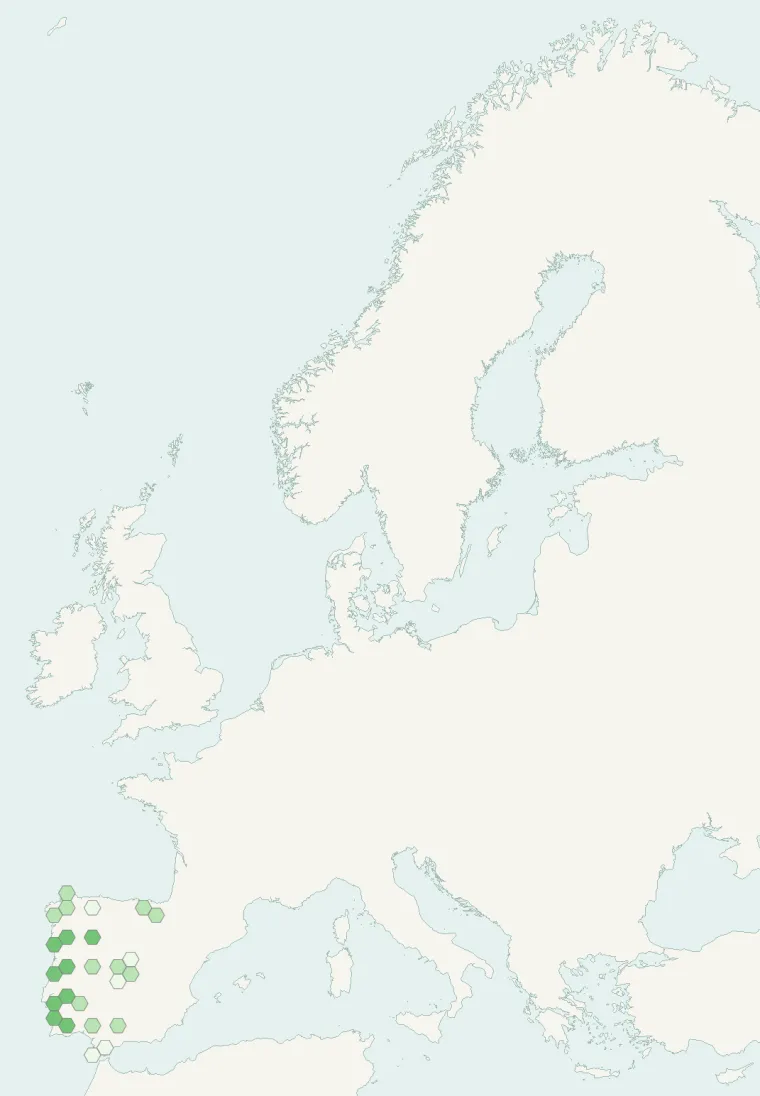
Records published on GBIF (CC0 and CC BY 4.0 licences): the darker the shade, the more records there are; they also reflect observation effort.
Atlas countries where it is recorded
From Wikipedia
The Iberian painted frog (Discoglossus galganoi) is a species of frog in the family Alytidae (formerly Discoglossidae). It is found in Portugal and Spain, where its natural habitats are temperate forests, temperate shrubland, Mediterranean-type shrubby vegetation, rivers, intermittent rivers, swamps, freshwater marshes, intermittent freshwater marshes, sandy shores, arable land, and grassland. It is threatened by habitat loss.
Source: Wikipedia, article “Iberian painted frog” (version of September 12, 2026) · history and authors · licence CC BY-SA 4.0
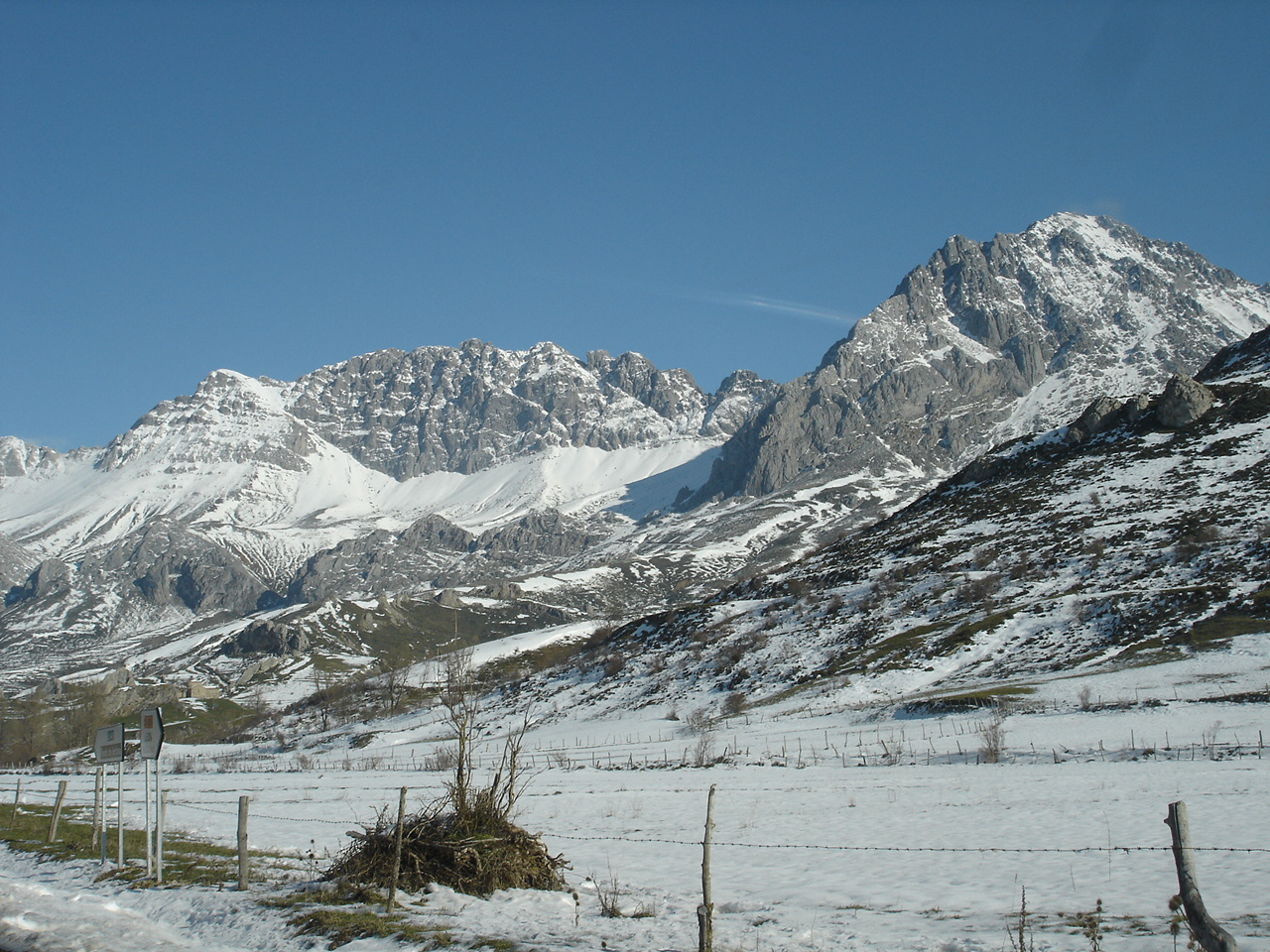
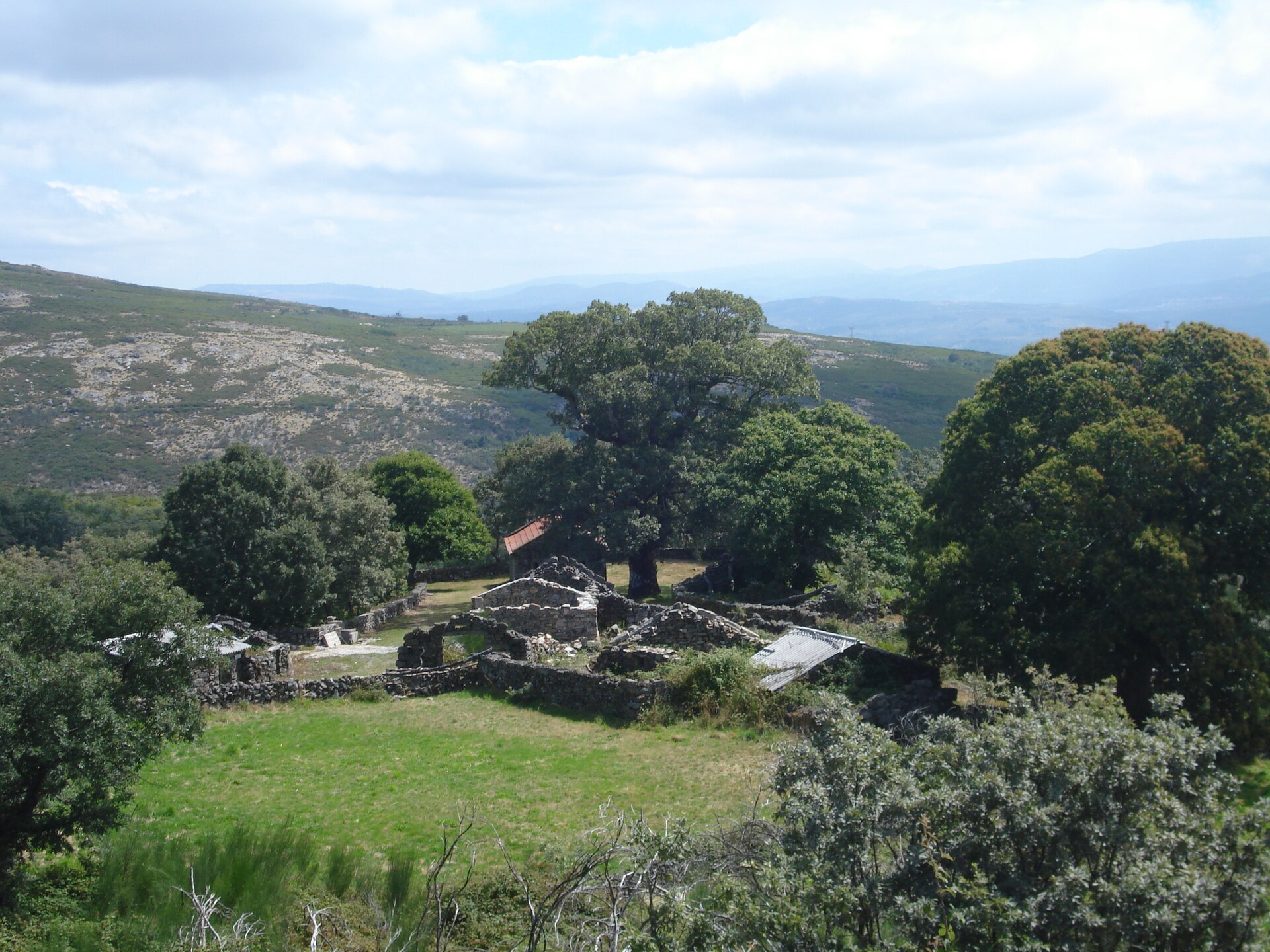
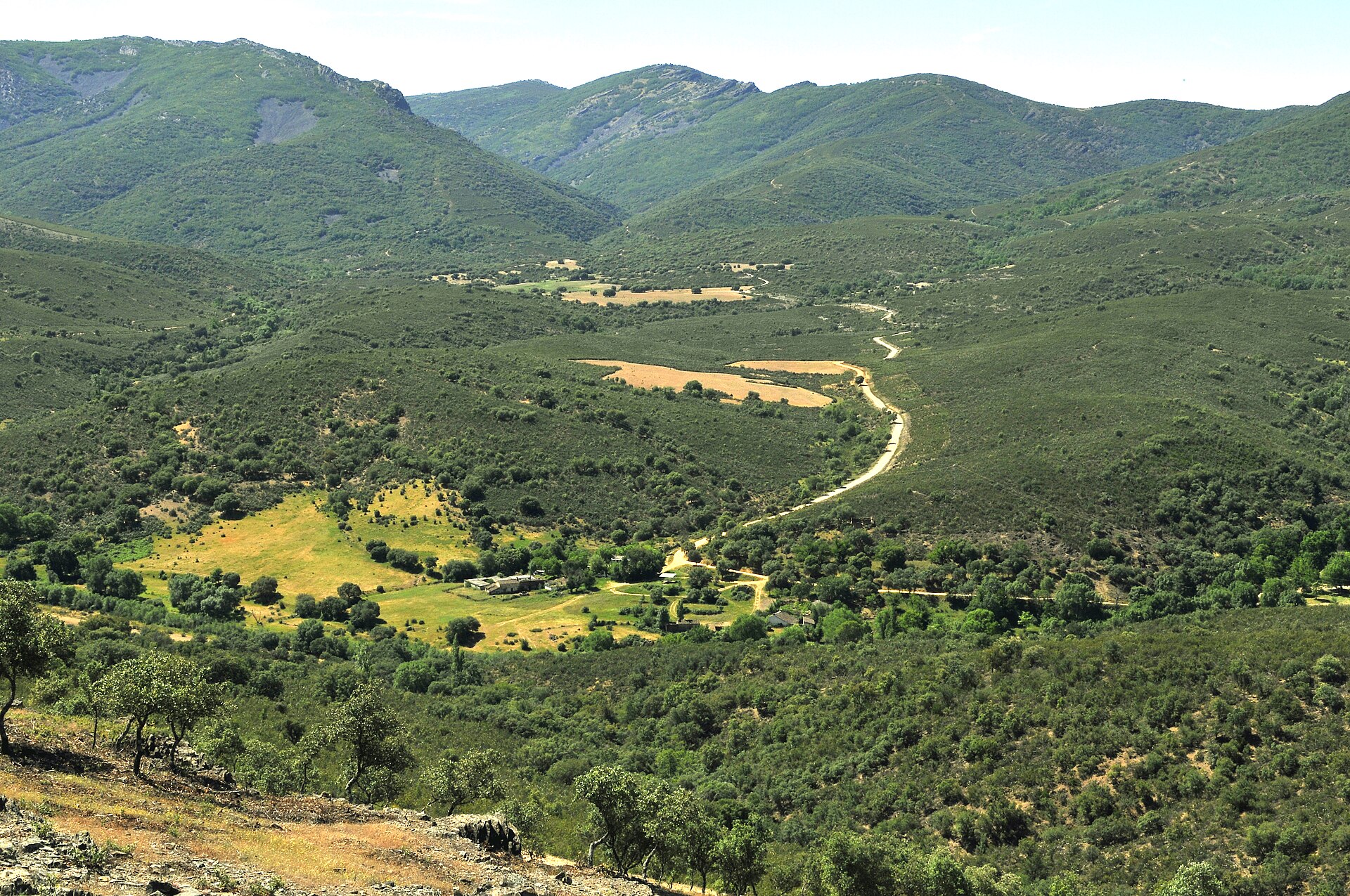
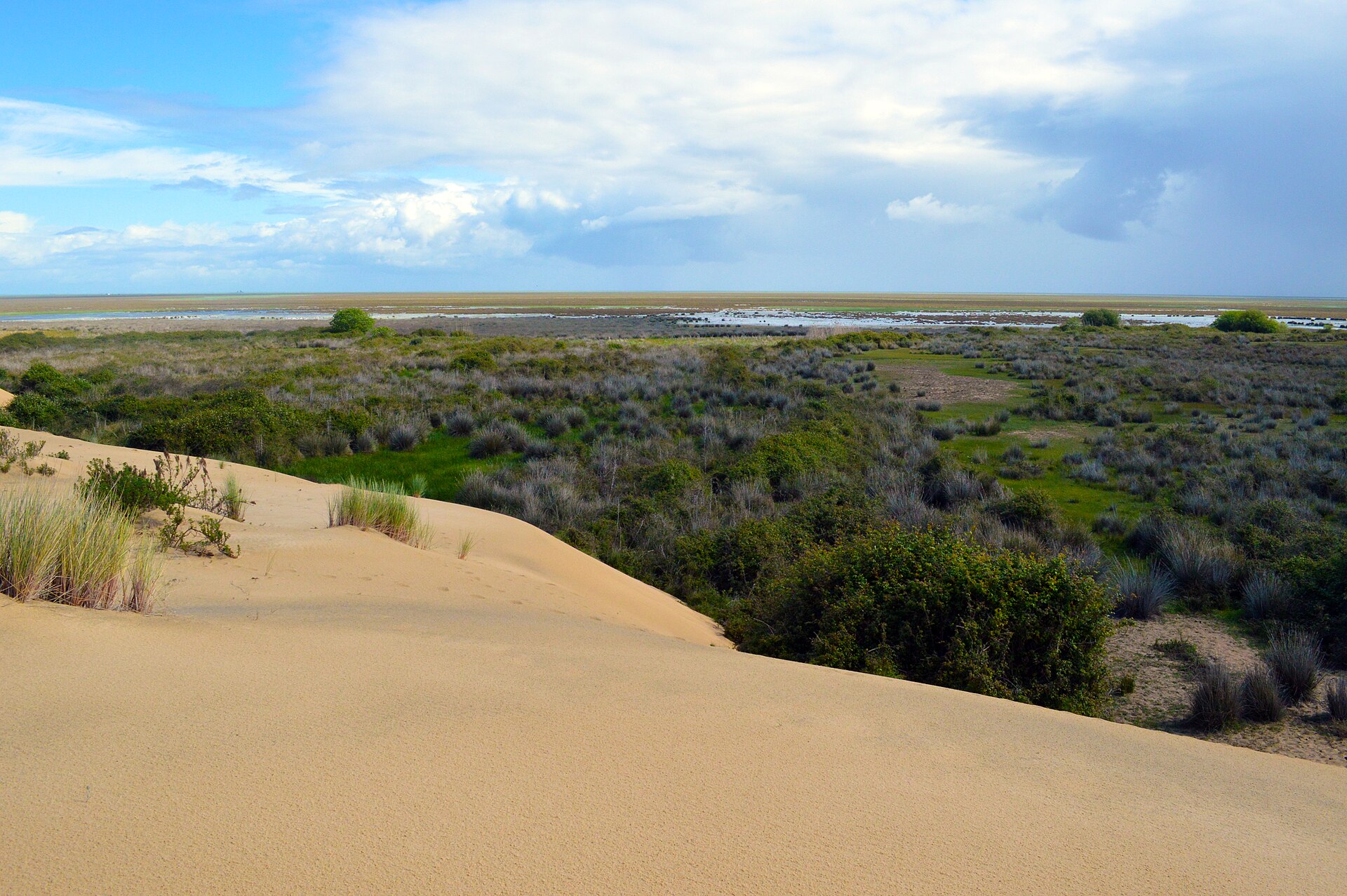
Protected areas where it is recorded
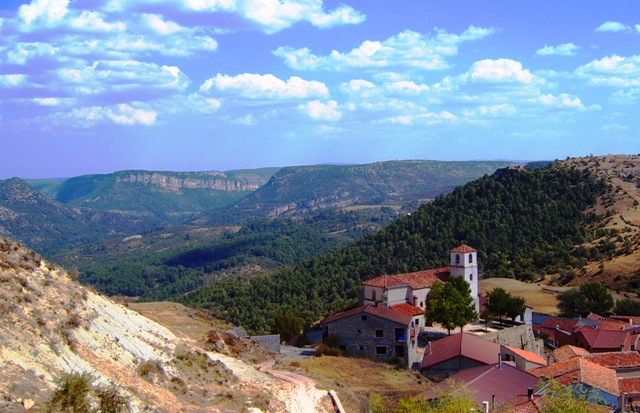
Natura 2000
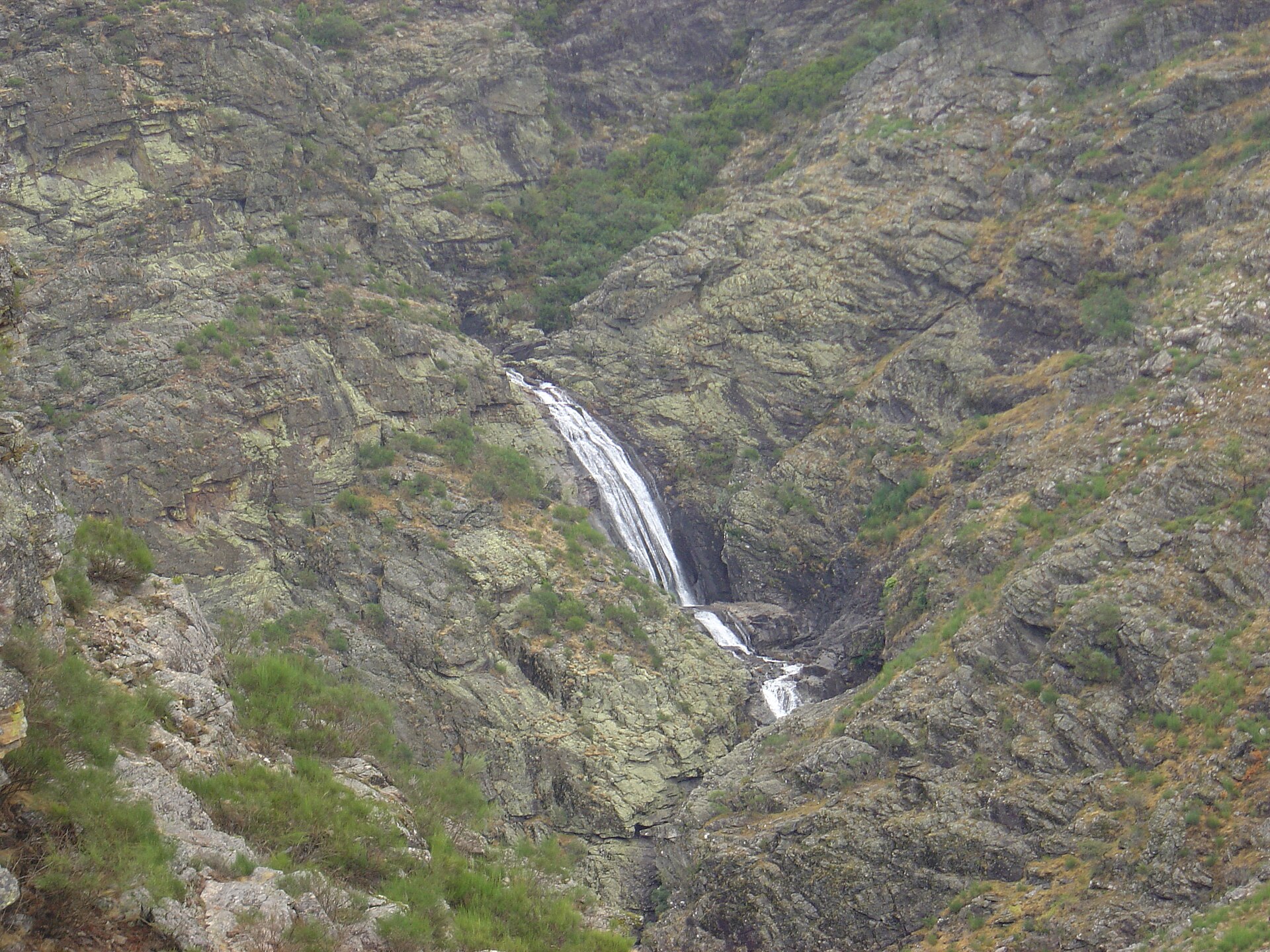
Natura 2000

Natura 2000
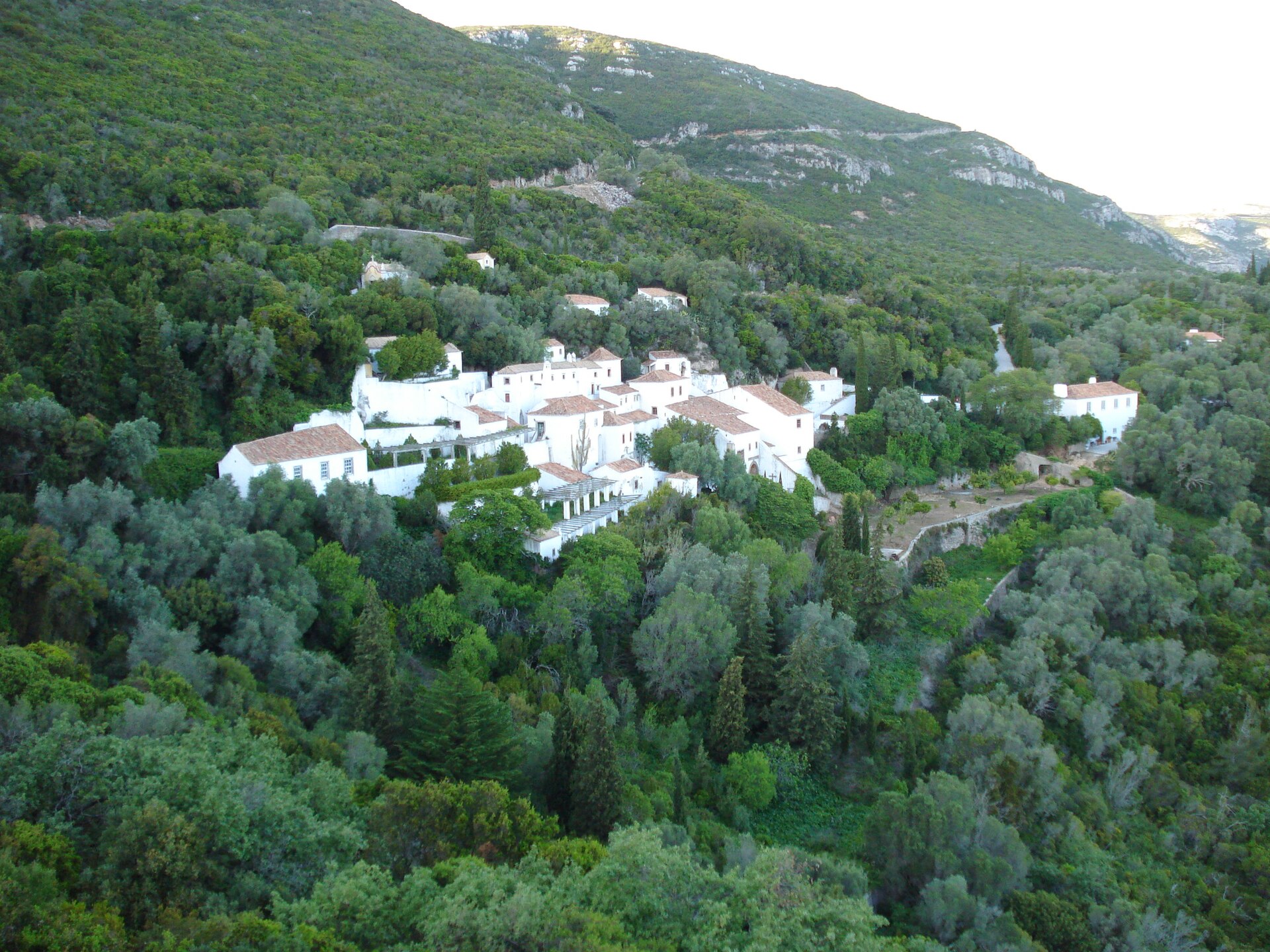
Natura 2000

Natura 2000
Natura 2000

Natura 2000
Natura 2000
Natura 2000

Natura 2000

Natura 2000

Natura 2000
Natura 2000
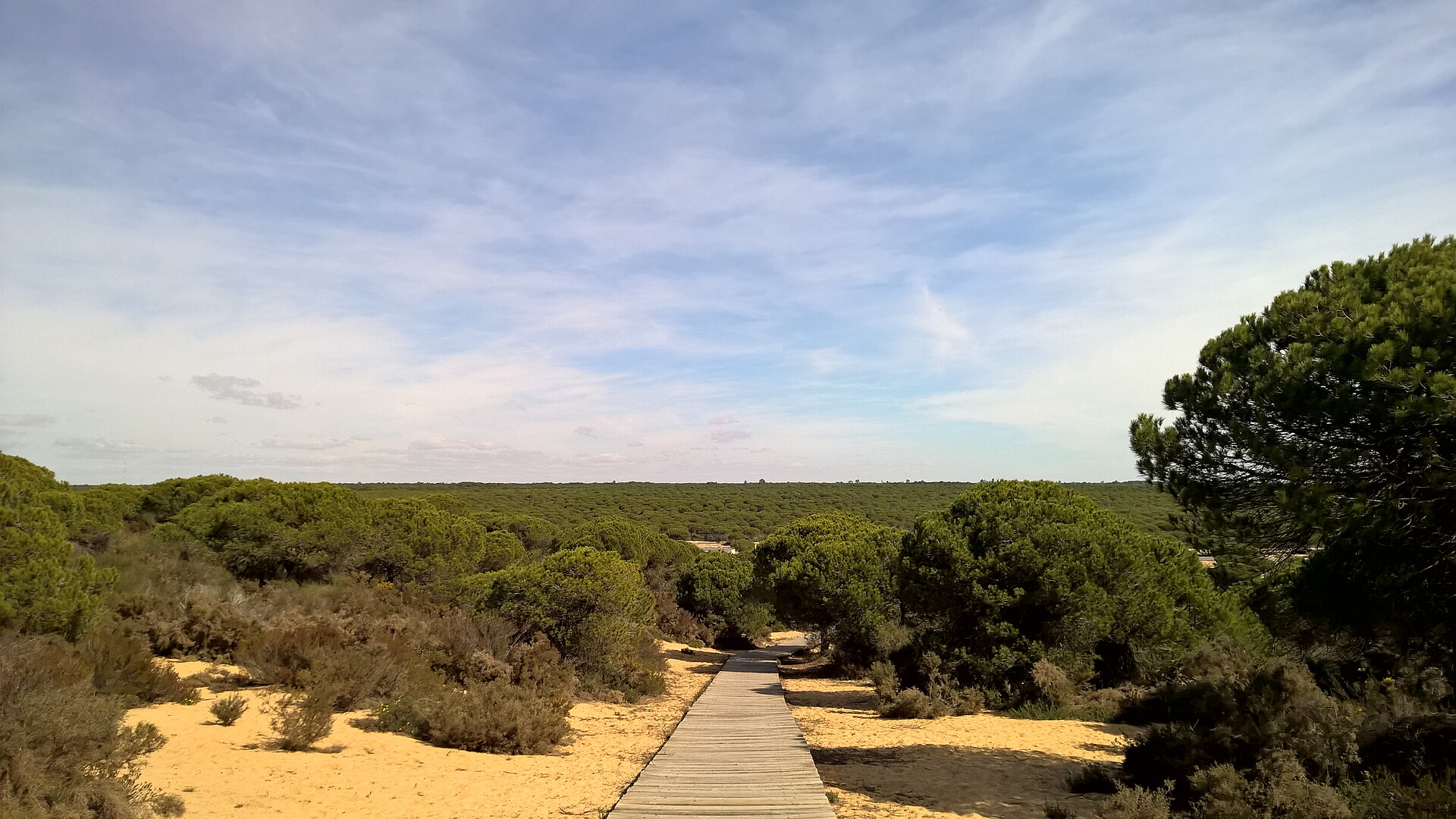
Natura 2000
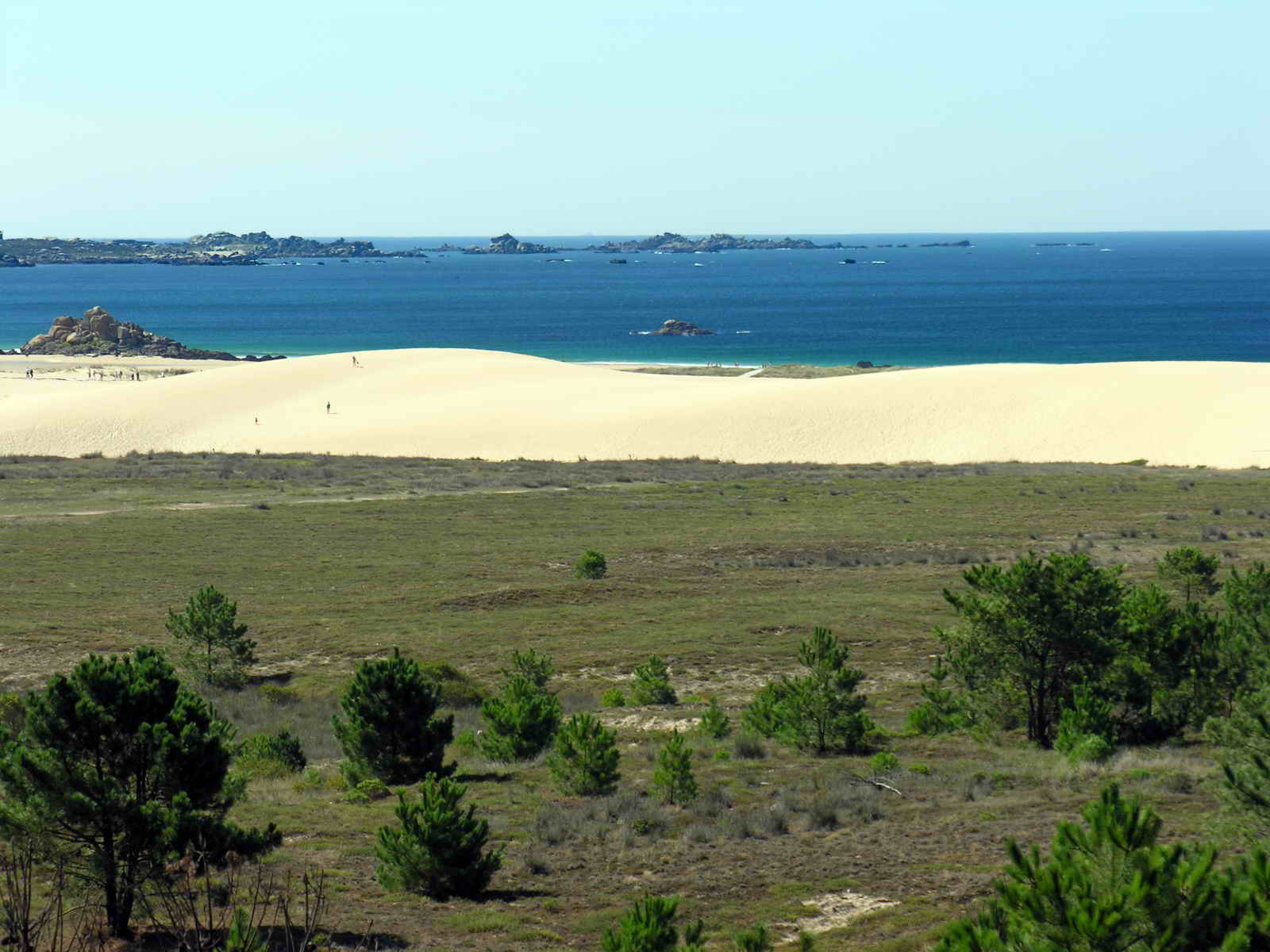
Natura 2000

Natura 2000
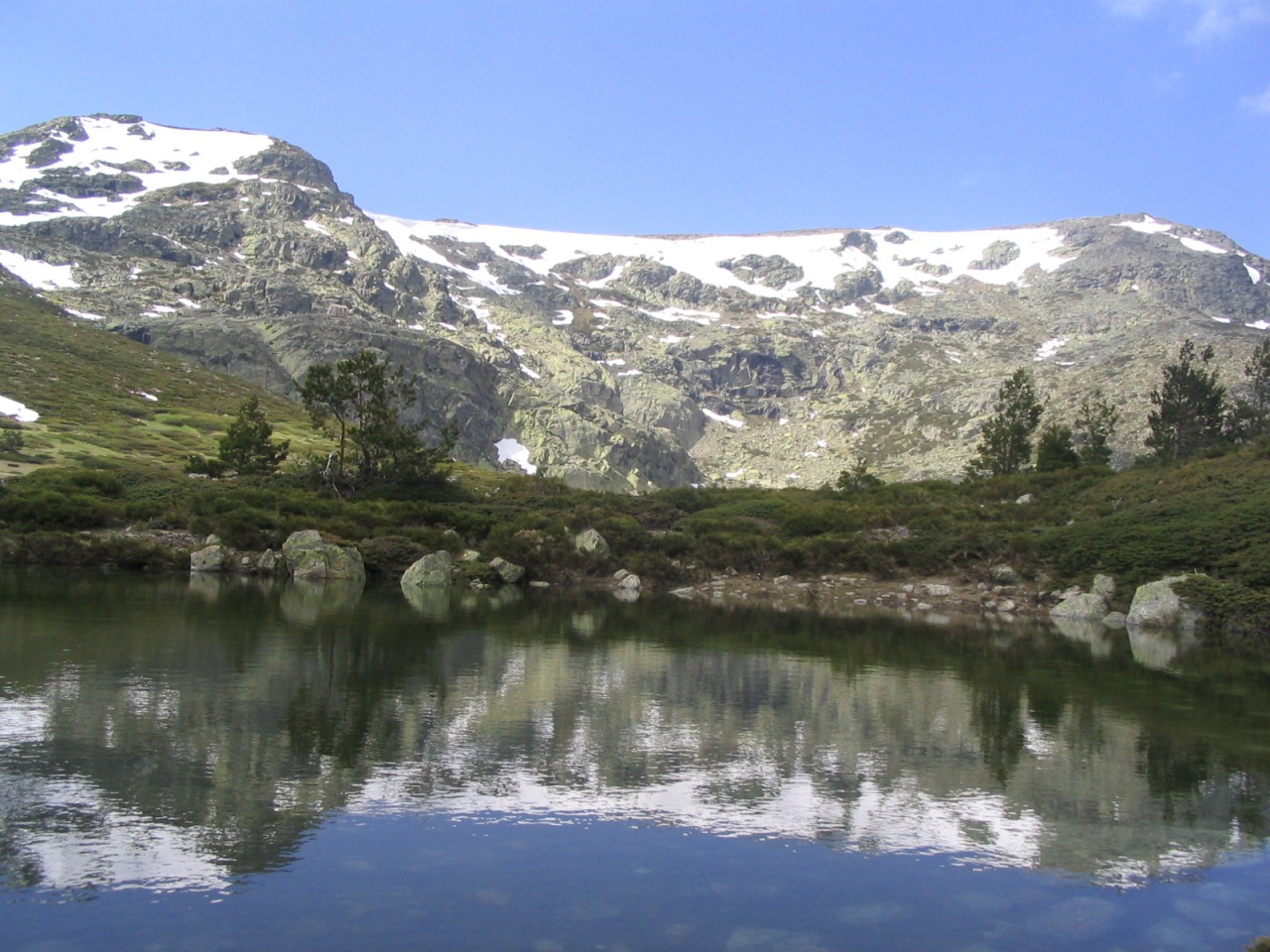
Natura 2000

Natura 2000

Natura 2000
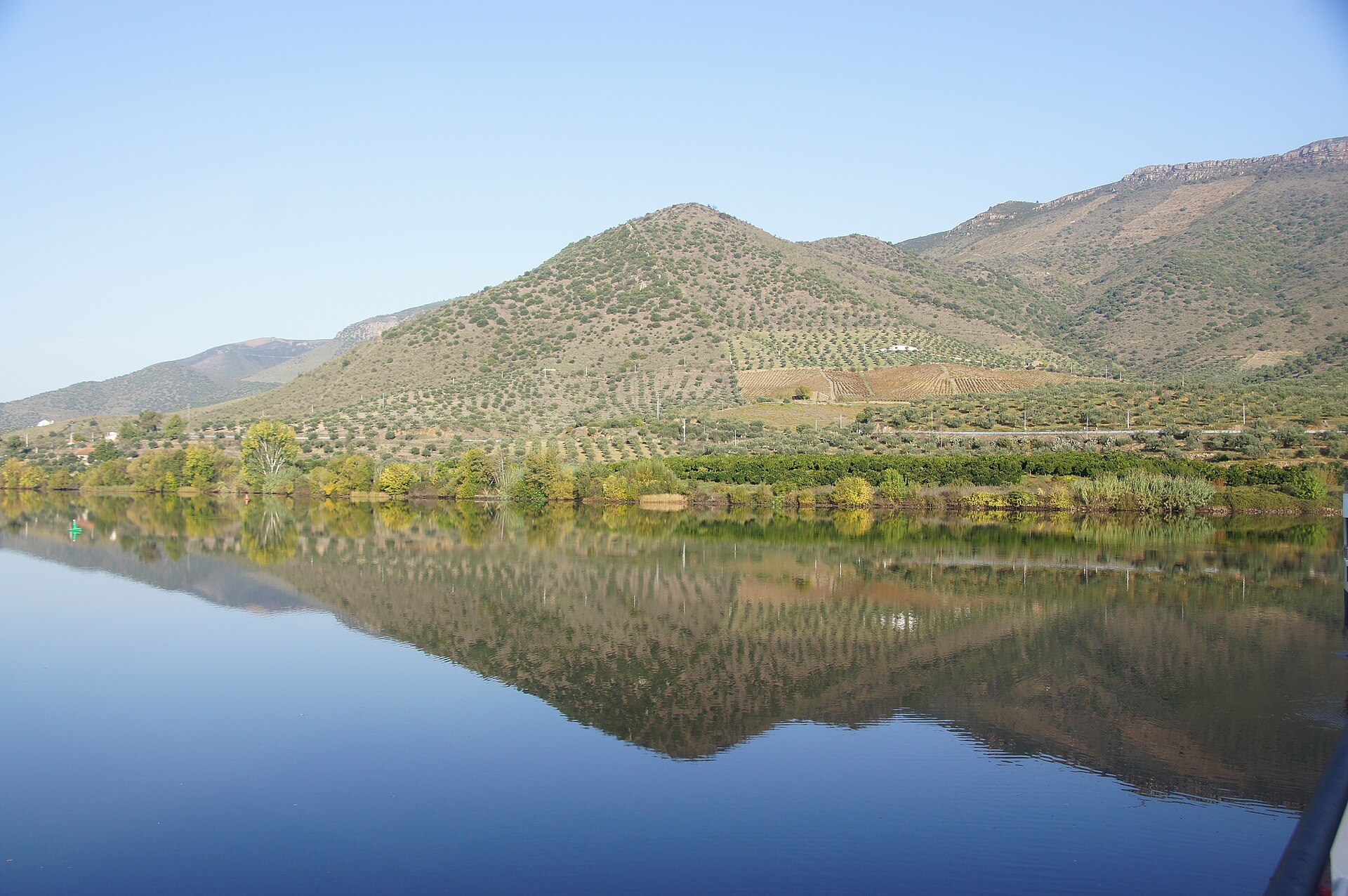
Natura 2000
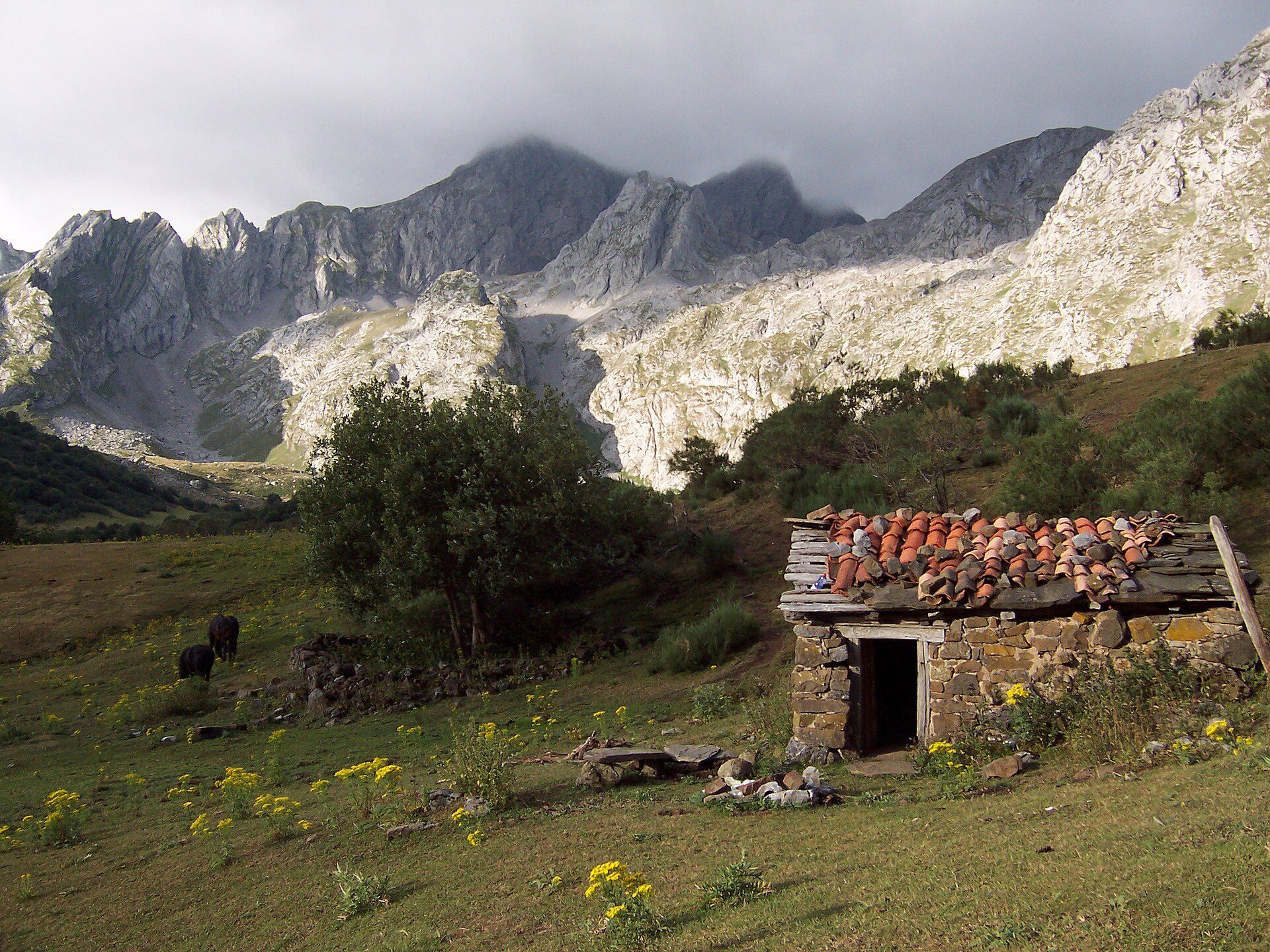
Natura 2000

Natura 2000
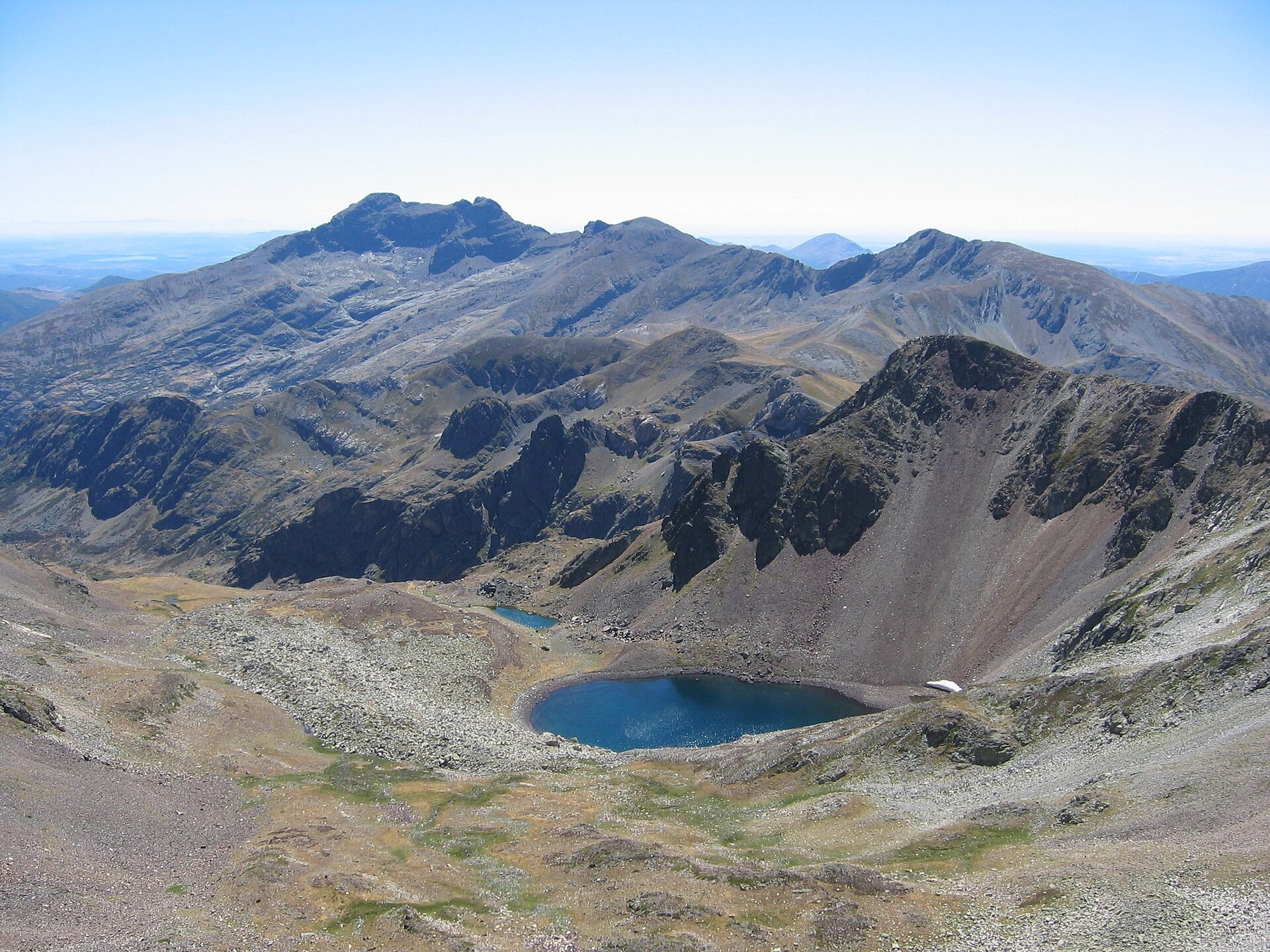
Natura 2000

Natura 2000

Natura 2000

Natura 2000

Natura 2000
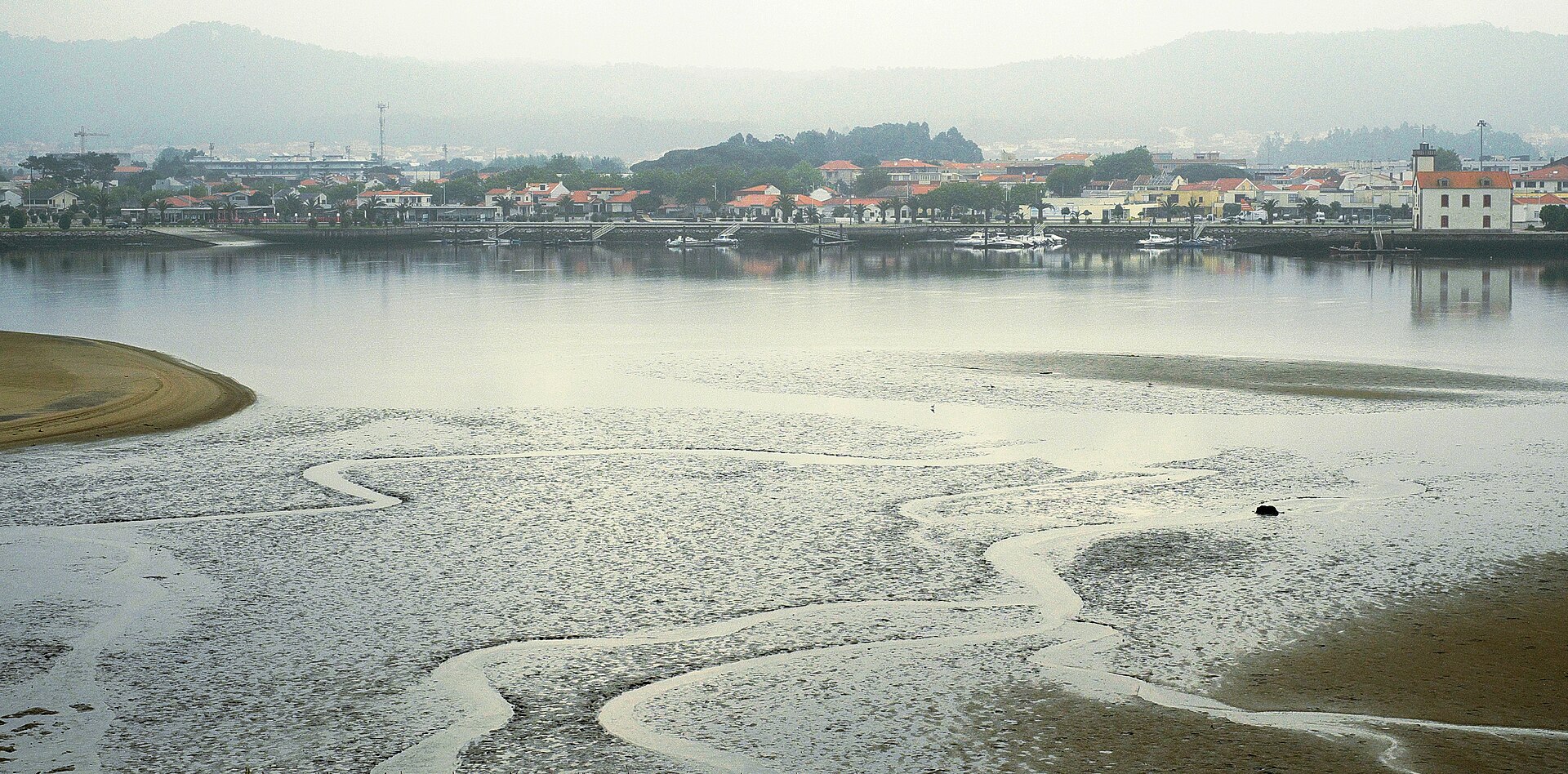
Natura 2000

Natura 2000
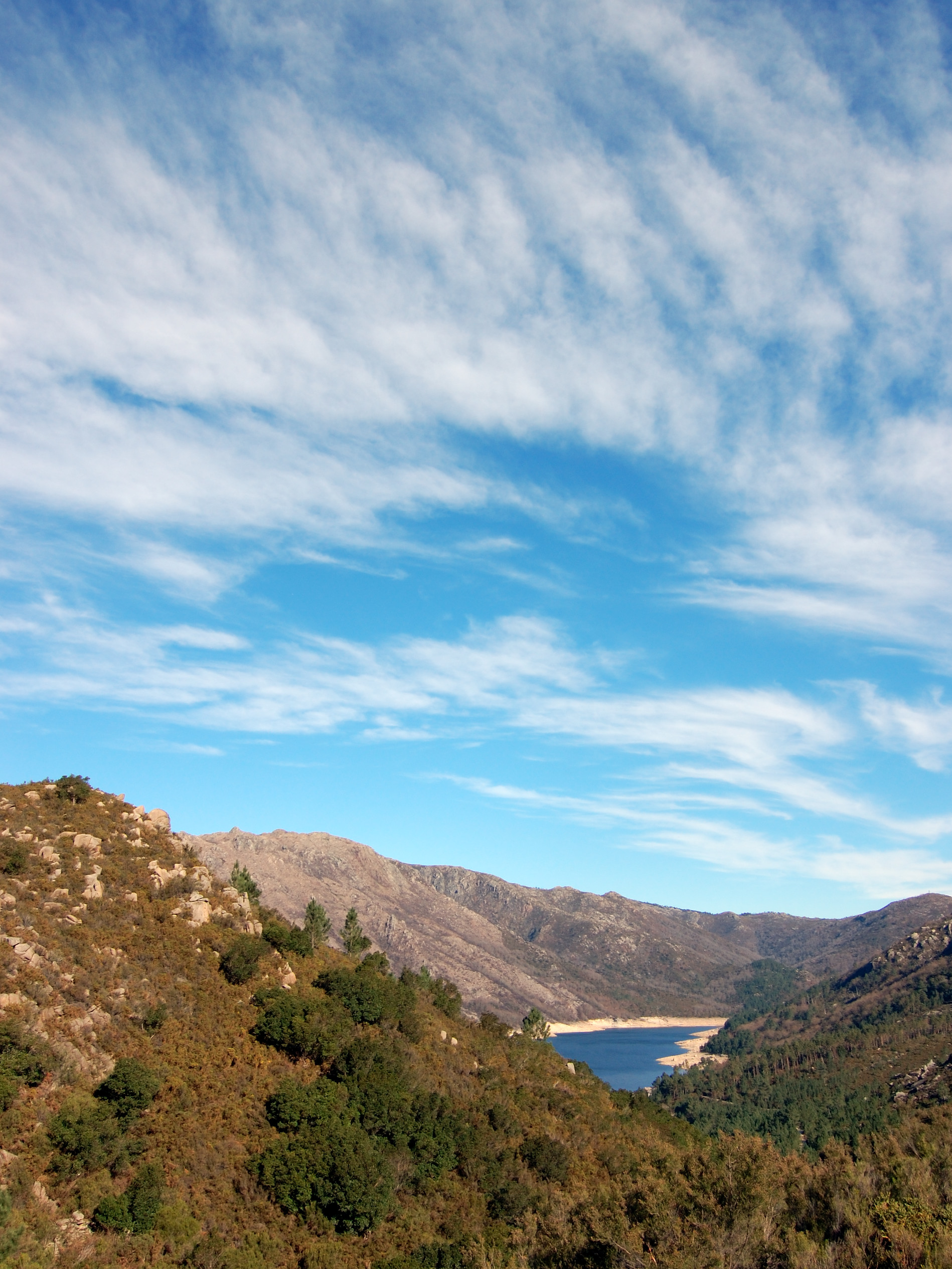
Natura 2000
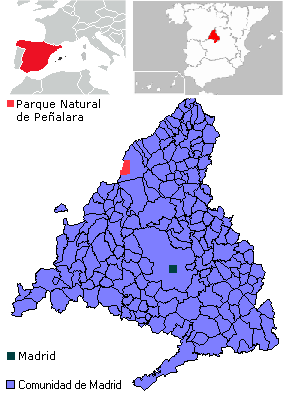
Natura 2000
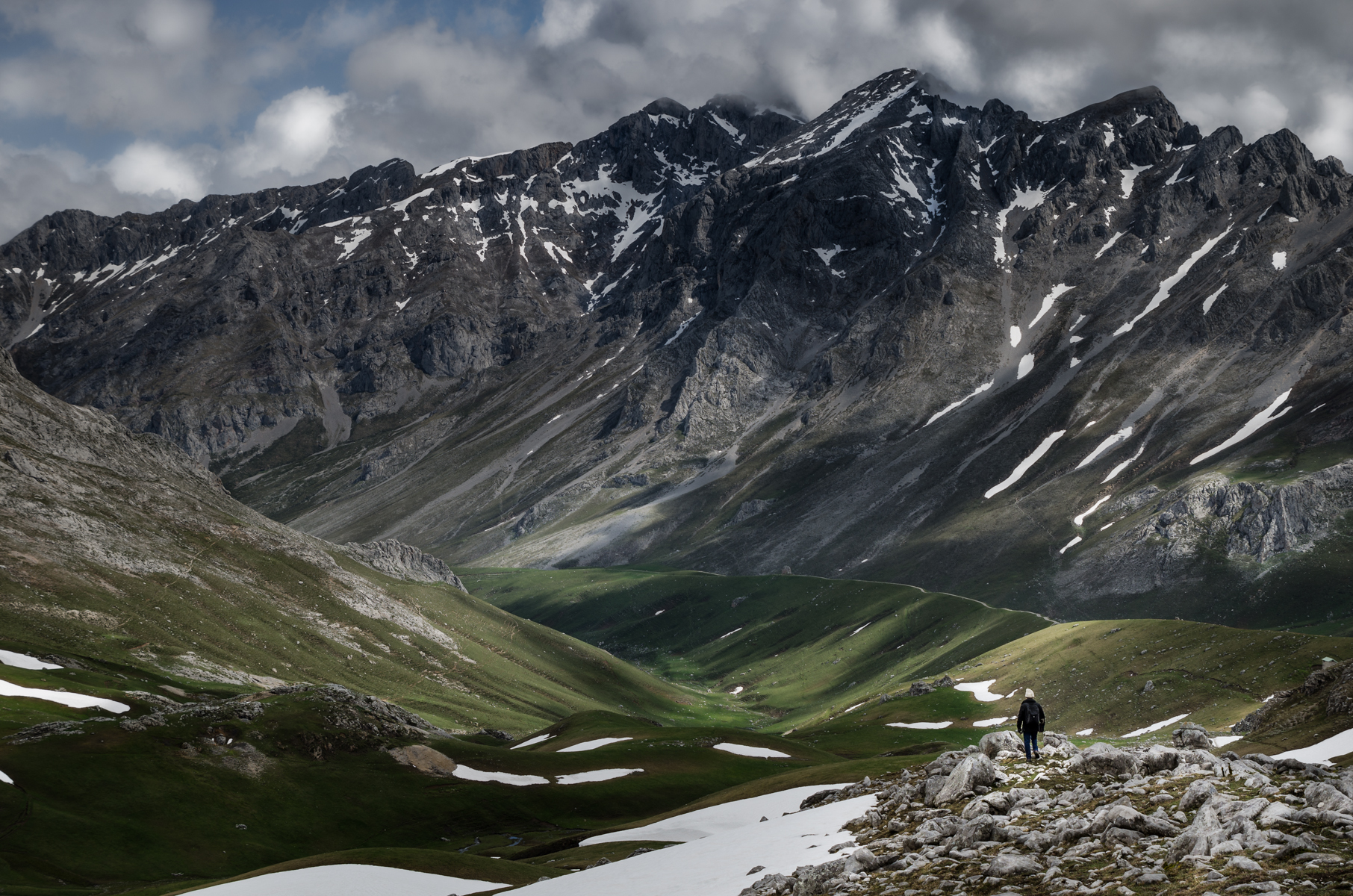
Natura 2000
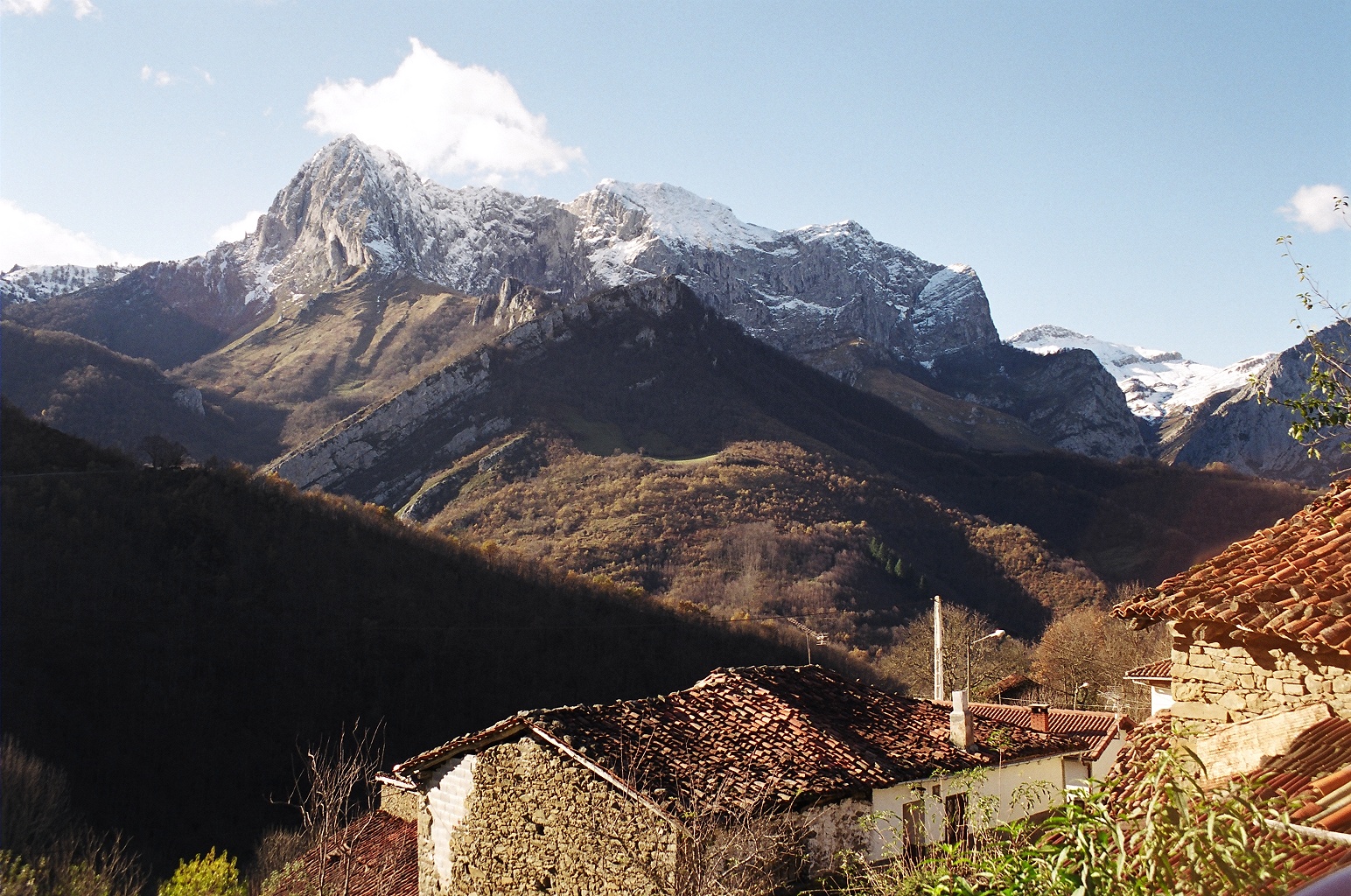
Natura 2000

Natura 2000
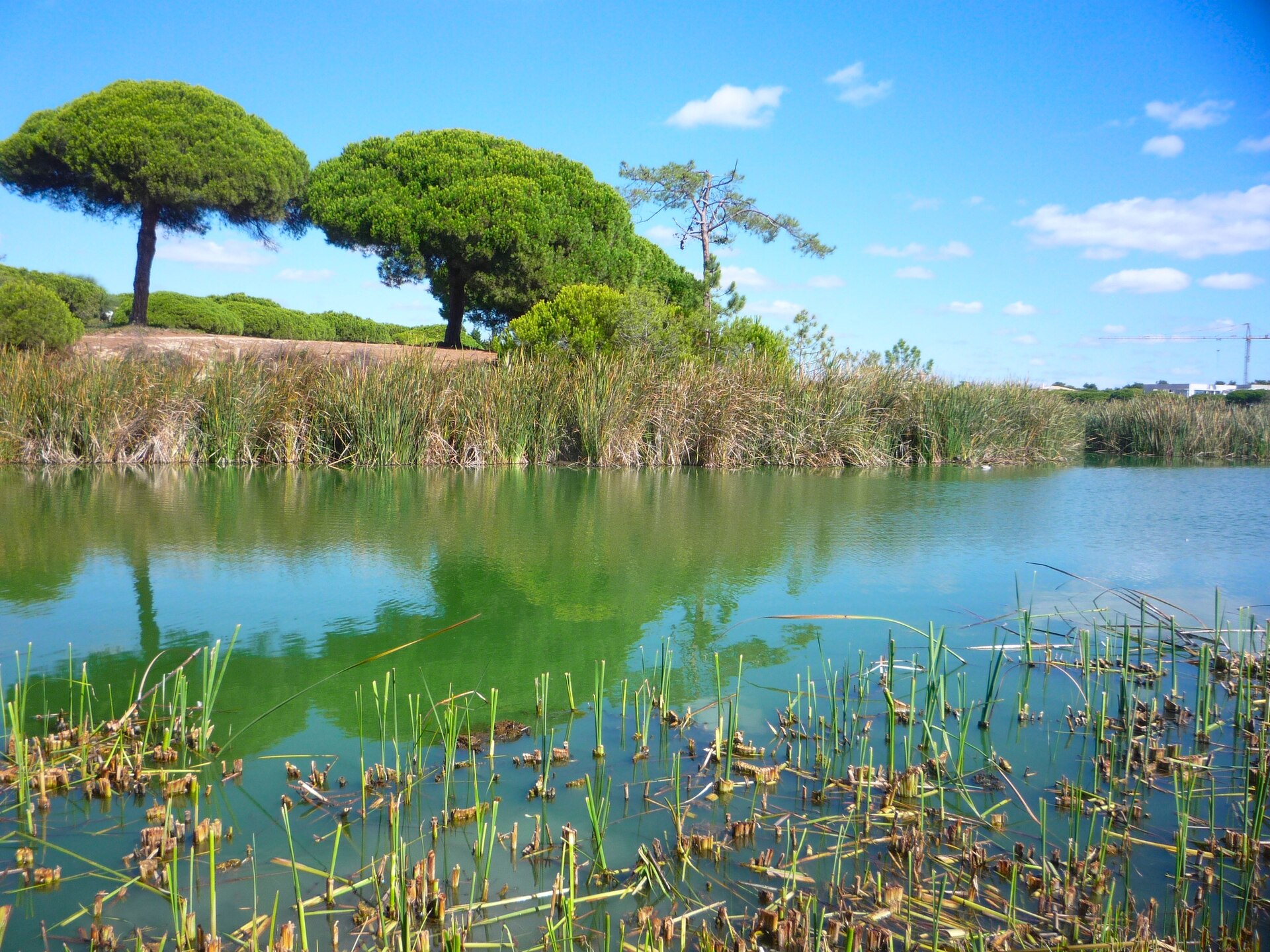
Natura 2000

Natura 2000
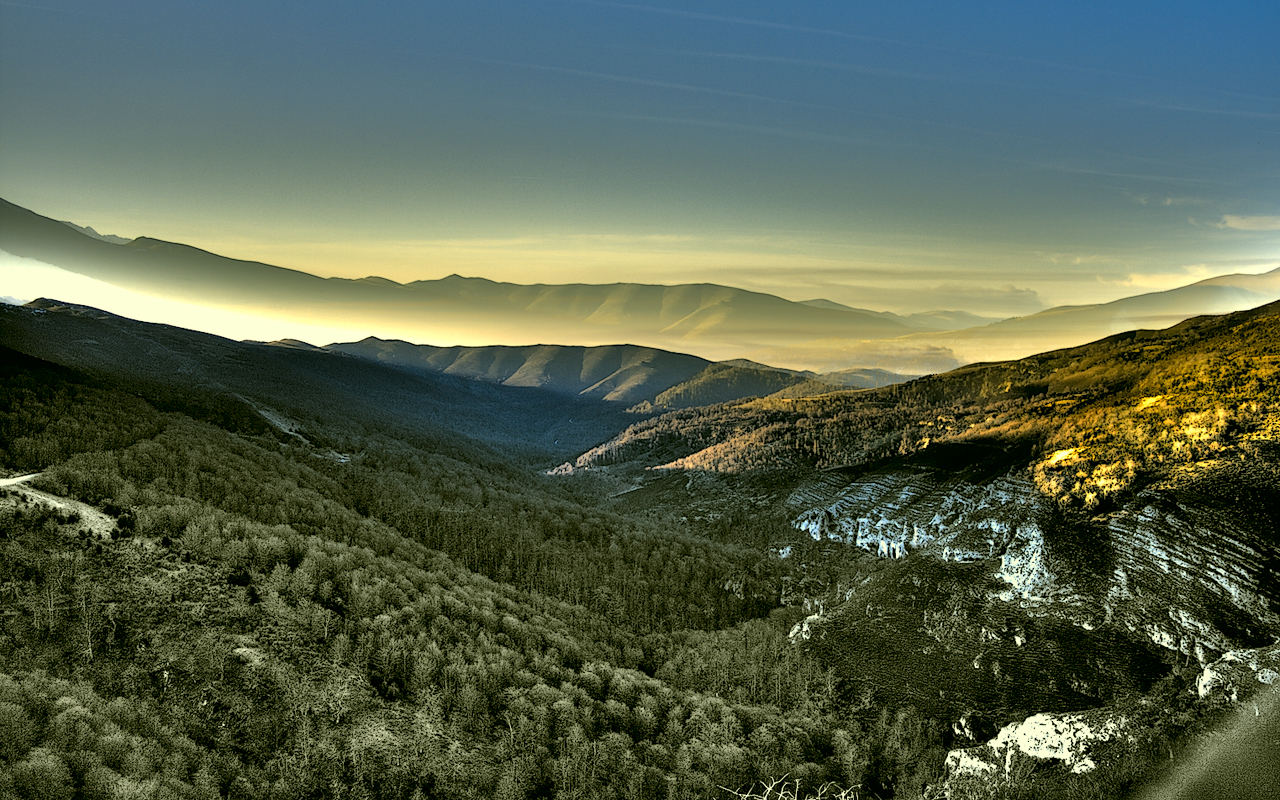
Natura 2000

Natura 2000

Natura 2000
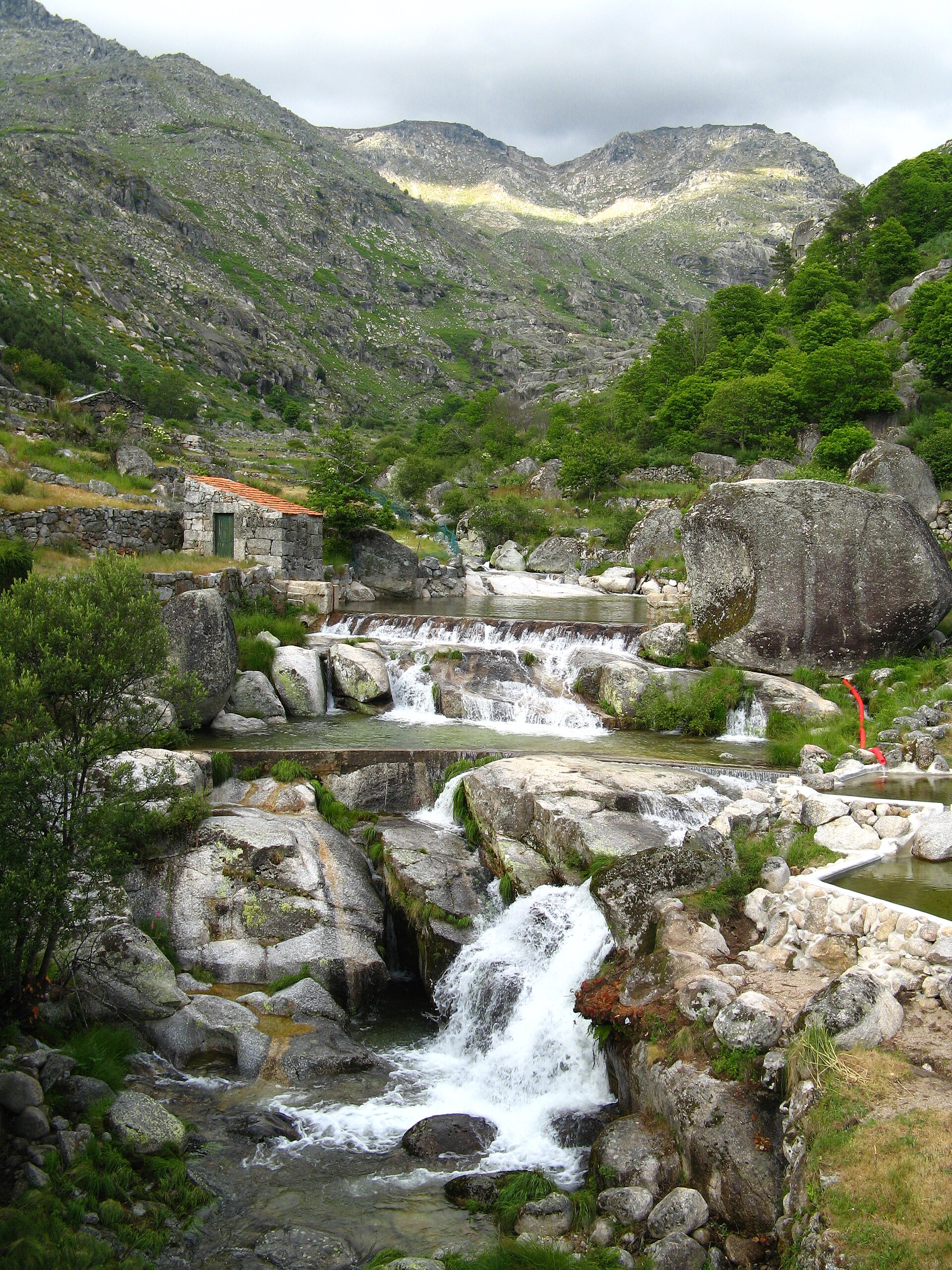
Natura 2000

Natura 2000
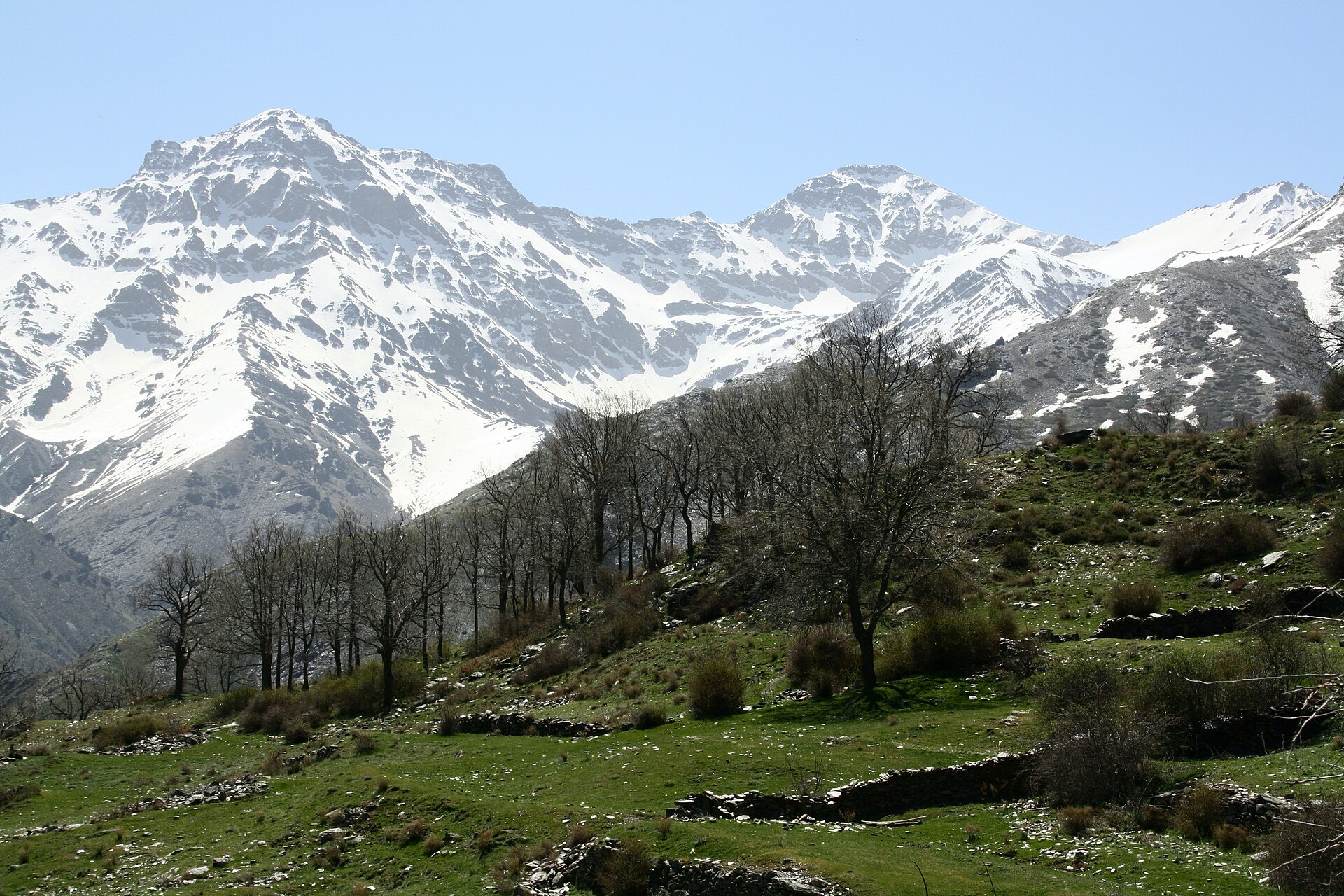
Natura 2000
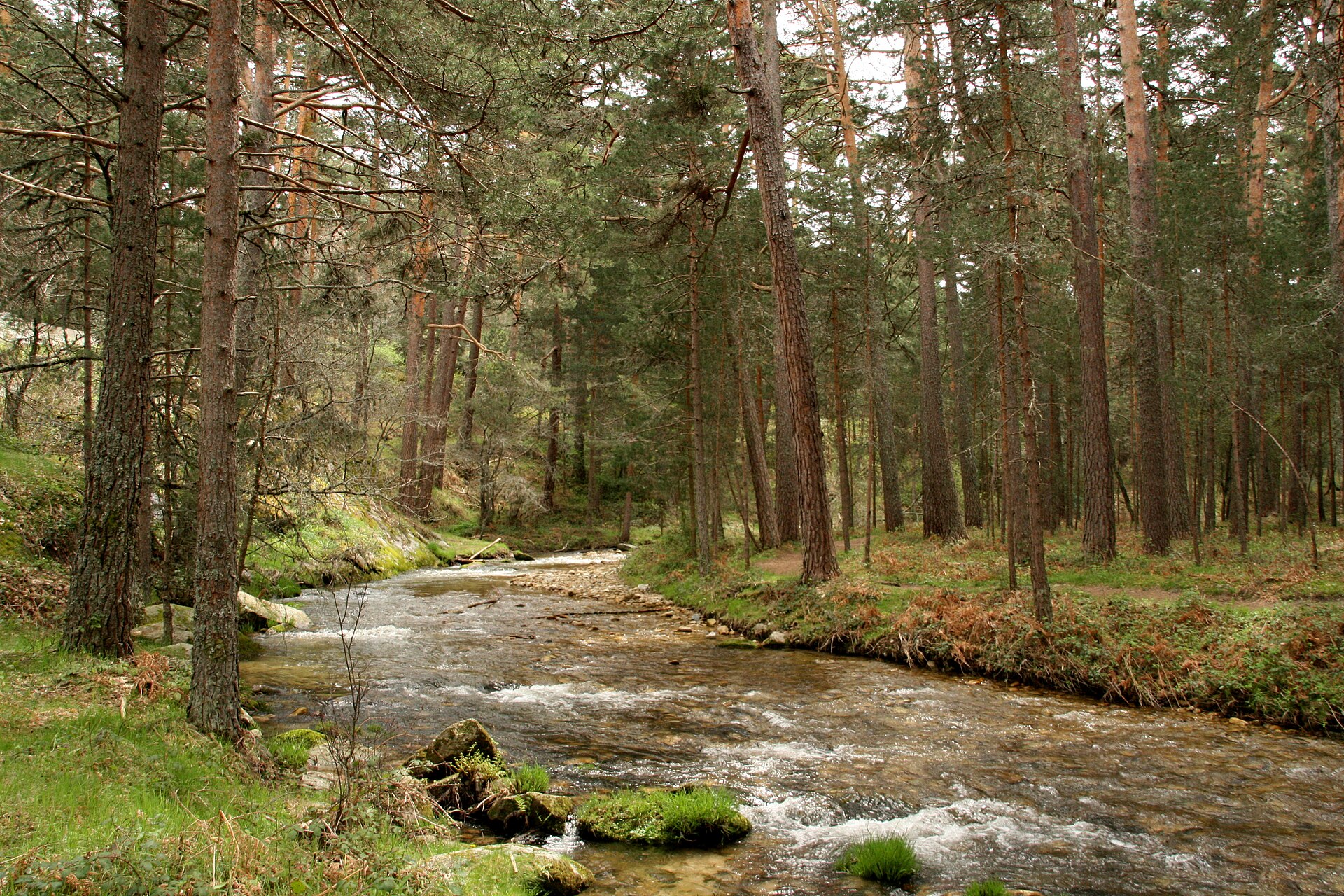
Natura 2000
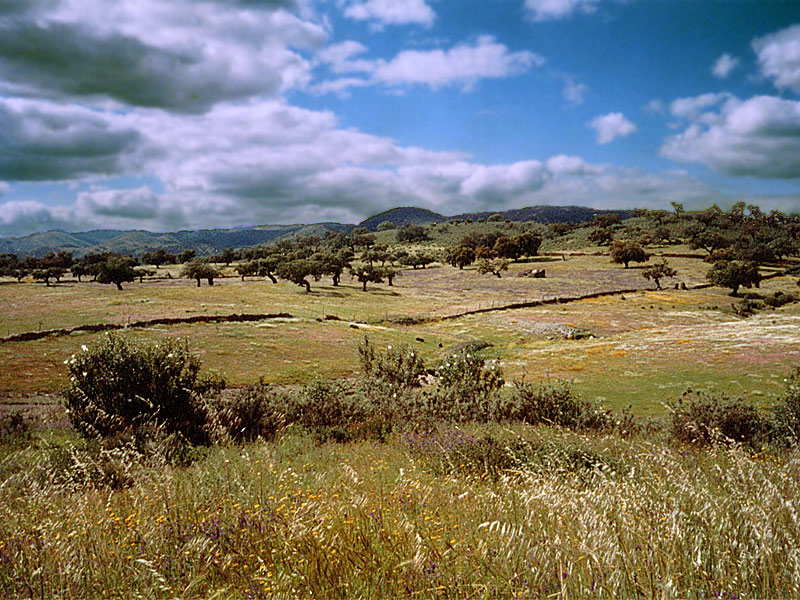
Natura 2000
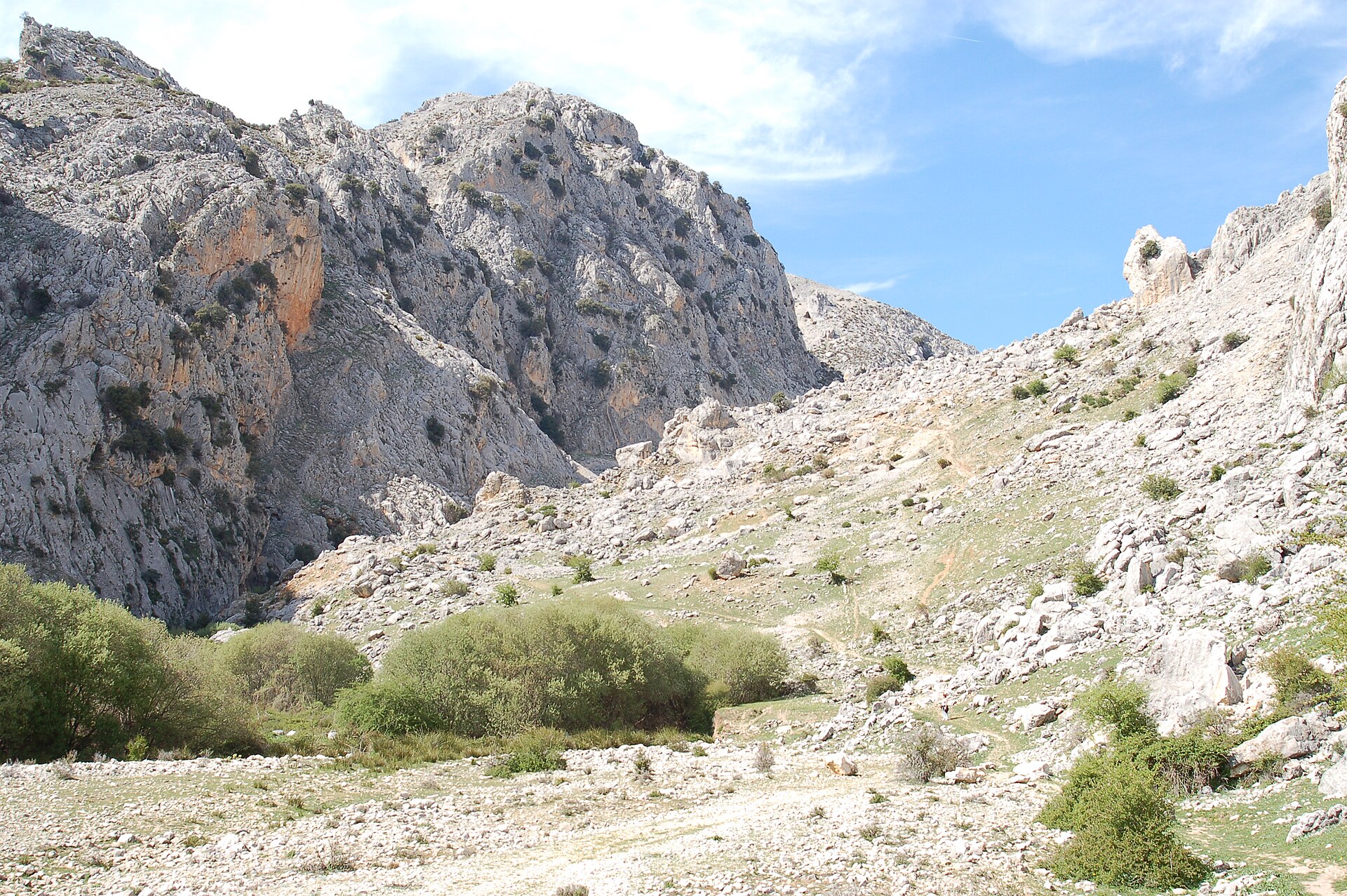
Natura 2000
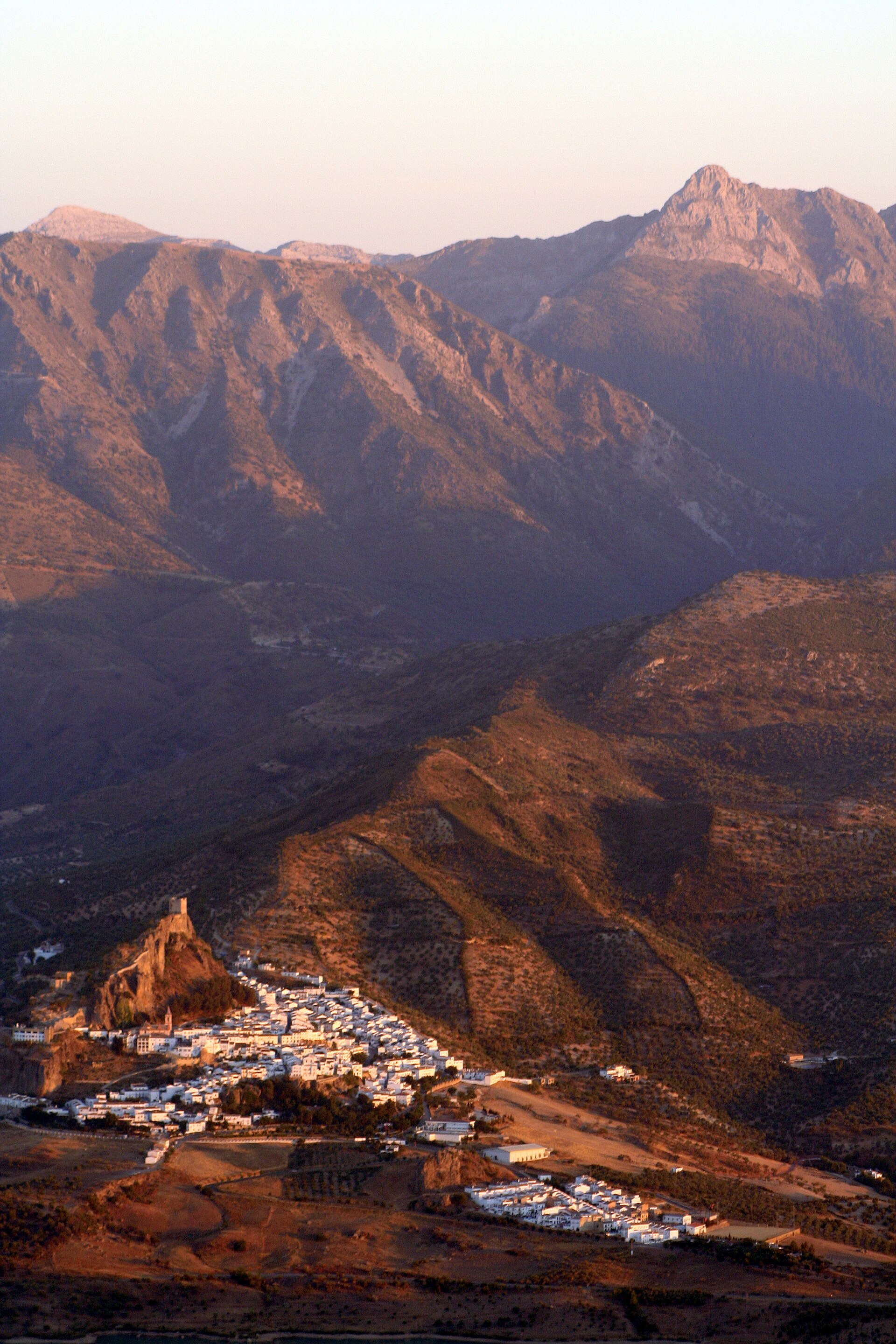
Natura 2000

Natura 2000
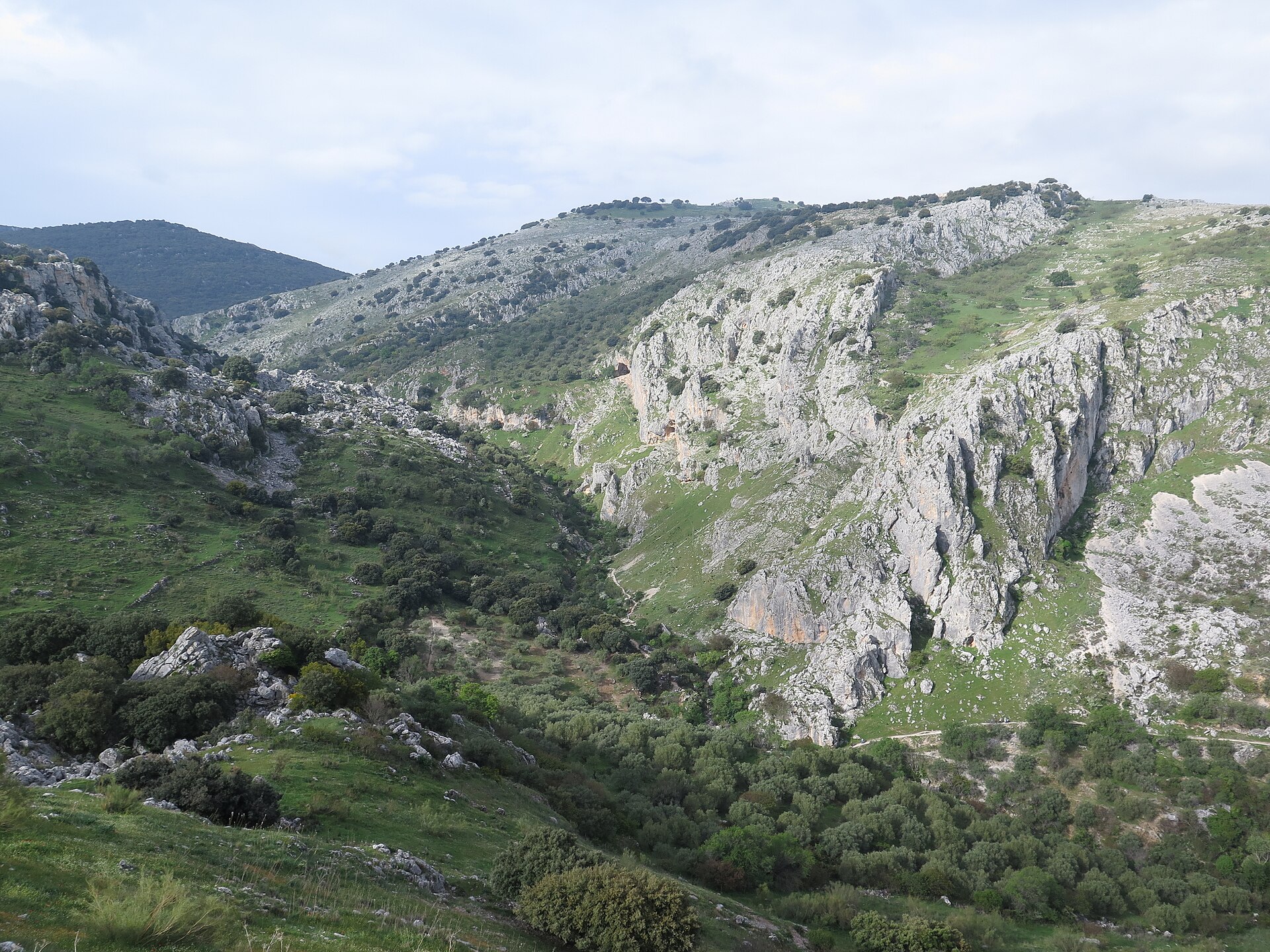
Natura 2000
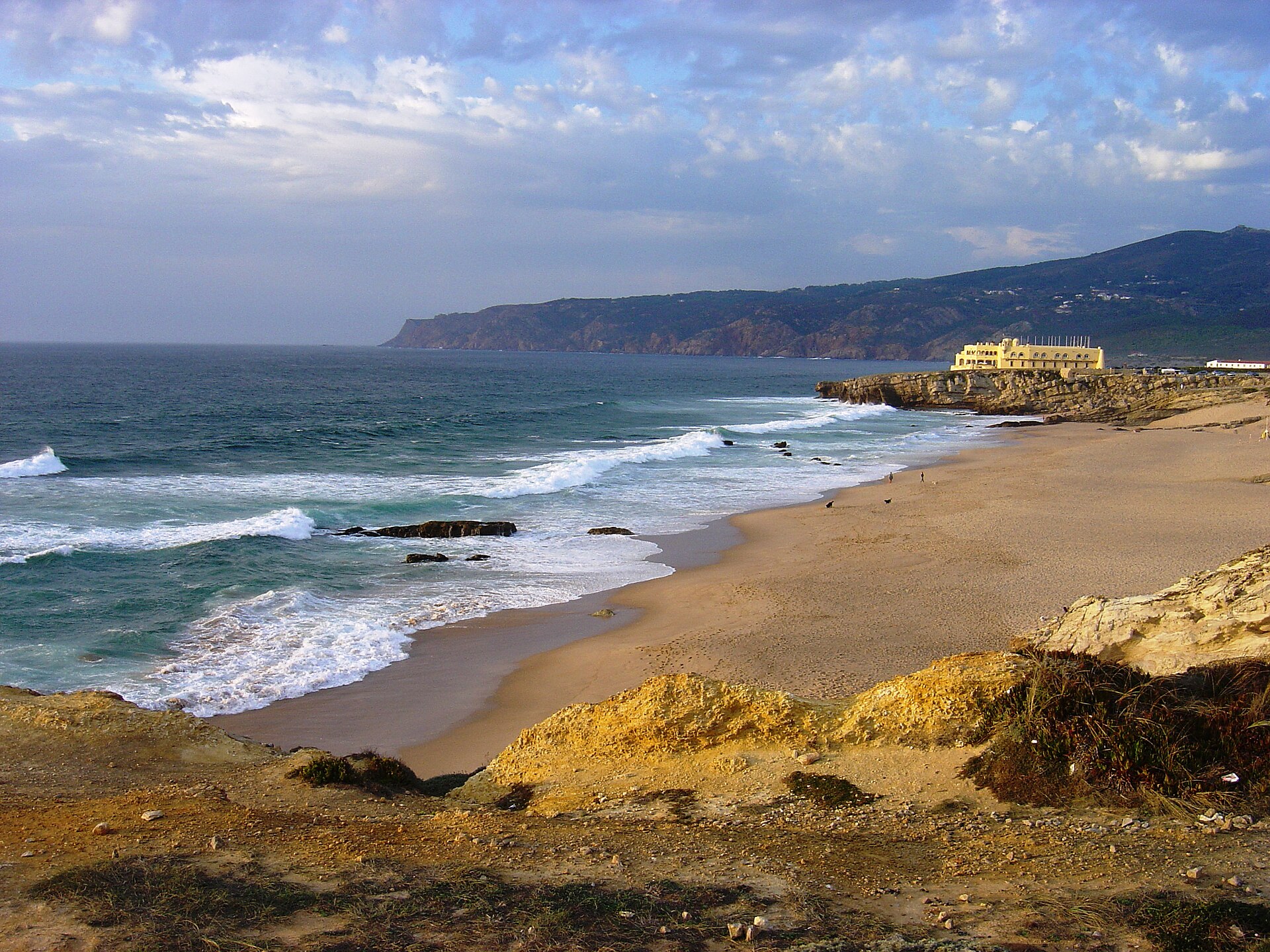
Natura 2000

Natura 2000

Natura 2000
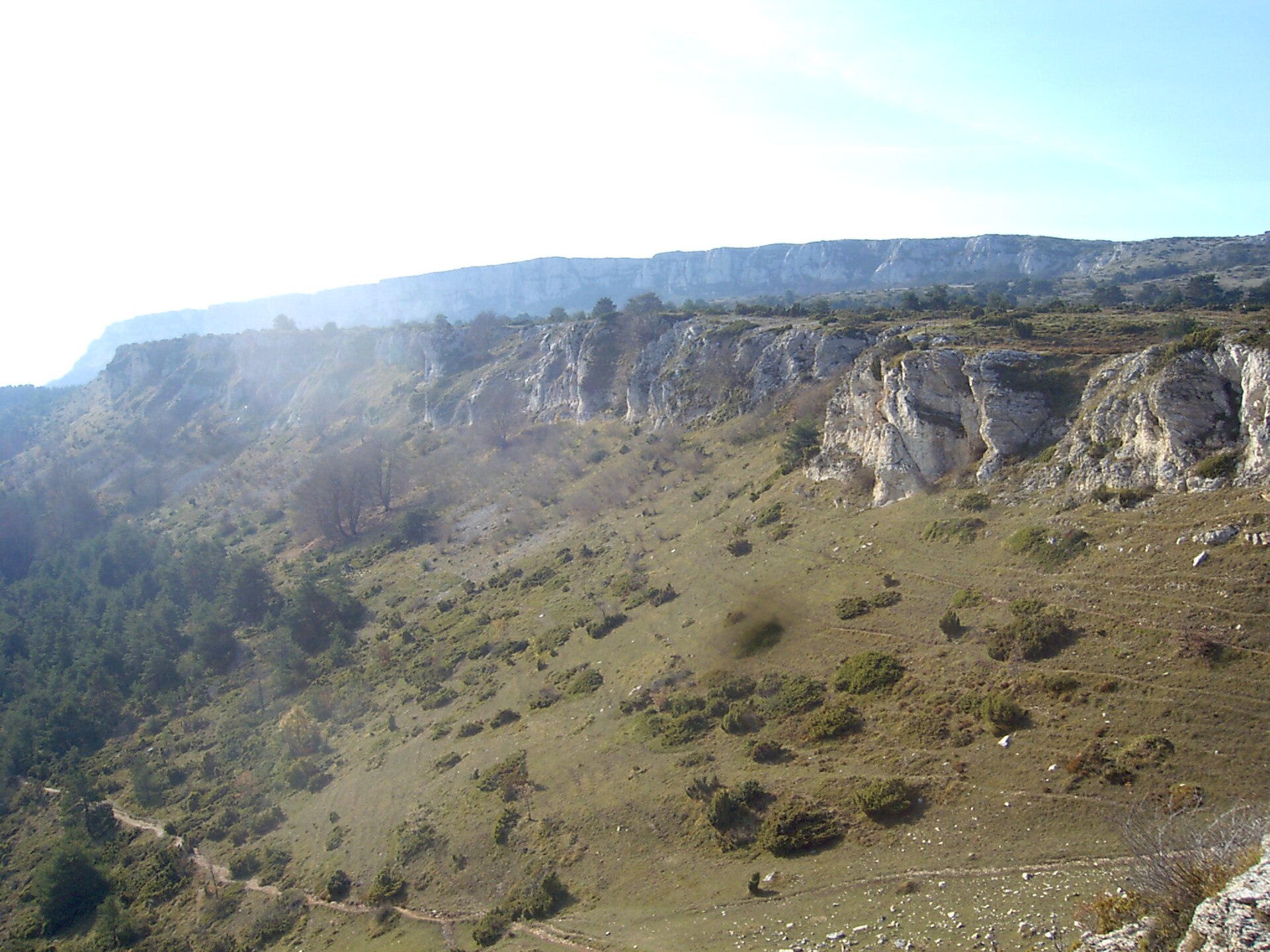
Natura 2000
Other species to discover
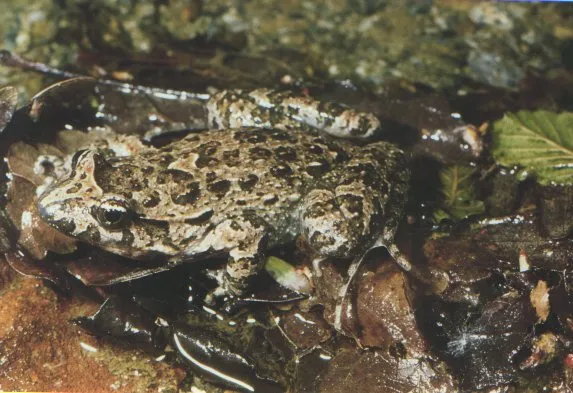 Tyrrhenian painted frog
Discoglossus sardus Same genus
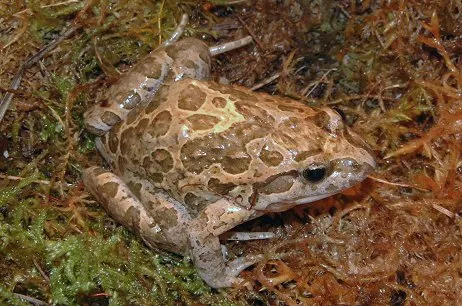 Painted Frog
Discoglossus pictus Same genus
 Perez's Frog
Pelophylax perezi 29 places in common
 Iberian emerald lizard
Lacerta schreiberi 29 places in common
 Iberian pond turtle
Mauremys leprosa 31 places in common
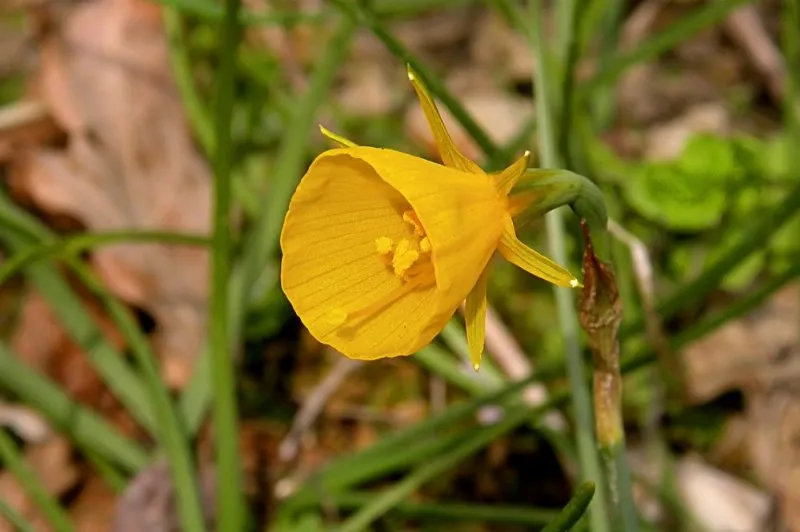 Petticoat daffodil
Narcissus bulbocodium 26 places in common
Sources and credits
- Presence: most-recorded species of each place on GBIF and species of Community interest in the Natura 2000 forms (EEA, CC-BY 4.0); absence from the list does not mean the species is absent.
- Common names: Wikidata (CC0) and GBIF.
- Photos and sounds: Wikimedia Commons, author and licence given for each file.
- Classification: GBIF Backbone Taxonomy (GBIF Secretariat), CC BY 4.0, doi:10.15468/39omei.
- Countries, elevations, months and maps: GBIF.org, CC0 or CC BY 4.0 occurrences only, accessed October 22, 2026, GBIF.org.
- Base map: Natural Earth (public domain).
- Excerpt: Wikipedia, CC BY-SA 4.0 (full credit below the excerpt).
- Annexes: Directive 92/43/EEC (consolidated version), © European Union, EUR-Lex.
- Conservation status: EEA / DG ENV, Article 17 Habitats Directive reporting (2013–2018), CC BY 4.0.