
Mammal
Wolverine: where to see it
Gulo gulo
This mammal species is recorded in 35 protected areas of the atlas, including 20 whose official Natura 2000 form lists it. Within the atlas countries, it is observed in Norway and Sweden. Records peak from August to September. It is a priority species under the Habitats Directive (Annex II). In the EU its conservation status is assessed as unfavourable-inadequate (2013–2018 reporting).
Best time to see it: August–September
Records published on GBIF by month (CC0 and CC BY 4.0 licences only), in the atlas countries, all years combined; they also reflect observer activity.
Key facts
- Weight (female)
- 10.60 kg Wikidata, after Larivière et al. 1995
- Weight (male)
- 14.80 kg Wikidata, after Larivière et al. 1995
- Litter size
- 2.5–3.5 young Wikidata, after Larivière et al. 1995
- Maximum recorded lifespan
- 20 years Wikidata, after Longevity of Mammals in Captivity, 2005
Status and protection
Habitats Directive II ★
The species is listed in Annex II of the Habitats Directive, as a priority species.
In the EU its conservation status is assessed as unfavourable-inadequate in the Alpine and Boreal regions (2013–2018 reporting).
Distribution
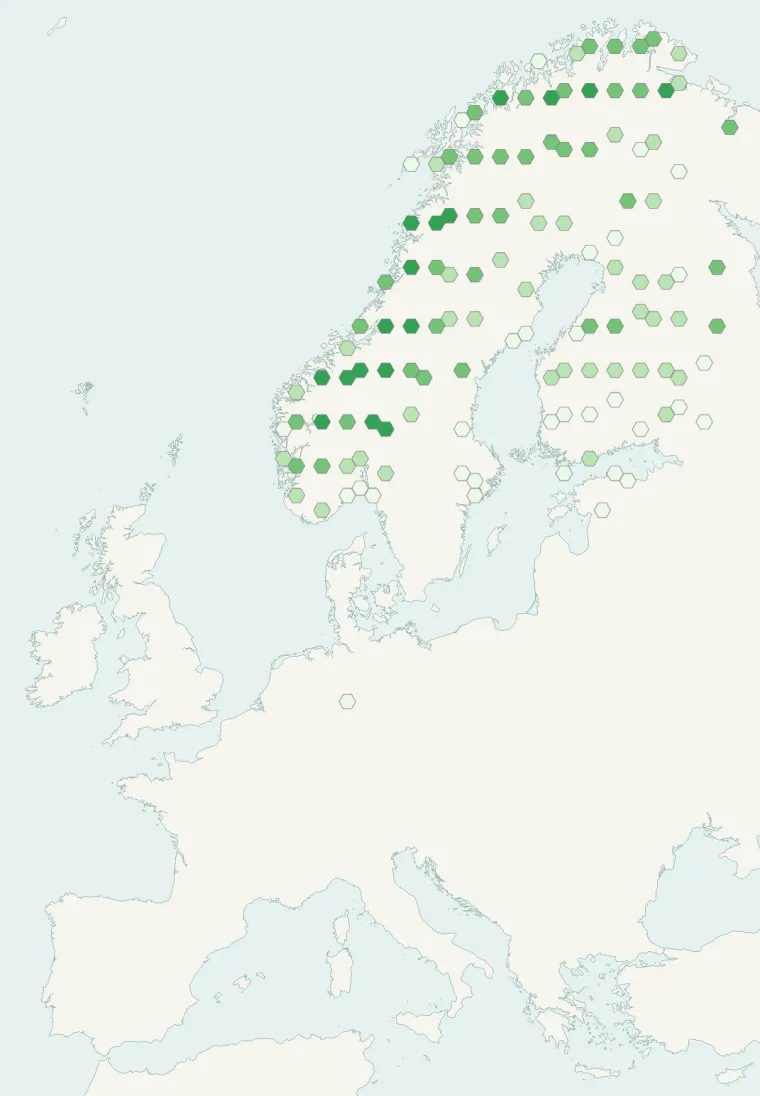
Records published on GBIF (CC0 and CC BY 4.0 licences): the darker the shade, the more records there are; they also reflect observation effort.
Atlas countries where it is recorded
From Wikipedia
The wolverine (Gulo gulo), also called the carcajou or quickhatch (from East Cree, kwiihkwahaacheew), is the largest land-dwelling member of the family Mustelidae. It is a muscular carnivore and a solitary animal. The wolverine has a reputation for ferocity and strength out of proportion to its size, with the documented ability to kill prey many times larger than itself.
Source: Wikipedia, article “Wolverine” (version of October 17, 2026) · history and authors · licence CC BY-SA 4.0 · shortened excerpt
Protected areas where it is recorded

826 records
783 records
552 records
466 records
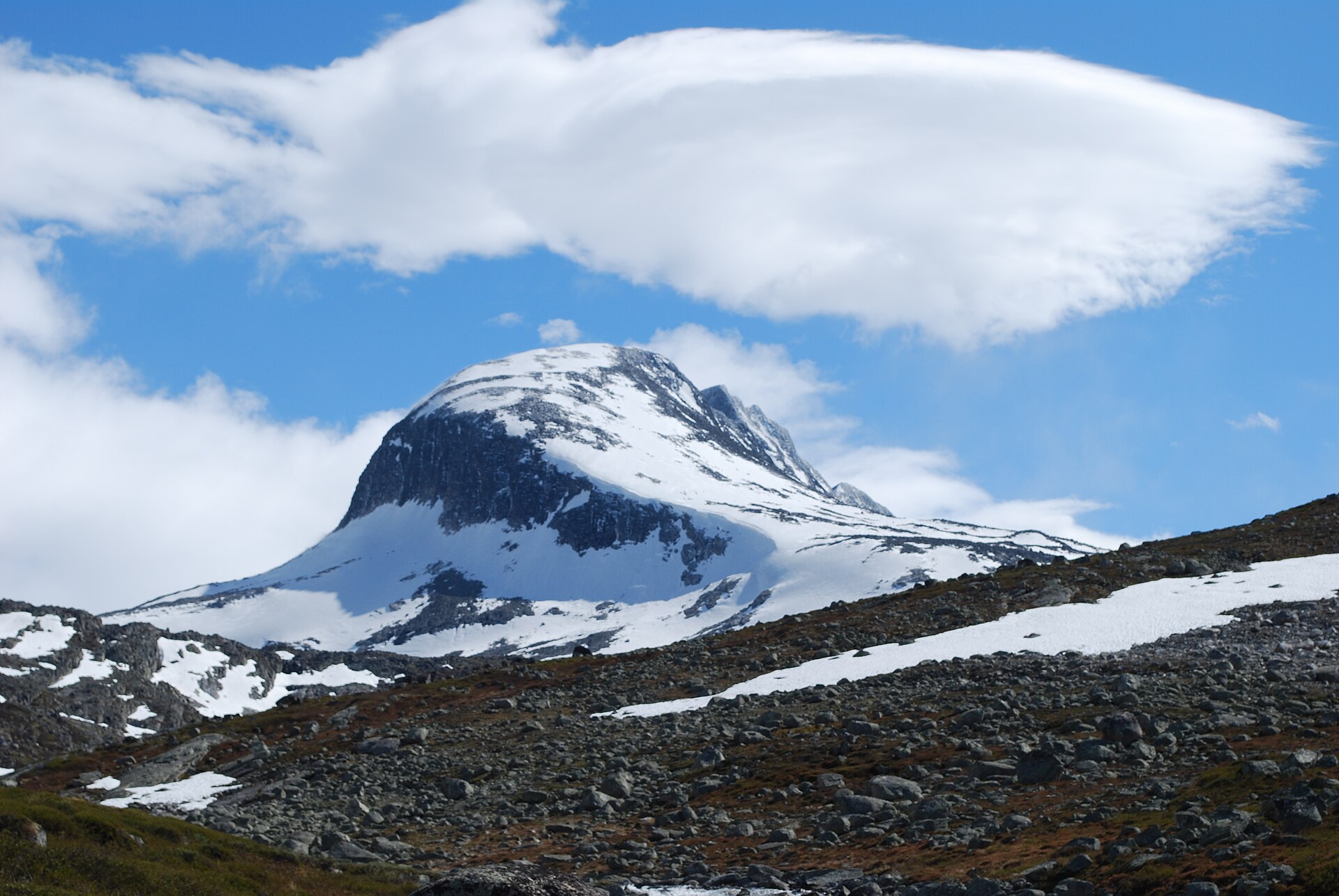
339 records
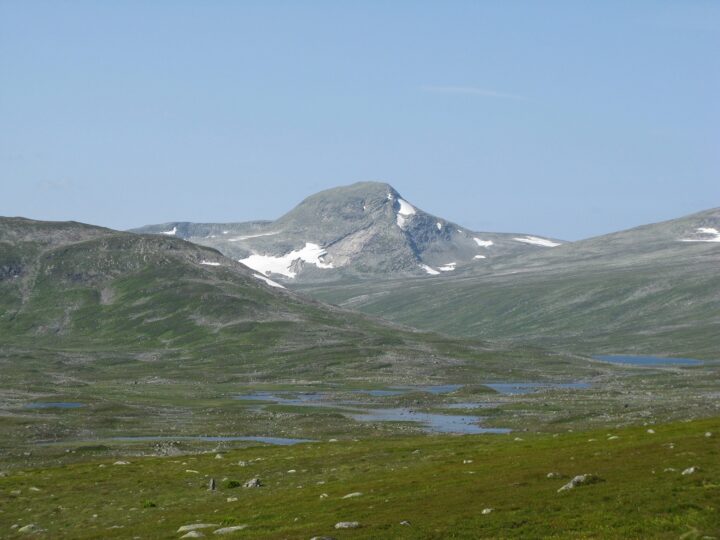
242 records

227 records

202 records

171 records

145 records
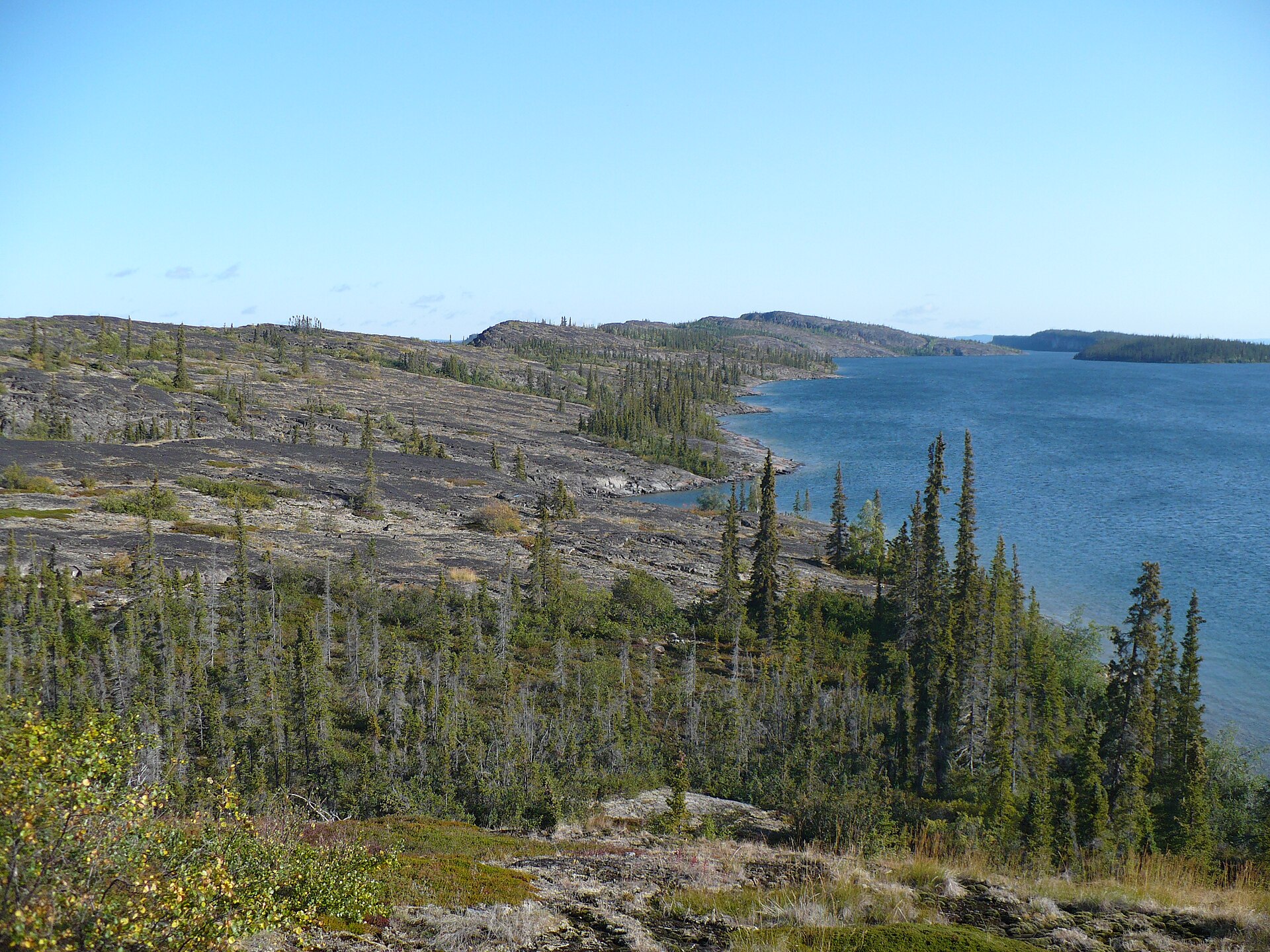
98 records

90 records
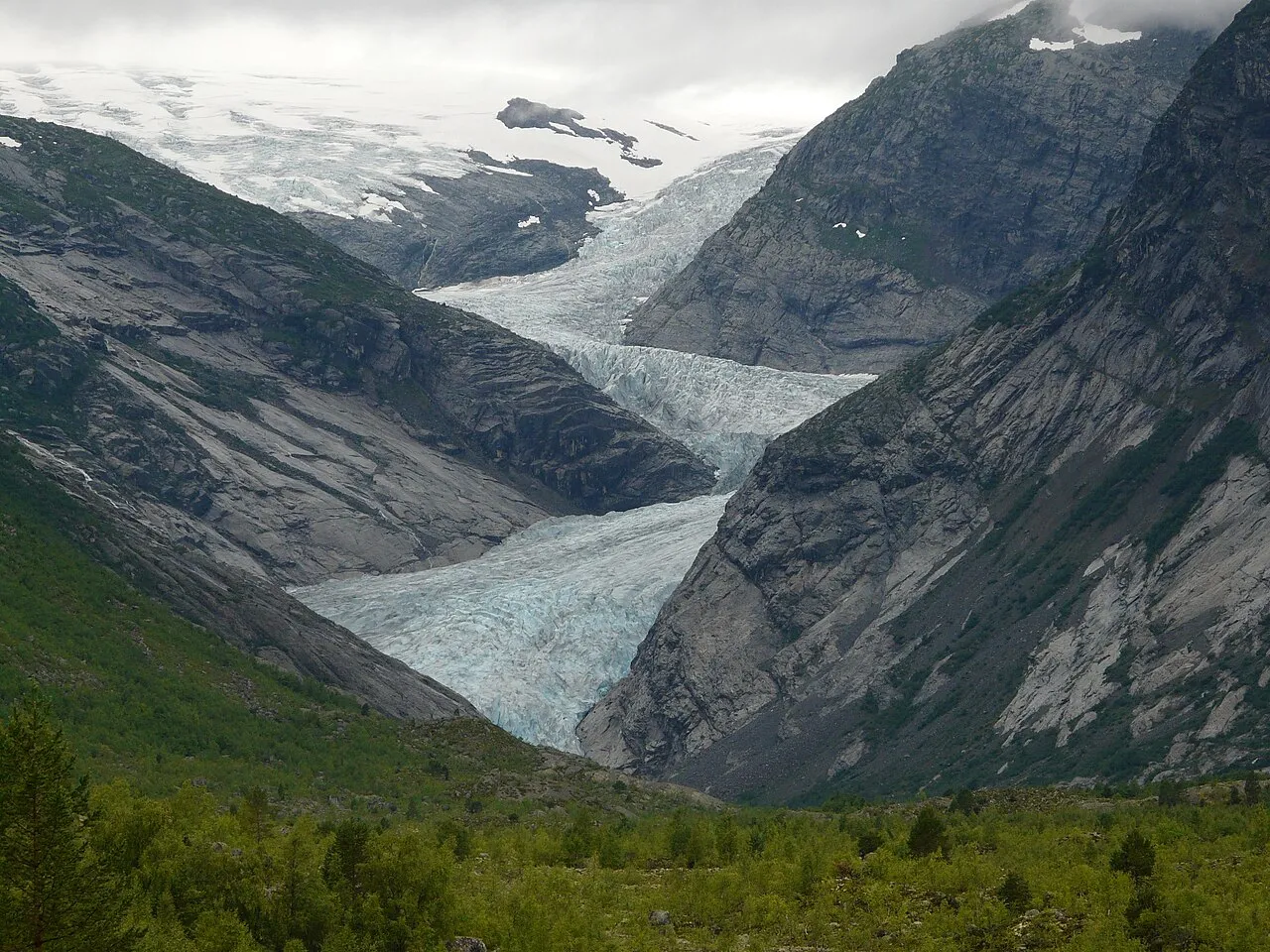
61 records
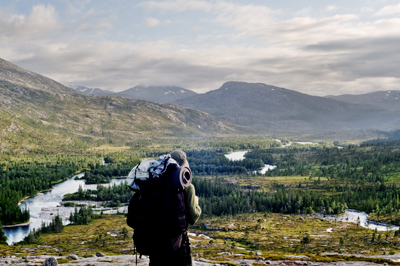
39 records

34 records
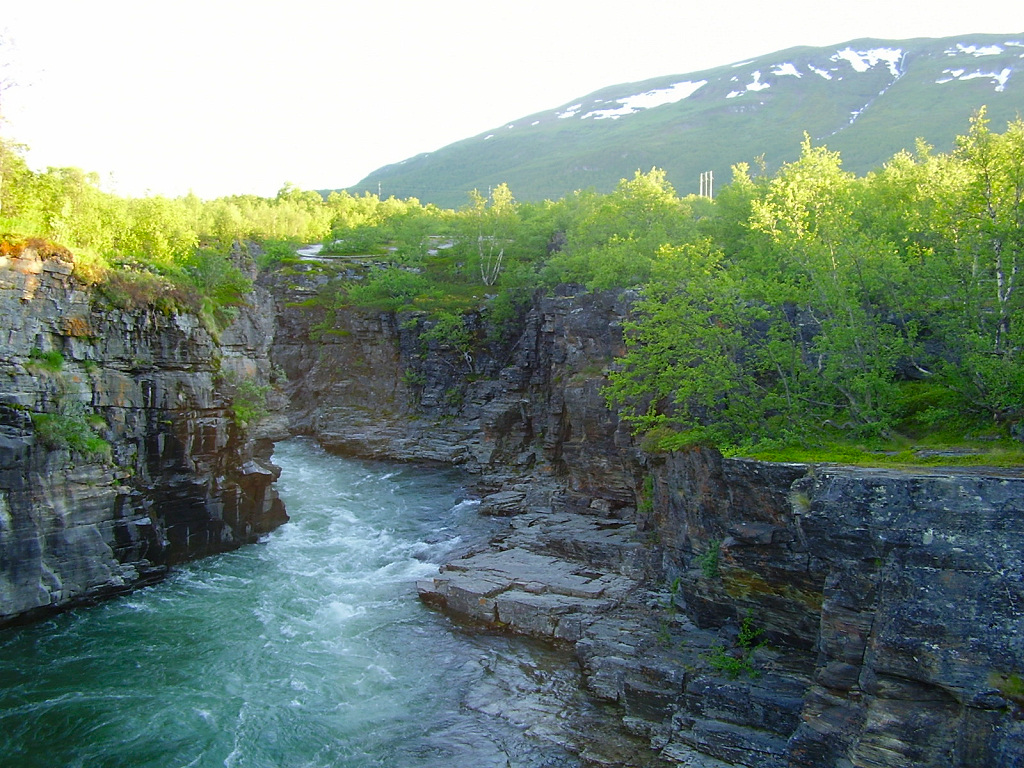
Natura 2000
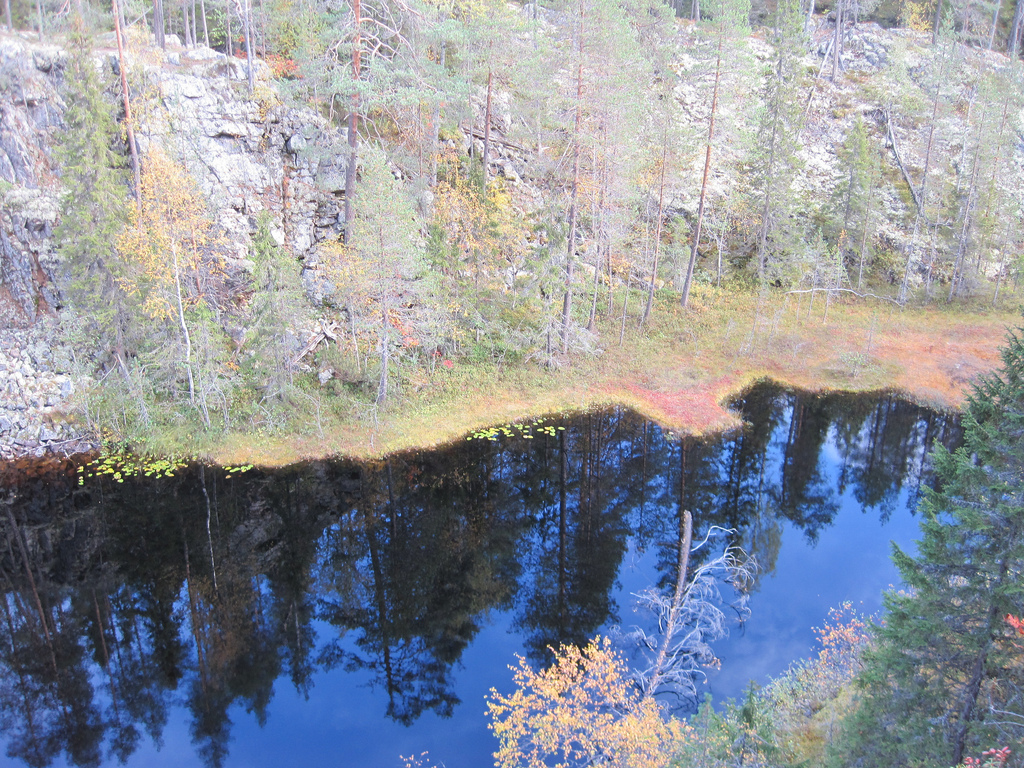
Natura 2000
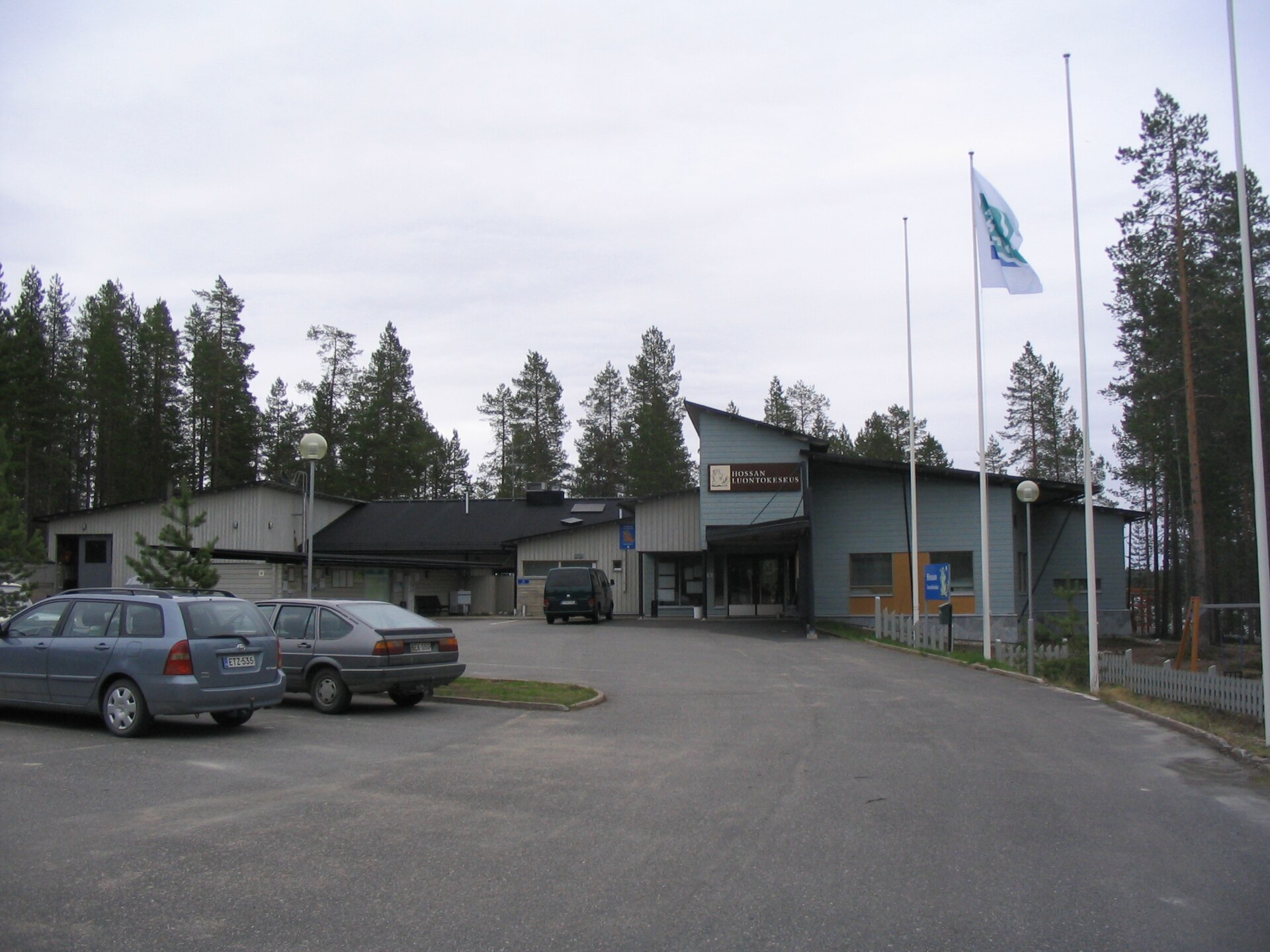
Natura 2000
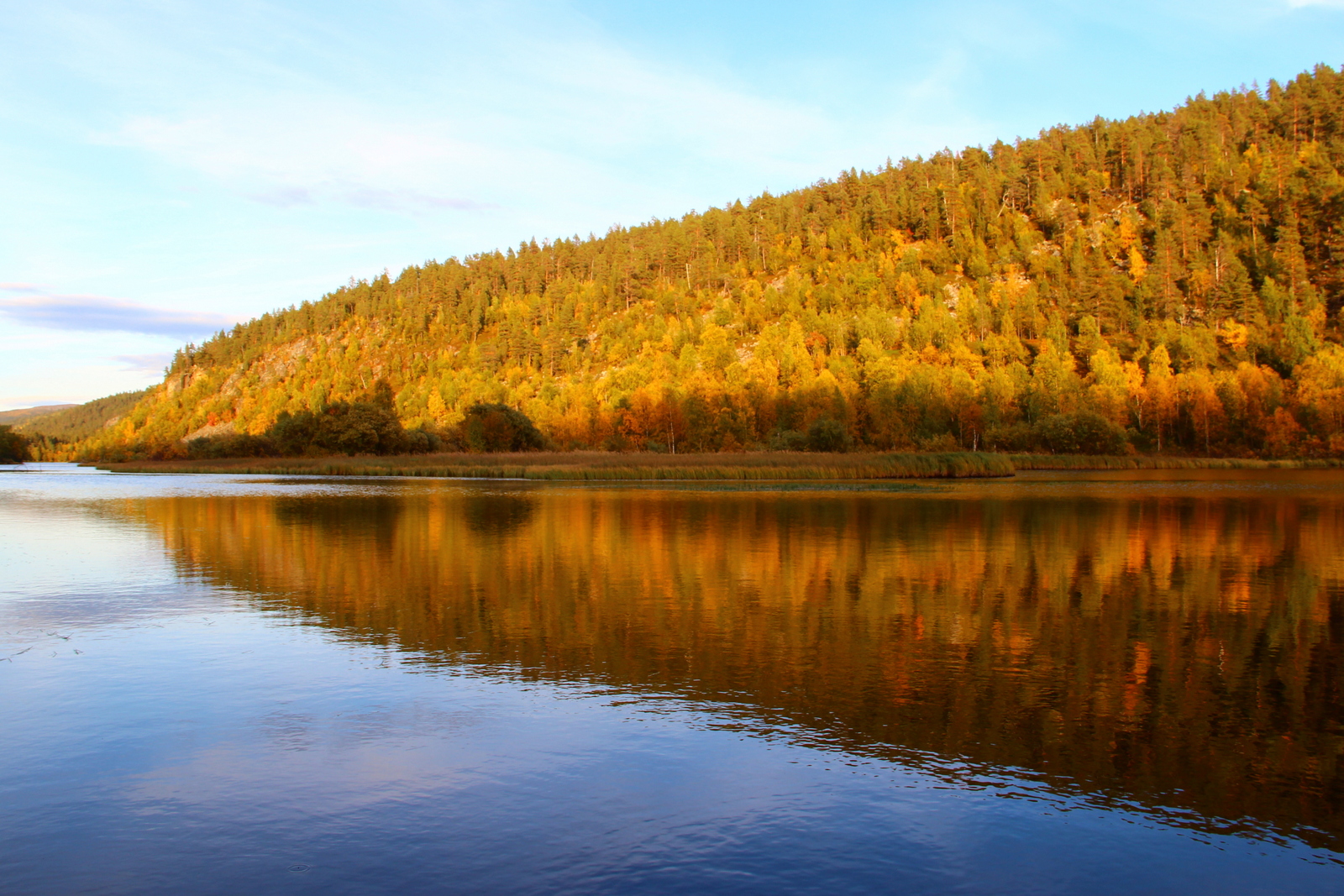
Natura 2000
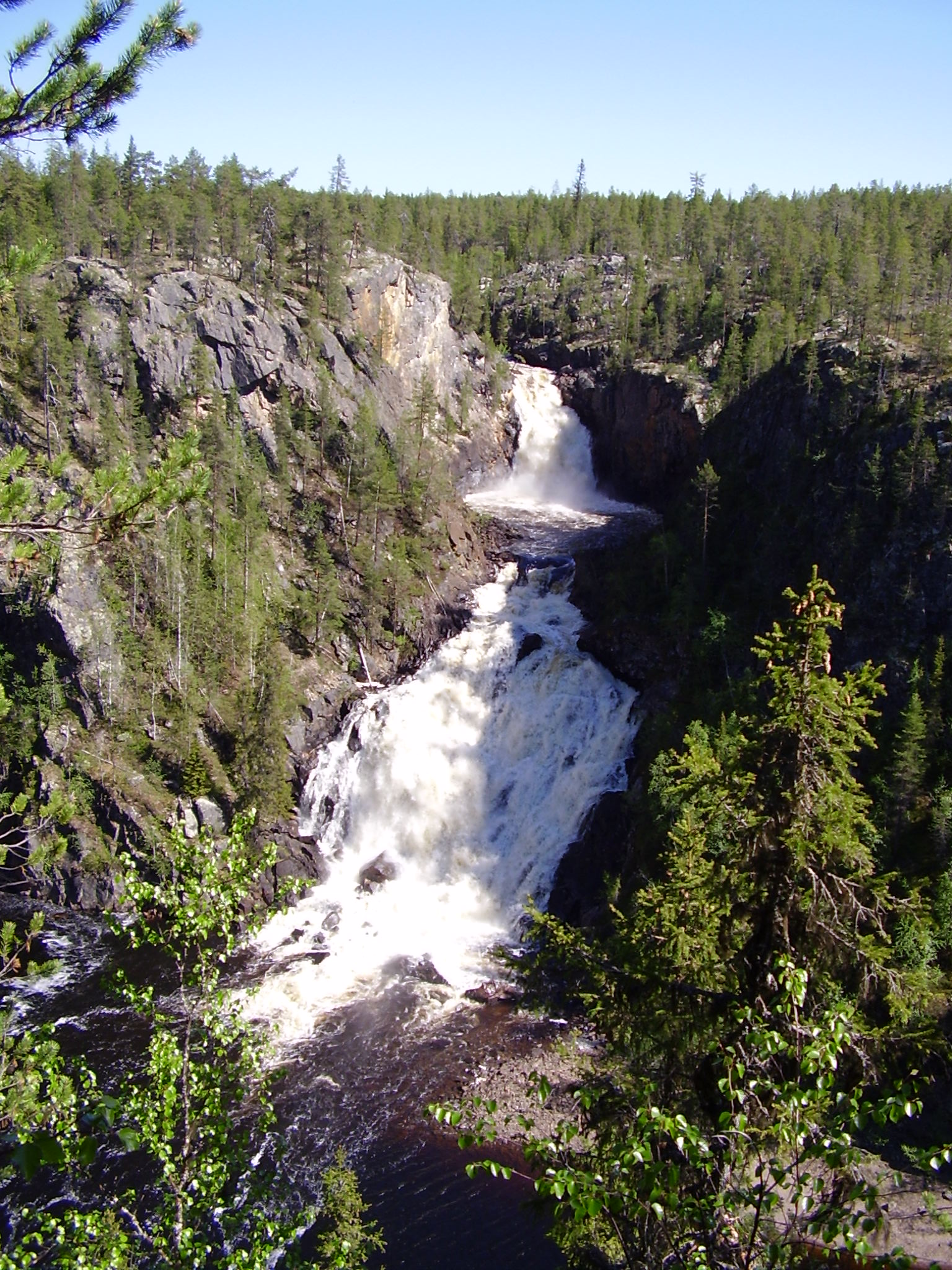
Natura 2000
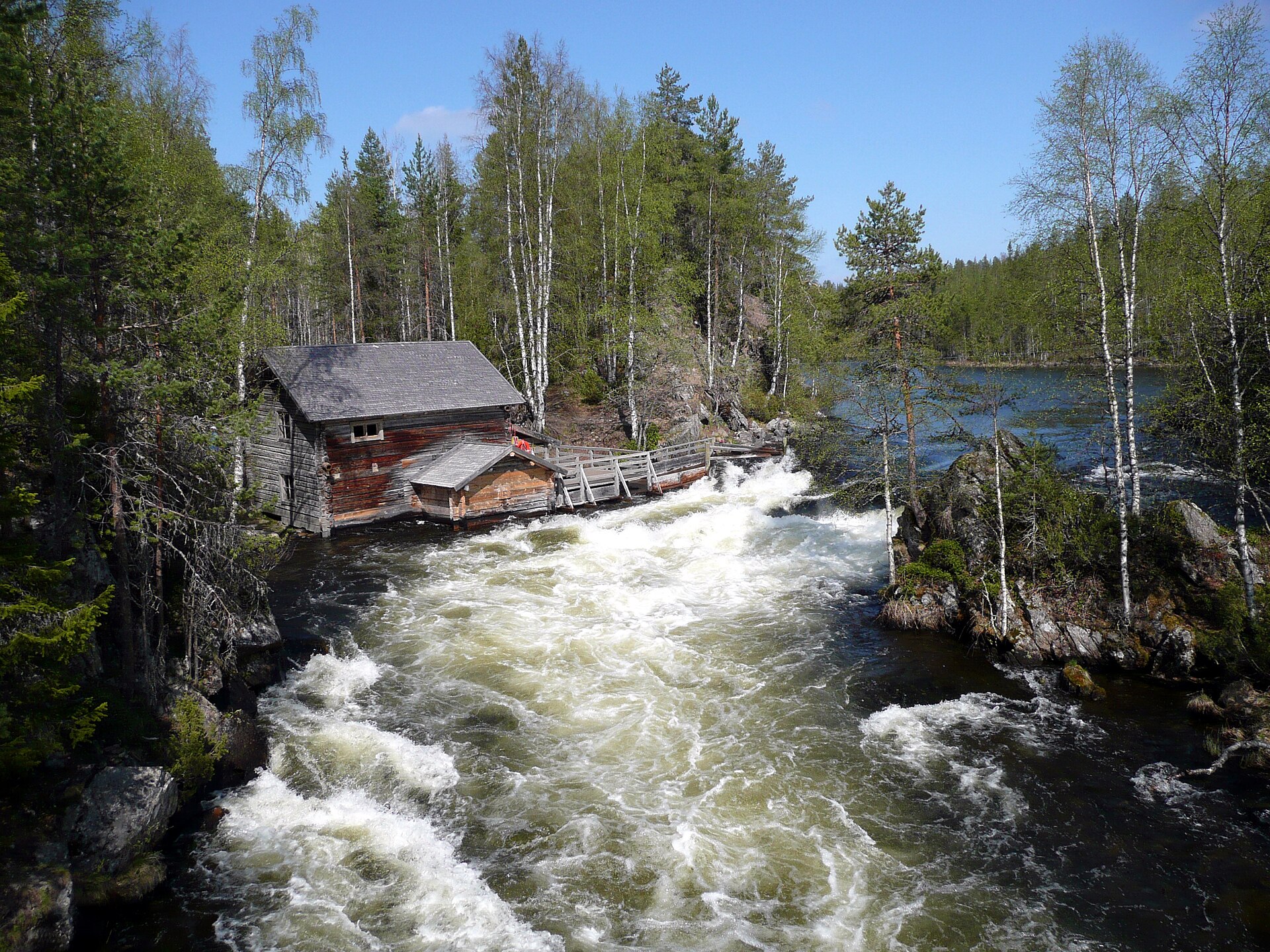
Natura 2000

Natura 2000
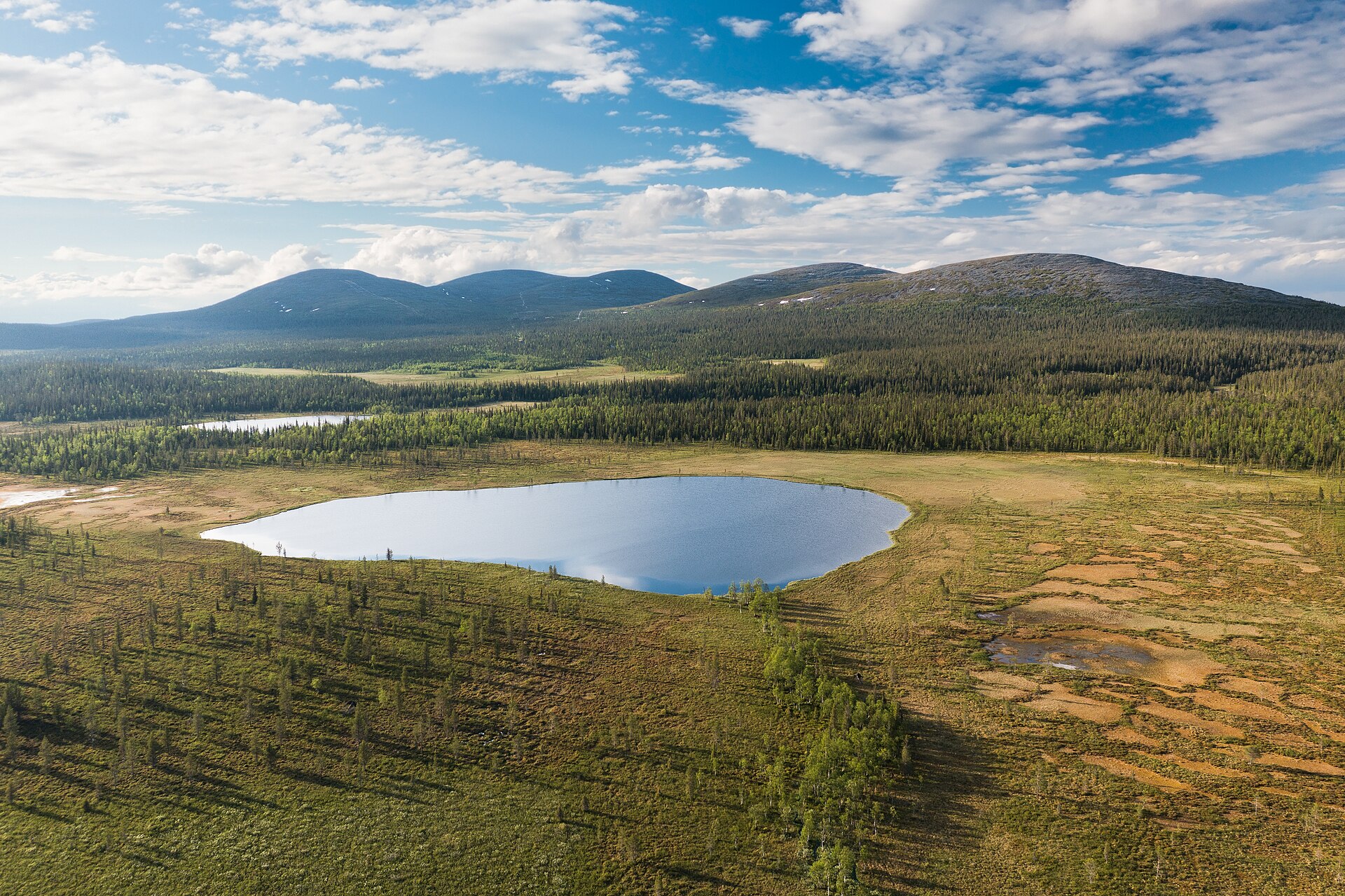
Natura 2000
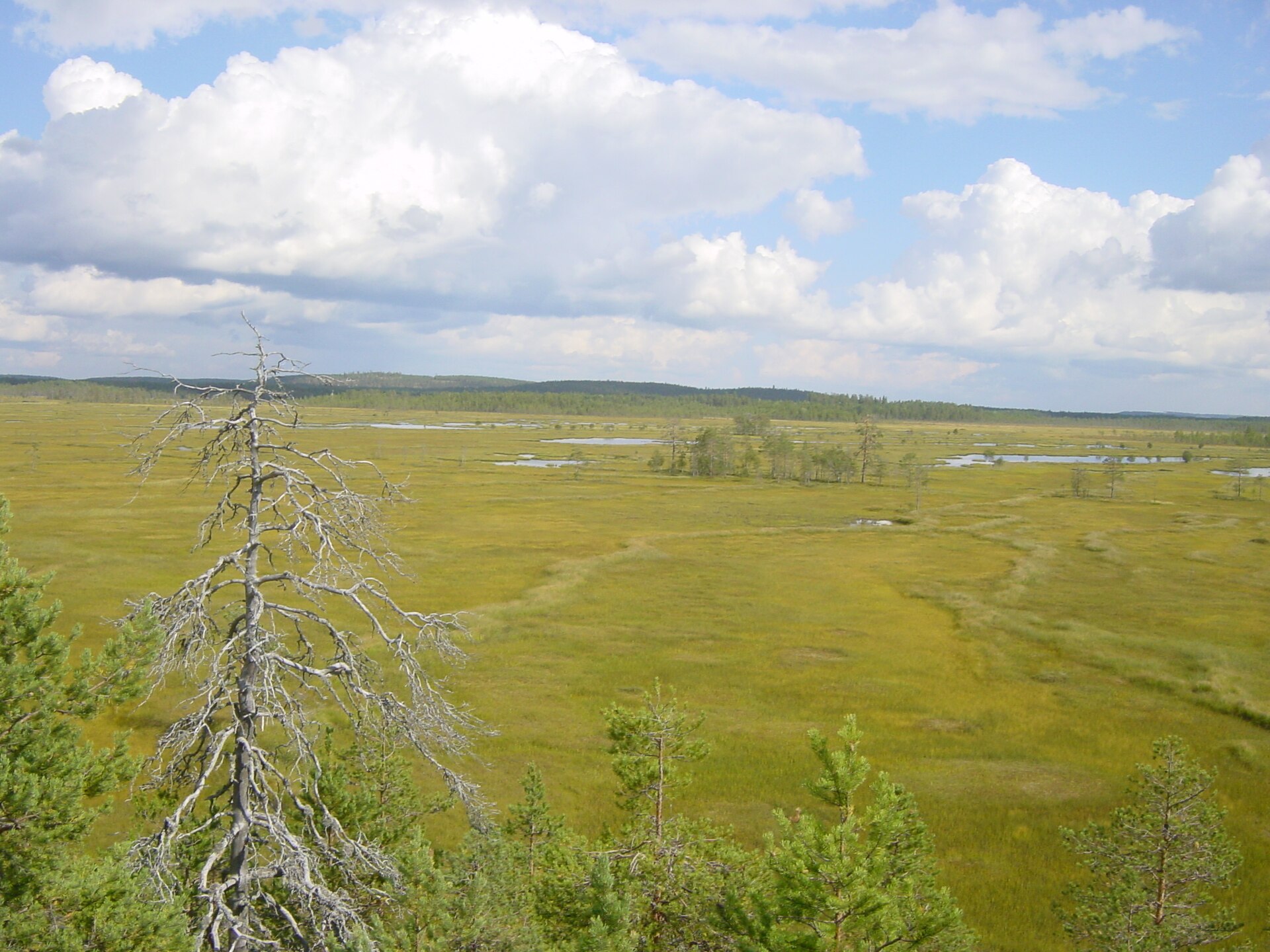
Natura 2000
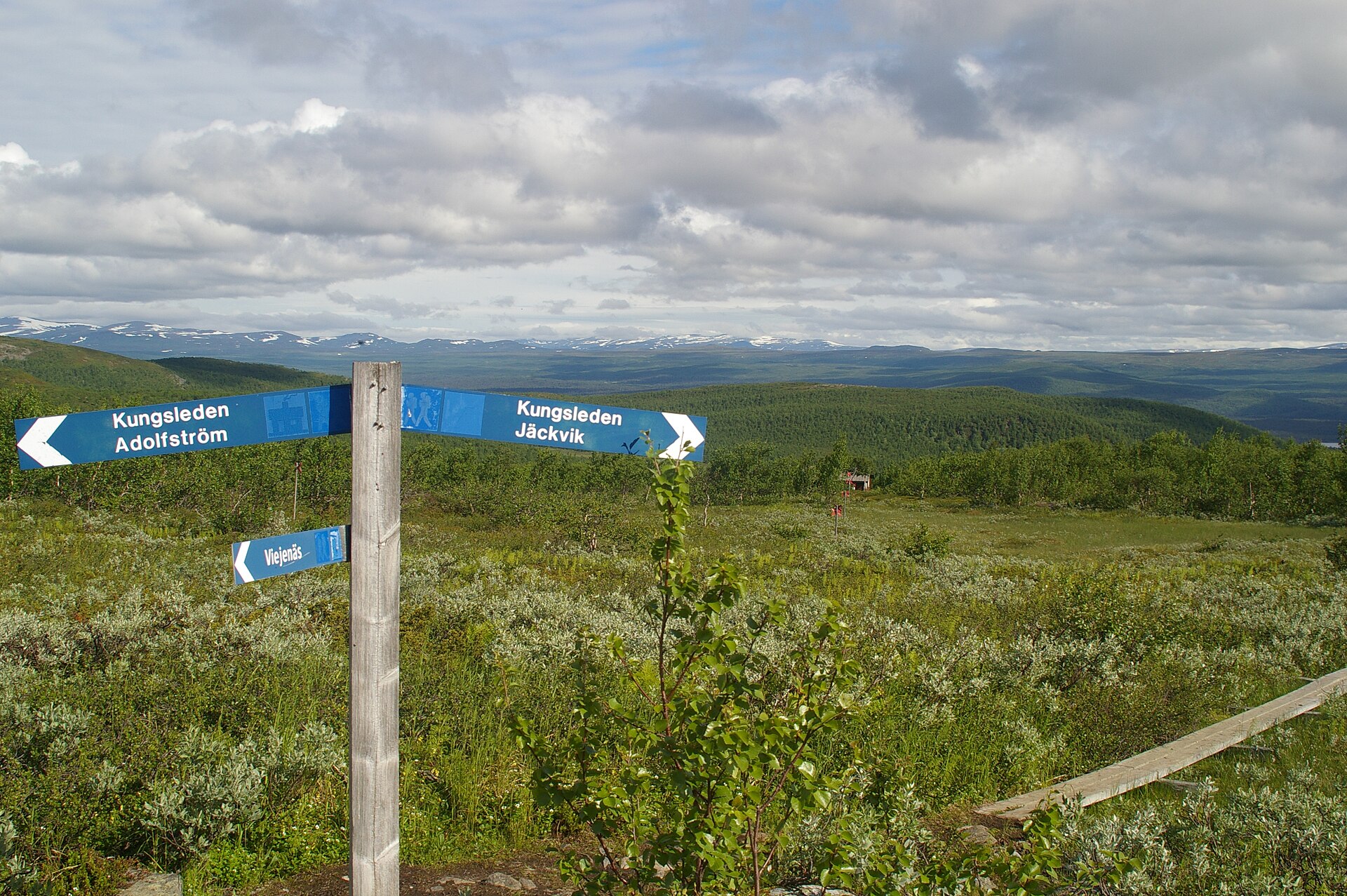
Natura 2000

Natura 2000
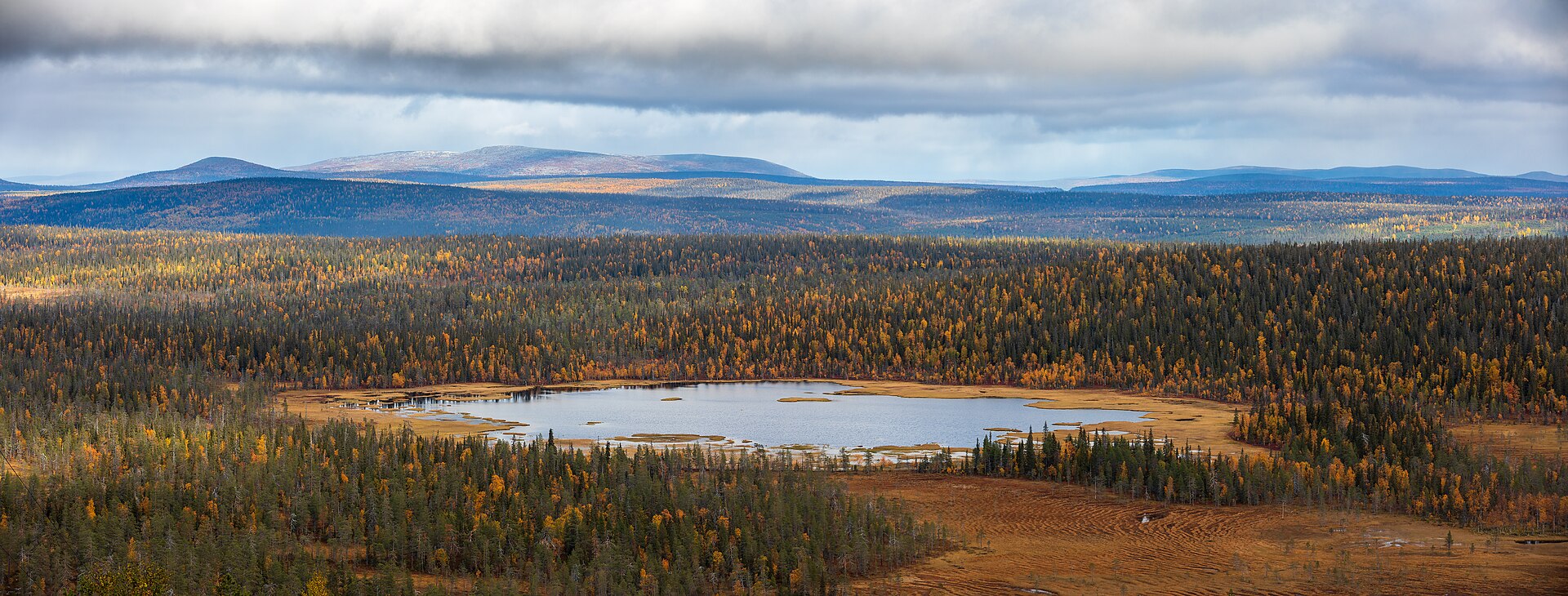
Natura 2000

Natura 2000

Natura 2000

Natura 2000
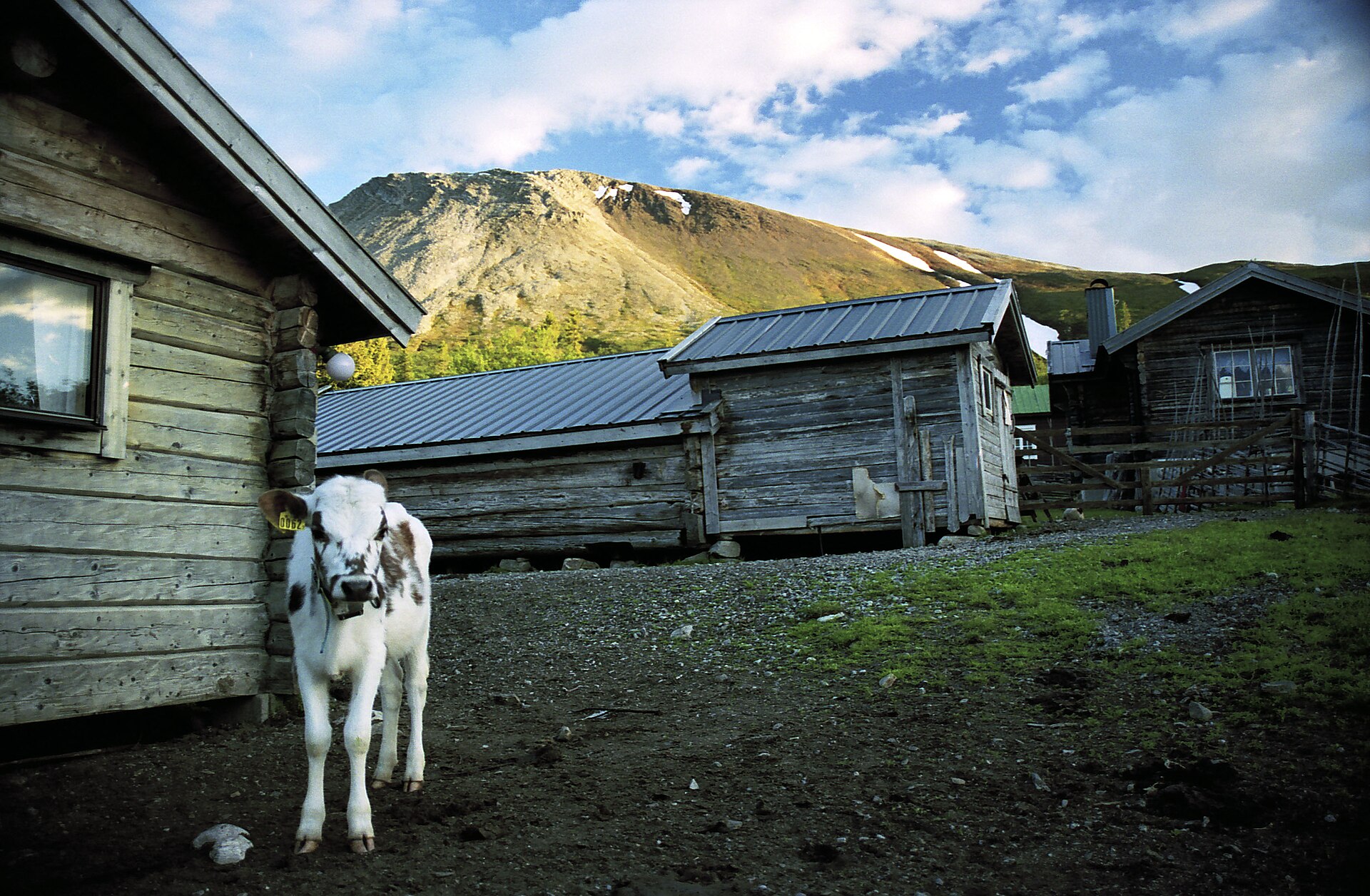
Natura 2000
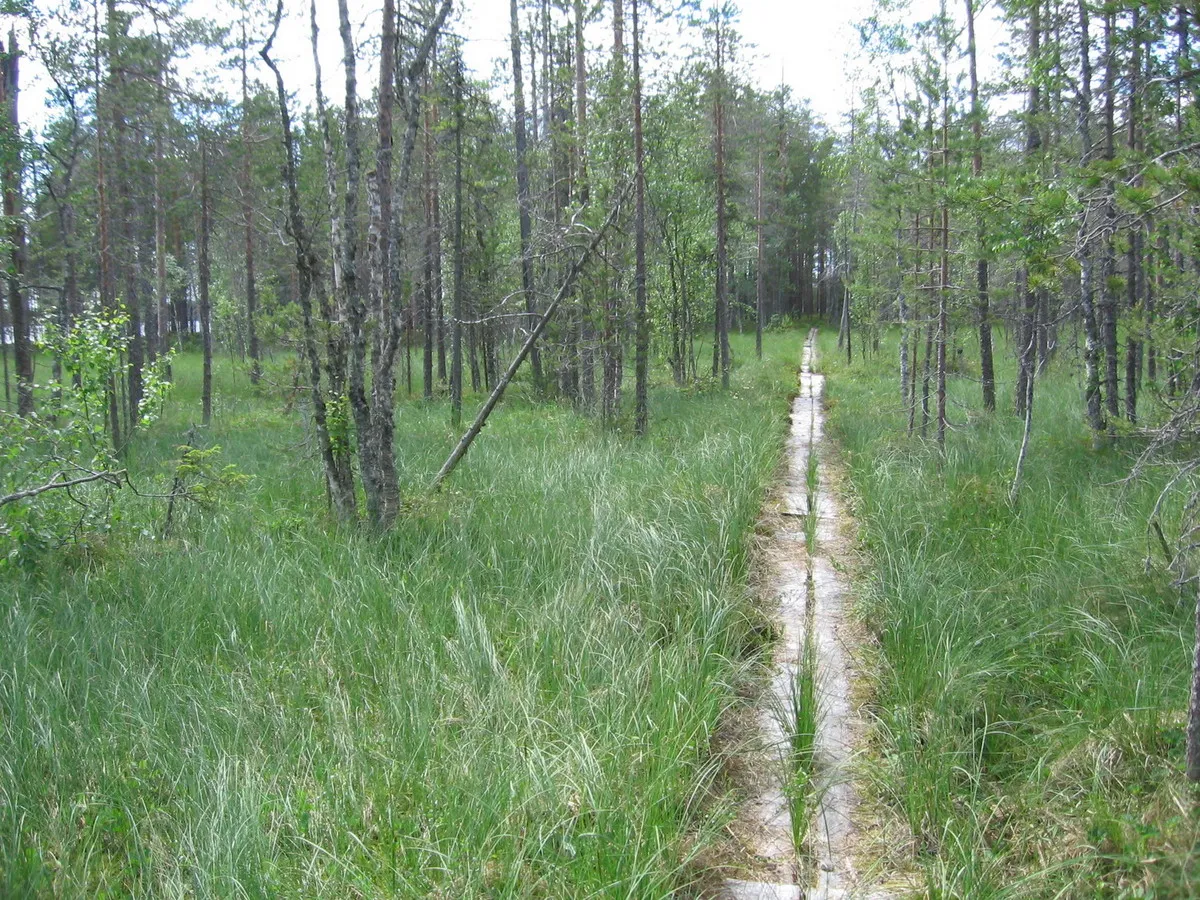
Natura 2000
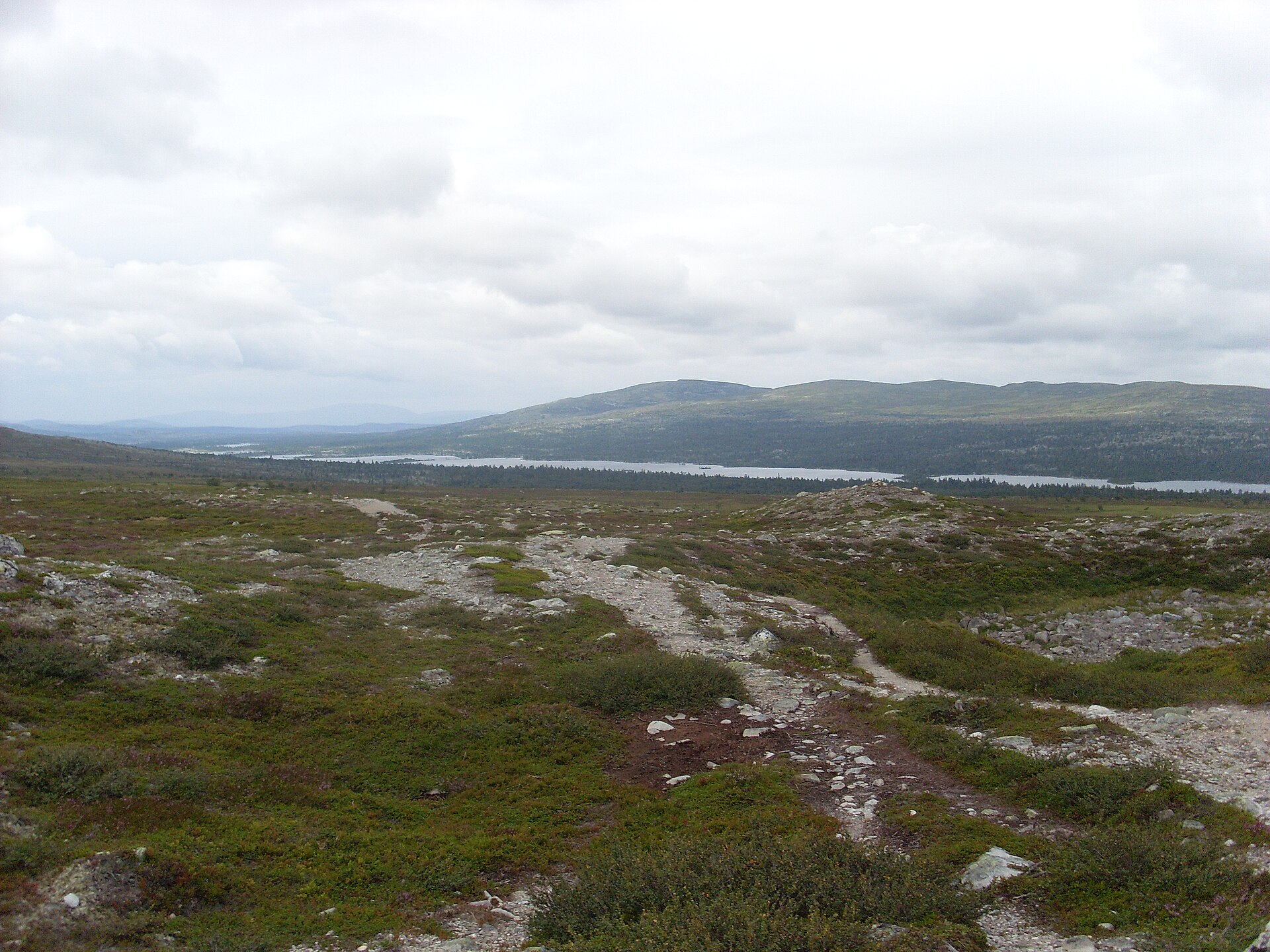
Natura 2000

Natura 2000

Natura 2000
Other species to discover


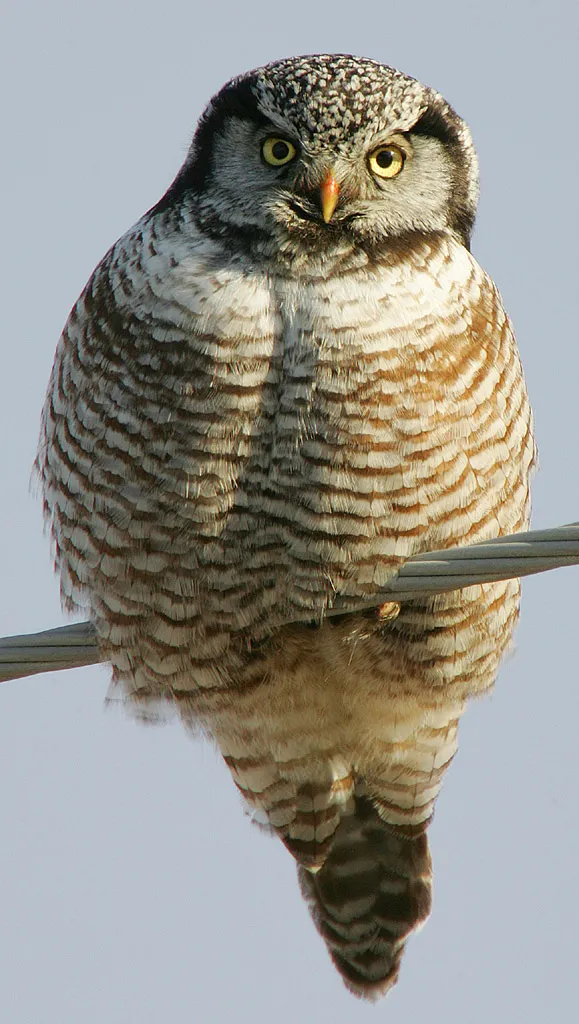
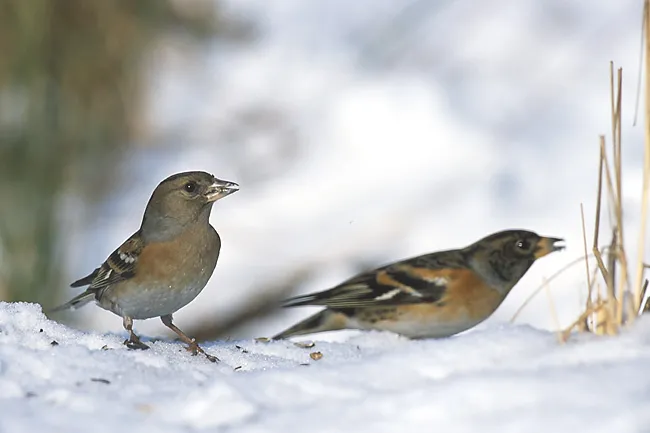

Sources and credits
- Presence: most-recorded species of each place on GBIF and species of Community interest in the Natura 2000 forms (EEA, CC-BY 4.0); absence from the list does not mean the species is absent.
- Common names: Wikidata (CC0) and GBIF.
- Photos and sounds: Wikimedia Commons, author and licence given for each file.
- Classification: GBIF Backbone Taxonomy (GBIF Secretariat), CC BY 4.0, doi:10.15468/39omei.
- Countries, elevations, months and maps: GBIF.org, CC0 or CC BY 4.0 occurrences only, accessed October 22, 2026, GBIF.org.
- Base map: Natural Earth (public domain).
- Excerpt: Wikipedia, CC BY-SA 4.0 (full credit below the excerpt).
- Key facts: Wikidata (CC0), with the references cited under each value.
- Annexes: Directive 92/43/EEC (consolidated version), © European Union, EUR-Lex.
- Conservation status: EEA / DG ENV, Article 17 Habitats Directive reporting (2013–2018), CC BY 4.0.