
Bird
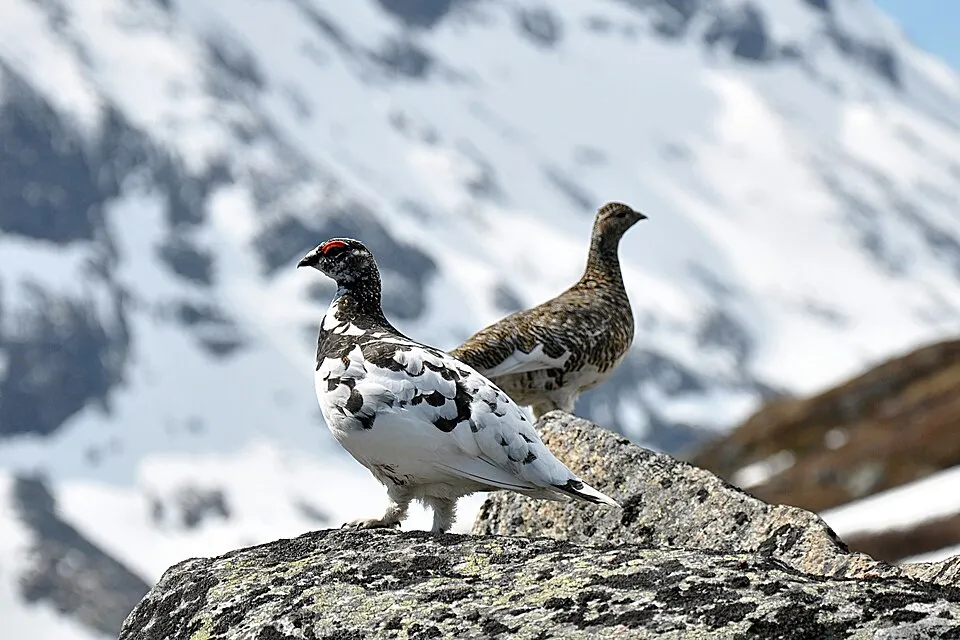
Willow Grouse: where to see it
Lagopus lagopus
This bird species is recorded in 37 protected areas of the atlas. Within the atlas countries, it is mostly observed in Norway, Sweden and the United Kingdom (4 countries in all). Most records (8 in 10) lie between 130 and 1,050 m above sea level. Records peak from July to August. Its EU population is assessed as depleted (2013–2018 Birds Directive reporting).
Best time to see it: July–August
Records published on GBIF by month (CC0 and CC BY 4.0 licences only), in the atlas countries, all years combined; they also reflect observer activity.
Key facts
- Weight (female)
- 580 g Wikidata, after Handbook of the Birds of the World
- Weight (male)
- 720 g Wikidata, after Handbook of the Birds of the World
Status and protection
Birds Directive II/A · II/B · III/A (some populations)
The species is listed in Annexes II/A, II/B and III/A of the Birds Directive (for some populations or subspecies).
EU population assessed as depleted, stable in the short term (2013–2018 Birds Directive reporting). EU breeding population: 374,000–762,000 pairs.
Distribution
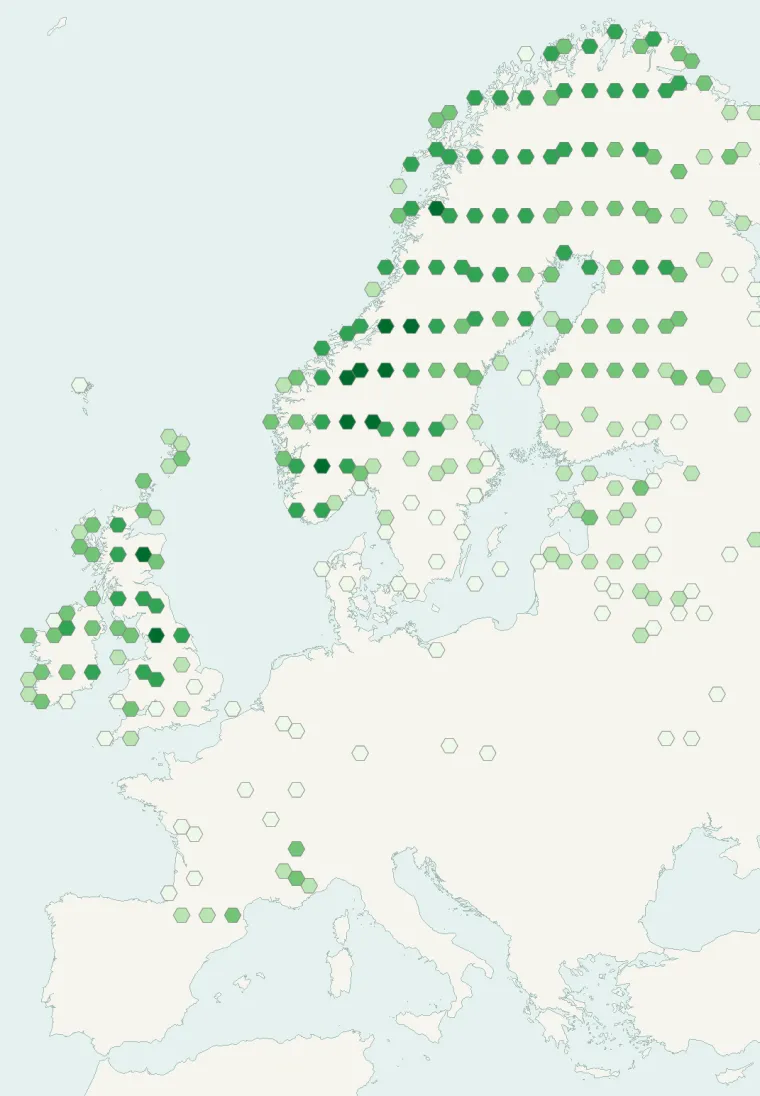
Records published on GBIF (CC0 and CC BY 4.0 licences): the darker the shade, the more records there are; they also reflect observation effort.
Atlas countries where it is recorded
Listen
-
1:06 · © Ndalyrose · CC BY-SA 4.0 · Wikimedia Commons · Original file
From Wikipedia
The willow ptarmigan (Lagopus lagopus) is a bird in the grouse tribe Tetraonini of the pheasant family Phasianidae. It is also known as the willow grouse. The willow ptarmigan breeds in birch and other forests and moorlands in northern Europe, the tundra of Scandinavia, Siberia, Alaska, and Canada, in particular in the provinces of Newfoundland and Labrador and Quebec. It is the state bird of Alaska. In the summer, the birds are largely brown, with dappled plumage, while in the winter, they are white with some black feathers in their tails.
Source: Wikipedia, article “Willow ptarmigan” (version of September 14, 2026) · history and authors · licence CC BY-SA 4.0 · shortened excerpt
Protected areas where it is recorded

6,624 records

4,791 records

4,186 records
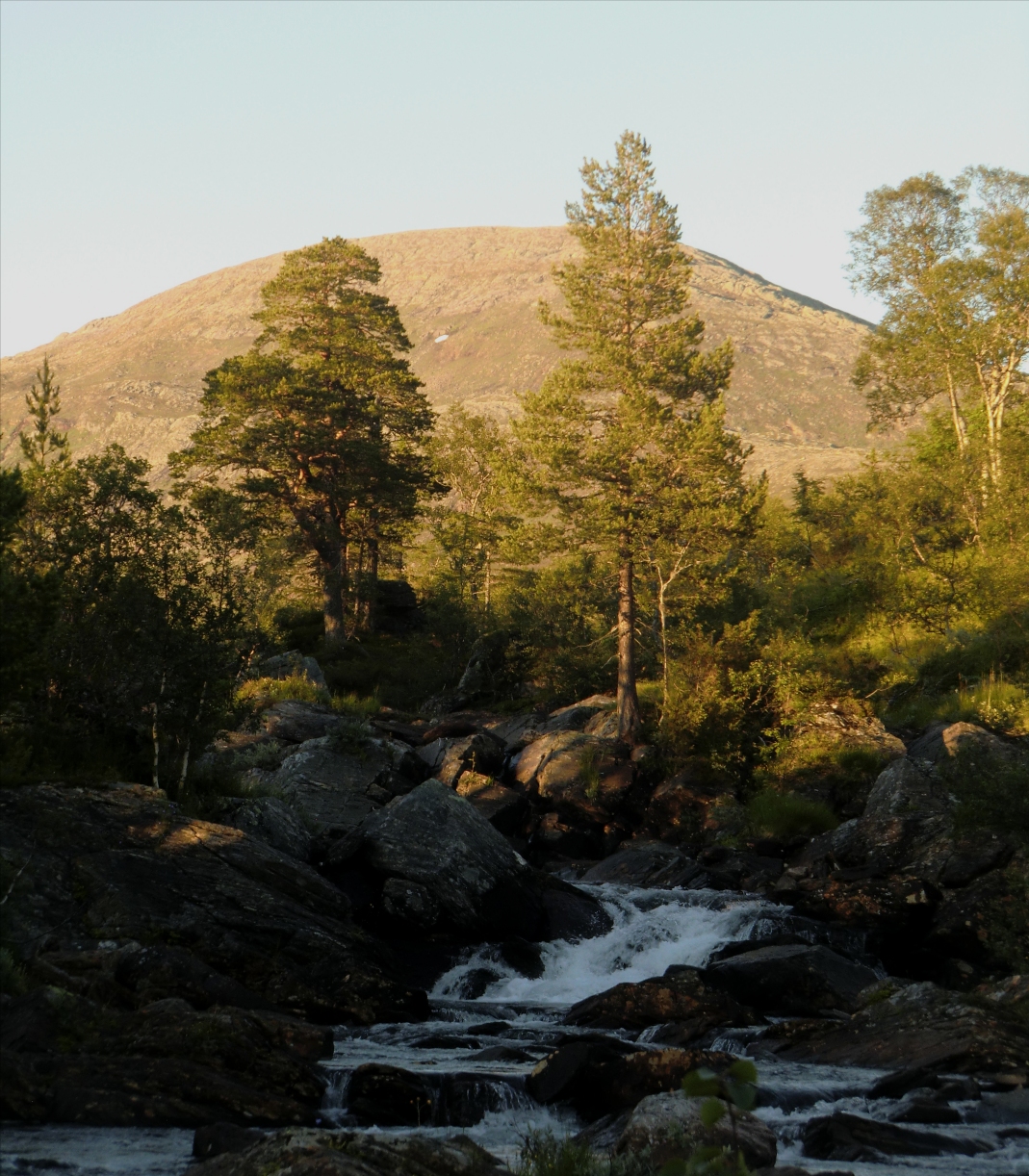
3,916 records
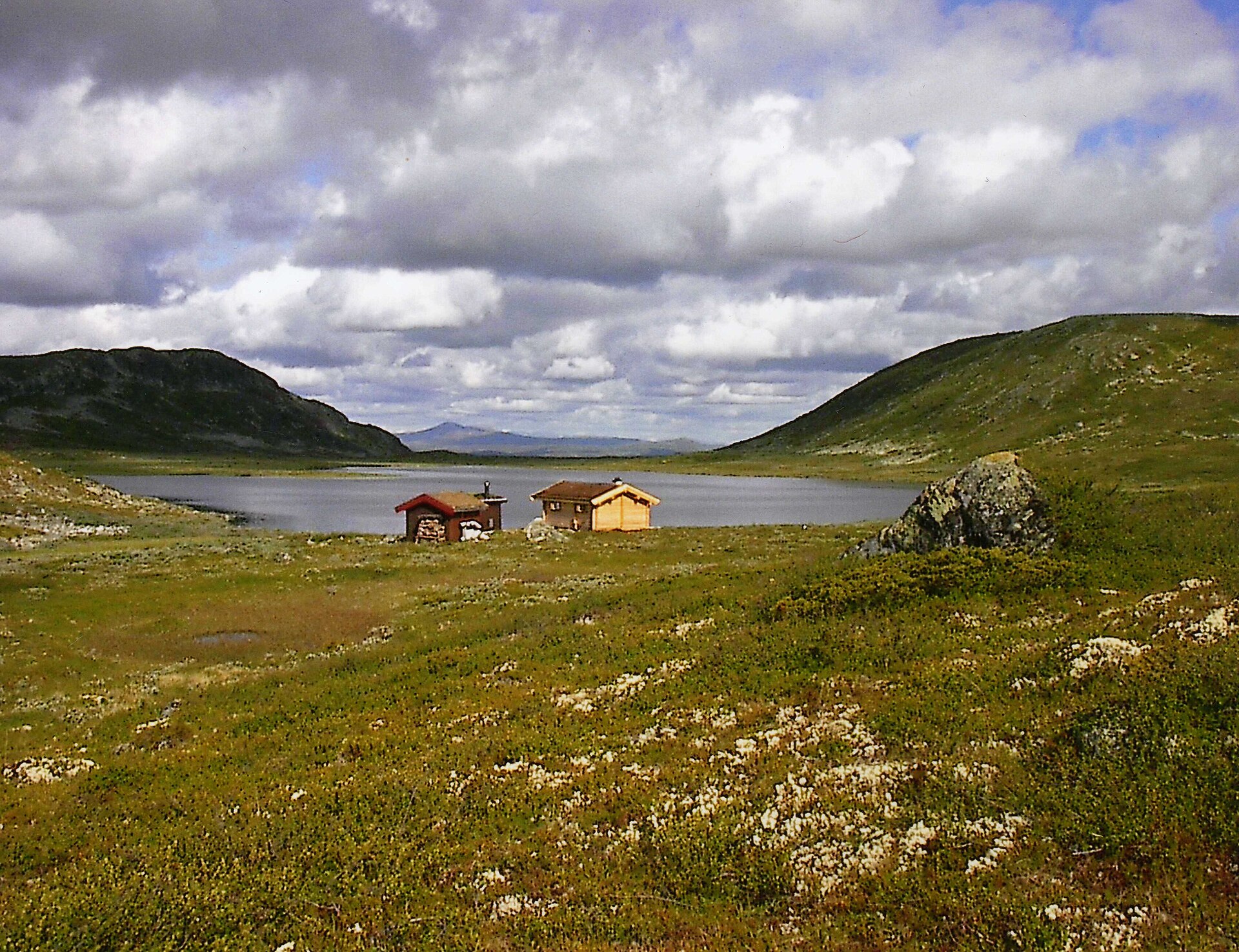
3,585 records
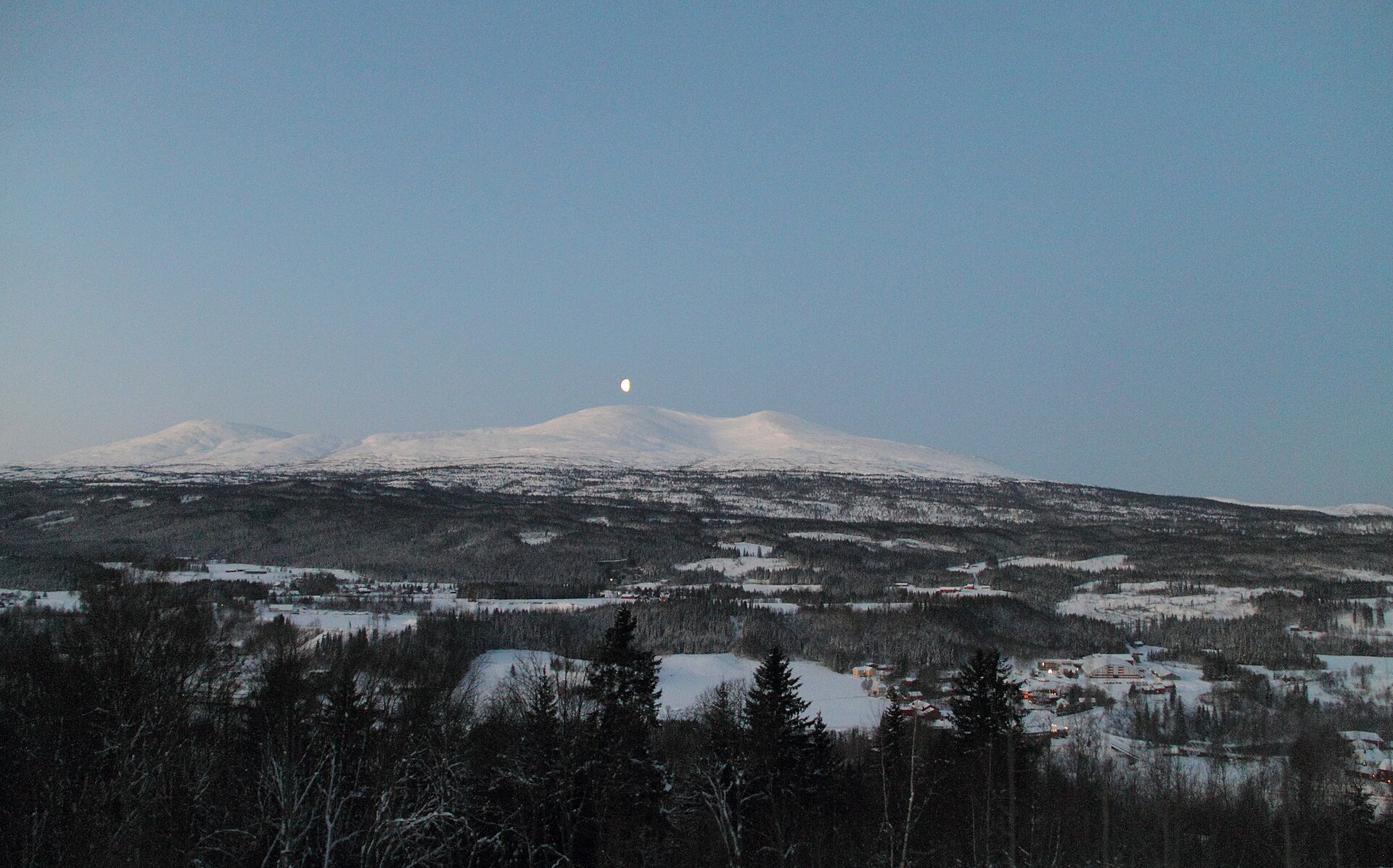
3,408 records
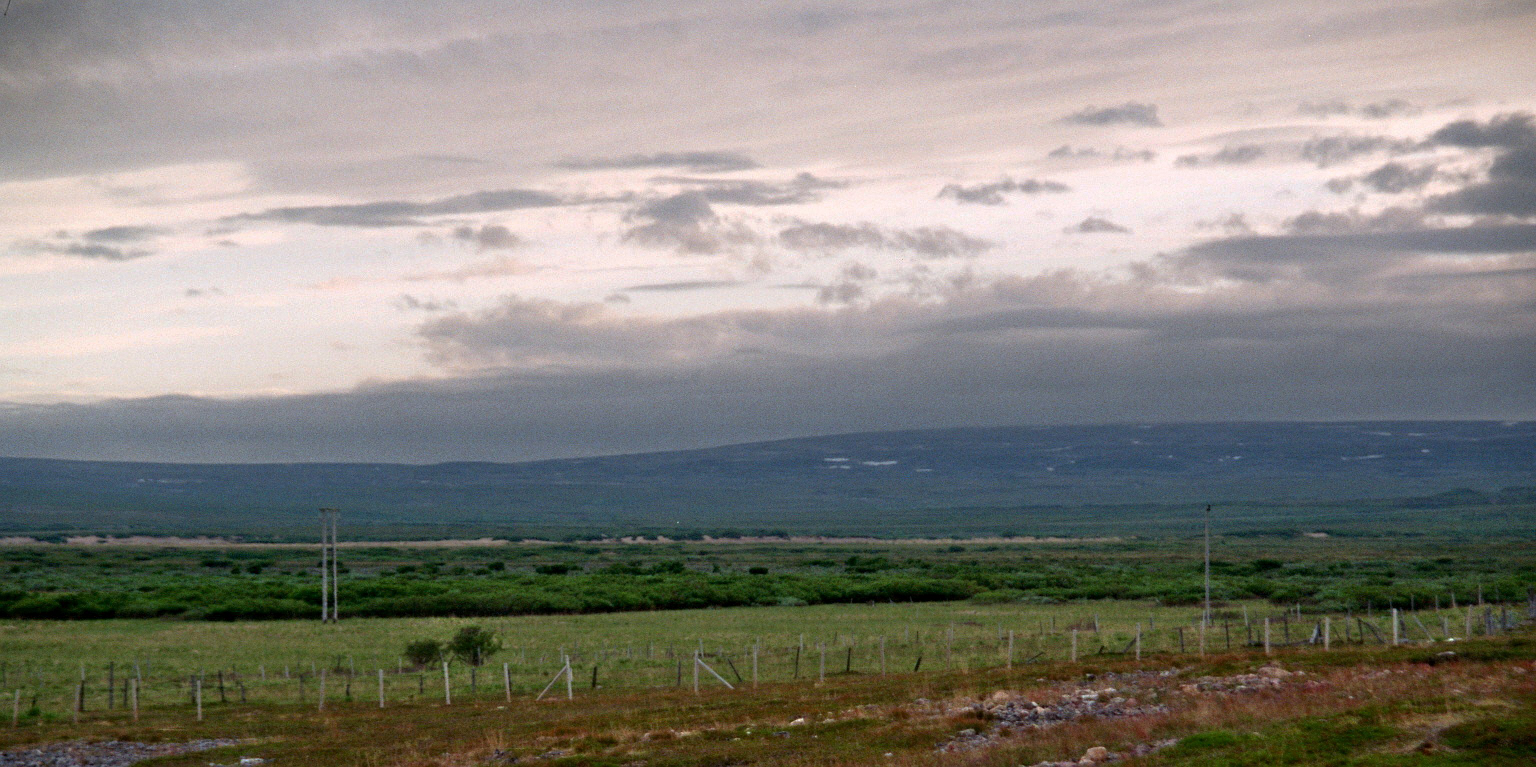
2,405 records

2,049 records
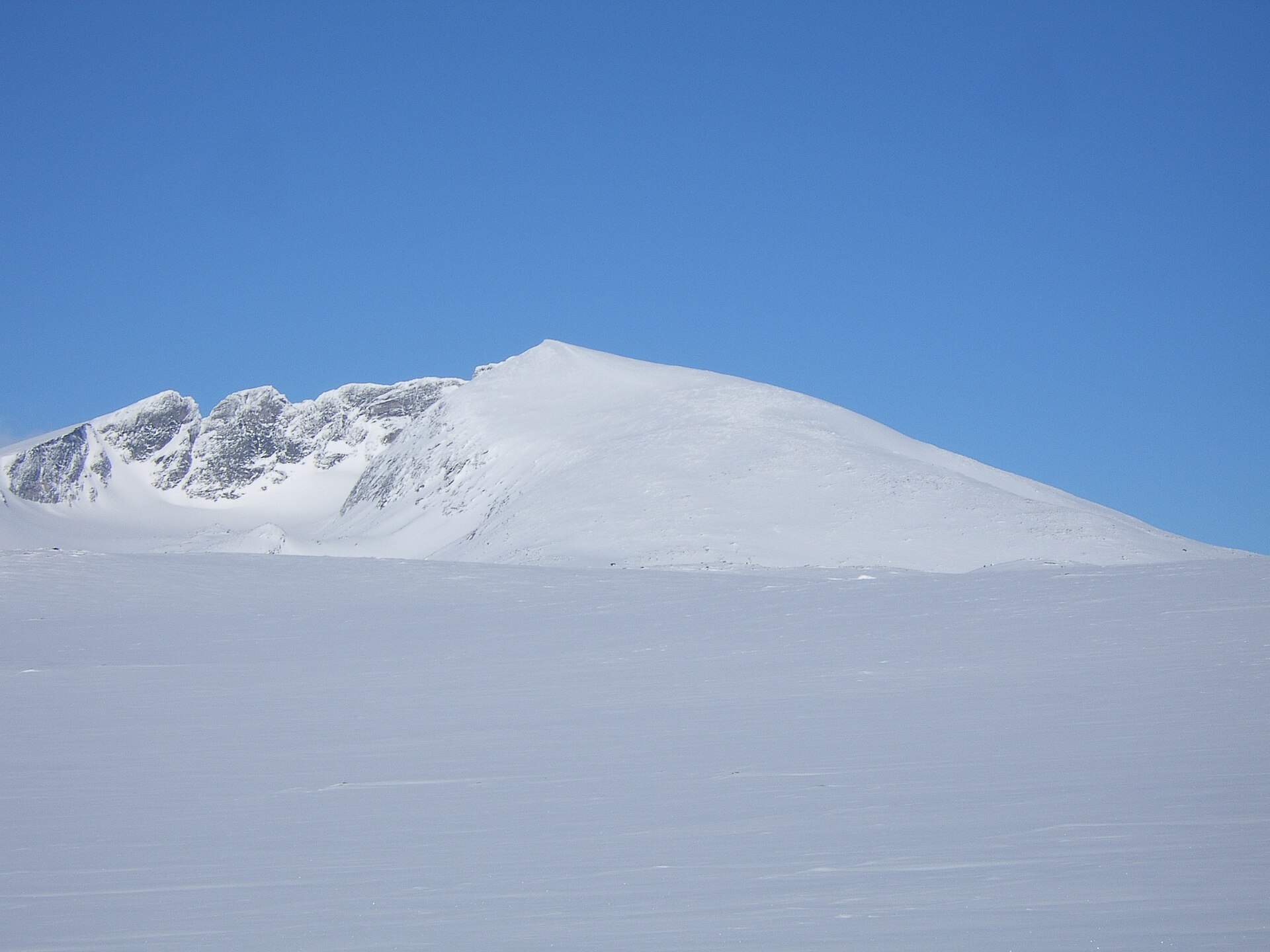
1,821 records
1,784 records
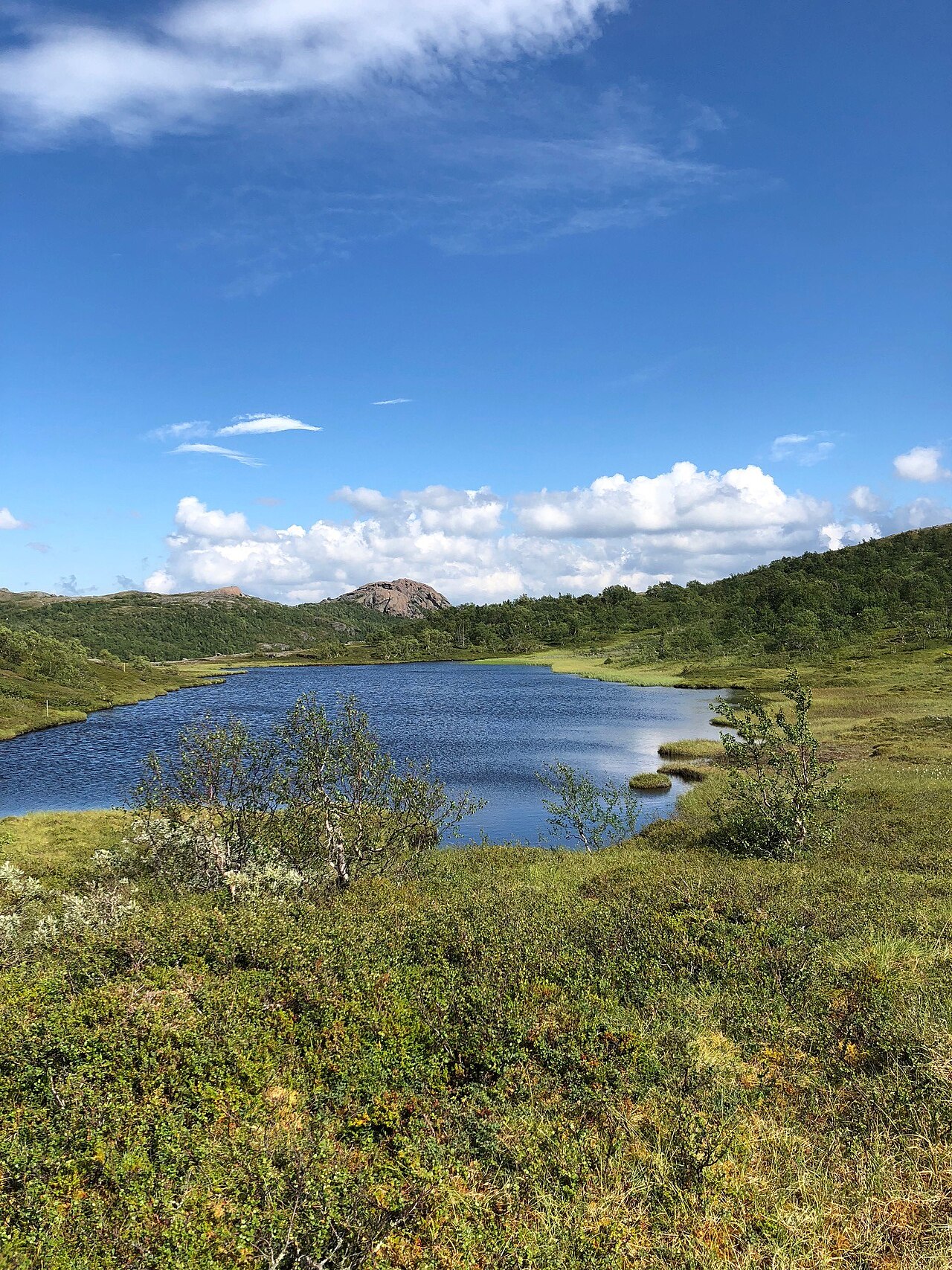
1,558 records
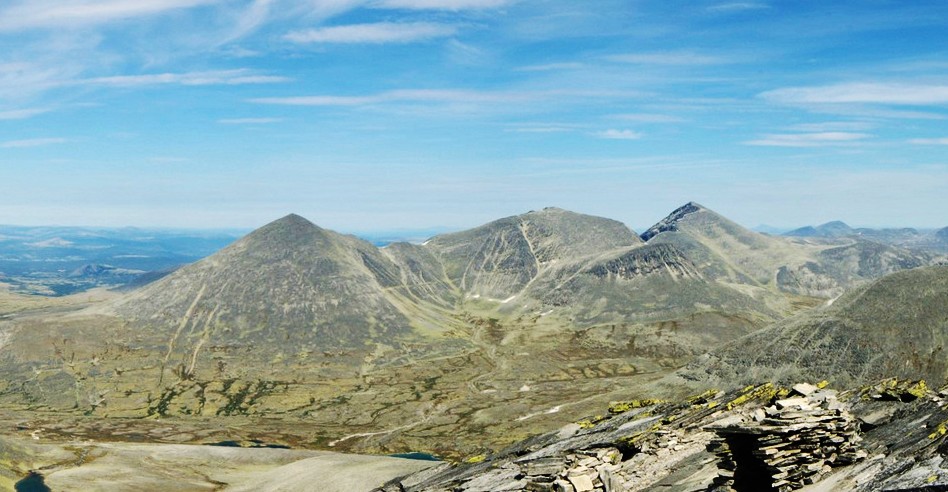
1,038 records

991 records
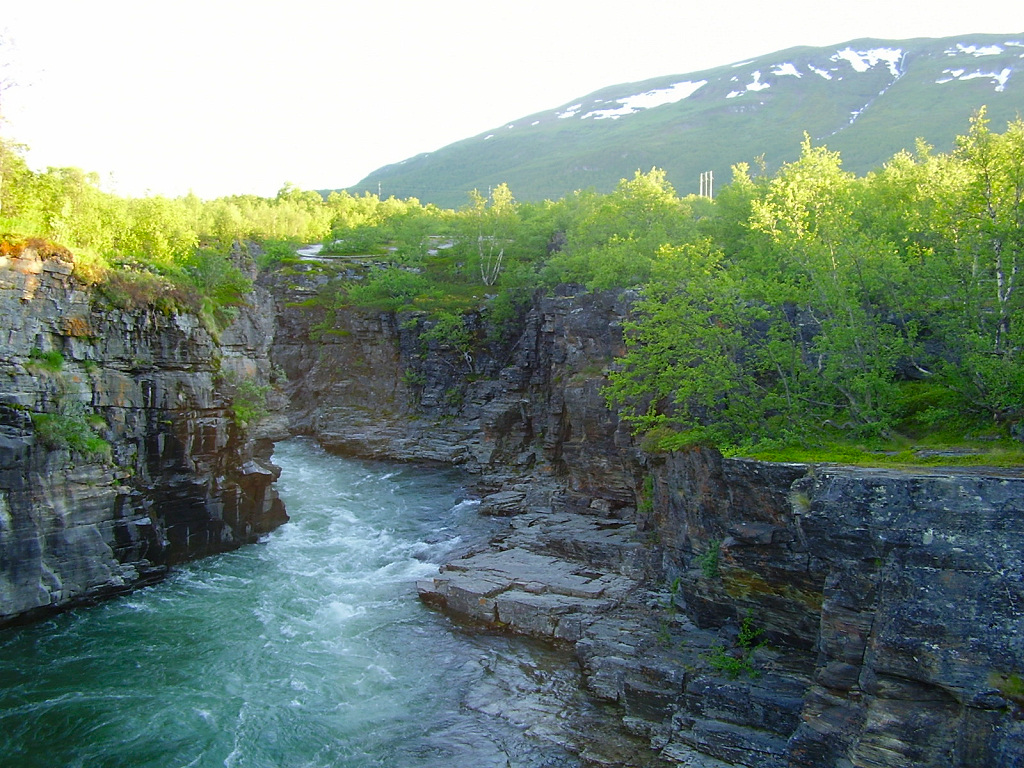
935 records

921 records
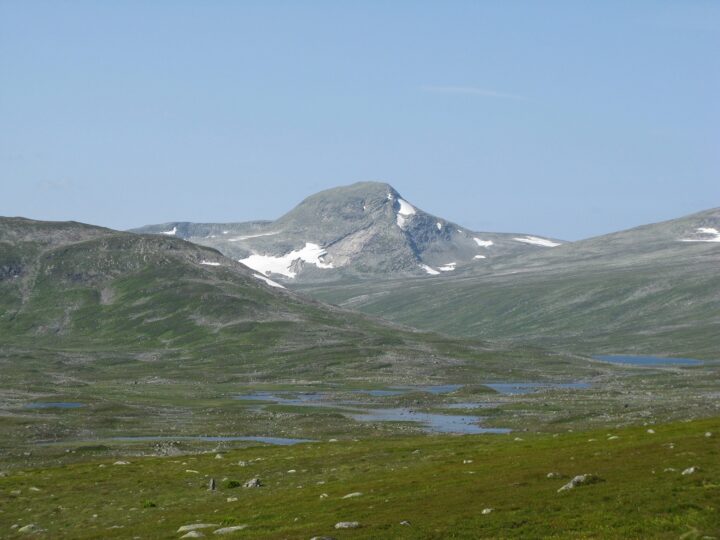
870 records
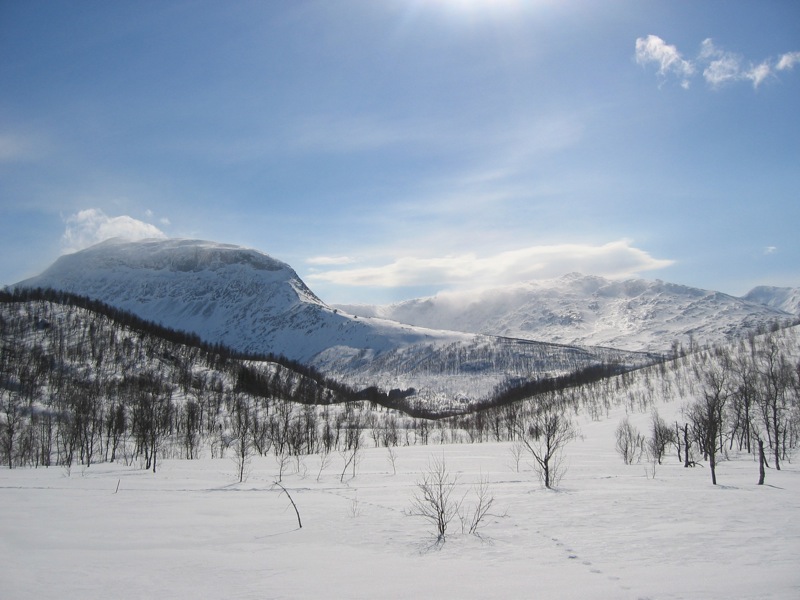
830 records

800 records
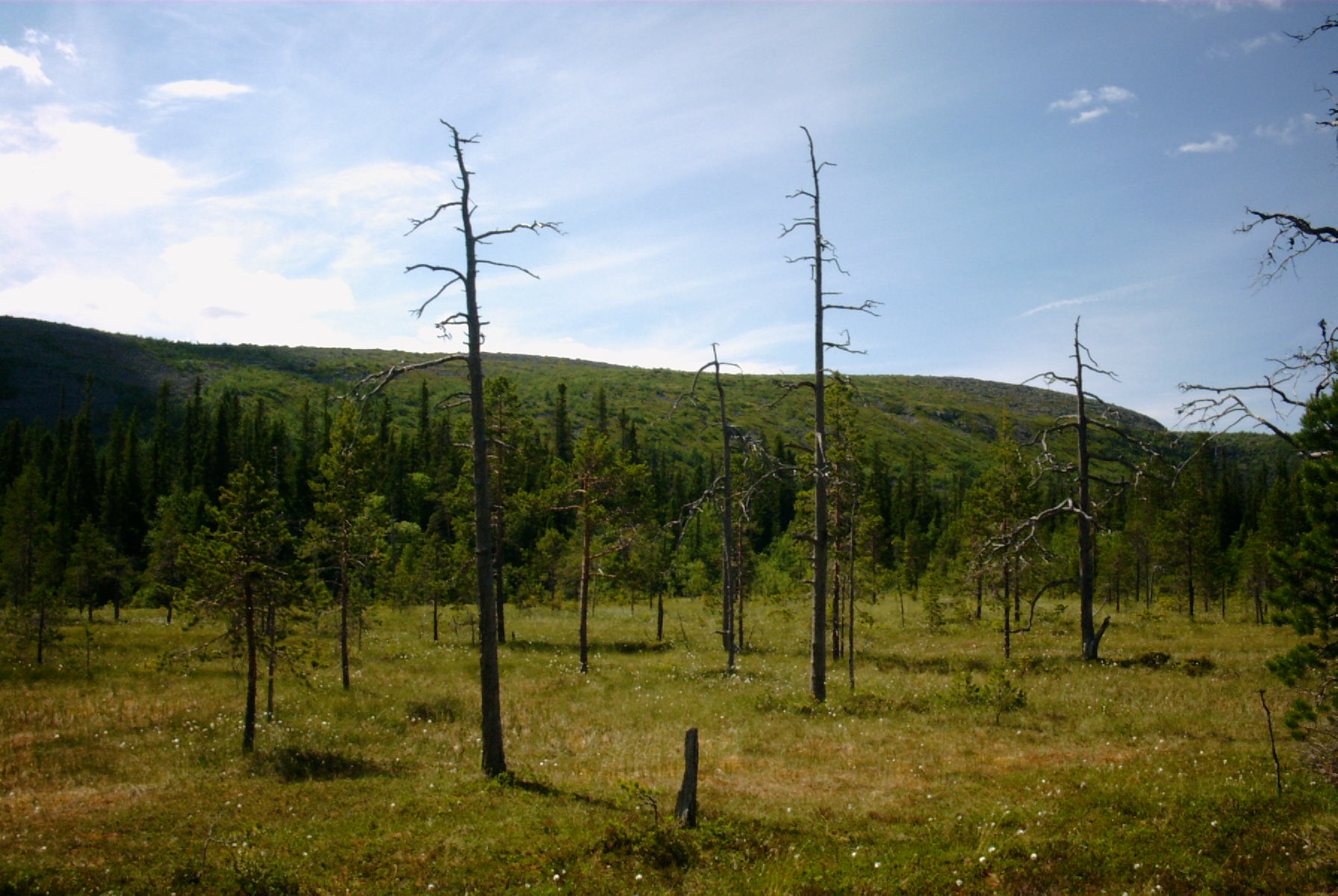
694 records

638 records
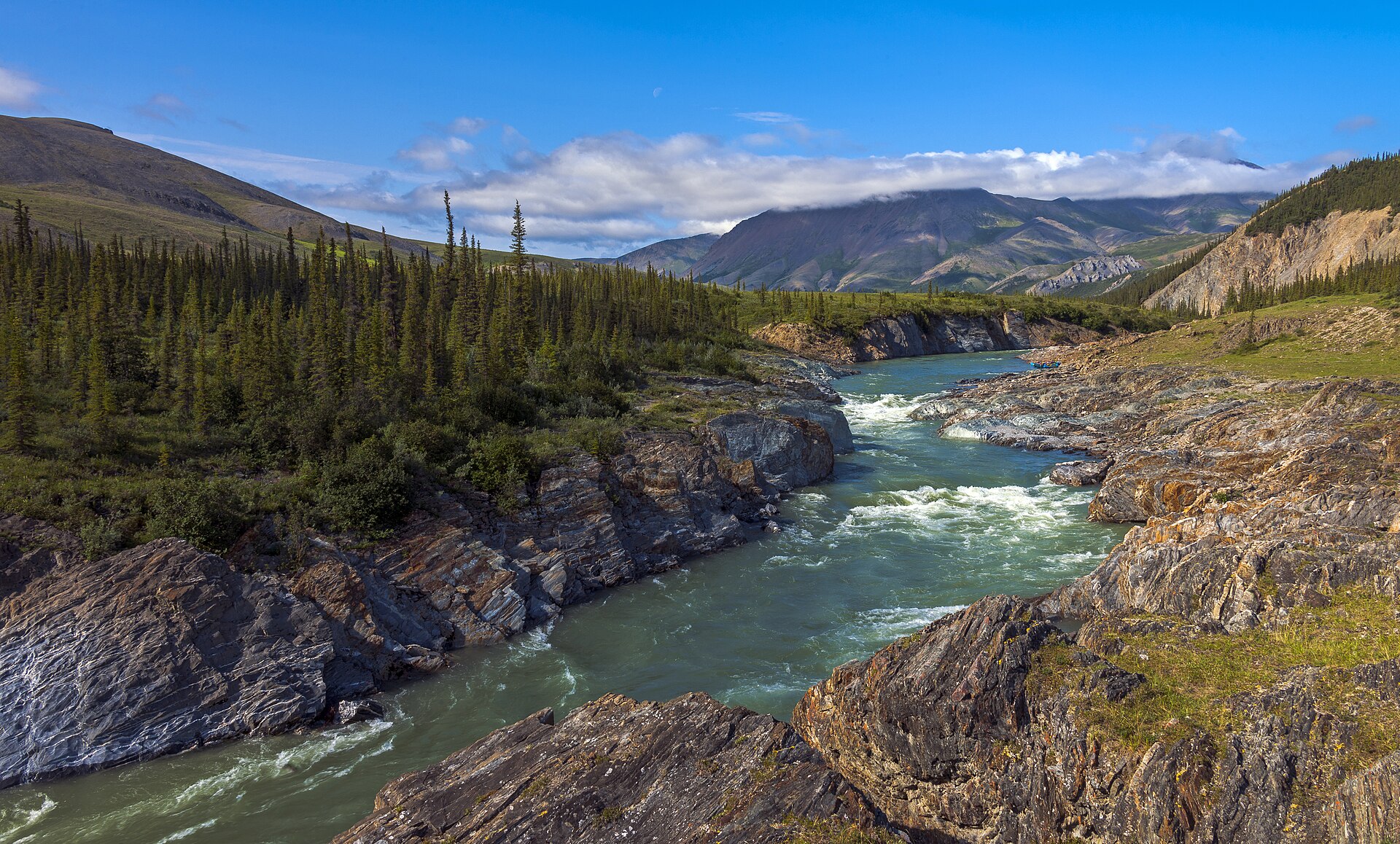
511 records

431 records

382 records

374 records

277 records

236 records
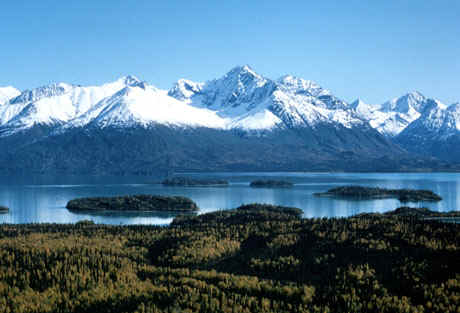
234 records

220 records
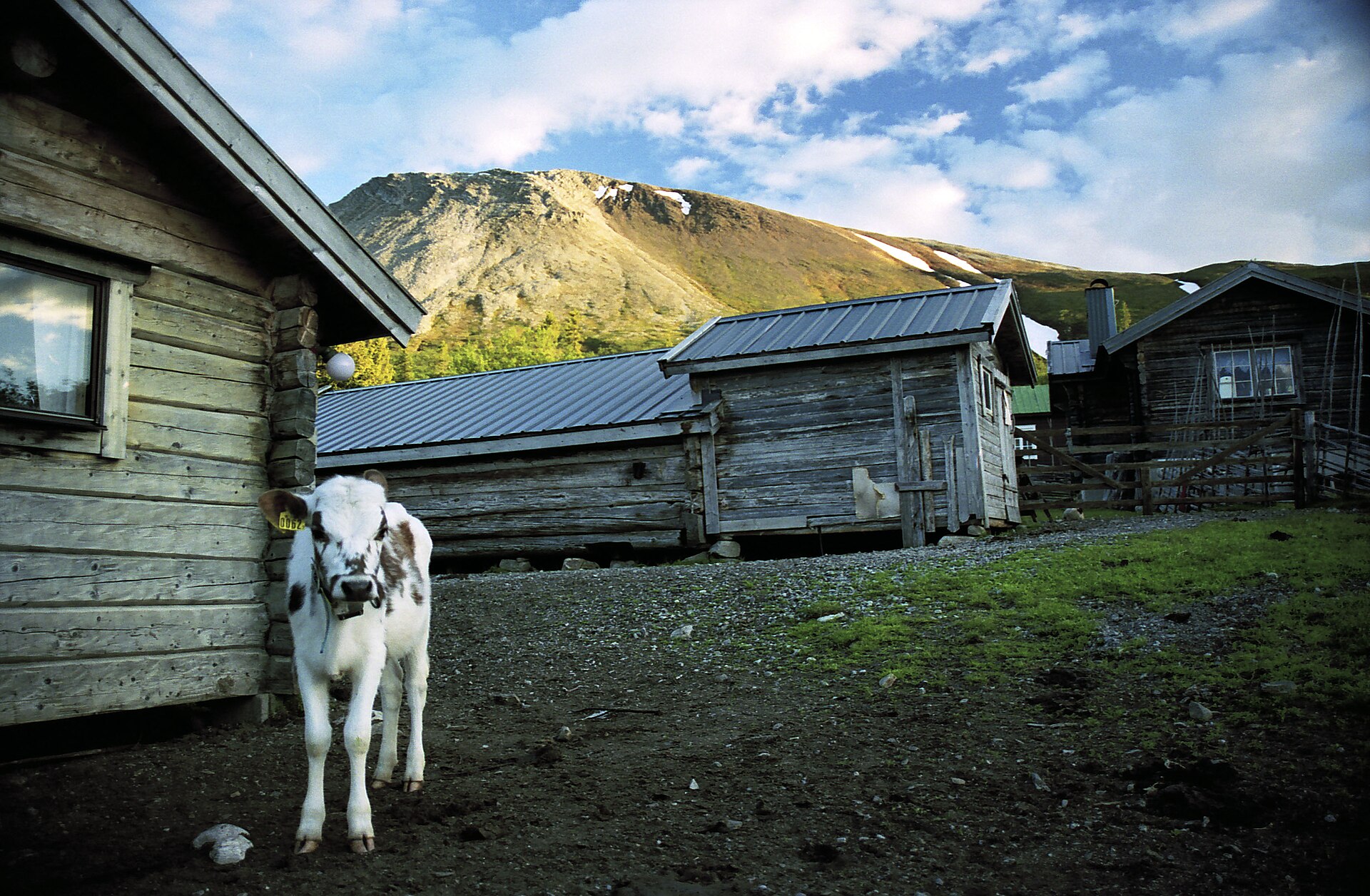
78 records
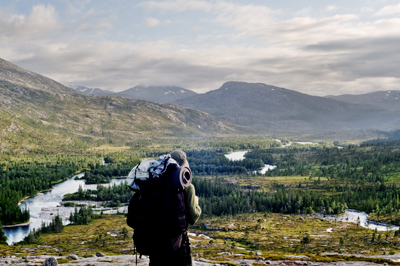
42 records

38 records
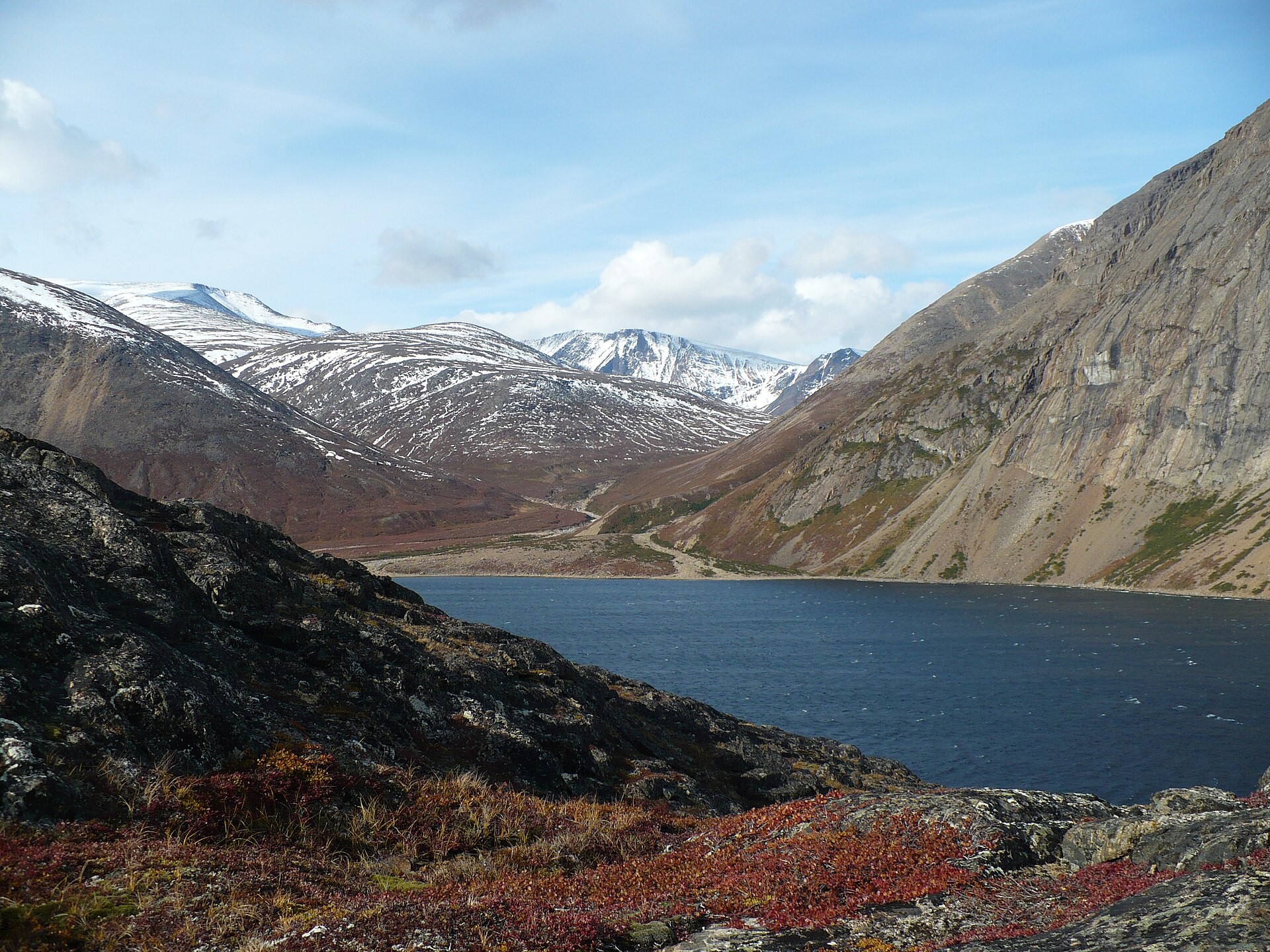
32 records

30 records
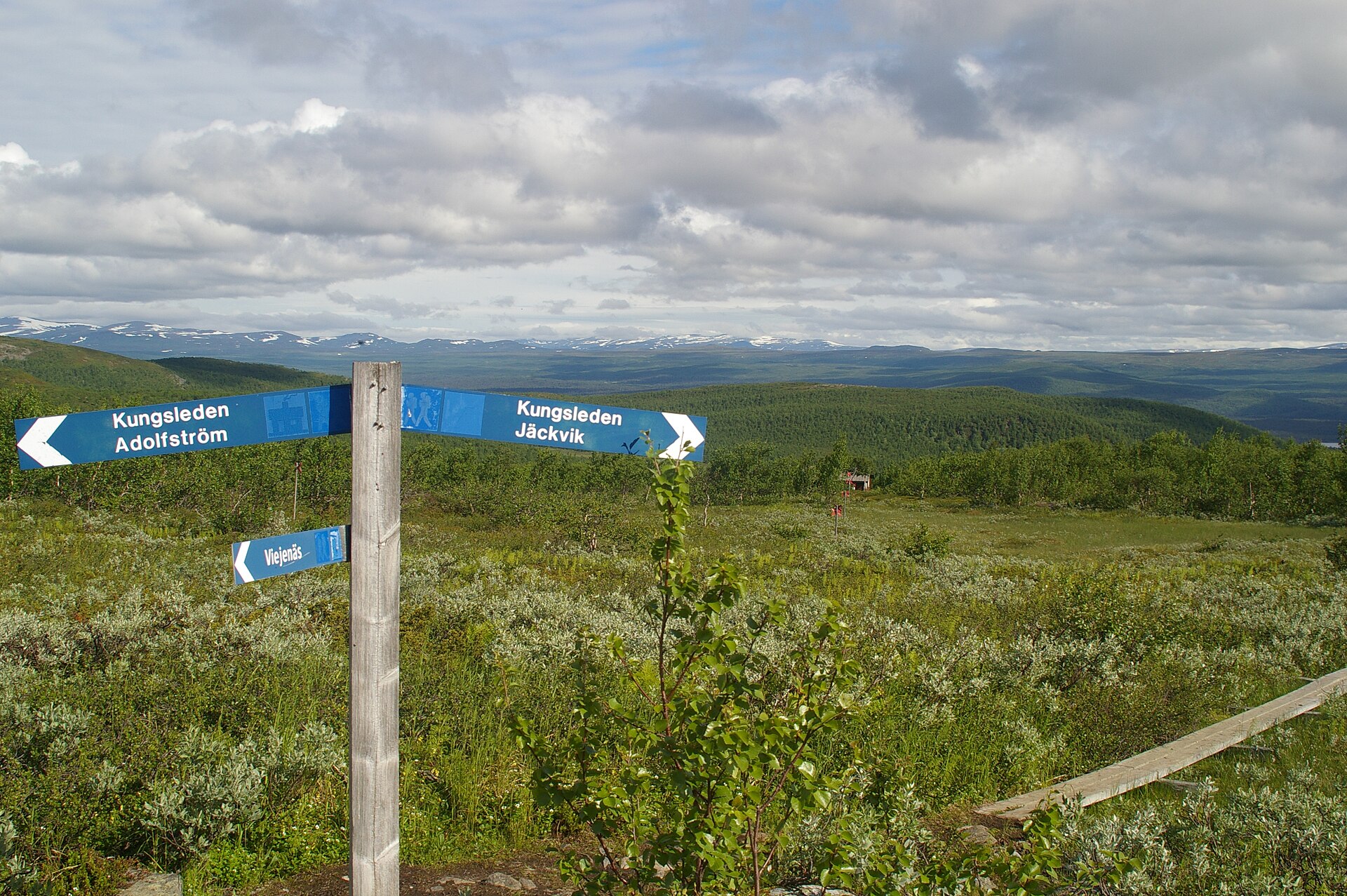
14 records
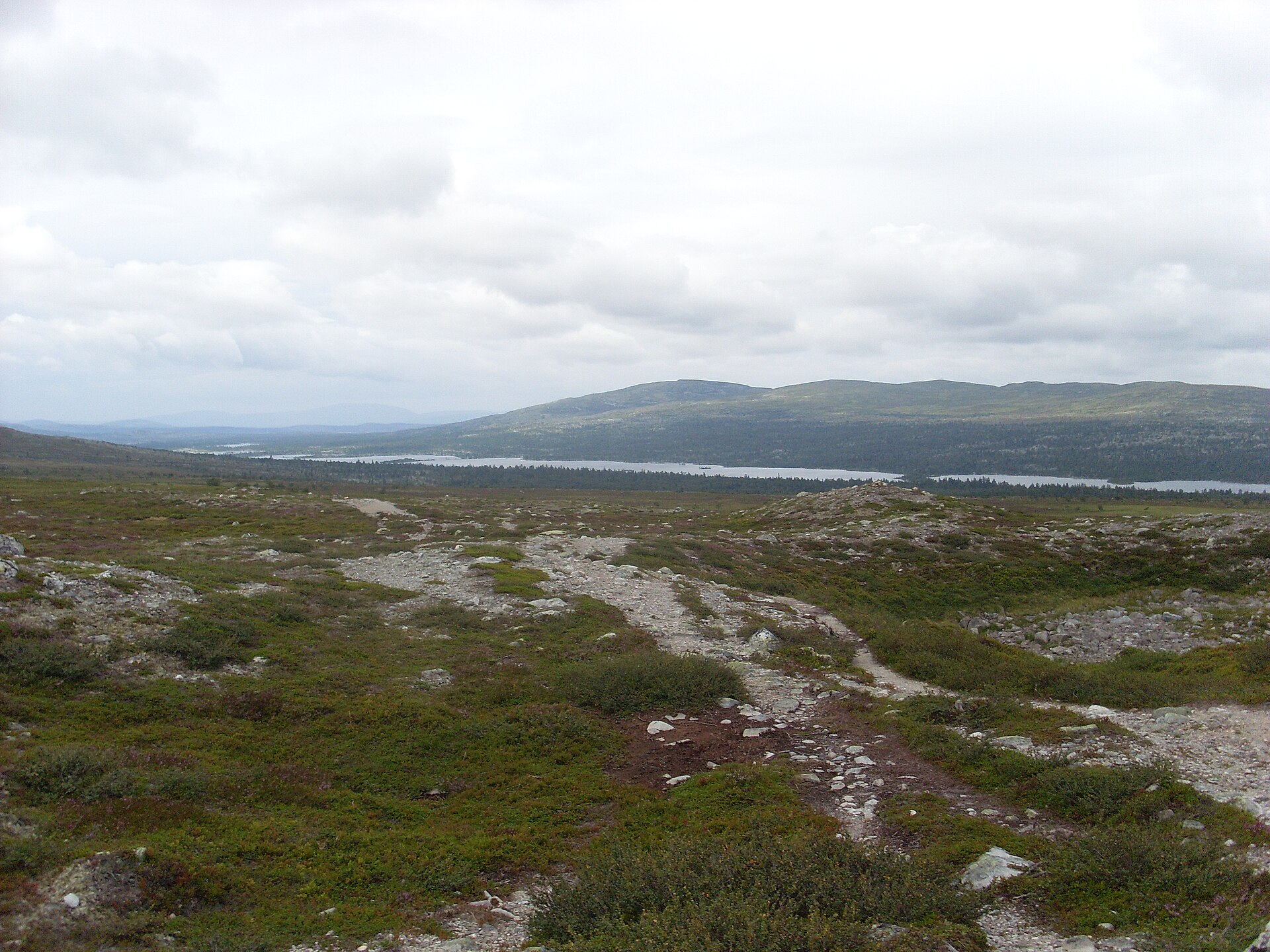
14 records
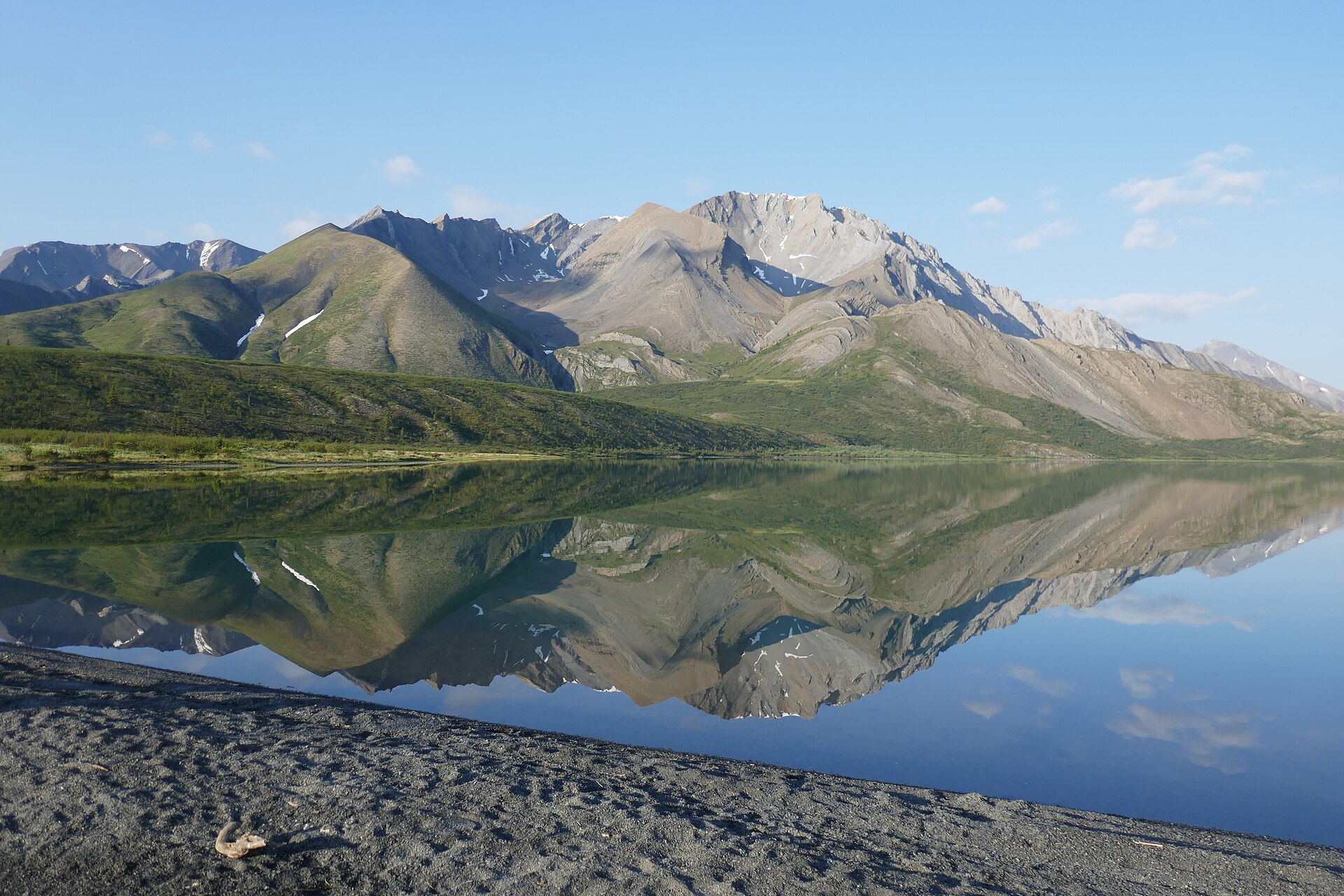
7 records

4 records
Other species to discover

Sources and credits
- Presence: most-recorded species of each place on GBIF and species of Community interest in the Natura 2000 forms (EEA, CC-BY 4.0); absence from the list does not mean the species is absent.
- Common names: Wikidata (CC0) and GBIF.
- Photos and sounds: Wikimedia Commons, author and licence given for each file.
- Classification: GBIF Backbone Taxonomy (GBIF Secretariat), CC BY 4.0, doi:10.15468/39omei.
- Countries, elevations, months and maps: GBIF.org, CC0 or CC BY 4.0 occurrences only, accessed October 22, 2026, GBIF.org.
- Base map: Natural Earth (public domain).
- Excerpt: Wikipedia, CC BY-SA 4.0 (full credit below the excerpt).
- Key facts: Wikidata (CC0), with the references cited under each value.
- Annexes: Directive 2009/147/EC (consolidated version), © European Union, EUR-Lex.
- EU bird populations: EEA / DG ENV, Article 12 Birds Directive reporting (2013–2018), CC BY 4.0.