Mexico · Terrestrial
Parque Estatal Cañón de Fernández
National park in Mexico.
Overview
National park in Mexico.
Parque Estatal Cañón de Fernández is a national park in Mexico (North America). It is a predominantly terrestrial area.
In our collections
Frequently asked questions
Where is Parque Estatal Cañón de Fernández?
In Mexico (North America). Representative point: 25.3291° N, 103.7502° W.
What habitats and landscapes does Parque Estatal Cañón de Fernández include?
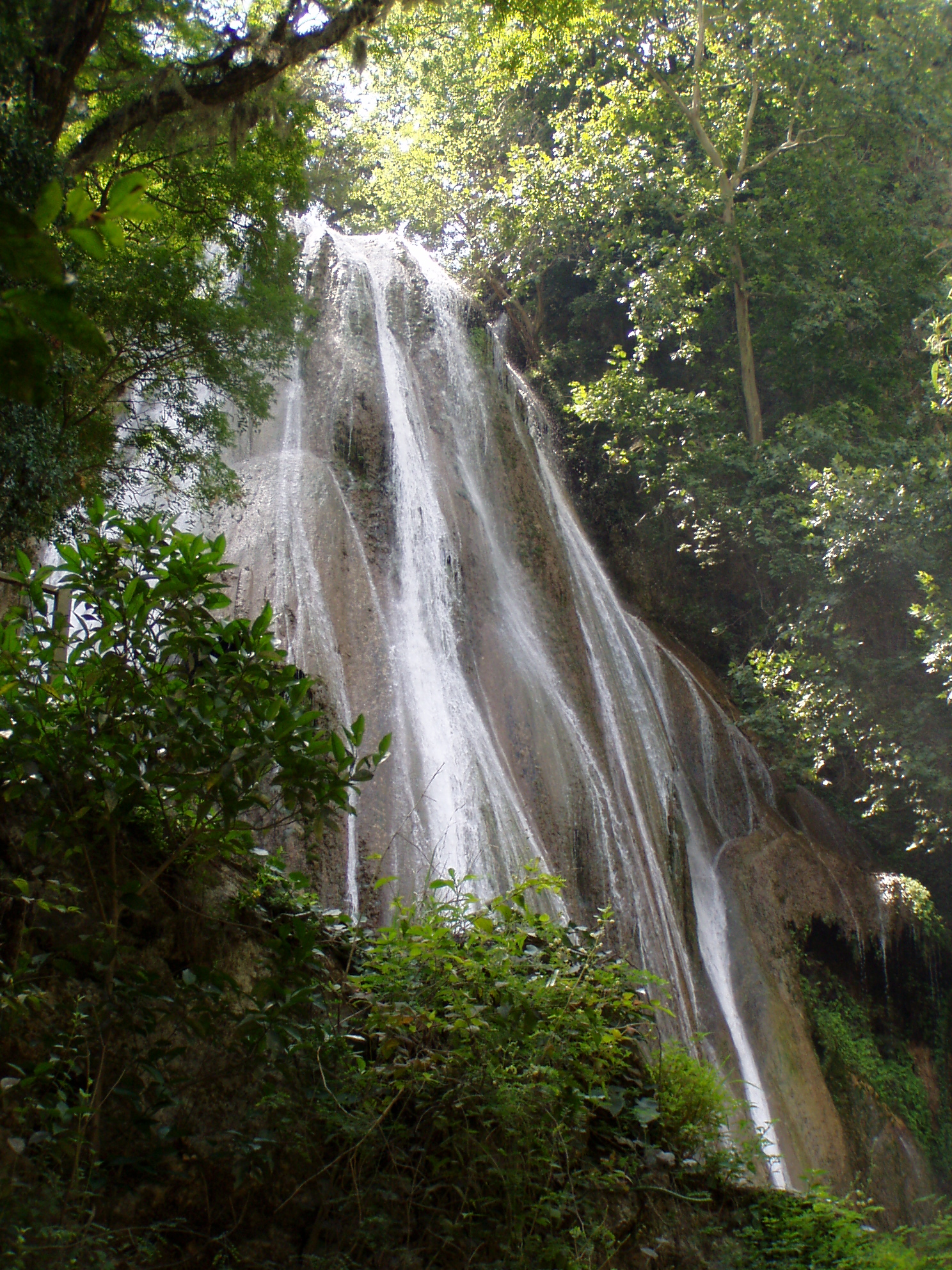
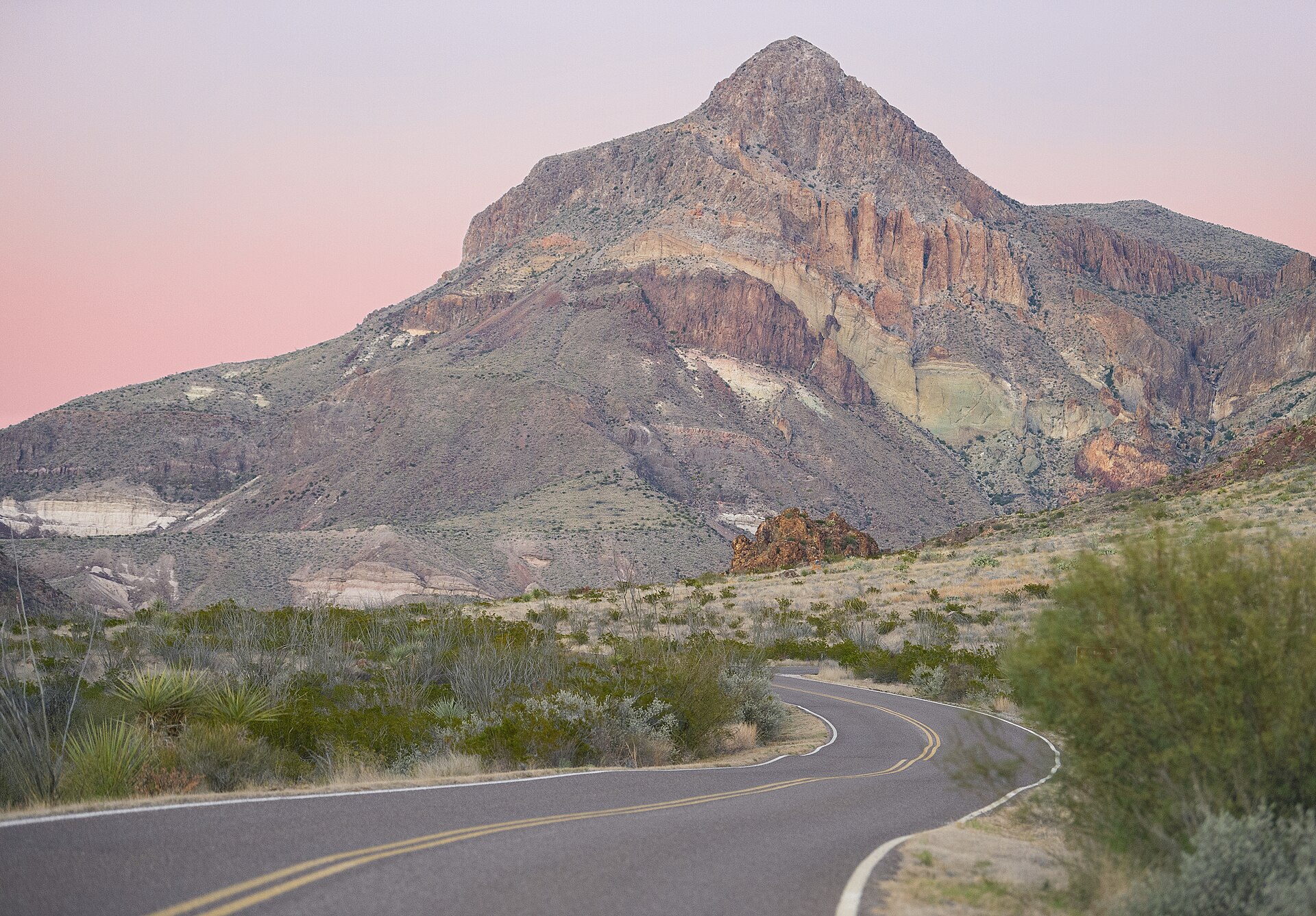
A terrestrial area, with mountains.
When is the best time to visit Parque Estatal Cañón de Fernández?
Best time to visit: from February to May, with average temperatures of 15 to 25 °C and moderate rainfall.
What is the nearest large city to Parque Estatal Cañón de Fernández?
Nearest towns of over 50,000 people, as the crow flies: Gómez Palacio (37 km) and Torreón (41 km). Nearest airport: Francisco Sarabia (TRC), about 43 km away.
Which species can be seen in Parque Estatal Cañón de Fernández?
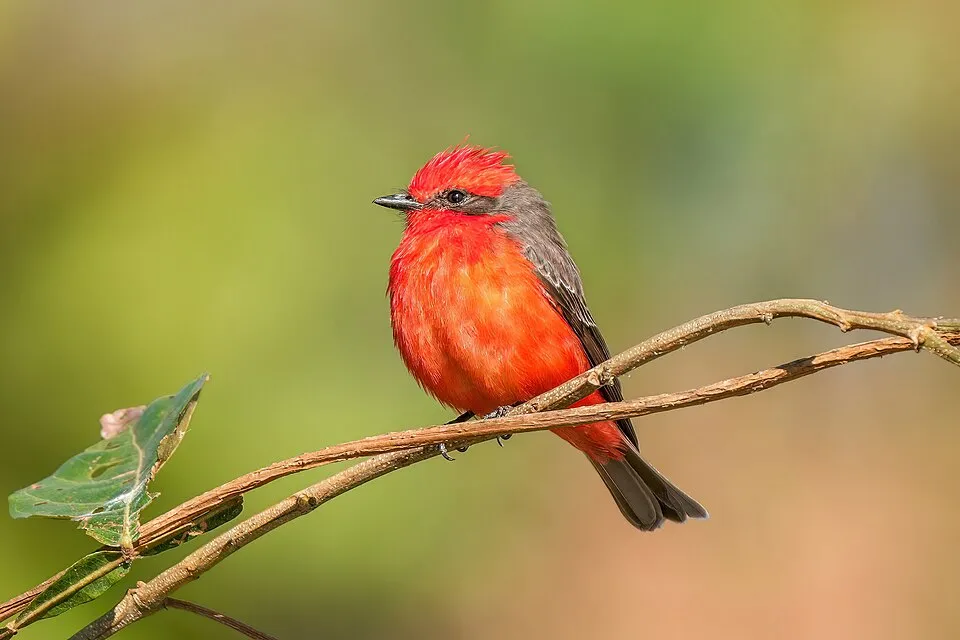
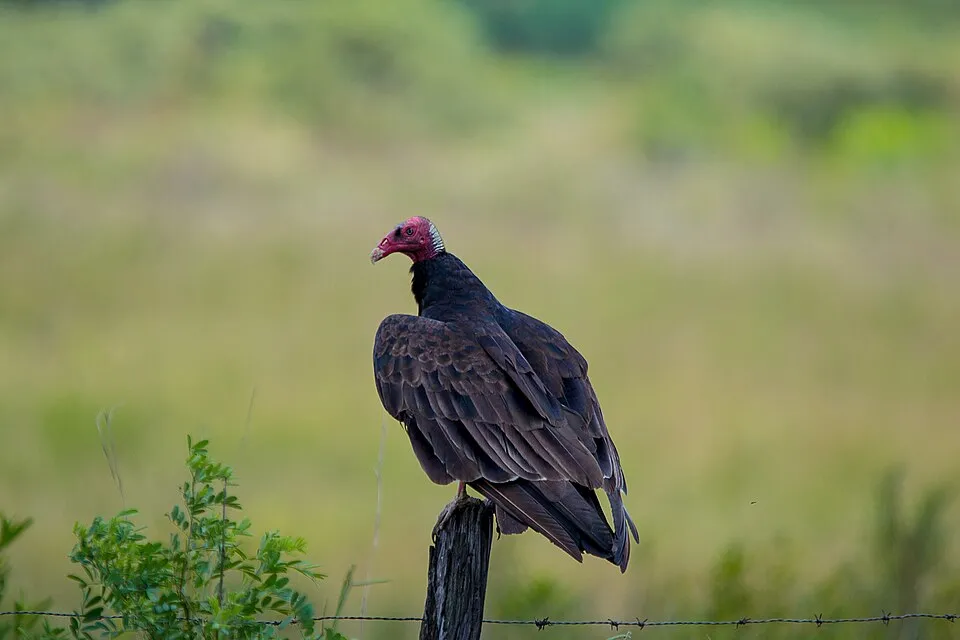
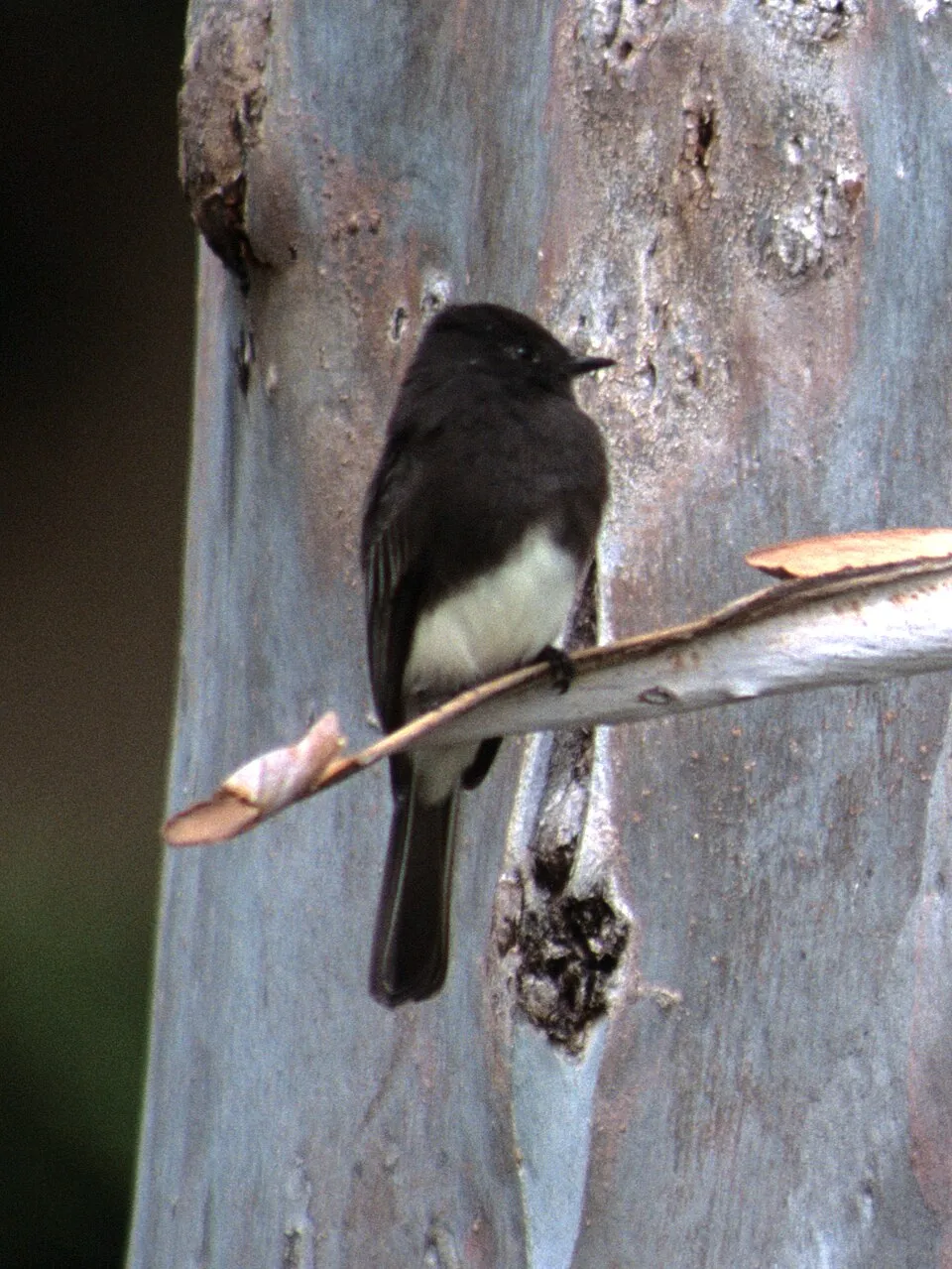
Among the species most often recorded on GBIF are Pyrocephalus rubinus (Scarlet Flycatcher), Cathartes aura (Turkey Vulture), Sayornis nigricans (Black phoebe) and Melanerpes aurifrons (Golden-fronted Woodpecker).
© OpenStreetMap
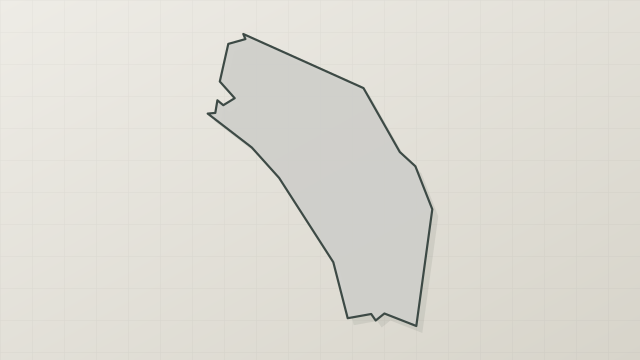
Download the boundary: GeoJSON · GPX Boundary © OpenStreetMap contributors (ODbL).
Geography
The representative point of the site lies at around 1,717 m above sea level. Over the 1996–2025 period, the mean annual temperature is about 19.6 °C and total precipitation reaches roughly 253 mm per year. The warmest month is usually June, the coolest January, and the wettest July.
Area
- Elevation
- 1,717 m
- Coordinates
- 25.3291, -103.7502
Climate
● Mean temperature (°C) · ▮ Precipitation (mm)
Source: Copernicus ERA5-Land (C3S, doi:10.24381/cds.68d2bb30), monthly averages 1996–2025 interpolated to the representative point, temperatures adjusted for elevation.
Contains modified Copernicus Climate Change Service information 2026. Neither the European Commission nor ECMWF is responsible for any use that may be made of the Copernicus information or data it contains.
Biodiversity
Based on occurrences aggregated by GBIF, several species are regularly recorded within the site. Among the most frequent are Pyrocephalus rubinus (Scarlet Flycatcher), Cathartes aura (Turkey Vulture), Sayornis nigricans (Black phoebe) and Melanerpes aurifrons (Golden-fronted Woodpecker). The full list of documented taxa is shown below.
Species to look out for
Observed species
Occurrences documented via GBIF; they are neither an exhaustive inventory nor proof of current presence.
- Scarlet Flycatcher · Pyrocephalus rubinus · 219
- Turkey Vulture · Cathartes aura · 198
- Black phoebe · Sayornis nigricans · 176
- Golden-fronted Woodpecker · Melanerpes aurifrons · 175
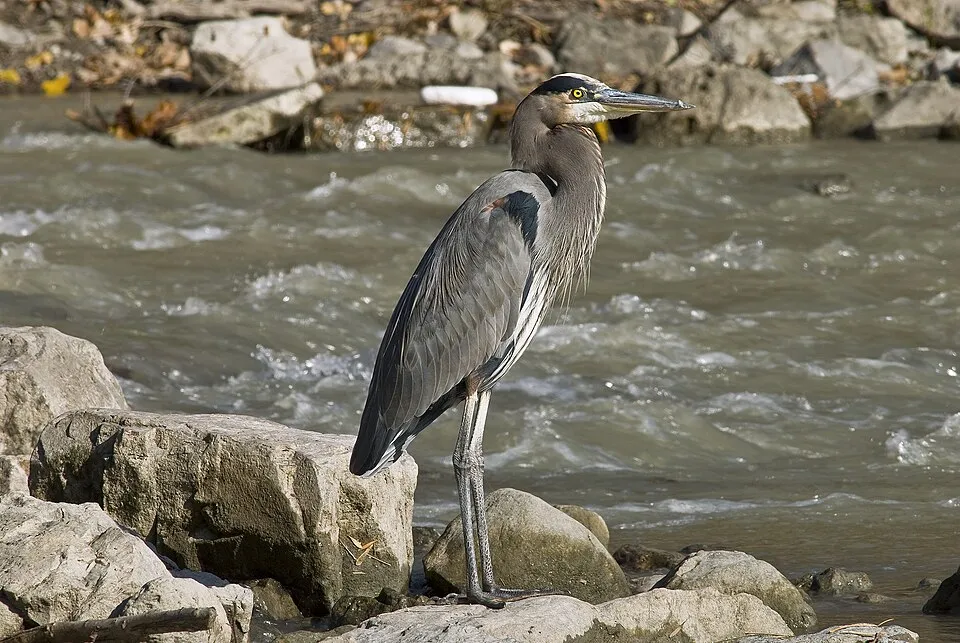
- Great blue heron · Ardea herodias · 162
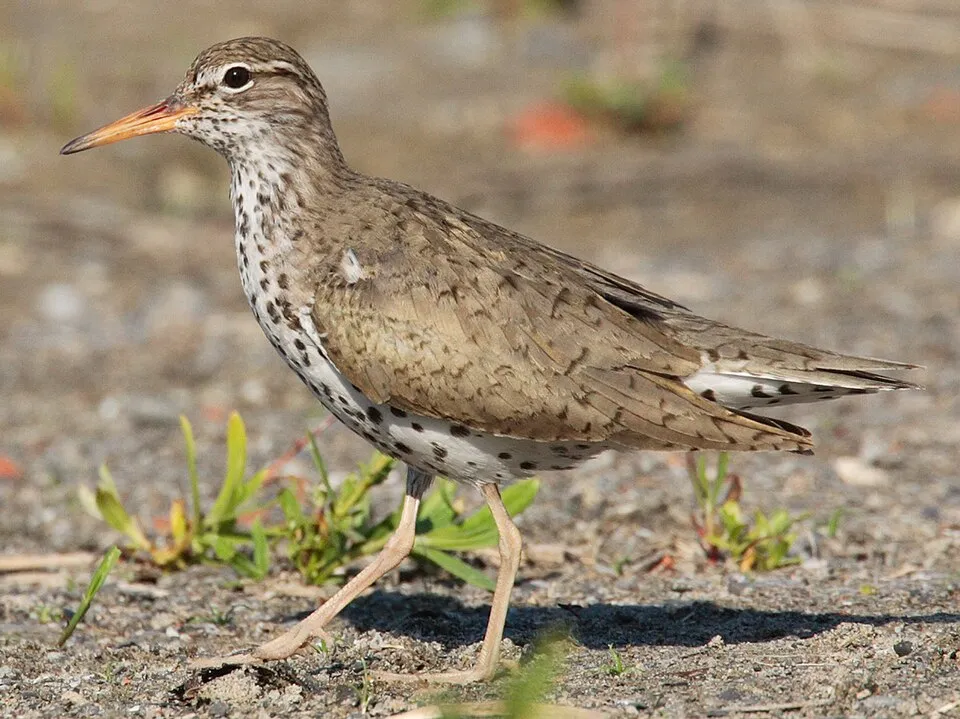
- Spotted sandpiper · Actitis macularius · 153
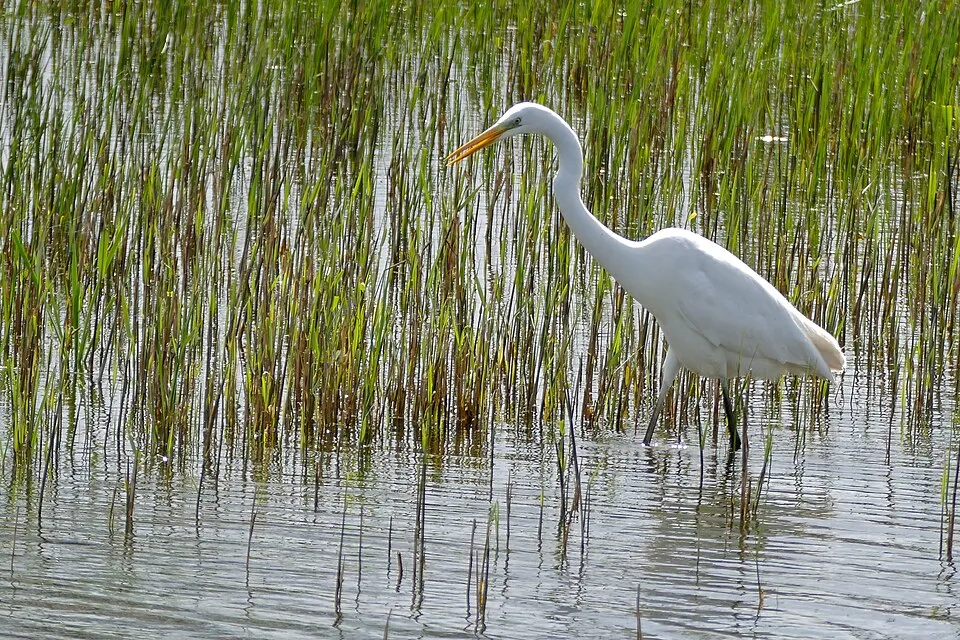
- Great Egret · Ardea alba · 145
- Mexican duck · Anas diazi · 134
- Verdin · Auriparus flaviceps · 123
- White-winged Dove · Zenaida asiatica · 113
- Black Vulture · Coragyps atratus · 109
- Desert cardinal · Cardinalis sinuatus · 103
+18 more species
- Myrtle Warbler · Setophaga coronata · 101
- Great-tailed Grackle · Quiscalus mexicanus · 101
- Blue-grey Gnatcatcher · Polioptila caerulea · 99
- Osprey · Pandion haliaetus · 98
- Neotropic Cormorant · Phalacrocorax brasilianus · 96
- Bufflehead · Bucephala albeola · 95
- Belted Kingfisher · Megaceryle alcyon · 90
- Green kingfisher · Chloroceryle americana · 86
- Common Black Hawk · Buteogallus anthracinus · 85
- Northern Mockingbird · Mimus polyglottos · 79
- Double-crested Cormorant · Phalacrocorax auritus · 77
- House finch · Haemorhous mexicanus · 76
- Ladder-backed Woodpecker · Dryobates scalaris · 72
- Snowy Egret · Egretta thula · 69
- Northern Cardinal · Cardinalis cardinalis · 69
- American Coot · Fulica americana · 68
- Gadwall · Mareca strepera · 67
- Lesser Goldfinch · Spinus psaltria · 66
Records: GBIF.org (CC-BY). Names: Wikidata (CC0), GBIF. Photos: Wikimedia Commons.
Conservation challenges
The primary purpose of the site is to preserve its natural habitats and the biodiversity they support. The species recorded (Biodiversity tab) reflect its ecological value. Its status as a national park sets the regulatory framework for its protection.
Since 2000, 8 invasive alien species have been recorded within the site (GBIF observations). Among them: Passer domesticus (House Sparrow), Streptopelia decaocto (Eurasian Collared Dove) and Columba livia (Rock Dove).
Pressure indicators
Invasive alien species
8
recorded since 2000
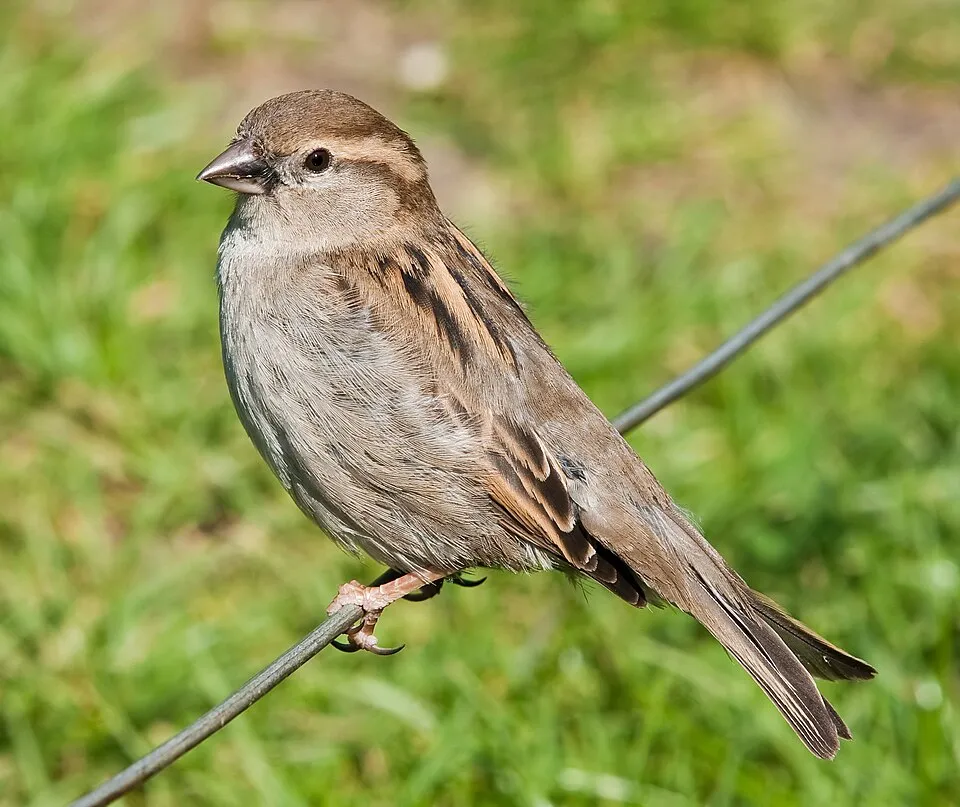 House Sparrow
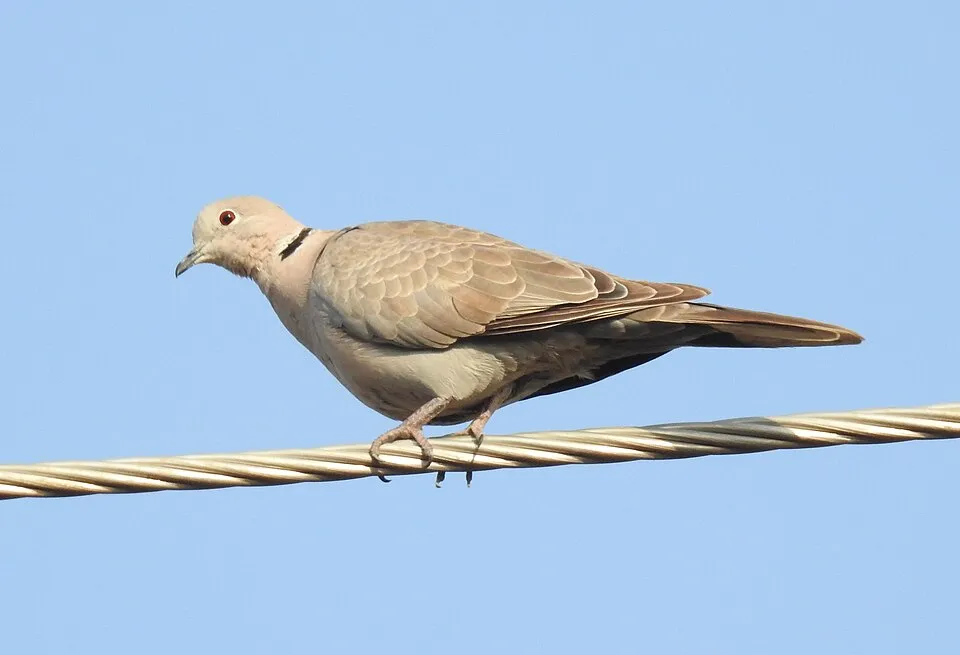 Eurasian Collared Dove
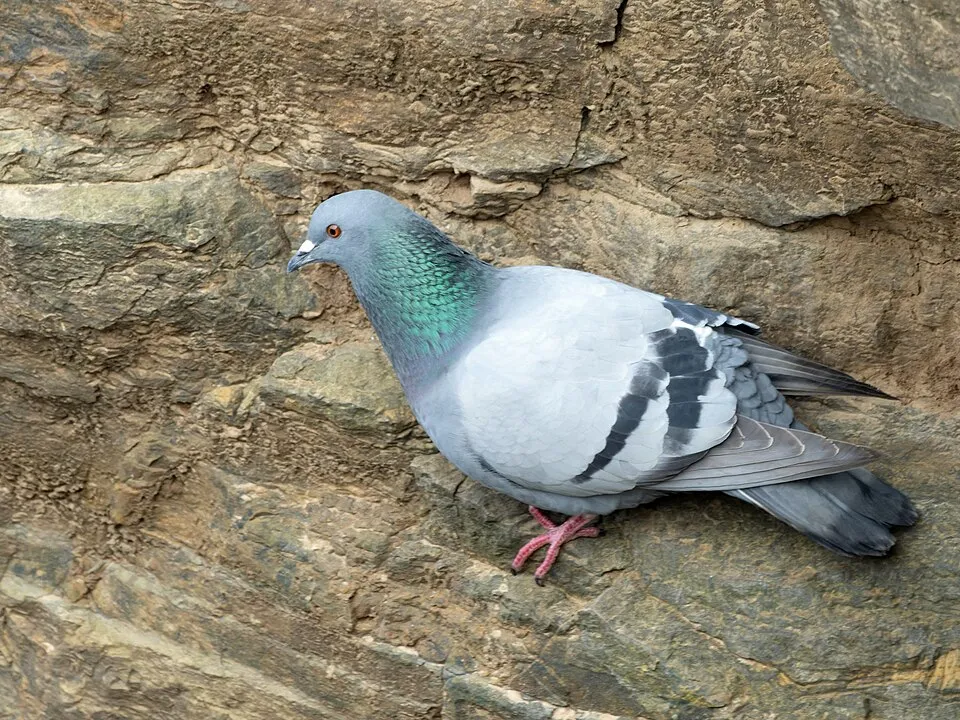 Rock Dove
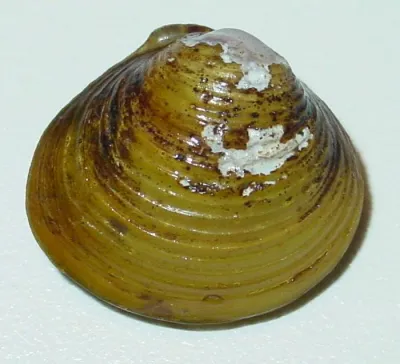 Asian clam
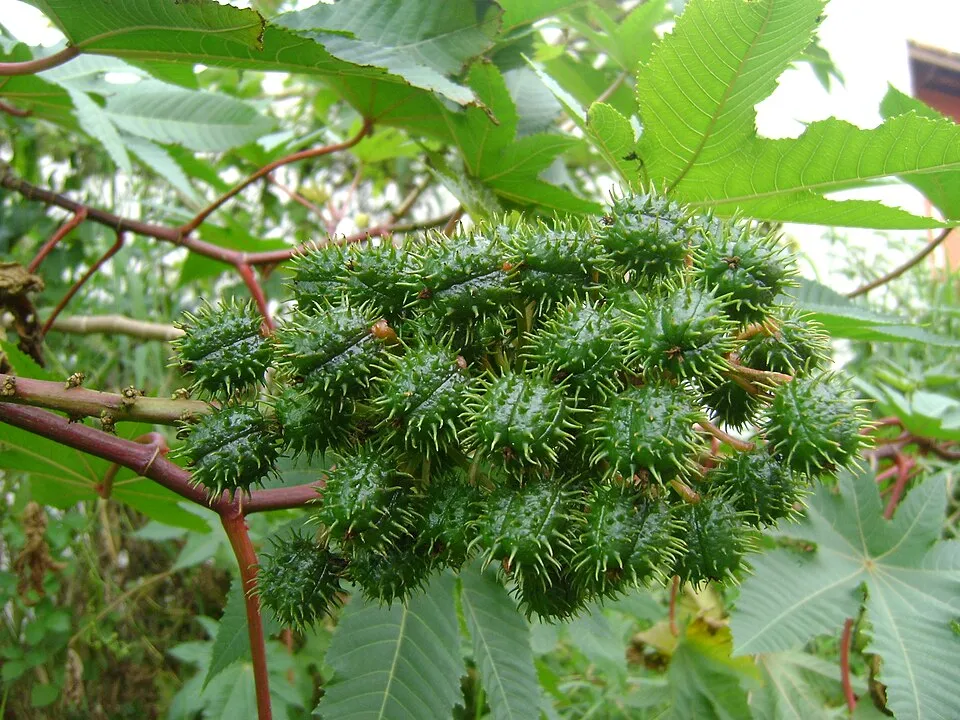 Castor oil plant
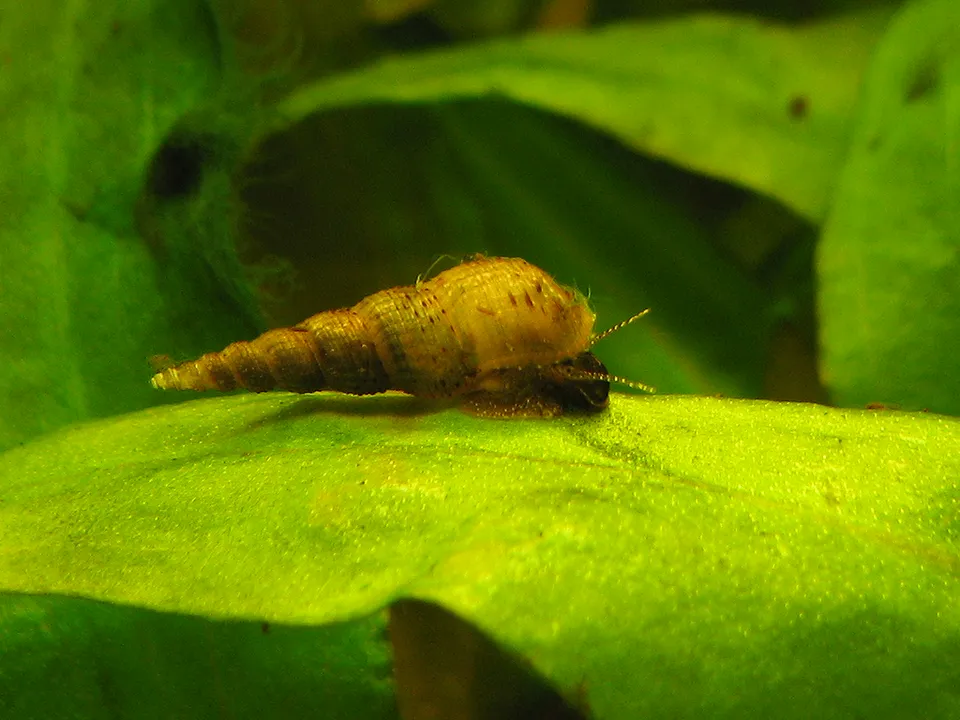 Malaysian Trumpet Snail
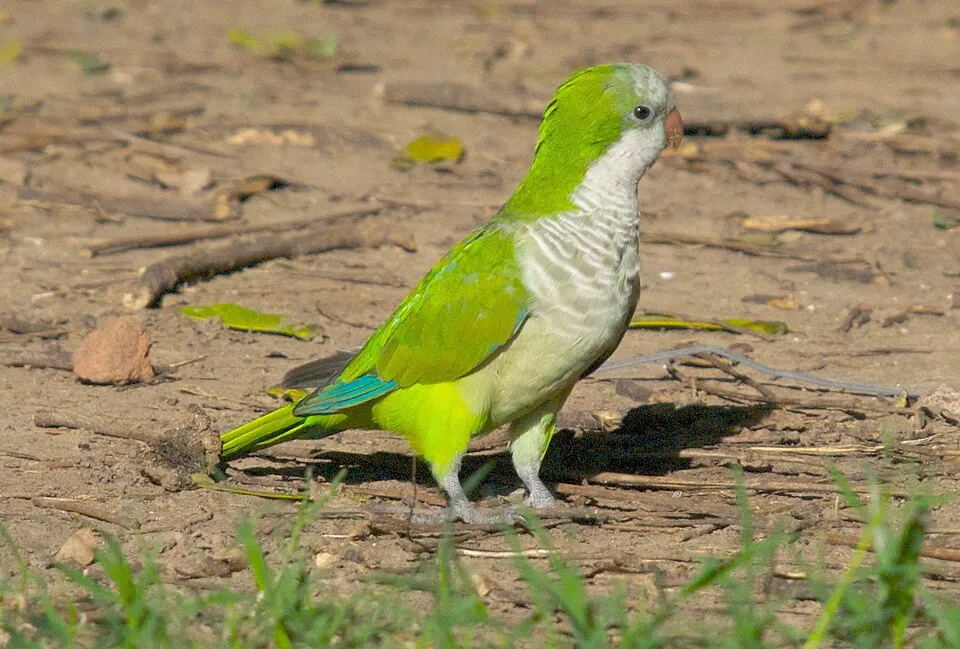 Monk Parakeet
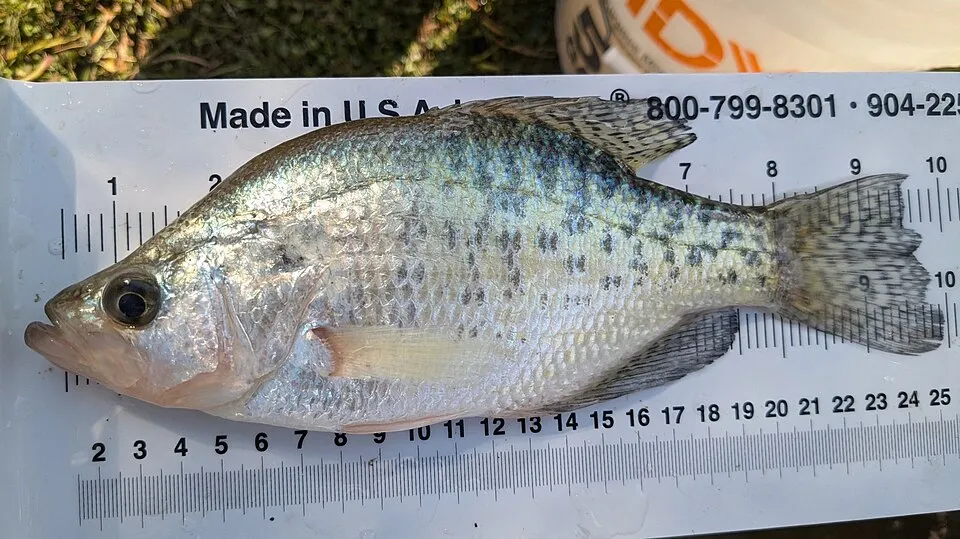 White crappie
Photos: House Sparrow © Diliff · CC BY-SA 3.0; Eurasian Collared Dove © Dr. Raju Kasambe · CC BY-SA 4.0; Rock Dove © william_stephens · CC BY 4.0; Asian clam © USGS · Public domain; Castor oil plant © Onjacktallcuca · Public domain; Malaysian Trumpet Snail © Dennis L. · CC BY 2.0; Monk Parakeet © Kevin Jones · CC BY 2.0; White crappie © Fizzishin · CC BY 4.0
Sources: Global Forest Change (Hansen et al., University of Maryland, via Global Forest Watch, CC-BY 4.0); EFFIS, European Commission / Copernicus; NASA Black Marble 2016 (public domain); CORINE Land Cover 2018 (Copernicus) or MODIS.
Invasive alien species: Global Register of Introduced and Invasive Species (ISSG, CC BY 4.0); Union list, Regulation (EU) 1143/2014 (INBO, CC0); GBIF.org records (CC0 / CC BY 4.0), at least 2 per species.
Practical information
Cities and airport
- Gómez Palacio
37 km as the crow flies - Torreón
41 km as the crow flies - Airport: Francisco Sarabia (TRC)
43 km as the crow flies
Data © OpenStreetMap contributors (ODbL) · Wikidata (CC0)
Access and visiting
Nearest towns of over 50,000 people, as the crow flies: Gómez Palacio (37 km) and Torreón (41 km). Nearest airport: Francisco Sarabia (TRC), about 43 km away. To plan a visit (access, opening periods, visitor rules), it is best to consult the official information from the managing body and the official website listed in this page's sources.
Source: OpenStreetMap (ODbL), Wikidata (CC0), November 2026.
When to visit
Best time to visit: from February to May, with average temperatures of 15 to 25 °C and moderate rainfall. Precipitation peaks in July and in September (up to 60 mm per month). These averages apply to the site's representative point (1,717 m); higher up it is markedly cooler and snow lasts longer. Day length ranges from about 10 h 34 min in December to 13 h 42 min in June.
Source: Copernicus ERA5-Land (C3S), monthly averages 1996–2025 at the representative point, temperatures adjusted for elevation.
Contains modified Copernicus Climate Change Service information 2026. Neither the European Commission nor ECMWF is responsible for any use that may be made of the Copernicus information or data it contains.
Gallery
© Tereso Hernández · CC BY-SA 3.0
© Tereso Hernández · CC BY-SA 3.0
© bungaosam83_second · CC BY-SA 4.0
© Rubén Galván · CC BY 3.0
© Hesner Coto Fuentes · CC BY 4.0
© Hesner Coto Fuentes · CC BY 4.0
Sources and licences
- Wikidata: Q110271099
- OpenStreetMap: relation 1221352417
- Wikipedia: es.wikipedia.org/wiki/Parque_Estatal_Cañón_de_Fernández
References
- cds.climate.copernicus.eu: climate · CC-BY-4.0
- registry.opendata.aws: elevation of the reference point · PD
- land.copernicus.eu: land cover · COPERNICUS
- naturalearthdata.com: sea share · PD
- opentopodata.org: elevations · PD
- gbif.org: invasive alien species, observed species · CC-BY-4.0
- wikidata.org: official name, nearby cities and airport · CC0-1.0
- openstreetmap.org: access and peaks · ODbL-1.0
- nsidc.org: snow cover · PD
- wikidata.org: Wikipedia article · CC-BY-SA-4.0
Data © OpenStreetMap contributors (ODbL), Wikidata (CC0) and the sources cited.