
Bird
Snowy Egret: where to see it
Egretta thula
This bird species is recorded in 31 protected areas of the atlas. Within the atlas countries, it is mostly observed in France, the Netherlands and Portugal (4 countries in all). Records peak from August to April. It has a wingspan of 84–91 cm.
Best time to see it: August–April
Records published on GBIF by month (CC0 and CC BY 4.0 licences only), in the atlas countries, all years combined; they also reflect observer activity.
Key facts
- Wingspan
- 84–91 cm Wikidata, after Handbook of the Birds of the World
- Clutch size
- 3.2 eggs on average Wikidata, after Jetz et al. 2008
Distribution
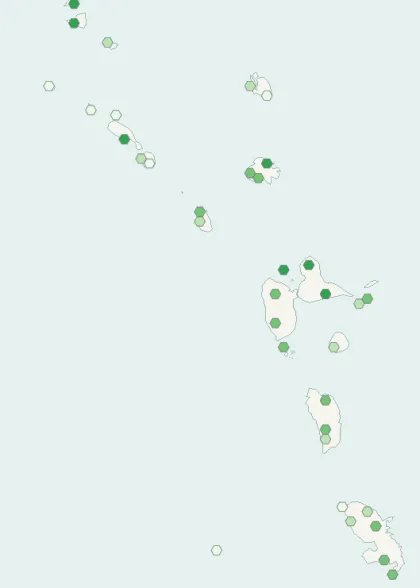
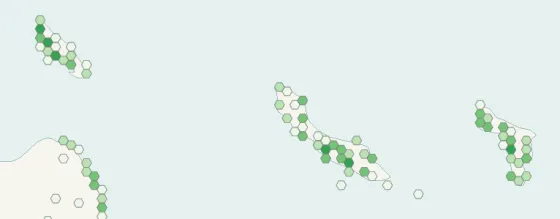
Records published on GBIF (CC0 and CC BY 4.0 licences): the darker the shade, the more records there are; they also reflect observation effort.
Atlas countries where it is recorded
From Wikipedia
The snowy egret (Egretta thula) is a small white heron. The genus name comes from Provençal French for the little egret, aigrette, which is a diminutive of aigron, 'heron'. The species name thula is the Mapudungun term for the black-necked swan, applied to this species in error by Chilean naturalist Juan Ignacio Molina in 1782. The snowy egret is the American counterpart to the very similar Old World little egret, which has become established in the Bahamas. At one time, the plumes of the snowy egret were in great demand as decorations for women's hats.
Source: Wikipedia, article “Snowy egret” (version of October 17, 2026) · history and authors · licence CC BY-SA 4.0 · shortened excerpt
Protected areas where it is recorded
15,949 records

1,706 records

1,583 records
1,566 records
898 records

838 records

678 records

600 records

549 records

441 records

411 records
359 records

340 records
178 records
170 records

139 records

139 records

115 records
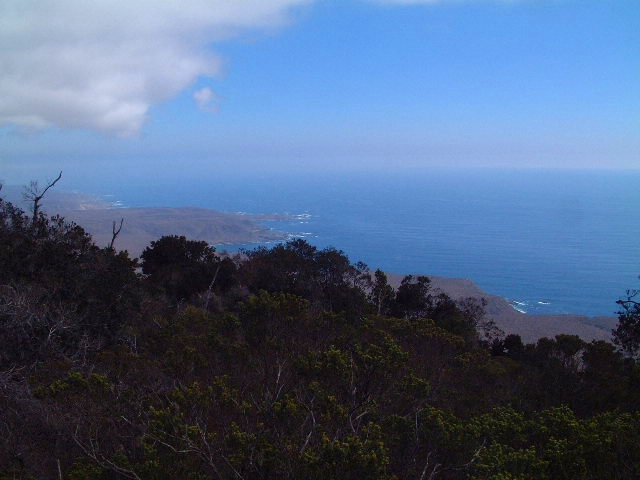
106 records
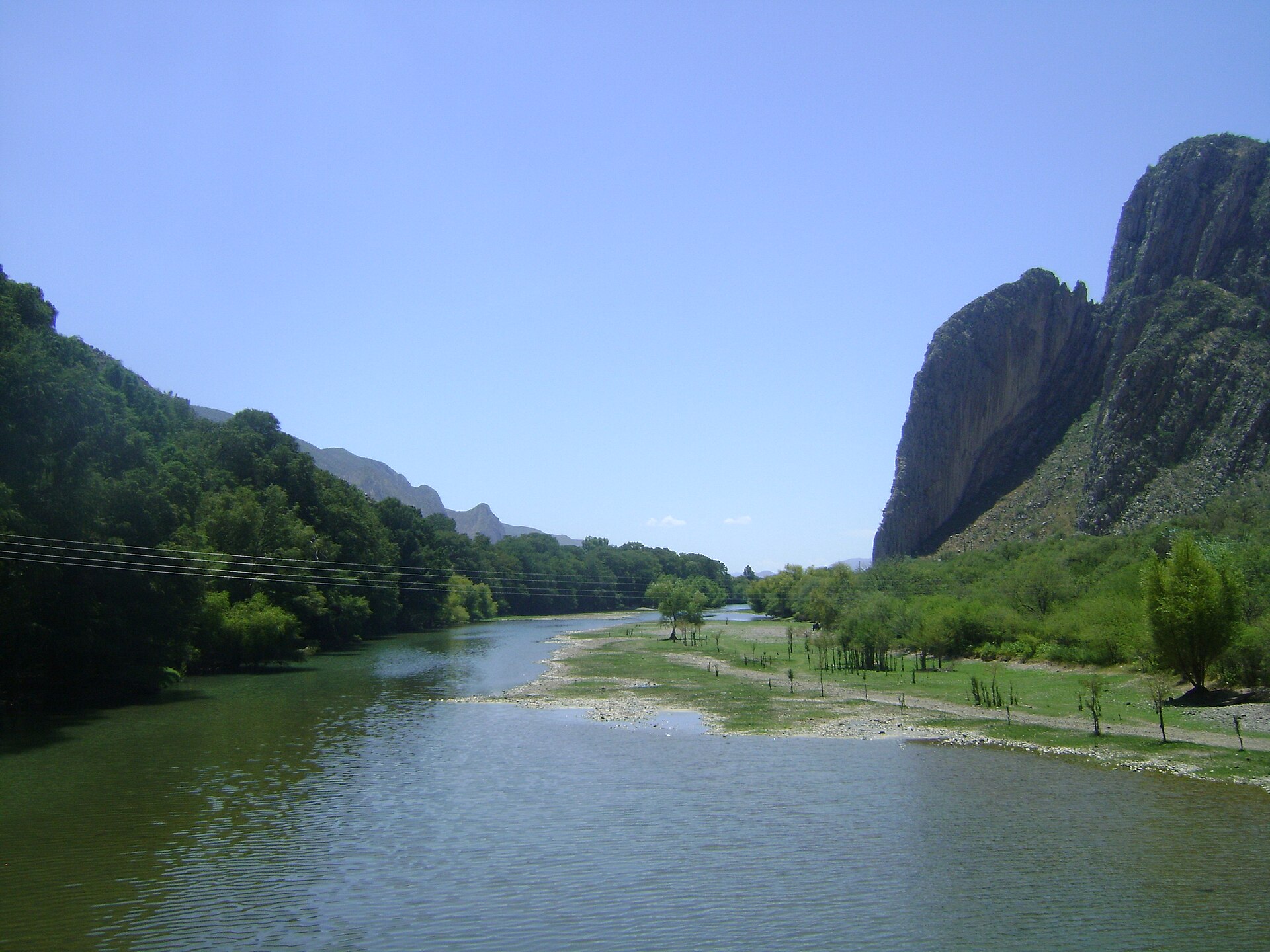
69 records
69 records
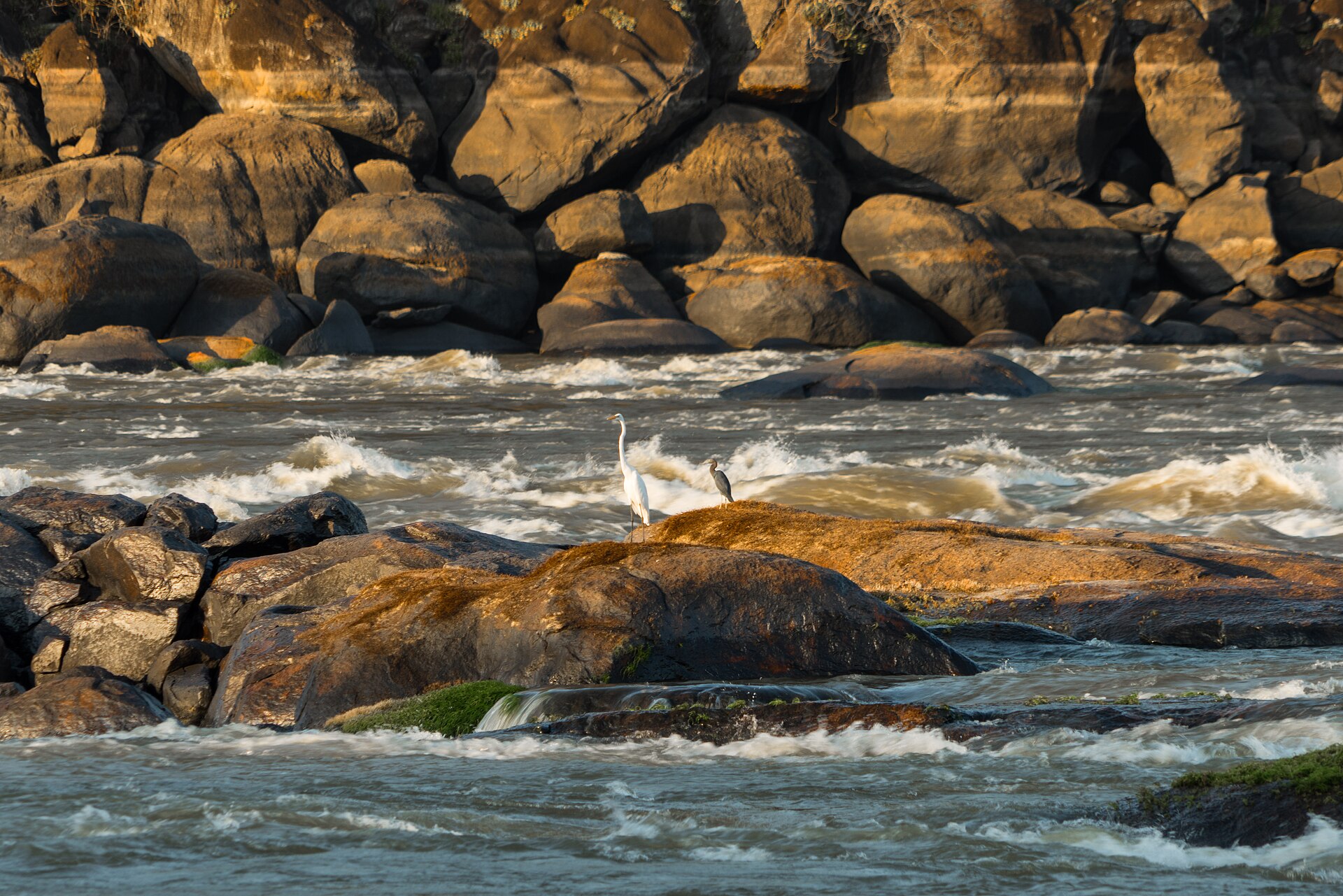
58 records

58 records

50 records
43 records

39 records

31 records

30 records
21 records

18 records

12 records
Other species to discover
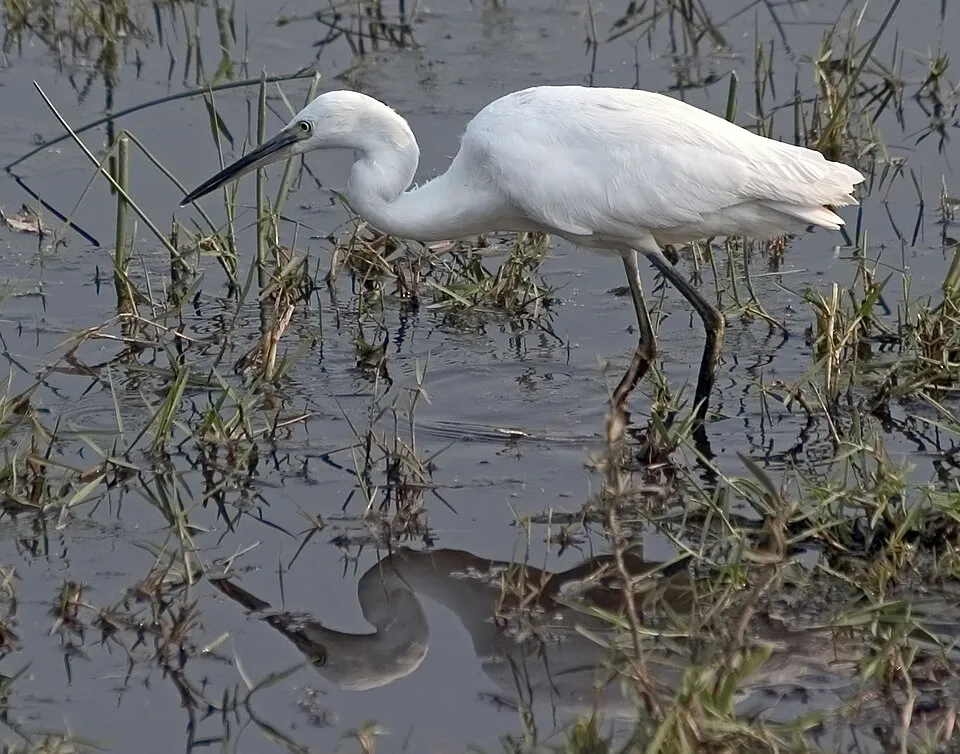 Little Egret
Egretta garzetta Same genus
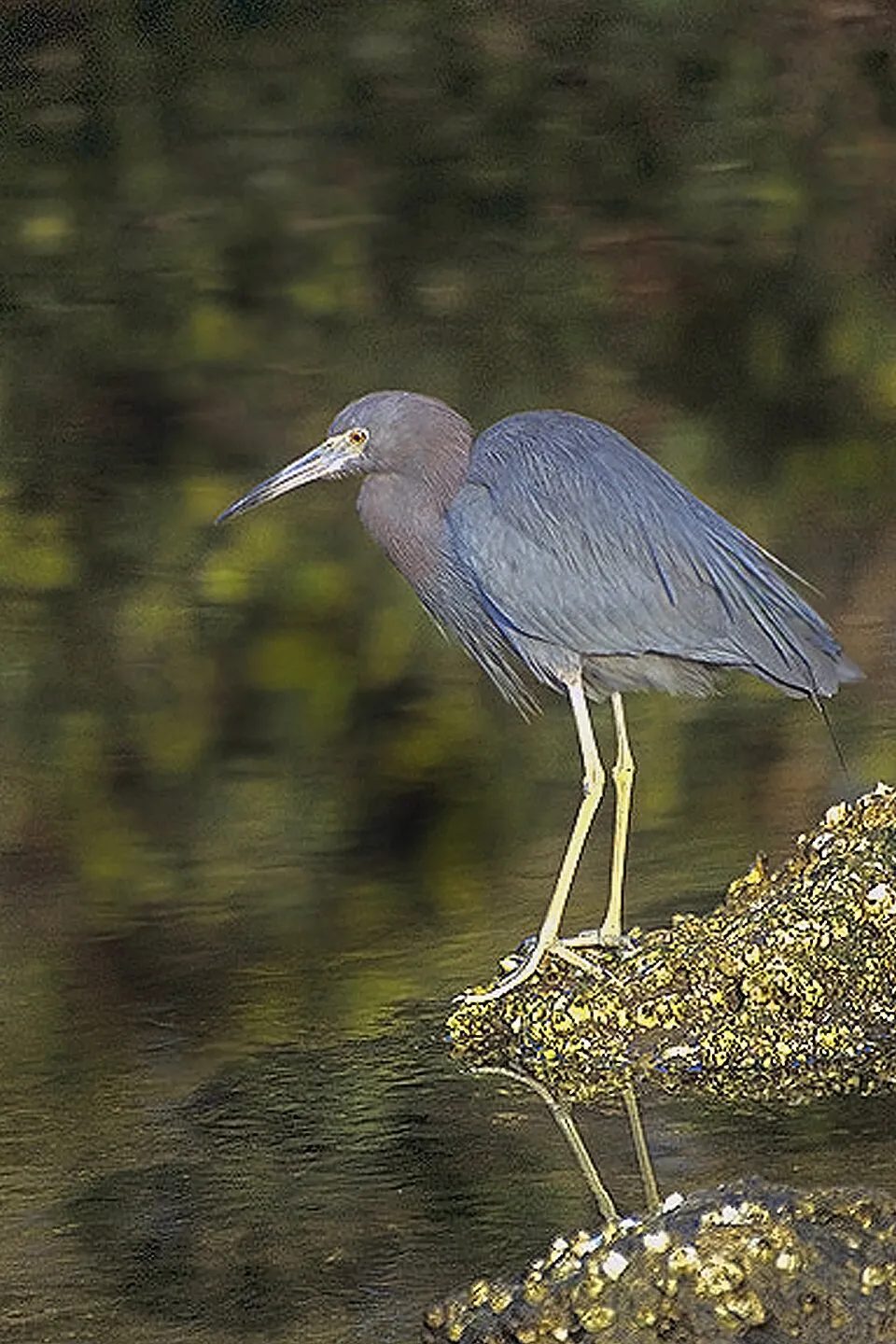 Little Blue Heron
Egretta caerulea Same genus
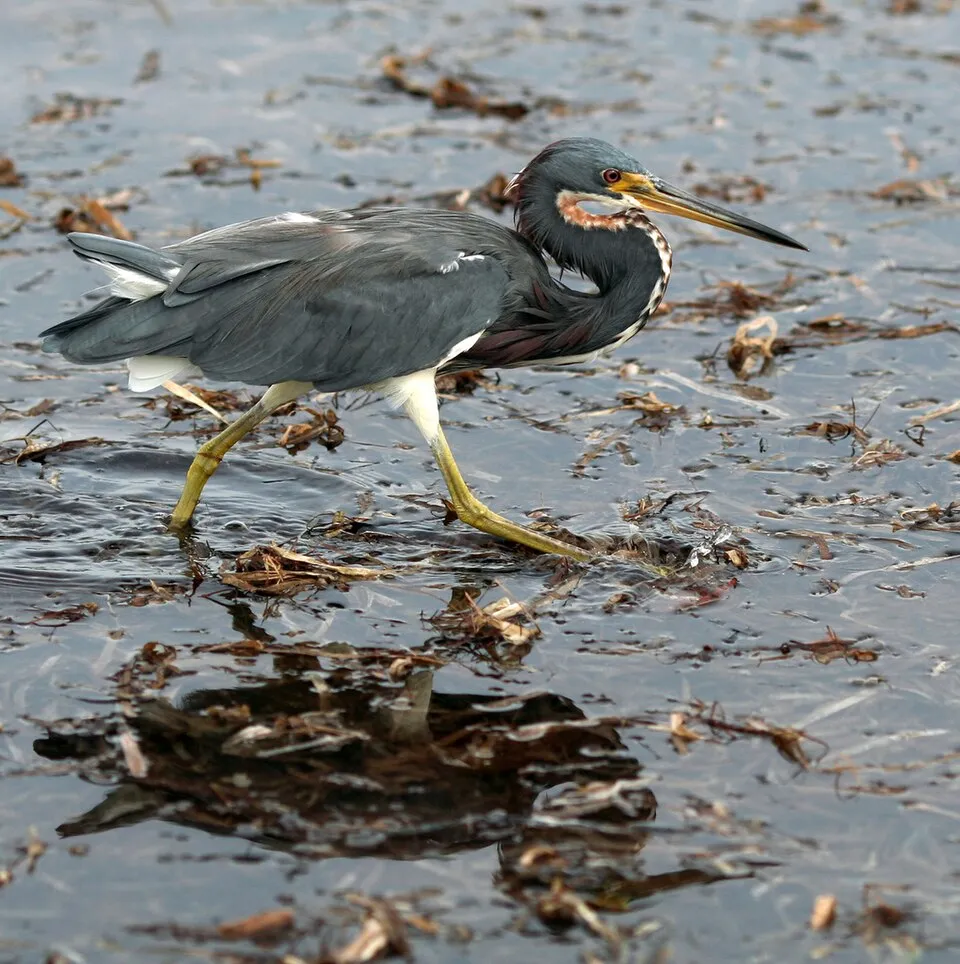 Tricolored Heron
Egretta tricolor Same genus
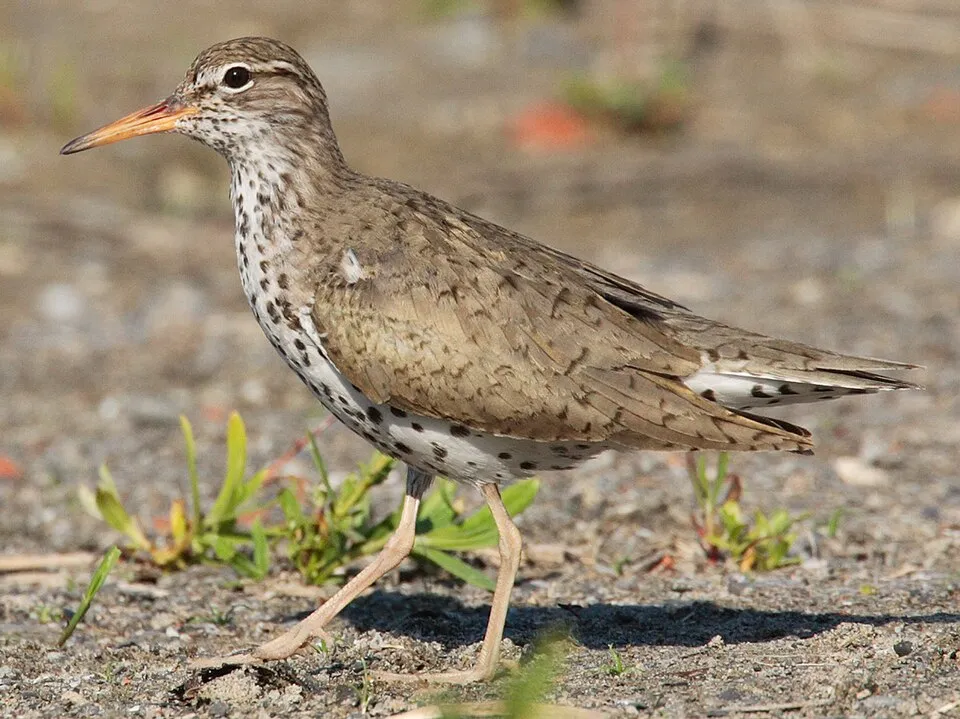 Spotted sandpiper
Actitis macularius 16 places in common
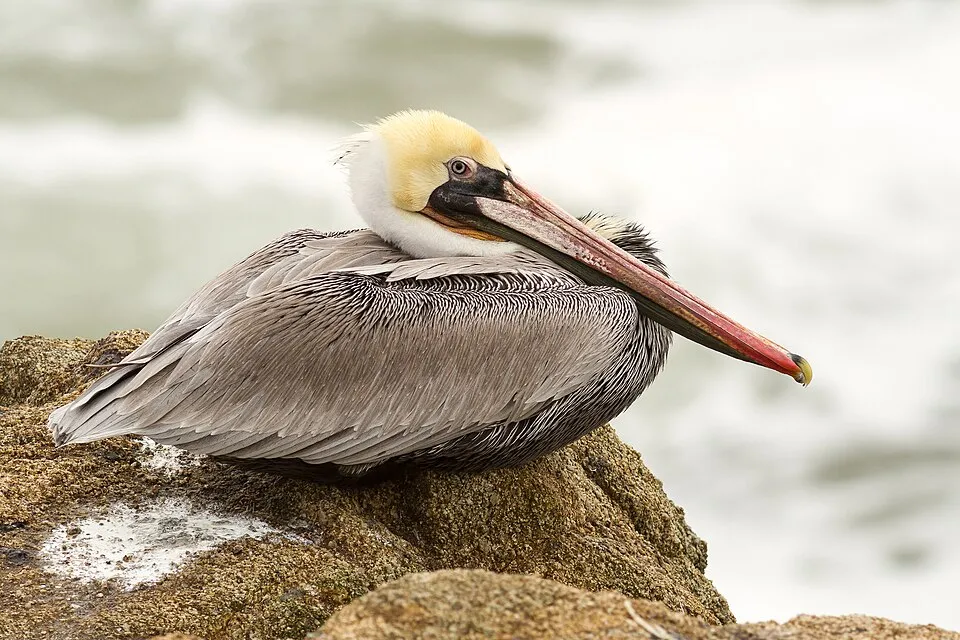 Brown pelican
Pelecanus occidentalis 15 places in common
 Black-necked Stilt
Himantopus mexicanus 10 places in common
Sources and credits
- Presence: most-recorded species of each place on GBIF and species of Community interest in the Natura 2000 forms (EEA, CC-BY 4.0); absence from the list does not mean the species is absent.
- Common names: Wikidata (CC0) and GBIF.
- Photos and sounds: Wikimedia Commons, author and licence given for each file.
- Classification: GBIF Backbone Taxonomy (GBIF Secretariat), CC BY 4.0, doi:10.15468/39omei.
- Countries, elevations, months and maps: GBIF.org, CC0 or CC BY 4.0 occurrences only, accessed October 22, 2026, GBIF.org.
- Base map: Natural Earth (public domain).
- Excerpt: Wikipedia, CC BY-SA 4.0 (full credit below the excerpt).
- Key facts: Wikidata (CC0), with the references cited under each value.