
Bird
Brown pelican: where to see it
Pelecanus occidentalis
This bird species is recorded in 32 protected areas of the atlas. Within the atlas countries, it is observed in France and the Netherlands. Records peak from November to April. It has a wingspan of 203–228 cm.
Best time to see it: November–April
Records published on GBIF by month (CC0 and CC BY 4.0 licences only), in the atlas countries, all years combined; they also reflect observer activity.
Key facts
- Wingspan
- 203–228 cm Wikidata, after Handbook of the Birds of the World
- Weight (female)
- 3.17 kg Wikidata, after Hartman 1961
- Weight (male)
- 3.70 kg Wikidata, after Hartman 1961
- Clutch size
- 2.4 eggs on average Wikidata, after Jetz et al. 2008
Distribution
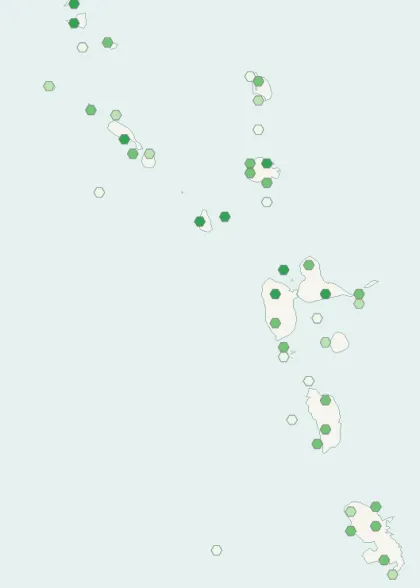
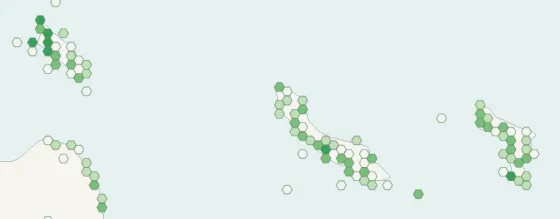
Records published on GBIF (CC0 and CC BY 4.0 licences): the darker the shade, the more records there are; they also reflect observation effort.
Atlas countries where it is recorded
From Wikipedia
The brown pelican (Pelecanus occidentalis) is a bird of the pelican family, Pelecanidae, one of three species found in the Americas and one of two that feed by diving into water. It is found on the Atlantic Coast from New Jersey to the mouth of the Amazon River, and along the Pacific Coast from British Columbia to Peru, including the Galapagos Islands. The nominate subspecies in its breeding plumage has a white head with a yellowish wash on the crown. The nape and neck are dark maroon–brown.
Source: Wikipedia, article “Brown pelican” (version of August 17, 2026) · history and authors · licence CC BY-SA 4.0 · shortened excerpt
Protected areas where it is recorded

17,898 records

10,476 records

5,341 records
4,835 records

2,567 records

1,829 records

1,601 records

1,153 records

1,043 records

836 records

810 records

699 records

663 records

632 records

588 records

572 records

550 records

480 records

435 records
434 records

253 records

217 records

168 records
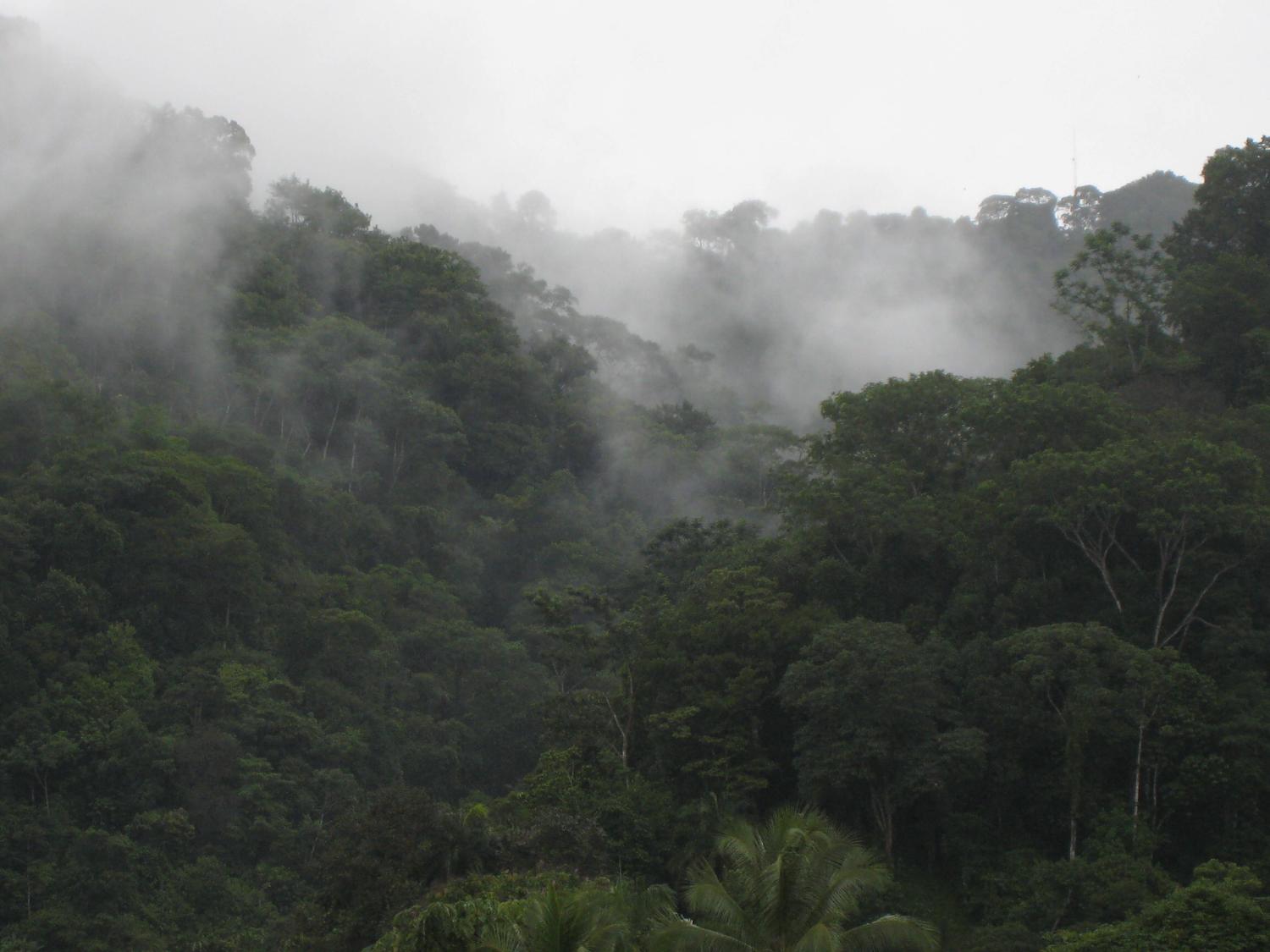
143 records
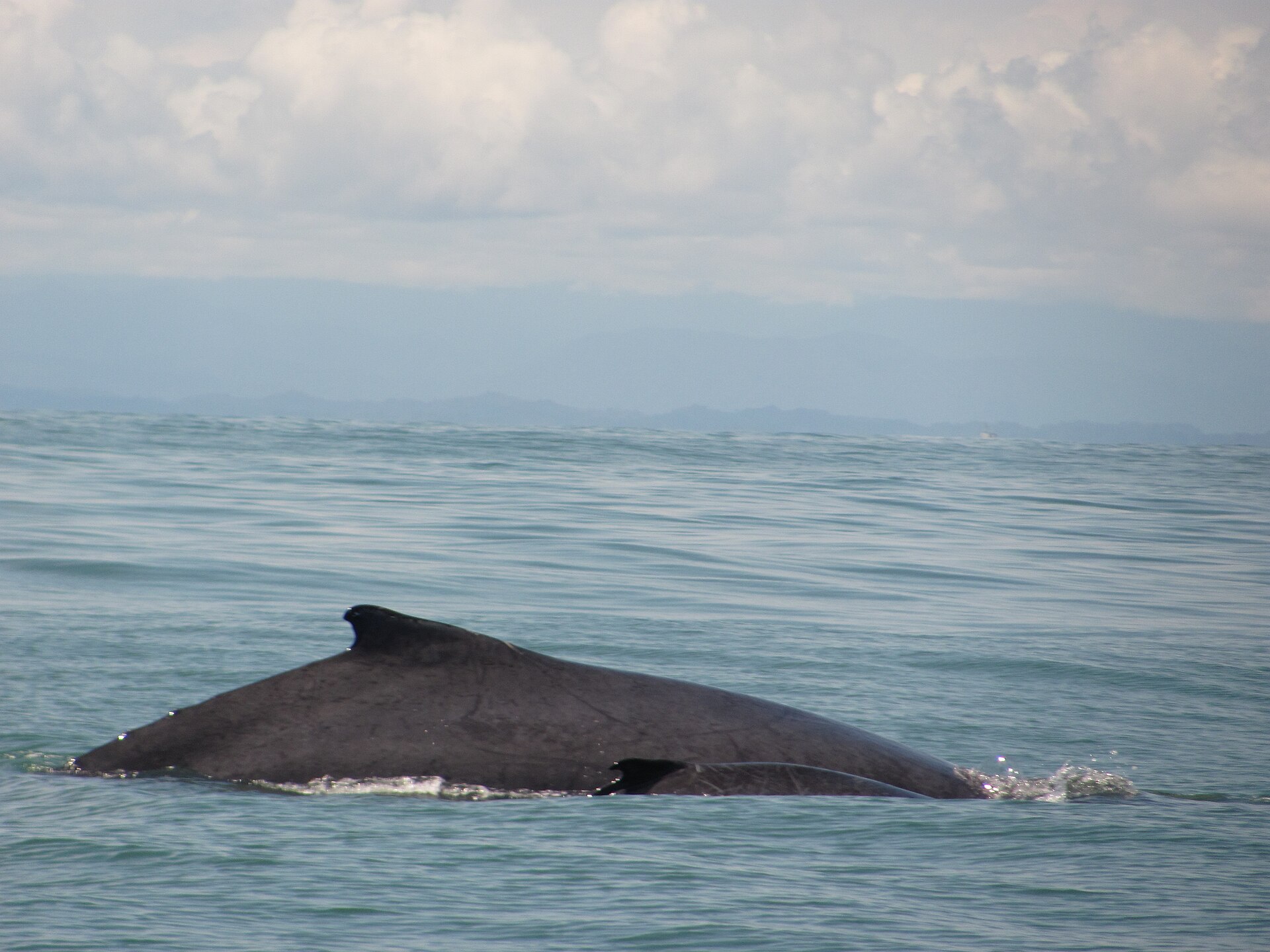
128 records
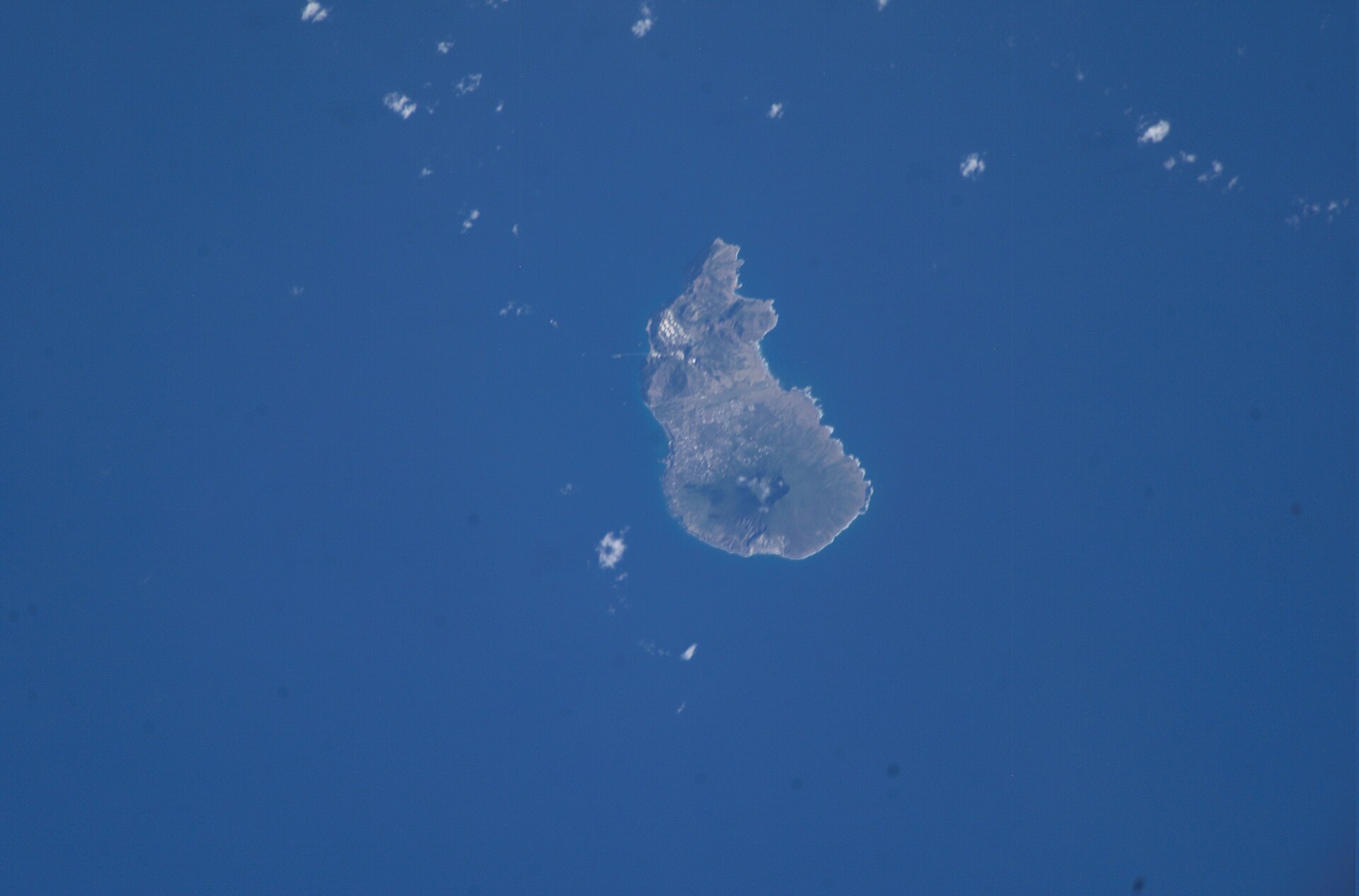
118 records

107 records

86 records

85 records

72 records

33 records

19 records
Other species to discover
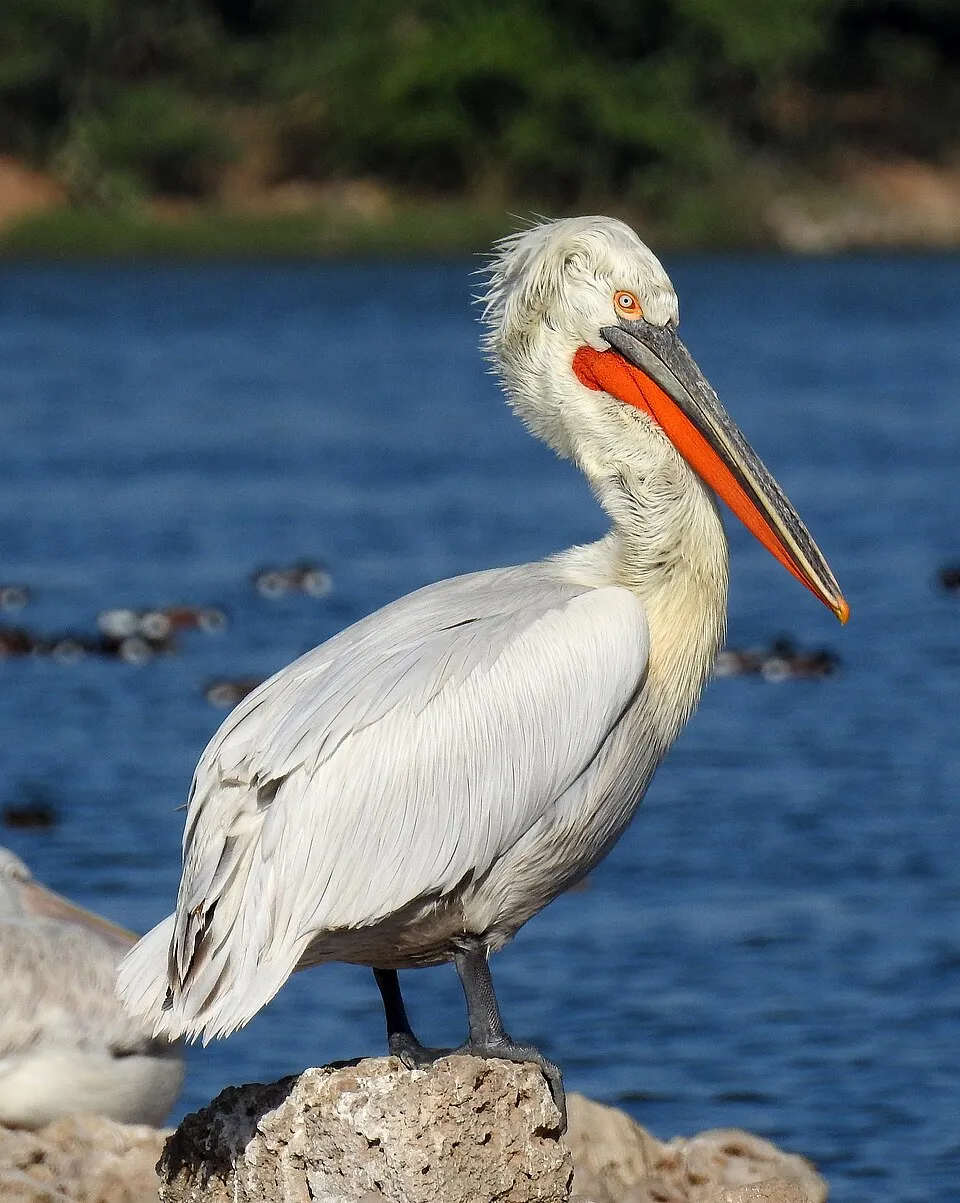 Dalmatian Pelican
Pelecanus crispus Same genus
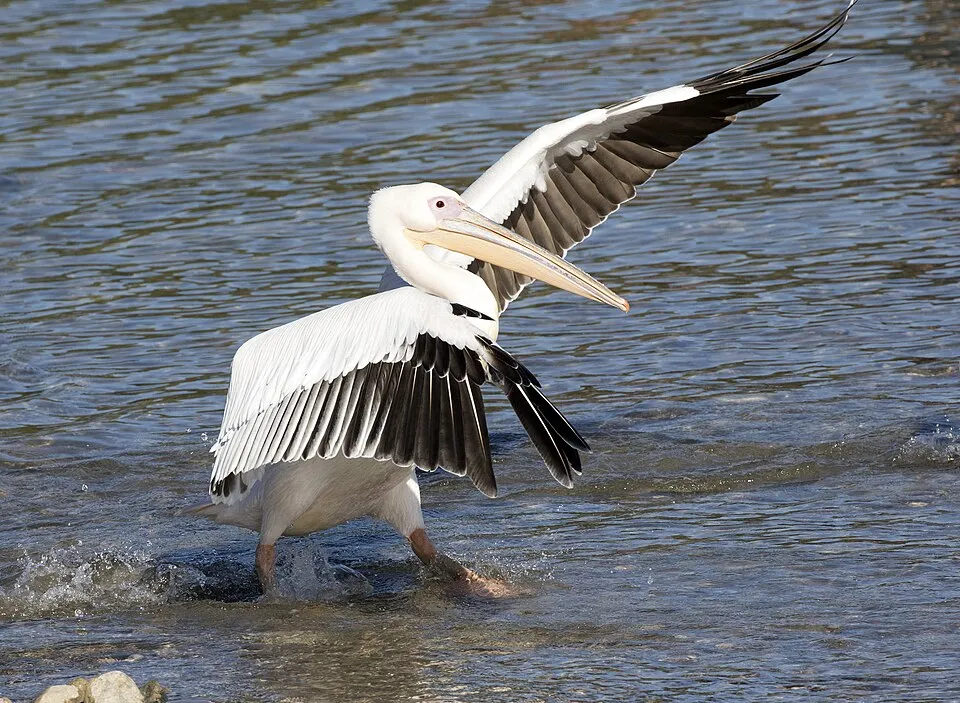 Great White Pelican
Pelecanus onocrotalus Same genus
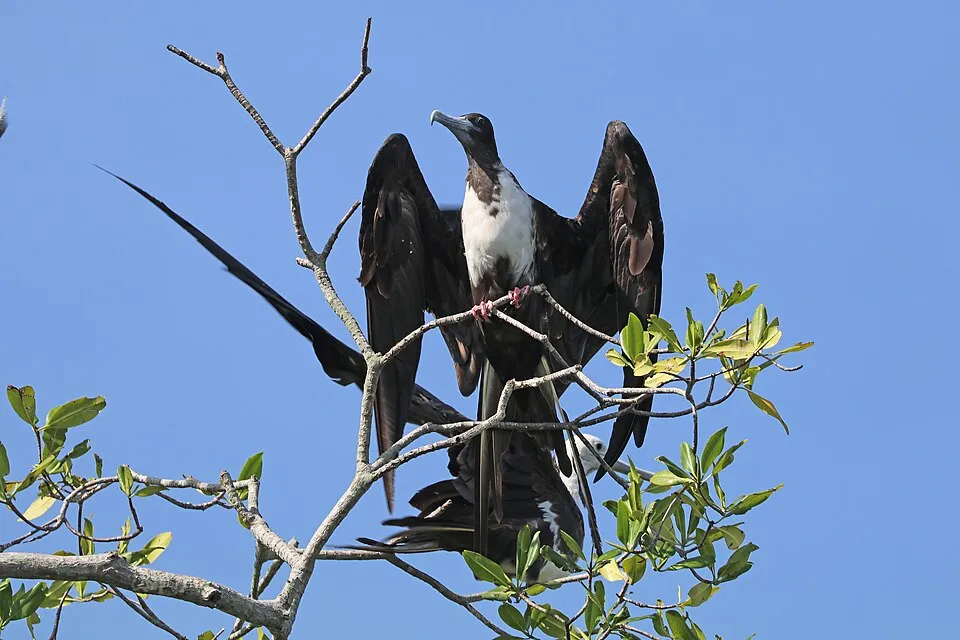 Magnificent frigatebird
Fregata magnificens 26 places in common
 Royal Tern
Thalasseus maximus 15 places in common
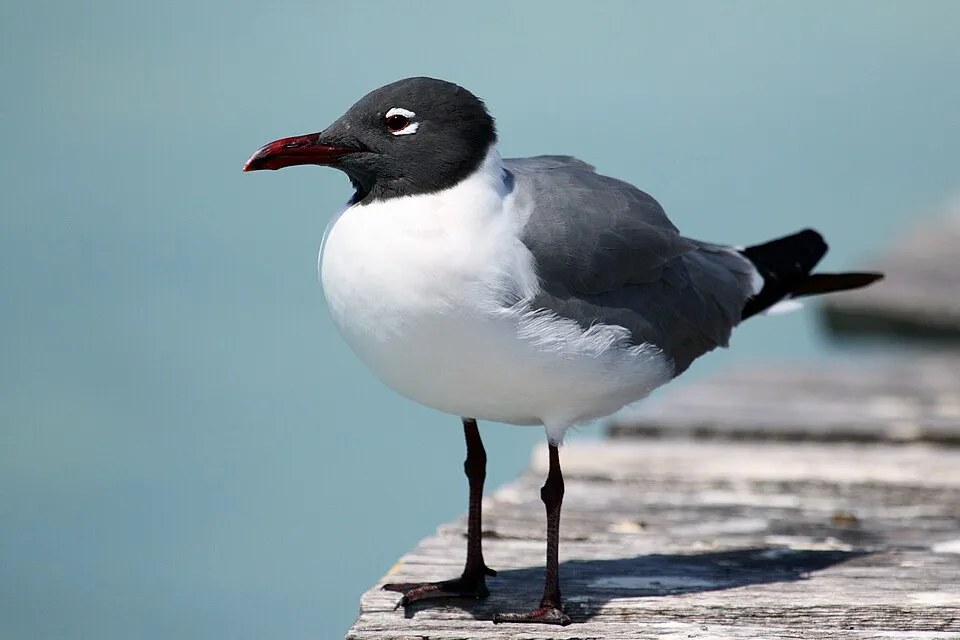 Laughing Gull
Leucophaeus atricilla 13 places in common
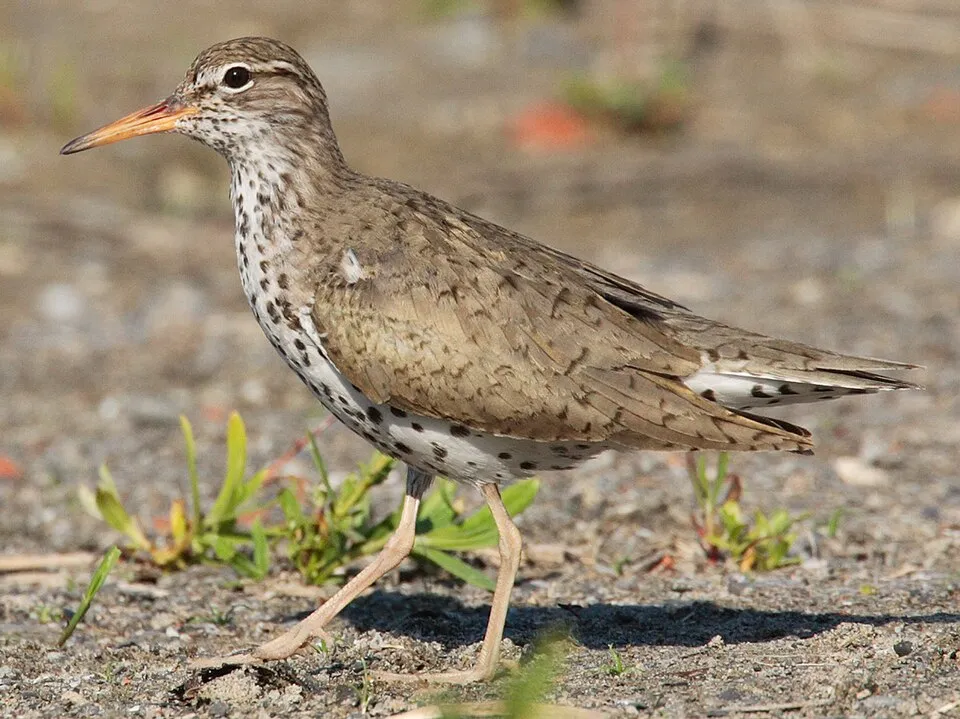 Spotted sandpiper
Actitis macularius 16 places in common
Sources and credits
- Presence: most-recorded species of each place on GBIF and species of Community interest in the Natura 2000 forms (EEA, CC-BY 4.0); absence from the list does not mean the species is absent.
- Common names: Wikidata (CC0) and GBIF.
- Photos and sounds: Wikimedia Commons, author and licence given for each file.
- Classification: GBIF Backbone Taxonomy (GBIF Secretariat), CC BY 4.0, doi:10.15468/39omei.
- Countries, elevations, months and maps: GBIF.org, CC0 or CC BY 4.0 occurrences only, accessed October 23, 2026, GBIF.org.
- Base map: Natural Earth (public domain).
- Excerpt: Wikipedia, CC BY-SA 4.0 (full credit below the excerpt).
- Key facts: Wikidata (CC0), with the references cited under each value.