Bird
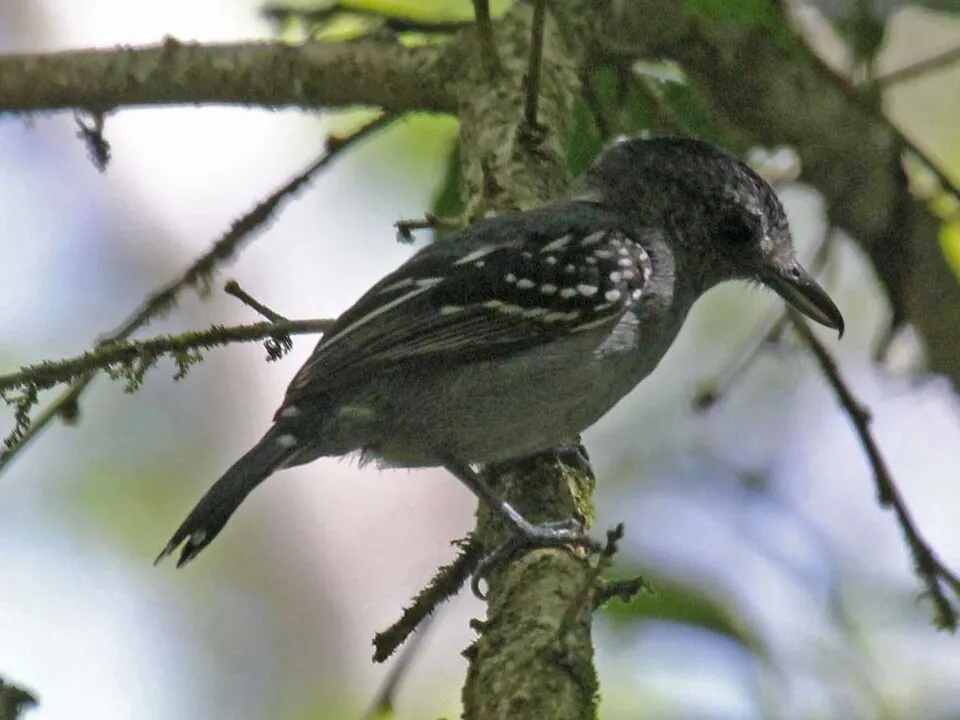
Western Slaty Antshrike
Thamnophilus atrinucha1,082 records © DickDaniels (http://carolinabirds.org/) · CC BY-SA 3.0
Costa Rica · Marine
National park of 24,392 hectares in Costa Rica, established in 1978.
National park of 24,392 hectares in Costa Rica, established in 1978.
Cahuita National Park is located in Costa Rica (North America). It is a predominantly marine area. Established in 1978, it covers about 24,392 hectares.
In Costa Rica (North America). Representative point: 9.7809° N, 82.7374° W.
About 24,392 hectares (244 km²). It is the 11th largest of the 27 national parks in Costa Rica covered by Parkavela. About 22,600 ha are at sea.
In 1978.
A marine area, with coasts and coral reefs.
Nearest towns of over 50,000 people, as the crow flies: Limón (40 km). Nearest airport: Juan Santamaría (SJO), about 153 km away.
Oficina Parque Nacional Cahuita and National Park.
Among the species most often recorded on GBIF are Thamnophilus atrinucha (Western Slaty Antshrike), Coragyps atratus (Black Vulture), Myrmeciza exsul (Chestnut-backed Antbird) and Cantorchilus nigricapillus (Bay Wren).
© OpenStreetMap
Download the boundary: GeoJSON · GPX Boundary © OpenStreetMap contributors (ODbL).
The sea covers about 93% of the site. The seabed reaches about 1,223 m deep (median depth 686 m; GEBCO bathymetry). Reef-building corals are documented in the area: 323 records published on GBIF.
Based on occurrences aggregated by GBIF, several species are regularly recorded within the site. Among the most frequent are Thamnophilus atrinucha (Western Slaty Antshrike), Coragyps atratus (Black Vulture), Myrmeciza exsul (Chestnut-backed Antbird) and Cantorchilus nigricapillus (Bay Wren). The full list of documented taxa is shown below.
Bird
1,082 records © DickDaniels (http://carolinabirds.org/) · CC BY-SA 3.0
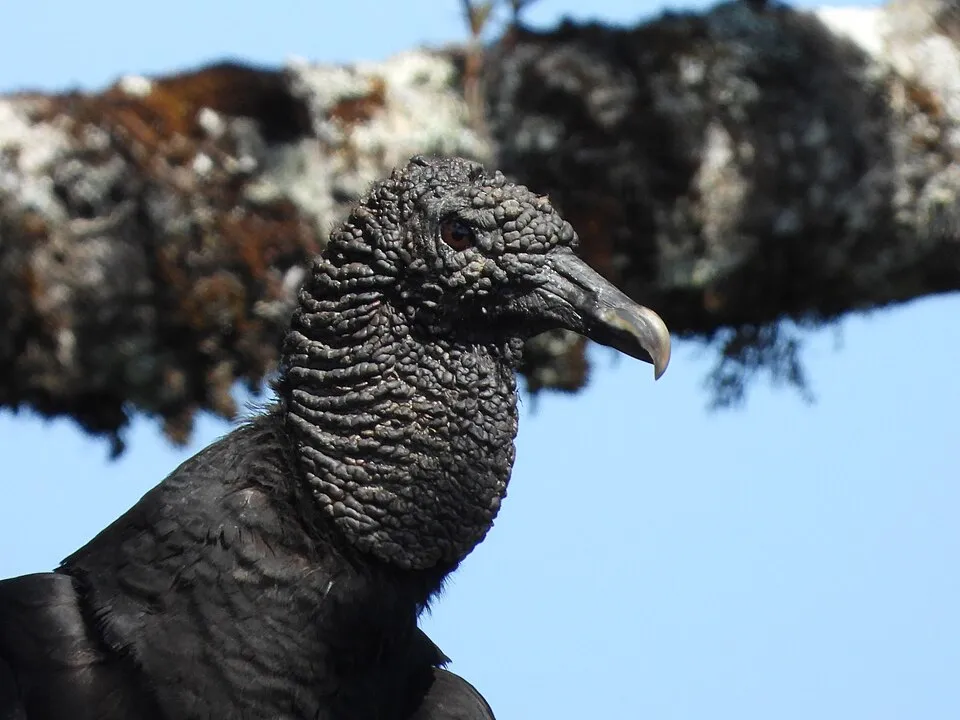
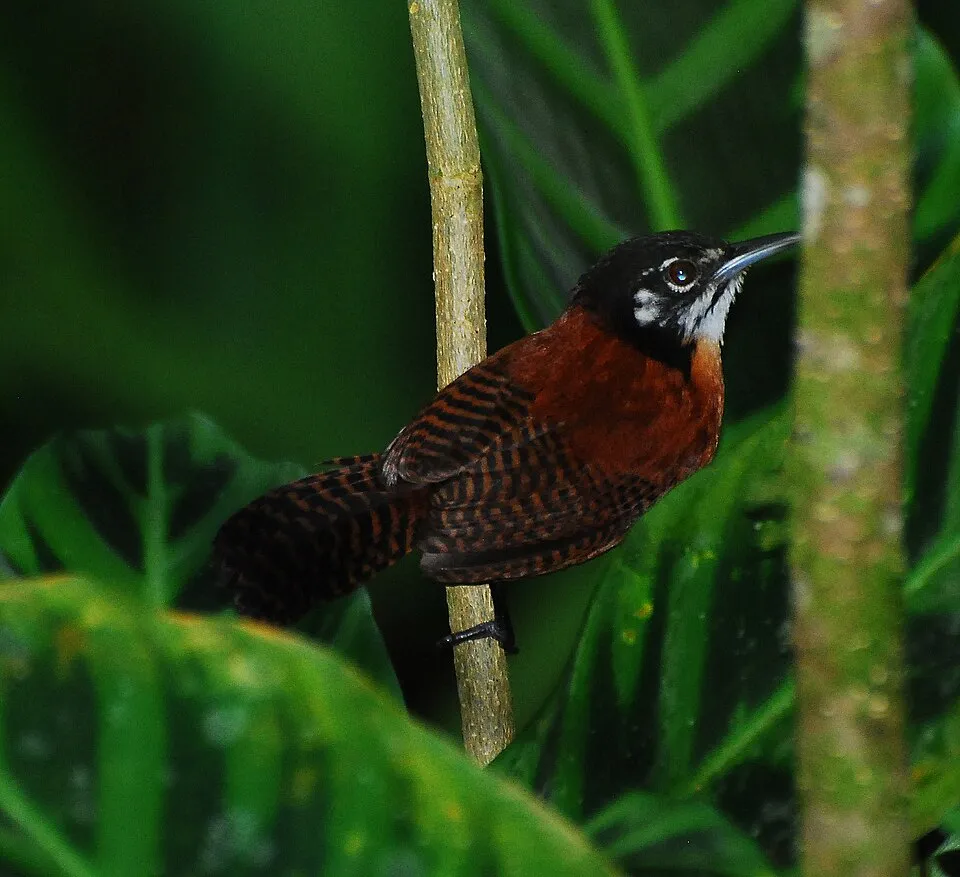
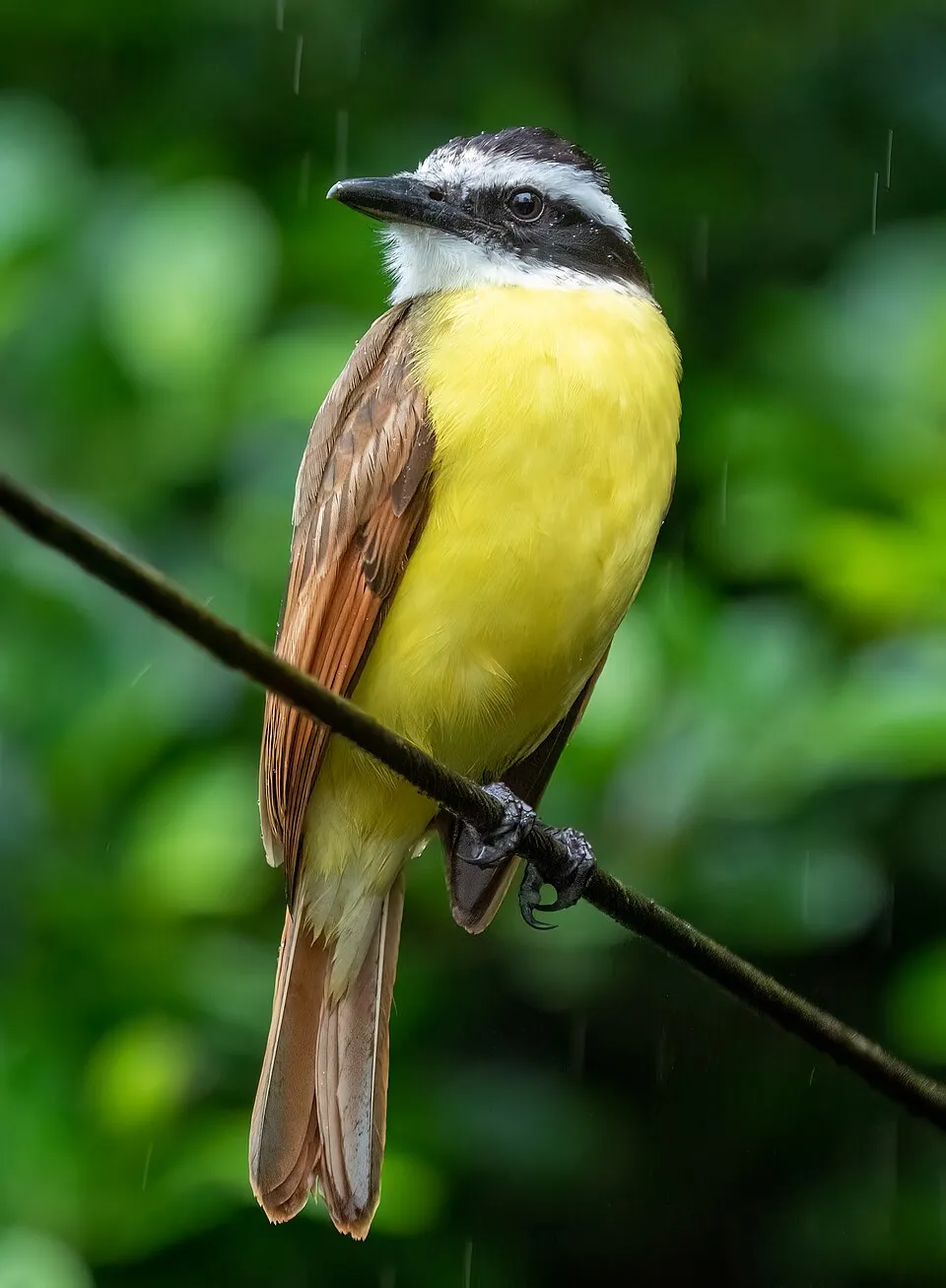
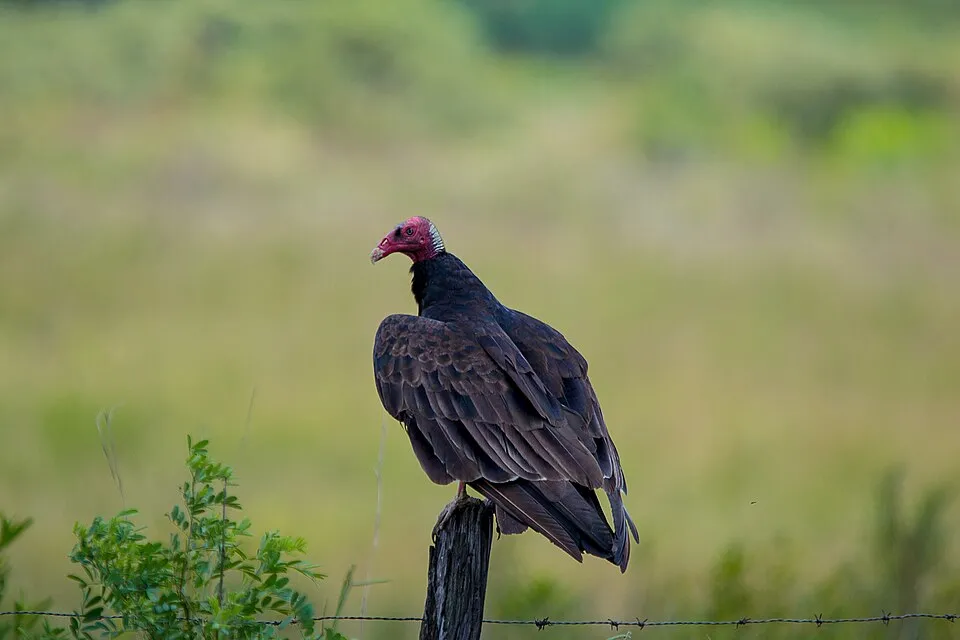
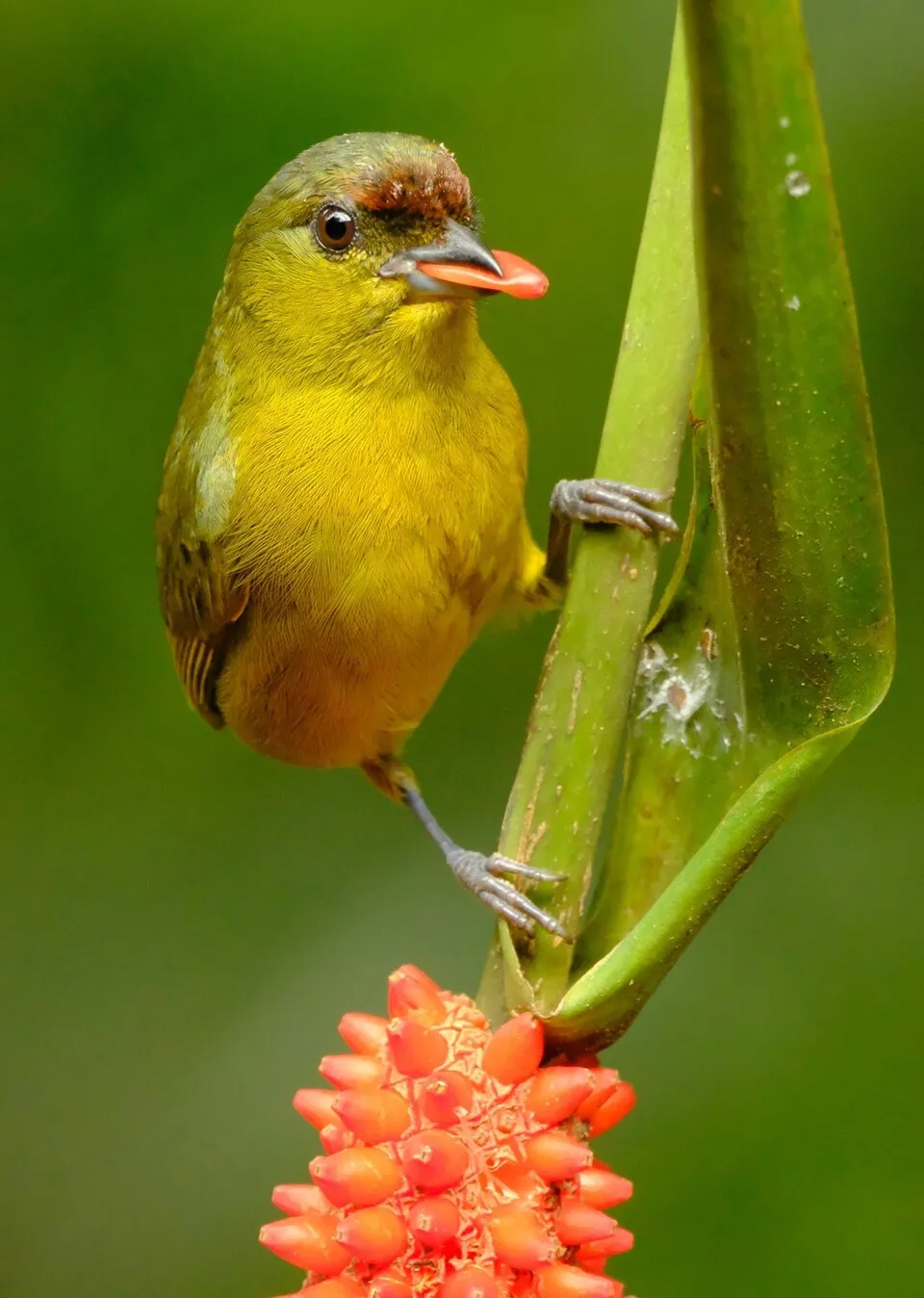
Occurrences documented via GBIF; they are neither an exhaustive inventory nor proof of current presence.
Records: GBIF.org (CC-BY). Names: Wikidata (CC0), GBIF. Photos: Wikimedia Commons.
The primary purpose of the site is to preserve its natural habitats and the biodiversity they support. The species recorded (Biodiversity tab) reflect its ecological value. Its status as a national park sets the regulatory framework for its protection.
Since 2000, 7 invasive alien species have been recorded within the site (GBIF observations). Among them: Passer domesticus (House Sparrow), Morinda citrifolia (Indian mulberry) and Columba livia (Rock Dove).
7
recorded since 2000
Photos: House Sparrow © Diliff · CC BY-SA 3.0; Indian mulberry © Wilfredor · CC0-1.0; Rock Dove © william_stephens · CC BY 4.0; Cacao © VpuipV · CC BY-SA 4.0; Hairy banana © Forest & Kim Starr · CC BY 3.0; Common bamboo © Earth100 · CC BY-SA 3.0; Hellenia speciosa © Dr. Alexey Yakovlev · CC BY 4.0
Sources: Global Forest Change (Hansen et al., University of Maryland, via Global Forest Watch, CC-BY 4.0); EFFIS, European Commission / Copernicus; NASA Black Marble 2016 (public domain); CORINE Land Cover 2018 (Copernicus) or MODIS.
Invasive alien species: Global Register of Introduced and Invasive Species (ISSG, CC BY 4.0); Union list, Regulation (EU) 1143/2014 (INBO, CC0); GBIF.org records (CC0 / CC BY 4.0), at least 2 per species.
Data © OpenStreetMap contributors (ODbL) · Wikidata (CC0)
Nearest towns of over 50,000 people, as the crow flies: Limón (40 km). Nearest airport: Juan Santamaría (SJO), about 153 km away. About 50,000 people live within 20 km of the site boundary, 19,000 of them within 10 km (GHSL estimate, 2020). This population has grown by about 37% since 2000. Visitor information on site: Oficina Parque Nacional Cahuita and National Park. To plan a visit (access, opening periods, visitor rules), it is best to consult the official information from the managing body and the official website listed in this page's sources.
Source: OpenStreetMap (ODbL), Wikidata (CC0), October 2026.
Monthly records published on GBIF (CC-BY), relative to the busiest month; also reflects observer activity.
Data © OpenStreetMap contributors (ODbL), Wikidata (CC0) and the sources cited.
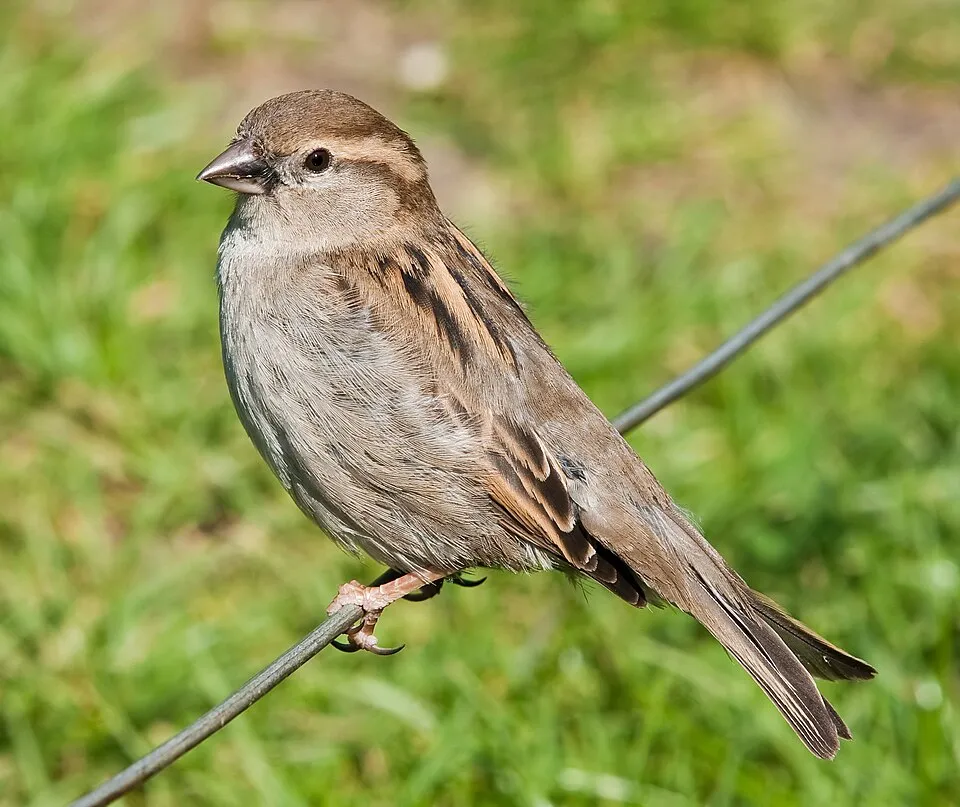 House Sparrow
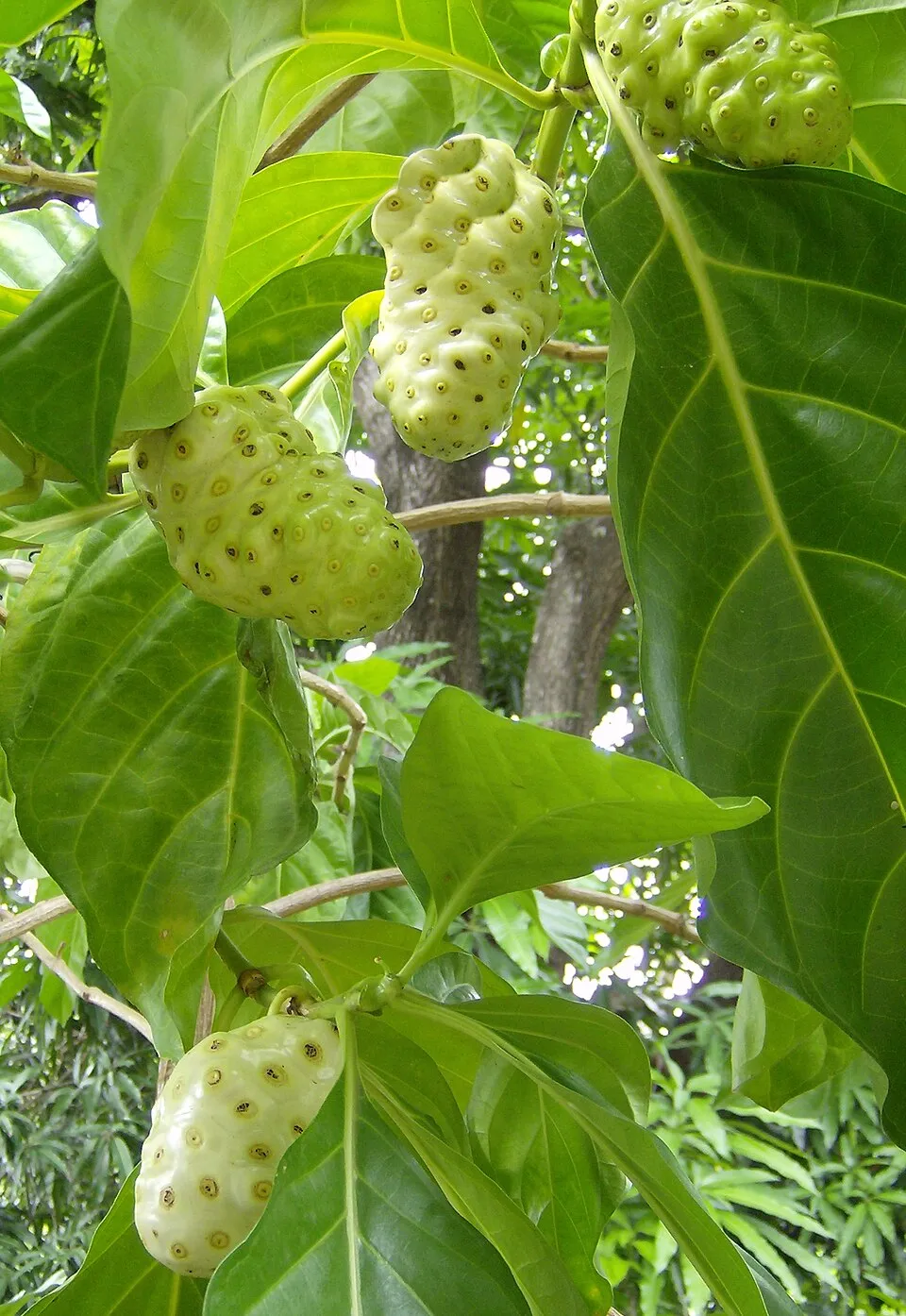 Indian mulberry
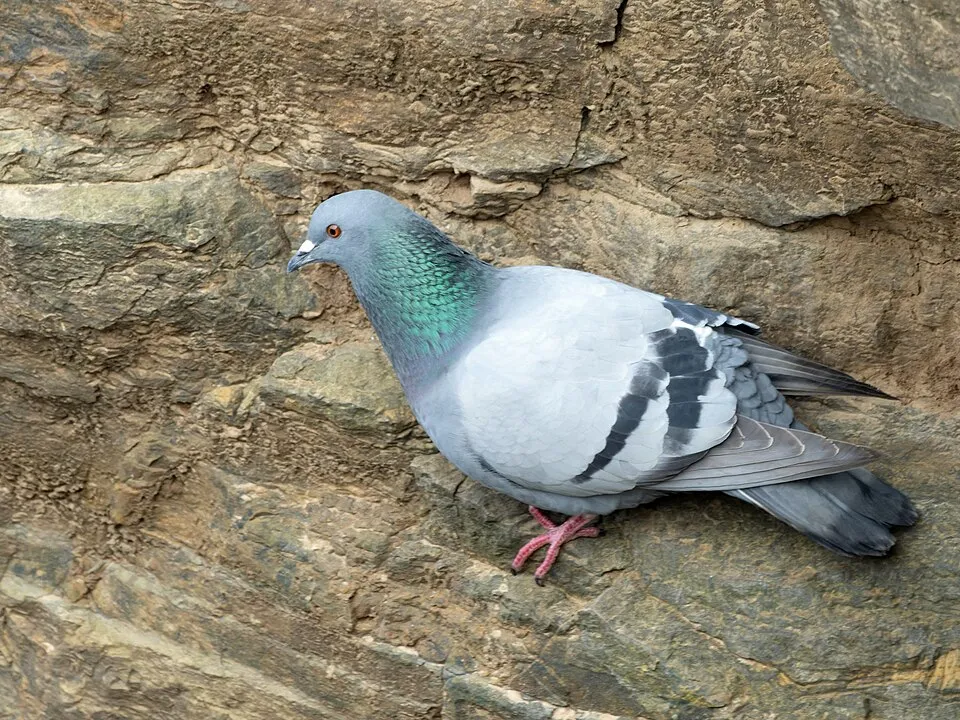 Rock Dove
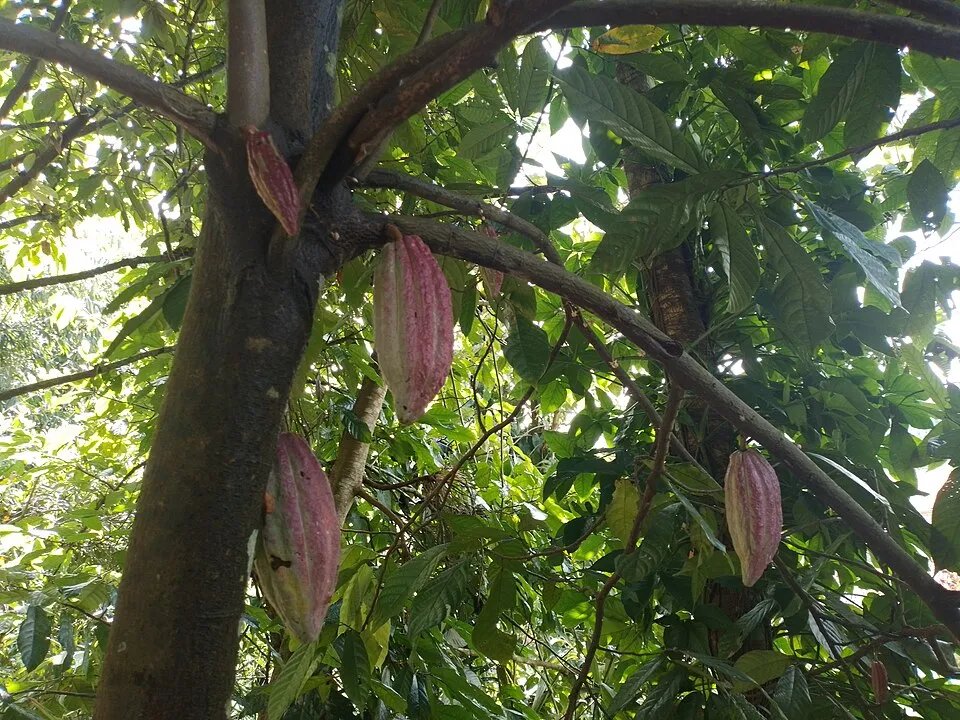 Cacao
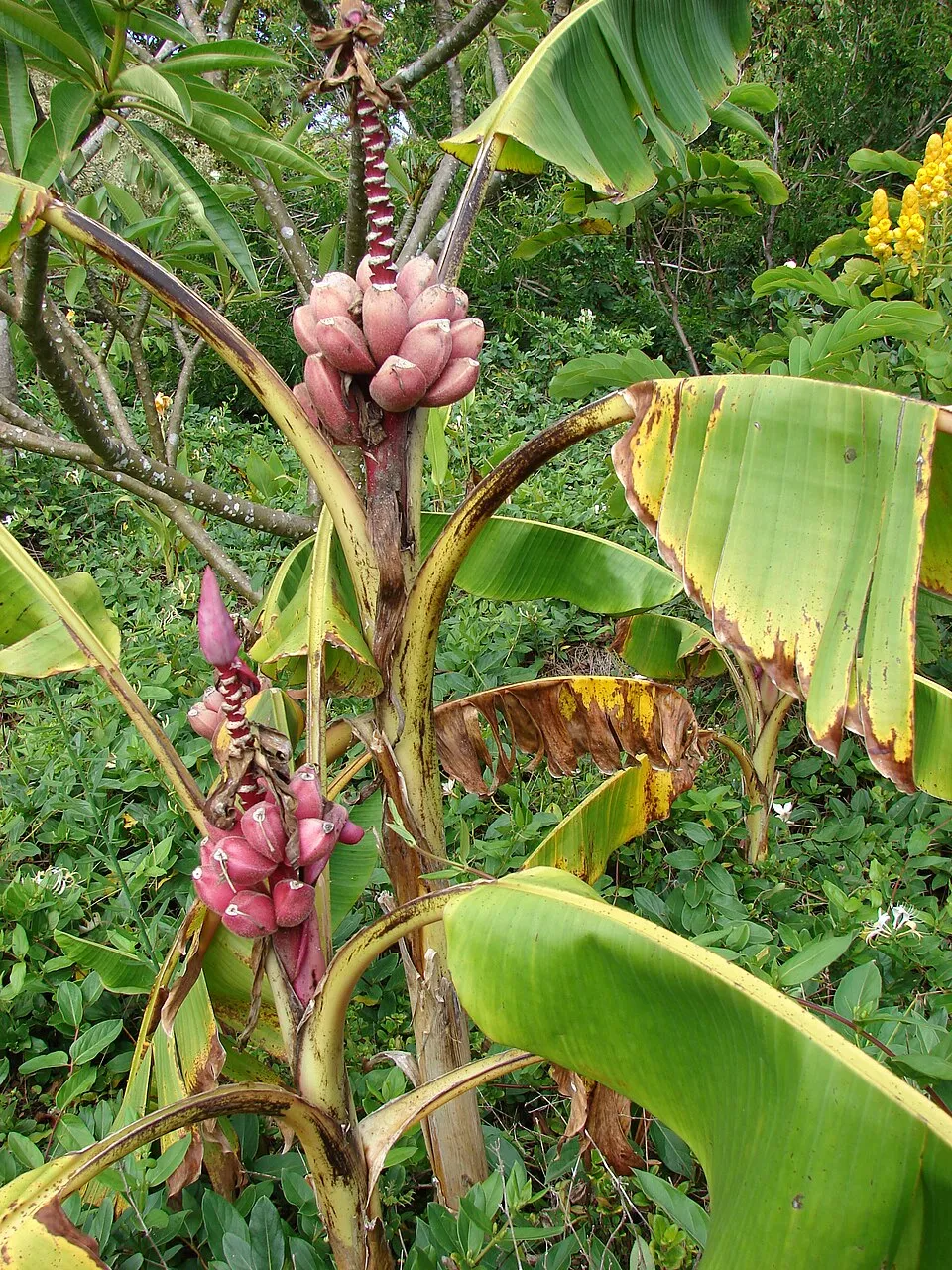 Hairy banana
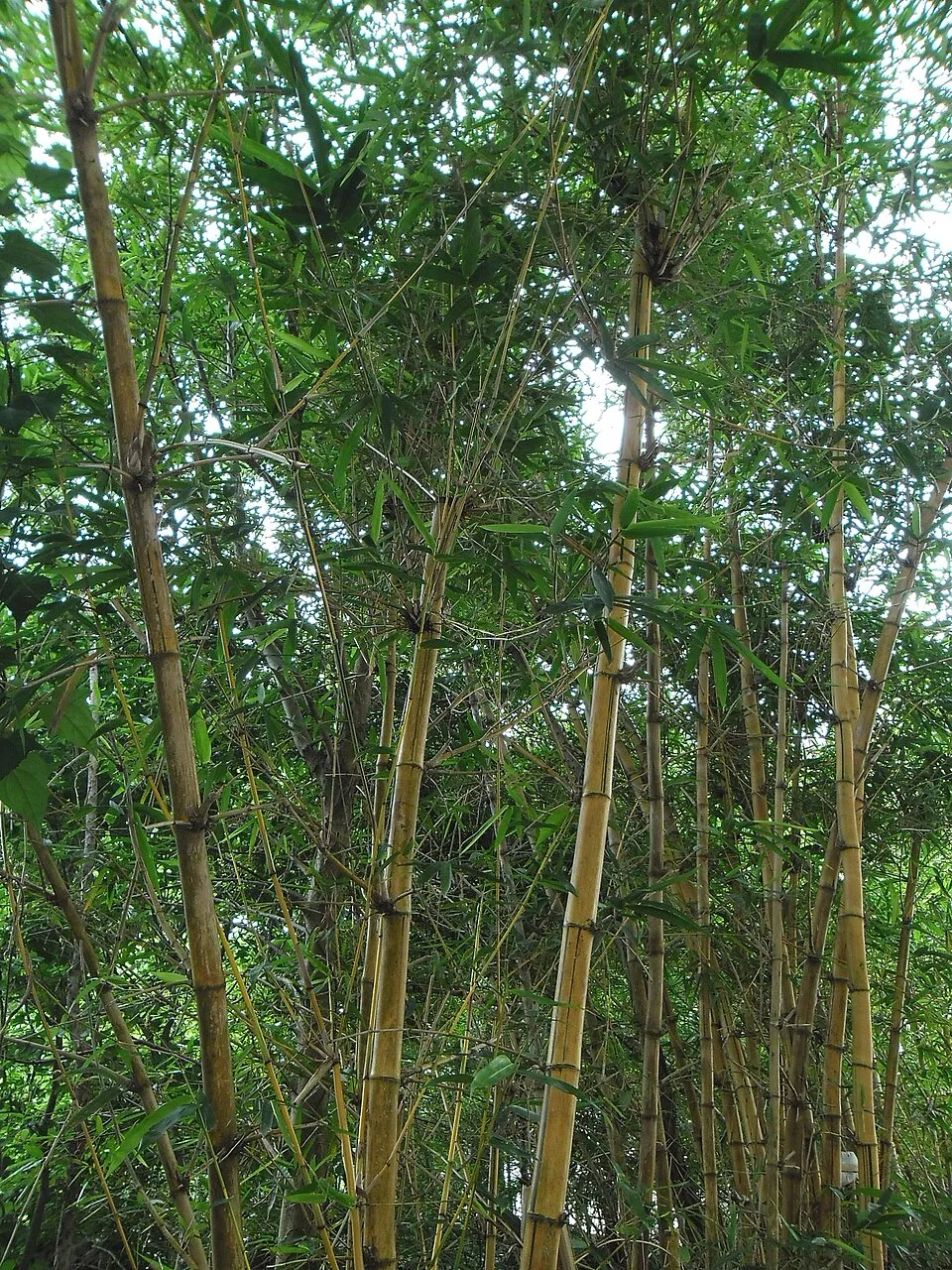 Common bamboo
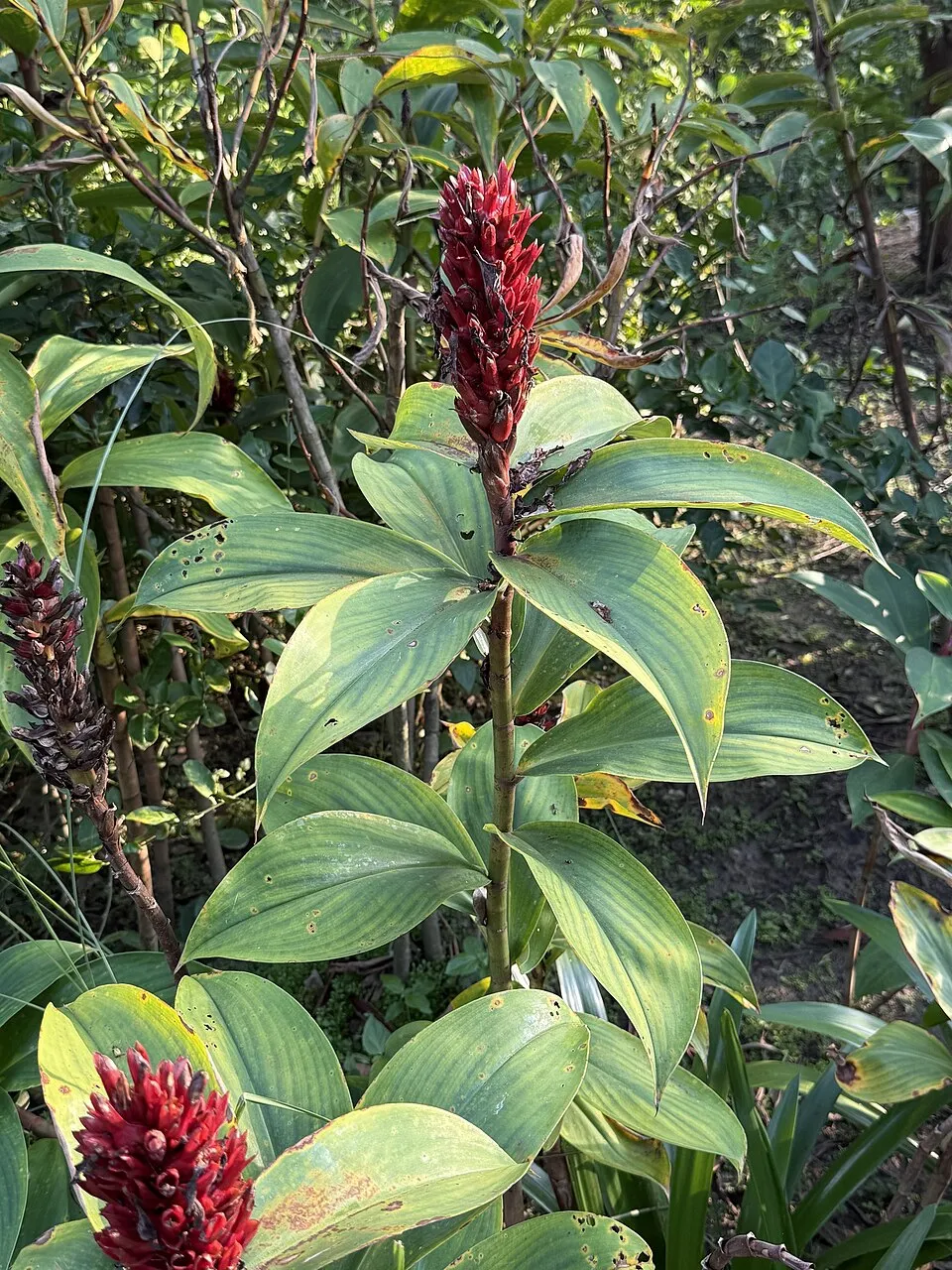 Hellenia speciosa