
Plant
Common myrtle: where to see it
Myrtus communis
This plant species is recorded in 16 protected areas of the atlas. Within the atlas countries, it is mostly observed in France, Italy and Spain (6 countries in all). Most records (8 in 10) lie between sea level and 250 m. Records peak from May to November. Plant (shrub or tree), native to Europe, Africa, temperate Asia and tropical Asia, introduced to North America and South and Central America.
Best time to see it: May–November
Records published on GBIF by month (CC0 and CC BY 4.0 licences only), in the atlas countries, all years combined; they also reflect observer activity.
Distribution
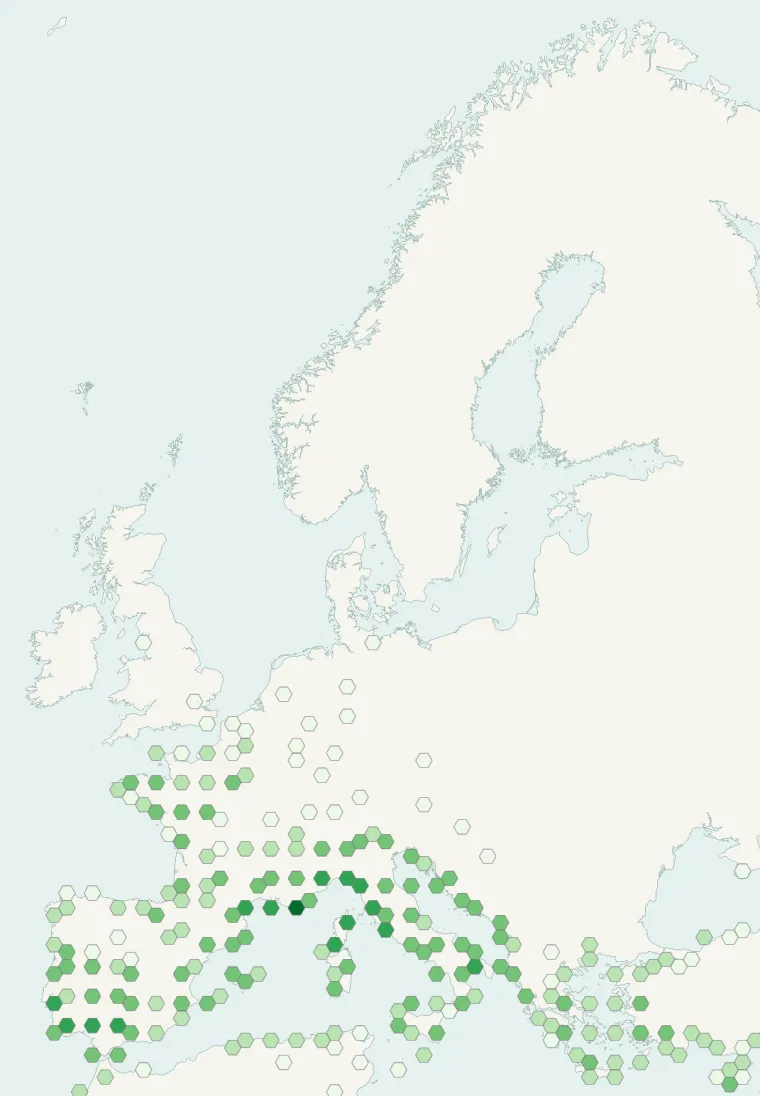
Records published on GBIF (CC0 and CC BY 4.0 licences): the darker the shade, the more records there are; they also reflect observation effort.
Atlas countries where it is recorded
From Wikipedia
Myrtus communis, the common myrtle or true myrtle, is an Old World species of flowering plant in the myrtle family, Myrtaceae. It forms an evergreen shrub.
Source: Wikipedia, article “Myrtus communis” (version of August 18, 2026) · history and authors · licence CC BY-SA 4.0
Protected areas where it is recorded
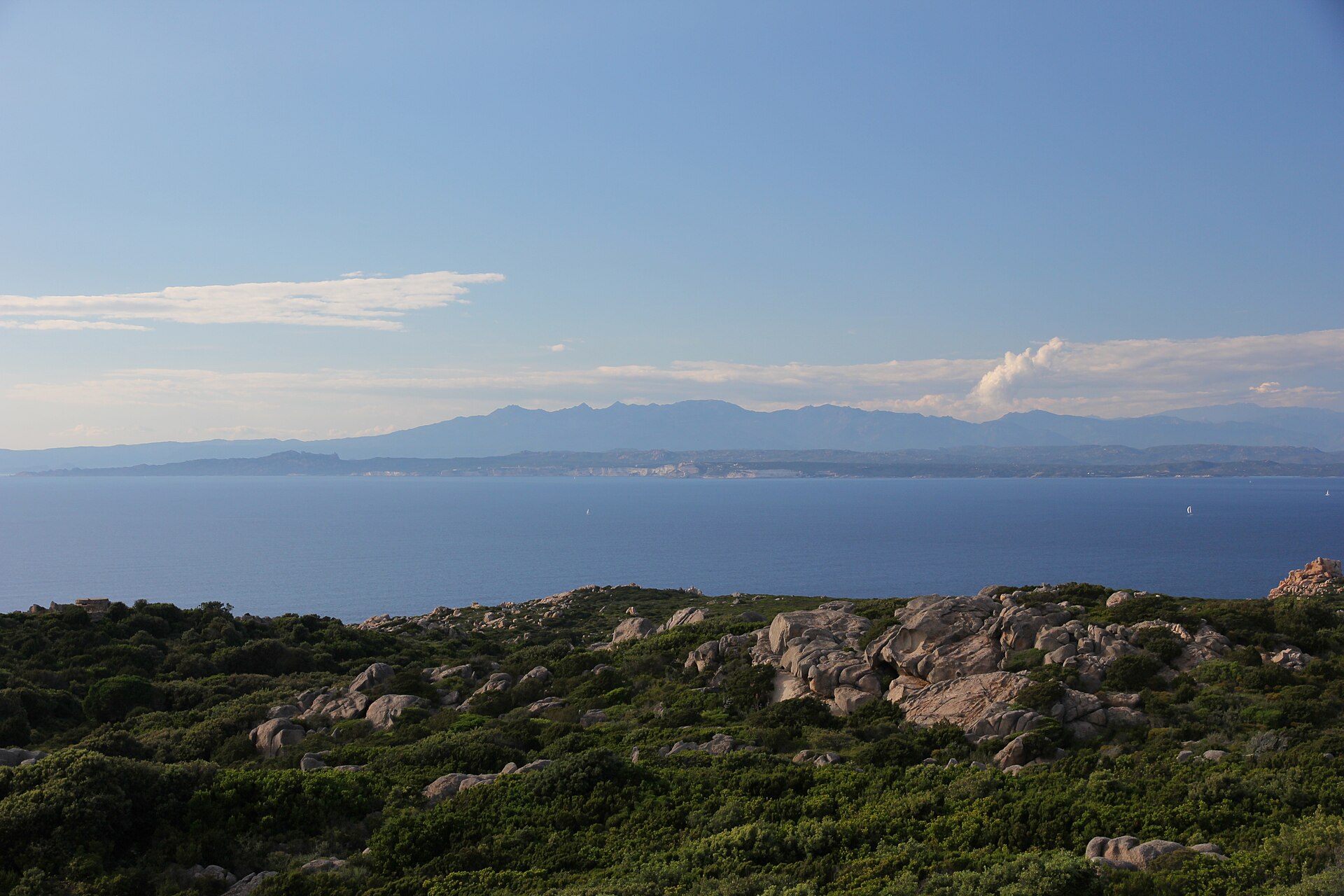
177 records

130 records
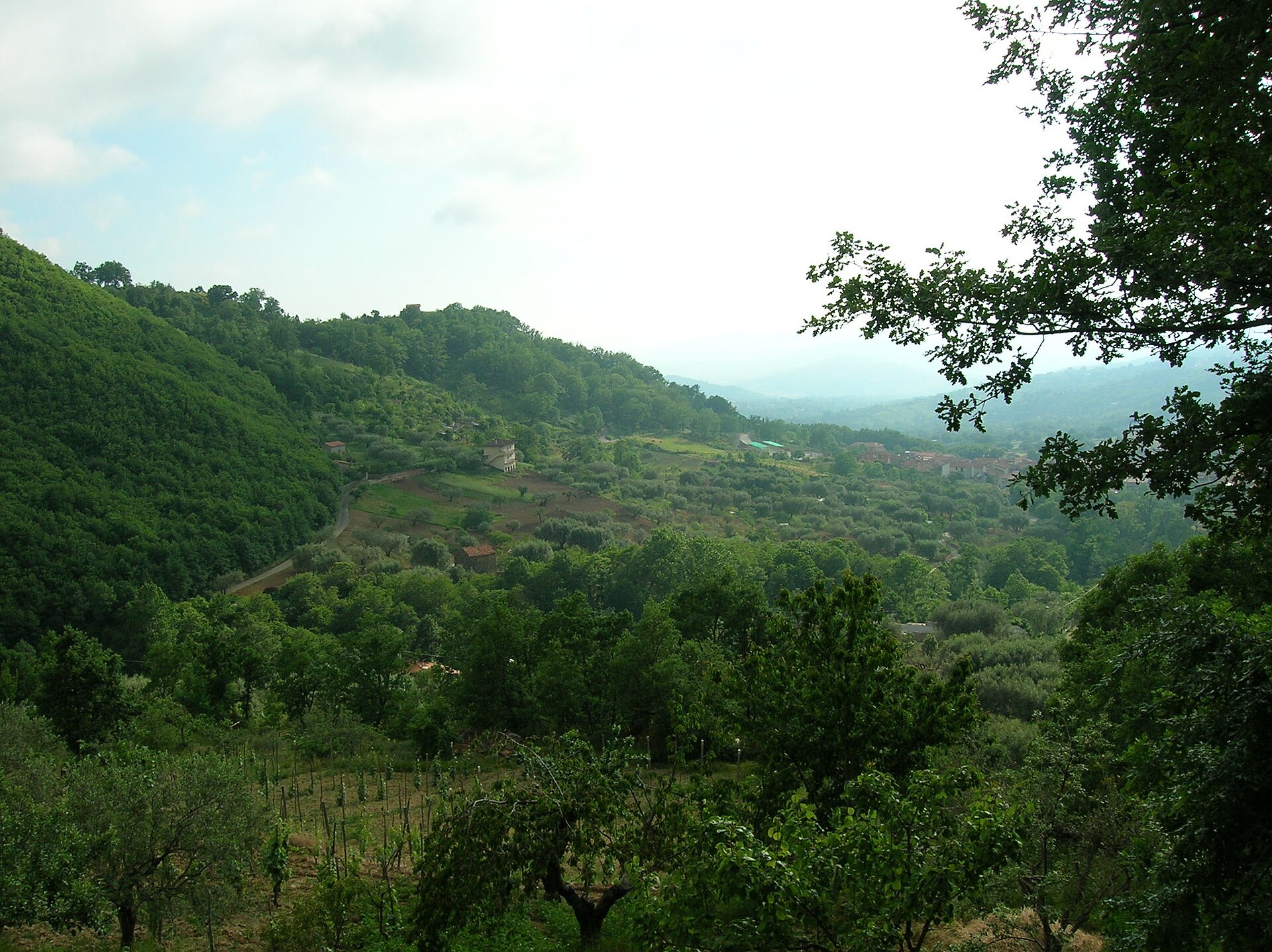
128 records

59 records
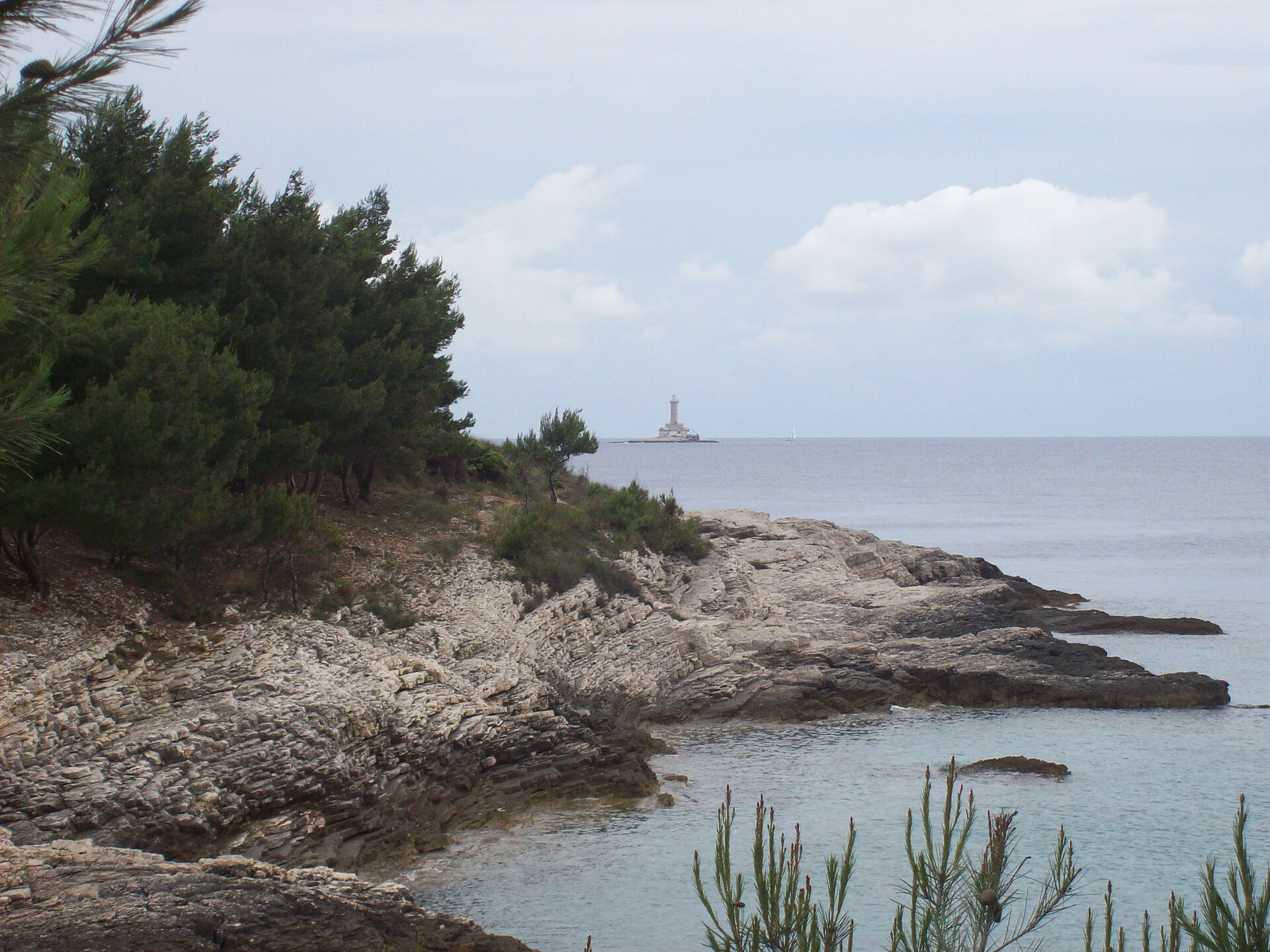
55 records
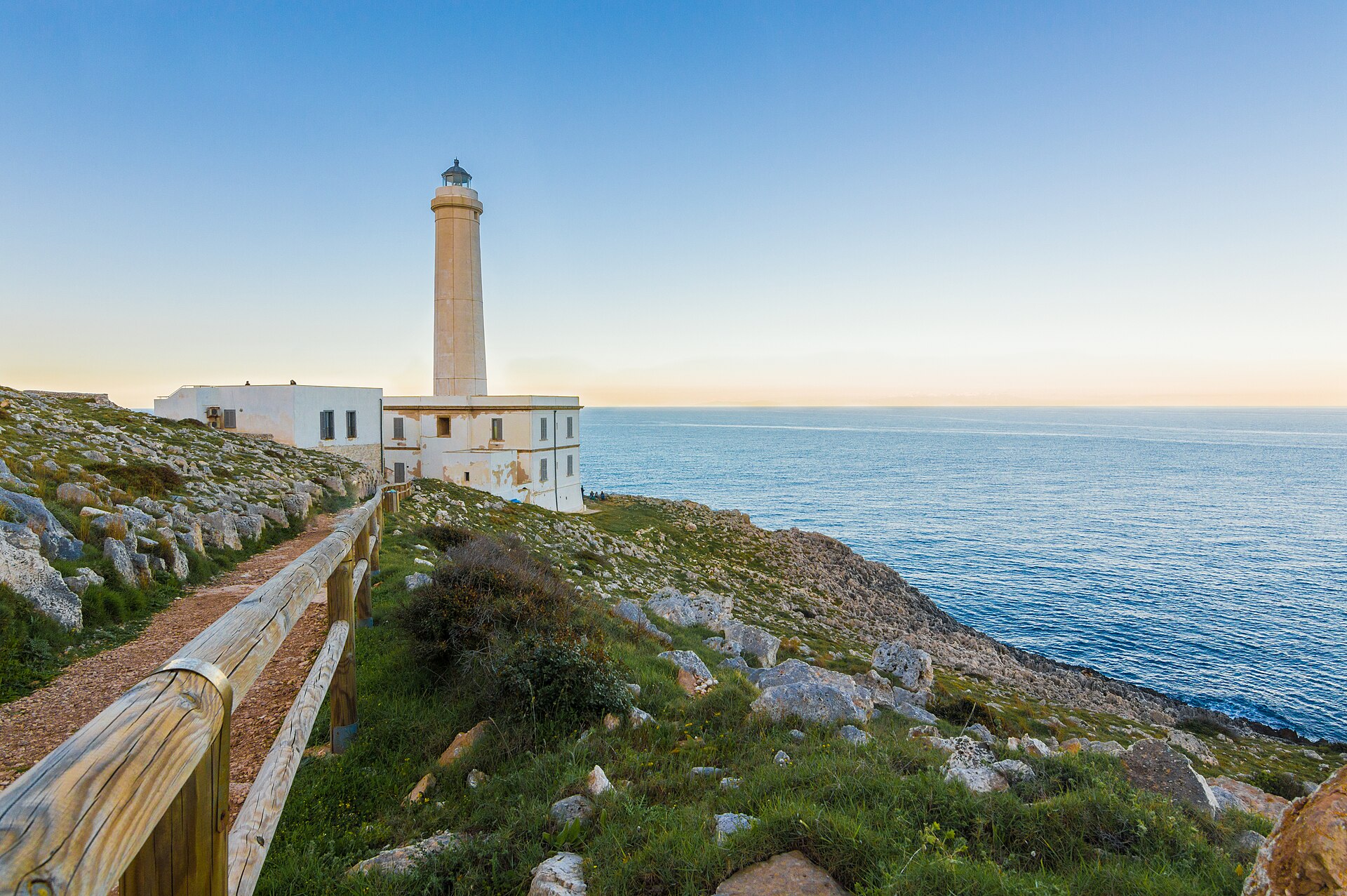
45 records
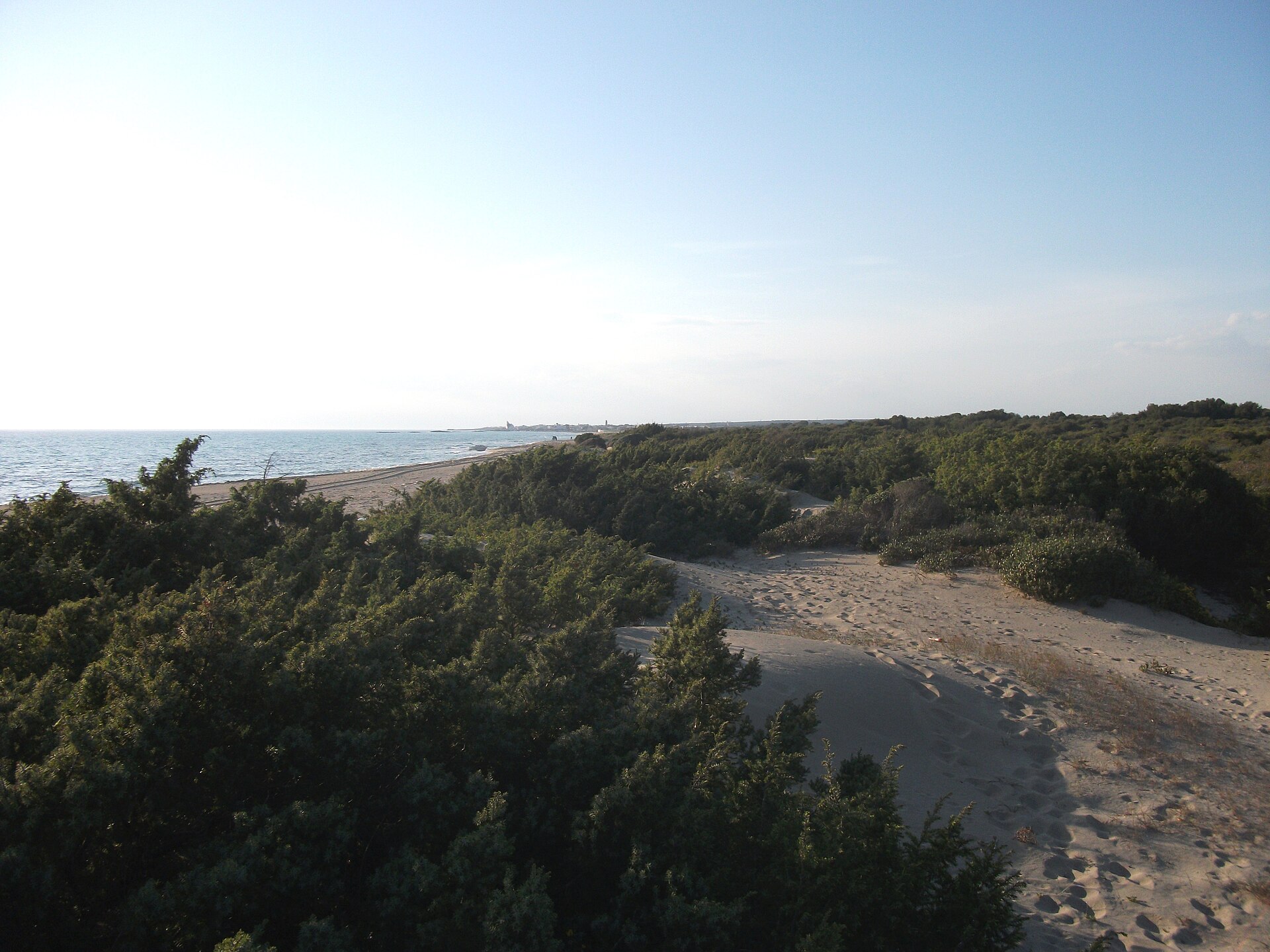
34 records
27 records
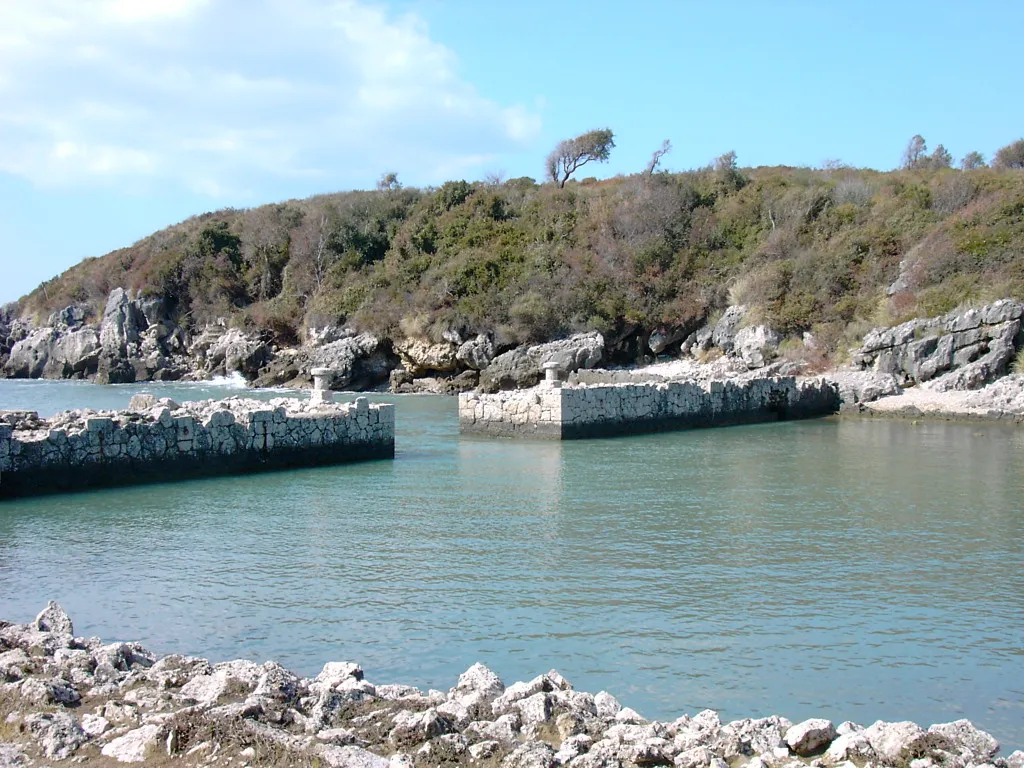
15 records

13 records

11 records
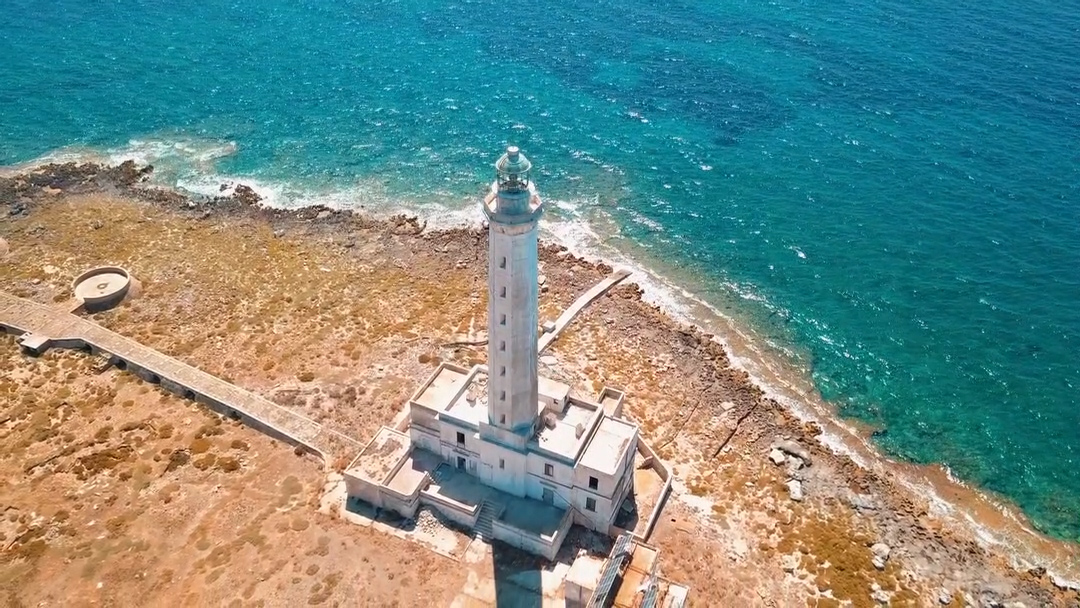
7 records
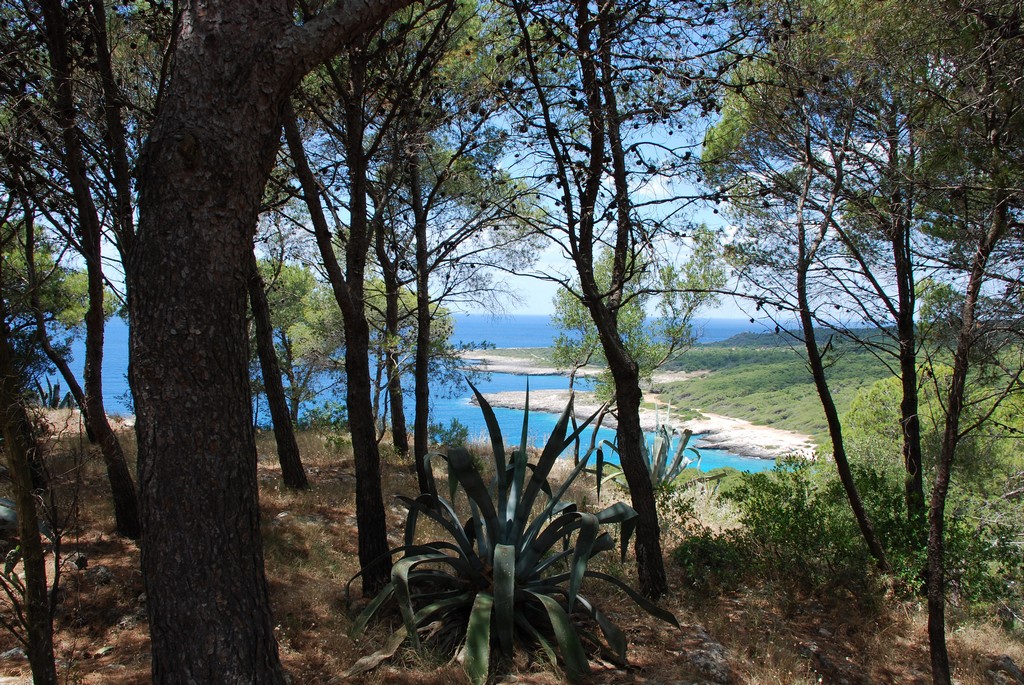
6 records
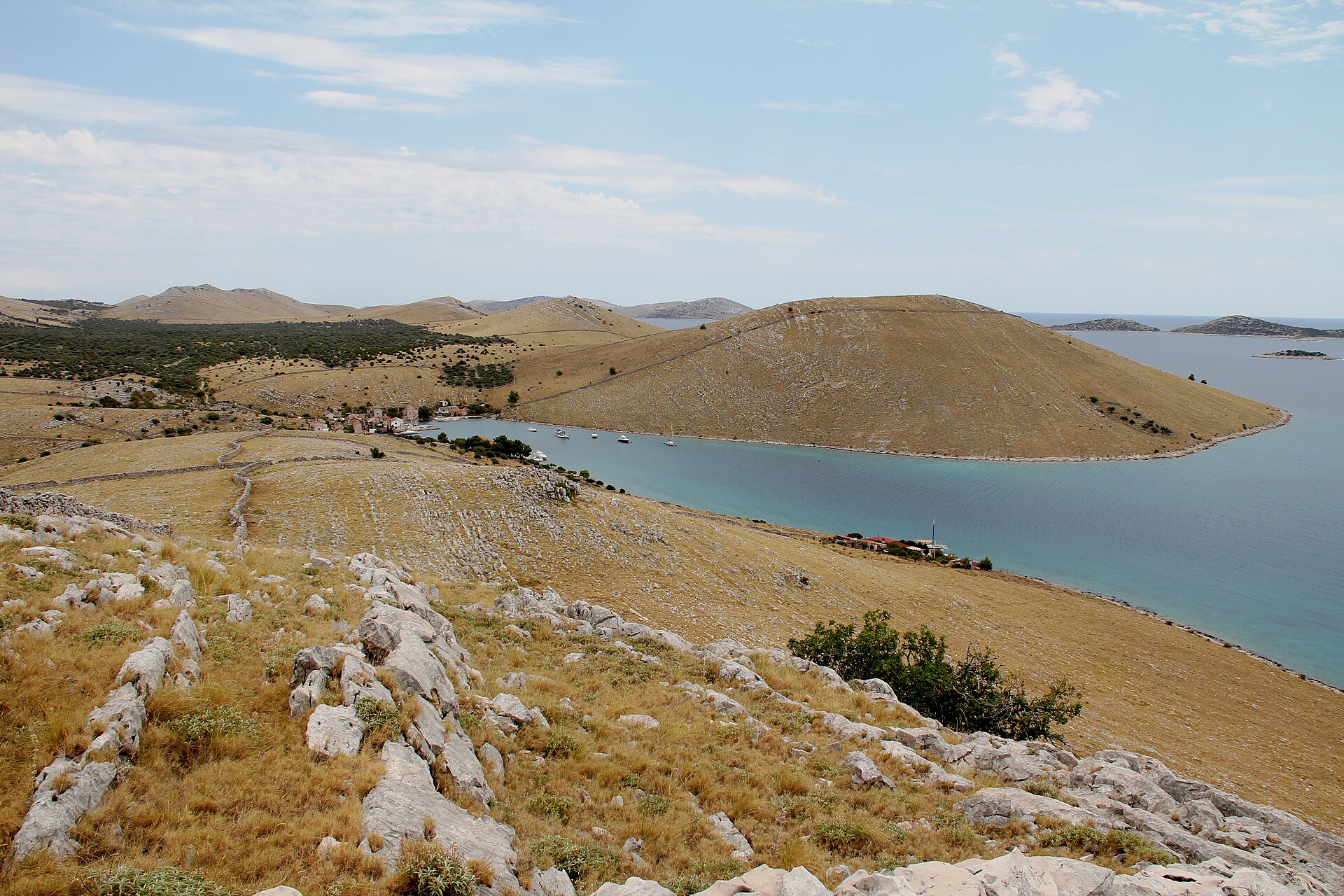
5 records
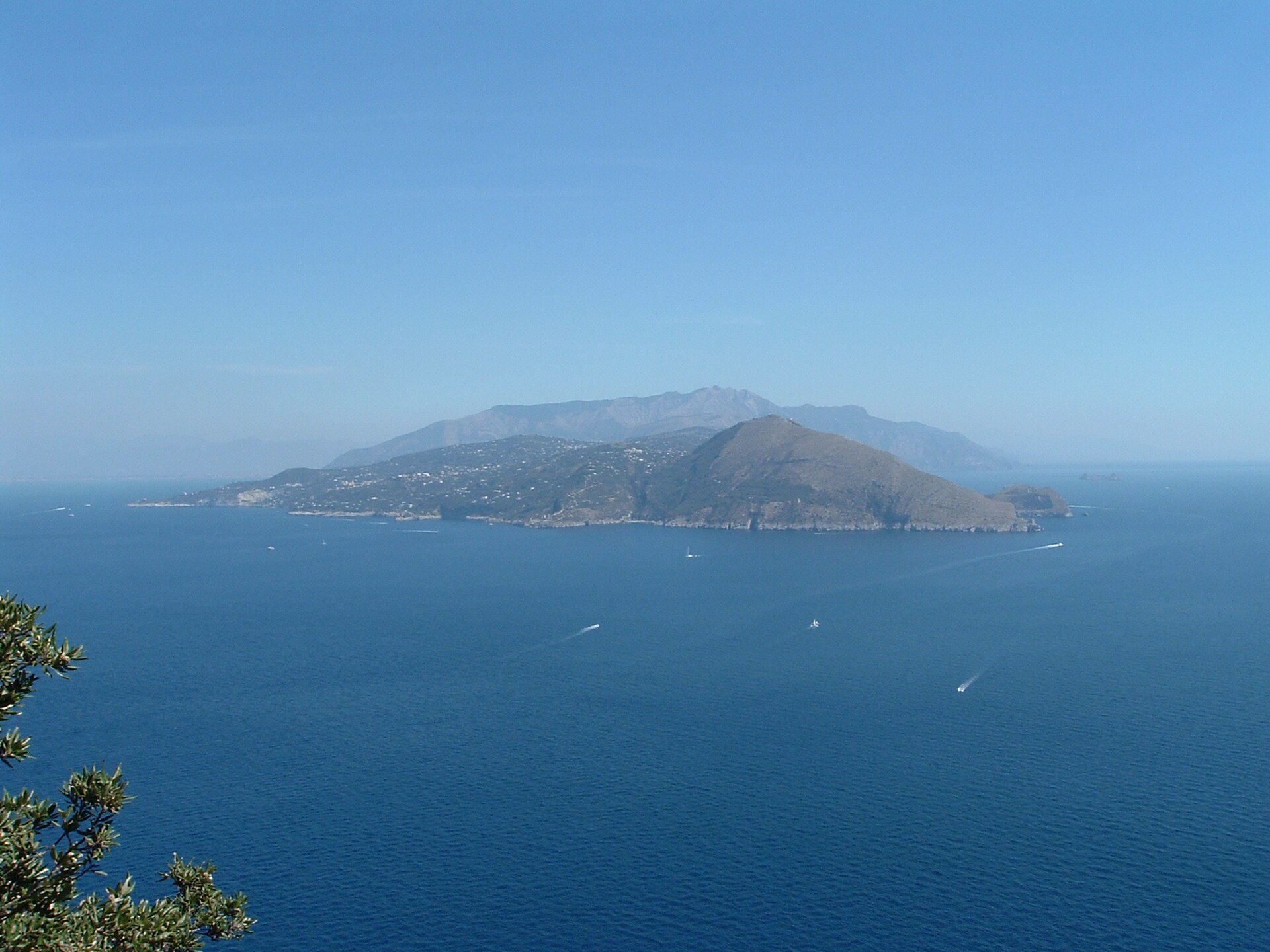
3 records

2 records
Other species to discover
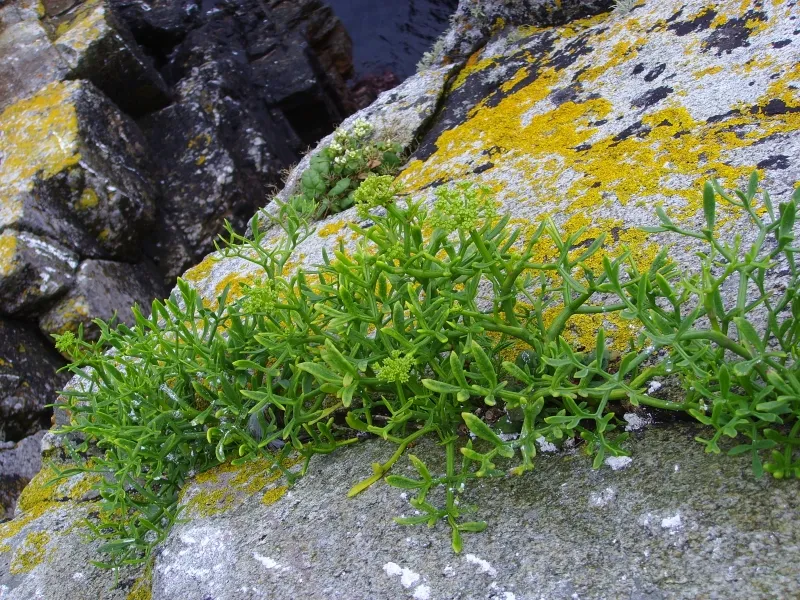 Rock samphire
Crithmum maritimum 10 places in common
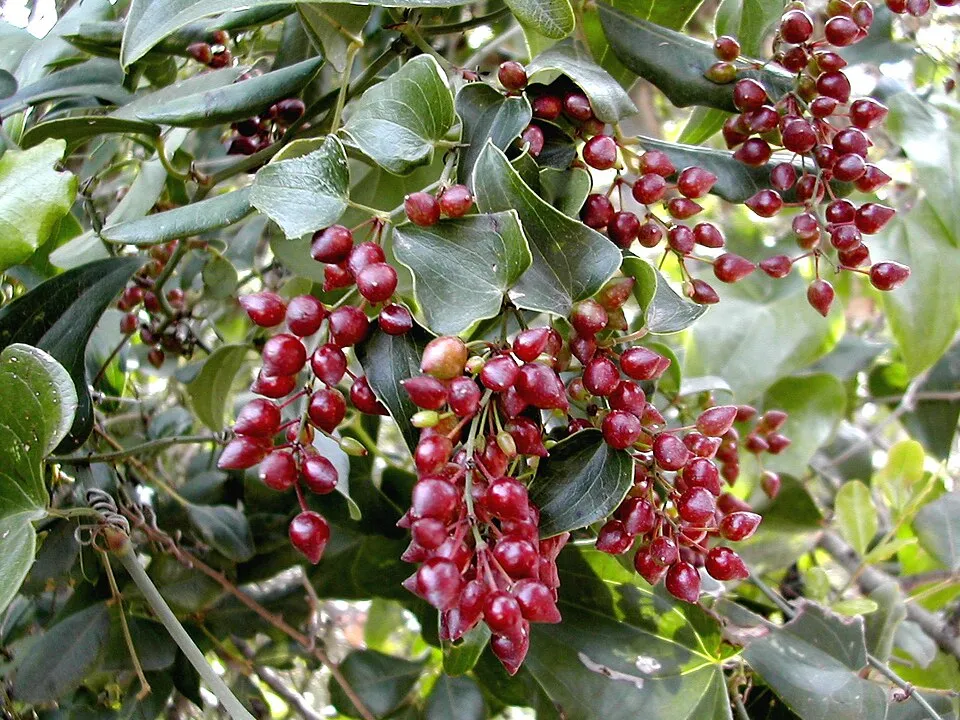 Common smilax
Smilax aspera 10 places in common
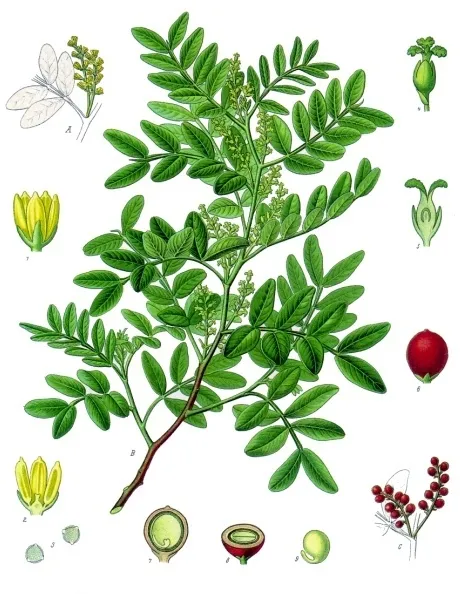 Mastic Tree
Pistacia lentiscus 15 places in common
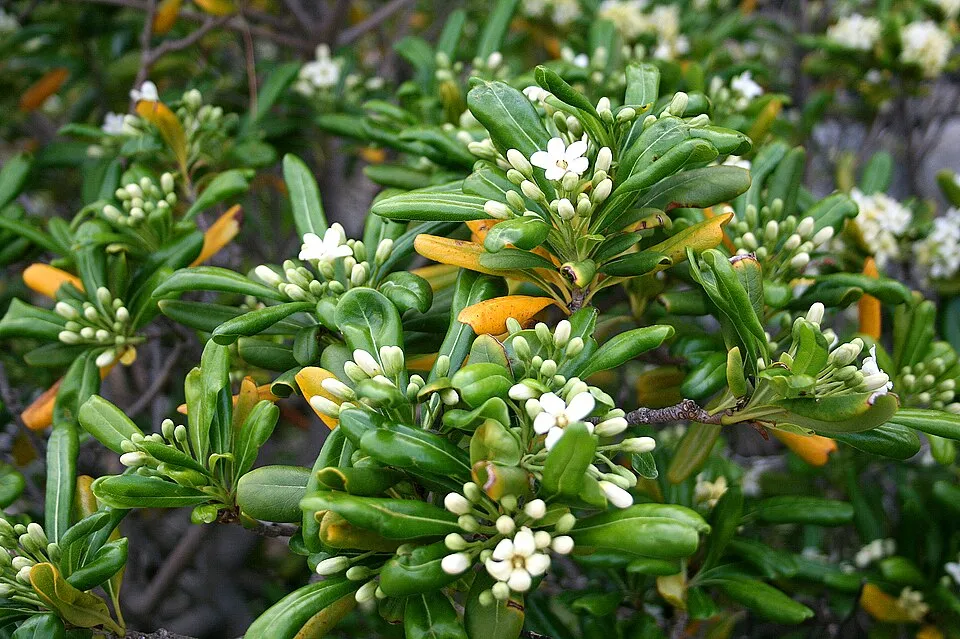 Japanese cheesewood
Pittosporum tobira 7 places in common
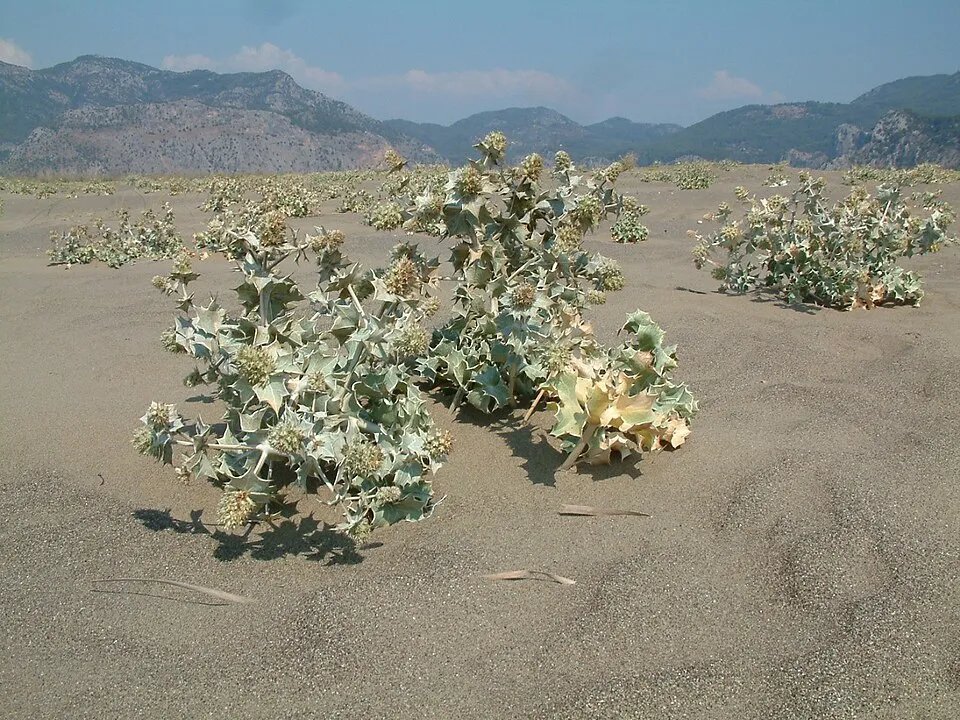 Sea-holly
Eryngium maritimum 5 places in common
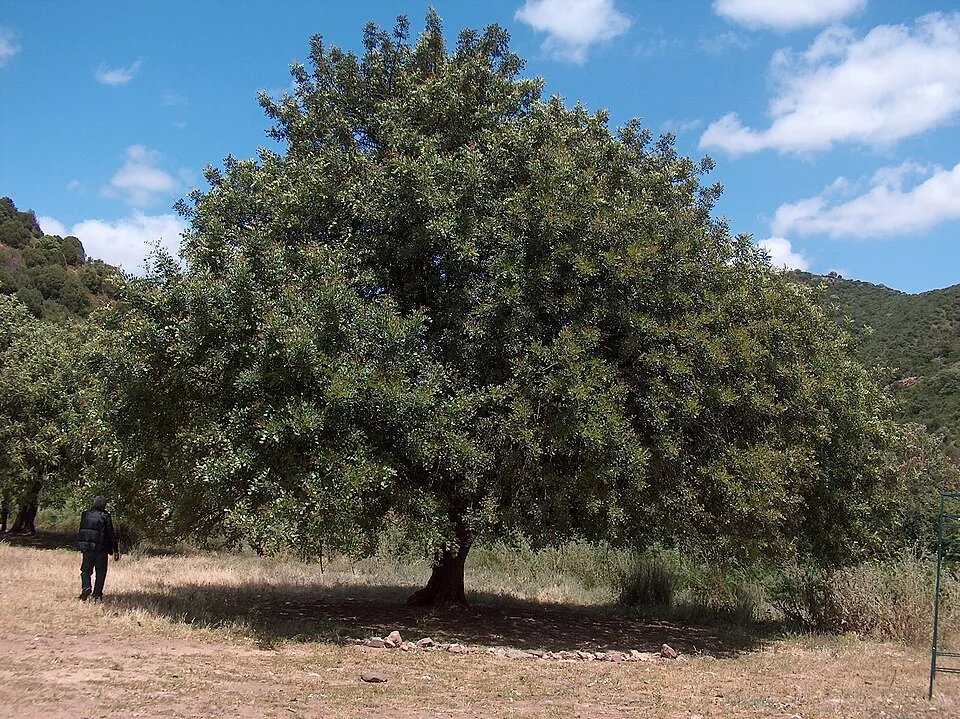 St. John's Bread
Ceratonia siliqua 4 places in common
Sources and credits
- Presence: most-recorded species of each place on GBIF and species of Community interest in the Natura 2000 forms (EEA, CC-BY 4.0); absence from the list does not mean the species is absent.
- Common names: Wikidata (CC0) and GBIF.
- Photos and sounds: Wikimedia Commons, author and licence given for each file.
- Classification: GBIF Backbone Taxonomy (GBIF Secretariat), CC BY 4.0, doi:10.15468/39omei.
- Countries, elevations, months and maps: GBIF.org, CC0 or CC BY 4.0 occurrences only, accessed October 22, 2026, GBIF.org.
- Base map: Natural Earth (public domain).
- Excerpt: Wikipedia, CC BY-SA 4.0 (full credit below the excerpt).
- Native range and life form: World Checklist of Vascular Plants, Royal Botanic Gardens, Kew, CC BY 4.0 (no endorsement by Kew).