
Bird
Mangrove Warbler: where to see it
Setophaga petechia
This bird species is recorded in 33 protected areas of the atlas. Within the atlas countries, it is observed in France, the Netherlands and the United Kingdom. Most records (8 in 10) lie between sea level and 100 m. Records peak from March to June.
Best time to see it: March–June
Records published on GBIF by month (CC0 and CC BY 4.0 licences only), in the atlas countries, all years combined; they also reflect observer activity.
Key facts
- Clutch size
- 4.5 eggs on average Wikidata, after Jetz et al. 2008
Distribution
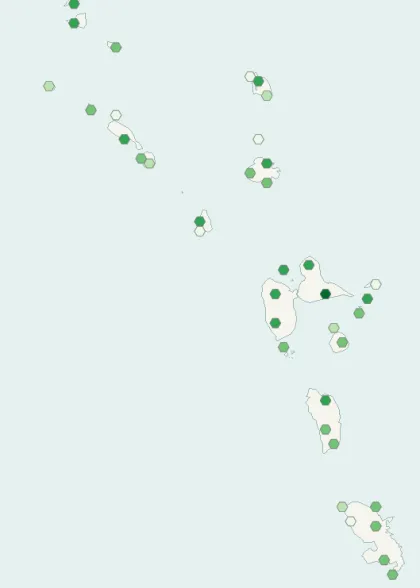
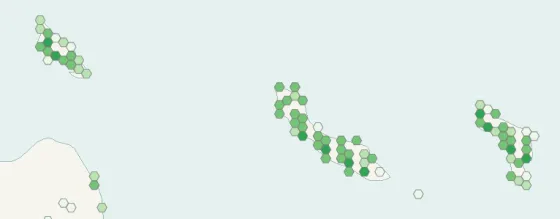
Records published on GBIF (CC0 and CC BY 4.0 licences): the darker the shade, the more records there are; they also reflect observation effort.
Atlas countries where it is recorded
Listen
-
0:21 · © Niels Krabbe · CC BY-SA 4.0 · Wikimedia Commons · Original file
-
0:22 · © Niels Krabbe · CC BY-SA 4.0 · Wikimedia Commons · Original file
From Wikipedia
The mangrove warbler or mangrove yellow warbler (Setophaga petechia) is a New World warbler species. It a small bright yellow bird that is found in mangroves on the Atlantic and Pacific coasts of the tropical Americas. It is also present in the Caribbean and on the Galápagos Islands. It was formerly considered to be conspecific with the migratory American yellow warbler (Setophaga aestiva).
Source: Wikipedia, article “Mangrove warbler” (version of October 17, 2026) · history and authors · licence CC BY-SA 4.0
Protected areas where it is recorded
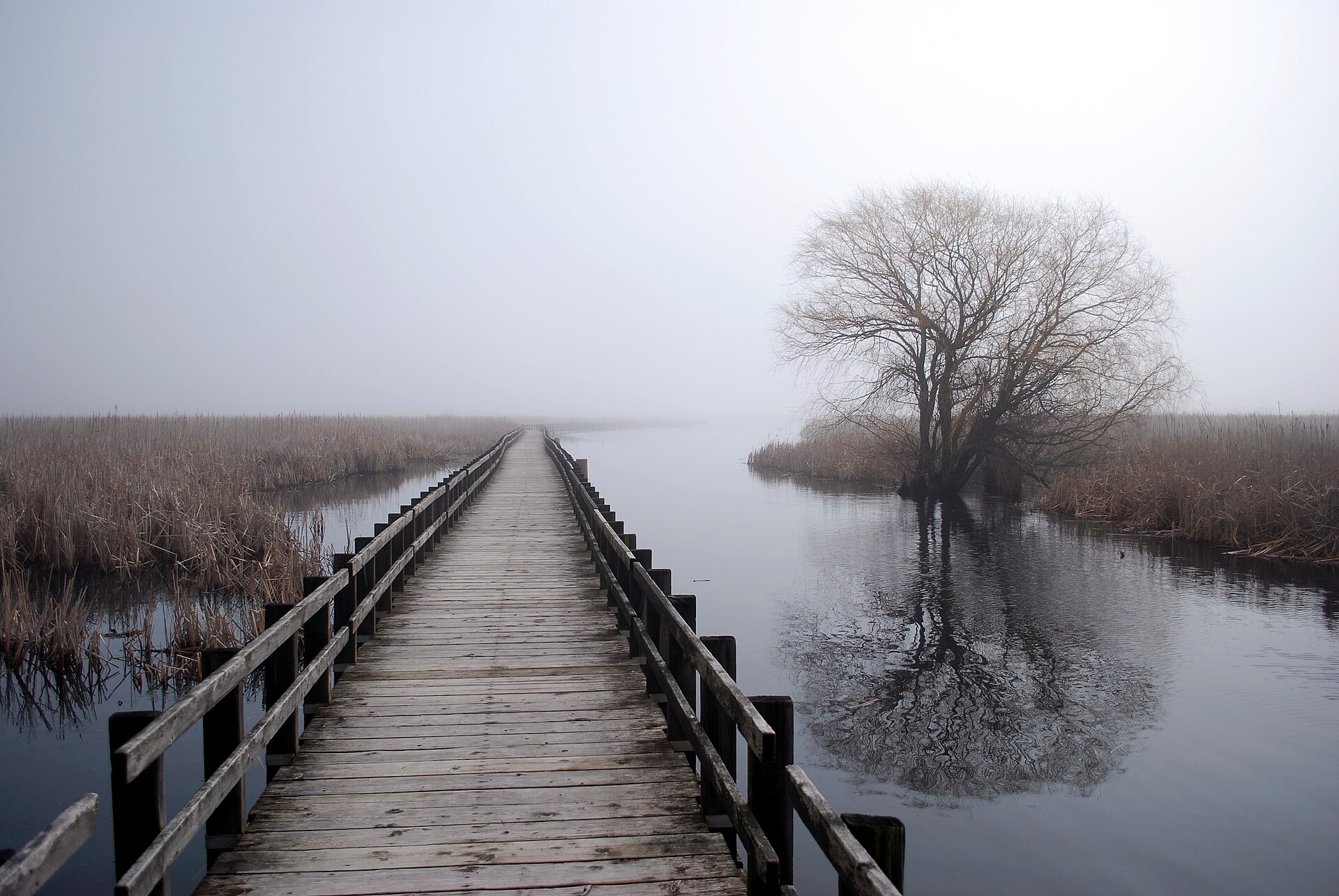
53,642 records

19,483 records
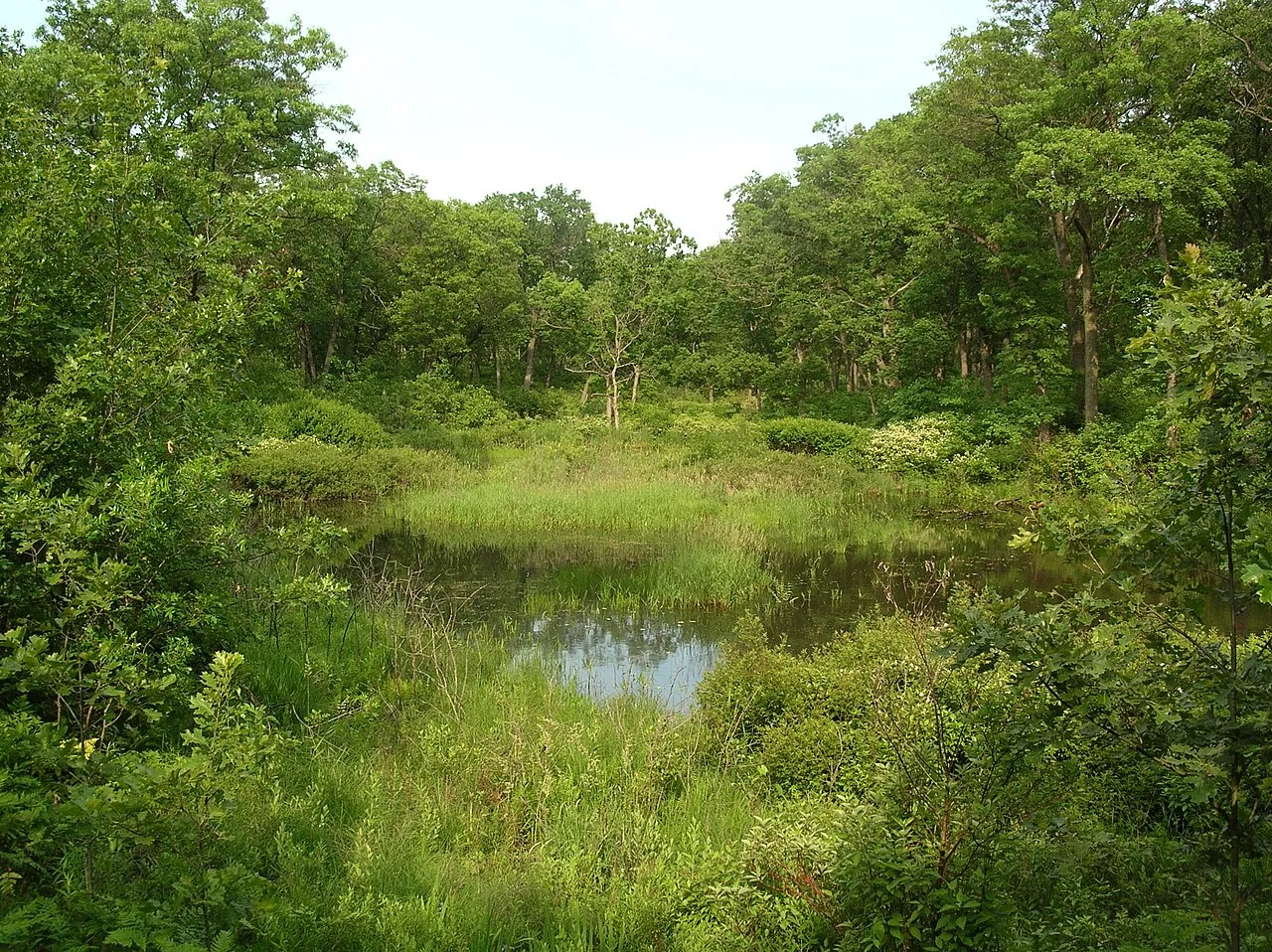
9,662 records

6,510 records

4,058 records

3,402 records

3,098 records

2,478 records
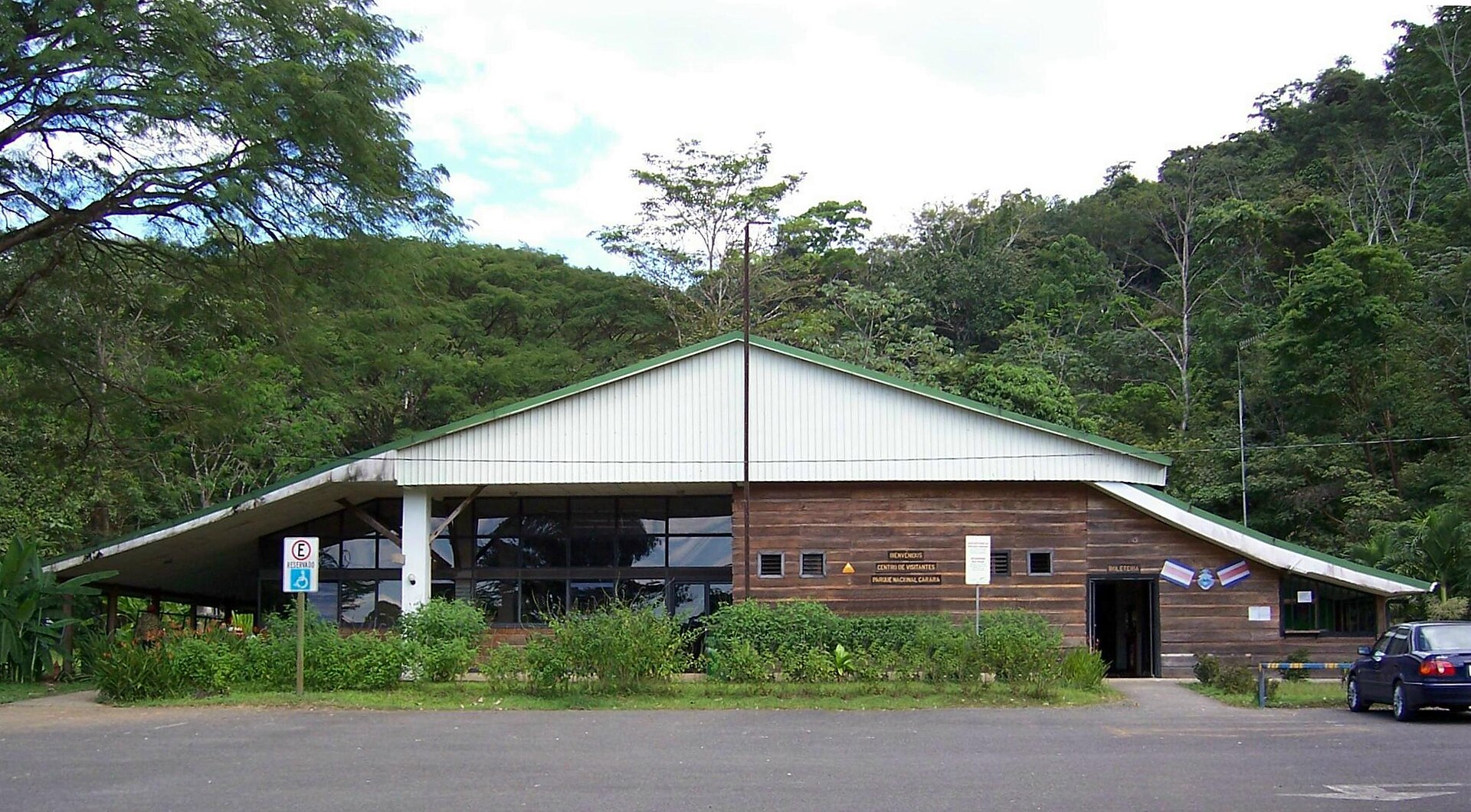
2,453 records

2,220 records
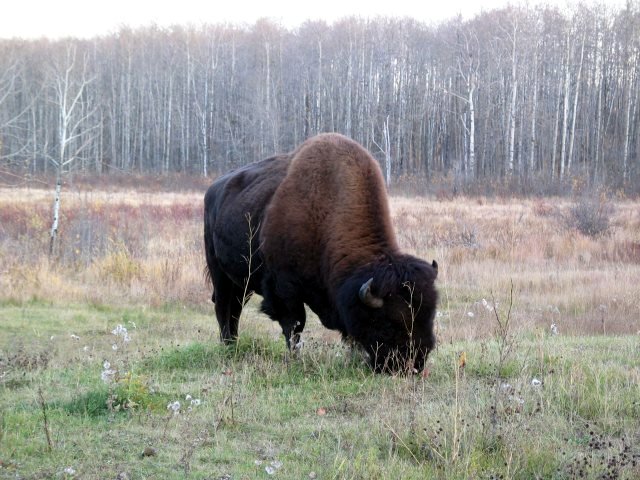
2,176 records

1,836 records

1,731 records

1,336 records

1,158 records
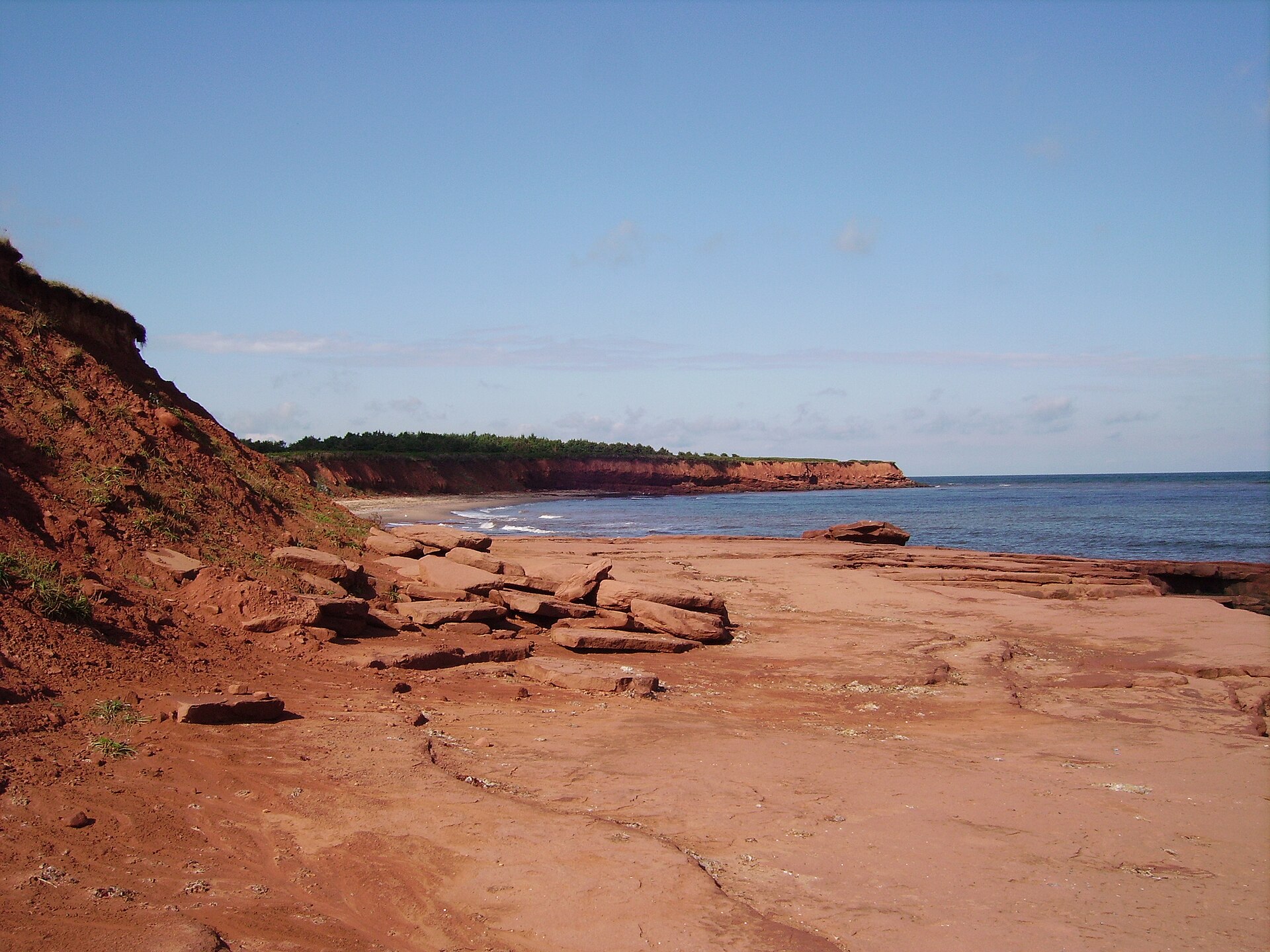
1,036 records
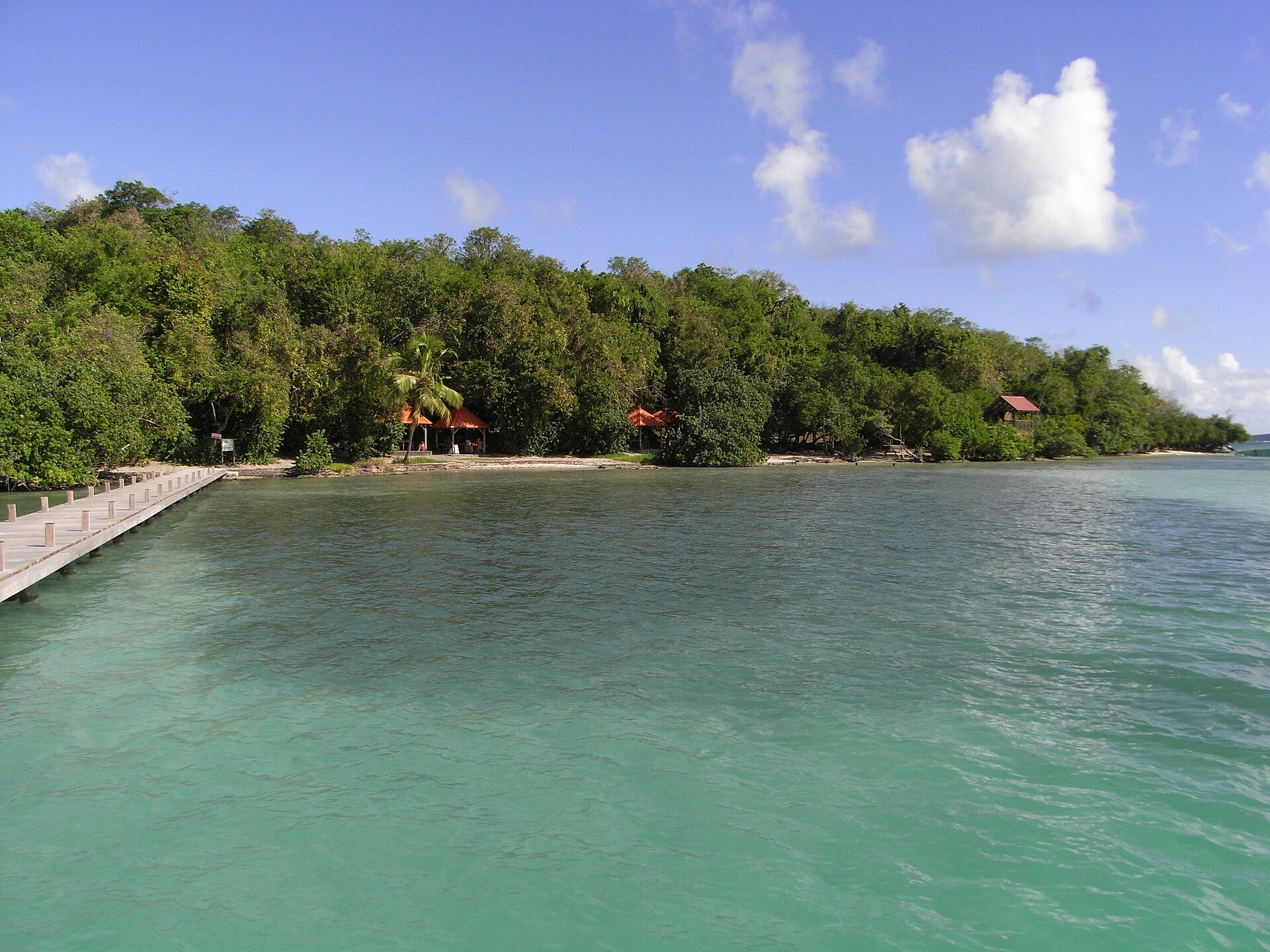
953 records

886 records

805 records
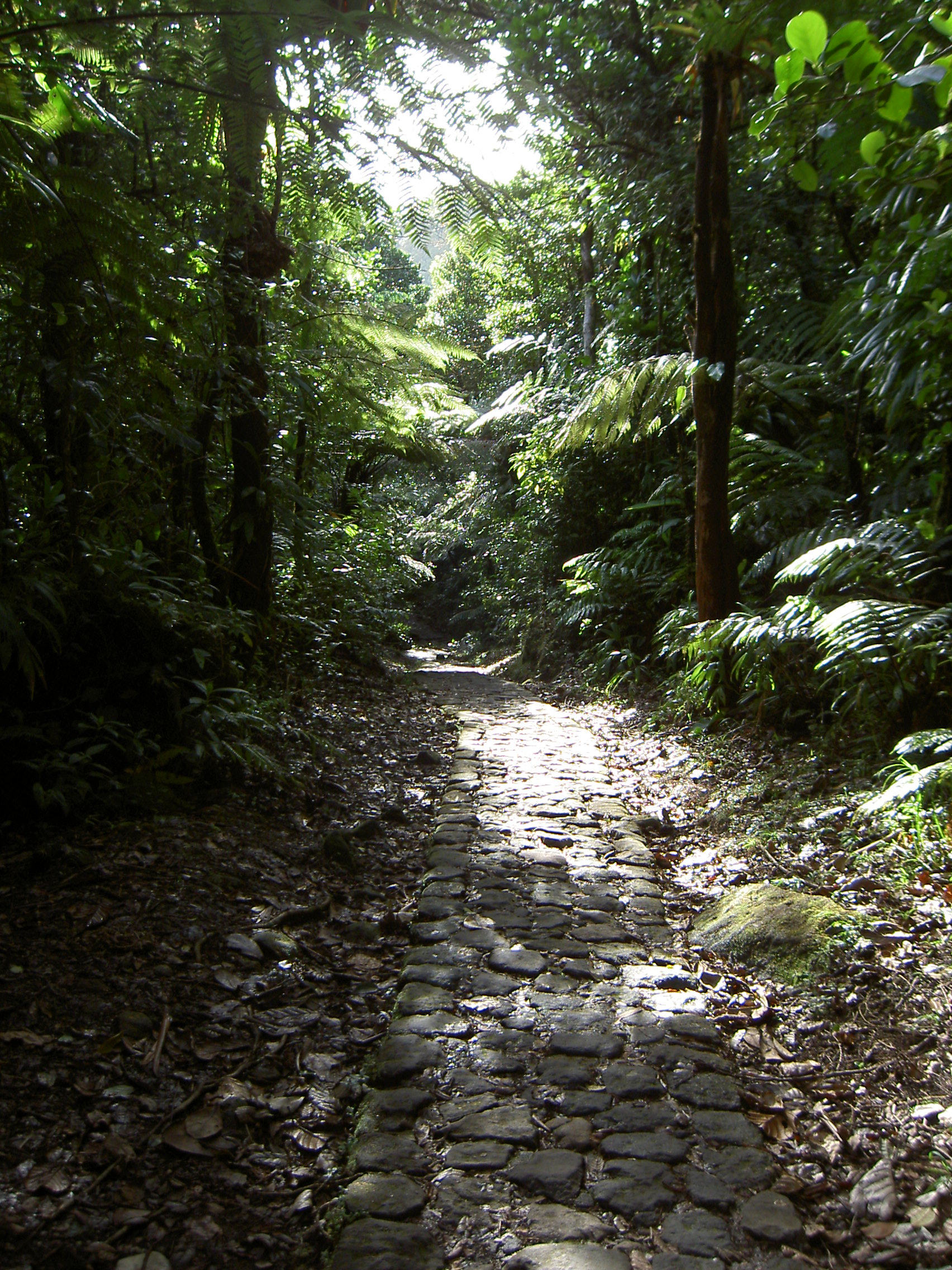
802 records
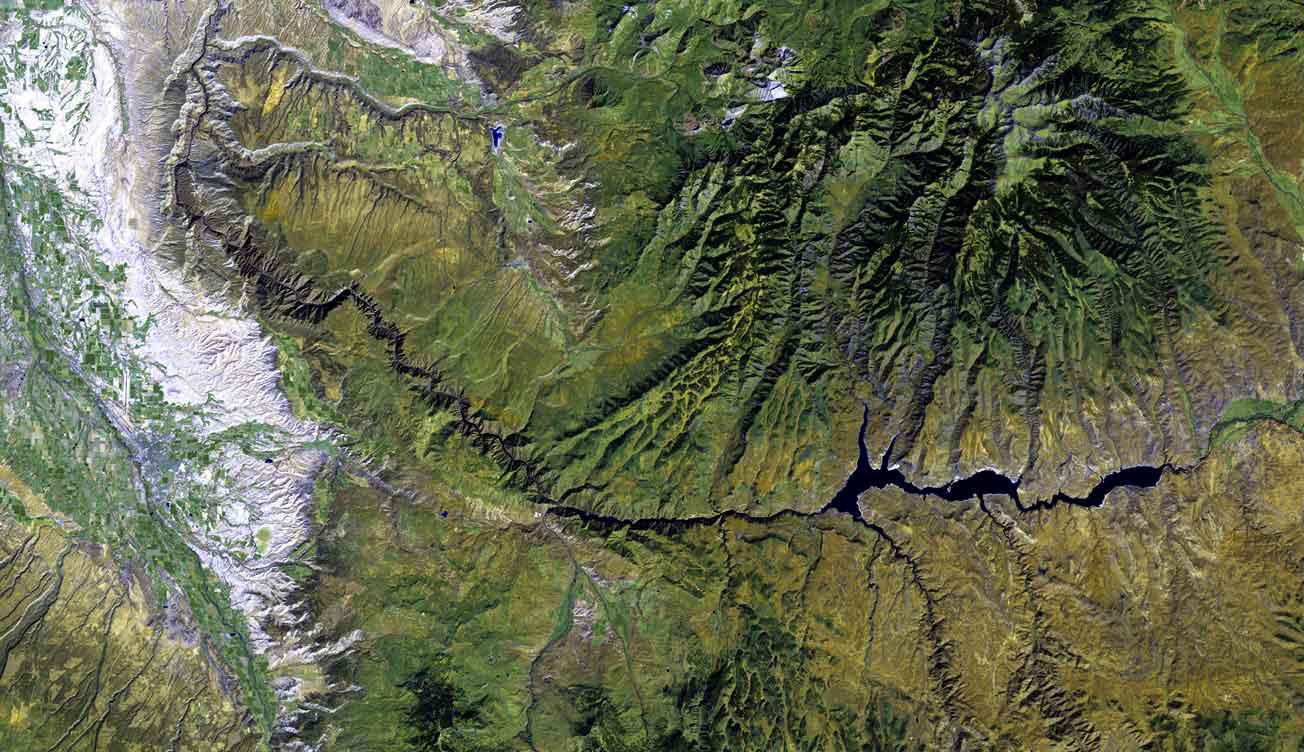
775 records

671 records

644 records

423 records
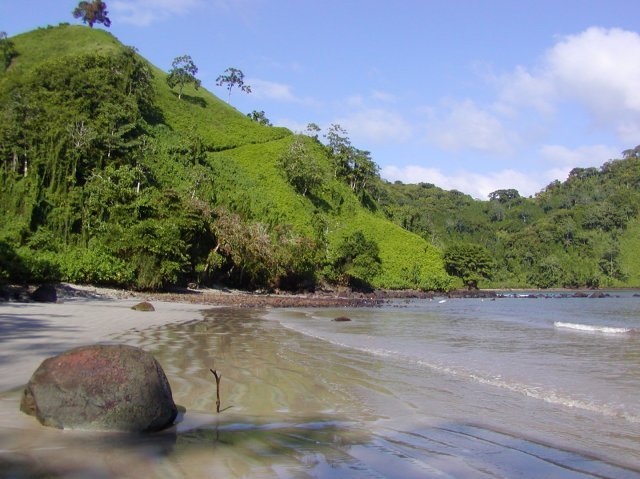
386 records

361 records
332 records

289 records

238 records

236 records

185 records
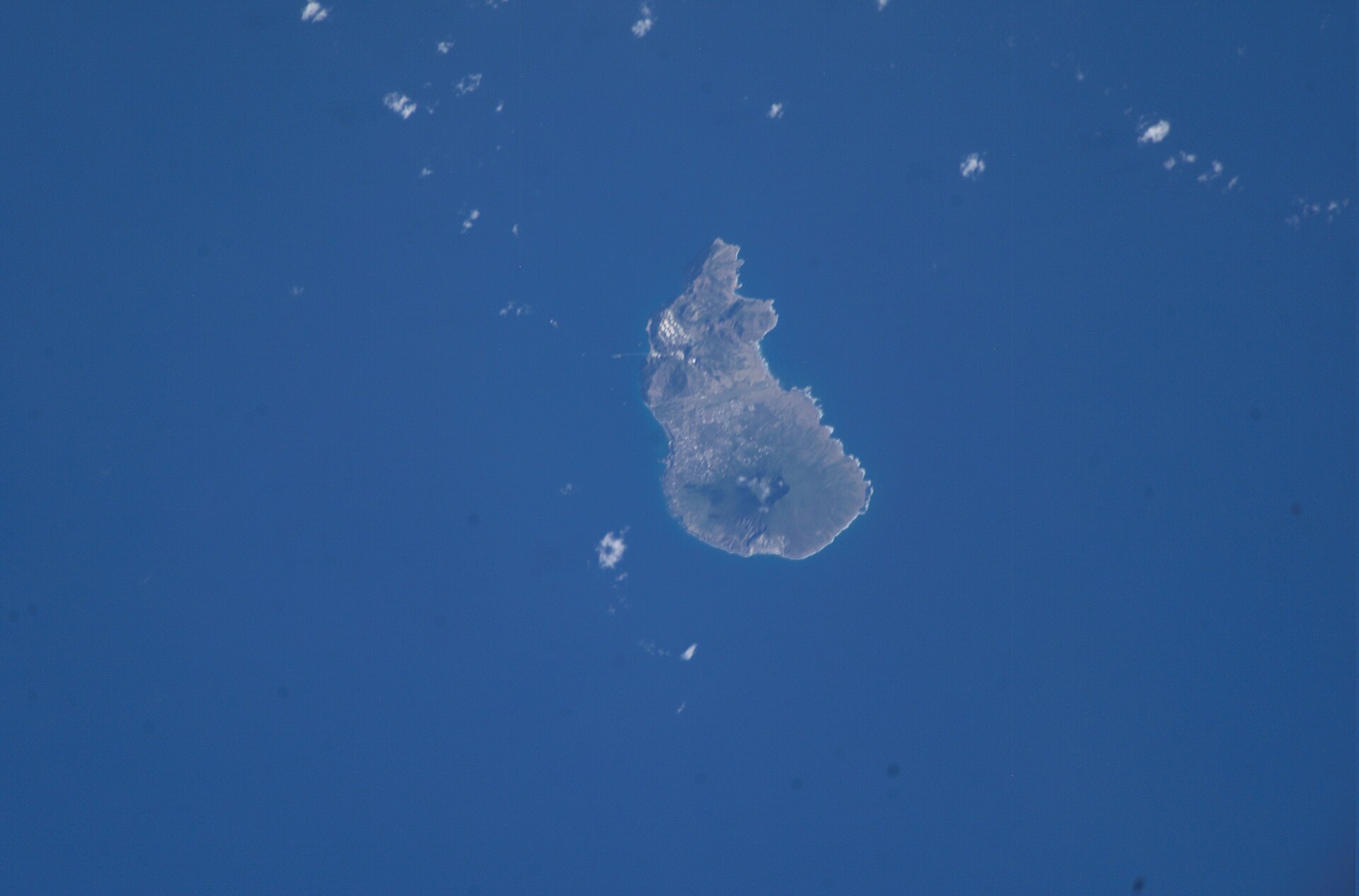
151 records
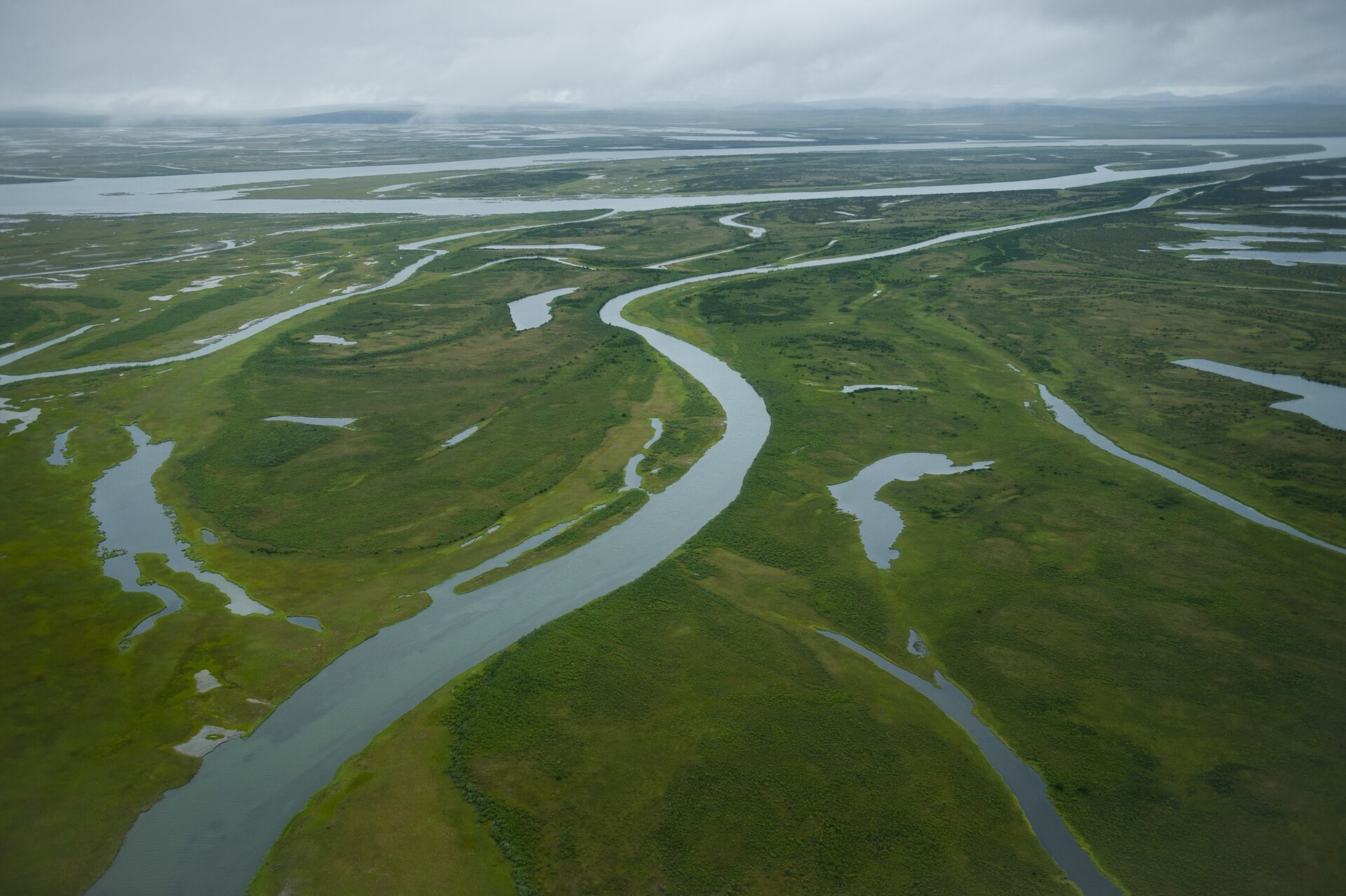
90 records
Other species to discover
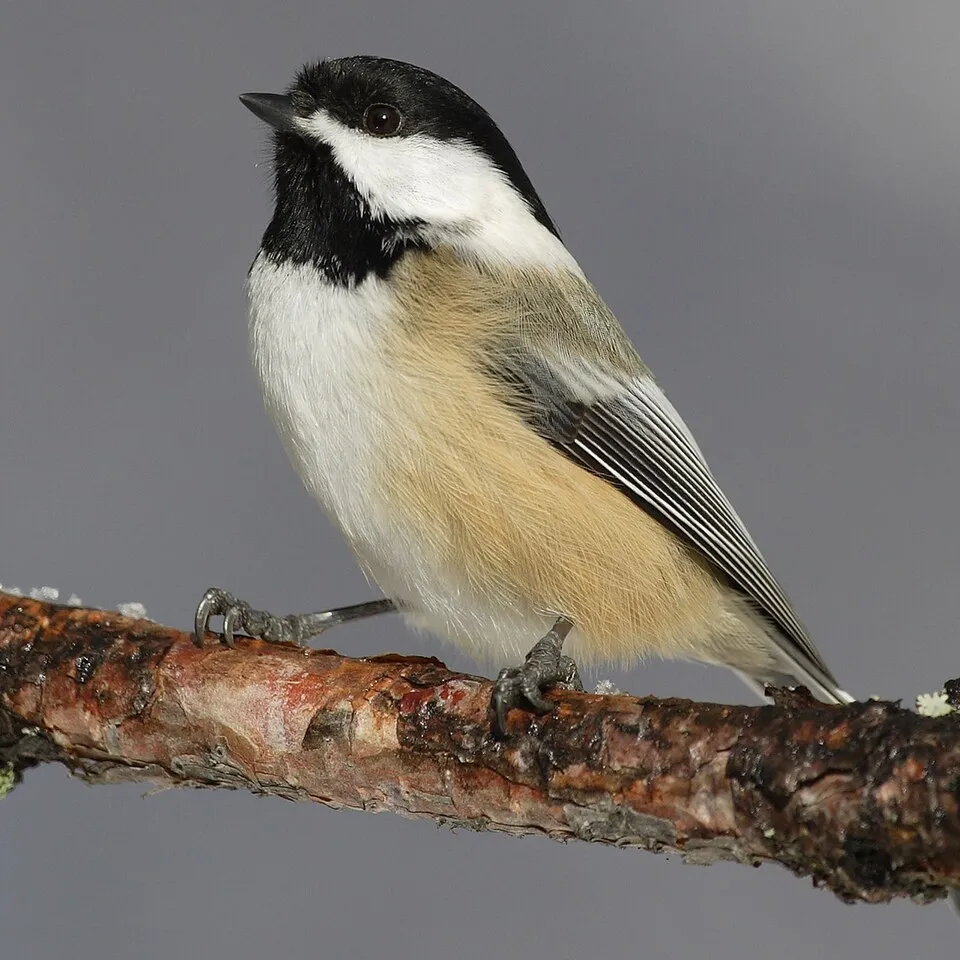 Black-capped Chickadee
Poecile atricapillus 12 places in common
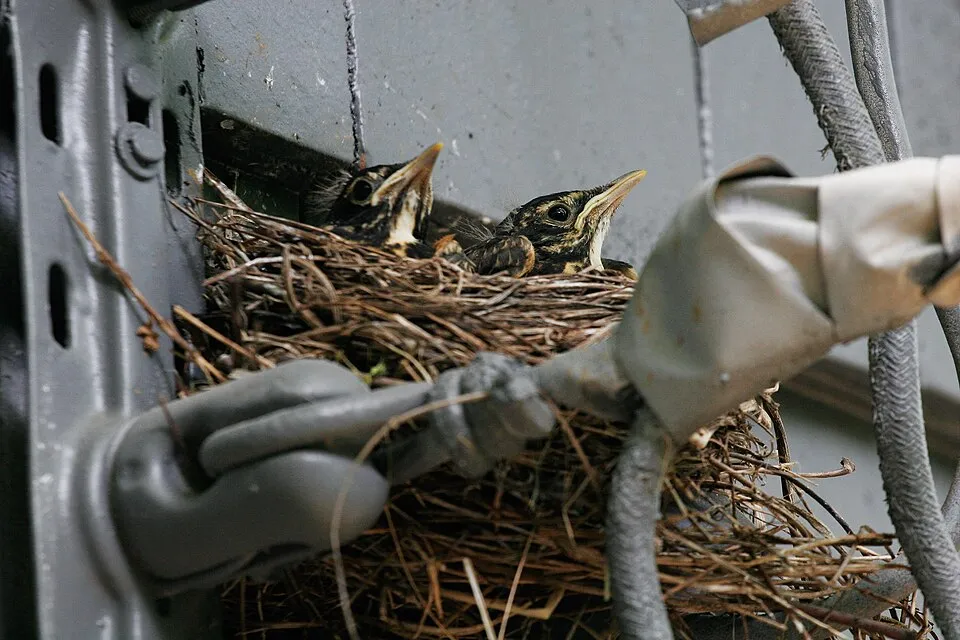 American Robin
Turdus migratorius 20 places in common
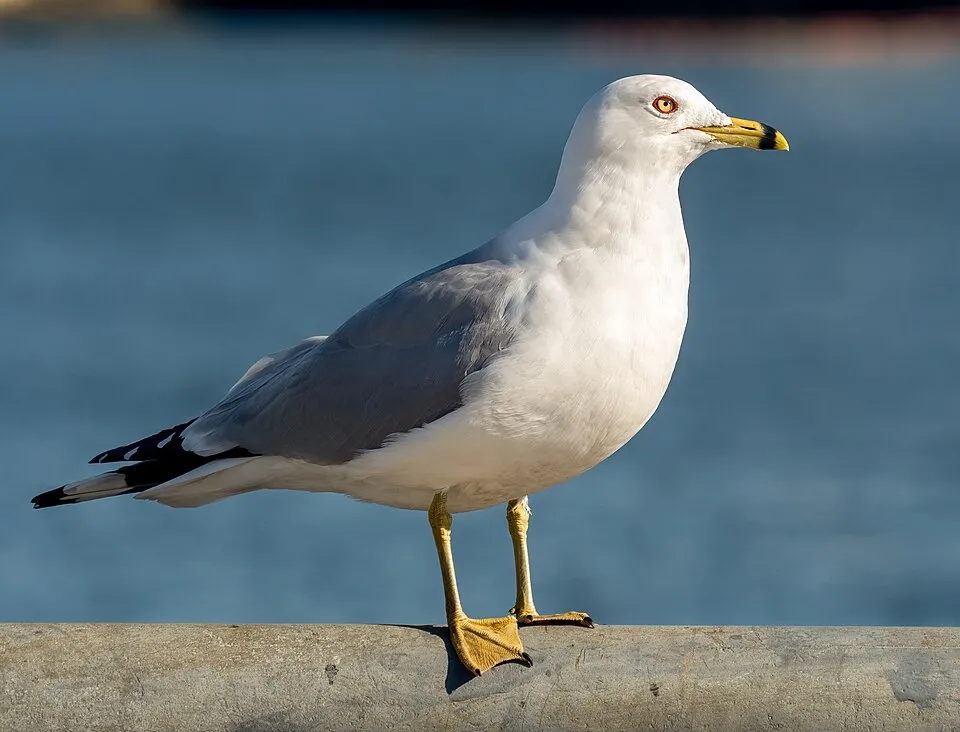 Ring-billed Gull
Larus delawarensis 8 places in common
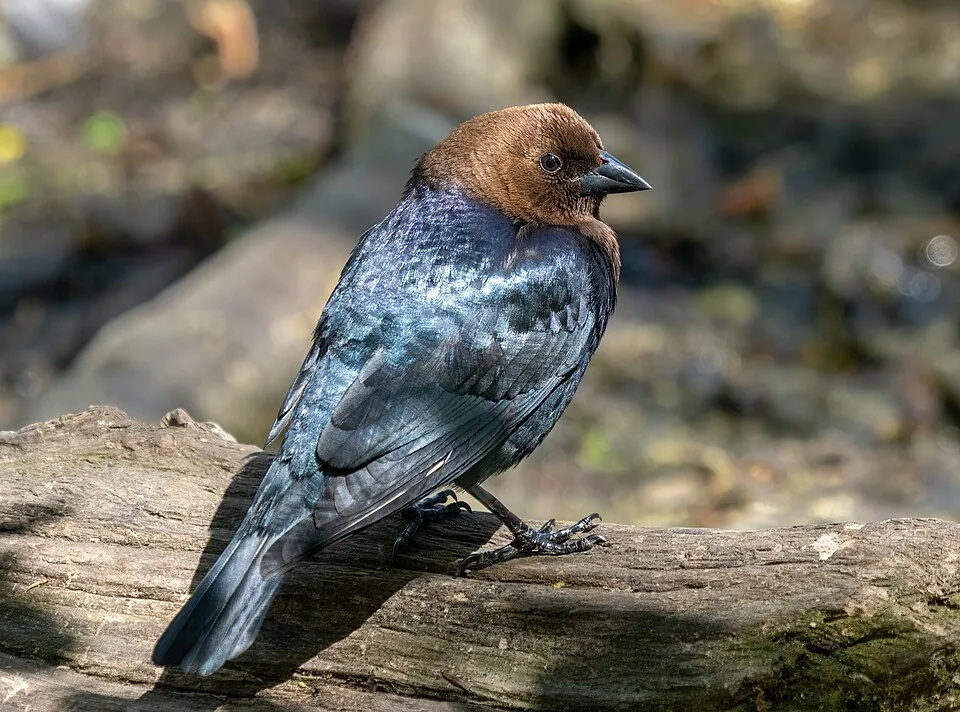 Brown-headed Cowbird
Molothrus ater 7 places in common
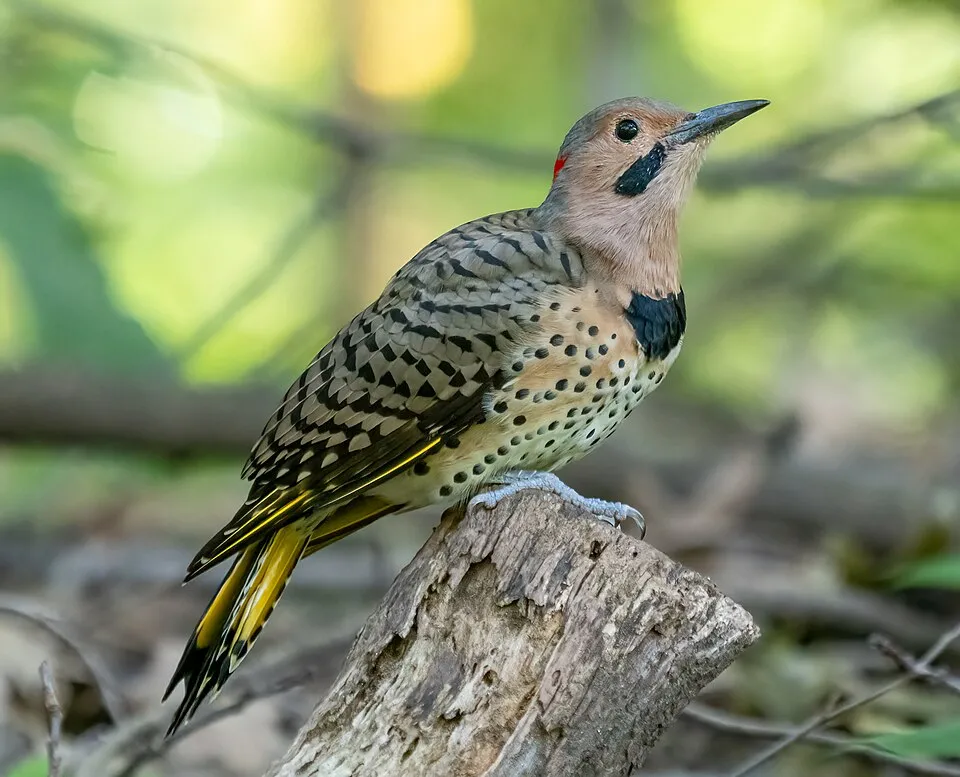 Northern Flicker
Colaptes auratus 13 places in common
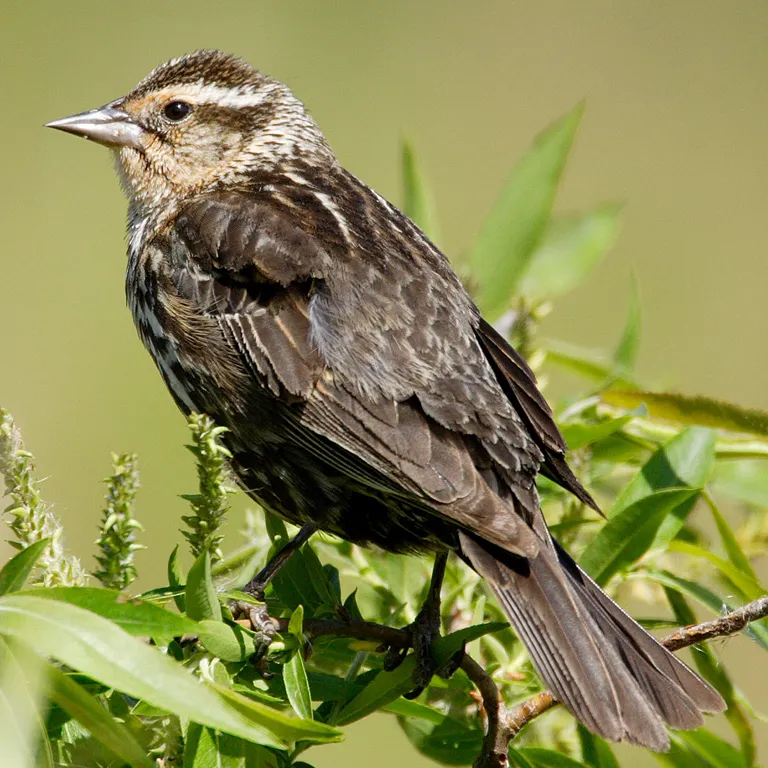 Red-winged Blackbird
Agelaius phoeniceus 8 places in common
Sources and credits
- Presence: most-recorded species of each place on GBIF and species of Community interest in the Natura 2000 forms (EEA, CC-BY 4.0); absence from the list does not mean the species is absent.
- Common names: Wikidata (CC0) and GBIF.
- Photos and sounds: Wikimedia Commons, author and licence given for each file.
- Classification: GBIF Backbone Taxonomy (GBIF Secretariat), CC BY 4.0, doi:10.15468/39omei.
- Countries, elevations, months and maps: GBIF.org, CC0 or CC BY 4.0 occurrences only, accessed October 22, 2026, GBIF.org.
- Base map: Natural Earth (public domain).
- Excerpt: Wikipedia, CC BY-SA 4.0 (full credit below the excerpt).
- Key facts: Wikidata (CC0), with the references cited under each value.