
Bird
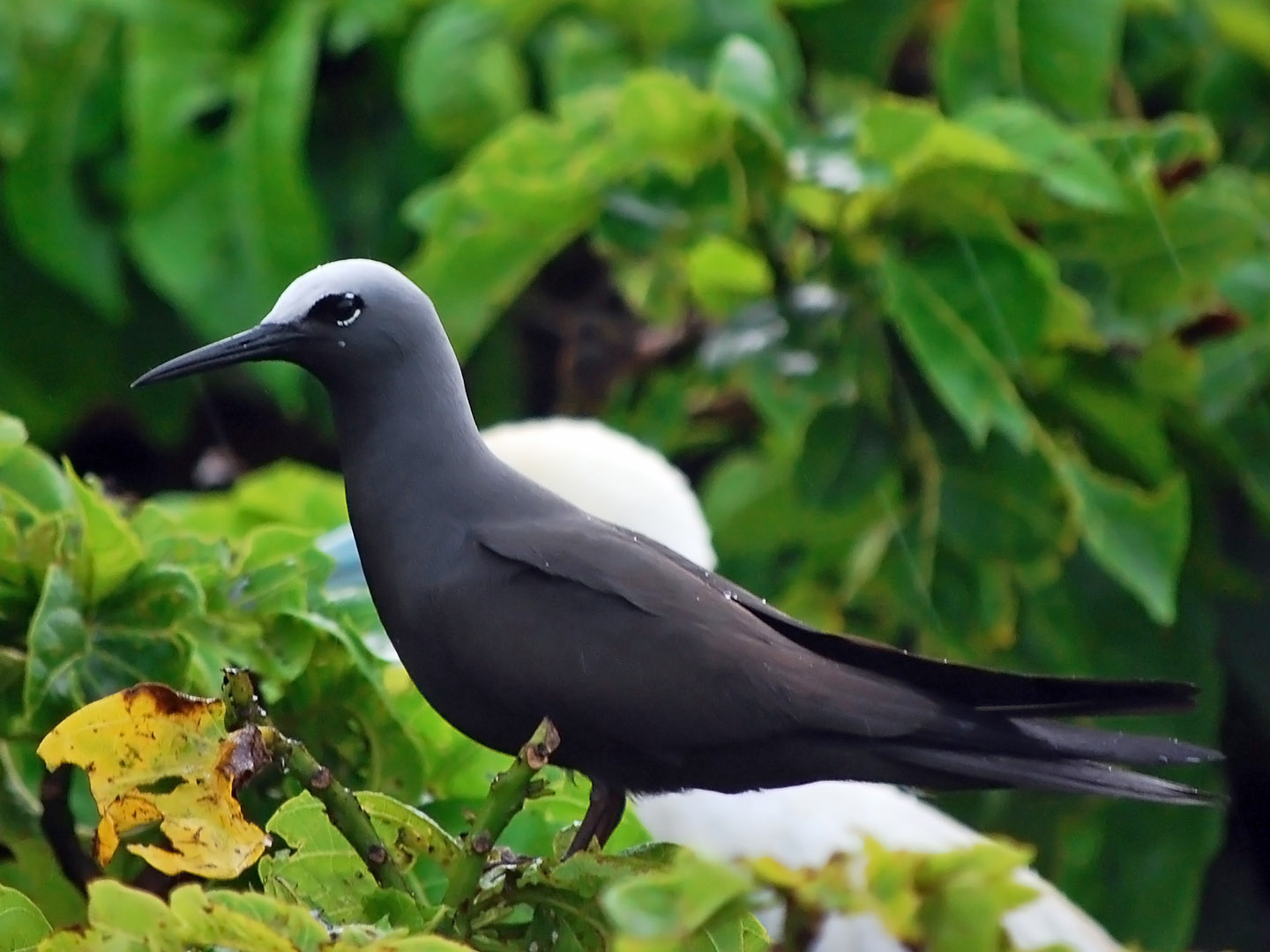
Roseate Tern: where to see it
Sterna dougallii
This bird species is recorded in 28 protected areas of the atlas, including 12 whose official Natura 2000 form lists it. Within the atlas countries, it is mostly observed in Portugal, the United Kingdom and France (8 countries in all). Records peak from May to August. It has a wingspan of 76 cm. It is subject to special conservation measures under the Birds Directive (Annex I). Its EU population is assessed as secure (2013–2018 Birds Directive reporting).
Best time to see it: May–August
Records published on GBIF by month (CC0 and CC BY 4.0 licences only), in the atlas countries, all years combined; they also reflect observer activity.
Key facts
- Wingspan
- 76 cm Wikidata, after app.bto.org
Status and protection
Birds Directive I
The species is listed in Annex I of the Birds Directive.
EU population assessed as secure, increasing in the short term (2013–2018 Birds Directive reporting). EU breeding population: 2,400–3,100 pairs.
Distribution
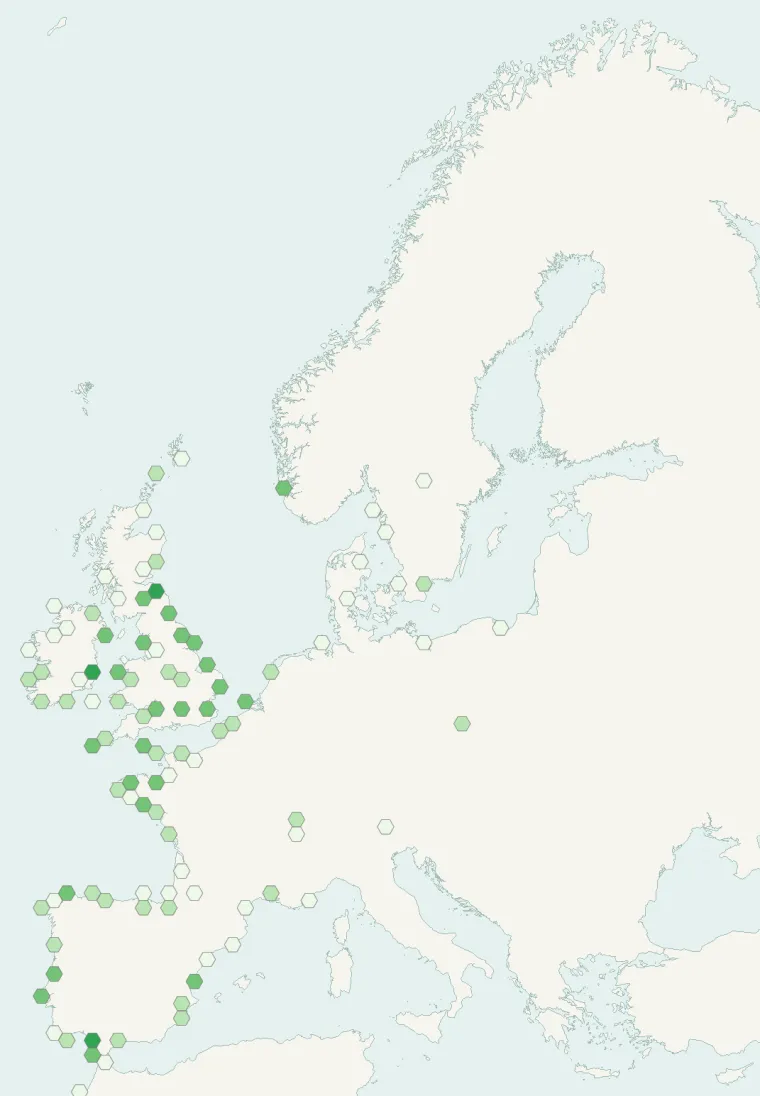
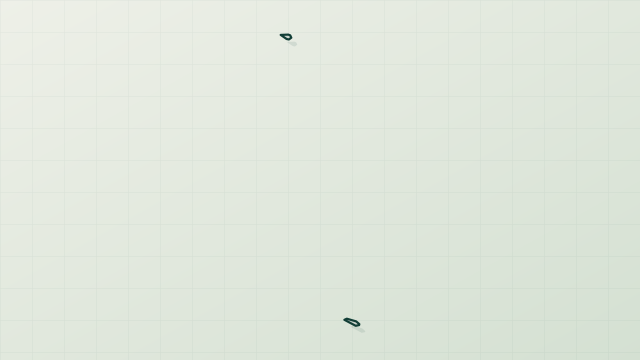
Records published on GBIF (CC0 and CC BY 4.0 licences): the darker the shade, the more records there are; they also reflect observation effort.
Atlas countries where it is recorded
From Wikipedia
The roseate tern (Sterna dougallii) is a species of tern in the family Laridae. The genus name Sterna is derived from Old English "stearn", "tern", and the specific dougallii refers to Scottish physician and collector Dr Peter McDougall (1777–1814). "Roseate" refers to the bird's pink breast in breeding plumage.
Source: Wikipedia, article “Roseate tern” (version of October 17, 2026) · history and authors · licence CC BY-SA 4.0
Protected areas where it is recorded
566 records

213 records

133 records

56 records
41 records
25 records
20 records
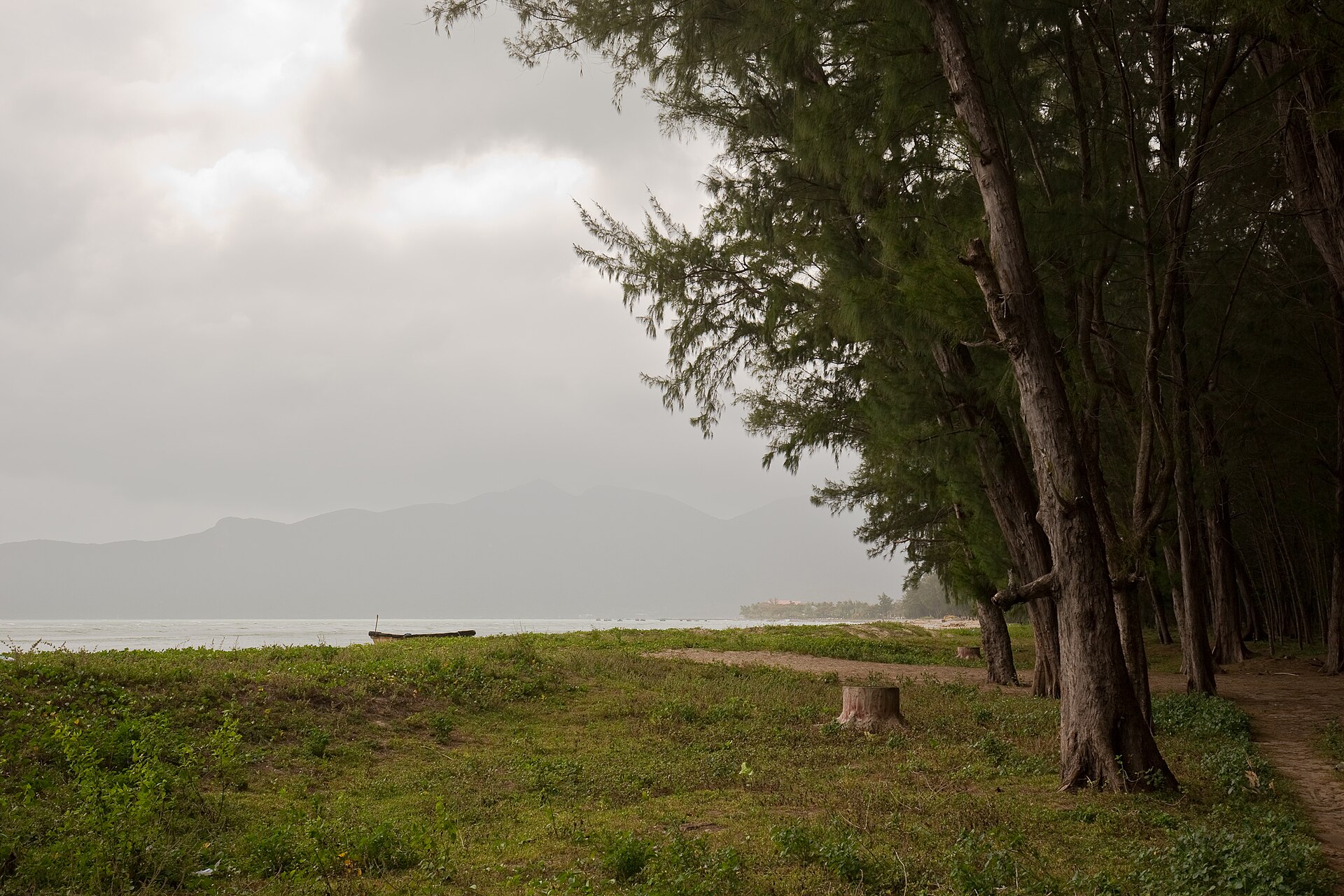
16 records
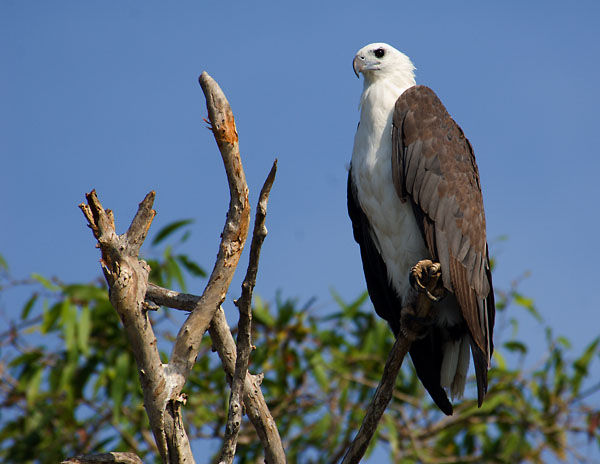
16 records
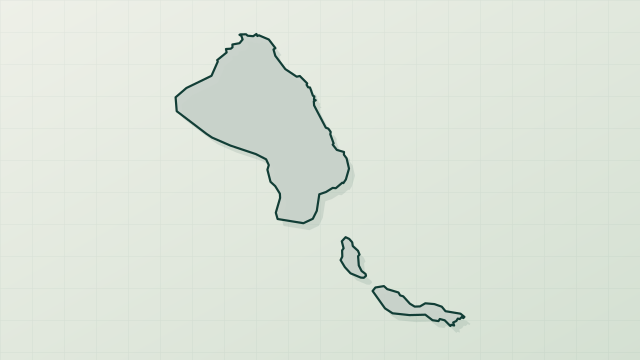
15 records
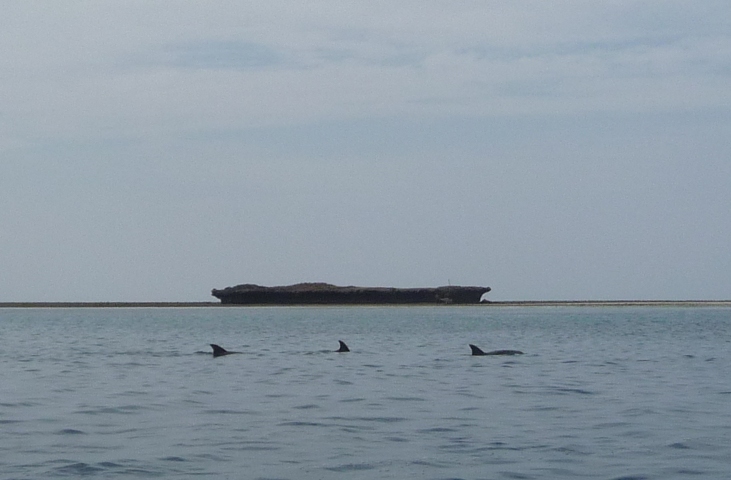
12 records

8 records
8 records
6 records
3 records

1 records

Natura 2000 · passage
Natura 2000 · passage
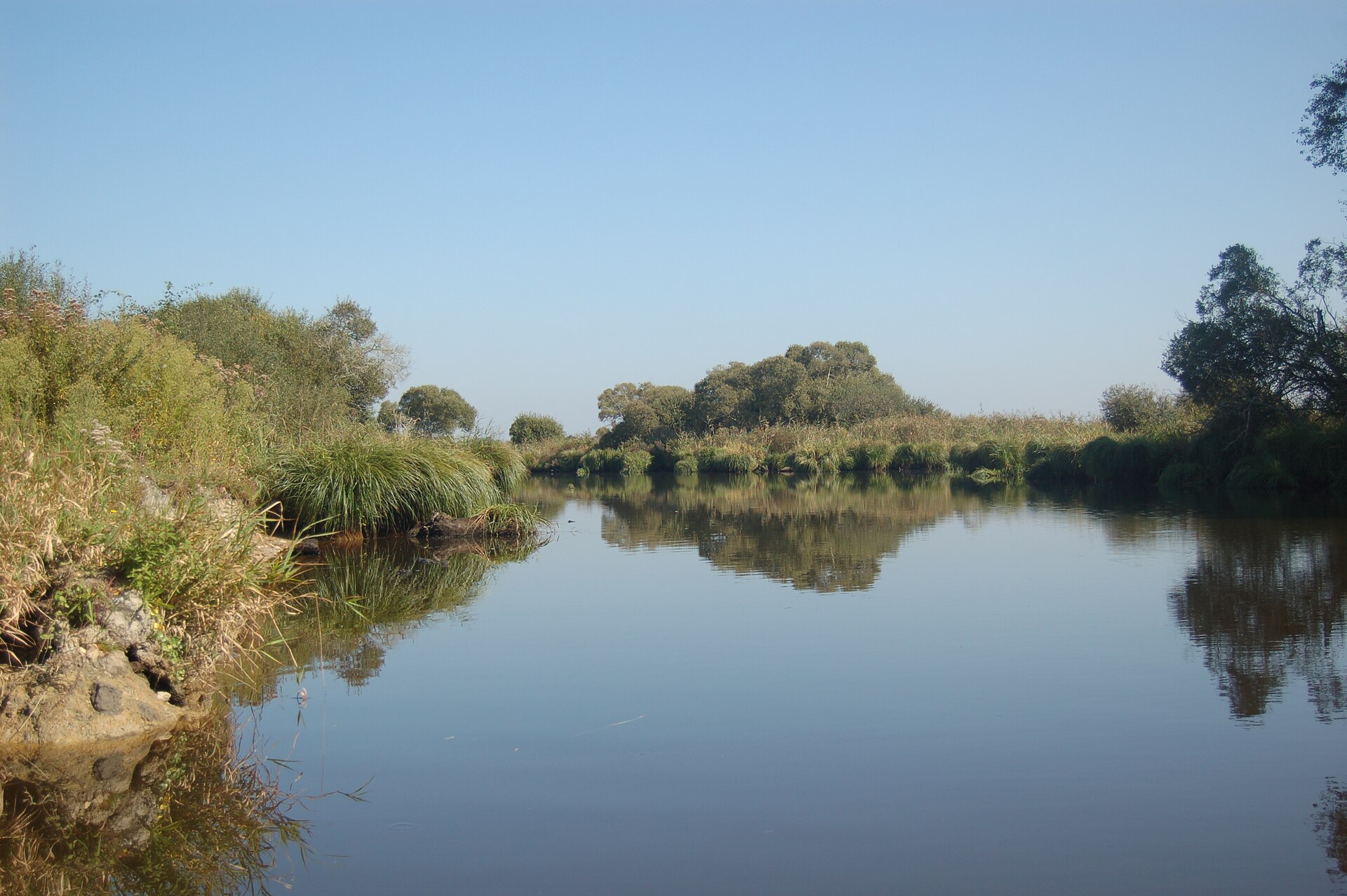
Natura 2000 · passage
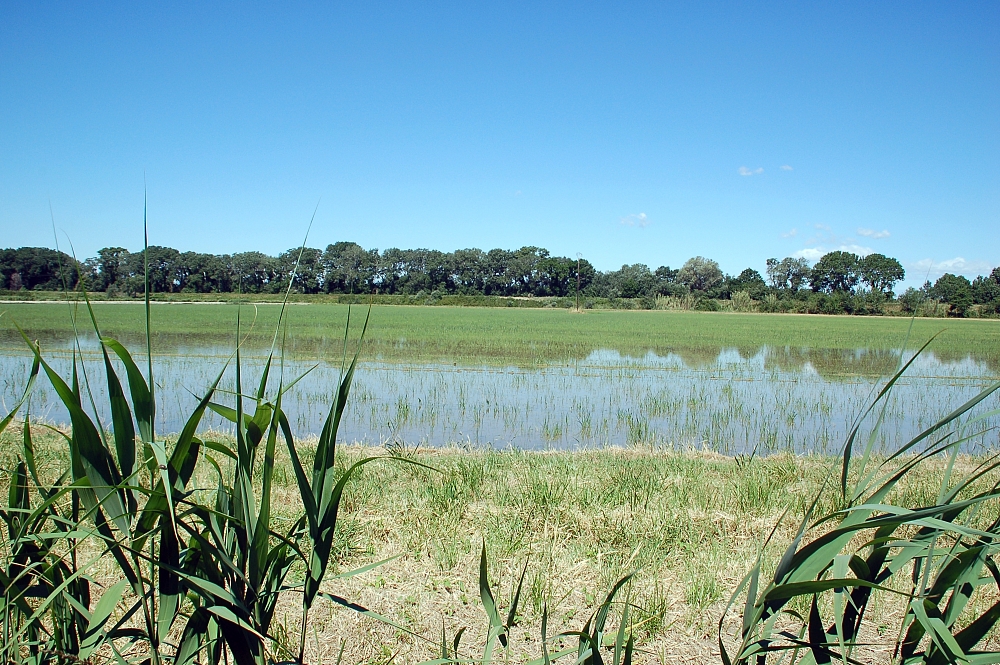
Natura 2000 · breeding, passage
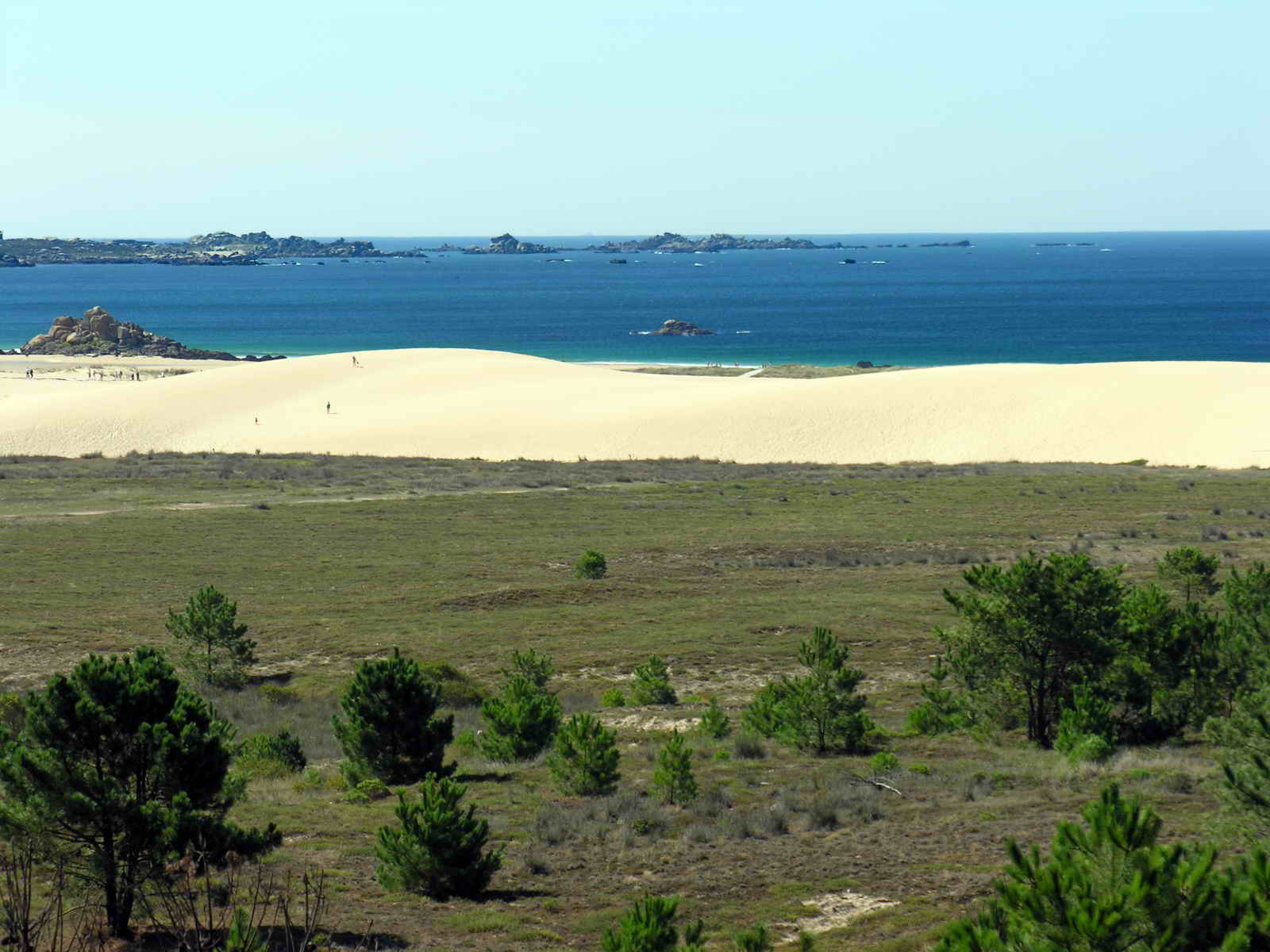
Natura 2000 · passage
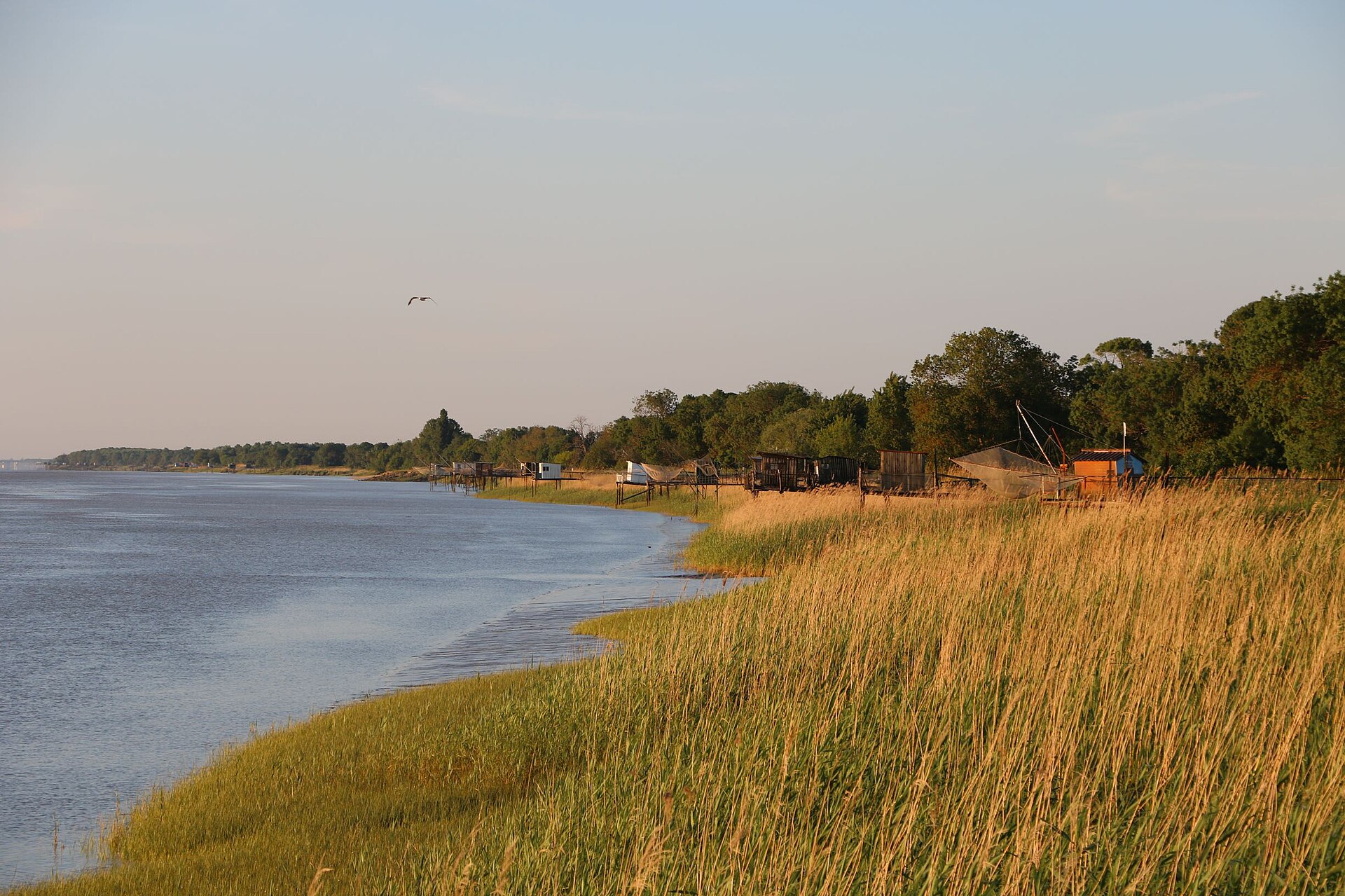
Natura 2000 · wintering, passage
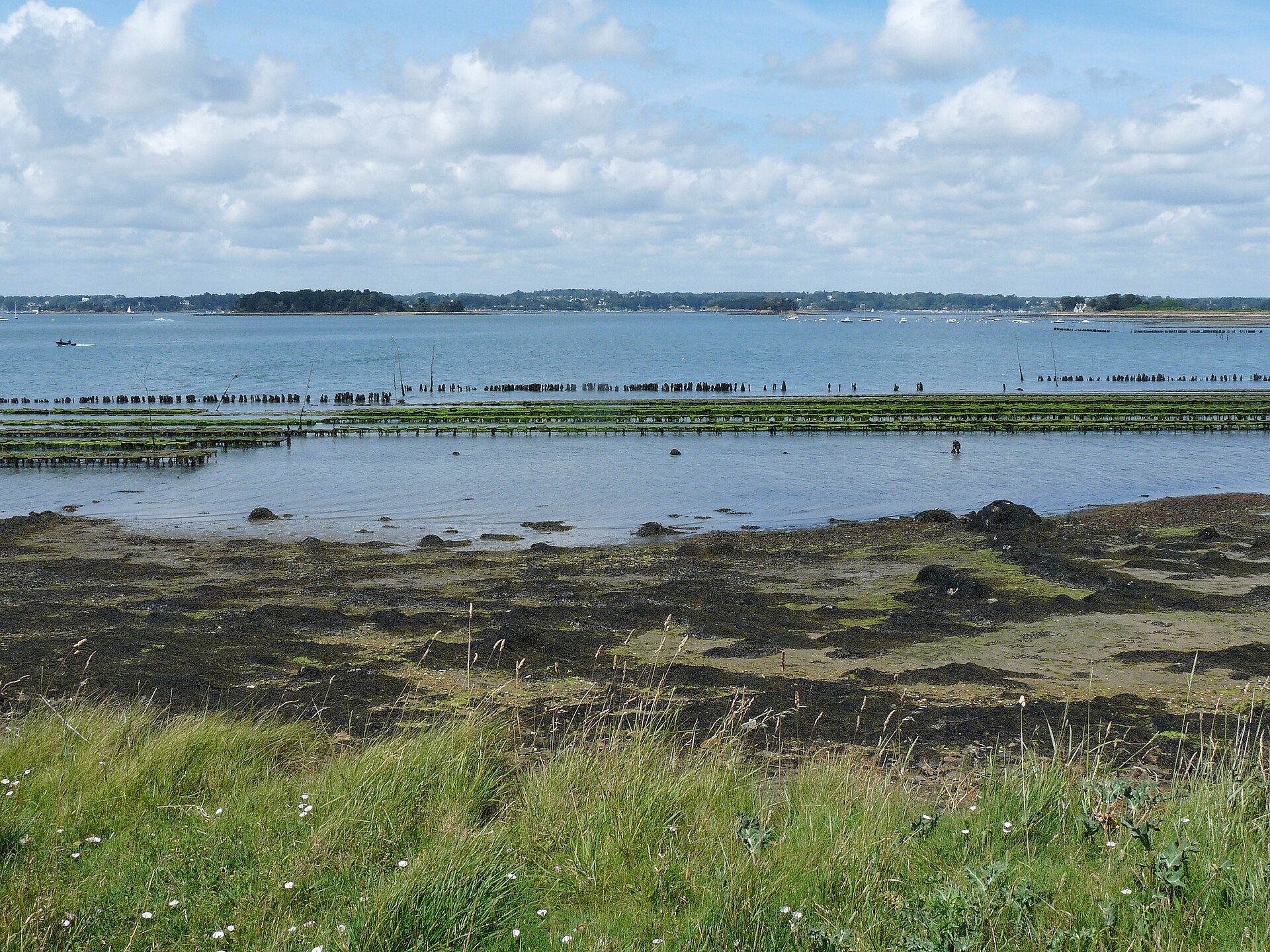
Natura 2000 · passage

Natura 2000 · passage, breeding

Natura 2000 · passage, breeding

Natura 2000 · passage

Natura 2000 · resident
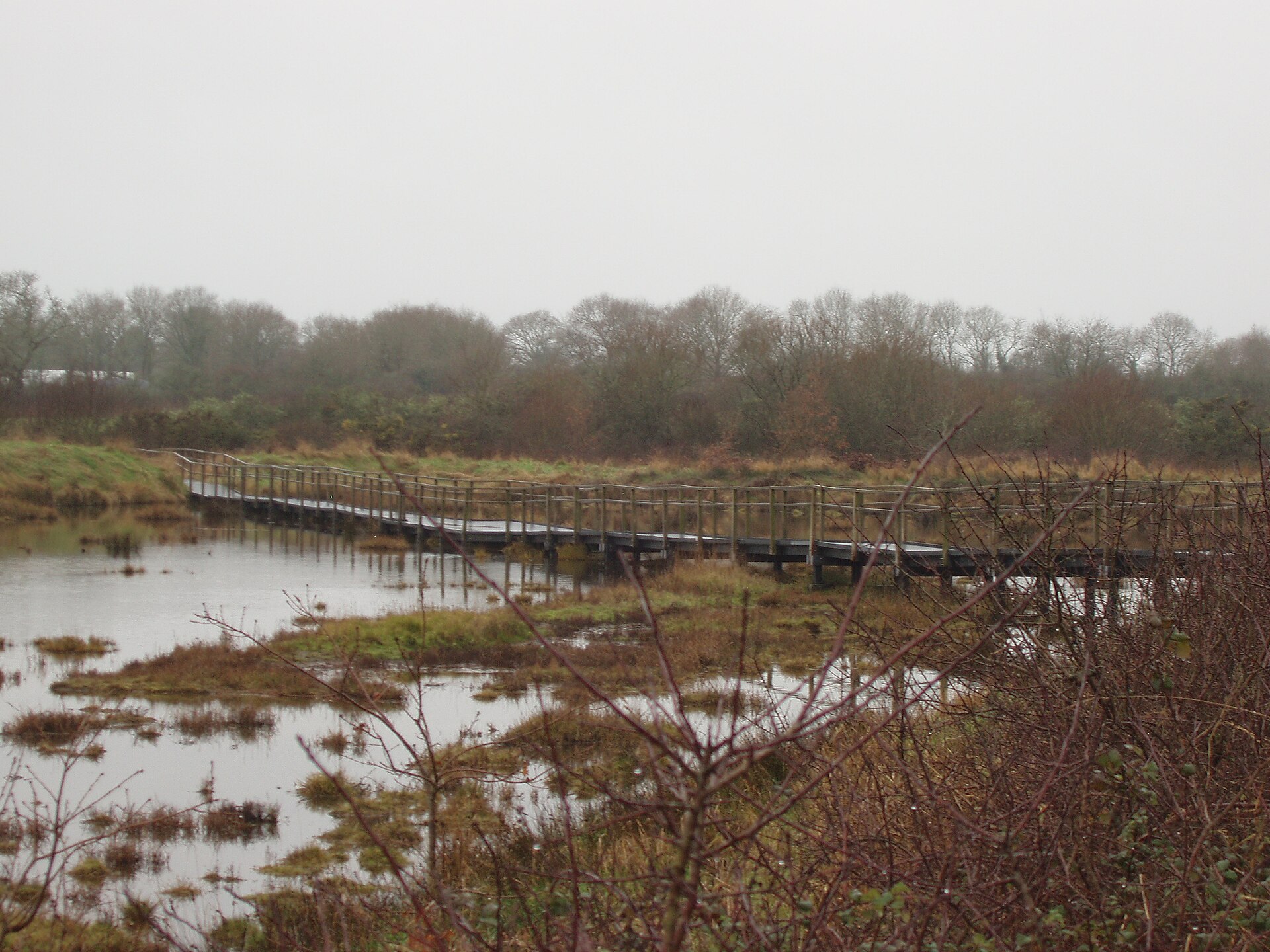
Natura 2000 · passage
Other species to discover
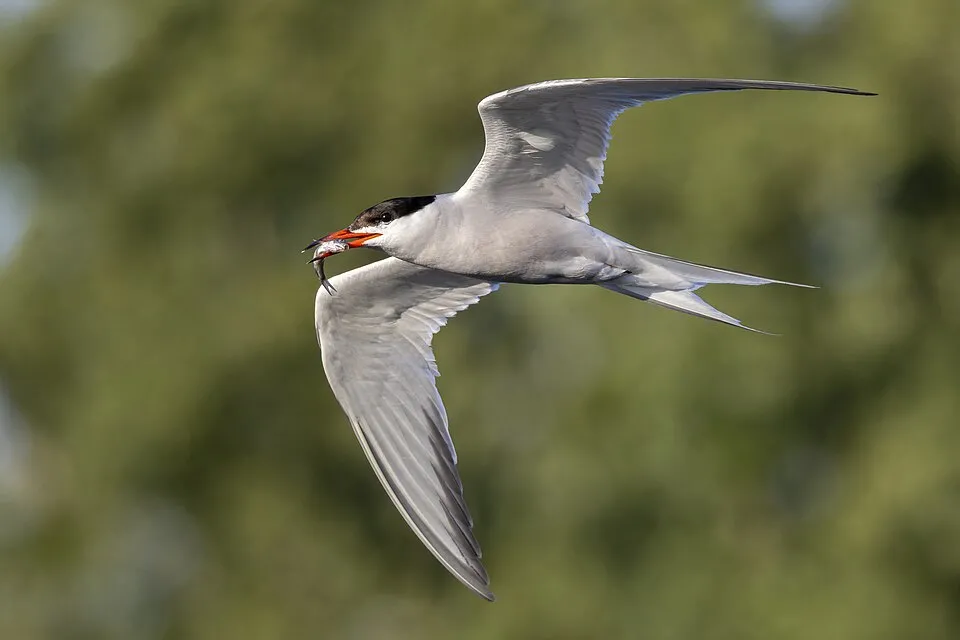 Common Tern
Sterna hirundo Same genus
 Arctic Tern
Sterna paradisaea Same genus
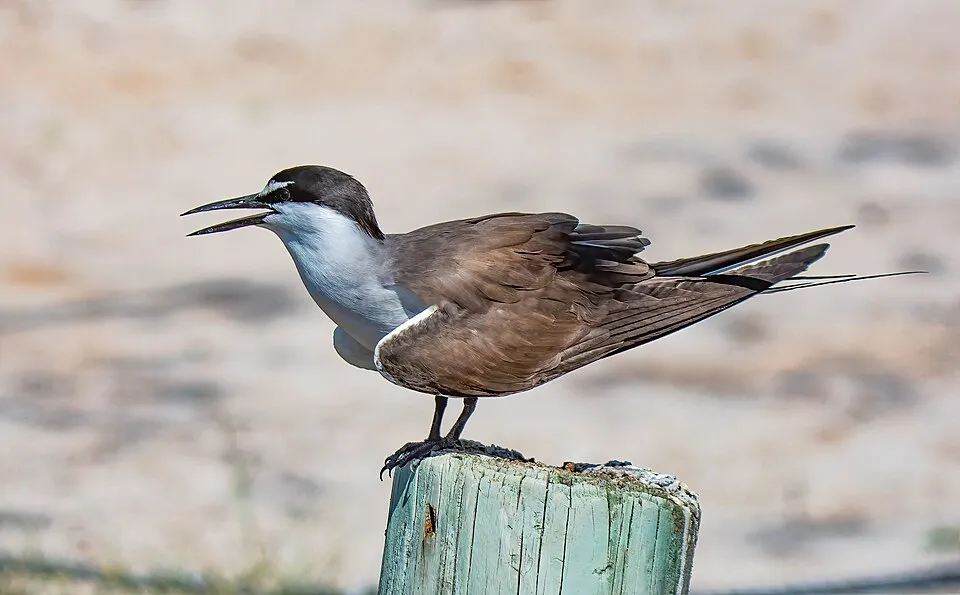 Bridled Tern
Onychoprion anaethetus 13 places in common
 Lesser Crested Tern
Thalasseus bengalensis 11 places in common
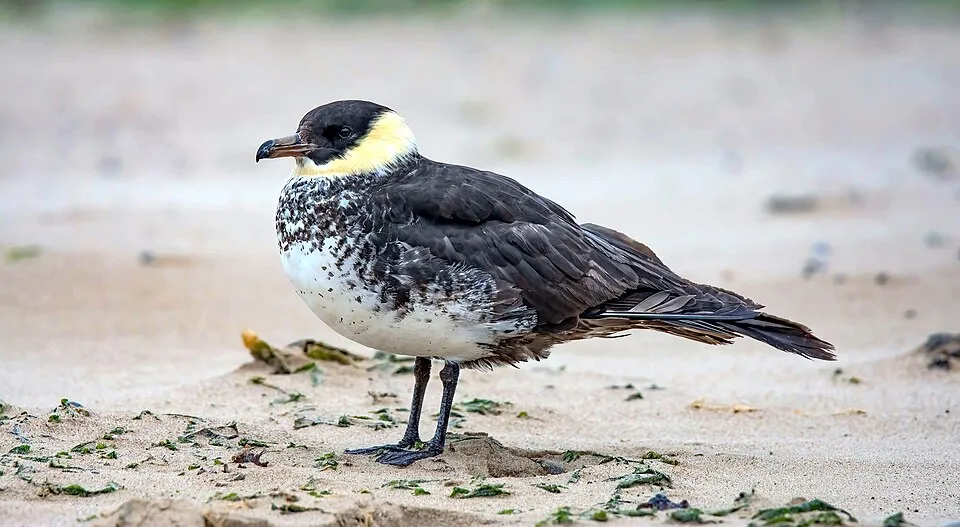 Pomarine Skua
Stercorarius pomarinus 8 places in common
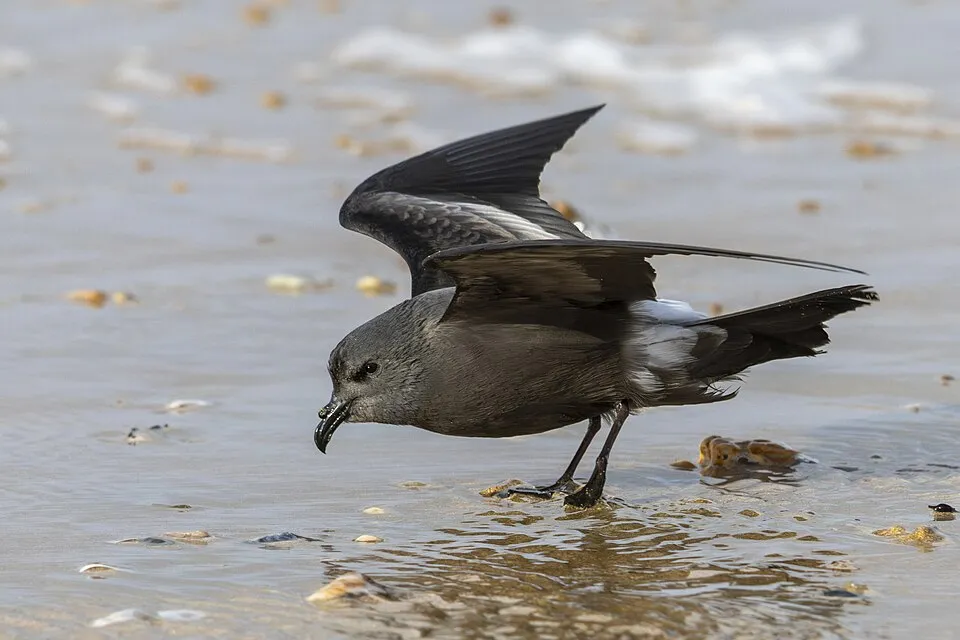 Leach’s Storm Petrel
Hydrobates leucorhous 8 places in common
Sources and credits
- Presence: most-recorded species of each place on GBIF and species of Community interest in the Natura 2000 forms (EEA, CC-BY 4.0); absence from the list does not mean the species is absent.
- Common names: Wikidata (CC0) and GBIF.
- Photos and sounds: Wikimedia Commons, author and licence given for each file.
- Classification: GBIF Backbone Taxonomy (GBIF Secretariat), CC BY 4.0, doi:10.15468/39omei.
- Countries, elevations, months and maps: GBIF.org, CC0 or CC BY 4.0 occurrences only, accessed October 22, 2026, GBIF.org.
- Base map: Natural Earth (public domain).
- Excerpt: Wikipedia, CC BY-SA 4.0 (full credit below the excerpt).
- Key facts: Wikidata (CC0), with the references cited under each value.
- Annexes: Directive 2009/147/EC (consolidated version), © European Union, EUR-Lex.
- EU bird populations: EEA / DG ENV, Article 12 Birds Directive reporting (2013–2018), CC BY 4.0.