
Bird
Snow Bunting: where to see it
Plectrophenax nivalis
This bird species is recorded in 15 protected areas of the atlas, including 6 whose official Natura 2000 form lists it. Within the atlas countries, it is mostly observed in Sweden, Norway and the United Kingdom (10 countries in all). Most records (8 in 10) lie between sea level and 1,400 m. Records peak from October to April. It has a wingspan of 35 cm. Its EU population is assessed as depleted (2013–2018 Birds Directive reporting).
Best time to see it: October–April
Records published on GBIF by month (CC0 and CC BY 4.0 licences only), in the atlas countries, all years combined; they also reflect observer activity.
Key facts
- Wingspan
- 35 cm Wikidata, after app.bto.org
Status and protection
EU population assessed as depleted, stable in the short term (2013–2018 Birds Directive reporting). EU breeding population: 19,000–43,100 pairs.
Distribution
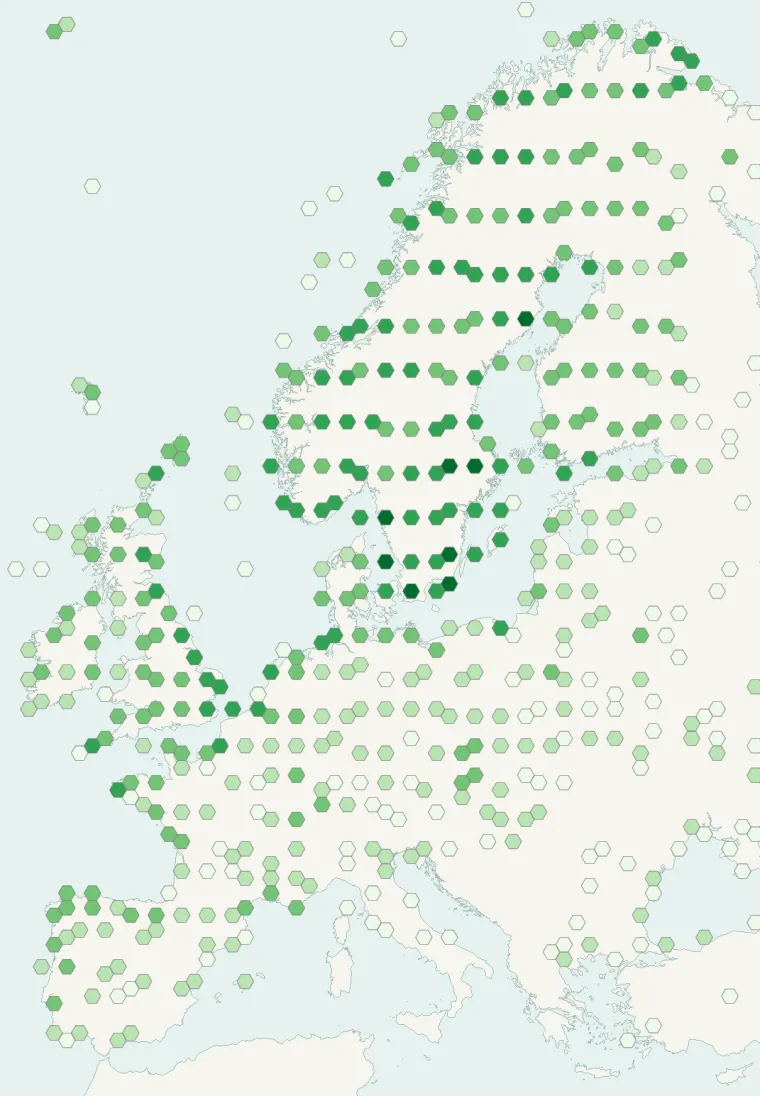
Records published on GBIF (CC0 and CC BY 4.0 licences): the darker the shade, the more records there are; they also reflect observation effort.
Atlas countries where it is recorded
Listen
-
0:17 · © Vladimir Yu. Arkhipov, Arkhivov · CC BY-SA 3.0 · Wikimedia Commons · Original file
From Wikipedia
The snow bunting (Plectrophenax nivalis) is a passerine bird in the family Calcariidae. It is an Arctic specialist, with a circumpolar Arctic breeding range throughout the northern hemisphere. There are small isolated populations on a few high mountain tops south of the Arctic region, including the Cairngorms in central Scotland and the Saint Elias Mountains on the southern Alaska-Yukon border, as well as the Cape Breton Highlands. The snow bunting is the most northerly recorded passerine in the world.
Source: Wikipedia, article “Snow bunting” (version of September 21, 2026) · history and authors · licence CC BY-SA 4.0
Protected areas where it is recorded
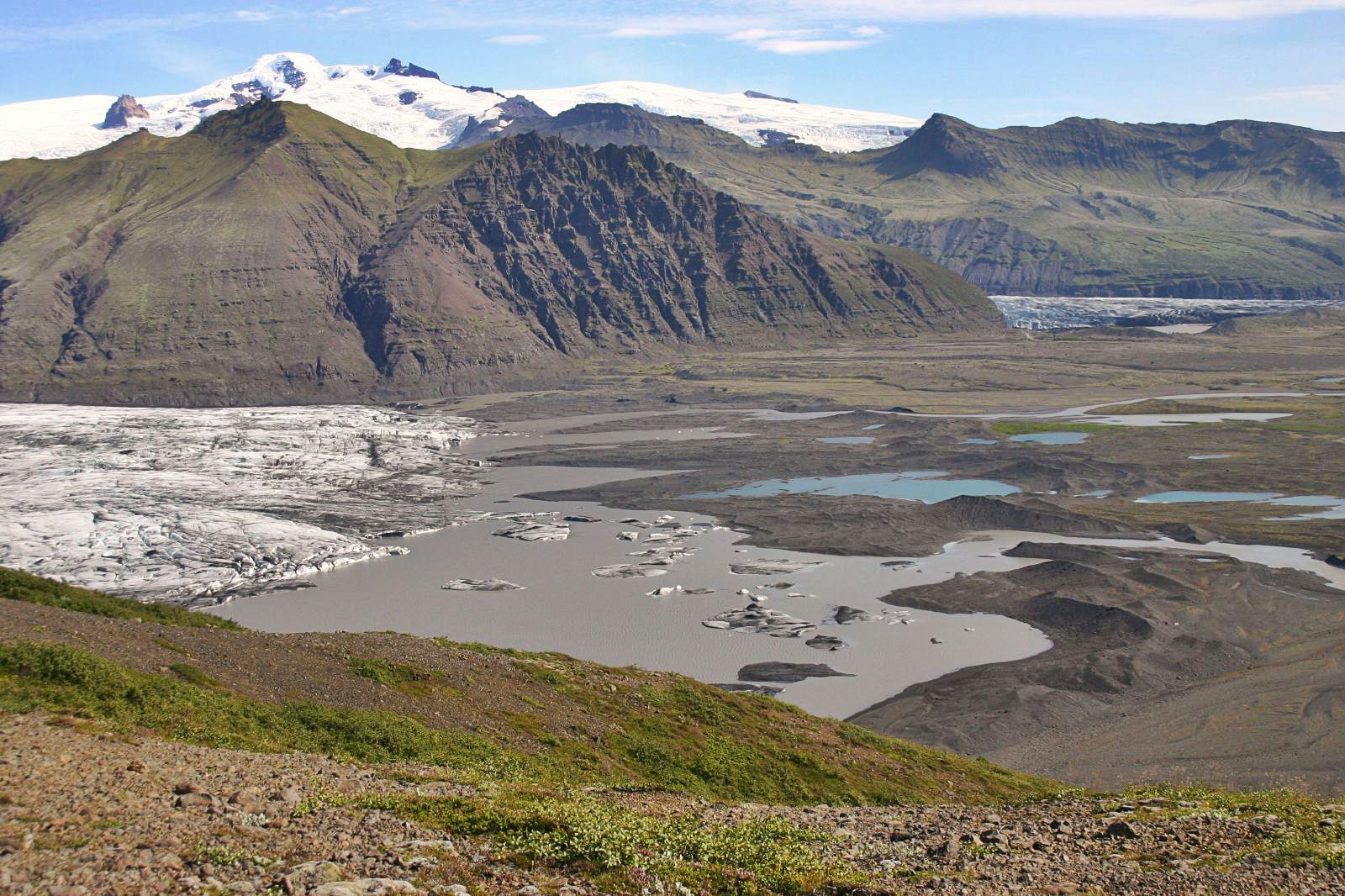
1,169 records
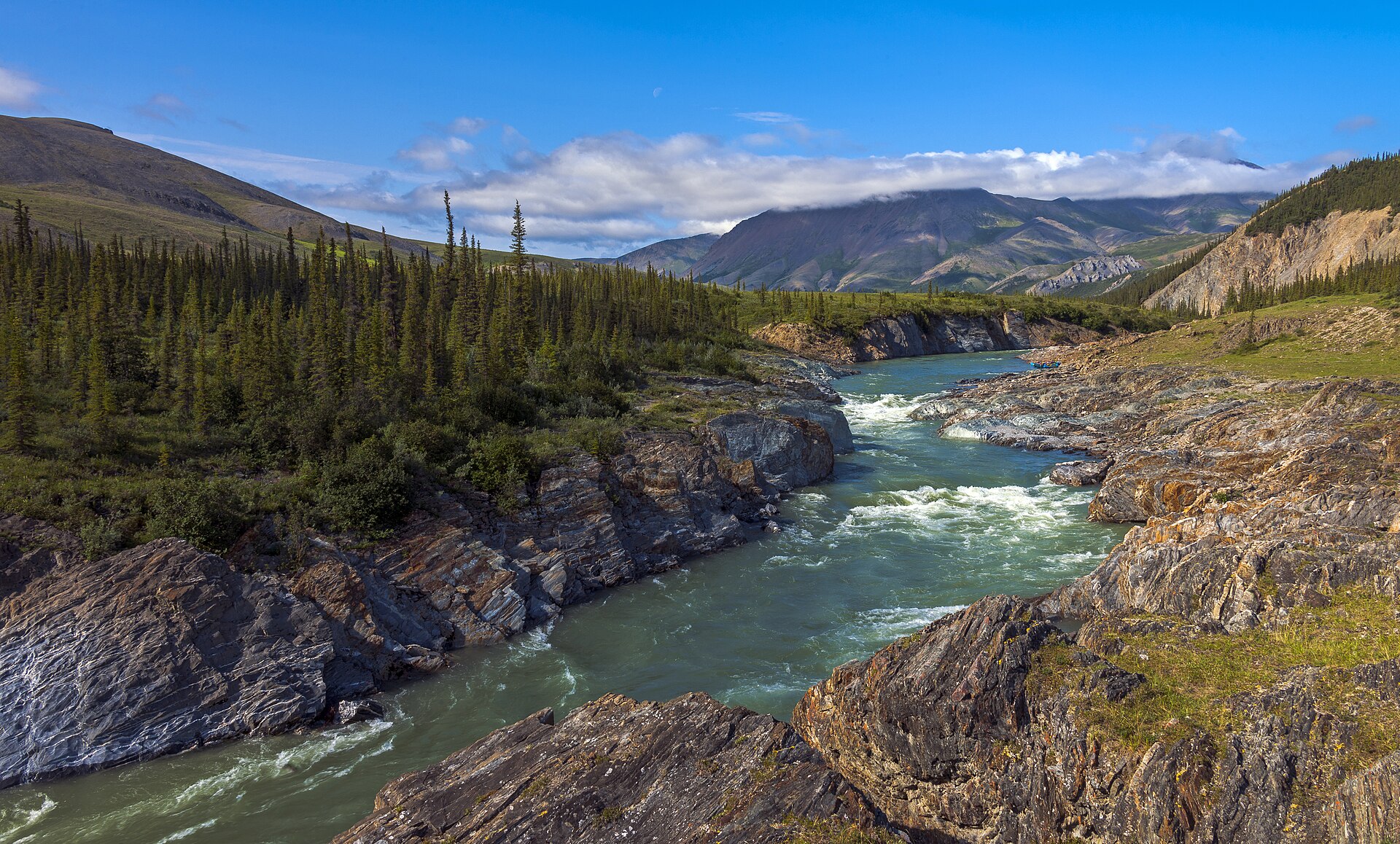
620 records
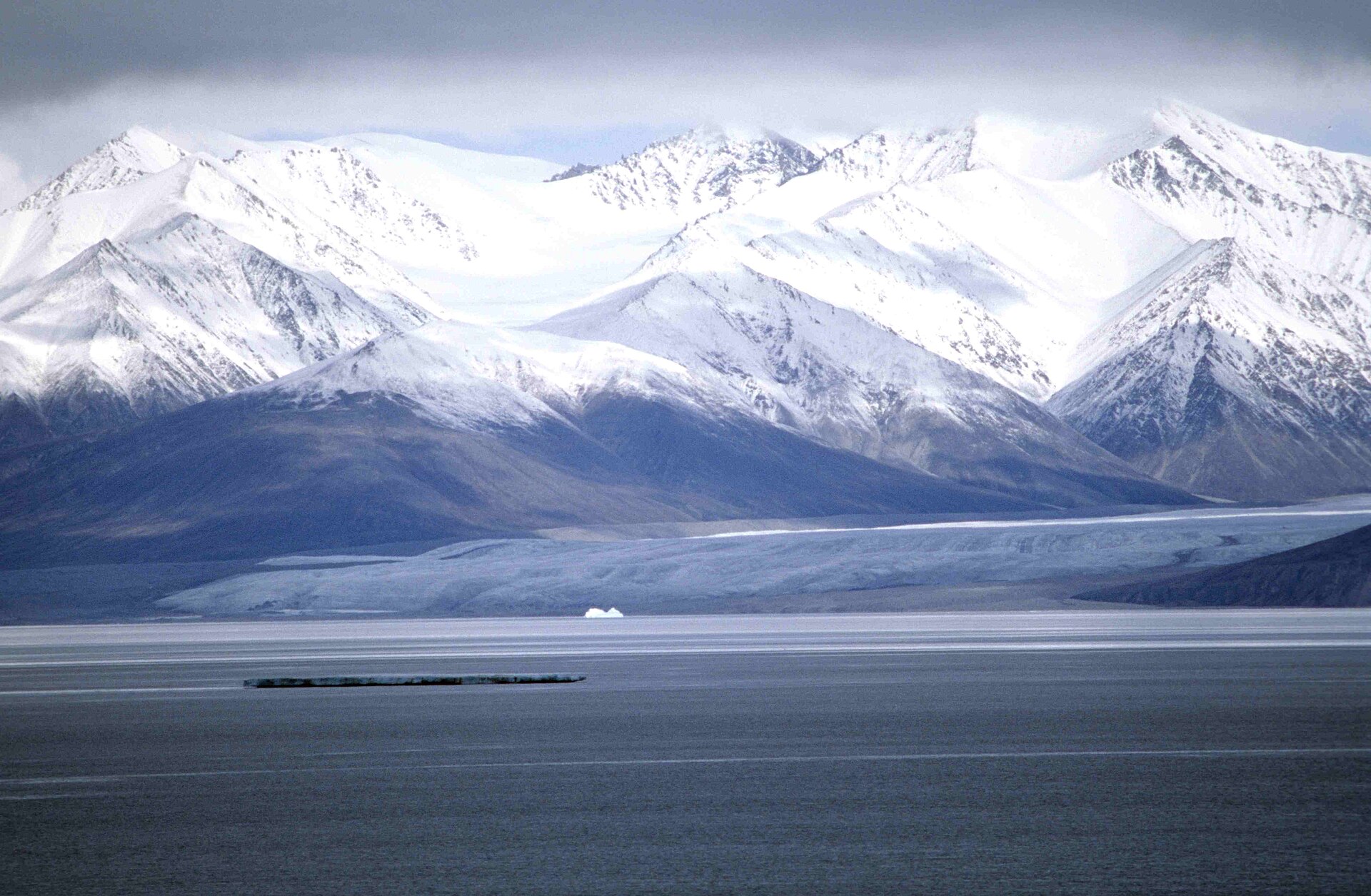
519 records

331 records

220 records
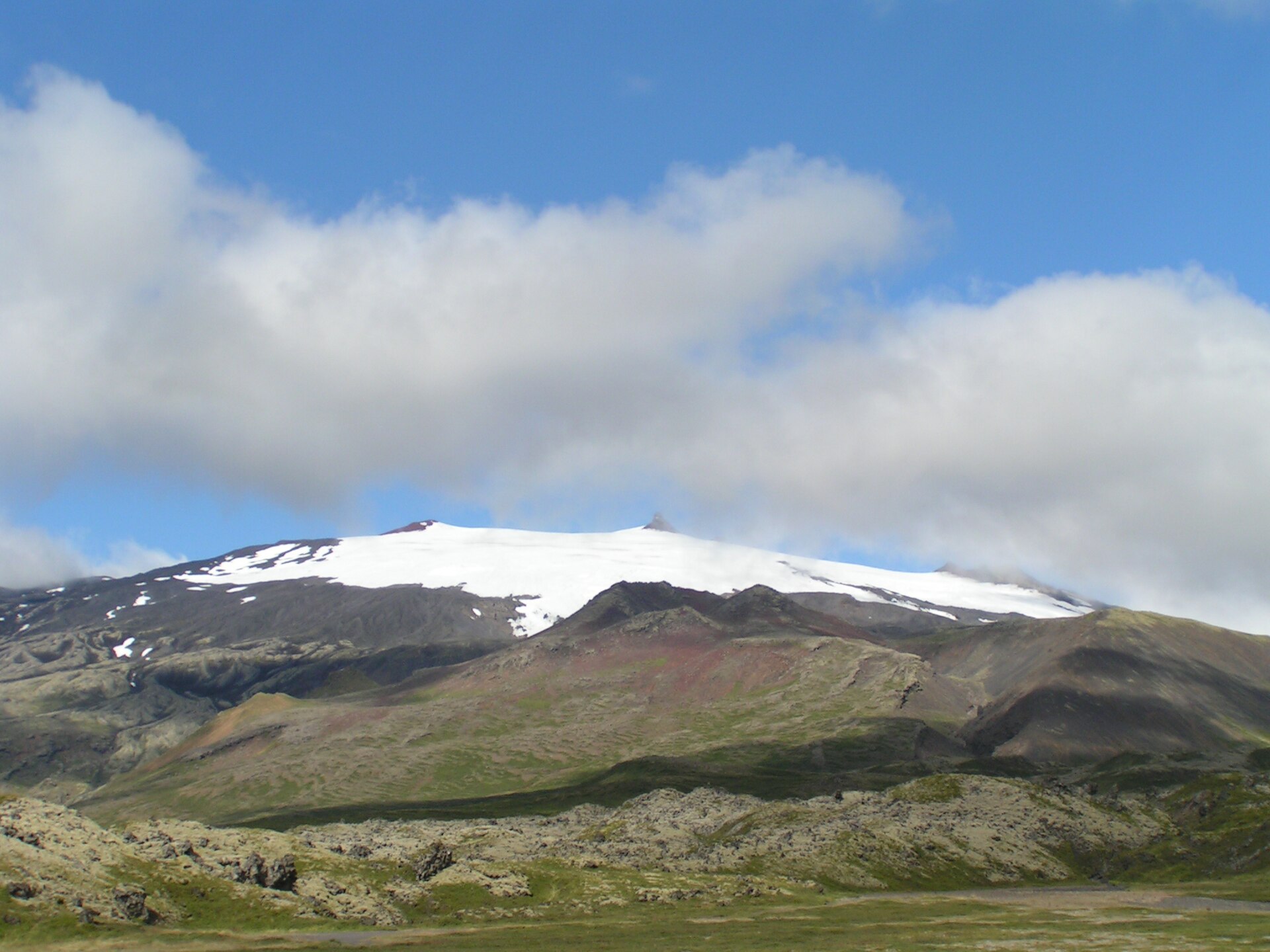
203 records
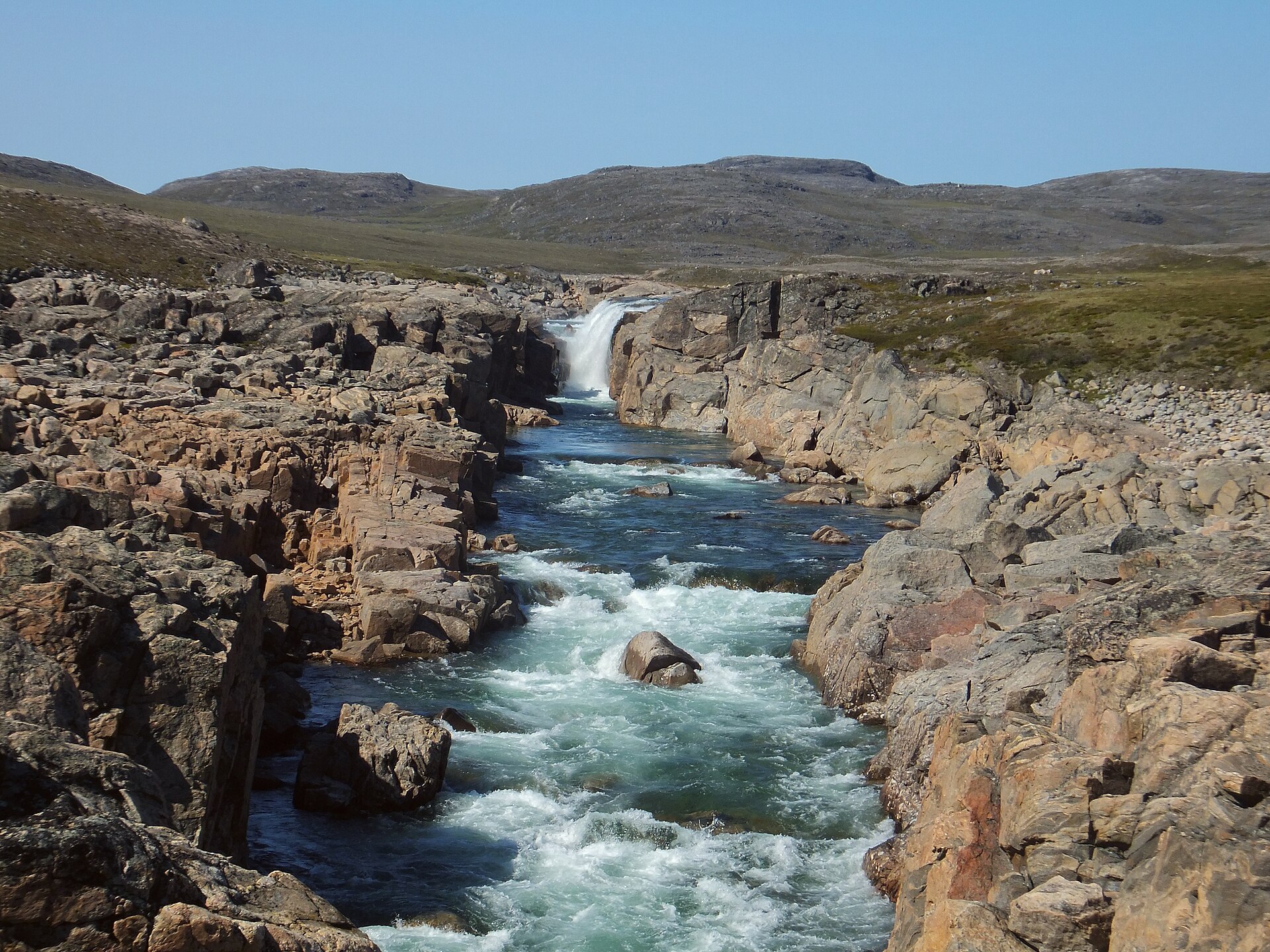
29 records

17 records
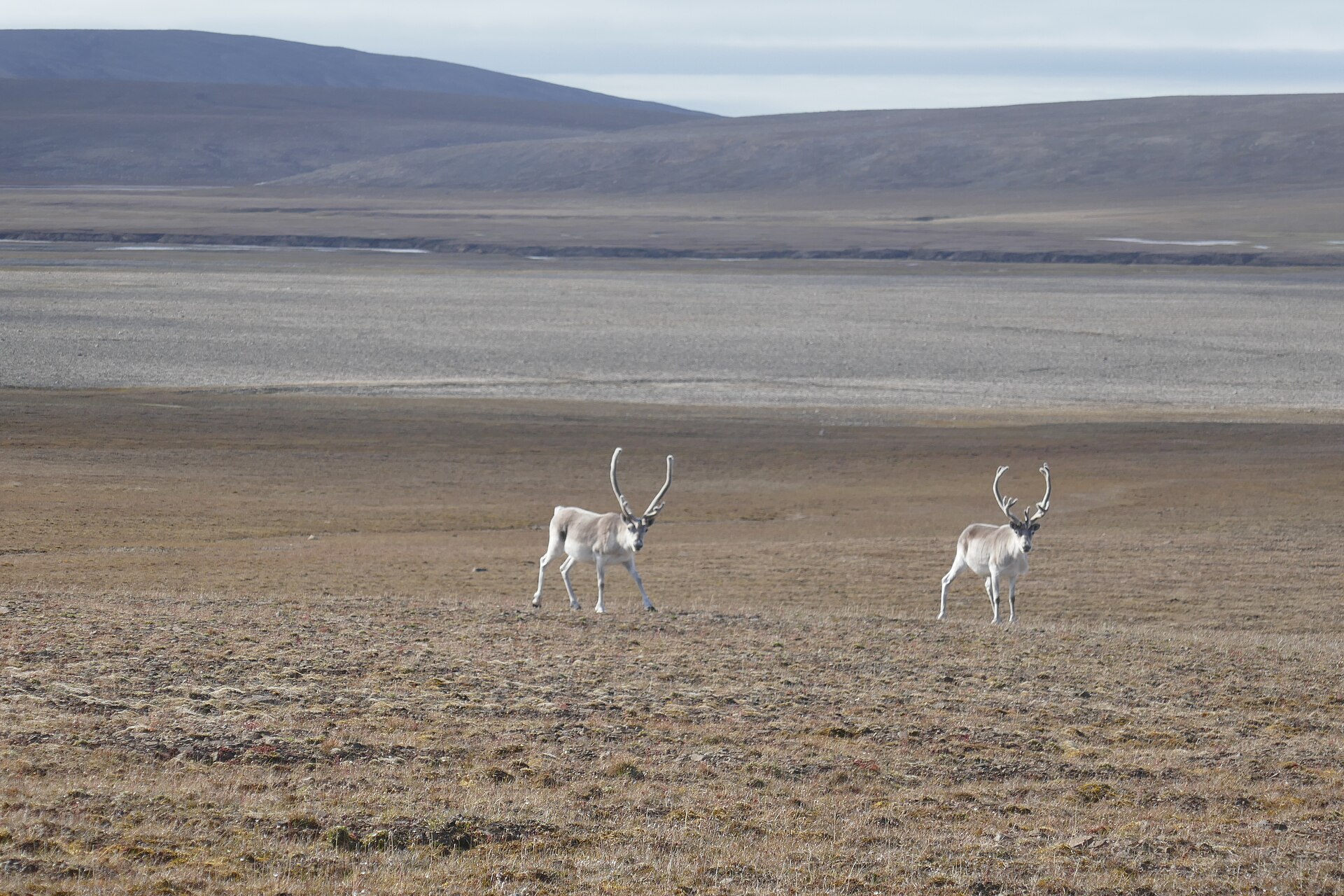
3 records
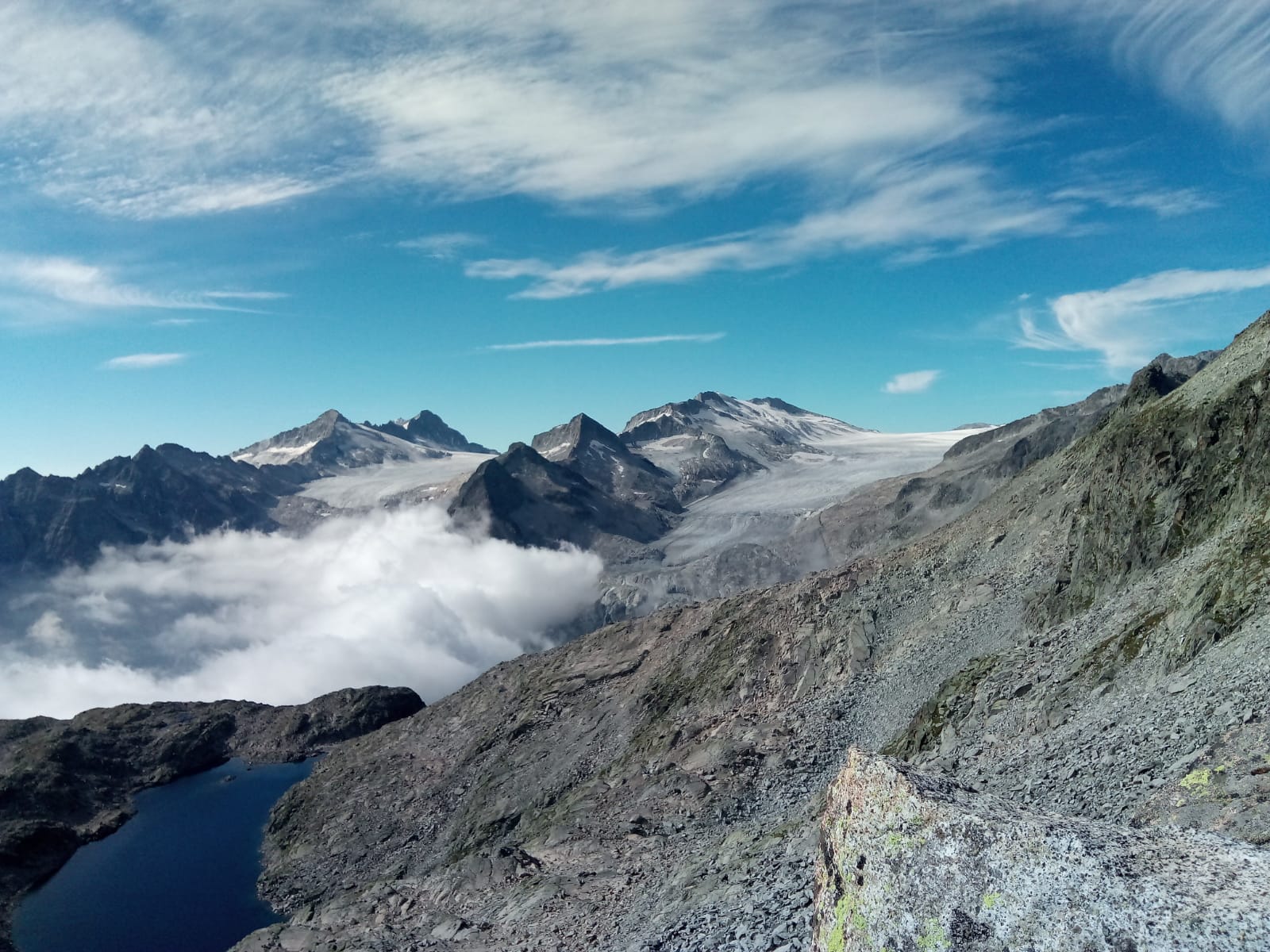
Natura 2000 · wintering, passage
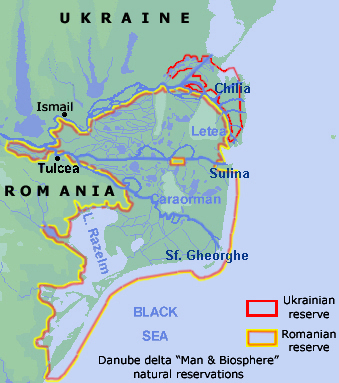
Natura 2000 · wintering
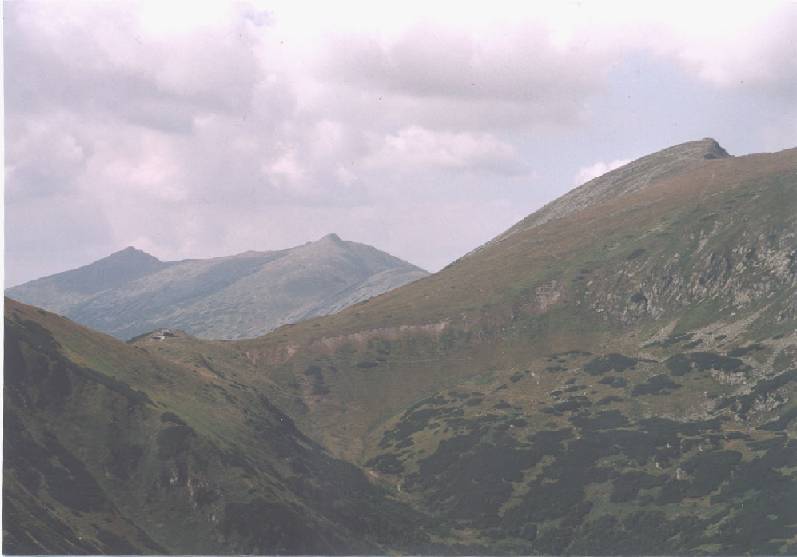
Natura 2000

Natura 2000 · wintering

Natura 2000 · passage, wintering

Natura 2000 · wintering
Other species to discover
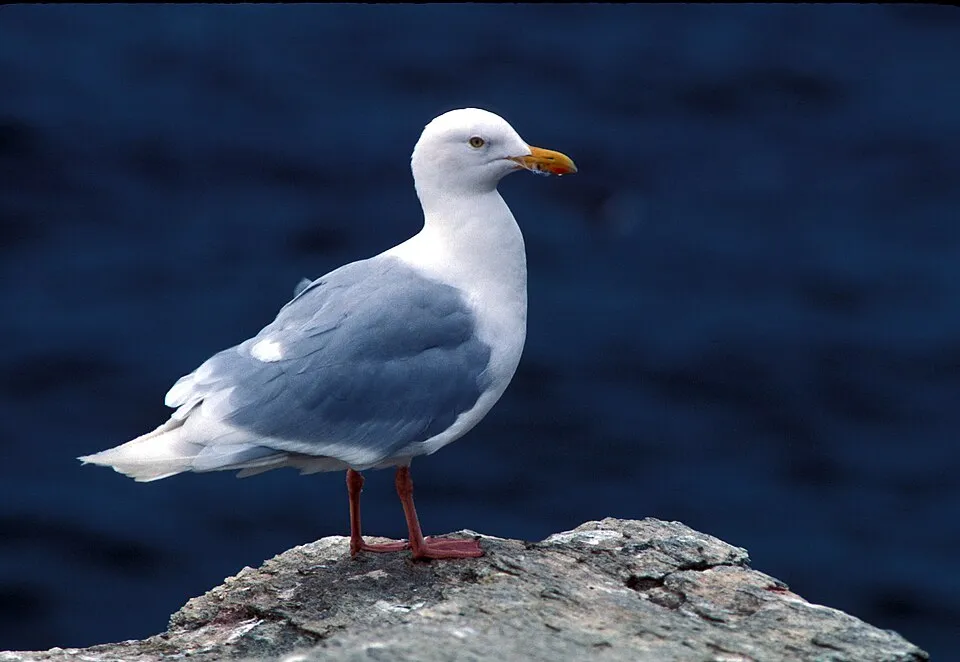 Glaucous Gull
Larus hyperboreus 7 places in common
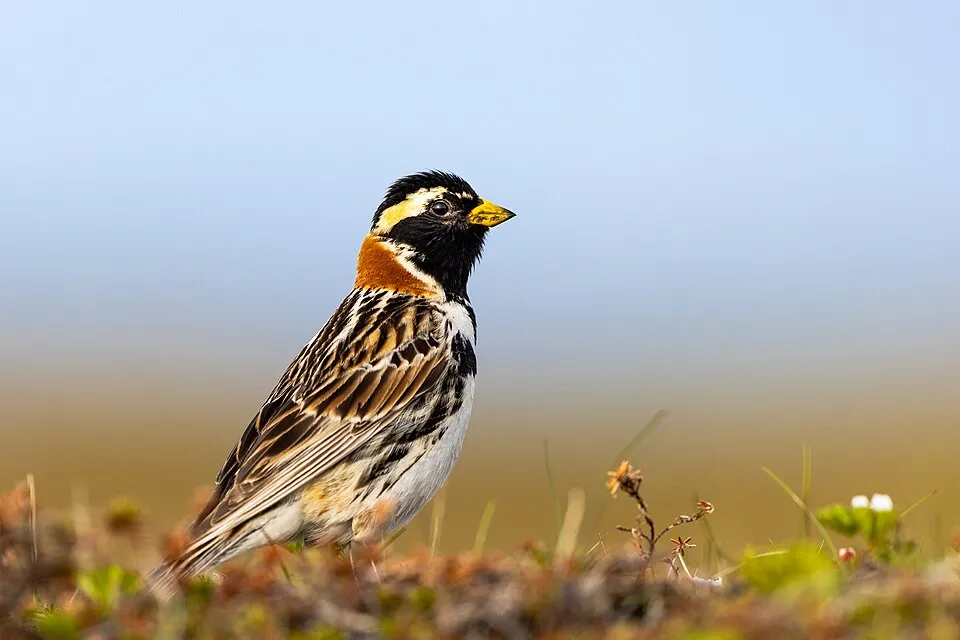 Lapland Longspur
Calcarius lapponicus 6 places in common
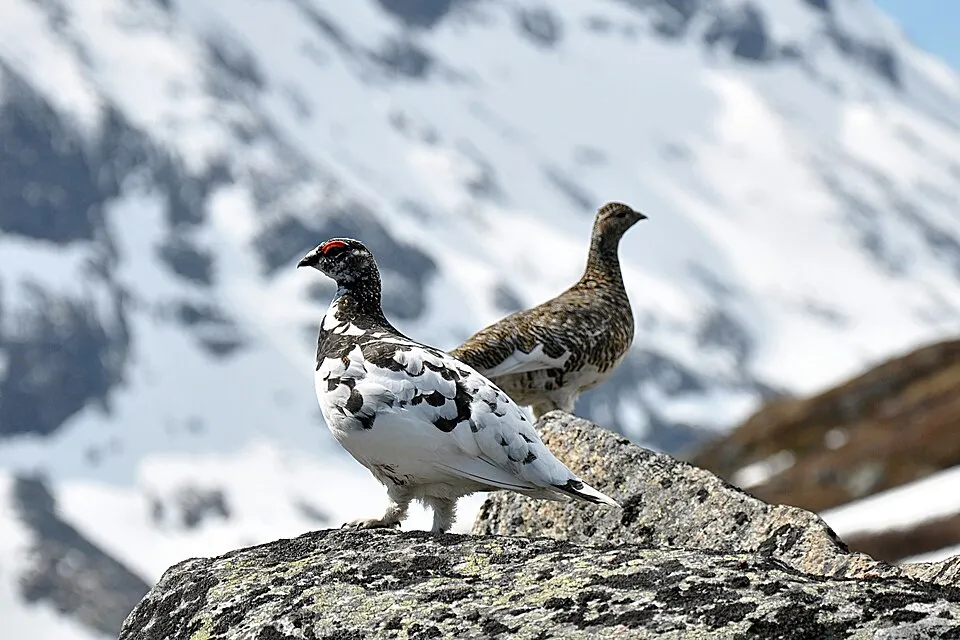 Rock Ptarmigan
Lagopus muta 6 places in common
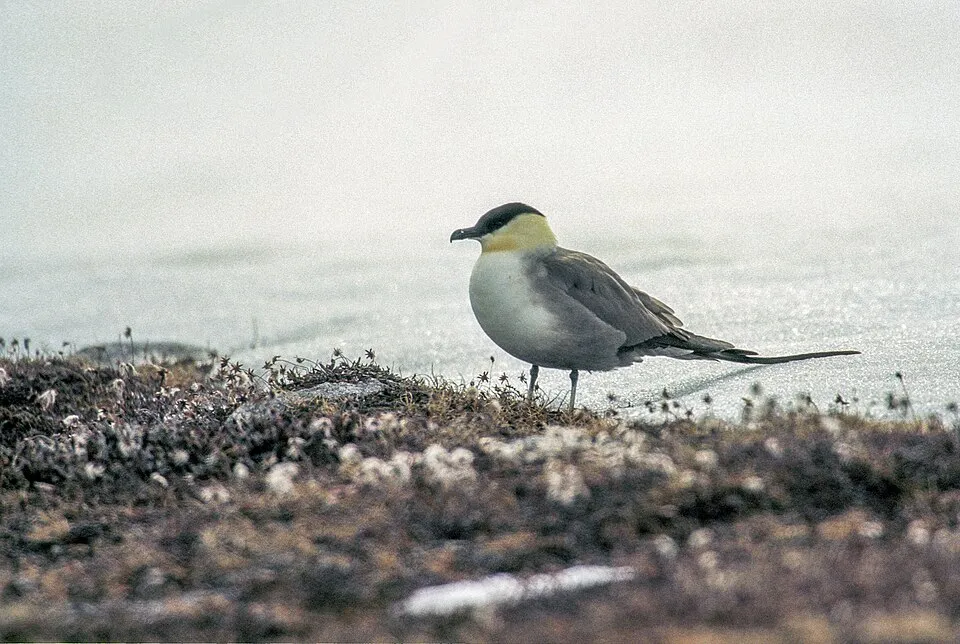 Long-tailed Jaeger
Stercorarius longicaudus 5 places in common
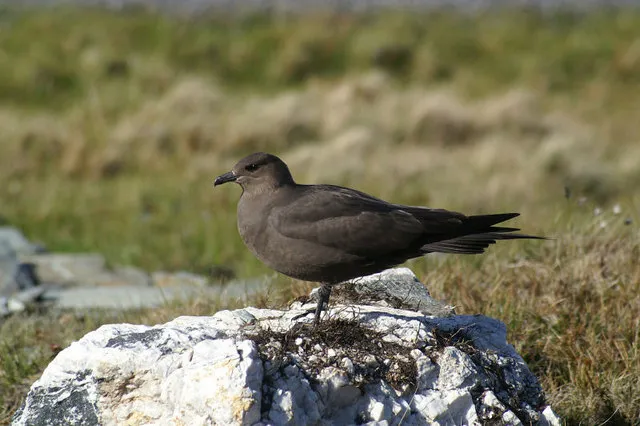 Parasitic Jaeger
Stercorarius parasiticus 6 places in common
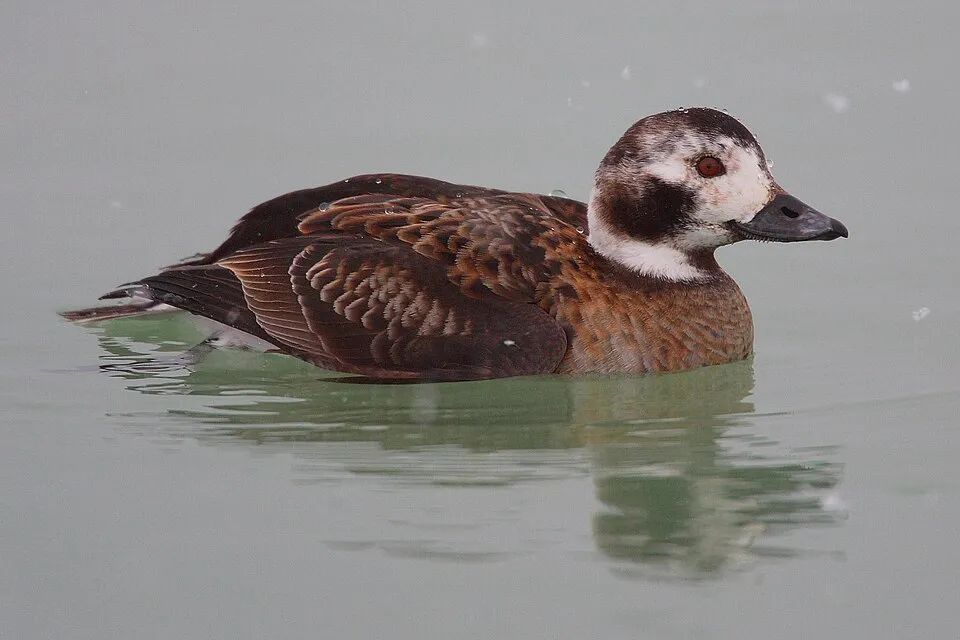 Long-tailed Duck
Clangula hyemalis 5 places in common
Sources and credits
- Presence: most-recorded species of each place on GBIF and species of Community interest in the Natura 2000 forms (EEA, CC-BY 4.0); absence from the list does not mean the species is absent.
- Common names: Wikidata (CC0) and GBIF.
- Photos and sounds: Wikimedia Commons, author and licence given for each file.
- Classification: GBIF Backbone Taxonomy (GBIF Secretariat), CC BY 4.0, doi:10.15468/39omei.
- Countries, elevations, months and maps: GBIF.org, CC0 or CC BY 4.0 occurrences only, accessed October 22, 2026, GBIF.org.
- Base map: Natural Earth (public domain).
- Excerpt: Wikipedia, CC BY-SA 4.0 (full credit below the excerpt).
- Key facts: Wikidata (CC0), with the references cited under each value.
- EU bird populations: EEA / DG ENV, Article 12 Birds Directive reporting (2013–2018), CC BY 4.0.