
Oiseau
Râle des genêts : où l’observer ?
Crex crex
Cette espèce d'oiseau est signalée dans 267 espaces protégés de l'atlas et figure au formulaire officiel Natura 2000 de chacun d'eux. Dans les pays de l'atlas, elle est surtout observée au Royaume-Uni, en Suède et en Norvège (9 pays au total). La plupart des observations (8 sur 10) se situent entre le niveau de la mer et 700 m d'altitude. Les observations sont les plus nombreuses de mai à juin. Son envergure est de 50 cm. Elle fait l'objet de mesures de conservation spéciales au titre de la directive Oiseaux (annexe I). Sa population dans l'Union européenne est jugée quasi menacée (rapportage 2013–2018 de la directive Oiseaux).
Meilleure période d'observation : mai–juin
Observations publiées sur le GBIF par mois (licences CC0 et CC BY 4.0 seulement), dans les pays de l'atlas, toutes années confondues ; elles reflètent aussi l'activité des observateurs.
Caractéristiques
- Envergure
- 50 cm Wikidata, d’après app.bto.org
- Ponte
- 9,8 œufs en moyenne Wikidata, d’après Jetz et al. 2008
- Incubation
- 17 jours Wikidata, d’après British Trust for Ornithology
Statut et protection
Directive Oiseaux I
Espèce inscrite à l'annexe I de la directive Oiseaux.
Population de l'Union européenne jugée quasi menacée, en déclin à court terme (rapportage 2013–2018 de la directive Oiseaux).
Répartition
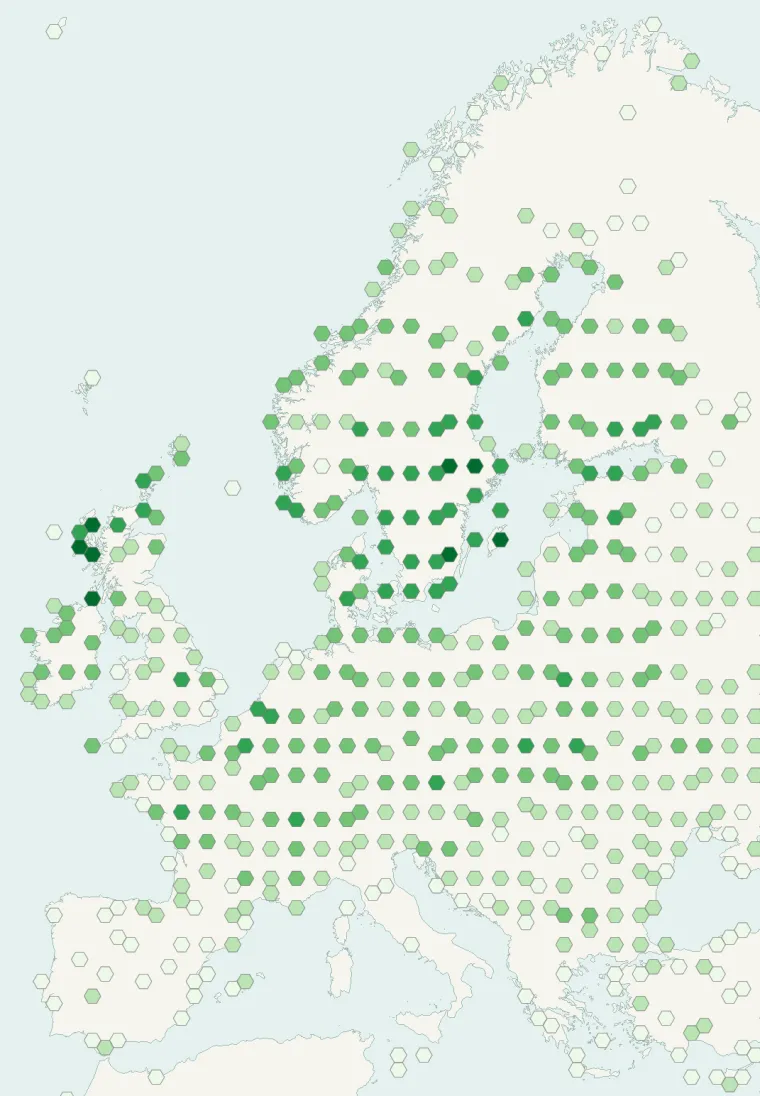
Observations publiées sur le GBIF (licences CC0 et CC BY 4.0) : plus la teinte est foncée, plus elles sont nombreuses ; elles reflètent aussi l'effort d'observation.
Pays de l'atlas où elle est observée
Écouter
-
0:37 · © Robert Petersen · CC BY-SA 4.0 · Wikimedia Commons · Fichier d'origine
-
0:30 · © Hannu · Domaine public · Wikimedia Commons · Fichier d'origine
-
1:00 · © Crex crex recording: Hannu · Domaine public · Wikimedia Commons · Fichier d'origine
Extrait de Wikipédia
Le Râle des genêts (Crex crex) ou Roi caille, est une espèce d'oiseaux de l'ordre des Gruiformes et de la famille des Rallidae, la seule représentante du genre Crex. Il s'agit d'un oiseau migrateur nichant au sol. Il est assez farouche, mais est connu pour son cri nocturne (« crex crex »). Il établit son nid à la mi-mai dans les prairies de fauche en Europe. Sa nidification dure deux mois. Durant l'hiver septentrional, il migre dans le sud de l'Afrique.
Source : Wikipédia, article « Râle des genêts » (version du 5 septembre 2026) · historique et auteurs · licence CC BY-SA 4.0 · extrait raccourci
Espaces protégés où l’observer
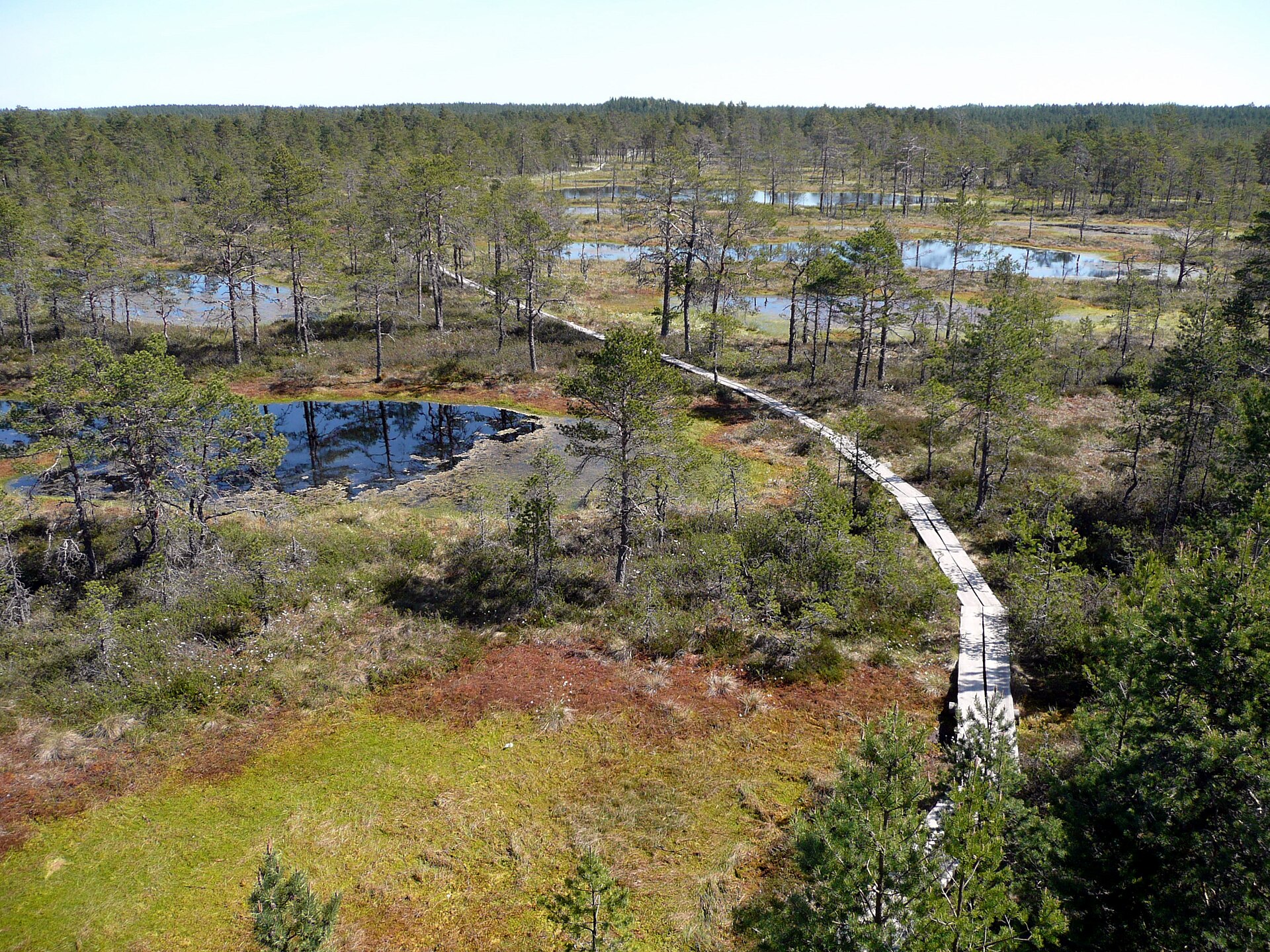
Natura 2000 · reproduction 420 observations
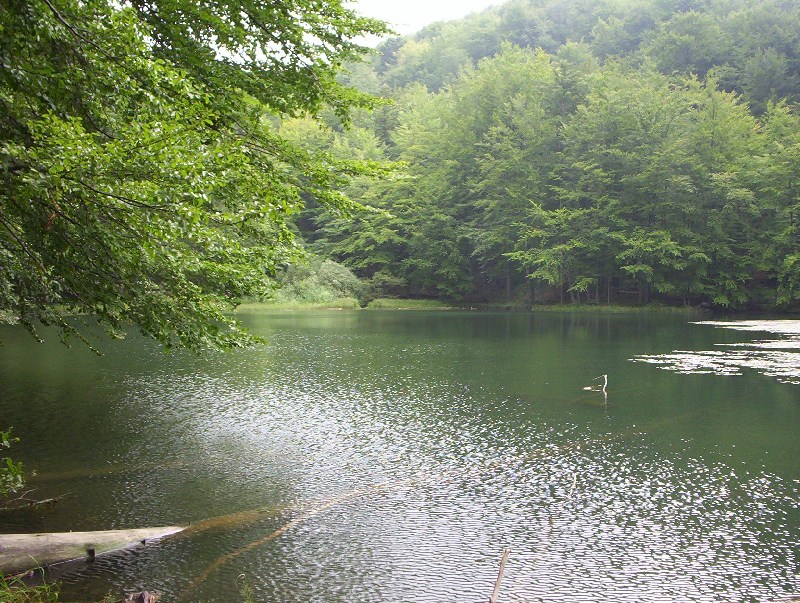
Natura 2000 · reproduction 28 observations
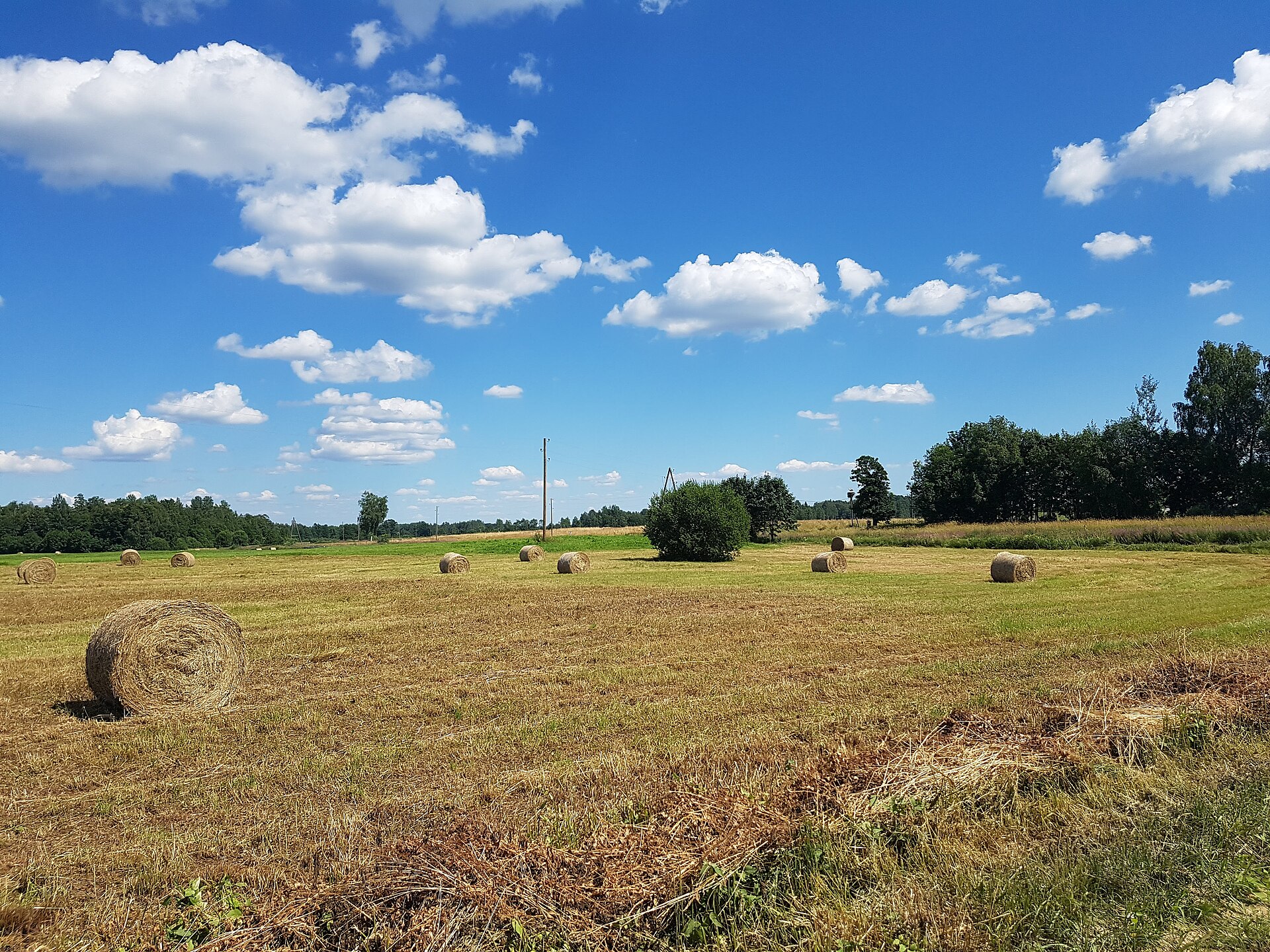
Natura 2000 · reproduction 4 observations

Natura 2000 · de passage
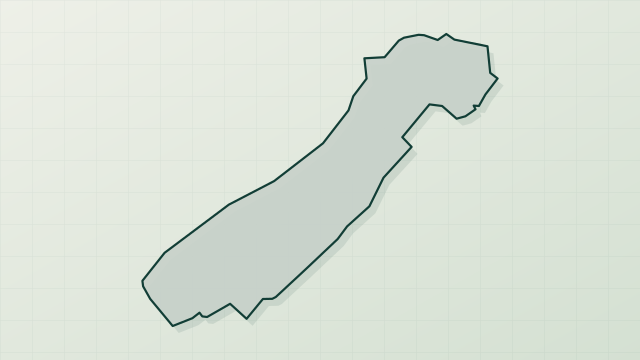
Natura 2000 · reproduction
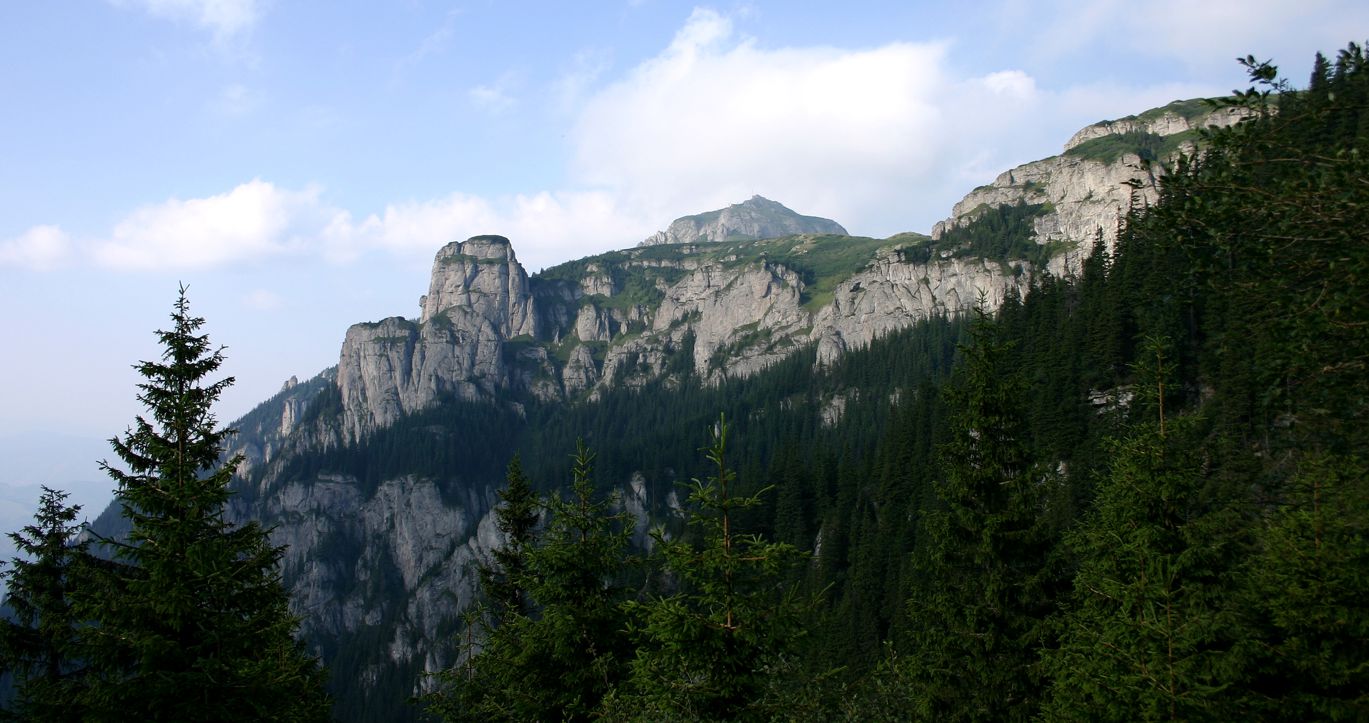
Natura 2000 · reproduction
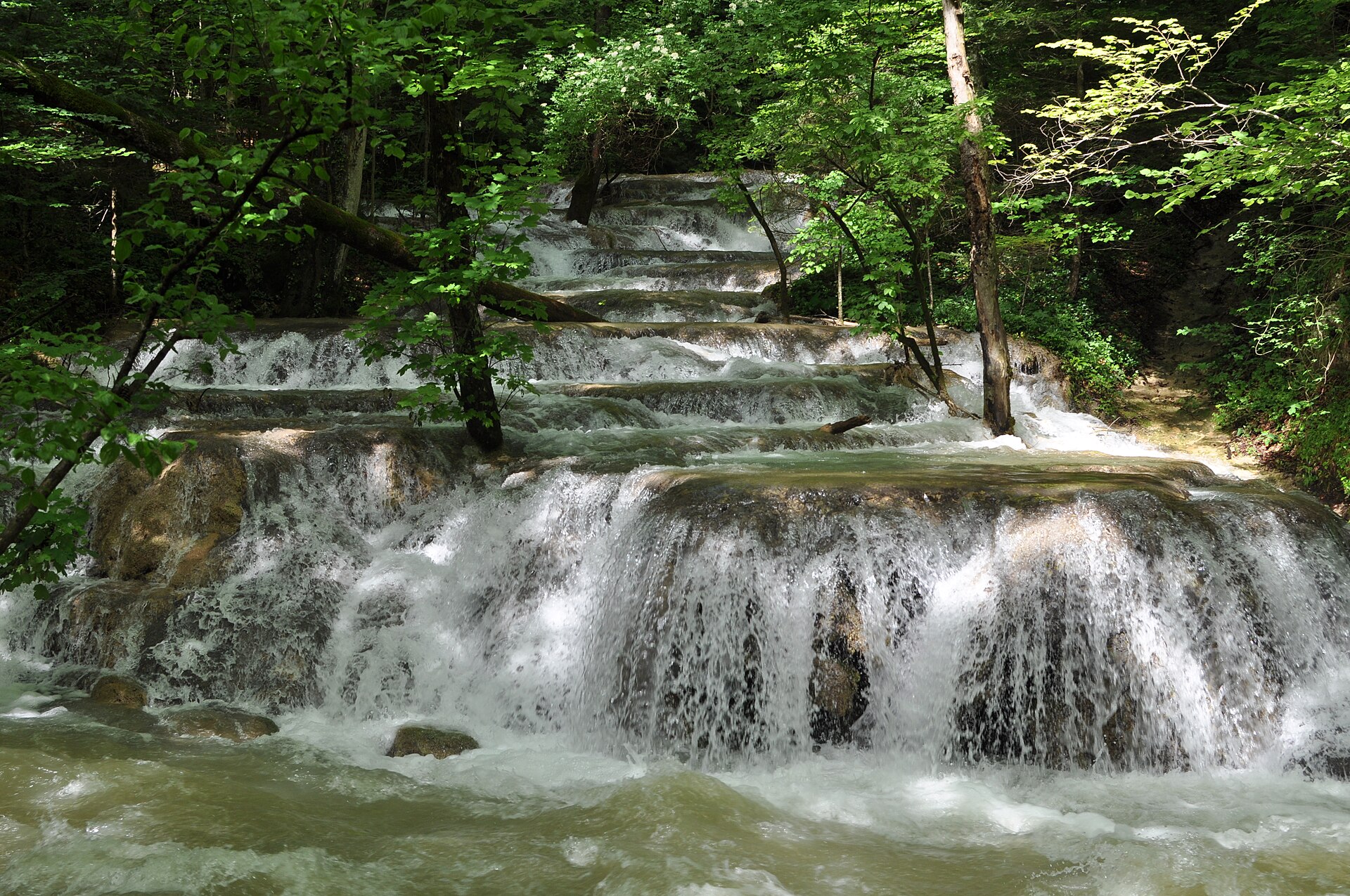
Natura 2000 · reproduction
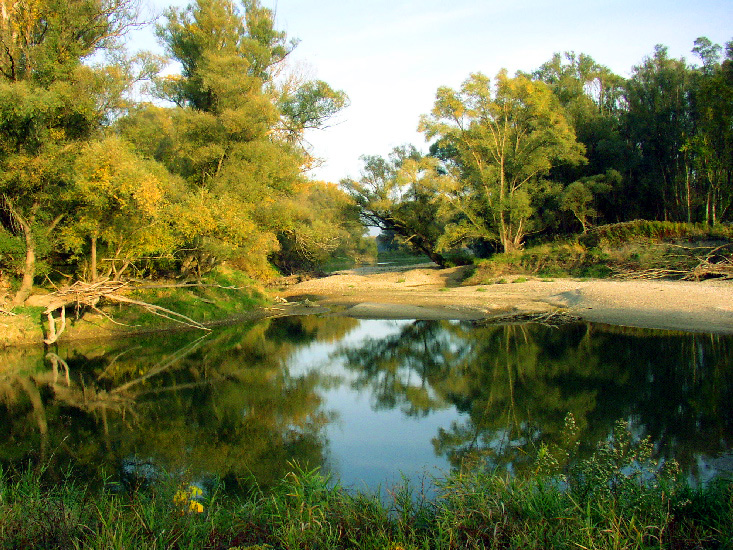
Natura 2000 · de passage, reproduction
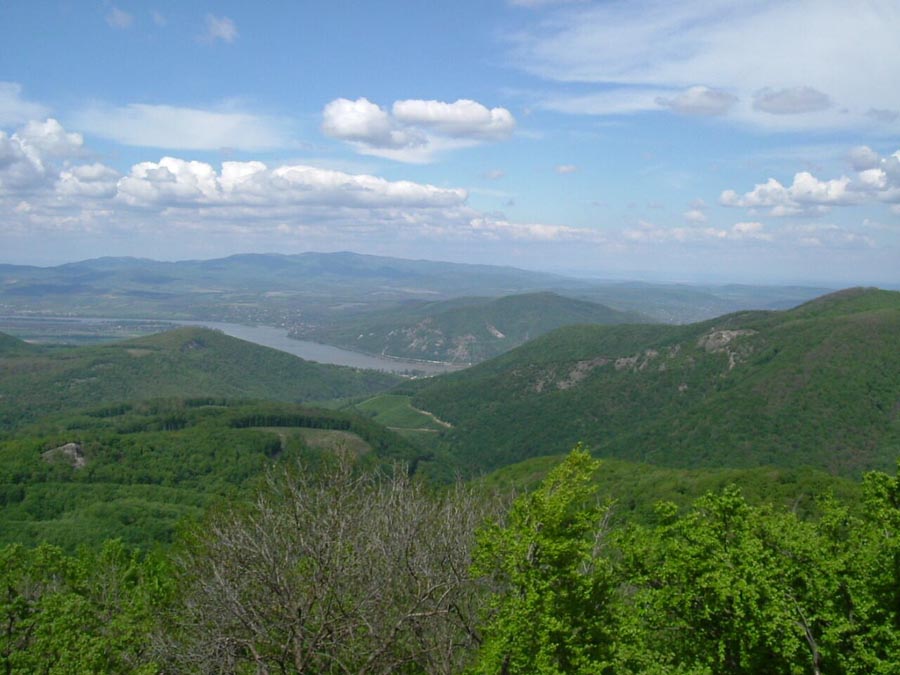
Natura 2000 · reproduction

Natura 2000 · reproduction
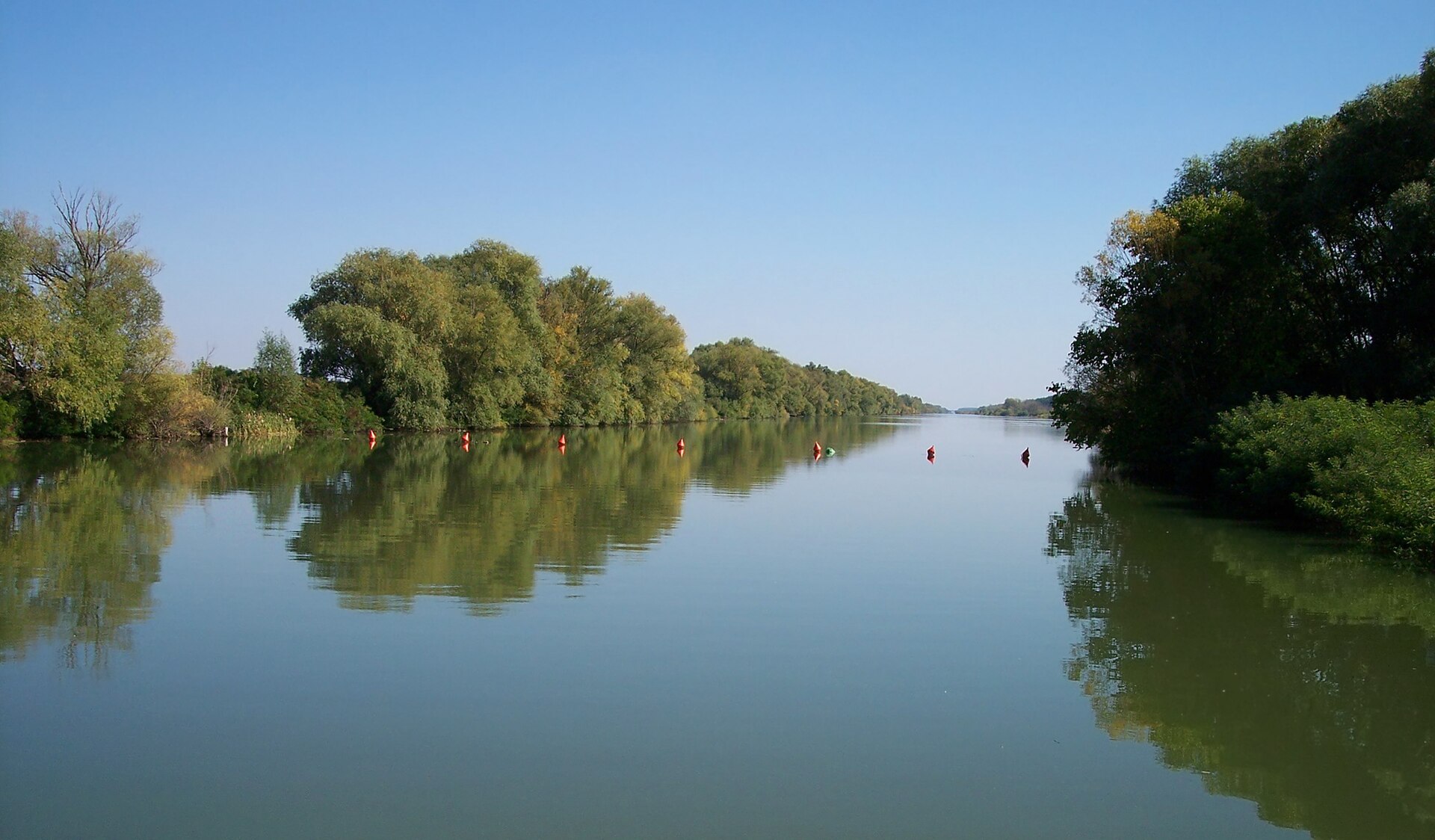
Natura 2000 · reproduction
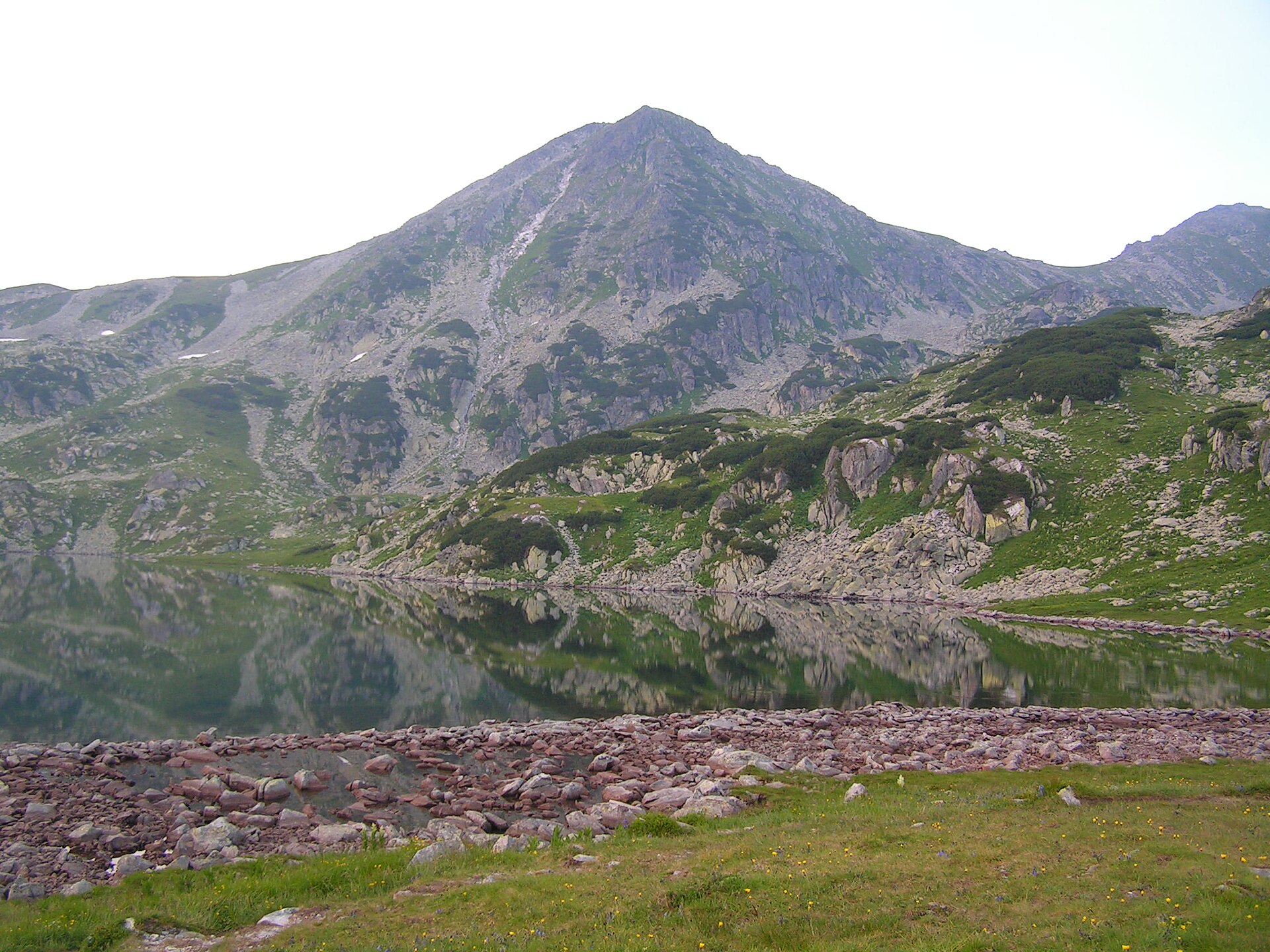
Natura 2000 · reproduction

Natura 2000 · reproduction
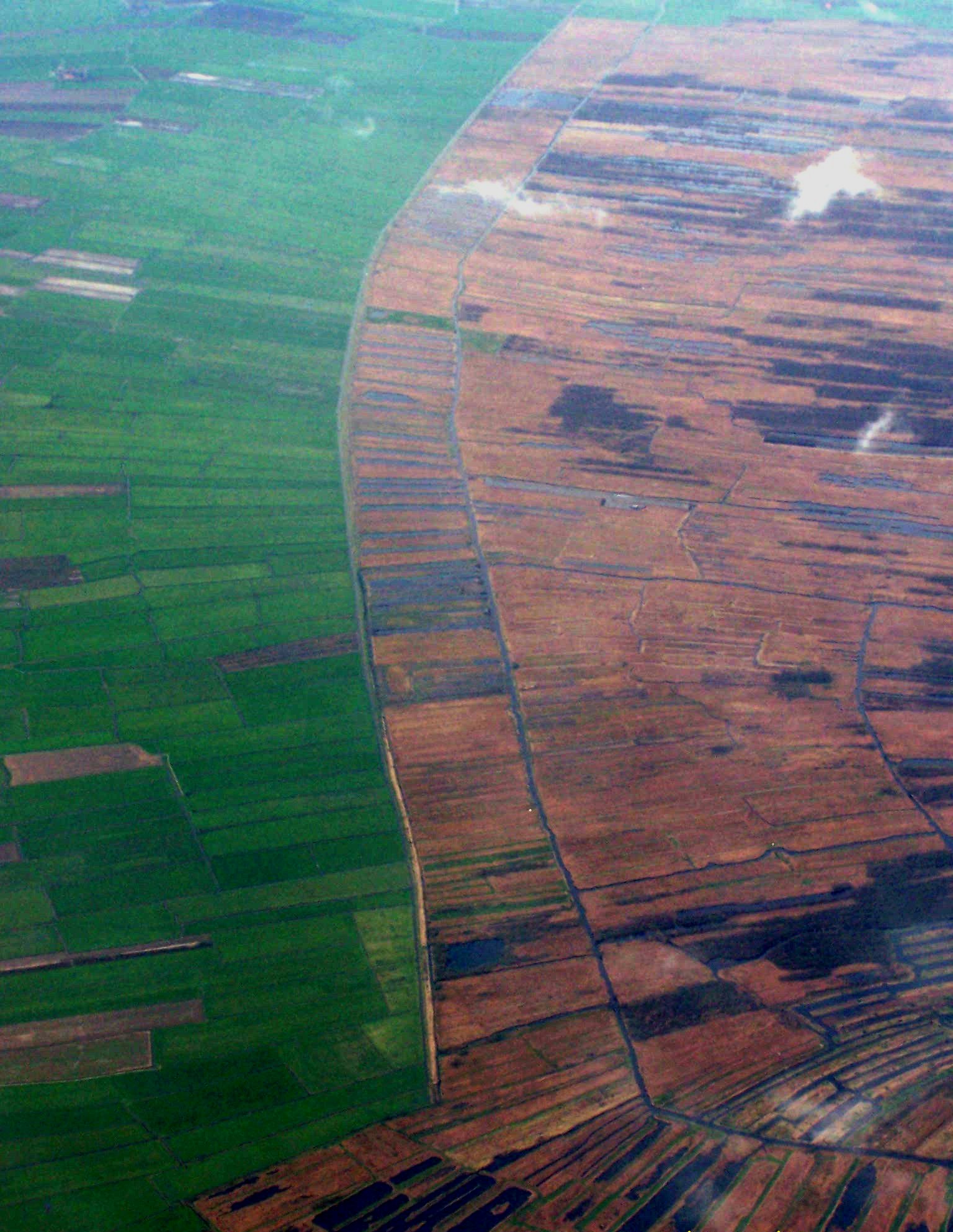
Natura 2000 · reproduction
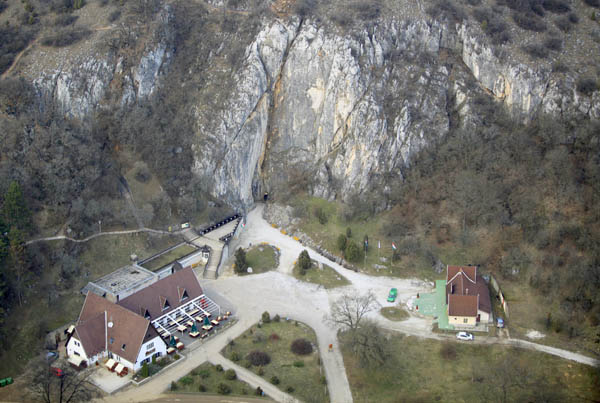
Natura 2000 · reproduction
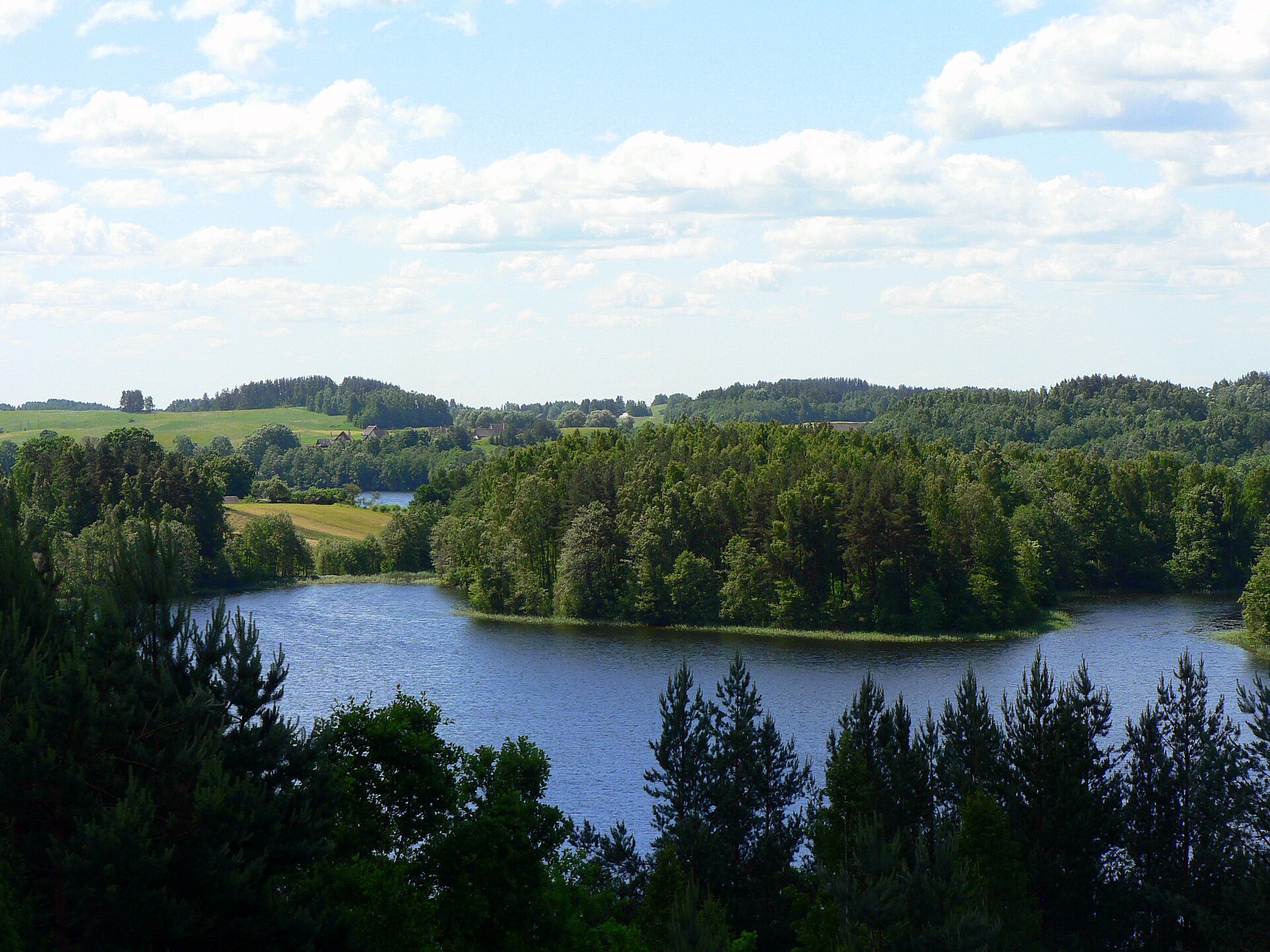
Natura 2000 · reproduction
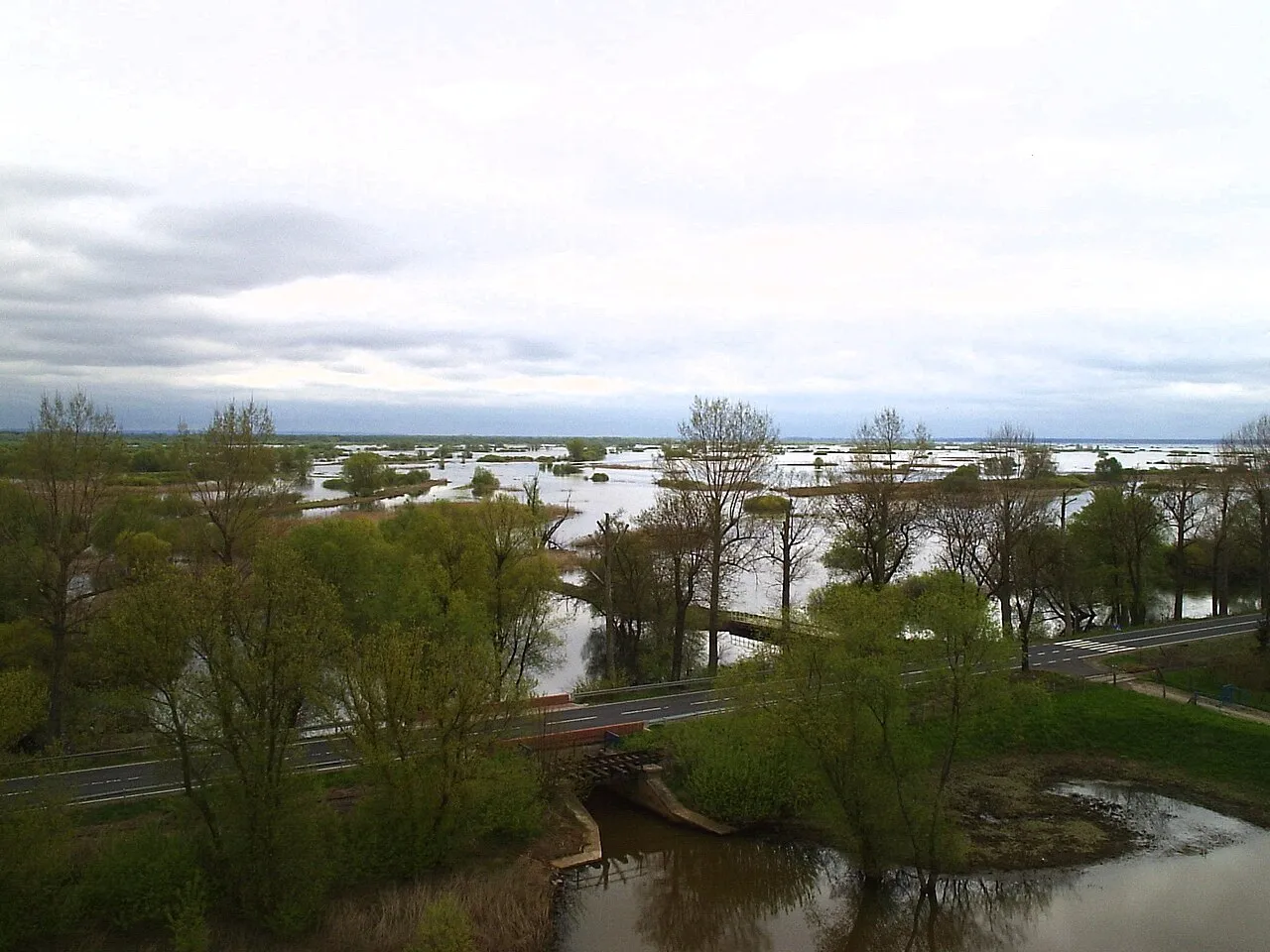
Natura 2000 · reproduction

Natura 2000 · reproduction
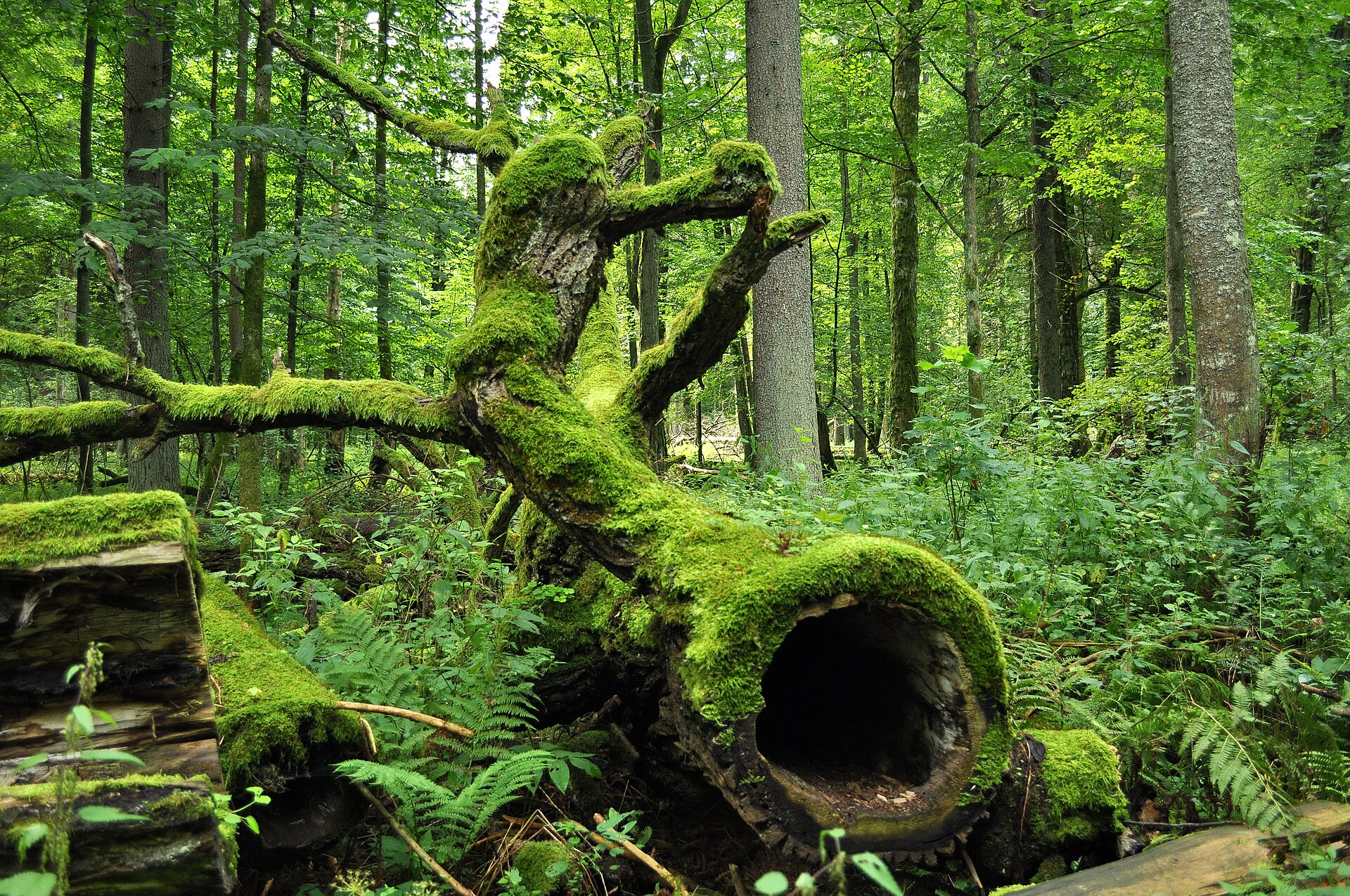
Natura 2000 · reproduction
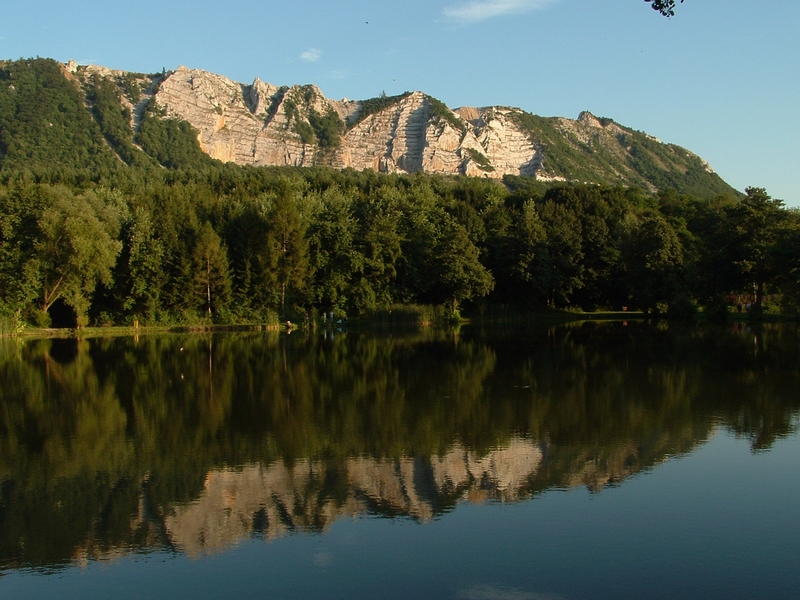
Natura 2000 · reproduction
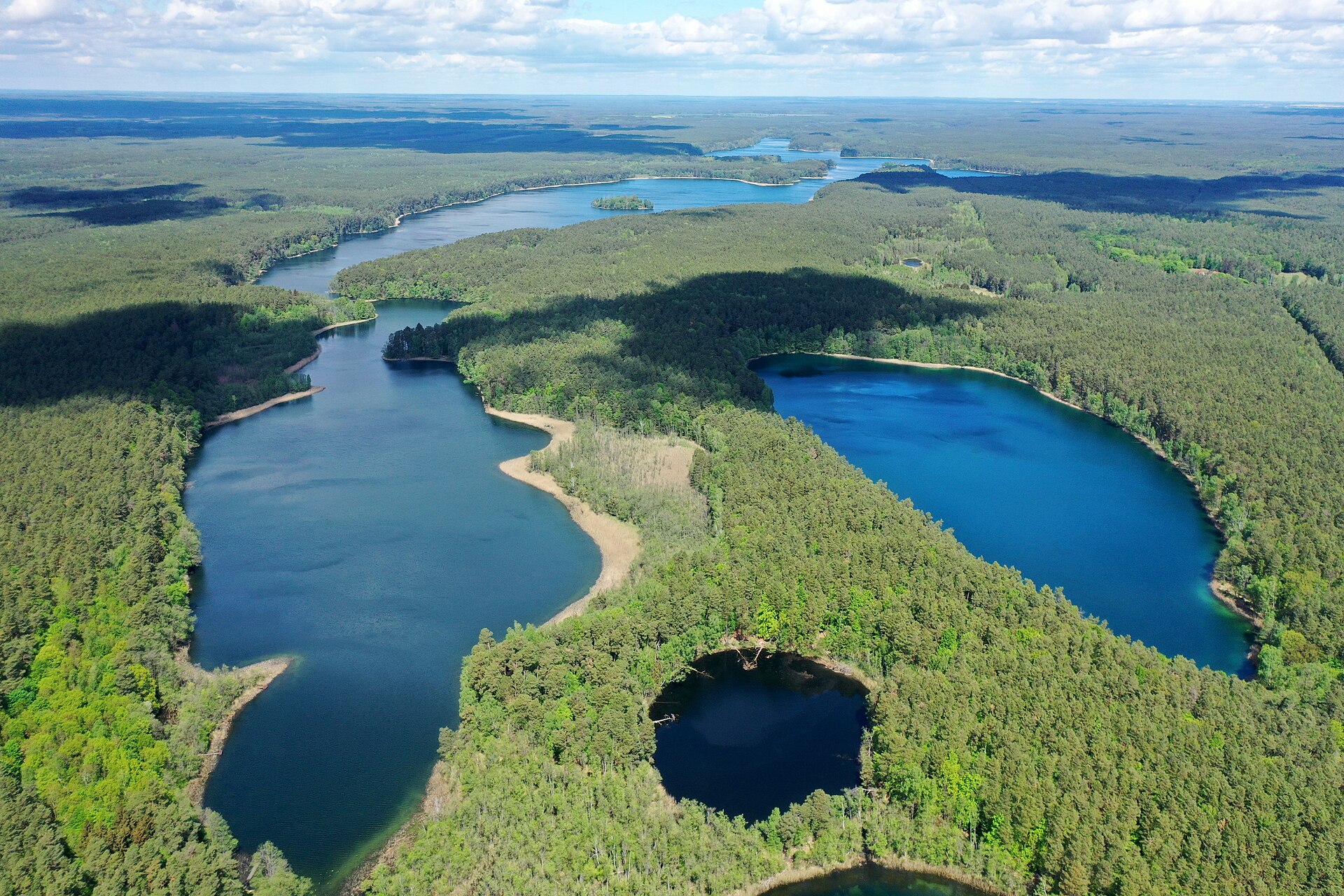
Natura 2000 · reproduction
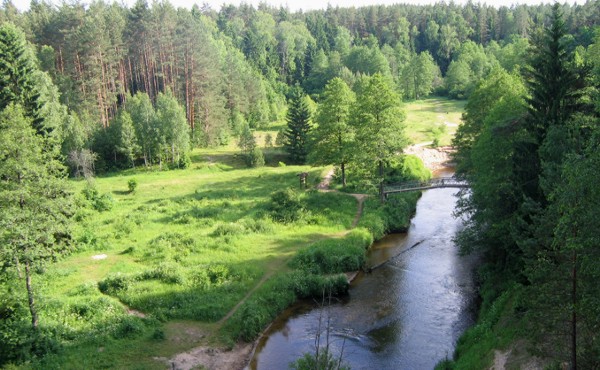
Natura 2000 · reproduction
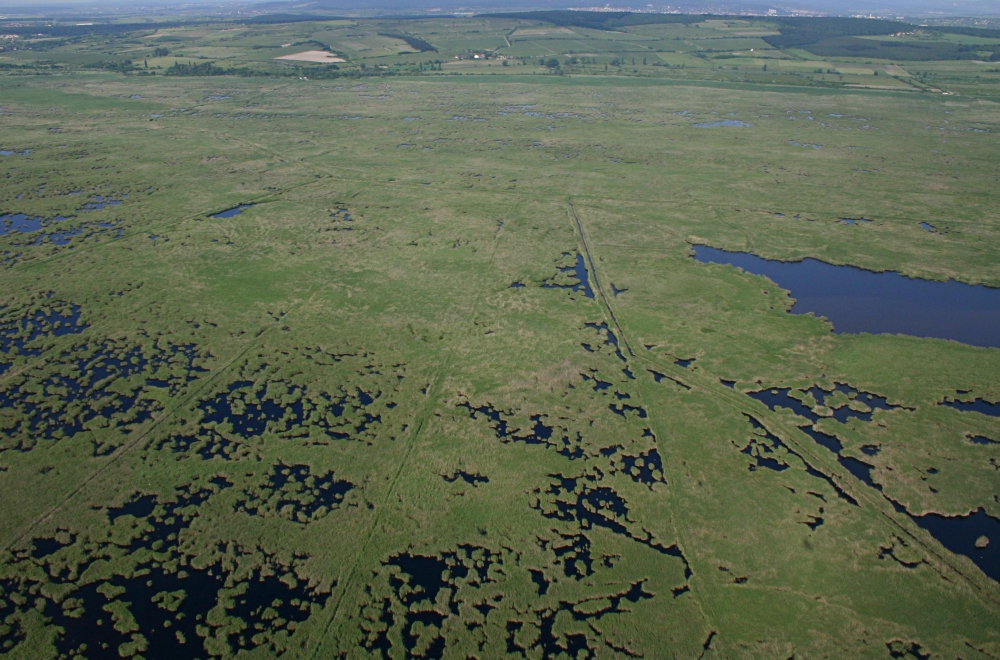
Natura 2000 · reproduction
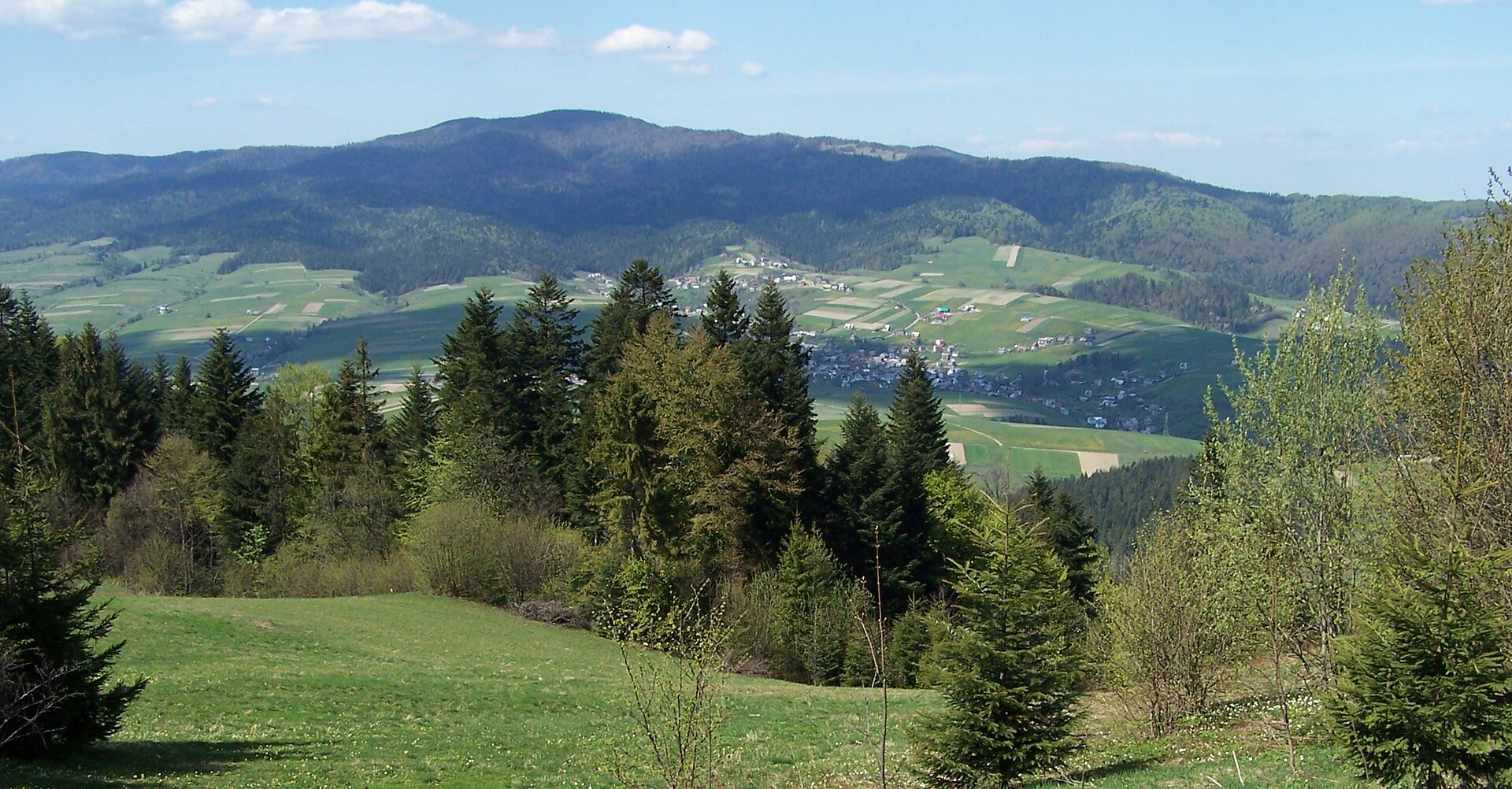
Natura 2000 · reproduction
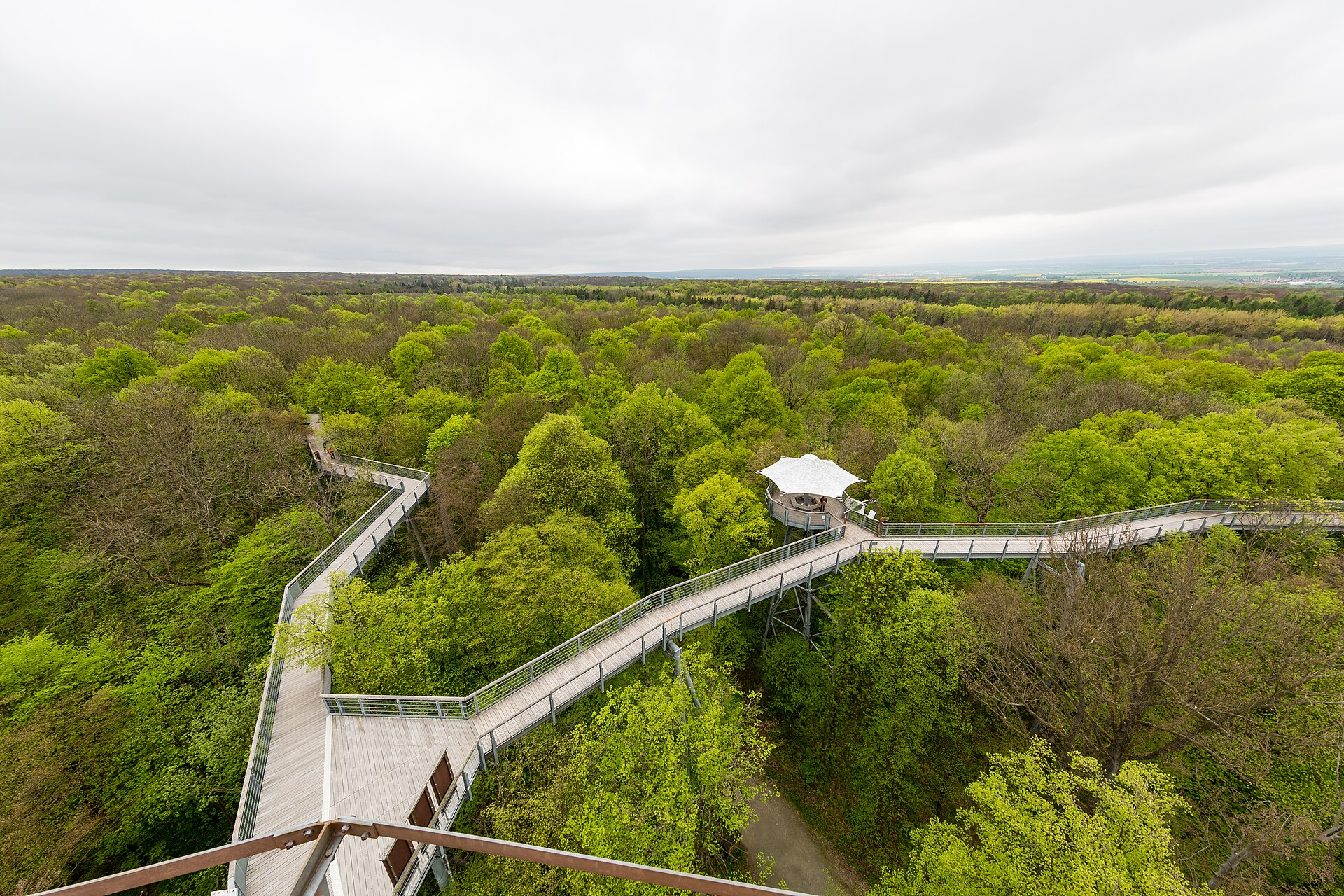
Natura 2000 · reproduction
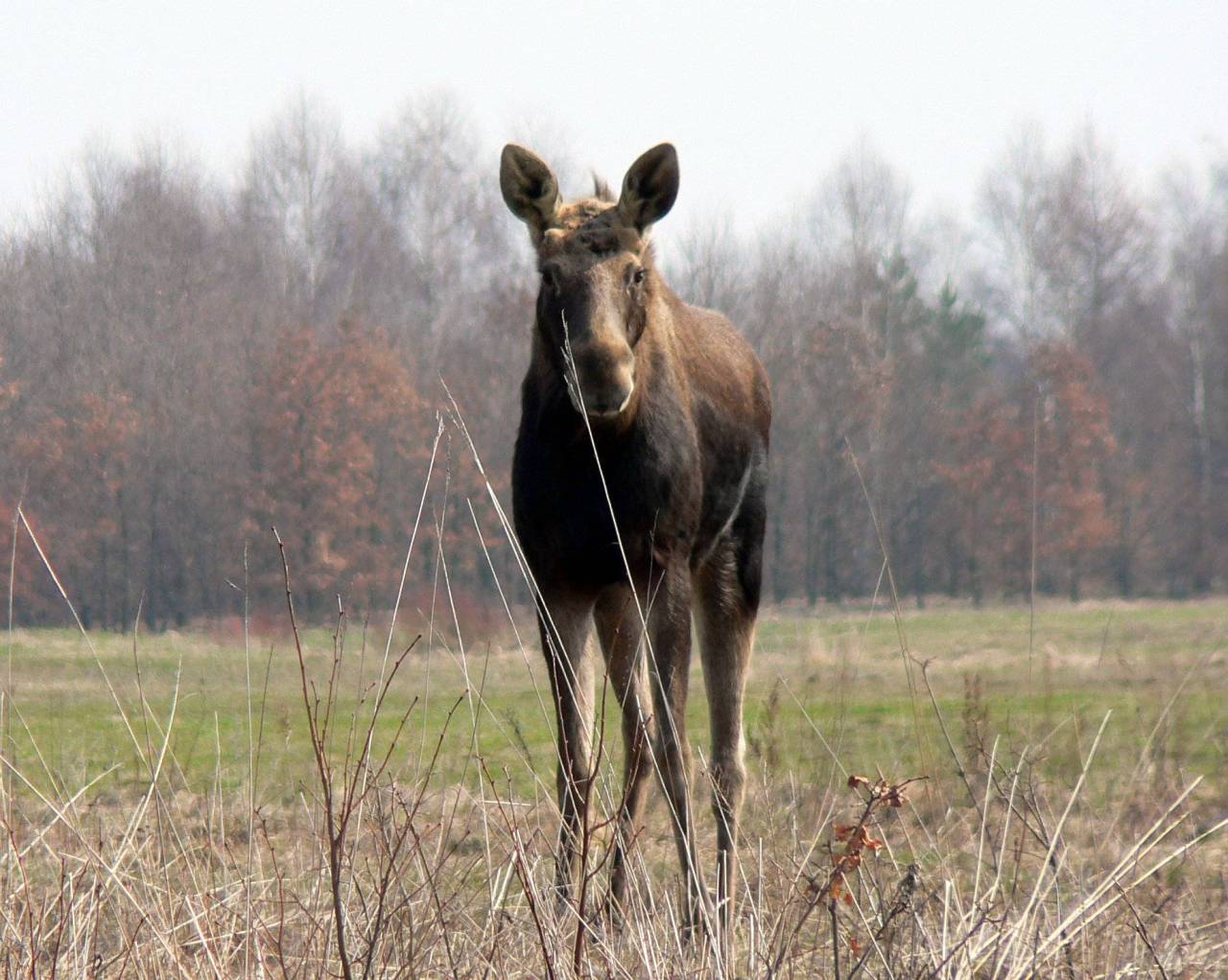
Natura 2000 · reproduction
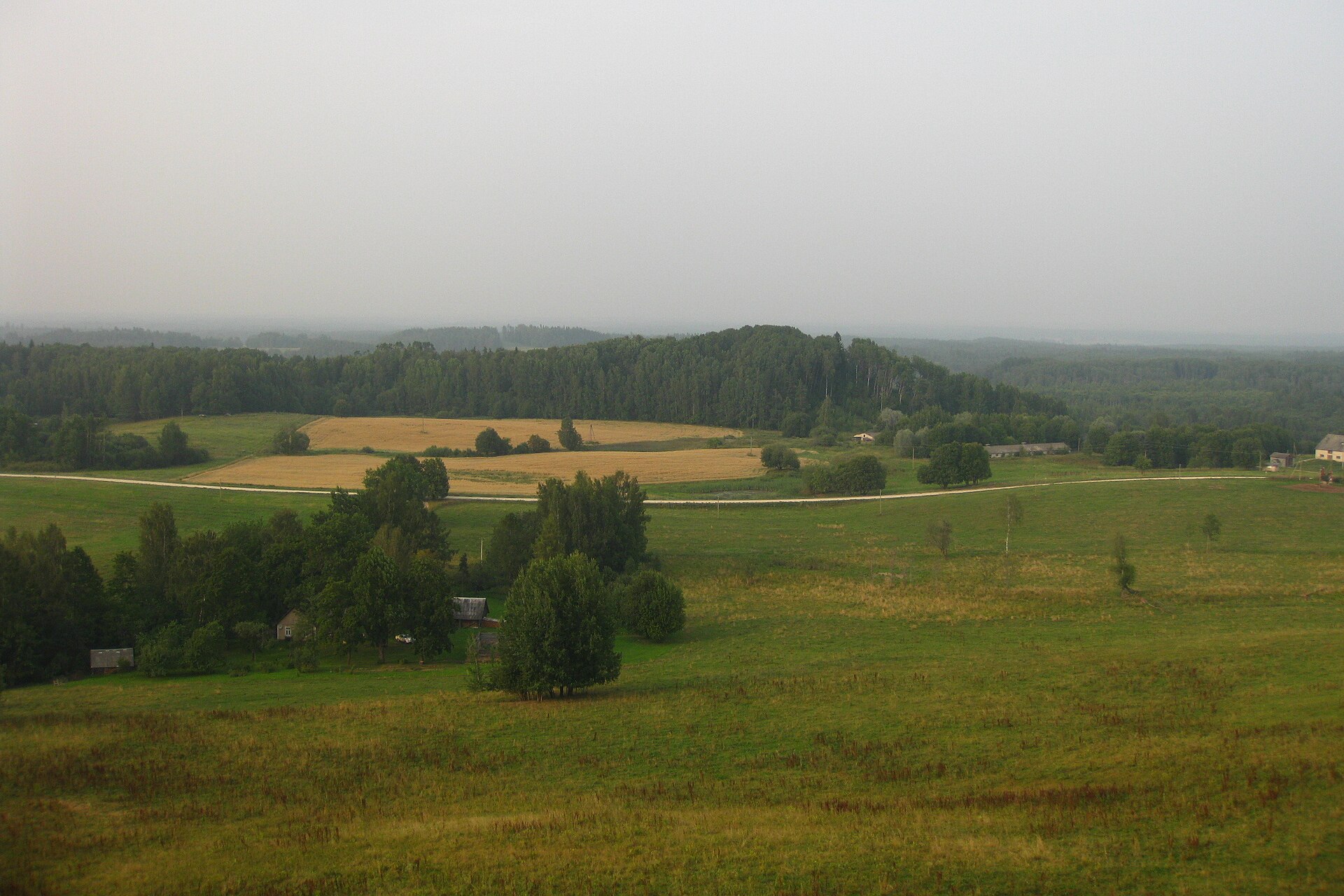
Natura 2000 · reproduction
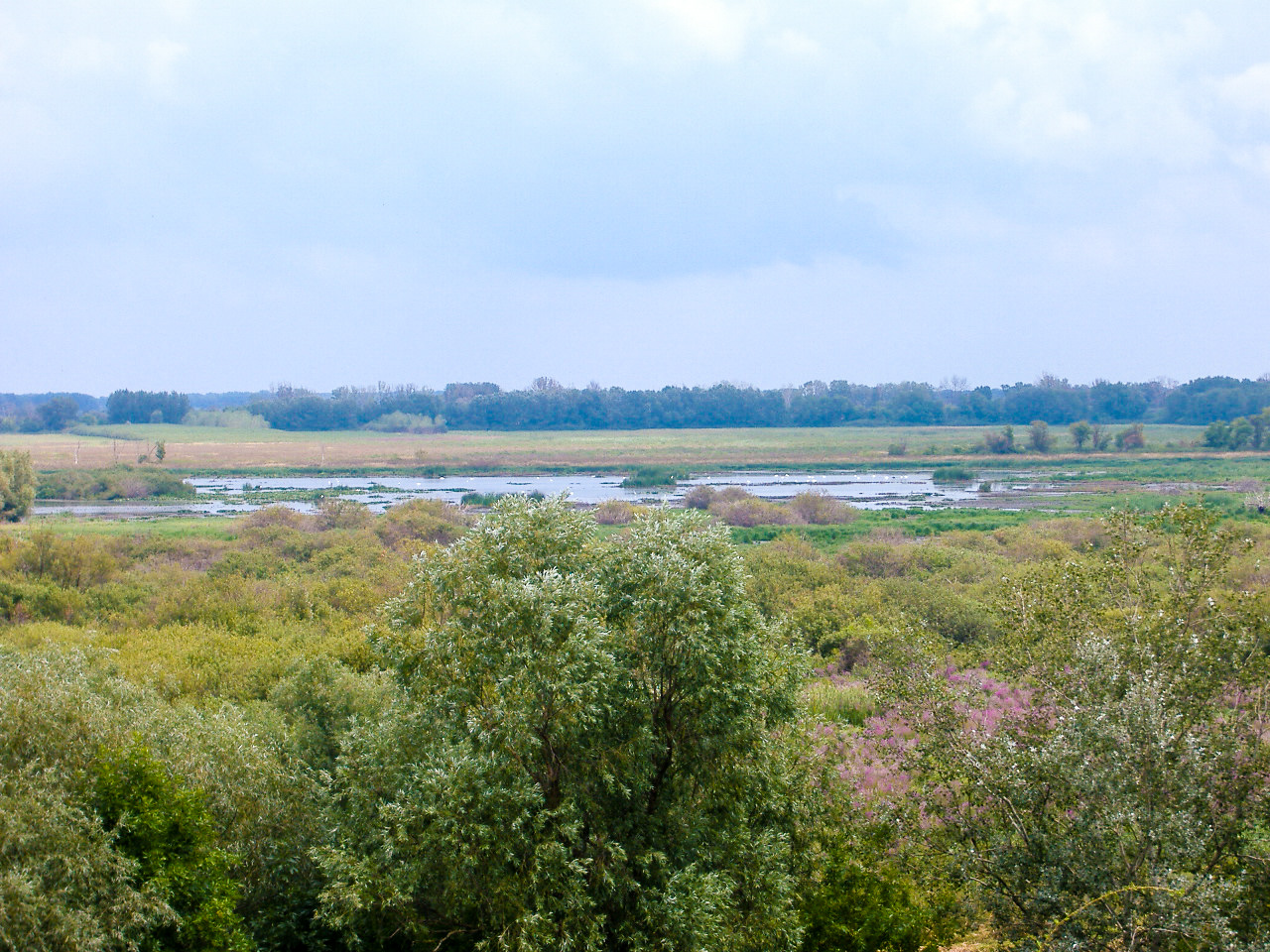
Natura 2000 · reproduction
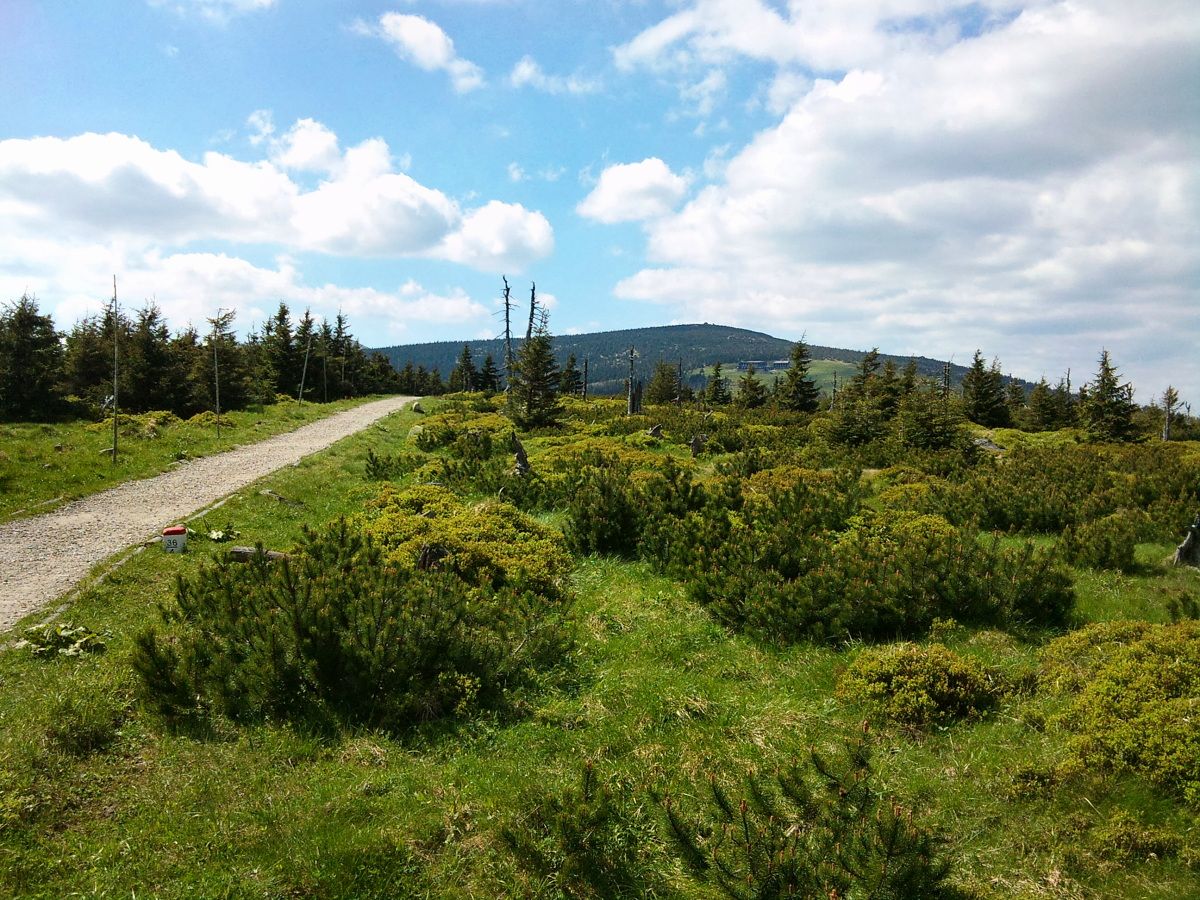
Natura 2000 · reproduction
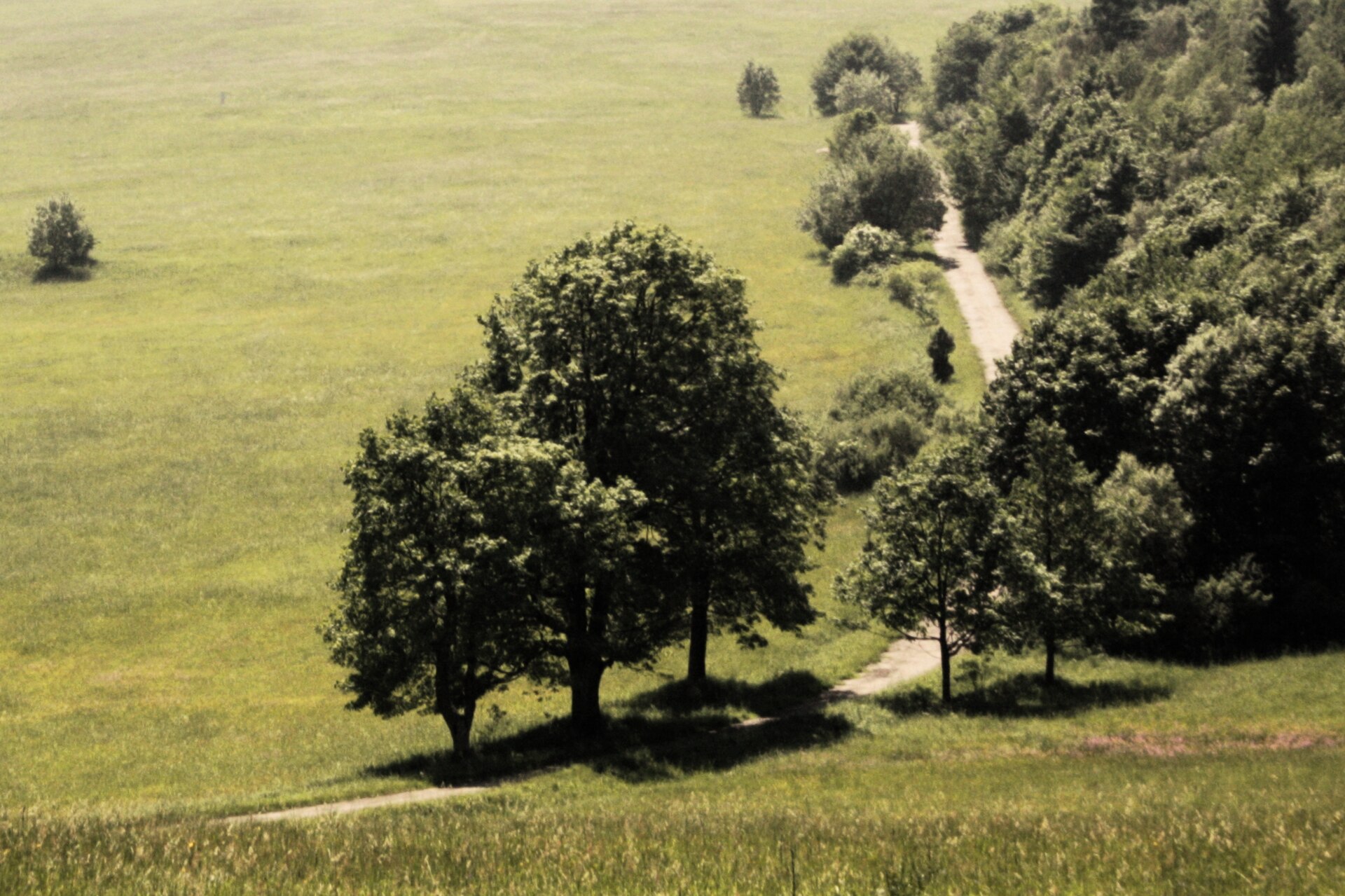
Natura 2000 · reproduction
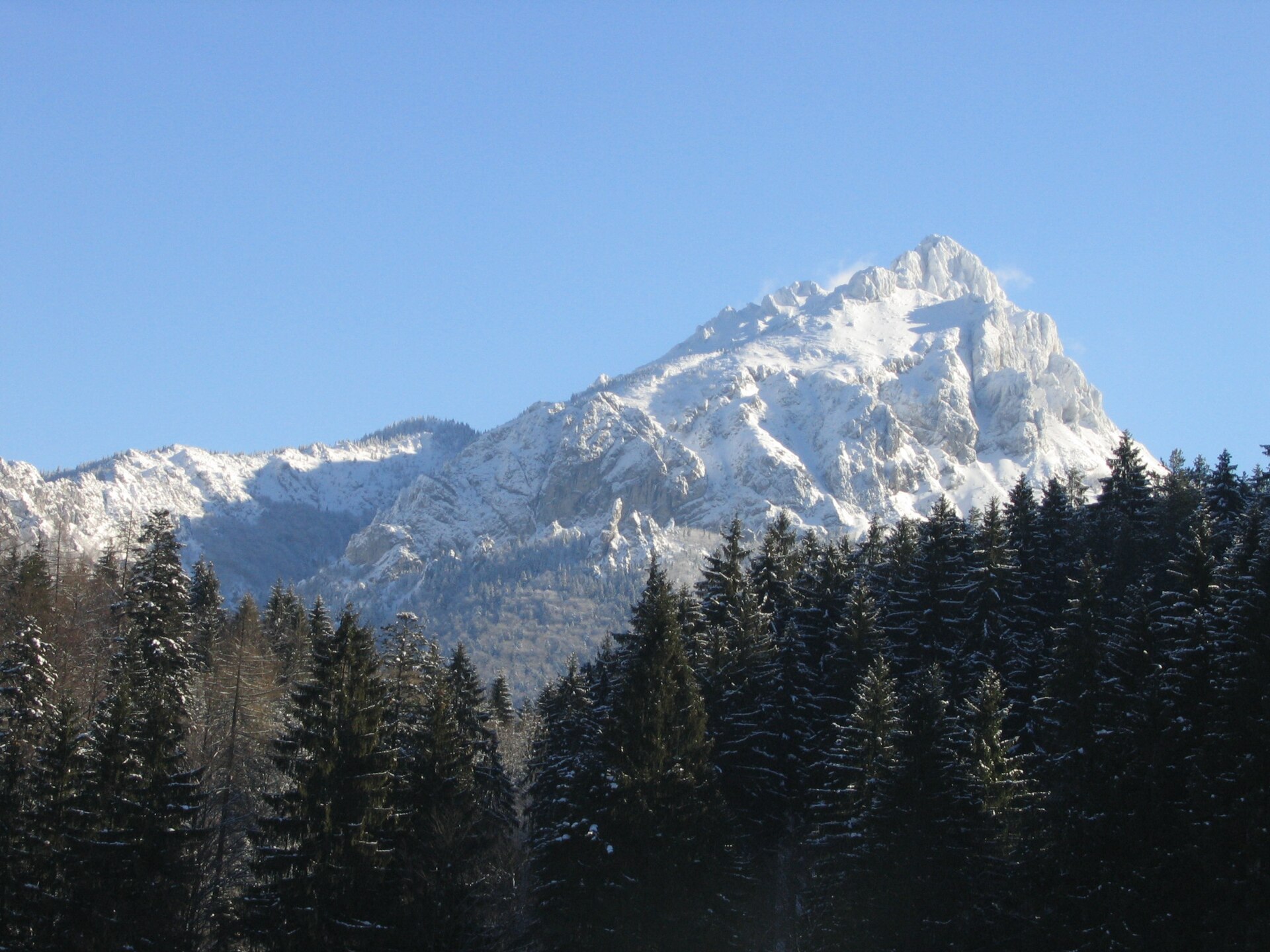
Natura 2000 · reproduction
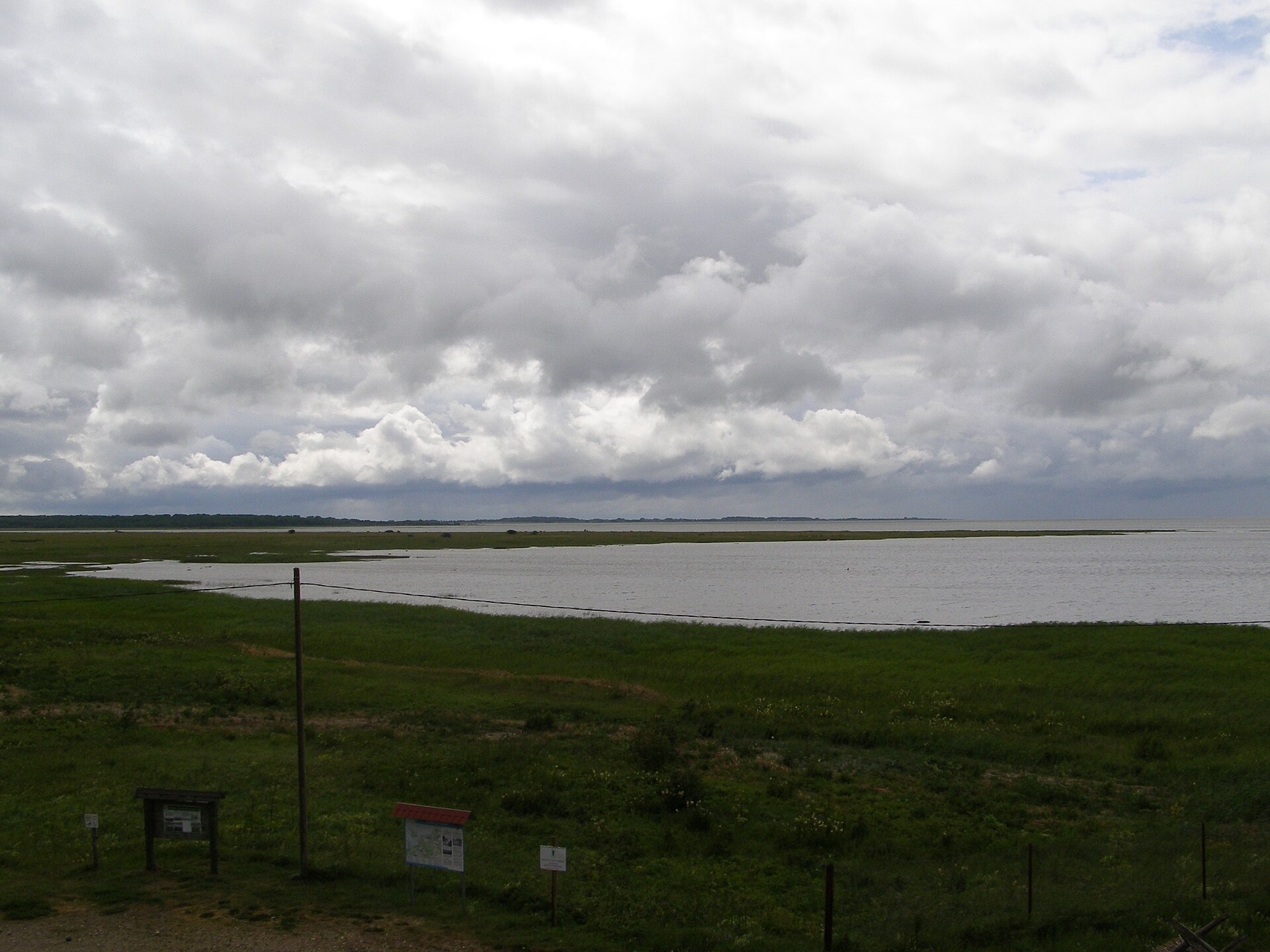
Natura 2000 · reproduction
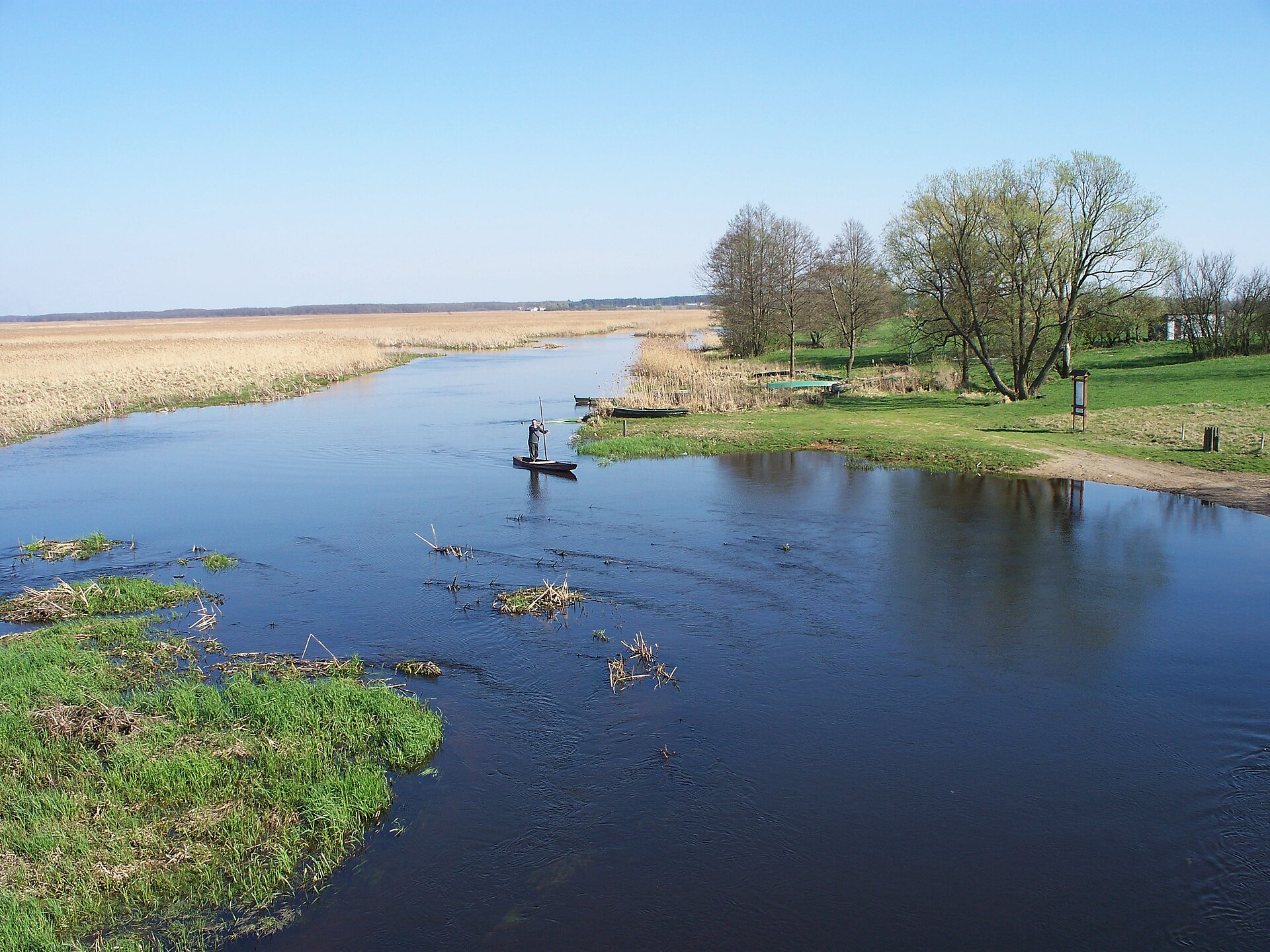
Natura 2000 · reproduction
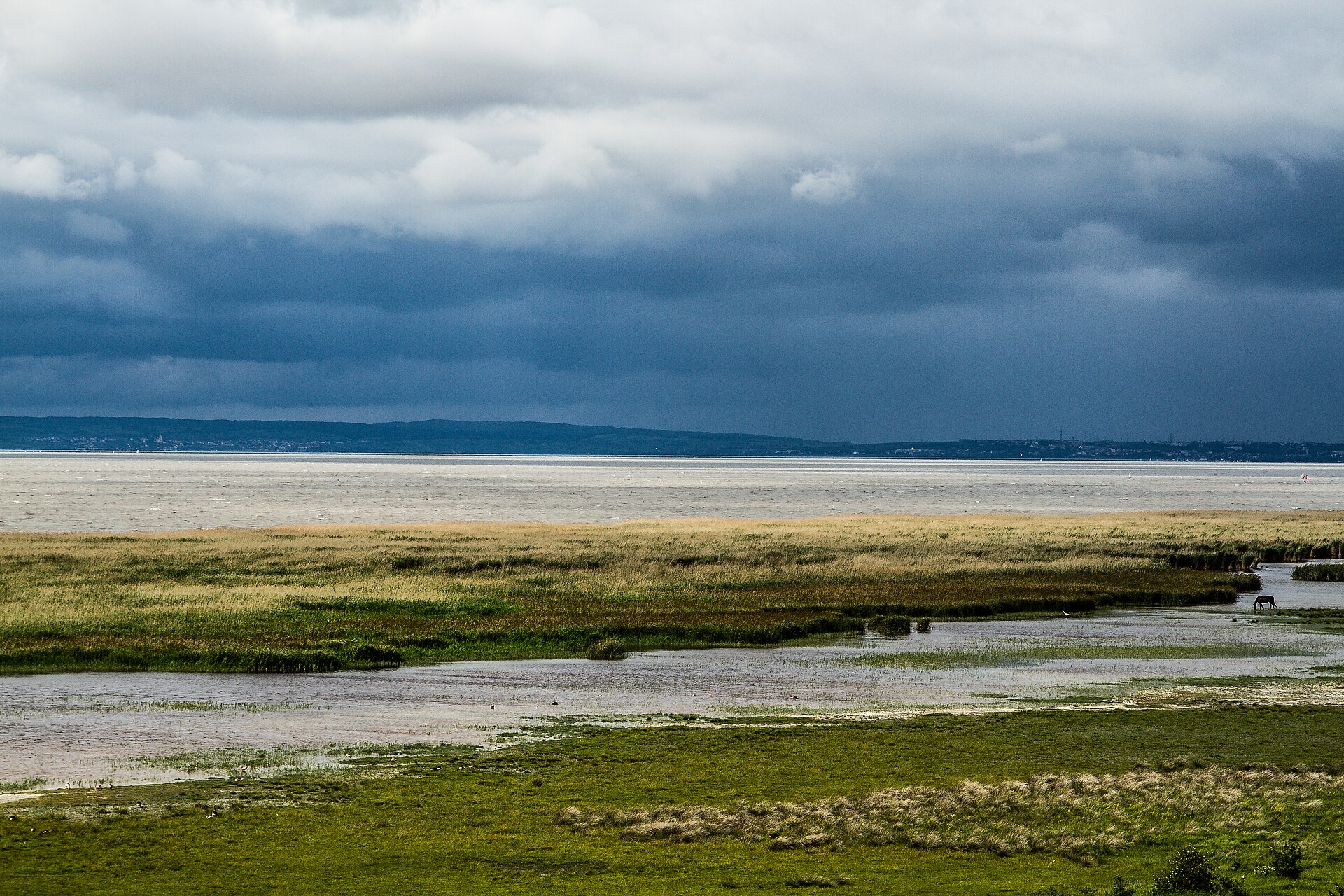
Natura 2000 · reproduction
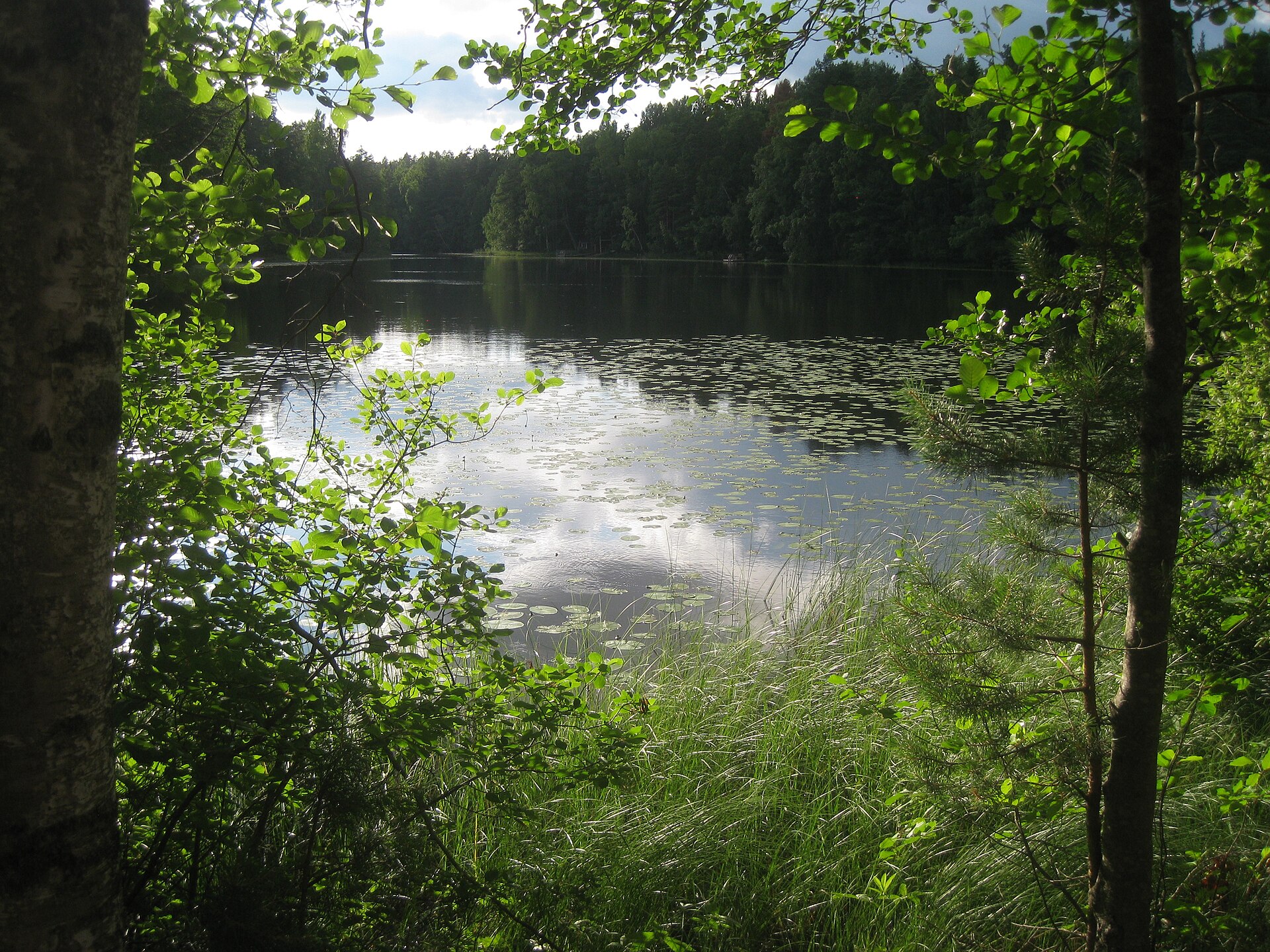
Natura 2000 · reproduction
Natura 2000 · reproduction
Natura 2000 · reproduction

Natura 2000 · reproduction
Natura 2000 · reproduction

Natura 2000 · reproduction
Natura 2000 · reproduction
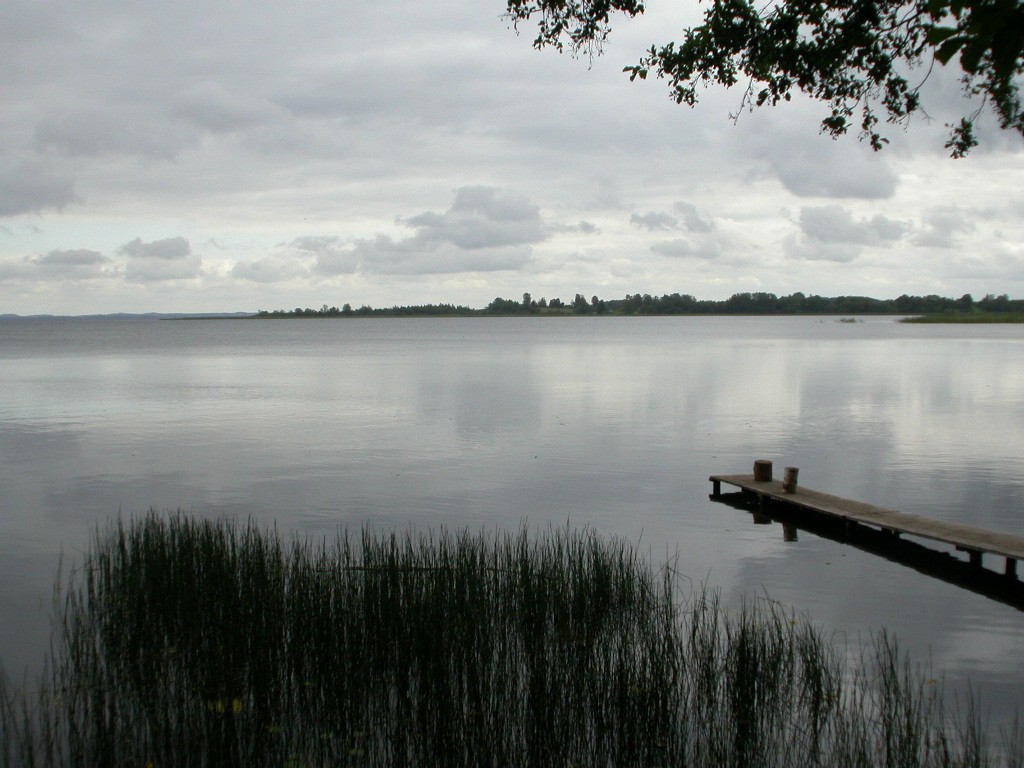
Natura 2000 · reproduction
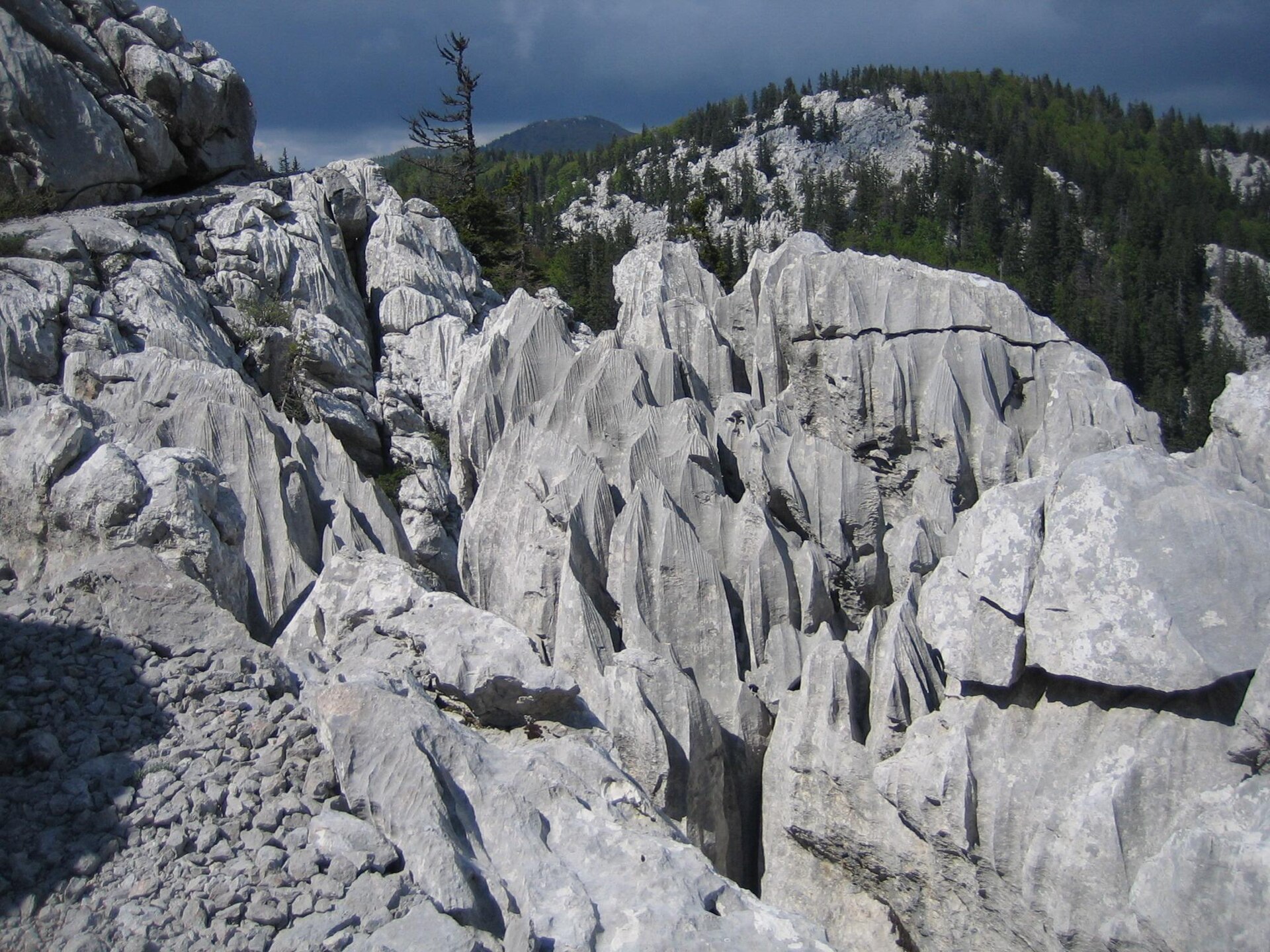
Natura 2000 · reproduction
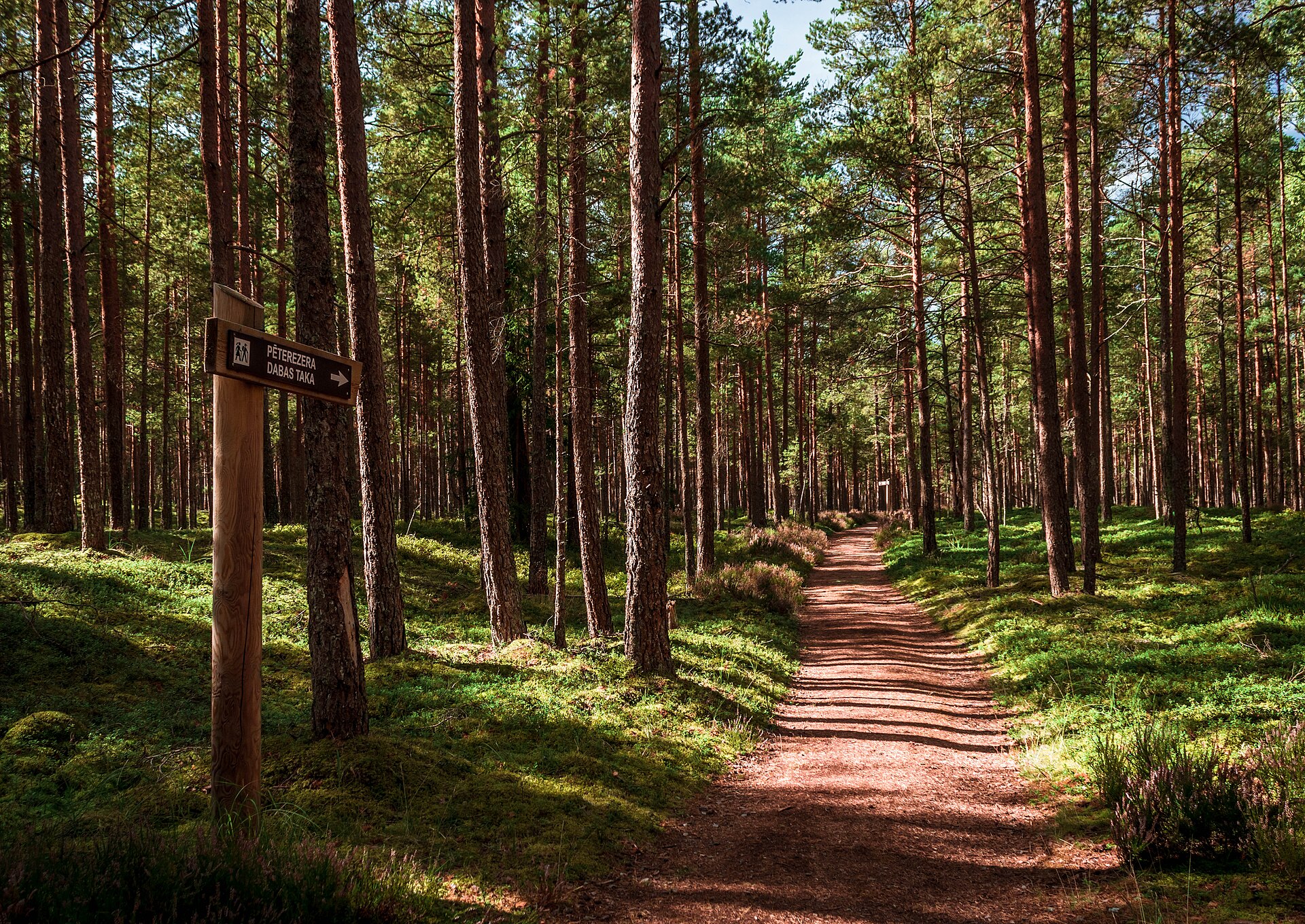
Natura 2000 · reproduction

Natura 2000 · reproduction

Natura 2000 · reproduction
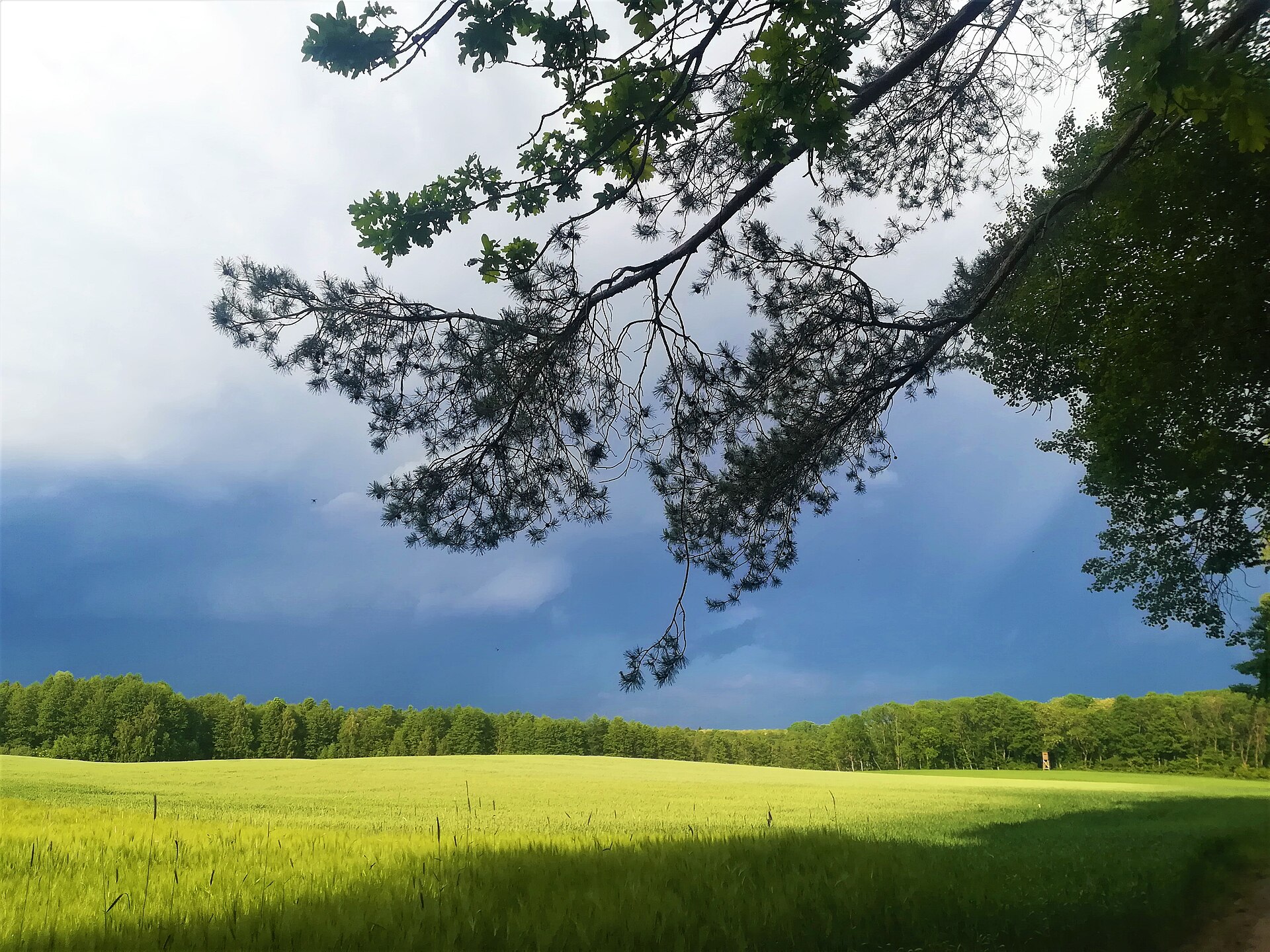
Natura 2000 · reproduction
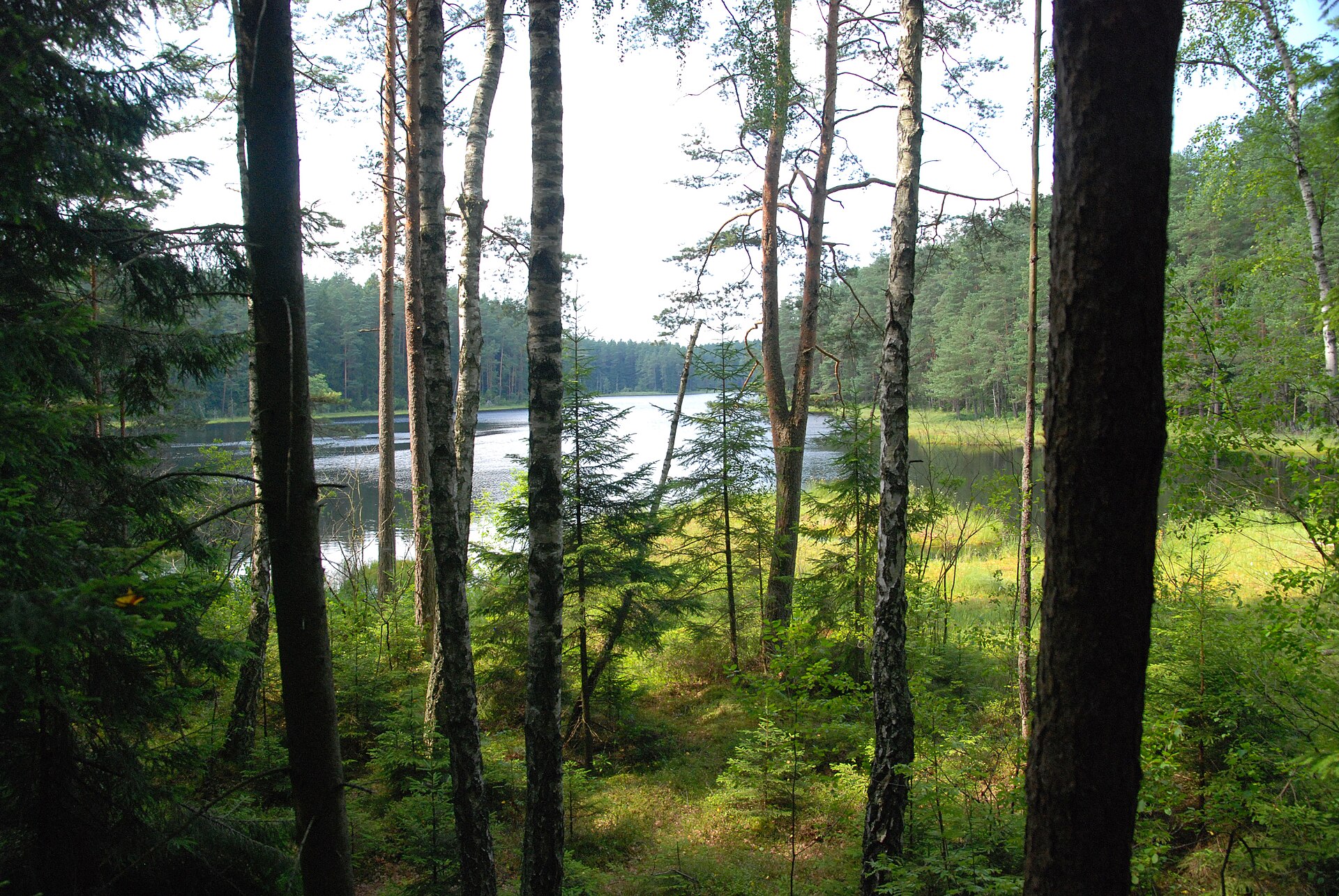
Natura 2000 · reproduction

Natura 2000 · reproduction

Natura 2000 · reproduction

Natura 2000 · reproduction

Natura 2000 · reproduction
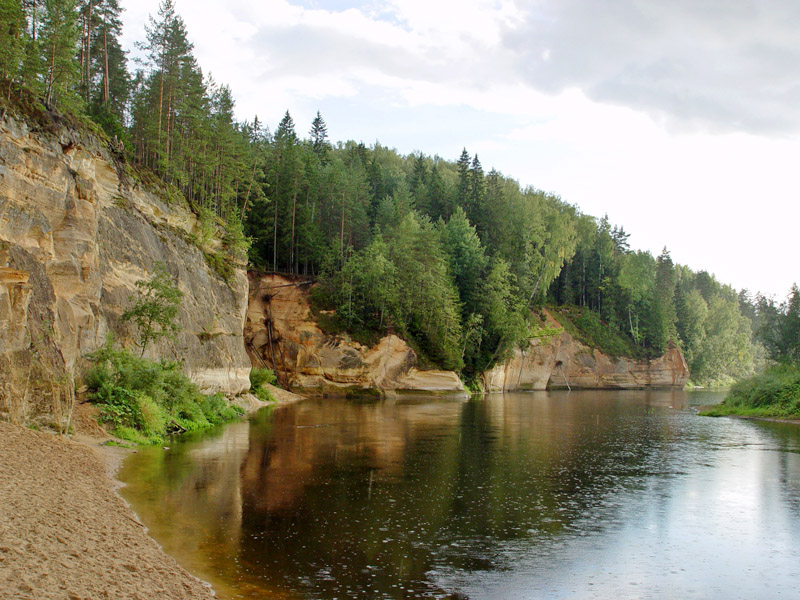
Natura 2000 · reproduction

Natura 2000 · reproduction
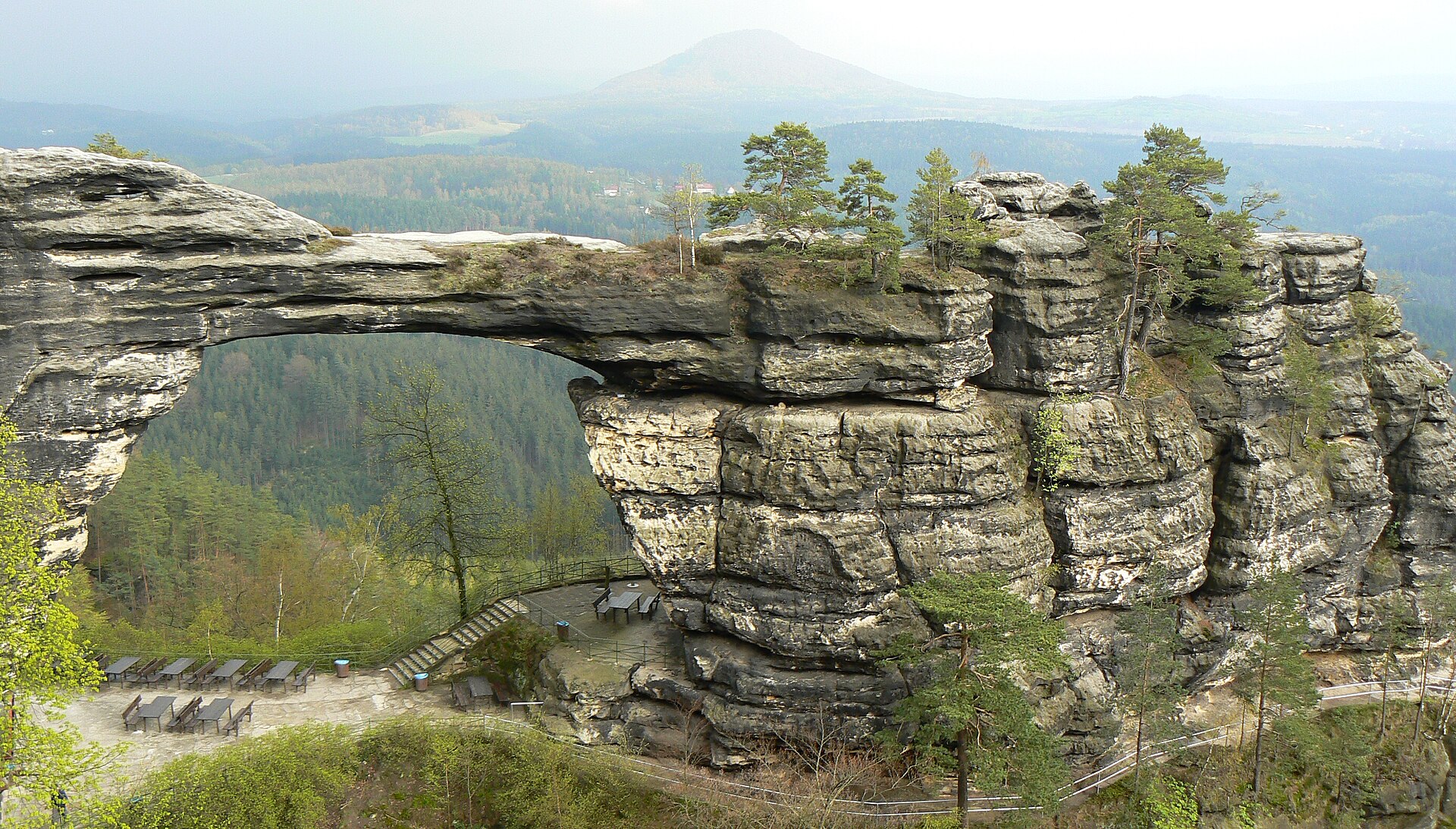
Natura 2000 · reproduction
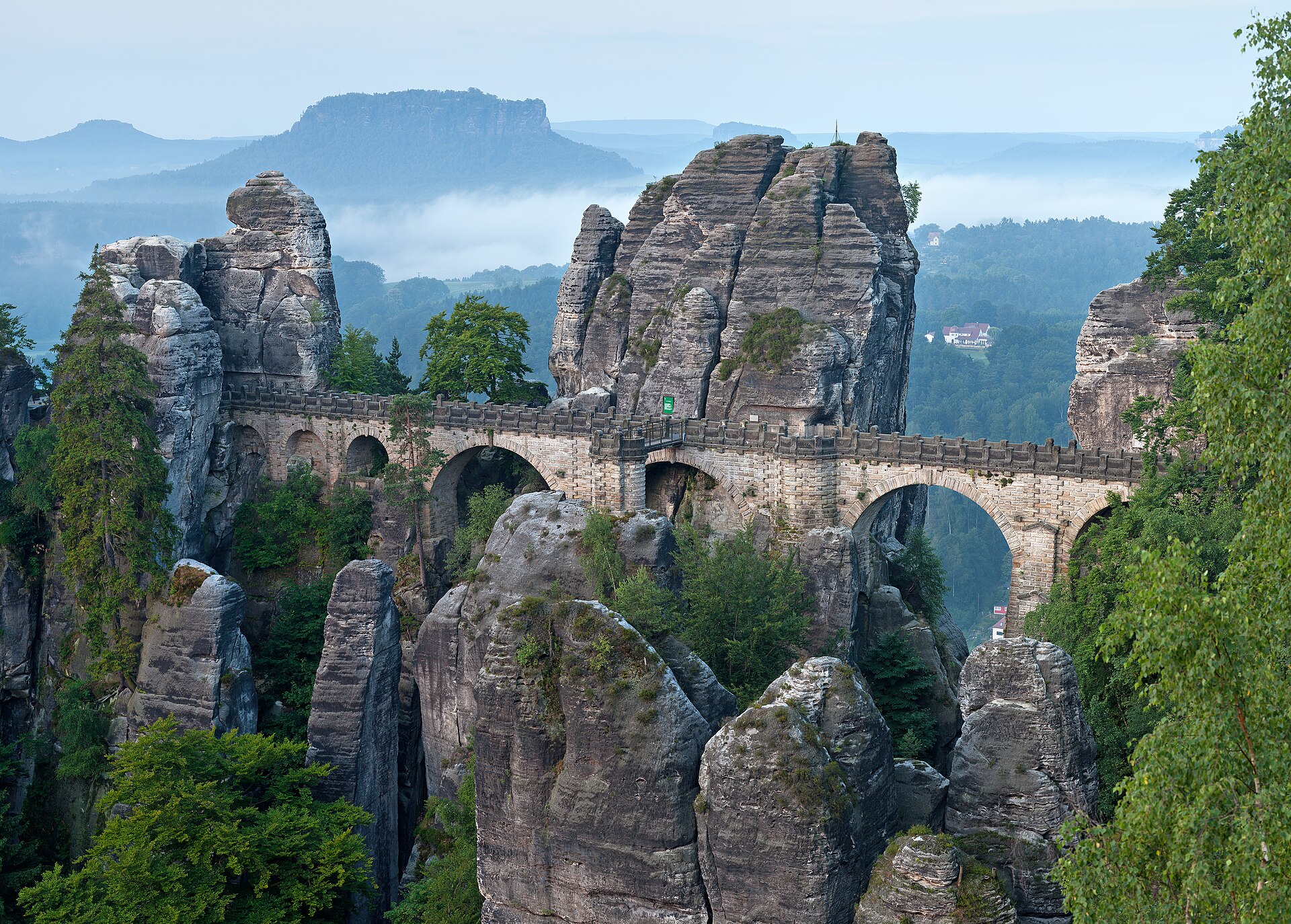
Natura 2000 · de passage, reproduction

Natura 2000 · reproduction

Natura 2000 · reproduction

Natura 2000 · reproduction
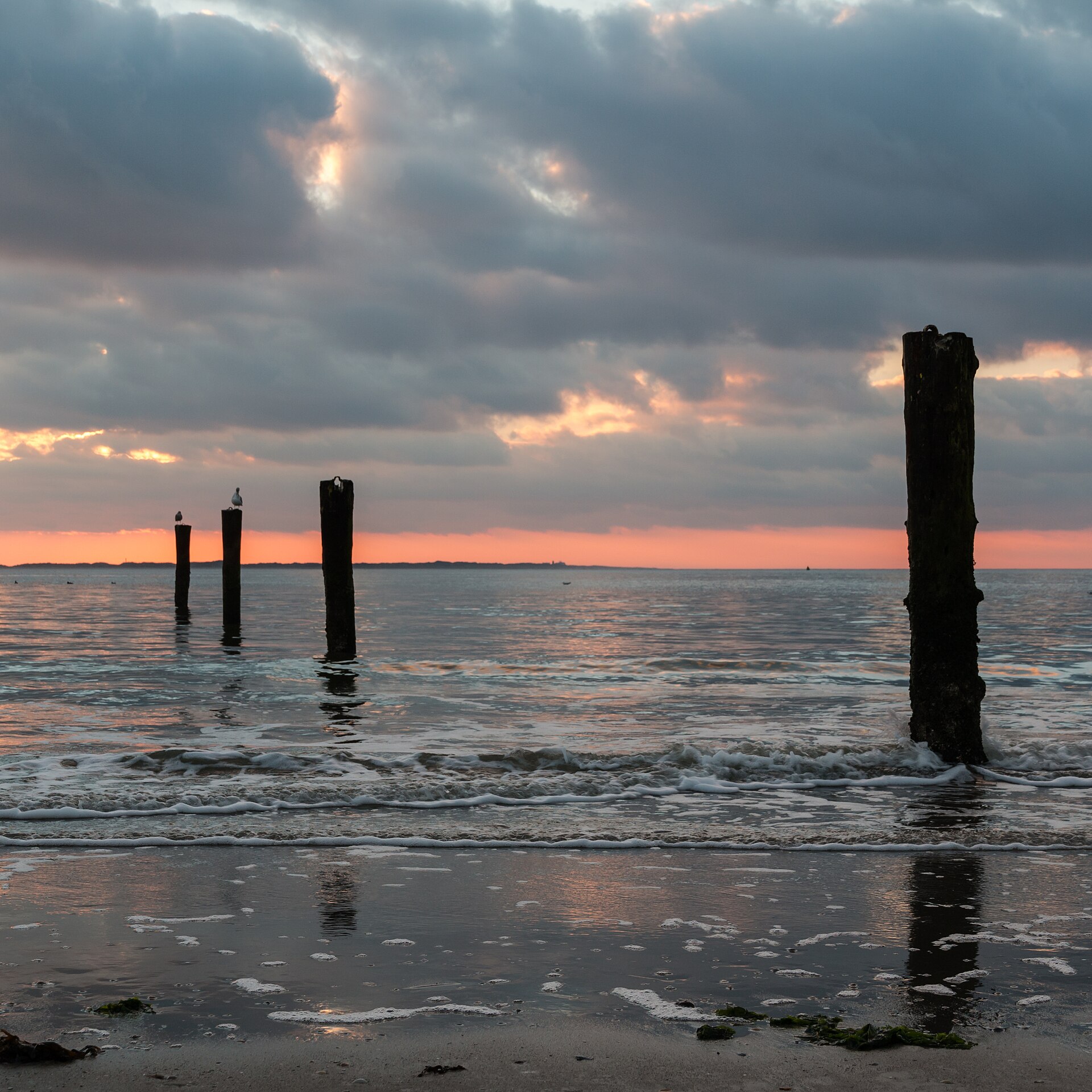
Natura 2000 · reproduction

Natura 2000 · reproduction
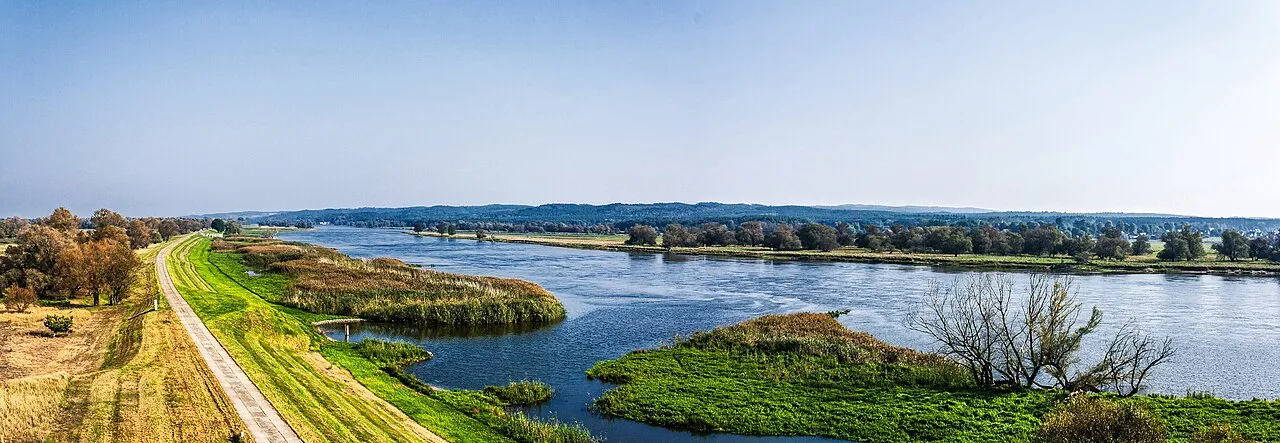
Natura 2000 · reproduction
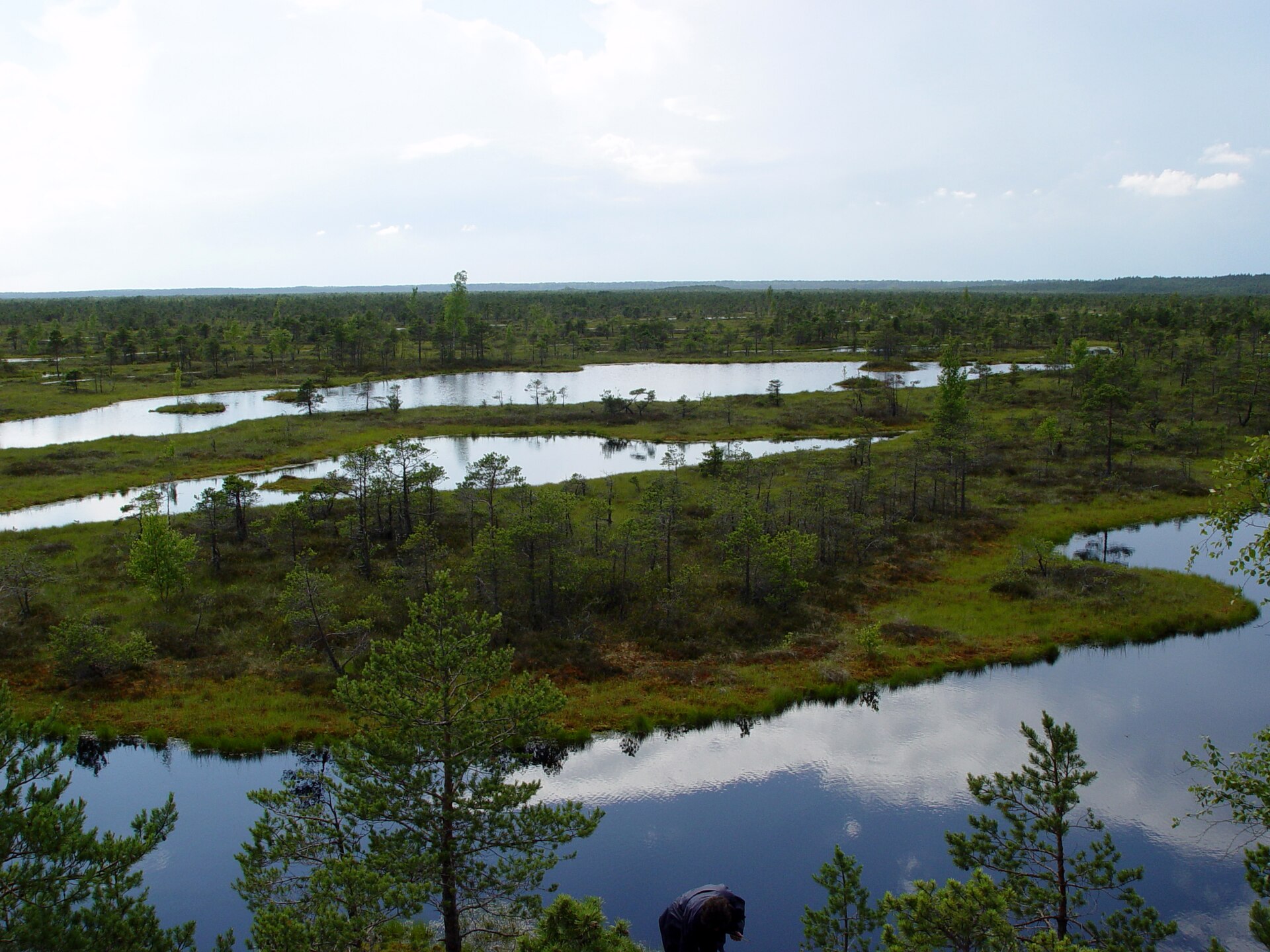
Natura 2000 · reproduction
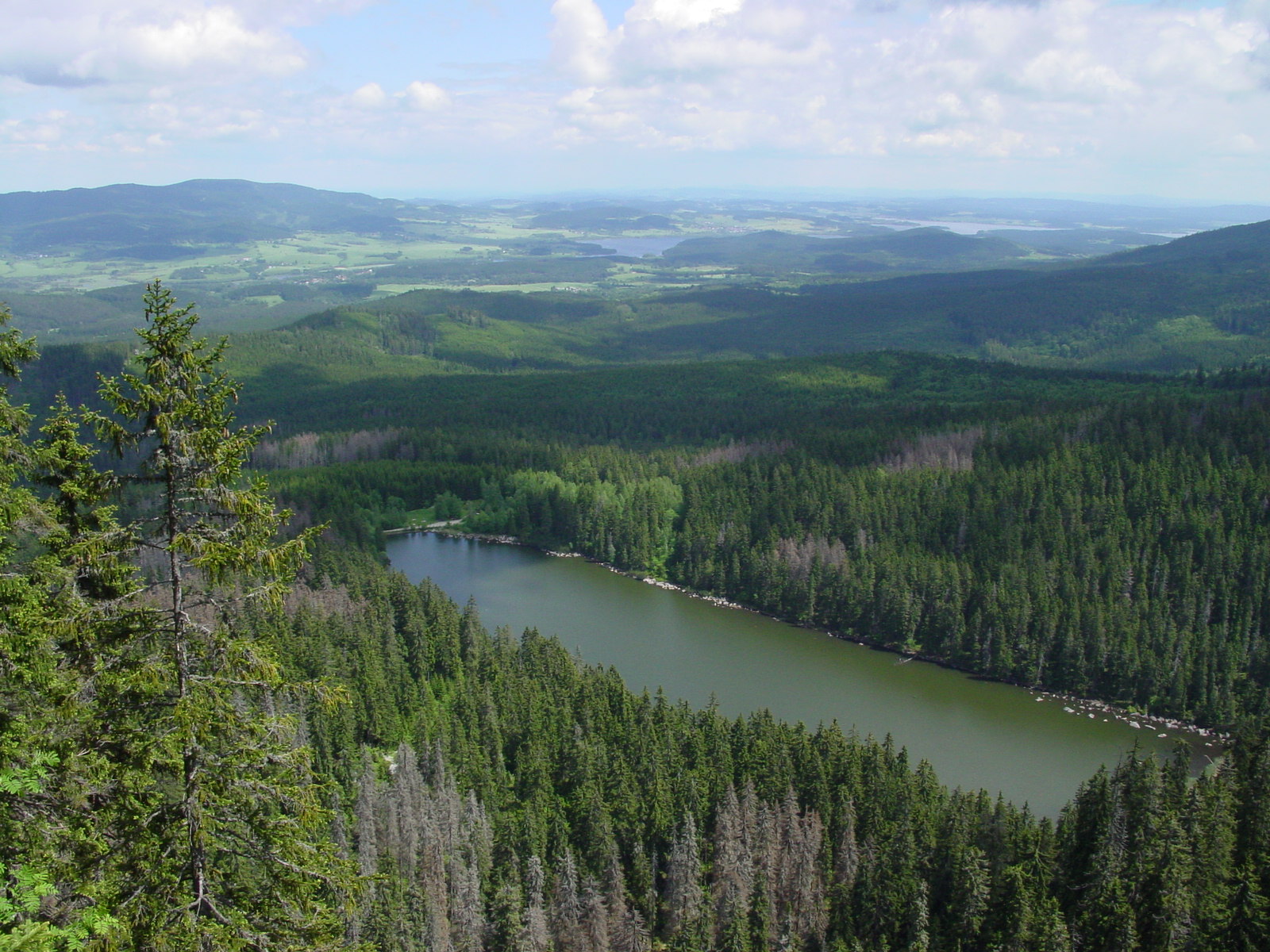
Natura 2000 · reproduction
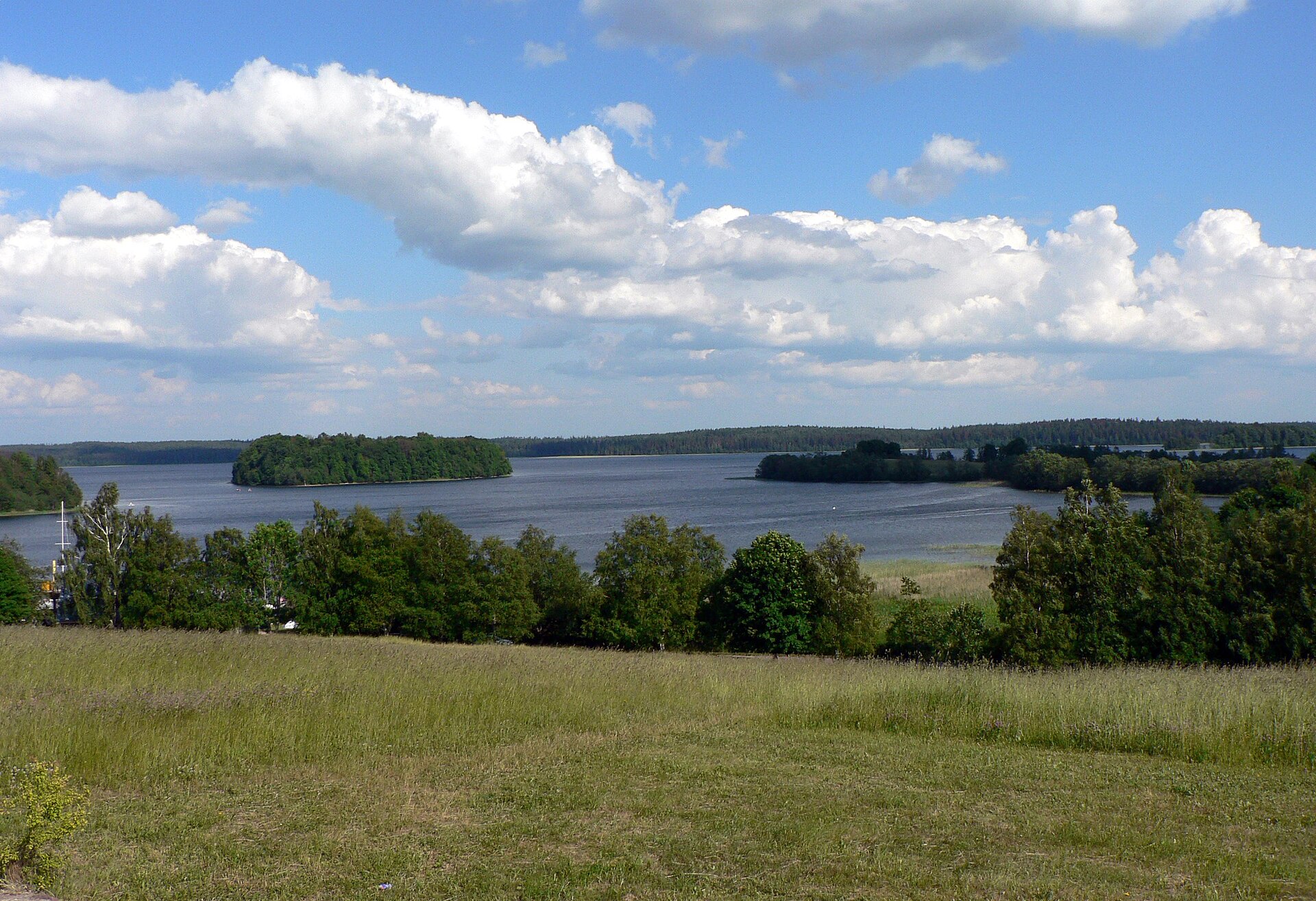
Natura 2000 · reproduction
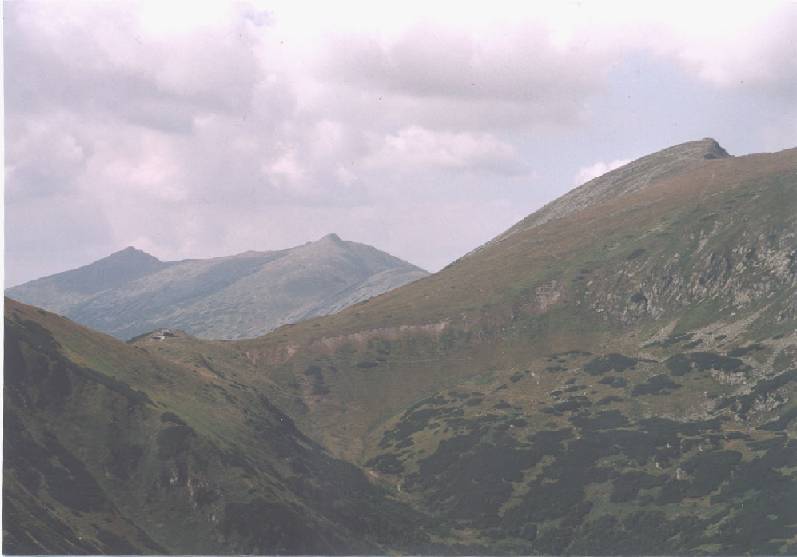
Natura 2000

Natura 2000 · reproduction
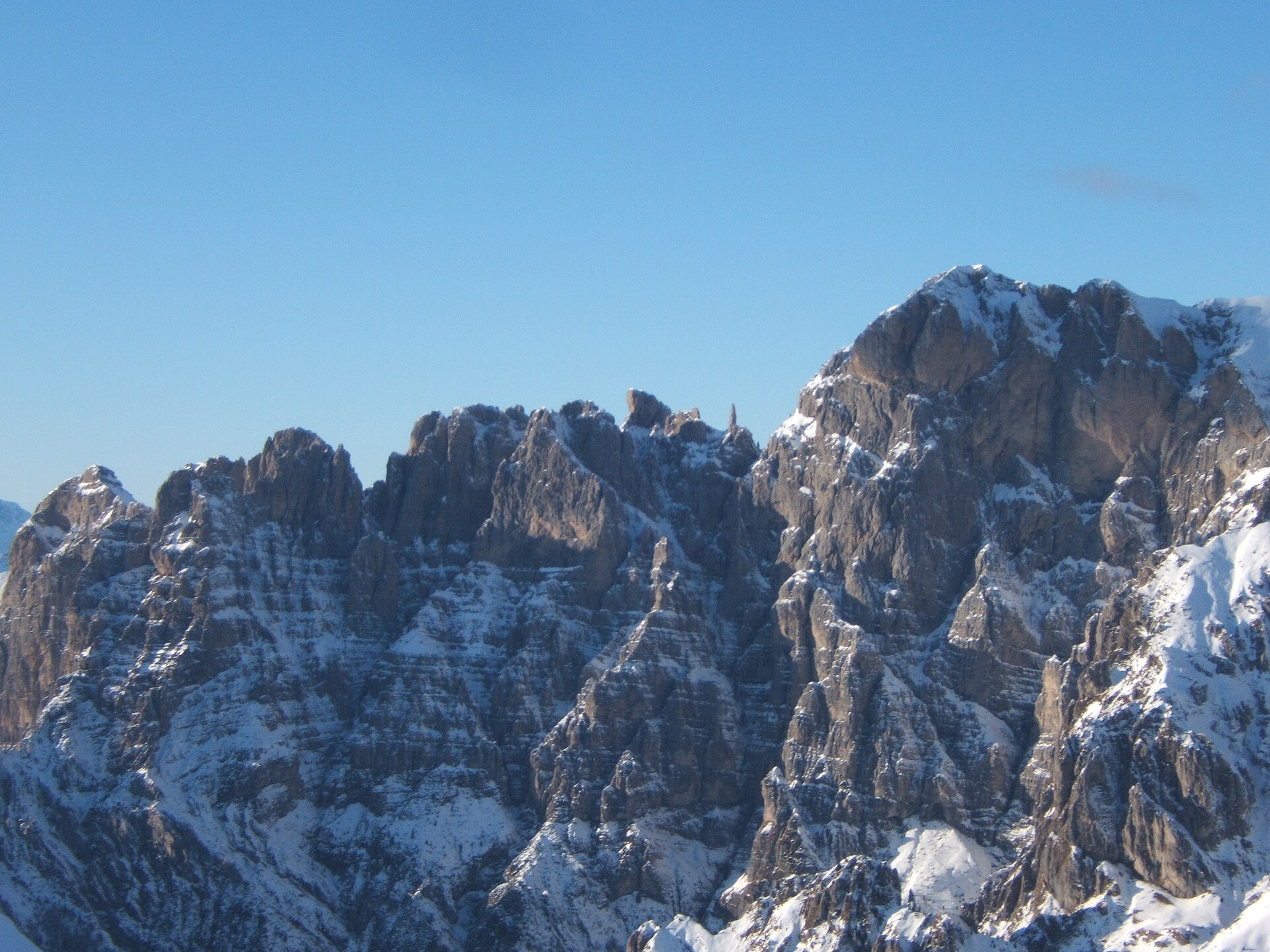
Natura 2000 · reproduction
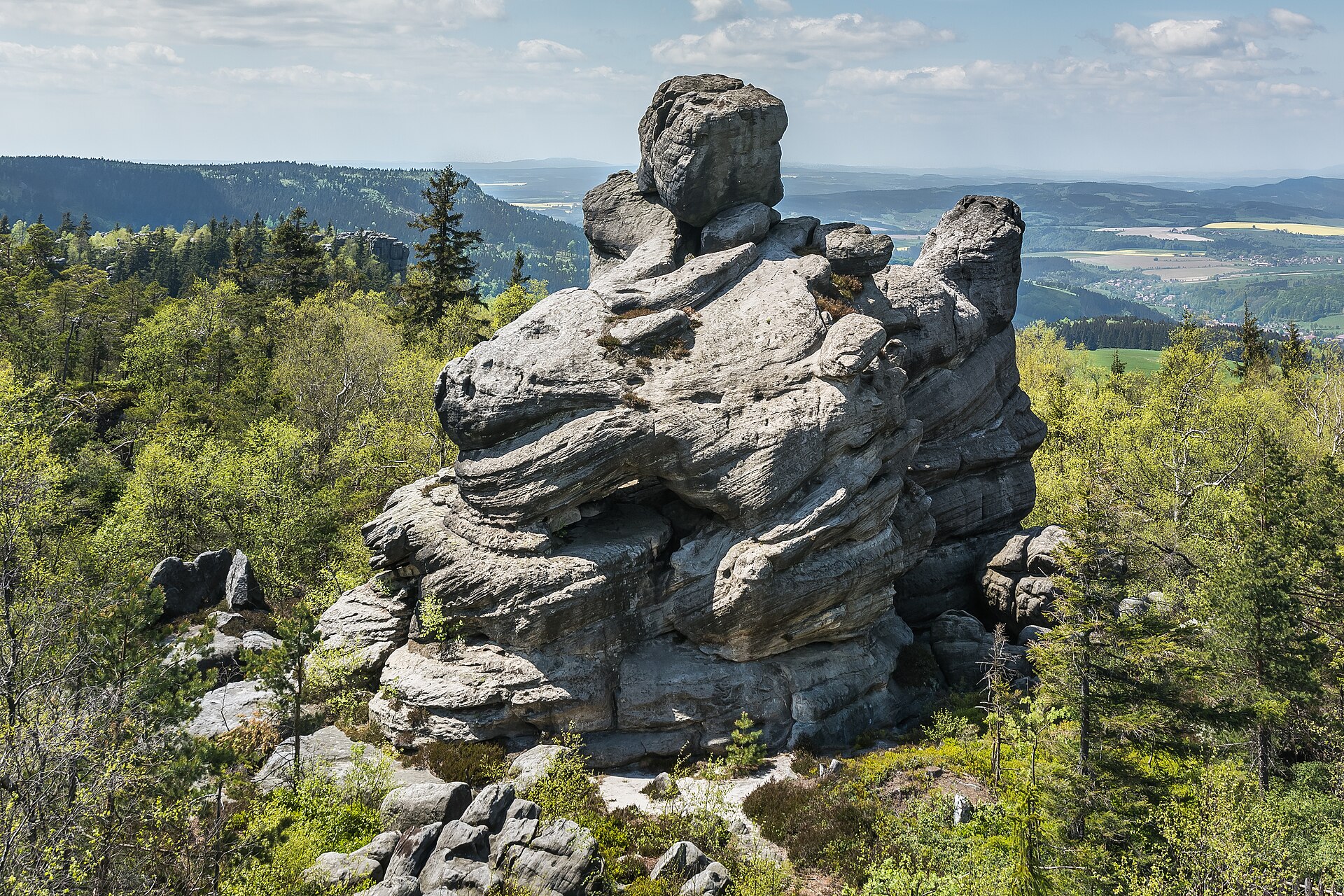
Natura 2000 · reproduction
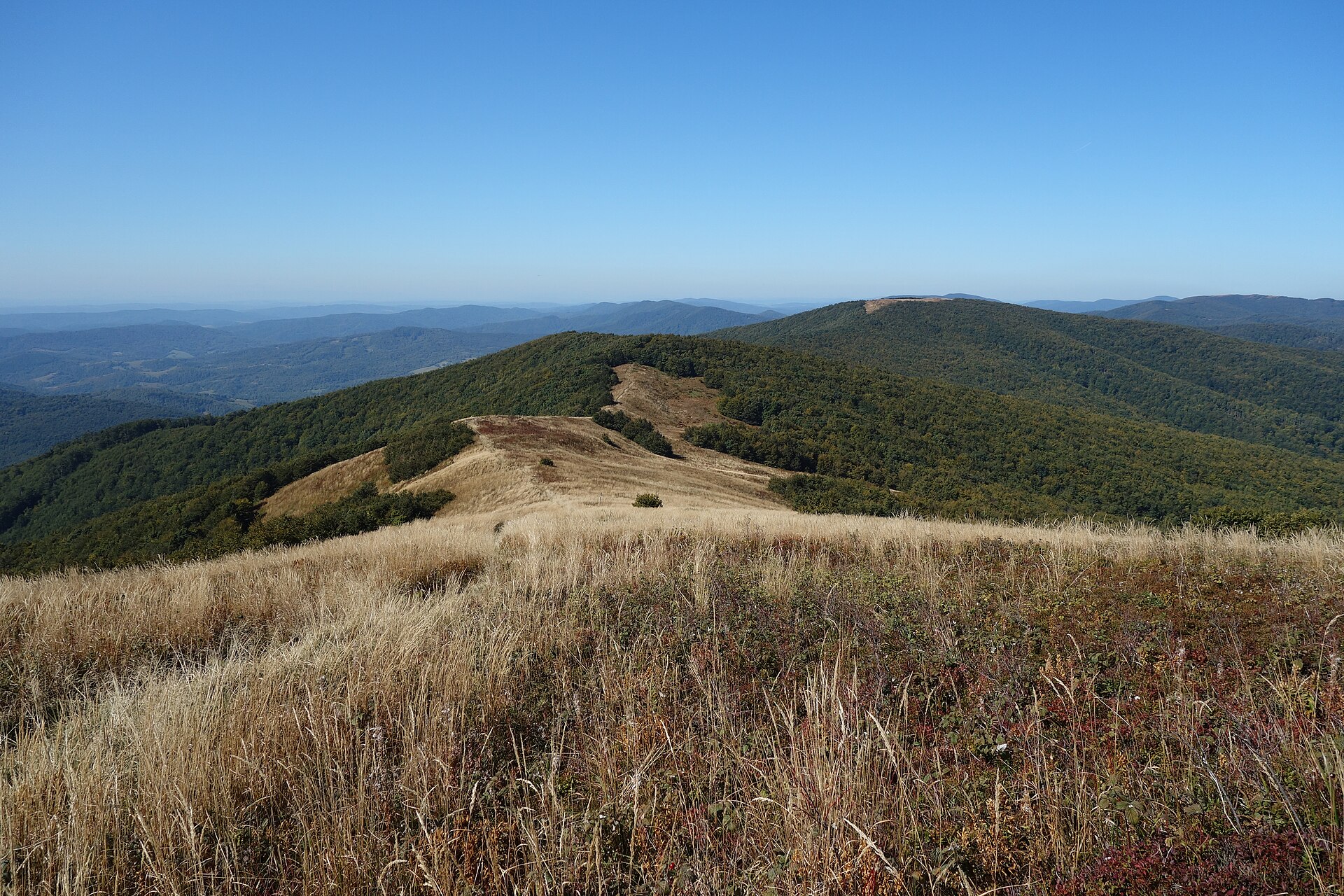
Natura 2000 · reproduction
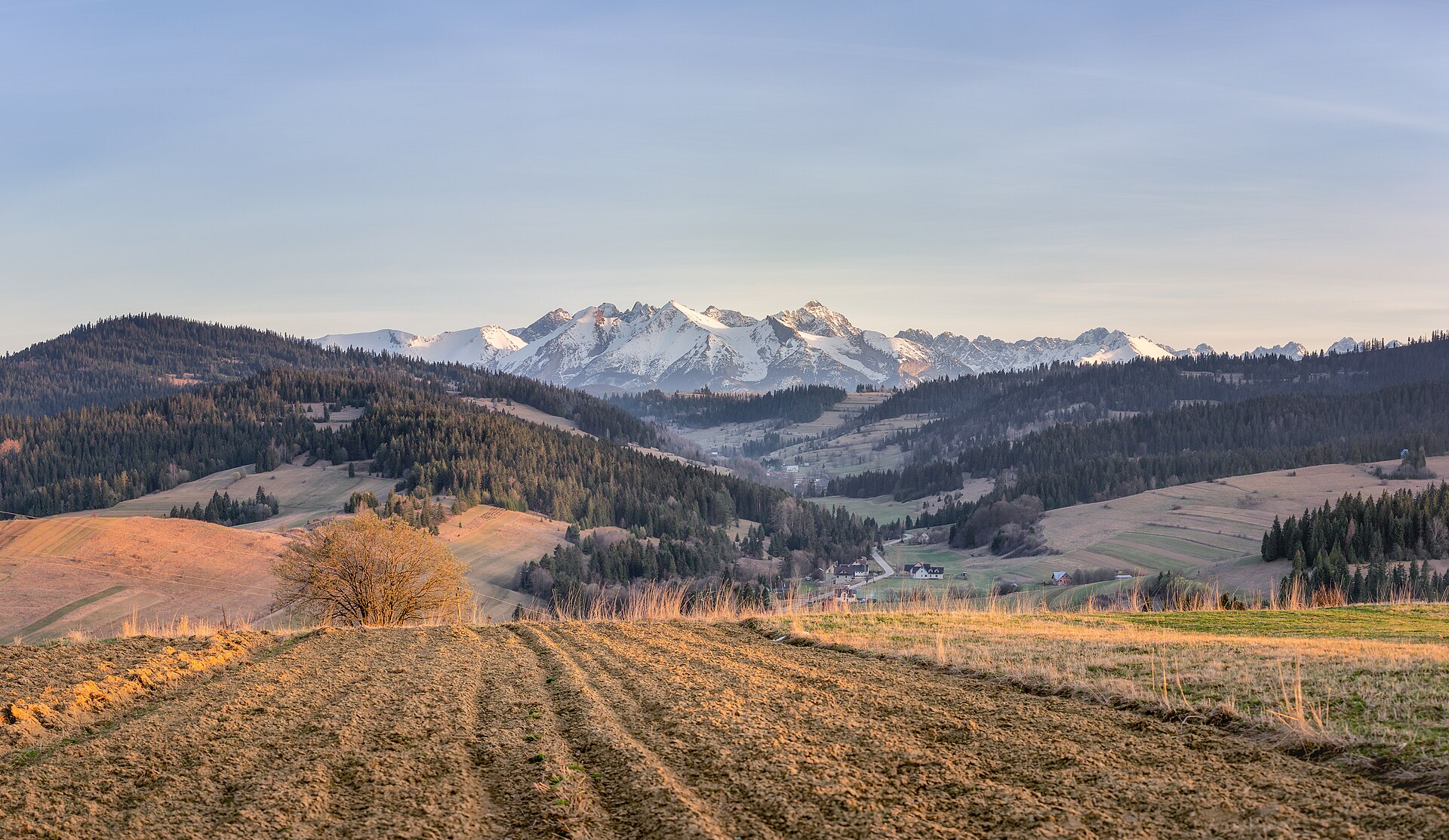
Natura 2000 · reproduction
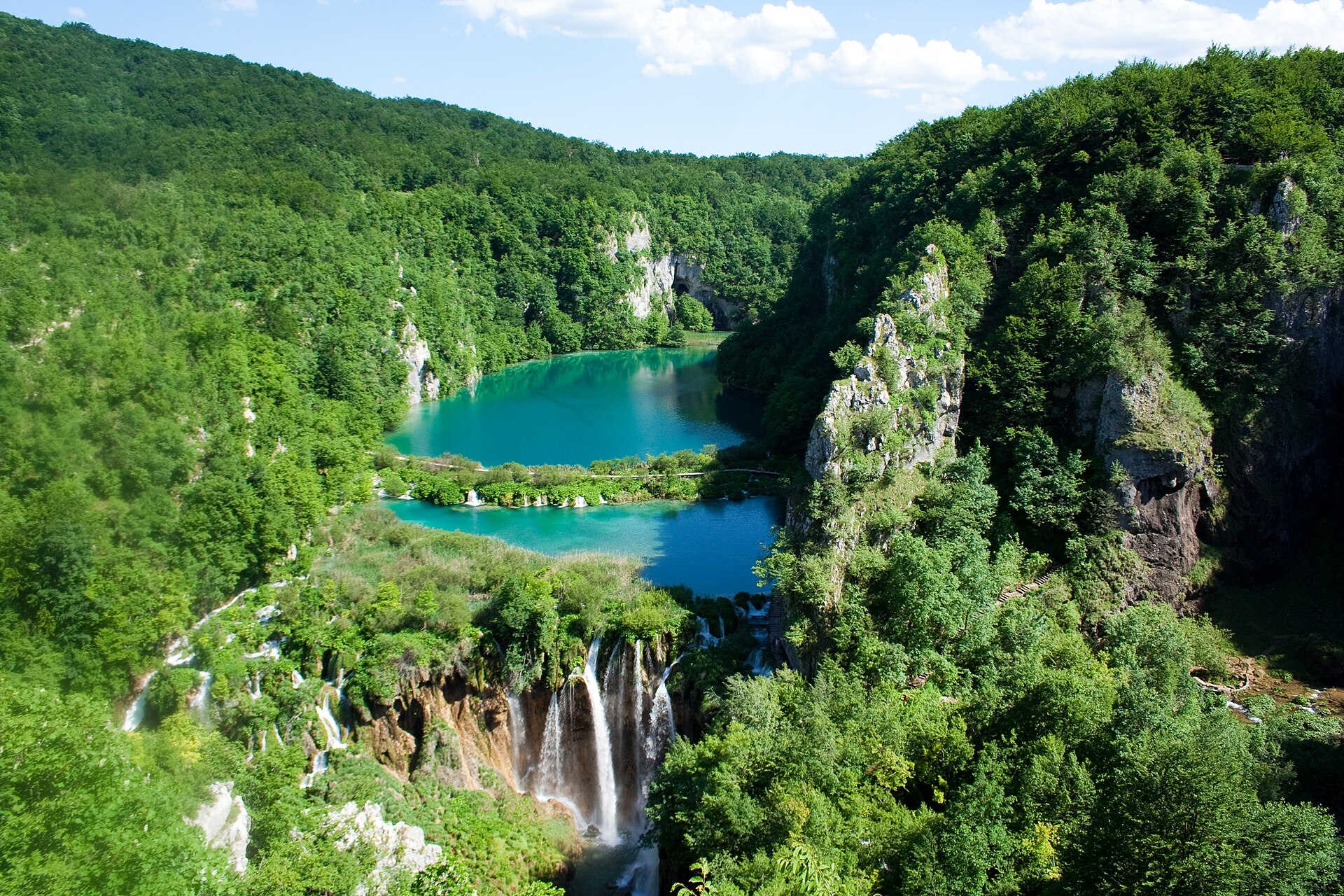
Natura 2000 · reproduction
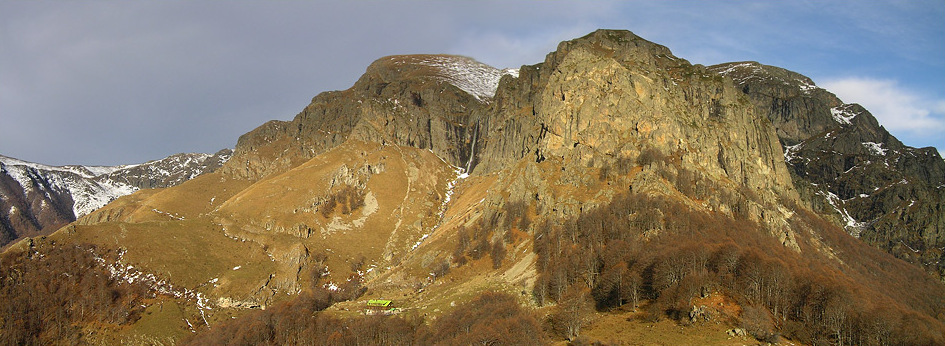
Natura 2000 · reproduction

Natura 2000 · reproduction, de passage
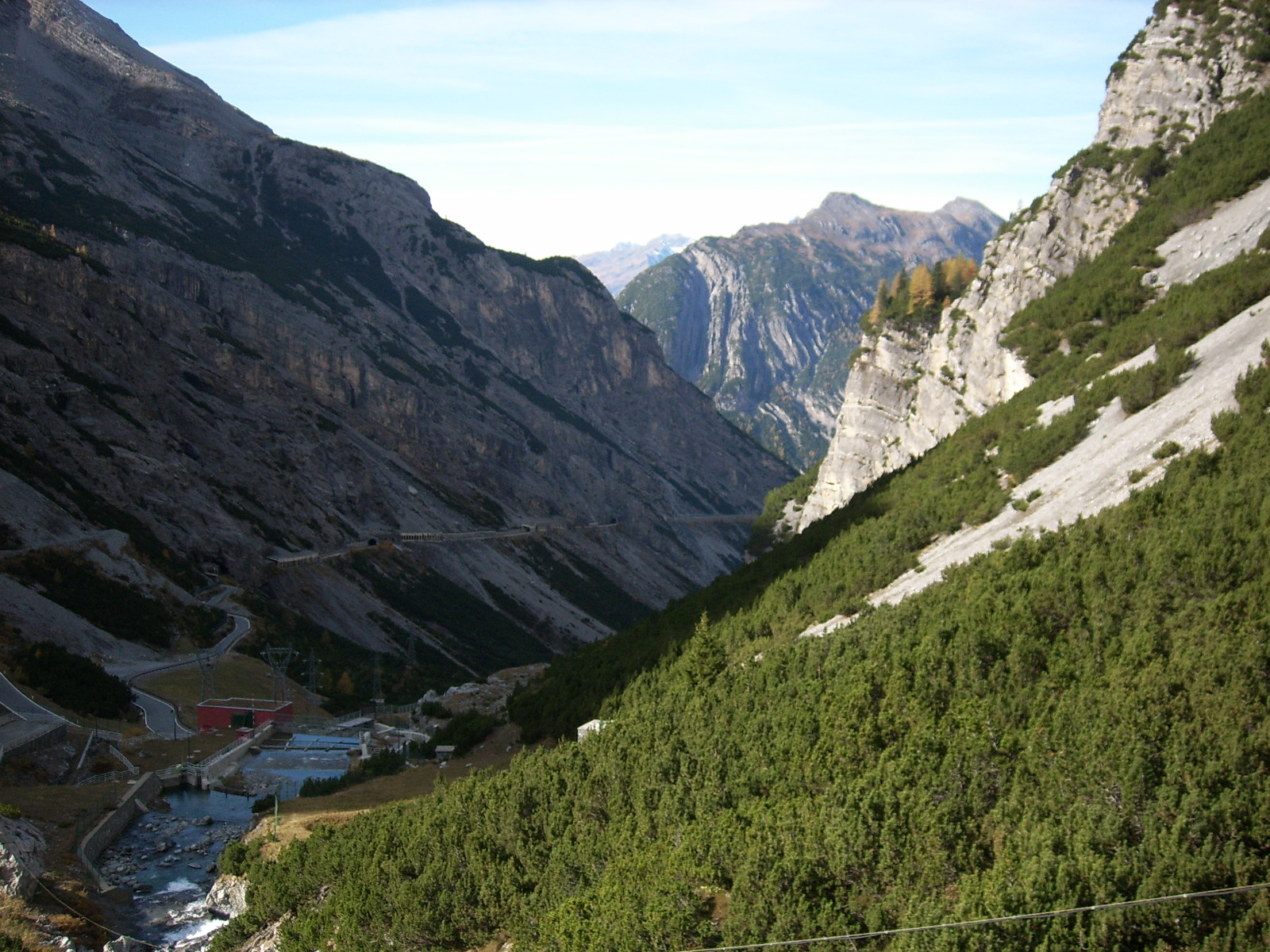
Natura 2000 · de passage, reproduction

Natura 2000 · reproduction
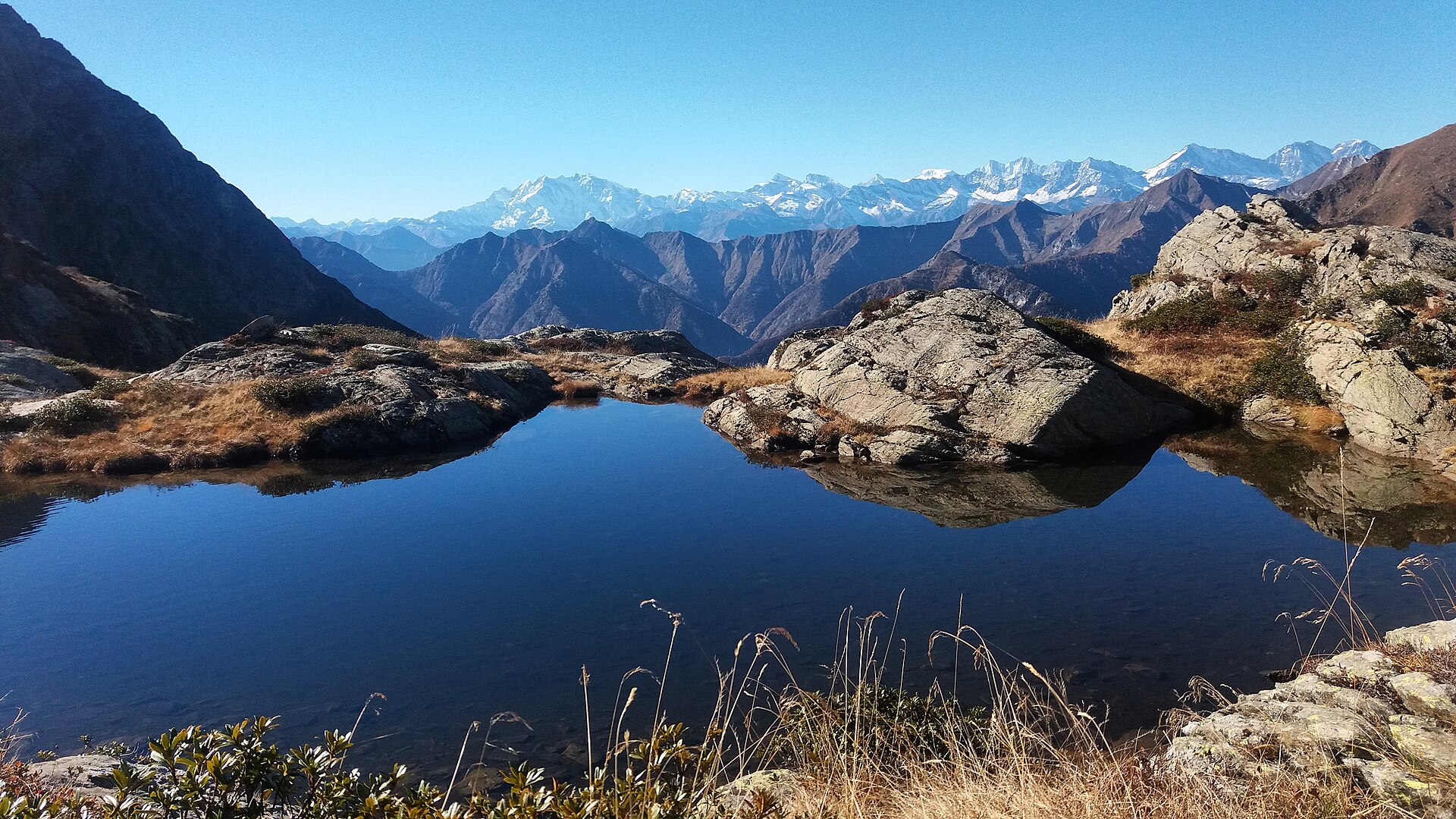
Natura 2000 · de passage

Natura 2000 · de passage
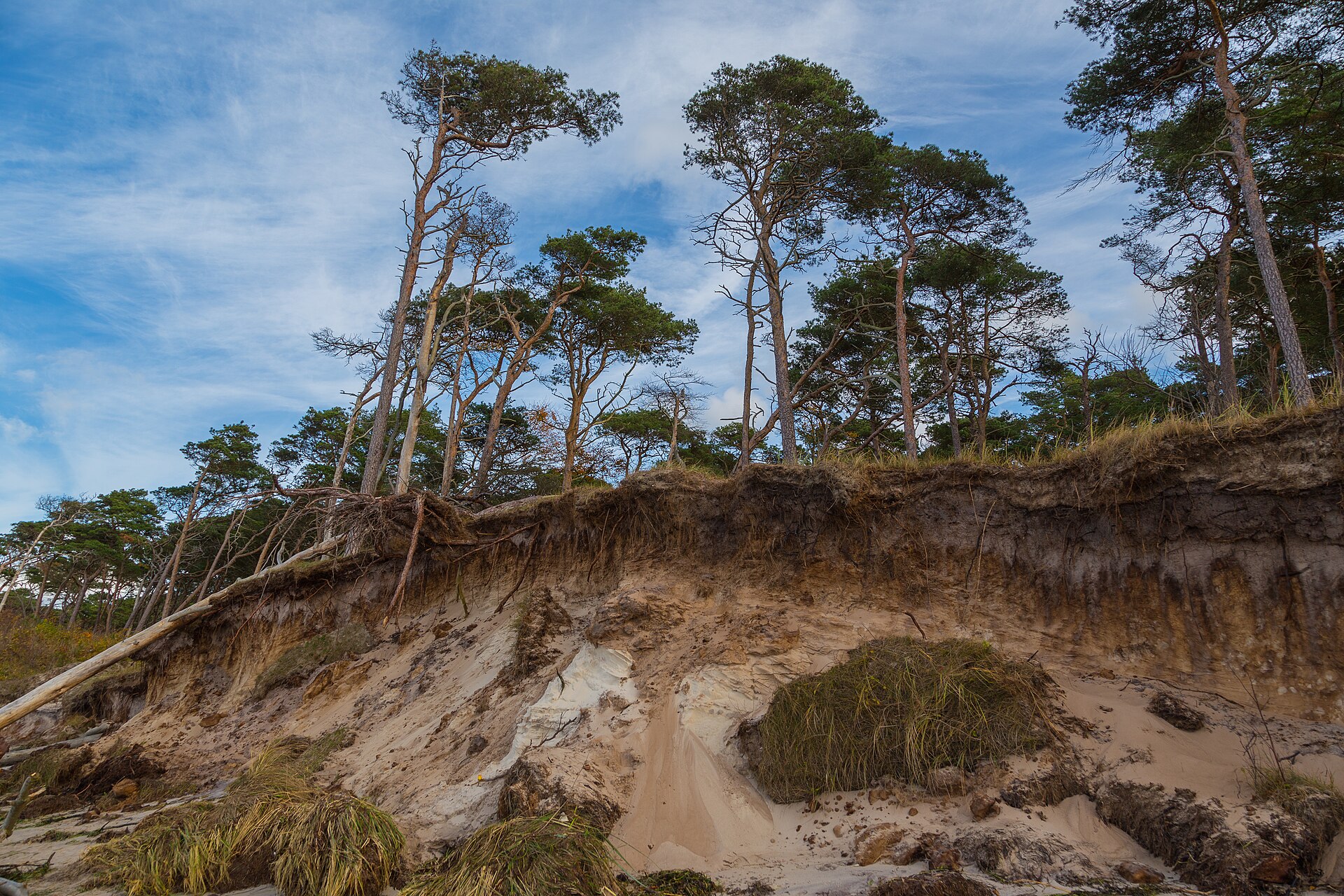
Natura 2000 · reproduction
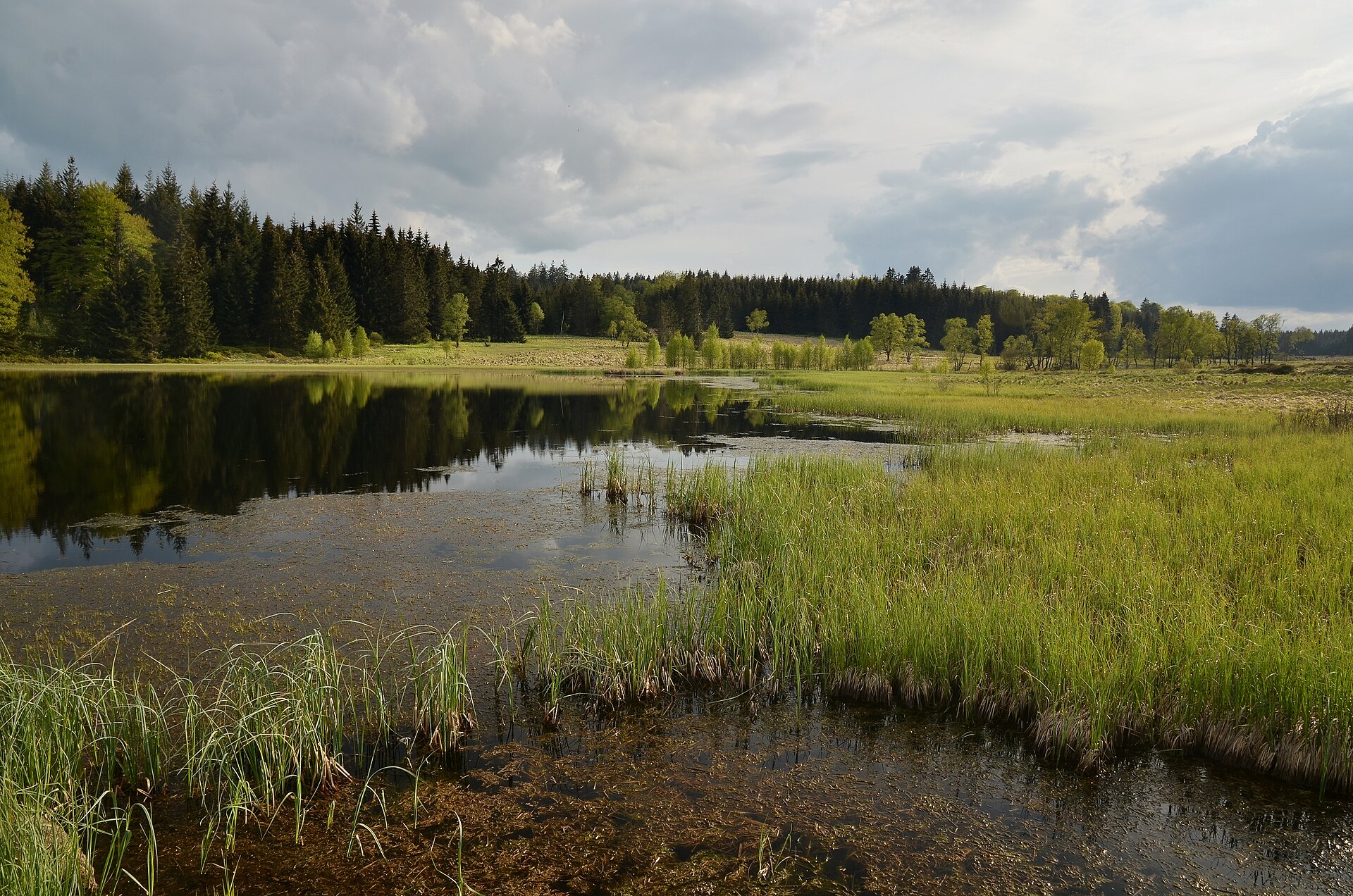
Natura 2000 · reproduction
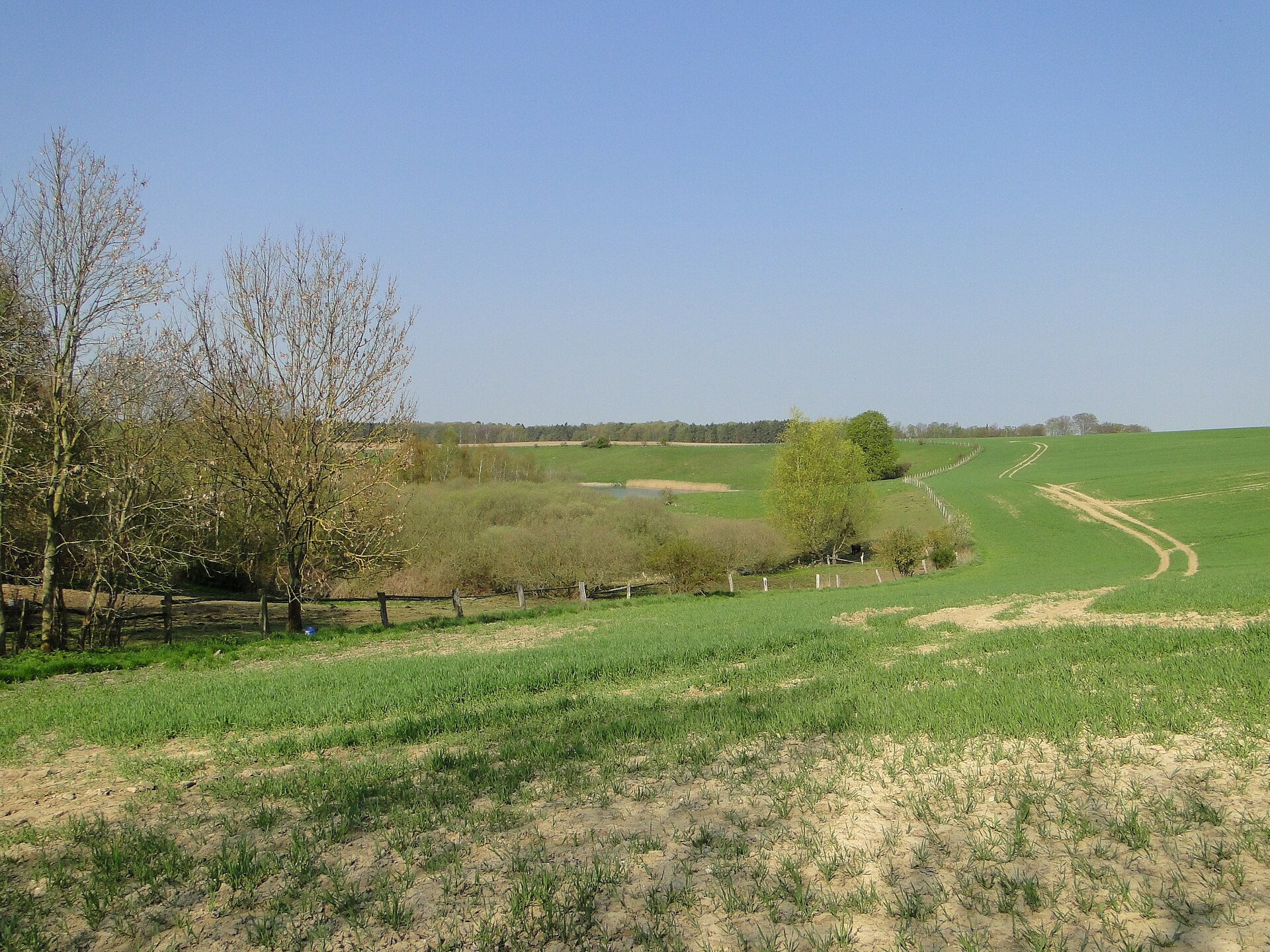
Natura 2000 · reproduction
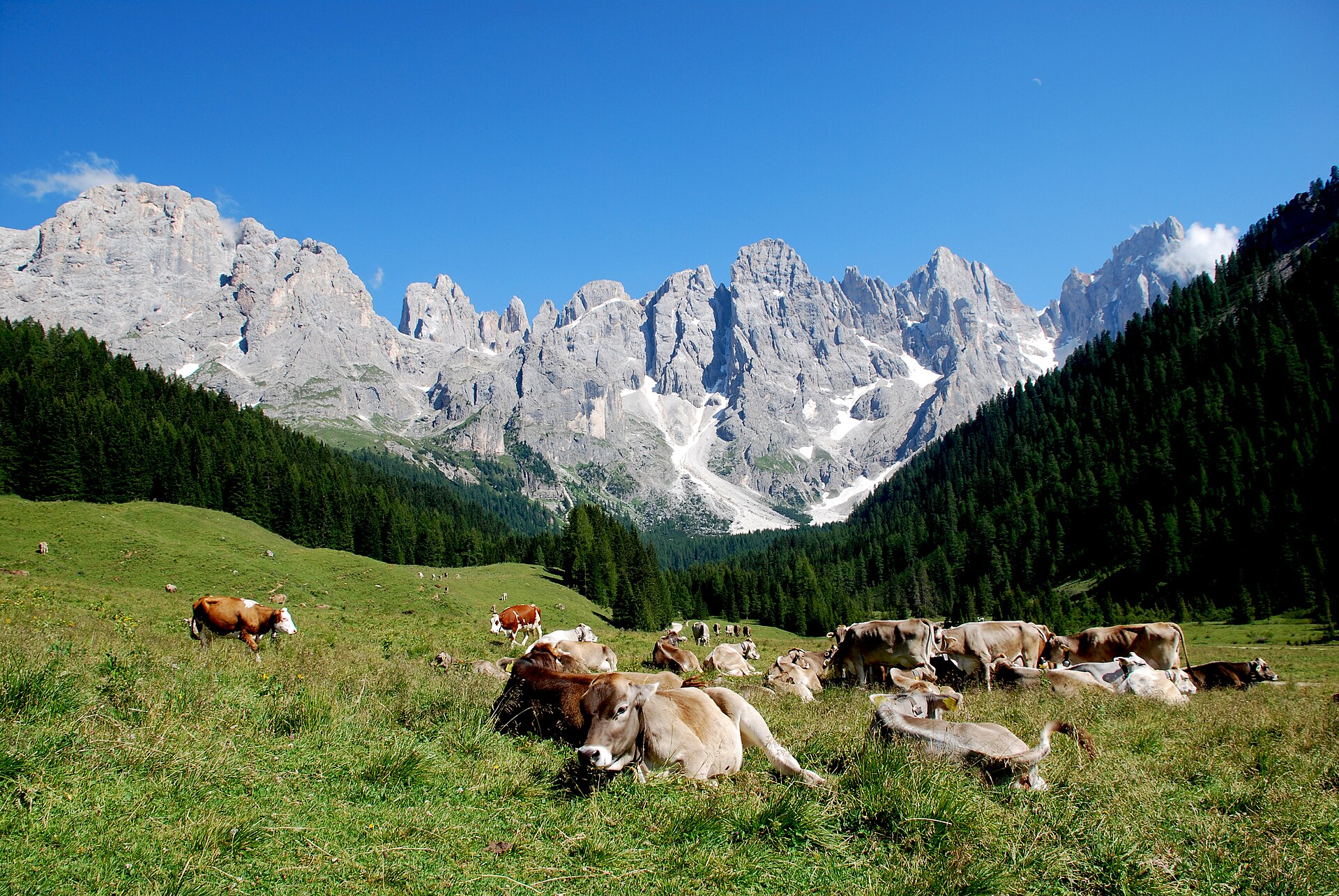
Natura 2000 · de passage
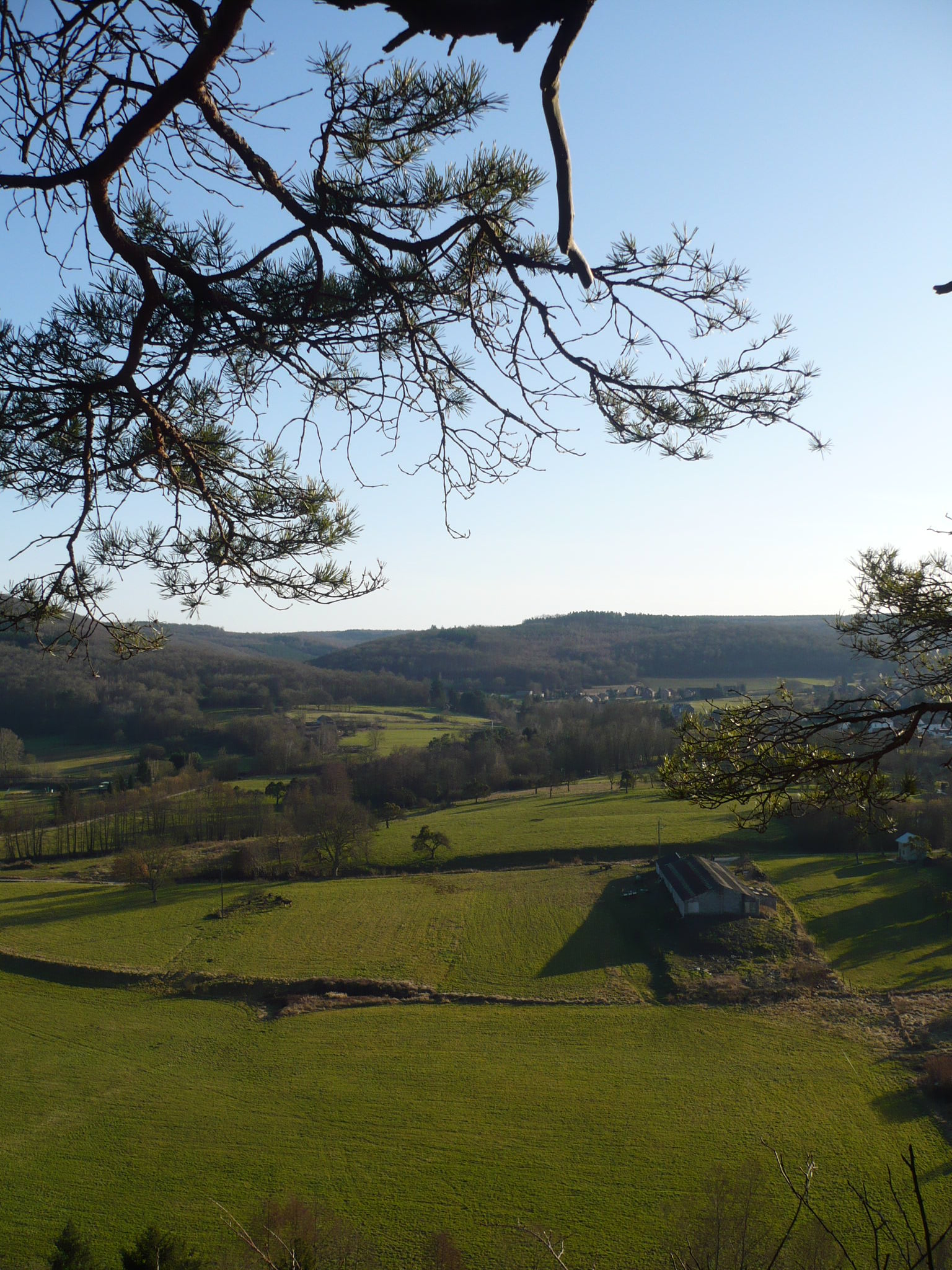
Natura 2000 · reproduction
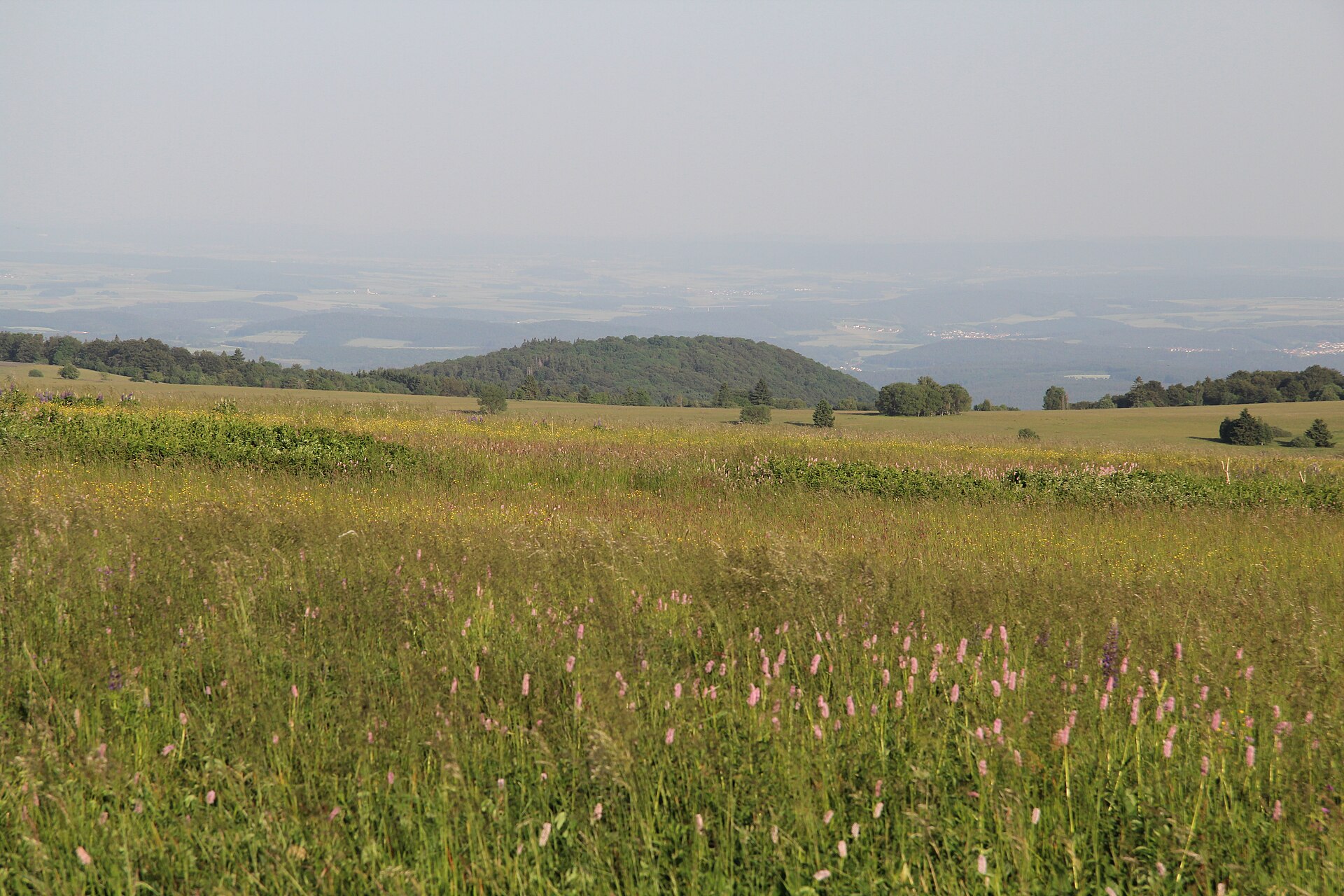
Natura 2000 · reproduction

Natura 2000 · reproduction

Natura 2000 · reproduction
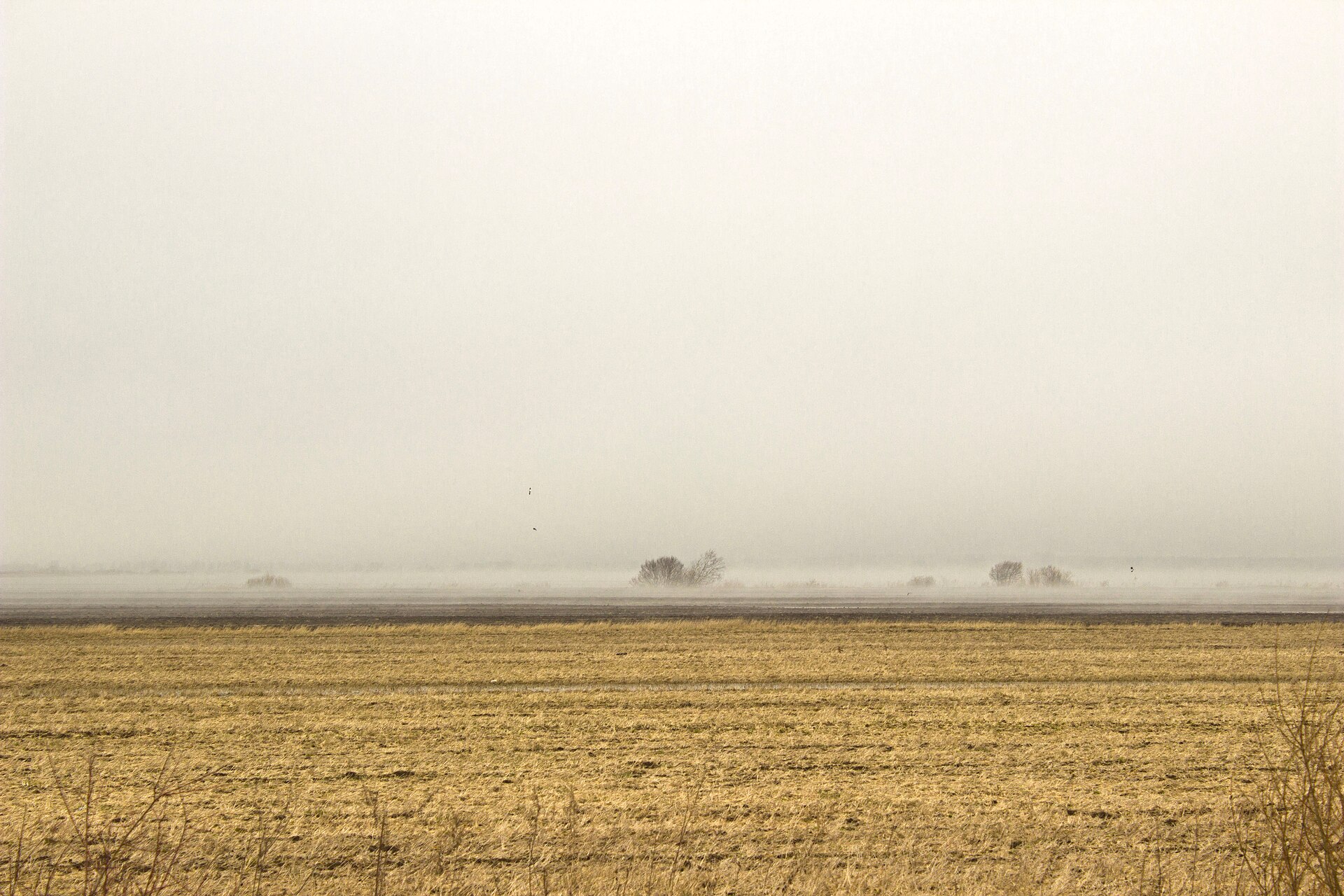
Natura 2000 · reproduction
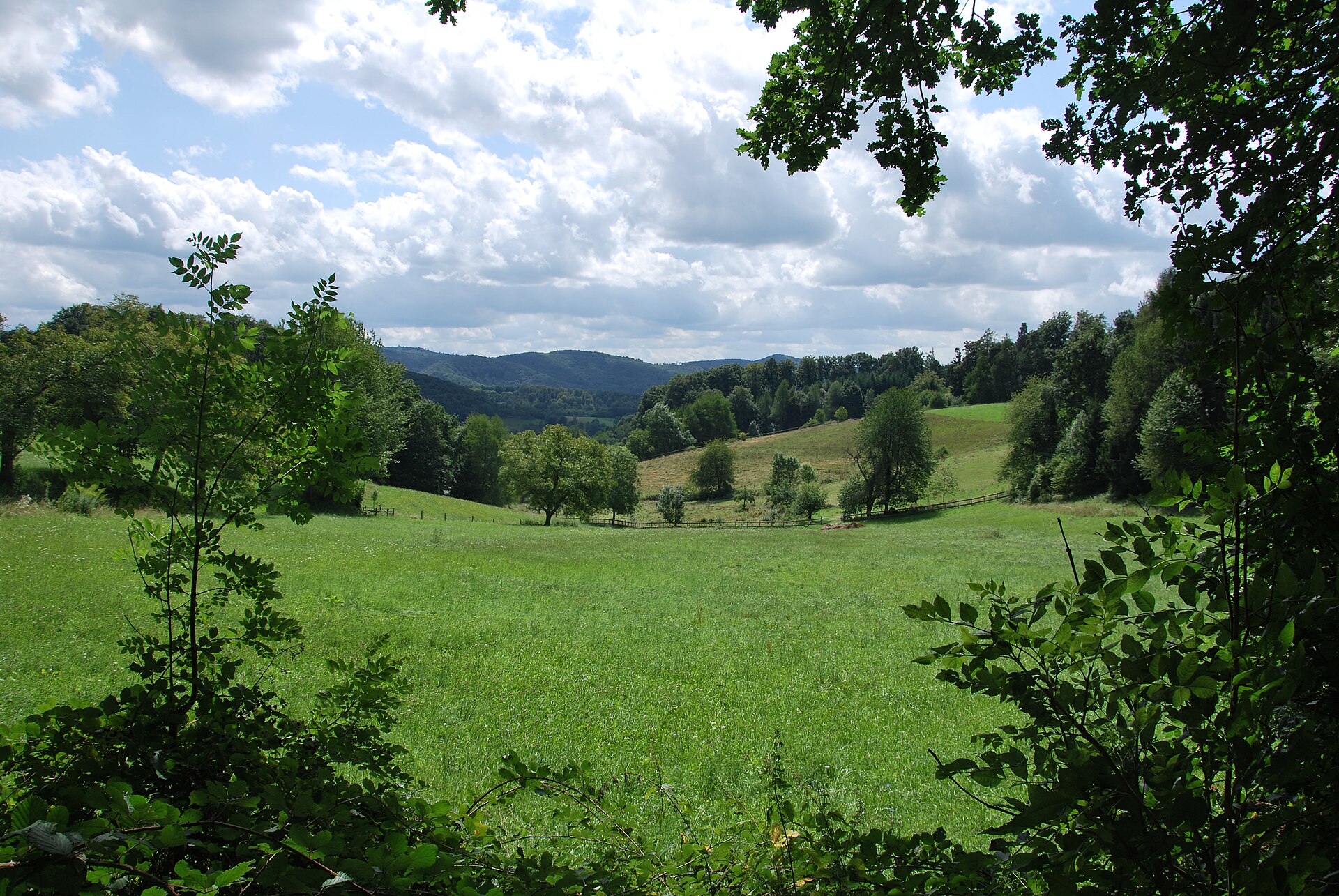
Natura 2000 · reproduction, sédentaire, de passage
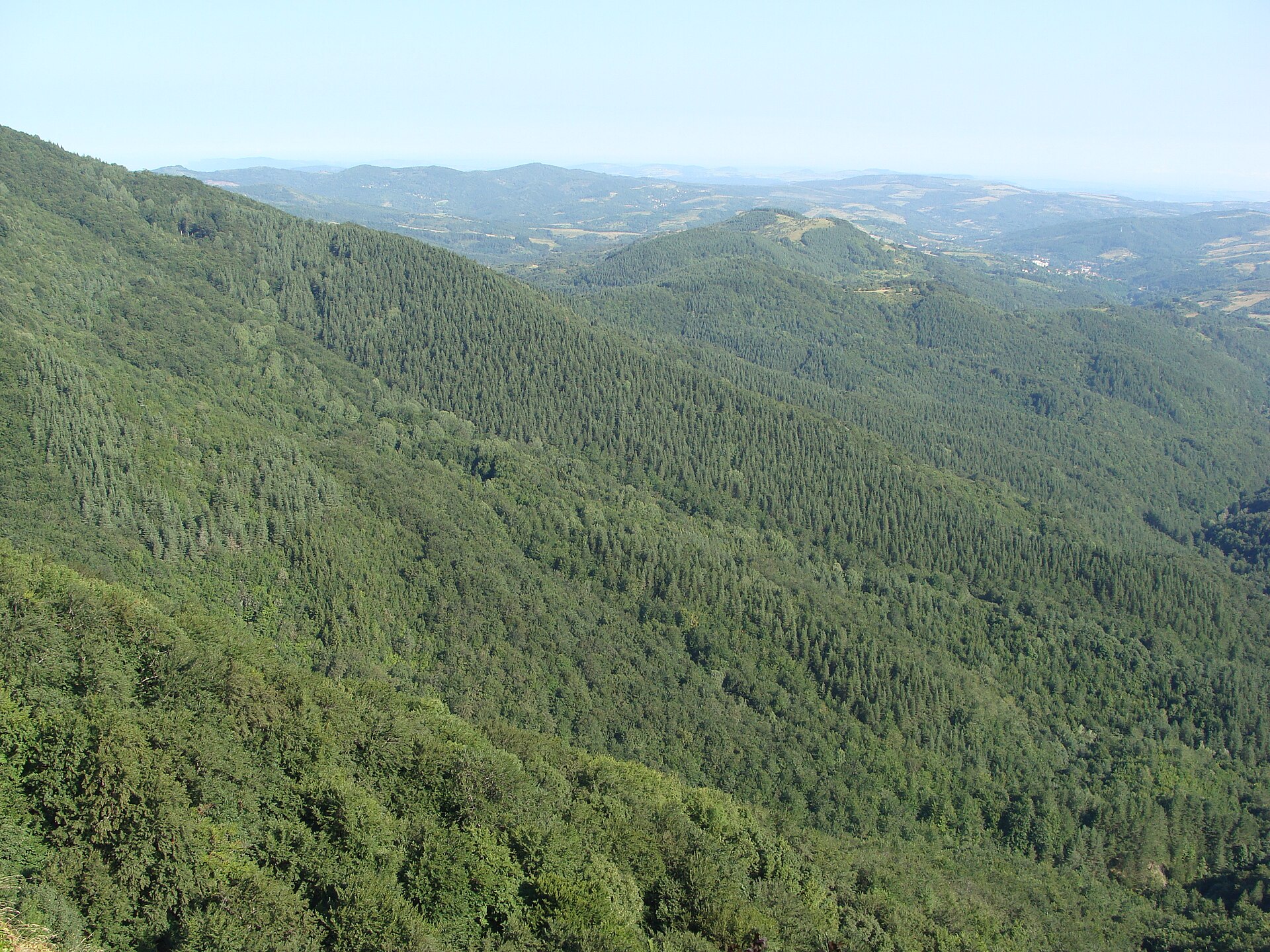
Natura 2000 · reproduction
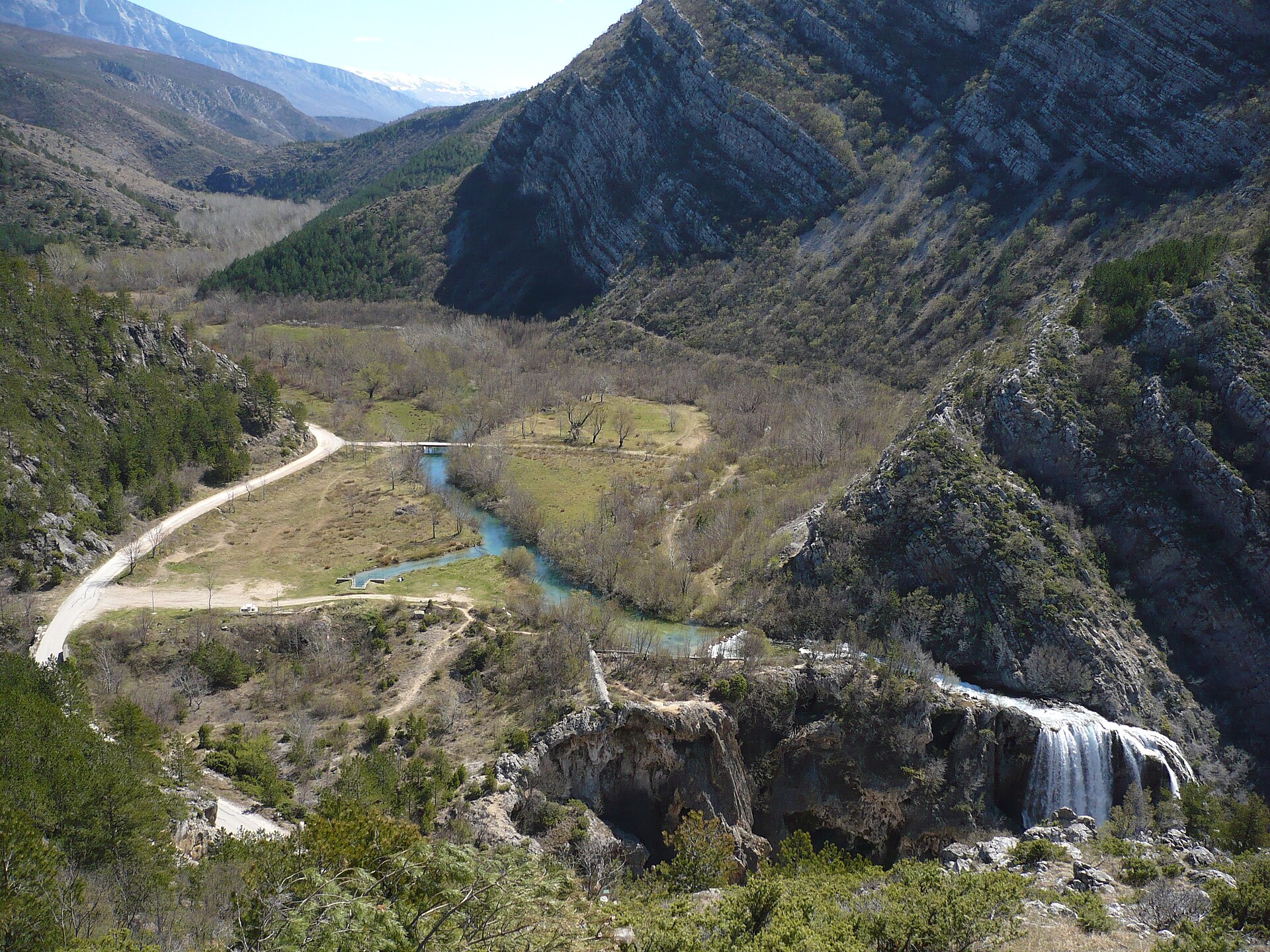
Natura 2000 · reproduction
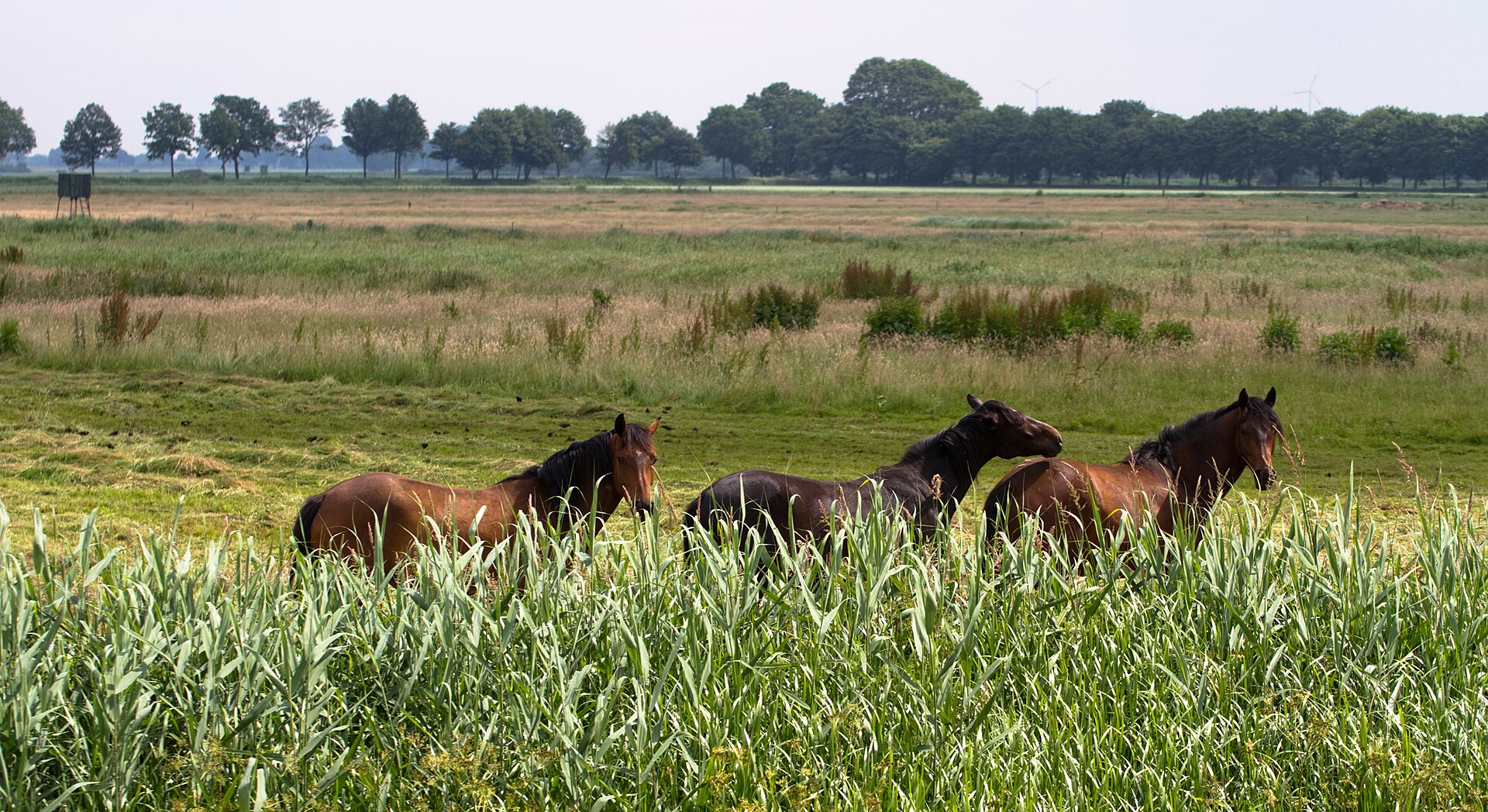
Natura 2000 · reproduction
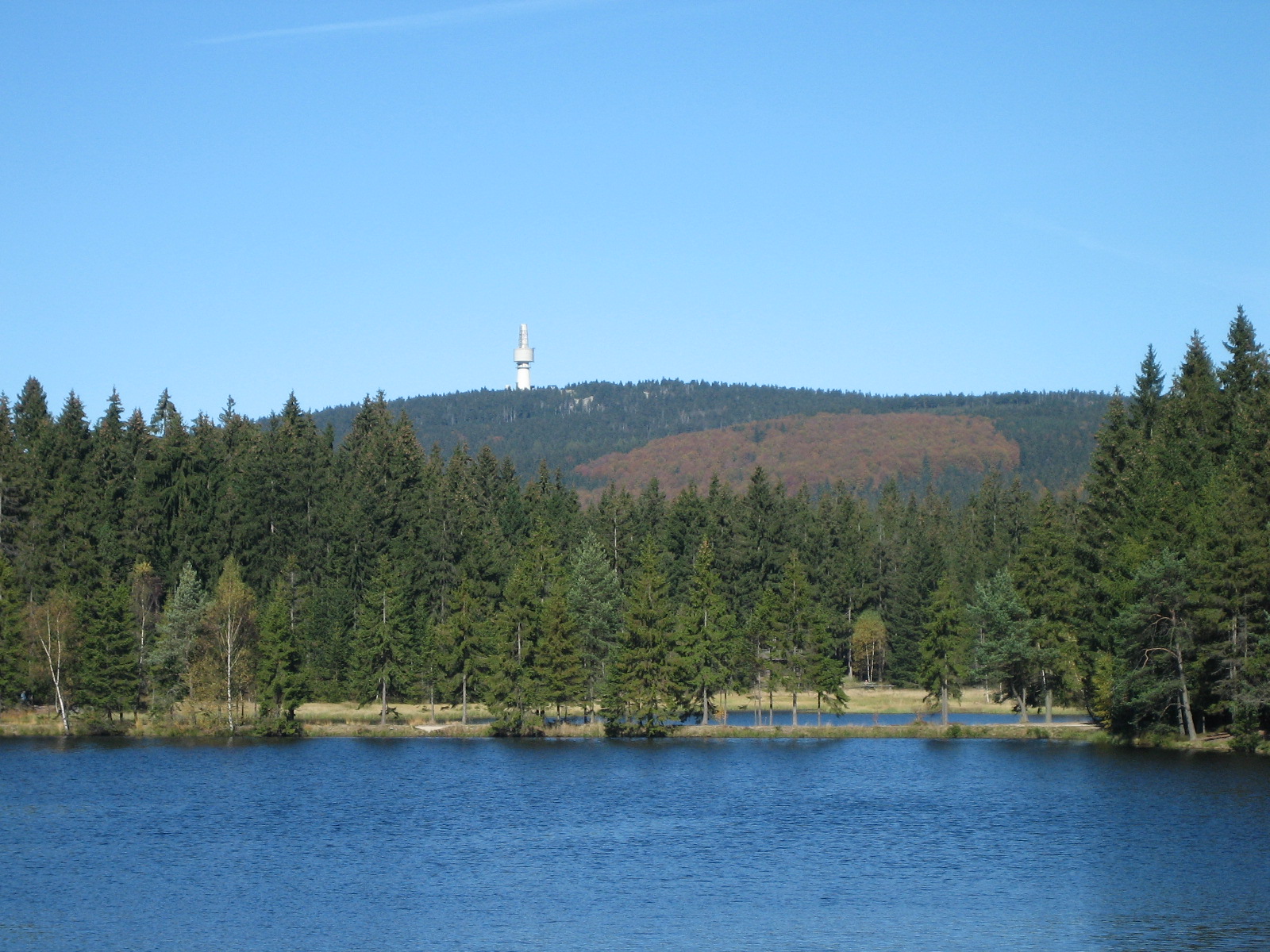
Natura 2000 · sédentaire
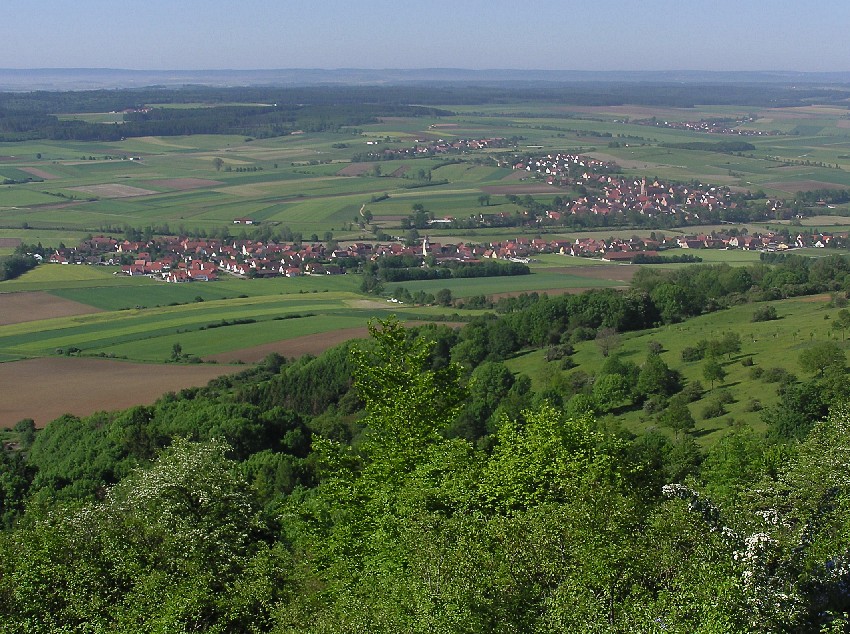
Natura 2000 · sédentaire
Natura 2000 · reproduction

Natura 2000 · reproduction
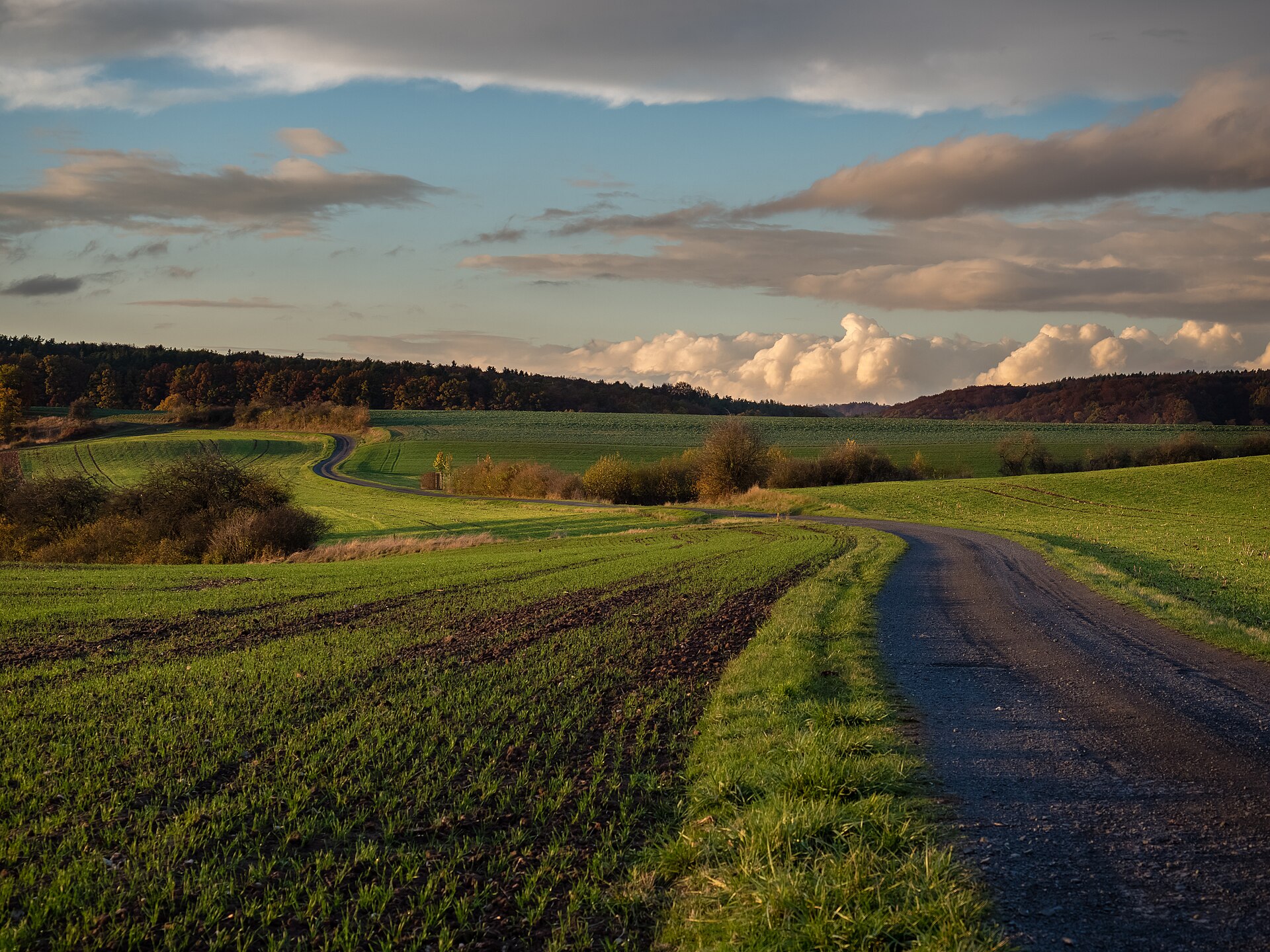
Natura 2000 · reproduction
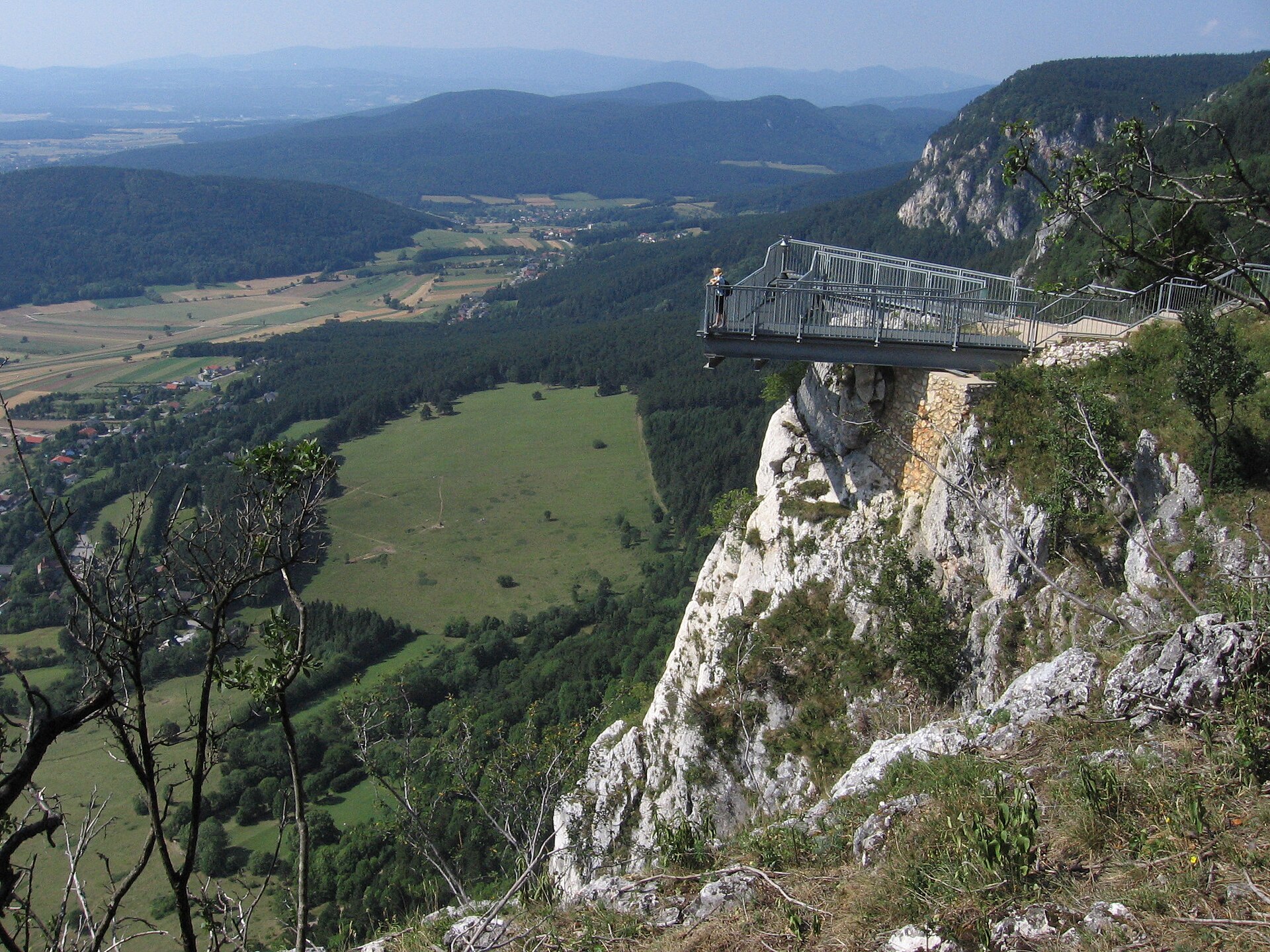
Natura 2000 · reproduction
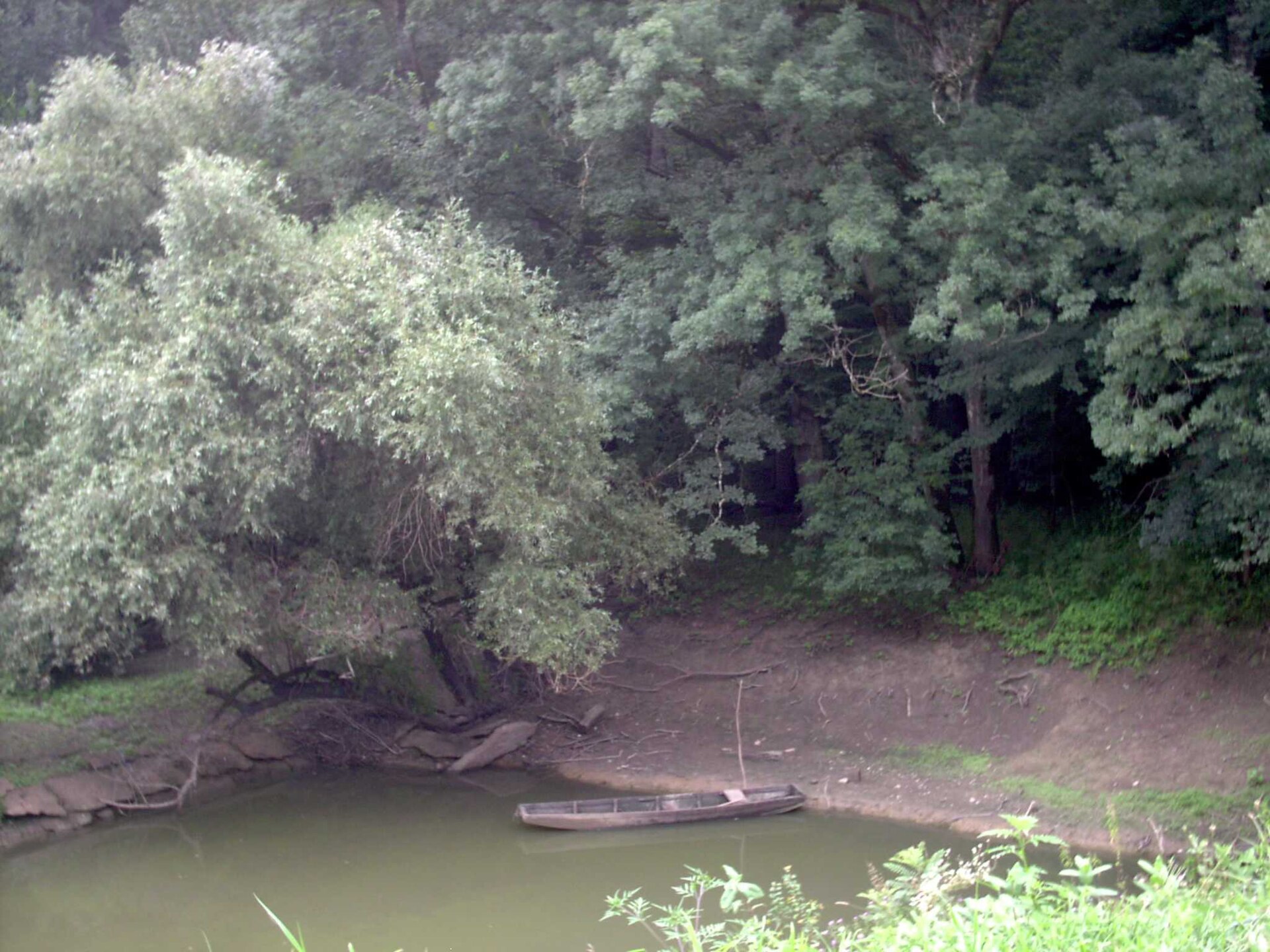
Natura 2000 · reproduction
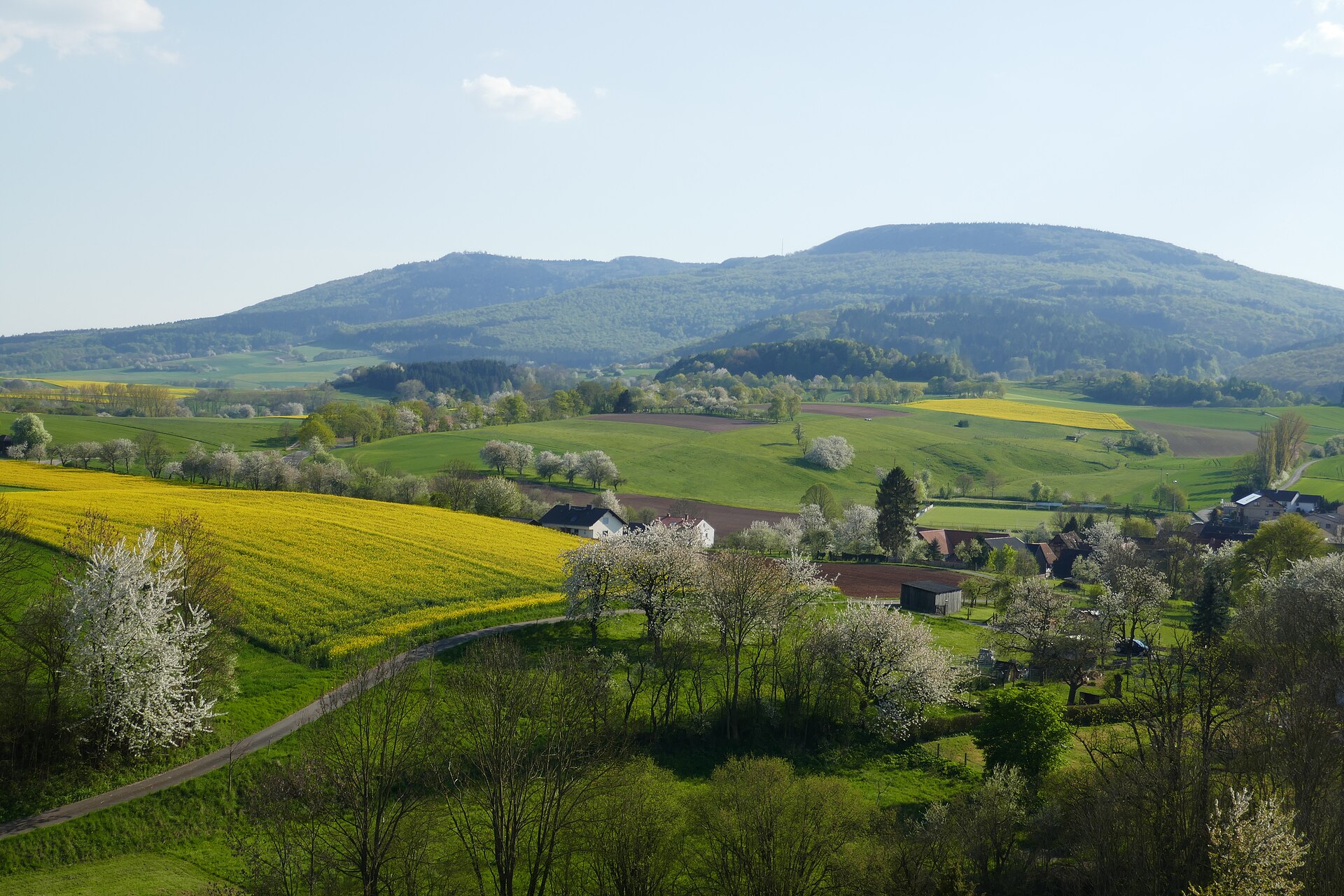
Natura 2000 · sédentaire, reproduction

Natura 2000 · reproduction
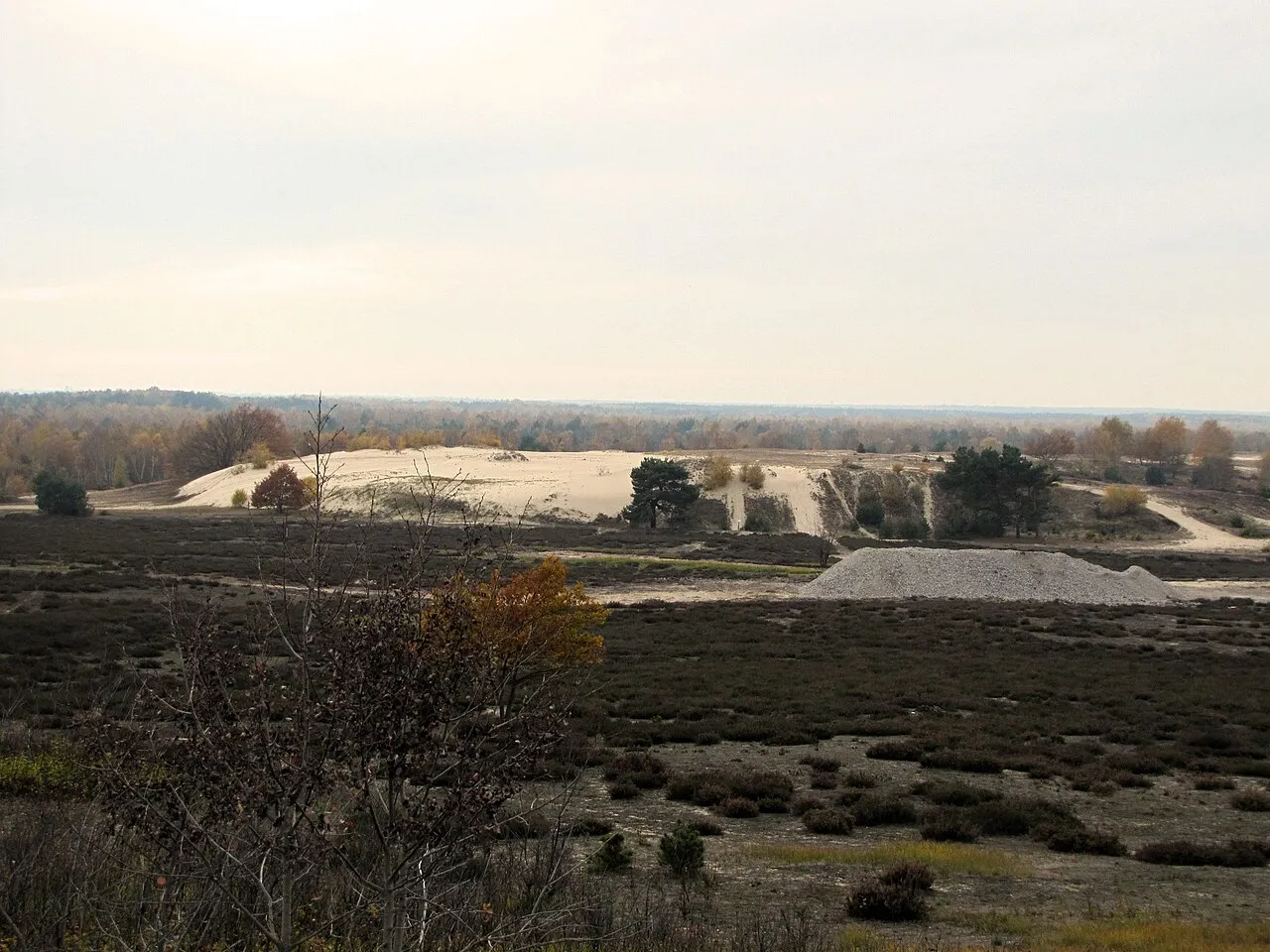
Natura 2000 · reproduction

Natura 2000 · reproduction
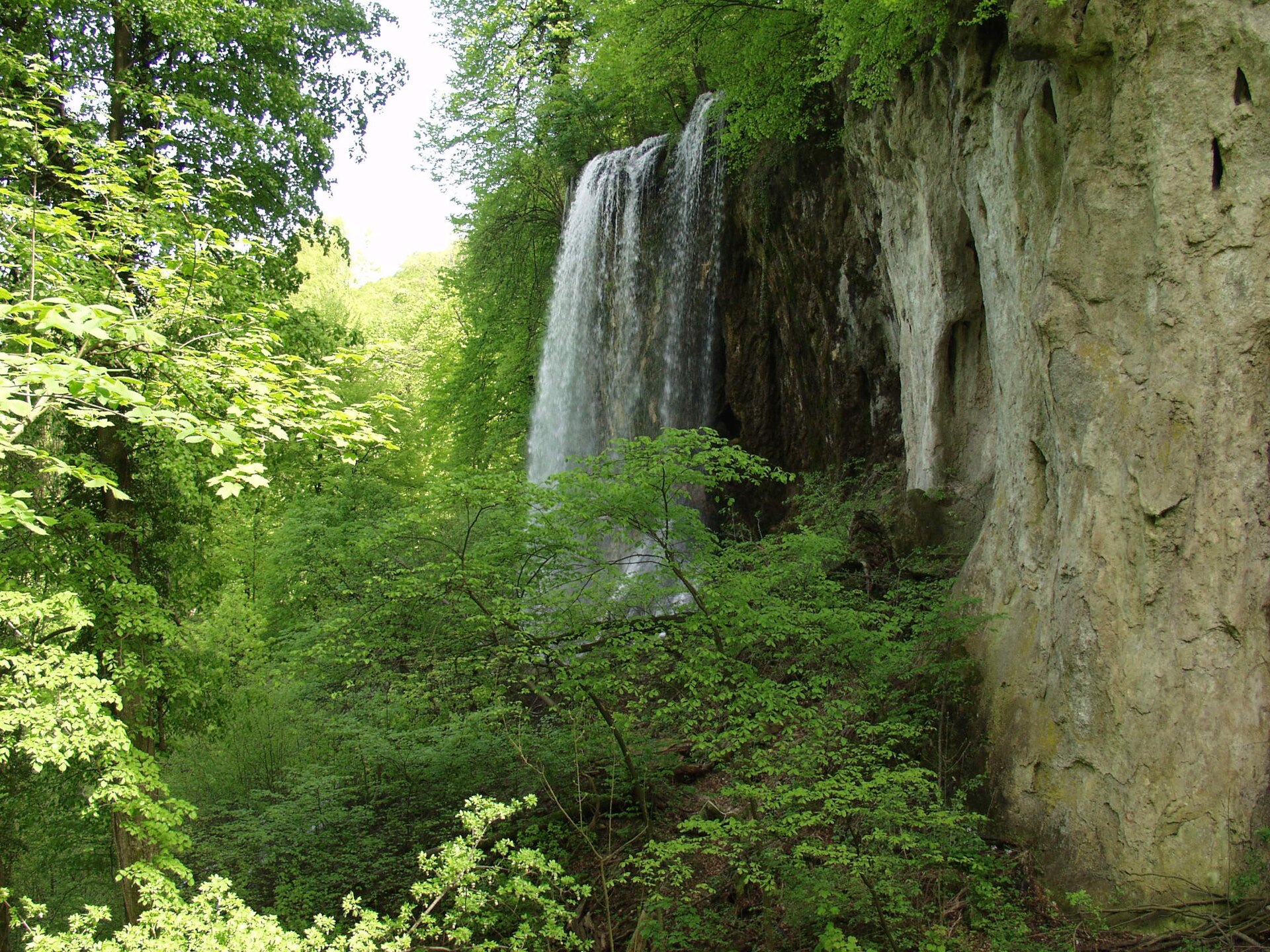
Natura 2000 · reproduction

Natura 2000 · reproduction
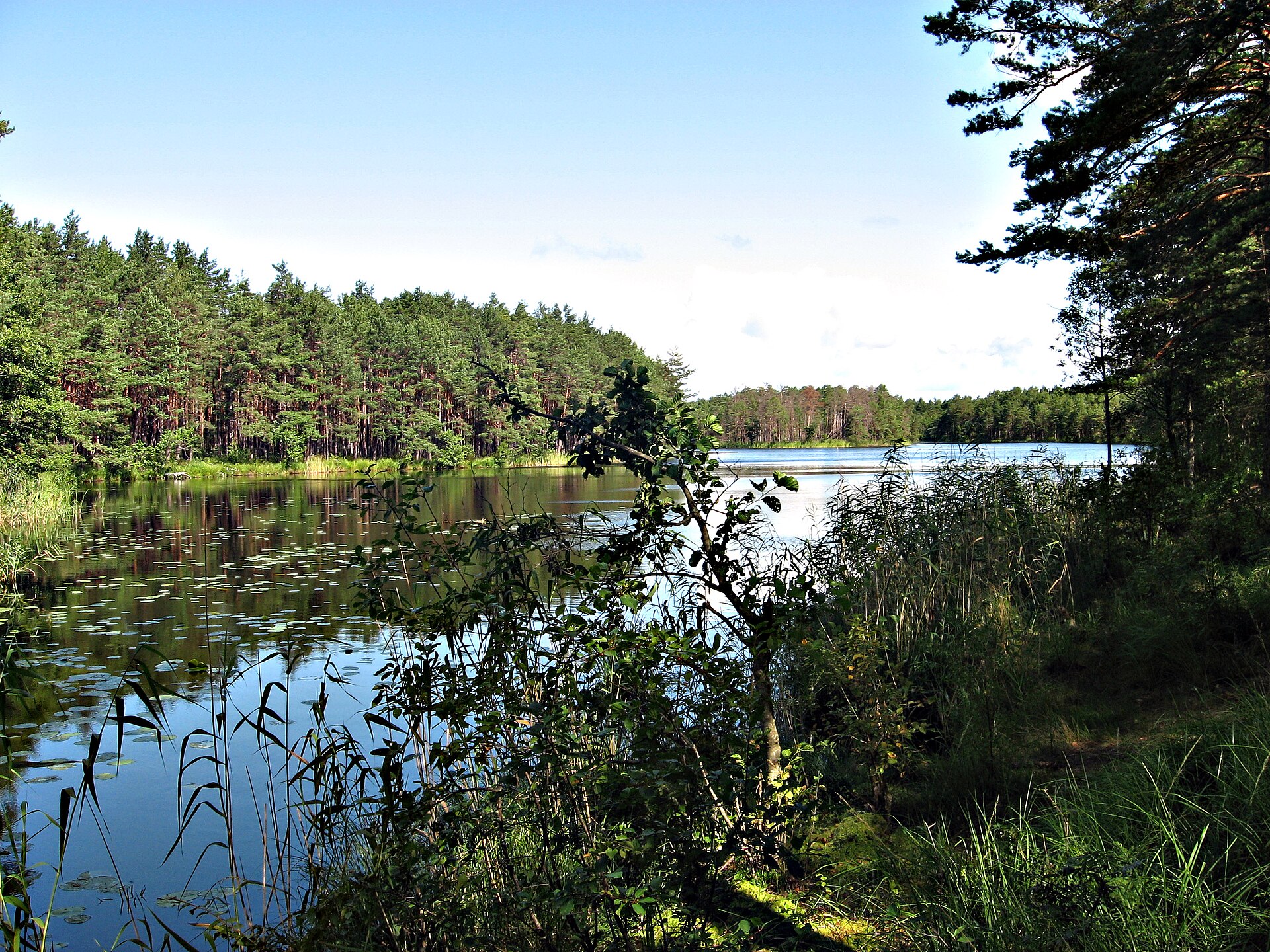
Natura 2000 · reproduction
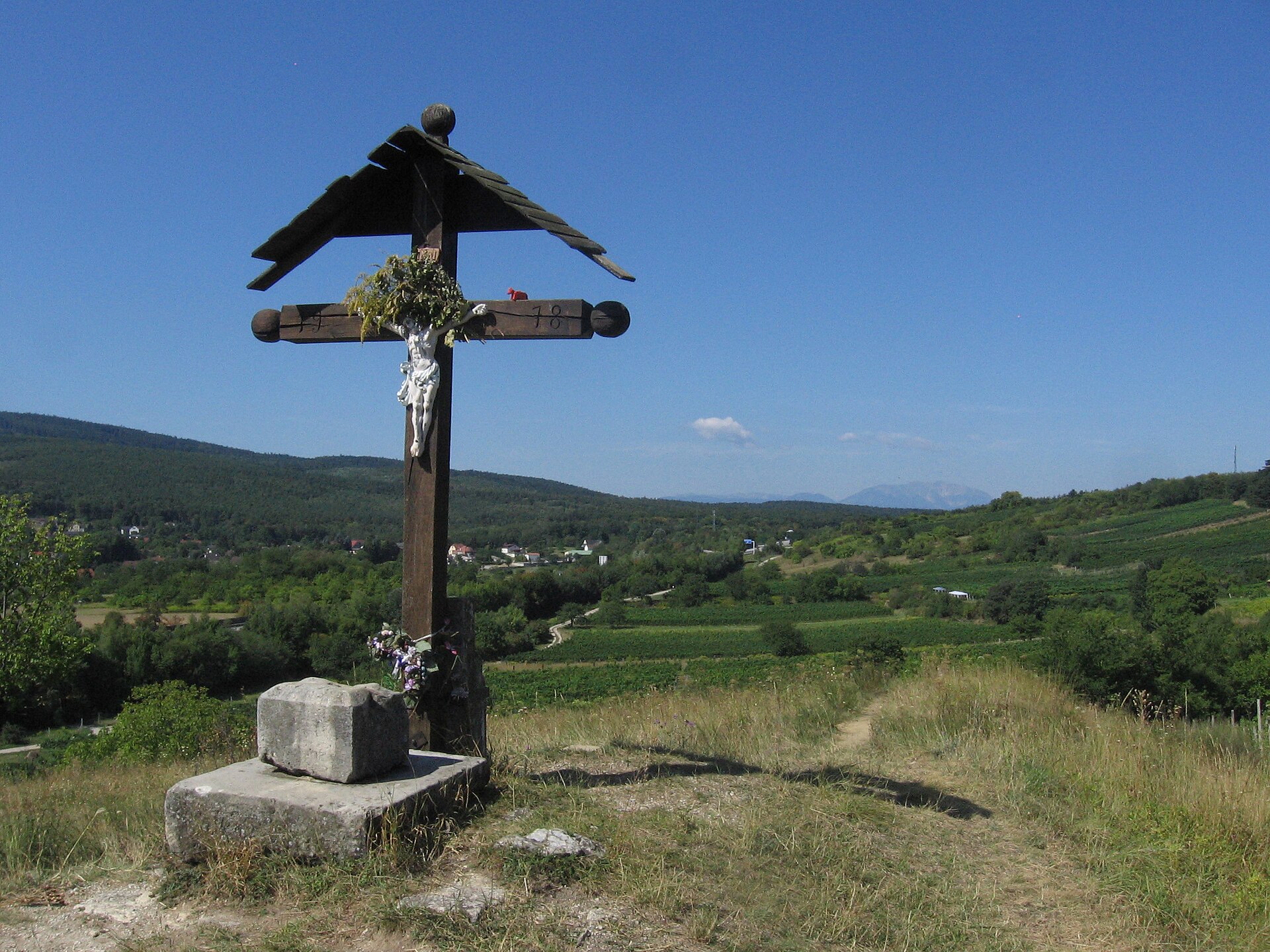
Natura 2000 · de passage, reproduction
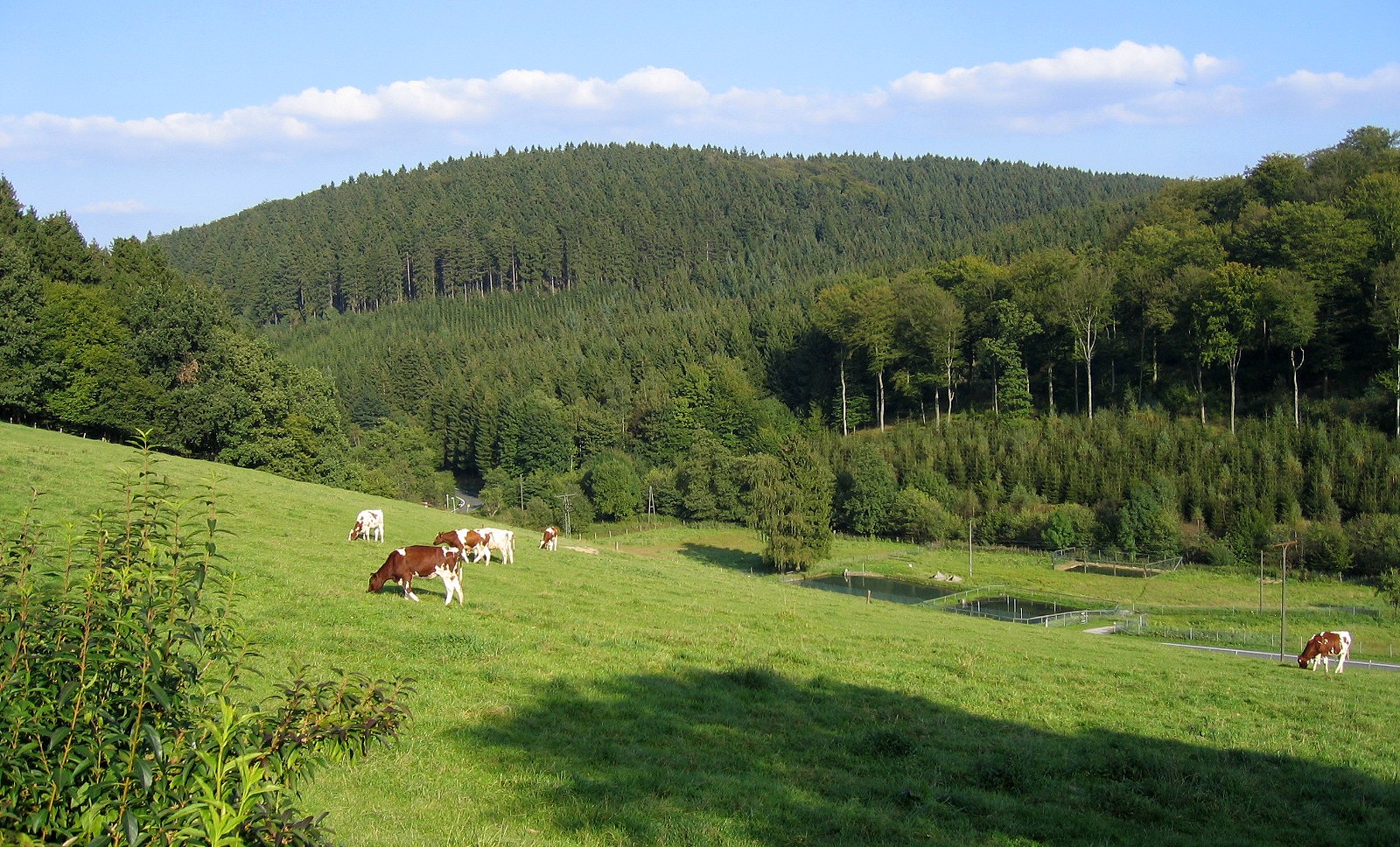
Natura 2000 · reproduction

Natura 2000 · reproduction
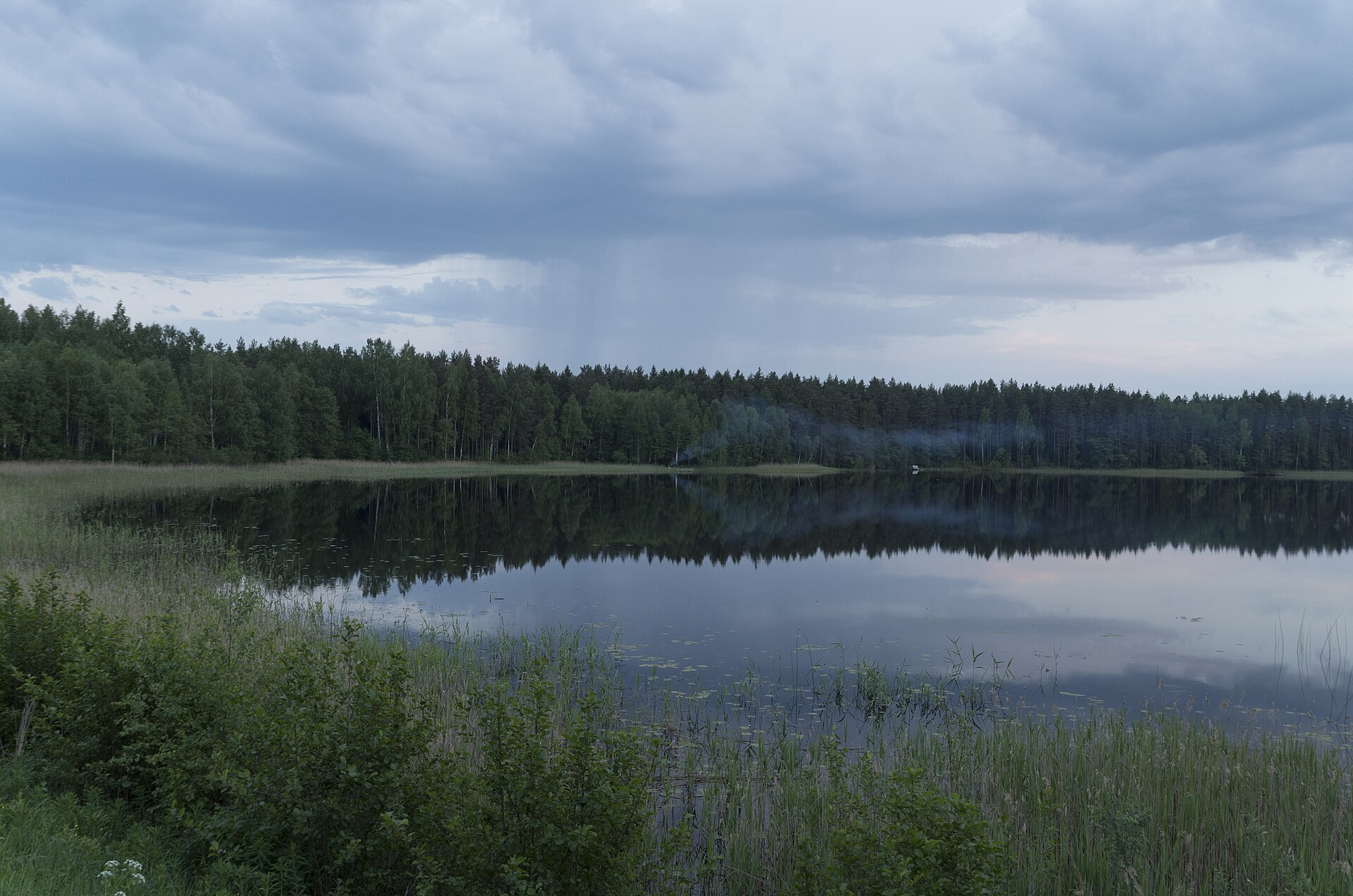
Natura 2000 · reproduction
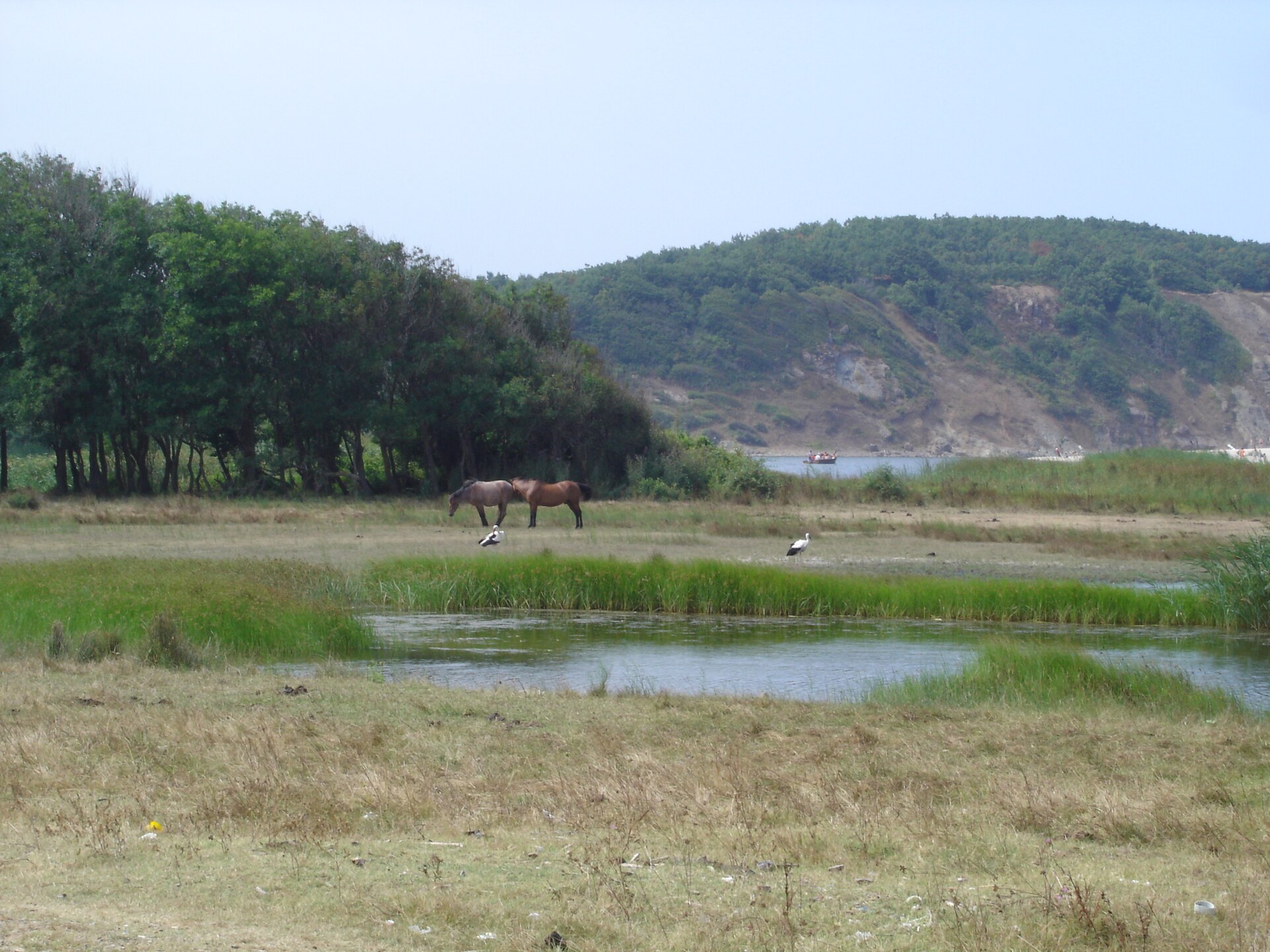
Natura 2000 · reproduction, de passage
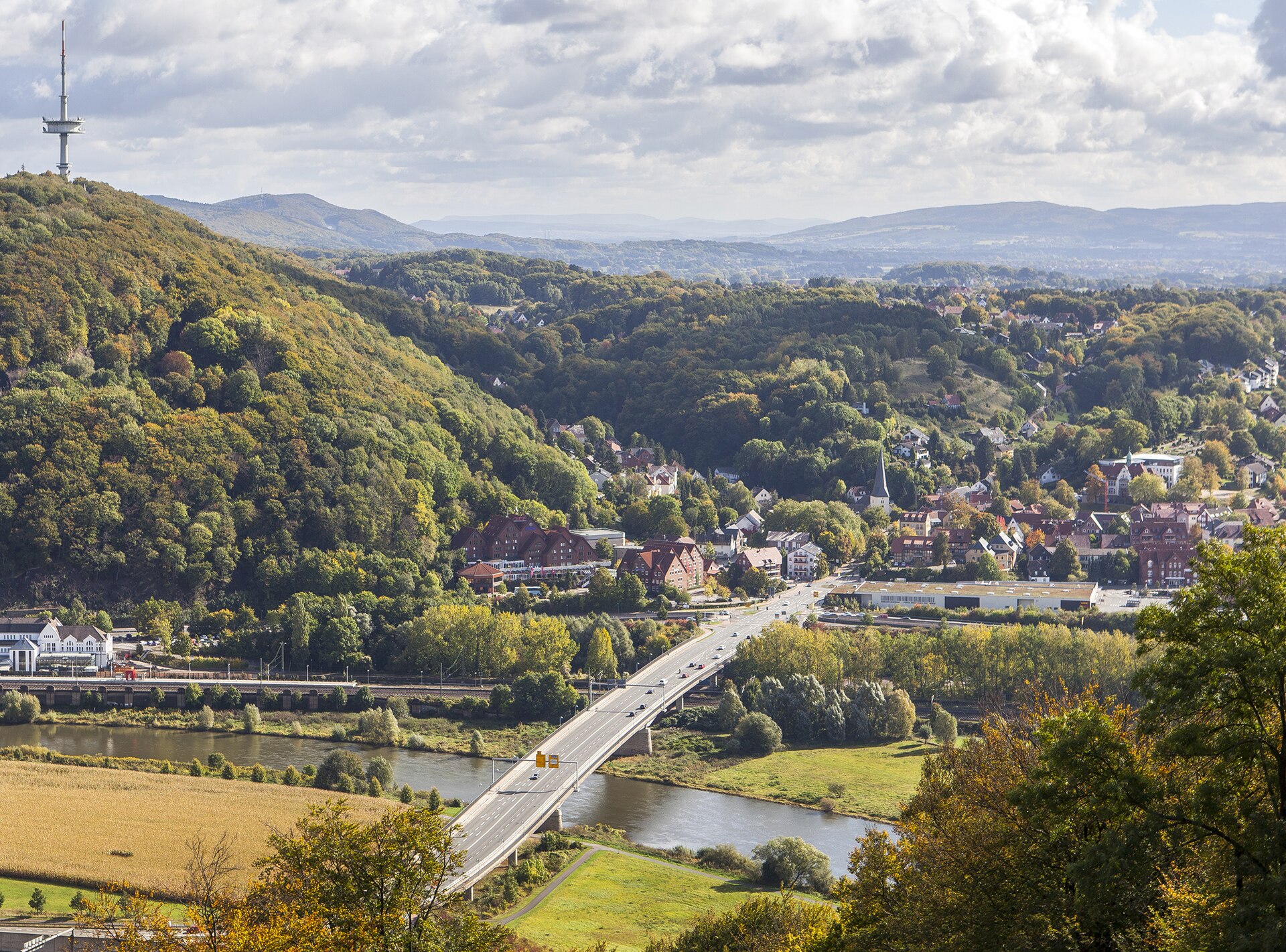
Natura 2000 · reproduction
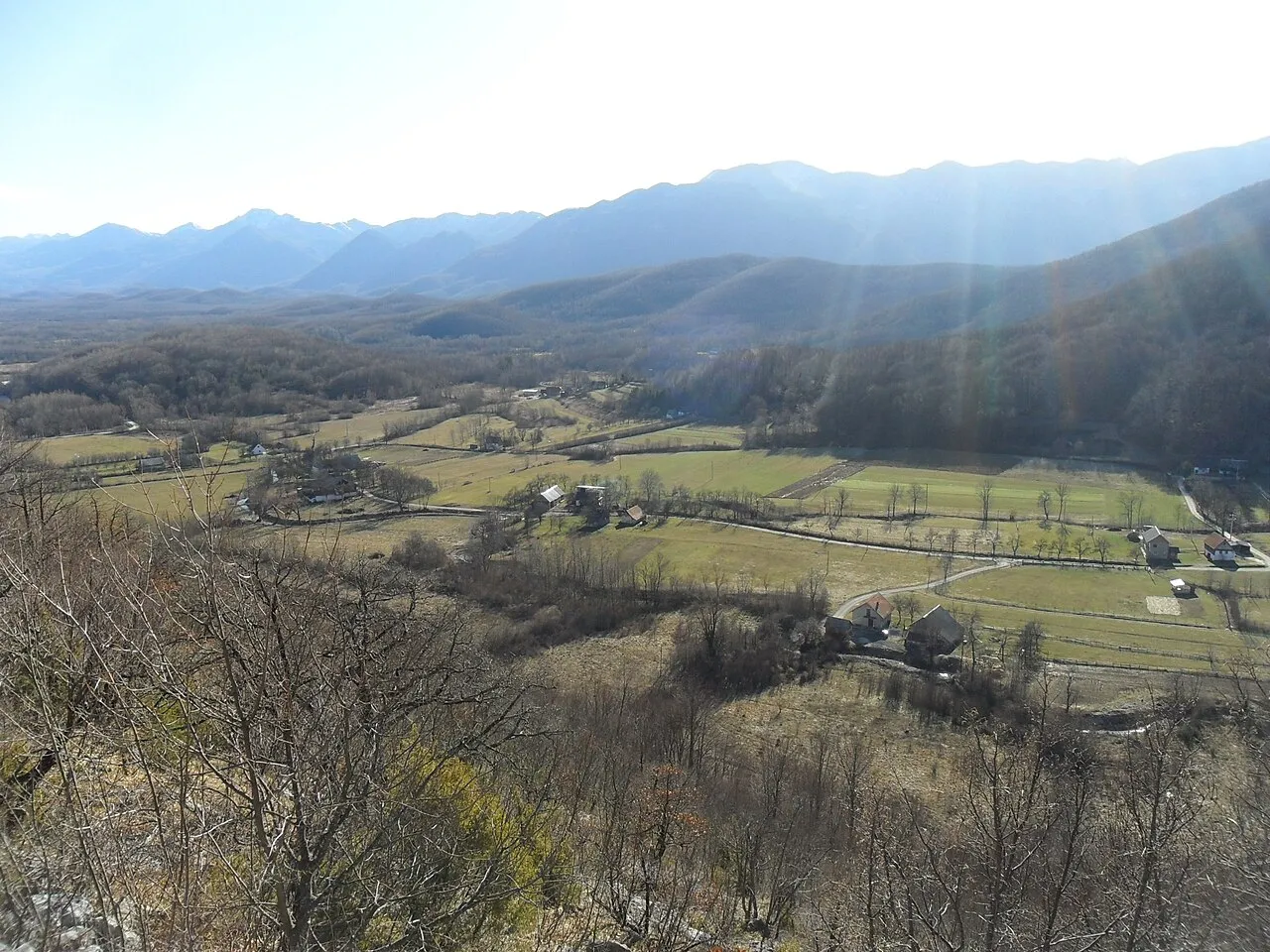
Natura 2000 · reproduction

Natura 2000 · reproduction, de passage
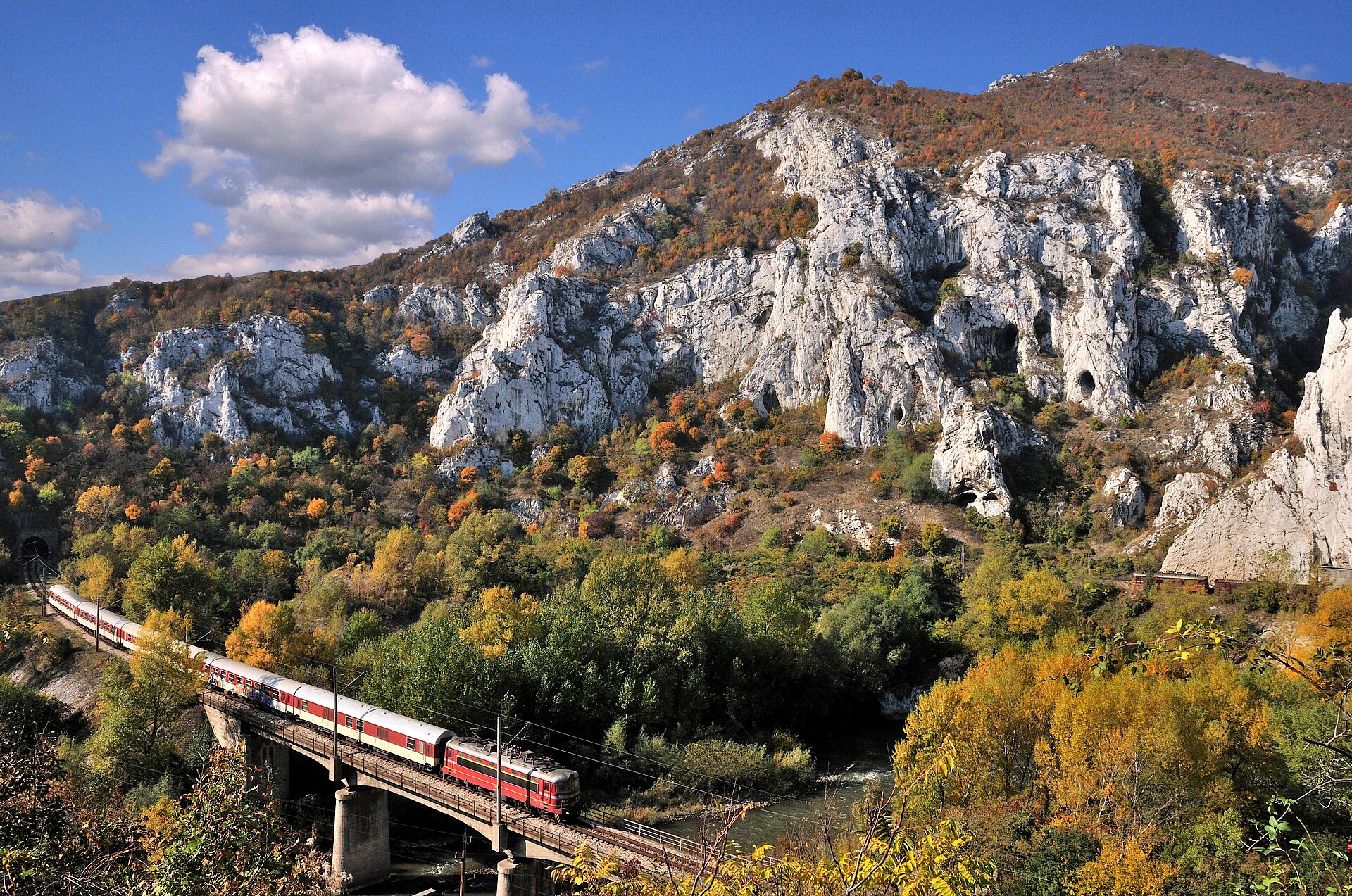
Natura 2000 · reproduction
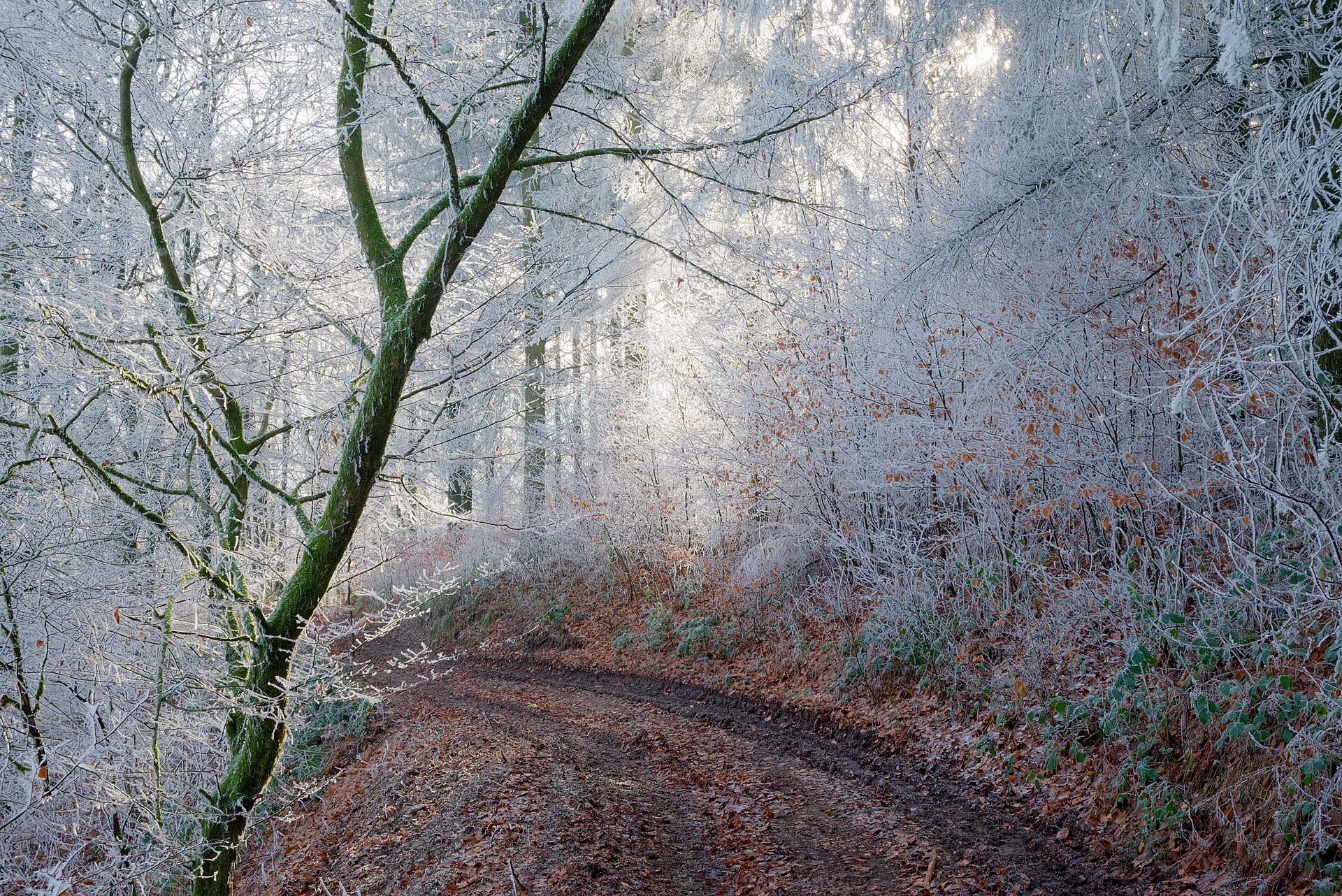
Natura 2000 · reproduction

Natura 2000 · reproduction
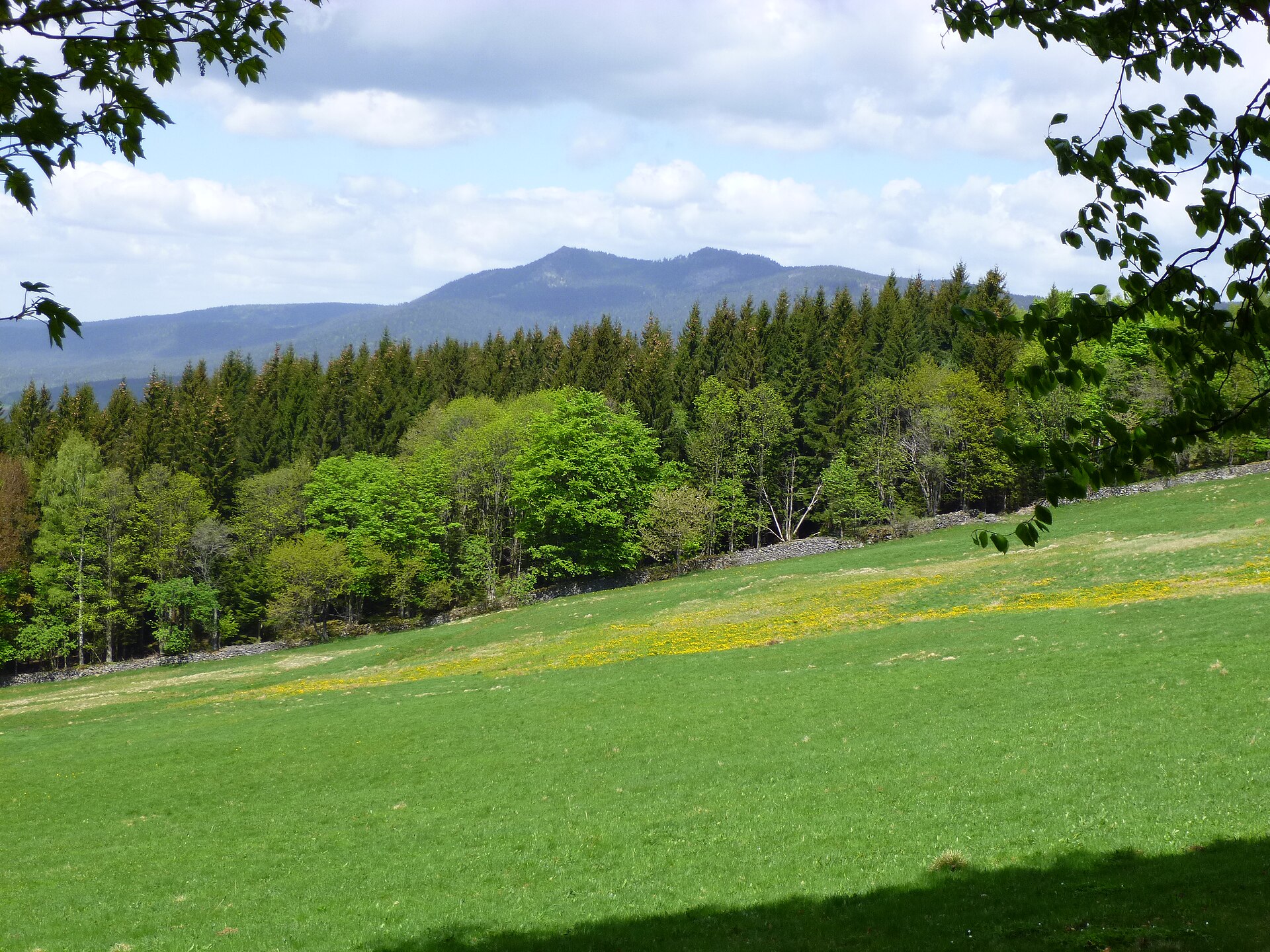
Natura 2000 · sédentaire, reproduction
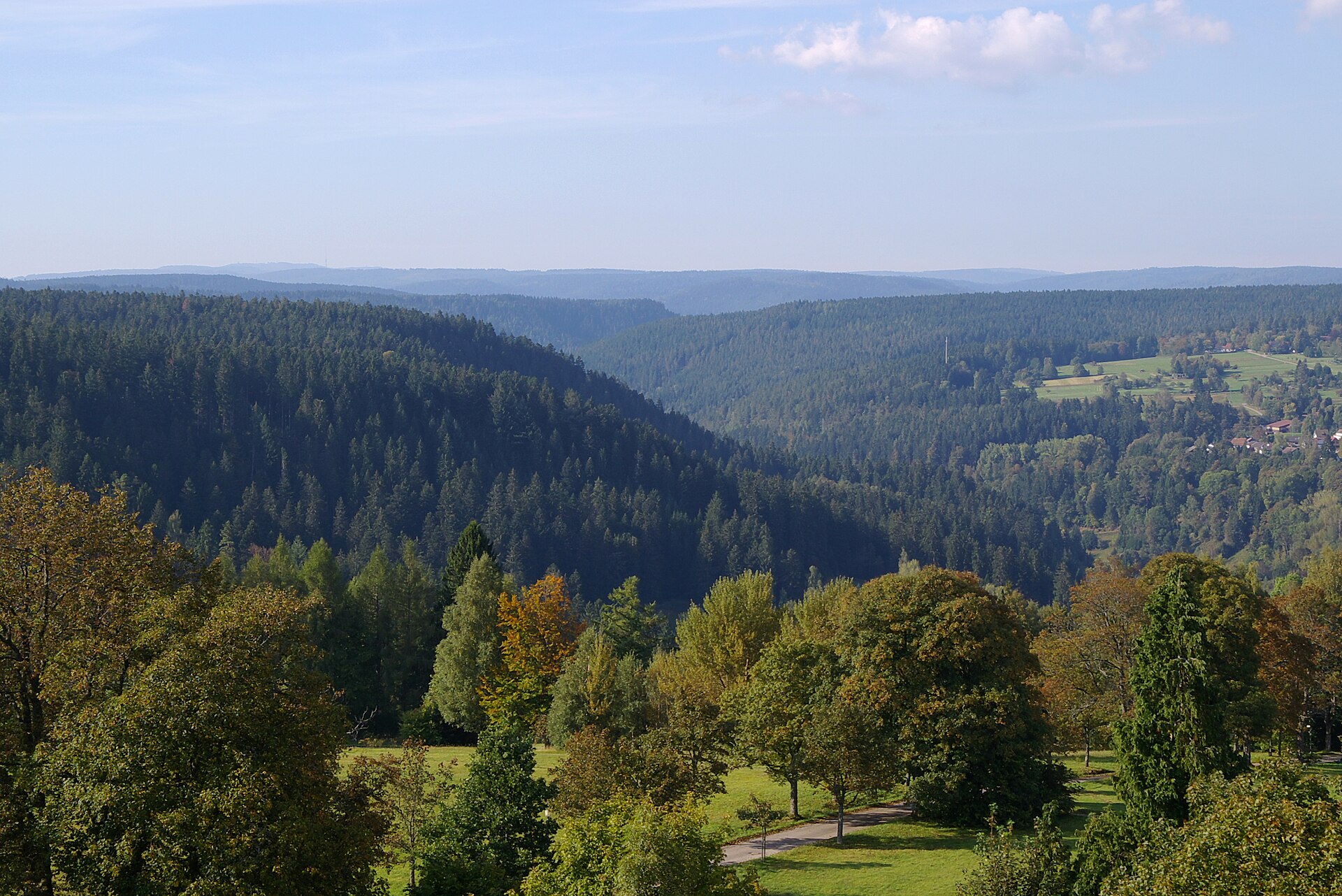
Natura 2000 · reproduction
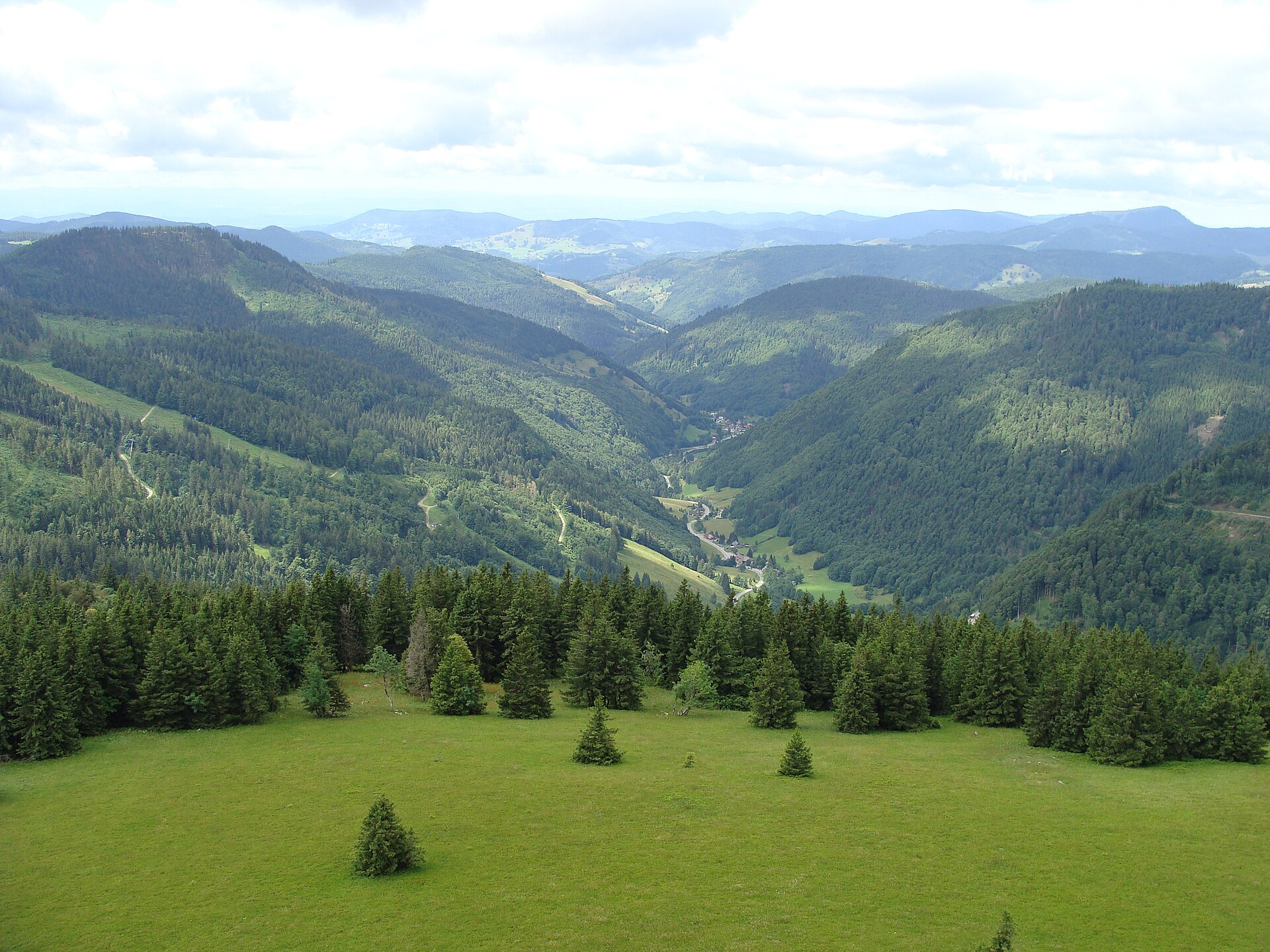
Natura 2000 · reproduction
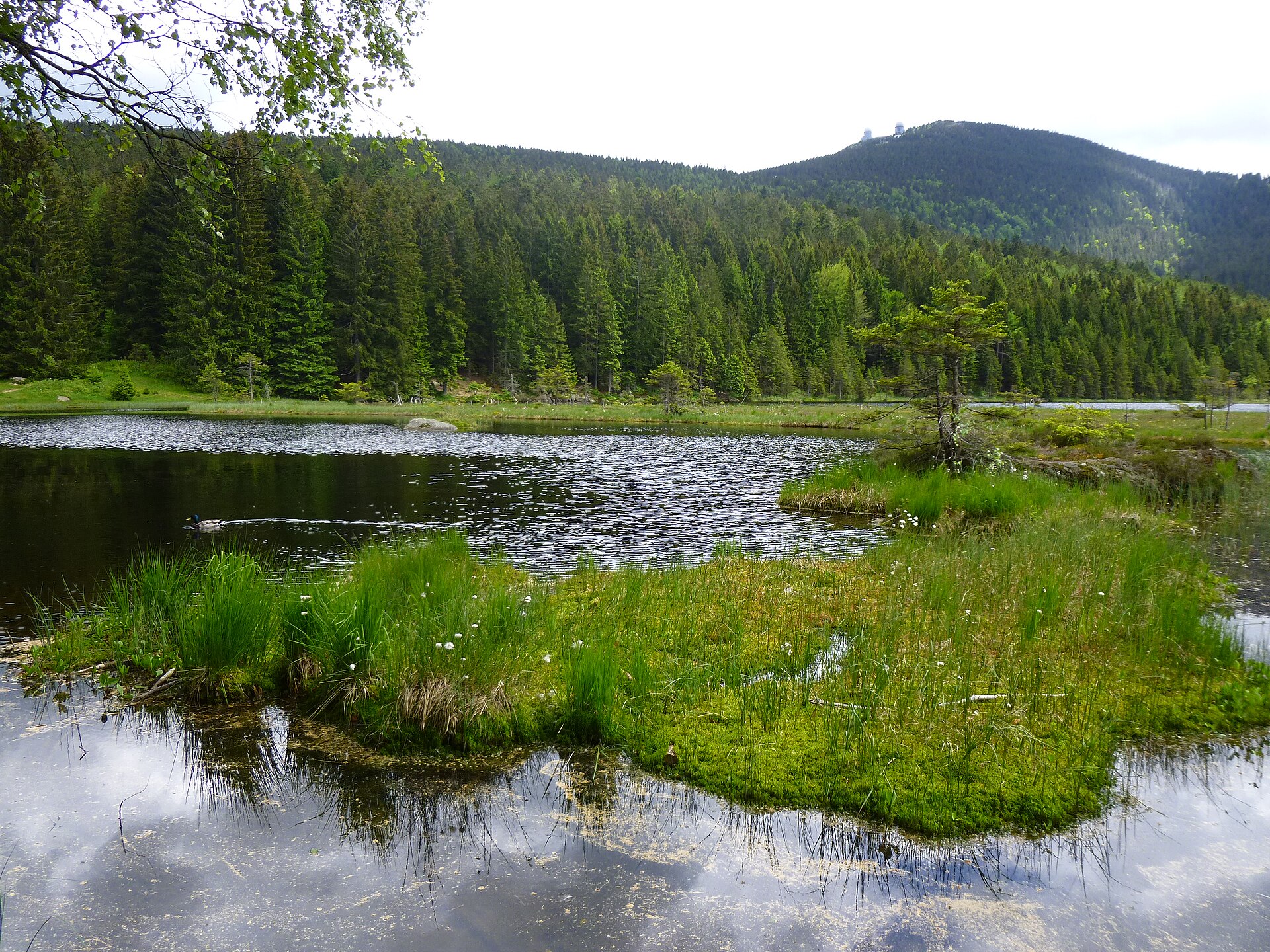
Natura 2000 · reproduction
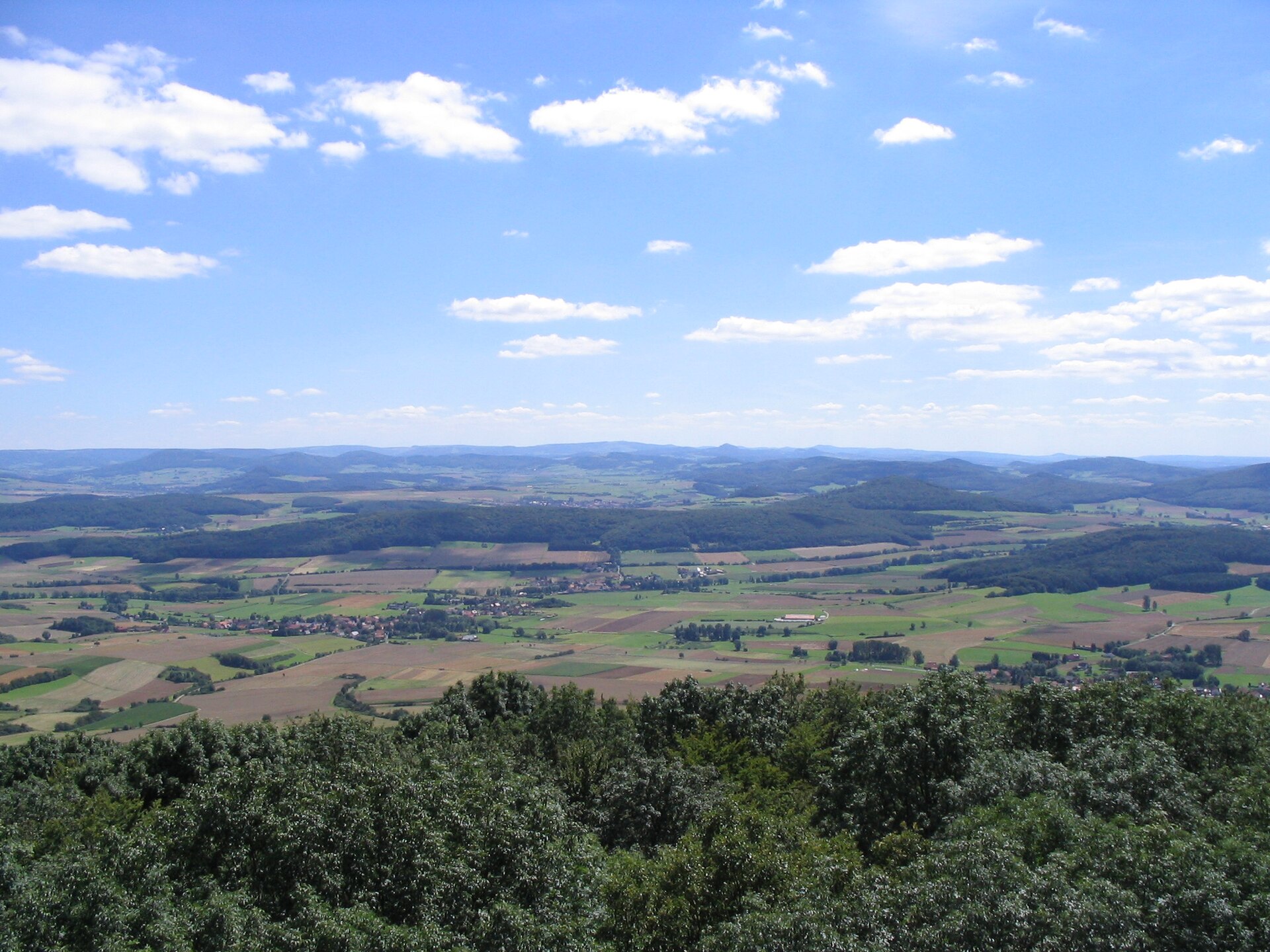
Natura 2000 · reproduction, sédentaire
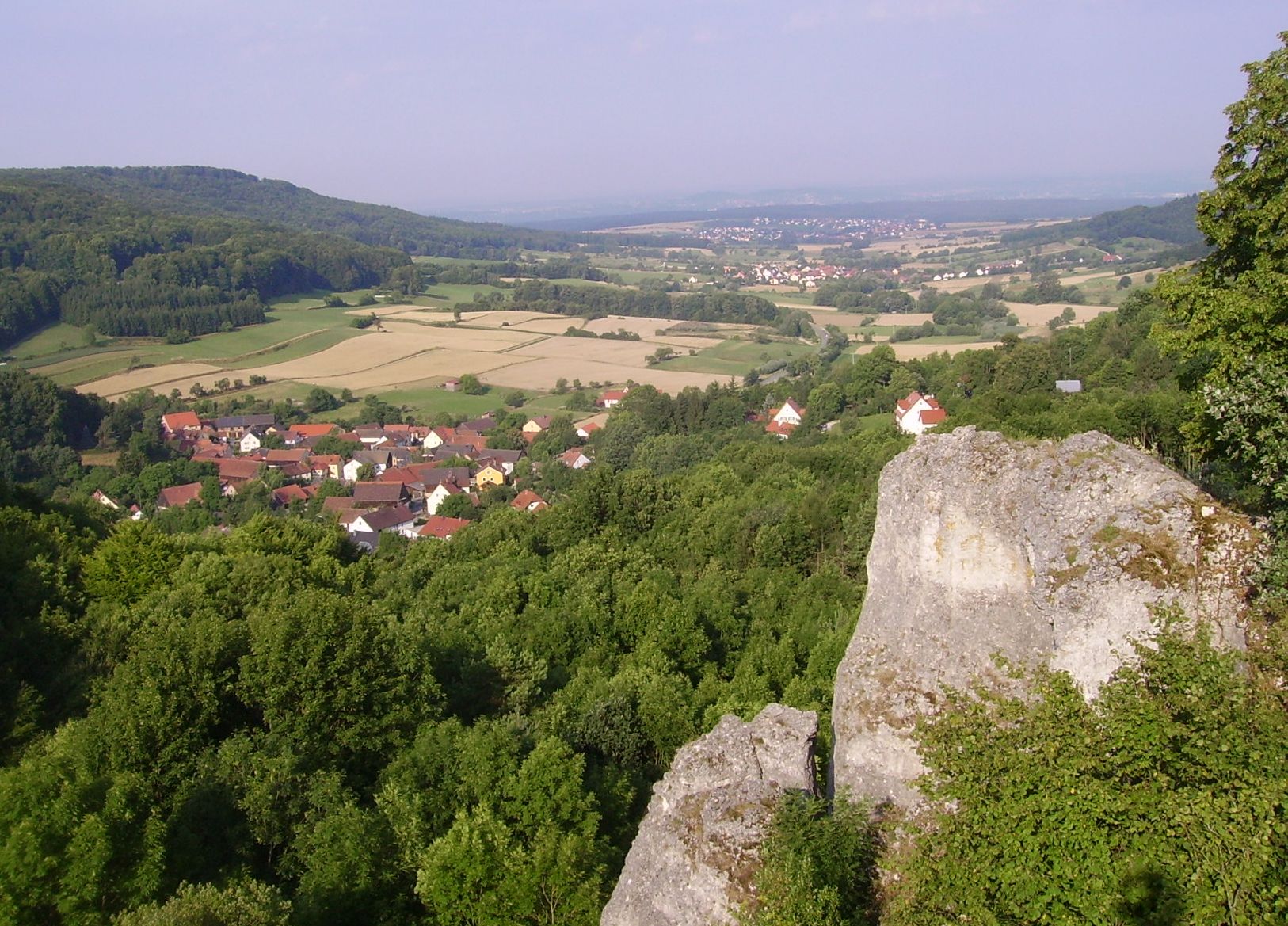
Natura 2000 · reproduction
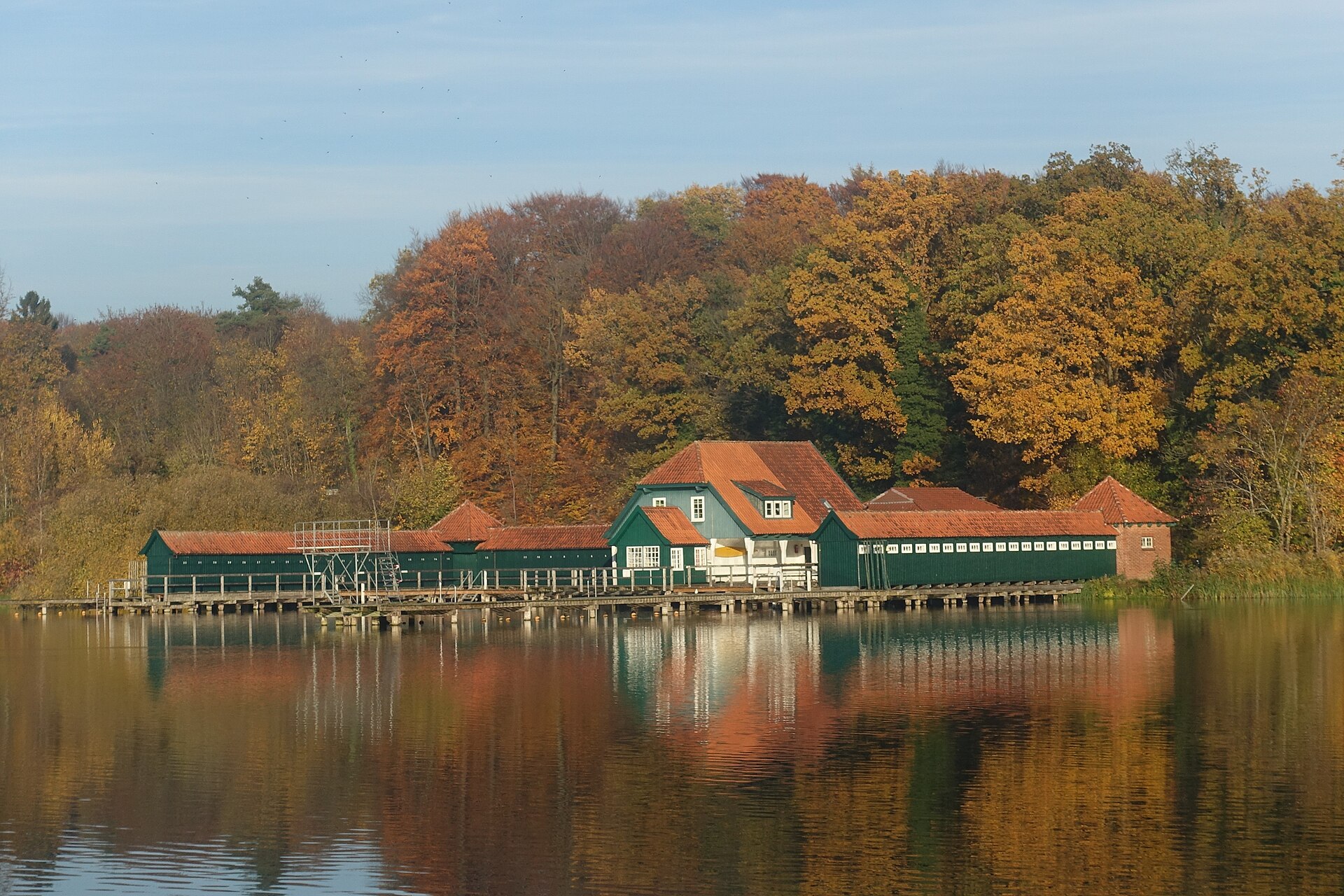
Natura 2000 · reproduction
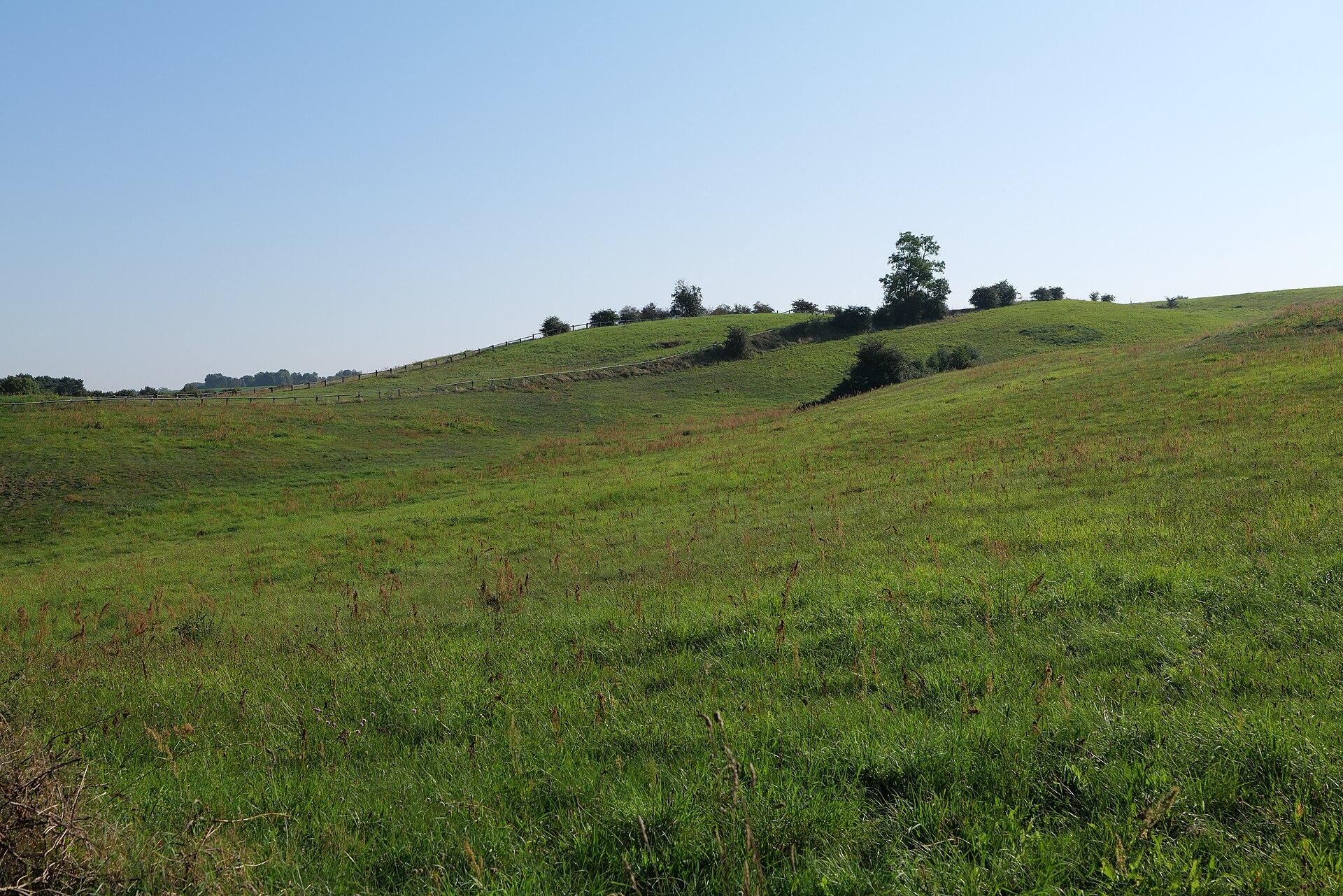
Natura 2000 · reproduction
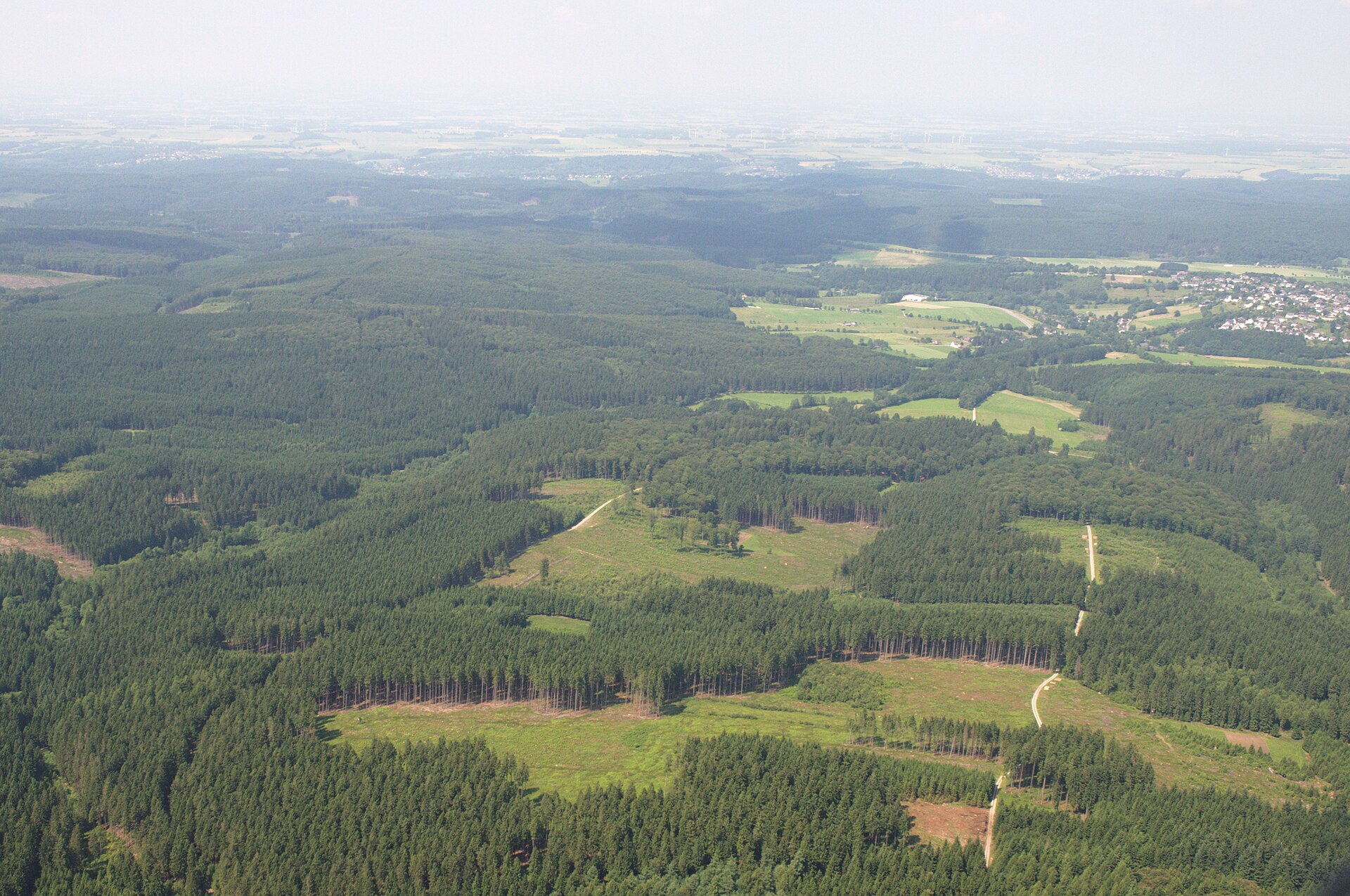
Natura 2000 · reproduction
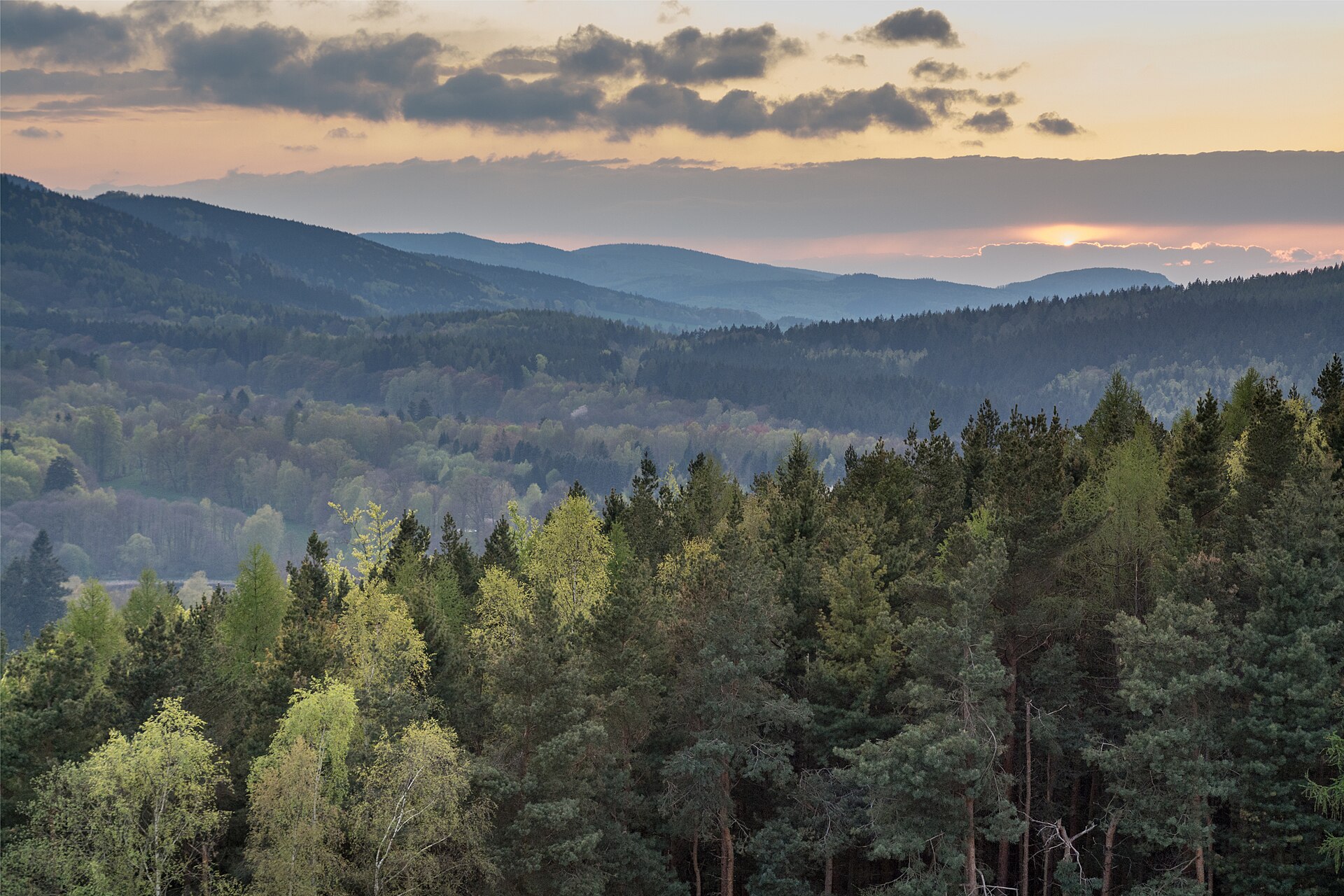
Natura 2000 · sédentaire, reproduction
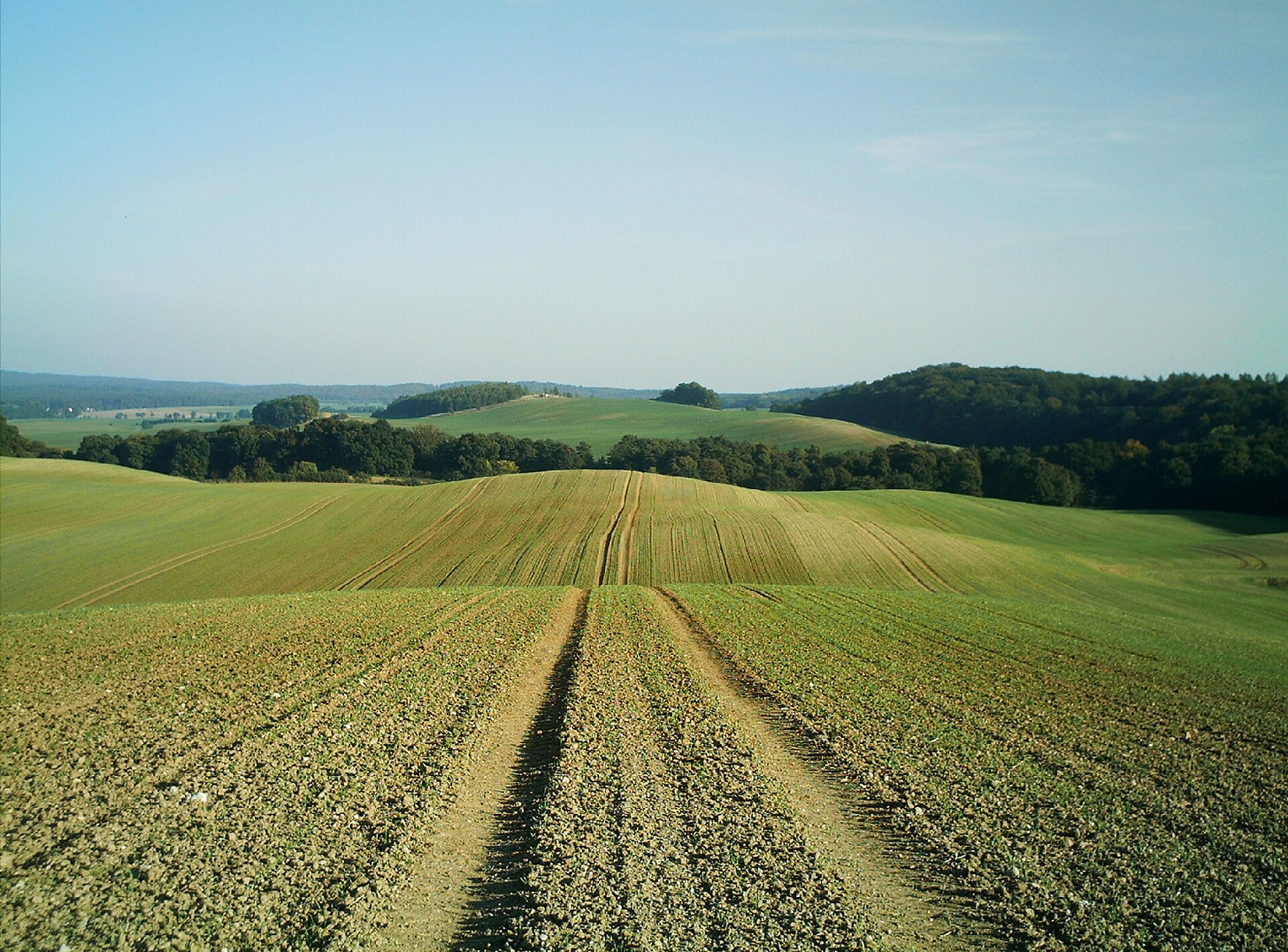
Natura 2000 · reproduction
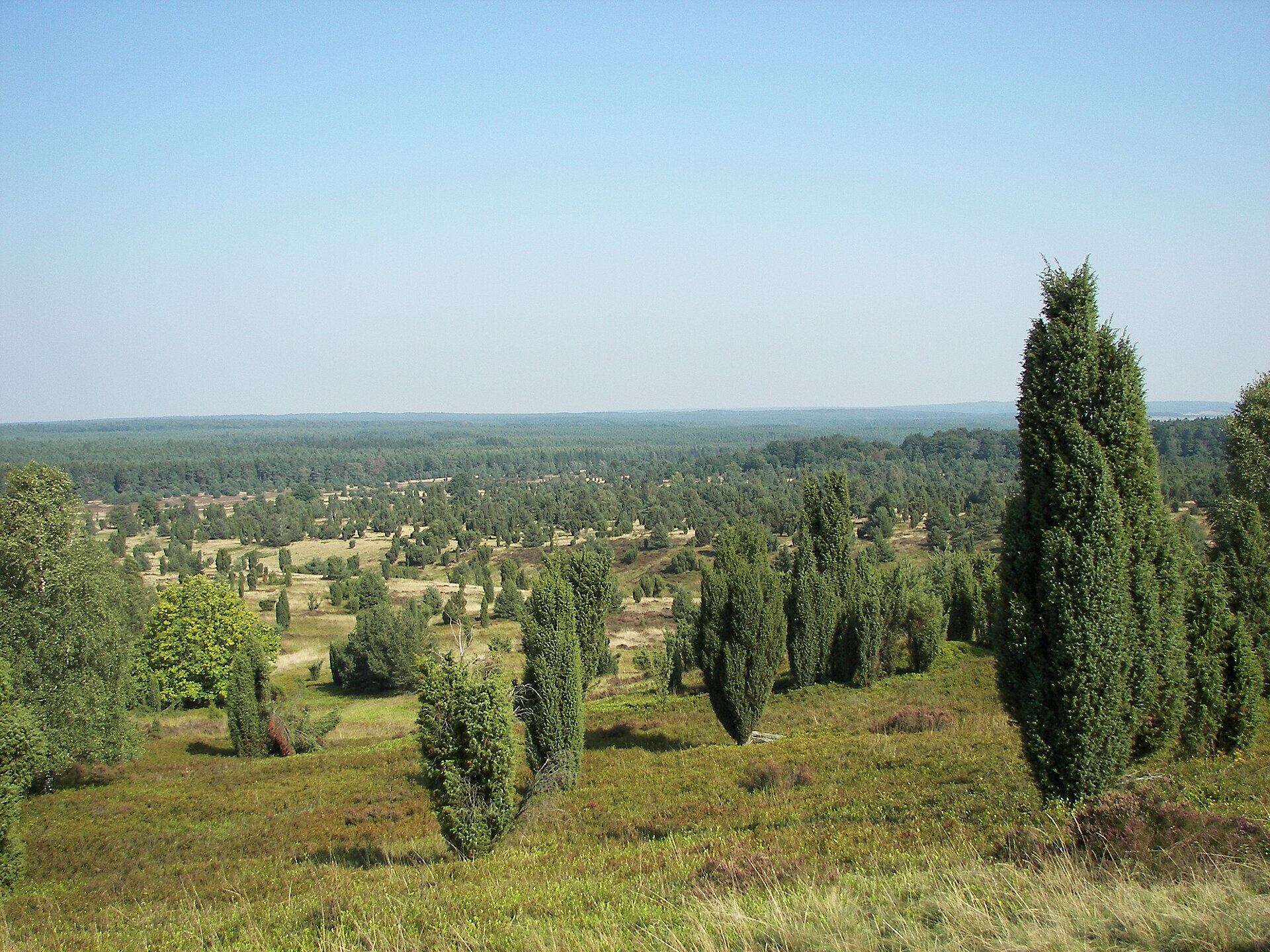
Natura 2000 · reproduction
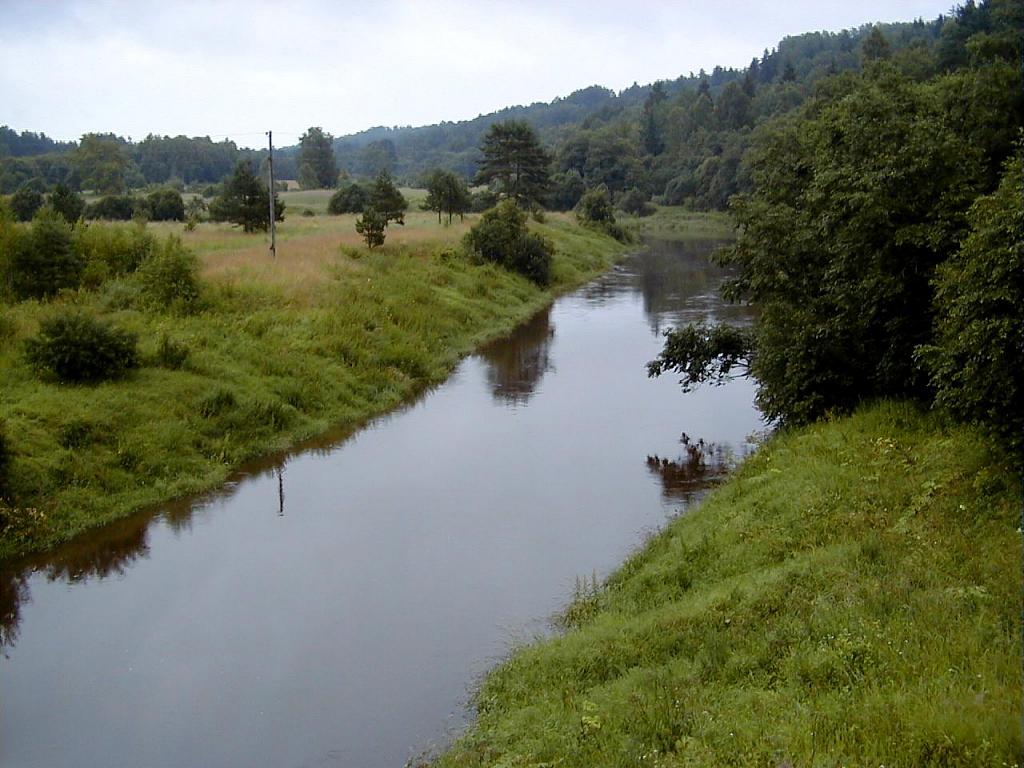
Natura 2000 · reproduction
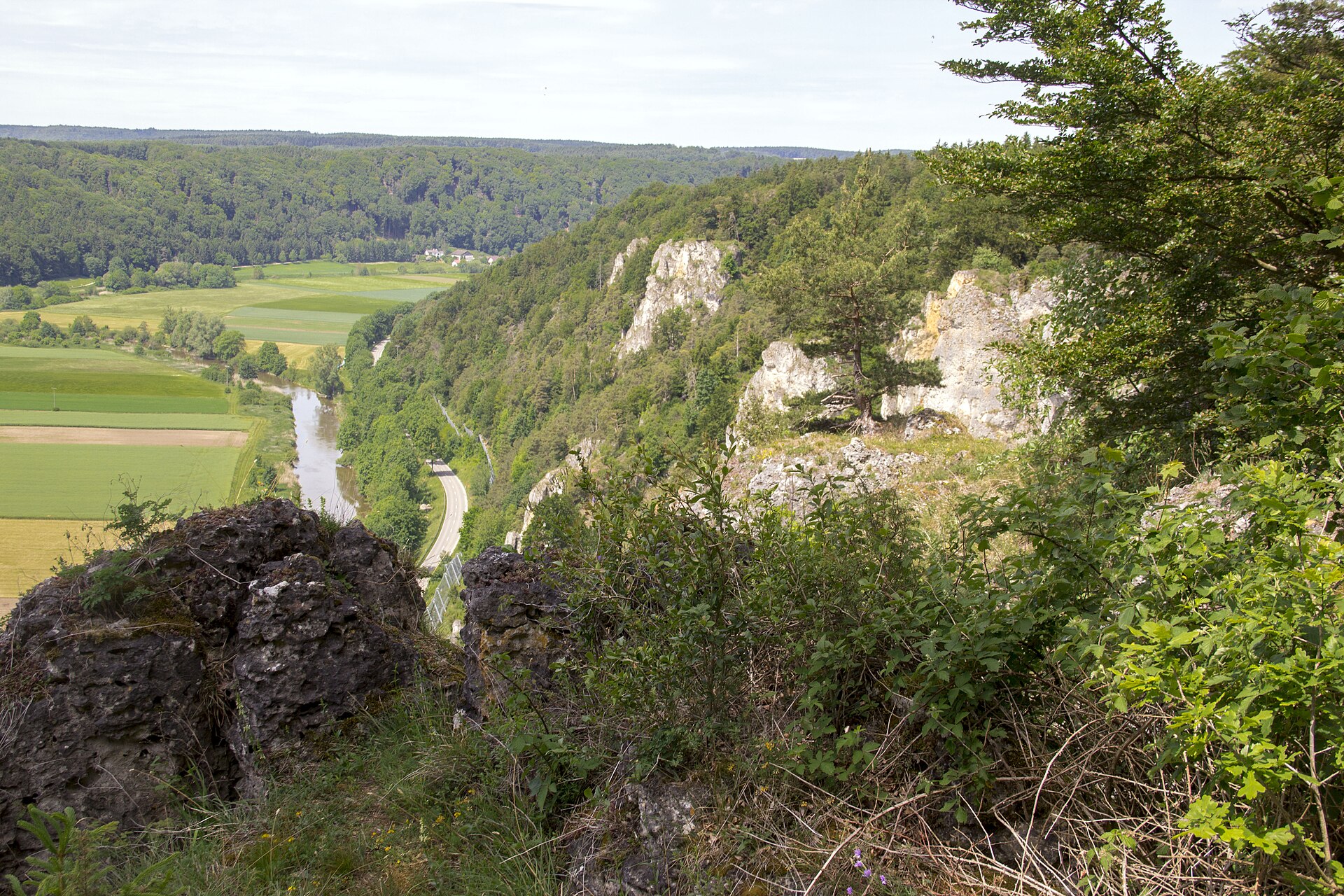
Natura 2000 · reproduction
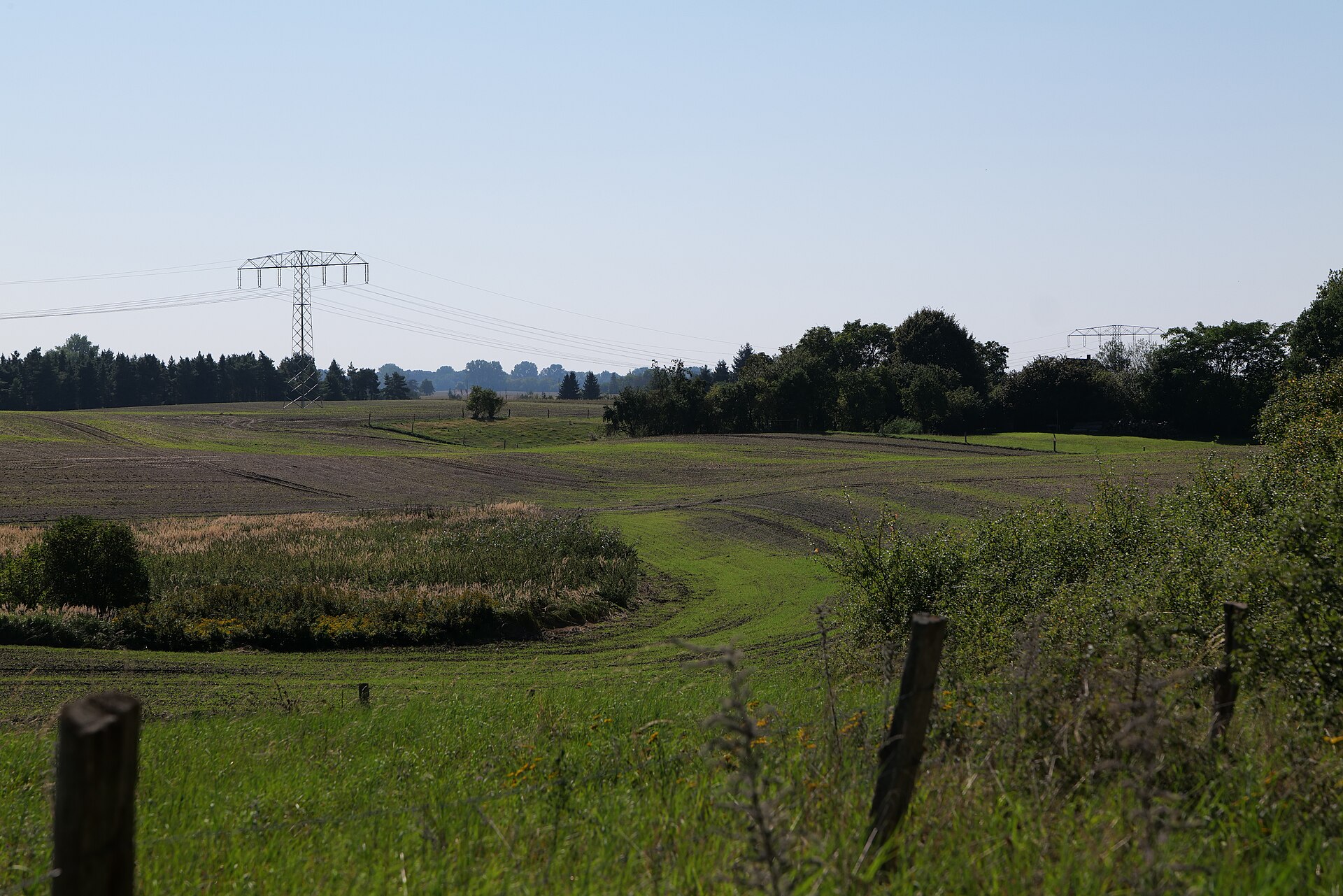
Natura 2000 · reproduction
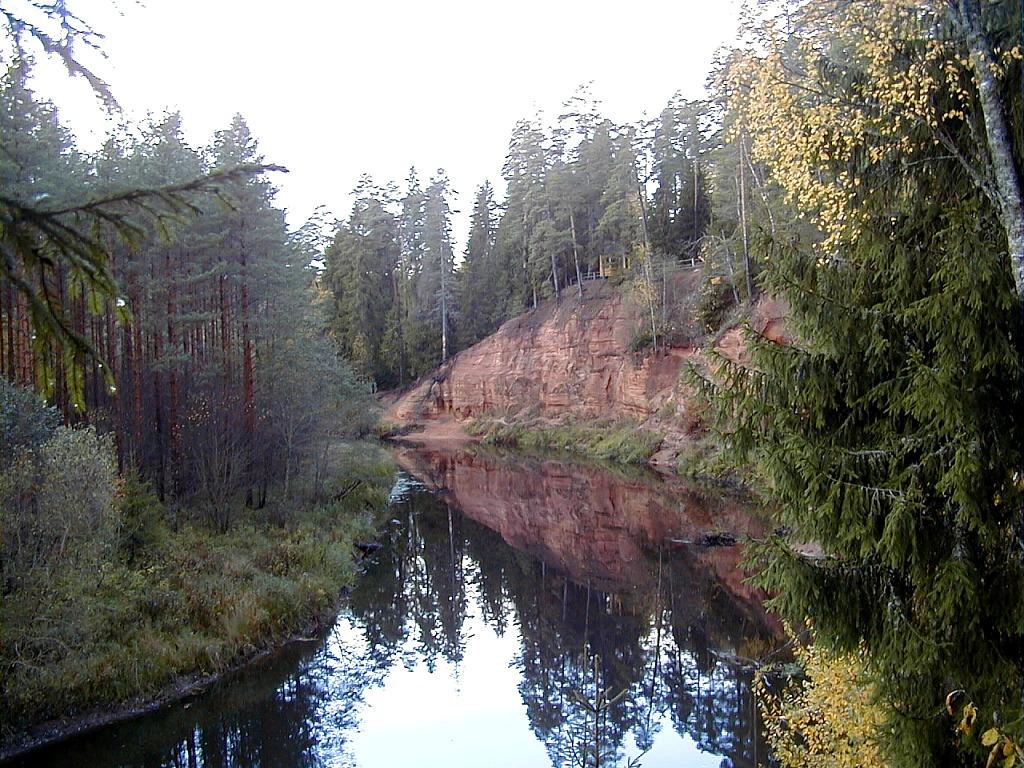
Natura 2000 · reproduction
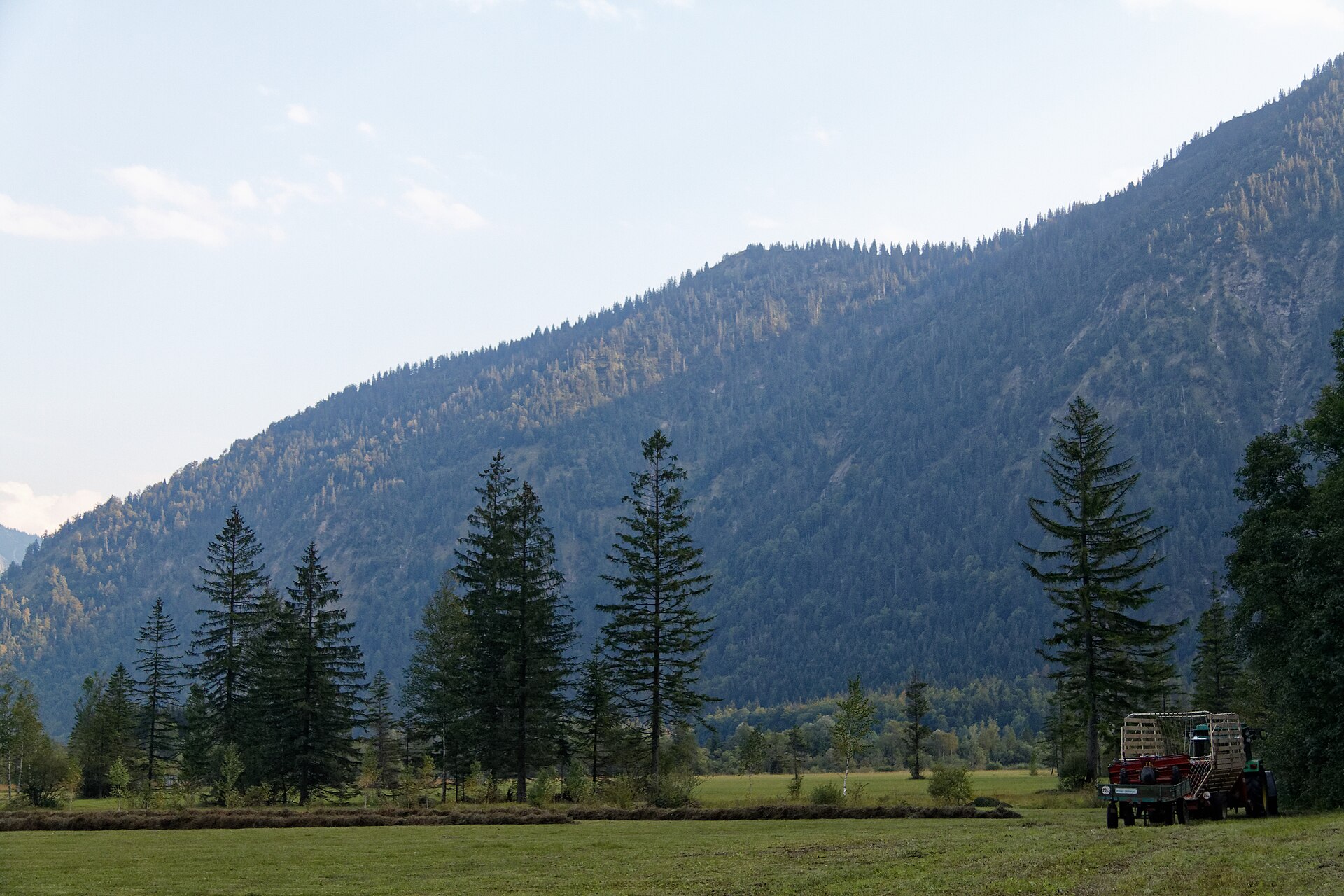
Natura 2000 · reproduction
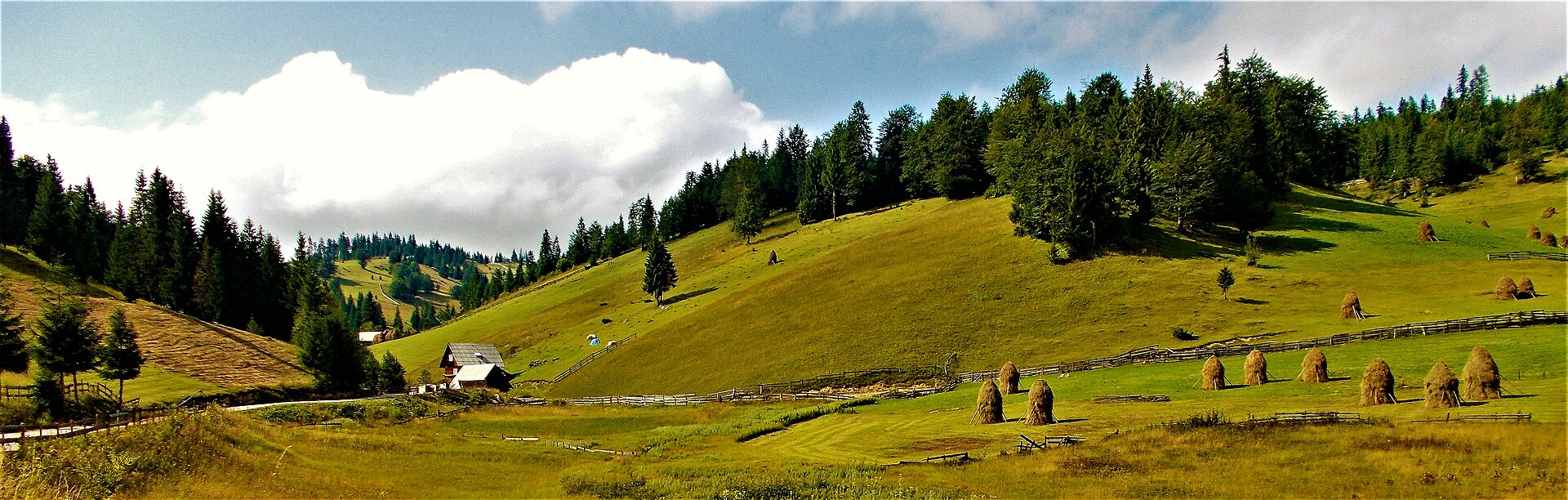
Natura 2000 · reproduction
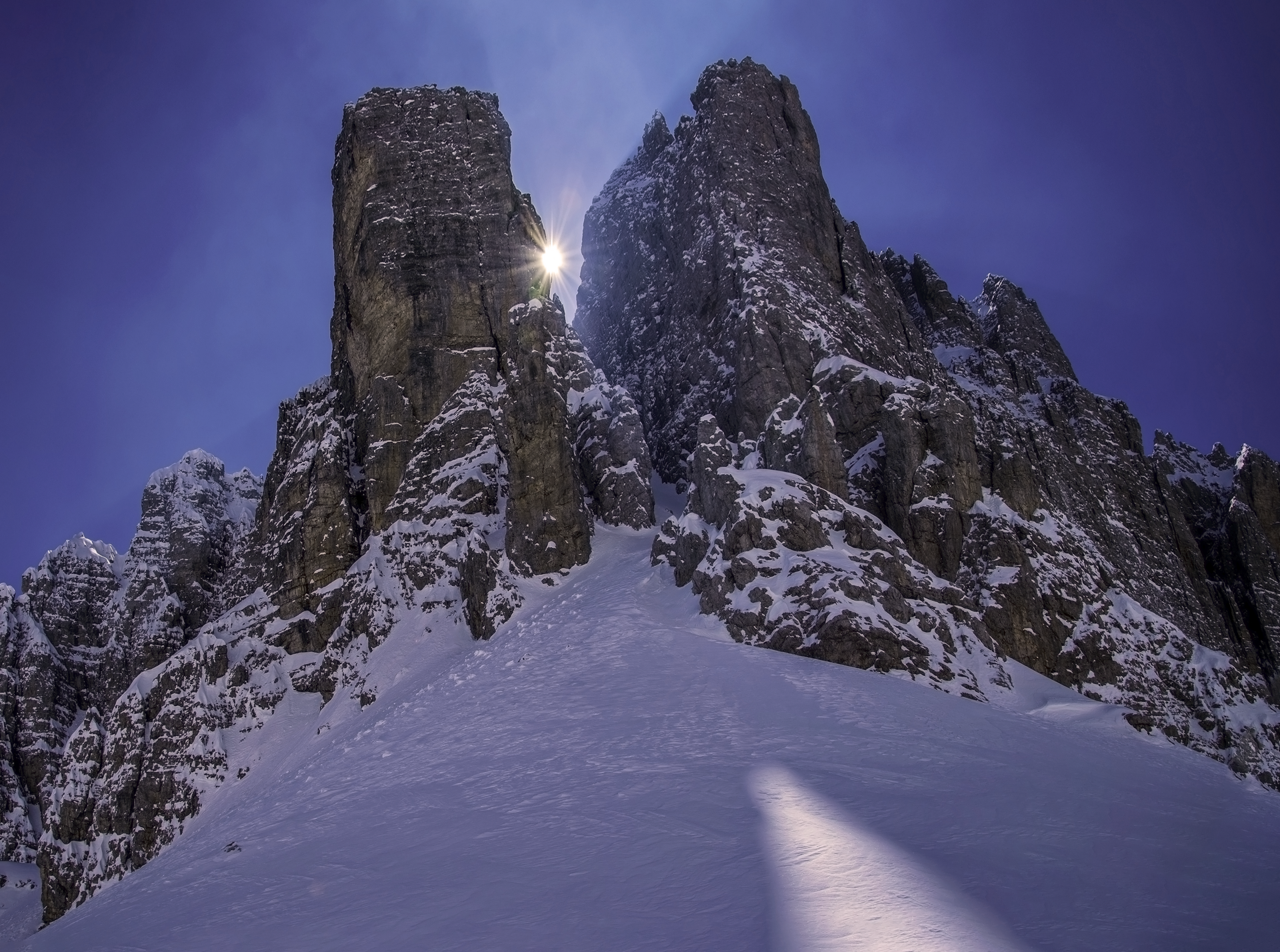
Natura 2000 · reproduction
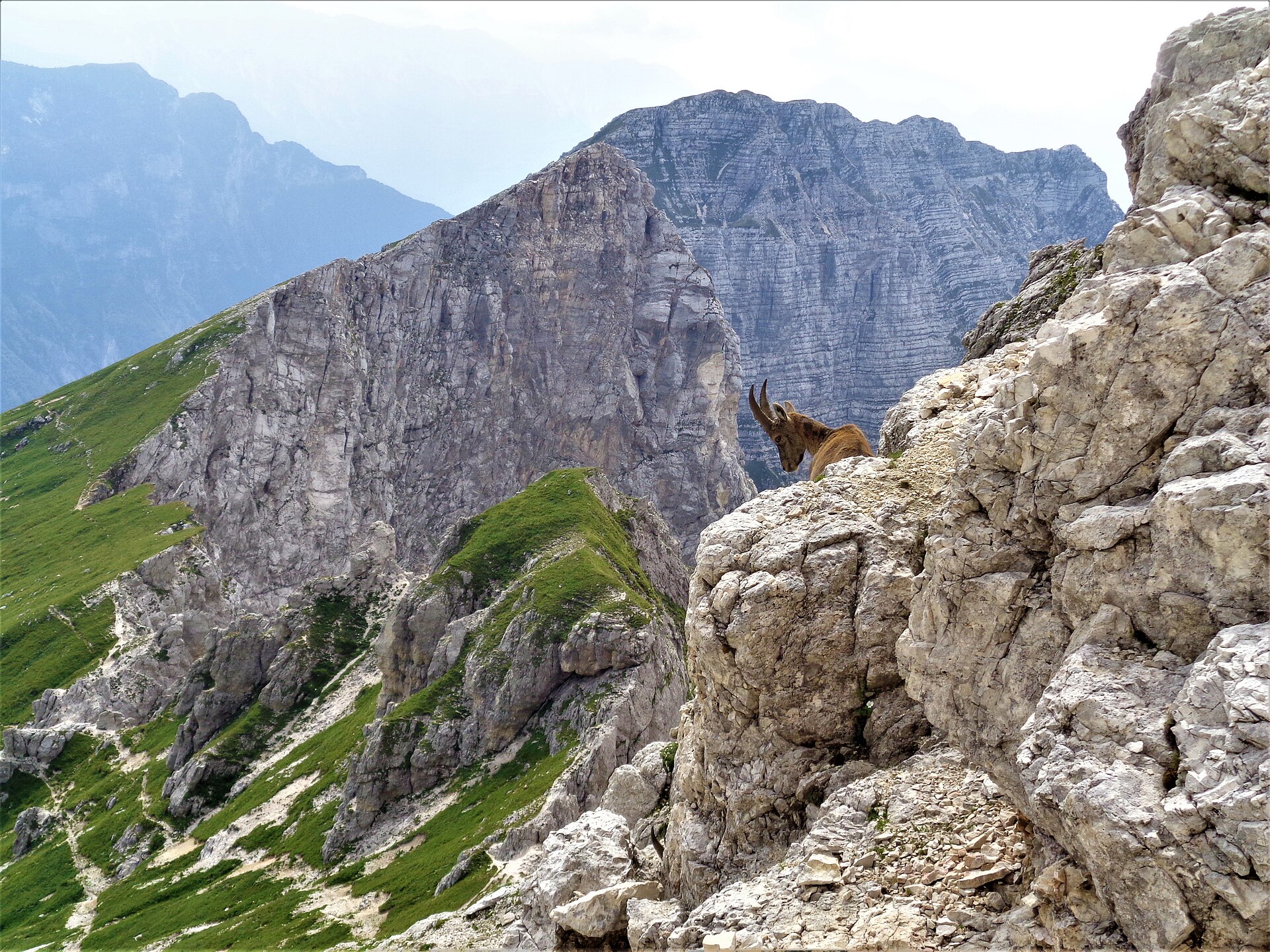
Natura 2000 · reproduction

Natura 2000 · reproduction

Natura 2000 · reproduction
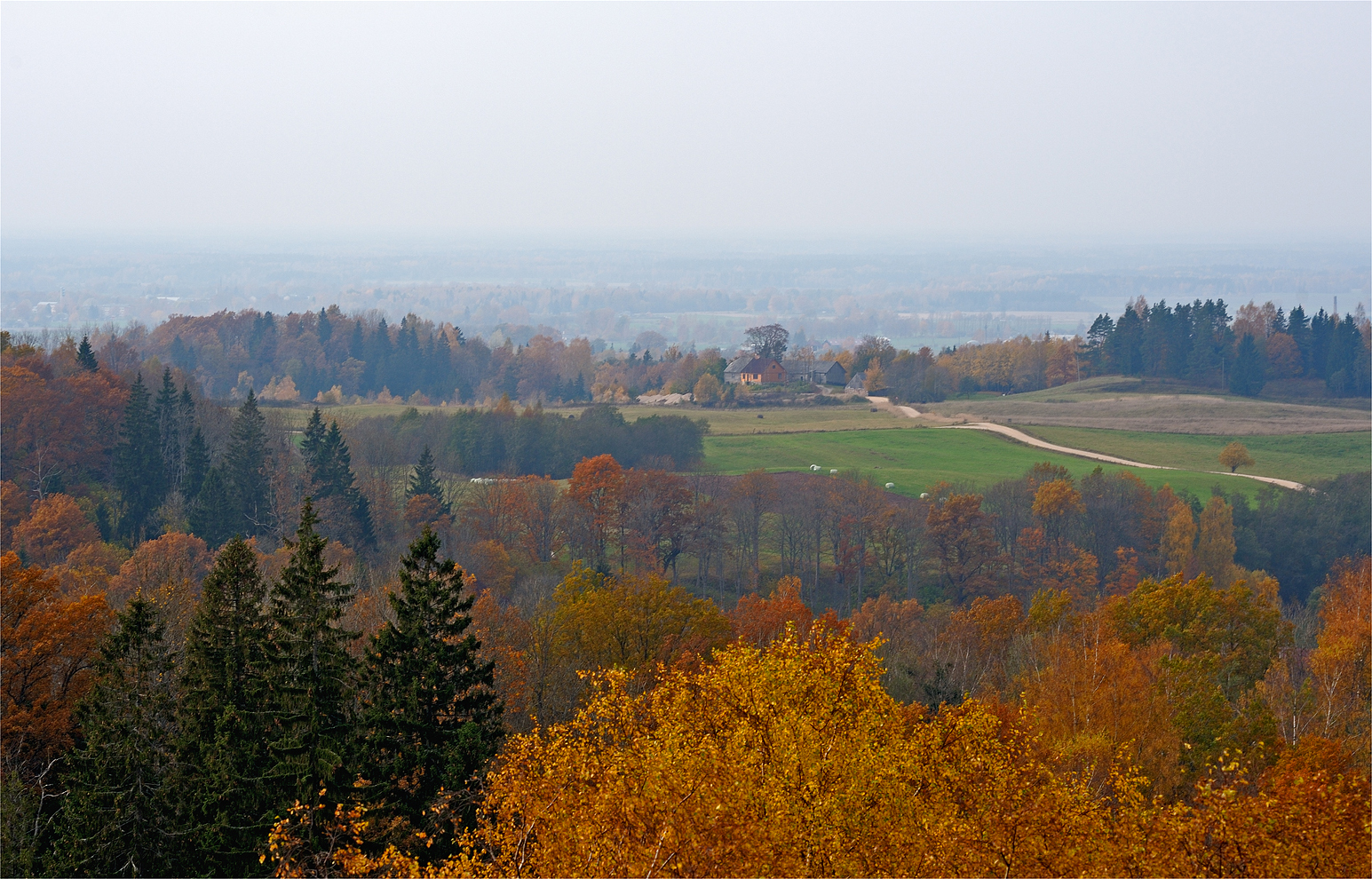
Natura 2000 · reproduction
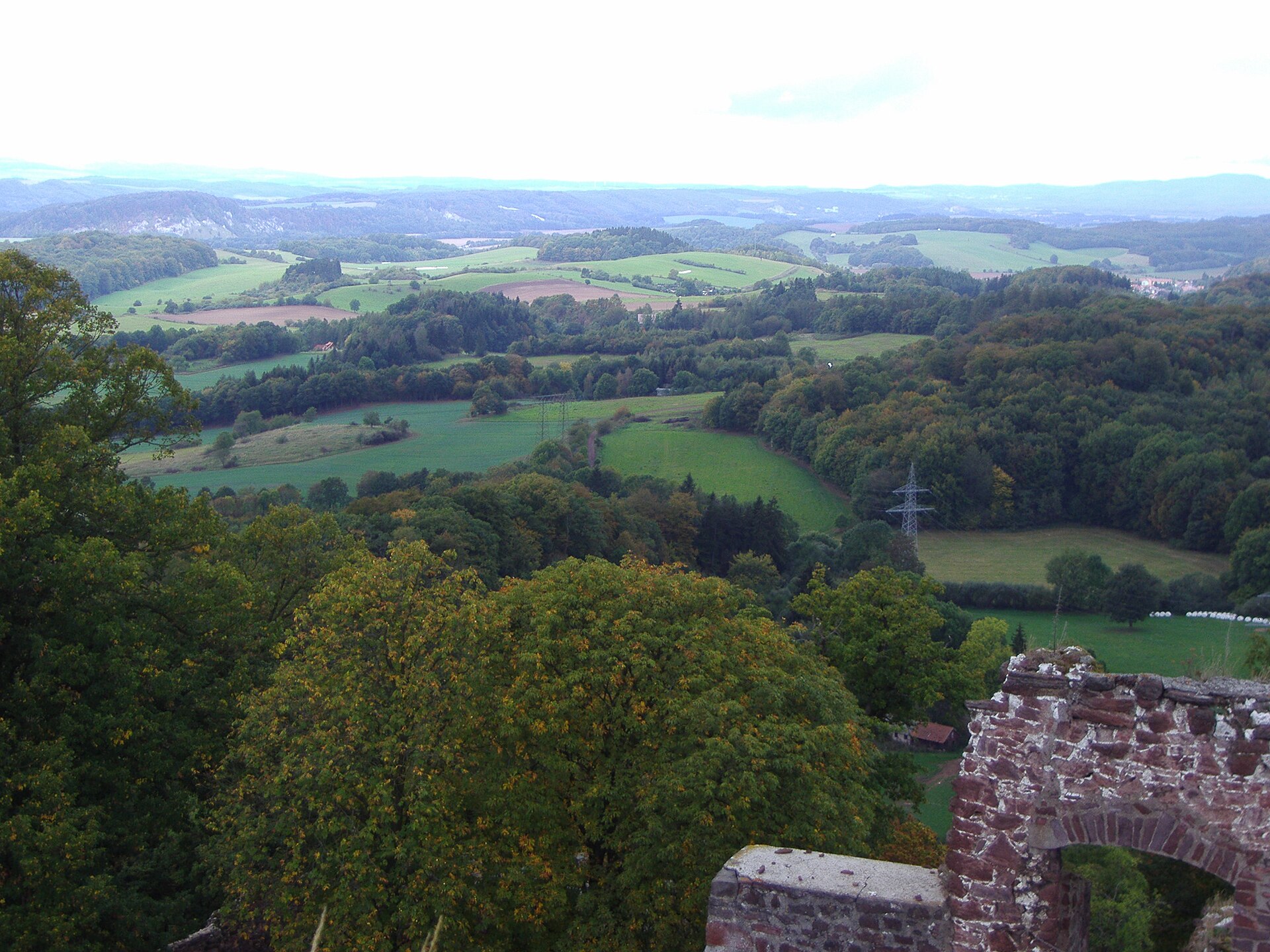
Natura 2000 · de passage
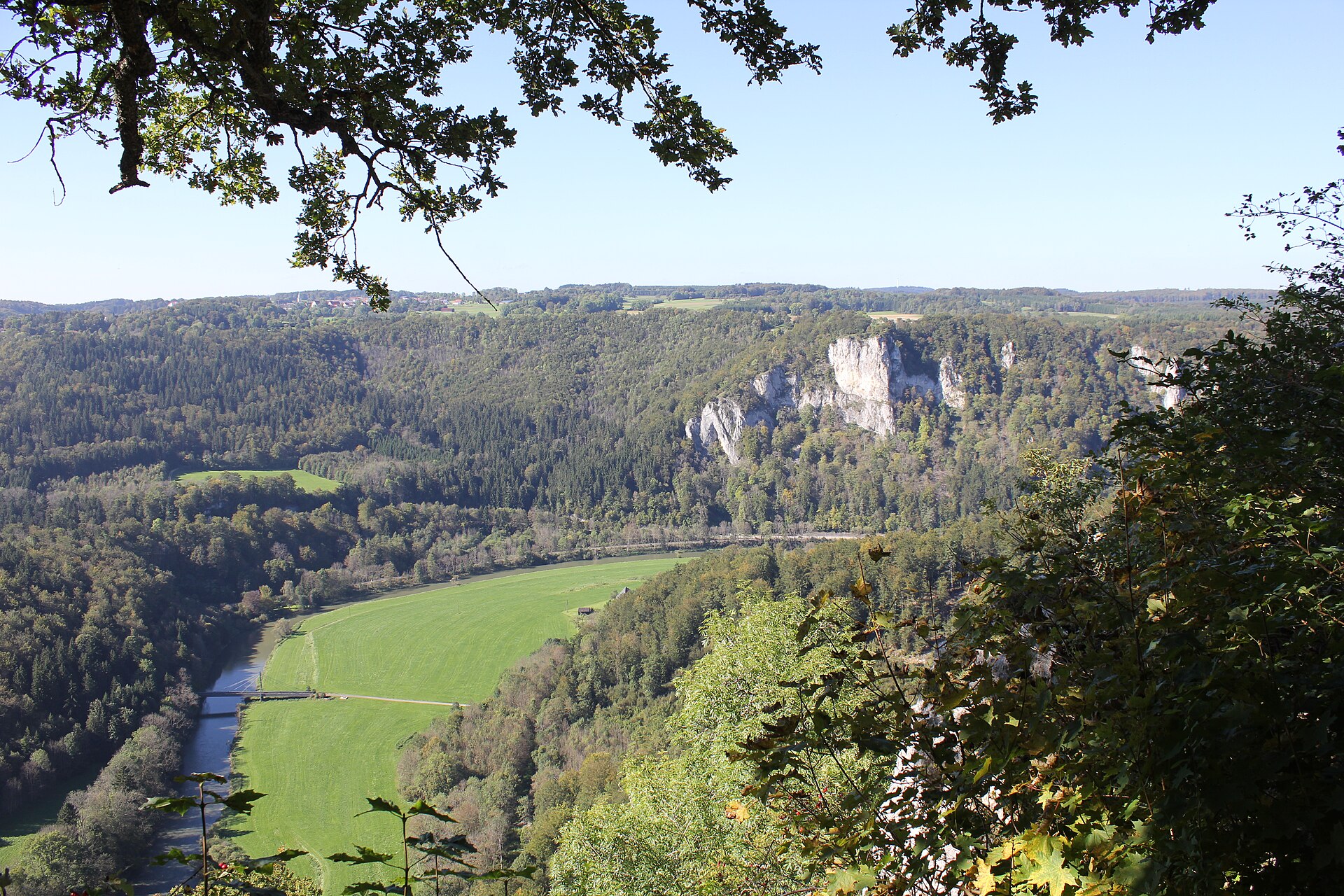
Natura 2000 · reproduction
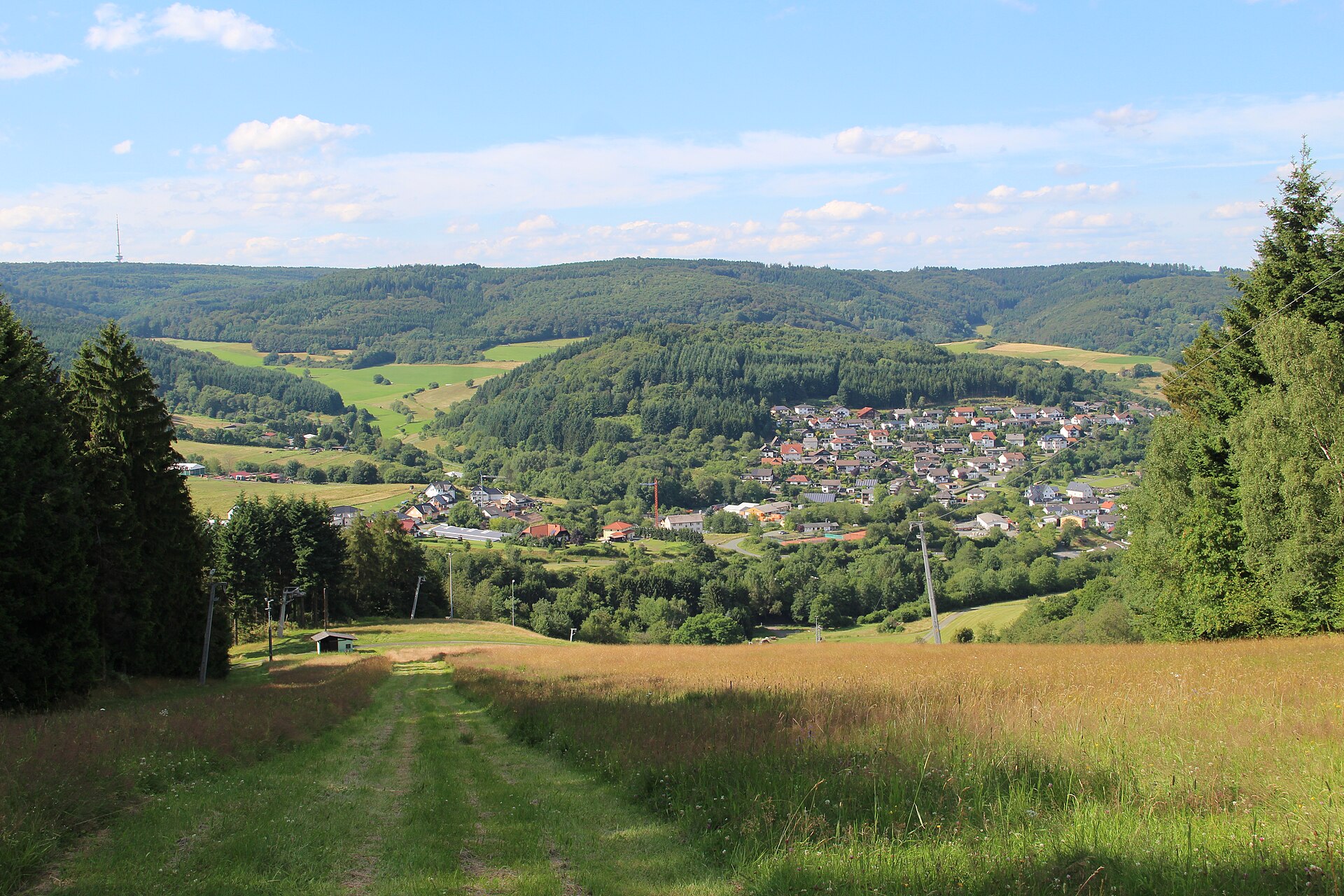
Natura 2000 · reproduction
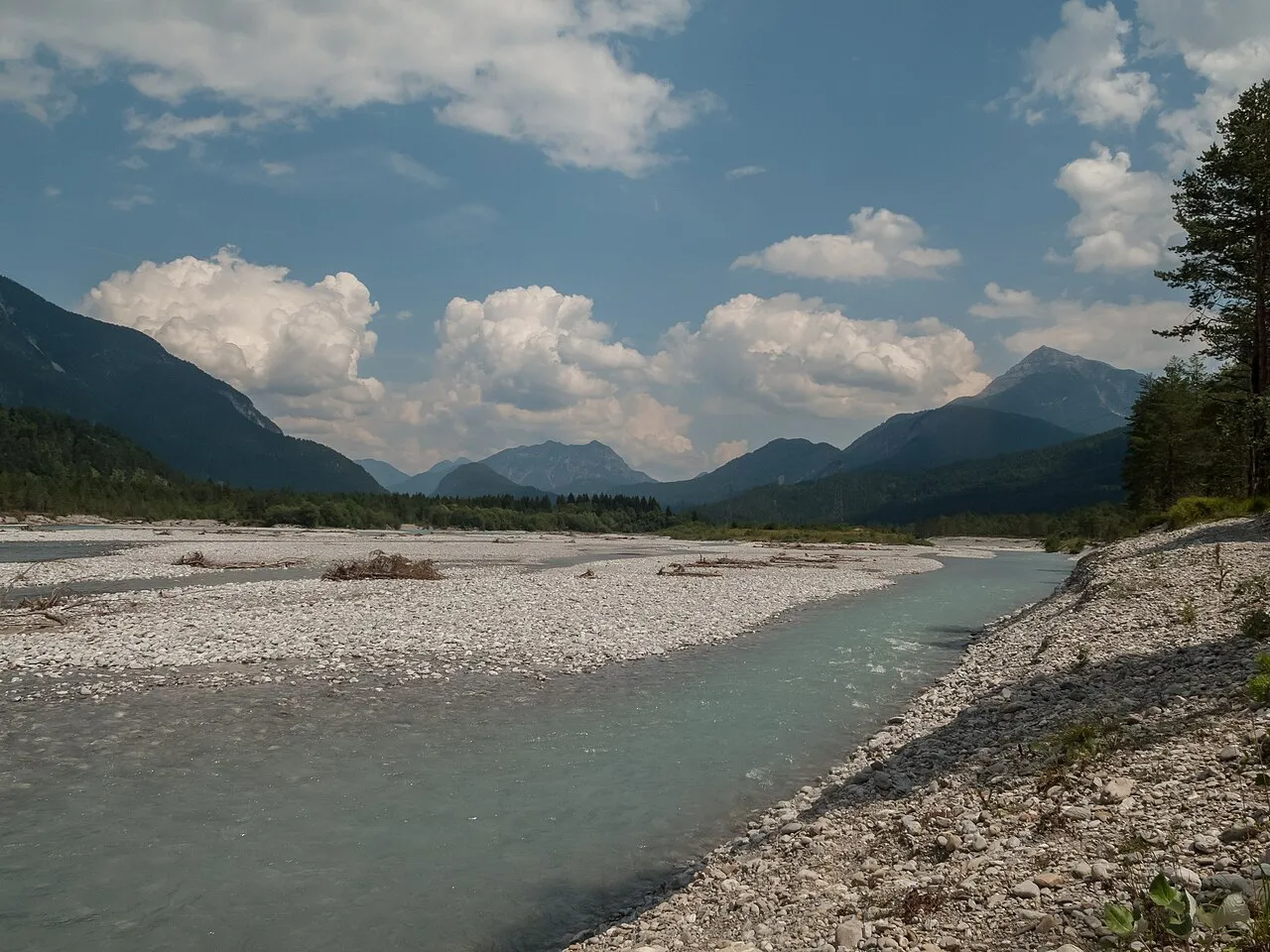
Natura 2000 · de passage
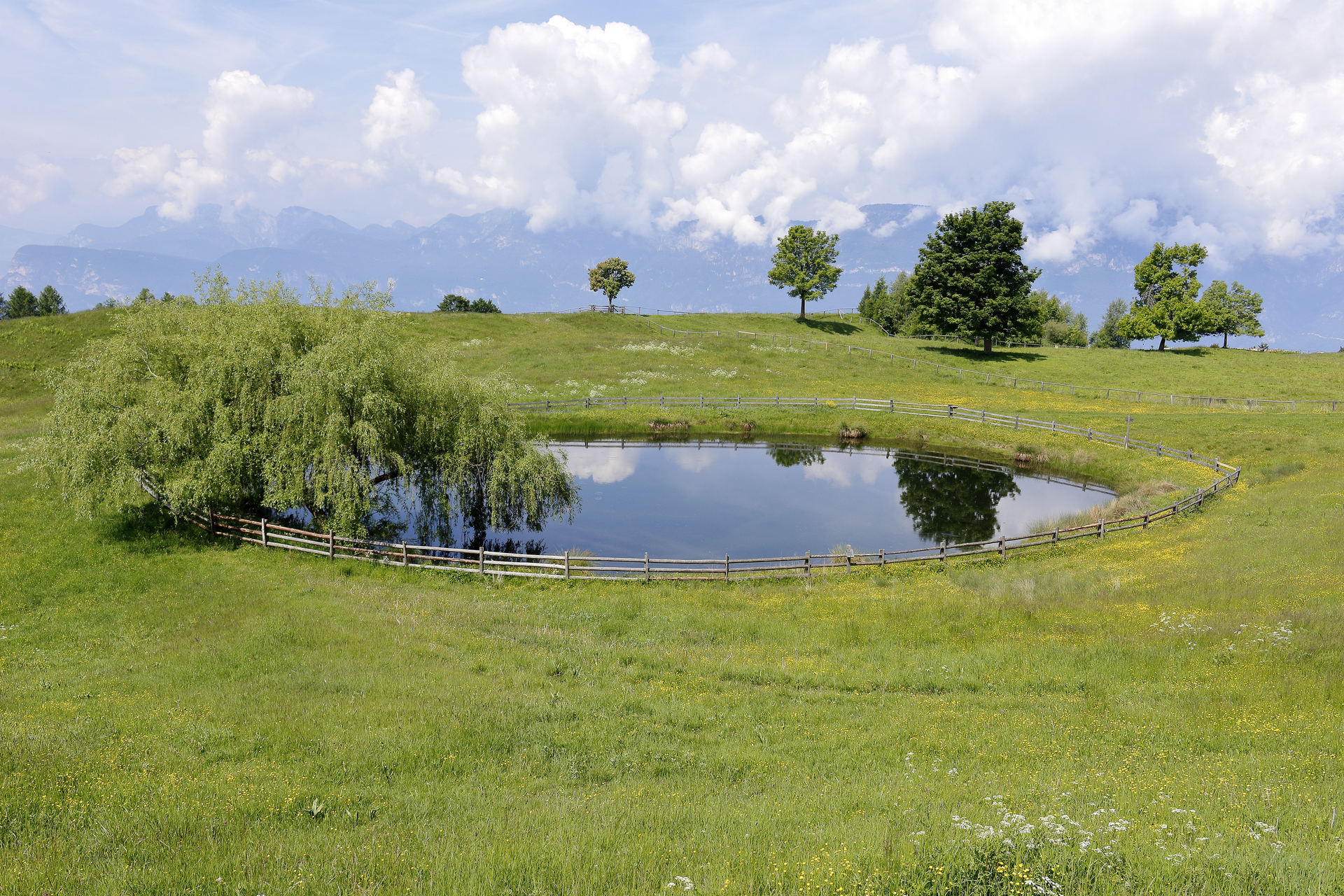
Natura 2000 · reproduction
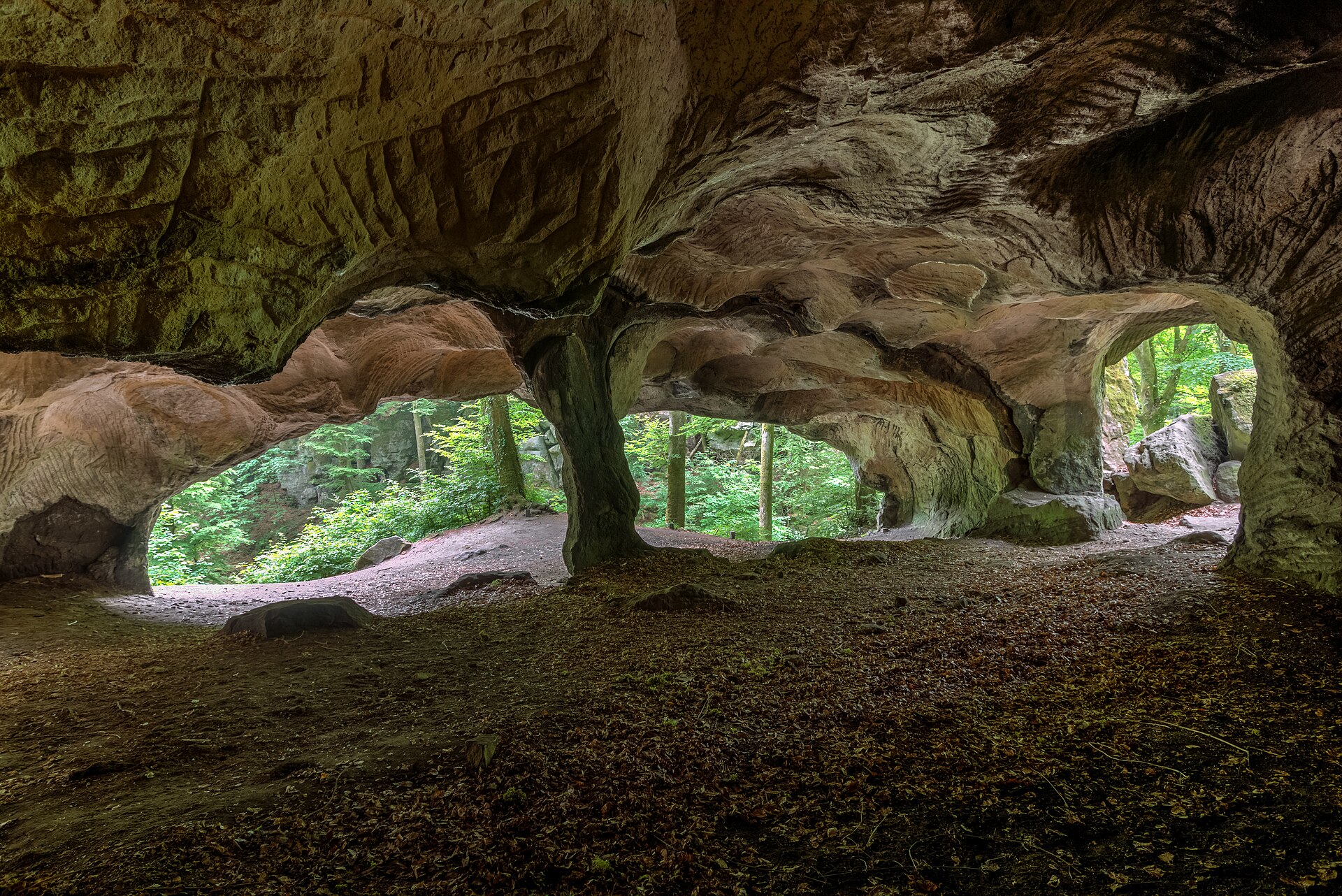
Natura 2000 · reproduction
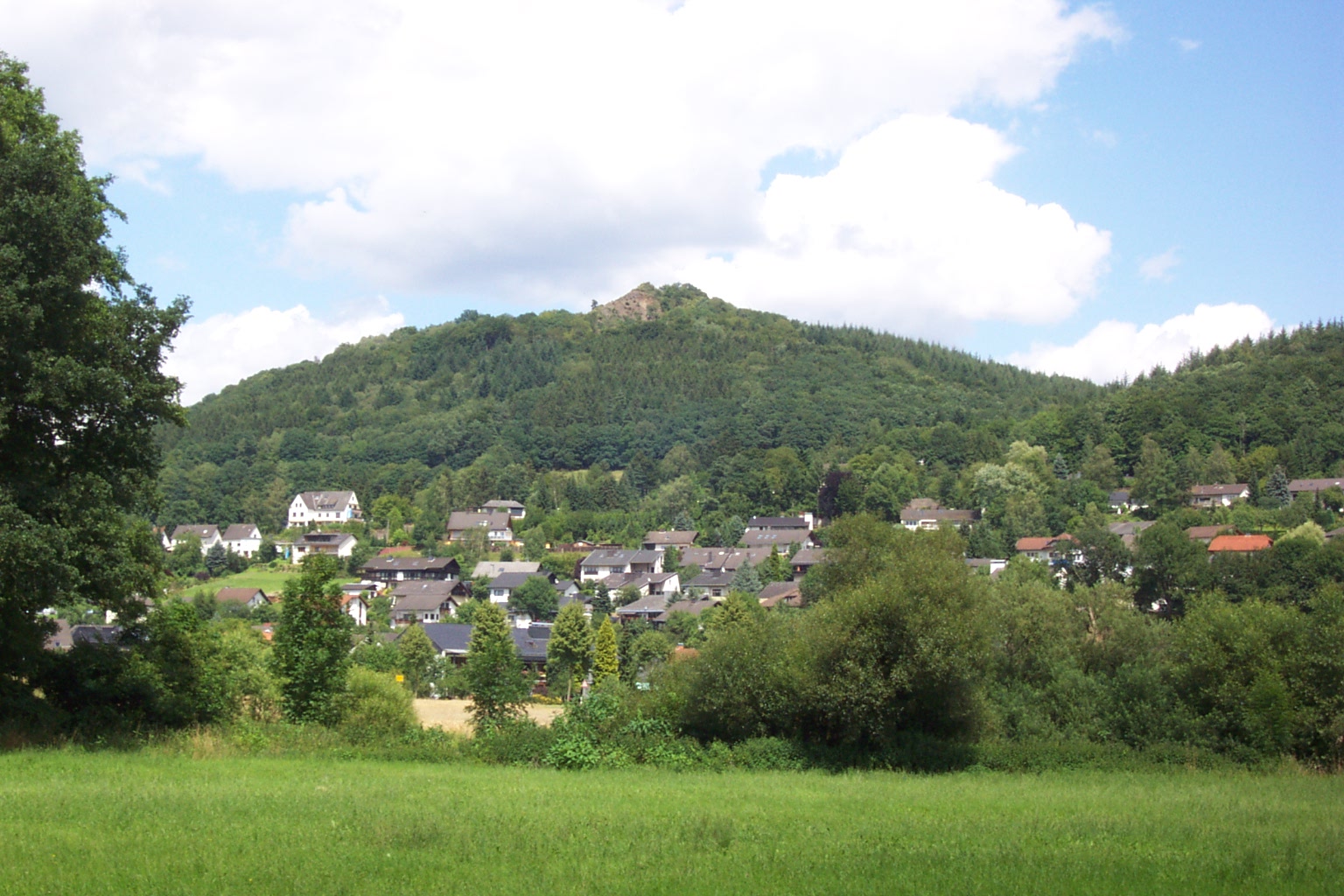
Natura 2000 · reproduction

Natura 2000 · reproduction
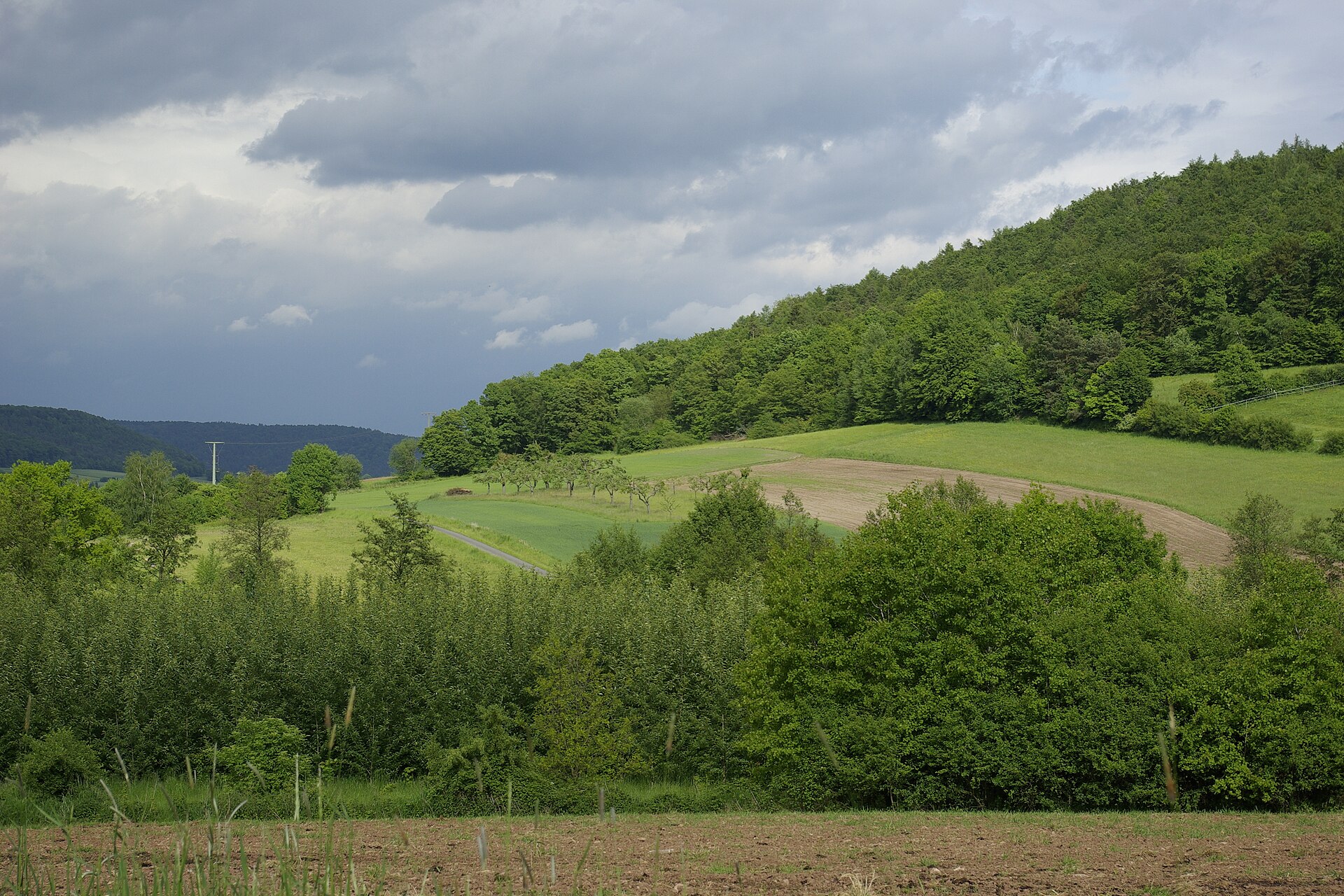
Natura 2000 · reproduction, de passage

Natura 2000 · reproduction
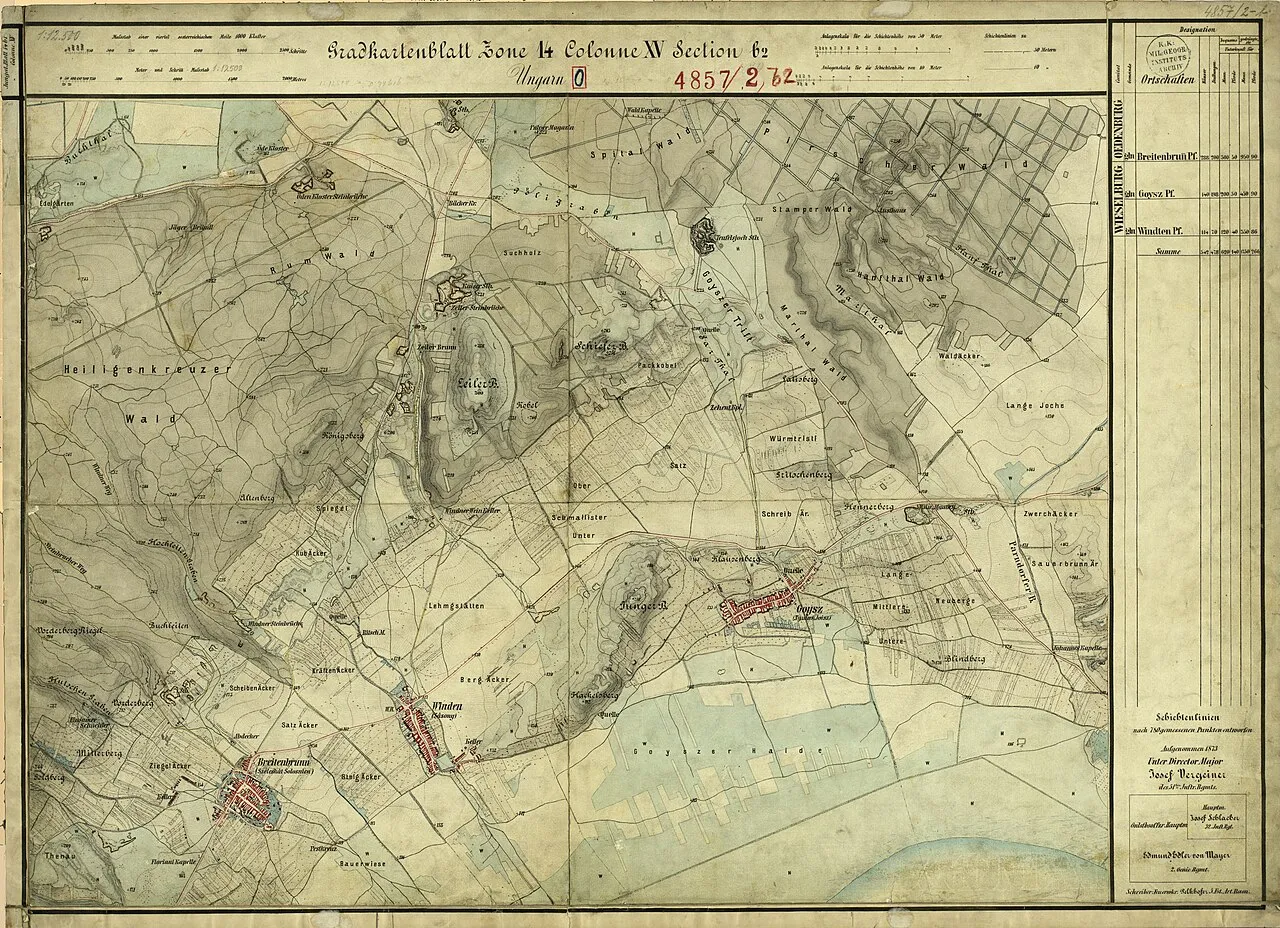
Natura 2000 · reproduction
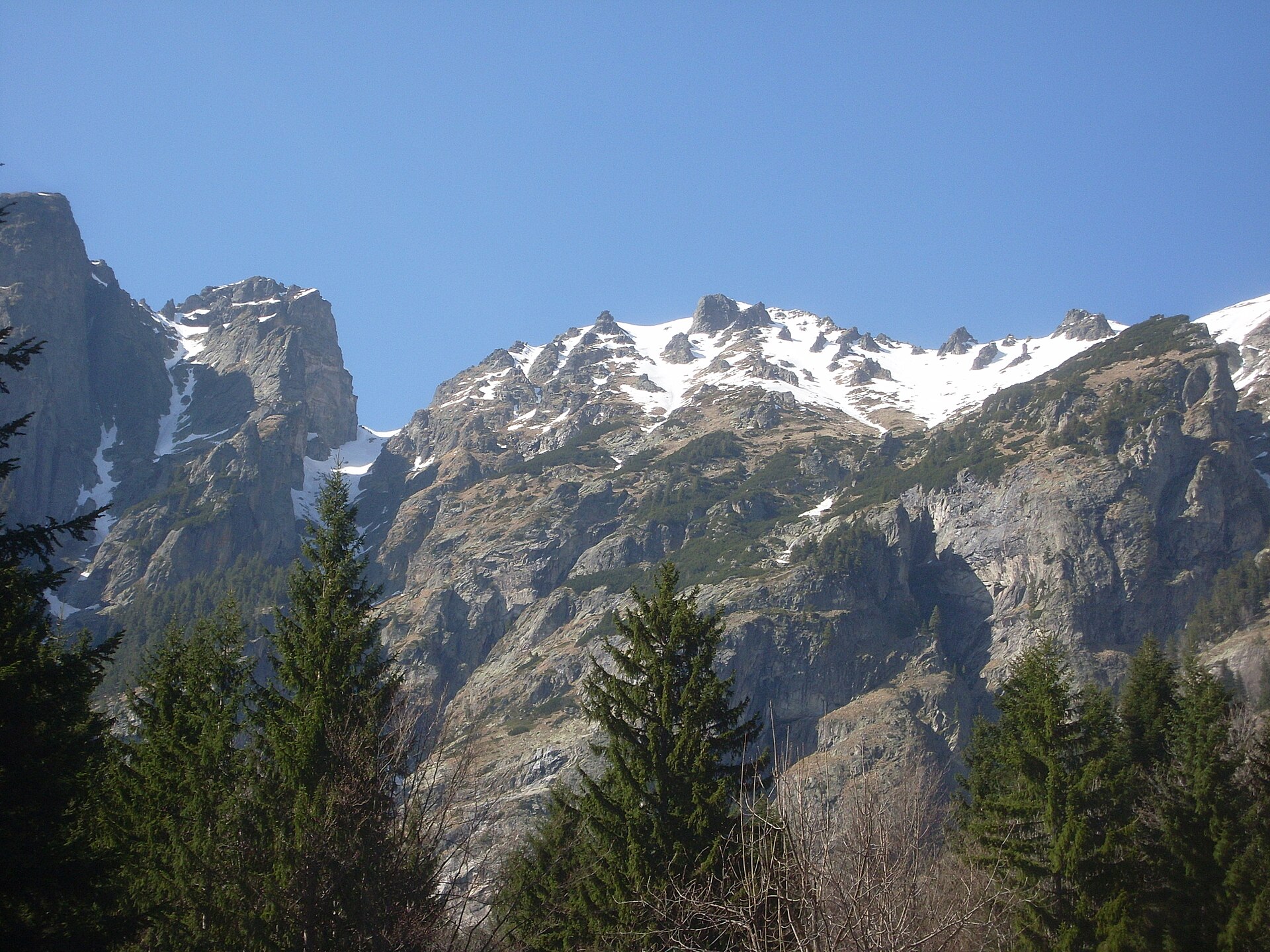
Natura 2000 · reproduction
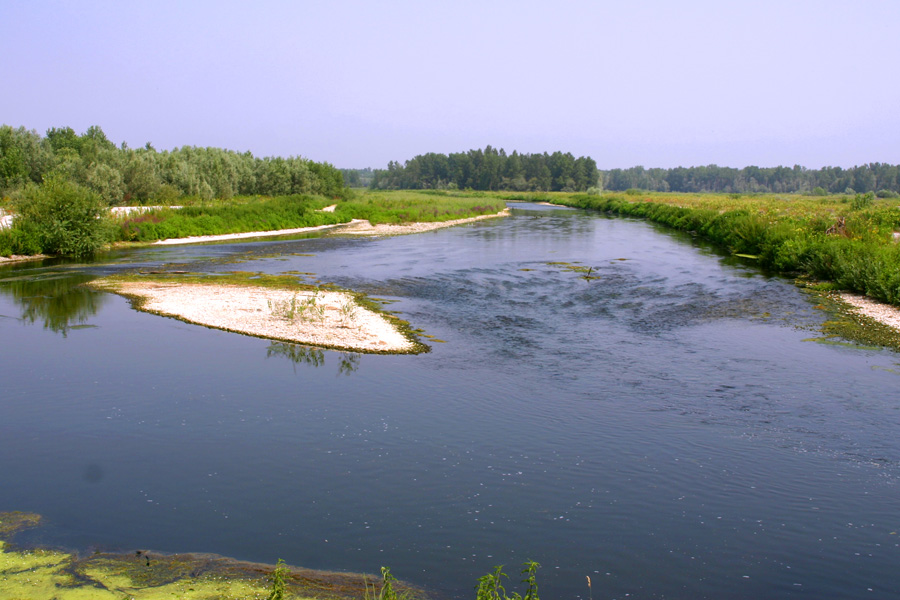
Natura 2000 · de passage
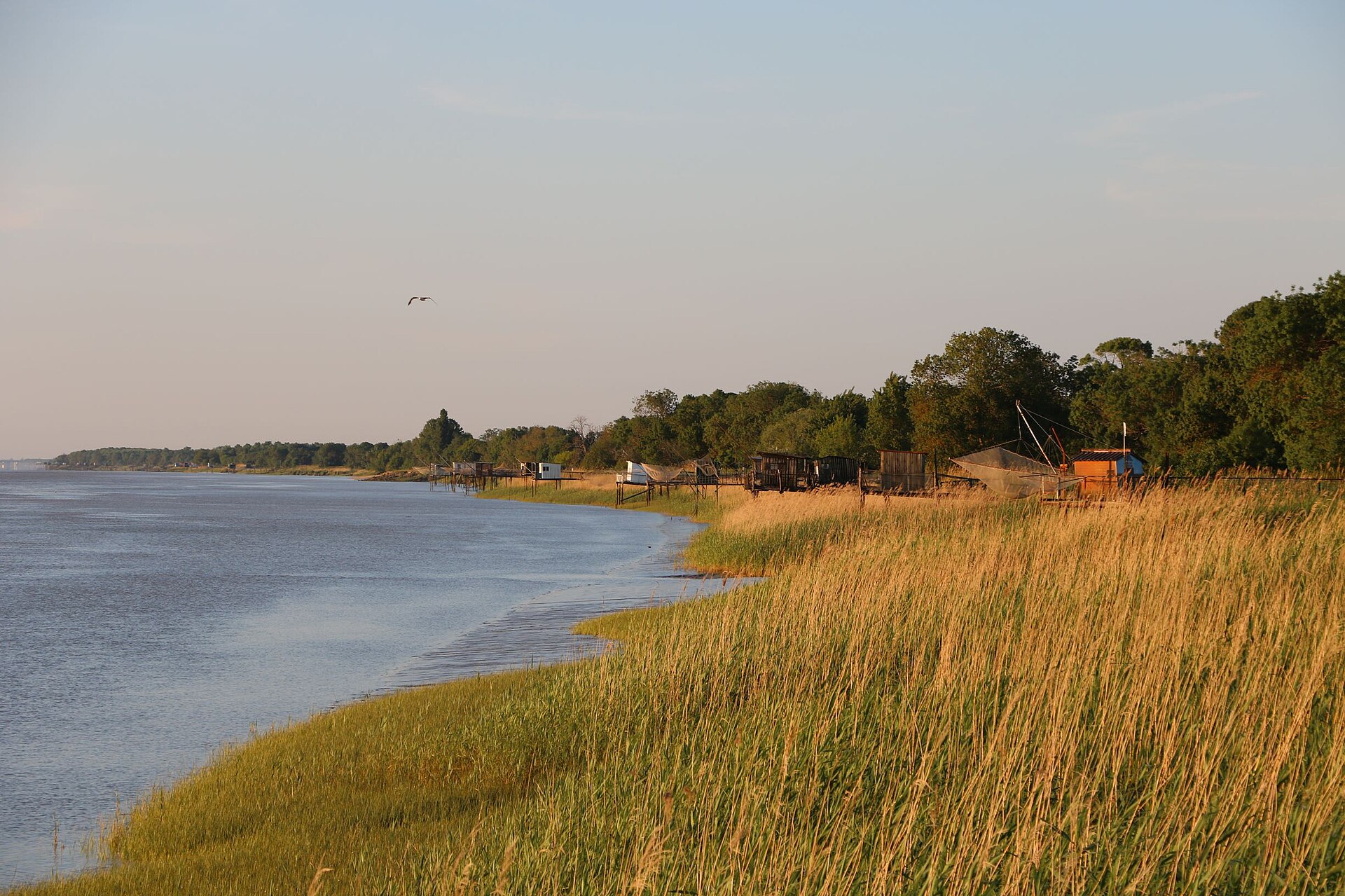
Natura 2000 · reproduction, de passage
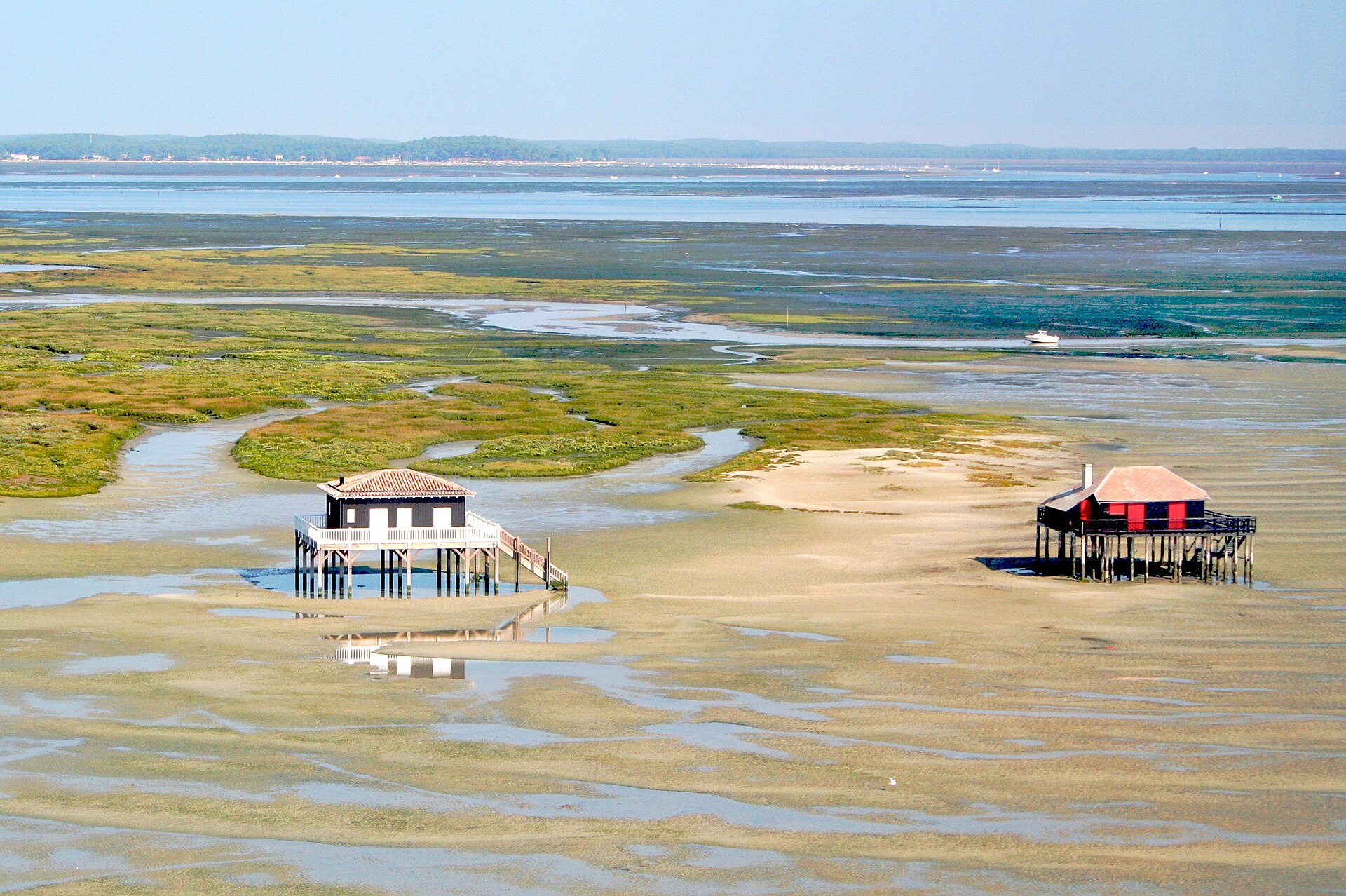
Natura 2000 · de passage
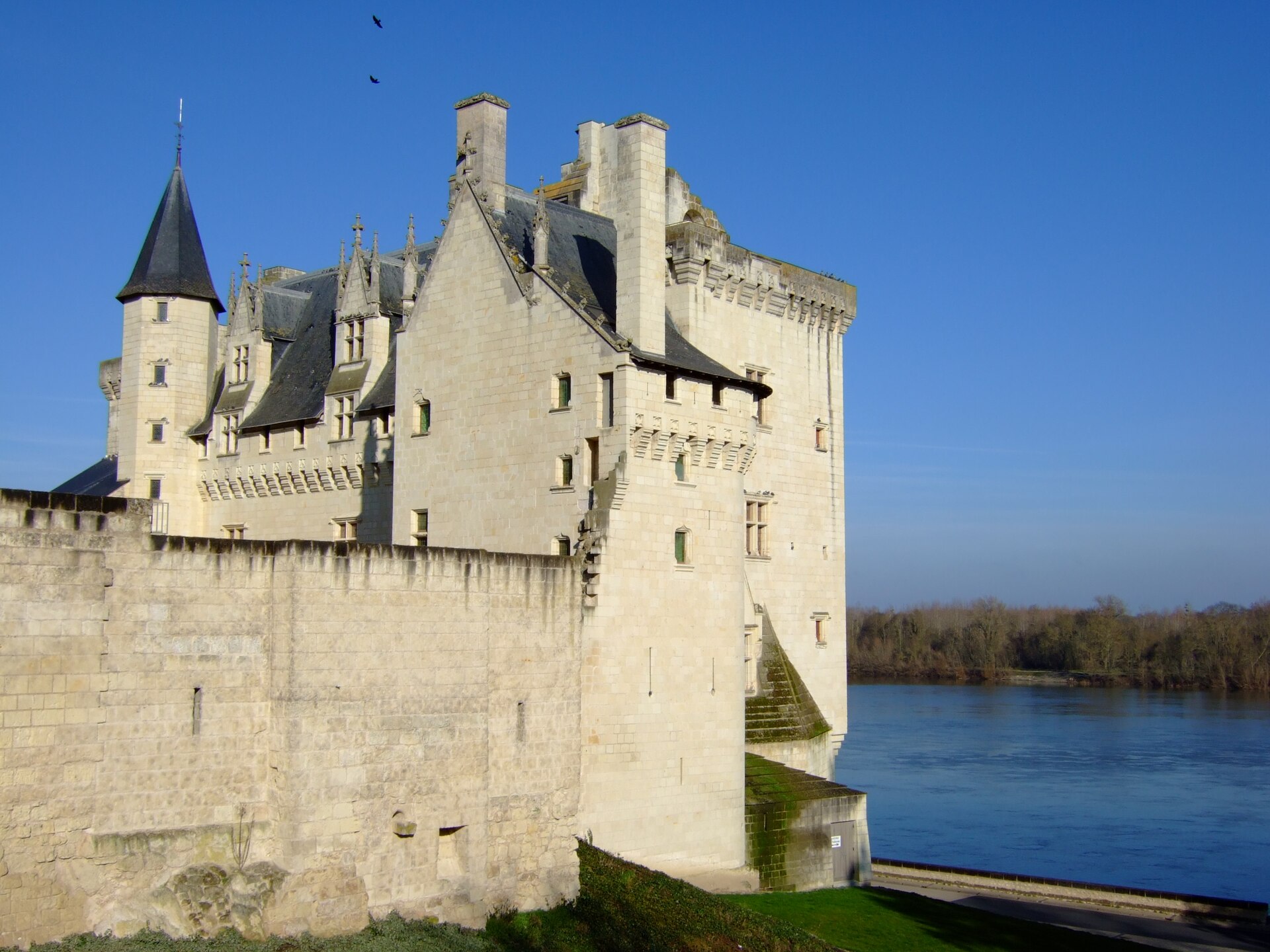
Natura 2000 · reproduction
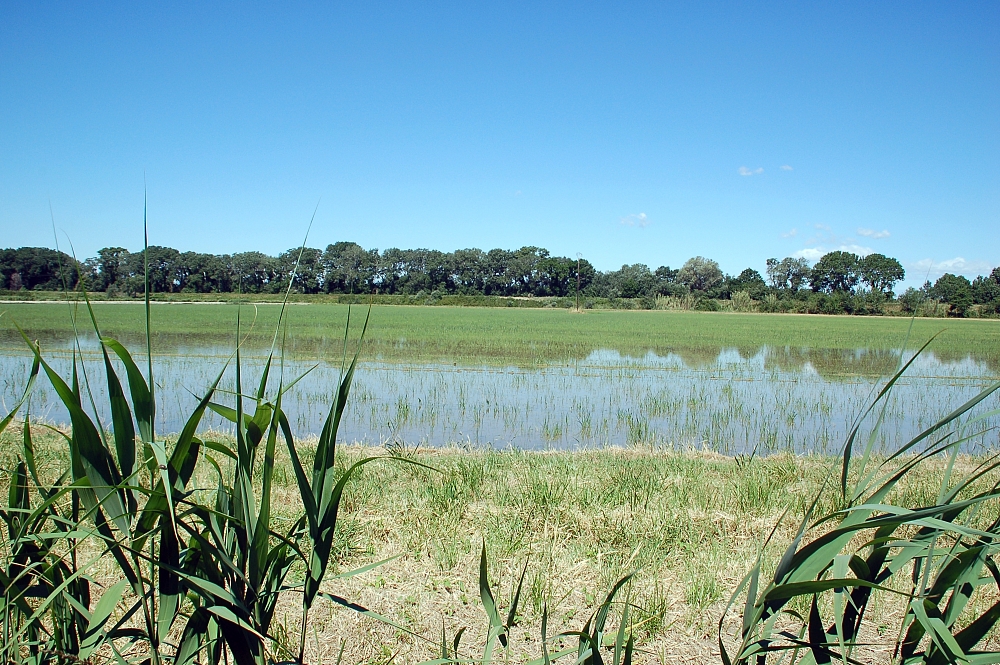
Natura 2000 · de passage
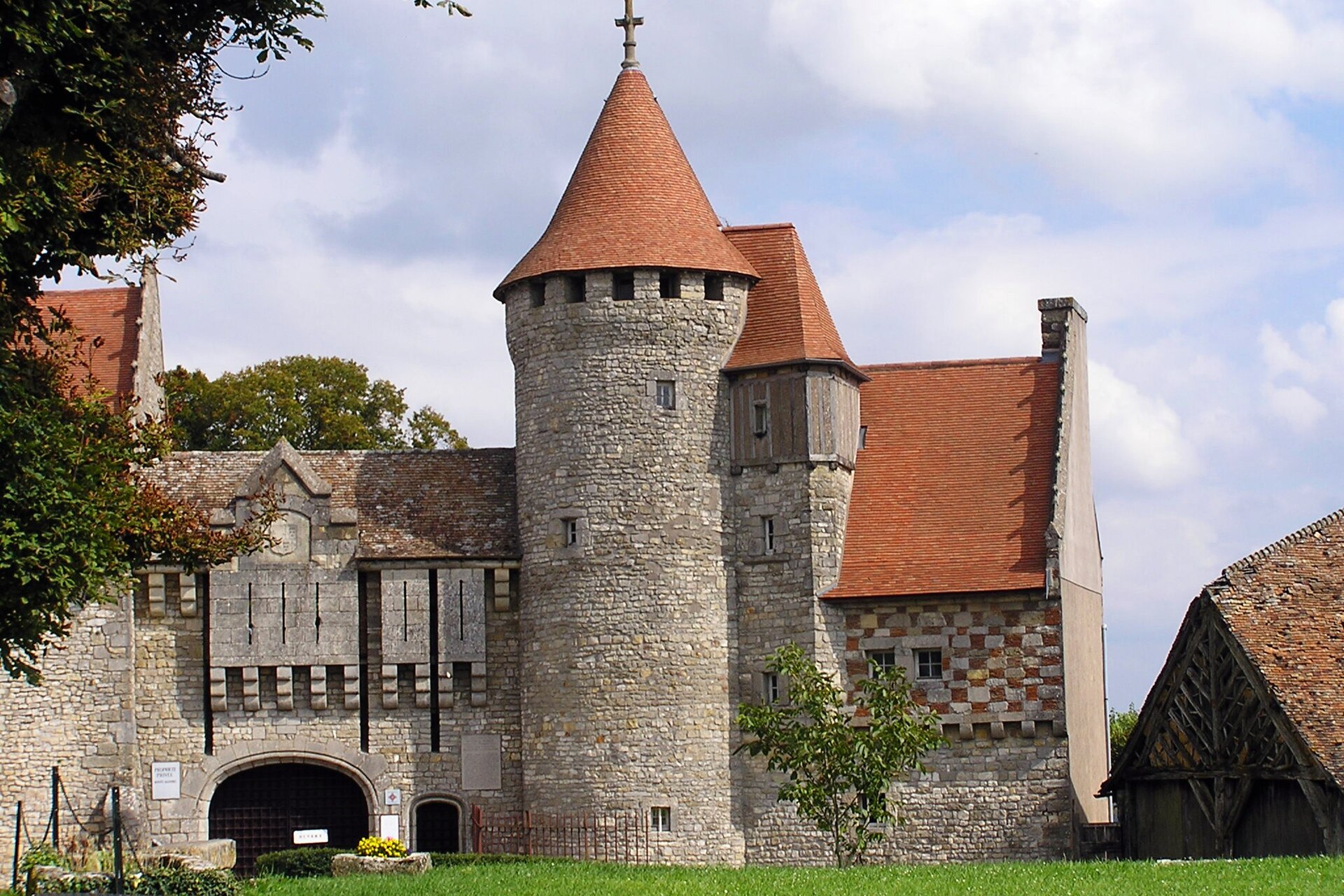
Natura 2000 · reproduction
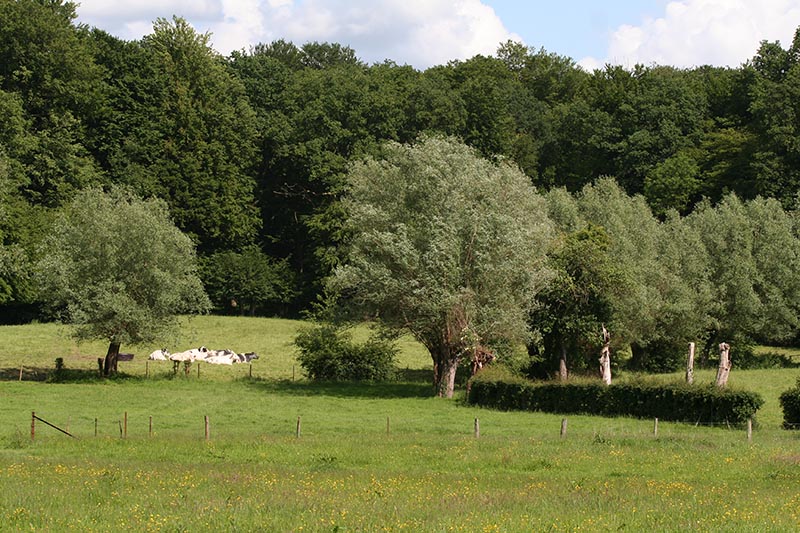
Natura 2000 · reproduction
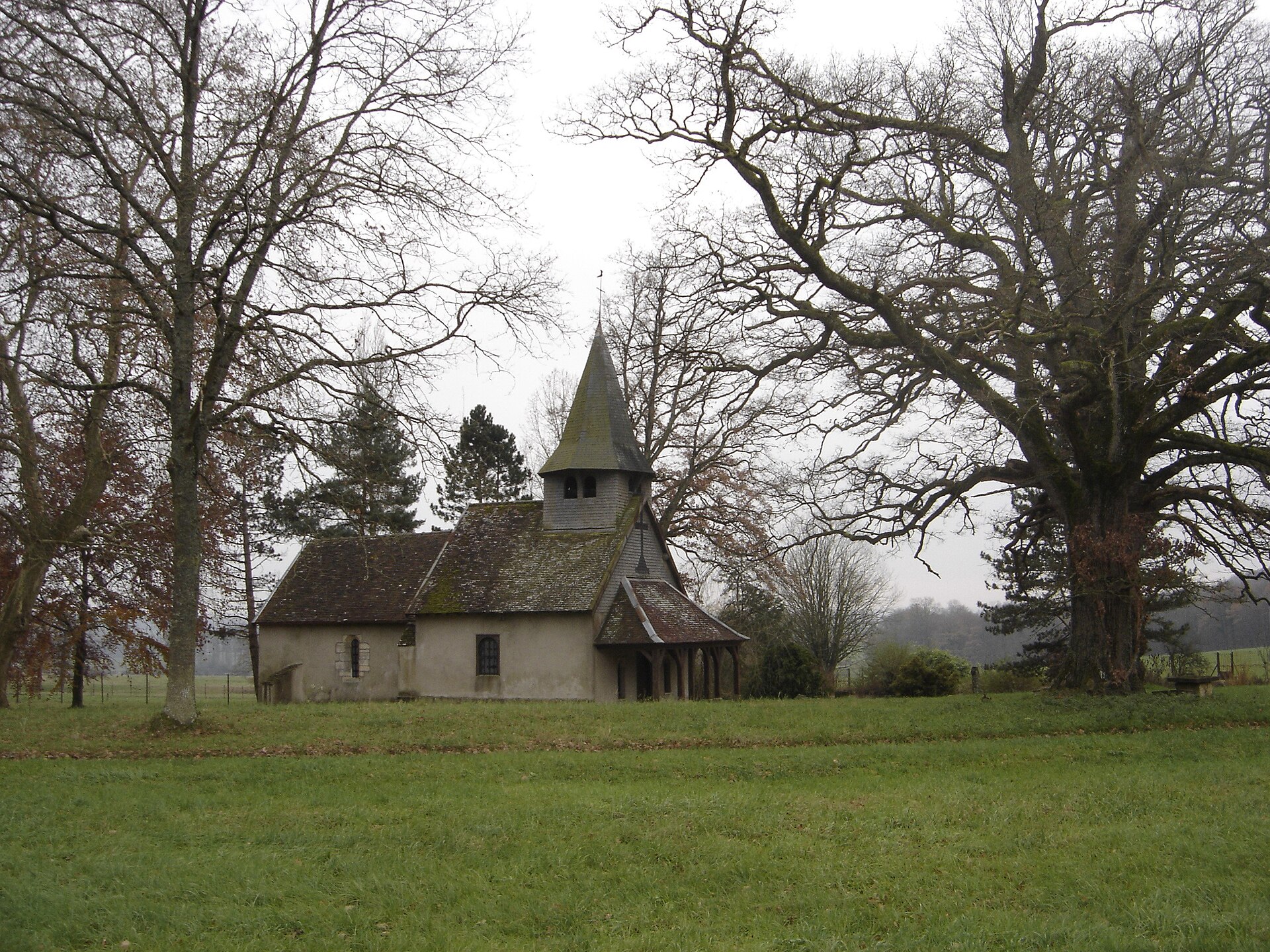
Natura 2000 · de passage, reproduction
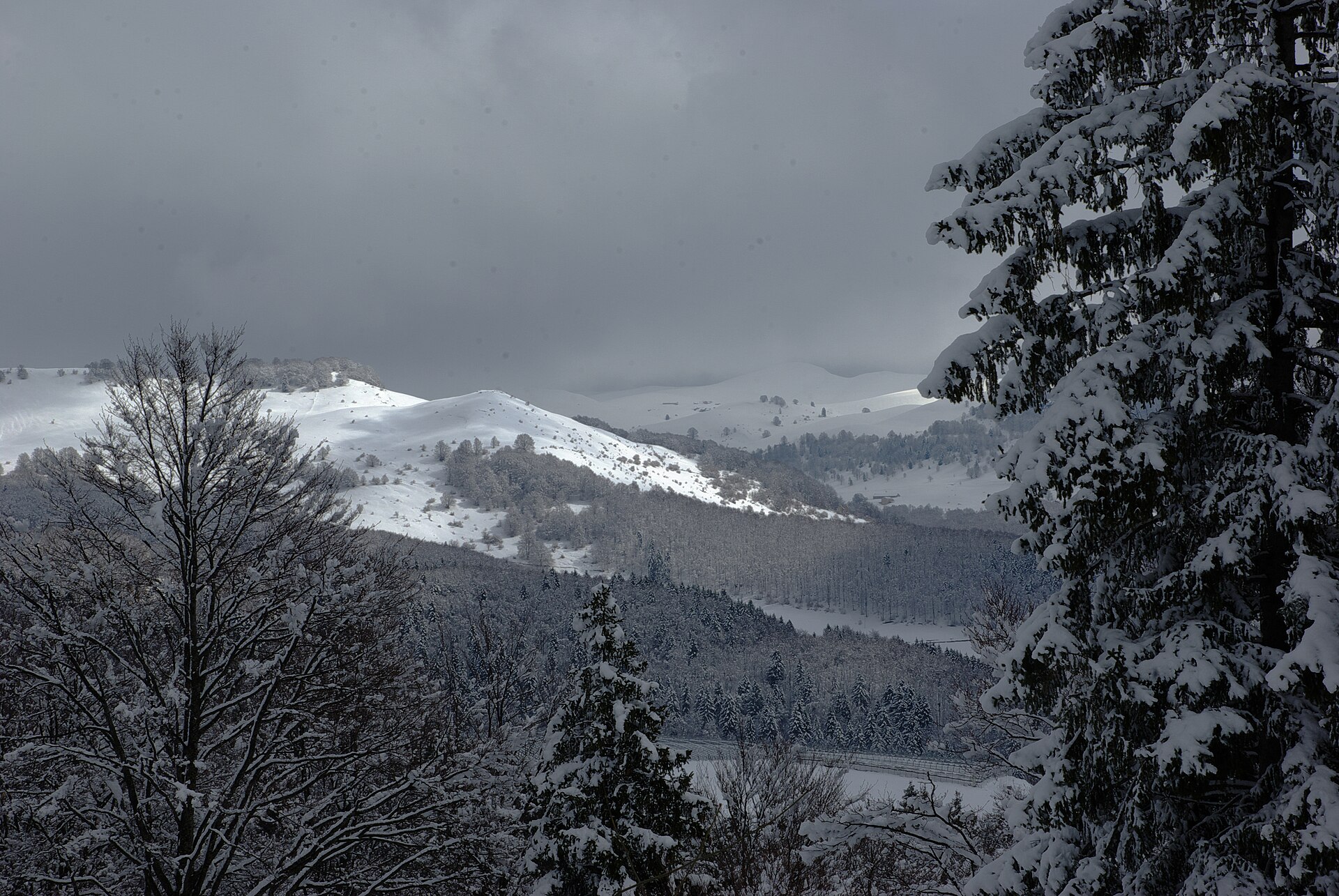
Natura 2000 · sédentaire

Natura 2000 · de passage

Natura 2000 · de passage
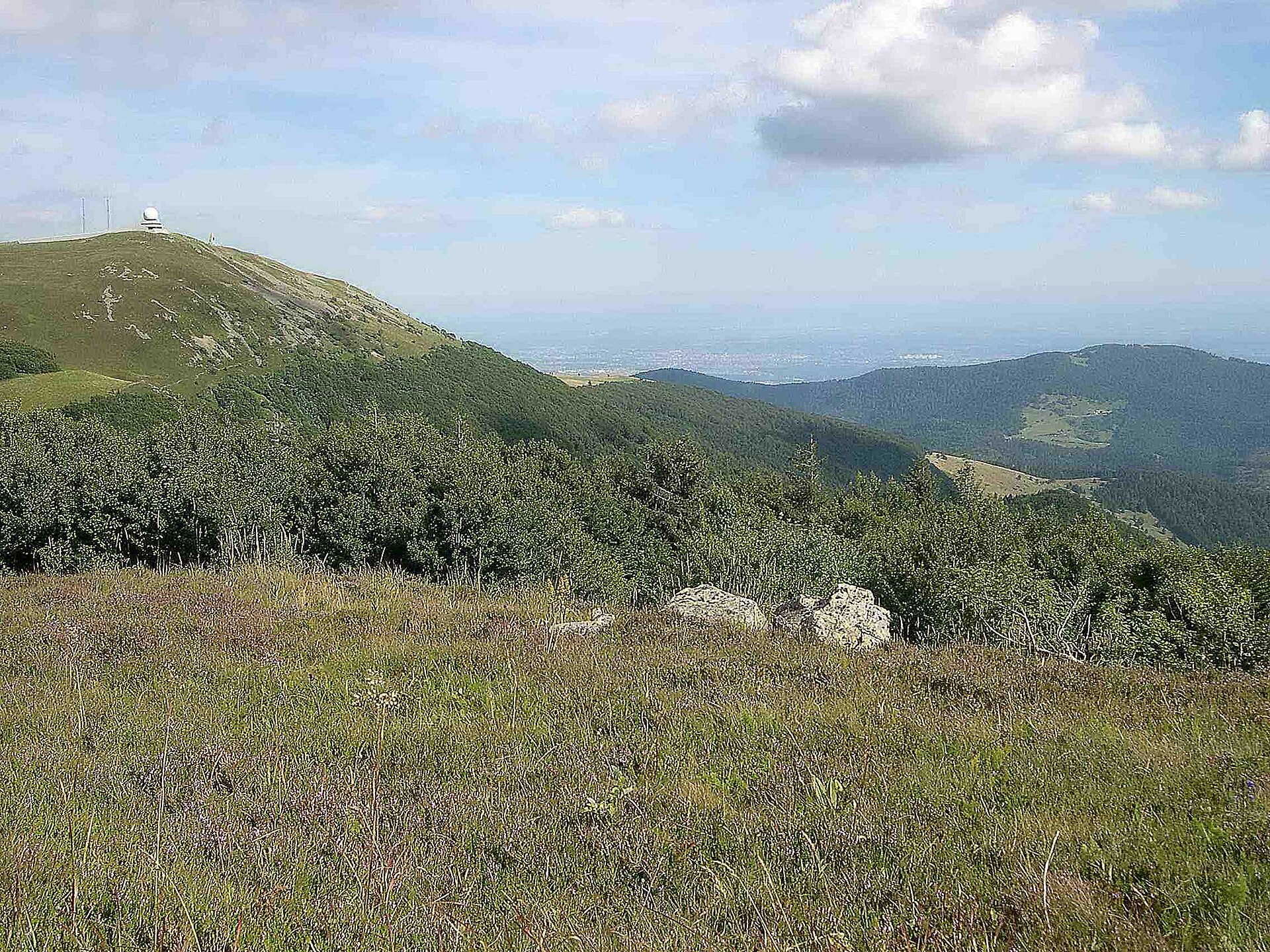
Natura 2000 · reproduction
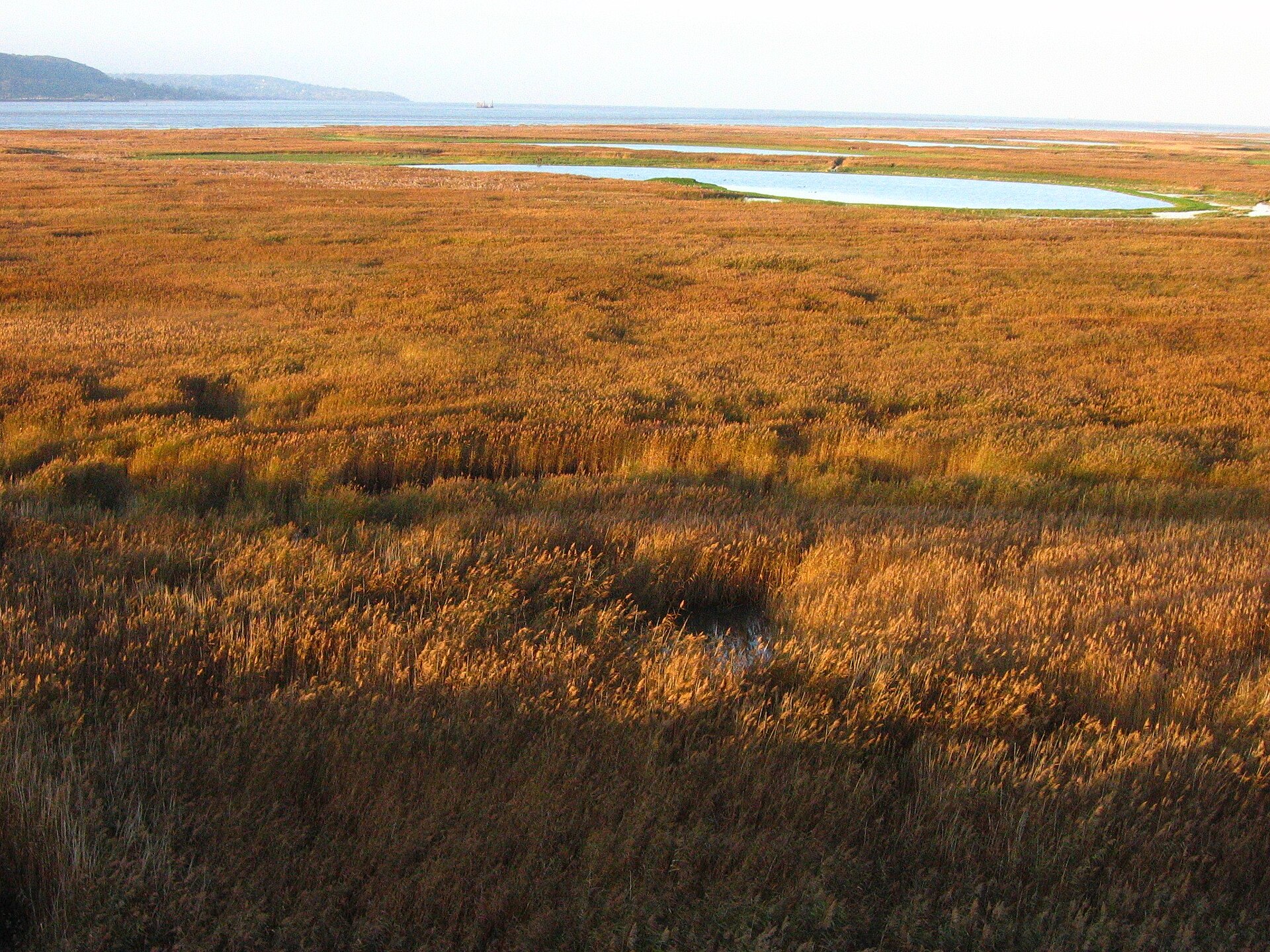
Natura 2000 · de passage, reproduction
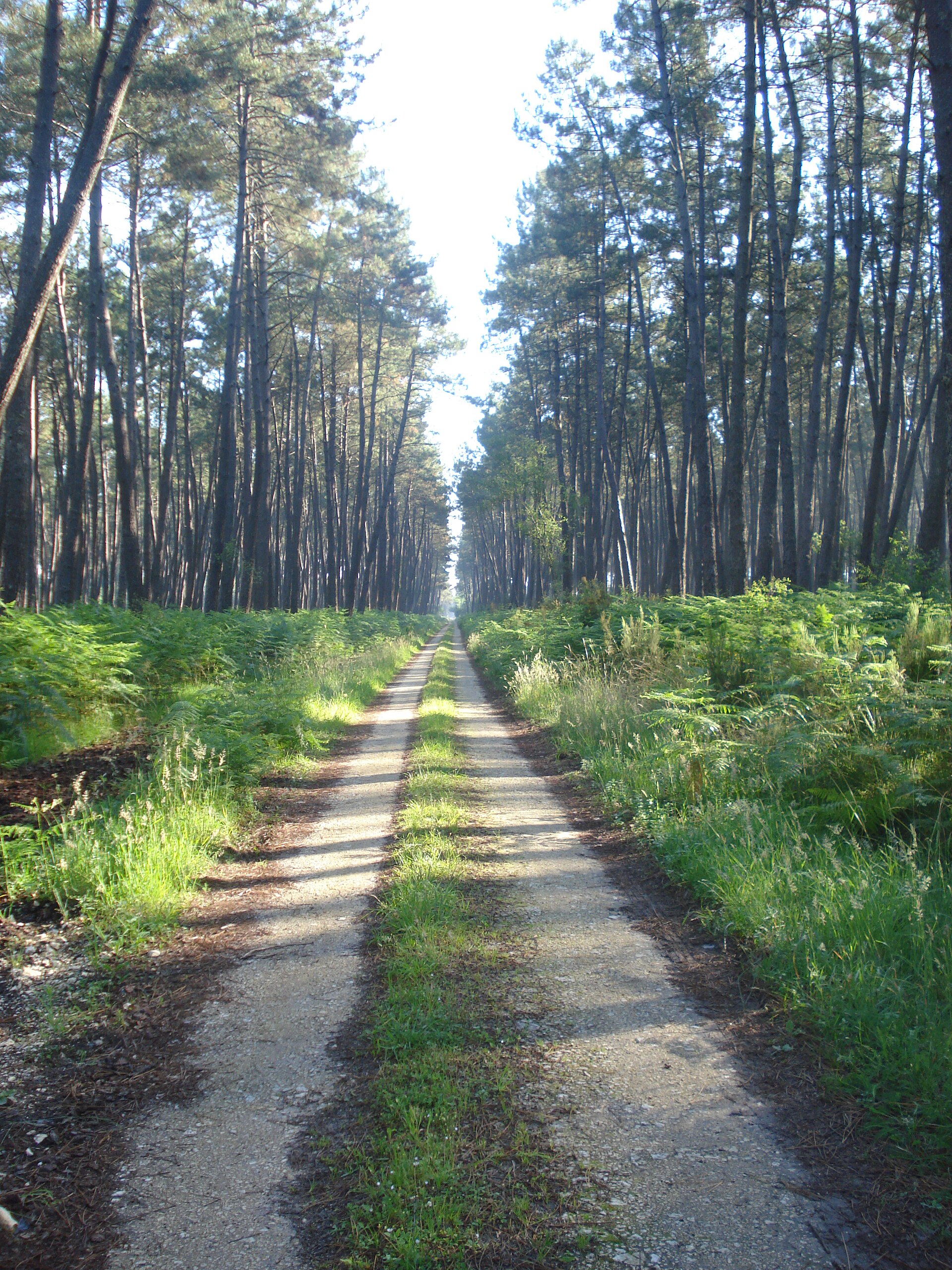
Natura 2000 · de passage
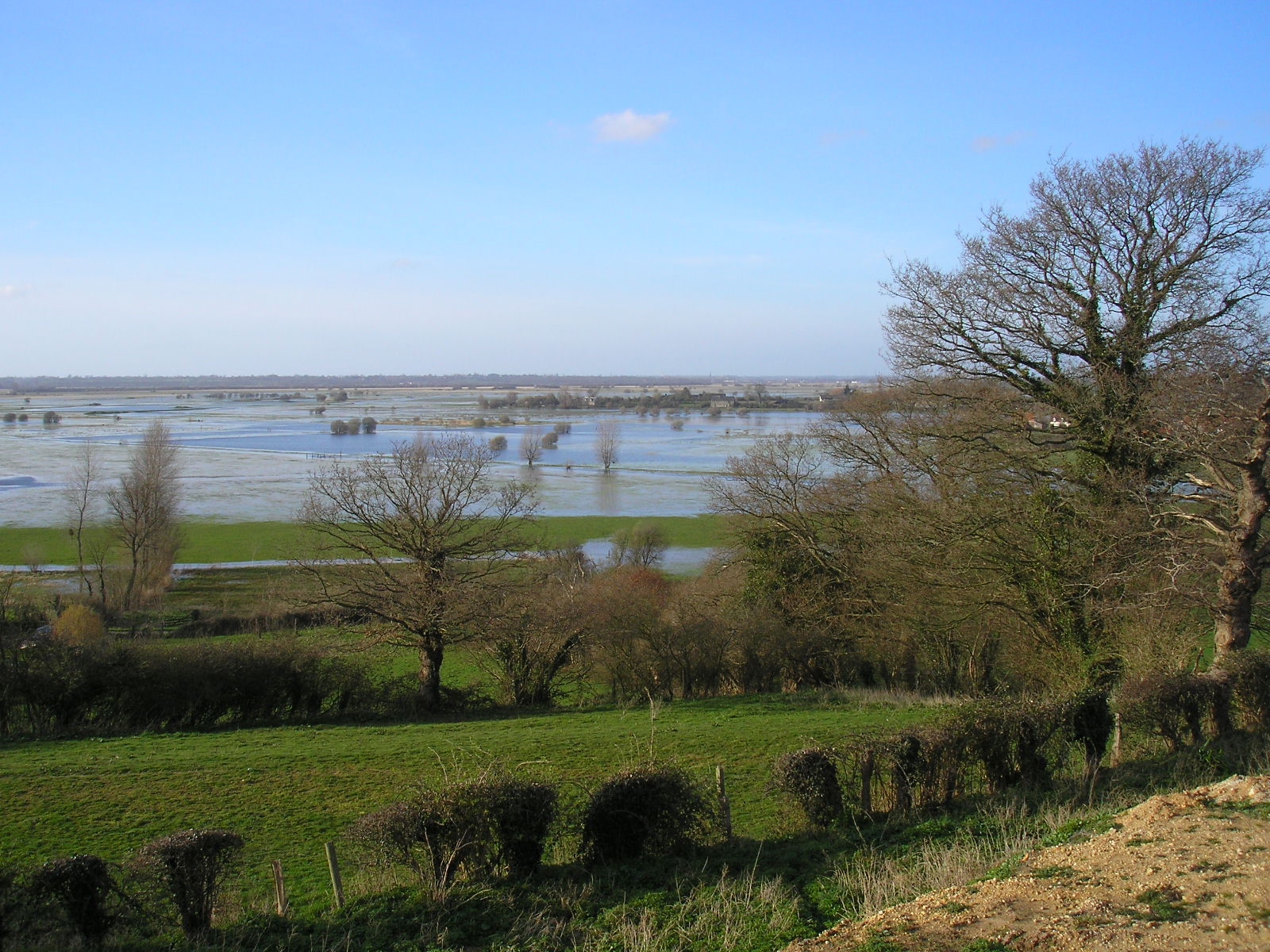
Natura 2000 · de passage, reproduction
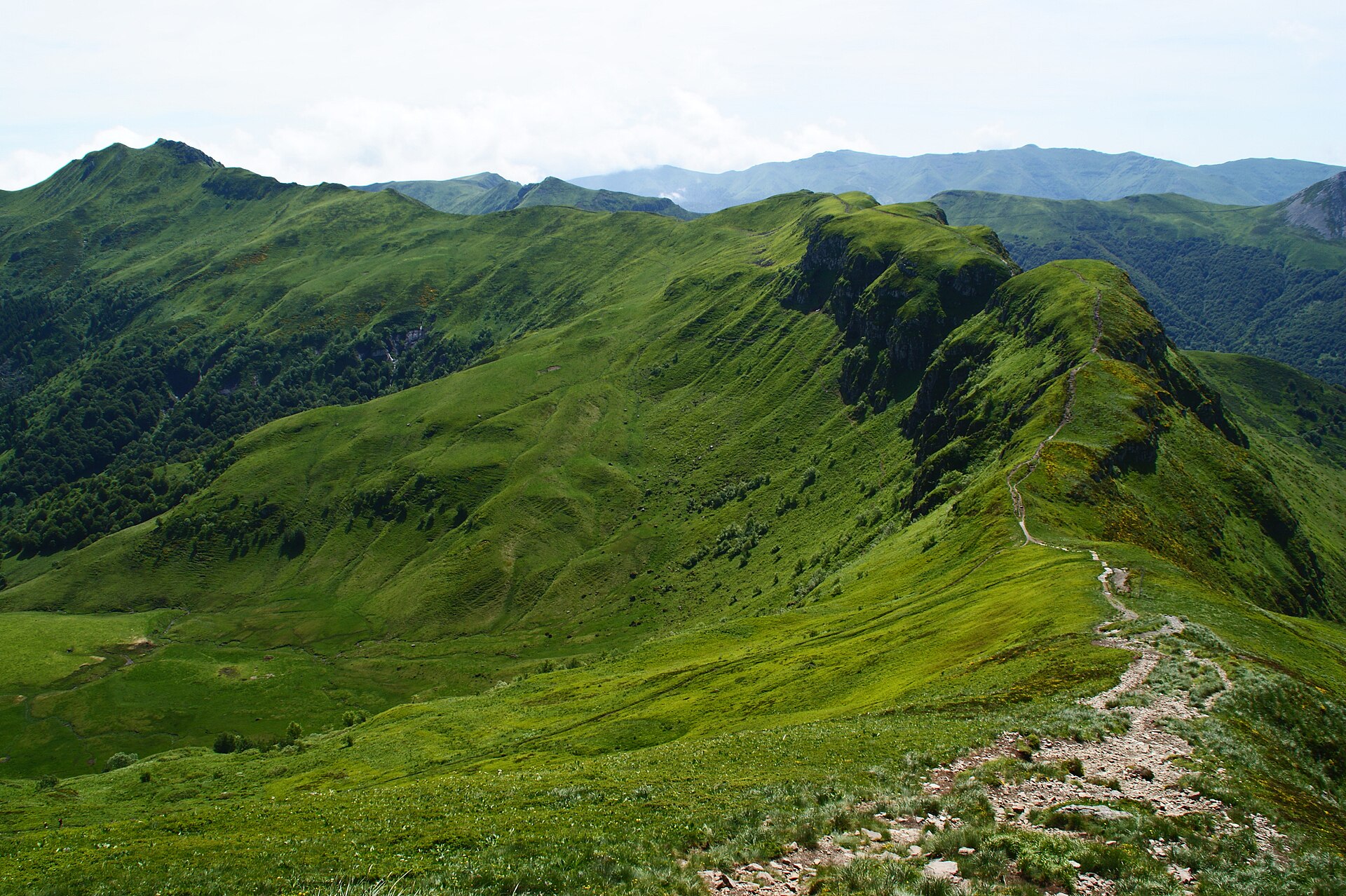
Natura 2000 · de passage
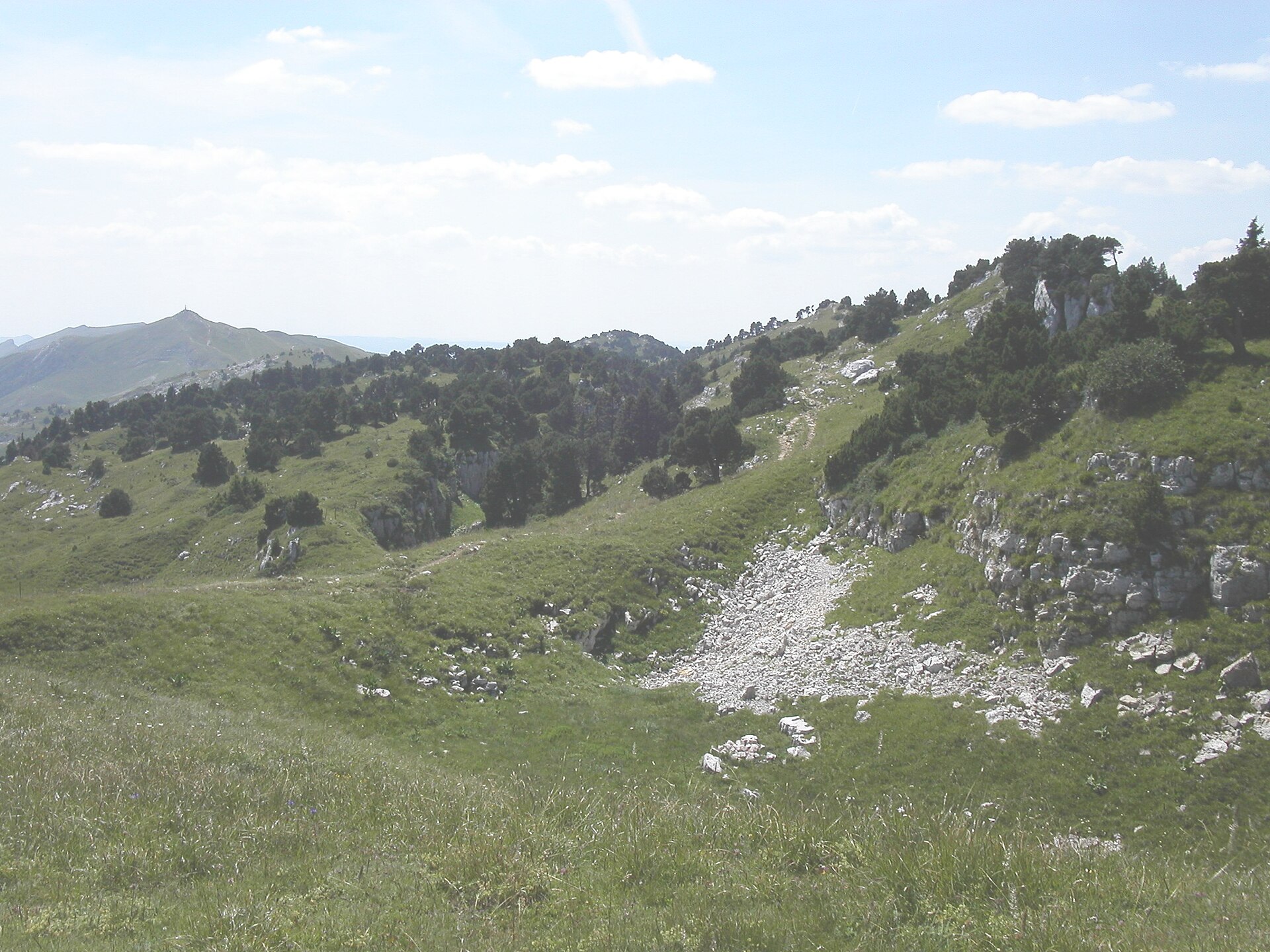
Natura 2000 · reproduction
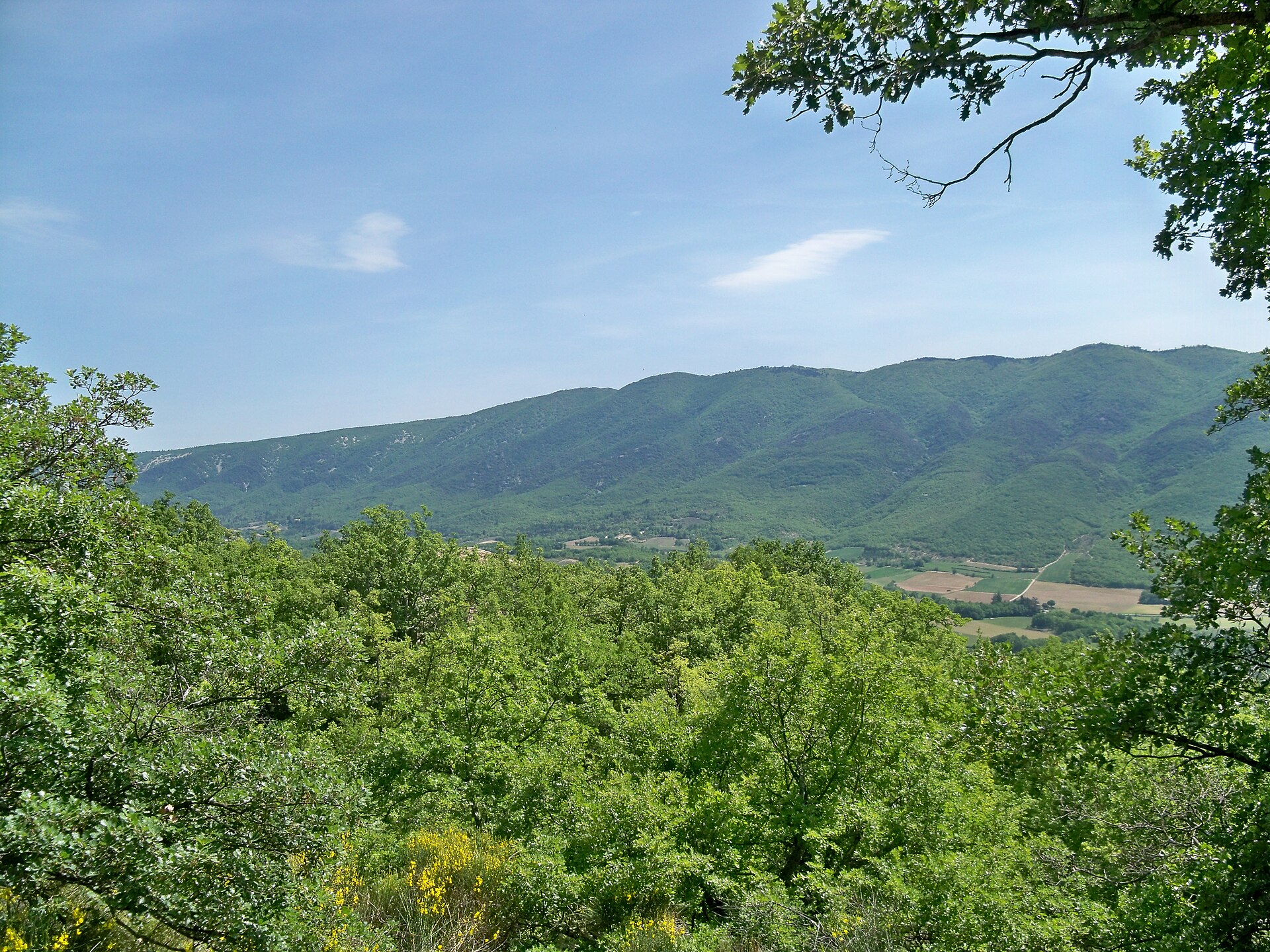
Natura 2000 · de passage

Natura 2000 · reproduction
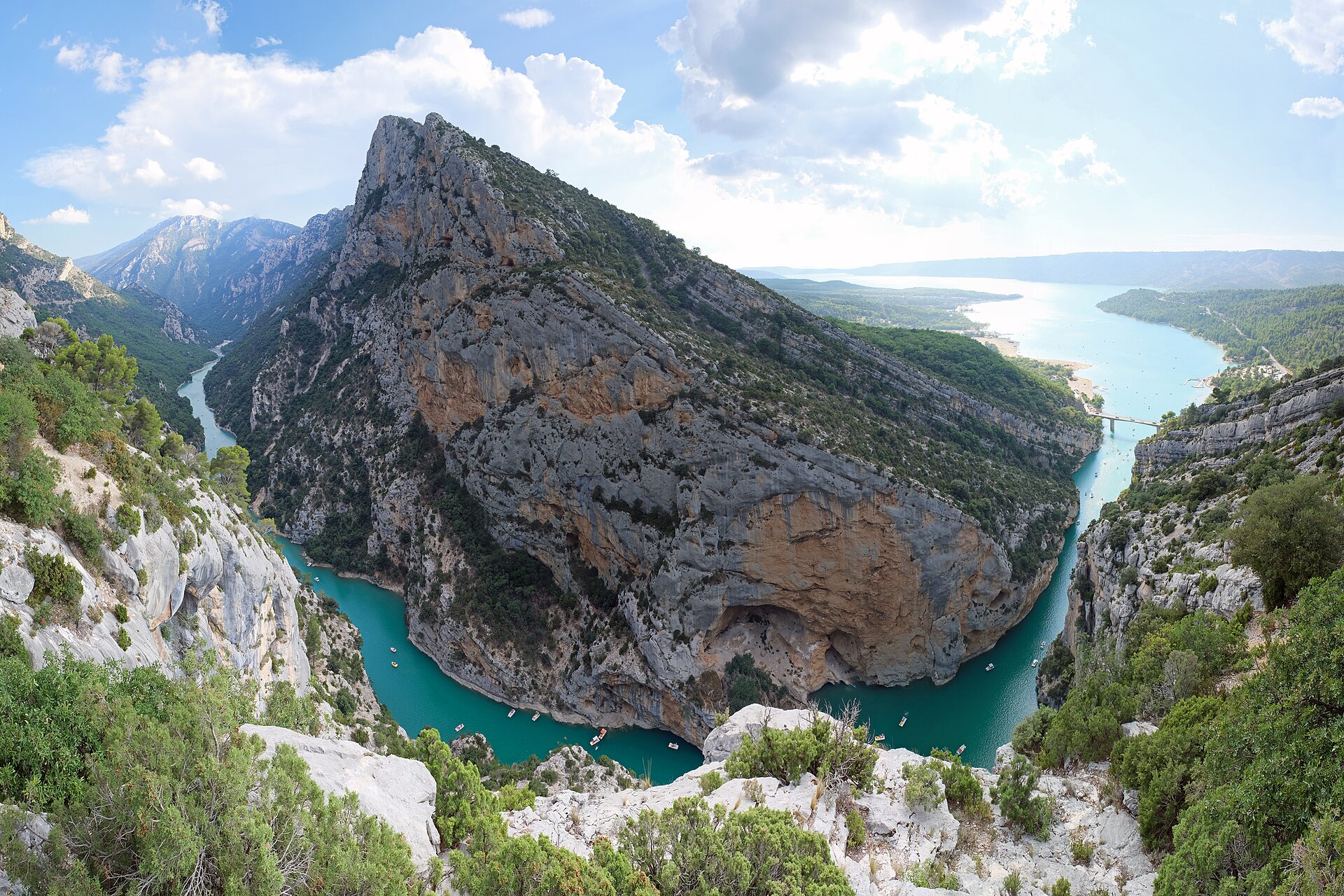
Natura 2000 · de passage

Natura 2000 · reproduction
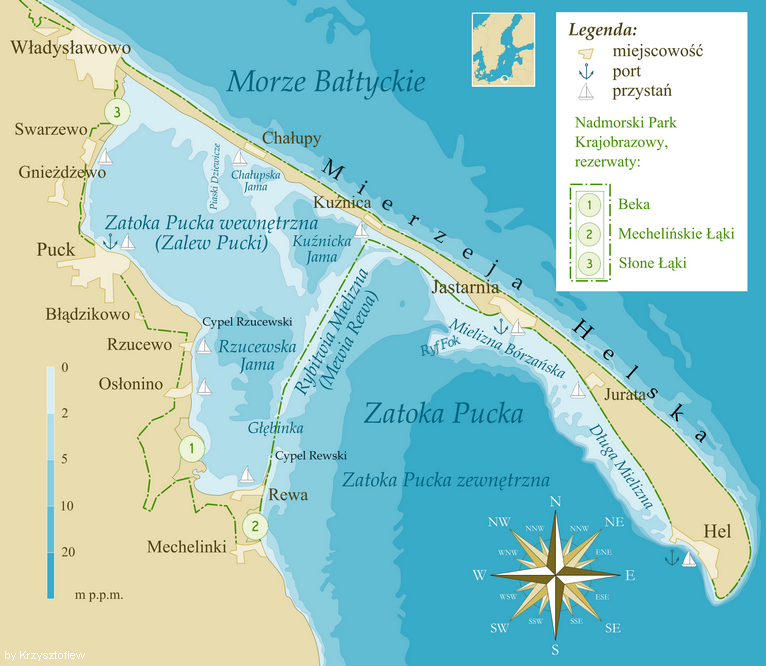
Natura 2000 · reproduction
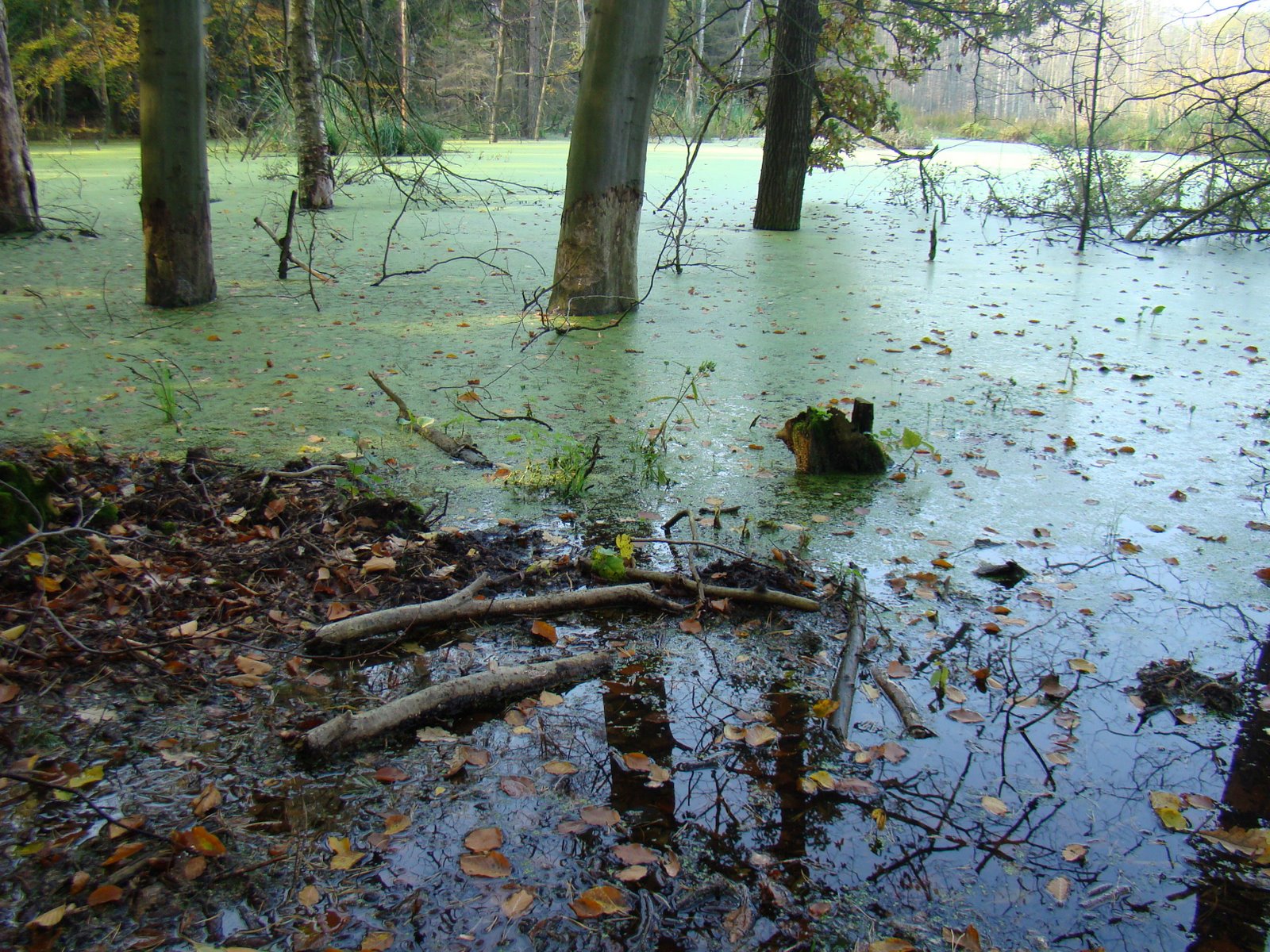
Natura 2000 · reproduction
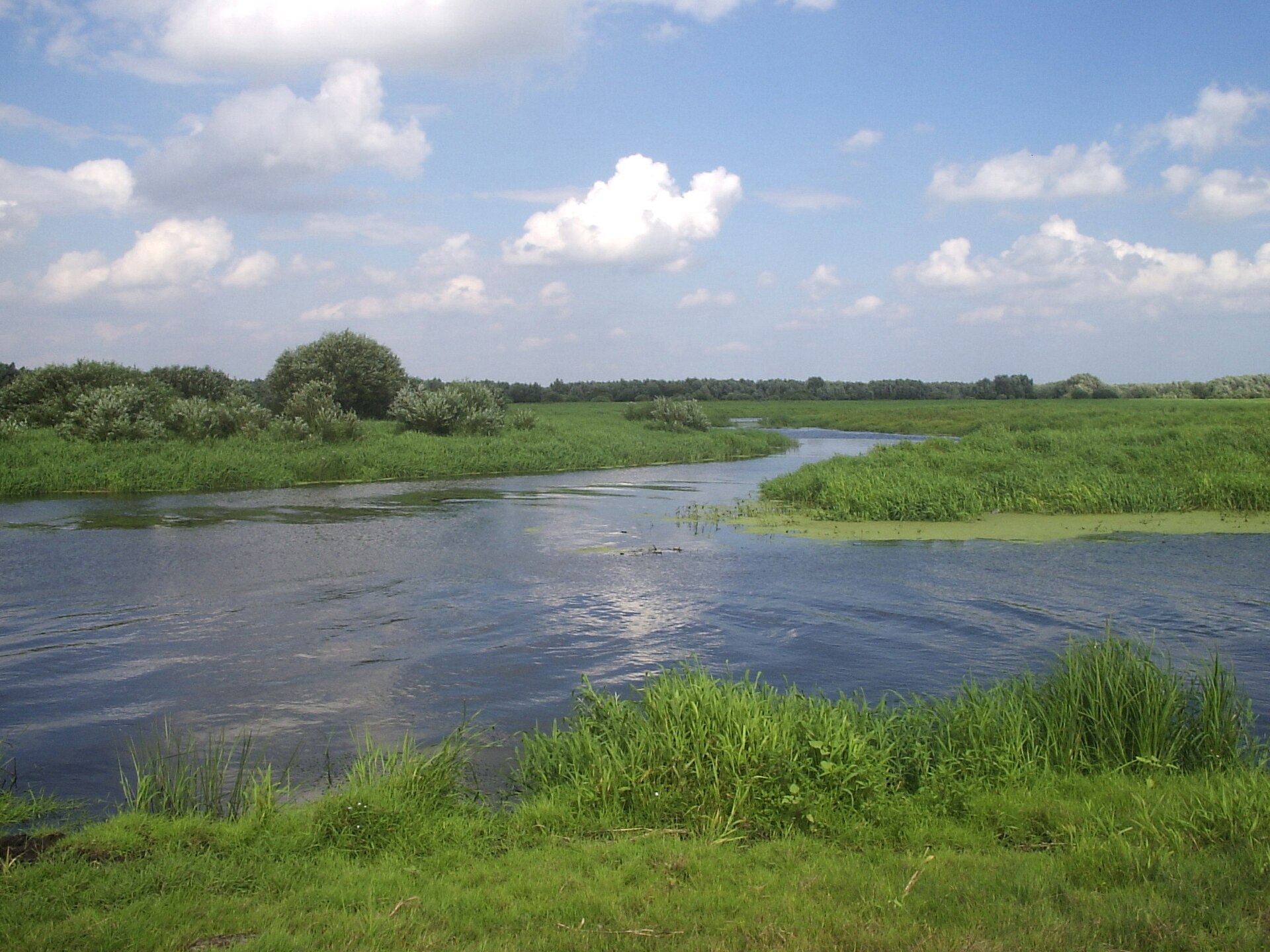
Natura 2000 · reproduction

Natura 2000 · reproduction
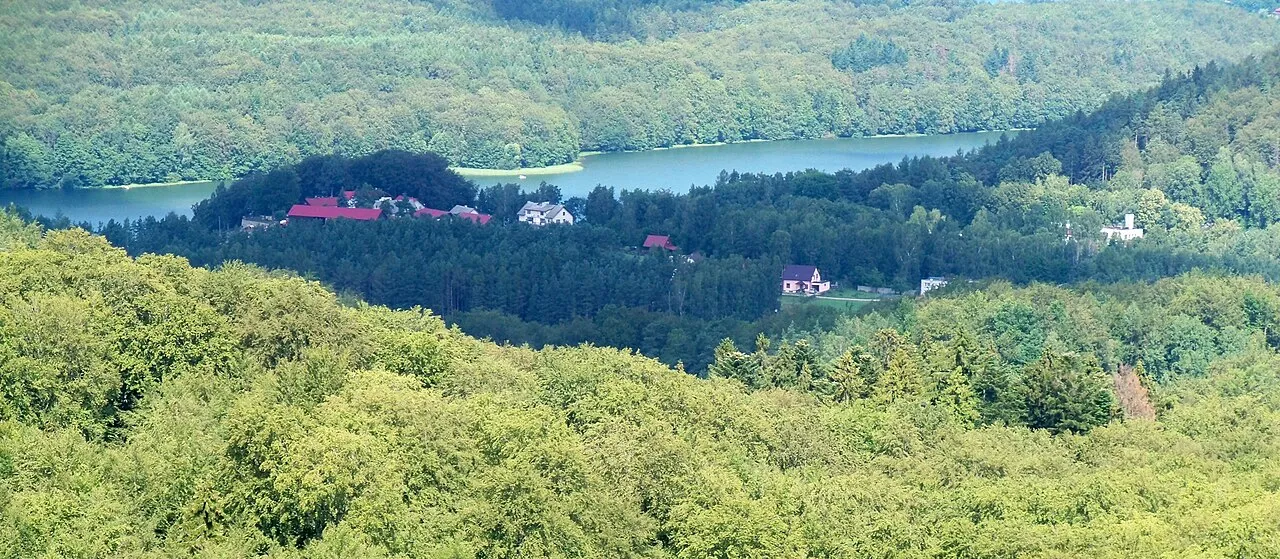
Natura 2000 · reproduction
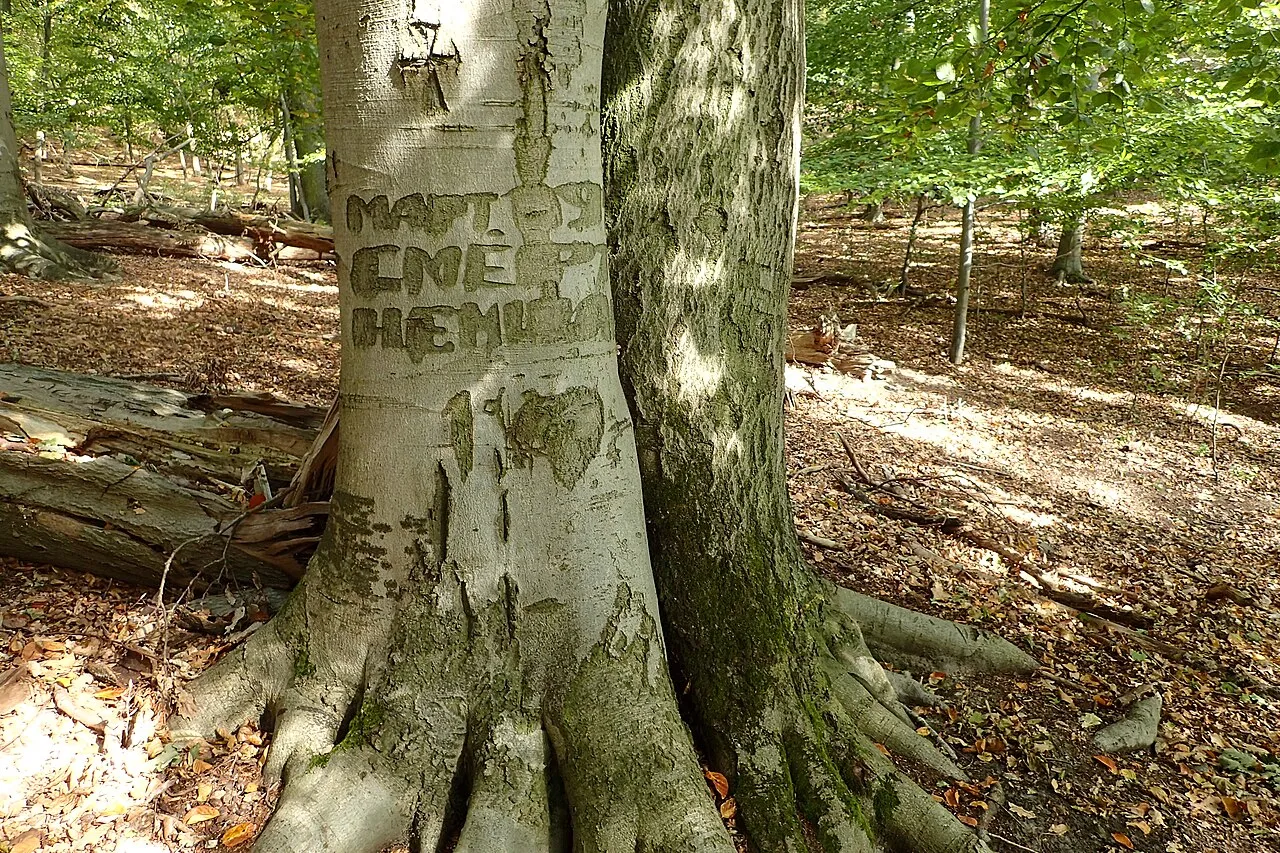
Natura 2000 · reproduction
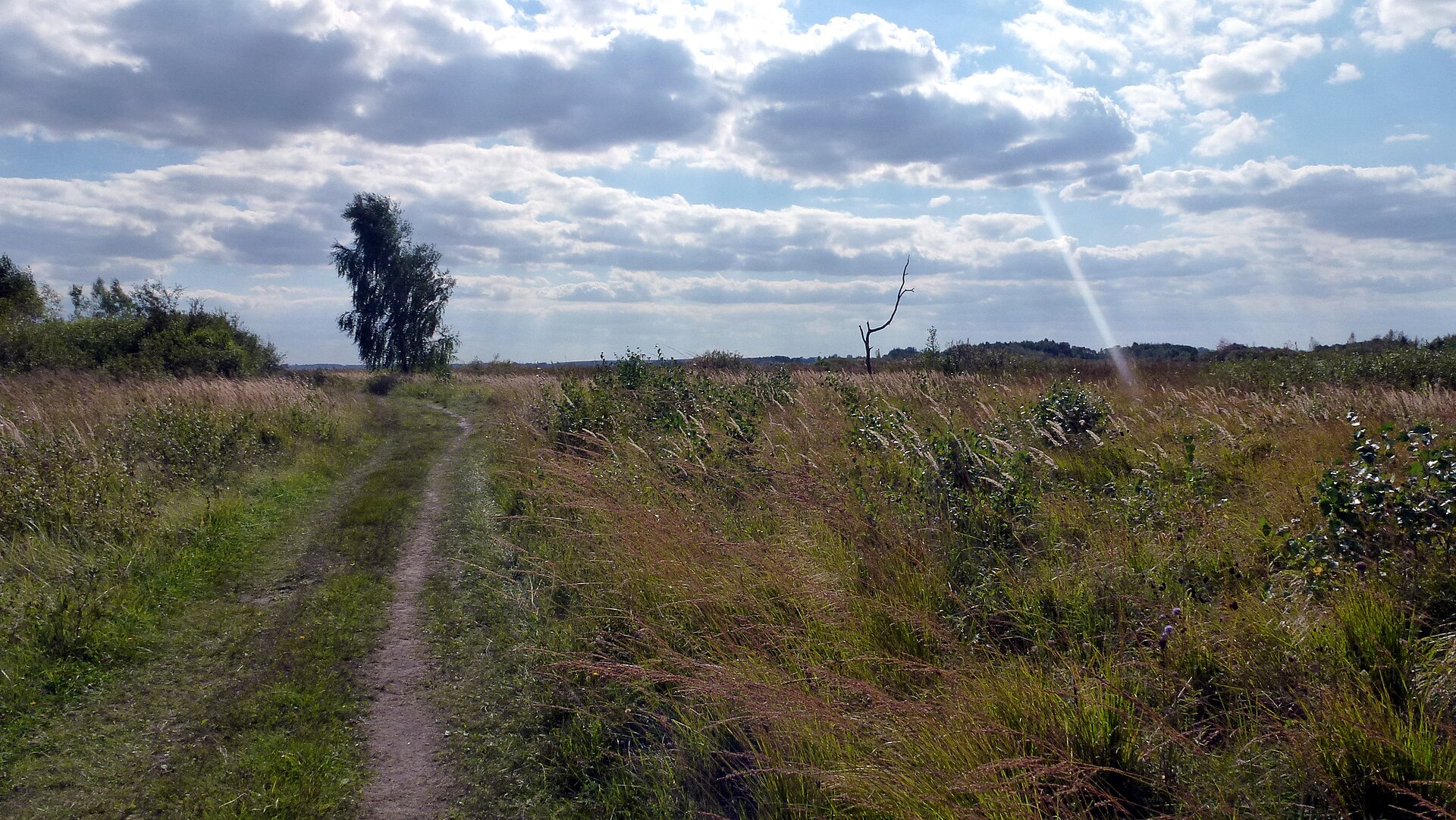
Natura 2000 · reproduction

Natura 2000 · reproduction
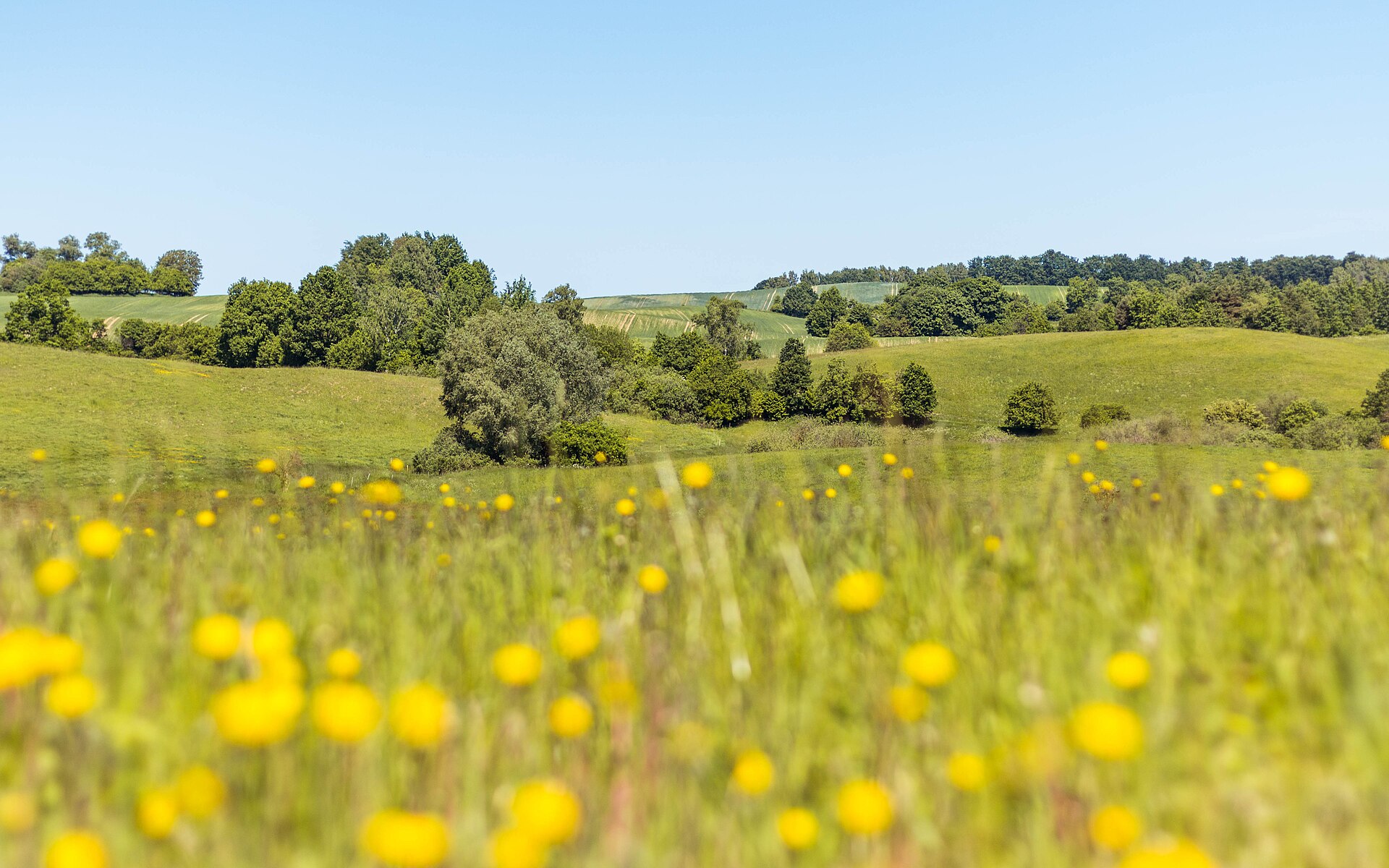
Natura 2000 · reproduction

Natura 2000 · reproduction
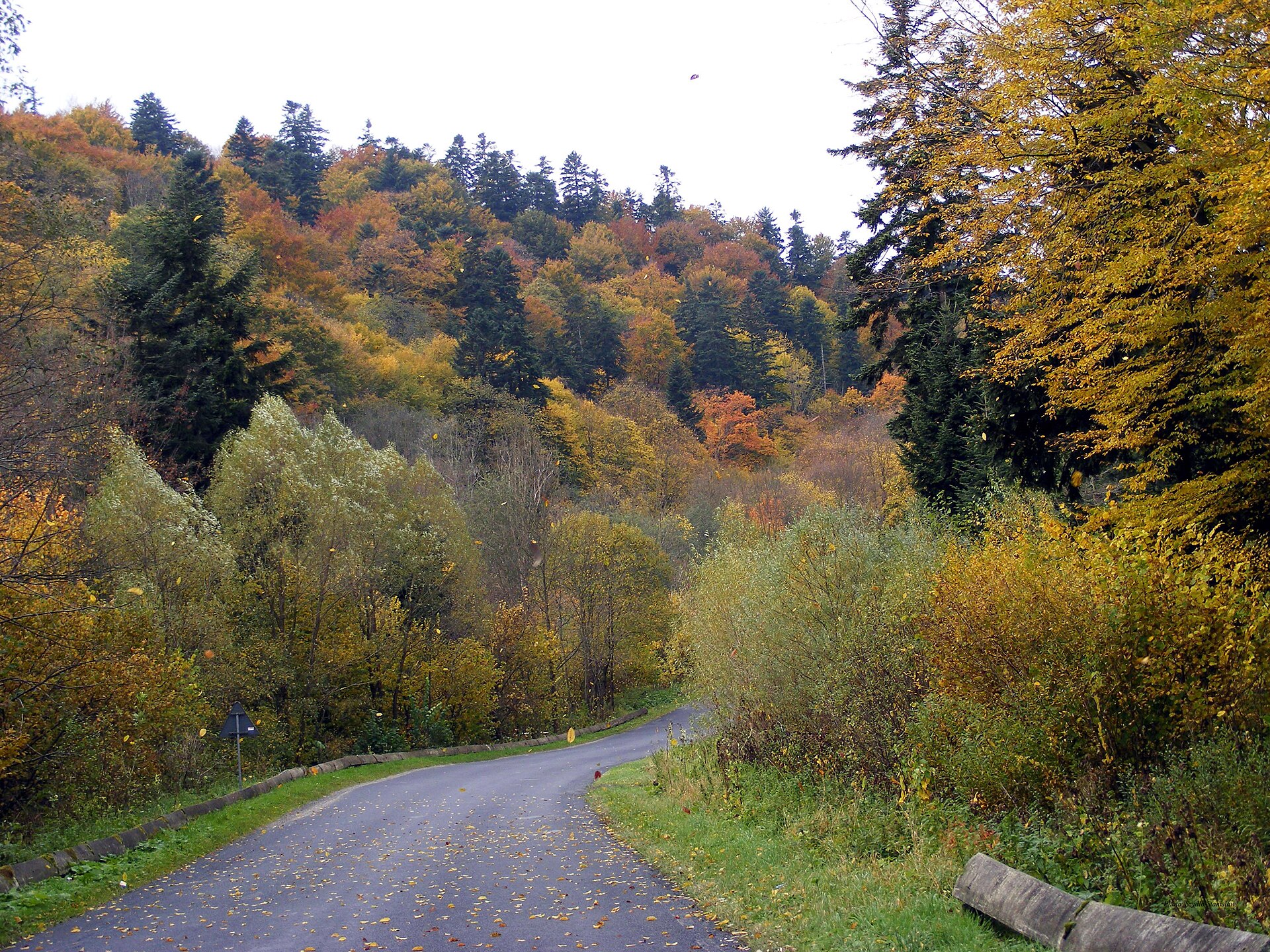
Natura 2000 · reproduction
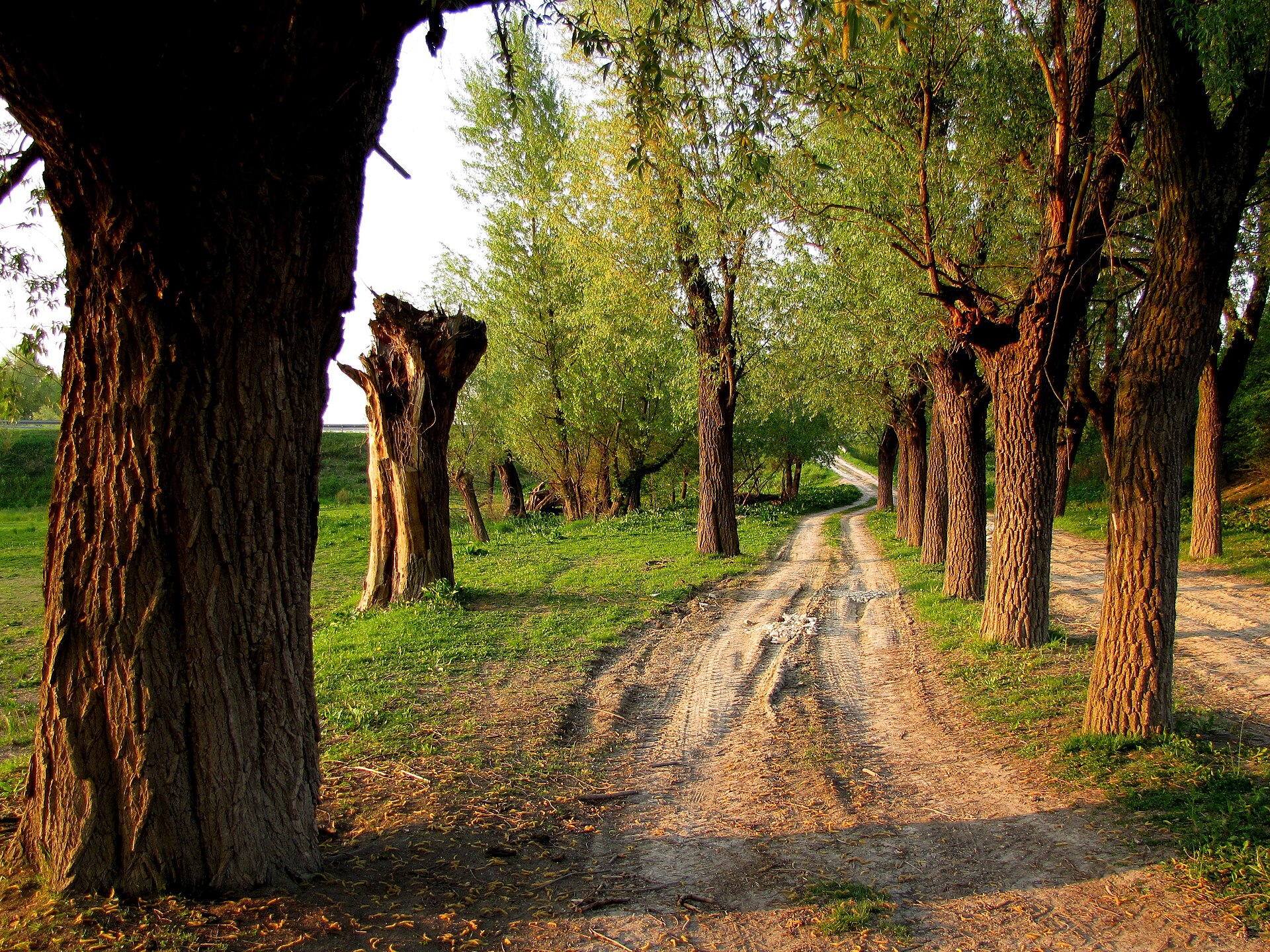
Natura 2000 · reproduction
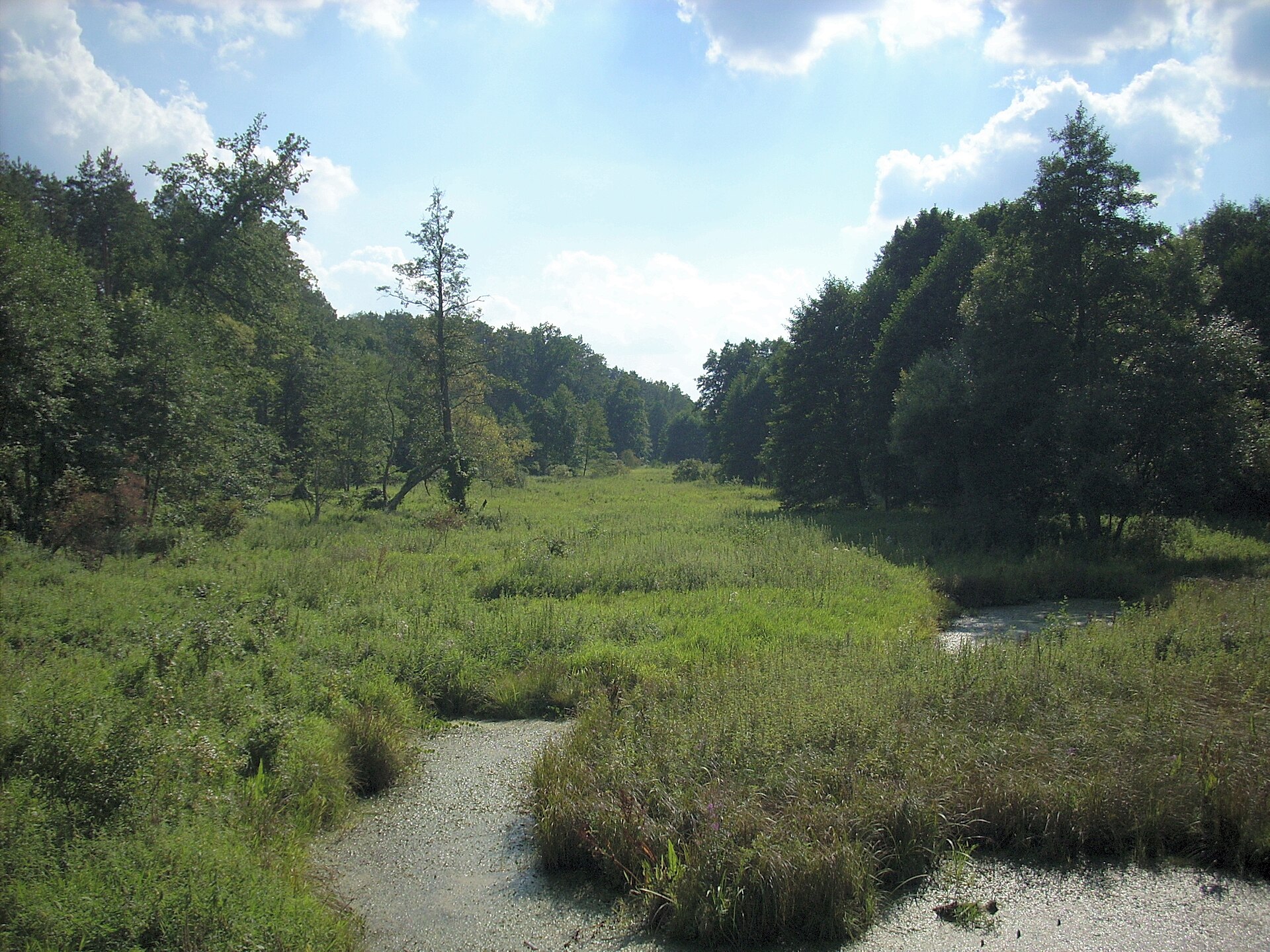
Natura 2000 · reproduction

Natura 2000 · reproduction
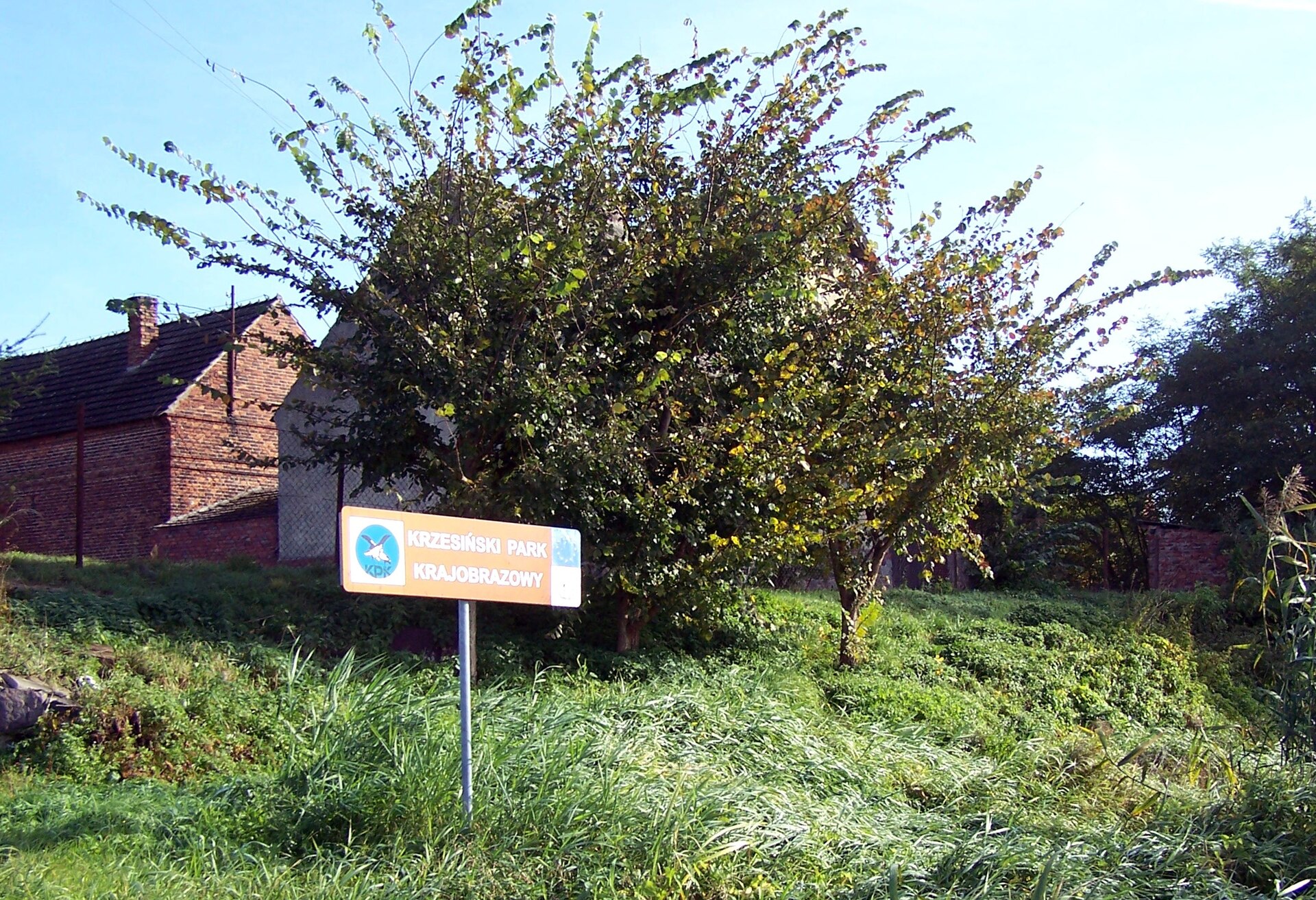
Natura 2000 · reproduction

Natura 2000 · reproduction
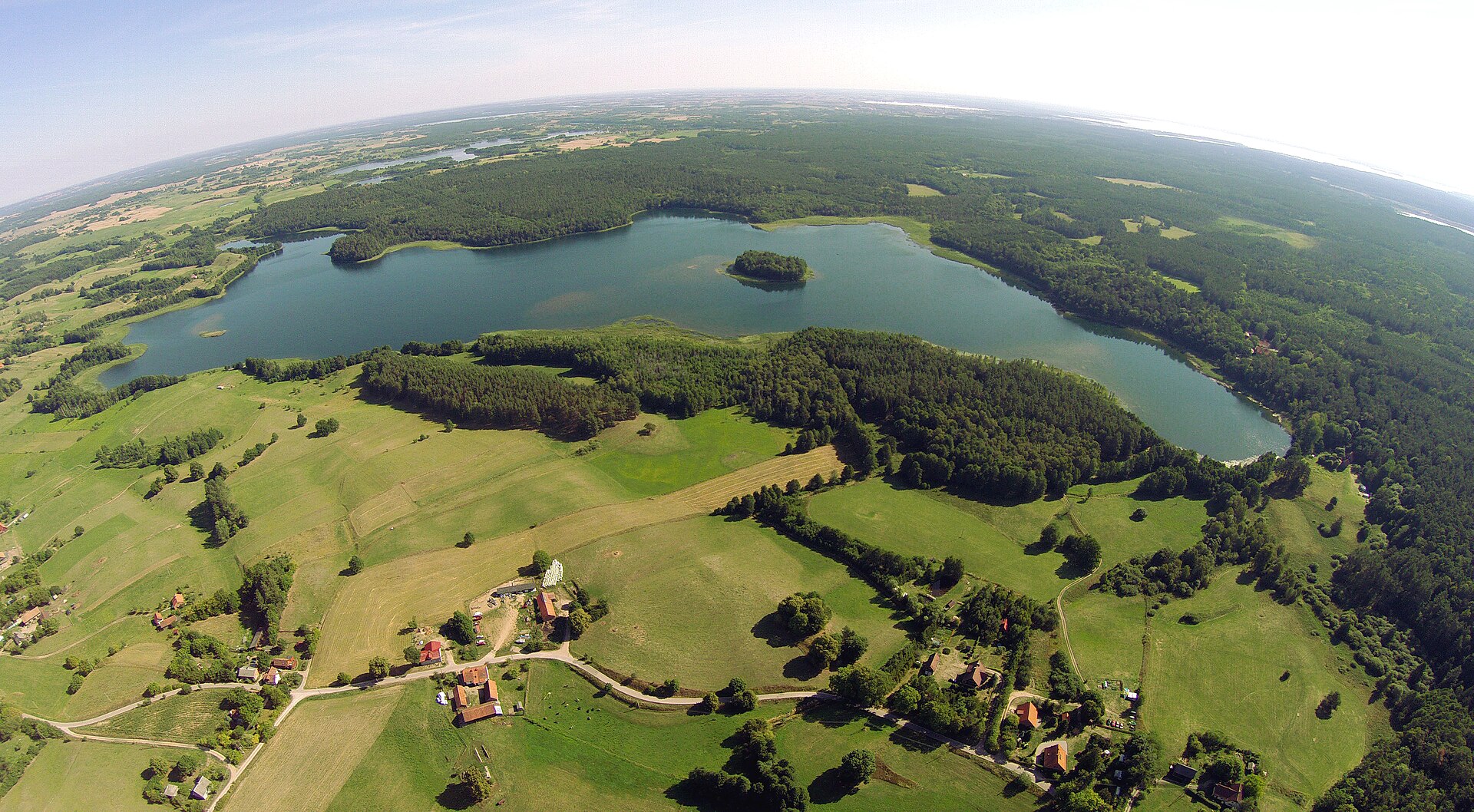
Natura 2000 · reproduction
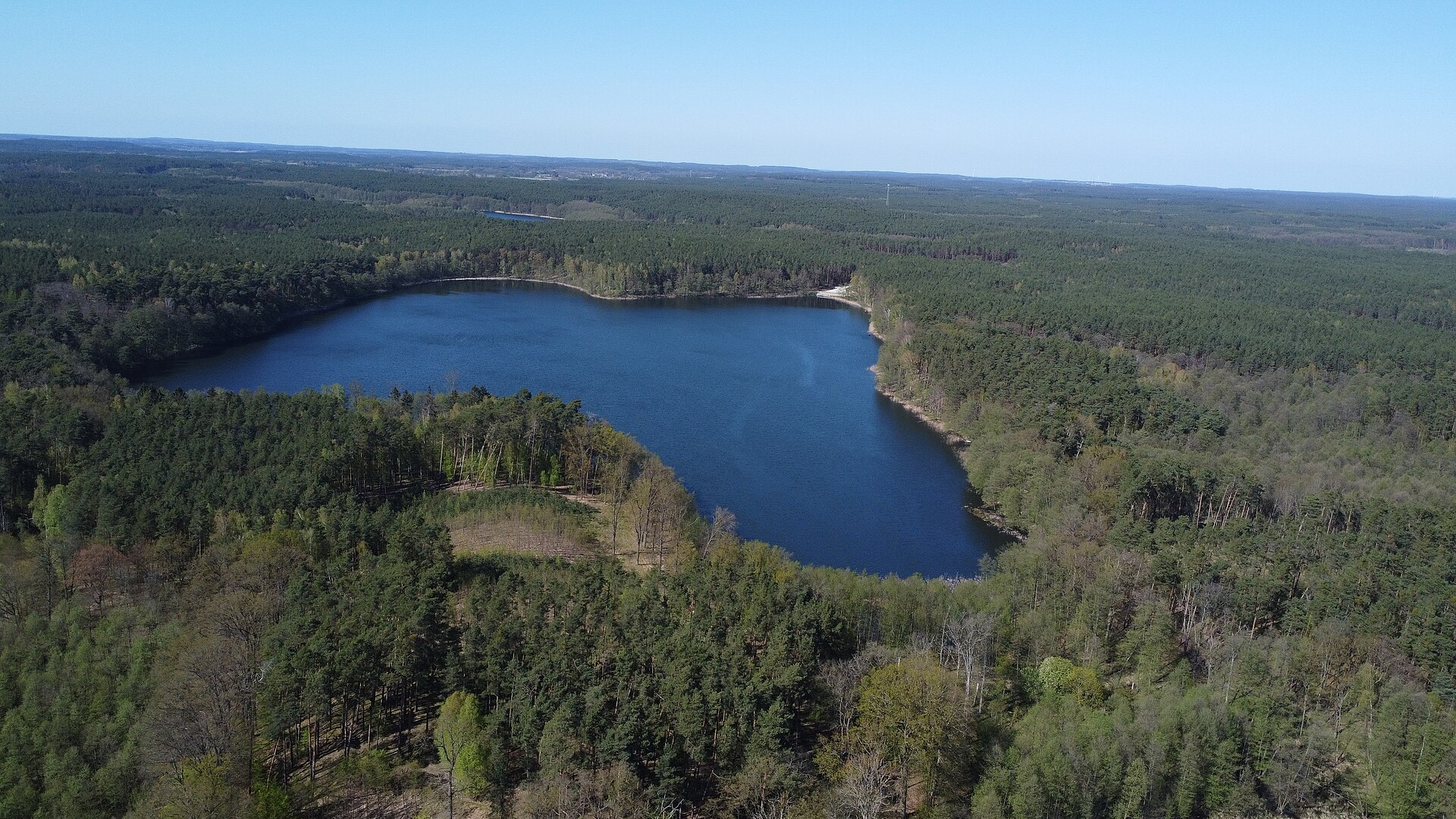
Natura 2000 · reproduction
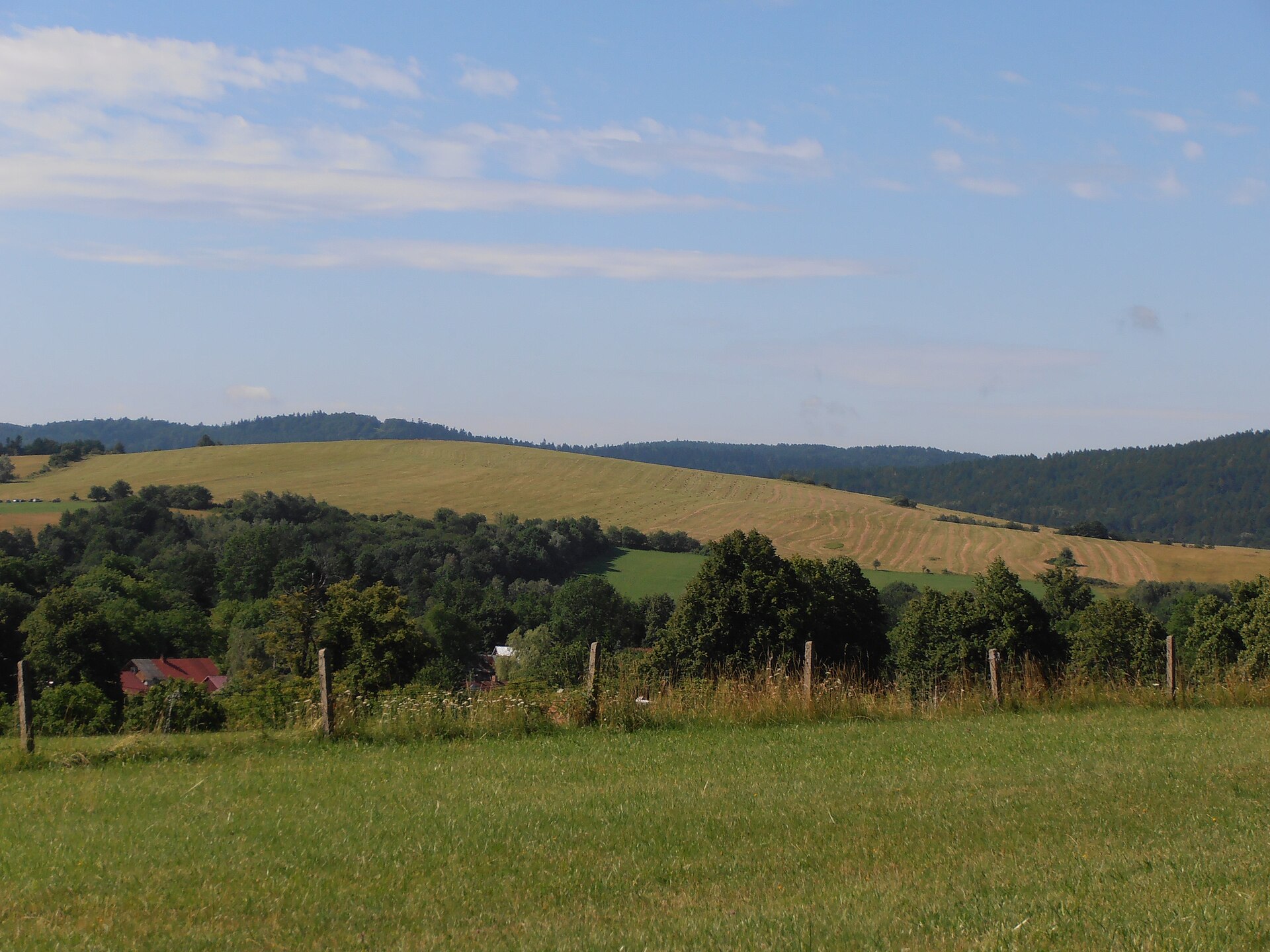
Natura 2000 · reproduction

Natura 2000 · reproduction
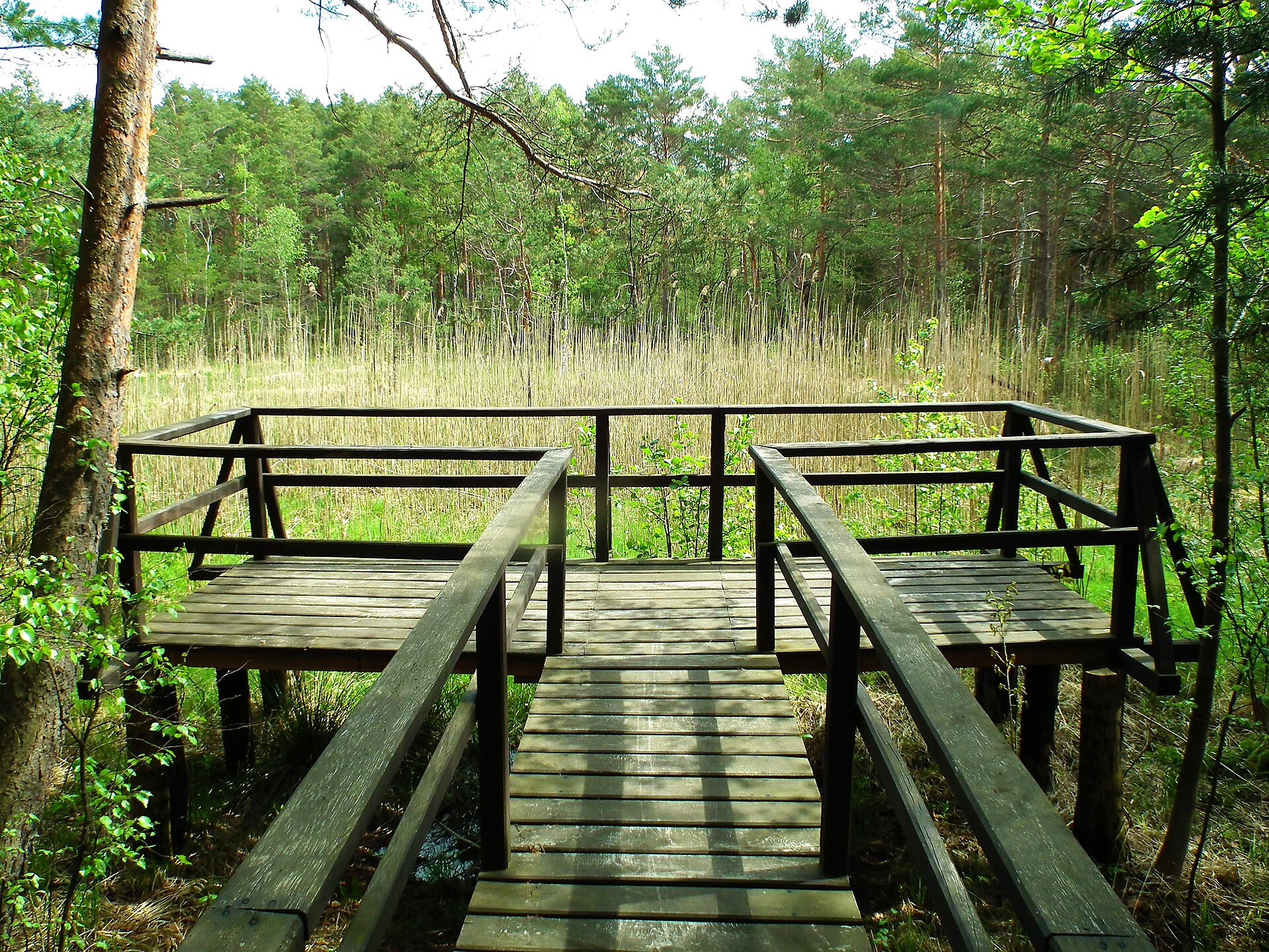
Natura 2000 · reproduction
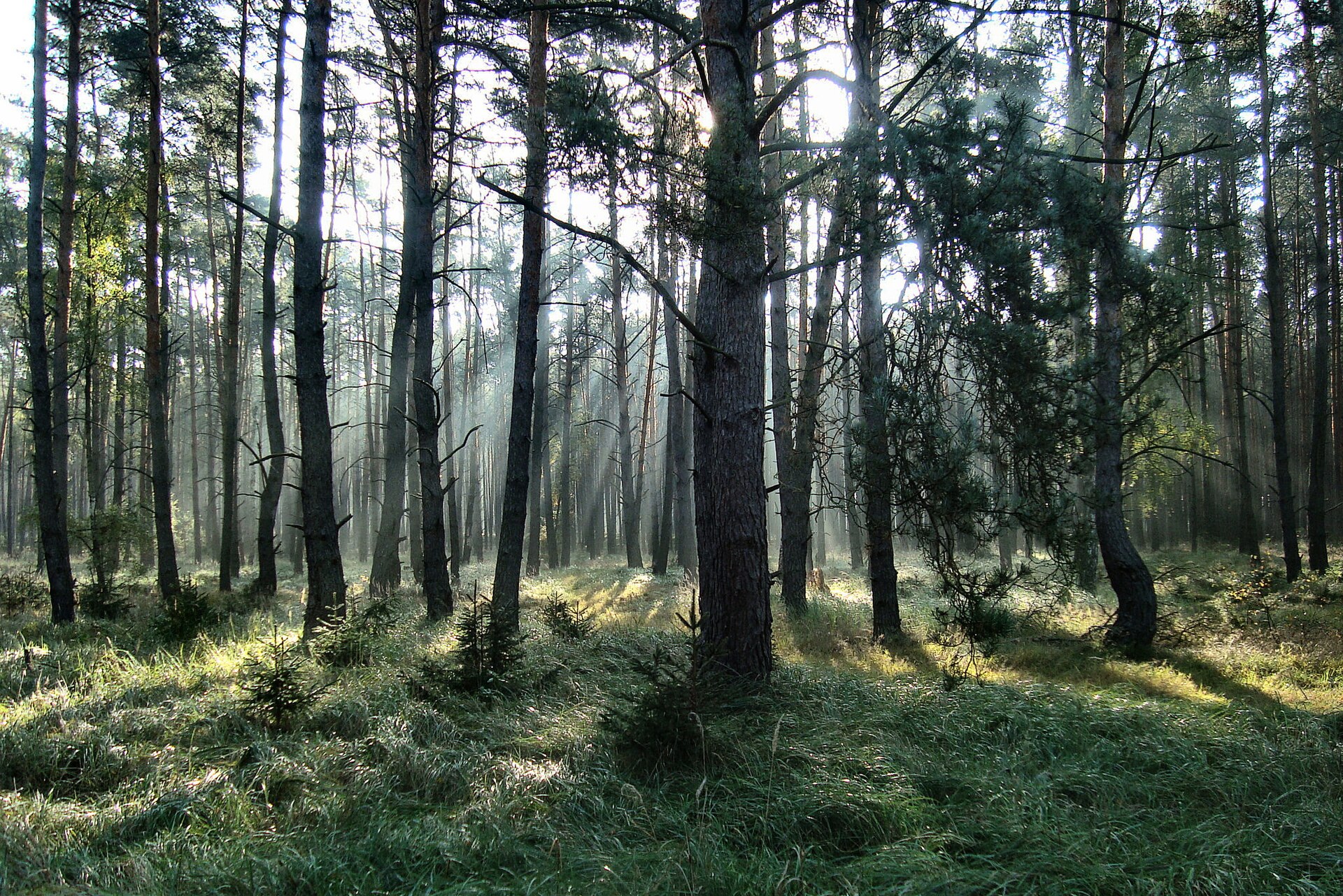
Natura 2000 · reproduction

Natura 2000 · reproduction
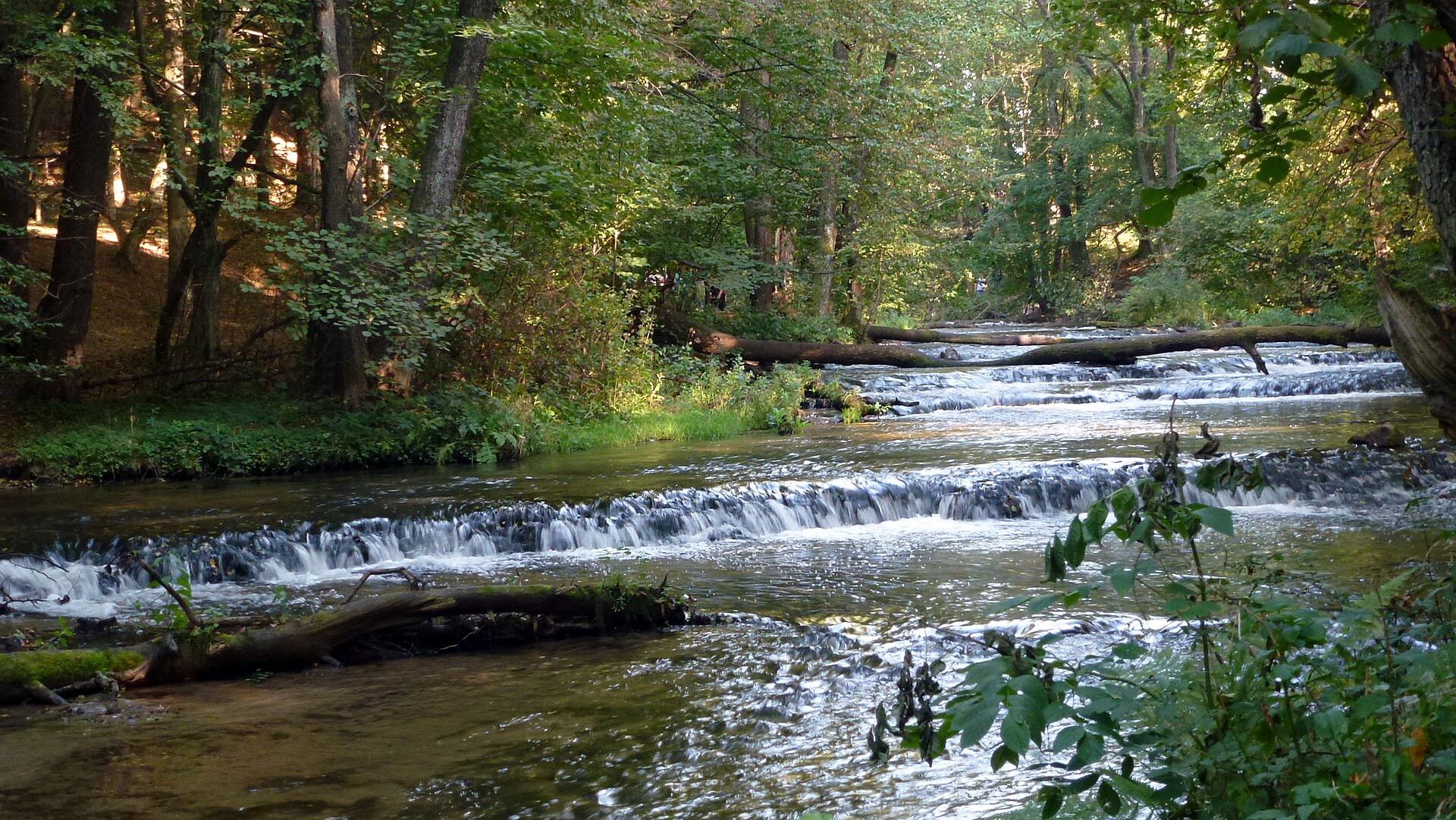
Natura 2000 · reproduction

Natura 2000 · reproduction

Natura 2000 · reproduction
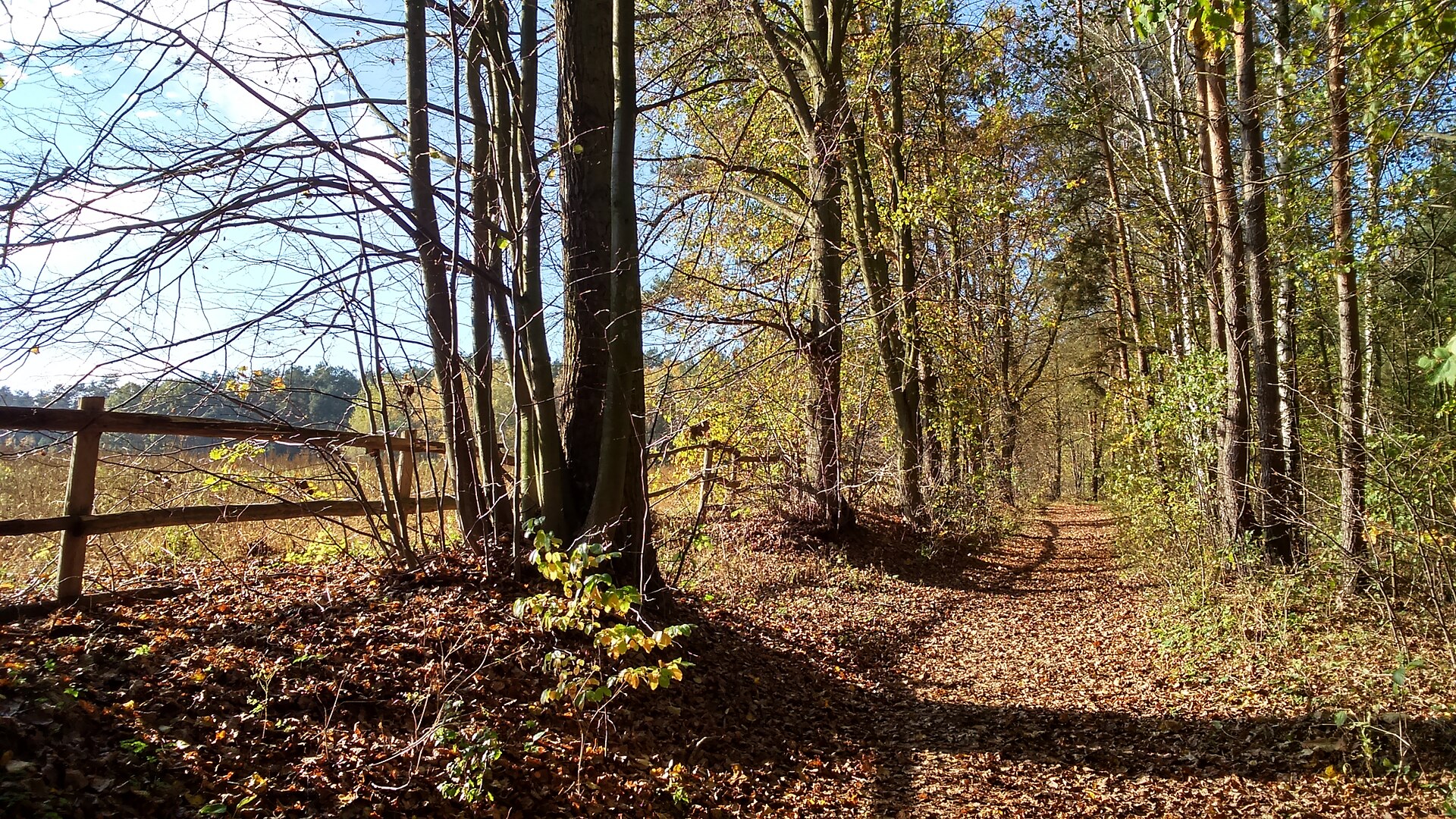
Natura 2000 · reproduction
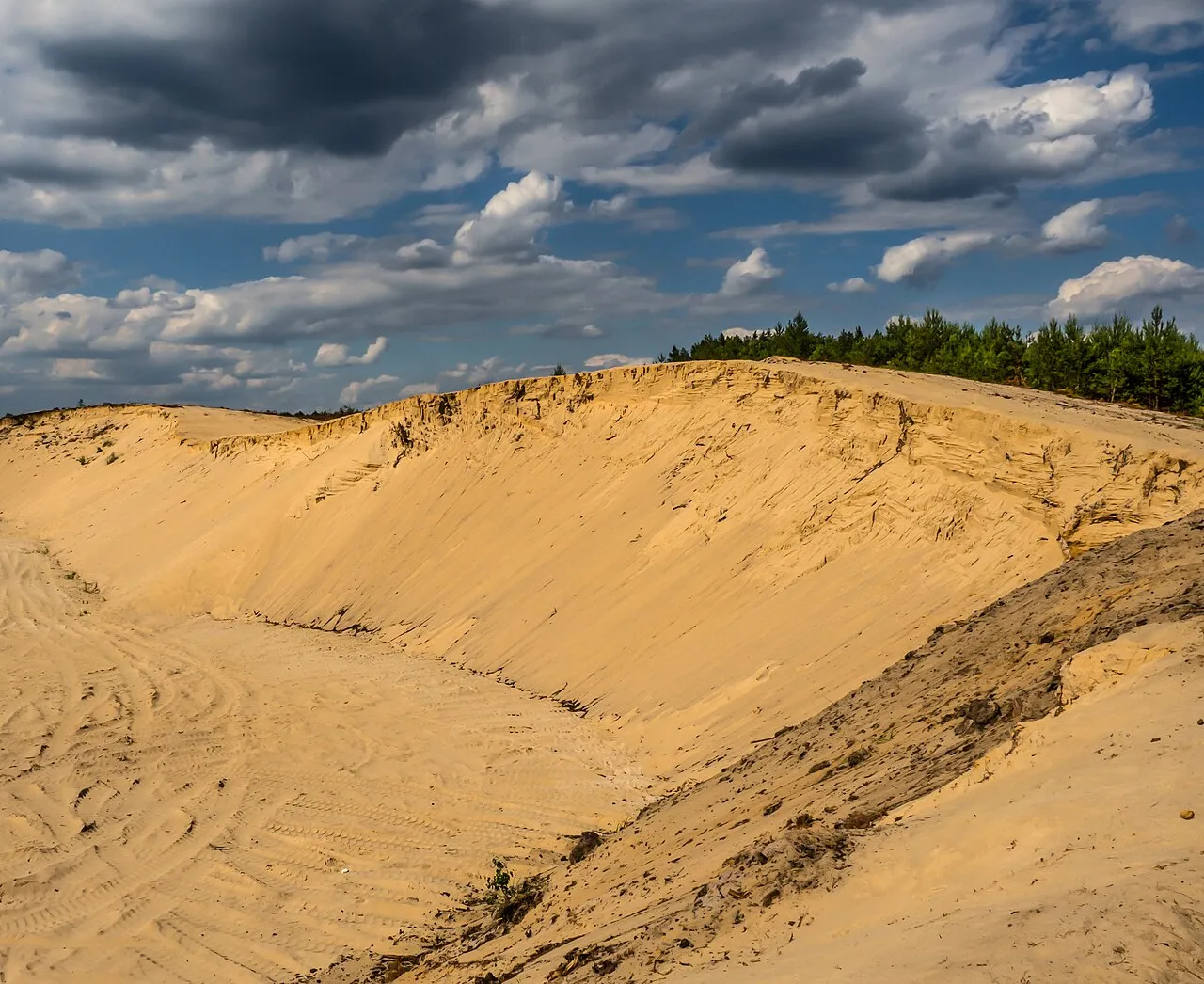
Natura 2000 · reproduction
Natura 2000 · reproduction
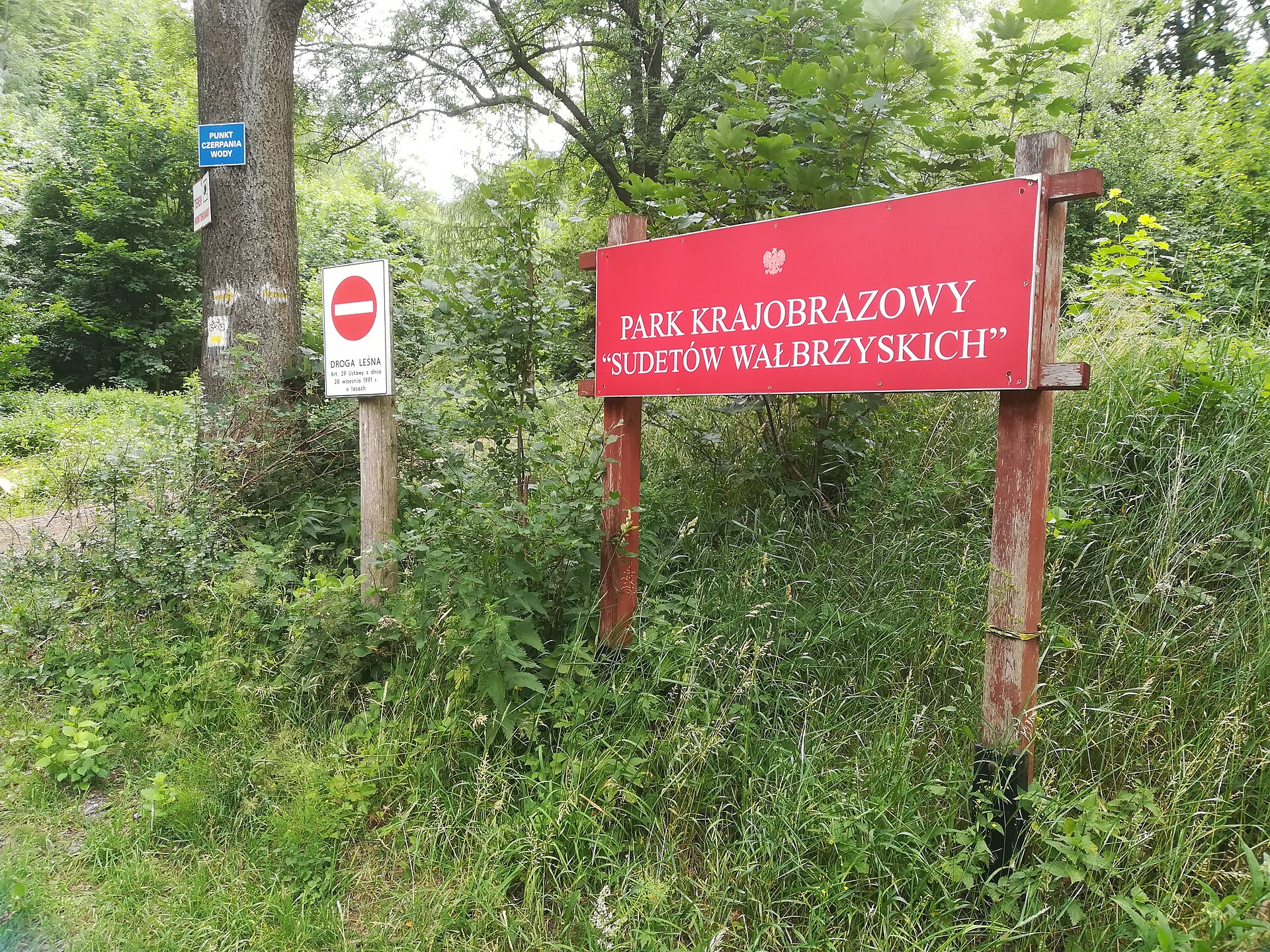
Natura 2000 · reproduction
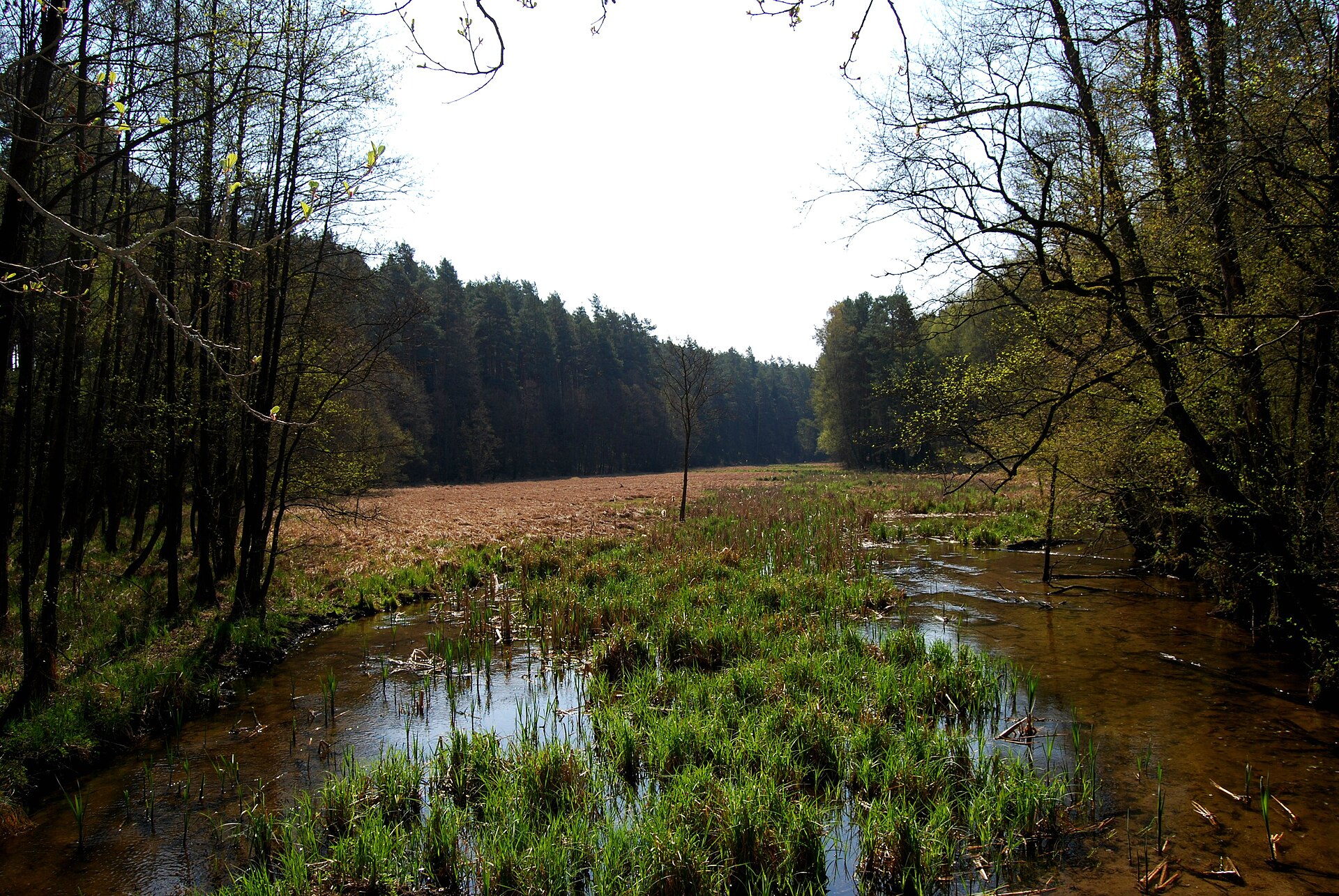
Natura 2000 · reproduction
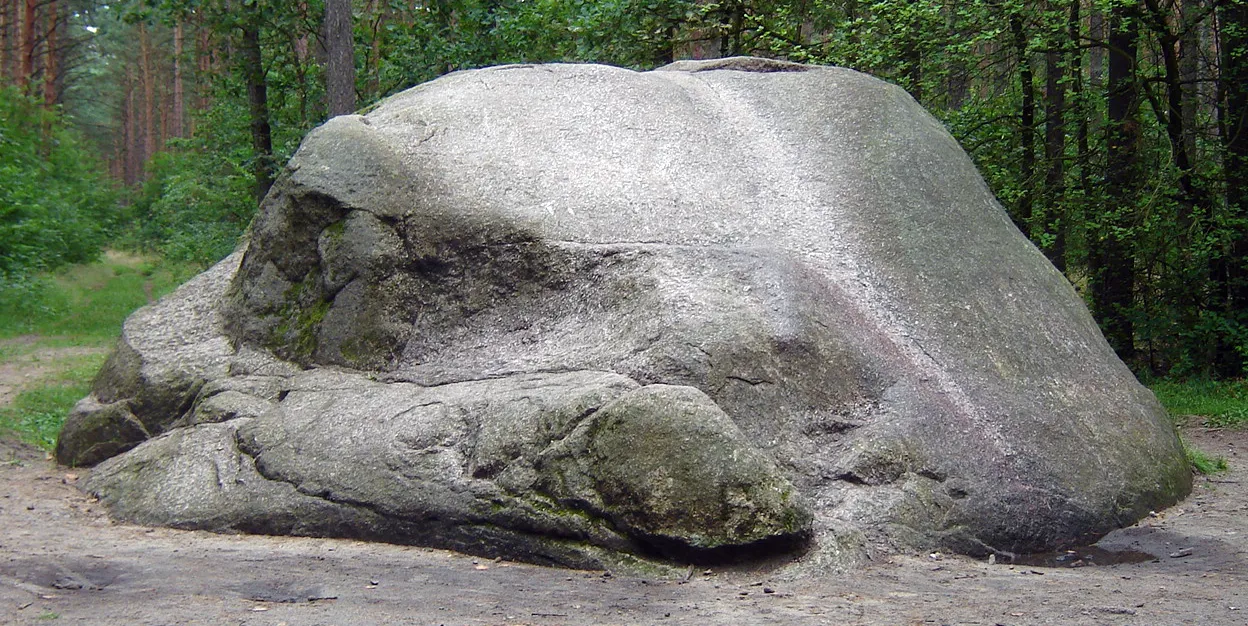
Natura 2000 · reproduction
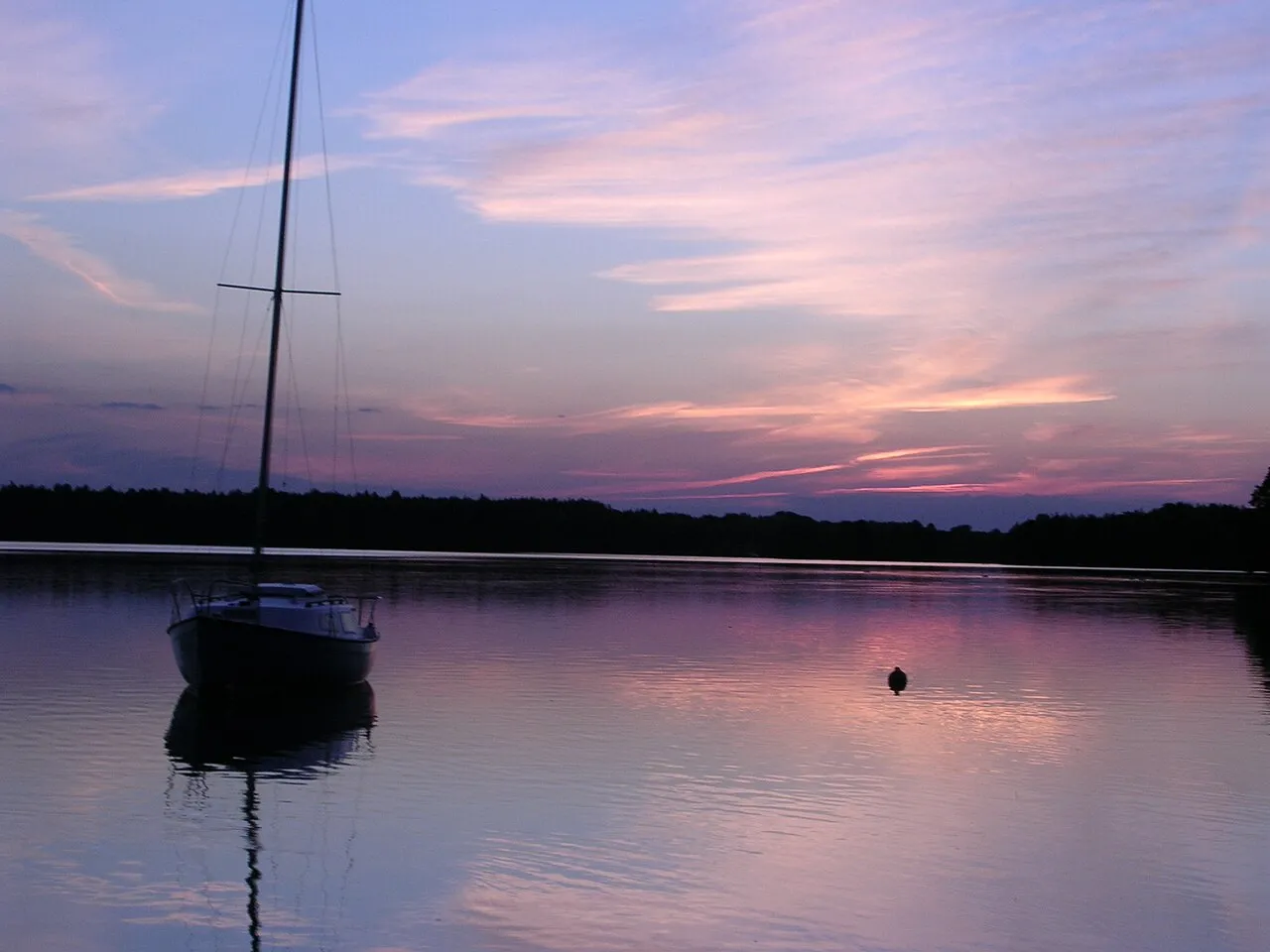
Natura 2000 · reproduction
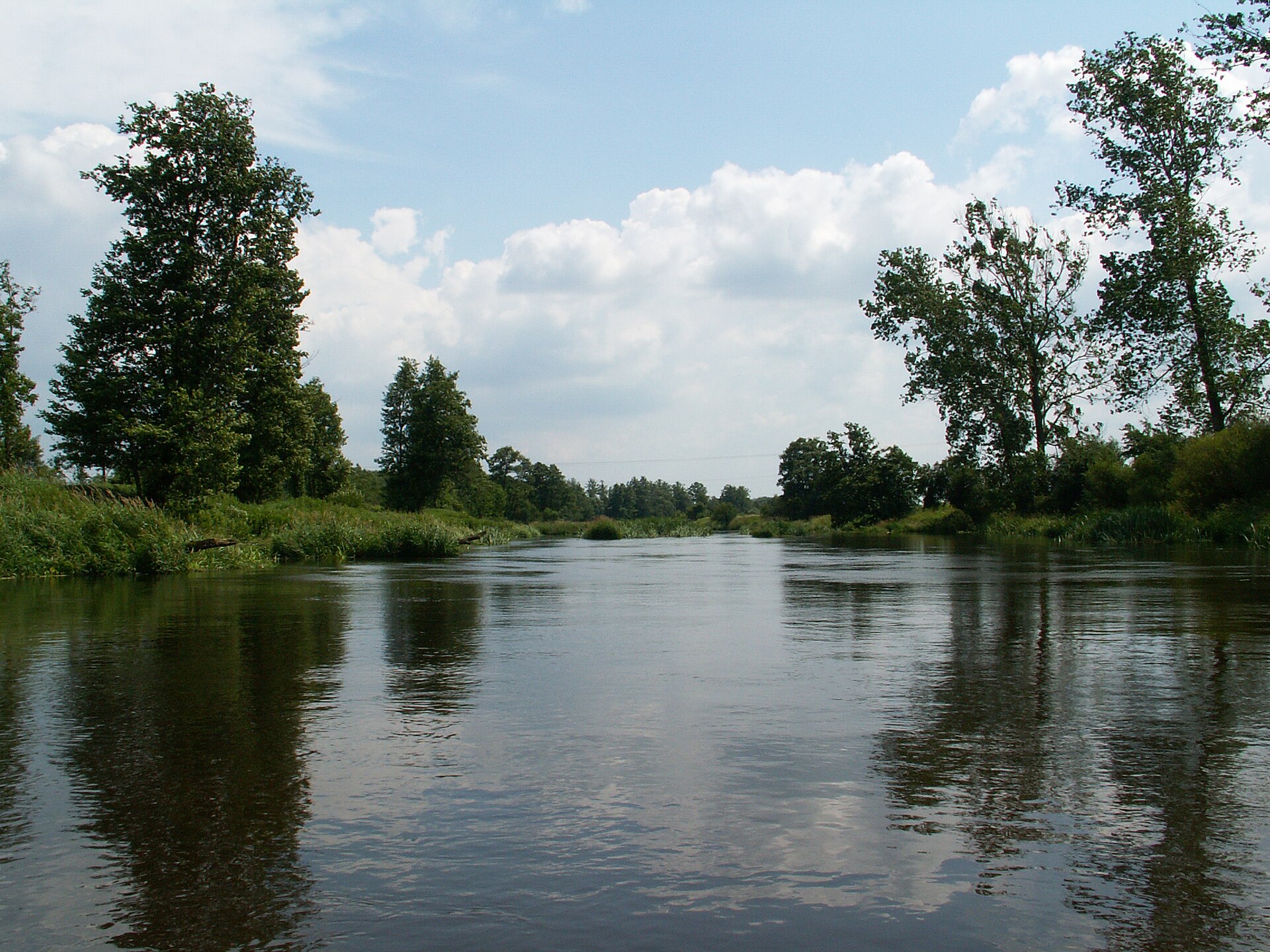
Natura 2000 · reproduction

Natura 2000 · reproduction

Natura 2000 · reproduction
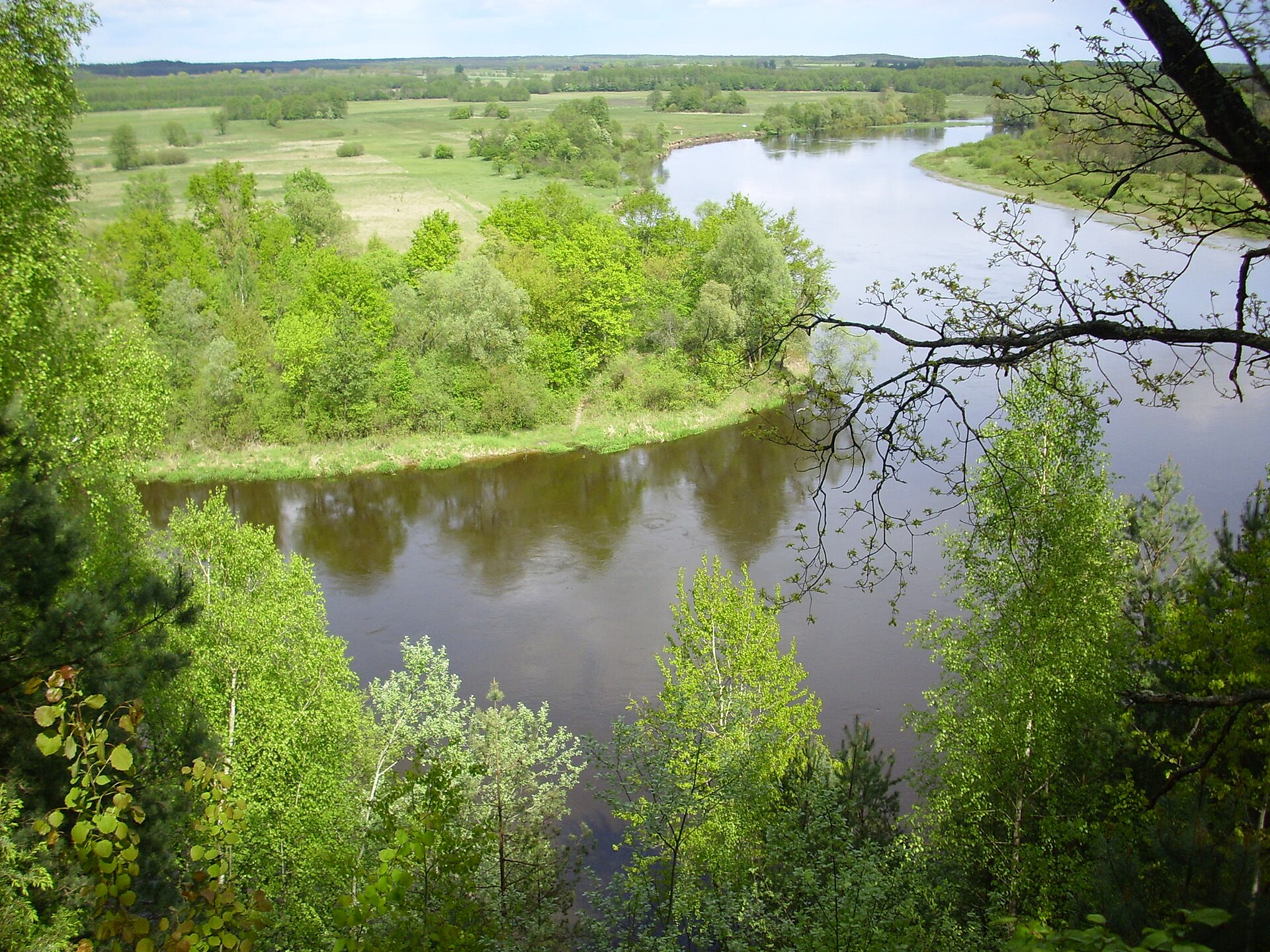
Natura 2000 · reproduction
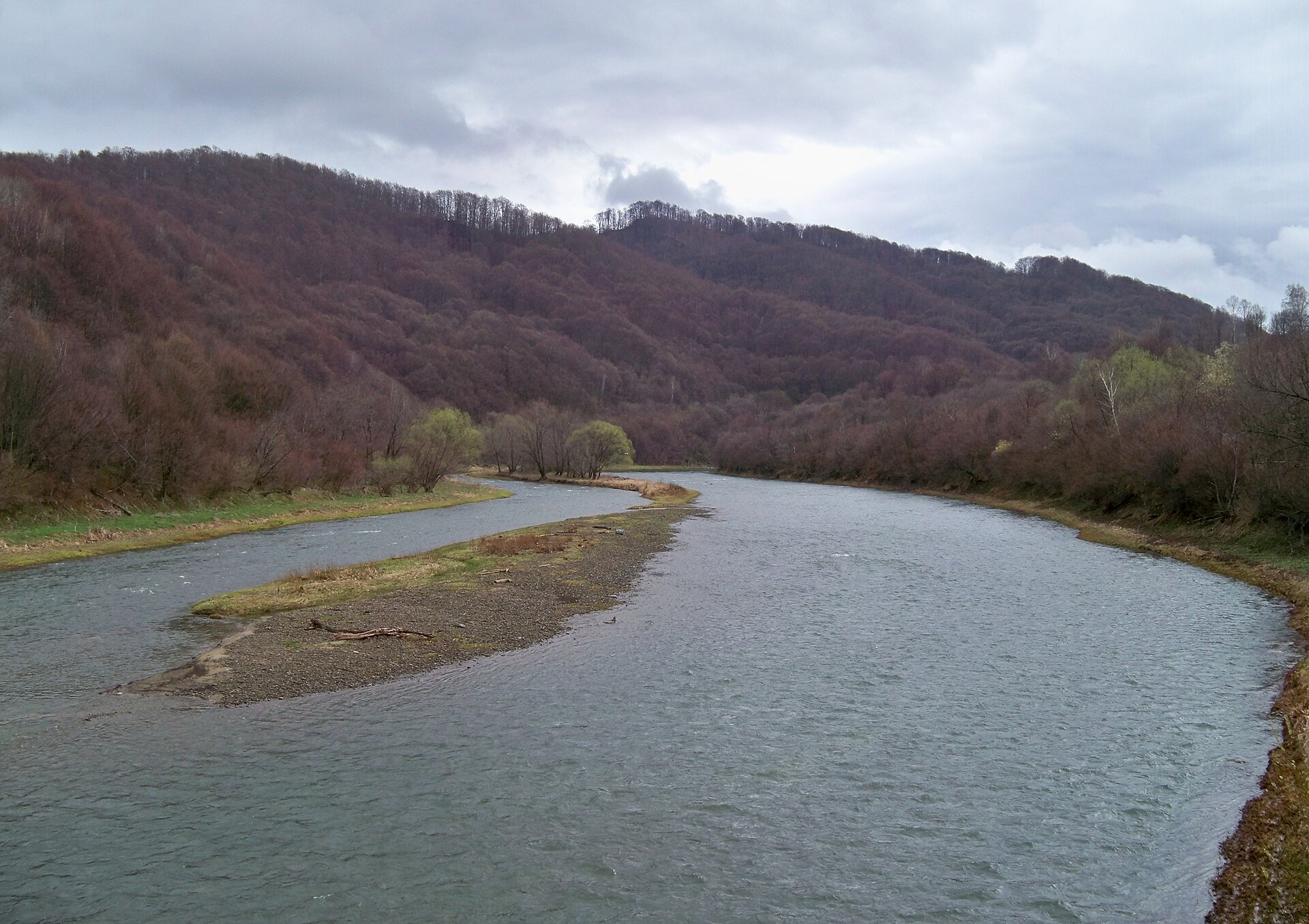
Natura 2000 · reproduction
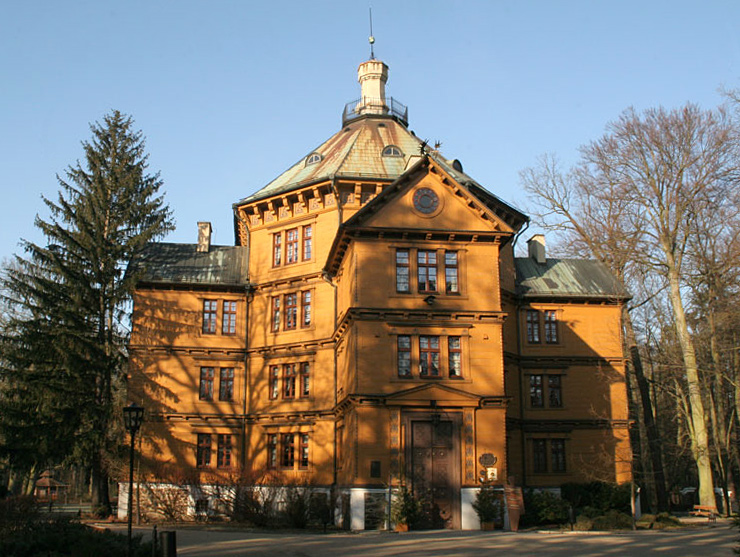
Natura 2000 · reproduction
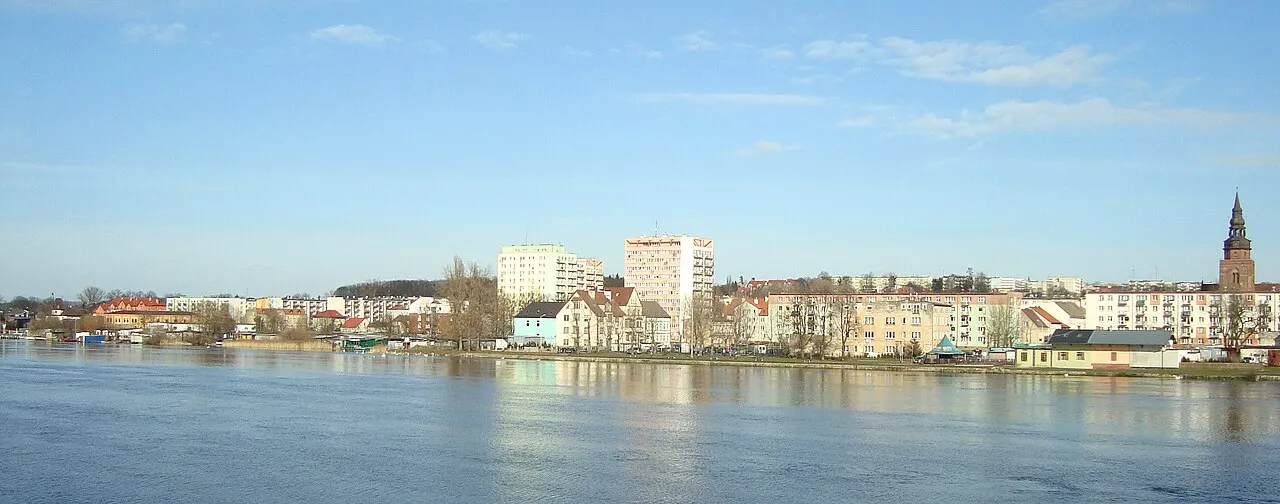
Natura 2000 · reproduction
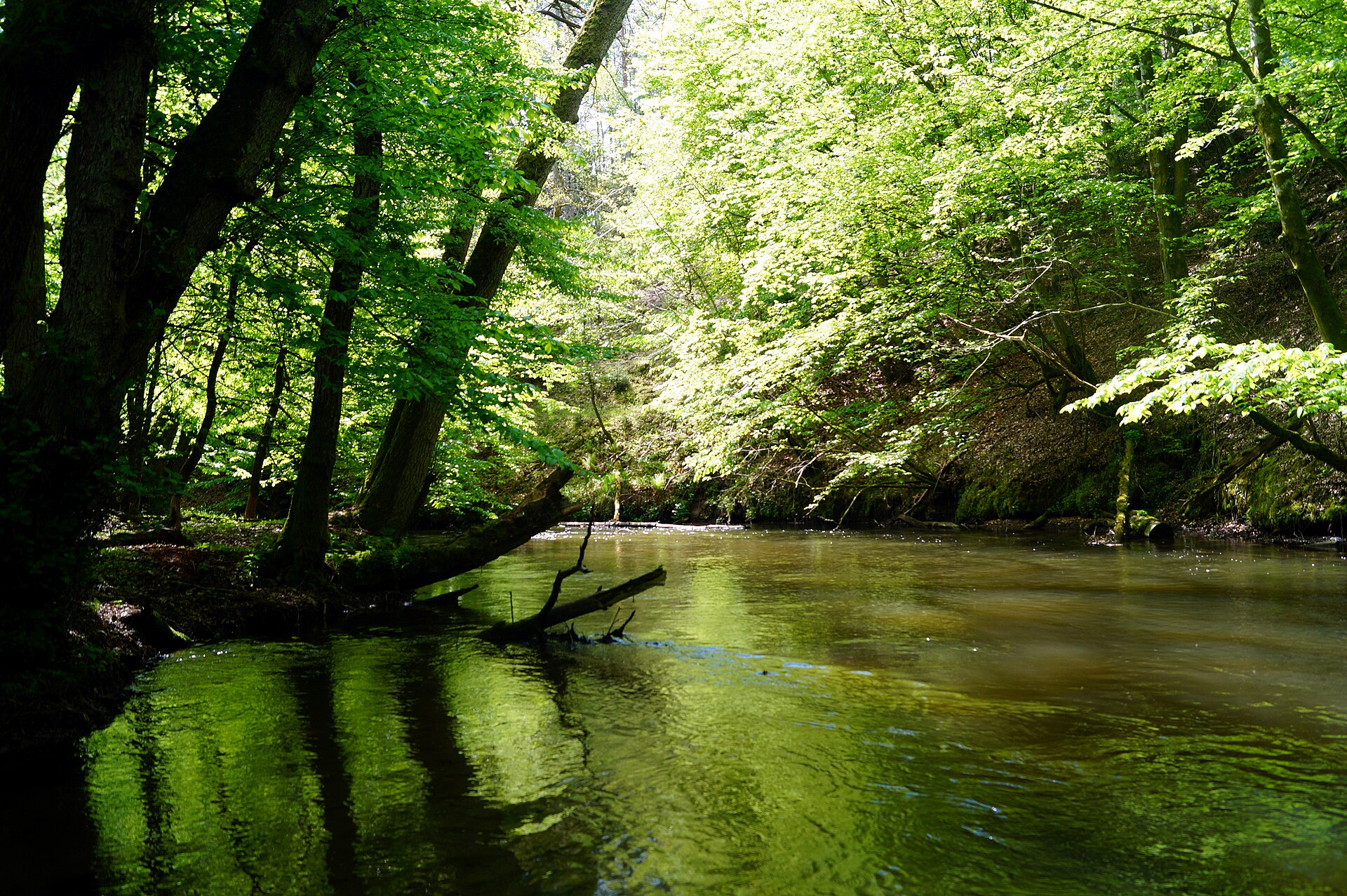
Natura 2000 · reproduction

Natura 2000 · reproduction
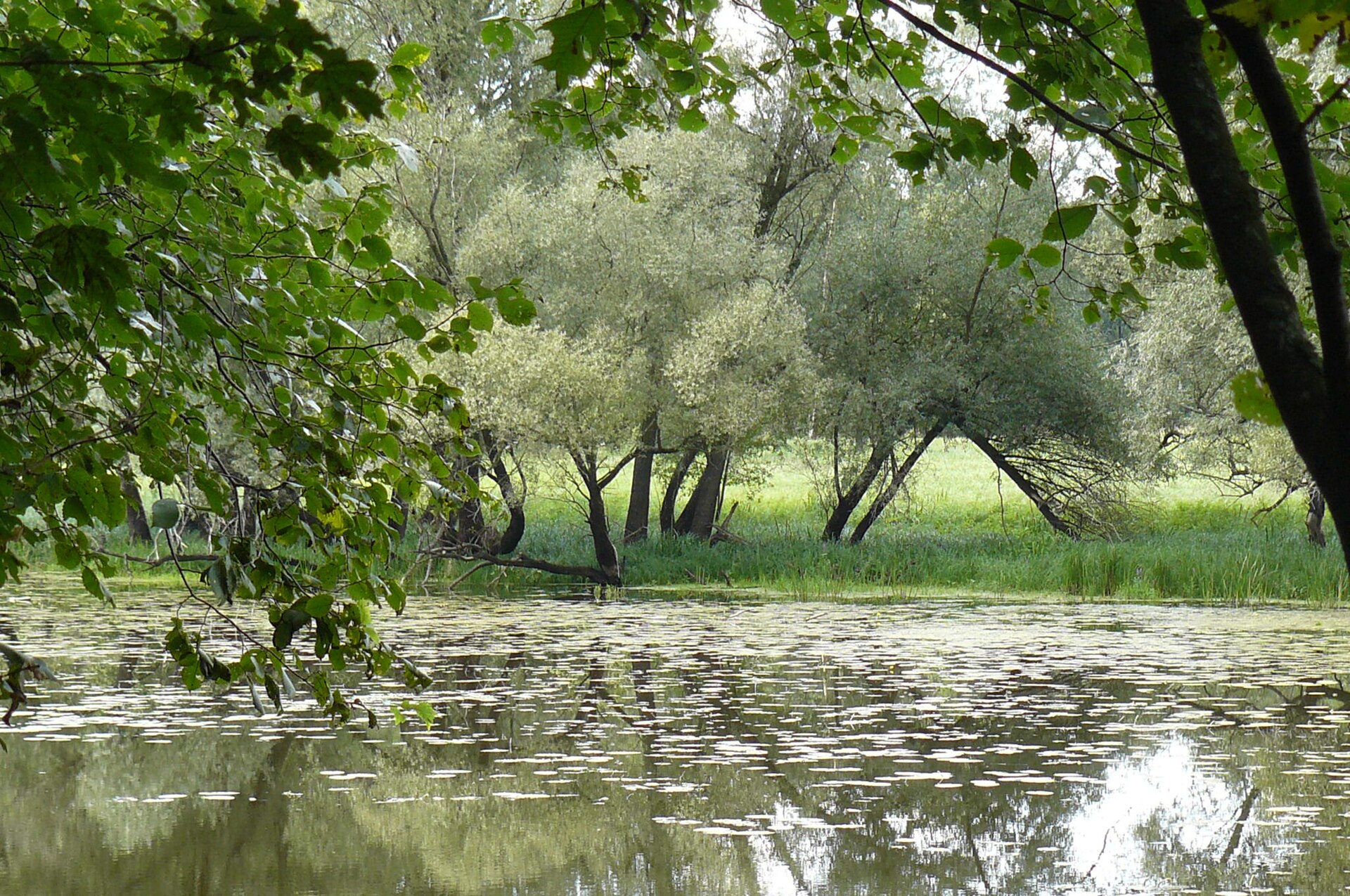
Natura 2000 · reproduction
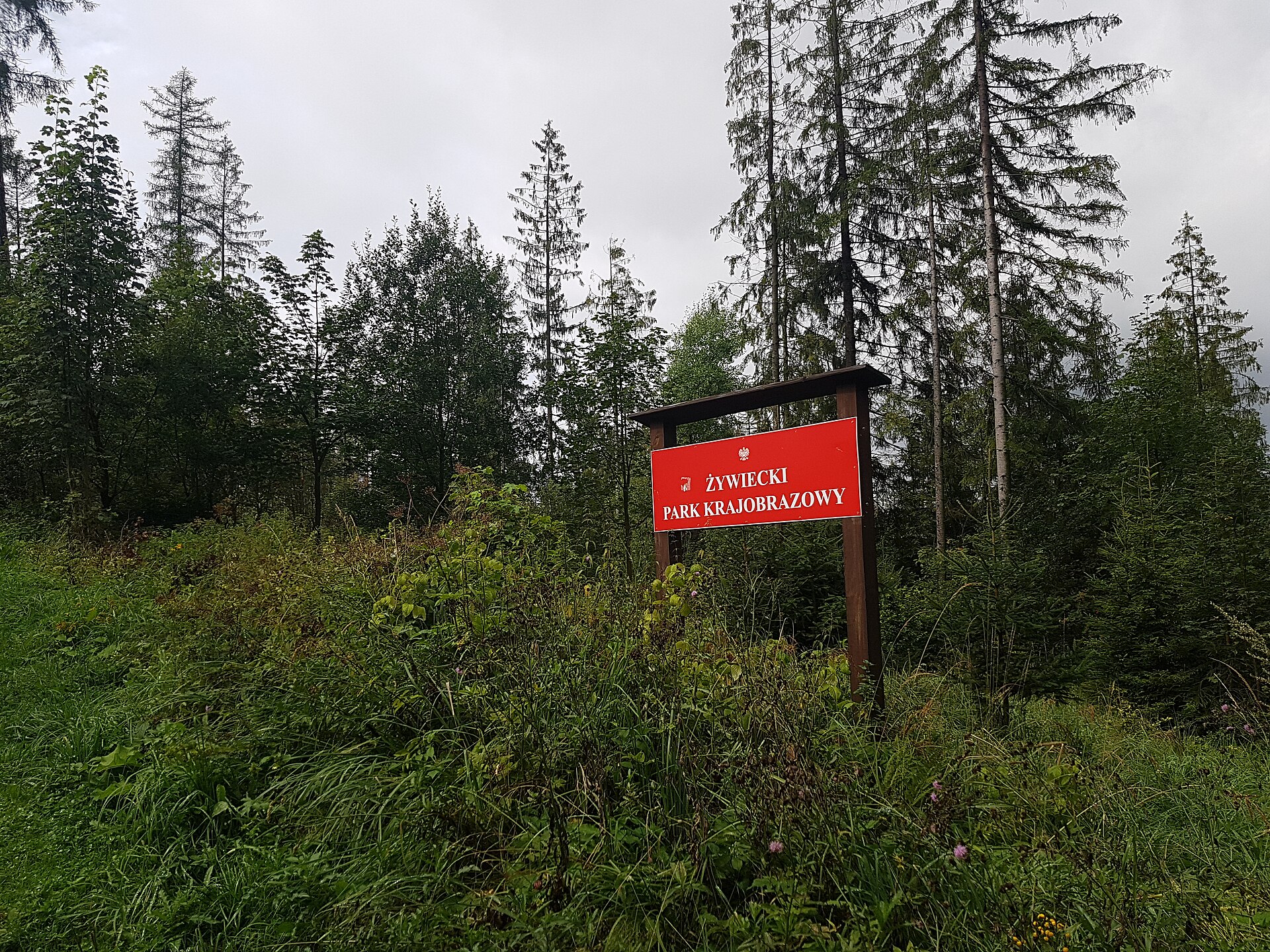
Natura 2000 · reproduction
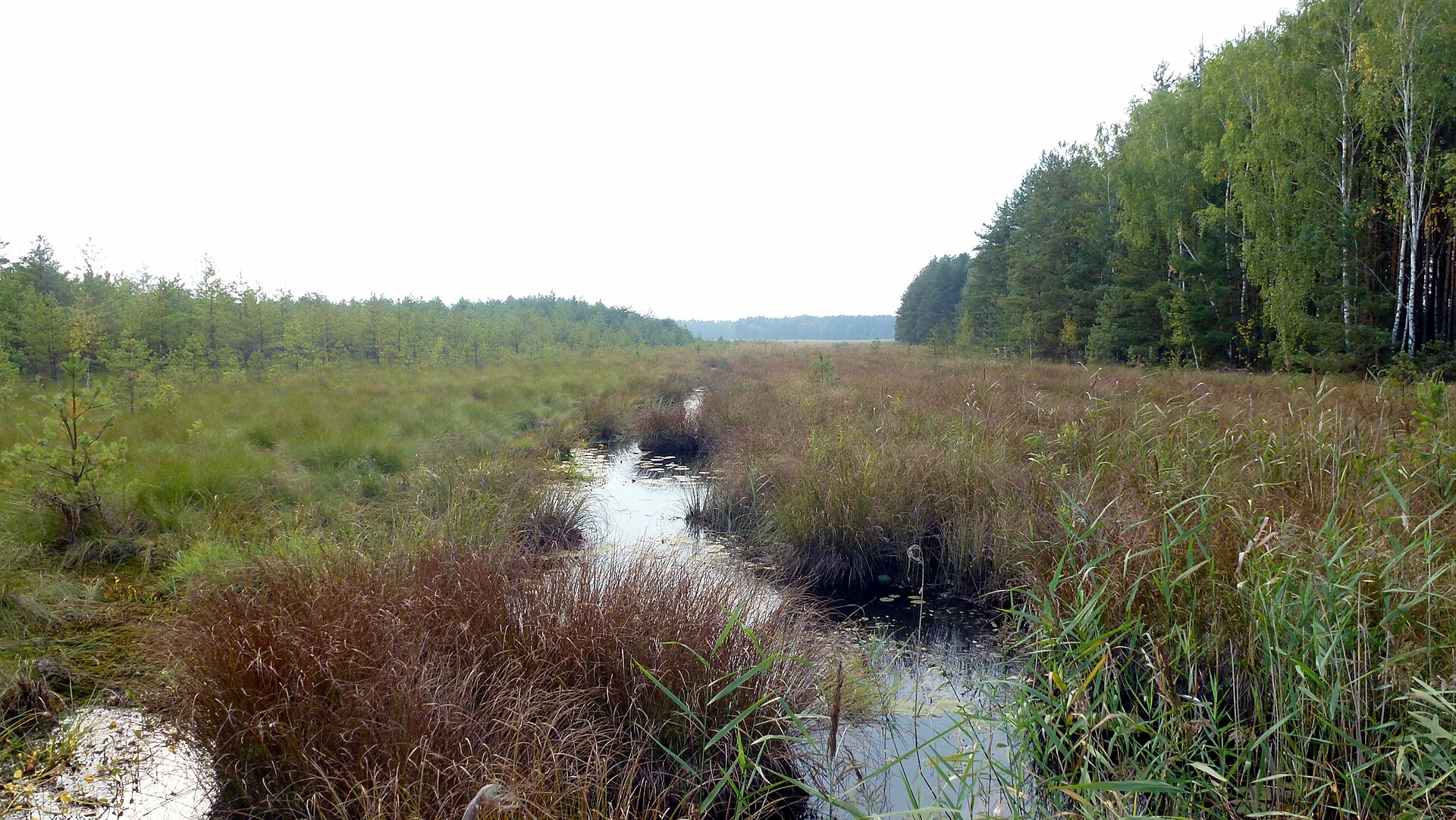
Natura 2000 · reproduction
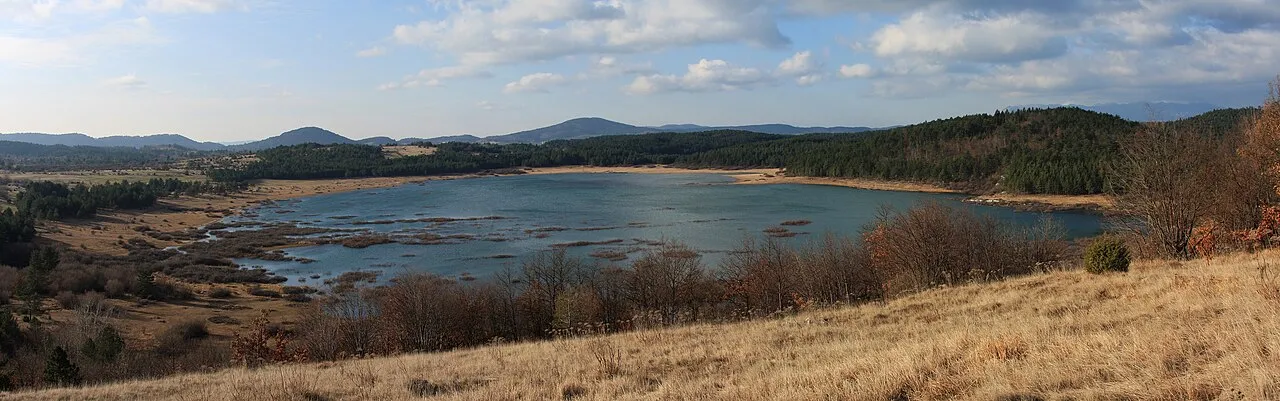
Natura 2000 · reproduction
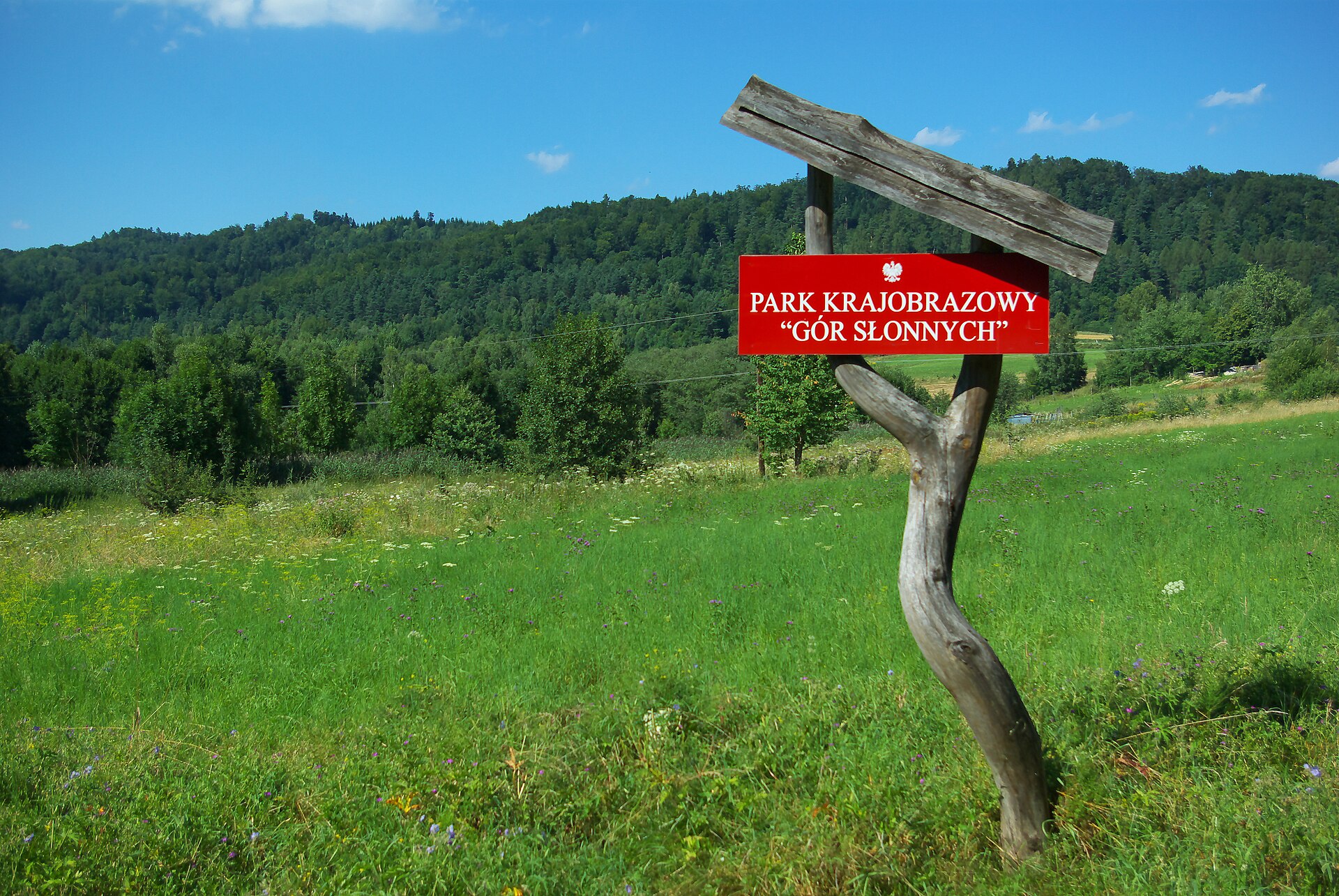
Natura 2000 · reproduction
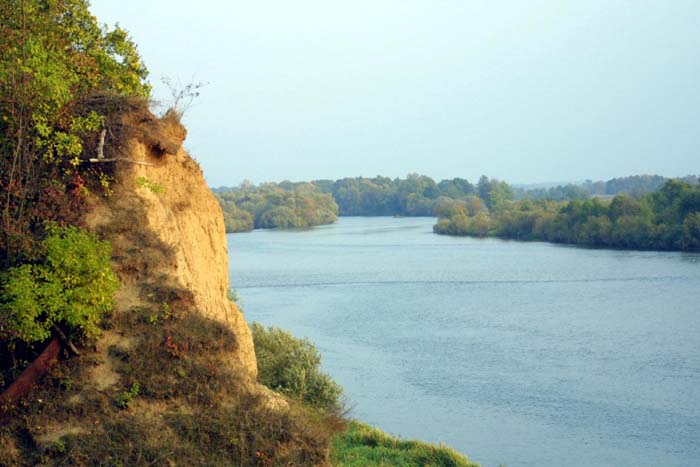
Natura 2000 · reproduction

Natura 2000 · reproduction
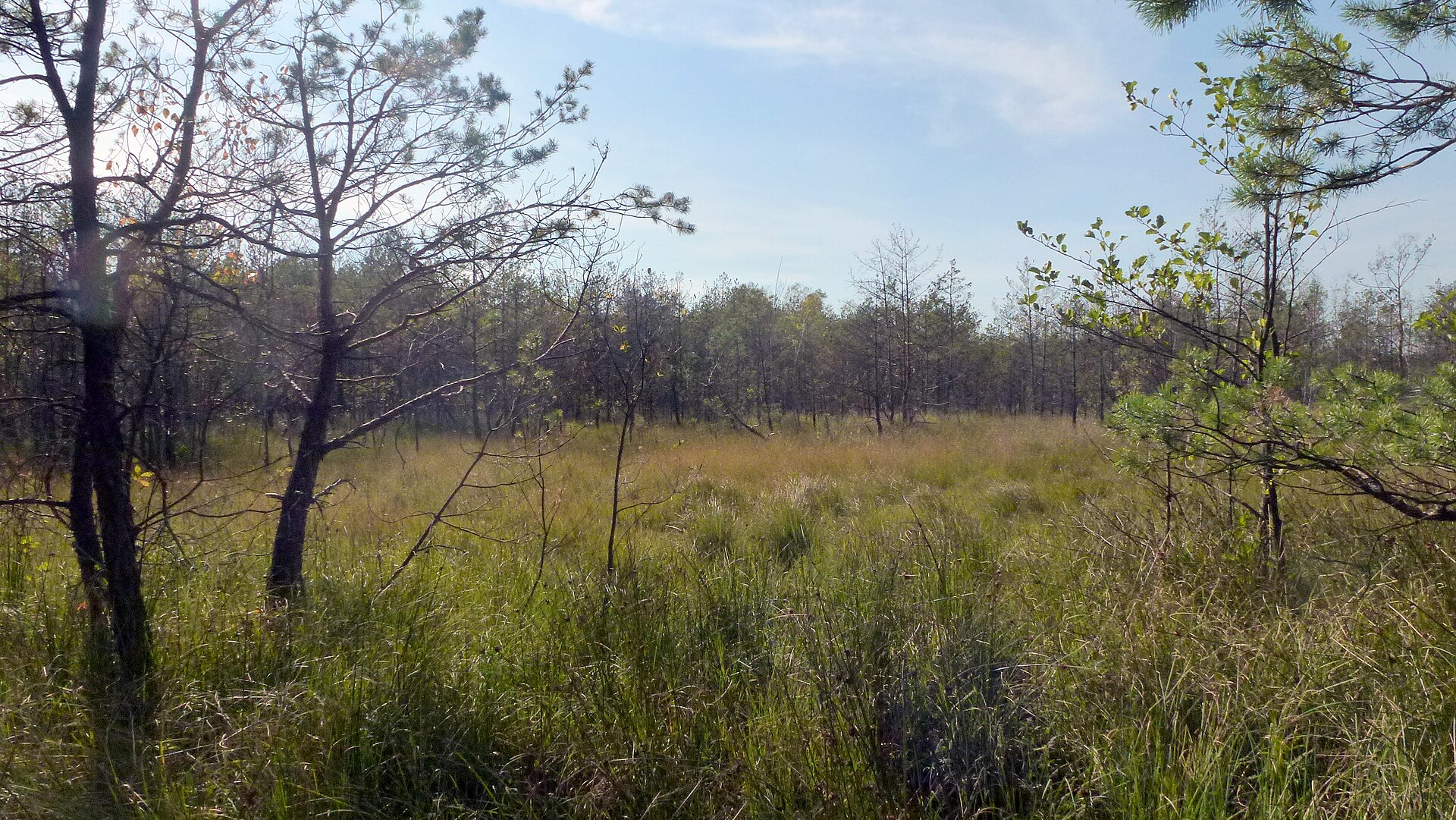
Natura 2000 · reproduction
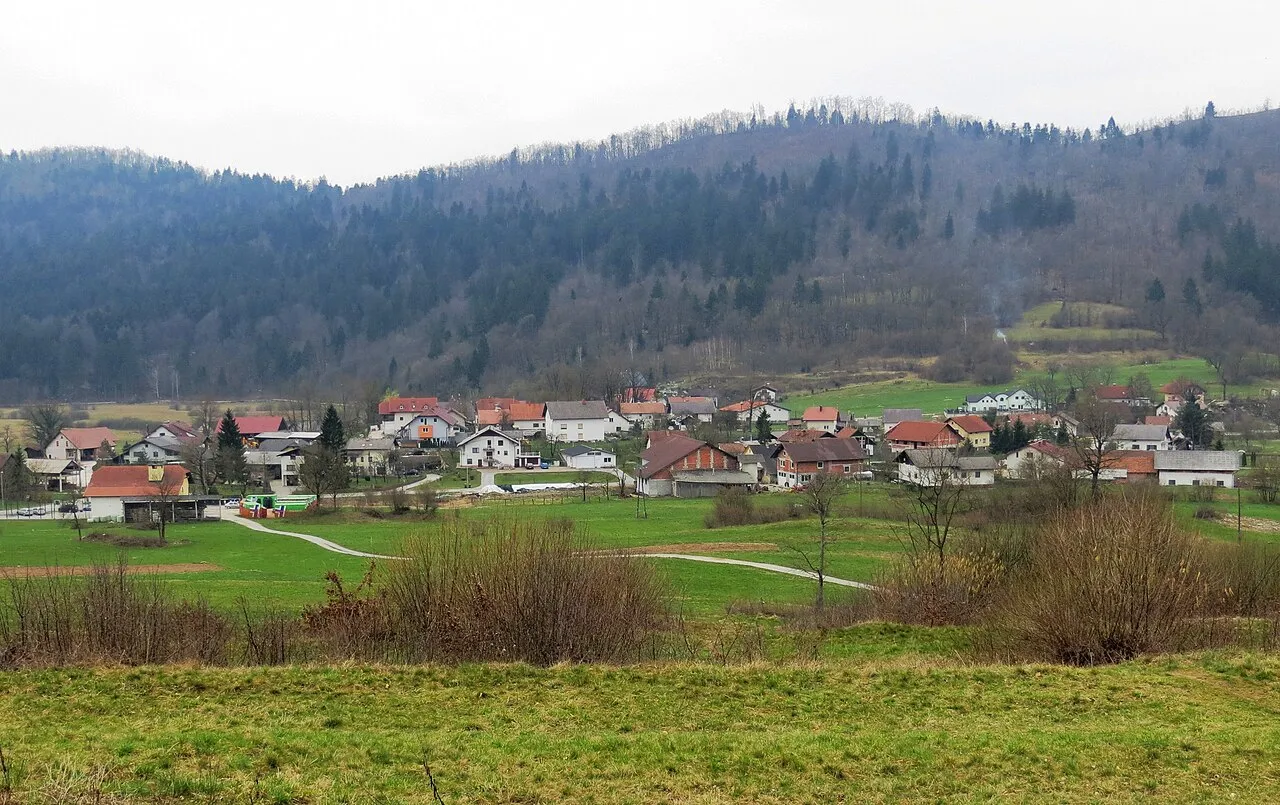
Natura 2000 · reproduction

Natura 2000 · reproduction
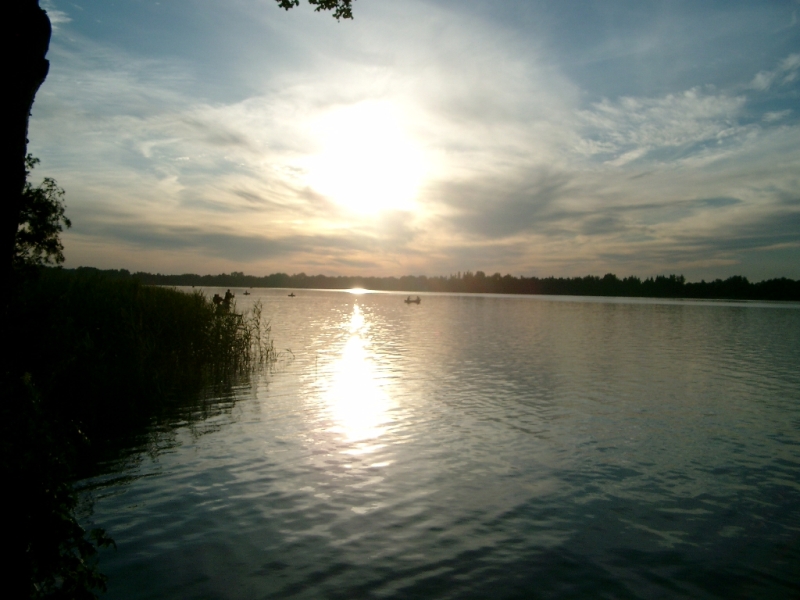
Natura 2000 · reproduction

Natura 2000 · reproduction
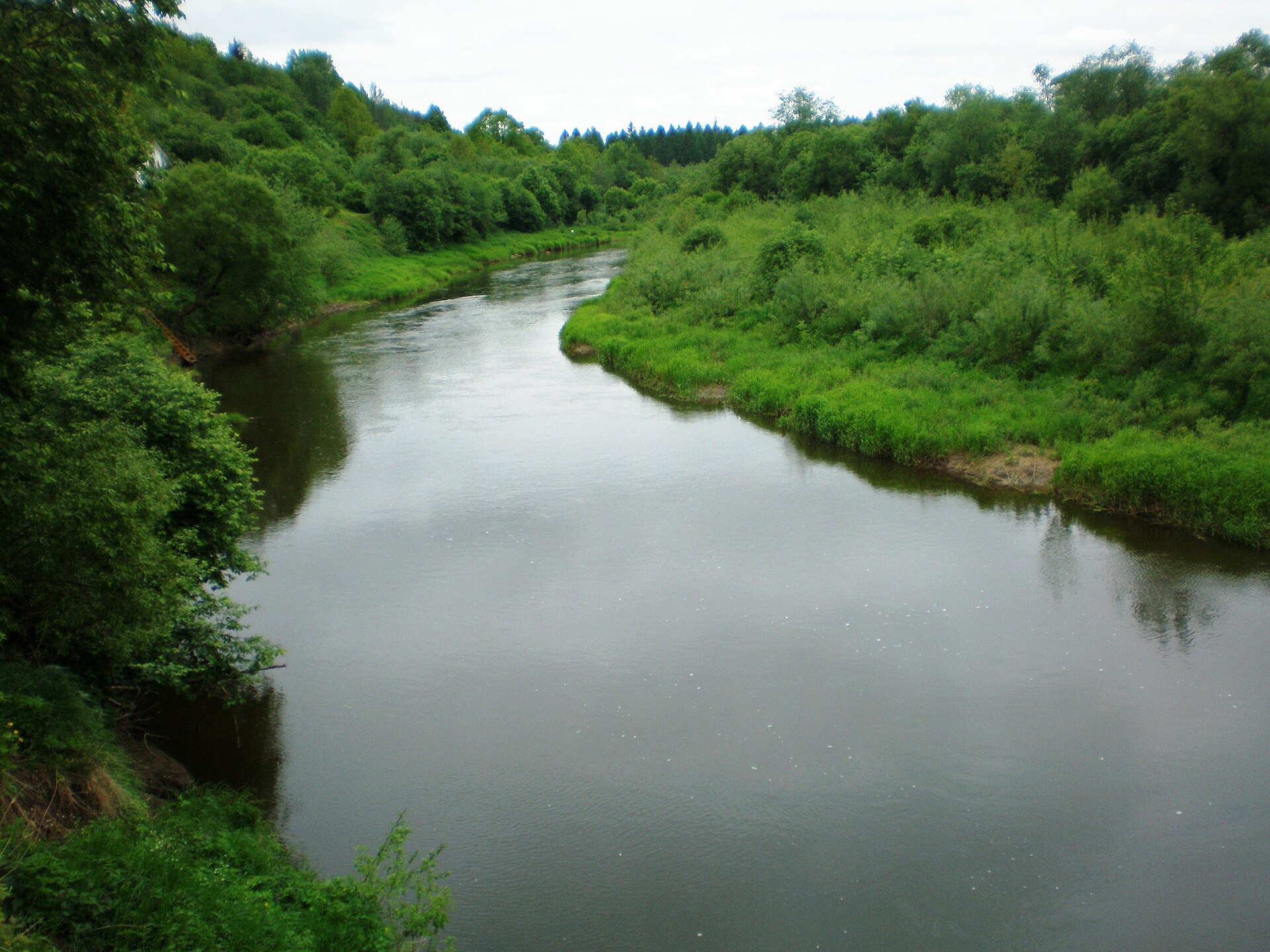
Natura 2000 · reproduction

Natura 2000 · reproduction
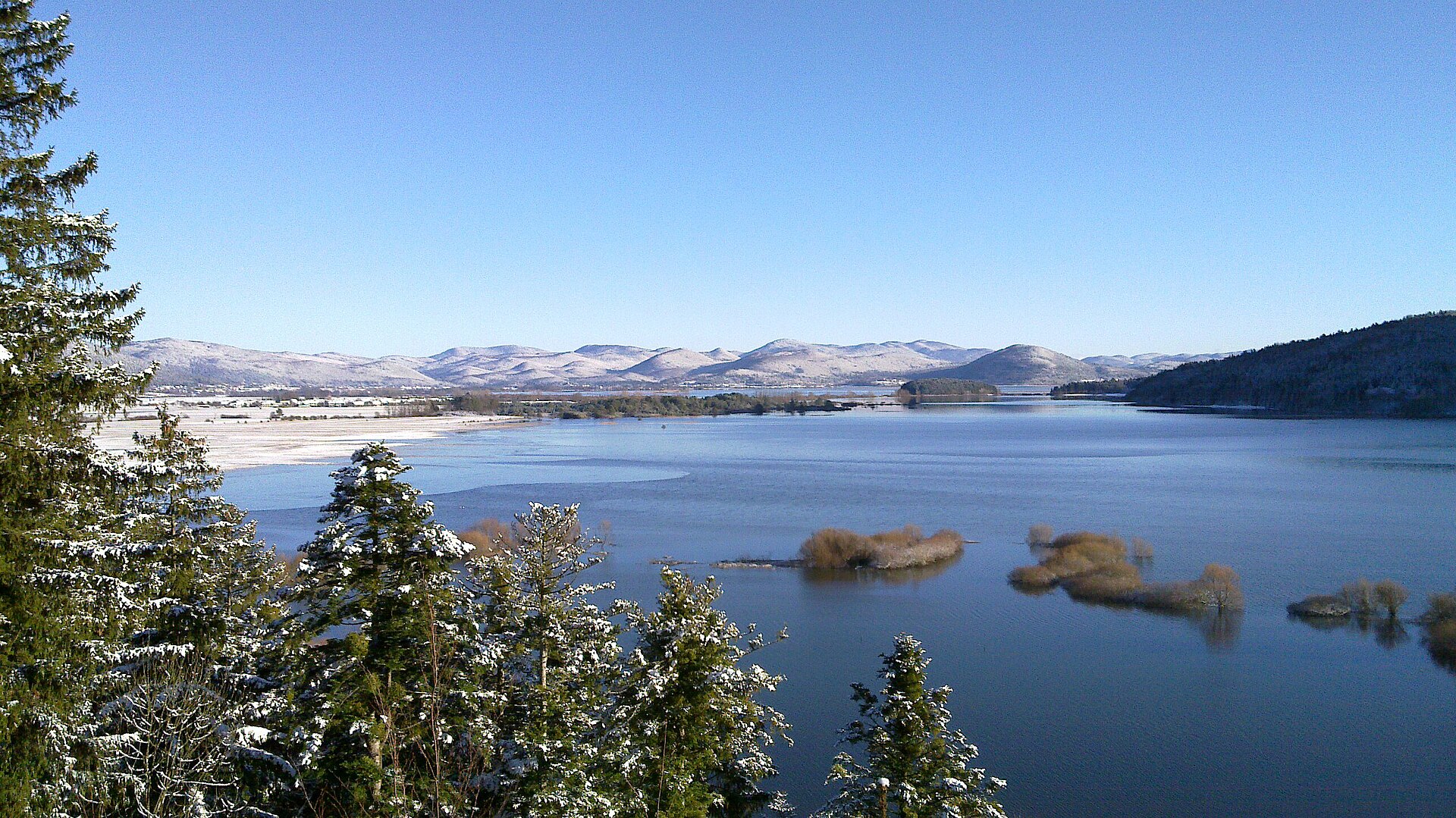
Natura 2000 · reproduction
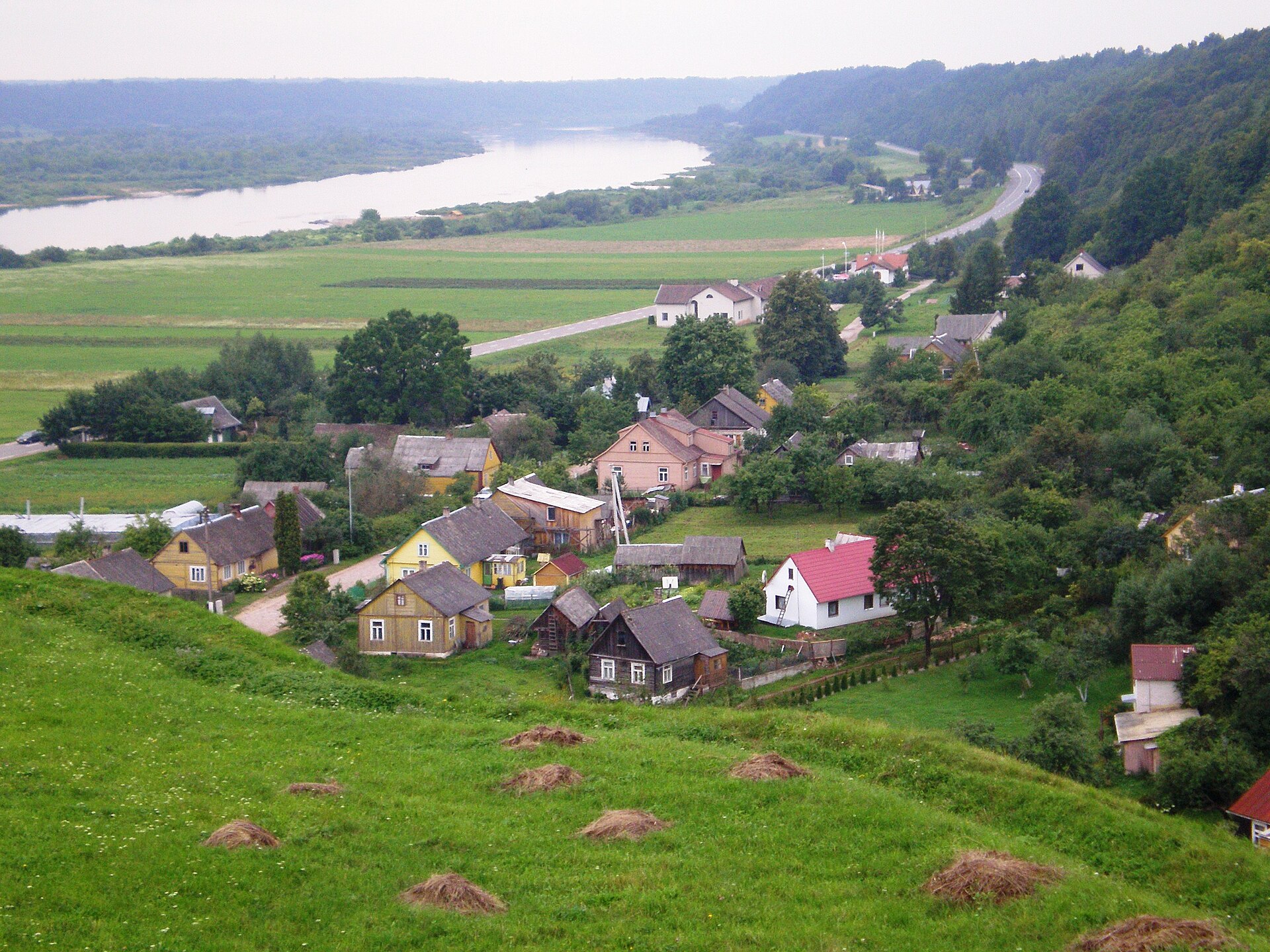
Natura 2000 · reproduction
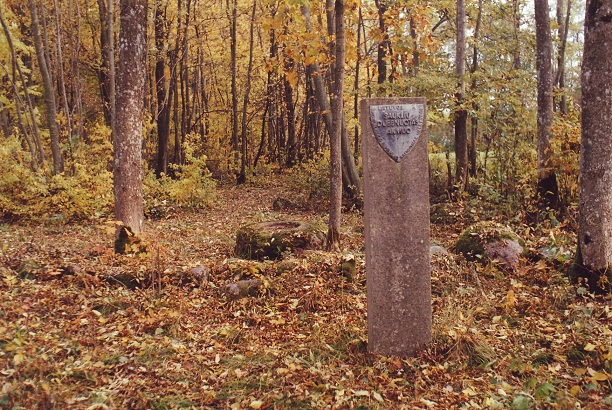
Natura 2000 · reproduction

Natura 2000 · reproduction
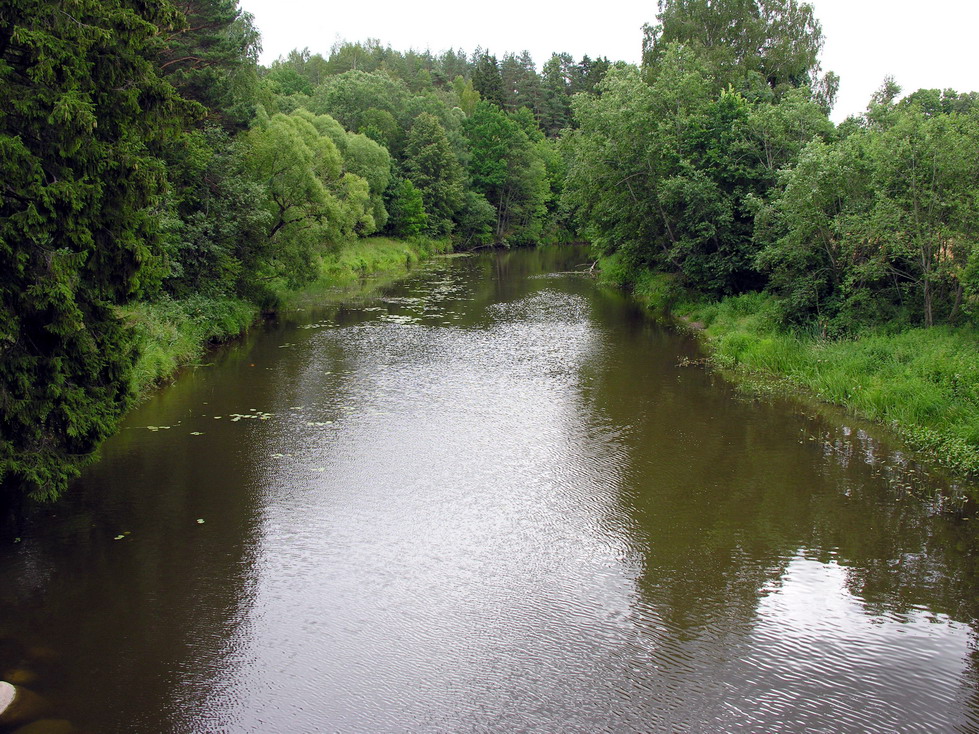
Natura 2000 · reproduction

Natura 2000 · reproduction
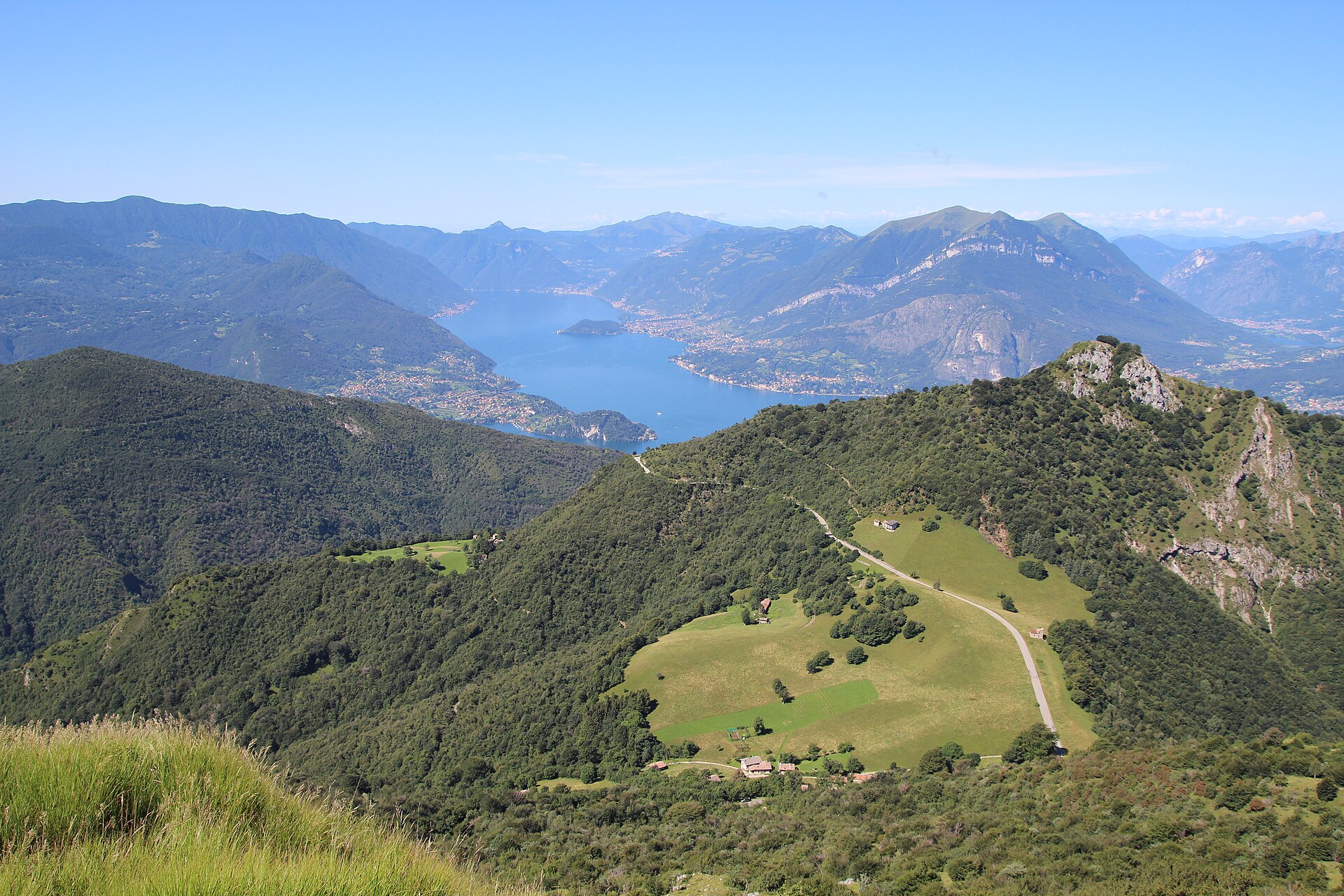
Natura 2000 · de passage, reproduction

Natura 2000 · de passage
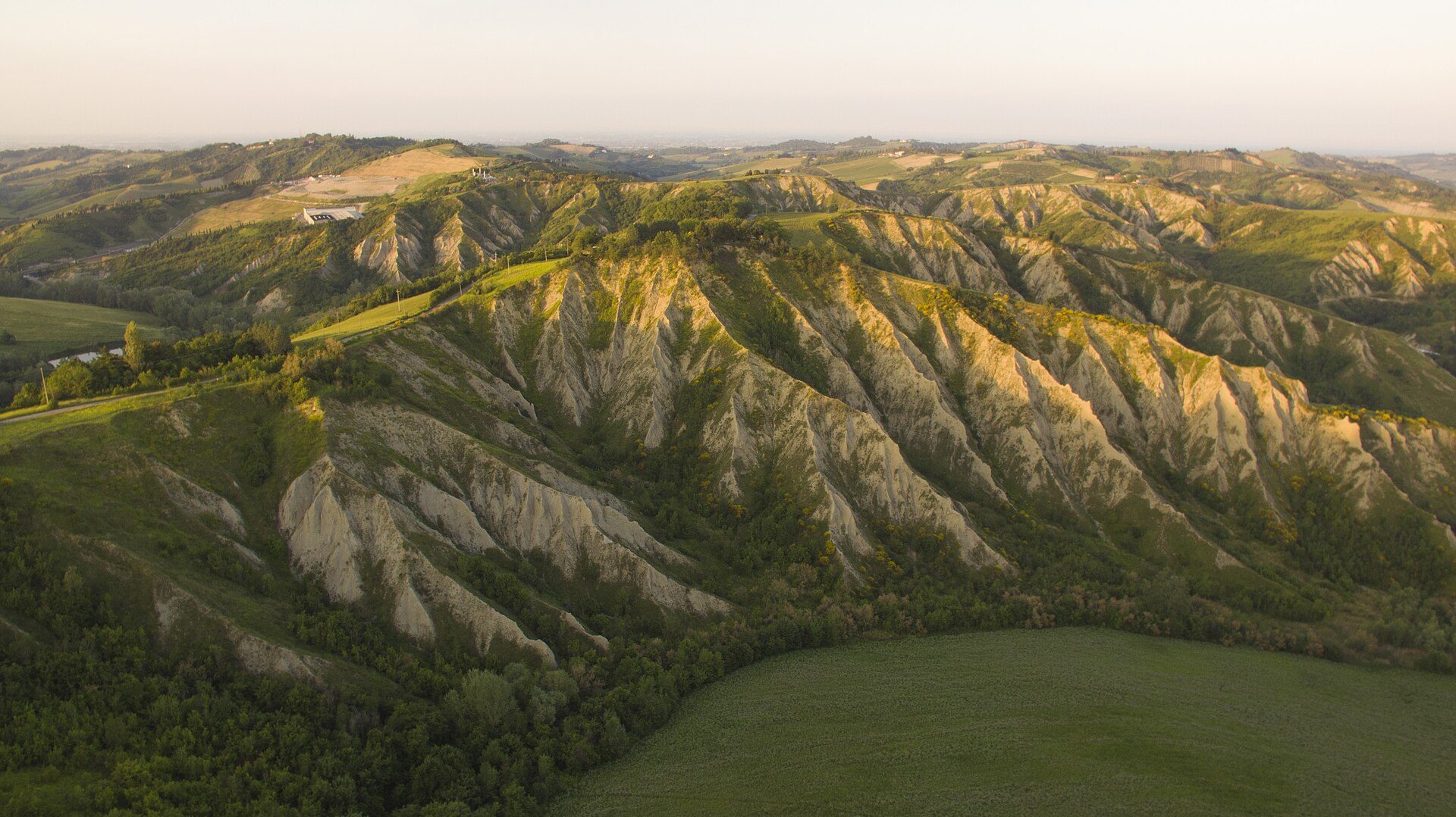
Natura 2000 · de passage
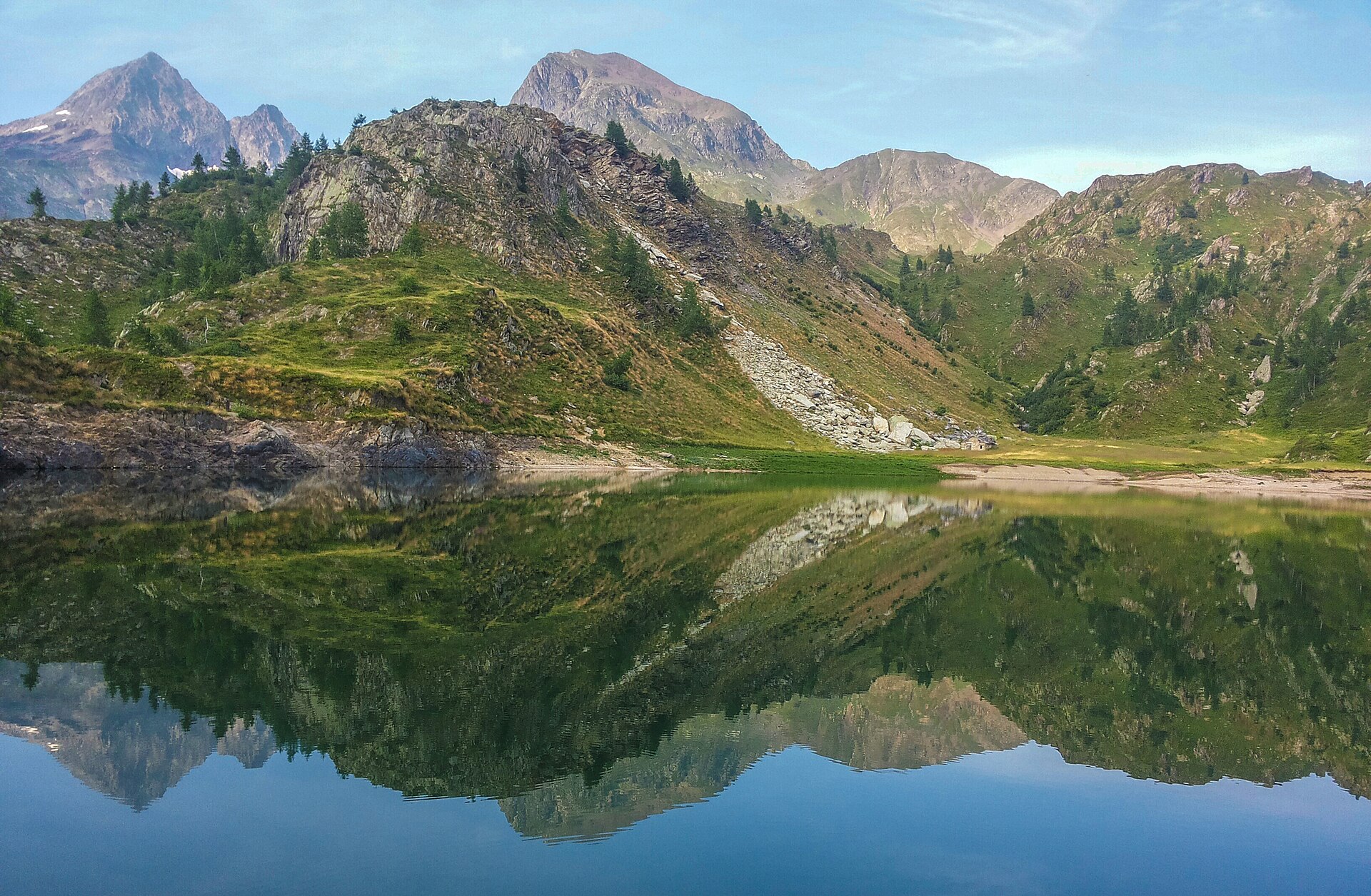
Natura 2000 · reproduction
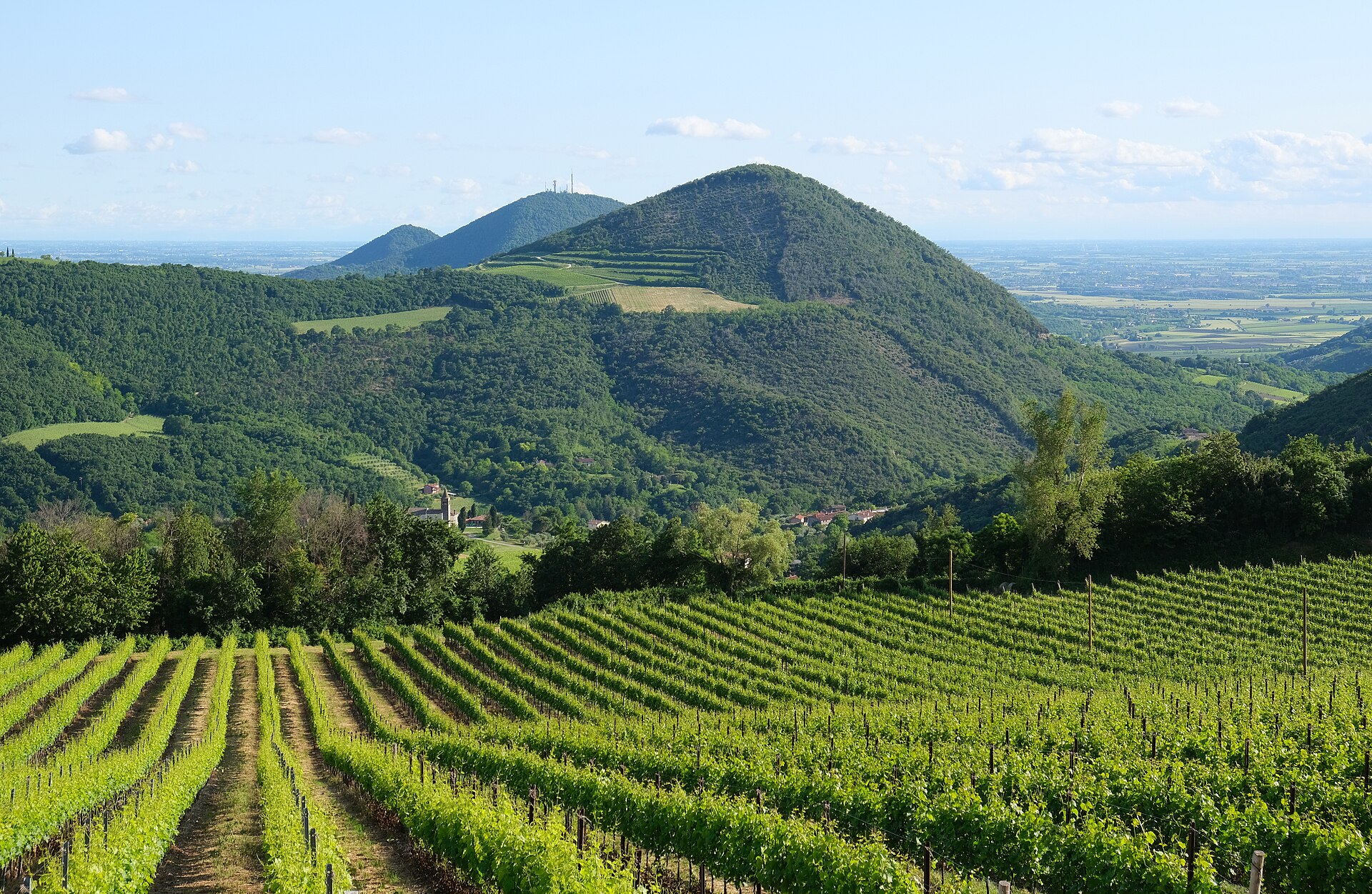
Natura 2000 · de passage
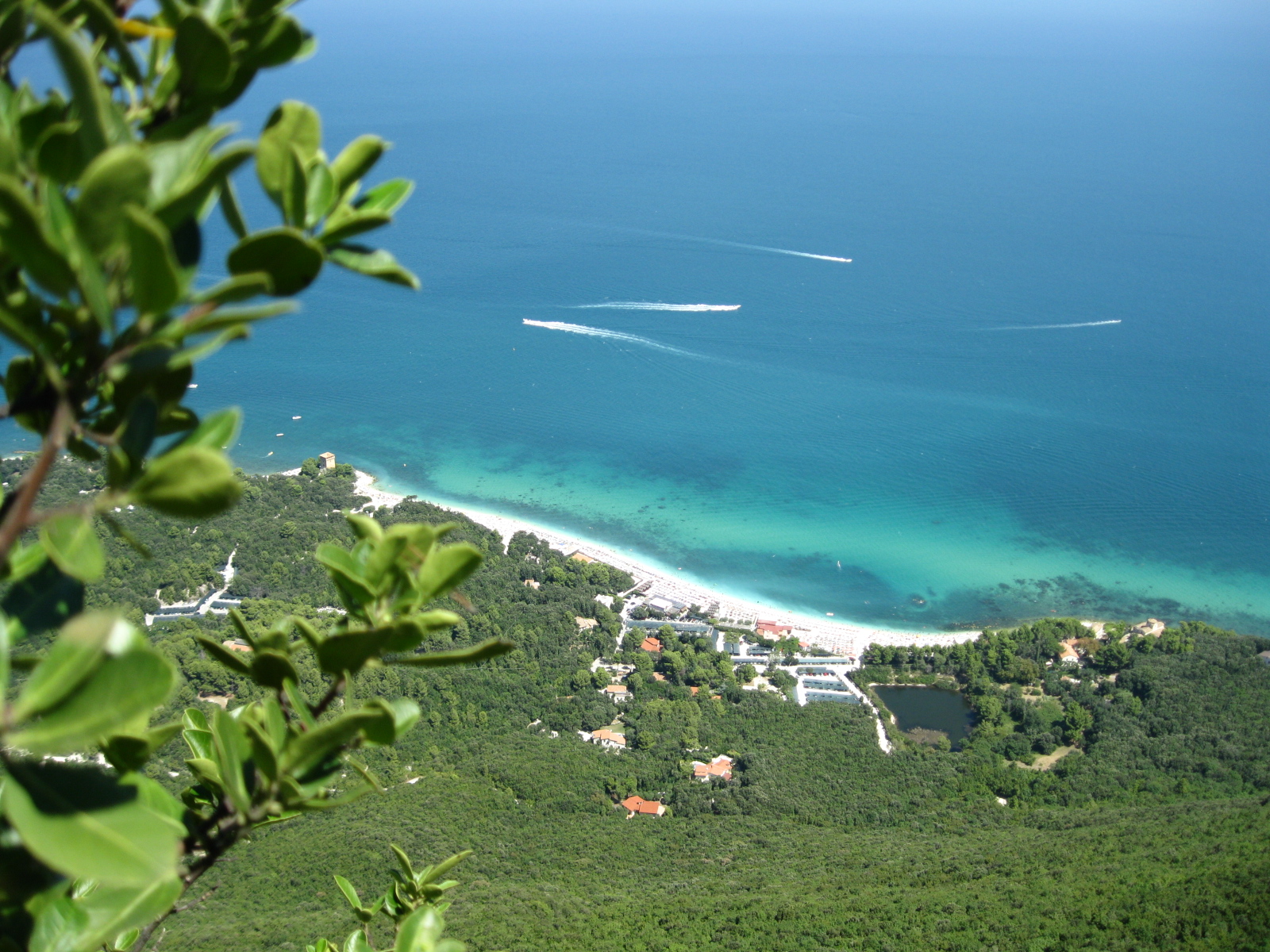
Natura 2000 · de passage
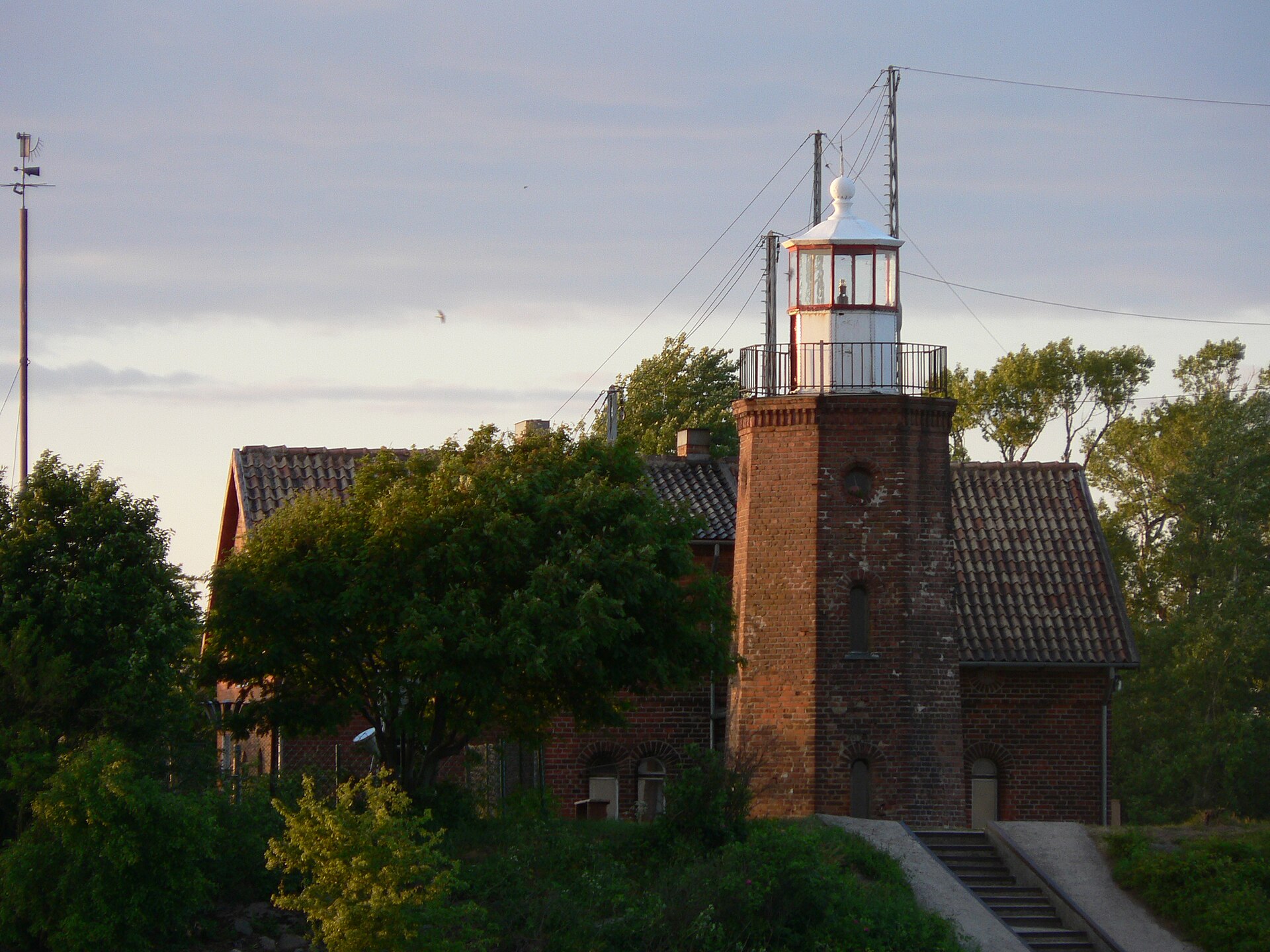
Natura 2000 · reproduction

Natura 2000 · de passage
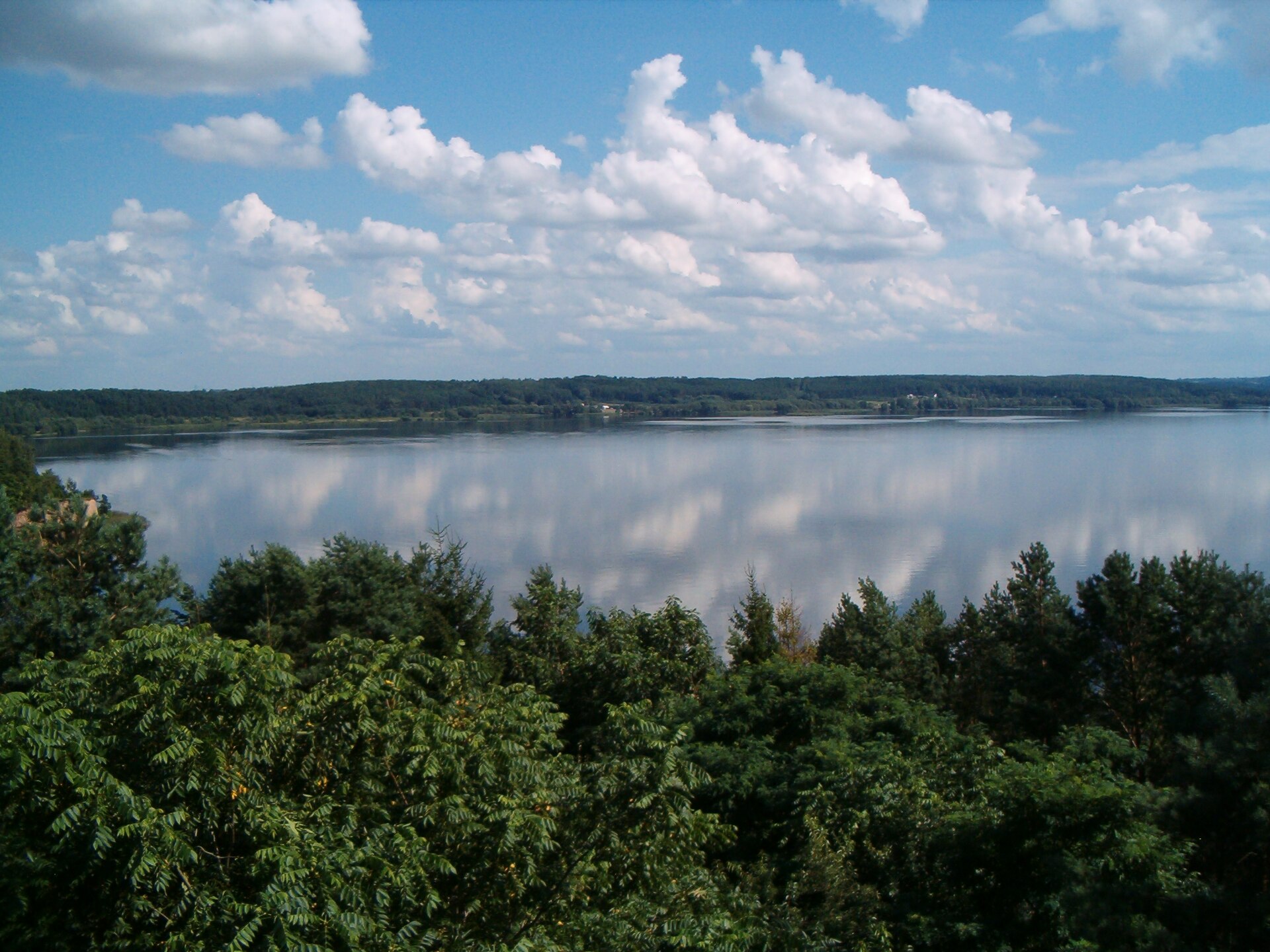
Natura 2000 · reproduction
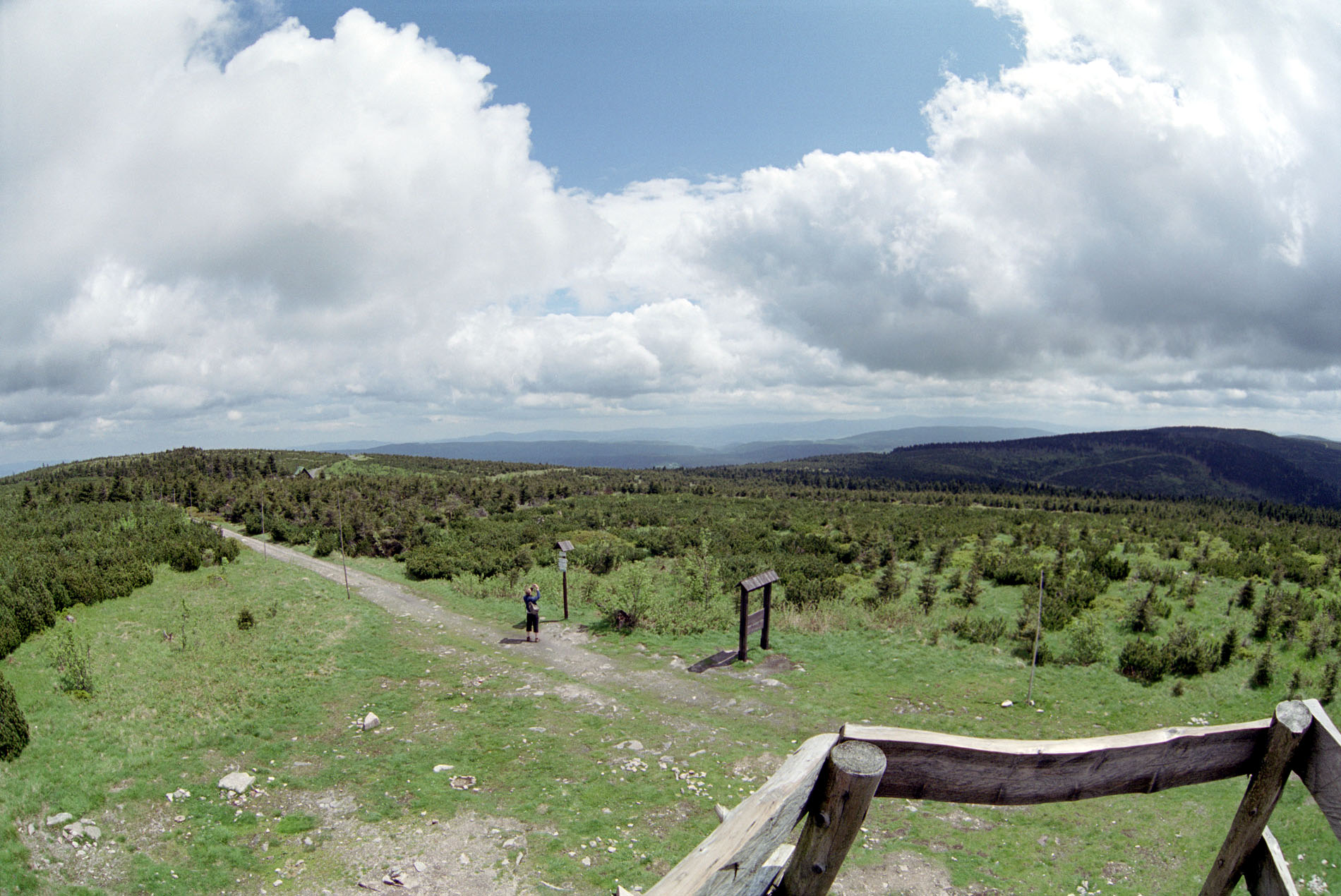
Natura 2000 · reproduction
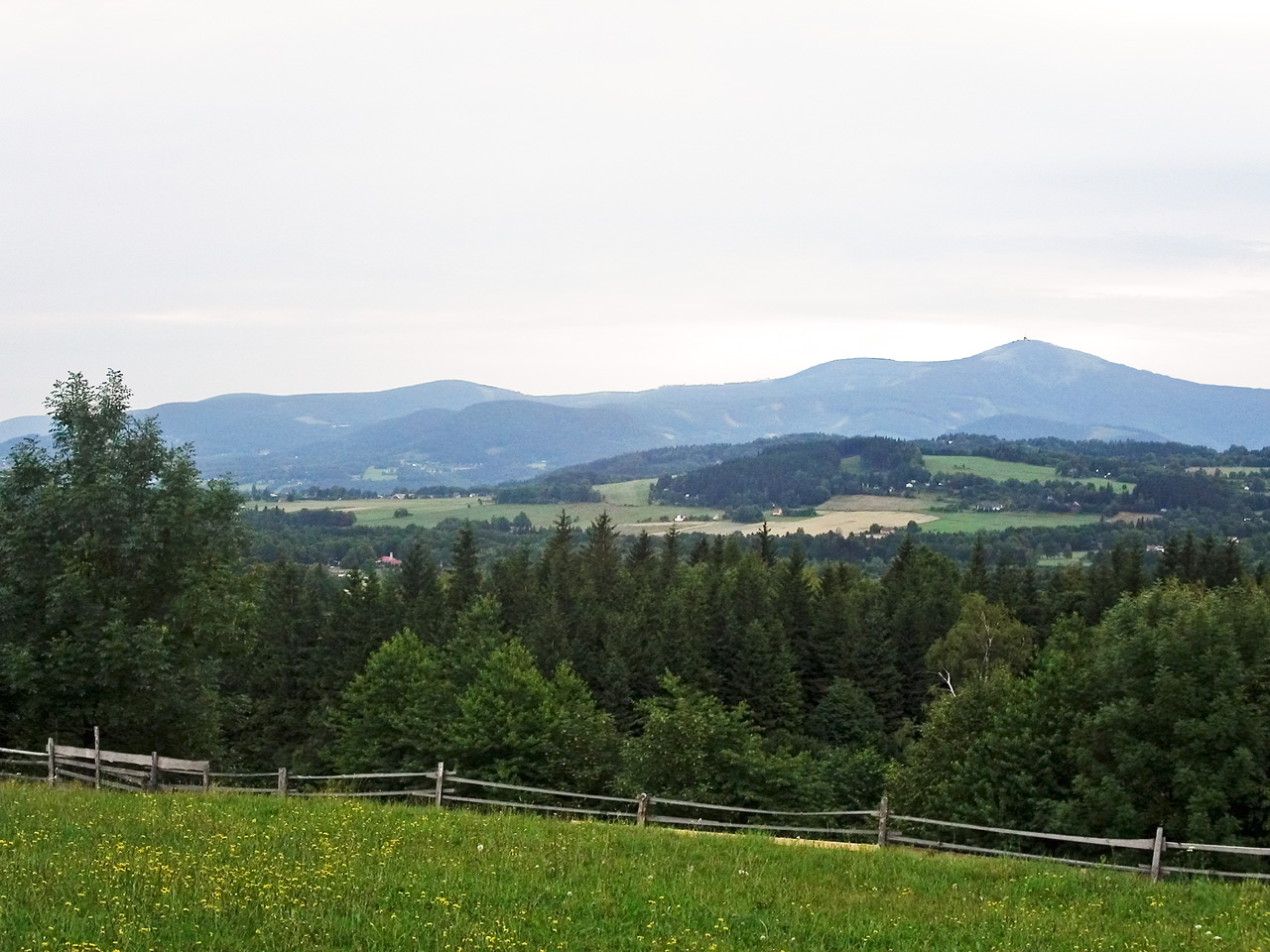
Natura 2000 · reproduction
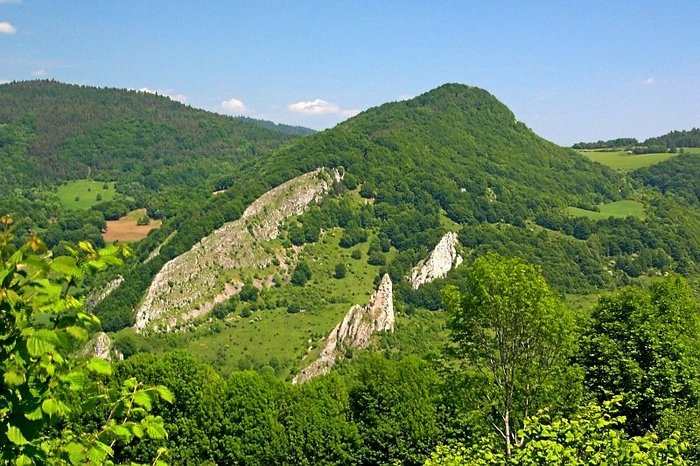
Natura 2000
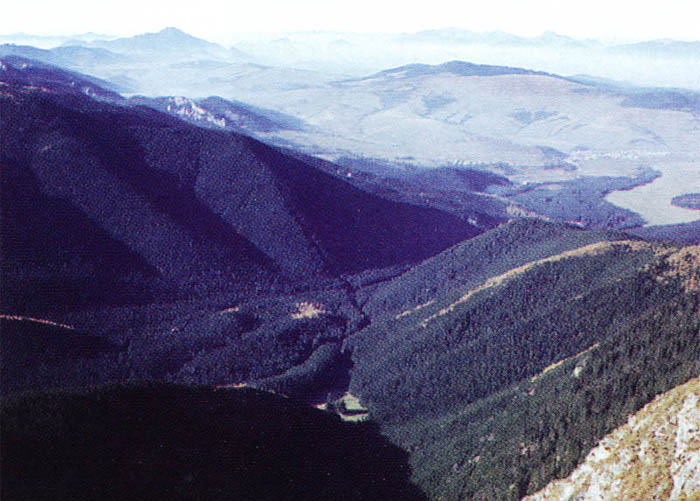
Natura 2000 · reproduction
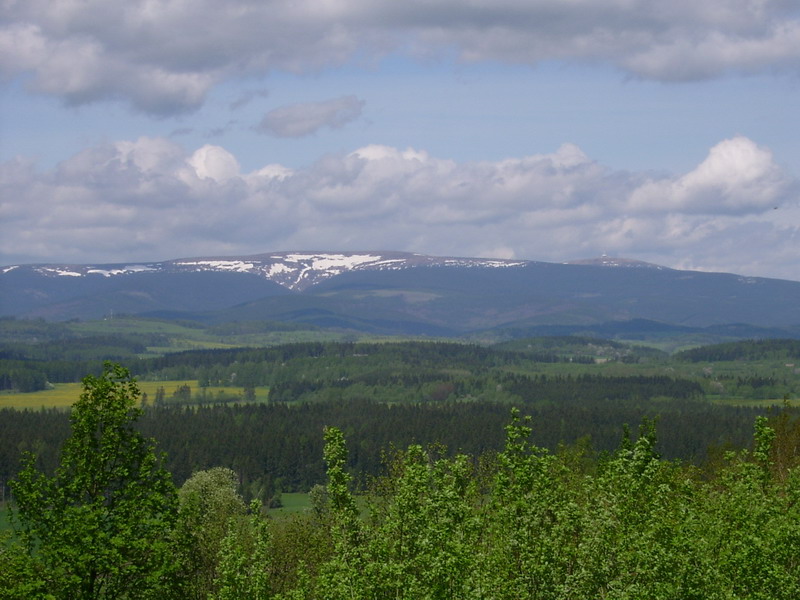
Natura 2000 · reproduction
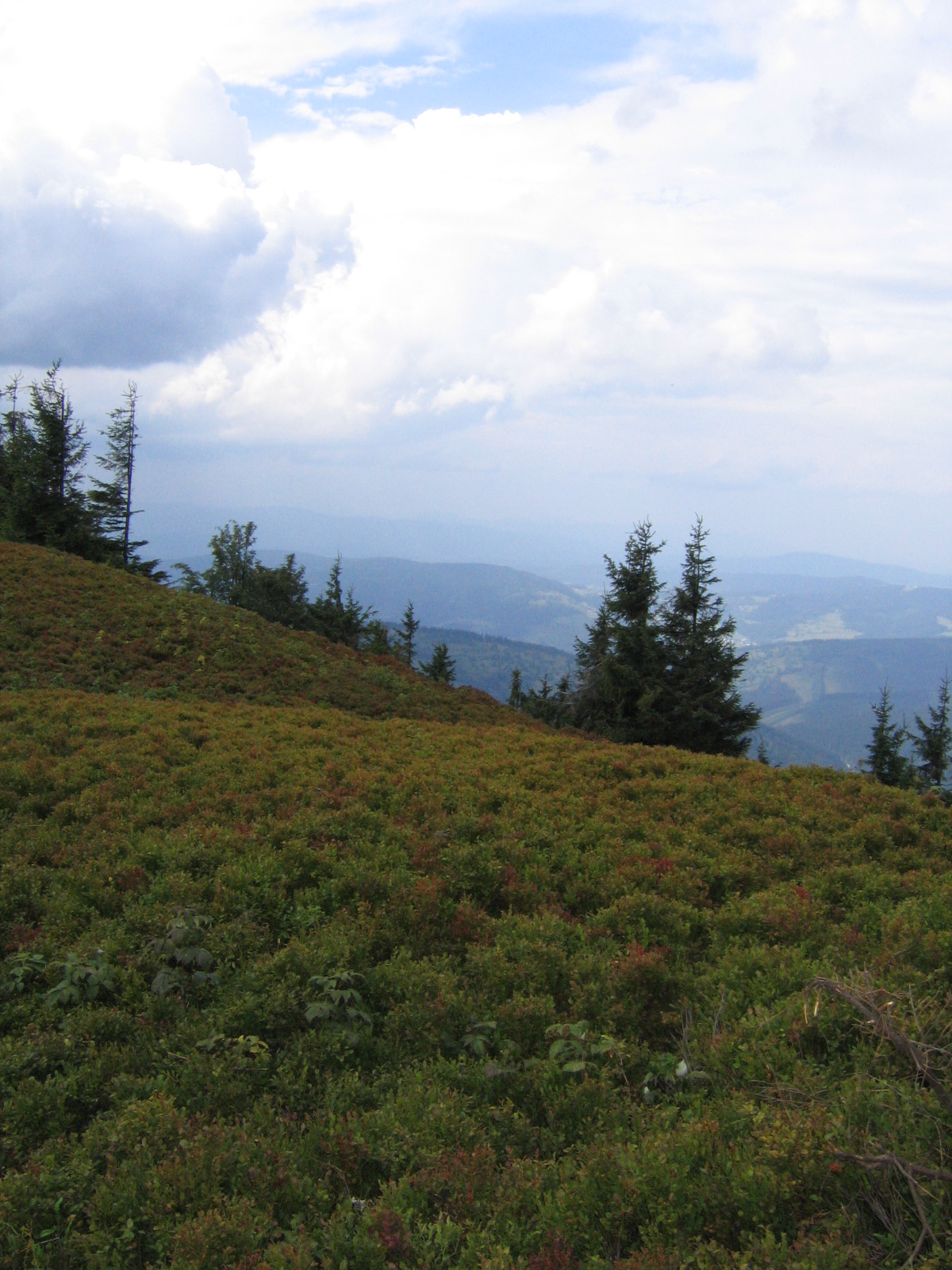
Natura 2000
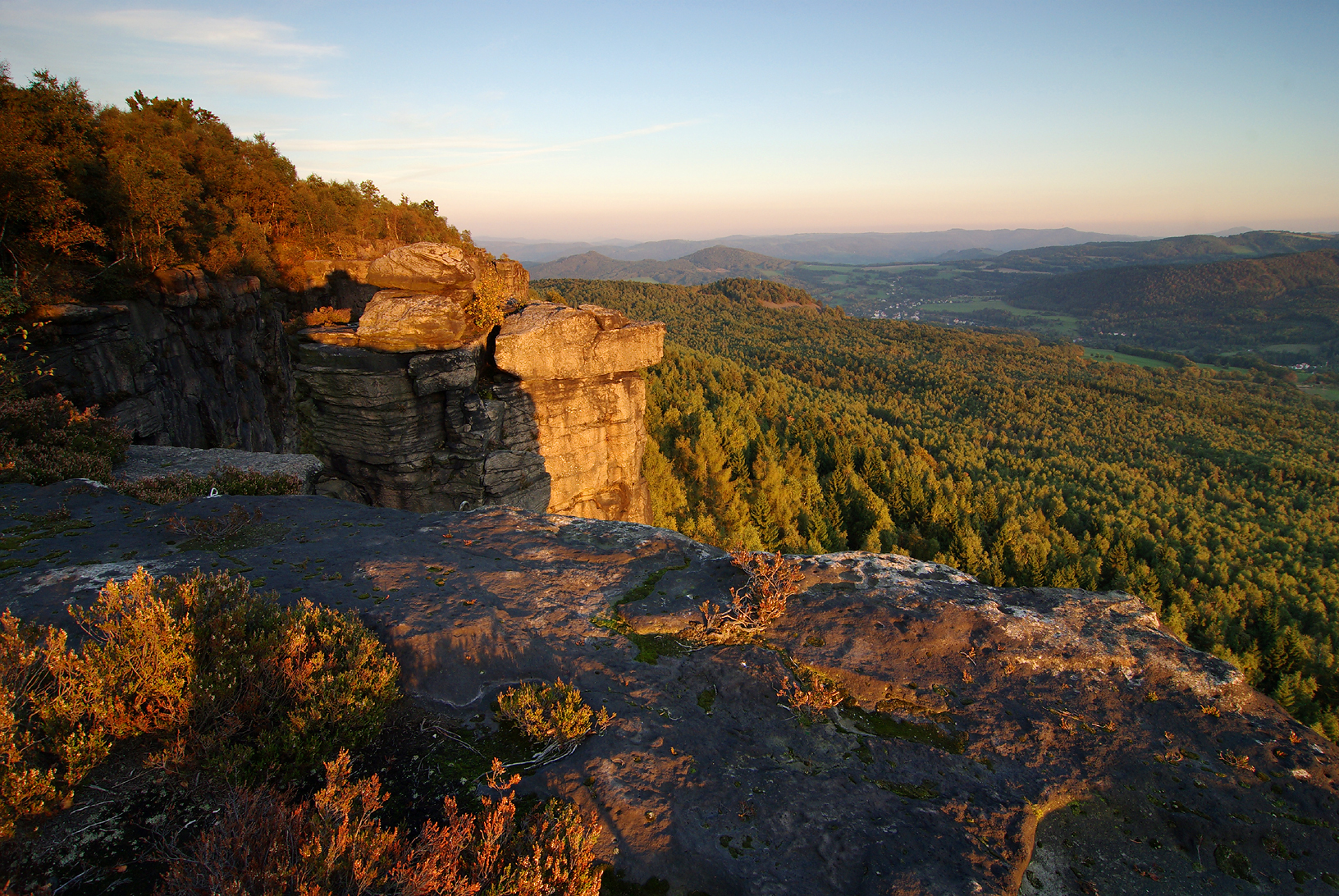
Natura 2000 · reproduction

Natura 2000 · reproduction
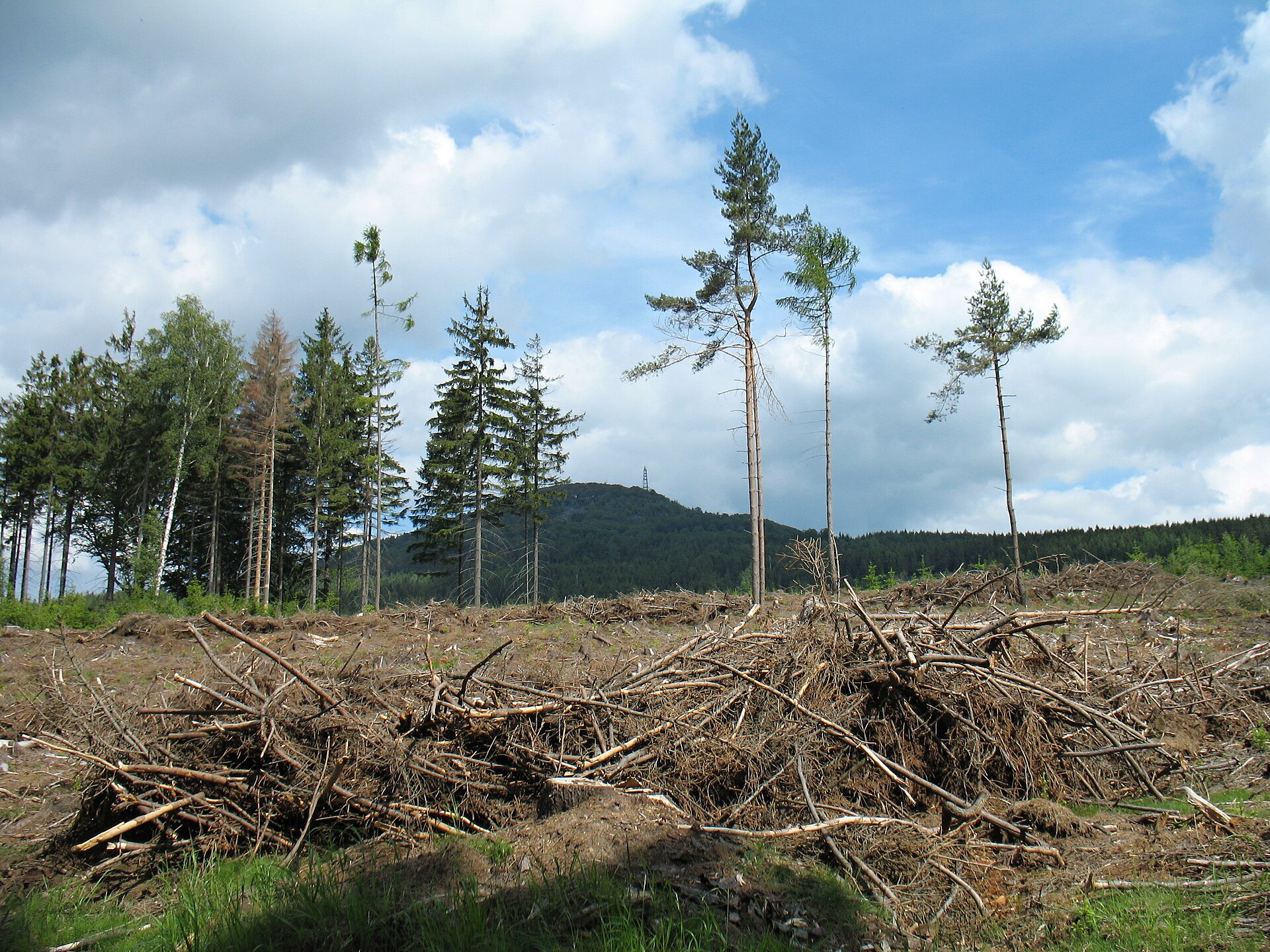
Natura 2000 · reproduction
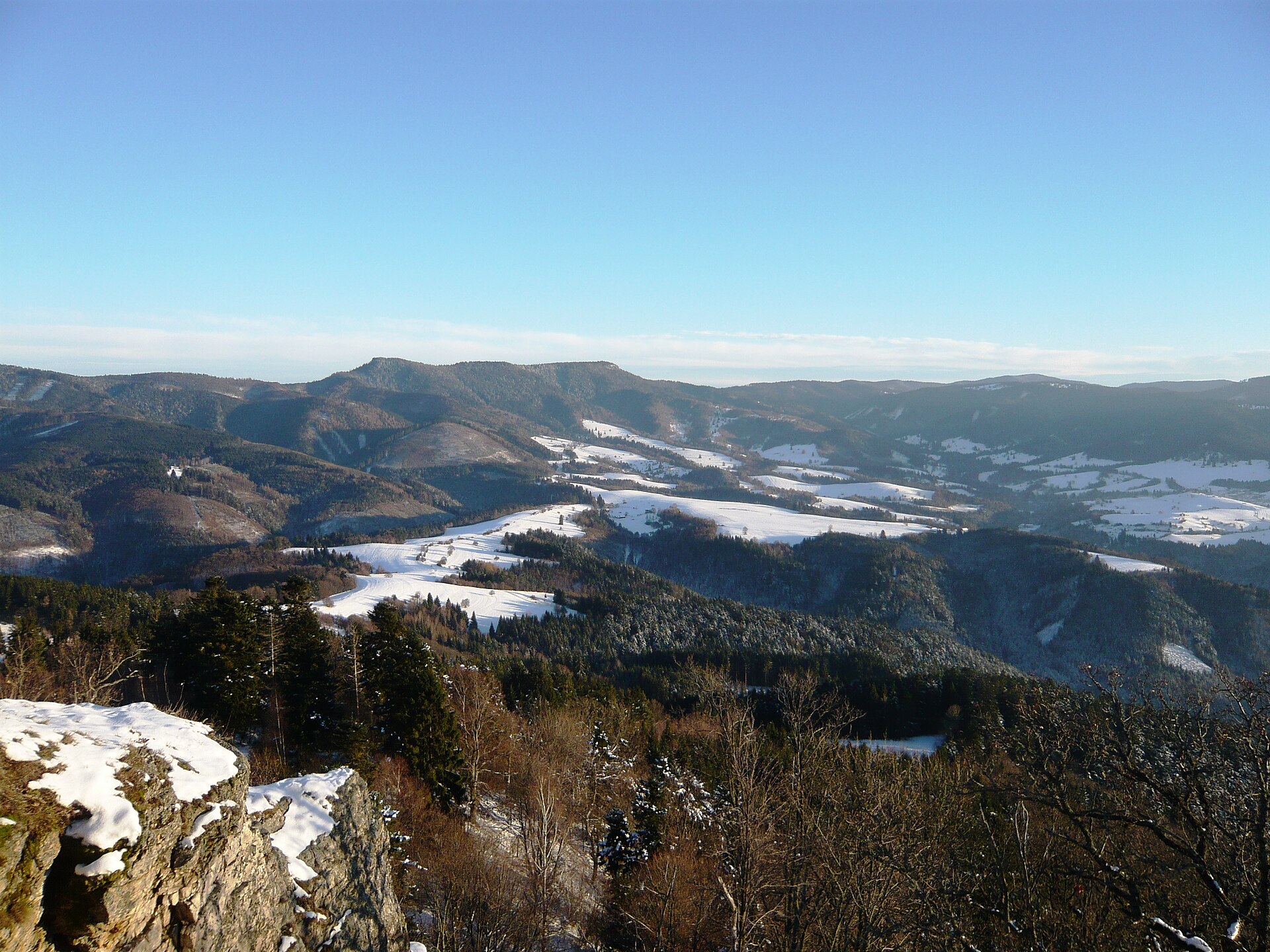
Natura 2000 · reproduction
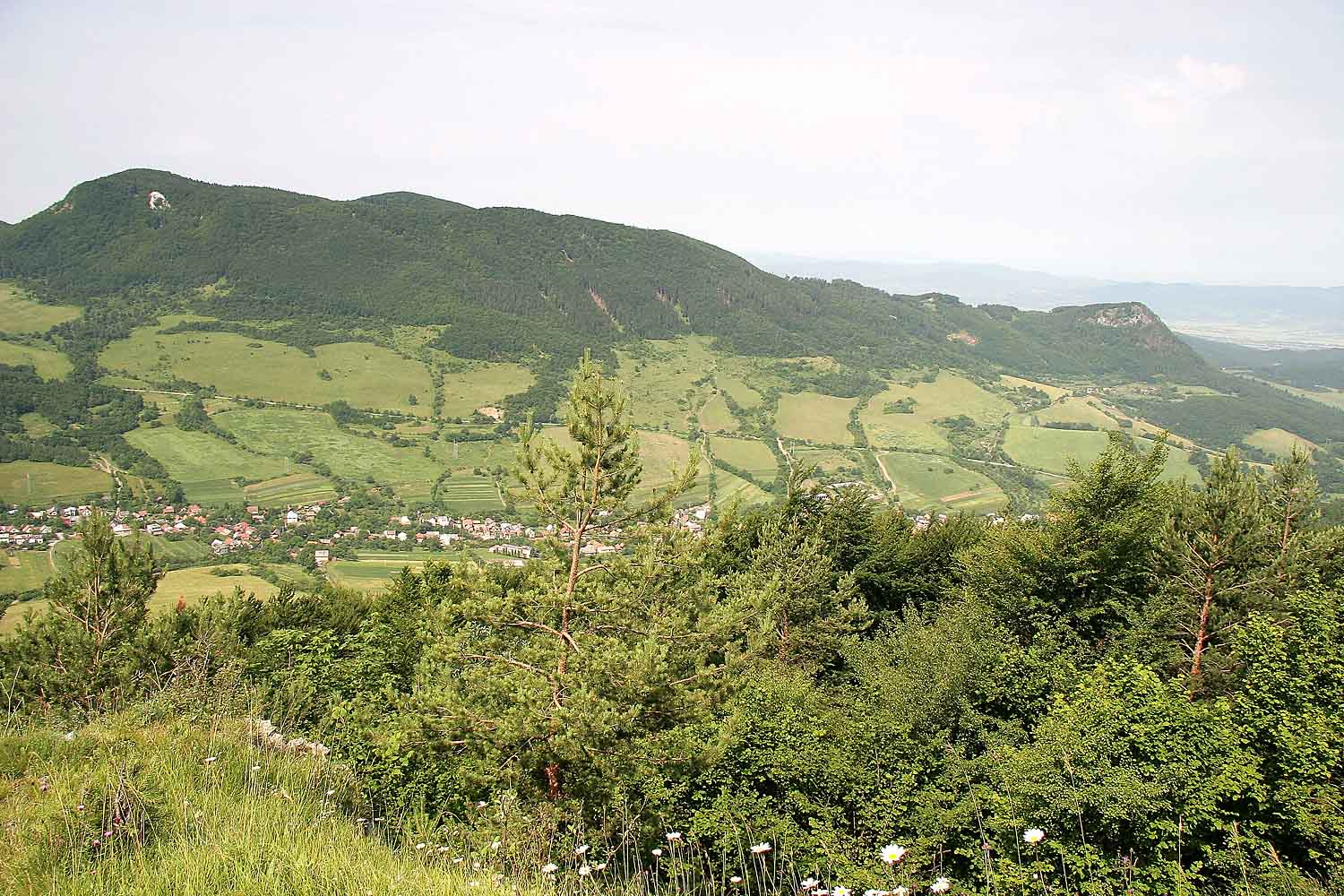
Natura 2000 · reproduction

Natura 2000 · reproduction
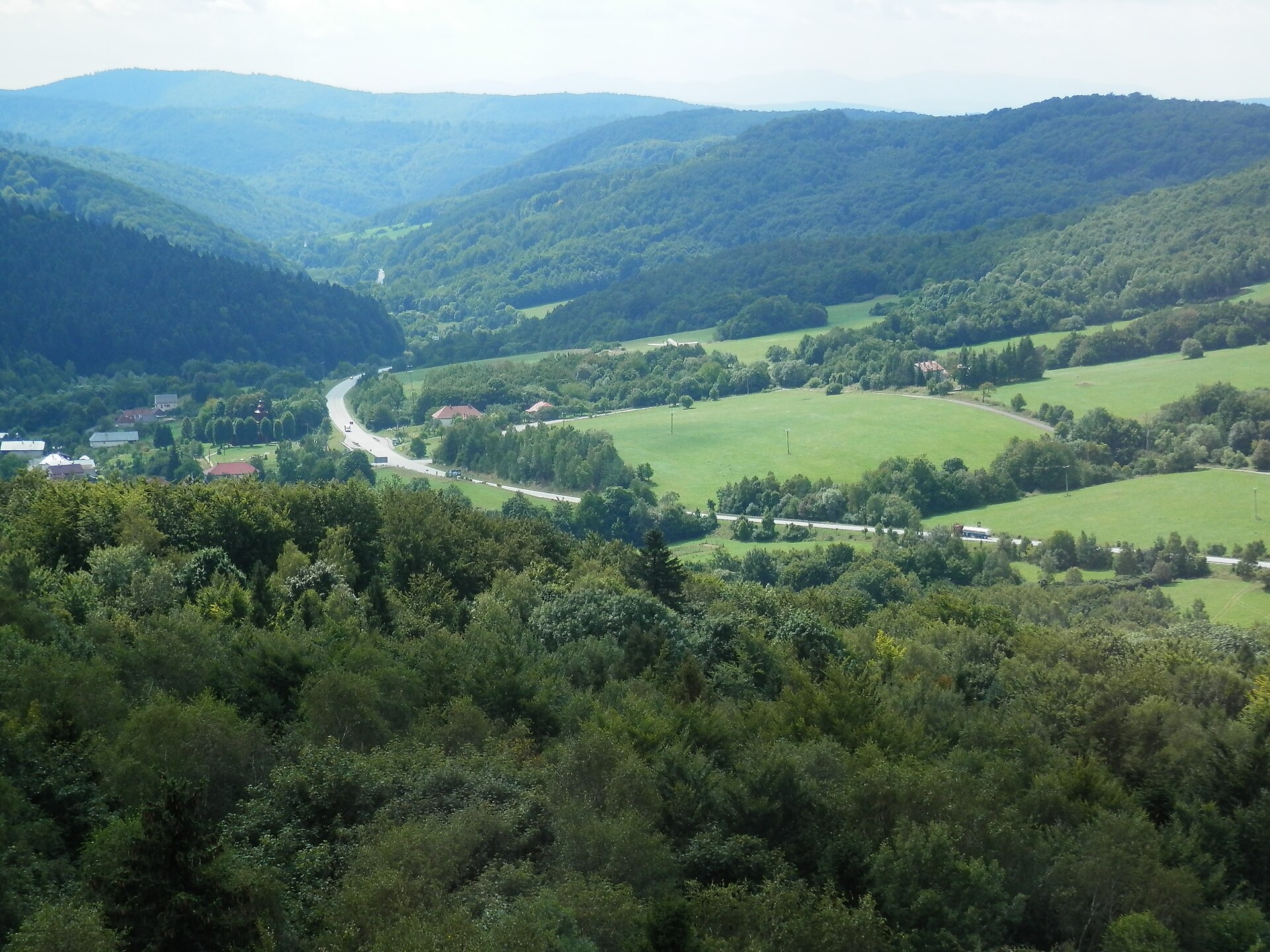
Natura 2000 · reproduction
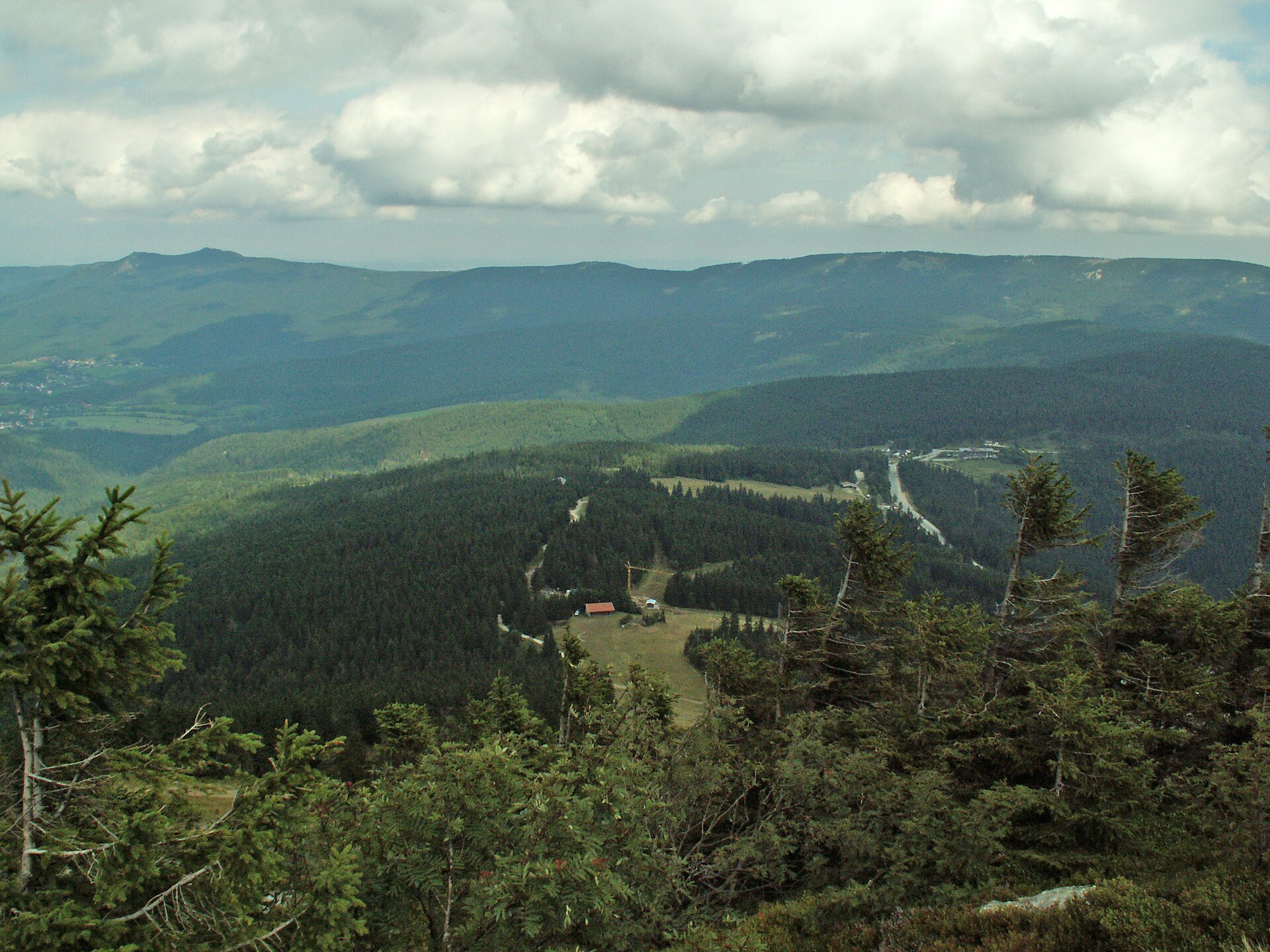
Natura 2000 · reproduction
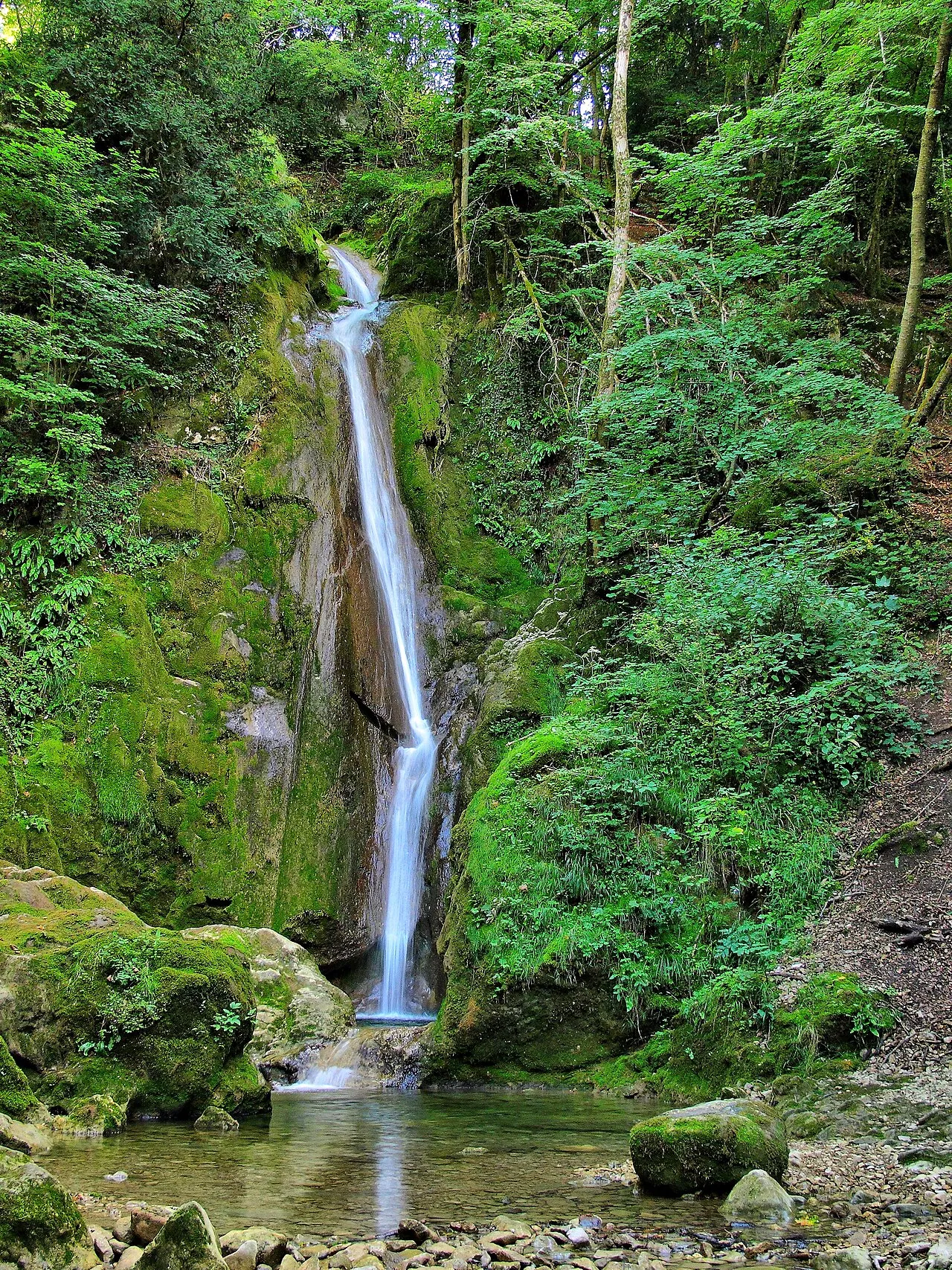
Natura 2000 · reproduction
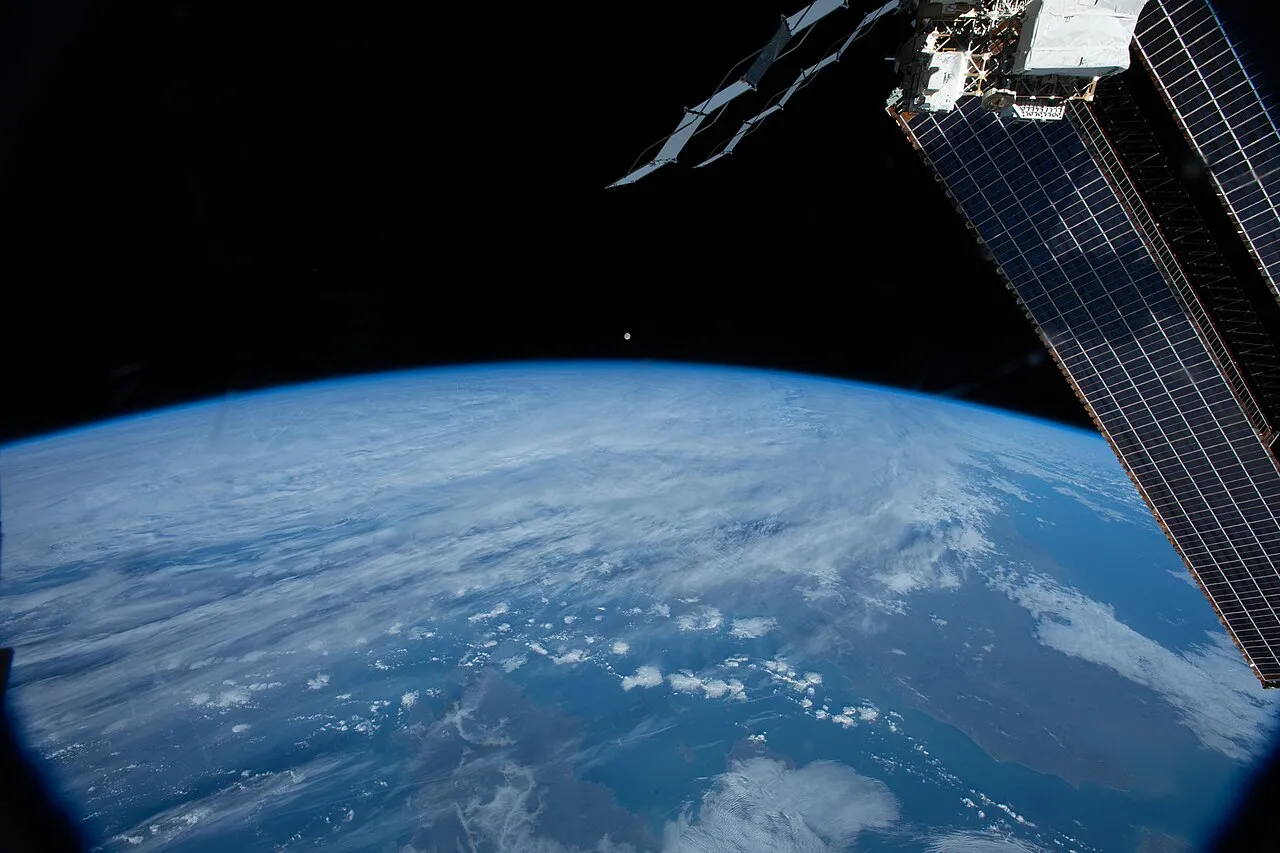
Natura 2000 · reproduction
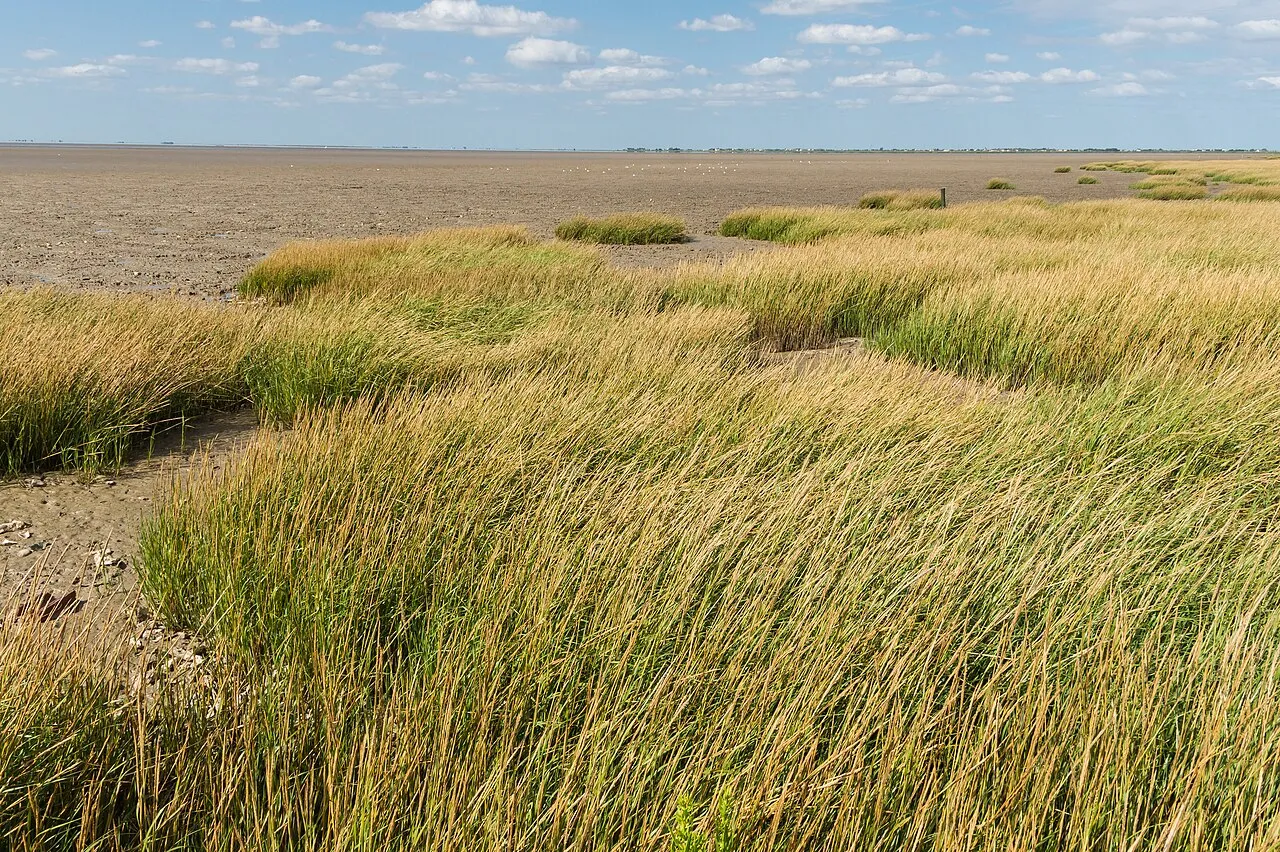
Natura 2000 · reproduction
Natura 2000 · de passage, reproduction
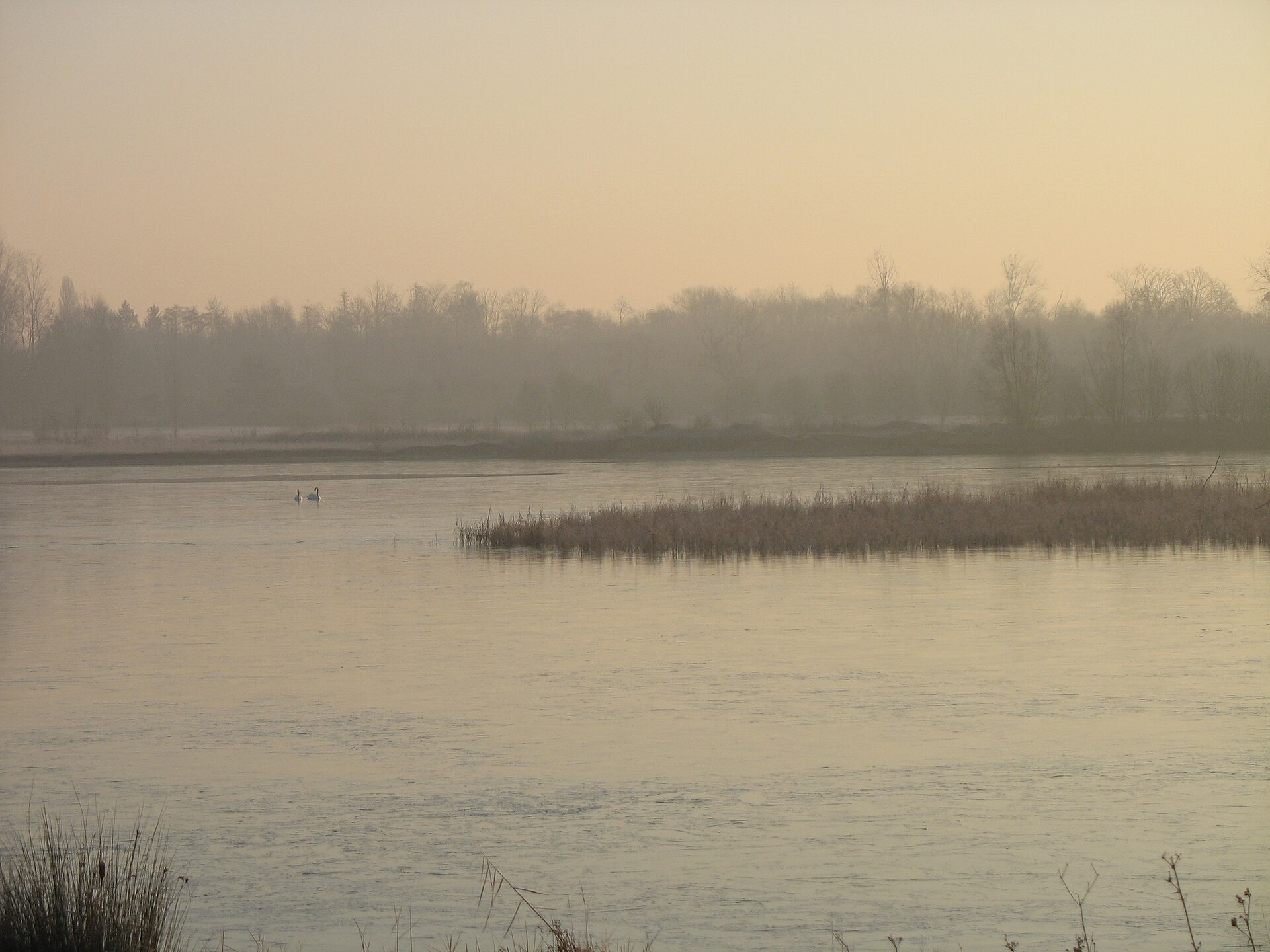
Natura 2000 · reproduction

Natura 2000 · reproduction
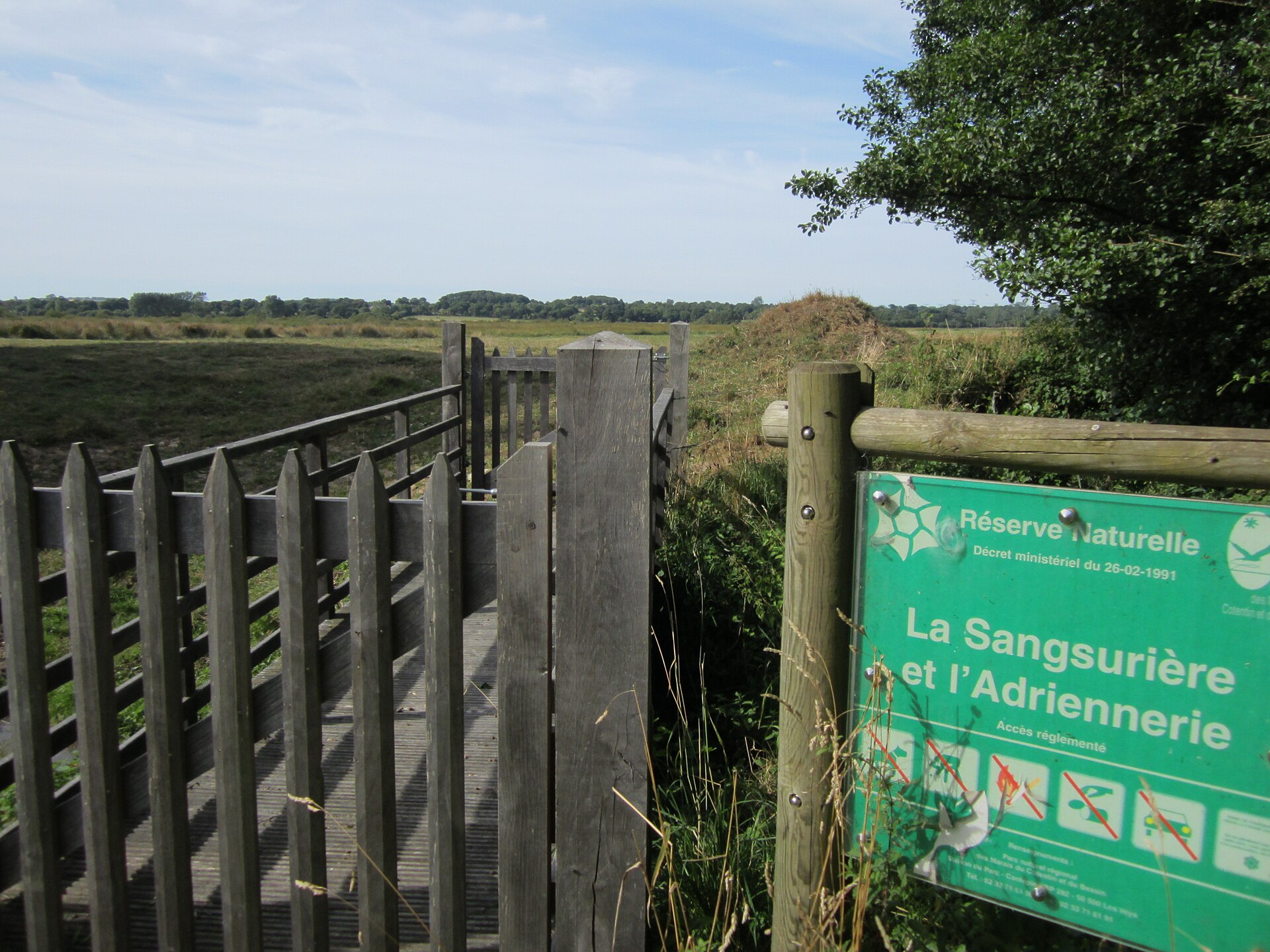
Natura 2000 · de passage, reproduction
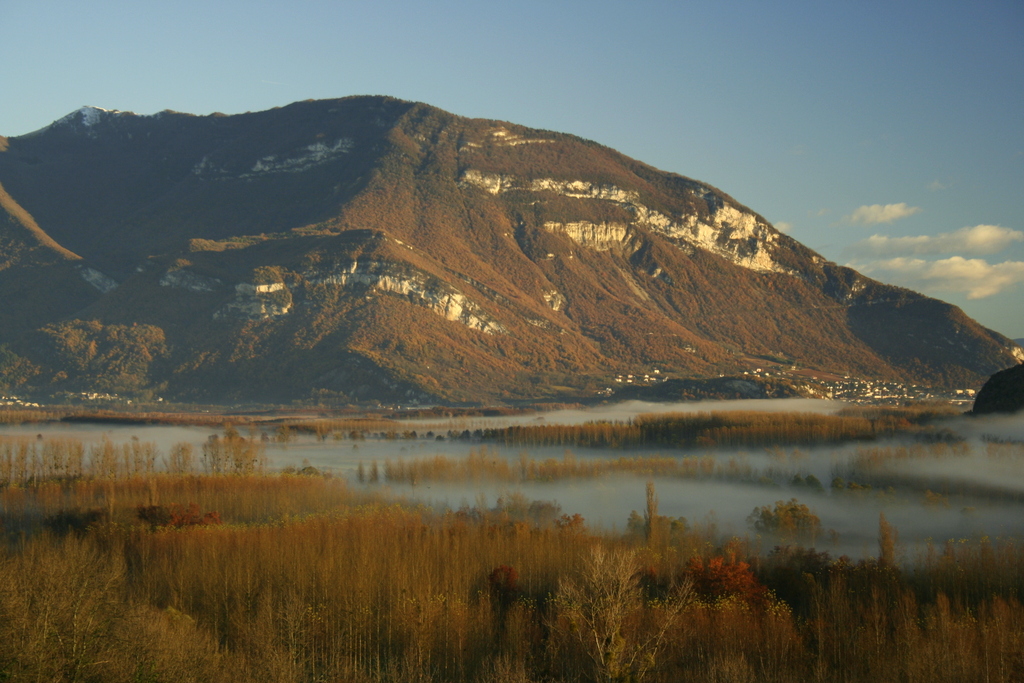
Natura 2000 · reproduction
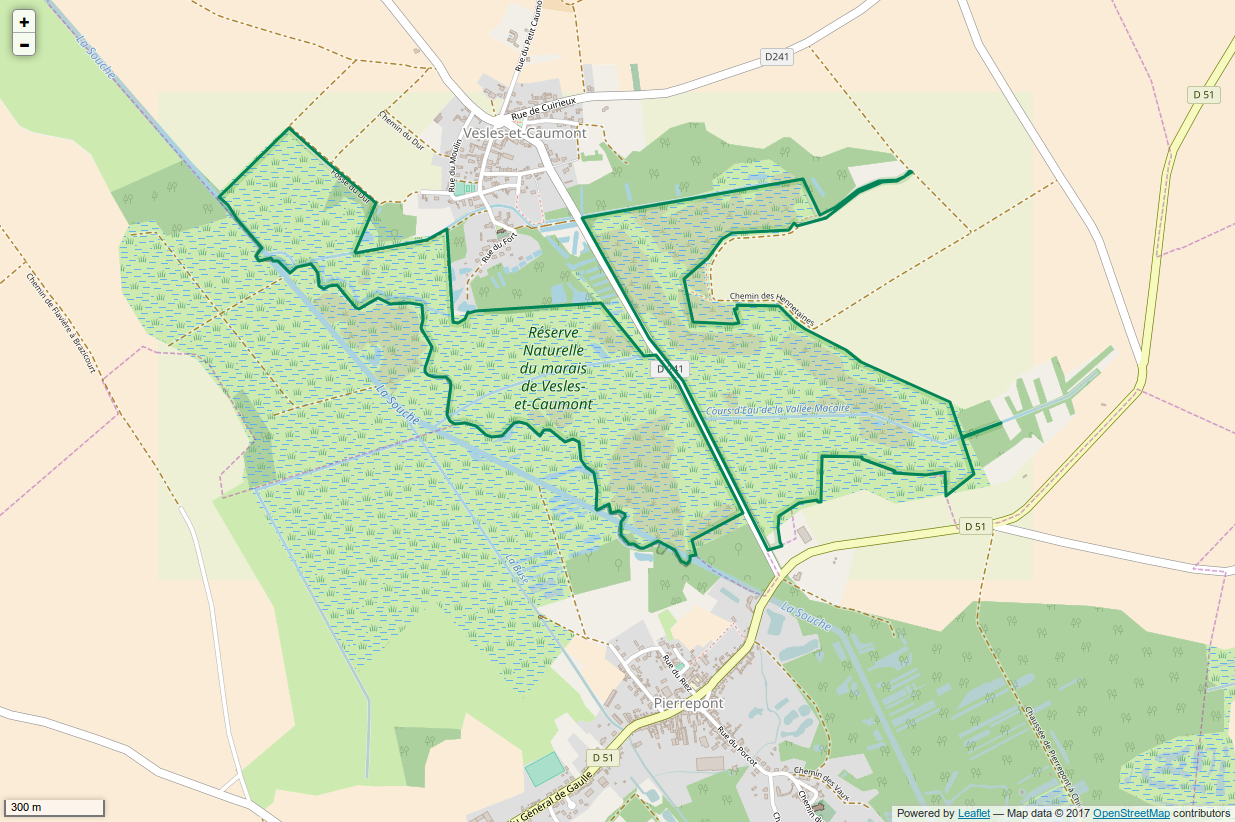
Natura 2000 · reproduction

Natura 2000 · de passage
Autres espèces à découvrir
 Cigogne noire
Ciconia nigra 193 lieux en commun
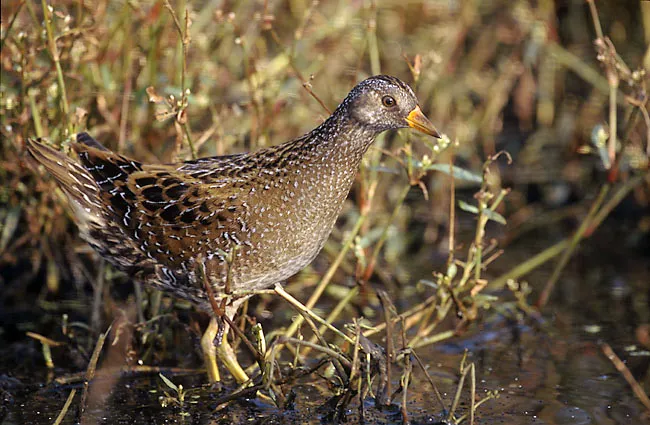 Marouette ponctuée
Porzana porzana 150 lieux en commun
 Fauvette épervière
Sylvia nisoria 129 lieux en commun
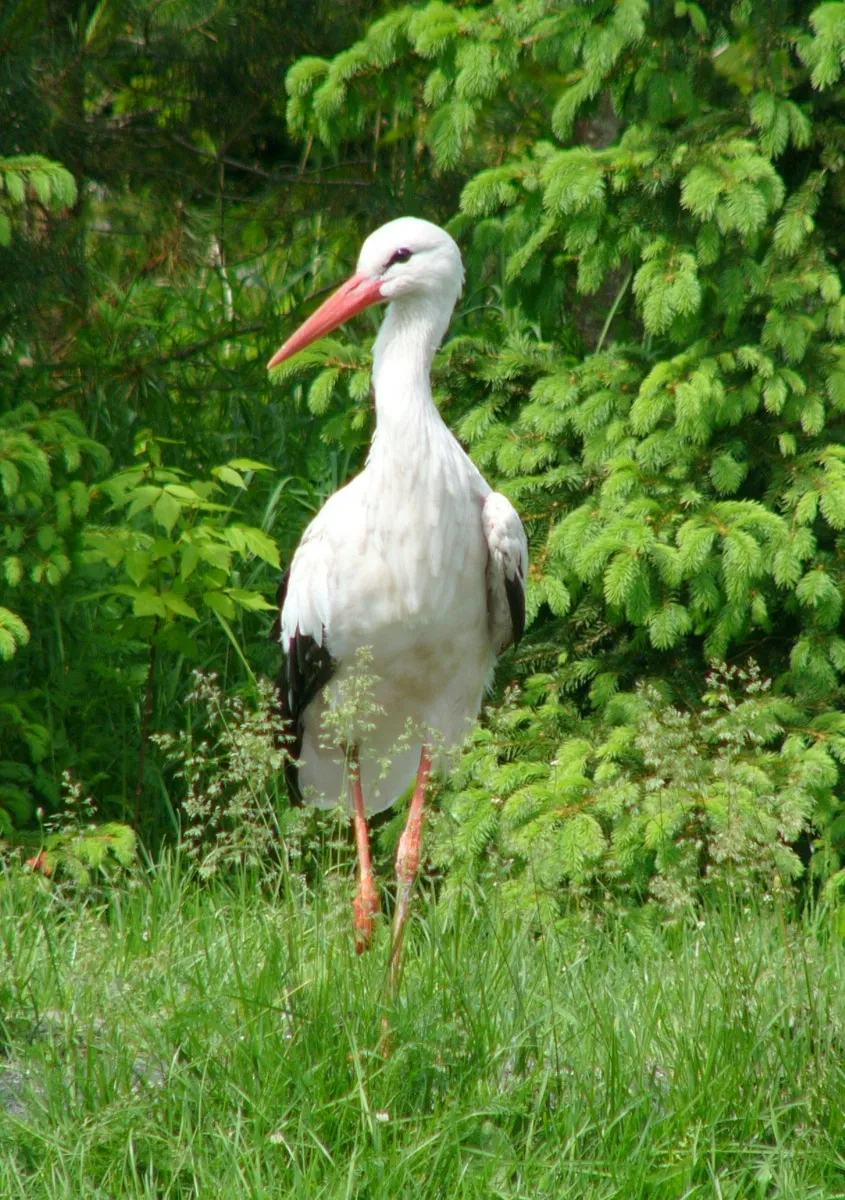 Cigogne blanche
Ciconia ciconia 179 lieux en commun
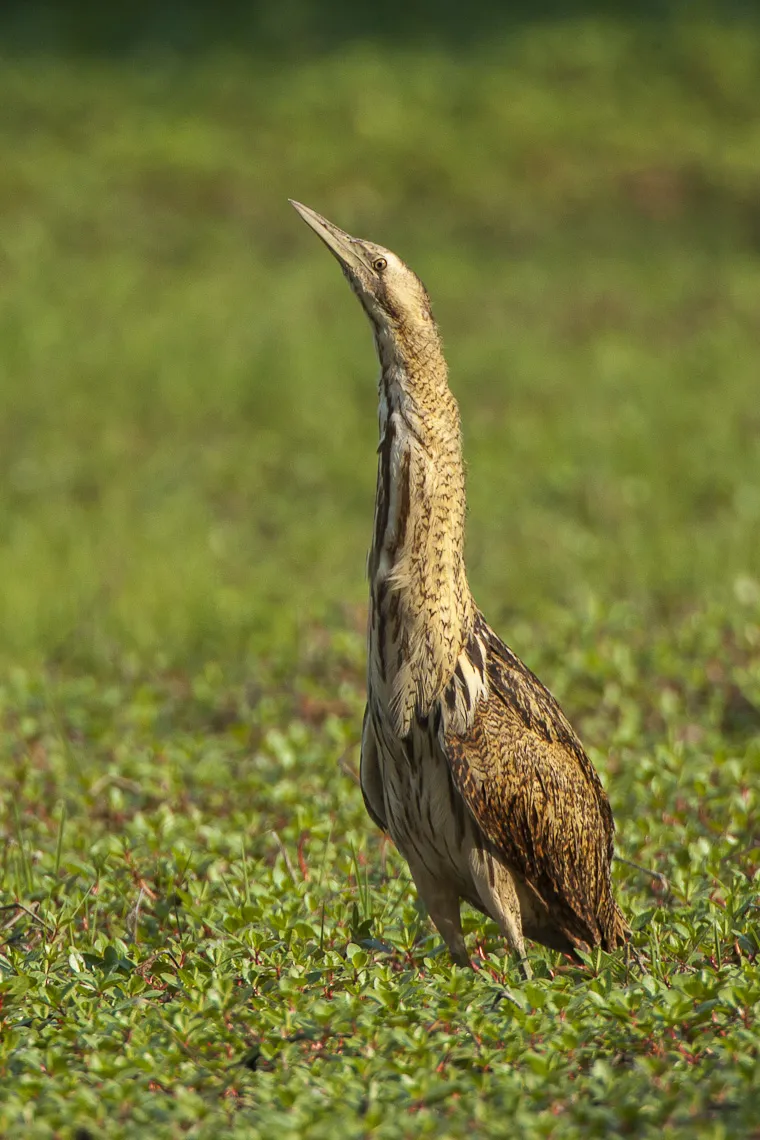 Butor étoilé
Botaurus stellaris 144 lieux en commun
 Gobemouche nain
Ficedula parva 127 lieux en commun
Sources et crédits
- Présence : espèces les plus signalées de chaque lieu sur le GBIF et espèces d'intérêt communautaire des formulaires Natura 2000 (AEE, CC-BY 4.0) ; une absence de la liste ne signifie pas que l'espèce est absente.
- Noms communs : Wikidata (CC0) et GBIF.
- Photos et sons : Wikimedia Commons, auteur et licence indiqués pour chaque fichier.
- Classification : GBIF Backbone Taxonomy (GBIF Secretariat), CC BY 4.0, doi:10.15468/39omei.
- Pays, altitudes, mois et cartes : GBIF.org, occurrences sous licence CC0 ou CC BY 4.0 seulement, consultées le 22 octobre 2026, GBIF.org.
- Fond des cartes : Natural Earth (domaine public).
- Extrait : Wikipédia, CC BY-SA 4.0 (crédit détaillé sous l'extrait).
- Caractéristiques : Wikidata (CC0), avec les références citées sous chaque valeur.
- Annexes : directive 2009/147/CE (version consolidée), © Union européenne, EUR-Lex.
- Population des oiseaux dans l'UE : AEE / DG ENV, rapportage article 12 de la directive Oiseaux (2013–2018), CC BY 4.0.