
Plant
Japanese Knotweed: invasive alien species
Reynoutria japonica
Invasive alien species Of Union concern
This species is on the list of invasive alien species of Union concern (Regulation (EU) No 1143/2014). The protected areas below are those where it has been recorded: they are listed to track its presence, not as places to go and see it.
This plant species is recorded in 9 protected areas of the atlas. Within the atlas countries, it is mostly observed in Switzerland, the United Kingdom and France (12 countries in all). Most records (8 in 10) lie between 210 and 800 m above sea level. Records peak from May to September. Plant (perennial or rhizomatous geophyte), native to temperate Asia, introduced to Europe, tropical Asia, Australasia and North America.
Most often recorded: May–September
Records published on GBIF by month (CC0 and CC BY 4.0 licences only), in the atlas countries, all years combined; they also reflect observer activity.
Distribution
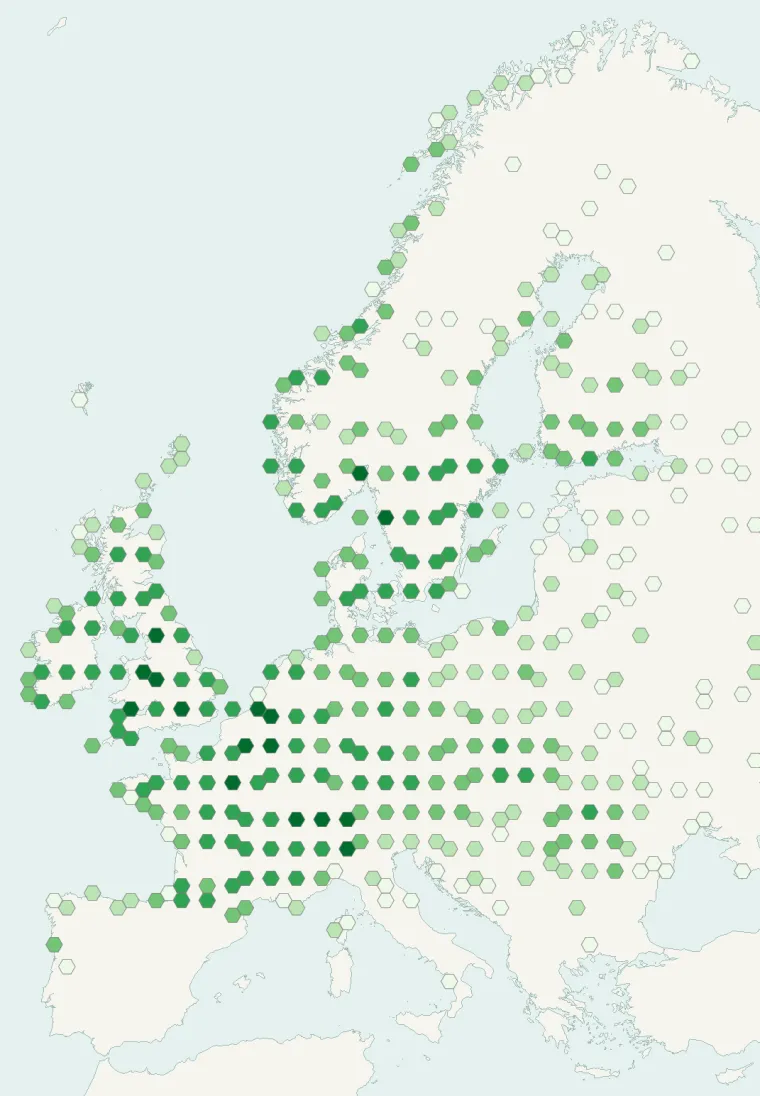
Records published on GBIF (CC0 and CC BY 4.0 licences): the darker the shade, the more records there are; they also reflect observation effort.
From Wikipedia
Reynoutria japonica, synonyms Fallopia japonica and Polygonum cuspidatum, is a species of herbaceous perennial plant in the knotweed and buckwheat family Polygonaceae. Common names include Japanese knotweed and Asian knotweed. It is native to East Asia in Japan, China and Korea. In North America and Europe, the species has successfully established itself in numerous habitats; it is classified as a pest and invasive species in several countries.
Source: Wikipedia, article “Reynoutria japonica” (version of October 21, 2026) · history and authors · licence CC BY-SA 4.0 · shortened excerpt
Protected areas where it has been recorded
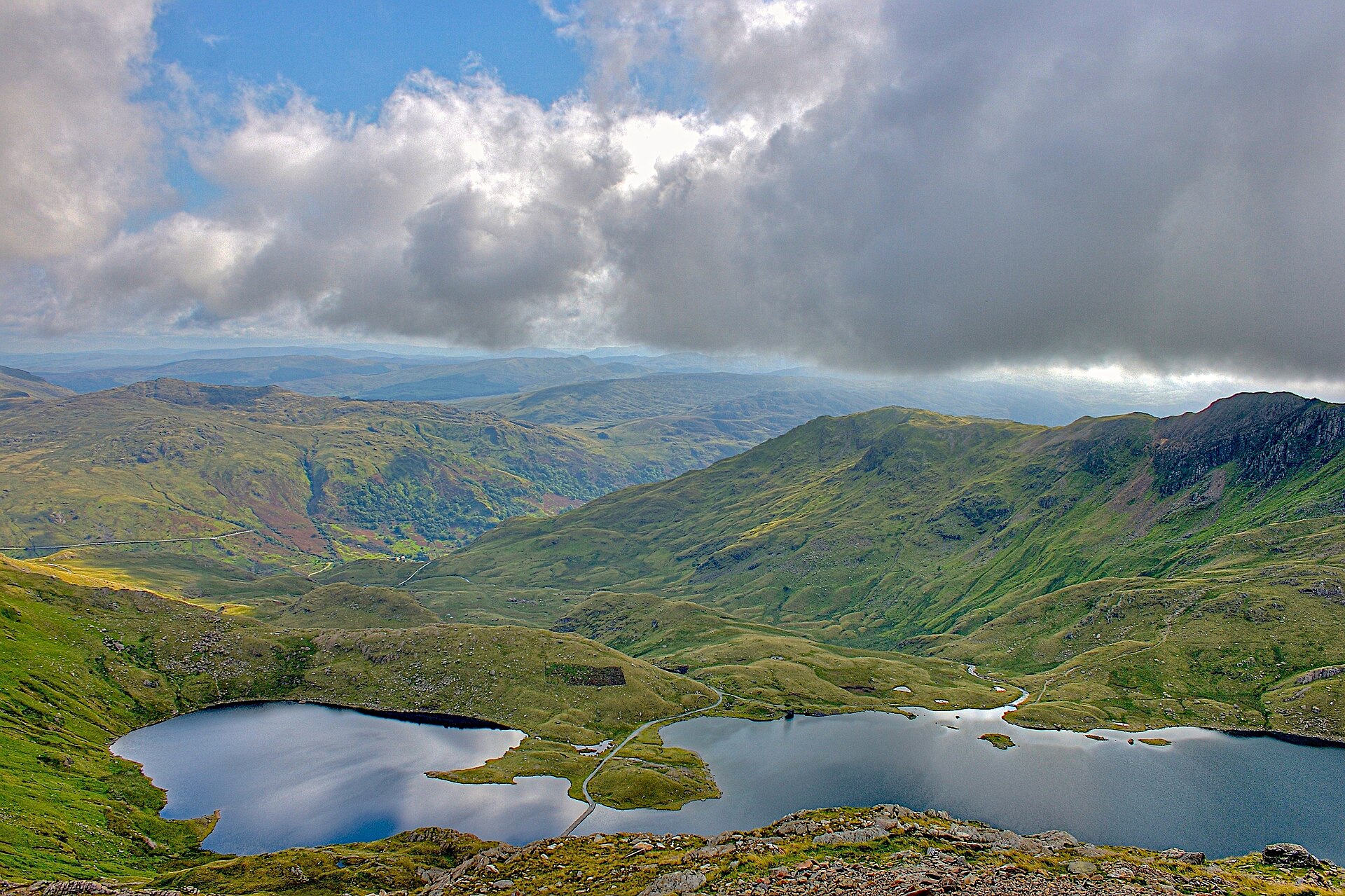
4,029 records
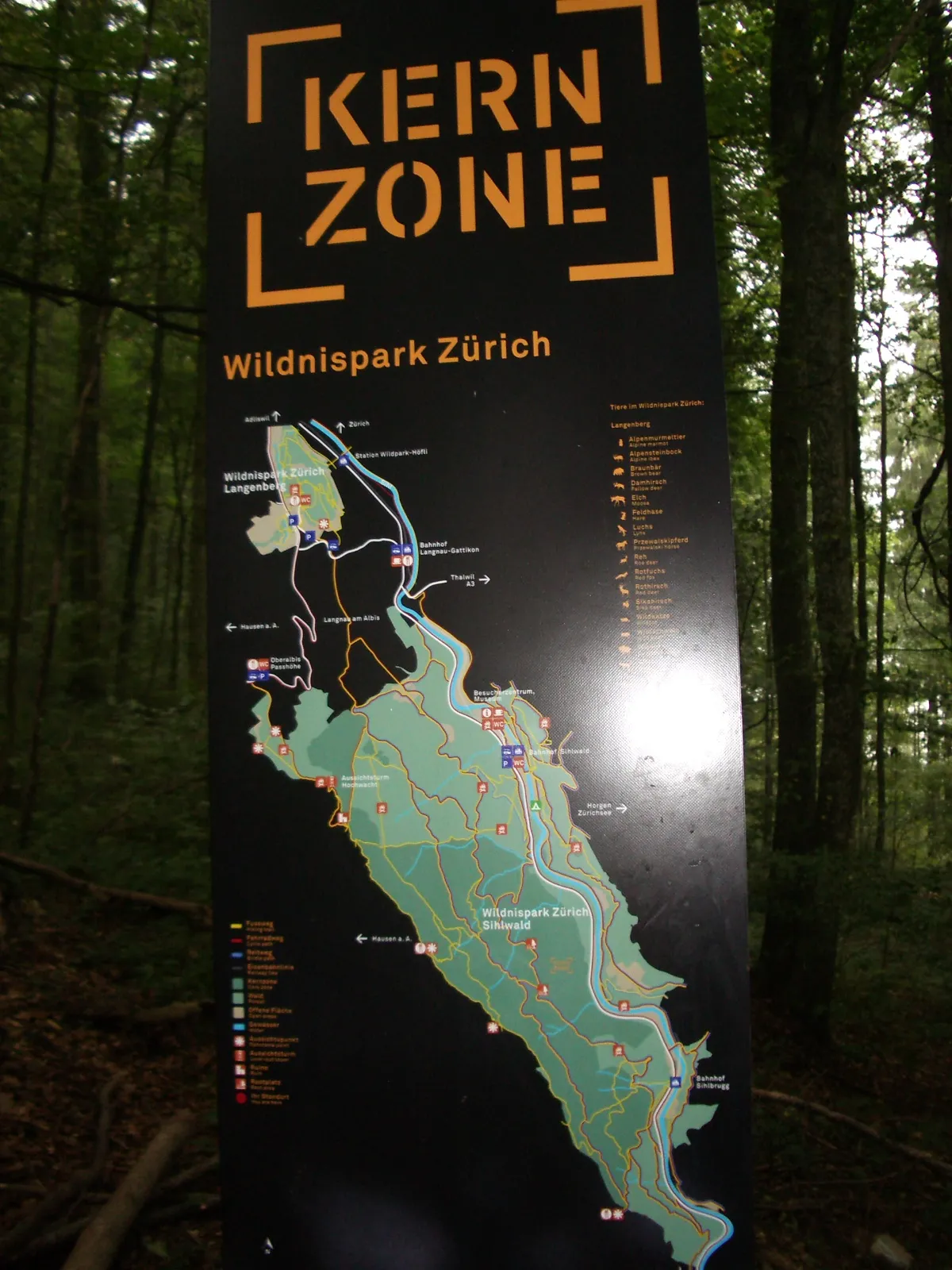
808 records
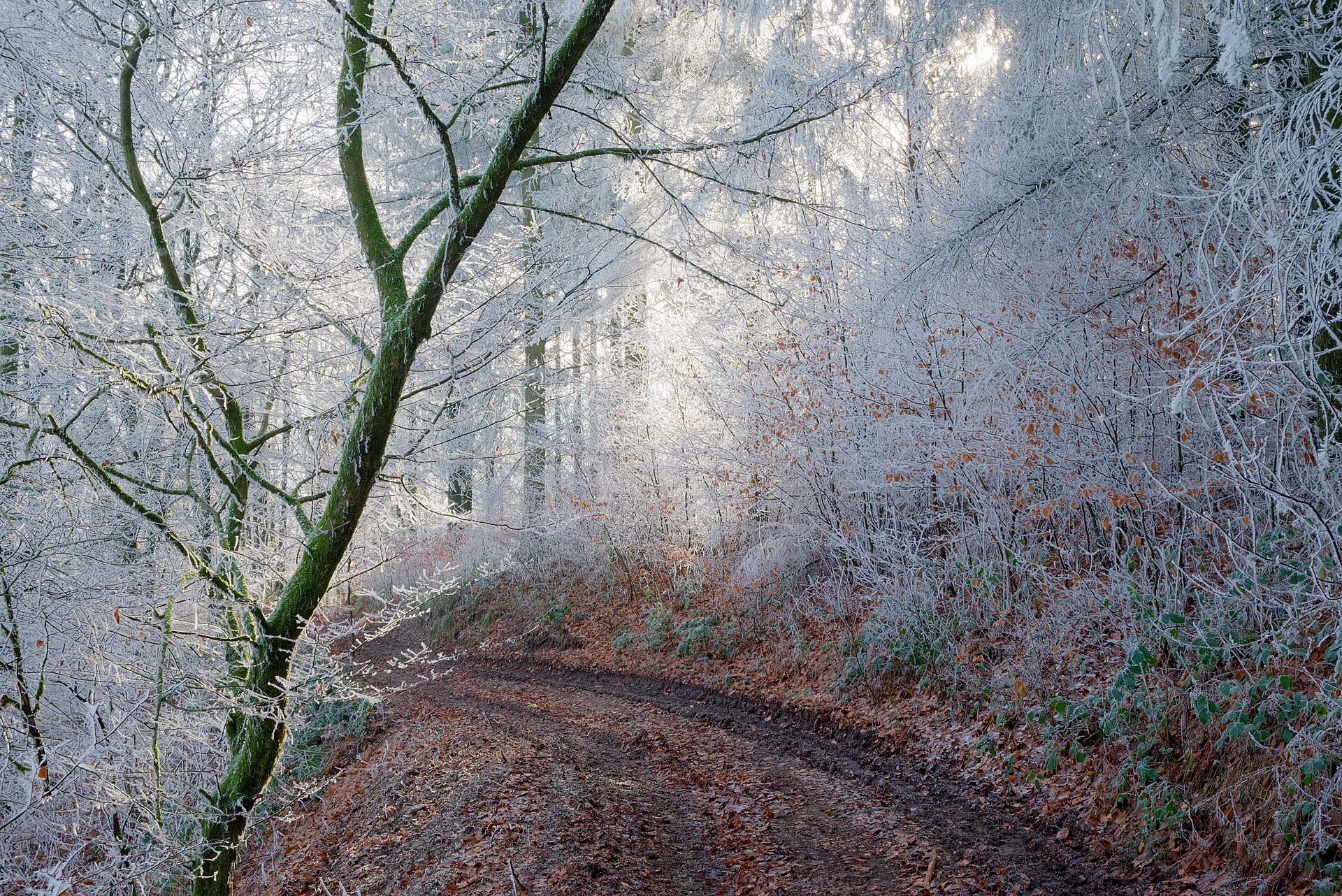
439 records
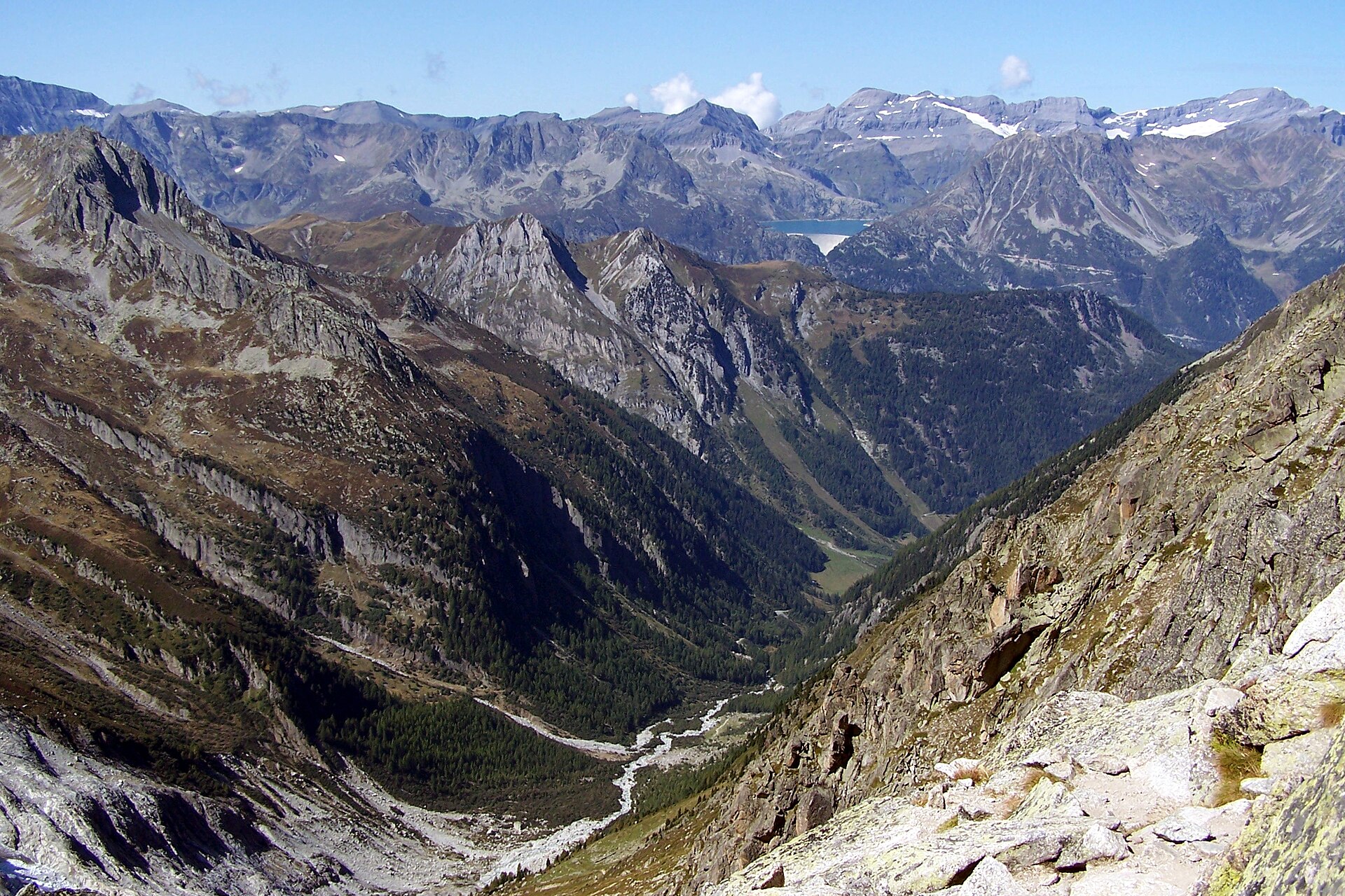
376 records
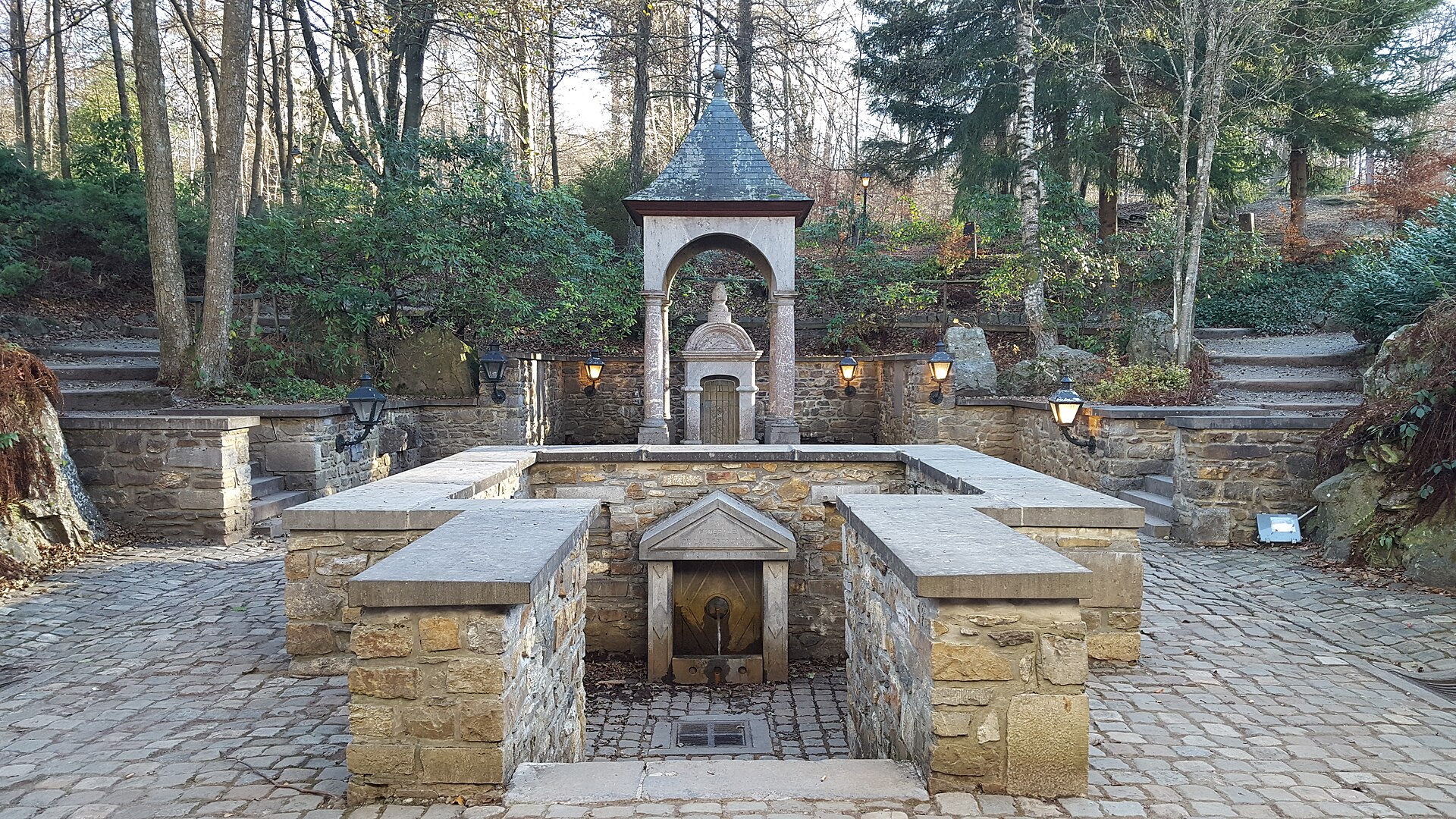
210 records
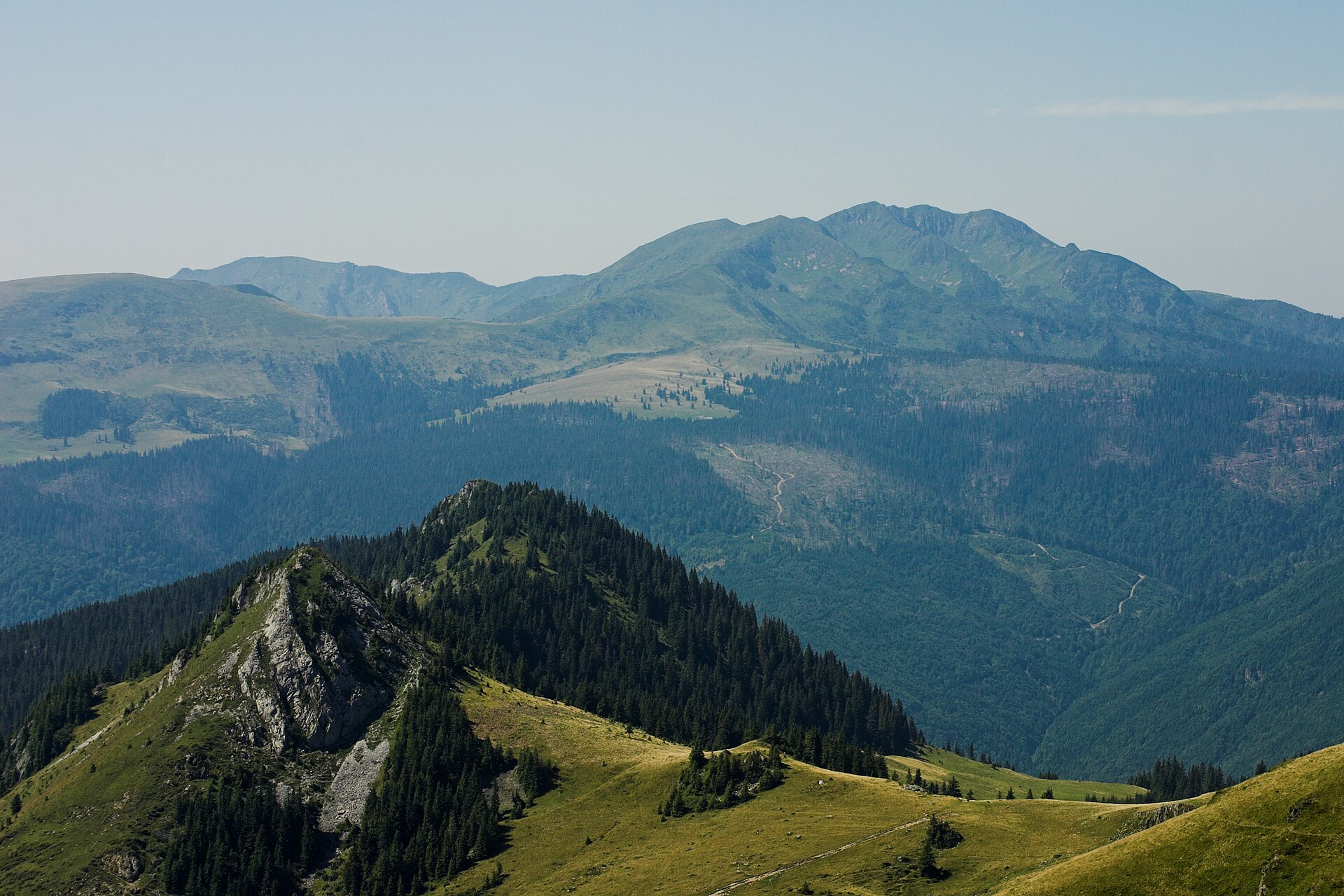
17 records
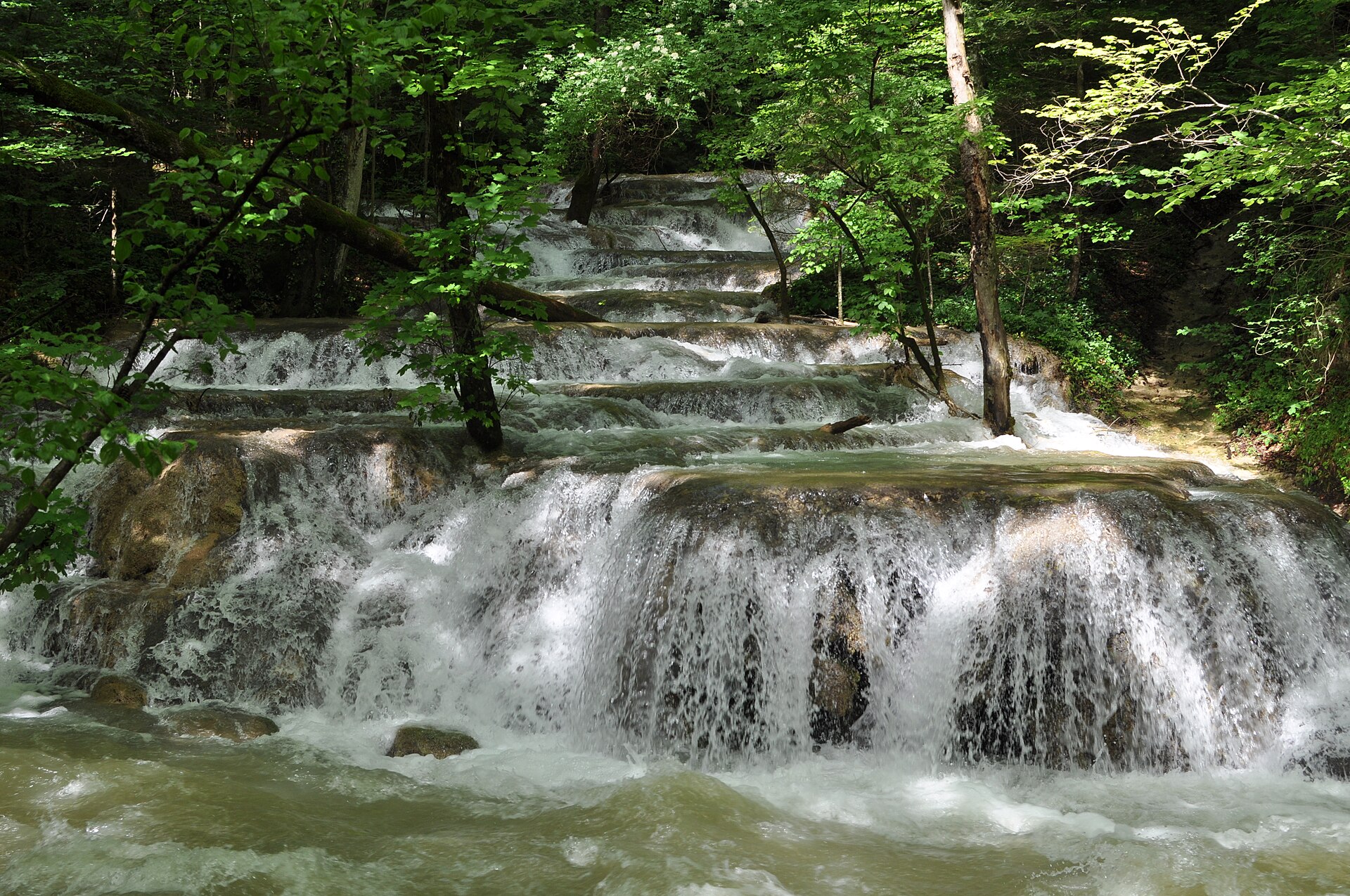
7 records

6 records
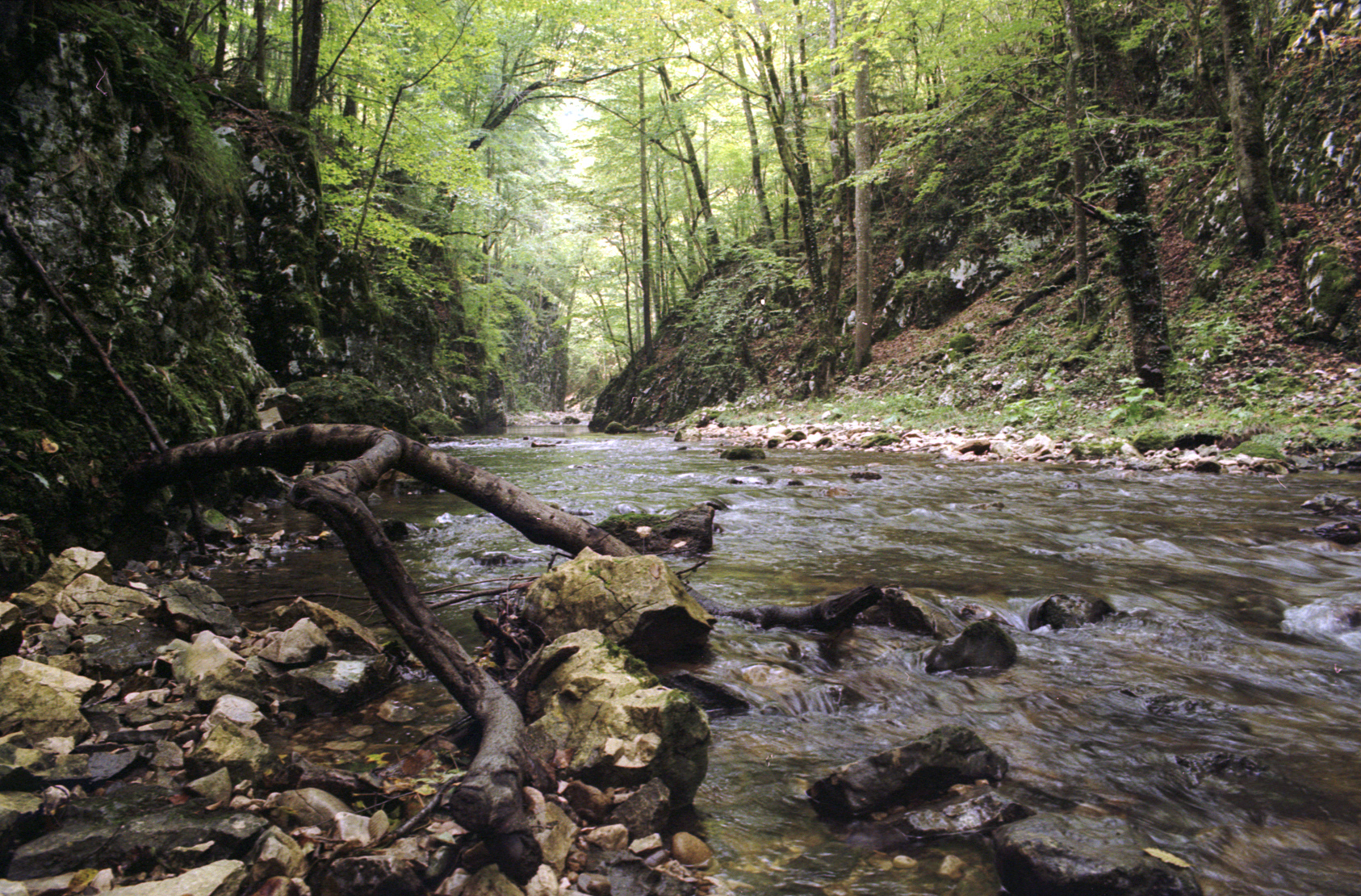
3 records
Other species to discover
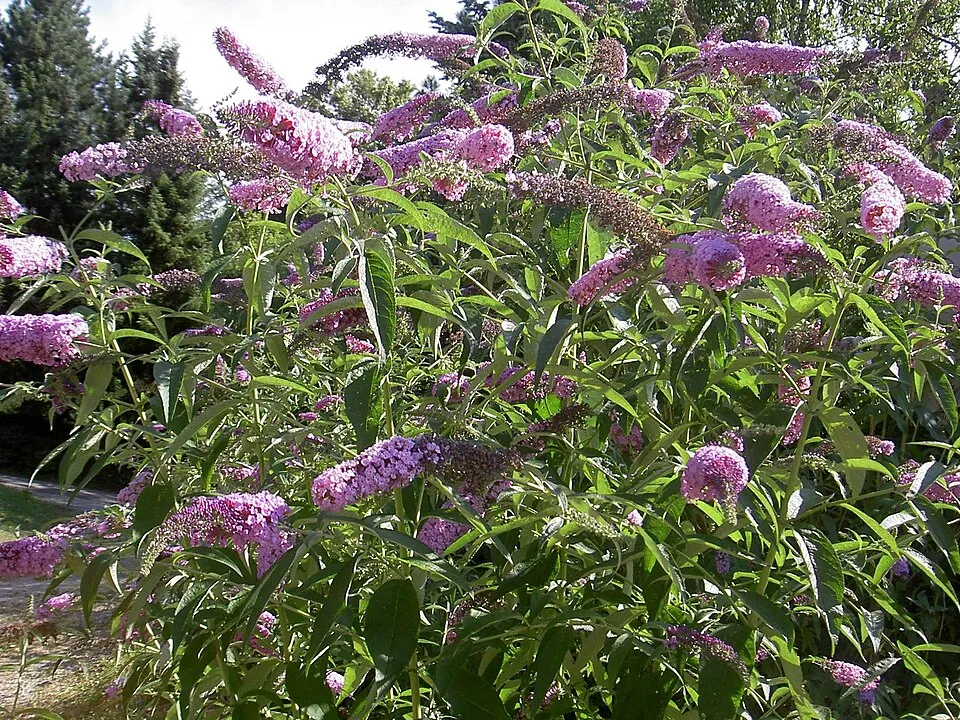 Butterfly-bush
Buddleja davidii 3 places in common
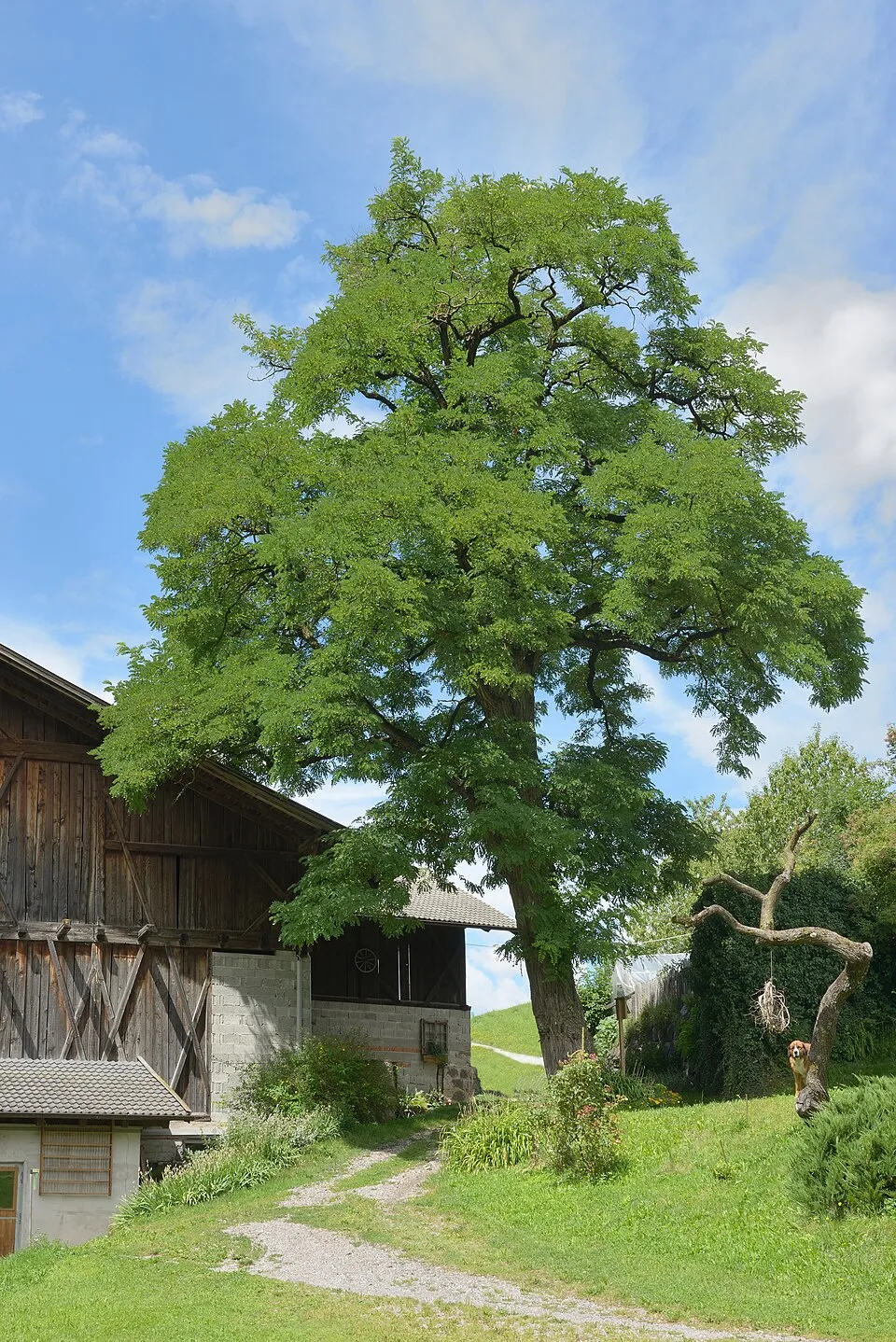 Black locust
Robinia pseudoacacia 4 places in common
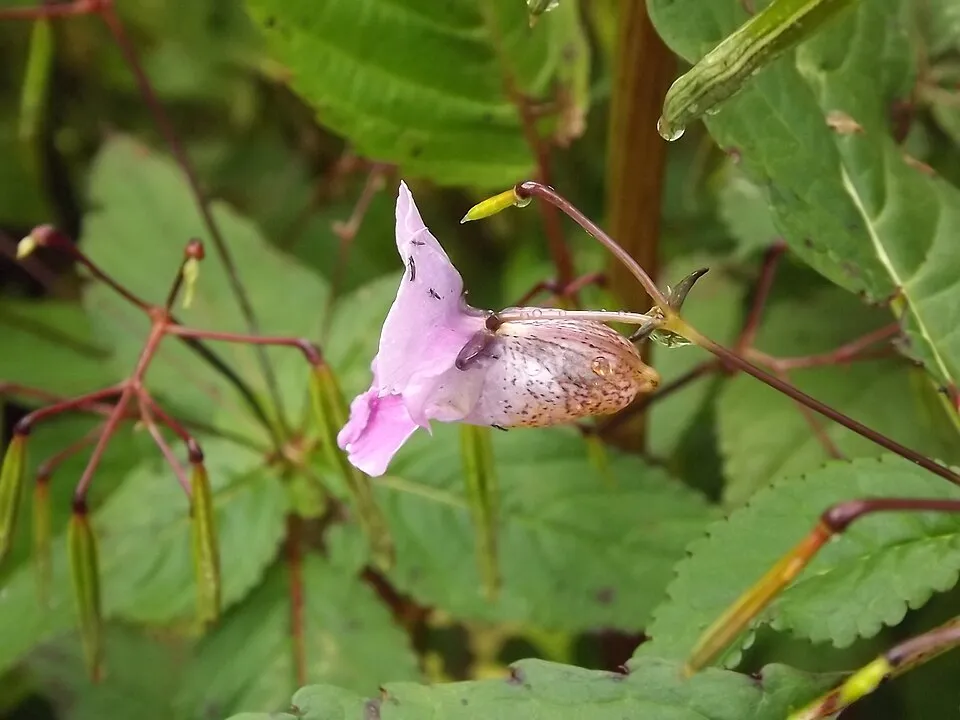 Himalayan Balsam
Impatiens glandulifera 4 places in common
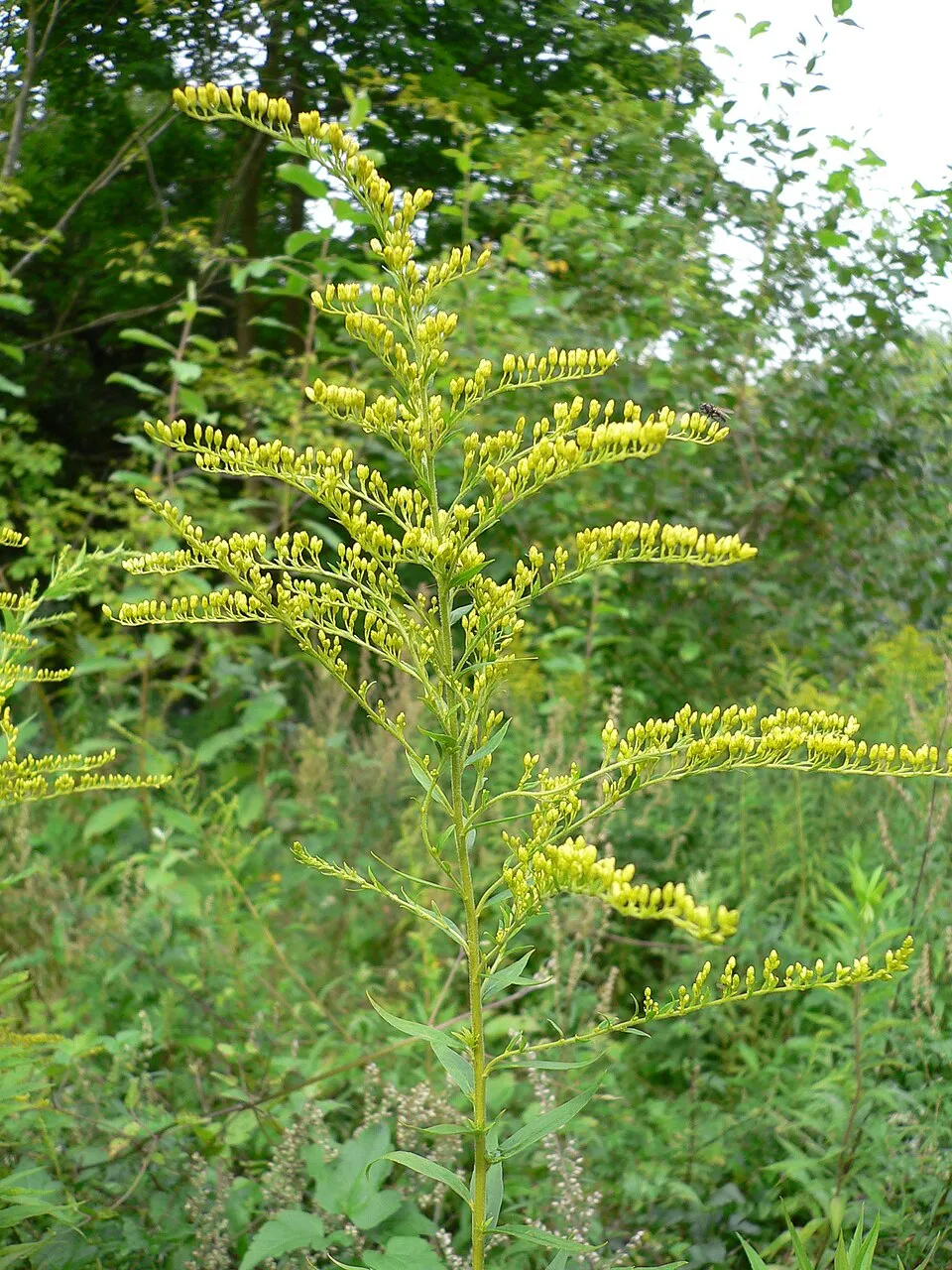 Canada goldenrod
Solidago canadensis 2 places in common
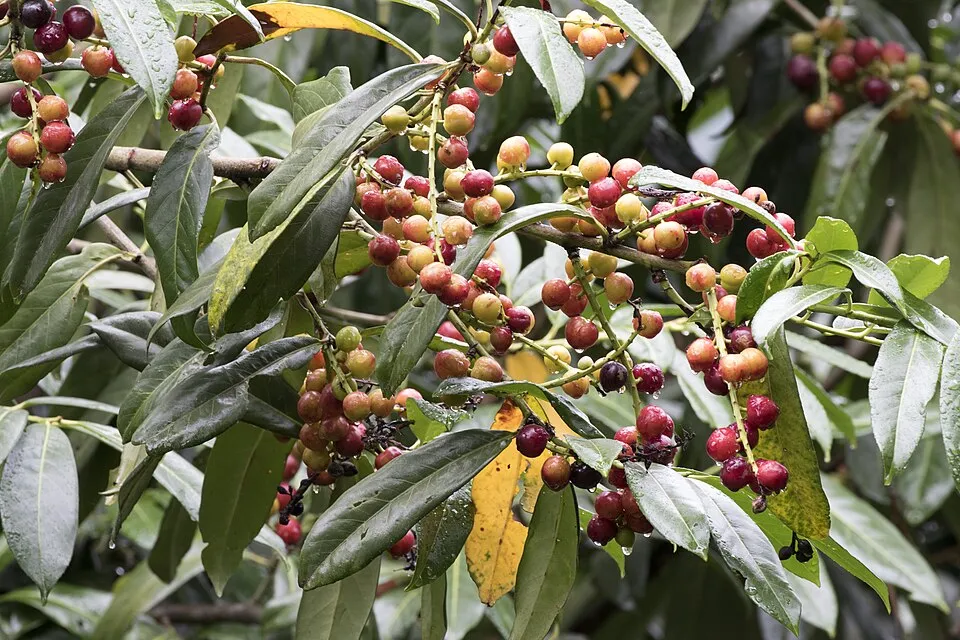 Cherry laurel
Prunus laurocerasus 2 places in common
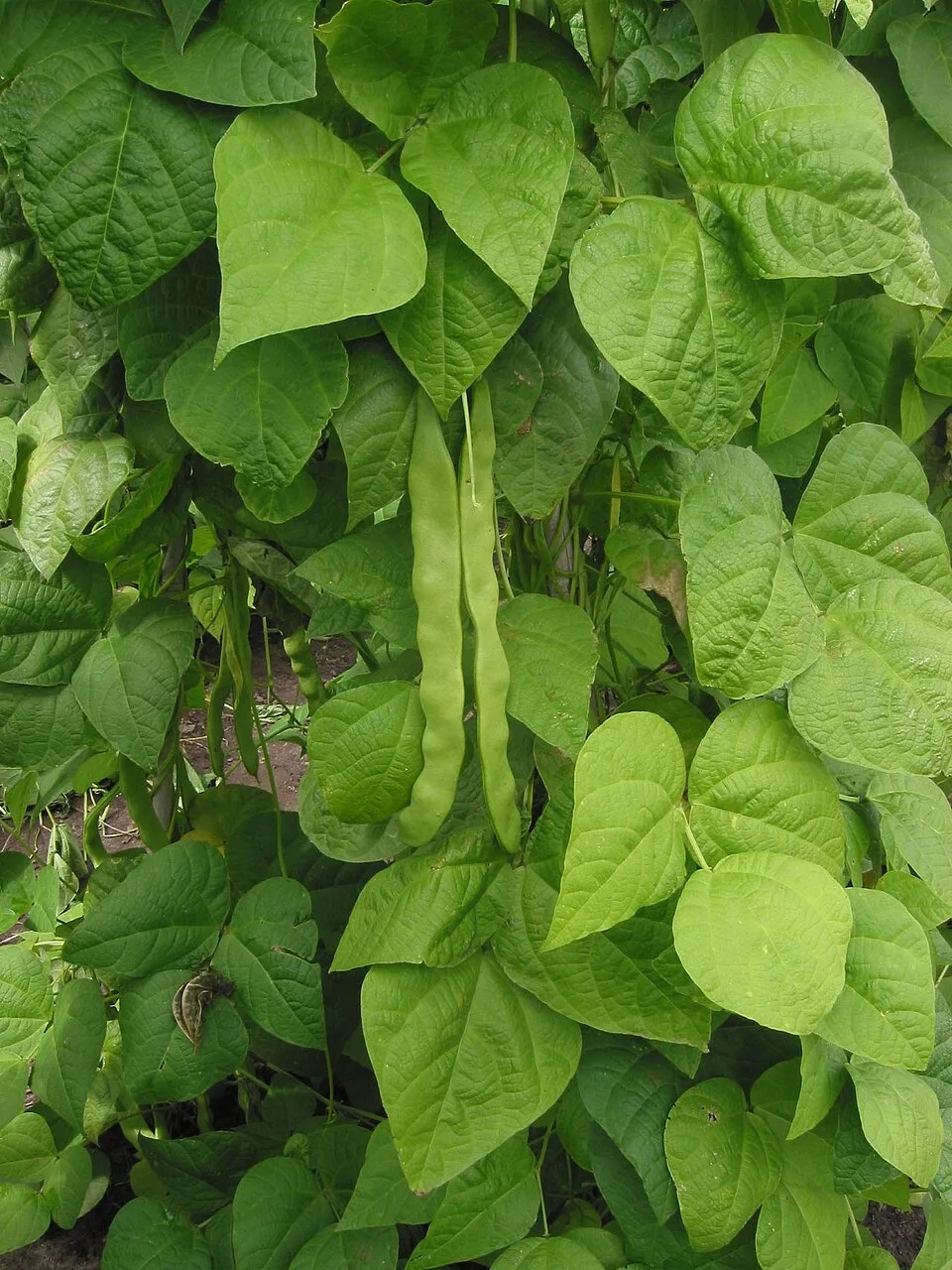 Kidney bean
Phaseolus vulgaris 2 places in common
Sources and credits
- Presence: most-recorded species of each place on GBIF and species of Community interest in the Natura 2000 forms (EEA, CC-BY 4.0); absence from the list does not mean the species is absent.
- Common names: Wikidata (CC0) and GBIF.
- Photos and sounds: Wikimedia Commons, author and licence given for each file.
- Classification: GBIF Backbone Taxonomy (GBIF Secretariat), CC BY 4.0, doi:10.15468/39omei.
- Countries, elevations, months and maps: GBIF.org, CC0 or CC BY 4.0 occurrences only, accessed October 22, 2026, GBIF.org.
- Base map: Natural Earth (public domain).
- Excerpt: Wikipedia, CC BY-SA 4.0 (full credit below the excerpt).
- Native range and life form: World Checklist of Vascular Plants, Royal Botanic Gardens, Kew, CC BY 4.0 (no endorsement by Kew).
- Invasive alien species: Union list, Regulation (EU) No 1143/2014 (INBO, CC0); Global Register of Introduced and Invasive Species (ISSG, CC BY 4.0).