
Plant
Himalayan Balsam: invasive alien species
Impatiens glandulifera
Invasive alien species Of Union concern
This species is on the list of invasive alien species of Union concern (Regulation (EU) No 1143/2014). The protected areas below are those where it has been recorded: they are listed to track its presence, not as places to go and see it.
This plant species is recorded in 17 protected areas of the atlas. Within the atlas countries, it is mostly observed in Switzerland, the United Kingdom and Germany (13 countries in all). Most records (8 in 10) lie between 220 and 900 m above sea level. Records peak from July to September. Annual plant, native to tropical Asia, introduced to Europe, Africa, temperate Asia, Australasia, North America and South and Central America.
Most often recorded: July–September
Records published on GBIF by month (CC0 and CC BY 4.0 licences only), in the atlas countries, all years combined; they also reflect observer activity.
Distribution
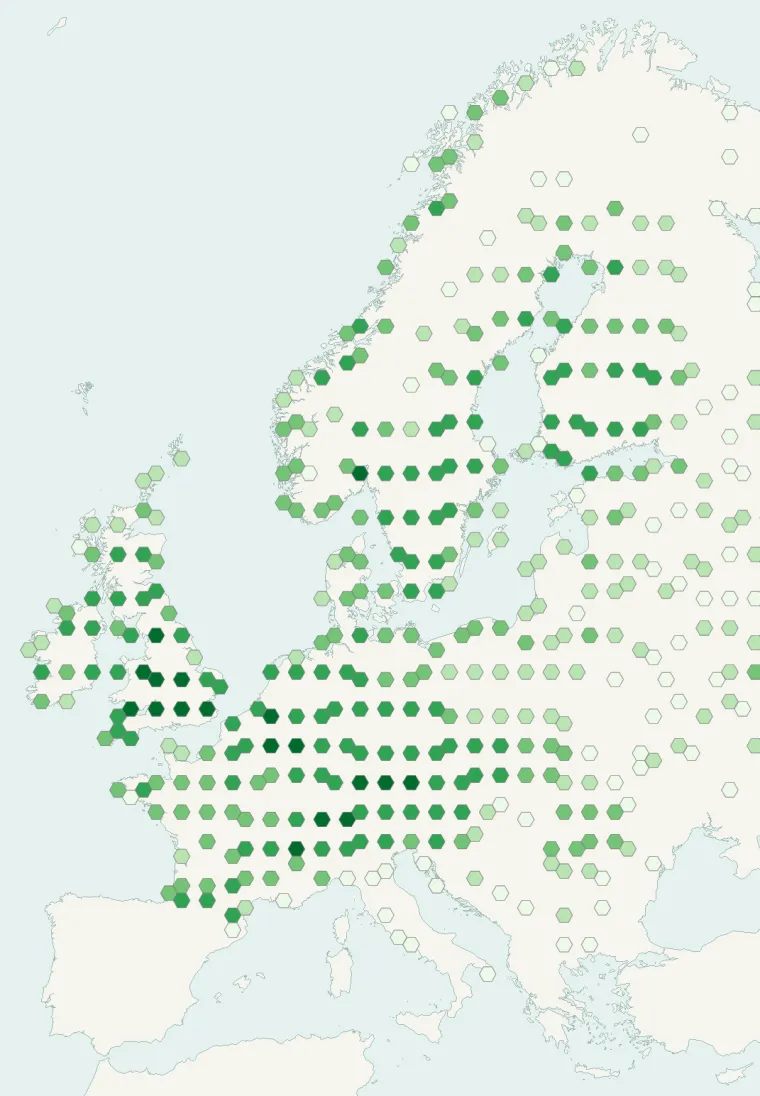
Records published on GBIF (CC0 and CC BY 4.0 licences): the darker the shade, the more records there are; they also reflect observation effort.
From Wikipedia
Impatiens glandulifera, Himalayan balsam, is a large annual plant native to the Himalayas. Via human introduction it is now present across much of the Northern Hemisphere and is considered an invasive species in many areas. Uprooting or cutting the plants is an effective means of control. In Europe, Himalayan balsam has been included since 2017 in the list of invasive alien species of Union concern (the Union list).
Source: Wikipedia, article “Impatiens glandulifera” (version of October 4, 2026) · history and authors · licence CC BY-SA 4.0 · shortened excerpt
Protected areas where it has been recorded
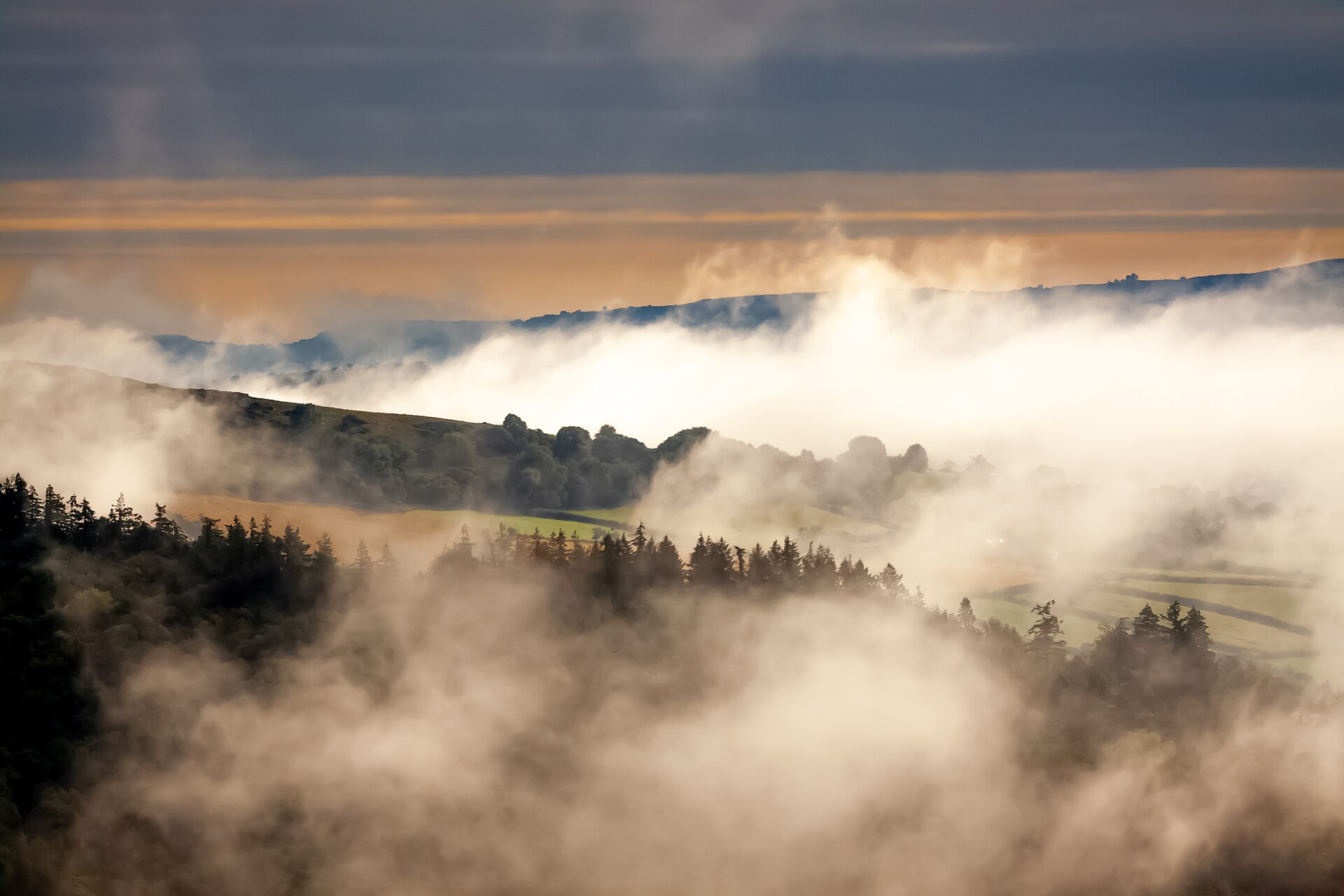
1,753 records
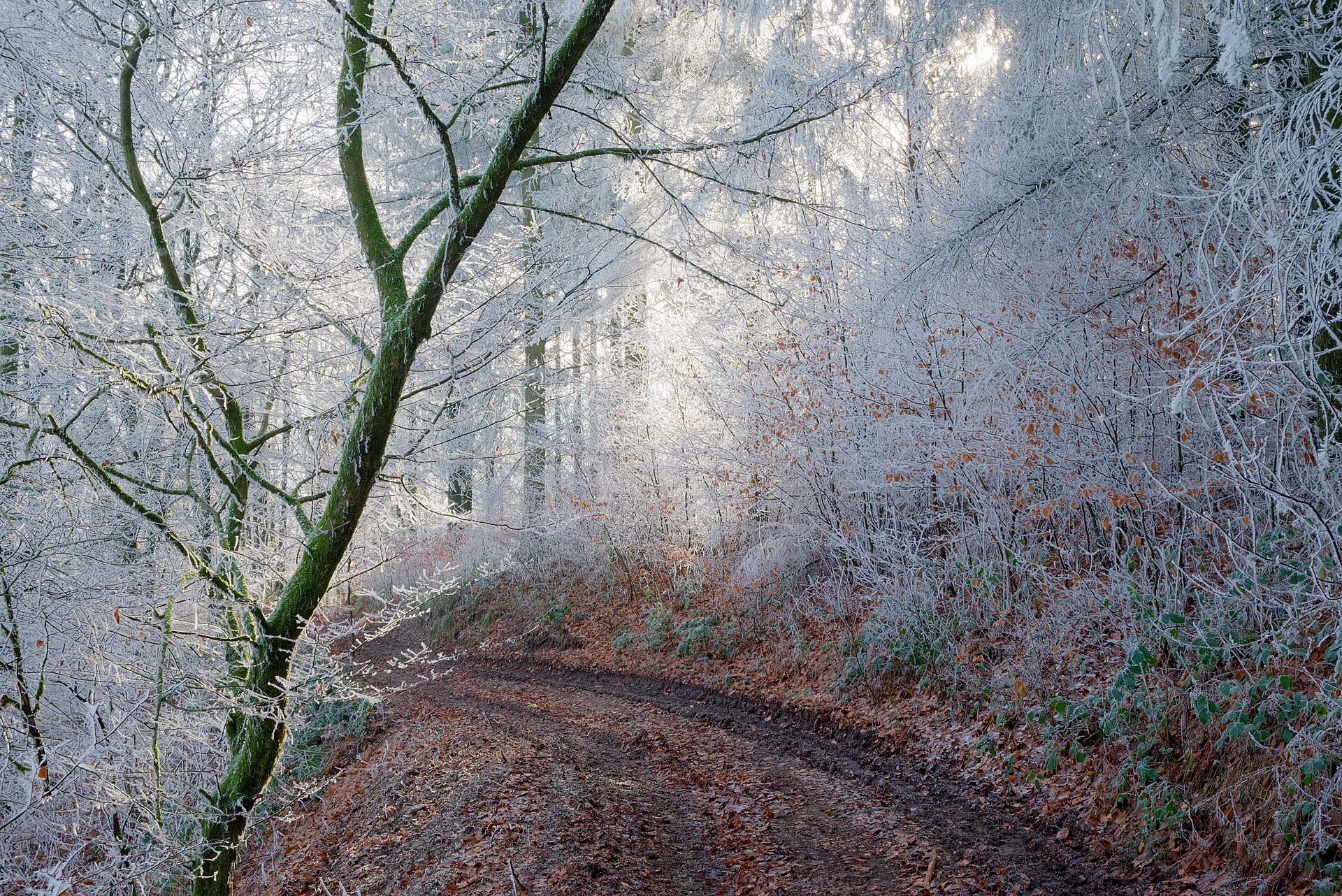
1,653 records
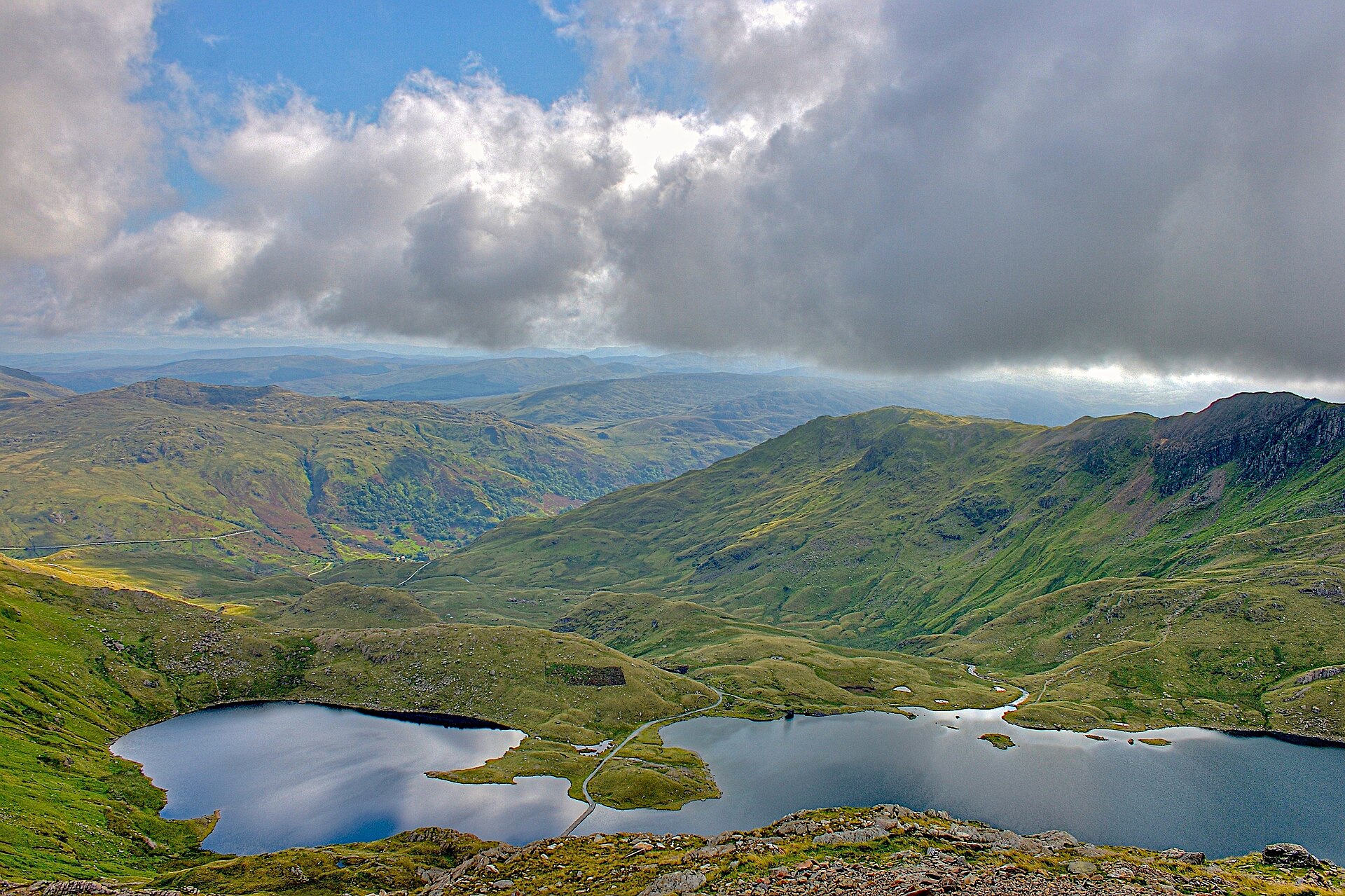
1,150 records
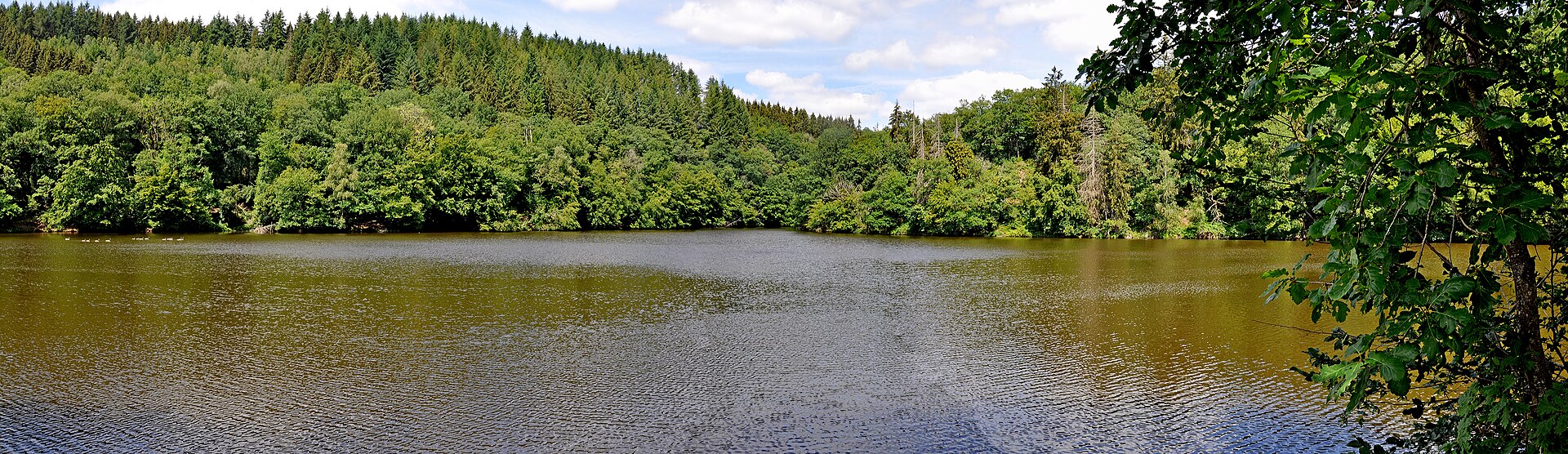
1,046 records
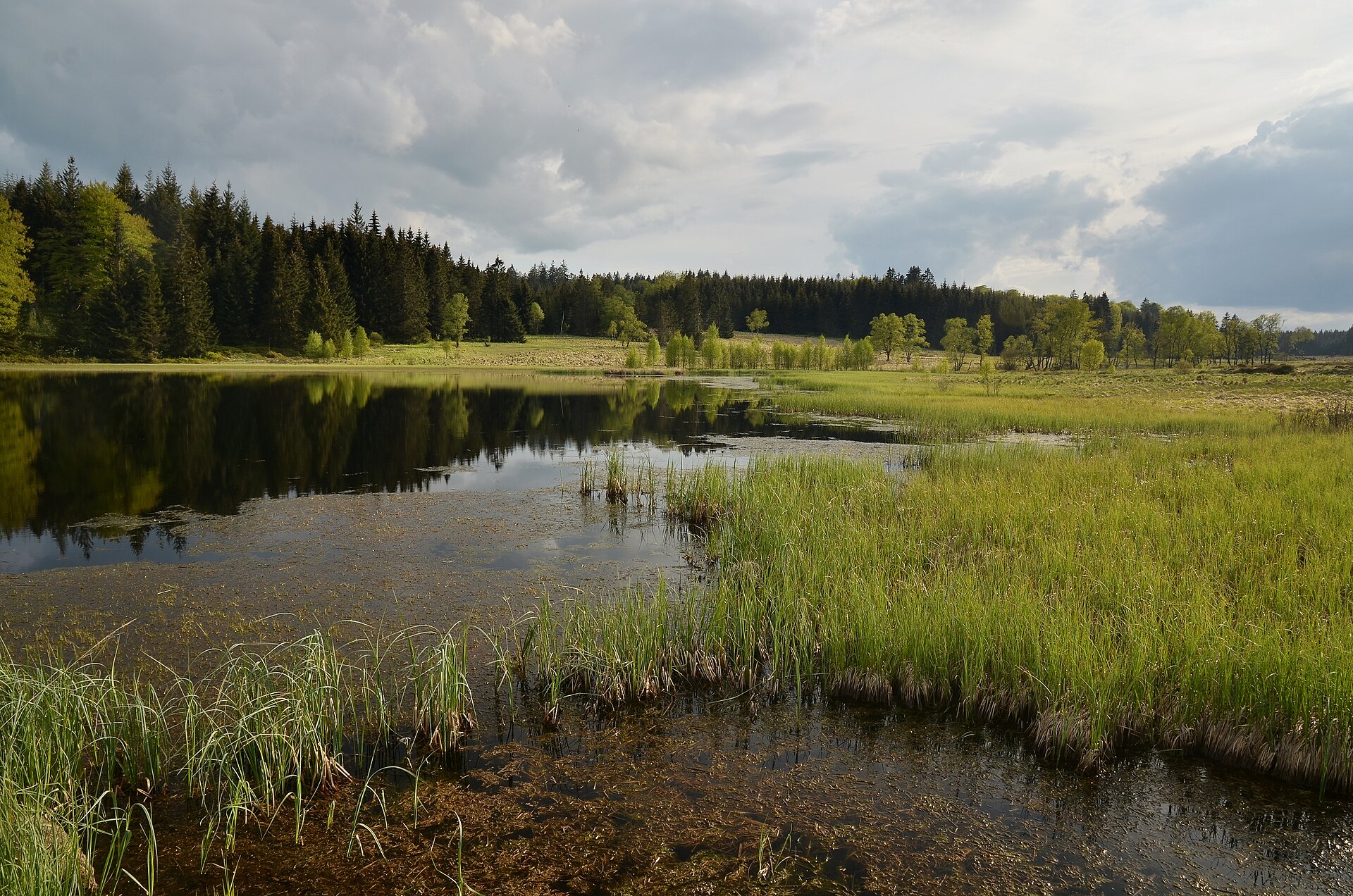
457 records

185 records
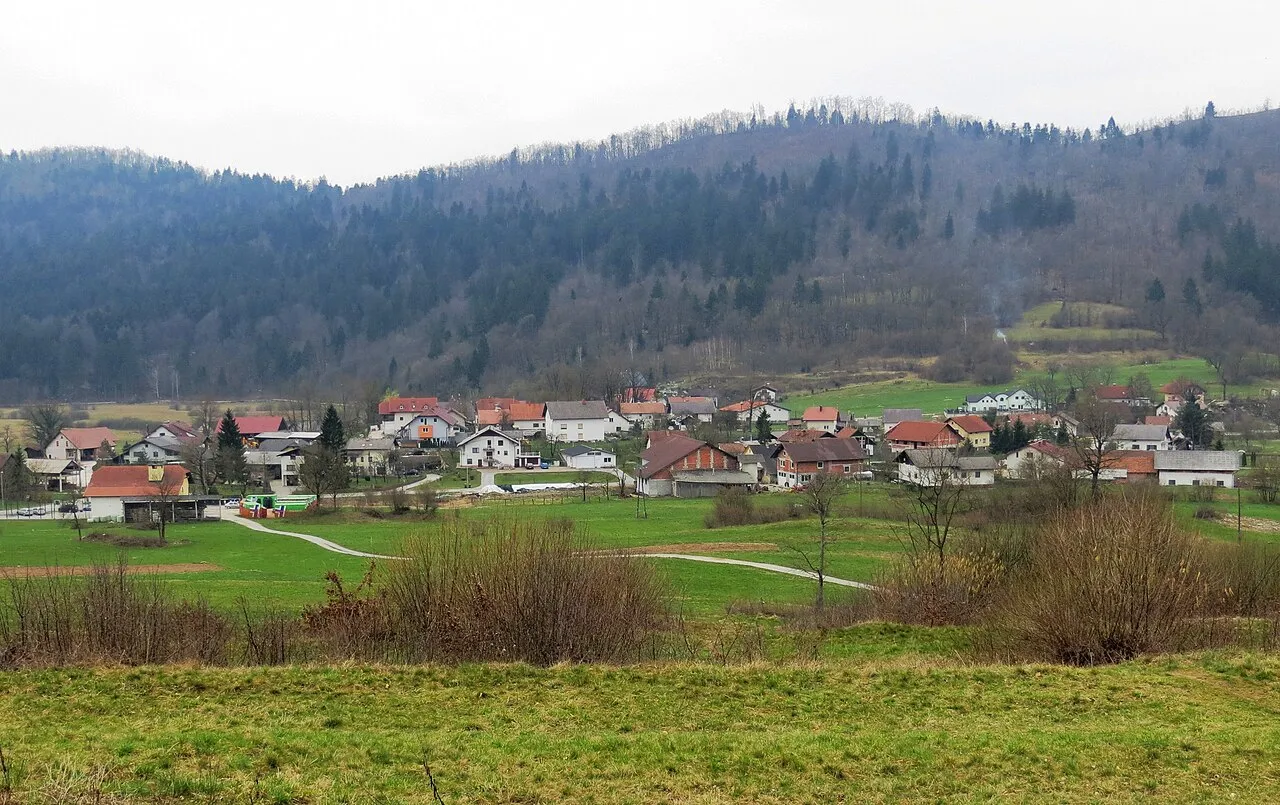
184 records
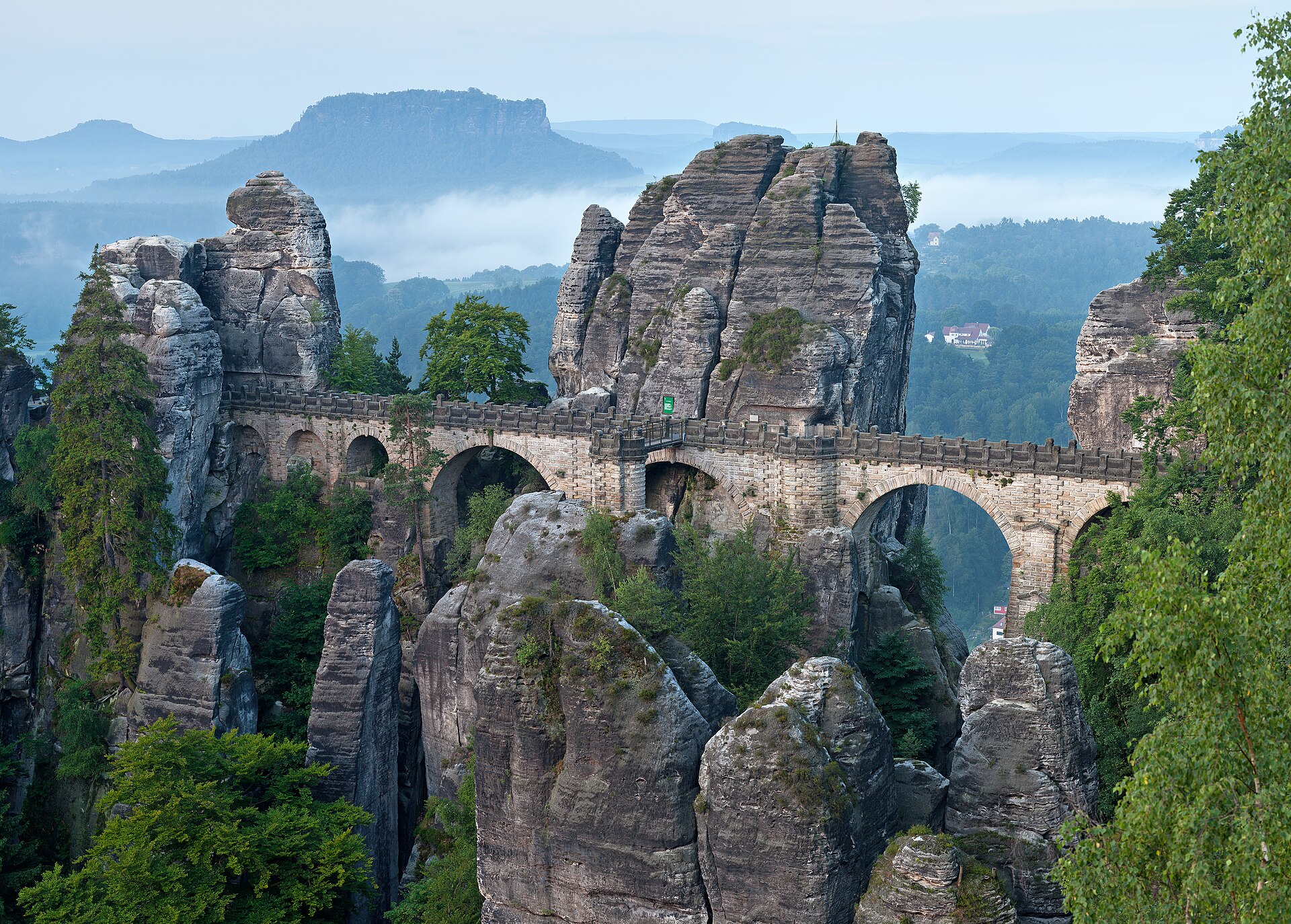
107 records
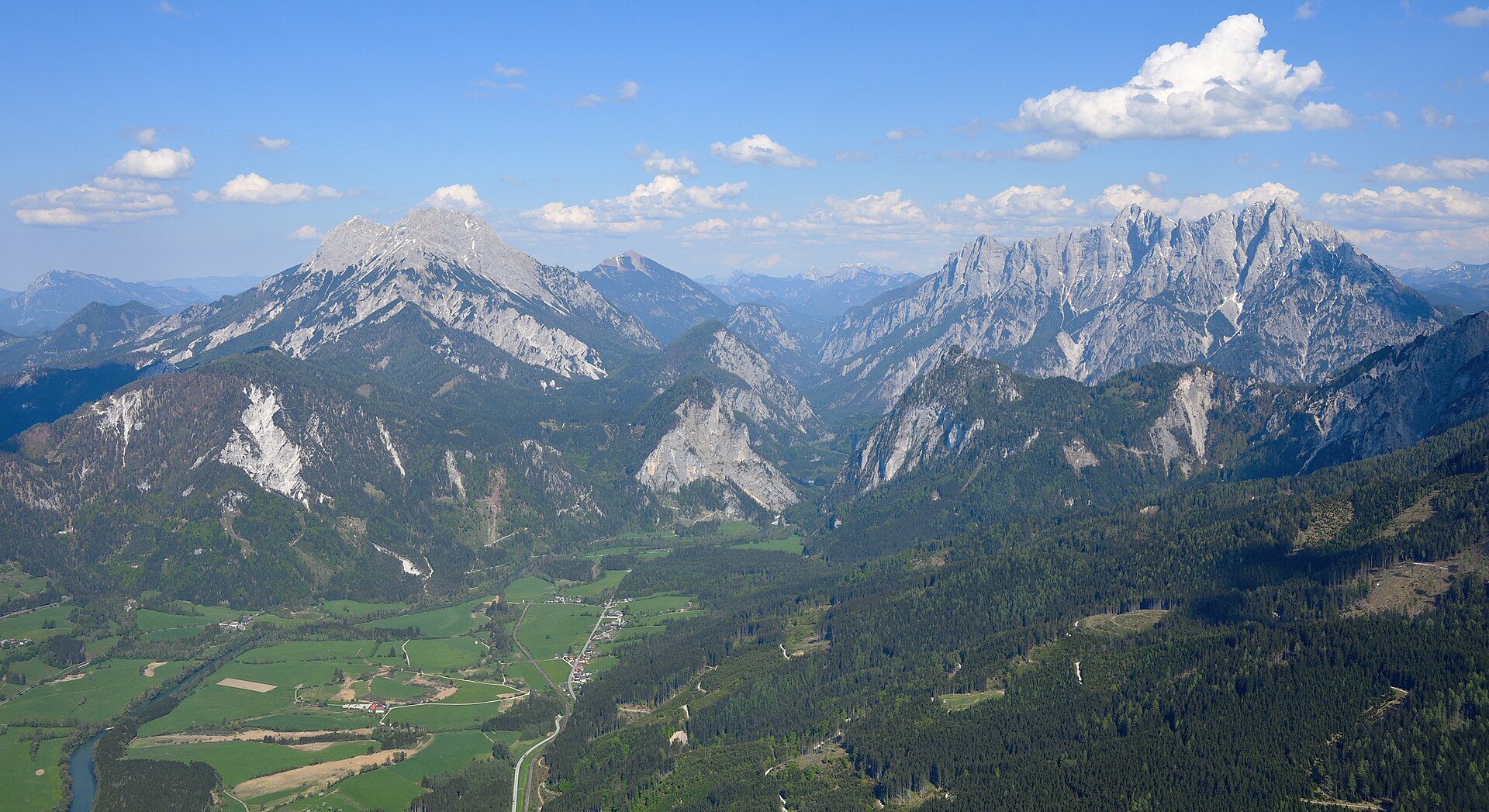
89 records
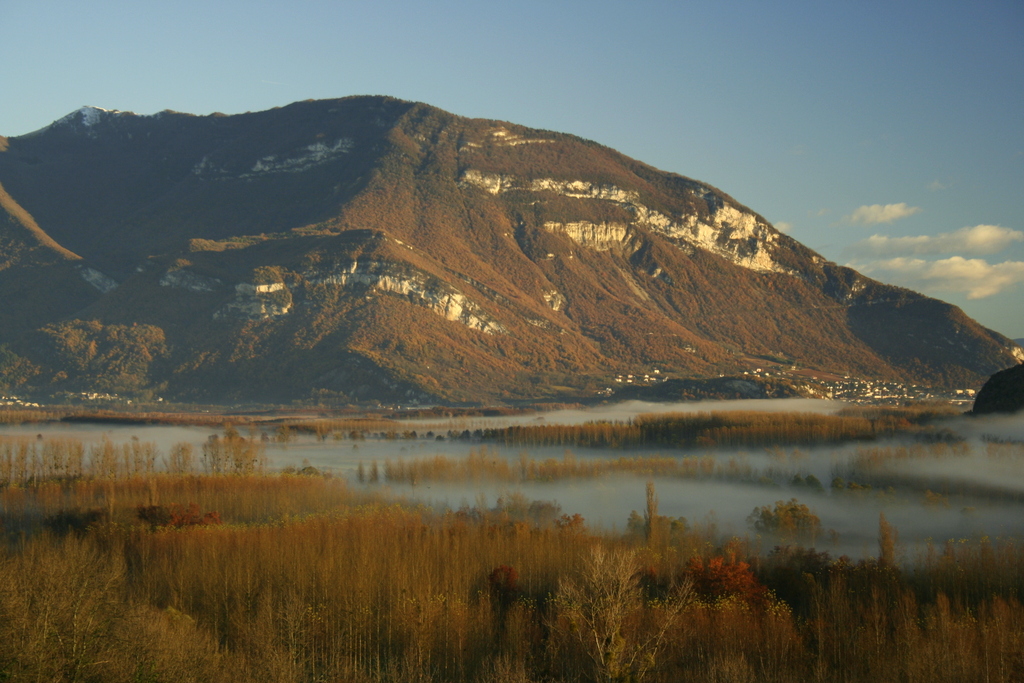
86 records
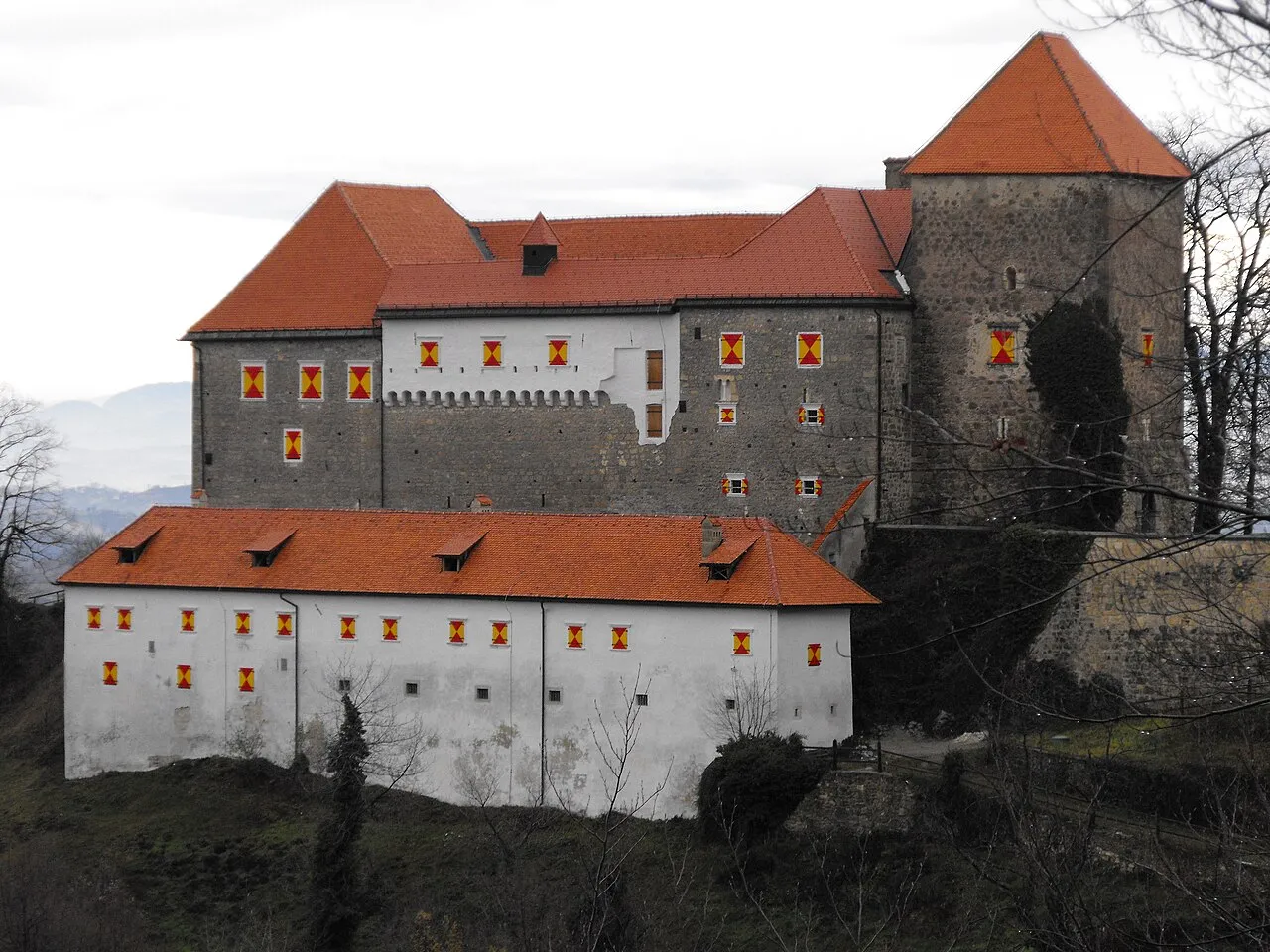
55 records
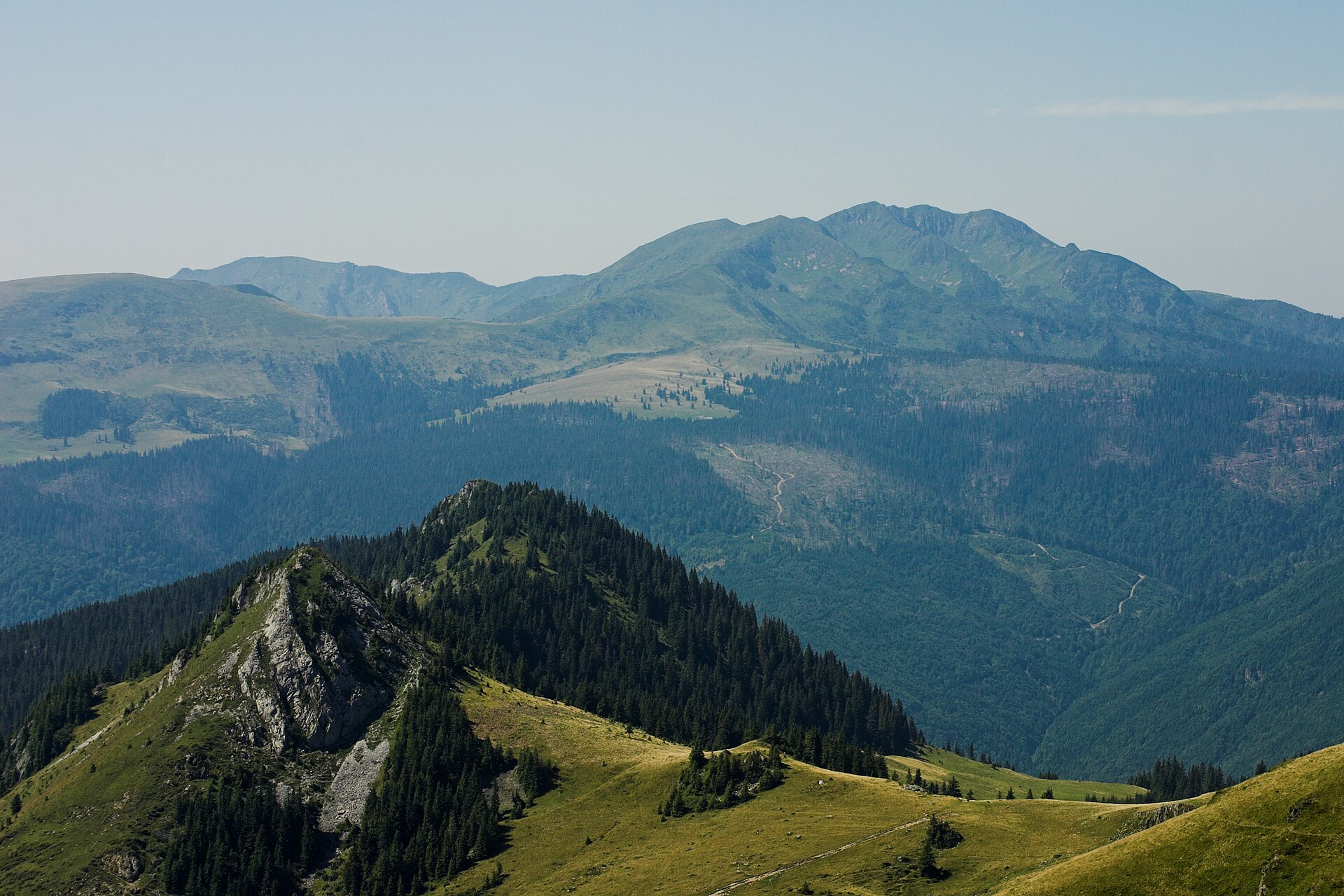
29 records

24 records
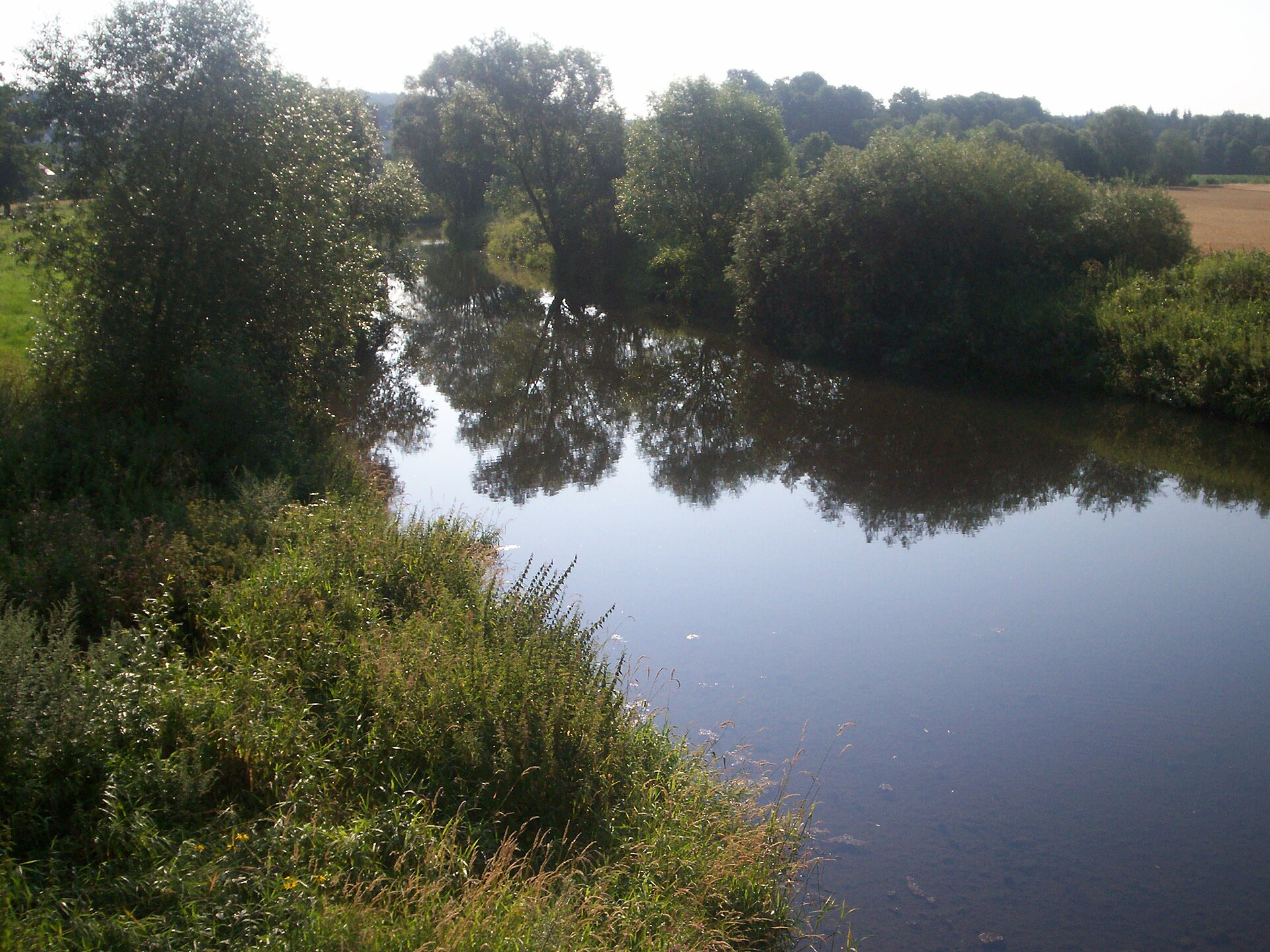
15 records
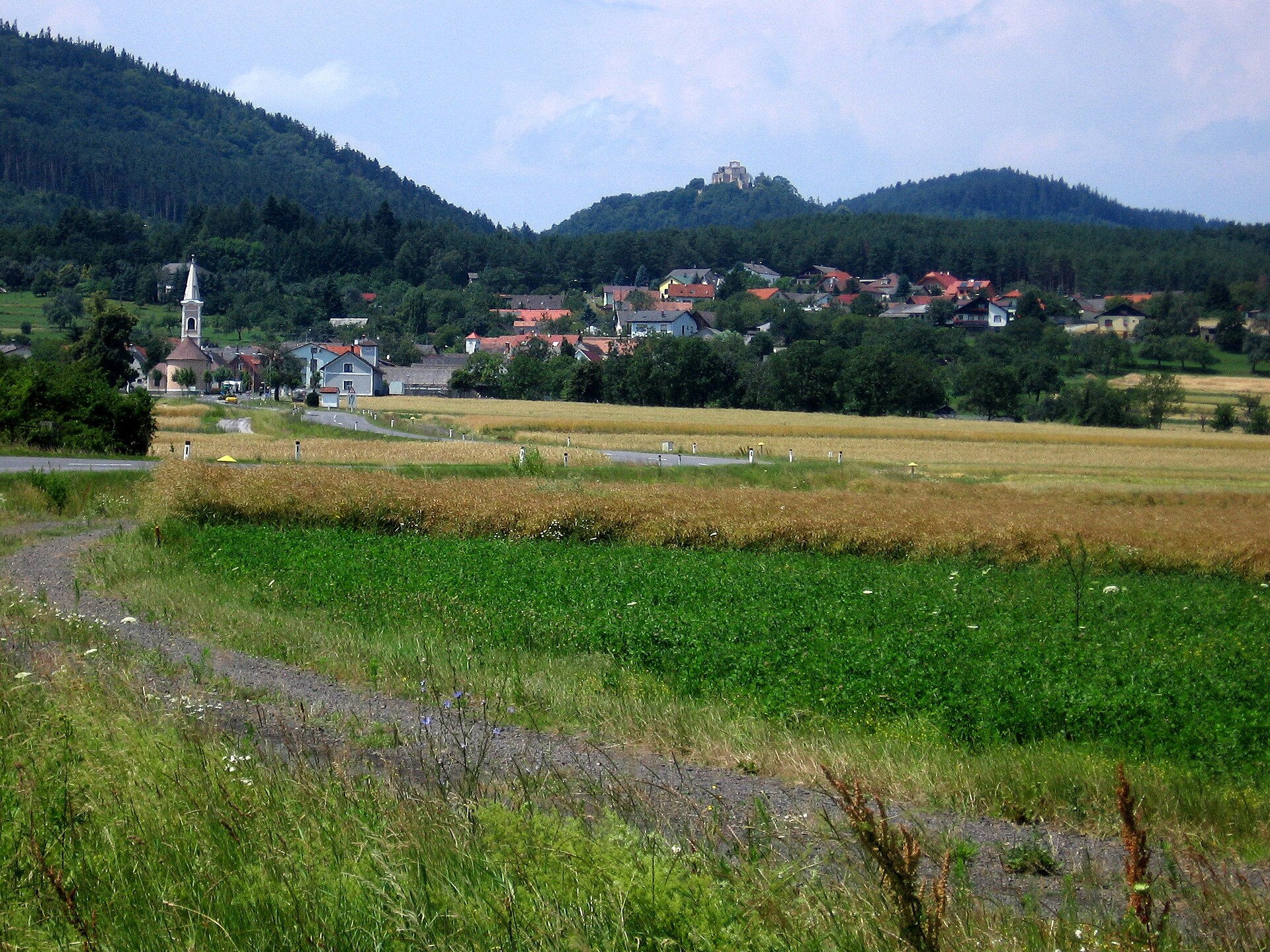
10 records
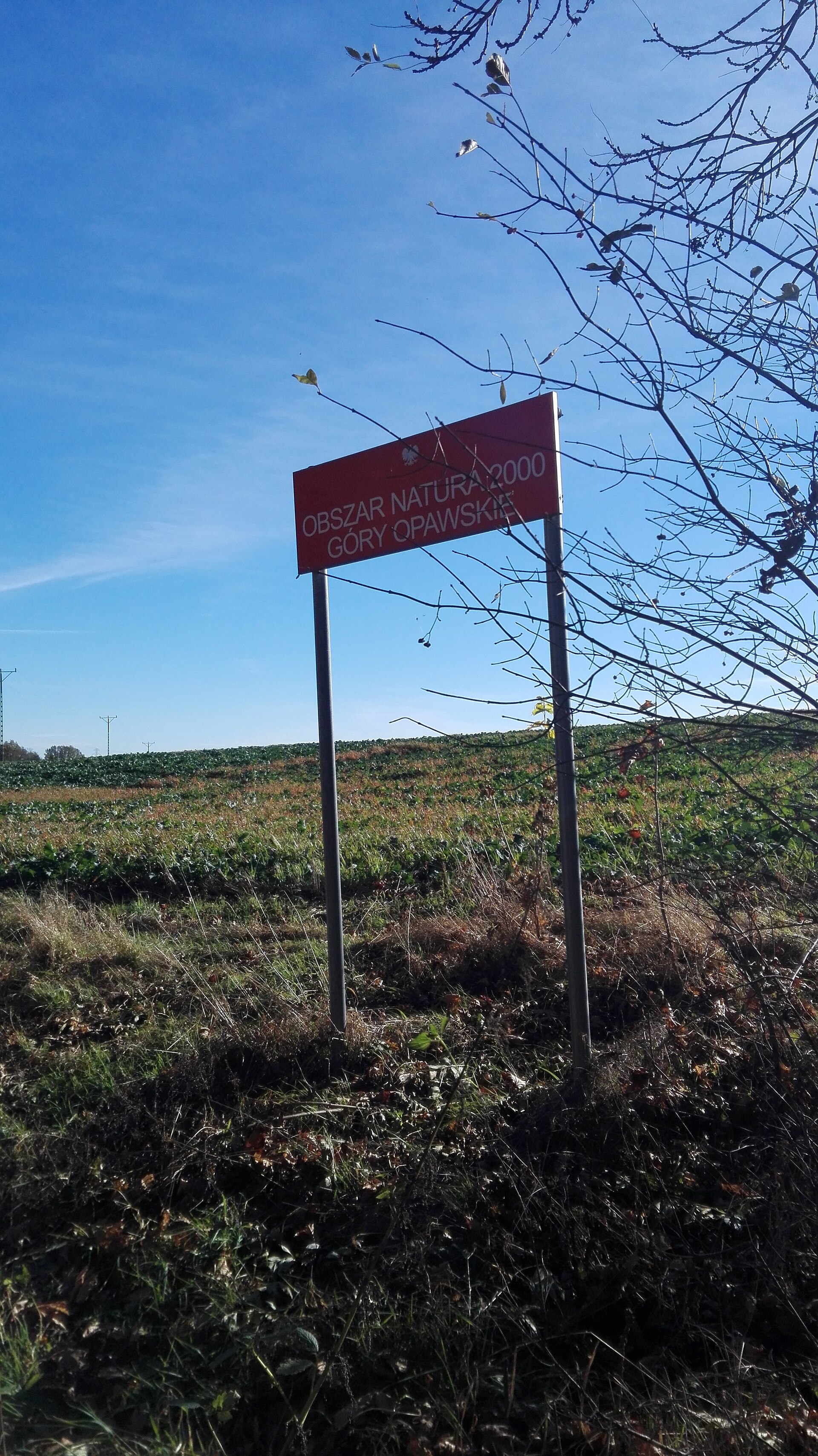
8 records
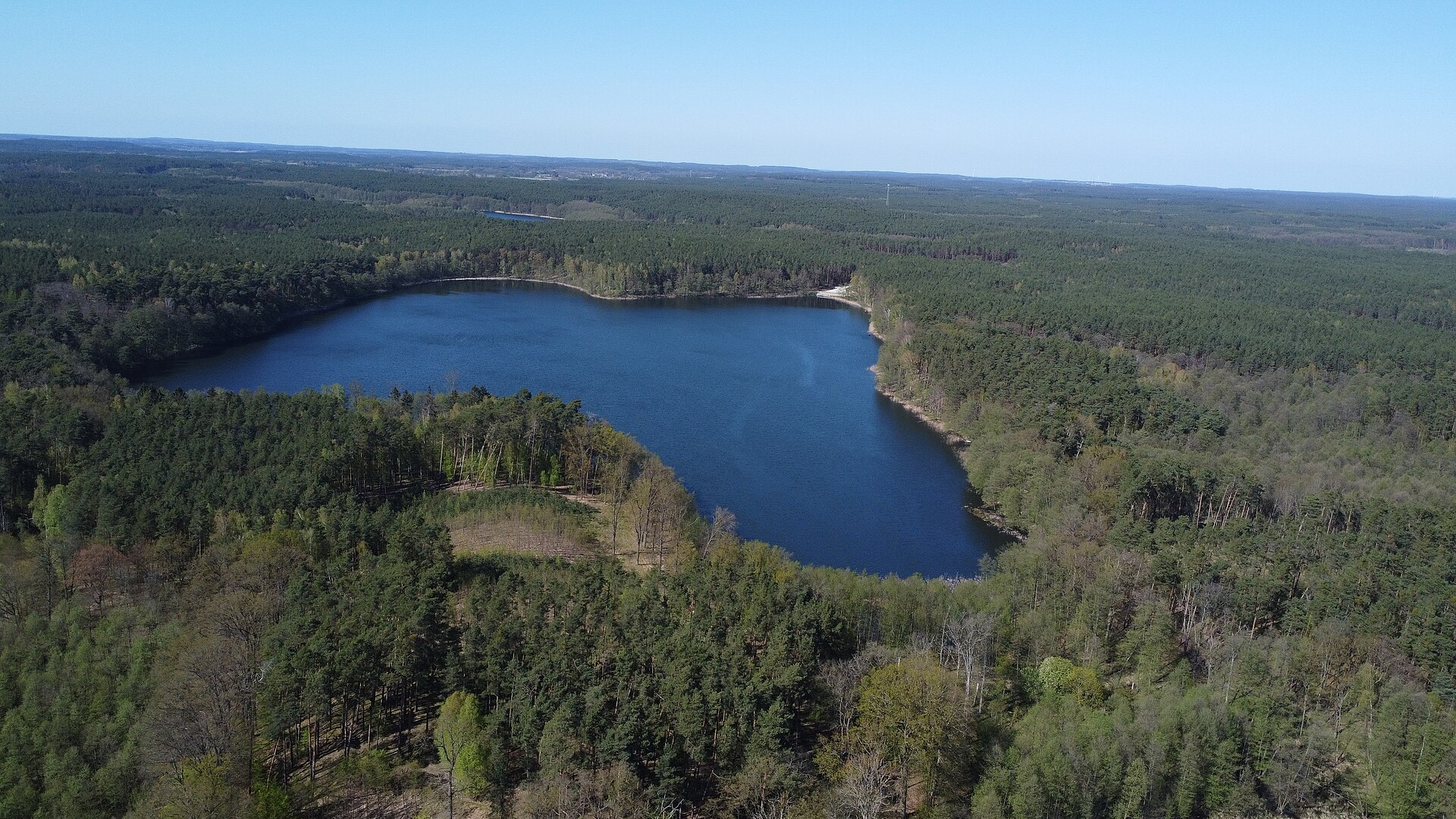
1 records
Other species to discover
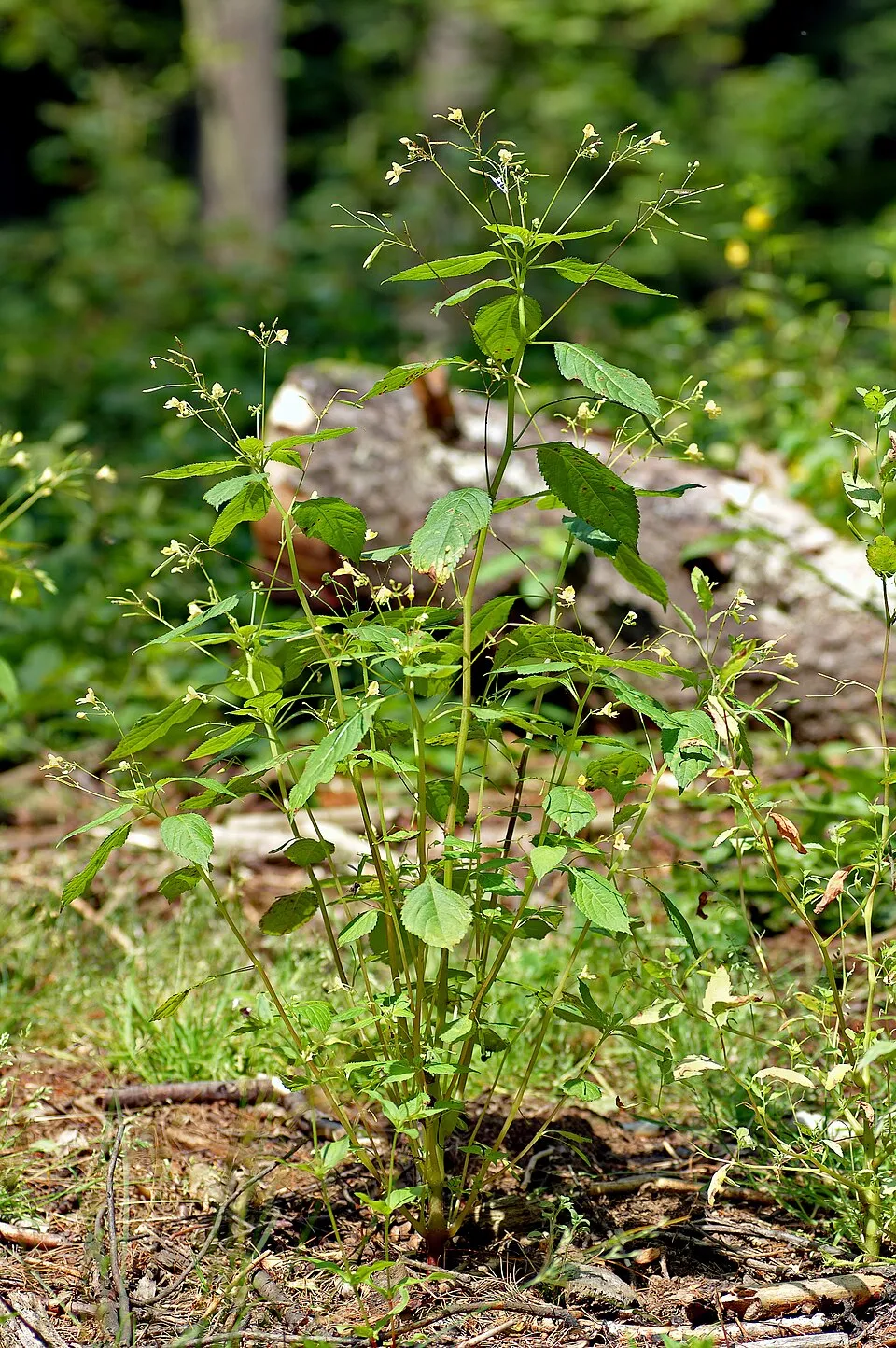 Small balsam
Impatiens parviflora Same genus
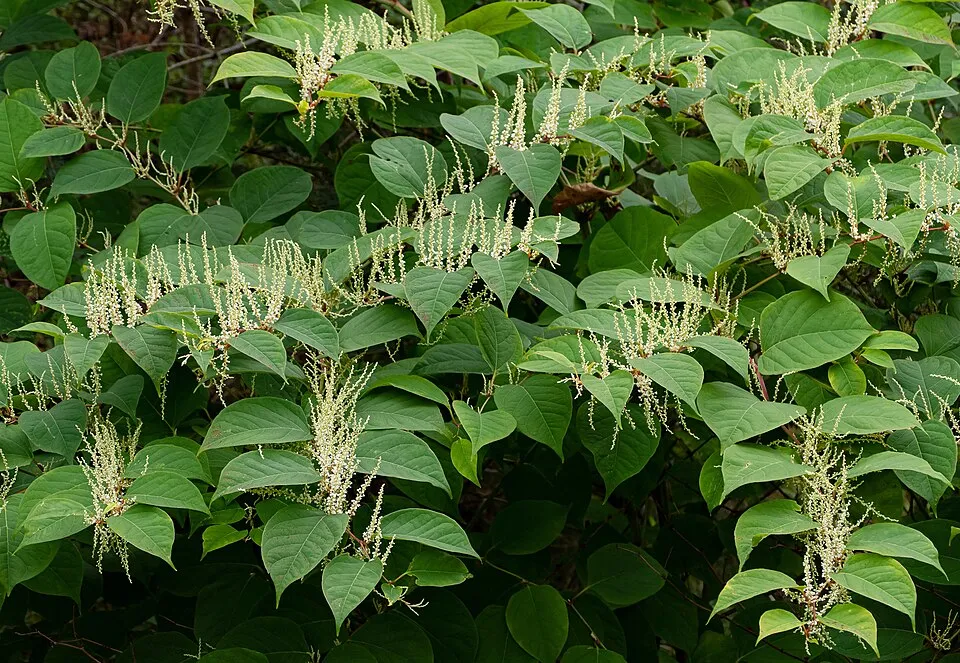 Japanese Knotweed
Reynoutria japonica 4 places in common
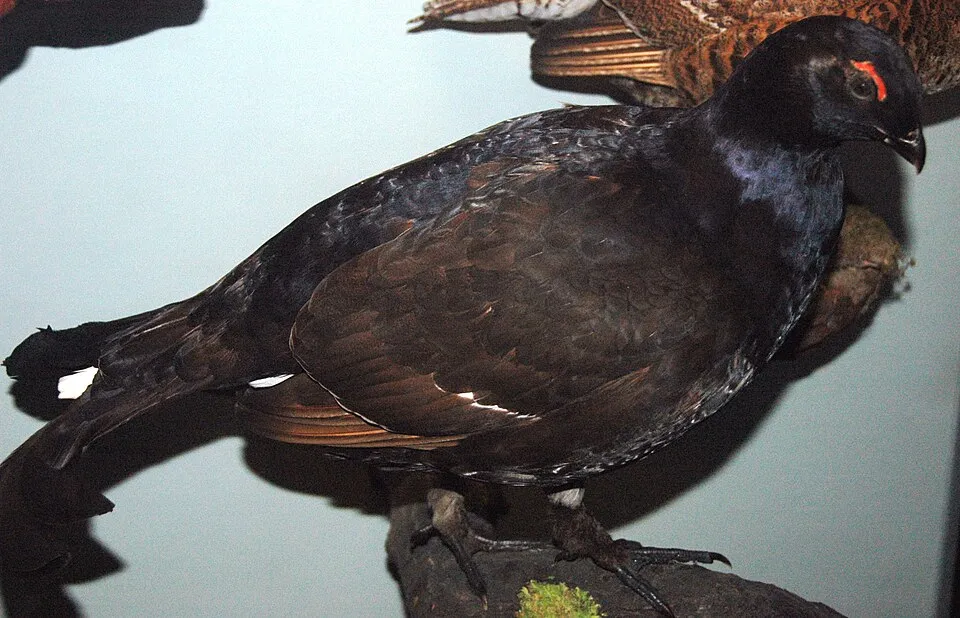 Black grouse
Tetrao tetrix 4 places in common
Jersey Tiger
Callimorpha quadripunctaria 4 places in common
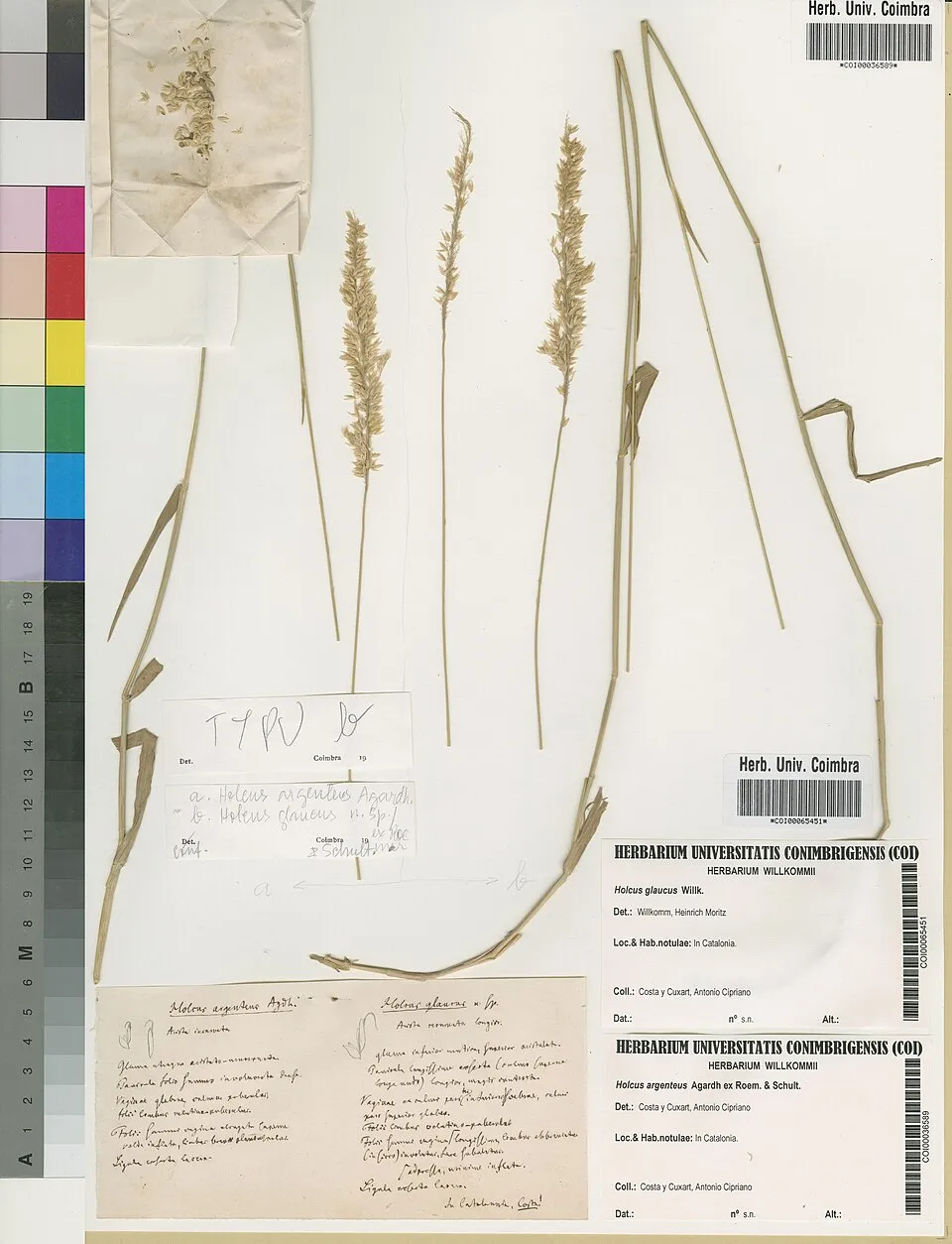 Yorkshire-fog
Holcus lanatus 5 places in common
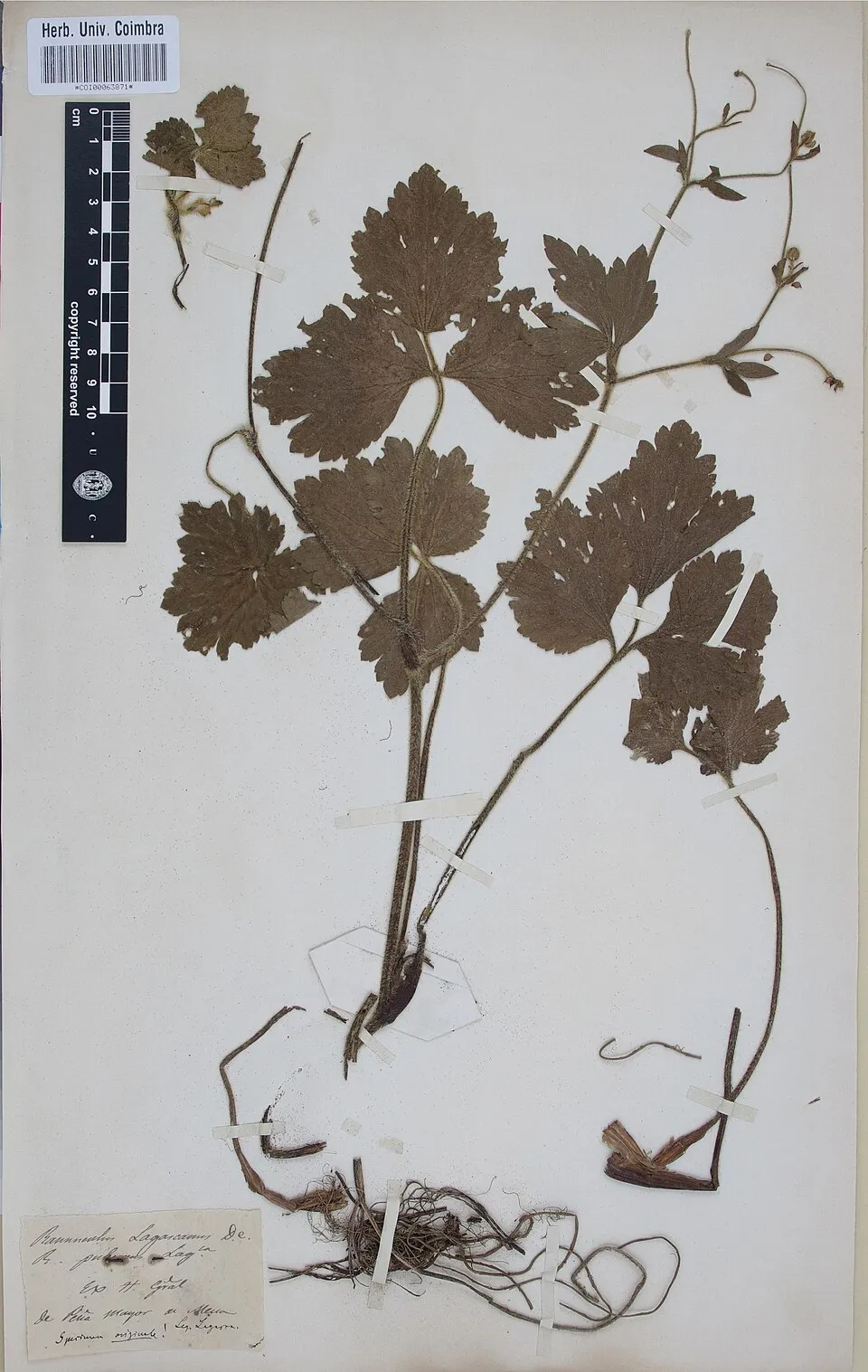 Creeping buttercup
Ranunculus repens 4 places in common
Sources and credits
- Presence: most-recorded species of each place on GBIF and species of Community interest in the Natura 2000 forms (EEA, CC-BY 4.0); absence from the list does not mean the species is absent.
- Common names: Wikidata (CC0) and GBIF.
- Photos and sounds: Wikimedia Commons, author and licence given for each file.
- Classification: GBIF Backbone Taxonomy (GBIF Secretariat), CC BY 4.0, doi:10.15468/39omei.
- Countries, elevations, months and maps: GBIF.org, CC0 or CC BY 4.0 occurrences only, accessed October 22, 2026, GBIF.org.
- Base map: Natural Earth (public domain).
- Excerpt: Wikipedia, CC BY-SA 4.0 (full credit below the excerpt).
- Native range and life form: World Checklist of Vascular Plants, Royal Botanic Gardens, Kew, CC BY 4.0 (no endorsement by Kew).
- Invasive alien species: Union list, Regulation (EU) No 1143/2014 (INBO, CC0); Global Register of Introduced and Invasive Species (ISSG, CC BY 4.0).