
Plant
Small balsam: invasive alien species
Impatiens parviflora
Invasive alien species
An alien species regarded as invasive by several national lists of the Global Register of Introduced and Invasive Species (GRIIS). The protected areas below are those where it has been recorded: they are listed to track its presence, not as places to go and see it.
This plant species is recorded in 19 protected areas of the atlas. Within the atlas countries, it is mostly observed in Germany, Sweden and Austria (15 countries in all). Most records (8 in 10) lie between 70 and 650 m above sea level. Records peak from June to August. Annual plant, native to temperate Asia, introduced to Europe and North America.
Most often recorded: June–August
Records published on GBIF by month (CC0 and CC BY 4.0 licences only), in the atlas countries, all years combined; they also reflect observer activity.
Distribution
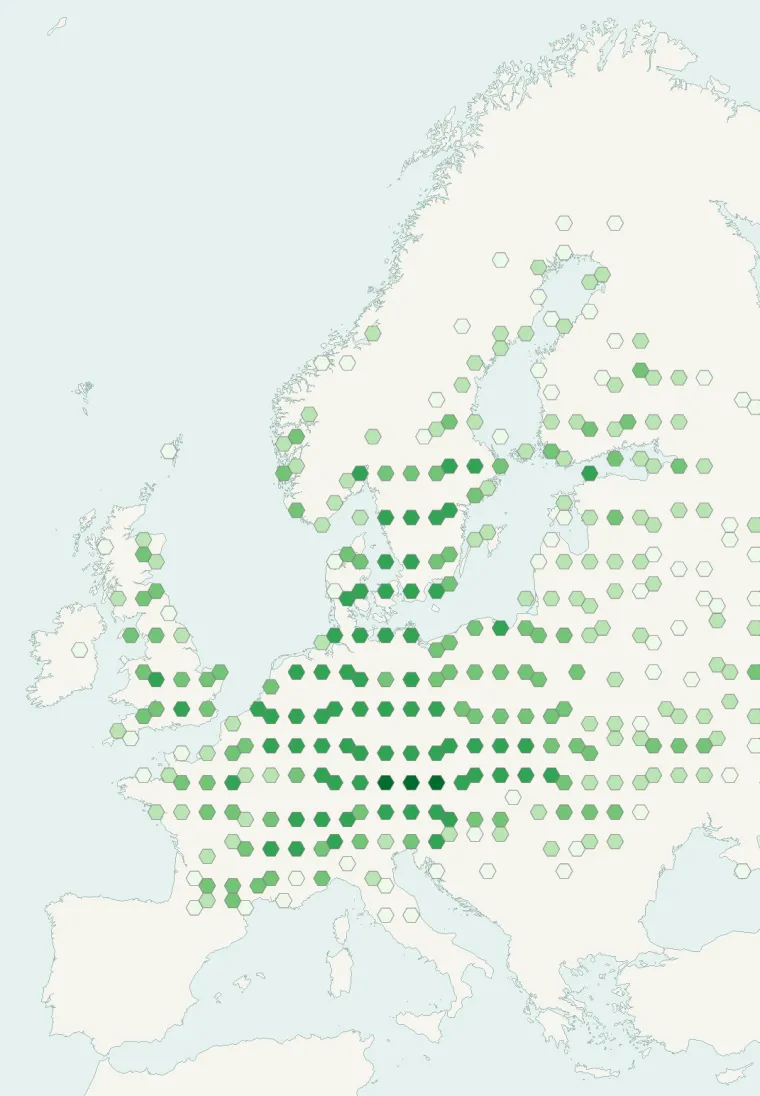
Records published on GBIF (CC0 and CC BY 4.0 licences): the darker the shade, the more records there are; they also reflect observation effort.
From Wikipedia
Impatiens parviflora (small balsam, or small-flowered touch-me-not) is a species of annual herbaceous plants in the family Balsaminaceae, native to some areas of Eurasia, naturalized elsewhere and found in damp shady places. Impatiens parviflora can grow in sandy, loamy, and clay soils and prefers moist soil. The name comes from the fact that ripe seed pods explode when touched to disperse seeds widely.
Source: Wikipedia, article “Impatiens parviflora” (version of September 15, 2026) · history and authors · licence CC BY-SA 4.0
Protected areas where it has been recorded
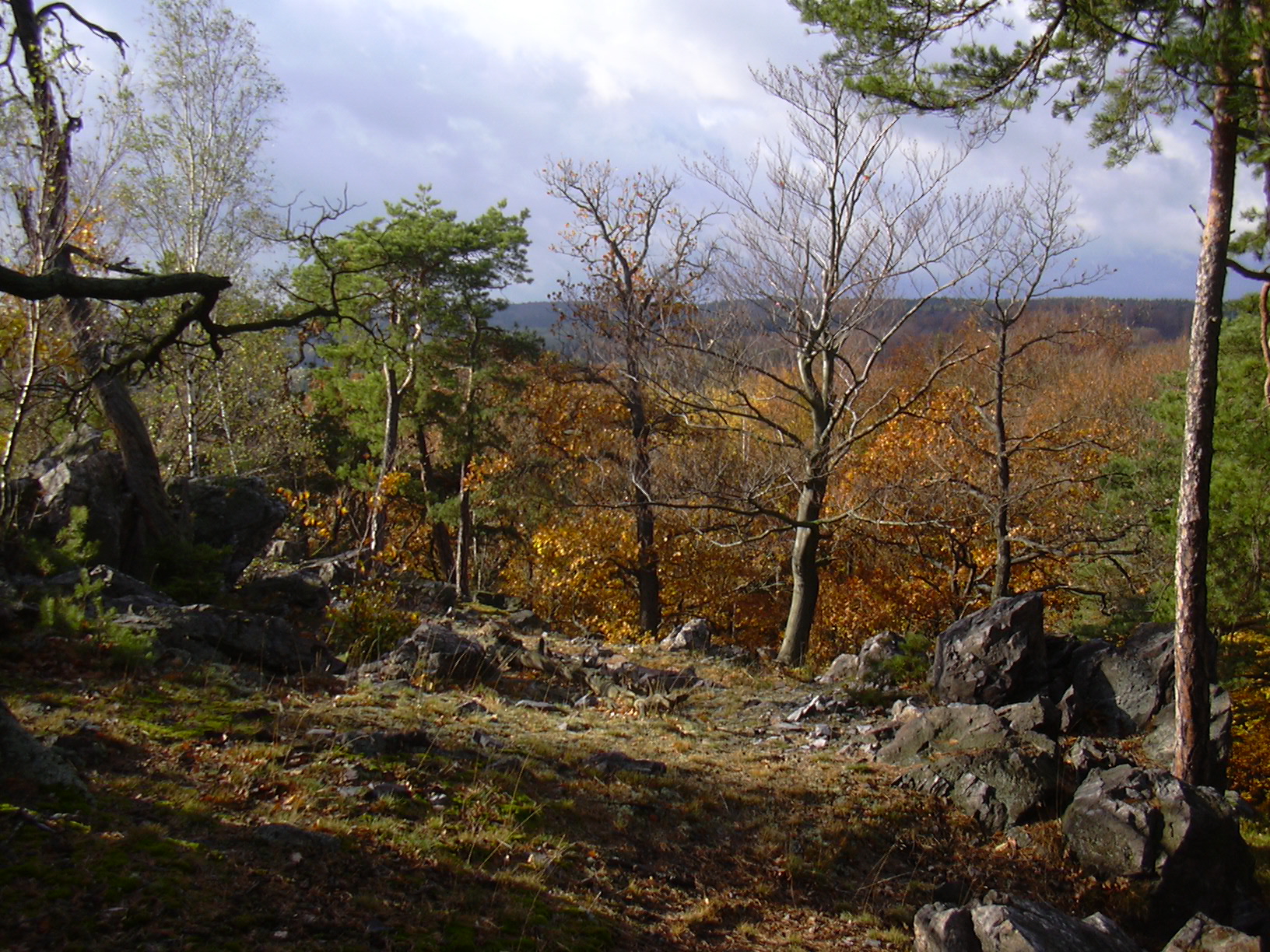
698 records
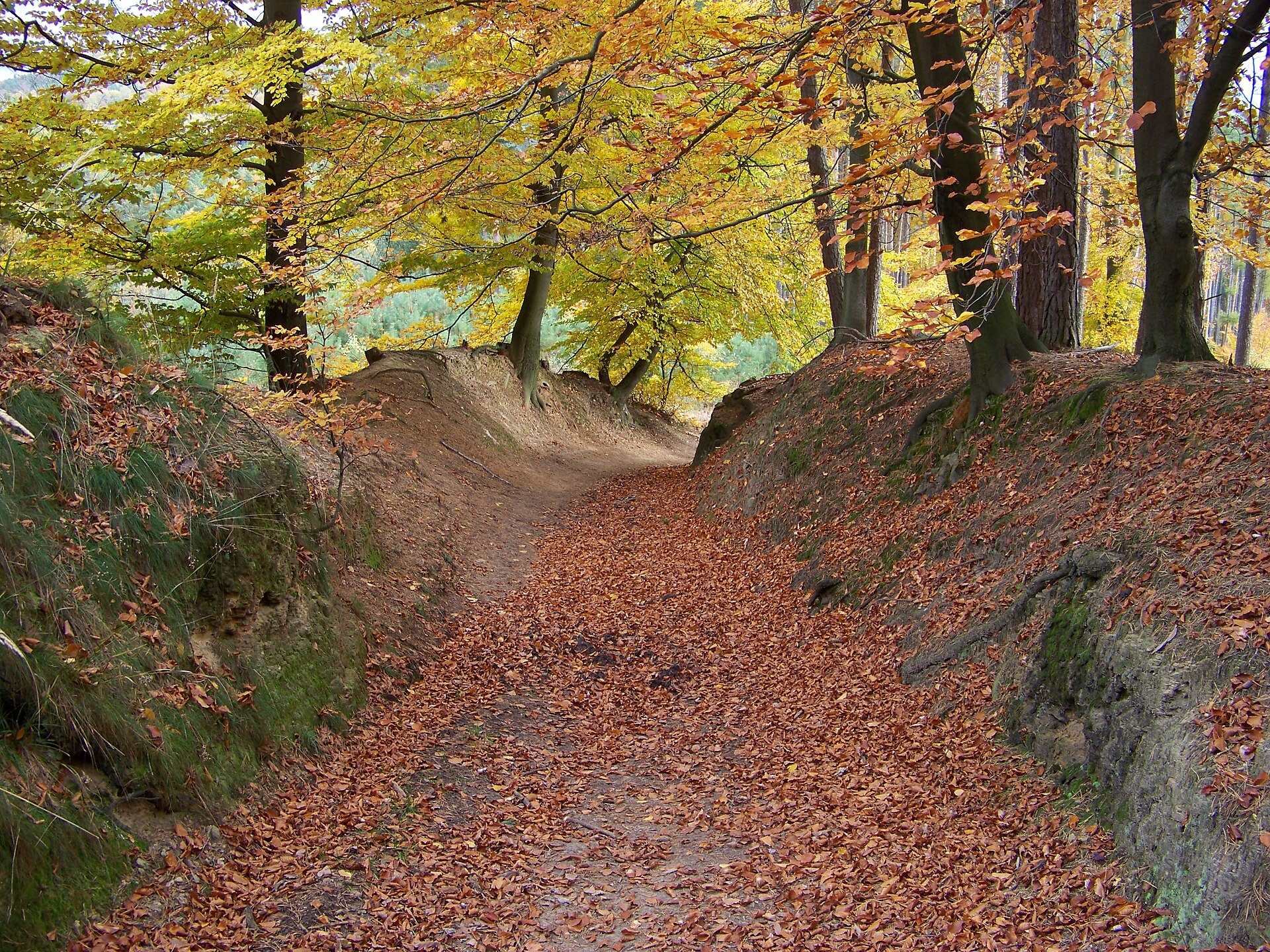
147 records
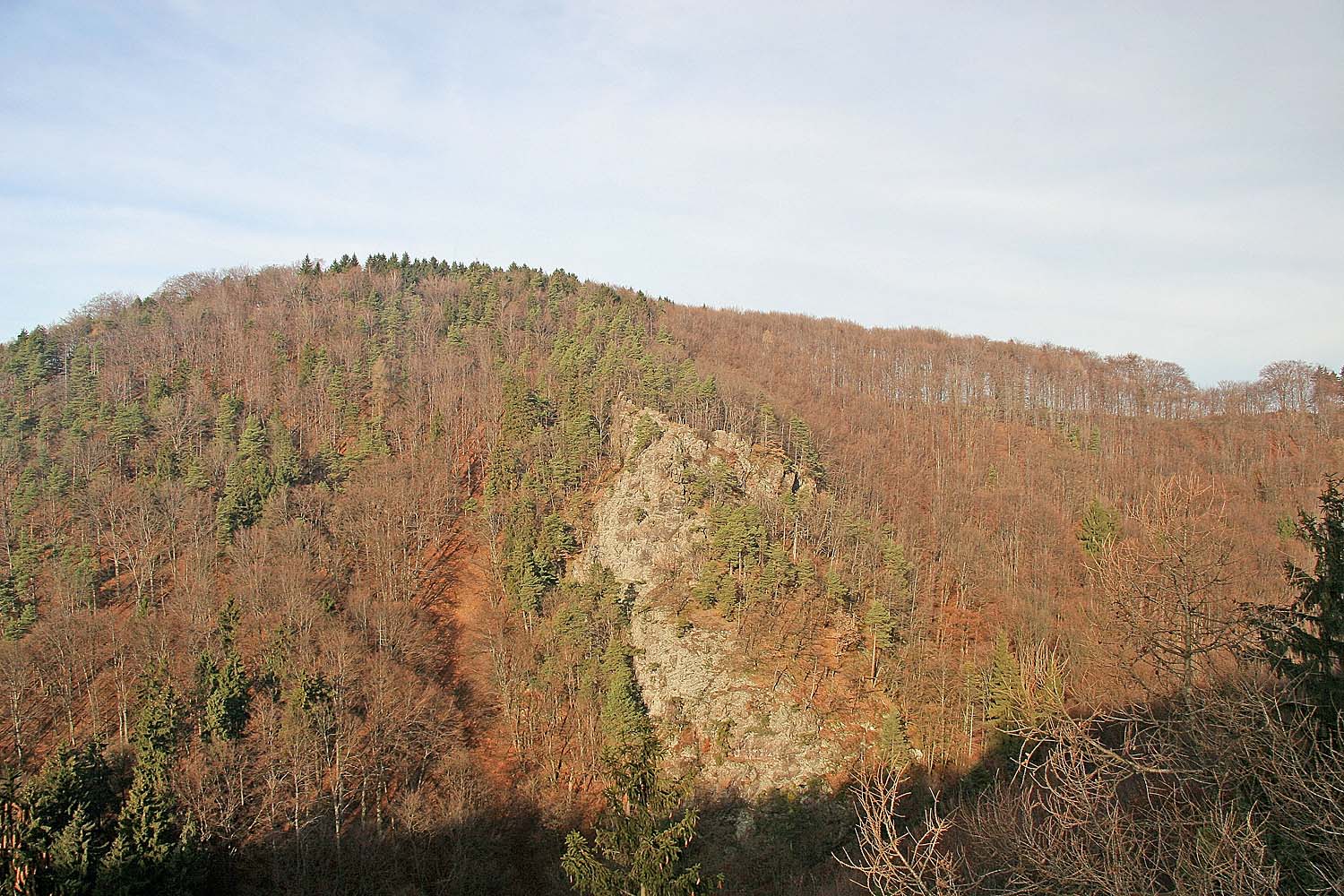
110 records
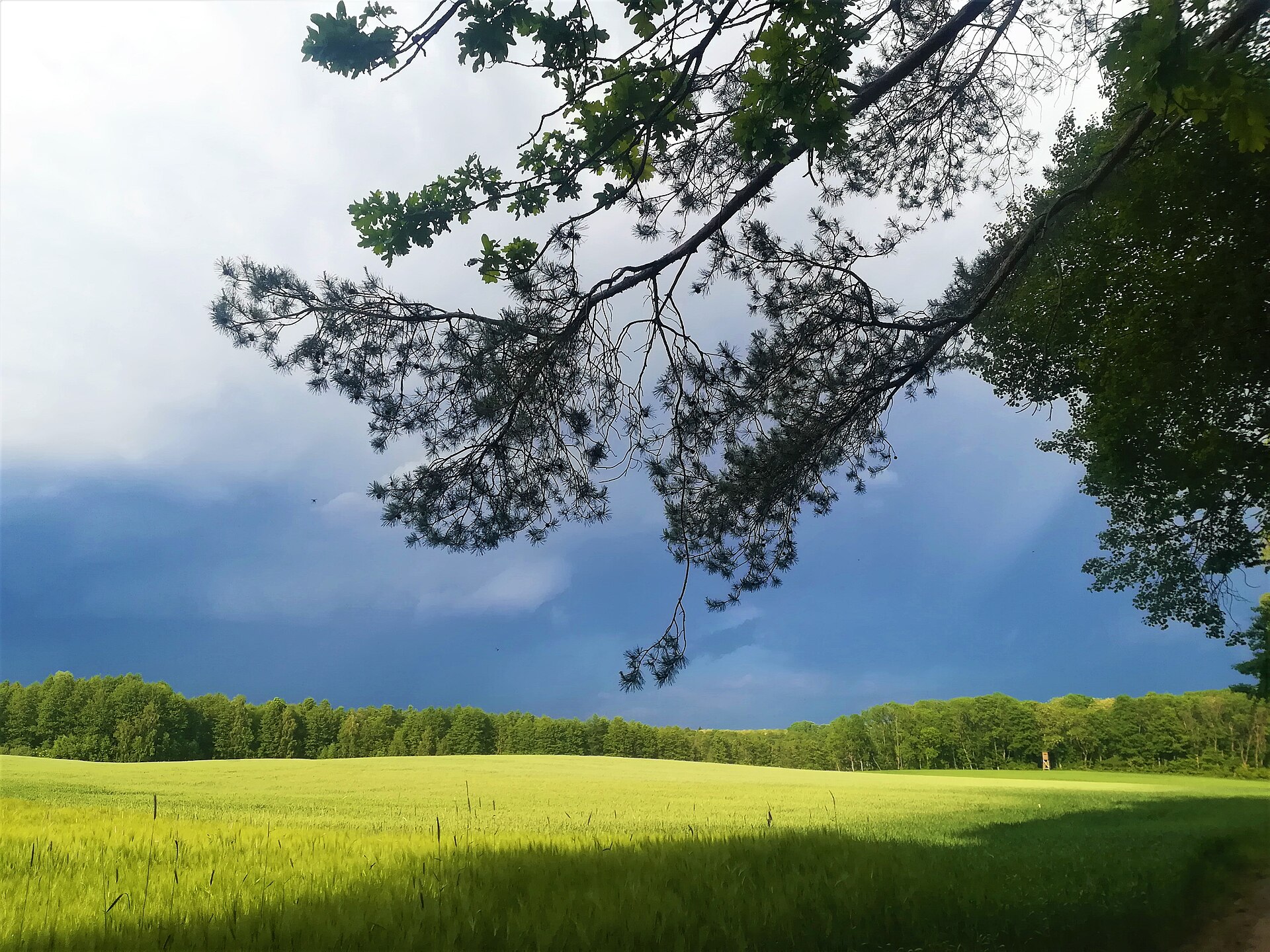
40 records
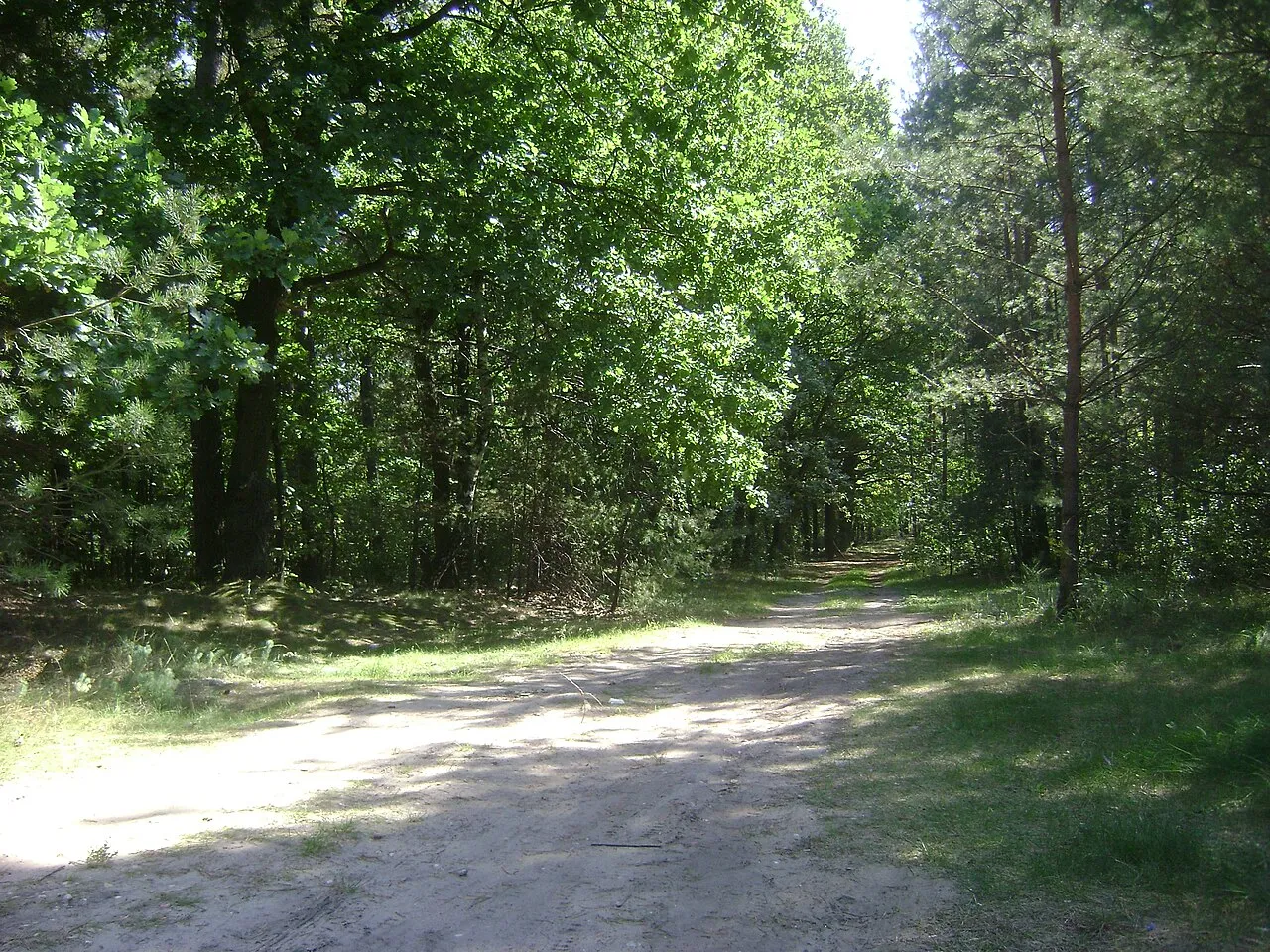
23 records
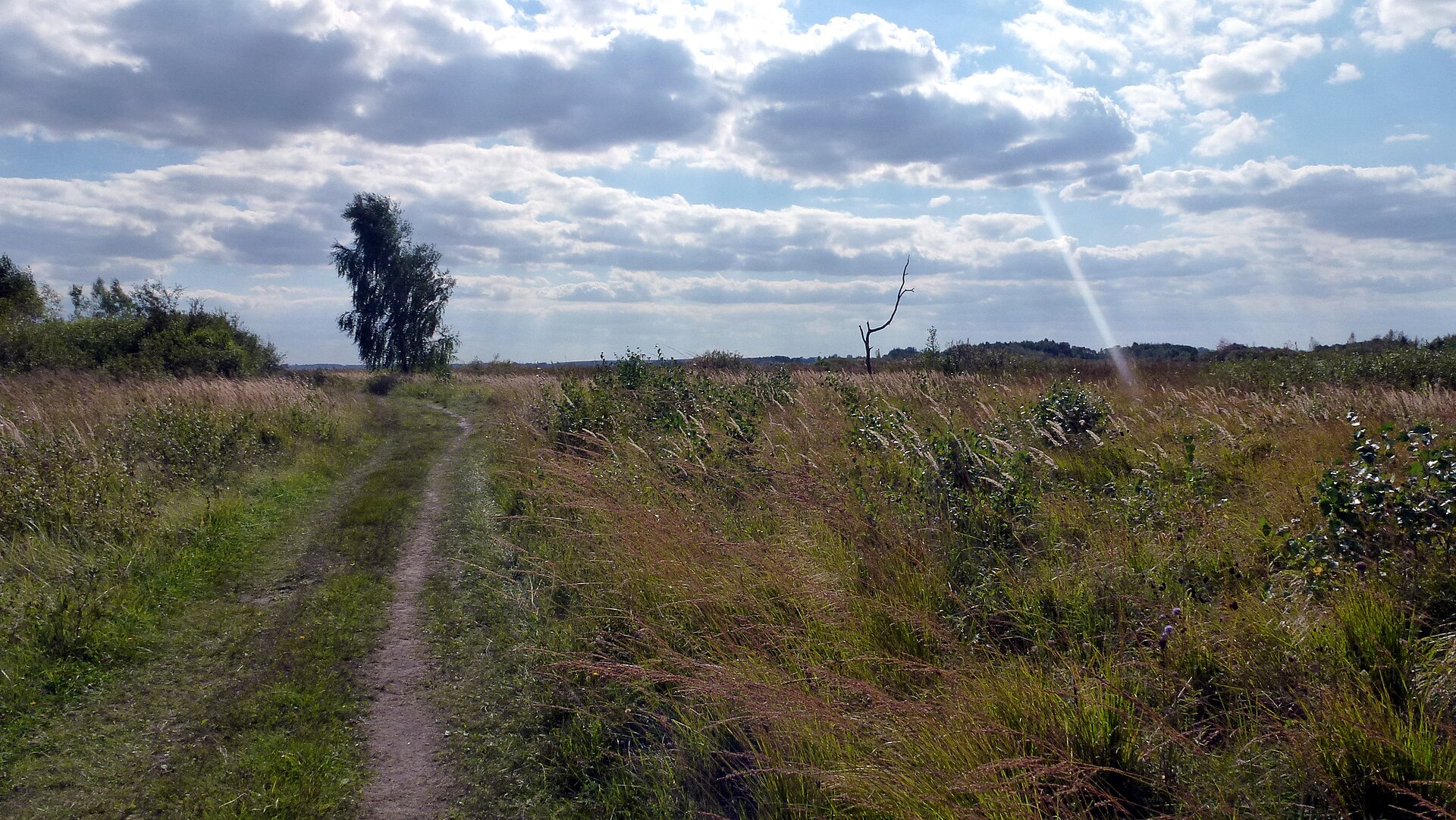
22 records

21 records
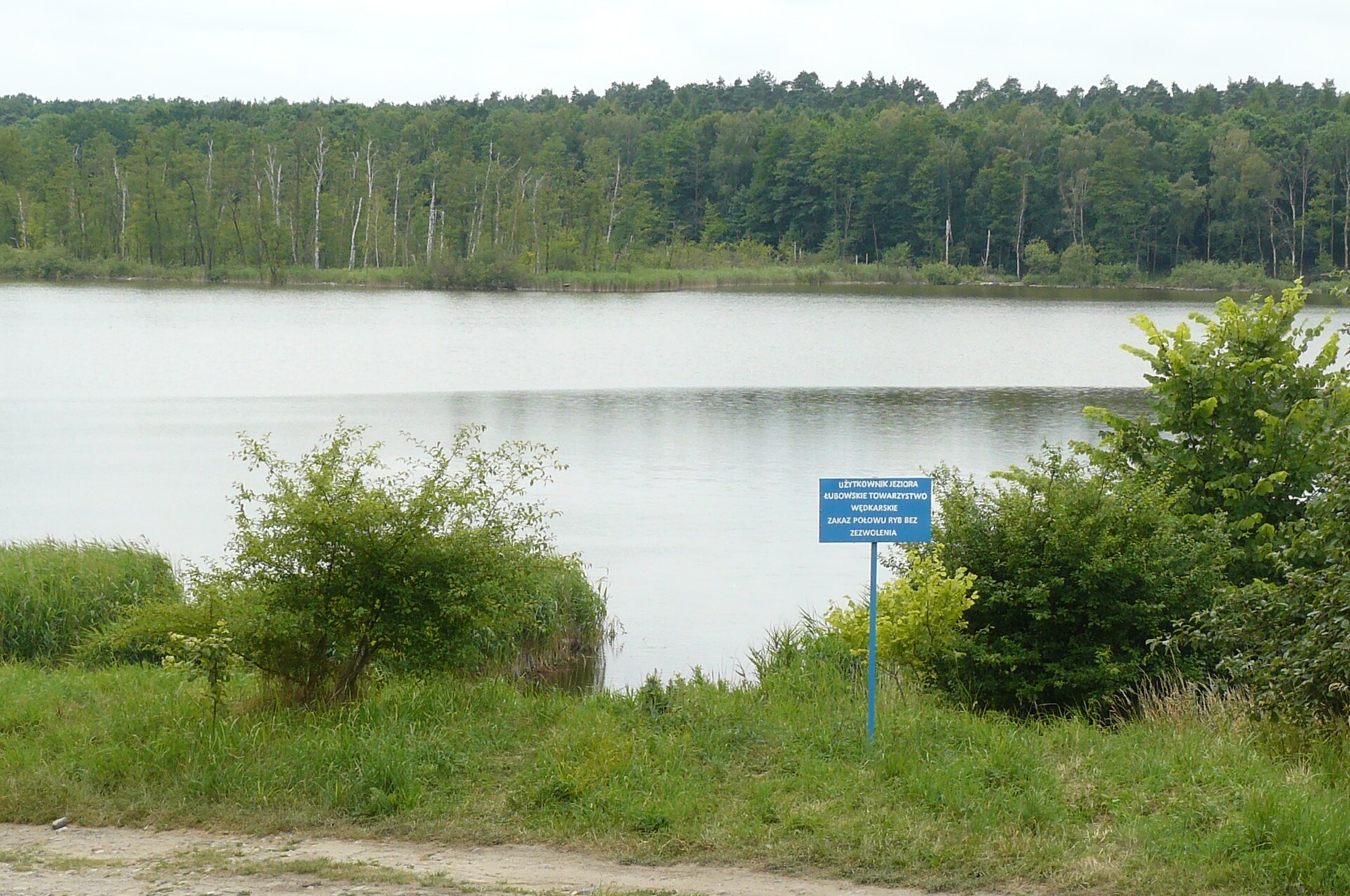
21 records
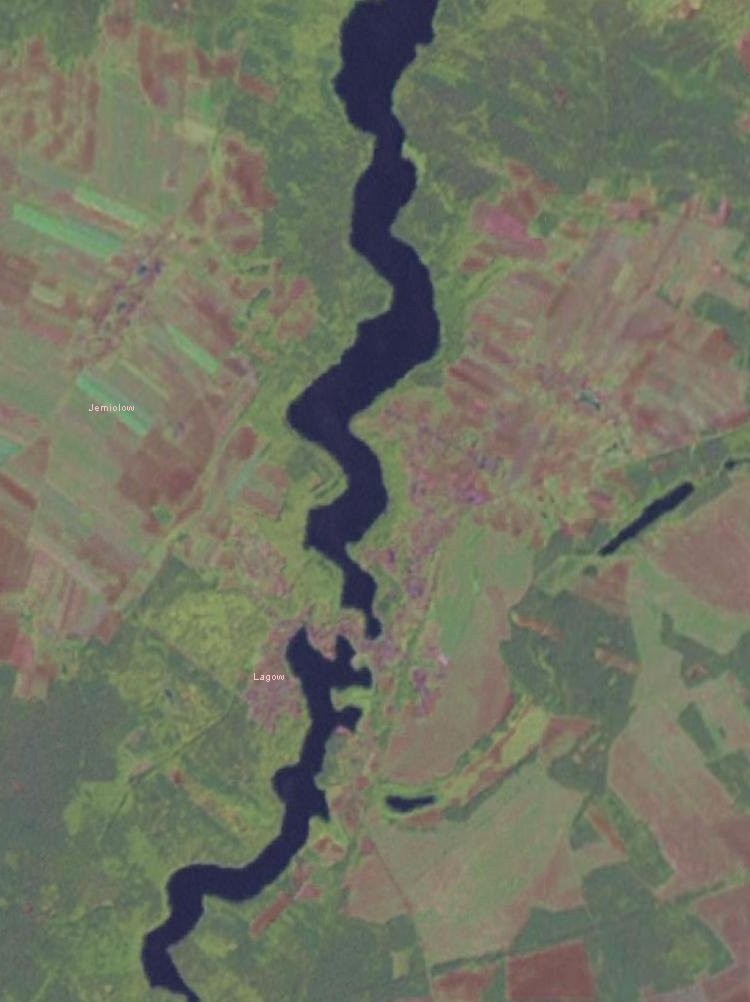
18 records
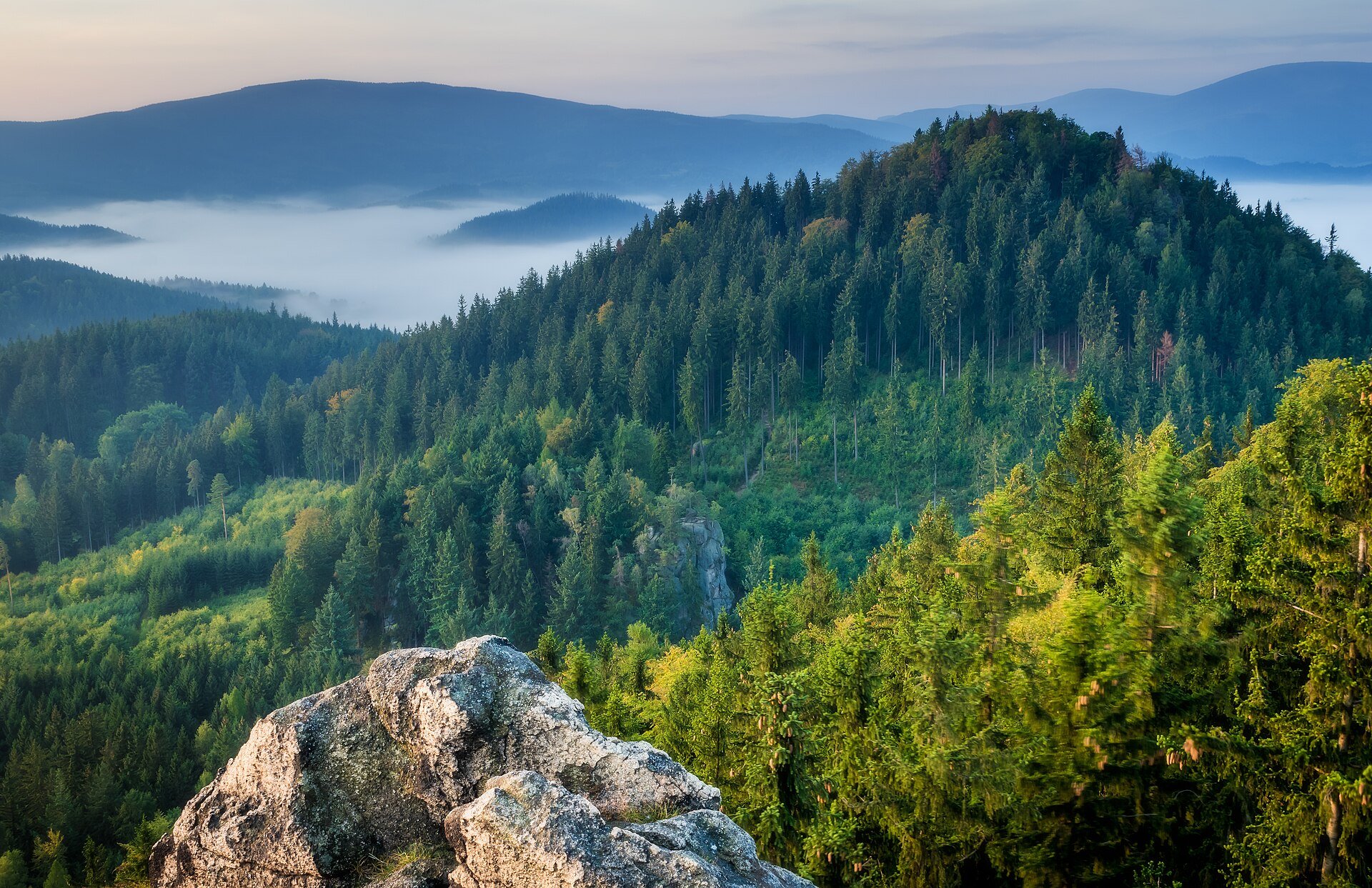
16 records
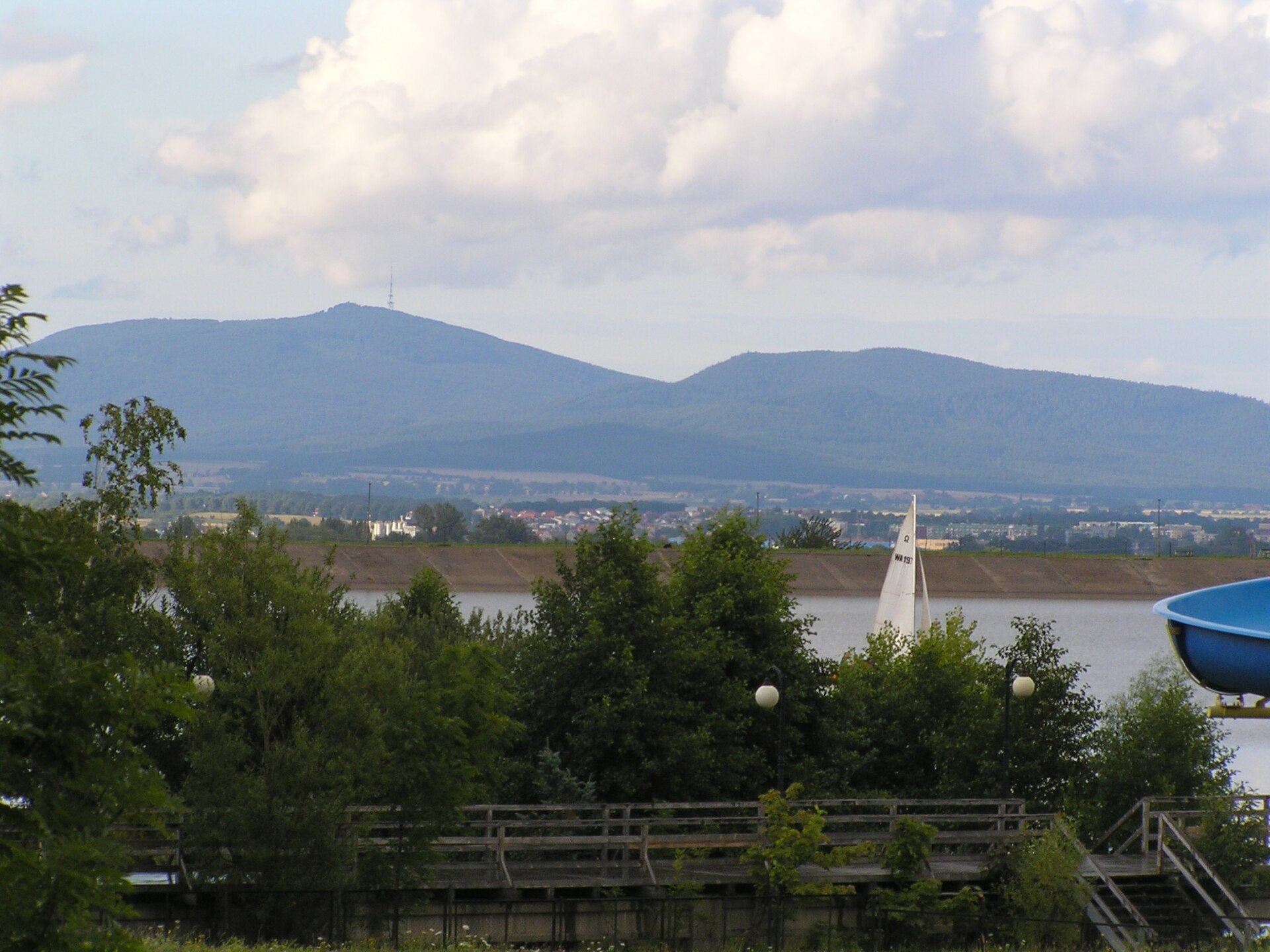
14 records

13 records
11 records
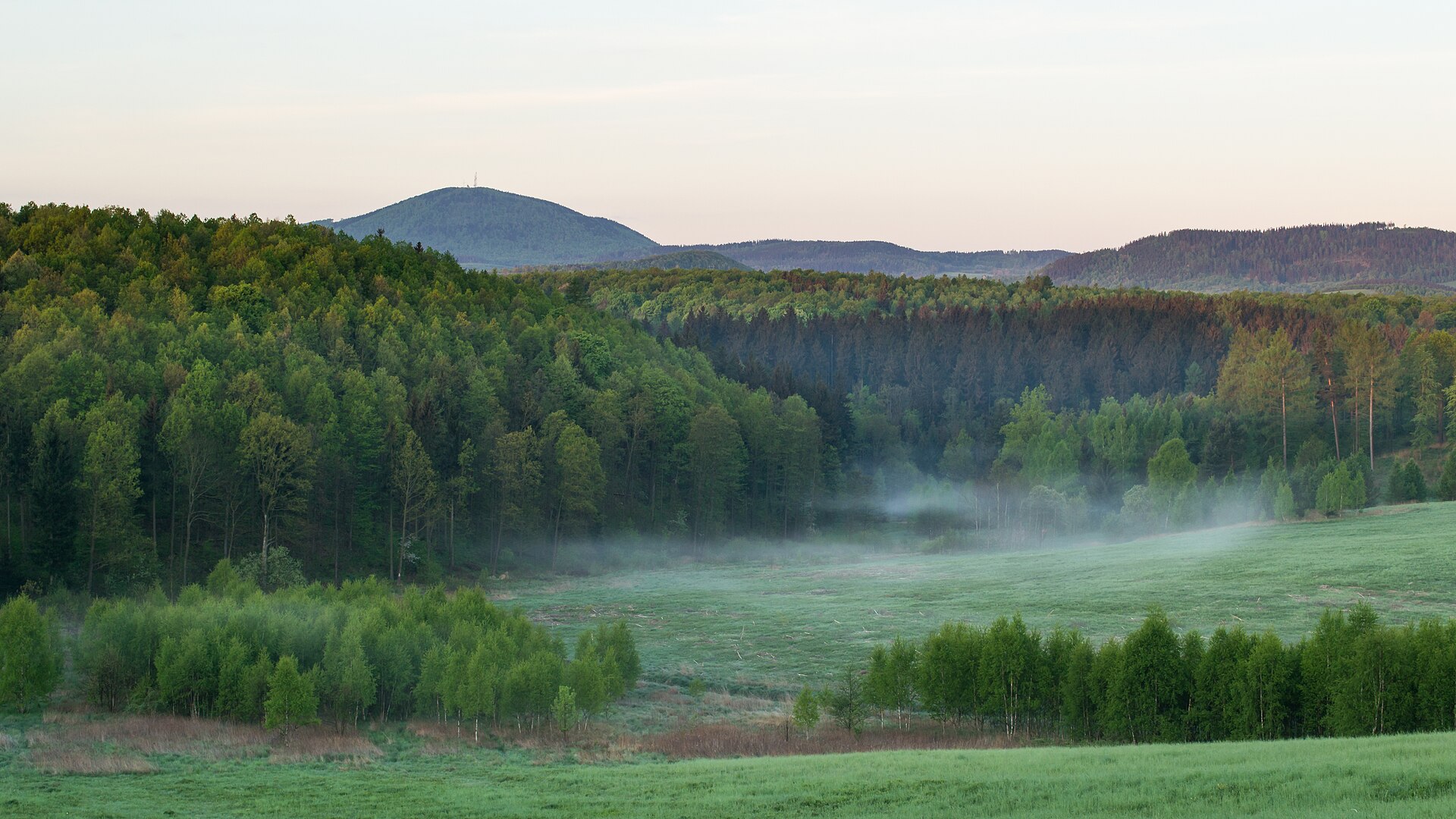
9 records
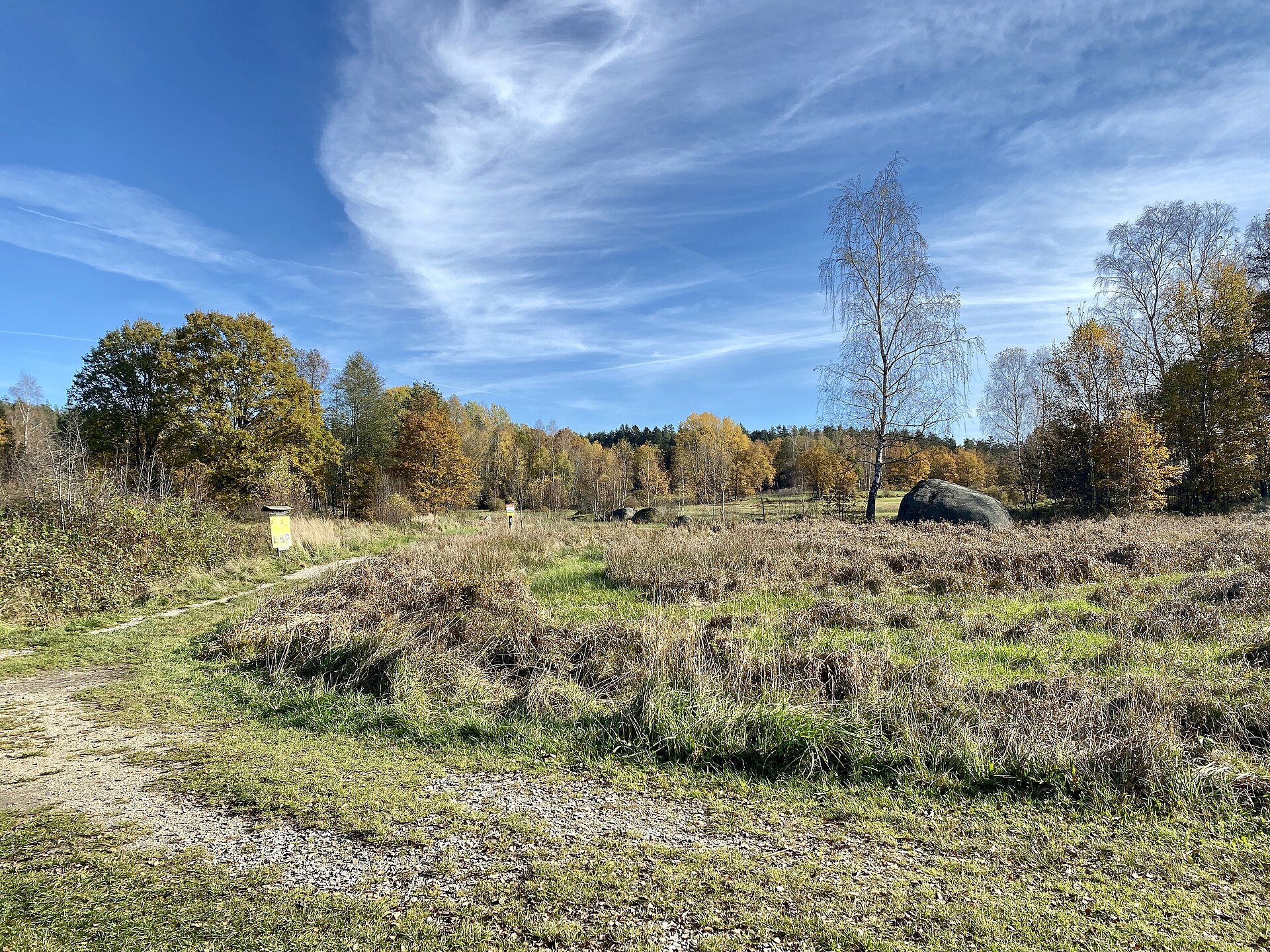
8 records
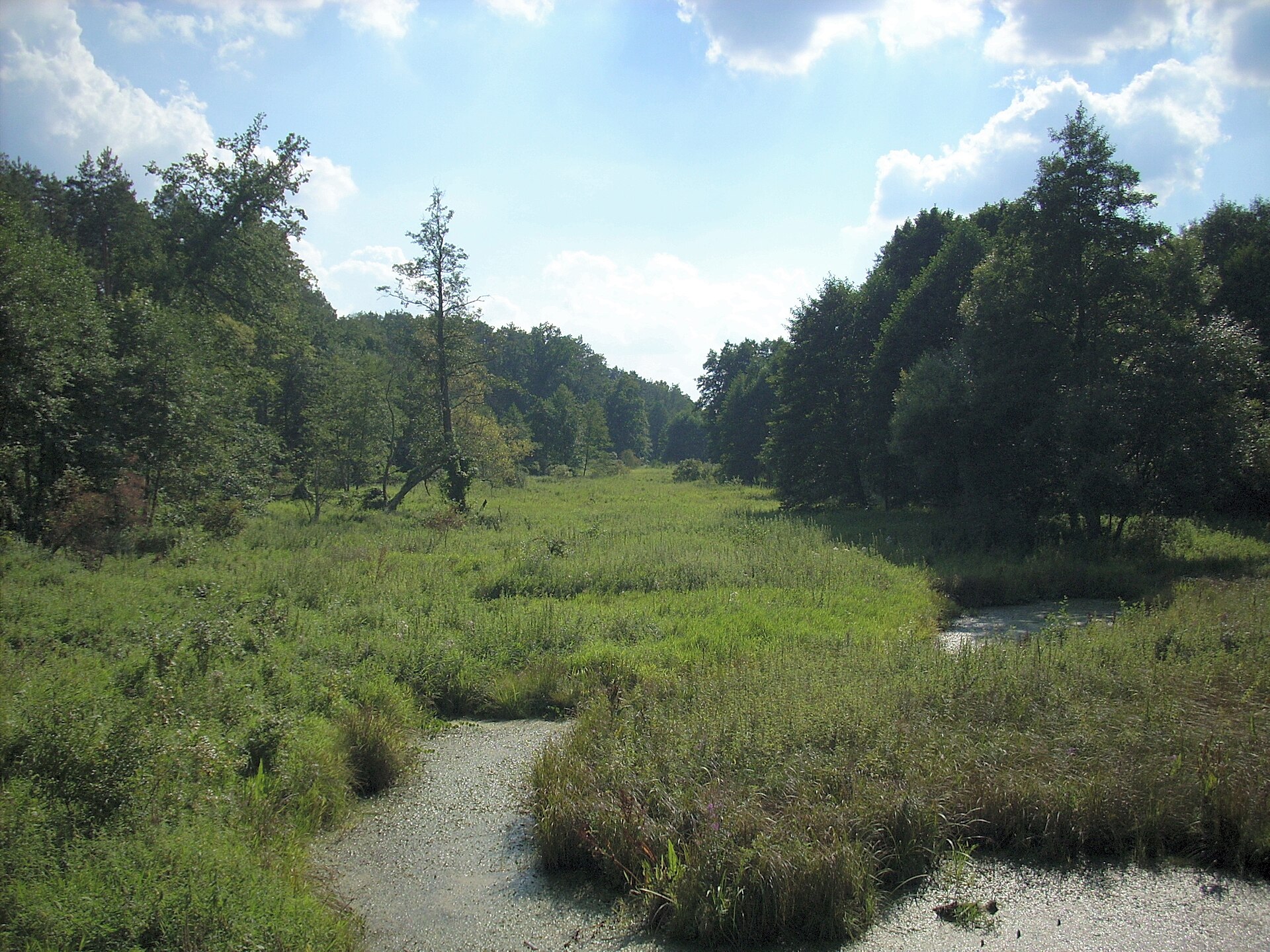
5 records
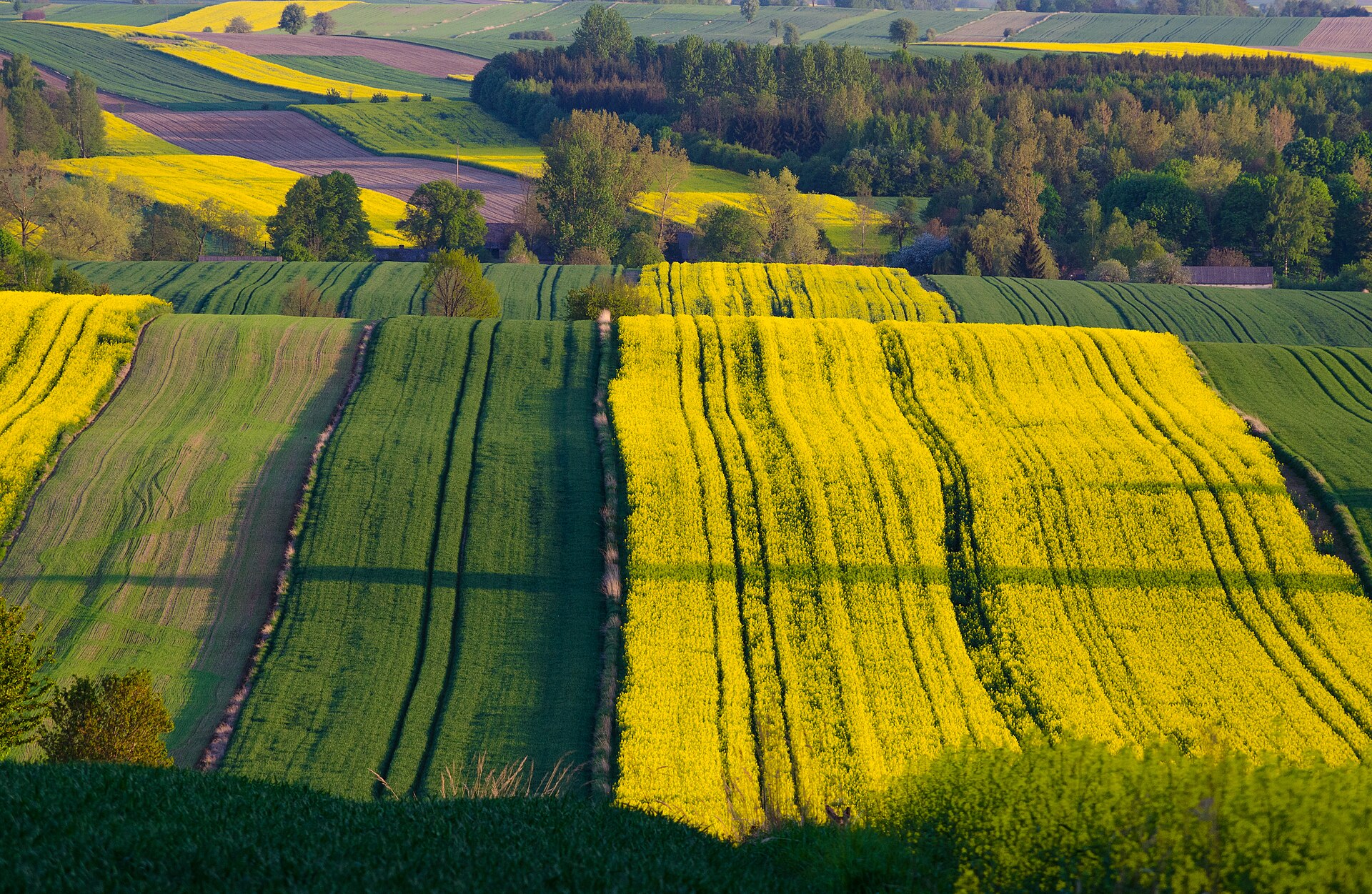
3 records
3 records

2 records
Other species to discover
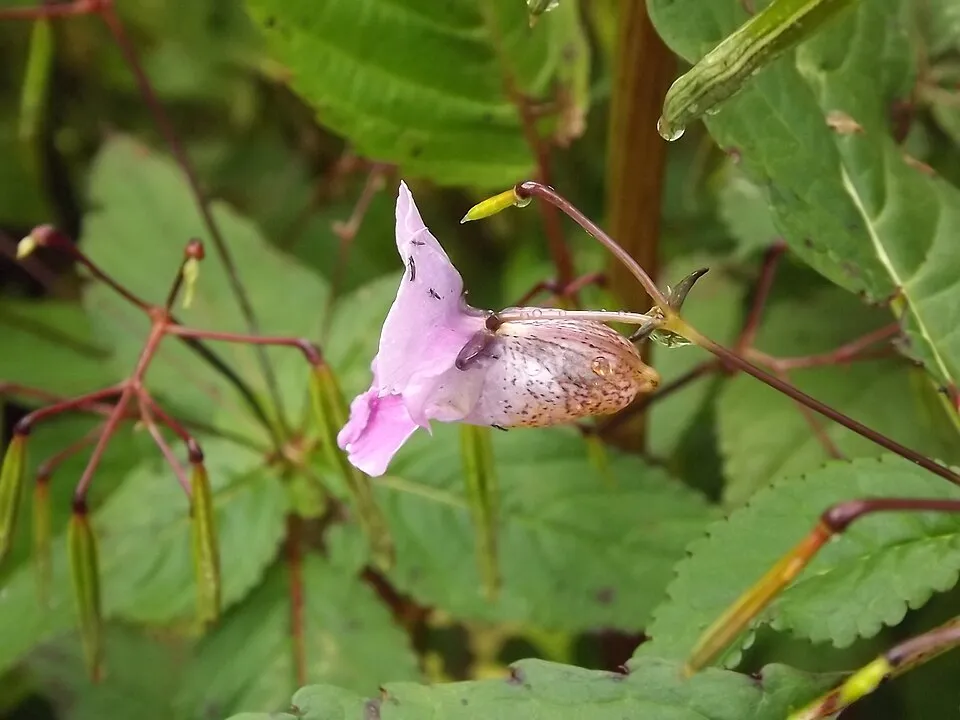 Himalayan Balsam
Impatiens glandulifera Same genus
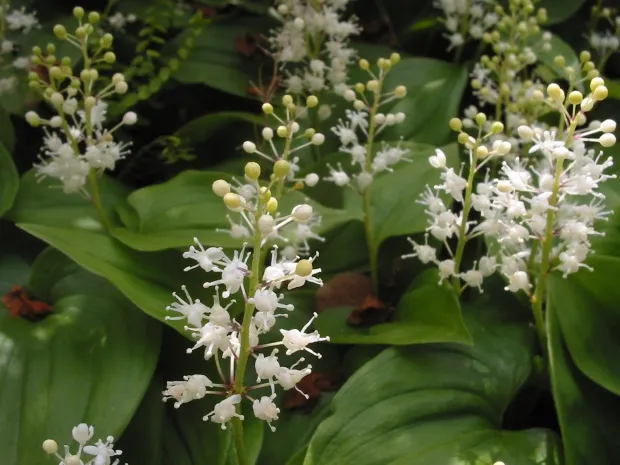 May lily
Maianthemum bifolium 5 places in common
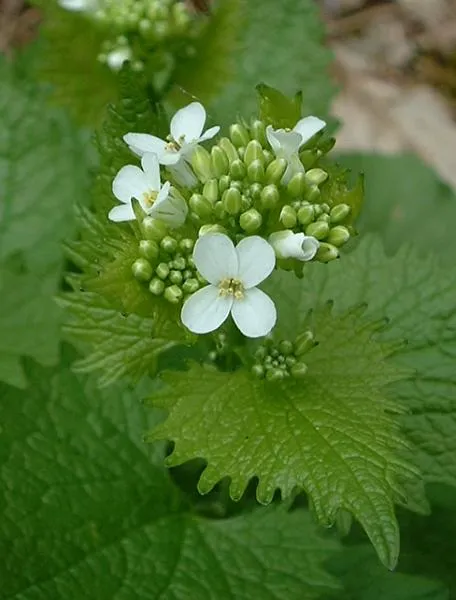 Garlic Mustard
Alliaria petiolata 7 places in common
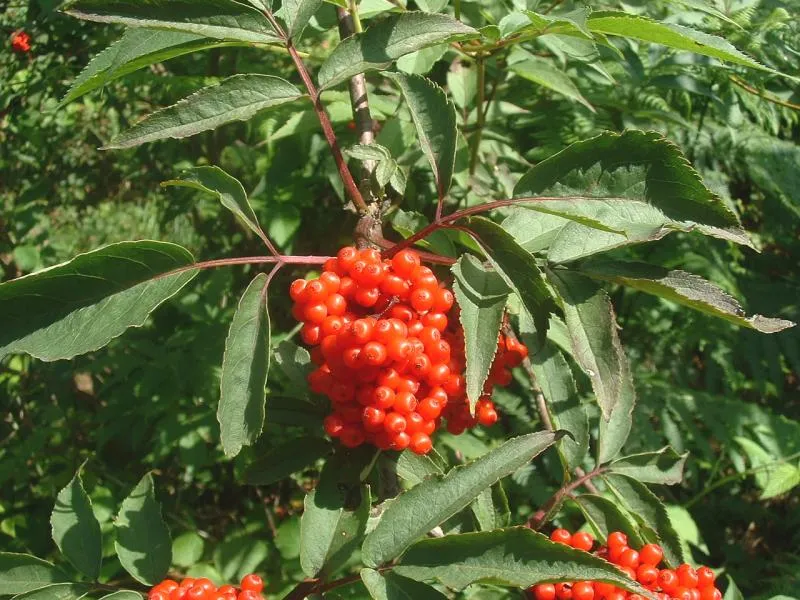 Red-berried Elder
Sambucus racemosa 5 places in common
 Yellow Loosestrife
Lysimachia vulgaris 5 places in common
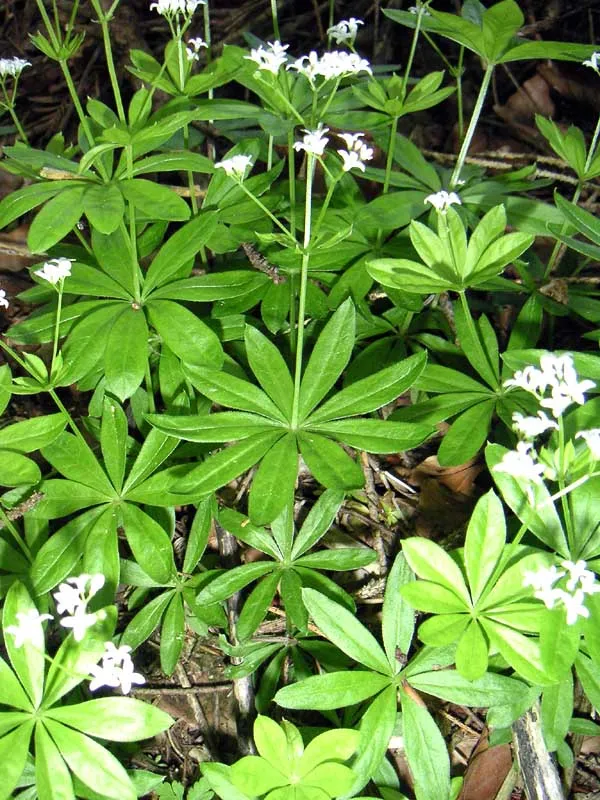 Sweet woodruff
Galium odoratum 5 places in common
Sources and credits
- Presence: most-recorded species of each place on GBIF and species of Community interest in the Natura 2000 forms (EEA, CC-BY 4.0); absence from the list does not mean the species is absent.
- Common names: Wikidata (CC0) and GBIF.
- Photos and sounds: Wikimedia Commons, author and licence given for each file.
- Classification: GBIF Backbone Taxonomy (GBIF Secretariat), CC BY 4.0, doi:10.15468/39omei.
- Countries, elevations, months and maps: GBIF.org, CC0 or CC BY 4.0 occurrences only, accessed October 22, 2026, GBIF.org.
- Base map: Natural Earth (public domain).
- Excerpt: Wikipedia, CC BY-SA 4.0 (full credit below the excerpt).
- Native range and life form: World Checklist of Vascular Plants, Royal Botanic Gardens, Kew, CC BY 4.0 (no endorsement by Kew).
- Invasive alien species: Union list, Regulation (EU) No 1143/2014 (INBO, CC0); Global Register of Introduced and Invasive Species (ISSG, CC BY 4.0).