
Bird
Levant Sparrowhawk: where to see it
Accipiter brevipes
This bird species is recorded in 20 protected areas of the atlas, and is listed on the official Natura 2000 form of each of them. Within the atlas countries, it is observed in Greece, Bulgaria and Romania. Records peak from August to September. It has a wingspan of 70 cm. It is subject to special conservation measures under the Birds Directive (Annex I). Its EU population is assessed as secure (2013–2018 Birds Directive reporting).
Best time to see it: August–September
Records published on GBIF by month (CC0 and CC BY 4.0 licences only), in the atlas countries, all years combined; they also reflect observer activity.
Key facts
- Wingspan
- 70 cm Wikidata, after Ericson et al. 2007
- Clutch size
- 3.9 eggs on average Wikidata, after Jetz et al. 2008
Status and protection
Birds Directive I
The species is listed in Annex I of the Birds Directive.
EU population assessed as secure, stable in the short term (2013–2018 Birds Directive reporting). EU breeding population: 1,700–3,400 pairs.
Distribution
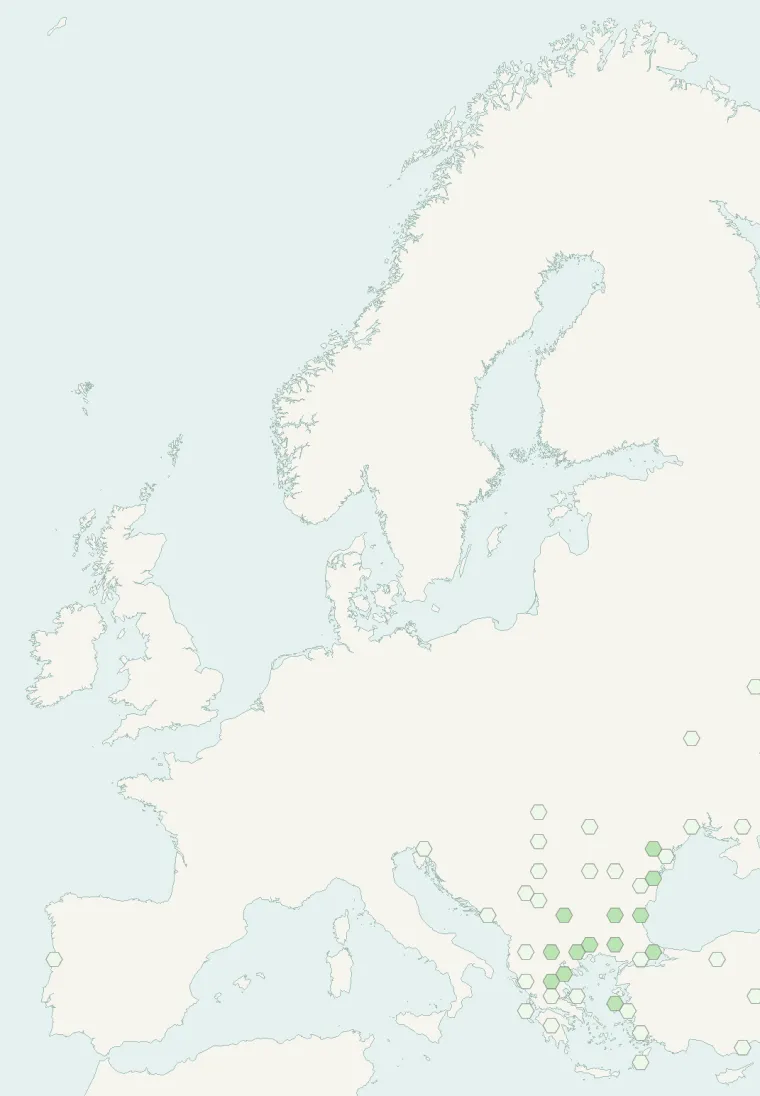
Records published on GBIF (CC0 and CC BY 4.0 licences): the darker the shade, the more records there are; they also reflect observation effort.
Atlas countries where it is recorded
From Wikipedia
The Levant sparrowhawk (Tachyspiza brevipes) is a small bird of prey. It measures 32–38 cm (13–15 in) in length with a wingspan of 65–75 cm (26–30 in). The female is larger than the male, but the difference is not as marked as with Eurasian sparrowhawk. The adult male is blue-grey above, with dark wingtips, and barred reddish below. It breeds in forests from Greece and the Balkans east to southern Russia. It is migratory, wintering from Egypt across to southwestern Iran. It will migrate in large flocks, unlike the more widespread Eurasian sparrowhawk.
Source: Wikipedia, article “Levant sparrowhawk” (version of August 29, 2026) · history and authors · licence CC BY-SA 4.0
Protected areas where it is recorded
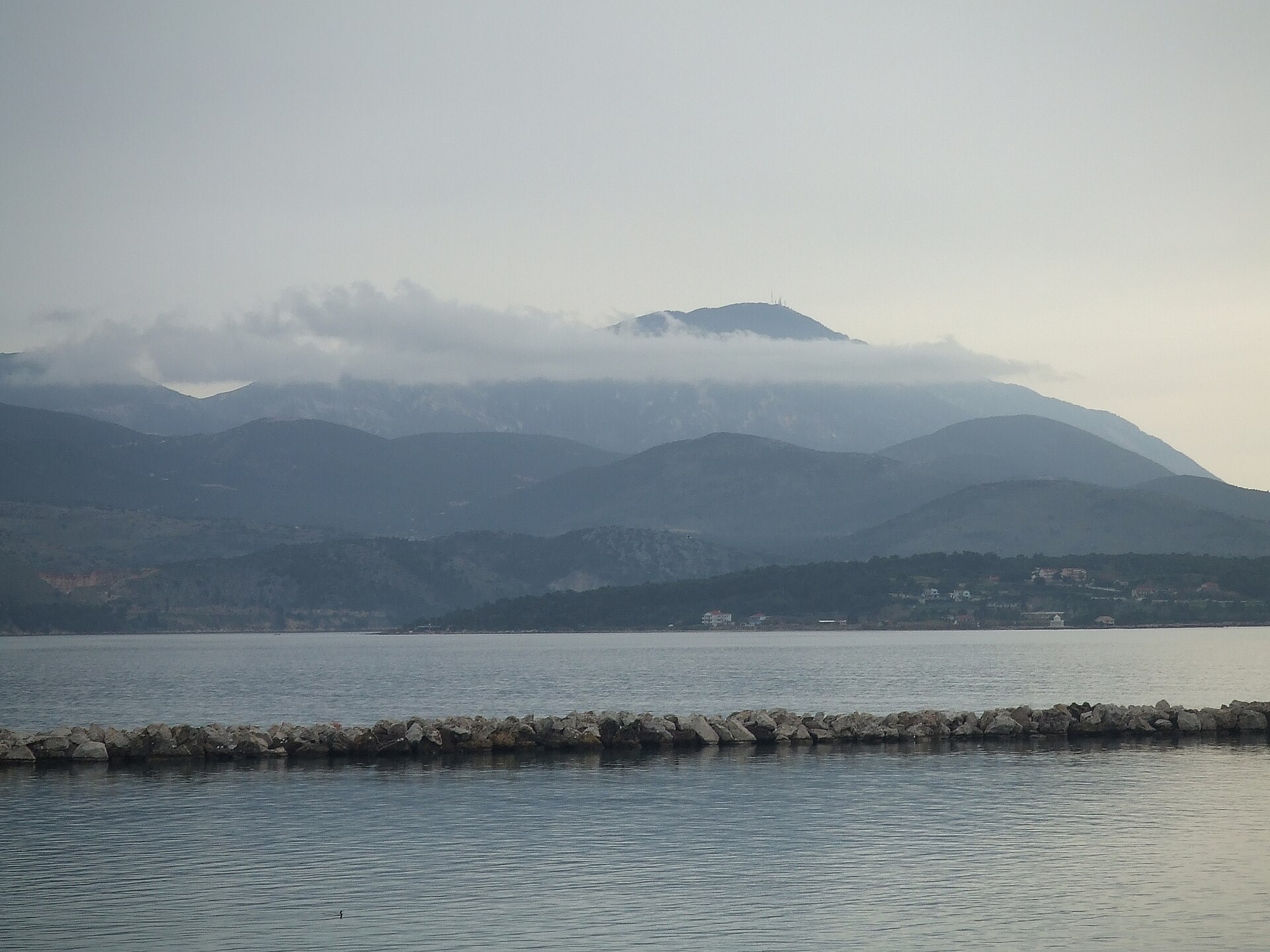
Natura 2000 · passage, breeding
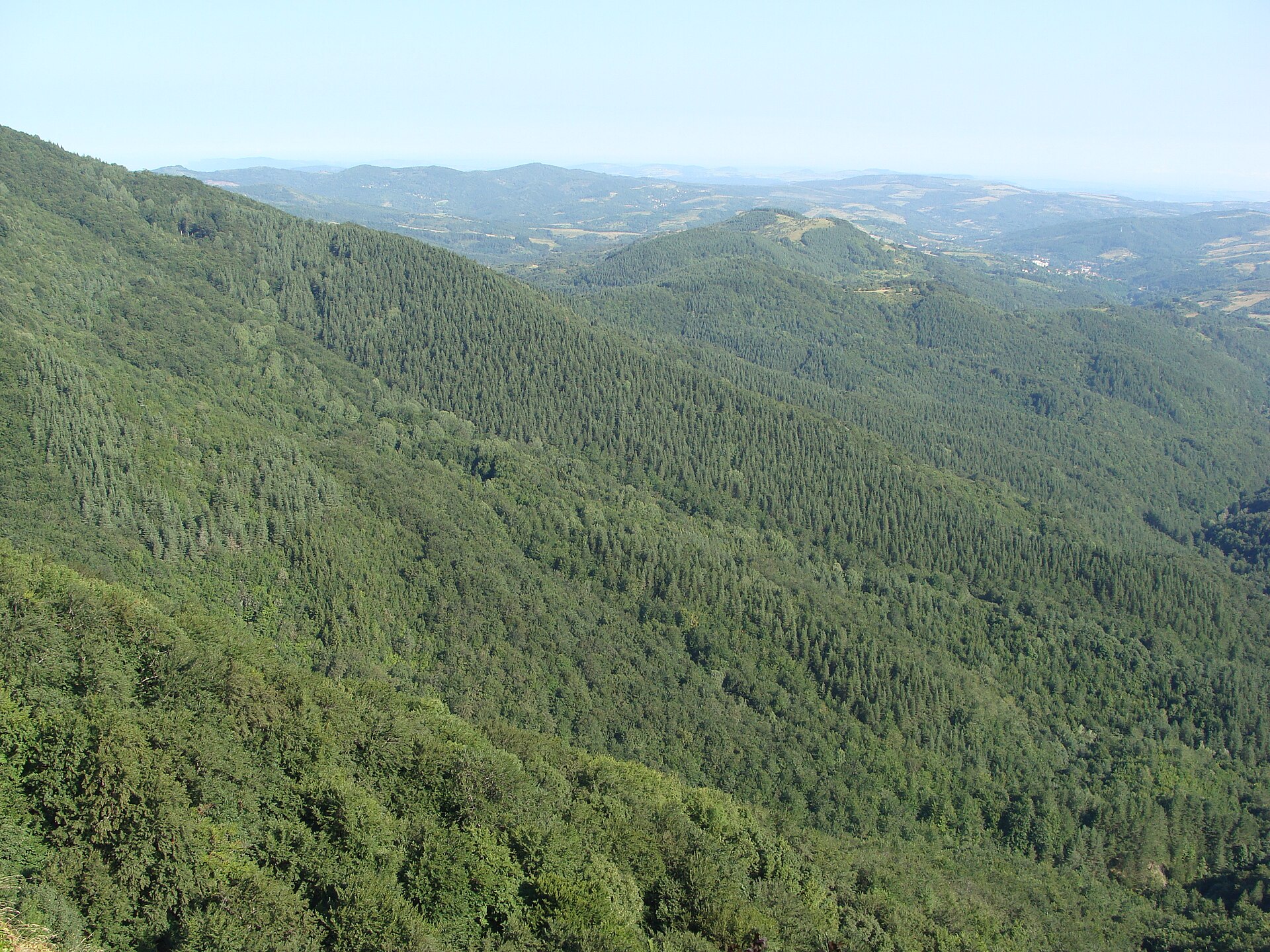
Natura 2000 · breeding, passage
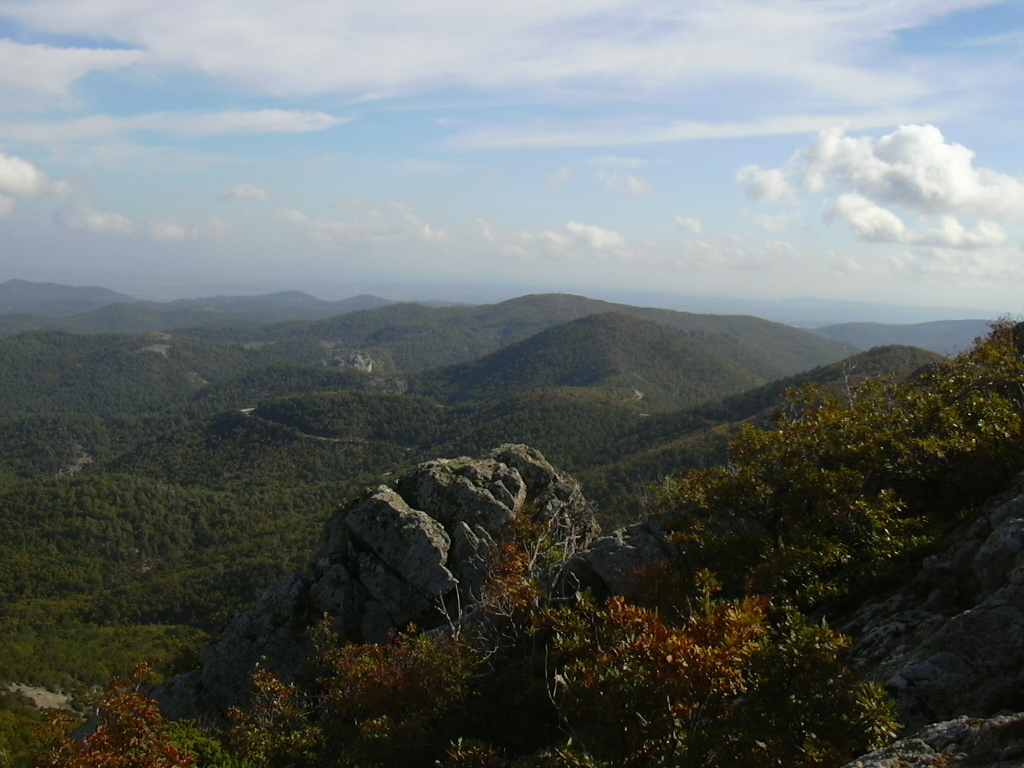
Natura 2000 · breeding
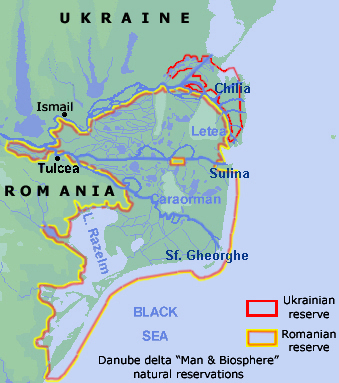
Natura 2000 · breeding, passage

Natura 2000 · breeding

Natura 2000 · passage

Natura 2000 · passage, breeding
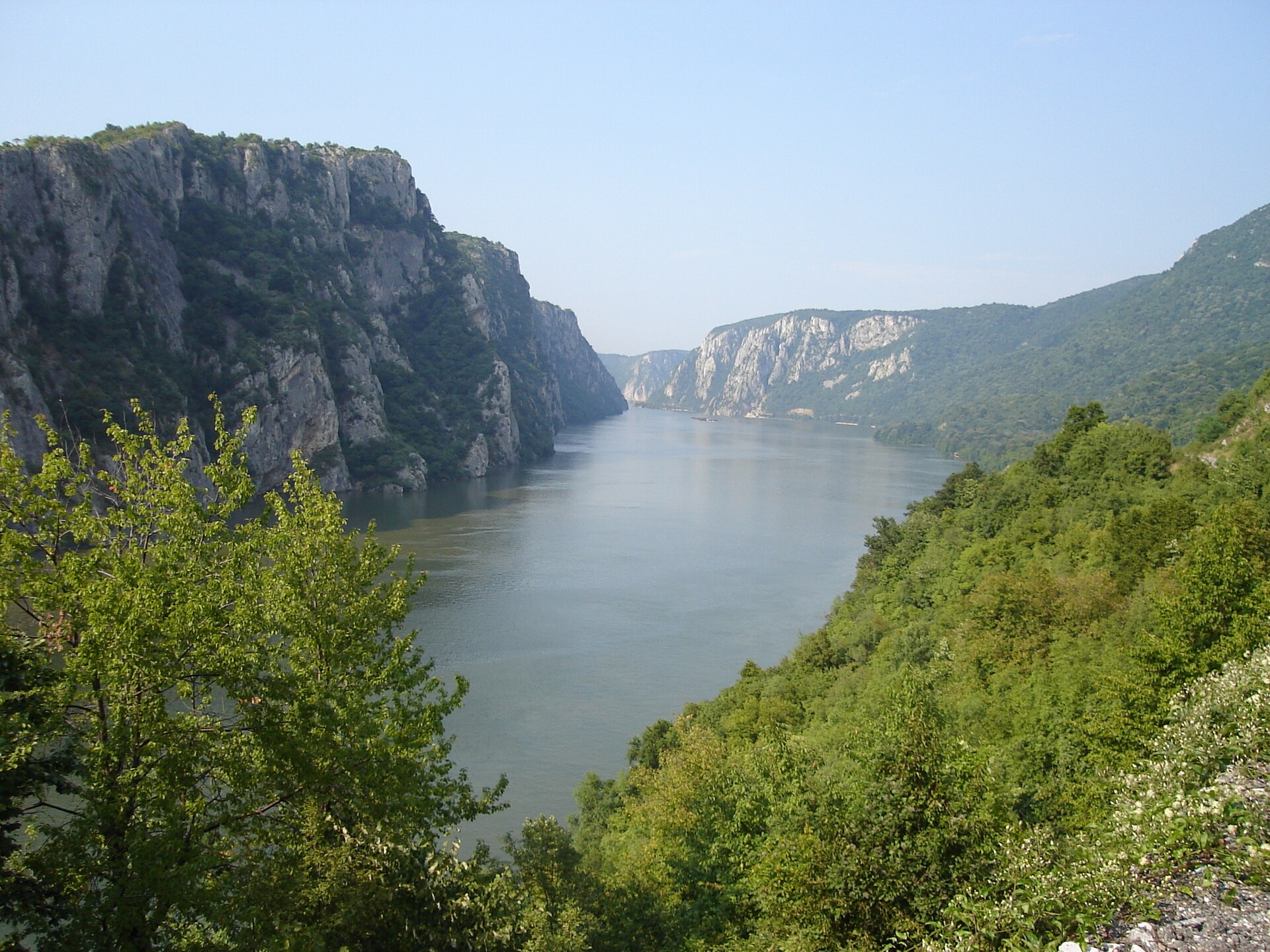
Natura 2000 · breeding

Natura 2000 · breeding
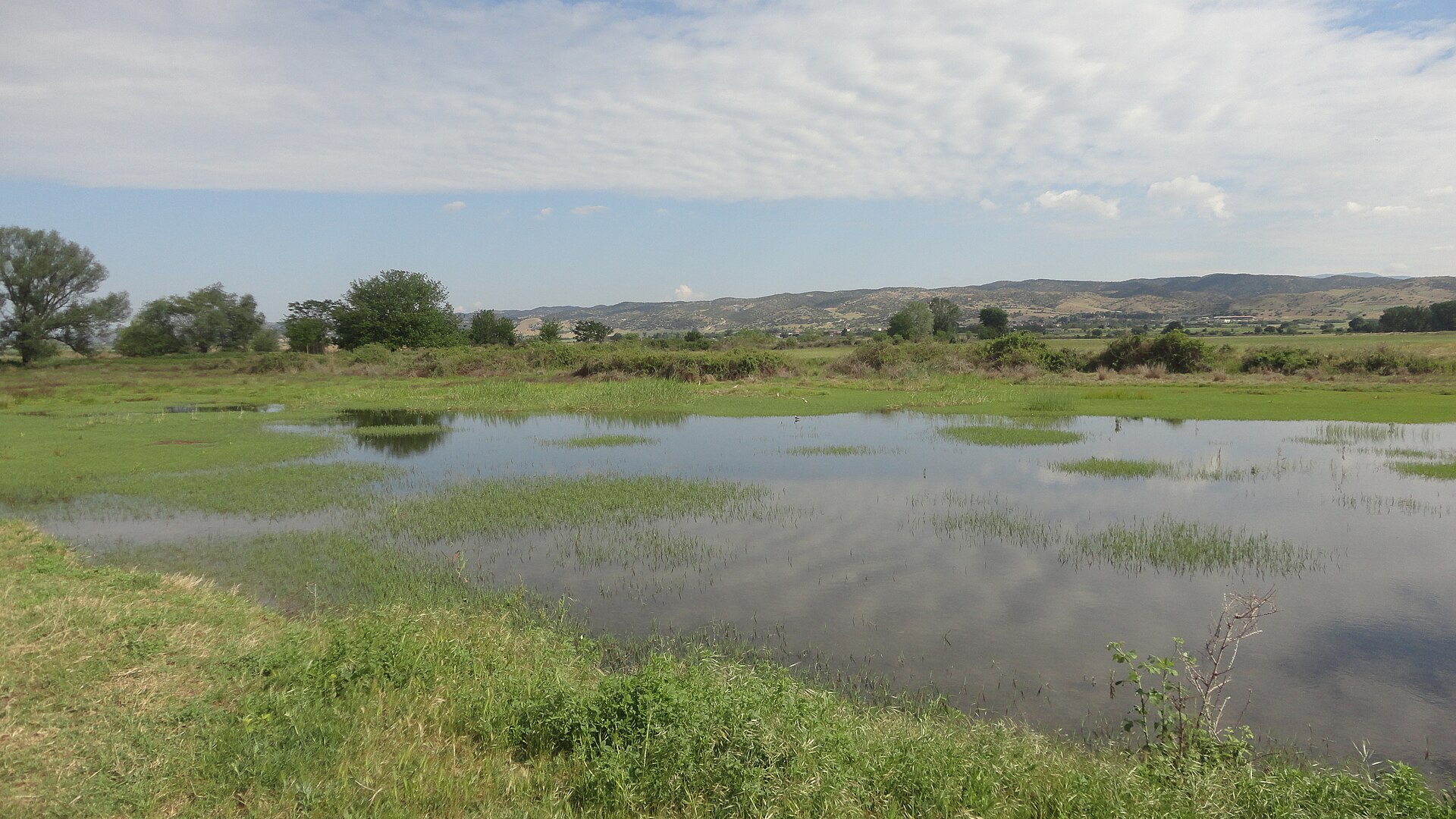
Natura 2000 · breeding
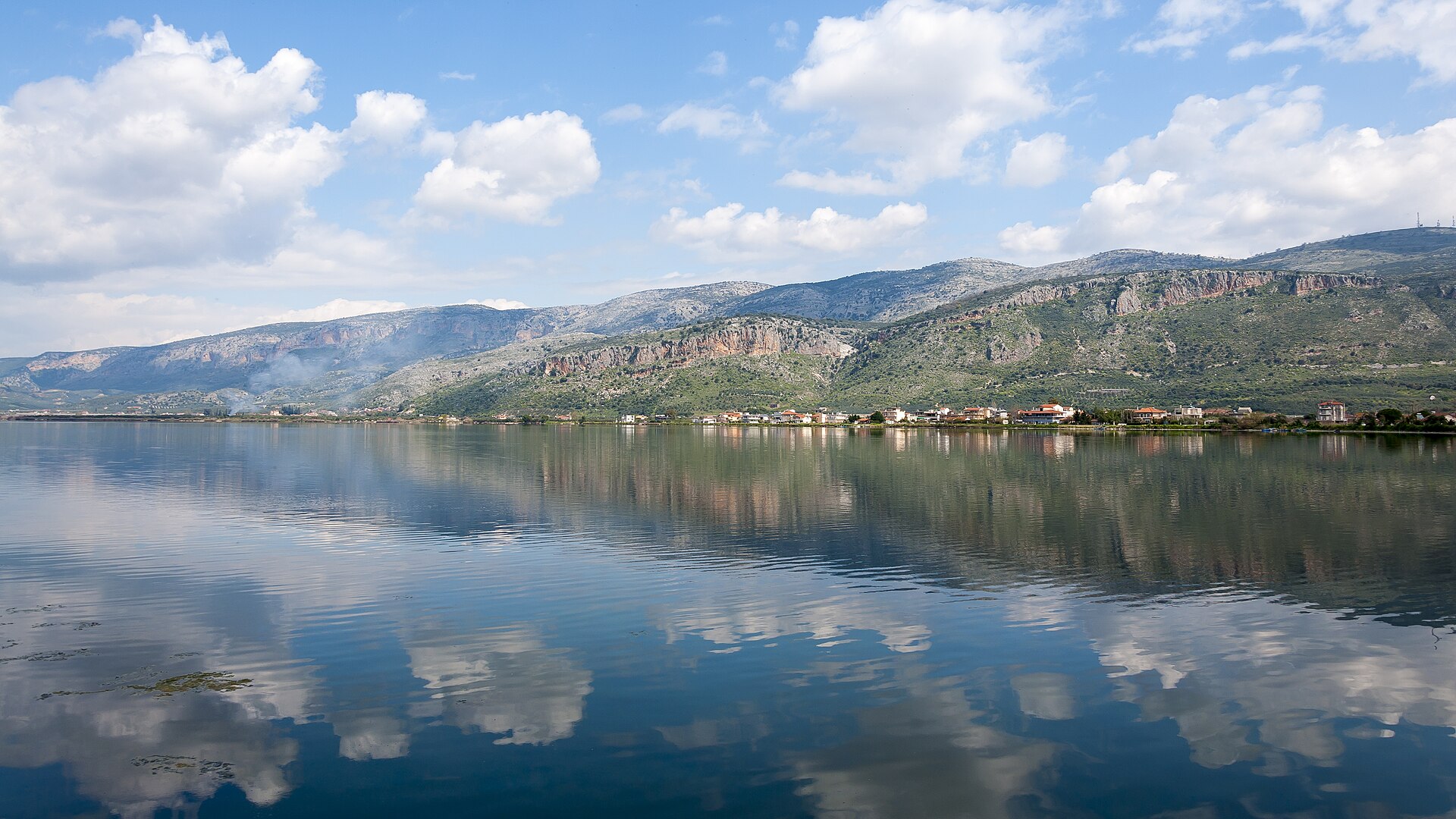
Natura 2000 · breeding

Natura 2000 · breeding
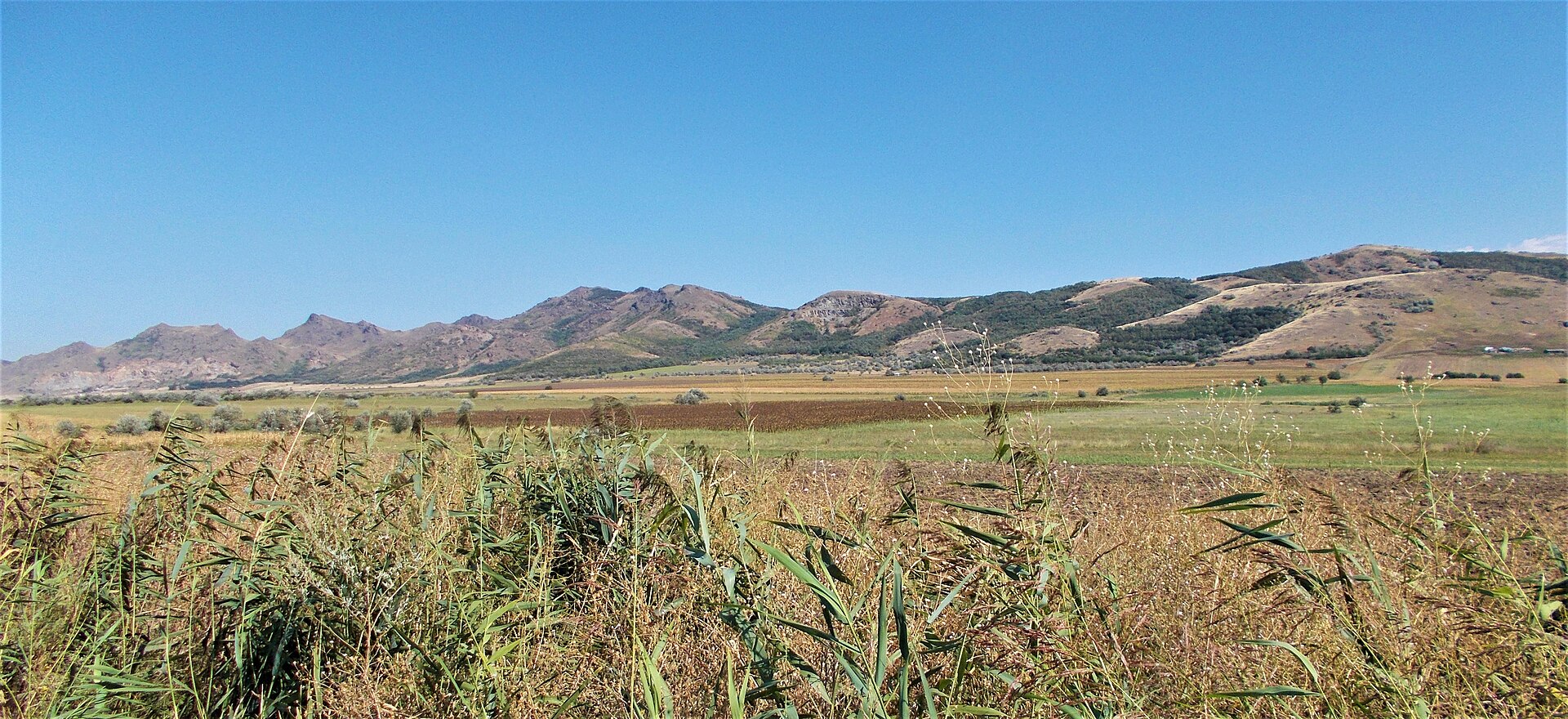
Natura 2000 · breeding, passage
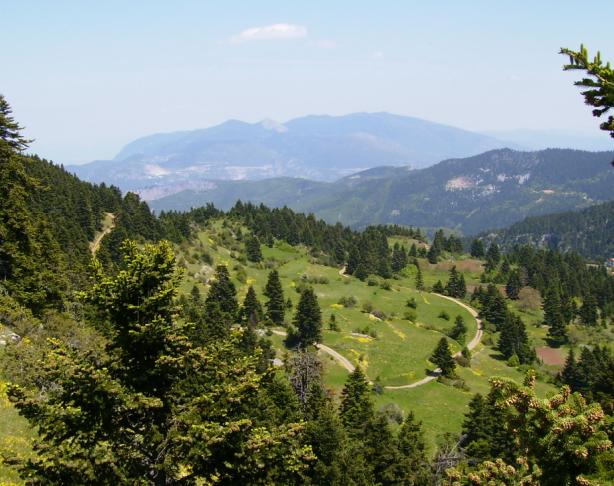
Natura 2000 · breeding

Natura 2000 · passage, breeding

Natura 2000 · passage, breeding

Natura 2000 · passage, breeding

Natura 2000 · passage
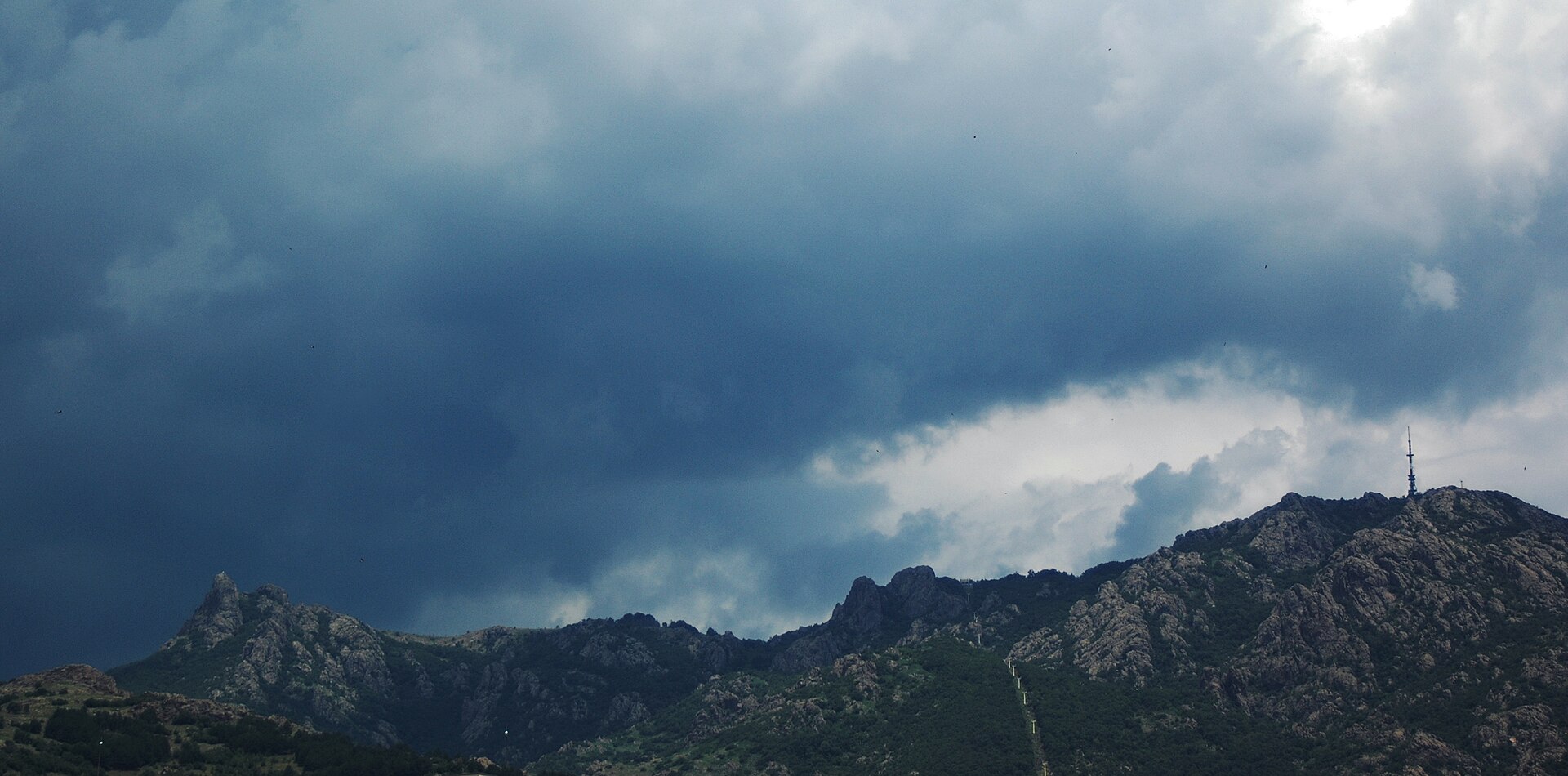
Natura 2000 · passage, breeding
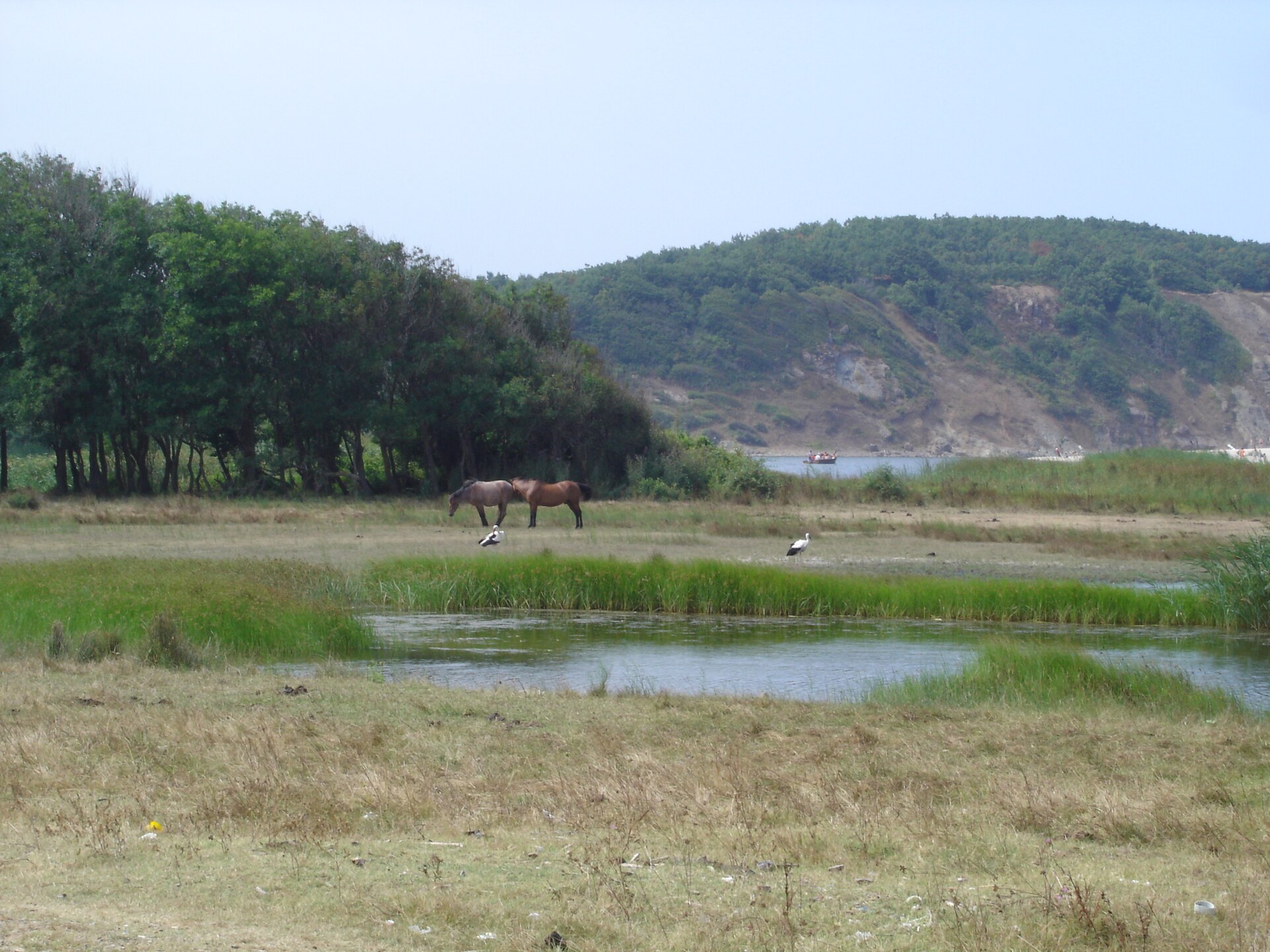
Natura 2000 · passage
Other species to discover
 Eurasian Sparrowhawk
Accipiter nisus Same genus
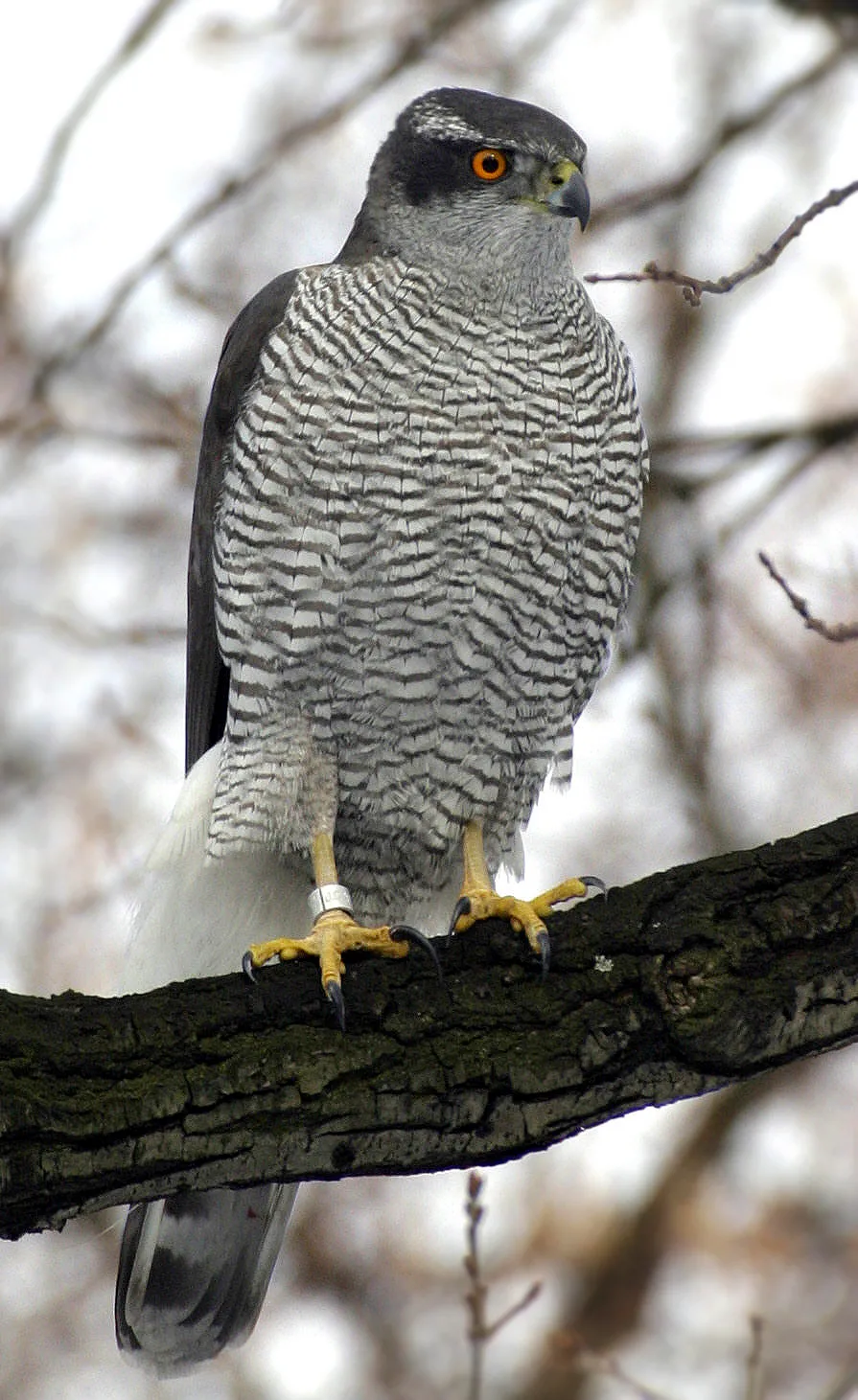 Eurasian Goshawk
Accipiter gentilis Same genus
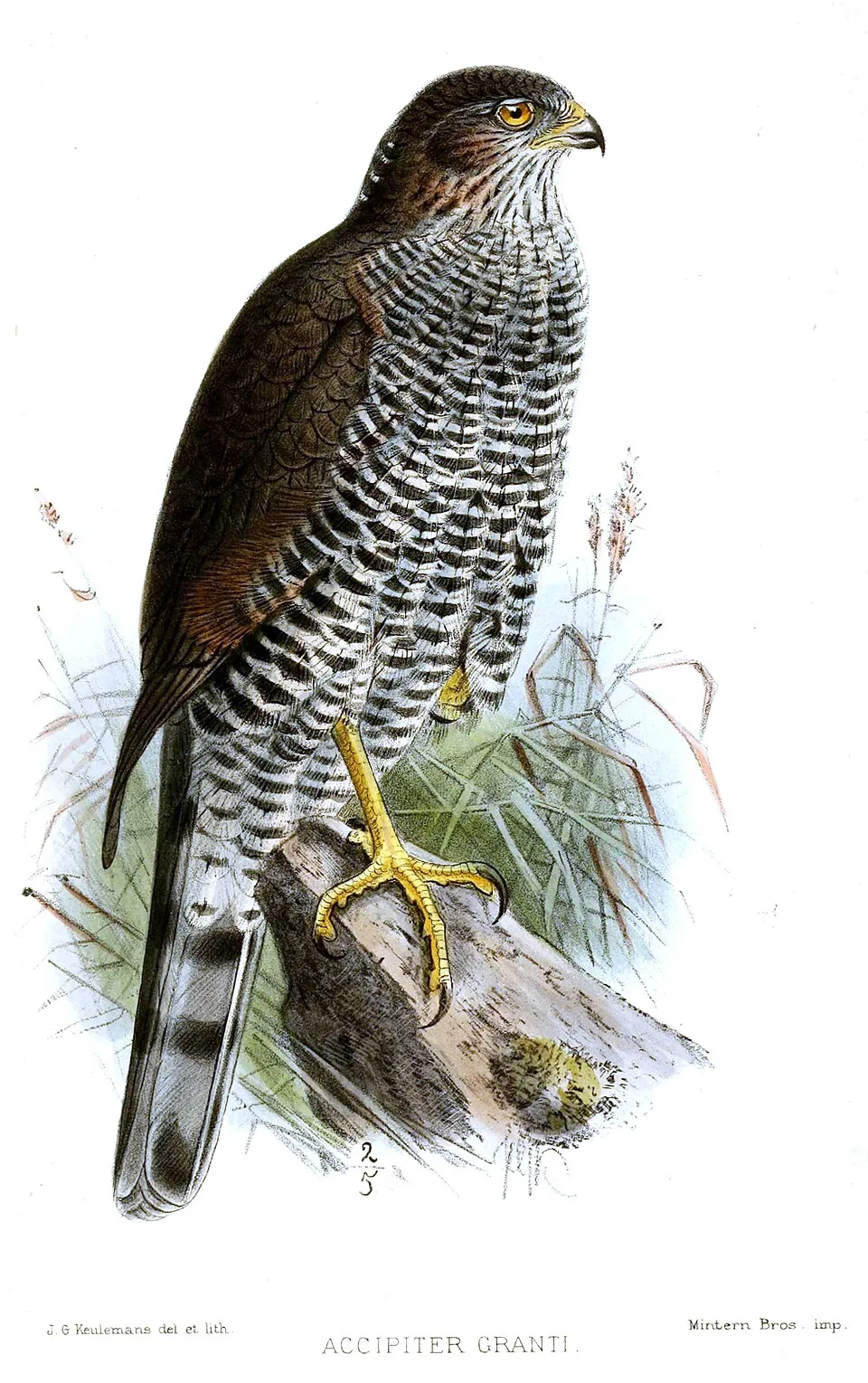 Canarian Sparrowhawk
Accipiter nisus granti Same genus
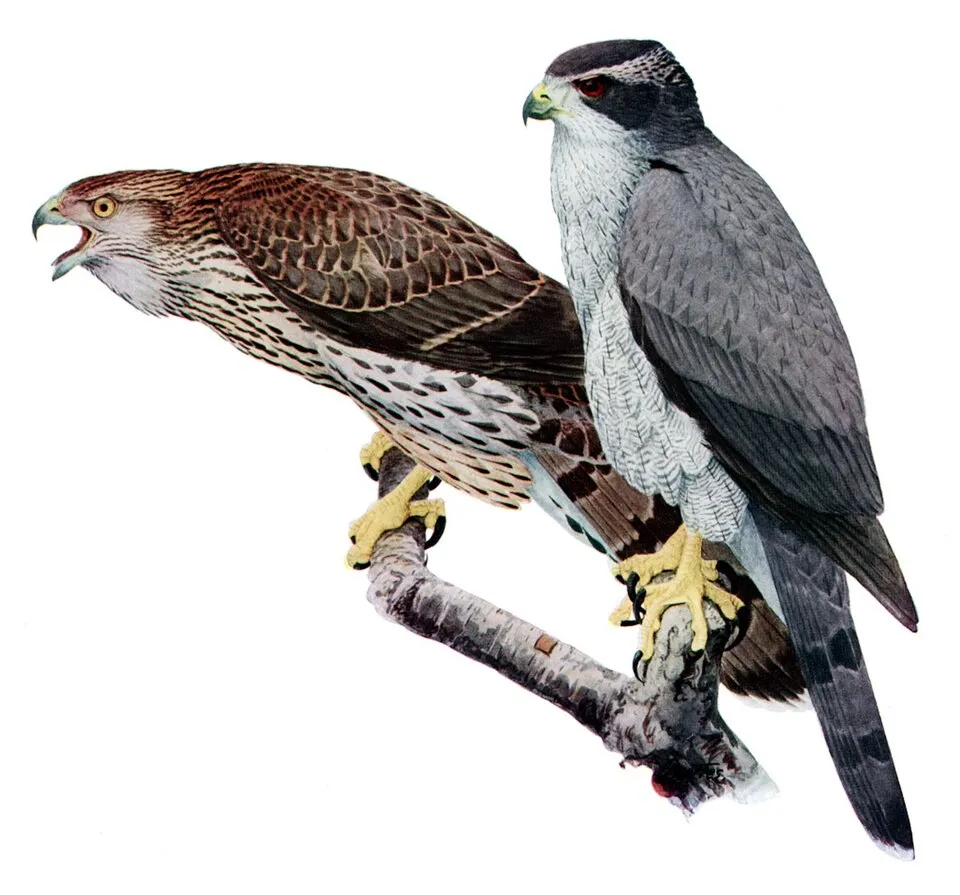 Goshawk
Accipiter gentilis arrigonii Same genus
 Semicollared Flycatcher
Ficedula semitorquata 12 places in common
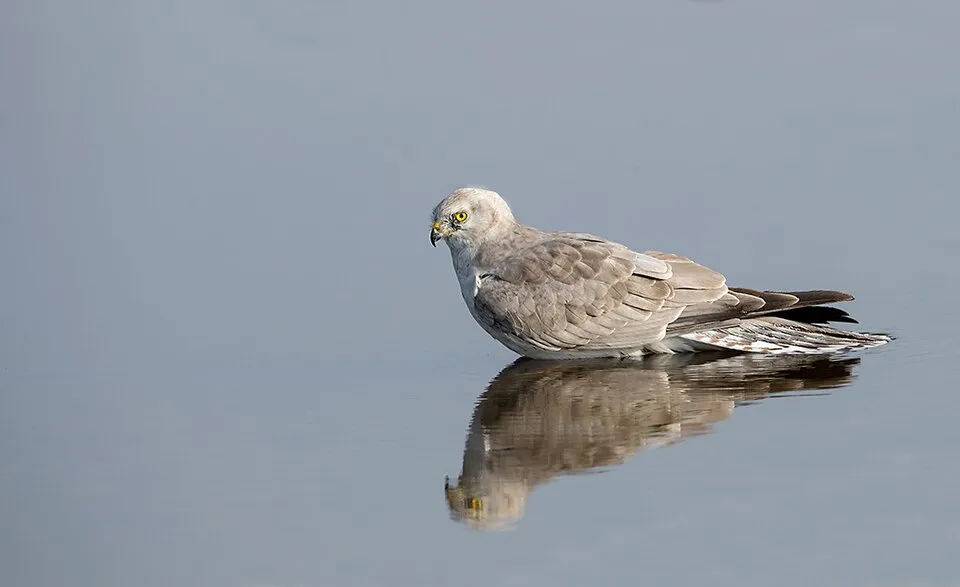 Pallid Harrier
Circus macrourus 14 places in common
Sources and credits
- Presence: most-recorded species of each place on GBIF and species of Community interest in the Natura 2000 forms (EEA, CC-BY 4.0); absence from the list does not mean the species is absent.
- Common names: Wikidata (CC0) and GBIF.
- Photos and sounds: Wikimedia Commons, author and licence given for each file.
- Classification: GBIF Backbone Taxonomy (GBIF Secretariat), CC BY 4.0, doi:10.15468/39omei.
- Countries, elevations, months and maps: GBIF.org, CC0 or CC BY 4.0 occurrences only, accessed October 22, 2026, GBIF.org.
- Base map: Natural Earth (public domain).
- Excerpt: Wikipedia, CC BY-SA 4.0 (full credit below the excerpt).
- Key facts: Wikidata (CC0), with the references cited under each value.
- Annexes: Directive 2009/147/EC (consolidated version), © European Union, EUR-Lex.
- EU bird populations: EEA / DG ENV, Article 12 Birds Directive reporting (2013–2018), CC BY 4.0.