
Plant
Meadowsweet: where to see it
Filipendula ulmaria
This plant species is recorded in 35 protected areas of the atlas. Within the atlas countries, it is mostly observed in France, the United Kingdom and Germany (13 countries in all). Most records (8 in 10) lie between 70 and 1,100 m above sea level. Records peak from June to August. Perennial plant, native to Europe, temperate Asia and tropical Asia, introduced to North America.
Best time to see it: June–August
Records published on GBIF by month (CC0 and CC BY 4.0 licences only), in the atlas countries, all years combined; they also reflect observer activity.
Distribution
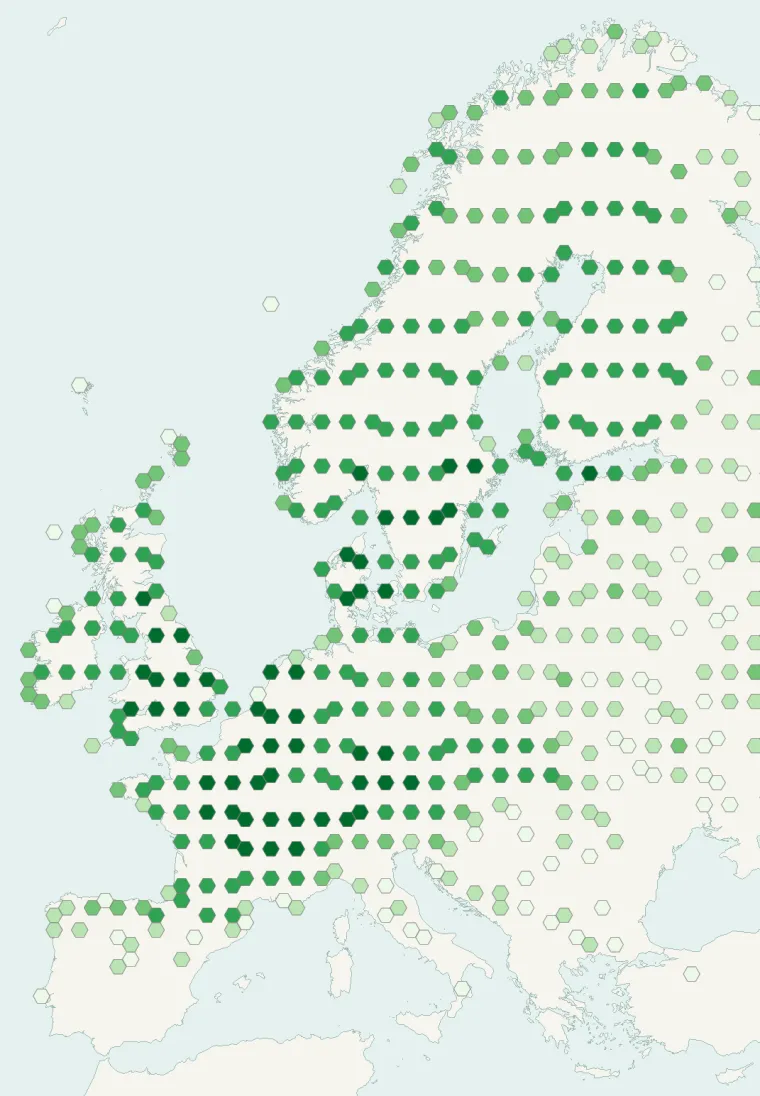
Records published on GBIF (CC0 and CC BY 4.0 licences): the darker the shade, the more records there are; they also reflect observation effort.
From Wikipedia
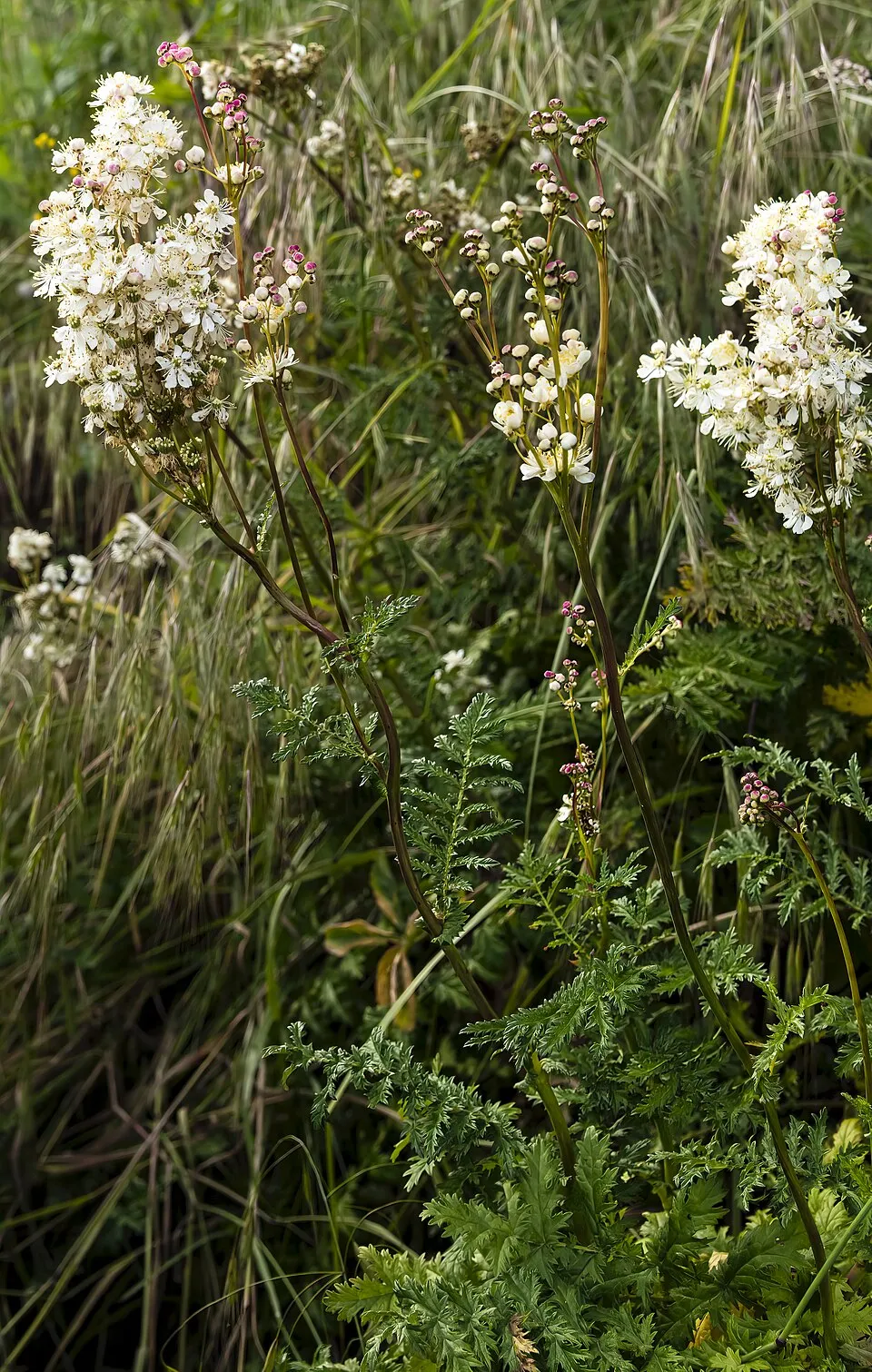
Filipendula ulmaria, commonly known as meadowsweet or mead wort, is a perennial herbaceous plant in the family Rosaceae that grows in damp meadows. It is native throughout most of Europe and Western Asia (Near East and Middle East). It has been introduced and naturalised in North America. Meadowsweet has also been referred to as queen of the meadow, pride of the meadow, meadow-wort, meadow queen, lady of the meadow, dollof, meadsweet, and bridewort.
Source: Wikipedia, article “Filipendula ulmaria” (version of March 23, 2026) · history and authors · licence CC BY-SA 4.0
Protected areas where it is recorded
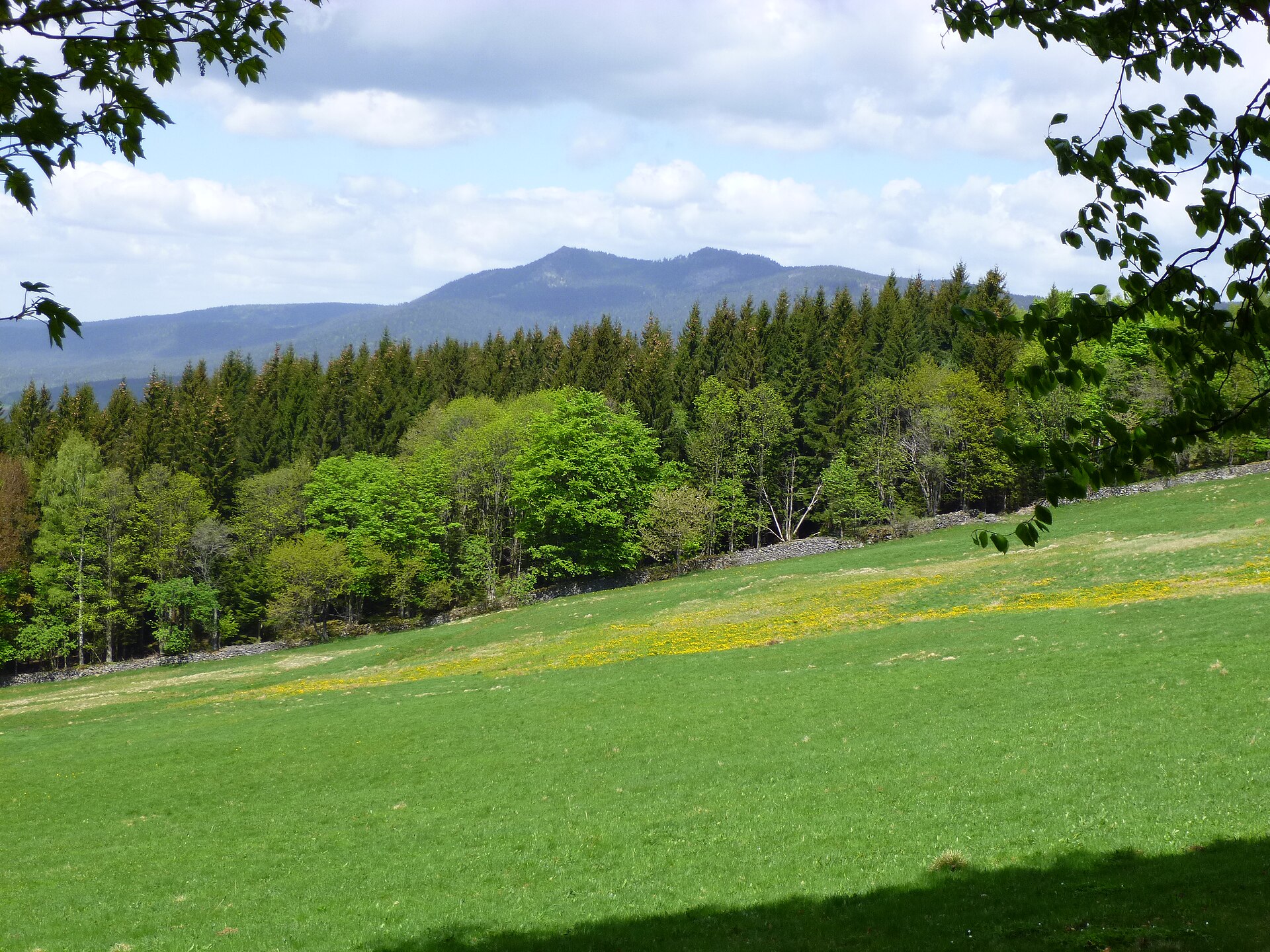
8,858 records
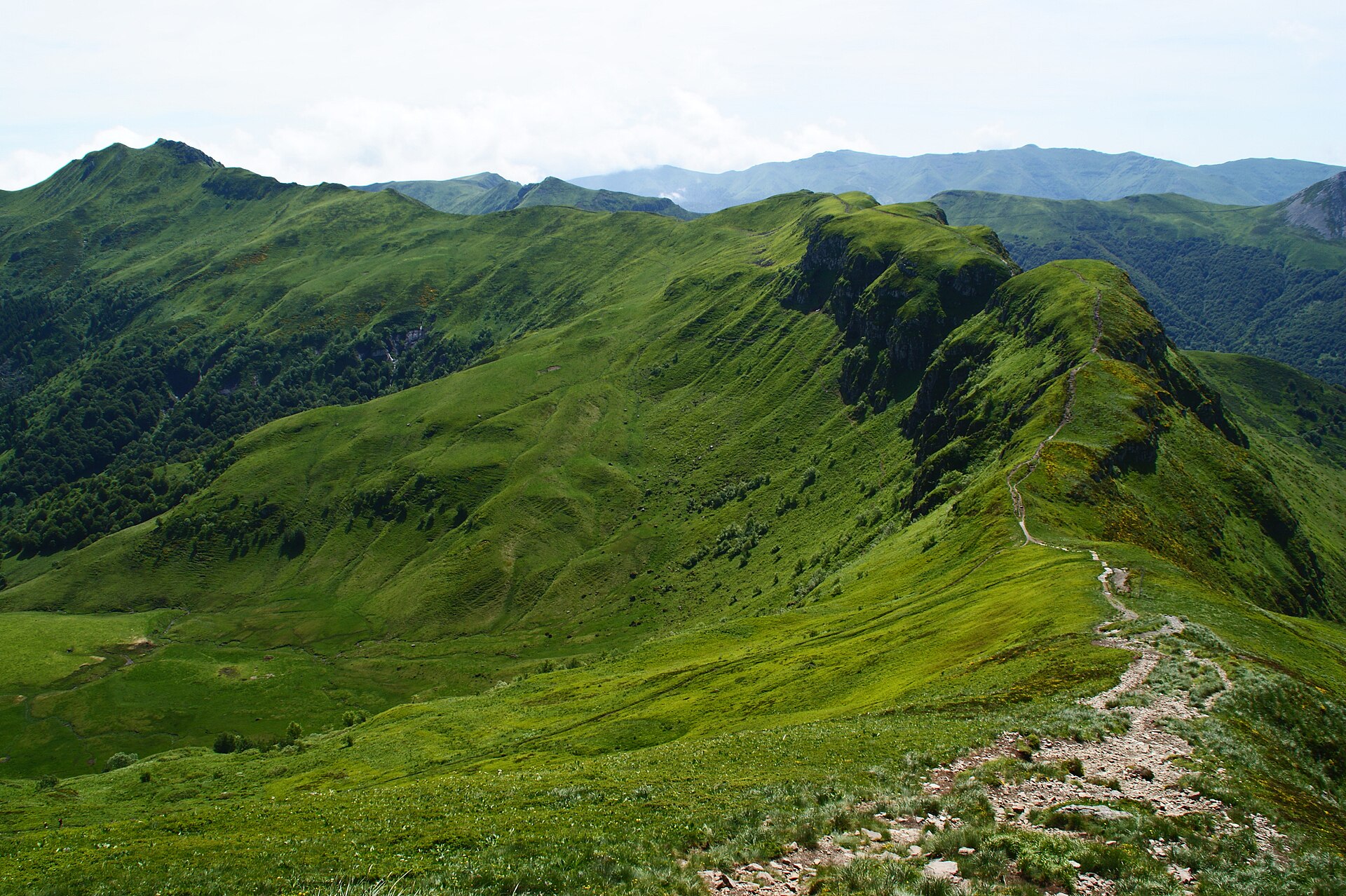
6,250 records
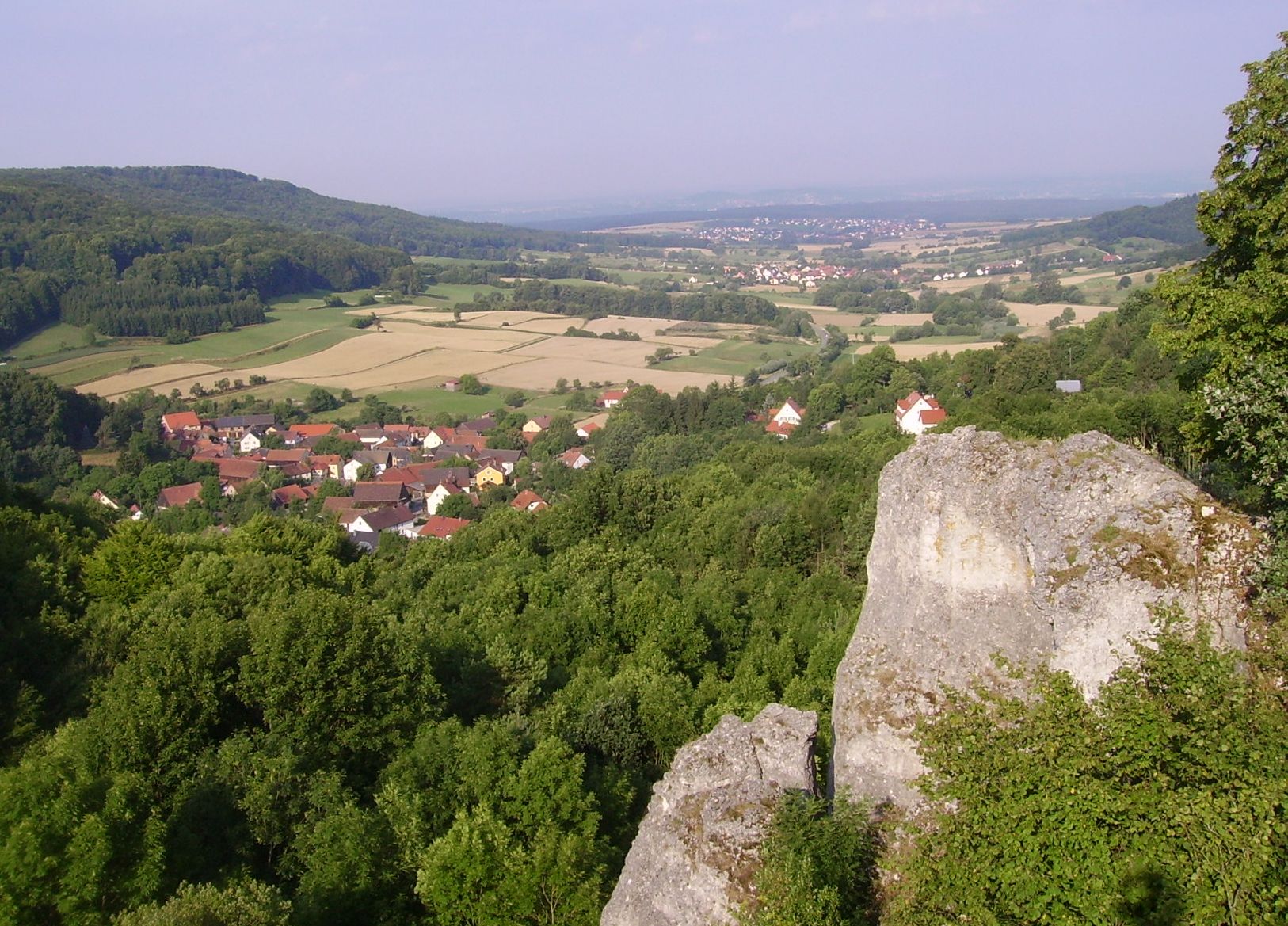
5,077 records
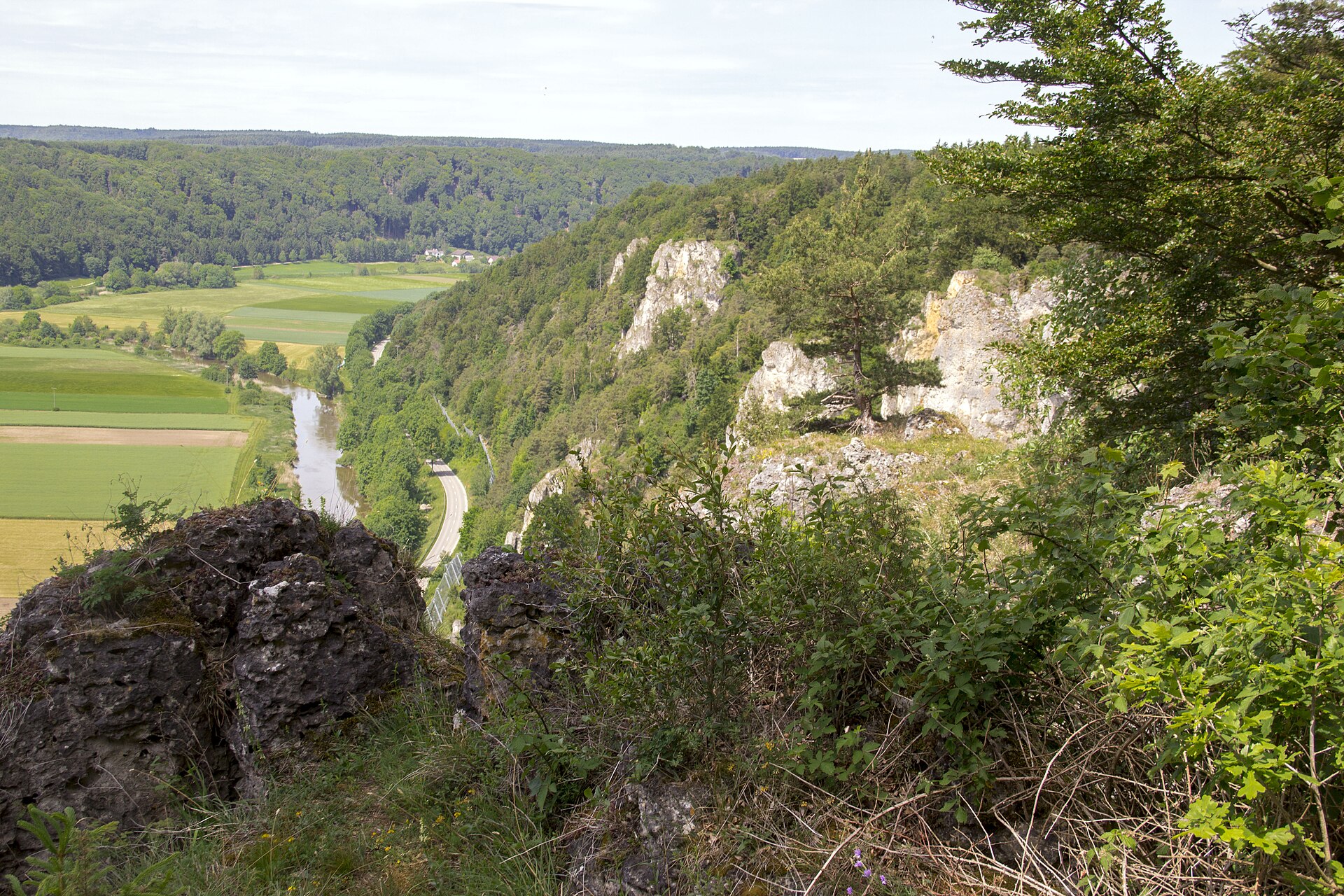
4,530 records
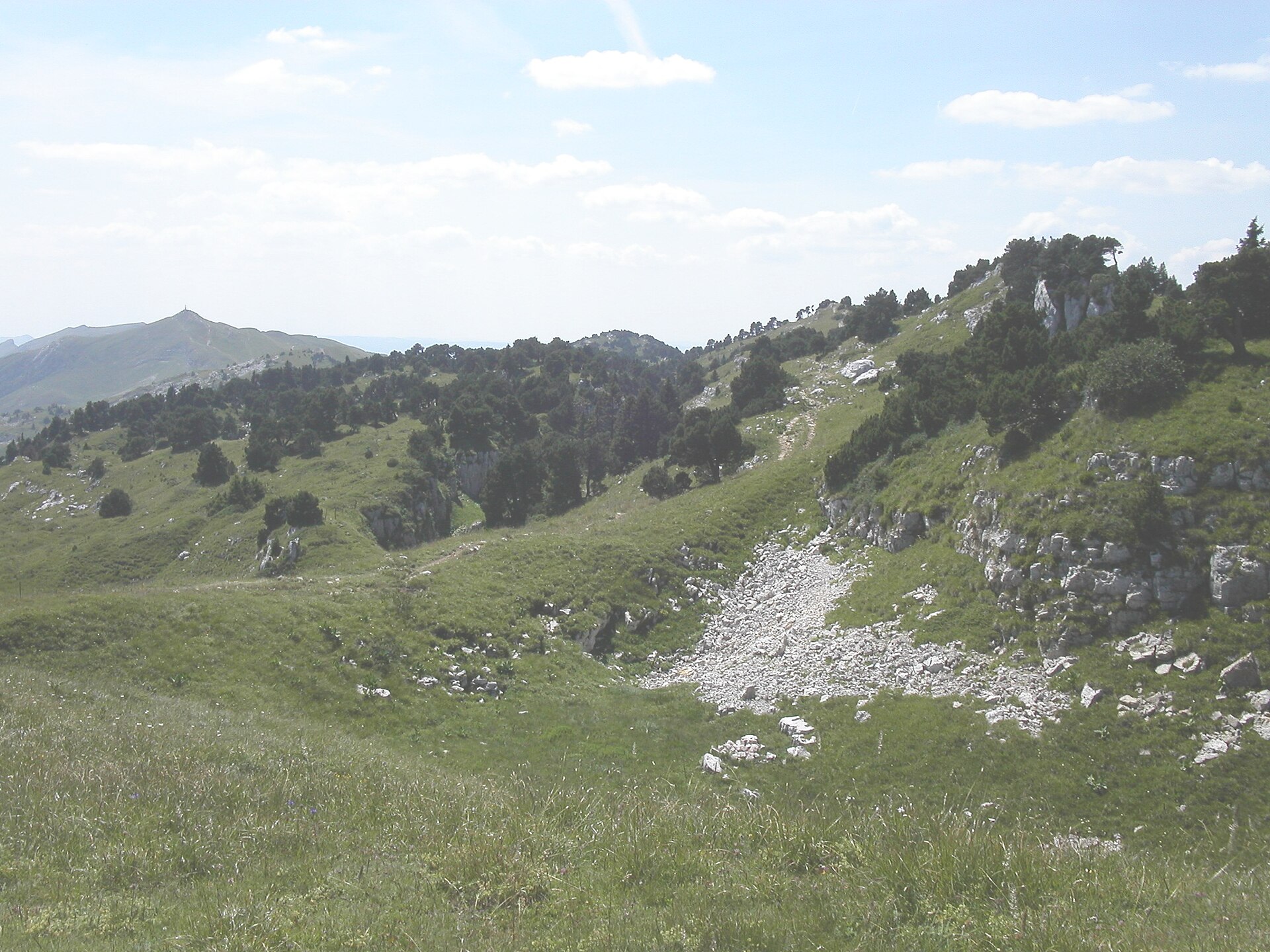
3,265 records
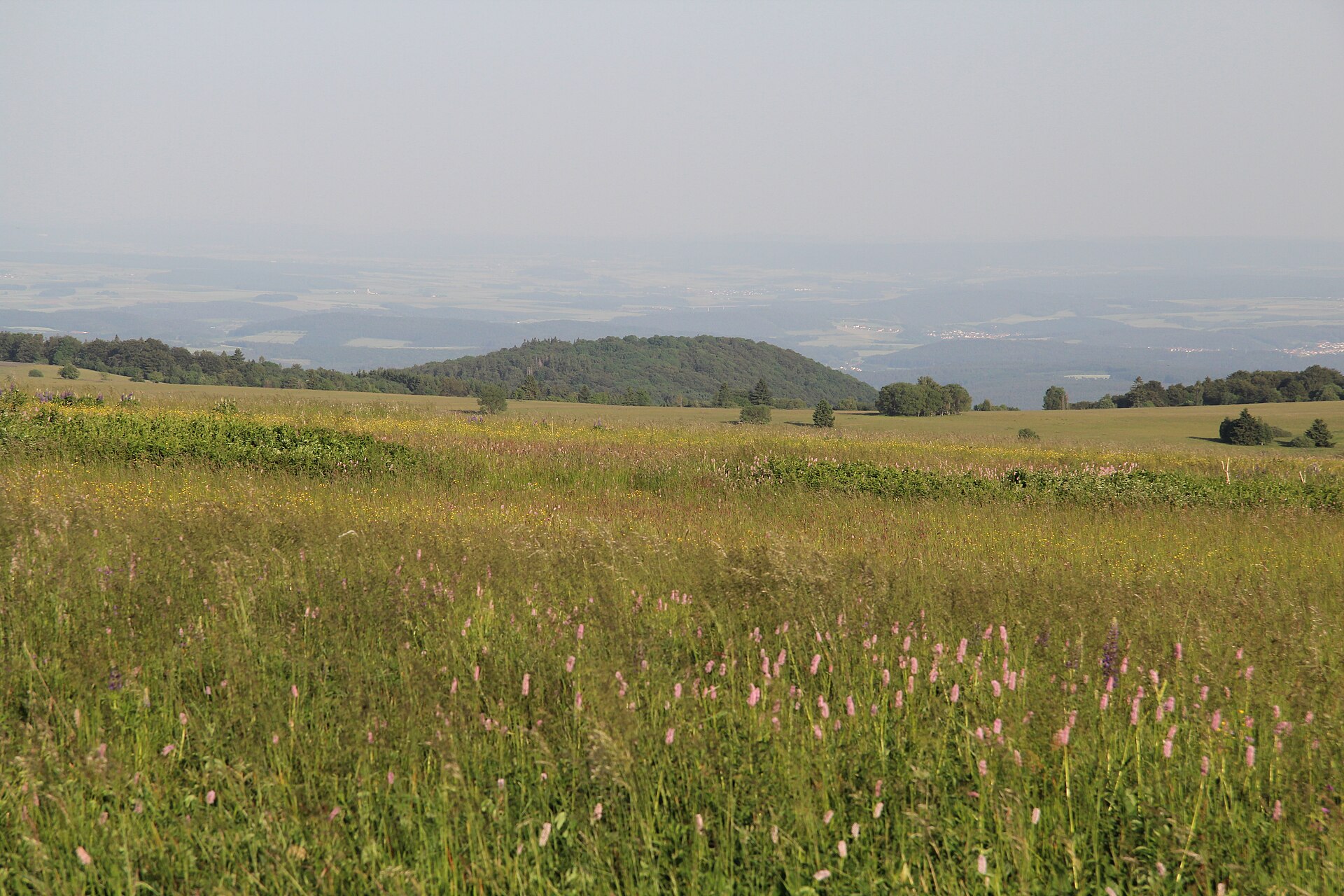
3,208 records
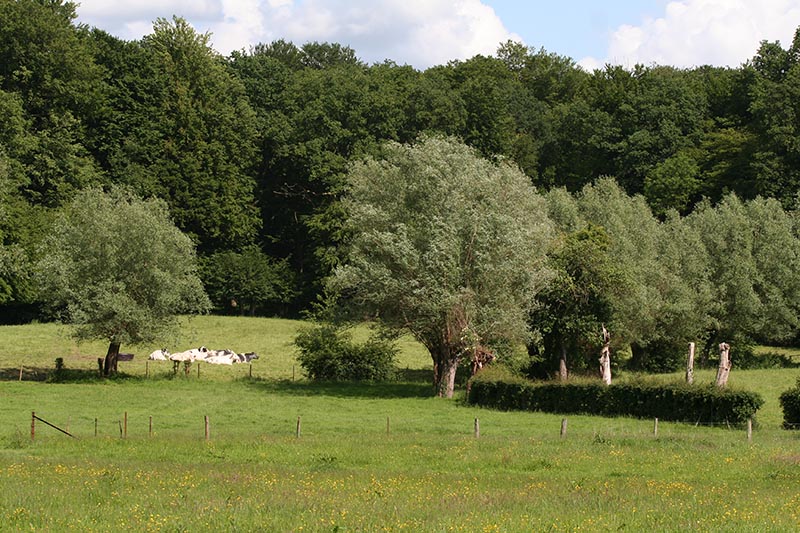
3,026 records
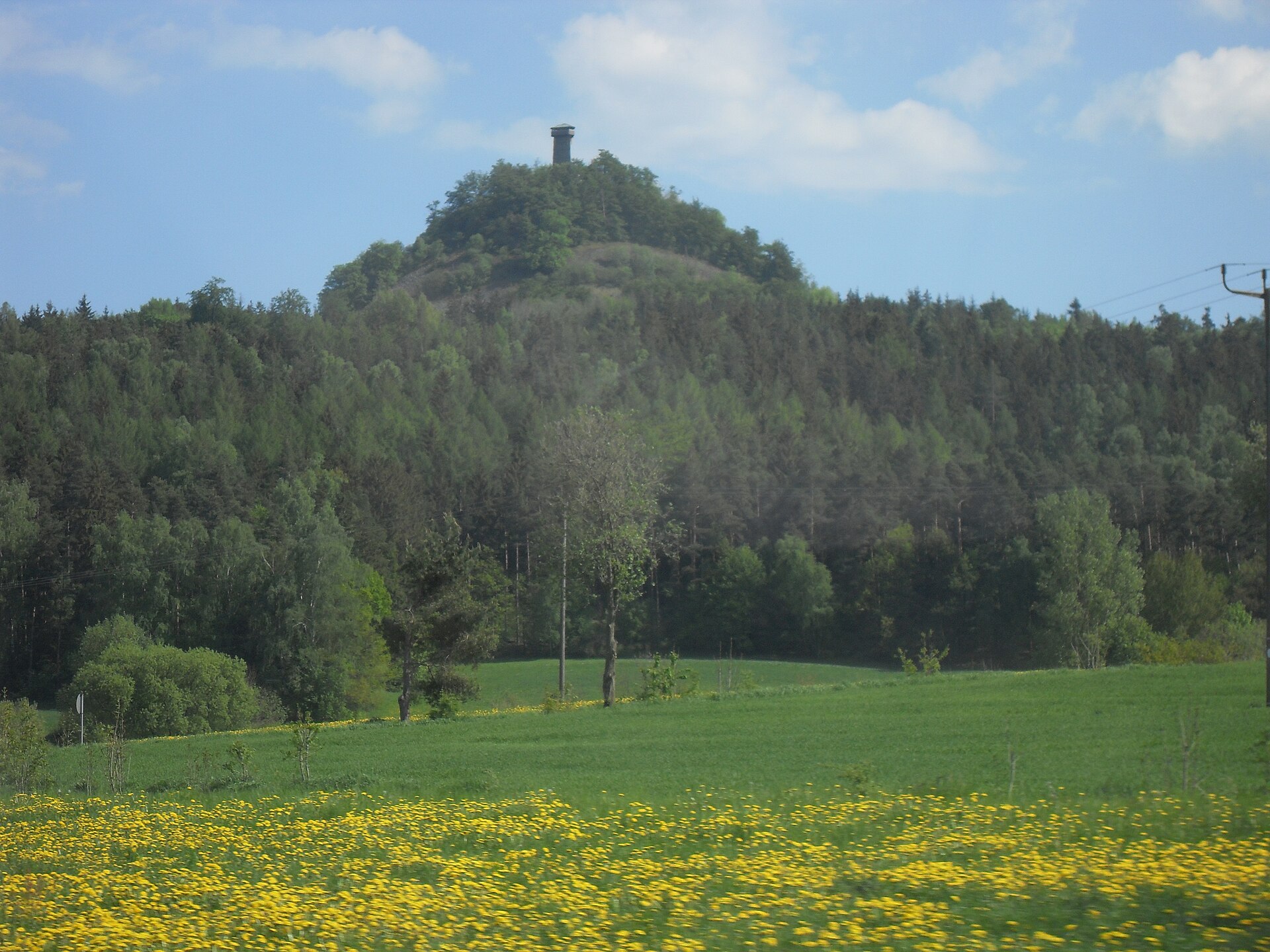
2,095 records

1,937 records
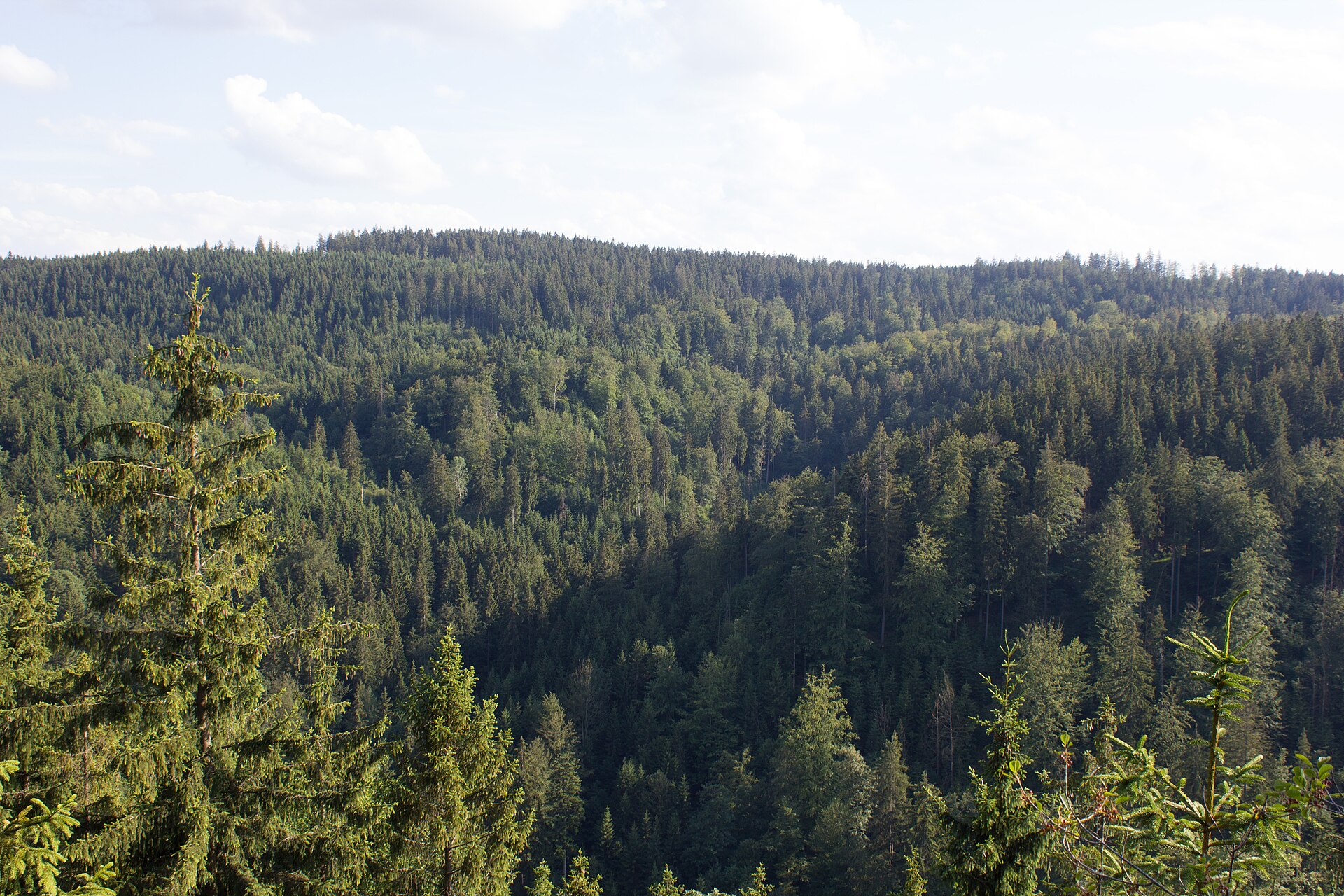
1,784 records
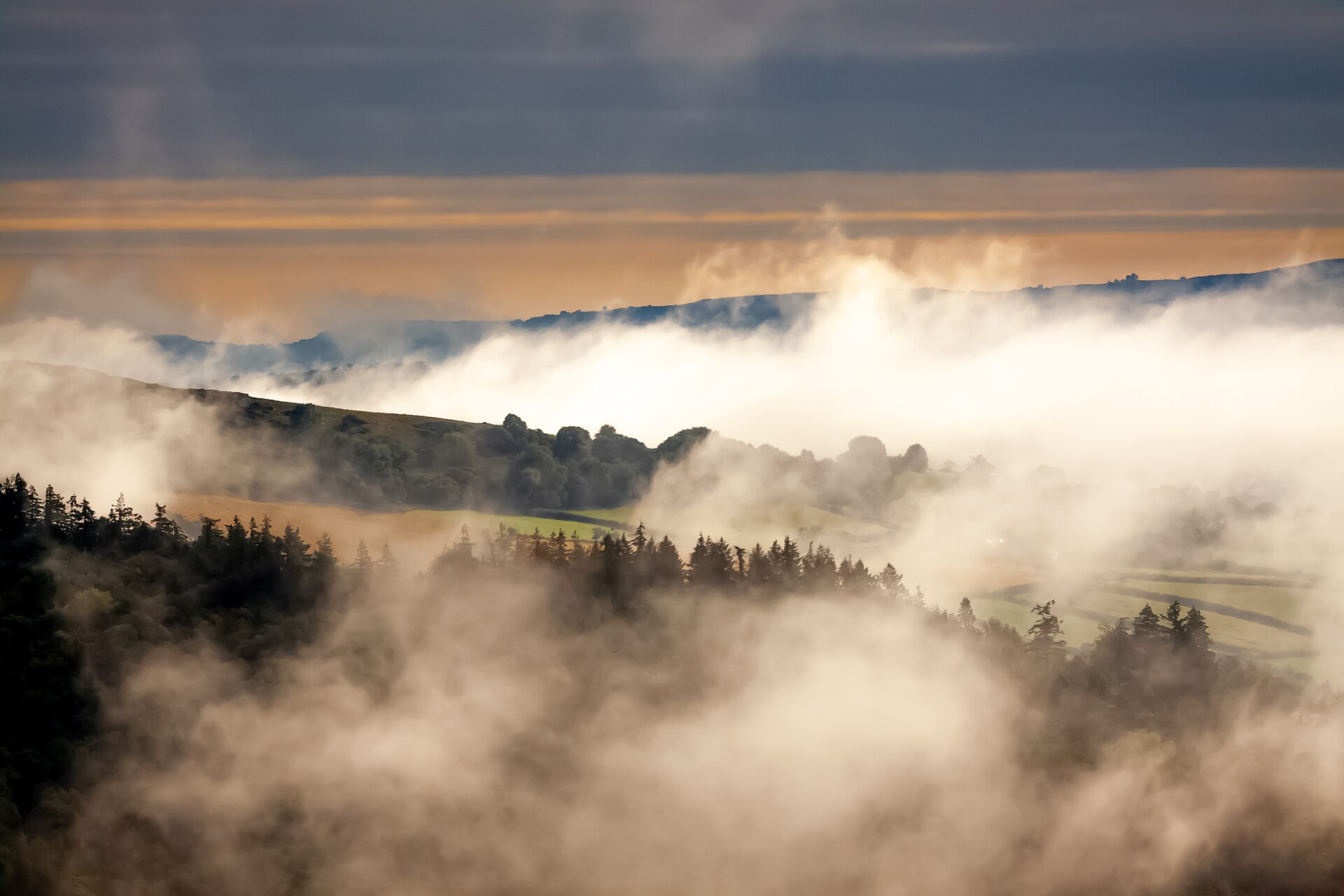
1,782 records
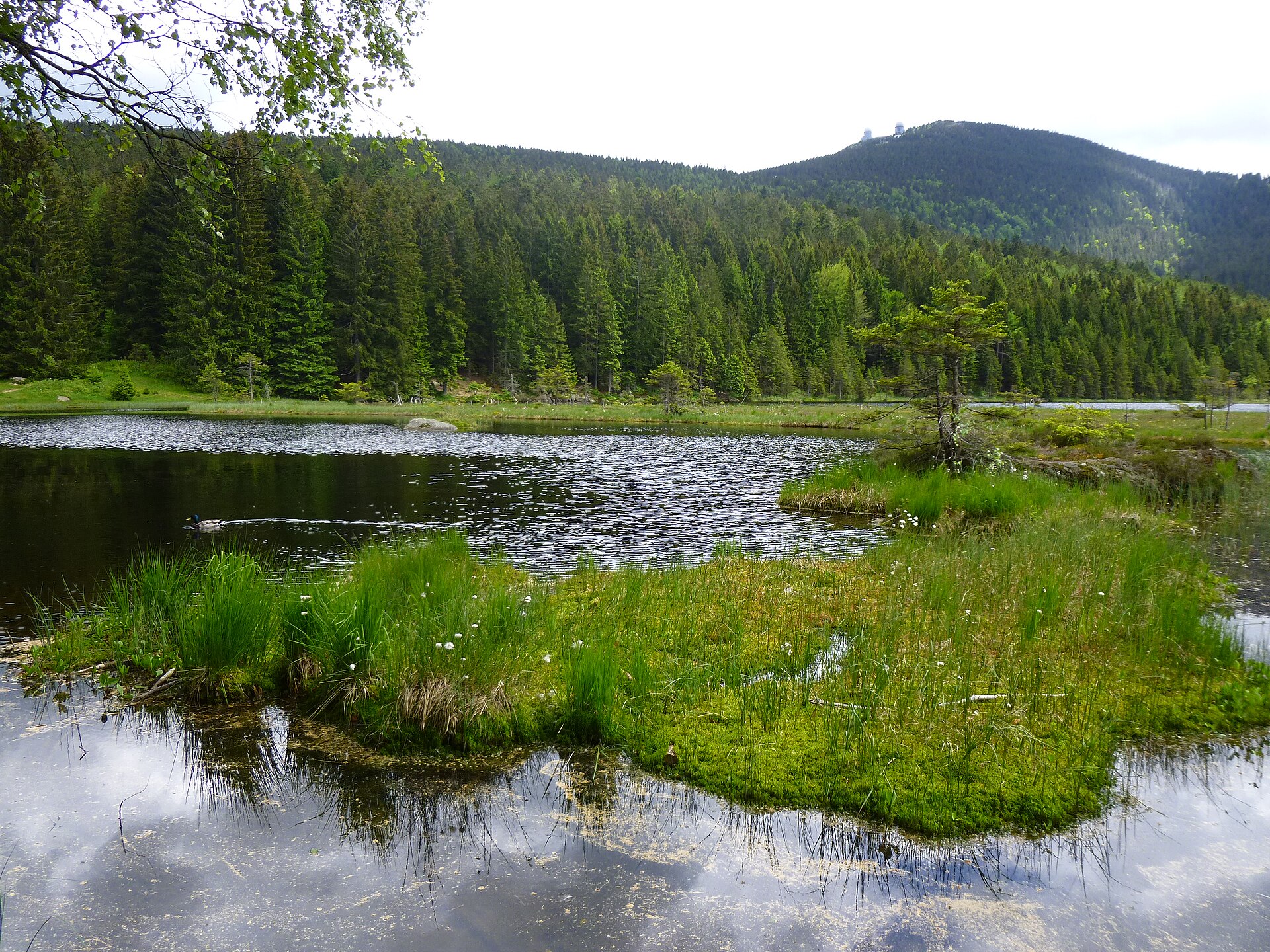
1,728 records
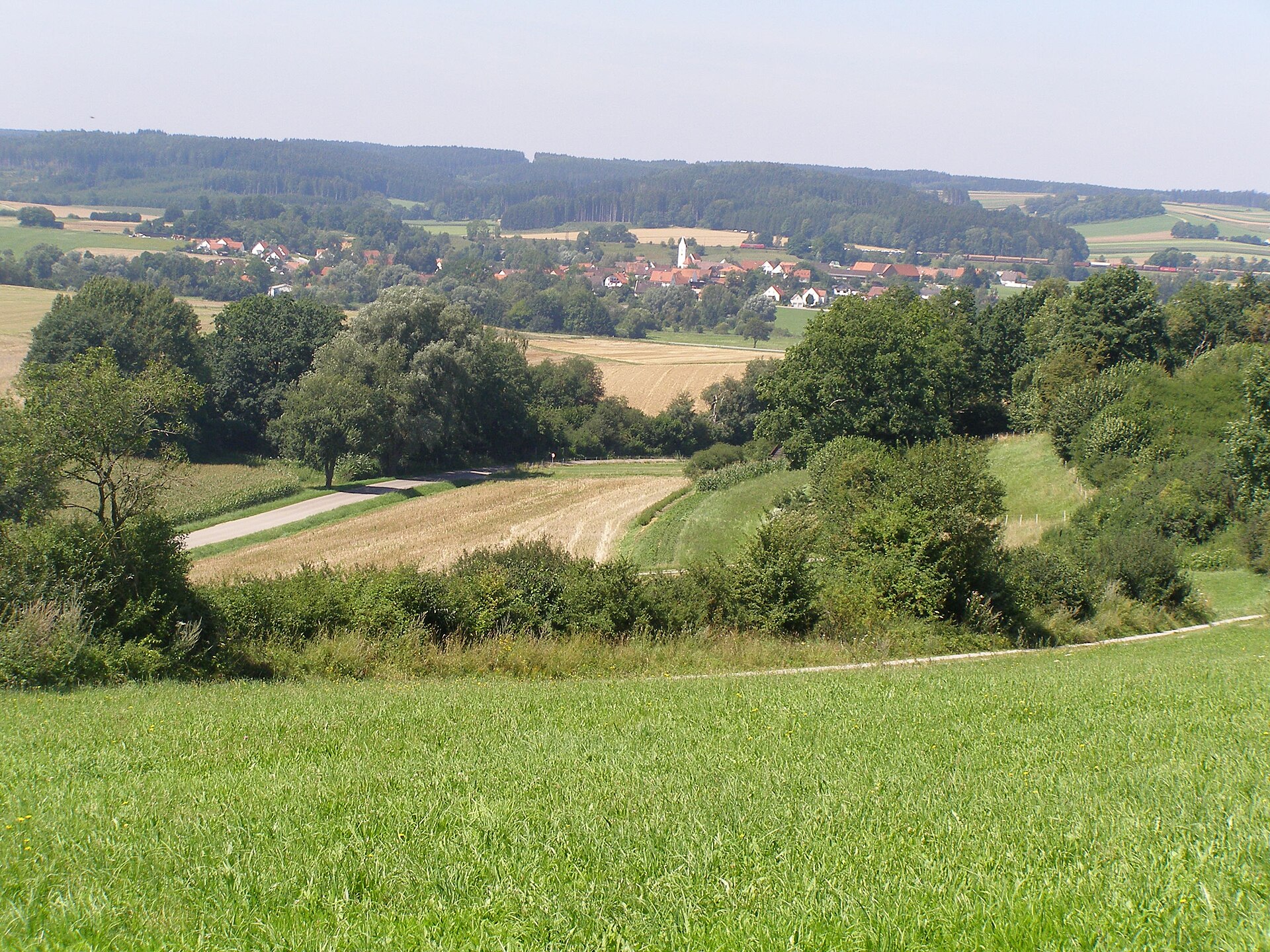
1,597 records
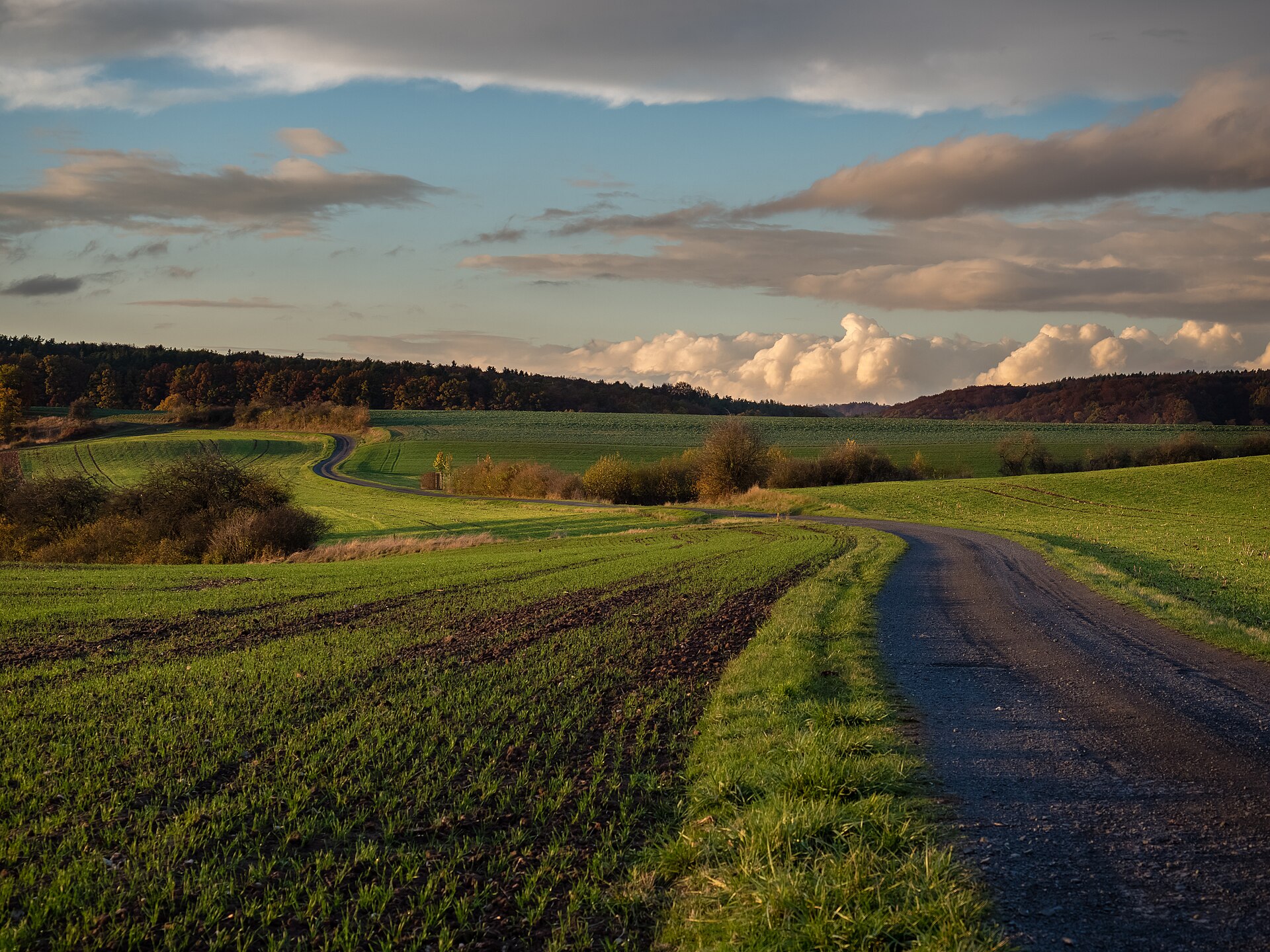
1,456 records
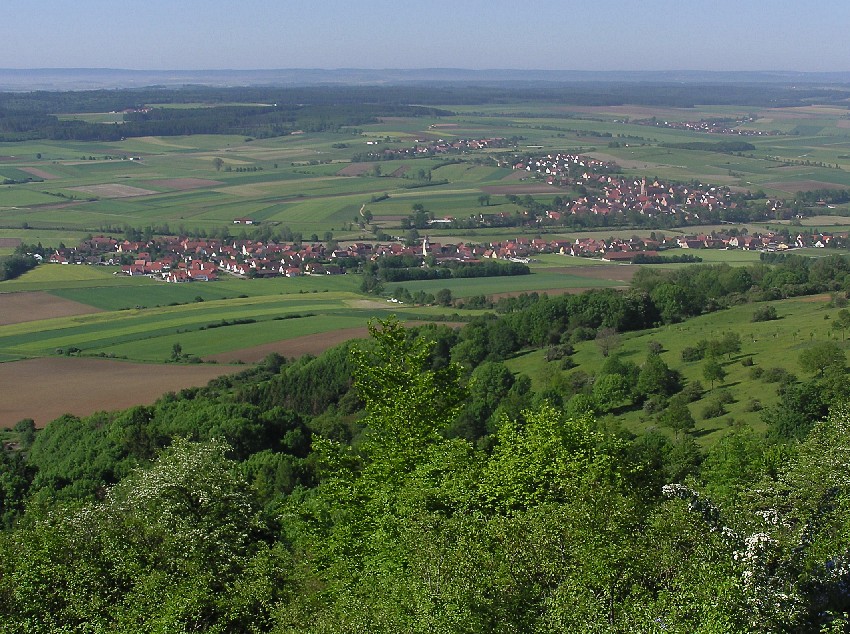
1,446 records
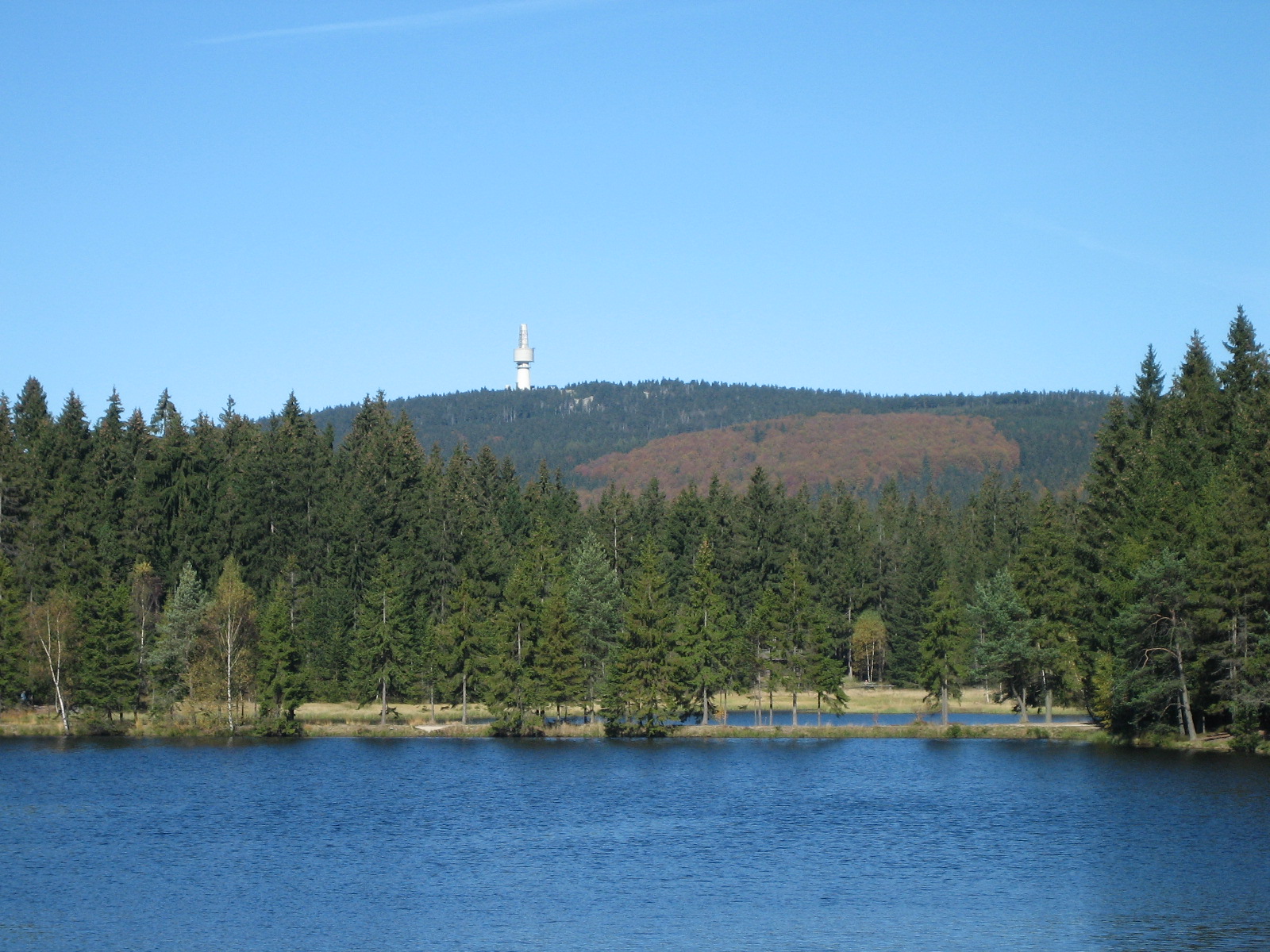
1,276 records
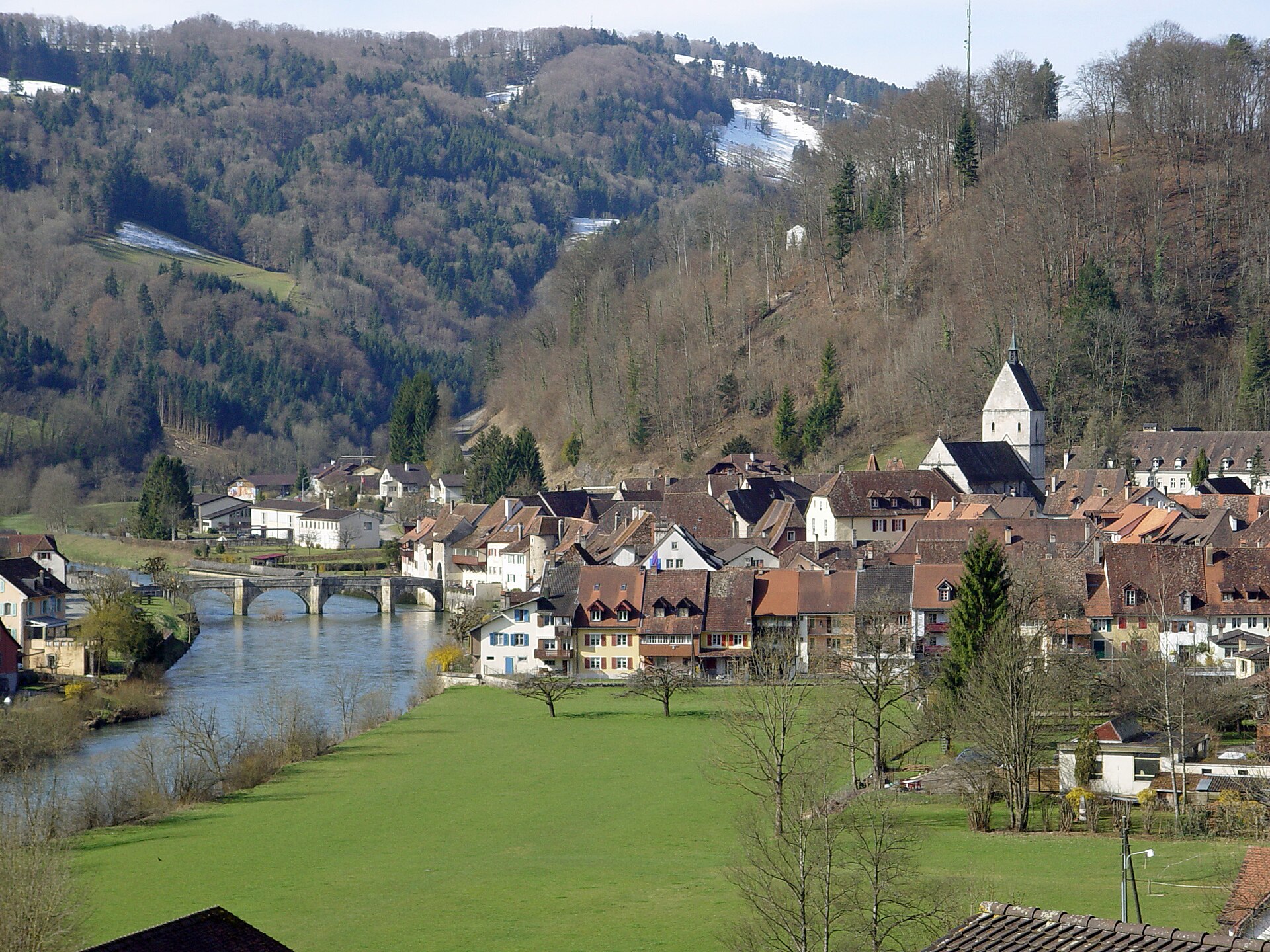
1,272 records
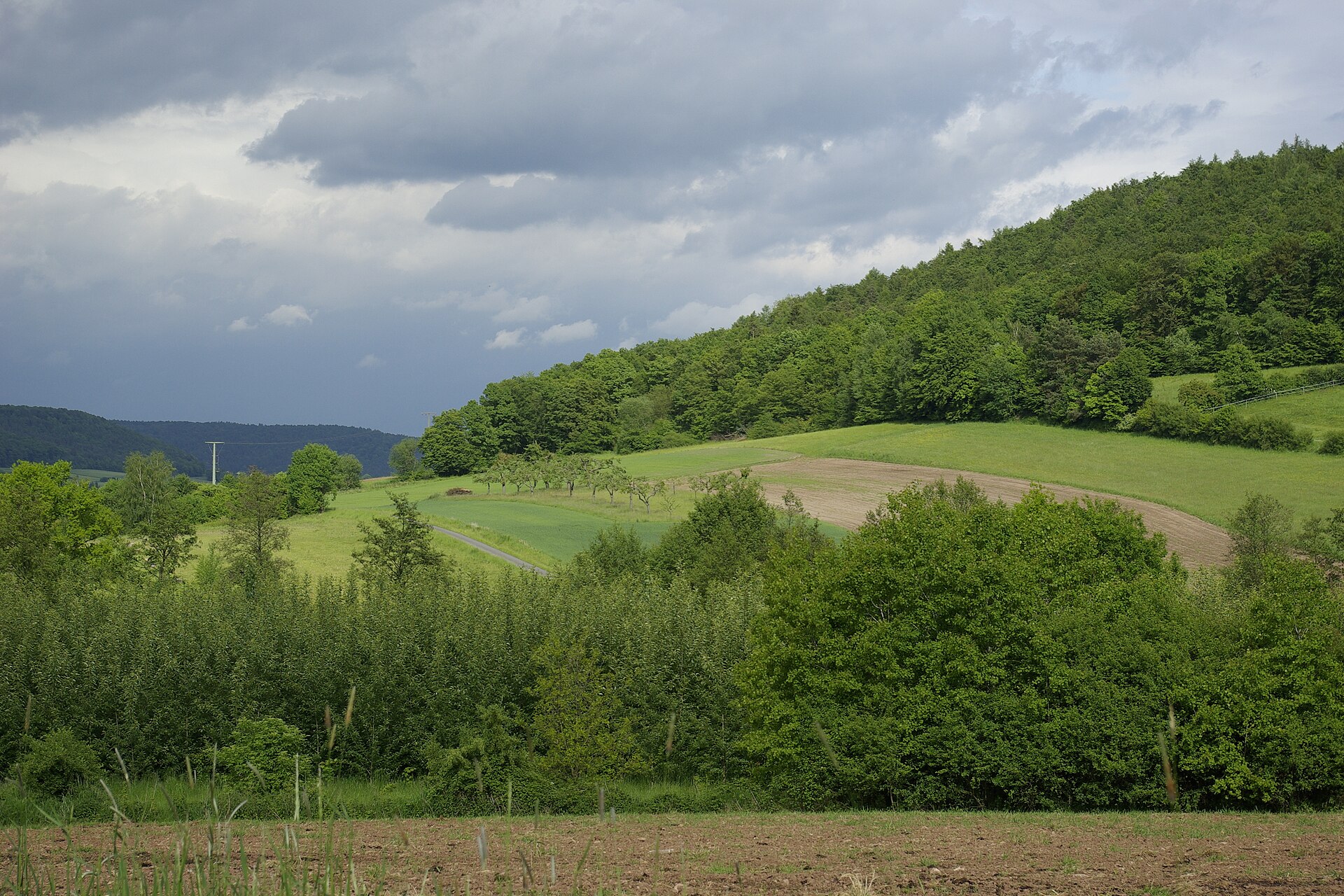
1,232 records
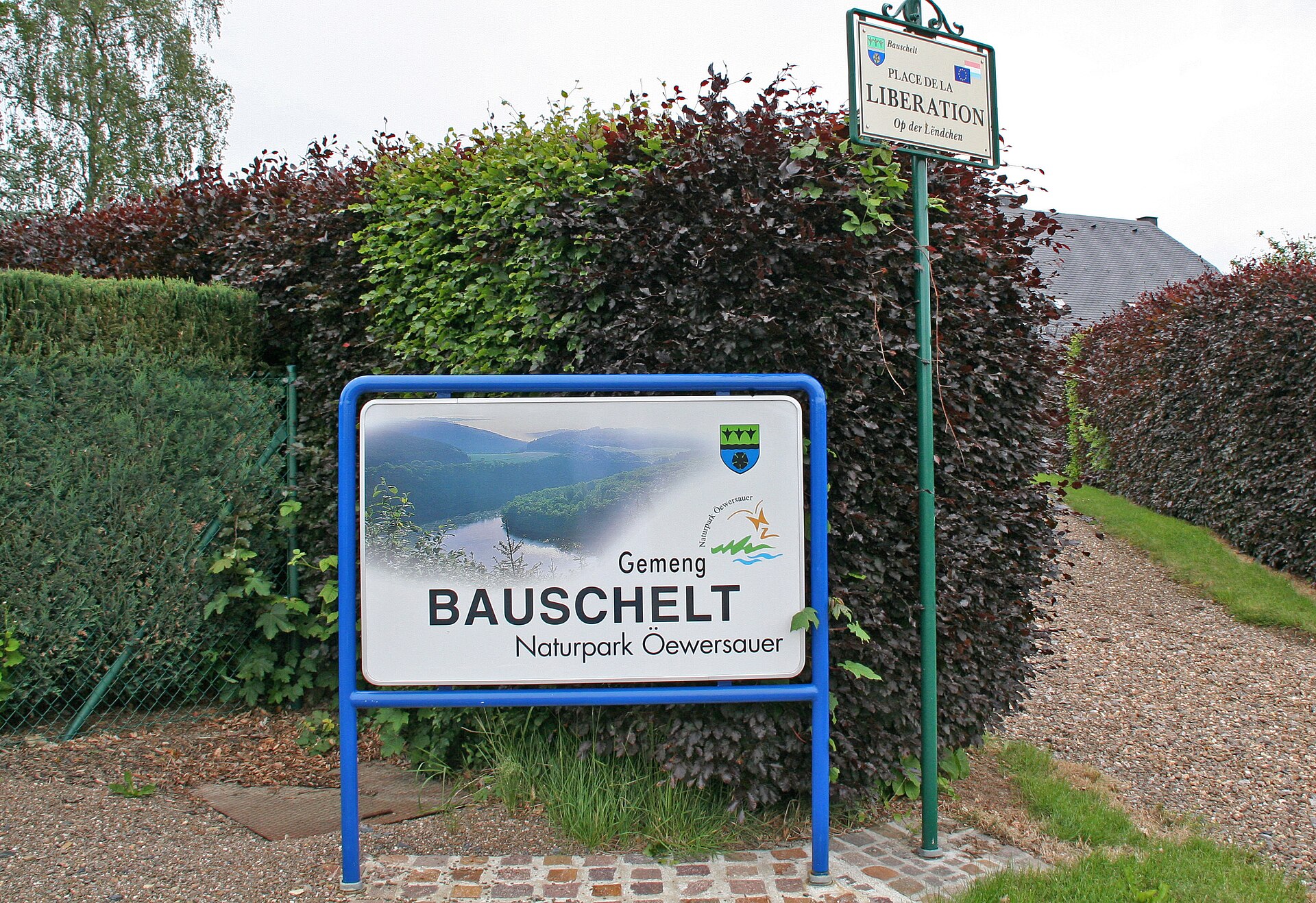
1,174 records
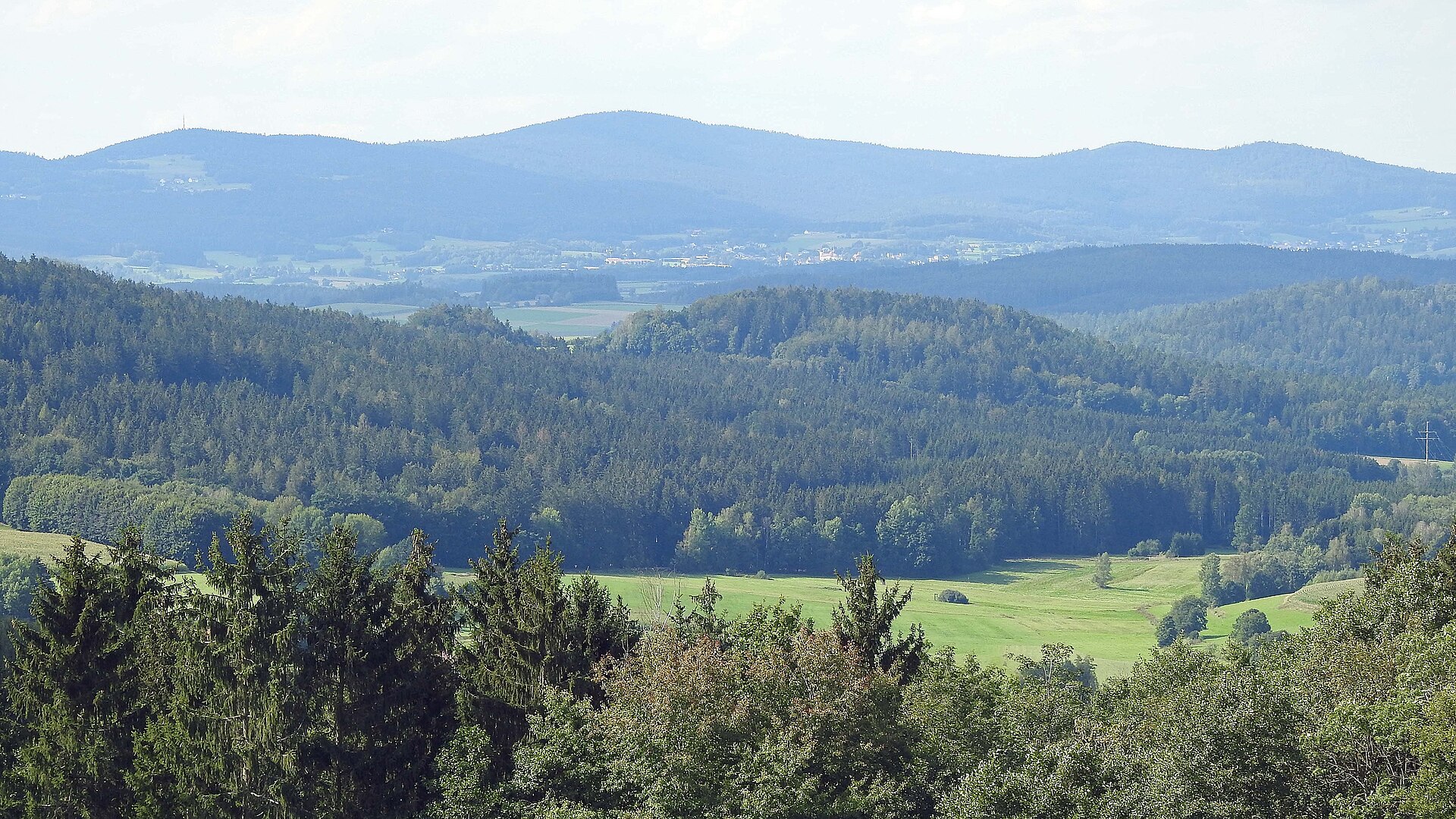
1,014 records
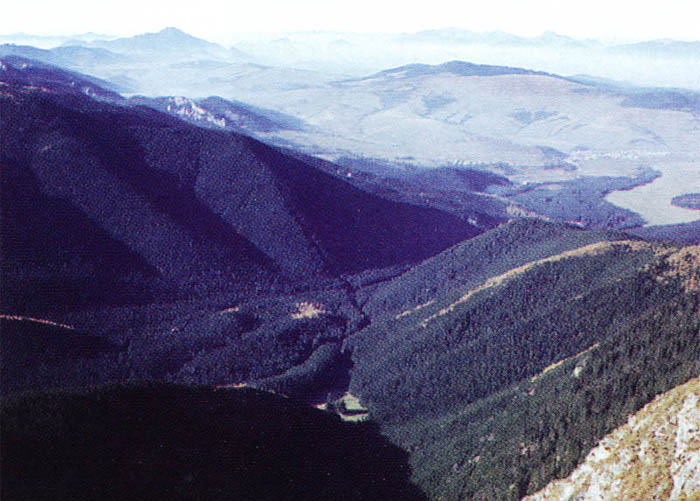
707 records
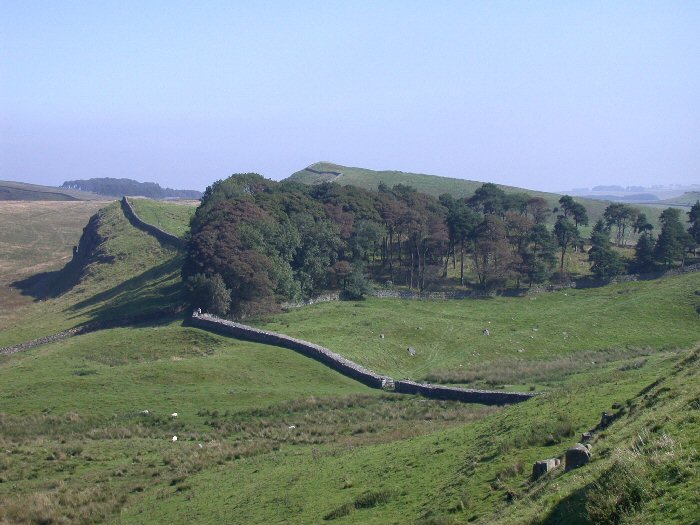
481 records
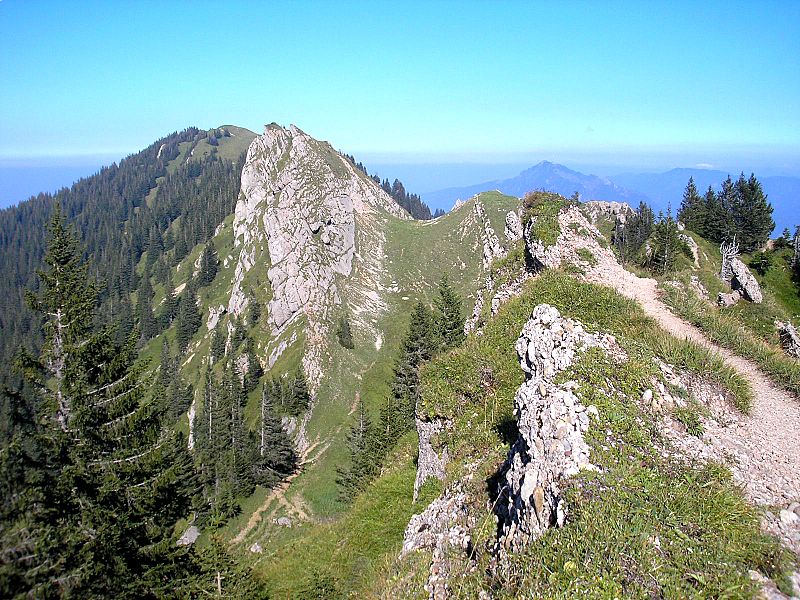
442 records
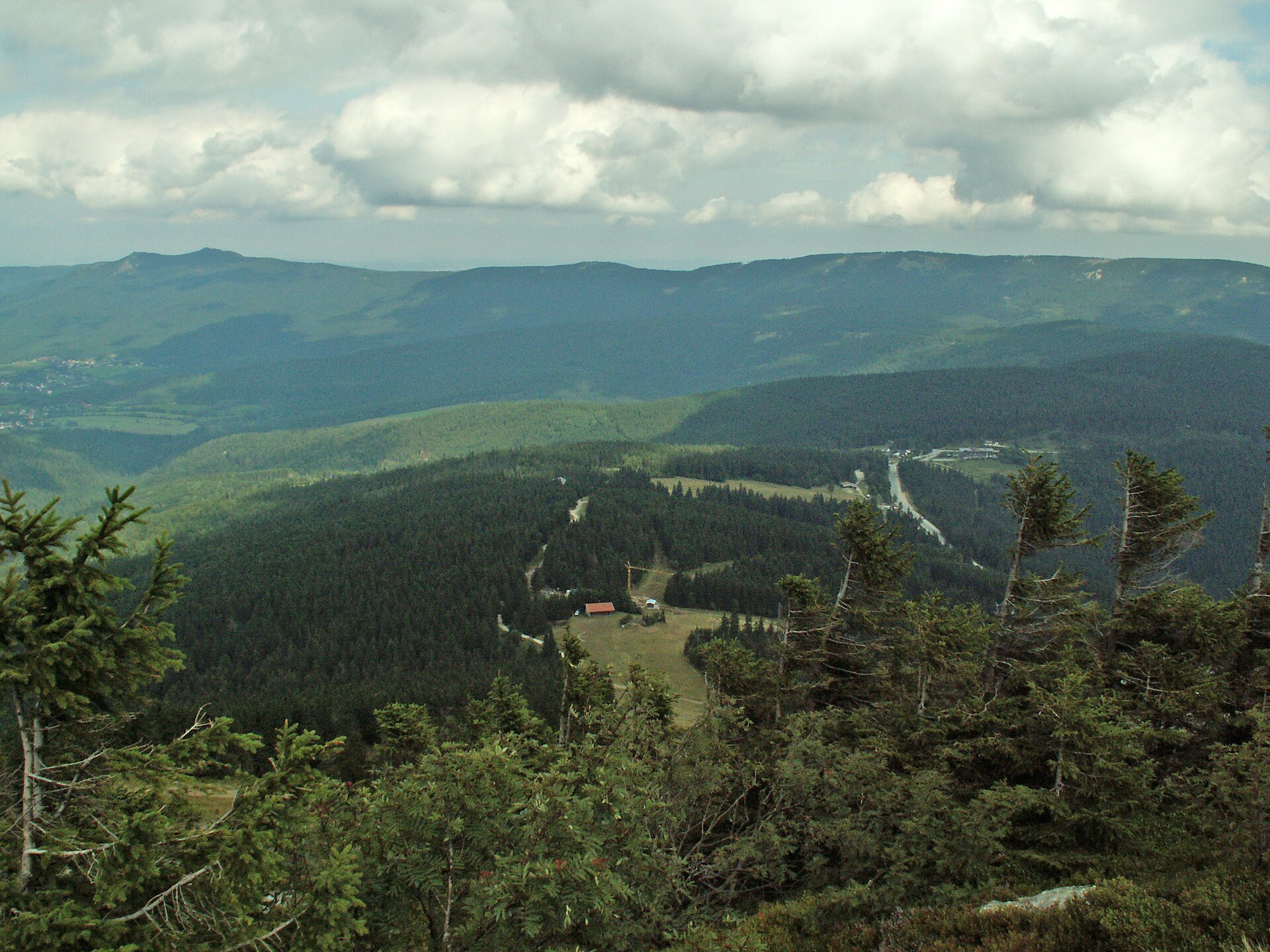
360 records
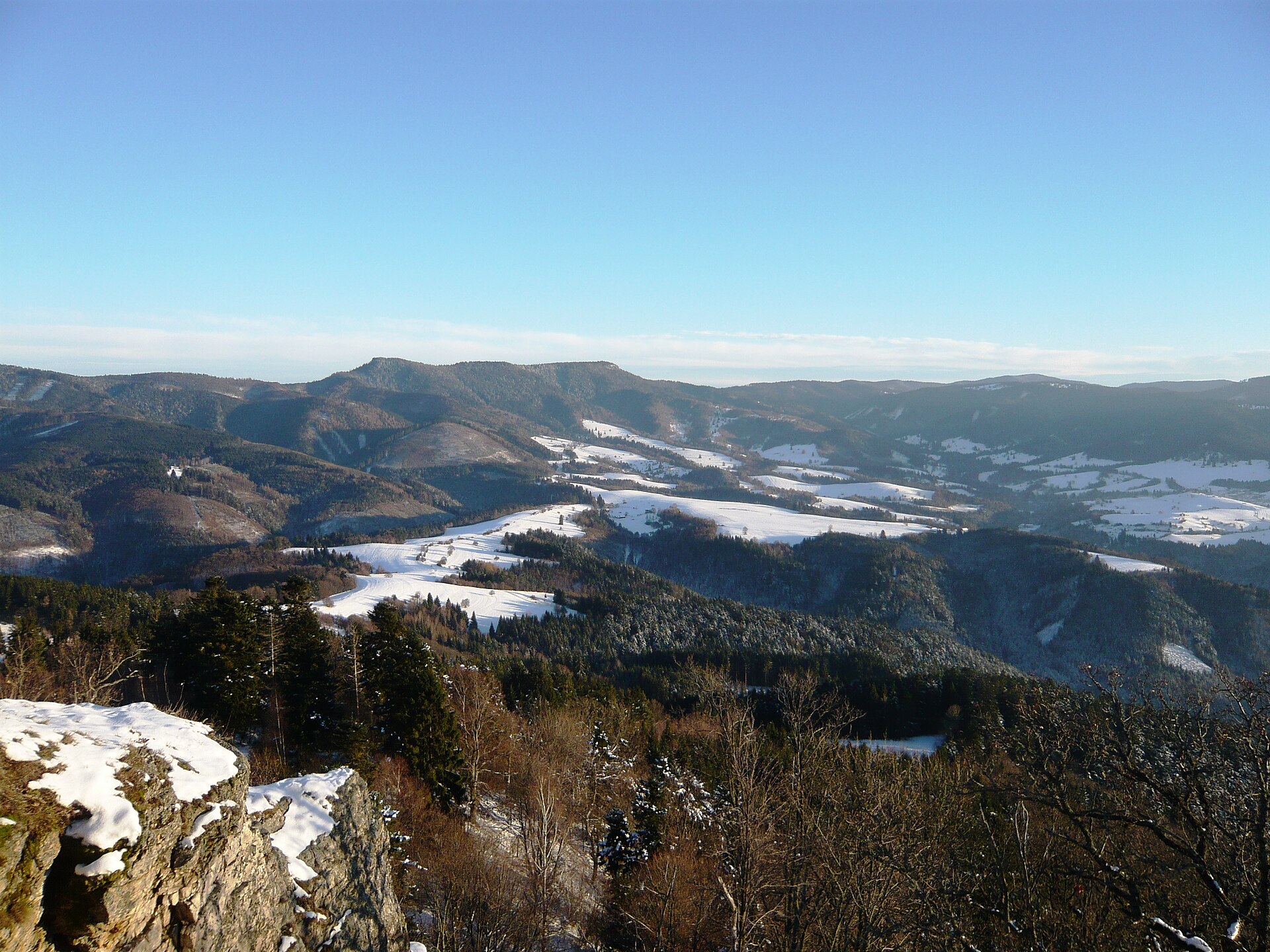
176 records
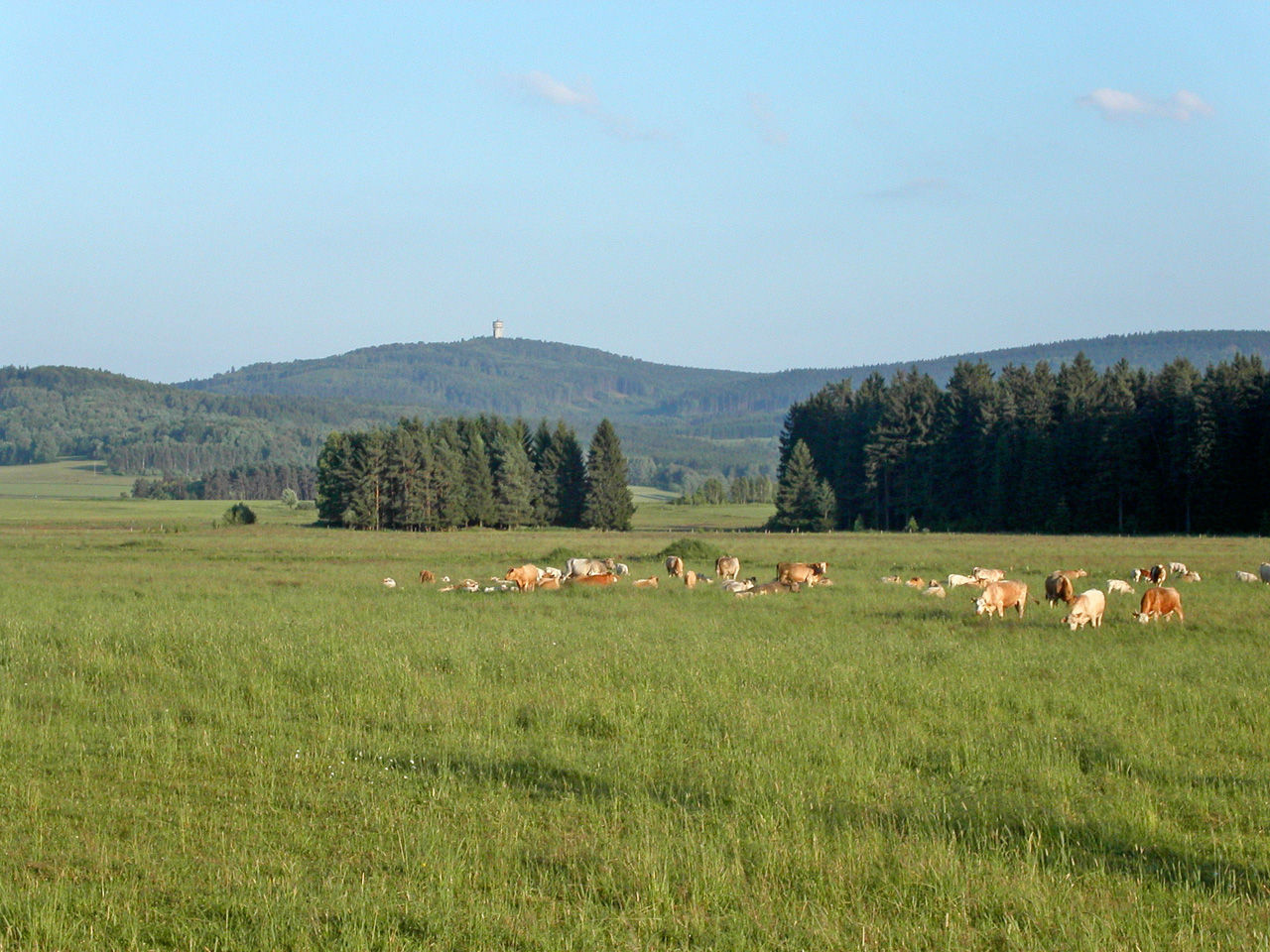
166 records
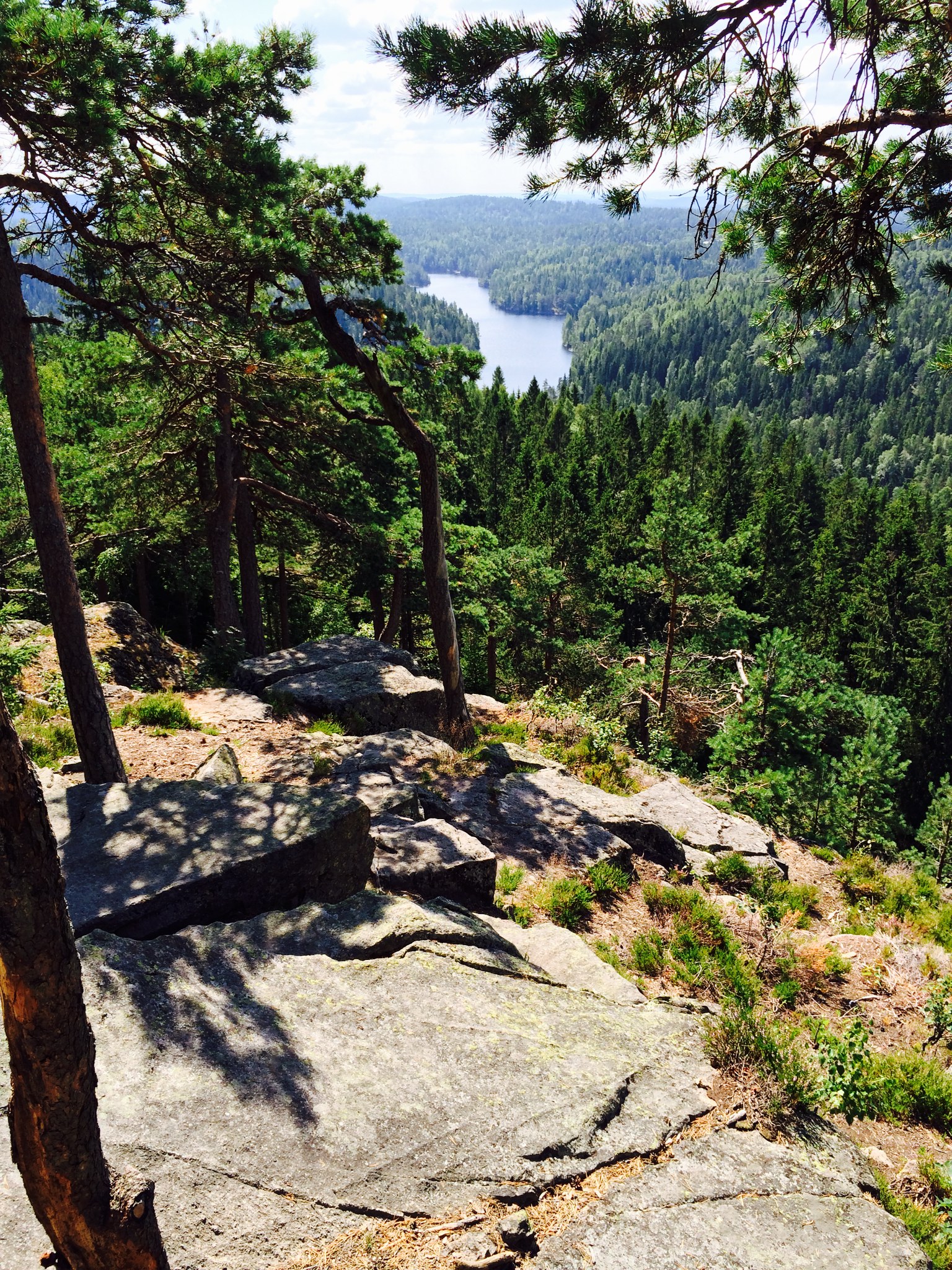
146 records
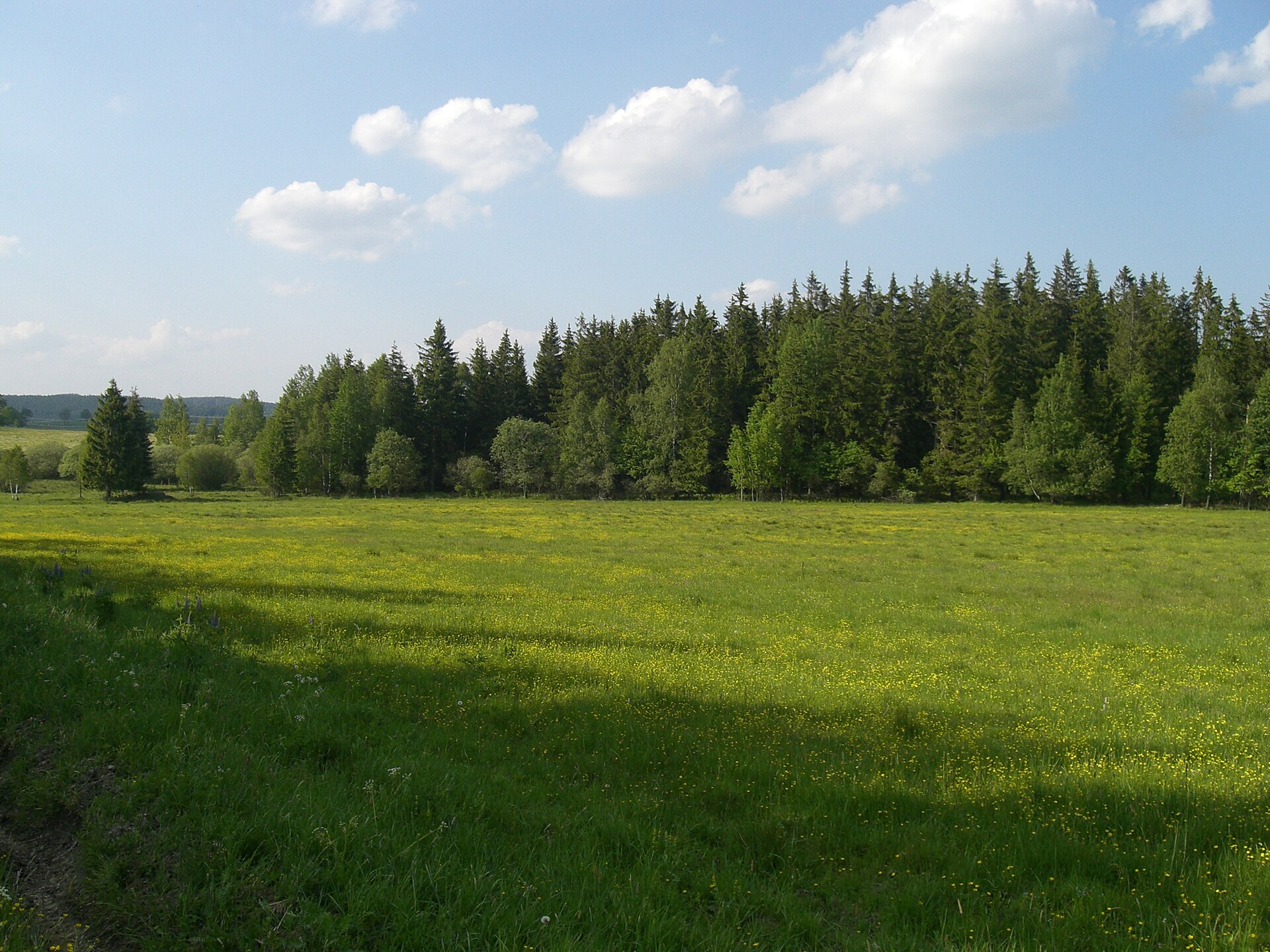
143 records
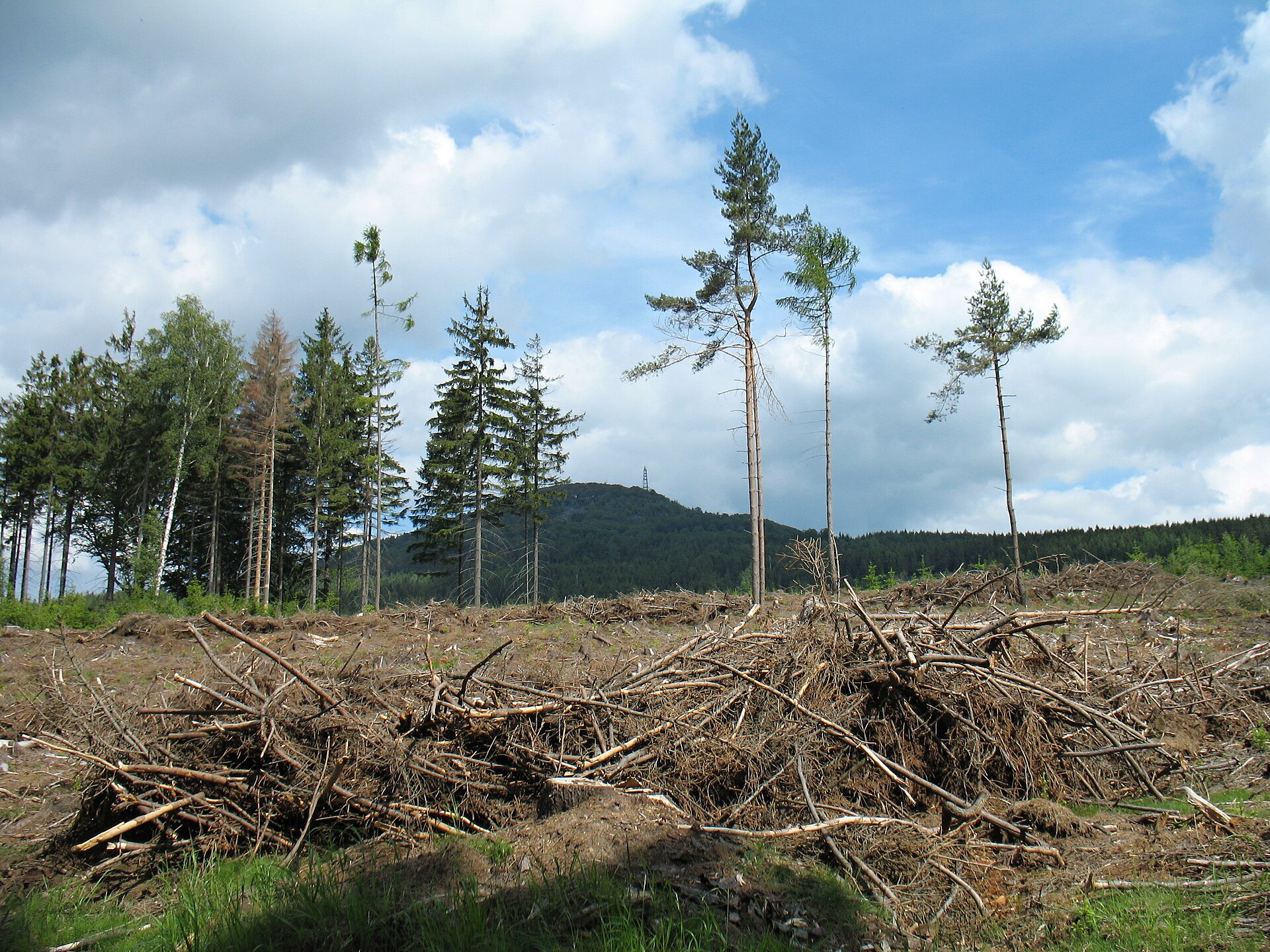
130 records
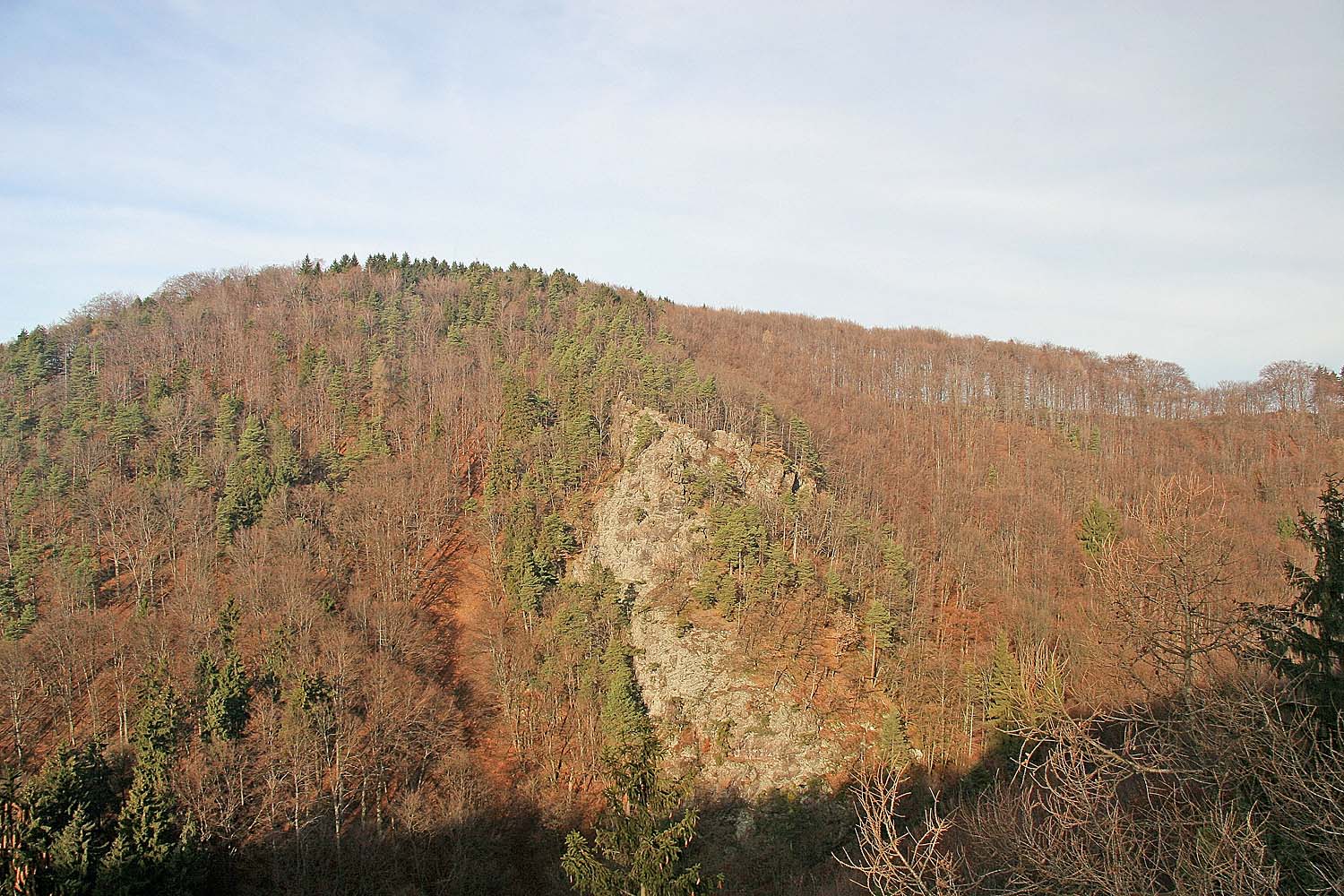
120 records
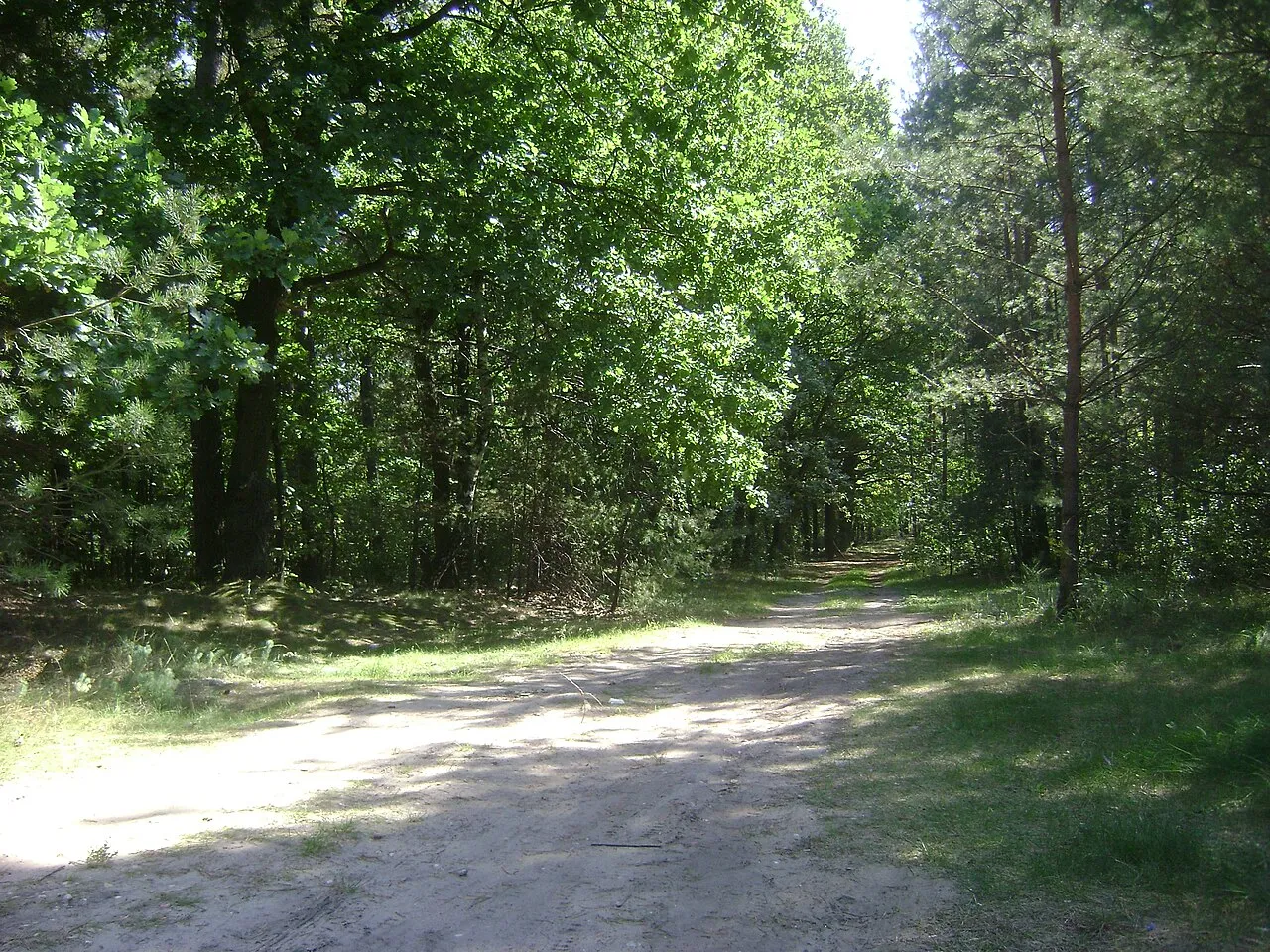
46 records
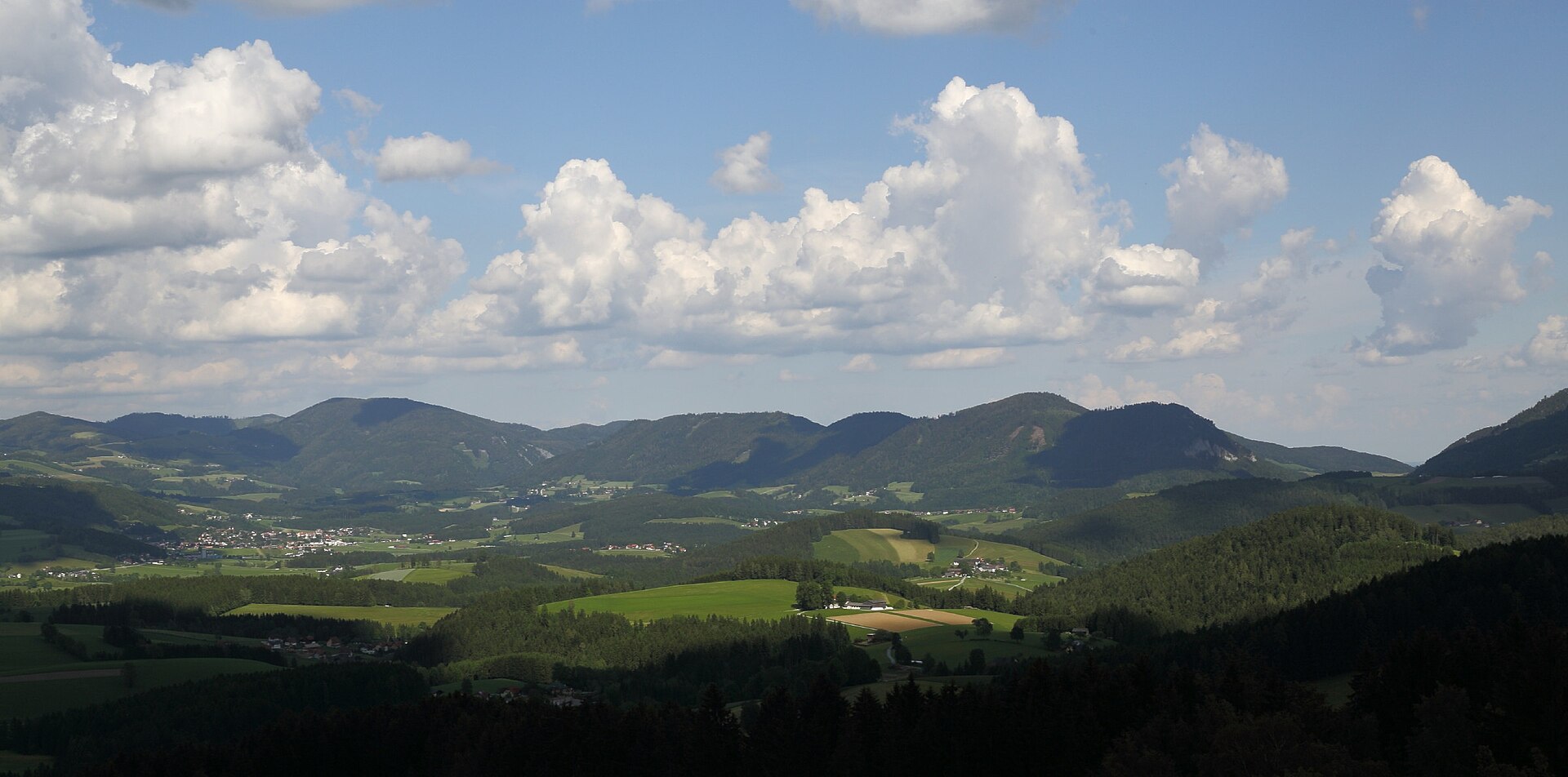
45 records
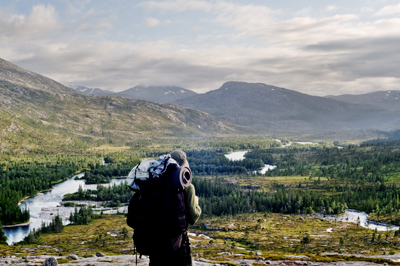
41 records
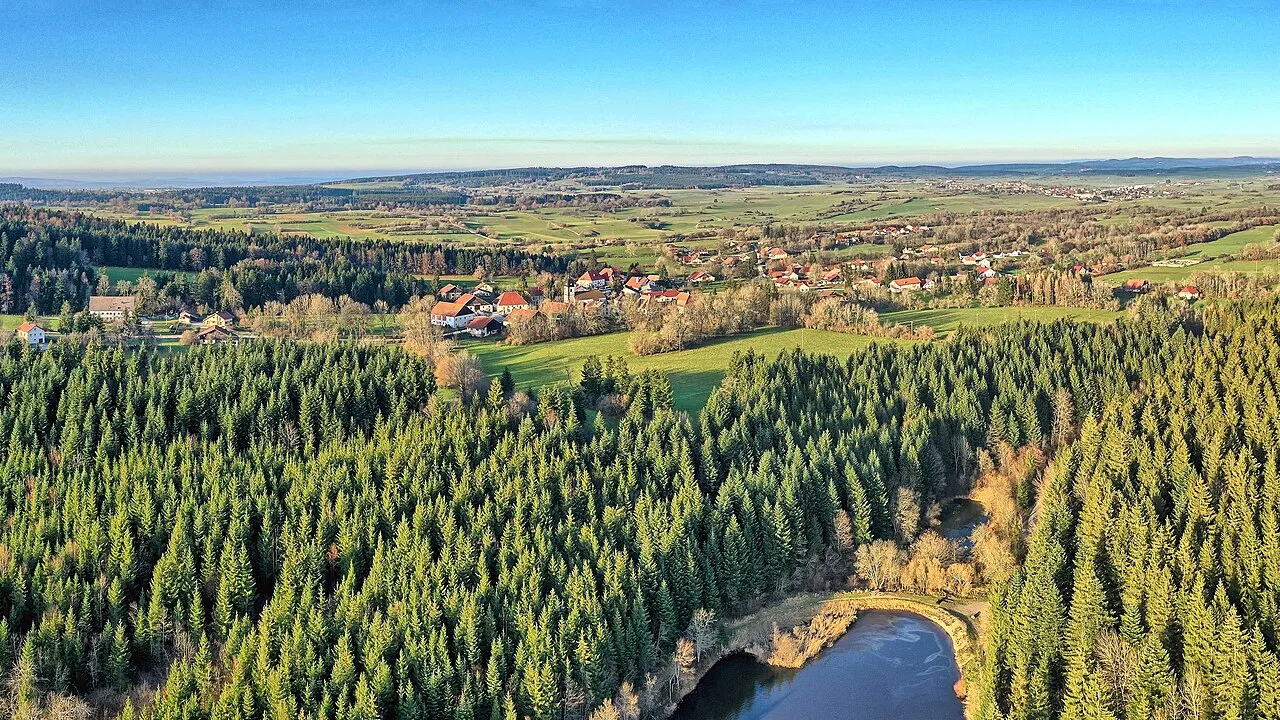
9 records
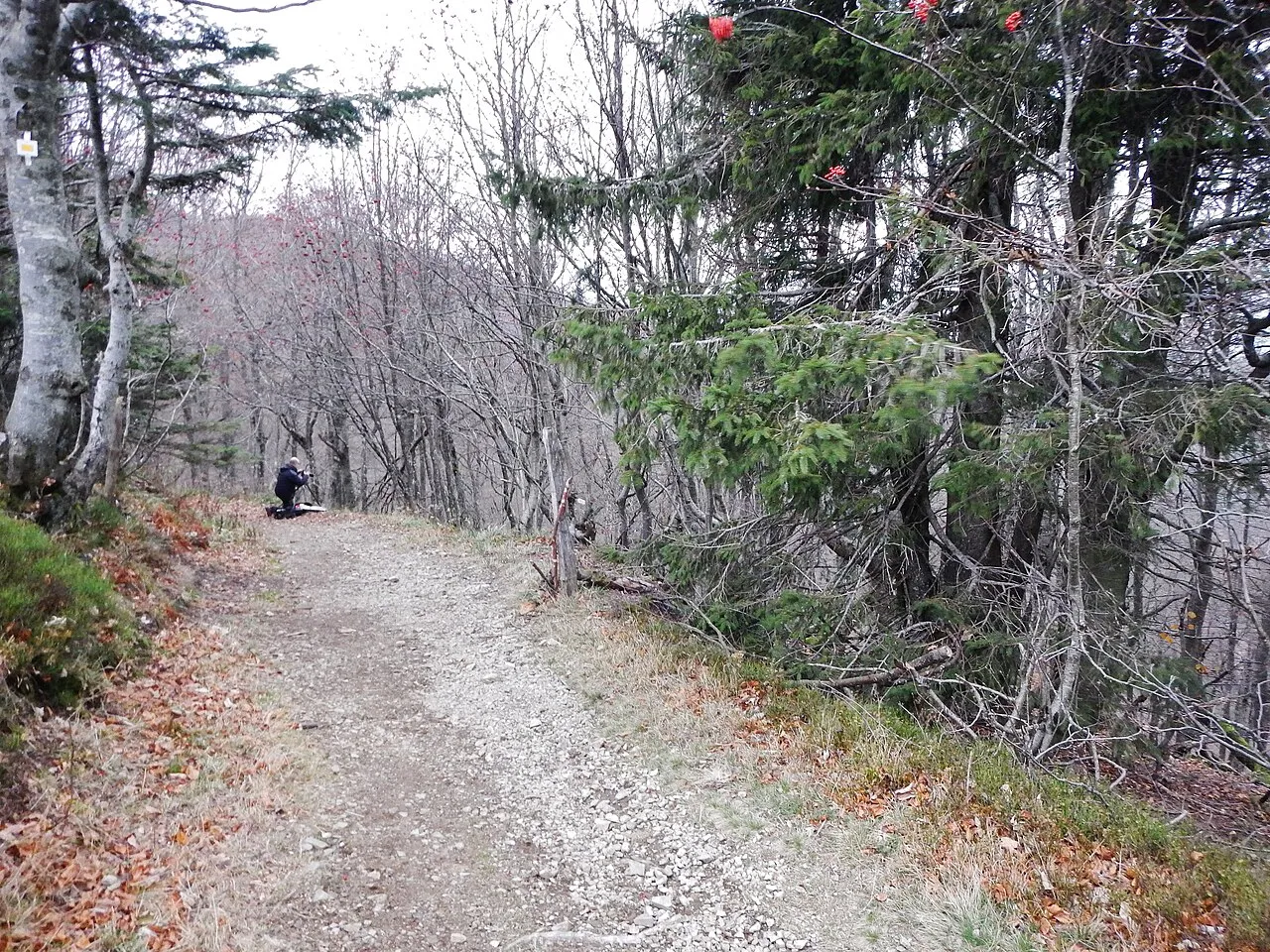
7 records
Other species to discover
Sources and credits
- Presence: most-recorded species of each place on GBIF and species of Community interest in the Natura 2000 forms (EEA, CC-BY 4.0); absence from the list does not mean the species is absent.
- Common names: Wikidata (CC0) and GBIF.
- Photos and sounds: Wikimedia Commons, author and licence given for each file.
- Classification: GBIF Backbone Taxonomy (GBIF Secretariat), CC BY 4.0, doi:10.15468/39omei.
- Countries, elevations, months and maps: GBIF.org, CC0 or CC BY 4.0 occurrences only, accessed October 22, 2026, GBIF.org.
- Base map: Natural Earth (public domain).
- Excerpt: Wikipedia, CC BY-SA 4.0 (full credit below the excerpt).
- Native range and life form: World Checklist of Vascular Plants, Royal Botanic Gardens, Kew, CC BY 4.0 (no endorsement by Kew).