
Plant
Common Nettle: where to see it
Urtica dioica
This plant species is recorded in 65 protected areas of the atlas. Within the atlas countries, it is mostly observed in France, the United Kingdom and Denmark (12 countries in all). Most records (8 in 10) lie between 150 and 1,250 m above sea level. Records peak from May to September. Plant (perennial or rhizomatous geophyte), native to Europe, Africa, temperate Asia and tropical Asia, introduced to Australasia, North America, South and Central America and Antarctica.
Best time to see it: May–September
Records published on GBIF by month (CC0 and CC BY 4.0 licences only), in the atlas countries, all years combined; they also reflect observer activity.
Distribution
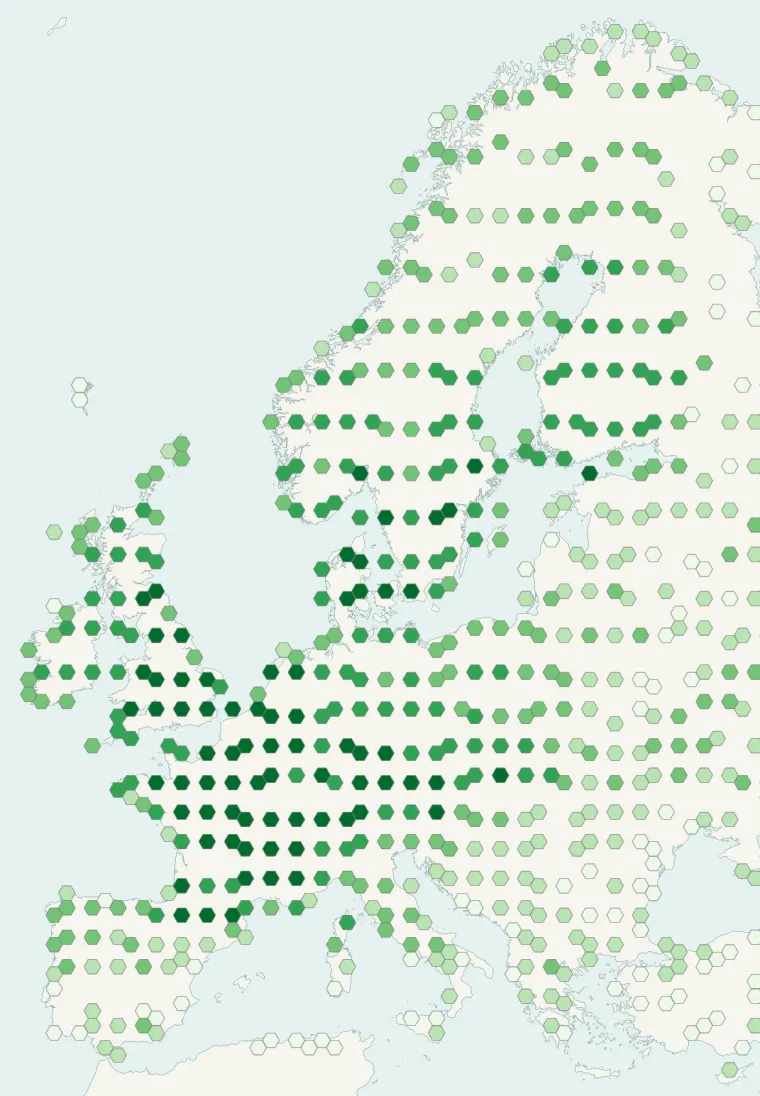
Records published on GBIF (CC0 and CC BY 4.0 licences): the darker the shade, the more records there are; they also reflect observation effort.
From Wikipedia
Urtica dioica, often known as common nettle, burn nettle, stinging nettle, nettle leaf, or just a nettle or stinger, is a herbaceous perennial flowering plant in the family Urticaceae. Originally native to Europe, much of temperate Asia and western North Africa, it is now found worldwide. The species is divided into six subspecies, five of which have many hollow stinging hairs called trichomes on the leaves and stems, which act like hypodermic needles, injecting histamine and other chemicals that produce a stinging sensation upon contact ("contact urticaria", a form of contact dermatitis).
Source: Wikipedia, article “Urtica dioica” (version of October 20, 2026) · history and authors · licence CC BY-SA 4.0 · shortened excerpt
Protected areas where it is recorded
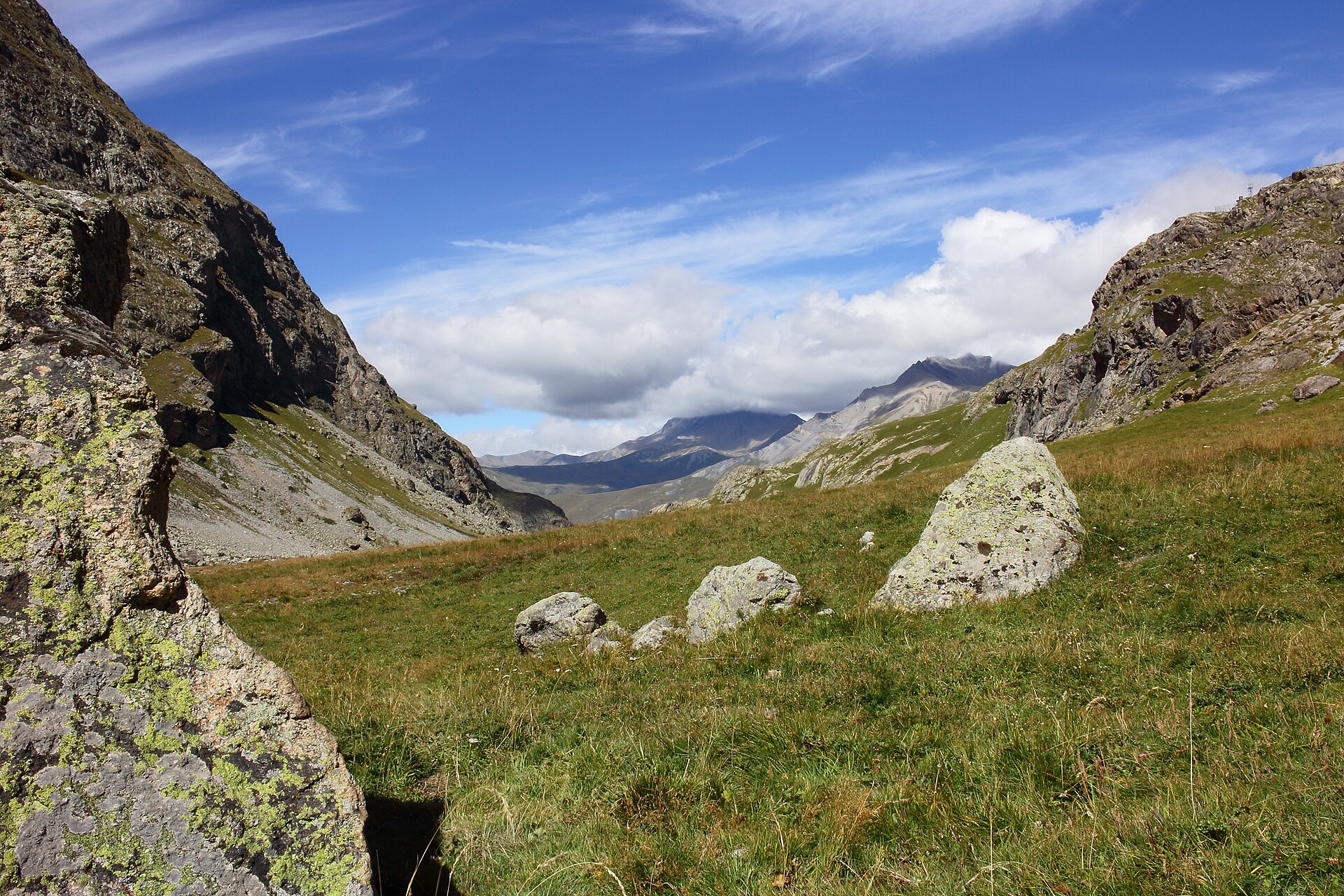
7,784 records
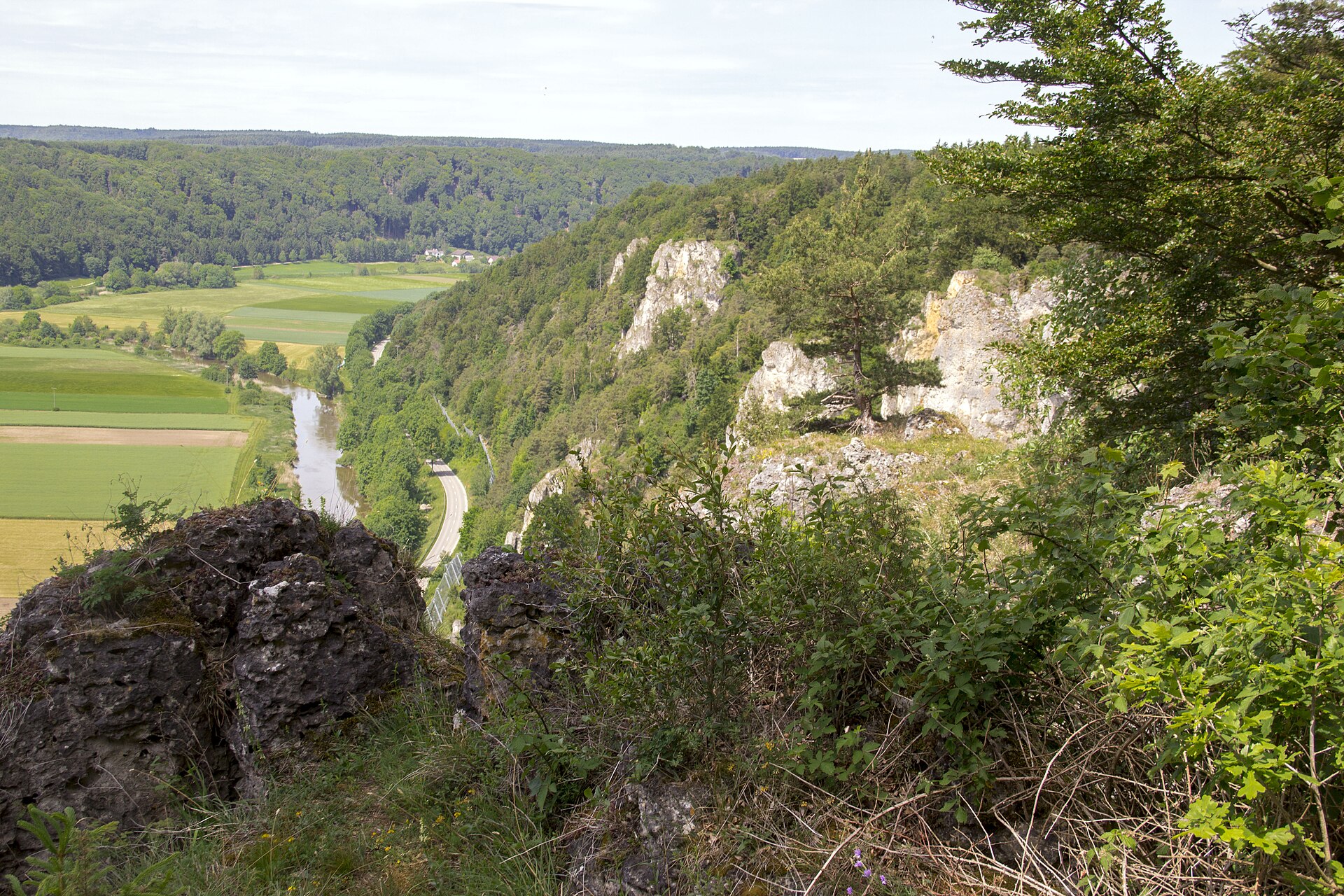
7,288 records
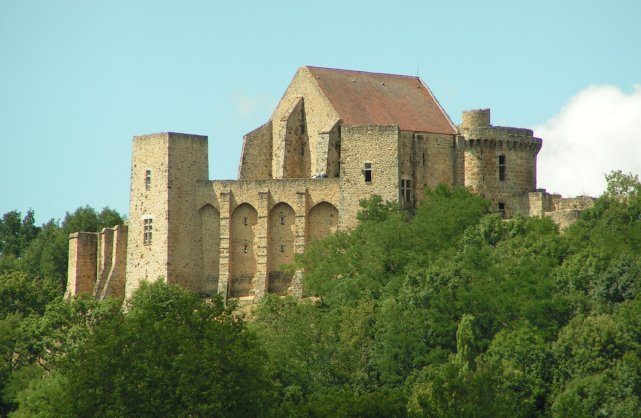
7,205 records
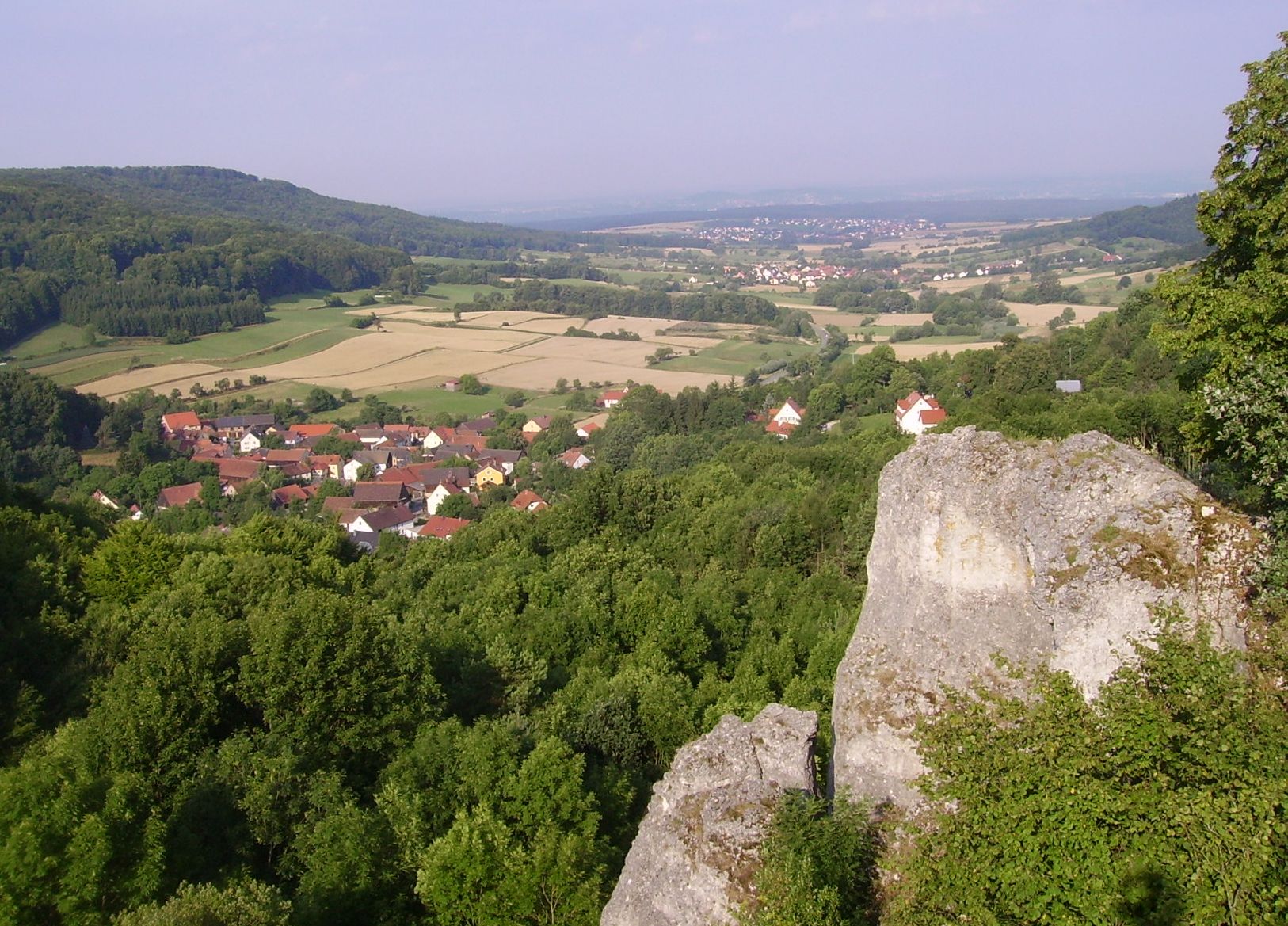
6,544 records
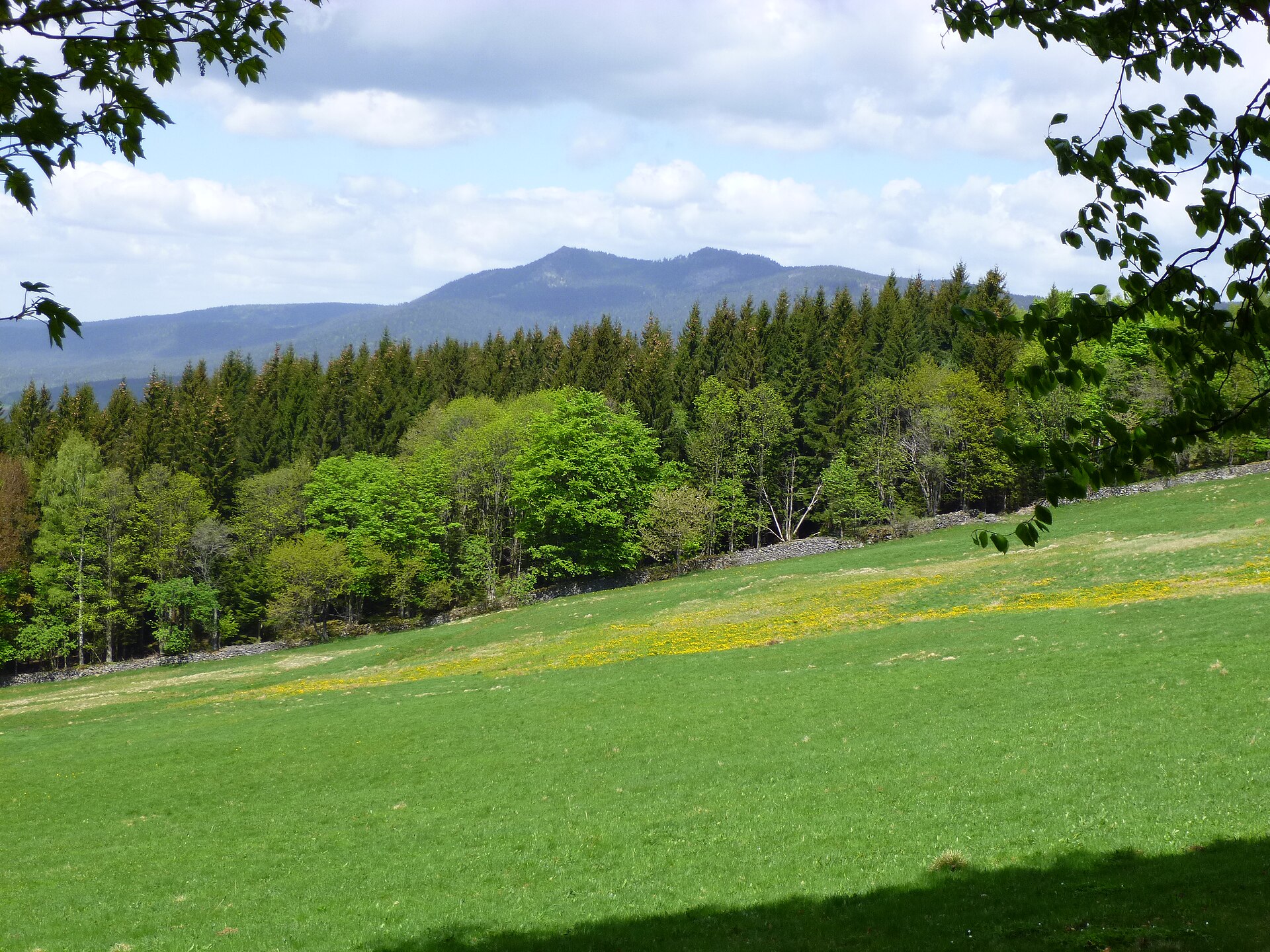
5,993 records
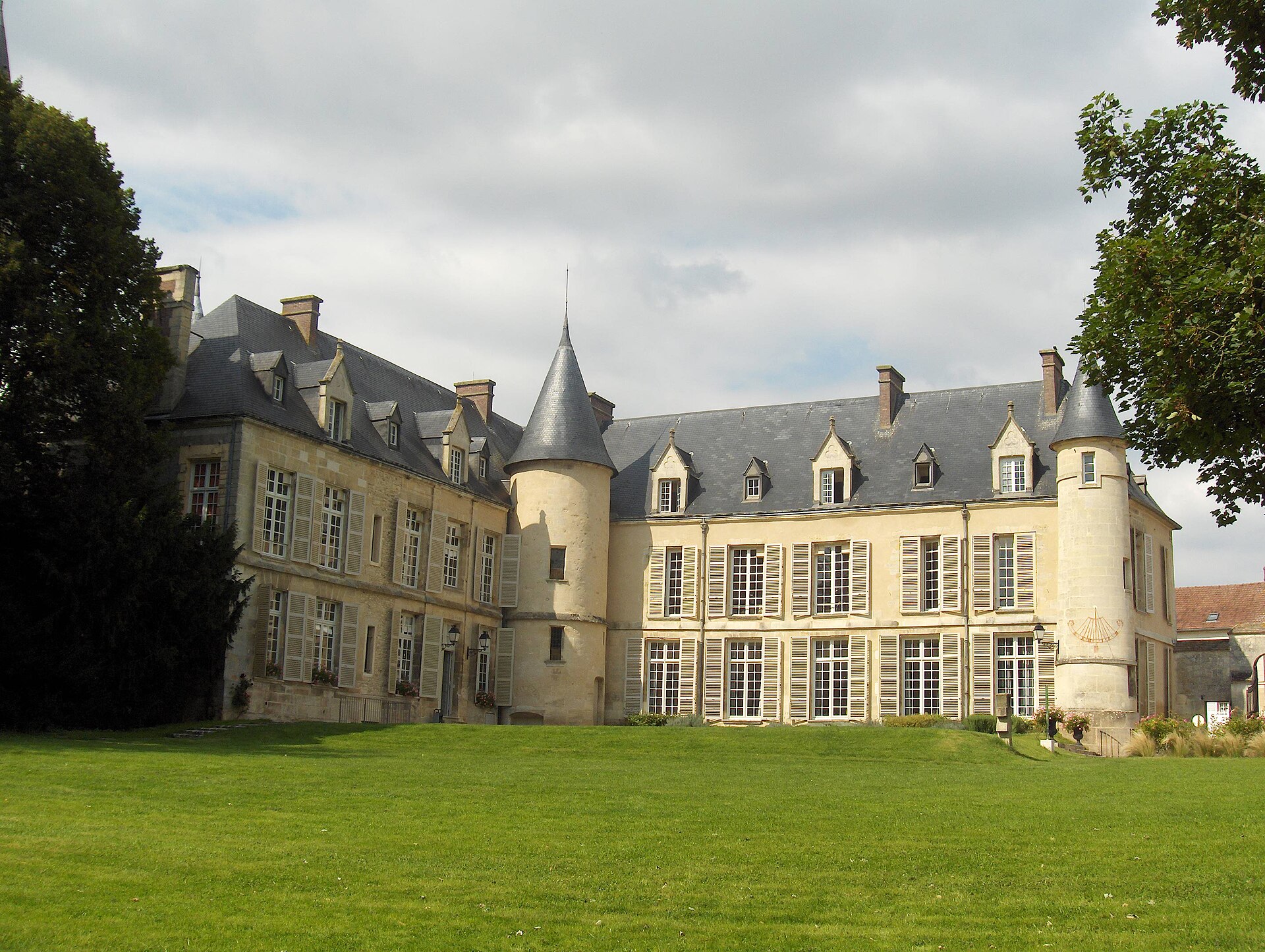
4,755 records
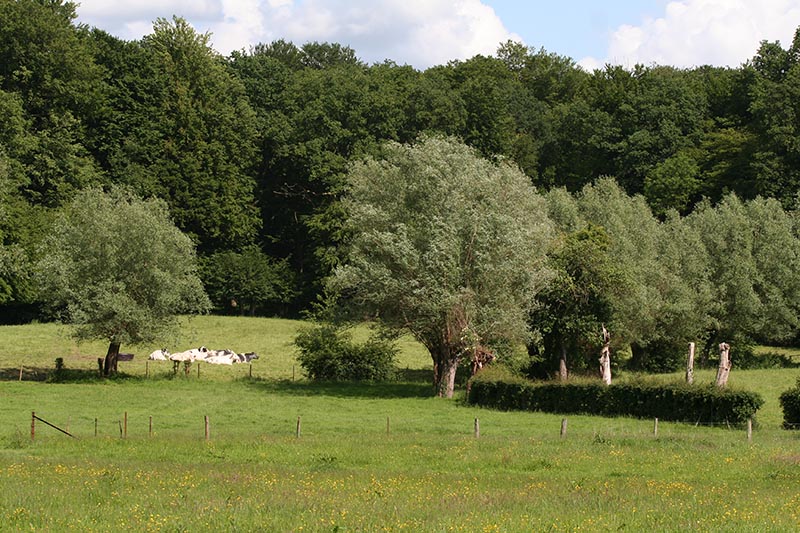
4,432 records
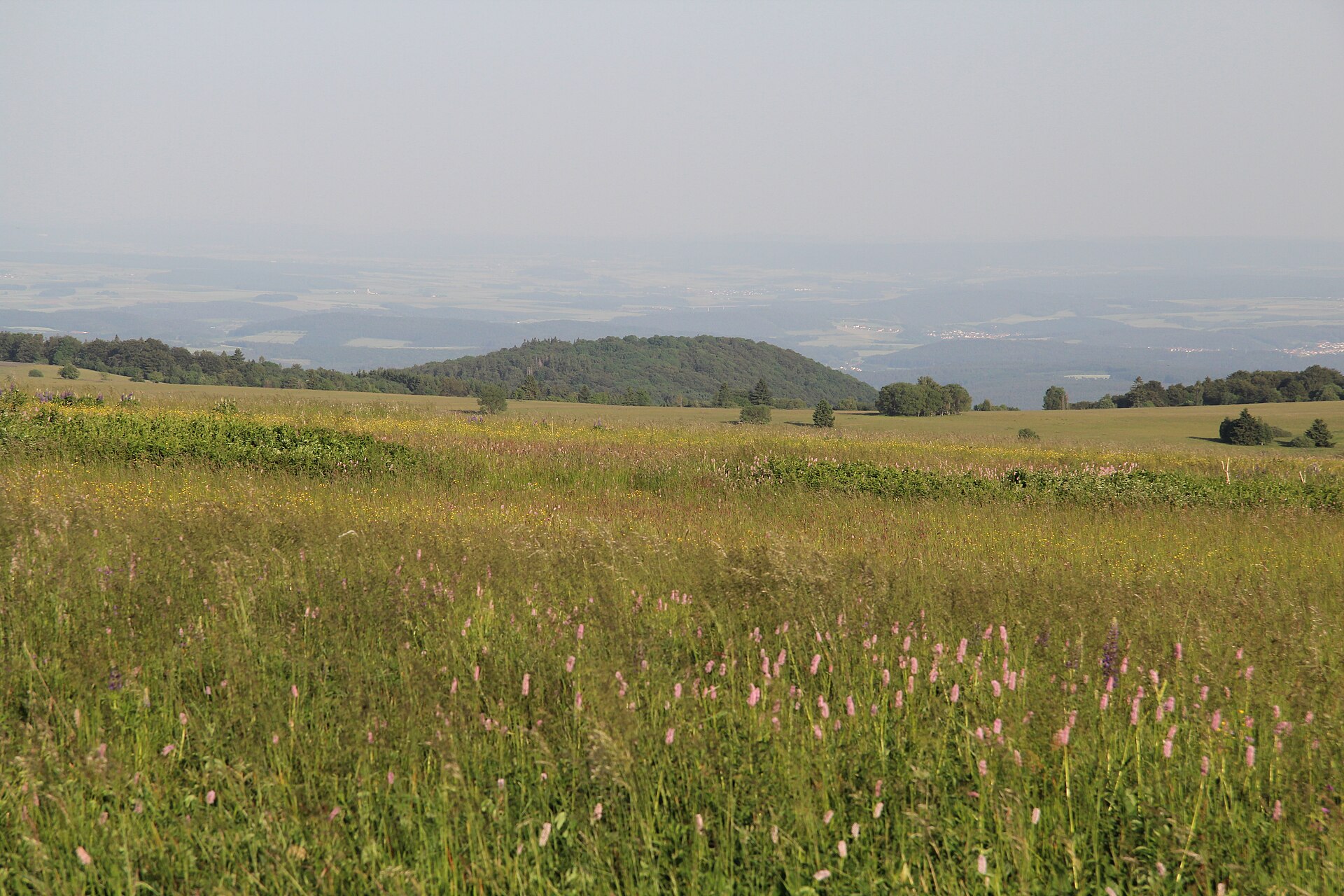
4,393 records

3,404 records
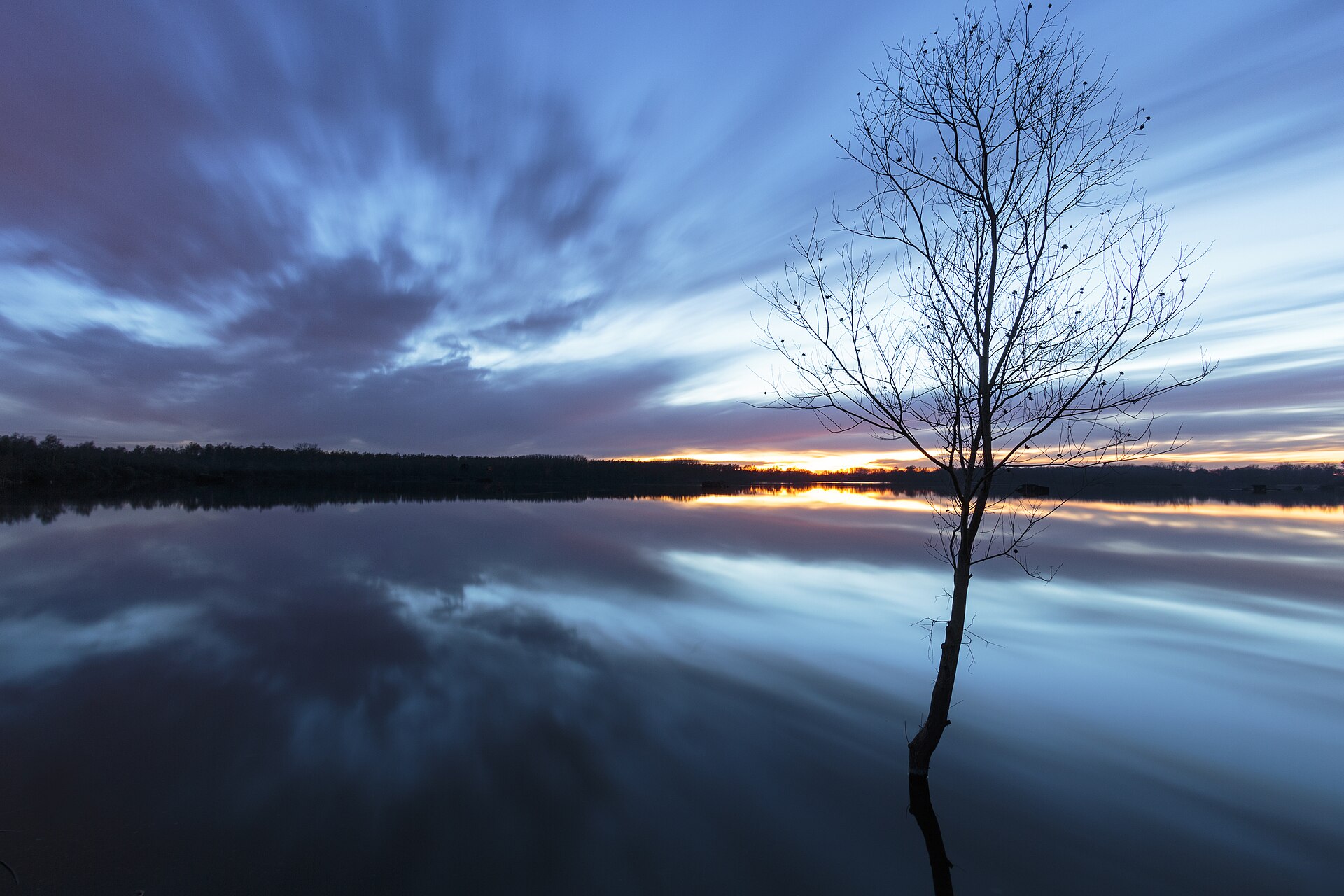
2,974 records
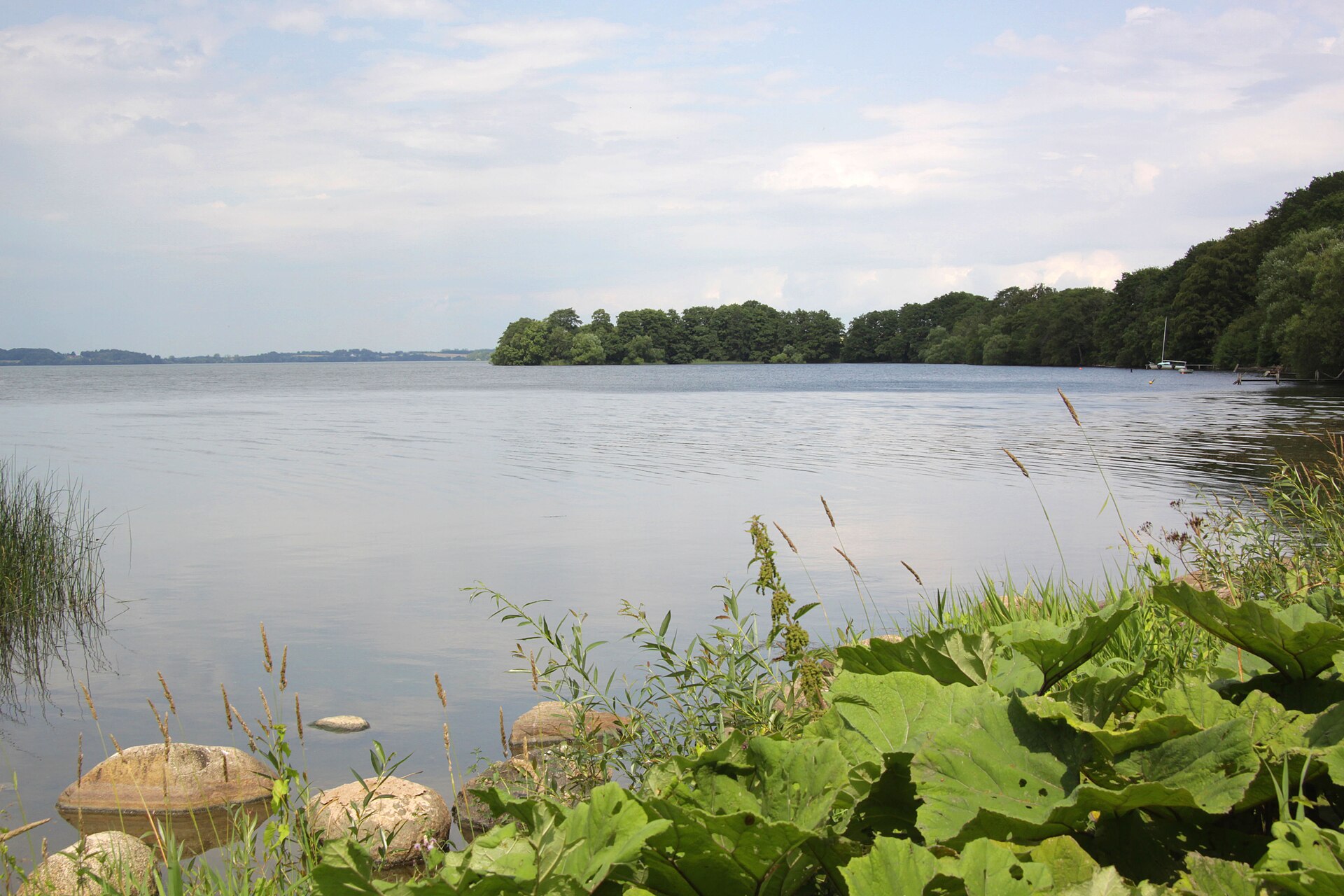
2,235 records
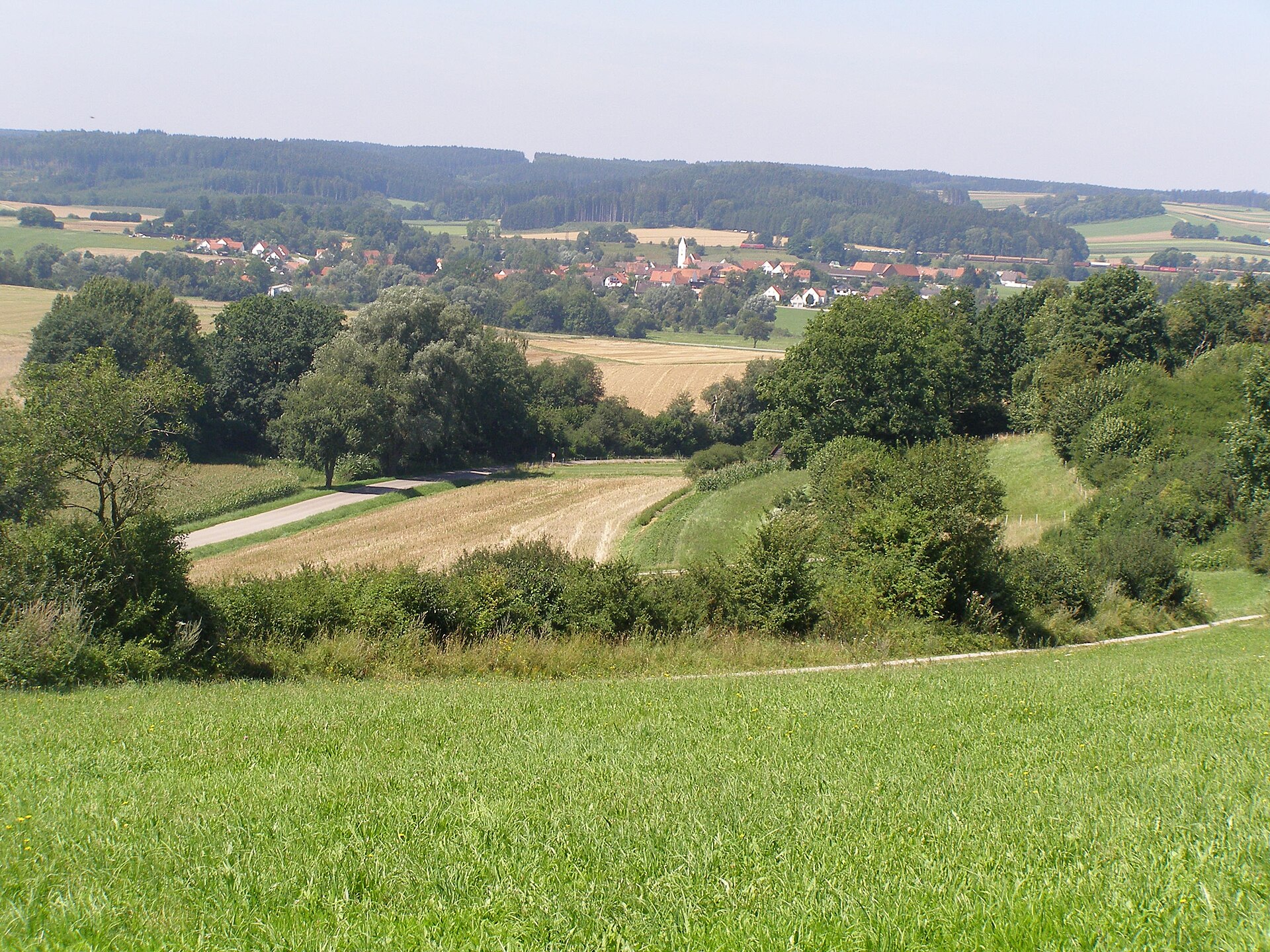
2,187 records
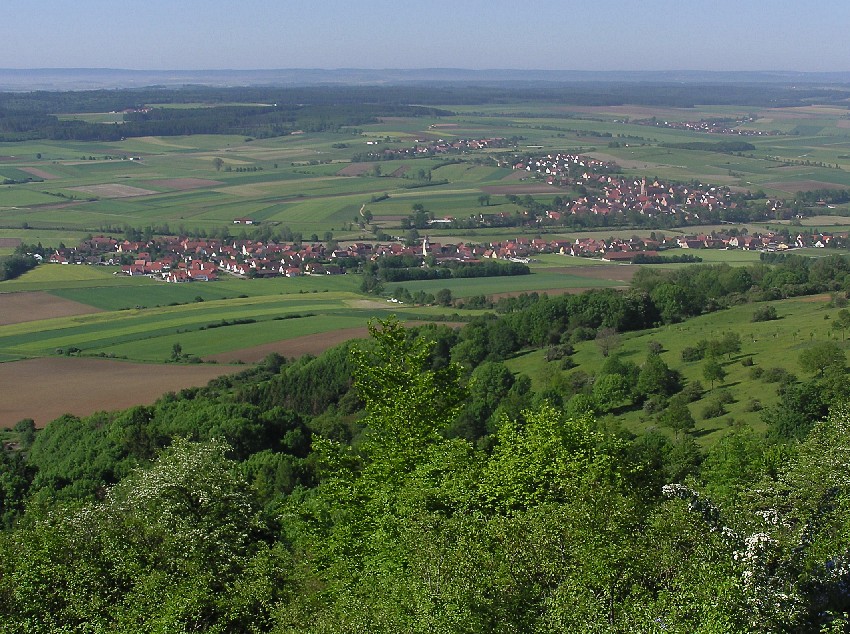
2,064 records
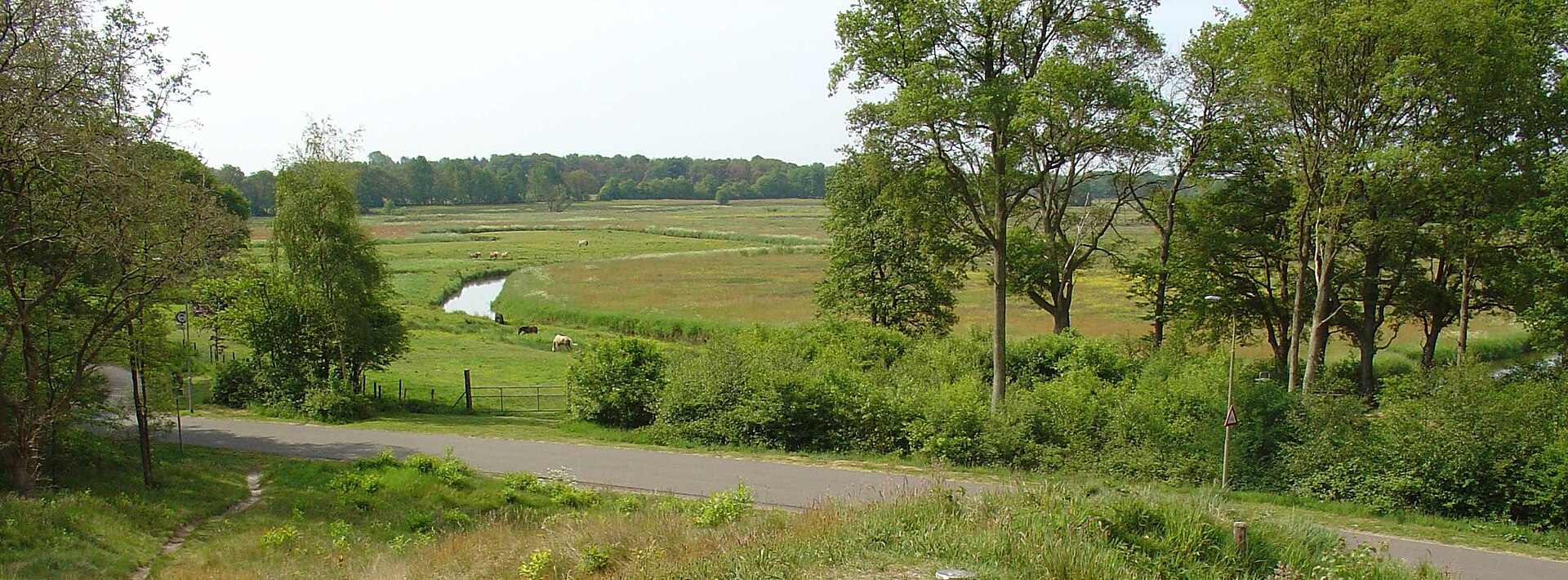
1,991 records
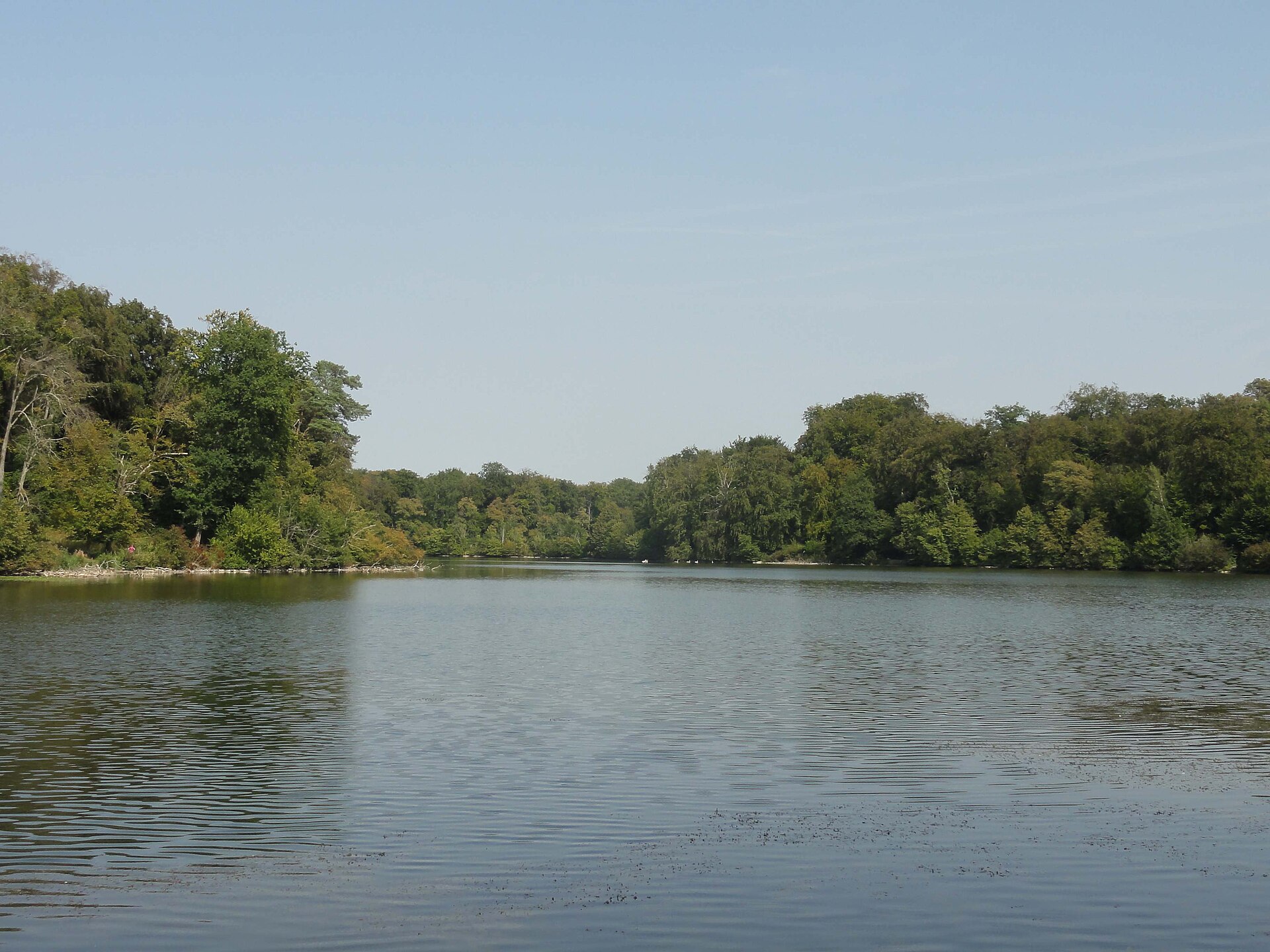
1,971 records
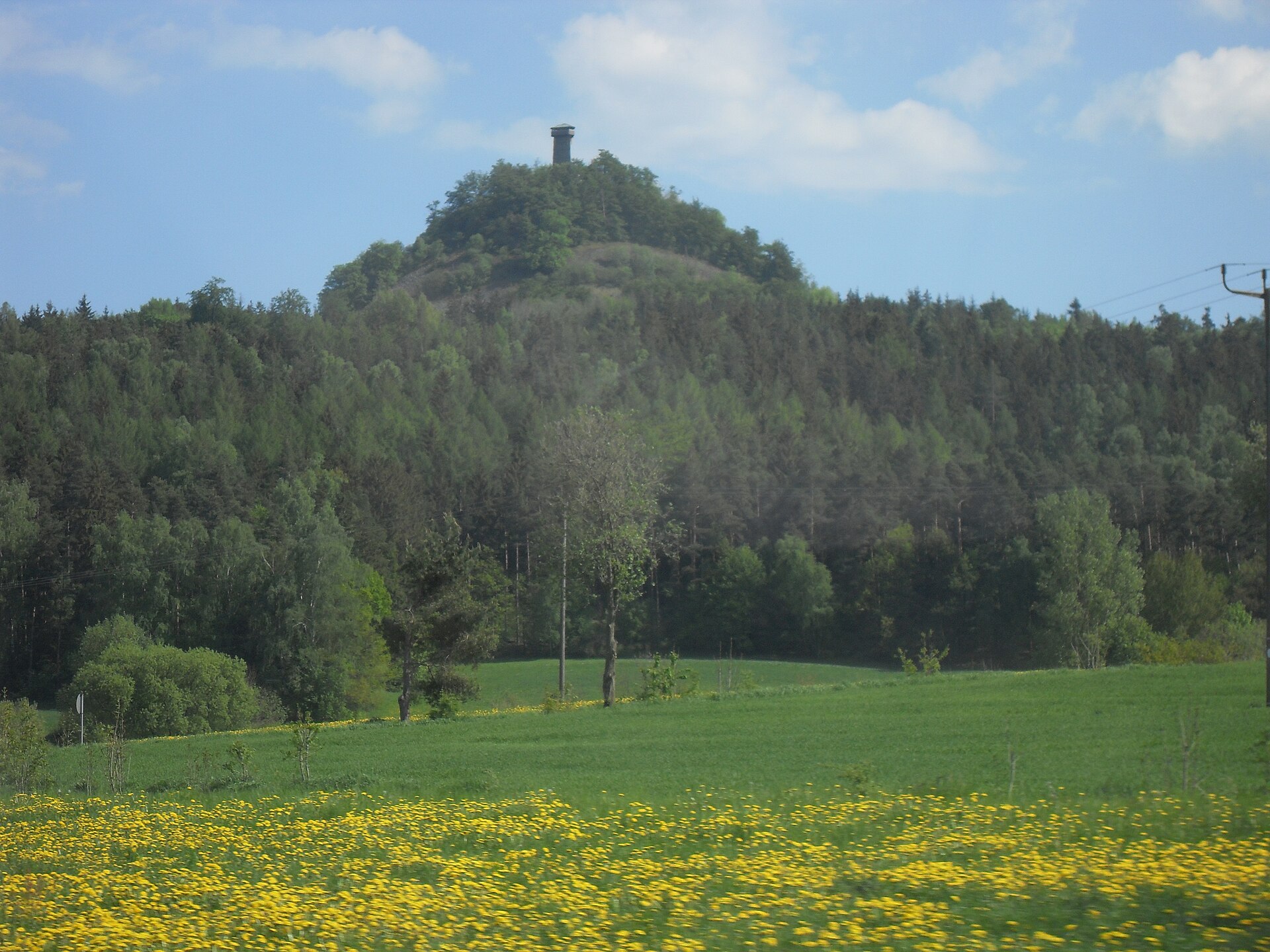
1,956 records
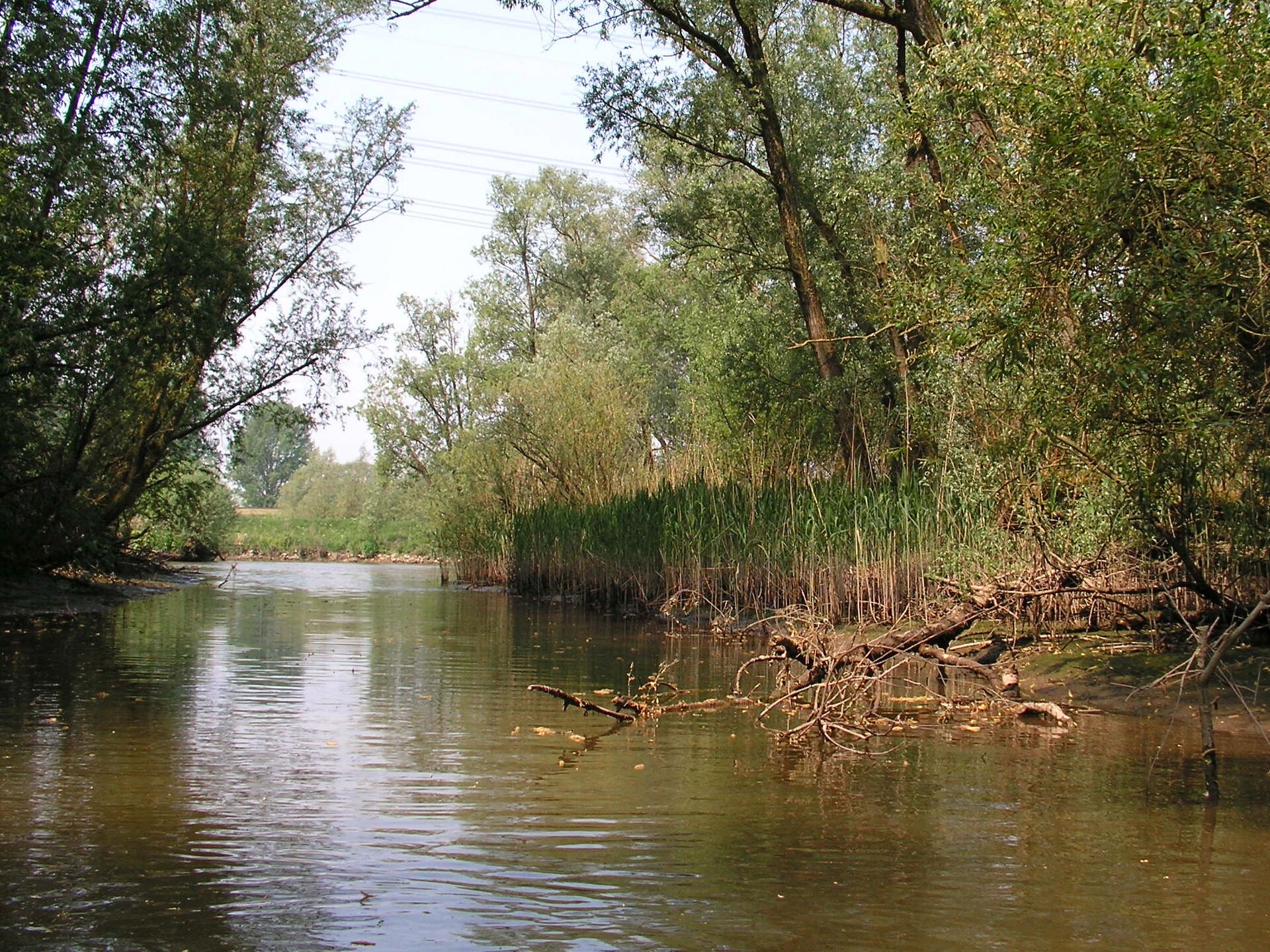
1,871 records
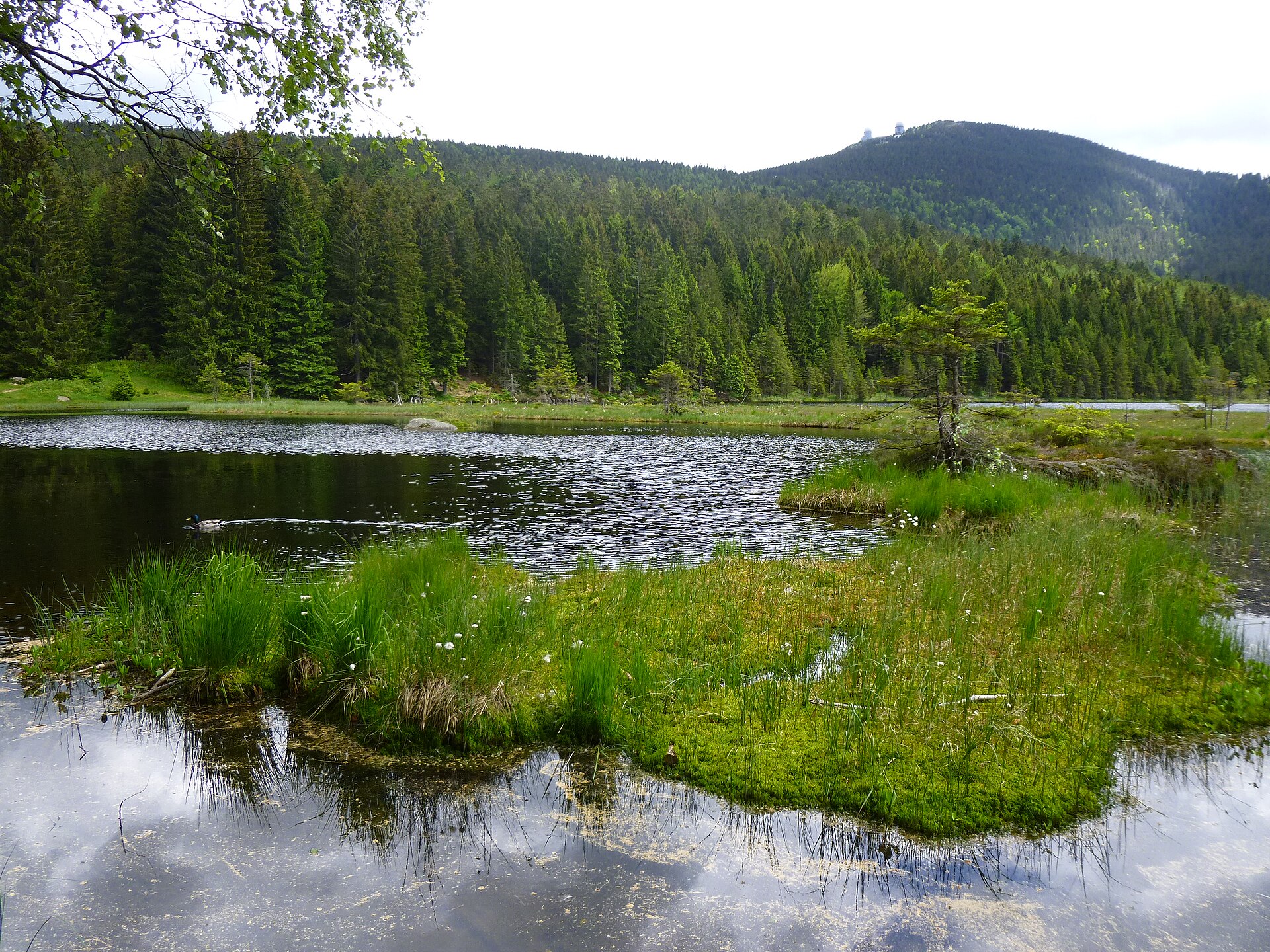
1,858 records
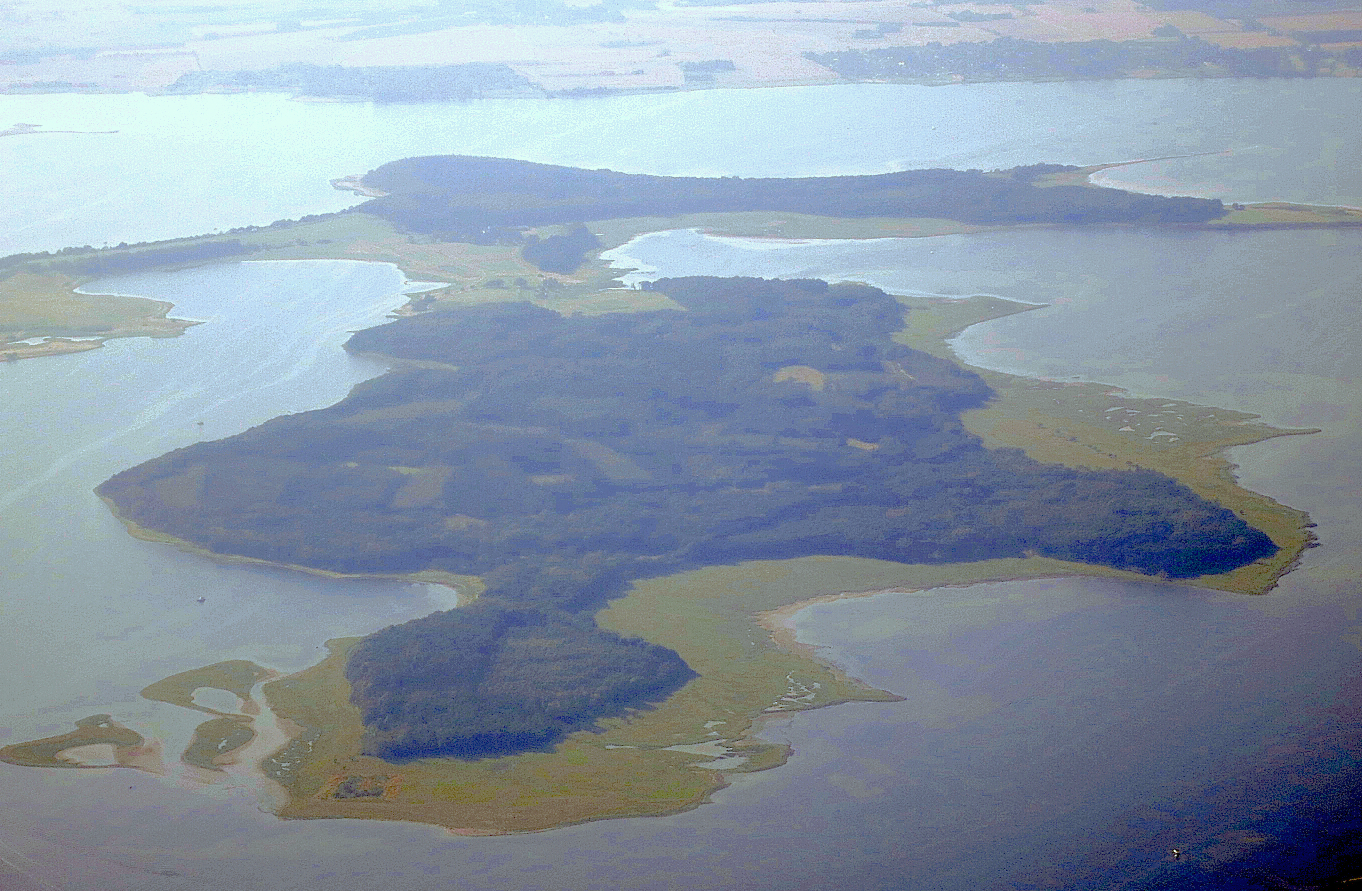
1,588 records
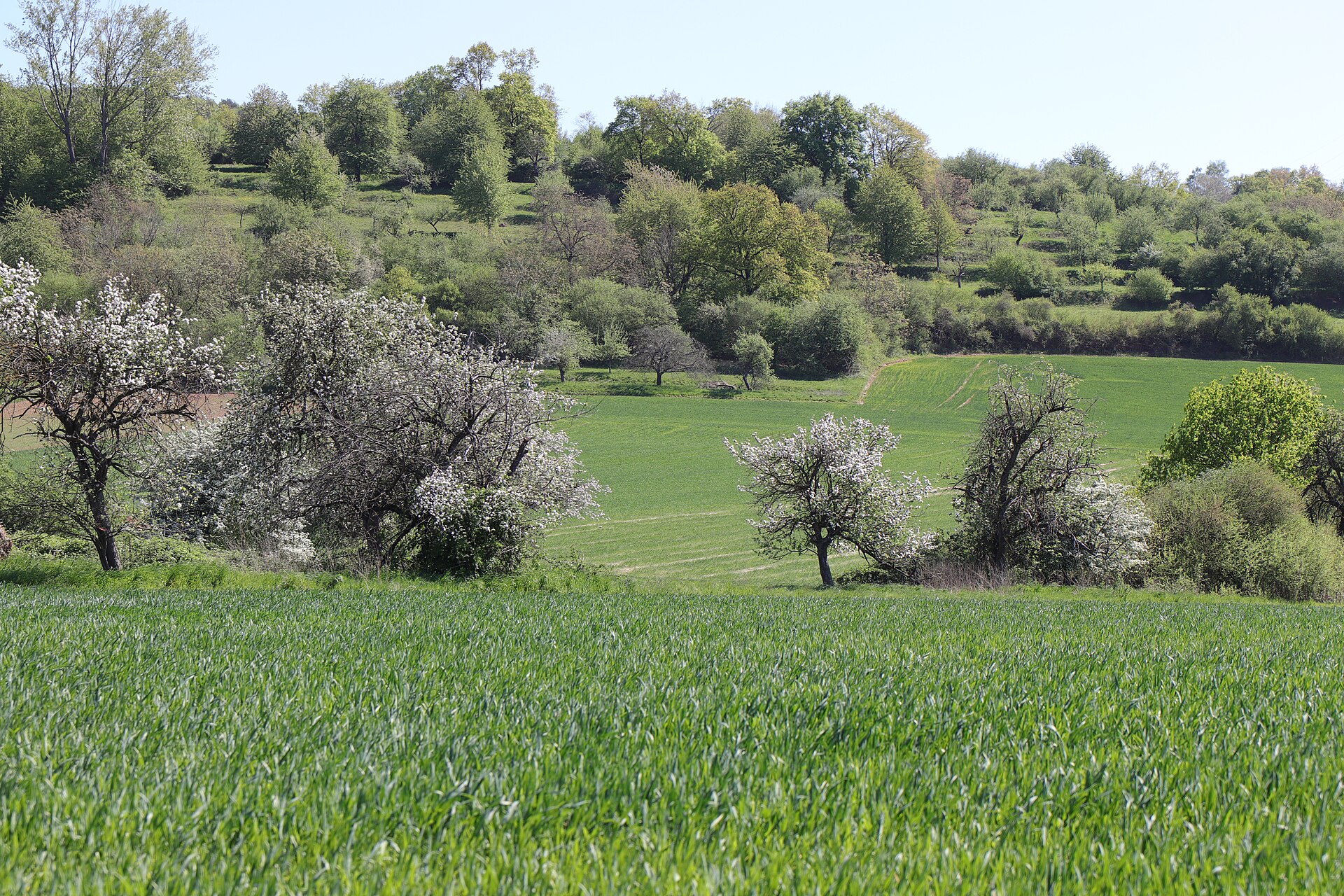
1,517 records
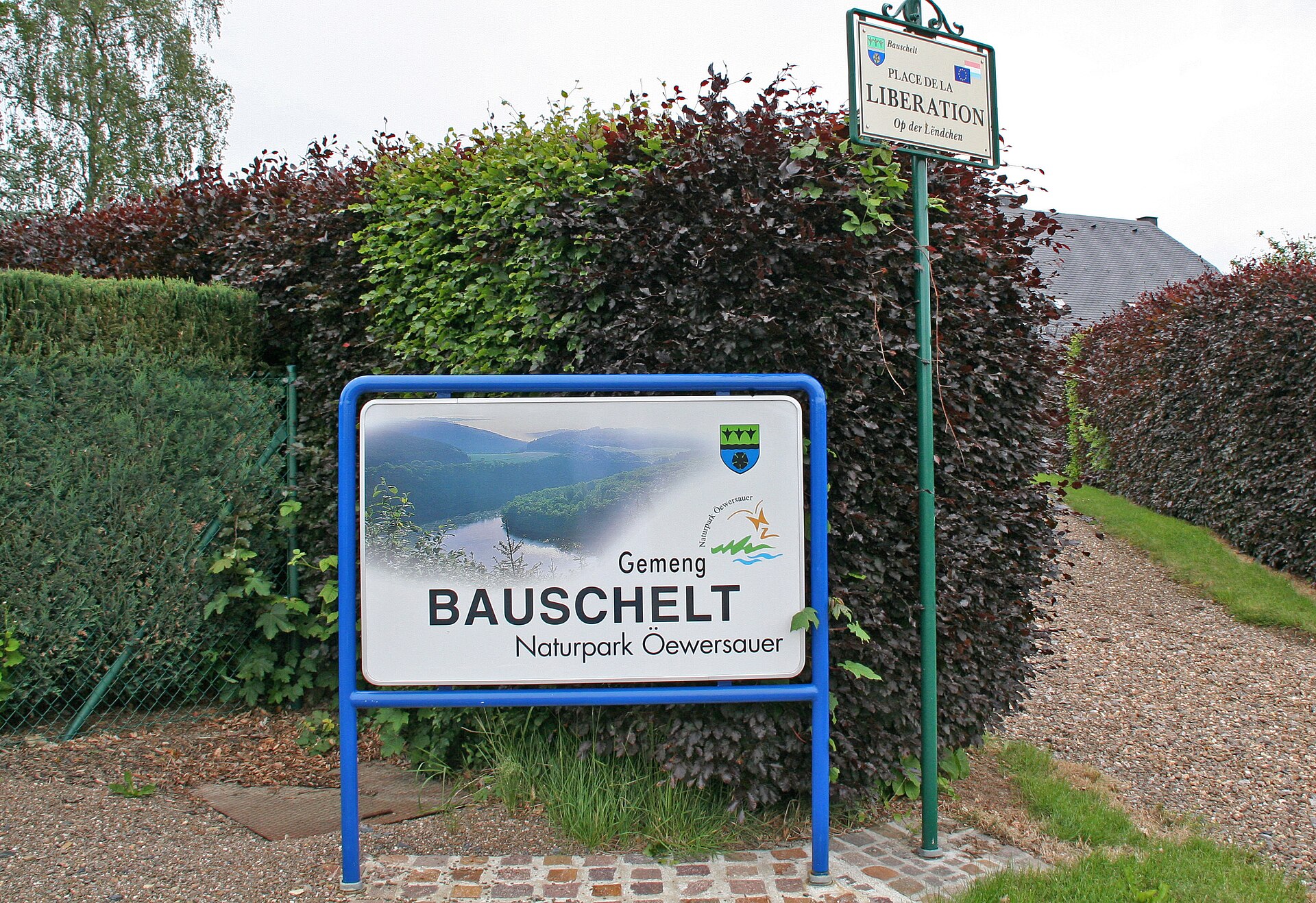
1,372 records
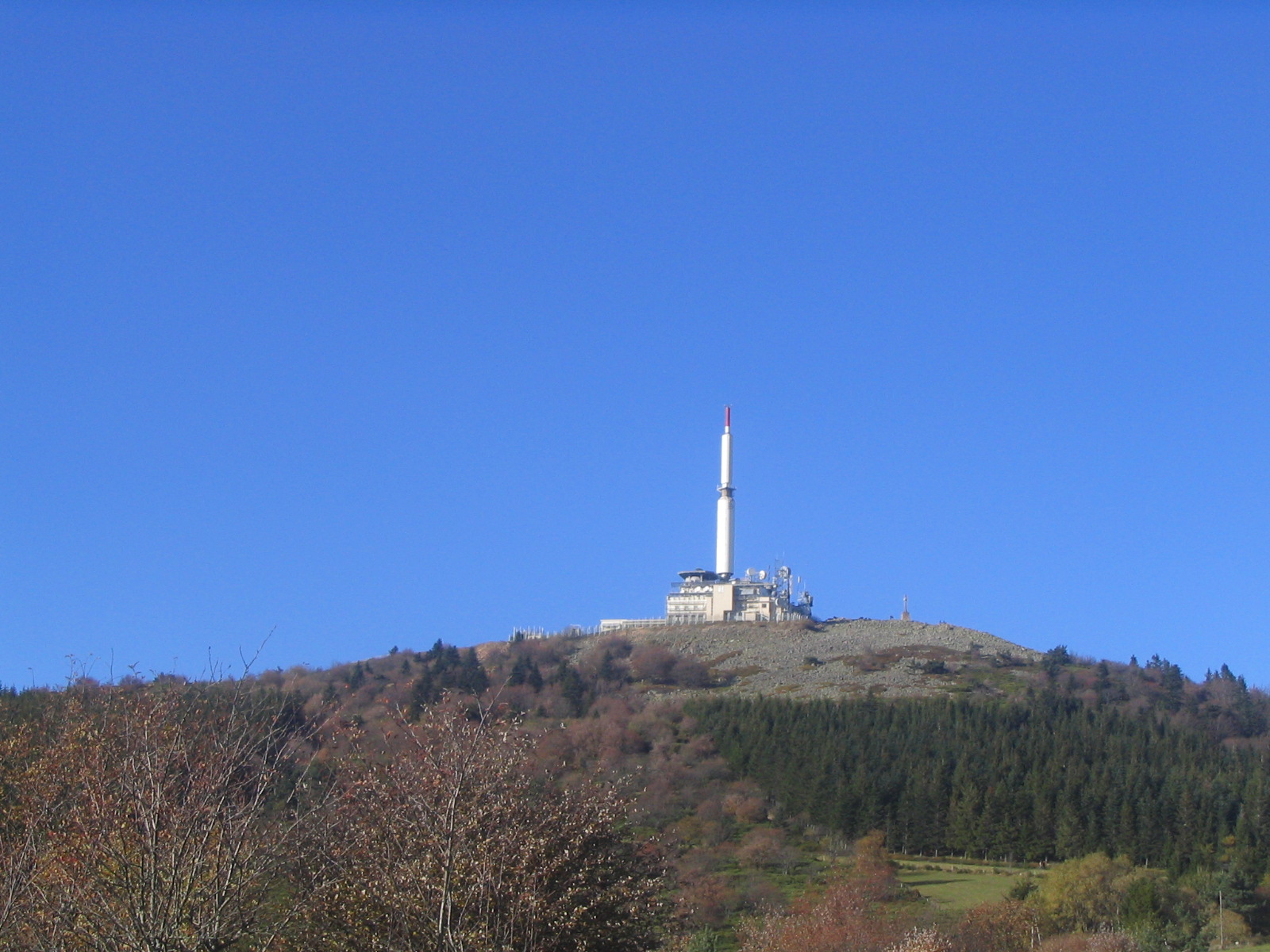
1,347 records
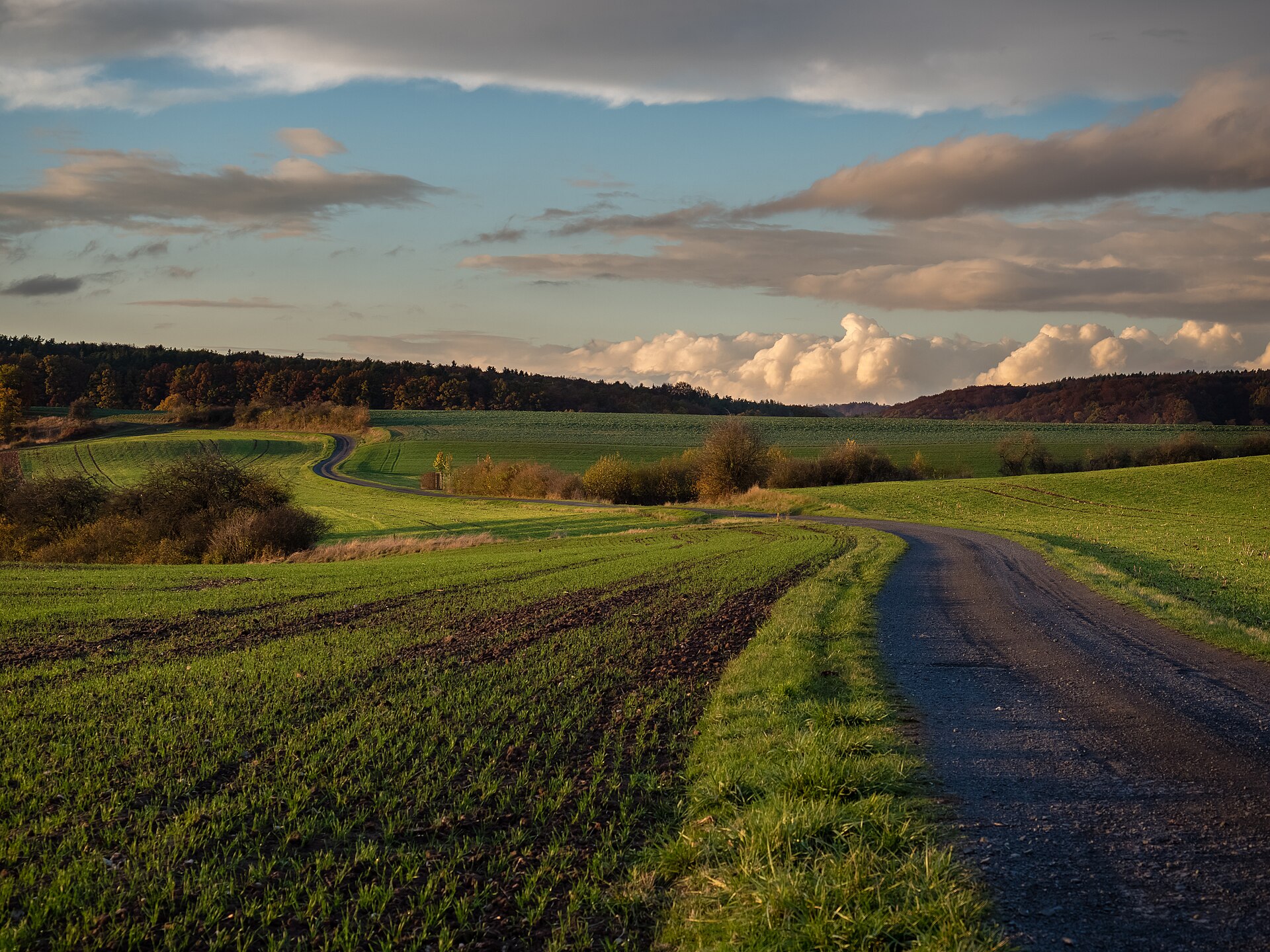
1,259 records
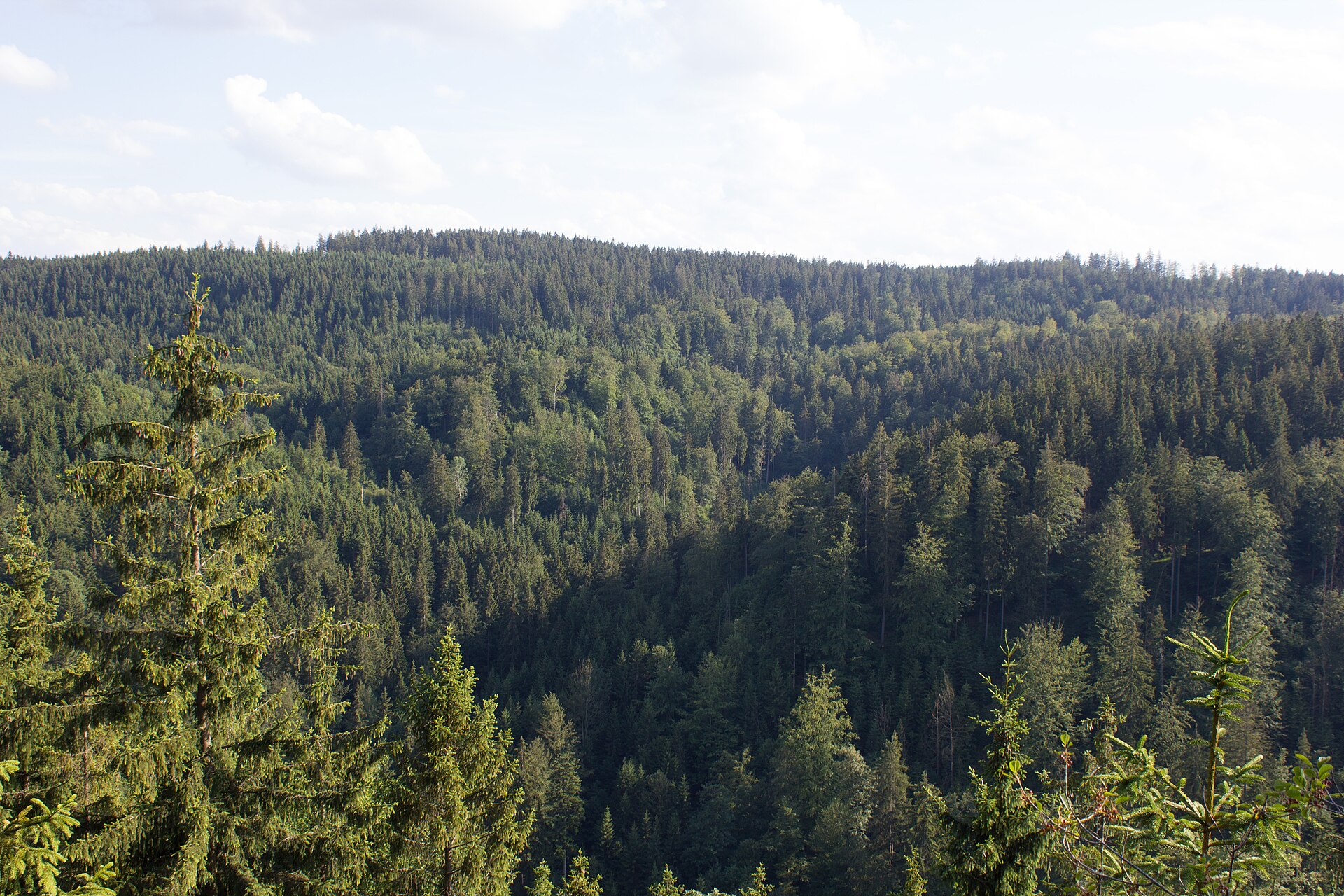
1,255 records
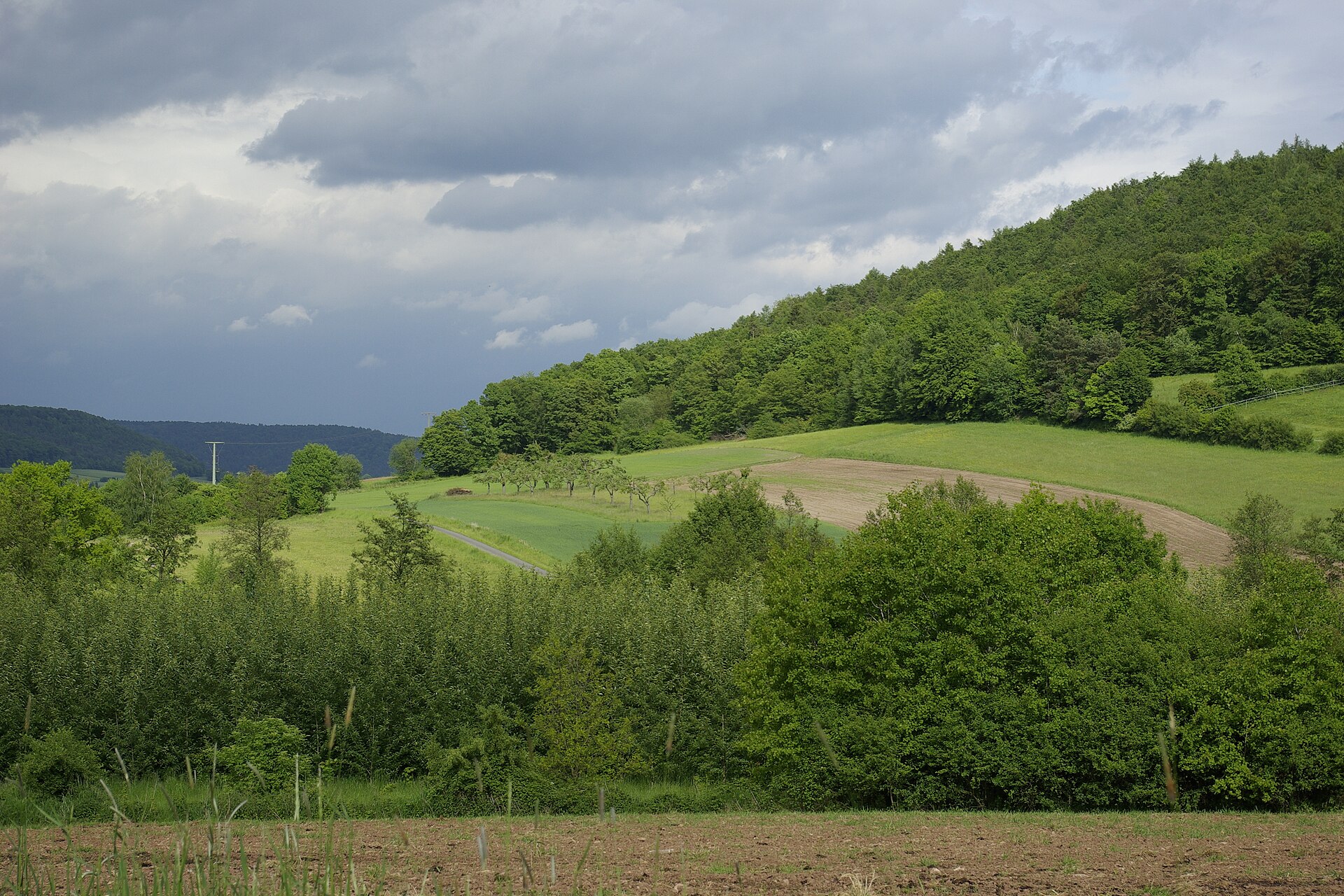
1,227 records
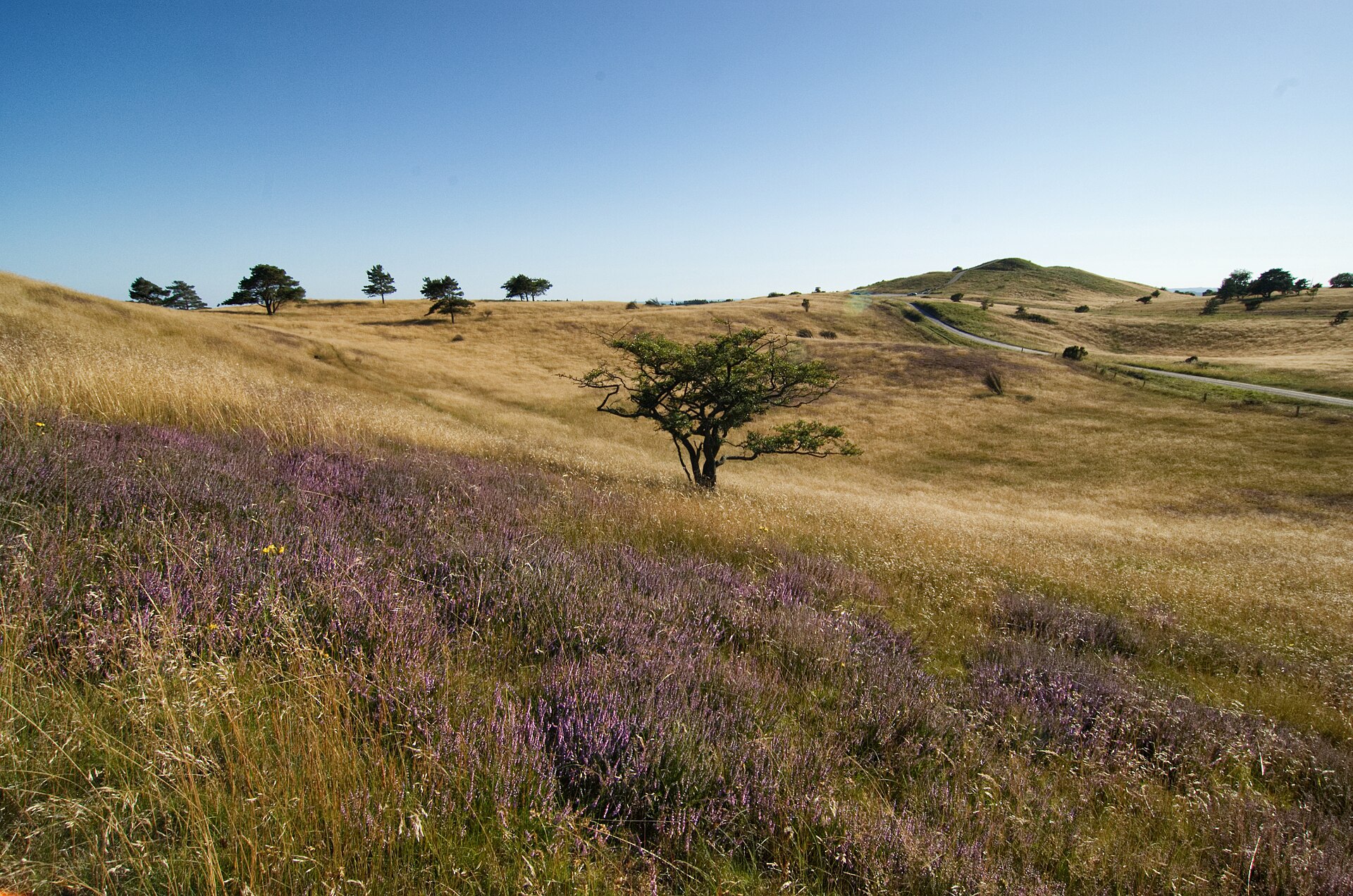
1,213 records
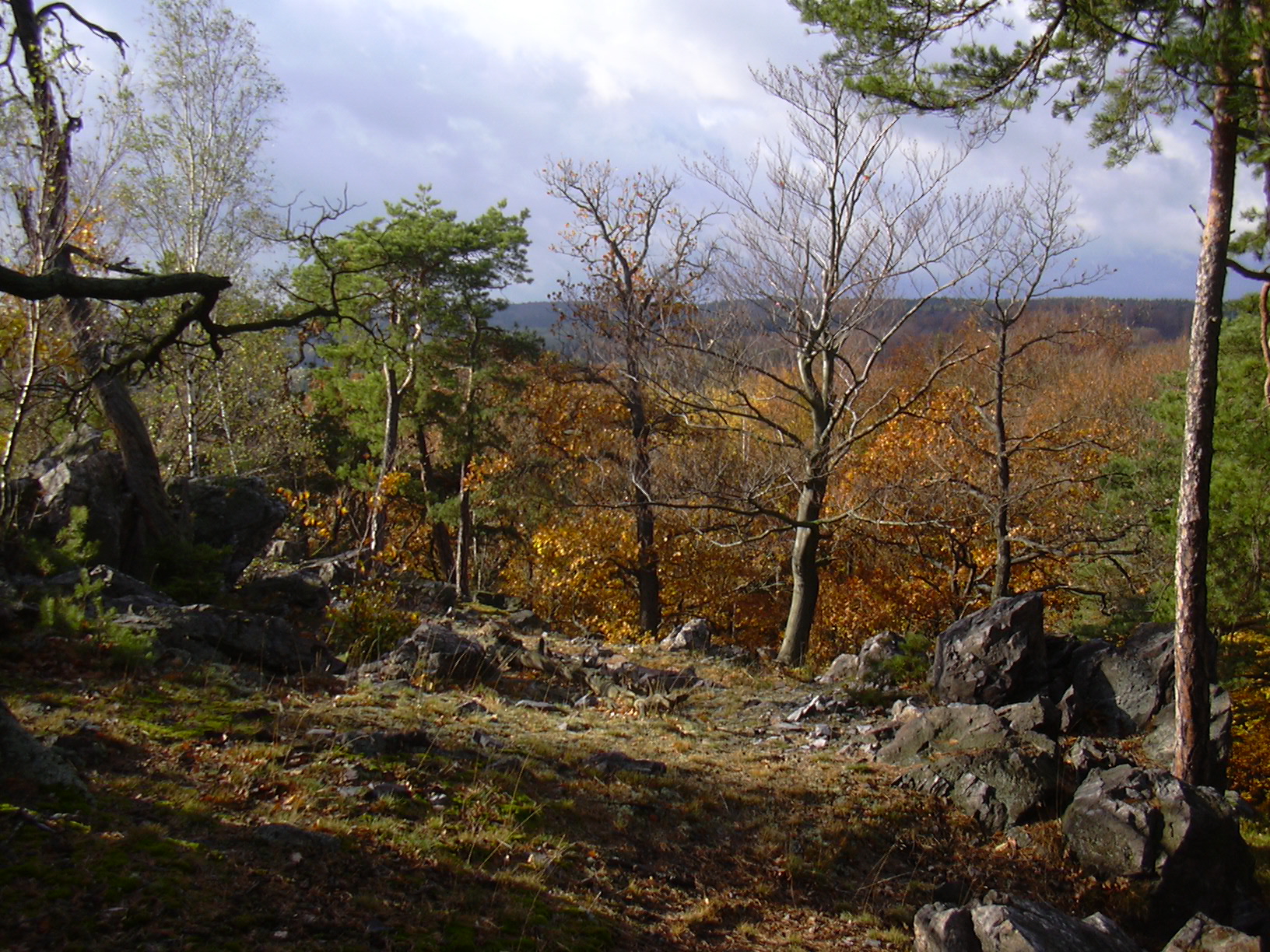
1,149 records
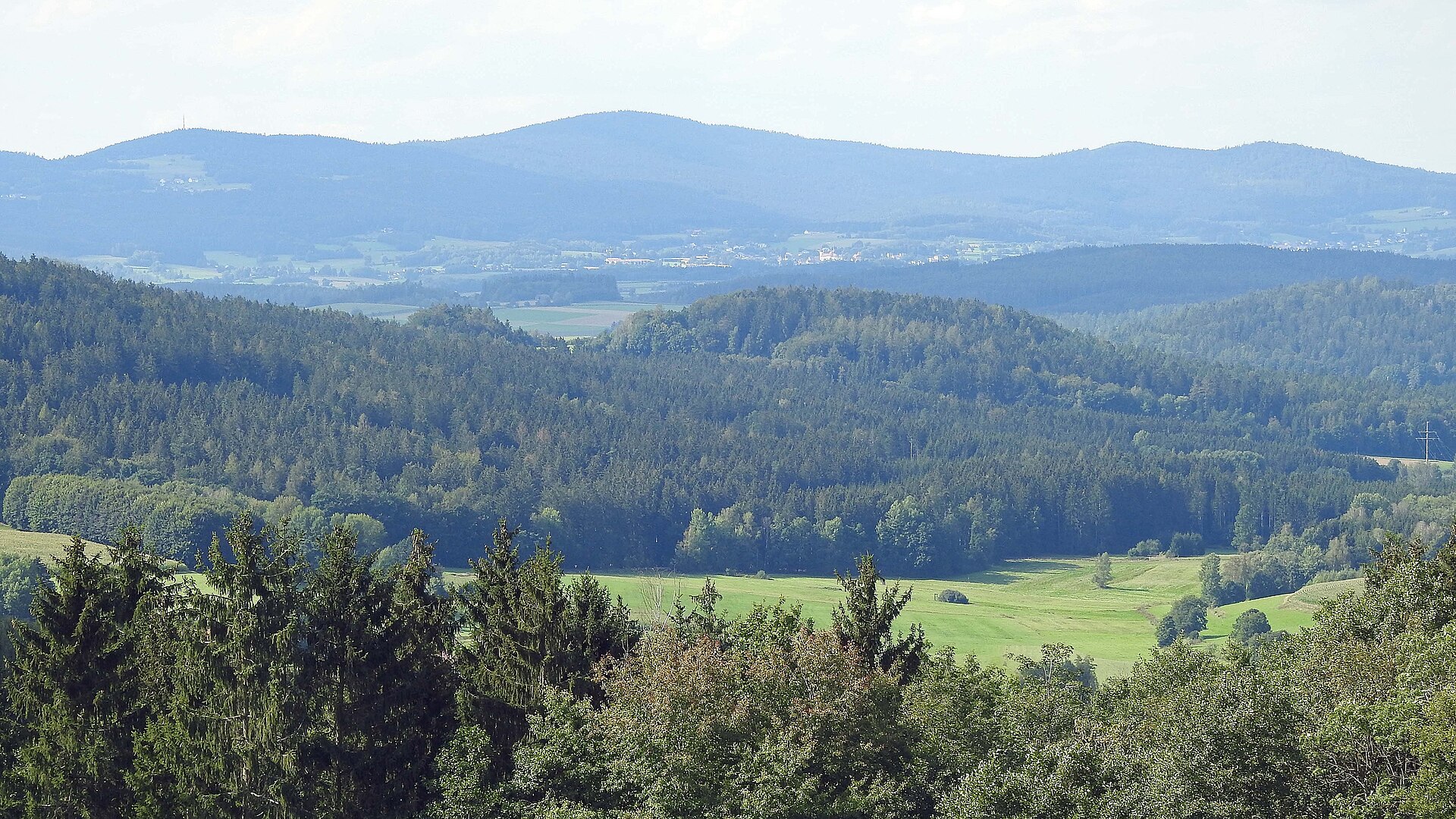
1,021 records
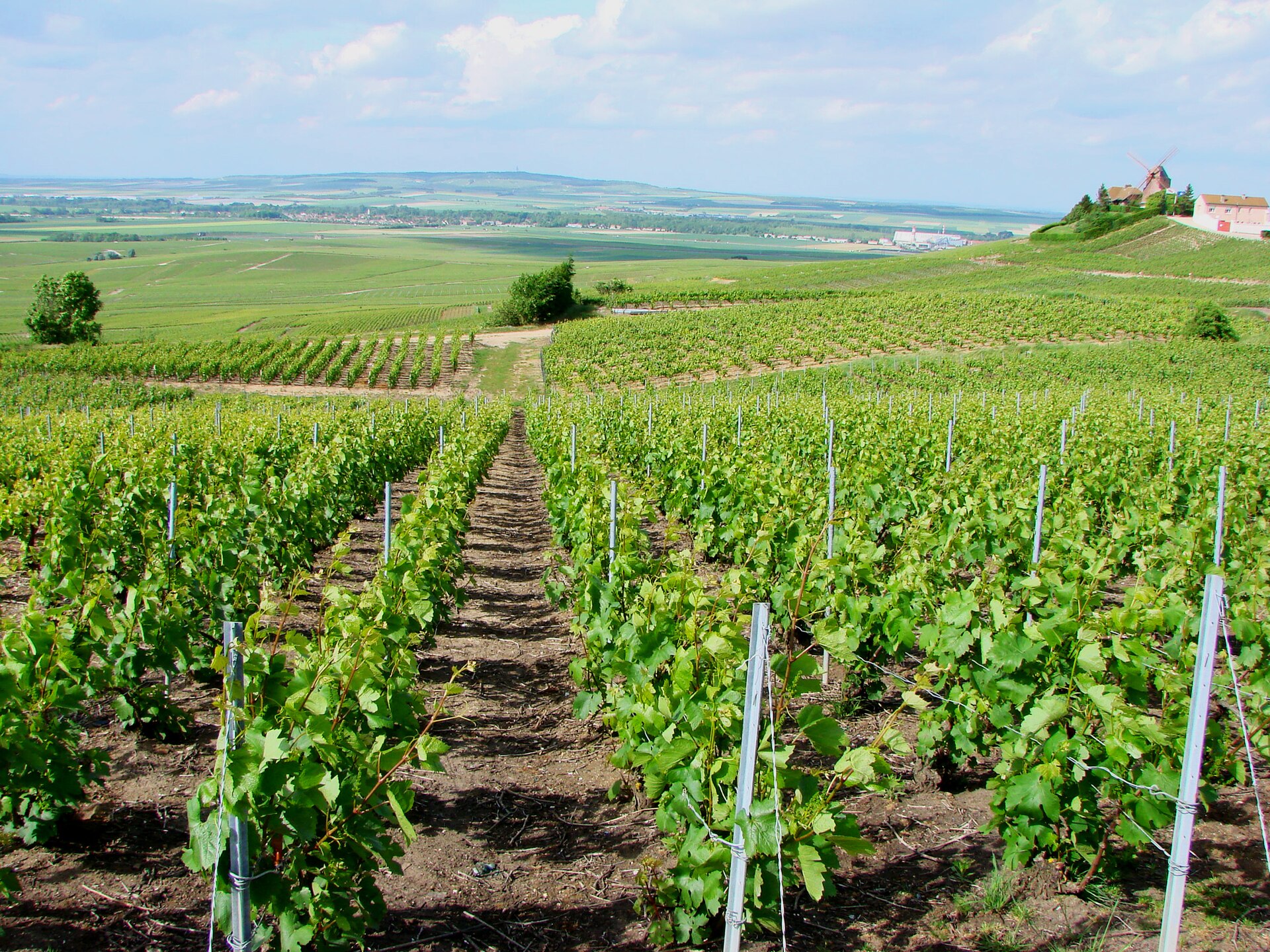
927 records
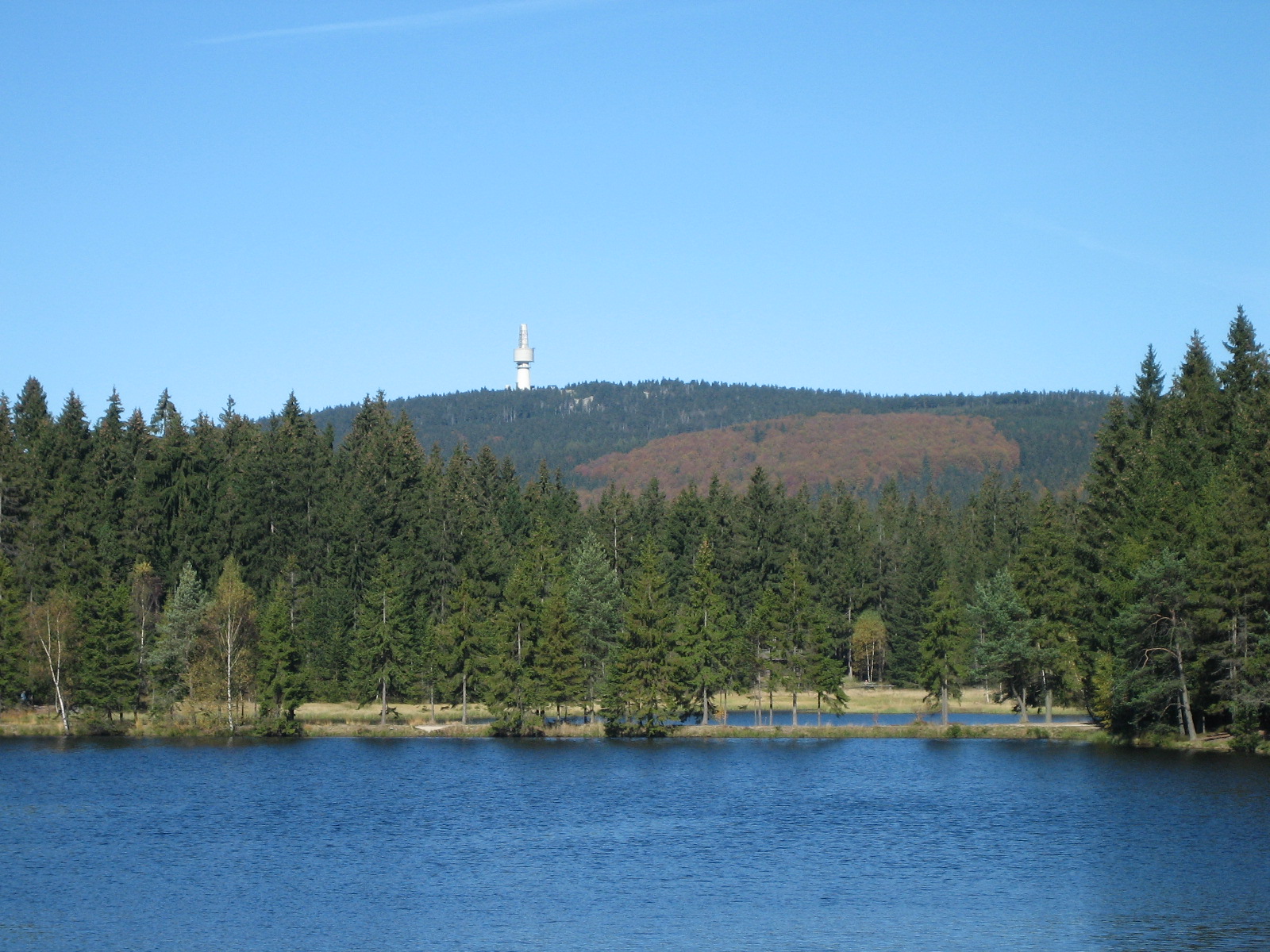
906 records
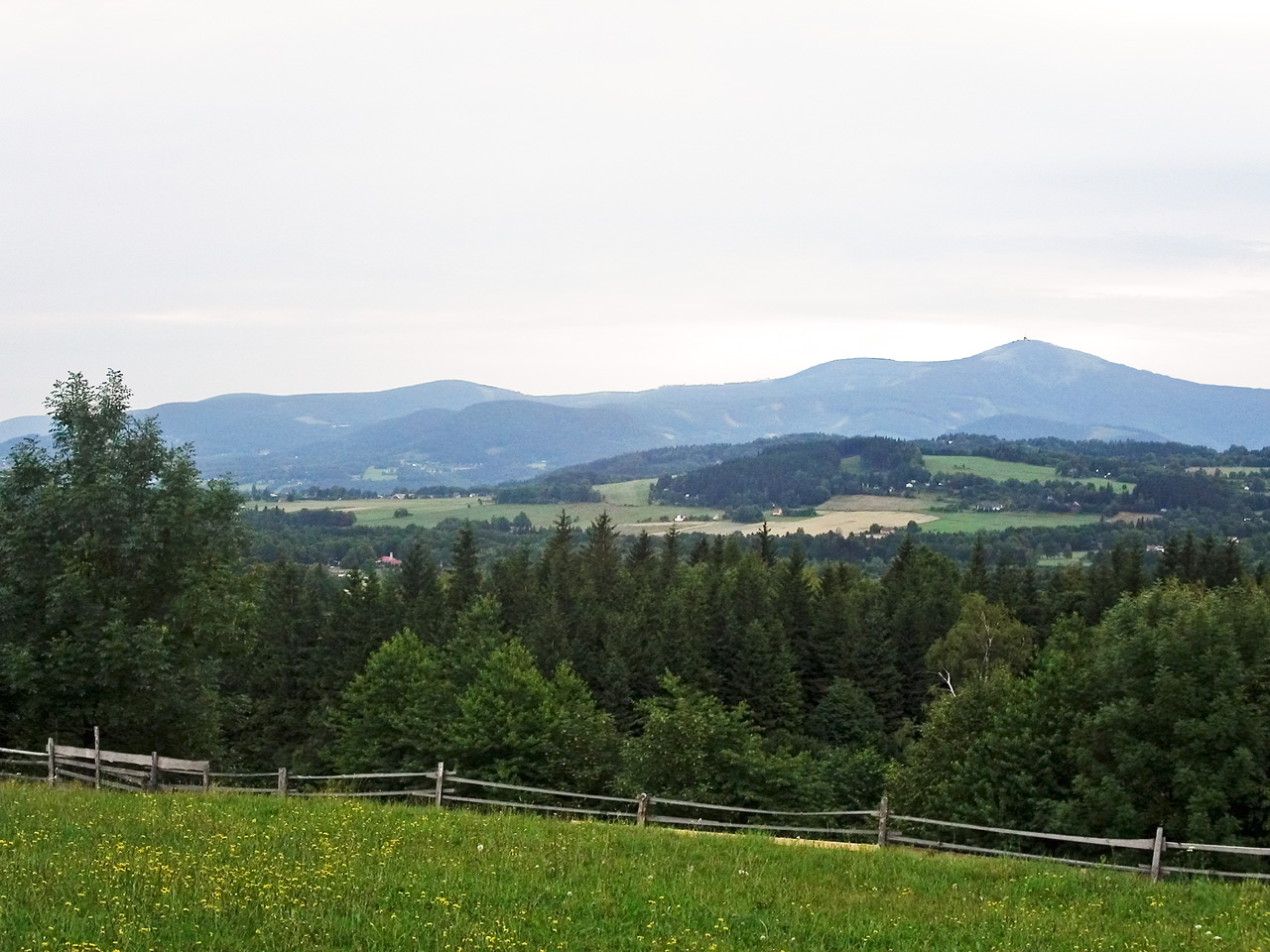
821 records
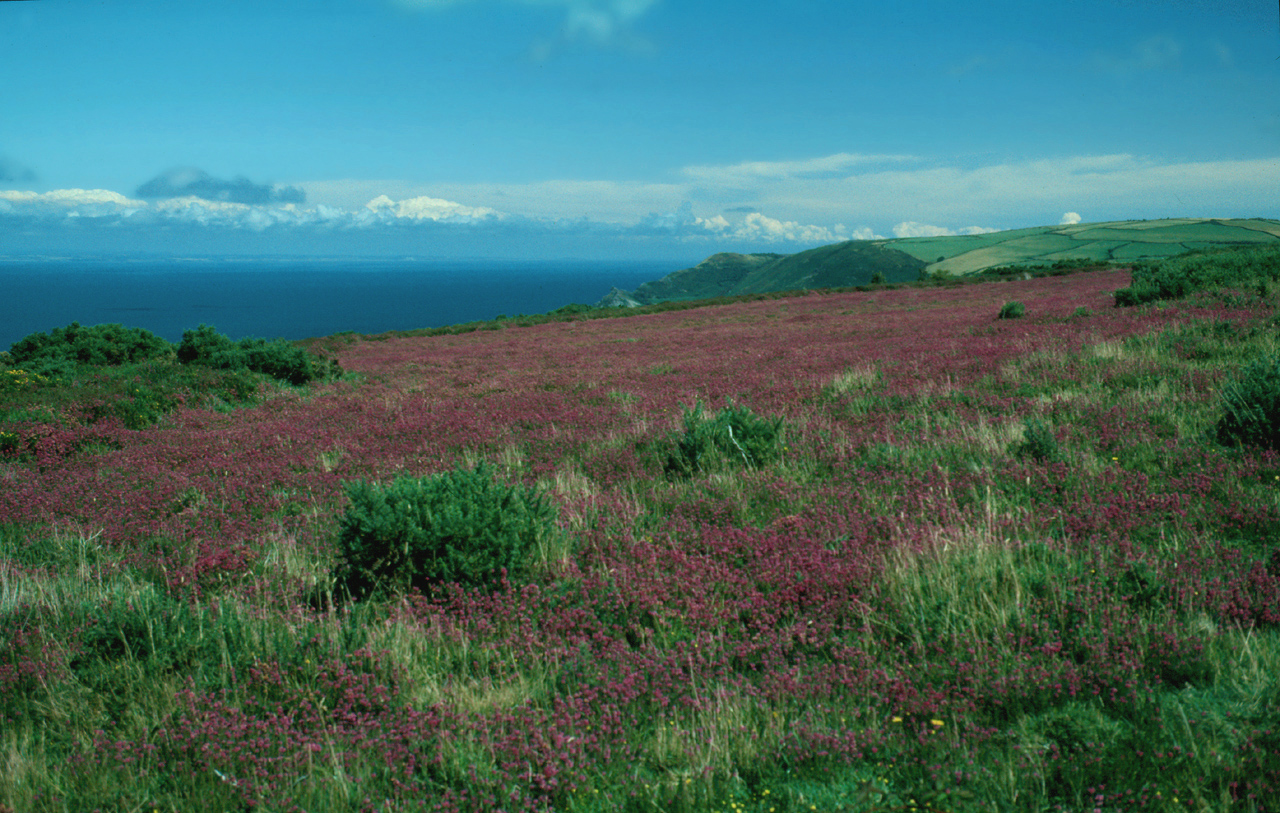
747 records
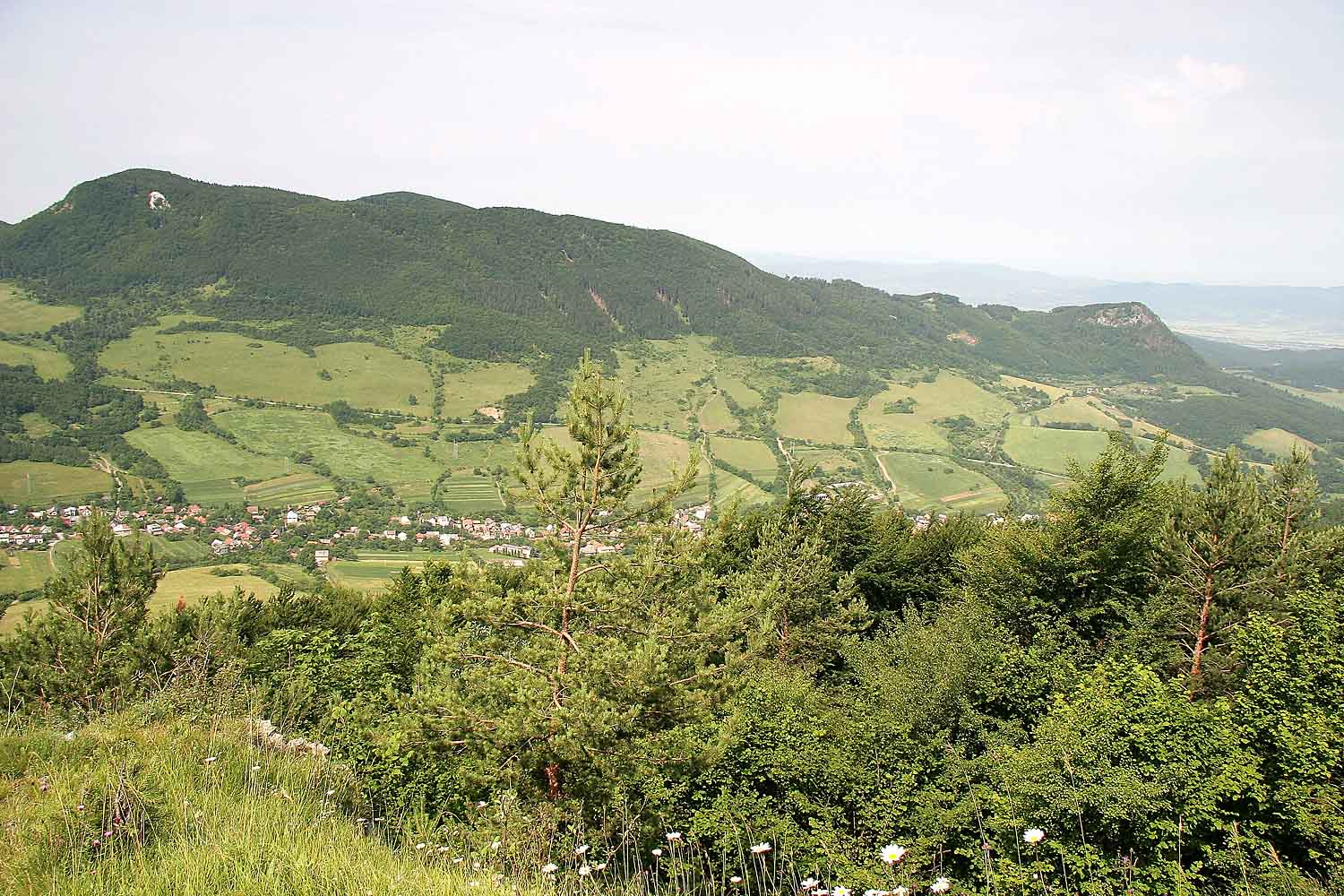
637 records
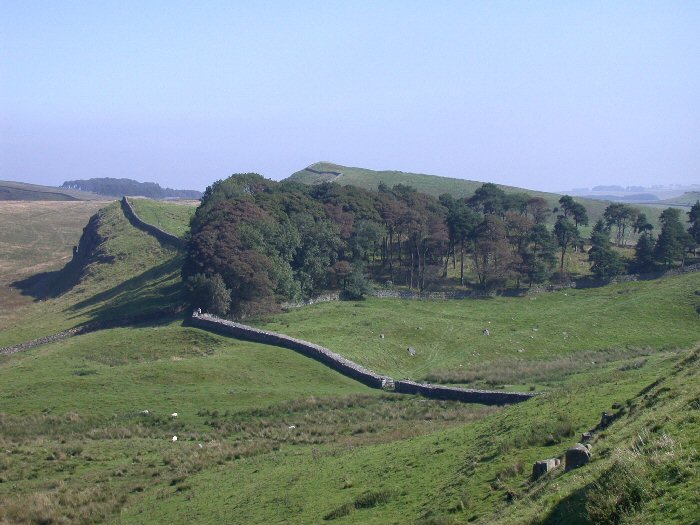
495 records

490 records

356 records
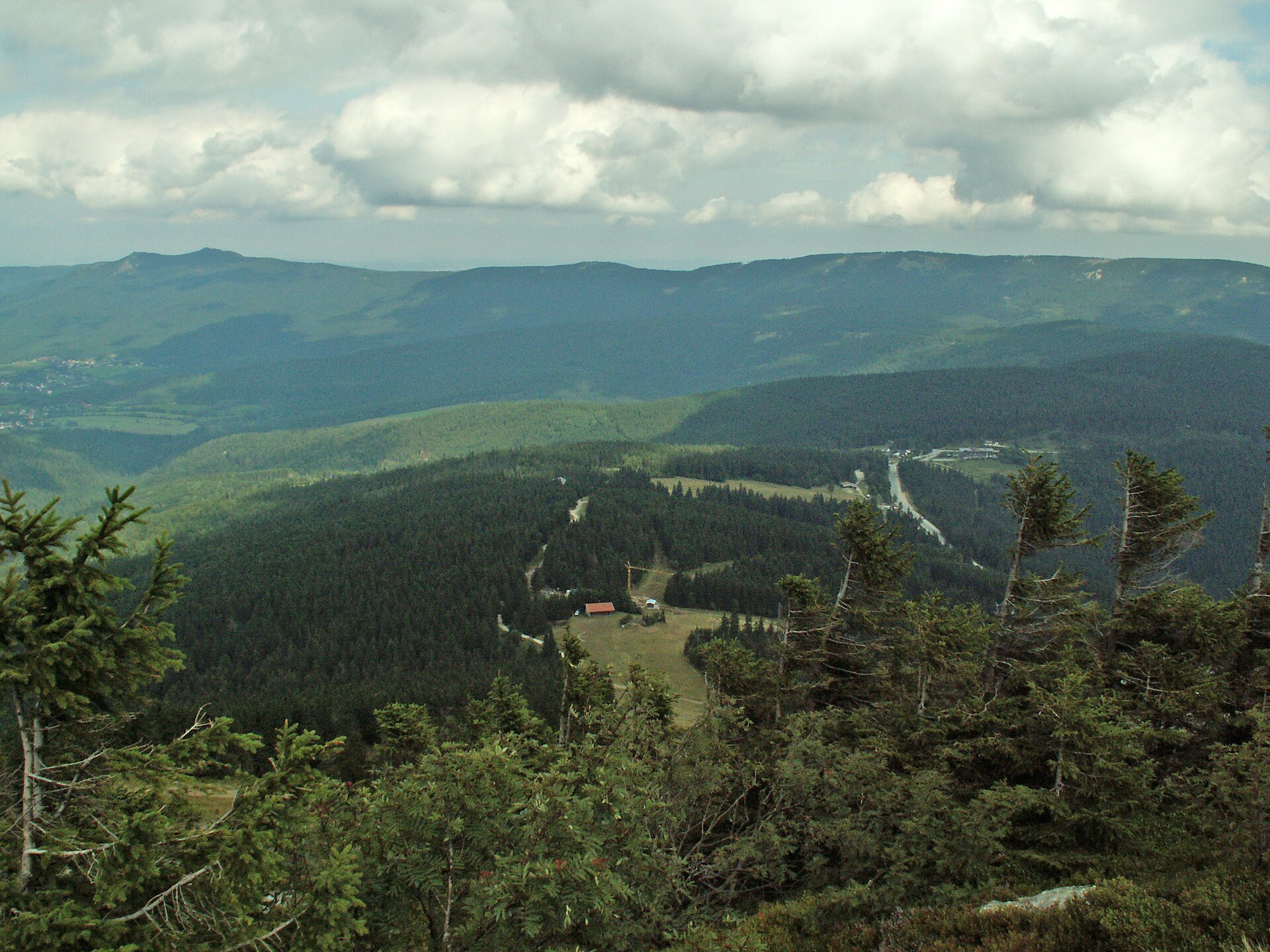
355 records
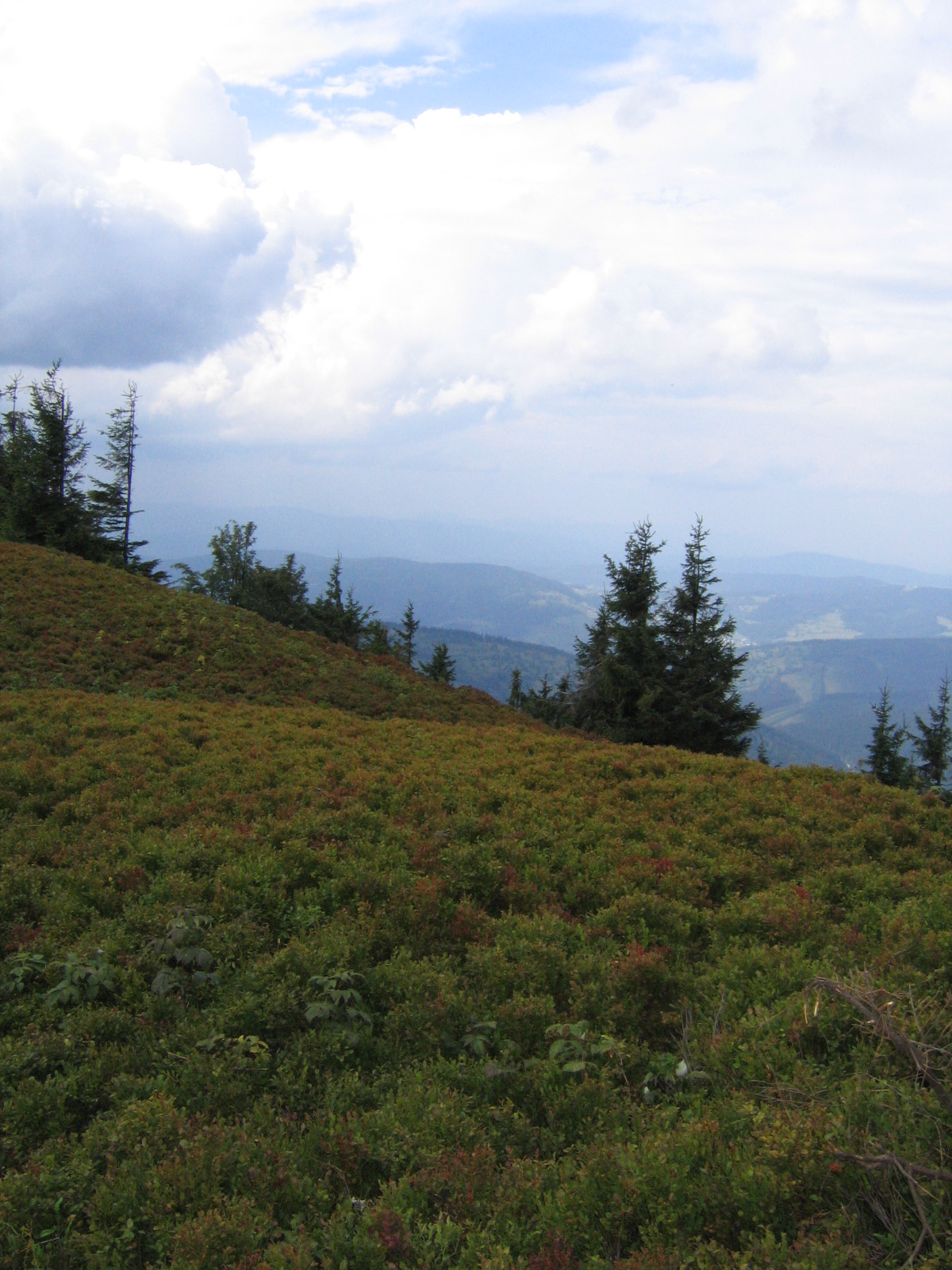
319 records
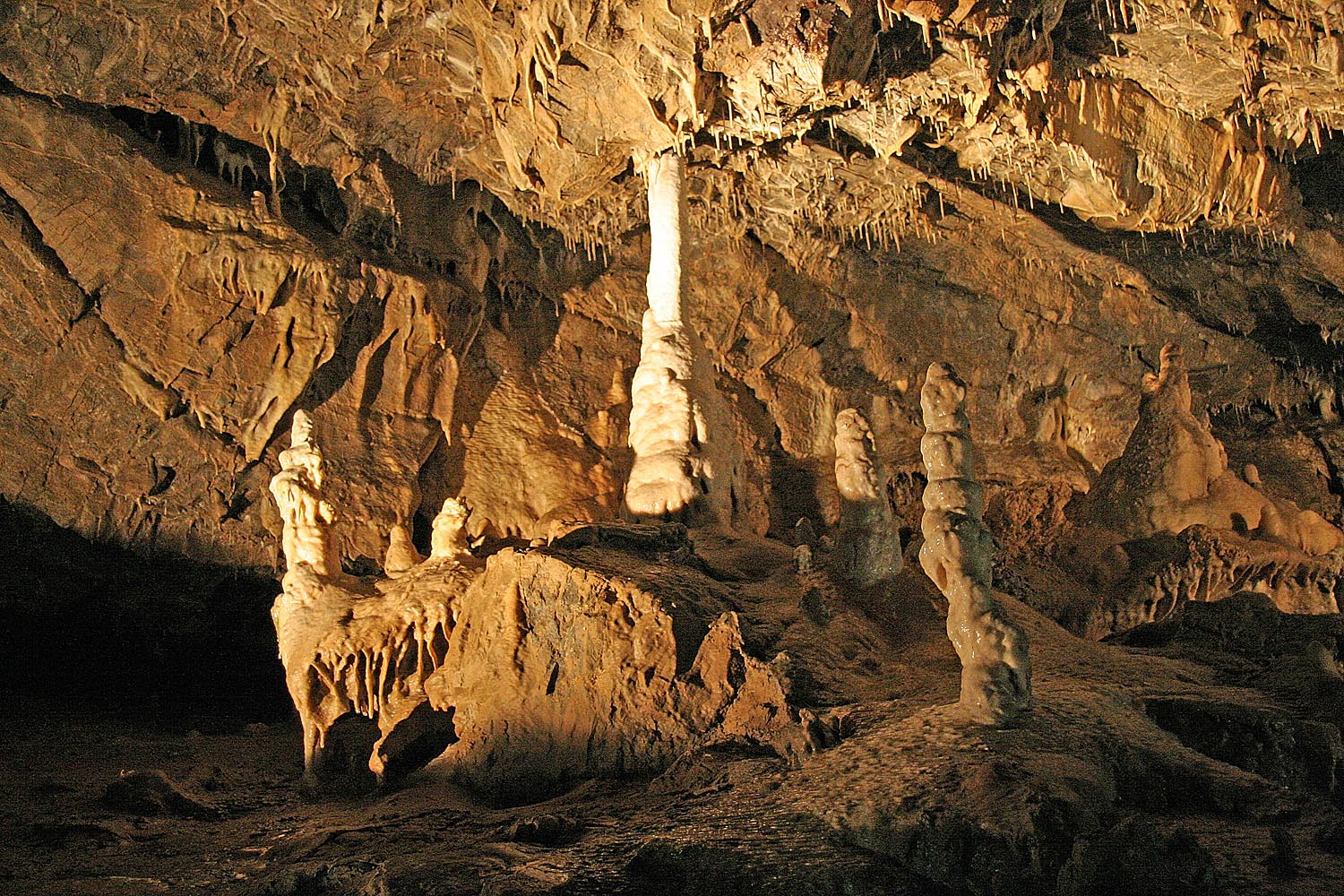
316 records

272 records
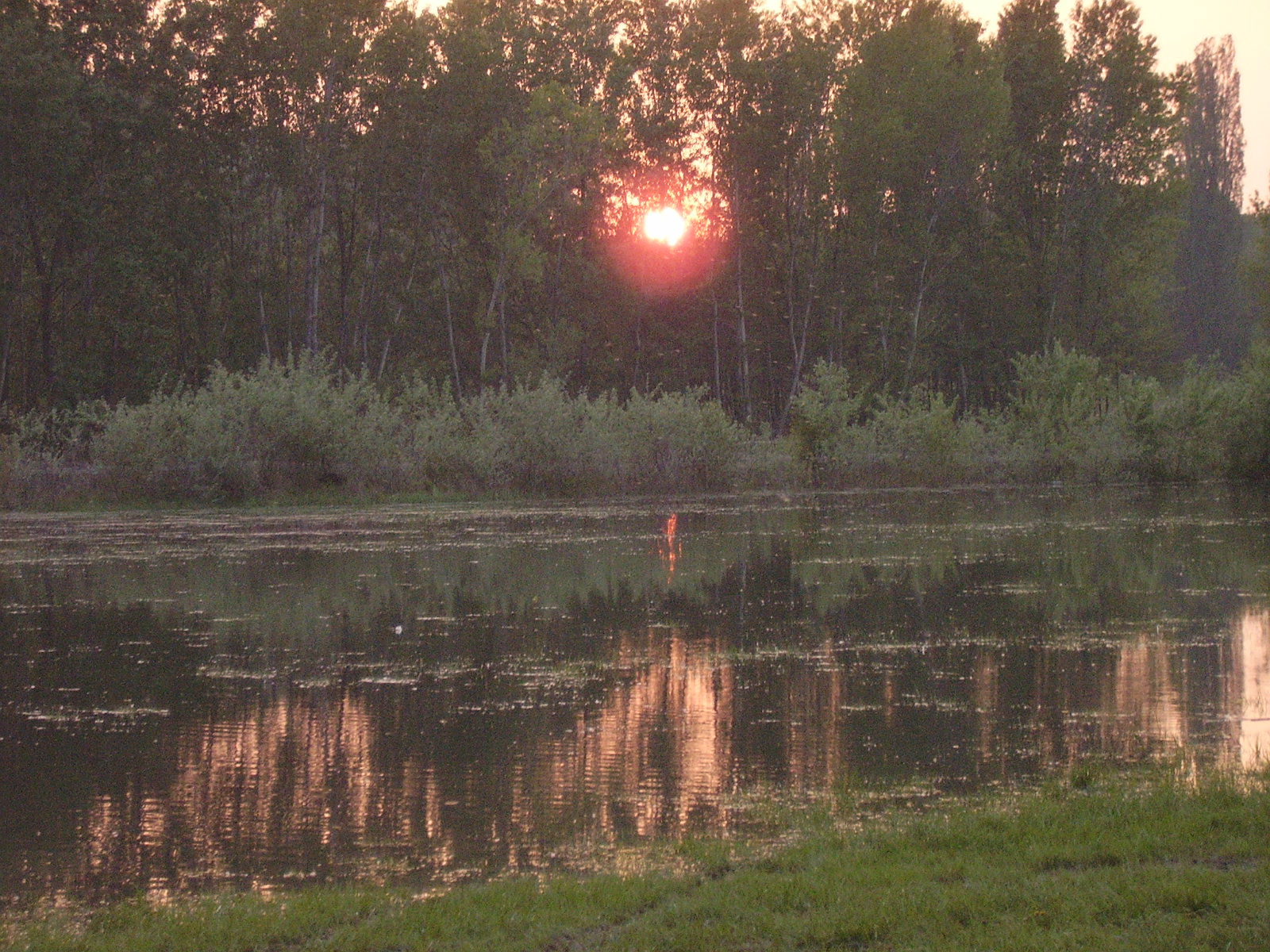
263 records
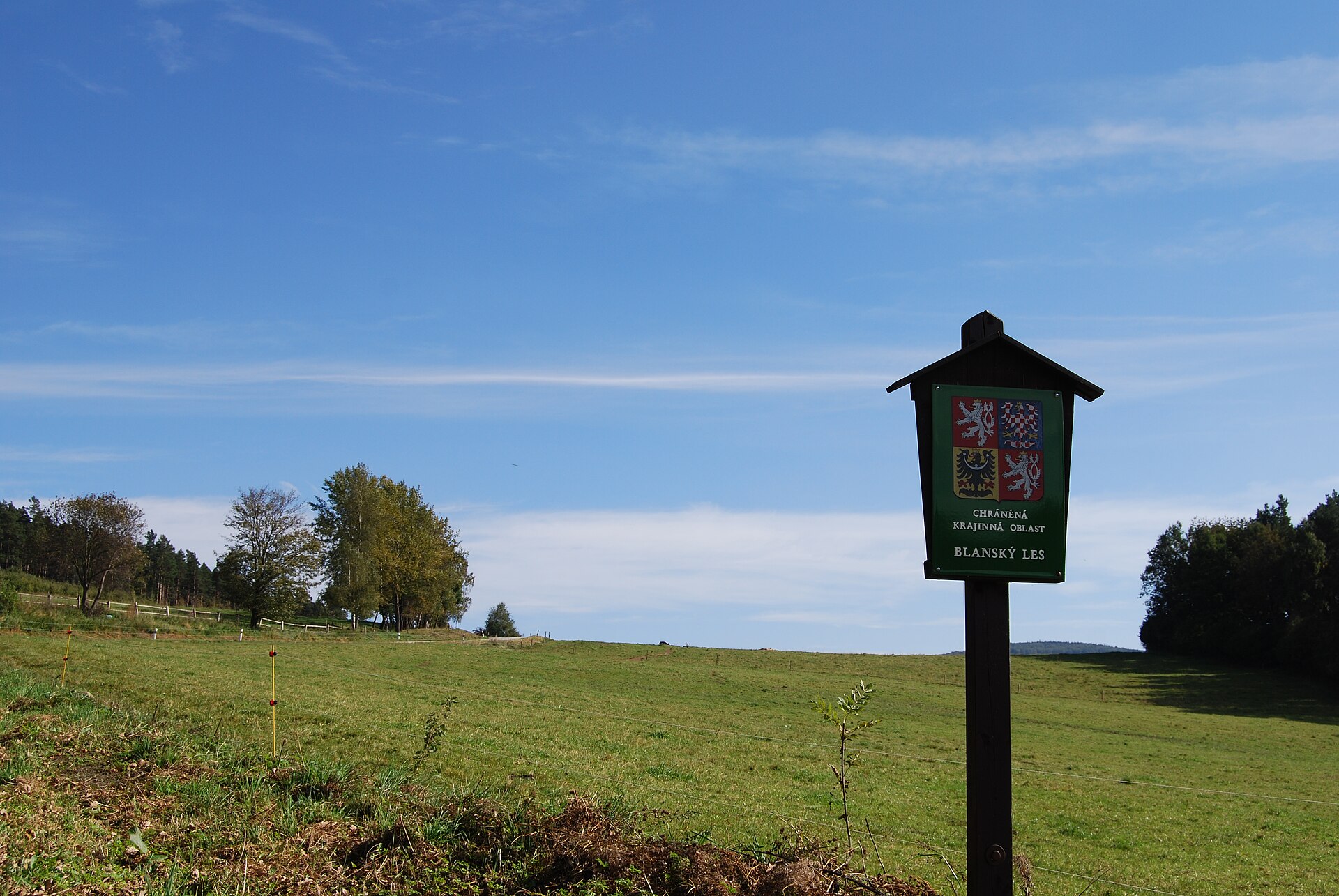
238 records
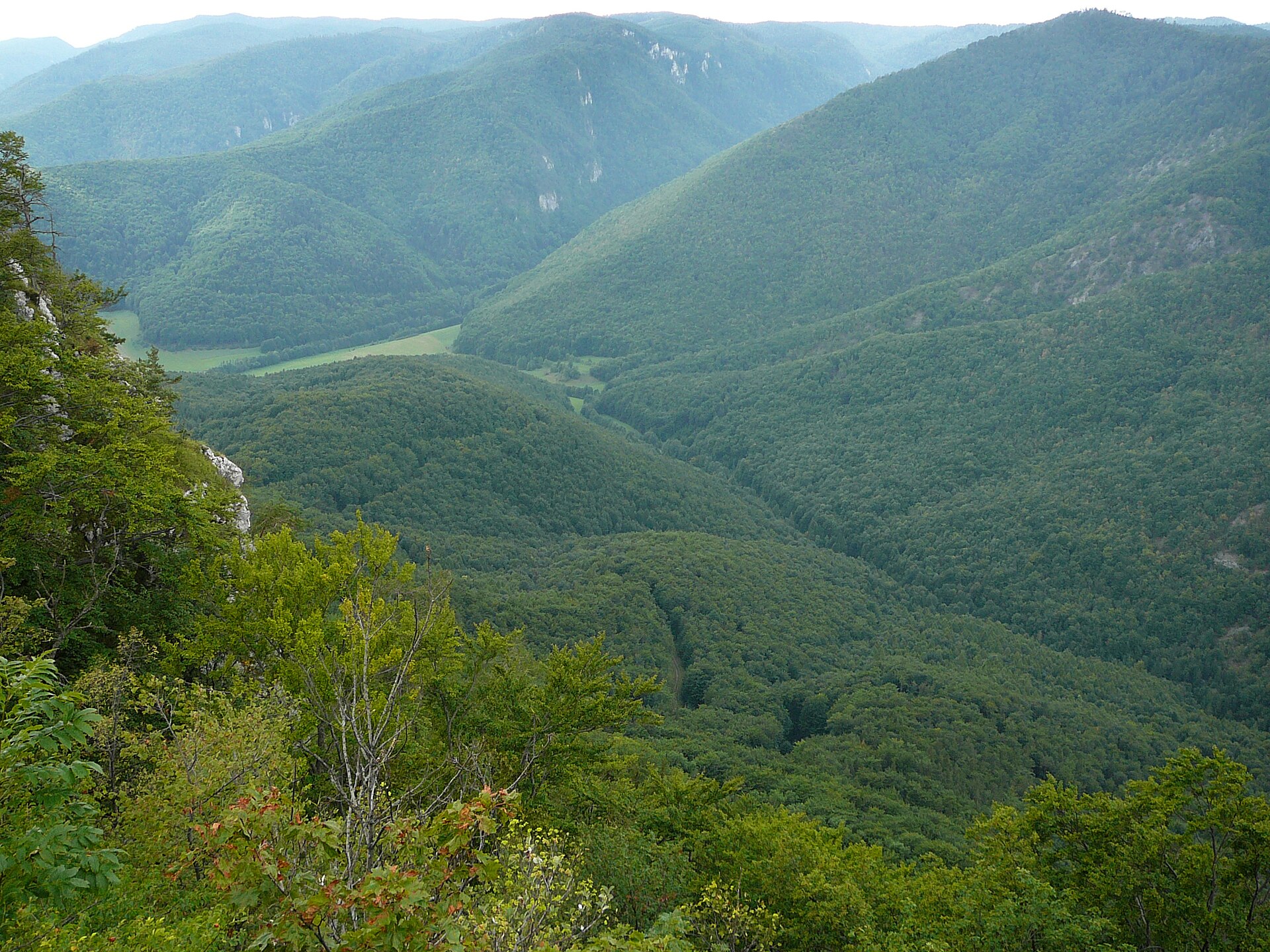
238 records
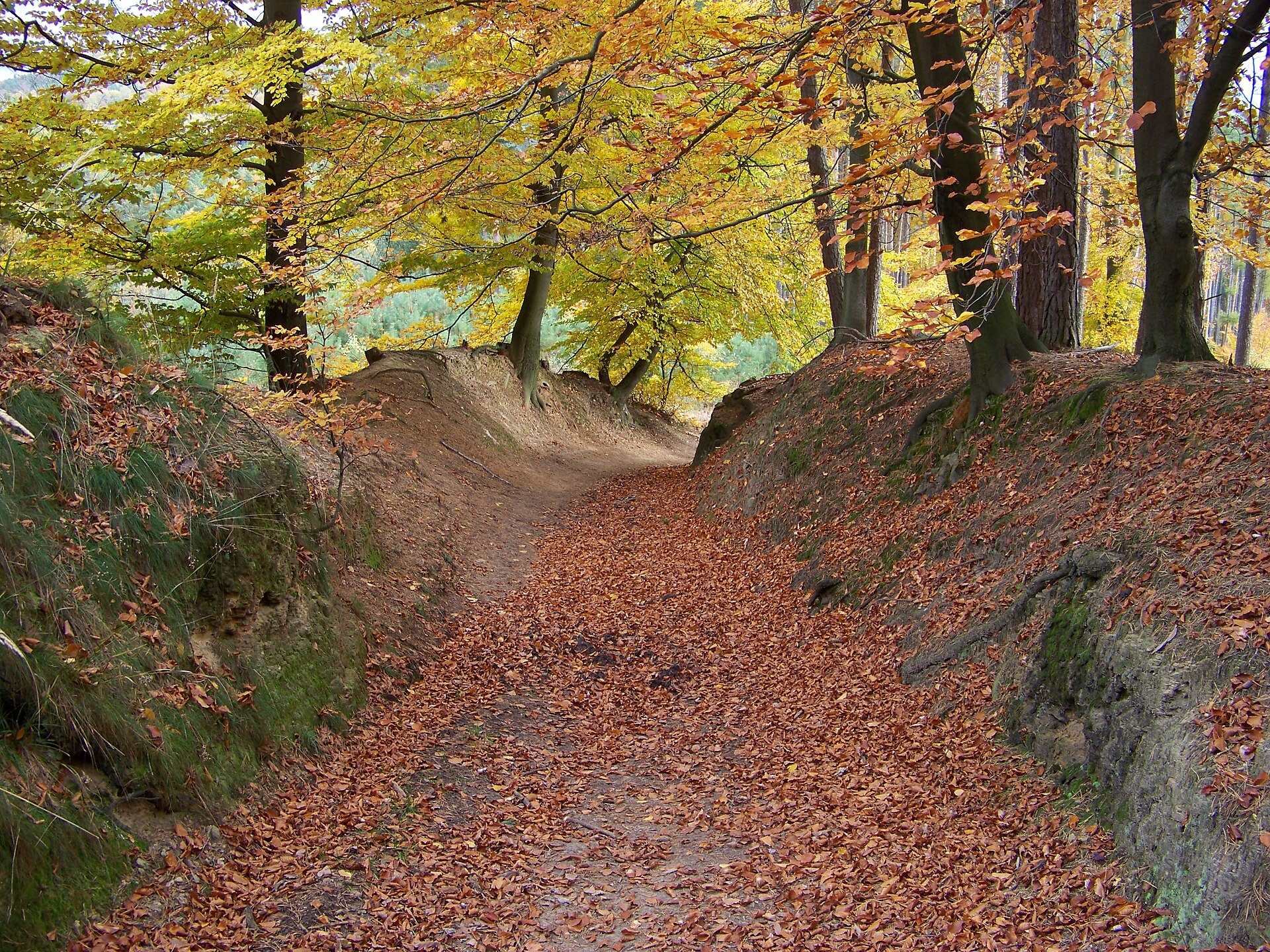
168 records

167 records
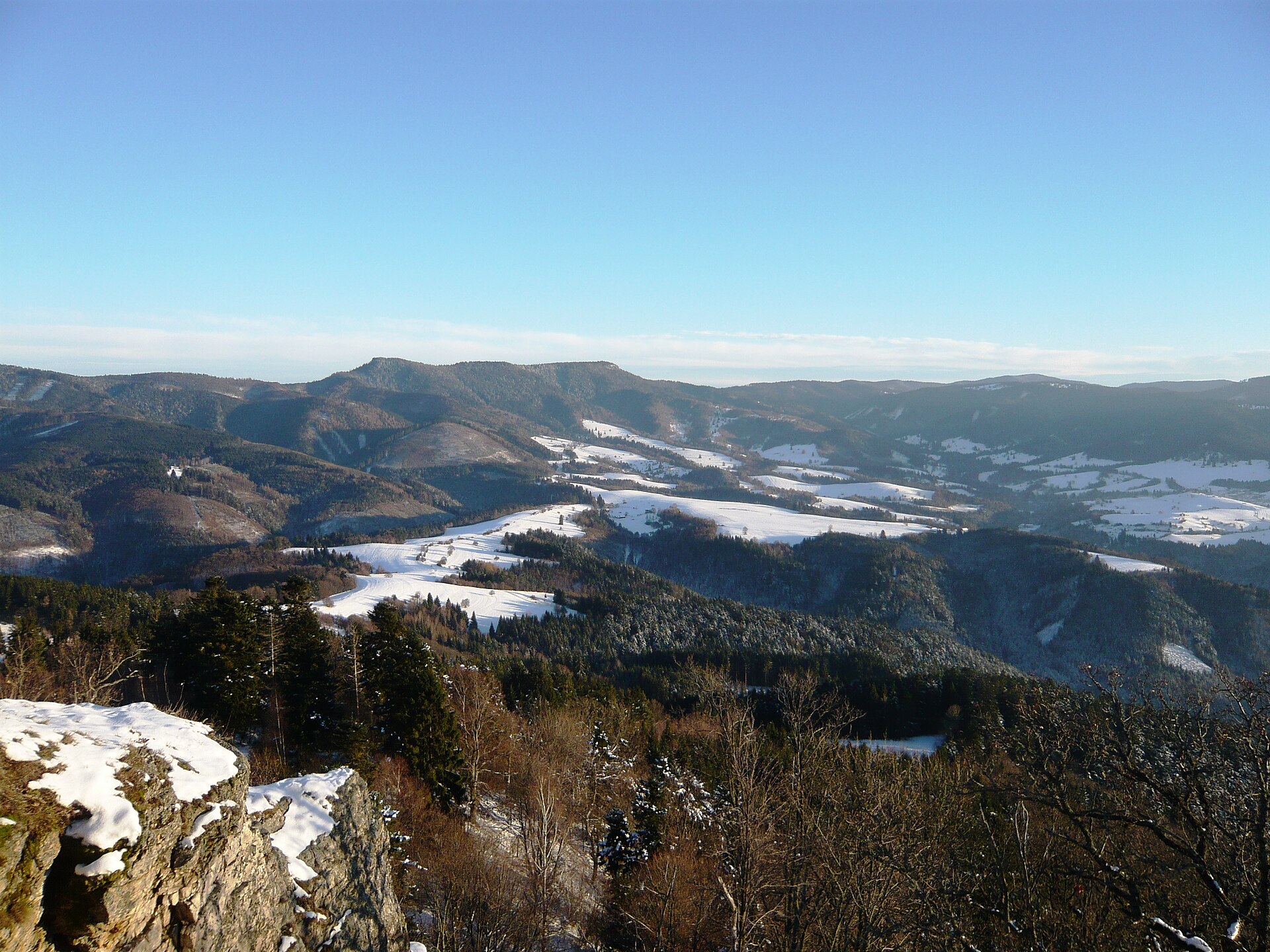
166 records
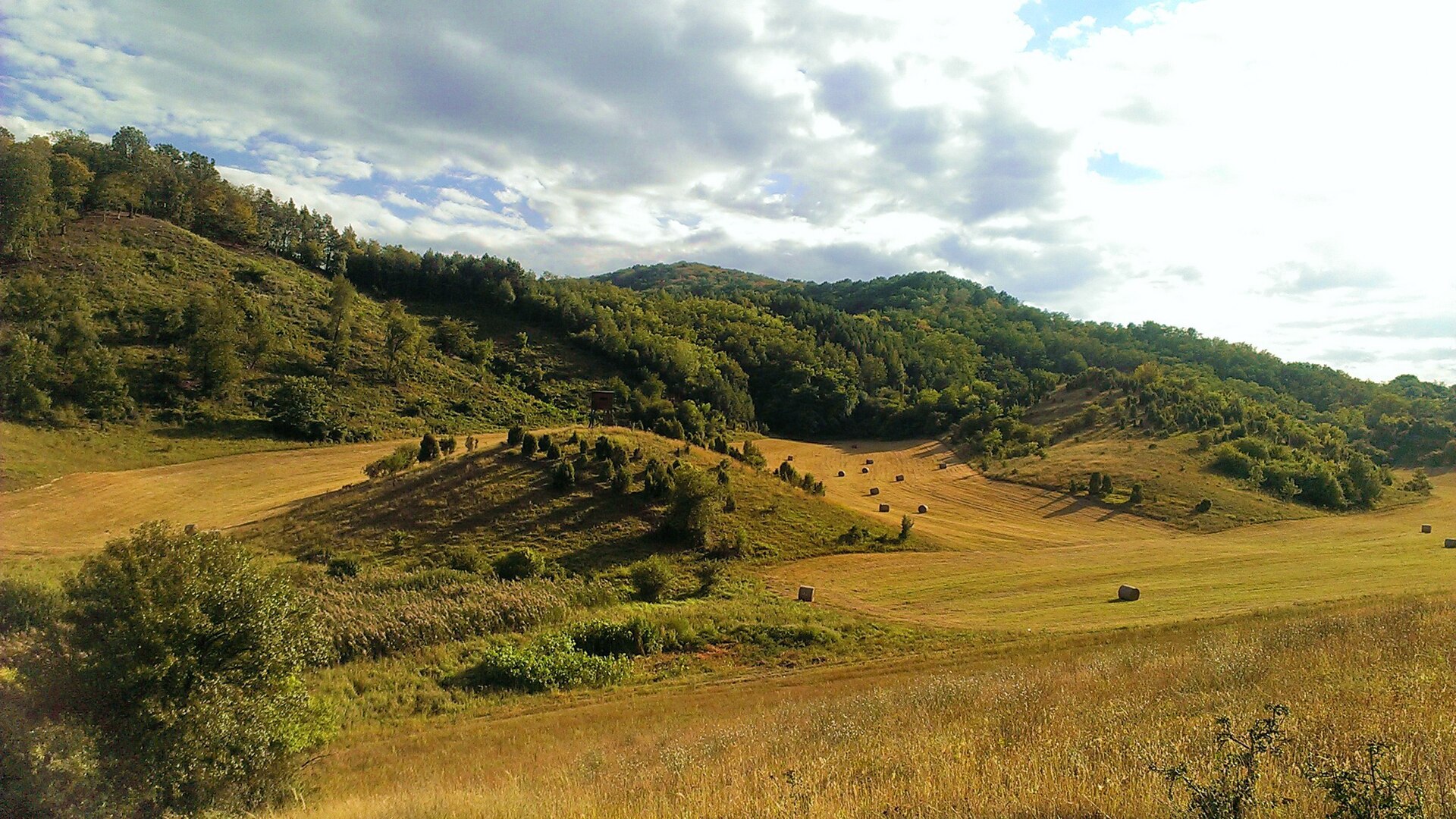
149 records
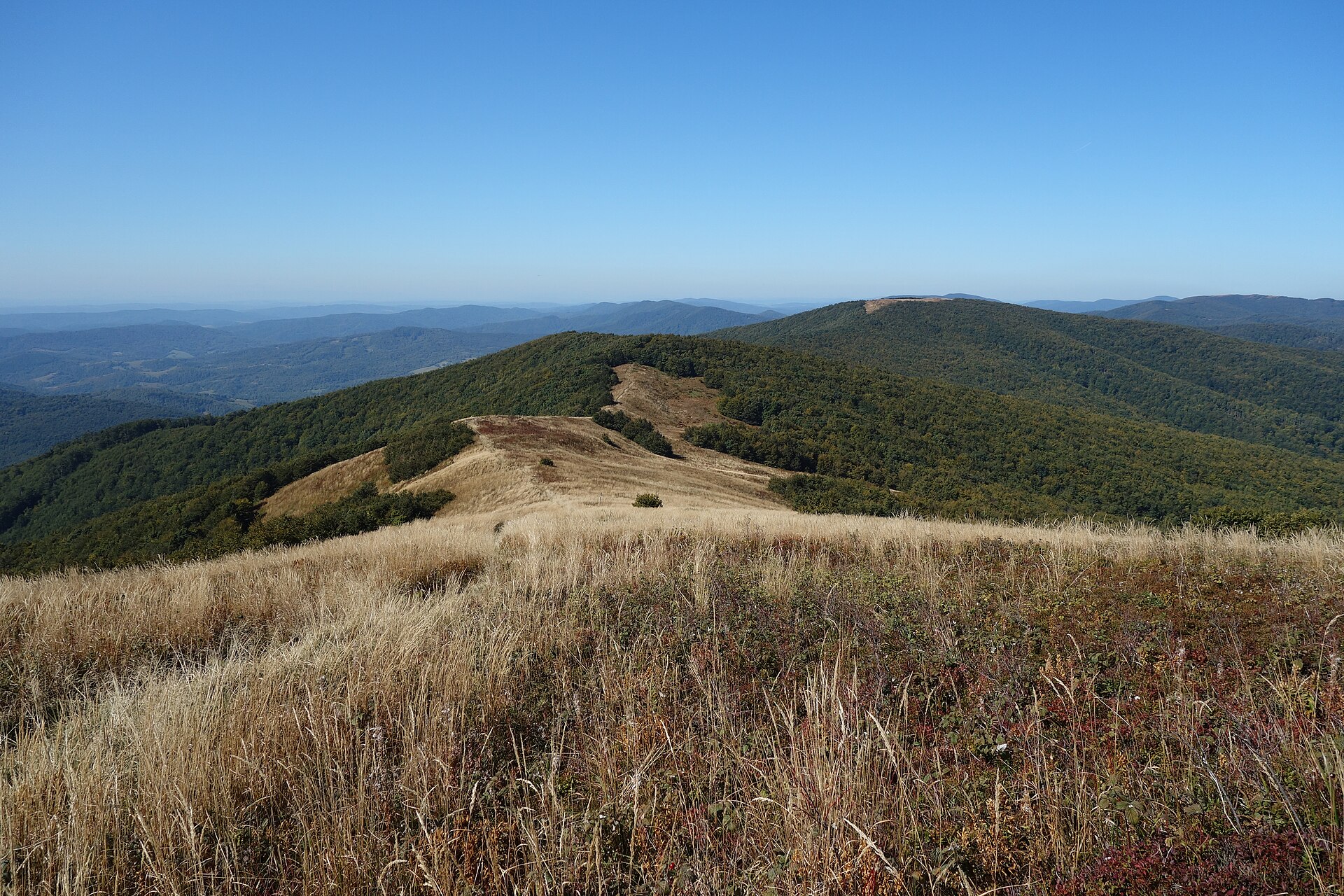
138 records
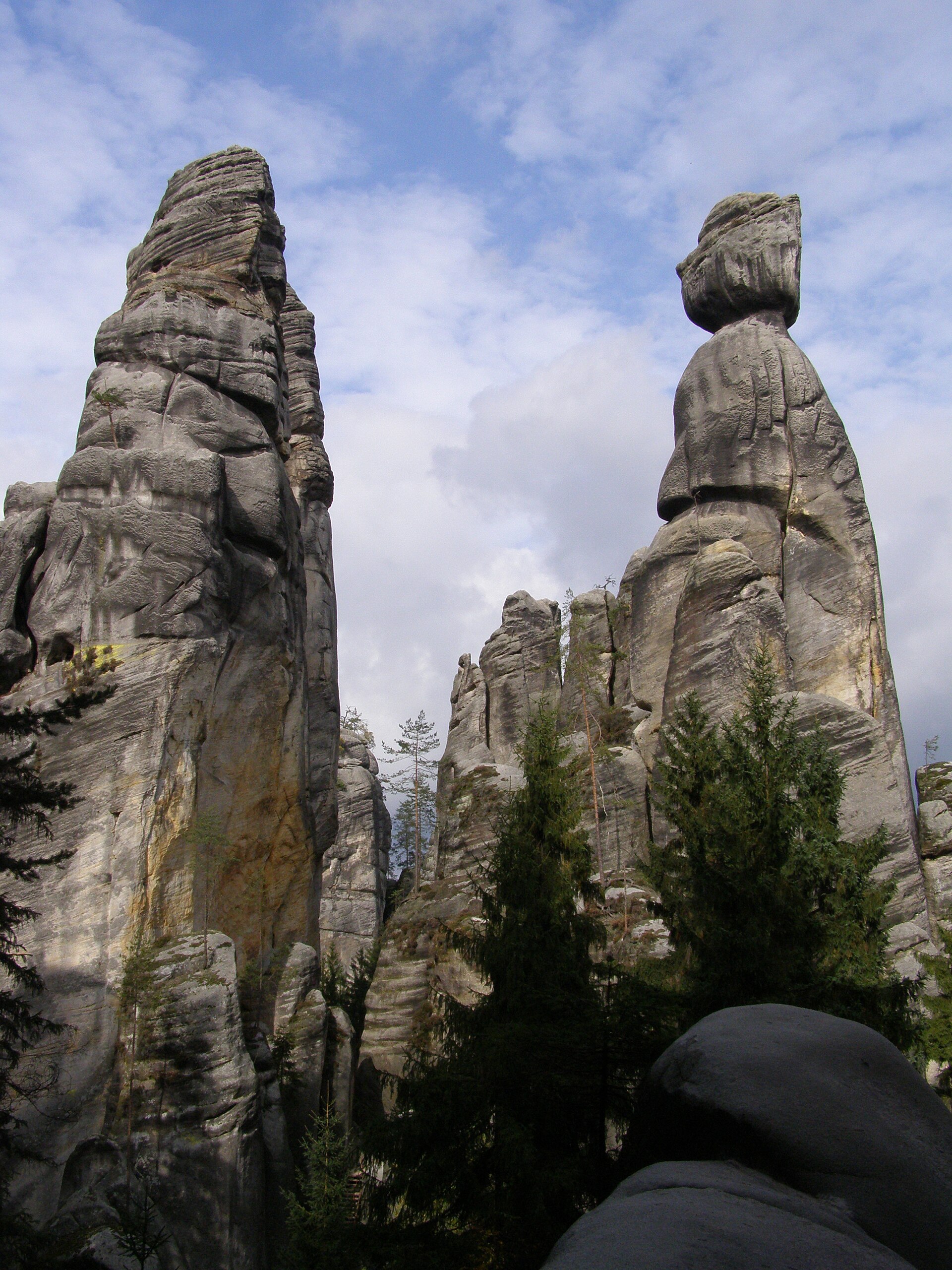
137 records
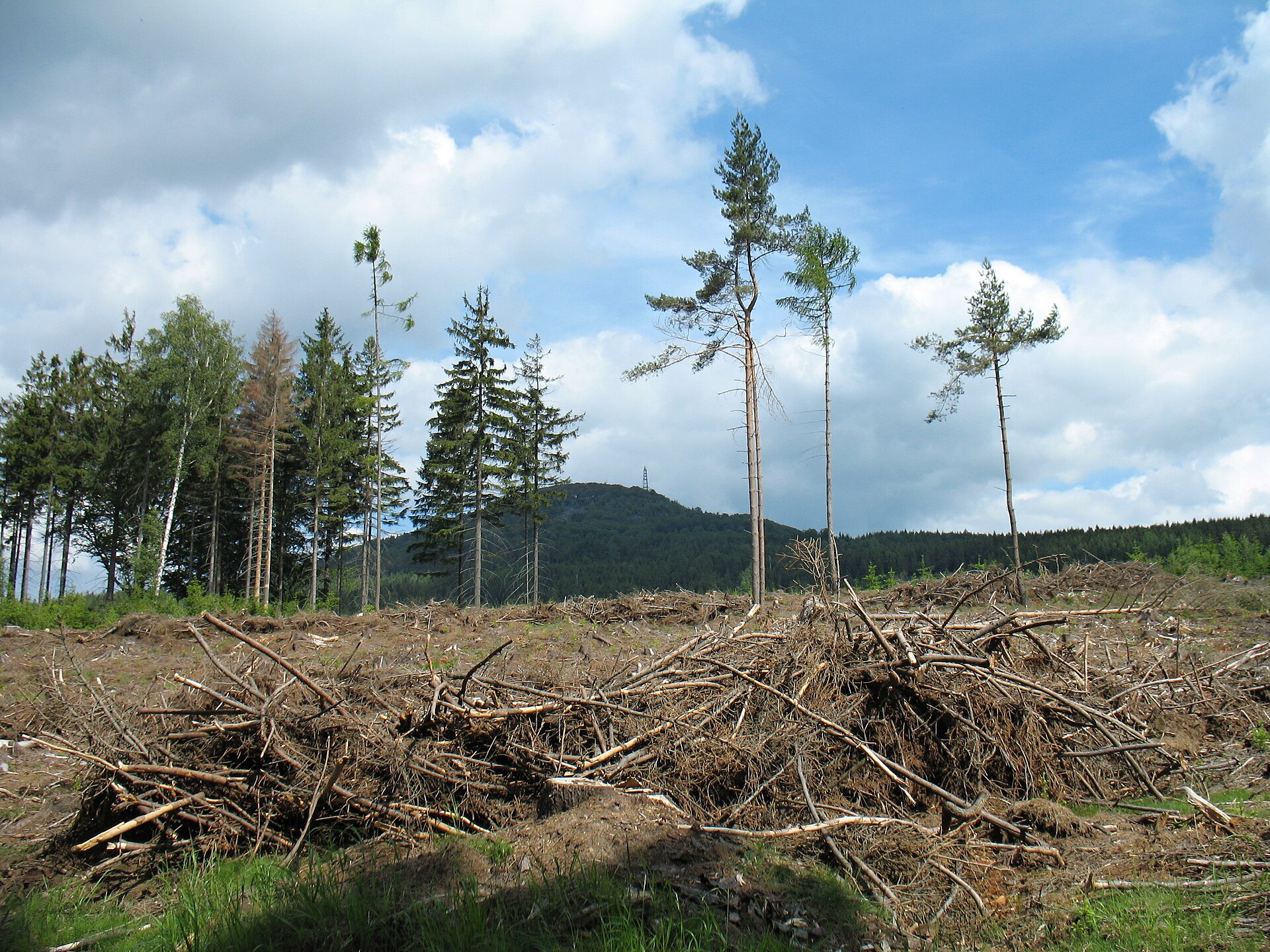
135 records

125 records
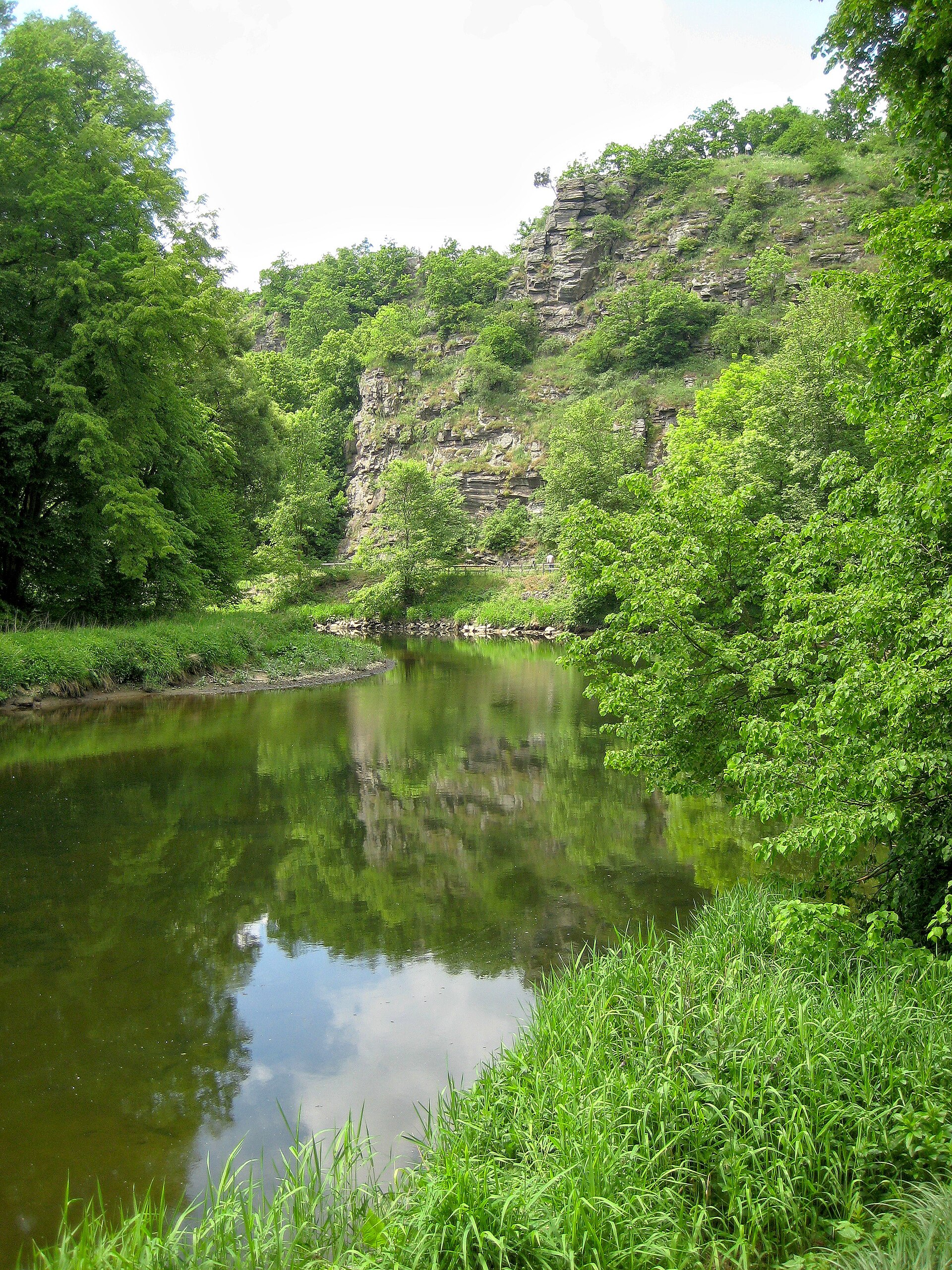
125 records
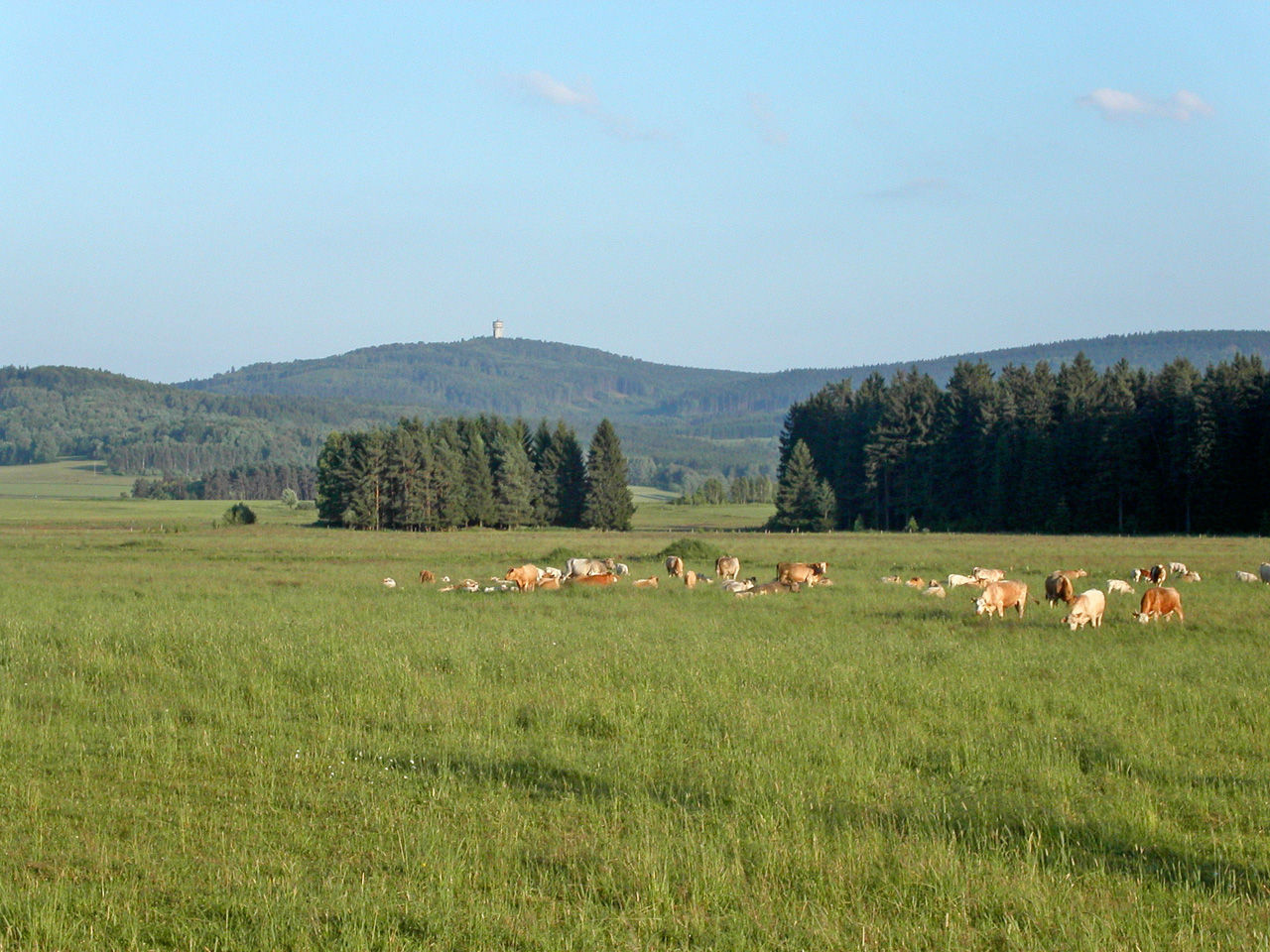
125 records
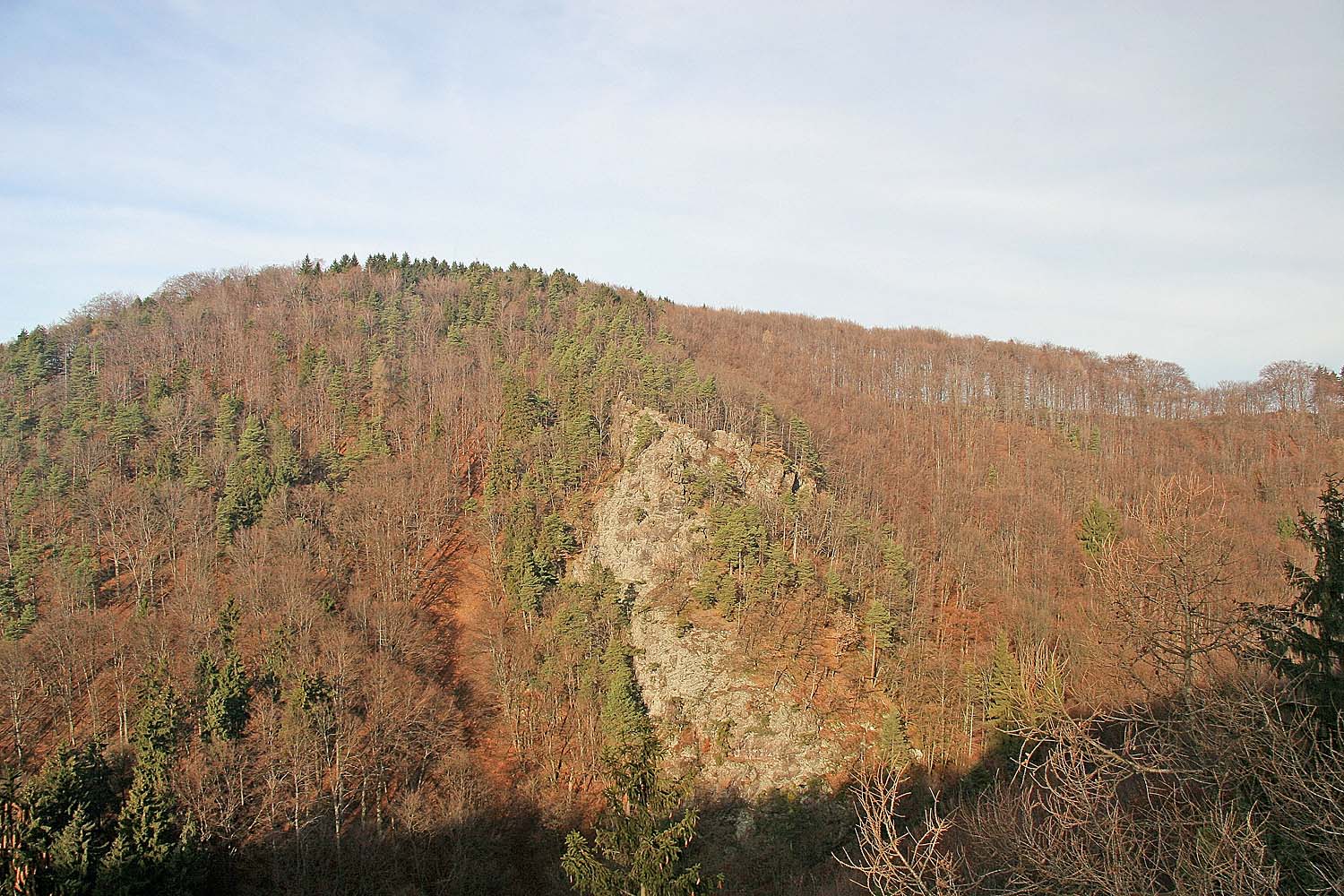
123 records
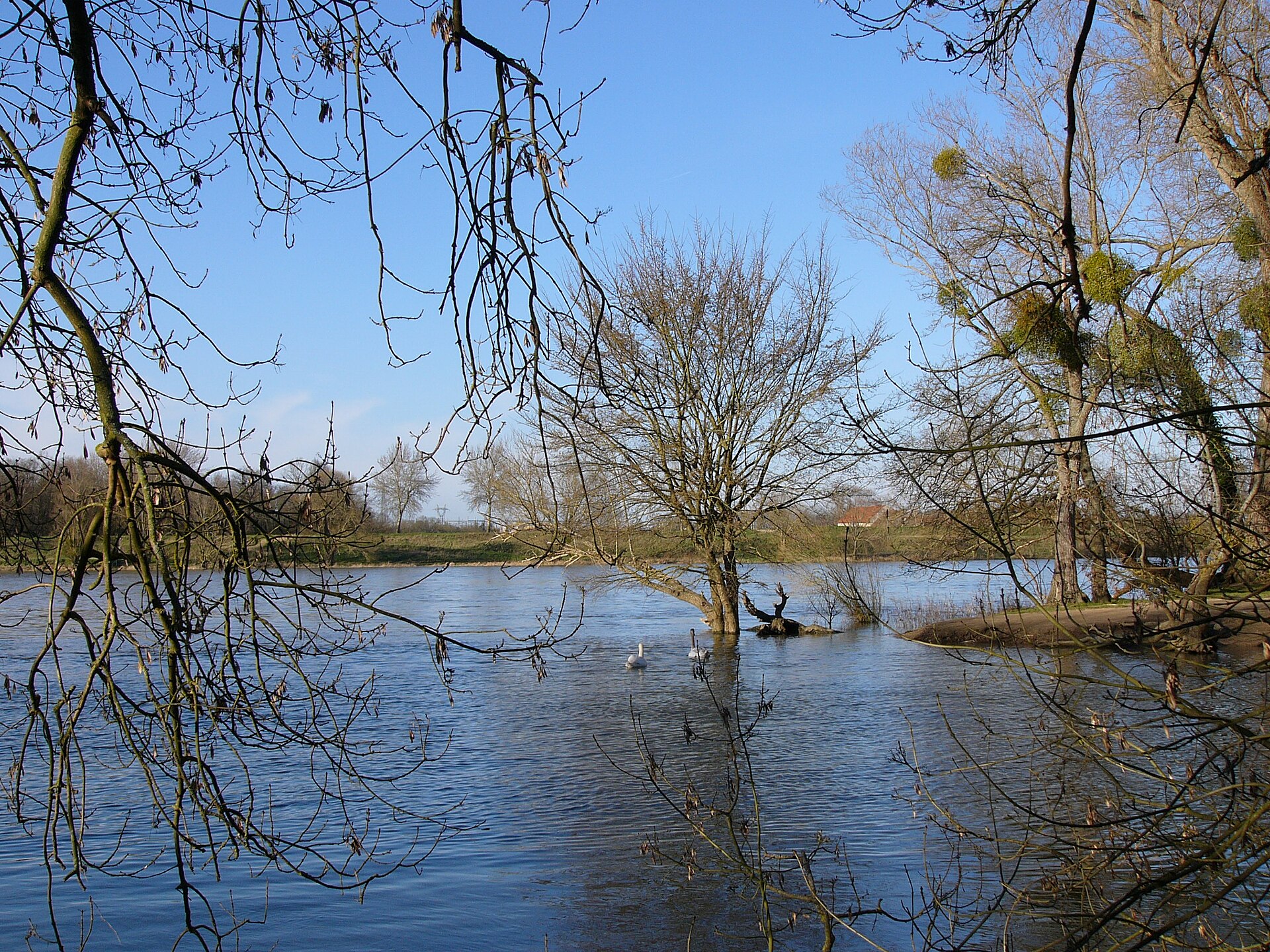
104 records
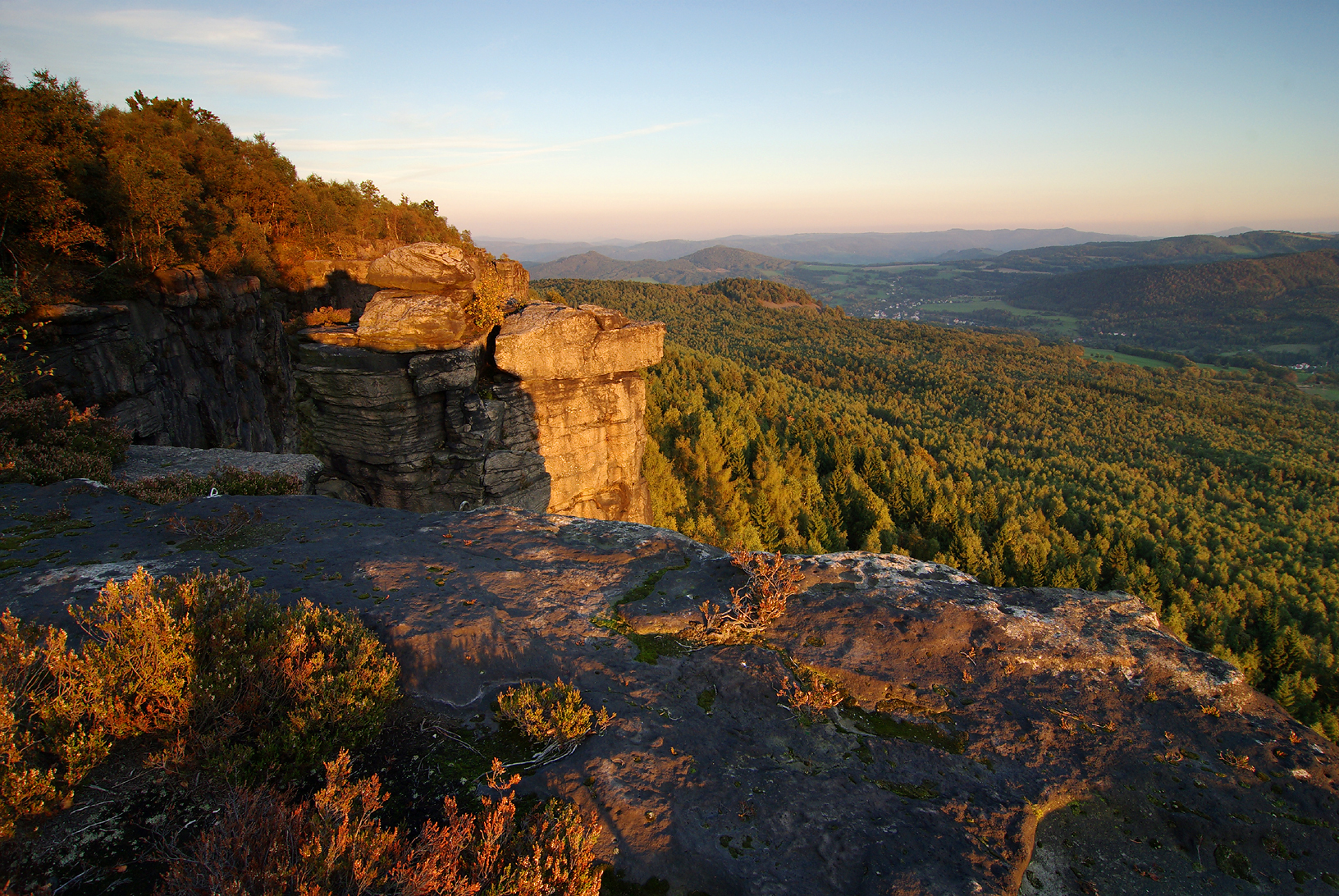
90 records
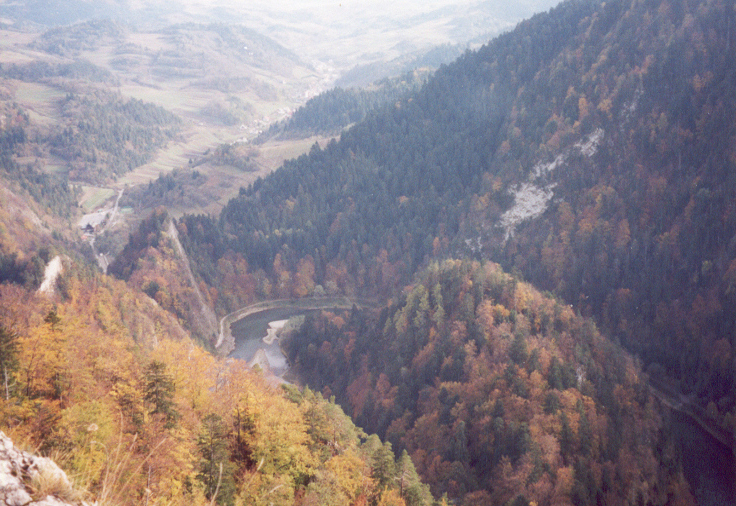
88 records
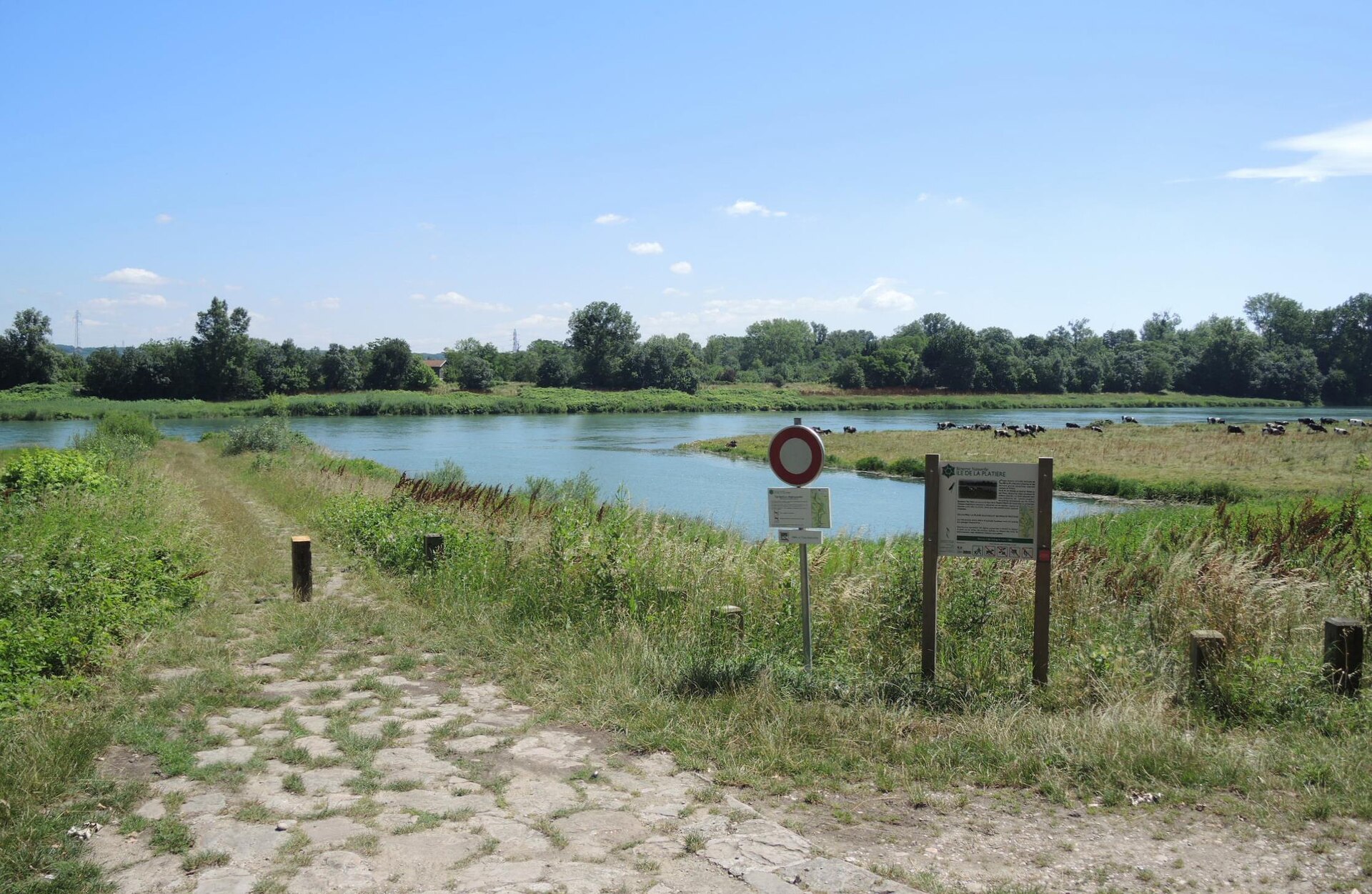
66 records

61 records
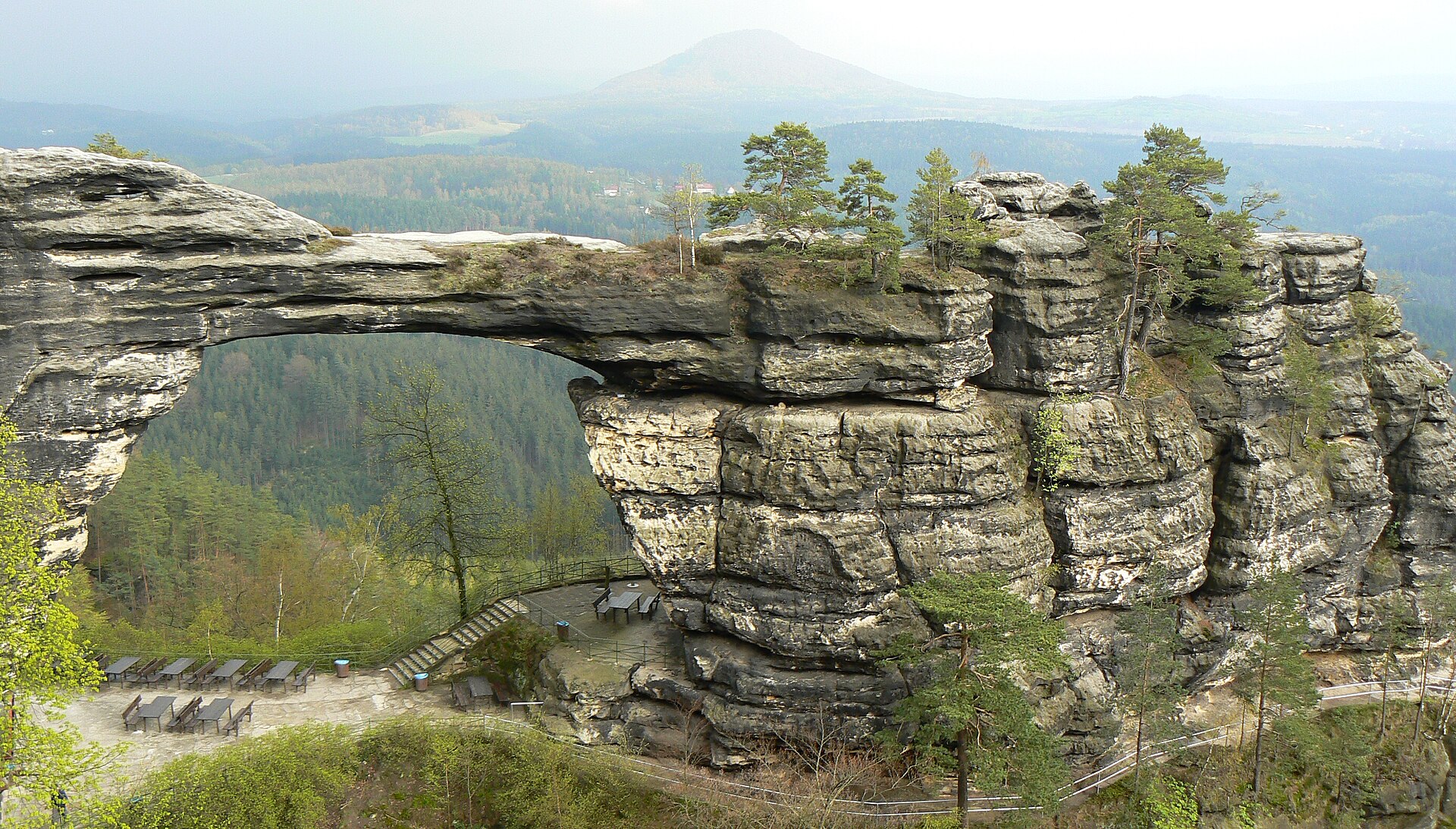
50 records
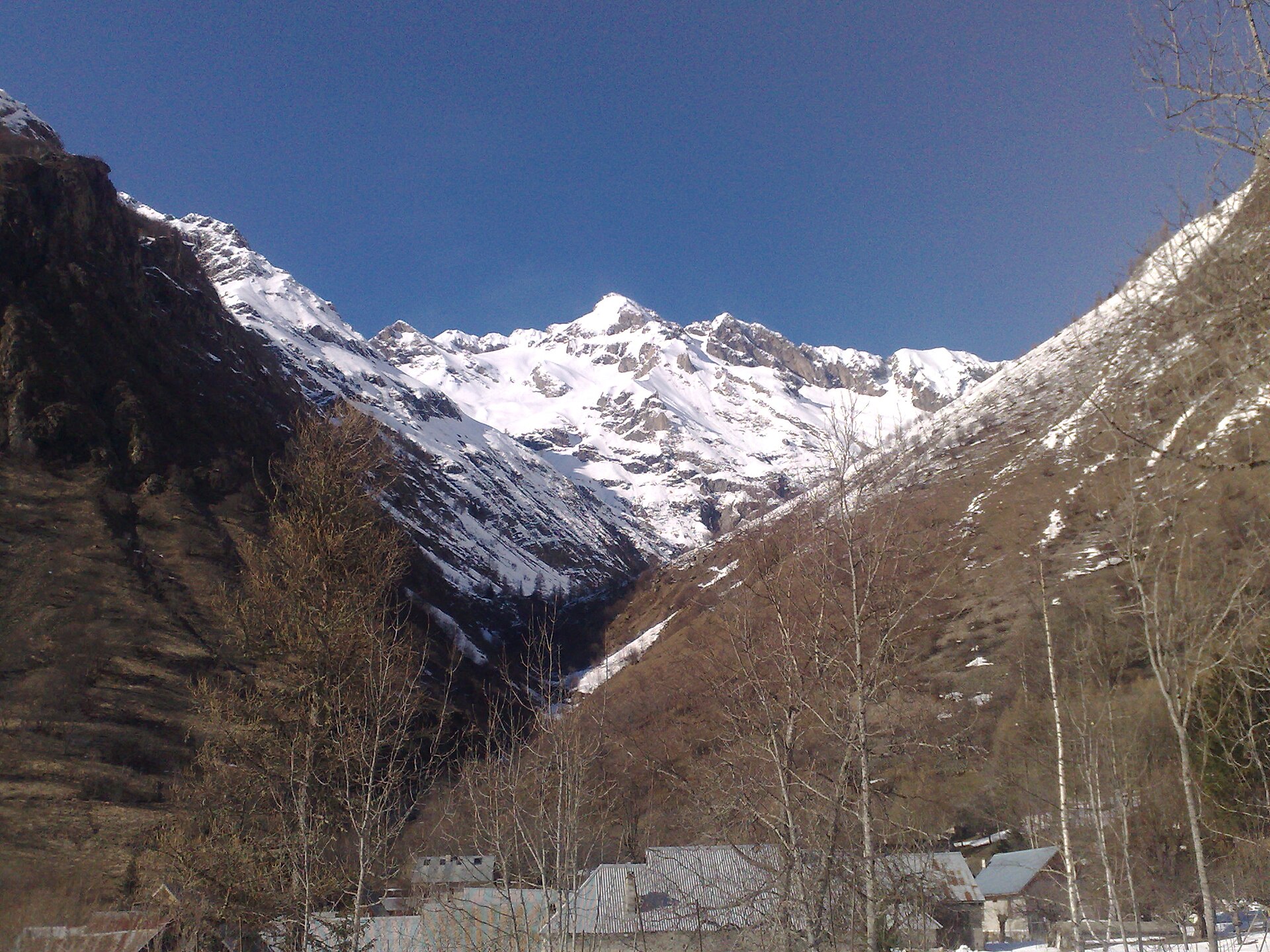
38 records

17 records
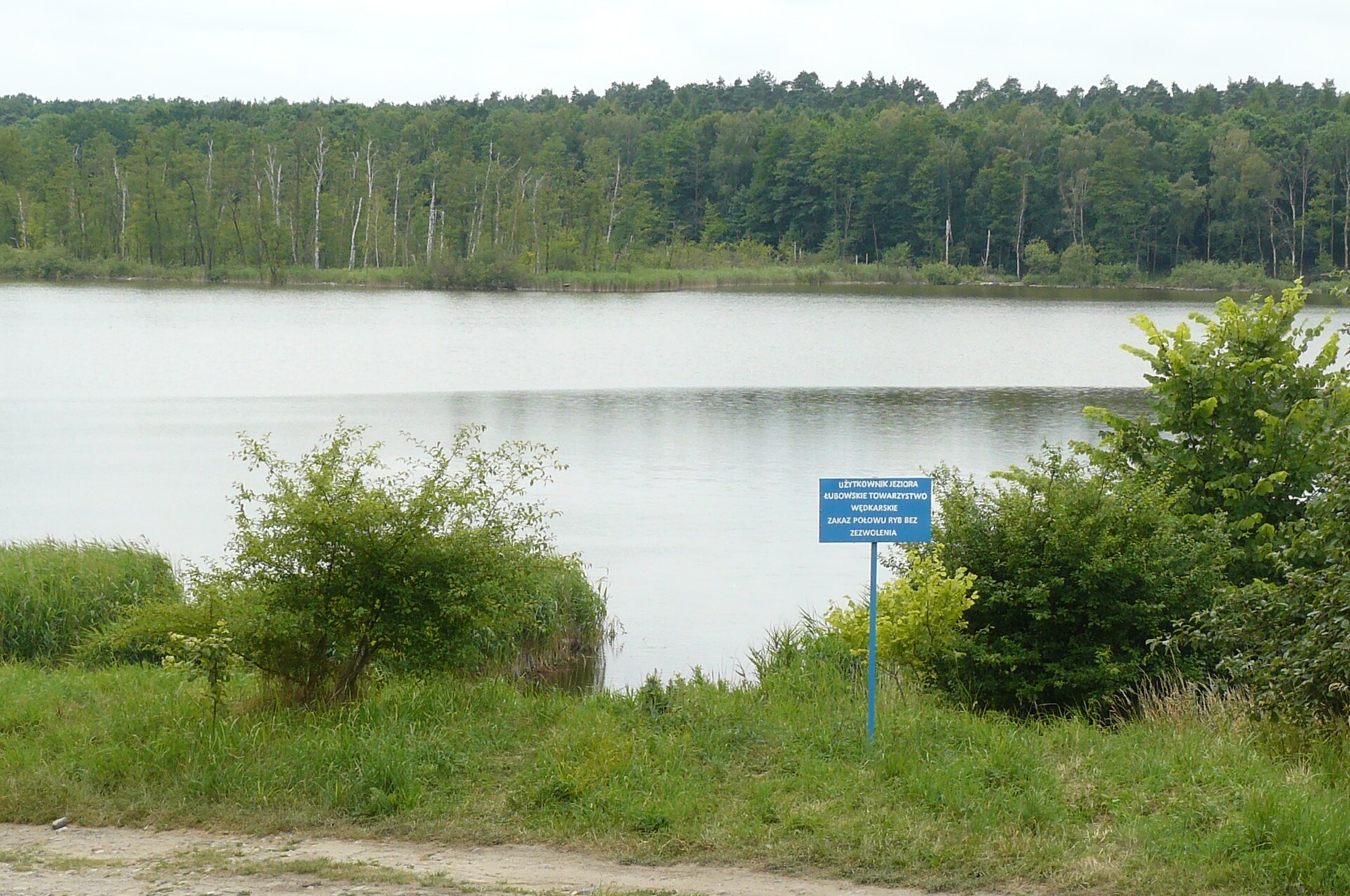
12 records
11 records
6 records
Other species to discover

Sources and credits
- Presence: most-recorded species of each place on GBIF and species of Community interest in the Natura 2000 forms (EEA, CC-BY 4.0); absence from the list does not mean the species is absent.
- Common names: Wikidata (CC0) and GBIF.
- Photos and sounds: Wikimedia Commons, author and licence given for each file.
- Classification: GBIF Backbone Taxonomy (GBIF Secretariat), CC BY 4.0, doi:10.15468/39omei.
- Countries, elevations, months and maps: GBIF.org, CC0 or CC BY 4.0 occurrences only, accessed October 22, 2026, GBIF.org.
- Base map: Natural Earth (public domain).
- Excerpt: Wikipedia, CC BY-SA 4.0 (full credit below the excerpt).
- Native range and life form: World Checklist of Vascular Plants, Royal Botanic Gardens, Kew, CC BY 4.0 (no endorsement by Kew).